WO2022217855A1 - 一种高粘附性抗菌促愈合水凝胶及其制备方法 - Google Patents
一种高粘附性抗菌促愈合水凝胶及其制备方法 Download PDFInfo
- Publication number
- WO2022217855A1 WO2022217855A1 PCT/CN2021/121632 CN2021121632W WO2022217855A1 WO 2022217855 A1 WO2022217855 A1 WO 2022217855A1 CN 2021121632 W CN2021121632 W CN 2021121632W WO 2022217855 A1 WO2022217855 A1 WO 2022217855A1
- Authority
- WO
- WIPO (PCT)
- Prior art keywords
- carbon nitride
- solution
- silver
- collagen
- chitosan
- Prior art date
- Legal status (The legal status is an assumption and is not a legal conclusion. Google has not performed a legal analysis and makes no representation as to the accuracy of the status listed.)
- Ceased
Links
Images
Classifications
-
- C—CHEMISTRY; METALLURGY
- C08—ORGANIC MACROMOLECULAR COMPOUNDS; THEIR PREPARATION OR CHEMICAL WORKING-UP; COMPOSITIONS BASED THEREON
- C08J—WORKING-UP; GENERAL PROCESSES OF COMPOUNDING; AFTER-TREATMENT NOT COVERED BY SUBCLASSES C08B, C08C, C08F, C08G or C08H
- C08J3/00—Processes of treating or compounding macromolecular substances
- C08J3/02—Making solutions, dispersions, lattices or gels by other methods than by solution, emulsion or suspension polymerisation techniques
- C08J3/03—Making solutions, dispersions, lattices or gels by other methods than by solution, emulsion or suspension polymerisation techniques in aqueous media
- C08J3/075—Macromolecular gels
-
- A—HUMAN NECESSITIES
- A61—MEDICAL OR VETERINARY SCIENCE; HYGIENE
- A61L—METHODS OR APPARATUS FOR STERILISING MATERIALS OR OBJECTS IN GENERAL; DISINFECTION, STERILISATION OR DEODORISATION OF AIR; CHEMICAL ASPECTS OF BANDAGES, DRESSINGS, ABSORBENT PADS OR SURGICAL ARTICLES; MATERIALS FOR BANDAGES, DRESSINGS, ABSORBENT PADS OR SURGICAL ARTICLES
- A61L26/00—Chemical aspects of, or use of materials for, wound dressings or bandages in liquid, gel or powder form
- A61L26/0004—Chemical aspects of, or use of materials for, wound dressings or bandages in liquid, gel or powder form containing inorganic materials
-
- A—HUMAN NECESSITIES
- A61—MEDICAL OR VETERINARY SCIENCE; HYGIENE
- A61L—METHODS OR APPARATUS FOR STERILISING MATERIALS OR OBJECTS IN GENERAL; DISINFECTION, STERILISATION OR DEODORISATION OF AIR; CHEMICAL ASPECTS OF BANDAGES, DRESSINGS, ABSORBENT PADS OR SURGICAL ARTICLES; MATERIALS FOR BANDAGES, DRESSINGS, ABSORBENT PADS OR SURGICAL ARTICLES
- A61L26/00—Chemical aspects of, or use of materials for, wound dressings or bandages in liquid, gel or powder form
- A61L26/0009—Chemical aspects of, or use of materials for, wound dressings or bandages in liquid, gel or powder form containing macromolecular materials
- A61L26/0023—Polysaccharides
-
- A—HUMAN NECESSITIES
- A61—MEDICAL OR VETERINARY SCIENCE; HYGIENE
- A61L—METHODS OR APPARATUS FOR STERILISING MATERIALS OR OBJECTS IN GENERAL; DISINFECTION, STERILISATION OR DEODORISATION OF AIR; CHEMICAL ASPECTS OF BANDAGES, DRESSINGS, ABSORBENT PADS OR SURGICAL ARTICLES; MATERIALS FOR BANDAGES, DRESSINGS, ABSORBENT PADS OR SURGICAL ARTICLES
- A61L26/00—Chemical aspects of, or use of materials for, wound dressings or bandages in liquid, gel or powder form
- A61L26/0009—Chemical aspects of, or use of materials for, wound dressings or bandages in liquid, gel or powder form containing macromolecular materials
- A61L26/0028—Polypeptides; Proteins; Degradation products thereof
- A61L26/0033—Collagen
-
- A—HUMAN NECESSITIES
- A61—MEDICAL OR VETERINARY SCIENCE; HYGIENE
- A61L—METHODS OR APPARATUS FOR STERILISING MATERIALS OR OBJECTS IN GENERAL; DISINFECTION, STERILISATION OR DEODORISATION OF AIR; CHEMICAL ASPECTS OF BANDAGES, DRESSINGS, ABSORBENT PADS OR SURGICAL ARTICLES; MATERIALS FOR BANDAGES, DRESSINGS, ABSORBENT PADS OR SURGICAL ARTICLES
- A61L26/00—Chemical aspects of, or use of materials for, wound dressings or bandages in liquid, gel or powder form
- A61L26/0061—Use of materials characterised by their function or physical properties
- A61L26/0066—Medicaments; Biocides
-
- A—HUMAN NECESSITIES
- A61—MEDICAL OR VETERINARY SCIENCE; HYGIENE
- A61L—METHODS OR APPARATUS FOR STERILISING MATERIALS OR OBJECTS IN GENERAL; DISINFECTION, STERILISATION OR DEODORISATION OF AIR; CHEMICAL ASPECTS OF BANDAGES, DRESSINGS, ABSORBENT PADS OR SURGICAL ARTICLES; MATERIALS FOR BANDAGES, DRESSINGS, ABSORBENT PADS OR SURGICAL ARTICLES
- A61L26/00—Chemical aspects of, or use of materials for, wound dressings or bandages in liquid, gel or powder form
- A61L26/0061—Use of materials characterised by their function or physical properties
- A61L26/008—Hydrogels or hydrocolloids
-
- B—PERFORMING OPERATIONS; TRANSPORTING
- B82—NANOTECHNOLOGY
- B82Y—SPECIFIC USES OR APPLICATIONS OF NANOSTRUCTURES; MEASUREMENT OR ANALYSIS OF NANOSTRUCTURES; MANUFACTURE OR TREATMENT OF NANOSTRUCTURES
- B82Y40/00—Manufacture or treatment of nanostructures
-
- C—CHEMISTRY; METALLURGY
- C01—INORGANIC CHEMISTRY
- C01B—NON-METALLIC ELEMENTS; COMPOUNDS THEREOF; METALLOIDS OR COMPOUNDS THEREOF NOT COVERED BY SUBCLASS C01C
- C01B21/00—Nitrogen; Compounds thereof
- C01B21/06—Binary compounds of nitrogen with metals, with silicon, or with boron, or with carbon, i.e. nitrides; Compounds of nitrogen with more than one metal, silicon or boron
- C01B21/0605—Binary compounds of nitrogen with carbon
-
- A—HUMAN NECESSITIES
- A61—MEDICAL OR VETERINARY SCIENCE; HYGIENE
- A61L—METHODS OR APPARATUS FOR STERILISING MATERIALS OR OBJECTS IN GENERAL; DISINFECTION, STERILISATION OR DEODORISATION OF AIR; CHEMICAL ASPECTS OF BANDAGES, DRESSINGS, ABSORBENT PADS OR SURGICAL ARTICLES; MATERIALS FOR BANDAGES, DRESSINGS, ABSORBENT PADS OR SURGICAL ARTICLES
- A61L2300/00—Biologically active materials used in bandages, wound dressings, absorbent pads or medical devices
- A61L2300/10—Biologically active materials used in bandages, wound dressings, absorbent pads or medical devices containing or releasing inorganic materials
- A61L2300/102—Metals or metal compounds, e.g. salts such as bicarbonates, carbonates, oxides, zeolites, silicates
- A61L2300/104—Silver, e.g. silver sulfadiazine
-
- A—HUMAN NECESSITIES
- A61—MEDICAL OR VETERINARY SCIENCE; HYGIENE
- A61L—METHODS OR APPARATUS FOR STERILISING MATERIALS OR OBJECTS IN GENERAL; DISINFECTION, STERILISATION OR DEODORISATION OF AIR; CHEMICAL ASPECTS OF BANDAGES, DRESSINGS, ABSORBENT PADS OR SURGICAL ARTICLES; MATERIALS FOR BANDAGES, DRESSINGS, ABSORBENT PADS OR SURGICAL ARTICLES
- A61L2300/00—Biologically active materials used in bandages, wound dressings, absorbent pads or medical devices
- A61L2300/40—Biologically active materials used in bandages, wound dressings, absorbent pads or medical devices characterised by a specific therapeutic activity or mode of action
- A61L2300/404—Biocides, antimicrobial agents, antiseptic agents
-
- A—HUMAN NECESSITIES
- A61—MEDICAL OR VETERINARY SCIENCE; HYGIENE
- A61L—METHODS OR APPARATUS FOR STERILISING MATERIALS OR OBJECTS IN GENERAL; DISINFECTION, STERILISATION OR DEODORISATION OF AIR; CHEMICAL ASPECTS OF BANDAGES, DRESSINGS, ABSORBENT PADS OR SURGICAL ARTICLES; MATERIALS FOR BANDAGES, DRESSINGS, ABSORBENT PADS OR SURGICAL ARTICLES
- A61L2400/00—Materials characterised by their function or physical properties
- A61L2400/12—Nanosized materials, e.g. nanofibres, nanoparticles, nanowires, nanotubes; Nanostructured surfaces
-
- C—CHEMISTRY; METALLURGY
- C01—INORGANIC CHEMISTRY
- C01P—INDEXING SCHEME RELATING TO STRUCTURAL AND PHYSICAL ASPECTS OF SOLID INORGANIC COMPOUNDS
- C01P2004/00—Particle morphology
- C01P2004/20—Particle morphology extending in two dimensions, e.g. plate-like
- C01P2004/24—Nanoplates, i.e. plate-like particles with a thickness from 1-100 nanometer
-
- C—CHEMISTRY; METALLURGY
- C08—ORGANIC MACROMOLECULAR COMPOUNDS; THEIR PREPARATION OR CHEMICAL WORKING-UP; COMPOSITIONS BASED THEREON
- C08J—WORKING-UP; GENERAL PROCESSES OF COMPOUNDING; AFTER-TREATMENT NOT COVERED BY SUBCLASSES C08B, C08C, C08F, C08G or C08H
- C08J2305/00—Characterised by the use of polysaccharides or of their derivatives not provided for in groups C08J2301/00 or C08J2303/00
- C08J2305/08—Chitin; Chondroitin sulfate; Hyaluronic acid; Derivatives thereof
-
- C—CHEMISTRY; METALLURGY
- C08—ORGANIC MACROMOLECULAR COMPOUNDS; THEIR PREPARATION OR CHEMICAL WORKING-UP; COMPOSITIONS BASED THEREON
- C08J—WORKING-UP; GENERAL PROCESSES OF COMPOUNDING; AFTER-TREATMENT NOT COVERED BY SUBCLASSES C08B, C08C, C08F, C08G or C08H
- C08J2479/00—Characterised by the use of macromolecular compounds obtained by reactions forming in the main chain of the macromolecule a linkage containing nitrogen with or without oxygen, or carbon only, not provided for in groups C08J2461/00 - C08J2477/00
- C08J2479/04—Polycondensates having nitrogen-containing heterocyclic rings in the main chain; Polyhydrazides; Polyamide acids or similar polyimide precursors
-
- C—CHEMISTRY; METALLURGY
- C08—ORGANIC MACROMOLECULAR COMPOUNDS; THEIR PREPARATION OR CHEMICAL WORKING-UP; COMPOSITIONS BASED THEREON
- C08J—WORKING-UP; GENERAL PROCESSES OF COMPOUNDING; AFTER-TREATMENT NOT COVERED BY SUBCLASSES C08B, C08C, C08F, C08G or C08H
- C08J2489/00—Characterised by the use of proteins; Derivatives thereof
-
- C—CHEMISTRY; METALLURGY
- C08—ORGANIC MACROMOLECULAR COMPOUNDS; THEIR PREPARATION OR CHEMICAL WORKING-UP; COMPOSITIONS BASED THEREON
- C08K—Use of inorganic or non-macromolecular organic substances as compounding ingredients
- C08K3/00—Use of inorganic substances as compounding ingredients
- C08K3/02—Elements
- C08K3/08—Metals
- C08K2003/0806—Silver
-
- C—CHEMISTRY; METALLURGY
- C08—ORGANIC MACROMOLECULAR COMPOUNDS; THEIR PREPARATION OR CHEMICAL WORKING-UP; COMPOSITIONS BASED THEREON
- C08K—Use of inorganic or non-macromolecular organic substances as compounding ingredients
- C08K2201/00—Specific properties of additives
- C08K2201/011—Nanostructured additives
-
- C—CHEMISTRY; METALLURGY
- C08—ORGANIC MACROMOLECULAR COMPOUNDS; THEIR PREPARATION OR CHEMICAL WORKING-UP; COMPOSITIONS BASED THEREON
- C08K—Use of inorganic or non-macromolecular organic substances as compounding ingredients
- C08K3/00—Use of inorganic substances as compounding ingredients
- C08K3/28—Nitrogen-containing compounds
-
- Y—GENERAL TAGGING OF NEW TECHNOLOGICAL DEVELOPMENTS; GENERAL TAGGING OF CROSS-SECTIONAL TECHNOLOGIES SPANNING OVER SEVERAL SECTIONS OF THE IPC; TECHNICAL SUBJECTS COVERED BY FORMER USPC CROSS-REFERENCE ART COLLECTIONS [XRACs] AND DIGESTS
- Y02—TECHNOLOGIES OR APPLICATIONS FOR MITIGATION OR ADAPTATION AGAINST CLIMATE CHANGE
- Y02A—TECHNOLOGIES FOR ADAPTATION TO CLIMATE CHANGE
- Y02A50/00—TECHNOLOGIES FOR ADAPTATION TO CLIMATE CHANGE in human health protection, e.g. against extreme weather
- Y02A50/30—Against vector-borne diseases, e.g. mosquito-borne, fly-borne, tick-borne or waterborne diseases whose impact is exacerbated by climate change
Definitions
- the invention belongs to the technical field of biomedical materials, in particular to a high-adhesion antibacterial and healing-promoting hydrogel and a preparation method thereof.
- the present invention combines silver/carbon nitride nanosheets into hydrogels for the first time, and the obtained hydrogels have excellent photocatalytic antibacterial effects in response to visible light. Besides excellent antibacterial effects, the hydrogels of the present invention have excellent antibacterial effects. Tissue adhesion and biocompatibility, while reducing bacterial infection, it can absorb excess tissue fluid, provide a moist repair environment for the wound, and promote the proliferation of fibroblasts, thereby promoting wound healing.
- the first object of the present invention is to provide a method for preparing a high-adhesion antibacterial and healing-promoting hydrogel, which comprises adding a dopamine solution to a collagen-chitosan-silver/carbon nitride nanosheet solution, and mixing Add oxidant after homogenization to obtain a mixed solution; gel the mixed solution to obtain a hydrogel;
- the preparation process of the collagen-chitosan-silver/carbon nitride nanosheet solution is as follows: dispersing collagen and silver/carbon nitride nanosheets in an acetic acid solution to obtain a collagen-silver/carbon nitride nanosheet solution; Chitosan is dissolved in acetic acid solution to obtain chitosan solution; then the obtained collagen-silver/carbon nitride nanosheet solution is mixed with chitosan solution to obtain collagen-chitosan-silver/carbon nitride nanosheets tablet solution.
- the mass concentration of silver/carbon nitride nanosheets in the hydrogel is 0.25-1 mg/mL.
- the concentration of silver/carbon nitride nanosheets in the collagen-silver/carbon nitride nanosheet solution is 0.8 mg/mL to 3.3 mg/mL. Specifically, 1.65 mg/mL is preferable.
- the mass ratio of collagen to chitosan in the collagen-chitosan-silver/carbon nitride nanosheet solution is 1:(2-5); specifically, 1:3 is preferred.
- the mass concentration of collagen in the collagen-silver/carbon nitride nanosheet solution is 8-15 mg/mL; specifically, 10 mg/mL is preferred;
- the acetic acid solution refers to a mass concentration of 1-3 wt % acetic acid aqueous solution.
- the mass concentration of chitosan in the chitosan solution is 25-40 mg/mL; specifically, 30 mg/mL may be preferred.
- the concentration of the dopamine solution is 20-30 mg/mL; specifically, 24 mg/mL may be preferred.
- the mass ratio of dopamine to silver/carbon nitride nanosheets is (0.8-3.3):(1-15); preferably (0.8-3.3):12; more preferably 1.65:12.
- the oxidant can be selected from any one or more of the following: ammonium persulfate, sodium persulfate, potassium persulfate, sodium periodate, potassium periodate.
- the oxidizing agent is added by pre-formulating a solution of 20-30 mg/mL. Specifically, 27 mg/mL ammonium persulfate solution can be selected.
- the method further includes: adjusting the pH of the mixed solution to neutrality with an alkaline reagent; the alkaline reagent is a 1M concentration of sodium hydroxide or potassium hydroxide solution.
- the method includes the following steps:
- step (3) Under stirring conditions, add the collagen-silver/carbon nitride solution in step (2) to the chitosan solution in step (2), and stir well to obtain collagen-chitosan-silver/nitrogen Carbonized nanosheet solution;
- step (3) (4) adding a dopamine solution to the collagen-chitosan-silver/carbon nitride nanosheet solution in step (3), after thorough mixing, adding an oxidizing agent, and adjusting the pH of the gel with a sodium hydroxide solution to prepare a visible light responsive Photocatalytic antibacterial adhesion-promoting healing hydrogels.
- the silver/carbon nitride nanosheets used in step (1) are prepared by the following method:
- the soluble silver salt may be selected from silver nitrate.
- the specific preparation process of the silver/carbon nitride nanosheets is as follows:
- the carbon nitride nanosheets are made of melamine.
- the specific preparation process is as follows: placing melamine in a crucible, placing it in a muffle furnace, calcining it at 520 °C for 2 hours, and grinding to obtain a yellow powder, which is bulk graphite phase nitrogen Carbonization powder; Weigh the bulk graphite phase carbon nitride powder and dissolve it in concentrated sulfuric acid. After stirring for 2 hours, slowly add 50 mL of deionized water to the concentrated sulfuric acid, let stand for 1-2 hours, and centrifuge and wash until the supernatant is in the middle.
- the precipitate was collected after sterilization; the precipitate was dispersed in deionized water to prepare a dispersion liquid of 0.2 mg/mL, and ultrasonically crushed in batches for 30 min.
- the ultrasonically treated dispersion was rotary evaporated to collect white powder, which was placed in a vacuum drying oven to dry for 48 hours to obtain carbon nitride nanosheets.
- the carbon nitride nanosheets are dispersed in water, silver nitrate is added, the sodium borohydride solution is slowly added dropwise after thorough mixing, and after sufficient reaction, centrifugation, washing and drying are performed to obtain silver/carbon nitride nanosheets.
- the present invention utilizes the above method to provide a highly adhesive antibacterial and healing-promoting hydrogel.
- the present invention also provides the application of the above-mentioned high-adhesion antibacterial and healing-promoting hydrogel in the preparation of medical dressings.
- the method of the invention is simple, and the conditions are mild and controllable; the obtained hydrogel has a three-dimensional network structure, which can absorb tissue exudate and provide a moist wound repair environment at the same time.
- the hydrogel of the present invention exhibits excellent visible light-responsive photocatalytic antibacterial effect against both Gram-positive and Gram-negative bacteria (the antibacterial rate can reach 100%), and has excellent tissue adhesion, as well as good Biocompatible, promotes fibroblast proliferation and helps promote wound healing.
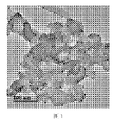
- Figure 1 is a transmission electron microscope photograph of the prepared silver/carbon nitride nanosheets
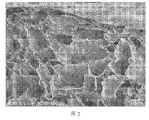
- Example 2 is a scanning electron microscope photo of the hydrogel prepared in Example 2;
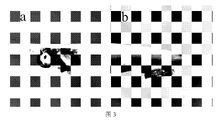
- Example 3 is a photo of the hydrogel adhesion tissue prepared in Example 2;
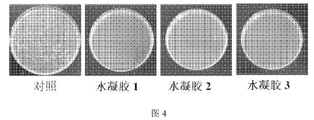
- Fig. 4 is the result diagram of the plate colony obtained from the antibacterial experiment of Escherichia coli under the catalysis of visible light by the hydrogel prepared in Example 1-3;
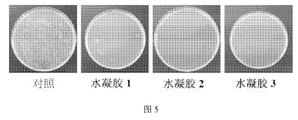
- Fig. 5 is a graph showing the results of plate colonies obtained from the antibacterial experiments on Staphylococcus epidermidis under the catalysis of visible light by the hydrogels prepared in Examples 1-3.
- the reagents, methods and equipment used in the present invention are conventional reagents, methods and equipment in the technical field.
- the silver/carbon nitride nanosheets involved in the following process are prepared by the following methods:
- the ultrasonically treated dispersion was rotary-evaporated to collect white powder, which was placed in a vacuum drying oven to dry for 48 hours to obtain graphitic carbon nitride nanosheets.
- After mild ultrasonic treatment for 30 minutes 60 mg of graphitic carbon nitride nanosheets were dispersed in 30 mL of deionized water, and 17 mg of silver nitrate was added to the above suspension. After thorough mixing, 1 mM sodium borohydride solution was added. After sufficient reaction, centrifugation, Wash and dry to obtain silver/carbon nitride nanosheets.
- the obtained collagen-silver/carbon nitride nanosheet solution was added to the chitosan solution, and fully stirred to obtain a collagen-chitosan-silver/carbon nitride nanosheet solution; then 0.5 mL of 24 mg was added.
- dopamine solution after mixing, add 0.5mL 27mg/mL ammonium persulfate solution to form a mixed system, and then adjust the pH of the mixed system to neutrality with 1M NaOH solution to obtain a mixed solution.
- the mixture was kept at room temperature for gelation to obtain a visible light-responsive photocatalytic antibacterial adhesion-promoting healing hydrogel.
- the obtained collagen-silver/carbon nitride nanosheet solution was added to the chitosan solution, and fully stirred to obtain a collagen-chitosan-silver/carbon nitride nanosheet solution; then 0.5 mL of 24 mg was added.
- dopamine solution after mixing, add 0.5mL 27mg/mL ammonium persulfate solution to form a mixed system, and then adjust the pH of the mixed system to neutrality with 1M NaOH solution to obtain a mixed solution.
- the solution was kept at room temperature for gelation to obtain visible-light-responsive photocatalytic antibacterial adhesion-promoting hydrogels.
- the silver/carbon nitride nanosheets were dispersed in a 1wt% acetic acid solution, and ultrasonically treated to obtain a uniform silver/carbon nitride nanosheet acetic acid dispersion.
- 30 mg of chitosan was dissolved in 1 mL of acetic acid to obtain a chitosan solution.
- the obtained collagen-silver/carbon nitride nanosheet solution was added to the chitosan solution, and fully stirred to obtain a collagen-chitosan-silver/carbon nitride nanosheet solution; then 0.5 mL of 24 mg/ mL of dopamine solution, after mixing, 0.5 mL of 27 mg/mL ammonium persulfate solution was added to form a mixed system, and then the pH of the hydrogel solution was adjusted to neutrality with 1 M NaOH solution to obtain a mixed solution. The solution was kept at room temperature for gelation to obtain visible-light-responsive photocatalytic antibacterial adhesion-promoting hydrogels.
- the visible light-responsive photocatalytic antibacterial and healing-promoting hydrogels prepared in Examples 1-3 were named as hydrogel1, hydrogel 2, and hydrogel 3, respectively, and the antibacterial properties were studied, and the bacteria without hydrogel treatment were used as a blank control.
- the visible light-responsive photocatalytic antibacterial and healing-promoting hydrogels prepared in Examples 1-3 were named as hydrogel 1, hydrogel 2, and hydrogel 3, respectively, and the swelling performance was tested.
- the visible light-responsive photocatalytic antibacterial adhesion-promoting healing hydrogel swelling performance test is shown in Table 2.
- the visible light-responsive photocatalytic antibacterial and healing-promoting hydrogels prepared in Examples 1-3 were named as hydrogel 1, hydrogel 2, and hydrogel 3, respectively, and were tested for cytotoxicity.
- In vitro cytotoxicity of hydrogels was determined by MTT method using NIH-3T3 cells.
- sterilized hydrogels were immersed in DMEM medium for 24 h to generate conditioned medium.
- 5 x 10 3 NIH-3T3 cells were cultured with conditioned medium at 37 °C in a humidified incubator with 5% CO and 95% air for one day.
- thiazolyl blue solution MTT, 0.5 mg/mL, 100 ⁇ L
- MTT solution was replaced with 100 ⁇ L of dimethyl sulfoxide (DMSO), and after the formazan was completely dissolved, the optical density (OD) at 570 nm was measured.
- DMSO dimethyl sulfoxide
- control refers to cells cultured with unconditioned medium.
- the gels of Examples 1-3 had no obvious toxicity to NIH-3T3 cells, but promoted the growth of NIH-3T3 cells to a certain extent, confirming that the prepared visible light-responsive photocatalytic antibacterial adhesion and healing hydrogels had Good biocompatibility.
- the visible light-responsive photocatalytic antibacterial and healing-promoting hydrogels prepared in Examples 1-3 were named as hydrogel 1, hydrogel 2, and hydrogel 3, respectively, and were tested for tissue adhesion strength.
- Pig skin was used to test the adhesion ability of the hydrogel to the host tissue.
- the pig skin tissue was cut into rectangles of 10 mm ⁇ 40 mm and soaked in PBS for use. 50 ⁇ L of the hydrogel precursor solution was added to the surface of one pig skin and covered with another pig skin. The bonding area is 10mm ⁇ 10mm. Subsequently, the pigskin was placed at room temperature for 4 h, and the lap shear test was performed with an electronic universal testing machine equipped with a 50N sensor.
- the visible light-responsive photocatalytic antibacterial adhesion-promoting healing hydrogel tissue adhesion strength test is shown in Table 4.
Landscapes
- Chemical & Material Sciences (AREA)
- Health & Medical Sciences (AREA)
- Engineering & Computer Science (AREA)
- Animal Behavior & Ethology (AREA)
- Epidemiology (AREA)
- Life Sciences & Earth Sciences (AREA)
- General Health & Medical Sciences (AREA)
- Public Health (AREA)
- Veterinary Medicine (AREA)
- Materials Engineering (AREA)
- Organic Chemistry (AREA)
- Dispersion Chemistry (AREA)
- Nanotechnology (AREA)
- Inorganic Chemistry (AREA)
- Medicinal Chemistry (AREA)
- Polymers & Plastics (AREA)
- Physics & Mathematics (AREA)
- Condensed Matter Physics & Semiconductors (AREA)
- General Physics & Mathematics (AREA)
- Manufacturing & Machinery (AREA)
- Crystallography & Structural Chemistry (AREA)
- Chemical Kinetics & Catalysis (AREA)
- Materials For Medical Uses (AREA)
- Pharmaceuticals Containing Other Organic And Inorganic Compounds (AREA)
Abstract
本发明公开了一种高粘附性抗菌促愈合水凝胶及其制备方法,属于生物医用材料技术领域。本发明以三聚氰胺为原料制备体相石墨相氮化碳,采用酸蚀和超声处理将体相石墨相氮化碳剥离成超薄的氮化碳纳米片,然后将银原位沉积在氮化碳纳米片上,获得银/氮化碳纳米片;将胶原和壳聚糖分别溶解在银/氮化碳纳米片醋酸分散液和醋酸中,并将胶原溶液和壳聚糖溶液混合,再加入多巴胺和氧化剂,然后用将水凝胶溶液的pH调节至中性,获得抗菌粘附自愈水凝胶。本发明所得水凝胶不仅具有优异的可见光响应的光催化抗菌效果,而且具有良好的组织粘附性、生物相容性以及溶胀性能,可吸收多余组织液,为伤口修复提供湿润环境,从而达到促进伤口愈合的效果。
Description
本发明属于生物医用材料技术领域,具体涉及一种高粘附性抗菌促愈合水凝胶及其制备方法。
伤口愈合过程中的细菌感染通常会导致严重的伤口发炎甚至死亡,对人类健康产生巨大威胁。因此,必须制定有效且快速的伤口愈合策略来治疗细菌感染并加速伤口愈合过程。目前,已开发出许多具有良好生物相容性的天然聚合物作为促进伤口愈合的生物医学材料,例如胶原蛋白,透明质酸,壳聚糖,藻酸盐等。在上述天然聚合物中,由于具有良好生物相容性,低抗原性,胶原基水凝胶得到了广泛的研究,而其中大多数都缺乏多功能性。为了解决上述问题,迫切需要开发具有多功能的高效水凝胶用于感染伤口修复。具有粘附性的水凝胶可以牢固地粘附在皮肤上,也是水凝胶用作伤口敷料的理想特性之一。
发明内容
本发明首次将银/氮化碳纳米片结合应用到水凝胶中,所得水凝胶具有优异的可见光响应的光催化抗菌效果,除了具有优异的抗菌效果,本发明的水凝胶具有优异的组织粘附性、生物相容性,在减轻细菌感染同时可吸收多余组织液,给伤口提供湿润的修复环境,促进成纤维细胞增殖,从而促进伤口愈合。
本发明的第一个目的是提供一种制备高粘附性抗菌促愈合水凝胶的方法,所述方法是在胶原-壳聚糖-银/氮化碳纳米片溶液中加入多巴胺溶液,混匀后加入氧化剂,获得混合液;将混合液进行胶凝,即得水凝胶;
所述胶原-壳聚糖-银/氮化碳纳米片溶液的制备过程如下:将胶原、银/氮化碳纳米片分散在醋酸溶液中,获得胶原-银/氮化碳纳米片溶液;将壳聚糖溶于醋酸溶液中,获得壳聚糖溶液;然后将所得的胶原-银/氮化碳纳米片溶液与壳聚糖溶液混合,即得胶原-壳聚糖-银/氮化碳纳米片溶液。
在本发明的一种实施方式中,银/氮化碳纳米片在水凝胶中的质量浓度为0.25-1mg/mL。
在本发明的一种实施方式中,胶原-银/氮化碳纳米片溶液中银/氮化碳纳米片的浓度为0.8mg/mL-3.3mg/mL。具体可优选1.65mg/mL。
在本发明的一种实施方式中,胶原-壳聚糖-银/氮化碳纳米片溶液中胶原与壳聚糖的质量比为1:(2-5);具体可优选1:3。
在本发明的一种实施方式中,胶原-银/氮化碳纳米片溶液中胶原的质量浓度为8-15mg/mL;具体可优选10mg/mL;醋酸溶液是指质量浓度为1-3wt%的醋酸水溶液。
在本发明的一种实施方式中,壳聚糖溶液中壳聚糖质量浓度为25-40mg/mL;具体可优选30mg/mL。
在本发明的一种实施方式中,多巴胺溶液的浓度为20-30mg/mL;具体可优选24mg/mL。
在本发明的一种实施方式中,多巴胺相对银/氮化碳纳米片的质量比为(0.8-3.3):(1-15);优选(0.8-3.3):12;进一步优选1.65:12。
在本发明的一种实施方式中,所述氧化剂可选如下任意一中或多种:过硫酸铵、过硫酸钠、过硫酸钾、高碘酸钠、高碘酸钾。
在本发明的一种实施方式中,所述氧化剂通过预先配制成20-30mg/mL的溶液进行添加。具体可选27mg/mL的过硫酸铵溶液。
在本发明的一种实施方式中,所述方法还包括:用碱试剂将混合液的pH调节至中性;所述碱试剂为1M的氢氧化钠或者氢氧化钾溶液浓度。
在本发明的一种实施方式中,所述方法包括如下步骤:
(1)将银/氮化碳纳米片分散在醋酸溶液中,超声处理,得银/氮化碳纳米片醋酸分散液;
(2)将胶原充分溶于银/氮化碳纳米片醋酸分散液中获得胶原-银/氮化碳纳米片溶液;将壳聚糖溶于醋酸溶液中,得壳聚糖溶液;
(3)在搅拌条件下,把步骤(2)中的胶原-银/氮化碳溶液加到步骤(2)中的壳聚糖溶液中,充分搅拌,得胶原-壳聚糖-银/氮化碳纳米片溶液;
(4)向步骤(3)中胶原-壳聚糖-银/氮化碳纳米片溶液中加入多巴胺溶液,充分混合后,加入氧化剂,用氢氧化钠溶液调节凝胶pH,制得可见光响应的光催化抗菌粘附促愈合水凝胶。
在本发明的一种实施方式中,步骤(1)中所用的银/氮化碳纳米片通过如下方法制得:
1)制备氮化碳纳米片:以三聚氰胺为原料,在500-700℃下焙烧,获得体相石墨相氮化碳;将所得体相石墨相氮化碳溶于浓硫酸中,然后加入水,静置、固液分离,收集沉淀,洗涤至中性;再分散在水中配制成分散液,超声,蒸除溶剂,收集得到白色粉末,干燥,即得氮化碳纳米片;
2)将所得氮化碳纳米片分散在水中,并加入可溶性银盐,混匀,然后后缓慢滴加硼氢化钠溶液,充分反应后,离心、洗涤、干燥,获得银/氮化碳纳米片。
在本发明的一种实施方式中,可溶性银盐可选硝酸银。
在本发明的一种实施方式中,所述银/氮化碳纳米片的具体制备过程如下:
氮化碳纳米片是以三聚氰胺为原料,具体制备过程为:将三聚氰胺放置于坩埚中,将其放置于马弗炉中在520℃下焙烧2h,研磨得到黄色粉末,即为体相石墨相氮化碳粉末;称取体相石墨相氮化碳粉末溶于浓硫酸中,搅拌2h后,缓慢地向浓硫酸中加入50mL去离子水,静置1-2h,离心洗涤至上清呈中性后取沉淀;将沉淀分散在去离子水中,制成0.2mg/mL的分散液,分批超声破碎30min。将超声处理后的分散液旋蒸,收集得白色粉末,放置于真空干燥箱中干燥48h,获得氮化碳纳米片。将氮化碳纳米片分散在水中,并加入硝酸银,充分混合后缓慢滴加硼氢化钠溶液,充分反应后,离心、洗涤、干燥,获得银/氮化碳纳米片。
本发明利用上述方法提供一种高粘附性抗菌促愈合水凝胶。
本发明还提供将上述高粘附性抗菌促愈合水凝胶应用于制备医用敷料中。
本发明的有益效果在于:
本发明的方法简单,条件温和可控;所得水凝胶拥有三维网络结构,能够吸除组织渗出液,同时提供湿润的伤口修复环境。
本发明的水凝胶对革兰氏阳性和革兰氏阴性菌均表现出优异的可见光响应的光催化抗菌效果(抗菌率可达100%),且具有优异的组织粘附性,以及良好的生物相容性,可促进成纤维细胞增殖,有助于促进伤口愈合。
图1为制备的银/氮化碳纳米片透射电子显微镜照片;
图2为实施例2制备的水凝胶扫描电子显微镜照片;
图3为实施例2制备的水凝胶粘附组织照片;
图4为实施例1-3制备的水凝胶在可见光催化下对大肠杆菌进行抗菌实验所得平板菌落结果图;
图5为实施例1-3制备的水凝胶在可见光催化下对表皮葡萄球菌进行抗菌实验所得平板菌落结果图。
以下结合具体实施例和附图来进一步说明本发明,但实施例并不对本发明做任何形式的限定。除非特殊说明,本发明采用的试剂、方法和设备为本技术领域常规试剂、方法和设备。
下述过程涉及的银/氮化碳纳米片通过如下方法制得:
称取10g三聚氰胺放置于坩埚中,将其放置于马弗炉中在520℃下焙烧2h,研磨得到黄色粉末,即为体相石墨相氮化碳粉末;称取200mg体相石墨相氮化碳粉末溶于8mL浓硫酸中,搅拌2h后,缓慢地向浓硫酸中加入50mL去离子水,静置1-2h,离心洗涤至上清呈中性后取沉淀;将沉淀分散在去离子水中,制成0.2mg/mL的分散液,分批超声破碎30min。将超声处理后的分散液旋蒸,收集得白色粉末,放置于真空干燥箱中干燥48h,获得石墨相氮化碳纳米片。通过温和超声处理30分钟,将60mg石墨相氮化碳纳米片分散在30mL去离子水,将17mg硝酸银加入上述悬浮液中,充分混合后,加入1mM硼氢化钠溶液,充分反应后,离心、洗涤、干燥,获得银/氮化碳纳米片。
实施例1:
将银/氮化碳纳米片分散在1wt%醋酸溶液中,超声处理,得均匀的银/氮化碳纳米片醋酸分散液;将10mg胶原溶解在1mL银/氮化碳纳米片醋酸分散液中,获得胶原-银/氮化碳纳米片溶液,其中,银/氮化碳纳米片的浓度为0.825mg/mL,银/氮化碳纳米片与胶原的质量比为0.825:10。将30mg壳聚糖溶解在1mL乙酸中,得壳聚糖溶液。
在搅拌条件下,将所得的胶原-银/氮化碳纳米片溶液加到壳聚糖溶液中,充分搅拌,得胶原-壳聚糖-银/氮化碳纳米片溶液;再加入0.5mL 24mg/mL多巴胺溶液,混匀后加入0.5mL 27mg/mL过硫酸铵溶液,形成混合体系,然后用1M NaOH溶液将混合体系的pH调节至中性,获得混合液。将混合液保持在室温下进行胶凝,即得可见光响应的光催化抗菌粘附促愈合水凝胶。
实施例2:
将银/氮化碳纳米片分散在1wt%醋酸溶液中,超声处理,得均匀的银/氮化碳纳米片醋酸分散液;将10mg胶原溶解在1mL银/氮化碳纳米片醋酸分散液中,获得胶原-银/氮化碳纳米片溶液,其中,银/氮化碳纳米片的浓度为1.65mg/mL,银/氮化碳纳米片与胶原的质量比为1.65:10。将30mg壳聚糖溶解在1mL乙酸中,得壳聚糖溶液。
在搅拌条件下,将获得的胶原-银/氮化碳纳米片溶液加到壳聚糖溶液中,充分搅拌,得胶原-壳聚糖-银/氮化碳纳米片溶液;再加入0.5mL 24mg/mL多巴胺溶液,混匀后加入0.5mL 27mg/mL过硫酸铵溶液,形成混合体系,然后用1M NaOH溶液将混合体系的pH调节至中性,获得混合液。将溶液保持在室温下进行胶凝,获得可见光响应的光催化抗菌粘附促愈合水凝胶。
实施例3:
将银/氮化碳纳米片分散在1wt%醋酸溶液中,超声处理,得均匀的银/氮化碳纳米片醋酸分散液。将10mg胶原溶解在1mL银/氮化碳纳米片醋酸分散液中,,获得胶原-银/氮化碳纳 米片溶液,其中,银/氮化碳纳米片的浓度为3.3mg/mL,银/氮化碳纳米片与胶原的质量比为3.3:10。将30mg壳聚糖溶解在1mL乙酸中,获得壳聚糖溶液。
在搅拌条件下,将所得胶原-银/氮化碳纳米片溶液加到壳聚糖溶液中,充分搅拌,得胶原-壳聚糖-银/氮化碳纳米片溶液;再加入0.5mL 24mg/mL多巴胺溶液,混匀后加入0.5mL 27mg/mL过硫酸铵溶液,形成混合体系,然后用1M NaOH溶液将水凝胶溶液的pH调节至中性,获得混合液。将溶液保持在室温下进行胶凝,获得可见光响应的光催化抗菌粘附促愈合水凝胶。
性能测定:
(一)可见光响应的光催化抗菌性能:
将实施例1-3中制备得到的可见光响应的光催化抗菌促愈合水凝胶分别命名为hydrogel1、hydrogel 2、hydrogel 3,并进行抗菌性能研究,以未用水凝胶处理的细菌作为空白对照。
1、实验方法:
分别培养大肠杆菌、表皮葡萄球菌至对数期,用无菌生理盐水溶液洗涤细菌,然后将水凝胶加到2mL调好浓度的细菌悬液中,可见光照射10min后取一定量的菌液稀释后涂布于LB固体培养基上,放入37℃生化培养箱中培养16h,用计数法统计不同光照时间后菌液中的菌群数。
2、实验结果:
可见光响应的光催化抗菌促愈合水凝胶在可见光催化下对大肠杆菌和表皮葡萄球菌进行抗菌实验结果见图4、图5及表1。结果表明,可见光照射后,相对于空白对照组,实施例1-3的凝胶对大肠杆菌和表皮葡萄球菌均具有100%的杀伤作用。
表1实施例1-3所得水凝胶的抗菌实验结果
| 水凝胶 | 抗菌率(大肠杆菌) | 抗菌率(表皮葡萄球菌) |
| 对照 | 0% | 0% |
| 实施例1 | 100% | 100% |
| 实施例2 | 100% | 100% |
| 实施例3 | 100% | 100% |
(二)溶胀性能测试:
将实施例1-3制备得到的可见光响应的光催化抗菌促愈合水凝胶分别命名为hydrogel 1、hydrogel 2、hydrogel 3,并进行溶胀性能测试。
1、实验方法:
称取10mg左右的干燥凝胶样品,记录凝胶质量(W
0)将其浸泡在PBS缓冲液(pH 7.4)中,12h后取出,用吸水纸吸干凝胶表面的水分后称重,得凝胶的湿重W
t,溶胀率(SR)按下式计算:SR(%)=(W
t-W
0)×100/W
0。
2、实验结果:
可见光响应的光催化抗菌粘附促愈合水凝胶溶胀性能测试见表2。
表2实施例1-3所得水凝胶的凝胶溶胀性能结果
| 水凝胶 | 溶胀率 |
| 实施例1 | 791.45% |
| 实施例2 | 782.46% |
| 实施例3 | 697.90% |
结果表明,所有凝胶都可以急剧溶胀,作为伤口敷料,可快速吸收组织渗出液,避免伤口进一步感染,同时为维持伤口环境湿润。
(三)细胞毒性测试:
将实施例1-3中制备得到的可见光响应的光催化抗菌促愈合水凝胶分别命名为hydrogel 1、hydrogel 2、hydrogel 3,并进行细胞毒性测试。
1、实验方法:
使用NIH-3T3细胞通过MTT方法确定水凝胶的体外细胞毒性。首先,将灭菌的水凝胶浸入DMEM培养基中24h以产生条件培养基。然后,将5×10
3个NIH-3T3细胞与条件培养基在37℃含5%CO
2和95%空气的加湿培养箱中培养一天。之后,将噻唑基蓝溶液(MTT,0.5mg/mL,100μL)添加到细胞培养板中,对活细胞染色4h。之后,将MTT溶液替换为100μL二甲基亚砜(DMSO),待甲瓒完全溶解后,测量570nm处的光密度(OD)。用平均值±标准偏差测试细胞生存力,并且将用无条件培养基培养的细胞测试为对照组。
细胞存活率(%)=实验组OD/对照组OD×100%。
2、实验结果:
可见光响应的光催化抗菌促愈合水凝胶细胞毒性测试结果见表3。
表3实施例1-3所得水凝胶的细胞毒性测试结果
| 水凝胶 | 培养1天细胞存活率 |
| 对照 | 100% |
| 实施例1 | 110.74% |
| 实施例2 | 105.07% |
| 实施例3 | 101.19% |
其中,对照是指用无条件培养基培养的细胞。
与对照组相比,实施例1-3凝胶对NIH-3T3细胞无明显毒性,一定程度上促进NIH-3T3细胞生长,证实所制备的可见光响应的光催化抗菌粘附促愈合水凝胶具有良好的生物相容性。
(四)粘附性测试:
将实施例1-3制备得到的可见光响应的光催化抗菌促愈合水凝胶分别命名为hydrogel 1、hydrogel 2、hydrogel 3,并进行组织粘合强度测试。
1、实验方法:
选用猪皮测试水凝胶对宿主组织的粘附能力。将猪皮组织切成10mm×40mm的长方形,浸泡在PBS中备用。将50μL水凝胶前体溶液加到一张猪皮的表面,并将另一张猪皮覆盖在上面。粘合面积为10mm×10mm。随后,将猪皮置于室温下放置4h,用电子万能试验机进行搭接剪切试验,配备50N传感器。
2、实验结果:
可见光响应的光催化抗菌粘附促愈合水凝胶组织粘合强度测试见表4。
表4实施例1-3所得水凝胶的凝胶溶胀性能结果
| 水凝胶 | 粘合强度(KPa) |
| 实施例1 | 19.39 |
| 实施例2 | 30.36 |
| 实施例3 | 21.26 |
结果表明,水凝胶的粘合强度从19.39KPa增加到30.36KPa,表明掺杂ACN可增强水凝胶的对组织的粘附性,但当水凝胶中ACN浓度过高时,粘合强度出现降低。
Claims (10)
- 一种制备抗菌促愈合水凝胶的方法,所述方法是在胶原-壳聚糖-银/氮化碳纳米片溶液中加入多巴胺溶液,混匀后加入氧化剂,获得混合液;将混合液进行胶凝,即得水凝胶;所述胶原-壳聚糖-银/氮化碳纳米片溶液的制备过程如下:将胶原、银/氮化碳纳米片分散在醋酸溶液中,获得胶原-银/氮化碳纳米片溶液;将壳聚糖溶于醋酸溶液中,获得壳聚糖溶液;然后将所得的胶原-银/氮化碳纳米片溶液与壳聚糖溶液混合,即得胶原-壳聚糖-银/氮化碳纳米片溶液;胶原-银/氮化碳纳米片溶液中银/氮化碳纳米片的浓度为0.8mg/mL-3.3mg/mL。
- 一种制备抗菌促愈合水凝胶的方法,所述方法是在胶原-壳聚糖-银/氮化碳纳米片溶液中加入多巴胺溶液,混匀后加入氧化剂,获得混合液;将混合液进行胶凝,即得水凝胶;所述胶原-壳聚糖-银/氮化碳纳米片溶液的制备过程如下:将胶原、银/氮化碳纳米片分散在醋酸溶液中,获得胶原-银/氮化碳纳米片溶液;将壳聚糖溶于醋酸溶液中,获得壳聚糖溶液;然后将所得的胶原-银/氮化碳纳米片溶液与壳聚糖溶液混合,即得胶原-壳聚糖-银/氮化碳纳米片溶液。
- 根据权利要求2所述的方法,其特征在于,银/氮化碳纳米片在水凝胶中的质量浓度为0.25-1mg/mL。
- 根据权利要求2所述的方法,其特征在于,胶原-壳聚糖-银/氮化碳纳米片溶液中胶原与壳聚糖的质量比为1:(2-5)。
- 根据权利要求2所述的方法,其特征在于,胶原-银/氮化碳纳米片溶液中胶原的质量浓度为8-15mg/mL。
- 根据权利要求2所述的方法,其特征在于,壳聚糖溶液中壳聚糖质量浓度为25-40mg/mL。
- 根据权利要求2所述的方法,其特征在于,多巴胺溶液的浓度为20-30mg/mL。
- 根据权利要求1-7任一项所述的方法,其特征在于,所述银/氮化碳纳米片通过如下方法制得:1)制备氮化碳纳米片:以三聚氰胺为原料,在500-700℃下焙烧,获得体相石墨相氮化碳;将所得体相石墨相氮化碳溶于浓硫酸中,然后加入水,静置、固液分离,收集沉淀,洗涤至中性;再分散在水中配制成分散液,超声,蒸除溶剂,收集得到白色粉末,干燥,即得氮化碳纳米片;2)将所得氮化碳纳米片分散在水中,并加入可溶性银盐,混匀,然后后缓慢滴加硼氢化钠溶液,充分反应后,离心、洗涤、干燥,获得银/氮化碳纳米片。
- 权利要求1-8任一项所述方法制备得到的一种抗菌促愈合水凝胶。
- 权利要求9所述的抗菌促愈合水凝胶在制备医用敷料中的应用。
Applications Claiming Priority (2)
| Application Number | Priority Date | Filing Date | Title |
|---|---|---|---|
| CN202110410154.8 | 2021-04-16 | ||
| CN202110410154.8A CN113185714B (zh) | 2021-04-16 | 2021-04-16 | 一种高粘附性抗菌促愈合水凝胶及其制备方法 |
Publications (1)
| Publication Number | Publication Date |
|---|---|
| WO2022217855A1 true WO2022217855A1 (zh) | 2022-10-20 |
Family
ID=76977137
Family Applications (1)
| Application Number | Title | Priority Date | Filing Date |
|---|---|---|---|
| PCT/CN2021/121632 Ceased WO2022217855A1 (zh) | 2021-04-16 | 2021-09-29 | 一种高粘附性抗菌促愈合水凝胶及其制备方法 |
Country Status (2)
| Country | Link |
|---|---|
| CN (1) | CN113185714B (zh) |
| WO (1) | WO2022217855A1 (zh) |
Cited By (1)
| Publication number | Priority date | Publication date | Assignee | Title |
|---|---|---|---|---|
| CN119499440A (zh) * | 2025-01-20 | 2025-02-25 | 中国计量大学 | 一种基于羧甲基壳聚糖/氮化碳/聚乙烯醇的抗菌促伤口愈合水凝胶 |
Families Citing this family (5)
| Publication number | Priority date | Publication date | Assignee | Title |
|---|---|---|---|---|
| CN113185714B (zh) * | 2021-04-16 | 2022-08-09 | 江南大学 | 一种高粘附性抗菌促愈合水凝胶及其制备方法 |
| CN114773630B (zh) * | 2022-05-24 | 2024-06-04 | 湖北工业大学 | 一种光热杀菌的粘附性水凝胶及其制备方法与应用 |
| CN115517249A (zh) * | 2022-09-23 | 2022-12-27 | 上海纳米技术及应用国家工程研究中心有限公司 | 一种耐高温的碘掺杂介孔氮化碳负载纳米银高效抗菌剂的制备方法 |
| CN115770322A (zh) * | 2022-11-29 | 2023-03-10 | 江南大学 | 一种免疫调节水凝胶及其制备方法和应用 |
| CN116510070B (zh) * | 2023-04-21 | 2025-03-14 | 齐鲁工业大学(山东省科学院) | 一种胶原蛋白水凝胶及其制备方法与应用 |
Citations (5)
| Publication number | Priority date | Publication date | Assignee | Title |
|---|---|---|---|---|
| CN103961738A (zh) * | 2014-04-11 | 2014-08-06 | 武汉工程大学 | 一种壳聚糖-纳米银伤口敷料及其制备方法 |
| US20140377331A1 (en) * | 2012-01-19 | 2014-12-25 | Cg Bio Co., Ltd. | Antimicrobial wound-covering material and method for manufacturing same |
| CN110117369A (zh) * | 2019-05-16 | 2019-08-13 | 吉林大学 | 一种抗菌粘附的导电水凝胶及其制备方法和应用 |
| CN110169979A (zh) * | 2019-04-11 | 2019-08-27 | 江南大学 | 海藻酸钠/胶原/石墨相氮化碳纳米片光催化抗菌膜的制备 |
| CN113185714A (zh) * | 2021-04-16 | 2021-07-30 | 江南大学 | 一种高粘附性抗菌促愈合水凝胶及其制备方法 |
Family Cites Families (3)
| Publication number | Priority date | Publication date | Assignee | Title |
|---|---|---|---|---|
| WO2008067655A1 (en) * | 2006-12-05 | 2008-06-12 | Q6 Biomaterials Inc. | Biocompatible hydrogel-based scaffolds |
| US10836872B2 (en) * | 2016-08-11 | 2020-11-17 | The Catholic University Of Korea Industry-Academy Cooperation | Visible light-curable water-soluble chitosan derivative, chitosan hydrogel, and preparation method therefor |
| CN106750399B (zh) * | 2016-12-05 | 2019-01-25 | 盐城工学院 | 一种自修复、光敏感壳聚糖水凝胶及其制备方法 |
-
2021
- 2021-04-16 CN CN202110410154.8A patent/CN113185714B/zh active Active
- 2021-09-29 WO PCT/CN2021/121632 patent/WO2022217855A1/zh not_active Ceased
Patent Citations (5)
| Publication number | Priority date | Publication date | Assignee | Title |
|---|---|---|---|---|
| US20140377331A1 (en) * | 2012-01-19 | 2014-12-25 | Cg Bio Co., Ltd. | Antimicrobial wound-covering material and method for manufacturing same |
| CN103961738A (zh) * | 2014-04-11 | 2014-08-06 | 武汉工程大学 | 一种壳聚糖-纳米银伤口敷料及其制备方法 |
| CN110169979A (zh) * | 2019-04-11 | 2019-08-27 | 江南大学 | 海藻酸钠/胶原/石墨相氮化碳纳米片光催化抗菌膜的制备 |
| CN110117369A (zh) * | 2019-05-16 | 2019-08-13 | 吉林大学 | 一种抗菌粘附的导电水凝胶及其制备方法和应用 |
| CN113185714A (zh) * | 2021-04-16 | 2021-07-30 | 江南大学 | 一种高粘附性抗菌促愈合水凝胶及其制备方法 |
Cited By (1)
| Publication number | Priority date | Publication date | Assignee | Title |
|---|---|---|---|---|
| CN119499440A (zh) * | 2025-01-20 | 2025-02-25 | 中国计量大学 | 一种基于羧甲基壳聚糖/氮化碳/聚乙烯醇的抗菌促伤口愈合水凝胶 |
Also Published As
| Publication number | Publication date |
|---|---|
| CN113185714A (zh) | 2021-07-30 |
| CN113185714B (zh) | 2022-08-09 |
Similar Documents
| Publication | Publication Date | Title |
|---|---|---|
| CN113185714B (zh) | 一种高粘附性抗菌促愈合水凝胶及其制备方法 | |
| CN110354295B (zh) | 一种光热转换材料及其制备方法 | |
| CN112876694B (zh) | 丙烯酸/ε-聚赖氨酸黏附性抗菌水凝胶的制备方法及其应用 | |
| CN112661979A (zh) | 一种可见光响应的光催化抗菌促愈合水凝胶及其制备方法 | |
| CN110665050B (zh) | 一种生物粘合剂及其制备方法 | |
| CN111675789A (zh) | 一种聚多巴胺-肝素/季铵盐/聚丙烯酰胺水凝胶及制备 | |
| CN113999406A (zh) | 一种多功能抗菌水凝胶敷料的制备方法及应用 | |
| CN114949339B (zh) | 一种封装纳米酶和外泌体的多功能水凝胶的制备方法及应用 | |
| CN113599579A (zh) | 一种双网络水凝胶及其制备方法 | |
| CN116271204B (zh) | 一种黏土矿物基止血抗菌、促愈合水凝胶及其制备方法 | |
| CN113509591A (zh) | 一种抗菌阳离子可注射水凝胶敷料及其制备方法 | |
| CN111320770A (zh) | 加速创面愈合的烧伤科用生物凝胶及其制备方法 | |
| CN118873734B (zh) | 一种Cu-MOF基复合抗菌水凝胶伤口敷料及其制备方法 | |
| CN117024775A (zh) | 一种双动态交联聚丙烯酰胺/明胶/PDA-Zn2+水凝胶及其制备方法和应用 | |
| CN114605672A (zh) | 一种海藻酸钠-壳聚糖-石墨烯复合水凝胶的制备方法及其应用 | |
| CN108018620B (zh) | 抗菌性磷酸锆钠银海藻纤维及其制备方法 | |
| CN115850733B (zh) | 一种可注射用纳米粘土水凝胶及其制备方法和应用 | |
| CN114685823B (zh) | 一种抗卷曲壳聚糖水凝胶膜及其制备方法和慢性伤口敷料 | |
| CN121731538A (zh) | 基于多酚的抗菌抗氧化糖肽水凝胶的制备方法及其应用 | |
| CN116515164A (zh) | 一种贻贝蛋白抗菌水凝胶及其制备方法与应用 | |
| CN113209361B (zh) | 一种生物材料复合水凝胶伤口敷料及其制备方法 | |
| CN116036352B (zh) | 促进创面愈合的抗菌水凝胶粘合剂及其制备方法和应用 | |
| CN107177980B (zh) | 一种接触性创面敷料及其制备方法 | |
| CN114230808B (zh) | 一种以氨基聚乙二醇为凝胶基质的抗菌凝胶的制备方法 | |
| CN118324937A (zh) | 一种多糖基水凝胶及其制备方法、应用 |
Legal Events
| Date | Code | Title | Description |
|---|---|---|---|
| 121 | Ep: the epo has been informed by wipo that ep was designated in this application |
Ref document number: 21936722 Country of ref document: EP Kind code of ref document: A1 |
|
| NENP | Non-entry into the national phase |
Ref country code: DE |
|
| 122 | Ep: pct application non-entry in european phase |
Ref document number: 21936722 Country of ref document: EP Kind code of ref document: A1 |