WO2022201668A1 - 情報処理装置、情報処理システム、情報処理方法、及びプログラム - Google Patents
情報処理装置、情報処理システム、情報処理方法、及びプログラム Download PDFInfo
- Publication number
- WO2022201668A1 WO2022201668A1 PCT/JP2021/046120 JP2021046120W WO2022201668A1 WO 2022201668 A1 WO2022201668 A1 WO 2022201668A1 JP 2021046120 W JP2021046120 W JP 2021046120W WO 2022201668 A1 WO2022201668 A1 WO 2022201668A1
- Authority
- WO
- WIPO (PCT)
- Prior art keywords
- reward
- user
- control unit
- information processing
- measured value
- Prior art date
- Legal status (The legal status is an assumption and is not a legal conclusion. Google has not performed a legal analysis and makes no representation as to the accuracy of the status listed.)
- Ceased
Links
Images









Classifications
-
- G—PHYSICS
- G16—INFORMATION AND COMMUNICATION TECHNOLOGY [ICT] SPECIALLY ADAPTED FOR SPECIFIC APPLICATION FIELDS
- G16H—HEALTHCARE INFORMATICS, i.e. INFORMATION AND COMMUNICATION TECHNOLOGY [ICT] SPECIALLY ADAPTED FOR THE HANDLING OR PROCESSING OF MEDICAL OR HEALTHCARE DATA
- G16H20/00—ICT specially adapted for therapies or health-improving plans, e.g. for handling prescriptions, for steering therapy or for monitoring patient compliance
Definitions
- the present disclosure relates to an information processing device, an information processing system, an information processing method, and a program.
- Patent Document 1 describes a configuration for predicting how blood sugar levels change due to meals and exercise.
- the purpose of the present disclosure is to provide an information processing device, an information processing system, an information processing method, and a program that assist patients with lifestyle-related diseases to continue treatment.
- An information processing apparatus acquires measured values of biological information considered to be relevant to a user's lifestyle habits, and the measured values measured in a predetermined measurement period are predetermined determining whether or not the determined determination condition is satisfied, and if it is determined that the measured value satisfies the determination condition, notifying the user that the restriction on the user's lifestyle habits can be relaxed. Prepare.
- control unit updates the determination condition based on the measured value measured after notifying the user that the user's lifestyle habits can be relaxed.
- control unit when it is determined that the measured value satisfies the determination condition, the control unit further notifies the user of actions related to lifestyle habits that can be selected by the user.
- a first determination condition and a second determination condition are predetermined as the determination conditions, and the control unit, when it is determined that the measured value satisfies the first determination condition, The user is notified of the first behavior related to lifestyle habits selectable by the user, and if it is determined that the measured value satisfies the second determination condition, the second behavior related to lifestyle habits selectable by the user is determined. notifying the user of the action of
- control unit acquires the measured value from a measuring device that measures the biological information of the user.
- control unit determines whether at least one of the TIR and the average value of the measured values in the measurement period satisfies the determination condition.
- the biological information is the blood sugar level of the user.
- An information processing system as an embodiment of the present disclosure includes a measuring device that measures biological information considered to be relevant to a user's lifestyle, and an information processing device that can communicate with the measuring device.
- the information processing device acquires the measured value of the biological information from the measuring device, and determines whether the measured value measured during a predetermined measurement period satisfies a predetermined determination condition. is determined, and if it is determined that the measured value satisfies the determination condition, the control unit notifies the user that the user's lifestyle habits can be relaxed.
- a control unit of the information processing device obtains a measured value of biological information considered to be relevant to a user's lifestyle, determining whether or not the measured value measured during the measurement period satisfies a predetermined determination condition, and if it is determined that the measured value satisfies the determination condition, loosening restrictions on the user's lifestyle habits The user is notified that it is possible to do so.
- a program for a computer as an embodiment of the present disclosure includes a process of acquiring a measured value of biological information considered to be relevant to a user's lifestyle, and the measurement measured in a predetermined measurement period. a process of determining whether or not a value satisfies a predetermined determination condition; and a process of notifying to the computer.
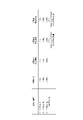
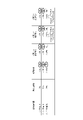
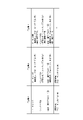
- FIG. 10 is a diagram illustrating determination of a reward based on a measured value of blood sugar level
- FIG. 10 is a diagram illustrating determination of a reward based on a measured value of blood sugar level
- FIG. 10 is a diagram illustrating determination of a reward based on a measured value of blood sugar level
- FIG. 10 is a diagram illustrating determination of a reward based on a measured value of blood sugar level; It is a figure which shows an example of a reward.
- 3 is a diagram showing an example of a display screen of the patient terminal shown in FIG. 1;
- FIG. 3 is a diagram showing an example of a display screen of the patient terminal shown in FIG. 1;
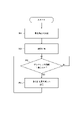
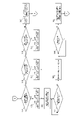
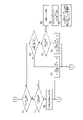
- FIG. 3 is a flow chart showing a processing procedure of the patient terminal shown in FIG. 1;
- 3 is a flow chart showing a processing procedure of the patient terminal shown in FIG. 1;
- 3 is a flow chart showing a processing procedure of the patient terminal shown in FIG. 1;
- 3 is a flow chart showing a processing procedure of the patient terminal shown in FIG. 1;
- 2 is a flow chart showing a processing procedure of the medical staff terminal shown in FIG.
- FIG. 1; 2 is a flow chart showing a processing procedure of the measuring device shown in FIG. 1; It is a figure which shows an example of the determination conditions of a reward.
- 3 is a diagram showing an example of a display screen of the patient terminal shown in FIG. 1;
- FIG. 3 is a flow chart showing a processing procedure of the patient terminal shown in FIG. 1;
- 3 is a flow chart showing a processing procedure of the patient terminal shown in FIG. 1;
- 3 is a flow chart showing a processing procedure of the patient terminal shown in FIG. 1;
- 3 is a flow chart showing a processing procedure of the patient terminal shown in FIG. 1;
- 3 is a flow chart showing a processing procedure of the patient terminal shown in FIG. 1;
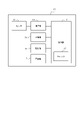
- FIG. 1 is a diagram showing a configuration example of a support system 1 as an information processing system according to one embodiment.
- the support system 1 includes a measuring device 10 , a patient terminal 20 , a medical staff terminal 30 and a cloud 40 .
- the measuring device 10 is a device that measures biological information considered to be relevant to the patient's (user's) 91 lifestyle. As an example of such biological information, a case in which the measuring device 10 measures the blood sugar level of the patient 91 will be described in the present embodiment.
- the measuring device 10 is attached to the arm, abdomen, or the like of the patient 91 and measures the blood sugar level of the patient 91 in real time.
- CGM Continuous Glucose Monitoring
- FGM Flash Glucose Monitoring
- a patient terminal 20 as an information processing device is a terminal device operated by a patient 91 as a user.
- the patient terminal 20 is realized by a smart phone will be described, but it may be realized by any information processing device such as a tablet terminal or a PC (Personal Computer).
- the patient terminal 20 receives the measured value of the blood sugar level from the measuring device 10 via a communication path such as Bluetooth, for example, and displays a screen regarding life management according to the measured value of the blood sugar level.
- the patient 91 refers to the screen displayed on the measuring device 10 and performs life management.
- the medical staff terminal 30 is a terminal device operated by a medical staff 92 such as a doctor or a nurse.
- a medical staff 92 such as a doctor or a nurse.
- the medical staff 92 operates the medical staff terminal 30 to set information such as criteria for determining the reward to be applied to the patient 91 and details of the reward.
- the cloud 40 communicates with the patient terminal 20 and the medical staff terminal 30 to provide the measured value of biological information such as blood sugar level, the determination condition of the reward, the content of the reward, the reward selected by the patient 91, etc. is an information processing device that manages the information of The cloud 40 may be realized by an information processing device such as a WS (WorkStation) or a PC.
- the cloud 40 communicates with the patient terminal 20 and the medical staff terminal 30 using the Internet or a carrier network, etc., and communicates with these terminals the measured values of biological information such as blood sugar levels, and the reward determination conditions described later. , content of the reward, and information such as the reward selected by the patient 91 are synchronized.
- the patient 91 has diabetes, and as part of its treatment, he receives guidance from a medical worker 92 regarding life management such as calorie intake, carbohydrate restriction, and exercise, and is implementing it.
- life management such as calorie intake, carbohydrate restriction, and exercise
- the patient terminal 20 displays a display for permitting relaxation with a reduced intensity of treatment as a reward.
- the reward is, for example, permission to eat a staple food with less carbohydrate restriction, snacks between meals, and a reduction in exercise intensity.
- the patient terminal 20 increases and maintains the patient's 91 motivation for treatment, and prevents interruption of treatment. Therefore, according to this embodiment, it is possible to support the continuation of the treatment of the patient 91 .
- FIG. 2 is a diagram showing a configuration example of the measuring device 10 shown in FIG.
- the measurement device 10 includes a control section 11 , a clock 12 , a sensor 13 , a measurement section 14 , a communication section 15 , a storage section 16 and a power supply section 17 .
- the control unit 11 is one or more processors.
- the control unit 11 is realized by a dedicated processor specialized for processing such as measuring the blood sugar level of the patient 91 and communicating with the patient terminal 20 via the communication unit 15, but a general-purpose processor such as a CPU (Central Processing Unit) It may be implemented by a processor.
- Control unit 11 may include one or more dedicated circuits, or one or more processors may be replaced by one or more dedicated circuits in control unit 11 .
- the dedicated circuit is, for example, an FPGA (Field-Programmable Gate Array) or an ASIC (Application Specific Integrated Circuit).
- the control unit 11 controls each unit of the measuring device 10 and executes information processing related to the operation of the measuring device 10 .
- a clock 12 is a clock generation circuit that generates a clock signal that defines the timing of each operation of the measuring device 10 .
- Clock 12 is implemented by, for example, a crystal oscillator, but may also be implemented on a silicon basis.
- the clock 12 may be provided inside the control unit 11, for example.
- the sensor 13 is a detection device that measures the blood sugar level of the patient 91 .
- the sensor 13 for example, reacts glucose in the interstitial fluid of the subcutaneous tissue of the patient 91 with glucose oxidase enzyme to convert it into an electrical signal, and outputs the electrical signal to the measurement unit 14 .
- the measurement unit 14 measures the glucose concentration in the interstitial fluid based on the electrical signal output from the sensor 13. Thereby, the blood sugar level of the patient 91 is measured.
- the communication unit 15 is a communication interface for communicating with the patient terminal 20.
- the communication unit 15 communicates with the patient terminal 20 and transmits the blood glucose level measured by the sensor 13 and the measurement unit 14 to the patient terminal 20 .
- the communication unit 15 communicates with the patient terminal 20 via, for example, Bluetooth, but is not limited to this, and may communicate via other wireless communication paths such as a wireless LAN (Local Area Network) or a wired cable.
- the storage unit 16 includes arbitrary storage modules including, for example, RAM (Random Access Memory) and ROM (Read-Only Memory).
- the storage unit 16 may function, for example, as a main storage device or a cache memory that stores information such as measured values of blood sugar levels.
- the storage unit 16 stores arbitrary information used for the operation of the measuring device 10 .
- the storage unit 16 may store system programs, application programs, various information received by the communication unit 15, and the like.
- the power supply unit 17 provides power for driving the measuring device 10 .
- the power supply unit 17 may be implemented by a rechargeable battery such as a lithium ion battery.
- FIG. 3 is a diagram showing a configuration example of the patient terminal 20 shown in FIG.
- the patient terminal 20 includes a control section 21 , a storage section 22 , a communication section 23 , an input section 24 and an output section 25 .
- the control unit 21 is one or more processors.
- the processor is a general-purpose processor such as a CPU or GPU (Graphics Processing Unit), or a dedicated processor specialized for specific processing.
- the controller 21 may include one or more dedicated circuits, or one or more processors may be replaced with one or more dedicated circuits in the controller 21 .
- a dedicated circuit is, for example, an FPGA or an ASIC.
- the control unit 21 controls each unit of the patient terminal 20 and executes information processing related to the operation of the patient terminal 20 .
- the storage unit 22 is one or more semiconductor memories, one or more magnetic memories, one or more optical memories, or a combination of at least two of them.
- a semiconductor memory is, for example, a RAM or a ROM.
- RAM is, for example, SRAM (Static RAM) or DRAM (Dynamic RAM).
- the ROM is, for example, an EEPROM (Electrically Erasable Programmable ROM).
- the storage unit 22 functions, for example, as a main memory device, an auxiliary memory device, or a cache memory.
- the storage unit 22 stores information used for the operation of the patient terminal 20, information obtained by the operation of the patient terminal 20, and the like.
- the communication unit 23 is one or more communication interfaces.
- the communication interface is a wired LAN interface, a wireless LAN interface, a Bluetooth communication interface, or the like.
- the communication unit 23 receives information used for the operation of the patient terminal 20 and transmits information obtained by the operation of the patient terminal 20 .
- the measured value of the blood sugar level of the patient 91 is received from the measuring device 10, and the measured value of biological information such as the blood sugar level, the determination condition of the reward, the content of the reward, And information such as a reward selected by the patient 91 is transmitted and received.
- the input unit 24 includes one or more input interfaces that receive input operations by the patient 91 and acquire input information based on the patient's 91 operations.
- the input unit 24 is, for example, a physical key, a capacitive key, a pointing device, a touch screen provided integrally with the display of the output unit 25, or a microphone that accepts voice input, but is not limited to these.
- the output unit 25 includes one or more output interfaces for outputting information to the patient 91 and notifying the patient 91 .
- the output unit 25 is a display or the like that outputs information as an image, but is not limited to this.
- the functions of the patient terminal 20 are realized by executing the program (computer program) according to the present embodiment by the processor included in the control unit 21. That is, the functions of the patient terminal 20 are implemented by software.
- the program causes the computer to execute the processing of steps included in the operation of the patient terminal 20, thereby causing the computer to implement the functions corresponding to the processing of the steps. That is, the program is a program for causing the computer to function as the patient terminal 20 .
- the program can be recorded on a computer-readable recording medium.
- a computer-readable recording medium is, for example, a magnetic recording device, an optical disk, a magneto-optical recording medium, or a semiconductor memory.
- Program distribution is performed by selling, assigning, or lending a portable recording medium such as DVD (Digital Versatile Disc) or CD-ROM (Compact Disc Read Only Memory) on which the program is recorded.
- the program may be distributed by being stored in the storage of the server and being transferred from the server to another computer via the network.
- a program may be provided as a program product.
- a computer temporarily stores a program recorded on a portable recording medium or a program transferred from a server in a main storage device. Then, the computer reads the program stored in the main storage device with the processor, and executes processing according to the read program with the processor.
- the computer may read the program directly from the portable recording medium and execute processing according to the program.
- the computer may execute processing according to the received program every time the program is transferred from the server to the computer. Processing may be executed by a so-called ASP (Application Service Provider) type service that implements functions only by executing instructions and obtaining results without transferring a program from a server to a computer.
- the program includes information corresponding to the program, which is information used for processing by the computer. For example, data that is not a direct command to a computer, but has the property of prescribing computer processing, corresponds to "program-based information".
- a part or all of the functions of the patient terminal 20 may be realized by a dedicated circuit included in the control unit 21. That is, part or all of the functions of the patient terminal 20 may be realized by hardware. Moreover, the patient terminal 20 may be realized by a single information processing device, or may be realized by cooperation of a plurality of information processing devices.
- FIG. 4 is a diagram showing a configuration example of the medical staff terminal 30 shown in FIG.
- the medical staff terminal 30 includes a control unit 31 , a storage unit 32 , a communication unit 33 , an input unit 34 and an output unit 35 .
- Functions and roles of the control unit 31, the storage unit 32, the communication unit 33, the input unit 34, and the output unit 35 of the medical staff terminal 30 are the same as those of the control unit 21, the storage unit 22, the communication unit 23, and the input unit of the patient terminal 20. 24 and the output unit 25, and detailed description thereof will be omitted.
- the functions of the medical staff terminal 30 are implemented by software, some or all of the functions may be implemented by hardware.
- the medical staff terminal 30 may be realized by a single information processing device, or may be realized by cooperation of a plurality of information processing devices.
- the cloud 40 may be implemented by an information processing device such as a WS or PC, and may be implemented by a configuration equivalent to the configuration of the medical staff terminal 30 shown in FIG. Although the functions of the cloud 40 are implemented by software, some or all of the functions may be implemented by hardware. Further, the cloud 40 may be realized by a single information processing device, or may be realized by cooperation of a plurality of information processing devices.
- FIG. 5 is a diagram showing an overview of reward presentation by the support system 1.
- the patient 91 always wears the measuring device 10 during the treatment using the support system 1 according to this embodiment.
- the measuring device 10 measures the blood sugar level of the patient 91 at predetermined measurement intervals, for example, every five minutes.
- the measuring device 10 transmits the measured value of the blood glucose level to the patient terminal 20 at a timing when communication with the patient terminal 20 is possible.
- the patient terminal 20 automatically uploads the measured value of the blood sugar level to the cloud 40 at a timing when communication with the cloud 40 is possible, such as while the patient terminal 20 is connected to a carrier line, the Internet, or the like.
- the medical staff terminal 30 automatically downloads the measured value of the blood sugar level from the cloud 40 at the timing when communication with the cloud 40 is possible, and obtains the measured value of the blood sugar level of the patient 91 .
- the patient terminal 20 treats the patient 91 based on the blood glucose level measured from the 1st day to the 5th day in the reward cycle, with 7 days as one reward cycle. It is determined whether or not to give a reward, and if so, what kind of reward is to be given. These determination conditions are set in advance by medical staff 92 who examines patient 91 . The patient terminal 20 displays the determination result on the output unit 25 . In the example of FIG. 5, the period during which the reward can be implemented is set on the 6th day of each reward cycle.
- the medical staff 92 may refer to the measured value of the blood sugar level notified to the medical staff terminal 30 via the cloud 40 to correct the reward determination conditions and the like.
- the patient terminal 20 may automatically correct the reward determination conditions and the like according to a rule preset by the medical staff 92 or the like.
- the content of the correction may be, for example, as follows. - The reward selected by the patient 91 cannot be selected from the next time onwards.
- a reward cycle such as that in FIG. 5 is an example, for example, a reward cycle could be for a longer period such as 10 days, 2 weeks, or 1 month, or for a shorter period such as 5 days. may Also, for example, the period during which the reward can be implemented may be a longer period such as two days. Further, for example, the correction of the reward determination conditions may be performed not only on the day after the reward is available, but also on any date and time.
- FIG. 6 is a diagram showing an example of reward determination conditions.
- the patient terminal 20 uses TIR (Time in Range) of the blood sugar level as an example of an index for determining the reward.
- TIR refers to the number of measurements or time during which the measured blood glucose level is within the therapeutic range (Target Range, eg, 70 to 180 mg/dL) during the measurement target period.
- the range of blood sugar levels is set to (1) a range greater than 250 mg/dL, (2) a range greater than 180 mg/dL and 250 mg/dL or less, and (3) 180 mg/dL. Divide into three ranges (TIR bins) for the range below dL.
- the patient terminal 20 determines the reward based on the number of measured values included in each range or the percentage of time.
- the "recommended ratio" in FIG. 6 indicates how the blood sugar level of the patient 91 should preferably be distributed in each range of (1) to (3).
- the recommended ratio is, for example, as shown in FIG. 6, (1) the ratio of measured values belonging to the range greater than 250 mg / dL is less than 5%, and (2) the range is greater than 180 mg / dL and 250 mg / dL or less. The percentage of measured values may be less than 25%, and (3) the percentage of measured values belonging to the range of 180 mg/dL or less may be greater than 75%. If the patient's 91 blood glucose measurements are distributed in proportions better than such recommended proportion requirements, the patient terminal 20 provides a reward accordingly.
- three grades of reward 1 to reward 3 are defined as an example of blood sugar level conditions for giving rewards.
- the grades of the three rewards are reward 1, reward 2, and reward 3, with reward 1 being given when the blood sugar value is the best.
- the determination ratio of reward 1 is that (1-1) the ratio of measured values belonging to a range larger than 250 mg / dL to all measured values is less than 5%, and (1-2) is higher than 180 mg / dL.
- the measured value belonging to the range of 150 mg/dL or less is 70% or more of the measured value belonging to the range of 180 mg/dL or less.
- Reward 2 judgment percentage is (2-1) less than 5% of all measured values belonging to a range greater than 250 mg/dL, (2-2) greater than 180 mg/dL and 250 mg/dL or less.
- Reward 3 judgment percentage is (3-1) less than 5% of all measured values belonging to a range greater than 250 mg/dL, (3-2) greater than 180 mg/dL and 250 mg/dL or less. less than 25% of all measured values, and (3-3) more than 80% of all measured values in the range of 180 mg/dL or less. If a high grade reward is obtained, the patient 91 can also choose from lower grade rewards. For example, if the patient 91 gets Reward 1, he or she can also choose from the lower Reward 2 or Reward 3.
- FIG. 7A to 7C are diagrams explaining determination of a reward based on the measured blood sugar level.
- FIG. 7A shows that the ratio of measured values belonging to the range of greater than 250 mg/dL to the total measured values is 2%, and the measured values belonging to the range of greater than 180 mg/dL and 250 mg/dL or less are all measured.
- An example is shown in which the ratio to the value is 30%, and the ratio of the measured values belonging to the range of 180 mg/dL or less to the total measured values is 68%.
- the measurements in this example satisfy both the recommended rate and rewards 1-3 requirements for ranges greater than 250 mg/dL. However, the measured values in this example do not meet the requirements of either the recommended rate or Rewards 1-3 for the range below 250 mg/dL. Therefore, the patient terminal 20 displays, for example, that good blood sugar control has not been achieved.
- FIG. 7B shows that the ratio of the measured values belonging to the range greater than 250 mg/dL to the total measured values is 3%, and the measured values belonging to the range greater than 180 mg/dL and 250 mg/dL or less are all measured.
- An example is shown in which the ratio to the value is 21%, and the ratio of the measured values belonging to the range of 180 mg/dL or less to the total measured values is 76%.
- the measured value in this example satisfies both the recommended rate and rewards 1-3 requirements for the range greater than 250 mg/dL and the range greater than 180 mg/dL and less than or equal to 250 mg/dL.
- the measured value in this example meets the requirements of the recommended rate for the range of 180 mg/dL and below, but does not meet the requirements of Rewards 1-3. Therefore, the patient terminal 20 displays, for example, that good blood sugar control has been achieved without giving a reward.
- FIG. 7C shows that the ratio of the measured values belonging to the range greater than 250 mg/dL to the total measured values is 2%, and the measured values belonging to the range greater than 180 mg/dL and 250 mg/dL or less are all measured. 14% of measured values, 84% of measured values belonging to the range of 180 mg/dL or less to all measured values, ratio of measured values belonging to the range of 150 mg/dL or less to measured values belonging to the range of 180 mg/dL or less is 75%.
- the measured value of this example satisfies all the requirements of the recommended ratio and Rewards 1 to 3 for the ratio of measured values in any range. Therefore, the patient terminal 20 displays that the reward 1 is given.
- FIG. 8 is a diagram showing an example of rewards for each grade.
- the patient 91 selects "one donut", “five cookies”, “staple food (carbohydrate 20% increase) once", and "reduced amount of exercise”. (walking 5,000 steps/day)” can be selected and executed.
- reducing the amount of exercise means reducing the amount of exercise (for example, reducing the amount of exercise by 50%) compared to the amount of exercise in normal exercise therapy.
- Increasing carbohydrates in a staple food means increasing carbohydrates in a normal carbohydrate-restricted diet (for example, by 20%).
- the patient 91 selects “one donut + less exercise (walking 5,000 steps/day)", “five cookies + less exercise (walking 5,000 steps/day)", “ Select and execute either staple food (carbohydrate 20% increase) once + reduced exercise (walking 5,000 steps/day) or reduced exercise (walking 1,000 steps/day). can be done.
- the patient 91 receives "two donuts + reduced exercise (walking 5,000 steps/day) + oral hypoglycemic agent”, “10 cookies + reduced exercise (walking 5,000 steps/day). day) + oral hypoglycemic agent” or “staple food (40% increase in carbohydrates) once + reduced exercise (walking 5,000 steps/day) + oral hypoglycemic agent”.
- the oral hypoglycemic agent is administered, for example, in combination with a main meal or a snack, and is administered as a safety measure by a doctor in consideration of the patient's pathology, the patient's past selection results, and subsequent blood sugar rise.
- the content of the reward takes into consideration the condition and preferences of the patient 91, as well as the prior questionnaire to the patient 91 and the past selection results of the patient 91, etc. and carbohydrate limit, amount of exercise, etc.).
- the conditions for judging rewards in FIG. 6 are just an example, and criteria other than those shown in FIG. may be selected.
- criteria other than those shown in FIG. may be selected.
- the example of FIG. 6 specifies three grades of rewards, there may be fewer or more than three grades of rewards.
- a range other than the numerical range illustrated in FIG. 6 may be selected as the determination ratio of the measured values.
- the reward in FIG. 8 is also an example, and another reward may be selected according to the condition and taste of the patient 91, nutritional components of food, and the like.
- FIG. 9 is a diagram showing an example of the display screen of the patient terminal 20 shown in FIG.
- the display serving as the output unit 25 displays information regarding changes in the blood sugar level of the patient 91, rewards, and the like.
- the output unit 25 displays a trend graph 51 showing the time transition of the blood sugar level, the latest measured value 52 of the blood sugar level, and a scroll bar 53 for scrolling the trend graph 51 on the output unit 25 .
- the output unit 25 also displays a TIR observation period 54 , a TIR measurement value ratio 55 , and a scroll bar 56 for scrolling the TIR measurement value ratio 55 .
- the output unit 25 also displays a display area 57 for information related to the reward and an alert box 61 presenting a message to the patient 91 .
- a reward selection button 60 is displayed in the display area 57 when there is a reward.
- the patient terminal 20 displays a reward selection screen.
- FIG. 10 is a diagram showing an example of a screen displayed on the output unit 25 of the patient terminal 20 in response to pressing of the reward selection button 60.
- FIG. 10 shows an example of the screen when it is decided to give the reward 2.
- the selection button 63 for the reward 1 cannot be selected, and the selection button 64 for the reward 2 and the selection button 65 for the reward 3 with a lower grade than the reward 2 are displayed so as to be selectable.
- the patient terminal 20 accepts selection of a specific reward (for example, "one donut").
- the patient terminal 20 displays the selected reward 58 and the reward execution time limit 59 in the display area 57 .
- FIGS. 11A to 11D are flow charts showing an operation example of the patient terminal 20 shown in FIG.
- the operation of the patient terminal 20 described with reference to FIGS. 11A to 11D corresponds to the information processing method according to this embodiment.
- 11A to 11D are executed under the control of the control section 21.
- step S ⁇ b>1 the control unit 21 establishes wireless communication with the measuring device 10 .
- step S2 the control unit 21 resets the reward cycle and the TIR bin frequency (the number of measured values). This sets the number of days elapsed to the first day of the 7-day reward cycle. Also, the frequency of measurements in each TIR bin of (1) the range greater than 250 mg/dL, (2) the range greater than 180 mg/dL and 250 mg/dL or less, and (3) the range 180 mg/dL or less is 0. is set to
- step S3 the control unit 21 determines whether the measuring device 10 stores a measured value that the patient terminal 20 has not yet received. This determination is made by querying the measuring device 10, but is not limited to this. For example, the control unit 21 pays attention to the fact that the blood sugar level is measured at predetermined measurement intervals (for example, every 5 minutes), and the measurement interval has elapsed since the measurement time of the previously acquired measurement value. The presence or absence of unreceived measurements may be determined based on whether the If there is a measurement value that has not yet been received (YES in step S3), the control unit 21 proceeds to step S4, otherwise (NO in step S3), continues the processing of S3.
- predetermined measurement intervals for example, every 5 minutes
- step S ⁇ b>4 the control unit 21 receives measurement values that have not yet been received from the measuring device 10 and stores them in the storage unit 22 .
- step S5 the control unit 21 causes the output unit 25 to display the received measured value as the latest measured value 52, and updates the trend graph 51.
- step S6 the control unit 21 determines which TIR bin (1) to (3) the received measurement value belongs to.
- step S7 the control unit 21 increases the frequency of the determined TIR bin by one.
- the control unit 21 performs the processing of steps S5 and S6 for each of the received measured values.
- step S8 the control unit 21 determines whether or not a predetermined period has elapsed since the start of the reward cycle.
- the predetermined period here is a period of time determined by the timing of updating the display of the TIR observation period 54 and the TIR measurement value ratio 55 of the output section 25 .
- the predetermined period in step S8 is 24 hours, 48 hours, 72 hours, and so on. be. If the predetermined period has elapsed from the start of the reward cycle (YES in step S8), the control section 21 proceeds to step S9, otherwise (NO in step S8), returns to step S3.
- step S9 the control unit 21 calculates the TIR acquired during the predetermined period, updates the display of the TIR observation period 54, and updates the display of the TIR measurement value ratio 55 based on the calculated TIR.
- step S10 the control unit 21 determines whether 1 day, 2 days, 3 days, or 4 days have passed since the start of the reward cycle, that is, 24 hours, 48 hours, or 72 hours from the start of the reward cycle. , or whether or not 96 hours have elapsed. If 1 day, 2 days, 3 days, or 4 days have passed (YES in step S10), the control unit 21 returns to step S3, otherwise (NO in step S10), proceeds to step S11.
- step S11 the control unit 21 determines whether five days have passed since the start of the reward cycle, that is, whether 120 hours have passed since the start of the reward cycle. If five days have passed (YES in step S11), control unit 21 proceeds to step S12, otherwise (NO in step S11), proceeds to step S28.
- step S12 the control unit 21 determines whether the TIR calculated in step S9 satisfies the recommended ratio described with reference to FIG.
- the TIR is the measurement ratio that reflects the measurements from day 1 through day 5 of the reward cycle. If the recommended ratio is satisfied (YES in step S12), the control unit 21 proceeds to step S14, otherwise (NO in step S12), proceeds to step S13.
- step S13 the control unit 21 displays in the alert box 61 that good blood sugar control has not been achieved, for example, "You are one step away from good blood sugar control.” And the control part 21 returns to step S3.
- step S14 the control unit 21 determines whether the changed reward list exists in the cloud 40. That is, the control unit 21 communicates with the cloud 40, compares the reward list stored in the storage unit 22 of the patient terminal 20, and the reward list stored in the cloud 40, and if they are different, The control unit 21 determines that there is a changed reward list. If there is a changed reward list (YES in step S14), the control unit 21 proceeds to step S15, otherwise (NO in step S14), proceeds to step S16.
- step S15 the control unit 21 downloads the changed reward list from the cloud 40 and updates (updates) the reward list stored in the storage unit 22. If the patient terminal 20 cannot communicate with the cloud 40, for example, because the patient terminal 20 is out of the carrier communication range, the process of step S15 may be omitted.
- step S16 the control unit 21 determines whether the TIR calculated in step S9 satisfies the determination ratio of the reward 1 described with reference to FIG. If the determination ratio of reward 1 is satisfied (YES in step S16), the control unit 21 proceeds to step S17, otherwise (NO in step S16), proceeds to step S18.
- step S17 the control unit 21 displays in the alert box 61 that a reward 1 will be given, for example, "Good control is possible. There is a reward 1.” And the control part 21 progresses to step S23.
- step S18 the control unit 21 determines whether the TIR calculated in step S9 satisfies the determination ratio of reward 2 described with reference to FIG. If the determination ratio of the reward 2 is satisfied (YES in step S18), the control unit 21 proceeds to step S19, otherwise (NO in step S18), proceeds to step S20.
- step S19 the control unit 21 displays in the alert box 61 that a reward 2 will be given, for example, "Good control is possible. There is a reward 2.” And the control part 21 progresses to step S23.
- step S20 the control unit 21 determines whether or not the TIR calculated in step S9 satisfies the determination ratio of reward 3 described with reference to FIG. If the determination ratio of the reward 3 is satisfied (YES in step S20), the control unit 21 proceeds to step S21, otherwise (NO in step S20), proceeds to step S22.
- step S21 the control unit 21 displays in the alert box 61 that a reward 3 will be given, for example, "Good control is possible. There is a reward 3.” And the control part 21 progresses to step S23.
- step S22 the control unit 21 notifies the alert box 61 that good blood sugar control has been achieved without giving a reward such as, for example, "Good blood sugar control is achieved. You are one step away from the reward.” to display. And the control part 21 returns to step S3.
- step S23 the control unit 21 displays a reward selection button 60 in the display area 57 for information related to rewards.
- step S24 the control unit 21 determines whether or not the reward selection button 60 has been selected by the patient 91. If selected (YES in step S24), the process proceeds to step S25; otherwise (NO in step S24), the process of step S24 is performed again. If the reward selection button 60 is not selected by the patient 91, the controller 21 may proceed to step S3.
- step S25 the control unit 21 displays the corresponding reward list on the output unit 25.
- step S26 the control unit 21 determines whether or not the patient 91 has selected a reward. If selected (YES in step S26), the process proceeds to step S27; otherwise (NO in step S26), the process of step S26 is performed again. If the patient 91 does not select a reward, the controller 21 may proceed to step S3.
- step S27 the control unit 21 displays the reward 58 selected by the patient 91 and the reward implementation deadline 59 in the display area 57 of the information related to the reward. And the control part 21 returns to step S3.
- step S28 the control unit 21 determines whether 6 days have passed since the start of the reward cycle, that is, whether 144 hours have passed since the start of the reward cycle. If only six days have passed (YES in step S28), the control unit 21 proceeds to step S29, otherwise, that is, if only seven days have passed (NO in step S28), the process proceeds to step S31.
- step S29 the control unit 21 determines whether the patient 91 has obtained a reward. The control unit 21 determines that the reward has been obtained when any of the rewards 1 to 3 is given at the timing when only five days have passed since the start of the reward cycle. If a reward has been obtained (YES in step S29), control unit 21 proceeds to step S30, otherwise (NO in step S29), returns to step S3.
- step S ⁇ b>30 the control unit 21 hides the display area 57 of information related to the reward in the output unit 25 . And the control part 21 returns to step S3.
- step S31 the control unit 21 determines whether the TIR calculated in step S9 satisfies the recommended ratio described with reference to FIG.
- This TIR is a measured value ratio that reflects the measured values from the first day to the seventh day of the reward cycle, and the effect of giving the reward is taken into consideration. If the recommended ratio is satisfied (YES in step S31), the control unit 21 proceeds to step S32, otherwise (NO in step S31), proceeds to step S33.
- step S32 the control unit 21 displays in the alert box 61 that good blood sugar control has been achieved, such as "Good blood sugar control.” And the control part 21 returns to step S2.
- step S33 the control unit 21 determines whether the patient 91 has obtained a reward.
- the control unit 21 determines that the reward has been obtained when any of the rewards 1 to 3 is given at the timing when only five days have passed since the start of the reward cycle. If a reward has been obtained (YES in step S33), the control unit 21 proceeds to step S35, otherwise (NO in step S33), proceeds to step S34.
- the processing from step S34 onwards is executed when the TIR does not meet the recommended ratio even though seven days have passed without any reward being given.
- the processing after step S35 is performed when the TIR is good from the first day to the 5th day of the reward cycle and the reward is given, but the blood sugar level rises by the 7th day and the TIR does not satisfy the recommended ratio. is executed.
- step S34 the control unit 21 displays in the alert box 61 that good blood sugar control has not been achieved, for example, "You are one step away from good blood sugar control.” And the control part 21 returns to step S2.
- step S35 the control unit 21 corrects the reward list stored in the storage unit 22.
- the control unit 21 updates the contents of each of the rewards 1 to 3 with contents that are considered to further suppress the increase in the blood sugar level.
- the control unit 21 reduces the amount of increase in sugar allowed in the staple food, changes the snacks to foods with lower calories, and reduces the amount of decrease in exercise intensity. You can make it smaller.
- the control unit 21 may, for example, replace the content of the reward 1 with the content of the reward 2, replace the content of the reward 2 with the content of the reward 3, and modify so as not to give the reward 3. .
- step S36 the control unit 21 uploads the relevant data to the cloud 40 and notifies the doctor in charge (medical worker 92) that the TIR no longer satisfies the recommended ratio after giving the reward.
- the relevant data here are the TIR, the measured value, the content of the reward selected by the patient 91, and the like.
- the notification to medical personnel 92 is done via the cloud 40, but may be done by another method such as e-mail.
- step S37 the control unit 21 says, "You were one step away from good blood sugar control. The reward conditions have been changed, so please consult your doctor.” An alert box 61 is displayed to the effect that consultation is recommended. And the control part 21 returns to step S2.
- FIG. 12 is a flow chart showing an operation example of the medical staff terminal 30 shown in FIG. The operation of each step in FIG. 12 is executed under the control of the control section 31 .
- step S41 the control unit 31 connects to the cloud 40 so that it can communicate with it.
- step S42 the control unit 31 determines whether or not there is a notification that the reward list has been corrected. This notification is made when the TIR no longer satisfies the recommended ratio after the award of the reward. If the reward list has been corrected (YES in step S42), the control unit 31 proceeds to step S43, otherwise continues the process of step S42. If the reward list has not been corrected, the control unit 31 may display that fact on the display as the output unit 35 and end the processing of the flowchart.
- step S43 the control unit 31 displays the related data on the output unit 35.
- This relevant data includes TIR, measurements, reward lists, and rewards selected by patient 91 .
- step S44 the control unit 31 determines whether or not to approve the revised reward list.
- the control unit 31 determines whether or not to approve based on whether or not the medical staff 92 has input an approval instruction. If the control unit 31 approves (YES in step S44), it ends the processing of the flowchart, and if it does not approve (NO in step S44), it proceeds to step S45.
- step S45 the control unit 31 performs processing to change the corrected reward list.
- the control unit 31 changes the reward list according to the instruction input by the medical staff 92 .
- step S46 the control unit 31 uploads the changed reward list to the cloud 40.
- the reward list uploaded to the cloud 40 is transmitted to the patient terminal 20 and reflected in the patient terminal 20 at a timing when communication between the cloud 40 and the patient terminal 20 is possible. Then, the control unit 31 ends the processing of the flowchart.
- FIG. 13 is a flow chart showing an operation example of the measuring device 10 shown in FIG. The operation of each step in FIG. 13 is executed under the control of the control section 11 .
- step S51 the control unit 11 connects to the patient terminal 20 so that it can communicate with it.
- step S52 the control unit 11 starts measuring the blood sugar level of the patient 91.
- step S53 the control unit 11 determines whether or not the sampling cycle has been reached. For example, when measuring every 5 minutes, it is determined whether 5 minutes have passed. If the control unit 11 determines that the sampling period has been reached (YES in step S53), the process proceeds to step S54, and if not, the process of step S53 is repeated.
- step S54 the control unit 11 transmits the measured value to the patient terminal 20. Then, the control unit 11 terminates the processing of the flowchart.
- FIG. 13 shows an example in which the blood glucose level of the patient 91 is measured when the measuring device 10 is connected to the patient terminal 20. It is not limited only when For example, the measuring device 10 measures the blood glucose level even while not connected to the patient terminal 20, stores the measurement results in the storage unit 16, and stores the measurement results in the storage unit 16 when communication with the patient terminal 20 becomes possible. The stored measurement results may be collectively transmitted to the patient terminal 20 .
- the patient terminal 20 acquires the measured values of biological information considered to be relevant to the user's lifestyle habits, and the measured values measured during the predetermined measurement period meet the predetermined judgment conditions. It is determined whether or not the condition is satisfied. When it is determined that the measured value satisfies the determination conditions, the patient terminal 20 notifies the user that the user's lifestyle habits can be relaxed. In this way, by notifying the user that restrictions on the user's lifestyle habits can be relaxed based on the measured values of the user's biological information, the patient's motivation for treatment is enhanced and maintained, and treatment is interrupted. can be prevented. Therefore, according to this embodiment, it is possible to support the continuation of the treatment of the patient 91 .
- a blood sugar level as biological information that is considered to be relevant to the user's lifestyle has been described. good too. Further, in the present embodiment, an example has been described in which the user is notified that the user's lifestyle habits can be relaxed by displaying a message on the output unit 25 of the patient terminal 20. It may be notified that the restrictions on lifestyle habits can be relaxed.
- the patient terminal 20 updates the determination conditions based on the measured values after notifying the user that the restrictions on the user's lifestyle habits can be relaxed. Therefore, for example, as a result of loosening restrictions on lifestyle habits, if the measured values of biological information worsen more than expected, such as a significant increase in blood sugar levels, the conditions for loosening restrictions on lifestyle habits will be stricter, and the patient will 91 can be used for treatment.
- the measured values of biometric information deteriorate more than expected has been described. If not, the conditions for loosening restrictions on lifestyle habits may be relaxed. As a result, the user's lifestyle is not restricted more than necessary, making it easier for the user to continue treatment.
- the patient terminal 20 when it is determined that the measured value satisfies the determination conditions, the patient terminal 20 further notifies the user of behavior (reward) related to lifestyle habits that the user can select. Therefore, it is possible for the user to understand specifically what kind of behavior is permitted.
- a first determination condition and a second determination condition are predetermined as determination conditions.
- the patient terminal 20 When it is determined that the measured value satisfies the first determination condition, the patient terminal 20 notifies the user of a first action related to lifestyle habits that can be selected by the user.
- the patient terminal 20 when it is determined that the measured value satisfies the second determination condition, the patient terminal 20 notifies the user of a second behavior related to lifestyle that can be selected by the user. In this way, by enabling relaxation of restrictions on lifestyle habits according to a plurality of determination conditions, detailed lifestyle management according to the user's disease state becomes possible.
- the first determination condition is, for example, a strict determination condition with a large degree of relaxation of restrictions
- the second determination condition is, for example, the first determination condition with a lower degree of relaxation of restrictions than when the first determination condition is achieved.
- a determination condition that is easier to achieve may be used.
- the patient terminal 20 acquires measured values from the measuring device 10 that measures the user's biological information. Therefore, the measured value measured by the measuring device 10 can be obtained in real time.
- the patient terminal 20 and the measuring device 10 cannot communicate directly, the patient terminal 20 acquires the measured values of biological information via a storage medium such as a USB (Universal Serial Bus) memory or another device. good too.
- a storage medium such as a USB (Universal Serial Bus) memory or another device. good too.
- ⁇ Second embodiment> it is determined whether or not the TIR of the measured value of the patient 91 in the measurement period satisfies the predetermined determination condition, and notification is given that the restriction on lifestyle habits can be relaxed.
- notification decisions may not be based on the TIR of the measurements. For example, based on the average value of the measured values of the patient 91 during the measurement period, it may be notified that the restrictions on lifestyle habits can be relaxed.
- a configuration for performing such processing will be described below. The same processing and configuration as those of the first embodiment are assigned the same reference numerals as those of the first embodiment, and detailed description thereof will be omitted.
- FIG. 14 is a diagram showing an example of reward determination conditions.
- the patient terminal 20 uses the average blood sugar level as an example of an index for determining a reward.
- the average blood glucose level is the average blood glucose level measured during days 1 through 5 of the reward cycle, for example, if the reward cycle is shown in FIG.
- reward 1 is given when the average blood sugar level is less than 110 mg/dL. If the average blood glucose level is 110 mg/dL or more and less than 120 mg/dL, reward 2 is given. If the average blood glucose level is 120 mg/dL or more and less than 130 mg/dL, reward 3 is given. In this embodiment, the recommended average blood glucose level is less than 140 mg/dL. No reward is given if the average blood glucose level is 130 mg/dL or higher.
- the relationship between the range of the average blood sugar level and the reward in FIG. 14 may be selected according to .
- the example of FIG. 14 defines three grades of rewards, there may be fewer or more than three grades of rewards.
- a range other than the numerical range illustrated in FIG. 14 may be selected as the determination ratio of the measured values.
- the relationship between the average blood glucose range and the reward may be modified by the healthcare professional 92 based on the condition of the patient 91 .
- FIG. 15 is a diagram showing an example of the display screen of the patient terminal 20 shown in FIG.
- the display serving as the output unit 25 displays information regarding changes in the blood sugar level of the patient 91, rewards, and the like.
- the output unit 25 has a trend graph 51 showing the time transition of the blood sugar level, the latest measured value 52 of the blood sugar level, and a scroll bar 53 for scrolling the trend graph 51 in the output unit 25. Is displayed.
- the output unit 25 also displays an average value trend 67 indicating the average value of the blood sugar level for each day.
- the output unit 25 also displays a display area 57 for information related to the reward and an alert box 61 for presenting a message to the patient 91 .
- a reward selection button 60 is displayed in the display area 57, and in response to the patient 91 pressing the reward selection button 60, the patient terminal 20 displays a reward selection screen (Fig. 10) is the same as in the first embodiment.
- the patient terminal 20 displays the selected reward 58 and the reward execution time limit 59 in the display area 57 .
- FIGS. 16A to 16D are flow charts showing an operation example of the patient terminal 20 shown in FIG.
- the operation of the patient terminal 20 described with reference to FIGS. 16A to 16D corresponds to the information processing method according to this embodiment.
- the operation of each step in FIGS. 16A to 16D is executed under the control of the control section 21.
- step S ⁇ b>61 the control unit 21 establishes wireless communication with the measuring device 10 .
- step S62 the control unit 21 resets the reward cycle. This sets the number of days elapsed to the first day of the 7-day reward cycle.
- step S63 the control unit 21 determines whether the measuring device 10 stores a measured value that the patient terminal 20 has not yet received. This process is the same as the process of step S3 in FIG. 11A. If there is a measurement value that has not yet been received (YES in step S63), the control unit 21 proceeds to step S64, otherwise (NO in step S63), continues the processing of S63.
- step S64 the control unit 21 receives the measurement values that have not yet been received from the measuring device 10 and stores them in the storage unit 22.
- step S65 the control unit 21 causes the output unit 25 to display the received measured value as the latest measured value 52, and updates the trend graph 51.
- step S66 the control unit 21 determines whether or not a predetermined period has elapsed since the start of the reward cycle.
- the predetermined period here is the time determined by the timing of updating the display of the average value trend 67 of the output unit 25 .
- the predetermined period in step S66 is 24 hours, 48 hours, 72 hours, and so on. be. If the predetermined period has elapsed from the start of the reward cycle (YES in step S66), the control unit 21 proceeds to step S67, otherwise (NO in step S66), returns to step S63.
- step S ⁇ b>67 the control unit 21 calculates the average value of the measured values of blood sugar levels acquired for a predetermined period (for example, one day) and updates the display of the average value trend 67 .
- step S68 the control unit 21 determines whether 1 day, 2 days, 3 days, or 4 days have passed since the start of the reward cycle, that is, 24 hours, 48 hours, or 72 hours after the start of the reward cycle. Determine if time or 96 hours have passed. If one day, two days, three days, or four days have passed (YES in step S68), the control unit 21 returns to step S63, otherwise (NO in step S68), proceeds to step S69.
- step S69 the control unit 21 determines whether five days have passed since the start of the reward cycle, that is, whether 120 hours have passed since the start of the reward cycle. If five days have passed (YES in step S69), control unit 21 proceeds to step S70, otherwise (NO in step S69), proceeds to step S86.
- step S70 the control unit 21 determines whether or not the average blood sugar level calculated in step S67 corresponds to the recommended value described with reference to FIG. In the present embodiment, when the average blood sugar level is less than 140 mg/dL, it is determined to be the recommended level. If the value corresponds to the recommended value (YES in step S70), the controller 21 proceeds to step S72, otherwise (NO in step S70), it proceeds to step S71.
- step S71 the control unit 21 displays in the alert box 61 that good blood sugar control has not been achieved, for example, "You are one step away from good blood sugar control.” Then, the controller 21 returns to step S63.
- step S72 the control unit 21 determines whether the changed reward list exists in the cloud 40. This process is similar to step S14 in FIG. 11B. If the changed reward list exists (YES in step S72), the control unit 21 proceeds to step S73, otherwise (NO in step S72), proceeds to step S74.
- step S73 the control unit 21 downloads the changed reward list from the cloud 40 and updates the reward list stored in the storage unit 22. If the patient terminal 20 cannot communicate with the cloud 40, for example, because the patient terminal 20 exists outside the service area of carrier communication, the process of step S73 may be omitted.
- step S74 the control unit 21 determines whether or not the average blood sugar level calculated in step S67 satisfies the determination ratio of reward 1 described with reference to FIG. If the determination ratio of reward 1 is satisfied (YES in step S74), the control unit 21 proceeds to step S75, otherwise (NO in step S74), proceeds to step S76.
- step S75 the control unit 21 displays in the alert box 61 that a reward 1 will be given, for example, "Good control is possible. There is a reward 1.” Then, the controller 21 proceeds to step S81.
- step S76 the control unit 21 determines whether or not the average blood sugar level calculated in step S67 satisfies the determination ratio of reward 2 described with reference to FIG. If the determination ratio of the reward 2 is satisfied (YES in step S76), the control unit 21 proceeds to step S77, otherwise (NO in step S76), proceeds to step S78.
- step S77 the control unit 21 displays in the alert box 61 that a reward 2 will be given, for example, "Good control is possible. There is a reward 2.” Then, the controller 21 proceeds to step S81.
- step S78 the control unit 21 determines whether or not the average blood sugar level calculated in step S67 satisfies the determination ratio of reward 3 described with reference to FIG. If the determination ratio of reward 3 is satisfied (YES in step S78), the control unit 21 proceeds to step S79, otherwise (NO in step S78), proceeds to step S80.
- step S79 the control unit 21 displays in the alert box 61 that a reward 3 will be given, for example, "Good control is possible. There is a reward 3.” Then, the controller 21 proceeds to step S81.
- step S80 the controller 21 notifies the alert box 61 of the fact that good blood sugar control has been achieved without giving a reward, such as, for example, "Good blood sugar control is achieved. You are one step away from the reward.” to display. Then, the controller 21 returns to step S63.
- step S81 the control unit 21 displays a reward selection button 60 in the display area 57 for information related to rewards.
- step S82 the control unit 21 determines whether or not the reward selection button 60 has been selected by the patient 91. If selected (YES in step S82), the process proceeds to step S83; otherwise (NO in step S82), the process of step S82 is performed again. If the reward selection button 60 is not selected by the patient 91, the controller 21 may proceed to step S63.
- step S83 the control unit 21 displays the corresponding reward list on the output unit 25.
- step S84 the control unit 21 determines whether or not the patient 91 has selected a reward. If selected (YES in step S84), the process proceeds to step S85; otherwise (NO in step S84), the process of step S84 is performed again. If the patient 91 does not select the reward, the controller 21 may proceed to step S63.
- step S85 the control unit 21 displays the reward 58 selected by the patient 91 and the reward implementation deadline 59 in the display area 57 of the information related to the reward. Then, the controller 21 returns to step S63.
- step S86 the control unit 21 determines whether 6 days have passed since the start of the reward cycle, that is, whether 144 hours have passed since the start of the reward cycle. If only six days have passed (YES in step S86), control unit 21 proceeds to step S87, otherwise (NO in step S86), proceeds to step S89.
- step S87 the control unit 21 determines whether the patient 91 has obtained a reward.
- the processing of step S87 is the same as that of S29 in FIG. 11D. If a reward has been obtained (YES in step S87), control unit 21 proceeds to step S88, otherwise (NO in step S87), returns to step S63.
- step S ⁇ b>88 the control unit 21 hides the display area 57 of information related to the reward in the output unit 25 . Then, the controller 21 returns to step S63.
- step S89 the control unit 21 determines whether or not the average blood sugar level calculated in step S67 corresponds to the recommended value described with reference to FIG. This mean value corresponds to the average value of measurements that reflect measurements from day 1 through day 7 of the reward cycle, taking into account the effect of the reward. If the value corresponds to the recommended value (YES in step S89), the control unit 21 proceeds to step S90, otherwise (NO in step S89), proceeds to step S91.
- step S90 the control unit 21 displays in the alert box 61 that good blood sugar control has been achieved, such as "Good blood sugar control.” Then, the controller 21 returns to step S62.
- step S91 the control unit 21 determines whether the patient 91 has obtained a reward.
- the processing of step S91 is similar to that of step S33 of FIG. 11D. If a reward has been obtained (YES in step S91), the control unit 21 proceeds to step S93, otherwise (NO in step S91), proceeds to step S92.
- the processing from step S92 is executed when the average blood sugar level does not reach the recommended value even though seven days have passed without a reward being given.
- step S93 when the average blood sugar level is good from the first day to the fifth day of the reward cycle and the reward is given, the blood sugar level rises by the seventh day and the average blood sugar level reaches the recommended value. Executed when no more hits.
- step S92 the control unit 21 displays in the alert box 61 that good blood sugar control has not been achieved, for example, "You are one step away from good blood sugar control.” Then, the controller 21 returns to step S62.
- step S93 the control unit 21 corrects the reward list stored in the storage unit 22. This process is the same as step S35 in FIG. 11D.
- step S94 the control unit 21 uploads the relevant data to the cloud 40, and notifies the doctor in charge (medical worker 92) that the average blood sugar level no longer meets the recommended value after the reward is given.
- the related data here includes the average blood sugar level, the measured value, and the content of the reward selected by the patient 91 .
- the notification to medical personnel 92 is done via the cloud 40, but may be done by another method such as e-mail.
- step S95 the control unit 21 says, "You were one step away from good blood sugar control. The reward conditions have been changed, so please consult with your doctor.” An alert box 61 is displayed to the effect that consultation is recommended. Then, the controller 21 returns to step S62.
- the patient terminal 20 acquires the measured value of the blood sugar level of the user, and determines whether or not the average value of the blood sugar levels measured during the predetermined measurement period satisfies the predetermined determination condition. do.
- the patient terminal 20 notifies the user that the user's lifestyle habits can be relaxed. In this way, by notifying the user that the restriction on the user's lifestyle can be relaxed based on the user's average blood sugar level, the patient's motivation for treatment is enhanced and maintained, and the treatment is interrupted. can be prevented. Therefore, according to this embodiment, it is possible to support the continuation of the treatment of the patient 91 .
- the determination may be made based on both the TIR and the average value. As a result, it is possible to provide fine rewards according to the condition of the patient 91 .
Landscapes
- Health & Medical Sciences (AREA)
- Engineering & Computer Science (AREA)
- Epidemiology (AREA)
- General Health & Medical Sciences (AREA)
- Medical Informatics (AREA)
- Primary Health Care (AREA)
- Public Health (AREA)
- Measuring And Recording Apparatus For Diagnosis (AREA)
Abstract
情報処理装置20は、ユーザの生活習慣に関連性を有すると考えられる生体情報の測定値を取得し、予め定められた測定期間において測定された前記測定値が予め定められた判定条件を満たすか否かを判定し、前記測定値が前記判定条件を満たすと判定された場合、前記ユーザの生活習慣に対する制限を緩めることができる旨を前記ユーザに通知する、制御部21を備える。
Description
本開示は、情報処理装置、情報処理システム、情報処理方法、及びプログラムに関する。
糖尿病をはじめとする生活習慣病に伴う合併症の発症及び進展を防ぐためには、運動、食事管理、及び薬物療法等の生活管理を継続的に行う必要がある。生活習慣病の治療を支援する技術として、特許文献1には、食事及び運動により血糖値がどのように変化するかを予測する構成が記載されている。
しかし、生活習慣病の治療及び改善においては長期的な自己管理が求められるため、治療への意識が高い患者であっても、いわゆる治療疲れによって、治療を継続することが困難になることが多い。
本開示の目的は、生活習慣病の患者が治療を継続することを支援する情報処理装置、情報処理システム、情報処理方法、及びプログラムを提供することである。
本開示の一実施形態としての情報処理装置は、ユーザの生活習慣に関連性を有すると考えられる生体情報の測定値を取得し、予め定められた測定期間において測定された前記測定値が予め定められた判定条件を満たすか否かを判定し、前記測定値が前記判定条件を満たすと判定された場合、前記ユーザの生活習慣に対する制限を緩めることができる旨を前記ユーザに通知する、制御部を備える。
一実施形態として、前記制御部は、前記ユーザの生活習慣に対する制限を緩めることができる旨を前記ユーザに通知した後に測定された前記測定値に基づき前記判定条件を更新する。
一実施形態として、前記制御部は、前記測定値が前記判定条件を満たすと判定された場合、前記ユーザが選択可能な生活習慣に関する行動を前記ユーザに更に通知する。
一実施形態として、前記判定条件として第1の判定条件及び第2の判定条件が予め定められており、前記制御部は、前記測定値が前記第1の判定条件を満たすと判定された場合、前記ユーザが選択可能な生活習慣に関する第1の前記行動を前記ユーザに通知し、前記測定値が前記第2の判定条件を満たすと判定された場合、前記ユーザが選択可能な生活習慣に関する第2の前記行動を前記ユーザに通知する。
一実施形態として、前記制御部は、前記ユーザの前記生体情報を測定する測定装置から前記測定値を取得する。
一実施形態として、前記制御部は、前記測定期間における前記測定値のTIR及び平均値の少なくともいずれかが前記判定条件を満たすか否かを判定する。
一実施形態として、前記生体情報は前記ユーザの血糖値である。
本開示の一実施形態としての情報処理システムは、ユーザの生活習慣に関連性を有すると考えられる生体情報を測定する測定装置と、前記測定装置と通信可能な情報処理装置と、を有する情報処理システムであって、前記情報処理装置は、前記測定装置から前記生体情報の測定値を取得し、予め定められた測定期間において測定された前記測定値が予め定められた判定条件を満たすか否かを判定し、前記測定値が前記判定条件を満たすと判定された場合、前記ユーザの生活習慣に対する制限を緩めることができる旨を前記ユーザに通知する、制御部を備える。
本開示の一実施形態としての情報処理装置の情報処理方法は、前記情報処理装置の制御部が、ユーザの生活習慣に関連性を有すると考えられる生体情報の測定値を取得し、予め定められた測定期間において測定された前記測定値が予め定められた判定条件を満たすか否かを判定し、前記測定値が前記判定条件を満たすと判定された場合、前記ユーザの生活習慣に対する制限を緩めることができる旨を前記ユーザに通知する。
本開示の一実施形態としてのコンピュータのためのプログラムは、ユーザの生活習慣に関連性を有すると考えられる生体情報の測定値を取得する処理と、予め定められた測定期間において測定された前記測定値が予め定められた判定条件を満たすか否かを判定する処理と、前記測定値が前記判定条件を満たすと判定された場合、前記ユーザの生活習慣に対する制限を緩めることができる旨を前記ユーザに通知する処理と、を前記コンピュータに実行させる。
本開示の一実施形態によれば、生活習慣病の患者が治療を継続することを支援することができる。
以下、本開示の一実施形態について、図面を参照して説明する。各図面中、同一又は相当する部分には、同一符号を付している。本実施形態の説明において、同一又は相当する部分については、説明を適宜省略又は簡略化する。
<第1実施形態>
(支援システム)
図1は、一実施形態に係る情報処理システムとしての支援システム1の構成例を示す図である。支援システム1は、測定装置10、患者端末20、医療従事者端末30、及びクラウド40を備える。
(支援システム)
図1は、一実施形態に係る情報処理システムとしての支援システム1の構成例を示す図である。支援システム1は、測定装置10、患者端末20、医療従事者端末30、及びクラウド40を備える。
測定装置10は、患者(ユーザ)91の生活習慣に関連性を有すると考えられる生体情報を測定する装置である。このような生体情報の一例として、本実施形態では測定装置10が患者91の血糖値を測定する場合を説明する。測定装置10は患者91の腕又は腹部等に取り付けられ、患者91の血糖値をリアルタイムに測定する。本実施形態では測定装置10による血糖値測定がCGM(Continuous Glucose Monitoring)により実現される例を説明するが、FGM(Flash Glucose Monitoring)等の他の方式により実現されてもよい。
本実施形態に係る情報処理装置としての患者端末20は、ユーザとしての患者91が操作する端末装置である。本実施形態では患者端末20がスマートフォンにより実現される例を説明するが、タブレット端末又はPC(Personal Computer)等の任意の情報処理装置により実現されてもよい。患者端末20は、例えばBluetoothをはじめとする通信経路を介して測定装置10から血糖値の測定値を受信し、血糖値の測定値に応じた生活管理に関する画面を表示する。患者91は、測定装置10に表示された画面を参照して、生活管理を実行する。
医療従事者端末30は、医師又は看護師をはじめとする医療従事者92が操作する端末装置である。本実施形態では医療従事者端末30がPCにより実現される例を説明するが、タブレット端末又はスマートフォン等の任意の情報処理装置により実現されてもよい。医療従事者92は、医療従事者端末30を操作して、患者91に対して適用するご褒美の判定条件、及びご褒美の内容等の情報を設定する。
クラウド40は、患者端末20及び医療従事者端末30と通信をして、血糖値等の生体情報の測定値、ご褒美の判定条件、ご褒美の内容、及び患者91により選択されたご褒美等の情報を管理する情報処理装置である。クラウド40は、WS(WorkStation)又はPC等の情報処理装置により実現されてもよい。クラウド40は、インターネット又はキャリアネットワーク等を使用して患者端末20及び医療従事者端末30と通信し、これらの端末との間で血糖値等の生体情報の測定値、後述するご褒美の判定条件、ご褒美の内容、及び患者91により選択されたご褒美等の情報を同期する。
本実施形態において、患者91は糖尿病を患っており、その治療の一環として、摂取カロリー、糖質制限、及び運動等の生活管理に関して医療従事者92から指導を受け、実行している。患者端末20は、測定装置10が測定した患者91の血糖値が予め設定された判定条件を充足する場合、そのご褒美として、治療の強度を緩めた息抜きを許可するための表示を行う。ご褒美は、例えば、糖質制限の小さい主食、間食の摂取、及び運動強度の低下等を許可することである。患者端末20は、このようなご褒美の提供を定期的に行うことで、患者91の治療に対するモチベーションを高めると共にこれを維持し、治療の中断を防ぐ。したがって、本実施形態によれば患者91の治療継続を支援することが可能となる。
(測定装置)
図2は、図1に示す測定装置10の構成例を示す図である。測定装置10は、制御部11、クロック12、センサ13、測定部14、通信部15、記憶部16、及び電源部17を備える。
図2は、図1に示す測定装置10の構成例を示す図である。測定装置10は、制御部11、クロック12、センサ13、測定部14、通信部15、記憶部16、及び電源部17を備える。
制御部11は、1つ以上のプロセッサである。制御部11は患者91の血糖値を測定したり、通信部15を介して患者端末20と通信したりする処理に特化した専用プロセッサにより実現されるが、CPU(Central Processing Unit)等の汎用プロセッサにより実現されてもよい。制御部11には、1つ以上の専用回路が含まれてもよいし、又は制御部11において、1つ以上のプロセッサを1つ以上の専用回路に置き換えてもよい。専用回路は、例えば、FPGA(Field-Programmable Gate Array)又はASIC(Application Specific Integrated Circuit)である。制御部11は、測定装置10の各部を制御して、測定装置10の動作に関わる情報処理を実行する。
クロック12は、測定装置10の各動作のタイミングを規定するクロック信号を生成するクロック発生回路である。クロック12は、例えば水晶発振器により実現されるが、シリコンベースで実現されてもよい。クロック12は、例えば、制御部11の内部に設けられてもよい。
センサ13は、患者91の血糖値を測定する検出装置である。センサ13は、例えば、患者91の皮下組織の間質液中のグルコースをグルコースオキシターゼ酵素と反応させて電気信号に変換し、測定部14へ出力する。
測定部14は、センサ13から出力される電気信号に基づき間質液中のグルコース濃度を測定する。これにより、患者91の血糖値が測定される。
通信部15は、患者端末20と通信するための通信インタフェースである。通信部15は、患者端末20と通信して、センサ13及び測定部14により測定された血糖値の測定値を患者端末20へ送信する。通信部15は例えばBluetoothにより患者端末20と通信するが、これに限られず、例えば、無線LAN(Local Area Network)等の他の無線通信経路又は有線ケーブルにより通信してもよい。
記憶部16は、例えばRAM(Random Access Memory)及びROM(Read-Only Memory)を含む任意の記憶モジュールを含む。記憶部16は、例えば、血糖値の測定値等の情報を記憶する主記憶装置又はキャッシュメモリとして機能してもよい。記憶部16は、測定装置10の動作に用いられる任意の情報を記憶する。例えば、記憶部16は、システムプログラム、アプリケーションプログラム、及び通信部15によって受信された各種情報等を記憶してもよい。
電源部17は、測定装置10が駆動するための電力を提供する。電源部17は例えばリチウムイオンバッテリ等の充電式バッテリにより実現してもよい。
(患者端末)
図3は、図1に示す患者端末20の構成例を示す図である。患者端末20は、制御部21、記憶部22、通信部23、入力部24、及び出力部25を備える。
図3は、図1に示す患者端末20の構成例を示す図である。患者端末20は、制御部21、記憶部22、通信部23、入力部24、及び出力部25を備える。
制御部21は、1つ以上のプロセッサである。プロセッサは、CPU若しくはGPU(Graphics Processing Unit)などの汎用プロセッサ、又は特定の処理に特化した専用プロセッサである。制御部21には、1つ以上の専用回路が含まれてもよいし、又は制御部21において、1つ以上のプロセッサを1つ以上の専用回路に置き換えてもよい。専用回路は、例えば、FPGA又はASICである。制御部21は、患者端末20の各部を制御して、患者端末20の動作に関わる情報処理を実行する。
記憶部22は、1つ以上の半導体メモリ、1つ以上の磁気メモリ、1つ以上の光メモリ、又はこれらのうち少なくとも2種類の組み合わせである。半導体メモリは、例えば、RAM又はROMである。RAMは、例えば、SRAM(Static RAM)又はDRAM(Dynamic RAM)である。ROMは、例えば、EEPROM(Electrically Erasable Programmable ROM)である。記憶部22は、例えば、主記憶装置、補助記憶装置、又はキャッシュメモリとして機能する。記憶部22には、患者端末20の動作に用いられる情報、及び患者端末20の動作によって得られた情報等が記憶される。
通信部23は、1つ以上の通信用インタフェースである。通信用インタフェースは、有線LANインタフェース、無線LANインタフェース、又はBluetooth通信インタフェース等である。通信部23は、患者端末20の動作に用いられる情報を受信し、患者端末20の動作によって得られた情報を送信する。本実施形態では、測定装置10から患者91の血糖値の測定値を受信したり、クラウド40との間で、血糖値等の生体情報の測定値、ご褒美の判定条件、ご褒美の内容、及び患者91により選択されたご褒美等の情報を送受信したりする。
入力部24は、患者91の入力操作を受け付けて、患者91の操作に基づく入力情報を取得する1つ以上の入力インタフェースを含む。入力部24は、例えば、物理キー、静電容量キー、ポインティングディバイス、出力部25のディスプレイと一体的に設けられたタッチスクリーン、又は音声入力を受け付けるマイク等であるが、これらに限定されない。
出力部25は、患者91に対して情報を出力し、患者91に通知する1つ以上の出力インタフェースを含む。例えば、出力部25は、情報を画像で出力するディスプレイ等であるが、これらに限定されない。
患者端末20の機能は、本実施形態に係るプログラム(コンピュータプログラム)を、制御部21に含まれるプロセッサで実行することにより実現される。すなわち、患者端末20の機能は、ソフトウェアにより実現される。プログラムは、患者端末20の動作に含まれるステップの処理をコンピュータに実行させることで、そのステップの処理に対応する機能をコンピュータに実現させる。すなわち、プログラムは、コンピュータを患者端末20として機能させるためのプログラムである。
プログラムは、コンピュータで読み取り可能な記録媒体に記録しておくことができる。コンピュータで読み取り可能な記録媒体は、例えば、磁気記録装置、光ディスク、光磁気記録媒体、又は半導体メモリである。プログラムの流通は、例えば、プログラムを記録したDVD(Digital Versatile Disc)又はCD-ROM(Compact Disc Read Only Memory)などの可搬型記録媒体を販売、譲渡、又は貸与することによって行う。プログラムは、サーバのストレージに格納され、ネットワークを介して、サーバから他のコンピュータに転送されることにより、流通されてもよい。プログラムは、プログラムプロダクトとして提供されてもよい。
コンピュータは、例えば、可搬型記録媒体に記録されたプログラム又はサーバから転送されたプログラムを、一旦、主記憶装置に格納する。そして、コンピュータは、主記憶装置に格納されたプログラムをプロセッサで読み取り、読み取ったプログラムに従った処理をプロセッサで実行する。コンピュータは、可搬型記録媒体から直接プログラムを読み取り、プログラムに従った処理を実行してもよい。コンピュータは、コンピュータにサーバからプログラムが転送される度に、逐次、受け取ったプログラムに従った処理を実行してもよい。サーバからコンピュータへのプログラムの転送は行わず、実行指示及び結果取得のみによって機能を実現する、いわゆるASP(Application Service Provider)型のサービスによって処理を実行してもよい。プログラムには、電子計算機による処理の用に供する情報であってプログラムに準ずる情報が含まれる。例えば、コンピュータに対する直接の指令ではないがコンピュータの処理を規定する性質を有するデータは、「プログラムに準ずる情報」に該当する。
患者端末20の一部又は全ての機能が、制御部21に含まれる専用回路により実現されてもよい。すなわち、患者端末20の一部又は全ての機能が、ハードウェアにより実現されてもよい。また、患者端末20は単一の情報処理装置により実現されてもよいし、複数の情報処理装置の協働により実現されてもよい。
(医療従事者端末)
図4は、図1に示す医療従事者端末30の構成例を示す図である。医療従事者端末30は、制御部31、記憶部32、通信部33、入力部34、及び出力部35を備える。医療従事者端末30の制御部31、記憶部32、通信部33、入力部34、及び出力部35の機能及び役割は、患者端末20の制御部21、記憶部22、通信部23、入力部24、及び出力部25と同等であり、詳細な説明は省略する。医療従事者端末30の機能はソフトウェアにより実現されるが、その一部又は全ての機能が、ハードウェアにより実現されてもよい。また、医療従事者端末30は単一の情報処理装置により実現されてもよいし、複数の情報処理装置の協働により実現されてもよい。
図4は、図1に示す医療従事者端末30の構成例を示す図である。医療従事者端末30は、制御部31、記憶部32、通信部33、入力部34、及び出力部35を備える。医療従事者端末30の制御部31、記憶部32、通信部33、入力部34、及び出力部35の機能及び役割は、患者端末20の制御部21、記憶部22、通信部23、入力部24、及び出力部25と同等であり、詳細な説明は省略する。医療従事者端末30の機能はソフトウェアにより実現されるが、その一部又は全ての機能が、ハードウェアにより実現されてもよい。また、医療従事者端末30は単一の情報処理装置により実現されてもよいし、複数の情報処理装置の協働により実現されてもよい。
(クラウド)
クラウド40は、WS又はPC等の情報処理装置により実現されてもよく、図4に示される医療従事者端末30の構成と同等の構成により実現されうる。クラウド40の機能はソフトウェアにより実現されるが、その一部又は全ての機能が、ハードウェアにより実現されてもよい。また、クラウド40は単一の情報処理装置により実現されてもよいし、複数の情報処理装置の協働により実現されてもよい。
クラウド40は、WS又はPC等の情報処理装置により実現されてもよく、図4に示される医療従事者端末30の構成と同等の構成により実現されうる。クラウド40の機能はソフトウェアにより実現されるが、その一部又は全ての機能が、ハードウェアにより実現されてもよい。また、クラウド40は単一の情報処理装置により実現されてもよいし、複数の情報処理装置の協働により実現されてもよい。
(ご褒美提示)
図5は、支援システム1によるご褒美提示の概要を示す図である。本実施形態に係る支援システム1を用いた治療継続中、患者91は測定装置10を常時装着する。測定装置10は、予め定められた測定間隔で、例えば5分おきに、患者91の血糖値を測定する。測定装置10は、患者端末20と通信可能なタイミングで血糖値の測定値を患者端末20へ送信する。患者端末20は、キャリア回線又はインターネット等に接続されている間等のクラウド40と通信可能なタイミングにおいて、血糖値の測定値をクラウド40へ自動的にアップロードする。医療従事者端末30は、クラウド40と通信可能なタイミングにおいて、血糖値の測定値をクラウド40から自動的にダウンロードし、患者91の血糖値の測定値を取得する。
図5は、支援システム1によるご褒美提示の概要を示す図である。本実施形態に係る支援システム1を用いた治療継続中、患者91は測定装置10を常時装着する。測定装置10は、予め定められた測定間隔で、例えば5分おきに、患者91の血糖値を測定する。測定装置10は、患者端末20と通信可能なタイミングで血糖値の測定値を患者端末20へ送信する。患者端末20は、キャリア回線又はインターネット等に接続されている間等のクラウド40と通信可能なタイミングにおいて、血糖値の測定値をクラウド40へ自動的にアップロードする。医療従事者端末30は、クラウド40と通信可能なタイミングにおいて、血糖値の測定値をクラウド40から自動的にダウンロードし、患者91の血糖値の測定値を取得する。
図5の例では、患者端末20は、7日間を一つのご褒美サイクルとして、ご褒美サイクルの中の1日目から5日目までの間に測定された血糖値に基づき、患者91にご褒美を付与するか否か、付与するならばどのような内容のご褒美を付与するかを判定する。これらの判定に関する条件は、患者91を診察した医療従事者92により予め設定されている。患者端末20は、判定結果を出力部25に表示する。図5の例では、各ご褒美サイクルの6日目にご褒美を実施可能な期間が設定されている。各ご褒美サイクルの7日目におけるご褒美の実施後の患者91の血糖値の変化に基づき、次のご褒美サイクルでのご褒美の判定条件及びご褒美の内容等は適宜修正され得る。ご褒美の判定条件等の修正は、クラウド40を介して医療従事者端末30へ通知された血糖値の測定値を参照して、医療従事者92が行ってもよい。あるいは、医療従事者92等により予め設定されたルールにより、患者端末20がご褒美の判定条件等の修正を自動的に行うようにしてもよい。修正内容は、例えば、次のようなものとしてもよい。
・患者91により選択されたご褒美を、次回以降、選択不可とする。
・患者91により選択されたご褒美が含まれるグレードの全項目を、次回以降、選択不可とする。
・患者91により選択されたご褒美が含まれるグレード以上の全項目を選択不可とする。
・全グレードの項目を選択不可とする。
・患者91により選択されたご褒美を、次回以降、選択不可とする。
・患者91により選択されたご褒美が含まれるグレードの全項目を、次回以降、選択不可とする。
・患者91により選択されたご褒美が含まれるグレード以上の全項目を選択不可とする。
・全グレードの項目を選択不可とする。
図5のようなご褒美サイクルは一例であり、例えば、一つのご褒美サイクルを10日、2週間、又は1月等のより長い期間としたり、あるいは、5日等のより短い期間としたりしてもよい。また、例えば、ご褒美を実施可能な期間は2日等のより長い期間としてもよい。また、例えば、ご褒美の判定条件等の修正はご褒美を実施可能な期間の翌日だけでなく、任意の日時に行えるようにしてもよい。
図6は、ご褒美の判定条件の一例を示す図である。本実施形態では患者端末20は、ご褒美の判定するための指標の一例として血糖値のTIR(Time in Range)を用いる。TIRとは、測定対象期間における血糖値の測定値が治療域(Target Range、例えば70~180mg/dL)の範囲内にある測定回数又は時間をいう。図6に示すように、本実施形態では、血糖値の範囲を(1)250mg/dLよりも大きい範囲、(2)180mg/dLよりも大きく250mg/dL以下の範囲、及び(3)180mg/dL以下の範囲の3つの範囲(TIRビン)に分ける。患者端末20は、各範囲に含まれる測定値の個数又は時間の割合に基づきご褒美の判定を行う。
図6の「推奨割合」は患者91の血糖値が(1)~(3)の各範囲にどのように分布するのが望ましいかを示している。推奨割合は、例えば図6に示すように、(1)250mg/dLよりも大きい範囲に属する測定値の割合が5%未満、(2)180mg/dLよりも大きく250mg/dL以下の範囲に属する測定値の割合が25%未満、かつ(3)180mg/dL以下の範囲に属する測定値の割合が75%よりも大きいこととしてもよい。患者91の血糖値の測定値がこのような推奨割合の要件よりも良好な割合で分布する場合、患者端末20はその値に応じてご褒美を付与する。
図6には、ご褒美を付与する血糖値の条件の一例として、ご褒美1~ご褒美3の3つのグレードが定義されている。3つのご褒美のグレードはご褒美1、ご褒美2、ご褒美3の順にご褒美が高く、ご褒美1は血糖値の値が最も良好な場合に付与される。図6の例ではご褒美1の判定割合は、(1-1)250mg/dLよりも大きい範囲に属する測定値の全測定値に対する割合が5%未満、(1-2)180mg/dLよりも大きく250mg/dL以下の範囲に属する測定値の全測定値に対する割合が25%未満、(1-3)180mg/dL以下の範囲に属する測定値の全測定値に対する割合が85%よりも大きく、かつ(1-4)150mg/dL以下の範囲に属する測定値が180mg/dL以下の範囲に属する測定値に対して70%以上であることである。ご褒美2の判定割合は、(2-1)250mg/dLよりも大きい範囲に属する測定値の全測定値に対する割合が5%未満、(2-2)180mg/dLよりも大きく250mg/dL以下の範囲に属する測定値の全測定値に対する割合が25%未満、(2-3)180mg/dL以下の範囲に属する測定値の全測定値に対する割合が85%よりも大きく、かつ(2-4)150mg/dL以下の範囲に属する測定値が180mg/dL以下の範囲に属する測定値に対して70%未満であることである。ご褒美3の判定割合は、(3-1)250mg/dLよりも大きい範囲に属する測定値の全測定値に対する割合が5%未満、(3-2)180mg/dLよりも大きく250mg/dL以下の範囲に属する測定値の全測定値に対する割合が25%未満、(3-3)180mg/dL以下の範囲に属する測定値の全測定値に対する割合が80%よりも大きいことである。グレードの高いご褒美を得た場合、患者91は、それよりも低いグレードのご褒美からも選ぶことができる。例えば、患者91は、ご褒美1を得た場合、それよりも低い、ご褒美2又はご褒美3からも選ぶことができる。
図7A~図7Cは、血糖値の測定値に基づくご褒美の判定を説明する図である。図7Aは、全測定値のうち、250mg/dLよりも大きい範囲に属する測定値の全測定値に対する割合が2%、180mg/dLよりも大きく250mg/dL以下の範囲に属する測定値の全測定値に対する割合が30%、180mg/dL以下の範囲に属する測定値の全測定値に対する割合が68%である例を示している。この例の測定値は、250mg/dLよりも大きい範囲については、推奨割合及びご褒美1~3のいずれの要件も充足する。しかし、この例の測定値は、250mg/dL以下の範囲については、推奨割合及びご褒美1~3のいずれの要件も充足しない。そのため、患者端末20は、例えば、良好な血糖コントロールに至っていない旨を表示する。
図7Bは、全測定値のうち、250mg/dLよりも大きい範囲に属する測定値の全測定値に対する割合が3%、180mg/dLよりも大きく250mg/dL以下の範囲に属する測定値の全測定値に対する割合が21%、180mg/dL以下の範囲に属する測定値の全測定値に対する割合が76%である例を示している。この例の測定値は、250mg/dLよりも大きい範囲及び180mg/dLよりも大きく250mg/dL以下の範囲については、推奨割合及びご褒美1~3のいずれの要件も充足する。しかし、この例の測定値は、180mg/dL以下の範囲については推奨割合の要件を充足するが、ご褒美1~3の要件を充足しない。そのため、患者端末20は、例えば、ご褒美は付与せずに、良好な血糖コントロールができた旨を表示する。
図7Cは、全測定値のうち、250mg/dLよりも大きい範囲に属する測定値の全測定値に対する割合が2%、180mg/dLよりも大きく250mg/dL以下の範囲に属する測定値の全測定値に対する割合が14%、180mg/dL以下の範囲に属する測定値の全測定値に対する割合が84%、150mg/dL以下の範囲に属する測定値の180mg/dL以下の範囲に属する測定値に対する割合が75%である例を示している。この例の測定値は、いずれの範囲の測定値の割合についても推奨割合及びご褒美1~ご褒美3の全ての要件を充足する。そのため、患者端末20は、ご褒美1を付与する旨を表示する。
図8は、各グレードのご褒美の一例を示す図である。図8の例では、「ご褒美3」が付与される場合、患者91は、「ドーナツ1個」、「クッキー5枚」、「主食(糖質20%増)1回」、及び「運動量減(ウォーキング5千歩/日)」の中からいずれか1つを選択して実行することができる。ここで、運動量減とは、通常運動療法での運動量よりも運動量を減らす(例えば、運動量を50%減少させる)ことを意味する。主食の糖質増とは、通常糖質制限食の糖質を増加させる(例えば、20%)ことを意味する。
「ご褒美2」が付与される場合、患者91は、「ドーナツ1個+運動量減(ウォーキング5千歩/日)」、「クッキー5枚+運動量減(ウォーキング5千歩/日)」、「主食(糖質20%増)1回+運動量減(ウォーキング5千歩/日)」、及び「運動量減(ウォーキング1千歩/日)」の中からいずれか1つを選択して実行することができる。「ご褒美3」が付与される場合、患者91は、「ドーナツ2個+運動量減(ウォーキング5千歩/日)+経口血糖降下剤」、「クッキー10枚+運動量減(ウォーキング5千歩/日)+経口血糖降下剤」、及び「主食(糖質40%増)1回+運動量減(ウォーキング5千歩/日)+経口血糖降下剤」の中からいずれか1つを選択して実行することができる。ここで、経口血糖降下剤は、例えば、主食又は間食と組み合わせて投与され、患者の病態を考慮するとともに、患者の過去の選択結果やその後の血糖上昇も加味して、医師による安全策として投与されてもよい。ご褒美の内容は、患者91の病態及び好みを考慮するとともに、適宜、患者91への事前アンケート、及び患者91の過去の選択結果等も加味して、医療従事者92が選択肢(例えば、グレードと糖質制限量、運動量等)を設定する。
図6のご褒美の判定条件は一例であり、学会、厚生労働省、又は国際機関等の各種団体が定める基準値、あるいは治療対象の患者91の病態、性格、生活環境等に応じて図6以外の判定条件が選択されてもよい。例えば、図6の例では3つのグレードのご褒美が規定されているが、ご褒美のグレードは3つよりも少なく、又は多くてもよい。また、測定値の判定割合として、図6に例示した数値範囲以外の範囲が選択されてもよい。図8のご褒美も一例であり、患者91の病態及び好み、あるいは食品の栄養成分等により別のご褒美が選択されてもよい。
図9は、図1に示す患者端末20の表示画面の一例を示す図である。図9において、出力部25としてのディスプレイには患者91の血糖値の変化及びご褒美等に関する情報が表示されている。出力部25には、血糖値の時間推移を示すトレンドグラフ51、血糖値の最新測定値52、及び出力部25においてトレンドグラフ51をスクロールさせるためのスクロールバー53が表示される。出力部25には、TIR観察期間54、TIRの測定値割合55、及びTIRの測定値割合55をスクロールさせるためのスクロールバー56も表示される。出力部25には、ご褒美に関連する情報の表示領域57、及び患者91に対するメッセージを提示するアラートボックス61も表示される。
表示領域57には、ご褒美があった場合にご褒美選択ボタン60が表示される。患者91がご褒美選択ボタン60を押下したことに応じて、患者端末20はご褒美選択画面を表示する。
図10は、ご褒美選択ボタン60の押下に応じて患者端末20の出力部25に表示される画面の一例を示す図である。図10は、ご褒美2の付与が決定された場合の画面の例を示している。図10では、ご褒美1の選択ボタン63は選択できず、ご褒美2の選択ボタン64、及びご褒美2よりも低いグレードのご褒美3の選択ボタン65が選択可能に表示されている。患者91が選択ボタン64及び65のいずれかのボタンを選択すると、患者端末20は具体的なご褒美の内容(例えば、「ドーナツ1個」等)の選択を受け付ける。患者端末20は具体的なご褒美の内容が選択されると、選択されたご褒美58、及びご褒美実施期限59を表示領域57内に表示する。
(患者端末の動作)
図11A~図11Dは、図1に示す患者端末20の動作例を示すフローチャートである。図11A~図11Dを参照して説明する患者端末20の動作は本実施形態に係る情報処理方法に相当する。図11A~図11Dの各ステップの動作は制御部21の制御に基づき実行される。
図11A~図11Dは、図1に示す患者端末20の動作例を示すフローチャートである。図11A~図11Dを参照して説明する患者端末20の動作は本実施形態に係る情報処理方法に相当する。図11A~図11Dの各ステップの動作は制御部21の制御に基づき実行される。
ステップS1において、制御部21は、測定装置10との間で無線通信を確立する。
ステップS2において、制御部21は、ご褒美のサイクル及びTIRビンの度数(測定値の個数)をリセットする。これにより、7日間のご褒美サイクルの中で経過日数が初日に設定される。また、(1)250mg/dLよりも大きい範囲、(2)180mg/dLよりも大きく250mg/dL以下の範囲、及び(3)180mg/dL以下の範囲の各TIRビンにおける測定値の度数が0に設定される。
ステップS3において、制御部21は、測定装置10に患者端末20がまだ受信していない測定値が格納されているか判定する。この判定は測定装置10に問い合わせることにより行われるが、これに限られない。例えば、制御部21は、血糖値の測定値が予め定められた測定間隔(例えば5分おき)で測定されることに着目して、前回取得した測定値の測定時刻から測定間隔だけ時間が経過しているかどうかに基づき、未受信の測定値の有無を判定してもよい。制御部21は、まだ受信していない測定値が存在する場合(ステップS3でYES)はステップS4へ進み、そうでない場合(ステップS3でNO)はS3の処理を継続する。
ステップS4において、制御部21は、まだ受信していない測定値を測定装置10から受信し、記憶部22に保存する。
ステップS5において、制御部21は、受信した測定値を最新測定値52として出力部25に表示させるとともに、トレンドグラフ51を更新する。
ステップS6において、制御部21は、受信した測定値が(1)~(3)のどのTIRビンに属するかを判定する。
ステップS7において、制御部21は、判定したTIRビンの度数を1だけ増加させる。制御部21は、測定装置10との通信がしばらく行えなかった等の理由によりステップS4において複数の測定値を受信した場合、受信した測定値の各々についてステップS5及びS6の処理を行う。
ステップS8において、制御部21は、ご褒美サイクルの開始時から所定期間に達したか否かを判定する。ここでの所定期間とは、出力部25のTIR観察期間54及びTIRの測定値割合55の表示を更新するタイミングにより決定される時間である。以下の処理ステップでは出力部25の表示を1日(24時間)ごとに更新する場合の例が示されているため、ステップS8の所定期間は、24時間、48時間、72時間・・・である。制御部21は、ご褒美サイクルの開始時から所定期間に達した場合(ステップS8でYES)はステップS9へ進み、そうでない場合(ステップS8でNO)はステップS3へ戻る。
ステップS9において、制御部21は、所定期間に取得されたTIRを算出してTIR観察期間54の表示を更新し、算出したTIRに基づきTIRの測定値割合55の表示を更新する。
ステップS10において、制御部21は、ご褒美サイクルの開始時から1日、2日、3日、又は4日だけ経過したか、すなわち、ご褒美サイクルの開始時から24時間、48時間、72時間、又は96時間だけ経過したか否かを判定する。制御部21は、1日、2日、3日、又は4日だけ経過した場合(ステップS10でYES)はステップS3へ戻り、そうでない場合(ステップS10でNO)はステップS11へ進む。
ステップS11において、制御部21は、ご褒美サイクルの開始時から5日だけ経過したか、すなわち、ご褒美サイクルの開始時から120時間だけ経過したか否かを判定する。制御部21は、5日だけ経過した場合(ステップS11でYES)はステップS12へ進み、そうでない場合(ステップS11でNO)はステップS28へ進む。
ステップS12において、制御部21は、ステップS9で算出したTIRが図6を参照して説明した推奨割合を満たすか否かを判定する。このTIRは、ご褒美サイクルの初日から5日目までの測定値を反映した測定値割合に当たる。制御部21は、推奨割合を満たす場合(ステップS12でYES)はステップS14へ進み、そうでない場合(ステップS12でNO)はステップS13へ進む。
ステップS13において、制御部21は、例えば「良好な血糖コントロールまであと一歩です。」等の、良好な血糖コントロールに至っていない旨をアラートボックス61に表示する。そして、制御部21はステップS3へ戻る。
ステップS14において、制御部21は、クラウド40に変更されたご褒美リストが存在するか判定する。すなわち、制御部21は、クラウド40と通信して、患者端末20の記憶部22に記憶されているご褒美リストと、クラウド40に記憶されているご褒美リストとを比較し、相違する場合、制御部21は、変更されたご褒美リストが存在すると判定する。制御部21は、変更されたご褒美リストが存在する場合(ステップS14でYES)はステップS15へ進み、そうでない場合(ステップS14でNO)はステップS16へ進む。
ステップS15において、制御部21は、クラウド40から変更されたご褒美リストをダウンロードして記憶部22に記憶されているご褒美リストをアップデート(更新)する。患者端末20が例えばキャリア通信の圏外に存在するなどクラウド40と通信可能でない場合、ステップS15の処理は省略されてもよい。
ステップS16において、制御部21は、ステップS9で算出したTIRが図6を参照して説明したご褒美1の判定割合を満たすか否かを判定する。制御部21は、ご褒美1の判定割合を満たす場合(ステップS16でYES)はステップS17へ進み、そうでない場合(ステップS16でNO)はステップS18へ進む。
ステップS17において、制御部21は、例えば「良好なコントロールができています。ご褒美1があります。」等の、ご褒美1を付与する旨をアラートボックス61に表示する。そして、制御部21はステップS23へ進む。
ステップS18において、制御部21は、ステップS9で算出したTIRが図6を参照して説明したご褒美2の判定割合を満たすか否かを判定する。制御部21は、ご褒美2の判定割合を満たす場合(ステップS18でYES)はステップS19へ進み、そうでない場合(ステップS18でNO)はステップS20へ進む。
ステップS19において、制御部21は、例えば「良好なコントロールができています。ご褒美2があります。」等の、ご褒美2を付与する旨をアラートボックス61に表示する。そして、制御部21はステップS23へ進む。
ステップS20において、制御部21は、ステップS9で算出したTIRが図6を参照して説明したご褒美3の判定割合を満たすか否かを判定する。制御部21は、ご褒美3の判定割合を満たす場合(ステップS20でYES)はステップS21へ進み、そうでない場合(ステップS20でNO)はステップS22へ進む。
ステップS21において、制御部21は、例えば「良好なコントロールができています。ご褒美3があります。」等の、ご褒美3を付与する旨をアラートボックス61に表示する。そして、制御部21はステップS23へ進む。
ステップS22において、制御部21は、例えば「良好なコントロールができています。ご褒美まであと一歩です。」等の、ご褒美は付与せずに、良好な血糖コントロールができた旨をアラートボックス61に表示する。そして、制御部21はステップS3へ戻る。
ステップS23において、制御部21は、ご褒美に関連する情報の表示領域57にご褒美選択ボタン60を表示する。
ステップS24において、制御部21は、ご褒美選択ボタン60が患者91により選択されたか否かを判定する。選択された場合(ステップS24でYES)はステップS25へ進み、そうでない場合(ステップS24でNO)はステップS24の処理を再度行う。制御部21は、ご褒美選択ボタン60が患者91により選択されない場合は、ステップS3へ進むようにしてもよい。
ステップS25において、制御部21は、該当するご褒美リストを出力部25に表示する。
ステップS26において、制御部21は、ご褒美が患者91により選択されたか否かを判定する。選択された場合(ステップS26でYES)はステップS27へ進み、そうでない場合(ステップS26でNO)はステップS26の処理を再度行う。制御部21は、ご褒美が患者91により選択されない場合は、ステップS3へ進むようにしてもよい。
ステップS27において、制御部21は、ご褒美に関連する情報の表示領域57に患者91により選択されたご褒美58及びご褒美実施期限59を表示する。そして、制御部21はステップS3へ戻る。
ステップS28において、制御部21は、ご褒美サイクルの開始時から6日だけ経過したか、すなわち、ご褒美サイクルの開始時から144時間だけ経過したか否かを判定する。制御部21は、6日だけ経過した場合(ステップS28でYES)はステップS29へ進み、そうでない場合、すなわち7日だけ経過した場合(ステップS28でNO)はステップS31へ進む。
ステップS29において、制御部21は、患者91がご褒美を取得したか否かを判定する。制御部21は、ご褒美サイクルの開始時から5日だけ経過したタイミングにご褒美1~3のいずれかが付与された場合はご褒美を取得したと判定する。制御部21は、ご褒美を取得した場合(ステップS29でYES)はステップS30へ進み、そうでない場合(ステップS29でNO)はステップS3へ戻る。
ステップS30において、制御部21は、出力部25においてご褒美に関連する情報の表示領域57を非表示とする。そして、制御部21はステップS3へ戻る。
ステップS31において、制御部21は、ステップS9で算出したTIRが図6を参照して説明した推奨割合を満たすか否かを判定する。このTIRは、ご褒美サイクルの初日から7日目までの測定値を反映した測定値割合に当たり、ご褒美を付与したことの影響が考慮されている。制御部21は、推奨割合を満たす場合(ステップS31でYES)はステップS32へ進み、そうでない場合(ステップS31でNO)はステップS33へ進む。
ステップS32において、制御部21は、例えば「良好なコントロールができています。」等の、良好な血糖コントロールができた旨をアラートボックス61に表示する。そして、制御部21はステップS2へ戻る。
ステップS33において、制御部21は、患者91がご褒美を取得したか否かを判定する。制御部21は、ご褒美サイクルの開始時から5日だけ経過したタイミングにご褒美1~3のいずれかが付与された場合はご褒美を取得したと判定する。制御部21は、ご褒美を取得した場合(ステップS33でYES)はステップS35へ進み、そうでない場合(ステップS33でNO)はステップS34へ進む。つまり、ステップS34以下の処理は、ご褒美が付与されずに7日間が経過したにもかかわらずTIRが推奨割合を満たさなかった場合に実行される。ステップS35以下の処理は、ご褒美サイクルの初日から5日目までのTIRが良好でご褒美が付与されたところ、7日目までに血糖値が上昇してTIRが推奨割合を満たさなくなった場合に実行される。
ステップS34において、制御部21は、例えば「良好な血糖コントロールまであと一歩です。」等の、良好な血糖コントロールに至っていない旨をアラートボックス61に表示する。そして、制御部21はステップS2へ戻る。
ステップS35において、制御部21は、記憶部22に記憶されているご褒美リストを修正する。例えば、制御部21は、ご褒美1~3の各々の内容をより血糖値の上昇が抑えられていると考えられる内容で更新する。具体的には、制御部21は、例えば、ご褒美1~3の各々について、主食に認める糖質の増加分を小さくしたり、間食をよりカロリーが低い食品にしたり、運動強度の減少分を小さくしたりしてもよい。あるいは、制御部21は、例えば、ご褒美1の内容をご褒美2の内容で置き換え、ご褒美2の内容をご褒美3の内容で置き換え、ご褒美3を付与しないように修正してもよい。
ステップS36において、制御部21は、関連データをクラウド40へアップロードするとともに、ご褒美を付与した後にTIRが推奨割合を満たさなくなった旨を担当医師(医療従事者92)へ通知する。ここでの関連データとは、TIR、測定値、及び患者91により選択されたご褒美の内容等である。医療従事者92への通知はクラウド40を介して行われるが、電子メール等の別の方式により行われてもよい。
ステップS37において、制御部21は、「良好な血糖コントロールまであと一歩でした。ご褒美条件が変更されましたので担当医師にご相談ください。」等の良好な血糖コントロールに至らなくなり、医師への相談を推奨する旨をアラートボックス61に表示する。そして、制御部21はステップS2へ戻る。
(医療従事者端末の動作)
図12は、図1に示す医療従事者端末30の動作例を示すフローチャートである。図12の各ステップの動作は制御部31の制御に基づき実行される。
図12は、図1に示す医療従事者端末30の動作例を示すフローチャートである。図12の各ステップの動作は制御部31の制御に基づき実行される。
ステップS41において、制御部31は、クラウド40との間で通信できるように接続する。
ステップS42において、制御部31は、ご褒美リストに修正があったことの通知の有無を判定する。この通知は、ご褒美付与後にTIRが推奨割合を満たさなくなった場合等に行なわれる。制御部31は、ご褒美リストの修正があった場合(ステップS42でYES)はステップS43へ進み、そうでない場合はステップS42の処理を継続する。制御部31は、ご褒美リストの修正がなかった場合に、その旨を出力部35としてのディスプレイに表示して、フローチャートの処理を終了してもよい。
ステップS43において、制御部31は、関連データを出力部35に表示する。この関連データには、TIR、測定値、ご褒美リスト、及び患者91により選択されたご褒美が含まれる。
ステップS44において、制御部31は、修正されたご褒美リストを承認するか否かを判定する。制御部31は、承認するかどうかを、医療従事者92から承認の指示入力がなされたかどうかに基づき判定する。制御部31は、承認する場合(ステップS44でYES)はフローチャートの処理を終了し、承認しない場合(ステップS44でNO)はステップS45へ進む。
ステップS45において、制御部31は、修正されたご褒美リストを変更する処理を行う。制御部31は、医療従事者92の指示入力に応じて、ご褒美リストを変更する。
ステップS46において、制御部31は、変更されたご褒美リストをクラウド40へアップロードする。クラウド40にアップロードされたご褒美リストは、クラウド40と患者端末20との間で通信可能なタイミングに患者端末20へ送信され、患者端末20に反映される。そして、制御部31はフローチャートの処理を終了する。
(測定装置の動作)
図13は、図1に示す測定装置10の動作例を示すフローチャートである。図13の各ステップの動作は制御部11の制御に基づき実行される。
図13は、図1に示す測定装置10の動作例を示すフローチャートである。図13の各ステップの動作は制御部11の制御に基づき実行される。
ステップS51において、制御部11は、患者端末20との間で通信できるように接続する。
ステップS52において、制御部11は、患者91の血糖値の測定を開始する。
ステップS53において、制御部11は、サンプリング周期に達したか否かを判定する。例えば、5分おきに測定を行う場合は、5分が経過したか否かが判定される。制御部11は、サンプリング周期に達したと判定された場合(ステップS53でYES)はステップS54へ進み、そうでない場合はステップS53の処理を繰り返す。
ステップS54において、制御部11は、測定値を患者端末20へ送信する。そして、制御部11はフローチャートの処理を終了する。
図13は、測定装置10が患者端末20と接続している場合に患者91の血糖値を測定する例を示しているが、測定装置10が測定を行うタイミングは、患者端末20と接続している場合のみに限られない。例えば、測定装置10は、患者端末20と接続していない間も血糖値の測定を行って測定結果を記憶部16に記憶し、患者端末20と通信可能になった場合に、記憶部16に記憶された測定結果をまとめて患者端末20へ送信するようにしてもよい。
以上のように、患者端末20は、ユーザの生活習慣に関連性を有すると考えられる生体情報の測定値を取得し、予め定められた測定期間において測定された測定値が予め定められた判定条件を満たすか否かを判定する。測定値が判定条件を満たすと判定された場合、患者端末20は、ユーザの生活習慣に対する制限を緩めることができる旨をユーザに通知する。このように、ユーザの生体情報の測定値に基づきユーザの生活習慣に対する制限を緩めることができる旨をユーザに通知することで、患者91の治療に対するモチベーションを高めると共にこれを維持し、治療の中断を防ぐことができる。したがって、本実施形態によれば患者91の治療継続を支援することが可能となる。本実施形態では、ユーザの生活習慣に関連性を有すると考えられる生体情報として血糖値を用いる例を説明したが、これに限られず、例えば、体重、血圧、心拍数等の情報が用いられてもよい。また、本実施形態では、患者端末20の出力部25に表示をすることでユーザの生活習慣に対する制限を緩めることができる旨をユーザに通知する例を説明したが、音声等の別の方式により生活習慣に対する制限を緩めることができる旨を通知してもよい。
また、患者端末20は、ユーザの生活習慣に対する制限を緩めることができる旨をユーザに通知した後に測定された測定値に基づき判定条件を更新する。したがって、例えば、生活習慣に対する制限を緩めた結果、血糖値が極めて増大するなど、想定以上に生体情報の測定値が悪化したような場合、生活習慣に対する制限を緩める条件を厳しくすることで、患者91の治療に役立てることができる。本実施形態では、生活習慣に対する制限を緩めた結果、想定以上に生体情報の測定値が悪化した場合の例を説明したが、生活習慣に対する制限を緩めても生体情報の測定値があまり変化しなかった場合は、生活習慣に対する制限を緩める条件を緩和してもよい。これにより、ユーザは必要以上に生活習慣が制限されず、治療を継続することが更に容易になる。
また、患者端末20は、測定値が判定条件を満たすと判定された場合、ユーザが選択可能な生活習慣に関する行動(ご褒美)をユーザに更に通知する。したがって、ユーザは、具体的にどのような行動が許容されるのかを理解することが可能である。
また、患者端末20には、判定条件として第1の判定条件及び第2の判定条件が予め定められている。患者端末20は、測定値が第1の判定条件を満たすと判定された場合、ユーザが選択可能な生活習慣に関する第1の行動をユーザに通知する。また、患者端末20は、測定値が第2の判定条件を満たすと判定された場合、ユーザが選択可能な生活習慣に関する第2の行動を前記ユーザに通知する。このように、複数の判定条件に応じた生活習慣に対する制限の緩和を可能とすることで、ユーザの病態に応じたきめ細かな生活管理が可能となる。ここで、第1判定条件は、例えば、制限の緩和度合いが大きい厳しい判定条件とし、第2判定条件は、例えば、制限の緩和度合いが第1判定条件を達成した場合より小さい、第1判定条件より達成容易な判定条件としてもよい。
また、患者端末20は、ユーザの生体情報を測定する測定装置10から測定値を取得する。そのため、測定装置10が測定した測定値をリアルタイムに取得することができる。患者端末20と測定装置10とが直接通信することができない場合は、患者端末20は、USB(Universal Serial Bus)メモリ等の記憶媒体又は他の装置を介して生体情報の測定値を取得してもよい。
<第2実施形態>
第1実施形態では、測定期間における患者91の測定値のTIRが予め定められた判定条件を満たすか否かを判定して、生活習慣に対する制限を緩めることができる旨を通知する例を説明したが、このような通知の判定は測定値のTIRに基づかなくてもよい。例えば、測定期間における患者91の測定値の平均値に基づき生活習慣に対する制限を緩めることができる旨を通知するようにしてもよい。以下、このような処理を行う構成について説明する。第1実施形態と同様の処理及び構成については第1実施形態と同一の符号を付し、詳細な説明は省略する。
第1実施形態では、測定期間における患者91の測定値のTIRが予め定められた判定条件を満たすか否かを判定して、生活習慣に対する制限を緩めることができる旨を通知する例を説明したが、このような通知の判定は測定値のTIRに基づかなくてもよい。例えば、測定期間における患者91の測定値の平均値に基づき生活習慣に対する制限を緩めることができる旨を通知するようにしてもよい。以下、このような処理を行う構成について説明する。第1実施形態と同様の処理及び構成については第1実施形態と同一の符号を付し、詳細な説明は省略する。
図14は、ご褒美の判定条件の一例を示す図である。本実施形態では患者端末20は、ご褒美の判定するための指標の一例として血糖値の平均値を用いる。血糖値の平均値は、例えば、ご褒美サイクルが図5で示される場合、ご褒美サイクルの中の1日目から5日目までの間に測定された血糖値の平均した値である。図14に示すように、血糖値の平均値が110mg/dL未満の場合はご褒美1が付与される。血糖値の平均値が110mg/dL以上120mg/dL未満の場合はご褒美2が付与される。血糖値の平均値が120mg/dL以上130mg/dL未満の場合はご褒美3が付与される。本実施形態では、血糖値の平均値の推奨値は140mg/dL未満の値である。血糖値の平均値が130mg/dL以上の場合、ご褒美は付与されない。
図14の平均血糖値の範囲とご褒美との関係は一例であり、学会、厚生労働省、又は国際機関等の各種団体が定める基準値、あるいは治療対象の患者91の病態、性格、生活環境等に応じて図14以外の判定条件が選択されてもよい。例えば、図14の例では3つのグレードのご褒美が規定されているが、ご褒美のグレードは3つよりも少なく、又は多くてもよい。また、測定値の判定割合として、図14に例示した数値範囲以外の範囲が選択されてもよい。また、平均血糖値の範囲とご褒美との関係は、医療従事者92が患者91の病態に基づき修正できるようにしてもよい。
図15は、図1に示す患者端末20の表示画面の一例を示す図である。図15において、出力部25としてのディスプレイには患者91の血糖値の変化及びご褒美等に関する情報が表示されている。出力部25には、第1実施形態と同様に、血糖値の時間推移を示すトレンドグラフ51、血糖値の最新測定値52、及び出力部25においてトレンドグラフ51をスクロールさせるためのスクロールバー53が表示される。出力部25には、1日ごとの血糖値の平均値を示す平均値トレンド67も表示される。出力部25には、第1実施形態と同様に、ご褒美に関連する情報の表示領域57、及び患者91に対するメッセージを提示するアラートボックス61も表示される。
表示領域57には、ご褒美があった場合にご褒美選択ボタン60が表示されること、及び患者91がご褒美選択ボタン60を押下したことに応じて、患者端末20はご褒美選択画面(図10)を表示することは、第1実施形態と同様である。患者端末20は、具体的なご褒美の内容が選択されると、選択されたご褒美58、及びご褒美実施期限59を表示領域57内に表示する。
図16A~図16Dは、図1に示す患者端末20の動作例を示すフローチャートである。図16A~図16Dを参照して説明する患者端末20の動作は本実施形態に係る情報処理方法に相当する。図16A~図16Dの各ステップの動作は制御部21の制御に基づき実行される。
ステップS61において、制御部21は、測定装置10との間で無線通信を確立する。
ステップS62において、制御部21は、ご褒美のサイクルをリセットする。これにより、7日間のご褒美サイクルの中で経過日数が初日に設定される。
ステップS63において、制御部21は、測定装置10に患者端末20がまだ受信していない測定値が格納されているか判定する。この処理は図11AのステップS3の処理と同様である。制御部21は、まだ受信していない測定値が存在する場合(ステップS63でYES)はステップS64へ進み、そうでない場合(ステップS63でNO)はS63の処理を継続する。
ステップS64において、制御部21は、まだ受信していない測定値を測定装置10から受信し、記憶部22に保存する。
ステップS65において、制御部21は、受信した測定値を最新測定値52として出力部25に表示させるとともに、トレンドグラフ51を更新する。
ステップS66において、制御部21は、ご褒美サイクルの開始時から所定期間に達したか否かを判定する。ここでの所定期間とは、出力部25の平均値トレンド67の表示を更新するタイミングにより決定される時間である。以下の処理ステップでは出力部25の表示を1日(24時間)ごとに更新する場合の例が示されているため、ステップS66の所定期間は、24時間、48時間、72時間・・・である。制御部21は、ご褒美サイクルの開始時から所定期間に達した場合(ステップS66でYES)はステップS67へ進み、そうでない場合(ステップS66でNO)はステップS63へ戻る。
ステップS67において、制御部21は、所定期間分(例えば、1日分)に取得された血糖値の測定値の平均値を算出して平均値トレンド67の表示を更新する。
ステップS68おいて、制御部21は、ご褒美サイクルの開始時から1日、2日、3日、又は4日だけ経過したか、すなわち、ご褒美サイクルの開始時から24時間、48時間、72時間、又は96時間だけ経過したか否かを判定する。制御部21は、1日、2日、3日、又は4日だけ経過した場合(ステップS68でYES)はステップS63へ戻り、そうでない場合(ステップS68でNO)はステップS69へ進む。
ステップS69において、制御部21は、ご褒美サイクルの開始時から5日だけ経過したか、すなわち、ご褒美サイクルの開始時から120時間だけ経過したか否かを判定する。制御部21は、5日だけ経過した場合(ステップS69でYES)はステップS70へ進み、そうでない場合(ステップS69でNO)はステップS86へ進む。
ステップS70において、制御部21は、ステップS67で算出した血糖値の平均値が図14を参照して説明した推奨値に当たるか否かを判定する。本実施形態では、血糖値の平均値が140mg/dL未満の場合、推奨値に当たると判定される。制御部21は、推奨値に当たる場合(ステップS70でYES)はステップS72へ進み、そうでない場合(ステップS70でNO)はステップS71へ進む。
ステップS71において、制御部21は、例えば「良好な血糖コントロールまであと一歩です。」等の、良好な血糖コントロールに至っていない旨をアラートボックス61に表示する。そして、制御部21はステップS63へ戻る。
ステップS72において、制御部21は、クラウド40に変更されたご褒美リストが存在するか判定する。この処理は図11BのステップS14と同様である。制御部21は、変更されたご褒美リストが存在する場合(ステップS72でYES)はステップS73へ進み、そうでない場合(ステップS72でNO)はステップS74へ進む。
ステップS73において、制御部21は、クラウド40から変更されたご褒美リストをダウンロードして記憶部22に記憶されているご褒美リストをアップデート(更新)する。患者端末20が例えばキャリア通信の圏外に存在するなどクラウド40と通信可能でない場合、ステップS73の処理は省略されてもよい。
ステップS74において、制御部21は、ステップS67で算出した血糖値の平均値が図14を参照して説明したご褒美1の判定割合を満たすか否かを判定する。制御部21は、ご褒美1の判定割合を満たす場合(ステップS74でYES)はステップS75へ進み、そうでない場合(ステップS74でNO)はステップS76へ進む。
ステップS75において、制御部21は、例えば「良好なコントロールができています。ご褒美1があります。」等の、ご褒美1を付与する旨をアラートボックス61に表示する。そして、制御部21はステップS81へ進む。
ステップS76において、制御部21は、ステップS67で算出した血糖値の平均値が図14を参照して説明したご褒美2の判定割合を満たすか否かを判定する。制御部21は、ご褒美2の判定割合を満たす場合(ステップS76でYES)はステップS77へ進み、そうでない場合(ステップS76でNO)はステップS78へ進む。
ステップS77において、制御部21は、例えば「良好なコントロールができています。ご褒美2があります。」等の、ご褒美2を付与する旨をアラートボックス61に表示する。そして、制御部21はステップS81へ進む。
ステップS78において、制御部21は、ステップS67で算出した血糖値の平均値が図14を参照して説明したご褒美3の判定割合を満たすか否かを判定する。制御部21は、ご褒美3の判定割合を満たす場合(ステップS78でYES)はステップS79へ進み、そうでない場合(ステップS78でNO)はステップS80へ進む。
ステップS79において、制御部21は、例えば「良好なコントロールができています。ご褒美3があります。」等の、ご褒美3を付与する旨をアラートボックス61に表示する。そして、制御部21はステップS81へ進む。
ステップS80において、制御部21は、例えば「良好なコントロールができています。ご褒美まであと一歩です。」等の、ご褒美は付与せずに、良好な血糖コントロールができた旨をアラートボックス61に表示する。そして、制御部21はステップS63へ戻る。
ステップS81において、制御部21は、ご褒美に関連する情報の表示領域57にご褒美選択ボタン60を表示する。
ステップS82において、制御部21は、ご褒美選択ボタン60が患者91により選択されたか否かを判定する。選択された場合(ステップS82でYES)はステップS83へ進み、そうでない場合(ステップS82でNO)はステップS82の処理を再度行う。制御部21は、ご褒美選択ボタン60が患者91により選択されない場合は、ステップS63へ進むようにしてもよい。
ステップS83において、制御部21は、該当するご褒美リストを出力部25に表示する。
ステップS84において、制御部21は、ご褒美が患者91により選択されたか否かを判定する。選択された場合(ステップS84でYES)はステップS85へ進み、そうでない場合(ステップS84でNO)はステップS84の処理を再度行う。制御部21は、ご褒美が患者91により選択されない場合は、ステップS63へ進むようにしてもよい。
ステップS85において、制御部21は、ご褒美に関連する情報の表示領域57に患者91により選択されたご褒美58及びご褒美実施期限59を表示する。そして、制御部21はステップS63へ戻る。
ステップS86において、制御部21は、ご褒美サイクルの開始時から6日だけ経過したか、すなわち、ご褒美サイクルの開始時から144時間だけ経過したか否かを判定する。制御部21は、6日だけ経過した場合(ステップS86でYES)はステップS87へ進み、そうでない場合(ステップS86でNO)はステップS89へ進む。
ステップS87において、制御部21は、患者91がご褒美を取得したか否かを判定する。ステップS87の処理は図11DのS29と同様である。制御部21は、ご褒美を取得した場合(ステップS87でYES)はステップS88へ進み、そうでない場合(ステップS87でNO)はステップS63へ戻る。
ステップS88において、制御部21は、出力部25においてご褒美に関連する情報の表示領域57を非表示とする。そして、制御部21はステップS63へ戻る。
ステップS89において、制御部21は、ステップS67で算出した血糖値の平均値が図14を参照して説明した推奨値に当たるか否かを判定する。この平均値は、ご褒美サイクルの初日から7日目までの測定値を反映した測定値の平均値に当たり、ご褒美を付与したことの影響が考慮されている。制御部21は、推奨値に当たる場合(ステップS89でYES)はステップS90へ進み、そうでない場合(ステップS89でNO)はステップS91へ進む。
ステップS90において、制御部21は、例えば「良好なコントロールができています。」等の、良好な血糖コントロールができた旨をアラートボックス61に表示する。そして、制御部21はステップS62へ戻る。
ステップS91において、制御部21は、患者91がご褒美を取得したか否かを判定する。ステップS91の処理は図11DのステップS33と同様である。制御部21は、ご褒美を取得した場合(ステップS91でYES)はステップS93へ進み、そうでない場合(ステップS91でNO)はステップS92へ進む。つまり、ステップS92以下の処理は、ご褒美が付与されずに7日間が経過したにもかかわらず血糖値の平均値が推奨値に当たらなかった場合に実行される。ステップS93以下の処理は、ご褒美サイクルの初日から5日目までの平均血糖値が良好でご褒美が付与されたところ、7日目までに血糖値が上昇して平均血糖値が推奨値に当たらなくなった場合に実行される。
ステップS92において、制御部21は、例えば「良好な血糖コントロールまであと一歩です。」等の、良好な血糖コントロールに至っていない旨をアラートボックス61に表示する。そして、制御部21はステップS62へ戻る。
ステップS93において、制御部21は、記憶部22に記憶されているご褒美リストを修正する。この処理は図11DのステップS35と同じである。
ステップS94において、制御部21は、関連データをクラウド40へアップロードするとともに、ご褒美を付与した後に平均血糖値が推奨値に当たらなくなった旨を担当医師(医療従事者92)へ通知する。ここでの関連データとは、血糖値の平均値、測定値、及び患者91により選択されたご褒美の内容等である。医療従事者92への通知はクラウド40を介して行われるが、電子メール等の別の方式により行われてもよい。
ステップS95において、制御部21は、「良好な血糖コントロールまであと一歩でした。ご褒美条件が変更されましたので担当医師にご相談ください。」等の良好な血糖コントロールに至らなくなり、医師への相談を推奨する旨をアラートボックス61に表示する。そして、制御部21はステップS62へ戻る。
以上のように、患者端末20は、ユーザの血糖値の測定値を取得し、予め定められた測定期間において測定された血糖値の平均値が予め定められた判定条件を満たすか否かを判定する。血糖値の平均値が判定条件を満たすと判定された場合、患者端末20は、ユーザの生活習慣に対する制限を緩めることができる旨をユーザに通知する。このように、ユーザの血糖値の平均値に基づきユーザの生活習慣に対する制限を緩めることができる旨をユーザに通知することで、患者91の治療に対するモチベーションを高めると共にこれを維持し、治療の中断を防ぐことができる。したがって、本実施形態によれば患者91の治療継続を支援することが可能となる。
第1、第2実施形態では、測定期間における生体情報の測定値のTIR又は平均値に基づきユーザの生活習慣に対する制限を緩めることができる旨の通知を行うか否かを判定する例が説明されたが、TIRと平均値の両方に基づき判定が行われてもよい。これにより、患者91の病態に応じてきめ細かなご褒美の提供を行うことが可能になる。
本開示は上述の実施形態に限定されない。例えば、ブロック図に記載の複数のブロックは統合されてもよいし、又は1つのブロックは分割されてもよい。フローチャートに記載の複数のステップは、記述に従って時系列に実行する代わりに、各ステップを実行する装置の処理能力に応じて、又は必要に応じて、並列的に又は異なる順序で実行されてもよい。その他、本開示の趣旨を逸脱しない範囲での変更が可能である。
1 支援システム
10 測定装置
11 制御部
12 クロック
13 センサ
14 測定部
15 通信部
16 記憶部
17 電源部
20 患者端末
21 制御部
22 記憶部
23 通信部
24 入力部
25 出力部
30 医療従事者端末
31 制御部
32 記憶部
33 通信部
34 入力部
35 出力部
40 クラウド
91 患者
92 医療従事者
10 測定装置
11 制御部
12 クロック
13 センサ
14 測定部
15 通信部
16 記憶部
17 電源部
20 患者端末
21 制御部
22 記憶部
23 通信部
24 入力部
25 出力部
30 医療従事者端末
31 制御部
32 記憶部
33 通信部
34 入力部
35 出力部
40 クラウド
91 患者
92 医療従事者
Claims (10)
- ユーザの生活習慣に関連性を有すると考えられる生体情報の測定値を取得し、
予め定められた測定期間において測定された前記測定値が予め定められた判定条件を満たすか否かを判定し、
前記測定値が前記判定条件を満たすと判定された場合、前記ユーザの生活習慣に対する制限を緩めることができる旨を前記ユーザに通知する、
制御部を備える、情報処理装置。 - 前記制御部は、前記ユーザの生活習慣に対する制限を緩めることができる旨を前記ユーザに通知した後に測定された前記測定値に基づき前記判定条件を更新する、請求項1に記載の情報処理装置。
- 前記制御部は、前記測定値が前記判定条件を満たすと判定された場合、前記ユーザが選択可能な生活習慣に関する行動を前記ユーザに更に通知する、請求項1又は2に記載の情報処理装置。
- 前記判定条件として第1の判定条件及び第2の判定条件が予め定められており、
前記制御部は、前記測定値が前記第1の判定条件を満たすと判定された場合、前記ユーザが選択可能な生活習慣に関する第1の前記行動を前記ユーザに通知し、前記測定値が前記第2の判定条件を満たすと判定された場合、前記ユーザが選択可能な生活習慣に関する第2の前記行動を前記ユーザに通知する、
請求項3に記載の情報処理装置。 - 前記制御部は、前記ユーザの前記生体情報を測定する測定装置から前記測定値を取得する、請求項1から4のいずれか一項に記載の情報処理装置。
- 前記制御部は、前記測定期間における前記測定値のTIR及び平均値の少なくともいずれかが前記判定条件を満たすか否かを判定する、請求項1から5のいずれか一項に記載の情報処理装置。
- 前記生体情報は前記ユーザの血糖値である、請求項1から6のいずれか一項に記載の情報処理装置。
- ユーザの生活習慣に関連性を有すると考えられる生体情報を測定する測定装置と、
前記測定装置と通信可能な情報処理装置と、
を有する情報処理システムであって、
前記情報処理装置は、
前記測定装置から前記生体情報の測定値を取得し、
予め定められた測定期間において測定された前記測定値が予め定められた判定条件を満たすか否かを判定し、
前記測定値が前記判定条件を満たすと判定された場合、前記ユーザの生活習慣に対する制限を緩めることができる旨を前記ユーザに通知する、
制御部を備える、情報処理システム。 - 情報処理装置の情報処理方法であって、
前記情報処理装置の制御部が、
ユーザの生活習慣に関連性を有すると考えられる生体情報の測定値を取得し、
予め定められた測定期間において測定された前記測定値が予め定められた判定条件を満たすか否かを判定し、
前記測定値が前記判定条件を満たすと判定された場合、前記ユーザの生活習慣に対する制限を緩めることができる旨を前記ユーザに通知する、
情報処理方法。 - コンピュータのためのプログラムであって、
ユーザの生活習慣に関連性を有すると考えられる生体情報の測定値を取得する処理と、
予め定められた測定期間において測定された前記測定値が予め定められた判定条件を満たすか否かを判定する処理と、
前記測定値が前記判定条件を満たすと判定された場合、前記ユーザの生活習慣に対する制限を緩めることができる旨を前記ユーザに通知する処理と、
を前記コンピュータに実行させるプログラム。
Priority Applications (1)
| Application Number | Priority Date | Filing Date | Title |
|---|---|---|---|
| JP2023508619A JPWO2022201668A1 (ja) | 2021-03-26 | 2021-12-14 |
Applications Claiming Priority (2)
| Application Number | Priority Date | Filing Date | Title |
|---|---|---|---|
| JP2021-054086 | 2021-03-26 | ||
| JP2021054086 | 2021-03-26 |
Publications (1)
| Publication Number | Publication Date |
|---|---|
| WO2022201668A1 true WO2022201668A1 (ja) | 2022-09-29 |
Family
ID=83396592
Family Applications (1)
| Application Number | Title | Priority Date | Filing Date |
|---|---|---|---|
| PCT/JP2021/046120 Ceased WO2022201668A1 (ja) | 2021-03-26 | 2021-12-14 | 情報処理装置、情報処理システム、情報処理方法、及びプログラム |
Country Status (2)
| Country | Link |
|---|---|
| JP (1) | JPWO2022201668A1 (ja) |
| WO (1) | WO2022201668A1 (ja) |
Citations (3)
| Publication number | Priority date | Publication date | Assignee | Title |
|---|---|---|---|---|
| JP2002149830A (ja) * | 2000-11-13 | 2002-05-24 | Matsushita Electric Ind Co Ltd | 健康管理方法、アドバイス装置および健康管理システム |
| JP2017040981A (ja) * | 2015-08-17 | 2017-02-23 | 国立大学法人東北大学 | 健康情報処理装置、健康情報処理方法、健康情報処理プログラム、健康情報表示装置、健康情報表示方法、及び健康情報表示プログラム |
| JP2021009446A (ja) * | 2019-06-28 | 2021-01-28 | キリンホールディングス株式会社 | 栄養指導システム及びこれに用いるコンピュータプログラム |
-
2021
- 2021-12-14 JP JP2023508619A patent/JPWO2022201668A1/ja active Pending
- 2021-12-14 WO PCT/JP2021/046120 patent/WO2022201668A1/ja not_active Ceased
Patent Citations (3)
| Publication number | Priority date | Publication date | Assignee | Title |
|---|---|---|---|---|
| JP2002149830A (ja) * | 2000-11-13 | 2002-05-24 | Matsushita Electric Ind Co Ltd | 健康管理方法、アドバイス装置および健康管理システム |
| JP2017040981A (ja) * | 2015-08-17 | 2017-02-23 | 国立大学法人東北大学 | 健康情報処理装置、健康情報処理方法、健康情報処理プログラム、健康情報表示装置、健康情報表示方法、及び健康情報表示プログラム |
| JP2021009446A (ja) * | 2019-06-28 | 2021-01-28 | キリンホールディングス株式会社 | 栄養指導システム及びこれに用いるコンピュータプログラム |
Also Published As
| Publication number | Publication date |
|---|---|
| JPWO2022201668A1 (ja) | 2022-09-29 |
Similar Documents
| Publication | Publication Date | Title |
|---|---|---|
| JP7652858B2 (ja) | 意思決定支援のシステムおよび方法 | |
| JP7384362B2 (ja) | 情報処理方法及び情報処理装置 | |
| US12112854B2 (en) | Software applications residing on handheld analyte determining devices | |
| JP6461885B2 (ja) | 糖尿病管理のための分析物試験方法及びデバイス | |
| RU2285442C2 (ru) | Персональная система контроля состояния | |
| RU2472427C2 (ru) | Мобильное устройство, способ и система для обработки факторов, влияющих на уровень сахара в крови | |
| JP2026048897A (ja) | 食事情報収集、食事評価、および分析物データ相関のためのシステム、デバイスならびに方法 | |
| JP5926517B2 (ja) | 個人の健康およびウェルネスの管理のためのシステムおよび、その命令を含むコンピュータプログラムを格納した非一時的コンピュータ可読記憶媒体 | |
| JP5531711B2 (ja) | 健康管理支援装置、健康管理支援システムおよび健康管理支援プログラム | |
| Lu et al. | Effect of home telehealth care on blood pressure control: A public healthcare centre model | |
| US20140236025A1 (en) | Personal Health Monitoring System | |
| Jones et al. | Determinants of longitudinal adherence in smartphone-based self-tracking for chronic health conditions: evidence from axial spondyloarthritis | |
| KR102124249B1 (ko) | 건강 관련 앱과 웨어러블 기기를 이용한 성인초기 대상자를 위한 대사증후군 예방 프로그램 | |
| JP2020517019A (ja) | 分析物および患者データを使用して慢性疾病を管理するためのシステムおよび方法 | |
| JP6330966B1 (ja) | インスリン投与量調整装置およびインスリン投与量調整方法 | |
| Ardelean et al. | Personalized and predictive strategies for diabetic foot ulcer prevention and therapeutic management: potential improvements through introducing Artificial Intelligence and wearable technology | |
| Joshi et al. | Postprandial Glucose: A Variable in Continuum | |
| JP7742878B2 (ja) | 情報処理装置、情報処理システム、情報処理方法、及びプログラム | |
| JP2007034744A (ja) | アドバイスフォローアップシステム及びアドバイスフォローアップ方法 | |
| JP2002197200A (ja) | インターネットを利用した疾病管理システム | |
| Kostopoulou et al. | Multidomain Behavioral Change Digital Coaching for Chronic Disease Management in Patients With Type 2 Diabetes: Framework Development and Preliminary Evaluation | |
| JP7214174B1 (ja) | 医療支援装置、医療支援装置の動作方法、及びプログラム | |
| US20250218565A1 (en) | Lifestyle improvement assistance system and lifestyle improvement assistance program | |
| Burda | Telemetry Systems for Diabetes Mellitus | |
| Contardo Ayala et al. | Are sitting, standing and stepping associated with adiposity markers in pre, primary and secondary school children and adolescents? A pooled data cross-sectional compositional approach |
Legal Events
| Date | Code | Title | Description |
|---|---|---|---|
| 121 | Ep: the epo has been informed by wipo that ep was designated in this application |
Ref document number: 21933260 Country of ref document: EP Kind code of ref document: A1 |
|
| ENP | Entry into the national phase |
Ref document number: 2023508619 Country of ref document: JP Kind code of ref document: A |
|
| NENP | Non-entry into the national phase |
Ref country code: DE |
|
| 122 | Ep: pct application non-entry in european phase |
Ref document number: 21933260 Country of ref document: EP Kind code of ref document: A1 |