WO2022201293A1 - 情報処理装置、情報処理方法、及び、記録媒体 - Google Patents
情報処理装置、情報処理方法、及び、記録媒体 Download PDFInfo
- Publication number
- WO2022201293A1 WO2022201293A1 PCT/JP2021/011934 JP2021011934W WO2022201293A1 WO 2022201293 A1 WO2022201293 A1 WO 2022201293A1 JP 2021011934 W JP2021011934 W JP 2021011934W WO 2022201293 A1 WO2022201293 A1 WO 2022201293A1
- Authority
- WO
- WIPO (PCT)
- Prior art keywords
- state
- pet
- message information
- server
- information
- Prior art date
- Legal status (The legal status is an assumption and is not a legal conclusion. Google has not performed a legal analysis and makes no representation as to the accuracy of the status listed.)
- Ceased
Links
Images



Classifications
-
- H—ELECTRICITY
- H04—ELECTRIC COMMUNICATION TECHNIQUE
- H04L—TRANSMISSION OF DIGITAL INFORMATION, e.g. TELEGRAPHIC COMMUNICATION
- H04L51/00—User-to-user messaging in packet-switching networks, transmitted according to store-and-forward or real-time protocols, e.g. e-mail
- H04L51/02—User-to-user messaging in packet-switching networks, transmitted according to store-and-forward or real-time protocols, e.g. e-mail using automatic reactions or user delegation, e.g. automatic replies or chatbot-generated messages
-
- H—ELECTRICITY
- H04—ELECTRIC COMMUNICATION TECHNIQUE
- H04L—TRANSMISSION OF DIGITAL INFORMATION, e.g. TELEGRAPHIC COMMUNICATION
- H04L51/00—User-to-user messaging in packet-switching networks, transmitted according to store-and-forward or real-time protocols, e.g. e-mail
- H04L51/52—User-to-user messaging in packet-switching networks, transmitted according to store-and-forward or real-time protocols, e.g. e-mail for supporting social networking services
-
- G—PHYSICS
- G06—COMPUTING OR CALCULATING; COUNTING
- G06Q—INFORMATION AND COMMUNICATION TECHNOLOGY [ICT] SPECIALLY ADAPTED FOR ADMINISTRATIVE, COMMERCIAL, FINANCIAL, MANAGERIAL OR SUPERVISORY PURPOSES; SYSTEMS OR METHODS SPECIALLY ADAPTED FOR ADMINISTRATIVE, COMMERCIAL, FINANCIAL, MANAGERIAL OR SUPERVISORY PURPOSES, NOT OTHERWISE PROVIDED FOR
- G06Q50/00—Information and communication technology [ICT] specially adapted for implementation of business processes of specific business sectors, e.g. utilities or tourism
- G06Q50/10—Services
-
- G—PHYSICS
- G06—COMPUTING OR CALCULATING; COUNTING
- G06V—IMAGE OR VIDEO RECOGNITION OR UNDERSTANDING
- G06V40/00—Recognition of biometric, human-related or animal-related patterns in image or video data
- G06V40/10—Human or animal bodies, e.g. vehicle occupants or pedestrians; Body parts, e.g. hands
-
- H—ELECTRICITY
- H04—ELECTRIC COMMUNICATION TECHNIQUE
- H04L—TRANSMISSION OF DIGITAL INFORMATION, e.g. TELEGRAPHIC COMMUNICATION
- H04L51/00—User-to-user messaging in packet-switching networks, transmitted according to store-and-forward or real-time protocols, e.g. e-mail
- H04L51/04—Real-time or near real-time messaging, e.g. instant messaging [IM]
- H04L51/046—Interoperability with other network applications or services
-
- G—PHYSICS
- G06—COMPUTING OR CALCULATING; COUNTING
- G06V—IMAGE OR VIDEO RECOGNITION OR UNDERSTANDING
- G06V40/00—Recognition of biometric, human-related or animal-related patterns in image or video data
- G06V40/20—Movements or behaviour, e.g. gesture recognition
Definitions
- the present invention relates to technology for transmitting messages related to animals.
- Patent Document 1 describes a system that detects the state of a pet using a sensor terminal, generates first-person utterance data based on the detected data, and uses an interactive SNS to interact with an owner or other users.
- One object of the present invention is to send appropriate message information to the owner based on the pet's condition.
- an information processing device includes: determination means for determining the state of the target animal based on the physical quantity of information related to the movement or behavior of the target animal; transmitting means for transmitting message information corresponding to the determined state to the terminal device; Prepare.
- an information processing method comprises: Determining the state of the target animal based on the physical amount of information related to the movement or behavior of the target animal; Message information corresponding to the determined state is transmitted to the terminal device.
- the recording medium comprises Determining the state of the target animal based on the physical amount of information related to the movement or behavior of the target animal; A program is recorded that causes a computer to execute a process of transmitting message information corresponding to the determined state to the terminal device.
- FIG. 1 shows the overall configuration of a communication system to which an information processing device is applied; An example of the floor plan of the owner's house is shown. It is a block diagram which shows the structure of a home system.
- 2 is a block diagram showing the configuration of a pet terminal;
- FIG. 3 is a block diagram showing configurations of a server and a user terminal;
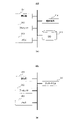
- FIG. An example of judging the state of a pet when using vibration frequency as a physical quantity will be shown.
- An example of message information according to the state of a pet or a change in the state is shown.
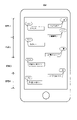
- 4 shows an example of sending message information by a server.
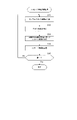
- 8 is a flowchart of message information transmission processing;
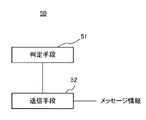
- FIG. 11 is a block diagram showing the functional configuration of an information processing apparatus according to a third embodiment;
- FIG. 10 is a flowchart of processing by an information processing apparatus according to a third embodiment;
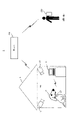
- FIG. 1 shows the overall configuration of a communication system to which an information processing device according to the present disclosure is applied.
- the communication system 1 includes a home system 100 installed at a pet owner's home 5, a server 200, and a user terminal 300 used by the pet owner.
- a pet P is staying at the owner's house 5, and a pet terminal 20 is attached to the pet P.
- - ⁇ A fixed camera 15 is installed at a predetermined place in the home 5.
- - ⁇ Home system 100 and server 200 can communicate by wire or wirelessly.
- the server 200 and the owner's user terminal 300 can be wirelessly communicated.
- the server 200 As a basic operation, the server 200 generates message information regarding the pet P based on the pet P's location, behavior, state, etc. (hereinafter collectively referred to as "pet P state”), It is transmitted to the owner's user terminal 300 via SNS (Social Network Service).
- SMS Social Network Service
- “message information” includes text messages, stamps, images, and the like.
- the server 200 transmits message information that well represents the state of the pet P at that time to the owner's user terminal 300 via the interactive SNS.
- the owner can know the state of the pet P by viewing the message information transmitted to the user terminal 300 .
- the generated message information should be based on the pet P's behavior, location, and state. Also, the transmission timing of the message information can be arbitrarily set. For example, message information may be transmitted starting from the pet side when the pet's state changes. Also, the message information may be transmitted based on the owner's request. An interactive dialogue is also possible, such as the pet P returning an image, a message, or a stamp in response to an image or message sent by the owner. For example, when the owner sends a message "Have you eaten?" Also, the message information may be transmitted from the pet side at regular time intervals.
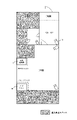
- Fig. 2 shows an example of the floor plan of the owner's home 5.
- the home 5 has an entrance, a hall, a bathroom, a toilet, a living room, a kitchen, a balcony, and the like.
- a door separating each space is basically open, and the pet P can freely move between each space.
- Each space is provided with a fixed camera 15 for photographing the pet P and the like.
- a part of the space of the home 5 is designated as a space in which the pet P is not allowed to enter (hereinafter referred to as a "prohibited space").
- the entry-prohibited space includes a space in which the pet P is not allowed to enter because it is dangerous and a space in which the pet P is not allowed to enter because it is playing a trick.
- the bathroom, toilet, kitchen, and balcony shown in gray are determined as entry-prohibited spaces.
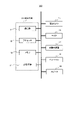
- FIG. 3 is a block diagram showing the configuration of the home system 100 installed in the home 5.
- home system 100 includes home terminal 10 , fixed camera 15 , microphone 16 , automatic feeder 17 , pet toilet 18 , and speaker 19 .
- the home system 100 does not have to include all of the above configurations, and may have a partial configuration.
- Home terminal 10 is, for example, a terminal device such as a PC, tablet, or smartphone, and includes communication unit 11 , processor 12 , memory 13 , and recording medium 14 .
- the communication unit 11 communicates with external devices. Specifically, the communication unit 11 wirelessly communicates with the pet terminal 20 attached to the pet P using, for example, Bluetooth (registered trademark). Also, the communication unit 11 communicates with the server 200 by wire or wirelessly.
- the processor 12 is a computer such as a CPU (Central Processing Unit), and controls the entire home terminal 10 by executing a program prepared in advance.
- the processor 12 may be a GPU (Graphics Processing Unit), FPGA (Field-Programmable Gate Array), DSP (Demand-Side Platform), ASIC (Application Specific Integrated Circuit), or the like.
- Processor 12 transmits information about pets to server 200 by executing a program prepared in advance.
- the memory 13 is composed of ROM (Read Only Memory), RAM (Random Access Memory), and the like.
- the memory 13 stores various programs executed by the processor 12 .
- the memory 13 is also used as a working memory while the processor 12 is executing various processes.
- the recording medium 14 is a non-volatile, non-temporary recording medium such as a disk-shaped recording medium or semiconductor memory, and is configured to be detachable from the home terminal 10 .
- the recording medium 14 records various programs executed by the processor 12 .
- home terminal 10 transmits data regarding the state of pet P to server 200
- a program recorded in recording medium 14 is loaded into memory 13 and executed by processor 12 . Images captured by the fixed camera 15 , sounds collected by the microphone 16 , information received from the pet terminal 20 , and the like are temporarily stored in the memory 13 .
- the fixed camera 15 is installed at a predetermined position inside the home 5. Basically, a necessary number of fixed cameras 15 are installed so as to cover the entire space in which the pet P can move. be.
- the fixed camera 15 is always in operation, takes a moving image of the shooting range, and transmits the moving image to the home terminal 10. - ⁇
- a microphone 16 is installed in each space of the home 5.
- the microphone 16 may be integrated with the fixed camera 15 .
- the microphone 16 collects sounds generated in each space and transmits the collected sounds to the home terminal 10 .
- the home terminal 10 transmits the sound collected by the microphone 16 to the server 200 .
- the automatic feeder 17 is installed in the dining space of the living room as shown in FIG.
- the automatic feeder 17 is a device that feeds the pet P when the owner is absent. For example, at a preset time, the automatic feeder 17 automatically feeds food to a pet tableware or the like, and sends a notification to the home terminal 10 that the pet P has been fed.
- Home terminal 10 transmits a notification from automatic feeder 17 to server 200 .
- Home terminal 10 also transmits to server 200 an image captured by fixed camera 15 around the time when the notification was received.
- the pet toilet 18 is installed in the toilet space of the living room as shown in FIG.
- the pet toilet 18 includes, for example, a water supply sheet and a sensor, detects that the pet P has excreted, and notifies the home terminal 10 of the excretion.
- Home terminal 10 transmits a notification from pet toilet 18 to server 200 .
- Home terminal 10 also transmits to server 200 an image captured by fixed camera 15 around the time when the notification was received.
- the speaker 19 is installed in the living room of the home 5 or in an entry-prohibited space, and outputs warning sounds and messages to the pet P. For example, when the pet P enters a restricted space, if the owner records an angry voice at the pet P (such as "Don't enter there"), even when the owner is not there, the pet can be harassed. The same voice can be output.
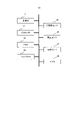
- FIG. 4 is a block diagram showing the configuration of the pet terminal 20 attached to the pet P. As shown in FIG. The pet terminal 20 is attached to the pet instead of the collar of the pet P, or is attached to the collar worn by the pet. Pet terminal 20 includes communication unit 21 , processor 22 , memory 23 , pet camera 24 , acceleration sensor 25 , air pressure sensor 26 , biosensor 27 , and microphone 28 .
- the communication unit 21 communicates with external devices. Specifically, the communication unit 21 wirelessly communicates with the home terminal 10 by, for example, Bluetooth.
- the processor 22 is a computer such as a CPU, and controls the entire pet terminal 20 by executing a program prepared in advance.
- the processor 12 periodically transmits information acquired by the pet camera 24, the sensors 25 to 27, and the microphone 28 to the home terminal 10 by executing a program prepared in advance.
- the memory 23 is composed of ROM, RAM, and the like.
- the memory 23 stores various programs executed by the processor 22 .
- the memory 23 is also used as a working memory while the processor 22 is executing various processes.
- the memory 23 temporarily stores the information acquired by the pet camera 24, the sensors 25 to 27 and the microphone 28.
- the pet camera 24 is a camera for capturing images from the pet's line of sight.
- the pet camera 24 may be configured to detect the orientation of the neck of the pet P to determine the photographing direction, or may be mounted near the head of the pet P, and the front of the pet P may be wide-angle. It may be used as a camera for photographing.
- the pet camera 24 captures an area including the line-of-sight direction of the pet P and transmits the captured image to the home terminal 10 . Thereby, the home terminal 10 can acquire the image of the pet's line of sight.
- the acceleration sensor 25 is a 3-axis acceleration sensor, measures the movement of the pet P in 3-axis directions, and transmits the results to the home terminal 10 .
- the acceleration sensor 25 can output the pet P's exercise amount, vibration frequency, and the like.
- the server 200 can estimate the amount of activity of the pet P and the like.
- the atmospheric pressure sensor 26 measures the atmospheric pressure at the location of the pet P and transmits it to the home terminal 10 .
- the server 200 can detect the vertical movement of the pet P, for example, the number of movements such as jumping, the distance, the accumulated distance, and the like. Also, although not shown in FIG. 4, a gyro sensor may be used.
- a 6-axis sensor in which a 3-axis acceleration sensor and a 3-axis gyro sensor (a 3-axis angular velocity sensor) are integrated may be used.
- the sensor is not limited to the above as long as it is a sensor capable of measuring the amount of activity of an animal.
- the biological sensor 27 is a sensor that measures the biological information of the pet P. For example, the body temperature, heart rate, and respiratory rate of the pet P are measured and transmitted to the home terminal 10 .
- the home terminal 10 transmits the acquired biometric information to the server 200 .
- the microphone 28 collects sounds around the pet P and transmits them to the home terminal 10 .
- the home terminal 10 transmits the collected sound to the server 200 .
- the server 200 can estimate the state of the pet P, such as barking or barking, based on the received sound.
- the server 200 can estimate the motion state, mental state, and the like of the pet P based on, for example, sounds of the pet P running around and breathing sounds.
- FIG. 5A is a block diagram showing the configuration of the server 200. As shown in FIG. The server 200 transmits and receives messages to and from the user terminal 300 using an interactive SNS.
- the server 200 includes a communication unit 211 , a processor 212 , a memory 213 , a recording medium 214 and a database 215 .
- the communication unit 211 transmits and receives data to and from an external device. Specifically, the communication unit 211 transmits and receives information between the home terminal 10 and the owner's user terminal 300 .
- the processor 212 is a computer such as a CPU, and controls the entire server 200 by executing a program prepared in advance. Note that processor 212 may be a GPU, FPGA, DSP, ASIC, or the like. Specifically, the processor 212 transmits message information to the owner's user terminal 300 through the interactive SNS. Processor 212 is an example of determination means and transmission means.
- the memory 213 is composed of ROM, RAM, and the like. The memory 213 is also used as working memory during execution of various processes by the processor 212 .
- the recording medium 214 is a non-volatile, non-temporary recording medium such as a disk-shaped recording medium or a semiconductor memory, and is configured to be removable from the server 200 .
- a recording medium 214 records various programs executed by the processor 212 .
- the database 215 stores information and images received from the home terminal 10 through the communication unit 211. That is, message information and images sent and received by many users of the user terminals 300 are stored in the database 215 .
- the database 215 also stores the transmission timing of message information and prepared message information (for example, predetermined messages, stamps, etc.) for each user.
- Database 215 is an example of a storage unit.
- the server 200 may include an input unit such as a keyboard and a mouse, and a display unit such as a liquid crystal display for the administrator or the like to issue instructions or input.
- FIG. 5B is a block diagram showing the internal configuration of the user terminal 300 used by the owner.
- the user terminal 300 is, for example, a smartphone, tablet, PC, or the like.
- User terminal 300 includes communication unit 311 , processor 312 , memory 313 , and touch panel 314 .
- the communication unit 311 transmits and receives data to and from an external device. Specifically, the communication unit 311 transmits and receives information to and from the server 200 .
- the processor 312 is a computer such as a CPU, and controls the entire user terminal 300 by executing a program prepared in advance.
- processor 312 may be a GPU, FPGA, DSP, ASIC, or the like.
- a messaging application for an interactive SNS executed by the server 200 is installed in the user terminal 300 .
- a "messaging application” is an application that enables the exchange of message information such as text messages, stamps, still images, and videos.
- Processor 312 receives the transmitted message information via server 200 by the messaging application and displays it on touch panel 314 .
- Processor 312 also transmits the message information input by the owner to server 200 using the messaging application.
- the memory 313 is composed of ROM, RAM, and the like.
- the memory 313 is also used as working memory during execution of various processes by the processor 312 .
- the touch panel 314 displays message information received by the user terminal 300 .
- the touch panel 314 also functions as a user input device.
- the server 200 transmits appropriate message information to the owner's user terminal 300 based on the state of the pet P.
- the server 200 determines the state of the pet P based on the magnitude of the physical quantity related to the movement and behavior of the pet P, and transmits message information according to the determined state to the owner's user terminal 300. .
- the server 200 acquires physical quantities relating to the movement and behavior of the pet P from the pet terminal 20 and determines the state of the pet P.
- FIG. 6 shows an example of judging the state of a pet when using the vibration frequency acquired from the pet terminal 20 as a physical quantity. Note that the vibration frequency is merely an example of a physical quantity that indicates the state of the pet P, and is not limited to this.
- FIG. 6 shows a graph of the frequency of the pet P measured by the pet terminal 20.
- the server 200 classifies the state of the pet P into states 1 to 3 based on the frequency of vibration. Note that this classification is merely an example, and the classification method of the state of the pet P is not limited to this.
- State 1 is a state in which the value of the vibration frequency is less than the threshold TH1, and the pet P is sleeping.
- State 2 is a state in which the value of the vibration frequency is equal to or greater than the threshold TH1 and less than the threshold TH2, and is a state in which the pet P makes short or small movements (hereinafter also referred to as "small movement state").
- State 3 is when the value of the vibration frequency is equal to or greater than the threshold TH2, and is a state in which the pet P makes long or large movements (hereinafter also referred to as a "large movement state"). As shown in FIG. 6, the state of the pet P changes from moment to moment based on changes in the vibration frequency.
- the server 200 determines message information to be sent to the owner according to the state of the pet P. Note that the server 200 may determine message information according to changes in the state of the pet P over time.
- FIG. 7 shows an example of message information prepared according to the state of the pet P or a change in the state. Note that the message information in FIG. 7 is merely an example, and message information other than these may be used.
- the server 200 randomly selects one or a plurality of pieces of message information from a plurality of pieces of message information prepared according to each state or state change, and transmits the message information to the user terminal 300 .
- the server 200 selects message information indicating that the pet P is sleeping, such as “sleeping” or “sleeping”.
- state 2 small motion state
- the server 200 selects message information representing that the pet P is awake and performing daily activities, such as “waking up” or “walking around”.
- state 3 high movement state
- the server 200 selects message information indicating that the pet P is in an active state, such as "walk” or “dash”. In this way, by using the magnitude of the physical quantity related to the motion and behavior of the pet P, it is possible to finely determine the state of the pet P, including the magnitude (degree) of the motion and behavior.
- server 200 selects message information according to the change. For example, as shown in FIG. 7, when the state of the pet P changes from state 1 (sleeping state) to state 2 (slightly moving state), the server 200 outputs a message such as "Wake up” or "Good morning”. Select message information. Also, when the state of the pet P changes from state 2 (small motion state) to state 3 (large motion state), the server 200 selects message information such as "I'm fine! and "I'm having fun.” Message information such as that illustrated in FIG. 7 is similarly selected for other state changes.
- a text message is used as the message information, but a stamp, an image, or the like may be used.
- the status of pet P is classified into three, but one status may be further subdivided.
- state 1 (sleeping state) may be subdivided into "deep sleep”, “light sleep”, “just lying down”, and the like.
- the server 200 may subdivide the state 1 by subdividing the thresholds used for classifying the states 1-3. For example, when the vibration frequency threshold TH1 is "10", the server 200 determines that the vibration frequencies "0" to "3" are sound sleep, and the vibration frequencies "4" to "7” are light sleep, Vibrations of "8" to "10” may be determined as lying down.
- the server 200 may combine the value of the vibration frequency and the value of another sensor to determine a subdivided classification.
- the sleeping state may be subdivided based on the pet P's biological information such as body temperature, heart rate, and respiratory rate.
- the frequency is used as the physical quantity used to determine the state of the pet P, but various other physical quantities can be used as long as they are physical quantities that indicate information about the movement and behavior of the pet P. can.
- the amount of activity, acceleration, heart rate, respiration rate, etc. of the pet P can be used instead of the vibration frequency.
- physical quantities indirectly obtained from other information may be used.
- the amount of activity of the pet P may be quantified by image analysis processing of images captured by a camera, analysis of sound collected by a microphone, and the like, and the state of the pet P may be determined using this.
- the state of the pet P is determined based on the frequency, which is one physical quantity, but the state of the pet P may be determined based on a combination of multiple physical quantities.
- a combination of a plurality of physical quantities may be classified into a plurality of states, and message information may be stored in association with the plurality of states.
- state determination method is not limited to the method described above.
- the server 200 basically randomly selects message information prepared for each state or state change of the pet P as illustrated in FIG. 7, and transmits the selected message information to the user terminal 300 of the owner. Also, the server 200 may select message information according to the time or time period instead of selecting message information at random. For example, the server 200 selects "Good morning”, “Wake up”, etc. when the pet P starts its activity in the morning, and selects "Good job", etc. in the evening when the owner's work is likely to end. You may Further, the server 200 may select message information to be transmitted based on a history of message information transmitted in the past. For example, message information sent in the past two to three days may be excluded from options so that the message information to be sent does not become one pattern.
- the server 200 may select message information to be transmitted according to the attributes of the owner.
- the owner's attributes include the owner's character, gender, age, and the number of years the pet has been kept.
- the server 200 prepares in advance corresponding information about the attribute of the owner, the transmission frequency of the message information, the content and type of the message information to be transmitted, and the like. Note that this correspondence information may be generated in advance based on, for example, the results of questionnaires to a large number of pet lovers.
- the owner sets his own attribute information and stores it in the server 200.
- - ⁇ Server 200 selects and transmits message information based on the attribute information set by the owner. For example, if the owner is anxious, the server 200 may continuously transmit a plurality of pieces of message information or increase the frequency of message information transmission.
- the server 200 may change the message information to be sent to the owner according to the attributes and personality of the pet.
- pet attributes include pet types (eg, dogs, cats, rabbits, hamsters, birds, etc.), pet breeds, ages, genders, personalities, and the like.
- the personality of the pet may be inferred based on the type, sex, age, etc. of the pet, or may be set in advance by the owner. For example, dogs are relatively obedient to their owners, cats are capricious, and Chihuahuas are small but strong-willed.
- the server 200 may change the tone of the message information according to the type, age, personality, etc. of the pet P. For example, the server 200 waits for the return of the owner, but if the pet P has a kind personality, it sends message information such as "I wonder if it's time to go home yet.” !” or other message information may be transmitted.
- the server 200 may occasionally transmit message information unrelated to the pet P status determination result.
- message information meaningless or message information unrelated to the behavior of the pet P may be sent to the owner about once or twice a day. Thereby, the entertainment value in the dialogue with the pet P can be enhanced.
- FIG. 8 shows an example of message information transmission by the server 200 .
- FIG. 8 is a display example of message information on the user terminal 300 of the owner. Assume that the owner's name is "Ichiro" and the pet P's name is "John".
- the owner sends message information "What are you doing?"
- the pet P is in the state 1 (sleeping state)
- the server 200 transmits the message information "Relaxing..” corresponding to the state 1 to the owner, as illustrated in FIG.
- the owner has sent message information "Are you taking a nap?".
- the server 200 responds to the change from state 1 to state 2 by saying “wake up”, as illustrated in FIG. Send message information.
- the owner sends message information "Did you sleep well?"
- the server 200 responds to the change from state 2 to state 3 by sending the message "I want to go for a walk” as illustrated in FIG. !” is sent.
- the owner sends message information saying, "Be a good boy and wait for me.”
- appropriate message information is transmitted to the owner's user terminal 300 according to the state of the pet P or changes in the state, so that the owner can keep up with the state of the pet P that changes from moment to moment. You can see the corresponding message information.
- FIG. 9 is a flowchart of message information transmission processing executed by the server 200 . This processing is realized by the processor 212 shown in FIG. 5 executing a program prepared in advance.
- the server 200 receives the output information of each sensor of the pet terminal 20 attached to the pet P, the fixed camera 15, the microphone 16, the automatic feeder 17, the pet toilet 18, etc. from the home terminal 10 (step S11). ).
- the server 200 determines the state of the pet P based on the information acquired in step S11 (step S12). Specifically, the server 200 determines the state of the pet P based on the physical quantity (the vibration frequency in the above example) included in the information acquired from the home terminal 10 . Next, the server 200 determines message information based on the determined state or state change of the pet P (step S13), and transmits the message information to the owner's user terminal 300 (step S14).
- the server 200 determines whether or not to end the message information transmission process (step S15).
- the owner operates the user terminal 300 to turn on the message information transmission processing by the server 200 when going out, and turns off the message information transmission processing when returning home. Therefore, the message information transmission process continues until the owner turns it off, and when the owner turns off the message information transmission process (step S15: Yes), the message information transmission process ends.
- step S15 is not limited to the above.
- the server 200 determines whether or not the owner is at home based on the location information of the user terminal 300 or other information, it is possible not to send the message information.
- the server 200 determines whether or not the owner is at home based on the location information of the user terminal 300, and does not transmit the message information when it is determined that the owner is at home.
- the owner's position information can be obtained by GPS or the like, for example.
- the user terminal 300 may determine whether or not the owner is at home by connecting to the home Wi-Fi, and may not transmit the message information if it is determined that the owner is at home.
- the server 200 performs state analysis and the like based on the information received.
- the state of the pet P is determined by going there.
- the home terminal 10 may perform part of the processing for determining the state of the pet, and the processing result may be transmitted to the server 200 .
- the home terminal 10 may perform feature extraction from the image and transmit the result to the server 200 . Accordingly, the communication load from the home terminal 10 to the server 200 and the processing load on the server 200 can be reduced.
- ⁇ Second embodiment> information acquired by various devices installed in the home 5 and the pet terminal 20 is transmitted to the server 200, and the server 200 determines the state of the pet P and transmits message information to the user terminal 300. is sending to Alternatively, the functions of the server 200 may be performed by the home terminal 10 of the home system. That is, the home terminal 10 determines the state of the pet P based on information output from various devices installed in the home and the pet terminal 20, determines message information based on the determination result, and sends it to the user terminal 300. You may send.
- an interactive SNS messaging application is installed on the home terminal 10 .
- the home terminal 10 determines the state of the pet P, the home terminal 10 transmits message information to the owner's user terminal 300 using the messaging application.
- the transmitted message information is transmitted to the owner's user terminal 300 by the interactive SNS of the server 200 .
- the second embodiment is the same as the first embodiment except for the above points.
- FIG. 10 is a block diagram showing the functional configuration of the information processing apparatus according to the third embodiment.
- An information processing apparatus 50 of the third embodiment includes determination means 51 and transmission means 52 .
- the determining means 51 determines the state of the target animal based on the physical quantity of information regarding the movement or behavior of the target animal.
- the transmitting means 52 transmits message information according to the determined state to the terminal device.
- FIG. 11 is a flowchart of processing by the information processing device 50.
- the determining means 51 determines the state of the target animal based on the physical quantity of information regarding the movement or behavior of the target animal (step S31).
- the transmitting means 52 transmits message information corresponding to the determined state to the terminal device (step S32). According to the information processing device 50 of the third embodiment, appropriate message information according to the state of the target animal can be transmitted to the owner's terminal device.
- Appendix 2 The information processing apparatus according to appendix 1, wherein the determination means determines the state of the target animal based on the magnitude of the physical quantity.
- Appendix 3 The information processing apparatus according to appendix 1 or 2, wherein the determination means determines the state of the target animal based on the time change of the physical quantity.
- the determination means determines to which of a plurality of states the state of the target animal corresponds, 4.
- the information processing apparatus according to any one of appendices 1 to 3, wherein the transmission means transmits message information corresponding to the determined state.
- Appendix 5 A storage unit that stores message information in association with each of the plurality of states, 5.
- the information processing apparatus according to any one of appendices 4, wherein the transmission unit acquires message information corresponding to the determined state from the storage unit and transmits the message information.
- Appendix 6 The information processing apparatus according to any one of appendices 1 to 5, wherein the transmission means transmits message information according to time or time slot.
- Appendix 7 The information processing apparatus according to any one of appendices 1 to 5, wherein the physical quantity includes at least one of vibration frequency, acceleration, heart rate, and respiration rate measured by a sensor attached to the target animal.
- a recording medium recording a program for causing a computer to execute a process of transmitting message information corresponding to a determined state to a terminal device.
Landscapes
- Engineering & Computer Science (AREA)
- Signal Processing (AREA)
- Computer Networks & Wireless Communication (AREA)
- Business, Economics & Management (AREA)
- Physics & Mathematics (AREA)
- Tourism & Hospitality (AREA)
- Theoretical Computer Science (AREA)
- General Physics & Mathematics (AREA)
- Computing Systems (AREA)
- Human Resources & Organizations (AREA)
- General Business, Economics & Management (AREA)
- Strategic Management (AREA)
- Primary Health Care (AREA)
- Marketing (AREA)
- General Health & Medical Sciences (AREA)
- Economics (AREA)
- Health & Medical Sciences (AREA)
- Human Computer Interaction (AREA)
- Multimedia (AREA)
- Telephonic Communication Services (AREA)
Abstract
Description
対象動物の動き又は振る舞いに関する情報の物理量に基づいて前記対象動物の状態を判定する判定手段と、
判定された状態に応じたメッセージ情報を端末装置へ送信する送信手段と、
を備える。
対象動物の動き又は振る舞いに関する情報の物理量に基づいて前記対象動物の状態を判定し、
判定された状態に応じたメッセージ情報を端末装置へ送信する。
対象動物の動き又は振る舞いに関する情報の物理量に基づいて前記対象動物の状態を判定し、
判定された状態に応じたメッセージ情報を端末装置へ送信する処理をコンピュータに実行させるプログラムを記録する。
[全体構成]
図1は、本開示に係る情報処理装置を適用した通信システムの全体構成を示す。通信システム1は、ペットの飼い主の自宅5に設置された自宅システム100と、サーバ200と、飼い主の使用するユーザ端末300とを含む。飼い主の自宅5には、ペットPが滞在しており、ペットPにはペット端末20が取り付けられている。また、自宅5には所定の場所に固定カメラ15が設置されている。自宅システム100とサーバ200とは、有線又は無線により通信可能である。また、サーバ200と飼い主のユーザ端末300とは無線通信可能である。
図3は、自宅5に設置される自宅システム100の構成を示すブロック図である。図3の例では、自宅システム100は、自宅端末10と、固定カメラ15と、マイク16と、自動給餌器17と、ペットトイレ18と、スピーカ19とを含む。但し、自宅システム100は上記の構成の全てを含まなくてもよく、一部の構成でもよい。自宅端末10は、例えば、PC、タブレット、スマートフォンなどの端末装置であり、通信部11と、プロセッサ12と、メモリ13と、記録媒体14とを備える。
図4は、ペットPに取り付けられるペット端末20の構成を示すブロック図である。ペット端末20は、例えばペットPの首輪の代わりにペットに取り付けられるか、又は、ペットが着けている首輪に対して取り付けられる。ペット端末20は、通信部21と、プロセッサ22と、メモリ23と、ペットカメラ24と、加速度センサ25と、気圧センサ26と、生体センサ27と、マイク28とを備える。
図5(A)は、サーバ200の構成を示すブロック図である。サーバ200は、ユーザ端末300との間において、対話型SNSによるメッセージの送受信を実行する。サーバ200は、通信部211と、プロセッサ212と、メモリ213と、記録媒体214と、データベース215と、を備える。
図5(B)は、飼い主が使用するユーザ端末300の内部構成を示すブロック図である。ユーザ端末300は、例えばスマートフォン、タブレット、PCなどである。ユーザ端末300は、通信部311と、プロセッサ312と、メモリ313と、タッチパネル314と、を備える。
次に、飼い主のユーザ端末300へのメッセージ情報の送信について説明する。本実施形態では、サーバ200は、ペットPの状態に基づいて適切な内容のメッセージ情報を飼い主のユーザ端末300へ送信する。より具体的には、サーバ200は、ペットPの動きや振る舞いに関する物理量の大きさに基づいてペットPの状態を判定し、判定された状態に応じたメッセージ情報を飼い主のユーザ端末300へ送信する。
サーバ200は、ペットPの動きや振る舞いに関する物理量をペット端末20から取得し、ペットPの状態を判定する。図6は、ペット端末20から取得した振動数を物理量として使用する場合にペットの状態を判定する例を示す。なお、振動数はペットPの状態を示す物理量の一例に過ぎず、これに限定されるものではない。
上述のように、サーバ200は、基本的に図7に例示するようにペットPの状態又は状態の変化毎に用意したメッセージ情報をランダムに選択し、飼い主のユーザ端末300へ送信する。また、サーバ200は、ランダムにメッセージ情報を選択する代わりに、時刻や時間帯に応じてメッセージ情報を選択してもよい。例えば、サーバ200は、朝にペットPが活動を開始した場合には「おはよう」、「起きた」などを選択し、飼い主の仕事が終わりそうな夕方の時間帯には「お疲れ様」などを選択してもよい。また、サーバ200は、過去に送信したメッセージ情報の履歴に基づいて、送信するメッセージ情報を選択してもよい。例えば、送信するメッセージ情報がワンパターンにならないように、過去2~3日の間に送信したメッセージ情報を選択肢から除外してもよい。
図8は、サーバ200によるメッセージ情報の送信例を示す。図8は、飼い主のユーザ端末300におけるメッセージ情報の表示例である。なお、飼い主の名前を「一郎」とし、ペットPの名前を「ジョン」とする。
図9は、サーバ200が実行するメッセージ情報送信処理のフローチャートである。この処理は、図5に示すプロセッサ212が、予め用意されたプログラムを実行することにより実現される。
上記の第1実施形態では、基本的に自宅5に設置された各種の装置やペット端末20により取得された情報がそのままサーバ200へ送信され、サーバ200が受信した情報に基づいて状態分析などを行ってペットPの状態を判定している。その代わりに、ペットの状態を判定するための処理の一部を自宅端末10で行い、その処理結果をサーバ200へ送信することとしてもよい。例えば、自宅端末10側で画像からの特徴量抽出などを行い、その結果をサーバ200へ送信するようにしてもよい。これにより、自宅端末10からサーバ200への通信負荷、及び、サーバ200における処理負荷を軽減することができる。
上記の第1実施形態では、自宅5に設置された各種の装置やペット端末20により取得された情報をサーバ200へ送信し、サーバ200がペットPの状態を判定してメッセージ情報をユーザ端末300へ送信している。その代わりに、サーバ200の機能を自宅システムの自宅端末10が行ってもよい。即ち、自宅端末10は、自宅に設置された各種の装置やペット端末20から出力された情報に基づいてペットPの状態を判定し、判定結果に基づいてメッセージ情報を決定してユーザ端末300へ送信してもよい。
図10は、第3実施形態の情報処理装置の機能構成を示すブロック図である。第3実施形態の情報処理装置50は、判定手段51と、送信手段52とを備える。判定手段51は、対象動物の動き又は振る舞いに関する情報の物理量に基づいて対象動物の状態を判定する。送信手段52は、判定された状態に応じたメッセージ情報を端末装置へ送信する。
対象動物の動き又は振る舞いに関する情報の物理量に基づいて前記対象動物の状態を判定する判定手段と、
判定された状態に応じたメッセージ情報を端末装置へ送信する送信手段と、
を備える情報処理装置。
前記判定手段は、前記物理量の大きさに基づいて、前記対象動物の状態を判定する付記1に記載の情報処理装置。
前記判定手段は、前記物理量の時間変化に基づいて、前記対象動物の状態を判定する付記1又は2に記載の情報処理装置。
前記判定手段は、前記対象動物の状態が複数の状態のいずれに該当するかを判定し、
前記送信手段は、判定された状態に対応するメッセージ情報を送信する付記1乃至3のいずれか一項に記載の情報処理装置。
前記複数の状態の各々に対応付けてメッセージ情報を記憶した記憶部を備え、
前記送信手段は、判定された状態に対応するメッセージ情報を前記記憶部から取得して送信する付記4のいずれか一項に記載の情報処理装置。
前記送信手段は、時刻又は時間帯に応じたメッセージ情報を送信する付記1乃至5のいずれか一項に記載の情報処理装置。
前記物理量は、前記対象動物に取り付けたセンサにより計測された振動数、加速度、心拍数、呼吸数の少なくとも1つを含む付記1乃至5のいずれか一項に記載の情報処理装置。
対象動物の動き又は振る舞いに関する情報の物理量に基づいて前記対象動物の状態を判定し、
判定された状態に応じたメッセージ情報を端末装置へ送信する情報処理方法。
対象動物の動き又は振る舞いに関する情報の物理量に基づいて前記対象動物の状態を判定し、
判定された状態に応じたメッセージ情報を端末装置へ送信する処理をコンピュータに実行させるプログラムを記録した記録媒体。
15 固定カメラ
16 マイク
17 自動給餌器
18 ペットトイレ
19 スピーカ
20 ペット端末
24 ペットカメラ
27 生体センサ
100 自宅システム
200 サーバ
300 ユーザ端末
Claims (9)
- 対象動物の動き又は振る舞いに関する情報の物理量に基づいて前記対象動物の状態を判定する判定手段と、
判定された状態に応じたメッセージ情報を端末装置へ送信する送信手段と、
を備える情報処理装置。 - 前記判定手段は、前記物理量の大きさに基づいて、前記対象動物の状態を判定する請求項1に記載の情報処理装置。
- 前記判定手段は、前記物理量の時間変化に基づいて、前記対象動物の状態を判定する請求項1又は2に記載の情報処理装置。
- 前記判定手段は、前記対象動物の状態が複数の状態のいずれに該当するかを判定し、
前記送信手段は、判定された状態に対応するメッセージ情報を送信する請求項1乃至3のいずれか一項に記載の情報処理装置。 - 前記複数の状態の各々に対応付けてメッセージ情報を記憶した記憶部を備え、
前記送信手段は、判定された状態に対応するメッセージ情報を前記記憶部から取得して送信する請求項4のいずれか一項に記載の情報処理装置。 - 前記送信手段は、時刻又は時間帯に応じたメッセージ情報を送信する請求項1乃至5のいずれか一項に記載の情報処理装置。
- 前記物理量は、前記対象動物に取り付けたセンサにより計測された振動数、加速度、心拍数、呼吸数の少なくとも1つを含む請求項1乃至5のいずれか一項に記載の情報処理装置。
- 対象動物の動き又は振る舞いに関する情報の物理量に基づいて前記対象動物の状態を判定し、
判定された状態に応じたメッセージ情報を端末装置へ送信する情報処理方法。 - 対象動物の動き又は振る舞いに関する情報の物理量に基づいて前記対象動物の状態を判定し、
判定された状態に応じたメッセージ情報を端末装置へ送信する処理をコンピュータに実行させるプログラムを記録した記録媒体。
Priority Applications (3)
| Application Number | Priority Date | Filing Date | Title |
|---|---|---|---|
| US18/269,463 US20240048522A1 (en) | 2021-03-23 | 2021-03-23 | Processing device, information processing method, and recording medium |
| PCT/JP2021/011934 WO2022201293A1 (ja) | 2021-03-23 | 2021-03-23 | 情報処理装置、情報処理方法、及び、記録媒体 |
| JP2023508209A JPWO2022201293A5 (ja) | 2021-03-23 | 情報処理装置、情報処理方法、及び、プログラム |
Applications Claiming Priority (1)
| Application Number | Priority Date | Filing Date | Title |
|---|---|---|---|
| PCT/JP2021/011934 WO2022201293A1 (ja) | 2021-03-23 | 2021-03-23 | 情報処理装置、情報処理方法、及び、記録媒体 |
Publications (1)
| Publication Number | Publication Date |
|---|---|
| WO2022201293A1 true WO2022201293A1 (ja) | 2022-09-29 |
Family
ID=83396460
Family Applications (1)
| Application Number | Title | Priority Date | Filing Date |
|---|---|---|---|
| PCT/JP2021/011934 Ceased WO2022201293A1 (ja) | 2021-03-23 | 2021-03-23 | 情報処理装置、情報処理方法、及び、記録媒体 |
Country Status (2)
| Country | Link |
|---|---|
| US (1) | US20240048522A1 (ja) |
| WO (1) | WO2022201293A1 (ja) |
Citations (5)
| Publication number | Priority date | Publication date | Assignee | Title |
|---|---|---|---|---|
| JP2002034377A (ja) * | 2000-07-25 | 2002-02-05 | Denso Corp | ペットの代行管理方法及びそれを行う管理局及び飼い主の通信端末 |
| JP2006042670A (ja) * | 2004-08-04 | 2006-02-16 | Daikin Ind Ltd | ペット健康管理システム |
| WO2016125478A1 (ja) * | 2015-02-06 | 2016-08-11 | ソニー株式会社 | 情報処理装置、情報処理方法および情報処理システム |
| US20200281165A1 (en) * | 2019-03-06 | 2020-09-10 | Honeywell International Inc. | Pet monitoring system |
| JP2020170916A (ja) * | 2019-04-02 | 2020-10-15 | パナソニックIpマネジメント株式会社 | 情報処理装置、及び、情報処理方法 |
-
2021
- 2021-03-23 US US18/269,463 patent/US20240048522A1/en not_active Abandoned
- 2021-03-23 WO PCT/JP2021/011934 patent/WO2022201293A1/ja not_active Ceased
Patent Citations (5)
| Publication number | Priority date | Publication date | Assignee | Title |
|---|---|---|---|---|
| JP2002034377A (ja) * | 2000-07-25 | 2002-02-05 | Denso Corp | ペットの代行管理方法及びそれを行う管理局及び飼い主の通信端末 |
| JP2006042670A (ja) * | 2004-08-04 | 2006-02-16 | Daikin Ind Ltd | ペット健康管理システム |
| WO2016125478A1 (ja) * | 2015-02-06 | 2016-08-11 | ソニー株式会社 | 情報処理装置、情報処理方法および情報処理システム |
| US20200281165A1 (en) * | 2019-03-06 | 2020-09-10 | Honeywell International Inc. | Pet monitoring system |
| JP2020170916A (ja) * | 2019-04-02 | 2020-10-15 | パナソニックIpマネジメント株式会社 | 情報処理装置、及び、情報処理方法 |
Also Published As
| Publication number | Publication date |
|---|---|
| JPWO2022201293A1 (ja) | 2022-09-29 |
| US20240048522A1 (en) | 2024-02-08 |
Similar Documents
| Publication | Publication Date | Title |
|---|---|---|
| US20240164348A1 (en) | Animal collar device for monitoring animal | |
| KR102139922B1 (ko) | 반려동물 행동 감시 케어시스템 | |
| KR102022893B1 (ko) | 반려동물 케어 방법 및 이를 이용하는 시스템 | |
| US11026612B2 (en) | Information processing system, information processing device, storage medium storing information processing program, and information processing method | |
| US10600303B2 (en) | Pet owner evaluation system | |
| AU2014321857B2 (en) | Animal monitor | |
| US8890871B2 (en) | Method and arrangement for monitoring the path of an animal or a human in the home | |
| JP2016146070A (ja) | 情報処理装置、情報処理方法および情報処理システム | |
| KR102022883B1 (ko) | 애완동물의 행태와 감정을 보여주는 그래픽 사용자 인터페이스 제공 방법 및 장치 | |
| US20240251758A1 (en) | Animal monitoring system, animal monitoring server, animal monitoring method, animal monitoring program, and rectal temperature estimation model | |
| KR20190028021A (ko) | 센서 기술을 활용한 애완동물 상태 분석 방법 및 시스템 | |
| JP2010068268A (ja) | 愛玩動物再現システムおよび愛玩動物再現プログラム | |
| KR20230052343A (ko) | 실시간 반려동물 행동 감시 케어시스템 | |
| WO2022201293A1 (ja) | 情報処理装置、情報処理方法、及び、記録媒体 | |
| CN111701251A (zh) | 一种智能宠物玩具系统 | |
| JP7624675B2 (ja) | 通信システム | |
| WO2022074828A1 (ja) | 情報処理装置、情報処理方法、及び、記録媒体 | |
| WO2023191044A1 (ja) | 動物管理装置、プログラム、及び動物の体調出力方法 | |
| WO2022074829A1 (ja) | 情報処理装置、情報処理方法、及び、記録媒体 | |
| WO2023144877A1 (ja) | 動物管理支援装置、動物管理支援方法、及び、記録媒体 | |
| WO2022074830A1 (ja) | 情報処理装置、情報処理方法、及び、記録媒体 | |
| WO2023119396A1 (ja) | 動物行動予測装置、動物行動予測方法、及び、記録媒体 | |
| KR20190003148U (ko) | 반려동물 헬스케어 제품 및 시스템 | |
| KR102845529B1 (ko) | 이상 활력징후 탐지에 따른 반려동물 심리안정 시스템 | |
| US20260047560A1 (en) | Systems for taking care of dog |
Legal Events
| Date | Code | Title | Description |
|---|---|---|---|
| 121 | Ep: the epo has been informed by wipo that ep was designated in this application |
Ref document number: 21932903 Country of ref document: EP Kind code of ref document: A1 |
|
| ENP | Entry into the national phase |
Ref document number: 2023508209 Country of ref document: JP Kind code of ref document: A |
|
| WWE | Wipo information: entry into national phase |
Ref document number: 18269463 Country of ref document: US |
|
| NENP | Non-entry into the national phase |
Ref country code: DE |
|
| 122 | Ep: pct application non-entry in european phase |
Ref document number: 21932903 Country of ref document: EP Kind code of ref document: A1 |