WO2022102011A1 - 客観評価装置、客観評価方法、及び客観評価プログラム - Google Patents
客観評価装置、客観評価方法、及び客観評価プログラム Download PDFInfo
- Publication number
- WO2022102011A1 WO2022102011A1 PCT/JP2020/042039 JP2020042039W WO2022102011A1 WO 2022102011 A1 WO2022102011 A1 WO 2022102011A1 JP 2020042039 W JP2020042039 W JP 2020042039W WO 2022102011 A1 WO2022102011 A1 WO 2022102011A1
- Authority
- WO
- WIPO (PCT)
- Prior art keywords
- unit
- objective evaluation
- index
- calculation unit
- terminals
- Prior art date
- Legal status (The legal status is an assumption and is not a legal conclusion. Google has not performed a legal analysis and makes no representation as to the accuracy of the status listed.)
- Ceased
Links
Images


Classifications
-
- H—ELECTRICITY
- H04—ELECTRIC COMMUNICATION TECHNIQUE
- H04M—TELEPHONIC COMMUNICATION
- H04M11/00—Telephonic communication systems specially adapted for combination with other electrical systems
-
- H—ELECTRICITY
- H04—ELECTRIC COMMUNICATION TECHNIQUE
- H04N—PICTORIAL COMMUNICATION, e.g. TELEVISION
- H04N7/00—Television systems
- H04N7/14—Systems for two-way working
Definitions
- the present invention relates to an objective evaluation device, an objective evaluation method, and an objective evaluation program.
- the methods for evaluating the quality of video media include subjective evaluation in which a person observes the video and makes a subjective judgment, and objective evaluation in which the subjective quality of the video media is estimated using video information (data). There is an evaluation (see Non-Patent Document 1).
- evaluation is based on the value. Further, in the conventional objective evaluation, the evaluation is performed based on the information obtained from the upper layer such as the media layer and the packet layer.
- An object of the present invention is to provide an objective evaluation device, an objective evaluation method, and an objective evaluation program that can easily estimate the subjective quality of a video medium without using information of an upper layer.
- the objective evaluation device is based on a capture unit that captures wireless frames of video data transmitted to a plurality of terminals on a predetermined wireless channel, and a wireless frame captured by the capture unit. It is characterized by having a calculation unit for calculating an index indicating fairness of the communication time of each of the terminals with respect to a unit time, and an output unit for outputting the index calculated by the calculation unit.
- the objective evaluation method is based on a capture step of capturing wireless frames of video data transmitted to a plurality of terminals on a predetermined wireless channel and the captured wireless frames. It is characterized by including a calculation process for calculating an index indicating fairness of the communication time of each terminal with respect to a unit time, and an output process for outputting the calculated index.
- the subjective quality of the video media can be easily estimated without using the information of the upper layer.
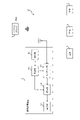
- FIG. 1 is a diagram illustrating functions of a wireless communication system 10 that provides a video communication service and an objective evaluation device 5 that evaluates the quality of video media.
- terminals 1 to 3 are used for learning by each student in the classroom.
- the terminals 1 to 3 simultaneously stream and reproduce, for example, a video for learning held in a server (not shown) on the Internet via the access point 4.
- the objective evaluation device 5 is a device that estimates the subjective quality of the video reproduced by each of the terminals 1 to 3 and performs an objective evaluation.
- the objective evaluation device 5 has an acquisition unit 51, a setting unit 52, a capture unit 53, a calculation unit 54, and an output unit 55.
- the acquisition unit 51 acquires information that identifies the MAC addresses, wireless channels, and the like of a plurality of terminals to be evaluated by the objective evaluation device 5, and outputs the acquired information to the setting unit 52.
- the acquisition unit 51 acquires information from the administrator (maintenance person) of the wireless communication system 10 via the input unit 500 or the communication unit 520, which will be described later, using FIG.
- the setting unit 52 sets the capture unit 53 and the calculation unit 54 based on the MAC address and wireless channel of the terminal input from the acquisition unit 51. Specifically, the setting unit 52 sets the capture unit 53 to specify the radio channel for capturing the radio frame. Further, the setting unit 52 has a MAC address that specifies a plurality of target terminals (for example, terminals 1 to 3) so as to specify a plurality of video data used for calculating an index to be described later for the calculation unit 54. Set.
- the capture unit 53 captures each of the wireless frames transmitted via the access point 4 on the wireless channel set by the setting unit 52, and outputs the captured data to the calculation unit 54. For example, the capture unit 53 receives, captures, and temporarily stores all the wireless frames transmitted by the wireless channel of 36ch.
- the calculation unit 54 calculates and calculates an index showing the fairness of the communication time of each of the plurality of target terminals (for example, terminals 1 to 3) with respect to the unit time, based on the wireless frame captured by the capture unit 53, for example.
- the index is output to the output unit 55.
- the calculation unit 54 extracts a wireless frame for a terminal (for example, terminals 1 to 3) having a MAC address set by the setting unit 52 from the wireless frames captured by the capture unit 53 on the 36ch wireless channel. Then, the calculation unit 54 sets each of the plurality of target terminals (for example, terminals 1 to 3) based on the frame length and the PHY data rate (data rate of the physical layer) in the wireless layer (physical layer) of the extracted wireless frame. Calculate an index showing the fairness of the communication time with respect to the unit time.
- the unit of the frame length is, for example, bits.
- the unit of the PHY data rate (hereinafter referred to as PHY rate) is, for example, bit / s.
- the calculation unit 54 calculates an index (for example, Fairness Index, which will be described later) indicating fairness based on a value in units of time (for example, Airtime i , which will be described later).
- the calculation unit 54 confirms whether or not the MAC address of the wireless frame input from the capture unit 53 is included in the plurality of MAC addresses set by the setting unit 52, and calculates the index. Take out the required wireless frame and calculate the index. That is, the calculation unit 54 confirms the correspondence between the MAC address set by the setting unit 52 and the MAC address of the wireless frame input from the capture unit 53, extracts the wireless frame necessary for calculating the index, and outputs the index. Is calculated.
- the output unit 55 outputs to the administrator (maintenance person) of the wireless communication system 10 by displaying, for example, the index calculated by the calculation unit 54.
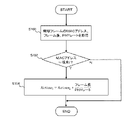
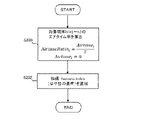
- calculation unit 54 performs the first process illustrated in FIG. 2 and the second process illustrated in FIG.
- the calculation unit 54 acquires the MAC address, frame length, and PHY rate of the wireless frame from the capture unit 53 (S100).
- the calculation unit 54 proceeds to the process of S104 when the MAC address of the wireless frame input from the capture unit 53 is the MAC address of the terminal i (S102: Yes), and in other cases (S102: No). Ends the process.
- the calculation unit 54 calculates to update the air time (Airtime i ) in units of the time shown in the following equation (1) for each of the terminals 1 to 3.
- the calculation unit 54 calculates an index (Fairness Index) as a criterion for determining fairness shown in the following equation (3) using the AirtimeRatio i of each of the terminals 1 to 3 (S202).
- the Fairness Index takes a value of 0 to 1, and it can be said that the closer it is to 1, the fairer it is.
- the reason for calculating the Fairness Index will be described.
- each student uses whether or not each student can play the video fairly. It is equal to whether or not the wireless LAN terminal is able to consume wireless (air) fairly.
- the administrator of the wireless communication system 10 uses it by each student. It is possible to grasp whether or not the terminals 1 to 3 are consuming radio (air) fairly. That is, the administrator of the wireless communication system 10 can grasp whether or not each student can reproduce the video fairly.
- the Fairness Index tends to be larger as the bandwidth usage guideline for each terminal is smaller. That is, the smaller the bandwidth guideline per terminal is, the easier it is for the terminals 1 to 3 used by each student to consume radio (air) fairly.
- FIG. 4 is a diagram illustrating a wireless frame of terminals 1 to 3 for evaluation by the objective evaluation device 5 shown in FIG. 1.
- the MAC addresses of terminals 1 to 3 are AA: AA: AA: 11: 11: 11, AA: AA: AA: 22: 22: 22, AA: AA: AA: 33: 33: 33, respectively. do. Then, the terminals 1 to 3 stream and reproduce the video from a server (not shown) on the Internet via the access point 4.
- the acquisition unit 51 has MAC addresses of terminals 1 to 3 (AA: AA: AA: 11: 11: 11, AA: AA: AA: 22: 22: 22, AA: AA: AA: 33: 33: 33), And the capture unit 53 acquires information indicating the wireless channel (36ch) to be captured from the administrator (maintenance person) of the wireless communication system 10.
- the setting unit 52 sets the MAC addresses of terminals 1 to 3 (AA: AA: AA: 11: 11: 11, AA: AA: AA: 22: 22: 22, AA: AA: 33: 33: 33). It is set in the calculation unit 54, and the wireless channel (36ch) is set in the capture unit 53.
- the capture unit 53 starts capturing a wireless frame transmitted on the set wireless channel (36ch).
- the capture unit 53 outputs the following information to the calculation unit 54.
- the calculation unit 54 Since the calculation unit 54 includes the MAC address of the wireless frame input from the capture unit 53 among the plurality of MAC addresses set by the setting unit 52, the calculation unit 54 performs the calculation shown in the following equation (4). , Airtime 1 (communication time) is calculated.
- the capture unit 53 outputs the following information to the calculation unit 54.
- the calculation unit 54 Since the calculation unit 54 includes the MAC address of the wireless frame input from the capture unit 53 among the plurality of MAC addresses set by the setting unit 52, the calculation unit 54 performs the calculation shown in the following equation (5). , Airtime 2 (communication time) is calculated.
- the capture unit 53 outputs the following information to the calculation unit 54.
- the calculation unit 54 Since the calculation unit 54 includes the MAC address of the wireless frame input from the capture unit 53 among the plurality of MAC addresses set by the setting unit 52, the calculation unit 54 uses the Airtime 1 shown in the following equation (6). Perform the calculation to update.
- the capture unit 53 outputs the following information to the calculation unit 54.
- the calculation unit 54 Since the calculation unit 54 includes the MAC address of the wireless frame input from the capture unit 53 among the plurality of MAC addresses set by the setting unit 52, the calculation unit 54 performs the calculation shown in the following equation (7). , Airtime 3 (communication time) is calculated.
- the calculation unit 54 calculates the Fairness Index shown in the following equation (11), and outputs the calculated Fairness Index value (0.88) to the output unit 55.
- the output unit 55 outputs the value (0.88) of the Fairness Index input from the calculation unit 54, for example, by displaying it. Therefore, since the value of the Fairness Index is close to 1, the administrator of the wireless communication system 10 should understand that the terminals 1 to 3 used by each student are consuming the wireless (air) fairly. Can be done. In other words, it can be said that each student is able to reproduce the video fairly.
- the calculation unit 54 and the calculation unit 54 calculate an index indicating fairness to the unit time of the communication time occupied by each of the radio frames captured by the capture unit 53. Since it has an output unit 55 that outputs the index, it is possible to easily estimate the subjective quality of the video media without using the information of the upper layer.
- Each function of the objective evaluation device 5 may be partially or wholly configured by hardware such as PLD (Programmable Logic Device) or FPGA (Field Programmable Gate Array), or may be executed by a processor such as a CPU. It may be configured as a program to be processed.
- hardware such as PLD (Programmable Logic Device) or FPGA (Field Programmable Gate Array)
- FPGA Field Programmable Gate Array
- the objective evaluation device 5 can be realized by using a computer and a program, and the program can be recorded on a storage medium or provided through a network.
- FIG. 5 is a diagram showing a hardware configuration example of the objective evaluation device 5 according to the embodiment.
- the objective evaluation device 5 has an input unit 500, a display unit 510, a communication unit 520, a CPU 530, a memory 540, and an HDD 550 connected via a bus 560, and has a function as a computer. Further, the objective evaluation device 5 is configured to be able to input / output data to / from a computer-readable storage medium 570.
- the input unit 500 is, for example, a keyboard, a mouse, or the like.
- the display unit 510 is, for example, a display or the like.
- the communication unit 520 is, for example, a communication interface, and is also included in, for example, the capture unit 53 described above. Further, the communication unit 520 may be included in the output unit 55 described above.
- the CPU 530 controls each part constituting the objective evaluation device 5 and performs predetermined processing and the like.
- the memory 540 and the HDD 550 store data and the like.
- the storage medium 570 can store a program or the like for executing the function of the objective evaluation device 5.
- the architecture constituting the objective evaluation device 5 is not limited to the example shown in FIG.
Landscapes
- Engineering & Computer Science (AREA)
- Signal Processing (AREA)
- Multimedia (AREA)
- Two-Way Televisions, Distribution Of Moving Picture Or The Like (AREA)
- Mobile Radio Communication Systems (AREA)
Abstract
一実施形態にかかる客観評価装置は、所定の無線チャネルで複数の端末に対して送信された映像データの無線フレームをそれぞれキャプチャするキャプチャ部と、キャプチャ部がキャプチャした無線フレームに基づいて、端末それぞれの通信時間の単位時間に対する公平性を示す指標を算出する算出部と、算出部が算出した指標を出力する出力部とを有することを特徴とする。また、算出部は、端末それぞれに対する無線フレームのフレーム長及びデータレートに基づいて、指標を算出することを特徴とする。
Description
本発明は、客観評価装置、客観評価方法、及び客観評価プログラムに関する。
快適な映像通信サービスをユーザに対して提供するためには、サービスを利用するユーザが経験する品質(QoE:Quality of Experience)を効率的に評価することが必要になっている。
例えば、教室内の複数の生徒が無線LAN端末を用いてインターネット上のサーバから映像を一斉にストリーミング再生して学習する場合、各生徒が所定の品質で映像を再生できているか否かを評価することが必要になる。
映像メディアの品質(通信品質)を評価する方法には、人が映像を観視して主観的に判断する主観評価と、映像メディアに対する主観品質を映像の情報(データ)を用いて推定する客観評価とがある(非特許文献1参照)。
例えば、主観評価では、映像を見た生徒に映像の品質を5段階(5:非常に良い、4:良い、3:普通、2:悪い、1:非常に悪い)で評点してもらい、その値を基にして評価が行われる。また、従来の客観評価では、メディアレイヤやパケットレイヤなどの上位のレイヤから得られる情報を基にして評価が行われている。
主観評価では、客観評価よりも正確な評価をすることが可能である。一方、主観評価の実施には、多大な時間と労力が必要になる。そのため、主観品質を推定する効率的な客観評価法が求められている。
岡本、外1名、「映像メディア品質評価技術の最新動向」、電子情報通信学会、2013年4月、基礎・境界ソサイエティ Fundamentals Review Vol.6 No.4、pp.276-284
しかしながら、従来は、映像通信サービスにおけるメディアレイヤやパケットレイヤなどの上位レイヤの情報を用いなければ主観品質を推定することができなかった。
本発明は、上位レイヤの情報を用いなくても、映像メディアに対する主観品質を容易に推定することができる客観評価装置、客観評価方法、及び客観評価プログラムを提供することを目的とする。
本発明の一態様にかかる客観評価装置は、所定の無線チャネルで複数の端末に対して送信された映像データの無線フレームをそれぞれキャプチャするキャプチャ部と、前記キャプチャ部がキャプチャした無線フレームに基づいて、前記端末それぞれの通信時間の単位時間に対する公平性を示す指標を算出する算出部と、前記算出部が算出した指標を出力する出力部とを有することを特徴とする。
また、本発明の一態様にかかる客観評価方法は、所定の無線チャネルで複数の端末に対して送信された映像データの無線フレームをそれぞれキャプチャするキャプチャ工程と、キャプチャした無線フレームに基づいて、前記端末それぞれの通信時間の単位時間に対する公平性を示す指標を算出する算出工程と、算出した指標を出力する出力工程とを含むことを特徴とする。
本発明によれば、上位レイヤの情報を用いなくても、映像メディアに対する主観品質を容易に推定することができる。
以下に、映像通信サービスにおける映像メディアの品質を評価する客観評価装置の一実施形態を、図面を用いて説明する。図1は、映像通信サービスを提供する無線通信システム10と、映像メディアの品質を評価する客観評価装置5が有する機能を例示する図である。
無線通信システム10は、例えば端末1~3(n台:1≦i≦n=3)がアクセスポイント4との間で無線LANとして通信を行うように構成されている。例えば、端末1~3は、教室内の各生徒によってそれぞれ学習に用いられる。具体例として、端末1~3は、例えばインターネット上のサーバ(図示せず)に保持されている学習用の映像を、アクセスポイント4を介して一斉にストリーミング再生する。
客観評価装置5は、端末1~3それぞれが再生する映像に対し、主観品質を推定して客観評価を行う装置である。例えば、客観評価装置5は、取得部51、設定部52、キャプチャ部53、算出部54、及び出力部55を有する。
取得部51は、客観評価装置5が行う評価の対象となる複数の端末のMACアドレスや、無線チャネルなどを特定する情報を取得し、取得した情報を設定部52に対して出力する。例えば、取得部51は、図5を用いて後述する入力部500又は通信部520を介して無線通信システム10の管理者(保守者)などから情報を取得する。
設定部52は、取得部51から入力された端末のMACアドレス及び無線チャネルに基づいて、キャプチャ部53及び算出部54に対する設定を行う。具体的には、設定部52は、キャプチャ部53に対して無線フレームをキャプチャすべき無線チャネルを特定する設定を行う。また、設定部52は、算出部54に対して後述する指標を算出するために用いる複数の映像データを特定するように、対象となる複数の端末(例えば端末1~3)を特定するMACアドレスの設定を行う。
キャプチャ部53は、設定部52により設定された無線チャネルでアクセスポイント4を介して送信された無線フレームそれぞれをキャプチャし、キャプチャしたデータを算出部54に対して出力する。例えば、キャプチャ部53は、36chの無線チャネルによって送信される全ての無線フレームを受信して取り込み、一時保存する。
算出部54は、例えばキャプチャ部53がキャプチャした無線フレームに基づいて、対象となる複数の端末(例えば端末1~3)それぞれの通信時間の単位時間に対する公平性を示す指標を算出し、算出した指標を出力部55に対して出力する。例えば、算出部54は、36chの無線チャネルでキャプチャ部53がキャプチャした無線フレームの中から、設定部52により設定されたMACアドレスの端末(例えば端末1~3)に対する無線フレームを抜き出す。そして、算出部54は、抜き出した無線フレームの無線レイヤ(物理レイヤ)におけるフレーム長及びPHYデータレート(物理層のデータレート)に基づいて、対象となる複数の端末(例えば端末1~3)それぞれの通信時間の単位時間に対する公平性を示す指標を算出する。
ここで、フレーム長の単位は、例えばbitsである。また、PHYデータレート(以下、PHYレート)の単位は、例えばbit/sである。そして、算出部54は、時間を単位とする値(例えば後述するAirtimei)に基づく公平性を示す指標(例えば後述するFairness Index)を算出する。
このとき、算出部54は、設定部52により設定された複数のMACアドレスの中に、キャプチャ部53から入力された無線フレームのMACアドレスが含まれているか否かを確認し、指標の算出に必要な無線フレームを取り出して、指標を算出する。すなわち、算出部54は、設定部52により設定されたMACアドレスと、キャプチャ部53から入力された無線フレームのMACアドレスとの対応を確認し、指標の算出に必要な無線フレームを取り出して、指標を算出する。
出力部55は、算出部54が算出した指標を例えば表示することにより、無線通信システム10の管理者(保守者)などに対して出力する。
次に、算出部54が行う具体的な処理例について、図2,3を用いて説明する。例えば、算出部54は、図2に例示した第1処理と、図3に例示した第2処理とを行う。
まず、算出部54は、図2に示したように、キャプチャ部53から無線フレームのMACアドレス、フレーム長、及びPHYレートを取得する(S100)。
次に、算出部54は、キャプチャ部53から入力された無線フレームのMACアドレスが、設定部52により設定された複数のMACアドレスの中に含まれているか否かを判定する。例えば、算出部54は、キャプチャ部53から入力された無線フレームのMACアドレスが、端末i(1≦i≦n=3)のMACアドレスであるか否かを判定する(S102)。
そして、算出部54は、キャプチャ部53から入力された無線フレームのMACアドレスが端末iのMACアドレスである場合(S102:Yes)にはS104の処理に進み、その他の場合(S102:No)には処理を終了する。
S104の処理において、算出部54は、下式(1)に示した時間を単位とするエアタイム(Airtimei)を端末1~3それぞれに対して更新する算出を行う。

次に、算出部54は、図3に示したように、評価の対象となる端末1~3それぞれについて、下式(2)に示したエアタイム率(AirtimeRatioi)を所定の周期T毎に算出する(S200)。なお、算出部54は、エアタイム率を算出した後には、Airtimei=0とする。

そして、算出部54は、端末1~3それぞれのAirtimeRatioiを用いて、下式(3)に示した公平性の判断基準となる指標(Fairness Index)を算出する(S202)。

なお、Fairness Indexについては、非特許文献のR. Jain, D. Chiu, and W. Hawe, “A Quantitative Measure of Fairness and Discrimination for Resource Allocation in Shared Computer Systems”, DEC Research Report TR-301, September 26, 1984にも記載がある。
Fairness Indexは、0~1の値をとり、1に近いほど公平であると言える。ここで、Fairness Indexを算出する理由について述べる。
例えば、教室内の生徒が無線LAN端末を用いてインターネット上のサーバから映像を一斉にストリーミング再生して学習する場合、各生徒が映像を公平に再生できているか否かは、各生徒が使用している無線LAN端末が無線(エア)を公平に消費できているか否かに等しい。
客観評価装置5において、端末1~3が消費しているエアタイム率のFairness Indexを算出部54が算出して出力部55が表示すると、無線通信システム10の管理者は、各生徒が使用している端末1~3が無線(エア)を公平に消費しているか否かを把握することができる。つまり、無線通信システム10の管理者は、各生徒が映像を公平に再生できているか否かを把握することができる。
また、GIGAスクール構想の実現標準仕様書(文部科学省、令和2年3月3日)には、端末1台当たりの使用帯域の目安として、学習活動ごとの使用帯域目安が次のように記載されている。
遠隔授業の実施(テレビ会議) 2.0Mbps
NHK For School 0.7Mbps
YouTube(登録商標:HD720p画質) 2.5Mbps
NHK For School 0.7Mbps
YouTube(登録商標:HD720p画質) 2.5Mbps
Fairness Indexは、端末1台当たりの使用帯域目安が小さいほど大きな値になりやすい。つまり、端末1台当たりの使用帯域目安が小さいほど、各生徒が使用している端末1~3が無線(エア)を公平に消費しやすくなる。
次に、客観評価装置5が行う評価の実施例について説明する。図4は、図1に示した客観評価装置5が評価を行う端末1~3の無線フレームを例示する図である。
図1に示したように、例えば教室にアクセスポイント4が1台設置されており、アクセスポイント4がチャネル36を使用しているとする。
また、端末1~3のMACアドレスは、それぞれAA:AA:AA:11:11:11、AA:AA:AA:22:22:22、AA:AA:AA:33:33:33であるとする。そして、端末1~3は、アクセスポイント4を介して、インターネット上にある図示しないサーバから映像をそれぞれストリーミング再生する。
取得部51は、端末1~3のMACアドレス(AA:AA:AA:11:11:11、AA:AA:AA:22:22:22、AA:AA:AA:33:33:33)、及びキャプチャ部53がキャプチャすべき無線チャネル(36ch)を示す情報を無線通信システム10の管理者(保守者)から取得する。
設定部52は、端末1~3のMACアドレス(AA:AA:AA:11:11:11、AA:AA:AA:22:22:22、AA:AA:AA:33:33:33)を算出部54に設定し、無線チャネル(36ch)をキャプチャ部53に設定する。
キャプチャ部53は、設定された無線チャネル(36ch)で送信される無線フレームのキャプチャを開始する。ここで、キャプチャ部53は、図4に示したように、例えば時刻t=0.2秒,0.4秒,0.6秒,0.8秒に、それぞれ端末1,端末2,端末1,端末3の無線フレームをキャプチャする。
時刻t=0.2秒において、キャプチャ部53は、以下の情報を算出部54に対して出力する。
・MACアドレス:AA:AA:AA:11:11:11
・フレーム長 :120000(bits)
・PHYレート :150Mbps
・MACアドレス:AA:AA:AA:11:11:11
・フレーム長 :120000(bits)
・PHYレート :150Mbps
算出部54は、設定部52により設定された複数のMACアドレスの中に、キャプチャ部53から入力された無線フレームのMACアドレスが含まれているので、下式(4)に示した計算を行い、Airtime1(通信時間)を算出する。

時刻t=0.4秒において、キャプチャ部53は、以下の情報を算出部54に対して出力する。
・MACアドレス:AA:AA:AA:22:22:22
・フレーム長 :90000(bits)
・PHYレート :150Mbps
・MACアドレス:AA:AA:AA:22:22:22
・フレーム長 :90000(bits)
・PHYレート :150Mbps
算出部54は、設定部52により設定された複数のMACアドレスの中に、キャプチャ部53から入力された無線フレームのMACアドレスが含まれているので、下式(5)に示した計算を行い、Airtime2(通信時間)を算出する。

時刻t=0.6秒において、キャプチャ部53は、以下の情報を算出部54に対して出力する。
・MACアドレス:AA:AA:AA:11:11:11
・フレーム長 :90000(bits)
・PHYレート :150Mbps
・MACアドレス:AA:AA:AA:11:11:11
・フレーム長 :90000(bits)
・PHYレート :150Mbps
算出部54は、設定部52により設定された複数のMACアドレスの中に、キャプチャ部53から入力された無線フレームのMACアドレスが含まれているので、下式(6)に示したAirtime1を更新する計算を行う。

時刻t=0.8秒において、キャプチャ部53は、以下の情報を算出部54に対して出力する。
・MACアドレス:AA:AA:AA:33:33:33
・フレーム長 :120000(bits)
・PHYレート :150Mbps
・MACアドレス:AA:AA:AA:33:33:33
・フレーム長 :120000(bits)
・PHYレート :150Mbps
算出部54は、設定部52により設定された複数のMACアドレスの中に、キャプチャ部53から入力された無線フレームのMACアドレスが含まれているので、下式(7)に示した計算を行い、Airtime3(通信時間)を算出する。

ここで、上述した所定の周期Tを1秒とすると、時刻t=1秒における端末1~3のエアタイム率は、下式(8)~(10)に示した値となる。



そして、算出部54は、下式(11)に示したFairness Indexを算出し、算出したFairness Indexの値(0.88)を出力部55に対して出力する。

出力部55は、算出部54から入力されたFairness Indexの値(0.88)を例えば表示することによって出力する。よって、無線通信システム10の管理者は、Fairness Indexの値が1に近いことから、各生徒が使用している端末1~3が無線(エア)を公平に消費していることを把握することができる。つまり、各生徒は映像を公平に再生できていると言える。
このように、一実施形態にかかる客観評価装置5は、キャプチャ部53がキャプチャした無線フレームそれぞれが占める通信時間の単位時間に対する公平性を示す指標を算出する算出部54と、算出部54が算出した指標を出力する出力部55とを有するので、上位レイヤの情報を用いなくても、映像メディアに対する主観品質を容易に推定することができる。
なお、客観評価装置5が有する各機能は、それぞれ一部又は全部がPLD(Programmable Logic Device)やFPGA(Field Programmable Gate Array)等のハードウェアによって構成されてもよいし、CPU等のプロセッサが実行するプログラムとして構成されてもよい。
また、本発明にかかる客観評価装置5は、コンピュータとプログラムを用いて実現することができ、プログラムを記憶媒体に記録することも、ネットワークを通して提供することも可能である。
図5は、一実施形態にかかる客観評価装置5のハードウェア構成例を示す図である。図5に示すように、例えば客観評価装置5は、入力部500、表示部510、通信部520、CPU530、メモリ540及びHDD550がバス560を介して接続され、コンピュータとしての機能を備える。また、客観評価装置5は、コンピュータ読み取り可能な記憶媒体570との間でデータを入出力することができるようにされている。
入力部500は、例えばキーボード及びマウス等である。表示部510は、例えばディスプレイなどである。通信部520は、例えば通信インターフェースであり、例えば上述したキャプチャ部53にも含まれる。また、通信部520は、上述した出力部55にも含まれてもよい。
CPU530は、客観評価装置5を構成する各部を制御し、所定の処理等を行う。メモリ540及びHDD550は、データ等を記憶する。
記憶媒体570は、客観評価装置5が有する機能を実行させるプログラム等を記憶可能にされている。なお、客観評価装置5を構成するアーキテクチャは図5に示した例に限定されない。
以上、図面を参照して本発明の実施形態を説明してきたが、上述の実施形態は、本発明の例示に過ぎず、本発明が上述の実施形態に限定されるものではないことは明らかである。したがって、本発明の技術思想及び範囲を逸脱しない範囲で、構成要素の追加、省略、置換、その他の変更が行われてもよい。
1,2,3・・・端末、4・・・アクセスポイント、5・・・客観評価装置、10・・・無線通信システム、51・・・取得部、52・・・設定部、53・・・キャプチャ部、54・・・算出部、55・・・出力部、500・・・入力部、510・・・表示部、520・・・通信部、530・・・CPU、540・・・メモリ、550・・・HDD、560・・・バス、570・・・記憶媒体
Claims (5)
- 所定の無線チャネルで複数の端末に対して送信された映像データの無線フレームをそれぞれキャプチャするキャプチャ部と、
前記キャプチャ部がキャプチャした無線フレームに基づいて、前記端末それぞれの通信時間の単位時間に対する公平性を示す指標を算出する算出部と、
前記算出部が算出した指標を出力する出力部と
を有することを特徴とする客観評価装置。 - 前記算出部は、
前記端末それぞれに対する無線フレームのフレーム長及びデータレートに基づいて、前記指標を算出すること
を特徴とする請求項1に記載の客観評価装置。 - 所定の無線チャネルで複数の端末に対して送信された映像データの無線フレームをそれぞれキャプチャするキャプチャ工程と、
キャプチャした無線フレームに基づいて、前記端末それぞれの通信時間の単位時間に対する公平性を示す指標を算出する算出工程と、
算出した指標を出力する出力工程と
を含むことを特徴とする客観評価方法。 - 前記算出工程では、
前記端末それぞれに対する無線フレームのフレーム長及びデータレートに基づいて、前記指標を算出すること
を特徴とする請求項3に記載の客観評価方法。 - 請求項1又は2に記載の客観評価装置の各部としてコンピュータを機能させるための客観評価プログラム。
Priority Applications (2)
| Application Number | Priority Date | Filing Date | Title |
|---|---|---|---|
| PCT/JP2020/042039 WO2022102011A1 (ja) | 2020-11-11 | 2020-11-11 | 客観評価装置、客観評価方法、及び客観評価プログラム |
| JP2022561751A JP7501662B2 (ja) | 2020-11-11 | 2020-11-11 | 客観評価装置、客観評価方法、及び客観評価プログラム |
Applications Claiming Priority (1)
| Application Number | Priority Date | Filing Date | Title |
|---|---|---|---|
| PCT/JP2020/042039 WO2022102011A1 (ja) | 2020-11-11 | 2020-11-11 | 客観評価装置、客観評価方法、及び客観評価プログラム |
Publications (1)
| Publication Number | Publication Date |
|---|---|
| WO2022102011A1 true WO2022102011A1 (ja) | 2022-05-19 |
Family
ID=81600925
Family Applications (1)
| Application Number | Title | Priority Date | Filing Date |
|---|---|---|---|
| PCT/JP2020/042039 Ceased WO2022102011A1 (ja) | 2020-11-11 | 2020-11-11 | 客観評価装置、客観評価方法、及び客観評価プログラム |
Country Status (2)
| Country | Link |
|---|---|
| JP (1) | JP7501662B2 (ja) |
| WO (1) | WO2022102011A1 (ja) |
Citations (5)
| Publication number | Priority date | Publication date | Assignee | Title |
|---|---|---|---|---|
| US6768721B1 (en) * | 2001-10-26 | 2004-07-27 | Networks Associates Technology, Inc. | Method and apparatus for monitoring different channels in an IEEE 802.11 wireless LAN |
| JP2012244566A (ja) * | 2011-05-24 | 2012-12-10 | Kddi Corp | 伝送ビットレートに基づいて映像フレームレートを制御させる受信装置、システム、プログラム及び方法 |
| JP2019216439A (ja) * | 2019-07-24 | 2019-12-19 | 株式会社富士通エフサス | 測定装置および測定方法 |
| WO2020086254A1 (en) * | 2018-10-22 | 2020-04-30 | Medtronic Xomed, Inc. | Stimulation probe assemblies and methods of use |
| WO2020085252A1 (ja) * | 2018-10-24 | 2020-04-30 | 日本電信電話株式会社 | 無線lan通信システム、アクセスポイント通信品質判定方法および情報収集サーバ |
Family Cites Families (2)
| Publication number | Priority date | Publication date | Assignee | Title |
|---|---|---|---|---|
| BR112015022278B1 (pt) | 2013-03-15 | 2023-05-16 | Arris International Ip Ltd | Método com base em rede para gestão de recurso de transmissão contínua adaptativa em uma rede wi-fi a cabo heterogênea e sistema de terminação de modem a cabo |
| JP7077914B2 (ja) | 2018-10-24 | 2022-05-31 | 日本電信電話株式会社 | 無線lan通信品質推定方法、無線lan通信品質推定システム、情報収集装置および無線lan通信品質推定装置 |
-
2020
- 2020-11-11 WO PCT/JP2020/042039 patent/WO2022102011A1/ja not_active Ceased
- 2020-11-11 JP JP2022561751A patent/JP7501662B2/ja active Active
Patent Citations (5)
| Publication number | Priority date | Publication date | Assignee | Title |
|---|---|---|---|---|
| US6768721B1 (en) * | 2001-10-26 | 2004-07-27 | Networks Associates Technology, Inc. | Method and apparatus for monitoring different channels in an IEEE 802.11 wireless LAN |
| JP2012244566A (ja) * | 2011-05-24 | 2012-12-10 | Kddi Corp | 伝送ビットレートに基づいて映像フレームレートを制御させる受信装置、システム、プログラム及び方法 |
| WO2020086254A1 (en) * | 2018-10-22 | 2020-04-30 | Medtronic Xomed, Inc. | Stimulation probe assemblies and methods of use |
| WO2020085252A1 (ja) * | 2018-10-24 | 2020-04-30 | 日本電信電話株式会社 | 無線lan通信システム、アクセスポイント通信品質判定方法および情報収集サーバ |
| JP2019216439A (ja) * | 2019-07-24 | 2019-12-19 | 株式会社富士通エフサス | 測定装置および測定方法 |
Also Published As
| Publication number | Publication date |
|---|---|
| JP7501662B2 (ja) | 2024-06-18 |
| JPWO2022102011A1 (ja) | 2022-05-19 |
Similar Documents
| Publication | Publication Date | Title |
|---|---|---|
| Ghadiyaram et al. | Study of the effects of stalling events on the quality of experience of mobile streaming videos | |
| EP2700267B1 (en) | Full-reference computation of mobile content quality of experience in real-time | |
| CN113923441A (zh) | 视频质量的评估方法、装置及电子设备 | |
| CN109714557A (zh) | 视频通话的质量评估方法、装置、电子设备和存储介质 | |
| Chan et al. | Metrics for evaluating video streaming quality in lossy IEEE 802.11 wireless networks | |
| US10869072B2 (en) | Audio-visual quality estimation device, method for estimating audio-visual quality, and program | |
| CN101237687B (zh) | 自动生成网元部署参数的方法 | |
| WO2010054690A1 (en) | Method for estimating the 'quality of experience' of a user in respect of audio and/or video contents distributed through telecommunications networks | |
| Aguiar et al. | A real-time video quality estimator for emerging wireless multimedia systems | |
| JP2015523774A (ja) | メディア品質を評価するための方法および装置 | |
| CN103609069B (zh) | 用于评估媒体数据质量的用户终端设备、服务器设备、系统及方法 | |
| CN102843573A (zh) | 利用无线局域网服务质量参数的视频传输质量评估方法 | |
| CN101272575B (zh) | 业务支撑能力的测试方法 | |
| JP4510583B2 (ja) | 双方向マルチモーダルサービス品質推定装置および方法 | |
| CN111861204A (zh) | 基于智能平台的课程移动学习评价系统及方法 | |
| Choi et al. | Video QoE models for the compute continuum | |
| JP7501662B2 (ja) | 客観評価装置、客観評価方法、及び客観評価プログラム | |
| US9391852B2 (en) | Computer-readable recording medium and information processing apparatus | |
| Zhang et al. | Qoecenter: A visual platform for qoe evaluation of streaming video services | |
| JP5373704B2 (ja) | マルチメディア品質推定装置およびマルチメディア品質推定方法 | |
| Ghalut et al. | Content-based video quality prediction using random neural networks for video streaming over LTE networks | |
| WO2025066710A1 (zh) | 节点性能数据的获取方法、装置、计算机设备和存储介质 | |
| KR100673184B1 (ko) | 이동 통신망에서 멀티미디어 서비스 품질 평가 방법 | |
| CN118590636A (zh) | 音视频通信评估方法、设备及介质 | |
| Baraković Husić et al. | Subjective and objective QoE measurement for H. 265/HEVC video streaming over LTE |
Legal Events
| Date | Code | Title | Description |
|---|---|---|---|
| 121 | Ep: the epo has been informed by wipo that ep was designated in this application |
Ref document number: 20961539 Country of ref document: EP Kind code of ref document: A1 |
|
| ENP | Entry into the national phase |
Ref document number: 2022561751 Country of ref document: JP Kind code of ref document: A |
|
| NENP | Non-entry into the national phase |
Ref country code: DE |
|
| 122 | Ep: pct application non-entry in european phase |
Ref document number: 20961539 Country of ref document: EP Kind code of ref document: A1 |