WO2021246522A1 - 耐熱性組換え宿主、耐熱性組換え宿主の製造方法、宿主に耐熱性を付与する方法、及び有用物質を生産する方法 - Google Patents
耐熱性組換え宿主、耐熱性組換え宿主の製造方法、宿主に耐熱性を付与する方法、及び有用物質を生産する方法 Download PDFInfo
- Publication number
- WO2021246522A1 WO2021246522A1 PCT/JP2021/021404 JP2021021404W WO2021246522A1 WO 2021246522 A1 WO2021246522 A1 WO 2021246522A1 JP 2021021404 W JP2021021404 W JP 2021021404W WO 2021246522 A1 WO2021246522 A1 WO 2021246522A1
- Authority
- WO
- WIPO (PCT)
- Prior art keywords
- host cell
- host
- pathway
- gene
- recombinant host
- Prior art date
- Legal status (The legal status is an assumption and is not a legal conclusion. Google has not performed a legal analysis and makes no representation as to the accuracy of the status listed.)
- Ceased
Links
Images







Classifications
-
- C—CHEMISTRY; METALLURGY
- C07—ORGANIC CHEMISTRY
- C07K—PEPTIDES
- C07K14/00—Peptides having more than 20 amino acids; Gastrins; Somatostatins; Melanotropins; Derivatives thereof
- C07K14/195—Peptides having more than 20 amino acids; Gastrins; Somatostatins; Melanotropins; Derivatives thereof from bacteria
-
- C—CHEMISTRY; METALLURGY
- C12—BIOCHEMISTRY; BEER; SPIRITS; WINE; VINEGAR; MICROBIOLOGY; ENZYMOLOGY; MUTATION OR GENETIC ENGINEERING
- C12N—MICROORGANISMS OR ENZYMES; COMPOSITIONS THEREOF; PROPAGATING, PRESERVING, OR MAINTAINING MICROORGANISMS; MUTATION OR GENETIC ENGINEERING; CULTURE MEDIA
- C12N1/00—Microorganisms; Compositions thereof; Processes of propagating, maintaining or preserving microorganisms or compositions thereof; Processes of preparing or isolating a composition containing a microorganism; Culture media therefor
-
- C—CHEMISTRY; METALLURGY
- C12—BIOCHEMISTRY; BEER; SPIRITS; WINE; VINEGAR; MICROBIOLOGY; ENZYMOLOGY; MUTATION OR GENETIC ENGINEERING
- C12N—MICROORGANISMS OR ENZYMES; COMPOSITIONS THEREOF; PROPAGATING, PRESERVING, OR MAINTAINING MICROORGANISMS; MUTATION OR GENETIC ENGINEERING; CULTURE MEDIA
- C12N15/00—Mutation or genetic engineering; DNA or RNA concerning genetic engineering, vectors, e.g. plasmids, or their isolation, preparation or purification; Use of hosts therefor
- C12N15/09—Recombinant DNA-technology
- C12N15/11—DNA or RNA fragments; Modified forms thereof; Non-coding nucleic acids having a biological activity
- C12N15/52—Genes encoding for enzymes or proenzymes
-
- C—CHEMISTRY; METALLURGY
- C12—BIOCHEMISTRY; BEER; SPIRITS; WINE; VINEGAR; MICROBIOLOGY; ENZYMOLOGY; MUTATION OR GENETIC ENGINEERING
- C12N—MICROORGANISMS OR ENZYMES; COMPOSITIONS THEREOF; PROPAGATING, PRESERVING, OR MAINTAINING MICROORGANISMS; MUTATION OR GENETIC ENGINEERING; CULTURE MEDIA
- C12N15/00—Mutation or genetic engineering; DNA or RNA concerning genetic engineering, vectors, e.g. plasmids, or their isolation, preparation or purification; Use of hosts therefor
- C12N15/09—Recombinant DNA-technology
- C12N15/63—Introduction of foreign genetic material using vectors; Vectors; Use of hosts therefor; Regulation of expression
- C12N15/74—Vectors or expression systems specially adapted for prokaryotic hosts other than E. coli, e.g. Lactobacillus, Micromonospora
-
- C—CHEMISTRY; METALLURGY
- C12—BIOCHEMISTRY; BEER; SPIRITS; WINE; VINEGAR; MICROBIOLOGY; ENZYMOLOGY; MUTATION OR GENETIC ENGINEERING
- C12N—MICROORGANISMS OR ENZYMES; COMPOSITIONS THEREOF; PROPAGATING, PRESERVING, OR MAINTAINING MICROORGANISMS; MUTATION OR GENETIC ENGINEERING; CULTURE MEDIA
- C12N15/00—Mutation or genetic engineering; DNA or RNA concerning genetic engineering, vectors, e.g. plasmids, or their isolation, preparation or purification; Use of hosts therefor
- C12N15/09—Recombinant DNA-technology
- C12N15/63—Introduction of foreign genetic material using vectors; Vectors; Use of hosts therefor; Regulation of expression
- C12N15/79—Vectors or expression systems specially adapted for eukaryotic hosts
-
- C—CHEMISTRY; METALLURGY
- C12—BIOCHEMISTRY; BEER; SPIRITS; WINE; VINEGAR; MICROBIOLOGY; ENZYMOLOGY; MUTATION OR GENETIC ENGINEERING
- C12N—MICROORGANISMS OR ENZYMES; COMPOSITIONS THEREOF; PROPAGATING, PRESERVING, OR MAINTAINING MICROORGANISMS; MUTATION OR GENETIC ENGINEERING; CULTURE MEDIA
- C12N15/00—Mutation or genetic engineering; DNA or RNA concerning genetic engineering, vectors, e.g. plasmids, or their isolation, preparation or purification; Use of hosts therefor
- C12N15/09—Recombinant DNA-technology
- C12N15/63—Introduction of foreign genetic material using vectors; Vectors; Use of hosts therefor; Regulation of expression
- C12N15/79—Vectors or expression systems specially adapted for eukaryotic hosts
- C12N15/80—Vectors or expression systems specially adapted for eukaryotic hosts for fungi
-
- C—CHEMISTRY; METALLURGY
- C12—BIOCHEMISTRY; BEER; SPIRITS; WINE; VINEGAR; MICROBIOLOGY; ENZYMOLOGY; MUTATION OR GENETIC ENGINEERING
- C12N—MICROORGANISMS OR ENZYMES; COMPOSITIONS THEREOF; PROPAGATING, PRESERVING, OR MAINTAINING MICROORGANISMS; MUTATION OR GENETIC ENGINEERING; CULTURE MEDIA
- C12N5/00—Undifferentiated human, animal or plant cells, e.g. cell lines; Tissues; Cultivation or maintenance thereof; Culture media therefor
- C12N5/10—Cells modified by introduction of foreign genetic material
-
- C—CHEMISTRY; METALLURGY
- C12—BIOCHEMISTRY; BEER; SPIRITS; WINE; VINEGAR; MICROBIOLOGY; ENZYMOLOGY; MUTATION OR GENETIC ENGINEERING
- C12P—FERMENTATION OR ENZYME-USING PROCESSES TO SYNTHESISE A DESIRED CHEMICAL COMPOUND OR COMPOSITION OR TO SEPARATE OPTICAL ISOMERS FROM A RACEMIC MIXTURE
- C12P1/00—Preparation of compounds or compositions, not provided for in groups C12P3/00 - C12P39/00, by using microorganisms or enzymes
-
- C—CHEMISTRY; METALLURGY
- C12—BIOCHEMISTRY; BEER; SPIRITS; WINE; VINEGAR; MICROBIOLOGY; ENZYMOLOGY; MUTATION OR GENETIC ENGINEERING
- C12P—FERMENTATION OR ENZYME-USING PROCESSES TO SYNTHESISE A DESIRED CHEMICAL COMPOUND OR COMPOSITION OR TO SEPARATE OPTICAL ISOMERS FROM A RACEMIC MIXTURE
- C12P1/00—Preparation of compounds or compositions, not provided for in groups C12P3/00 - C12P39/00, by using microorganisms or enzymes
- C12P1/02—Preparation of compounds or compositions, not provided for in groups C12P3/00 - C12P39/00, by using microorganisms or enzymes by using fungi
-
- C—CHEMISTRY; METALLURGY
- C12—BIOCHEMISTRY; BEER; SPIRITS; WINE; VINEGAR; MICROBIOLOGY; ENZYMOLOGY; MUTATION OR GENETIC ENGINEERING
- C12P—FERMENTATION OR ENZYME-USING PROCESSES TO SYNTHESISE A DESIRED CHEMICAL COMPOUND OR COMPOSITION OR TO SEPARATE OPTICAL ISOMERS FROM A RACEMIC MIXTURE
- C12P1/00—Preparation of compounds or compositions, not provided for in groups C12P3/00 - C12P39/00, by using microorganisms or enzymes
- C12P1/04—Preparation of compounds or compositions, not provided for in groups C12P3/00 - C12P39/00, by using microorganisms or enzymes by using bacteria
Definitions
- the present disclosure relates to a heat-resistant recombinant host, a method for producing a heat-resistant recombinant host, a method for imparting heat resistance to the host, and a method for producing a useful substance.
- the culture environment changes momentarily as the degree of culture progresses, and if it is left as it is, it may deviate from the appropriate culture environment. It is important to maintain the yield. For example, fermentation heat is generated by culturing microorganisms, and control to remove this heat is indispensable.
- Non-Patent Document 1 attempts to elucidate the heat-resistant molecular mechanism of heat-resistant fermenting microorganisms for the purpose of establishing a technique for imparting heat resistance to ordinary fermenting microorganisms.
- thermostable molecular mechanism has been sufficiently elucidated in Non-Patent Document 1.
- the present disclosure provides a host imparted with heat resistance.
- the present inventors introduced and expressed a gene group encoding each of a series of enzyme groups responsible for the primary metabolic system into a host, and surprisingly, the recombinant host was expressed.
- the disclosure includes:
- thermostable recombinant host cell operably containing a nucleic acid encoding a family of transgenes of a protein, which is at least two enzymes, wherein the enzyme can be used in the same primary metabolic pathway. Replacement host cell.
- thermostable recombinant host cell according to any one of the above items, wherein the enzyme is a series of enzymes that catalyze a continuous reaction in the primary metabolic pathway.
- Item 3 A heat-resistant recombinant host cell according to any one of the above items, which is a cell of a bacterium, fungus, algae, microalgae, insect, animal or plant.
- thermostable recombinant host cell according to any one of the above items, wherein the nucleic acid encodes a transgene of at least one enzyme derived from an organism of a species different from the host cell.
- nucleic acid encodes a transgene of at least one enzyme derived from an organism of a species different from the host cell.
- nucleic acid encodes a transgene of at least one enzyme derived from an organism of a species different from the host cell.
- thermostable recombinant host cell according to any one of the above items, wherein all the enzymes encoded by the nucleic acids are derived from an organism of the same species as the host cells.
- thermostable recombinant host cell according to any one of the above items, wherein all the enzymes encoded by the nucleic acids have different EC numbers from each other.
- nucleic acid is present outside the genome of the host cell.
- nucleic acid is a plasmid.
- thermostable recombinant host cell according to any one of the above items, wherein the transgene group is expressed and regulated by a single promoter.
- the host cell or host organism containing it has higher growth, proliferation and / or viability at temperatures above 30 ° C. as compared to the same host cell or host organism containing it, except that it does not contain the nucleic acid.
- a heat-resistant recombinant host cell having any of the above items.
- thermostable recombinant host cell according to any one of the above items, which carries a gene cluster of the primary metabolic pathway on the genome.
- thermostable recombinant host cell according to any one of the above items, which comprises introducing the nucleic acid into the host cell.
- composition containing the nucleic acid for producing a thermostable recombinant host cell according to any one of the above items comprises introducing the nucleic acid into the host cell.
- composition containing the nucleic acid for producing a thermostable recombinant host cell according to any one of the above items comprises introducing the nucleic acid into the host cell.
- composition containing the nucleic acid for producing a thermostable recombinant host cell according to any one of the above items according to any one of the above items.
- Item 21 A method for producing a useful substance by culturing a thermostable recombinant host cell according to any one of the above items or a host organism containing the same.
- a method comprising providing the host cell or a host organism comprising the host cell to conditions in which the host cell or the host organism containing the host cell can grow.
- the condition comprises a temperature above the upper limit of temperature at which the same host cell or host organism containing the nucleic acid is viable, except that it does not contain the nucleic acid.
- a composition for producing a useful substance which comprises a thermostable recombinant host cell according to any one of the above items.
- a thermostable recombinant host Escherichia coli having an introductory gene group encoding each of the enzyme groups functionally constituting at least one primary metabolic pathway.
- thermostable recombinant host Escherichia coli according to any one of [1] to [3], wherein the primary metabolic pathway is the Emden-Meyerhoff pathway, the pentose phosphate pathway, the non-mevalonate pathway, or the mevalonate pathway.
- the enzymes that make the Emden-Meyerhoff pathway functional are hexokinsine, glucose-6-phosphate isomerase, phosphofructokinase, aldolase, triose phosphate isomerase, glyceraldehyde-3-phosphate dehydrogenase, and phosphoglycerin.
- thermostable recombinant host Escherichia coli according to [4].
- thermostable recombinant host Escherichia coli according to any one of [1] to [8], which can grow at a temperature higher than 47 ° C.
- the host Escherichia coli has the gene group of the host Escherichia coli itself corresponding to the introduced gene group on the genome, the host Escherichia coli has the gene of the host Escherichia coli itself corresponding to at least one gene of the introduced gene group.
- the heat-resistant recombinant host Escherichia coli according to any one of [1] to [9].
- thermostable recombinant host Escherichia coli which comprises introducing into a host Escherichia coli a group of transgenes encoding each of the enzyme groups functionally constituting at least one primary metabolic system pathway.
- Into host E. coli which comprises introducing into host E. coli a group of introduced genes encoding at least one group of enzymes functionally constituting the primary metabolic pathway and expressing the group of introduced genes in the host E. coli.
- a method of imparting heat resistance is imparting heat resistance.
- each of the configurations [1] to [14] can be arbitrarily selected and combined with two or more.
- a host to which heat resistance is imparted it is possible to provide a host to which heat resistance is imparted. Since such a heat-resistant recombinant host can be cultured even in a temperature environment higher than the normal growth temperature, the conditions of the culture temperature to be controlled can be relaxed, which is advantageous in the production of useful substances using this host. Can be used.
- FIG. 1 is a diagram showing a glycolytic pathway (Mden-Meyerhoff pathway) and enzymes involved in this pathway.
- FIG. 2 is a schematic diagram of a method for obtaining glycolytic fragments for gene accumulation.
- FIG. 3 is a structural diagram of a plasmid (pGETS118-t0-Pr-SfiI).
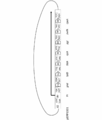
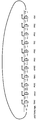
- FIG. 4 is a diagram showing the structure of the glycolytic pathway (Mden-Meyerhoff pathway) operon plasmid by the constructed E. coli gene.
- FIG. 1 is a diagram showing a glycolytic pathway (Mden-Meyerhoff pathway) and enzymes involved in this pathway.
- FIG. 2 is a schematic diagram of a method for obtaining glycolytic fragments for gene accumulation.
- FIG. 3 is a structural diagram of a plasmid (pGETS118-t0-Pr-SfiI).
- FIG. 4 is a diagram showing the structure of the glycolytic pathway (Mden-Meyerhoff pathway) operon plasmi
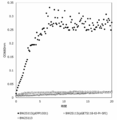
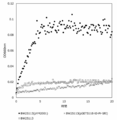
- FIG. 5 is a graph showing the growth curve of the Escherichia coli BW25113 strain into which the glycolytic operon plasmids pGETS8001, pGETS8005, pGETS8006, pGETS8141 or pGETS8145 with the E. coli gene were introduced at 47.4 ° C.
- FIG. 6 is a diagram showing the pentose phosphate pathway and enzymes involved in this pathway.
- FIG. 7 is a structural diagram of a plasmid (pGETS118-t0-SfiI).
- FIG. 8 is a diagram showing the structure of the pentose phosphate pathway operon plasmid by the constructed E. coli gene.
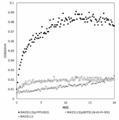
- FIG. 9 is a graph showing the growth curve of Escherichia coli BW25113 strain introduced with the pentose phosphate pathway operon plasmid pEPP1001 by the E. coli gene at 47.4 ° C.
- FIG. 10 is a diagram showing a non-mevalonate pathway and enzymes involved in this pathway.
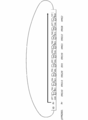
- FIG. 11 is a diagram showing the structure of a non-mevalonate pathway operon plasmid using the constructed E. coli gene.
- FIG. 12 is a graph showing the growth curve of Escherichia coli BW25113 strain introduced with the non-mevalonate pathway operon plasmid pNONEV1001 / I-PpoI by the E. coli gene at 47.4 ° C.
- FIG. 13 is a diagram showing the structure of the glycolytic pathway (Emden-Meyerhof pathway) operon plasmid by the constructed Saccharomyces cerevisiae gene.
- FIG. 14 is a graph showing a growth curve of Escherichia coli BW25113 strain into which a glycolytic operon plasmid pGETS8433 using a budding yeast gene has been introduced at 47.4 ° C.
- FIG. 15 is a diagram showing the structure of the pentose phosphate pathway operon plasmid by the constructed Saccharomyces cerevisiae gene.
- FIG. 16 is a graph showing the growth curve of Escherichia coli BW25113 strain introduced with the pentose phosphate pathway operon plasmid pYPP1003 by the budding yeast gene at 47.4 ° C.
- FIG. 17 is a diagram showing the mevalonate pathway and the enzymes involved in this pathway.
- FIG. 18 is a diagram showing the structure of the mevalonate pathway operon plasmid by the constructed Saccharomyces cerevisiae gene.
- FIG. 19 is a graph showing the growth curve of Escherichia coli BW25113 strain introduced with the mevalonate pathway operon plasmid pYM2001 by the budding yeast gene at 47.4 ° C.
- FIG. 20 is a diagram showing the structure of a plasmid carrying a glycolytic pathway gene using the constructed Saccharomyces cerevisiae gene.
- FIG. 21 is a graph showing a growth curve of a yeast BY4741 strain into which a glycolytic pathway gene-carrying plasmid pGETS302-Ygly by a budding yeast gene has been introduced into a YPD medium at 40 ° C.
- FIG. 22 is a graph showing a growth curve of a yeast BY4741 strain into which a glycolytic pathway gene-carrying plasmid pGETS302-Ygly by a budding yeast gene has been introduced into an SD-leucine medium at 40 ° C.
- FIG. 21 is a graph showing a growth curve of a yeast BY4741 strain into which a glycolytic pathway gene-carrying plasmid pGETS302-Ygly by a budding yeast gene has been introduced into an SD-leucine medium at 40 ° C.
- FIG. 23 is a diagram showing the structure of the pentose phosphate pathway gene-carrying plasmid using the constructed Saccharomyces cerevisiae gene.
- FIG. 24 is a graph showing a growth curve of a yeast BY4741 strain into which a pentose phosphate pathway gene-carrying plasmid pGETS302-Ypppp by a budding yeast gene has been introduced into a YPD medium at 40 ° C.
- FIG. 25 is a graph showing the growth curve of the yeast BY4741 strain into which the pentose phosphate pathway gene-carrying plasmid pGETS302-Ypppp by the budding yeast gene was introduced into the SD-leucine medium at 40 ° C.
- the term "host” refers to any organism or part thereof (eg, cells, tissues, organs, organs, etc.) intended to undergo genetic manipulation (eg, by introducing a transgene). Alternatively, it refers to any organism or a part thereof that has been genetically engineered.
- host organisms include bacteria, fungi, insects, algae, animals, plants and the like.
- a genetically engineered organism or portion thereof may be described as a "recombinant host.”
- the host may be a multicellular organism as well as a unicellular organism such as a prokaryote, and in that case, a host (cell) that is a part of the host (organism).
- the host When the host intends a cell, it is called a host cell, and when the host intends the whole organism, it may be called a host organism. If the host is a unicellular organism, the host cell can be synonymous with the host organism.
- the host When the host is a multicellular organism, the host organism containing at least one recombinant host cell described herein (preferably the same species as the host cell, but may be a different species) is in the present disclosure. It can be suitably used (for example, it has heat resistance), and such a host organism may be generated only from a recombinant host cell or may be generated together with a cell other than the recombinant host cell. Alternatively, recombinant host cells may be introduced into an advanced developmental host organism to produce the cells.
- the hosts described herein can be cultured or used as host cells, even if the host organism is essentially a species of multicellular organism.
- heat resistant refers to the ability of an organism to grow, proliferate or survive at high temperatures, and herein refers to the organism of interest or a portion thereof as a reference organism type (eg, natural type). Heat resistance if survival or optimal survival is seen at higher temperatures observed in (, wild type, etc.), or if the ability to grow, grow or survive at the same temperature is greater than the reference organism type. Is determined to have been granted. The heat resistance may be determined by the growth limit temperature or the like.
- the reference biological type may be a natural type, a wild type, a type other than the natural type and the wild type, which is usually used in the art, and a type to which the user can apply the technology of the present disclosure.
- the ability of an organism to grow, proliferate or survive is, for example, the number of organisms (eg, cell number), volume, weight (eg, dry weight), germination rate, root elongation and / or death after culturing for a given period of time. It can be evaluated by the proportion of cells, and these may be combined and evaluated using the life span and / or the growth rate of the organism as an index. High ability to grow, proliferate or survive is associated with number, volume and weight size, high germination rate, root elongation length, and can be associated with a low percentage of dead cells. The number, volume, weight and proportion of dead cells of the organism can be measured by any known method in the art.
- Heat resistance can also be quantified as the ability of an organism to grow, proliferate or survive at a given temperature, and heat resistance can be compared between organisms and / or temperatures.
- the thermostable recombinant hosts of the present disclosure may have superior thermostability as compared to the same host prior to genetic engineering. Those skilled in the art can obtain information on the temperature at which normal growth occurs by known information on these information or by actually conducting a test, and can confirm the presence or absence of heat resistance according to the present disclosure.
- the growth limit temperature for each of the exemplary organisms may be Escherichia coli 47 ° C., CHO cells 42 ° C., yeast 40 ° C., Arabidopsis thaliana seedlings 42 ° C.; seeds 50 ° C., and the like.
- Arabidopsis is usually grown at 22 ° C, but it has been reported that seedlings 7 days after growth on an agar medium cannot grow when exposed to 42 ° C to 46 ° C for 20 minutes, and seeds cannot germinate when exposed to 50 ° C for 4 hours or more ( Silva-Correia J, et al., Phenotypic analysis of the Arabidosis heat stress response during germination and early seedling development. Plant Methods. 2014 10 (1): 7).
- the "growth limit temperature” is the upper limit temperature, and when the temperature is exceeded, the longer the culture time of the organism or a part thereof (cells, etc.) is, the more the organism or a part thereof (cells, etc.) is used. ), The temperature at which the volume or weight decreases.
- the term "culture” refers to the provision of an organism or a part thereof (cells, etc.) under conditions in which the organism or a part thereof (cells, etc.) is expected to grow or proliferate. As a result of culturing, it is not always necessary for the organism or a part thereof (cells, etc.) to grow or proliferate.
- a medium may be used for culturing, but a medium may not be used (for example, culturing a plant).
- the term "primary metabolic pathway” refers to various primary metabolic systems that produce primary metabolic products such as sugars, amino acids, nucleic acids, ATP, lignin, and cellulose, which are essential substances for the survival of cells.
- the reaction pathway (reaction circuit) of the above is a central carbon metabolism pathway (for example, including the emdens-Meyerhoff pathway, the Entner-Dudlov pathway, etc.), the pentothric acid pathway, and the citric acid cycle.
- TCA cycle including TCA cycle, electron transport chain (electron transport chain), Calvin-Benson cycle, non-mevalonic acid cycle, mevalonic acid cycle, glycan metabolism circuit, amino acid synthesis pathway, nucleic acid synthesis pathway, fatty acid synthesis pathway, etc.
- primary metabolism Since primary metabolism is an essential metabolism for sustaining life, it is often common among living organisms, and it has universality and regularity in prokaryotes such as Escherichia coli and eukaryotes such as yeast, plants, and animals. Yes, the person skilled in the art understands what the appropriate primary metabolic pathway is, depending on the host (cell, organism) of interest. Each primary metabolic pathway is usually composed of multiple enzymes.
- Enzymes that can be used in one primary metabolic pathway may be used in other primary metabolic pathways.
- the term "continuous reaction" in a metabolic pathway refers to an enzymatic reaction in which the product produced by one reaction is used as a starting material in another reaction.
- the group of enzymes that catalyze each reaction of a continuous reaction is described as "a series of enzymes".
- One of ordinary skill in the art can identify genes for enzymes in primary metabolic pathways in the organism of interest using any known database. Whether or not a substance present in an organism or cell is an "enzyme that can be used in the primary metabolic pathway" is determined by whether or not the substance cannot survive if the substance is deleted in that organism or cell. can do.
- enzyme refers to a protein that is used in the usual sense in the art and has an activity of catalyzing a chemical reaction.
- the activity of the enzyme can also be expressed by the EC number.
- enzymes can be distinguished based on the function of enzyme activity.
- One enzyme may have an enzyme activity represented by a plurality of EC numbers, in which case the enzyme corresponds to an enzyme represented by any one of those EC numbers.
- a biomolecule singular or plural
- the glycolytic PFK1 and PFK2 proteins of yeast can exert enzymatic activity by assembling four molecules each to form an octameric protein complex.
- the octameric protein A protein complex can be described as an enzyme, and the PFK1 and PFK2 proteins (octamers) can be collectively counted as one enzyme, and there are two types of genes encoding these, but these two types are collectively 1 It can be counted as one enzyme (the gene that encodes it).
- the nucleic acid region which may be isolated
- that exhibits a particular catalytic activity when referring to the number of genes (types) encoding an enzyme, the nucleic acid region (which may be isolated) that produces by translation a protein (or protein complex) that exhibits a particular catalytic activity.
- nucleic acid molecule It may be present on another nucleic acid molecule) and can be counted as one gene.
- the entire exon can be counted as one gene.
- Splicing variants with the same enzymatic activity (which may have different activity intensities) can be used interchangeably with each other.
- the entire nucleic acid region encoding those proteins is referred to as one gene. Can be counted.
- the gene for phosphofructokinase can refer to both the yeast PFK1 and PFK2 genes as well as the E. coli pfkA gene.
- the nucleic acid molecule of interest encodes multiple genes with different names, but the multiple genes encode proteins that need to form a complex in order to exert a particular enzyme activity (eg, EC).
- PFK1 and PFK2) of yeast for the enzyme activity of 2.7.1.11) the enzyme contained in the complex exhibiting the specific enzyme activity shall be counted as one.
- the target nucleic acid molecule encodes a protein having a plurality of (two or more) enzyme activities having different or not exactly the same EC number
- the number is counted for each enzyme activity corresponding to the different or not exactly the same EC number, and the number thereof is counted. It shall be counted as encoding the corresponding number (2 or more) of enzymes.
- this nucleic acid molecule also exhibits the activity of EC; 3.1.3.46 alone, so that this nucleic acid molecule is (1) EC; 2.7.1.
- out-of-genome is meant to refer to a nucleic acid present in an organism as a molecule different from or in a molecule different from the nucleic acid molecule encoding the organism's endogenous gene (eg, a chromosome).
- Extragenome nucleic acids typically include nucleic acids in mitochondria and chlorophyll, nucleic acids derived from viruses and phages, plasmids, have promoter and coding regions, and are translated intracellularly to produce proteins. Such as, but not limited to, any nucleic acid.
- plasmid refers to DNA that exists separately from a chromosome in a cell or when introduced into a cell.
- the plasmid is typically circular DNA, but it may also be linear DNA in actinomycetes and the like.
- polynucleotide and “nucleic acid” are used interchangeably and refer to a polymer of nucleotides of any length.
- nucleic acids include DNA, RNA, cDNA, mRNA, rRNA, tRNA, microRNA (miRNA), lncRNA.
- the term also includes “polynucleotide derivatives”.
- Polynucleotide derivative refers to a polynucleotide containing a nucleotide derivative or having an unusual internucleotide bond.
- nucleotide derivative is a nucleotide having a structure different from that of ordinary nucleotides used in natural DNA or RNA, for example, rocked nucleic acid (LNA), 2'-O, 4'-C-ethylene cross-linked nucleic acid.
- LNA rocked nucleic acid
- 2'-O 2'-O
- 4'-C-ethylene cross-linked nucleic acid for example, rocked nucleic acid (LNA), 2'-O, 4'-C-ethylene cross-linked nucleic acid.
- Ethylene nucleic acids such as (2'-O, 4'-C-ethylene bridged nucleic acid, ENA), other bridged nucleic acids (bridged nucleic acid, BNA), hexitol nucleic acids (HNA), amide cross-linked nucleic acids (Amido) -bridged nucleic acid, AmNA), morpholino nucleic acid, tricyclo-DNA (tcDNA), polyether nucleic acid (see, for example, US Pat. No. 5,908,845), cyclohexene nucleic acid (CeNA) and the like.
- ENA 2'-O, 4'-C-ethylene bridged nucleic acid
- BNA bridged nucleic acid
- HNA hexitol nucleic acids
- AmNA amide cross-linked nucleic acids
- morpholino nucleic acid tricyclo-DNA (tcDNA)
- polyether nucleic acid see, for example, US Pat. No. 5,908,845),
- unusual internucleotide bonds include, for example, an oligonucleotide-to-oligonucleotide bond in which a phosphodiester bond is converted to a phosphorothioate bond, and an oligonucleotide in which a phosphodiester bond is converted to an N3'-P5'phospholoamidate bond.
- Examples thereof include internucleotide linkages in which ribose and phosphodiester bonds are converted into peptide nucleic acid bonds.
- nucleic acid sequences are also conservatively modified variants (eg, degenerate codon substitutions) and complementary sequences, as are the expressly indicated sequences. Is intended to be included. Specifically, the degenerate codon substituent creates a sequence in which the third position of one or more selected (or all) codons is replaced with a mixed base and / or deoxyinosine residue. Can be achieved by
- the term "gene” refers to a nucleic acid portion that performs a certain biological function. This biological function is to encode a polypeptide or protein, to encode a protein non-coding functional RNA, to control the production of a polypeptide, protein or protein non-coding functional RNA, specific to a particular protein. Binding to, control of nucleic acid cleavage or replication. Therefore, the genes herein include transcriptional translation regulatory sequences such as promoters, terminators, enhancers, silencers, origins of replication, and internal ribosome entry sites, as well as nucleic acid moieties that encode proteins or protein non-coding functional RNAs. included.
- transgene refers to a gene introduced externally into a host or a gene intended to be introduced externally into a host.
- Gene cluster refers to a plurality of genes. Usually, a gene is used to indicate a concept, but as used herein, it may mean a substance that actually encodes a gene, such as nucleic acid, but those skilled in the art will recognize it correctly depending on the context.
- the fact that two genes are cis means that those genes are present on the same nucleic acid molecule or a nucleic acid molecule having a complementary strand (in the case of a double-stranded nucleic acid).
- operably linked is the control of a transcriptional translational regulatory sequence (eg, promoter, enhancer, etc.) or translational regulatory sequence that has expression (operation) of the desired sequence. It means that it is placed below. In order for a promoter to be operably linked to a gene, the promoter is usually placed immediately upstream of the gene, but it does not necessarily have to be placed adjacent to it. "Operatable” is understood as a concept that includes both expressive and functional. Expressible means that a protein can be produced from a gene encoding a protein, and a functional nucleic acid can be produced from a gene encoding a functional nucleic acid (such as tRNA).
- a transcriptional translational regulatory sequence eg, promoter, enhancer, etc.
- translational regulatory sequence that has expression (operation) of the desired sequence. It means that it is placed below. In order for a promoter to be operably linked to a gene, the promoter is usually placed immediately upstream of the gene, but it does not necessarily have to be placed adjacent
- Functionality means that the encoded protein or functional nucleic acid is capable of exerting its original function (eg, the enzymatic activity of an enzyme).
- the ability of a primary metabolic pathway to function means that a continuous chemical reaction in one primary metabolic pathway can proceed from start to finish, eg, one chemical reaction.
- each enzyme is interchangeable with another enzyme that can catalyze the same chemical reaction, which is derived from the species or strain of the original enzyme, even if it is a variant of the original enzyme. May be a different enzyme (or variant thereof).
- the function is possible if the reaction in at least one reaction pathway proceeds.
- transcriptional translation regulatory sequence is a generic term for promoter sequences, polyadenylation signals, transcription termination sequences, upstream regulatory domains, replication origins, enhancers, IRESs, etc., and they work together to host the host. Enables replication, transcription and translation of coding sequences in cells. Not all of these transcriptional translation regulatory sequences need to be present as long as replication, transcription and translation of the selected coding sequence is possible in a suitable host cell. Those skilled in the art can easily identify regulatory nucleic acid sequences from publicly available information. In addition, one of ordinary skill in the art can identify transcriptional translation regulatory sequences applicable to the intended use, eg, in vivo, ex vivo or in vitro.
- homology of nucleic acids refers to the degree of identity of two or more nucleic acid sequences to each other, and in general, “homology” means a high degree of identity or similarity. Say. Therefore, the higher the homology of two nucleic acids, the higher the identity or similarity of their sequences.
- nucleic acid sequences are typically at least 50% identical, preferably at least 70% identical, more preferably at least 80%, 90%, 95%. , 96%, 97%, 98% or 99% are homologous.
- Amino acids may be referred to herein by either their generally known three-letter symbols or the one-letter symbols recommended by the IUPAC-IUB Biochemical Nomenclature Commission. Nucleotides can also be referred to by the generally recognized one-letter code.
- comparisons of amino acid and base sequence similarity, identity and homology are calculated using default parameters using BLAST, a tool for sequence analysis.
- the identity search can be performed using, for example, NCBI's BLAST 2.10.1+ (issued on June 18, 2020).
- the value of identity in the present specification is usually the value when the above BLAST is used and aligned under the default conditions. However, if a higher value is obtained by changing the parameter, the highest value is used as the identity value. When identity is evaluated in multiple regions, the highest value among them is set as the identity value. Similarity is a numerical value that takes into account similar amino acids in addition to identity.
- a biological substance eg, protein, enzyme, nucleic acid, gene
- a variant of the biological material that exerts (may be) eg, a variant having a modification in the amino acid sequence
- the variant is available as long as it can be used in the same primary metabolic pathway.
- Such variants are aligned over the original molecular fragment, the amino acid or nucleic acid sequence of the original biological material of the same size, or by a computer homology program known in the art.
- Nucleic acids that are at least 30%, 40%, 50%, 60%, 70%, 80%, 90%, 95%, 98% or 99% identical when compared to the sequence of molecules may be included.
- Variants can include molecules with modified amino acids (eg, modified by disulfide bond formation, glycosylation, lipidation, acetylation or phosphorylation) or modified nucleotides (eg, modified by methylation).
- stringent condition refers to a well-known condition commonly used in the art.
- the following conditions can be adopted. (1) use low ion intensity and high temperature for washing (eg, at 50 ° C., 0.015 M sodium chloride / 0.0015 M sodium citrate / 0.1% sodium dodecyl sulfate), (2) during hybridization.
- a denaturing agent such as formamide (eg, at 42 ° C, 50% (v / v) formamide and 0.1% bovine serum albumin / 0.1% ficol / 0.1% polyvinylpyrrolidone / 50 mM sodium citrate buffer, pH 6.5, And 750 mM sodium chloride, 75 mM sodium citrate), or (3) 20% formamide, 5 x SSC, 50 mM sodium phosphate (pH 7.6), 5 x denhard solution, 10% dextran sulfate, and 20 mg / ml denaturation. Incubate overnight at 37 ° C in a solution containing sheared salmon sperm DNA, then wash the filter with 1 ⁇ SSC at about 37-50 ° C.
- formamide eg, at 42 ° C, 50% (v / v) formamide and 0.1% bovine serum albumin / 0.1% ficol / 0.1% polyvinylpyrrolidone / 50 mM sodium citrate buffer, pH 6.5,
- the formamide concentration may be 50% or more.
- the wash time may be 5, 15, 30, 60, or 120 minutes, or longer. Multiple factors such as temperature and salt concentration can be considered as factors that affect the stringency of the hybridization reaction, and for details, refer to Ausubel et al., Current Protocols in Molecular Biology, Wiley Interscience Publishers, (1995). .. Examples of "highly stringent conditions" are 0.0015M sodium chloride, 0.0015M sodium citrate, 65-68 ° C, or 0.015M sodium chloride, 0.0015M sodium citrate, and 50% formamide, 42. °C.
- sequences containing only the A sequence or only the T sequence are preferably excluded from the sequences that hybridize under stringent conditions. Moderate stringent conditions can be easily determined by one of ordinary skill in the art, eg, based on DNA length, Sambrook et al., Molecular Cloning: A Laboratory Manual, No. 3, Vol.
- polypeptides used in the present disclosure are encoded by nucleic acid molecules that hybridize under highly or moderately stringent conditions to the nucleic acid molecules encoding the polypeptides specifically described herein. Polypeptides are also included.
- a "corresponding" gene eg, a polynucleotide sequence or molecule
- a gene for example, a polynucleotide sequence or a molecule
- the gene corresponding to a gene can be the ortholog of that gene.
- the corresponding gene in an organism can be found by searching the sequence database of that organism using the gene sequence of the organism that is the reference for the corresponding gene as a query sequence.
- such "corresponding" genes can be identified and used, in particular, as long as they can be used in the same primary metabolic pathway.
- the term "activity" refers to the function of a molecule in the broadest sense. Activities are not intended to be limiting, but generally include the biological, biochemical, physical or chemical functions of the molecule. The activity includes, for example, enzymatic activity. Where applicable, the term also relates to the function of protein complexes in the broadest sense. In the present disclosure, in particular, it can be considered whether it has the expected activity in the same primary metabolic pathway.
- EC number is a number represented by four sets of numbers following EC according to the reaction type of the enzyme, and is an enzyme member of the International Union of Biochemistry and Biochemistry (currently the International Union of Biochemistry and Molecular Biology). Created by the Society.
- hexokinase may be represented by an EC number of EC; 2.7.1.1.
- a person skilled in the art can easily recognize the type of enzyme corresponding to a specific EC number and which EC number the specific enzyme corresponds to. It should be noted that a certain enzyme may have two or more EC numbers, but even in such a case, it corresponds to the case where they have the same number. When displaying 2 or more EC numbers, it may be displayed with a colon.
- “same” EC number means that the first three digits of the EC number (for example, EC; 2.7.1 in the case of hexokinase) match, and the EC number is "different". Indicates that the first three digits of the EC number do not match.
- enzymes with “same” EC numbers include those with the same and different fourth digits of the EC number.
- “exactly the same” means that all four digits of the EC number match, and "the same” but “not exactly the same” means that the EC number is the same. It means that the first 3 digits match but the 4th digit does not match.
- a purified substance or biological factor is the removal of at least a portion of the factors naturally associated with the substance or biological factor. To say. Therefore, the purity of a purified biological factor is usually higher (ie, enriched) than the condition in which the biological factor is normally present.
- Purified is preferably at least 75% by weight, more preferably at least 85% by weight, even more preferably at least 95% by weight, and most preferably at least 98% by weight of the same type of substance or biological factor. It means that it exists.
- an "isolated" substance or biological factor eg, cell, nucleic acid or protein, etc.
- isolated varies depending on its purpose and does not necessarily have to be expressed in purity, but if necessary, it is preferably at least 75% by weight, more preferably at least 85% by weight, even more preferably. Means that there is at least 95% by weight, and most preferably at least 98% by weight, of the same type of substance or biological factor.
- the substance or biological factor used in the present disclosure is preferably a "purified" or "isolated" substance or biological factor.
- thermostable recombinant host (cell, organism, etc.) operably containing a nucleic acid encoding a set of transgenes of a protein, which is at least two enzymes, wherein the enzymes are the same primary. It can be used in metabolic pathways.
- the thermostable recombinant host of the present disclosure is capable of expressing a set of transgenes encoding each of the enzymes that functionally constitute at least one primary metabolic pathway.
- Such a thermostable recombinant host is a thermostable host because it is endowed with heat resistance as compared with the original host which does not have the above-mentioned transgene group.
- the host may be a multicellular organism as well as a unicellular organism such as a prokaryote, and in that case, a host (cell) that is a part of the host (organism).
- nucleic acids introduced into a host include at least 2, at least 3, at least 4, at least 5, at least 6, at least 7, at least 8, which can be used in the same primary metabolic pathway.
- a set of transgenes of at least 9, at least 10, or at least 11 or more enzymes is encoded.
- the nucleic acid introduced into the host may be one nucleic acid molecule or may be a plurality of nucleic acid molecules.
- the enzyme encoded by each nucleic acid molecule is not particularly limited.
- Nucleic acid introduced into a host may encode the same enzyme at multiple locations, including a first enzyme and a second enzyme that catalyzes the same reaction (including variants of the first enzyme). May be coded.
- Each enzyme encoded by a nucleic acid introduced into a host is an enzyme derived from an organism different from the host, even if it is an enzyme (including a variant) derived from the same organism as the host. It may be (including a variant).
- Each enzyme encoded by the nucleic acid introduced into the host is independently derived from the same strain as the host (including variants) but from a different strain from the host (variants). Including).
- any of 2, 3, 4, 5, 6, 7, 8, 9, 10 or 11 or more of the enzymes encoded by the nucleic acids introduced into the host eg, cells.
- Enzymes (including variants) that are number or all derived from the same species and / or strain as the host.
- the heat-resistant recombinant host of the present disclosure is particularly readily appreciated when all enzymes encoded by the nucleic acids introduced into the host (eg, cells) are from the same species and / or strain as the host. Is expected to be obtained.
- any of 2, 3, 4, 5, 6, 7, 8, 9, 10 or 11 or more of the enzymes encoded by the nucleic acids introduced into the host eg, cells).
- Enzymes (including variants) that are derived in number or all from different organisms and / or different strains from the host.
- the enzyme encoded by the nucleic acid introduced into the host is a series of enzymes that catalyze successive reactions in the primary metabolic pathway.
- the nucleic acid introduced into a host encodes only one type of primary metabolic pathway enzyme.
- the nucleic acid introduced into a host can be the desired enzymatic activity (enzymatic activity that catalyzes multiple reactions of a primary metabolic pathway, and may also be represented as a list of EC numbers. It is possible to encode a group of enzymes that provide all of them. As long as all desired enzyme activities are provided, one enzyme encoded by the nucleic acid may provide a plurality of enzyme activities among the desired enzyme activities, or a plurality of types encoded by the nucleic acid. The enzyme may duplicately provide any of the desired enzyme activities (enzyme activity with the same or exactly the same EC number), or the enzyme activity overlapped between the enzymes encoded by the nucleic acid (enzyme activity).
- the enzyme encoded by the nucleic acid introduced into the host is an enzyme that independently has the same or exactly the same EC number as the enzyme possessed by an organism of the same species as the host. You may.
- the enzymes encoded by the nucleic acids introduced into the host may be enzymes with different or non-identical EC numbers, or with the same or identical EC numbers. It may contain a plurality of enzymes having.
- the enzyme encoded by the nucleic acid introduced into the host is independently another enzyme with the same or exactly the same EC number (which may be from the same host organism or different). It may be derived from the host organism).
- the nucleic acid introduced into a host eg, a cell
- One of ordinary skill in the art can readily identify a list of enzymes and their EC numbers that can be used in the same primary metabolic pathway of a particular organism.
- the nucleic acid introduced into the host may be outside the host's genome (eg, nucleic acids in mitochondria and chlorophyll, nucleic acids derived from viruses and phage, plasmids). However, it may be integrated into the genome of the host. In one embodiment, the nucleic acid introduced into the host is a plasmid (which may be circular or linear).
- the heat resistance of a recombinant host is based on, for example, resistance to heat stress when the recombinant host is exposed to a temperature environment higher than the normal growth temperature of the recombinant host. It means that it is improved compared to the host of. Heat stress can be short-term, such as hours, or long-term, such as days, months, or years. Further, the evaluation of heat resistance is evaluated by the growth state (for example, growth rate, survival rate) of the host in a temperature environment higher than the normal growth temperature (for example, the optimum growth temperature, specifically 37 ° C.). It can be evaluated, for example, by the growth state of the host in a high temperature environment above the growth limit temperature.
- the growth state for example, growth rate, survival rate
- examples of the growth limit temperature of an exemplary organism include Escherichia coli 47 ° C., CHO cells 42 ° C., yeast 40 ° C., Arabidopsis thaliana seedlings 42 ° C.; seeds 50 ° C. and the like.
- the host to be evaluated when evaluating whether or not the host is heat-resistant depending on the growth state of the host (for example, cells, organisms) in a temperature environment higher than the growth limit temperature, for example, the host to be evaluated is grown. It can be evaluated by examining the growth degree of the host by culturing in a medium having a temperature higher than the limit temperature and measuring the turbidity of the medium with a spectrophotometer or the like.
- the heat resistant recombinant host (eg, cell, organism) of the present disclosure is the same host or known organism of the same species (eg, any same) except that it does not contain the nucleic acid encoding the transgene.
- Higher growth limit temperature eg, 0.1 ° C or higher, 0.2 ° C or higher, 0.3 ° C or higher, 0.4 ° C or higher, 0.5 ° C or higher, 0
- 0.1 ° C or higher 0.1 ° C or higher, 0.2 ° C or higher, 0.3 ° C or higher, 0.4 ° C or higher, 0.5 ° C or higher, 0
- the original host can hardly grow at a temperature higher than the growth limit temperature of the original host (for example, 0.1 ° C or higher, 0.4 ° C or higher, 1 ° C or higher, 2 ° C or higher).
- the recombinant host can grow stably, it can be said that the recombinant host is endowed with heat resistance (note that almost no growth is possible even by culturing for 20 hours, for example, at the start of culturing. It means that it grows less than twice the amount of cells).
- the degree of heat resistance can be evaluated by evaluating the degree of growth. It is generally known in the art that the growth limit temperature of Escherichia coli is 47 ° C.
- the growth state at a temperature higher than 47 ° C. for example, 47.1 ° C or higher, 47.4 ° C or higher, 48 ° C or higher, 49 ° C or higher is determined.
- the heat-resistant host of the present disclosure is a host to which heat resistance is imparted as described above, it can grow in a temperature environment higher than the growth limit temperature of the original host, for example.
- the heat-resistant host of the present disclosure which is Escherichia coli, has a temperature higher than, for example, 47 ° C., more specifically, for example, 47.1 ° C. or higher, 47.4 ° C.
- examples of the growth limit temperature of an exemplary organism include Escherichia coli 47 ° C., CHO cells 42 ° C., yeast 40 ° C., Arabidopsis thaliana seedlings 42 ° C.; seeds 50 ° C., etc. It may be possible to grow at a temperature higher than these growth limit temperatures.
- the heat resistant recombinant host (eg, cell, organism) of the present disclosure is the same host or known organism of the same species (eg, any same) except that it does not contain the nucleic acid encoding the transgene.
- Higher temperatures eg, about 20 ° C, about 21 ° C, about 22 ° C, about 23 ° C, about 24 ° C, about 25 ° C, about 26 ° C, about 27 ° C, about 28 ° C
- compared to known organisms of the species compared to known organisms of the species.
- the heat resistant recombinant host eg, cell, organism
- the heat resistant recombinant host is the same host or known organism of the same species (eg, any same) except that it does not contain the nucleic acid encoding the transgene.
- Conditions other than the temperature at the time of evaluation of heat resistance described in the present specification are conditions appropriately set by those skilled in the art so that the target species can normally grow. possible.
- the medium may be an LB medium in which 10 g of Bactryptone, 5 g of Yeast extract, 5 g of sodium chloride is dissolved in 1 L of water, a YPD medium in which 10 g of Yeast extract, 20 g of Bactopton, and 20 g of glucose are dissolved in 1 L of water. Any commercially available medium can be used for culturing the species of interest.
- the shaking condition 250 rpm can be adopted as the shaking condition.
- the conditions other than the temperature for evaluating the heat resistance are the conditions used by the practitioner culturing the same species of organism as the heat resistant recombinant host of the present disclosure (eg, medium). Is.
- Nucleic acids encoding enzymes that can be used in primary metabolic pathways are introduced into the hosts of the present disclosure (eg, cells, organisms).
- the enzyme group encoded by each of the introduced gene groups constitutes a functional primary metabolite pathway, but the primary metabolite pathway selected at this time is not particularly limited and is of any kind. Any primary metabolic pathway can be selected.
- the glycolytic pathway, the pentose phosphate pathway, the citric acid cycle, the electron transfer pathway, the calvin-Benson cycle (existing in plants), the non-mevalonate pathway, or the mevalonate pathway are preferable, and the glycolytic pathway and the pentose phosphate pathway are preferable.
- the non-mevalonate pathway, or the mevalonate pathway is more preferred, and the glycolytic pathway or the pentose phosphate pathway is particularly preferred.
- the host eg, cell, organism
- the host may be introduced with a nucleic acid encoding an enzyme that can be used in the primary metabolic pathway inherent in the species (or strain), or the organism.
- Nucleic acids encoding enzymes that can be used in primary metabolic pathways that the species (or strain) does not originally have may be introduced.
- the primary metabolic pathways in the present disclosure also include primary metabolic pathways such as the mevalonate pathway that E. coli originally does not have.
- the central carbon metabolic pathway is a basic reaction pathway for metabolizing glucose and other sugars in the body of an organism to extract energy, and is typically a glycolytic pathway, a pentose phosphate pathway, or citric acid. Circuits (TCA cycles) are included, but are not limited to these, and include central carbon metabolic pathways well known in the art. In the present disclosure, the glycolytic pathway or the pentose phosphate pathway is preferably selected.
- the glycolytic pathway is a reaction pathway in which glucose is differentiated (catabolized) into an organic acid such as pyruvic acid to extract energy among the central carbon metabolic pathways
- the Emden-Meyerhoff pathway is a typical example. Examples include, but are not limited to, the Entoner-Doudlov pathway, which includes glycolytic pathways well known in the art.
- the specific reaction pathway of the glycolytic pathway differs depending on the species, and it is known that the Emden-Meyerhoff route is used in Escherichia coli, but in the present disclosure, any glycolytic pathway can be selected.
- the non-mevalonate pathway and the mevalonate pathway are biosynthetic reaction pathways of isopentenyl diphosphate (IPP) and dimethylallyl diphosphate (DMAPP) in living organisms. It is known that the non-mevalonate pathway or the mevalonate pathway is used depending on the species, and it is known that the non-mevalonate pathway is used in Escherichia coli. And any of the mevalonate pathways can be selected. Bacteria also generally have both non-mevalonate and mevalonate pathways, such as actinomycetes, which have non-mevalonate pathways. Eukaryotes generally have a mevalonate pathway, but in the case of plants, they have both a mevalonate pathway (present in the cytoplasm) and a non-mevalonate pathway (present in the chloroplast).
- IPP isopentenyl diphosphate
- DMAPP dimethylallyl diphosphate
- transgene clusters of at least two enzymes that can be used in the same primary metabolic pathway can be used.
- the introduced gene group in the present disclosure is a gene group introduced into a host, and is a gene group encoding an enzyme group functionally constituting the above-mentioned primary metabolic system pathway. ..
- the gene cluster comprises a set of genes, each encoding a set of enzymes required to sequentially proceed a continuous chemical reaction of a single primary metabolic pathway from start to finish.
- Preferred examples of the enzyme group of the primary metabolic pathway are hexokinase (EC; 2.7.1.1) and glucose-6-phosphate isomerase (EC; 5) when the primary metabolic pathway is the Emden-Meyerhoff pathway. 3.1.9), phosphofruct kinase (EC; 2.7.1.11), aldolase (EC; 4.1.2.13), triose phosphate isomerase (EC; 5.3.1.11) ), Glyceraldehyde-3-phosphate dehydrogenase (EC; 1.2.1.12), phosphoglycerate kinase (EC; 2.7.2.3), phosphoglycerate mutase (EC; 5.4.
- enolase EC; 4.2.1.11
- pyruvate kinase EC; 2.7.1.40
- a gene group containing glk, pgi, pfkA, fbaA, tipA, gapA, pgk, gpmA, eno and pykF is used. If these gene groups are derived from sprouting yeast (Saccharomyces cerevisiae), they are gene groups containing GLK1, PGI1, PFK1, PFK2, FBA1, Tpi1, TDH2, PGK1, GPM1, ENO2, and PYK1.
- glucose 6-phosphate dehydrogenase EC; 1.1.1.49
- Gluconolactonase EC; 3.11.31
- 6-phosphogluconolate dehydrogenase EC; 1.1.1.44
- ribulose phosphate epimerase EC; 5.1.3.1
- Ribosphosphate isomerase EC; 5.3.1.6
- transketolase EC; 2.2.1.1
- transaldolase EC; 2.2.1.2
- a preferred example of the gene group encoding these enzyme groups is a gene group containing zwfA, pgl, gnd, rpeA, rpiA, tktA, and talB when these gene groups are derived from Escherichia coli.
- a gene cluster containing ZWF1, SOL4, GND1, RPE1, RKI1, TKL1, and TAL1.
- a specific pentose phosphate pathway is shown in FIG. 6 together with a specific enzyme involved in this pathway.
- 1-deoxy-D-xylrose-5-phosphate synthase EC; 2.2. 1.7
- 1-deoxy-D-xylrose-5-phosphate reduct isomerase EC; 1.1.1.267
- 4-diphosphocytidyl-2-C-methyl-D-erythritol synthase EC; 2) 7.7.60
- 4-diphosphocitidyl-2-C-methyl-D-erythritol kinase EC; 2.7.1.148
- 2-C-methyl-D-erythritol-2,4-cycloni Phosphate synthase EC; 4.6.1.12
- E) -4-hydroxy-3-methyl-2-butenyl diphosphate synthase EC; 1.17.7.1.
- 4-Hydroxy- 3-Methyl-2-butenyl diphosphate synthase EC; 1.17.7.1.
- a preferred example of the gene group encoding these enzyme groups is a gene group containing dxs, dxr, ispD, ispE, ispF, ispG, ispH, idi, and ispA when these gene groups are derived from Escherichia coli.
- a specific non-mevalonate pathway is shown in FIG. 10 together with a specific enzyme involved in this pathway.
- acetyl CoA acetyl transferase EC; 2.3.1.9
- HMG-CoA synthase EC; 2.3.3.10
- HMG-CoA reductase EC; 1.1.1.88
- mevalonate kinase EC; 2.71.36
- 5-phosphomevalonic acid kinase EC; 2.7.4.2
- diphosphomevalonic acid decarboxylase EC; 4.11.33
- isopentenyl diphosphate isomerase EC; 5.3.3.2
- geranyl diphosphate kinase farnesyl It is diphosphate kinase EC; 2.5.1.81).
- a preferred example of the gene cluster encoding these enzyme clusters includes ERG10, ERG13, HMG1 or HMG2, ERG12, ERG8, ERG19, IDI1 and ERG20 when these gene clusters are derived from Saccharomyces cerevisiae. It is a gene cluster.
- a specific mevalonate pathway is shown in FIG. 17 together with a specific enzyme involved in this pathway.
- the introduced gene included in the above-mentioned introduced gene group is not particularly limited in its origin, and may be derived from one organism species or a plurality of organism species.
- the species from which the transgene is derived is not limited to Escherichia coli, and can be derived from any species.
- the fact that the introduced gene is derived from an organism species means that the nucleic acid sequence of the introduced gene is functionally equivalent to the nucleic acid sequence known as the nucleic acid sequence of the organism species, for example, as the gene. Differences in nucleic acid sequences that do not affect function (such as the enzymatic activity of the encoded enzyme) are acceptable.
- nucleic acid sequences of such various species can be obtained from a known database such as GenBank of NCBI. Further, in the present disclosure, it is preferable that the introduced gene group is derived from, for example, the gene of the host strain to which it is introduced. As described above, in the present disclosure, heat resistance can be efficiently imparted by selecting a gene derived from the gene of the host strain itself, and for this reason, the transgene can be easily selected.
- the number of the above-mentioned transgene groups possessed by the recombinant host is not particularly limited as long as it is one or more, and even if one transgene group is possessed, a plurality of transgene groups are possessed. May be. For example, it is preferable to have one or two transgene groups, and it is more preferable to have one transgene group. Further, in the recombinant host of the present disclosure, any gene can be introduced and possessed in addition to the above-mentioned introduced gene group.
- Such an arbitrary introduced gene is, for example, a gene encoding an enzyme involved in the production of a useful substance, a gene for imparting drug resistance, or the like, and is appropriately used as a host in order to enhance the usefulness of the recombinant host. be introduced.
- this arbitrary transgene is distinguished from the above-mentioned transgene group.
- transgenes present on the same nucleic acid molecule are expressed and regulated by a single promoter.
- the host is an organism (for example, a cell) into which the above-mentioned introduced gene cluster is appropriately introduced, and the recombinant host into which the introduced gene cluster is appropriately introduced is an enzyme encoded by the introduced gene cluster.
- the flock may be operable.
- the recombinant hosts (eg, cells, organisms) of the present disclosure can express the enzyme group encoded by the introduced gene group, respectively, when cultured under appropriate conditions.
- the host eg, cell, organism
- the host retains on its genome a set of genes for the primary metabolic pathway to be introduced prior to recombination.
- Organisms that can be used as hosts include, but are not limited to, bacteria, fungi, algae, microalgae, insects, animals and plants. Specific organisms that can be used as hosts include Escherichia coli, yeast, maize, cultured human cells, Chinese hamsters, mice, rats, guinea pigs, monkeys, dogs, pigs, cows, camels, orchid algae, green worms, spirulina, botryococcus, Aurantiochytrium, Nannochloropsis, Chlorella, Chinese cabbage, Japanese mustard spinach, broccoli, rapeseed, soybean, azuki, pea, green bean, potato, tomato, eggplant, pepper, tobacco, cucumber, melon, pumpkin, zucchini, carrot , Strawberry, rose, kiku, carnation, Turkish bean, rice, wheat, corn, sorghum, tall grass, ryegrass, pear, citrus, grape, apple, poplar, eucalyptus, cedar, pine, hin
- any Escherichia coli strain can be used, and for example, generally available Escherichia coli K-12 strain, B strain, or a strain derived from these can be used.
- Escherichia coli K-12 strain, B strain, or a strain derived from these can be used.
- MG1655 strain or a strain derived from this, JM109 strain or a strain derived from this, DH5 ⁇ , HB101, BL21 and the like can be used.
- a wild-type Escherichia coli strain is preferable.
- the wild-type host Escherichia coli strain means an Escherichia coli strain that does not involve gene modification (including, for example, gene transfer, gene deletion, etc.), and for example, a gene modification is produced or occurs in the genome of the host Escherichia coli strain.
- the host E. coli does not necessarily have to be a wild-type strain and may contain various genetic modifications in its genome.
- some or all of the genes on the genome of the host Escherichia coli itself corresponding to the transgene group may be deleted.
- the host E. coli has a gene group of the host E. coli itself corresponding to the introduced gene group on the genome
- the host E. coli has a gene of the host E. coli itself corresponding to at least one gene of the introduced gene group. You may be doing it.
- any strain can be used, for example, a generally sold deposit strain can be used.
- specific organisms that can be used as a host include Bacillus subtilis (Marburg 168 strain), Saccharomyces cerevisiae, CHO cells, and Nihonbare (Oryza siva L. cv. Nipponbare), which is a rice variety. , Not limited to these.
- the recombinant host (eg, cell) of the present disclosure can be typically obtained by appropriately introducing and transforming the transgene group into the host.
- the gene to be introduced is introduced with an expression control sequence suitable for the host, and is expressed in the host cell by controlling the expression control sequence.
- the introduction of the introduced gene cluster can be carried out by any established method known in the art.
- the transgene group can be integrated into a vector such as a plasmid or phage that can be introduced into the host, and the host can be transformed using this vector.
- a vector that can be autonomously replicated in a host or can be integrated into a chromosome and has an expression control sequence arranged at a position where the integrated transgene can be controlled is preferably used. It is preferable to use such a vector to construct, for example, a series of constituents including a promoter, a ribosome-binding sequence, a transgene, a transcription termination sequence, and the like in a host cell.
- an expression control sequence is a sequence that enables the expression of a gene (introduced gene) to be introduced in a host, and regulates promoters, ribosome binding sites, enhancers, and transcription of genes or transcription of mRNA.
- control elements include control elements. Control elements that ensure expression in host cells are well known to those of skill in the art and can be appropriately selected and used.
- the promoter is appropriately located upstream of the transgene so that transcription of the transgene can be controlled by providing a recognition and binding site for RNA polymerase to the transgene to be expressed.
- the promoter is not particularly limited as long as it is suitable for the expression of the gene introduced in the host, and for example, a lambda phage-derived Pr promoter, a lac promoter, a tac promoter, a gapA promoter, a T3 promoter, and a T7 promoter are used. Etc. can be used.
- each transgene When transgenes are introduced into a host using a vector, each transgene may be integrated into one vector, or the transgenes may be divided into two or more groups and integrated into the vector for each group. Each transgene may be integrated into a different vector. Further, for example, when two or more transgene groups are introduced into a host, each transgene group may be incorporated into one vector.
- the expression of the plurality of transgenes may be designed to be regulated by a single promoter (for example, it can be said to be a polycistronic operon structure). , Each may be designed to be controlled by a separate promoter.
- the transgenes downstream of the promoter are not particularly limited, and may be arranged in any arrangement. Further, even when the expression of all the genes contained in one introduced gene group is controlled by a single promoter, the sequence of the introduced genes downstream of the promoter is not particularly limited and may be arranged in any order, for example. It can also be placed downstream from the promoter in descending order of intracellular mRNA abundance of the host's own gene.
- the vector may have, for example, a drug selection marker.
- Drug selection markers include, for example, chloramphenicol resistance gene, canamycin resistance gene, ampicillin resistance gene, carbenicillin resistance gene, streptomycin resistance gene, spectinomycin resistance gene, tetracycline resistance gene, neomycin resistance gene, erythromycin resistance gene, and puro. Examples thereof include a mycin resistance gene, a hyglomycin resistance gene, a blastsaidin drug resistance gene, and the like, but there is no particular limitation, and a drug selection marker known in the art can be used. The presence of the drug selection marker on the vector facilitates the selection of the host into which the transgene has been introduced.
- the vector is a plasmid such as an expression vector and the plasmid is retained outside the genome in the host after introduction, the plasmid has a drug selection marker and the plasmid is stable in the host. It becomes possible to be held as a target.
- the method for obtaining the transgene is not particularly limited, and can be obtained by a genetic engineering method generally known in the art, including, for example, a cloning method using PCR, a chemical nucleotide synthesis method, and the like.
- the method of incorporating the transgene into the vector and for example, a method of inserting the transgene into an arbitrary position of the target vector using a restriction enzyme, ligase, etc., which is generally known in the art. It can be incorporated by various methods. Further, when incorporating a plurality of transgenes into one vector, known gene integration methods such as the OGAB method (Ordered Gene Assembly in Bacillus subtilis method), the Golden Gate method, and the Gibson Assembly method can also be used.
- OGAB method Ordered Gene Assembly in Bacillus subtilis method
- the Golden Gate method the Gibson Assembly method
- the method of introducing the vector into the host is not particularly limited, and it may be appropriately selected depending on the vector to be used.
- the calcium phosphate method, DEAE dextran method, electroporation method, lipofection method, lithium chloride method, lithium acetate method, spheroplast method, junction transfer method, particle gun introduction method and the like can be selected.
- the introduced transgene group may exist outside the genome in a state of being integrated into a plasmid such as an expression vector held by the host, or may be integrated into the genome of the host. May be good.
- thermostable recombinant host eg, cell, organism
- the method of making a thermostable recombinant host (eg, cell, organism) of the present disclosure comprises introducing into the host a nucleic acid encoding a transgene of at least two enzymes that can be used in the same primary metabolic pathway.
- the present disclosure relates to nucleic acids encoding transgenes of at least two enzymes that can be used in the same primary metabolic pathway to produce the heat resistant recombinant hosts of the present disclosure (eg, cells, organisms).
- Compositions containing are also provided.
- the method of making a heat resistant recombinant host of the present disclosure allows the host to express a set of introduced genes, each encoding a group of enzymes functionally constituting at least one primary metabolic pathway. Including introduction, which allows a thermostable recombinant host to be obtained. Since the heat-resistant recombinant host of the present disclosure can be obtained by the method for producing a heat-resistant recombinant host of the present disclosure, the above description of the heat-resistant recombinant host also applies to the production method of the present disclosure as it is. be able to.
- the recombinant host into which the introduced gene cluster has been introduced is cultured at a temperature higher than the growth limit temperature of the original host, and the recombinant host is heat-resistant depending on the growth state.
- examples of the growth limit temperature of an exemplary organism include Escherichia coli 47 ° C., CHO cells 42 ° C., yeast 40 ° C., Arabidopsis thaliana seedlings 42 ° C.; seeds 50 ° C., etc. It can be selected based on the fact that it can grow at a temperature higher than these growth limit temperatures.
- the method of conferring heat resistance on a host (eg, cell, organism) of the present disclosure comprises introducing into the host a nucleic acid encoding a transgene of at least two enzymes that can be used in the same primary metabolic pathway.
- the present disclosure also includes nucleic acids encoding transgenes of at least two enzymes that can be used in the same primary metabolic pathway to confer heat resistance to a host (eg, cells, organisms) or compositions containing them. offer.
- the method of conferring heat resistance on a host of the present disclosure introduces into the host a set of transgenes encoding each of the enzymes that functionally constitute at least one primary metabolic pathway, and this transgene.
- heat resistance can be imparted to any host. Since the heat-resistant recombinant host of the present disclosure can be obtained by the method of imparting heat resistance to the host of the present disclosure, the description of the heat-resistant recombinant host shall be applied to the method of the present disclosure as it is. Can be done.
- thermostable recombinant hosts of the present disclosure can be used in methods of producing useful substances. Therefore, the present disclosure also provides a thermostable recombinant host (eg, a cell, an organism) of the present disclosure or a composition containing the same for producing a useful substance.
- a method of producing a useful substance by culturing a thermostable recombinant host of the present disclosure comprises subjecting the host to conditions in which the host can grow.
- the method of producing a useful substance of the present disclosure is a method of producing a useful substance by culturing a host, wherein the host operably constitutes at least one primary metabolic pathway. It is characterized by being a thermostable recombinant host having a group of introduced genes encoding each of the enzyme groups capable of expressing them. Such a host is typically a thermostable recombinant host of the present disclosure.
- thermostable recombinant host for example, cells, organisms
- thermostable recombinant host for example, cells, organisms
- Various methods are already known in the art for producing useful substances by culturing a host (for example, cells, organisms), and any of these methods can be performed using the thermostable recombinant host. sell.
- fermentation production eg, alcohol (ethanol) fermentation, isoprenoid fermentation (eg, carotenoid fermentation, etc.), hydrogen fermentation, methane fermentation, organic acid fermentation (eg, lactic acid fermentation, succinic acid fermentation, citric acid fermentation, etc.), glycerol ( Glycerin) fermentation, amino acid fermentation (eg, glutamic acid fermentation, lysine fermentation, etc.), nucleic acid fermentation (eg, 5'-inosic acid fermentation, guanosine fermentation, uridine fermentation, etc.), etc.), specifically, for example.
- the desired useful substance can be produced.
- genes for peptides and proteins useful in medicine and industry are introduced into the above-mentioned heat-resistant recombinant host, and these are introduced. It can be expressed intracellularly to produce a useful peptide or protein of interest.
- the methods for producing the useful substances of the present disclosure are various separation and purification methods known in the art (for example, centrifugation, hollow thread separation, filtration, precipitation treatment with a solvent, column treatment, etc., depending on the purpose thereof. (For example, an ion exchange column, a gel filtration column, a hydrophobic column, an affinity column, an extraneous column, etc.) may be included, whereby a useful substance of interest can be separated and purified.
- the method for producing the useful substance of the present disclosure uses the above-mentioned heat-resistant recombinant host, the host grows even at a temperature higher than the original growth limit temperature of the host (for example, cells, organisms) used for producing the useful substance. And can produce useful substances. That is, conventionally, when culturing a host to produce a useful substance, the culture conditions are controlled so that the culture conditions do not become higher than the growth limit temperature at which the host cannot grow during the culture of the host. However, in the present disclosure, the culture conditions may be controlled by allowing the culture conditions higher than the growth limit temperature. Therefore, the method for producing the useful substance of the present disclosure can be, for example, a method for producing a useful substance that allows culture conditions higher than the original growth limit temperature of the host.
- the method for producing the useful substance of the present disclosure is, for example, higher than 47 ° C. (for example, 47. It may be a method for producing a useful substance that allows culture conditions of 1 ° C. or higher, 47.4 ° C. or higher, 48 ° C. or higher, 49 ° C. or higher).
- examples of the growth limit temperature of an exemplary organism include Escherichia coli 47 ° C., CHO cells 42 ° C., yeast 40 ° C., white sardine seedlings 42 ° C.; seeds 50 ° C., and the host imparted with heat resistance according to the present disclosure. Culture conditions including temperatures higher than these growth limit temperatures may be set.
- a method for producing a useful substance that allows a culture condition higher than the host's original growth limit temperature is, for example, during culturing, below the host's original growth limit temperature (specifically, 47 in Escherichia coli). At ° C or lower), it can be carried out by a method that does not control to lower the culture temperature.
- the culture temperature is set at a temperature lower than the host's original growth limit temperature, for example, 0.1 ° C higher temperature or lower, 0.4 ° C higher temperature or lower, 1 ° C higher temperature or lower, and 2 ° C higher temperature or lower. It can also be carried out by a method that does not control the decrease.
- the method for producing the useful substance of the present disclosure may be, for example, a method of controlling the culture temperature so as to be higher than the host's original normal growth temperature (for example, the optimum growth temperature) during the culture. good.
- the method for producing the useful substance of the present disclosure may be, for example, a method of culturing the thermostable recombinant host under a temperature condition higher than the original growth limit temperature of the host.
- Escherichia coli glycolytic pathway Conferring heat resistance with an operon plasmid
- Escherichia coli glycolytic pathway Escherichia coli glycolytic pathway
- Escherichia coli was used as the host cell into which the introduced gene cluster was introduced.
- Escherichia coli is BW25113 strain (Datsenko, KA & Wanner, BL (2000) One-step inactivation of chromosomal genes in Escherichia coli K-12 using PCR products. Proc. Natl. Acad. Sci. USA 97 6640-6645). was used.
- Escherichia coli DH5 ⁇ strain was used as a host for performing general gene manipulation such as gene cloning and gene linkage.
- the chemical competent cell of Escherichia coli DH5 ⁇ strain was purchased from Takara Bio Inc.
- Bacillus subtilis BUSY9797 strain (Tsuge, K., Sato, Y., Kobayashi, Y., Gondo, M., Hasebe, M., Togashi, T., Tomita, M. ., Itaya, M. (2015) Method of preparing an equimolar DNA mixture for one-step DNA assembly of over 50 fragments, Scientific Reports, 5, 10655.) was used.
- the pUC19 plasmid was purchased from Takara Bio Inc.
- the pCR-TOPO BruntII vector was purchased from Invitrogen.
- pGETS1118 As a shuttle plasmid vector between Bacillus subtilis and E. coli, pGETS1118 (Kaneko, S., Akioka, M., Tsuge, K., & Itaya, M. DNA shuttling between plasmid vectors and a genome vector: systematic conversion and preservation of DNA libraries using The Bacillus subtilis genome (BGM) vector. J. Mol. Biol. 349, 1036-1044 (2005)) was used.
- T4 DNA ligase (Takara Bio) was used for ligation in gene accumulation by the OGAB method.
- DNA Ligation Kit ⁇ Mighty Mix> (Takara Bio) was used for ligation in the ligation of other DNAs. All restriction enzymes were purchased from New England Biolabs. TE buffer (10 mM Tris-HCl, 1 mM EDTA, pH 8.0) was purchased from Nacalai Tesque. Carbenicillin and tetracycline were purchased from Sigma-Aldrich. 2-Hydroxyethyl agarose (Sigma-Aldrich) was used as the low melting point agarose. For other common electrophoresis agarose gels, UltraPure Agarose (Invitrogen) was used.
- TE saturated phenol and phenol: chloroform: isoamyl alcohol (25:24: 1) were purchased from Nacalai Tesque.
- QIA quick miniprep kit Qiagen
- PCR purification Kit Qiagen
- Bactoryptone, Yeast extract and Bacto Agar were purchased from Becton Dickinson.
- Other media reagents were purchased from Nacalai Tesque.
- the egg white lysozyme, ethidium bromide, was purchased from Sigma-Aldrich.
- Ribonuclease A was purchased from Nacalai Tesque.
- Other general purpose reagents were purchased from Nacalai Tesque.
- the LB medium was prepared by dissolving 10 g of Baktryptone, 5 g of Yeast extract, and 5 g of sodium chloride in 1 L of water and autoclaving. When the agar plate was used, it was prepared by adding 15 g of Bacto Agar to the above LB medium and then autoclaving (121 ° C., 20 minutes). If necessary, carbenicillin (final concentration 100 ⁇ g / mL) or tetracycline (final concentration 10 ⁇ g / mL) was added and used.
- the TF-1 medium and TF-II medium for Bacillus subtilis transformation were prepared as follows.
- TF-I medium 500mL includes a 10 ⁇ Spizizen 50ml, 50% glucose, 2% MgSO 4 ⁇ 7H 2 O, 2% casamino acid, tryptophan, arginine, leucine, each amino acid solution threonine (5 mg / mL) by 5mL each After mixing 415 mL of sterile water, the mixture was prepared by filtering with a filter, and stored at 4 ° C. until use.
- the amount of TF-II medium 500 mL is the same as that of TF-I medium except that 2.5 mL of 2% casamino acid, 0.5 mL of each amino acid solution (5 mg / mL), and 435.5 mL of sterile water are mixed. Was mixed and filtered by a filter, and stored at 4 ° C. until use.
- Escherichia coli BW25113 strain was inoculated into 2 mL of LB medium in a plastic 14 mL test tube (Falcon 2051), and used in a rotary culture device (RT-50, equipped with test tube culture holder SA-1811, manufactured by Titec) at 37 ° C. and 30 rpm. After culturing overnight, 1/1000 of the culture solution was inoculated into 40 mL of LB medium in a 200 mL triangular flask, cultured with shaking at 37 ° C. and 120 spm, and grown until the OD 660 nm became 0.2 to 0.4. ..
- the Erlenmeyer flask was allowed to stand on ice for 10 minutes to stop the growth, and then transferred to a 50 mL plastic centrifuge tube (Falcon 2070) and centrifuged at 5,000 ⁇ g for 10 minutes. Then, the supernatant was discarded, and the cell pellet was collected. 50 mL of a 100 mM calcium chloride solution cooled to 4 ° C. was added to suspend the cell, and the cell was allowed to stand on ice for 30 minutes. After centrifuging at 5,000 ⁇ g for 10 minutes again, the supernatant was discarded to collect the cell pellet, and 50 mL of 100 mM calcium chloride solution cooled to 4 ° C.
- the cell pellet was suspended in 500 ⁇ L of 100 mM calcium chloride, 100 ⁇ L was dispensed into a 1.5 mL centrifuge tube, and the cells were stored at ⁇ 70 ° C. until use. Transfer 100 ⁇ L of dissolved E. coli competent cells to a 1.5 mL centrifuge tube prepared on ice, add plasmid or ligation product to a maximum of 5 ⁇ L, allow to stand on ice for 15 minutes, and then bathe at 42 ° C. After incubation for 45 seconds, the mixture was returned to ice and 200 ⁇ L of SOC medium was added after 2 minutes.
- ⁇ Bacillus transformation method Bacillus subtilis of glycerol stock stored at ⁇ 70 ° C. was inoculated into 2 mL of LB medium in a 14 mL test tube (Falcon 2051) and cultured at 37 ° C. for 17 hours while rotating in a rotary incubator. 900 ⁇ L of TF-I medium was dispensed into a new 14 mL test tube, 25 ⁇ L of 2% casamino acid was added, and then 50 ⁇ L of the preculture solution was added thereto. The cells were cultured at 37 ° C. for 4 hours while rotating in a rotary incubator.
- 900 ⁇ L of TF-II medium was dispensed into a new 14 mL test tube, and 100 ⁇ L of TF-I culture solution was added thereto.
- the cells were cultured at 37 ° C. for 1.5 hours while rotating in a rotary incubator.
- 100 ⁇ L of TF-II culture solution was taken in a 1.5 mL centrifuge tube, and 8 ⁇ L of DNA was added.
- 300 ⁇ L of LB medium was added, and the mixture was further cultured at 37 ° C. for 1 hour while rotating with a rotary culture device. Then, this was spread on an LB medium agar plate containing 10 ⁇ g / mL tetracycline and incubated at 37 ° C. overnight to obtain a transformant.
- ⁇ Method for preparing plasmid from E. coli> A small amount of purification for confirming the structure of the recombinant plasmid constructed in E. coli was performed as follows. E. coli recombinants were inoculated into 2 mL of LB medium containing the antibiotics required to maintain the plasmid in a 14 mL plastic test tube. This was set in a rotary culture device and cultured at a rotation speed of 30 rpm at 37 ° C. overnight. Then, using the QIAprep Spin Miniprep Kit from Qiagen and the automated device QIA cube, the recombinant plasmid was purified according to the manual.
- ⁇ Method for preparing plasmid from Bacillus subtilis> Purification for confirming the structure of the recombinant plasmid constructed in Bacillus subtilis was performed as follows.
- the Bacillus subtilis recombinant was inoculated into 2 mL of LB medium containing tetracycline (10 ⁇ g / mL) in a 14 mL plastic test tube. This was set in a rotary culture device and cultured at a rotation speed of 30 rpm at 37 ° C. overnight. Then, 2 ⁇ L of 1M IPTG was added, and the cells were further cultured for 3 hours or more.
- aqueous ethanol solution was discarded by decantation, and 900 ⁇ L of 70% ethanol was added thereto for rinsing.
- 25 ⁇ L of TE containing RNaseA 3 ⁇ L of 10 mg / mL RNaseA was added to 1 mL of TE) was added and dissolved. 8 ⁇ L of this was taken and transferred to a 500 ⁇ L tube, and 10 ⁇ 1 ⁇ L of restriction enzyme buffer and 1 ⁇ L of restriction enzyme were added to cleave the DNA.
- ⁇ Cut out and purify DNA fragments from electrophoresis gel The amplified DNA fragment was electrophoresed on a general-purpose agarose gel using a 0.7% low melting point agarose gel (2-Hydroxythyl Agarose Type VII, Sigma) in the presence of 1 ⁇ TAE (Tris-Actate-EDTA Buffer, Nakalitesk) buffer.
- the plasmid vector and the unit DNA were separated by running for 1 hour by applying a voltage of 100 V (about 8 V / cm) with an apparatus (i-MyRun.N nucleic acid electrophoresis system, Cosmobio).
- This migration gel was stained with 100 ml of 1 ⁇ TAE buffer containing 1 ⁇ g / mL ethidium bromide for 30 minutes, visualized by illuminating with long wavelength ultraviolet rays (366 mn), and the target size of the PCR product was cut out with a razor and 1.5 ml tube. Collected in. 1 ⁇ TAE buffer was added to the recovered low melting point agarose gel (about 300 mg) to make the total volume about 700 ⁇ L, which was incubated at 65 ° C. for 10 minutes to dissolve the gel. Then, an equal amount of TE saturated phenol was added and mixed well to inactivate the restriction enzyme.
- Centrifugation (20,000 xg, 10 minutes) separated into a phenol phase and an aqueous phase, and the aqueous phase (about 900 ⁇ l) was recovered in a new 1.5 mL tube.
- 500 ⁇ L of 1-butanol was added and mixed well, and then separated by centrifugation (20,000 ⁇ g, 1 minute). The operation of removing 1-butanol saturated with water was repeated until the volume of the aqueous phase became 450 ⁇ L or less, thereby reducing the volume of the aqueous phase.
- glk as hexokinase
- pgi glucose-6-phosphate isomerase
- pfkA phosphofructokinase
- fbaA aldolase
- tpiA triosephosphate isomerase
- gapA as glyceraldehyde-3-phosphate dehydrogenase
- phosphoglycerate kinase Ten genes were selected: pgk, gpmA as phosphoglycerate mutase, eno as enolase, and pykF as pyruvate kinase.
- the region from 17 bp upstream to the stop codon containing the ribosome-binding sequence was used as a gene fragment (Fig. 2).
- E. coli glycolytic operon plasmid ⁇ Construction of E. coli glycolytic operon plasmid>
- five types of E. coli glycolytic operon plasmids pGETS8001, pGETS8005, pGETS8006, pGETS8141, pGETS8145
- pGETS8001 is obtained by linking the 10 glycolytic genes selected above so as to be closer to the Pr promoter in the order of metabolic pathways appearing from upstream in the glycolytic pathway, and specifically (Pr-glk-).
- pGETS8005 is obtained by exchanging and linking the first 5 genes of pGETS8001 and the latter 5 genes. Specifically, (Pr-gap-pgk-gpmA-eno-pykF-glk-pgi-pfkA-fbaA-tpiA). (SEQ ID NO: 45)).
- pGETS8006 is based on the order of the abundance of mRNA linked to the Pr promoter in descending order of the abundance of mRNA of each glycolytic gene when wild-type Escherichia coli is grown in the minimum medium containing glucose as the sole carbon source. It is an operon, specifically (Pr-gapA-eno-pgk-fbaA-gpmA-pgi-pykF-tpiA-pfkA-glk (SEQ ID NO: 46)).
- pGETS8141 and pGETS8145 are 10 glycolytic genes randomly arranged using random numbers, and specifically (Pr-pfkA-eno-fbaA-pykF-gpmA-gapA-glk-pgi-). pgk-tpiA (SEQ ID NO: 47)), (Pr-fbaA-pgi-glk-pgk-pfkA-eno-gapA-gpmA-tpiA-pykF (SEQ ID NO: 48)). These five types of glycolytic operon plasmids were constructed by gene accumulation by the OGAB method as follows.
- ⁇ Construction of destination vector pUC19V series> For gene accumulation by the OGAB method, 10 types of destination vectors were first constructed. These destination vectors are 10 types of destination vectors (pUC19V series: pUC19V-1st to pUC19V-10th in FIG. 2) that impart a 3'end protrusion consisting of specific 3 bases to both ends of a gene fragment. After digesting the Escherichia coli plasmid vector pUC19 with BspQI and EcoRI, electrophoresis was performed using a low melting point agarose gel. The largest fragment of interest was excised from the gel and purified.
- glycolytic gene blocks used for gene accumulation by the OGAB method were prepared by two steps of gene fragment cloning and addition of restriction enzyme sites as follows. Cloning of the gene fragment, which is the first step, was performed by using the genomic DNA of Escherichia coli BW25113 as a template and amplifying it by PCR using a specific primer set corresponding to the gene of interest.
- the primer sets are SEQ ID NOs: 21 and 22 for gapA; SEQ ID NOs: 23 and 24 for eno; SEQ ID NOs: 25 and 26 for pgk; SEQ ID NOs: 27 and 28 for fbaA; SEQ ID NOs: 29 and 30 for gpmA; SEQ ID NOs: 31 and 32; SEQ ID NOs: 33 and 34 for pykF; SEQ ID NOs: 35 and 36 for tipA; SEQ ID NOs: 37 and 38 for pfkA; SEQ ID NOs: 39 and 40 for glk.
- These primers have a specific sequence for each gene in the 3'part and the BspQI site is linked to the 5'part.
- BspQI is a non-palindromic enzyme that can cleave the outside of the recognition sequence to generate a 5'overhang of any 3 bases.
- BspQI recognition sequence By designing the BspQI recognition sequence on the 5'end side of the cleavage site by utilizing this property, if cleavage is performed with BspQI after cloning, a gene fragment containing no recognition sequence can be obtained.
- the 5'end sequences produced by BspQI were designed to be 5'-GTG-3'and 5'-TTA-3' for all gene fragments (FIG. 2).
- 5'-GTG-3' is part of the DraIII recognition sequence and 5'-TTA-3'corresponds to the stop codons of the 10 associated glycolytic genes.
- the transformants appearing on the kanamycin-containing LB plate were subjected to colony PCR, and only those having the correct base sequence were selected.
- the obtained plasmid was cleaved with BspQI, electrophoresed on a low melting point agarose gel, the band containing the gene fragment was excised from the gel, purified, and then dissolved in TE buffer.
- the BspQI fragment of the glycolytic gene and the BspQI fragment of the destination vector are combined based on the arrangement order (described later) of 10 types of glycolytic genes on the polycistronic operon obtained after gene accumulation.
- the obtained plasmid was digested with DraIII alone (other than pUC19V-1st and pUC19V-10th) or DraIII and SfiI (pUC19V-1st and pUC19V-10th), and then subjected to low melting point agarose gel electrophoresis to perform a band containing a gene block.
- a plasmid vector pGETS118-t0-Pr-SfiI (Fig. 3) in which a promoter for driving the operon was ligated was constructed as follows. Based on pGETS118, a lambda phage Pr promoter and a lambda phage t0 terminator for suppressing the inflow of transcription to the Pr promoter were ligated upstream thereof. Two SfiI sites are located downstream of the Pr promoter, and 10 glycolytic genes can be accumulated between the two SfiI sites.
- the Pr promoter is a PRM116 mutant promoter (Gussin, G., Johnson, A., Pabo, C., and Sauer, R. (1983) Repressor and Cro protein: structure, function) that exists in the opposite direction and lacks PRM promoter activity. , And role in lysogenization. In Lambda II, Hendrix, RW., Roberts JW., Stahl, FW., And Weisberg, R. eds. (New York: Cold Spring Harbor), pp 93-121.).
- the PRM116 mutant Pr promoter is the plasmid pGETS109SfiI-PrpE2 (Nishizaki, T., Tsuge, K., Itaya, M., Doi, N., & Yanagawa, H. Metabolic engineering of carotenoid biosynthesis in Escherichia coli by ordered gene assembly in Bacillus subtilis. Appl. Environ. Microbiol. 73, 1355-1361 (2007).)
- primer Hin-t0-Pr-SfiI-DraF SEQ ID NO: 41
- Hin-t0-Pr-SfiI-DraR2 Hin-t0-Pr-SfiI-DraR2
- this primer Since this primer is embedded with a lambda t0 terminator and two SfiI sites, a fragment in which the t0 terminator is linked upstream of the Pr promoter and two SfiI sites are linked downstream is obtained.
- This was cloned into a pCR2.1-TOPO vector (Invitrogen), and after confirming the nucleotide sequence, this fragment was excised with HindIII and DraIII and ligated between the HindIII site and the SfiI site of pGETS118.
- the resulting vector pGETS118-t0-Pr-SfiI has two SfiI sites downstream of the PRM116 mutant Pr promoter transcribed from upstream by the t0 terminator (FIG. 3, SEQ ID NO: 43). ..
- the obtained plasmid was cleaved with SfiI, and the large fragment of interest was electrophoresed on a low melting point agarose gel and then excised from the agarose gel for purification
- ⁇ Adjustment of molar concentration of gene block> A commercially available double-stranded DNA solution (Lambda HindIII digestion, 0.25 ⁇ g / ⁇ L, TOYOBO) was diluted with TE buffer to prepare a 2-fold diluted solution in 14 steps. To 125 ⁇ L of TE containing SYBR-Green I (Molecular Probe Inc.) diluted 8,333 times, 25 ⁇ L of each diluted solution was added. These solutions were transferred to a black opaque 96 microplate and the fluorescence intensity was measured with a fluorescent microplate reader (excitation 485 nm, emission 535 nm, Molecular Probe Inc.) to create a standard curve.
- a fluorescent microplate reader excitation 485 nm, emission 535 nm, Molecular Probe Inc.
- 1 ⁇ L of the solution containing each gene block was diluted with 39 ⁇ L of TE to prepare a working solution.
- TE was added to a part of the working solution to make 25 ⁇ L, mixed with 125 ⁇ L of TE containing SYBR-Green I diluted 8,333 times, and measured with a fluorescent microplate reader.
- the deviation of concentration measurement between gene blocks is minimized by repeating the operation of diluting the working solution and measuring the concentration until all the solutions used reach a certain fluorescence intensity value. I made a limit.
- the molar concentration of the stock solution of the gene block was calculated from the weight concentration calculated from the finally obtained fluorescence intensity and the length (bp) of the DNA of the gene block.
- Gene accumulation by the OGAB method was performed as follows.
- the gene block and the pGETS118-t0-Pr-SfiI fragment were separated by 0.1 fmol and combined into one tube, and TE was added so that the total volume became 10 ⁇ L.
- 11 ⁇ L of 2 ⁇ Ligation Buffer (20% polyethylene glycol 6000,500 mM NaCl, 132 mM Tris-HCl, 13.2 mM MgCl 2 , 20 mM dithiothreitol, 2 mM ATP) and 1 ⁇ L of T4 DNA ligase were added, and the temperature was 37 ° C. for 4 hours. Incubated.
- E. coli glycolytic operon plasmid into E. coli The five glycolytic operon plasmids (pGETS8001, pGETS8005, pGETS8006, pGETS8141, pGETS8145) constructed by the above method and the vector plasmid pGETS118-t0-Pr-SfiI as control plasmids were introduced into Escherichia coli BW25113, respectively, and then chloramphenicol. Selected by LB medium containing 12.5 ⁇ g / mL of phenicol.
- the obtained strains were BW25113 (pGETS8001) strain, BW25113 (pGETS8005) strain, BW25113 (pGETS8006) strain, BW25113 (pGETS8141) strain, BW25113 (pGETS8145) strain, BW25113 (pGETS118-t0-Pr-S) strains, respectively. I named it.
- a growth test was conducted using the above-mentioned Escherichia coli strain prepared by introducing a plasmid and a wild-type Escherichia coli strain into which no plasmid was introduced.
- the prepared Escherichia coli strain was inoculated into 2 mL of LB medium containing chloramphenicol at a final concentration of 12.5 ⁇ g / mL, and then cultured overnight at 37 ° C. and 30 rpm in a rotary incubator, and this was used as preculture. ..
- the BW25113 strain of wild-type Escherichia coli was similarly pre-cultured on an LB medium containing no chloramphenicol.
- the OD600 nm of the preculture solution was measured, and the preculture solution having an OD600 nm equivalent to 0.05 was inoculated into 5 mL of chloramphenicol-free LB medium at room temperature.
- the OD 660 nm at the start of culture is approximately 0.01.
- the main culture was carried out at 47.4 ° C. at a shaking rate of 70 spm for 20 hours by a small shaking culture device (Advantech Toyo TVS062CA). At this time, the growth of Escherichia coli in the main culture was observed over time. It was confirmed that the temperature of the medium was 47.4 ° C.
- thermocouple probe of the K thermocouple thermometer AS ONE TM-300
- the BW25113 (pGETS8001) strain was about 0.20
- BW25113 (pGETS8005) strain was about 0.07
- BW25113 (pGETS8006) strain was about 0.05
- BW25113 (pGETS8141) strain was about 0.10
- pGETS8145 is clear. Growth was confirmed, and it was shown that it can grow even at 47.4 ° C.
- the final reached OD was highest for the BW25113 (pGETS8001) strain, followed by the BW25113 (pGETS8005) strain, the BW25113 (pGETS8145) strain, the BW25113 (pGETS8006) strain, and the BW25113 (pGETS8141) strain.
- Example 2 Conferring heat resistance with the Escherichia coli pentose phosphate pathway operon plasmid
- Escherichia coli pentose phosphate pathway operon plasmid By constructing an Escherichia coli pentose phosphate pathway operon plasmid, introducing it into the host Escherichia coli, and then evaluating its growth at 47.4 ° C, the host Escherichia coli after the introduction of the operon plasmid The heat resistance was evaluated.
- Example 2 the experiment was basically performed by the same method as in Example 1.
- Figure 6 shows an outline of the E. coli pentose phosphate pathway.
- genes involved in this pathway zwfA as glucose 6-phosphate dehydrogenase, pgl as 6-phosphogluconolactonase, gnd as 6-phosphogluconolaconic acid dehydrogenase, rpeA as ribulose phosphate epimerase, rpiA as ribose phosphate isomerase, and transketolase.
- TktA was selected as the trase and tarB was selected as the transaldolase.
- MRNA abundance data by quantitative PCR method described in Ref. Ishii N, et al. Scinece 316, 593-597 (2007) and Ref.
- an Escherichia coli pentose phosphate pathway operon plasmid was constructed in the order of the arrangement of the genes of the pentose phosphate pathway on the polycistronic operon in the order of the abundance of the above mRNA.
- the seven pentose phosphate pathway genes selected above were ligated so as to be closer to the Pr promoter in the order of the abundance of the mRNA (specifically, Pr-gnd-talB-tktA-rpiA-pgl). -ZwfA-rpeA).
- the E. coli pentose phosphate pathway operon plasmid was specifically constructed as follows. First, for the seven genes of the pentotholic acid pathway selected above, the genomic DNA of Escherichia coli BW25113 was used as a template and a specific primer set corresponding to the gene of interest was used in the same manner as in Example 1. The gene fragment from 17 bp upstream of the start codon to the stop codon was amplified by PCR and cloned into the plasmid pMD19 (Takarabio).
- the primer sets are SEQ ID NOs: 49 and 50 for gnd; SEQ ID NOs: 51 and 52 for tarB; SEQ ID NOs: 53 and 54 for tktA; SEQ ID NOs: 55 and 56 for rpiA; SEQ ID NOs: 57 and 58 for pgl; SEQ ID NOs: 59 and 60; SEQ ID NOs: 61 and 62 were used for rpe.
- SEQ ID NOs: 49 and 50 for gnd SEQ ID NOs: 51 and 52 for tarB
- SEQ ID NOs: 55 and 56 for rpiA SEQ ID NOs: 57 and 58 for pgl
- SEQ ID NOs: 59 and 60 SEQ ID NOs: 61 and 62 were used for rpe.
- gnd since the DraIII recognition site exists in the gene fragment and is inconvenient for gene accumulation, a mutation is introduced into one base of the
- the pMD19 plasmid cloned from the wild-type gnd gene fragment was PCR-amplified using the primers shown in SEQ ID NOs: 63 and 64 using the entire plasmid as a template, and then the PCR product was cleaved with the restriction enzyme BsaXI.
- BsaXI restriction enzyme
- Example 2 the six destination vectors from pUC19V-2nd to pUC19V-7th described in Example 1 were hybridized with the oligonucleotides of SEQ ID NOs: 65 and 66, and incorporated into the pUC19 vector by the method described in Example 1.
- Each gene fragment recovered above was ligated to the BspQI cleavage site of a total of 7 destination vectors of the prepared new destination vector pUC19V-8th-Dra in the combination specified below.
- pUC19V-2nd was gnd
- pUC19V-3rd was talB
- pUC19V-4th was tktA
- pUC19V-5th was rpiA
- pUC19V-6th was pgl
- pUC19V-7th was zwfA
- pUC19V-8th-Dra was connected.
- the fragment shown in SEQ ID NO: 67 containing the PRM116 mutant promoter was synthesized and cloned into pMD19 to obtain pMD19-t0-Pr-1st.
- Eight gene blocks were prepared by cleaving the obtained seven plasmids of the pUC19V-series and pMD19-t0-Pr-1st with DraIII, respectively.
- a vector for gene accumulation a fragment obtained by cutting pGETS118-t0-SfiI (see FIG. 7, Document Tsuge, K., et al, Scientific Reports, 5, 10655 (2015)) with SfiI and removing a short fragment was used. ..
- This operon plasmid pEPP1001 or vector plasmid pGETS118-t0-SfiI was introduced into Escherichia coli BW25113, and as described in Example 1, it was precultured overnight at 37 ° C. in LB medium containing 12.5 ⁇ g / mL of chloramphenicol.
- a preculture solution having an OD of 600 nm equivalent to 0.05 was inoculated into 5 mL of LB medium containing no chloramphenicol, and growth at 47.4 ° C. was observed over time.
- the BW25113 strain of wild-type Escherichia coli into which no plasmid was introduced was pre-cultured as described in Example 1, and then the growth at 47.4 ° C. was observed over time in the same manner as the plasmid-introduced strain.
- the control wild-type BW25113 strain and the vector-bearing strain grew at OD 660 nm 0.02, which was about twice as much as that at the time of inoculation, whereas they could not grow at 47.4 ° C. It was confirmed that Escherichia coli having pEPP1001 grows up to about 0.25 and can grow even at 47.4 ° C.
- Example 3 Conferring heat resistance with E. coli non-mevalonic acid pathway operon plasmid
- the host after introduction of the operon plasmid was constructed by constructing an E. coli non-mevalonic acid pathway operon plasmid, introducing it into the host Escherichia coli, and then evaluating its growth at 47.4 ° C. The heat resistance of E. coli was evaluated.
- Example 3 the experiment was basically performed by the same method as in Example 1.
- E. coli non-mevalonate pathway The outline of the E. coli non-mevalonate pathway is shown in FIG. Regarding genes involved in this pathway, dxs as 1-deoxy-D-xylrose-5-phosphate synthase, dxr as 1-deoxy-D-xylrose-5-phosphate redduct isomerase, 4-diphosphocytidyl-2-C-methyl.
- -D-Erythritol synthase isspD
- 4-diphosphocytidyl-2-C-methyl-D-erythritol kinase isspE
- 2-C-methyl-D-erythritol-2,4-cyclodiphosphate synthase isspF
- IspG as -4-hydroxy-3-methyl-2-butenyl diphosphate synthase
- ispH 4-hydroxy-3-methyl-2-butenyl diphosphate reductase
- idi as isopentenyl diphosphate isomerase
- geranyl diphosphate IspA was selected as the synthase / farnesyl diphosphate synthase.
- the abundance of these mRNAs was measured for Escherichia coli grown on a MOPS medium containing 0.4% glucose (see Wanner, B., Journal of Molecular Biology 191, 39-58 (1986)), and ispA, ispG. , Dxs, ispF, ispH, ispE, ispD, dxr, and idi, in that order, the abundance of mRNA was higher.
- an Escherichia coli non-mevalonate pathway operon plasmid was constructed in which the order of gene arrangement of the non-mevalonate pathway gene on the polycistronic operon was the order of the abundance of the above mRNA.
- the nine non-mevalonate pathways selected above were ligated so as to be closer to the Pr promoter in the order of the abundance of the mRNA (specifically, Pr-ispA-ispG-dxs-ispF-ispH). -IspE-ispD-dxr-idi).
- the E. coli non-mevalonate pathway operon plasmid was specifically constructed as follows. First, for the nine non-mevalonic acid pathway genes selected above, the genomic DNA of Escherichia coli BW25113 was used as a template in the same manner as in Example 1, and a specific primer set corresponding to the target gene was used. The gene fragment from 17 bp upstream of the start codon to the stop codon was amplified by PCR and cloned into the plasmid pCR2.1-TOPO (Invitrogen).
- the primer set includes SEQ ID NOs: 69 and 70 for ispA; SEQ ID NOs: 71 and 72 for ispG; SEQ ID NOs: 73 and 74 for dxs; SEQ ID NOs: 75 and 76 for ispF; SEQ ID NOs: 77 and 78 for ispH; SEQ ID NOs: 79 and 80; SEQ ID NOs: 81 and 82 for ispD; SEQ ID NOs: 83 and 84 for dxr; SEQ ID NOs: 85 and 86 for idi were used.
- the promoter of the prs gene affects the amino acid sequence.
- the mutation was introduced in a non-giving manner. Specifically, the full length of pCR2.1-TOPO cloned from wild-type ispE is amplified by PCR using the primers shown in SEQ ID NOs: 87 and 88, and then the PCR product is cleaved with BsmBI and self-closed. Obtained a plasmid containing an ispE gene fragment in which the internal promoter was disrupted.
- each plasmid was cleaved with BspQI to recover each gene fragment.
- the destination vector was changed from that used in Example 1 to construct a new destination vector.
- two specific oligonucleotides selected from SEQ ID NOs: 89 to 106 for pUC19V-SfiI-1st, SEQ ID NO: 89 and SEQ ID NO: 90 are used, and similarly, pUC19V-SfiI-2nd to pUC19V-SfiI.
- pUC19V-SfiI-1st for ispA pUC19V-SfiI-2nd for ispG
- pUC19V-SfiI-3rd for dxs pUC19V-SfiI-4th for ispF
- pUC19V-SfiI-5th for ispH pUC19V-Sf IspD was connected to SfiI-7th
- dxs was connected to pUC19V-SfiI-8th
- idi was connected to pUC19V-SfiI-9th10th.
- Nine gene blocks were prepared by cleaving the obtained nine pUC19V-series plasmids with SfiI.
- the gene accumulation vector As the gene accumulation vector, a fragment obtained by cleaving pGETS118-t0-Pr-SfiI used in Example 1 with SfiI to remove a short fragment was used. These 10 gene accumulation blocks are accumulated by the OGAB method described in Example 1, and the operon plasmid pNONEV1001 is composed of a ligation sequence of Pr-ispA-ispG-dxs-ispF-ispH-ispE-ispD-dxr-idi.
- the operon plasmid pNONMEV1001 / I-PpoI or the vector plasmid pGETS118-t0-Pr-SfiI was introduced into Escherichia coli BW25113 in LB medium containing 12.5 ⁇ g / mL of chloramphenicol as described in Example 1 at 37 ° C. After overnight preculture, a preculture solution having an OD of 600 nm equivalent to 0.05 was inoculated into 5 mL of LB medium containing no chloramphenicol, and growth at 47.4 ° C. was observed over time.
- the BW25113 strain of wild-type Escherichia coli into which no plasmid was introduced was pre-cultured as described in Example 1, and then the growth at 47.4 ° C. was observed over time in the same manner as the plasmid-introduced strain.
- the wild-type BW25113 strain and the vector-bearing strain of the control grew only about OD660 nm 0.02, which was about twice as much as that at the time of inoculation, and could not grow at 47.4 ° C. It was confirmed that Escherichia coli having pNONMEV1001 / I-PpoI grows up to about 0.09 and can grow even at 47.4 ° C.
- Example 4 Addition of heat resistance to Escherichia coli by Saccharomyces cerevisiae glycosyl route operon plasmid was constructed for the Saccharomyces cerevisiae route (Emden-Meyerhoff route) operon plasmid, introduced into host Escherichia coli, and then grown at 47.4 ° C. By evaluation, the heat resistance of the host Escherichia coli after introduction of the operon plasmid was evaluated. In Example 4, the experiment was basically performed by the same method as in Example 1.
- Saccharomyces cerevisiae has almost the same metabolic pathway as the glycolytic pathway of Escherichia coli (Fig. 1), and the corresponding gene exists.
- GLK1 as hexokinase
- PGI1 glucose-6-phosphate isomerase
- PFK1 and PFK2 as phosphofructokinase
- FBA1 as aldolase
- TPI1 triosephosphate isomerase
- glyceraldehyde-3-phosphate dehydrogenase glyceraldehyde-3-phosphate dehydrogenase.
- TDH2 TDH2
- PGK1 as the phosphoglycerate kinase
- GPM1 as the phosphoglycerate mutase
- ENO2 as the enolase
- PYK1 as the pyruvate kinase
- the budding yeast glycolytic pathway (Emden-Meyerhoff pathway) operon plasmid was specifically constructed as follows. First, for the 11 genes of the glycolytic pathway selected above, the gene fragment was amplified by PCR using the genomic DNA of budding yeast BY4742 as a template and a specific primer set corresponding to the target gene, and this was used. It was cloned into the plasmid pCR-BluntII-TOPO (Invitrogen). Here, for the SD sequence linked upstream of each Saccharomyces cerevisiae gene ORF, the sequence of 17 bp upstream of the corresponding gene of Escherichia coli was diverted.
- the upstream primer used when amplifying each gene by PCR using the Saccharomyces cerevisiae genome as a template was the one in which the sequence of the upstream 17 bp of the corresponding gene of Escherichia coli was introduced.
- Cloning of genes other than PFK1 and PFKA2 is started by PCR using the genomic DNA of budding yeast BY4742 as a template and a specific primer set corresponding to the gene of interest in the same manner as in Example 1.
- the gene fragment from codon to start codon was amplified and cloned into the plasmid pCR-BluntII-TOPO (Invitrogen).
- the primer set includes SEQ ID NOs: 108 and 109 for TDH2; SEQ ID NOs: 110 and 111 for ENO2; SEQ ID NOs: 112 and 113 for PGK1; SEQ ID NOs: 114 and 115 for FBA1; SEQ ID NOs: 116 and 117 for GPM1; SEQ ID NOs: 118 and 119; SEQ ID NOs: 120 and 121 for PYK1; SEQ ID NOs: 122 and 123 for TPI1; SEQ ID NOs: 124 and 125 for GLK1 were used.
- PGK1 since a DraIII recognition site exists in the gene fragment, which is inconvenient for gene accumulation, a mutation is introduced into one base of the DraIII recognition site so as not to affect the amino acid sequence to make the DraIII recognition site. I erased it.
- the pCR-BluntII-TOPO plasmid obtained by cloning the wild-type PGK1 gene fragment is PCR-amplified using the primers shown in SEQ ID NOs: 126 and 127 using the entire plasmid as a template, and then the PCR product is restricted.
- a plasmid containing a gene fragment in which the DraIII recognition site was erased was obtained.
- two gene fragments were cloned into one gene block. Specifically, the genomic DNA of Saccharomyces cerevisiae BY4742 was used as a template, and the DNA fragment No. 1 to No. Five fragments were amplified using a primer set for 5 amplification (two oligonucleotides of SEQ ID NOs: 128 to 137 were used in numerical order as the primer set of No. 1 to No. 5), and plasmid pCR2.
- Ten gene blocks were prepared by cleaving the obtained 10 pUC19V-series plasmids with DraIII alone (other than THD2 and GLK1) or both DraIII and SfiI (THD2 and GLK1), respectively.
- a fragment obtained by cleaving pGETS118-t0-Pr-SfiI with SfiI to remove a short fragment was used.
- These 11 blocks for gene accumulation are accumulated by the OGAB method described in Example 1 and consist of a linkage order of Pr-TDH2-ENO2-PGK1-FBA1-GPM1-PGI1-PYK1-TPI1-PFK1-PFK2-GLK1.
- the operon plasmid pGETS8433 (SEQ ID NO: 139) was obtained (FIG. 13).
- This operon plasmid pGETS8433 or vector plasmid pGETS118-t0-Pr-SfiI was introduced into Escherichia coli BW25113 and cultured overnight at 37 ° C. in LB medium containing 12.5 ⁇ g / mL of chloramphenicol as described in Example 1. Then, a preculture solution having an OD of 600 nm equivalent to 0.05 was inoculated into 5 mL of LB medium containing no chloramphenicol, and growth at 47.4 ° C. was observed over time.
- the BW25113 strain of wild-type Escherichia coli into which no plasmid was introduced was pre-cultured as described in Example 1, and then the growth at 47.4 ° C. was observed over time in the same manner as the plasmid-introduced strain.
- the wild-type BW25113 strain and the vector-bearing strain of the control grew only about OD660 nm 0.02, which was about twice as much as that at the time of inoculation, and could not grow at 47.4 ° C. It was confirmed that Escherichia coli having pGETS8433 grew up to about 0.07 and was able to grow even at 47.4 ° C.
- Example 5 Addition of heat resistance to Escherichia coli by Saccharomyces cerevisiae pentose phosphate pathway operon plasmid Introduced operon plasmid by constructing Saccharomyces cerevisiae pathway operon plasmid, introducing it into host Escherichia coli, and evaluating its growth at 47.4 ° C. The heat resistance of the later host E. coli was evaluated.
- Example 5 the experiment was basically performed by the same method as in Example 1.
- Saccharomyces cerevisiae has the same metabolic pathway as the pentose phosphate pathway of Escherichia coli (Fig. 6), and the corresponding gene exists.
- ZWF1 as glucose 6-phosphate dehydrogenase
- SOL4 as 6-phosphogluconolactonase
- GND1 as 6-phosphogluconolaconic acid dehydrogenase
- RPE1 as ribulose phosphate epimerase
- RKI1 as ribose phosphate isomerase
- transketolase TKL1 was selected as the truss and TAL1 was selected as the transketolase.
- these genes were divided into 3 upstream genes and 4 downstream genes in the metabolic pathway, and each of them was operonized to construct a budding yeast pentose phosphate pathway operon plasmid.
- the three upstream genes were linked to the downstream of the Pr promoter in the order of GND1, SOL4, and ZWF1 in descending order of the abundance of mRNA of the corresponding gene, with reference to the abundance of mRNA of the corresponding E. coli gene. ..
- TAL1, TKL1, RKI1, and RPE1 are linked downstream of the Pr promoter in descending order of the abundance of mRNA of the corresponding gene, with reference to the abundance of mRNA of the corresponding E. coli gene. did.
- the budding yeast pentose phosphate pathway operon plasmid was specifically constructed as follows. First, for the above 7 genes of the pentotholic acid pathway, a gene fragment was amplified by PCR using the genomic DNA of Saccharomyces cerevisiae BY4742 as a template and a specific primer set corresponding to the target gene, and this was used as a plasmid pMD19 (Takara). It was cloned into bio). Here, for the SD sequence linked upstream of each Saccharomyces cerevisiae gene ORF, the sequence of 17 bp upstream of the corresponding gene of Escherichia coli was diverted.
- gnd is connected to GND1
- pgl is connected to SOL4
- zwfA is connected to ZWF1
- tarB is connected to TAL1
- tktA is connected to TKL1
- rpiA is connected to RKI1
- upstream 17bp of rpeA is connected to RPE1.
- the upstream primer used when amplifying each gene by PCR using the Saccharomyces cerevisiae genome as a template was the one in which the sequence of the upstream 17 bp of the corresponding gene of Escherichia coli was introduced.
- the genomic DNA of budding yeast BY4742 is used as a template in the same manner as in Example 1, and PCR is performed using a specific primer set corresponding to the gene of interest from the start codon to the start codon.
- the gene fragment of was amplified and cloned into the plasmid pMD19 (Takarabio).
- the primer sets are SEQ ID NOs: 140 and 141 for GND1; SEQ ID NOs: 142 and 143 for SOL4; SEQ ID NOs: 144 and 145 for ZWF; SEQ ID NOs: 146 and 147 for TAL1; SEQ ID NOs: 148 and 149 for TKL1; SEQ ID NOs: 150 and 151; SEQ ID NOs: 152 and 153 were used for RPE1. After these clonings, each plasmid was cleaved with BspQI to recover each gene fragment.
- Example 1 six destination vectors from pUC19V-2nd to pUC19V-8th used in Example 1 excluding pUC19V-5th were hybridized with the oligonucleotides of SEQ ID NOs: 154 and 155, and Example 1 was used.
- each gene fragment recovered above is used in the combination specified below. Concatenated.
- GND1 was connected to pUC19V-2nd
- SOL4 was connected to pUC19V-3rd
- ZWF1 was connected to pUC19V-4th
- TAL1 was connected to pUC19V-6th
- TKL1 was connected to pUC19V-7th
- RKI1 was connected to pUC19V-8th
- pUC19V-9th-SfiIGTA was connected.
- the fragment of the PRM116 mutant promoter one is to prepare the pMD19-t0-Pr-1st prepared in Example 1, and the other is to synthesize the fragment shown in SEQ ID NO: 156 and ligate it to pMD19. In, pMD19-t0-Pr-5th was newly prepared.
- the operon plasmid pYPP1003 or the vector plasmid pGETS118-t0-SfiI was introduced into Escherichia coli BW25113, and as described in Example 1, it was precultured overnight at 37 ° C. in LB medium containing 12.5 ⁇ g / mL of chloramphenicol.
- a preculture solution having an OD of 600 nm equivalent to 0.05 was inoculated into 5 mL of LB medium containing no chloramphenicol, and growth at 47.4 ° C. was observed over time.
- the BW25113 strain of wild-type Escherichia coli into which no plasmid was introduced was pre-cultured as described in Example 1, and then the growth at 47.4 ° C. was observed over time in the same manner as the plasmid-introduced strain.
- the control wild-type BW25113 strain and the vector-bearing strain grew at OD 660 nm 0.02, which was about twice as much as that at the time of inoculation, whereas they could not grow at 47.4 ° C. It was confirmed that Escherichia coli having pYPP1003 grows up to about 0.08 and can grow even at 47.4 ° C.
- Example 6 Addition of heat resistance to Escherichia coli by Saccharomyces cerevisiae mevalonic acid pathway operon plasmid Introduced operon plasmid by constructing Saccharomyces cerevisiae pathway operon plasmid, introducing it into host Escherichia coli, and evaluating its growth at 47.4 ° C. The heat resistance of the later host E. coli was evaluated.
- Example 6 the experiment was basically carried out by the same method as in Example 1.
- FIG. 17 shows an outline of the mevalonate pathway of Saccharomyces cerevisiae.
- Genes involved in this pathway include ERG10 as acetyl-CoA acetyltransferase, ERG13 as HMG-CoA synthase, HMG1 and HMG2 as HMG-CoA reductase, ERG12 as mevalonate kinase, ERG8 as 5-phosphomevalonic acid kinase, and ERG19 as diphosphomevalonic acid decarboxylase.
- IDI1 was selected as isopentenyl diphosphate isomerase
- ERG20 was selected as geranyl diphosphate kinase / farnesyl diphosphate kinase.
- the budding yeast mevalonate pathway operon plasmid was specifically constructed as follows. First, for the nine genes of the mevalonic acid pathway selected above, a gene fragment was amplified by PCR using the genomic DNA of Saccharomyces cerevisiae BY4742 as a template and a specific primer set corresponding to the target gene, and this was used as a plasmid. It was cloned into pCR2.1-TOPO (Invitrogen).
- pCR2.1-TOPO Invitrogen.
- the SD sequence linked upstream of each Saccharomyces cerevisiae gene ORF since there is no gene corresponding to Escherichia coli, the 9 Escherichia coli non-mevalonate pathway gene group used in Example 3 should be diverted. And said.
- 17 bp upstream of the gene OFR containing the SD sequence of the gene having a large amount of mRNA in the Escherichia coli non-mevalonate pathway gene group is linked to the gene having a large amount of mRNA in the mevalonate pathway gene group of budding yeast.
- the upstream primers used when amplifying each gene by PCR using the Saccharomyces cerevisiae genome as a template were those into which the sequence of the upstream 17 bp of the Escherichia coli gene was introduced.
- the same method as shown in Example 1 is used, using the genomic DNA of the budding yeast BY4742 as a template, and PCR using a specific primer set corresponding to the gene of interest, from the start codon to the codon from beginning to end.
- the gene fragments up to were amplified and cloned into the plasmid pCR2.1-TOPO (Invitrogen).
- the primer sets are SEQ ID NOs: 158 and 159 for ERG10; SEQ ID NOs: 160 and 161 for ERG13; SEQ ID NOs: 162 and 163 for ERG20; SEQ ID NOs: 164 and 165 for IDI1; SEQ ID NOs: 166 and 167 for ERG19; SEQ ID NOs: 168 and 169; SEQ ID NOs: 170 and 171 for ERG12; SEQ ID NOs: 172 and 173 for ERG8; SEQ ID NOs: 174 and 175 for HMG2 were used. Then, each plasmid was cleaved with BspQI to recover each gene fragment.
- destination vector nine types of destination vectors (pUC19V-SfiI-1st to pUC19V-SfiI-9th10th) prepared in Example 3 were used.
- the gene fragment recovered above was ligated to the BspQI cleavage site of the destination vector in the combination specified below.
- the pGETS118-t0-Pr-SfiI used in Example 1 was cleaved with SfiI to remove short fragments.
- These 10 gene accumulation blocks are accumulated by the OGAB method described in Example 1, and the operon plasmid pYM2001 is composed of a ligation sequence of Pr-ERG10-ERG13-ERG20-IDI1-ERG19-HMG1-ERG12-ERG8-HMG2. (SEQ ID NO: 176, FIG. 18) was constructed.
- This operon plasmid pYM2001 or vector plasmid pGETS118-t0-Pr-SfiI was introduced into Escherichia coli BW25113 and cultured overnight at 37 ° C. in LB medium containing 12.5 ⁇ g / mL of chloramphenicol as described in Example 1. Then, a preculture solution having an OD of 600 nm equivalent to 0.05 was inoculated into 5 mL of LB medium containing no chloramphenicol, and growth at 47.4 ° C. was observed over time.
- the BW25113 strain of wild-type Escherichia coli into which no plasmid was introduced was pre-cultured as described in Example 1, and then the growth at 47.4 ° C. was observed over time in the same manner as the plasmid-introduced strain.
- the wild-type BW25113 strain and the vector-bearing strain of the control grew only about OD660 nm 0.02, which was about twice as much as that at the time of inoculation, and could not grow at 47.4 ° C. It was confirmed that Escherichia coli having pYM2001 can grow up to about 0.09 and can grow even at 47.4 ° C.
- Example 7 Conferring heat resistance with yeast glycolytic pathway operon plasmid
- the yeast glycolytic pathway (Emden-Meyerhoff pathway) operon plasmid is constructed, introduced into host yeast, and then grown at 40 ° C. to evaluate the operon. The heat resistance of the host yeast after introduction of the plasmid was evaluated.
- genetic manipulation with Escherichia coli and Bacillus subtilis was carried out in the same manner as in Example 1.
- yeast was used as a host cell into which the constructed gene cluster was introduced.
- yeast is BY4741 strain (Brachmann CB, Davies A., Cost GJ (1998) Designer deletion strains derived from Saccharomyces cerevisiae S288C: a useful set of strains and plasmids for PCR-mediated gene disruption and other applications.
- Yeast 14: 115 -132) was used.
- Yeastmaker carrier DNA (reagent) was used for yeast transformation.
- Polyethylene glycol 6000 and lithium chloride were purchased from Nacalai Tesque.
- Yeast nitrogen base and Bacto Pepton were purchased from Thermo Fisher Scientific.
- Yeast Synthetic Drop-out Medium Supplements was purchased from Sigma-Aldrich.
- Other media reagents and general-purpose reagents were purchased from Nacalai Tesque.
- the YPD medium for yeast transformation was prepared by dissolving 10 g of Yeast extract, 20 g of Bactopepton, and 20 g of glucose in 1 L of water and autoclaving.
- the SD medium was prepared by dissolving Yeast nitrate base 6.7 g, glucose 20 g, Yeast Synthetic Drop-out Medium Supplements with out Leucine 1.6 g in 1 L of water, and sterilizing by filter filtration.
- 6.7 g of yeast base and 15 g of Bacto Agar were dissolved in 500 mL of water and autoclaved. I made it.
- ⁇ Yeast transformation method Yeast of glycerol stock stored at ⁇ 70 ° C. was inoculated into 2 mL of YPD medium in a 14 mL test tube, and the yeast was cultured overnight at 30 ° C. while rotating in a rotary incubator as a preculture. 4 mL of YPD medium was dispensed into a new 14 mL test tube, and the preculture solution was inoculated so that the value at OD600 nm was 0.1 to 0.2. This was cultivated at 30 ° C. until the OD600 nm became 0.6 to 1.0 while rotating with a rotary incubator.
- the test tube was centrifuged at 3,000 rpm for 5 minutes, the supernatant was sucked out with Pipetman and removed, and 100 uL of 0.1 M lithium chloride solution dissolved in TE was added to suspend the cells.
- the Yastmaker carrier DNA was heated at 99 ° C. for 5 minutes and then rapidly cooled on ice for 5 minutes, during which the cell suspension was stored at 30 ° C. 1 uL of ice-cooled Yastmaker carrier DNA and 1 uL of plasmid DNA were added to the cell suspension, and 600 uL of a mixture of 0.1 M lithium chloride and 40% polyethylene glycol 6000 was added and suspended. After allowing this to stand at 30 ° C.
- Saccharomyces cerevisiae has almost the same metabolic pathway as the glycolytic pathway of Escherichia coli (Fig. 1), and the corresponding gene exists.
- GLK1 as hexokinase
- PGI1 glucose-6-phosphate isomerase
- PFK1 and PFK2 as phosphofructokinase
- FBA1 as aldolase
- TPI1 triosephosphate isomerase
- glyceraldehyde-3-phosphate dehydrogenase glyceraldehyde-3-phosphate dehydrogenase.
- TDH2 TDH2
- PGK1 as the phosphoglycerate kinase
- GPM1 as the phosphoglycerate mutase
- ENO2 as the enolase
- PYK1 as the pyruvate kinase
- a plasmid carrying the Saccharomyces cerevisiae glycolytic pathway (Emden-Meyerhoff pathway) gene cluster was constructed as described in Example 4. That is, a plasmid pGETS118-Ygly having a ligation sequence of TDH2-ENO2-PGK1-FBA1-GPM1-PGI1-PYK1-TPI1-PFK1-PFK2-GLK1 was obtained.
- pGETS118-Ygly ⁇ Construction of a plasmid carrying glycolytic pathway genes for yeast transformation>
- the Ygly glycolytic pathway gene cluster was transferred to the yeast transformation plasmid pGETS302 (described in the chimeric plasmid library construction method WO2020 / 203496A1).
- pGETS118-Ygly was cleaved with the restriction enzyme SfiI, and then the DNA fragment corresponding to Ygly was ligated to the SfiI site of pGETS302 to construct pGETS302-Ygly (FIG. 20, SEQ ID NO: 177).
- yeast glycolytic pathway gene cluster-carrying plasmid pGETS302-Ygly constructed by the above method was introduced into yeast.
- yeast BY4741 as a control plasmid
- the obtained strains were named BY4741 (pGETS302) strain and BY4741 (pGETS302-Ygly) strain, respectively.
- a growth test was conducted using the above-mentioned yeast strain prepared by introducing a plasmid and a wild-type yeast strain into which no plasmid was introduced.
- the prepared yeast strain was inoculated into 2 mL of SD-leucine medium and then cultured in a rotary culture device at 30 ° C. and 30 rpm for 24 hours, which was used as preculture.
- the BY4741 strain of wild-type yeast was similarly pre-cultured in YPD medium.
- the OD660 nm of the preculture solution was measured, and the preculture solution having an OD660 nm equivalent to 0.05 was inoculated into 5 mL of YPD medium and SD-leucine medium at room temperature.
- the main culture was carried out at 40.0 ° C. at a shaking rate of 70 spm for 30 to 40 hours using a small shaking culture device (Advantech Toyo TVS062CA). At this time, the growth of the yeast strain in the main culture was observed over time. It was confirmed that the temperature of the medium was 40.0 ° C. by putting the thermocouple probe of the K thermocouple thermometer (AS ONE TM-300) into the medium and measuring the temperature. It has been confirmed that when the culture is started from room temperature, the temperature of the culture solution reaches 38.5 ° C in 5 minutes and 40.0 ° C in 10 minutes.
- FIGS. 21 and 22 The results of the growth test of the yeast strain are shown in FIGS. 21 and 22.
- the wild-type BY4741 strain and the BY4741 (pGETS302-Ygly) strain which are control strains, grew to about OD660 nm 1.2 to 1.4.
- the BY4741 (pGETS302) strain showed a final reached OD of about 0.20.
- the BY4741 strain did not grow, but the BY4741 (pGETS302) strain also did not grow easily, and the final reached OD was less than 0.1.
- the final reached OD of the BY4741 (pGETS302-Ygly) strain was 0.3, and it was confirmed that the strain could grow even at 40 ° C.
- Example 8 Conferring heat resistance with a yeast-pentothrin pathway gene group-carrying plasmid After introducing an operon plasmid, a plasmid carrying a yeast pentosulin pathway gene group was constructed, introduced into host yeast, and then evaluated for growth at 40 ° C. The heat resistance of the host yeast was evaluated. In Example 8, the experiment was basically performed by the same method as in Example 7.
- Saccharomyces cerevisiae has the same metabolic pathway as the pentose phosphate pathway of Escherichia coli (Fig. 6), and the corresponding gene exists.
- ZWF1 as glucose 6-phosphate dehydrogenase
- SOL4 as 6-phosphogluconolactonase
- GND1 as 6-phosphogluconolaconic acid dehydrogenase
- RPE1 as ribulose phosphate epimerase
- RKI1 as ribose phosphate isomerase
- transketolase transketolase.
- TKL1 was selected as the truss and TAL1 was selected as the transketolase.
- 800 bp upstream and 200 bp downstream were cloned together with the genes to construct a plasmid carrying the Saccharomyces cerevisiae pentosulinic acid pathway gene group.
- a budding yeast pentose phosphate pathway plasmid was constructed as described in Example 5. That is, a plasmid pGETS118-Ypppp having a ligation sequence of GND1-SOL4-ZWF1-Pr-TAL1-TKL1-RKI1-RPE1 was obtained.
- pGETS118-Ypppp ⁇ Construction of a plasmid carrying the pentose phosphate pathway gene cluster for yeast transformation>
- the Yppp yeast pentose phosphate pathway gene cluster was transferred to the yeast transformation plasmid pGETS302 in the same manner as in Example 7.
- pGETS118-Yppp was cleaved with the restriction enzyme SfiI, and then the DNA fragment corresponding to Yppp was ligated to the SfiI site of pGETS302 to construct pGETS302-Ypppp (FIG. 23, SEQ ID NO: 178).
- the wild-type BY4741 strain and the BY4741 (pGETS302-Ygly) strain which are control strains, grew to about OD660 nm 1.2 to 1.4.
- the BY4741 (pGETS302) strain showed a final reached OD of about 0.20.
- the BY4741 strain did not grow in the SD-leucine medium and the culture at 40 ° C.
- the BY4741 (pGETS302) strain also did not grow easily, and the final reached OD was less than 0.1.
- the final reached OD of the BY4741 (pGETS302-Ypppp) strain was 0.5, and it was confirmed that the strain could grow even at 40 ° C.
- Example 9 Conferring thermostability with a plant glycolytic pathway-carrying plasmid
- a plant glycolytic (Mden-Meyerhoff pathway) gene-carrying plasmid is constructed, introduced into a host plant, and then growth resistance at high temperatures is evaluated.
- the genetic manipulation with Escherichia coli and Bacillus subtilis is carried out in the same manner as in Example 1.
- ⁇ Target plant species Transformable plants such as dicotyledonous plants, monocotyledonous plants, and trees, such as white sardines, cabbage, Chinese cabbage, Japanese mustard spinach, broccoli, rapeseed, soybeans, azuki, pea, green beans, potatoes, tomatoes, eggplants, peppers, tobacco, cucumbers, etc. Melons, pumpkins, zucchini, carrots, strawberries, roses, kiku, carnations, Turkish bean, rice, wheat, corn, sorghum, tallgrass, ryegrass, pear, citrus, grapes, apples.
- a method using agrobacterium which is a plant symbiotic bacterium, can be used.
- Agrobacterium Agrobacterium tumefaciens
- LBA4404 strain and GV3101 strain Agrobacterium rhizogenes may be used depending on the plant species to be transformed.
- the method of infecting plants with these agrobacteria needs to be changed according to the type of plant.
- Floral Dip method (Clough, SJ & Bent, AF Floral dip: a simplified method for Agrobacterium-mediated transformation of Arabidopsis thaliana.Plant J.16 (6), 735-743, 1998), vacuum infiltration method (Ye GNet al., Arabidopsis ovule is) the target for Agrobacterium in planta vacuum infiltration transformation.Plant J, 19 (3), 249-257, 1999), Leaf disk method (Horsch, R. & B., Et al.
- Ti plasmids possessed by Agrobacterium tumefaciens or Ri plasmids possessed by Agrobacterium rhizogenes are plasmids that can be transferred into plant cells and were prepared using the T-DNA region sandwiched between the LB and RB sequences held by them. Vectors are usually used. Since only the T-DNA region is inserted into the plant chromosome from agrobacterium, the gene sequence used for transformation is inserted in this region. Kanamycin and hygromycin resistance are common as selectable marker genes. Commercially available products include Takara Bio Inc.'s pRI101 and 201. Other transformation methods include a particle gun method in which DNA is directly introduced into plant cells, a PEG method using a protoplast in which a plant cell wall is decomposed by a cell wall degrading enzyme, and an electroporation method.
- ENO1, ENOC, LOS2 as pyruvate kinase (EC; 2.71.40 homologous genes) PKp3, AT2G36580, AT3G04050, PKP-ALPHA, AT3G25960, AT3G49160, AT3G55810, AT4G26390, AT5G , PKP-BETA1, AT5G56350, AT5G63680.
- a cDNA sequence is used for each gene sequence.
- the 35S promoter derived from the constitutive expression type Califlower mosaic virus, the noparin synthase (NOS) terminator derived from Agrobacterium, etc., which are generally used for the production of transformed plants, are upstream for each gene. It is connected downstream to prepare a plasmid in which the required gene is ligated in Bacillus subtilis. In addition, these linked gene clusters are transferred into the T-DNA region of a plant transformation plasmid to prepare a plant transformation plasmid.
- NOS noparin synthase
- Agrobacterium tumefaciens LBA4404 Electro-Cells manufactured by Takara Bio Inc. is used as the cells for transformation.
- Transformants are confirmed by colony PCR.
- the transformed plant is prepared by using the floral dip method.
- Arabidopsis grows at a temperature of 22 ° C., a humidity of 50 to 60%, a light period of 16 hours, a dark period of 8 hours, and a light intensity of 5000 to 6000 lux until flower buds are formed.
- Preculture is a culture of transformed Agrobacterium in 2 mL of LB medium overnight at 28 ° C.
- For the main culture use 500 mL of LB medium, add 2 mL of preculture solution, and incubate for 24 hours with stirring at 28 ° C. and 250 rpm.
- the culture is then centrifuged at 5500 g for 20 minutes at room temperature to recover Agrobacterium and suspended in infection medium to an OD600 of about 0.80.
- the medium for infection consists of 1/2 strength Murashige and Skoog Basal Medium (Sigma-Aldrich), 5.0% sucrose, 44nM benzylaminopurine (Sigma-Aldrich), 0.005% Silvert L-77 (BMS).
- the pH is adjusted to 5.7 with KOH. Soak the above-ground part of the plant in the infectious medium, wrap it in plastic wrap, and leave it for 2 days. After that, the wrap is removed and the seeds are grown normally to collect T0 seeds.
- T0 plant After infecting a plant with Agrobacterium, the plant is cultured in a selective medium according to the type of the selectable marker gene to obtain a transformed plant (T0 plant). Seeds (T1 seeds) can be obtained from these T0 plants and the T1 seeds can be germinated to obtain T1 plants. Further, by self-pollinating the T1 plant to obtain a T2 plant, a transformed plant which is a homozygote can be obtained.
- 2N6 agar medium for callus induction is 4g Chu N6 medium mixed salts (Sigma Aldrich), 2mg glycine, 1mg nicotinic acid, 1mg pyridoxin hydrochloride, 10mg thiamine hydrochloride, 1.15g L-proline, 300mg casamino acid, 2mg 2 , 4-Dichlorophenoxyacetic acid, 30 g sucrose, 8 g agarose is dissolved in 1 L of water and autoclaved. The sterilized seeds are washed with sterile water, placed on 2N6 agar medium and cultured at 28 ° C. in the dark for 3-4 weeks to induce callus.
- Agrobacterium transformed, AB agar medium (1g NH 4 Cl, 0.3gMgSO 4 ⁇ 7H 2 O, 0.15g KCl, 0.012gCaCl 2 ⁇ 2H 2 O, 0.0025g FeSO 4 ⁇ 7H 2 O , 3g K 2 HPO 4, 1.15g NaH 2 PO 4 ⁇ 7H 2 O, at 5.5g sucrose, manufactured 6g agarose was autoclaved and dissolved in water 1L), 28 ° C. for 3 days, and cultured in the dark ..
- AAI medium (0.5g MgSO 4 ⁇ 7H 2 O , 0.15g CaCl 2 ⁇ 2H 2 O, 0.15g NaH 2 PO4 ⁇ H 2 O, 2.95g KCl, 0.01g MnSO 4 ⁇ 7H 2 O, 0 .002g ZnSO 4 ⁇ 7H 2 O, 0.003g H 3 BO 3, 0.75mg KI, 0.25mg Na 2 MoO ⁇ 2H 2 O, 0.025mg CoCl 2 ⁇ 6H 2 O, 0.025mg CuSO 4 ⁇ 6H 2 O, 0.0278g FeSO 4 ⁇ 7H 2 O, 0.0373g EDTA ⁇ Na 2, 0.1g myoinositol, 0.01 g thiamine hydrochloride, 0.001 g nicotinic acid, 0.001 g pyridoxine hydrochloride, 0.876 g glycine, Acetocilingone (Fujifilm Wako Pure Chemicals) was added to 0.256
- OD600 is measured using a spectrophotometer, adjusted to 0.2, and cultured with shaking at 25 ° C. in the dark at 100 rpm for 1 hour.
- MSRE medium for subdivided culture of callus showing antibiotic resistance (4.4 g Murashige Scoog basal medium (Merck), 30 mg agarose, 30 mg sorbitol, 2 mg benzylaminopurine (Sigma-Aldrich), 1 mg 1-naphthalene acetate) (Prepared by dissolving 8 g agarose in 1 L of water, autoclaving, and then adding antibiotics as a selection marker) at 28 ° C, 16 hours light period-8 hours dark period, light intensity 4000- Incubate at 5000 lux for 2 weeks, and after 2 weeks, replace the callus with MSRE medium 2 to 3 times.
- antibiotic resistance 4.4 g Murashige Scoog basal medium (Merck), 30 mg agarose, 30 mg sorbitol, 2 mg benzylaminopurine (Sigma-Aldrich), 1 mg 1-naphthalene acetate) (Prepared by dissolving 8 g agarose in 1 L of water, autoclaving,
- the obtained seedlings were used in a rooting medium (4.4 g Murashige and Skoog basal medium, 30 mg sucrose, 2 g gellan gum (Kanto Kagaku Co., Ltd.) dissolved in 1 L of water, autoclaved, and then added with an antibiotic as a selection marker).
- a rooting medium 4.4 g Murashige and Skoog basal medium, 30 mg sucrose, 2 g gellan gum (Kanto Kagaku Co., Ltd.
- the transferred and rooted plants are transformed into transformants, the agar medium is removed, the plants are planted on pots, and the plants are grown in a closed greenhouse.
- Example 10 Conferring heat resistance with CHO (Chinese hamster ovary) cell glycolytic pathway plasmid
- CHO Choinese hamster ovary
- Mden-Meyerhoff pathway CHO cell glycolytic pathway
- CHO cells In this example, CHO cultured cells are used as host cells into which the constructed gene cluster is introduced.
- reagent Lipofectamine 3000 (ThermoFishr) is used as a mammalian cell transfection reagent.
- Culture medium To normal medium, 10% fetal bovine serum (FBS) was added to Dulvecco's Modified Eagle Medium (DMEM) medium, and penicillin streptomycin mixture (Nacalai Tesque) was added to 1%. Use medium. For transfection, Opti-MEM Medium (ThermoFishr) is used.
- ⁇ CHO cultured cell transformation method From the stock at -196 ° C., seed the CHO cells into DMEM medium containing 10% FBA to wake up. Subculture three times at 37 ° C. and 5% CO 2 conditions. The day before transformation, seeded at 0.3 ⁇ 0.65 ⁇ 10 6 cells / well / 3 mL in 1 well of a 6-well plate for cell culture (Nunc). Prepare 2 wells of this. Incubate at 37 ° C. under 5% CO 2 conditions.
- Opti-MEM Medium On the day of transfection, 125 ⁇ L of Opti-MEM Medium is added to each of two 1.5 mL tubes, 3.75 ⁇ L and 7.5 ⁇ L of Lipofectamine 3000 Reagent are added thereto, and the mixture is mixed with Vortex for 2 seconds. Add 250 ⁇ L of Opti-MEM Medium to another 1.5 mL tube, add 5 ⁇ g of glycolytic plasmid DNA and 10 ⁇ L of P3000 Reagent (included with Lipofectamine 3000 Reagent), and mix by Voltex for 2 seconds. Add 125 ⁇ L of Opti-MEM Medium containing DNA to Opti-MEM Medium tube containing Lipofectamine 3000, mix with Vortex for 2 seconds, and let stand at room temperature for 15 minutes.
- the whole amount of one tube is added to one well of cells that have been cultured from the previous day.
- 1 ⁇ g / ml puromycin is added so as to be 1 / 10,000.
- Cells into which glycolytic plasmid DNA has been introduced are selected by culturing at 37 ° C. and 5% CO 2 for 2 to 4 days.
- CHO cells have almost the same metabolic pathway as Escherichia coli glycolysis (Fig. 1), and the corresponding genes are present.
- Gck as hexokinase
- Gpi glucose-6-phosphate isomerase
- Pfkp phosphofructokinase
- Aldob aldolase
- Tpi1 triosephosphate isomerase
- Gapdh glyceraldehyde-3-phosphate dehydrogenase
- Pgk1 can be selected as the phosphoglycerate kinase
- Pgam2 the phosphoglycerate mutase
- Eno2 as the enolase
- Pkm as the pyruvate kinase.
- the plasmid carrying the CHO cell glycolytic pathway (Mden-Meyerhoff pathway) gene cluster is specifically constructed as follows. First, the genes of the 10 glycolytic pathways selected above are prepared by the following gene synthesis. A gene fragment is designed with a CMV promoter sequence derived from cytomegalovirus upstream of the start codon of the OFR region of each gene and a human-derived hGHpolyA signal sequence downstream of the stop codon. At this time, for the BspQI recognition site existing in the ORF and the SfiI recognition site existing in the ORF of the Gapdh gene, a substitution mutation is introduced so as to be a synonymous substitution so as not to change the original protein sequence. The recognition site disappears.
- a restriction enzyme BspQI recognition site is added to the end so that this DNA fragment can be excised as a 5'protruding end of 3 bases (5'-CAC-3'on the CMV promoter side and 5'-TTA-3' on the PolyA addition sequence side).
- the designed gene fragment is synthesized by gene synthesis, and digestion of BspQI gives a DNA fragment having a specified protrusion.
- Each gene fragment recovered above is ligated to the BspQI cleavage site of a total of 10 destination vectors from pUC19V-1st to pUC19V-10th used in Example 1 in the combination specified below.
- Ten gene blocks are prepared by cleaving the obtained 10 pUC19V-series plasmids with DraIII alone (other than Gapdh and Gck) or both DraIII and SfiI (Gapdh and Gck), respectively.
- the NotI recognition site of pGETS118-t0-Pr-SfiI is blunt-ended, and the episomal plasmid pCXLE-EGFP (Efficient selection for high-expression transients with a novel eukaryotic vector. Gene 108: 193-200, 1991).
- CHO cells have a growth limit of 42 ° C (Roizin-Towle L, Pirro JP. The response of human and rodent cells to hyperthermia. Int J Radiat Oncol Biol Phys 1991; 20: 751-756), but glycolytic plasmids The CHO cells introduced with the above are expected to proliferate at a temperature exceeding 42 ° C.
- a host to which heat resistance is imparted it is possible to provide a host to which heat resistance is imparted. Since such a host can be cultured even in a temperature environment higher than the normal growth temperature, the conditions of the culture temperature to be controlled can be relaxed, and it can be advantageously used in the production of useful substances using this host.
Landscapes
- Life Sciences & Earth Sciences (AREA)
- Health & Medical Sciences (AREA)
- Genetics & Genomics (AREA)
- Engineering & Computer Science (AREA)
- Chemical & Material Sciences (AREA)
- Organic Chemistry (AREA)
- Zoology (AREA)
- Wood Science & Technology (AREA)
- Bioinformatics & Cheminformatics (AREA)
- Biotechnology (AREA)
- General Engineering & Computer Science (AREA)
- Biomedical Technology (AREA)
- General Health & Medical Sciences (AREA)
- Biochemistry (AREA)
- Microbiology (AREA)
- Molecular Biology (AREA)
- Biophysics (AREA)
- Mycology (AREA)
- Plant Pathology (AREA)
- Physics & Mathematics (AREA)
- Chemical Kinetics & Catalysis (AREA)
- General Chemical & Material Sciences (AREA)
- Medicinal Chemistry (AREA)
- Cell Biology (AREA)
- Gastroenterology & Hepatology (AREA)
- Proteomics, Peptides & Aminoacids (AREA)
- Tropical Medicine & Parasitology (AREA)
- Virology (AREA)
- Micro-Organisms Or Cultivation Processes Thereof (AREA)
Priority Applications (1)
| Application Number | Priority Date | Filing Date | Title |
|---|---|---|---|
| JP2022528915A JPWO2021246522A1 (https=) | 2020-06-05 | 2021-06-04 |
Applications Claiming Priority (2)
| Application Number | Priority Date | Filing Date | Title |
|---|---|---|---|
| JP2020-098902 | 2020-06-05 | ||
| JP2020098902 | 2020-06-05 |
Publications (1)
| Publication Number | Publication Date |
|---|---|
| WO2021246522A1 true WO2021246522A1 (ja) | 2021-12-09 |
Family
ID=78830272
Family Applications (1)
| Application Number | Title | Priority Date | Filing Date |
|---|---|---|---|
| PCT/JP2021/021404 Ceased WO2021246522A1 (ja) | 2020-06-05 | 2021-06-04 | 耐熱性組換え宿主、耐熱性組換え宿主の製造方法、宿主に耐熱性を付与する方法、及び有用物質を生産する方法 |
Country Status (2)
| Country | Link |
|---|---|
| JP (1) | JPWO2021246522A1 (https=) |
| WO (1) | WO2021246522A1 (https=) |
Citations (1)
| Publication number | Priority date | Publication date | Assignee | Title |
|---|---|---|---|---|
| JPS57166992A (en) * | 1981-04-08 | 1982-10-14 | Seitetsu Kagaku Co Ltd | Preparation of adenosine-5'-triphosphate |
-
2021
- 2021-06-04 WO PCT/JP2021/021404 patent/WO2021246522A1/ja not_active Ceased
- 2021-06-04 JP JP2022528915A patent/JPWO2021246522A1/ja active Pending
Patent Citations (1)
| Publication number | Priority date | Publication date | Assignee | Title |
|---|---|---|---|---|
| JPS57166992A (en) * | 1981-04-08 | 1982-10-14 | Seitetsu Kagaku Co Ltd | Preparation of adenosine-5'-triphosphate |
Non-Patent Citations (3)
| Title |
|---|
| KOBAYASHI, YOSUKE ET AL.: "Optimization of expression of the Pentose Phosphate Pathway (PPP) genes for xylose utilization in an ethanologenic recombinant yeast, Saccharomyces cerevisiae IR-2", LECTURE ABSTRACTS OF CONFERENCE OF JAPAN SOCIETY OF BIOSCIENCE, BIOTECHNOLOGY, AND AGROCHEMISTRY, 2016 * |
| KOSAKA, TOMOYUKI ET AL.: "Heat resistance and thermophilization of thermotolerant Zymomonas mobilis", LECTURE ABSTRACTS OF THE ANNUAL MEETING OF JAPAN SOCIETY FOR BIOSCIENCE, BIOTECHNOLOGY, AND AGROCHEMISTRY, 2015 * |
| MURATA, MASAYUKI ET AL.: "Identification and pathway analysis for essential genes of high-temperature growth limit temperature in Escherichia coli", LECTURE ABSTRACTS OF THE 32ND ANNUAL MEETING OF THE MOLECULAR BIOLOGY SOCIETY OF JAPAN, vol. 32, 2009 * |
Also Published As
| Publication number | Publication date |
|---|---|
| JPWO2021246522A1 (https=) | 2021-12-09 |
Similar Documents
| Publication | Publication Date | Title |
|---|---|---|
| Martin-Avila et al. | Modifying plant photosynthesis and growth via simultaneous chloroplast transformation of Rubisco large and small subunits | |
| Wang et al. | Plant genetic transformation: achievements, current status and future prospects | |
| Zhao et al. | Engineering tropane alkaloid production based on metabolic characterization of ornithine decarboxylase in Atropa belladonna | |
| Darqui et al. | Peculiarities of the transformation of Asteraceae family species: the cases of sunflower and lettuce | |
| CN105037521B (zh) | 一种与植物抗逆性相关蛋白TaWrky48及其编码基因与应用 | |
| CN111630171A (zh) | 植物抗倒伏性 | |
| CN106244606B (zh) | 番茄s-亚硝基谷胱甘肽还原酶基因的新用途 | |
| CN111424037B (zh) | 一种春兰CgWRKY70基因及其应用 | |
| US20150141714A1 (en) | Engineering plants with rate limiting farnesene metabolic genes | |
| WO2014152747A1 (en) | Engineering rubber production in plants | |
| CN121046347A (zh) | 一类聚酮合酶或聚酮合酶突变体及其应用 | |
| US10597670B2 (en) | PHD gene involved in development and formation of plant phloem | |
| An et al. | Senescence is delayed when ramie (Boehmeria nivea L.) is transformed with the isopentyl transferase (ipt) gene under control of the SAG 12 promoter | |
| CN116042563B (zh) | Tpst基因在调控植物性状中的应用 | |
| BR112020008180A2 (pt) | promotor de planta para expressão de transgene | |
| WO2021246522A1 (ja) | 耐熱性組換え宿主、耐熱性組換え宿主の製造方法、宿主に耐熱性を付与する方法、及び有用物質を生産する方法 | |
| CN119372165A (zh) | 一种赤霉素氧化酶及其编码基因在调控植物株高中的应用 | |
| KR101900390B1 (ko) | 식물체 테르펜 생합성 촉진용 조성물 | |
| Tao et al. | Enhanced photosynthetic efficiency for increased carbon assimilation and woody biomass production in hybrid poplar INRA 717-1B4 | |
| KR20160065952A (ko) | 제아 메이스 메탈로티오네인-유사 조절 요소 및 그의 용도 | |
| KR101231141B1 (ko) | Ids 유전자가 포함된 식물체 생장 촉진용 조성물 | |
| US12215363B2 (en) | Balanced indels | |
| CN111304220B (zh) | 一种春兰CgWRKY3基因及其应用 | |
| WO2023244269A1 (en) | Genetically enhanced maize plants | |
| CN116253780B (zh) | 水稻qGRB1蛋白在增强植物二化螟抗性中的应用 |
Legal Events
| Date | Code | Title | Description |
|---|---|---|---|
| 121 | Ep: the epo has been informed by wipo that ep was designated in this application |
Ref document number: 21817064 Country of ref document: EP Kind code of ref document: A1 |
|
| ENP | Entry into the national phase |
Ref document number: 2022528915 Country of ref document: JP Kind code of ref document: A |
|
| NENP | Non-entry into the national phase |
Ref country code: DE |
|
| 122 | Ep: pct application non-entry in european phase |
Ref document number: 21817064 Country of ref document: EP Kind code of ref document: A1 |