WO2021182510A1 - 読取システム及び読取方法 - Google Patents
読取システム及び読取方法 Download PDFInfo
- Publication number
- WO2021182510A1 WO2021182510A1 PCT/JP2021/009532 JP2021009532W WO2021182510A1 WO 2021182510 A1 WO2021182510 A1 WO 2021182510A1 JP 2021009532 W JP2021009532 W JP 2021009532W WO 2021182510 A1 WO2021182510 A1 WO 2021182510A1
- Authority
- WO
- WIPO (PCT)
- Prior art keywords
- luggage compartment
- tag
- reading
- door
- closed
- Prior art date
- Legal status (The legal status is an assumption and is not a legal conclusion. Google has not performed a legal analysis and makes no representation as to the accuracy of the status listed.)
- Ceased
Links
Images



Classifications
-
- G—PHYSICS
- G06—COMPUTING OR CALCULATING; COUNTING
- G06K—GRAPHICAL DATA READING; PRESENTATION OF DATA; RECORD CARRIERS; HANDLING RECORD CARRIERS
- G06K17/00—Methods or arrangements for effecting co-operative working between equipments covered by two or more of main groups G06K1/00 - G06K15/00, e.g. automatic card files incorporating conveying and reading operations
-
- G—PHYSICS
- G06—COMPUTING OR CALCULATING; COUNTING
- G06K—GRAPHICAL DATA READING; PRESENTATION OF DATA; RECORD CARRIERS; HANDLING RECORD CARRIERS
- G06K7/00—Methods or arrangements for sensing record carriers, e.g. for reading patterns
- G06K7/10—Methods or arrangements for sensing record carriers, e.g. for reading patterns by electromagnetic radiation, e.g. optical sensing; by corpuscular radiation
- G06K7/10009—Methods or arrangements for sensing record carriers, e.g. for reading patterns by electromagnetic radiation, e.g. optical sensing; by corpuscular radiation sensing by radiation using wavelengths larger than 0.1 mm, e.g. radio-waves or microwaves
- G06K7/10366—Methods or arrangements for sensing record carriers, e.g. for reading patterns by electromagnetic radiation, e.g. optical sensing; by corpuscular radiation sensing by radiation using wavelengths larger than 0.1 mm, e.g. radio-waves or microwaves the interrogation device being adapted for miscellaneous applications
-
- G—PHYSICS
- G06—COMPUTING OR CALCULATING; COUNTING
- G06Q—INFORMATION AND COMMUNICATION TECHNOLOGY [ICT] SPECIALLY ADAPTED FOR ADMINISTRATIVE, COMMERCIAL, FINANCIAL, MANAGERIAL OR SUPERVISORY PURPOSES; SYSTEMS OR METHODS SPECIALLY ADAPTED FOR ADMINISTRATIVE, COMMERCIAL, FINANCIAL, MANAGERIAL OR SUPERVISORY PURPOSES, NOT OTHERWISE PROVIDED FOR
- G06Q10/00—Administration; Management
- G06Q10/08—Logistics, e.g. warehousing, loading or distribution; Inventory or stock management
-
- G—PHYSICS
- G06—COMPUTING OR CALCULATING; COUNTING
- G06Q—INFORMATION AND COMMUNICATION TECHNOLOGY [ICT] SPECIALLY ADAPTED FOR ADMINISTRATIVE, COMMERCIAL, FINANCIAL, MANAGERIAL OR SUPERVISORY PURPOSES; SYSTEMS OR METHODS SPECIALLY ADAPTED FOR ADMINISTRATIVE, COMMERCIAL, FINANCIAL, MANAGERIAL OR SUPERVISORY PURPOSES, NOT OTHERWISE PROVIDED FOR
- G06Q50/00—Information and communication technology [ICT] specially adapted for implementation of business processes of specific business sectors, e.g. utilities or tourism
- G06Q50/40—Business processes related to the transportation industry
Definitions
- the present invention relates to a reading system and a reading method for reading the information stored in the tag.
- the information stored in the wireless IC tag attached to the luggage is read by non-contact communication, and based on the read information, it is determined whether or not the luggage is accurately carried into the luggage compartment of the vehicle.
- a reader is known (see, for example, Patent Document 1).
- the reading device described in Patent Document 1 may fail to read the information stored in the tag if the orientation of the tag attached to the baggage is not appropriate.
- the present invention has been made in view of this point, and an object of the present invention is to provide a reading system or a reading method capable of improving the reading accuracy of the information stored in the tag.
- the reading system is a reading system including a control device mounted on a vehicle and a reading device for reading tags of luggage arranged in the luggage compartment of the vehicle.
- the first specific part that specifies that the door of the luggage compartment is closed, and the identification stored in the tag when the first specific part specifies that the door of the luggage compartment is closed.
- the control device includes a tag information acquisition unit that acquires information by non-contact communication, and the control device has a second specific unit that specifies that the door of the luggage compartment has been closed, and a door of the luggage compartment that has been closed.
- the second specific unit is provided with a displacement control unit that displaces the luggage compartment in accordance with the timing at which the tag information acquisition unit acquires the identification information.
- the displacement control unit may displace the luggage compartment by inclining the luggage compartment.
- the displacement control unit may displace the luggage compartment by vibrating the luggage compartment.
- the displacement control unit may displace the luggage compartment by driving the air suspension of the vehicle.
- the displacement control unit may displace the luggage compartment by driving the engine of the vehicle.
- the control device wirelessly transmits instruction information indicating that all of the identification information included in the list information indicating a list of identification information of tags attached to a plurality of luggage to be loaded in the luggage compartment has not been acquired.
- the displacement control unit may further displace the luggage compartment when the acquisition unit acquires the instruction information.
- the reading system of the second aspect of the present invention is a reading system including a control device mounted on a vehicle and a reading device for reading a tag of a load arranged in the luggage compartment of the vehicle.
- a second specific unit that specifies that the door of the luggage compartment is closed, and a displacement control that displaces the luggage compartment when the second specific unit specifies that the door of the luggage compartment is closed.
- the reading device includes a first specific unit that specifies that the door of the luggage compartment has been closed, and a first specific unit that specifies that the door of the luggage compartment has been closed.
- the displacement control unit includes a tag information acquisition unit that acquires identification information stored in the tag by non-contact communication in accordance with the timing of displacement of the luggage compartment.
- the reading method of the third aspect of the present invention includes a step of identifying that the door of the luggage compartment is closed, which is executed by a reading device for reading the tag of the luggage arranged in the luggage compartment of the vehicle, and the above-mentioned step.
- the luggage compartment is executed by a control device mounted on the vehicle, which comprises a step of acquiring the identification information stored in the tag by non-contact communication. It is provided with a step of specifying that the door of the luggage compartment is closed and a step of displacing the luggage compartment in accordance with the timing of acquiring the identification information when the door of the luggage compartment is specified to be closed. ..
- FIG. 1 is a diagram showing an outline of the reading system S of the first embodiment.
- the reading system S includes a door 1, an open / close sensor 2, an air suspension 3, a communication element 4, a reading device 5, and a control device 6.
- the vehicle 100 equipped with the reading system S is, for example, a truck having a luggage compartment for loading luggage.
- the walls and ceiling of the luggage compartment are made of metal plates.
- Door 1 is used to carry luggage into the luggage compartment of vehicle 100.
- the door 1 is indicated by a broken line.
- the open / close sensor 2 detects whether or not the door 1 is closed.
- the air suspension 3 is an air spring whose height of the luggage compartment can be adjusted by adjusting the amount of air supplied from a compressor (not shown).
- a plurality of air suspensions 3 are arranged at the rear of the vehicle 100.
- the communication element 4 is installed in the luggage compartment of the vehicle 100.
- the communication element 4 is installed on the side wall of the luggage compartment.
- the communication element 4 is, for example, a coiled antenna.
- the communication element 4 reads a tag attached to the luggage in the luggage compartment.
- the tag is, for example, an RFID (Radio Frequency IDentifier) tag that does not have a battery.
- the tag stores identification information for identifying the tag.
- the identification information is, for example, TID (TagID) or EPC (Electronic Product Code).
- the communication element 4 supplies electric power for wireless communication to the tag by a non-contact power supply system such as a radio wave system, and receives the identification information transmitted by the tag.
- a plurality of communication elements 4 are arranged in the luggage compartment. By slightly shifting the timing at which the plurality of communication elements 4 emit radio waves, it is possible to read the tags substantially at the same time while suppressing the interference of radio waves between the plurality of communication elements 4. Further, the communication element 4 can read a plurality of tags at almost the same time by slightly shifting the timing of communicating with each of the plurality of tags.
- the reading device 5 is, for example, an RFID reader.
- the reading device 5 reads the tag of the luggage arranged in the luggage compartment of the vehicle 100 via the communication element 4.
- the reading device 5 is connected to the open / close sensor 2.
- the reading device 5 identifies whether or not the luggage compartment door is closed based on the detection result of the open / close sensor 2. When it is specified that the door of the luggage compartment is closed, the reading device 5 reads the identification information stored in the tag by non-contact communication.
- the reading device 5 is connected to an antenna element (not shown) installed outside the luggage compartment.
- the reading device 5 communicates with the wireless terminal 200 via the antenna element.
- the reading device 5 transmits the identification information of the read tag to the wireless terminal 200.
- the wireless terminal 200 is, for example, a smartphone.
- the wireless terminal 200 communicates with the reader 5.
- the wireless terminal 200 receives the tag identification information read by the reading device 5 from the reading device 5.
- the wireless terminal 200 displays a list of received identification information on the display unit.
- the control device 6 is, for example, an ECU (Electronic Control Unit).
- the control device 6 is mounted on the vehicle 100.
- the control device 6 is connected to the open / close sensor 2 like the reading device 5.
- the control device 6 identifies whether or not the luggage compartment door is closed based on the detection result of the open / close sensor 2.
- the control device 6 displaces the luggage compartment of the vehicle 100 in accordance with the timing of reading the tag by the reading device 5. For example, the control device 6 displaces the luggage compartment of the vehicle 100 by driving the air suspension 3 and the like.
- the control device 6 can improve the reading accuracy of the tag by the reading device 5.
- the reading device 5 Since the reading device 5 acquires the identification information when the door 1 of the luggage compartment is closed, it is possible to prevent the radio waves emitted by the communication element 4 from leaking to the outside of the luggage compartment. Therefore, the reading device 5 can suppress the acquisition of the identification information of the tag attached to the luggage outside the luggage compartment.
- FIG. 2 is a diagram showing an internal configuration of the reading system S.
- the reading system S includes an open / close sensor 2, an air suspension 3, a communication element 4, a reading device 5, and a control device 6.
- the reading device 5 includes a communication unit 51, a storage unit 52, and a control unit 53.
- the control device 6 includes a storage unit 61 and a control unit 62.
- the communication unit 51 is a communication module for communicating with the wireless terminal 200 via the antenna element.
- the storage unit 52 is composed of, for example, a ROM (Read Only Memory), a RAM (Random Access Memory), or the like.
- the storage unit 52 stores various programs and various data for operating the control unit 53.
- the control unit 53 is, for example, a CPU (Central Processing Unit).
- the control unit 53 functions as the first specific unit 531, the tag information acquisition unit 532, and the communication control unit 533 by executing the program stored in the storage unit 52.
- the first specific unit 531 specifies whether or not the luggage compartment door 1 is closed based on the detection result of the open / close sensor 2.
- the tag information acquisition unit 532 operates the communication element 4 in a predetermined reading period, thereby passing through the communication element 4. Then, the identification information stored in the tag is acquired by non-contact communication.
- the tag information acquisition unit 532 does not acquire the identification information stored in the tag.
- the communication control unit 533 communicates with the wireless terminal 200 via the communication unit 51.
- the communication control unit 533 transmits the identification information acquired by the tag information acquisition unit 532 to the wireless terminal 200. At this time, the communication control unit 533 transmits the reading start information indicating that the reading has started at the start of the reading period, and sequentially transmits a plurality of identification information acquired by the tag information acquisition unit 532 within the reading period.
- the storage unit 61 is composed of, for example, a ROM, a RAM, or the like.
- the storage unit 61 stores various programs and various data for operating the control unit 62.
- the control unit 62 functions as the second specific unit 621 and the displacement control unit 622 by executing the program stored in the storage unit 61.
- the second specific unit 621 identifies whether or not the luggage compartment door 1 is closed based on the detection result of the open / close sensor 2.
- the displacement control unit 622 displaces the luggage compartment in accordance with the timing of reading the tag by the communication element 4.
- the displacement control unit 622 displaces the luggage compartment by driving the air suspension 3 of the vehicle 100. More specifically, the displacement control unit 622 vibrates the luggage compartment by increasing or decreasing the amount of air supplied to the air suspension 3.
- the luggage compartment may be vibrated by driving the starter or engine of the vehicle 100 (both not shown).
- the displacement control unit 622 is not limited to the example in which the luggage compartment is displaced by vibrating the luggage compartment.
- the displacement control unit 622 may displace the luggage compartment by inclining the luggage compartment.
- the displacement control unit 622 does not displace the luggage compartment when the second specific unit 621 specifies that the door 1 of the luggage compartment is not closed.
- FIG. 3 is a diagram showing the configuration of the wireless terminal 200.
- the wireless terminal 200 includes a communication unit 21, a display unit 22, a storage unit 23, and a control unit 24.
- the communication unit 21 is a communication module for communicating with the reader 5 via wireless communication.
- the display unit 22 is a display for displaying various kinds of information.
- the storage unit 23 is composed of, for example, a ROM, a RAM, or the like. The storage unit 23 stores various programs and various data for operating the control unit 24.
- the control unit 24 is, for example, a CPU.
- the control unit 24 executes various processes by executing the program stored in the storage unit 23.
- the control unit 24 communicates with the reading device 5 via the communication unit 21.
- the control unit 24 receives the identification information of the plurality of tags read by the reading device 5 within the reading period from the reading device 5.
- the control unit 24 displays a list of the received tag identification information on the display unit 22.
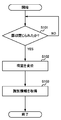
- FIG. 4 is a flowchart showing a tag reading processing procedure by the reading system S. This processing procedure is started, for example, when the power of the reading device 5 is turned on.
- the second specifying unit 621 specifies whether or not the door 1 of the luggage compartment is closed based on the detection result of the open / close sensor 2 (S101).
- the displacement control unit 622 displaces the luggage compartment (S102) when the second specific unit 621 specifies that the door 1 of the luggage compartment has been closed (YES in S101).
- the tag information acquisition unit 532 acquires the identification information stored in the tag by non-contact communication (S103), and ends the process.
- the displacement control unit 622 repeats the determination of S101 when the second specific unit 621 specifies that the door 1 of the luggage compartment is not closed in the determination of S101 (NO of S101).
- the displacement control unit 622 displaces the tag of the luggage relative to the communication element 4 in accordance with the timing of reading the tag by the tag information acquisition unit 532. Therefore, the displacement control unit 622 can improve the tag reading accuracy by the tag information acquisition unit 532. Further, since the tag information acquisition unit 532 does not acquire the identification information when the first specific unit 531 specifies that the door 1 of the luggage compartment is not closed, the radio wave emitted by the communication element 4 goes out of the luggage compartment. Leakage can be suppressed.
- the displacement control unit displaces the luggage compartment when the tag information acquisition unit 532 does not acquire the tag identification information as scheduled.
- the control unit 24 of the wireless terminal 200 communicates with the external device, the reading device 5, and the control device 6 via the communication unit 21.
- the external device is, for example, a server owned by an administrator who manages the operation of the vehicle 100.
- the control unit 24 acquires list information indicating a list of identification information of tags attached to a plurality of packages to be loaded in the luggage compartment of the vehicle 100 from an external device. For example, the control unit 24 acquires the list information from the external device when the application for displaying the tag identification information is started.
- the control unit 24 acquires the tag identification information acquired by the tag information acquisition unit 532 from the reading device 5.
- the control unit 24 sequentially receives identification information of a plurality of tags from the reading device 5 until the reading period that starts when the reading start signal is received from the reading device 5 ends.
- the control unit 24 determines whether or not the tag information acquisition unit 532 has acquired all the tag identification information included in the list information acquired from the external device. When the control unit 24 determines that the tag information acquisition unit 532 has not completed the acquisition of the identification information of all the tags included in the list information, the tag information acquisition unit 532 acquires all the identification information included in the list information. Instruction information indicating that the acquisition has not been completed is transmitted to the reading device 5 and the control device 6.
- the control unit 24 displays a list on the display unit 22 whether or not the tag information acquisition unit 532 has acquired the identification information included in the list information. For example, the control unit 24 displays a list on the display unit 22 which of the plurality of identification information included in the list information has been acquired by the tag information acquisition unit 532.
- the tag information acquisition unit 532 of the reading device 5 acquires instruction information from the wireless terminal 200.
- the communication control unit 533 of the reading device 5 transmits the reading start information indicating that the reading has started at the start of the second reading period to the wireless terminal 200.
- the communication control unit 533 sequentially transmits a plurality of identification information acquired by the tag information acquisition unit 532 within the second reading period to the wireless terminal 200.
- the control unit 24 of the wireless terminal 200 displays a list on the display unit 22 whether or not the tag information acquisition unit 532 has acquired the identification information included in the list information.
- the control unit 24 adds the tag identification information received during the second reading period to the identification information acquired by the tag information acquisition unit 532 in the list display among the tag identification information that was not received during the first reading period. ..
- FIG. 5 is a diagram showing the configuration of the control device 6 of the second embodiment.
- the control device 6 includes a communication unit 701, a storage unit 61, and a control unit 62.
- the control unit 62 functions as a second specific unit 621, an acquisition unit 702, and a displacement control unit 703.
- the same functional blocks as those of the control device 6 of FIG. 2 are designated by the same reference numerals, and the description thereof will be omitted.
- the communication unit 701 is a communication module for communicating with the wireless terminal 200.
- the acquisition unit 702 communicates with the wireless terminal 200 via the communication unit 701.
- the acquisition unit 702 acquires instruction information from the wireless terminal 200 indicating that the tag information acquisition unit 532 has not acquired all the tag identification information included in the list information within the initial reading period.
- the acquisition unit 702 outputs the acquired instruction information to the displacement control unit 703.
- the displacement control unit 703 displaces the luggage compartment at the timing when the tag information acquisition unit 532 acquires the identification information again. On the other hand, the displacement control unit 703 does not displace the luggage compartment when the acquisition unit 702 has not acquired the instruction information.
- the tag information acquisition unit 532 acquires the tag identification information immediately after the first specific unit 531 specifies that the door 1 of the luggage compartment has been closed.
- the present invention is not limited to this.
- the first specific unit 531 specifies that the door 1 of the luggage compartment has been closed
- the communication control unit 533 receives the operation information instructing the reading of the tag from the wireless terminal 200. If this is the case, the tag identification information may be acquired. In this case, the displacement control unit 622 may displace the luggage compartment at the timing when the tag information acquisition unit 532 acquires the identification information.
- the displacement control unit 622 describes an example in which the tag of the luggage is displaced relative to the communication element 4 in accordance with the timing of reading the tag by the tag information acquisition unit 532. bottom.
- the displacement control unit 622 displaces the luggage compartment when the second specific unit 621 specifies that the door of the luggage compartment has been closed.
- the tag information acquisition unit 532 detects that the door 1 of the luggage compartment is closed by the first specific unit 531, the timing at which the displacement control unit 622 displaces the luggage tag relative to the communication element 4.
- the identification information stored in the tag may be read by non-contact communication. In this way, the tag information acquisition unit 532 can improve the reading accuracy of the tag.
Landscapes
- Engineering & Computer Science (AREA)
- Physics & Mathematics (AREA)
- Business, Economics & Management (AREA)
- Theoretical Computer Science (AREA)
- General Physics & Mathematics (AREA)
- Health & Medical Sciences (AREA)
- Economics (AREA)
- Toxicology (AREA)
- General Health & Medical Sciences (AREA)
- Strategic Management (AREA)
- General Business, Economics & Management (AREA)
- Human Resources & Organizations (AREA)
- Marketing (AREA)
- Tourism & Hospitality (AREA)
- Electromagnetism (AREA)
- Artificial Intelligence (AREA)
- Computer Vision & Pattern Recognition (AREA)
- Entrepreneurship & Innovation (AREA)
- Quality & Reliability (AREA)
- Operations Research (AREA)
- Development Economics (AREA)
- Primary Health Care (AREA)
- Arrangements For Transmission Of Measured Signals (AREA)
- Lock And Its Accessories (AREA)
Abstract
車両に搭載された制御装置6と、車両の荷室に配置された荷物のタグを読み取るための読取装置5とを備える読取システムSにおいて、制御装置6は、荷室の扉が閉じられたことを特定する第2特定部621と、荷室の扉が閉じられたことを第2特定部621が特定した場合に、荷室を変位させる変位制御部622とを備え、読取装置5は、荷室の扉が閉じられたことを特定する第1特定部531と、荷室の扉が閉じられたことを第1特定部531が特定した場合に、タグに記憶されている識別情報を非接触通信により取得するタグ情報取得部532とを備える。
Description
本発明は、タグに記憶されている情報を読み取るための読取システム及び読取方法に関する。
荷物に貼付されている無線ICタグに記憶されている情報を非接触通信により読み取り、読み取った情報に基づいて、車両の荷室への荷物の搬入作業が正確に行われているか否かを判定する読取装置が知られている(例えば、特許文献1参照)。
特許文献1に記載された読取装置は、荷物に貼付されたタグの向きが適切でない場合、タグに記憶されている情報の読取に失敗することがあった。
本発明はこの点に鑑みてなされたものであり、タグに記憶されている情報の読取精度を向上させることができる読取システム又は読取方法を提供することを目的とする。
本発明の第1の態様の読取システムは、車両に搭載された制御装置と、当該車両の荷室に配置された荷物のタグを読み取るための読取装置とを備える読取システムにおいて、前記読取装置は、前記荷室の扉が閉じられたことを特定する第1特定部と、前記荷室の扉が閉じられたことを前記第1特定部が特定した場合に、前記タグに記憶されている識別情報を非接触通信により取得するタグ情報取得部とを備え、前記制御装置は、前記荷室の扉が閉じられたことを特定する第2特定部と、前記荷室の扉が閉じられたことを前記第2特定部が特定した場合に、前記タグ情報取得部が前記識別情報を取得するタイミングに合わせて、前記荷室を変位させる変位制御部とを備える。
前記変位制御部は、前記荷室を傾斜させることにより、前記荷室を変位させてもよい。前記変位制御部は、前記荷室を振動させることにより、前記荷室を変位させてもよい。前記変位制御部は、前記車両のエアサスペンションを駆動させることにより、前記荷室を変位させてもよい。前記変位制御部は、前記車両のエンジンを駆動させることにより、前記荷室を変位させてもよい。
前記制御装置は、前記荷室に積載される予定の複数の荷物に取り付けられたタグの識別情報の一覧を示すリスト情報に含まれる前記識別情報を全て取得していないことを示す指示情報を無線端末から取得する取得部をさらに備え、前記変位制御部は、前記取得部が前記指示情報を取得した場合に、前記荷室を変位させてもよい。
本発明の第2の態様の読取システムは、車両に搭載された制御装置と、当該車両の荷室に配置された荷物のタグを読み取るための読取装置とを備える読取システムにおいて、前記制御装置は、前記荷室の扉が閉じられたことを特定する第2特定部と、前記荷室の扉が閉じられたことを前記第2特定部が特定した場合に、前記荷室を変位させる変位制御部とを備え、前記読取装置は、前記荷室の扉が閉じられたことを特定する第1特定部と、前記荷室の扉が閉じられたことを前記第1特定部が特定した場合に、前記変位制御部が前記荷室を変位させるタイミングに合わせて、前記タグに記憶されている識別情報を非接触通信により取得するタグ情報取得部とを備える。
本発明の第3の態様の読取方法は、車両の荷室に配置された荷物のタグを読み取るための読取装置が実行する、前記荷室の扉が閉じられたことを特定するステップと、前記荷室の扉が閉じられたことを特定した場合に、前記タグに記憶されている識別情報を非接触通信により取得するステップとを備え、車両に搭載された制御装置が実行する、前記荷室の扉が閉じられたことを特定するステップと、前記荷室の扉が閉じられたことを特定した場合に、前記識別情報を取得するタイミングに合わせて、前記荷室を変位させるステップとを備える。
本発明によれば、タグに記憶されている情報の読取精度を向上させるという効果を奏する。
<第1の実施形態>
[読取システムの概要]
図1は、第1の実施形態の読取システムSの概要を示す図である。読取システムSは、扉1、開閉センサ2、エアサスペンション3、通信素子4、読取装置5及び制御装置6を備える。読取システムSが搭載された車両100は、例えば、荷物を搭載するための荷室を有するトラックである。荷室の壁や天井は金属板で構成されている。
[読取システムの概要]
図1は、第1の実施形態の読取システムSの概要を示す図である。読取システムSは、扉1、開閉センサ2、エアサスペンション3、通信素子4、読取装置5及び制御装置6を備える。読取システムSが搭載された車両100は、例えば、荷物を搭載するための荷室を有するトラックである。荷室の壁や天井は金属板で構成されている。
扉1は、車両100の荷室へ荷物を搬入するために用いられる。図1中では、扉1を破線で示す。開閉センサ2は、扉1が閉じられたか否かを検出する。エアサスペンション3は、コンプレッサ(不図示)から供給される空気量を調節することにより荷室の高さを調節可能な空気ばねである。車両100の後部には、複数のエアサスペンション3が配置されている。
通信素子4は、車両100の荷室に設置される。例えば、通信素子4は、荷室の側壁に設置される。通信素子4は、一例としては、コイル状アンテナである。通信素子4は、荷室内の荷物に付されているタグを読み取る。タグは、例えば、バッテリーを備えていないRFID(Radio Frequency IDentifier)タグである。タグには、タグを識別するための識別情報が記憶されている。識別情報は、例えば、TID(Tag ID)やEPC(Electronic Product Code)である。通信素子4は、電波方式等の非接触給電方式によりタグに無線通信のための電力を供給し、タグが送信した識別情報を受信する。
荷室には、複数の通信素子4が配置されている。複数の通信素子4は、電波を発するタイミングを少しずつずらすことにより、複数の通信素子4間における電波の干渉を抑制しつつ、ほぼ同時にタグの読取を行うことが可能である。また、通信素子4は、複数のタグのそれぞれと通信するタイミングを少しずつずらすことにより、ほぼ同時に複数のタグを読み取ることが可能である。
読取装置5は、例えば、RFIDリーダである。読取装置5は、通信素子4を介して、車両100の荷室に配置された荷物のタグを読み取る。読取装置5は、開閉センサ2に接続されている。読取装置5は、開閉センサ2の検出結果に基づいて、荷室の扉が閉じられたか否かを特定する。読取装置5は、荷室の扉が閉じられたことを特定した場合に、タグに記憶されている識別情報を非接触通信により読み取る。
読取装置5は、荷室の外部に設置されたアンテナ素子(不図示)に接続されている。読取装置5は、このアンテナ素子を介して、無線端末200と通信する。例えば、読取装置5は、読み取ったタグの識別情報を無線端末200へ送信する。
無線端末200は、例えば、スマートフォンである。無線端末200は、読取装置5と通信する。無線端末200は、読取装置5が読み取ったタグの識別情報を読取装置5から受信する。無線端末200は、受信した識別情報を表示部に一覧表示する。
制御装置6は、例えば、ECU(Electronic Control Unit)である。制御装置6は、車両100に搭載されている。制御装置6は、読取装置5と同様に、開閉センサ2に接続されている。制御装置6は、開閉センサ2の検出結果に基づいて、荷室の扉が閉じられたか否かを特定する。制御装置6は、荷室の扉が閉じられたことを特定した場合に、読取装置5によるタグの読取のタイミングに合わせて、車両100の荷室を変位させる。例えば、制御装置6は、エアサスペンション3等を駆動させることにより、車両100の荷室を変位させる。
このとき、通信素子4が発する電波の向きと、タグに内蔵されたコイルの向きとの関係がタグの読取中に変動し、コイルが一時的に電波の受信に適した向きになる。このようにして、制御装置6は、読取装置5によるタグの読取精度を向上させることができる。
読取装置5は、荷室の扉1が閉じられている場合に識別情報を取得するので、通信素子4が発する電波が荷室の外に漏洩することを抑制することができる。このため、読取装置5は、荷室の外部の荷物に付されたタグの識別情報まで取得してしまうことを抑制することができる。
[読取システムの構成]
図2は、読取システムSの内部構成を示す図である。読取システムSは、開閉センサ2、エアサスペンション3、通信素子4、読取装置5及び制御装置6を備える。読取装置5は、通信部51、記憶部52及び制御部53を備える。制御装置6は、記憶部61及び制御部62を備える。
図2は、読取システムSの内部構成を示す図である。読取システムSは、開閉センサ2、エアサスペンション3、通信素子4、読取装置5及び制御装置6を備える。読取装置5は、通信部51、記憶部52及び制御部53を備える。制御装置6は、記憶部61及び制御部62を備える。
[読取装置の構成]
通信部51は、アンテナ素子を介して、無線端末200と通信するための通信モジュールである。記憶部52は、例えば、ROM(Read Only Memory)及びRAM(Random Access Memory)等により構成される。記憶部52は、制御部53を機能させるための各種プログラムや各種データを記憶する。制御部53は、例えば、CPU(Central Processing Unit)である。制御部53は、記憶部52に記憶されたプログラムを実行することにより、第1特定部531、タグ情報取得部532及び通信制御部533として機能する。
通信部51は、アンテナ素子を介して、無線端末200と通信するための通信モジュールである。記憶部52は、例えば、ROM(Read Only Memory)及びRAM(Random Access Memory)等により構成される。記憶部52は、制御部53を機能させるための各種プログラムや各種データを記憶する。制御部53は、例えば、CPU(Central Processing Unit)である。制御部53は、記憶部52に記憶されたプログラムを実行することにより、第1特定部531、タグ情報取得部532及び通信制御部533として機能する。
第1特定部531は、開閉センサ2の検出結果に基づいて、荷室の扉1が閉じられたか否かを特定する。タグ情報取得部532は、荷室の扉1が閉じられたことを第1特定部531が特定した場合に、予め定められた読取期間において通信素子4を動作させることにより、通信素子4を介して、タグに記憶されている識別情報を非接触通信により取得する。タグ情報取得部532は、荷室の扉1が閉じられていないことを第1特定部531が特定した場合に、タグに記憶されている識別情報を取得しない。通信制御部533は、通信部51を介して、無線端末200と通信する。通信制御部533は、タグ情報取得部532が取得した識別情報を無線端末200へ送信する。このとき、通信制御部533は、読取期間の開始時に読取を開始したことを示す読取開始情報を送信し、タグ情報取得部532が読取期間内に取得した複数の識別情報を順次送信する。
[制御装置の構成]
記憶部61は、例えば、ROM及びRAM等により構成される。記憶部61は、制御部62を機能させるための各種プログラムや各種データを記憶する。制御部62は、記憶部61に記憶されたプログラムを実行することにより、第2特定部621及び変位制御部622として機能する。
記憶部61は、例えば、ROM及びRAM等により構成される。記憶部61は、制御部62を機能させるための各種プログラムや各種データを記憶する。制御部62は、記憶部61に記憶されたプログラムを実行することにより、第2特定部621及び変位制御部622として機能する。
第2特定部621は、開閉センサ2の検出結果に基づいて、荷室の扉1が閉じられたか否かを特定する。変位制御部622は、荷室の扉1が閉じられたことを第2特定部621が特定した場合に、通信素子4によるタグの読取のタイミングに合わせて、荷室を変位させる。例えば、変位制御部622は、車両100のエアサスペンション3を駆動させることにより、荷室を変位させる。より詳しくは、変位制御部622は、エアサスペンション3に供給する空気の量を増減させることにより、荷室を振動させる。車両100のスタータ又はエンジン(いずれも不図示)を駆動させることにより、荷室を振動させてもよい。
また、変位制御部622は、荷室を振動させることにより、荷室を変位させる例に限定されない。変位制御部622は、荷室を傾斜させることにより、荷室を変位させてもよい。変位制御部622は、荷室の扉1が閉じられていないことを第2特定部621が特定した場合に、荷室を変位させない。
[無線端末の構成]
図3は、無線端末200の構成を示す図である。無線端末200は、通信部21、表示部22、記憶部23及び制御部24を備える。
図3は、無線端末200の構成を示す図である。無線端末200は、通信部21、表示部22、記憶部23及び制御部24を備える。
通信部21は、無線通信を介して、読取装置5と通信するための通信モジュールである。表示部22は、各種の情報を表示するためのディスプレイである。記憶部23は、例えば、ROM及びRAM等により構成される。記憶部23は、制御部24を機能させるための各種プログラムや各種データを記憶する。
制御部24は、例えば、CPUである。制御部24は、記憶部23に記憶されたプログラムを実行することにより、各種の処理を実行する。制御部24は、通信部21を介して、読取装置5と通信する。制御部24は、読取装置5が読取期間内に読み取った複数のタグの識別情報を読取装置5から受信する。制御部24は、受信したタグの識別情報を表示部22に一覧表示する。
[タグの読取の処理手順]
図4は、読取システムSによるタグの読取の処理手順を示すフローチャートである。この処理手順は、例えば、読取装置5への電源投入時に開始される。まず、第2特定部621は、開閉センサ2の検出結果に基づいて、荷室の扉1が閉じられたか否かを特定する(S101)。変位制御部622は、荷室の扉1が閉じられたことを第2特定部621が特定した場合に(S101のYES)、荷室を変位させる(S102)。タグ情報取得部532は、タグに記憶されている識別情報を非接触通信により取得し(S103)、処理を終了する。変位制御部622は、S101の判定において荷室の扉1が閉じられていないことを第2特定部621が特定した場合に(S101のNO)、S101の判定を繰り返す。
図4は、読取システムSによるタグの読取の処理手順を示すフローチャートである。この処理手順は、例えば、読取装置5への電源投入時に開始される。まず、第2特定部621は、開閉センサ2の検出結果に基づいて、荷室の扉1が閉じられたか否かを特定する(S101)。変位制御部622は、荷室の扉1が閉じられたことを第2特定部621が特定した場合に(S101のYES)、荷室を変位させる(S102)。タグ情報取得部532は、タグに記憶されている識別情報を非接触通信により取得し(S103)、処理を終了する。変位制御部622は、S101の判定において荷室の扉1が閉じられていないことを第2特定部621が特定した場合に(S101のNO)、S101の判定を繰り返す。
[第1の実施形態の読取システムによる効果]
第1の実施形態によれば、変位制御部622は、タグ情報取得部532によるタグの読取のタイミングに合わせて、通信素子4に対し、荷物のタグを相対的に変位させる。このため、変位制御部622は、タグ情報取得部532によるタグの読取精度を向上させることができる。また、タグ情報取得部532は、荷室の扉1が閉じられていないことを第1特定部531が特定した場合に識別情報を取得しないので、通信素子4が発する電波が荷室の外に漏洩することを抑制することができる。
第1の実施形態によれば、変位制御部622は、タグ情報取得部532によるタグの読取のタイミングに合わせて、通信素子4に対し、荷物のタグを相対的に変位させる。このため、変位制御部622は、タグ情報取得部532によるタグの読取精度を向上させることができる。また、タグ情報取得部532は、荷室の扉1が閉じられていないことを第1特定部531が特定した場合に識別情報を取得しないので、通信素子4が発する電波が荷室の外に漏洩することを抑制することができる。
<第2の実施形態>
第2の実施形態では、タグ情報取得部532がタグの識別情報を予定どおりに取得していない場合に変位制御部が荷室を変位させる場合の例について説明する。無線端末200の制御部24は、通信部21を介して、外部装置、読取装置5及び制御装置6と通信する。外部装置は、例えば、車両100の運行を管理する管理者が所有するサーバである。
第2の実施形態では、タグ情報取得部532がタグの識別情報を予定どおりに取得していない場合に変位制御部が荷室を変位させる場合の例について説明する。無線端末200の制御部24は、通信部21を介して、外部装置、読取装置5及び制御装置6と通信する。外部装置は、例えば、車両100の運行を管理する管理者が所有するサーバである。
制御部24は、車両100の荷室に積載される予定の複数の荷物に取り付けられたタグの識別情報の一覧を示すリスト情報を外部装置から取得する。例えば、制御部24は、タグの識別情報を表示するためのアプリケーションを起動したときに、リスト情報を外部装置から取得する。
制御部24は、タグ情報取得部532が取得したタグの識別情報を読取装置5から取得する。制御部24は、読取開始信号を読取装置5から受信したときに開始する読取期間が終了するまで、複数のタグの識別情報を読取装置5から順次受信する。
制御部24は、外部装置から取得したリスト情報に含まれるタグの識別情報をタグ情報取得部532が全て取得したか否かを判定する。制御部24は、リスト情報に含まれる全てのタグの識別情報をタグ情報取得部532が取得し終えていないと判定した場合に、リスト情報に含まれる全ての識別情報をタグ情報取得部532が取得し終えていないことを示す指示情報を読取装置5及び制御装置6へ送信する。制御部24は、リスト情報に含まれる識別情報をタグ情報取得部532が取得したか否かを表示部22に一覧表示する。制御部24は、例えば、リスト情報に含まれる複数の識別情報のうち、どの識別情報をタグ情報取得部532が取得したかを表示部22に一覧表示する。
読取装置5のタグ情報取得部532は、指示情報を無線端末200から取得する。タグ情報取得部532は、指示情報を取得すると、2回目の読取期間においてタグの識別情報を再度取得する。読取装置5の通信制御部533は、2回目の読取期間の開始時に読取を開始したことを示す読取開始情報を無線端末200へ送信する。通信制御部533は、タグ情報取得部532が2回目の読取期間内に取得した複数の識別情報を無線端末200へ順次送信する。無線端末200の制御部24は、上述のとおり、リスト情報に含まれる識別情報をタグ情報取得部532が取得したか否かを表示部22に一覧表示する。制御部24は、1回目の読取期間に受信しなかったタグの識別情報のうち、2回目の読取期間に受信したタグの識別情報を一覧表示においてタグ情報取得部532が取得した識別情報に加える。
図5は、第2の実施形態の制御装置6の構成を示す図である。制御装置6は、通信部701、記憶部61及び制御部62を備える。制御部62は、第2特定部621、取得部702及び変位制御部703として機能する。図2の制御装置6と同様の機能ブロックについては、同じ符号を付して説明を省略する。
通信部701は、無線端末200と通信するための通信モジュールである。取得部702は、通信部701を介して、無線端末200と通信する。取得部702は、リスト情報に含まれるタグの識別情報をタグ情報取得部532が初回の読取期間内に全て取得していないことを示す指示情報を無線端末200から取得する。取得部702は、取得した指示情報を変位制御部703へ出力する。
変位制御部703は、取得部702が指示情報を取得した場合に、タグ情報取得部532が識別情報を再度取得するタイミングに合わせて、荷室を変位させる。一方、変位制御部703は、取得部702が指示情報を取得していない場合に、荷室を変位させない。
[第2の実施形態の読取システムによる効果]
第2の実施形態によれば、タグ情報取得部532は、リスト情報に含まれるタグの識別情報を全て取得していない場合、2回目の読取期間にわたって、タグの識別情報を再度取得する。変位制御部703は、再度の読取中に荷室を変位させるので、タグの読取精度を向上させることができる。
第2の実施形態によれば、タグ情報取得部532は、リスト情報に含まれるタグの識別情報を全て取得していない場合、2回目の読取期間にわたって、タグの識別情報を再度取得する。変位制御部703は、再度の読取中に荷室を変位させるので、タグの読取精度を向上させることができる。
なお、第1の実施形態及び第2の実施形態では、タグ情報取得部532は、荷室の扉1が閉じられたことを第1特定部531が特定した直後に、タグの識別情報を取得する例について説明したが、本発明は、これに限定されない。例えば、タグ情報取得部532は、荷室の扉1が閉じられたことを第1特定部531が特定し、且つ、タグの読取を指示する操作情報を通信制御部533が無線端末200から受信した場合に、タグの識別情報を取得してもよい。この場合に、変位制御部622は、タグ情報取得部532が識別情報を取得するタイミングに合わせて、荷室を変位させてもよい。
[変形例]
第1の実施形態によれば、変位制御部622は、タグ情報取得部532によるタグの読取のタイミングに合わせて、通信素子4に対し、荷物のタグを相対的に変位させる場合の例に説明した。しかしながら、本発明はこれに限定されない。例えば、変位制御部622は、荷室の扉が閉じられたことを第2特定部621が特定した場合に、荷室を変位させる。タグ情報取得部532は、第1特定部531が荷室の扉1が閉じられたことを検出した場合に、変位制御部622が通信素子4に対して荷物のタグを相対的に変位させるタイミングに合わせて、タグに記憶されている識別情報を非接触通信により読み取る構成であってもよい。このようにして、タグ情報取得部532は、タグの読取精度を向上させることができる。
第1の実施形態によれば、変位制御部622は、タグ情報取得部532によるタグの読取のタイミングに合わせて、通信素子4に対し、荷物のタグを相対的に変位させる場合の例に説明した。しかしながら、本発明はこれに限定されない。例えば、変位制御部622は、荷室の扉が閉じられたことを第2特定部621が特定した場合に、荷室を変位させる。タグ情報取得部532は、第1特定部531が荷室の扉1が閉じられたことを検出した場合に、変位制御部622が通信素子4に対して荷物のタグを相対的に変位させるタイミングに合わせて、タグに記憶されている識別情報を非接触通信により読み取る構成であってもよい。このようにして、タグ情報取得部532は、タグの読取精度を向上させることができる。
以上、本発明を実施の形態を用いて説明したが、本発明の技術的範囲は上記実施の形態に記載の範囲には限定されず、その要旨の範囲内で種々の変形及び変更が可能である。例えば、装置の全部又は一部は、任意の単位で機能的又は物理的に分散・統合して構成することができる。また、複数の実施の形態の任意の組み合わせによって生じる新たな実施の形態も、本発明の実施の形態に含まれる。組み合わせによって生じる新たな実施の形態の効果は、もとの実施の形態の効果を併せ持つ。
1 扉
2 開閉センサ
3 エアサスペンション
4 通信素子
5 読取装置
6 制御装置
21 通信部
22 表示部
23 記憶部
24 制御部
51 通信部
52 記憶部
53 制御部
61 記憶部
62 制御部
100 車両
200 無線端末
531 第1特定部
532 タグ情報取得部
533 通信制御部
621 第2特定部
622 変位制御部
701 通信部
702 取得部
703 変位制御部
2 開閉センサ
3 エアサスペンション
4 通信素子
5 読取装置
6 制御装置
21 通信部
22 表示部
23 記憶部
24 制御部
51 通信部
52 記憶部
53 制御部
61 記憶部
62 制御部
100 車両
200 無線端末
531 第1特定部
532 タグ情報取得部
533 通信制御部
621 第2特定部
622 変位制御部
701 通信部
702 取得部
703 変位制御部
Claims (8)
- 車両に搭載された制御装置と、当該車両の荷室に配置された荷物のタグを読み取るための読取装置とを備える読取システムにおいて、
前記読取装置は、
前記荷室の扉が閉じられたことを特定する第1特定部と、
前記荷室の扉が閉じられたことを前記第1特定部が特定した場合に、前記タグに記憶されている識別情報を非接触通信により取得するタグ情報取得部とを備え、
前記制御装置は、
前記荷室の扉が閉じられたことを特定する第2特定部と、
前記荷室の扉が閉じられたことを前記第2特定部が特定した場合に、前記タグ情報取得部が前記識別情報を取得するタイミングに合わせて、前記荷室を変位させる変位制御部とを備える、
読取システム。 - 前記変位制御部は、前記荷室を傾斜させることにより、前記荷室を変位させる、
請求項1に記載の読取システム。 - 前記変位制御部は、前記荷室を振動させることにより、前記荷室を変位させる、
請求項1又は2に記載の読取システム。 - 前記変位制御部は、前記車両のエアサスペンションを駆動させることにより、前記荷室を変位させる、
請求項1から3のいずれか一項に記載の読取システム。 - 前記変位制御部は、前記車両のエンジンを駆動させることにより、前記荷室を変位させる、
請求項1から3のいずれか一項に記載の読取システム。 - 前記制御装置は、
前記荷室に積載される予定の複数の荷物に取り付けられたタグの識別情報の一覧を示すリスト情報に含まれる前記識別情報を全て取得していないことを示す指示情報を無線端末から取得する取得部をさらに備え、
前記変位制御部は、前記取得部が前記指示情報を取得した場合に、前記荷室を変位させる、
請求項1から5のいずれか一項に記載の読取システム。 - 車両に搭載された制御装置と、当該車両の荷室に配置された荷物のタグを読み取るための読取装置とを備える読取システムにおいて、
前記制御装置は、
前記荷室の扉が閉じられたことを特定する第2特定部と、
前記荷室の扉が閉じられたことを前記第2特定部が特定した場合に、前記荷室を変位させる変位制御部とを備え、
前記読取装置は、
前記荷室の扉が閉じられたことを特定する第1特定部と、
前記荷室の扉が閉じられたことを前記第1特定部が特定した場合に、前記変位制御部が前記荷室を変位させるタイミングに合わせて、前記タグに記憶されている識別情報を非接触通信により取得するタグ情報取得部とを備える、
読取システム。 - 車両の荷室に配置された荷物のタグを読み取るための読取装置が実行する、
前記荷室の扉が閉じられたことを特定するステップと、
前記荷室の扉が閉じられたことを特定した場合に、前記タグに記憶されている識別情報を非接触通信により取得するステップとを備え、
車両に搭載された制御装置が実行する、
前記荷室の扉が閉じられたことを特定するステップと、
前記荷室の扉が閉じられたことを特定した場合に、前記識別情報を取得するタイミングに合わせて、前記荷室を変位させるステップとを備える、
読取方法。
Priority Applications (3)
| Application Number | Priority Date | Filing Date | Title |
|---|---|---|---|
| US17/905,513 US12314804B2 (en) | 2020-03-11 | 2021-03-10 | Reading system and reading method |
| DE112021001562.1T DE112021001562T5 (de) | 2020-03-11 | 2021-03-10 | Lesesystem und Verfahren zum Lesen |
| CN202180018387.1A CN115298119B (zh) | 2020-03-11 | 2021-03-10 | 读取系统和读取方法 |
Applications Claiming Priority (2)
| Application Number | Priority Date | Filing Date | Title |
|---|---|---|---|
| JP2020041745A JP2021143033A (ja) | 2020-03-11 | 2020-03-11 | 読取システム及び読取方法 |
| JP2020-041745 | 2020-03-11 |
Publications (1)
| Publication Number | Publication Date |
|---|---|
| WO2021182510A1 true WO2021182510A1 (ja) | 2021-09-16 |
Family
ID=77672388
Family Applications (1)
| Application Number | Title | Priority Date | Filing Date |
|---|---|---|---|
| PCT/JP2021/009532 Ceased WO2021182510A1 (ja) | 2020-03-11 | 2021-03-10 | 読取システム及び読取方法 |
Country Status (5)
| Country | Link |
|---|---|
| US (1) | US12314804B2 (ja) |
| JP (1) | JP2021143033A (ja) |
| CN (1) | CN115298119B (ja) |
| DE (1) | DE112021001562T5 (ja) |
| WO (1) | WO2021182510A1 (ja) |
Families Citing this family (2)
| Publication number | Priority date | Publication date | Assignee | Title |
|---|---|---|---|---|
| JP7226379B2 (ja) * | 2020-03-17 | 2023-02-21 | いすゞ自動車株式会社 | 読取制御装置及び読取制御方法 |
| US20220185586A1 (en) * | 2020-12-11 | 2022-06-16 | Dematic Corp. | Contactless customer order pick-up portal |
Citations (4)
| Publication number | Priority date | Publication date | Assignee | Title |
|---|---|---|---|---|
| JP2005320126A (ja) * | 2004-05-10 | 2005-11-17 | Ishikawajima Harima Heavy Ind Co Ltd | トラックの積荷の検品装置及び検品方法 |
| JP2007080102A (ja) * | 2005-09-15 | 2007-03-29 | Brother Ind Ltd | 物体姿勢検出システム及びこれを備えた移動体並びに無線タグラベル及び無線タグ情報読み取り装置 |
| JP2008133085A (ja) * | 2006-11-28 | 2008-06-12 | Sato Corp | 配送支援システム |
| JP2020095300A (ja) * | 2018-12-10 | 2020-06-18 | 株式会社Life | ハイブリッド型rfidタグを用いた配達物追跡管理システム、及び、当該配達物追跡管理システムを用いた配達物追跡管理方法、及び、コンピュータにより実現される配達物追跡管理コンピュータプログラム、及び、配達物追跡管理コンピュータプログラムを記録した媒体 |
Family Cites Families (12)
| Publication number | Priority date | Publication date | Assignee | Title |
|---|---|---|---|---|
| JPH11245708A (ja) * | 1998-02-27 | 1999-09-14 | Nippon Dry Chem Co Ltd | 貨物車両 |
| JP2006096555A (ja) * | 2004-09-30 | 2006-04-13 | Mitsubishi Electric Engineering Co Ltd | 車載ユニット、センター装置及び無線タグ |
| DE102005001034A1 (de) * | 2005-01-07 | 2006-07-20 | Deutsche Telekom Ag | Transportüberwachungssystem |
| JP2007137553A (ja) * | 2005-11-16 | 2007-06-07 | Matsushita Electric Ind Co Ltd | 物品保管装置 |
| JP2008137794A (ja) * | 2006-12-05 | 2008-06-19 | Hitachi Ltd | 調達部品ステータス管理システム |
| JP5174715B2 (ja) * | 2009-03-02 | 2013-04-03 | 共同印刷株式会社 | 無線icタグシステム及び無線icタグ読み取り方法 |
| JP5519071B1 (ja) * | 2013-12-26 | 2014-06-11 | 山九株式会社 | 出荷管理システム |
| CN105868801A (zh) | 2016-03-24 | 2016-08-17 | 上海申腾信息技术有限公司 | 一种基于条码读取定位的跟踪锁定rfid识别融合系统及方法 |
| FR3059452A1 (fr) * | 2016-11-25 | 2018-06-01 | Universite De Montpellier | Dispositif comportant des etiquettes rfid pour suivre des conditions de stockage et/ou de transport d'articles et procedes associes |
| CN109969670A (zh) * | 2019-03-08 | 2019-07-05 | 青岛日日顺物流有限公司 | 一种基于无人卸货车的卸货控制方法 |
| CN110126663B (zh) * | 2019-04-10 | 2022-07-01 | 国家电网有限公司 | 用于电动车辆无线充电的定位方法、系统及装置 |
| WO2021252756A1 (en) * | 2020-06-11 | 2021-12-16 | Nimble Robotics, Inc. | Automated delivery vehicle |
-
2020
- 2020-03-11 JP JP2020041745A patent/JP2021143033A/ja active Pending
-
2021
- 2021-03-10 CN CN202180018387.1A patent/CN115298119B/zh active Active
- 2021-03-10 DE DE112021001562.1T patent/DE112021001562T5/de active Pending
- 2021-03-10 US US17/905,513 patent/US12314804B2/en active Active
- 2021-03-10 WO PCT/JP2021/009532 patent/WO2021182510A1/ja not_active Ceased
Patent Citations (4)
| Publication number | Priority date | Publication date | Assignee | Title |
|---|---|---|---|---|
| JP2005320126A (ja) * | 2004-05-10 | 2005-11-17 | Ishikawajima Harima Heavy Ind Co Ltd | トラックの積荷の検品装置及び検品方法 |
| JP2007080102A (ja) * | 2005-09-15 | 2007-03-29 | Brother Ind Ltd | 物体姿勢検出システム及びこれを備えた移動体並びに無線タグラベル及び無線タグ情報読み取り装置 |
| JP2008133085A (ja) * | 2006-11-28 | 2008-06-12 | Sato Corp | 配送支援システム |
| JP2020095300A (ja) * | 2018-12-10 | 2020-06-18 | 株式会社Life | ハイブリッド型rfidタグを用いた配達物追跡管理システム、及び、当該配達物追跡管理システムを用いた配達物追跡管理方法、及び、コンピュータにより実現される配達物追跡管理コンピュータプログラム、及び、配達物追跡管理コンピュータプログラムを記録した媒体 |
Also Published As
| Publication number | Publication date |
|---|---|
| DE112021001562T5 (de) | 2023-01-05 |
| US12314804B2 (en) | 2025-05-27 |
| US20230132833A1 (en) | 2023-05-04 |
| JP2021143033A (ja) | 2021-09-24 |
| CN115298119B (zh) | 2025-08-19 |
| CN115298119A (zh) | 2022-11-04 |
Similar Documents
| Publication | Publication Date | Title |
|---|---|---|
| US7586412B2 (en) | Wireless tag, wireless tag reader/writer, wireless tag information provision method, and wireless tag system | |
| US8421601B2 (en) | Active/passive RFID transponder control function | |
| CN115298119B (zh) | 读取系统和读取方法 | |
| US7340559B2 (en) | Memory product controller, memory product control method, and memory product | |
| EP1743273B1 (en) | Method and system for identifying rfid-tagged objects | |
| US20180349655A1 (en) | Wireless communication apparatus, host terminal, and wireless communication system | |
| US7541916B2 (en) | Power supply using static magnetic field of tire pressure monitoring system | |
| JP6006383B2 (ja) | チップトレイ構造体 | |
| JP2003076953A (ja) | 情報処理システム | |
| JP7226379B2 (ja) | 読取制御装置及び読取制御方法 | |
| KR20220053607A (ko) | 정보 표시 장치, 정보 표시 장치의 제어 방법, 표시 제어 장치 및 전자 페이퍼 디스플레이 장치 | |
| US11159924B2 (en) | Electronic tag updating method and electronic tag update system | |
| JP7310846B2 (ja) | 読取制御装置、読取制御方法及び車両 | |
| JP6459779B2 (ja) | Rfid内蔵端末モジュールおよびrfidの個別認識番号の仮採番方法 | |
| JP2009187495A (ja) | 情報処理装置、情報処理方法及びプログラム | |
| JP2007266936A (ja) | Rfid読取装置 | |
| JP2007253709A (ja) | タイヤ空気圧監視システム | |
| JP5323633B2 (ja) | Icカードのデータ表示方法及びicカード | |
| JP2012033019A (ja) | 情報処理装置およびrfidタグ | |
| JP2006081105A (ja) | 個体認識無線装置及びシステム | |
| JP5456224B2 (ja) | Rfidリーダによるrfid読取方法およびrfidリーダ | |
| JP2004215187A (ja) | 無線通信システムおよび応答器付電子機器 | |
| JP2021014333A (ja) | 荷物管理装置 | |
| Zicari et al. | Radio frequency identification and integrity control system for collision monitoring | |
| JP2007008374A (ja) | 部品管理装置および方法、車輪組付装置 |
Legal Events
| Date | Code | Title | Description |
|---|---|---|---|
| 121 | Ep: the epo has been informed by wipo that ep was designated in this application |
Ref document number: 21767230 Country of ref document: EP Kind code of ref document: A1 |
|
| 122 | Ep: pct application non-entry in european phase |
Ref document number: 21767230 Country of ref document: EP Kind code of ref document: A1 |
|
| WWG | Wipo information: grant in national office |
Ref document number: 17905513 Country of ref document: US |
|
| WWG | Wipo information: grant in national office |
Ref document number: 202180018387.1 Country of ref document: CN |