WO2021024856A1 - 間質性肺炎のタンパク質診断バイオマーカー - Google Patents
間質性肺炎のタンパク質診断バイオマーカー Download PDFInfo
- Publication number
- WO2021024856A1 WO2021024856A1 PCT/JP2020/028866 JP2020028866W WO2021024856A1 WO 2021024856 A1 WO2021024856 A1 WO 2021024856A1 JP 2020028866 W JP2020028866 W JP 2020028866W WO 2021024856 A1 WO2021024856 A1 WO 2021024856A1
- Authority
- WO
- WIPO (PCT)
- Prior art keywords
- interstitial pneumonia
- subject
- stratefin
- diffuse alveolar
- pla2
- Prior art date
- Legal status (The legal status is an assumption and is not a legal conclusion. Google has not performed a legal analysis and makes no representation as to the accuracy of the status listed.)
- Ceased
Links
Images




Classifications
-
- G—PHYSICS
- G01—MEASURING; TESTING
- G01N—INVESTIGATING OR ANALYSING MATERIALS BY DETERMINING THEIR CHEMICAL OR PHYSICAL PROPERTIES
- G01N33/00—Investigating or analysing materials by specific methods not covered by groups G01N1/00 - G01N31/00
- G01N33/48—Biological material, e.g. blood, urine; Haemocytometers
- G01N33/50—Chemical analysis of biological material, e.g. blood, urine; Testing involving biospecific ligand binding methods; Immunological testing
- G01N33/68—Chemical analysis of biological material, e.g. blood, urine; Testing involving biospecific ligand binding methods; Immunological testing involving proteins, peptides or amino acids
Definitions
- the present invention relates to a method for assisting in the diagnosis of the onset and pathological condition of interstitial pneumonia.
- Interstitial pneumonia is a general term for inflammatory diseases of the lung interstitium, and is roughly classified into alveolar pneumonia represented by bacterial infection. Interstitial pneumonia is divided into those associated with clear causes such as drug-induced, pneumoconiosis, and collagen disease, and idiopathic diseases of unknown cause, and further classified into various types. Differentiation of these is clinically important because each has different treatments and prognosis.
- Non-Patent Document 1 The type of idiopathic interstitial pneumonia is diagnosed by clinical and imaging findings and histopathological patterns, but drug-induced interstitial pneumonia is also based on idiopathic and similarities with known lung diseases.
- the type of disease is diagnosed (Non-Patent Document 1).
- DAD diffuse alveolar damage
- Non-Patent Document 2 the most serious type is diffuse alveolar damage (DAD).
- DAD is a typical type of disease found in acute exacerbation cases of acute respiratory distress syndrome and idiopathic interstitial pneumonia
- Poor and poor prognosis Non-Patent Documents 1 and 2). Therefore, early detection and diagnosis are of particular importance for DAD.
- Non-Patent Document 3 As pathological types other than DAD, organizing pneumonia (OP), nonspecific interstitial pneumonia (NSIP), etc. can be mentioned, but there are cases and multiple cases that do not fit into any pattern. There are cases where it is difficult to classify by image inspection or pathological examination, such as cases where patterns are mixed, and there is a limit to image pattern classification (Non-Patent Document 3).
- Diagnosis of interstitial pneumonia often takes time to be confirmed, and the use of biomarkers is useful because it imposes a heavy burden on patients economically and physically only by diagnostic imaging and pathological diagnosis.
- KL-6 sialylated sugar chain antigen KL-6
- SP-A pulmonary surfactant protein A
- SP-D pulmonary surfactant protein D
- Non-Patent Documents 4 and 5 KL-6, SP-D, and SP-A have a problem that they show high values for a long period of time even after the condition is improved (Non-Patent Documents 4 and 5), so new biomarkers are required. .. So far, proteins such as UBE2T, HK1, PMSE1, USO1, IFI16, and GLTP (Patent Document 1) and autoantibodies (Patent Document 2) have been proposed and applied for patents as marker candidates.
- An object of the present invention is to develop a biomarker for diagnosing and predicting drug-induced interstitial pneumonia, a disease state, and its type.
- Proteomics analysis was performed on blood samples of drug-induced interstitial pneumonia patients by the SOMAscan method using aptamers (artificial ligands using single-stranded nucleic acids) for 1,310 proteins. Focusing on diffuse alveolar injury (DAD) and organizing pneumonia (OP), based on the relative fluorescence intensity of SOMAscan, a protein that fluctuates significantly in the acute phase of the disease in healthy subjects and convalescent groups is changed. The search was performed using the value and effect size (Hedge's g value) as indicators. While there are many samples in which KL-6 and SP-D levels do not fluctuate, among the 1,310 proteins measured, proteins that increase in the acute phase of DAD but do not change in other types of disease.
- DAD diffuse alveolar injury
- OP organizing pneumonia
- ROC curve Receiveiver Operating Characteristic curve
- DAD and OP A group of patients could be identified as healthy individuals with an AUC of 0.9 or higher. It has been shown that these can be useful biomarkers for interstitial pneumonia including drug-induced.
- the present invention has been completed based on these findings.
- the protein whose expression is to be measured is at least one protein selected from the group consisting of stratephin, NPS-PLA2, cystatin F, IL-1Ra, netrin-1 and troponin T, and the measured value is diffuse.
- the method according to (1) which assists in the diagnosis of alveolar injury.
- the protein whose expression is to be measured is at least one protein selected from the group consisting of stratephine, NPS-PLA2, cystatin F, IL-1Ra, netrin-1 and troponin T, and the measured value is diffuse.
- the method according to (1) which assists in the specific diagnosis of alveolar injury.
- the method according to (3), wherein the protein whose expression is measured is Stratefin, Cystatin F, NPS-PLA2, IL-1Ra, Netrin-1, Troponin T, or a combination thereof.
- a method for diagnosing diffuse alveolar injury a1. Obtaining a sample from a subject, b1.
- the method comprising determining the presence or absence of the onset of diffuse alveolar injury based on the measurements of b1.
- the method comprising determining the pathology of diffuse alveolar injury based on measurements in b1.
- a method for diagnosing and treating diffuse alveolar injury a1. Obtaining a sample from a subject, b1. Measuring the expression of at least one protein selected from the group consisting of Stratefin, NPS-PLA2, Cystatin F, IL-1Ra, Netrin-1 and Troponin T in a sample derived from the subject. c1. Determine the presence or absence of diffuse alveolar injury based on the measured values of b1 and d1. The method described above comprising treating a subject determined to have a high probability of developing diffuse alveolar injury with treatment for diffuse alveolar injury. (8) A method for diagnosing and treating diffuse alveolar injury.
- a1 Obtaining a sample from a subject, b1. Measuring the expression of at least one protein selected from the group consisting of Stratefin, NPS-PLA2, Cystatin F, IL-1Ra, Netrin-1 and Troponin T in a sample derived from the subject. c1. Determining the pathology of diffuse alveolar injury based on b1 measurements, and d1. The method described above comprising treating a subject determined to be likely to be in the acute phase of diffuse alveolar injury with treatment for diffuse alveolar injury.
- a method for testing interstitial pneumonia in general comprises measuring the expression of at least one protein in a sample derived from a subject.
- Proteins whose expression is to be measured are from stratefine, calistatin, NPS-PLA2, PARC (CCL18), LD78-beta, Apo-AI, PAPP-A (paparicin), complement C3b and carbonic anhydrase 6 (CA6).
- a method for diagnosing general interstitial pneumonia (diffuse alveolar injury and other interstitial pneumonia). a2. Obtaining a sample from the subject, b2. At least one selected from the group consisting of stratefin, calistatin, NPS-PLA2, PARC (CCL18), LD78-beta, Apo-AI, PAPP-A (paparicin), complement C3b and carbonic amphidrase 6.
- the method comprising determining the presence or absence of the onset of interstitial pneumonia based on the measurements in b2.
- a method for diagnosing general interstitial pneumonia (diffuse alveolar injury and other interstitial pneumonia).
- a2. Obtaining a sample from the subject, b2. At least one selected from the group consisting of stratefin, calistatin, NPS-PLA2, PARC (CCL18), LD78-beta, Apo-AI, PAPP-A (paparicin), complement C3b and carbonic amphidrase 6.
- the method comprising determining the pathology of interstitial pneumonia based on the measurements in b2.
- a method for diagnosing and treating interstitial pneumonia in general (diffuse alveolar injury and other interstitial pneumonia).
- a2. Obtaining a sample from the subject, b2. At least one selected from the group consisting of stratefin, calistatin, NPS-PLA2, PARC (CCL18), LD78-beta, Apo-AI, PAPP-A (paparicin), complement C3b and carbonic amphidrase 6.
- c2. Determine the presence or absence of interstitial pneumonia based on the measured value of b2, and d2. The method described above comprising treating a subject determined to have interstitial pneumonia with a high probability of developing interstitial pneumonia.
- a method for diagnosing and treating interstitial pneumonia in general (diffuse alveolar injury and other interstitial pneumonia).
- a2. Obtaining a sample from the subject, b2. At least one selected from the group consisting of stratefin, calistatin, NPS-PLA2, PARC (CCL18), LD78-beta, Apo-AI, PAPP-A (paparicin), complement C3b and carbonic amphidrase 6.
- c2. Judging the pathology of interstitial pneumonia based on the measured values of b2, and d2.
- the method comprising treating interstitial pneumonia in a subject determined to be likely to be in the acute phase of interstitial pneumonia.
- a kit for testing for diffuse alveolar injury including.
- a kit for testing interstitial pneumonia (diffuse alveolar injury and other interstitial pneumonia), which comprises a reagent capable of measuring the expression of one protein in a sample derived from a subject.
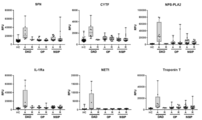
- a protein that exhibits specific fluctuations in diffuse alveolar injury Box plots were used to compare SOMAscan measurements in the acute and convalescent stages of healthy and interstitial pneumonia types for the six proteins with DAD-specific increases. The box shows the quartile deviation (75% and 25%) and median of the SOMAscan measurements.
- HC Healthy
- DAD Diffuse alveolar injury
- OP Organized pneumonia
- NSIP Nonspecific interstitial pneumonia
- A Acute phase
- R Recovery phase
- SFN Stratefin
- CYTF Cystatin F
- NET1 Shows netrin-1.
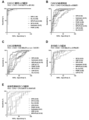
- C DAD diagnostic performance by a combination assay of typical DAD marker candidate proteins.
- Ac Acute phase
- ALL-R indicates total recovery phase group
- HC indicates healthy subject group
- SFN Stratefin
- CYTF Cystatin F
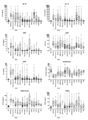
- NET1 Netrin-1. Distribution of biomarker concentration in healthy subjects, acute phase, convalescent phase, non-symptomatic patients and other lung diseases of drug-induced interstitial pneumonia. The box shows the quartile deviation (75% and 25%) and median of the ELISA measurements.
- HC Healthy
- DILID Drug-induced interstitial pneumonia
- DAD Diffuse alveolar injury
- OP Organic pneumonia
- NSIP Nonspecific interstitial pneumonia
- Ac Acute phase
- All-R Total recovery phase
- No-onset Non-onset
- LuCa Lung cancer
- Infectious Infectious pulmonary disease
- NTM Non-tuberculous mycobacteriosis
- IIPs Idiopathic interstitial pneumonia
- CTD Collagen disease lung
- COPD Chronic obstructive pulmonary disease
- BA Shows bronchial asthma.
- A Arterial oxygen partial pressure / inspired oxygen saturation ratio (PaO 2 / FiO 2 ) and (B) Percutaneous arterial oxygen saturation / inspired oxygen saturation ratio (SpO 2 / FiO 2 ), (C) LDH, (D)
- PaO 2 / FiO 2 Arterial oxygen partial pressure / inspired oxygen saturation ratio
- SpO 2 / FiO 2 Percutaneous arterial oxygen saturation / inspired oxygen saturation ratio
- C LDH
- D For each value of CRP, the value of clinical examination performed in the acute phase of a patient with drug-induced interstitial pneumonia was used. The values of r s and p were calculated from Spearman's correlation coefficient analysis.
- Test method, diagnostic method, treatment method and test kit for diffuse alveolar injury The present invention is at least one selected from the group consisting of Stratefin, NPS-PLA2, Cystatin F, IL-1Ra, Netrin-1 and Troponin T.
- a method for testing diffuse alveolar injury which comprises measuring the expression of a protein in a sample derived from a subject.
- Diffuse alveolar injury is a lung lesion that develops due to acute and severe alveolar injury, and CT shows extensive infiltrative and suriglass-like shadows with structural alterations such as traction bronchiectal dilatation and honeycombing.
- CT shows extensive infiltrative and suriglass-like shadows with structural alterations such as traction bronchiectal dilatation and honeycombing.
- the pathological conditions that present with diffuse alveolar injury include acute respiratory distress syndrome (ARDS), acute interstitial pneumonia (AIP), and acute chronic interstitial pneumonia (IPF). Exacerbations can be mentioned.
- the diffuse alveolar injury may be drug-induced or idiopathic.
- Stratefin also known as 14-3-3 sigma, is a 248 amino acid protein encoded by the SFN gene. It is known to be expressed in the epithelium of the esophagus and skin, and in head and neck cancer, lung cancer, cervical cancer and the like. UniProt number P31947.
- Cystatin F is an extracellular protein of 145 amino acids encoded by the gene CST7. Expression is detected in various cancer cells as well as cells in the bone marrow and immune system. UniProt number O76096.
- NPS-PLA2 whose official name is Phospholipase A2 Group IIA, is an extracellularly secreted enzyme of 144 amino acids encoded by the PLA2G2A gene. It requires calcium for activity expression, catalyzes the hydrolysis of the phosphoglyceride sn-2 fatty acid acyl ester bond, and is involved in the production of free fatty acids and lysophospholipids. Strongly expressed in the gastrointestinal tract. UniProt number P14555.
- IL-1Ra whose official name is an interleukin-1 receptor antagonist, is a protein known as an extracellular secretory type of 159 amino acids encoded by the IL1RN gene. It binds to the receptor IL-1R1 and inhibits the activation of interleukin 1 alpha and 1 beta. High expression is observed in cells of the bone marrow, immune system, and digestive tract. UniProt number P18510.
- Netrin-1 is a 604 amino acid protein encoded by the NTN1 gene and is included in the laminin-related secretory protein family. UniProt number O95631. It is known that the expression is increased in breast cancer, kidney cancer, prostate cancer and the like.
- Troponin T is a protein encoded by the TNNT2 gene. Expression is myocardial specific and involved in myocardial contraction. UniProt number P45379.
- the subject is a mammal suspected of developing diffuse alveolar injury, but all mammals at risk of developing may be targeted. It is typically human.
- the sample derived from the subject include cells, tissues, and body fluids obtained from the subject, specifically, the subject's blood (for example, whole blood, serum, plasma, plasma exchange external fluid, etc.), bronchoalveolar lavage fluid, and the like. can do.
- Whole blood, serum or plasma obtained by a normal blood test (clinical test) may be used as a blood sample.
- the expression in a sample derived from a subject may be measured by measuring the abundance of the above protein or a fragment thereof in the sample.
- a known method may be used without particular limitation. It is preferably measured at the protein level, but may be measured at the nucleic acid level.
- the antibody may be either a monoclonal antibody or a polyclonal antibody.
- These antibodies can be produced by known methods, or commercially available ones may be used. Typical methods include immunoassays such as ELISA and immunochromatography. Since the immunoassay method does not require a special device or technique and can easily and quickly detect and quantify the target protein, it can be preferably used for the measurement of the above protein in the present invention as well.
- Antibodies for the above proteins are known, and commercially available products also exist. Further, as described above, since the amino acid sequence of the above protein and the base sequence encoding these are also known, a specific antibody against each protein may be prepared by preparing a general hybridoma.
- the immunoassay itself is well known in this field.
- a sandwich method a competitive method, an agglutination method, a Western blotting method and the like, and based on the label, there are enzyme immunoassay, radioimmunoassay, fluorescence immunoassay, luminescence immunoassay and the like.
- any immunoassay method capable of quantitative detection may be used.
- a sandwich method such as sandwich ELISA can be preferably used.
- the sandwich method the antibody that binds to the target protein is immobilized and reacted with the sample.
- the target protein bound to the immobilized antibody is measured using a detection antibody labeled with an enzyme or the like.
- the detection antibody it is preferable to use an antibody that binds to the target protein at a site different from that of the immobilized antibody.
- the immobilized antibody and the detection antibody may be a polyclonal antibody or a monoclonal antibody, and an antigen-binding fragment of the antibody may be used.
- the target protein bound to the immobilized antibody is reacted with the detection antibody, washed, and then the amount of the bound detection antibody is measured by a signal from the substance labeled on the antibody.
- the substrate of the enzyme may be added into the reaction system, and the amount of color development, fluorescence, and luminescence generated by the enzyme reaction may be measured with a corresponding device.
- Immunity measurement was performed on a standard sample containing a target protein with a known concentration, a calibration curve was created plotting the relationship between the signal of the labeling substance and the concentration, and the same operation was performed on a sample with an unknown target protein concentration. By applying the obtained signal measurement value to the calibration curve, the target protein in the sample can be quantified.
- nucleic acid probe that can specifically hybridize with the mRNA of the above protein (when measuring by Northern blotting).
- at least one pair of nucleic acid primers capable of specifically amplifying the cDNA synthesized using the mRNA of the above protein as a template may be used (when measured by the RT-PCR method).
- Nucleic acid probes and nucleic acid primers can be designed based on the genetic information (described above) of the above proteins.
- nucleic acid probe one having about 15 to 1500 bases is usually suitable.
- the nucleic acid probe may be labeled with a radioactive element, a fluorescent dye, an enzyme or the like.
- nucleic acid primer one having about 15 to 30 bases is usually suitable.
- Nucleic acid primers may be labeled with radioactive elements, fluorescent dyes, enzymes and the like.
- the expression of the protein or gene may be one type or multiple types. More accurate evaluation may be possible by referring to a plurality of gene expression data and a plurality of protein expression data.
- DNA array probe fixed to substrate
- protein chip antibody substrate
- Luminex NATURE REVIEWS, DRUG DISCOVERY, VOLUME 1, JUNE 2002, 447-456
- DNA array probe fixed to substrate
- Luminex NATURE REVIEWS, DRUG DISCOVERY, VOLUME 1, JUNE 2002, 447-456
- the expression of at least one protein selected from the group consisting of stratefin, NPS-PLA2, cystatin F, IL-1Ra, netrin-1 and troponin T is measured in a sample derived from the subject, and the expression level is high. In addition, it can be determined that there is a high possibility of developing diffuse alveolar injury, and when the level is low, it can be determined that the possibility of developing diffuse alveolar injury is low.
- the method of the present invention can assist in the diagnosis of diffuse alveolar injury (determination of the presence or absence of the onset of diffuse alveolar injury).
- the present invention is a method for diagnosing diffuse alveolar injury. a1. Obtaining a sample from a subject, b1. Measuring the expression of at least one protein selected from the group consisting of Stratefin, NPS-PLA2, Cystatin F, IL-1Ra, Netrin-1 and Troponin T in a sample derived from the subject, and c1. Provided above, the method comprising determining the presence or absence of the onset of diffuse alveolar injury based on the measurements of b1.
- the diagnosis of diffuse alveolar injury can be made based on the following criteria. As a result of measuring the expression of at least one of the above proteins in plasma or serum (blood sample) collected from a subject and comparing it with that in a blood sample collected from a healthy person, it is higher than a preset cutoff value or reference value. If a value is obtained, the subject is assessed as developing diffuse alveolar injury. Alternatively, in a patient receiving a drug, if the concentration of at least one of the proteins in a blood sample becomes higher than the cutoff value, the onset of diffuse alveolar injury due to the drug can be suspected. This preset cutoff value can be appropriately set by those skilled in the art.
- the 95% confidence interval of the quantitative value of a healthy person who has not developed diffuse alveolar injury can be used as a reference value, or the cutoff value can be set from the ROC curve.
- the following cutoff values can be set from the ROC curve analysis of Examples described later.
- the cutoff values for differentiating from healthy subjects are Stratefin: 0.2 to 5.0 ng / mL (preferably 0.7 ng / mL) and NPS-PLA2: 4 to 14 ng / mL (preferably 7 ng).
- the cutoff value for detecting the occurrence of diffuse alveolar injury in drug-administered patients was based on the results of comparative analysis with non-symptomatic patients who did not develop interstitial pneumonia. : 0.7 to 7.2 ng / mL (preferably 2.4 ng / mL), NPS-PLA2: 5 to 60 ng / mL (preferably 32 ng / mL), etc. can be set. Alternatively, if at least one of the above proteins follows an upward trend compared to past measurements, the possibility of developing diffuse alveolar injury is suspected.
- the method of the present invention can also be used for specific diagnosis of diffuse alveolar injury.
- specific diagnosis refers to determining whether a subject has interstitial pneumonia with a diffuse alveolar injury pattern. Since diffuse alveolar injury is a particularly serious form of interstitial pneumonia, it is of great clinical significance that it can be used for specific diagnosis of diffuse alveolar injury.
- At least one protein selected from the group consisting of stratefin, NPS-PLA2, cystatin F, IL-1Ra, netrin-1 and troponin T is diffusely affected by high expression levels in subject-derived samples. It can be determined that there is a high possibility of sexual alveolar injury.
- the 95% confidence interval of the quantitative value of patients with interstitial pneumonia other than diffuse alveolar injury can be used as the reference value, or the cutoff value can be set from the ROC curve.
- the following cutoff values can be set from the ROC curve analysis of Examples described later. For example, by comparing the measured values of patients with diffuse alveolar injury and other patients with interstitial pneumonia, as a cut-off value for specific diagnosis of diffuse alveolar injury, Stratefin: 1.0 to 5.3 ng / mL ( Preferably 2.4 ng / mL), NPS-PLA2: 10-87 ng / mL (preferably 32 ng / mL).
- the proteins whose expression is measured are stratefine, cystatin F, NPS-PLA2, IL-1Ra, netrin-1, troponin T, or It is good to have a combination of them.
- the combination include a combination of cystatin F and stratefin, a combination of cystatin F and netrin-1, a combination of stratefin and netrin-1, or a combination of netrin-1 and IL-1Ra.
- the method of the present invention can also be used for pathological diagnosis of diffuse alveolar injury.
- disease diagnosis means the determination of the degree and change (severity, therapeutic effect, etc.) of the pathological condition of a subject diagnosed with diffuse alveolar injury.
- Diffuse alveolar at least one protein selected from the group consisting of stratefin, NPS-PLA2, cystatin F, IL-1Ra, netrin-1 and troponin T at high expression levels in subject-derived samples. It can be determined that there is a high probability of being in the acute phase of the injury.
- the 95% confidence interval of the quantitative value of a patient in the recovery phase of diffuse alveolar injury can be used as a reference value, or the cutoff value can be set from the ROC curve.
- the following cutoff value can be set from the ROC curve analysis of the examples described later.
- Stratefin 0.8-5.0 ng / mL (preferably 2.3 ng / mL)
- NPS-PLA2 8-32 ng / mL (preferably 16 ng / mL).
- the present invention is a method for diagnosing diffuse alveolar injury.
- a1. Obtaining a sample from a subject, b1. Measuring the expression of at least one protein selected from the group consisting of Stratefin, NPS-PLA2, Cystatin F, IL-1Ra, Netrin-1 and Troponin T in a sample derived from the subject, and c1.
- At least one protein selected from the group consisting of Stratefin, NPS-PLA2, Cystatin F, IL-1Ra, Netrin-1 and Troponin T is likely to be in the acute phase of diffuse alveolar injury.
- the expression in the sample derived from the subject determined to be was measured once or multiple times at different times, and when the expression level decreased to the cutoff value or the level close to the reference value, the treatment recovered from the diffuse alveolar injury. If the level is high or does not decrease, it can be determined that the treatment has not recovered from the diffuse alveolar injury or the recovery is insufficient.
- the method of the present invention can be used not only for pathological diagnosis of diffuse alveolar injury, but also for prognosis examination and confirmation of therapeutic effect.
- the present invention is a method for diagnosing and treating diffuse alveolar injury.
- a1. Obtaining a sample from a subject, b1. Measuring the expression of at least one protein selected from the group consisting of Stratefin, NPS-PLA2, Cystatin F, IL-1Ra, Netrin-1 and Troponin T in a sample derived from the subject.
- c1. Determine the presence or absence of diffuse alveolar injury based on the measured values of b1 and d1.
- Provided by the above method which comprises treating a subject who is determined to have a high probability of developing a diffuse alveolar injury with a treatment for the diffuse alveolar injury.
- the present invention is a method for diagnosing and treating diffuse alveolar injury.
- a1. Obtaining a sample from a subject, b1. Measuring the expression of at least one protein selected from the group consisting of Stratefin, NPS-PLA2, Cystatin F, IL-1Ra, Netrin-1 and Troponin T in a sample derived from the subject.
- c1. Determining the pathology of diffuse alveolar injury based on b1 measurements, and d1.
- Provided by the above method which comprises treating a subject who is determined to be likely to be in the acute phase of diffuse alveolar injury to be treated for diffuse alveolar injury.
- the present invention can measure the expression of at least one protein selected from the group consisting of stratefin, NPS-PLA2, cystatin F, IL-1Ra, netrin-1 and troponin T in a sample derived from a subject.
- Kits for testing for diffuse alveolar injury, including reagents, are also provided.
- the kit of the present invention contains an antibody capable of specifically recognizing the above protein as a reagent.
- the antibody may be immobilized on a microtiter plate, magnetic beads, a cellulose membrane or a substrate.
- the kit may further include an instrument for collecting a sample derived from a subject, an anticoagulant, a set of reagents for detecting the protein, an instruction manual, and the like.
- the instruction manual should also describe the evaluation and / or differentiation criteria for cases of diffuse alveolar injury or acute exacerbation of acute respiratory distress syndrome or idiopathic interstitial pneumonia. ..
- the kit of the present invention contains a nucleic acid probe that can specifically hybridize with the mRNA of the above protein as a reagent.
- the nucleic acid probe may be fixed to the substrate.
- the kit also includes equipment for collecting biological samples, anticoagulants, reagents for extracting RNA from samples derived from subjects, reagents for detecting RNA, instruction manuals, etc. May be good.
- the instruction manual should also describe the evaluation and / or differentiation criteria for cases of diffuse alveolar injury or acute exacerbation of acute respiratory distress syndrome or idiopathic interstitial pneumonia. ..
- the kit of the present invention contains at least one pair of nucleic acid primers capable of specifically amplifying cDNA synthesized using the above protein mRNA as a reagent.
- the kit also includes equipment for collecting subject-derived samples, anticoagulants, reagents for extracting RNA from subject-derived samples, reagents for detecting RNA, instruction manuals, and the like. It is good to be.
- the instruction manual should also describe the evaluation and / or differentiation criteria for acute exacerbation cases of diffuse alveolar injury, acute respiratory distress syndrome and idiopathic interstitial pneumonia.
- the kit of the present invention may also include a standard protein, a buffer, a substrate (when the antibody is enzyme-labeled), a reaction stop solution, a washing solution, a reaction vessel, and the like.
- the kit of the present invention can be used as a pharmaceutical product for diagnosing a disease.
- test method, diagnostic method, treatment method and test kit for general interstitial pneumonia The present invention also relates to Stratefin, calistatin, NPS-PLA2, PARC (CCL18). , LD78-beta, Apo-AI, PAPP-A (paparicin), complement C3b and carbonic amphidrase 6 for at least one protein selected from the group to measure expression in a sample derived from the subject.
- a method for examining interstitial pneumonia in general including.
- Interstitial pneumonia is a condition in which inflammation spreads with the interstitium of the lung as the main lesion, and often causes pulmonary fibrosis. Interstitial pneumonia is divided into those associated with clear causes such as drug-induced, pneumoconiosis, and collagen disease, and idiopathic diseases of unknown cause, and further classified into various types. Typical disease types include diffuse alveolar injury, organizing pneumonia, nonspecific interstitial pneumonia, and eosinophilic pneumonia. In the method for testing interstitial pneumonia of the present invention, either drug-induced interstitial pneumonia or non-drug-induced (idiopathic) interstitial pneumonia may be used regardless of the etiology and type of interstitial pneumonia. , Diffuse alveolar injury or other interstitial pneumonia.
- PARC is a type of chemokine having a CC motif of 89 amino acids encoded by the CCL18 gene, and is classified as homeostatic or plasma chemokine. It is expressed in adipocytes, lungs, lymphocytes, etc. UniProt number P55774.
- LD78-beta is an inflammatory chemokine with a CC motif of 93 amino acids encoded by the CCL3L1 gene and its copy CCL3L3 gene. It is expressed in bone marrow and lymphocytes. It is known to bind to the HIV co-receptor CCR5 and the silent receptor CCBP2 and to be involved in the control of HIV infection. UniProt number P16619.
- PAPP-A paparicin
- PAPP-A is a secretory metalloprotease of 1627 amino acids encoded by the PAPPA gene. It is known to be specifically expressed in the placenta of pregnant women, and its expression in aneurysms has also been reported. UniProt number Q13219.
- Apolipoprotein AI is a secretory protein of 267 amino acids encoded by the APOAI gene. It is strongly expressed in the liver and gastrointestinal tract and is known as the main component of blood HDL. UniProt number P02647.
- Calistatin also called kallikrein inhibitor or serpin A4, is a secretory serine protease inhibitor of 427 amino acids encoded by the SERPINA4 gene. Produced in the liver and abundant in blood, it binds to tissue kallikrein and caridinogenase and inhibits its activity. UniProt number P29622.
- Complement C3b (C3b) is a degradation product of complement C3 encoded by the C3 gene.
- Complement C3 is produced in the liver and decomposed into C3a and C3b in the blood, and C3b is involved in the immunity of the living body by controlling the decomposition of complement C5.
- Carbonic amphidrase 6 is a 308 amino acid metal enzyme encoded by the CA6 gene, which catalyzes the reaction of converting carbon dioxide and water into bicarbonate ions and hydrogen ions. It is strongly expressed in the salivary glands. UniProt number P23280.
- the subject is a mammal suspected of developing interstitial pneumonia in general (diffuse alveolar injury and other interstitial pneumonia), but there is a risk of developing it. It may cover all possible mammals. It is typically human.
- the sample derived from the subject and the measurement of expression are as described above.
- the protein or gene whose expression is measured may be one type or a plurality of types.
- the expression of at least one protein selected from the group consisting of stratefin, NPS-PLA2, PARC (CCL18), LD78-beta and PAPP-A (paparicin) and complement C3b was measured in a sample derived from the subject. If the expression level is high, it is determined that there is a high possibility of developing interstitial pneumonia (diffuse alveolar injury or other interstitial pneumonia), and if the level is low, interstitial pneumonia is likely to occur. It can be determined that the possibility of developing is low. On the contrary, when the expression level of at least one protein selected from the group consisting of Apo-AI, calistatin and carbonic anhydrase 6 is measured in a sample derived from a subject and the expression level is low. It is determined that there is a high possibility of developing interstitial pneumonia (diffuse alveolar injury or other interstitial pneumonia), and if the above level is high, it is possible that interstitial pneumonia has developed. It can be determined that the sex is low.
- the method for testing interstitial pneumonia of the present invention can assist in the diagnosis of interstitial pneumonia (determination of the presence or absence of diffuse alveolar injury and other interstitial pneumonia).
- the present invention is a method for diagnosing interstitial pneumonia in general (diffuse alveolar injury and other interstitial pneumonia).
- a2. Obtaining a sample from the subject, b2. At least one selected from the group consisting of stratefin, calistatin, NPS-PLA2, PARC (CCL18), LD78-beta, Apo-AI, PAPP-A (paparicin), complement C3b and carbonic anhydrase 6.
- Provided above are the methods comprising determining the presence or absence of the onset of interstitial pneumonia based on the measurements of b2.
- the diagnosis of interstitial pneumonia can be made based on the following criteria.
- the expression of at least one of the above proteins in serum or plasma (blood sample) collected from a subject and comparing it with that in a blood sample collected from a healthy person, it is higher than a preset cutoff value or reference value.
- a preset cutoff value or reference value for example, the expression of at least one of the above proteins in serum or plasma (blood sample) collected from a subject and comparing it with that in a blood sample collected from a healthy person.
- the concentration of at least one of the above proteins in a blood sample is higher than the cutoff value in a patient receiving a drug (Stratefin, NPS-PLA2, PARC (CCL18), LD78-beta and PAPP-A). (Paparicin) and complement C3b), or when it becomes low (Apo-AI, calistatin and carbonic anhydrase 6), the occurrence of interstitial pneumonia (drug-induced interstitial pneumonia) due to the drug may be suspected. it can.
- the above-mentioned preset cutoff value can be appropriately set by those skilled in the art.
- the 95% confidence interval of the quantitative value of a healthy person who does not develop interstitial pneumonia can be used as a reference value, or the cutoff value can be set from the ROC curve.
- the following cutoff values can be set from the ROC curve analysis of Examples described later.
- the cut-off values for differentiation from healthy subjects are Stratefin: 0.2 to 1.0 ng / mL (preferably 0.5 ng / mL) and Calistatin: 7.5 to 14.5 ⁇ g / mL (preferably 10 ⁇ g / mL).
- NPS-PLA2 3 to 12 ng / mL (preferably 6 ng / mL)
- PARC CCL18
- the cut-off value for detecting the occurrence of interstitial pneumonia in drug-administered patients was compared with those who did not develop interstitial pneumonia, and Stratefin: 0.2 to 1.7 ng / mL (preferably 0.6 ng).
- calistatin 7.5-14 ⁇ g / mL (preferably 11 ⁇ g / mL)
- NPS-PLA2 7.5-14 ng / mL (preferably 9 ng / mL)
- PARC (CCL18) 20-60 It can be set to ng / mL (preferably 36 ng / mL).
- one of Stratefin, NPS-PLA2, PARC (CCL18), LD78-beta, PAPP-A (Paparicin) and complement C3b follows an upward trend compared to past measurements, or Apo -If AI, calistatin and carbonic anhydrase 6 follow a decreasing trend, suspect the possibility of developing interstitial pneumonia.
- the onset of interstitial pneumonia was suspected by at least one measurement of calistatin, PARC (CCL18), LD78-beta, Apo-AI, PAPP-A (paparicin), complement C3b and carbonic anhydrase 6. Diffuse if at least one protein selected from the group consisting of stratephin, NPS-PLA2, cystatin F, IL-1Ra, netrin-1 and troponin T is higher than the baseline or cutoff value in the patient. Sexual alveolar injury can be strongly suspected, and if stratephin, NPS-PLA2, cystatin F, IL-1Ra, netrin-1 and troponin T are all within the norm or below the cutoff value, during the rest. You can suspect that you have pneumonia.
- the method for testing interstitial pneumonia of the present invention can also be used for pathological diagnosis of interstitial pneumonia (diffuse alveolar injury and other interstitial pneumonia).
- at least one protein selected from the group consisting of Apo-AI, calistatin and carbonic anhydrase 6 is in the acute phase of interstitial pneumonia when the expression level in the sample derived from the subject is low. It can be determined that the possibility is high.
- the 95% confidence interval of the quantitative value of a patient in the recovery phase of interstitial pneumonia can be used as a reference value, or the cutoff value can be set from the ROC curve.
- the following cutoff value can be set from the ROC curve analysis of the examples described later.
- Stratefin 0.2-1.7 ng / mL (preferably 1 ng / mL)
- calistatin 7.5-14.5 ng / mL (preferably 10 ng / mL)
- NPS-PLA2 4-28 (preferably 8 ng) / mL)
- PARC (CCL18) 16-60 ng / mL (preferably 33 ng / mL).
- the present invention is a method for diagnosing interstitial pneumonia in general (diffuse alveolar injury and other interstitial pneumonia).
- a2. Obtaining a sample from the subject, b2. At least one selected from the group consisting of stratefin, calistatin, NPS-PLA2, PARC (CCL18), LD78-beta, Apo-AI, PAPP-A (paparicin), complement C3b and carbonic amphidrase 6.
- Provided above are methods that include determining the pathology of interstitial pneumonia based on b2 measurements.
- samples from subjects determined to be more likely to be in the acute phase of interstitial pneumonia include Stratefin, calistatin, NPS-PLA2, PARC ( At least one protein selected from the group consisting of CCL18), LD78-beta, Apo-AI, PAPP-A (paparicin), complement C3b and carbonic anhydrase 6, once or multiple times at different times.
- the measurement is within the standard value, it is determined that the patient has recovered from interstitial pneumonia by treatment, and if the level remains outside the standard value, the patient has not recovered from interstitial pneumonia by treatment. Alternatively, it can be determined that the recovery is inadequate.
- the method of the present invention can be used not only for diagnosing the pathology of interstitial pneumonia, but also for prognosis examination and confirmation of therapeutic effect.
- steroid treatment should be considered according to the symptoms and severity.
- the dose of steroid starts from 0.5 to 1.0 mg / kg / day in terms of prednisolone, and gradually decreases and ends in about 2 months.
- immunosuppressive drugs cyclosporine, tacrolimus, etc.
- neutrophil elastase inhibitors selective neutrophil elastase inhibitors
- Mayoclinic offers general treatments for interstitial pneumonia such as drug treatment, oxygen therapy, lung rehabilitation, and lung transplantation (https://www.mayoclinic.org/diseases-conditions/interstitial). -lung-disease / diagnosis-treatment / drc-20353113).
- Pharmacotherapy includes 1) concomitant use of corticosteroids (prednisolone, etc.) and their immunosuppressive drugs: expected to slow or stabilize the progression of interstitial pneumonia, 2) idiopathic lung fibers. Drugs for illness (pirfenidone and nintedanib: expected to slow the progression of interstitial pneumonia).
- gastric acid secretion inhibitors There are gastric acid secretion inhibitors (lansoprazole, omeprazole, etc .: prevention of reflux esophagitis reduces aspiration of gastric juice and suppresses exacerbation of lung damage). Oxygen therapy cannot prevent lung damage, but is expected to ease breathing, prevent and reduce complications due to decreased blood oxygen levels, and reduce blood pressure on the right side of the heart. Lung rehabilitation improves quality of life, including ease of daily living. Lung transplantation is a last resort for patients with severe interstitial pneumonia who have no other treatment options.
- IPF which is a type of interstitial pneumonia
- the number of patients is large and the prognosis is poor. Therefore, treatment guidelines have been published by the American Respiratory Society based on clinical research results (AMERICAN JOURNAL OF RESPIRATORY AND CRINICAL CARE MEDICINE). , JULY 2015. 192 (2): e3-19).
- Nintedanib vascular endothelial cell growth factor receptor (VEGFR), fibroblast growth factor receptor (FGFR), platelet-derived growth factor receptor (PDGFR), etc.
- VAGFR vascular endothelial cell growth factor receptor
- FGFR fibroblast growth factor receptor
- PDGFR platelet-derived growth factor receptor
- the present invention is a method for diagnosing and treating interstitial pneumonia in general (diffuse alveolar injury and other interstitial pneumonia).
- a2. Obtaining a sample from the subject, b2. At least one selected from the group consisting of stratefin, calistatin, NPS-PLA2, PARC (CCL18), LD78-beta, Apo-AI, PAPP-A (paparicin), complement C3b and carbonic amphidrase 6.
- c2. Determine the presence or absence of interstitial pneumonia based on the measured value of b2, and d2.
- Provided by the above method which comprises treating an interstitial pneumonia in a subject determined to have a high possibility of developing interstitial pneumonia.
- the present invention is a method for diagnosing and treating interstitial pneumonia in general (diffuse alveolar injury and other interstitial pneumonia).
- a2. Obtaining a sample from the subject, b2. At least one selected from the group consisting of stratefin, calistatin, NPS-PLA2, PARC (CCL18), LD78-beta, Apo-AI, PAPP-A (paparicin), complement C3b and carbonic amphidrase 6.
- c2 Judging the pathology of interstitial pneumonia based on the measured values of b2, and d2.
- Provided by the above method which comprises treating an interstitial pneumonia with a subject determined to be likely to be in the acute phase of interstitial pneumonia.
- the present invention is also selected from the group consisting of stratefin, calistatin, NPS-PLA2, PARC (CCL18), LD78-beta, Apo-AI, PAPP-A (paparicin), complement C3b and carbonic amphidrase 6.
- a kit for testing interstitial pneumonia (diffuse alveolar injury and other interstitial pneumonia) containing a reagent capable of measuring the expression of at least one protein in a sample derived from a subject. provide.
- the kit of the present invention contains an antibody capable of specifically recognizing the above protein as a reagent.
- the antibody may be immobilized on a microtiter plate, magnetic beads, a cellulose membrane or a substrate.
- the kit may further include an instrument for collecting a sample derived from a subject, an anticoagulant, a set of reagents for detecting the protein, an instruction manual, and the like.
- the instruction manual should also describe the evaluation and / or discrimination criteria for interstitial pneumonia.
- the kit of the present invention contains a nucleic acid probe that can specifically hybridize with the mRNA of the above protein as a reagent.
- the nucleic acid probe may be fixed to the substrate.
- the kit also includes equipment for collecting biological samples, anticoagulants, reagents for extracting RNA from samples derived from subjects, reagents for detecting RNA, instruction manuals, etc. May be good.
- the instruction manual should also describe the evaluation and / or discrimination criteria for interstitial pneumonia.
- the kit of the present invention contains at least one pair of nucleic acid primers capable of specifically amplifying cDNA synthesized using the above protein mRNA as a reagent.
- the kit also includes equipment for collecting subject-derived samples, anticoagulants, reagents for extracting RNA from subject-derived samples, reagents for detecting RNA, instruction manuals, and the like. It is good to be.
- the instruction manual should also describe the evaluation and / or discrimination criteria for interstitial pneumonia.
- the kit of the present invention may also include a standard protein, a buffer, a substrate (when the antibody is enzyme-labeled), a reaction stop solution, a washing solution, a reaction vessel, and the like.
- the kit of the present invention can be used as a pharmaceutical product for diagnosing a disease.
- Example 1 (1) Regarding human interstitial pneumonia samples used for sample analysis, four base hospitals (Shinshu University, Japan Medical University, Chiba University, Hiroshima University), National Institute of Pharmaceutical and Food Sanitation, Kihara Foundation, Astellas Pharma, And Daiichi Sankyo collected and analyzed with the approval of each research ethics committee.
- blood was collected at the above-mentioned base hospital during the acute phase (near the worst phase) and convalescent phase of drug-induced interstitial pneumonia.
- Blood was collected early in the morning on an empty stomach at the time of admission and at any time during the outpatient department.
- blood is collected using a 7 mL EDTA-2K blood collection tube for plasma collection, and after prompt mixing, centrifugation is performed at 3,000 rpm x 10 minutes (15 ° C to 20 ° C). went.
- the collected plasma was cryopreserved at -80 ° C.
- the patient specimens of drug-induced interstitial pneumonia there are 8 specimens collected in the acute phase and 3 specimens collected in the convalescent phase in the cases showing the diffuse alveolar injury (DAD) pattern in the diagnostic imaging. , Used for analysis. About the cases of organizing pneumonia (OP) pattern, 16 cases of acute phase, 13 cases of convalescent phase, and the cases of nonspecific interstitial pneumonia (NSIP) pattern are 18 cases of acute phase, 16 cases of convalescent phase, and others. For the interstitial pneumonia type, 2 cases in the acute phase and 1 case in the convalescent phase were used. As a healthy person sample, a plasma sample of volunteer healthy adults (24 cases having the same age composition ratio with the group of patients with interstitial pneumonia) collected by Neues Co., Ltd. was used.
- FIG. 1 shows the 6 types of DAD marker candidate proteins (Stratefin, Cystatin F, NPS-PLA2, IL-1Ra, Netrin-1 and Troponin T). The fluctuation pattern in plasma is shown by a box plot. Both proteins showed a marked increase in DAD in the acute phase compared to healthy subjects and decreased to the same extent as in healthy subjects in the recovery phase, but the fluctuations in OP and NSIP were small. These proteins can be useful markers for DAD-specific diagnosis.
- DAD marker candidate proteins Stratefin, Cystatin F, NPS-PLA2, IL-1Ra, Netrin-1 and Troponin T.
- the fluctuation pattern in plasma is shown by a box plot. Both proteins showed a marked increase in DAD in the acute phase compared to healthy subjects and decreased to the same extent as in healthy subjects in the recovery phase, but the fluctuations in OP and NSIP were small. These proteins can be useful markers for DAD-specific diagnosis.
- the AUC value based on the clinical laboratory test value of the existing interstitial pneumonia marker KL-6 was 0.78, which was lower than that of the above protein.
- the AUC values of Stratefin (0.90) and Sistatin F (0.91) are the highest, and other proteins are also AUC.
- the DAD diagnostic performance was 0.8 or higher, which was superior to the existing marker KL-6 (0.67).
- FIGS. 3A and 3B show the results of examining the effect of the combination assay on the DAD diagnostic performance using cystatin F and stratefin, which had low correlation, and netrin-1 and IL-1Ra as examples.
- the detection efficiency of DAD samples was improved, and the AUC value when the combination of cystatin F and stratefin was 0.98, netrin-1 and IL- The AUC value of 1Ra rose to 0.97.
- the combination of cystatin F and netrin-1 and stratefin and netrin-1 was also shown to improve the DAD diagnostic performance to about AUC 0.95.
- the ability to distinguish the acute phase of patients with DAD and OP from the healthy group is that all proteins have an AUC value of 0.9 or higher. It is shown (Table 2). Furthermore, the AUC values of Stratefin and NPS-PLA2, which showed a marked increase in DAD, were 0.87 and 0.95, respectively, showing the ability to distinguish the acute phase of DAD and OP patients from the healthy group. In addition, in patients with acute phase of all interstitial pneumonia including NSIP, although the AUC value decreased slightly, proteins other than complement C3b had an AUC value of 0.89 or more, which differentiated them from healthy subjects.
- the discrimination performance for the convalescent group tended to be inferior to that of healthy subjects in both the acute phase of patients with DAD and OP and the acute phase of patients with total interstitial pneumonia, although it was existing.
- the AUC value was equal to or higher than that of the markers KL-6 and SP-D (Table 2). From the above results, it was shown that the nine proteins shown in Table 2 can be biomarkers for detecting interstitial pneumonia regardless of the disease type.
- Table 1 Diffuse alveolar injury-specific proteins and biomarker performance. Interstitial pneumonia other than DAD acute phase (DAD-Ac), healthy group (HC), total recovery phase group (All-R), and DAD for 6 types of proteins that showed characteristic fluctuations in DAD in SOMAscan analysis.
- the discrimination performance from the group (non-DAD-Ac) is shown by the AUC value calculated from the ROC curve analysis.
- the AUC value of the existing marker KL-6 was calculated from the clinical laboratory test values measured at the time of sample collection.
- Biomarker performance of proteins that detect general interstitial pneumonia (diffuse alveolar injury and other interstitial pneumonia).
- HC healthy group
- All-Re convalescent group
- ROC curve analysis was performed and the calculated AUC value was shown.
- the AUC values of the existing markers KL-6 and SP-D were calculated from the clinical laboratory test values measured at the time of sample collection. DAD indicates diffuse alveolar injury, OP indicates organizing pneumonia, All indicates interstitial pneumonia in general, and Ac indicates acute phase.
- Lung cancer cases non-onset cases
- lung cancer cases idiopathic interstitial pneumonitis, collagen disease lung, COPD, non-tuberculous mycobacteriosis, bronchial asthma
- a total of 401 cases, including infectious lung diseases (fungal / bacterial infections), or some serum or plasma samples thereof were used for verification using the ELISA kit.
- ELISA Kit Among the proteins shown in Tables 1 and 2, stratefin, calistatin, NPS-PLA2, and PARC were measured by the sandwich ELISA method. Regarding stratefin, an ELISA measurement system was constructed using anti-stratefin mouse monoclonal antibodies (Sigma-Aldrich and Merck), and Escherichia coli recombinant human stratefin (NKMAX) was used as a standard product. Commercially available research ELISA kits were used to verify NPS-PLA2 (Cayman), PARC (R & D), and calistatin (R & D).
- Stratefin did not show high-value samples in infectious lung disease.
- calistatin, NPS-PLA2, and PARC showed fluctuations in drug-induced interstitial pneumonia in general, as well as infectious diseases, idiopathic interstitial pneumonia, and collagen disease lungs. ..
- FIG. 5 and Table 4 show the results of comparing the biomarker performance of each protein for DAD based on the ELISA measurement results. Differentiation performance from healthy subjects for DAD acute phase (confirmation) cases (mixed DAD and DAD type), differentiation performance from total convalescent phase (disease discrimination ability), and differentiation performance from other interstitial pneumonia disease types (DAD diagnosis) Table 4 shows the AUC values calculated from ROC curve analysis (FIGS. 5A to D) for performance) and differentiation performance from the non-symptomatic group.
- Stratefin 0.7 ng / mL
- calistatin 9.2 ⁇ g / mL
- PARC 35 ng / mL
- NPS-PLA2 7.0 ng / mL.
- the cut-off values for determining the pathology of DAD are Stratefin: 2.3 ng / mL, Calistatin: 8.6 ⁇ g / mL, PARC: 32 ng / mL, NPS-PLA2: 16 ng / mL, and DAD diagnosis (others).
- the cut-off values for differentiation from the disease type were Stratefin: 2.4 ng / mL, calistatin: 8.6 ⁇ g / mL, PARC: 57 ng / mL, and NPS-PLA2: 63 ng / mL.
- the cut-off values for differentiation from non-symptomatic cases were Stratefin: 2.4 ng / mL, calistatin: 11 ⁇ g / mL, PARC: 35 ng / mL, and NPS-PLA2: 32 ng / mL.
- differentiation from infectious lung disease is also important for determining treatment policy.
- Verification as a biomarker for interstitial pneumonia in general Table 5 shows the results of comparing the discrimination performance of interstitial pneumonia in general with healthy subjects or in the convalescent period.
- Stratefin, calistatin, NPS-PLA2, and PARC showed high discrimination performance (AUC 0.86 or higher) from healthy subjects (Fig. 6A).
- the ability to discriminate disease in general interstitial pneumonia (compared to the total recovery phase group) is similar to that of SP-D (0.77) for calistatin (AUC 0.76) and PARC (0.74), and KL-6 (same). It exceeded 0.62) (Fig. 6B).
- calistatin AUC 0.81 was superior (Fig. 6C).
- Table 6 sets the cutoff values for stratefin, calistatin, PARC, and NPS-PLA2, and SP-D for each interstitial pneumonia type and positive rate for each disease. This is the result of comparison with KL-6. Clinically used reference values (500 U / mL and 110 ng / mL) were compared for KL-6 and SP-D, and DAD acute (confirmed) cases and non-symptomatic groups were compared for other proteins. From the ROC curve (Fig. 5D), the concentration with the highest sensitivity and specificity was set as the cutoff value.
- Stratefin In Stratefin, no positive cases (> 2.4 ng / mL) were found in the healthy group, while a high positive rate of 92% was shown in DAD acute phase (confirmed) cases (DAD and DAD mixed type). In contrast, other disease types such as OP and NSIP were as low as 20-33%, so by setting an appropriate cutoff value, Stratefin may be useful for DAD-specific serodiagnosis. It has been suggested. In addition, the positive rates (11% and 13%) of stratefin in the total recovery phase group and non-onset group were higher than those of KL-6 (49% and 30%, respectively) and SP-D (42% and 27%, respectively). It was low and was not positive for infectious lung disease or nontuberculous mycobacteriosis.
- NPS-PLA2 also showed a DAD-dominant positive rate (79%), but there were many positive cases of infectious lung disease (62%).
- Calistatin and PARC had high positive rates not only in acute DAD (confirmed) cases, but also in OP and NSIP, and the positive rate in the total recovery group was lower than that in KL-6 and SP-D. This is a result suggesting that calistatin and PARC may be useful for determining the pathological condition of drug-induced interstitial pneumonia in general.
- Table 7 shows the results of examining whether other proteins can be discriminated and detected as positive in drug-induced interstitial lung disease cases in which KL-6 or SP-D was negative.
- KL-6 negative 500 U / mL or less
- SP-D positive 55%
- calistatin was positive ( ⁇ 11 ⁇ g / mL) in 19 cases (86%)
- PARC was also positive in 16 cases (84%) out of 19 cases analyzed.
- calistatin and PARC also had higher positive rates for OP and NSIP.
- calistatin and PARC showed a high positive rate (79-81%). Therefore, it was suggested that the combined use of these proteins may increase the detection efficiency of drug-induced interstitial pneumonia.
- KL-6 and SP-D are cases of acute exacerbation of idiopathic interstitial pneumitis (AE-IIPs, High in idiopathic pulmonary fibrosis (IPF) including acute exacerbation and acute idiopathic pneumonia), but positive in other interstitial pneumonia types such as IPF and NSIP (SP-D> 110 ng / mL, KL-6> 500 U / mL) was the most common.
- Calistatin was also generally positive for idiopathic interstitial pneumonia (cutoff: ⁇ 11 ⁇ g / mL).
- Stratefin tended to be high in AE-IIPs, and was often negative (2.4 ng / mL or less) in other types. Therefore, it was shown that Stratefin is useful as a DAD marker not only for drug-induced but also for idiopathic interstitial pneumonia, and calistatin is also useful for idiopathic interstitial pneumonia in general. ing.
- FIG. 8 shows the results of examining the correlation between the patient's lung function (blood oxygenation ability) and inflammatory parameters and Stratefin.
- Blood stratefin concentration correlates with PaO 2 / FiO 2 ratio and SpO 2 / FiO 2 ratio, which are indicators of blood oxygenation capacity (Figs. 8A and B), and is an indicator of the degree of tissue damage and inflammation. It also showed a correlation with LDH and CRP (Figs. 8C and D). It was suggested that the blood stratefin concentration fluctuates with the decrease of lung function due to tissue damage and inflammation.
- the present invention can be used for in vitro diagnostic agents, clinical tests, and the like.
Landscapes
- Life Sciences & Earth Sciences (AREA)
- Health & Medical Sciences (AREA)
- Engineering & Computer Science (AREA)
- Molecular Biology (AREA)
- Chemical & Material Sciences (AREA)
- Biomedical Technology (AREA)
- Urology & Nephrology (AREA)
- Hematology (AREA)
- Immunology (AREA)
- Biotechnology (AREA)
- Analytical Chemistry (AREA)
- Cell Biology (AREA)
- Proteomics, Peptides & Aminoacids (AREA)
- Food Science & Technology (AREA)
- Medicinal Chemistry (AREA)
- Physics & Mathematics (AREA)
- Microbiology (AREA)
- Biochemistry (AREA)
- General Health & Medical Sciences (AREA)
- General Physics & Mathematics (AREA)
- Pathology (AREA)
- Investigating Or Analysing Biological Materials (AREA)
- Measuring Or Testing Involving Enzymes Or Micro-Organisms (AREA)
Priority Applications (1)
| Application Number | Priority Date | Filing Date | Title |
|---|---|---|---|
| JP2021537245A JP7614477B2 (ja) | 2019-08-02 | 2020-07-28 | 間質性肺炎のタンパク質診断バイオマーカー |
Applications Claiming Priority (2)
| Application Number | Priority Date | Filing Date | Title |
|---|---|---|---|
| JP2019-142706 | 2019-08-02 | ||
| JP2019142706 | 2019-08-02 |
Publications (1)
| Publication Number | Publication Date |
|---|---|
| WO2021024856A1 true WO2021024856A1 (ja) | 2021-02-11 |
Family
ID=74503620
Family Applications (1)
| Application Number | Title | Priority Date | Filing Date |
|---|---|---|---|
| PCT/JP2020/028866 Ceased WO2021024856A1 (ja) | 2019-08-02 | 2020-07-28 | 間質性肺炎のタンパク質診断バイオマーカー |
Country Status (2)
| Country | Link |
|---|---|
| JP (1) | JP7614477B2 (https=) |
| WO (1) | WO2021024856A1 (https=) |
Cited By (1)
| Publication number | Priority date | Publication date | Assignee | Title |
|---|---|---|---|---|
| WO2023082452A1 (zh) * | 2021-11-09 | 2023-05-19 | 广州呼吸健康研究院 | 一种外泌体上kl-6蛋白含量的检测方法及其应用 |
Citations (3)
| Publication number | Priority date | Publication date | Assignee | Title |
|---|---|---|---|---|
| JP2015500988A (ja) * | 2011-12-09 | 2015-01-08 | ミカーティス エヌ.ブイ. | 肺障害のバイオマーカーとしてのltbp2 |
| JP2016079170A (ja) * | 2014-10-10 | 2016-05-16 | 国立研究開発法人医薬基盤・健康・栄養研究所 | 細胞遊走調節に関する疾患の予防・治療剤および肺間質の疾患の疾患活動性判定・予後評価 |
| JP2016519763A (ja) * | 2013-03-15 | 2016-07-07 | インターミューン, インコーポレイテッド | プロテオームipfマーカー |
-
2020
- 2020-07-28 WO PCT/JP2020/028866 patent/WO2021024856A1/ja not_active Ceased
- 2020-07-28 JP JP2021537245A patent/JP7614477B2/ja active Active
Patent Citations (3)
| Publication number | Priority date | Publication date | Assignee | Title |
|---|---|---|---|---|
| JP2015500988A (ja) * | 2011-12-09 | 2015-01-08 | ミカーティス エヌ.ブイ. | 肺障害のバイオマーカーとしてのltbp2 |
| JP2016519763A (ja) * | 2013-03-15 | 2016-07-07 | インターミューン, インコーポレイテッド | プロテオームipfマーカー |
| JP2016079170A (ja) * | 2014-10-10 | 2016-05-16 | 国立研究開発法人医薬基盤・健康・栄養研究所 | 細胞遊走調節に関する疾患の予防・治療剤および肺間質の疾患の疾患活動性判定・予後評価 |
Cited By (1)
| Publication number | Priority date | Publication date | Assignee | Title |
|---|---|---|---|---|
| WO2023082452A1 (zh) * | 2021-11-09 | 2023-05-19 | 广州呼吸健康研究院 | 一种外泌体上kl-6蛋白含量的检测方法及其应用 |
Also Published As
| Publication number | Publication date |
|---|---|
| JP7614477B2 (ja) | 2025-01-16 |
| JPWO2021024856A1 (https=) | 2021-02-11 |
Similar Documents
| Publication | Publication Date | Title |
|---|---|---|
| US8697370B2 (en) | Biomarker for diagnosis, prediction and/or prognosis of sepsis and uses thereof | |
| JP6138154B2 (ja) | 乳癌の予測および診断のためのバイオマーカー | |
| US11041864B2 (en) | Method for prediction of prognosis of sepsis | |
| CN102782501B (zh) | 在无症状患者中基于il-6检测的全身炎性应答综合征和败血症的早期诊断和预测 | |
| CN108700596A (zh) | 用于心血管疾病和事件的诊断和预后方法 | |
| EP2167962A2 (en) | Methods and compositions for diagnosis and/or prognosis in systemic inflammatory response syndromes | |
| CN112334773A (zh) | 用于诊断侵袭性真菌感染的生物标记物 | |
| CN113409945A (zh) | 一种可预测脓毒症急性肾损伤的模型 | |
| WO2014068018A1 (en) | Methods of prognosis and diagnosis of sepsis | |
| Wagner et al. | Flow-cytometric quantification of urine kidney epithelial cells specifically reflects tubular damage in acute kidney diseases | |
| CN102395888B (zh) | 通过测定降钙素原水平对在原发性非感染性疾病患者中的抗生素治疗进行风险评估 | |
| JP2013536408A (ja) | ガレクチン−3測定によりモニタリングされるスタチン療法 | |
| Joy et al. | Absolute eosinophil count as a diagnostic and prognostic marker compared to C-reactive protein and procalcitonin in patients with sepsis | |
| JP7614477B2 (ja) | 間質性肺炎のタンパク質診断バイオマーカー | |
| JP7392224B2 (ja) | びまん性肺胞傷害型薬剤性間質性肺炎のmiRNA診断バイオマーカー | |
| JP2023537224A (ja) | Covid-19患者の疾患重症度を予測するためのgdf-15 | |
| CN103733068A (zh) | 术后感染症的诊断方法 | |
| CN118638739A (zh) | Gsdmd在胸痛相关疾病诊断及疗效评估上的用途 | |
| CN116656807A (zh) | 唾液来源的蛋白质在脓毒症中的应用 | |
| US20120165220A1 (en) | Uses of CD116 Expression Level | |
| CN109891241A (zh) | 能够进行糖尿病性肾病的早期病情的特异性诊断的检查方法 | |
| Kamal et al. | Evaluation of A Novel Index That Incorporates Both Neutrophil-Lymphocyte Ratio and C-Reactive Protein for The Detection of Spontaneous Bacterial Peritonitis | |
| JP7705847B2 (ja) | 重症薬疹のタンパク質診断バイオマーカー | |
| WO2025175812A1 (zh) | 一种系统性硬化症生物标志物及其检测方法与应用 | |
| Lyu et al. | Dynamic Changes of Neutrophil Nuclear Membrane CD63 as a Potential Biomarker for Early Adjunctive Diagnosis and Prognostic Evaluation of Sepsis in Critically Ill Patients: A Prospective Cohort Study |
Legal Events
| Date | Code | Title | Description |
|---|---|---|---|
| 121 | Ep: the epo has been informed by wipo that ep was designated in this application |
Ref document number: 20850263 Country of ref document: EP Kind code of ref document: A1 |
|
| ENP | Entry into the national phase |
Ref document number: 2021537245 Country of ref document: JP Kind code of ref document: A |
|
| NENP | Non-entry into the national phase |
Ref country code: DE |
|
| 122 | Ep: pct application non-entry in european phase |
Ref document number: 20850263 Country of ref document: EP Kind code of ref document: A1 |