WO2020255574A1 - 薬物送達用組成物および医薬組成物 - Google Patents
薬物送達用組成物および医薬組成物 Download PDFInfo
- Publication number
- WO2020255574A1 WO2020255574A1 PCT/JP2020/018512 JP2020018512W WO2020255574A1 WO 2020255574 A1 WO2020255574 A1 WO 2020255574A1 JP 2020018512 W JP2020018512 W JP 2020018512W WO 2020255574 A1 WO2020255574 A1 WO 2020255574A1
- Authority
- WO
- WIPO (PCT)
- Prior art keywords
- group
- drug
- spinal cord
- drug delivery
- pcl
- Prior art date
- Legal status (The legal status is an assumption and is not a legal conclusion. Google has not performed a legal analysis and makes no representation as to the accuracy of the status listed.)
- Ceased
Links
Images




Classifications
-
- A—HUMAN NECESSITIES
- A61—MEDICAL OR VETERINARY SCIENCE; HYGIENE
- A61P—SPECIFIC THERAPEUTIC ACTIVITY OF CHEMICAL COMPOUNDS OR MEDICINAL PREPARATIONS
- A61P25/00—Drugs for disorders of the nervous system
- A61P25/04—Centrally acting analgesics, e.g. opioids
-
- A—HUMAN NECESSITIES
- A61—MEDICAL OR VETERINARY SCIENCE; HYGIENE
- A61K—PREPARATIONS FOR MEDICAL, DENTAL OR TOILETRY PURPOSES
- A61K45/00—Medicinal preparations containing active ingredients not provided for in groups A61K31/00 - A61K41/00
- A61K45/06—Mixtures of active ingredients without chemical characterisation, e.g. antiphlogistics and cardiaca
-
- A—HUMAN NECESSITIES
- A61—MEDICAL OR VETERINARY SCIENCE; HYGIENE
- A61K—PREPARATIONS FOR MEDICAL, DENTAL OR TOILETRY PURPOSES
- A61K47/00—Medicinal preparations characterised by the non-active ingredients used, e.g. carriers or inert additives; Targeting or modifying agents chemically bound to the active ingredient
- A61K47/30—Macromolecular organic or inorganic compounds, e.g. inorganic polyphosphates
- A61K47/34—Macromolecular compounds obtained otherwise than by reactions only involving carbon-to-carbon unsaturated bonds, e.g. polyesters, polyamino acids, polysiloxanes, polyphosphazines, copolymers of polyalkylene glycol or poloxamers
-
- A—HUMAN NECESSITIES
- A61—MEDICAL OR VETERINARY SCIENCE; HYGIENE
- A61K—PREPARATIONS FOR MEDICAL, DENTAL OR TOILETRY PURPOSES
- A61K47/00—Medicinal preparations characterised by the non-active ingredients used, e.g. carriers or inert additives; Targeting or modifying agents chemically bound to the active ingredient
- A61K47/30—Macromolecular organic or inorganic compounds, e.g. inorganic polyphosphates
- A61K47/36—Polysaccharides; Derivatives thereof, e.g. gums, starch, alginate, dextrin, hyaluronic acid, chitosan, inulin, agar or pectin
-
- A—HUMAN NECESSITIES
- A61—MEDICAL OR VETERINARY SCIENCE; HYGIENE
- A61K—PREPARATIONS FOR MEDICAL, DENTAL OR TOILETRY PURPOSES
- A61K47/00—Medicinal preparations characterised by the non-active ingredients used, e.g. carriers or inert additives; Targeting or modifying agents chemically bound to the active ingredient
- A61K47/30—Macromolecular organic or inorganic compounds, e.g. inorganic polyphosphates
- A61K47/42—Proteins; Polypeptides; Degradation products thereof; Derivatives thereof, e.g. albumin, gelatin or zein
-
- A—HUMAN NECESSITIES
- A61—MEDICAL OR VETERINARY SCIENCE; HYGIENE
- A61K—PREPARATIONS FOR MEDICAL, DENTAL OR TOILETRY PURPOSES
- A61K47/00—Medicinal preparations characterised by the non-active ingredients used, e.g. carriers or inert additives; Targeting or modifying agents chemically bound to the active ingredient
- A61K47/50—Medicinal preparations characterised by the non-active ingredients used, e.g. carriers or inert additives; Targeting or modifying agents chemically bound to the active ingredient the non-active ingredient being chemically bound to the active ingredient, e.g. polymer-drug conjugates
- A61K47/51—Medicinal preparations characterised by the non-active ingredients used, e.g. carriers or inert additives; Targeting or modifying agents chemically bound to the active ingredient the non-active ingredient being chemically bound to the active ingredient, e.g. polymer-drug conjugates the non-active ingredient being a modifying agent
- A61K47/56—Medicinal preparations characterised by the non-active ingredients used, e.g. carriers or inert additives; Targeting or modifying agents chemically bound to the active ingredient the non-active ingredient being chemically bound to the active ingredient, e.g. polymer-drug conjugates the non-active ingredient being a modifying agent the modifying agent being an organic macromolecular compound, e.g. an oligomeric, polymeric or dendrimeric molecule
- A61K47/59—Medicinal preparations characterised by the non-active ingredients used, e.g. carriers or inert additives; Targeting or modifying agents chemically bound to the active ingredient the non-active ingredient being chemically bound to the active ingredient, e.g. polymer-drug conjugates the non-active ingredient being a modifying agent the modifying agent being an organic macromolecular compound, e.g. an oligomeric, polymeric or dendrimeric molecule obtained otherwise than by reactions only involving carbon-to-carbon unsaturated bonds, e.g. polyureas or polyurethanes
- A61K47/593—Polyesters, e.g. PLGA or polylactide-co-glycolide
-
- A—HUMAN NECESSITIES
- A61—MEDICAL OR VETERINARY SCIENCE; HYGIENE
- A61K—PREPARATIONS FOR MEDICAL, DENTAL OR TOILETRY PURPOSES
- A61K47/00—Medicinal preparations characterised by the non-active ingredients used, e.g. carriers or inert additives; Targeting or modifying agents chemically bound to the active ingredient
- A61K47/50—Medicinal preparations characterised by the non-active ingredients used, e.g. carriers or inert additives; Targeting or modifying agents chemically bound to the active ingredient the non-active ingredient being chemically bound to the active ingredient, e.g. polymer-drug conjugates
- A61K47/51—Medicinal preparations characterised by the non-active ingredients used, e.g. carriers or inert additives; Targeting or modifying agents chemically bound to the active ingredient the non-active ingredient being chemically bound to the active ingredient, e.g. polymer-drug conjugates the non-active ingredient being a modifying agent
- A61K47/56—Medicinal preparations characterised by the non-active ingredients used, e.g. carriers or inert additives; Targeting or modifying agents chemically bound to the active ingredient the non-active ingredient being chemically bound to the active ingredient, e.g. polymer-drug conjugates the non-active ingredient being a modifying agent the modifying agent being an organic macromolecular compound, e.g. an oligomeric, polymeric or dendrimeric molecule
- A61K47/59—Medicinal preparations characterised by the non-active ingredients used, e.g. carriers or inert additives; Targeting or modifying agents chemically bound to the active ingredient the non-active ingredient being chemically bound to the active ingredient, e.g. polymer-drug conjugates the non-active ingredient being a modifying agent the modifying agent being an organic macromolecular compound, e.g. an oligomeric, polymeric or dendrimeric molecule obtained otherwise than by reactions only involving carbon-to-carbon unsaturated bonds, e.g. polyureas or polyurethanes
- A61K47/60—Medicinal preparations characterised by the non-active ingredients used, e.g. carriers or inert additives; Targeting or modifying agents chemically bound to the active ingredient the non-active ingredient being chemically bound to the active ingredient, e.g. polymer-drug conjugates the non-active ingredient being a modifying agent the modifying agent being an organic macromolecular compound, e.g. an oligomeric, polymeric or dendrimeric molecule obtained otherwise than by reactions only involving carbon-to-carbon unsaturated bonds, e.g. polyureas or polyurethanes the organic macromolecular compound being a polyoxyalkylene oligomer, polymer or dendrimer, e.g. PEG, PPG, PEO or polyglycerol
-
- A—HUMAN NECESSITIES
- A61—MEDICAL OR VETERINARY SCIENCE; HYGIENE
- A61K—PREPARATIONS FOR MEDICAL, DENTAL OR TOILETRY PURPOSES
- A61K47/00—Medicinal preparations characterised by the non-active ingredients used, e.g. carriers or inert additives; Targeting or modifying agents chemically bound to the active ingredient
- A61K47/50—Medicinal preparations characterised by the non-active ingredients used, e.g. carriers or inert additives; Targeting or modifying agents chemically bound to the active ingredient the non-active ingredient being chemically bound to the active ingredient, e.g. polymer-drug conjugates
- A61K47/51—Medicinal preparations characterised by the non-active ingredients used, e.g. carriers or inert additives; Targeting or modifying agents chemically bound to the active ingredient the non-active ingredient being chemically bound to the active ingredient, e.g. polymer-drug conjugates the non-active ingredient being a modifying agent
- A61K47/62—Medicinal preparations characterised by the non-active ingredients used, e.g. carriers or inert additives; Targeting or modifying agents chemically bound to the active ingredient the non-active ingredient being chemically bound to the active ingredient, e.g. polymer-drug conjugates the non-active ingredient being a modifying agent the modifying agent being a protein, peptide or polyamino acid
- A61K47/64—Drug-peptide, drug-protein or drug-polyamino acid conjugates, i.e. the modifying agent being a peptide, protein or polyamino acid which is covalently bonded or complexed to a therapeutically active agent
- A61K47/645—Polycationic or polyanionic oligopeptides, polypeptides or polyamino acids, e.g. polylysine, polyarginine, polyglutamic acid or peptide TAT
-
- A—HUMAN NECESSITIES
- A61—MEDICAL OR VETERINARY SCIENCE; HYGIENE
- A61K—PREPARATIONS FOR MEDICAL, DENTAL OR TOILETRY PURPOSES
- A61K47/00—Medicinal preparations characterised by the non-active ingredients used, e.g. carriers or inert additives; Targeting or modifying agents chemically bound to the active ingredient
- A61K47/50—Medicinal preparations characterised by the non-active ingredients used, e.g. carriers or inert additives; Targeting or modifying agents chemically bound to the active ingredient the non-active ingredient being chemically bound to the active ingredient, e.g. polymer-drug conjugates
- A61K47/69—Medicinal preparations characterised by the non-active ingredients used, e.g. carriers or inert additives; Targeting or modifying agents chemically bound to the active ingredient the non-active ingredient being chemically bound to the active ingredient, e.g. polymer-drug conjugates the conjugate being characterised by physical or galenical forms, e.g. emulsion, particle, inclusion complex, stent or kit
- A61K47/6905—Medicinal preparations characterised by the non-active ingredients used, e.g. carriers or inert additives; Targeting or modifying agents chemically bound to the active ingredient the non-active ingredient being chemically bound to the active ingredient, e.g. polymer-drug conjugates the conjugate being characterised by physical or galenical forms, e.g. emulsion, particle, inclusion complex, stent or kit the form being a colloid or an emulsion
- A61K47/6907—Medicinal preparations characterised by the non-active ingredients used, e.g. carriers or inert additives; Targeting or modifying agents chemically bound to the active ingredient the non-active ingredient being chemically bound to the active ingredient, e.g. polymer-drug conjugates the conjugate being characterised by physical or galenical forms, e.g. emulsion, particle, inclusion complex, stent or kit the form being a colloid or an emulsion the form being a microemulsion, nanoemulsion or micelle
-
- A—HUMAN NECESSITIES
- A61—MEDICAL OR VETERINARY SCIENCE; HYGIENE
- A61K—PREPARATIONS FOR MEDICAL, DENTAL OR TOILETRY PURPOSES
- A61K9/00—Medicinal preparations characterised by special physical form
- A61K9/0012—Galenical forms characterised by the site of application
- A61K9/0043—Nose
-
- A—HUMAN NECESSITIES
- A61—MEDICAL OR VETERINARY SCIENCE; HYGIENE
- A61K—PREPARATIONS FOR MEDICAL, DENTAL OR TOILETRY PURPOSES
- A61K9/00—Medicinal preparations characterised by special physical form
- A61K9/10—Dispersions; Emulsions
- A61K9/107—Emulsions ; Emulsion preconcentrates; Micelles
- A61K9/1075—Microemulsions or submicron emulsions; Preconcentrates or solids thereof; Micelles, e.g. made of phospholipids or block copolymers
Definitions
- the present invention relates to drug delivery compositions and pharmaceutical compositions.
- the drug delivery composition of the present invention is administered nasally and is used to deliver the drug to the spinal cord.
- the present application claims priority based on Japanese Patent Application No. 2019-115688 filed in Japan on June 21, 2019, the contents of which are incorporated herein by reference.
- Drug delivery to the spinal cord via systemic circulating blood by oral or intravenous administration is significantly restricted by the blood-brain barrier and blood-cerebrospinal fluid barrier, thus increasing the drug concentration in spinal cord tissue to the therapeutic range. difficult.
- Intrathecal administration can selectively deliver the drug to the spinal cord tissue, but it is difficult to plan the administration because the administration requires skill and is highly invasive and burdens the patient.
- a block copolymer consisting of a methoxypolyethylene glycol (Methoxy Polyethylene Glycol: MPEG) segment and a poly ( ⁇ -caprolactone) (PCL) segment, and a fat consisting of 10 amino acids including arginine and histidine.
- MPEG methoxypolyethylene glycol
- PCL poly ( ⁇ -caprolactone)
- an object of the present invention is to provide a drug delivery composition capable of delivering a drug to the spinal cord by a simple method with low invasiveness, and a pharmaceutical composition containing the drug delivery composition.
- a drug delivery composition for delivering a drug to the spinal cord which contains a block copolymer in which a polyethylene glycol segment and a hydrophobic polyester segment are linked, and a membrane-permeable peptide, and nasally.
- a group in which the spinal cord disease consists of amyotrophic lateral sclerosis, spinocerebellar degeneration, spinal muscular atrophy, primary lateral sclerosis, spinal and bulbar muscular atrophy, chronic pain, and spinal cord injury.
- the composition for drug delivery according to [2] which is selected from the above.
- the lipophilic group has an alkyl group having 4 to 30 carbon atoms which may have a substituent, an alkenyl group having 4 to 30 carbon atoms which may have a substituent, and a substituent.
- the composition for drug delivery according to [5] which is selected from the group consisting of an aralkyl group having 7 to 30 carbon atoms which may be used.
- spinal cord disease which is administered nasally and contains the composition for drug delivery according to any one of [1] to [7] and a drug for treating spinal cord disease.
- Pharmaceutical composition. [9] A group in which the spinal cord disease consists of amyotrophic lateral sclerosis, spinocerebellar degeneration, spinal muscular atrophy, primary lateral sclerosis, spinal and bulbar muscular atrophy, chronic pain, and spinal cord injury.
- the pharmaceutical composition according to [8] which is selected from the above.
- a drug delivery composition capable of delivering a drug to the spinal cord by a simple method with low invasiveness, and a pharmaceutical composition containing the drug delivery composition.
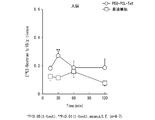
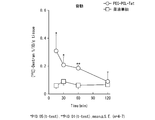
- FIG. 1A-B show the results of a nasal administration test of RI-labeled dextran / PEG-PCL-Tat.
- FIG. 1A shows the distribution efficiency of RI-labeled dextran in the cerebrum.
- FIG. 1B shows the distribution efficiency of RI-labeled dextran in the spinal cord.
- FIG. 2A shows the survival time when N-acetylcysteine (NAC) is orally administered to ALS model mice.
- FIG. 2B shows the progression of motor dysfunction when N-acetylcysteine (NAC) is orally administered to ALS model mice.
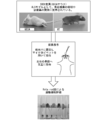
- the outline of the method of the nasal administration test of the ALS therapeutic agent to the ALS model mouse is shown.
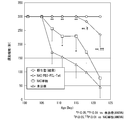
- FIG. 4A shows the progression of motor dysfunction when NAC is nasally administered to ALS model mice.
- FIG. 4B shows the expression of SMI-32, which is a marker for motor neurons, when NAC is nasally administered to ALS model mice.
- SMI-32 which is a marker for motor neurons
- 6A-B show the results of the allodynia response to tactile stimuli when the NAC / PEG-PCL-Tat complex was nasally administered to neuropathic pain model mice.
- FIG. 6A shows the results of the unligated side hind limb (left limb).
- FIG. 6B shows the results of the ligated side hind limb (right limb).
- the results of the nasal administration test of the RI-labeled dextran / PEG-PCL / peptide complex are shown.
- n- means normal
- i- means iso
- s- means secondary
- t- means tertiary.
- the "derived group” means a group obtained by removing a hydrogen atom at an arbitrary position from a target molecule.
- “May have a substituent” means that it is unsubstituted or substituted with at least one substituent.
- Substituents include both the case of substituting a hydrogen atom (-H) with a monovalent group and the case of substituting a methylene group (-CH 2- ) with a divalent group.
- Halogen atom means a fluorine atom, a chlorine atom, a bromine atom or an iodine atom.
- alkyl group shall include linear, branched and cyclic monovalent saturated hydrocarbon groups.
- Specific examples of the alkyl group include, for example, a methyl group, an ethyl group, an n-propyl group, an i-propyl group, an n-butyl group, an i-butyl group, an s-butyl group, a t-butyl group and an n-pentyl group.
- Cyclopentyl group n-hexyl group, cyclohexyl group, cyclohexylmethyl group, cyclohexylethyl group, n-octyl group, n-nonyl group, n-decyl group, n-undecyl group, n-dodecyl group, n-tridecyl group, n-tetradecyl group, n-pentadecyl group, n-hexadecyl group, n-heptadecyl group, n-octadecyl group, n-nonadecil group, n-icosyl group, isooctyl group, isodecyl group, isododecyl group, iso Examples thereof include tetradecyl group, isohexadecyl group, isooctadecyl group, t-o
- alkenyl group is a linear, branched or cyclic unsaturated hydrocarbon group having a carbon-carbon double bond at at least one of them, and is linear or branched unless otherwise specified. It shall include those in the form of chains and rings. Specific examples of the alkenyl group include 1-propenyl group, 1-butenyl group, 2-methyl-2-butenyl group, 2-methyl-1,3-butadienyl group, 1-octenyl group and 1-decenyl group.
- Examples thereof include 1-dodecenyl group, 1-tetradecenyl group, 1-hexadecenyl group, 1-cyclohexenyl group, 3-cyclohexenyl group, 1-octadecenyl group, cis-9-octadeceenyl group, 9-hexadecenyl group and the like.
- Aryl groups include carbocyclic aryl groups and heterocyclic aryl groups. Examples of the carbocyclic aryl group include a phenyl group and a naphthyl group.
- a heterocyclic aryl group is a monocyclic or fused ring aryl group containing 1 to 5 heteroatoms selected from the group consisting of nitrogen atom, oxygen atom and sulfur atom in the atoms constituting the ring. Means.
- heterocyclic aryl group examples include, for example, pyridyl group, pyrimidinyl group, quinolyl group, quinazolinyl group, naphthyldinyl group, furyl group, pyrrolyl group, imidazolyl group, pyrazolyl group, oxazolyl group, isoxazolyl group, triazolyl group and thienyl group.
- the "aralkyl group” is an alkyl group in which any one hydrogen atom is substituted with a carbocyclic aryl group. Unless otherwise specified, the alkyl group in the aralkyl group shall include linear, branched chain and cyclic groups. Specific examples of the aralkyl group include, for example, a benzyl group, a 1-phenylethyl group, a 2-phenylethyl group, a 4-phenylbutyl group, a 3-phenylbutyl group, a 5-phenylpentyl group, a 6-phenylhexyl group, and the like. Examples include 8-phenyloctyl groups. Preferred examples thereof include 4-phenylbutyl group, 5-phenylpentyl group, 6-phenylhexyl group, 8-phenyloctyl group and the like.
- alkoxy group means a group in which an oxy group is bonded to the alkyl group, and includes linear, branched chain and cyclic groups unless otherwise specified.
- Specific examples of the alkoxy group include, for example, a methoxy group, an n-propoxy group, a cyclopropylmethyloxy group, an n-hexyloxy group, an isopropoxy group, an s-butoxy group, a cyclohexyloxy group, a t-butoxy group and an n-. Examples thereof include an octyloxy group.
- alkenyloxy group means a group in which an alkenyl group is bonded to an oxy group, and includes linear, branched chain and cyclic groups unless otherwise specified.
- Specific examples of the alkenyloxy group include, for example, 1-propenyloxy group, 1-butenyloxy group, 2-methyl-2-butenyloxy group, 2-methyl-1,3-butadienyloxy group, 1-octenyloxy. Examples thereof include a group, a 1-decenyloxy group, a 1-cyclohexenyloxy group, a 3-cyclohexenyloxy group and the like.
- Alkyloxy group means a group in which an aralkyl group is bonded to an oxy group. Unless otherwise specified, the alkyl group in the aralkyloxy group shall include linear, branched chain and cyclic groups. Specific examples of the aralkyloxy group include a benzyloxy group, a phenethyloxy group and the like.
- aryloxy group means a group in which an aryl group is bonded to an oxy group, for example, a carbocyclic aryloxy group or a heterocyclic aryloxy group, and specific examples thereof include a phenoxy group, a naphthyloxy group, and pyridyl. Examples include oxy groups.
- alkylene group is a divalent group obtained by removing a hydrogen atom at an arbitrary position from an alkyl group, and includes linear, branched chain and cyclic groups unless otherwise specified.
- Specific examples of the alkylene group include a methylene group, an ethylene group, a propane-1,3-diyl group, a propane-1,2-diyl group, a propane-1,1-diyl group, and a propane-2,2-diyl group.
- Alkylthio group means a group in which an alkyl group is bonded to a thio group, and includes linear, branched chain and cyclic groups unless otherwise specified. Specific examples of the alkylthio group include a methylthio group, an ethylthio group, an isopropylthio group, a cyclopropylmethylthio group, a cyclopentylthio group, an n-hexylthio group, a cyclohexylthio group and the like.
- Alkylthio group means a group in which an aralkyl group is bonded to a thio group. Unless otherwise specified, the alkyl group in the aralkyloxy group shall include linear, branched chain and cyclic groups. Specific examples of the aralkylthio group include a benzylthio group, a phenethylthio group and the like.
- arylthio group means a group in which an aryl group is bonded to a thio group, and is, for example, a carbocyclic arylthio group or a heterocyclic arylthio group, and specific examples thereof include a phenylthio group, a naphthylthio group, and a pyridylthio group. Be done.
- Alkyl sulfinyl group means a group in which an alkyl group is bonded to a sulfinyl group, and includes linear, branched chain and cyclic groups unless otherwise specified.
- Specific examples of the alkylfluorinyl group include a methylsulfinyl group, an isopropylsulfinyl group, a cyclohexylsulfinyl group and the like.
- Alkyl sulfinyl group means a group in which an aralkyl group is bonded to a sulfinyl group. Unless otherwise specified, the alkyl group in the aralkylsulfinyl group shall include linear, branched chain and cyclic groups. Specific examples of the aralkylsulfinyl group include a benzylsulfinyl group, a phenethylsulfinyl group and the like.
- arylsulfinyl group means a group in which an aryl group is bonded to a sulfinyl group, for example, a carbocyclic arylsulfinyl group or a heterocyclic arylsulfinyl group, and specific examples thereof include a phenylsulfinyl group and a naphthylsulfinyl group. Examples thereof include a pyridyl sulfinyl group.
- Alkylsulfonyl group means a group in which an alkyl group is bonded to a sulfonyl group, and includes linear, branched chain and cyclic groups unless otherwise specified. Specific examples of the alkylsulfonyl group include a methylsulfonyl group, an isopropylsulfonyl group and the like.
- Alkylsulfonyl group means a group in which an aralkyl group is bonded to a sulfonyl group. Unless otherwise specified, the alkyl group in the aralkylsulfonyl group shall include linear, branched chain and cyclic groups. Specific examples of the aralkylsulfonyl group include a benzylsulfonyl group, a phenethylsulfonyl group and the like.
- arylsulfonyl group means a group in which an aryl group is bonded to a sulfonyl group, for example, a carbocyclic arylsulfonyl group or a heterocyclic arylsulfonyl group, and specific examples thereof include a phenylsulfonyl group and a naphthylsulfonyl group. Examples thereof include a pyridylsulfonyl group.
- “Monoalkylamino group” means a group in which one alkyl group is bonded to an amino group, and includes linear, branched chain and cyclic groups unless otherwise specified. Specific examples of the monoalkylamino group include a methylamino group, an isopropylamino group, a neopentylamino group, an n-hexylamino group, a cyclohexylamino group, an n-octylamino group and the like.
- Dialkylamino group means a group in which two identical or different alkyl groups are bonded to an amino group. Unless otherwise specified, the alkyl group in the dialkylamino group shall include linear, branched chain and cyclic groups. Specific examples of the dialkylamino group include a dimethylamino group, a diisopropylamino group, an N-methyl-N-cyclohexylamino group and the like.
- a "cyclic amino group” is a group obtained by removing one hydrogen atom bonded to a nitrogen atom from a 3- to 11-membered saturated heterocycle containing at least one nitrogen atom as an atom constituting the ring.
- Specific examples include a morpholino group, a piperazine-1-yl group, a 4-methylpiperazin-1-yl group, a piperidine-1-yl group, a pyrrolidine-1-yl group and the like.
- the "monoarylamino group” means a group in which one aryl group is bonded to an amino group, for example, a carbocyclic arylamino group or a heterocyclic arylamino group, and specific examples thereof include a phenylamino group and a naphthyl. Examples thereof include an amino group and a pyridylamino group.
- Diarylamino group means a group in which two identical or different aryl groups are bonded to an amino group, for example, a di (carbon ring aryl) amino group, a di (heterocyclic aryl) amino group or N- (carbon). It is a ring aryl) -N- (heterocyclic aryl) amino group, and specific examples thereof include a diphenylamino group and an N-phenyl-N-pyridylamino group.
- acyl group means a group in which a hydrogen atom, an alkyl group, an alkenyl group, an aryl group, or an aralkyl group is bonded to a carbonyl group, and unless otherwise specified, linear, branched, and cyclic groups are used. It shall be included. Specific examples of the acyl group include a formyl group, an acetyl group, a pivaloyl group, a benzoyl group, a pyridylcarbonyl group and the like.
- Alkoxycarbonyl group means a group in which an alkoxy group is bonded to a carbonyl group, and includes linear, branched chain and cyclic groups unless otherwise specified. Specific examples of the alkoxycarbonyl group include a methoxycarbonyl group, a t-butoxycarbonyl group and the like.
- aralkyloxycarbonyl group means a group in which an aralkyloxy group is bonded to a carbonyl group, and includes linear, branched chain and cyclic groups unless otherwise specified. Specific examples of the aralkyloxycarbonyl group include a benzyloxycarbonyl group and the like.
- acyloxy group means a group in which an acyl group is bonded to an oxy group, and includes linear, branched chain and cyclic groups unless otherwise specified. Specific examples of the acyloxy group include a formyloxy group, an acetoxy group, a benzoyloxy group, a pyridylcarbonyloxy group and the like.
- Alkoxycarbonyloxy group means a group in which an alkoxycarbonyl group is bonded to an oxy group, and includes linear, branched chain and cyclic groups unless otherwise specified. Specific examples of the alkoxycarbonyloxy group include a methoxycarbonyloxy group, a t-butoxycarbonyloxy group and the like.
- Alkyloxycarbonyloxy group means a group in which an aralkyloxycarbonyl group is bonded to an oxy group, and includes linear, branched chain and cyclic groups unless otherwise specified. Specific examples of the aralkyloxycarbonyloxy group include a benzyloxycarbonyloxy group and the like.
- acylamino group means a group in which an acyl group is bonded to an amino group, and includes linear, branched chain and cyclic groups unless otherwise specified. Specific examples of the acylamino group include a formylamino group, an acetylamino group, a benzoylamino group and the like.
- Alkoxycarbonylamino group means a group in which an alkoxycarbonyl group is bonded to an amino group, and includes linear, branched chain and cyclic groups unless otherwise specified. Specific examples of the alkoxycarbonylamino group include a methoxycarbonylamino group, an ethoxycarbonylamino group and the like.
- Alkyloxycarbonylamino group means a group in which an aralkyloxycarbonyl group is bonded to an amino group, and includes linear, branched chain and cyclic groups unless otherwise specified. Specific examples of the aralkyloxycarbonylamino group include a benzyloxycarbonylamino group and the like.
- Alkylsulfonylamino group means a group in which an alkylsulfonyl group is bonded to an amino group, and includes linear, branched chain and cyclic groups unless otherwise specified. Specific examples of the alkylsulfonylamino group include a methanesulfonylamino group.
- arylsulfonylamino group means a group in which an arylsulfonyl group is bonded to an amino group, for example, a carbocyclic arylsulfonylamino group or a heterocyclic arylsulfonylamino group, and specific examples thereof include a benzenesulfonylamino group. Examples thereof include a pyridylsulfonylamino group.
- the carbamoyl group having a substituent means a group in which the monoalkylamino group, the dialkylamino group, the cyclic amino group, the monoarylamino group or the diarylamino group is bonded to a carbonyl group, for example, dimethylcarbamoyl. Examples include a group, a phenylcarbamoyl group and the like.
- the sulfamoyl group having a substituent means a group in which the monoalkylamino group, the dialkylamino group, the cyclic amino group, the monoarylamino group or the diarylamino group is bonded to a sulfonyl group, for example, dimethylsul.
- Examples thereof include a famoyl group and a phenylsulfamoyl group.
- the carbamoyloxy group having a substituent means a group in which the carbamoyl group having a substituent is bonded to an oxy group, and examples thereof include a dimethylcarbamoyloxy group and a phenylcarbamoyloxy group.
- the sulfamoylamino group having a substituent means a group in which the sulfamoyl group having a substituent is bonded to an amino group, the monoalkylamino group, or the nitrogen atom of the monoarylamino group, for example, dimethylsul. Examples include a famoylamino group.
- a ureido group having a substituent means a group in which the carbamoyl group having a substituent is bonded to an amino group, the monoalkylamino group, or the nitrogen atom of the monoarylamino group, for example, a trimethylureide group, 1 -Methyl-3-phenyl-ureido group and the like can be mentioned.
- Examples of the silyl group include a trialkylsilyl group and a monoalkyldiarylsilyl group.
- Examples of the alkyl group in the silyl group include an alkyl group having 1 to 6 carbon atoms. Specific examples include, for example, a trimethylsilyl group, a triethylsilyl group, a triisopropylsilyl group, a t-butyldimethylsilyl group, a t-butyldiphenylsilyl group and the like.
- Peptide refers to a polymer of amino acids bound by an amide bond.
- the peptide may be a polymer of natural amino acids, a polymer of natural amino acids and unnatural amino acids (chemical analogs of natural amino acids, modified derivatives, etc.), or a polymer of unnatural amino acids. Good. Unless otherwise specified, the amino acid sequence is represented by the one-letter or three-letter notation of the IUPAC-IUB guideline from the N-terminal side to the C-terminal side.
- a first aspect of the present invention is a composition for delivering a drug for delivering a drug to the spinal cord, which comprises a block copolymer in which a polyethylene glycol segment and a hydrophobic polyester segment are linked, and a membrane-permeable peptide. It is a composition for drug delivery that is administered nasally.
- the drug delivery composition according to this embodiment is a drug composition for delivering a drug to the spinal cord.
- the drug is preferably a drug for treating spinal cord disease. As shown in Examples described later, the drug can be efficiently delivered to the spinal cord by nasally administering the drug delivery composition of this embodiment.
- Spinal cord disease refers to a disease caused by spinal cord injury or dysfunction.
- Spinal cord diseases include, for example, amyotrophic lateral sclerosis (ALS), neuropathic chronic pain, spinal cord injury, spinal muscular atrophy, spinocerebellar degeneration, spinal and bulbar muscular atrophy, and primary lateral sclerosis.
- ALS amyotrophic lateral sclerosis
- neuropathic chronic pain spinal cord injury
- spinal muscular atrophy spinal muscular atrophy
- spinocerebellar degeneration spinal and bulbar muscular atrophy
- spinal and bulbar muscular atrophy and primary lateral sclerosis.
- Diseases selected from the group consisting of disease and spinal cord tumors.
- the drug is not particularly limited as long as it is used for treating spinal cord diseases, and is not limited to small molecule compounds, peptides (physiologically active peptides, hormone-like peptides, cytokine-like peptides, cyclic peptides, synthetic peptides, etc.), proteins ( Antibodies, enzymes, nutritional factors, cytokines, hormones, etc.), nucleic acids (plasma DNA, siRNA, miRNA, antisense nucleic acids, shRNA, pre-miRNA, tri-miRNA, mRNA, decoy nucleic acid, ribozyme, DNA aptamer, RNA aptamer, DNA It can be an enzyme, etc.), a lipid, etc.
- Drugs for the treatment of ALS include, for example, active oxygen scavengers, CYP1A2 inhibitors, immunosuppressants, anti-inflammatory agents, PGE2 synthase inhibitors, EP2 receptor inhibitors, nutritional factors, vitamin agents glutamate receptor antagonists, etc.
- Drugs for the treatment of chronic neuropathic pain include, for example, antioxidants, PGE2 synthase inhibitors, EP2 receptor inhibitors, ATP receptor inhibitors, analgesics, antidepressants, antispasmodics and the like. Be done.
- N-acetylcysteine P2X4 receptor inhibitors (5-BDBD, NP-1815-PX), PPADS, TNP-ATP, non-steroidal anti-inflammatory agents, acetaminophen, nobiletin, opioid, tramadol, Tricyclic antidepressant, serotonin noradrenaline reuptake inhibitor (SNRI), Ca 2+ channel ⁇ 2 ⁇ ligand (pregabalin, mirogavalin, gabapentin), Na + channel inhibitor (carbamazepine, lamotrigine), GABA activator (sodium valproate, Chronazepam) and the like.
- Drugs for the treatment of spinal cord injury include, for example, anti-inflammatory agents, analgesics, reactive oxygen species removers, neurotrophic factors, hematopoietic factors, peptides, nucleic acids and the like. Specific examples include corticosteroids, edaravone, hepatocyte growth factor (HGF), brain-derived neurotrophic factor (BDNF), erythropoietin, and the like. Drugs for the treatment of spinal muscular atrophy include, for example, antisense nucleic acids, splicing modifiers, siRNA and the like. Specific examples include Lisziplum, Nusinersen and the like.
- Drugs for the treatment of spinocerebellar degeneration include, for example, thyrotropin-releasing hormone (TRH), TRH derivatives and the like. Specific examples include mRNA expressing hirutonin, ceresist, bognin, taltirelin, protilerin, mexiletine hydrochloride, acetazolamide and TRH.
- Drugs for the treatment of spinal and bulbar muscular atrophy include, for example, luteinizing hormone stimulating hormone (LHRH) analogs, heat shock protein (Hsp70) inducers, ubiquitin-proteasome system (UPS) activators, histone deacetylases. (HDAC) inhibitors, and the like.
- LHRH luteinizing hormone stimulating hormone
- Hsp70 heat shock protein
- UPS ubiquitin-proteasome system
- HDAC histone deacetylases.
- Specific examples include leuprorelin, GGA (geranylgeranyracetone), 17-AAG (17-allylamino-17-demethoxygeldanamicycin) and the like.
- Examples of the drug for treating primary lateral sclerosis include muscle relaxants and the like.
- Specific examples include baclofen and dantrolene.
- Drugs for the treatment of spinal cord tumors include, for example, anticancer agents, analgesics, anti-inflammatory agents, antibodies, nucleic acids and the like.
- the drug delivery composition according to this embodiment contains a block copolymer in which a polyethylene glycol segment and a hydrophobic polyester segment are linked.
- the polyethylene glycol segment is a segment containing a polyethylene glycol chain having a repeating structure of ethyleneoxy group (-CH 2 CH 2 O-) units.
- the degree of polymerization of the polyethylene glycol segment is, for example, 5 to 12,000, preferably 20 to 700, more preferably 30 to 400, still more preferably 30 to 200, and particularly preferably 40. ⁇ 100.
- the number average molecular weight (Mn) of the polyethylene glycol segment is, for example, 200 to 500,000, preferably 500 to 30,000, more preferably 1,000 to 10,000, and even more preferably 1,000 to 1,000. It is 7,000, even more preferably 1,000 to 6,000, and particularly preferably 1,000 to 3,000.
- the number average molecular weight is a polystyrene-equivalent number average molecular weight measured by GPC (gel permeation chromatography).
- the other terminal is not particularly limited, and may be a hydroxy group at the end of polyethylene glycol, or may be any terminal group modified with the hydroxy group at the end.
- a hydrogen atom, a hydroxy group, an alkoxy group having 1 to 12 carbon atoms which may have a substituent, and an alkenyl having 1 to 12 carbon atoms which may have a substituent may be used. Examples thereof include an aralkyloxy group having 7 to 20 carbon atoms which may have an oxy group and a substituent.
- Examples of the substituent in the alkoxy group having 1 to 12 carbon atoms, the alkenyloxy group having 1 to 12 carbon atoms and the aralkyloxy group having 7 to 20 carbon atoms include a hydroxy group, an amino group, a formyl group and a carboxy group. ..
- the other terminal group is preferably an alkoxy group having 1 to 6 carbon atoms which may have a substituent, and more preferably an alkoxy group having 1 to 6 carbon atoms which does not have a substituent. It is a group, more preferably an alkoxy group having 1 to 3 carbon atoms having no substituent, and even more preferably a methoxy group.
- the polyethylene glycol segment may have a target-directing molecule via the terminal group.
- the target-directing molecule include sugars, lipids, peptides and proteins, derivatives thereof, folic acid and the like.
- receptor ligands, antibodies, peptides or proteins of fragments thereof can be mentioned. ..
- the hydrophobic polyester segment is a hydrophobic segment in which a monomer having a carboxy group and a hydroxy group is polycondensed in the molecule.
- the hydrophobic polyester segment may be a homopolymer of a single monomer or a copolymer of two or more kinds of monomers.
- the hydrophobic polyester segment is preferably a homopolymer of a single monomer. Examples of the hydrophobic polyester which is a homopolymer include poly ( ⁇ -caprolactone) and polylactic acid. Examples of the hydrophobic polyester which is a copolymer of two or more kinds of monomers include poly (lactic acid-glycolic acid copolymer).
- poly ( ⁇ -caprolactone) is preferable as the hydrophobic polyester segment.
- the lactic acid portion of the polylactic acid and the lactic acid-glycolic acid copolymer any of a D-form, an L-form, and a mixture of the D-form and the L-form may be used, but a mixture of the D-form and the L-form is preferable.
- One end of the hydrophobic polyester segment is directly linked to the polyethylene glycol segment described above, or is linked to the polyethylene glycol segment via a bonding group.
- the other end is not particularly limited, and may be a carboxy group at the end of the hydrophobic polyester segment, or any end group modified from the carboxy group at the end. Further, a membrane-permeable peptide described later may be directly or via a binding group at the other end.
- the number average molecular weight (Mn) of the hydrophobic polyester segment is, for example, 500 to 30,000, preferably 1,000 to 10,000, more preferably 1,000 to 8,000, and even more preferably 1,000 to 8,000. , 1,000 to 7,000, and even more preferably 1,000 to 3,000.
- the polyethylene glycol segment and the hydrophobic polyester segment in the block-type copolymer may be directly or indirectly linked via an appropriate linking group, but are preferably directly linked.
- the bonding mode in which the polyethylene glycol segment and the hydrophobic polyester segment are directly linked is preferably an ester bond formed by the terminal hydroxy group of the polyethylene glycol segment and the terminal carboxy group of the hydrophobic polyester segment. ..
- the bonding group is not particularly limited as long as it is a group that links the two polymer segments by a chemical bond, and the polyethylene glycol segment is not particularly limited.
- the bonding group may be a bonding group formed from a functional group capable of bonding to the terminal group of the hydrophobic polyester segment and the terminal group of the hydrophobic polyester segment.
- the bonding group is preferably an alkylene group having 1 to 6 carbon atoms.
- the bonding mode of the bonding group with the polyethylene glycol segment is preferably an ether bond by the terminal oxygen atom of the poly (oxyethylene) group, and the bonding mode with the hydrophobic polyester segment is preferably an amide bond or an ester bond.
- block copolymer examples include monomethoxypolyethylene glycol-poly ( ⁇ -caprolactone) copolymer, monomethoxypolyethylene glycol-polylactic acid copolymer, and monomethoxypolyethylene glycol-poly (lactic acid-glycolic acid copolymer) copolymer weight. Coalescence is mentioned. Preferred examples include monomethoxypolyethylene glycol-poly ( ⁇ -caprolactone) copolymers. Among them, both monomethoxypolyethylene glycol-poly ( ⁇ -caprolactone) having a number average molecular weight of polyethylene glycol of 1,000 to 6,000 and poly ( ⁇ -caprolactone) having a number average molecular weight of 1,000 to 6,000.
- Polymers are preferred, with polyethylene glycol having a number average molecular weight of 1,000 to 3,000 and poly ( ⁇ -caprolactone) having a number average molecular weight of 1,000 to 3,000, monomethoxypolyethylene glycol-poly ( ⁇ -). Caprolactone) copolymer is more preferred.
- the method for producing the block copolymer is not particularly limited, and it can be produced by a known method.
- it can be produced by a method in which a polyethylene glycol segment and a hydrophobic polyester segment are bonded by an appropriate bonding mode.
- a block copolymer may be prepared by sequentially carrying out a polymerization reaction by ring-opening polymerization with a cyclic ester monomer starting from the terminal hydroxy group of the polyethylene glycol segment.
- a block copolymer is prepared by carrying out a step-growth polymerization reaction by ring-opening polymerization with a cyclic ester monomer starting from the terminal hydroxy group of the polyethylene glycol segment.
- Polyethylene glycol-poly ( ⁇ -caprolactone) is produced by using ⁇ -caprolactone as the cyclic ester monomer, and polyethylene glycol-polylactic acid is produced by using dilactide.
- Polyethylene glycol-poly (lactic acid-glycolic acid copolymer) is produced by using dilactide and glycolide.
- Specific manufacturing methods include, for example, Biomaterials, Vol. 24, pp. 3563-3570 (2003), Biomaterials, Vol. 26, pp. 2121-2128 (2005), International Journal of Pharmaceuticals, 182. See Volume, pp. 187-197 (1999).
- the drug delivery composition according to this embodiment contains a membrane-permeable peptide.
- Membrane-permeable peptide refers to a peptide that can permeate cell membranes or mucosa.
- known ones can be used without particular limitation.
- the amino acid residue constituting the membrane peptide may be a natural amino acid or an unnatural amino acid, and either L-form or D-form can be used without particular limitation.
- the membrane-permeable peptide preferably contains arginine.
- arginine imparts membrane permeability to peptides by interacting with cell membranes or organelle membranes such as endosomes.
- the number of arginine residues is preferably 30 to 100%, more preferably 40 to 100%, based on the total number of all peptide residues.
- amino acid residues constituting the membrane-permeable peptide include, for example, hydrocarbon-based amino acids such as lysine, glycine, ⁇ -alanine, alanine, leucine, isoleucine, valine, and phenylalanine, and cyclic amino acids such as proline and tryptophan.
- hydrocarbon-based amino acids such as lysine, glycine, ⁇ -alanine, alanine, leucine, isoleucine, valine, and phenylalanine
- cyclic amino acids such as proline and tryptophan.
- Sulfur-based amino acids such as cysteine
- acidic amino acids such as aspartic acid and glutamic acid
- basic amino acids such as histidine
- the number of residues of the membrane-permeable peptide is exemplified by 4 to 30, and is 5 to 20, more preferably 5 to 15, further preferably 6 to 12, and particularly preferably 8 to 10. is there.
- membrane-permeable peptide examples include the following. Tat: GRKKRRQRRRG (SEQ ID NO: 1), GRKKRRQRRRPQ (SEQ ID NO: 3), etc.
- Polyarginine: Rn (n 4-12) Arginine-rich peptide CHHRRRRHHC (SEQ ID NO: 2) CHHRR (SEQ ID NO: 4) HHRRRRHH (SEQ ID NO: 5) HHHHRRRRR (SEQ ID NO: 6) RRRRHHHH (SEQ ID NO: 7)
- the membrane permeable peptide is attached to the end of the hydrophobic polyester segment that is not linked to the polyethylene glycol segment.
- the bond between the membrane-permeable peptide and the hydrophobic polyester segment may be directly bonded or may be bonded via a binding group, but is preferably directly bonded.
- the bonding mode between the hydrophobic polyester segment and the membrane-permeable peptide is preferably an amide bond formed by the terminal carboxy group of the hydrophobic polyester segment and the terminal amino group of the membrane-permeable peptide.
- the bonding mode between the hydrophobic polyester segment and the membrane-permeable peptide is preferably an ester bond formed by the terminal hydroxy group of the hydrophobic polyester segment and the terminal carboxy group of the membrane-permeable peptide.
- the binding group when the hydrophobic polyester segment and the membrane-permeable peptide are indirectly linked is not particularly limited as long as it is a group that links the two by a chemical bond, and the hydrophobic polyester segment is not particularly limited. Any binding group formed from a functional group capable of binding to a terminal group and a terminal group of a membrane-permeable peptide may be used.
- the bonding group is preferably an alkylene group having 1 to 6 carbon atoms.
- the bonding mode of the binding group with the hydrophobic polyester segment is preferably an amide bond or an ester bond
- the bonding mode with the membrane-permeable peptide is preferably an amide bond or an ester bond.
- the binding of the hydrophobic polyester segment to the membrane-permeable peptide can be carried out, for example, by reacting the block copolymer with the membrane-permeable peptide in the presence of a carbodiimide-based condensing agent.
- the membrane-permeable peptide contains a lipophilic group, either directly or via a binding group.
- the inclusion of lipophilic groups increases the hydrophobic interaction of the block copolymer with the hydrophobic polyester segments and improves the stability of the drug delivery composition.
- the lipophilic group is not particularly limited as long as it is a lipophilic group, but for example, an alkyl group having 4 to 30 carbon atoms which may have a substituent and a carbon number which may have a substituent may be used.
- the fat-soluble group is preferably selected from a group derived from cholesterol and a group derived from a fat-soluble vitamin.
- the substituents of the alkyl group, alkenyl group and aralkyl group in the lipophilic group include sulfanyl group, hydroxy group, amino group, halogen atom, nitro group, cyano group, carboxy group, carbamoyl group, sulfamoyl group and carbocyclic aryl.
- the sulfonylamino group, sulfamoylamino group having a substituent, acyl group, alkoxycarbonyl group, carbamoyl group having a substituent, silyl group and the like are
- examples of the alkoxy group include an alkoxy group having 1 to 8 carbon atoms.
- an alkoxy group substituted with a halogen atom includes an alkoxy group having 1 to 8 carbon atoms substituted with a halogen atom, and specific examples thereof include a trifluoromethoxy group and 2,2,2-trifluoro. Examples thereof include an ethoxy group.
- examples of the alkoxycarbonyloxy group substituted with a halogen atom include an alkoxycarbonyloxy group having 2 to 9 carbon atoms substituted with a halogen atom, and specific examples thereof include a trifluoromethoxycarbonyloxy group. Be done.
- the lipophilic group is more preferably an alkyl group having 15 to 20 carbon atoms, still more preferably an alkyl group having 15 to 20 carbon atoms, and even more preferably a heptadecyl group (stearyl group) or an octadecyl group. It is particularly preferable that it is a heptadecyl group (stearyl group).
- Examples of the fat-soluble vitamin in the fat-soluble group include vitamin A, vitamin D, vitamin E, and vitamin K.
- the lipophilic group binds to the N-terminal amino group or the C-terminal carboxy group of the peptide directly or via a binding group. Even if the lipophilic group has an alkyl group having 4 to 30 carbon atoms which may have a substituent, an alkenyl group having 4 to 30 carbon atoms which may have a substituent, or a substituent. When it is a good aralkyl group having 7 to 30 carbon atoms and the alkyl group, alkenyl group, or aralkyl group is directly bonded to the N-terminal of the peptide, the N-terminal amino group and the alkyl group, the alkenyl group, or the above.
- the carbon atoms of the aralkyl group are directly bonded.
- an embodiment in which the alkyl group, the alkenyl group, or the aralkyl group is bonded to the N-terminal amino group via an appropriate bonding group is preferable in terms of ease of preparation.
- Suitable linking groups -CO -, - O-CO -, - NH-CO -, - NH- (CH 2) ⁇ -CO -, - NH- (CH 2) ⁇ -NHCO -, - NH- (CH 2) ⁇ -OCO -, - O- (CH 2) ⁇ -CO -, - O- (CH 2) ⁇ -NHCO -, - O- (CH 2) ⁇ -OCO- and -NH- (CH 2 ) 2- SS- (CH 2 ) 2- NHCO- and the like can be mentioned.
- ⁇ is an integer of 1 to 12, preferably an integer of 4 to 12, and more preferably an integer of 6 to 12.
- a suitable binding group is particularly preferably -CO-.
- the lipophilic group may have an alkyl group having 4 to 30 carbon atoms which may have a substituent, an alkenyl group having 4 to 30 carbon atoms which may have a substituent, or a substituent.
- the alkyl group has 7 to 30 carbon atoms and the alkyl group, the alkenyl group, or the aralkyl group is directly bonded to the peptide C-terminal, the alkyl group, the alkenyl group, or the aralkyl group is the C-terminal. It replaces the hydroxy group of the carboxy group and binds in a ketone-type structure.
- Suitable binding groups are preferably oxy, amino or thio groups.
- an oxy group oxygen atom
- the alkyl group having 4 to 30 carbon atoms which may have a substituent which is a lipophilic group and the alkyl group which may have a substituent may have 4 carbon atoms.
- An aralkyl group having 7 to 30 carbon atoms, which may have ⁇ 30 alkenyl groups or substituents, binds to the peptide in the form of an ester bond.
- the alkyl group, the alkenyl group, or the aralkyl group binds to the peptide in the form of an amide bond.
- a thio group sulfur atom
- the alkyl group, the alkenyl group, or the aralkyl group binds to the peptide in the form of a thioester bond.
- Examples thereof include NH-, -O- (CH 2 ) ⁇ - O- and -NH- (CH 2 ) 2- SS- (CH 2 ) 2- NH-.
- ⁇ is an integer of 1 to 12, preferably an integer of 4 to 12, and particularly preferably an integer of 6 to 12.
- the fat-soluble group is a group derived from cholesterol or a group derived from a fat-soluble vitamin
- a portion obtained by removing a hydrogen atom from the hydroxy group of cholesterol or the fat-soluble vitamin and a hydroxy group from the peptide C-terminal carboxy group are added. It is preferable to bond with the removed portion (hereinafter referred to as C-terminal carbonyl group) in the form of an ester bond.
- C-terminal carbonyl group in the form of an ester bond.
- ⁇ is an integer of 1 to 12, preferably an integer of 4 to 12, and particularly preferably an integer of 6 to 12.
- the fat-soluble group is a group derived from cholesterol or a group derived from a fat-soluble vitamin
- another form is a portion obtained by removing a hydrogen atom from the hydroxy group of cholesterol or a fat-soluble vitamin, and the peptide N-terminal amino. in the group, -CO -, - (CH 2 ) ⁇ -CO -, - (CH 2) ⁇ -NHCO -, - (CH 2) ⁇ -OCO -, - (CH 2) 2 -SS- (CH 2 )
- ⁇ is an integer of 1 to 12, preferably an integer of 4 to 12, and particularly preferably an integer of 6 to 12.
- a peptide having a lipophilic group directly bonded to the N-terminal has a terminal amino group of the peptide, an aldehyde group or a ketone group, an appropriate elimination group (halogen, alkylsulfonyl group, arylsulfonyl group, etc.), an epoxy group, or the like. It can be produced by reacting with a compound corresponding to the lipophilic group under known N-alkylation conditions and the like.
- the lipophilic group is attached to the N-terminal amino group of the peptide via a binding group, and the peptide is a terminal amino group, a carboxylic acid, an ester, an active ester (N-hydroxysuccinimidization, etc.), an acid chloride, or activation. It can be produced by reacting a compound having a carbonic acid diester (4-nitrophenylated carbonic acid diester or the like), an isocyanate or the like and having a corresponding lipophilic group under known N-carbonylation conditions or the like.
- a peptide in which a fat-soluble group is directly attached to the C-terminal converts the terminal carboxylic acid of the peptide into an acid chloride, an acid anhydride, or an ester, and the acid chloride, the acid anhydride, or the ester has a corresponding fat-soluble group. It can be produced by reacting an organic metal compound or the like (for example, a Grignard reagent, an organic lithium compound, an organic zinc compound, etc.) under known ketone reaction conditions or the like.
- an organic metal compound or the like for example, a Grignard reagent, an organic lithium compound, an organic zinc compound, etc.
- a peptide in which a lipophilic group is bonded to a C-terminal carboxy group of a peptide via a binding group is a compound having a terminal carboxy group of the peptide and a corresponding lipophilic group having an amino group, a hydroxy group or a thiol group.
- a substrate obtained by converting the terminal carboxy group of the peptide into an ester, an active ester (N-hydroxysuccinimide or the like), an acid chloride or the like can be used for reaction by a known condensation reaction or the like.
- N-alkylation condition N-carbonylation condition
- ketone reaction condition ketone reaction condition
- condensation reaction condition N-alkylation condition
- Specific reaction conditions of the N-alkylation condition, N-carbonylation condition, ketone reaction condition, and condensation reaction condition include, for example, ⁇ Comprehensive Organic Transformations Second Edition. ) 1999, John Wiley & Sons, INC. ⁇ Etc. can be referred to.
- the peptide of the present invention can be produced by the method described in these known documents, a method similar thereto, or a combination thereof with a conventional method.
- the block copolymer is preferably 0.05 to 50 equivalents, more preferably 0.2 to 2.0 equivalents, relative to 1 equivalent of the membrane-permeable peptide. It is particularly preferably 0.5 to 1.5 equivalents.
- the block copolymer, the membrane-permeable peptide, and the drug preferably form particles, and the particle size thereof is preferably 100 nm or less, more preferably 50 nm or less, and particularly preferably 30 nm or less. It is considered that the hydrophobic polyester segments of the block copolymer are associated by hydrophobic interaction to form micelle particles, and the drug is encapsulated in the micelles. When the membrane-permeable peptide has a lipophilic group, the hydrophobic polyester segment of the block copolymer and the lipophilic group of the membrane-permeable peptide are associated by a hydrophobic interaction to form micelle particles. It is considered that the drug is encapsulated in the micelle.
- the particle size can be measured by a dynamic light scattering method using a light scattering particle size measuring device (for example, Malvern Instruments Co., Ltd., Zethasizer Nano ZS; Otsuka Electronics Co., Ltd., DLS-7000, etc.).
- the light scattering particle size measuring device can measure the cumulant average particle size and the mass average particle size. Any light-scattering particle size measuring device can be used interchangeably, but preferably, a cumulant average particle size measured by Zethasizer Nano ZS manufactured by Malvern Instruments is used.
- the method for producing the drug delivery composition according to this embodiment is not particularly limited.
- a membrane-permeable peptide is bound to the end of the hydrophobic polyester segment of the block copolymer
- the membrane-permeable peptide-bonded block copolymer is dissolved or dispersed in an appropriate solvent to prepare a composition for drug delivery.
- the solvent include water, physiological saline, glucose isotonic solution, phosphate buffered saline (PBS), 4- (2-hydroxyethyl) -1-piperazine ethanesulfonic acid (HEPES) and other buffer solutions. And so on.
- a lipophilic group is bonded to the membrane-permeable peptide
- a water-soluble organic solvent solution containing a block copolymer and an aqueous solvent solution containing the membrane-permeable peptide are mixed to remove the organic solvent.
- a complex of a block copolymer and a membrane-permeable peptide can be formed to prepare a composition for drug delivery.
- the water-soluble organic solvent include alcohol solvents such as methanol, ethanol, n-propanol, isopropyl alcohol, t-butyl alcohol and ethylene glycol, and ethers such as 1,2-dimethoxyethane, tetrahydrofuran and 1,4-dioxane.
- Examples thereof include a solvent, a ketone solvent such as acetone, a nitrile solvent such as acetonitrile, an amide solvent such as N, N-dimethylformamide and N, N-dimethylacetamide, and a sulfoxide solvent such as dimethyl sulfoxide.
- a solvent a ketone solvent such as acetone, a nitrile solvent such as acetonitrile, an amide solvent such as N, N-dimethylformamide and N, N-dimethylacetamide, and a sulfoxide solvent such as dimethyl sulfoxide.
- an ether solvent is used.
- aqueous solvent examples include water, physiological saline, glucose aqueous solution, buffer solution such as phosphate buffered saline [PBS] and 4- (2-hydroxyethyl) -1-piperazine ethanesulfonic acid [HEPES]. Be done.
- the method for removing the organic solvent from the mixed solution of the block copolymer and the membrane-permeable peptide include a method using an ultrafiltration membrane (for example, a method using dialysis or a centrifugal ultrafiltration device) and solvent distillation. Examples thereof include a method, but a method using an ultrafiltration membrane is preferable.
- the pH of the solution of each component and the mixed solution thereof can be appropriately adjusted as long as the particle forming ability is not impaired.
- the pH is preferably 5 to 9, more preferably 6.5 to 8.0, and even more preferably 7.0 to 8.0.
- the pH can be easily adjusted by using a buffer solution as a solvent.
- the salt concentration of the solution of each component and the buffer solution of the mixed solution thereof can be appropriately adjusted as long as the particle forming ability is not impaired, but is preferably 1 mM to 300 mM, more preferably 5 mM to 150 mM.
- the temperature at the time of preparing the solution of each component and at the time of mixing them is preferably set in consideration of the solubility of the block copolymer, and is usually 0 ° C. or higher, preferably 0 to 60 ° C. , More preferably 5-40 ° C.
- a time for equilibration may be provided by allowing the mixed solution to stand still. Specifically, for example, it is preferably allowed to stand at 0 ° C. to 60 ° C. for 0.1 to 50 hours.
- the drug delivery composition according to this embodiment may contain other components in addition to the above components.
- Other components include, for example, pharmaceutically acceptable carriers.
- the "pharmaceutically acceptable carrier” means a carrier that does not inhibit the physiological activity of the active ingredient and does not exhibit substantial toxicity to the administration subject. "Not substantially toxic” means that the component is not toxic to the subject at the dose normally used.
- the pharmaceutically acceptable carrier include various additives usually used in pharmaceutical products. Additives include, for example, excipients, bulking agents, fillers, binders, wetting agents, lubricants, lubricants, surfactants, disintegrants, solvents, solubilizers, dispersants, buffers, stabilizers.
- agents examples thereof include agents, suspending agents, solubilizing agents, preservatives, preservatives, flavoring agents, soothing agents, tonicity agents, pigments, fragrances and the like.
- agents suspending agents, solubilizing agents, preservatives, preservatives, flavoring agents, soothing agents, tonicity agents, pigments, fragrances and the like.
- One of these additives may be used alone, or two or more of them may be used in combination at any ratio.
- the dosage form of the drug delivery composition according to this embodiment can be any dosage form suitable for nasal administration.
- a dosage form suitable for nasal administration includes a liquid preparation, an aerosol preparation, a powder preparation and the like.
- the drug delivery composition according to this embodiment includes a kit containing the drug delivery composition and integrally packaging a package insert describing a method for adding a drug for treating spinal cord disease to the drug delivery composition.
- the drug delivery composition according to this embodiment integrally comprises a first composition containing a block copolymer in which a polyethylene glycol segment and a hydrophobic polyester segment are linked, and a second composition containing a cell-permeable peptide.
- the kit may include a package insert that describes how to mix the first composition with the second composition to make the drug delivery composition.
- the content ratio of the block copolymer and the cell-permeable peptide is the same as that of the drug delivery composition.
- the block copolymer and the peptide may be packed together with the additive or solvent.
- the drug can be efficiently delivered to the spinal cord by a simple method of nasal administration.
- a second aspect of the present invention is a medicine for treating a spinal cord disease, which comprises the drug delivery composition according to the first aspect and a drug for treating a spinal cord disease and is administered nasally. It is a composition.
- the pharmaceutical composition according to this embodiment is a pharmaceutical composition for treating spinal cord disease, and contains a drug for treating spinal cord disease.
- Spinal cord diseases include, for example, amyotrophic lateral sclerosis (ALS), spinocerebellar degeneration, spinal muscular atrophy, primary lateral sclerosis, spinal and bulbar muscular atrophy, chronic pain, spinal cord injury and spinal cord.
- Diseases selected from the group consisting of tumors can be mentioned. Examples of the drug for treating these include the same as those mentioned in the above-mentioned "[drug delivery composition]".
- the method for producing the pharmaceutical composition according to this embodiment is not particularly limited.
- the pharmaceutical composition according to this embodiment includes, for example, a solution in which the drug delivery composition according to the first aspect is dissolved or dispersed in an appropriate solvent, and a drug solution in which the drug is dissolved or dispersed in an appropriate solvent.
- the solvent include water, physiological saline, glucose isotonic solution, buffer solution such as PBS and HEPES, and the like.
- the mixing ratio of the drug delivery composition and the drug for treating spinal cord disease may be appropriately set according to the type of the drug.
- the drug is incorporated into particles (micelles) formed by the block copolymer and the membrane-permeable peptide, and micelles loaded with the drug are formed.
- micelles formed by the block copolymer and the membrane-permeable peptide
- the drug is efficiently delivered to the spinal cord.
- the application target of the pharmaceutical composition according to this embodiment is preferably an animal that develops spinal cord disease.
- the pharmaceutical composition according to this embodiment can be suitably used for humans or mammals other than humans. Mammals other than humans are not particularly limited, but include primates (monkeys, chimpanzees, gorillas, etc.), rodents (mouses, hamsters, rats, etc.), rabbits, dogs, cats, cows, goats, sheep, horses, etc. Be done.
- the dosage form of the pharmaceutical composition according to this embodiment can be any dosage form suitable for nasal administration.
- a dosage form suitable for nasal administration includes a liquid preparation, an aerosol preparation, a powder preparation and the like.
- the route of administration of the pharmaceutical composition according to this embodiment is nasal administration.
- the drug can be efficiently delivered to the spinal cord.
- the pharmaceutical composition according to this embodiment can administer a therapeutically effective amount of the drug.
- “Therapeutically effective amount” means the amount of a drug effective for the treatment or prevention of a target disease.
- a therapeutically effective amount of a drug can be an amount that can delay the onset and / or progression of spinal cord disease.
- the therapeutically effective amount may be appropriately determined depending on the type of drug, the patient's symptoms, body weight, age, sex, etc., the dosage form of the pharmaceutical composition, the administration method, and the like.
- the pharmaceutical composition of the present embodiment can have a single dose of the drug of 0.01 to 1000 mg per 1 kg of the body weight of the subject to be administered.
- the dose may be 0.15 to 800 mg / kg, 0.5 to 500 mg / kg, 1 to 400 mg / kg, or 1 to 300 mg / kg. May be good.
- the pharmaceutical composition according to this embodiment may contain a therapeutically effective amount of the drug per unit dosage form.
- the content of the drug in the pharmaceutical composition according to this embodiment may be 0.01 to 90% by mass, 0.05 to 80% by mass, or 0.1 to 60% by mass. There may be.
- the administration interval of the pharmaceutical composition according to this embodiment may be appropriately determined depending on the type of drug, the patient's symptoms, body weight, age, sex, etc., the dosage form of the pharmaceutical composition, the administration method, and the like.
- the administration interval can be, for example, every few hours, once a day, once every two to three days, once a week, or the like.
- the present invention comprises a block copolymer in which a polyethylene glycol segment and a hydrophobic polyester segment are linked and membrane permeability in the manufacture of a drug delivery composition for delivering a drug to the spinal cord by nasal administration.
- a drug delivery composition for delivering a drug to the spinal cord by nasal administration.
- the present invention comprises a block copolymer in which a polyethylene glycol segment and a hydrophobic polyester segment are linked, a membrane permeable peptide, in the manufacture of a pharmaceutical composition for treating or preventing spinal cord disease by nasal administration. And provide the use of drugs for spinal cord disease.
- the present invention nasally administers a pharmaceutical composition comprising a block copolymer in which a polyethylene glycol segment and a hydrophobic polyester segment are linked, a membrane permeable peptide, and a drug for treating spinal cord disease.
- a pharmaceutical composition comprising a block copolymer in which a polyethylene glycol segment and a hydrophobic polyester segment are linked, a membrane permeable peptide, and a drug for treating spinal cord disease.
- Provide methods for treating spinal cord diseases including.
- the present invention provides a block copolymer in which a polyethylene glycol segment and a hydrophobic polyester segment are linked, and a membrane permeable peptide for delivering a drug to the spinal cord by nasal administration.
- the invention provides a block copolymer in which a polyethylene glycol segment and a hydrophobic polyester segment are linked and a membrane permeable peptide for treating or preventing spinal cord disease by nasal administration.
- Tat-G and MPEG-PCL were dissolved in N, N-dimethylformamide (DMF).
- DMF N, N-dimethylformamide
- WSCI 1-ethyl-3- (3-dimethylaminopropyl) carbodiimide hydrochloride
- 4-dimethylaminopyridine were added, and the mixture was reacted at room temperature for 24 hours to Gly, which is the C-terminal of Tat-G.
- -COOH and the -OH terminal of MPEG-PCL were ester-bonded.
- the reaction solution was transferred to a dialysis membrane for an organic solvent (Spectra / Por Diarysis Membranes, MWCO: 3,500), and dialysis was performed with distilled water for 3 days. Then, it was freeze-dried to obtain a powder of Tat-modified MPEG-PCL (PEG-PCL-Tat).
- Example 1 ⁇ Nasal administration test of RI-labeled dextran / PEG-PCL-Tat> (Preparation of RI-labeled dextran / PEG-PCL-Tat complex) [ 14C ] -dextran (Mw: 10,000) was used as the RI-labeled dextran. [ 14 C] -Dextran (4uCi / mL solvent: HEPES buffer (pH 7.4)) is added to PEG-PCL-Tat (4.8 mg / mL solvent: HEPES buffer (pH 7.4)) in equal amounts. The [ 14 C] -dextran / PEG-PCL-Tat complex was prepared by mixing in portions and allowing to stand for 30 minutes.
- mice (Nasal administration) Mice (ddY, male, 4-6 weeks old) were nasally administered with the RI-labeled dextran / PEG-PCL-Tat complex. Under inhalation anesthesia using a mask that can open and close the vicinity of the nostrils, 2 ⁇ L of the complex was alternately administered to the left and right nasal cavities of the mice by a micropipette every 30 seconds.
- FIGS. 1A-B The time course of the distribution efficiency of the RI-labeled dextran / PEG-PCL-Tat complex in the cerebrum and spinal cord is shown in FIGS. 1A-B.
- drug alone indicates administration of RI-labeled dextran alone
- PEG-PCL-Tat indicates administration of RI-labeled dextran / PEG-PCL-Tat complex.
- FIG. 1A shows the distribution efficiency in the cerebrum
- FIG. 1B shows the distribution efficiency in the spinal cord. As shown in FIGS.
- the distribution of the dextran / PEG-PCL-Tat complex was more distributed in both the cerebrum and the spinal cord than when the drug solution alone (dextran alone) was administered.
- the efficiency was high.
- the distribution efficiency of the dextran / PEG-PCL-Tat complex immediately after administration was high (Fig. 1B). This result indicates that the dextran / PEG-PCL-Tat complex is delivered to the spinal cord immediately after nasal administration.
- Table 1 shows the distribution efficiency of RI-labeled dextran in each tissue 60 minutes after nasal administration.
- the "relative ratio” is a relative ratio when the distribution efficiency when nasally administered with the drug solution alone (dextran alone) is 1.
- PEG-PCL represents a dextran / PEG-PCL complex
- PEG-PCL-Tat represents a dextran / PEG-PCL-Tat complex.
- the distribution efficiency of the dextran / PEG-PCL-Tat complex was the highest in all the tissues. In the spinal cord, it was confirmed that the distribution efficiency was dramatically improved by using the dextran / PEG-PCL-Tat complex as compared with other tissues.
- G93A G93A SOD1 transgenic mouse
- This G93A has a mutant SOD1 gene found in familial ALS, and exhibits motor paralysis that begins in the lower limbs after 14 to 16 weeks of age (decrease in Rotarod latency, which is one of the indicators of motor function).
- the research group of the present inventors has already reported the characteristics of this change (progression) in motor dysfunction of G93A (Miyagisi H et al., J Pharmacol Sci., 118, 225-236 (2012)). ).
- NAC administered to G93A from 15 weeks (105 days) after the onset of ALS, and motor function and survival time were examined. Water was orally administered as a negative control.
- Motor function was evaluated using Rota-Rod (Muromachi Kikai Co., Ltd.). Mice were trained from 3 weeks (12 weeks of age) before the start of measurement to acclimatize to Rota-Rod. The rotation speed of Rota-Rod was 24 times / minute. The measurement was performed twice a week, and the time (seconds) until the mouse fell from Rota-Rod was measured. The cut-off value was set to 300 seconds, and in the case of a fall, the average value of three times was used as the score for that day, and measurements were taken up to 133 days after birth.
- NAC / PEG-PCL-Tat complex drug solution NAC dissolved in HEPES buffer (pH 7.4) at a concentration of 100 mg / mL and PEG-PCL-Tat dissolved in HEPES buffer (pH 7.4) at a concentration of 20 mg / mL in equal volumes.
- the drug solution was prepared by mixing and allowing to stand for 30 minutes.
- NAC single drug solution A drug solution was prepared by dissolving NAC in HEPES buffer (pH 7.4) at a concentration of 50 mg / mL.
- Motor function was evaluated using Rota-Rod (Muromachi Kikai Co., Ltd.). Mice were trained from 3 weeks (12 weeks of age) before the start of measurement to acclimatize to Rota-Rod. The rotation speed of Rota-Rod was 24 times / minute. The measurement was performed twice a week, and the time (seconds) until the mouse fell from Rota-Rod was measured. The cut-off value was set to 300 seconds, and in the case of a fall, the average value of three times was used as the score for that day, and measurements were taken up to 122 days after birth.
- the expression level of SMI-32 was measured by the Western-blot method. Lumbar spinal cord was removed from mice under deep anesthesia and cell lysate [150 mM NaCl, 1% NonidetP-40, 0.5% sodium deoxycholate, 0.1% sodium dodecyl sulfate (SDS), 50 mM Tris-HCl ( pH 8.0), collected in 1% TritonX-100, 5 mM EDTA] and homogenized with an ultrasonic homogenizer (Handy sonic, TOMY SEIKO). Then, the supernatant which was centrifuged at 6000 g for 15 minutes was used as an extract.
- cell lysate 150 mM NaCl, 1% NonidetP-40, 0.5% sodium deoxycholate, 0.1% sodium dodecyl sulfate (SDS), 50 mM Tris-HCl ( pH 8.0), collected in 1% TritonX-100, 5 mM EDTA
- Protein quantification was performed by the method of Bradford et al. Using bovine serum albumin as a standard substance. It was electrophoresed on a 5-15% polyacrylamide gel and then transferred to an Immobilon TM-P transfer membrane (Millipore). The membrane is then blocked with a blocking solution [5% skim milk / Tween Tris buffered saline (TTBS) [20 mM Tris-HCl (pH 7.6), 137 mM NaCl, 0.05% Tween 20]] for 1 hour at room temperature. Then, it was reacted with an anti-SMI32 antibody (1: 1000) at 4 ° C. overnight.
- TTBS Tris buffered saline
- the HRP-labeled secondary antibody (1: 10000) was reacted at room temperature for 1 hour with stirring, and after washing, it was detected using ECL or ECL plus (GE Healthcare Life Sciences). ⁇ -actin was used as an internal standard. The band was analyzed using Scion image processing software.
- FIG. 4A Nasal administration of the NAC / PEG-PCL-Tat complex drug solution and the NAC single drug solution suppressed the decline in motor function as compared with the untreated one. Among them, the NAC / PEG-PCL-Tat complex drug solution was nasally administered, and the effect of suppressing the decrease in motor function was high.
- FIG. 4B shows the results of measuring the expression level of SMI-32, which is a marker for motor neurons, by the Western blotting method after nasal administration of the drug solution.
- the upper figure of FIG. 4B shows typical SMI-32 and ⁇ -Actin band patterns.
- the lower figure of FIG. 4B is a graph showing a value obtained by dividing the band intensity of SMI-32 by the band intensity of ⁇ -Actin.
- the expression level of SMI-32 was improved in the nasal administration of the NAC / PEG-PCL-Tat complex as compared with the untreated and nasal administration of the NAC alone.
- NAC was delivered to the spinal cord by nasal administration of NAC and exhibited an antioxidant effect in the spinal cord.
- NAC was delivered to the spinal cord by nasal administration of NAC and exhibited an antioxidant effect in the spinal cord.
- the NAC / PEG-PCL-Tat complex was highly effective because the distribution efficiency in the spinal cord was improved by using the complex.
- CysA alone drug solution CysA was dissolved in HEPES buffer (pH 7.4) at a concentration of 1 mg / mL to prepare CysA alone.
- the drug solution was administered to G93A at a frequency of 5 days a week from 105 days (15 weeks) to 120 days after birth. Under inhalation anesthesia using a mask that can open and close the vicinity of the nostrils, 2 ⁇ L of the drug solution was alternately administered to the left and right nasal cavities every 30 seconds by a micropipette (see FIG. 3). Only male mice were used in the test, and in principle, administration was performed in the morning (10:00 to 12:00). The NAC / PEG-PCL-Tat complex was administered to 8 animals in the drug solution group.
- Motor function was evaluated using Rota-Rod (Muromachi Kikai Co., Ltd.). Mice were trained from 3 weeks (12 weeks of age) before the start of measurement to acclimatize to Rota-Rod. The rotation speed of Rota-Rod was 24 times / minute. The measurement was performed twice a week, and the time (seconds) until the mouse fell from Rota-Rod was measured. The cut-off value was set to 300 seconds, and in the case of a fall, the average value of three times was used as the score for that day, and measurements were taken up to 122 days after birth.
- Example 4 ⁇ Measurement test of relative expression level of hSOD1 target siRNA in spinal cord by nasal administration of human SOD1 (hSOD1) target siRNA / PEG-PCL-Tat to ALS model mice> (Sequence of siRNA) hSOD1 target siRNA (sense strand sequence): 5'-caaagaugguggggccgaugu-3'(SEQ ID NO: 12) Control siRNA (sense strand sequence): 5'-auccggccgauaguacguaTT-3'(SEQ ID NO: 13)
- Drug solution of hSOD1 target siRNA / PEG-PCL-Tat complex An equal volume solution of hSOD1 target siRNA dissolved in HEPES buffer (pH 7.4) at a concentration of 160 nmol / mL and PEG-PCL-Tat dissolved in HEPES buffer (pH 7.4) at a concentration of 96 mg / mL.
- the drug solution was prepared by mixing the amounts and letting them stand for 30 minutes.
- Control siRNA / PEG-PCL-Tat complex drug solution An equal volume of control siRNA dissolved in HEPES buffer (pH 7.4) at a concentration of 160 nmol / mL and PEG-PCL-Tat dissolved in HEPES buffer (pH 7.4) at a concentration of 96 mg / mL.
- the drug solution was prepared by mixing them one by one and letting them stand for 30 minutes.
- RNA expression level was measured by the real-time PCR method. RNA extraction reagent was added to the removed spinal cord for homogenization, and then total RNA was precipitated and recovered by 2-propranolol. The recovered Total RNA was purified by DNase treatment. The amount of RNA equivalent to 1 ⁇ g was calculated from the concentration calculated from the absorbance, and a reverse transcription reaction was carried out by adding a reagent for reverse transcription to obtain cDNA. A PCR reaction solution (primer, SYBR Green) was added to the obtained cDNA, and real-time PCR was performed on the target hSOD1 and the reference GAPDH. After completion of the reaction, the relative expression level of hSOD1 was calculated by the ⁇ Ct method using the number of cycles (Ct value) of hSOD1 and GAPDH.
- the method for calculating the relative expression level of hSOD1 is shown below.
- the ⁇ Ct value of each spinal cord tissue was obtained from Eq. (1).
- Ct (hSOD1) -Ct (GAPDH) ⁇ Ct (1)
- ⁇ Ct (max) ⁇ Ct ⁇ Ct (2)
- the ⁇ Ct value was substituted into the equation (3), and the obtained values were averaged for each spinal cord tissue.
- Example 5 ⁇ Nasal administration test of NAC / PEG-PCL-Tat for neuropathic pain model mice> (Test animal) As a test animal, a rat sciatic nerve half-circumferential ligation model reported by Selzer et al. In 1990 (Selzer Z. et al, Pain, 43, 205-218 (1990)) was applied to mice and isoflurane (introduction 4%, maintenance). 2%) Under anesthesia, the sciatic nerve of the right limb of an ICR mouse (6 weeks old, male) was half-circumscribed with a surgical suture Nescoscher (Alfressa Pharma) to prepare a partial sciatic nerve model mouse (partial scientific nerve). A ligated machine (PSNL mouse) was used.
- PSNL mouse ligated machine
- NAC / PEG-PCL-Tat complex drug solution NAC dissolved in HEPES buffer (pH 7.4) at a concentration of 100 mg / mL and PEG-PCL-Tat dissolved in HEPES buffer (pH 7.4) at a concentration of 25 mg / mL in equal volumes.
- the drug solution was prepared by mixing and allowing to stand for 30 minutes.
- Allodynia response to tactile stimuli was measured 3 days, 5 days, 7 days, 8 days, 9 days, 10 days, 11 days, 12 days, and 13 days after nerve ligation.
- Mechanical allodynia is applied to the soles of both feet of mice by stimulating von Frey filament (North Coast Medical, Inc.) to reduce the minimum pressure at which an escape reaction appears by the up-down method (Horiguchi, N et al., Pharmacol. Biochem. Behav). ., 113, 46-52. (2013)). Before each measurement, the mouse was acclimatized in an acrylic cylinder (diameter 9 cm, height 20 cm) installed on a polypropylene net for at least 1 hour, and the measurement was performed without restraint.
- FIGS. 6A-B The results are shown in FIGS. 6A-B.
- Nasal administration of the NAC / PEG-PCL-Tat complex significantly suppressed the decrease in the escape threshold in the hind limb (right limb) on the nerve ligation side as compared with the untreated one. This result is considered to be because NAC was delivered to the spinal cord by nasal administration of the NAC / PEG-PCL-Tat complex and exerted a therapeutic effect in the spinal cord.
- PEG-PCL (9.6 mg) was dissolved in tetrahydrofuran (1.0 mL), and 528 ⁇ L was extracted (solution A).
- the spinal cord was removed 30 minutes after administration, and the radioactivity of [ 14 C] in the spinal cord tissue was measured with a liquid scintillation counter.
- the RI activity of the administration solution was also measured in the same manner, and the distribution efficiency (% ID / g tissue) with respect to the dose was calculated.
- Table 3 shows the drug solution alone, dextran / PEG-PCL complex (PEG-PCL), RI-labeled dextran / PEG-PCL / peptide complex (PEG-PCL / peptide), or RI-labeled dextran / PEG-PCL-Tat (
- the distribution efficiency in the spinal cord when PEG-PCL-Tat) was administered nasally was summarized.
- the efficiency of distribution to the spinal cord was highest for RI-labeled dextran / PEG-PCL-Tat, followed by RI-labeled dextran / PEG-PCL / peptide complex. From this result, it was confirmed that PEG-PCL-Tat is most suitable for drug delivery to the spinal cord.
- a drug delivery composition capable of delivering a drug to the spinal cord by a simple method with low invasiveness, and a pharmaceutical composition containing the drug delivery composition.
Landscapes
- Health & Medical Sciences (AREA)
- Chemical & Material Sciences (AREA)
- Life Sciences & Earth Sciences (AREA)
- Medicinal Chemistry (AREA)
- Pharmacology & Pharmacy (AREA)
- Animal Behavior & Ethology (AREA)
- General Health & Medical Sciences (AREA)
- Public Health (AREA)
- Veterinary Medicine (AREA)
- Epidemiology (AREA)
- Bioinformatics & Cheminformatics (AREA)
- Engineering & Computer Science (AREA)
- Proteomics, Peptides & Aminoacids (AREA)
- Inorganic Chemistry (AREA)
- Neurology (AREA)
- General Chemical & Material Sciences (AREA)
- Organic Chemistry (AREA)
- Nuclear Medicine, Radiotherapy & Molecular Imaging (AREA)
- Otolaryngology (AREA)
- Pain & Pain Management (AREA)
- Biomedical Technology (AREA)
- Chemical Kinetics & Catalysis (AREA)
- Neurosurgery (AREA)
- Molecular Biology (AREA)
- Dispersion Chemistry (AREA)
- Nanotechnology (AREA)
- Biophysics (AREA)
- Medicinal Preparation (AREA)
- Medicines That Contain Protein Lipid Enzymes And Other Medicines (AREA)
Priority Applications (2)
| Application Number | Priority Date | Filing Date | Title |
|---|---|---|---|
| JP2021527435A JP7211603B2 (ja) | 2019-06-21 | 2020-05-07 | 薬物送達用組成物および医薬組成物 |
| US17/620,192 US20220241422A1 (en) | 2019-06-21 | 2020-05-07 | Drug delivery composition and pharmaceutical composition |
Applications Claiming Priority (2)
| Application Number | Priority Date | Filing Date | Title |
|---|---|---|---|
| JP2019-115688 | 2019-06-21 | ||
| JP2019115688 | 2019-06-21 |
Publications (1)
| Publication Number | Publication Date |
|---|---|
| WO2020255574A1 true WO2020255574A1 (ja) | 2020-12-24 |
Family
ID=74037223
Family Applications (1)
| Application Number | Title | Priority Date | Filing Date |
|---|---|---|---|
| PCT/JP2020/018512 Ceased WO2020255574A1 (ja) | 2019-06-21 | 2020-05-07 | 薬物送達用組成物および医薬組成物 |
Country Status (3)
| Country | Link |
|---|---|
| US (1) | US20220241422A1 (https=) |
| JP (1) | JP7211603B2 (https=) |
| WO (1) | WO2020255574A1 (https=) |
Cited By (1)
| Publication number | Priority date | Publication date | Assignee | Title |
|---|---|---|---|---|
| WO2025004645A1 (ja) * | 2023-06-28 | 2025-01-02 | 国立大学法人徳島大学 | 核酸送達用組成物及び核酸含有組成物 |
Citations (1)
| Publication number | Priority date | Publication date | Assignee | Title |
|---|---|---|---|---|
| WO2019013255A1 (ja) * | 2017-07-11 | 2019-01-17 | 学校法人東京薬科大学 | 核酸送達用組成物及び核酸含有組成物 |
Family Cites Families (1)
| Publication number | Priority date | Publication date | Assignee | Title |
|---|---|---|---|---|
| ES2252993T3 (es) * | 1998-12-09 | 2006-05-16 | Chiron Corporation | Administracion de agentes neurotroficos al sistema nervioso central. |
-
2020
- 2020-05-07 US US17/620,192 patent/US20220241422A1/en active Pending
- 2020-05-07 WO PCT/JP2020/018512 patent/WO2020255574A1/ja not_active Ceased
- 2020-05-07 JP JP2021527435A patent/JP7211603B2/ja active Active
Patent Citations (1)
| Publication number | Priority date | Publication date | Assignee | Title |
|---|---|---|---|---|
| WO2019013255A1 (ja) * | 2017-07-11 | 2019-01-17 | 学校法人東京薬科大学 | 核酸送達用組成物及び核酸含有組成物 |
Non-Patent Citations (2)
| Title |
|---|
| KANAZAWA TAKANORI: "Development of Noninvasive Drug Delivery Systems to the Brain for the Treatment of Brain/Central Nervous System Diseases", YAKUGAKU ZASSHI, vol. 138, no. 4, 2018, pages 443 - 450, XP055774554 * |
| TAKANORI KANAZAWA, YUUKI TAKASHIM: "Brain- targeted drug and gene delivery by intranasal administration", DRUG DELIVERY SYSTEM, vol. 28, no. 4, 2013, pages 318 - 327, XP055774557, ISSN: 1881-2732 * |
Cited By (1)
| Publication number | Priority date | Publication date | Assignee | Title |
|---|---|---|---|---|
| WO2025004645A1 (ja) * | 2023-06-28 | 2025-01-02 | 国立大学法人徳島大学 | 核酸送達用組成物及び核酸含有組成物 |
Also Published As
| Publication number | Publication date |
|---|---|
| JP7211603B2 (ja) | 2023-01-24 |
| US20220241422A1 (en) | 2022-08-04 |
| JPWO2020255574A1 (https=) | 2020-12-24 |
Similar Documents
| Publication | Publication Date | Title |
|---|---|---|
| JP7629432B2 (ja) | グルタチオンレベルを改善するためのn-アセチルシステイン及びグリシンの補給の効果 | |
| TWI712422B (zh) | 標靶藥物遞送及提升siRNA活性用脂溶性維生素化合物 | |
| RU2669800C2 (ru) | Способы лечения воспаления, аутоиммунных расстройств и боли | |
| ES3057136T3 (en) | Compositions comprising peptide wkdeagkplvk | |
| AU2014306021B2 (en) | Polyconjugates for delivery of RNAi triggers to tumor cells in vivo | |
| Huang et al. | Biotin and glucose dual-targeting, ligand-modified liposomes promote breast tumor-specific drug delivery | |
| EA025735B1 (ru) | Способ лечения портальной гипертензии с использованием l-орнитина в сочетании по меньшей мере с одним из соединений, выбранных из фенилацетата и фенилбутирата | |
| ES2694328T3 (es) | Composición acuosa líquida | |
| CN113853368A (zh) | 由支架部分制备的脂质缀合物 | |
| JP2021178829A (ja) | グルコースの促進性輸送における使用のためのペプチド | |
| JP7246730B2 (ja) | 核酸送達用組成物及び核酸含有組成物 | |
| JP7211603B2 (ja) | 薬物送達用組成物および医薬組成物 | |
| US9138488B2 (en) | Polysorbitol-based osmotically active transporter and gene therapy using same | |
| ES2993108T3 (en) | A pharmaceutical composition and the use thereof in the treatment of autoimmune diseases | |
| JP6564361B2 (ja) | 核酸送達のための組成物 | |
| US20220257711A1 (en) | PEPTOID-PEPTIDE HYBRID, NMEG-aCGRP, AND ITS USE IN CARDIOVASCULAR DISEASES | |
| JP6513635B2 (ja) | 核酸送達用組成物及び核酸含有医薬組成物 | |
| EP3333176A1 (en) | Peptidic protein kinase c inhibitors and uses thereof | |
| JPWO2019138944A1 (ja) | 細胞殺傷剤 | |
| US20220305013A1 (en) | Stable colloidal drug aggregates and methods of manufacture and use thereof | |
| JPWO2016190310A1 (ja) | タイトジャンクションの緩和剤、該緩和剤を含む薬剤吸収補助剤、及び該緩和剤を含む医薬組成物 | |
| HK40059576A (en) | Lipid conjugate prepared from scaffold moiety | |
| WO2015032973A1 (en) | Erythropoietin compositions for oral administration | |
| US20090298782A1 (en) | Compounds for Delivering Amino Acids or Peptides with Antioxidant Activity into Mitochondria and Use Thereof |
Legal Events
| Date | Code | Title | Description |
|---|---|---|---|
| 121 | Ep: the epo has been informed by wipo that ep was designated in this application |
Ref document number: 20825121 Country of ref document: EP Kind code of ref document: A1 |
|
| ENP | Entry into the national phase |
Ref document number: 2021527435 Country of ref document: JP Kind code of ref document: A |
|
| NENP | Non-entry into the national phase |
Ref country code: DE |
|
| 122 | Ep: pct application non-entry in european phase |
Ref document number: 20825121 Country of ref document: EP Kind code of ref document: A1 |