WO2020230721A1 - 非プロトン性双性イオンを用いた未分化促進剤及び凍結保護剤 - Google Patents
非プロトン性双性イオンを用いた未分化促進剤及び凍結保護剤 Download PDFInfo
- Publication number
- WO2020230721A1 WO2020230721A1 PCT/JP2020/018668 JP2020018668W WO2020230721A1 WO 2020230721 A1 WO2020230721 A1 WO 2020230721A1 JP 2020018668 W JP2020018668 W JP 2020018668W WO 2020230721 A1 WO2020230721 A1 WO 2020230721A1
- Authority
- WO
- WIPO (PCT)
- Prior art keywords
- cation
- aprotic
- zwitterion
- cells
- carbon atoms
- Prior art date
- Legal status (The legal status is an assumption and is not a legal conclusion. Google has not performed a legal analysis and makes no representation as to the accuracy of the status listed.)
- Ceased
Links
- 0 ***1=C*(*)C=C1 Chemical compound ***1=C*(*)C=C1 0.000 description 4
Images





Classifications
-
- A—HUMAN NECESSITIES
- A01—AGRICULTURE; FORESTRY; ANIMAL HUSBANDRY; HUNTING; TRAPPING; FISHING
- A01N—PRESERVATION OF BODIES OF HUMANS OR ANIMALS OR PLANTS OR PARTS THEREOF; BIOCIDES, e.g. AS DISINFECTANTS, AS PESTICIDES OR AS HERBICIDES; PEST REPELLANTS OR ATTRACTANTS; PLANT GROWTH REGULATORS
- A01N1/00—Preservation of bodies of humans or animals, or parts thereof
- A01N1/10—Preservation of living parts
- A01N1/12—Chemical aspects of preservation
- A01N1/122—Preservation or perfusion media
- A01N1/125—Freeze protecting agents, e.g. cryoprotectants or osmolarity regulators
-
- C—CHEMISTRY; METALLURGY
- C09—DYES; PAINTS; POLISHES; NATURAL RESINS; ADHESIVES; COMPOSITIONS NOT OTHERWISE PROVIDED FOR; APPLICATIONS OF MATERIALS NOT OTHERWISE PROVIDED FOR
- C09K—MATERIALS FOR MISCELLANEOUS APPLICATIONS, NOT PROVIDED FOR ELSEWHERE
- C09K3/00—Materials not provided for elsewhere
- C09K3/18—Materials not provided for elsewhere for application to surfaces to minimize adherence of ice, mist or water thereto; Thawing or antifreeze materials for application to surfaces
-
- C—CHEMISTRY; METALLURGY
- C12—BIOCHEMISTRY; BEER; SPIRITS; WINE; VINEGAR; MICROBIOLOGY; ENZYMOLOGY; MUTATION OR GENETIC ENGINEERING
- C12N—MICROORGANISMS OR ENZYMES; COMPOSITIONS THEREOF; PROPAGATING, PRESERVING, OR MAINTAINING MICROORGANISMS; MUTATION OR GENETIC ENGINEERING; CULTURE MEDIA
- C12N5/00—Undifferentiated human, animal or plant cells, e.g. cell lines; Tissues; Cultivation or maintenance thereof; Culture media therefor
- C12N5/06—Animal cells or tissues; Human cells or tissues
- C12N5/0602—Vertebrate cells
- C12N5/0696—Artificially induced pluripotent stem cells, e.g. iPS
-
- C—CHEMISTRY; METALLURGY
- C12—BIOCHEMISTRY; BEER; SPIRITS; WINE; VINEGAR; MICROBIOLOGY; ENZYMOLOGY; MUTATION OR GENETIC ENGINEERING
- C12N—MICROORGANISMS OR ENZYMES; COMPOSITIONS THEREOF; PROPAGATING, PRESERVING, OR MAINTAINING MICROORGANISMS; MUTATION OR GENETIC ENGINEERING; CULTURE MEDIA
- C12N5/00—Undifferentiated human, animal or plant cells, e.g. cell lines; Tissues; Cultivation or maintenance thereof; Culture media therefor
- C12N5/52—Chemical aspects of preservation of animal cells or human cells
- C12N5/522—Preservation media
- C12N5/525—Freeze protecting agents, e.g. cryoprotectants or osmolarity regulators
-
- C—CHEMISTRY; METALLURGY
- C12—BIOCHEMISTRY; BEER; SPIRITS; WINE; VINEGAR; MICROBIOLOGY; ENZYMOLOGY; MUTATION OR GENETIC ENGINEERING
- C12N—MICROORGANISMS OR ENZYMES; COMPOSITIONS THEREOF; PROPAGATING, PRESERVING, OR MAINTAINING MICROORGANISMS; MUTATION OR GENETIC ENGINEERING; CULTURE MEDIA
- C12N2501/00—Active agents used in cell culture processes, e.g. differentation
- C12N2501/70—Enzymes
- C12N2501/72—Transferases [EC 2.]
- C12N2501/727—Kinases (EC 2.7.)
-
- C—CHEMISTRY; METALLURGY
- C12—BIOCHEMISTRY; BEER; SPIRITS; WINE; VINEGAR; MICROBIOLOGY; ENZYMOLOGY; MUTATION OR GENETIC ENGINEERING
- C12N—MICROORGANISMS OR ENZYMES; COMPOSITIONS THEREOF; PROPAGATING, PRESERVING, OR MAINTAINING MICROORGANISMS; MUTATION OR GENETIC ENGINEERING; CULTURE MEDIA
- C12N2501/00—Active agents used in cell culture processes, e.g. differentation
- C12N2501/999—Small molecules not provided for elsewhere
Definitions
- the present invention relates to an undifferentiated promoter and a cryoprotectant.
- Non-Patent Documents 1 to 3 Non-Patent Documents 1 to 3
- Cellartis (registered trademark) DEF-CS500 Culture System manufactured by Takara Bio Inc. has been provided as a medium for maintaining the undifferentiated state, but there is room for further improvement.
- cryoprotectants such as DMSO are often mixed with proteins such as bovine serum albumin in order to increase the survival rate of cells.
- proteins such as bovine serum albumin
- serum has a risk of being contaminated with a virus or the like and the biological activity differs depending on the lot, it takes a lot of labor to select an excellent lot (Patent Document 1).
- Patent Document 1 Furthermore, there is concern about rejection in regenerative medicine by using proteins derived from heterologous animals.
- cryopreservation of sperm is considered to be an important problem, but it has been proposed to use betaine or carnitine instead of cryopreservation agents such as glycerin in order to maintain sperm motility.
- betaine or carnitine instead of cryopreservation agents such as glycerin
- proteins derived from different animals such as egg yolk are used as the medium (Patent Documents 2 and 3).
- Japanese Unexamined Patent Publication No. 2012-105585 (paragraph 0002) Japanese Unexamined Patent Publication No. 2-422 Japanese Unexamined Patent Publication No. 2013-78272
- Another object of the present invention is to provide a novel cryoprotectant having low toxicity and high cell viability after freezing and thawing, instead of the conventional cryoprotectant containing DMSO and the like. Furthermore, the purpose is to provide a cryoprotectant that does not need to be used in combination with proteins purified from serum, therefore has a low risk of contamination with viruses, etc., has a constant quality, and can avoid rejection in regenerative medicine. To do.
- the present invention provides an additive that dissolves a drug in the same manner as DMSO and the like, but has less toxicity and has little effect on the cell cycle and cell function even when added to a medium. The purpose.
- R 3 is an alkyl group which may have a hetero atom in hydrogen or a molecular chain.
- the aprotic zwitterion is the following formula (2) or formula (3). (In the formula, R 1 and R 2 are as defined in (6) above.)
- a cryoprotectant containing aprotic zwitterion A cryoprotectant containing aprotic zwitterion.
- the cation sites of the aprotic zwitterion are imidazolium cation, phosphonium cation, ammonium cation, sulfonium cation, pyrazolium cation, pyridinium cation, pyrrolidinium cation, morpholinium cation, cyclopropenilium.
- the cryoprotectant according to (8) above which is a cation selected from the group consisting of a cation and a piperidinium cation.
- R 4 is an alkyl group having 1 to 7 carbon atoms, an alkenyl group having 1 to 7 carbon atoms, or an alkyl group having 1 to 7 carbon atoms containing an ether bond, and X is a diionic ion.
- X has a cyclic structure having 1 to 6 carbon atoms containing 1 or 2 or more nitrogen atoms, and has 1 or 2 or more substituents on the nitrogen atom.
- A is a carboxyl group or a sulfonic acid group, the cation is present on the nitrogen or is delocalized to the whole X, and the anion is present on the carboxyl group or the sulfonic acid group.
- the cryopreservation medium according to. (17) The aprotic zwitterion is represented by the following formula (1).
- R 1 is an alkyl group having 1 to 7 carbon atoms, an alkenyl group having 1 to 7 carbon atoms, or an alkyl group having 1 to 7 carbon atoms containing an ether bond
- R 2 Is an alkylene group having 3 to 5 carbon atoms
- R 3 is an alkyl group which may have a hetero atom in hydrogen or a molecular chain.
- the aprotic zwitterion is the following formula (2) or formula (3).
- R 1 and R 2 are as defined in (17) above.
- the cryopreservation medium comprising only the aprotic zwitterion and water according to any one of (15) to (19) above.
- (21) A cryopreservation medium obtained by adding an additive composed of one or more intracellular permeable substances to the cryopreservation medium according to (20) above.
- DMSO dimethyl sulfoxide
- ethylene glycol ethylene glycol
- propylene glycol ethylene glycol
- cryoprotectant containing aprotic zwitterion of the present invention has low toxicity and can maintain a high cell viability after freezing and thawing.
- this cryoprotectant can be used alone without having to be mixed with serum or a protein or peptide purified from serum, there is no risk of contamination with viruses or the like, and rejection in regenerative medicine can be avoided. it can.
- Examples of such an aprotonic zwitterion include a substance in which an ionic liquid-like cation moiety and an ionic liquid-like anion moiety are covalently linked.
- heteroatoms include oxygen, nitrogen, sulfur, phosphorus and the like.
- Organic ions especially those recognized as ionic liquids (imidazolium cations, phosphonium cations, ammonium cations, sulfonium cations, pyrazolium cations, pyridinium cations, pyrrolidinium cations, morpholinium cations, cyclopropeni
- ionic liquids imidazolium cations, phosphonium cations, ammonium cations, sulfonium cations, pyrazolium cations, pyridinium cations, pyrrolidinium cations, morpholinium cations, cyclopropeni
- organic salts having a cation such as a lymium cation or a piperidinium cation
- the process consists of the following two steps. (1) The cation of the organic salt and the phosphoric acid of the lipid bilayer membrane (cell membrane) approach each other by electrostatic interaction. (2) Hydrophobic interaction between the alkyl chain of the cation of the organic salt and the lipid site of the lipid bilayer causes the alkyl chain of the cation to be inserted into the lipid bilayer, and the cell membrane is destroyed.
- examples of the ionic liquid-like cation of the aprotonic zwitterion include an imidazolium cation, a phosphonium cation, an ammonium cation, a sulfonium cation, a pyrazolium cation, and a pyridinium cation having one or more substituents.
- examples thereof include pyrrolidinium cation, morpholinium cation, cyclopropenilium cation and piperidinium cation.
- an imidazolium cation, a phosphonium cation or an ammonium cation having a substituent is preferably used.
- each substituent may be the same or different from each other.
- an alkyl group having 1 to 18 carbon atoms and an alkyl group having 1 to 18 carbon atoms may have one or more heteroatoms in the molecular chain.
- the substituent preferably has one or more alkyl groups having 1 to 8 carbon atoms, which may have one or more heteroatoms in the molecular chain.
- the hetero atom include oxygen, nitrogen, sulfur, phosphorus and the like.
- the aprotic zwitterion contained in the undifferentiation promoter the following formula (1)
- the aprotic zwitterion represented by is preferably used.
- O - consisting is an anion chosen from the group (wherein, R 3 is an alkyl group which may have a hetero atom in the hydrogen or molecular chain). Examples of the heteroatom include oxygen, nitrogen, sulfur, phosphorus and the like.
- examples of the alkyl group is R 3, methyl, ethyl, propyl, butyl group, and a propyl group are not limited thereto. That is, as the aprotic zwitterion contained in the undifferentiated promoter according to the present embodiment, the zwitterion represented by the following formulas (2) and (3) is included.
- R 1 is an alkyl group having 1 to 8 carbon atoms which may contain 1 or 2 oxygen atoms in the molecular chain, and R 2 is carbon.
- the number is 3 to 5 alkylene groups.
- R 1 include methyl group, ethyl group, propyl group, butyl group, pentyl group, CH 3 OCH 2 CH 2- , CH 3 OCH 2 CH 2 OCH 2 CH 2- and the like.
- R 2 include, but are not limited to, a propylene group, a butylene group, a pentylene group and the like.
- aprotic zwitterions are preferably used as undifferentiation promoters because of their low cytotoxicity.
- 1-alkylimidazole by changing 1-alkylimidazole to trialkylphosphine, trialkylamine, dialkylsulphon, pyridine, N-alkylpyrrolidine, etc., aprotic zwitterion whose cation is other than imidazolium cation can be synthesized. .. Further, by mixing NaH with tetrahydrofuran and adding imidazole and 1-bromo-2- (2-methoxyethoxy) ethane, an imidazole having an oligoether chain introduced can be obtained.
- alkylimidazoles, trialkylphosphines, trialkylamines, dialkylsulphons, pyridines, N-alkylpyrrolidins, etc. having various functional groups can be obtained.
- Protic zwitterion can be obtained.
- the undifferentiation-promoting agent of the present embodiment can be used by adding it to the cells themselves or a medium containing the cells, for example, phosphate buffer, water, various media, etc., thereby promoting the undifferentiation of the cells or The undifferentiated state can be maintained.
- a medium containing the cells for example, phosphate buffer, water, various media, etc.
- various conventionally known media can be applied, and the medium is appropriately selected according to the type of cells to be cultured and the like. Any of synthetic medium, semi-synthetic medium and natural medium can be used, and both liquid medium and solid medium can be applied.
- bacterial media such as YM medium, corn meal medium, glucose-bouillon medium, meat juice medium, SIM medium, oatmeal medium, malt juice, fermentation test medium, starch production medium, fungal medium such as yeast extract, etc.
- bacterial media such as YM medium, corn meal medium, glucose-bouillon medium, meat juice medium, SIM medium, oatmeal medium, malt juice, fermentation test medium, starch production medium, fungal medium such as yeast extract, etc.
- examples thereof include, but are not limited to, LB medium, Davis medium, MS medium, TG medium, DMEM medium and the like.
- Hormonal agents fat-soluble vitamins, diabetes treatments, anti-androgen agents, cardiotonic agents, arrhythmia agents, anti-inflammatory agents, hypnotic sedatives, tranquilizers, antiepileptic agents, antidepressants, digestive system disease treatment agents, Diuretics, local anesthetics, anticoagulants, antihistamines, antimuscarins, antimycobacteria, immunosuppressants, antithyroids, antivirals, anxiolytic sedatives, astringents, ⁇ -adrenaline receptor blockade Drugs, myocardial inotropic agents, contrast agents, corticosteroids, cough suppressants, diagnostic agents, diagnostic imaging agents, diuretics, dopamine agents, lipid regulators, muscle relaxants, parasympathetic agents, thyroid calcitonin, Examples thereof include prostaglandin, radiopharmaceuticals, sex hormones, stimulants, appetite suppressants, sympathomimetics, thyroid agents, vasodilators, isoflavon
- the type of cell is also not particularly limited, and is appropriately selected from the group consisting of pluripotent stem cells, tissue stem cells, somatic cells and germ cells, for example.
- pluripotent stem cell is a general term for stem cells having the ability to differentiate into cells of any tissue (pluripotent), and is an embryonic stem cell (ES cell) or an artificial pluripotent stem cell (iPS cell). ), Embryonic stem cells (EG cells), germ stem cells (GS cells) and the like.
- ES cell embryonic stem cell
- iPS cell artificial pluripotent stem cell
- EG cells Embryonic stem cells
- GS cells germ stem cells
- it is an ES cell or an iPS cell.
- tissue stem cell means a stem cell having the ability to differentiate into various cell types (pluripotency), although the cell lineage capable of differentiating is limited to a specific tissue, for example, bone marrow. Examples thereof include hematopoietic stem cells, nerve stem cells, hepatic stem cells, and skin stem cells.
- Small cells refer to cells other than germ cells among the cells that make up multicellular organisms.
- osteoblasts Preferably, osteoblasts, fibroblasts, hepatocytes, pancreatic cells, muscle cells, bone cells, osteoblasts, chondrocytes, fat cells, skin cells, pancreatic cells, renal cells, lung cells, lymphocytes, red blood cells, Examples include leukocytes, monospheres, macrophages and the like.
- germ cells include gametes for sexual reproduction, that is, eggs, egg cells, sperms, sperms, spores for asexual reproduction, and the like.
- the cells may be selected from the group consisting of sarcoma cells, cell lines and transformed cells.
- Sparcoma is a cancer that develops in connective tissue cells derived from non-epithelial cells such as bone, cartilage, fat, muscle, and blood, and includes soft tissue sarcoma, malignant bone tumor, and the like.
- Sarcoma cells are cells derived from sarcoma.
- Strained cell means a cultured cell that is maintained in vitro for a long period of time, has a certain stable property, and enables semi-permanent subculture.
- PC12 cells derived from rat adrenal medulla
- CHO cells derived from Chinese hamster ovary
- HEK293 cells derived from human fetal kidney
- HL-60 cells derived from human leukocyte cells
- HeLa cells derived from human cervical cancer.
- Transformed cell means a cell in which nucleic acid (DNA or the like) is introduced from the outside of the cell to change its genetic properties. Transformation of animal cells, plant cells and bacteria is carried out using conventionally known methods.
- the present inventors have found that toxicity can be suppressed by introducing a very polar anion into the terminal of the alkyl chain of the cation to form an aprotic zwitterion. Specifically, by introducing an anion, electrostatic repulsion occurs between phosphoric acid and the anion, and the above (1) can be inhibited. Further, by introducing an anion, the polarity becomes very high, and the hydrophobic interaction described in (2) above can be suppressed. Therefore, the toxicity of organic salts having imidazolium, phosphonium, ammonium, sulfonium, pyridinium, pyrrolidinium and the like as cations can be greatly reduced.
- an alkyl group having 1 to 18 carbon atoms and an alkyl group having 1 to 18 carbon atoms may have one or more heteroatoms in the molecular chain.
- the substituent preferably has one or more alkyl groups having 1 to 8 carbon atoms, which may have one or more heteroatoms in the molecular chain.
- the hetero atom include oxygen, nitrogen, sulfur, phosphorus and the like.
- examples of the alkyl group is R 3, methyl, ethyl, propyl, butyl group, and a propyl group are not limited thereto. That is, as the aprotic zwitterion contained in the cryoprotectant according to the present embodiment, the zwitterion represented by the following formulas (2) and (3) is included.
- aprotic zwitterion in which the cation represented by the above formula (1) is an imidazolium ion, for example, 1-alkyl imidazole and ethyl bromoalkylate are refluxed in acetonitrile, and this is used as an anion exchange resin. After mixing, the solvent is distilled off under reduced pressure to obtain an aprotic zwitterion composed of imidazolium and a carboxylic acid.
- the alkyl group of imidazole may contain one or more heteroatoms, for example one or two oxygen atoms.
- 1-alkylimidazole by changing 1-alkylimidazole to trialkylphosphine, trialkylamine, dialkylsulphon, pyridine, N-alkylpyrrolidine, etc., aprotic zwitterion whose cation is other than imidazolium cation can be synthesized. .. Further, by mixing NaH with tetrahydrofuran and adding imidazole and 1-bromo-2- (2-methoxyethoxy) ethane, an imidazole having an oligoether chain introduced can be obtained.
- the concentration of aprotic zwitterion added to the cells recovered by cell suspension or centrifugation can be appropriately set according to the type of cells and the like, but it relates to the present embodiment.
- the cryoprotectant containing aprotic zwitterion has lower toxicity to cells than DMSO and the like, and therefore can be added at a high concentration as needed.
- aprotic zwitterion can be added to a concentration of 0.1 to 90% by weight in the cell suspension, but the concentration is not limited to this range.
- the cryoprotectant of the present embodiment can be mixed with conventional compounds for cryoprotection such as DMSO, glycerol, sucrose, trehalose, propylene glycol, and acetamide, if necessary. If the content of these compounds in the cryoprotectant of the present embodiment is too large, the toxicity to cells becomes high, so that the content is preferably less than 30% by weight, for example.
- the cryoprotectant of the present embodiment can be appropriately mixed with serum or a protein or peptide purified from serum in order to enhance the survival rate of cells, if necessary.
- proteins or peptides include one or more selected from bovine serum albumin, carboxylated polylysine, antifreeze proteins or antifreeze glycoproteins such as those present in insects, plants, fish and the like. ..
- the content of these proteins or peptides in the cryoprotectant of the present embodiment varies depending on the type of the protein or peptide, but can be, for example, less than 20% by weight.
- the aprotic zwitterion in the present embodiment can be used alone as a cryoprotectant having a high cell survival rate without being used in combination with a protein or peptide, there is no risk of contamination with viruses or the like, and regenerative medicine It is possible to avoid the rejection reaction in.
- the cell freezing conditions in the slow freezing method can be appropriately set according to the conventional conditions. Specifically, although it depends on the concentration of aprotic zwitterion in the cell suspension, for example, it can be cooled to 0 to -200 ° C at a cooling rate of -0.1 to -15 ° C / min. it can.
- the cells are subjected to the rapid freezing method (vitrification method) instead of the slow freezing method.
- the rapid freezing method can be frozen.
- the concentration of the cryoprotectant of the present embodiment in the cell suspension is increased, and the cooling rate is increased.
- the concentration of the cryoprotectant in the cell suspension may be 0.5 to 90% by weight
- the cooling rate may be ⁇ 15 to ⁇ 20,000 ° C./min
- the cooling temperature may be in the range of 0 to ⁇ 200 ° C. preferable.
- the type of cell is also not particularly limited, and is appropriately selected from the group consisting of pluripotent stem cells, tissue stem cells, somatic cells and germ cells, for example.
- pluripotent stem cell is a general term for stem cells having the ability to differentiate into cells of any tissue (pluripotent), and is an embryonic stem cell (ES cell) or an artificial pluripotent stem cell (iPS cell). ), Embryonic stem cells (EG cells), germ stem cells (GS cells) and the like.
- ES cell embryonic stem cell
- iPS cell artificial pluripotent stem cell
- EG cells Embryonic stem cells
- GS cells germ stem cells
- it is an ES cell or an iPS cell.
- Small cells refer to cells other than germ cells among the cells that make up multicellular organisms.
- osteoblasts Preferably, osteoblasts, fibroblasts, hepatocytes, pancreatic cells, muscle cells, bone cells, osteoblasts, chondrocytes, fat cells, skin cells, pancreatic cells, renal cells, lung cells, lymphocytes, red blood cells, Examples include leukocytes, monospheres, macrophages and the like.
- the cells may be selected from the group consisting of sarcoma cells, cell lines and transformed cells.
- Sparcoma is a cancer that develops in connective tissue cells derived from non-epithelial cells such as bone, cartilage, fat, muscle, and blood, and includes soft tissue sarcoma, malignant bone tumor, and the like.
- Sarcoma cells are cells derived from sarcoma.
- Strained cell means a cultured cell that is maintained in vitro for a long period of time, has a certain stable property, and enables semi-permanent subculture.
- PC12 cells derived from rat adrenal medulla
- CHO cells derived from Chinese hamster ovary
- HEK293 cells derived from human fetal kidney
- HL-60 cells derived from human leukocyte cells
- HeLa cells derived from human cervical cancer.
- Transformed cell means a cell in which nucleic acid (DNA or the like) is introduced from the outside of the cell to change its genetic properties. Transformation of animal cells, plant cells and bacteria is carried out using conventionally known methods.
- the cryopreservation medium according to the present invention contains aprotic zwitterion represented by the general formula (4).
- R 4 is an alkyl group having 1 to 7 carbon atoms, an alkenyl group having 1 to 7 carbon atoms, or an alkyl group having 1 to 7 carbon atoms containing an ether bond
- X is a cation of a diionic ion.
- R 3 Representing an anion selected from the group consisting of O ⁇
- R 2 is an alkylene group which may have a substituent having 1 to 5 carbon atoms
- R 3 is a hetero atom in hydrogen or a molecular chain. It is an alkyl group which may have.
- X has a cyclic structure having 1 to 6 carbon atoms containing 1 or 2 or more nitrogen atoms, and has 1 or 2 or more substituents on the nitrogen atom.
- A is a carboxyl group or a sulfonic acid group, the cation is preferably present on the nitrogen or delocalized to the whole X, and the anion is preferably present on the carboxyl group or the sulfonic acid group.
- the cryopreservation medium of the present embodiment contains aprotic zwitterion according to the following formula (1).
- R 1 is an alkyl group having 1 to 7 carbon atoms, an alkenyl group having 1 to 7 carbon atoms, or an alkyl group having 1 to 7 carbon atoms containing an ether bond
- R 2 Is an alkylene group having 3 to 5 carbon atoms
- R 3 is an alkyl group which may have a hetero atom in hydrogen or a molecular chain.
- R 1 or R 4 is an alkenyl group having 1 to 7 carbon atoms.
- aprotic zwitterion examples include the following.
- the following aprotic zwitterions are preferably used as undifferentiation promoters because of their low cytotoxicity.
- the cryopreservation medium of another embodiment of the present invention contains aprotic zwitterion represented by the general formula (5).
- R 4 '-X'-R 2' -A '(5) (During the ceremony, R 4 'is C 1 -C 10 alkyl group carbon atoms, an alkenyl group having 1-7 carbon, or in the molecular chain is 1 or 2 C 1-7 alkyl group having a carbon containing an oxygen atom ,
- cryopreservation medium of another embodiment of the present invention examples of the aprotic zwitterion represented by the general formula (5) include the following.
- the cryopreservation medium of the present embodiment can contain at least one selected from the following as aprotic zwitterion.
- the aprotic zwitterion represented by the above formula (4) or formula (5) can be used as a cryopreservation medium in combination with water.
- a composition containing aprotic zwitterion and water, or a composition consisting of aprotic zwitterion and water can be used as a cryopreservation medium.
- the composition containing the aprotic zwitterion and water may contain one or more intracellular penetrants such as glycerin, dimethyl sulfoxide (DMSO), ethylene glycol, and propylene glycol.
- the composition containing the aprotonic zwitterion and water does not contain nutrients (for example, sugars for proliferating cells), peptides or proteins (for example, serum or proteins or peptides purified from serum). It is also good.
- the composition containing the aprotic zwitterion and water does not have to contain the nutrients, peptides and proteins when the composition acts as a freezing preservative.
- the present invention is a cryopreservation medium containing aprotic zwitterion represented by the above formula (4) or formula (5) and water, and an aprotic represented by the formula (4) or formula (5). It relates to a cryopreservation medium composed of zwitterion and water. Furthermore, the present invention also relates to a cryopreservative containing an aprotic zwitterion represented by the above formula (4) or formula (5).
- a conventional cell-penetrating substance may be added as an additive to the cryopreservation medium consisting only of aprotic zwitterion and water according to the present invention.
- the cell-penetrating substance can be used as an additive as long as it is used as an additive to the medium as a conventional cryopreservation agent. More specific examples of such a substance include glycerin, dimethyl sulfoxide (DMSO), ethylene glycol, propylene glycol and the like.
- aprotic zwitterion used in the present invention can be appropriately selected depending on the origin and type of the cells to be stored. Those skilled in the art can appropriately select the type and concentration of aprotic zwitterion from the following viewpoints. It is considered that aprotic zwitterion C 1 imC 2 C, C 1 imC 3 C, C 1 imC 5 C and the like can be used for mouse epithelial fibroblast-derived cells and human kidney-derived cells in almost the same manner. .. Toxicity to C 1 imC 3 C and C 1 imC 5 C appears to be more sensitive to concentration in human kidney-derived cells.
- VimC 3 C, Vim C 3 S, Vim 4 C, Vim C 4 S, Aim C 3 C, Aim C 3 S, Aim C 4 S, etc. are evaluated relative to OE 2 imC 3 C for human renal cell-derived cells. Is expected to bring about a great effect.
- the medium containing aprotic zwitterion used in the present invention has very little effect on cell function.
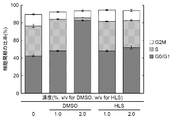
- DMSO which has been conventionally used as an additive for the cell cycle
- the aprotic zwitterion used in the present invention has almost no effect on the cell cycle.
- the aprotic zwitterion one of the reasons why iPS cells continue to release undifferentiated markers when the aprotic zwitterion used in the present invention is added to the medium is the aprotic zwitterion. It is considered that the ions do not affect the function of iPS cells.
- the glass transition point (Tg) of the aqueous solution of aprotic zwitterion that is, a composition containing aprotic zwitterion and water, or a composition composed of aprotic zwitterion and water is ⁇ 70 ° C. or lower. It is preferably ⁇ 75 ° C. or lower, more preferably ⁇ 80 ° C. (especially as a 10% by weight aprotic zwitterion aqueous solution).
- the preferable Tg differs depending on the material to be cryopreserved, and in general, supercooling in which crystals do not grow as much as possible at a temperature below the melting point. It is preferable that the glass reaches the glass transition point in the state and is stored in the glass state even at a temperature lower than that.
- a medium containing aprotic zwitterion having an appropriate Tg in relation to the Tg of the stored sample itself and the storage temperature can be selected. By selecting an appropriate medium in this way, the quality of storage can be modified.
- the difference between the conventionally used DMSO-based medium and the aprotic zwitterion used in the present invention may be influenced by the difference in cell permeability (for example,). Golan, M. et al. Afm monitoring the influence of selected cryoprotectants on regeneration of cryopreserved cells mechanical properties. Front Physiol 9,804 (2016)). That is, it is considered that DMSO and glycerin invade the cell, but the aprotic zwitterion used in the present invention does not invade the cell. In addition, it can be shown by computer simulation whether or not it permeates the cell membrane.
- the cell permeability of aprotic zwitterion is different from the conventionally used preservation additives.
- the reason why the aprotonic diploid ion of the present invention is suitable for cryopreservation and does not affect cell function even when used as a medium is, for example, aprotonic diplomatic.
- the extracellular fluid becomes hypertonic and free water is discharged from the cell, and the formation of ice crystals by the free water inside the cell is minimized; Therefore, it is considered that the electrostatic effect of the aprotonic diploid ion promotes the structuring of intracellular water and also prevents the formation of large ice crystals.
- CTK solution ((0.25% trypsin + 1 mg / ml collagenase IV + 1 mM CaCl2 + 20% KSR in DPBS (-))) ) was ) was processed.
- the CTK solution was removed and washed twice with DPBS ( ⁇ ).
- the medium was added, the cells were collected with a scraper, crushed into cell clusters to about 50 to 200 ⁇ m by pipetting, and then the cells were seeded on SNL feeder cells at an appropriate ratio.
- test 2-1 Treatment with test substance (with feeder cells) Seed in a 96-well plate (sown SNL feeder the day before) in human iPS cell medium containing ROCK inhibitor Y-27632 to 5 ⁇ 10 3 cells / 0.1 ml / well and in a CO 2 incubator (5). % CO 2 , 37 ° C., wet) for 1 day. The next day, it was replaced with a human iPS cell medium supplemented with a test substance (three-step concentration: 0.4, 1.0 and 2.0% (w / v)) and a human iPS cell medium without addition. Then, it was recultured until it became 80% confluent and used for expression analysis.
- C Cryopreservation of cells
- the cells (2 types) to be frozen were collected by trypsin treatment, diluted with Dulbecco's modified Eagle's medium (DMEM), and their cell concentrations were measured.
- the cell types and cell concentrations are as follows.
- human iPS cell cryopreservation solution DAP213 manufactured by Reprocell
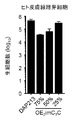
- OE 2 imC 3 C / H 2 O 50% by weight OE 2 imC 3 C / H 2 O ⁇ 25% by weight OE 2 imC 3 C / H 2 O
- C Cryopreservation of cells
- the cells (2 types) to be frozen were collected by trypsin treatment, diluted with Dulbecco's modified Eagle's medium (DMEM), and their cell concentrations were measured.
- the cell types and cell concentrations are as follows.
- cryopreservation solution was prepared by dissolving 5 g or 10 g of aprotic zwitterion as a sample in purified water as a medium base to make 100 g. To 100 parts by weight of the prepared preservation solution, 5 parts by weight and 10 parts by weight of the additive were added to prepare a sample.
- C Cryopreservation of cells
- the cells to be frozen were collected by trypsin treatment, diluted with Dulbecco's modified Eagle's medium (DMEM), and their cell concentrations were measured.
- the cell types and cell concentrations are as follows.
- Mouse skin fibroblasts 5.0 ⁇ 10 5 cells / 100 ⁇ l - human renal adipocytes 5.0 ⁇ 10 5 cells / 100 [mu] l ⁇ K562 5.0 ⁇ 10 5 cells / 100 ⁇ l
- 1 ml each was dispensed into a 1.5 ml tube and submerged, suspended in 100 ⁇ l of the above cryopreservation solution, respectively, and the cell freezing container Mr.
- Frosty® was used to freeze at a cooling rate of -1 ° C./min and a cooling temperature of -80 ° C.
- D Thawing of cells and measurement of viable cell number 1 ml of medium was added to a cryopreservation vial to thaw and centrifuge to remove the supernatant. Subsequently, the cells obtained by sedimentation were resuspended in the medium, and the number of viable cells was counted. The results were expressed as a ratio of CultureSure (Fujifilm Wako Pure Chemical Industries, Ltd.) to the number of surviving cells.
Landscapes
- Engineering & Computer Science (AREA)
- Life Sciences & Earth Sciences (AREA)
- Chemical & Material Sciences (AREA)
- Health & Medical Sciences (AREA)
- Organic Chemistry (AREA)
- Wood Science & Technology (AREA)
- Zoology (AREA)
- Biomedical Technology (AREA)
- Biotechnology (AREA)
- Bioinformatics & Cheminformatics (AREA)
- Genetics & Genomics (AREA)
- General Health & Medical Sciences (AREA)
- Biochemistry (AREA)
- General Engineering & Computer Science (AREA)
- Microbiology (AREA)
- Cell Biology (AREA)
- Combustion & Propulsion (AREA)
- Materials Engineering (AREA)
- Dentistry (AREA)
- Environmental Sciences (AREA)
- Developmental Biology & Embryology (AREA)
- Transplantation (AREA)
- Micro-Organisms Or Cultivation Processes Thereof (AREA)
- Medicinal Preparation (AREA)
- Agricultural Chemicals And Associated Chemicals (AREA)
Priority Applications (4)
| Application Number | Priority Date | Filing Date | Title |
|---|---|---|---|
| US17/609,927 US12484574B2 (en) | 2019-05-13 | 2020-05-08 | Agent for promoting undifferentiation and cryoprotective agent using aprotic zwitterion |
| JP2021519409A JPWO2020230721A1 (https=) | 2019-05-13 | 2020-05-08 | |
| JP2023109079A JP7668041B2 (ja) | 2019-05-13 | 2023-07-03 | 非プロトン性双性イオンを用いた未分化促進剤及び凍結保護剤 |
| US19/400,635 US20260076359A1 (en) | 2019-05-13 | 2025-11-25 | Agent for promoting undifferentiation and cryoprotective agent using aprotic zwitterion |
Applications Claiming Priority (2)
| Application Number | Priority Date | Filing Date | Title |
|---|---|---|---|
| JP2019090509 | 2019-05-13 | ||
| JP2019-090509 | 2019-05-13 |
Related Child Applications (2)
| Application Number | Title | Priority Date | Filing Date |
|---|---|---|---|
| US17/609,927 A-371-Of-International US12484574B2 (en) | 2019-05-13 | 2020-05-08 | Agent for promoting undifferentiation and cryoprotective agent using aprotic zwitterion |
| US19/400,635 Continuation US20260076359A1 (en) | 2019-05-13 | 2025-11-25 | Agent for promoting undifferentiation and cryoprotective agent using aprotic zwitterion |
Publications (1)
| Publication Number | Publication Date |
|---|---|
| WO2020230721A1 true WO2020230721A1 (ja) | 2020-11-19 |
Family
ID=73290172
Family Applications (1)
| Application Number | Title | Priority Date | Filing Date |
|---|---|---|---|
| PCT/JP2020/018668 Ceased WO2020230721A1 (ja) | 2019-05-13 | 2020-05-08 | 非プロトン性双性イオンを用いた未分化促進剤及び凍結保護剤 |
Country Status (3)
| Country | Link |
|---|---|
| US (2) | US12484574B2 (https=) |
| JP (2) | JPWO2020230721A1 (https=) |
| WO (1) | WO2020230721A1 (https=) |
Cited By (3)
| Publication number | Priority date | Publication date | Assignee | Title |
|---|---|---|---|---|
| JP2022095009A (ja) * | 2020-12-16 | 2022-06-28 | 東洋インキScホールディングス株式会社 | 細胞凍結保存剤および細胞の凍結方法 |
| WO2025100528A1 (ja) * | 2023-11-10 | 2025-05-15 | 国立研究開発法人科学技術振興機構 | 双性イオン含有組成物及びその使用 |
| JPWO2025170074A1 (https=) * | 2024-02-09 | 2025-08-14 |
Families Citing this family (1)
| Publication number | Priority date | Publication date | Assignee | Title |
|---|---|---|---|---|
| KR20260042490A (ko) | 2023-07-28 | 2026-03-31 | 샌트랄 글래스 컴퍼니 리미티드 | 비수전해액 및 비수전해액 전지 |
Citations (4)
| Publication number | Priority date | Publication date | Assignee | Title |
|---|---|---|---|---|
| US20140255861A1 (en) * | 2007-03-09 | 2014-09-11 | The Regents Of The University Of Michigan | Methods and compositions for growth of cells and embryonic tissue on a synthetic polymer matrix |
| WO2018143258A1 (ja) * | 2017-01-31 | 2018-08-09 | オリエンタル酵母工業株式会社 | 多分化能性幹細胞増殖促進剤 |
| JP2018191623A (ja) * | 2017-05-22 | 2018-12-06 | 国立大学法人金沢大学 | 双性イオン、並びに双性イオンを含む培地用添加剤及び難溶性物質溶解剤 |
| US20190037832A1 (en) * | 2016-04-08 | 2019-02-07 | Tianjin University | Cell Cryopreservation Protective Composition, Use Thereof, and Cell Cryopreservation Method |
-
2020
- 2020-05-08 JP JP2021519409A patent/JPWO2020230721A1/ja active Pending
- 2020-05-08 US US17/609,927 patent/US12484574B2/en active Active
- 2020-05-08 WO PCT/JP2020/018668 patent/WO2020230721A1/ja not_active Ceased
-
2023
- 2023-07-03 JP JP2023109079A patent/JP7668041B2/ja active Active
-
2025
- 2025-11-25 US US19/400,635 patent/US20260076359A1/en active Pending
Patent Citations (4)
| Publication number | Priority date | Publication date | Assignee | Title |
|---|---|---|---|---|
| US20140255861A1 (en) * | 2007-03-09 | 2014-09-11 | The Regents Of The University Of Michigan | Methods and compositions for growth of cells and embryonic tissue on a synthetic polymer matrix |
| US20190037832A1 (en) * | 2016-04-08 | 2019-02-07 | Tianjin University | Cell Cryopreservation Protective Composition, Use Thereof, and Cell Cryopreservation Method |
| WO2018143258A1 (ja) * | 2017-01-31 | 2018-08-09 | オリエンタル酵母工業株式会社 | 多分化能性幹細胞増殖促進剤 |
| JP2018191623A (ja) * | 2017-05-22 | 2018-12-06 | 国立大学法人金沢大学 | 双性イオン、並びに双性イオンを含む培地用添加剤及び難溶性物質溶解剤 |
Non-Patent Citations (1)
| Title |
|---|
| FUJISAWA, K. ET AL.: "Evaluating effects of L- carnitine on human bone-marrow-derived mesenchymal stem cells", CELL TISSUE RES., vol. 368, 14 February 2017 (2017-02-14), pages 301 - 310, XP036216070, DOI: 10.1007/s00441-017-2569-0 * |
Cited By (5)
| Publication number | Priority date | Publication date | Assignee | Title |
|---|---|---|---|---|
| JP2022095009A (ja) * | 2020-12-16 | 2022-06-28 | 東洋インキScホールディングス株式会社 | 細胞凍結保存剤および細胞の凍結方法 |
| WO2025100528A1 (ja) * | 2023-11-10 | 2025-05-15 | 国立研究開発法人科学技術振興機構 | 双性イオン含有組成物及びその使用 |
| JPWO2025170074A1 (https=) * | 2024-02-09 | 2025-08-14 | ||
| WO2025170074A1 (ja) * | 2024-02-09 | 2025-08-14 | 国立研究開発法人科学技術振興機構 | 双性イオン及び難溶性物質溶解剤 |
| JP7836059B2 (ja) | 2024-02-09 | 2026-03-26 | 国立大学法人金沢大学 | 双性イオン及び難溶性物質溶解剤 |
Also Published As
| Publication number | Publication date |
|---|---|
| JP7668041B2 (ja) | 2025-04-24 |
| JP2023123780A (ja) | 2023-09-05 |
| US12484574B2 (en) | 2025-12-02 |
| JPWO2020230721A1 (https=) | 2020-11-19 |
| US20260076359A1 (en) | 2026-03-19 |
| US20220287294A1 (en) | 2022-09-15 |
Similar Documents
| Publication | Publication Date | Title |
|---|---|---|
| JP7668041B2 (ja) | 非プロトン性双性イオンを用いた未分化促進剤及び凍結保護剤 | |
| JP7157050B2 (ja) | 細胞生存率を維持するための組成物および方法 | |
| NZ534428A (en) | A cryopreservation method for primate embryonic stem cells using a cryopreservation medium comprising a cryoprotectant at a concentration of from 12% (w/v) to 50% (w/v) | |
| US11518982B2 (en) | Method for manufacturing mesenchymal cell line derived from vertebrate animal adipose tissue | |
| JP2012533571A5 (ja) | インビトロ及び生体内での軟骨形成のための方法及び組成物 | |
| US20130267008A1 (en) | Freezing medium composition for cryopreserving amniotic fluid-derived stem cells and a method for cryopreserving the same | |
| Seo et al. | Cryopreservation of amniotic fluid-derived stem cells using natural cryoprotectants and low concentrations of dimethylsulfoxide | |
| Mehrabani et al. | The growth kinetic, differentiation properties, karyotyping, and characterization of adipose tissue-derived stem cells in hamster | |
| KR102391629B1 (ko) | 펙틴과 알라닌을 이용한 세포 동결 보존용 조성물 및 이를 이용한 세포 동결 보존 방법 | |
| Yi et al. | Impact of chitosan membrane culture on the expression of pro-and anti-inflammatory cytokines in mesenchymal stem cells | |
| Seo et al. | Proliferation of equine bone marrow-derived mesenchymal stem cells in gelatin/β-tricalcium phosphate sponges | |
| Lee et al. | Chondrogenic potential and anti-senescence effect of hypoxia on canine adipose mesenchymal stem cells | |
| Rogulska et al. | Culture and differentiation of human adipose tissue mesenchymal stromal cells within carriers based on sea sponge chitin skeletons | |
| KR102197871B1 (ko) | 엽산, 엽산 유도체, 또는 엽산 저해제를 이용한 줄기세포의 연골세포로의 분화 유도 방법 | |
| US20200354680A1 (en) | Method for producing cardiomyocytes | |
| Sawicki et al. | Extracellular vesicles obtained from equine mesenchymal stem cells isolated from adipose tissue improve selected parameters of stallion semen after cryopreservation | |
| Murray et al. | Proline pre-conditioning of Jurkat cells improves recovery after cryopreservation | |
| Haddad-Mashadrizeh et al. | Effects of chitosan-glycerol phosphate hydrogel on the maintenance and homing of hAd-MSCs after xenotransplantation into the rat liver | |
| Hoshiba et al. | Preparation of cell-derived decellularized matrices mimicking native ecm during the osteogenesis and adipogenesis of mesenchymal stem cells | |
| Savchenkova et al. | Characterization of mesenchymal stem cells isolated from feline and canine adipose tissue | |
| KR102569522B1 (ko) | 세포 동결 보존용 조성물 및 이를 이용한 세포 동결 보존 방법 | |
| CN120418415A (zh) | 细胞组合物 | |
| JP7597621B2 (ja) | 細胞製剤 | |
| US20100267002A1 (en) | Peptide having life-lengthening effect on cells | |
| KR102192587B1 (ko) | 줄기세포 보관용 부형제 조성물 |
Legal Events
| Date | Code | Title | Description |
|---|---|---|---|
| 121 | Ep: the epo has been informed by wipo that ep was designated in this application |
Ref document number: 20806267 Country of ref document: EP Kind code of ref document: A1 |
|
| ENP | Entry into the national phase |
Ref document number: 2021519409 Country of ref document: JP Kind code of ref document: A |
|
| NENP | Non-entry into the national phase |
Ref country code: DE |
|
| 122 | Ep: pct application non-entry in european phase |
Ref document number: 20806267 Country of ref document: EP Kind code of ref document: A1 |