WO2020179749A1 - 標的特異的複合体及びその用途 - Google Patents
標的特異的複合体及びその用途 Download PDFInfo
- Publication number
- WO2020179749A1 WO2020179749A1 PCT/JP2020/008751 JP2020008751W WO2020179749A1 WO 2020179749 A1 WO2020179749 A1 WO 2020179749A1 JP 2020008751 W JP2020008751 W JP 2020008751W WO 2020179749 A1 WO2020179749 A1 WO 2020179749A1
- Authority
- WO
- WIPO (PCT)
- Prior art keywords
- cancer
- target
- cells
- cell
- specific complex
- Prior art date
- Legal status (The legal status is an assumption and is not a legal conclusion. Google has not performed a legal analysis and makes no representation as to the accuracy of the status listed.)
- Ceased
Links
Images




Classifications
-
- A—HUMAN NECESSITIES
- A61—MEDICAL OR VETERINARY SCIENCE; HYGIENE
- A61K—PREPARATIONS FOR MEDICAL, DENTAL OR TOILETRY PURPOSES
- A61K47/00—Medicinal preparations characterised by the non-active ingredients used, e.g. carriers or inert additives; Targeting or modifying agents chemically bound to the active ingredient
- A61K47/50—Medicinal preparations characterised by the non-active ingredients used, e.g. carriers or inert additives; Targeting or modifying agents chemically bound to the active ingredient the non-active ingredient being chemically bound to the active ingredient, e.g. polymer-drug conjugates
- A61K47/51—Medicinal preparations characterised by the non-active ingredients used, e.g. carriers or inert additives; Targeting or modifying agents chemically bound to the active ingredient the non-active ingredient being chemically bound to the active ingredient, e.g. polymer-drug conjugates the non-active ingredient being a modifying agent
- A61K47/68—Medicinal preparations characterised by the non-active ingredients used, e.g. carriers or inert additives; Targeting or modifying agents chemically bound to the active ingredient the non-active ingredient being chemically bound to the active ingredient, e.g. polymer-drug conjugates the non-active ingredient being a modifying agent the modifying agent being an antibody, an immunoglobulin or a fragment thereof, e.g. an Fc-fragment
- A61K47/6835—Medicinal preparations characterised by the non-active ingredients used, e.g. carriers or inert additives; Targeting or modifying agents chemically bound to the active ingredient the non-active ingredient being chemically bound to the active ingredient, e.g. polymer-drug conjugates the non-active ingredient being a modifying agent the modifying agent being an antibody, an immunoglobulin or a fragment thereof, e.g. an Fc-fragment the modifying agent being an antibody or an immunoglobulin bearing at least one antigen-binding site
- A61K47/6851—Medicinal preparations characterised by the non-active ingredients used, e.g. carriers or inert additives; Targeting or modifying agents chemically bound to the active ingredient the non-active ingredient being chemically bound to the active ingredient, e.g. polymer-drug conjugates the non-active ingredient being a modifying agent the modifying agent being an antibody, an immunoglobulin or a fragment thereof, e.g. an Fc-fragment the modifying agent being an antibody or an immunoglobulin bearing at least one antigen-binding site the antibody targeting a determinant of a tumour cell
-
- A—HUMAN NECESSITIES
- A61—MEDICAL OR VETERINARY SCIENCE; HYGIENE
- A61P—SPECIFIC THERAPEUTIC ACTIVITY OF CHEMICAL COMPOUNDS OR MEDICINAL PREPARATIONS
- A61P35/00—Antineoplastic agents
-
- A—HUMAN NECESSITIES
- A61—MEDICAL OR VETERINARY SCIENCE; HYGIENE
- A61K—PREPARATIONS FOR MEDICAL, DENTAL OR TOILETRY PURPOSES
- A61K39/00—Medicinal preparations containing antigens or antibodies
- A61K39/395—Antibodies; Immunoglobulins; Immune serum, e.g. antilymphocytic serum
-
- A—HUMAN NECESSITIES
- A61—MEDICAL OR VETERINARY SCIENCE; HYGIENE
- A61K—PREPARATIONS FOR MEDICAL, DENTAL OR TOILETRY PURPOSES
- A61K41/00—Medicinal preparations obtained by treating materials with wave energy or particle radiation ; Therapies using these preparations
- A61K41/0057—Photodynamic therapy with a photosensitizer, i.e. agent able to produce reactive oxygen species upon exposure to light or radiation, e.g. UV or visible light; photocleavage of nucleic acids with an agent
- A61K41/0071—PDT with porphyrins having exactly 20 ring atoms, i.e. based on the non-expanded tetrapyrrolic ring system, e.g. bacteriochlorin, chlorin-e6, or phthalocyanines
-
- A—HUMAN NECESSITIES
- A61—MEDICAL OR VETERINARY SCIENCE; HYGIENE
- A61K—PREPARATIONS FOR MEDICAL, DENTAL OR TOILETRY PURPOSES
- A61K45/00—Medicinal preparations containing active ingredients not provided for in groups A61K31/00 - A61K41/00
-
- A—HUMAN NECESSITIES
- A61—MEDICAL OR VETERINARY SCIENCE; HYGIENE
- A61K—PREPARATIONS FOR MEDICAL, DENTAL OR TOILETRY PURPOSES
- A61K47/00—Medicinal preparations characterised by the non-active ingredients used, e.g. carriers or inert additives; Targeting or modifying agents chemically bound to the active ingredient
- A61K47/50—Medicinal preparations characterised by the non-active ingredients used, e.g. carriers or inert additives; Targeting or modifying agents chemically bound to the active ingredient the non-active ingredient being chemically bound to the active ingredient, e.g. polymer-drug conjugates
- A61K47/51—Medicinal preparations characterised by the non-active ingredients used, e.g. carriers or inert additives; Targeting or modifying agents chemically bound to the active ingredient the non-active ingredient being chemically bound to the active ingredient, e.g. polymer-drug conjugates the non-active ingredient being a modifying agent
- A61K47/68—Medicinal preparations characterised by the non-active ingredients used, e.g. carriers or inert additives; Targeting or modifying agents chemically bound to the active ingredient the non-active ingredient being chemically bound to the active ingredient, e.g. polymer-drug conjugates the non-active ingredient being a modifying agent the modifying agent being an antibody, an immunoglobulin or a fragment thereof, e.g. an Fc-fragment
- A61K47/6801—Drug-antibody or immunoglobulin conjugates defined by the pharmacologically or therapeutically active agent
- A61K47/6803—Drugs conjugated to an antibody or immunoglobulin, e.g. cisplatin-antibody conjugates
-
- A—HUMAN NECESSITIES
- A61—MEDICAL OR VETERINARY SCIENCE; HYGIENE
- A61K—PREPARATIONS FOR MEDICAL, DENTAL OR TOILETRY PURPOSES
- A61K47/00—Medicinal preparations characterised by the non-active ingredients used, e.g. carriers or inert additives; Targeting or modifying agents chemically bound to the active ingredient
- A61K47/50—Medicinal preparations characterised by the non-active ingredients used, e.g. carriers or inert additives; Targeting or modifying agents chemically bound to the active ingredient the non-active ingredient being chemically bound to the active ingredient, e.g. polymer-drug conjugates
- A61K47/51—Medicinal preparations characterised by the non-active ingredients used, e.g. carriers or inert additives; Targeting or modifying agents chemically bound to the active ingredient the non-active ingredient being chemically bound to the active ingredient, e.g. polymer-drug conjugates the non-active ingredient being a modifying agent
- A61K47/68—Medicinal preparations characterised by the non-active ingredients used, e.g. carriers or inert additives; Targeting or modifying agents chemically bound to the active ingredient the non-active ingredient being chemically bound to the active ingredient, e.g. polymer-drug conjugates the non-active ingredient being a modifying agent the modifying agent being an antibody, an immunoglobulin or a fragment thereof, e.g. an Fc-fragment
- A61K47/6801—Drug-antibody or immunoglobulin conjugates defined by the pharmacologically or therapeutically active agent
- A61K47/6803—Drugs conjugated to an antibody or immunoglobulin, e.g. cisplatin-antibody conjugates
- A61K47/68033—Drugs conjugated to an antibody or immunoglobulin, e.g. cisplatin-antibody conjugates the drug being a maytansine
-
- A—HUMAN NECESSITIES
- A61—MEDICAL OR VETERINARY SCIENCE; HYGIENE
- A61K—PREPARATIONS FOR MEDICAL, DENTAL OR TOILETRY PURPOSES
- A61K47/00—Medicinal preparations characterised by the non-active ingredients used, e.g. carriers or inert additives; Targeting or modifying agents chemically bound to the active ingredient
- A61K47/50—Medicinal preparations characterised by the non-active ingredients used, e.g. carriers or inert additives; Targeting or modifying agents chemically bound to the active ingredient the non-active ingredient being chemically bound to the active ingredient, e.g. polymer-drug conjugates
- A61K47/51—Medicinal preparations characterised by the non-active ingredients used, e.g. carriers or inert additives; Targeting or modifying agents chemically bound to the active ingredient the non-active ingredient being chemically bound to the active ingredient, e.g. polymer-drug conjugates the non-active ingredient being a modifying agent
- A61K47/68—Medicinal preparations characterised by the non-active ingredients used, e.g. carriers or inert additives; Targeting or modifying agents chemically bound to the active ingredient the non-active ingredient being chemically bound to the active ingredient, e.g. polymer-drug conjugates the non-active ingredient being a modifying agent the modifying agent being an antibody, an immunoglobulin or a fragment thereof, e.g. an Fc-fragment
- A61K47/6835—Medicinal preparations characterised by the non-active ingredients used, e.g. carriers or inert additives; Targeting or modifying agents chemically bound to the active ingredient the non-active ingredient being chemically bound to the active ingredient, e.g. polymer-drug conjugates the non-active ingredient being a modifying agent the modifying agent being an antibody, an immunoglobulin or a fragment thereof, e.g. an Fc-fragment the modifying agent being an antibody or an immunoglobulin bearing at least one antigen-binding site
- A61K47/6851—Medicinal preparations characterised by the non-active ingredients used, e.g. carriers or inert additives; Targeting or modifying agents chemically bound to the active ingredient the non-active ingredient being chemically bound to the active ingredient, e.g. polymer-drug conjugates the non-active ingredient being a modifying agent the modifying agent being an antibody, an immunoglobulin or a fragment thereof, e.g. an Fc-fragment the modifying agent being an antibody or an immunoglobulin bearing at least one antigen-binding site the antibody targeting a determinant of a tumour cell
- A61K47/6855—Medicinal preparations characterised by the non-active ingredients used, e.g. carriers or inert additives; Targeting or modifying agents chemically bound to the active ingredient the non-active ingredient being chemically bound to the active ingredient, e.g. polymer-drug conjugates the non-active ingredient being a modifying agent the modifying agent being an antibody, an immunoglobulin or a fragment thereof, e.g. an Fc-fragment the modifying agent being an antibody or an immunoglobulin bearing at least one antigen-binding site the antibody targeting a determinant of a tumour cell the tumour determinant being from breast cancer cell
Definitions
- the present invention relates to a target-specific complex and its use. More specifically, the present invention relates to a target-specific complex that specifically binds to a target and exerts a local action / effect by irradiation with near-infrared light, a treatment method using the same, and the like.
- This application claims priority based on Japanese Patent Application No. 2019-39986 filed on Mar. 5, 2019, the entire contents of which are incorporated by reference.
- ADC Antibody Drug Conjugate
- ADC Antibody Drug Conjugate
- one of the factors that cause treatment resistance is that the expression of the target cancer antigen is heterogeneous within the same tumor (intratumoral heterogeneity) and that it is difficult for the drug to reach the deep part of the tumor (non-). See Patent Document 2). Due to these factors, the region to which the antibody can bind is confined to a part of the tumor, and further, it is not possible to obtain the expected effect by not being able to reach deep enough, which may lead to treatment failure or induction of drug resistance. It is believed that they will be connected.
- ADC is a promising drug, but it has problems such as side effects and insufficient efficacy. Then, this invention makes it a subject to solve the problem which ADC has, and to provide the novel therapeutic strategy which can exhibit a high therapeutic effect.
- NIR-PIT near-infrared ray immunotherapy
- IR-PIT is a new type of cancer phototherapy that targets specific cell surface molecules by binding a photosensitive substance (eg IRdye700DX (IR700)) to an antibody (other ligands, peptides, minibody, diabody, scFv, etc.).
- IR700 IRdye700DX
- the antibody-IR700 complex binds to the target cell in an antigen-antibody reaction, and then is irradiated with near-infrared light of 690 nm, which is the excitation wavelength of IR700, to select the target.
- Non-Patent Document 3 Induces necrotic cell death. On the other hand, it does not cause toxicity to adjacent non-target cells (see Non-Patent Document 3).
- NIR-PIT has also been shown to have an action of activating dendritic cells in the vicinity by reacting with a cancer antigen exposed from the inside due to cell death and activating the host's cancer immunity (Non-Patent Document 4). reference). Recently, it has been clarified that the mechanism showing the antitumor effect of NIR-PIT is a photochemical reaction completely different from the existing antitumor treatment (see Non-Patent Document 5).
- NIR-PIT is an innovative technology that can exert antitumor effects by a mechanism different from the past, and since international Phase III clinical trials have already started, the future It is expected to spread as a new technology in clinical treatment sites.
- Patent Documents 1 to 3 it is proposed to use NIR-PIT for tumor treatment and the like.
- cancer tissue is not homogeneous (heterogeneous) and is an aggregate of heterogeneous cancer cells, and it is said that the expression state of cancer antigens differs from cell to cell.
- NIR-PIT is effective for cancer cells that express a large amount of target cancer antigens (target cancer cells), but even within the same cancer tissue, target cancer antigens. Can not reach or bind to cancer cells (non-target cancer cells) that do not express so much, and may not exert antitumor effect.
- NIR-PIT NIR-PIT
- ADC ADC-IR700 complex
- NIR-PIT NIR-PIT
- the treatment was performed with ADC alone. High antitumor effect was obtained.
- the mechanism is that NIR-PIT first kills the target cancer cells and destroys the tumor, and at the same time, the drug that is the payload is released from the ADC.
- the released payload is widely diffused in the collapsed tumor and acts not only on the target cancer cells but also on the non-target cancer cells, resulting in a strong tumor growth inhibitory effect.
- the effects of ADC and NIR-PIT on non-target cells have not been reported so far, and it is innovative as a new technology for non-target treatment using light.
- a target-specific complex having a structure in which a drug and a near-infrared light-sensitive substance are linked to a molecule exhibiting specific binding property to the target molecule.
- the tumor-specific proteins are HER1, HER2, HER3, CD3, CD19, CD20, CD25, CD26, CD33, CD44, CD52, PDL-1, CTLA-4, EpCAM, GD2, VEGFR, VEGFR2, CCR4, PMSA. , Mesoterin, GPC3, CEA, MUC1, c-KIT, DLL-3, PDPN, GPR85, GPR78, Cadherin3, Trop-2, B7-H3 or ephrin receptor, the target-specific complex according to [4]. .. [6] The target-specific complex according to any one of [1] to [5], wherein the drug is a cytotoxic drug.
- the cytotoxic drug is an alkylating drug, a platinum drug, an antimetabolite, an antitumor antibiotic, a microtubule polymerization inhibitor, a microtubule depolymerization inhibitor, a topoisomerase inhibitor, a plant alkaloid, a hormone drug, and
- the target-specific complex according to any one of [1] to [8], wherein the near-infrared light-sensitive substance is a phthalocyanine dye.
- Cancer is non-small cell lung cancer, small cell lung cancer, breast cancer, gastric cancer, colon cancer, renal cancer, head and neck cancer, malignant melanoma, Hodgkin lymphoma, B-cell non-Hodgkin lymphoma, mantle cell lymphoma , Chronic lymphocytic leukemia, Philadelphia chromosome-positive acute lymphocytic leukemia, multiple myeloma, adult T-cell leukemia, peripheral T-cell lymphoma, cutaneous T-cell lymphoma, neuroblastoma, bladder cancer, ureteral cancer, blood vessels Sarcoma, rectal cancer, anal cancer, small intestine cancer, duodenal cancer, pancreatic cancer, bile duct cancer, liver cancer, gallbladder cancer, esophageal cancer, GIST, malignant mesothelioma, thymic tumor, oral cavity
- the pharmaceutical composition according to [12] which is a cancer or a brain tumor.
- a treatment method comprising the following steps (1) and (2): (1) a step of administering the pharmaceutical composition according to any one of [11] to [13] to a treatment target to bind the target-specific complex to target cells, (2) A step of irradiating the target cell with near-infrared light.
- the treatment method according to [14] wherein the wavelength of the near infrared light is 660 to 740 nm.
- the treatment method according to [14], wherein the wavelength of the near infrared light is 670 to 720 nm.
- the treatment method according to any one of [14] to [16], wherein the irradiation dose of the near infrared light is 1 J cm ⁇ 2 or more.
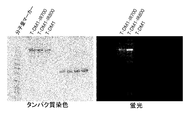
- T-DM1 (Trastuzumab+N2'-deacetyl-N2'-Maytansine)-IR700.
- SDS-PAG left: protein staining
- MDA-MB-468 fluorescence measurement
- A T-DM1-IR700 (10 ⁇ g / ml)
- B T-DM1 binding inhibition (Trastuzumab (Tra) (100 ⁇ g / ml) + T-DM1-IR700.
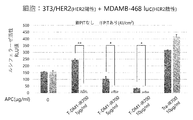
- Evaluation of cell growth inhibitory activity Survival rate of 3T3/HER2 (left) and MDA-MB-468 (right).
- Target-Specific Complex which is a structure exhibiting specific binding to a target (target of attack).
- a drug and a near-infrared photosensitizer are linked to a molecule showing specific binding to a target surface molecule (hereinafter referred to as “specific binding molecule”).
- specific binding molecule a target surface molecule
- the target of attack by the target-specific complex of the present invention is cells and pathogens (viruses, bacteria, parasites, etc.) involved in diseases or pathological conditions.
- Cells involved in a disease or pathological condition are cells that cause the disease or pathological condition, or are necessary for the formation (composition), maintenance, progression, exacerbation, etc. of the disease or pathological condition (including auxiliary cases). Examples of such cells include tumor cells, cancer cells, immune cells (T cells such as helper T cells, cytotoxic T cells, regulatory T cells, plasma cells, memory B cells, naive B cells, etc. B cells, natural killer (NK) cells, monocytes, macrophages, dendritic cells, lymphoblasts, lymphocyte precursor cells), virus-infected cells, bacterial-infected cells and parasite-infected cells.
- T cells such as helper T cells, cytotoxic T cells, regulatory T cells, plasma cells, memory B cells, naive B cells, etc.
- B cells natural killer (NK)
- Suitable examples of cells to be attacked by the target-specific complex of the present invention are cells present in the microenvironment of a lesion, examples of which include tumor cells, cancer cells, lymphocytes, stromal cells (fibers). Blast cells, immune cells, pericytes, endothelial cells, inflammatory cells (neutrophils, eosinophils, basophils, lymphocytes, macrophages, mast cells, etc.), pathogens (viruses, bacteria, parasites, etc.) Various cells (airway epithelial cells, intestinal epithelial cells, hepatocytes, various nerve cells, various immune cells, blood cells, etc.) and pathogen cells infected with A.
- a specific binding molecule is a molecule that shows specific binding to a molecule (target molecule) expressed as an attack target of a target-specific complex. Molecules that are expressed on the surface of the target of attack and are presented or exposed to the outside, that is, surface molecules (surface proteins, etc.) are typical examples of target molecules.
- the target molecule is composed of peptides, proteins, lipids, polysaccharides, proteoglycans, lipopolysaccharides, nucleic acids, etc., and specific examples include receptors and surface antigens (high or specific expression is observed on the cell surface of tumor cells or cancer cells.
- Tumor-specific proteins also called tumor antigens
- surface proteins that are highly expressed or specifically expressed on specific immune cells
- cell surface of pathogen-infected cells such as virus-infected cells, bacterial-infected cells, and parasite-infected cells It is a pathogen-derived molecule in which high expression or specific expression is observed.
- surface molecules include HER1 / EGFR, HER2 / ERBB2, HER3, CD3, CD11, CD18, CD19, CD20, CD25, CD26, CD30, CD33, CD44, CD52, CD133, CD206, CEA (cancer fetal antigen), CA125 (cancer antigen 125), AFP (alpha-fetoprotein), TAG72, caprin-1, mesothelin, PD-1, PDL-1, CTLA-4, IL-2 receptor, IL-6 receptor, VEGF (vascular) Endophilic Growth Factor), EpCAM, EphA2, GPC3 (Glypican-3), gpA33, Mutin, CAIX, PSMA, MART-1 / Melan-A, Mage-1, Mage-3, gp100, Gangliosides (eg GD2, GD3, GM1) And GM2), VEGFR, VEGFR2, ERBB3, IGF1R, EPHA3, TRAILR1, TRAILR2,
- Specific binding refers to the ability or property of binding to a target with a clear and significantly higher affinity than binding to a non-target, such as binding in an antigen-antibody reaction.
- the specific binding molecule does not show substantial binding to anything other than the target.
- Specific binding molecules include, for example, antibodies, antigen-binding antibody fragments, receptor ligands, peptides, polypeptides, viral particles, virus capsids, oligosaccharides, polysaccharides, nucleic acids (DNA, RNA, LNA (Locked Nucleic Acid)) and BNA ( It is composed of artificial nucleic acids such as Bridged Nucleic Acid), peptide nucleic acids, exosomes, nanoparticles, etc.
- a preferred embodiment of the specific binding molecule is an antibody or an antigen-binding antibody fragment thereof.
- An “antibody” is a proteinaceous molecule that specifically recognizes and binds to an epitope of an antigen.
- the term “antibody” includes various forms of antibodies such as chimeric antibodies, humanized antibodies, human antibodies and the like.
- a “chimeric antibody” is an antibody in which the variable region is derived from another animal species (for example, mouse), but the other constant region is replaced with human-derived immunoglobulin.
- a “humanized antibody” is a variable region in which the complementarity-determining region (CDR) is derived from another animal species (typically a mouse), and the other framework region (FR). Is a human-derived antibody.
- a “human antibody” (also referred to as a “fully human antibody”) is an antibody that contains CDR and human FR derived from human immunoglobulin. For example, it is prepared using a transgenic mouse into which a human antibody gene has been introduced.
- antibody fragment is used as a contrast to a complete (intact) antibody and includes a portion of the antibody necessary for antigen-binding and binds to an antigen. Retains sex.
- antibody fragments are scFv, Fab, Fab', F (ab') 2, scFv-CH3 (minibody), scFv-Fc, diabody, single chain diabody (scDb).
- multispecific antibody capable of binding two or more kinds of antigens, which is represented by a bispecific antibody.
- multispecific antibodies are diabody, scDb, CrossMAb (Roche), BuoBody (registered trademark, Genmab), Two-in One antibody, DutaMab (Creative Biolabs), DVD-Ig TM (Dual-Variable Domain Immunoglobulin).
- ART-Ig registered trademark, Chugai Pharmaceutical Co., Ltd.
- BiTE registered trademark, Amgen
- DART Dual-affinity Re-targeting Antibody
- An antibody or antibody fragment as a specific binding molecule may be prepared by a known method.
- immunological method hybrida method, etc.
- phage display method phage display method
- ribosome display method method using genetically modified mice
- immortalization method of human antibody-producing cells with EB virus fusion partner method using SPYMEG technology (WO / 2007/119808) etc.
- various antibodies specific to tumor antigens that can be used as antibody drugs have been developed, and they may be adopted as specific binding molecules. That is, an existing antibody or a desired antibody to be developed in the future may be purchased and used as a specific binding molecule.
- generic names trade names of various antibody drugs; target molecules; main applications are listed.
- Rituxan® (registered trademark); CD20; B-cell non-Hodgkin's lymphoma, MCL (mantle cell lymphoma) Trastuzumab (Herceptin®); HER2; Breast and gastric cancer Alemtuzumab (Campath®); CD52; CLL (Chronic Lymphocytic Leukemia) Cetuximab (Erbitux®); EGFR; colorectal cancer, head and neck cancer panitumumab (Vectibix®); EGFR; colorectal cancer ofatumumab (Arzerra®); CD20; CLL Denosumab (Ranmark (registered trademark)); RANKL; Bone lesions due to multiple myeloma and bone lesions due to solid cancer bone metastasis, prevention of bone-related events, giant cell tumor of bone ipilimumab (Yervoy (registered trademark)); CTLA-4; Malignant melanoma Mogamul
- a drug as a payload is linked to the specific binding molecule.
- the drug is released and is brought into contact with or taken up by surrounding cells to exert a medicinal effect (details will be described later). Therefore, the target-specific complex of the present invention is clearly different from a radioimmunotherapy drug (for example, ibritumomab tiuxetan) in which radiation emitted from a radioisotope damages surrounding cells in terms of its composition and mechanism of action. Different and contrast.
- the drug may be a prodrug.
- Drugs that can cause disability ie, disability drugs, are used.
- a typical example of the drug is a cytotoxic drug (cytotoxic drug).
- cytotoxic drug is a compound that kills cells (eg, cancer cells), induces cell death, or reduces cell proliferation/viability.
- examples of cytotoxic agents are alkylating agents, platinum agents, antimetabolites, antitumor antibiotics, microtubule polymerization inhibitors, microtubule depolymerization inhibitors, topoisomerase inhibitors, plant alkaloids, hormonal agents and bacterial toxins. Can be mentioned.
- alkylating agents examples include cyclophosphamide, ifosfamide, nitrosourea, dacarbazine, temozolomide, nimustine, busulfan, melphalan, thiotepa, procarbazine and ranimustine.
- platinum preparations are cisplatin, nedaplatin, oxaliplatin and carboplatin.
- antimetabolites enocitabine, carmofur, capecitabine, tegafur, tegafur-uracil, tegafur-gimeracil-oteracil potassium, gemcitabine, cytarabine, cytarabine ocfosfate, nelarabine, fluorouracil, fludarabine, pemetrexed, pentostatin, methotrexate, cladribine, Doxiflulysine, hydroxycarbamide and mercaptopurine.
- antitumor antibiotics examples include mitomycin C, doxorubicin, epirubicin, daunorubicin, bleomycin, actinomycin D, acralubicin, idarubicin, pyrarubicin, pepromycin, mitoxantrone, amrubicin and dinostatin stimalamers.
- microtubule polymerization inhibitors are vinblastine, vincristine and vindesine.
- microtubule depolymerization inhibitors examples are paclitaxel and docetaxel.
- topoisomerase inhibitors examples are irinotecan, nogitecan, etoposide and sobzoxane. Maytansinoids and maytacinoid analogues represented by emtansine (DM-1), which is used in ADC, which is a molecular target drug targeting cancer, are also preferable cytotoxic drugs.
- anti-cancer agents eg, alkylating agents, platinum preparations, antimetabolites, antitumor antibiotics, microtubule polymerization inhibitors, microtubules
- Depolymerization inhibitors, topoisomerase inhibitors are adopted as cytotoxic drugs.
- one drug is used, but it does not prevent the combined use of two or more drugs. That is, it is also envisioned that two or more drugs are linked to the specific binding molecule.
- linkers / spacers examples include maleimide caproyl, maleimide caproyl-polyethylene 20 glycol (MC (PEG) 6-OH), p-aminobenzylcarbamoyl (PAB), lysosome enzyme-cleaving linker, valine-citrulin (vc), N.
- N-succinimidyl 4- (N-maleimidemethyl) cyclohexane-1-carboxylate (SMCC), N-succinimidyl 4- (2-pyridyldithio) butanoate (SPDB), N-succinimidyl 4- (2) -Pyridyldithio) 2-sulfobutanoate (sulfo-SPDB), N-succinimidyl 3- (2-pyridyldithio) propionate (SPDP), N-succinimidyl 4- (2-pyridyldithio) pentanoate (SPP), 2- Mention may be made of iminothiolane and acetylsuccinic anhydride.
- the drug is usually linked to the antibody using a coupling reaction targeting lysine or cysteine.
- a coupling reaction targeting lysine or cysteine As a technology aimed at producing a more homogenous ADC, selective bioconjugation reaction by incorporation of unnatural amino acid, introduction of free cysteine by gene modification (THIOMAB method), aldehyde generation from sequences containing N-terminal and free cysteine A method of exposing and performing a conjugated reaction (SMARTag method), a ligation method using an enzyme, and the like have been proposed. These techniques may be applied as a means of linking a drug to a specific binding molecule.
- the number (amount) of the drug linked to the specific binding molecule is not particularly limited, but for example, 1 to 10 per specific binding molecule (when the specific binding molecule is an antibody, the drug antibody ratio DAR 1 to 10) is preferable. Is 1 to 8 (specifically, DAR1 to 8) per specific binding molecule.
- the present invention utilizes the principle of photoimmunotherapy (PIT). Therefore, in addition to the drug, the near-infrared photosensitizer is also linked to the specific binding molecule.
- a phthalocyanine dye is typically used as the near-infrared light-sensitive substance.
- Phthalocyanine pigments are a group of photosensitizer compounds having a phthalocyanine ring system. For example, WO 2005/099689 and US Pat. No. 7,005,518 can be referred to for the synthesis method and usage (use) of various phthalocyanine pigments.
- a phthalocyanine dye that has an absorption peak in the near infrared (NIR) region and strongly absorbs near infrared light to emit fluorescence is used. More specifically, a phthalocyanine dye having an absorption peak at 600 nm to 950 nm, more preferably 660 nm to 740 nm, and even more preferably 680 nm to 720 nm is used.
- IR700 (IRDye (registered trademark) 700DX) can be mentioned as a particularly preferable phthalocyanine dye.
- IR700 is commercially available from LI-COR (LI-COR Biosciences).
- Amino-reactive IR700 is a relatively hydrophilic dye, and for example, an NHS ester of IR700 can be used to bind (conjugate) to an antibody or the like by covalent bonding.
- the near-infrared light-sensitive substance is directly or indirectly linked to a specific binding molecule via a covalent bond or a non-covalent bond.
- Non-covalent bonds are achieved, for example, by electrostatic interactions, van der Waals forces, hydrophobic interactions, ⁇ effects, ionic interactions, hydrogen bonds or halogen bonds.
- a linker is usually used for indirect concatenation.
- an antibody drug complex which is a molecular target drug in which a low-molecular drug is linked to an antibody. It is also possible to prepare the target-specific complex of the present invention by utilizing an ADC that is already or will be developed in the future. That is, the target-specific complex of the present invention may be prepared by connecting a near-infrared light-sensitive substance to the ADC (further modifications and modifications may be made if necessary).
- ADC antibody drug complex
- Gemtuzumab ozogamicin (Mylotarg®); CD33; relapsed / refractory AML (acute myeloid leukemia) Brentuximab vedotin (Adcetris®); CD30; Relapsed / refractory Hodgkin lymphoma, undifferentiated large cell lymphoma Trastuzumab emtansine (Kadcyla®); HER2; Breast cancer Inotuzumab ozogamicin (BESPONSA®; CD22; Relapsed or refractory progenitor B-cell acute lymphocytic leukemia Rovalpituzumab tecilin (Rova-T); DLL-3; small cell lung cancer, endocrine large cell lung cancer Sacituzumab Govitecan; Trop-2; urothelial cancer, Breast cancer
- compositions and its use can be formulated to prepare a pharmaceutical composition.
- a pharmaceutically acceptable carrier carrier, vehicle
- carriers include water, saline, balanced salt solution, aqueous dextrose, glycerol, mannitol, lactose, starch and magnesium stearate.
- Remington's Pharmaceutical Sciences, by E. W. Martin, Mack Publishing Co., Easton, Pa., 19th Edition (1995) can be referred to.
- compositions include diluents (lactorose, sucrose, dicalcium phosphate, or carboxymethyl cellulose, etc.), excipients (starch, glucose, lactose, sucrose, gelatin, malt, rice, flour, chalk, silica gel, etc.) Sodium stearate, glycerol monostearate, talc, sodium chloride, dried skim milk, glycerol, propylene glycol, water, ethanol, etc.), lubricants (magnesium stearate, calcium stearate, talc, etc.), pH regulators (acetate, citrate, etc.) Sodium acid, cyclodextrin derivative, sorbitan monolaurate, triethanolamine sodium acetate, triethanolamine oleate, etc.), emulsifier, solubilizer, isotonic agent, preservative, preservative, etc. may be contained.
- diluents lactorose, sucrose, dicalcium phosphate
- the dosage form/shape for formulation is also not particularly limited.
- dosage forms are liquids, suspensions, injections, syrups, emulsions, jellies, tablets, pills, powders, fine granules, granules, capsules, external preparations, inhalants, nasal drops, eye drops. Agents and syrups.
- the pharmaceutical composition of the present invention contains an amount (that is, a therapeutically effective amount) of the active ingredient necessary for obtaining the expected therapeutic effect (or preventive effect). While the amount of the active ingredient in the pharmaceutical composition of the present invention generally varies depending on the dosage form, the amount of the active ingredient is set within the range of, for example, about 0.001% by weight to about 99% by weight so as to achieve a desired dose.
- a further aspect of the present invention relates to the use of pharmaceutical compositions.
- the pharmaceutical composition of the present invention is used for the treatment, prevention or amelioration of a disease or pathological condition.
- Treatment includes alleviating (mitigating) the symptom or associated symptom characteristic of the target disease, preventing or delaying the exacerbation of the symptom, and the like.
- Prevention refers to preventing or delaying the onset/development of a disease (disorder) or its symptoms, or reducing the risk of onset/development.
- "improvement” means that the disease (disorder) or its symptom is alleviated (mild), improved, relieved, or cured (including partial cure).
- treatment, prevention, and improvement are some overlapping concepts, which are difficult to distinguish and capture, and the benefits of doing so are small.
- treatment for the purpose of prevention or improvement is also included in the concept of the term "treatment method”.
- the pharmaceutical composition of the present invention is applied, for example, to the treatment of tumors.
- the pharmaceutical composition of the present invention is used for the treatment of malignant tumors among tumors, that is, cancers.
- cancer is called by the name of the organ that became the mother of its development, or the name of the developing mother tissue, and the main ones are: tongue cancer, gingival cancer, pharyngeal cancer, maxillary cancer, and larynx.
- Cancer salivary gland cancer, esophageal cancer, stomach cancer, small intestine cancer, colon cancer, rectal cancer, colon cancer, liver cancer, biliary tract cancer, gallbladder cancer, pancreatic cancer, lung cancer, breast cancer, thyroid cancer Cancer, adrenal gland cancer, pituitary tumor, pineal tumor, uterine cancer, ovarian cancer, vaginal cancer, bladder cancer, kidney cancer, prostate cancer, urethral cancer, retinoblastoma, Conjunctival cancer, neuroblastoma, glioma, glioblastoma, malignant melanoma (melanoma), medulloblastoma, leukemia, malignant lymphoma, testicular tumor, osteosarcoma, rhabdomyosarcoma, leiomyosarcoma, blood vessel
- sarcoma lipocytoma, chondrosarcoma, and Ewing sarcoma.
- upper/middle/hypopharyngeal cancer As a further embodiment, upper/middle/lower esophageal cancer, gastric cardia cancer, gastric pyloric cancer, cervical cancer, endometrial cancer, etc. Although subdivided, these are not limited and are included in the concept of the term "cancer".
- cancer to be treated is not particularly limited
- preferred therapeutic subjects include non-small cell lung cancer, small cell lung cancer, breast cancer, gastric cancer, colon cancer, renal cancer, head and neck cancer, malignant melanoma, Hodgkin lymphoma, B Cellular non-hodgkin lymphoma, mantle cell lymphoma, chronic lymphocytic leukemia, Philadelphia chromosome-positive acute lymphocytic leukemia, multiple myeloma, adult T-cell white blood, peripheral T-cell lymphoma, cutaneous T-cell lymphoma, neuroblastoma, bladder Cancer, ureteral cancer, angiosarcoma, rectal cancer, anal cancer, small intestine cancer, duodenal cancer, pancreatic cancer, bile duct cancer, liver cancer, gallbladder cancer, esophageal cancer, GIST, malignant Examples include mesopharyngeal carcinoma, thoracic adenocarcinoma, oral cancer, brain tumor and s
- the use of the pharmaceutical composition of the present invention is not limited to the treatment of tumors.
- the pharmaceutical composition of the present invention can be applied to the treatment of various infectious diseases and various collagen diseases.
- viruses that can cause infections include hepatitis A virus, hepatitis B virus, hepatitis C virus, human immunodeficiency virus (HIV), herpes simplex virus type 1 (HSV-1), herpes simplex virus type 2 ( HSV-2), varicella / herpes zoster virus (HHV-3), cytomegalovirus (HHV-5), human herpesvirus 6 (HHV-6), human herpesvirus 7 (HHV-7), Epstein bar virus (HHV-4), Human Herpesvirus 8 (HHV-8, also known as Kaposi's sarcoma-related herpesvirus (KSHV)), influenza virus, adenovirus, norovirus, rotavirus, RS virus, various coronaviruses, measles virus, mumpsvirus , Rhinovirus, denguevirus, papillomavirus, poliovirus and mad dog disease virus.
- HSV-1 herpes simplex virus type 1
- HSV-2 herpes simplex
- bacteria that can cause infectious diseases include Escherichia coli, Shigella (S. dysenteriae, S. frexneri, S. sunni, etc.), Salmonella (S. typh). , S. paratyphi-A, S. schottmuelleri, S. typhimurium, S. enteritidis, etc.), Enterobacter bacteria (E. aerogenes, E. cloacae, etc.), Klebsiella bacteria (Klebsiella) (K. pneumoniae, K. oxytoca, etc.), Proteus (P. mirabilis, P. vulgaris, etc.), Ersinia (Y. pestis, Y.
- enterocolitica etc.
- Vibrio V. cholerae, etc.
- V. parahaemolyticus etc.
- Haemophilus bacteria Haemophilus bacteria (Haemophilus) (H. influenzae, H. parainfluenzae, H. ducreyi, etc.)
- Pseudomonas bacteria P. aeruginosa, P. cepacia, P. putida, etc.
- Acinetobacter Genus (Acinetobacter) bacteria A. calcoaceticus, A. baumannii, A. lwoffii, etc.
- Legionella bacteria Legionella
- Bordetella bacteria Bordetella bacteria (Bordetella) (B.
- Streptococcus Streptococcus (Streptococcus) (S. pyogenes, S. agalactiae, S. viridans, S. pneumoniae, etc.), Enterococcus (Enterococcus) (E. faecalis, E. faecium, E. avium, etc. ), Bacillus bacterium (B.subtilis, B. anthracis, B. cereus, etc.), Clostridium bacterium (C. difficile, C. botulinum, C. perfringens, C. tetani, etc.), Corynebacterium Corynebacterium (C.
- Mycobacterium M. tuberculosis, M. bovis, M. leprae, M. avium, M. intracellulare, M. kansasii, M. ulcerans, etc.
- Mycoplasma Borrelia (B. recurrentis, B. burgdoferi, etc.), Treponema syphilis (Treponema palidum), Campylobacter (C. coli, C. jejuni, C. fetus, etc.) ), Helicobacter bacteria (H. pylori, H. heilmannii, etc.), Rickettsia bacteria (R. prowazekil, R.
- Chlamydia bacteria Chlamydia (C. trachomatis) , C. psittaci, etc.) and Listeria (L. monocytogenes, etc.).
- fungi that can cause infectious diseases include Candida (Albicans, Kursei, Grabrata, Tropicalis, etc.), Cryptococcus neoformance, Aspargillus (Fumigatus, Nigel, etc.), Mucorales (Mucol, Absdia, Resofas), Spo. Mention may be made of Roslix Schenki, Blastomyces dermatitisdis, Paracoccidioides brasiliensis, Kocchidioides imititis and Histoplasma capsulatum.
- examples of parasites that can cause infectious diseases are diarrhea amoebiasis parasite, Balantidium coli, Naegrelia faureli, Acanthamoeba species, Giardia lambia, Cryptospolidium species, Pneumocystiscarini, Plasmodium vibacus, Babesia microchi, tripanozoma bluesei, cruise tripanozoma, luchemania donovani, toxiplasmonji and Brazilian parasites can be mentioned.
- collagen diseases include systemic erythematosus, rheumatic fever, scleroderma, dermatomyositis, polymyositis, nodular polyarteritis, rheumatoid arthritis, Sjogren's syndrome, mixed connective tissue disease (MCTD), and polyangiitis.
- Dermatomyositis (Wegener's granulomatosis), eosinophilic granulomatosis with polyangiitis (Charg-Strauss syndrome), microscopic polyangiitis, Takayasu's arteritis (aortitis syndrome), giant cell arteritis (side) Cranial arteritis), rheumatic polymyositis, eosinophilic granulomatitis, adult Still's disease, tonic spondylitis, psoriatic arteritis, recurrent polychondritis, Bechet's disease and sarcoidosis.
- the pharmaceutical composition of the present invention can be used for the treatment of various diseases / pathological conditions.
- the following steps (1) and (2) are performed.
- (1) A step of administering the pharmaceutical composition of the present invention to a therapeutic subject and binding the target-specific complex of the present invention to a target cell (2) a step of irradiating the target cell with near-infrared light.
- the pharmaceutical composition of the present invention is administered to a treatment target.
- the administration route may be selected depending on the dosage form of the pharmaceutical composition, the therapeutic policy, and the like. Both oral administration and parenteral administration (intravenous, intraarterial, subcutaneous, intradermal, intramuscular, or intraperitoneal injection, transdermal, nasal, transmucosal, etc.) can be adopted.
- these administration routes are not mutually exclusive, and two or more arbitrarily selected administration routes can be used in combination (for example, intravenous injection or the like is performed at the same time as oral administration or after a predetermined time has passed).
- Local administration for example, intralesional administration or intratumoral administration
- systemic administration for example, intralesional administration or intratumoral administration
- the target of treatment is typically human, but non-human animals (non-human primates, livestock, pet animals, laboratory animals, etc. Specific examples include various monkeys, chimpanzees, gorillas, orautans, cows, pigs, goats, etc. Sheep, chickens, quails, dogs, cats, mice, rats, guinea pigs, hamsters).
- the preferred application target is humans.
- the dose of the pharmaceutical composition is set so as to obtain the expected therapeutic effect. Symptoms, patient age, gender, body weight, etc. are generally considered in the setting of therapeutically effective doses. Those skilled in the art can set an appropriate dose in consideration of these matters. Examples of doses (as the amount of active ingredient, i.e., target-specific complex) are 0.1-1000 mg, 0.2-500 mg, 0.5-100 mg, 1-20 mg per 60 kg body weight. Further, in the preparation of the administration schedule, the medical condition of the patient, the effect duration of the active ingredient, and the like can be considered.
- the active ingredient By administration of the pharmaceutical composition, the active ingredient, the target-specific complex, is bound to the target cell (the target-specific complex will bind to the surface of the target cell) and then close to the target cell. Irradiate with infrared light (step (2)). Although not bound by theory, irradiation with near-infrared light induces selective necrotic cell death in target cells (according to the NIR-PIT principle). With the death of target cells, the drug that is the payload is released from the target-specific complex. The released payload diffuses to the surroundings and acts on cells other than the surrounding target cells, causing damage according to the efficacy of the drug.
- the target-specific action and effect based on the NIR-PIT principle and the action and effect of the drug on the periphery occur continuously, and it is possible to selectively and widely impair.
- the target-specific action and effect based on the NIR-PIT principle and the action and effect of the drug on the periphery occur continuously, and it is possible to selectively and widely impair.
- the surface layer of the cancer tissue but also the deep layer can be effectively attacked, and a high therapeutic effect can be obtained.
- an LED for irradiation of near-infrared light
- a light beam through a filter for example, an LED, an LED laser, a light beam through a filter, or the like
- Devices other than direct irradiation include, but are not limited to, light guide catheters, endoscope light guide fibers, puncture irradiation fibers, blood vessel light guide catheters, drainage indwelling light guide devices, implantable implants, and adhesive implants. , Bracelet type devices, etc. are conceivable.
- the irradiation condition of near infrared light is not particularly limited as long as the disturbing activity based on the principle of NIR-PIT is obtained, but the wavelength of near infrared light used is, for example, 660 to 740 nm, preferably 670 to 720 nm, and further It is preferably 680 to 710 nm.
- the irradiation dose is, for example, at least 1 J cm -2, at least 2 J cm -2, at least 5, at least 10J cm -2, at least 20 J cm -2, at least 30 J cm -2, at least 40 J cm -2, at least 50 J cm -2, at least 60 J cm -2, at least 70 J cm -2, at least 80 J cm -2, at least 90 J cm -2, or at least 100 J cm -2. More specifically, for example, 1 ⁇ 1000J cm -2, 2 ⁇ 500J cm -2, the irradiation dose of 5 ⁇ 300 J cm -2 or 10 ⁇ 100J cm -2.
- the irradiation time is, for example, 5 seconds to 1 hour, 5 seconds to 30 minutes, or 5 seconds to 15 minutes.
- the irradiation time is preferably 10 seconds or longer, more preferably 1 minute or longer, and even more preferably 3 minutes or longer.
- Irradiation with near infrared light is carried out for a period of time, more preferably for 15 minutes to 12 hours. In the case of local administration, it is preferable to set the interval between administration of the pharmaceutical composition and irradiation of near-infrared light shorter than in the case of systemic administration.
- Irradiation may be performed multiple times instead of single irradiation.
- the interval is not particularly limited. For example, multiple irradiations on the same day at predetermined intervals (for example, 5 minutes to 10 hours), daily irradiation, every other day or every few days, one week or every few weeks, one month or number.
- Various irradiation schedules can be set, such as irradiation every month.
- the administration schedule of the pharmaceutical composition when irradiation is performed a plurality of times is not particularly limited. For example, when the interval between the first irradiation and the second irradiation is short, the pharmaceutical composition is typically administered only before the first irradiation. To give another example, if the elapsed time from the previous irradiation is long (for example, one day to several months have passed), it is advisable to administer the pharmaceutical composition again and then perform irradiation. ..
- T-DM1 Trastuzumab + N2'-deacetyl-N2'-Maytansine
- T-DM1-IR700 was synthesized. Incubate T-DM1 (1.0 mg, 6.6 nmol) and IR700 (66.8 ⁇ g, 34.2 nmol) with Na 2 HPO 4 (pH 8.5) 0.1 M at room temperature for 1 hour, followed by a Sephadex G50 column (PD-10; The mixture was collected through GE healthcare) (T-DM1-IR700 solution).
- T-DM1-IR700 protein concentration
- concentration of IR700 was determined by measuring the absorbance (wavelength 698 nm), and the number of fluorescent molecules bound to the antibody was confirmed.
- T-DM1-IR800 was also produced by the same method. Diluted T-DM1 was used for SDS-PAGE control, and imaging was performed with a Pearl imager (LICOR).
- T-DM1-IR700 HER2-positive mouse fibroblasts: HER2-positive
- MDAMB-468 Luc human breast cancer cells expressing luciferase constitutively: HER2-negative
- T-DM1-IR700 100 ⁇ g of Traszutuma b (Tra) was first added to the cells to inhibit the binding of T-DM1-IR700 to the antigen.
- T-DM1-IR700 10 ⁇ g was administered and the fluorescence intensity was measured.
- T-DM1-IR700 showed a growth inhibitory effect on HER2-positive 3T3 / HER2-luc cells (Fig. 3, left).
- a growth inhibitory effect was also observed on HER2-negative MDAMB-468-luc cells (Fig. 3, right). It was speculated that this was due to the increase in the concentration of the payload that was non-specifically released from the monoclonal antibody portion of T-DM1 and the effect of passive transport (non-specific uptake) of the cell membrane due to the high concentration. It was confirmed that MDAMB-468-luc cells had no growth inhibitory effect at the normal concentration that did not cause side effects.
- Tra-IR700 showed a slight growth inhibitory effect on 3T3/HER2-luc cells (Fig. 3 left), but did not show a growth inhibitory effect on MDAMB-468-luc (Fig. 3 right).
- NIR-PIT The effect of NIR-PIT was evaluated by measuring the luciferase activity of cells 4 days after the treatment. The cells were washed with PBS before measuring the luciferase activity, D-luciferin (150 ⁇ g/mL, 200 ⁇ l) was added to the plate, and the luminescence intensity of luciferase was quantitatively measured using a plate reader.
- NIR-PIT 5-1 In vivo NIR-PIT 5-1. Experimental method (Fig. 6) 3T3/HER2 cells (5 ⁇ 10 6 cells) and MDAMB-468-luc cells (1 ⁇ 10 7 cells) were mixed with 150 ⁇ l of PBS and subcutaneously transplanted to both dorsal glands of 8-10 week old nude mice. .. The therapeutic effect of NIR-PIT was quantitatively evaluated by measuring the estimated tumor volume and tumor luciferase activity. The major axis and minor axis of the tumor were measured, and the estimated tumor volume was calculated by "major axis x minor axis 2 x 1/2". Mice with an estimated tumor volume greater than 100 mm 3 were used in the experiment.
- the luciferase activity of the tumor was measured by intraperitoneal administration of D-luciferin (7.5 mg / mL, 200 ⁇ l) and using the IVIS® imaging system.
- the unit of luminescence measured was radiance, and the analysis was performed with Living Image Software (registered trademark). Cancer-bearing mice were classified into the following 5 groups.
- NIR-PIT using a complex that combines T-DM1 (ADC) and IR700 exhibited a high antitumor effect.
- This innovative strategy, NIR-PIT using target carrier (drug)-IR700 complex can address the treatment resistance due to the heterogeneity of solid tumors and increase the local concentration of tumors. It is possible to spray the drug and penetrate the deep part of the tumor, and a high therapeutic effect can be expected.
- This strategy is an optical transmission drug therapy that can be widely applied not only in the field of tumors but also in diseases such as infectious diseases and collagen diseases in which antibody drugs have begun to be used, and its utility value is extremely high.
- the local therapeutic effect of the target carrier (drug) -IR700 complex on non-target cells in the vicinity of the target was named the Photo-By stander effect.
- the target-specific complex of the present invention (a structure in which a drug and a near-infrared light-sensitive substance are linked to a molecule showing specific binding property to a target molecule) has a therapeutic effect (damage activity) on target cells and a target. It exerts a local therapeutic effect (Photo-Bystander effect) on surrounding non-target cells.
- This combined therapeutic effect provides an effective treatment strategy for cases that have been difficult to treat.
- it since it can be expected to have a higher therapeutic effect than conventional treatment methods, it is expected to be applied or applied to various diseases and pathological conditions.
- the present invention which is characterized by the Photo-Bystander effect, is an innovative technology that sets it apart from ADCs and existing NIR-PITs.
Landscapes
- Health & Medical Sciences (AREA)
- Life Sciences & Earth Sciences (AREA)
- Bioinformatics & Cheminformatics (AREA)
- Engineering & Computer Science (AREA)
- Chemical & Material Sciences (AREA)
- Medicinal Chemistry (AREA)
- General Health & Medical Sciences (AREA)
- Veterinary Medicine (AREA)
- Pharmacology & Pharmacy (AREA)
- Animal Behavior & Ethology (AREA)
- Public Health (AREA)
- Epidemiology (AREA)
- Immunology (AREA)
- Cell Biology (AREA)
- Chemical Kinetics & Catalysis (AREA)
- Biochemistry (AREA)
- Molecular Biology (AREA)
- General Chemical & Material Sciences (AREA)
- Nuclear Medicine, Radiotherapy & Molecular Imaging (AREA)
- Organic Chemistry (AREA)
- Oncology (AREA)
- Microbiology (AREA)
- Mycology (AREA)
- Medicines That Contain Protein Lipid Enzymes And Other Medicines (AREA)
- Medicinal Preparation (AREA)
- Medicines Containing Antibodies Or Antigens For Use As Internal Diagnostic Agents (AREA)
- Pharmaceuticals Containing Other Organic And Inorganic Compounds (AREA)
Priority Applications (2)
| Application Number | Priority Date | Filing Date | Title |
|---|---|---|---|
| US17/435,455 US20220257765A1 (en) | 2019-03-05 | 2020-03-02 | Target-specific conjugate and use therefor |
| JP2021504091A JP7449583B2 (ja) | 2019-03-05 | 2020-03-02 | 標的特異的複合体及びその用途 |
Applications Claiming Priority (2)
| Application Number | Priority Date | Filing Date | Title |
|---|---|---|---|
| JP2019-039986 | 2019-03-05 | ||
| JP2019039986 | 2019-03-05 |
Publications (1)
| Publication Number | Publication Date |
|---|---|
| WO2020179749A1 true WO2020179749A1 (ja) | 2020-09-10 |
Family
ID=72338127
Family Applications (1)
| Application Number | Title | Priority Date | Filing Date |
|---|---|---|---|
| PCT/JP2020/008751 Ceased WO2020179749A1 (ja) | 2019-03-05 | 2020-03-02 | 標的特異的複合体及びその用途 |
Country Status (3)
| Country | Link |
|---|---|
| US (1) | US20220257765A1 (https=) |
| JP (1) | JP7449583B2 (https=) |
| WO (1) | WO2020179749A1 (https=) |
Cited By (4)
| Publication number | Priority date | Publication date | Assignee | Title |
|---|---|---|---|---|
| WO2022050376A1 (ja) * | 2020-09-04 | 2022-03-10 | 国立大学法人東海国立大学機構 | 光を用いた薬物伝送方法、及び標的集積型複合体 |
| WO2022107573A1 (ja) * | 2020-11-17 | 2022-05-27 | 国立大学法人東海国立大学機構 | 腫瘍微小環境をターゲットとする光免疫療法に用いる医薬組成物、治療効果確認のためのマーカー、及び検査方法 |
| CN115504984A (zh) * | 2022-09-09 | 2022-12-23 | 南京诺源医疗器械有限公司 | 一种靶向α型叶酸受体的培美近红外荧光分子及其制备方法和应用 |
| JP7460063B2 (ja) | 2021-08-27 | 2024-04-02 | 株式会社 免疫生物研究所 | c-KIT陽性腫瘍特異的抗体断片 |
Families Citing this family (1)
| Publication number | Priority date | Publication date | Assignee | Title |
|---|---|---|---|---|
| CN117159711A (zh) * | 2023-08-01 | 2023-12-05 | 中国科学院基础医学与肿瘤研究所(筹) | 一种抗体偶联物及其制备方法和在制备近红外光免疫疗法用药物中的用途 |
Citations (1)
| Publication number | Priority date | Publication date | Assignee | Title |
|---|---|---|---|---|
| WO2018031448A1 (en) * | 2016-08-11 | 2018-02-15 | The United States Of America, As Represented By The Secretary, Department Of Health And Human Services | Near-ir light-cleavable conjugates and conjugate precursors |
-
2020
- 2020-03-02 WO PCT/JP2020/008751 patent/WO2020179749A1/ja not_active Ceased
- 2020-03-02 JP JP2021504091A patent/JP7449583B2/ja active Active
- 2020-03-02 US US17/435,455 patent/US20220257765A1/en not_active Abandoned
Patent Citations (1)
| Publication number | Priority date | Publication date | Assignee | Title |
|---|---|---|---|---|
| WO2018031448A1 (en) * | 2016-08-11 | 2018-02-15 | The United States Of America, As Represented By The Secretary, Department Of Health And Human Services | Near-ir light-cleavable conjugates and conjugate precursors |
Non-Patent Citations (3)
| Title |
|---|
| KOBAYASHI, HISATAKA: "Effect of near infrared photoimmunotherapy", DRUG DELIVERY SYSTEM, vol. 29, no. 4, 2014, pages 274 - 284 * |
| SATO, K. ET AL.: "Photoinduced Ligand Release from a Silicon Phthalocyanine Dye Conjugated with Monoclonal Antibodies: A Mechanism of Cancer Cell Cytotoxicity after Near-Infrared Photoimmunotherapy", ACS CENT. SCI., vol. 4, 2018, pages 1559 - 1569, XP055667399, DOI: 10.1021/acscentsci.8b00565 * |
| TSAI YUAN-CHUNG, VIJAYARAGHAVAN PRIYA, CHIANG WEN-HSUAN, CHEN HSIN-HUNG, LIU TE-I, SHEN MING-YIN, OMOTO AYUMU, KAMIMURA MASAO, SOG: "Targeted Delivery of Functionalized Upconversion Nanoparticles for Externally Triggered Photothermal/Photodynamic Therapies of Brain Glioblastoma", THERANOSTICS, vol. 8, no. 5, 2018, pages 1435 - 1448, XP055738002 * |
Cited By (6)
| Publication number | Priority date | Publication date | Assignee | Title |
|---|---|---|---|---|
| WO2022050376A1 (ja) * | 2020-09-04 | 2022-03-10 | 国立大学法人東海国立大学機構 | 光を用いた薬物伝送方法、及び標的集積型複合体 |
| WO2022107573A1 (ja) * | 2020-11-17 | 2022-05-27 | 国立大学法人東海国立大学機構 | 腫瘍微小環境をターゲットとする光免疫療法に用いる医薬組成物、治療効果確認のためのマーカー、及び検査方法 |
| JP7614690B1 (ja) | 2020-11-17 | 2025-01-16 | 国立大学法人東海国立大学機構 | 腫瘍微小環境をターゲットとする光免疫療法に用いる医薬組成物、治療効果確認のためのマーカー、及び検査方法 |
| JP7460063B2 (ja) | 2021-08-27 | 2024-04-02 | 株式会社 免疫生物研究所 | c-KIT陽性腫瘍特異的抗体断片 |
| CN115504984A (zh) * | 2022-09-09 | 2022-12-23 | 南京诺源医疗器械有限公司 | 一种靶向α型叶酸受体的培美近红外荧光分子及其制备方法和应用 |
| CN115504984B (zh) * | 2022-09-09 | 2023-07-25 | 南京诺源医疗器械有限公司 | 一种靶向α型叶酸受体的培美近红外荧光分子及其制备方法和应用 |
Also Published As
| Publication number | Publication date |
|---|---|
| JPWO2020179749A1 (https=) | 2020-09-10 |
| US20220257765A1 (en) | 2022-08-18 |
| JP7449583B2 (ja) | 2024-03-14 |
Similar Documents
| Publication | Publication Date | Title |
|---|---|---|
| JP7449583B2 (ja) | 標的特異的複合体及びその用途 | |
| JP7458981B2 (ja) | 抗体-薬物コンジュゲートとチューブリン阻害剤の組み合わせ | |
| Yip et al. | Targeted delivery and enhanced cytotoxicity of cetuximab− saporin by photochemical internalization in EGFR-positive cancer cells | |
| JP2007529535A (ja) | 受動的ターゲティングのための抗体カリケアマイシン結合体 | |
| TW202508642A (zh) | 抗體-藥物結合物與免疫檢查點抑制劑之組合、以及醫藥組成物之用途 | |
| WO2022102695A1 (ja) | 抗b7-h3抗体-薬物コンジュゲート投与による中皮腫の治療 | |
| JP7473474B2 (ja) | 抗体-薬物コンジュゲート投与による転移性脳腫瘍の治療 | |
| BR112020018948A2 (pt) | Uso de conjugados de fármaco e anticorpo que compreendem agentes de interrupção de tubulina para tratar tumor sólido | |
| EP4288100A1 (en) | Methods for local and systemic treatment of cancers, tumors and tumor cells | |
| Lidický et al. | Overcoming resistance to rituximab in relapsed non-Hodgkin lymphomas by antibody-polymer drug conjugates actively targeted by anti-CD38 daratumumab | |
| JP7614690B1 (ja) | 腫瘍微小環境をターゲットとする光免疫療法に用いる医薬組成物、治療効果確認のためのマーカー、及び検査方法 | |
| KR20240095534A (ko) | 화학요법 내성 암의 치료 방법에서 사용하기 위한 항체-약물 접합체 | |
| CN114173822B (zh) | 用胶原结合药物载体治疗癌症的方法和组合物 | |
| WO2024219442A1 (ja) | 抗体-薬物コンジュゲートと他の薬剤との組み合わせ | |
| WO2023048231A1 (ja) | 腫瘍細胞を死滅させるための医薬 | |
| KR20220064293A (ko) | 표적 치료제의 치료 효과 증진을 위한 항체 기반 컨쥬게이트 | |
| US20250288687A1 (en) | Combination of antibody-drug conjugates and dnmt inhibitors | |
| US20250276079A1 (en) | COMBINATION OF ANTIBODY-DRUG CONJUGATE WITH EZH1 and/or EZH2 INHIBITOR | |
| Gutbrodt | Armed vascular targeting antibodies for the treatment of acute myeloid leukemia | |
| JP2025072090A (ja) | 腫瘍治療用の医薬組成物および組合せ治療薬 | |
| US20220111063A1 (en) | Antibody-drug conjugates and use of antibodies for drug delivery | |
| KR20250058747A (ko) | 인간화 항 pvr 항체의 약물 접합체 |
Legal Events
| Date | Code | Title | Description |
|---|---|---|---|
| 121 | Ep: the epo has been informed by wipo that ep was designated in this application |
Ref document number: 20766850 Country of ref document: EP Kind code of ref document: A1 |
|
| ENP | Entry into the national phase |
Ref document number: 2021504091 Country of ref document: JP Kind code of ref document: A |
|
| NENP | Non-entry into the national phase |
Ref country code: DE |
|
| 122 | Ep: pct application non-entry in european phase |
Ref document number: 20766850 Country of ref document: EP Kind code of ref document: A1 |