WO2020175562A1 - ナトリウムの作用を調節する物質のスクリーニング方法 - Google Patents
ナトリウムの作用を調節する物質のスクリーニング方法 Download PDFInfo
- Publication number
- WO2020175562A1 WO2020175562A1 PCT/JP2020/007788 JP2020007788W WO2020175562A1 WO 2020175562 A1 WO2020175562 A1 WO 2020175562A1 JP 2020007788 W JP2020007788 W JP 2020007788W WO 2020175562 A1 WO2020175562 A1 WO 2020175562A1
- Authority
- WO
- WIPO (PCT)
- Prior art keywords
- protein
- sodium
- substance
- amino acid
- subunit
- Prior art date
- Legal status (The legal status is an assumption and is not a legal conclusion. Google has not performed a legal analysis and makes no representation as to the accuracy of the status listed.)
- Ceased
Links
Classifications
-
- C—CHEMISTRY; METALLURGY
- C12—BIOCHEMISTRY; BEER; SPIRITS; WINE; VINEGAR; MICROBIOLOGY; ENZYMOLOGY; MUTATION OR GENETIC ENGINEERING
- C12N—MICROORGANISMS OR ENZYMES; COMPOSITIONS THEREOF; PROPAGATING, PRESERVING, OR MAINTAINING MICROORGANISMS; MUTATION OR GENETIC ENGINEERING; CULTURE MEDIA
- C12N5/00—Undifferentiated human, animal or plant cells, e.g. cell lines; Tissues; Cultivation or maintenance thereof; Culture media therefor
- C12N5/10—Cells modified by introduction of foreign genetic material
-
- C—CHEMISTRY; METALLURGY
- C12—BIOCHEMISTRY; BEER; SPIRITS; WINE; VINEGAR; MICROBIOLOGY; ENZYMOLOGY; MUTATION OR GENETIC ENGINEERING
- C12Q—MEASURING OR TESTING PROCESSES INVOLVING ENZYMES, NUCLEIC ACIDS OR MICROORGANISMS; COMPOSITIONS OR TEST PAPERS THEREFOR; PROCESSES OF PREPARING SUCH COMPOSITIONS; CONDITION-RESPONSIVE CONTROL IN MICROBIOLOGICAL OR ENZYMOLOGICAL PROCESSES
- C12Q1/00—Measuring or testing processes involving enzymes, nucleic acids or microorganisms; Compositions therefor; Processes of preparing such compositions
- C12Q1/02—Measuring or testing processes involving enzymes, nucleic acids or microorganisms; Compositions therefor; Processes of preparing such compositions involving viable microorganisms
-
- C—CHEMISTRY; METALLURGY
- C07—ORGANIC CHEMISTRY
- C07K—PEPTIDES
- C07K14/00—Peptides having more than 20 amino acids; Gastrins; Somatostatins; Melanotropins; Derivatives thereof
- C07K14/435—Peptides having more than 20 amino acids; Gastrins; Somatostatins; Melanotropins; Derivatives thereof from animals; from humans
- C07K14/46—Peptides having more than 20 amino acids; Gastrins; Somatostatins; Melanotropins; Derivatives thereof from animals; from humans from vertebrates
- C07K14/47—Peptides having more than 20 amino acids; Gastrins; Somatostatins; Melanotropins; Derivatives thereof from animals; from humans from vertebrates from mammals
-
- G—PHYSICS
- G01—MEASURING; TESTING
- G01N—INVESTIGATING OR ANALYSING MATERIALS BY DETERMINING THEIR CHEMICAL OR PHYSICAL PROPERTIES
- G01N33/00—Investigating or analysing materials by specific methods not covered by groups G01N1/00 - G01N31/00
- G01N33/15—Medicinal preparations ; Physical properties thereof, e.g. dissolubility
-
- G—PHYSICS
- G01—MEASURING; TESTING
- G01N—INVESTIGATING OR ANALYSING MATERIALS BY DETERMINING THEIR CHEMICAL OR PHYSICAL PROPERTIES
- G01N33/00—Investigating or analysing materials by specific methods not covered by groups G01N1/00 - G01N31/00
- G01N33/48—Biological material, e.g. blood, urine; Haemocytometers
- G01N33/50—Chemical analysis of biological material, e.g. blood, urine; Testing involving biospecific ligand binding methods; Immunological testing
Definitions
- the present invention relates to a method for screening a substance that regulates the action of sodium.
- the salt intake of modern people is much higher than the target salt intake. Since excessive dietary salt intake is directly linked to high blood pressure and cardiovascular disease, it is desirable to reduce salt.
- salty substitute substances such as KCL are used for reducing salt.
- KCUi has bitterness and astringent taste in addition to salty taste, so there is an upper limit to the amount used. Therefore, substances that are effective in reducing salt, such as substances that enhance the salty taste of Na (U), are required.
- ENaC epithelial sodium channel
- Non-Patent Document 1 ENaC functions as a heteromultimer of three subunits aENaC, /SENaC, and ENaC.
- ENaC is impaired in its function as a channel by amyloride.
- As candidates for salty taste receptors other than ENaC for example, TRPVIt, TRPML3, Kv3.2, and TMC6 have been found.
- an acid-sensing ion channel functions as a sour taste receptor.
- An ASIC may function as a homo- or hetero-multimer of an ASIC subunit, such as ASIC1, ASIC2, ASIC3, ASIC4, ASIC5, etc.
- ASICIa, ASICIb, and ASICIc are known.
- the ASIC subunit can also function, for example, by forming a complex (ie, heteromultimer) with the ENaC subunit.
- aENaC/ASIC1a (combination of a ENaC and ASIC1a) is a nonselective cation channel. ⁇ 02020/175562 2 (: 17 2020 /007788
- Non-Patent Document 3 It has been reported to function as a file (Non-Patent Document 3).
- Non-Patent Document 1 Chandrashekar ⁇ et aL, The ceUs and peripheral repres entat i on of sodium taste in mice. Nature. 2010 Mar 11 ;464(7286) :297-3 01.
- Non-Patent Document 2 Roper SD, The taste of table salt. Eur J Physiol. 2015 Mar 467(3):457-63.
- Non-Patent Document 3 Trac PT. et al., Alveolar nonselective channels are ASIC 1a/ a-ENaC channels and contribute to AFC. Am J PhysiolLung Cell Mol Physiol. 2017 Jun 1 ;312(6) :L797-L811.
- An object of the present invention is to provide a method for screening a substance that regulates the action of sodium.
- the present invention can be exemplified as follows.
- a method for screening a target substance comprising:
- test substance Identifying the test substance as a substance of interest if the response is modulated by the test substance
- the target substance is a substance that regulates the action of sodium
- steps 1) and ( ⁇ 1) are carried out by the following steps (steps 1) and ( ⁇ 1), respectively:
- step ( ⁇ 31) is carried out by the following step (02):
- the control condition is the following condition ( ⁇ 2 _ 1) or (02 _ 2), wherein:
- the method further comprising the step of measuring the degree of activation 2.
- the target substance is a substance that promotes or inhibits the action of sodium, and when the response is promoted by the test substance, the test substance is identified as a substance that promotes the action of sodium,
- test substance is identified as a substance that inhibits the action of sodium when the response is inhibited by the test substance.
- test substance is identified as a substance that promotes the action of sodium when the degree of activation mouth 1 is higher than the degree of activation mouth 2.
- test substance is identified as a substance that inhibits the action of sodium when the degree of activation mouth 1 is lower than the degree of activation mouth 2.
- step (8) sodium chloride is used as sodium
- the response is measured using a membrane current, a membrane potential, or an ion concentration as an index, and the ion concentration is an ion concentration in a cell, an ion concentration in an artificial lipid bilayer vesicle, or a cell membrane or an artificial lipid bilayer membrane.
- the method according to the above which is the ion concentration in the internal space divided by.
- the ion concentration is a sodium ion concentration, a calcium ion concentration, or a chloride ion concentration.
- the protein is a protein described in (8) or (M) below, wherein:
- the protein is the protein described in (3), (13), or ( ⁇ ) below, wherein:
- ( ⁇ ) contains an amino acid sequence having 80% or more identity to the amino acid sequence shown in SEQ ID NO: 2, and Quality and A protein having a responsiveness to sodium in combination with a protein.
- the above The protein is the protein described in (8) or (M) below, wherein: ⁇ 0 2020/175562 6 ⁇ (: 17 2020/007788
- the protein is the protein described in (3), (13), or ( ⁇ ) below, wherein:
- (O) contains an amino acid sequence having 80% or more identity to the amino acid sequence shown in SEQ ID NO: 6, and
- Proteins that are responsive to sodium in combination are Proteins that are responsive to sodium in combination.
- the eighteen 31(:1() protein is a protein described in the following (eight) or (m)), wherein:
- the protein is the protein described in (3), (13), or ( ⁇ ) below, wherein:
- (B) In the amino acid sequence shown in SEQ ID NO: 8, including an amino acid sequence containing 1 to 10 amino acid residue substitutions, deletions, insertions, and/or additions, and A protein having a responsiveness to sodium in combination with the protein; (c) A protein containing an amino acid sequence having 80% or more identity to the amino acid sequence shown in SEQ ID NO: 8, and having a responsiveness to sodium in combination with aENaC protein and rENaC protein.
- the method further comprising a step of evaluating the salty taste regulating function of the identified target substance.
- the method wherein the evaluation is performed by sensory evaluation.
- the cell is an animal cell.
- FIG. 4 is a graph showing the response of cells expressing a/S rENaC or a ⁇ EN aC/ASIC1c to sodium, measured using intracellular calcium concentration as an index. Data are shown as the mean of 2 we U. ⁇ 2020/175562 8 ⁇ (:171? 2020/007788
- the method of the present invention is a specific combination of ion channel subunits. It is a method for screening substances that regulates the action of sodium by using.
- a substance that regulates the action of sodium is also called a "target substance".
- sodium in the presence of a test substance The target substance can be identified (that is, whether the test substance is the target substance) based on the response of.
- the target substance can be identified (ie, whether the test substance is the target substance) based on whether the response of the test substance is regulated by the test substance.
- the method of the present invention is specifically (8) Step of contacting with sodium; (M) The above with respect to sodium And ( ⁇ 3) identifying the test substance as a target substance based on the response, wherein the response is regulated by the test substance, It may be a screening method for the target substance, which identifies the test substance as the target substance.
- Target substance means a substance that regulates the action of sodium. That is, the target substance has a function of regulating the action of sodium.
- the regulation of the action of sodium includes promotion of the action of sodium and inhibition of the action of sodium. That is, examples of the target substance include a substance that promotes the action of sodium and a substance that inhibits the action of sodium.
- Sodium acts, for example, on a protein having a responsiveness to sodium. That is, regulation of the action of sodium includes regulation of the action of sodium on such proteins. Also paraphrase ⁇ 2020/175562 9 ⁇ (:171? 2020/007788
- regulation of sodium action includes regulation of such protein response to sodium.
- proteins include salty receptors. That is, the action of sodium can be perceived as salty taste, for example. Therefore, it is expected that the salty taste can be adjusted by controlling the action of sodium.
- examples of the target substance include substances that regulate salty taste.
- a substance that regulates salty taste is also referred to as a “salt-taste regulating substance”. That is, the target substance may have a function of controlling salty taste. This function is also called “salt control function”.
- the term "regulation of saltiness” may mean regulation of saltiness caused by sodium, and in particular, regulation of saltiness of sodium chloride. For example, it is expected that the salty taste can be enhanced by promoting the action of sodium.
- the salty taste can be reduced by inhibiting the action of sodium. That is, as the adjustment of salty taste, enhancement of salty taste or reduction of salty taste can be mentioned. That is, examples of the target substance (specifically, a salty taste regulating substance) include substances that enhance salty taste and substances that reduce salty taste. Further, substances that enhance the action of sodium include substances that enhance the salty taste. In addition, substances that inhibit the action of sodium include substances that reduce the salty taste.
- the substance that enhances the salty taste and the substance that reduces the salty taste are also referred to as “salt-taste enhancing substance” and “salt-taste reducing substance”, respectively.
- the salty taste regulator may or may not exhibit salty taste.
- the target substance may be composed of a single component (that is, a pure substance), or may be composed of a combination of two or more components (that is, a mixture).
- the "mixture” is also called a "composition”.
- the target substance is a mixture, as long as the mixture has the above-mentioned functions such as the function of controlling the action of sodium, each component constituting the mixture alone has a function of regulating the action of sodium, etc. It may or may not have the function as described above.
- Test substance means a substance used in the method of the present invention as a candidate for a target substance. ⁇ 2020/175562 10 ⁇ (:171? 2020/007788
- the test substance is not particularly limited.
- the test substance may be a single component (ie a pure substance) or a combination of two or more components (ie a mixture). When the test substance is a mixture, there is no particular limitation on the number of components or the composition ratio of the components constituting the mixture.
- the test substance may be a known substance or a new substance.
- the test substance may be a natural product or an artificial product.
- the test substance may be, for example, a compound library made using combinatorial chemistry techniques. Examples of test substances include alcohols, ketones, aldehydes, ethers, esters, hydrocarbons, sugars, organic acids, nucleic acids, amino acids, peptides, lipids, and other various organic or inorganic components.
- test substances include, in particular, existing food additives.
- “Existing food additive” means a substance approved for use as a food additive.
- the test substance one test substance may be used, or two or more test substances may be used in combination. Two or more ingredients together
- the test substance may be selected so as to include substances as exemplified above, for example, existing food additives. That is, as the test substance, for example, one existing food additive may be used, two or more food additives may be used in combination, and one or more food additives may be used. And one or more other components may be used in combination.
- the test substance may be selected so as to include a substance other than the known target substance, for example.
- the “known target substance” refers to a substance which is known to have the above-mentioned functions such as the function of regulating the action of sodium. I.e. the book
- the case where the test substance consists of a known target substance may be excluded from the method of the invention.
- the case where the test substance contains a known target substance may be excluded from the method of the present invention.
- r a rENaC/ASIC1cJ refers to a combination of aENaC protein, ⁇ ENaC protein, and ASICIc protein.
- the "raENaC protein” refers to an a subunit of epithelial sodium channel (ENaC).
- the aENaC protein is also simply referred to as “raE NaC”.
- the gene encoding the aENaC protein is also referred to as “raENaC gene”.
- the aENaC protein one kind of aENaC protein may be used, or two kinds or more kinds of a ENaC proteins may be used in combination.
- the "ryENaC protein” refers to an assubunit of epithelial sodium channel (ENaC).
- the yENaC protein is also simply referred to as “ryE NaC”.
- the gene encoding the rENaC protein is also called " ⁇ ENaC gene”.
- the rENaC protein one kind of rENaC protein may be used, or two kinds or more of K ENaC proteins may be used in combination.
- ASICIc protein refers to a 1 c subunit of an acid-sensing ion channel (ASIC).
- ASICIc protein is also simply referred to as "ASICIc”.
- the gene encoding the ASICIc protein is also called "ASICIc gene”.
- ASICIc protein one kind of ASICIc protein may be used, or two or more kinds of ASICIc protein may be used in combination.
- the aENaC protein, yENaC protein, and ASICIc protein are also referred to as “ion channel subunits” or “subunits”.
- the ENaC gene, ENaC gene, and ASIC1 c gene are also referred to as “ion channel subunit gene” or “subunit gene”, respectively.
- ayENaC/ASICIc has a responsiveness to sodium. That is, the combination of the three subunits (ie, aENaC protein, yENaC protein, and ASI C1c protein) is responsive to sodium. say ⁇ 2020/175562 12 boxes (:171? 2020/007788
- each subunit is responsive to sodium in combination with other subunits.
- Each subunit may or may not be solely responsive to sodium. May have a high responsiveness to sodium compared to each subunit. Also, It may have a high responsiveness to sodium compared to the combination of two subunits selected from the three subunits. “Having responsiveness to sodium” may mean being activated by sodium, and in particular may be being activated by sodium chloride. Further, “having a responsiveness to sodium” means that it functions as a sodium channel in the presence of sodium, and particularly means that it functions as a sodium channel in the presence of sodium chloride. Good.
- the response to sodium in the method of the present invention The description about the measurement of the response of ⁇ can be applied correspondingly.
- subunit genes and subunits include subunit genes and subunits of various organisms.
- organisms include animals such as mammals. Specific examples of animals such as mammals include those shown in Tables 1 to 3. Examples of animals such as mammals include humans.
- the nucleotide sequences of subunit genes of various organisms and the amino acid sequences of subunits are, for example, Etc. can be obtained from public databases.
- Human Gene (1 ⁇ ) base sequence and The amino acid sequences of the proteins are shown in SEQ ID NOs: 1 and 2, respectively.
- the nucleotide sequence of gene ⁇ 11 ( ⁇ 8) and the amino acid sequence of protein are ⁇ 2020/175562 13 (:171? 2020/007788 No. 5 and 6 are shown.
- Human eight 31 (: 1 (; gene (1 ⁇ ) nucleotide sequence and The amino acid sequences of the proteins are shown in SEQ ID NOs: 7 and 8, respectively.
- An example of a subunit is shown in Tables 1-3. In the table, “1016 ⁇ 1" is Shows the homology of the amino acid sequence of the subunit of each organism to the amino acid sequence of the human subunit (SEQ ID NO: 2, 6, or 8) calculated using.
- the subunit gene is, for example, a nucleotide sequence encoding the amino acid sequence of the subunit exemplified above (for example, NCBI Accession No. (A nucleotide sequence encoding the amino acid sequence registered in 1.).
- the subunit may be, for example, a protein having the amino acid sequence of the above-exemplified subunit (for example, the amino acid sequence registered in NCBI Accession No. of Tables 1 to 3).
- the expression “having a (amino acid or base) sequence” means “including the (amino acid or base) sequence” unless otherwise specified, and also includes the case of “consisting of the (amino acid or base) sequence”. To do.
- a chimeric subunit can also be mentioned.
- the chimeric subunits include chimeric a ENaC protein, chimeric r ENaC protein, and chimeric ASICI c protein.
- the term "subunit" referred to in the description of chimeric subunit means a E NaC protein in the case of chimeric a ENaC protein, r ENaC protein in the case of chimeric r ENaC protein, and chimeric ASICI c In the case of protein, it refers to ASICI c protein.
- “Chimeric subunit” refers to a subunit chimeric protein (that is, a chimeric protein of two or more subunits).
- chimeric subunit means a protein having a chimeric sequence of subunits (that is, a protein having a chimeric sequence of two or more subunits).
- Subunit chimeric sequence refers to a chimeric sequence of amino acid sequences of subunits (that is, a chimeric sequence of amino acid sequences of two or more subunits).
- a “subunit chimeric sequence” is specifically a subunit amino acid sequence in which a subsequence is replaced with a subsequence of one or more other subunit amino acid sequences. An array. Substitution of amino acid sequences in the construction of the chimeric subunit can be performed between corresponding sites in the amino acid sequence of the subunit.
- the “corresponding site in the amino acid sequence of the subunit” refers to the site located at the corresponding position in the alignment of the amino acid sequences of those subunits.
- Examples of the chimeric subunit include, for example, a chimeric protein of the above exemplified subunit (specifically, from the above exemplified subunit. ⁇ 2020/175562 18 ⁇ (:171? 2020 /007788
- Chimeric proteins of two or more subunits selected include mammalian chimeric subunits (specifically, chimeric proteins of two or more subunits selected from mammalian subunits). That is, the subunit is, for example, a chimera sequence of the amino acid sequence of the above exemplified subunit (specifically, a chimeric sequence of two or more amino acid sequences selected from the amino acid sequence of the above exemplified subunit). May be a protein having As the chimeric subunit, one having responsiveness to sodium can be selected.
- the number of types of subunits forming the chimeric subunit is not particularly limited.
- the number of types of subunits constituting the chimeric subunit may be two, or three or more.
- the composition ratio of each subunit in the chimeric subunit is not particularly limited.
- the composition ratio of each sub-unit can be appropriately set within a range in which the total composition ratio of the sub-units constituting the chimeric sub-unit does not exceed 100%.
- the composition ratio of each sub-unit is, for example, 1% or more, 3% or more, 5% or more, 10% or more, 20% or more, 40% or more, 50% or more, 60% or more, 70%.
- the “constituent ratio of each subunit” means the ratio of the number of amino acid residues derived from each subunit to the total number of amino acid residues constituting the chimeric subunit. When the amino acid residues that make up the chimeric subunit correspond to the conserved sequences of the subunits that make up the chimeric subunit, the amino acid residue may be considered to be derived from any of those subunits.
- the distribution pattern of the sites derived from each subunit in the chimeric subunit is there is no particular limitation.
- the site derived from each subunit may be present in one place in a solid state, or may be present in two or more places dispersedly.
- the amino acid sequence of subunit A is It remains dispersed on the N- and C-end sides of the subunit.
- examples of the subunit gene include a chimeric subunit gene.
- the description about the chimeric subunit can be applied correspondingly to the chimeric subunit gene.
- the subunit gene is a nucleotide sequence encoding the amino acid sequence registered in NCBI Accession No. Alternatively, it may be a variant of a gene having a chimeric sequence thereof. Similarly, as long as the original function is maintained, the subunit may be any of the above-exemplified subunits, for example, the amino acid sequences registered in NCBI Accessi on No. in Tables 1 to 3 or their chimeric sequences. It may be a variant of. Note that such a variant that retains its original function may be called a "conservative variant".
- ra ENaC gene refers to the conserved genes of the a ENaC gene, T ⁇ ENaC gene, and ASIC1 c gene described above. It shall include variants.
- ra ENaC protein refers to the conserved genes of the a ENaC gene, T ⁇ ENaC gene, and ASIC1 c gene described above. It shall include variants.
- ra ENaC protein refers to the conserved genes of the a ENaC gene, T ⁇ ENaC gene, and ASIC1 c gene described above. It shall include variants.
- ra ENaC protein refers the conserved genes of the a ENaC gene, T ⁇ ENaC gene, and ASIC1 c gene described above. It shall include variants.
- ra ENaC protein refers to the conserved genes of the a ENaC gene, T ⁇ ENaC gene, and ASIC1 c gene described above. It shall include variants.
- ra ENaC protein refers to the conserved genes of
- subunit gene specified in the species of origin is not limited to the subunit gene itself found in the species of organism, and is not limited to that of the species of organism. ⁇ 2020/175562 20 (:171? 2020/007788
- the subunits identified in the species of origin are not limited to the subunits found in the species, but the proteins having the amino acid sequence of the subunits found in the species and their conservative variants. Shall be included.
- the conservative variants may or may not be found in the species of interest.
- the term “mammalian subunit” is meant to include proteins having the subunit amino acid sequences found in mammals, and conservative variants thereof.
- the term “mammalian chimeric subunit” is intended to encompass proteins having a chimeric sequence of the subunit amino acid sequences found in mammals and conservative variants thereof.
- the subunits that make up the “mammal chimeric subunit” are not limited to the subunits found in mammals, but may be conservative variants thereof.
- the original function is maintained means that the varian of a gene or protein has a function (activity or property) corresponding to the function (activity or property) of the original gene or protein. .. “Maintaining the original function” of a gene means that the variant of the gene encodes a protein whose original function is maintained. That is, “the original function is maintained” for each subunit gene means that the variant of the gene encodes a protein (subunit) that is responsive to sodium in combination with other subunits. .. In addition, “the original function is maintained” for each subunit means that the variant of the protein (subunit) has a responsiveness to sodium in combination with other subunits.
- the combination of subunits has a responsiveness to sodium, for example, by measuring the response of the combination when the combination is brought into contact with sodium.
- conservative variants will be exemplified.
- Subunit gene homologues or subunit homologues are disclosed, for example, by BLAST search or FASTA search using the nucleotide sequence of the above-mentioned subunit gene or the amino acid sequence of the above-mentioned subunit as a query sequence. It can be easily obtained from the database.
- the homologue of the subunit gene can be obtained by PCR, for example, by using the chromosomes of various organisms in the form of a claw and using an oligonucleotide prepared based on the nucleotide sequence of these known subunit genes as a primer. it can.
- the subunit gene has the above amino acid sequence (for example, the amino acid sequences registered in NCBI Accession No. of Tables 1 to 3 or chimeric sequences thereof).
- a gene encoding a protein having an amino acid sequence in which one or several amino acids at one or several positions are substituted, deleted, inserted, and/or added may be used.
- the encoded protein may be extended or truncated at its N- and/or C-termini.
- the above-mentioned “1 or several” varies depending on the position and type of the protein in the three-dimensional structure of the amino acid residue, but specifically, for example, 1 to 50, 1 to 40, 1 to 3 It means 0, preferably 1 to 20, more preferably 1 to 10, further preferably 1 to 5, and particularly preferably 1 to 3.
- substitutions considered to be conservative substitutions are, specifically, Ala to Ser or Thr substitution, Arg to G in, H is or Is Lys substitution, Asn to Glu, Gin, Lys, His or Asp substitution, Asp to Asn,
- the subunit gene may be, for example, 50% or more, 65% or more, 80% or more, preferably 90% or more, with respect to the entire amino acid sequence, as long as the original function is maintained. It may be a gene encoding a protein having an amino acid sequence having an identity of more preferably 95% or more, further preferably 97% or more, particularly preferably 99% or more.
- the subunit gene has the above-mentioned nucleotide sequence (for example, a nucleotide sequence encoding an amino acid sequence registered in NCBI Accession No. of Tables 1 to 3 or a chimera thereof). Sequence)), for example, a complementary sequence to all or part of the above-mentioned base sequence, and a gene hybridized under stringent conditions, for example, DNA.
- the "stringent conditions” are conditions under which so-called specific hybrid is formed and non-specific hybrid is not formed.
- DNAs with high homology for example, 50% or more, 65% or more, 80% or more, preferably 90% or more, more preferably 95% or more, further preferably 97% or more, particularly preferably Is a condition in which DNAs with 99% or more identity are hybridized with each other and DN A with less identity are not hybridized, or normal Southern hybridize ⁇ 0 2020/175562 23 ⁇ (: 17 2020/007788
- Conditions for washing the sillon are 60° ⁇ , 1 X 550, 0.]% 505, preferably 60° ⁇ , 0 1 X 550, 0.]% 505, more preferably 68° 0, 0.1 X 550
- the conditions include washing once, preferably 2-3 times, with a salt concentration and a temperature corresponding to 0,1% 303.
- the probe used for the above hybridization may be a part of the complementary sequence of the gene.
- a probe uses an oligonucleotide prepared on the basis of a known gene sequence as a primer, and makes the O fragment containing the above-mentioned gene into a hook shape. Can be made by.
- a probe it is possible to use a fragment of about 300 in length.
- the conditions for washing hybridization are 50 ° ⁇ , 2 x 550, You can get it.
- the subunit gene may be a gene in which any codon is replaced with an equivalent codon. That is, the subunit gene may be, for example, a variant of the subunit gene exemplified above due to the degeneracy of the genetic code. For example, the subunit gene may be modified to have an optimum codon depending on the codon usage of the host used.
- the term "gene” is not limited to as long as it encodes the protein of interest, and may include any polynucleotide. That is, a "subunit gene” may mean any polynucleotide that encodes a subunit.
- the subunit gene may be, or may be, or a combination thereof.
- the subunit gene may be single-stranded or double-stranded.
- the subunit gene may be single-stranded or single-stranded.
- the subunit gene may be double-stranded, double-stranded [ ⁇ 18], or a hybrid strand consisting of 0-chain and 1 ⁇ 8-chain.
- a subunit gene may contain both 0 and 1 ⁇ 8 residues in a single polynucleotide chain.
- the sub-unit gene Including the The list may be changed as appropriate for the RNA.
- the subunit gene may or may not contain an intron.
- the form of the subunit gene can be appropriately selected according to various conditions such as its use form.
- the subunit may have a part or all of the conserved sequence of the subunits (that is, the conserved sequence of the amino acid sequences of two or more subunits).
- the "subunit" referred to in the description of the conserved sequence means the aENaC protein in the case of the conserved sequence of the aENaC protein and the rENaC protein in the case of the conserved sequence of the yENaC protein. In the case of conserved sequences of quality, it refers to ASICIc protein.
- a subunit is, for example, a part of a conserved sequence of the above-exemplified subunits (specifically, a conserved sequence of amino acid sequences of two or more subunits selected from the exemplified subunits) or You may have all.
- a subunit is specifically, for example, one of the conserved sequences of mammalian chimeric subunits (specifically, the conserved sequences of amino acid sequences of two or more mammalian subunits selected from mammalian subunits). You may have a part or all.
- the subunits are aligned, for example, with the amino acid sequences registered in NCBI Accession No.
- -Part or all may include 10% or more, 30% or more, 50% or more, 70% or more, 90% or more, or 100% or more of the conserved sequence.
- the subunit may include other amino acid sequences in addition to the amino acid sequence of the subunit as described above. That is, the subunit may be a fusion protein of the above-described amino acid sequence of the subunit and another amino acid sequence. Other amino acid sequences are not particularly limited as long as the subunit does not impair the responsiveness to sodium. Examples of other amino acid sequences include tag sequences such as tags and 5 epitope tags. Other amino acid sequences may be linked to, for example, the 1 ⁇ 1 terminus of the subunit, the ⁇ 3 terminus, or both.
- the subunit can be used in any form that can be used for screening a target substance. That is, specifically, the subunit is
- the usage form of the subunit can be appropriately set according to various conditions such as the embodiment of the method of the present invention.
- the subunit may be used, for example, in a form isolated to a desired degree such as a purified product or a crude product, or may be used in a form contained in a material.
- the subunit may be used, for example, in the form of being carried by a structure.
- the structure include cells, cell membranes, artificial lipid bilayer vesicles, and artificial lipid bilayer membranes. Structures include in particular cells.
- the subunit is, for example, a cell having a subunit, a cell membrane having a subunit, an artificial lipid bilayer vesicle having a subunit, or an artificial lipid bilayer having a subunit.
- the structure having these subunits may also be used, for example, in a form isolated in a desired degree, or in a form contained in the material.
- the subunit may also form part of the device. That is, the subunit can also be used, for example, in the form of a device comprising the subunit.
- a device equipped with a subunit For example, a device in which a subunit is immobilized, or a device including a structure having a subunit (such as a lipid bilayer membrane) can be mentioned.
- Examples of a device having a lipid bilayer membrane include a chip (WO2005/000558; Watanabe R. et a 1., Arrayed Lipid bi layer chambers al low single-molecule analys is of membrane). transporter activity. Nat Commun. 2014 Ju l 24;5:4519.
- Kami ya K. et a 1. Preparation of artificial cell membrane and singe ion channel measurement, Electrochemistry, 83, 1096-1100 (2015)) and lipid bilayer membrane prepared by the droplet contact method.
- the ion channel measurement device provided (Kawano R. et a 1., Automated Parallel Recordings of i opo log i ca U y Identified Single Ion Channels, Scientific Reports, 3, No. 1995 (20 13)). All of these forms of subunits are included in the range of subunits used in the method of the present invention.
- the subunit can be produced, for example, by expressing a subunit gene.
- the expression of the subunit gene may be performed using cells or a cell-free protein synthesis system, for example.
- the description of cells having subunits described later can be referred to.
- the expressed subunit can be appropriately obtained in the form described above and used in the method of the present invention.
- a cell having a subunit is also referred to as "cell of the present invention".
- Subunits can function, for example, by being localized at the cell membrane. Therefore, the cell of the present invention may have a subunit, for example, in the cell membrane.
- the subunit is expressed from the subunit gene. Therefore, the cell of the present invention has a subunit gene. Specifically, the cell of the present invention is capable of expressing a subunit gene. It is sufficient that the cell of the present invention has a subunit gene until it expresses the subunit. That is, the cell of the present invention may or may not have a subunit gene after the expression of the subunit. In other words, the cell of the present invention is, in other words, a cell that expresses a subunit gene, and a cell that expresses a subunit. ⁇ 2020/175 562 27 ⁇ (: 171-1? 2020/007788
- subunit gene expression and “subunit expression” can be used interchangeably.
- the cell of the present invention may have one copy of the subunit gene for each subunit gene, or may have two copies or more of the subunit gene. Further, the cell of the present invention may have one kind of subunit gene for each subunit gene, or may have two or more kinds of subunit genes. In addition, the cell of the present invention may have one kind of sub-unit for each sub-unit, or may have two or more kinds of sub-units.
- the cell of the present invention may have a subunit gene originally, or may be modified so as to have a subunit gene.
- Examples of cells originally having a subunit gene include cells of organisms from which the above subunit gene is derived, for example, mammalian taste cells such as humans.
- a cell originally having a subunit gene can be obtained from, for example, an organism or tissue containing the cell.
- Examples of cells modified to have a subunit gene include cells into which a subunit gene has been introduced.
- the cells of the present invention are, for example, gene, Genes, and It may be a cell into which one or more genes selected from the genes have been introduced.
- the cells of the present invention are, for example,
- N3 gene, Genes, and It may be a cell into which the gene has been introduced.
- the cells of the present invention and cells used to obtain them are also collectively referred to as "host cells”.
- the host cell is not particularly limited as long as it can express a functional subunit and can be used for screening a target substance.
- Host cells include, for example, bacterial cells, fungal cells, plant cells, insect cells, and animal cells.
- Preferred host cells include fungal cells, plant cells, insect cells, and ⁇ 2020/175562 28 ⁇ (:171? 2020 /007788
- Examples include eukaryotic cells such as animal cells. More preferable host cells include animal cells.
- Animals include, for example, mammals, birds and amphibians. Mammals include, for example, rodents and primates. Examples of rodents include Chinese hamsters, hamsters, mice, rats and guinea pigs. Examples of primates include humans, monkeys, and chimpanzees. Birds include, for example, birds. Examples of amphibians include Xenopus laevis.
- the tissue or cell from which the host cell is derived is not particularly limited.
- Tissues or cells from which the host cells are derived include, for example, ovary, kidney, adrenal gland, tongue epithelium, olfactory epithelium, pineal gland, thyroid gland, and melanocyte.
- Examples of Chinese hamster cells include Chinese hamster ovary-derived cell line ( ⁇ ).
- Examples of human cells include human embryonic kidney cell-derived cell line (1 ⁇ ). Examples of 1 ⁇ include ⁇ 1 ⁇ 293 and 1 ⁇ 293. Examples of monkey cells include an African green monkey kidney cell-derived cell line ( ⁇ (1 ⁇ 2). (:: specifically, for example, Is mentioned. Examples of Xenopus cells include Xenopus oocytes. Examples of insect cells include, for example, 9 9 3 21 2 3+, etc. 0010 6 6 3 1” “_1 6” ( ⁇ -derived cells or 1> _1 011 ( ⁇ 11 such as _1 911 _1 ⁇ 6 ⁇ _ 18-derived cells may be used as the host cells. The host cells may be individual cells (for example, free cells) or may form aggregates such as tissues.
- the subunit gene can be obtained by cloning from an organism having the subunit gene.
- nucleic acids such as genomes ⁇ and ⁇ containing the same gene can be used.
- Subunit genes can also be obtained by chemical synthesis ( ⁇ 6, 60 (1), 1 1 5-127 (1 987)) 0
- the obtained subunit gene can be used as it is or after being appropriately modified. That is, the variant can be obtained by modifying the subunit gene.
- Gene modification is by known methods It can be carried out.
- a site-directed mutagenesis method can be used to introduce a target mutation into a target site of DNA. That is, for example, by site-directed mutagenesis, alter the coding region of a gene such that the encoded protein contains amino acid residue substitutions, deletions, insertions, and/or additions at specific sites.
- the form of introducing the subunit gene into the host cell is not particularly limited.
- the subunit gene has only to be retained in the host cell so that it can be expressed. Specifically, for example, when a subunit gene is introduced in a form that requires transcription of DNA etc., the subunit gene is retained in a host cell so that it can be expressed under the control of a promoter that functions in the host cell. Just do it.
- the subunit gene may be present extrachromosomally or may be introduced on the chromosome. When two or more genes are introduced, each gene has only to be expressed in the host cell.
- the promoter for expressing the subunit gene is not particularly limited as long as it functions in the host cell.
- "Promoter which functions in a host cell” refers to a promoter having promoter activity in a host cell.
- the promoter may be a host cell-derived promoter or a heterologous promoter.
- the promoter may be a promoter unique to the subunit gene or a promoter of another gene.
- the promoter may be a stronger promoter than the native promoter of the subunit gene.
- promoters that function in animal cells include SV40 promoter, EF1a promoter, RSV promoter. — Yuichi, CMV promoter, SRa Lpha promoter.
- a high activity type of the conventional promoter may be obtained and used by using various reporter genes.
- a method for evaluating promoter strength and examples of strong promoters are described in the paper by Go ldstein et al. (Prokaryot ic promoters in biotechno logy. B i otechno 1. Annu. Rev., 1, 105-128 (1995) ). Has been done.
- the subunit gene can be introduced into a host cell using, for example, a vector containing the gene.
- the vector containing the subunit gene is also referred to as "subunit gene expression vector".
- the expression vector for the subunit gene can be constructed, for example, by ligating a DNA fragment containing the subunit gene with a vector.
- the gene By introducing the expression vector of the subunit gene into the host cell, the gene can be introduced into the host cell.
- the vector may be provided with a marker such as a drug resistance gene.
- the vector may be provided with an expression control sequence such as a promoter for expressing the inserted gene.
- the vector can be appropriately selected according to various conditions such as the type of host cell and the form of introduction of the subunit gene.
- examples of vectors that can be used to introduce the gene into animal cells include plasmid and virus vector.
- examples of viral vectors include retrovirus vectors and adenovirus vectors.
- examples of plasmids include pcDNA series vector (pcDNA3.1 etc.; Thermo Fischer Scientific), pBApo-CMV series vector (Takara Bio), pCI-neo (Promega).
- the vector may be integrated into the chromosome of the host cell, may autonomously replicate outside the chromosome of the host cell, or may be temporarily retained outside the chromosome of the host cell.
- a vector having a viral origin of replication can autonomously replicate extrachromosomally in animal cells.
- the pcDNA series vector has an SV40 origin of replication and can autonomously replicate extrachromosomally in a host cell expressing the large T antigen of SV40 (such as C0S-1 and HEK2 93T). ⁇ 2020/175562 31 ⁇ (:171? 2020/007788
- the subunit gene can also be introduced into a host cell by, for example, introducing a nucleic acid fragment containing the gene into a host cell.
- a nucleic acid fragment containing a subunit gene is also referred to as “subunit gene fragment”.
- Such fragments include linear and linear 1 ⁇ 8. For linear [ ⁇ 1 eight, for example,
- the method of introducing a nucleic acid such as a vector or a nucleic acid fragment into a host cell can be appropriately selected according to various conditions such as the species of the host cell.
- a method for introducing a nucleic acid such as a vector or a nucleic acid fragment into a host cell such as an animal cell
- Examples include dextran method, calcium phosphate method, lipofection method, electroporation method, and microinjection method.
- the vector is a virus vector
- the vector can be introduced into the host cell by infecting the host cell with the same vector (virus).
- cells originally having a subunit gene may be modified and used so as to increase the expression of the subunit gene.
- Increased expression of a gene means that the expression level of the gene per cell is increased as compared to that of an unmodified cell.
- the term “unmodified cell” means a control cell that has not been modified to increase the expression of the target gene.
- Non-modified cells include wild-type cells and modification-source cells. Examples of methods for increasing the expression of subunit genes include increasing the copy number of subunit genes and improving the transcription efficiency and translation efficiency of subunit genes. The increase in the copy number of the subunit gene can be achieved by introducing the subunit gene into the host cell. The introduction of the subunit gene can be performed as described above.
- the subunit gene to be introduced may be derived from the host cell or may be derived from a different species.
- the transcription efficiency and translation efficiency of the subunit gene can be improved by modifying the expression control sequence of the gene such as a promoter.
- the transcription efficiency of a subunit gene can be improved by replacing the promoter of the subunit gene with a stronger promoter. ⁇ 2020/175562 32 ⁇ (:171? 2020 /007788
- the cell of the present invention may have any other property as long as it can be used for screening a target substance.
- Such properties include, for example, properties useful for measuring the response of a subunit to sodium.
- the cell of the present invention may or may not have a taste receptor (also referred to as "other taste receptor") other than the subunit, for example. It may be preferred that the cells of the invention be free of other taste receptors. Cells that do not have other taste receptors include cells that do not have a gene that encodes another taste receptor, or cells that have a gene that encodes another taste receptor but that express the same. There are no cells.
- the cell of the present invention may be, for example, one originally having no other taste receptor, or may be one modified so as not to have another taste receptor. The modification of cells so as not to have other taste receptors can be achieved by, for example, knocking out a gene encoding another taste receptor.
- the cell of the present invention is, for example, It may have a protein that directly or indirectly responds to the activation of In other words, the cells of the invention may carry a gene encoding such a protein.
- proteins include calcium and chlorine channels.
- Specific examples of calcium channels include voltage-dependent calcium channels.
- Specific examples of chlorine channels include calcium-dependent chlorine channels.
- the cell of the present invention may have, for example, a component depending on a parameter to be measured.
- a component depending on a parameter to be measured.
- examples of such components include probes such as calcium indicators and membrane potential sensitive dyes.
- a probe such as a calcium indicator is expressed from a gene
- the cell of the present invention may have a gene encoding the probe.
- the cell of the present invention may originally have the properties as exemplified above, or may be modified so as to have the properties as exemplified above.
- the description of cell modification relating to a gene can be applied correspondingly.
- the gene as exemplified above may be a gene derived from a host cell or a gene derived from a different species.
- the gene as exemplified above may or may not be of the same origin as the subunit gene.
- each gene has only to be expressed in the host cell. All of these genes may be held on a single expression vector, or all of them may be held on a chromosome. In addition, those genes may be separately retained on a plurality of expression vectors, or may be separately retained on a single or multiple expression vectors and a chromosome.
- the gene and the protein encoded by it as shown in the above examples may have, for example, the nucleotide sequences and amino acid sequences of known genes and proteins, respectively.
- the above-exemplified genes and the proteins encoded by them may be, for example, conservative variants of known genes and proteins.
- conservative variants of genes and proteins the descriptions regarding conservative variants of subunit genes and subunits can be applied correspondingly.
- the cell having the subunit gene can be used as it is or as a cell having the subunit (cell of the present invention) by appropriately expressing the subunit gene. That is, when the cell having the subunit gene already expresses the subunit gene, the cell may be used as it is as the cell having the subunit (cell of the present invention).
- a cell having a subunit (cell of the present invention) can be obtained by expressing a subunit gene in a cell having a subunit gene. For example, by culturing a cell having a subunit gene, the subunit gene can be expressed, whereby a cell having the subunit (cell of the present invention) can be obtained.
- the culture of the host cell can be continued to express the subunit gene.
- the medium composition and culture conditions select the cells containing the subunit gene. There is no particular limitation as long as it can be maintained (for example, propagated) and the subunit gene is expressed.
- the cells having the subunit gene may or may not grow.
- the medium composition and culture conditions can be appropriately set according to various conditions such as the type of host cell.
- the culture can be carried out, for example, by using an ordinary medium and ordinary conditions used for culturing cells such as animal cells as they are or by appropriately modifying and using them.
- Opti-MEM medium (ThermoFisher Scientific)
- DMEM medium fetal calf serum
- RPMI 1640 medium fetal calf serum
- CD293 medium fetal calf serum
- Culture For example, 3 in 6 ° C ⁇ 3 8 ° C, can be carried out by stationary culture under C_ ⁇ 2 containing atmosphere, such as 5% C_ ⁇ 2. If desired, a selective drug or an expression inducer can be used.
- the expression of subunits can be confirmed by measuring the response to sodium when combined with other subunits.
- the expression of the subunit can also be confirmed by measuring the amount of mRNA transcribed from the subunit gene or detecting the subunit by Western blot using an antibody.
- the cells of the present invention can be used in the method of the present invention as they are (as they are contained in the culture) or recovered from the medium.
- the culture and the cells recovered therefrom may be appropriately subjected to treatments such as washing, concentration, dilution, immobilization and the like before use in the method of the present invention.
- the cells of the present invention may be used, for example, in a form isolated in a desired degree, or in a form contained in a material. The same applies to other structures that have sub-units.
- the cell membrane having a subunit can be prepared, for example, from the cell of the present invention.
- the cell membrane having a subunit is specifically obtained, for example, as a membrane fraction when the cells of the present invention are disrupted.
- an artificial lipid bilayer membrane vesicle or an artificial lipid bilayer membrane having a subunit can be produced by using the subunit.
- prefabricated artificial fat By incorporating a subunit into a stromal bilayer vesicle or an artificial lipid bilayer, it is possible to prepare an artificial lipid bilayer vesicle or an artificial lipid bilayer having a subunit. Further, for example, by preparing a subunit in an artificial lipid bilayer membrane vesicle or artificial lipid bilayer membrane using the subunit as a raw material, an artificial lipid bilayer vesicle or an artificial lipid bilayer membrane having a subunit is prepared. can do.
- An artificial lipid bilayer membrane vesicle having a subunit or an artificial lipid bilayer membrane can be prepared using an appropriate form of subunit such as a membrane fraction having a subunit.
- Artificial lipid bilayer membrane Vesicles and artificial lipid bilayer membranes can be produced, for example, by known means.
- the artificial lipid bilayer membrane can be produced by the Monta Mue Uer method or the droplet contact method (Kawan ⁇ R. et a 1., Automated Parale record Record of Topo log i cal l Ident i T ied Si n le Ion Channe ls, Scientific Reports, 3, No. 1995 (2013)).
- an artificial lipid bilayer membrane was prepared by using a crudely purified membrane fraction obtained from cells expressing sodium channel TMC6.
- Artificial lipid bilayer vesicles may have subunits, eg, in their membrane.
- the lipid bilayer vesicles include ribosomes.
- a membrane such as a cell membrane or an artificial lipid bilayer membrane can be used, for example, so that a space divided by the membrane is generated.
- a membrane can be used, for example, to partition two spaces, such as two wells. That is, such a membrane is used, for example, to provide a reaction system having two spaces such as two wells, the two spaces being separated from each other by the membrane. be able to. At least a part of the boundary between two such spaces should be separated by such a membrane.
- Such a reaction system may be provided, for example, as a device as described above.
- US2018-00 95071 discloses an ion channel measurement device with two wells separated by an artificial lipid bilayer membrane with sodium channel TMC6.
- a combination of three subunits that is, a ENaC protein, y ENaC protein, and ASICI c protein
- the three subunits may or may not be manufactured together. ⁇ 2020/175 562 36
- the three subunits When the three subunits are manufactured together, they can be used as they are in the method of the present invention. Further, when the three sub-units are not manufactured together, the sub-units can be used in the method of the present invention after being manufactured in an appropriate combination. Specifically, the three sub-units may be used in the method of the present invention in the co-existence of the sub-units so that the sub-units can function together. For example, when three sub-units are used in a structure-supported form, those sub-units can be used in a single structure-supported form. The three subunits can be used, for example, in a single cell-supported form. Such cells can be obtained, for example, by co-expressing three subunits in a host cell. The three subunits may function, for example, by forming a complex (ie a heteromultimer). The three subunits may specifically function, for example, by forming a complex (ie, heteromultimer) containing all of the subunits.
- the method of the present invention is
- reaction system The system in which the contact between the substance and both substances is carried out is also called a "reaction system”.
- the contact between o and both substances can be carried out in a suitable liquid
- a liquid in which contact between the substance and both substances is carried out is also called a "reaction liquid" 20/175562 37 ⁇ (: 171? 2020 /007788
- both substances By making both substances coexist with And both substances can be brought into contact with each other.
- a suitable reaction solution By making both substances coexist with And both substances can be brought into contact with each other.
- ⁇ * ) ⁇ (cells having the form shown above such as cells having 7:1 (1: 1 (;)) and both substances are dissolved, suspended or dispersed in a suitable liquid medium.
- the liquid medium include water and aqueous media such as aqueous buffer solutions.
- two or more components such as both substances are summarized.
- Contacting may or may not be initiated at the same time. That is, for example, a certain component and ⁇ After starting contact with O, another component may be further added to the reaction system. Specifically, for example, Sodium may be added to the reaction system after the contact with The test substance may be further added to the reaction system after the contact with is initiated. Usually the test substance and sodium are premixed before
- reaction conditions are Form of use, type of test substance, It can be set as appropriate according to various conditions such as the method for measuring the response of 3(77 831(:1:1;; Reaction conditions include, for example, interactions between substances such as interactions between proteins and ligands.
- Known reaction conditions for measurement may be used as they are, or may be appropriately modified and used,
- the concentration of the test substance may be, for example, 0.01 to 500 11 ⁇ , 10 It can be 100 11111/1, or 11 ⁇ 10 11111/1.
- Sodium concentration can be, for example, 5 11 ⁇ 500 11 ⁇ , 20 1 ⁇ 300 1 ⁇ , or 5 May be
- the concentration of «£ 0/8 3101 ⁇ may be, for example, 1/9/
- the contact between a rE (77 8 31 (: 1 (; and both substances is ⁇ 2020/175562 38
- the duration of contact with both materials are, for example, 0.1 seconds or longer, 0.5 seconds or longer, 1 second or longer, 5 seconds or longer, 10 seconds or longer, 20 seconds or longer, 30 seconds or longer, 4 0 seconds or more, 50 seconds or more, 1 minute or more, 2 minutes or more, 3 minutes or more, 5 minutes or more, 10 minutes or more, 30 minutes or more,
- the reaction system should be as long as it is possible to screen the target substance.
- ⁇ ⁇ ) ⁇ cells having the form illustrated above such as cells having 7:1 (1: 1 (;)
- other components may be contained.
- the ingredients are ,
- the type of test substance It can be set appropriately according to various conditions such as the response measurement method.
- Other components include salts such as calcium salts, carbon sources such as glucose, other medium components, and buffer agents.
- Sodium can be used in any form that can be used for screening a target substance. That is, specifically, sodium is
- Can be used in any form capable of eliciting a response of Sodium may be provided to the reaction system and used, for example, in the form of a substance that gives (generates) sodium ions in the reaction system.
- a substance is also called a “sodium ion source”.
- a sodium ion source can be used as sodium.
- the sodium ion source include sodium salts.
- the sodium salt include sodium chloride. That is, in one aspect, “in the presence of sodium” may mean the presence of a sodium ion source (eg, sodium chloride).
- the contact of sodium May refer to contact with a source of sodium ions (eg sodium chloride).
- the “response to sodium” may mean a response to a sodium ion source (sodium chloride, etc.).
- sodium may be ionized and present in the reaction system. Ie ⁇ 2020/175562 39 ⁇ (: 171-1?2020/007788
- the “response to sodium” may mean a response to sodium ion.
- sodium ion sources such as sodium chloride.
- "in the presence of sodium chloride” may mean in the presence of chloride and sodium ions.
- Contact between sodium chloride and sodium chloride” in the presence of chloride ions Contact with sodium ions may be considered.
- “response to sodium chloride” may mean a response to sodium ion in the presence of chloride ion.
- the response of can be measured.
- the response of E. coli serves as an index for evaluating the response regulation by the test substance, as described later. Therefore, “Measuring the response of” may specifically mean measuring the modulation of the response by the test substance.
- “Modulation of response by test substance” means Response is regulated by the test substance. Response regulation includes response promotion and response inhibition.
- the timing of measuring the response is not particularly limited as long as the test substance is the target substance and the response regulation by the test substance occurs to a measurable degree.
- the timing for measuring the response of 7 8 31 (: 1 (;
- the response may be measured at, for example, the time point when the response of the test substance is maximally regulated.
- the timing for measuring the response of May be in contact with both substances. Also, the timing of measuring 0 seconds after the time ⁇ 2020/175562 40 units (:171? 2020/007788
- the timing to measure the response of It may be from 1 second to 10 minutes after the contact between the substance and both substances starts.
- the test substance can be identified as the target substance. That is, for sodium
- the test substance can be identified as the target substance based on the response of.
- the response regulation by the test substance can be evaluated based on the response of the test substance, and the test substance can be identified as the target substance based on the response regulation by the test substance. More specifically, when the response modulation by the test substance is observed, that is, When the response of is regulated by the test substance, the test substance can be identified as the target substance. For example, if a response enhancement by the test substance is observed, that is,
- the test substance When the response 1) is promoted by the test substance, the test substance can be identified as a substance that promotes the action of sodium (a salty taste enhancer, etc.). In addition, for example, when the response inhibition by the test substance is observed, that is,
- test substance can be identified as a substance that inhibits the action of sodium (such as a salty taste reducing substance).
- the test substance When the activation of 1(: 10 is regulated by the test substance, the test substance can be identified as the target substance.
- the fact that the activation of erythrocyte is regulated by the test substance is also referred to as "regulation of activation by test substance".
- Examples of activation regulation include promotion of activation and inhibition of activation. For example, if acceleration of activation by a test substance is observed, If it is promoted, the test substance can be identified as a substance that promotes the action of sodium (such as a salty taste enhancer).
- activation inhibition by the test substance was observed, that is, When the activation of is inhibited by the test substance, the test substance can be identified as a substance that inhibits the action of sodium (such as a salty taste reducing substance).
- Promote activation with test substances It is also called “activation of.” Inhibition of activation by a test substance It is also called “inactivation of”.
- Activation regulation by the test substance can be carried out when the step () is carried out (that is, in the presence of the test substance, ⁇ Under the condition of contact with sodium)
- the degree of activation (degree of activation 1) can be used as an index. That is, the above step (Mi) may be, for example, the step of measuring the degree of activation (Mi 1).
- the above step ( ⁇ ) is, for example,
- the activation regulation by the test substance is carried out by specifically performing the step () (i.e., in the presence of the test substance Under the condition of contact with sodium) Degree of activation (degree of activation mouth 1) and ⁇ It can be determined by comparing with the degree of activation (degree of activation mouth 2).
- step ( ⁇ 1) for example, the purpose of the test substance is based on the difference between ( ⁇ 2) degree of activation mouth 1 and degree of activation mouth 2. ⁇ 0 2020/175562 42 (: 17 2020/007788
- control condition means the following condition (0 2 _ 1) or (0 2 _ 2):
- the activation regulation by the test substance can be controlled, for example, by the presence or absence of the test substance or the difference in concentration in the presence of sodium.
- the difference in the degree of activation of can be determined as an index.
- the concentration of the test substance under the above conditions (0 2 -2) is not particularly limited as long as it has a measurable difference between the degree 1 of activation and the degree 2 of activation.
- the concentration of the test substance under the above condition (0 2 _ 2) is, for example, 90% or less, 70% or less, 50% or less, 30% or less of the concentration of the test substance in the above step ().
- the concentration may be 0% or less, 10% or less, 5% or less, or 1% or less.
- the control conditions are not particularly limited as long as the response modulation by the test substance can be evaluated except for the presence or absence or the concentration of the test substance.
- the control conditions may be, for example, the same as the conditions in step (8) above, except for the presence or absence or concentration of the test substance.
- the method of the present invention may include the step of measuring the degree of activation of mouth 2.
- the activation degree mouth 1 and the activation degree mouth 2 may be measured in a single reaction system with a time difference, or may be measured in separate reaction systems at the same time or with a time difference. Degree of activation mouth 2 is measured before degree of activation mouth 1 ⁇ 2020/175562 43 ⁇ (:171? 2020/007788
- test substance may be added to the reaction system to measure the degree of activation mouth 1.
- the activation of was confirmed. Specifically, if the degree of activation mouth 1 is higher than the degree of activation mouth 2, the It can be judged that the activation of was confirmed.
- the ratio of degree of activation 0 1 to mouth 2 is 1 20% or more, 1 30% or more, 1 4 0% or more, 1 5 0% or more, 1 6 0% or more, 1 7% If the content is 0% or more, 180% or more, 1900% or more, 200% or more, 250% or more, or 300% or more, it depends on the test substance. It may be judged that activation of 0 ⁇ 1010 is recognized.
- the ratio of degree of activation mouth 2 to degree of activation mouth 2 is less than 80%, less than 70%, less than 60%, less than 50%, less than 40%, less than 30%, 2 If less than 0% or less than 10%, You may judge that the inactivation of ⁇ was recognized.
- the protein functions as a sodium channel. Therefore, the activation of ⁇ 1 ⁇ (7,8 310) by sodium can be measured, for example, by measuring the transport of sodium ion or a phenomenon associated therewith. Ion influx, membrane current, membrane potential, and ion concentration are used as indicators for this.
- Activation can be measured using, for example, one or more of these parameters as an index.
- the response of is the index for evaluating the regulation of response by the test substance.
- Activation or inactivation can be measured using, for example, one or more of these parameters as an index.
- the activation or inactivation of E. coli may be measured using, for example, the membrane current, the membrane potential, or the ion concentration as an index.
- the ion inflow include ion inflow into the space divided by the membrane, and particularly, ion inflow into cells, ion inflow into artificial lipid bilayer vesicles, cell membrane and artificial lipid secondary membranes.
- An example is ion inflow into a space partitioned by a membrane such as a heavy membrane.
- Membrane currents include membrane currents of cells, membrane currents of artificial lipid bilayer vesicles, membrane currents of cell membranes, and membrane currents of artificial lipid bilayers.
- the membrane potential include cell membrane potential, artificial lipid bilayer membrane vesicle membrane potential, cell membrane membrane potential, and artificial lipid bilayer membrane potential.
- the ion concentration includes the ion concentration in the space divided by the membrane, specifically, the ion concentration in the cell, the ion concentration in the artificial lipid bilayer vesicle, the cell membrane and the human lipid bilayer membrane, etc.
- the ion concentration in the space sectioned by the membrane is mentioned.
- Examples of the space partitioned by the membrane include an internal space partitioned by the membrane, which will be described later. Ions referred to for ion influx or ion concentration include sodium ions, calcium ions, and chloride
- a method for measuring activation or inactivation of 10 will be illustrated.
- the influx of sodium ions into the cell through the cell may depolarize the membrane potential of the cell, and the depolarization may induce the influx of the calcium ion into the cell through the calcium channel.
- the intracellular calcium ion concentration is increased by the inflow of calcium ions into the cell through the calcium channel, and thus the inflow of chloride ion into the cell through the chlorine channel is induced. Good.
- the method for measuring these parameters is not particularly limited. These parameters can be measured, for example, by a known method.
- cell membrane potential, cell membrane current, and intracellular ion concentration can all be indicators of intracellular ion influx (particularly an index of sodium ion influx into cells). Therefore, the inflow of ions into cells (in particular, the inflow of sodium ions into cells) is caused by, for example, the membrane potential of the cells, the membrane current of the cells, or the ion concentration in the cells. It can be measured by measuring the degree.
- Examples of the method for measuring the membrane potential include a patch clamp method and a method using a membrane potential sensitive dye.
- the membrane potential-sensitive dye include FLIPR membrane potential (FMP) dye (Molecular Devices).
- Examples of methods for measuring the membrane current include the patch clamp method and the potential fixing method.
- Examples of the method for measuring the intracellular sodium concentration include a method using a sodium indicator such as CoroNa Green Sodium Indicator (Thermo Fisher Scientific).
- Calcium imaging is a method for measuring intracellular calcium concentration. In calcium imaging, intracellular calcium concentration can be measured by using a calcium indicator.
- Calcium indicators include calcium sensitive fluorescent dyes and calcium sensitive fluorescent proteins. Examples of the calcium-sensitive fluorescent dye include Fura 2 and Fluo 4.
- examples of the calcium-sensitive fluorescent protein include Cameleon, TN-XL, GCaMP, and G-GEC0. Specific examples of CameLeon include Yellow Came Leon 2.60 (YC2.60) (PNAS vol.101: 10554-10559 (2004)).
- Detection of a signal (for example, fluorescence) in calcium imaging can be performed using a detector such as a fluorescence detector, which is suitable for the type of signal.
- a fluorescence detector include a confocal laser microscope such as FV1200 (manufactured by Olympus) and a high throughput screening system such as FDSS7000 (manufactured by Hamamatsu Photonics).
- the FDSS7000 is compatible with multiwell plates such as 96-well and 384-well plates and can test multiple test substances at once.
- a membrane such as a cell membrane having ⁇ 1 ⁇ 1 ⁇ 1 3 (77 831(: 1 () or an artificial lipid bilayer membrane so that a space divided by the membrane is generated .
- a membrane such as a cell membrane having ⁇ 1 ⁇ 1 ⁇ 1 3 (77 831(: 1 () or an artificial lipid bilayer membrane so that a space divided by the membrane is generated .
- the two spaces are When used to provide a reaction system that is separated from each other by a membrane.
- the space divided by the membrane can be regarded as the inside of the cell (also referred to as the “internal space”).
- 1 ⁇ 2018-0095071 has a membrane current generated by sodium ion transport using an ion channel measurement device with two wells separated by an artificial lipid bilayer membrane with sodium channel 1 ⁇ 6. Having measured ⁇ 2020/175562 48 ⁇ (: 171? 2020 /007788
- the measurable parameters can be selected according to the usage mode of.
- intracellular calcium concentration is measured by calcium imaging and When it is used as an index for measuring the activation of the test substance, as long as the activation can be measured, specifically, the regulation of activation by the test substance can be evaluated based on the activation (that is, the activity by the test substance As long as it is possible to determine whether or not regulation of cell activation can be determined), it is sufficient to acquire and use data that reflects intracellular calcium concentration (for example, signal strength and signal strength ratio of calcium indicator). It is not necessary to calculate the calcium concentration itself.
- a 1 (: 10 response) is data that reflects that response and can be used as long as it can be used to assess response modulation by the test substance. Such data could be, for example, sodium.
- the data obtained by carrying out the method of measuring the response (for example, the parameters as exemplified above and the data reflecting them) are directly or appropriately processed, ⁇ 2020/175562 49 ⁇ (: 171-1?2020/007788
- the method of the present invention may further include a step of evaluating the salty taste regulating function of the identified target substance (particularly salty taste regulating substance). That is, by evaluating the salty taste regulating function of the identified target substance, it can be confirmed whether the target substance actually regulates (eg, enhances or reduces) salty taste.
- the method for evaluating the salty taste regulating function of the identified target substance is not particularly limited.
- the salty taste regulating function of the identified target substance can be evaluated, for example, by a known method for evaluating the taste such as salty taste of the substance. One such method is sensory evaluation (evaluation by sensory test).
- the saltiness-regulating function of the identified target substance is specifically compared with, for example, the saltiness of sodium chloride in the presence of the target substance and the saltiness of sodium chloride in the absence of the target substance. Can be evaluated.
- a salty taste regulator should be selected after confirming the salty taste regulating function of a huge number of substances or combinations thereof by sensory tests. Since it had to be done, it took a lot of time and cost to develop a saltiness regulator.
- the method of the present invention according to the method of the present invention,
- the use of the screened target substance is not particularly limited.
- the target substance (particularly the salty taste regulating substance) can be used by being mixed with a target substance containing sodium chloride (for example, food and drink). By blending a target substance (particularly, a salty taste regulating substance), it is possible to regulate (for example, enhance or reduce) the salty taste in an object containing sodium chloride. Further, the target substance can also be used as a raw material for the development of a new target substance, for example.
- Example 1 Evaluation using electrophysiological method (1) Construction of expression plasmid
- 0RF clones of human aENaC gene, /SENaC gene, and rENaC gene were purchased from CL ontech, and 0RF clones of human ASICIc gene were purchased from Promega ⁇ NCBI Accession No. of mRNA of each gene was aENaC: NM — 001038, /SENaC: NM 000336, yENaC: NM— 001039, ASICIc: NM— 001256830.
- a DNA fragment containing each 0RF was amplified by the PCR method using the 0RF clone as a claw type.
- the expression plasmid was cleaved with the restriction enzyme Xbal to obtain linear DNA.
- the obtained DNA was subjected to proteinase K treatment (50°C for 30 minutes) to inactivate the restriction enzyme and RNase, and then purified by the phenol/chloroform extraction method.
- Purified DNA was used as a template and cR NA was synthesized using MEGAscript T7 Kit (#AM1334, life techno Logies) (GTP amount was 1/5 and Ribo m7G Cap Ana log (Promega) was al 40 mM added).
- the obtained cRNA was purified by the phenol/chloroform extraction method and then recovered as a precipitate by the isopropanol precipitation method.
- the cRNA was washed with 70% ethanol and air dried.
- the cRNA was dissolved in water and heat-shocked at 70°C for 2 minutes to prepare a cRNA solution.
- the quality of cRNA was confirmed and quantified using Bioanalyzer (2100, Agilent) and Nanodrop.
- the prepared cRNA solution was injected into oocytes isolated from African tree frog by 23.3 nL using microcapillary (aENaC: 3.1 ng, /SE NaC: 3.1 ng, y ENaC: 3.1 ng % ASIC1 c: 34.6 ng).
- the injected cRNA solutions are as follows: aENaC alone, ASICIc alone, a /SENaC (combination of aENaC and /SENaC), ay ENaC (combination of a ENaC and K ENaC), a /S y E NaC ( a ENaC and / SENaC and r ENaC combination), aENaC/ASIC1c (aENaCtASI ⁇ 2020/175562 51 ⁇ (:171? 2020/007788
- a glass electrode was filled with 311/1 potassium chloride aqueous solution, and current measurement and potential measurement were set on each head stage to form a glass electrode.
- the resistance value of the electrode was measured, and it was confirmed that the resistance value of the current electrode was 0.2 to 0.8 11/10 and the resistance value of the potential electrode was 2 11/10 or less, and the current value was corrected if necessary.
- the flow control pinch valve was used to adjust the flow rate of the measurement buffer to approximately 2 11117111_.
- the oocyte used for the measurement was placed in the chamber, and the tip of the glass electrode was pierced into the egg so that it was at a right angle to the cell membrane, and the resting potential was confirmed.
- the potential (-80 V) set by the software is applied to the oocyte via the 8-/ 8 comparator ⁇ 9 ⁇ ( ⁇ 3 1440 /8, Axon CN 5) and the amplifier ( ⁇ 6 ⁇ ! ⁇ 5008, VIII). And recorded the change over time of the ion current (membrane current). 10.2.09, eighty. Clampfit software (10.2.09, 80) was used for the analysis. First, as a measurement buffer, 96 (96 11 ⁇ ) containing N3 was used. 1 111 not Prince
- AENaC/ASICIa is known as a channel including ENaC sub-unit and ASIC1 sub-unit (Trac PT. et a 1., Alveolar nonselect i ve channel s are ASICIa/ a -ENaC channels and contribute to AFC. Am J Physiol Lung Cell Mol Physiol. 2017 Jun 1 ;312(6) :L797-L811 ).
- a ENaC/ASIC1 a is a non-selective cation channel with no difference in selectivity between sodium (Na) and potassium (K). Therefore, in order to study the ion selectivity of a rENaC/ASICIc, the response of a rENaC/ASIC1c to K was measured. The measurement was performed in the same procedure as (4) above, except that Na (U) of the measurement buffer was changed to KCL.
- HEK293T cells were grown in 100 mm 2 Petri dishes in growth medium (without G418) at 1.5X10 6 ceUs/10. It was seeded at mL medium and 16-24 hours at C0 2 Inkiyubeta (5% C0 2, 37 ° C). The medium was replaced with a culturing medium (DMEM/HamF-12/5%FBS), and the expression plasmid obtained in Example 1 (1) was transformed into cultured cells using Fugene6 (Promega).
- DMEM/HamF-12/5%FBS a culturing medium
- Fugene6 Promega
- the transformed expression plasmids are: a (3 yENaC (a ENaC and /S ENaC and ⁇ r ENaC combination) and a a ENaC/ASIC 1c (a ENaC and ⁇ rENaC and ASICIc combination).
- a MOCK the empty vector pcDNA3.1 was transfected into the cultured cells in place of the expression plasmid.
- the FDSS assay plate after culturing was prepared by removing Na-free Ringer Solution (150 mM NMDG-Cl, 5 mM KCl, 1 mM CaCl 2 , 1 mM MgCl 2 , 10 mM glue ose, 10 mM HEPES) after removing the medium. (pH7.3)) and washed with FLIPR membrane potential (FM P) dye. FMP dye is then diluted prepared in Na-free Ringer Solution according to a conventional method, and stand at added 45 min 37 ° C C0 2 ink Yu activator in 200ML / WEU.
- Na stimulant prepared by diluting NaCl with Na-free Ringer Solution
- FDSS/MCELL Hamamatsu Photonics
- the time course of fluorescence at 535/565 nm was measured for 120 seconds after the addition of the Na stimulating solution.
- the change in fluorescence value from 10 seconds to 120 seconds after the addition of the Na stimulating solution was calculated, and was calculated as F/F0.
- F/F0 reflects the change in membrane potential due to Na stimulation, and F/F0 was used as the indicator of Na response.
- a substance that regulates the action of sodium can be efficiently screened.
Landscapes
- Life Sciences & Earth Sciences (AREA)
- Health & Medical Sciences (AREA)
- Chemical & Material Sciences (AREA)
- Engineering & Computer Science (AREA)
- Organic Chemistry (AREA)
- Zoology (AREA)
- Genetics & Genomics (AREA)
- Wood Science & Technology (AREA)
- Biotechnology (AREA)
- Bioinformatics & Cheminformatics (AREA)
- Microbiology (AREA)
- Proteomics, Peptides & Aminoacids (AREA)
- Biochemistry (AREA)
- General Engineering & Computer Science (AREA)
- General Health & Medical Sciences (AREA)
- Biomedical Technology (AREA)
- Cell Biology (AREA)
- Analytical Chemistry (AREA)
- Biophysics (AREA)
- Physics & Mathematics (AREA)
- Immunology (AREA)
- Molecular Biology (AREA)
- Investigating Or Analysing Biological Materials (AREA)
- Peptides Or Proteins (AREA)
- Measuring Or Testing Involving Enzymes Or Micro-Organisms (AREA)
- Micro-Organisms Or Cultivation Processes Thereof (AREA)
Abstract
ナトリウムの作用を調節する物質をスクリーニングする方法を提供する。αENaCタンパク質、γENaCタンパク質、およびASIC1cタンパク質を組み合わせて利用してナトリウムの作用を調節する物質をスクリーニングする。
Description
明 細 書
発明の名称 :
ナトリウムの作用を調節する物質のスクリーニング方法
技術分野
[0001] 本発明は、 ナトリウムの作用を調節する物質のスクリーニング方法に関す る。
背景技術
[0002] 現代人の食塩摂取量は目標塩分摂取量と比較すると格段に多い。 過剰な食 塩摂取は高血圧や循環器病に直結することから、 減塩が望まれている。 現在 、 減塩のためには KCL等の塩味代替物質が使用されている。 しかし、 KCUi塩 味以外に苦味やえぐ味等を有するため、 その使用量に上限がある。 そのため 、 Na(Uの塩味を増強する物質等の、 減塩に有効な物質が求められている。
[0003] 上皮性ナトリウムチャネル (epithelial sodium channel ; ENaC) は、 塩味 受容体として知られている (非特許文献 1) 。 ENaCは、 3種のサブユニッ ト aENaC、 /SENaC、 ァ ENaCのへテロ多量体として機能する。 ENaCは、 アミロラ イ ド (ami loride) によってチャネルとしての機能を阻害される。 ヒトやマウ スにおいては、 アミロライ ドによる塩味受容の阻害は限局的であることから 、 ENaCを介する塩味受容機構とそれ以外の塩味受容機構が存在すると考えら れている (非特許文献 2) 。 ENaC以外の塩味受容体の候補としては、 例えば 、 TRPVIt、 TRPML3、 Kv3.2、 TMC6が見出されている。
[0004] 酸感受性イオンチャネル (acid-sensing ion channe I ; ASIC) は、 酸味受 容体として機能することが示唆されている。 ASICは、 例えば、 ASIC1、 ASIC2 、 ASIC3、 ASIC4、 ASIC5等の ASICサブユニッ トのホモ多量体またはへテロ多量 体として機能し得る。 ASIC1サブユニッ トとしては、 例えば、 ASICIa、 ASICIb 、 ASICIcが知られている。 また、 ASICサブユニッ トは、 例えば、 ENaCサブユ ニッ トと複合体 (すなわちヘテロ多量体) を形成して機能し得る。 例えば、 aENaC/ASIC1a (a ENaCと ASIC1 aの組み合わせ) が、 非選択的カチオンチャネ
\¥02020/175562 2 卩(:17 2020 /007788
ルとして機能することが報告されている (非特許文献 3) 。
先行技術文献
非特許文献
[0005] 非特許文献 1 : Chandrashekar 丄 et aL, The ceUs and peripheral repres entat i on of sodium taste in mice. Nature. 2010 Mar 11 ;464(7286) :297-3 01.
非特許文献 2 : Roper SD, The taste of table salt. Eur J Physiol. 2015 M ar;467(3):457-63.
非特許文献 3 : Trac PT. et al. , Alveolar nonselective channels are ASIC 1a/ a-ENaC channels and contribute to AFC. Am J Physiol· Lung Cell Mol Physiol. 2017 Jun 1 ;312(6) :L797-L811.
発明の概要
発明が解決しようとする課題
[0006] 本発明は、 ナトリウムの作用を調節する物質のスクリーニング方法を提供 することを課題とする。
課題を解決するための手段
[0007] 本発明者は、 上記課題を解決するために鋭意検討した結果、 イオンチャネ ルサブユニッ トの特定の組み合わせである a rENaC/ASIC1cがナトリウムに強 く応答することを見出し、 本発明を完成するに至った。
[0008] すなわち、 本発明は以下の通り例示できる。
[1 ]
目的物質をスクリーニングする方法であって、
下記工程 (A) 〜 (C) :
(A) 試験物質の存在下で a rENaC/ASICIcとナトリウムを接触させる工程;
(B) ナトリウムに対する前記 a yENaC/ASICIcの応答を測定する工程;およ び
(C) 前記応答に基づいて前記試験物質を目的物質として同定する工程;
20/175562 3 卩(:171? 2020 /007788
を含み、
前記応答が前記試験物質により調節されている場合に、 該試験物質を目的 物質として同定し、
前記目的物質が、 ナトリウムの作用を調節する物質であり、

1(:1〇タンパク質の組み合わせである、 方法。
[2]
前記応答が、 ナトリウムによる前記《ァ
 の活性化である、 前記 方法。
[3]

[4]

[5]
前記細胞が、 動物細胞である、 前記方法。
[6]
前記工程 (巳) および (〇 が、 それぞれ、 下記工程 (巳 1) および (〇 1) により実施される、 前記方法:
(巳 1) 前記工程 ( ) を実施した際の前記
 の活性化の程度 〇 1 を測定する工程;
(〇 1) 前記活性化の程度口 1 に基づいて前記試験物質を目的物質として同 定する工程。
[7]
前記工程 (<31) が、 下記工程 (02) により実施される、 前記方法:
(02) 前記活性化の程度口 1 と対照条件における前記
 の活 性化の程度口 2との差に基づいて前記試験物質を目的物質として同定するエ 程。
20/175562 4 卩(:171? 2020 /007788
の活 性化の程度口 2との差に基づいて前記試験物質を目的物質として同定するエ 程。
20/175562 4 卩(:171? 2020 /007788
[8]
前記対照条件が、 下記条件 (〇 2 _ 1 ) または (02 _ 2) である、 前記 方法:
(02 - 1 ) 前記試験物質の非存在下で前記《
 とナトリウムを 接触させる条件;
(02 - 2) 前記試験物質の存在下で前記《
 とナトリウムを接 触させる条件であって、 該試験物質の濃度が前記工程 ( ) における該試験 物質の濃度よりも低い濃度である条件。
[9]
さらに、 前記活性化の程度口 2を測定する工程を含む、 前記方法。
[1 0]
前記目的物質が、 ナトリウムの作用を促進または阻害する物質であり、 前記応答が前記試験物質により促進されている場合に、 前記試験物質をナ トリウムの作用を促進する物質として同定し、
前記応答が前記試験物質により阻害されている場合に、 前記試験物質をナ トリウムの作用を阻害する物質として同定する、 前記方法。
[1 1]
前記活性化の程度口 1 が前記活性化の程度口 2よりも高い場合に、 前記試 験物質をナトリウムの作用を促進する物質として同定する、 前記方法。
[1 2]
前記活性化の程度口 1 が前記活性化の程度口 2よりも低い場合に、 前記試 験物質をナトリウムの作用を阻害する物質として同定する、 前記方法。
[13]
前記ナトリウムの作用を促進する物質が塩味増強物質であり、 前記ナトリ ウムの作用を阻害する物質が塩味低減物質である、 前記方法。
[14]
前記工程 (八) において、 塩化ナトリウムがナトリウムとして用いられる
、 刖自己方法。
20/175562 5 卩(:171? 2020 /007788
[1 5]
前記応答が、 膜電流、 膜電位、 またはイオン濃度を指標として測定され、 該イオン濃度が、 細胞内のイオン濃度、 人工脂質二重膜小胞内のイオン濃度 、 または細胞膜もしくは人工脂質二重膜により区分された内部空間内のイオ ン濃度である、 前記方法。
[1 6]
前記イオン濃度が、 ナトリウムイオン濃度、 カルシウムイオン濃度、 また は塩化物イオン濃度である、 前記方法。
[1 7]

(八) 哺乳類の
 ンパク質;
ンパク質;
(巳) 2種またはそれ以上の哺乳類の《 £ (:タンパク質のキメラタンパク質
[18]

(a) 配列番号 2に示すアミノ酸配列を含むタンパク質;
(b) 配列番号 2に示すアミノ酸配列において、 1〜 1 0個のアミノ酸残基 の置換、 欠失、 揷入、 および/または付加を含むアミノ酸配列を含み、 且つ 、
 タンパク質との組み合わせでナトリウムに 対する応答性を有するタンパク質;
(〇) 配列番号 2に示すアミノ酸配列に対して 80%以上の同一性を有する アミノ酸配列を含み、 且つ、
 ンパク質および
 タンパク質との 組み合わせでナトリウムに対する応答性を有するタンパク質。
[1 9]
前記·
 タンパク質が、 下記 (八) または (巳) に記載のタンパク質で ある、 前記方法:
\¥0 2020/175562 6 卩(:17 2020 /007788
タンパク質が、 下記 (八) または (巳) に記載のタンパク質で ある、 前記方法:
\¥0 2020/175562 6 卩(:17 2020 /007788
(八) 哺乳類の
 ンパク質;
ンパク質;
(巳)
 ンパク質のキメラタンパク質
[20]

(a) 配列番号 6に示すアミノ酸配列を含むタンパク質;
(b) 配列番号 6に示すアミノ酸配列において、 1〜 1 0個のアミノ酸残基 の置換、 欠失、 揷入、 および/または付加を含むアミノ酸配列を含み、 且つ 、
 タンパク質との組み合わせでナトリウムに 対する応答性を有するタンパク質;
(〇) 配列番号 6に示すアミノ酸配列に対して 8 0 %以上の同一性を有する アミノ酸配列を含み、 且つ、

組み合わせでナトリウムに対する応答性を有するタンパク質。
[ 2 1 ]
前記八31(:1()タンパク質が、 下記 (八) または (巳) に記載のタンパク質で ある、 前記方法:
(八) 哺乳類の
 ンパク質;
ンパク質;
(巳) 2種またはそれ以上の哺乳類の八31(:1(;タンパク質のキメラタンパク質
[ 2 2 ]

(a) 配列番号 8に示すアミノ酸配列を含むタンパク質;
(b) 配列番号 8に示すアミノ酸配列において、 1〜 1 0個のアミノ酸残基 の置換、 欠失、 揷入、 および/または付加を含むアミノ酸配列を含み、 且つ
 タンパク質との組み合わせでナトリウムに 対する応答性を有するタンパク質;
(c) 配列番号 8に示すアミノ酸配列に対して 80 %以上の同一性を有する アミノ酸配列を含み、 且つ、 aENaCタンパク質および· rENaCタンパク質との 組み合わせでナトリウムに対する応答性を有するタンパク質。
タンパク質との組み合わせでナトリウムに 対する応答性を有するタンパク質;
(c) 配列番号 8に示すアミノ酸配列に対して 80 %以上の同一性を有する アミノ酸配列を含み、 且つ、 aENaCタンパク質および· rENaCタンパク質との 組み合わせでナトリウムに対する応答性を有するタンパク質。
[23]
さらに、 同定された目的物質の塩味調節機能を評価する工程を含む、 前記 方法。
[24]
前記評価が、 官能評価によって実施される、 前記方法。
[25]
aENaCタンパク質をコードする遺伝子、 yENaCタンパク質をコードする遺 伝子、 および ASICIcタンパク質をコードする遺伝子が導入された細胞。
[26]
動物細胞である、 前記細胞。
図面の簡単な説明
[0009] [図 1]膜電流を指標として測定した、 ENaCサブュニッ トおよび/または ASICIc を発現する細胞のナトリウムに対する応答を示す図。 データは、 平均値土 SD として示す (Water : n=24, a ENaC and a y ENaC : n=5, ASICIc : n=4, a ENa C/ASIC1c : n=17, a y ENaC/ASIC1 c : n=9, a y ENaC/ASIC1c+Ami : n=8) 。 * : p<0.05, 林** : p<0.0001 , Tukey’ s test.
[図 2]膜電流を指標として測定した、 ENaCサブュニッ トを発現する細胞のナト リウムに対する応答を示す図。 データは、 平均値土 SDとして示す (Water : n= 10, a (3 ENaC : n=5, a (3 y ENaC and a (3 yENaC+Ami : n=6) 〇
[図 3]膜電流を指標として測定した、 a /S rENaCまたは a rENaC/ASICIcを発 現する細胞のカリウムに対する応答を示す図。 データは、 平均値土 SDとして 示す (n=5) 。
[図 4]細胞内カルシウム濃度を指標として測定した、 a/S rENaCまたは a^EN aC/ASIC1cを発現する細胞のナトリウムに対する応答を示す図。 データは、 2 we Uの平均値として示す。
〇 2020/175562 8 卩(:171? 2020 /007788
発明を実施するための形態
[0010] 以下、 本発明を詳細に説明する。
[001 1 ] 本発明の方法は、 イオンチャネルサブユニッ トの特定の組み合わせである
 を利用したナトリウムの作用を調節する物質のスクリーニン グ方法である。 ナトリウムの作用を調節する物質を 「目的物質」 ともいう。 本発明の方法においては、
 を利用して、 目的物質を同定する (すなわち試験物質が目的物質であるかを同定する) ことができる。 本発明 の方法においては、 具体的には、 試験物質の存在下でのナトリウムに対する
 の応答に基づいて、 目的物質を同定する (すなわち当該試験 物質が目的物質であるかを同定する) ことができる。 本発明の方法において は、 より具体的には、 ナトリウムに対する《
 の応答が試験物質 により調節されるかに基づいて、 目的物質を同定する (すなわち当該試験物 質が目的物質であるかを同定する) ことができる。 すなわち、 本発明の方法 は、 具体的には、 (八) 試験物質の存在下で《
 ナトリウムを 接触させる工程; (巳) ナトリウムに対する前記
 の応答を測 定する工程;及び、 (<3) 前記応答に基づいて前記試験物質を目的物質とし て同定する工程、 を含み、 前記応答が前記試験物質により調節されている場 合に、 該試験物質を目的物質として同定する、 目的物質のスクリーニング方 法であってよい。
[0012] <1>目的物質
「目的物質」 とは、 ナトリウムの作用を調節する物質をいう。 すなわち、 目的物質は、 ナトリウムの作用を調節する機能を有する。 ナトリウムの作用 の調節としては、 ナトリウムの作用の促進やナトリウムの作用の阻害が挙げ られる。 すなわち、 目的物質としては、 ナトリウムの作用を促進する物質や ナトリウムの作用を阻害する物質が挙げられる。
[0013] ナトリウムは、 例えば、 ナトリウムに対する応答性を有するタンパク質に 対して作用する。 すなわち、 ナトリウムの作用の調節としては、 そのような タンパク質に対するナトリウムの作用の調節が挙げられる。 また、 言い換え
〇 2020/175562 9 卩(:171? 2020 /007788
ると、 ナトリウムの作用の調節としては、 ナトリウムに対するそのような夕 ンパク質の応答の調節が挙げられる。 そのようなタンパク質としては、 塩味 の受容体が挙げられる。 すなわち、 ナトリウムの作用は、 例えば、 塩味とし て感知され得る。 よって、 ナトリウムの作用の調節により、 塩味を調節する ことができると期待される。 すなわち、 目的物質としては、 塩味を調節する 物質が挙げられる。 塩味を調節する物質を、 「塩味調節物質」 ともいう。 す なわち、 目的物質は、 塩味を調節する機能を有していてよい。 同機能を 「塩 味調節機能」 ともいう。 「塩味の調節」 とは、 ナトリウムにより惹起される 塩味の調節を意味してよく、 特に、 塩化ナトリウムの塩味の調節を意味して よい。 例えば、 ナトリウムの作用の促進により、 塩味を増強することができ ると期待される。 また、 例えば、 ナトリウムの作用の阻害により、 塩味を低 減することができると期待される。 すなわち、 塩味の調節としては、 塩味の 増強や塩味の低減が挙げられる。 すなわち、 目的物質 (具体的には塩味調節 物質) としては、 塩味を増強する物質や塩味を低減する物質が挙げられる。 また、 ナトリウムの作用を促進する物質としては、 塩味を増強する物質が挙 げられる。 また、 ナトリウムの作用を阻害する物質としては、 塩味を低減す る物質が挙げられる。 塩味を増強する物質および塩味を低減する物質を、 そ れそれ、 「塩味増強物質」 および 「塩味低減物質」 ともいう。 塩味調節物質 は、 それ自体が塩味を呈してもよく、 呈さなくてもよい。
[0014] 目的物質は、 単一の成分からなるもの (すなわち純物質) であってもよく 、 2種またはそれ以上の成分の組み合わせからなるもの (すなわち混合物) であってもよい。 「混合物」 を 「組成物」 ともいう。 目的物質が混合物であ る場合、 当該混合物がナトリウムの作用を調節する機能等の上述したような 機能を有する限り、 当該混合物を構成する各成分は、 単独で、 ナトリウムの 作用を調節する機能等の上述したような機能を有していてもよく、 有してい なくてもよい。
[0015] < 2 >試験物質
「試験物質」 とは、 目的物質の候補として本発明の方法に用いられる物質
〇 2020/175562 10 卩(:171? 2020 /007788
をいう。 試験物質は、 特に制限されない。 試験物質は、 単一の成分からなる もの (すなわち純物質) であってもよく、 2種またはそれ以上の成分の組み 合わせからなるもの (すなわち混合物) であってもよい。 試験物質が混合物 である場合、 当該混合物を構成する成分の種類数や構成比率は、 特に制限さ れない。 試験物質は、 公知物質であってもよく、 新規物質であってもよい。 試験物質は、 天然物であってもよく、 人工物であってもよい。 試験物質は、 例えば、 コンビナトリアルケミストリー技術を用いて作製された化合物ライ ブラリーであってもよい。 試験物質としては、 例えば、 アルコール、 ケトン 、 アルデヒド、 エーテル、 エステル、 炭化水素、 糖、 有機酸、 核酸、 アミノ 酸、 ペプチド、 脂質、 その他の有機または無機の各種成分が挙げられる。 ま た、 試験物質としては、 特に、 既存の食品添加物が挙げられる。 「既存の食 品添加物」 とは、 食品添加物としての使用が認められている物質をいう。 試 験物質としては、 1種の試験物質を用いてもよく、 2種またはそれ以上の試 験物質を組み合わせて用いてもよい。 2種またはそれ以上の成分をまとめて
 に接触させて本発明の方法を実施することにより、 それらの 成分の組み合わせが全体として目的物質であるかを同定することができる。
に接触させる」 場合 と
 触させる場合や、 2 種またはそれ以上の試験物質をまとめて《
 〇に接触させる場合が 挙げられる。
[0016] 試験物質は、 例えば、 既存の食品添加物等の、 上記例示したような物質を 含むように選択されてよい。 すなわち、 試験物質としては、 例えば、 1種の 既存の食品添加物を用いてもよく、 2種またはそれ以上の食品添加物を組み 合わせて用いてもよく、 1種またはそれ以上の食品添加物と 1種またはそれ 以上の他の成分とを組み合わせて用いてもよい。
[0017] また、 試験物質は、 例えば、 既知の目的物質以外の物質を含むように選択 されてよい。 「既知の目的物質」 とは、 ナトリウムの作用を調節する機能等 の上述したような機能を有することが既知である物質をいう。 すなわち、 本
発明の方法からは、 試験物質が既知の目的物質からなる場合が除かれてもよ い。 また、 本発明の方法からは、 試験物質が既知の目的物質を含む場合が除 かれてもよい。
[0018] <3>a rENaC/ASIC1c
r a rENaC/ASIC1cJ とは、 aENaCタンパク質、 ^ENaCタンパク質、 および ASICIcタンパク質の組み合わせをいう。
[0019] raENaCタンパク質」 とは、 上皮性ナトリウムチャネル (epithelial sod i um channel ; ENaC) の aサブユニッ トをいう。 aENaCタンパク質を単に raE NaC」 ともいう。 aENaCタンパク質をコードする遺伝子を raENaC遺伝子」 と もいう。 aENaCタンパク質としては、 1種の aENaCタンパク質を用いてもよ く、 2種またはそれ以上の a ENaCタンパク質を組み合わせて用いてもよい。
[0020] ryENaCタンパク質」 とは、 上皮性ナトリウムチャネル (epithelial sod i um channel ; ENaC) のアサブユニッ トをいう。 yENaCタンパク質を単に ryE NaC」 ともいう。 rENaCタンパク質をコードする遺伝子を 「^ENaC遺伝子」 と もいう。 rENaCタンパク質としては、 1種の· rENaCタンパク質を用いてもよ く、 2種またはそれ以上の· K ENaCタンパク質を組み合わせて用いてもよい。
[0021 ] 「ASICIcタンパク質」 とは、 酸感受性イオンチャネル (acid-sensing ion channel : ASIC) の 1 cサブユニッ トをいう。 ASICIcタンパク質を単に 「ASICIc 」 ともいう。 ASICIcタンパク質をコードする遺伝子を 「ASICIc遺伝子」 とも いう。 ASICIcタンパク質としては、 1種の ASICIcタンパク質を用いてもよく 、 2種またはそれ以上の ASICIcタンパク質を組み合わせて用いてもよい。
[0022] aENaCタンパク質、 yENaCタンパク質、 および ASICIcタンパク質を、 それ それ、 「イオンチャネルサブユニッ ト」 または 「サブユニッ ト」 ともいう。 a ENaC遺伝子、 ア ENaC遺伝子、 および ASIC1 c遺伝子を、 それぞれ、 「イオン チャネルサブユニッ ト遺伝子」 または 「サブユニッ ト遺伝子」 ともいう。
[0023] a yENaC/ASICIcは、 ナトリウムに対する応答性を有する。 すなわち、 3つ のサブユニッ ト (すなわち aENaCタンパク質、 yENaCタンパク質、 および ASI C1cタンパク質) の組み合わせは、 ナトリウムに対する応答性を有する。 言い
〇 2020/175562 12 卩(:171? 2020 /007788
換えると、 各サブユニッ トは、 他のサブユニッ トとの組み合わせで、 ナトリ ウムに対する応答性を有する。 各サブユニッ トは、 単独で、 ナトリウムに対 する応答性を有していてもよく、 いなくてもよい。
 は、 各サ ブユニッ トと比較して、 ナトリウムに対する高い応答性を有していてよい。 また、
 3つのサブユニッ トから選択される 2つのサブユ ニッ トの組み合わせと比較して、 ナトリウムに対する高い応答性を有してい てよい。 「ナトリウムに対する応答性を有する」 とは、 ナトリウムにより活 性化されることを意味してよく、 特に、 塩化ナトリウムにより活性化される ことを意味してよい。 また、 「ナトリウムに対する応答性を有する」 とは、 ナトリウムの存在下でナトリウムチヤネルとして機能することを意味してよ く、 特に、 塩化ナトリウムの存在下でナトリウムチヤネルとして機能するこ とを意味してよい。
[0024] また、
 は、 例えば、 アミロライ ドの存在下でナトリウムに 対する応答性を有していてよい。 具体的には、 例えば、 100
 アミロライ ド の存在下での《
 のナトリウムに対する応答性は、 アミロライ ド の非存在下での《
 のナトリウムに対する応答性の、 8 0 %以上 、 9 0 %以上、 または 9 5 %以上であつてもよい。
[0025] ナトリウムに対する応答性については、 本発明の方法におけるナトリウム に対する《
 〇の応答の測定についての記載を準用できる。
[0026] サブユニッ ト遺伝子およびサブユニッ トとしては、 各種生物のサブユニッ 卜遺伝子およびサブユニッ トが挙げられる。 生物としては、 例えば、 哺乳類 等の動物が挙げられる。 哺乳類等の動物として、 具体的には、 例えば、 表 1 〜 3に示すものが挙げられる。 哺乳類等の動物としては、 特に、 ヒトが挙げ られる。 各種生物のサブユニッ ト遺伝子の塩基配列およびサブユニッ トのア ミノ酸配列は、 例えば、
 等の公開データベースから取得できる 。 ヒトの
 遺伝子 (1^ ) の塩基配列および
 タンパク質のアミノ 酸配列を、 それぞれ、 配列番号 1および 2に示す。
 遺伝子 〇11(^ 八) の塩基配列および· タンパク質のアミノ酸配列を、 それぞれ、 配列番
〇 2020/175562 13 卩(:171? 2020 /007788 号 5および 6に示す。 ヒトの八31(:1(;遺伝子 (1^ ) の塩基配列および
遺伝子 〇11(^ 八) の塩基配列および· タンパク質のアミノ酸配列を、 それぞれ、 配列番
〇 2020/175562 13 卩(:171? 2020 /007788 号 5および 6に示す。 ヒトの八31(:1(;遺伝子 (1^ ) の塩基配列および
 タンパク質のアミノ酸配列を、 それぞれ、 配列番号 7および 8に示す。 なお 、 配列番号 1、 5、 および 7において、
 の塩基配列の 「 は 「丁」 に変 換して記載した。 サブユニッ トの一例を表 1〜 3に示す。 表中、 「1016^ 1士 」 は、
 を用いて算出したヒトのサブユニッ トのアミノ酸配列 (配列 番号 2、 6、 または 8) に対する各生物のサブユニッ トのアミノ酸配列の同 一性を示す。
[0027]
[表 1 ]
表 1 タンパク質の一例
Organism NCBI Accession No. Identity [%]
Homo sapiens 1001029.1 100
Gorilla gorilla gorilla
 018894070.1 99.0
Pan paniscus X?.008971989.1 98.5
Pongo abelii
 024112545.1 97.6
Theropithecus gelada
 025258765.1 94.5
Mandrillus leucophaeus
 011838331.1 94.6
Calli thrix ja cchus
 009001713.1 92.7
Otolemur garnettii
 003796461.2 86.8
Tupaia chinensis
 006170913.1 79.9
Felis catus
 003988407.1 86.0
Canis lupus familiaris
 005637311.1 87.2
Condylura crista ta
 004692925.1 82.1
Odobenus rosmarus divergens X?— 012422639.1 82.1
Ailuropoda melanoleuca 011227042.1 85.8
Rattus norvegicus
 113736.1 82.5
Marmota marmota marmota
 015356212.1 84.5
Equus przewa!skii
 008512147.1 84.3
Vicugna pa cos
 006210986.2 81.8
Enhydra lutris kenyoni
 022378086.1 84.7
Camelus dromedarius
 010989203.1 80.7
Mus musculus
 017176960.1 77.6
Castor canadensis
 020013830.1 84.3
Bos taurus
 777023.1 83.8
Desmodus rotundus
 024435334.1 81.6
Pteropus vampyrus
 011364191.1 81.5
Sus scrofa
 998923.1 85.8
Capra hircus
 017904088.1 81.6
Ovis aries X?— 012031522.1 79.8
Physeter catodon 023985074.1 83.5
Octodon degus
 023559504.1 69.4
Loxodonta africana
 003410832.2 84.3
Orycteropus afer afer
 007935387.1 86.1
Gallus gallus 1990476.2 57.0
Xenopus tropicalis NP 001184124.1 55.1
[0028]
[表 2]

[0029]
[表 3]
表 3 51(:1〔タンノ 1°ク質の一例
Organism NCBI Accession No. Identity [%]

[0030] すなわち、 サブユニッ ト遺伝子は、 例えば、 上記例示したサブユニッ トの アミノ酸配列をコードする塩基配列 (例えば表 1〜 3の NCBI Access i on No.
で登録されているアミノ酸配列をコードする塩基配列) を有する遺伝子であ ってよい。 また、 サブユニッ トは、 例えば、 上記例示したサブユニッ トのア ミノ酸配列 (例えば表 1〜 3の NCBI Access i on No.で登録されているアミノ 酸配列) を有するタンパク質であってよい。 なお、 「 (アミノ酸または塩基 ) 配列を有する」 という表現は、 特記しない限り、 当該 「 (アミノ酸または 塩基) 配列を含む」 ことを意味し、 当該 「 (アミノ酸または塩基) 配列から なる」 場合も包含する。
[0031 ] また、 サブユニッ トとしては、 キメラサブユニッ トも挙げられる。 キメラ サブユニッ トとしては、 キメラ a ENaCタンパク質、 キメラ· r ENaCタンパク質 、 キメラ ASICI cタンパク質が挙げられる。 なお、 キメラサブユニッ トの説明 で言及される 「サブユニッ ト」 とは、 キメラ a ENaCタンパク質の場合には a E NaCタンパク質を、 キメラ· r ENaCタンパク質の場合には· r ENaCタンパク質を、 キメラ ASICI cタンパク質の場合には ASICI cタンパク質を指す。 「キメラサブ ユニッ ト」 とは、 サブユニッ トのキメラタンパク質 (すなわち、 2種または それ以上のサブユニッ トのキメラタンパク質) をいう。 また、 言い換えると 、 「キメラサブユニッ ト」 とは、 サブユニッ トのキメラ配列を有するタンパ ク質 (すなわち、 2種またはそれ以上のサブユニッ トのキメラ配列を有する タンパク質) をいう。 「サブユニッ トのキメラ配列」 とは、 サブユニッ トの アミノ酸配列のキメラ配列 (すなわち、 2種またはそれ以上のサブユニッ ト のアミノ酸配列のキメラ配列) をいう。 「サブユニッ トのキメラ配列」 とは 、 具体的には、 サブユニッ トのアミノ酸配列であって、 その部分配列が、 1 種またはそれ以上の他のサブユニッ トのアミノ酸配列の部分配列で置換され たアミノ酸配列をいう。 キメラサブユニッ トの構築におけるアミノ酸配列の 置換は、 サブユニッ トのアミノ酸配列中の対応する部位間で実施することが できる。 「サブユニッ トのアミノ酸配列中の対応する部位」 とは、 それらサ ブユニッ トのアミノ酸配列のアラインメントにおいて対応する位置に配列さ れる部位をいう。 キメラサブユニッ トとしては、 例えば、 上記例示したサブ ユニッ トのキメラタンパク質 (具体的には、 上記例示したサブユニッ トから
〇 2020/175562 18 卩(:171? 2020 /007788
選択される 2種またはそれ以上のサブユニッ トのキメラタンパク質) が挙げ られる。 キメラサブユニッ トとして、 具体的には、 例えば、 哺乳類のキメラ サブユニッ ト (具体的には、 哺乳類のサブユニッ トから選択される 2種また はそれ以上のサブユニッ トのキメラタンパク質) が挙げられる。 すなわち、 サブユニッ トは、 例えば、 上記例示したサブユニッ トのアミノ酸配列のキメ ラ配列 (具体的には、 上記例示したサブユニッ トのアミノ酸配列から選択さ れる 2種またはそれ以上のアミノ酸配列のキメラ配列) を有するタンパク質 であってもよい。 キメラサブユニッ トとしては、 ナトリウムに対する応答性 を有するものを選択することができる。
[0032] キメラサブユニッ トを構成するサブユニッ トの種類数は、 特に制限されな い。 キメラサブユニッ トを構成するサブユニッ トの種類数は、 2種であって もよく、 3種またはそれ以上であってもよい。
[0033] キメラサブユニッ トにおける各サブユニッ トの構成比率は特に制限されな い。 各サブユニッ トの構成比率は、 キメラサブユニッ トを構成するサブユニ ッ トの構成比率の合計が 1 0 0 %を超えない範囲で適宜設定することができ る。 各サブユニッ トの構成比率は、 例えば、 1 %以上、 3 %以上、 5 %以上 、 1 0 %以上、 2 0 %以上、 4 0 %以上、 5 0 %以上、 6 0 %以上、 7 0 % 以上、 8 0 %以上、 9 0 %以上、 9 5 %以上、 9 7 %以上、 または 9 9 %以 上であってもよく、 9 9 %以下、 9 7 %以下、 9 5 %以下、 9 0 %以下、 8 0 %以下、 7 0 %以下、 6 0 %以下、 5 0 %以下、 4 0 %以下、 3 0 %以下 、 2 0 %以下、 1 0 %以下、 5 %以下、 3 %以下、 または 1 %以下であって もよく、 それらの矛盾しない組み合わせであってもよい。 「各サブユニッ ト の構成比率」 とは、 キメラサブユニッ トを構成するアミノ酸残基の総数に対 する各サブユニッ トに由来するアミノ酸残基の個数の比率をいう。 なお、 キ メラサブユニッ トを構成するアミノ酸残基が当該キメラサブユニッ トを構成 するサブユニッ トの保存配列に該当する場合、 当該アミノ酸残基はそれらサ ブユニッ トのいずれに由来するとみなしてもよい。
[0034] キメラサブユニッ トにおける各サブユニッ トに由来する部位の分布態様は
特に制限されない。 キメラサブユニッ トにおいて、 各サブユニッ トに由来す る部位は、 1 ヶ所に固まって存在していてもよく、 2ヶ所またはそれ以上に 分散して存在していてもよい。 例えば、 或るサブユニッ ト (サブユニッ ト A ) の内部のアミノ酸配列を別のサブユニッ ト (サブユニッ ト B) のアミノ酸 配列で置換してキメラサブユニッ トをデザインした場合、 サブユニッ ト Aの アミノ酸配列は当該キメラサブユニッ トの N末側と C末側に分散して残存す る。
[0035] 同様に、 サブユニッ ト遺伝子としては、 キメラサブユニッ ト遺伝子が挙げ られる。 キメラサブユニッ トについての記載は、 キメラサブユニッ ト遺伝子 にも準用できる。
[0036] サブユニッ ト遺伝子は、 元の機能が維持されている限り、 上記例示したサ ブユニッ ト遺伝子、 例えば表 1〜 3の NCBI Access i on No.で登録されている アミノ酸配列をコードする塩基配列またはそれらのキメラ配列を有する遺伝 子、 のバリアントであってもよい。 同様に、 サブユニッ トは、 元の機能が維 持されている限り、 上記例示したサブユニッ ト、 例えば表 1〜 3の NCBI Acce ss i on No.で登録されているアミノ酸配列またはそれらのキメラ配列を有する タンパク質、 のバリアントであってもよい。 なお、 そのような元の機能が維 持されたバリアントを 「保存的バリアント」 という場合がある。 r a ENaC遺 伝子」 、 r r ENaC遺伝子」 、 および 「ASIC1 c遺伝子」 という用語は、 それぞ れ、 上記例示した a ENaC遺伝子、 T^ ENaC遺伝子、 および ASIC1 c遺伝子に加え て、 それらの保存的バリアントを包含するものとする。 同様に、 r a ENaC夕 ンパク質」 、 r r ENaCタンパク質」 、 および 「ASIC1 cタンパク質」 という用 語は、 それぞれ、 上記例示した a ENaCタンパク質、 y ENaCタンパク質、 およ び ASICI cタンパク質に加えて、 それらの保存的バリアントを包含するものと する。 保存的バリアントとしては、 例えば、 上記例示したサブユニッ ト遺伝 子やサブユニッ トのホモログや人為的な改変体が挙げられる。
[0037] また、 由来する生物種で特定されるサブユニッ ト遺伝子は、 当該生物種に おいて見出されるサブユニッ ト遺伝子そのものに限られず、 当該生物種にお
〇 2020/175562 20 卩(:171? 2020 /007788
いて見出されるサブユニッ ト遺伝子の塩基配列を有する遺伝子およびそれら の保存的バリアントを包含するものとする。 同様に、 由来する生物種で特定 されるサブユニッ トは、 当該生物種において見出されるサブユニッ トそのも のに限られず、 当該生物種において見出されるサブユニッ トのアミノ酸配列 を有するタンパク質およびそれらの保存的バリアントを包含するものとする 。 それら保存的バリアントは、 当該生物種において見出されてもよく、 見出 されなくてもよい。 例えば、 「哺乳類のサブユニッ ト」 という用語は、 哺乳 類において見出されるサブユニッ トのアミノ酸配列を有するタンパク質およ びそれらの保存的バリアントを包含するものとする。 また、 例えば、 「哺乳 類のキメラサブユニッ ト」 という用語は、 哺乳類において見出されるサブユ ニッ トのアミノ酸配列のキメラ配列を有するタンパク質およびそれらの保存 的バリアントを包含するものとする。 言い換えると、 「哺乳類のキメラサブ ユニッ ト」 を構成するサブユニッ トは、 哺乳類において見出されるサブユニ ッ トそのものに限られず、 それらの保存的バリアントであってもよい。
[0038] 「元の機能が維持されている」 とは、 遺伝子またはタンパク質のバリアン 卜が、 元の遺伝子またはタンパク質の機能 (活性や性質) に対応する機能 ( 活性や性質) を有することをいう。 遺伝子についての 「元の機能が維持され ている」 とは、 遺伝子のバリアントが、 元の機能が維持されたタンパク質を コードすることをいう。 すなわち、 各サブユニッ ト遺伝子についての 「元の 機能が維持されている」 とは、 遺伝子のバリアントが他のサブユニッ トとの 組み合わせでナトリウムに対する応答性を有するタンパク質 (サブユニッ ト ) をコードすることをいう。 また、 各サブユニッ トについての 「元の機能が 維持されている」 とは、 タンパク質 (サブユニッ ト) のバリアントが他のサ ブユニッ トとの組み合わせでナトリウムに対する応答性を有することをいう
[0039] サブユニッ トの組み合わせがナトリウムに対する応答性を有することは、 例えば、 当該組み合わせをナトリウムと接触させた際の当該組み合わせの応 答を測定することにより、 確認できる。
[0040] 以下、 保存的バリアントについて例示する。
[0041 ] サブユニッ ト遺伝子のホモログまたはサブユニッ トのホモログは、 例えば 、 上記例示したサブユニッ ト遺伝子の塩基配列または上記例示したサブユニ ッ トのアミノ酸配列を問い合わせ配列として用いた BLAST検索や FASTA検索に よって公開データべースから容易に取得することができる。 また、 サブユニ ッ ト遺伝子のホモログは、 例えば、 各種生物の染色体を錶型にして、 これら 公知のサブユニッ ト遺伝子の塩基配列に基づいて作製したオリゴヌクレオチ ドをプライマーとして用いた PCRにより取得することができる。
[0042] サブユニッ ト遺伝子は、 元の機能が維持されている限り、 上記アミノ酸配 列 (例えば表 1〜 3の NCBI Access i on No.で登録されているアミノ酸配列ま たはそれらのキメラ配列) において、 1若しくは数個の位置での 1又は数個 のアミノ酸が置換、 欠失、 揷入、 および/または付加されたアミノ酸配列を 有するタンパク質をコードする遺伝子であってもよい。 例えば、 コードされ るタンパク質は、 その N末端および/または C末端が、 延長または短縮され ていてもよい。 なお上記 「 1又は数個」 とは、 アミノ酸残基のタンパク質の 立体構造における位置や種類によっても異なるが、 具体的には、 例えば、 1 〜 5 0個、 1〜 4 0個、 1〜 3 0個、 好ましくは 1〜 2 0個、 より好ましく は 1〜 1 0個、 さらに好ましくは 1〜 5個、 特に好ましくは 1〜 3個を意味 する。
[0043] 上記の 1若しくは数個のアミノ酸の置換、 欠失、 揷入、 および/または付 加は、 タンパク質の機能が正常に維持される保存的変異である。 保存的変異 の代表的なものは、 保存的置換である。 保存的置換とは、 置換部位が芳香族 アミノ酸である場合には、 Phe、 Trp、 Tyr間で、 置換部位が疎水性アミノ酸で ある場合には、 Leu、 l ie、 Va l間で、 極性アミノ酸である場合には、 G in、 Asn 間で、 塩基性アミノ酸である場合には、 Lys、 Arg、 H i s間で、 酸性アミノ酸で ある場合には、 Asp、 G Lu間で、 ヒドロキシル基を持つアミノ酸である場合に は、 Ser、 Thr間でお互いに置換する変異である。 保存的置換とみなされる置 換としては、 具体的には、 A laから Ser又は Thrへの置換、 Argから G in、 H i s又
は Lysへの置換、 Asnから Glu、 Gin、 Lys、 H i s又は Aspへの置換、 Aspから Asn、
G lu又は G Inへの置換、 Cysから Ser又は Alaへの置換、 Ginから Asn、 Glu、 Lys、 His、 Asp又は Argへの置換、 ^11から(5 、 Asn、 Gin、 Lys又は Aspへの置換、 G l yから Proへの置換、 His 6Asn、 Lys、 Gin、 Arg又は Tyrへの置換、 lieから Le u、 Met、 Va l又は Pheへの置換、 Leuから lie、 Met、 Val又は Pheへの置換、 Lys から Asn、 Glu、 Gin、 H i s又は Argへの置換、 Metから lie、 Leu、 Val又は Pheへ の置換、 Pheから Trp、 Tyr、 Met、 I le又は Leuへの置換、 Serから Thr又は Alaへ の置換、 Thrから Ser又は Alaへの置換、 Trpから Phe又は Tyrへの置換、 Tyrから His、 Phe又は Trpへの置換、 及び、 VaLから Met、 lie又は Leuへの置換が挙げら れる。 また、 上記のようなアミノ酸の置換、 欠失、 揷入、 付加、 または逆位 等には、 遺伝子が由来する生物の個体差、 種の違いに基づく場合などの天然 に生じる変異 (mutant又は variant) によって生じるものも含まれる。
[0044] また、 サブユニッ ト遺伝子は、 元の機能が維持されている限り、 上記アミ ノ酸配列全体に対して、 例えば、 50%以上、 65%以上、 80%以上、 好ましくは 90 %以上、 より好ましくは 95%以上、 さらに好ましくは 97%以上、 特に好ましくは 99%以上の同一性 (identity) を有するアミノ酸配列を有するタンパク質をコ -ドする遺伝子であってもよい。
[0045] また、 サブユニッ ト遺伝子は、 元の機能が維持されている限り、 上記塩基 配列 (例えば表 1〜 3の NCBI Accession No.で登録されているアミノ酸配列 をコードする塩基配列またはそれらのキメラ配列) から調製され得るプロー ブ、 例えば上記塩基配列の全体または一部に対する相補配列、 とストリンジ ェントな条件下でハイプリダイズする遺伝子、 例えば DNA、 であってもよい。
「ストリンジェントな条件」 とは、 いわゆる特異的なハイブリッ ドが形成さ れ、 非特異的なハイブリッ ドが形成されない条件をいう。 一例を示せば、 同 —性が高い DNA同士、 例えば、 50%以上、 65%以上、 80%以上、 好ましくは 90%以 上、 より好ましくは 95%以上、 さらに好ましくは 97%以上、 特に好ましくは 99% 以上の同一性を有する DNA同士がハイプリダイズし、 それより同一性が低い DN A同士がハイプリダイズしない条件、 あるいは通常のサザンハイプリダイゼー
\¥0 2020/175562 23 卩(:17 2020 /007788
シヨンの洗いの条件である 60°〇、 1 X 550, 0. ] % 505, 好ましくは 60°〇、 0 1 X 550, 0. ] % 505, より好ましくは 68°0、 0. 1 X 550, 0 1 % 303に相当する塩濃度 および温度で、 1回、 好ましくは 2〜 3回洗浄する条件を挙げることができ る。
[0046] 上述の通り、 上記ハイプリダイゼーシヨンに用いるプローブは、 遺伝子の 相補配列の一部であってもよい。 そのようなプローブは、 公知の遺伝子配列 に基づいて作製したオリゴヌクレオチドをプライマーとし、 上述の遺伝子を 含む〇 断片を錶型とする
 によって作製することができる。 例えば、 プロ —ブとしては、 300 程度の長さの〇 断片を用いることができる。 プローブ として 300 程度の長さの〇 断片を用いる場合には、 ハイブリダイゼーシヨ ンの洗いの条件としては、 50°〇、 2 X 550,
 げられる。
げられる。
[0047] また、 宿主によってコドンの縮重性が異なるので、 サブユニッ ト遺伝子は 、 任意のコドンをそれと等価のコドンに置換したものであってもよい。 すな わち、 サブユニッ ト遺伝子は、 例えば、 遺伝コードの縮重による上記例示し たサブユニッ ト遺伝子のバリアントであってもよい。 例えば、 サブユニッ ト 遺伝子は、 使用する宿主のコドン使用頻度に応じて最適なコドンを有するよ うに改変されてよい。
[0048] なお、 本発明において、 「遺伝子」 という用語は、 目的のタンパク質をコ —ドする限り、 に限られず、 任意のポリヌクレオチドを包含してよい。 す なわち、 「サブユニッ ト遺伝子」 とは、 サブユニッ トをコードする任意のポ リヌクレオチドを意味してよい。 サブユニッ ト遺伝子は、 であってもよく 、 であってもよく、 その組み合わせであってもよい。 サブユニッ ト遺伝子 は、 一本鎖であってもよく、 二本鎖であってもよい。 サブユニッ ト遺伝子は 、 一本鎖〇 であってもよく、 一本鎖 であってもよい。 サブユニッ ト遺伝 子は、 二本鎖 であってもよく、 二本鎖 [^\1八であってもよく、 〇 鎖と 1^八鎖 からなるハイブリッ ド鎖であってもよい。 サブユニッ ト遺伝子は、 単一のポ リヌクレオチド鎖中に、 〇 残基と 1^八残基の両方を含んでいてもよい。 サブ ユニッ ト遺伝子が
 を含む場合、 上記例示した塩基配列等の〇 に関する記
載は、 RNAに合わせて適宜読み替えてよい。 サブユニッ ト遺伝子は、 イントロ ンを含んでいてもよく、 含んでいなくてもよい。 サブユニッ ト遺伝子の態様 は、 その利用態様等の諸条件に応じて適宜選択できる。
を含む場合、 上記例示した塩基配列等の〇 に関する記
載は、 RNAに合わせて適宜読み替えてよい。 サブユニッ ト遺伝子は、 イントロ ンを含んでいてもよく、 含んでいなくてもよい。 サブユニッ ト遺伝子の態様 は、 その利用態様等の諸条件に応じて適宜選択できる。
[0049] なお、 アミノ酸配列間の 「同一性」 とは、 blastpによりデフォルト設定の S coring Parameters (Matrix : BL0SUM62 ; Gap Costs : Ex i stence= 11 , Extens i on = 1 ; Compos i t i ona l Adjustments : Conditional compositional· score ma tr ix adjustment) を用いて算出されるアミノ酸配列間の同一性を意味する。 また、 塩基配列間の 「同一性」 とは、 blastnによりデフォルト設定の Scor ing Parameters (Match/Mismatch 5cores = 1 , -2 ; Gap Costs = L i near; ¾:用いて 算出される塩基配列間の同一性を意味する。
[0050] また、 サブユニッ トは、 サブユニッ トの保存配列 (すなわち、 2種または それ以上のサブユニッ トのアミノ酸配列の保存配列) の一部または全部を有 していてもよい。 なお、 保存配列の説明で言及される 「サブユニッ ト」 とは 、 aENaCタンパク質が有する保存配列の場合には aENaCタンパク質を、 yENa Cタンパク質が有する保存配列の場合には· rENaCタンパク質を、 ASICIcタンパ ク質が有する保存配列の場合には ASICIcタンパク質を指す。 サブユニッ トは 、 例えば、 上記例示したサブユニッ トの保存配列 (具体的には、 上記例示し たサブユニッ トから選択される 2種またはそれ以上のサブユニッ トのアミノ 酸配列の保存配列) の一部または全部を有していてもよい。 サブユニッ トは 、 具体的には、 例えば、 哺乳類のキメラサブユニッ トの保存配列 (具体的に は、 哺乳類のサブユニッ トから選択される 2種またはそれ以上のサブユニッ 卜のアミノ酸配列の保存配列) の一部または全部を有していてもよい。 また 、 サブユニッ トは、 例えば、 表 1〜 3の NCBI Accession No.で登録されてい るアミノ酸配列 (aENaCタンパク質について計 34個、 yENaCタンパク質に ついて計 35個、 ASICIcタンパク質について計 35個) のアラインメントに おいて、 1 0個以上、 20個以上、 または 30個以上のアミノ酸配列におい て保存されているアミノ酸配列の一部または全部を有していてもよい。 保存 配列は対象のアミノ酸配列のアラインメントにより決定できる。 保存配列の
〇 2020/175562 25 卩(:171? 2020 /007788
—部または全部としては、 保存配列の 1 0 %以上、 3 0 %以上、 5 0 %以上 、 7 0 %以上、 9 0 %以上、 または 1 0 0 %の領域が挙げられる。
[0051 ] また、 サブユニッ トは、 上述したようなサブユニッ トのアミノ酸配列に加 えて、 その他のアミノ酸配列を含んでいてもよい。 すなわち、 サブユニッ ト は、 上述したようなサブユニッ トのアミノ酸配列とその他のアミノ酸配列と の融合タンパク質であってもよい。 その他のアミノ酸配列は、 サブユニッ ト がナトリウムに対する応答性を損なわない限り、 特に制限されない。 その他 のアミノ酸配列としては、 例えば、 タグや 5エピトープタグ等のタグ配列 が挙げられる。 その他のアミノ酸配列は、 例えば、 サブユニッ トの 1\1末端、 若しくは<3末端、 又はその両方に連結されていてよい。
[0052] サブユニッ トは、 目的物質のスクリーニングに利用可能な任意の形態で使 用することができる。 すなわち、 具体的には、 サブユニッ トは、

101(;が試験物質と接触でき、 且つ《
 トリウムに対する応答 性を有する限り、 任意の形態で使用することができる。 サブユニッ トの使用 形態は、 本発明の方法の実施態様等の諸条件に応じて適宜設定できる。
[0053] サブユニッ トは、 例えば、 精製物や粗精製物等の所望の程度に単離された 形態で使用されてもよく、 素材に含有された形態で使用されてもよい。 サブ ユニッ トは、 具体的には、 例えば、 構造物に担持された形態で使用されても よい。 構造物としては、 例えば、 細胞、 細胞膜、 人工脂質二重膜小胞、 人工 脂質二重膜が挙げられる。 構造物としては、 特に、 細胞が挙げられる。 言い 換えると、 サブユニッ トは、 例えば、 サブユニッ トを有する細胞、 サブユニ ッ トを有する細胞膜、 サブユニッ トを有する人工脂質二重膜小胞、 またはサ ブユニッ トを有する人工脂質二重膜等のサブユニッ トを有する (担持する) 構造物の形態で使用することができる。 これらサブユニッ トを有する構造物 も、 例えば、 所望の程度に単離された形態で使用されてもよく、 素材に含有 された形態で使用されてもよい。 また、 サブユニッ トは、 器具の一部を構成 していてもよい。 すなわち、 サブユニッ トは、 例えば、 サブユニッ トを備え る器具の形態で使用することもできる。 サブユニッ トを備える器具としては
、 例えば、 サブユニッ トが固定化された器具や、 サブユニッ トを有する構造 物 (脂質二重膜等) を備える器具が挙げられる。 脂質二重膜を備える器具と しては、 例えば、 脂質二重膜を配列したチップ (WO2005/000558 ; Watanabe R . et a 1. , Arrayed Lipid b i layer chambers a l low single-molecule ana lys is of membrane transporter activity. Nat Commun. 2014 Ju l 24;5:4519.
; Kam i ya K. et a 1. , Preparation of artificial cell membrane and sing I e ion channel measurement, Electrochemistry, 83, 1096-1100 (2015)) や 、 液滴接触法により調製された脂質二重膜を備えるイオンチヤネル測定デバ づス (Kawano R. et a 1. , Automated Parallel Recordings of i opo log i ca U y Identified Single Ion Channels, Scientific Reports, 3, No. 1995 (20 13)) が挙げられる。 これらの形態のサブユニッ トは、 いずれも、 本発明の方 法で使用されるサブユニッ トの範囲に含まれる。
[0054] サブユニッ トは、 例えば、 サブユニッ ト遺伝子を発現させることにより製 造できる。 サブユニッ ト遺伝子の発現は、 例えば、 細胞を用いて実施しても よいし、 無細胞タンパク質合成系を用いて実施してもよい。 細胞を用いたサ ブユニッ ト遺伝子の発現については、 後述するサブユニッ トを有する細胞の 説明を参照できる。 発現したサブユニッ トは、 適宜、 上述したような形態で 取得し、 本発明の方法に利用できる。
[0055] サブユニッ トを有する細胞を 「本発明の細胞」 ともいう。 サブユニッ トは 、 例えば、 細胞膜に局在して機能し得る。 よって、 本発明の細胞は、 サブユ ニッ トを、 例えば、 細胞膜に有していてよい。
[0056] サブユニッ トは、 サブユニッ ト遺伝子から発現する。 よって、 本発明の細 胞は、 サブユニッ ト遺伝子を有する。 本発明の細胞は、 具体的には、 サブユ ニッ ト遺伝子を発現可能に有する。 なお、 本発明の細胞は、 サブユニッ トを 発現するまでサブユニッ ト遺伝子を有していれば足りる。 すなわち、 本発明 の細胞は、 サブユニッ トの発現後には、 サブユニッ ト遺伝子を有していても よく、 いなくてもよい。 また、 本発明の細胞は、 言い換えると、 サブユニッ 卜遺伝子を発現した細胞であり、 また、 サブユニッ トを発現した細胞である
〇 2020/175562 27 卩(:171? 2020 /007788
。 なお、 「サブユニッ ト遺伝子の発現」 と 「サブユニッ トの発現」 とは同義 に用いられ得る。
[0057] 本発明の細胞は、 各サブユニッ ト遺伝子について、 1 コピーのサブユニッ 卜遺伝子を有していてもよく、 2コピーまたはそれ以上のサブユニッ ト遺伝 子を有していてもよい。 また、 本発明の細胞は、 各サブユニッ ト遺伝子につ いて、 1種のサブユニッ ト遺伝子を有していてもよく、 2種またはそれ以上 のサブユニッ ト遺伝子を有していてもよい。 また、 本発明の細胞は、 各サブ ユニッ トについて、 1種のサブユニッ トを有していてもよく、 2種またはそ れ以上のサブユニッ トを有していてもよい。
[0058] 本発明の細胞は、 本来的にサブユニッ ト遺伝子を有するものであってもよ く、 サブユニッ ト遺伝子を有するように改変されたものであってもよい。
[0059] 本来的にサブユニッ ト遺伝子を有する細胞としては、 上記のようなサブユ ニッ ト遺伝子が由来する生物の細胞、 例えば、 ヒト等の哺乳類の味細胞、 が 挙げられる。 本来的にサブユニッ ト遺伝子を有する細胞は、 例えば、 当該細 胞を含む生物体や組織から取得することができる。
[0060] サブユニッ ト遺伝子を有するように改変された細胞としては、 サブユニッ 卜遺伝子が導入された細胞が挙げられる。 本発明の細胞は、 例えば、
 遺伝子、
遺伝子、
 遺伝子、 および
 遺伝子から選択される 1種またはそれ 以上の遺伝子が導入された細胞であってよい。 本発明の細胞は、 例えば、

N3(:遺伝子、
 遺伝子、 および
 遺伝子が導入された細胞であっても よい。
[0061 ] なお、 本発明の細胞およびそれを取得するために用いられる細胞 (例えば 、 サブユニッ ト遺伝子が導入される又は導入された細胞) を総称して 「宿主 細胞」 ともいう。
[0062] 宿主細胞は、 機能するサブユニッ トを発現でき、 以て目的物質のスクリー ニングに利用可能なものであれば特に制限されない。 宿主細胞としては、 例 えば、 細菌細胞、 真菌細胞、 植物細胞、 昆虫細胞、 および動物細胞が挙げら れる。 好ましい宿主細胞としては、 真菌細胞、 植物細胞、 昆虫細胞、 および
〇 2020/175562 28 卩(:171? 2020 /007788
動物細胞等の真核細胞が挙げられる。 より好ましい宿主細胞としては、 動物 細胞が挙げられる。 動物としては、 例えば、 哺乳類、 鳥類、 両生類が挙げら れる。 哺乳類としては、 例えば、 げっ歯類や霊長類が挙げられる。 げっ歯類 としては、 例えば、 チャイニーズハムスター、 ハムスター、 マウス、 ラッ ト 、 モルモッ トが挙げられる。 霊長類としては、 例えば、 ヒ ト、 サル、 チンパ ンジーが挙げられる。 鳥類としては、 例えば、 ニヮ トリが挙げられる。 両生 類としては、 例えば、 アフリカツメガエルが挙げられる。 また、 宿主細胞が 由来する組織または細胞は特に制限されない。 宿主細胞が由来する組織また は細胞としては、 例えば、 卵巣、 腎臓、 副腎、 舌上皮、 嗅上皮、 松果体、 甲 状腺、 メラノサイ トが挙げられる。 チャイニーズハムスターの細胞としては 、 例えば、 チャイニーズハムスター卵巣由来細胞株 ( 〇) が挙げられる。

0として、 具体的には、 例えば、
 が挙げられる。 ヒ トの細胞 としては、 例えば、 ヒ ト胎児腎細胞由来細胞株 ( 1<) が挙げられる。 1<と して、 具体的には、 例えば、 1<293や 1<293丁が挙げられる。 サルの細胞とし ては、 例えば、 アフリカミ ドリザル腎細胞由来細胞株 (〇(½) が挙げられる。 (:〇 として、 具体的には、 例えば、
 が挙げられる。 アフリカツメガエル の細胞としては、 例えば、 アフリカツメガエル卵母細胞が挙げられる。 昆虫 細胞としては、 例えば、 干9、 3干21、 3ド+等の 0010 士6「3 1"「 _1 6「(^由来細胞 や、 _1 911 _1 ¥6等の 1> _1 011(^ 11^ _1 8 由来細胞が挙げられる。 宿主細胞は、 個 々の独立した細胞 (例えば遊離の細胞) であってもよいし、 組織等の集合体 を形成していてもよい。
[0063] サブユニッ ト遺伝子は、 サブユニッ ト遺伝子を有する生物からのクローニ ングにより取得できる。 クローニングには、 同遺伝子を含むゲノム〇 や〇 等の核酸を利用できる。 また、 サブユニッ ト遺伝子は、 化学合成によっても 取得できる (〇6 , 60(1), 1 1 5-127 (1 987)) 0
[0064] 取得したサブユニッ ト遺伝子は、 そのまま、 あるいは適宜改変して、 利用 することができる。 すなわち、 サブユニッ ト遺伝子を改変することにより、 そのバリアントを取得することができる。 遺伝子の改変は公知の手法により
行うことができる。 例えば、 部位特異的変異法により、 DNAの目的部位に目的 の変異を導入することができる。 すなわち、 例えば、 部位特異的変異法によ り、 コードされるタンパク質が特定の部位においてアミノ酸残基の置換、 欠 失、 揷入、 および/または付加を含むように、 遺伝子のコード領域を改変す ることができる。 部位特異的変異法としては、 PCRを用いる方法 (H i guch i , R 61 , i n PCR techno logy, Er l i ch, H. A. Eds. , Stockton press (1989) ; Carter, P. , Meth. i n Enzymo 1. , 154, 382 (1987) ) や、 ファージを用いる 方法 (Kramer, W. and F r i ts, H. J. , Meth. i n Enzymo 1. , 154, 350 (1987)
; Kunke l, T. A. et a 1. , Meth. i n Enzymo 1. , 154, 367 (1987) ) が挙げら れる。 また、 サブユニッ ト遺伝子のバリアントを化学合成によって直接取得 してもよい。
[0065] サブユニッ ト遺伝子を宿主細胞に導入する形態は特に制限されない。 サブ ユニッ ト遺伝子は、 発現可能に宿主細胞に保持されていればよい。 具体的に は、 例えば、 サブユニッ ト遺伝子を DNA等の転写を要する形態で導入する場合 、 宿主細胞において、 サブユニッ ト遺伝子は、 当該宿主細胞で機能するプロ モーターの制御下で発現可能に保持されていればよい。 宿主細胞において、 サブユニッ ト遺伝子は、 染色体外に存在していてもよく、 染色体上に導入さ れていてもよい。 2つまたはそれ以上の遺伝子を導入する場合、 各遺伝子が 、 発現可能に宿主細胞に保持されていればよい。
[0066] サブユニッ ト遺伝子を発現させるためのプロモーターは、 宿主細胞におい て機能するものであれば特に制限されない。 「宿主細胞において機能するプ ロモーター」 とは、 宿主細胞においてプロモーター活性を有するプロモータ —をいう。 プロモーターは、 宿主細胞由来のプロモーターであってもよく、 異種由来のプロモーターであってもよい。 プロモーターは、 サブユニッ ト遺 伝子の固有のプロモーターであってもよく、 他の遺伝子のプロモーターであ ってもよい。 プロモーターは、 サブユニッ ト遺伝子の固有のプロモーターよ りも強力なプロモーターであってもよい。 例えば、 動物細胞において機能す るプロモーターとしては、 SV40プロモーター、 EF1 aプロモーター、 RSVプロモ
—夕一、 CMVプロモーター、 SRa Lphaプロモーターが挙げられる。 また、 プロ モーターとしては、 各種レポーター遺伝子を用いることにより、 在来のプロ モーターの高活性型のものを取得し利用してもよい。 プロモーターの強度の 評価法および強力なプロモーターの例は、 Go ldste i nらの論文 (Prokaryot i c promoters i n b i otechno logy. B i otechno 1. Annu. Rev. , 1 , 105-128 (1995) ) 等に記載されている。
[0067] サブユニッ ト遺伝子は、 例えば、 同遺伝子を含むベクターを用いて宿主細 胞に導入することができる。 サブユニッ ト遺伝子を含むベクターを、 「サブ ユニッ ト遺伝子の発現べクター」 ともいう。 サブユニッ ト遺伝子の発現べク 夕一は、 例えば、 サブユニッ ト遺伝子を含む DNA断片をベクターと連結するこ とにより、 構築することができる。 サブユニッ ト遺伝子の発現べクターを宿 主細胞に導入することにより、 同遺伝子を宿主細胞に導入することができる 。 ベクターは、 薬剤耐性遺伝子などのマーカーを備えていてもよい。 また、 ベクタ—は、 揷入された遺伝子を発現するためのプロモーター等の発現調節 配列を備えていてもよい。 ベクターは、 宿主細胞の種類やサブユニッ ト遺伝 子の導入形態等の諸条件に応じて適宜選択できる。 例えば、 動物細胞への遺 伝子導入に用いることができるベクターとしては、 プラスミ ドべクターやウ イルスべクターが挙げられる。 ウイルスベクターとしては、 例えば、 レトロ ウイルスベクターやアデノウイルスベクターが挙げられる。 プラスミ ドべク 夕一としては、 例えば、 pcDNAシリーズベクター (pcDNA3. 1等; Thermo F i she r Sc i ent i f i c) 、 pBApo-CMVシリーズベクター (タカラバイオ) 、 pCI-neo (P romega) が挙げられる。 なお、 ベクターの種類や構成によっては、 ベクター は、 宿主細胞の染色体に組み込まれ得るし、 宿主細胞の染色体外で自律複製 し得るし、 あるいは宿主細胞の染色体外に一時的に保持され得る。 例えば、 S V40複製起点等のウイルスの複製起点を有するベクターは、 動物細胞の染色体 外で自律複製し得る。 具体的には、 例えば、 pcDNAシリーズベクターは SV40複 製起点を有しており、 SV40のラージ T抗原を発現する宿主細胞 (C0S-1や HEK2 93T等) において染色体外で自律複製し得る。
〇 2020/175562 31 卩(:171? 2020 /007788
[0068] また、 サブユニッ ト遺伝子は、 例えば、 同遺伝子を含む核酸断片を宿主細 胞に導入することによっても、 宿主細胞に導入することができる。 サブユニ ッ ト遺伝子を含む核酸断片を、 「サブユニッ ト遺伝子断片」 ともいう。 その ような断片としては、 直鎖状 や直鎖状 1^八が挙げられる。 直鎖状 [^\1八として は、 例えば、

[0069] ベクターや核酸断片等の核酸を宿主細胞に導入する方法は、 宿主細胞の種 類等の諸条件に応じて適宜選択できる。 例えば、 動物細胞等の宿主細胞にベ クターや核酸断片等の核酸を導入する方法としては、
 デキストラン法、 リン酸カルシウム法、 リポフェクション法、 エレクトロボレーション法、 マ イクロインジェクション法が挙げられる。 また、 ベクターがウイルスベクタ —である場合は、 同べクター (ウイルス) を宿主細胞に感染させることによ り、 宿主細胞に同べクターを導入することができる。
[0070] また、 本来的にサブユニッ ト遺伝子を有する細胞を、 サブユニッ ト遺伝子 の発現が増大するよう改変して用いてもよい。 「遺伝子の発現が増大する」 とは、 同遺伝子の細胞当たりの発現量が非改変細胞と比較して増大すること を意味する。 ここでいう 「非改変細胞」 とは、 標的の遺伝子の発現が増大す るように改変されていない対照細胞を意味する。 非改変細胞としては、 野生 型の細胞や改変元の細胞が挙げられる。 サブユニッ ト遺伝子の発現を増大さ せる手法としては、 サブユニッ ト遺伝子のコピー数を増加させることやサブ ユニッ ト遺伝子の転写効率や翻訳効率を向上させることが挙げられる。 サブ ユニッ ト遺伝子のコピー数の増加は、 サブユニッ ト遺伝子を宿主細胞に導入 することにより達成できる。 サブユニッ ト遺伝子の導入は、 上述したように 実施できる。 なお、 導入されるサブユニッ ト遺伝子は、 宿主細胞由来であっ てもよく、 異種由来であってもよい。 サブユニッ ト遺伝子の転写効率や翻訳 効率の向上は、 プロモーター等の遺伝子の発現調節配列の改変により達成で きる。 例えば、 サブユニッ ト遺伝子の転写効率の向上は、 サブユニッ ト遺伝 子のプロモーターをより強力なプロモーターに置換することにより達成でき る。
〇 2020/175562 32 卩(:171? 2020 /007788
[0071 ] 本発明の細胞は、 目的物質のスクリーニングに利用できる限り、 その他の 任意の性質を有していてよい。 そのような性質としては、 例えば、 ナトリウ ムに対するサブユニッ トの応答を測定するために有用な性質が挙げられる。
[0072] 本発明の細胞は、 例えば、 サブユニッ ト以外の呈味受容体 ( 「他の呈味受 容体」 ともいう) を有していてもよく、 有していなくてもよい。 本発明の細 胞は、 他の呈味受容体を有しないのが好ましい場合があり得る。 他の呈味受 容体を有しない細胞としては、 他の呈味受容体をコードする遺伝子を有しな い細胞や、 他の呈味受容体をコードする遺伝子を有するが同遺伝子を発現し ていない細胞が挙げられる。 本発明の細胞は、 例えば、 本来的に他の呈味受 容体を有しないものであってもよく、 他の呈味受容体を有しないように改変 されたものであってもよい。 他の呈味受容体を有しないように細胞を改変す ることは、 例えば、 他の呈味受容体をコードする遺伝子をノックアウトする ことにより達成できる。
[0073] また、 本発明の細胞は、 例えば、
 の活性化に直接的または 間接的に応答するタンパク質を有していてもよい。 言い換えると、 本発明の 細胞は、 そのようなタンパク質をコードする遺伝子を有していてよい。 その ようなタンパク質としては、 カルシウムチャネルや塩素チャネルが挙げられ る。 カルシウムチャネルとして、 具体的には、 電位依存性カルシウムチャネ ルが挙げられる。 塩素チャネルとして、 具体的には、 カルシウム依存性塩素 チャネルが挙げられる。
[0074] また、 本発明の細胞は、 例えば、 測定するパラメーターに応じた構成要素 を有していてよい。 そのような構成要素としては、 カルシウム指示薬や膜電 位感受性色素等のプローブが挙げられる。 カルシウム指示薬等のプローブを 遺伝子から発現する場合、 本発明の細胞は、 当該プローブをコードする遺伝 子を有していてよい。
[0075] 本発明の細胞は、 本来的に上記例示したような性質を有するものであって もよく、 上記例示したような性質を有するように改変されたものであっても よい。 細胞の改変については、 サブユニッ ト遺伝子の導入等のサブユニッ ト
〇 2020/175562 33 卩(:171? 2020 /007788
遺伝子に関する細胞の改変の記載を準用できる。 上記例示したような遺伝子 は、 宿主細胞由来の遺伝子であってもよく、 異種由来の遺伝子であってもよ い。 また、 上記例示したような遺伝子は、 サブユニッ ト遺伝子と、 同一の由 来であってもよく、 そうでなくてもよい。 2つまたはそれ以上の遺伝子を導 入する場合、 各遺伝子が、 発現可能に宿主細胞に保持されていればよい。 そ れらの遺伝子は、 例えば、 全てが単一の発現べクター上に保持されていても よく、 全てが染色体上に保持されていてもよい。 また、 それらの遺伝子は、 例えば、 複数の発現べクター上に別々に保持されていてもよく、 単一または 複数の発現べクター上と染色体上とに別々に保持されていてもよい。 上記例 示したような遺伝子およびそれにコードされるタンパク質は、 それぞれ、 例 えば、 公知の遺伝子およびタンパク質の塩基配列およびアミノ酸配列を有し ていてよい。 また、 上記例示したような遺伝子およびそれにコードされる夕 ンパク質は、 それぞれ、 例えば、 公知の遺伝子およびタンパク質の保存的バ リアントであってもよい。 遺伝子およびタンパク質の保存的バリアントにつ いては、 サブユニッ ト遺伝子およびサブユニッ トの保存的バリアントに関す る記載を準用できる。
[0076] サブユニッ ト遺伝子を有する細胞は、 そのまま、 あるいは適宜サブユニッ 卜遺伝子を発現させて、 サブユニッ トを有する細胞 (本発明の細胞) として 使用することができる。 すなわち、 サブユニッ ト遺伝子を有する細胞が既に サブユニッ ト遺伝子を発現している場合、 当該細胞は、 そのまま、 サブユニ ッ トを有する細胞 (本発明の細胞) として使用してもよい。 また、 サブユニ ッ ト遺伝子を有する細胞にサブユニッ ト遺伝子を発現させることにより、 サ ブユニッ トを有する細胞 (本発明の細胞) が得られる。 例えば、 サブユニッ 卜遺伝子を有する細胞を培養することにより、 サブユニッ ト遺伝子を発現さ せることができ、 以てサブユニッ トを有する細胞 (本発明の細胞) が得られ る。 具体的には、 例えば、 サブユニッ ト遺伝子の導入 (例えばトランスフエ クシヨン) 後、 宿主細胞の培養を継続し、 サブユニッ ト遺伝子を発現させる ことができる。 培地組成や培養条件は、 サブユニッ ト遺伝子を有する細胞を
維持する (例えば増殖させる) ことができ、 サブユニッ ト遺伝子が発現する 限り、 特に制限されない。 培養の際に、 サブユニッ ト遺伝子を有する細胞は 、 増殖してもよく、 しなくてもよい。 培地組成や培養条件は、 宿主細胞の種 類等の諸条件に応じて適宜設定することができる。 培養は、 例えば、 動物細 胞等の細胞の培養に利用される通常の培地および通常の条件をそのまま、 あ るいは適宜改変して用いて実施することができる。 例えば、 動物細胞の培養 に利用できる培地として、 具体的には、 Opt i -MEM培地 (Thermo F i sher Sc i en t i f i c) 、 DMEM培地、 RPMI 1640培地、 CD293培地が挙げられる。 培養は、 例え ば、 3 6 °C〜 3 8 °Cで、 5 % C〇2等の C〇2含有雰囲気下で静置培養により 行うことができる。 また、 必要に応じて、 選択薬剤や発現誘導剤を用いるこ とができる。
[0077] サブユニッ トが発現したことは、 他のサブユニッ トと組み合わせた際のナ トリウムに対する応答を測定することにより確認できる。 また、 サブユニッ 卜が発現したことは、 サブユニッ ト遺伝子から転写される mRNAの量を測定す ることや、 抗体を用いてウェスタンブロッ トによりサブユニッ トを検出する ことでも確認できる。
[0078] 本発明の細胞は、 例えば、 そのまま (培養物に含まれたまま) 、 あるいは 培地から回収して、 本発明の方法に使用することができる。 また、 培養物や それから回収した細胞は、 例えば、 適宜、 洗浄、 濃縮、 希釈、 固定化等の処 理をしてから、 本発明の方法に使用してもよい。 このように、 本発明の細胞 は、 例えば、 所望の程度に単離された形態で使用されてもよく、 素材に含有 された形態で使用されてもよい。 サブユニッ トを有する他の構造物について も同様である。
[0079] サブユニッ トを有する細胞膜は、 例えば、 本発明の細胞から調製すること ができる。 サブユニッ トを有する細胞膜は、 具体的には、 例えば、 本発明の 細胞を破砕した際の膜画分として得られる。
[0080] また、 サブユニッ トを利用してサブユニッ トを有する人工脂質二重膜小胞 や人工脂質二重膜を製造することができる。 例えば、 予め調製された人工脂
質二重膜小胞や人工脂質二重膜にサブユニッ トを組み込むことで、 サブユニ ッ トを有する人工脂質二重膜小胞や人工脂質二重膜を調製することができる 。 また、 例えば、 サブユニッ トを原料として人工脂質二重膜小胞や人工脂質 二重膜にサブユニッ トを調製することで、 サブユニッ トを有する人工脂質二 重膜小胞や人工脂質二重膜を調製することができる。 サブユニッ トを有する 人工脂質二重膜小胞や人工脂質二重膜の調製には、 サブユニッ トを有する膜 画分等の適切な形態のサブユニッ トを用いることができる。 人工脂質二重膜 小胞や人工脂質二重膜は、 例えば、 公知の手段により製造できる。 例えば、 人工脂質二重膜の製造法としては、 Monta卜 Mue Uer法や、 液滴接触法 (Kawan 〇 R. et a 1. , Automated Para l le l Record i ngs of Topo log i ca l ly Ident i T i e d S i ng le Ion Channe ls, Sc i ent i f i c Reports, 3, No. 1995 (2013)) が挙げ られる。 例えば、 US2018-0095071には、 ナトリウムチヤネル TMC6を発現させ た細胞から得た粗精製膜画分を用いて人工脂質二重膜を調製したことが開示 されている。 人工脂質二重膜小胞は、 サブユニッ トを、 例えば、 その膜に有 していてよい。 脂質二重膜小胞としては、 リボソームが挙げられる。
[0081 ] 細胞膜や人工脂質二重膜等の膜は、 例えば、 当該膜により区分された空間 が生じるように使用することができる。 そのような膜は、 例えば、 2つのウ エル等の 2つの空間を区分するように使用することができる。 すなわち、 そ のような膜は、 例えば、 2つのウエル等の 2つの空間を備える反応系であっ て、 当該 2つの空間が当該膜によって互いに区分されている反応系を提供す るように使用することができる。 そのような 2つの空間は、 その境界の少な くとも一部がそのような膜により区分されていればよい。 そのような反応系 は、 例えば、 上述したような装置として提供されてよい。 例えば、 US2018-00 95071には、 ナトリウムチャネル TMC6を有する人工脂質二重膜で区分された 2 つのウエルを備えたイオンチャネル測定デ/《イスが開示されている。
[0082] 本発明の方法においては、 3つのサブユニッ ト (すなわち a ENaCタンパク 質、 y ENaCタンパク質、 および ASICI cタンパク質) の組み合わせが利用され る。 3つのサブユニッ トは、 まとめて製造されてもよく、 そうでなくてもよ
〇 2020/175562 36 卩(:171? 2020 /007788
い。 3つのサブユニッ トがまとめて製造される場合、 それらサブユニッ トは そのまま本発明の方法に使用することができる。 また、 3つのサブユニッ ト がまとめて製造されない場合、 それらサブユニッ トは製造後に適宜組み合わ せて本発明の方法に使用することができる。 3つのサブユニッ トは、 具体的 には、 それらサブユニッ トが共同で機能できるよう、 それらサブユニッ トが 共存した状態で本発明の方法に使用すればよい。 例えば、 3つのサブユニッ 卜を構造物に担持した形態で使用する場合、 それらサブユニッ トを単一の構 造物に担持した形態で使用することができる。 3つのサブユニッ トは、 例え ば、 単一の細胞に担持した形態で使用することができる。 そのような細胞は 、 例えば、 3つのサブユニッ トを宿主細胞で共発現することにより得られる 。 3つのサブユニッ トは、 例えば、 複合体 (すなわちヘテロ多量体) を形成 して機能してもよい。 3つのサブユニッ トは、 具体的には、 例えば、 それら サブユニッ ト全てを含む複合体 (すなわちヘテロ多量体) を形成して機能し てもよい。
[0083] < 4 >本発明の方法
本発明の方法は、

[0084] まず、 試験物質の存在下で
 とナトリウムを接触させること ができる。 言い換えると、 ナトリウムの存在下で《
 と試験物質 を接触させることができる。 また、 言い換えると、
 とナトリ ウムおよび試験物質を接触させることができる。 すなわち、 「試験物質の存 とナトリウムを接触させる」 、 「ナトリウムの存在下
 試験物質を接触させる」 、 および

ナトリウムおよび試験物質を接触させる」 という表現は、 互いに同義で用い ることができる。 以下、 ナトリウムおよび試験物質を総称して、 単に、 「物 質」 ともいう。
[0085]
 と両物質との接触が実施される系を 「反応系」 ともいう。

。
 と両物質との接触が実施される液体を 「反応液」 ともいう
20/175562 37 卩(:171? 2020 /007788
と両物質との接触が実施される液体を 「反応液」 ともいう
20/175562 37 卩(:171? 2020 /007788
。 すなわち、 例えば、 適当な反応液中で
 と両物質とを共存さ せることにより、
 と両物質とを接触させることができる。 具 体的には、 例えば、
 (例えば《 *)^ (7八31(:1(;を有する細胞 等の上記例示したような形態のもの) および両物質を適当な液体媒体中に溶 解、 懸濁、 または分散等して共存させることにより、
 と両物 質とを接触させることができる。 液体媒体としては、 水や水性緩衝液等の水 性媒体が挙げられる。 なお、 両物質等の 2種またはそれ以上の成分をまとめ

接触は、 同時に開始してもよく、 そうでなくてもよい。 すなわち、 例えば、 或る成分と《
 〇との接触を開始した後、 別の成分をさらに反応系 に添加してもよい。 具体的には、 例えば、 試験物質と
 との接 触を開始した後でナトリウムをさらに反応系に添加してもよく、 ナトリウム
 との接触を開始した後で試験物質をさらに反応系に添加し てもよい。 通常は、 試験物質とナトリウムとを予め混合してから

101(;に接触させればよい。 反応条件
 と両物質との接触を実 施する条件) は、 目的物質のスクリーニングが可能である限り、 特に制限さ れない。 反応条件は、
 の使用形態、 試験物質の種類、
 3(7八31(:1(;の応答の測定手法等の諸条件に応じて適宜設定できる。 反応条件と しては、 例えば、 タンパク質とリガンド間の相互作用等の物質間の相互作用 を測定する際の公知の反応条件をそのまま、 あるいは適宜改変して利用して もよい。 試験物質の濃度は、 例えば、 0.01 ~500 11^、 10
 100 11111/1、 ま たは 1 1^〜 10 11111/1であってもよい。 ナトリウムの濃度は、 例えば、 5 11^~500 11^、 20 1^~300 1^、 または 5
 であってもよい。 《ァ £ 0/八3101〇 の濃度は、 例えば、 1 卩9/|111_~10 1119/1111であってもよい。 また、


両物質との接触は、 適当な時点で終了してもよいし、 しなくてもよい。 a rE (7八31(:1(;と両物質との接触は、 通常、 少なくともナトリウムに対する
〇 2020/175562 38 卩(:171? 2020 /007788
 と両物 質との接触の継続時間は、 例えば、 〇. 1秒以上、 〇. 5秒以上、 1秒以上 、 5秒以上、 1 0秒以上、 2 0秒以上、 3 0秒以上、 4 0秒以上、 5 0秒以 上、 1分以上、 2分以上、 3分以上、 5分以上、 1 0分以上、 3 0分以上、
1時間以上、 または 2時間以上であってもよく、 2 4時間以下、 1 2時間以 下、 6時間以下、 2時間以下、 または 1時間以下であってもよく、 それらの 矛盾しない組み合わせであってもよい。 反応系は、 目的物質のスクリーニン グが可能である限
 (例えば《 ·)^ (7八31(:1(;を有する細 胞等の上記例示したような形態のもの) および両物質に加えて、 その他の成 分を含有していてよい。 その他の成分は、
 の使用形態、 試験 物質の種類、
 の応答の測定手法等の諸条件に応じて適宜設定 できる。 その他の成分としては、 カルシウム塩等の塩類、 グルコース等の炭 素源、 その他の培地成分、 !·!緩衝剤が挙げられる。
[0086] ナトリウムは、 目的物質のスクリーニングに利用可能な任意の形態で使用 することができる。 すなわち、 具体的には、 ナトリウムは、

の応答を惹起できる任意の形態で使用することができる。 ナトリウムは、 例 えば、 反応系でナトリウムイオンを与える (生じる) 物質の形態で反応系に 提供され使用されてよい。 そのような物質を 「ナトリウムイオン源」 ともい う。 言い換えると、 ナトリウムとしては、 ナトリウムイオン源を使用するこ とができる。 ナトリウムイオン源としては、 ナトリウム塩が挙げられる。 ナ トリウム塩としては、 塩化ナトリウムが挙げられる。 すなわち、 一態様にお いて、 「ナトリウムの存在下」 とは、 ナトリウムイオン源 (塩化ナトリウム 等) の存在下を意味してよい。 また、 一態様において、
 と ナトリウムの接触」 とは、
 とナトリウムイオン源 (塩化ナト リウム等) の接触を意味してよい。 また、 一態様において、 「ナトリウムに 対する応答」 とは、 ナトリウムイオン源 (塩化ナトリウム等) に対する応答 を意味してよい。
[0087] ナトリウムは、 通常、 イオン化して反応系に存在していてよい。 すなわち
〇 2020/175562 39 卩(:171? 2020 /007788
、 「ナトリウムの存在下」 とは、 ナトリウムイオンの存在下を意味してよい 。 また、 「《 ·)^ (7八31(:1(;とナトリウムの接触」 とは、

ナトリウムイオンの接触を意味してよい。 また、 「ナトリウムに対する応答 」 とは、 ナトリウムイオンに対する応答を意味してよい。 塩化ナトリウム等 のナトリウムイオン源についても同様である。 すなわち、 例えば、 「塩化ナ トリウムの存在下」 とは、 塩化物イオンとナトリウムイオンの存在下を意味 してよい。 また、 例えば、
 と塩化ナトリウムの接触」 とは 、 塩化物イオンの存在下での《
 とナトリウムイオンの接触を意 味してよい。 また、 例えば、 「塩化ナトリウムに対する応答」 とは、 塩化物 イオンの存在下でのナトリウムイオンに対する応答を意味してよい。
[0088] 次いで、 ナトリウムに対する《
 の応答を測定することができ る。 ナトリウムに対する《
 の応答は、 後述するように、 試験物 質による応答調節を評価するための指標となる。 よって、 「ナトリウムに対
 の応答を測定する」 とは、 具体的には、 試験物質による 応答調節を測定することを意味してもよい。 「試験物質による応答調節」 と は、 ナトリウムに対する
 の応答が試験物質により調節される ことをいう。 応答調節としては、 応答促進や応答阻害が挙げられる。
[0089] ナトリウムに対する
 の応答を測定するタイミングは、 試験 物質が目的物質であった場合に測定可能な程度に当該試験物質による応答調 節が生じている時点であれば特に制限されない。 ナトリウムに対する
 (7八31(:1(;の応答を測定するタイミングは、 具体的には、

物質との接触が開始した時点から、 試験物質による応答調節が消失する時点 までの適当な時点であってよい。 ナトリウムに対する《
 の応答 を測定するタイミングは、 例えば、 試験物質による応答調節が最大となる時 点であってもよい。 ナトリウムに対する《
 の応答を測定する夕 イミングは、 通常、
 と両物質との接触中であってよい。 また を測定するタイミングは、 例え
 した時点の 0 . 1秒後以降、 0
〇 2020/175562 40 卩(:171? 2020 /007788
した時点の 0 . 1秒後以降、 0
〇 2020/175562 40 卩(:171? 2020 /007788
. 5秒後以降、 1秒後以降、 5秒後以降、 1 0秒後以降、 2 0秒後以降、 3 〇秒後以降、 4 0秒後以降、 5 0秒後以降、 1分後以降、 2分後以降、 3分 後以降、 5分後以降、 1 0分後以降、 3 0分後以降、 1時間後以降、 または 2時間後以降であってもよく、 2 4時間後まで、 1 2時間後まで、 6時間後 まで、 2時間後まで、 1時間後まで、 3 0分後まで、 1 0分後まで、 5分後 まで、 3分後まで、 2分後まで、 または 1分後までであってもよく、 それら の矛盾しない組み合わせであってもよい。 ナトリウムに対する《

の応答を測定するタイミングは、 具体的には、 例えば、
 と 両物質との接触が開始した時点の 1秒後以降 1 0分後までであってもよい。
[0090] 次いで、 ナトリウムに対する《
 の応答に基づいて、 試験物質 が目的物質であるかを同定することができる。 すなわち、 ナトリウムに対す る《
 の応答に基づいて、 試験物質を目的物質として同定するこ とができる。
[0091 ] 具体的には、 ナトリウムに対する《
 の応答に基づいて試験物 質による応答調節を評価することができ、 さらに、 試験物質による応答調節 に基づいて試験物質を目的物質として同定することができる。 より具体的に は、 試験物質による応答調節が認められた場合に、 すなわち、 ナトリウムに 対する《
 の応答が試験物質により調節されている場合に、 当該 試験物質を目的物質として同定することができる。 例えば、 試験物質による 応答促進が認められた場合に、 すなわち、 ナトリウムに対する《

1 ¢)の応答が試験物質により促進されている場合に、 当該試験物質をナトリウ ムの作用を促進する物質 (塩味増強物質等) として同定することができる。 また、 例えば、 試験物質による応答阻害が認められた場合に、 すなわち、 ナ トリウムに対する《ァ

合に、 当該試験物質をナトリウムの作用を阻害する物質 (塩味低減物質等) として同定することができる。
[0092] ナトリウムに対する《
 の応答としては、 ナトリウムによる《
 の活性化が挙げられる。 すなわち、 ナトリウムに対する《
〇 2020/175562 41 卩(:171? 2020 /007788
の活性化が挙げられる。 すなわち、 ナトリウムに対する《
〇 2020/175562 41 卩(:171? 2020 /007788
3(7八31(:1(;の応答は、 例えば、 ナトリウムによる《
 の活性化を 指標として測定することができる。 すなわち、 ナトリウムによる《
1(:1〇の活性化が試験物質により調節されている場合に、 当該試験物質を目的 物質として同定することができる。 ナトリウムによる《
 の活性 化が試験物質により調節されることを、 「試験物質による活性化調節」 とも いう。 活性化調節としては、 活性化促進や活性化阻害が挙げられる。 例えば 、 試験物質による活性化促進が認められた場合に、 すなわち、 ナトリウムに
 り促進されている場合に、 当該 試験物質をナトリウムの作用を促進する物質 (塩味増強物質等) として同定 することができる。 また、 例えば、 試験物質による活性化阻害が認められた 場合に、 すなわち、 ナトリウムによる《
 の活性化が試験物質に より阻害されている場合に、 当該試験物質をナトリウムの作用を阻害する物 質 (塩味低減物質等) として同定することができる。 試験物質による活性化 促進を 「試験物質による
 の活性化」 ともいう。 試験物質によ る活性化阻害を 「試験物質による
 の不活性化」 ともいう。
[0093] 試験物質による活性化調節は、 前記工程 ( ) を実施した際の (すなわち 試験物質の存在下で《
 とナトリウムを接触させる条件における )
 の活性化の程度 (活性化の程度口 1) を指標として決定す ることができる。 すなわち、 上記工程 (巳) は、 例えば、 (巳 1) 活性化の 程度口 1 を測定する工程であってよい。 また、 上記工程 (〇 は、 例えば、
(〇 1) 活性化の程度口 1 に基づいて試験物質が目的物質であるかを同定す る工程であってよい。
[0094] 試験物質による活性化調節は、 具体的には、 前記工程 ( ) を実施した際 の (すなわち試験物質の存在下で《
 とナトリウムを接触させる 条件における)
 の活性化の程度 (活性化の程度口 1) と対照 条件における《
 の活性化の程度 (活性化の程度口 2) とを比較 することにより決定できる。 すなわち、 上記工程 (〇 1) は、 例えば、 (〇 2) 活性化の程度口 1 と活性化の程度口 2との差に基づいて試験物質が目的
\¥0 2020/175562 42 卩(:17 2020 /007788
の活性化の程度 (活性化の程度口 2) とを比較 することにより決定できる。 すなわち、 上記工程 (〇 1) は、 例えば、 (〇 2) 活性化の程度口 1 と活性化の程度口 2との差に基づいて試験物質が目的
\¥0 2020/175562 42 卩(:17 2020 /007788
物質であるかを同定する工程であってもよい。
[0095] 「対照条件」 とは、 下記条件 (0 2 _ 1) または (0 2 _ 2) をいう :
(0 2 - 1) 試験物質の非存在下で
 とナトリウ厶を接触させ る条件;
(0 2 - 2) 試験物質の存在下で《
 とナトリウムを接触させる 条件であって、 該試験物質の濃度が上記工程 ( ) における該試験物質の濃 度よりも低い濃度である条件。
[0096] 言い換えると、 試験物質による活性化調節は、 例えば、 ナトリウムの存在 下での試験物質の有無または濃度差による《
 の活性化の程度の 差を指標として決定できる。
[0097] 上記条件 (0 2 - 1) としては、
 と試験物質を接触させる 前の条件であって、
 とナトリウムを接触させる条件が挙げら れる。 上記条件 (〇2 - 1) としては、
 トリウムおよび 試験物質を接触させた後の条件であって、 試験物質が実質的に (例えば完全 に) 反応系から除去され、 且つ試験物質による応答調節が実質的に (例えば 完全に) 消失している条件も挙げられる。 上記条件 (0 2 - 2) における試 験物質の濃度は、 活性化の程度口 1 と活性化の程度口 2とで測定可能な程度 に差が認められる濃度であれば特に制限されない。 上記条件 (0 2 _ 2) に おける試験物質の濃度は、 例えば、 上記工程 ( ) における試験物質の濃度 の、 9 0 %以下、 7 0 %以下、 5 0 %以下、 3 0 %以下、 2 0 %以下、 1 0 %以下、 5 %以下、 または 1 %以下の濃度であってよい。 対照条件は、 試験 物質の有無または濃度以外は、 試験物質による応答調節を評価することがで きる限り、 特に制限されない。 対照条件は、 試験物質の有無または濃度以外 は、 例えば、 上記工程 (八) の条件と同一であってよい。
[0098] 本発明の方法は、 活性化の程度口 2を測定する工程を含んでいてもよい。
活性化の程度口 1 と活性化の程度口 2は、 単一の反応系において時間差で測 定されてもよいし、 それぞれ別個の反応系において同時にあるいは時間差で 測定されてもよい。 活性化の程度口 2は、 活性化の程度口 1 よりも先に測定
〇 2020/175562 43 卩(:171? 2020 /007788
されてもよく、 後に測定されてもよい。 例えば、 活性化の程度口 2を測定し た後、 反応系に試験物質を添加して活性化の程度口 1 を測定してもよい。
[0099] 活性化の程度口 1 と 0 2に差がある場合に、 試験物質による活性化調節が 認められたと判断できる。
[0100] 例えば、 活性化の程度口 1が高い場合に、 試験物質による《

の活性化が認められたと判断できる。 具体的には、 活性化の程度口 1が活性 化の程度口 2よりも高い場合に、 試験物質による《
 の活性化が 認められたと判断できる。 例えば、 活性化の程度口 2に対する活性化の程度 0 1の比率が 1 2 0 %以上、 1 3 0 %以上、 1 4 0 %以上、 1 5 0 %以上、 1 6 0 %以上、 1 7 0 %以上、 1 8 0 %以上、 1 9 0 %以上、 2 0 0 %以上 、 2 5 0 %以上、 または 3 0 0 %以上である場合に、 試験物質による《ァ
 0^101〇の活性化が認められたと判断してもよい。
[0101 ] また、 例えば、 活性化の程度口 1が低い場合に、 試験物質による
八31(:1 (;の不活性化が認められたと判断できる。 具体的には、 活性化の程度 0 1が活性化の程度口 2よりも低い場合に、 試験物質による《
 の 不活性化が認められたと判断できる。 例えば、 活性化の程度口 2に対する活 性化の程度口 1の比率が 8 0 %未満、 7 0 %未満、 6 0 %未満、 5 0 %未満 、 4 0 %未満、 3 0 %未満、 2 0 %未満、 または 1 0 %未満である場合に、 試験物質による《
 〇の不活性化が認められたと判断してもよい。
[0102] 試験物質による活性化調節を決定する場合についての上記の記載は、 他の 指標に基づいて試験物質による応答調節を決定する場合にも準用できる。
[0103] ナトリウムに対する《
 の応答を測定する手法は特に制限され ない。 ナトリウムに対する《
 の応答を測定する手法は、
 3(7八31(:1 ()の使用形態や測定する応答の種類等の諸条件に応じて適宜選択でき ば、 ナトリウムによ
 り測定することがで きる。
[0104]
 の活性化」 とは、 同タンパク質がイオンチヤネルとして
〇 2020/175562 44 卩(:171? 2020 /007788
の活性化」 とは、 同タンパク質がイオンチヤネルとして
〇 2020/175562 44 卩(:171? 2020 /007788
機能することを意味してよく、 特に、 同タンパク質がナトリウムチヤネルと して機能することを意味してよい。 よって、 ナトリウムによる《 1^ (7八310 の活性化は、 例えば、 ナトリウムイオンの輸送またはそれに伴う現象を測 定することにより、 測定することができる。 ナトリウムイオンの輸送または それに伴う現象を測定するための指標としては、 イオン流入、 膜電流、 膜電 位、 イオン濃度が挙げられる。 すなわち、 ナトリウムによる《

の活性化は、 例えば、 これらのパラメーターの 1種またはそれ以上を指標と して測定することができる。 また、 ナトリウムに対する《
 の応 答は、 試験物質による応答調節を評価するための指標となる。 すなわち、 言 い換えると、 試験物質による《
 の活性化または不活性化は、 例 えば、 これらのパラメーターの 1種またはそれ以上を指標として測定するこ とができる。 ナトリウムによる《
 の活性化または試験物質によ
 の活性化または不活性化は、 例えば、 膜電流、 膜電位、 ま たはイオン濃度を指標として測定されてよい。 イオン流入としては、 膜によ り区分された空間内へのイオン流入が挙げられ、 特に、 細胞内へのイオン流 入、 人工脂質二重膜小胞内へのイオン流入、 細胞膜や人工脂質二重膜等の膜 により区分された空間内へのイオン流入が挙げられる。 膜電流としては、 細 胞の膜電流、 人工脂質二重膜小胞の膜電流、 細胞膜の膜電流、 人工脂質二重 膜の膜電流が挙げられる。 膜電位としては、 細胞の膜電位、 人工脂質二重膜 小胞の膜電位、 細胞膜の膜電位、 人工脂質二重膜の膜電位が挙げられる。 イ オン濃度としては、 膜により区分された空間内のイオン濃度が挙げられ、 特 に、 細胞内のイオン濃度、 人工脂質二重膜小胞内のイオン濃度、 細胞膜や人 エ脂質二重膜等の膜により区分された空間内のイオン濃度が挙げられる。 膜 により区分された空間としては、 後述するような、 膜により区分された内部 空間が挙げられる。 イオン流入またはイオン濃度について言及されるイオン としては、 ナトリウムイオン、 カルシウムイオン、 塩化物イオンが挙げられ る。
[0105] 以下、
 を有する細胞を用いる場合を参照して《 *)^ (7八31
〇 2020/175562 45 卩(:171? 2020 /007788
を有する細胞を用いる場合を参照して《 *)^ (7八31
〇 2020/175562 45 卩(:171? 2020 /007788
1〇の活性化または不活性化を測定する手法について例示する。
[0106] すなわち、 細胞内へのイオン流入 (すなわち、 細胞外から細胞内へのイオ ンの流れ) が対照条件と比較して増大または減少した場合に、 それぞれ、 《
 が活性化または不活性化された (すなわち、 活性化の程度口 1 が活性化の程度口 2よりも高いまたは低い) と判断できる。 また、 細胞の膜 電位が対照条件と比較して増大 (脱分極) または減少 (過分極) した場合に 、 それぞれ、
 が活性化または不活性化された (すなわち、 活 性化の程度口 1が活性化の程度口 2よりも高いまたは低い) と判断できる。 また、 細胞の内向きの膜電流が対照条件と比較して増大または減少した場合 に、 それぞれ、
 が活性化または不活性化された (すなわち、 活性化の程度口 1が活性化の程度口 2よりも高いまたは低い) と判断できる 。 また、 細胞内のイオン濃度が対照条件と比較して増大または減少した場合 に、 それぞれ、
 が活性化または不活性化された (すなわち、 活性化の程度口 1が活性化の程度口 2よりも高いまたは低い) と判断できる 。 なお、
 は、 直接的または間接的に上記例示したようなパラ メーターに影響してよい。 例えば、 一態様においては、
 を通 してナトリウムイオンが細胞内に流入することにより細胞の膜電位が脱分極 し、 脱分極によりカルシウムチャネルを通してのカルシウムイオンの細胞内 への流入が誘導されてもよい。 また、 例えば、 一態様においては、 カルシウ ムチャネルを通してカルシウムイオンが細胞内へ流入することにより細胞内 カルシウムイオン濃度が増大し、 以て塩素チャネルを通しての塩化物イオン の細胞内への流入が誘導されてもよい。
[0107] これらのパラメーターを測定する手法は特に制限されない。 これらのパラ メーターは、 例えば、 公知の手法により測定することができる。 例えば、 細 胞の膜電位、 細胞の膜電流、 細胞内のイオン濃度は、 いずれも、 細胞内への イオン流入 (特に細胞へのナトリウムイオン流入の指標) の指標でもあり得 る。 よって、 細胞内へのイオン流入 (特に細胞へのナトリウムイオン流入) は、 例えば、 該細胞の膜電位、 該細胞の膜電流、 または該細胞内のイオン濃
度を測定することにより、 測定することができる。 膜電位を測定する手法と しては、 パッチクランプ法や膜電位感受性色素を用いた方法が挙げられる。 膜電位感受性色素としては、 例えば、 FLIPR membrane potential (FMP) dye (Molecular Devices) が挙げられる。 膜電流を測定する手法としては、 パッ チクランプ法や電位固定法が挙げられる。 細胞内ナトリウム濃度を測定する 手法としては、 CoroNa Green Sodium Indicator (Thermo Fisher Scientific 社) 等のナトリウム指示薬を用いた方法が挙げられる。 細胞内のカルシウム 濃度を測定する手法としては、 カルシウムイメージングが挙げられる。 カル シウムイメージングにおいては、 カルシウム指示薬を利用して、 細胞内の力 ルシウム濃度を測定することができる。 カルシウム指示薬としては、 カルシ ウム感受性蛍光色素やカルシウム感受性蛍光タンパク質が挙げられる。 カル シウム感受性蛍光色素としては、 例えば、 Fura 2、 Fluo 4が挙げられる。 ま た、 カルシウム感受性蛍光タンパク質としては、 例えば、 Cameleon, TN-XL、 GCaMP、 G-GEC0が挙げられる。 CameLeonとして、 具体的には、 例えば、 Yellow Came Leon 2.60 (YC2.60) (PNAS vol.101 : 10554-10559 (2004)) が挙げられ る。 カルシウムイメージングにおけるシグナル (例えば蛍光) の検出は、 蛍 光検出器等のシグナルの種類に応じた検出器を用いて実施することができる 。 蛍光検出器としては、 例えば、 FV1200 (オリンパス社製) 等の共焦点レー ザー顕微鏡や FDSS7000 (浜松ホトニクス社製) 等のハイスループッ トスクリ —ニングシステムが挙げられる。 FDSS7000は、 96穴や 384穴プレート等のマル チウエルプレートの測定に対応しており、 複数の試験物質をまとめて試験で きる。
[0108] a rENaC/ASICIcを有する細胞を用いた a rENaC/ASICIcの活性化または不 活性化の測定についての記載は、 その他の態様で a rENaC/ASICIcを用いる場 合にも準用できる。 その他の態様で a rENaC/ASICIcを用いる場合としては、 a rENaC/ASIC1cを有する、 人工脂質二重膜小胞、 細胞膜、 または人工脂質二 重膜を用いる場合が挙げられる。 その他の態様で a rENaC/ASICIcを用いる場 合としては、 特に、 arENaC/ASICIcが内部空間を有する形態で使用される場
〇 2020/175562 47 卩(:171? 2020 /007788
合が挙げられる。
[0109] すなわち、 例えば、
 を有する人工脂質二重膜小胞を用いて 、
 を有する細胞を用いる場合と同様の手法により《 0^ (7八 3101(;の活性化または不活性化を測定することができる。 そのような場合、 《
 〇の活性化または不活性 化の測定についての記載における 「細胞」 は、 「人工脂質二重膜小胞」 と読 み替えることができる。
[01 10] また、 例えば、 《1^1\13(7八31(:1()を有する細胞膜や人工脂質二重膜等の膜を 当該膜により区分された空間が生じるように用いて、
 を有す る細胞を用いる場合と同様の手法により
 の活性化または不活 性化を測定することができる。 具体的には、 例えば、 そのような膜が 2つの 空間を区分するように使用される場合、 すなわち、 そのような膜が、 2つの 空間を備える反応系であって、 当該 2つの空間が当該膜によって互いに区分 されている反応系を提供するように使用される場合、
 を有す る細胞を用いる場合と同様の手法により
 の活性化または不活 性化を測定することができる。 そのような場合、 膜により区分された空間を 細胞の内部 ( 「内部空間」 ともいう) とみなすことがでる。 具体的には、 そ れら 2つの空間の内、 一方を細胞の内部 ( 「内部空間」 ともいう) とみなす ことができ、 他方を細胞の外部 ( 「外部空間」 ともいう) とみなすことがで きる。 それらの空間の内、 ナトリウムおよび試験物質を含有する方を外部空 間とみなすことができる。 そのような場合、
 を有する細胞を 用いた《
 〇の活性化または不活性化の測定についての記載におけ る 「細胞内へのイオン流入」 、 「細胞の膜電位」 、 「細胞の膜電流」 、 「細 胞内のイオン濃度」 は、 それぞれ、 「内部空間内へのイオン流入」 、 「膜の 膜電位」 、 「膜の膜電流」 、 「内部空間内のイオン濃度」 と読み替えること ができる。 例えば、 1^2018-0095071には、 ナトリウムチヤネル丁1^6を有する 人工脂質二重膜で区分された 2つのウエルを備えたイオンチャネル測定デバ イスを利用してナトリウムイオンの輸送により生じる膜電流を測定したこと
〇 2020/175562 48 卩(:171? 2020 /007788
〇の活性化または不活性化の測定についての記載におけ る 「細胞内へのイオン流入」 、 「細胞の膜電位」 、 「細胞の膜電流」 、 「細 胞内のイオン濃度」 は、 それぞれ、 「内部空間内へのイオン流入」 、 「膜の 膜電位」 、 「膜の膜電流」 、 「内部空間内のイオン濃度」 と読み替えること ができる。 例えば、 1^2018-0095071には、 ナトリウムチヤネル丁1^6を有する 人工脂質二重膜で区分された 2つのウエルを備えたイオンチャネル測定デバ イスを利用してナトリウムイオンの輸送により生じる膜電流を測定したこと
〇 2020/175562 48 卩(:171? 2020 /007788
が開示されている。
[01 1 1 ] いずれの場合も、
 の使用態様に応じて、 測定可能なパラメ —夕一を選択することができる。
[01 12] なお、 「或るパラメーターを測定し、 ナトリウムに対する《 (7八31(^ の応答を測定するための指標として利用する」 とは、 当該応答を測定できる 限り、 具体的には、 当該応答に基づいて試験物質による応答調節を評価でき る (すなわち、 試験物質による応答調節が認められるかを判定できる) 限り 、 当該パラメーターを反映するデータを取得して利用することで足り、 当該 パラメーターの値自体を取得することは必要としない。 すなわち、 或るパラ メーターを反映するデータを取得した場合、 当該データから当該パラメータ 一の値自体を算出することは必要としない。 具体的には、 例えば、 カルシウ ムイメージングにより細胞内のカルシウム濃度を測定し、 ナトリウムによる
 の活性化を測定するための指標として利用する場合、 当該活 性化を測定できる限り、 具体的には、 当該活性化に基づいて試験物質による 活性化調節を評価できる (すなわち、 試験物質による活性化調節が認められ るかを判定できる) 限り、 細胞内のカルシウム濃度を反映するデータ (例え ば、 カルシウム指示薬のシグナル強度やシグナル強度比率) を取得して利用 することで足り、 当該データから細胞内のカルシウム濃度自体を算出するこ とは必要としない。
[01 13] また、 「ナトリウムに対する《
 の応答を測定する」 とは、 当 該応答を反映するデータであって、 試験物質による応答調節を評価するため に利用できるものを取得することで足りる。 同様に、 試験物質による応答調 節を評価するための指標として利用される 「ナトリウムに対する《

1(:1〇の応答」 とは、 当該応答を反映するデータであって、 試験物質による応 答調節を評価するために利用できるものであれば足りる。 そのようなデータ としては、 例えば、 ナトリウムに対する《
 の応答を測定する手 法を実施することにより得られたデータ (例えば、 上記例示したようなパラ メーターやそれを反映するデータ) を、 そのまま、 あるいは適宜加工して、
〇 2020/175562 49 卩(:171? 2020 /007788
の応答を測定する手 法を実施することにより得られたデータ (例えば、 上記例示したようなパラ メーターやそれを反映するデータ) を、 そのまま、 あるいは適宜加工して、
〇 2020/175562 49 卩(:171? 2020 /007788
用いることができる。
[01 14] このようにして目的物質を同定することができる。 本発明の方法は、 さら に、 同定された目的物質 (特に塩味調節物質) の塩味調節機能を評価するエ 程を含んでいてもよい。 すなわち、 同定された目的物質の塩味調節機能を評 価することにより、 当該目的物質が実際に塩味を調節 (例えば増強または低 減) するかを確認することができる。 同定された目的物質の塩味調節機能を 評価する手法は特に制限されない。 同定された目的物質の塩味調節機能は、 例えば、 物質の塩味等の呈味を評価する公知の手法により評価することがで きる。 そのような手法としては、 官能評価 (官能試験による評価) が挙げら れる。 同定された目的物質の塩味調節機能は、 具体的には、 例えば、 目的物 質の共存下での塩化ナトリウムの塩味と、 目的物質の非共存下での塩化ナト リウムの塩味とを比較することにより、 評価することができる。
[01 15] 従来の塩味調節剤の開発過程では、 官能試験等によって膨大な数の物質ま たはそれらの組み合わせの塩味調節機能を 1つ 1つ確認して塩味調節物質を 選択していかなければならなかったため、 塩味調節剤の開発までに多くの時 間とコストが必要であった。 しかし、 本発明の方法によれば、

1 ¢)を利用することにより、 塩味調節物質を効率的にスクリーニングすること ができる。 よって、 本発明の方法によれば、 塩味調節剤の開発の効率を大き く向上させることができる。
[01 16] スクリーニングされた目的物質の用途は、 特に制限されない。 目的物質 ( 特に塩味調節物質) は、 例えば、 塩化ナトリウムを含有する対象物 (例えば 飲食品) に配合して使用することができる。 目的物質 (特に塩味調節物質) の配合により、 塩化ナトリウムを含有する対象物における塩味を調節 (例え ば増強または低減) することができる。 また、 目的物質は、 例えば、 新たな 目的物質の開発のための原料として使用することもできる。
実施例
[01 17] 以下、 非限定的な実施例を示し、 本発明をより具体的に説明する。
[01 18] 実施例 1 :電気生理学的手法を用いた評価
(1 ) 発現プラスミ ド構築
ヒトの aENaC遺伝子、 /SENaC遺伝子、 及び· rENaC遺伝子の 0RFクローンを CL ontech社より、 ヒトの ASICIc遺伝子の 0RFクローンを Promega社より購入した 〇 各遺伝子の mRNAの NCBI Accession No.は、 aENaC : NM— 001038、 /SENaC : NM 000336、 yENaC : NM— 001039、 ASICIc : NM— 001256830である。 0RFクローンを 錶型として、 PCR法により各 0RFを含む DNA断片を増幅した。 増幅した DNA断片 を In-Fusionクローニングシステム (#639648、 Clontech社) により哺乳細胞 発現用べクターである pcDNA3.1 (+) (#V790-20、 Invi trogen) のマルチクロー ニングサイ ト (Hindlll、 Xbal) に揷入し、 各遺伝子の発現プラスミ ドを得た
[0119] (2) cRNA合成
発現プラスミ ドを制限酵素 Xbalにより切断し、 直鎖状 DNAを得た。 得られた DNAを proteinase K処理 (50°C 30分) に供して制限酵素及び RNaseを不活化さ せ、 次いでフェノール/クロロホルム抽出法により精製した。 精製した DNAを 錶型として、 MEGAscript T7 Kit (#AM1334、 life techno Log i es社) により cR NAの合成を行った (GTP量は 1/5量、 Ribo m7G Cap Ana log (Promega社) を fin a l 40 mMで添加) 。 得られた cRNAをフェノール/クロロホルム抽出法により精 製した後、 イソプロパノール沈殿法により沈殿物として回収した。 cRNAを 70% エタノールで洗浄し風乾した。 cRNAを水に溶解し、 70°C、 2分間のヒートショ ックを与え、 cRNA溶液を調製した。 Bioanalyzer (2100、 Agilent社) 及び Nan odropを用いて cRNAの品質の確認と定量を行った。
[0120] (3) cRNAのマイクロインジェクション
調製した cRNA溶液はマイクロキヤビラリーを用い 23.3 nLずつアフリカツメ ガエルから単離した卵母細胞にインジェクションした (aENaC : 3.1 ng、 /SE NaC : 3.1 ng、 y ENaC : 3.1 ng% ASIC1 c : 34.6 ng) 。 インジェクションした c RNA溶液は以下の通りである : aENaC単独、 ASICIc単独、 a /SENaC (aENaCと /SENaCの組み合わせ) 、 a y ENaC ( a ENaCと· K ENaCの組み合わせ) 、 a /S y E NaC (a ENaCと/ SENaCと· r ENaCの組み合わせ) 、 aENaC/ASIC1c (aENaCtASI
〇 2020/175562 51 卩(:171? 2020 /007788

み合わせ) 。 また、
 して、 〇(^八溶液に代えて水をインジェクションし

012,
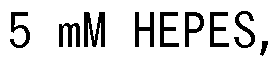 1.8
1.8
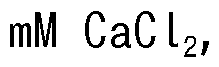 .4, 1%抗生物質, 2%ピルビン酸ナトリ ウム) に移して、 18°〇で一晩から 3日程度インキュベートし、 十分に遺伝子を 発現させた。
[0121] (4) 二電極膜電位固定法による膜電流の測定
ガラスピぺッ ト内に 3 11/1 塩化カリウム水溶液を充填し、 電流測定および電 位測定各ヘッ ドステージにセッ トして、 ガラス電極とした。 電極の抵抗値を 測定し、 電流電極の抵抗値が 0.2〜 0.8 11/10、 電位電極の抵抗値が 2 11/10以下で あることを確認し、 必要に応じて電流値補正を行った。 測定用バッファーの 流速が約 2 11117111_ になるようにフローコントロールピンチバルブにて調節し た。 チャンバーには測定に使う卵母細胞を置き、 ガラス電極の先端を細胞膜 へなるベく直角になるよう卵に刺し、 静止電位を確認した。 ソフトウェアで 設定した電位 (-80 V) を八 - /八コンパーター 丨9丨(^士3 1440八、 Axon CN 5) およびアンプ (〇6 〇 !^ 5008、 八乂〇 を介して卵母細胞に与え、 イオ ン電流 (膜電流) の経時変化を記録した (使用ソフトウェア
 10.2.09 、 八 〇 。 解析には Clampfit ソフトウェア ( 10.2.09、 八 〇 を用いた。 測 定用バッファーとしては、 まず、 N3を含む 96 (96 11^ 〇し
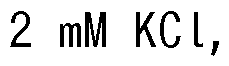 1 111 ない
 卩
卩
7.3) に切り替えた。 96で得られた膜電流の測定値と、 0096で得られた膜 電流の測定値との差を、 N3による膜電流の変化とみなした。 0096で得られ た膜電流の測定値としては、 096に切り替えてから 1〜 3分後の安定した値 を用いた。 また、
 発現細胞および《 /3
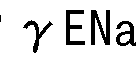 発現細胞につい て、 100
 同様の手順で N3による膜電流の変化を測定 した ( 「《 ^kENaC/ASIC1c + Ami」 および 「《 /3 ·kENaC + Ami」 ) 。 による膜 電流の変化を N3応答の指標とした。
[0122] (5) 結果
同様の手順で N3による膜電流の変化を測定 した ( 「《 ^kENaC/ASIC1c + Ami」 および 「《 /3 ·kENaC + Ami」 ) 。 による膜 電流の変化を N3応答の指標とした。
[0122] (5) 結果
結果を図 1〜 2に示す。 a rENaC/ASIC1c発現細胞は、 aENaC発現細胞、 AS IC1c発現細胞、 arENaC発現細胞と比較して、 顕著に高い Na応答を示した ( 図 1) 。 また、 ENaC阻害剤である AmUorideは、 aァ ENaC/ASIC1 c発現細胞の N a応答には影響しなかった (図 1) 。 一方、 Ami lorideは a /S rENaC発現細胞 の Na応答を 80%程度抑制した (図 2) 。 このことから、 a ^ENaC/ASICIcは a /S rENaCと異なる性質を有する Naチャネルであると考えられた。 すなわち、 a rENaC/ASICIcが a /S rENaCと異なる塩味受容体として機能している可能性 が示唆された。
[0123] (6) Na選択性の評価
ENaCサブユニッ ト及び ASIC1サブユニッ トを含むチャネルとしては、 aENaC /ASICIaが知られている (Trac PT. et a 1. , Alveolar nonse lect i ve channel s are ASICIa/ a -ENaC channels and contribute to AFC. Am J Physiol Lun g Cell Mol Physiol. 2017 Jun 1 ;312(6) :L797-L811 ) 。 a ENaC/ASIC1 aは非 選択的カチオンチャネルであり、 ナトリウム (Na) とカリウム (K) 間で選択 性に差はない。 そこで、 a rENaC/ASICIcのイオン選択性について検討する目 的で、 a rENaC/ASIC1cの Kに対する応答を測定した。 測定は、 測定用バッフ ァーの Na(Uを KCLに替えたこと以外は、 上記 (4) と同様の手順で実施した。
[0124] 結果を図 3に示す。 a /Sァ ENaC発現細胞は K応答を示した。 なお、 a /S yEN aC発現細胞の K応答は Ami lor ideで抑制されなかった (Data not shown) 。 _ 方、 a ^ENaC/ASICIc発現細胞の K応答は、 MOCKとほぼ同等であった。 このこ とから、 a rENaC/ASICIcは Naに対して選択性を有すると考えられた。 よって 、 arENaC/ASICIcを利用することにより、 K等の Na以外のカチオンに影響さ れることなく、 Naの作用を調節する物質を効率的にスクリーニングできると 期待される。
[0125] 実施例 2 : ヒト培養細胞を用いた評価
(1) リポフエクシヨンによる遺伝子導入
HEK293T細胞を 100mm2シャーレの成長培地 (G418不含) に 1.5X10⁶ ceUs/10
mL培地で播種し、 C02インキユベータ (5 % C02、 37 °C) で 16〜 24時間培養し た。 培地を養生培地 (DMEM/HamF-12/5%FBS) に交換し、 Fugene6 (Promega) を用いて実施例 1 ( 1 ) で得た発現プラスミ ドを培養細胞にトランスフエク シヨンした。 トランスフエクシヨンした発現プラスミ ドは以下の通りである : a (3 yENaC ( a ENaCと/ S ENaCと· r ENaCの組み合わせ) および aア ENaC/ASIC 1c (aENaCと· rENaCと ASICIcの組み合わせ) 。 また、 MOCKとして、 発現ブラ スミ ドに代えて空べクター pcDNA3.1を培養細胞にトランスフエクシヨンした 〇 DNAとトランスフエクシヨン試薬は DNA : Fugene6 = 1 yu,g : 4 Lの割合で 定法に従って調製した。 トランスフエクシヨン後の細胞を ¥2インキユベータ —で 4〜 6時間培養した後、 細胞を回収して 7X10⁴ ce Us/100 ^L/weUで FDSS 用アツセイプレ-卜 (FALCON Biocoat B lack clear-bottom 96we 11 plate (P DL coat) #356692) に播種し、 16〜 24時間培養した。 FDSS用アツセイプレー 卜の培地としては 75mM Na-DMEM培地を用いた。
[0126] (2) FDSS/MCELLによる膜電位測定
培養後の FDSS用アツセイプレートは、 培地を除去した後、 Na-free Ringer Solution (150 mM NMDG-Cl, 5 mM KCl, 1 mM CaCl2, 1 mM MgCl2, 10 mM glue ose, 10 mM HEPES (pH7.3) ) で 1回洗浄し、 FLIPR membrane potential (FM P) dyeにて染色した。 FMP dyeは定法に従って Na-free Ringer Solutionで希 釈して調製し、 200ML/weUで添加し 45分間 37°C C02インキユベーターにて静 置した。 Na刺激液 (NaClを Na-free Ringer Solutionで希釈して調製) はサン プルプレート (COSTAR 96weU pp plate #3363) に終濃度の 5倍になるように 調製し、 FDSS/MCELL (浜松ホトニクス社) にて 50 ML/weUでアツセイプレ —卜に添加した。 Na刺激液添加後 120秒間、 535/565nmの蛍光の経時変化を測 定した。 Na刺激液添加 10秒後から 120秒後までの蛍光値変化を算出し、 F/F0と した。 F/F0は Na刺激による膜電位の変化を反映しており、 F/F0を Na応答の指 標とした。
[0127] (3) 結果
結果を図 4に示す。 MOCKと比較し、 a ^ENaC/ASICIc発現細胞は高い Na応答
〇 2020/175562 54 卩(:171? 2020 /007788
を示した。 すなわち、

産業上の利用可能性
[0128] 本発明によれば、 ナトリウムの作用を調節する物質を効率的にスクリーニ ングすることができる。
[0129] <配列表の説明>
配列番号:

7 : ヒトの八31(:1(;遺伝子 (1^ ) の塩基配列
8 : ヒトの八31(:1(;タンパク質のアミノ酸配列
Claims
[請求項 1 ] 目的物質をスクリーニングする方法であって、
下記工程 (八) 〜 (〇 :
(八) 試験物質の存在下で《
 とナトリウムを接触させ る工程;
(巳) ナトリウムに対する前記《
 の応答を測定するエ 程;および
(〇) 前記応答に基づいて前記試験物質を目的物質として同定するエ 程;
を含み、
前記応答が前記試験物質により調節されている場合に、 該試験物質 を目的物質として同定し、
前記目的物質が、 ナトリウムの作用を調節する物質であり、
 ンパク質、
ンパク質、
 ンパク質の組み合わせである、 方法。
[請求項 2] 前記応答が、 ナトリウムによる前記《ァ
 の活性化であ る、 請求項 1 に記載の方法。
[請求項 3] 前記《·)^1\1 /八31(:1()が、 細胞、 細胞膜、 人工脂質二重膜小胞、 ま たは人工脂質二重膜に担持された形態で使用される、 請求項 1 または 2に記載の方法。
[請求項 4]
 が、 細胞に担持された形態で使用される、 請 求項 1〜 3のいずれか 1項に記載の方法。
[請求項 5] 前記細胞が、 動物細胞である、 請求項 3または 4に記載の方法。
[請求項 6] 前記工程 (巳) および (<3) が、 それぞれ、 下記工程 (巳 1) およ び (<3 1) により実施される、 請求項 1〜 5のいずれか 1項に記載の 方法:
(巳 1) 前記工程 ( ) を実施した際の前記
 の活性 化の程度口 1 を測定する工程;
〇 2020/175562 56 卩(:171? 2020 /007788
の活性 化の程度口 1 を測定する工程;
〇 2020/175562 56 卩(:171? 2020 /007788
(〇 1) 前記活性化の程度口 1 に基づいて前記試験物質を目的物質と して同定する工程。
[請求項 7] 前記工程 (<3 1) が、 下記工程 (0 2) により実施される、 請求項
6に記載の方法:
(0 2) 前記活性化の程度口 1 と対照条件における前記

 の活性化の程度 0 2との差に基づいて前記試験物質を目的物質と して同定する工程。
[請求項 8] 前記対照条件が、 下記条件 (〇2 _ 1) または (〇2 _ 2) である
、 請求項 7に記載の方法:
(0 2 - 1) 前記試験物質の非存在下で前記《

リウムを接触させる条件;
(0 2 - 2) 前記試験物質の存在下で前記《

ウムを接触させる条件であって、 該試験物質の濃度が前記工程 (八) における該試験物質の濃度よりも低い濃度である条件。
[請求項 9] さらに、 前記活性化の程度口 2を測定する工程を含む、 請求項 7ま たは 8に記載の方法。
[請求項 10] 前記目的物質が、 ナトリウムの作用を促進または阻害する物質であ り、
前記応答が前記試験物質により促進されている場合に、 前記試験物 質をナトリウムの作用を促進する物質として同定し、 前記応答が前記試験物質により阻害されている場合に、 前記試験物 質をナトリウムの作用を阻害する物質として同定する、 請求項 1〜 9 のいずれか 1項に記載の方法。
[請求項 1 1 ] 前記活性化の程度口 1が前記活性化の程度口 2よりも高い場合に、 前記試験物質をナトリウムの作用を促進する物質として同定する、 請 求項 1 〇に記載の方法。
[請求項 12] 前記活性化の程度口 1が前記活性化の程度口 2よりも低い場合に、 前記試験物質をナトリウムの作用を阻害する物質として同定する、 請
〇 2020/175562 57 卩(:171? 2020 /007788
求項 1 〇に記載の方法。
[請求項 13] 前記ナトリウムの作用を促進する物質が塩味増強物質であり、 前記 ナトリウムの作用を阻害する物質が塩味低減物質である、 請求項 1 0 〜 1 2のいずれか 1項に記載の方法。
[請求項 14] 前記工程 (八) において、 塩化ナトリウムがナトリウムとして用い られる、 請求項 1〜 1 3のいずれか 1項に記載の方法。
[請求項 15] 前記応答が、 膜電流、 膜電位、 またはイオン濃度を指標として測定 され、 該イオン濃度が、 細胞内のイオン濃度、 人工脂質二重膜小胞内 のイオン濃度、 または細胞膜もしくは人工脂質二重膜により区分され た内部空間内のイオン濃度である、 請求項 3〜 1 4のいずれか 1項に 記載の方法。
[請求項 16] 前記イオン濃度が、 ナトリウムイオン濃度、 カルシウムイオン濃度 、 または塩化物イオン濃度である、 請求項 1 5に記載の方法。
[請求項 17] 前記
 タンパク質が、 下記 または (巳) に記載のタンパ ク質である、 請求項 1〜 1 6のいずれか 1項に記載の方法:
(八) 哺乳類の
 ンパク質;
ンパク質;
(巳) 2種またはそれ以上の哺乳類の《 £ (:タンパク質のキメラタン パク質。
[請求項 18]
 タンパク質が、 下記 (3) 、 (13) 、 または (〇) に記 載のタンパク質である、 請求項 1〜 1 7のいずれか 1項に記載の方法
(a) 配列番号 2に示すアミノ酸配列を含むタンパク質;
(匕) 配列番号 2に示すアミノ酸配列において、 1〜 1 0個のアミノ 酸残基の置換、 欠失、 揷入、 および/または付加を含むアミノ酸配列 を含み、 且つ、
 ンパク質および
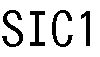 タンパク質との組み合 わせでナトリウムに対する応答性を有するタンパク質;
(〇) 配列番号 2に示すアミノ酸配列に対して 8 0 %以上の同一性を 有するアミノ酸配列を含み、 且つ、
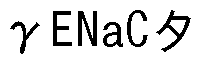 ンパク質および 夕
〇 2020/175562 58 卩(:171? 2020 /007788
ンパク質および 夕
〇 2020/175562 58 卩(:171? 2020 /007788
ンパク質との組み合わせでナトリウムに対する応答性を有するタンパ ク質。
[請求項 19] 前記·
 タンパク質が、 下記 (八) または (巳) に記載のタンパ ク質である、 請求項 1〜 1 8のいずれか 1項に記載の方法:
(八)
 タンパク質;
(巳) 2種またはそれ以上の哺乳類の· ^ 〇タンパク質のキメラタン パク質。
[請求項 20]
 タンパク質が、 下記 (3) 、 (13) 、 または (〇) に記 載のタンパク質である、 請求項 1〜 1 9のいずれか 1項に記載の方法
(a) 配列番号 6に示すアミノ酸配列を含むタンパク質;
(匕) 配列番号 6に示すアミノ酸配列において、 1〜 1 0個のアミノ 酸残基の置換、 欠失、 揷入、 および/または付加を含むアミノ酸配列 を含み、 且つ、
 ンパク質および
 タンパク質との組み合 わせでナトリウムに対する応答性を有するタンパク質;
(〇) 配列番号 6に示すアミノ酸配列に対して 8 0 %以上の同一性を 有するアミノ酸配列を含み、 且つ、
 ンパク質および
 夕 ンパク質との組み合わせでナトリウムに対する応答性を有するタンパ ク質。
[請求項 21 ]
 タンパク質が、 下記 (八) または (巳) に記載のタンパ ク質である、 請求項 1〜 2 0のいずれか 1項に記載の方法:
(八) 哺乳類の
 ンパク質;
ンパク質;
(巳)
 ンパク質のキメラタン パク質。
[請求項 22]
 タンパク質が、 下記 (3) 、 (13) 、 または (〇) に記 載のタンパク質である、 請求項 1〜 2 1のいずれか 1項に記載の方法
(a) 配列番号 8に示すアミノ酸配列を含むタンパク質;
〇 2020/175562 59 卩(:171? 2020 /007788
(匕) 配列番号 8に示すアミノ酸配列において、 1〜 1 0個のアミノ 酸残基の置換、 欠失、 揷入、 および/または付加を含むアミノ酸配列 を含み、 且つ、
 タンパク質との組み合 わせでナトリウムに対する応答性を有するタンパク質;
(〇) 配列番号 8に示すアミノ酸配列に対して 8 0 %以上の同一性を 有するアミノ酸配列を含み、 且つ、

ンパク質との組み合わせでナトリウムに対する応答性を有するタンパ ク質。
[請求項 23] さらに、 同定された目的物質の塩味調節機能を評価する工程を含む 、 請求項 1〜 2 2のいずれか 1項に記載の方法。
[請求項 24] 前記評価が、 官能評価によって実施される、 請求項 2 3に記載の方 法。
[請求項 25]
 タンパク質をコードする遺伝子、
 タンパク質をコード する遺伝子、 および
 タンパク質をコードする遺伝子が導入され た細胞。
[請求項 26] 動物細胞である、 請求項 2 5に記載の細胞。
Applications Claiming Priority (2)
| Application Number | Priority Date | Filing Date | Title |
|---|---|---|---|
| JP2019033258A JP2022059100A (ja) | 2019-02-26 | 2019-02-26 | ナトリウムの作用を調節する物質のスクリーニング方法 |
| JP2019-033258 | 2019-02-26 |
Publications (1)
| Publication Number | Publication Date |
|---|---|
| WO2020175562A1 true WO2020175562A1 (ja) | 2020-09-03 |
Family
ID=72238936
Family Applications (1)
| Application Number | Title | Priority Date | Filing Date |
|---|---|---|---|
| PCT/JP2020/007788 Ceased WO2020175562A1 (ja) | 2019-02-26 | 2020-02-26 | ナトリウムの作用を調節する物質のスクリーニング方法 |
Country Status (2)
| Country | Link |
|---|---|
| JP (1) | JP2022059100A (ja) |
| WO (1) | WO2020175562A1 (ja) |
Citations (2)
| Publication number | Priority date | Publication date | Assignee | Title |
|---|---|---|---|---|
| JP2007528712A (ja) * | 2003-07-10 | 2007-10-18 | セノミックス、インコーポレイテッド | ヒトENaCを発現する卵母細胞を用いた改良された電気生理学的アッセイ及び膜電位リポーター色素を用いたアッセイにおけるENaC相乗剤の効果を向上させるためのフェナミルの使用 |
| JP2010506929A (ja) * | 2006-10-19 | 2010-03-04 | モネル ケミカル センシズ センター | ヒト塩味受容体および塩味知覚を調節する方法 |
-
2019
- 2019-02-26 JP JP2019033258A patent/JP2022059100A/ja active Pending
-
2020
- 2020-02-26 WO PCT/JP2020/007788 patent/WO2020175562A1/ja not_active Ceased
Patent Citations (2)
| Publication number | Priority date | Publication date | Assignee | Title |
|---|---|---|---|---|
| JP2007528712A (ja) * | 2003-07-10 | 2007-10-18 | セノミックス、インコーポレイテッド | ヒトENaCを発現する卵母細胞を用いた改良された電気生理学的アッセイ及び膜電位リポーター色素を用いたアッセイにおけるENaC相乗剤の効果を向上させるためのフェナミルの使用 |
| JP2010506929A (ja) * | 2006-10-19 | 2010-03-04 | モネル ケミカル センシズ センター | ヒト塩味受容体および塩味知覚を調節する方法 |
Non-Patent Citations (3)
| Title |
|---|
| CABALLERO, A. G. AND GANDINI MARIA A., HUANG SHUO, CHEN LINA, SOUZA IVANA A., DANG YAN L., STUTTS M. JACKSON, ZAMPONI GERALD W.: "Cav3.2 calcium channel interactions with the epithelial sodium channel ENaC", MOLECULAR BRAIN, vol. 12, no. 12, December 2019 (2019-12-01), pages 2, XP055736915, DOI: 10.1186/s13041-019-0433-8 * |
| DATABASE Nucleotide 2011, HOAGLAND, E. AND SHERWOOD,T., LEE,K., WALKER,C. AND ASKWITH,C.: "Homo sapiens ACCN2 variant 3 mRNA", XP055736940, retrieved from NCBI Database accession no. HM991481.1 * |
| HOAGLAND, E. N. ET AL.: "Identification of a Calcium Permeable Human Acid-sensing Ion Channel 1 Transcript Variant", THE JOURNAL OF BIOLOGICAL CHEMISTRY, vol. 285, no. 53, 2010, pages 41852 - 41862, XP055736934, DOI: 10.1074/jbc.M110.171330 * |
Also Published As
| Publication number | Publication date |
|---|---|
| JP2022059100A (ja) | 2022-04-13 |
Similar Documents
| Publication | Publication Date | Title |
|---|---|---|
| JP6835773B2 (ja) | 匂い物質および香り受容体を特定、単離および使用する方法 | |
| Muraoka-Cook et al. | The intracellular domain of ErbB4 induces differentiation of mammary epithelial cells | |
| Flores-Aldama et al. | Evolutionary analyses reveal independent origins of gene repertoires and structural motifs associated to fast inactivation in calcium-selective TRPV channels | |
| US20240219394A1 (en) | Method for measuring response of olfactory receptor to substance | |
| JP2024015143A (ja) | 嗅覚受容体の発現方法及び応答測定方法 | |
| Hyndman et al. | Multiple functional effects of RET kinase domain sequence variants in Hirschsprung disease | |
| JP2019074379A (ja) | 生ニンニク様香料素材のスクリーニング方法 | |
| CN109563516B (zh) | Gpr156变体及其用途 | |
| JP2019037197A (ja) | ロースト様香料素材のスクリーニング方法 | |
| Hashimoto et al. | Troy binding to lymphotoxin-α activates NFκB mediated transcription | |
| Malinauskas et al. | Molecular mechanism of BMP signal control by Twisted gastrulation | |
| JP2019129772A (ja) | 2−ヘプタノンの匂いを抑制する物質のスクリーニング方法 | |
| US20070072239A1 (en) | Pharmaceutical compositions and methods of using secreted frizzled related protein | |
| Patel et al. | Gia/Mthl5 is an aorta specific GPCR required for Drosophila heart tube morphology and normal pericardial cell positioning | |
| JP2019010058A (ja) | フェノリック香料素材のスクリーニング方法 | |
| JP2019129773A (ja) | 2−ノナノンの匂いを抑制する物質のスクリーニング方法 | |
| CN102575279B (zh) | 咸味调节物质的筛选方法 | |
| Bennett et al. | Odor-evoked gene regulation and visualization in olfactory receptor neurons | |
| JP5229721B2 (ja) | GPR3、GPR6、およびGPR12からなる群から選ばれる受容体タンパク質を用いる、Nesfatin−1作用調節物質またはNesfatin−1様作用物質のスクリーニング方法 | |
| Kwak et al. | BAT3 interacts with transforming growth factor-β (TGF-β) receptors and enhances TGF-β1-induced type I collagen expression in mesangial cells | |
| JP6319504B2 (ja) | 塩味修飾物質のスクリーニング方法 | |
| CN117677700A (zh) | 嗅觉受体的表达方法和应答测定方法 | |
| Grosse et al. | N-ethyl-N-nitrosourea-based generation of mouse models for mutant G protein-coupled receptors | |
| US7601883B2 (en) | Mammalian sour/acid taste and CSF receptor genes, polypeptides and assays | |
| JP2022059100A (ja) | ナトリウムの作用を調節する物質のスクリーニング方法 |
Legal Events
| Date | Code | Title | Description |
|---|---|---|---|
| 121 | Ep: the epo has been informed by wipo that ep was designated in this application |
Ref document number: 20762358 Country of ref document: EP Kind code of ref document: A1 |
|
| NENP | Non-entry into the national phase |
Ref country code: DE |
|
| 122 | Ep: pct application non-entry in european phase |
Ref document number: 20762358 Country of ref document: EP Kind code of ref document: A1 |
|
| NENP | Non-entry into the national phase |
Ref country code: JP |