WO2020166557A1 - 妊娠高血圧腎症の治療方法 - Google Patents
妊娠高血圧腎症の治療方法 Download PDFInfo
- Publication number
- WO2020166557A1 WO2020166557A1 PCT/JP2020/005130 JP2020005130W WO2020166557A1 WO 2020166557 A1 WO2020166557 A1 WO 2020166557A1 JP 2020005130 W JP2020005130 W JP 2020005130W WO 2020166557 A1 WO2020166557 A1 WO 2020166557A1
- Authority
- WO
- WIPO (PCT)
- Prior art keywords
- antithrombin
- hypertensive nephropathy
- mmhg
- patient
- treating
- Prior art date
- Legal status (The legal status is an assumption and is not a legal conclusion. Google has not performed a legal analysis and makes no representation as to the accuracy of the status listed.)
- Ceased
Links
Images


Classifications
-
- A—HUMAN NECESSITIES
- A61—MEDICAL OR VETERINARY SCIENCE; HYGIENE
- A61K—PREPARATIONS FOR MEDICAL, DENTAL OR TOILETRY PURPOSES
- A61K38/00—Medicinal preparations containing peptides
- A61K38/16—Peptides having more than 20 amino acids; Gastrins; Somatostatins; Melanotropins; Derivatives thereof
- A61K38/55—Protease inhibitors
- A61K38/57—Protease inhibitors from animals; from humans
-
- A—HUMAN NECESSITIES
- A61—MEDICAL OR VETERINARY SCIENCE; HYGIENE
- A61P—SPECIFIC THERAPEUTIC ACTIVITY OF CHEMICAL COMPOUNDS OR MEDICINAL PREPARATIONS
- A61P13/00—Drugs for disorders of the urinary system
- A61P13/12—Drugs for disorders of the urinary system of the kidneys
-
- A—HUMAN NECESSITIES
- A61—MEDICAL OR VETERINARY SCIENCE; HYGIENE
- A61P—SPECIFIC THERAPEUTIC ACTIVITY OF CHEMICAL COMPOUNDS OR MEDICINAL PREPARATIONS
- A61P15/00—Drugs for genital or sexual disorders; Contraceptives
-
- A—HUMAN NECESSITIES
- A61—MEDICAL OR VETERINARY SCIENCE; HYGIENE
- A61P—SPECIFIC THERAPEUTIC ACTIVITY OF CHEMICAL COMPOUNDS OR MEDICINAL PREPARATIONS
- A61P7/00—Drugs for disorders of the blood or the extracellular fluid
- A61P7/02—Antithrombotic agents; Anticoagulants; Platelet aggregation inhibitors
Definitions
- the present invention relates to a method for treating pregnant hypertensive nephropathy by administering antithrombin, or a composition for treating pregnant hypertensive nephropathy containing antithrombin.
- Antithrombin is also called antithrombin III.
- Human antithrombin which is a naturally occurring human antithrombin, is a glycoprotein consisting of 432 amino acids and having a molecular weight of about 59000 to 65000, and has three disulfide bonds (Cys8-Cys128, Cys21-Cys95 and Cys247-Cys430) in the molecule. ) (Non-patent document 1).
- Human antithrombin is one of the major coagulation inhibitory factors in blood, and forms a complex with thrombin as well as factor X, factor XII, factor IX or factor XI, etc. Inactivate.
- plasma-derived human antithrombin a preparation containing human plasma-derived human antithrombin (hereinafter referred to as plasma-derived human antithrombin) is used in Japan as Neuart (registered trademark), Anthrobin (registered trademark) P or blood donation nonthrone (registered trademark).
- Neuart registered trademark
- Anthrobin registered trademark
- nonthrone registered trademark
- DIC Diffuse Intravascular Coagulation Syndrome
- Thrombogenic Tendency Due to Congenital Antithrombin III Deficiency a preparation containing human plasma-derived human antithrombin
- portal vein thrombosis accompanied by a decrease in antithrombin III is also approved as an indication.
- Another known recombinant human antithrombin is a recombinant human antithrombin in which fucose is not bound to N-acetylglucosamine on the reducing terminal side of the N-glycoside-linked complex sugar chain added to human antithrombin.
- Patent Document 1 and Patent Document 2 Another known recombinant human antithrombin is a recombinant human antithrombin in which fucose is not bound to N-acetylglucosamine on the reducing terminal side of the N-glycoside-linked complex sugar chain added to human antithrombin.
- PE Pregnant hypertensive nephropathy
- HDP is one of the types of pregnancy hypertension syndrome (hereinafter referred to as HDP).
- HDP is defined as a case where hypertension is observed during pregnancy, and the types of HDP include gestational hypertension, weighted gestational hypertensive nephropathy, and pregnancy associated with hypertension, and are classified into 4 types in total. (Non-patent document 2 and non-patent document 3).
- PE is diagnosed when hypertension and maternal organ damage or uterine placental dysfunction are observed. PE has a relatively poor prognosis for mothers and infants, and has a higher perinatal mortality rate, fetal growth failure rate, birth rate for infants with a birth weight of less than 2500 g, and neonatal intensive care unit admission rate for offspring compared with normal pregnant women. Both are reported to be high (Non-Patent Document 4 and Non-Patent Document 5).
- Non-Patent Document 6 Non-Patent Document 6
- PE two-stage disorder theory
- Onset (Second stage) (Non-patent document 8 and non-patent document 9).
- Non-Patent Document 10 Non-Patent Document 10
- antithrombin decreased and thrombin-antithrombin complex increased, so that thrombin formation tended to occur, and fibrinolysis was suppressed to a relatively high level, and the condition was potentially disseminated. It is believed to have an intravascular coagulation syndrome.
- Non-Patent Document 11 The fundamental treatment for PE is to end the pregnancy. However, it has been reported that the earlier the childbirth, the higher the mortality rate of the newborn (Non-Patent Document 11). It is also reported that the earlier the number of gestational weeks at birth, the higher the rate of complications such as cerebral palsy (Non-Patent Document 12).
- PE in PE, it is common to perform rest, diet therapy, drug administration to the mother, etc. with the aim of continuing pregnancy as long as possible until the fetus matures.
- Drug treatments include antihypertensive drugs, steroids, magnesium preparations, etc.
- Antihypertensive agents are mainly administered for severe hypertension.
- excessive hypotension while improving maternal symptoms, adversely affects the fetus and placenta function and worsens the fetal condition (Non-Patent Document 13).
- Deterioration of the fetal condition necessitates early termination of pregnancy and leads to an increase in perinatal mortality.
- Non-patent document 14 and non-patent document 15 are examples of the gestosis index (hereinafter referred to as GI) performed from July 1993 to August 1995 (corresponding to PE by the current diagnostic criteria).
- GI gestosis index
- the human plasma-derived antithrombin significantly prolonged the gestational age as compared with placebo.
- Non-Patent Document 16 a study was also conducted in patients with early-onset preeclampsia to which recombinant antithrombin or placebo was administered. As a result of the study, it has been reported that administration of recombinant antithrombin to patients with early-onset preeclampsia was not associated with extension of pregnancy duration.
- Non-Patent Document 14 and Non-Patent Document 15 plasma-derived human antithrombin significantly prolongs the gestational age of patients in patients equivalent to PE according to the current diagnostic criteria, compared with placebo. It has been reported that However, it is not known in which segment among human PE patients human antithrombin is effective.
- the present invention aims to provide a novel method for treating PE, which comprises administering antithrombin, or a novel composition for treating PE, which comprises antithrombin.
- a method for treating gestational hypertensive nephropathy which comprises administering antithrombin to a gestational hypertensive nephropathy patient having an antithrombin activity in blood of 100% or less.
- the method for treating pregnant hypertensive nephropathy according to 1 above which comprises selecting a patient with pregnant hypertensive nephropathy having an antithrombin activity in blood of 100% or less as an administration target of antithrombin.
- a method for treating pregnant hypertensive nephropathy which comprises administering antithrombin to a pregnant hypertensive nephropathy patient having a systolic blood pressure of 160 mmHg or more or a diastolic blood pressure of 110 mmHg or more. 4.
- the method for treating pregnant hypertensive nephropathy according to 3 above which comprises selecting a pregnant hypertensive nephropathy patient having a systolic blood pressure of 160 mmHg or more or a diastolic blood pressure of 110 mmHg or more as an antithrombin administration subject. 5.
- Treatment of pregnant hypertensive nephropathy which comprises administering antithrombin to a pregnant hypertensive nephropathy patient having antithrombin activity in blood of 100% or less and systolic blood pressure of 160 mmHg or more or diastolic blood pressure of 110 mmHg or more Method. 6. Including the selection of a pregnant hypertensive nephropathy patient having an antithrombin activity in blood of 100% or less and a systolic blood pressure of 160 mmHg or more or a diastolic blood pressure of 110 mmHg or more as a subject to be administered with antithrombin. Pregnant hypertensive nephropathy treatment method. 7. 7. 7.
- the antithrombin is human antithrombin.
- the human antithrombin is recombinant human antithrombin or plasma-derived human antithrombin. 10.
- a composition for treating preeclampsia which comprises antithrombin and is administered to a patient with preeclampsia having a blood antithrombin activity of 100% or less.
- the composition for treating pregnant hypertensive nephropathy according to 11 above which comprises selecting a patient with pregnant hypertensive nephropathy having an antithrombin activity in blood of 100% or less as an administration target of antithrombin.
- composition for treating preeclampsia which comprises selecting a patient with preeclampsia having a systolic blood pressure of 160 mmHg or more or a diastolic blood pressure of 110 mmHg or more as a subject to be administered with antithrombin.
- Pregnant hypertensive nephropathy comprising antithrombin, which is administered to a patient with preeclampsia having a blood antithrombin activity of 100% or less and a systolic blood pressure of 160 mmHg or more or a diastolic blood pressure of 110 mmHg or more.
- Therapeutic composition 16.
- the method according to 15 above which comprises selecting a pregnant hypertensive nephropathy patient having an antithrombin activity in blood of 100% or less and a systolic blood pressure of 160 mmHg or more or a diastolic blood pressure of 110 mmHg or more as an antithrombin administration subject
- a composition for treating pregnant hypertensive nephropathy 17.
- human antithrombin is recombinant human antithrombin or plasma-derived human antithrombin.
- the PE treatment method and PE treatment composition of the present invention extend the duration of pregnancy in a patient.
- the extension of the pregnancy duration of PE patients leads to the growth of the fetus and can be expected to reduce complications such as neonatal death and cerebral palsy.
- a method for treating pregnant hypertensive nephropathy or a composition for treating pregnant hypertensive nephropathy can be provided.
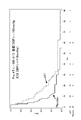
- FIG. 1 is a Kaplan-Meier plot of the pregnancy continuation rate and the pregnancy duration (days) of human plasma-derived antithrombin administration and placebo administration in a patient group having a PreAT activity of 70% or less.
- the vertical axis represents the pregnancy continuation rate, and the horizontal axis represents the pregnancy continuation period (days).
- pAT represents human plasma-derived antithrombin.
- FIG. 2 is a diagram that is a Kaplan-Meier plot of the pregnancy continuation rate and the pregnancy duration (days) of human plasma-derived antithrombin administration and placebo administration in a patient group having a PreAT activity of more than 70%.
- the vertical axis represents the pregnancy continuation rate, and the horizontal axis represents the pregnancy continuation period (days).
- FIG. 3 is a Kaplan-Meier plot of the pregnancy continuation rate and pregnancy duration (days) of human plasma-derived antithrombin administration and placebo administration in a patient group having a PreAT activity of 80% or less.
- the vertical axis represents the pregnancy continuation rate, and the horizontal axis represents the pregnancy continuation period (days).
- pAT represents human plasma-derived antithrombin.
- FIG. 4 is a diagram showing Kaplan-Meier plots of the pregnancy continuation rate and the pregnancy duration (days) of human plasma-derived antithrombin administration and placebo administration in a patient group having a PreAT activity of more than 80%.
- FIG. 5 is a Kaplan-Meier plot of the pregnancy continuation rate and the pregnancy duration (days) of human plasma-derived antithrombin administration and placebo administration in a patient group having a PreAT activity of 90% or less.
- the vertical axis represents the pregnancy continuation rate, and the horizontal axis represents the pregnancy continuation period (days).
- pAT represents human plasma-derived antithrombin.
- FIG. 6 is a Kaplan-Meier plot of the pregnancy continuation rate and the pregnancy duration (days) of human plasma-derived antithrombin administration and placebo administration in a patient group having a PreAT activity of more than 90%.
- the vertical axis represents the pregnancy continuation rate, and the horizontal axis represents the pregnancy continuation period (days).
- pAT represents human plasma-derived antithrombin.
- FIG. 7 is a Kaplan-Meier plot of the pregnancy continuation rate and the pregnancy duration (days) of human plasma-derived antithrombin administration and placebo administration in a patient group having a PreAT activity of 100% or less.
- the vertical axis represents the pregnancy continuation rate, and the horizontal axis represents the pregnancy continuation period (days).
- FIG. 8 is a Kaplan-Meier plot of the pregnancy continuation rate and the pregnancy duration (days) of human plasma-derived antithrombin administration and placebo administration in a patient group with PreAT activity exceeding 100%.
- the vertical axis represents the pregnancy continuation rate, and the horizontal axis represents the pregnancy continuation period (days).
- pAT represents human plasma-derived antithrombin.
- FIG. 9 shows severe cases where the diastolic blood pressure (hereinafter referred to as SBP) of the patient before drug administration is 160 mmHg or more, or the diastolic blood pressure (hereinafter referred to as DBP) of the patient before drug administration is 110 mmHg or more.
- SBP diastolic blood pressure
- DBP diastolic blood pressure
- FIG. 10 Pregnancy continuation rate and pregnancy duration of human plasma-derived antithrombin administration and placebo administration in a non-serious patient group in which SBP of patients before drug administration is less than 160 mmHg or DBP of patients before drug administration is less than 110 mmHg It is the figure which carried out the Kaplan-Meier plot of (day).
- the vertical axis represents the pregnancy continuation rate, and the horizontal axis represents the pregnancy continuation period (days).
- pAT represents human plasma-derived antithrombin.
- FIG. 11 shows human plasma-derived antithrombin administration and placebo administration in a critically ill patient group having a PreAT activity of 100% or less and a pre-drug SBP of 160 mmHg or more or a pre-drug DBP of 110 mmHg or more. It is the figure which carried out the Kaplan-Meier plot of the pregnancy continuation rate and pregnancy continuation period (day) of administration.
- the vertical axis represents the pregnancy continuation rate, and the horizontal axis represents the pregnancy continuation period (days).
- pAT represents human plasma-derived antithrombin.
- PE Pregnant hypertensive nephropathy
- HDP pregnancy hypertension syndrome
- PE is the first hypertension that occurs after 20 weeks of gestation and is accompanied by proteinuria. If it returns to normal by the 12th week of labor, or if there is no proteinuria, hepatic dysfunction and renal dysfunction , When there is neuropathy, blood coagulation disorder or uterine placental dysfunction.
- “Hypertension” means a systolic blood pressure of 140 mmHg or higher, or a diastolic blood pressure of 90 mmHg or higher.
- Proteinuria is the case where 300 mg/day or more of proteinuria is detected in the 24-hour urine by the Esbach method or the like, or the occasional urine has a protein/creatine (P/C) ratio of 0.3 mg/mg/CRE or more. Say the case.
- PE is defined as severe when it has a systolic blood pressure of 160 mmHg or more or a diastolic blood pressure of 110 mmHg or more, or maternal organ damage or uterine placental dysfunction.
- PE is an early onset type that develops after 20 weeks and less than 34 weeks of pregnancy, and a late onset type that develops after 34 weeks of pregnancy.
- the therapeutic effect on PE can be evaluated, for example, by the duration of pregnancy of the patient.
- Antithrombin is also called antithrombin III.
- the antithrombin is preferably human antithrombin (hereinafter referred to as human antithrombin), but is not particularly limited thereto.
- antithrombin is a physiological serine protease inhibitor that is produced in the liver and acts as a coagulation inhibitor in the blood to control the coagulation reaction. Inhibits thrombin (activated factor II), activated factor X (factor Xa), factor IX (factor IXa), coagulation factors such as kallikrein and fibrinolytic plasmin, and is inactive Turn into.
- the thrombin generated by activation of the coagulation system is immediately inactivated by forming a complex with antithrombin.
- antithrombin enhances antithrombin activity by binding to heparin.
- human antithrombin examples include gene recombinant human antithrombin and human plasma-derived human antithrombin (hereinafter referred to as plasma-derived human antithrombin).
- the gene recombinant human antithrombin examples include antithrombin gamma, and the gene recombinant human antithrombin described in International Publication No. 2005/035563 and International Publication No. 2008/120801.
- Examples of plasma-derived human antithrombin include dry concentrated human antithrombin III, and more specifically, anthrobin P (registered trademark), blood donation nonthrone (registered trademark), or Neuart (registered trademark).
- specific examples of plasma-derived human antithrombin include Thrombate III, Kedrion, Atenativ, and the like.
- the antithrombin activity is obtained by adding heparin and thrombin to the target human antithrombin to form a complex, and then adding a substrate to the chromogenic compound released from the substrate by the remaining thrombin depending on the concentration of human antithrombin. It refers to the specific activity of human antithrombin quantified by measuring the absorbance.
- Antithrombin activity is one of the blood coagulation/fibrinolysis tests in humans, and its standard value is 80 to about 120%, or 80 to 130%.
- the antithrombin activity value is Trinichrome (registered trademark) ATXa (manufactured by Kyowa Medex Co., Ltd.), L-system ATIII, Verichrome antithrombin III Auto B, L-system ATIII (above, manufactured by Sysmex), Test Team (registered trademark) -Neo ATIII, Test Team (registered trademark) ATIII-2 kit, Test Team (registered trademark) S ATIII (above, manufactured by Sekisui Medical), Evatest ATIII (manufactured by Nissui Pharmaceutical Co., Ltd.), ATIII liquid, STA reagent series (above) , Roche Diagnostics), N-assay TIA ATIII, N-assay L ATIII Nitto Bo (Nitto Bo Medical), Chromolate ATIII (C) II (manufactured by LSI Rulece), etc.
- the antithrombin activity value includes, for example, the antithrombin activity value in blood.
- the antithrombin activity in blood is 100% or less means that, for example, the antithrombin activity in blood is preferably 100 to 90%, 100 to 80%, 100 to 70%, 100 to 60%, It may be 100 to 50%, 100 to 40%, 100 to 30%, 100 to 20%, 100 to 10%, or 100 to 0%.
- the antithrombin activity in blood is 100% or less means that the antithrombin activity in blood is 100% or less, 90% or less, 80% or less, 70% or less, 60% or less, 50% or less, for example. % Or less, 40% or less, 30% or less, 20% or less, 10% or less.
- the therapeutic effect of the therapeutic method and therapeutic composition of the present invention is, for example, antithrombin or a therapeutic composition containing antithrombin, which has a longer pregnancy duration than a placebo-treated patient. It can be confirmed by things.
- the daily dose of the antithrombin or the therapeutic composition containing antithrombin according to the present invention may be, for example, 72 IU/kg for antithrombin gamma and 3000 IU for anthrobin P.
- the antithrombin or the therapeutic composition containing antithrombin according to the present invention may be administered once or multiple times a day. In addition, administration once or multiple times per day may be continued for multiple days. When it is administered over a plurality of days, it may be administered every day or every few days, but it is preferably administered every day.
- the antithrombin is a recombinant human antithrombin
- 72 IU/kg may be administered once daily once daily for 7 days.
- the antithrombin activity in the blood of the patient is 100% or less, and/or the systolic blood pressure.
- the value of 160 mmHg or more or the diastolic blood pressure of 110 mmHg or more may be the value before administration at any administration time, but is preferably the value before the first administration.
- Examples of the administration method of antithrombin or a therapeutic composition containing antithrombin in the present invention include intravenous injection (also referred to as intravenous administration or intravenous injection) or intravenous drip (also referred to as drip intravenous injection or drip). ..
- the therapeutic composition containing antithrombin in the present invention for use as a pharmaceutical, is usually mixed with one or more pharmacologically acceptable carriers, additives, pH adjusting agents, etc. It is preferably provided as a composition prepared by any method well known in the art of science.
- a therapeutic composition containing antithrombin as a composition suitable for intravenous injection or intravenous drip infusion, a carrier, an additive, a pH adjusting agent, or the like composed of amino acids, sugars, salts or buffers, or a mixture thereof is used. It can be prepared as a solution-form injection. ..
- the therapeutic composition containing antithrombin can be prepared as a powdery injection obtained by freeze-drying antithrombin or the therapeutic composition containing antithrombin according to a conventional method.
- the powder containing the antithrombin or the therapeutic composition containing antithrombin is dissolved in a solution such as water for injection or physiological saline before use. ..
- the therapeutic composition containing antithrombin preferably includes a composition containing sodium citrate, sodium citrate hydrate, glycine, sodium L-glutamate, D-mannitol or sodium chloride in addition to antithrombin. , More preferably a composition containing glycine and sodium citrate hydrate, or a composition containing glycine, sodium citrate hydrate and sodium chloride, even more preferably glycine, sodium citrate hydrate, sodium chloride, hydrochloric acid , And a composition containing sodium hydroxide. These compositions may also contain suitable surfactants. Examples of the surfactant include polysorbate 20 and polysorbate 80.
- the rate of administering antithrombin, or a therapeutic composition containing antithrombin to a patient by intravenous injection or intravenous drip infusion according to the present invention is not particularly limited, and examples thereof include slow administration. ..
- Example 1 The data obtained in the following clinical studies conducted from July 1993 to August 1995 were analyzed in the following examples.
- Target Patients with pure severe toxemia of pregnancy with a total score of 6 or more according to Gestosis Index (corresponding to PE by the current diagnostic criteria)
- Test method (1) Study design: Placebo-based, multicenter, double-blind, randomized, parallel-group comparative study using the telephone minimization method (2) Study drug: Plasma-derived human antithrombin formulation (3 ) Target drug: Placebo (albumin) preparation (4) Dosage and administration method: Plasma-derived human antithrombin preparation is 6 vials (3000 U) once a day, placebo preparation is 6 vials (582 mg) intravenously once a day. Administration (5) Test period: 7 consecutive days of administration, 7 days of subsequent observation period for a total of 14 days
- Example 2 The data of the pregnancy duration of each patient obtained in the clinical study described in Example 1 was used as a subgroup with the blood antithrombin (Pre AT) activity of the patients before drug administration (Day 0, before the first administration) as an index. Analyzed.
- Pre AT blood antithrombin
- Pre-AT activity of 70% or less, 70% or more, 80% or less, 80% or more, 90% or less, 90%, 100% or less, or 100% or more of human antithrombin administration and placebo administration The results of Kaplan-Meier plots of the pregnancy continuation rate and the pregnancy continuation period (days) are shown in FIGS. 1 to 8, respectively.
- Table 1 shows the number N (people) of each patient group, the average value (Mean) of the pregnancy duration calculated by the Kaplan-Meier method, and its standard deviation (SE).
- Example 3 The data of the pregnancy duration of each patient obtained in the test described in Example 1 is used as the systolic blood pressure (SBP) or pre-drug administration of the patient before the drug administration (Day 0, before the first administration). The subpopulation analysis was carried out using the diastolic blood pressure (DBP) of these patients as an index.
- SBP systolic blood pressure
- DBP diastolic blood pressure
- Table 2 shows the number N (people) of each patient group, the mean value (Mean) of the pregnancy duration calculated by the Kaplan-Meier method, and its standard deviation (SE).
- antithrombin administration showed no extension of pregnancy duration compared to placebo in the non-serious patients group with SBP of less than 160 mmHg before administration of drug and DBP of less than 110 mmHg of patient before administration of drug. It was
- Example 4 The pregnancy duration data of each patient obtained in the clinical trial described in Example 1 was used to determine the blood antithrombin activity of the patient before drug administration, and the SBP of the patient before drug administration or the patient before drug administration. Subgroup analysis was performed using DBP as an index. In all cases, “before drug administration” means Day 0, that is, before initial administration.
- the blood antithrombin activity (PreAT) of the patient before administration of human antithrombin or albumin is 100% or less, and the SBP of the patient before administration of human antithrombin or albumin is 160 mmHg or more or human antithrombin or
- FIG. 11 shows the results of Kaplan-Meier plotting the pregnancy continuation rate and the pregnancy duration (days) of human antithrombin administration and placebo administration in a severe patient group in which the DBP of the patient before administration of albumin is 110 mmHg or more.
- Table 3 shows the number N (persons) of each patient group, the average value (Mean) of the pregnancy duration calculated by the Kaplan-Meier method, and its standard deviation (SE).
- Example 5 Regarding the results of the subpopulation analysis obtained in Examples 2 to 4, the number N (person) of each patient group in 1) to 4) below, and the pregnancy continuation of the human antithrombin administration and the placebo administration calculated by the Kaplan-Meier method Table 4 shows the mean value (Mean) of the period and its standard deviation (SE).
- antithrombin in a serious patient group in which the blood antithrombin activity of the patient before drug administration is 100% or less and the SBP of the patient before drug administration is 160 mmHg or more or the DBP of the patient before drug administration is 110 mmHg or more
- the administration showed the longest extension of gestational duration compared to placebo.
Landscapes
- Health & Medical Sciences (AREA)
- Life Sciences & Earth Sciences (AREA)
- Pharmacology & Pharmacy (AREA)
- Engineering & Computer Science (AREA)
- Bioinformatics & Cheminformatics (AREA)
- Veterinary Medicine (AREA)
- Public Health (AREA)
- Chemical & Material Sciences (AREA)
- General Health & Medical Sciences (AREA)
- Medicinal Chemistry (AREA)
- Animal Behavior & Ethology (AREA)
- Chemical Kinetics & Catalysis (AREA)
- Organic Chemistry (AREA)
- Nuclear Medicine, Radiotherapy & Molecular Imaging (AREA)
- General Chemical & Material Sciences (AREA)
- Epidemiology (AREA)
- Zoology (AREA)
- Gastroenterology & Hepatology (AREA)
- Immunology (AREA)
- Proteomics, Peptides & Aminoacids (AREA)
- Endocrinology (AREA)
- Reproductive Health (AREA)
- Urology & Nephrology (AREA)
- Diabetes (AREA)
- Hematology (AREA)
- Medicines That Contain Protein Lipid Enzymes And Other Medicines (AREA)
Priority Applications (6)
| Application Number | Priority Date | Filing Date | Title |
|---|---|---|---|
| CA3129755A CA3129755A1 (en) | 2019-02-11 | 2020-02-10 | Method for treating preeclampsia |
| US17/429,887 US20220202920A1 (en) | 2019-02-11 | 2020-02-10 | Method for treating preeclampsia |
| JP2020572244A JPWO2020166557A1 (ja) | 2019-02-11 | 2020-02-10 | 妊娠高血圧腎症の治療方法 |
| AU2020222120A AU2020222120A1 (en) | 2019-02-11 | 2020-02-10 | Method for treating pregancy-induced hypertension nephrosis |
| EP20755567.3A EP3925616A4 (en) | 2019-02-11 | 2020-02-10 | Method for treating pregancy-induced hypertension nephrosis |
| JP2023029934A JP2023060011A (ja) | 2019-02-11 | 2023-02-28 | 妊娠高血圧腎症の治療方法 |
Applications Claiming Priority (4)
| Application Number | Priority Date | Filing Date | Title |
|---|---|---|---|
| US201962803888P | 2019-02-11 | 2019-02-11 | |
| US62/803,888 | 2019-02-11 | ||
| US201962820459P | 2019-03-19 | 2019-03-19 | |
| US62/820,459 | 2019-03-19 |
Publications (1)
| Publication Number | Publication Date |
|---|---|
| WO2020166557A1 true WO2020166557A1 (ja) | 2020-08-20 |
Family
ID=72044881
Family Applications (1)
| Application Number | Title | Priority Date | Filing Date |
|---|---|---|---|
| PCT/JP2020/005130 Ceased WO2020166557A1 (ja) | 2019-02-11 | 2020-02-10 | 妊娠高血圧腎症の治療方法 |
Country Status (7)
| Country | Link |
|---|---|
| US (1) | US20220202920A1 (https=) |
| EP (1) | EP3925616A4 (https=) |
| JP (2) | JPWO2020166557A1 (https=) |
| AU (1) | AU2020222120A1 (https=) |
| CA (1) | CA3129755A1 (https=) |
| TW (1) | TW202045203A (https=) |
| WO (1) | WO2020166557A1 (https=) |
Cited By (1)
| Publication number | Priority date | Publication date | Assignee | Title |
|---|---|---|---|---|
| JP7655618B2 (ja) | 2019-12-05 | 2025-04-02 | エルジー エナジー ソリューション リミテッド | リチウム二次電池用正極活物質、前記正極活物質の製造方法 |
Citations (4)
| Publication number | Priority date | Publication date | Assignee | Title |
|---|---|---|---|---|
| JPH07316072A (ja) * | 1994-05-24 | 1995-12-05 | Green Cross Corp:The | 妊娠中毒症治療剤 |
| WO2005035563A1 (ja) | 2003-10-09 | 2005-04-21 | Kyowa Hakko Kogyo Co., Ltd. | アンチトロンビンⅲ組成物の製造方法 |
| WO2008120801A1 (ja) | 2007-04-02 | 2008-10-09 | Kyowa Hakko Kirin Co., Ltd. | アンチトロンビン組成物の製造方法 |
| WO2016159204A1 (ja) * | 2015-03-31 | 2016-10-06 | 協和発酵キリン株式会社 | アンチトロンビン ガンマを含む治療用組成物 |
-
2020
- 2020-02-10 AU AU2020222120A patent/AU2020222120A1/en not_active Abandoned
- 2020-02-10 JP JP2020572244A patent/JPWO2020166557A1/ja active Pending
- 2020-02-10 EP EP20755567.3A patent/EP3925616A4/en not_active Withdrawn
- 2020-02-10 WO PCT/JP2020/005130 patent/WO2020166557A1/ja not_active Ceased
- 2020-02-10 US US17/429,887 patent/US20220202920A1/en not_active Abandoned
- 2020-02-10 CA CA3129755A patent/CA3129755A1/en active Pending
- 2020-02-11 TW TW109104126A patent/TW202045203A/zh unknown
-
2023
- 2023-02-28 JP JP2023029934A patent/JP2023060011A/ja active Pending
Patent Citations (4)
| Publication number | Priority date | Publication date | Assignee | Title |
|---|---|---|---|---|
| JPH07316072A (ja) * | 1994-05-24 | 1995-12-05 | Green Cross Corp:The | 妊娠中毒症治療剤 |
| WO2005035563A1 (ja) | 2003-10-09 | 2005-04-21 | Kyowa Hakko Kogyo Co., Ltd. | アンチトロンビンⅲ組成物の製造方法 |
| WO2008120801A1 (ja) | 2007-04-02 | 2008-10-09 | Kyowa Hakko Kirin Co., Ltd. | アンチトロンビン組成物の製造方法 |
| WO2016159204A1 (ja) * | 2015-03-31 | 2016-10-06 | 協和発酵キリン株式会社 | アンチトロンビン ガンマを含む治療用組成物 |
Non-Patent Citations (20)
| Title |
|---|
| "LB02 Supplement to MONTH", AMERICAN JOURNAL OF OBSTETIC, 2017, pages 559 |
| "New Definition and Classification of Hypertensive Disorders of Pregnancy", 2019, JAPAN SOCIETY FOR THE STUDY OF HYPERTENSION IN PREGNANCY |
| "Notice on Changes to General Designations for Extracorporeal Diagnostic Drugs", PHARMACEUTICAL AND FOOD SAFETY BUREAU NOTICE, vol. 0329, no. 10, 29 March 2011 (2011-03-29) |
| "Practice Guide for Hypertensive Disorders of Pregnancy", 2015, MEDICAL VIEW CO., LTD., pages: 251 |
| AHMAD ET AL., VASC CELL, vol. 3, no. 1, 2011, pages 15 |
| BARTON ET AL., AM J OBSTET GYNECOL., vol. 184, no. 5, 2001, pages 979 - 83 |
| CONTRIB. NEPHROL., vol. 25, 1981, pages 108 - 110 |
| LOCKWOOD ET AL., AM J PATHOL., vol. 170, no. 4, 2007, pages 1398 - 1405 |
| MAKI M. ET AL.: "Antithrombin therapy for severe preeclampsia: results of a double-blind, randomized, placebo-controlled trial.", THROMB HAEMOST., vol. 84, 2000, pages 583 - 90, XP055212802 * |
| MARK A. BROWN, HYPERTENSION, vol. 72, 2018, pages 24 - 43 |
| NAKANISHI H ET AL., J PERINATOL., vol. 38, no. 7, 2018, pages 917 - 928 |
| PROC. NATL. ACAD. SCI. USA., vol. 80, 1983, pages 1845 - 1848 |
| SEKI ET AL., ACTA OBSTET GYNECOL SCAND., vol. 93, no. 10, 2014, pages 959 - 64 |
| SHINNDAN TO SHINNYAKU, vol. 33, no. 1, 1996, pages 67 - 94 |
| SUZUKI HIROMICHI: "VI. Pregnancy-induced Hypertension", THE JOURNAL OF THE JAPANESE SOCIETY OF INTERNAL MEDICINE, vol. 104, no. 2, 10 February 2015 (2015-02-10), JP, pages 247 - 252, XP009529419, ISSN: 0021-5384, DOI: 10.2169/naika.104.247 * |
| THROMB HAEMOST, vol. 84, 2000, pages 583 - 590 |
| TOKUMASU H ET AL., PEDIATR INT., vol. 58, no. 7, 2016, pages 578 - 583 |
| TOSHIHIKO TERAO: "AT—III concentrate adminstration on obstetrical DIC. [Coagulation inhibitor therapy, antithrombin III therapy - obstetrics and gynecology]", BIOMEDICAL PERSPECTIVES, vol. 8, no. 1, 30 November 1998 (1998-11-30), pages 68 - 78, XP009529416, ISSN: 0918-6514 * |
| WALSHE ET AL., PLOS ONE, vol. 4, no. 4, 2009, pages e5149 |
| XIONG ET AL., J REPROD MED., vol. 52, no. 5, 2007, pages 402 - 6 |
Cited By (1)
| Publication number | Priority date | Publication date | Assignee | Title |
|---|---|---|---|---|
| JP7655618B2 (ja) | 2019-12-05 | 2025-04-02 | エルジー エナジー ソリューション リミテッド | リチウム二次電池用正極活物質、前記正極活物質の製造方法 |
Also Published As
| Publication number | Publication date |
|---|---|
| EP3925616A1 (en) | 2021-12-22 |
| AU2020222120A1 (en) | 2021-09-02 |
| CA3129755A1 (en) | 2020-08-20 |
| JP2023060011A (ja) | 2023-04-27 |
| JPWO2020166557A1 (ja) | 2021-12-16 |
| TW202045203A (zh) | 2020-12-16 |
| US20220202920A1 (en) | 2022-06-30 |
| EP3925616A4 (en) | 2022-12-21 |
Similar Documents
| Publication | Publication Date | Title |
|---|---|---|
| JP6878423B2 (ja) | プラスミノーゲン欠損症のためのプラスミノーゲン補充療法 | |
| Barton et al. | The use of nifedipine during the postpartum period in patients with severe preeclampsia | |
| JP2025114753A (ja) | 低血圧治療のための単独または併用使用されるアンギオテンシンii | |
| US11000575B2 (en) | Use of hyaluronidase for the prevention or treatment of arterial hypertension or cardiac insufficiency | |
| Paidas et al. | Prospective, randomized, double-blind, placebo-controlled evaluation of the pharmacokinetics, safety and efficacy of recombinant antithrombin versus placebo in preterm preeclampsia | |
| TW201400499A (zh) | 抗凝血酶用於治療妊娠毒血症之用途 | |
| Sheridan et al. | Pentoxifylline treatment attenuates pulmonary vasomotor dysfunction in acute lung injury | |
| JP2023060011A (ja) | 妊娠高血圧腎症の治療方法 | |
| Tolcher et al. | Complications of Preeclampsia | |
| Gonik | Septic shock in obstetrics | |
| KR20190072011A (ko) | 나토키나제와 항염증제를 유효성분으로 포함하는 혈소판 응집 억제용 또는 혈전용해용 의약 조성물 | |
| CN115942949A (zh) | 用于降血压的chp的应用 | |
| Mauro et al. | Conjugated linoleic acid improves endothelial Ca2+ signaling by blocking growth factor and cytokine-mediated Cx43 phosphorylation | |
| Benz et al. | Clinical manifestations and diagnosis of the thalassemias | |
| NO335545B1 (no) | Anvendelse av digoksin immunt Fab for fremstilling av et medikament for behandling av preklampsiske og eklampsiske pasienter | |
| KR20050121196A (ko) | 심혈관 질환의 치료를 위한 l―카르니틴의 용도 | |
| US20200147188A1 (en) | Therapeutic composition containing antithrombin gamma | |
| KR20210126515A (ko) | 니클로사마이드를 포함하는 폐고혈압의 예방 및 치료용 조성물 | |
| KR20070014114A (ko) | 괴사성 장염의 치료 | |
| Sharma et al. | Crystalloid prehydration versus cohydration for prevention of hypotension during spinal anaesthesia for elective caesarean section | |
| WO2022132777A1 (en) | Methods and compositions for hyperinflammatory syndrome and thrombophilia associated with covid-19 | |
| US20210346460A1 (en) | Treatments for covid-19-related systemic sclerosis, vascular insufficiency, distal ischemia, and related disease conditions | |
| JP2016513131A (ja) | 羊水塞栓の治療剤 | |
| Delpón | Juan Tamargo, Ricardo Caballero, and | |
| Terblanche et al. | Take home messages |
Legal Events
| Date | Code | Title | Description |
|---|---|---|---|
| 121 | Ep: the epo has been informed by wipo that ep was designated in this application |
Ref document number: 20755567 Country of ref document: EP Kind code of ref document: A1 |
|
| ENP | Entry into the national phase |
Ref document number: 2020572244 Country of ref document: JP Kind code of ref document: A |
|
| ENP | Entry into the national phase |
Ref document number: 3129755 Country of ref document: CA |
|
| NENP | Non-entry into the national phase |
Ref country code: DE |
|
| ENP | Entry into the national phase |
Ref document number: 2020222120 Country of ref document: AU Date of ref document: 20200210 Kind code of ref document: A |
|
| ENP | Entry into the national phase |
Ref document number: 2020755567 Country of ref document: EP Effective date: 20210913 |
|
| WWW | Wipo information: withdrawn in national office |
Ref document number: 779027 Country of ref document: NZ |