WO2020110499A1 - 通信装置、通信制御方法、非一時的なコンピュータ可読媒体及び通信システム - Google Patents
通信装置、通信制御方法、非一時的なコンピュータ可読媒体及び通信システム Download PDFInfo
- Publication number
- WO2020110499A1 WO2020110499A1 PCT/JP2019/040895 JP2019040895W WO2020110499A1 WO 2020110499 A1 WO2020110499 A1 WO 2020110499A1 JP 2019040895 W JP2019040895 W JP 2019040895W WO 2020110499 A1 WO2020110499 A1 WO 2020110499A1
- Authority
- WO
- WIPO (PCT)
- Prior art keywords
- communication
- identification information
- communication terminal
- unit
- terminal
- Prior art date
- Legal status (The legal status is an assumption and is not a legal conclusion. Google has not performed a legal analysis and makes no representation as to the accuracy of the status listed.)
- Ceased
Links
Images






Classifications
-
- H—ELECTRICITY
- H04—ELECTRIC COMMUNICATION TECHNIQUE
- H04W—WIRELESS COMMUNICATION NETWORKS
- H04W12/00—Security arrangements; Authentication; Protecting privacy or anonymity
- H04W12/08—Access security
-
- H—ELECTRICITY
- H04—ELECTRIC COMMUNICATION TECHNIQUE
- H04W—WIRELESS COMMUNICATION NETWORKS
- H04W12/00—Security arrangements; Authentication; Protecting privacy or anonymity
- H04W12/06—Authentication
-
- H—ELECTRICITY
- H04—ELECTRIC COMMUNICATION TECHNIQUE
- H04W—WIRELESS COMMUNICATION NETWORKS
- H04W12/00—Security arrangements; Authentication; Protecting privacy or anonymity
- H04W12/08—Access security
- H04W12/088—Access security using filters or firewalls
-
- H—ELECTRICITY
- H04—ELECTRIC COMMUNICATION TECHNIQUE
- H04W—WIRELESS COMMUNICATION NETWORKS
- H04W12/00—Security arrangements; Authentication; Protecting privacy or anonymity
- H04W12/40—Security arrangements using identity modules
- H04W12/48—Security arrangements using identity modules using secure binding, e.g. securely binding identity modules to devices, services or applications
-
- H—ELECTRICITY
- H04—ELECTRIC COMMUNICATION TECHNIQUE
- H04W—WIRELESS COMMUNICATION NETWORKS
- H04W12/00—Security arrangements; Authentication; Protecting privacy or anonymity
- H04W12/50—Secure pairing of devices
-
- H—ELECTRICITY
- H04—ELECTRIC COMMUNICATION TECHNIQUE
- H04W—WIRELESS COMMUNICATION NETWORKS
- H04W12/00—Security arrangements; Authentication; Protecting privacy or anonymity
- H04W12/60—Context-dependent security
- H04W12/63—Location-dependent; Proximity-dependent
-
- H—ELECTRICITY
- H04—ELECTRIC COMMUNICATION TECHNIQUE
- H04W—WIRELESS COMMUNICATION NETWORKS
- H04W12/00—Security arrangements; Authentication; Protecting privacy or anonymity
- H04W12/60—Context-dependent security
- H04W12/69—Identity-dependent
- H04W12/71—Hardware identity
-
- H—ELECTRICITY
- H04—ELECTRIC COMMUNICATION TECHNIQUE
- H04W—WIRELESS COMMUNICATION NETWORKS
- H04W16/00—Network planning, e.g. coverage or traffic planning tools; Network deployment, e.g. resource partitioning or cells structures
- H04W16/24—Cell structures
- H04W16/32—Hierarchical cell structures
-
- H—ELECTRICITY
- H04—ELECTRIC COMMUNICATION TECHNIQUE
- H04W—WIRELESS COMMUNICATION NETWORKS
- H04W48/00—Access restriction; Network selection; Access point selection
- H04W48/02—Access restriction performed under specific conditions
- H04W48/04—Access restriction performed under specific conditions based on user or terminal location or mobility data, e.g. moving direction, speed
-
- H—ELECTRICITY
- H04—ELECTRIC COMMUNICATION TECHNIQUE
- H04W—WIRELESS COMMUNICATION NETWORKS
- H04W88/00—Devices specially adapted for wireless communication networks, e.g. terminals, base stations or access point devices
- H04W88/08—Access point devices
- H04W88/10—Access point devices adapted for operation in multiple networks, e.g. multi-mode access points
-
- H—ELECTRICITY
- H04—ELECTRIC COMMUNICATION TECHNIQUE
- H04W—WIRELESS COMMUNICATION NETWORKS
- H04W4/00—Services specially adapted for wireless communication networks; Facilities therefor
- H04W4/30—Services specially adapted for particular environments, situations or purposes
- H04W4/33—Services specially adapted for particular environments, situations or purposes for indoor environments, e.g. buildings
-
- H—ELECTRICITY
- H04—ELECTRIC COMMUNICATION TECHNIQUE
- H04W—WIRELESS COMMUNICATION NETWORKS
- H04W4/00—Services specially adapted for wireless communication networks; Facilities therefor
- H04W4/30—Services specially adapted for particular environments, situations or purposes
- H04W4/40—Services specially adapted for particular environments, situations or purposes for vehicles, e.g. vehicle-to-pedestrians [V2P]
- H04W4/42—Services specially adapted for particular environments, situations or purposes for vehicles, e.g. vehicle-to-pedestrians [V2P] for mass transport vehicles, e.g. buses, trains or aircraft
-
- H—ELECTRICITY
- H04—ELECTRIC COMMUNICATION TECHNIQUE
- H04W—WIRELESS COMMUNICATION NETWORKS
- H04W4/00—Services specially adapted for wireless communication networks; Facilities therefor
- H04W4/30—Services specially adapted for particular environments, situations or purposes
- H04W4/40—Services specially adapted for particular environments, situations or purposes for vehicles, e.g. vehicle-to-pedestrians [V2P]
- H04W4/48—Services specially adapted for particular environments, situations or purposes for vehicles, e.g. vehicle-to-pedestrians [V2P] for in-vehicle communication
-
- H—ELECTRICITY
- H04—ELECTRIC COMMUNICATION TECHNIQUE
- H04W—WIRELESS COMMUNICATION NETWORKS
- H04W4/00—Services specially adapted for wireless communication networks; Facilities therefor
- H04W4/80—Services using short range communication, e.g. near-field communication [NFC], radio-frequency identification [RFID] or low energy communication
-
- H—ELECTRICITY
- H04—ELECTRIC COMMUNICATION TECHNIQUE
- H04W—WIRELESS COMMUNICATION NETWORKS
- H04W84/00—Network topologies
- H04W84/02—Hierarchically pre-organised networks, e.g. paging networks, cellular networks, WLAN [Wireless Local Area Network] or WLL [Wireless Local Loop]
- H04W84/10—Small scale networks; Flat hierarchical networks
- H04W84/12—WLAN [Wireless Local Area Networks]
-
- Y—GENERAL TAGGING OF NEW TECHNOLOGICAL DEVELOPMENTS; GENERAL TAGGING OF CROSS-SECTIONAL TECHNOLOGIES SPANNING OVER SEVERAL SECTIONS OF THE IPC; TECHNICAL SUBJECTS COVERED BY FORMER USPC CROSS-REFERENCE ART COLLECTIONS [XRACs] AND DIGESTS
- Y02—TECHNOLOGIES OR APPLICATIONS FOR MITIGATION OR ADAPTATION AGAINST CLIMATE CHANGE
- Y02D—CLIMATE CHANGE MITIGATION TECHNOLOGIES IN INFORMATION AND COMMUNICATION TECHNOLOGIES [ICT], I.E. INFORMATION AND COMMUNICATION TECHNOLOGIES AIMING AT THE REDUCTION OF THEIR OWN ENERGY USE
- Y02D30/00—Reducing energy consumption in communication networks
- Y02D30/70—Reducing energy consumption in communication networks in wireless communication networks
Definitions
- the present disclosure relates to a communication device, a communication control method, a communication control program, and a communication system.
- Wireless LAN Local Area Network
- communication devices such as wireless LAN (Local Area Network) access points (wireless LAN routers) are installed in stores and the like, and wireless LAN communication is possible.
- the administrator of the communication device makes the wireless LAN communication only to the communication terminal of the customer existing in the store or the like. May be requested to be provided.
- a technique for determining whether or not a communication terminal exists in a predetermined area is also under consideration (for example, Patent Document 1).
- Patent Document 1 is a technology for determining whether or not a communication terminal exists in a predetermined area. It is also envisaged to realize the above-mentioned demand using the technology disclosed in Patent Document 1. However, Patent Document 1 does not disclose a specific configuration for realizing the above request.
- An object of the present disclosure is to solve the above-described problems, and a communication device, a communication control method, and a communication control capable of limiting the communicable range without reducing the communication speed of a communication terminal.
- a program and a communication system are provided.
- a first communication unit that forms a first communication area and acquires the first identification information of the connected communication terminal in a state where all the communication terminals in the first communication area are connectable;
- a communication terminal that is permitted to connect to a second communication unit that is included in the first communication area and that forms a second communication area included in the first communication area, of the acquired first identification information.
- a first communication unit that forms a first communication area and acquires the first identification information of the connected communication terminal in a state where all the communication terminals in the first communication area are connectable;
- a second communication unit that forms a second communication area included in the first communication area and acquires the second identification information of the communication terminal permitted to connect;
- a control unit that registers any of the acquired first identification information and the second identification information in association with each other;
- the first communication unit makes a transition to a state in which only a communication terminal having third identification information indicating identification information registered in association with the second identification information is connectable,
- the control unit determines the communication terminal having the third identification information to be the communication terminal having the third identification information based on whether the communication terminal having the second identification information is connected to the second communication unit. It is a communication device that controls whether or not to communicate with.
- the communication control method Acquiring first identification information of a communication terminal connected to a first communication unit that forms a first communication area and operates in a state in which all communication terminals in the first communication area can be connected.
- the communication control program is Acquiring first identification information of a communication terminal connected to a first communication unit that forms a first communication area and operates in a state in which all communication terminals in the first communication area can be connected.
- a wireless communication device a communication control method, a communication control program, and a communication system capable of limiting the communicable range without reducing the communication speed of the communication terminal.
- FIG. 1 is a diagram showing a configuration example of a communication system according to a first exemplary embodiment.
- FIG. 6 is a diagram showing a configuration example of a communication device according to a second exemplary embodiment.
- FIG. 9 is a diagram showing a configuration example of a communication system according to a third exemplary embodiment. It is a conceptual diagram explaining SNR. It is a conceptual diagram explaining the adjustment method of the communication area in an in-vehicle apparatus.
- FIG. 9 is a diagram showing a configuration example of a router according to a third exemplary embodiment.
- FIG. 9 is a diagram showing a configuration example of an in-vehicle device according to a third embodiment.
- FIG. 9 is a diagram showing an operation example of the communication system according to the third exemplary embodiment.
- FIG. 9 is a diagram showing an operation example of the communication system according to the third exemplary embodiment.
- FIG. 9 is a diagram showing an operation example of the communication system according to the third exemplary embodiment.
- FIG. 9 is a diagram showing a configuration example of a router according to a fourth exemplary embodiment.
- FIG. 3 is a block diagram illustrating a hardware configuration of a communication device and the like according to each embodiment of the present disclosure.
- FIG. 1 is a diagram illustrating a configuration example of a communication system according to the first exemplary embodiment.
- the communication system 1 includes a communication device 10 and a communication device 20.
- the communication device 10 and the communication device 20 may be communication devices such as a router, a mobile router, a display system, and an in-vehicle device.
- the communication device 10 connects with the communication device 20 to perform communication.
- the communication device 10 may perform wired connection and communication with the communication device 20, or may perform wireless connection and communication.
- the communication device 10 has a first communication unit 11, and can connect and communicate with a communication terminal (not shown) via the first communication unit 11.
- the first communication unit 11 may be a communication unit compatible with wireless LAN communication such as Wi-Fi, or may be a communication unit compatible with Bluetooth (registered trademark) or BLE (Bluetooth Low Energy) communication. Good.
- the communication terminal is compatible with at least two communication systems, for example, wireless LAN and Bluetooth.
- the communication device 20 is a communication device that has a second communication unit 21 whose transmission output is adjusted in advance and whose communication range is a predetermined area.
- the communication device 20 can connect and communicate with a communication terminal via the second communication unit 21.
- the second communication unit 21 may be, for example, a communication unit compatible with a wireless LAN such as Wi-Fi, or may be a communication unit compatible with Bluetooth or BLE.
- the communication system supported by the second communication unit 21 may be different from the communication system supported by the first communication unit 11.
- the communication device 10 includes a first communication unit 11 and a control unit 12.
- the first communication unit 11 forms a first communication area, and acquires the first identification information of the connected communication terminal in a state where all the communication terminals in the first communication area are connectable.
- the first communication area is a communication area including a predetermined area.
- the predetermined area may be a predetermined area inside the building or inside the moving body.
- the moving body may be a vehicle including one of an automobile and a train.
- the first communication unit 11 when the first communication unit 11 is a Wi-Fi compatible communication unit, all communication terminals within the first communication area can be connected even when authentication information such as a password is not set. It is operated in the so-called Free Wi-Fi state, which is the normal state. Then, the first communication unit 11 acquires the first identification information of the connected communication terminal. Since the identification information of the communication terminal can be obtained only after being connected, the first communication unit 11 operates in a state in which all the communication terminals in the first communication area are connectable as described above. ..
- the first identification information is the identification information of the communication unit included in the communication terminal and performing the communication according to the communication method supported by the first communication unit 11.
- the first identification information may be, for example, a MAC (Media Access Control) address, or a device name, an ID (Identifier) or an identification code that identifies the communication unit.
- the control unit 12 is permitted to connect to the second communication unit 21 included in the communication device 20 and forming the second communication area included in the first communication area, of the acquired first identification information.
- the third identification information associated with the second identification information of the communication terminal is acquired.
- the second identification information is the identification information of the communication unit included in the communication terminal and performing the communication by the communication method supported by the second communication unit 21.
- the second identification information may be, for example, a MAC address, or a device name, an ID or an identification code that identifies the communication unit.
- the control unit 12 transmits the acquired first identification information to the communication device 20. Then, the communication device 20 receives the third identification information indicating the identification information registered in association with the second identification information, and the second communication unit 21 receives the third identification information, and the second communication unit 21 receives the third identification information. You may acquire the 3rd identification information matched with the 2nd identification information.
- the communication device 10 associates any of the first identification information acquired by the first communication unit 11 with the second identification information of the communication terminal permitted to connect to the second communication unit 21. If it has a function of registering by the second registration, the second identification information is acquired from the communication device 20. Then, the communication device 10 registers any one of the acquired first identification information and the second identification information in association with each other, and registers the identification information registered in association with the second identification information in the third identification information. You may acquire as identification information.
- the first communication unit 11 transits to a state in which only the communication terminal having the third identification information can be connected.
- the first communication unit 11 is activated in a state in which all the communication terminals in the first communication area are connectable in order to obtain the identification information candidates associated with the second identification information.
- the third communication unit 11 acquires the third identification information
- the first communication unit 11 disconnects the connection and refuses subsequent connections so as not to connect to a communication terminal other than the communication terminal having the third identification information. Transition to.
- the control unit 12 receives, from the communication device 20, information on whether or not the communication terminal having the second identification information is connected to the second communication unit 21.
- the control unit 12 controls, based on the received information, whether or not to cause the communication terminal having the third identification information to communicate with the first communication unit 11.
- the first communication unit 11 operates in a state in which all the communication terminals within the first communication area can be connected, and is a candidate for the first identification information associated with the second identification information. To get.
- the control unit 12 acquires the third identification information associated with the second identification information of the communication terminal permitted to connect to the second communication unit 21 from the acquired first identification information. As a result, the communication terminal for which communication is controlled is specified.
- the control unit 12 controls whether or not to cause the communication terminal to communicate with the first communication unit 11 based on whether or not the communication terminal of which communication is to be controlled is connected to the second communication unit 21. .. In other words, the control unit 12 controls whether the communication terminal communicates with the first communication unit 11 based on whether the communication terminal exists in the second communication area. That is, the control unit 12 limits the range in which the communication terminal can communicate with the first communication unit 11 to the second communication area. Moreover, since the communication device 10 does not limit the transmission output of the first communication unit 11, it does not reduce the communication speed of the communication terminal. Therefore, according to the communication device 10 according to the first exemplary embodiment, it is possible to limit the communicable range without reducing the communication speed of the communication terminal.
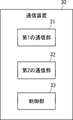
- FIG. 2 is a diagram illustrating a configuration example of the communication device according to the second embodiment.
- the communication device 30 according to the present embodiment has a configuration in which the communication device 10 according to the first embodiment includes a second communication unit 21 included in the communication device 20.
- the communication device 30 includes a first communication unit 31, a second communication unit 32, and a control unit 33.
- the configurations of the first communication unit 31 and the second communication unit 32 are basically the same as those of the first embodiment, and thus the description thereof will be omitted as appropriate.
- the first communication unit 31 has the same configuration as the first communication unit 11 according to the first embodiment, the description will be omitted.
- the second communication unit 32 corresponds to the second communication unit 21 according to the first embodiment.
- the second communication unit 32 forms a second communication area included in the first communication area formed by the first communication unit 31.
- the second communication unit 32 has its transmission output adjusted in advance, and forms a second communication area within a predetermined area.
- the second communication unit 32 may be a communication unit compatible with a wireless LAN such as Wi-Fi, or may be a communication unit compatible with Bluetooth or BLE.
- the communication method supported by the second communication unit 32 may be different from the communication method supported by the first communication unit 31.
- the second communication unit 32 acquires the second identification information of the communication terminal permitted to connect to the second communication unit 32.
- the control unit 33 registers any of the first identification information acquired by the first communication unit 31 and the second identification information acquired by the second communication unit 32 in association with each other.
- the control unit 33 is identification information registered in association with the second identification information based on whether or not the communication terminal having the second identification information is connected to the second communication unit 32. It is controlled whether the communication terminal having the third identification information is communicated with the first communication unit 31.
- the control unit 33 associates any one of the first identification information items acquired by the first communication unit 31 with the second identification information items acquired by the second communication unit 32.
- the communication terminal that is registered and controls communication is specified.
- the control unit 33 controls whether or not to cause the communication terminal to communicate with the first communication unit 31 based on whether or not the communication terminal of which communication is to be controlled is connected to the second communication unit 32. ..
- the control unit 33 controls whether the communication terminal communicates with the first communication unit 31 based on whether the communication terminal exists in the second communication area. That is, the control unit 33 limits the range in which the communication terminal can communicate with the first communication unit 31 to the second communication area.
- the communication device 30 does not limit the transmission output of the first communication unit 31, it does not reduce the communication speed of the communication terminal. Therefore, according to the communication device 30 according to the second embodiment, it is possible to limit the communicable range without reducing the communication speed of the communication terminal.
- FIG. 3 is a diagram showing a configuration example of a communication system according to the third exemplary embodiment. Further, FIG. 3 is also a diagram showing a positional relationship of communication devices in the communication system 100.
- the communication system 100 is a communication system used in a predetermined area.
- the predetermined region may be a predetermined indoor region of the building or an internal region of the moving body.
- the moving body may be a car or a train. The following description will be made assuming that the predetermined area is an area inside the automobile. In addition, as a matter of course, the present embodiment is not limited to this.
- the communication system 100 includes a router 40, an in-vehicle device 50, and a communication terminal 60.
- a solid line 200 is a line that indicates the outer contour (boundary line) of the automobile, the inside of the solid line 200 is the region inside the automobile, and the outside of the solid line 200 is the region outside the automobile.
- the router 40 and the vehicle-mounted device 50 are arranged in the automobile.
- the router 40 corresponds to the communication device 10 according to the first embodiment.
- the router 40 is connected to the vehicle-mounted device 50 by USB (Universal Serial Bus), and communicates with the vehicle-mounted device 50 via the USB connection.
- USB Universal Serial Bus
- the router 40 is a communication device capable of WAN (Wide Area Network) wireless communication and wireless LAN communication.
- the router 40 has a wireless LAN communication unit that performs wireless LAN communication, and is configured to be connectable and communicable with the communication terminal 60 via the ANT (Antenna) 1.
- the solid line 201 indicates the boundary of the communication area related to the wireless LAN communication of the router 40.
- the communication area of the router 40 is determined by the transmission output of the router 40. However, in the present embodiment, the transmission output of the router 40 is not adjusted, and the communication area of the router 40 is larger than the area surrounded by the solid line 200. Is also a large range. That is, the communication area of the router 40 is wider than the area inside the automobile.
- the distance to the communication terminal 60 at which the communication can be established by the modulation method of the maximum link rate is fixed due to the performance of the router 40. ..
- the communication terminal 60 existing at the position 1 in the vehicle is connected to (belongs to) the router 40 to perform data communication. If the communication terminal 60 moves from this state to the position 2 and further moves to the position 3, the communication terminal 60 decreases in SNR (Signal Noise Ratio) as the distance from the router 40 increases ( Decrease). Then, when the communication terminal 60 moves to the position 3, since it exceeds the communication area (solid line 201) of the router 40, the modulation rate becomes low and the communication speed starts to decrease.
- SNR Synignal Noise Ratio
- the communication terminal 60 When the communication terminal 60 moves further away from the router 40 than at the position 3, the communication terminal 60 that receives a signal generally receives the transmission output (reception level) of the router 40 that is the communication partner that reaches the own device.
- the SNR which is the ratio to the noise floor, becomes smaller. Then, when the SNR becomes a certain value or less, the signal cannot be read and communication cannot be performed, so that the connection between the communication terminal 60 and the router 40 is disconnected.
- FIG. 4 is a conceptual diagram illustrating SNR.
- the horizontal axis represents the frequency [Hz] during communication, and the vertical axis represents the power level [dBm] of the input signal and noise floor.
- the solid line L1 indicates the noise floor, which is constant regardless of the transmission output of the router 40 that transmits the signal.
- the solid line L2 is, for example, the reception level at the communication terminal 60 when the transmission signal of the router 40 is received when the communication terminal 60 is present at the position 1.
- the solid line L3 is, for example, a reception level at the communication terminal 60 when the transmission signal of the router 40 is received when the communication terminal 60 moves from the position 1 to the position 2 or the position 3.
- the reception level decreases as the communication terminal 60 gradually moves away from the router 40.
- the noise floor solid line L1
- the SNR is the ratio of the reception level and the noise floor. Therefore, the SNR at the communication terminal 60 decreases with the distance from the router 40. Then, in the communication terminal 60, when the SNR is lower than the predetermined threshold value, it is determined that the communication with the router 40 cannot be performed, and the communication between the router 40 and the communication terminal 60 is disconnected.
- the vehicle-mounted device 50 corresponds to the communication device 20 according to the first embodiment.
- the vehicle-mounted device 50 is a communication device mounted on a vehicle.
- the vehicle-mounted device 50 is a communication device arranged inside the automobile.
- the in-vehicle device 50 may be, for example, a display system, a car navigation system, a router, a mobile router, a personal computer device, a smartphone terminal, or a tablet terminal.
- the in-vehicle device 50 has a Bluetooth communication unit capable of BLE communication, and is configured to be connectable and communicable with the communication terminal 60 via the ANT2.
- the transmission output of the Bluetooth communication unit of the vehicle-mounted device 50 is adjusted in advance, and the boundary line of the communication area is adjusted to the solid line 202. That is, the communication area of the in-vehicle device 50 is included in the communication area of the router 40 and is formed inside the automobile.
- FIG. 5 is a conceptual diagram illustrating a method of adjusting a communication area in an in-vehicle device.
- the concept of SNR described with reference to FIG. 4 is the same in the vehicle-mounted device 50, and is premised on this.
- the horizontal axis represents the distance [m] between the vehicle-mounted device 50 and the communication terminal 60
- the vertical axis represents the SNR [dB] in the communication terminal 60.
- the solid line L4 represents the SNR characteristic when the transmission output of the vehicle-mounted device 50 is set to a certain value.
- the solid line L4 has an SNR of 5 [dB] when the distance between the vehicle-mounted device 50 and the communication terminal 60 is 0 [m].
- the spatial loss at the communication frequency is constant at 10 [dB/m] during the distance of 0 to 1 [m]
- the SNR becomes 0 [dB] when the distance is 0.5 [m].
- the communication terminal 60 disconnects the communication when the communication terminal 60 is separated from the vehicle-mounted device 50 by 0.5 [m] or more.
- the transmission output of the vehicle-mounted device 50 is made larger than the characteristic of the solid line L4 by 5 [dB], the SNR characteristic becomes as shown by the solid line L5.
- the SNR becomes 0 [dB]
- the communication is disconnected.
- the vehicle-mounted device 50 stores the transmission output adjusted in advance.
- the communication area of the vehicle-mounted device 50 is preferably substantially the same as the area inside the vehicle.
- the communication terminal 60 may be, for example, a smartphone terminal, a tablet terminal, or a personal computer device.
- the communication terminal 60 is a communication terminal that supports wireless LAN communication and Bluetooth communication.
- the communication terminal 60 may be compatible with WAN communication provided by a communication carrier such as LTE (Long Term Evolution).
- LTE Long Term Evolution
- the communication terminal 60 connects and communicates with the router 40 by wireless LAN communication. Further, the communication terminal 60 connects and communicates with the in-vehicle device 50 by Bluetooth communication.
- FIG. 6 is a diagram showing a configuration example of a router according to the third exemplary embodiment.
- the router 40 includes a wireless LAN communication unit 41, a WAN communication unit 42, a control unit 43, a power supply circuit 44, a USB connection port 45, and a memory 46.
- solid lines connecting the functional units indicate connection lines between the functional units that perform transmission/reception of data and the like, and dotted lines connecting the functional units indicate connection between the functional units indicating power supply. A line is shown.
- the wireless LAN communication unit 41 corresponds to the first communication unit 11 according to the first embodiment.
- the wireless LAN communication unit 41 performs wireless LAN communication with the communication terminal 60 via the ANT1.
- the wireless LAN communication unit 41 is connected to the WAN communication unit 42, and when communicating with the communication terminal 60, the communication terminal 60 connects to the WAN line via the WAN communication unit 42 and enables Internet connection. ..
- the wireless LAN communication unit 41 forms the communication area shown by the solid line 201 in FIG.
- the wireless LAN communication unit 41 normally operates in a state in which only an authenticated communication terminal can connect and communicate using authentication information such as a password.
- the wireless LAN communication unit 41 Upon receiving a restart request from the control unit 43, which will be described later, the wireless LAN communication unit 41 does not perform authentication using authentication information such as a password and starts in a state in which all communication terminals within the communication area are connectable. And operate in that state.
- the wireless LAN communication unit 41 is a communication unit compatible with Wi-Fi
- the wireless LAN communication unit 41 is activated in a so-called Free Wi-Fi state and operates in that state.
- the wireless LAN communication unit 41 acquires the identification information of the communication unit that performs the wireless LAN communication of the connected communication terminal.
- the wireless LAN communication unit 41 acquires the identification information of the communication unit that performs the wireless LAN communication of the communication terminal 60.
- the wireless LAN communication unit 41 transmits the acquired identification information to the control unit 43.
- the identification information may be, for example, a MAC address, or a device name, an ID or an identification code that identifies the communication unit. In the following description, the identification information will be described as a MAC address and a device name.
- the device name may be a name uniquely set in the communication terminal 60.
- the MAC address and device name of the communication terminal cannot be acquired unless they belong to the router 40 and can perform data communication. Therefore, the wireless LAN communication unit 41 is activated in a released state that is not authenticated by the authentication information such as a password so that the wireless LAN communication unit 41 can connect (belong) to the communication terminal in the communication area for a certain period of time. Then, the wireless LAN communication unit 41 sets the MAC address of the communication unit that performs the wireless LAN communication of the communication terminal that has connected (belongs to) to the state that can be acquired. In other words, the wireless LAN communication unit 41 operates in the released state and has a function of connecting the connectable communication terminals in the communication area and collecting the MAC address of the communication unit that performs the wireless LAN communication of the communication terminal. ..
- the control unit 43 If any of the acquired MAC addresses is registered in association with the MAC address acquired by the vehicle-mounted device 50, the control unit 43, which will be described later, receives the registered MAC address from the vehicle-mounted device 50.
- the control unit 43 receives the MAC address
- the wireless LAN communication unit 41 transmits authentication information such as a password to the communication terminal having the MAC address.
- the wireless LAN communication unit 41 transmits authentication information such as a password to the communication terminal 60.
- authentication information such as a password
- the in-vehicle device 50 may register the device name acquired by the wireless LAN communication unit 41 and the device name acquired by the in-vehicle device 50 in association with each other.
- the control unit 43 receives the registered device name from the in-vehicle device 50.
- the wireless LAN communication unit 41 transmits authentication information such as a password to the communication terminal 60 in which the registered device name is set.
- the wireless LAN communication unit 41 After transmitting the authentication information such as a password to the communication terminal 60, the wireless LAN communication unit 41 disconnects the communication terminals other than the communication terminal 60 and connects only the communication terminal 60 having the authentication information. Transition to a possible state. In other words, the wireless LAN communication unit 41 makes a transition to a normal state and refuses connection of communication terminals other than the communication terminal 60 having the authentication information.
- the wireless LAN communication unit 41 establishes or disconnects communication with the communication terminal 60 based on a request from the control unit 43.
- the wireless LAN communication unit 41 automatically uses the authentication information to communicate with the communication terminal 60. Connecting.
- the WAN communication unit 42 is a wireless communication unit that can connect to the WAN line via the ANT 3 and the base station.
- the WAN communication unit 42 controls the number of antennas used for transmission and reception during communication.
- the WAN communication unit 42 is a case where the wireless LAN communication unit 41 communicates with the communication terminal 60, and for example, when the communication terminal 60 connects to the Internet, the communication terminal 60 transmits the WAN line via the ANT 3 and the base station. Connect to and make an internet connection.
- the control unit 43 corresponds to the control unit 12 according to the first embodiment.
- the control unit 43 is a control unit that controls the router 40, controls the wireless LAN communication unit 41 and the WAN communication unit 42, and performs a routing operation necessary for connecting to the Internet line.
- control unit 43 When the control unit 43 receives an instruction to restart the wireless LAN communication unit 41 from the vehicle-mounted device 50, the control unit 43 restarts the wireless LAN communication unit 41.
- control unit 43 acquires the MAC address associated with the MAC address acquired by the in-vehicle device 50 among the MAC addresses acquired by the wireless LAN communication unit 41.
- the control unit 43 transmits the MAC address and device name acquired by the wireless LAN communication unit 41 to the in-vehicle device 50 via a USB cable connected to a USB connection port described below.
- the control unit 43 sets the registered MAC address among the MAC addresses transmitted from the vehicle-mounted device 50.
- the control unit 43 acquires the received MAC address as the MAC address registered in association with the MAC address acquired by the in-vehicle device 50. That is, the control unit 43 acquires the MAC address of the communication unit that performs the wireless LAN communication of the communication terminal of the communication control target.
- the control unit 43 receives the MAC address of the communication unit that performs the wireless LAN communication of the communication terminal 60 from the in-vehicle device 50.
- the MAC address is used as described above, but the device name may be used instead of the MAC address. That is, the in-vehicle device 50 may register the device name acquired by the wireless LAN communication unit 41 and the device name acquired by the in-vehicle device 50 in association with each other. In this case, the control unit 43 receives the registered device name from the in-vehicle device 50. In addition to the MAC address, both device names may be used.
- the control unit 43 receives, from the in-vehicle device 50, information on whether the communication terminal 60 having the MAC address registered in the in-vehicle device 50 is connected to the Bluetooth communication unit 51 of the in-vehicle device 50, which will be described later.
- the control unit 43 controls whether the communication terminal 60 communicates with the wireless LAN communication unit 41 based on the received information.
- the control unit 43 causes the wireless LAN communication unit 41 to communicate with the communication terminal 60. Request to establish communication with.
- the control unit 43 causes the wireless LAN communication unit 41 to communicate with the communication terminal 60. Request to disconnect from.
- the control unit 43 causes the communication terminal 60 to communicate with the wireless LAN communication unit 41.
- the control unit 43 does not allow the communication terminal 60 to communicate with the wireless LAN communication unit 41.
- the control unit 43 cuts off the communication of the communication terminal 60 and rejects the connection request from the communication terminal 60.
- the power supply circuit 44 is a circuit that appropriately converts voltage to each functional unit and supplies power.
- the power supply circuit 44 supplies the power supplied from the vehicle-mounted device 50 via the USB connection port 45 described later to the wireless LAN communication unit 41, the WAN communication unit 42, and the control unit 43.
- the USB connection port 45 is a connection port into which a USB cable can be inserted/removed.
- the USB connection port 45 transmits/receives data between the router 40 and the in-vehicle device 50 via the USB cable connected to the port, and supplies power from the in-vehicle device 50 to the router 40.
- the memory 46 stores the settings necessary for the router 40 to operate.
- FIG. 7 is a diagram illustrating a configuration example of the vehicle-mounted device according to the third embodiment.
- the in-vehicle device 50 includes a Bluetooth communication unit 51, an operation unit 52, a control unit 53, a power supply circuit 54, an in-vehicle power supply 55, a USB connection port 56, a connection port 57, and a memory 58.
- solid lines connecting the functional units indicate connection lines between the functional units that transmit and receive data, etc.
- dotted lines connecting the functional units indicate connection between the functional units indicating power supply. A line is shown.
- the Bluetooth communication unit 51 corresponds to the second communication unit 21 according to the first embodiment.
- the Bluetooth communication unit 51 forms the communication area indicated by the solid line 202 in FIG.
- the Bluetooth communication unit 51 performs BLE communication with the communication terminal 60 via ANT2.
- BLE communication may be simply referred to as LE communication.
- the Bluetooth communication unit 51 performs pairing with the communication terminal 60 and acquires the MAC address and device name of the communication unit that performs Bluetooth communication of the communication terminal 60. That is, the Bluetooth communication unit 51 acquires the MAC address and the device name of the communication terminal 60 permitted to connect. The Bluetooth communication unit 51 transmits the acquired MAC address and device name to the control unit 53 described later.
- the Bluetooth communication unit 51 transmits information on whether or not LE communication is being performed with the communication terminal 60 to the control unit 53.
- the Bluetooth communication unit 51 in response to a request from the control unit 53, acquires information on whether or not the communication terminal 60 is connected, and transmits the information to the control unit 53.
- the Bluetooth communication unit 51 may periodically perform LE communication with the communication terminal 60, acquire information on whether or not the communication terminal 60 is connected, and transmit the information to the control unit 53.
- the Bluetooth communication unit 51 controls whether the communication terminal 60 is connected or disconnected when the communication terminal 60 is connected through LE communication or when the LE communication is disconnected and the connection is released. May be sent to 53.
- the operation unit 52 is a touch panel or the like operated on the display, transmits/receives information to/from the control unit 53 described later, displays a GUI (Guide User Interface) for operating the in-vehicle device 50 on the display, and the user inputs Get the information that you have done.
- GUI Guide User Interface
- the GUI may be referred to as Graphical User Interface.
- the operation unit 52 displays the GUI of the child device management application included in the control unit 53, acquires the information input by the user, and transmits the information to the control unit 53.
- the slave device management application is an application for registering any of the MAC addresses acquired by the wireless LAN communication unit 41 of the router 40 and the MAC address acquired by the Bluetooth communication unit 51 in association with each other.
- the communication terminal (slave unit) that uses the LE communication to determine whether the vehicle is inside or outside the vehicle and the communication terminal that connects or disconnects the WAN communication through the wireless LAN communication must match. Therefore, the MAC address of the communication terminal (child device) is associated with the child device management application.
- the child device management application displays the MAC address and device name acquired by the Bluetooth communication unit 51 and the MAC address and device name acquired by the wireless LAN communication unit 41 of the router 40 on the GUI.
- the operation unit 52 associates the selected MAC address with the MAC address acquired by the Bluetooth communication unit 51. It is transmitted to the control unit 53.
- the operation unit 52 associates the selected device name with the device name acquired by the Bluetooth communication unit 51 and transmits the device name to the control unit 53.
- the MAC address of the communication unit that performs wireless LAN communication and the MAC address of the communication unit that performs Bluetooth communication are consecutive addresses.
- the last 1 octet of the MAC address of the communication unit that performs wireless LAN communication is 10
- the MAC address of the communication unit that performs Bluetooth communication is 11, which are consecutive addresses.
- the operation unit 52 displays the MAC address acquired by the Bluetooth communication unit 51 and the MAC address acquired by the wireless LAN communication unit 41 in association with each other in advance. May be.
- the operation unit 52 displays the device name acquired by the Bluetooth communication unit 51 and the device name acquired by the wireless LAN communication unit 41 in association with each other in advance. Good.
- the control unit 53 is a control unit that controls the in-vehicle device 50, and performs communication with the devices and the memory 58 connected to the in-vehicle device 50, control of the display included in the operation unit 52, and the like.
- a slave unit management application is installed in the control unit 53.
- the control unit 53 receives, from the operation unit 52, information in which the MAC address selected by the user and the MAC address acquired by the Bluetooth communication unit 51 are associated with each other using the child device management application.
- the control unit 53 registers the MAC address selected by the user and the MAC address acquired by the Bluetooth communication unit 51 in association with each other based on the received information.
- the control unit 53 transmits/receives information to/from the router 40 via a USB connection port 56 described later.
- the control unit 53 receives the MAC address and the device name acquired by the wireless LAN communication unit 41 from the control unit 43 of the router 40. Further, the control unit 53 transmits the MAC address registered in association with the MAC address acquired by the Bluetooth communication unit 51 to the control unit 43 of the router 40 via the USB connection port 56.
- control unit 53 transmits information to the control unit 43 of the router 40 whether or not the Bluetooth communication unit 51 is connected by LE communication with the communication terminal 60.
- control unit 53 causes the Bluetooth communication unit 51 to perform LE communication with the communication terminal 60, acquires the above information, and controls the acquired information by the router 40. It is transmitted to the unit 43.
- the control unit 53 is connected to or disconnected from the Bluetooth communication unit 51 when the communication terminal 60 is connected through the LE communication or when the LE communication is disconnected and the connection is released. It is acquired from the Bluetooth communication unit 51. Then, the control unit 53 may send the acquired information to the control unit 43 of the router 40.
- the power supply circuit 54 is a circuit that supplies power to each functional unit.
- the power supply circuit 54 is supplied with power from an in-vehicle power supply 55, which will be described later, performs appropriate voltage conversion, and supplies power to the Bluetooth communication unit 51, the operation unit 52, and the control unit 53.
- the power supply circuit 54 also supplies power to the router 40 via a USB cable connected to a USB connection port 56, which will be described later.
- the in-vehicle power supply 55 is a power supply for the automobile.
- the in-vehicle power supply 55 supplies power to the power supply circuit 54.
- the USB connection port 56 is a connection port into which a USB cable can be inserted/removed.
- the USB connection port 56 sends and receives data between the router 40 and the vehicle-mounted device 50 via the USB cable connected to the port, and supplies power to the router 40.
- the connection port 57 is a port connected to a device in the automobile.
- the memory 58 stores settings and the like necessary for the in-vehicle device 50 to operate. As described above, the transmission output of the Bluetooth communication unit 51 of the vehicle-mounted device 50 needs to be appropriately set according to the size of the vehicle and is adjusted in advance. The memory 58 stores the transmission output of the Bluetooth communication unit 51 adjusted in advance.
- FIGS. 8 to 10 are diagrams showing an operation example of the communication system according to the third exemplary embodiment.
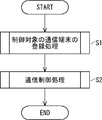
- the overall operation of the communication system 100 will be described with reference to FIG. As a premise, it is assumed that the power of the router 40 and the in-vehicle device 50 is turned on, and the communication terminal 60, which is a communication terminal of which communication is controlled, exists in the automobile. In this state, the communication system 100 executes the registration process (step S1) and the communication control process (step S2) of the communication terminal to be controlled.
- step S1 As a registration process of the communication terminal to be controlled, one of the MAC addresses acquired by the router 40 and the MAC address acquired by the vehicle-mounted device 50 are registered in association with each other (step S1).
- the MAC address is used as the registration process of the communication terminal to be controlled, but the device name may be used instead of the MAC address.
- the router 40 sets the communication terminal 60 to the wireless LAN communication unit 41 based on whether the communication terminal 60 is connected to the Bluetooth communication unit 51 of the vehicle-mounted device 50. It is controlled whether or not to connect to (step S2). That is, the control unit 43 connects the communication terminal 60 to the wireless LAN communication unit 41 based on whether or not the communication terminal 60 having the two MAC addresses registered in association with each other is connected to the Bluetooth communication unit 51. Control whether or not.
- step S11 the user activates the child device management application from the GUI on the display of the operation unit 52 of the vehicle-mounted device 50 and presses the registration button of the child device (step S11).
- the child device management application determines whether or not Bluetooth has not been registered (step S12). Specifically, the child device management application determines whether or not there is a communication terminal already paired with the Bluetooth communication unit 51.
- step S13 the Bluetooth communication unit 51 performs pairing with the communication terminal 60, which is a communication terminal to be controlled, and acquires the MAC address of the communication unit that performs Bluetooth communication of the communication terminal 60 (step S13).
- step S14 the operation in step S14 is performed.
- the wireless LAN communication unit 41 of the router 40 is restarted, and the MAC address of the communication unit that performs wireless LAN communication of the connected communication terminal is acquired (step S14).
- the control unit 53 of the in-vehicle apparatus 50 causes the control unit 43 of the router 40 to restart the wireless LAN communication unit 41 and acquire the MAC address of the communication terminal connected to the wireless LAN communication unit 41. Instruct.
- the control unit 43 restarts the wireless LAN communication unit 41.
- the wireless LAN communication unit 41 is activated in a released state in which all communication terminals within the communication area are connectable, and acquires the MAC address and device name of the communication unit that performs wireless LAN communication of the connected communication terminals.
- the wireless LAN communication unit 41 transmits the acquired MAC address and device name to the control unit 43, and the control unit 43 outputs the acquired MAC address and device name via the USB cable connected to the USB connection port 45. It is transmitted to the control unit 53.
- the control unit 53 displays the received MAC address and device name on the GUI of the child device management application.
- the communication terminal selected by the user is registered as a communication terminal to be subjected to communication control (step S15).
- the operation unit 52 transmits the selected MAC address in association with the control unit 53. ..
- the control unit 53 associates and registers the selected MAC address.
- the control unit 53 registers the MAC address of the communication unit that performs wireless LAN communication of the communication terminal 60 and the MAC address of the communication unit that performs Bluetooth communication in association with each other. ..
- the wireless LAN communication unit 41 of the router 40 transmits the authentication information such as the password to the communication terminal 60 having the registered MAC address so that all the communication terminals connected to the wireless LAN communication unit 41 can receive the authentication information.
- the connection is disconnected and the released state is ended (step S16).
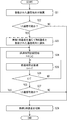
- the communication control process of FIG. 10 is executed each time the communication terminal to be controlled belongs (connects) to the wireless LAN communication unit 41 and the Bluetooth communication unit 51.
- the communication terminal 60 to be controlled in FIG. 9 is registered, and the communication terminal 60 belongs (connects) to the wireless LAN communication unit 41 of the router 40 and the Bluetooth communication unit 51 of the vehicle-mounted device 50 (step S21).
- the Bluetooth communication unit 51 determines whether or not LE communication with the communication terminal 60 is possible (step S22).
- the communication terminal 60 is connected to the wireless LAN communication unit 41, whether the control unit 43 can perform LE communication with the control unit 53 via the USB cable connected to the USB connection port 45. Make a confirmation request.
- the control unit 53 Upon receipt of the confirmation request, the control unit 53 confirms with the Bluetooth communication unit 51 whether LE communication with the communication terminal 60 is possible.
- the Bluetooth communication unit 51 transmits to the control unit 53 information regarding whether or not it is connected to the communication terminal 60 by LE communication.
- the control unit 53 transmits, to the control unit 43, information received from the Bluetooth communication unit 51 and indicating whether the communication terminal 60 is connected to the Bluetooth communication unit 51.
- the control unit 43 determines whether LE communication is possible based on the information received from the control unit 53.
- the control unit 43 When the Bluetooth communication unit 51 is capable of LE communication with the communication terminal 60 (YES in step S22), the control unit 43 provides WAN communication to the registered communication terminal 60 through wireless LAN communication (step S23).
- the control unit 43 disconnects the communication between the communication terminal 60 and the wireless LAN communication unit 41 (step S28), The process ends. That is, the control unit 43 controls the communication terminal 60 not to communicate with the wireless LAN communication unit 41.
- step S24 the control unit 43 starts recording the elapsed time t[s] again in order to determine whether or not the communication terminal 60 enables LE communication again after a certain time has elapsed (step S24). That is, the control unit 43 initializes the elapsed time t to 0 (zero).
- the control unit 43 monitors the elapsed time (step S25) and determines whether or not a certain time has elapsed (step S26). When the elapsed time t does not exceed the fixed time T'(NO in step S26), the control unit 43 returns to step S25 and continuously monitors the elapsed time.
- step S27 the Bluetooth communication unit 51 determines whether LE communication with the communication terminal 60 is possible.
- the operation executed in step S27 is the same as that in step S22, and therefore its description is omitted.
- step S27 when the Bluetooth communication unit 51 is capable of LE communication with the communication terminal 60 (YES in step S27), the process returns to step S24, and the control unit 43 initializes the elapsed time t[s] and starts recording. To do. In this case, the control unit 43 continuously provides the WAN communication to the registered communication terminal 60 through the wireless LAN communication.
- step S27 when the Bluetooth communication unit 51 is not capable of LE communication with the communication terminal 60 in step S27 (NO in step S27), the control unit 43 disconnects the communication between the communication terminal 60 and the wireless LAN communication unit 41 ( In step S28), the process ends. That is, the control unit 43 controls the communication terminal 60 not to communicate with the wireless LAN communication unit 41.
- the wireless LAN communication unit 41 of the router 40 is activated in a state where all the communication terminals within the communication area are connectable, and the MAC address of the communication unit that performs the wireless LAN communication of the connected communication terminals is set. get.
- the Bluetooth communication unit 51 acquires the MAC address of the communication unit that performs Bluetooth communication of the communication terminal permitted to connect.
- the operation unit 52 and the control unit 53 two MAC addresses of the communication terminal to be controlled are registered in association with each other.
- the router 40 controls whether to let the communication terminal 60 communicate with the wireless LAN communication unit 41 based on whether the communication terminal 60 having the MAC address registered in association with the router 40 is connected to the Bluetooth communication unit 51. I do.
- the communication area of the Bluetooth communication unit 51 is a communication area narrower than the communication area of the wireless LAN communication unit 41, and is adjusted to the area inside the automobile. If the communication terminal 60 is within the communication area of the Bluetooth communication unit 51, the router 40 causes the communication terminal 60 to communicate with the wireless LAN communication unit 41. On the other hand, the router 40 controls the communication terminal 60 not to communicate with the wireless LAN communication unit 41 if the communication terminal 60 is outside the communication area of the Bluetooth communication unit 51. That is, the router 40 limits the communicable range of the wireless LAN communication unit 41 to the communication area of the Bluetooth communication unit 51. Since the transmission output of the wireless LAN communication unit 41 is not limited, the communication speed of the communication terminal 60 does not decrease within the communication area of the wireless LAN communication unit 41. Therefore, according to the router 40 of the present embodiment, the communicable range of the wireless LAN communication unit 41 can be limited without reducing the communication speed of the communication terminal 60.
- the communication control of the communication terminal (slave unit) is periodically performed. In addition, it becomes possible to perform automatic control.
- the slave device management application has been described as being included in the in-vehicle device 50, but may be included in the router 40.
- the control unit 43 receives from the vehicle-mounted device 50 the MAC address and the device name acquired by the vehicle-mounted device 50. Then, the control unit 43 is configured to register any of the MAC addresses acquired by the wireless LAN communication unit 41 and the MAC address received from the in-vehicle device 50 in association with each other using the slave device management application. .. Then, the control unit 43 may acquire the MAC address registered in association with the MAC address received from the vehicle-mounted device 50. Even with such a configuration, it is possible to obtain the same effect as that of the above-described third embodiment.
- the fourth embodiment is a detailed embodiment of the second embodiment. Further, the fourth embodiment has a configuration in which the router 40 and the in-vehicle device 50 in the third embodiment are replaced with the router 70. Therefore, in this embodiment, description common to Embodiment 3 will be described with reference to the drawings used in Embodiment 3.
- FIG. 11 is a diagram illustrating a configuration example of the router according to the fourth embodiment.
- the router 70 is a communication device arranged inside the solid line 200 in FIG. That is, the router 70 is a communication device arranged in the automobile. It should be noted that although the predetermined area is described as an area inside the automobile in the present embodiment as well, the present invention is not limited to this, and the router 70 is a predetermined area inside a building or inside a moving body. May be arranged in the area.
- the router 70 according to the fourth embodiment has basically the same configuration as the router 40 according to the third embodiment. Therefore, in the present embodiment, configurations similar to those of the router 40 according to the third embodiment are designated by the same reference numerals, and description thereof will be omitted as appropriate.
- the router 70 includes a wireless LAN communication unit 41, a WAN communication unit 42, a Bluetooth communication unit 71, an operation unit 72, a control unit 73, a power supply circuit 74, a power supply 75, and a memory 76.
- the Bluetooth communication unit 71 corresponds to the Bluetooth communication unit 51 according to the third embodiment. Since the Bluetooth communication unit 71 has the same configuration as the Bluetooth communication unit 51 according to the third embodiment, the description thereof will be omitted as appropriate.
- the Bluetooth communication unit 71 acquires the MAC address and device name of the communication unit that performs Bluetooth communication of the communication terminal 60, and sends it to the control unit 73. In addition, the Bluetooth communication unit 51 transmits, to the control unit 73, information on whether or not LE communication is being performed with the communication terminal 60.
- the operation unit 72 corresponds to the operation unit 52 according to the third embodiment.
- the operation unit 72 has the same configuration as the operation unit 52 according to the third embodiment, and thus the description thereof will be omitted as appropriate.
- the operation unit 72 displays the MAC address of the communication terminal acquired by the wireless LAN communication unit 41 and the MAC address acquired by the Bluetooth communication unit 71 on the GUI of the child device management application.
- the operation unit 72 associates the selected MAC address with the MAC address acquired by the Bluetooth communication unit 71. It is transmitted to the control unit 73.
- the control unit 73 is a control unit having the configuration of the control units 43 and 53 according to the third embodiment.
- the control unit 73 associates and registers the selected MAC address with the MAC address acquired by the Bluetooth communication unit 71 based on the information received from the operation unit 72.
- the control unit 73 acquires the MAC address registered in association with the MAC address of the communication unit that performs Bluetooth communication of the communication terminal as the MAC address of the communication unit that performs wireless LAN communication of the communication terminal.
- control unit 73 sets the communication terminal 60 to the wireless LAN communication unit 41 based on whether the communication terminal 60 is connected to the Bluetooth communication unit 71. Control whether to communicate with.
- the control unit 73 causes the communication terminal 60 to communicate with the wireless LAN communication unit 41.
- the control unit 73 does not allow the communication terminal 60 to communicate with the wireless LAN communication unit 41 when the communication terminal 60 is not connected to the Bluetooth communication unit 71.
- the power supply circuit 74 is a circuit that supplies power to each functional unit.
- the power supply circuit 74 is supplied with power from a power supply 75 described later, performs appropriate voltage conversion, and supplies power to the wireless LAN communication unit 41, WAN communication unit 42, Bluetooth communication unit 71, operation unit 72, and control unit 73.
- the router 70 may not have the power supply 75, and the power may be supplied from the vehicle-mounted device as in the third embodiment.
- the power supply 75 is, for example, a battery and supplies power to the power supply circuit 74.
- the memory 76 stores settings necessary for the router 70 to operate.
- the memory 76 stores the transmission output of the Bluetooth communication unit 71 adjusted in advance.
- the router 70 registers one of the MAC addresses acquired by the wireless LAN communication unit 41 and the MAC address acquired by the Bluetooth communication unit 71 in association with each other (step S1).
- control unit 73 sets the communication terminal 60 to the wireless LAN communication unit 41 based on whether or not the communication terminal 60 is connected to the Bluetooth communication unit 71. It is controlled whether or not to connect to (step S2).
- step S11 the user activates the child device management application from the GUI on the display of the operation unit 72 and presses the registration button of the child device.
- the child device management application determines whether Bluetooth has not been registered (step S12). If there is no communication terminal that has already paired with the Bluetooth communication unit 71 (YES in step S12), the Bluetooth communication unit 71 performs pairing with the communication terminal 60 that is the control target communication terminal. The Bluetooth communication unit 71 acquires the MAC address of the communication unit that performs the Bluetooth communication of the communication terminal 60 (step S13). On the other hand, when the Bluetooth communication unit 71 has already paired with the communication terminal 60 (NO in step S12), the operation in step S14 is performed.
- the wireless LAN communication unit 41 is restarted and acquires the MAC address of the communication unit that performs wireless LAN communication of the connected communication terminal (step S14).
- the communication terminal selected by the user is registered as a communication terminal to be subjected to communication control (step S15).
- the control unit 73 registers the MAC address of the communication unit that performs wireless LAN communication of the communication terminal 60 and the MAC address of the communication unit that performs Bluetooth communication in association with each other. ..
- the wireless LAN communication unit 41 transmits authentication information such as a password to the communication terminal 60 having the registered MAC address to disconnect all communication terminals connected to the wireless LAN communication unit 41. Then, the released state ends (step S16).
- step S2 of FIG. 8 The communication terminal 60 to be controlled is registered, and the communication terminal 60 belongs (connects) to the wireless LAN communication unit 41 and the Bluetooth communication unit 71 (step S21).
- control unit 73 determines whether the Bluetooth communication unit 71 is capable of LE communication with the communication terminal 60 (step S22).
- the control unit 73 When the Bluetooth communication unit 71 is capable of LE communication with the communication terminal 60 (YES in step S22), the control unit 73 provides WAN communication to the registered communication terminal 60 through wireless LAN communication (step S23).
- the control unit 73 disconnects communication between the communication terminal 60 and the wireless LAN communication unit 41 (step S28), The process ends.
- step S24 the control unit 73 starts recording the elapsed time t[s] again in order to determine whether or not the communication terminal 60 enables LE communication again after a certain time has elapsed (step S24).
- the control unit 73 monitors the elapsed time (step S25), and when the elapsed time t does not exceed the certain time T'(NO in step S26), the control unit 73 returns to step S25 and continues the elapsed time. And monitor. When the elapsed time t exceeds the fixed time T'(YES in step S26), the control unit 73 determines whether the Bluetooth communication unit 71 can perform LE communication with the communication terminal 60 (step S27).
- step S27 when the Bluetooth communication unit 71 is capable of LE communication with the communication terminal 60 (YES in step S27), the process returns to step S24, and the control unit 73 initializes the elapsed time t[s] and starts recording. To do. In this case, the control unit 73 continuously provides WAN communication to the registered communication terminal 60 through wireless LAN communication.
- step S27 when the Bluetooth communication unit 71 is not capable of LE communication with the communication terminal 60 (NO in step S27), the control unit 73 disconnects the communication between the communication terminal 60 and the wireless LAN communication unit 41 ( In step S28), the process ends.
- the communication area of the Bluetooth communication unit 71 is a communication area narrower than the communication area of the wireless LAN communication unit 41, and the area inside the automobile is adjusted to the communication area. If the communication terminal 60 is within the communication area of the Bluetooth communication unit 71, the router 70 causes the communication terminal 60 to communicate with the wireless LAN communication unit 41. That is, the router 70 also limits the communicable range of the wireless LAN communication unit 41 to the communication area of the Bluetooth communication unit 71 as in the third embodiment. Since the transmission output of the wireless LAN communication unit 41 is not limited, the communication speed of the communication terminal 60 does not decrease within the communication area of the wireless LAN communication unit 41. Therefore, according to the router 70 according to the present embodiment, it is possible to limit the communicable range of the wireless LAN communication unit 41 without reducing the communication speed of the communication terminal 60.
- the router 70 similarly to the third exemplary embodiment, after performing the initial registration in which the MAC address of the communication terminal (child device) is associated and registered, the communication terminal (child device) It is possible to control the communication control of the machine periodically and automatically.
- the wireless LAN communication unit and the Bluetooth communication unit acquire the MAC addresses of the communication unit that performs wireless LAN communication and the communication unit that performs Bluetooth communication of the communication terminal to be communication-controlled, respectively.
- the above-described embodiment may be modified such that the communication terminal transmits the above two MAC addresses at once.
- the wireless LAN communication unit or the Bluetooth communication unit can acquire the two MAC addresses.
- the control unit slave device management application
- another communication terminal may be registered in association with the communication terminal to be communication-controlled.
- the router determines whether or not the communication terminal to be communication-controlled exists in a predetermined area, and controls whether or not to perform wireless LAN communication. Then, the router estimates that if the communication terminal to be communication-controlled is connected to the Bluetooth communication unit, the other communication terminal can also connect to the Bluetooth communication unit, and wirelessly communicates to the communication terminal. It is possible to control so as to perform LAN communication. With this configuration, the router can reduce the number of communication terminals to be subjected to communication control, and thus can improve the processing capacity.
- FIG. 12 is a block diagram illustrating a hardware configuration of a computer (information processing device) capable of realizing the communication device and the like according to each embodiment of the present disclosure.
- the communication device 10 and the like include a plurality of antennas 1201-1 to 1201-N, a network interface 1202, a processor 1203, and a memory 1204.
- the plurality of antennas 1201-1 to 1201-N and the network interface 1202 are used to communicate with other wireless communication devices including the communication terminal 60.
- the network interface 1202 may include, for example, a network interface card (NIC) compliant with IEEE (Institute of Electrical and Electronics Engineers) 802.11 series, IEEE 802.3 series, and the like.
- NIC network interface card
- the processor 1203 reads the software (computer program) from the memory 1204 and executes the software to perform the processing of the communication device 10 and the like described using the flowcharts in the above embodiments.
- the processor 1203 may be, for example, a microprocessor, MPU (Micro Processing Unit), or CPU (Central Processing Unit).
- the processor 1203 may include multiple processors.
- the memory 1204 is composed of a combination of a volatile memory and a non-volatile memory.
- Memory 1204 may include storage located remotely from processor 1203. In this case, the processor 1203 may access the memory 1204 via an I/O interface (not shown).
- the memory 1204 is used to store the software module group.
- the processor 1203 can read the software modules from the memory 1204 and execute the software modules to perform the processing of the communication device 10 and the like described in the above embodiment.
- each of the processors included in the communication device 10 and the like executes one or a plurality of programs including a group of instructions for causing a computer to execute the algorithm described with reference to the drawing.
- Non-transitory computer readable media include various types of tangible storage media.
- Examples of non-transitory computer readable media include magnetic recording media (eg, flexible disks, magnetic tapes, hard disk drives), magneto-optical recording media (eg, magneto-optical disks).
- examples of the non-transitory computer-readable medium include CD-ROM (Read Only Memory), CD-R, and CD-R/W.
- examples of non-transitory computer readable media include semiconductor memory.
- the semiconductor memory includes, for example, a mask ROM, a PROM (Programmable ROM), an EPROM (Erasable PROM), a flash ROM, and a RAM (Random Access Memory).
- the program may be supplied to the computer by various types of transitory computer readable media. Examples of transitory computer-readable media include electrical signals, optical signals, and electromagnetic waves.
- the transitory computer-readable medium can supply the program to the computer via a wired communication path such as an electric wire and an optical fiber, or a wireless communication path.
- a first communication unit that forms a first communication area and acquires the first identification information of the connected communication terminal in a state where all the communication terminals in the first communication area are connectable;
- a communication terminal that is permitted to connect to a second communication unit that is included in the first communication area and that forms a second communication area included in the first communication area, of the acquired first identification information.
- the control unit receives the second identification information from the other communication device, and registers one of the acquired first identification information and the second identification information in association with each other. 2.
- a first communication unit that forms a first communication area and acquires the first identification information of the connected communication terminal in a state where all the communication terminals in the first communication area are connectable;
- a second communication unit that forms a second communication area included in the first communication area and acquires the second identification information of the communication terminal permitted to connect;
- a control unit that registers any of the acquired first identification information and the second identification information in association with each other;
- the first communication unit makes a transition to a state in which only a communication terminal having third identification information indicating identification information registered in association with the second identification information is connectable,
- the control unit determines the communication terminal having the third identification information to be the communication terminal having the third identification information based on whether the communication terminal having the second identification information is connected to the second communication unit.
- a communication device that controls whether or not to communicate with (Appendix 5)
- the control unit causes the communication terminal having the third identification information to communicate with the first communication unit. 5.
- the communication device according to appendix 6) When the first communication unit transmits the authentication information to the communication terminal having the third identification information and the communication terminal having the second identification information is connected to the second communication unit, The communication device according to appendix 5, which is connected to a communication terminal having the third identification information by using authentication information.
- Appendix 7) 7. The communication device according to any one of appendices 1 to 6, wherein the second communication area is a communication area formed in a predetermined area.
- the communication device is a communication unit that performs wireless LAN communication, and the first identification information is identification information set in the communication unit that performs wireless LAN communication of the communication terminal,
- the second communication unit is a communication unit that performs BLE (Bluetooth Low Energy) communication, and the second identification information is identification information set in the communication unit that performs Bluetooth communication of the communication terminal. 10.
- the communication device according to any one of 9 to 9. (Appendix 11) 11.
- the communication device according to any one of appendices 1 to 10, wherein the first identification information and the second identification information include at least one of a MAC (Media Access Control) address and a device name.
- Appendix 12 Acquiring first identification information of a communication terminal connected to a first communication unit that forms a first communication area and operates in a state in which all communication terminals in the first communication area can be connected.
- a communication terminal that is permitted to connect to a second communication unit that is included in the first communication area and that forms a second communication area included in the first communication area, of the acquired first identification information.
- a communication control method including: (Appendix 14) Acquiring first identification information of a communication terminal connected to a first communication unit that forms a first communication area and operates in a state in which all communication terminals in the first communication area can be connected.
- a communication terminal that is permitted to connect to a second communication unit that is included in the first communication area and that forms a second communication area included in the first communication area, of the acquired first identification information.
- Information on whether or not the communication terminal having the second identification information is connected to the second communication unit is received from the other communication device, and the third identification is performed based on the received information.
- a communication control program that causes a computer to control whether or not to allow a communication terminal having information to communicate with the first communication unit.
- (Appendix 15) Acquiring first identification information of a communication terminal connected to a first communication unit that forms a first communication area and operates in a state in which all communication terminals in the first communication area can be connected.
- Acquiring second identification information of a communication terminal permitted to connect to a second communication unit that forms a second communication area included in the first communication area Registering any of the acquired first identification information and the second identification information in association with each other; Transitioning the first communication unit to a state in which only a communication terminal having third identification information indicating identification information registered in association with the second identification information is connectable; Whether to make the communication terminal having the third identification information communicate with the first communication unit based on whether the communication terminal having the second identification information is connected to the second communication unit.
- a communication control program that causes a computer to control whether or not.
- Appendix 16 A first communication device, and a second communication device connected to the first communication device, The first communication device is A first communication unit that forms a first communication area and acquires the first identification information of the connected communication terminal in a state where all the communication terminals in the first communication area are connectable; Of the acquired first identification information, a connection is permitted to a second communication unit that the second communication device has and that forms a second communication area included in the first communication area.
- a control unit for acquiring third identification information associated with the second identification information of the communication terminal When the third identification information is acquired, the first communication unit makes a transition to a state in which only a communication terminal having the third identification information is connectable, The control unit receives, from the second communication device, information on whether or not the communication terminal having the second identification information is connected to the second communication unit, and based on the received information.
- a communication system for controlling whether or not a communication terminal having the third identification information communicates with the first communication unit. (Appendix 17)
- the control unit transmits the acquired first identification information to the second communication device, and at the same time, the second identification of the first identification information acquired by the second communication device. 17.
- the communication system according to appendix 16 which receives identification information registered in association with information, and acquires the received identification information as the third identification information.
- the control unit causes the communication terminal having the third identification information to communicate with the first communication unit.
Landscapes
- Engineering & Computer Science (AREA)
- Computer Security & Cryptography (AREA)
- Computer Networks & Wireless Communication (AREA)
- Signal Processing (AREA)
- Mobile Radio Communication Systems (AREA)
Abstract
通信端末の通信速度を低下させることなく、通信可能範囲を制限する通信装置を提供する。通信装置(10)は、第1の通信エリア内の全ての通信端末が接続可能な状態で起動し、接続された通信端末の第1の識別情報を取得する第1の通信部(11)と、取得された第1の識別情報のうち、第2の通信エリアを形成する第2の通信部(21)に接続が許可された通信端末の第2の識別情報に対応付けられた第3の識別情報を取得する制御部(12)と、を備える。第1の通信部(11)は、第3の識別情報を有する通信端末のみが接続可能な状態に遷移する。制御部(12)は、第2の識別情報を有する通信端末が第2の通信部(21)と接続しているか否かの情報を通信装置(20)から受信し、受信された情報に基づいて、第3の識別情報を有する通信端末を第1の通信部(11)と通信させるか否かを制御する。
Description
本開示は、通信装置、通信制御方法、通信制御プログラム及び通信システムに関する。
現在のスマートフォンやタブレット型端末、パーソナルコンピュータ等の通信端末は、無線LAN(Local Area Network)通信機能を搭載している。また、店舗等には、無線LAN(Local Area Network)アクセスポイント(無線LANルータ)等の通信装置が設置されており、無線LAN通信が可能となっている。
店舗等に設置された通信装置は、主に、店舗等の顧客に対するサービスの一環として設置されていることから、通信装置の管理者は、店舗等に存在する顧客の通信端末のみに無線LAN通信を提供することを要望する場合がある。これに関連して、通信端末が所定の領域に存在するか否かを判定する技術も検討されている(例えば、特許文献1)。
上記要望を満たすために、例えば、通信装置の送信出力を制限することにより、無線LAN通信を提供する範囲(通信可能範囲)を制限することも想定される。しかしながら、このような方法を用いると、上記通信装置と通信を行う通信端末が、通信可能範囲の境界に近づけば近づくほど、当該通信端末における通信品質は低下してしまい、それに伴い通信速度も低下してしまう。
ここで、特許文献1に開示された技術は、所定の領域に通信端末が存在するか否かを判定する技術である。特許文献1に開示された技術を用いて上記要望を実現することも想定される。しかしながら、特許文献1は、上記要望を実現するための具体的な構成は開示していない。
本開示の目的は、上述した課題を解決するためになされたものであり、通信端末の通信速度を低下させることなく、通信可能範囲を制限することが可能な通信装置、通信制御方法、通信制御プログラム及び通信システムを提供することである。
本開示にかかる通信装置は、
第1の通信エリアを形成し、前記第1の通信エリア内の全ての通信端末が接続可能な状態で、接続された通信端末の第1の識別情報を取得する第1の通信部と、
前記取得された第1の識別情報のうち、他の通信装置が有し、前記第1の通信エリアに含まれる第2の通信エリアを形成する第2の通信部に接続が許可された通信端末の第2の識別情報に対応付けられた第3の識別情報を取得する制御部と、を備え、
前記第1の通信部は、前記第3の識別情報が取得された場合、前記第3の識別情報を有する通信端末のみが接続可能な状態に遷移し、
前記制御部は、前記第2の識別情報を有する通信端末が前記第2の通信部と接続しているか否かの情報を前記他の通信装置から受信し、前記受信された情報に基づいて、前記第3の識別情報を有する通信端末を前記第1の通信部と通信させるか否かを制御する、通信装置である。
第1の通信エリアを形成し、前記第1の通信エリア内の全ての通信端末が接続可能な状態で、接続された通信端末の第1の識別情報を取得する第1の通信部と、
前記取得された第1の識別情報のうち、他の通信装置が有し、前記第1の通信エリアに含まれる第2の通信エリアを形成する第2の通信部に接続が許可された通信端末の第2の識別情報に対応付けられた第3の識別情報を取得する制御部と、を備え、
前記第1の通信部は、前記第3の識別情報が取得された場合、前記第3の識別情報を有する通信端末のみが接続可能な状態に遷移し、
前記制御部は、前記第2の識別情報を有する通信端末が前記第2の通信部と接続しているか否かの情報を前記他の通信装置から受信し、前記受信された情報に基づいて、前記第3の識別情報を有する通信端末を前記第1の通信部と通信させるか否かを制御する、通信装置である。
本開示にかかる通信装置は、
第1の通信エリアを形成し、前記第1の通信エリア内の全ての通信端末が接続可能な状態で、接続された通信端末の第1の識別情報を取得する第1の通信部と、
前記第1の通信エリアに含まれる第2の通信エリアを形成し、接続が許可された通信端末の第2の識別情報を取得する第2の通信部と、
前記取得された第1の識別情報のいずれかと前記第2の識別情報とを対応付けて登録する制御部と、を備え、
前記第1の通信部は、前記第2の識別情報と対応付けて登録された識別情報を示す第3の識別情報を有する通信端末のみが接続可能な状態に遷移し、
前記制御部は、前記第2の識別情報を有する通信端末が前記第2の通信部に接続されているか否かに基づいて、前記第3の識別情報を有する通信端末を前記第1の通信部と通信させるか否かを制御する、通信装置である。
第1の通信エリアを形成し、前記第1の通信エリア内の全ての通信端末が接続可能な状態で、接続された通信端末の第1の識別情報を取得する第1の通信部と、
前記第1の通信エリアに含まれる第2の通信エリアを形成し、接続が許可された通信端末の第2の識別情報を取得する第2の通信部と、
前記取得された第1の識別情報のいずれかと前記第2の識別情報とを対応付けて登録する制御部と、を備え、
前記第1の通信部は、前記第2の識別情報と対応付けて登録された識別情報を示す第3の識別情報を有する通信端末のみが接続可能な状態に遷移し、
前記制御部は、前記第2の識別情報を有する通信端末が前記第2の通信部に接続されているか否かに基づいて、前記第3の識別情報を有する通信端末を前記第1の通信部と通信させるか否かを制御する、通信装置である。
本開示にかかる通信制御方法は、
第1の通信エリアを形成し、前記第1の通信エリア内の全ての通信端末が接続可能な状態で動作する第1の通信部に接続された通信端末の第1の識別情報を取得することと、
前記取得された第1の識別情報のうち、他の通信装置が有し、前記第1の通信エリアに含まれる第2の通信エリアを形成する第2の通信部に接続が許可された通信端末の第2の識別情報に対応付けられた第3の識別情報を取得することと、
前記第3の識別情報が取得された場合、前記第1の通信部を、前記第3の識別情報を有する通信端末のみが接続可能な状態に遷移させることと、
前記第2の識別情報を有する通信端末が前記第2の通信部と接続しているか否かの情報を前記他の通信装置から受信し、前記受信された情報に基づいて、前記第3の識別情報を有する通信端末を前記第1の通信部と通信させるか否かを制御することと、を含む通信制御方法である。
第1の通信エリアを形成し、前記第1の通信エリア内の全ての通信端末が接続可能な状態で動作する第1の通信部に接続された通信端末の第1の識別情報を取得することと、
前記取得された第1の識別情報のうち、他の通信装置が有し、前記第1の通信エリアに含まれる第2の通信エリアを形成する第2の通信部に接続が許可された通信端末の第2の識別情報に対応付けられた第3の識別情報を取得することと、
前記第3の識別情報が取得された場合、前記第1の通信部を、前記第3の識別情報を有する通信端末のみが接続可能な状態に遷移させることと、
前記第2の識別情報を有する通信端末が前記第2の通信部と接続しているか否かの情報を前記他の通信装置から受信し、前記受信された情報に基づいて、前記第3の識別情報を有する通信端末を前記第1の通信部と通信させるか否かを制御することと、を含む通信制御方法である。
本開示にかかる通信制御プログラムは、
第1の通信エリアを形成し、前記第1の通信エリア内の全ての通信端末が接続可能な状態で動作する第1の通信部に接続された通信端末の第1の識別情報を取得することと、
前記取得された第1の識別情報のうち、他の通信装置が有し、前記第1の通信エリアに含まれる第2の通信エリアを形成する第2の通信部に接続が許可された通信端末の第2の識別情報に対応付けられた第3の識別情報を取得することと、
前記第3の識別情報が取得された場合、前記第1の通信部を、前記第3の識別情報を有する通信端末のみが接続可能な状態に遷移させることと、
前記第2の識別情報を有する通信端末が前記第2の通信部と接続しているか否かの情報を前記他の通信装置から受信し、前記受信された情報に基づいて、前記第3の識別情報を有する通信端末を前記第1の通信部と通信させるか否かを制御することと、をコンピュータに実行させる通信制御プログラムである。
第1の通信エリアを形成し、前記第1の通信エリア内の全ての通信端末が接続可能な状態で動作する第1の通信部に接続された通信端末の第1の識別情報を取得することと、
前記取得された第1の識別情報のうち、他の通信装置が有し、前記第1の通信エリアに含まれる第2の通信エリアを形成する第2の通信部に接続が許可された通信端末の第2の識別情報に対応付けられた第3の識別情報を取得することと、
前記第3の識別情報が取得された場合、前記第1の通信部を、前記第3の識別情報を有する通信端末のみが接続可能な状態に遷移させることと、
前記第2の識別情報を有する通信端末が前記第2の通信部と接続しているか否かの情報を前記他の通信装置から受信し、前記受信された情報に基づいて、前記第3の識別情報を有する通信端末を前記第1の通信部と通信させるか否かを制御することと、をコンピュータに実行させる通信制御プログラムである。
本開示によれば、通信端末の通信速度を低下させることなく、通信可能範囲を制限することが可能な無線通信装置、通信制御方法、通信制御プログラム及び通信システムを提供することができる。
以下、図面を参照して本開示の実施の形態について説明する。なお、以下の記載及び図面は、説明の明確化のため、適宜、省略及び簡略化がなされている。また、以下の各図面において、同一の要素には同一の符号が付されており、必要に応じて重複説明は省略されている。
(実施の形態1)
図1を用いて実施の形態1について説明する。図1は、実施の形態1にかかる通信システムの構成例を示す図である。通信システム1は、通信装置10と、通信装置20とを備える。通信装置10及び通信装置20は、例えば、ルータ、モバイルルータ、ディスプレイシステム、車載装置等の通信装置であってもよい。
図1を用いて実施の形態1について説明する。図1は、実施の形態1にかかる通信システムの構成例を示す図である。通信システム1は、通信装置10と、通信装置20とを備える。通信装置10及び通信装置20は、例えば、ルータ、モバイルルータ、ディスプレイシステム、車載装置等の通信装置であってもよい。
通信装置10は、通信装置20と接続し、通信を行う。通信装置10は、通信装置20と有線により接続及び通信を行ってもよいし、無線により接続及び通信を行ってもよい。通信装置10は、第1の通信部11を有しており、第1の通信部11を介して、図示しない通信端末と接続及び通信を行うことが可能である。
第1の通信部11は、Wi-Fi等の無線LAN通信に対応する通信部であってもよいし、Bluetooth(登録商標)又はBLE(Bluetooth Low Energy)通信に対応する通信部であってもよい。通信端末は、例えば、無線LAN及びBluetoothの2つの通信方式に少なくとも対応する。
通信装置20は、送信出力が予め調整され、所定の領域を通信可能範囲とする第2の通信部21を有する通信装置である。通信装置20は、第2の通信部21を介して、通信端末と接続及び通信を行うことが可能である。
第2の通信部21は、例えば、Wi-Fi等の無線LANに対応する通信部であってもよいし、Bluetooth又はBLEに対応する通信部であってもよい。なお、第2の通信部21が対応する通信方式は、第1の通信部11が対応する通信方式と異なっていてもよい。
通信装置10は、第1の通信部11と制御部12とを備える。
第1の通信部11は、第1の通信エリアを形成し、第1の通信エリア内の全ての通信端末が接続可能な状態で、接続された通信端末の第1の識別情報を取得する。第1の通信エリアは、所定の領域を含む通信エリアである。所定の領域は、予め定められた、建物の屋内又は移動体の内部の領域であってもよい。移動体は、自動車及び列車のいずれか一方を含む車両であってもよい。
第1の通信部11は、第1の通信エリアを形成し、第1の通信エリア内の全ての通信端末が接続可能な状態で、接続された通信端末の第1の識別情報を取得する。第1の通信エリアは、所定の領域を含む通信エリアである。所定の領域は、予め定められた、建物の屋内又は移動体の内部の領域であってもよい。移動体は、自動車及び列車のいずれか一方を含む車両であってもよい。
例えば、第1の通信部11がWi-Fiに対応する通信部である場合、パスワード等の認証情報を設定していない状態であって、第1の通信エリア内の全ての通信端末が接続可能な状態である、いわゆるFree Wi-Fiの状態で動作する。そして、第1の通信部11は、接続された通信端末の第1の識別情報を取得する。通信端末の識別情報は、接続されて初めて取得することができるため、第1の通信部11は、上記のように、第1の通信エリア内の全ての通信端末が接続可能な状態で動作する。
第1の識別情報は、通信端末が備える通信部であって、第1の通信部11が対応する通信方式による通信を行う通信部の識別情報である。第1の識別情報は、例えば、MAC(Media Access Control)アドレスであってもよいし、当該通信部を識別する、機器名、ID(Identifier)又は識別コードであってもよい。
制御部12は、取得された第1の識別情報のうち、通信装置20が有し、第1の通信エリアに含まれる第2の通信エリアを形成する第2の通信部21に接続が許可された通信端末の第2の識別情報に対応付けられた第3の識別情報を取得する。
第2の識別情報は、通信端末が備える通信部であって、第2の通信部21が対応する通信方式による通信を行う通信部の識別情報である。第2の識別情報は、例えば、MACアドレスであってもよいし、当該通信部を識別する、機器名、ID又は識別コードであってもよい。
通信装置20が、取得された第1の識別情報のいずれかと、第2の通信部21に接続が許可された通信端末の第2の識別情報とを対応付ける登録する機能を有している場合、制御部12は、取得された第1の識別情報を通信装置20に送信する。そして、通信装置20において、上記第2の識別情報に対応付けて登録された識別情報を示す第3の識別情報を受信して、第2の通信部21に接続が許可された通信端末の第2の識別情報に対応付けられた第3の識別情報を取得してもよい。
もしくは、通信装置10が、第1の通信部11において取得された第1の識別情報のいずれかと、第2の通信部21に接続が許可された通信端末の第2の識別情報とを対応付けて登録する機能を有している場合、通信装置20から第2の識別情報を取得する。そして、通信装置10は、取得された第1の識別情報のいずれかと、第2の識別情報とが対応付けて登録し、第2の識別情報に対応付けて登録された識別情報を第3の識別情報として取得してもよい。
第1の通信部11は、第3の識別情報が取得された場合、第3の識別情報を有する通信端末のみを接続可能な状態に遷移する。第1の通信部11は、第2の識別情報に対応付けられる識別情報の候補を得るために、第1の通信エリア内の全ての通信端末が接続可能な状態で起動する。第3の識別情報を取得すると、第1の通信部11は、第3の識別情報を有する通信端末以外の通信端末に接続をさせないように、接続を切断すると共に、以降の接続を拒否する状態に遷移する。
制御部12は、第2の識別情報を有する通信端末が第2の通信部21と接続しているか否かの情報を通信装置20から受信する。制御部12は、受信された情報に基づいて、第3の識別情報を有する通信端末を第1の通信部11と通信させるか否かを制御する。
以上説明したように、第1の通信部11は、第1の通信エリア内の全ての通信端末が接続可能な状態で動作し、第2の識別情報に対応付けられる第1の識別情報の候補を取得する。制御部12は、取得された第1の識別情報のうち、第2の通信部21に接続が許可された通信端末の第2の識別情報に対応付けられた第3の識別情報を取得する。これにより、通信を制御する対象の通信端末を特定する。
制御部12は、通信を制御する対象の通信端末が第2の通信部21に接続されているか否かに基づいて、当該通信端末を第1の通信部11と通信させるか否かを制御する。換言すると、制御部12は、通信端末が第2の通信エリアに存在するか否かに基づいて、通信端末が第1の通信部11と通信させるか否かを制御する。つまり、制御部12は、通信端末が第1の通信部11と通信可能な範囲を第2の通信エリアに制限する。また、通信装置10は、第1の通信部11の送信出力は制限していないので、通信端末の通信速度を低下させることがない。したがって、実施の形態1にかかる通信装置10によれば、通信端末の通信速度を低下させることなく、通信可能範囲を制限することが可能となる。
(実施の形態2)
続いて、実施の形態2について説明する。図2を用いて、実施の形態2にかかる通信装置30について説明する。図2は、実施の形態2にかかる通信装置の構成例を示す図である。本実施の形態にかかる通信装置30は、実施の形態1にかかる通信装置10が、通信装置20が有する第2の通信部21を有する構成である。
続いて、実施の形態2について説明する。図2を用いて、実施の形態2にかかる通信装置30について説明する。図2は、実施の形態2にかかる通信装置の構成例を示す図である。本実施の形態にかかる通信装置30は、実施の形態1にかかる通信装置10が、通信装置20が有する第2の通信部21を有する構成である。
通信装置30は、第1の通信部31と、第2の通信部32と、制御部33とを備える。第1の通信部31及び第2の通信部32の構成は、実施の形態1と基本的に同様であるため、説明を適宜割愛する。
第1の通信部31は、実施の形態1にかかる第1の通信部11と同様の構成であるので、説明を割愛する。
第2の通信部32は、実施の形態1にかかる第2の通信部21に対応する。第2の通信部32は、第1の通信部31が形成する第1の通信エリアに含まれる第2の通信エリアを形成する。第2の通信部32は、送信出力が予め調整されており、第2の通信エリアを所定の領域内に形成する。
第2の通信部32は、例えば、Wi-Fi等の無線LANに対応する通信部であってもよいし、Bluetooth又はBLEに対応する通信部であってもよい。なお、第2の通信部32が対応する通信方式は、第1の通信部31が対応する通信方式と異なっていてもよい。
第2の通信部32は、第2の通信部32に接続が許可された通信端末の第2の識別情報を取得する。
制御部33は、第1の通信部31において取得された第1の識別情報のいずれかと、第2の通信部32において取得された第2の識別情報とを対応付けて登録する。また、制御部33は、第2の識別情報を有する通信端末が第2の通信部32に接続されているか否かに基づいて、第2の識別情報と対応付けて登録された識別情報である第3の識別情報を有する通信端末を第1の通信部31と通信させるか否かを制御する。
以上説明したように、制御部33は、第1の通信部31において取得された第1の識別情報のいずれかと、第2の通信部32において取得された第2の識別情報とを対応付けて登録し、通信を制御する対象の通信端末を特定する。制御部33は、通信を制御する対象の通信端末が第2の通信部32に接続されているか否かに基づいて、当該通信端末を第1の通信部31と通信させるか否かを制御する。換言すると、制御部33は、通信端末が第2の通信エリアに存在するか否かに基づいて、通信端末が第1の通信部31と通信させるか否かを制御する。つまり、制御部33は、通信端末が第1の通信部31と通信可能な範囲を第2の通信エリアに制限する。また、通信装置30は、第1の通信部31の送信出力は制限していないので、通信端末の通信速度を低下させることがない。したがって、実施の形態2にかかる通信装置30によれば、通信端末の通信速度を低下させることなく、通信可能範囲を制限することが可能となる。
(実施の形態3)
続いて、実施の形態3について説明する。実施の形態3は、実施の形態1を詳細にした実施の形態である。
<通信システムの構成例>
図3を用いて、実施の形態3にかかる通信システム100について説明する。図3は、実施の形態3にかかる通信システムの構成例を示す図である。また、図3は、通信システム100における通信装置の位置関係を示す図でもある。
続いて、実施の形態3について説明する。実施の形態3は、実施の形態1を詳細にした実施の形態である。
<通信システムの構成例>
図3を用いて、実施の形態3にかかる通信システム100について説明する。図3は、実施の形態3にかかる通信システムの構成例を示す図である。また、図3は、通信システム100における通信装置の位置関係を示す図でもある。
通信システム100は、所定の領域において用いられる通信システムである。所定の領域は、予め定められた、建物の屋内の領域であってもよいし、移動体の内部の領域であってもよい。また、移動体は、自動車であってもよいし、列車であってもよい。以降の説明は、所定の領域は、自動車の内部の領域であるとして説明を行う。なお、当然ながら、本実施の形態は、これに限定するものではない。
通信システム100は、ルータ40と、車載装置50と、通信端末60とを備える。
図3において、実線200は、自動車の外郭(境界線)を示す線であり、実線200の内側は、自動車の内部の領域であり、実線200の外側は、自動車の外部の領域である。ルータ40及び車載装置50は、自動車内に配置される。
図3において、実線200は、自動車の外郭(境界線)を示す線であり、実線200の内側は、自動車の内部の領域であり、実線200の外側は、自動車の外部の領域である。ルータ40及び車載装置50は、自動車内に配置される。
ルータ40は、実施の形態1にかかる通信装置10に対応する。ルータ40は、車載装置50にUSB(Universal Serial Bus)接続されており、USB接続を介して、車載装置50と通信を行う。
ルータ40は、WAN(Wide Area Network)無線通信と、無線LAN通信とが可能な通信装置である。ルータ40は、無線LAN通信を行う無線LAN通信部を有しており、ANT(Antenna)1を介して、通信端末60と接続及び通信可能に構成される。
実線201は、ルータ40の無線LAN通信に関する通信エリアの境界線を示している。ルータ40の通信エリアは、ルータ40の送信出力により決定されるが、本実施の形態では、ルータ40の送信出力は調整しないこととし、ルータ40の通信エリアは、実線200により囲まれたエリアよりも大きな範囲であるとする。つまり、ルータ40の通信エリアは、自動車の内部の領域よりも広い範囲であるとする。
一般的に、ルータ40と、通信端末60がそれぞれ1つずつの無線LAN通信では、ルータ40の性能上、最大リンクレートの変調方式で通信が確立できる、通信端末60までの距離は決まっている。例えば、車内の位置1に存在する通信端末60がルータ40に接続(帰属)してデータ通信を行っているとする。この状態から、通信端末60が位置2に移動し、さらに、位置3に移動していくとすると、通信端末60は、ルータ40から距離が離れていくにしたがってSNR(Signal Noise Ratio)が減少(低下)していく。そして、通信端末60が、位置3まで移動すると、ルータ40の通信エリア(実線201)を超えることから、変調レートが低くなり、通信速度は低下し始める。
なお、通信端末60が位置3よりもさらにルータ40から離れていくと、一般的に、信号を受信する通信端末60では、自装置に届く通信相手であるルータ40の送信出力(受信レベル)とノイズフロアとの比であるSNRが小さくなる。そして、SNRが一定値以下になると信号が読み取れなくなり、通信ができなくなることから、通信端末60と、ルータ40との接続は切断される。
ここで、上記内容をSNRの概念図を用いて説明する。図4は、SNRについて説明する概念図である。横軸は、通信をしている周波数[Hz]を示しており、縦軸は、入力された信号及びノイズフロアの電力レベル[dBm]を示している。
図4において、実線L1は、ノイズフロアを示しており、信号を送信するルータ40の送信出力によらず一定である。実線L2は、例えば、通信端末60が位置1に存在する場合に、ルータ40の送信信号が受信されたときの通信端末60における受信レベルであるとする。実線L3は、例えば、通信端末60が位置1から位置2又は位置3に移動した場合に、ルータ40の送信信号が受信されたときの通信端末60における受信レベルであるとする。
このように、通信端末60がルータ40から徐々に離れていくにつれて受信レベルは低下していく。上述したように、ノイズフロア(実線L1)は一定であり、SNRは、受信レベルとノイズフロアの比率であるため、通信端末60におけるSNRは、ルータ40からの距離と共に減少していく。そして、通信端末60において、SNRが所定の閾値を下回ると、ルータ40との通信が行えないと判定され、ルータ40と通信端末60との通信は切断される。
図3に戻り、車載装置50について説明する。車載装置50は、実施の形態1にかかる通信装置20に対応する。車載装置50は、自動車に搭載された通信装置である。換言すると、車載装置50は、自動車の内部に配置された通信装置である。
車載装置50は、例えば、ディスプレイシステム、カーナビゲーションシステム、ルータ、モバイルルータ、パーソナルコンピュータ装置、スマートフォン端末、タブレット端末であってもよい。
車載装置50は、BLE通信が可能なBluetooth通信部を有しており、ANT2を介して、通信端末60と接続及び通信可能に構成される。車載装置50のBluetooth通信部は、予め送信出力が調整されており、通信エリアの境界線が実線202に調整されている。つまり、車載装置50の通信エリアは、ルータ40の通信エリアに含まれており、自動車内に形成されている。
次に、図5を用いて、車載装置50の送信出力を調整する方法について説明する。図5は、車載装置における通信エリアの調整方法を説明する概念図である。なお、図4で説明したSNRの概念は、車載装置50においても同様であるため、このことを前提とする。
図5において、横軸は、車載装置50と通信端末60との距離[m]を示しており、縦軸は、通信端末60におけるSNR[dB]を示している。例えば、車載装置50の送信出力をある値にしたときのSNRの特性を実線L4とする。実線L4は、車載装置50と通信端末60との距離が0[m]である場合、SNRは5[dB]である。通信周波数における空間損失が距離0~1[m]の間は10[dB/m]で一定であると仮定すると、距離が0.5[m]離れるとSNRは0[dB]になる。通信確立に必要な条件がSNR>0[dB]であるとすると、通信端末60は、車載装置50から0.5[m]以上離れると、通信が切断される。
車載装置50の送信出力を実線L4の特性よりも5[dB]大きくすると、SNRの特性は実線L5のようになる。この場合、通信端末60と、車載装置50の距離が1[m]以上離れると、SNRは0[dB]となるため、通信が切断される。このように、車載装置50の送信出力を調整することにより、通信端末60と通信可能な距離(通信エリア)を車内に限定することが可能になる。なお、車載装置50の送信出力は、自動車のサイズにより適宜設定する必要があるため、車載装置50は、事前に調整した送信出力を記憶しておく。また、車載装置50の通信エリアは、自動車の内部の領域と略同一であることが望ましい。
図3に戻り、通信端末60について説明する。通信端末60は、例えば、スマートフォン端末、タブレット端末及びパーソナルコンピュータ装置であってもよい。通信端末60は、無線LAN通信、及びBluetooth通信に対応する通信端末である。なお、通信端末60は、LTE(Long Term Evolution)等の通信事業者が提供するWAN通信に対応していてもよい。通信端末60は、無線LAN通信により、ルータ40と接続及び通信を行う。また、通信端末60は、Bluetooth通信により、車載装置50と接続及び通信を行う。
<ルータの構成例>
次に、図6を用いて、ルータ40の構成例について説明する。図6は、実施の形態3にかかるルータの構成例を示す図である。ルータ40は、無線LAN通信部41と、WAN通信部42と、制御部43と、電源回路44と、USB接続ポート45と、メモリ46と、を備える。図6において、機能部間を接続する実線は、データ等の送受信等を行う機能部間の接続線を示しており、機能部間を接続する点線は、電源の供給を示す機能部間の接続線を示している。
次に、図6を用いて、ルータ40の構成例について説明する。図6は、実施の形態3にかかるルータの構成例を示す図である。ルータ40は、無線LAN通信部41と、WAN通信部42と、制御部43と、電源回路44と、USB接続ポート45と、メモリ46と、を備える。図6において、機能部間を接続する実線は、データ等の送受信等を行う機能部間の接続線を示しており、機能部間を接続する点線は、電源の供給を示す機能部間の接続線を示している。
無線LAN通信部41は、実施の形態1にかかる第1の通信部11に対応する。無線LAN通信部41は、ANT1を介して、無線LAN通信を通信端末60と行う。無線LAN通信部41は、WAN通信部42と接続されており、通信端末60と通信を行う場合、WAN通信部42を介して、通信端末60がWAN回線に接続し、インターネット接続を可能とする。
無線LAN通信部41は、図3の実線201で示した通信エリアを形成する。無線LAN通信部41は、通常、例えば、パスワード等の認証情報を用いて、認証された通信端末のみが接続及び通信が可能な状態で動作する。後述する制御部43から再起動の要求を受信すると、無線LAN通信部41は、パスワード等の認証情報を用いた認証を行わず、通信エリア内の全ての通信端末が接続可能な状態で起動して当該状態で動作する。換言すると、無線LAN通信部41がWi-Fiに対応した通信部である場合、いわゆるFree Wi-Fiの状態で起動して当該状態で動作する。
無線LAN通信部41は、接続された通信端末の無線LAN通信を行う通信部の識別情報を取得する。無線LAN通信部41は、通信端末60が接続した場合、通信端末60の無線LAN通信を行う通信部の識別情報を取得する。無線LAN通信部41は、取得した識別情報を制御部43に送信する。
識別情報は、例えば、MACアドレスであってもよいし、当該通信部を識別する、機器名、ID又は識別コードであってもよい。以降の説明では、識別情報は、MACアドレス及び機器名であるとして説明を行う。なお、機器名は、通信端末60に一意に設定された名称であってもよい。
通信端末のMACアドレス及び機器名は、ルータ40に帰属してデータ通信ができる状態でないと取得できない。そのため、無線LAN通信部41は、一定時間、通信エリア内の通信端末に接続(帰属)可能なように、パスワード等の認証情報による認証を行わない状態である解放状態として起動する。そして、無線LAN通信部41は、接続(帰属)してきた通信端末の無線LAN通信を行う通信部のMACアドレスを取得可能な状態とする。換言すると、無線LAN通信部41は、解放状態で動作し、通信エリア内にいる接続可能な通信端末を接続させて当該通信端末の無線LAN通信を行う通信部のMACアドレスを収集する機能を有する。
また、取得したMACアドレスのいずれかが、車載装置50で取得されたMACアドレスと対応付けて登録された場合、後述する制御部43は、車載装置50から、登録されたMACアドレスを受信する。無線LAN通信部41は、制御部43がMACアドレスを受信すると、当該MACアドレスの通信端末に対して、例えば、パスワード等の認証情報を送信する。
通信端末60のMACアドレスが、車載装置50において登録された場合、無線LAN通信部41は、通信端末60に対して、パスワード等の認証情報を送信する。以降の説明では、通信端末60のMACアドレスが、車載装置50において取得されたMACアドレスと対応付けて登録されたとして説明する。
なお、無線LAN通信部41において取得した機器名と、車載装置50において取得された機器名とを、車載装置50が対応付けて登録するようにしてもよい。この場合、制御部43は、車載装置50から登録された機器名を受信する。無線LAN通信部41は、登録された機器名が設定された通信端末60に対して、パスワード等の認証情報を送信する。
無線LAN通信部41は、通信端末60に対して、パスワード等の認証情報を送信した後、通信端末60以外の通信端末の接続を解除し、認証情報を有している通信端末60のみが接続可能な状態に遷移する。換言すると、無線LAN通信部41は、通常の状態に遷移して、認証情報を有する通信端末60以外の通信端末の接続を拒否する。
また、無線LAN通信部41は、制御部43からの要求に基づいて、通信端末60との通信の確立又は切断を行う。無線LAN通信部41は、通信端末60との通信を切断した後、制御部43から通信端末60と通信を確立することを要求された場合、認証情報を用いて、通信端末60と自動的に接続する。
WAN通信部42は、ANT3及び基地局を介して、WAN回線に接続できる無線通信部である。WAN通信部42は、通信時の送信及び受信に使用するアンテナの数を制御する。WAN通信部42は、無線LAN通信部41が通信端末60と通信を行う場合であって、例えば、通信端末60がインターネットに接続する場合、ANT3及び基地局を介して、通信端末60がWAN回線に接続し、インターネット接続を行う。
制御部43は、実施の形態1にかかる制御部12に対応する。制御部43は、ルータ40を制御する制御部であり、無線LAN通信部41及びWAN通信部42の制御を行うと共に、インターネット回線接続に必要なルーティング動作を行う。
制御部43は、車載装置50から無線LAN通信部41の再起動の指示を受信した場合、無線LAN通信部41を再起動させる。
また、制御部43は、無線LAN通信部41において取得されたMACアドレスのうち、車載装置50において取得されたMACアドレスと対応付けられたMACアドレスを取得する。
具体的には、制御部43は、無線LAN通信部41が取得したMACアドレス及び機器名を、後述するUSB接続ポートに接続されたUSBケーブルを介して車載装置50に送信する。制御部43は、送信したMACアドレスのうちのいずれかが車載装置50において取得されたMACアドレスと対応付けて登録された場合、車載装置50から送信したMACアドレスのうち、登録されたMACアドレスを受信する。制御部43は、受信したMACアドレスを、車載装置50において取得されたMACアドレスと対応付けて登録されたMACアドレスとして取得する。つまり、制御部43は、通信制御対象の通信端末の無線LAN通信を行う通信部のMACアドレスを取得する。以降の説明では、車載装置50において、通信端末60の無線LAN通信を行う通信部のMACアドレスと、通信端末60のBluetooth通信を行う通信部のMACアドレスとが対応付けて登録されたとして説明する。この場合、制御部43は、通信端末60の無線LAN通信を行う通信部のMACアドレスを車載装置50から受信する。
なお、本実施の形態では、上記のようにMACアドレスを用いることとするが、MACアドレスではなく、機器名を用いてもよい。つまり、無線LAN通信部41において取得した機器名と、車載装置50において取得された機器名とを、車載装置50が対応付けて登録するようにしてもよい。この場合、制御部43は、車載装置50から登録された機器名を受信する。また、MACアドレスに加えて、機器名の両方を用いるようにしてもよい。
制御部43は、車載装置50において登録されたMACアドレスを有する通信端末60が車載装置50の後述するBluetooth通信部51に接続されているか否かの情報を車載装置50から受信する。制御部43は、受信した情報に基づいて、通信端末60を無線LAN通信部41と通信させるか否かを制御する。制御部43は、通信端末60を無線LAN通信部41と通信させる場合であって、通信端末60と無線LAN通信部41との通信が切断されている場合、無線LAN通信部41に通信端末60と通信を確立することを要求する。制御部43は、通信端末60を無線LAN通信部41と通信させない場合であって、通信端末60と無線LAN通信部41との通信が確立されている場合、無線LAN通信部41に通信端末60との接続を解除することを要求する。
具体的には、制御部43は、車載装置50から、通信端末60がBluetooth通信部51に接続されている場合、通信端末60を無線LAN通信部41と通信させる。一方、制御部43は、車載装置50から、通信端末60がBluetooth通信部51に接続されていない場合、通信端末60を無線LAN通信部41と通信させない。換言すると、制御部43は、通信端末60がBluetooth通信部51に接続されていない場合、通信端末60の通信を切断し、通信端末60からの接続要求を拒否するように制御する。
電源回路44は、各機能部に適切な電圧変換をして電源を供給する回路である。電源回路44は、後述するUSB接続ポート45を介して車載装置50から供給された電源を、無線LAN通信部41、WAN通信部42及び制御部43に供給する。
USB接続ポート45は、USBケーブルを挿抜可能な接続ポートである。USB接続ポート45は、当該ポートに接続されたUSBケーブルを介して、ルータ40と車載装置50との間のデータの送受信を行うと共に、車載装置50からルータ40に対して電源を供給する。
メモリ46は、ルータ40が動作するために必要な設定等を記憶する。
メモリ46は、ルータ40が動作するために必要な設定等を記憶する。
<車載装置の構成例>
次に、図7を用いて、車載装置50の構成例について説明する。図7は、実施の形態3にかかる車載装置の構成例を示す図である。車載装置50は、Bluetooth通信部51と、操作部52と、制御部53と、電源回路54と、車内電源55と、USB接続ポート56と、接続ポート57と、メモリ58とを備える。図7において、機能部間を接続する実線は、データ等の送受信等を行う機能部間の接続線を示しており、機能部間を接続する点線は、電源の供給を示す機能部間の接続線を示している。
次に、図7を用いて、車載装置50の構成例について説明する。図7は、実施の形態3にかかる車載装置の構成例を示す図である。車載装置50は、Bluetooth通信部51と、操作部52と、制御部53と、電源回路54と、車内電源55と、USB接続ポート56と、接続ポート57と、メモリ58とを備える。図7において、機能部間を接続する実線は、データ等の送受信等を行う機能部間の接続線を示しており、機能部間を接続する点線は、電源の供給を示す機能部間の接続線を示している。
Bluetooth通信部51は、実施の形態1にかかる第2の通信部21に対応する。Bluetooth通信部51は、図3の実線202で示した通信エリアを形成する。Bluetooth通信部51は、ANT2を介して、BLE通信を通信端末60と行う。なお、以降の説明において、BLE通信を単にLE通信として記載することがある。
Bluetooth通信部51は、通信端末60とペアリングを行い、通信端末60のBluetooth通信を行う通信部のMACアドレス及び機器名を取得する。つまり、Bluetooth通信部51は、接続が許可された通信端末60のMACアドレス及び機器名を取得する。Bluetooth通信部51は、取得したMACアドレス及び機器名を、後述する制御部53に送信する。
また、Bluetooth通信部51は、通信端末60とLE通信を行っているか否かの情報を制御部53に送信する。Bluetooth通信部51は、制御部53からの要求に応じて、通信端末60が接続されているか否かの情報を取得し、制御部53に送信する。
なお、Bluetooth通信部51は、周期的に通信端末60とLE通信を行い、通信端末60が接続されているか否かの情報を取得し、制御部53に送信してもよい。もしくは、Bluetooth通信部51は、通信端末60がLE通信をして接続された場合、又はLE通信が切断され接続が解除した場合に、接続されたこと、又は接続が解除されたことを制御部53に送信してもよい。
操作部52は、ディスプレイ上で操作するタッチパネル等であり、後述する制御部53と情報の送受信を行い、車載装置50の操作のためのGUI(Guide User Interface)をディスプレイに表示し、ユーザが入力した情報を取得する。なお、GUIは、Graphical User Interfaceと称されてもよい。
操作部52は、制御部53が有する子機管理アプリケーションのGUIを表示し、ユーザが入力した情報を取得して制御部53に送信する。子機管理アプリケーションは、ルータ40の無線LAN通信部41において取得されたMACアドレスのうちのいずれかと、Bluetooth通信部51において取得されたMACアドレスと、を対応付けて登録するためのアプリケーションである。LE通信を使用して車内外判定をする通信端末(子機)と無線LAN通信を通したWAN側通信と接続又は切断する通信端末とが一致していなければいけない。そのため、子機管理アプリケーションを用いて、通信端末(子機)のMACアドレスを紐づける。
子機管理アプリケーションは、Bluetooth通信部51において取得されたMACアドレス及び機器名と、ルータ40の無線LAN通信部41において取得されたMACアドレス及び機器名と、をGUIで表示する。ユーザが、無線LAN通信部41において取得されたMACアドレスのいずれかを選択した場合、操作部52は、選択されたMACアドレスと、Bluetooth通信部51において取得されたMACアドレスと、を対応付けて制御部53に送信する。
なお、ユーザが、無線LAN通信部41において取得された機器名のいずれかを選択するようにしてもよい。この場合、操作部52は、選択された機器名と、Bluetooth通信部51において取得された機器名と、を対応付けて制御部53に送信する。
また、通信端末60において、無線LAN通信を行う通信部のMACアドレスと、Bluetooth通信を行う通信部のMACアドレスとが、連続するアドレスであることも想定される。具体的には、例えば、無線LAN通信を行う通信部のMACアドレスの最後の1オクテットが10であり、Bluetooth通信を行う通信部のMACアドレスが11であるように連続するアドレスであることも想定される。そのため、操作部52は、表示するMACアドレスが連続するアドレスである場合、Bluetooth通信部51において取得されたMACアドレスと、無線LAN通信部41において取得されたMACアドレスとを予め対応付けて表示してもよい。
また、Bluetooth通信部51において取得された機器名と、無線LAN通信部41において取得された機器名とが同一であることも想定される。そのため、操作部52は、表示する機器名が同一である場合、Bluetooth通信部51において取得された機器名と、無線LAN通信部41において取得された機器名とを予め対応付けて表示してもよい。
制御部53は、車載装置50を制御する制御部であり、車載装置50に接続された機器やメモリ58との通信、操作部52が有するディスプレイの制御等を行う。制御部53には、子機管理アプリケーションがインストールされている。制御部53は、子機管理アプリケーションを用いて、ユーザに選択されたMACアドレスと、Bluetooth通信部51において取得されたMACアドレスと、が対応付けられた情報を操作部52から受信する。制御部53は、受信した情報に基づいて、ユーザに選択されたMACアドレスと、Bluetooth通信部51において取得されたMACアドレスと、を対応付けて登録する。
制御部53は、後述するUSB接続ポート56を介してルータ40と情報の送受信を行う。制御部53は、ルータ40の制御部43から、無線LAN通信部41が取得したMACアドレス及び機器名を受信する。また、制御部53は、Bluetooth通信部51において取得されたMACアドレスと対応付けて登録したMACアドレスを、USB接続ポート56を介して、ルータ40の制御部43に送信する。
また、制御部53は、Bluetooth通信部51が通信端末60とLE通信を行い接続されているか否かの情報をルータ40の制御部43に送信する。制御部53は、ルータ40の制御部43からの接続確認要求に応じて、Bluetooth通信部51に通信端末60とLE通信を行わせて、上記情報を取得し、取得した情報をルータ40の制御部43に送信する。
なお、制御部53は、Bluetooth通信部51が、通信端末60がLE通信をして接続された場合、又はLE通信が切断され接続が解除した場合に、接続されたこと、又は接続が解除されたことを、Bluetooth通信部51から取得する。そして、制御部53は、取得した情報をルータ40の制御部43に送信してもよい。
電源回路54は、各機能部に対して電源を供給する回路である。電源回路54は、後述する車内電源55から給電され、適切な電圧変換をし、Bluetooth通信部51、操作部52、制御部53に電源を供給する。また、電源回路54は、後述するUSB接続ポート56に接続されたUSBケーブルを介して、ルータ40に電源を供給する。
車内電源55は、自動車の電源である。車内電源55は、電源回路54に給電する。
USB接続ポート56は、USBケーブルを挿抜可能な接続ポートである。USB接続ポート56は、当該ポートに接続されたUSBケーブルを介して、ルータ40と車載装置50との間のデータの送受信を行うと共に、ルータ40に対して電源を供給する。
USB接続ポート56は、USBケーブルを挿抜可能な接続ポートである。USB接続ポート56は、当該ポートに接続されたUSBケーブルを介して、ルータ40と車載装置50との間のデータの送受信を行うと共に、ルータ40に対して電源を供給する。
接続ポート57は、自動車内にある機器と接続されるポートである。
メモリ58は、車載装置50が動作するために必要な設定等を記憶する。上記したように、車載装置50のBluetooth通信部51の送信出力は、自動車のサイズにより適宜設定する必要があり、事前に調整されている。メモリ58は、事前に調整したBluetooth通信部51の送信出力を記憶する。
メモリ58は、車載装置50が動作するために必要な設定等を記憶する。上記したように、車載装置50のBluetooth通信部51の送信出力は、自動車のサイズにより適宜設定する必要があり、事前に調整されている。メモリ58は、事前に調整したBluetooth通信部51の送信出力を記憶する。
<通信システムの動作例>
次に、図8~図10を用いて、実施の形態3にかかる通信システム100の動作例について説明する。図8~図10は、実施の形態3にかかる通信システムの動作例を示す図である。
次に、図8~図10を用いて、実施の形態3にかかる通信システム100の動作例について説明する。図8~図10は、実施の形態3にかかる通信システムの動作例を示す図である。
図8を用いて、通信システム100の全体動作について説明する。前提として、ルータ40及び車載装置50の電源が入っており、通信を制御する対象の通信端末である通信端末60が自動車内に存在しているとする。この状態において、通信システム100は、制御対象の通信端末の登録処理(ステップS1)及び通信制御処理(ステップS2)を実行する。
具体的には、制御対象の通信端末の登録処理として、ルータ40において取得されたMACアドレスのいずれかと、車載装置50において取得されたMACアドレスとを対応付けて登録する(ステップS1)。なお、通信システム100の動作例の説明では、制御対象の通信端末の登録処理としてMACアドレスを用いることとするが、MACアドレスに代えて、機器名を用いてもよい。
通信端末60の2つのMACアドレスが登録された場合、車載装置50のBluetooth通信部51に通信端末60が接続されているか否かに基づいて、ルータ40は、通信端末60を無線LAN通信部41に接続させるか否かを制御する(ステップS2)。つまり、制御部43は、対応付けて登録された2つのMACアドレスを有する通信端末60がBluetooth通信部51に接続しているか否かに基づいて、通信端末60を無線LAN通信部41に接続させるか否かを制御する。
続いて、図9を用いて、図8のステップS1の制御対象の通信端末の登録処理の詳細について説明する。
まず、ユーザが車載装置50の操作部52におけるディスプレイ上のGUIから子機管理アプリケーションを起動し、子機の登録ボタンを押下する(ステップS11)。
まず、ユーザが車載装置50の操作部52におけるディスプレイ上のGUIから子機管理アプリケーションを起動し、子機の登録ボタンを押下する(ステップS11)。
次に、子機管理アプリケーションは、Bluetooth未登録であるか否かを判定する(ステップS12)。具体的には、子機管理アプリケーションは、Bluetooth通信部51と既にペアリングを行っている通信端末が存在するか否かを判定する。
Bluetooth通信部51と既にペアリングを行っている通信端末が存在しない場合(ステップS12のYES)、ステップS13の動作を実行する。ステップS13において、Bluetooth通信部51は、制御対象の通信端末である通信端末60とペアリングを行い、通信端末60のBluetooth通信を行う通信部のMACアドレスを取得する(ステップS13)。
一方、Bluetooth通信部51が、通信端末60と既にペアリングを行っている場合(ステップS12のNO)、ステップS14の動作を行う。
次に、ルータ40の無線LAN通信部41が再起動し、接続された通信端末の無線LAN通信を行う通信部のMACアドレスを取得する(ステップS14)。具体的には、車載装置50の制御部53は、ルータ40の制御部43に対して、無線LAN通信部41の再起動、及び無線LAN通信部41に接続された通信端末のMACアドレスの取得を指示する。制御部43は、上記指示を受信すると、無線LAN通信部41の再起動を行う。
無線LAN通信部41は、通信エリア内の全ての通信端末が接続可能な解放状態で起動し、接続された通信端末の無線LAN通信を行う通信部のMACアドレス及び機器名を取得する。無線LAN通信部41は、取得したMACアドレス及び機器名を制御部43に送信し、制御部43は、USB接続ポート45に接続されたUSBケーブルを介して、取得されたMACアドレス及び機器名を制御部53に送信する。制御部53は、受信したMACアドレス及び機器名を子機管理アプリケーションのGUIに表示する。
次に、GUIに表示された子機リスト(通信端末のリスト)において、ユーザに選択された通信端末を、通信制御を行う対象の通信端末として登録する(ステップS15)。具体的には、GUIに表示された子機リストにおいて、ユーザが選択した無線LAN/BluetoothのMACアドレスを選択すると、操作部52は、選択されたMACアドレスを対応付けて制御部53に送信する。制御部53は、選択されたMACアドレスを対応付けて登録する。ユーザが通信端末60のMACアドレスを選択した場合、制御部53は、通信端末60の無線LAN通信を行う通信部のMACアドレスと、Bluetooth通信を行う通信部のMACアドレスとを対応付けて登録する。
次に、ルータ40の無線LAN通信部41は、パスワード等の認証情報を、登録されたMACアドレスを有する通信端末60に送信して、無線LAN通信部41に接続している全ての通信端末の接続を切断して、解放状態を終了する(ステップS16)。
続いて、図10を用いて、図8のステップS2の通信制御処理の詳細について説明する。なお、図10の通信制御処理は、制御対象の通信端末が、無線LAN通信部41及びBluetooth通信部51に帰属(接続)する毎に実行される。
図9の制御対象の通信端末60が登録され、通信端末60がルータ40の無線LAN通信部41及び車載装置50のBluetooth通信部51に帰属(接続)する(ステップS21)。
次に、Bluetooth通信部51が通信端末60とLE通信が可能であるか否かを判定する(ステップS22)。通信端末60が無線LAN通信部41に接続されると、制御部43がUSB接続ポート45に接続されたUSBケーブルを介して、制御部53に対して、LE通信が可能であるか否かの確認要求を行う。
制御部53は、確認要求を受信すると、Bluetooth通信部51に通信端末60とLE通信が可能であるかの確認を行う。Bluetooth通信部51は、LE通信により通信端末60と接続されているか否かの情報を制御部53に送信する。制御部53は、Bluetooth通信部51から受信した、通信端末60がBluetooth通信部51と接続しているか否かの情報を制御部43に送信する。制御部43は、制御部53から受信した情報に基づいて、LE通信可能であるか否かを判定する。
Bluetooth通信部51が通信端末60とLE通信が可能である場合(ステップS22のYES)、制御部43は、無線LAN通信を通じてWAN通信を登録された通信端末60に提供する(ステップS23)。
一方、Bluetooth通信部51が通信端末60とLE通信が可能ではない場合(ステップS22のNO)、制御部43は、通信端末60と無線LAN通信部41との通信を切断し(ステップS28)、処理を終了する。つまり、制御部43は、通信端末60を無線LAN通信部41と通信させないように制御する。
ステップS24において、制御部43は、一定時間経過後に再度、通信端末60がLE通信を可能とするか否かを判定するために、経過時間t[s]の記録を開始する(ステップS24)。つまり、制御部43は、経過時間tを0(ゼロ)に初期化する。
制御部43は、経過時間を監視し(ステップS25)、一定時間経過したか否かを判定する(ステップS26)。経過時間tが一定時間T’を超過していない場合(ステップS26のNO)、制御部43は、ステップS25に戻り、経過時間を継続して監視する。
経過時間tが一定時間T’を超過した場合(ステップS26のYES)、Bluetooth通信部51が通信端末60とLE通信が可能であるか否かを判定する(ステップS27)。なお、ステップS27において実行される動作は、ステップS22と同様であるため説明を割愛する。
ステップS27において、Bluetooth通信部51が通信端末60とLE通信が可能である場合(ステップS27のYES)、ステップS24に戻り、制御部43は、経過時間t[s]を初期化し、記録を開始する。この場合、制御部43は、無線LAN通信を通じてWAN通信を登録された通信端末60に継続して提供する。
一方、ステップS27において、Bluetooth通信部51が通信端末60とLE通信が可能ではない場合(ステップS27のNO)、制御部43は、通信端末60と無線LAN通信部41との通信を切断し(ステップS28)、処理を終了する。つまり、制御部43は、通信端末60を無線LAN通信部41と通信させないように制御する。
以上説明したように、ルータ40の無線LAN通信部41は、通信エリア内の全ての通信端末が接続可能な状態で起動し、接続された通信端末の無線LAN通信を行う通信部のMACアドレスを取得する。車載装置50において、Bluetooth通信部51は、接続が許可された通信端末のBluetooth通信を行う通信部のMACアドレスを取得する。操作部52及び制御部53は、制御対象の通信端末の2つのMACアドレスが対応付けて登録される。
ルータ40は、対応付けて登録されたMACアドレスを有する通信端末60がBluetooth通信部51に接続されているか否かに基づいて、通信端末60を無線LAN通信部41と通信させるか否かの制御を行う。
Bluetooth通信部51の通信エリアは、無線LAN通信部41の通信エリアよりも狭い通信エリアであって、自動車内の領域に調整されている。ルータ40は、通信端末60がBluetooth通信部51の通信エリア内であれば、通信端末60を無線LAN通信部41と通信させる。一方、ルータ40は、通信端末60がBluetooth通信部51の通信エリア外であれば、通信端末60を無線LAN通信部41と通信させないように制御する。すなわち、ルータ40は、無線LAN通信部41の通信可能範囲を、Bluetooth通信部51の通信エリアに制限する。無線LAN通信部41は、送信出力が制限されていないため、無線LAN通信部41の通信エリア内であれば、通信端末60の通信速度は低下しない。したがって、本実施の形態にかかるルータ40によれば、通信端末60の通信速度を低下させることなく、無線LAN通信部41の通信可能範囲を制限することが可能となる。
さらに、本実施の形態にかかる通信システム100によれば、通信端末(子機)のMACアドレスを対応付けて登録する初期登録を行った後は、通信端末(子機)の通信制御を定期的にかつ自動で制御を行うことが可能となる。
(変形例)
上述した実施の形態3では、子機管理アプリケーションは、車載装置50が有する構成として説明したが、ルータ40が有する構成であってもよい。この場合、制御部43は、車載装置50から、車載装置50において取得されたMACアドレス及び機器名を受信する。そして、制御部43は、子機管理アプリケーションを用いて、無線LAN通信部41で取得されたMACアドレスのいずれかと、車載装置50から受信したMACアドレスとを対応付けて登録するように構成される。そして、制御部43は、車載装置50から受信したMACアドレスに対応付けて登録されたMACアドレスを取得すればよい。このような構成にしても、上述した実施の形態3と同様の効果を得ることが可能となる。
上述した実施の形態3では、子機管理アプリケーションは、車載装置50が有する構成として説明したが、ルータ40が有する構成であってもよい。この場合、制御部43は、車載装置50から、車載装置50において取得されたMACアドレス及び機器名を受信する。そして、制御部43は、子機管理アプリケーションを用いて、無線LAN通信部41で取得されたMACアドレスのいずれかと、車載装置50から受信したMACアドレスとを対応付けて登録するように構成される。そして、制御部43は、車載装置50から受信したMACアドレスに対応付けて登録されたMACアドレスを取得すればよい。このような構成にしても、上述した実施の形態3と同様の効果を得ることが可能となる。
(実施の形態4)
続いて、実施の形態4について説明する。実施の形態4は、実施の形態2を詳細にした実施の形態である。また、実施の形態4は、実施の形態3におけるルータ40及び車載装置50がルータ70に置き換わった構成である。そのため、本実施の形態において、実施の形態3と共通する説明については、実施の形態3において用いた図面を用いて説明する。
続いて、実施の形態4について説明する。実施の形態4は、実施の形態2を詳細にした実施の形態である。また、実施の形態4は、実施の形態3におけるルータ40及び車載装置50がルータ70に置き換わった構成である。そのため、本実施の形態において、実施の形態3と共通する説明については、実施の形態3において用いた図面を用いて説明する。
<ルータの構成例>
次に、図11を用いて、実施の形態4にかかるルータ70について説明する。図11は、実施の形態4にかかるルータの構成例を示す図である。
次に、図11を用いて、実施の形態4にかかるルータ70について説明する。図11は、実施の形態4にかかるルータの構成例を示す図である。
ルータ70は、図3の実線200の内側に配置される通信装置である。つまり、ルータ70は、自動車内に配置される通信装置である。なお、本実施の形態においても所定の領域は自動車の内部の領域として説明するが、これに限定されるものではなく、ルータ70は、予め定められた、建物の屋内の領域又は移動体の内部の領域に配置されてもよい。
また、実施の形態4にかかるルータ70は、実施の形態3にかかるルータ40と基本的には同様の構成をしている。そのため、本実施の形態では、実施の形態3にかかるルータ40と同様の構成については、同一の符号を付して、適宜説明を割愛する。
ルータ70は、無線LAN通信部41と、WAN通信部42と、Bluetooth通信部71と、操作部72と、制御部73と、電源回路74と、電源75と、メモリ76と、を備える。
無線LAN通信部41及びWAN通信部42は、実施の形態3と同様であるので、説明を割愛する。
Bluetooth通信部71は、実施の形態3にかかるBluetooth通信部51に対応する。Bluetooth通信部71は、実施の形態3にかかるBluetooth通信部51と同様の構成であるため、適宜説明を割愛する。
Bluetooth通信部71は、通信端末60のBluetooth通信を行う通信部のMACアドレス及び機器名を取得して、制御部73に送信する。また、Bluetooth通信部51は、通信端末60とLE通信を行っているか否かの情報を制御部73に送信する。
操作部72は、実施の形態3にかかる操作部52に対応する。操作部72は、実施の形態3にかかる操作部52と同様の構成であるので、適宜説明を割愛する。
操作部72は、無線LAN通信部41において取得された通信端末のMACアドレスと、Bluetooth通信部71において取得されたMACアドレスとを子機管理アプリケーションのGUIで表示する。ユーザが、無線LAN通信部41において取得されたMACアドレスのいずれかを選択した場合、操作部72は、選択されたMACアドレスと、Bluetooth通信部71において取得されたMACアドレスと、を対応付けて制御部73に送信する。
制御部73は、実施の形態3にかかる制御部43及び53の構成を有する制御部である。制御部73は、操作部72から受信した情報に基づいて、選択されたMACアドレスと、Bluetooth通信部71において取得されたMACアドレスと、を対応付けて登録する。制御部73は、通信端末のBluetooth通信を行う通信部のMACアドレスと対応付けて登録されたMACアドレスを、当該通信端末の無線LAN通信を行う通信部のMACアドレスとして取得する。
通信端末60の2つのMACアドレスが対応付けて登録された場合、制御部73は、通信端末60がBluetooth通信部71と接続しているか否かに基づいて、通信端末60を無線LAN通信部41と通信させるか否かを制御する。
具体的には、制御部73は、通信端末60がBluetooth通信部71と接続している場合、通信端末60を無線LAN通信部41と通信させる。一方、制御部73は、通信端末60がBluetooth通信部71と接続していない場合、通信端末60を無線LAN通信部41と通信させない。
電源回路74は、各機能部に対して電源を供給する回路である。電源回路74は、後述する電源75から給電され、適切な電圧変換をし、無線LAN通信部41、WAN通信部42、Bluetooth通信部71、操作部72、制御部73に電源を供給する。なお、ルータ70が電源75を有さずに、実施の形態3と同様に車載装置から電源が供給される構成であってもよい。
電源75は、例えば、バッテリであり、電源回路74に給電する。
メモリ76は、ルータ70が動作するために必要な設定等を記憶する。メモリ76は、事前に調整されたBluetooth通信部71の送信出力を記憶する。
メモリ76は、ルータ70が動作するために必要な設定等を記憶する。メモリ76は、事前に調整されたBluetooth通信部71の送信出力を記憶する。
<ルータの動作例>
次に、ルータ70の動作例について説明する。本実施の形態にかかるルータ70は、図8~図10を用いて説明した動作を実行する。そのため、ルータ70の動作例を、図8~図10を用いて適宜説明を割愛しながら説明する。
次に、ルータ70の動作例について説明する。本実施の形態にかかるルータ70は、図8~図10を用いて説明した動作を実行する。そのため、ルータ70の動作例を、図8~図10を用いて適宜説明を割愛しながら説明する。
まず、図8を用いて、ルータ70の全体動作について説明する。ルータ70は、無線LAN通信部41において取得されたMACアドレスのいずれかと、Bluetooth通信部71において取得されたMACアドレスとを対応付けて登録する(ステップS1)。
次に、通信端末60の2つのMACアドレスが登録された場合、Bluetooth通信部71に通信端末60が接続されているか否かに基づいて、制御部73は、通信端末60を無線LAN通信部41に接続させるか否かを制御する(ステップS2)。
続いて、図9を用いて、図8のステップS1の制御対象の通信端末の登録処理の詳細について説明する。
まず、ユーザが操作部72におけるディスプレイ上のGUIから子機管理アプリケーションを起動し、子機の登録ボタンを押下する(ステップS11)。
まず、ユーザが操作部72におけるディスプレイ上のGUIから子機管理アプリケーションを起動し、子機の登録ボタンを押下する(ステップS11)。
次に、子機管理アプリケーションは、Bluetooth未登録であるか否かを判定する(ステップS12)。
Bluetooth通信部71と既にペアリングを行っている通信端末が存在しない場合(ステップS12のYES)、Bluetooth通信部71は、制御対象の通信端末である通信端末60とペアリングを行う。Bluetooth通信部71は、通信端末60のBluetooth通信を行う通信部のMACアドレスを取得する(ステップS13)。一方、Bluetooth通信部71が、通信端末60と既にペアリングを行っている場合(ステップS12のNO)、ステップS14の動作を行う。
Bluetooth通信部71と既にペアリングを行っている通信端末が存在しない場合(ステップS12のYES)、Bluetooth通信部71は、制御対象の通信端末である通信端末60とペアリングを行う。Bluetooth通信部71は、通信端末60のBluetooth通信を行う通信部のMACアドレスを取得する(ステップS13)。一方、Bluetooth通信部71が、通信端末60と既にペアリングを行っている場合(ステップS12のNO)、ステップS14の動作を行う。
次に、制御部73からの要求に応じて、無線LAN通信部41が再起動し、接続された通信端末の無線LAN通信を行う通信部のMACアドレスを取得する(ステップS14)。
次に、GUIに表示された子機リスト(通信端末のリスト)において、ユーザに選択された通信端末を、通信制御を行う対象の通信端末として登録する(ステップS15)。ユーザが通信端末60のMACアドレスを選択した場合、制御部73は、通信端末60の無線LAN通信を行う通信部のMACアドレスと、Bluetooth通信を行う通信部のMACアドレスとを対応付けて登録する。
次に、無線LAN通信部41は、パスワード等の認証情報を、登録されたMACアドレスを有する通信端末60に送信して、無線LAN通信部41に接続している全ての通信端末の接続を切断して、解放状態を終了する(ステップS16)。
続いて、図10を用いて、図8のステップS2の通信制御処理の詳細について説明する。
制御対象の通信端末60が登録され、通信端末60が無線LAN通信部41及びBluetooth通信部71に帰属(接続)する(ステップS21)。
制御対象の通信端末60が登録され、通信端末60が無線LAN通信部41及びBluetooth通信部71に帰属(接続)する(ステップS21)。
次に、制御部73は、Bluetooth通信部71が通信端末60とLE通信が可能であるか否かを判定する(ステップS22)。
Bluetooth通信部71が通信端末60とLE通信が可能である場合(ステップS22のYES)、制御部73は、無線LAN通信を通じてWAN通信を登録された通信端末60に提供する(ステップS23)。
一方、Bluetooth通信部71が通信端末60とLE通信が可能ではない場合(ステップS22のNO)、制御部73は、通信端末60と無線LAN通信部41との通信を切断し(ステップS28)、処理を終了する。
ステップS24において、制御部73は、一定時間経過後に再度、通信端末60がLE通信を可能とするか否かを判定するために、経過時間t[s]の記録を開始する(ステップS24)。
制御部73は、経過時間を監視し(ステップS25)、経過時間tが一定時間T’を超過していない場合(ステップS26のNO)、制御部73は、ステップS25に戻り、経過時間を継続して監視する。経過時間tが一定時間T’を超過した場合(ステップS26のYES)、制御部73は、Bluetooth通信部71が通信端末60とLE通信が可能であるか否かを判定する(ステップS27)。
ステップS27において、Bluetooth通信部71が通信端末60とLE通信が可能である場合(ステップS27のYES)、ステップS24に戻り、制御部73は、経過時間t[s]を初期化し、記録を開始する。この場合、制御部73は、無線LAN通信を通じてWAN通信を登録された通信端末60に継続して提供する。
一方、ステップS27において、Bluetooth通信部71が通信端末60とLE通信が可能ではない場合(ステップS27のNO)、制御部73は、通信端末60と無線LAN通信部41との通信を切断し(ステップS28)、処理を終了する。
以上説明したように、Bluetooth通信部71の通信エリアは、無線LAN通信部41の通信エリアよりも狭い通信エリアであって、自動車内の領域を通信エリアに調整されている。ルータ70は、通信端末60がBluetooth通信部71の通信エリア内であれば、通信端末60を無線LAN通信部41と通信させる。すなわち、ルータ70も、実施の形態3と同様に、無線LAN通信部41の通信可能範囲を、Bluetooth通信部71の通信エリアに制限する。無線LAN通信部41は、送信出力が制限されていないため、無線LAN通信部41の通信エリア内であれば、通信端末60の通信速度は低下しない。したがって、本実施の形態にかかるルータ70によれば、通信端末60の通信速度を低下させることなく、無線LAN通信部41の通信可能範囲を制限することが可能となる。
また、本実施の形態にかかるルータ70を用いることにより、実施の形態3と同様に、通信端末(子機)のMACアドレスを対応付けて登録する初期登録を行った後は、通信端末(子機)の通信制御を定期的にかつ自動で制御を行うことが可能となる。
(他の実施の形態)
<1>上述した実施の形態では、無線LAN通信部及びBluetooth通信部において、それぞれ、通信制御対象の通信端末の無線LAN通信を行う通信部及びBluetooth通信を行う通信部のMACアドレスを取得することで説明した。上述した実施の形態において、通信端末が上記2つのMACアドレスを1度に送信するように変形してもよい。このようにすれば、無線LAN通信部又はBluetooth通信部が上記2つのMACアドレスを取得することが可能となる。そうすると、制御部(子機管理アプリケーション)は、通信制御対象の通信端末のMACアドレスの登録処理を自動で実行することが可能となる。
<1>上述した実施の形態では、無線LAN通信部及びBluetooth通信部において、それぞれ、通信制御対象の通信端末の無線LAN通信を行う通信部及びBluetooth通信を行う通信部のMACアドレスを取得することで説明した。上述した実施の形態において、通信端末が上記2つのMACアドレスを1度に送信するように変形してもよい。このようにすれば、無線LAN通信部又はBluetooth通信部が上記2つのMACアドレスを取得することが可能となる。そうすると、制御部(子機管理アプリケーション)は、通信制御対象の通信端末のMACアドレスの登録処理を自動で実行することが可能となる。
<2>上述した実施の形態において、通信制御対象の通信端末に、他の通信端末を対応付けて登録するようにしてもよい。この場合、ルータは、通信制御対象の通信端末が所定の領域に存在するか否かを判定し、無線LAN通信を行わせるか否かを制御する。そして、ルータは、通信制御対象の通信端末がBluetooth通信部に接続している場合、上記他の通信端末もBluetooth通信部に接続が可能であると推定して、当該通信端末に対しても無線LAN通信を行わせるように制御することが可能となる。このようにすれば、ルータは、通信制御対象の通信端末の台数を減らすことが可能となるため、処理能力を向上させることが可能となる。
<3>上述した実施の形態において説明した通信装置10、20、30、ルータ40、70及び車載装置50(以下、通信装置10等と称する)は、次のようなハードウェア構成を有していてもよい。図12は、本開示の各実施の形態にかかる通信装置等を実現可能な、コンピュータ(情報処理装置)のハードウェア構成を例示するブロック図である。
図12を参照すると、通信装置10等は、複数のアンテナ1201-1~1201-N、ネットワーク・インターフェース1202、プロセッサ1203及びメモリ1204を含む。複数のアンテナ1201-1~1201-N及びネットワーク・インターフェース1202は、通信端末60を含む他の無線通信装置と通信するために使用される。ネットワーク・インターフェース1202は、例えば、IEEE(Institute of Electrical and Electronics Engineers) 802.11 series、IEEE 802.3 series等に準拠したネットワークインターフェースカード(NIC)を含んでもよい。
プロセッサ1203は、メモリ1204からソフトウェア(コンピュータプログラム)を読み出して実行することで、上述の実施形態においてフローチャートを用いて説明された通信装置10等の処理を行う。プロセッサ1203は、例えば、マイクロプロセッサ、MPU(Micro Processing Unit)、又はCPU(Central Processing Unit)であってもよい。プロセッサ1203は、複数のプロセッサを含んでもよい。
メモリ1204は、揮発性メモリ及び不揮発性メモリの組み合わせによって構成される。メモリ1204は、プロセッサ1203から離れて配置されたストレージを含んでもよい。この場合、プロセッサ1203は、図示されていないI/Oインターフェースを介してメモリ1204にアクセスしてもよい。
図12の例では、メモリ1204は、ソフトウェアモジュール群を格納するために使用される。プロセッサ1203は、これらのソフトウェアモジュール群をメモリ1204から読み出して実行することで、上述の実施形態において説明された通信装置10等の処理を行うことができる。
図12を用いて説明したように、通信装置10等が有するプロセッサの各々は、図面を用いて説明されたアルゴリズムをコンピュータに行わせるための命令群を含む1または複数のプログラムを実行する。
上述の例において、プログラムは、様々なタイプの非一時的なコンピュータ可読媒体(non-transitory computer readable medium)を用いて格納され、コンピュータに供給することができる。非一時的なコンピュータ可読媒体は、様々なタイプの実体のある記録媒体(tangible storage medium)を含む。非一時的なコンピュータ可読媒体の例は、磁気記録媒体(例えばフレキシブルディスク、磁気テープ、ハードディスクドライブ)、光磁気記録媒体(例えば光磁気ディスク)を含む。さらに、非一時的なコンピュータ可読媒体の例は、CD-ROM(Read Only Memory)、CD-R、CD-R/Wを含む。さらに、非一時的なコンピュータ可読媒体の例は、半導体メモリを含む。半導体メモリは、例えば、マスクROM、PROM(Programmable ROM)、EPROM(Erasable PROM)、フラッシュROM、RAM(Random Access Memory)を含む。また、プログラムは、様々なタイプの一時的なコンピュータ可読媒体(transitory computer readable medium)によってコンピュータに供給されてもよい。一時的なコンピュータ可読媒体の例は、電気信号、光信号、及び電磁波を含む。一時的なコンピュータ可読媒体は、電線及び光ファイバ等の有線通信路、又は無線通信路を介して、プログラムをコンピュータに供給できる。
なお、本開示は上記実施の形態に限られたものではなく、趣旨を逸脱しない範囲で適宜変更することが可能である。また、本開示は、それぞれの実施の形態を適宜組み合わせて実施されてもよい。
また、上記の実施形態の一部又は全部は、以下の付記のようにも記載されうるが、以下には限られない。
(付記1)
第1の通信エリアを形成し、前記第1の通信エリア内の全ての通信端末が接続可能な状態で、接続された通信端末の第1の識別情報を取得する第1の通信部と、
前記取得された第1の識別情報のうち、他の通信装置が有し、前記第1の通信エリアに含まれる第2の通信エリアを形成する第2の通信部に接続が許可された通信端末の第2の識別情報に対応付けられた第3の識別情報を取得する制御部と、を備え、
前記第1の通信部は、前記第3の識別情報が取得された場合、前記第3の識別情報を有する通信端末のみが接続可能な状態に遷移し、
前記制御部は、前記第2の識別情報を有する通信端末が前記第2の通信部と接続しているか否かの情報を前記他の通信装置から受信し、前記受信された情報に基づいて、前記第3の識別情報を有する通信端末を前記第1の通信部と通信させるか否かを制御する、通信装置。
(付記2)
前記制御部は、前記取得された第1の識別情報を前記他の通信装置に送信すると共に、前記第2の識別情報に対応付けて登録された識別情報を前記他の通信装置から受信し、前記受信された識別情報を前記第3の識別情報として取得する、付記1に記載の通信装置。
(付記3)
前記制御部は、前記第2の識別情報を前記他の通信装置から受信し、前記取得された第1の識別情報のうちのいずれかと、前記第2の識別情報とを対応付けて登録するように構成され、前記第2の識別情報に対応付けて登録された識別情報を前記第3の識別情報として取得する、付記1に記載の通信装置。
(付記4)
第1の通信エリアを形成し、前記第1の通信エリア内の全ての通信端末が接続可能な状態で、接続された通信端末の第1の識別情報を取得する第1の通信部と、
前記第1の通信エリアに含まれる第2の通信エリアを形成し、接続が許可された通信端末の第2の識別情報を取得する第2の通信部と、
前記取得された第1の識別情報のいずれかと前記第2の識別情報とを対応付けて登録する制御部と、を備え、
前記第1の通信部は、前記第2の識別情報と対応付けて登録された識別情報を示す第3の識別情報を有する通信端末のみが接続可能な状態に遷移し、
前記制御部は、前記第2の識別情報を有する通信端末が前記第2の通信部に接続されているか否かに基づいて、前記第3の識別情報を有する通信端末を前記第1の通信部と通信させるか否かを制御する、通信装置。
(付記5)
前記制御部は、前記第2の識別情報を有する通信端末が前記第2の通信部に接続されている場合、前記第3の識別情報を有する通信端末を前記第1の通信部と通信させる、付記1~4のいずれか1項に記載の通信装置。
(付記6)
前記第1の通信部は、前記第3の識別情報を有する通信端末に認証情報を送信し、前記第2の識別情報を有する通信端末が前記第2の通信部に接続されている場合、前記認証情報を用いて前記第3の識別情報を有する通信端末と接続する、付記5に記載の通信装置。
(付記7)
前記第2の通信エリアは、所定の領域内に形成された通信エリアである、付記1~6のいずれか1項に記載の通信装置。
(付記8)
前記所定の領域は、予め定められた、建物の屋内又は移動体の内部の領域である、付記7に記載の通信装置。
(付記9)
前記移動体は、自動車及び列車のいずれか一方を含む車両である、付記8に記載の通信装置。
(付記10)
前記第1の通信部は、無線LAN通信を行う通信部であり、前記第1の識別情報は、通信端末の無線LAN通信を行う通信部に設定された識別情報であり、
前記第2の通信部は、BLE(Bluetooth Low Energy)通信を行う通信部であり、前記第2の識別情報は、通信端末のBluetooth通信を行う通信部に設定された識別情報である、付記1~9のいずれか1項に記載の通信装置。
(付記11)
前記第1の識別情報及び前記第2の識別情報は、MAC(Media Access Control)アドレス及び機器名の少なくとも1つを含む、付記1~10のいずれか1項に記載の通信装置。
(付記12)
第1の通信エリアを形成し、前記第1の通信エリア内の全ての通信端末が接続可能な状態で動作する第1の通信部に接続された通信端末の第1の識別情報を取得することと、
前記取得された第1の識別情報のうち、他の通信装置が有し、前記第1の通信エリアに含まれる第2の通信エリアを形成する第2の通信部に接続が許可された通信端末の第2の識別情報に対応付けられた第3の識別情報を取得することと、
前記第3の識別情報が取得された場合、前記第1の通信部を、前記第3の識別情報を有する通信端末のみが接続可能な状態に遷移させることと、
前記第2の識別情報を有する通信端末が前記第2の通信部と接続しているか否かの情報を前記他の通信装置から受信し、前記受信された情報に基づいて、前記第3の識別情報を有する通信端末を前記第1の通信部と通信させるか否かを制御することと、を含む通信制御方法。
(付記13)
第1の通信エリアを形成し、前記第1の通信エリア内の全ての通信端末が接続可能な状態で動作する第1の通信部に接続された通信端末の第1の識別情報を取得することと、
前記第1の通信エリアに含まれる第2の通信エリアを形成する第2の通信部に接続が許可された通信端末の第2の識別情報を取得することと、
前記取得された第1の識別情報のいずれかと前記第2の識別情報とを対応付けて登録することと、
前記第1の通信部を、前記第2の識別情報と対応付けて登録された識別情報を示す第3の識別情報を有する通信端末のみが接続可能な状態に遷移させることと、
前記第2の識別情報を有する通信端末が前記第2の通信部に接続されているか否かに基づいて、前記第3の識別情報を有する通信端末を前記第1の通信部と通信させるか否かを制御することと、を含む通信制御方法。
(付記14)
第1の通信エリアを形成し、前記第1の通信エリア内の全ての通信端末が接続可能な状態で動作する第1の通信部に接続された通信端末の第1の識別情報を取得することと、
前記取得された第1の識別情報のうち、他の通信装置が有し、前記第1の通信エリアに含まれる第2の通信エリアを形成する第2の通信部に接続が許可された通信端末の第2の識別情報に対応付けられた第3の識別情報を取得することと、
前記第3の識別情報が取得された場合、前記第1の通信部を、前記第3の識別情報を有する通信端末のみが接続可能な状態に遷移させることと、
前記第2の識別情報を有する通信端末が前記第2の通信部と接続しているか否かの情報を前記他の通信装置から受信し、前記受信された情報に基づいて、前記第3の識別情報を有する通信端末を前記第1の通信部と通信させるか否かを制御することと、をコンピュータに実行させる通信制御プログラム。
(付記15)
第1の通信エリアを形成し、前記第1の通信エリア内の全ての通信端末が接続可能な状態で動作する第1の通信部に接続された通信端末の第1の識別情報を取得することと、
前記第1の通信エリアに含まれる第2の通信エリアを形成する第2の通信部に接続が許可された通信端末の第2の識別情報を取得することと、
前記取得された第1の識別情報のいずれかと前記第2の識別情報とを対応付けて登録することと、
前記第1の通信部を、前記第2の識別情報と対応付けて登録された識別情報を示す第3の識別情報を有する通信端末のみが接続可能な状態に遷移させることと、
前記第2の識別情報を有する通信端末が前記第2の通信部に接続されているか否かに基づいて、前記第3の識別情報を有する通信端末を前記第1の通信部と通信させるか否かを制御することと、をコンピュータに実行させる通信制御プログラム。
(付記16)
第1の通信装置と、前記第1の通信装置に接続された第2の通信装置とを含み、
前記第1の通信装置は、
第1の通信エリアを形成し、前記第1の通信エリア内の全ての通信端末が接続可能な状態で、接続された通信端末の第1の識別情報を取得する第1の通信部と、
前記取得された第1の識別情報のうち、前記第2の通信装置が有し、前記第1の通信エリアに含まれる第2の通信エリアを形成する第2の通信部に接続が許可された通信端末の第2の識別情報に対応付けられた第3の識別情報を取得する制御部と、を備え、
前記第1の通信部は、前記第3の識別情報が取得された場合、前記第3の識別情報を有する通信端末のみが接続可能な状態に遷移し、
前記制御部は、前記第2の識別情報を有する通信端末が前記第2の通信部と接続しているか否かの情報を前記第2の通信装置から受信し、前記受信された情報に基づいて、前記第3の識別情報を有する通信端末を前記第1の通信部と通信させるか否かを制御する、通信システム。
(付記17)
前記制御部は、前記取得された第1の識別情報を前記第2の通信装置に送信すると共に、前記第2の通信装置において前記取得された第1の識別情報のうち、前記第2の識別情報と対応付けて登録された識別情報を受信し、前記受信した識別情報を前記第3の識別情報として取得する、付記16に記載の通信システム。
(付記18)
前記制御部は、前記第2の識別情報を有する通信端末が前記第2の通信部に接続されている場合、前記第3の識別情報を有する通信端末を前記第1の通信部と通信させる、付記17に記載の通信システム。
(付記1)
第1の通信エリアを形成し、前記第1の通信エリア内の全ての通信端末が接続可能な状態で、接続された通信端末の第1の識別情報を取得する第1の通信部と、
前記取得された第1の識別情報のうち、他の通信装置が有し、前記第1の通信エリアに含まれる第2の通信エリアを形成する第2の通信部に接続が許可された通信端末の第2の識別情報に対応付けられた第3の識別情報を取得する制御部と、を備え、
前記第1の通信部は、前記第3の識別情報が取得された場合、前記第3の識別情報を有する通信端末のみが接続可能な状態に遷移し、
前記制御部は、前記第2の識別情報を有する通信端末が前記第2の通信部と接続しているか否かの情報を前記他の通信装置から受信し、前記受信された情報に基づいて、前記第3の識別情報を有する通信端末を前記第1の通信部と通信させるか否かを制御する、通信装置。
(付記2)
前記制御部は、前記取得された第1の識別情報を前記他の通信装置に送信すると共に、前記第2の識別情報に対応付けて登録された識別情報を前記他の通信装置から受信し、前記受信された識別情報を前記第3の識別情報として取得する、付記1に記載の通信装置。
(付記3)
前記制御部は、前記第2の識別情報を前記他の通信装置から受信し、前記取得された第1の識別情報のうちのいずれかと、前記第2の識別情報とを対応付けて登録するように構成され、前記第2の識別情報に対応付けて登録された識別情報を前記第3の識別情報として取得する、付記1に記載の通信装置。
(付記4)
第1の通信エリアを形成し、前記第1の通信エリア内の全ての通信端末が接続可能な状態で、接続された通信端末の第1の識別情報を取得する第1の通信部と、
前記第1の通信エリアに含まれる第2の通信エリアを形成し、接続が許可された通信端末の第2の識別情報を取得する第2の通信部と、
前記取得された第1の識別情報のいずれかと前記第2の識別情報とを対応付けて登録する制御部と、を備え、
前記第1の通信部は、前記第2の識別情報と対応付けて登録された識別情報を示す第3の識別情報を有する通信端末のみが接続可能な状態に遷移し、
前記制御部は、前記第2の識別情報を有する通信端末が前記第2の通信部に接続されているか否かに基づいて、前記第3の識別情報を有する通信端末を前記第1の通信部と通信させるか否かを制御する、通信装置。
(付記5)
前記制御部は、前記第2の識別情報を有する通信端末が前記第2の通信部に接続されている場合、前記第3の識別情報を有する通信端末を前記第1の通信部と通信させる、付記1~4のいずれか1項に記載の通信装置。
(付記6)
前記第1の通信部は、前記第3の識別情報を有する通信端末に認証情報を送信し、前記第2の識別情報を有する通信端末が前記第2の通信部に接続されている場合、前記認証情報を用いて前記第3の識別情報を有する通信端末と接続する、付記5に記載の通信装置。
(付記7)
前記第2の通信エリアは、所定の領域内に形成された通信エリアである、付記1~6のいずれか1項に記載の通信装置。
(付記8)
前記所定の領域は、予め定められた、建物の屋内又は移動体の内部の領域である、付記7に記載の通信装置。
(付記9)
前記移動体は、自動車及び列車のいずれか一方を含む車両である、付記8に記載の通信装置。
(付記10)
前記第1の通信部は、無線LAN通信を行う通信部であり、前記第1の識別情報は、通信端末の無線LAN通信を行う通信部に設定された識別情報であり、
前記第2の通信部は、BLE(Bluetooth Low Energy)通信を行う通信部であり、前記第2の識別情報は、通信端末のBluetooth通信を行う通信部に設定された識別情報である、付記1~9のいずれか1項に記載の通信装置。
(付記11)
前記第1の識別情報及び前記第2の識別情報は、MAC(Media Access Control)アドレス及び機器名の少なくとも1つを含む、付記1~10のいずれか1項に記載の通信装置。
(付記12)
第1の通信エリアを形成し、前記第1の通信エリア内の全ての通信端末が接続可能な状態で動作する第1の通信部に接続された通信端末の第1の識別情報を取得することと、
前記取得された第1の識別情報のうち、他の通信装置が有し、前記第1の通信エリアに含まれる第2の通信エリアを形成する第2の通信部に接続が許可された通信端末の第2の識別情報に対応付けられた第3の識別情報を取得することと、
前記第3の識別情報が取得された場合、前記第1の通信部を、前記第3の識別情報を有する通信端末のみが接続可能な状態に遷移させることと、
前記第2の識別情報を有する通信端末が前記第2の通信部と接続しているか否かの情報を前記他の通信装置から受信し、前記受信された情報に基づいて、前記第3の識別情報を有する通信端末を前記第1の通信部と通信させるか否かを制御することと、を含む通信制御方法。
(付記13)
第1の通信エリアを形成し、前記第1の通信エリア内の全ての通信端末が接続可能な状態で動作する第1の通信部に接続された通信端末の第1の識別情報を取得することと、
前記第1の通信エリアに含まれる第2の通信エリアを形成する第2の通信部に接続が許可された通信端末の第2の識別情報を取得することと、
前記取得された第1の識別情報のいずれかと前記第2の識別情報とを対応付けて登録することと、
前記第1の通信部を、前記第2の識別情報と対応付けて登録された識別情報を示す第3の識別情報を有する通信端末のみが接続可能な状態に遷移させることと、
前記第2の識別情報を有する通信端末が前記第2の通信部に接続されているか否かに基づいて、前記第3の識別情報を有する通信端末を前記第1の通信部と通信させるか否かを制御することと、を含む通信制御方法。
(付記14)
第1の通信エリアを形成し、前記第1の通信エリア内の全ての通信端末が接続可能な状態で動作する第1の通信部に接続された通信端末の第1の識別情報を取得することと、
前記取得された第1の識別情報のうち、他の通信装置が有し、前記第1の通信エリアに含まれる第2の通信エリアを形成する第2の通信部に接続が許可された通信端末の第2の識別情報に対応付けられた第3の識別情報を取得することと、
前記第3の識別情報が取得された場合、前記第1の通信部を、前記第3の識別情報を有する通信端末のみが接続可能な状態に遷移させることと、
前記第2の識別情報を有する通信端末が前記第2の通信部と接続しているか否かの情報を前記他の通信装置から受信し、前記受信された情報に基づいて、前記第3の識別情報を有する通信端末を前記第1の通信部と通信させるか否かを制御することと、をコンピュータに実行させる通信制御プログラム。
(付記15)
第1の通信エリアを形成し、前記第1の通信エリア内の全ての通信端末が接続可能な状態で動作する第1の通信部に接続された通信端末の第1の識別情報を取得することと、
前記第1の通信エリアに含まれる第2の通信エリアを形成する第2の通信部に接続が許可された通信端末の第2の識別情報を取得することと、
前記取得された第1の識別情報のいずれかと前記第2の識別情報とを対応付けて登録することと、
前記第1の通信部を、前記第2の識別情報と対応付けて登録された識別情報を示す第3の識別情報を有する通信端末のみが接続可能な状態に遷移させることと、
前記第2の識別情報を有する通信端末が前記第2の通信部に接続されているか否かに基づいて、前記第3の識別情報を有する通信端末を前記第1の通信部と通信させるか否かを制御することと、をコンピュータに実行させる通信制御プログラム。
(付記16)
第1の通信装置と、前記第1の通信装置に接続された第2の通信装置とを含み、
前記第1の通信装置は、
第1の通信エリアを形成し、前記第1の通信エリア内の全ての通信端末が接続可能な状態で、接続された通信端末の第1の識別情報を取得する第1の通信部と、
前記取得された第1の識別情報のうち、前記第2の通信装置が有し、前記第1の通信エリアに含まれる第2の通信エリアを形成する第2の通信部に接続が許可された通信端末の第2の識別情報に対応付けられた第3の識別情報を取得する制御部と、を備え、
前記第1の通信部は、前記第3の識別情報が取得された場合、前記第3の識別情報を有する通信端末のみが接続可能な状態に遷移し、
前記制御部は、前記第2の識別情報を有する通信端末が前記第2の通信部と接続しているか否かの情報を前記第2の通信装置から受信し、前記受信された情報に基づいて、前記第3の識別情報を有する通信端末を前記第1の通信部と通信させるか否かを制御する、通信システム。
(付記17)
前記制御部は、前記取得された第1の識別情報を前記第2の通信装置に送信すると共に、前記第2の通信装置において前記取得された第1の識別情報のうち、前記第2の識別情報と対応付けて登録された識別情報を受信し、前記受信した識別情報を前記第3の識別情報として取得する、付記16に記載の通信システム。
(付記18)
前記制御部は、前記第2の識別情報を有する通信端末が前記第2の通信部に接続されている場合、前記第3の識別情報を有する通信端末を前記第1の通信部と通信させる、付記17に記載の通信システム。
この出願は、2018年11月29日に出願された日本出願特願2018-223367を基礎とする優先権を主張し、その開示の全てをここに取り込む。
1 通信システム
10、20、30 通信装置
11、31 第1の通信部
12、33 制御部
21、32 第2の通信部
40、70 ルータ
41 無線LAN通信部
42 WAN通信部
43、53、73 制御部
44、54、74 電源回路
45、56 USB接続ポート
46、76 メモリ
50 車載装置
51、71 Bluetooth通信部
52、72 操作部
55 車内電源
57 接続ポート
58 メモリ
75 電源
10、20、30 通信装置
11、31 第1の通信部
12、33 制御部
21、32 第2の通信部
40、70 ルータ
41 無線LAN通信部
42 WAN通信部
43、53、73 制御部
44、54、74 電源回路
45、56 USB接続ポート
46、76 メモリ
50 車載装置
51、71 Bluetooth通信部
52、72 操作部
55 車内電源
57 接続ポート
58 メモリ
75 電源
Claims (18)
- 第1の通信エリアを形成し、前記第1の通信エリア内の全ての通信端末が接続可能な状態で、接続された通信端末の第1の識別情報を取得する第1の通信手段と、
前記取得された第1の識別情報のうち、他の通信装置が有し、前記第1の通信エリアに含まれる第2の通信エリアを形成する第2の通信手段に接続が許可された通信端末の第2の識別情報に対応付けられた第3の識別情報を取得する制御手段と、を備え、
前記第1の通信手段は、前記第3の識別情報が取得された場合、前記第3の識別情報を有する通信端末のみが接続可能な状態に遷移し、
前記制御手段は、前記第2の識別情報を有する通信端末が前記第2の通信手段と接続しているか否かの情報を前記他の通信装置から受信し、前記受信された情報に基づいて、前記第3の識別情報を有する通信端末を前記第1の通信手段と通信させるか否かを制御する、通信装置。 - 前記制御手段は、前記取得された第1の識別情報を前記他の通信装置に送信すると共に、前記第2の識別情報に対応付けて登録された識別情報を前記他の通信装置から受信し、前記受信された識別情報を前記第3の識別情報として取得する、請求項1に記載の通信装置。
- 前記制御手段は、前記第2の識別情報を前記他の通信装置から受信し、前記取得された第1の識別情報のうちのいずれかと、前記第2の識別情報とを対応付けて登録するように構成され、前記第2の識別情報に対応付けて登録された識別情報を前記第3の識別情報として取得する、請求項1に記載の通信装置。
- 第1の通信エリアを形成し、前記第1の通信エリア内の全ての通信端末が接続可能な状態で、接続された通信端末の第1の識別情報を取得する第1の通信手段と、
前記第1の通信エリアに含まれる第2の通信エリアを形成し、接続が許可された通信端末の第2の識別情報を取得する第2の通信手段と、
前記取得された第1の識別情報のいずれかと前記第2の識別情報とを対応付けて登録する制御手段と、を備え、
前記第1の通信手段は、前記第2の識別情報と対応付けて登録された識別情報を示す第3の識別情報を有する通信端末のみが接続可能な状態に遷移し、
前記制御手段は、前記第2の識別情報を有する通信端末が前記第2の通信手段に接続されているか否かに基づいて、前記第3の識別情報を有する通信端末を前記第1の通信手段と通信させるか否かを制御する、通信装置。 - 前記制御手段は、前記第2の識別情報を有する通信端末が前記第2の通信手段に接続されている場合、前記第3の識別情報を有する通信端末を前記第1の通信手段と通信させる、請求項1~4のいずれか1項に記載の通信装置。
- 前記第1の通信手段は、前記第3の識別情報を有する通信端末に認証情報を送信し、前記第2の識別情報を有する通信端末が前記第2の通信手段に接続されている場合、前記認証情報を用いて前記第3の識別情報を有する通信端末と接続する、請求項5に記載の通信装置。
- 前記第2の通信エリアは、所定の領域内に形成された通信エリアである、請求項1~6のいずれか1項に記載の通信装置。
- 前記所定の領域は、予め定められた、建物の屋内又は移動体の内部の領域である、請求項7に記載の通信装置。
- 前記移動体は、自動車及び列車のいずれか一方を含む車両である、請求項8に記載の通信装置。
- 前記第1の通信手段は、無線LAN通信を行う通信手段であり、前記第1の識別情報は、通信端末の無線LAN通信を行う通信手段に設定された識別情報であり、
前記第2の通信手段は、BLE(Bluetooth Low Energy)通信を行う通信手段であり、前記第2の識別情報は、通信端末のBluetooth通信を行う通信手段に設定された識別情報である、請求項1~9のいずれか1項に記載の通信装置。 - 前記第1の識別情報及び前記第2の識別情報は、MAC(Media Access Control)アドレス及び機器名の少なくとも1つを含む、請求項1~10のいずれか1項に記載の通信装置。
- 第1の通信エリアを形成し、前記第1の通信エリア内の全ての通信端末が接続可能な状態で動作する第1の通信手段に接続された通信端末の第1の識別情報を取得することと、
前記取得された第1の識別情報のうち、他の通信装置が有し、前記第1の通信エリアに含まれる第2の通信エリアを形成する第2の通信手段に接続が許可された通信端末の第2の識別情報に対応付けられた第3の識別情報を取得することと、
前記第3の識別情報が取得された場合、前記第1の通信手段を、前記第3の識別情報を有する通信端末のみが接続可能な状態に遷移させることと、
前記第2の識別情報を有する通信端末が前記第2の通信手段と接続しているか否かの情報を前記他の通信装置から受信し、前記受信された情報に基づいて、前記第3の識別情報を有する通信端末を前記第1の通信手段と通信させるか否かを制御することと、を含む通信制御方法。 - 第1の通信エリアを形成し、前記第1の通信エリア内の全ての通信端末が接続可能な状態で動作する第1の通信手段に接続された通信端末の第1の識別情報を取得することと、
前記第1の通信エリアに含まれる第2の通信エリアを形成する第2の通信手段に接続が許可された通信端末の第2の識別情報を取得することと、
前記取得された第1の識別情報のいずれかと前記第2の識別情報とを対応付けて登録することと、
前記第1の通信手段を、前記第2の識別情報と対応付けて登録された識別情報を示す第3の識別情報を有する通信端末のみが接続可能な状態に遷移させることと、
前記第2の識別情報を有する通信端末が前記第2の通信手段に接続されているか否かに基づいて、前記第3の識別情報を有する通信端末を前記第1の通信手段と通信させるか否かを制御することと、を含む通信制御方法。 - 第1の通信エリアを形成し、前記第1の通信エリア内の全ての通信端末が接続可能な状態で動作する第1の通信手段に接続された通信端末の第1の識別情報を取得することと、
前記取得された第1の識別情報のうち、他の通信装置が有し、前記第1の通信エリアに含まれる第2の通信エリアを形成する第2の通信手段に接続が許可された通信端末の第2の識別情報に対応付けられた第3の識別情報を取得することと、
前記第3の識別情報が取得された場合、前記第1の通信手段を、前記第3の識別情報を有する通信端末のみが接続可能な状態に遷移させることと、
前記第2の識別情報を有する通信端末が前記第2の通信手段と接続しているか否かの情報を前記他の通信装置から受信し、前記受信された情報に基づいて、前記第3の識別情報を有する通信端末を前記第1の通信手段と通信させるか否かを制御することと、をコンピュータに実行させる通信制御プログラムを格納した非一時的なコンピュータ可読媒体。 - 第1の通信エリアを形成し、前記第1の通信エリア内の全ての通信端末が接続可能な状態で動作する第1の通信手段に接続された通信端末の第1の識別情報を取得することと、
前記第1の通信エリアに含まれる第2の通信エリアを形成する第2の通信手段に接続が許可された通信端末の第2の識別情報を取得することと、
前記取得された第1の識別情報のいずれかと前記第2の識別情報とを対応付けて登録することと、
前記第1の通信手段を、前記第2の識別情報と対応付けて登録された識別情報を示す第3の識別情報を有する通信端末のみが接続可能な状態に遷移させることと、
前記第2の識別情報を有する通信端末が前記第2の通信手段に接続されているか否かに基づいて、前記第3の識別情報を有する通信端末を前記第1の通信手段と通信させるか否かを制御することと、をコンピュータに実行させる通信制御プログラムを格納した非一時的なコンピュータ可読媒体。 - 第1の通信装置と、前記第1の通信装置に接続された第2の通信装置とを含み、
前記第1の通信装置は、
第1の通信エリアを形成し、前記第1の通信エリア内の全ての通信端末が接続可能な状態で、接続された通信端末の第1の識別情報を取得する第1の通信手段と、
前記取得された第1の識別情報のうち、前記第2の通信装置が有し、前記第1の通信エリアに含まれる第2の通信エリアを形成する第2の通信手段に接続が許可された通信端末の第2の識別情報に対応付けられた第3の識別情報を取得する制御手段と、を備え、
前記第1の通信手段は、前記第3の識別情報が取得された場合、前記第3の識別情報を有する通信端末のみが接続可能な状態に遷移し、
前記制御手段は、前記第2の識別情報を有する通信端末が前記第2の通信手段と接続しているか否かの情報を前記第2の通信装置から受信し、前記受信された情報に基づいて、前記第3の識別情報を有する通信端末を前記第1の通信手段と通信させるか否かを制御する、通信システム。 - 前記制御手段は、前記取得された第1の識別情報を前記第2の通信装置に送信すると共に、前記第2の通信装置において前記取得された第1の識別情報のうち、前記第2の識別情報と対応付けて登録された識別情報を受信し、前記受信した識別情報を前記第3の識別情報として取得する、請求項16に記載の通信システム。
- 前記制御手段は、前記第2の識別情報を有する通信端末が前記第2の通信手段に接続されている場合、前記第3の識別情報を有する通信端末を前記第1の通信手段と通信させる、請求項17に記載の通信システム。
Priority Applications (4)
| Application Number | Priority Date | Filing Date | Title |
|---|---|---|---|
| CN202311846600.5A CN117915331A (zh) | 2018-11-29 | 2019-10-17 | 通信装置、通信控制方法和通信控制程序 |
| US17/296,005 US11856407B2 (en) | 2018-11-29 | 2019-10-17 | Communication device, communication control method, non-transitory computer-readable medium, and communication system |
| JP2020558165A JP7156723B2 (ja) | 2018-11-29 | 2019-10-17 | 通信装置、通信制御方法、及び通信制御プログラム |
| CN201980078959.8A CN113196831B (zh) | 2018-11-29 | 2019-10-17 | 通信装置、通信控制方法和非暂时性计算机可读介质 |
Applications Claiming Priority (2)
| Application Number | Priority Date | Filing Date | Title |
|---|---|---|---|
| JP2018-223367 | 2018-11-29 | ||
| JP2018223367 | 2018-11-29 |
Publications (1)
| Publication Number | Publication Date |
|---|---|
| WO2020110499A1 true WO2020110499A1 (ja) | 2020-06-04 |
Family
ID=70852134
Family Applications (1)
| Application Number | Title | Priority Date | Filing Date |
|---|---|---|---|
| PCT/JP2019/040895 Ceased WO2020110499A1 (ja) | 2018-11-29 | 2019-10-17 | 通信装置、通信制御方法、非一時的なコンピュータ可読媒体及び通信システム |
Country Status (4)
| Country | Link |
|---|---|
| US (1) | US11856407B2 (ja) |
| JP (1) | JP7156723B2 (ja) |
| CN (2) | CN117915331A (ja) |
| WO (1) | WO2020110499A1 (ja) |
Families Citing this family (1)
| Publication number | Priority date | Publication date | Assignee | Title |
|---|---|---|---|---|
| JP7808987B2 (ja) * | 2022-03-16 | 2026-01-30 | 本田技研工業株式会社 | 通信装置、通信方法及びコンピュータープログラム |
Citations (2)
| Publication number | Priority date | Publication date | Assignee | Title |
|---|---|---|---|---|
| JP2010118861A (ja) * | 2008-11-12 | 2010-05-27 | Nippon Telegr & Teleph Corp <Ntt> | 無線通信基地局装置および無線通信システム |
| JP2013198130A (ja) * | 2012-03-22 | 2013-09-30 | Fujitsu Fip Corp | 認証装置及び認証方法 |
Family Cites Families (14)
| Publication number | Priority date | Publication date | Assignee | Title |
|---|---|---|---|---|
| JP4667739B2 (ja) * | 2003-12-05 | 2011-04-13 | 株式会社バッファロー | 暗号鍵設定システム、アクセスポイント、無線lan端末、および、暗号鍵設定方法 |
| WO2014054170A1 (ja) * | 2012-10-05 | 2014-04-10 | 三菱電機株式会社 | 車載無線通信装置および無線機 |
| JP6209888B2 (ja) * | 2013-07-24 | 2017-10-11 | 株式会社リコー | 情報処理システム、情報処理方法、プログラム、及び記録媒体 |
| CN105850158B (zh) * | 2013-12-26 | 2020-02-14 | 索尼公司 | 信息处理装置、信息处理方法、目标终端、通信方法、和程序 |
| JP6072746B2 (ja) * | 2014-09-26 | 2017-02-01 | Necプラットフォームズ株式会社 | アクセスポイント装置、通信システム、無線lan通信接続解除方法及びプログラム |
| CN104540133B (zh) * | 2015-01-16 | 2018-10-26 | 北京智谷睿拓技术服务有限公司 | 接入控制方法及接入控制装置 |
| JP6008412B1 (ja) * | 2015-07-07 | 2016-10-19 | Necプラットフォームズ株式会社 | 通信制御装置、通話制御方法及び通話制御プログラム |
| JP6012090B1 (ja) * | 2015-09-03 | 2016-10-25 | Necプラットフォームズ株式会社 | 無線通信中継装置、無線通信中継装置における自動応答方法および自動応答プログラム |
| JP6623872B2 (ja) * | 2016-03-18 | 2019-12-25 | 富士ゼロックス株式会社 | 情報処理装置、画像形成装置及び情報処理プログラム |
| JP2017208666A (ja) | 2016-05-17 | 2017-11-24 | 株式会社リコー | 通信システム、通信方法及び通信プログラム |
| JP6655526B2 (ja) | 2016-11-22 | 2020-02-26 | 京セラ株式会社 | 電子機器、制御装置、制御プログラム及び電子機器の動作方法 |
| EP3528480B1 (en) | 2016-11-22 | 2021-03-03 | Kyocera Corporation | Electronic device, vehicle, control device, control program, and operation method of electronic device |
| JP6906355B2 (ja) * | 2017-04-24 | 2021-07-21 | キヤノン株式会社 | 通信装置、通信装置の制御方法、およびプログラム |
| US11234114B2 (en) * | 2018-02-09 | 2022-01-25 | Jvckenwood Corporation | Device operation controller, device operation control method, and computer program |
-
2019
- 2019-10-17 WO PCT/JP2019/040895 patent/WO2020110499A1/ja not_active Ceased
- 2019-10-17 CN CN202311846600.5A patent/CN117915331A/zh active Pending
- 2019-10-17 CN CN201980078959.8A patent/CN113196831B/zh active Active
- 2019-10-17 US US17/296,005 patent/US11856407B2/en active Active
- 2019-10-17 JP JP2020558165A patent/JP7156723B2/ja active Active
Patent Citations (2)
| Publication number | Priority date | Publication date | Assignee | Title |
|---|---|---|---|---|
| JP2010118861A (ja) * | 2008-11-12 | 2010-05-27 | Nippon Telegr & Teleph Corp <Ntt> | 無線通信基地局装置および無線通信システム |
| JP2013198130A (ja) * | 2012-03-22 | 2013-09-30 | Fujitsu Fip Corp | 認証装置及び認証方法 |
Also Published As
| Publication number | Publication date |
|---|---|
| CN117915331A (zh) | 2024-04-19 |
| CN113196831A (zh) | 2021-07-30 |
| US11856407B2 (en) | 2023-12-26 |
| JP7156723B2 (ja) | 2022-10-19 |
| JPWO2020110499A1 (ja) | 2021-09-30 |
| US20220014928A1 (en) | 2022-01-13 |
| CN113196831B (zh) | 2024-04-26 |
Similar Documents
| Publication | Publication Date | Title |
|---|---|---|
| US8611315B2 (en) | Communication device, communication method, and computer program for causing computer to execute communication method | |
| KR101558685B1 (ko) | 차량 기반 통신 서비스 지원 방법 및 시스템과 이를 지원하는 차량 | |
| CN107396407B (zh) | 用于动态远程信息处理网络的选择及利用的方法和设备 | |
| US20170353981A1 (en) | Method and apparatus for setup of wireless communication | |
| US10321516B2 (en) | Communication device, system, and computer program product | |
| JP5733567B2 (ja) | 管理装置、管理方法、通信装置、通信方法、中継装置、中継方法、プログラム、及び通信システム | |
| US10368170B2 (en) | Smart headset and method of routing service in response to proximity to mobile device | |
| US20110261797A1 (en) | Wireless communication device and method for controlling wireless communication device | |
| US20180069726A1 (en) | Communication device, communication method, communication system, and computer program product | |
| JP6225260B2 (ja) | ユーザーイクイップメントによりワイヤレス・フィディリティ(Wi−Fi)にアクセスする方法およびWi−Fiアクセスポイント | |
| KR102326905B1 (ko) | 무선 통신을 위한 셋업 방법 및 장치 | |
| US10512016B2 (en) | Radio communication apparatus, radio communication system, connection management method, and non-transitory computer readable medium | |
| JP7156723B2 (ja) | 通信装置、通信制御方法、及び通信制御プログラム | |
| CN107041004B (zh) | 用于频带选取的装置、方法和计算机程序 | |
| EP3430840B1 (en) | Distributed wireless intercom audio routing over ethernet with roaming | |
| US20260019823A1 (en) | Methods and Apparatus for Providing an Alternative Communications Path Between a Base Station and a Spectrum Access System (SAS) | |
| CN105404253B (zh) | 一种控制指令发送方法、响应方法及装置 | |
| JP2016092535A (ja) | ゲートウェイ装置 | |
| JP6072746B2 (ja) | アクセスポイント装置、通信システム、無線lan通信接続解除方法及びプログラム | |
| WO2017221547A1 (ja) | 無線通信装置および無線通信方法 | |
| JP6142169B2 (ja) | 無線通信システム、無線通信システムの制御方法、プログラム、及び、無線基地局装置 | |
| US20250374354A1 (en) | Improving data connections of user equipments in a mobile network | |
| US20160308600A1 (en) | Base station apparatus, terminal apparatus, and wireless access system | |
| KR101280077B1 (ko) | 무선 통신 시스템에서 메시 포인트의 관여 레벨을 결정하는방법 및 장치 | |
| JP6433004B1 (ja) | 無線ノード、通信制御方法およびプログラム |
Legal Events
| Date | Code | Title | Description |
|---|---|---|---|
| 121 | Ep: the epo has been informed by wipo that ep was designated in this application |
Ref document number: 19888793 Country of ref document: EP Kind code of ref document: A1 |
|
| ENP | Entry into the national phase |
Ref document number: 2020558165 Country of ref document: JP Kind code of ref document: A |
|
| NENP | Non-entry into the national phase |
Ref country code: DE |
|
| 122 | Ep: pct application non-entry in european phase |
Ref document number: 19888793 Country of ref document: EP Kind code of ref document: A1 |