WO2020105680A1 - 空気調和システム - Google Patents
空気調和システムInfo
- Publication number
- WO2020105680A1 WO2020105680A1 PCT/JP2019/045451 JP2019045451W WO2020105680A1 WO 2020105680 A1 WO2020105680 A1 WO 2020105680A1 JP 2019045451 W JP2019045451 W JP 2019045451W WO 2020105680 A1 WO2020105680 A1 WO 2020105680A1
- Authority
- WO
- WIPO (PCT)
- Prior art keywords
- information
- option
- input
- unit
- air
- Prior art date
- Legal status (The legal status is an assumption and is not a legal conclusion. Google has not performed a legal analysis and makes no representation as to the accuracy of the status listed.)
- Ceased
Links
Images

Classifications
-
- F—MECHANICAL ENGINEERING; LIGHTING; HEATING; WEAPONS; BLASTING
- F24—HEATING; RANGES; VENTILATING
- F24F—AIR-CONDITIONING; AIR-HUMIDIFICATION; VENTILATION; USE OF AIR CURRENTS FOR SCREENING
- F24F11/00—Control or safety arrangements
- F24F11/50—Control or safety arrangements characterised by user interfaces or communication
-
- F—MECHANICAL ENGINEERING; LIGHTING; HEATING; WEAPONS; BLASTING
- F24—HEATING; RANGES; VENTILATING
- F24F—AIR-CONDITIONING; AIR-HUMIDIFICATION; VENTILATION; USE OF AIR CURRENTS FOR SCREENING
- F24F11/00—Control or safety arrangements
- F24F11/89—Arrangement or mounting of control or safety devices
-
- G—PHYSICS
- G06—COMPUTING OR CALCULATING; COUNTING
- G06F—ELECTRIC DIGITAL DATA PROCESSING
- G06F3/00—Input arrangements for transferring data to be processed into a form capable of being handled by the computer; Output arrangements for transferring data from processing unit to output unit, e.g. interface arrangements
- G06F3/16—Sound input; Sound output
- G06F3/167—Audio in a user interface, e.g. using voice commands for navigating, audio feedback
-
- F—MECHANICAL ENGINEERING; LIGHTING; HEATING; WEAPONS; BLASTING
- F24—HEATING; RANGES; VENTILATING
- F24F—AIR-CONDITIONING; AIR-HUMIDIFICATION; VENTILATION; USE OF AIR CURRENTS FOR SCREENING
- F24F2110/00—Control inputs relating to air properties
- F24F2110/10—Temperature
-
- F—MECHANICAL ENGINEERING; LIGHTING; HEATING; WEAPONS; BLASTING
- F24—HEATING; RANGES; VENTILATING
- F24F—AIR-CONDITIONING; AIR-HUMIDIFICATION; VENTILATION; USE OF AIR CURRENTS FOR SCREENING
- F24F2120/00—Control inputs relating to users or occupants
- F24F2120/20—Feedback from users
Definitions
- an air conditioning system includes an indoor unit and a humidifying unit for adjusting a space condition such as temperature and humidity as described in, for example, Japanese Patent Application Laid-Open No. 2002-89942. Some have multiple air conditioners. Such an air conditioning system has a function of managing a plurality of air conditioners and detecting or changing the state of the space.
- an air conditioning system that is equipped with multiple air conditioners and uses voice input has a problem of improving user convenience.
- the air conditioning system includes a first air conditioning device, a second air conditioning device, a selection unit, and a transmission unit.
- the first air conditioner is installed in a predetermined space, has a first detection device for detecting a state of the predetermined space, and is related to an instruction input by voice to an input / output device capable of voice operation. It is possible to output the first detection information detected by the detection device.
- the second air conditioner is installed in a predetermined space, has a second detection device for detecting the state of the predetermined space, and is detected by the second detection device, which is related to the instruction input by voice to the input / output device. It is possible to output the second detection information.
- the selection unit acquires instruction information indicating an instruction, and (a) selects the first detection information and (b) selects the second detection information in order to respond to the instruction. Regarding the option of selecting both the first detection information and the second detection information, one of (a) option and (b) option can be selected, or (a) option and (b) Either of the options and (c) options can be selected.
- the transmission unit transmits the output information for the output of the input / output device to the input / output device based on the option selected by the selection unit.
- the air conditioning system of the first aspect is configured so that the user can select an option for responding to the instruction without giving an instruction by voice.
- the air conditioning system reduces the number of words included in the voice input to the input / output device and improves the convenience for the user.
- the air conditioning system is the system according to the first aspect, wherein the selection unit selects one of the (a) option and the (b) option according to a preset predetermined condition, or According to the set predetermined condition, any one of (a) option, (b) option and (c) option is selected.
- the selection unit of the air conditioning system according to the second aspect can provide meaningful information to the user even if the number of words required to be input is reduced by selecting the option according to a predetermined condition.
- the air conditioning system according to the third aspect is the system according to the second aspect, and includes a setting unit that sets predetermined conditions.
- the air conditioning system enables the setting unit to set predetermined conditions desired by the user.
- the air conditioning system is the system according to the second aspect or the third aspect, and when the predetermined condition is that only the first air conditioner is operating, the first detection information is selected, and the second condition is selected. At least one of the condition that the second detection information is selected when only the air conditioner is operating, the condition that the input priority order is followed, and the condition that the second detection information is selected according to the state of the predetermined space including.
- the air conditioning system is the system according to any one of the second aspect to the fourth aspect, wherein the selection unit includes the first air conditioner and the second air conditioner as devices to be associated with the response to the instruction information.
- the device specifying information for specifying at least one of the air conditioners is included, the device is selected according to the device specifying information regardless of the predetermined condition.
- the air conditioning system of the fifth aspect makes a selection according to the user's intention by increasing the user's satisfaction by selecting according to the device identification information regardless of a predetermined condition.
- An air conditioning system is the system according to any one of the first aspect to the fifth aspect, in which the instruction information is request information for requesting notification of the spatial environment, and the selection unit performs the first detection.
- the device and the second detection device are capable of detecting the spatial environment, the device selects the corresponding request information, and the transmission unit outputs the output information based on the selection of the selection unit.
- An air conditioning system is the system according to any one of the first aspect to the sixth aspect, wherein the selection unit selects the first detection information and the second detection information as information that should be related to the response to the instruction information. Select only one of them.
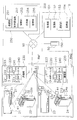
- the schematic diagram for demonstrating the structure of the air conditioning system which concerns on embodiment The flowchart which shows an example of operation
- the air conditioning system includes a first air conditioning device, a second air conditioning device, a selection unit, and a transmission unit.
- the air conditioner is a device having a function of changing the state of the air in the target space.
- the state of air in the space is, for example, the temperature, humidity, flow rate, or cleanliness of air.
- the air conditioner includes, for example, an air conditioner (hereinafter, may be abbreviated as an air conditioner), a dehumidifier, a humidifier, a dehumidifier, a floor heater, a radiator, and a circulator.
- the first air conditioner and the second air conditioner are installed in the same predetermined space.
- the first room RM1 described later corresponds to the predetermined space.
- the first air conditioner has a first detector for detecting the state of the predetermined space
- the second air conditioner has a second detector for detecting the state of the predetermined space.
- the state of the space is a concept that includes not only the state of the air in the space but also the state of other objects in the predetermined space other than air.
- the state of the predetermined space includes, for example, the presence of a person in the space and the movement of the person in the space.
- an input / output device capable of voice operation is an input / output device that operates another device by a signal that extracts a certain feature in the voice.
- This input / output device extracts, for example, the features "living room”, “temperature”, and “tell me” from the voice "Please tell me the temperature of the living room.”
- the input / output device uses the state of the air “temperature” detected by the detection device (the first detection device or the second detection device) at the installation location “living room” from the devices that make up the air conditioning system.
- the air conditioning system is provided with information indicating an instruction for returning a reply.
- an instruction to send back the detection result of the detection device in the living room is an instruction input by voice such as "Please tell me the temperature of the living room.”
- An example of a specific configuration of the input / output device will be described later.
- the first detection device is configured to be able to output the first detection information related to the instruction input by voice to the input / output device capable of voice operation.
- the air conditioning system may have one of the following two configurations.
- the first configuration is a configuration in which the first detection device performs detection in advance to respond to an instruction input by voice to the input / output device, and stores the first detection information in, for example, a storage device.
- the first detection information is read from the storage device in response to the instruction input by voice to the input / output device, and the first detection information detected in advance is output by the air conditioning system. To do.
- the first detection device detects and outputs the first detection information according to the instruction. .. Even when the second detection device is configured to be able to output the second detection information related to the instruction input by voice to the input / output device capable of voice operation, the same description as the first detection device is given. Therefore, the description of the second detection device is omitted.
- the above-mentioned first configuration will be described, and in the modified example, the second configuration will be described.
- the selection unit acquires the instruction information indicating the instruction of the input / output device. For example, the instruction input with the voice "Tell me about the temperature of the living room.” Is the instruction content indicated by the voice.
- the instruction information is a signal in which the instruction content indicated by the voice is converted into data so that the apparatus can process it.
- the selection unit in this embodiment, in order to respond to the instruction, it is possible to select one of (a) an option of selecting the first detection information and (b) an option of selecting the second detection information. The case of being configured will be described.
- the transmitting unit transmits the output information for the output of the input / output device to the input / output device based on the option selected by the selection unit. Specifically, when the selection unit selects the above (a) option, the transmission unit outputs the output information including the first detection information to the input / output device. When the selection unit selects the above (b) option, the transmission unit outputs the output information including the second detection information to the input / output device.
- the input / output device 200 shown in FIG. 1 includes voice input / output devices 211 and 212, a router 61, and a second server 250. There is.
- the router 61 is shared by the input / output device 200 and the air conditioning system 10. However, the input / output device 200 and the air conditioning system 10 can be connected to different routers. Further, different routers may be installed in the first room RM1 and the second room RM2 described later.
- the voice input / output device 211 is arranged in the first room RM1.
- the voice input / output device 212 is arranged in the second room RM2 that is partitioned from the first room RM1 and has its voice blocked.
- Each of the voice input / output devices 211 and 212 includes a voice input unit 220 and a sound output unit 240. Since the voice input / output devices 211 and 212 can have the same configuration, the configuration of the voice input / output device 211 will be described below, and the description of the configuration of the voice input / output device 212 will be omitted.
- the voice input unit 220 converts a voice uttered by a person into digital data and generates voice data that can be transmitted and received through a network.
- the voice input unit 220 includes, for example, a microphone 221, an amplifier 222, and an A / D converter 223.
- the microphone 221 converts a human voice into an analog electric signal.
- the amplifier 222 amplifies a voice analog electric signal output from the microphone 221.
- the A / D converter 223 converts the analog electric signal output from the amplifier 222 into a digital signal.
- the digital signal output from the A / D converter 223 is audio data.
- This voice data is transmitted from the communication unit 230 connected to the voice input unit 220.
- the audio data may have been subjected to data processing such as noise removal and compression.
- the sound output unit 240 converts digital sound data received through the network into sounds that can be heard by a person and outputs the sounds.
- the sound output by the sound output unit 240 includes voice.
- the sound output by the sound output unit 240 includes, for example, a notification sound in addition to the sound.
- the sound output unit 240 includes, for example, a D / A converter 241, an amplifier 242, and a speaker 243.
- the D / A converter 241 inputs the sound data received by the communication unit 230 from the communication unit 230 and converts the input sound data into an analog electric signal.
- the amplifier 242 amplifies the analog electric signal of the sound output by the D / A converter 241.
- the speaker 243 converts the analog electric signal amplified by the amplifier 242 into sound and outputs the sound.
- the voice input / output devices 211 and 212 are connected to the router 61.
- the communication unit 230 of the voice input / output devices 211 and 212 can be connected to the public line 60 via the router 61.
- the communication unit 230 of the voice input / output devices 211 and 212 can communicate with the second server 250 via the router 61 and the public line 60.
- the communication unit 230 outputs the sound data transmitted from the communication unit 251 to the sound output unit 240, for example.
- the communication unit 230 commands the sound output unit 240 to output from the speaker 243, for example, according to the sound data “the living room temperature is 24 ° C.”.
- the voice input / output devices 211 and 212 and the second server 250 transmit and receive via the public line 60 is described as an example, but the voice input / output devices 211 and 212 and the second server 250 It can also be configured to communicate without going through the public line 60.
- the voice input / output devices 211 and 212 and the second server 250 can be configured to communicate via a local area network.
- the voice input / output devices 211 and 212 and the second server 250 (computer) are connected by a signal line and can be configured to communicate directly.
- the voice input / output devices 211 and 212 have at least one account in order to establish communication with the second server 250, for example.
- the second server 250 includes a communication unit 251, a voice recognition unit 252, an interpretation unit 253, a response unit 254, and a storage unit 255.
- the second server 250 includes a CPU (not shown) and a memory (not shown).
- the communication unit 251, the voice recognition unit 252, the interpretation unit 253, the response unit 254, and the storage unit 255 are formed by the CPU executing a program stored in the memory, for example.
- the communication unit 251 is configured to be connected to the public line 60 and capable of communicating with the voice input / output devices 211 and 212, communicating with the first server 150, and communicating with the smartphone 50.
- the second server 250 stores in the storage unit 255 an account for communication with the voice input / output devices 211 and 212, communication with the first server 150, and communication with the smartphone 50.
- the user communicates between the voice input / output devices 211 and 212 and the second server 250, communicates between the first server 150 and the second server 250, and communicates with the smartphone 50.
- the case of communicating with the second server 250 will be described as an example.
- the communication unit 251 of the second server 250 receives voice data from the voice input / output devices 211 and 212.
- the voice recognition unit 252 inputs voice data from the communication unit 251.
- the voice recognition unit 252 converts the voice data into text data by the voice recognition function.
- the text data is data associated with a character code and is data that can be converted into characters.
- the voice recognition unit 252 can also have a configuration for identifying a speaker of voice data by a voice recognition function.
- the interpretation unit 253 inputs the text data from the voice recognition unit 252.
- the interpretation unit 253 interprets the content described in the text data by performing a syntax analysis or the like. In other words, the interpretation unit 253 understands the user's instruction input by voice.
- the interpretation unit 253 outputs instruction information indicating the content of the instruction.
- the interpreting unit 253 is provided in the second server 250
- the interpreting unit may be provided in the first server 150 instead of being provided in the second server 250.
- the communication unit 251 inputs the instruction information from the interpretation unit 253. At this time, the communication unit 251 acquires the account stored in the storage unit 255 and the ID associated with the account.
- the ID is a code for identifying the user of the air conditioning system 10.
- the communication unit 251 of the second server 250 and the reception unit 151 and the transmission unit 152 of the first server 150 recognize each other with the account and the ID of the air conditioning system 10, and exchange data with each other via the public line 60. ..
- the communication unit 251 transmits the instruction information to the receiving unit 151.
- the communication unit 251 of the second server 250 receives the output information from the transmission unit 152 of the first server 150.
- the output information is information indicating the output content of the input / output device 200.
- the communication unit 251 outputs the output information to the response unit 254.
- the response unit 254 determines the response content according to the output information.
- the response unit 254 determines the response content using, for example, artificial intelligence.
- the response unit 254 causes the speaker 243 of the voice input / output device 211 to output a voice message “The living room temperature is 24 ° C.”.
- the response unit 254 has, for example, a voice synthesizing function, and generates sound data of voice such as “living room temperature is 24 ° C.”.
- the response unit 254 outputs a command for causing the sound output unit 240 to output a sound corresponding to the sound data, to the communication unit 251.
- the communication unit 251 transmits the command and sound data input from the response unit 254 to the voice input / output device 211 via the public line 60 and the router 61.
- Air conditioning system 10 The air conditioning system 10 shown in FIG. 1 includes air conditioners 21 and 23, air cleaners 22 and 24, a first server 150, a router 61, and a smartphone 50. In this embodiment, the case where the air conditioning system 10 includes the smartphone 50 will be described, but the air conditioning system 10 that does not include the smartphone 50 can also be constructed.
- the air conditioner 21 is the first air conditioner
- the air cleaner 22 is the second air conditioner
- the air conditioner 23 is the third air conditioner
- the air cleaner 24 is the fourth air conditioner.
- the air conditioner 21 and the air purifier 22 are installed in the first room RM1.
- the air conditioner 23 and the air purifier 24 are installed in the second room RM2.
- the first room RM1 is, for example, a living room
- the second room RM2 is, for example, a bedroom.
- the first room RM1 is an example of a predetermined space
- the second room RM2 is an example of a space other than the predetermined space.
- the air conditioner 21 installed in the first room RM1 does not have to be placed in the first room RM1, but a part or all of the air conditioner 21 is placed outside the first room RM1. May be.
- the air conditioners 21 and 23 have a cooling function, a heating function, a blowing function, a dehumidifying function, and a humidifying function
- the air purifiers 22 and 24 have an air purifying function, a blowing function, a dehumidifying function, and a humidifying function.
- the air conditioner 21 and 23 and the air purifiers 22 and 24 may not have all of the above-described functions, and the air condition of the first room RM1 and the second room RM2. It suffices if it has any function of changing the.
- the air conditioner 21 includes an indoor temperature sensor 31 that detects an indoor temperature as a first detection device.
- the indoor temperature sensor 31 is arranged in a casing 21a of the air conditioner 21 near a suction port (not shown) of the air conditioner 21.
- the air purifier 22 includes an indoor temperature sensor 32 that detects an indoor temperature as a second detection device.
- the indoor temperature sensor 32 is arranged in the casing 22a of the air purifier 22 near the suction port (not shown) of the air purifier 22.
- the air conditioner 23 includes an indoor temperature sensor 33 that detects an indoor temperature as a third detection device.
- the indoor temperature sensor 33 is arranged in a casing 23a of the air conditioner 23 near a suction port (not shown) of the air conditioner 23.
- the air purifier 24 includes, as a fourth detection device, an indoor temperature sensor 34 that detects an indoor temperature.
- the indoor temperature sensor 34 is arranged in the casing 24a of the air purifier 24 near the suction port (not shown) of the air purifier 24.
- the air conditioners 21, 23 and the air purifiers 22, 24 include controllers 71, 73, 72, 74, respectively, and wireless LAN adapters 41, 43 and wireless LAN adapters 42, 44.
- the controllers 71, 73, 72, 74 of the air conditioners 21, 23 and the air purifiers 22, 24 are each composed of, for example, a CPU and a memory.
- the air conditioners 21, 23 and the air cleaners 22, 24 communicate with the router 61 using the wireless LAN adapters 41 to 44.
- the controllers 71, 73, 72, 74 of the air conditioners 21, 23 and the air cleaners 22, 24 store the same ID.
- the controller 71, 73, 72, 74 of the air conditioner 21, 23 and the air purifier 22, 24 uses the wireless LAN adapters 41 to 44 and the router 61 to detect the indoor temperature detected by the indoor temperature sensors 31, 32, 33, 34.
- the value of (1st detection information, 2nd detection information, 3rd detection information, and 4th detection information) can be transmitted to the 1st server 150.
- the indoor temperature sensors 31 and 33 constantly measure the indoor temperature (the temperature of the air in the first room RM, the temperature of the air in the second room RM2). It is detecting.
- the air conditioners 21 and 23 periodically transmit the value of the indoor temperature detected by the indoor temperature sensors 31 and 33 to the first server 150.
- the air conditioners 21 and 23 transmit the value of the indoor temperature to the first server 150 every 5 minutes.
- the air purifiers 22 and 24 do not detect the indoor temperature by the indoor temperature sensors 32 and 34 even if they are connected to a commercial power source unless they are in an operating state.
- the air purifiers 22 and 24 also periodically (for example, every 5 minutes) transmit the value of the indoor temperature detected by the indoor temperature sensors 31 and 33 to the first server 150.
- the air purifiers 22 and 24 transmit information that the room temperature is not detected when the air purifiers 22 and 24 are in the stopped state where the operation is stopped. In other words, the air purifiers 22 and 24 transmit the value of the indoor temperature detected by the indoor temperature sensors 32 and 34 to the first server 150 in the operating state, but the indoor temperature value to the first server 150 in the stopped state. Do not send to server 150.
- the router 61 is a communication device that connects a local area network including the air conditioners 21 and 23, the air purifiers 22 and 24, and the voice input / output devices 211 and 212 and a network including the public line 60.
- the router 61 relays data between the above-mentioned local area network and the network including the public line 60.
- the first server 150 includes a reception unit 151, a transmission unit 152, a selection unit 153, and a storage unit 154.
- the first server 150 includes a CPU (not shown) and a memory (not shown).
- the reception unit 151, the transmission unit 152, the selection unit 153, and the storage unit 154 are formed, for example, by the CPU executing a program stored in the memory.
- the receiving unit 151 periodically communicates with the router 61 and receives the detection results of the indoor temperature sensors 31 to 34 sent from the router 61.
- the receiving unit 151 receives the instruction information sent from the communication unit 251 of the second server 250 via the public line 60.
- the reception unit 151 and the transmission unit 152 of the first server 150 and the communication unit 251 of the second server 250 use the account and the ID to establish a communicable state.
- the instruction information includes, for example, the content of “using the detection device of the air conditioner located in the“ living room ”to output the detection information of the“ temperature ”value to the audio input / output device 211.” ing.
- the receiving unit 151 Upon receiving such instruction information, the receiving unit 151 outputs the instruction information to the selecting unit 153.
- the selection unit 153 acquires instruction information from the reception unit 151.
- the selection unit 153 selects the value of the room temperature detected by the room temperature sensor 31 or the value of the room temperature detected by the room temperature sensor 32 in order to correspond to the instruction described in the instruction information. ..
- the selection unit 153 selects (a) the option of selecting the value of the room temperature detected by the room temperature sensor 31 and (b) the option of selecting the value of the room temperature detected by the room temperature sensor 32. It is configured so that one of the two can be selected.
- the selection unit 153 outputs the selected option to the transmission unit 152.
- the selection unit 153 When selecting the option (a), the selection unit 153 outputs information indicating that the value of the indoor temperature detected by the indoor temperature sensor 31 has been selected, to the transmission unit 152.
- the transmitting unit 152 transmits the output information for the output of the input / output device 200 to the input / output device 200 based on the option selected by the selecting unit 153. More specifically, the transmission unit 152 reads the value of the indoor temperature selected by the selection unit 153 from the storage unit 154. For example, a case where instruction information is input to the selection unit 153 at 5:54 pm on October 29 will be described.
- the storage unit 154 stores, as the latest room temperature value of the first room RM1, the room temperature value (24 ° C.) detected by the room temperature sensor 31 at 5:50 pm on October 29, for example. It is assumed that the indoor temperature value detected by the indoor temperature sensor 32 (23 ° C.) is stored.
- the transmission unit 152 of the first server 150 sets the value of 24 ° C. as the latest indoor temperature value of the first room RM1 to the reception unit. It transmits to the communication part 251 of the 2nd server 250 as a reply with respect to the instruction information received by 151.
- the second server 250 transmits, to the voice input / output device 211, an instruction to output the room temperature of 24 ° C. from the voice input / output device 211 in the living room together with the sound data including the synthesized voice.
- the command of the second server 250 includes the content of notifying the room temperature of 24 ° C. received from the first server 150.
- the voice input / output device 211 which has received the command from the second server 250, causes the sound output unit 240 to output a voice, for example, “The living room temperature is 24 ° C.”.
- the user does not need to give a voice input to the voice input / output device 211 when giving a voice instruction to the voice input / output device 211 to instruct the “temperature” of the “living room”.
- the “temperature” of the “living room” can be known by the sound output from the output device 211.
- the selection unit 153 selects an option according to a preset predetermined condition.
- the predetermined condition is appropriately set according to the configuration of the air conditioning system 10. For example, in the air conditioning system 10 shown in FIG. 1, the condition that the indoor temperature value detected by the indoor temperature sensor 31 of the air conditioner 21 that constantly detects the indoor temperature is selected is set.
- the predetermined condition is a condition that the priority order input in advance is followed.
- the priority order which is input in advance, that the room temperature sensor 31 of the air conditioner 21 has priority over the room temperature sensor 32 of the air purifier 22 is stored in the storage unit 154 of the first server 150. Such a priority order is input, for example, by a service person who undertakes the construction when constructing the air conditioning system 10. Since the selection unit 153 makes a selection, the selection unit 153 reads out a predetermined condition from the storage unit 154 at the time of selection.
- the air conditioning system can be configured to take a response according to the device specific information.
- the device identification information is information that identifies at least one of the first air conditioner and the second air conditioner as a device that should be related to the response to the instruction information.
- the input / output device 200 of FIG. 1 is configured so that the device identification information can be included in the instruction information. For example, a case where the user inputs a voice "Tell me about the room temperature measured by the air purifier in the living room (please)" to the voice input / output device 211 will be described. The word “air purifier” contained in this voice is the device identification information.
- the voice input unit 220 converts the voice input to the voice input / output device 211 into voice data.
- the voice input / output device 211 transmits this voice data to the second server 250 via the router 61 and the public line 60.
- the second server 250 extracts the device identification information that the user has identified the device detecting the value of the indoor temperature as the “air purifier” by the voice recognition in the voice recognition unit 252 and the interpretation in the interpretation unit 253, and gives the instruction.
- the information including the device identification information is transmitted to the reception unit 151 of the first server 150.
- the reception unit 151 outputs the instruction information including the device identification information to the selection unit 153.
- the priority order is set such that the room temperature sensor 31 of the air conditioner 21 has priority over the room temperature sensor 32 of the air cleaner 22.
- the selection unit 153 is configured to perform selection according to the device identification information regardless of the predetermined condition, and thus selects “air purifier” regardless of the priority order. To do.
- the selecting unit 153 which has selected the air purifier 22 in the living room according to the device identification information, outputs information indicating that the value of the indoor temperature detected by the indoor temperature sensor 32 of the air purifier 22 has been selected, to the transmitting unit 152.
- the transmission unit 152 reads the value of the room temperature detected by the room temperature sensor 32 of the air cleaner 22 from the storage unit 154.
- the configuration of the transmission unit 152 depending on the difference in handling when the air purifier 22 is not in operation.
- the first configuration is a configuration in which the air purifier 22 is operated and the indoor temperature sensor 32 detects the indoor temperature and responds.
- the second configuration is a configuration that responds with the latest value of the room temperature values stored in the storage unit 154 without operating the air purifier 22.
- the transmission unit 152 determines from the latest data stored in the storage unit 154 that "the room temperature sensor 32 of the air cleaner 22 has not detected the room temperature", and the air cleaner 22 is not operating. .. Having made such a determination, the transmission unit 152 transmits a command to the air purifier 22 via the public line 60, the router 61, and the wireless LAN adapter 42 to operate. The air purifier 22 that has been instructed to operate by the transmission unit 152 starts operation.
- the air purifier 22 transmits the indoor temperature detected by the indoor temperature sensor 32 after a lapse of a predetermined time (for example, 1 minute) to the first server 150 via the public line 60, the router 61, and the wireless LAN adapter 42. ..
- the first server 150 which has newly obtained the indoor temperature detected by the indoor temperature sensor 32, transmits the obtained indoor temperature value to the second server 250 as the value of the indoor temperature that should respond to the user.
- the air purifier 22 When the air purifier 22 is not connected to the power source, the information indicating that the indoor temperature is not detected is not transmitted from the air purifier 22 to the first server 150. , It can be recognized that the air purifier 22 is not connected to the power supply. When the air purifier 22 is not connected to the power source, the air purifier 22 cannot be operated. Therefore, the temperature detected by the indoor temperature sensor 31 of the air conditioner 21 may be notified to the user. Alternatively, the air purifier 22 may not be connected to a power source, and the user may be informed that the indoor temperature detected by the air purifier 22 cannot be notified.
- the first server 150 of the air conditioning system 10 is waiting for reception of instruction information (step S1).
- the reception unit 151 outputs the instruction information to the selection unit 153.
- the selection unit 153 determines whether or not the instruction information includes the device identification information (step S4).
- the selection unit 153 selects one of the indoor temperature values detected by the indoor temperature sensors 31 and 32 according to the device identification information. Yes (step S5).
- the selection unit 153 reads the priority order as the predetermined information from the storage unit 154 (step S6).
- the selection unit 153 selects the indoor temperature sensors 31 and 32 according to the priority order (step S7).
- the selection unit 153 outputs information indicating the selection result to the transmission unit 152 (step S8).
- the transmitting unit 152 transmits the output information for the output of the input / output device 200 to the input / output device 200 based on the option selected by the selecting unit 153 (step S9).
- the selection unit 153 in order to respond to the instruction, has the option of (a) selecting the value of the indoor temperature detected by the indoor temperature sensor 31, which is the first detection information, and (b) the second detection information. The case has been described in which one of the options of selecting the value of the indoor temperature detected by the indoor temperature sensor 32 is selected.
- the selection unit 153 can select any one of the above-mentioned (a) option, the above-mentioned (b) option, and (c) both the first detection information and the second detection information. It can also be configured.
- the option is to respond by, for example, the average value of the indoor temperature detected by the indoor temperature sensors 31 and 32.
- the option is to respond by, for example, a weighted average of the indoor temperatures detected by the indoor temperature sensors 31 and 32. The method of weighted averaging is appropriately set, but for example, the value of the one being driven is doubled. When the operating air purifier 22 detects 22 ° C.
- the weighted average result is calculated as (22 ⁇ 2 + 25) / 3, which is 23. °C.
- the (c) option is to correspond by, for example, a function f (x1, x2) having the indoor temperatures detected by the indoor temperature sensors 31, 32 as variables x1, x2.
- the transmission unit 152 When the selection unit 153 transmits the selection of the option (c) to the transmission unit 152, the transmission unit 152 reads the value of the room temperature detected by the room temperature sensors 31 and 32 from the storage unit 154. The transmitter 152 calculates the value of the room temperature included in the output information transmitted to the input / output device 200 from the value of the room temperature detected by the room temperature sensors 31 and 32.
- the air conditioning system 10 can be configured to include the setting unit 155 shown in FIG.
- the setting unit 155 sets the predetermined condition.
- the user transmits the data in which the predetermined condition is described from the smartphone 50 to the first server 150 via the public line 60.
- the smartphone 50 stores the ID and can transmit / receive using the ID to / from the first server 150.
- the receiving unit 51 that has received the data in which the predetermined condition is described outputs the data in which the predetermined condition is described to the setting unit 155.
- the setting unit 155 sets the predetermined condition according to the data in which the predetermined condition is described. For example, the setting unit 155 rewrites the predetermined condition stored in the storage unit 154 according to the data sent from the smartphone 50 in which the predetermined condition is described.
- the storage unit 154 stores the priority order as the predetermined condition.
- the user rewrites this priority order by the setting unit 155 to give priority to the value of the room temperature detected by the room temperature sensor 32 of the air purifier 22 over the value of the room temperature detected by the room temperature sensor 31 of the air conditioner 21.
- the user uses the setting unit 155, for example, when both the air conditioner 21 and the air purifier 22 are in operation, according to the condition that the priority order entered in advance is followed, and when only the air conditioner 21 is in operation,
- the setting is changed so that the value of the indoor temperature detected by the temperature sensor 31 is selected and the value of the indoor temperature detected by the indoor temperature sensor 32 is selected when only the air purifier 22 is operating.
- the air conditioner 21 may include a person detection sensor that detects whether or not a person is present in the first room RM1.
- the result detected by the person detecting sensor is periodically (for example, every 5 minutes) transmitted from the air conditioner 21 to the first server 150.
- the storage unit 154 stores the detection result of the human detection sensor received by the first server 150.
- the condition of selecting the value of the indoor temperature detected by the indoor temperature sensor 31 of the air conditioner 21 can be set as the predetermined condition.
- a predetermined condition is an example of a condition of selecting according to the state of the predetermined space.
- the selection unit 153 reads from the storage unit 154 the detection result of the human detection sensor stored in the storage unit 154 and the predetermined condition of selecting according to the detection result of the human detection sensor (state of the predetermined space). It is possible to make a selection according to a predetermined condition.
- At least one of the air conditioner 21 and the air cleaner 22 may have a humidity sensor.
- the result detected by the humidity sensor is periodically (for example, every 5 minutes) transmitted from the air conditioner 21 and / or the air purifier 22 to the first server 150.
- the storage unit 154 stores the detection result of the humidity sensor received by the first server 150. For example, when the humidity of the first room RM1, which is the predetermined space, is 50% or more, the value of the room temperature detected by the room temperature sensor 32 of the air cleaner 22 is selected, and the humidity of the first room RM1 is 50%.
- the condition that the value of the indoor temperature detected by the indoor temperature sensor 31 of the air conditioner 21 is selected can be set as the predetermined condition.
- the selection unit 153 reads from the storage unit 154 the detection result of the humidity sensor stored in the storage unit 154 and the predetermined condition of selecting according to the detection result of the humidity sensor (state of the predetermined space), and the predetermined condition is obtained. Selection can be made according to the conditions.
- the air conditioning system 10 can also be configured, for example, such that the first detection device is the humidity sensor of the air conditioner 21 and the second detection device is the humidity sensor of the air purifier 22.
- the air conditioning system 10 can also be configured, for example, such that the first detection device is a human detection sensor of the air conditioner 21 and the second detection device is a human detection sensor of the air purifier 22.
- the air conditioning system 10 may be configured such that, for example, the first detection device is a dust detection sensor of the air conditioner 21 that detects dust, and the second detection device is a dust detection sensor of the air cleaner 22.
- the voice input / output device 211 is a separate device separated from the air conditioner 21 and the air purifier 22 has been described.
- the voice input / output device 211 may be incorporated in the air conditioner 21 or the air purifier 22.
- a part of the configuration of the voice input / output device 211 may be incorporated in the air conditioner 21 and / or the air purifier 22.
- the sound output unit 240 may be incorporated in the air conditioner 21 and / or the air purifier 22.
- the voice input unit 220 may be incorporated in the air conditioner 21 and / or the air purifier 22.
- the voice input unit 220 when the voice input unit 220 is incorporated into the air conditioner 21 and / or the air cleaner 22, the controllers 71 and 72 of the air conditioner 21 and / or the air cleaner 22 and the wireless LAN adapters 41 and 42 are connected to the communication unit. Substitute for 230.
- the voice input / output device 211 may be integrated with another home electric appliance installed in the first room RM1.
- the voice input / output device 211 may be incorporated in the smartphone 50.
- the temperature notification instructed by the user by voice may be performed using the speaker of the smartphone 50, but using the touch screen of the smartphone 50. May be done.
- the smartphone 50 may be configured to display “The temperature of the living room is 24 ° C.” on the touch screen. In this way, when the touch screen displays “The living room temperature is 24 ° C.”, the transmitter 152 outputs the output for the input / output device 200 based on the option selected by the selector 153. This corresponds to the case of transmitting information to the input / output device 200.
- the second server 250 which has received the output information from the transmission unit 152, transmits to the smartphone 50 the text data having the content “The living room temperature is 24 ° C.”.
- the air conditioning system 10 may be configured such that the sound data “The temperature of the living room is 24 ° C.” is transmitted to the smartphone 50 at the same time as the text data.
- each functional block of the first server 150 and each functional block of the second server are formed by interpreting and executing the executable program and data stored in the memory by the CPU has been described.
- the case where the controllers 71, 73, 72, 74 of the air conditioners 21, 23 and the air cleaners 22, 24 perform control by interpreting and executing the executable programs and data stored in the memory by the CPU has been described. ..
- These programs and data may be introduced into the memory via a recording medium, or may be directly executed on the recording medium. Further, the program and the data may be introduced from the recording medium to the memory via a telephone line, a carrier path or the like.
- each of the functional blocks described above may be configured using an integrated circuit (IC) that can realize the same function as that performed by using the CPU and the memory.
- the controllers 71, 73, 72, 74 of the air conditioners 21, 23 and the air cleaners 22, 24 are configured by using an integrated circuit (IC) that can perform the same control as that performed by using the CPU and the memory.
- IC integrated circuit
- the IC mentioned here includes LSI (large-scale integrated circuit), ASIC (application-specific integrated circuit), gate array, FPGA (field programmable gate array), and the like.
- the air conditioner 21 as the first air conditioner and the air purifier 22 as the second air conditioner are set in the first room RM1 which is one predetermined space.
- the air conditioners installed in one predetermined space are not limited to the two first air conditioners and the second air conditioners.
- a dehumidifier that can detect the room temperature may be installed in the first room RM1 as a further air conditioner.
- the dehumidifier installed in the first room RM1 includes an indoor temperature sensor, a controller, and a wireless LAN adapter. The dehumidifier periodically transmits the value of the room temperature to the first server 150 via the wireless LAN adapter, the router 61, and the public line 60.
- the first server 150 stores the value of the indoor temperature transmitted from the dehumidifier in the storage unit 154.
- the selecting unit 153 follows the predetermined condition even if the word for selecting the device is not instructed by voice. For example, any of the value of the room temperature detected by the room temperature sensor 31 of the air conditioner 21, the value of the room temperature detected by the room temperature sensor 32 of the air cleaner 22, and the value of the room temperature detected by the room temperature sensor of the dehumidifier. Is automatically selected. Even if there are four or more air conditioners installed in the same predetermined space, even if a word for selecting the device is not indicated by voice in the same manner, one of the detection information of the same kind is automatically selected. Can be configured as follows.
- the voice data “Tell me the temperature of the bedroom.” is transmitted from the voice input / output device 212 to the second server 250.
- the first server 150 receives the instruction information having the content of “notify the bedroom temperature” (Yes in step S2), and the receiving unit 151 outputs the instruction information to the selection unit 153.
- the selection unit 153 determines whether or not the instruction information includes the device identification information (step S4).
- the selection unit 153 reads the priority order as the predetermined information from the storage unit 154 (step S6).
- the value of the room temperature detected by the room temperature sensor 33 of the air conditioner 23 has priority over the value of the room temperature detected by the room temperature sensor 34 of the air purifier 24.
- the selection unit 153 selects the value of the indoor temperature detected by the indoor temperature sensor 33 according to the priority order (step S7).
- the selection unit 153 outputs information indicating the selection result to the transmission unit 152 (step S8).
- the transmission unit 152 transmits the output information for the output of the input / output device 200 to the input / output device 200 based on the option selected by the selection unit 153 (step S9).
- the input / output device 200 outputs sound data such as “the temperature of the bedroom is 22 ° C.” to the voice input / output device 212 installed in the second room RM2 or the voice input / output device 212 incorporated in the smartphone 50. Send.
- the first room RM1 is regarded as the predetermined space, but the house including the first room RM1 and the second room RM2 may be regarded as the predetermined space.
- the air conditioner 21 can be regarded as the first air conditioner and the air conditioner 23 can be regarded as the second air conditioner.
- the voice input / output device 211 installed in the first room RM1
- the voice input / output device 212 installed in the first room RM1
- the smartphone 50 incorporating the voice input / output device
- the first server 150 receives the instruction information having the content of “notify the temperature of the house” (Yes in step S2), and the reception unit 151 outputs the instruction information to the selection unit 153.
- the selection unit 153 determines whether or not the instruction information includes the device identification information (step S4).
- the selection unit 153 reads the priority order as the predetermined information from the storage unit 154 (step S6).
- the priority order read from the storage unit 154 the value of the room temperature detected by the room temperature sensor 31 of the air conditioner 21 in the living room is prioritized over the value of the room temperature detected by the room temperature sensor 33 of the air conditioner 23 in the bedroom. To do.
- the selection unit 153 selects the value of the indoor temperature detected by the indoor temperature sensor 31 according to the priority order (step S7).
- the selection unit 153 outputs information indicating the selection result to the transmission unit 152 (step S8).
- the transmission unit 152 transmits the output information for the output of the input / output device 200 to the input / output device 200 based on the option selected by the selection unit 153 (step S9).
- the input / output device 200 returns sound data such as “house temperature is 26 ° C.” to the devices in the voice input / output devices 211 and 212 and the smartphone 50 to which the instruction is input.
- the value of the room temperature detected by the room temperature sensor 31 of the air conditioner 21 is given priority, and between PM 8:01 and AM 7:59. It is also possible to set a condition that the value of the indoor temperature detected by the indoor temperature sensor 33 of the air conditioner 23 is prioritized when there is a question.
- predetermined conditions it is possible to notify the temperature of the living room, which is frequently used in the daytime, at an appropriate timing without specifying a place in the house, and in the relatively nighttime. It is possible to notify the temperature of the bedroom, which is frequently used, at an appropriate time without specifying a place in the house.
- the first server 150 may be configured to include the interpretation unit 156.
- the function of the interpretation unit 156 of the first server 150 is the same as that of the interpretation unit 253 of the second server 250 described above.
- the second server 250 may include the interpretation unit 253.
- the input / output device 200 may be configured to be capable of responding by displaying at the same time as inputting / outputting voice or sound.
- the audio input / output devices 211 and 212 include liquid crystal display devices (not shown).
- the voice input / output device 211 may be configured to display “Living room temperature is 24 ° C.” on the liquid crystal display device.
- the transmission unit 152 outputs the input / output device 200 based on the option selected by the selection unit 153. This corresponds to the case where the output information is transmitted to the input / output device 200.
- the second server 250 which has received the output information from the transmission unit 152, transmits to the voice input / output device 211 the text data having the content “The living room temperature is 24 ° C.”.
- the air conditioning system 10 may be configured such that the sound data “The living room temperature is 24 ° C.” is transmitted to the voice input / output device 211 at the same time as this text data.
- the communication unit 230 of the voice input / output device 211 receives the sound data and the text data having the content “The living room temperature is 24 ° C.”.
- the communication unit 230 causes the sound output unit 240 to output a voice and causes the liquid crystal display device to display a response.
- the selection unit 153 can select an option for responding to an instruction even if the user does not give an instruction by voice.
- the air conditioning system 10 reduces the number of words included in the voice input to the input / output device 100, and improves the convenience for the user. For example, in the case of inputting “Tell me the temperature of the living room.” To the voice input / output device 211 of the input / output device 100, in the case of inputting “Tell me the living room temperature detected by the air conditioner.” It is possible to omit the input of "Detected by air conditioner". In this way, the air conditioning system 10 reduces the number of words included in the voice input by the user.
- the selection unit 153 facilitates providing meaningful information to the user even if the number of words required to be input by the user is reduced.
- the temperature of the circulating air can be detected by providing a condition under which the information on the indoor temperature of the operating air conditioner is prioritized.
- the temperature of the circulating air is more meaningful as information about the room temperature than the temperature of the stagnant air. In this way, it becomes easier to provide meaningful information to the user depending on how the predetermined conditions are set.
- the air conditioning system 10 allows the setting unit 155 to set predetermined conditions desired by the user.
- the user can set the predetermined condition that the user prefers by using the setting unit 155, so that the user's satisfaction is improved.
- the selection unit 153 of the air conditioning system 10 is configured to make a selection according to the device identification information regardless of a predetermined condition, the selection can be made in accordance with the user's intention and the user's satisfaction can be increased. ..
- the predetermined condition is set such that the indoor temperature detected by the indoor temperature sensor 31 of the air conditioner 21 is given priority. If the user wants to be notified of the indoor temperature detected by the indoor temperature sensor 32 of the air purifier 22, such a user will always be dissatisfied. For users who think that it is better to give an instruction “Tell me the living room temperature detected by the air purifier.” Satisfaction is improved even if the number of words is increased by inputting the device specifying information instead of the condition.
- the instruction information such as “notify the living room temperature” as described in the above embodiment is request information requesting notification of the space environment of the temperature of the space. Since the selection unit 153 can detect the spatial environment by the indoor temperature sensor 31 that is the first detection device and the indoor temperature sensor 32 that is the second detection device, select the selection unit 153 in accordance with the above request information. There is. The transmission unit 152 outputs the output information based on the selection of the selection unit 153.
- Air Conditioning System 21 Air Conditioner (Example of First Air Conditioner) 22 Air purifier (example of second air conditioner) 31 Indoor temperature sensor (example of first detection device) 32 Indoor temperature sensor (example of second detection device) 152 transmission unit 153 selection unit 155 setting unit 200 input / output device
Landscapes
- Engineering & Computer Science (AREA)
- General Engineering & Computer Science (AREA)
- Human Computer Interaction (AREA)
- Theoretical Computer Science (AREA)
- Mechanical Engineering (AREA)
- Combustion & Propulsion (AREA)
- Chemical & Material Sciences (AREA)
- Multimedia (AREA)
- Health & Medical Sciences (AREA)
- Audiology, Speech & Language Pathology (AREA)
- General Health & Medical Sciences (AREA)
- Physics & Mathematics (AREA)
- General Physics & Mathematics (AREA)
- Air Conditioning Control Device (AREA)
- Central Air Conditioning (AREA)
- Sorption Type Refrigeration Machines (AREA)
Abstract
空気調和システムにおいて、音声を使って入力するユーザの利便性を向上させる。エアコン(21)と空気清浄機(22)は、入出力機器(200)に音声で入力された指示に関連する、第1検知装置及び第2検知装置である室内温度センサ(31,32)が検知した第1検知情報及び第2検知情報を出力する。選択部(153)は、指示を示す指示情報を取得して、指示に対応するために、(a)第1検知情報を選択するという選択肢と(b)第2検知情報を選択するという選択肢と(c)第1検知情報及び第2検知情報の両方を選択するという選択肢について、(a)選択肢と(b)選択肢のうちの一方を選択できるように構成されている、または(a)選択肢と(b)選択肢と(c)選択肢のうちのいずれかを選択できるように構成されている。送信部(152)は、選択部(153)で選択された選択肢に基づいて、入出力機器(200)の出力のための出力情報を入出力機器(200)に送信する。
Description
複数の空調機器を備える空気調和システム
従来から、空気調和システムには、例えば特許文献1(特開2002-89942号公報)に記載されているように、温度及び湿度などの空間の状態を調整するために室内機と加湿ユニットなどの複数の空調機器を備えるものがある。このような空気調和システムは、複数の空調機器を管理して、空間の状態を検知したり変化させたりする機能を有する。
しかしながら、特許文献1に記載されているような空気調和システムでは、ユーザが音声で空調機器を管理しようとすると、リモートコントローラのボタン入力で管理する場合に比べて、入力に手間が掛かる。このような空気調和システムでは、音声で管理する空調機器が多くなると、音声によって空調機器を特定しなければならないために、音声に含まれる語数が多くなる傾向がある。
従って、複数の空調機器を備え、音声を使って入力する空気調和システムには、ユーザの利便性を向上させるという課題がある。
第1観点の空気調和システムは、第1空調機器と、第2空調機器と、選択部と、送信部とを備える。第1空調機器は、所定空間に対して設置され、所定空間の状態を検知する第1検知装置を有し、音声操作が可能な入出力機器に音声で入力された指示に関連する、第1検知装置が検知した第1検知情報を出力することが可能である。第2空調機器は、所定空間に対して設置され、所定空間の状態を検知する第2検知装置を有し、入出力機器に音声で入力された指示に関連する、第2検知装置が検知した第2検知情報を出力することが可能である。選択部は、指示を示す指示情報を取得して、指示に対応するために、(a)第1検知情報を選択するという選択肢と(b)第2検知情報を選択するという選択肢と(c)第1検知情報及び第2検知情報の両方を選択するという選択肢について、(a)選択肢と(b)選択肢のうちの一方を選択できるように構成されている、または(a)選択肢と(b)選択肢と(c)選択肢のうちのいずれかを選択できるように構成されている。送信部は、選択部で選択された選択肢に基づいて、入出力機器の出力のための出力情報を入出力機器に送信する。
第1観点の空気調和システムが、音声でユーザが指示しなくても指示に対応するための選択肢を選択できるように構成されている。当該空気調和システムが、入出力機器に入力する音声に含まれる単語の数を削減させ、ユーザの利便性を向上させる。
第2観点の空気調和システムは、第1観点のシステムであって、選択部は、予め設定された所定条件に従って、(a)選択肢と(b)選択肢のうちの一方を選択する、または、予め設定された所定条件に従って、(a)選択肢と(b)選択肢と(c)選択肢のうちのいずれかを選択する。
第2観点の空気調和システムの選択部が、所定条件に従って選択肢を選択することにより、ユーザに入力を求める単語の数を減らしても、ユーザに有意義な情報を提供することができる。
第3観点の空気調和システムは、第2観点のシステムであって、所定条件を設定する設定部を備える。
第3観点の空気調和システムが、設定部により、ユーザの所望する所定条件の設定を可能にする。
第4観点の空気調和システムは、第2観点または第3観点のいずれかのシステムであって、所定条件が、第1空調機器のみが運転しているときには第1検知情報を選択し、第2空調機器のみが運転しているときは第2検知情報を選択するという条件、予め入力されている優先順位に従うという条件、及び所定空間の状態に応じて選択するという条件、のうちの少なくとも一つを含む。
第5観点の空気調和システムは、第2観点から第4観点のいずれかのシステムであって、選択部は、指示情報に、指示情報に対する応答に関係すべき機器として第1空調機器と第2空調機器のうちの少なくとも一方を特定する機器特定情報が含まれている場合には、所定条件に関わらず機器特定情報に従って選択する。
第5観点の空気調和システムが、所定条件に関わらず機器特定情報に従って選択することで、ユーザの意向に沿った選択をしてユーザの満足度を高める。
第6観点の空気調和システムは、第1観点から第5観点のいずれかのシステムであって、指示情報が、空間環境を通知することを要求する要求情報であり、選択部は、第1検知装置及び第2検知装置が空間環境を検知することが可能である場合に、要求情報に対応して選択し、送信部は、選択部の選択に基づいて出力情報を出力する。
第7観点の空気調和システムは、第1観点から第6観点のいずれかのシステムであって、選択部は、指示情報に対する応答に関係すべき情報として、第1検知情報及び第2検知情報のうちのいずれか一方のみを選択する。
(1)全体構成
本開示に係る空気調和システムは、第1空調機器と第2空調機器と選択部と送信部とを備えている。ここで、空調機器は、対象とする空間の空気の状態を変化させる機能を有する機器である。空間の空気の状態とは、例えば、空気の温度、湿度、流量、または清浄度である。空調機器には、例えば、エアーコンディショナ(以下、エアコンと省略して記載する場合がある。)、除湿器、加湿器、除加湿器、床暖房器、ラジエータ、及びサーキュレータが含まれる。
本開示に係る空気調和システムは、第1空調機器と第2空調機器と選択部と送信部とを備えている。ここで、空調機器は、対象とする空間の空気の状態を変化させる機能を有する機器である。空間の空気の状態とは、例えば、空気の温度、湿度、流量、または清浄度である。空調機器には、例えば、エアーコンディショナ(以下、エアコンと省略して記載する場合がある。)、除湿器、加湿器、除加湿器、床暖房器、ラジエータ、及びサーキュレータが含まれる。
第1空調機器と第2空調機器は、同じ所定空間に対して設置されている。この実施形態では、後述する第1部屋RM1が所定空間に対応する。第1空調機器が所定空間の状態を検知する第1検知装置を有し、第2空調機器が所定空間の状態を検知する第2検知装置を有する。ここで、空間の状態とは、空間の空気の状態だけでなく、空気以外の所定空間の中の他の物体の状態も含む概念である。所定空間の状態には、例えば、空間の中の人の存在、及び空間の中の人の動作も含まれる。
ここで、音声操作が可能な入出力機器は、音声の中のある特徴を取り出した信号によって他の装置を操作する入出力機器である。この入出力機器は、例えば、「リビングの温度を教えてください。」という音声の中から、「リビング」、「温度」、「教えて」という特徴を取り出す。この場合、入出力機器は、「リビング」という設置場所に在る検知装置(第1検知装置または第2検知装置)が検知した「温度」という空気の状態を、空気調和システムを構成する装置から返信させるための指示を示す情報を空気調和システムに与える。例えば、リビングにある検知装置の検知結果を返信させるという指示が、「リビングの温度を教えてください。」という音声で入力された指示である。入出力機器の具体的な構成の例については後述する。
第1検知装置は、音声操作が可能な入出力機器に音声で入力された指示に関連する第1検知情報を出力できるように構成されている。ここで、音声で入力された指示に関連する第1検知情報を第1検知装置が出力できる構成には、次の2つの構成がある。空気調和システムは、次の2つの構成のうちのいずれかを持っていればよい。一つ目の構成は、入出力機器に音声で入力された指示に対応するために、予め第1検知装置が検知を行って、例えば記憶装置に第1検知情報を記憶させる構成である。このように構成された場合には、入出力機器に音声で入力された指示に応じて記憶装置から第1検知情報を読み出して、予め検知しておいた第1検知情報を空気調和システムが出力する。二つ目の構成は、入出力機器に音声で入力された指示に対応するために、指示の入力後に、指示に応じて第1検知装置が検知して第1検知情報を出力する構成である。音声操作が可能な入出力機器に音声で入力された指示に関連する第2検知情報を第2検知装置が出力できるように構成されている場合も、上述の第1検知装置の説明と同様であるので、第2検知装置については説明を省略する。以下の実施形態の説明では上述の一つ目の構成について説明し、変形例において二つ目の構成について説明する。
選択部は、入出力機器の指示を示す指示情報を取得する。例えば、「リビングの温度を教えてください。」という音声で入力された指示は、音声が示す指示内容である。指示情報は、音声が示す指示内容を、装置で処理できるようにデータ化した信号である。選択部について、この実施形態では、指示に対応するために、(a)第1検知情報を選択するという選択肢と(b)第2検知情報を選択するという選択肢のうちの一方を選択できるように構成されている場合について説明する。
送信部は、選択部で選択された選択肢に基づいて、入出力機器の出力のための出力情報を入出力機器に送信する。具体的には、選択部が上述の(a)選択肢を選択した場合には、送信部は、第1検知情報を含む出力情報を、入出力装置に出力する。選択部が上述の(b)選択肢を選択した場合には、送信部は、第2検知情報を含む出力情報を、入出力装置に出力する。
(2)入出力機器
(2-1)音声入出力装置
図1に示されている入出力機器200は、音声入出力装置211,212と、ルータ61と、第2サーバ250とで構成されている。ルータ61は、入出力機器200と空気調和システム10で共用されている。しかし、入出力機器200と空気調和システム10は、別々のルータに接続することも可能である。また、後述する第1部屋RM1と第2部屋RM2に、異なるルータが設置されるように構成することもできる。音声入出力装置211は、第1部屋RM1に配置されている。音声入出力装置212は、第1部屋RM1から仕切られて音声が遮断された第2部屋RM2に配置されている。
(2-1)音声入出力装置
図1に示されている入出力機器200は、音声入出力装置211,212と、ルータ61と、第2サーバ250とで構成されている。ルータ61は、入出力機器200と空気調和システム10で共用されている。しかし、入出力機器200と空気調和システム10は、別々のルータに接続することも可能である。また、後述する第1部屋RM1と第2部屋RM2に、異なるルータが設置されるように構成することもできる。音声入出力装置211は、第1部屋RM1に配置されている。音声入出力装置212は、第1部屋RM1から仕切られて音声が遮断された第2部屋RM2に配置されている。
音声入出力装置211,212は、それぞれ、音声入力部220と音出力部240とを備えている。音声入出力装置211,212は同じ構成とすることができるので、以下では、音声入出力装置211の構成について説明し、音声入出力装置212の構成の説明を省略する。
音声入力部220は、人の発する音声をデジタルデータに変換して、ネットワークを通じて送受信できる音声データを生成する。音声入力部220は、例えば、マイクロフォン221と増幅器222とA/D変換器223を備えている。マイクロフォン221が、人の発した音声をアナログ電気信号に変換する。増幅器222が、マイクロフォン221から出力された音声のアナログ電気信号を増幅する。A/D変換器223が、増幅器222から出力されたアナログ電気信号をデジタル信号に変換する。A/D変換器223から出力されるデジタル信号が、音声データである。この音声データは、音声入力部220に接続されている通信部230から送信される。音声データは、ノイズの除去及び圧縮などのデータ処理が施されたものであってもよい。
音出力部240は、ネットワークを通じて受信したデジタルの音データを、人が聞き取れる音に変換して出力する。音出力部240が出力する音には、音声が含まれる。音出力部240が出力する音には、音声以外にも、例えば報知音が含まれる。音出力部240は、例えば、D/A変換器241と増幅器242とスピーカ243を備えている。D/A変換器241が、通信部230で受信した音データを通信部230から入力して、入力した音データをアナログ電気信号に変換する。増幅器242が、D/A変換器241が出力した音のアナログ電気信号を増幅する。スピーカ243が、増幅器242で増幅されたアナログ電気信号を音に変換して出力する。
音声入出力装置211,212は、ルータ61に接続されている。音声入出力装置211,212の通信部230は、ルータ61を介して公衆回線60に接続することができる。音声入出力装置211,212の通信部230は、ルータ61及び公衆回線60を介して、第2サーバ250と通信することができる。通信部230は、例えば、通信部251から送信されてくる音データを音出力部240に出力する。通信部230は、例えば、「リビングの温度が24℃です。」という音データに従ってスピーカ243から出力するように、音出力部240に命令する。
ここでは、公衆回線60を介して音声入出力装置211,212と第2サーバ250が送受信を行う場合を例に挙げて説明しているが、音声入出力装置211,212と第2サーバ250が公衆回線60を介さずに通信するように構成することもできる。例えば、音声入出力装置211,212と第2サーバ250が、ローカルエリアネットワークを介して通信するように構成することができる。例えば、音声入出力装置211,212と第2サーバ250(コンピュータ)が、信号線で繋がっていて、直接通信するように構成することができる。
音声入出力装置211,212は、例えば、第2サーバ250との間の通信を確立するために、少なくとも1つのアカウントを有している。
(2-2)第2サーバ250
第2サーバ250は、通信部251と音声認識部252と解釈部253と応答部254と記憶部255とを備えている。例えば、第2サーバ250は、CPU(図示せず)とメモリ(図示せず)を備えて構成される。通信部251と音声認識部252と解釈部253と応答部254と記憶部255とは、例えば、メモリに記憶されているプログラムをCPUが実行することにより形成される。
第2サーバ250は、通信部251と音声認識部252と解釈部253と応答部254と記憶部255とを備えている。例えば、第2サーバ250は、CPU(図示せず)とメモリ(図示せず)を備えて構成される。通信部251と音声認識部252と解釈部253と応答部254と記憶部255とは、例えば、メモリに記憶されているプログラムをCPUが実行することにより形成される。
通信部251は、公衆回線60に接続して、音声入出力装置211,212との通信、第1サーバ150との通信及びスマートフォン50との通信ができるように構成されている。第2サーバ250は、音声入出力装置211,212との通信、第1サーバ150との通信及びスマートフォン50との通信のためのアカウントを記憶部255に記憶している。ここでは、1つのアカウントで、ユーザが、音声入出力装置211,212と第2サーバ250との間で通信し、第1サーバ150と第2サーバ250との間で通信し、及びスマートフォン50と第2サーバ250との間で通信する場合を例に挙げて説明する。
第2サーバ250の通信部251が、音声入出力装置211,212から音声データを受信する。音声認識部252は、音声データを通信部251から入力する。音声認識部252は、音声認識機能により、音声データをテキストデータに変換する。テキストデータは、文字コードと関連付けられているデータであり、文字に変換可能なデータである。音声認識部252は、音声認識機能により音声データの発話者を識別する構成を持つこともできる。解釈部253は、音声認識部252からテキストデータを入力する。解釈部253は、構文解析などにより、テキストデータで記述されている内容を解釈する。言い換えると、解釈部253は、音声で入力されたユーザの指示を理解する。解釈部253は、指示の内容を示す指示情報を出力する。
ここでは、解釈部253を第2サーバ250に設ける場合について説明するが、解釈部を第2サーバ250に設けられずに第1サーバ150に設けるように構成することもできる。
通信部251は、指示情報を解釈部253から入力する。このとき、通信部251は、記憶部255に記憶されているアカウントと当該アカウントに関連付けられているIDとを取得する。IDとは、空気調和システム10のユーザを識別するための符号である。第2サーバ250の通信部251と第1サーバ150の受信部151及び送信部152は、アカウントと空気調和システム10のIDとで互いに認識して、公衆回線60を介して相互にデータを送受信する。通信部251は、受信部151に指示情報を送信する。
第2サーバ250の通信部251は、第1サーバ150の送信部152から出力情報を受信する。出力情報は、入出力機器200の出力の内容を示す情報である。通信部251は、応答部254に出力情報を出力する。応答部254は、出力情報に応じて、応答内容を決定する。応答部254は、応答内容を、例えば人工知能を使って決定する。例えば、応答部254は、音声入出力装置211のスピーカ243から、「リビングの温度が24℃です。」という音声を出力させる。応答部254は、例えば、音声合成機能を有しており、「リビングの温度が24℃です。」という音声の音データを生成する。応答部254は、音データに応じた音を音出力部240から出力させるための命令を通信部251に出力する。通信部251は、応答部254から入力した命令と音データを、公衆回線60とルータ61を介して音声入出力装置211に送信する。
(3)空気調和システム10
図1に示されている空気調和システム10は、エアコン21,23と、空気清浄機22,24と、第1サーバ150と、ルータ61と、スマートフォン50とを備えている。本実施形態では、空気調和システム10がスマートフォン50を備える場合について説明するが、スマートフォン50を備えていない空気調和システム10を構築することもできる。
図1に示されている空気調和システム10は、エアコン21,23と、空気清浄機22,24と、第1サーバ150と、ルータ61と、スマートフォン50とを備えている。本実施形態では、空気調和システム10がスマートフォン50を備える場合について説明するが、スマートフォン50を備えていない空気調和システム10を構築することもできる。
(3-1)エアコン21,23と空気清浄機22,24
ここでは、エアコン21が第1空調機器であり、空気清浄機22が第2空調機器であり、エアコン23が第3空調機器であり、空気清浄機24が第4空調機器である。エアコン21と空気清浄機22は、第1部屋RM1に対して設置されている。エアコン23と空気清浄機24は、第2部屋RM2に対して設置されている。第1部屋RM1は、例えばリビングルームであり、第2部屋RM2は、例えば寝室である。第1部屋RM1が所定空間の例であり、第2部屋RM2が所定空間以外の他の空間の例である。第1部屋RM1に対して設置されているという場合には、第1部屋RM1に作用を及ぼせば、任意の場所に設定してよい。例えば、第1部屋RM1に対して設置されているエアコン21は、第1部屋RM1の中に置かれていなくてもよく、エアコン21の一部または全部が第1部屋RM1の外に置かれていてもよい。
ここでは、エアコン21が第1空調機器であり、空気清浄機22が第2空調機器であり、エアコン23が第3空調機器であり、空気清浄機24が第4空調機器である。エアコン21と空気清浄機22は、第1部屋RM1に対して設置されている。エアコン23と空気清浄機24は、第2部屋RM2に対して設置されている。第1部屋RM1は、例えばリビングルームであり、第2部屋RM2は、例えば寝室である。第1部屋RM1が所定空間の例であり、第2部屋RM2が所定空間以外の他の空間の例である。第1部屋RM1に対して設置されているという場合には、第1部屋RM1に作用を及ぼせば、任意の場所に設定してよい。例えば、第1部屋RM1に対して設置されているエアコン21は、第1部屋RM1の中に置かれていなくてもよく、エアコン21の一部または全部が第1部屋RM1の外に置かれていてもよい。
ここでは、エアコン21,23が、冷房機能と暖房機能と送風機能と除湿機能と加湿機能とを備え、空気清浄機22,24が空気清浄機能と送風機能と除湿機能と加湿機能とを備えている場合について説明する。しかし、本開示の技術を適用するために、エアコン21,23及び空気清浄機22,24は、前述の機能を全て備えていなくてもよく、第1部屋RM1と第2部屋RM2の空気の状態を変化させるいずれかの機能を有していればよい。エアコン21は、第1検知装置として、室内の温度を検知する室内温度センサ31を備えている。室内温度センサ31は、エアコン21の吸込口(図示せず)の近傍のエアコン21のケーシング21aの中に配置されている。空気清浄機22は、第2検知装置として、室内の温度を検知する室内温度センサ32を備えている。室内温度センサ32は、空気清浄機22の吸込口(図示せず)の近傍の空気清浄機22のケーシング22aの中に配置されている。エアコン23は、第3検知装置として、室内の温度を検知する室内温度センサ33を備えている。室内温度センサ33は、エアコン23の吸込口(図示せず)の近傍のエアコン23のケーシング23aの中に配置されている。空気清浄機24は、第4検知装置として、室内の温度を検知する室内温度センサ34を備えている。室内温度センサ34は、空気清浄機24の吸込口(図示せず)の近傍の空気清浄機24のケーシング24aの中に配置されている。
エアコン21,23と空気清浄機22,24は、それぞれコントローラ71,73,72,74を備え、無線LANアダプタ41,43と無線LANアダプタ42,44を備えている。エアコン21,23及び空気清浄機22,24のコントローラ71,73,72,74は、それぞれ、例えばCPUとメモリで構成されている。エアコン21,23及び空気清浄機22,24は、無線LANアダプタ41~44を使ってルータ61と通信する。エアコン21,23及び空気清浄機22,24のコントローラ71,73,72,74は、同じIDを記憶している。エアコン21,23及び空気清浄機22,24のコントローラ71,73,72,74は、無線LANアダプタ41~44及びルータ61を使って、室内温度センサ31,32,33,34で検知した室内温度の値(第1検知情報、第2検知情報、第3検知情報及び第4検知情報)を第1サーバ150に送信することができる。
例えば、エアコン21,23は、商用電源に接続されている状態では、常時、室内温度センサ31,33により、室内温度(第1部屋RMの空気の温度、第2部屋RM2の空気の温度)を検知している。エアコン21,23は、定期的に、室内温度センサ31,33で検知した室内温度の値を第1サーバ150に送信する。例えば、エアコン21,23は、5分毎に室内温度の値を第1サーバ150に送信する。
これら空気清浄機22,24は、商用電源に接続されている状態でも、運転状態でなければ、室内温度センサ32,34による室内温度を検知しない。空気清浄機22,24も、定期的に(例えば5分毎に)、室内温度センサ31,33で検知した室内温度の値を第1サーバ150に送信する。空気清浄機22,24は、運転を停止している停止状態のときには、室内温度を検知していないという情報を送信する。言い換えると、空気清浄機22,24は、運転状態のときに室内温度センサ32,34で検知した室内温度の値を第1サーバ150に送信するが、停止状態のときには室内温度の値を第1サーバ150に送信しない。
(3-2)ルータ61
ルータ61は、エアコン21,23、空気清浄機22,24、音声入出力装置211,212を含むローカルエリアネットワークと、公衆回線60を含むネットワークとを接続する通信機器である。ルータ61は、前述のローカルエリアネットワークと公衆回線60を含むネットワークとの間でデータを中継する。
ルータ61は、エアコン21,23、空気清浄機22,24、音声入出力装置211,212を含むローカルエリアネットワークと、公衆回線60を含むネットワークとを接続する通信機器である。ルータ61は、前述のローカルエリアネットワークと公衆回線60を含むネットワークとの間でデータを中継する。
(3-3)第1サーバ150
第1サーバ150は、受信部151と送信部152と選択部153と記憶部154とを備えている。例えば、第1サーバ150は、CPU(図示せず)とメモリ(図示せず)を備えて構成される。受信部151と送信部152と選択部153と記憶部154とは、例えば、メモリに記憶されているプログラムをCPUが実行することにより形成される。
第1サーバ150は、受信部151と送信部152と選択部153と記憶部154とを備えている。例えば、第1サーバ150は、CPU(図示せず)とメモリ(図示せず)を備えて構成される。受信部151と送信部152と選択部153と記憶部154とは、例えば、メモリに記憶されているプログラムをCPUが実行することにより形成される。
受信部151は、定期的にルータ61と通信し、ルータ61から送られてくる室内温度センサ31~34の検知結果を受信する。受信部151は、公衆回線60を介して第2サーバ250の通信部251から送られてくる指示情報を受信する。第1サーバ150の受信部151及び送信部152と、第2サーバ250の通信部251とは、アカウントとIDを使用して、通信可能な状態を確立する。
指示情報には、例えば、「『リビング』という場所に在る空調機器の検知装置を使って、『温度』の値という検知情報を、音声入出力装置211に出力させる。」という内容が含まれている。このような指示情報を受信した受信部151は、指示情報を選択部153に出力する。
選択部153は、受信部151から指示情報を取得する。選択部153は、指示情報に記述されている指示に対応するために、室内温度センサ31が検知した室内温度の値を選択するか、または室内温度センサ32が検知した室内温度の値を選択する。言い換えると、選択部153は、室内温度センサ31が検知した室内温度の値を選択するという(a)選択肢と、室内温度センサ32が検知した室内温度の値を選択するという(b)選択肢のうちの一方を選択できるように構成されている。選択部153は、選択した選択肢を送信部152に出力する。選択部153は、(a)選択肢を選択した場合、室内温度センサ31が検知した室内温度の値を選択したことを示す情報を送信部152に出力する。
送信部152は、選択部153で選択された選択肢に基づいて、入出力機器200の出力のための出力情報を入出力機器200に送信する。詳細に説明すると、送信部152は、選択部153が選択した室内温度の値を、記憶部154から読み出す。例えば、10月29日の午後5時54分に、指示情報が選択部153に入力された場合を説明する。記憶部154には、第1部屋RM1の最新の室内温度の値として、例えば、10月29日の午後5時50分に室内温度センサ31が検知した室内温度の値(24℃)と、同時刻に室内温度センサ32が検知した室内温度の値(23℃)とが記憶されているものとする。室内温度センサ31が検知した室内温度の値を選択部153が選択する場合、第1サーバ150の送信部152は、第1部屋RM1の最新の室内温度の値として24℃という値を、受信部151で受信した指示情報に対する返信として、第2サーバ250の通信部251に送信する。第2サーバ250は、リビングに在る音声入出力装置211から24℃という室内温度を出力する命令を、合成した音声を含む音データとともに、音声入出力装置211に送信する。第2サーバ250の命令には、第1サーバ150から受信した24℃という室内温度を通知するという内容が含まれている。第2サーバ250からの命令を受けた音声入出力装置211は、音出力部240から、例えば、「リビングの温度が24℃です。」という音声を出力させる。
従って、ユーザは、「リビング」の「温度」を教えて欲しい旨の指示を音声入出力装置211に対して音声で指示する際に温度を検知する機器を音声で指示しなくても、音声入出力装置211が出力する音声によって「リビング」の「温度」を知ることができる。
(3-3-1)選択のための所定条件
選択部153は、予め設定された所定条件に従って選択肢の選択を行う。所定条件は、空気調和システム10の構成に応じて、適宜設定されるものである。例えば、図1に示されている空気調和システム10では、常時、室内温度を検知しているエアコン21の室内温度センサ31が検出した室内温度の値を選択するという条件が設定されている。言い換えると、この所定条件は、予め入力されている優先順位に従うという条件である。この予め入力されている、エアコン21の室内温度センサ31を空気清浄機22の室内温度センサ32よりも優先するという優先順位は、第1サーバ150の記憶部154に記憶されている。このような優先順位の入力は、例えば、空気調和システム10の構築時に、構築を請け負うサービスマンが行う。選択部153は、選択を行うため、記憶部154から所定条件を選択時に読み出す。
選択部153は、予め設定された所定条件に従って選択肢の選択を行う。所定条件は、空気調和システム10の構成に応じて、適宜設定されるものである。例えば、図1に示されている空気調和システム10では、常時、室内温度を検知しているエアコン21の室内温度センサ31が検出した室内温度の値を選択するという条件が設定されている。言い換えると、この所定条件は、予め入力されている優先順位に従うという条件である。この予め入力されている、エアコン21の室内温度センサ31を空気清浄機22の室内温度センサ32よりも優先するという優先順位は、第1サーバ150の記憶部154に記憶されている。このような優先順位の入力は、例えば、空気調和システム10の構築時に、構築を請け負うサービスマンが行う。選択部153は、選択を行うため、記憶部154から所定条件を選択時に読み出す。
(3-3-2)選択のための機器特定情報
指示情報に機器特定情報が含まれている場合に、空気調和システムが機器特定情報に応じた対応をとるように構成することができる。機器特定情報は、指示情報に対する応答に関係すべき機器として第1空調機器と第2空調機器のうちの少なくとも一方を特定する情報である。
指示情報に機器特定情報が含まれている場合に、空気調和システムが機器特定情報に応じた対応をとるように構成することができる。機器特定情報は、指示情報に対する応答に関係すべき機器として第1空調機器と第2空調機器のうちの少なくとも一方を特定する情報である。
図1の入出力機器200は、機器特定情報を指示情報に含めることができるように構成されている。例えば、「リビングの空気清浄機で測定した室内温度を教えて(下さい)。」という音声をユーザが音声入出力装置211に入力した場合を説明する。この音声の中に含まれている「空気清浄機」という単語が機器特定情報である。音声入力部220が、音声入出力装置211に入力された前述の音声を、音声データに変換する。音声入出力装置211は、この音声データを、ルータ61と公衆回線60を介して第2サーバ250に送信する。第2サーバ250は、音声認識部252での音声認識と解釈部253での解釈によりユーザが室内温度の値を検知する機器を「空気清浄機」に特定したという機器特定情報を抽出し、指示情報に機器特定情報を含めて第1サーバ150の受信部151に送信する。受信部151は、機器特定情報を含む指示情報を選択部153に出力する。上記の(3-3-1)で説明したように、エアコン21の室内温度センサ31を空気清浄機22の室内温度センサ32よりも優先するという優先順位が設定している場合を説明する。選択部153は、機器特定情報が指示情報に含まれている場合には所定条件に関わらず機器特定情報に従って選択するように構成されているので、優先順位に関わらず「空気清浄機」を選択する。
機器特定情報に従ってリビングの空気清浄機22を選択した選択部153は、空気清浄機22の室内温度センサ32が検知した室内温度の値を選択したことを示す情報を送信部152に出力する。空気清浄機22が運転されている場合には、送信部152は、記憶部154から空気清浄機22の室内温度センサ32が検知した室内温度の値を読み出す。
空気清浄機22が運転されていない場合への対応の違いで、送信部152の構成として種々の構成が考えられるが、例えば次の2通りの構成がある。一つ目の構成は、空気清浄機22を運転させて室内温度センサ32で室内温度を検知させて応答する構成である。二つ目の構成は、空気清浄機22を運転させずに、記憶部154に記憶されている室内温度の値のうちの最新の値で応答する構成である。
ここでは、図1の空気調和システム10が一つ目の構成である場合について説明する。送信部152は、記憶部154に記憶されている「空気清浄機22の室内温度センサ32で室内温度が検知されていない」という最新のデータから、空気清浄機22が運転されていないと判断する。このような判断をした送信部152は、公衆回線60とルータ61と無線LANアダプタ42とを介して空気清浄機22に運転するように命令を送信する。送信部152から運転するように命令を受けた空気清浄機22は、運転を開始する。空気清浄機22は、所定時間(例えば1分)が経過した後に室内温度センサ32で検知した室内温度を、公衆回線60とルータ61と無線LANアダプタ42とを介して第1サーバ150に送信する。室内温度センサ32で検知した室内温度を新たに入手した第1サーバ150は、ユーザに応答すべき室内温度の値として、この入手した室内温度の値を第2サーバ250に送信する。
なお、空気清浄機22が電源に接続されていない場合には、空気清浄機22からは室内温度を検知していないという情報さえ第1サーバ150に送信されてきていないので、第1サーバ150は、空気清浄機22が電源に接続されていないということを認識することができる。空気清浄機22が電源に接続されていない場合には、空気清浄機22を運転することができないので、エアコン21の室内温度センサ31が検知した温度をユーザに知らせるように構成してもよく、または空気清浄機22が電源に接続されていないので空気清浄機22で検知した室内温度を通知できないという情報をユーザに伝えるように構成してもよい。
(4)室内温度の通知に関する空気調和システム10の動作
既に説明した室内温度の通知に関する空気調和システム10の動作について、フローチャートを用いて簡単に説明する。
既に説明した室内温度の通知に関する空気調和システム10の動作について、フローチャートを用いて簡単に説明する。
空気調和システム10の第1サーバ150が指示情報の受信を待っている(ステップS1)。指示情報を第1サーバ150が受信すると(ステップS2のYes)、受信部151は、選択部153に指示情報を出力する。選択部153は、指示情報に機器特定情報が含まれているか否かを判断する(ステップS4)。
指示情報に機器特定情報が含まれている場合には(ステップS4のYes)、選択部153は、機器特定情報に従って、室内温度センサ31,32が検知した室内温度の値のうちの一方を選択する(ステップS5)。指示情報に機器特定情報が含まれていない場合には(ステップS4のNo)、選択部153は、記憶部154から所定情報として優先順位を読み出す(ステップS6)。選択部153は、優先順位に従って、室内温度センサ31,32の選択を行う(ステップS7)。選択部153は、選択結果を示す情報を送信部152に出力する(ステップS8)。
送信部152は、選択部153で選択された選択肢に基づいて、入出力機器200の出力のための出力情報を入出力機器200に送信する(ステップS9)。
(5)変形例
(5-1)変形例A
上記実施形態では、選択部153が、指示に対応するために、(a)第1検知情報である室内温度センサ31が検知した室内温度の値を選択するという選択肢と(b)第2検知情報である室内温度センサ32が検知した室内温度の値を選択するという選択肢のうちの一方を選択できるように構成されている場合について説明した。
(5-1)変形例A
上記実施形態では、選択部153が、指示に対応するために、(a)第1検知情報である室内温度センサ31が検知した室内温度の値を選択するという選択肢と(b)第2検知情報である室内温度センサ32が検知した室内温度の値を選択するという選択肢のうちの一方を選択できるように構成されている場合について説明した。
選択部153は、前述の(a)選択肢と、前述の(b)選択肢と、(c)第1検知情報及び第2検知情報の両方を選択するという選択肢のうちのいずれかを選択できるように構成することもできる。(c)選択肢は、例えば、室内温度センサ31,32が検知した室内温度の平均値で対応することである。(c)選択肢は、例えば、室内温度センサ31,32が検知した室内温度の加重平均で対応することである。加重平均の方法は、適宜設定されるが、例えば、運転されている方の値を2倍するなどである。運転されている空気清浄機22で22℃と検知され、運転を停止しているエアコン21で25℃と検知された場合、加重平均の結果は、(22×2+25)÷3と計算されて23℃となる。あるいは、(c)選択肢は、例えば、室内温度センサ31,32が検知した室内温度を変数x1,x2とする関数f(x1、x2)で対応することである。
選択部153が(c)選択肢を選択したことを送信部152に送信すると、送信部152は、記憶部154から室内温度センサ31,32が検知した室内温度の値を読み出す。送信部152は、室内温度センサ31,32が検知した室内温度の値から、入出力機器200に送信する出力情報に含める室内温度の値を計算する。
(5-2)変形例B
上記実施形態では、設定条件が記憶部154に予め記憶され、設定条件を途中で変更しない場合について説明した。しかし、図3に示されている設定部155を備えるように空気調和システム10を構成することができる。この設定部155に所定条件が記述されたデータを入力すると、設定部155が所定条件を設定する。例えば、ユーザは、スマートフォン50から第1サーバ150に、公衆回線60を介して、所定条件が記述されたデータを送信する。スマートフォン50は、IDを記憶しており、第1サーバ150との間でIDを使って送受信できる。
上記実施形態では、設定条件が記憶部154に予め記憶され、設定条件を途中で変更しない場合について説明した。しかし、図3に示されている設定部155を備えるように空気調和システム10を構成することができる。この設定部155に所定条件が記述されたデータを入力すると、設定部155が所定条件を設定する。例えば、ユーザは、スマートフォン50から第1サーバ150に、公衆回線60を介して、所定条件が記述されたデータを送信する。スマートフォン50は、IDを記憶しており、第1サーバ150との間でIDを使って送受信できる。
所定条件が記述されたデータを受信した受信部51は、所定条件が記述されたデータを設定部155に出力する。設定部155は、所定条件が記述されたデータに従って、所定条件を設定する。例えば、設定部155は、記憶部154に記憶されている所定条件を、スマートフォン50から送られてきた、所定条件が記述されたデータに従って書き換える。
上記実施形態では、記憶部154に所定条件として優先順が記憶されている場合について説明した。このような場合に、例えば、エアコン21の室内温度センサ31が検知した室内温度の値を、空気清浄機22の室内温度センサ32が検知した室内温度の値よりも優先して選択するという条件が記憶部154に記憶されているとする。ユーザは、この優先順位を設定部155により書き換えて、空気清浄機22の室内温度センサ32が検知した室内温度の値を、エアコン21の室内温度センサ31が検知した室内温度の値よりも優先させるように設定することができる。
ユーザは、設定部155を使って、例えば、エアコン21と空気清浄機22の両方が運転されているときには、予め入力されている優先順位に従うという条件に従い、エアコン21のみが運転しているときには室内温度センサ31が検知した室内温度の値を選択し、空気清浄機22のみが運転しているときは室内温度センサ32が検知した室内温度の値を選択するという条件に従うように設定を変更することができる。
ユーザは、設定部155を使って、予め入力されている優先順位に従うという条件を、所定空間の状態に応じて選択するという条件に変更することができる。例えば、エアコン21が、第1部屋RM1に人が居るか居ないかを検知する人検知センサを有する場合がある。この人検知センサが検知した結果が、定期的に(例えば、5分毎に)、エアコン21から第1サーバ150に送信される。記憶部154は、第1サーバ150が受信した人検知センサの検知結果を記憶している。例えば、所定空間である第1部屋RM1に人が居る状態のときには、空気清浄機22の室内温度センサ32が検知した室内温度の値を選択し、第1部屋RM1に人が居ない状態のときには、エアコン21の室内温度センサ31が検知した室内温度の値を選択するという条件を、所定条件として設定することができる。このような所定条件が、所定空間の状態に応じて選択するという条件の一例である。選択部153は、記憶部154に記憶されている人検知センサの検知結果と、人検知センサの検知結果(所定空間の状態)に応じて選択するという所定条件とを、記憶部154から読み出して、所定条件に応じた選択を行うことができる。
所定空間の状態に応じて選択するという条件の他の例として、次のようなものがある。例えば、エアコン21と空気清浄機22のうちの少なくとも一方が、湿度センサを有する場合がある。この湿度センサが検知した結果が、定期的に(例えば、5分毎に)、エアコン21及び/または空気清浄機22から第1サーバ150に送信される。記憶部154は、第1サーバ150が受信した湿度センサの検知結果を記憶している。例えば、所定空間である第1部屋RM1の湿度が50%以上の状態のときには、空気清浄機22の室内温度センサ32が検知した室内温度の値を選択し、第1部屋RM1の湿度が50%未満の状態のときには、エアコン21の室内温度センサ31が検知した室内温度の値を選択するという条件を、所定条件として設定することができる。選択部153は、記憶部154に記憶されている湿度センサの検知結果と、湿度センサの検知結果(所定空間の状態)に応じて選択するという所定条件とを、記憶部154から読み出して、所定条件に応じた選択を行うことができる。
(5-3)変形例C
上記実施形態では、第1検知装置がエアコン21の室内温度センサ31であり、第2検知装置が空気清浄機22の室内温度センサ32である場合について説明した。しかし、第1検知装置及び第2検知装置は、温度センサには限られない。空気調和システム10は、例えば、第1検知装置をエアコン21の湿度センサとし、第2検知装置を空気清浄機22の湿度センサとする構成をとることもできる。空気調和システム10は、例えば、第1検知装置をエアコン21の人検知センサとし、第2検知装置を空気清浄機22の人検知センサとする構成をとることもできる。空気調和システム10は、例えば、第1検知装置を、埃を検知する、エアコン21のホコリ検知センサとし、第2検知装置を空気清浄機22のホコリ検知センサとする構成をとることもできる。
上記実施形態では、第1検知装置がエアコン21の室内温度センサ31であり、第2検知装置が空気清浄機22の室内温度センサ32である場合について説明した。しかし、第1検知装置及び第2検知装置は、温度センサには限られない。空気調和システム10は、例えば、第1検知装置をエアコン21の湿度センサとし、第2検知装置を空気清浄機22の湿度センサとする構成をとることもできる。空気調和システム10は、例えば、第1検知装置をエアコン21の人検知センサとし、第2検知装置を空気清浄機22の人検知センサとする構成をとることもできる。空気調和システム10は、例えば、第1検知装置を、埃を検知する、エアコン21のホコリ検知センサとし、第2検知装置を空気清浄機22のホコリ検知センサとする構成をとることもできる。
(5-4)変形例D
上記実施形態では、音声入出力装置211がエアコン21と空気清浄機22から分離された別々の装置である場合について説明した。しかし、音声入出力装置211は、エアコン21または空気清浄機22の中に組み込まれていてもよい。音声入出力装置211の中の一部の構成が、エアコン21及び/または空気清浄機22の中に組み込まれていてもよい。例えば、音出力部240が、エアコン21及び/または空気清浄機22の中に組み込まれていてもよい。例えば、音声入力部220が、エアコン21及び/または空気清浄機22の中に組み込まれていてもよい。例えば、音声入力部220が、エアコン21及び/または空気清浄機22の中に組み込まれた場合、エアコン21及び/または空気清浄機22のコントローラ71,72と無線LANアダプタ41,42が、通信部230の代わりをする。音声入出力装置211は、第1部屋RM1に設置されている他の家電製品と一体化されていてもよい。
上記実施形態では、音声入出力装置211がエアコン21と空気清浄機22から分離された別々の装置である場合について説明した。しかし、音声入出力装置211は、エアコン21または空気清浄機22の中に組み込まれていてもよい。音声入出力装置211の中の一部の構成が、エアコン21及び/または空気清浄機22の中に組み込まれていてもよい。例えば、音出力部240が、エアコン21及び/または空気清浄機22の中に組み込まれていてもよい。例えば、音声入力部220が、エアコン21及び/または空気清浄機22の中に組み込まれていてもよい。例えば、音声入力部220が、エアコン21及び/または空気清浄機22の中に組み込まれた場合、エアコン21及び/または空気清浄機22のコントローラ71,72と無線LANアダプタ41,42が、通信部230の代わりをする。音声入出力装置211は、第1部屋RM1に設置されている他の家電製品と一体化されていてもよい。
音声入出力装置211は、スマートフォン50に組み込まれてもよい。スマートフォン50に音声入出力装置211が組み込まれた場合に、例えば、ユーザが音声で指示した温度の通知は、スマートフォン50のスピーカを用いて行われてもよいが、スマートフォン50のタッチスクリーンを用いて行われてもよい。ユーザが音声で指示した温度の通知に対する応答として、例えば、スマートフォン50が、タッチスクリーンに、「リビングの温度は24℃です。」と表示するように構成されてもよい。このようにタッチスクリーンに、「リビングの温度は24℃です。」と表示させる場合も、送信部152が、選択部153で選択された選択肢に基づいて、入出力機器200の出力のための出力情報を入出力機器200に送信する場合に該当する。この場合、送信部152から出力情報を受信した第2サーバ250が、「リビングの温度は24℃です。」という内容のテキストデータをスマートフォン50に送信する。このテキストデータと同時に「リビングの温度は24℃です。」という音データがスマートフォン50に送信されるように、空気調和システム10が構成されてもよい。
(5-5)変形例E
上記実施形態では、第1サーバ150の各機能ブロック及び第2サーバの各機能ブロックが、メモリに格納された実行可能なプログラム及びデータをCPUによって解釈実行することで形成される場合について説明した。また、エアコン21,23及び空気清浄機22,24のコントローラ71,73,72,74が、メモリに格納された実行可能なプログラム及びデータをCPUによって解釈実行することで制御を行う場合について説明した。これらプログラム及びデータは、記録媒体を介してメモリ内に導入されてもよいし、記録媒体上から直接実行されてもよい。また、記録媒体からメモリへのプログラム及びデータの導入は、電話回線や搬送路等を介して行ってもよい。しかし、上記各機能ブロックは、CPUとメモリを用いて行うのと同様の機能を実現することができる集積回路(IC)を用いて構成されてもよい。エアコン21,23及び空気清浄機22,24のコントローラ71,73,72,74は、CPUとメモリを用いて行うのと同様の制御を行うことができる集積回路(IC)を用いて構成されてもよい。ここでいうICには、LSI(large-scale integrated circuit)、ASIC(application-specific integrated circuit)、ゲートアレイ、FPGA(field programmable gate array)等が含まれる。
上記実施形態では、第1サーバ150の各機能ブロック及び第2サーバの各機能ブロックが、メモリに格納された実行可能なプログラム及びデータをCPUによって解釈実行することで形成される場合について説明した。また、エアコン21,23及び空気清浄機22,24のコントローラ71,73,72,74が、メモリに格納された実行可能なプログラム及びデータをCPUによって解釈実行することで制御を行う場合について説明した。これらプログラム及びデータは、記録媒体を介してメモリ内に導入されてもよいし、記録媒体上から直接実行されてもよい。また、記録媒体からメモリへのプログラム及びデータの導入は、電話回線や搬送路等を介して行ってもよい。しかし、上記各機能ブロックは、CPUとメモリを用いて行うのと同様の機能を実現することができる集積回路(IC)を用いて構成されてもよい。エアコン21,23及び空気清浄機22,24のコントローラ71,73,72,74は、CPUとメモリを用いて行うのと同様の制御を行うことができる集積回路(IC)を用いて構成されてもよい。ここでいうICには、LSI(large-scale integrated circuit)、ASIC(application-specific integrated circuit)、ゲートアレイ、FPGA(field programmable gate array)等が含まれる。
(5-6)変形例F
上記実施形態では、1つの所定空間である第1部屋RM1に第1空調機器としてのエアコン21と第2空調機器としての空気清浄機22が設定されている場合について説明した。しかし、1つの所定空間に設置される空調機器は、第1空調機器と第2空調機器の2台には限られない。例えば、第1部屋RM1に、室内温度が検知できる除湿器が、さらなる空調機器として、設置されてもよい。第1部屋RM1に設置される除湿器は、室内温度センサと、コントローラと、無線LANアダプタとを備えている。除湿器は、無線LANアダプタとルータ61と公衆回線60を介して、定期的に、室内温度の値を第1サーバ150に送信する。第1サーバ150は、除湿器から送信されてくる室内温度の値を記憶部154に記憶している。このように構成されている場合に、選択部153は、「リビングの温度を教えて。」とユーザに指示された場合に、機器を選択する単語が音声で指示されなくても、所定条件に従って、例えば、エアコン21の室内温度センサ31が検知した室内温度の値、空気清浄機22の室内温度センサ32が検知した室内温度の値及び除湿器の室内温度センサが検知した室内温度の値のいずれかを自動的に選択する。同一の所定空間に設置される空調機器が4つ以上であっても、同様に機器を選択する単語が音声で指示されなくても、同種の検知情報の中から一つを自動的に選択させるように構成することが可能である。
上記実施形態では、1つの所定空間である第1部屋RM1に第1空調機器としてのエアコン21と第2空調機器としての空気清浄機22が設定されている場合について説明した。しかし、1つの所定空間に設置される空調機器は、第1空調機器と第2空調機器の2台には限られない。例えば、第1部屋RM1に、室内温度が検知できる除湿器が、さらなる空調機器として、設置されてもよい。第1部屋RM1に設置される除湿器は、室内温度センサと、コントローラと、無線LANアダプタとを備えている。除湿器は、無線LANアダプタとルータ61と公衆回線60を介して、定期的に、室内温度の値を第1サーバ150に送信する。第1サーバ150は、除湿器から送信されてくる室内温度の値を記憶部154に記憶している。このように構成されている場合に、選択部153は、「リビングの温度を教えて。」とユーザに指示された場合に、機器を選択する単語が音声で指示されなくても、所定条件に従って、例えば、エアコン21の室内温度センサ31が検知した室内温度の値、空気清浄機22の室内温度センサ32が検知した室内温度の値及び除湿器の室内温度センサが検知した室内温度の値のいずれかを自動的に選択する。同一の所定空間に設置される空調機器が4つ以上であっても、同様に機器を選択する単語が音声で指示されなくても、同種の検知情報の中から一つを自動的に選択させるように構成することが可能である。
(5-7)変形例G
上記実施の形態で説明した第1空調機器であるエアコン21と第2空調機器である空気清浄機22と第1サーバ150の選択部153と送信部152とで構成されたシステムと同様の動作を、第3空調機器であるエアコン23と第4空調機器である空気清浄機24と第1サーバ150の選択部153と送信部152とで構成されたシステムが行える。
上記実施の形態で説明した第1空調機器であるエアコン21と第2空調機器である空気清浄機22と第1サーバ150の選択部153と送信部152とで構成されたシステムと同様の動作を、第3空調機器であるエアコン23と第4空調機器である空気清浄機24と第1サーバ150の選択部153と送信部152とで構成されたシステムが行える。
例えば、ユーザが「寝室の温度を教えて。」と第2部屋RM2に設置されているかまたはスマートフォン50に組み込まれている音声入出力装置212に指示した場合を想定する。この場合、「寝室の温度を教えて。」という音声データが、音声入出力装置212から第2サーバ250に送信される。
第2サーバ250から指示情報を受信した空気調和システム10の動作を図2に従って説明すると次のようになる。例えば、「寝室の温度を通知する」という内容の指示情報を第1サーバ150が受信し、(ステップS2のYes)、受信部151は、選択部153に指示情報を出力する。選択部153は、指示情報に機器特定情報が含まれているか否かを判断する(ステップS4)。
この指示情報には機器特定情報が含まれていないので(ステップS4のNo)、選択部153は、記憶部154から所定情報として優先順位を読み出す(ステップS6)。記憶部154から読み出した優先順位では、エアコン23の室内温度センサ33が検知した室内温度の値が、空気清浄機24の室内温度センサ34が検知した室内温度の値よりも優先される。選択部153は、優先順位に従って、室内温度センサ33が検知した室内温度の値を選択する(ステップS7)。選択部153は、選択結果を示す情報を送信部152に出力する(ステップS8)。送信部152は、選択部153で選択された選択肢に基づいて、入出力機器200の出力のための出力情報を入出力機器200に送信する(ステップS9)。入出力機器200は、第2部屋RM2に設置されている音声入出力装置212またはスマートフォン50に組み込まれている音声入出力装置212に、例えば「寝室の温度は22℃です。」という音データを送信する。
(5-8)変形例H
上記実施形態では、第1部屋RM1を所定空間とみなしたが、第1部屋RM1と第2部屋RM2を含む家屋を所定空間とみなすこともできる。このような家屋を所定空間とみなした場合に、例えば、エアコン21を第1空調機器とみなし、エアコン23を第2空調機器とみなすことができる。例えば、ユーザが、第1部屋RM1に設置されている音声入出力装置211、第1部屋RM1に設置されている音声入出力装置212、または音声入出力装置が組み込まれているスマートフォン50に、例えば「家の温度は何度?」という質問をする場合を想定する。
上記実施形態では、第1部屋RM1を所定空間とみなしたが、第1部屋RM1と第2部屋RM2を含む家屋を所定空間とみなすこともできる。このような家屋を所定空間とみなした場合に、例えば、エアコン21を第1空調機器とみなし、エアコン23を第2空調機器とみなすことができる。例えば、ユーザが、第1部屋RM1に設置されている音声入出力装置211、第1部屋RM1に設置されている音声入出力装置212、または音声入出力装置が組み込まれているスマートフォン50に、例えば「家の温度は何度?」という質問をする場合を想定する。
第2サーバ250から指示情報を受信した空気調和システム10の動作を図2に従って説明すると次のようになる。例えば、「家の温度を通知する」という内容の指示情報を第1サーバ150が受信し、(ステップS2のYes)、受信部151は、選択部153に指示情報を出力する。選択部153は、指示情報に機器特定情報が含まれているか否かを判断する(ステップS4)。
この指示情報には機器特定情報が含まれていないので(ステップS4のNo)、選択部153は、記憶部154から所定情報として優先順位を読み出す(ステップS6)。記憶部154から読み出した優先順位では、リビングのエアコン21の室内温度センサ31が検知した室内温度の値が、寝室のエアコン23の室内温度センサ33が検知した室内温度の値よりも優先されるとする。選択部153は、優先順位に従って、室内温度センサ31が検知した室内温度の値を選択する(ステップS7)。選択部153は、選択結果を示す情報を送信部152に出力する(ステップS8)。送信部152は、選択部153で選択された選択肢に基づいて、入出力機器200の出力のための出力情報を入出力機器200に送信する(ステップS9)。入出力機器200は、音声入出力装置211,212及びスマートフォン50の中の指示が入力された機器に対して、例えば「家の温度は26℃です。」という音データを返信する。
例えば、所定条件として、AM8:00~PM8:00の間に質問が在ったときにはエアコン21の室内温度センサ31が検知した室内温度の値を優先し、PM8:01~AM7:59の間に質問が在ったときにはエアコン23の室内温度センサ33が検知した室内温度の値を優先するという条件を設定することもできる。このような所定条件を設定しておくと、比較的昼間に使用頻度の高いリビングの温度を適当なタイミングで、家の中の場所を指定しなくても通知することができ、比較的夜間に使用頻度の高い寝室の温度を適当なタイミングで、家の中の場所を指定しなくても通知することができる。
(5-9)変形例I
上記実施形態及び変形例では、例えば、「リビングの温度を教えて。」と指示されたときに、単に「リビングの温度は24℃です。」という回答をする場合について説明し、回答に検知した機器を特定する情報を含めていない。例えば、「エアコンで検知したリビングの温度は24℃です。」というように、検知した機器の情報を回答に含めるように構成してもよい。このように構成する場合には、例えば、検知した機器の情報を第1サーバ150が第2サーバ250に送信するように構成する。第2サーバ250は、第1サーバ150から送信された機器の情報を回答に含める構成を有する。
上記実施形態及び変形例では、例えば、「リビングの温度を教えて。」と指示されたときに、単に「リビングの温度は24℃です。」という回答をする場合について説明し、回答に検知した機器を特定する情報を含めていない。例えば、「エアコンで検知したリビングの温度は24℃です。」というように、検知した機器の情報を回答に含めるように構成してもよい。このように構成する場合には、例えば、検知した機器の情報を第1サーバ150が第2サーバ250に送信するように構成する。第2サーバ250は、第1サーバ150から送信された機器の情報を回答に含める構成を有する。
(5-10)変形例J
上記の実施形低の説明でも触れているが、図4に示されているように、第1サーバ150が解釈部156を備えるように構成されてもよい。第1サーバ150の解釈部156の機能は、既に説明した第2サーバ250の解釈部253と同様である。第1サーバ150が解釈部156を備えている場合に、第2サーバ250が解釈部253を備えていてもよい。
上記の実施形低の説明でも触れているが、図4に示されているように、第1サーバ150が解釈部156を備えるように構成されてもよい。第1サーバ150の解釈部156の機能は、既に説明した第2サーバ250の解釈部253と同様である。第1サーバ150が解釈部156を備えている場合に、第2サーバ250が解釈部253を備えていてもよい。
(5-11)変形例K
上記実施形態では、入出力機器200が音声と音の入出力に対応する場合について説明した。しかし、入出力機器200は、音声や音の入出力と同時に、表示による応答が行えるように構成されてもよい。このように構成するためには、例えば、音声入出力装置211,212が液晶表示装置(図示せず)を備える。ユーザが音声で指示した温度の通知に対する応答として、例えば、音声入出力装置211が、液晶表示装置に、「リビングの温度は24℃です。」と表示するように構成されてもよい。このように液晶表示装置に、「リビングの温度は24℃です。」と表示させる場合も、送信部152が、選択部153で選択された選択肢に基づいて、入出力機器200の出力のための出力情報を入出力機器200に送信する場合に該当する。この場合、送信部152から出力情報を受信した第2サーバ250が、「リビングの温度は24℃です。」という内容のテキストデータを音声入出力装置211に送信する。
上記実施形態では、入出力機器200が音声と音の入出力に対応する場合について説明した。しかし、入出力機器200は、音声や音の入出力と同時に、表示による応答が行えるように構成されてもよい。このように構成するためには、例えば、音声入出力装置211,212が液晶表示装置(図示せず)を備える。ユーザが音声で指示した温度の通知に対する応答として、例えば、音声入出力装置211が、液晶表示装置に、「リビングの温度は24℃です。」と表示するように構成されてもよい。このように液晶表示装置に、「リビングの温度は24℃です。」と表示させる場合も、送信部152が、選択部153で選択された選択肢に基づいて、入出力機器200の出力のための出力情報を入出力機器200に送信する場合に該当する。この場合、送信部152から出力情報を受信した第2サーバ250が、「リビングの温度は24℃です。」という内容のテキストデータを音声入出力装置211に送信する。
このテキストデータと同時に「リビングの温度は24℃です。」という音データが音声入出力装置211に送信されるように、空気調和システム10が構成されてもよい。この場合、「リビングの温度は24℃です。」という内容の音データ及びテキストデータを音声入出力装置211の通信部230が受信する。通信部230が、音出力部240から音声を出力させるとともに、液晶表示装置に応答を表示させる。
(6)特徴
(6-1)
上記実施形態及び変形例で説明した空気調和システム10は、音声でユーザが指示しなくても、指示に対応するための選択肢を選択部153で選択できる。空気調和システム10が、入出力機器100に入力する音声に含まれる単語の数を削減させ、ユーザの利便性を向上させる。例えば、入出力機器100の音声入出力装置211に、「エアコンで検知したリビングの温度を教えて。」と入力する場合に比べ、「リビングの温度を教えて。」と入力する場合には、「エアコンで検知した」の部分の入力を省ける。このように、空気調和システム10は、ユーザが入力する音声に含ませる単語の数を、減少させる。
(6-1)
上記実施形態及び変形例で説明した空気調和システム10は、音声でユーザが指示しなくても、指示に対応するための選択肢を選択部153で選択できる。空気調和システム10が、入出力機器100に入力する音声に含まれる単語の数を削減させ、ユーザの利便性を向上させる。例えば、入出力機器100の音声入出力装置211に、「エアコンで検知したリビングの温度を教えて。」と入力する場合に比べ、「リビングの温度を教えて。」と入力する場合には、「エアコンで検知した」の部分の入力を省ける。このように、空気調和システム10は、ユーザが入力する音声に含ませる単語の数を、減少させる。
(6-2)
選択部153が所定条件に従って選択することにより、ユーザに入力を求める単語の数を減らしても、選択部153は、ユーザに有意義な情報を提供し易くしている。例えば、所定条件で、運転している空調機器の室内温度の情報を優先する条件を設けると、循環している空気の温度を検知できる。循環している空気の温度の方が、停滞している空気の温度よりも室内温度の情報としては有意義な情報である場合が多い。このように所定条件の設定の仕方によって、ユーザに有意義な情報を提供し易くなる。
選択部153が所定条件に従って選択することにより、ユーザに入力を求める単語の数を減らしても、選択部153は、ユーザに有意義な情報を提供し易くしている。例えば、所定条件で、運転している空調機器の室内温度の情報を優先する条件を設けると、循環している空気の温度を検知できる。循環している空気の温度の方が、停滞している空気の温度よりも室内温度の情報としては有意義な情報である場合が多い。このように所定条件の設定の仕方によって、ユーザに有意義な情報を提供し易くなる。
(6-3)
図3に示されているように、第1サーバ150に設定部155を設ける場合には、空気調和システム10が、設定部155により、ユーザの所望する所定条件の設定を可能にする。予め設定された所定条件にユーザが不満を持つ場合には、設定部155を使ってユーザが好ましいと思う所定条件をユーザ自身で設定できるので、ユーザの満足度が向上する。
図3に示されているように、第1サーバ150に設定部155を設ける場合には、空気調和システム10が、設定部155により、ユーザの所望する所定条件の設定を可能にする。予め設定された所定条件にユーザが不満を持つ場合には、設定部155を使ってユーザが好ましいと思う所定条件をユーザ自身で設定できるので、ユーザの満足度が向上する。
(6-4)
空気調和システム10の選択部153が、所定条件に関わらず機器特定情報に従って選択するように構成されている場合には、ユーザの意向に沿った選択をしてユーザの満足度を高めることができる。例えば、上記実施形態で説明したように、エアコン21の室内温度センサ31で検知した室内温度を優先して通知するように所定条件が定められているとする。もし、ユーザが空気清浄機22の室内温度センサ32で検知した室内温度を通知して欲しいと考えているとすると、このようなユーザは常に不満を抱えることになる。「空気清浄機で検知したリビングの温度を教えて。」という指示をする方が、予め設定された所定条件で通知されるよりも満足と考えるユーザにとっては、機器特定情報を入力したときに所定条件ではなく、機器特定情報を入力することで語数が増えても満足度が向上する。
空気調和システム10の選択部153が、所定条件に関わらず機器特定情報に従って選択するように構成されている場合には、ユーザの意向に沿った選択をしてユーザの満足度を高めることができる。例えば、上記実施形態で説明したように、エアコン21の室内温度センサ31で検知した室内温度を優先して通知するように所定条件が定められているとする。もし、ユーザが空気清浄機22の室内温度センサ32で検知した室内温度を通知して欲しいと考えているとすると、このようなユーザは常に不満を抱えることになる。「空気清浄機で検知したリビングの温度を教えて。」という指示をする方が、予め設定された所定条件で通知されるよりも満足と考えるユーザにとっては、機器特定情報を入力したときに所定条件ではなく、機器特定情報を入力することで語数が増えても満足度が向上する。
(6-5)
上記実施形態で説明したような例えば「リビングの温度を通知する」という指示情報が、空間の温度という空間環境を通知することを要求する要求情報である。選択部153は、第1検知装置である室内温度センサ31及び第2検知装置である室内温度センサ32が空間環境を検知することが可能であるので、上述の要求情報に対応して選択している。送信部152は、選択部153の選択に基づいて出力情報を出力している。
上記実施形態で説明したような例えば「リビングの温度を通知する」という指示情報が、空間の温度という空間環境を通知することを要求する要求情報である。選択部153は、第1検知装置である室内温度センサ31及び第2検知装置である室内温度センサ32が空間環境を検知することが可能であるので、上述の要求情報に対応して選択している。送信部152は、選択部153の選択に基づいて出力情報を出力している。
以上、本開示の実施形態を説明したが、特許請求の範囲に記載された本開示の趣旨及び範囲から逸脱することなく、形態や詳細の多様な変更が可能なことが理解されるであろう。
10 空気調和システム
21 エアコン(第1空調機器の例)
22 空気清浄機(第2空調機器の例)
31 室内温度センサ(第1検知装置の例)
32 室内温度センサ(第2検知装置の例)
152 送信部
153 選択部
155 設定部
200 入出力機器
21 エアコン(第1空調機器の例)
22 空気清浄機(第2空調機器の例)
31 室内温度センサ(第1検知装置の例)
32 室内温度センサ(第2検知装置の例)
152 送信部
153 選択部
155 設定部
200 入出力機器
Claims (7)
- 所定空間に対して設置され、前記所定空間の状態を検知する第1検知装置(31)を有し、音声操作が可能な入出力機器(200)に音声で入力された指示に関連する、前記第1検知装置が検知した第1検知情報を出力することが可能な第1空調機器(21)と、
前記所定空間に対して設置され、前記所定空間の状態を検知する第2検知装置(32)を有し、前記入出力機器に音声で入力された前記指示に関連する、前記第2検知装置が検知した第2検知情報を出力することが可能な第2空調機器(22)と、
前記指示を示す指示情報を取得して、前記指示に対応するために、(a)前記第1検知情報を選択するという選択肢と、(b)前記第2検知情報を選択するという選択肢と、(c)前記第1検知情報及び前記第2検知情報の両方を選択するという選択肢について、前記(a)選択肢と前記(b)選択肢のうちの一方を選択できるように構成されている、または前記(a)選択肢と前記(b)選択肢と前記(c)選択肢のうちのいずれかを選択できるように構成されている選択部(153)と、
前記選択部で選択された選択肢に基づいて、前記入出力機器の出力のための出力情報を前記入出力機器に送信する送信部(152)と、
を備える、空気調和システム(10)。 - 前記選択部は、予め設定された所定条件に従って、前記(a)選択肢と前記(b)選択肢のうちの一方を選択する、または、予め設定された前記所定条件に従って、前記(a)選択肢と前記(b)選択肢と前記(c)選択肢のうちのいずれかを選択する、
請求項1に記載の空気調和システム(10)。 - 前記所定条件を設定する設定部(155)を備える、
請求項2に記載の空気調和システム(10)。 - 前記所定条件が、
前記第1空調機器のみが運転しているときには前記第1検知情報を選択し、前記第2空調機器のみが運転しているときは前記第2検知情報を選択するという条件、
予め入力されている優先順位に従うという条件、及び
前記所定空間の状態に応じて選択するという条件、
のうちの少なくとも一つを含む、
請求項2または請求項3に記載の空気調和システム(10)。 - 前記選択部は、前記指示情報に、前記指示情報に対する応答に関係すべき機器として前記第1空調機器と前記第2空調機器のうちの少なくとも一方を特定する機器特定情報が含まれている場合には、前記所定条件に関わらず前記機器特定情報に従って選択する、
請求項2から4のいずれか一項に記載の空気調和システム(10)。 - 前記指示情報が、空間環境を通知することを要求する要求情報であり、
前記選択部は、前記第1検知装置及び前記第2検知装置が前記空間環境を検知することが可能である場合に、前記要求情報に対応して選択し、
前記送信部は、前記選択部の選択に基づいて前記出力情報を出力する、
請求項1から5のいずれか一項に記載の空気調和システム(10)。 - 前記選択部は、前記指示情報に対する応答に関係すべき情報として、前記第1検知情報及び前記第2検知情報のうちのいずれか一方のみを選択する、
請求項1から6のいずれか一項に記載の空気調和システム(10)。
Priority Applications (4)
| Application Number | Priority Date | Filing Date | Title |
|---|---|---|---|
| ES19886516T ES2941291T3 (es) | 2018-11-22 | 2019-11-20 | Sistema de aire acondicionado |
| US17/295,011 US20220010999A1 (en) | 2018-11-22 | 2019-11-20 | Air conditioning system |
| CN201980076614.9A CN113167496B (zh) | 2018-11-22 | 2019-11-20 | 空气调节系统 |
| EP19886516.4A EP3885663B1 (en) | 2018-11-22 | 2019-11-20 | Air conditioning system |
Applications Claiming Priority (2)
| Application Number | Priority Date | Filing Date | Title |
|---|---|---|---|
| JP2018-219069 | 2018-11-22 | ||
| JP2018219069A JP7034892B2 (ja) | 2018-11-22 | 2018-11-22 | 空気調和システム |
Publications (1)
| Publication Number | Publication Date |
|---|---|
| WO2020105680A1 true WO2020105680A1 (ja) | 2020-05-28 |
Family
ID=70773128
Family Applications (1)
| Application Number | Title | Priority Date | Filing Date |
|---|---|---|---|
| PCT/JP2019/045451 Ceased WO2020105680A1 (ja) | 2018-11-22 | 2019-11-20 | 空気調和システム |
Country Status (6)
| Country | Link |
|---|---|
| US (1) | US20220010999A1 (ja) |
| EP (1) | EP3885663B1 (ja) |
| JP (1) | JP7034892B2 (ja) |
| CN (1) | CN113167496B (ja) |
| ES (1) | ES2941291T3 (ja) |
| WO (1) | WO2020105680A1 (ja) |
Families Citing this family (1)
| Publication number | Priority date | Publication date | Assignee | Title |
|---|---|---|---|---|
| JP7525194B1 (ja) | 2023-07-14 | 2024-07-30 | 国立大学法人神戸大学 | 温度出力装置、空調システム、温度出力方法、及び空調システムの制御方法 |
Citations (6)
| Publication number | Priority date | Publication date | Assignee | Title |
|---|---|---|---|---|
| JP2002089942A (ja) | 2000-09-13 | 2002-03-27 | Toshiba Kyaria Kk | 空気調和機 |
| JP2009042298A (ja) * | 2007-08-06 | 2009-02-26 | Panasonic Electric Works Co Ltd | 音声による機器制御装置 |
| JP2014164522A (ja) * | 2013-02-25 | 2014-09-08 | Sharp Corp | メッセージ通知装置、制御方法、および制御プログラム |
| WO2015029379A1 (ja) * | 2013-08-29 | 2015-03-05 | パナソニック インテレクチュアル プロパティ コーポレーション オブ アメリカ | 機器制御方法、表示制御方法及び購入決済方法 |
| WO2016052015A1 (ja) * | 2014-09-30 | 2016-04-07 | コニカミノルタ株式会社 | 液晶表示装置 |
| JP2017010176A (ja) * | 2015-06-18 | 2017-01-12 | パナソニック インテレクチュアル プロパティ コーポレーション オブ アメリカPanasonic Intellectual Property Corporation of America | 機器特定方法、機器特定装置及びプログラム |
Family Cites Families (15)
| Publication number | Priority date | Publication date | Assignee | Title |
|---|---|---|---|---|
| JP3622699B2 (ja) * | 2001-07-30 | 2005-02-23 | ダイキン工業株式会社 | 空気調和機 |
| US20130138250A1 (en) * | 2011-11-30 | 2013-05-30 | Lennox Industries Inc. | Intelligent comfort management using natural language processing to interface with a comfort system controller |
| CN103941653B (zh) * | 2013-01-21 | 2017-10-31 | 广东美的制冷设备有限公司 | 智能家电主、从控制方法及系统 |
| WO2015026933A2 (en) * | 2013-08-21 | 2015-02-26 | Honeywell International Inc. | Devices and methods for interacting with an hvac controller |
| US9520042B2 (en) * | 2013-09-17 | 2016-12-13 | Microchip Technology Incorporated | Smoke detector with enhanced audio and communications capabilities |
| JP2016076799A (ja) * | 2014-10-03 | 2016-05-12 | シャープ株式会社 | 家電管理システム、家電、リモコン装置、ロボット |
| CN105278338B (zh) * | 2015-10-21 | 2018-11-27 | 广东美的制冷设备有限公司 | 基于物联网家居的健康管理系统和健康管理方法 |
| CN105241021B (zh) * | 2015-10-28 | 2018-07-31 | 华为技术有限公司 | 一种房间级空调调节方法、装置及控制器 |
| JP2017123047A (ja) * | 2016-01-07 | 2017-07-13 | ソニー株式会社 | 情報処理装置、電子機器、方法及びプログラム |
| WO2017158668A1 (ja) * | 2016-03-14 | 2017-09-21 | 三菱電機株式会社 | 空調システム |
| JP6537719B2 (ja) * | 2016-05-24 | 2019-07-03 | 三菱電機株式会社 | 空調制御装置、空気調和機、及び空調システム |
| KR101951328B1 (ko) * | 2017-03-30 | 2019-04-29 | 엘지전자 주식회사 | 공기조화기, 및 홈 어플라이언스 |
| WO2018191699A1 (en) * | 2017-04-14 | 2018-10-18 | Johnson Controls Technology Company | Multi-function thermostat with intelligent supply fan control for maximizing air quality and optimizing energy usage |
| US10580407B1 (en) * | 2017-12-08 | 2020-03-03 | Amazon Technologies, Inc. | State detection and responses for electronic devices |
| US11552803B1 (en) * | 2018-09-19 | 2023-01-10 | Amazon Technologies, Inc. | Systems for provisioning devices |
-
2018
- 2018-11-22 JP JP2018219069A patent/JP7034892B2/ja active Active
-
2019
- 2019-11-20 WO PCT/JP2019/045451 patent/WO2020105680A1/ja not_active Ceased
- 2019-11-20 CN CN201980076614.9A patent/CN113167496B/zh active Active
- 2019-11-20 EP EP19886516.4A patent/EP3885663B1/en active Active
- 2019-11-20 ES ES19886516T patent/ES2941291T3/es active Active
- 2019-11-20 US US17/295,011 patent/US20220010999A1/en not_active Abandoned
Patent Citations (6)
| Publication number | Priority date | Publication date | Assignee | Title |
|---|---|---|---|---|
| JP2002089942A (ja) | 2000-09-13 | 2002-03-27 | Toshiba Kyaria Kk | 空気調和機 |
| JP2009042298A (ja) * | 2007-08-06 | 2009-02-26 | Panasonic Electric Works Co Ltd | 音声による機器制御装置 |
| JP2014164522A (ja) * | 2013-02-25 | 2014-09-08 | Sharp Corp | メッセージ通知装置、制御方法、および制御プログラム |
| WO2015029379A1 (ja) * | 2013-08-29 | 2015-03-05 | パナソニック インテレクチュアル プロパティ コーポレーション オブ アメリカ | 機器制御方法、表示制御方法及び購入決済方法 |
| WO2016052015A1 (ja) * | 2014-09-30 | 2016-04-07 | コニカミノルタ株式会社 | 液晶表示装置 |
| JP2017010176A (ja) * | 2015-06-18 | 2017-01-12 | パナソニック インテレクチュアル プロパティ コーポレーション オブ アメリカPanasonic Intellectual Property Corporation of America | 機器特定方法、機器特定装置及びプログラム |
Non-Patent Citations (1)
| Title |
|---|
| See also references of EP3885663A4 |
Also Published As
| Publication number | Publication date |
|---|---|
| ES2941291T3 (es) | 2023-05-19 |
| JP7034892B2 (ja) | 2022-03-14 |
| US20220010999A1 (en) | 2022-01-13 |
| JP2020085313A (ja) | 2020-06-04 |
| EP3885663B1 (en) | 2023-02-22 |
| EP3885663A4 (en) | 2022-01-19 |
| EP3885663A1 (en) | 2021-09-29 |
| CN113167496A (zh) | 2021-07-23 |
| CN113167496B (zh) | 2023-02-21 |
Similar Documents
| Publication | Publication Date | Title |
|---|---|---|
| ES2986567T3 (es) | Sistema de control de aparato y procedimiento de control de aparato | |
| JP4698129B2 (ja) | 制御装置 | |
| JP6711635B2 (ja) | ネットワークシステム、電気機器、通信端末、および通信端末のためのプログラム | |
| JP6051089B2 (ja) | 空調システム | |
| JP2016082336A (ja) | 遠隔操作システムおよび電子機器 | |
| WO2018087912A1 (ja) | 制御装置及び制御システム | |
| JP6681582B2 (ja) | 空気調和制御システムにおける情報端末の制御方法及び空気調和制御システム | |
| JP6927237B2 (ja) | 空気調和システム | |
| JP7034892B2 (ja) | 空気調和システム | |
| JP7397341B2 (ja) | 空気調和システム | |
| JP7364923B2 (ja) | 空気調和システム、サーバ、空気調和システムの制御方法、プログラム及び記録媒体 | |
| JPWO2019186993A1 (ja) | 端末装置、機器制御システム、機器制御方法及びプログラム | |
| CN114303030A (zh) | 信息处理装置、信息处理系统、控制方法及控制程序 | |
| JP2016151838A (ja) | 家電機器の音声ガイダンスシステム及びその方法 | |
| WO2019073618A1 (ja) | サーバおよび電気機器 | |
| JP2017151742A (ja) | ネットワークシステム、サーバ、情報処理方法、および電気機器 | |
| JP2012182852A (ja) | 遠隔制御装置 | |
| JP7545908B2 (ja) | ネットワークシステムおよび情報処理方法 | |
| JP2020153635A (ja) | 空調システム | |
| JP7535432B2 (ja) | 対話型コミュニケーション装置及び情報提供方法 | |
| JP7457977B2 (ja) | 制御システム、及びプログラム | |
| KR200473304Y1 (ko) | 다중 온습도수치의 현장음성응답 및 휴대전화문자응답장치 | |
| JP2009032276A (ja) | 遠隔制御装置 | |
| KR20080061340A (ko) | 유비쿼터스 홈 네트워크 시스템 | |
| CN110808045A (zh) | 基于人工智能的检测方法、装置、设备及可读存储介质 |
Legal Events
| Date | Code | Title | Description |
|---|---|---|---|
| 121 | Ep: the epo has been informed by wipo that ep was designated in this application |
Ref document number: 19886516 Country of ref document: EP Kind code of ref document: A1 |
|
| NENP | Non-entry into the national phase |
Ref country code: DE |
|
| ENP | Entry into the national phase |
Ref document number: 2019886516 Country of ref document: EP Effective date: 20210622 |