WO2020038379A1 - Novel cancer immunotherapy antibody compositions - Google Patents
Novel cancer immunotherapy antibody compositions Download PDFInfo
- Publication number
- WO2020038379A1 WO2020038379A1 PCT/CN2019/101659 CN2019101659W WO2020038379A1 WO 2020038379 A1 WO2020038379 A1 WO 2020038379A1 CN 2019101659 W CN2019101659 W CN 2019101659W WO 2020038379 A1 WO2020038379 A1 WO 2020038379A1
- Authority
- WO
- WIPO (PCT)
- Prior art keywords
- seq
- antibody
- antigen
- chain variable
- cancer
- Prior art date
- Legal status (The legal status is an assumption and is not a legal conclusion. Google has not performed a legal analysis and makes no representation as to the accuracy of the status listed.)
- Ceased
Links
Images



Classifications
-
- A—HUMAN NECESSITIES
- A61—MEDICAL OR VETERINARY SCIENCE; HYGIENE
- A61P—SPECIFIC THERAPEUTIC ACTIVITY OF CHEMICAL COMPOUNDS OR MEDICINAL PREPARATIONS
- A61P35/00—Antineoplastic agents
-
- A—HUMAN NECESSITIES
- A61—MEDICAL OR VETERINARY SCIENCE; HYGIENE
- A61K—PREPARATIONS FOR MEDICAL, DENTAL OR TOILETRY PURPOSES
- A61K45/00—Medicinal preparations containing active ingredients not provided for in groups A61K31/00 - A61K41/00
- A61K45/06—Mixtures of active ingredients without chemical characterisation, e.g. antiphlogistics and cardiaca
-
- A—HUMAN NECESSITIES
- A61—MEDICAL OR VETERINARY SCIENCE; HYGIENE
- A61P—SPECIFIC THERAPEUTIC ACTIVITY OF CHEMICAL COMPOUNDS OR MEDICINAL PREPARATIONS
- A61P35/00—Antineoplastic agents
- A61P35/02—Antineoplastic agents specific for leukemia
-
- C—CHEMISTRY; METALLURGY
- C07—ORGANIC CHEMISTRY
- C07K—PEPTIDES
- C07K16/00—Immunoglobulins [IG], e.g. monoclonal or polyclonal antibodies
- C07K16/005—Immunoglobulins [IG], e.g. monoclonal or polyclonal antibodies constructed by phage libraries
-
- C—CHEMISTRY; METALLURGY
- C07—ORGANIC CHEMISTRY
- C07K—PEPTIDES
- C07K16/00—Immunoglobulins [IG], e.g. monoclonal or polyclonal antibodies
- C07K16/18—Immunoglobulins [IG], e.g. monoclonal or polyclonal antibodies against material from animals or humans
- C07K16/28—Immunoglobulins [IG], e.g. monoclonal or polyclonal antibodies against material from animals or humans against receptors, cell surface antigens or cell surface determinants
- C07K16/2803—Immunoglobulins [IG], e.g. monoclonal or polyclonal antibodies against material from animals or humans against receptors, cell surface antigens or cell surface determinants against the immunoglobulin superfamily
- C07K16/2827—Immunoglobulins [IG], e.g. monoclonal or polyclonal antibodies against material from animals or humans against receptors, cell surface antigens or cell surface determinants against the immunoglobulin superfamily against B7 molecules, e.g. CD80, CD86
-
- C—CHEMISTRY; METALLURGY
- C12—BIOCHEMISTRY; BEER; SPIRITS; WINE; VINEGAR; MICROBIOLOGY; ENZYMOLOGY; MUTATION OR GENETIC ENGINEERING
- C12N—MICROORGANISMS OR ENZYMES; COMPOSITIONS THEREOF; PROPAGATING, PRESERVING, OR MAINTAINING MICROORGANISMS; MUTATION OR GENETIC ENGINEERING; CULTURE MEDIA
- C12N15/00—Mutation or genetic engineering; DNA or RNA concerning genetic engineering, vectors, e.g. plasmids, or their isolation, preparation or purification; Use of hosts therefor
- C12N15/09—Recombinant DNA-technology
- C12N15/63—Introduction of foreign genetic material using vectors; Vectors; Use of hosts therefor; Regulation of expression
- C12N15/79—Vectors or expression systems specially adapted for eukaryotic hosts
- C12N15/85—Vectors or expression systems specially adapted for eukaryotic hosts for animal cells
-
- A—HUMAN NECESSITIES
- A61—MEDICAL OR VETERINARY SCIENCE; HYGIENE
- A61K—PREPARATIONS FOR MEDICAL, DENTAL OR TOILETRY PURPOSES
- A61K39/00—Medicinal preparations containing antigens or antibodies
- A61K2039/505—Medicinal preparations containing antigens or antibodies comprising antibodies
-
- C—CHEMISTRY; METALLURGY
- C07—ORGANIC CHEMISTRY
- C07K—PEPTIDES
- C07K2317/00—Immunoglobulins specific features
- C07K2317/20—Immunoglobulins specific features characterized by taxonomic origin
- C07K2317/21—Immunoglobulins specific features characterized by taxonomic origin from primates, e.g. man
-
- C—CHEMISTRY; METALLURGY
- C07—ORGANIC CHEMISTRY
- C07K—PEPTIDES
- C07K2317/00—Immunoglobulins specific features
- C07K2317/30—Immunoglobulins specific features characterized by aspects of specificity or valency
- C07K2317/33—Crossreactivity, e.g. for species or epitope, or lack of said crossreactivity
-
- C—CHEMISTRY; METALLURGY
- C07—ORGANIC CHEMISTRY
- C07K—PEPTIDES
- C07K2317/00—Immunoglobulins specific features
- C07K2317/50—Immunoglobulins specific features characterized by immunoglobulin fragments
- C07K2317/52—Constant or Fc region; Isotype
-
- C—CHEMISTRY; METALLURGY
- C07—ORGANIC CHEMISTRY
- C07K—PEPTIDES
- C07K2317/00—Immunoglobulins specific features
- C07K2317/50—Immunoglobulins specific features characterized by immunoglobulin fragments
- C07K2317/56—Immunoglobulins specific features characterized by immunoglobulin fragments variable (Fv) region, i.e. VH and/or VL
-
- C—CHEMISTRY; METALLURGY
- C07—ORGANIC CHEMISTRY
- C07K—PEPTIDES
- C07K2317/00—Immunoglobulins specific features
- C07K2317/60—Immunoglobulins specific features characterized by non-natural combinations of immunoglobulin fragments
- C07K2317/62—Immunoglobulins specific features characterized by non-natural combinations of immunoglobulin fragments comprising only variable region components
- C07K2317/622—Single chain antibody (scFv)
-
- C—CHEMISTRY; METALLURGY
- C07—ORGANIC CHEMISTRY
- C07K—PEPTIDES
- C07K2317/00—Immunoglobulins specific features
- C07K2317/70—Immunoglobulins specific features characterized by effect upon binding to a cell or to an antigen
-
- C—CHEMISTRY; METALLURGY
- C07—ORGANIC CHEMISTRY
- C07K—PEPTIDES
- C07K2317/00—Immunoglobulins specific features
- C07K2317/70—Immunoglobulins specific features characterized by effect upon binding to a cell or to an antigen
- C07K2317/73—Inducing cell death, e.g. apoptosis, necrosis or inhibition of cell proliferation
- C07K2317/732—Antibody-dependent cellular cytotoxicity [ADCC]
-
- C—CHEMISTRY; METALLURGY
- C07—ORGANIC CHEMISTRY
- C07K—PEPTIDES
- C07K2317/00—Immunoglobulins specific features
- C07K2317/70—Immunoglobulins specific features characterized by effect upon binding to a cell or to an antigen
- C07K2317/73—Inducing cell death, e.g. apoptosis, necrosis or inhibition of cell proliferation
- C07K2317/734—Complement-dependent cytotoxicity [CDC]
-
- C—CHEMISTRY; METALLURGY
- C07—ORGANIC CHEMISTRY
- C07K—PEPTIDES
- C07K2317/00—Immunoglobulins specific features
- C07K2317/70—Immunoglobulins specific features characterized by effect upon binding to a cell or to an antigen
- C07K2317/76—Antagonist effect on antigen, e.g. neutralization or inhibition of binding
-
- C—CHEMISTRY; METALLURGY
- C07—ORGANIC CHEMISTRY
- C07K—PEPTIDES
- C07K2317/00—Immunoglobulins specific features
- C07K2317/90—Immunoglobulins specific features characterized by (pharmaco)kinetic aspects or by stability of the immunoglobulin
- C07K2317/92—Affinity (KD), association rate (Ka), dissociation rate (Kd) or EC50 value
-
- C—CHEMISTRY; METALLURGY
- C07—ORGANIC CHEMISTRY
- C07K—PEPTIDES
- C07K2317/00—Immunoglobulins specific features
- C07K2317/90—Immunoglobulins specific features characterized by (pharmaco)kinetic aspects or by stability of the immunoglobulin
- C07K2317/94—Stability, e.g. half-life, pH, temperature or enzyme-resistance
Definitions
- the present invention relates to antigen-binding polypeptides that bind human PD-L1, pharmaceutical compositions and uses thereof. Aspects of the invention also relate to expression system producing such antigen-binding polypeptides or antibodies.
- the described antigen-binding polypeptides or pharmaceutical compositions of the invention are useful for treating a subject in need thereof for a pathological condition, such as a mammalian cancer, an infection, and so on.
- Immune cells have costimulatory and inhibitory receptors on their cell surfaces that interact with membrane-bound and soluble ligands. These receptors serve to regulate the potency, duration, and type of the immune response by altering thresholds and the durations of immune cell activation or inhibition. These are often referred collectively to as immune checkpoints. Many of these checkpoint molecules are members of either the B7 superfamily or tumor necrosis factor (TNF) superfamily of molecules.
- TNF tumor necrosis factor
- the B7 family includes both inhibitory and stimulatory co-receptors.
- ligation of Programmed (Cell) Death Protein 1 (PD-1) and Cytotoxic T-Lymphocyte-Associated Protein 4 (CTLA-4) with their respective ligands leads to suppression of the activation or generation of regulatory T cells, anergy, exhaustion and apoptosis.
- ligation of Cluster of Differentiation (CD28) and Inducible T-cell COStimulator (ICOS) receptors with their respective ligands results in increased proliferation and production of cytokine.
- the TNF family of costimulatory receptors includes only stimulatory molecules such as OX40, 4-1BB, CD40, CD27 and their ligands that favor proliferation and effector function differentiation.
- stimulatory molecules such as OX40, 4-1BB, CD40, CD27 and their ligands that favor proliferation and effector function differentiation.
- co-receptors that do belong to either of these families e.g., Tim-3, LAG-3, Ceacam-1, etc.
- Blocking can be done through an antibody or a variety of other methods. This is different from traditional anti-cancer antibody therapy where the antibody binds to the cancer cell and recruits complement dependent cytotoxicity (CDC) as well as antibody-dependent cellular cytotoxicity (ADCC) to directly kill the tumor cells.
- CDC complement dependent cytotoxicity
- ADCC antibody-dependent cellular cytotoxicity
- CTLA-4 antibodies were the first of a class of immunotherapeutics based on immune checkpoint blockade to win FDA approval.
- Other blockade targets such as PD1 and its associated molecules, offer more and different opportunities for enhancing the antitumor immunity in a clinical setting.
- the present invention provides antigen-binding polypeptides that bind PD-L1 (or, interchangeably, “anti-PD-L1 polypeptide (s) , ” “PD-L1-binding polypeptides” ) , preferably, the human PD-L1; the polypeptide has one or both of the following features: (a) binds to PD-L1 and inhibits its ability to interact with PD1; and (b) has an isotype or constant region that can trigger ADCC and/or CDC.
- the resulting antibody can kill tumor cells through two synergistic pathways--T cell de-repression and direct cytotoxicity.
- polypeptides of the present invention can be used to treat tumors by itself or in combination with (a) antibodies targeting other immunosuppressive pathways; (b) chemotherapy or radiation therapy; (c) other mechanisms of blocking immunosuppressive pathways, e.g., aptamers or RNAi; or (d) other immunotherapy agents, e.g. cytokines, targeted therapeutics, etc.
- the present invention provides an antigen-binding polypeptide, e.g., an antibody, fragment, derivative or analog thereof, that is of the IgG1 isotype and binds to a PD-L1 epitope, preferably with a binding affinity of at least 10 -6 M, and having a heavy chain variable domain sequence “consisting essentially of, ” meaning herein, that is at least 80%, or, more preferably, 85%, 90%, 95%, or even 100%, identical to the amino acid sequences selected from the group consisting of SEQ ID NO: 2, SEQ ID NO: 6, SEQ ID NO: 10, SEQ ID NO: 14, SEQ ID NO: 18, SEQ ID NO: 22, SEQ ID NO: 26, SEQ ID NO: 30, SEQ ID NO: 34, SEQ ID NO: 38, SEQ ID NO: 42, SEQ ID NO: 46, SEQ ID NO: 50, SEQ ID NO: 54, SEQ ID NO: 58, SEQ ID NO: 62, SEQ ID NO: 66, SEQ ID NO: 2,
- an antigen-binding polypeptide or antibody of the invention includes a pair of heavy chain variable region and light chain variable region where their respective sequences consist essentially of the following pairing: (a) SEQ ID NO: 18 and SEQ ID NO: 20; (b) SEQ ID NO: 42 and SEQ ID NO: 44; or (c) SEQ ID NO: 34 and SEQ ID NO: 36.
- an antigen-binding polypeptide or antibody of the invention includes a pair of heavy chain variable region and light chain variable region where their respective sequences consist essentially of the following pairing: (a) SEQ ID NO: 22 and SEQ ID NO: 24; (b) SEQ ID NO: 2 and SEQ ID NO: 4; (c) SEQ ID NO: 62 and SEQ ID NO: 64; or (d) SEQ ID NO: 82 and SEQ ID NO: 84.
- an antigen-binding polypeptide or antibody of the invention includes a pair of heavy chain variable region and light chain variable region where their respective sequences consist essentially of the following pairing: (a) SEQ ID NO: 70 and SEQ ID NO: 72; (b) SEQ ID NO: 50 and SEQ ID NO: 52; (c) SEQ ID NO: 102 and SEQ ID NO: 104; or (d) SEQ ID NO: 30 and SEQ ID NO: 32.
- an antigen-binding polypeptide or antibody of the invention includes a pair of heavy chain variable region and light chain variable region where their respective variable region sequences consist essentially of the following pairing: (a) SEQ ID NO: 6 and SEQ ID NO: 8; (b) SEQ ID NO: 10 and SEQ ID NO: 12; (c) SEQ ID NO: 14 and SEQ ID NO: 16; (d) SEQ ID NO: 26 and SEQ ID NO: 28; (e) SEQ ID NO: 38 and SEQ ID NO: 40; (f) SEQ ID NO: 46 and SEQ ID NO: 48; (g) SEQ ID NO: 54 and SEQ ID NO: 56; or (h) SEQ ID NO: 58 and SEQ ID NO: 60.
- an antigen-binding polypeptide or antibody of the invention includes a pair of heavy chain variable region and light chain variable region where their respective variable region sequences consist essentially of the following pairing: (a) SEQ ID NO: 66 and SEQ ID NO: 68; (b) SEQ ID NO: 74 and SEQ ID NO: 76; (c) SEQ ID NO: 78 and SEQ ID NO: 80; (d) SEQ ID NO: 86 and SEQ ID NO: 88; (e) SEQ ID NO: 90 and SEQ ID NO: 92; (f) SEQ ID NO: 94 and SEQ ID NO: 96; (g) SEQ ID NO: 98 and SEQ ID NO: 100; or (h) SEQ ID NO: 106 and SEQ ID NO: 108.
- the antigen-binding polypeptide is fully human or otherwise humanized.
- the antigen-binding polypeptide further comprising a human constant region.
- the human constant region is IgG1.
- the antibody of the invention further includes a second pair of heavy and light chain variable regions that are, e.g., substantially identical to the first pair.
- the binding of the anti-PD-L1 polypeptide to PD-L1 blocks PD-L1’s interaction with PD1. This could be either because the epitope for the binding on PD-L1 is at or near the PD1 interaction interface or because there is an allosteric change in the conformation of the PD1 interaction interface.
- the present invention provides nucleic acid molecules that encode the above mentioned polypeptides.
- the nucleic acid molecule can be a DNA molecule or RNA molecule.
- the nucleic acid molecule is a DNA molecule that encodes a heavy chain variable region and a light chain variable region of an antigen-binding polypeptide or antibody of the invention, wherein the DNA sequences respectively consist essentially of the following pairing: (a) SEQ ID NO: 17 and SEQ ID NO: 19; (b) SEQ ID NO: 33 and SEQ ID NO: 35; (c) SEQ ID NO: 41 and SEQ ID NO: 43.
- the nucleic acid molecule is a DNA molecule that encodes a heavy chain variable region and a light chain variable region of an antigen-binding polypeptide or antibody of the invention, wherein the DNA sequences respectively consist essentially of the following pairing: (a) SEQ ID NO: 21 and SEQ ID NO: 23; (b) SEQ ID NO: 1 and SEQ ID NO: 3; (c) SEQ ID NO: 61 and SEQ ID NO: 63; or (d) SEQ ID NO: 81 and SEQ ID NO: 83.
- the nucleic acid molecule is a DNA molecule that encodes a heavy chain variable region and a light chain variable region of an antigen-binding polypeptide or antibody of the invention, wherein the DNA sequences respectively consist essentially of the following pairing: (a) SEQ ID NO: 69 and SEQ ID NO: 71; (b) SEQ ID NO: 49 and SEQ ID NO: 51; (c) SEQ ID NO: 101 and SEQ ID NO: 103; or (d) SEQ ID NO: 29 and SEQ ID NO: 31.
- the nucleic acid molecule is a DNA molecule that encodes a heavy chain variable region and a light chain variable region of an antigen-binding polypeptide or antibody of the invention, wherein the DNA sequences respectively consist essentially of the following pairing: (a) SEQ ID NO: 5 and SEQ ID NO: 7; (b) SEQ ID NO: 9 and SEQ ID NO: 11; (c) SEQ ID NO: 13 and SEQ ID NO: 15; (d) SEQ ID NO: 25 and SEQ ID NO: 27; (e) SEQ ID NO: 37 and SEQ ID NO: 39; (f) SEQ ID NO: 45 and SEQ ID NO: 47; (g) SEQ ID NO: 53 and SEQ ID NO: 55; or (h) SEQ ID NO: 57 and SEQ ID NO: 59.
- the nucleic acid molecule is a DNA molecule that encodes a heavy chain variable region and a light chain variable region of an antigen-binding polypeptide or antibody of the invention, wherein the DNA sequences respectively consist essentially of the following pairing: (a) SEQ ID NO: 65 and SEQ ID NO: 67; (b) SEQ ID NO: 73 and SEQ ID NO: 75; (c) SEQ ID NO: 77 and SEQ ID NO: 79; (d) SEQ ID NO: 85 and SEQ ID NO: 87; (e) SEQ ID NO: 89 and SEQ ID NO: 91; (f) SEQ ID NO: 93 and SEQ ID NO: 95; (g) SEQ ID NO: 97 and SEQ ID NO: 99; or (h) SEQ ID NO: 105 and SEQ ID NO: 107.
- the present invention provides a pharmaceutical composition that includes an antigen-binding polypeptide, e.g., the anti-PD-L1 antibody, fragment, derivative or analog, as disclosed herein.
- the pharmaceutical composition further includes a pharmaceutically acceptable excipient, carrier, or diluent.
- the present invention provides a method of treating a subject in need thereof for a pathological condition therapeutically, said method comprising administering to said subject a therapeutically effective amount of the anti-PD-L1 polypeptide or antibody disclosed herein.
- the method may further include a step of administering a second and different therapeutic antibody against at least one cell-surface antigen indicative of said condition.
- the condition being treated may be a mammalian cancer, an infection, and so on.
- the anti-PD-L1 polypeptide may be an antibody, an antibody fragment, an antibody derivative or an antibody analog.
- the spectrum of mammalian cancers to be treated is selected from the group consisting of ovarian cancer, colon cancer, breast cancer, lung cancer, myelomas, neuroblastic-derived CNS tumors, monocytic leukemias, B-cell derived leukemias, T-cell derived leukemias, B-cell derived lymphomas, T-cell derived lymphomas, mast cell derived tumors, melanoma, bladder cancer, gastric cancer, liver cancer, urothelial carcinoma, cutaneum carcinoma, renal cancer, head and neck cancer, pancreatic cancer, and combinations thereof. More broadly, any cancer where at least a significant fraction of the tumor cells express detectable amount of PD-L1 is contemplated as targets to be treated by the composition of the present invention.
- the invention provides a method of treating a subject in need thereof for similar conditions prophylactically, said method comprising administering to said subject a prophylactically effective amount of the pharmaceutical composition of the invention.
- the method may further include a step of administering a vaccine against said condition.
- the condition is a cancer.
- the invention provides a mammalian expression system that produces the antigen-binding polypeptide, e.g., an antibody, fragment, derivative or analog thereof, that binds to a PD-L1 epitope described herein.
- a mammalian expression system that produces the antigen-binding polypeptide, e.g., an antibody, fragment, derivative or analog thereof, that binds to a PD-L1 epitope described herein.
- Figure 1 schematically depicts screening for antigen-binding polypeptides with solid phase phage panning technologies, specifically, using indirect coating of test proteins to the immunotubes, according to an embodiment of the present invention.
- Figure 2 schematically depicts screening for antigen-binding polypeptides with solid phase phage panning technologies, specifically, using direct coating of test proteins to the immunotubes, according to an embodiment of the present invention.
- Figure 3 is a chart listing data that characterize the ability to bind hPDL1 of representative single chain variable fragments (scfv) obtained through an embodiment of present invention in indirect ELISA binding assay. “NC” represents negative control.
- Figure 4 is a chart listing data that characterize the ability to bind hPDL1 of representative single chain variable fragments (scfv) obtained through an embodiment of present invention in FACS binding assay.
- PC represents positive control using hPDL1/293T cells stained with anti-hPDL1-APC (10 ⁇ g/ml) .
- NC represents negative control with unstained hPDL1/293T cells.
- Figure 5 is a chart listing data that characterize the ability to block the interaction between hPD1 and hPDL1 of various single chain variable fragments (scfv) obtained through an embodiment of present invention in receptor blocking assay (plates coated by hPDL1) .
- PC represents positive control with added biotin-hPD1-Fc.
- NC represents negative control where only buffer was added.
- Figure 6 is a chart listing data that characterize the ability to block the interaction between hPD1 and hPDL1 of various single chain variable fragments (scfv) obtained through an embodiment of present invention in receptor blocking assay (plates coated by hPD1) .
- PC represents positive control with added biotin-hPDL1-Fc.
- NC represents negative control where only buffer was added.
- Figure 7 depicts ability to bind hPDL1-Fc, mPDL1-Fc (mouse PDL1) and hIgG1 of the single chain variable fragments (scfv) obtained through embodiments of the present invention in direct ELISA assays.
- Figures 8A and 8B show full-length antibody 4-1E8 characterized by SDS-PAGE (FIG. 8A) and size exclusion chromatography (FIG. 8B) .
- Figures 9A and 9B show full-length antibody 3-1B11 characterized by SDS-PAGE (FIG. 9A) and size exclusion chromatography (FIG. 9B) .
- Figures 10A and 10B show full-length antibody 3-1E4 characterized by SDS-PAGE (FIG. 10A) and size exclusion chromatography (FIG. 10B) .
- Figures 11B and 11C show results of quantitative binding analysis of some of the full-length antibody embodiments according to the present invention to hPDL1 in an ELISA format according to FIG. 11A.
- Figures 12A and 12B show results of quantitative FACS for some of the full-length antibody embodiments according to the present invention where binding to hPDL1-expressing 293T cells (top graph) , and hPDL1-negative 293T cells (bottom graph) .
- Figure 13B shows results in receptor blocking assay of the lead antibody candidates in the present invention in RBA Format 1 (FIG. 13A) : coated with hPDL1-Fc and added with Biotin-hPD1-Fc.
- Figure 14B shows results in receptor blocking assay of the lead antibody candidates in the present invention in RBA Format 2 (FIG. 14A) : coated with hPD1-Fc and added with Biotin-hPDL1-Fc.
- Figure 15 is a chart listing data that characterizes various full-length antibodies obtained through an embodiment of the present invention.
- FIG. 16A schematically depicts the BIAcore format utilized according to an example of the present invention
- FIG. 16B lists results from testing lead antibody candidates’ affinity to PD-L1 using BIAcore
- FIG. 16C depicts the response curve of antibody coded 4-1E8 of BIAcore affinity testing
- FIG. 16D depicts the response curve of antibody coded 3-1B11 of BIAcore affinity testing.
- Figure 17A schematically depicts an epitope-binning format utilized according to an example of the present invention.
- Figure 17B schematically depicts an epitope bins for lead antibody candidates according to an embodiment of the present invention.
- Figure 17C lists epitope-binning matrix for lead antibody candidates using the format represented in FIG. 17A.
- Figures 18A-18D show binding abilities of: controls (FIG. 18A) , antibodies of the invention coded “4-1E8” (FIG. 18B) , “3-1E4” (FIG. 18C) , and “3-1B11” (FIG. 18D) to Rhesus PDL1-GFP expressing construct transfected 293T cell (top) and parental 293T (bottom) cells through FACS assays.
- Figures 19A-19D show binding abilities of: controls (FIG 19A) , antibodies of the invention coded “4-1E8” (FIG. 19B) , “3-1E4” (FIG. 19C) , and “3-1B11” (FIG. 19D) to Rhesus PDL1 expressing construct transfected 293T cell (top) and parental 293T (bottom) cells through FACS assays.
- Figure 20 shows representative EC50 results of IL-2 production experiment according to embodiments of the invention.
- Figure 21 shows ADCC activity of the polypeptide embodiment coded “4-1E8” in comparison to commercially available anti-PDL1 antibody Atezolizumab.
- Figures 22A-22C show ADCC activity of the polypeptide embodiment coded “4-1E8” in comparison to embodiments coded “3-1B11” (FIG. 22A) and “3-1E4” (FIG. 22B) , with key data points summarized in a chart (FIG. 22C) .
- Figures 23A, 23B and 23C provide three sets of experimental data of IL-2 production ability of PBMCs co-cultured with PDL1+ MDA-MB-231 tumor cells in the presence of lead antibodies according to the invention in comparison to commercially available anti-PDL1 antibodies.
- Figure 24 provides results of IFN ⁇ production ability of CD8 T cells co-cultured with PDL1+ MDA-MB-231 tumor cells in the presence of lead antibodies according to the invention in comparison to commercially available anti-PDL1 antibodies.
- FIGS 25A and 25B show mixed lymphocyte reaction results of lead antibodies according to embodiments of the invention.
- Figures 26A and 26B show the specificity of binding by antibodies of the invention coded “4-1E8” (FIG. 26A) and “3-1B11” (FIG. 26B) .
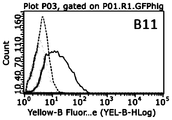
- Figures 27A and 27B show ability of the antibodies of the invention E8 (FIG. 27A) and B11 (FIG. 27B) to block CD80 from binding PD-L1-expressing cells (grey silled curves) compared to CD80 alone (solid line) and secondary alone (dashed line) .
- Figure 28 shows half-life measurement of the antibody embodiments of the invention using Tg32 mice.
- “about” refers to a numeric value, including, for example, whole numbers, fractions, and percentages, whether or not explicitly indicated.
- the term “about” generally refers to a range of numerical values (e.g., +/-5 to10%of the recited value) that one of ordinary skill in the art would consider equivalent to the recited value (e.g., having the same function or result) .
- the term “about” may include numerical values that are rounded to the nearest significant figure. Unless indicated otherwise, “about” is +/-10%of the recited value (s) .
- an “antigen-binding polypeptide” is a polypeptide comprising a portion that binds to an antigen.
- antigen-binding polypeptides include antibodies, antibody fragments (e.g., an antigen binding portion of an antibody) , antibody derivatives, and antibody analogs.
- An antigen binding polypeptide or protein can have, for example, the structure of a naturally occurring antibody (also known as “immunoglobulin” .
- a naturally occurring antibody also known as “immunoglobulin” .
- Each naturally occurring antibody is composed of two identical pairs of polypeptide chains, each pair having one “light” (about 25 kDa) and one “heavy” chain (about 50-70 kDa) .
- the variable regions of each light/heavy chain pair form the antibody-binding site such that an intact antibody has two binding sites.
- variable regions of naturally occurring antibody chains exhibit the same general structure of relatively conserved framework regions (FR) joined by three hyper-variable regions, also called complementarity determining regions or CDRs. From N-terminus to C-terminus, both light and heavy chains comprise the domains FR1, CDR1, FR2, CDR2, FR3, CDR3 and FR4. The assignment of amino acids to each domain is in accordance with the definitions of Kabat et al. in Sequences of Proteins of Immunological Interest, 5 th Ed., US Dept. of Health and Human Services, PHS, NIH, NIH Publication no. 91-3242, 1991.
- IMGT international ImMunoGeneTics information system
- Lefranc et al. Dev. Comp. Immunol. 29: 185-203; 2005
- AHo Hegger and Pluckthun, J. Mol. Biol. 309 (3) : 657-670; 2001.
- Antibodies can be obtained from sources such as serum or plasma that contain immunoglobulins having varied antigenic specificity. If such antibodies are subjected to affinity purification, they can be enriched for a particular antigenic specificity. Such enriched preparations of antibodies usually are made of less than about 10%antibody having specific binding activity for the particular antigen. Subjecting these preparations to several rounds of affinity purification can increase the proportion of antibody having specific binding activity for the antigen. Antibodies prepared in this manner are often referred to as “monospecific. ” Monospecific antibody preparations can be made up of about 10%, 20%, 30%, 40%, 50%, 60%, 70%, 75%, 80%, 85%, 90%, 95%, 97%, 99%, or 99.9%antibody having specific binding activity for the particular antigen.
- antibody or “Ab” (and their plural forms) , as used herein, broadly refers to any immunoglobulin (Ig) molecule comprised of four polypeptide chains, two heavy (H) chains and two light (L) chains, or any functional fragment (s) , mutant (s) , variant (s) , derivative (s) or analog (s) thereof, which retains the essential and specific epitope-binding features of an Ig molecule.
- Ig immunoglobulin
- Such fragment, mutant, variant, derivative or analog antibody formats are known in the art, and include, inter alia, Fab, F (ab') , F (ab') 2 , Fv, single-chain antibodies (scFv) , single-domain antibodies (sdAbs) , complementarity determining region (CDR) fragments, chimeric antibodies, diabodies, triabodies, tetrabodies, and polypeptides that contain at least a portion of an immunoglobulin that is sufficient to confer specific antigen binding to the polypeptide.
- Antibody fragments, derivatives and analogs may be produced by recombinant DNA techniques or by enzymatic or chemical cleavage of intact antibodies.
- a Fab fragment is a monovalent fragment having the V L , V H , C L and C H1 domains;
- a F (ab') 2 fragment is a bivalent fragment having two Fab fragments linked by a disulfide bridge at the hinge region;
- a Fd fragment has the V H and C H1 domains;
- an Fv fragment has the V L and V H domains of a single arm of an antibody;
- a dAb fragment has a V H domain, a V L domain, or an antigen-binding fragment of a V H or V L domain (see, e.g., U.S. Pat. Nos. 6,846,634; 6,696,245, US App. Pub. 20/0202512; 2004/0202995; 2004/0038291; 2004/0009507; 2003/0039958, and Ward et al., Nature 341: 544-546, 1989) .
- a single-chain antibody is an antibody in which a V L and a V H region are joined via a linker (e.g., a synthetic sequence of amino acid residues) to form a continuous protein chain wherein the linker is long enough to allow the protein chain to fold back on itself and form a monovalent antigen binding site (see, e.g., Bird et al., 1988, Science 242: 423-26 and Huston et al., 1988, Proc. Natl. Acad. Sci. USA 85: 5879-83) .
- a linker e.g., a synthetic sequence of amino acid residues
- Diabodies are bivalent antibodies comprising two polypeptide chains, where each polypeptide chain comprises V H and V L domains joined by a linker that is too short to allow for pairing between two domains on the same chain, thus allowing each domain to pair with a complementary domain on another polypeptide chain (see, e.g., Holliger et al., 1993, Proc. Natl. Acad. Sci. USA 90: 6444-48, and Poljak et al., 1994, Structure 2: 1121-23) . If the two polypeptide chains of a diabody are identical, then a diabody resulting from their pairing will have two identical antigen binding sites.
- Polypeptide chains having different sequences can be used to make a diabody with two different antigen-binding sites.
- tribodies and tetrabodies are antibodies comprising three and four polypeptide chains, respectively, and forming three and four antigen binding sites, respectively, which can be the same or different.
- Complementarity determining regions (CDRs) and framework regions (FR) of a given antibody may be identified using the system described by Kabat et al. supra; Lefranc et al., supra and/or Honegger and Pluckthun, supra.
- One or more CDRs may be incorporated into a molecule either covalently or noncovalently to make it an antigen binding protein.
- An antigen binding polypeptide may incorporate the CDR (s) as part of a larger polypeptide chain, may covalently link the CDR (s) to another polypeptide chain, or may incorporate the CDR (s) noncovalently.
- the CDRs permit the antigen binding protein to specifically bind to a particular antigen of interest.
- An antigen binding polypeptide may have one or more binding sites. If there is more than one binding site, the binding sites may be identical to one another or may be different. For example, a naturally occurring human immunoglobulin typically has two identical binding sites, while a “bispecific” or “bifunctional” antibody has two different binding sites.
- human antibody or “humanized antibody” as used herein includes all antibodies that have one or more variable and constant regions derived from human immunoglobulin sequences. In one embodiment, all of the variable and constant domains are derived from human immunoglobulin sequences (a fully human or humanized antibody) . These antibodies may be prepared in a variety of ways, including through the immunization with an antigen of interest of a mouse that is genetically modified to express antibodies derived from human heavy and/or light chain-encoding genes.
- a humanized antibody has a sequence that differs from the sequence of an antibody derived from a non-human species by one or more amino acid substitutions, deletions, and/or additions, such that the humanized antibody is less likely to induce an immune response, and/or induces a less severe immune response, as compared to the non-human species antibody, when it is administered to a human subject.
- certain amino acids in the framework and constant domains of the heavy and/or light chains of the non-human species antibody are mutated to produce the humanized antibody.
- the constant domain (s) from a human antibody are fused to the variable domain (s) of a non-human species.
- one or more amino acid residues in one or more CDR sequences of a non-human antibody are changed to reduce the likely immunogenicity of the non-human antibody when it is administered to a human subject, wherein the changed amino acid residues either are not critical for immunospecific binding of the antibody to its antigen, or the changes to the amino acid sequence that are made are conservative changes, such that the binding of the humanized antibody to the antigen is not significantly worse than the binding of the non-human antibody to the antigen. Examples of how to make humanized antibodies may be found in U.S. Pat. Nos. 6,054,297, 5,886,152 and 5,877,293.
- chimeric antibody refers to an antibody that contains one or more regions from one antibody and one or more regions from at least another antibody.
- the CDRs from more than one human anti-PD-L1 antibodies are mixed and matched in a chimeric antibody.
- Activated T cells express PD1 on their cell surface. Binding of PD-L1 to PD1 activates PD1 and suppresses the PD1 + T cells.
- a “neutralizing antibody” or an “inhibitory antibody” as used herein refers to an antibody that blocks the activation of PD1 when an excess of the anti-PD-L1 antibody reduces the amount of said activation by at least about 20%using an assay such as those described herein in the Examples.
- the antigen binding protein reduces the amount of activation of PD1 by at least 30%, 40%, 50%, 60%, 70%, 75%, 80%, 85%, 90%, 95%, 97%, 99%, and 99.9%.
- Fragments or analogs of antibodies can be readily prepared by those of ordinary skill in the art following the teachings of this specification and using techniques known in the art. Preferred amino-and carboxy-termini of fragments or analogs occur near boundaries of functional domains. Structural and functional domains can be identified by comparison of the nucleotide and/or amino acid sequence data to public or proprietary sequence databases. Computerized comparison methods can be used to identify sequence motifs or predicted protein conformation domains that occur in other proteins of known structure and/or function. Methods to identify protein sequences that fold into a known three-dimensional structure are known. See, Bowie et al., 1991, Science 253: 164.
- an antigen-binding polypeptide “specifically binds” to an antigen (e.g., human PD-L1) if it binds to the antigen with a dissociation constant of 100 nanomolar or less.
- an “antigen binding domain, ” “antigen binding region, ” or “antigen binding site, ” as used herein, is a portion of an antigen binding protein that contains amino acid residues (or other moieties) that interact with an antigen and contribute to the antigen binding protein's specificity and affinity for the antigen.
- an antibody to specifically bind to its antigen it will include at least part of at least one of its CDR domains.
- An “epitope” as used herein is the portion of a molecule that is bound by an antigen binding protein (e.g., by an antibody) .
- An epitope can comprise non-contiguous portions of the molecule (e.g., in a polypeptide, amino acid residues that are not contiguous in the polypeptide's primary sequence but that, in the context of the polypeptide's tertiary and quaternary structure, are near enough to each other to be bound by an antigen binding protein) .
- nucleic acid As used herein, the terms “polynucleotide, ” “oligonucleotide” and “nucleic acid” are used interchangeably throughout and include DNA molecules (e.g., cDNA or genomic DNA) , RNA molecules (e.g., mRNA) , analogs of the DNA or RNA generated using nucleotide analogs (e.g., peptide nucleic acids and non-naturally occurring nucleotide analogs) , and hybrids thereof.
- the nucleic acid molecule can be single-stranded or double-stranded.
- the nucleic acid molecules of the invention comprise a contiguous open reading frame encoding an antibody, or a fragment, derivative, mutant, or variant thereof.
- a “vector” as used herein is a nucleic acid that can be used to introduce another nucleic acid linked to it into a cell.
- a “plasmid”, ” which refers to a linear or circular double stranded DNA molecule into which additional nucleic acid segments can be ligated.
- a viral vector e.g., replication defective retroviruses, adenoviruses and adeno-associated viruses
- viral vectors e.g., replication defective retroviruses, adenoviruses and adeno-associated viruses
- certain vectors are capable of autonomous replication in a host cell into which they are introduced (e.g., bacterial vectors comprising a bacterial origin of replication and episomal mammalian vectors) .
- vectors e.g., non-episomal mammalian vectors
- An “expression vector” is a type of vector that can direct the expression of a chosen polynucleotide.
- a nucleotide sequence is “operably linked” to a regulatory sequence if the regulatory sequence affects the expression (e.g., the level, timing, or location of expression) of the nucleotide sequence.
- a “regulatory sequence” is a nucleic acid that affects the expression (e.g., the level, timing, or location of expression) of a nucleic acid to which it is operably linked.
- the regulatory sequence can, for example, exert its effects directly on the regulated nucleic acid, or through the action of one or more other molecules (e.g., polypeptides that bind to the regulatory sequence and/or the nucleic acid) .
- regulatory sequences include promoters, enhancers and other expression control elements (e.g., polyadenylation signals) . Further examples of regulatory sequences are described in, for example, Goeddel, 1990, Gene Expression Technology: Methods in Enzymology 185, Academic Press, San Diego, Calif. and Baron et al., 1995, Nucleic Acids Res. 23: 3605-06.
- the broad spectrum of mammalian cancers to be treated by compositions of the present invention is selected from the group consisting of ovarian cancer, colon cancer, breast cancer, lung cancer, myelomas, neuroblastic-derived CNS tumors, monocytic leukemias, B-cell derived leukemias, T-cell derived leukemias, B-cell derived lymphomas, T-cell derived lymphomas, mast cell derived tumors, melanoma, bladder cancer, gastric cancer, liver cancer, urothelial carcinoma, cutaneum carcinoma, renal cancer, head and neck cancer, pancreatic cancer, and combinations thereof. More broadly, any cancer where at least a fraction of the tumor cells express detectable amount of PD-L1 can potentially be treated by the composition of the invention.
- Polypeptides of the present disclosure can be produced using any standard methods known in the art.
- the polypeptides are produced by recombinant DNA methods by inserting a nucleic acid sequence (e.g., a cDNA) encoding the polypeptide into a recombinant expression vector and expressing the DNA sequence under conditions promoting expression.
- a nucleic acid sequence e.g., a cDNA
- Nucleic acids encoding any of the various polypeptides disclosed herein may be synthesized chemically. Codon usage may be selected so as to improve expression in a cell. Such codon usage will depend on the cell type selected. Specialized codon usage patterns have been developed for E. coli and other bacteria, as well as mammalian cells, plant cells, yeast cells and insect cells. See for example: Mayfield et al., Proc. Natl. Acad. Sci. USA. 2003 100 (2) : 438-42; Sinclair et al. Protein Expr. Purif. 2002 (1) : 96-105; Connell N D. Curr. Opin. Biotechnol. 2001 12 (5) : 446-9; Makrides et al. Microbiol. Rev. 1996 60 (3) : 512-38; and Sharp et al. Yeast. 1991 7 (7) : 657-78.
- the DNA encoding the polypeptide is operably linked to suitable transcriptional or translational regulatory elements derived from mammalian, viral, or insect genes.
- suitable transcriptional or translational regulatory elements include a transcriptional promoter, an optional operator sequence to control transcription, a sequence encoding suitable mRNA ribosomal binding sites, and sequences that control the termination of transcription and translation.
- the ability to replicate in a host, usually conferred by an origin of replication, and a selection gene to facilitate recognition of transformants is additionally incorporated.
- the recombinant DNA of the present invention can also include any type of protein tag sequence that may be useful for purifying the protein.
- protein tags include but are not limited to a histidine tag, a FLAG tag, a myc tag, an HA tag, or a GST tag.
- Appropriate cloning and expression vectors for use with bacterial, fungal, yeast, and mammalian cellular hosts can be found in Cloning Vectors: A Laboratory Manual, (Elsevier, N. Y., 1985) .
- the expression construct of the present invention is introduced into the host cell using a method appropriate to the host cell.
- a variety of methods for introducing nucleic acids into host cells are known in the art, including, but not limited to, electroporation; transfection employing calcium chloride, rubidium chloride, calcium phosphate, DEAE-dextran, or other substances; microprojectile bombardment; lipofection; and infection (where the vector is an infectious agent) .
- Suitable host cells include prokaryotes, yeast, mammalian cells, or bacterial cells.
- Proteins disclosed herein can also be produced using cell-translation systems.
- the nucleic acids encoding the polypeptide must be modified to allow in vitro transcription to produce mRNA and to allow cell-free translation of the mRNA in the particular cell-free system being utilized (eukaryotic such as a mammalian or yeast cell-free translation system or prokaryotic such as a bacterial cell-free translation system.
- PD-L1-binding polypeptides can also be produced by chemical synthesis (e.g., by the methods described in Solid Phase Peptide Synthesis, 2nd ed., 1984, The Pierce Chemical Co., Rockford, Ill. ) . Modifications to the protein can also be produced by chemical synthesis.
- polypeptides of the present disclosure can be purified by isolation/purification methods for proteins generally known in the field of protein chemistry.
- Non-limiting examples include extraction, recrystallization, salting out (e.g., with ammonium sulfate or sodium sulfate) , centrifugation, dialysis, ultrafiltration, adsorption chromatography, ion exchange chromatography, hydrophobic chromatography, normal phase chromatography, reversed-phase chromatography, gel filtration, gel permeation chromatography, affinity chromatography, electrophoresis, countercurrent distribution or any combinations of these.
- polypeptides may be exchanged into different buffers and/or concentrated by any of a variety of methods known to the art, including, but not limited to, filtration and dialysis.
- the purified polypeptide is preferably at least 85%pure, more preferably at least 90%or 95%pure, and most preferably at least 98%pure. Regardless of the exact numerical value of the purity, the polypeptide is sufficiently purified for use as a pharmaceutical product.
- the binding polypeptides of the invention may further comprise post-translational modifications.
- post-translational protein modifications include phosphorylation, acetylation, methylation, ADP-ribosylation, ubiquitination, glycosylation, carbonylation, sumoylation, biotinylation or addition of a polypeptide side chain or of a hydrophobic group.
- the modified soluble polypeptides may contain non-amino acid elements, such as lipids, poly-or mono-saccharide, and phosphates.
- a preferred form of glycosylation is sialylation, which conjugates one or more sialic acid moieties to the polypeptide.
- Sialic acid moieties improve solubility and serum half-life while also reducing the possible immunogeneticity of the protein. See Raju et al. Biochemistry. 2001 31; 40 (30) : 8868-76. Effects of such non-amino acid elements on the functionality of a polypeptide may be tested for its antagonizing role in PD-L1 or PD-1 function, e.g., its inhibitory effect on angiogenesis or on tumor growth.
- modified forms of the subject polypeptides comprise linking the subject soluble polypeptides to nonproteinaceous polymers.
- the polymer is polyethylene glycol ( “PEG” ) , polypropylene glycol, or polyoxyalkylenes, in the manner as set forth in U.S. Pat. No. 4,640,835; 4,496,689; 4,301,144; 4,670,417; 4,791,192 or 4,179,337.
- the pegylated embodiments of binding polypeptides of the invention preferably retain at least 25%, 50%, 60%, 70%, 80%, 90%, 95%or 100%of the biological activity associated with the unmodified protein.
- biological activity refers to its ability to bind to PD-L1, as assessed by KD, k on or k off rates.
- the pegylated binding polypeptide protein shows an increase in binding to human PD-L1 relative to the unpegylated counterpart.
- the biological activity refers to blockage of PD-L1/PD1 interaction.
- the present disclosure further features methods for treating conditions or preventing pre-conditions which respond to inhibition of an PD-L1 biological activity.
- Preferred examples are conditions that are characterized by cellular hyperproliferation and sustained infection.
- Techniques and dosages for administration vary depending on the type of specific polypeptide and the specific condition being treated. Because regulatory agencies require that a protein reagent to be used as a therapeutic be formulated with acceptably low levels of pyrogens, therapeutic formulations of the present invention can be distinguished from other formulations for being substantially pyrogen free, or at least contain no more than acceptable levels of pyrogen as determined by the appropriate regulatory agency (e.g., U.S. FDA) .
- compositions of the present invention may include at least one pharmaceutically acceptable diluent, carrier, or excipient.
- Excipients included in the formulations will have different purposes depending, for example, on the kind of gene construct or effector cells used, and the mode of administration. Examples of generally used excipients include, without limitation: saline, buffered saline, dextrose, water-for-infection, glycerol, ethanol, and combinations thereof, stabilizing agents, solubilizing agents and surfactants, buffers and preservatives, tonicity agents, bulking agents, and lubricating agents.
- a pharmaceutical formulation of the invention is administered into the patient.
- exemplary administration modes include, but are not limited to, intravenous injection.
- Other modes include, without limitation, intratumoral, intradermal, subcutaneous (s.c., s.q., sub-Q, Hypo) , intramuscular (i. m. ) , intraperitoneal (i. p. ) , intra-arterial, intramedullary, intracardiac, intra-articular (joint) , intrasynovial (joint fluid area) , intracranial, intraspinal, and intrathecal (spinal fluids) .
- Any known device useful for parenteral injection or infusion of the formulations can be used to effect such administration.
- the terms “treat” , “treating” , and “treatment” have their ordinary and customary meanings, and include one or more of: blocking, ameliorating, or decreasing in severity and/or frequency a symptom of a disease (e.g., cancer) in a subject, and/or inhibiting the growth, division, spread, or proliferation of cancer cells, or progression of cancer (e.g., emergence of new tumors) in a subject.
- Treatment means blocking, ameliorating, decreasing, or inhibiting by about 5%to about 100%versus a subject in which the methods of the present invention have not been practiced.
- the blocking, ameliorating, decreasing, or inhibiting is about 100%, 99%, 95%, 90%, 80%, 70%, 60%, 50%, 40%, 30%, 20%, 10%, or 5%versus a subject in which the methods of the present invention have not been practiced.
- the invention also provides a kit comprising one or more containers filled with quantities of gene constructs encoding the polypeptides of the invention, with pharmaceutically acceptable excipients.
- the kit may also include instructions for use.
- Associated with the kit may further be a notice in the form prescribed by a governmental agency regulating the manufacture, use or sale of pharmaceuticals or biological products, which notice reflects approval by the agency of manufacture, use or sale for human administration.
- PDL1-binding single chain variable fragments were identified by standard phage display technique.
- Human scFv libraries were generated through PCR-based reconstruction from B cells from 50 healthy donors.
- Solid phase immunotube-based panning was performed using hPDL1-Fc fusion protein and irrelevant Fc fusion protein indirectly immobilized onto immunotube coated with anti-human IgG Fc antibody.
- Fc-binding scFvs were first depleted using the irrelevant Fc fusion proteins and then the unbound phages were selected for binding with the hPDL1-Fc fusion protein. Eluted phages were amplified in bacteria.
- Direct coating This was conducted by directly coating the Fc proteins onto the immunotube without the use of the anti-human Fc antibody (FIG. 2) .
- ELISAs were performed using the same strategy as the panning. For clones from the indirect panning, plates were first coated with anti-human Fc antibody and then the Fc protein. For clones from the direct panning, plates were directly coated with the Fc protein. In indirect ELISA assays, phages were tested for their ability to bind hPDL1-Fc and an irrelevant Fc protein (or hIgG1) in parallel assays. Phages that showed low binding to the irrelevant Fc protein and high binding to the hPDL1 were selected for further sequencing and secondary screening. Data were shown in FIG. 3. Non-specific binding of most clones is low (signal value against Fc protein (1: 10 dilution) is less than 0.2) .
- phages were tested for their ability to bind hPDL1-Fc, mPDL1-Fc (mouse PDL1) and hIgG1 in parallel assays. Phages showed that there was no significant binding to mouse PDL1 by any of the lead molecules in the present invention, namely, none of the lead molecules show significant cross-reactivity with mouse PDL1. Data are shown in FIG. 7.
- Phages, phage lysates or lysates from bacteria expressing scFvs were tested for their ability to preferentially bind to 293T cells expressing hPDL1 but not parental 293T cells.
- the ratio of the mean fluorescence intensity (MFI) was used as the basis for identifying positive clones. Data were shown in FIG. 4. Most clones showed high ratio that could be identified as positive clones.
- Phages, phage lysates or lysates from bacteria expressing scFvs were tested for their ability to block the interaction between hPD1 and hPDL1.
- the binding assays were set up by either coating the plates with hPD1-Fc or hPDL1-Fc. Binding of the biotinylated ligand (hPDL1 or hPD1) was detected using streptavidin-HRP using standard methods. The loss of binding in the presence of the scFv was used to identify potential blockers. Results are shown in FIGS. 5 and 6.
- scFvs are relatively unstable, some scFvs were converted to Fc fusions and expressed in mammalian cells. These were purified using Protein A columns and tested for their ability to block PD1-PDL1 interaction as well as their ability to bind PDL1-expressing 293T cells.
- Full-length antibody genes were constructed by PCR-amplifying the VH and VL regions from individual scFv clones and cloned into appropriate expression vectors using standard methods familiar to one skilled in the art.
- Full-length antibody proteins were generated by transiently transfecting suspension-grown 293T cells and purified using a Protein A column by standard methods familiar to one skilled in the art.
- Exemplary full length antibodies were characterized by SDS-PAGE and size exclusion chromatography (result was shown in FIGS. 8A, 8B, 9A, 9B, 10A, and 10B) , as well as quantification of their potency in (a) specifically binding hPDL1 by ELISA (result was shown in FIGS. 11B and 11C) ; (b) specifically binding hPDL1-expressing 293T cells and unstrained 293T cells (results were shown in FIGS. 12A and 12B) ; and (c) blocking PD1-PDL1 interaction in both versions of the blocking assay.
- Resulting data for exemplary lead antibody candidates in Format 1 and Format 2 are shown in FIGS. 13B and 14B.
- Resulting data for 27 antibody embodiments in the present invention are shown in FIG. 15.
- the lead antibody candidates were tested for their affinities to PD-L1 using BIAcore (FIGS. 16B-16D) . Briefly, biotinylated hPDL1 was captured through streptavidin onto the sensor chip surface. Antibody was made to flow over the chip and the reaction parameters were calculated using a single cycle kinetics method based on the stability of the interaction. KD values were evaluated using BIAcore X100 evaluation software 2.0 with bivalent analyte binding model.
- PBMCs Peripheral Blood Mononuclear Cells
- RPMI+medium was prepared as follows: 10%FBS, 1%anti-anti (Gibco) and 1%non-essential amino acids (Gibco) were added to RPMI medium with ATCC modification (Gibco) .
- PBMCs were resuspended in 10-20 ml RPMI + and were cultured overnight at 37°C with 5%CO 2 .
- PBMCs were seeded into 96 well tissue culture plates (Corning) at a concentration of 100 000 PBMCs/96 well; the final volume per well was 200 ul.
- Staphylococcal Enterotoxin B (SEB) was added at a concentration of 1 ng/ml, and lead antibodies were added at 20 ug/ml (for screening) or at a range of concentrations from 50 ug/ml to 0.003 ug/ml.
- SEB Staphylococcal Enterotoxin B
- lead antibodies were added at 20 ug/ml (for screening) or at a range of concentrations from 50 ug/ml to 0.003 ug/ml.
- As controls cells without SEB (e.g. no stimulation) ; with SEB alone or with SEB and isotype control (e.g., baseline) .
- PBMCs were spun down at 1200 rpm for 15 minutes at room temperature, and supernatants were collected and stored at -20°C.
- IL2 ELISA was performed using a commercially available IL2-ELISA kit (Biolegend or Thermofisher) , following instructions from the manufacturer. Supernatants were diluted 1/20 –1/80 for the ELISA. The absorbance was measured using a Spectramax3 M3 microplate reader (Molecular Devices) , and data were analyzed using Graphpad software. The lead antibody candidates were compared to commercially available anti-PD1 antibodies. Results are shown in FIG. 20.
- the 4-1E8 was consistently better than 3-1B11 and 3-1E4 in de-repressing IL2 (see FIGS. 23A-23C) and IFN ⁇ (see FIG. 24) .
- all three antibodies were as good or better than commercial PDL1 antibodies such as atezolizumab (Atezo) and durvalumab (Durva) production in similar co-culture experiments with T cells and MDA-MB-231 cells.
- PBMCs Peripheral Blood Mononuclear Cells
- PBMCs Peripheral Blood Mononuclear Cells
- RPMI 1640 serum-free RPMI 1640 for 1 hour at 37°C.
- Non-adherent cells were removed, and remaining monocytes were cultured in RPMI 1640 supplemented with 5%human AB serum, 2 ng/mL GM-CSF, and 10 ng/mL IL4 (BD Biosciences) .
- Fresh media with cytokine supplements were added every 2 to 3 days.
- Mature dendritic cells were induced by addition of 20 ng/mL TNFa (BD Biosciences) on day 6 and cultured for 24 hours.
- Dendritic cells were harvested, phenotyped, and frozen for later use.
- CD4 T cells were isolated from PBMCs using magnetic beads (Dynal) as per manufacturer's instructions.
- CD4 T cells were cultured in 96 well-flat bottom plates (Costar) together with allogeneic dendritic cells at a ratio of 1: 2.5, using RPMI 1640 supplemented with 10%human AB serum.
- Dendritic cells were treated with 100 mg/mL of mitomycin C (Sigma) before addition. Proliferation was measured by CFSE (or similar dye) dilution in T cells. IFNg release was measured using a commercially available IFNg-ELISA kit, following instructions of the manufacturer.
- the absorbance was measured using a Spectramax3 M3 microplate reader (Molecular Devices) , and data were analyzed using graphpad software.
- the lead antibody candidates according to embodiments of the present invention performed comparably to other commercially available anti-PD1 and anti-PDL1 antibodies. Exemplary results are shown in FIGS. 25A and 25B.
- Lines of Expi293 cells were generated that stably expressed a variety of B7 family members and their receptors.
- the ability of anti-PDL1 antibodies was tested by FACS using fluorescent anti-human IgG. Resulting data for exemplary lead antibody candidates are shown in FIGS. 26A and 26B.
- DLD1 cells engineered to express PDL1 bind were used to detect binding of biotinylated CD80-Fc in the presence or absence of anti-PDL1 Abs, followed by fluorescent streptavidin. Resulting data for exemplary lead antibody candidates of the present invention are shown in FIGS. 27A and 27B.
- Serum half-life was measured using male homozygous Tg32 mice (B6. Cg-Fcgrttm1Dcr Tg (FCGRT) 32Dcr/DcrJ, Jackson labs) . 2 mg/kg of antibody was injected IV on Day 0 and blood was drawn on Day 1 and various later time points. Plasma was prepared and antibody titers were measured using a sandwich ELISA. Titers were normalized to Day 1 titers. Anti-antibody response was also measured and samples with high titers were removed from the analysis because they often showed sudden changes in the ELISA. Resulting data for exemplary lead antibody candidates of the present invention are shown in FIG. 28. Half-life for different antibodies ranged from 6.9 days (3-1E4, see Example 9 below for sequence details) to 10.5 days (3-1B11, see Example 11 below for sequence details) and 12.3 days (4-1E8, see Example 5 below for sequence details) .
Landscapes
- Health & Medical Sciences (AREA)
- Chemical & Material Sciences (AREA)
- Immunology (AREA)
- Organic Chemistry (AREA)
- Life Sciences & Earth Sciences (AREA)
- General Health & Medical Sciences (AREA)
- Medicinal Chemistry (AREA)
- Genetics & Genomics (AREA)
- Biochemistry (AREA)
- Biophysics (AREA)
- Molecular Biology (AREA)
- Veterinary Medicine (AREA)
- Pharmacology & Pharmacy (AREA)
- Animal Behavior & Ethology (AREA)
- Public Health (AREA)
- Proteomics, Peptides & Aminoacids (AREA)
- General Chemical & Material Sciences (AREA)
- Nuclear Medicine, Radiotherapy & Molecular Imaging (AREA)
- Chemical Kinetics & Catalysis (AREA)
- Engineering & Computer Science (AREA)
- General Engineering & Computer Science (AREA)
- Wood Science & Technology (AREA)
- Biomedical Technology (AREA)
- Biotechnology (AREA)
- Zoology (AREA)
- Bioinformatics & Cheminformatics (AREA)
- Epidemiology (AREA)
- Plant Pathology (AREA)
- Microbiology (AREA)
- Physics & Mathematics (AREA)
- Hematology (AREA)
- Oncology (AREA)
- Virology (AREA)
- Peptides Or Proteins (AREA)
- Medicines Containing Antibodies Or Antigens For Use As Internal Diagnostic Agents (AREA)
- Preparation Of Compounds By Using Micro-Organisms (AREA)
- Medicines That Contain Protein Lipid Enzymes And Other Medicines (AREA)
Priority Applications (12)
| Application Number | Priority Date | Filing Date | Title |
|---|---|---|---|
| SG11202101757QA SG11202101757QA (en) | 2018-08-20 | 2019-08-20 | Novel cancer immunotherapy antibody compositions |
| CA3110138A CA3110138A1 (en) | 2018-08-20 | 2019-08-20 | Novel cancer immunotherapy antibody compositions |
| EP19853152.7A EP3841126A4 (en) | 2018-08-20 | 2019-08-20 | NOVEL CANCER IMMUNOTHERAPY ANTIBODY COMPOSITIONS |
| CN202310026623.5A CN116410320A (zh) | 2018-08-20 | 2019-08-20 | 新型癌症免疫治疗抗体组合物 |
| BR112021003182-0A BR112021003182A2 (pt) | 2018-08-20 | 2019-08-20 | novas composições de anticorpo para imunoterapia contra o câncer |
| MX2021002077A MX2021002077A (es) | 2018-08-20 | 2019-08-20 | Nuevas composiciones de anticuerpos para la inmunoterapia contra el cáncer. |
| JP2021509199A JP7488534B2 (ja) | 2018-08-20 | 2019-08-20 | 新規ながん免疫療法抗体組成物 |
| US17/270,034 US12391758B2 (en) | 2018-08-20 | 2019-08-20 | Anti-PD-L1 cancer immunotherapy antibodies |
| CN201980054723.0A CN112839963B (zh) | 2018-08-20 | 2019-08-20 | 新型癌症免疫治疗抗体组合物 |
| CN202211332831.XA CN116063519B (zh) | 2018-08-20 | 2019-08-20 | 新型癌症免疫治疗抗体组合物 |
| KR1020217008130A KR20210046725A (ko) | 2018-08-20 | 2019-08-20 | 신규 암 면역요법 항체 조성물 |
| AU2019324388A AU2019324388A1 (en) | 2018-08-20 | 2019-08-20 | Novel cancer immunotherapy antibody compositions |
Applications Claiming Priority (2)
| Application Number | Priority Date | Filing Date | Title |
|---|---|---|---|
| US201862720015P | 2018-08-20 | 2018-08-20 | |
| US62/720,015 | 2018-08-20 |
Publications (1)
| Publication Number | Publication Date |
|---|---|
| WO2020038379A1 true WO2020038379A1 (en) | 2020-02-27 |
Family
ID=69591356
Family Applications (1)
| Application Number | Title | Priority Date | Filing Date |
|---|---|---|---|
| PCT/CN2019/101659 Ceased WO2020038379A1 (en) | 2018-08-20 | 2019-08-20 | Novel cancer immunotherapy antibody compositions |
Country Status (12)
| Country | Link |
|---|---|
| US (1) | US12391758B2 (https=) |
| EP (1) | EP3841126A4 (https=) |
| JP (1) | JP7488534B2 (https=) |
| KR (1) | KR20210046725A (https=) |
| CN (3) | CN112839963B (https=) |
| AU (1) | AU2019324388A1 (https=) |
| BR (1) | BR112021003182A2 (https=) |
| CA (1) | CA3110138A1 (https=) |
| MX (1) | MX2021002077A (https=) |
| SG (1) | SG11202101757QA (https=) |
| TW (1) | TW202016150A (https=) |
| WO (1) | WO2020038379A1 (https=) |
Families Citing this family (2)
| Publication number | Priority date | Publication date | Assignee | Title |
|---|---|---|---|---|
| WO2023187460A1 (en) * | 2022-04-01 | 2023-10-05 | Mabtree Biologics Ag | Human antibody or antigen binding fragment thereof specific against pd-l1 to enhance t-cell function |
| CN118930652B (zh) * | 2024-07-29 | 2025-03-11 | 北京肿瘤医院(北京大学肿瘤医院) | 一种免疫检查点pd-l2靶向单链抗体及放射性核素标记物与应用 |
Citations (10)
| Publication number | Priority date | Publication date | Assignee | Title |
|---|---|---|---|---|
| CN101248089A (zh) * | 2005-07-01 | 2008-08-20 | 米德列斯公司 | 抗程序性死亡配体1(pd-l1)的人单克隆抗体 |
| CN102264762A (zh) * | 2008-09-26 | 2011-11-30 | 达纳-法伯癌症研究公司 | 人抗pd-1、pd-l1和pd-l2的抗体及其应用 |
| CN104736168A (zh) * | 2012-05-31 | 2015-06-24 | 索伦托治疗有限公司 | 与pd-l1结合的抗原结合蛋白 |
| CN105579471A (zh) * | 2012-12-21 | 2016-05-11 | 默沙东公司 | 结合人程序性死亡配体1(pd-l1)的抗体 |
| CN105777906A (zh) * | 2014-12-19 | 2016-07-20 | 苏州丁孚靶点生物技术有限公司 | 抗pd-l1全人抗体及其应用 |
| CN106432501A (zh) * | 2015-08-06 | 2017-02-22 | 上海药明生物技术有限公司 | 新型抗pd‑l1抗体 |
| CN106496327A (zh) * | 2016-11-18 | 2017-03-15 | 昆山百尔泰生物科技有限公司 | 针对pd‑l1胞外段的人源抗体或抗体片段和用途、核苷酸序列和载体 |
| CN107973854A (zh) * | 2017-12-11 | 2018-05-01 | 苏州银河生物医药有限公司 | Pdl1单克隆抗体及其应用 |
| CN108239149A (zh) * | 2016-12-25 | 2018-07-03 | 南京传奇生物科技有限公司 | 高亲和力、高特异性、多抗原识别表位的具有更高功能性的抗人pd-l1抗体 |
| CN108350082A (zh) * | 2016-06-13 | 2018-07-31 | 爱迈博 | Pd-l1抗体及其用途 |
Family Cites Families (9)
| Publication number | Priority date | Publication date | Assignee | Title |
|---|---|---|---|---|
| JP2009504659A (ja) * | 2005-08-08 | 2009-02-05 | オンコノン・リミテッド・ライアビリティ・カンパニー | 抗体組成物、腫瘍性疾患の処置方法、および受胎能の調節方法 |
| EP3255060A1 (en) * | 2008-12-09 | 2017-12-13 | F. Hoffmann-La Roche AG | Anti-pd-l1 antibodies and their use to enhance t-cell function |
| PL2504364T3 (pl) * | 2009-11-24 | 2017-12-29 | Medimmune Limited | Ukierunkowane środki wiążące przeciwko B7-H1 |
| KR101764096B1 (ko) | 2011-11-28 | 2017-08-02 | 메르크 파텐트 게엠베하 | 항-pd-l1 항체 및 그의 용도 |
| AR104484A1 (es) * | 2015-03-10 | 2017-07-26 | Sorrento Therapeutics Inc | Anticuerpos anti-psma como agentes terapéuticos |
| CN114853891A (zh) | 2015-07-22 | 2022-08-05 | 索伦托药业有限公司 | 与lag3结合的抗体治疗剂 |
| WO2017020291A1 (en) * | 2015-08-06 | 2017-02-09 | Wuxi Biologics (Shanghai) Co. Ltd. | Novel anti-pd-l1 antibodies |
| WO2017132562A1 (en) * | 2016-01-29 | 2017-08-03 | Heyue Zhou | Antigen binding proteins that bind pd-l1 |
| TWI840433B (zh) * | 2018-10-29 | 2024-05-01 | 大陸商北京強新生物科技有限公司 | 新穎合理設計的蛋白質組合物 |
-
2019
- 2019-08-20 MX MX2021002077A patent/MX2021002077A/es unknown
- 2019-08-20 CA CA3110138A patent/CA3110138A1/en active Pending
- 2019-08-20 SG SG11202101757QA patent/SG11202101757QA/en unknown
- 2019-08-20 TW TW108129705A patent/TW202016150A/zh unknown
- 2019-08-20 KR KR1020217008130A patent/KR20210046725A/ko not_active Abandoned
- 2019-08-20 EP EP19853152.7A patent/EP3841126A4/en active Pending
- 2019-08-20 BR BR112021003182-0A patent/BR112021003182A2/pt not_active IP Right Cessation
- 2019-08-20 CN CN201980054723.0A patent/CN112839963B/zh active Active
- 2019-08-20 AU AU2019324388A patent/AU2019324388A1/en not_active Abandoned
- 2019-08-20 CN CN202310026623.5A patent/CN116410320A/zh active Pending
- 2019-08-20 CN CN202211332831.XA patent/CN116063519B/zh active Active
- 2019-08-20 US US17/270,034 patent/US12391758B2/en active Active
- 2019-08-20 JP JP2021509199A patent/JP7488534B2/ja active Active
- 2019-08-20 WO PCT/CN2019/101659 patent/WO2020038379A1/en not_active Ceased
Patent Citations (10)
| Publication number | Priority date | Publication date | Assignee | Title |
|---|---|---|---|---|
| CN101248089A (zh) * | 2005-07-01 | 2008-08-20 | 米德列斯公司 | 抗程序性死亡配体1(pd-l1)的人单克隆抗体 |
| CN102264762A (zh) * | 2008-09-26 | 2011-11-30 | 达纳-法伯癌症研究公司 | 人抗pd-1、pd-l1和pd-l2的抗体及其应用 |
| CN104736168A (zh) * | 2012-05-31 | 2015-06-24 | 索伦托治疗有限公司 | 与pd-l1结合的抗原结合蛋白 |
| CN105579471A (zh) * | 2012-12-21 | 2016-05-11 | 默沙东公司 | 结合人程序性死亡配体1(pd-l1)的抗体 |
| CN105777906A (zh) * | 2014-12-19 | 2016-07-20 | 苏州丁孚靶点生物技术有限公司 | 抗pd-l1全人抗体及其应用 |
| CN106432501A (zh) * | 2015-08-06 | 2017-02-22 | 上海药明生物技术有限公司 | 新型抗pd‑l1抗体 |
| CN108350082A (zh) * | 2016-06-13 | 2018-07-31 | 爱迈博 | Pd-l1抗体及其用途 |
| CN106496327A (zh) * | 2016-11-18 | 2017-03-15 | 昆山百尔泰生物科技有限公司 | 针对pd‑l1胞外段的人源抗体或抗体片段和用途、核苷酸序列和载体 |
| CN108239149A (zh) * | 2016-12-25 | 2018-07-03 | 南京传奇生物科技有限公司 | 高亲和力、高特异性、多抗原识别表位的具有更高功能性的抗人pd-l1抗体 |
| CN107973854A (zh) * | 2017-12-11 | 2018-05-01 | 苏州银河生物医药有限公司 | Pdl1单克隆抗体及其应用 |
Also Published As
| Publication number | Publication date |
|---|---|
| CA3110138A1 (en) | 2020-02-27 |
| US12391758B2 (en) | 2025-08-19 |
| BR112021003182A2 (pt) | 2021-05-11 |
| CN116063519A (zh) | 2023-05-05 |
| CN112839963B (zh) | 2023-02-10 |
| SG11202101757QA (en) | 2021-03-30 |
| TW202016150A (zh) | 2020-05-01 |
| JP2021534750A (ja) | 2021-12-16 |
| US20210332138A1 (en) | 2021-10-28 |
| AU2019324388A1 (en) | 2021-03-18 |
| EP3841126A4 (en) | 2022-08-10 |
| CN112839963A (zh) | 2021-05-25 |
| EP3841126A1 (en) | 2021-06-30 |
| KR20210046725A (ko) | 2021-04-28 |
| JP7488534B2 (ja) | 2024-05-22 |
| CN116063519B (zh) | 2026-04-28 |
| CN116410320A (zh) | 2023-07-11 |
| MX2021002077A (es) | 2021-05-27 |
Similar Documents
| Publication | Publication Date | Title |
|---|---|---|
| JP7790754B2 (ja) | Cd3を標的とする抗体、二重特異性抗体及びその使用 | |
| US10973915B2 (en) | Anti-PD-1 antibodies and uses thereof | |
| EP3295951B1 (en) | Anti-pvrig antibodies and methods of use | |
| CN108026169B (zh) | 抗人cd137的完全人抗体及其应用 | |
| JP7727086B2 (ja) | 抗pvrig/抗tigit二重特異性抗体及び応用 | |
| CN113880952A (zh) | 自然杀伤细胞接合抗体融合构建体 | |
| AU2017271601A1 (en) | Bispecific binding proteins binding an immunomodulatory protein and a tumor antigen | |
| EA036779B1 (ru) | Моноклональное антитело к pd-1 и способ его получения | |
| CN107428833A (zh) | Ror1特异性抗体和嵌合抗原受体 | |
| KR20200123164A (ko) | Lag3 및 pd1에 결합하는 치료 분자 | |
| JP7352007B2 (ja) | ヒト化抗vegfモノクローナル抗体 | |
| EP4435010A1 (en) | Bispecific antibody against tigit and pd-l1, and pharmaceutical composition thereof and use thereof | |
| JP7365654B2 (ja) | 抗cldn4-抗cd137二重特異性抗体 | |
| JP7802282B2 (ja) | 抗tspan8-抗cd3二重特異性抗体及び抗tspan8抗体 | |
| CN117355540A (zh) | 抗cd137抗体和使用方法 | |
| US12391758B2 (en) | Anti-PD-L1 cancer immunotherapy antibodies | |
| CN106062193A (zh) | 新型与人tlr2及人tlr4结合的双特异性抗体 | |
| CN120424213A (zh) | 特异性结合pd-1的单克隆抗体及其医药用途 | |
| HK40047112A (en) | Novel cancer immunotherapy antibody compositions | |
| TWI833227B (zh) | 靶向pd-l1和cd73的特異性結合蛋白及其應用 | |
| HK40089568A (zh) | 新型癌症免疫治疗抗体组合物 | |
| HK40089569A (zh) | 新型癌症免疫治疗抗体组合物 | |
| KR20260035361A (ko) | 폴리오바이러스 수용체에 대한 항체 및 이의 용도 | |
| TW202600594A (zh) | 結合構築體(一) | |
| EA050733B1 (ru) | Биспецифическое анти-cldn4/анти-cd137 антитело |
Legal Events
| Date | Code | Title | Description |
|---|---|---|---|
| 121 | Ep: the epo has been informed by wipo that ep was designated in this application |
Ref document number: 19853152 Country of ref document: EP Kind code of ref document: A1 |
|
| ENP | Entry into the national phase |
Ref document number: 2021509199 Country of ref document: JP Kind code of ref document: A |
|
| ENP | Entry into the national phase |
Ref document number: 3110138 Country of ref document: CA |
|
| NENP | Non-entry into the national phase |
Ref country code: DE |
|
| REG | Reference to national code |
Ref country code: BR Ref legal event code: B01A Ref document number: 112021003182 Country of ref document: BR |
|
| ENP | Entry into the national phase |
Ref document number: 2019324388 Country of ref document: AU Date of ref document: 20190820 Kind code of ref document: A Ref document number: 20217008130 Country of ref document: KR Kind code of ref document: A |
|
| WWE | Wipo information: entry into national phase |
Ref document number: 2021104301 Country of ref document: RU |
|
| ENP | Entry into the national phase |
Ref document number: 2019853152 Country of ref document: EP Effective date: 20210322 |
|
| ENP | Entry into the national phase |
Ref document number: 112021003182 Country of ref document: BR Kind code of ref document: A2 Effective date: 20210219 |
|
| WWG | Wipo information: grant in national office |
Ref document number: 17270034 Country of ref document: US |