WO2018171285A1 - 机器人的控制方法和装置、机器人及控制系统 - Google Patents
机器人的控制方法和装置、机器人及控制系统 Download PDFInfo
- Publication number
- WO2018171285A1 WO2018171285A1 PCT/CN2017/119685 CN2017119685W WO2018171285A1 WO 2018171285 A1 WO2018171285 A1 WO 2018171285A1 CN 2017119685 W CN2017119685 W CN 2017119685W WO 2018171285 A1 WO2018171285 A1 WO 2018171285A1
- Authority
- WO
- WIPO (PCT)
- Prior art keywords
- robot
- user
- information
- server
- module
- Prior art date
- Legal status (The legal status is an assumption and is not a legal conclusion. Google has not performed a legal analysis and makes no representation as to the accuracy of the status listed.)
- Ceased
Links
Images




Classifications
-
- G—PHYSICS
- G06—COMPUTING OR CALCULATING; COUNTING
- G06F—ELECTRIC DIGITAL DATA PROCESSING
- G06F3/00—Input arrangements for transferring data to be processed into a form capable of being handled by the computer; Output arrangements for transferring data from processing unit to output unit, e.g. interface arrangements
- G06F3/16—Sound input; Sound output
- G06F3/167—Audio in a user interface, e.g. using voice commands for navigating, audio feedback
-
- B—PERFORMING OPERATIONS; TRANSPORTING
- B25—HAND TOOLS; PORTABLE POWER-DRIVEN TOOLS; MANIPULATORS
- B25J—MANIPULATORS; CHAMBERS PROVIDED WITH MANIPULATION DEVICES
- B25J11/00—Manipulators not otherwise provided for
- B25J11/0005—Manipulators having means for high-level communication with users, e.g. speech generator, face recognition means
-
- B—PERFORMING OPERATIONS; TRANSPORTING
- B25—HAND TOOLS; PORTABLE POWER-DRIVEN TOOLS; MANIPULATORS
- B25J—MANIPULATORS; CHAMBERS PROVIDED WITH MANIPULATION DEVICES
- B25J9/00—Program-controlled manipulators
- B25J9/16—Program controls
- B25J9/1656—Program controls characterised by programming, planning systems for manipulators
- B25J9/1664—Program controls characterised by programming, planning systems for manipulators characterised by motion, path, trajectory planning
- B25J9/1666—Avoiding collision or forbidden zones
-
- B—PERFORMING OPERATIONS; TRANSPORTING
- B25—HAND TOOLS; PORTABLE POWER-DRIVEN TOOLS; MANIPULATORS
- B25J—MANIPULATORS; CHAMBERS PROVIDED WITH MANIPULATION DEVICES
- B25J9/00—Program-controlled manipulators
- B25J9/16—Program controls
- B25J9/1602—Program controls characterised by the control system, structure, architecture
- B25J9/161—Hardware, e.g. neural networks, fuzzy logic, interfaces, processor
-
- B—PERFORMING OPERATIONS; TRANSPORTING
- B25—HAND TOOLS; PORTABLE POWER-DRIVEN TOOLS; MANIPULATORS
- B25J—MANIPULATORS; CHAMBERS PROVIDED WITH MANIPULATION DEVICES
- B25J9/00—Program-controlled manipulators
- B25J9/16—Program controls
- B25J9/1656—Program controls characterised by programming, planning systems for manipulators
- B25J9/1664—Program controls characterised by programming, planning systems for manipulators characterised by motion, path, trajectory planning
-
- B—PERFORMING OPERATIONS; TRANSPORTING
- B25—HAND TOOLS; PORTABLE POWER-DRIVEN TOOLS; MANIPULATORS
- B25J—MANIPULATORS; CHAMBERS PROVIDED WITH MANIPULATION DEVICES
- B25J9/00—Program-controlled manipulators
- B25J9/16—Program controls
- B25J9/1694—Program controls characterised by use of sensors other than normal servo-feedback from position, speed or acceleration sensors, perception control, multi-sensor controlled systems, sensor fusion
- B25J9/1697—Vision controlled systems
-
- G—PHYSICS
- G05—CONTROLLING; REGULATING
- G05D—SYSTEMS FOR CONTROLLING OR REGULATING NON-ELECTRIC VARIABLES
- G05D1/00—Control of position, course, altitude or attitude of land, water, air or space vehicles, e.g. using automatic pilots
- G05D1/02—Control of position or course in two dimensions
- G05D1/021—Control of position or course in two dimensions specially adapted to land vehicles
- G05D1/0212—Control of position or course in two dimensions specially adapted to land vehicles with means for defining a desired trajectory
-
- G—PHYSICS
- G05—CONTROLLING; REGULATING
- G05D—SYSTEMS FOR CONTROLLING OR REGULATING NON-ELECTRIC VARIABLES
- G05D1/00—Control of position, course, altitude or attitude of land, water, air or space vehicles, e.g. using automatic pilots
- G05D1/02—Control of position or course in two dimensions
- G05D1/021—Control of position or course in two dimensions specially adapted to land vehicles
- G05D1/0212—Control of position or course in two dimensions specially adapted to land vehicles with means for defining a desired trajectory
- G05D1/0214—Control of position or course in two dimensions specially adapted to land vehicles with means for defining a desired trajectory in accordance with safety or protection criteria, e.g. avoiding hazardous areas
-
- G—PHYSICS
- G05—CONTROLLING; REGULATING
- G05D—SYSTEMS FOR CONTROLLING OR REGULATING NON-ELECTRIC VARIABLES
- G05D1/00—Control of position, course, altitude or attitude of land, water, air or space vehicles, e.g. using automatic pilots
- G05D1/02—Control of position or course in two dimensions
- G05D1/021—Control of position or course in two dimensions specially adapted to land vehicles
- G05D1/0212—Control of position or course in two dimensions specially adapted to land vehicles with means for defining a desired trajectory
- G05D1/0219—Control of position or course in two dimensions specially adapted to land vehicles with means for defining a desired trajectory ensuring the processing of the whole working surface
-
- G—PHYSICS
- G05—CONTROLLING; REGULATING
- G05D—SYSTEMS FOR CONTROLLING OR REGULATING NON-ELECTRIC VARIABLES
- G05D1/00—Control of position, course, altitude or attitude of land, water, air or space vehicles, e.g. using automatic pilots
- G05D1/02—Control of position or course in two dimensions
- G05D1/021—Control of position or course in two dimensions specially adapted to land vehicles
- G05D1/0212—Control of position or course in two dimensions specially adapted to land vehicles with means for defining a desired trajectory
- G05D1/0225—Control of position or course in two dimensions specially adapted to land vehicles with means for defining a desired trajectory involving docking at a fixed facility, e.g. base station or loading bay
-
- G—PHYSICS
- G10—MUSICAL INSTRUMENTS; ACOUSTICS
- G10L—SPEECH ANALYSIS TECHNIQUES OR SPEECH SYNTHESIS; SPEECH RECOGNITION; SPEECH OR VOICE PROCESSING TECHNIQUES; SPEECH OR AUDIO CODING OR DECODING
- G10L15/00—Speech recognition
- G10L15/22—Procedures used during a speech recognition process, e.g. man-machine dialogue
-
- G—PHYSICS
- G10—MUSICAL INSTRUMENTS; ACOUSTICS
- G10L—SPEECH ANALYSIS TECHNIQUES OR SPEECH SYNTHESIS; SPEECH RECOGNITION; SPEECH OR VOICE PROCESSING TECHNIQUES; SPEECH OR AUDIO CODING OR DECODING
- G10L15/00—Speech recognition
- G10L15/22—Procedures used during a speech recognition process, e.g. man-machine dialogue
- G10L2015/223—Execution procedure of a spoken command
Definitions
- the present disclosure relates to the field of automatic control, and in particular, to a control method and apparatus for a robot, a robot, and a control system.
- One technical problem addressed by embodiments of the present disclosure is that the shopping cart cannot follow the user's side by moving by itself.
- a method of controlling a robot includes:
- the robot is driven to move along the path to a neighboring area of the bound user.
- driving the robot to move along the path to the neighboring area of the binding user includes:
- the robot In the case where the obstacle disappears within a predetermined time, the robot is driven to continue to move along the path.
- the robot is driven to move along a redefined path to a neighboring area of the bound user.
- a distance between the robot and the binding user is greater than a first predetermined distance and less than a second predetermined distance, wherein the first predetermined distance is less than a second predetermined distance.
- the play information is played so that the binding user knows the item information on the adjacent shelf.
- the method before playing the play information, the method further includes:
- the playing information is played when the identifier matches the historical data of the bound user.
- the historical data of the binding user is delivered by the server.
- the facial feature information is transmitted to a server for the server to query user history data associated with the facial feature information.
- the voice information of the binding user is collected, the voice information is identified to obtain a voice instruction of the bound user.
- the destination information is included in the response information, determining a path that the robot moves to the destination address;
- the predetermined guidance information is played when the robot is driven to move along the determined path.
- the reply information is played to interact with the binding user.
- the state of the robot is switched to an active state
- the state switching information is sent to the server so that the server binds the robot to the corresponding user.
- the state of the robot is switched to an idle state
- the state switching information is sent to the server, so that the server releases the binding relationship between the robot and the binding user.
- the method further includes:
- the robot is driven to move along the determined path to the predetermined parking location to achieve automatic homing.
- a control apparatus for a robot includes:
- the interface module is configured to receive current location information of the binding user that is sent by the server at a predetermined frequency
- a path determining module configured to determine a path of the robot moving to a neighboring area of the binding user, wherein a neighboring area of the binding user is determined by a current location of the binding user;
- a drive module configured to drive the robot to move along the path to a vicinity of the bound user.
- control device further includes:
- the obstacle detecting module is configured to detect whether an obstacle is present in front of the movement when the driving module drives the robot to move along the path, and instruct the driving module to control the robot to pause the movement when an obstacle occurs in front of the moving And, in a case where the obstacle disappears within a predetermined time, the robot is driven to continue to move along the path.
- the obstacle detection module is further configured to detect the surrounding environment of the robot if the obstacle does not disappear within a predetermined time
- the path determination module is further configured to re-determine a path of the robot moving to a neighboring area of the bound user according to the surrounding environment;
- the drive module is also configured to drive the robot to move along a redefined path to a neighboring area of the bound user.
- a distance between the robot and the binding user is greater than a first predetermined distance and less than a second predetermined distance, wherein the first predetermined distance is less than a second predetermined distance.
- control device further includes:
- the receiving module is configured to receive the playing information sent by the adjacent shelf during the driving process of the driving module by the driving module;
- the play module is configured to play the play information so that the bound user knows the item information on the adjacent shelf.
- control device further includes:
- the information matching module is configured to: before the playing module plays the playing information, extract an identifier of the playing information, and determine whether the identifier matches the historical data of the bound user, so that the playing module is in the identifier and The playback information is played when the historical data of the binding user matches.
- the historical data of the binding user is delivered by the server.
- control device further includes:
- a facial feature collection module configured to collect a facial image of the binding user, and identify the facial image to obtain facial feature information of the binding user;
- the interface module is further configured to transmit the facial feature information to the server for the server to query user history data associated with the facial feature information.
- control device further includes:
- a voice recognition module configured to: after collecting voice information of the bound user, identify the voice information to obtain a voice instruction of the bound user;
- the interface module is further configured to send the voice command to the server for the server to perform an analysis process on the voice command; and is further configured to receive the response information provided by the server.
- the path determining module is further configured to determine a path that the robot moves to the destination address if the destination information is included in the response information;
- the drive module is further configured to drive the robot to move along the determined path to lead the binding user to the destination address;
- the play module is further configured to play predetermined boot information when the drive module drives the robot to move along the determined path.
- the playing module is further configured to play the reply information in order to interact with the binding user if the response information includes reply information.
- control device further includes:
- a state switching module configured to switch the state of the robot to an active state if the interface module receives a trigger command sent by the server when the robot is in an idle state
- the interface module is also configured to send state switching information to the server such that the server binds the robot to the corresponding user.
- the state switching module is further configured to switch the state of the robot to an idle state after the binding user ends the use;
- the interface module is further configured to send the state switch information to the server such that the server releases the binding relationship between the robot and the bound user.
- the path determining module is further configured to: after the state switching module switches the state of the robot to the idle state, determine a path that the robot moves to the predetermined parking place;
- the drive module is also configured to drive the robot to move along the determined path to the predetermined parking location to achieve automatic homing.
- a control apparatus for a robot includes:
- a memory configured to store instructions
- a processor coupled to the memory, the processor being configured to perform a method as described in any of the above embodiments based on instructions stored by the memory.
- a robot comprising the control device of the robot according to any of the above embodiments.
- a robot control system comprising:
- the server is configured to determine the current location information of the user according to the beacon information provided by the user beacon device, and send the current location information of the user to the robot bound to the user at a predetermined frequency.
- the server is further configured to query historical data of the user and send the historical data of the user to a robot bound to the user.
- the server is further configured to query the historical data of the corresponding user according to the facial feature information sent by the robot, and send the queried historical data to the corresponding robot.
- the server is further configured to parse the voice command sent by the robot, and if the voice command is used to acquire the navigation information, send the corresponding destination address to the corresponding robot.
- the server is further configured to send the corresponding reply information to the corresponding robot when the voice instruction is used to obtain a reply to the specified question.
- the server is further configured to send a trigger command to the robot in an idle state to bind the robot to the corresponding user after the robot switches from the idle state to the active state.
- the server is further configured to release the binding relationship between the robot and the bound user after the robot switches from the working state to the idle state.
- a computer readable storage medium wherein the computer readable storage medium stores computer instructions that are executed by a processor to implement any of the embodiments described above Methods.
- FIG. 1 is an exemplary flowchart showing a robot control method in accordance with some embodiments of the present disclosure.
- FIG. 2 is an exemplary flowchart showing a robot control method according to further embodiments of the present disclosure.
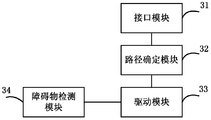
- FIG. 3 is an exemplary block diagram showing a robot control device in accordance with some embodiments of the present disclosure.
- FIG. 4 is an exemplary block diagram showing a robot control device according to further embodiments of the present disclosure.
- FIG. 5 is an exemplary block diagram showing a robot control device according to still other embodiments of the present disclosure.
- FIG. 6 is an exemplary block diagram showing a robot control device according to some embodiments of the present disclosure.
- FIG. 7 is an exemplary block diagram showing a robot control device according to some embodiments of the present disclosure.
- FIG. 8 is an exemplary block diagram showing a robot control device according to some embodiments of the present disclosure.
- FIG. 9 is an exemplary block diagram showing a robot in accordance with some embodiments of the present disclosure.
- FIG. 10 is an exemplary block diagram showing a robot control system in accordance with some embodiments of the present disclosure.
- FIG. 1 is an exemplary flowchart showing a control method of a robot according to some embodiments of the present disclosure. Alternatively, the method steps of the present embodiment may be performed by a control device of the robot. As shown in Figure 1, the method includes:
- Step 101 The control device receives current location information of the binding user sent by the server at a predetermined frequency.
- the server can be a business server, a cloud server, or other type of server.
- the user carries a beacon device, and the beacon device sends beacon information, and the server can determine the location of the user according to the beacon information, and the user is currently at a predetermined frequency.
- the location information is sent to the robot bound to the user.
- the robot can be a smart shopping cart, or other smart mobile device that can carry items.
- the robot can switch between the active state and the idle state.
- the server can select a robot that is idle to bind to the user.
- the robot receives the trigger command sent by the server in the idle state, the state of the robot is switched to the working state, and the state switching information is sent to the server, so that the server binds the robot to the corresponding user.
- Step 102 The control device determines a path that the robot moves to the neighboring area of the binding user, wherein the neighboring area of the binding user is determined by the current location of the binding user.
- the map information of the current location may be used, and the current location of the robot is used as a starting point, and the neighboring area of the binding user is used as an end point, and path planning is performed between the starting point and the ending point. Since the path planning itself is not the point of the invention of the present disclosure, the description will not be made here.
- step 103 the control device drives the robot to move along the determined path to the adjacent area of the binding user.
- the distance between the robot and the binding user is greater than the first predetermined distance and less than the second predetermined distance, wherein the first predetermined distance is less than the second predetermined distance.
- the distance between the robot and the bound user is within a certain range, thereby avoiding the inconvenience that the robot is too far away from the user to use the user, and the robot is too close to the user to affect the user's walking.
- the robot by binding the user to the robot, the robot moves by itself to follow the side of the bound user, thereby liberating the user's hands and significantly improving the user experience.
- FIG. 2 is an exemplary flowchart showing a robot control method according to further embodiments of the present disclosure.
- the method steps of the present embodiment may be performed by a control device of the robot.
- the method includes:
- step 201 the control device drives the robot to move along the selected path.
- step 202 the control device detects whether an obstacle is present in front of the movement.
- the video information in front of the mobile can be collected by the camera and analyzed.
- Step 203 If the control device moves an obstacle in front of the movement, the control robot pauses the movement and waits for a predetermined time.
- step 204 the control device detects whether the obstacle disappears. If the obstacle disappears, step 205 is performed; if the obstacle has not disappeared, step 206 is performed.
- step 205 the control device drives the robot to continue moving along the original path.
- step 206 the control device detects the surrounding environment of the robot.
- Step 207 The control device re-determines the path that the robot moves to the adjacent area of the binding user according to the surrounding environment.
- step 208 the control device drives the robot to move along the re-determined path to the bound user proximity area.
- the robot will wait a little, and if the obstacle leaves on its own, it can continue to move according to the original route. If the obstacle persists, the robot re-routes according to the current position and the target position, and moves according to the re-planned path. This allows the robot to avoid obstacles when following the binding user.
- the playing information sent by the adjacent shelf is received, and the playing information is played, so as to bind the user to the commodity information on the adjacent shelf.
- the shelf can broadcast information in a wireless broadcast manner, or can transmit wireless broadcast information when it is detected that a user is close.
- the shelf can send information such as advertisements, promotions, and the like related to the goods on the shelf.
- information such as advertisements, promotions, and the like related to the goods on the shelf.
- the robot When the robot is near the shelf, the corresponding information can be received, and by playing the information, the user can have an understanding of the product information on the adjacent shelf.
- the received broadcast information may also be filtered based on user history data to provide a better user experience.
- the adjacent shelf After receiving the wireless broadcast information sent by the adjacent shelf, extracting the identifier of the wireless broadcast information, determining whether the identifier matches the historical data of the bound user, and if the identifier matches the historical data of the bound user, playing the wireless Broadcast information.
- the user history data indicates that the user is interested in the electronic product, so by querying the identifier of the wireless broadcast information, if the information relates to the electronic product information, it is played to the binding. If the information relates to a toothbrush discount promotion, it will not be played to the binding user, thereby improving the user experience.
- the binding user history data involved herein is delivered by the server.
- the server when the user picks up the beacon device, the server sends the corresponding historical data of the user to the bound robot.
- the robot control device may collect the facial image of the binding user, identify the facial image by obtaining the facial image information, and send the facial feature information to the server for the server. The user history data associated with the facial feature information is queried and sent, and the robot control device uses the user history data delivered by the server as the historical data of the binding user.
- the robot can also provide navigation services to the binding user.
- the user can issue a voice command to the robot.
- the robot control device After collecting the voice information of the bound user, the robot control device recognizes the voice information to obtain a voice command of the bound user, and sends the voice command to the server, so that the server analyzes and processes the voice command, and the corresponding processing is performed.
- the result is sent to the robot controller as response information. If the response information includes the destination address, the robot controller performs path planning to determine the path of the robot moving from the current location to the destination address, and drives the robot to move along the determined path to lead the binding user to the destination address.
- the robot control device can determine the location of the seafood area by interacting with the server, and then perform path planning and drive the robot to move accordingly to lead the binding user to the seafood area.
- the robot controller will drive the robot to lead the binding user to the checkout counter.
- control device may also play predetermined guidance information while the drive robot is moving along the determined path.
- a boot message such as "Please follow me” is played.
- the robot can also interact with the binding user to provide communication services for the binding.
- the user can issue a voice command to the robot.
- the robot control device After collecting the voice information of the bound user, the robot control device recognizes the voice information to obtain a voice command of the bound user, and sends the voice command to the server, so that the server analyzes and processes the voice command, and the corresponding processing is performed.
- the result is sent to the robot controller as response information. If the response information includes reply information, the reply information is played to interact with the bound user.
- the robot controller provides information such as the main manufacturer, product features and product price of the product to the user by interacting with the server, thereby improving the interest and convenience of the user's shopping.
- the server can also become a window for manufacturers and brands to promote products and release promotional information.
- control device switches the state of the robot to the idle state, and sends the state switching information to the server, so that the server releases the binding relationship between the robot and the binding user.
- the user can click the corresponding button after ending use or checkout to switch the state of the robot to the idle state.
- the path of the robot to the predetermined parking place may be determined by performing path planning, thereby driving the robot to move along the determined path to the predetermined parking place, so as to achieve automatic homing.
- FIG. 3 is an exemplary block diagram showing a robot control device in accordance with some embodiments of the present disclosure.
- the robot control device may include an interface module 31, a path determination module 32, and a drive module 33.
- the interface module 31 is configured to receive current location information of the binding user that is sent by the server at a predetermined frequency.
- the path determination module 32 is configured to determine a path that the robot moves to a neighboring area of the bound user, wherein the neighboring area of the bound user is determined by the current location of the bound user.
- the drive module 33 is used to drive the robot to move along the path to the adjacent area of the bound user.
- the distance between the robot and the binding user is greater than the first predetermined distance and less than the second predetermined distance, wherein the first predetermined distance is less than the second predetermined distance.
- This setting is considered to be inconvenient for the robot to be too far away from the user. The robot is too close to the user to affect the user's walking.
- the robot by binding the user to the robot, the robot moves by itself to follow the side of the bound user, thereby liberating the user's hands and significantly improving the user experience.
- FIG. 4 is an exemplary block diagram showing a robot control device according to further embodiments of the present disclosure.
- the robot control device further includes an obstacle detection module 34.
- the obstacle detecting module 34 is configured to detect whether an obstacle appears in front of the movement when the driving module 33 drives the robot to move along the path. If an obstacle appears in front of the moving, the driving module is instructed to control the robot to pause the movement, and after a predetermined time, the obstacle is detected. Whether the object disappears, and if the obstacle disappears, the driving module 33 is instructed to drive the robot to continue moving along the path.
- the obstacle detection module 34 is further configured to detect the surrounding environment of the robot without the obstacle still disappearing.
- the path determining module 32 is further configured to re-determine the path of the robot moving to the neighboring area of the binding user according to the surrounding environment, and the driving module 33 is further configured to drive the robot to move along the re-determined path to the bound user neighboring area.
- the self-detour can be realized according to the current environment.
- FIG. 5 is an exemplary block diagram showing a robot control device according to still other embodiments of the present disclosure.
- the robot control apparatus further includes a receiving module 35 and a playing module 36.
- the receiving module 35 is configured to receive wireless broadcast information sent by an adjacent shelf during the driving process of the driving module 33 to drive the robot;
- the playing module 36 is configured to play the wireless broadcast information so as to bind the user to the commodity information on the adjacent shelf.
- the robot control apparatus may further include an information matching module 37, configured to: after receiving the wireless broadcast information sent by the adjacent shelf, the receiving module 35 extracts the identifier of the wireless broadcast information, and determines whether the identifier is Matching with the historical data of the bound user, if the identifier matches the historical data of the bound user, the playing module 36 is instructed to play the wireless broadcast information.
- an information matching module 37 configured to: after receiving the wireless broadcast information sent by the adjacent shelf, the receiving module 35 extracts the identifier of the wireless broadcast information, and determines whether the identifier is Matching with the historical data of the bound user, if the identifier matches the historical data of the bound user, the playing module 36 is instructed to play the wireless broadcast information.
- only the information of interest to the user can be played according to the user historical data, for example, the user is interested in the electronic product according to the historical data, and therefore only the related information of the electronic product is played, and the toothbrush promotional advertisement is not played to the user to improve the user experience. .
- the historical data of the binding user is delivered by the server.
- the server can provide corresponding user history data to the bound robot when the user picks up the beacon device.
- the server may also send corresponding user history data according to the facial features uploaded by the robot.
- the robot control device may further include a facial feature collection module 38.
- the facial feature collection module 38 is configured to collect a facial image of the binding user, and identify the facial image to obtain facial feature information of the binding user.
- the interface module 31 is further configured to send the facial feature information to the server, so that the server queries the user historical data associated with the facial feature information, and is further configured to receive the user historical data delivered by the server as the historical data of the binding user.
- the user can obtain a personalized service by brushing the face.
- FIG. 6 is an exemplary block diagram showing a robot control device according to some embodiments of the present disclosure.
- the robot control apparatus further includes a voice recognition module 39.
- the voice recognition module 39 is configured to identify the voice information after acquiring the voice information of the bound user, to obtain a voice instruction of the bound user.
- the interface module 31 is further configured to send the voice instruction to the server, so that the server analyzes the voice instruction; after receiving the response information provided by the server, if the response information includes the destination address, the indication path determining module 32 determines that the robot moves to The path to the destination address.
- the driving module 33 is further configured to drive the robot to move along the determined path to lead the binding user to the destination address.
- the user can obtain a navigation service by issuing a voice command. For example, if the user says "seafood", the robot control device will drive the robot to move to the seafood area to lead the user.
- the playing module 36 is further configured to play predetermined guiding information when the driving module 33 drives the robot to move along the determined path.
- a boot message such as "Please follow me” will be played.
- the robot control device can also implement user interaction with the robot.
- the interface module 31 is further configured to instruct the playing module 36 to play the reply information when the reply information is included in the response information, so as to interact with the binding user.
- FIG. 7 is an exemplary block diagram showing a robot control device according to some embodiments of the present disclosure.
- the robot control device may further include a state switching module 310.
- the state switching module 310 is configured to switch the state of the robot to the working state when the interface module receives the triggering command sent by the server when the robot is in an idle state.
- the interface module 31 is further configured to send the state switching information to the server, so that the server binds the robot to the corresponding user.
- the state switching module 310 is further configured to switch the state of the robot to an idle state after the binding user ends the use.
- the interface module 31 is further configured to send the state switching information to the server, so that the server releases the binding relationship between the robot and the binding user.
- the path determining module 32 is further configured to: after the state switching module 310 switches the state of the robot to the idle state, determine a path that the robot moves to a predetermined parking place, and the driving module 33 is further configured to drive the robot to move along the determined path to Schedule a parking location for automatic home homing.
- FIG. 8 is an exemplary block diagram showing a robot control device according to some embodiments of the present disclosure.
- the robot control device includes a memory 801 and a processor 802.
- Memory 801 is for storing instructions
- processor 802 is coupled to memory 801, and processor 802 is configured to perform the methods involved in any of the embodiments of FIGS. 1-2 based on instructions stored in the memory.
- the robot control apparatus further includes a communication interface 803 for performing information interaction with other devices.
- the apparatus further includes a bus 804, and the processor 802, the communication interface 803, and the memory 801 complete communication with each other via the bus 804.
- the memory 801 may include a high speed RAM (Random-Access Memory) memory, and may also include a non-volatile memory such as at least one disk memory. Memory 801 can also be a memory array. The memory 801 may also be partitioned, and the blocks may be combined into a virtual volume according to certain rules.
- RAM Random-Access Memory
- the processor 802 may be a central processing unit CPU, or may be an Application Specific Integrated Circuit (ASIC), or one or more integrated circuits configured to implement the embodiments of the present disclosure.
- CPU central processing unit
- ASIC Application Specific Integrated Circuit
- FIG. 9 is an exemplary block diagram showing a robot in accordance with some embodiments of the present disclosure.
- the robot 91 includes a robot control device 92.
- the robot control device 92 may be the robot control device according to any of the embodiments of FIGS. 3 to 8.
- FIG. 10 is an exemplary block diagram showing a robot control system in accordance with some embodiments of the present disclosure.
- the system includes a robot 1001 and a server 1002.
- the server 1002 is configured to determine current location information of the user according to the beacon information provided by the user beacon device, and send the current location information of the user to the robot 1001 bound to the user at a predetermined frequency.
- the robot by binding the user to the robot, the robot moves by itself to follow the side of the bound user, thereby liberating the user's hands and significantly improving the user experience.
- the server 1002 is further configured to query historical data of the user, and send the historical data of the user to the robot 1001 bound to the user.
- the server 1002 may be further configured to query the historical data of the corresponding user according to the facial feature information sent by the robot 1001, and send the queried historical data to the corresponding robot 1001.
- the robot 1001 can provide a personalized service to the binding user based on the user history data.
- the server 1002 is further configured to parse the voice command sent by the robot 1001, and if the voice command is used to acquire the navigation information, send the corresponding destination address to the corresponding robot 1001. So that the robot 1001 provides a navigation service for the binding user.
- the server 1002 is further configured to send the corresponding reply information to the corresponding robot 1001 when the voice instruction is used to obtain a reply to the specified question. Therefore, the robot 1001 provides an information interaction service for the binding user, which can enhance the user's interest in shopping, ensure the user obtains the necessary information, and can also become a window for the manufacturer and the brand to carry out product promotion and release promotion information.
- the server 1002 is further configured to send a trigger instruction to the robot 1001 in an idle state to bind the robot to the corresponding user after the robot switches from the idle state to the working state.
- the server 1002 is further configured to release the binding relationship between the robot 1001 and the bound user after the robot 1001 is switched from the working state to the idle state.
- the functional unit modules described in the above embodiments may be implemented as a general purpose processor, a programmable logic controller (PLC), a digital signal processor (for example) for performing the functions described in the present disclosure.
- PLC programmable logic controller
- DSP Digital Signal Processor
- ASIC Application Specific Integrated Circuit
- FPGA Field-Programmable Gate Array
- other programmable logic devices discrete gates or transistors Logic device, discrete hardware component, or any suitable combination thereof.
- the present disclosure also provides a computer readable storage medium, wherein the computer readable storage medium stores computer instructions that, when executed by a processor, implement the method of any of the embodiments of FIG. 1 or FIG.
- the present disclosure may be provided as a method, apparatus, or computer program product. Accordingly, the present disclosure may take the form of an entirely hardware embodiment, an entirely software embodiment, or a combination of software and hardware aspects.
- the present disclosure may take the form of a computer program product embodied on one or more computer-usable non-transitory storage media (including but not limited to disk storage, CD-ROM, optical storage, etc.) containing computer usable program code. .
- a robot such as a smart shopping cart can follow the bound user by itself, thereby freeing the user's hands and facilitating the user to select items, use the mobile phone, and the like. The advantage is even more obvious for users who are babies and have limited mobility.
- embodiments of the present disclosure may be provided as a method, system, or computer program product. Accordingly, the present disclosure may take the form of an entirely hardware embodiment, an entirely software embodiment, or a combination of software and hardware aspects. Moreover, the present disclosure may take the form of a computer program product embodied on one or more computer-usable non-transitory storage media (including but not limited to disk storage, CD-ROM, optical storage, etc.) containing computer usable program code. .
- the computer program instructions can also be stored in a computer readable memory that can direct a computer or other programmable data processing device to operate in a particular manner, such that the instructions stored in the computer readable memory produce an article of manufacture comprising the instruction device.
- the apparatus implements the functions specified in one or more blocks of a flow or a flow and/or block diagram of the flowchart.
- These computer program instructions can also be loaded onto a computer or other programmable data processing device such that a series of operational steps are performed on a computer or other programmable device to produce computer-implemented processing for execution on a computer or other programmable device.
- the instructions provide steps for implementing the functions specified in one or more of the flow or in a block or blocks of a flow diagram.
Landscapes
- Engineering & Computer Science (AREA)
- Physics & Mathematics (AREA)
- Automation & Control Theory (AREA)
- General Physics & Mathematics (AREA)
- Robotics (AREA)
- Mechanical Engineering (AREA)
- Remote Sensing (AREA)
- Radar, Positioning & Navigation (AREA)
- Aviation & Aerospace Engineering (AREA)
- Human Computer Interaction (AREA)
- Audiology, Speech & Language Pathology (AREA)
- Health & Medical Sciences (AREA)
- Multimedia (AREA)
- Theoretical Computer Science (AREA)
- General Health & Medical Sciences (AREA)
- Computational Linguistics (AREA)
- Acoustics & Sound (AREA)
- Fuzzy Systems (AREA)
- Mathematical Physics (AREA)
- Software Systems (AREA)
- General Engineering & Computer Science (AREA)
- Evolutionary Computation (AREA)
- Artificial Intelligence (AREA)
- Manipulator (AREA)
Abstract
本公开提供一种机器人的控制方法和装置、机器人及控制系统,涉及自动控制领域。机器人控制装置通过接收服务器以预定频率发送的绑定用户的当前位置信息,确定机器人移动到绑定用户的邻近区域的路径,其中绑定用户的邻近区域由绑定用户的当前位置确定,并驱动机器人沿确定的路径移动到绑定用户的邻近区域。本公开通过将用户与机器人进行绑定,机器人通过自行移动以跟随在绑定用户的身旁,由此可解放用户的双手,显著提高用户体验。
Description
本申请是以CN申请号为201710174313.2,申请日为2017年3月22日的申请为基础,并主张其优先权,该CN申请的公开内容在此作为整体引入本申请中。
本公开涉及自动控制领域,特别涉及一种机器人的控制方法和装置、机器人及控制系统。
目前超市购物车大多需要占用消费者的双手才可以获得动力,得以移动,使得用户在购物过程中没有办法操作除推车之外的事情,如使用手机、挑选商品等,如果想要进行上面的操作只能停下车才可以。特别是对于怀抱婴儿、行动不便、年幼、年老的消费者来说,推动购物车会更加困难,从而会影响到消费者的购物体验和效率。
发明内容
本公开的实施例解决的一个技术问题是:购物车无法通过自行移动以跟随在用户的身边。
依据本公开的一个或多个实施例的一个方面,提供一种机器人的控制方法,包括:
接收服务器以预定频率发送的绑定用户的当前位置信息;
确定所述机器人移动到所述绑定用户的邻近区域的路径,其中所述绑定用户的邻近区域由所述绑定用户的当前位置确定;
驱动所述机器人沿所述路径移动到所述绑定用户的邻近区域。
可选地,驱动所述机器人沿所述路径移动到所述绑定用户的邻近区域包括:
在驱动所述机器人沿所述路径移动过程中,检测移动前方是否出现障碍物;
在移动前方出现障碍物的情况下,控制所述机器人暂停移动;
在预定时间内所述障碍物消失的情况下,驱动所述机器人继续沿所述路径移动。
可选地,在预定时间内所述障碍物未消失的情况下,对所述机器人的周围环境进行检测;
根据所述周围环境,重新确定所述机器人移动到所述绑定用户的邻近区域的路 径;
驱动所述机器人沿重新确定的路径移动到所述绑定用户的邻近区域。
可选地,在所述绑定用户的邻近区域,所述机器人与所述绑定用户的距离大于第一预定距离且小于第二预定距离,其中第一预定距离小于第二预定距离。
可选地,在驱动所述机器人移动过程中,接收邻近货架发出的播放信息;
播放所述播放信息,以便所述绑定用户了解所述邻近货架上的商品信息。
可选地,在播放所述播放信息前,还包括:
提取所述播放信息的标识;
判断所述标识是否与所述绑定用户的历史数据相匹配;
其中,在所述标识与所述绑定用户的历史数据相匹配的情况下,播放所述播放信息。
可选地,所述绑定用户的历史数据由服务器下发。
可选地,采集所述绑定用户的脸部图像;
对所述脸部图像进行识别,以获得所述绑定用户的脸部特征信息;
将所述脸部特征信息发送给服务器,以便服务器查询与所述脸部特征信息相关联的用户历史数据。
可选地,在采集到所述绑定用户的语音信息后,对所述语音信息进行识别,以得到所述绑定用户的语音指令;
将所述语音指令发送给服务器,以便服务器对所述语音指令进行分析处理;
接收服务器提供的响应信息。
可选地,在所述响应信息中包括目的地址的情况下,确定所述机器人移动到所述目的地址的路径;
驱动所述机器人沿确定的路径进行移动,以便引领所述绑定用户到达所述目的地址;
在驱动所述机器人沿确定的路径进行移动时,播放预定的引导信息。
可选地,在所述响应信息中包括答复信息的情况下,播放所述答复信息,以便与所述绑定用户进行交互。
可选地,在所述机器人在空闲状态下接收到服务器发送的触发指令的情况下,将所述机器人的状态切换为工作状态;
将状态切换信息发送给服务器,以便服务器将所述机器人与相应的用户进行绑 定。
可选地,在所述绑定用户结束使用后,将所述机器人的状态切换为空闲状态;
将状态切换信息发送给服务器,以便服务器解除所述机器人与所述绑定用户之间的绑定关系。
可选地,在将所述机器人的状态切换为空闲状态后,还包括:
确定所述机器人移动到所述预定停放地点的路径;
驱动所述机器人沿确定的路径移动到所述预定停放地点,以便实现自动归位。
依据本公开的一个或多个实施例的一个方面,提供一种机器人的控制装置,包括:
接口模块,被配置为接收服务器以预定频率发送的绑定用户的当前位置信息;
路径确定模块,被配置为确定所述机器人移动到所述绑定用户的邻近区域的路径,其中所述绑定用户的邻近区域由所述绑定用户的当前位置确定;
驱动模块,被配置为驱动所述机器人沿所述路径移动到所述绑定用户的邻近区域。
可选地,上述控制装置还包括:
障碍物检测模块,被配置为在驱动模块驱动所述机器人沿所述路径移动过程中,检测移动前方是否出现障碍物,在移动前方出现障碍物的情况下,指示驱动模块控制所述机器人暂停移动,在预定时间内所述障碍物消失的情况下,驱动所述机器人继续沿所述路径移动。
可选地,障碍物检测模块还被配置为在预定时间内所述障碍物未消失的情况下,对所述机器人的周围环境进行检测;
路径确定模块还被配置为根据所述周围环境,重新确定所述机器人移动到所述绑定用户的邻近区域的路径;
驱动模块还被配置为驱动所述机器人沿重新确定的路径移动到所述绑定用户的邻近区域。
可选地,在所述绑定用户的邻近区域,所述机器人与所述绑定用户的距离大于第一预定距离且小于第二预定距离,其中第一预定距离小于第二预定距离。
可选地,上述控制装置还包括:
接收模块,被配置为在驱动模块驱动所述机器人移动过程中,接收邻近货架发出的播放信息;
播放模块,被配置为播放所述播放信息,以便所述绑定用户了解所述邻近货架上 的商品信息。
可选地,上述控制装置还包括:
信息匹配模块,被配置为在播放模块播放所述播放信息前,提取所述播放信息的标识,判断所述标识是否与所述绑定用户的历史数据相匹配,以便播放模块在所述标识与所述绑定用户的历史数据相匹配的情况下播放所述播放信息。
可选地,所述绑定用户的历史数据由服务器下发。
可选地,上述控制装置还包括:
脸部特征采集模块,被配置为采集所述绑定用户的脸部图像,对所述脸部图像进行识别,以获得所述绑定用户的脸部特征信息;
接口模块还被配置为将所述脸部特征信息发送给服务器,以便服务器查询与所述脸部特征信息相关联的用户历史数据。
可选地,上述控制装置还包括:
语音识别模块,被配置为在采集到所述绑定用户的语音信息后,对所述语音信息进行识别,以得到所述绑定用户的语音指令;
接口模块还被配置为将所述语音指令发送给服务器,以便服务器对所述语音指令进行分析处理;还被配置为接收到服务器提供的响应信息。
可选地,路径确定模块还被配置为在所述响应信息中包括目的地址的情况下,确定所述机器人移动到所述目的地址的路径;
驱动模块还被配置为驱动所述机器人沿确定的路径进行移动,以便引领所述绑定用户到达所述目的地址;
播放模块还被配置为在驱动模块驱动所述机器人沿确定的路径进行移动时播放预定的引导信息。
可选地,播放模块还被配置为在所述响应信息中包括答复信息的情况下,播放所述答复信息,以便与所述绑定用户进行交互。
可选地,上述控制装置还包括:
状态切换模块,被配置为在所述机器人处于空闲状态下接口模块接收到服务器发送的触发指令的情况下,将所述机器人的状态切换为工作状态;
接口模块还被配置为将状态切换信息发送给服务器,以便服务器将所述机器人与相应的用户进行绑定。
可选地,状态切换模块还被配置为在所述绑定用户结束使用后,将所述机器人的 状态切换为空闲状态;
接口模块还被配置为将状态切换信息发送给服务器,以便服务器解除所述机器人与所述绑定用户之间的绑定关系。
可选地,路径确定模块还被配置为状态切换模块在将所述机器人的状态切换为空闲状态后,确定所述机器人移动到所述预定停放地点的路径;
驱动模块还被配置为驱动所述机器人沿确定的路径移动到所述预定停放地点,以便实现自动归位。
依据本公开的一个或多个实施例的一个方面,提供一种机器人的控制装置,包括:
存储器,被配置为存储指令;
处理器,耦合到所述存储器,所述处理器被配置为基于所述存储器存储的指令执行实现如上述任一实施例涉及的方法。
依据本公开的一个或多个实施例的一个方面,提供一种机器人,包括如上述任一实施例涉及的机器人的控制装置。
依据本公开的一个或多个实施例的一个方面,提供一种机器人控制系统,包括:
如上述任一实施例涉及的机器人;以及
服务器,被配置为根据用户信标设备提供的信标信息确定所述用户的当前位置信息,以预定频率将所述用户的当前位置信息发送给与所述用户绑定的机器人。
可选地,服务器还被配置为查询所述用户的历史数据,并将所述用户的历史数据发送给与所述用户绑定的机器人。
可选地,服务器还被配置为根据机器人发送的脸部特征信息,查询对应用户的历史数据,并将查询到的历史数据发送给对应的机器人。
可选地,服务器还被配置为对机器人发送的语音指令进行解析,若所述语音指令用于获取导航信息,则将相应的目的地址发送给对应的机器人。
可选地,服务器还被配置为在所述语音指令用于获取指定问题的答复时,将相应的答复信息发送给对应的机器人。
可选地,服务器还被配置为向处于空闲状态的机器人发送触发指令,以便在该机器人在从空闲状态切换为工作状态后,将该机器人与与相应的用户进行绑定。
可选地,服务器还被配置为在机器人从工作状态切换为空闲状态后,解除该机器人与所绑定用户之间的绑定关系。
依据本公开的一个或多个实施例的又一个方面,还提供一种计算机可读存储介 质,其中计算机可读存储介质存储有计算机指令,指令被处理器执行时实现如上述任一实施例涉及的方法。
通过以下参照附图对本公开的示例性实施例的详细描述,本公开的其它特征及其优点将会变得清楚。
为了更清楚地说明本公开实施例或现有技术中的技术方案,下面将对实施例或现有技术描述中所需要使用的附图作简单地介绍,显而易见地,下面描述中的附图仅仅是本公开的一些实施例,对于本领域普通技术人员来讲,在不付出创造性劳动性的前提下,还可以根据这些附图获得其他的附图。
图1为示出根据本公开一些实施例的机器人控制方法的示例性流程图。
图2为示出根据本公开另一些实施例的机器人控制方法的示例性流程图。
图3为示出根据本公开一些实施例的机器人控制装置的示例性框图。
图4为示出根据本公开另一些实施例的机器人控制装置的示例性框图。
图5为示出根据本公开又一些实施例的机器人控制装置的示例性框图。
图6为示出根据本公开又一些实施例的机器人控制装置的示例性框图。
图7为示出根据本公开又一些实施例的机器人控制装置的示例性框图。
图8为示出根据本公开又一些实施例的机器人控制装置的示例性框图。
图9为示出根据本公开一些实施例的机器人的示例性框图。
图10为示出根据本公开一些实施例的机器人控制系统的示例性框图。
下面将结合本公开实施例中的附图,对本公开实施例中的技术方案进行清楚、完整地描述,显然,所描述的实施例仅仅是本公开一部分实施例,而不是全部的实施例。以下对至少一个示例性实施例的描述实际上仅仅是说明性的,决不作为对本公开及其应用或使用的任何限制。基于本公开中的实施例,本领域普通技术人员在没有作出创造性劳动前提下所获得的所有其他实施例,都属于本公开保护的范围。
除非另外具体说明,否则在这些实施例中阐述的部件和步骤的相对布置、数字表达式和数值不限制本公开的范围。
同时,应当明白,为了便于描述,附图中所示出的各个部分的尺寸并不是按照实 际的比例关系绘制的。
对于相关领域普通技术人员已知的技术、方法和设备可能不作详细讨论,但在适当情况下,所述技术、方法和设备应当被视为授权说明书的一部分。
在这里示出和讨论的所有示例中,任何具体值应被解释为仅仅是示例性的,而不是作为限制。因此,示例性实施例的其它示例可以具有不同的值。
应注意到:相似的标号和字母在下面的附图中表示类似项,因此,一旦某一项在一个附图中被定义,则在随后的附图中不需要对其进行进一步讨论。
图1为示出根据本公开一些实施例的机器人的控制方法的示例性流程图。可选地,本实施例的方法步骤可由机器人的控制装置执行。如图1所示,该方法包括:
步骤101,控制装置接收服务器以预定频率发送的绑定用户的当前位置信息。
可选地,服务器可以为业务服务器、云服务器或其它类型的服务器。
可选地,当用户进入相应场所后,用户会携带一个信标设备,该信标设备会发送信标信息,服务器根据该信标信息可确定该用户的位置,并以预定频率将该用户当前位置信息发送给与该用户绑定的机器人。这里,机器人可以为智能购物车,或其它可以承载物品的智能可移动设备。
可选地,机器人可在工作状态和空闲状态这两种状态之间切换。服务器可选择一个处于空闲状态的机器人与用户进行绑定。
可选地,若机器人在空闲状态下接收到服务器发送的触发指令,则将机器人的状态切换为工作状态,并将状态切换信息发送给服务器,以便服务器将机器人与相应的用户进行绑定。
步骤102,控制装置确定机器人移动到绑定用户的邻近区域的路径,其中绑定用户的邻近区域由绑定用户的当前位置确定。
可选地,可利用当前场所的地图信息,将机器人当前位置作为出发点,将绑定用户的邻近区域作为终点,在出发点和终点之间进行路径规划。由于路径规划本身并不是本公开的发明点所在,因此这里不展开描述。
步骤103,控制装置驱动机器人沿确定的路径移动到绑定用户的邻近区域。
可选地,在绑定用户邻近区域,机器人与绑定用户的距离大于第一预定距离且小于第二预定距离,其中第一预定距离小于第二预定距离。
即,机器人与绑定用户的距离在一定范围内,由此可避免机器人离用户太远给用户使用带来不便,机器人离用户太近会影响用户行走。
在上述实施例提供的机器人控制方法中,通过将用户与机器人进行绑定,机器人通过自行移动以跟随在绑定用户的身旁,由此可解放用户的双手,显著提高用户体验。
图2为示出根据本公开另一些实施例的机器人控制方法的示例性流程图。
可选地,本实施例的方法步骤可由机器人的控制装置执行。在驱动机器人沿路径移动到绑定用户邻近区域的过程中,若移动前方出现障碍物,还可自行进行处理。如图2所示,该方法包括:
步骤201,控制装置驱动机器人沿所选择的路径移动。
步骤202,控制装置检测移动前方是否出现障碍物。
例如,可通过摄像头采集移动前方的视频信息并进行分析。
步骤203,控制装置若移动前方出现障碍物,则控制机器人暂停移动,并等待预定时间。
步骤204,控制装置检测障碍物是否消失。若障碍物消失,则执行步骤205;若障碍物仍未消失,则执行步骤206。
步骤205,控制装置驱动机器人继续沿原路径移动。
步骤206,控制装置对机器人的周围环境进行检测。
步骤207,控制装置根据周围环境,重新确定机器人移动到绑定用户邻近区域的路径。
步骤208,控制装置驱动机器人沿重新确定的路径移动到绑定用户邻近区域。
即,在机器人移动过程中,若前方出现了障碍物,例如可能是其它人员或机器人,则该机器人会稍作等待,若该障碍物自行离开,则可按照原定路线继续移动。若该障碍物一直存在,则该机器人根据当前位置和目标位置重新进行路径规划,并按重新规划的路径进行移动。从而可使机器人在跟随绑定用户时自行避开障碍物。
可选地,在驱动机器人移动过程中,接收邻近货架发出的播放信息,通过播放该播放信息,以便绑定用户了解邻近货架上的商品信息。
例如,货架可以无线广播方式进行信息播放,也可在检测到有用户靠近时发送无线广播信息。
例如,货架可发送与货架上商品有关的广告、促销等信息。在机器人在该货架附近时可接收到相应信息,通过播放该信息,可使用户对邻近货架上的商品信息能有所了解。
可选地,为了提高用户体验,还可根据用户历史数据对接收到的广播信息进行筛 选,以便提供更好的用户体验。
可选地,在接收邻近货架发出的无线广播信息后,提取无线广播信息的标识,判断标识是否与绑定用户的历史数据相匹配,若标识与绑定用户的历史数据相匹配,则播放无线广播信息。
例如,用户历史数据表明该用户对电子产品感兴趣,因此通过查询无线广播信息的标识,若该信息涉及电子产品信息,则将其播放给绑定用。若该信息涉及牙刷打折促销,则不会播放给绑定用户,由此可提高用户体验。
可选地,这里涉及的绑定用户历史数据由服务器下发。在一些实施例中,在用户领取信标设备时,服务器就会将该用户相应的历史数据下发给所绑定的机器人。在另一些实施例中,机器人控制装置可采集绑定用户的脸部图像,通过对脸部图像进行识别,以获得绑定用户的脸部特征信息,将脸部特征信息发送给服务器,以便服务器查询与脸部特征信息相关联的用户历史数据并下发,机器人控制装置将服务器下发的用户历史数据作为绑定用户的历史数据。
可选地,机器人还可给绑定用户提供导航服务。例如,用户可对机器人发出语音指令。机器人控制装置在采集到绑定用户的语音信息后,对语音信息进行识别,以得到绑定用户的语音指令,将语音指令发送给服务器,以便服务器对语音指令进行分析处理,并将相应的处理结果作为响应信息发送给机器人控制装置。若响应信息中包括目的地址,则机器人控制装置进行路径规划,以确定机器人从当前位置移动到目的地址的路径,并驱动机器人沿确定的路径进行移动,以便引领绑定用户到达目的地址。
例如,用户说“海鲜”,则机器人控制装置可通过与服务器交互,确定海鲜区的位置,进而进行路径规划并驱动机器人进行相应移动,以便带领绑定用户前往海鲜区。此外,若用户说“结帐”或“买单”,则机器人控制器会驱动机器人,以便带领绑定用户前往收银台。
可选地,控制装置在驱动机器人沿确定的路径进行移动时,还可播放预定的引导信息。
例如,在引领绑定用户前往目的地时,会播放诸如“请跟我来”的引导信息。
可选地,机器人还可与绑定用户进行交互,以便为绑定提供沟通服务。例如,用户可对机器人发出语音指令。机器人控制装置在采集到绑定用户的语音信息后,对语音信息进行识别,以得到绑定用户的语音指令,将语音指令发送给服务器,以便服务器对语音指令进行分析处理,并将相应的处理结果作为响应信息发送给机器人控制装 置。若响应信息中包括答复信息,则播放答复信息,以便与绑定用户进行交互。
例如,若用户询问某产品的价格情况,则机器人控制器通过与服务器交互,将生产该产品的主要厂商、产品特点和产品价格等信息提供给用户,从而提升用户购物的趣味性和便利性,同时也可成为厂商、品牌上进行商品宣传和发布促销信息的一个窗口。
可选地,在绑定用户结束使用后,控制装置将机器人的状态切换为空闲状态,通过将状态切换信息发送给服务器,以便服务器解除机器人与绑定用户之间的绑定关系。
例如,用户可在结束使用或结帐后点击相应按钮,以便将机器人的状态切换为空闲状态。
可选地,在将机器人的状态切换为空闲状态后,还可通过进行路径规划,确定机器人移动到预定停放地点的路径,进而驱动机器人沿确定的路径移动到预定停放地点,以便实现自动归位。
图3为示出根据本公开一些实施例的机器人控制装置的示例性框图。
如图3所示,机器人控制装置可包括接口模块31、路径确定模块32和驱动模块33。
接口模块31用于接收服务器以预定频率发送的绑定用户的当前位置信息。
路径确定模块32用于确定机器人移动到绑定用户的邻近区域的路径,其中绑定用户的邻近区域由绑定用户的当前位置确定。
驱动模块33用于驱动机器人沿路径移动到绑定用户的邻近区域。
可选地,在绑定用户的邻近区域,机器人与绑定用户的距离大于第一预定距离且小于第二预定距离,其中第一预定距离小于第二预定距离。这样设置是考虑到,机器人距用户太远会不方便,机器人距用户太近会影响用户行走。
在上述实施例提供的机器人控制装置中,通过将用户与机器人进行绑定,机器人通过自行移动以跟随在绑定用户的身旁,由此可解放用户的双手,显著提高用户体验。
图4为示出根据本公开另一些实施例的机器人控制装置的示例性框图。
与图3所示实施例相比,在图4所示实施例中,机器人控制装置还进一步包括障碍物检测模块34。
障碍物检测模块34用于在驱动模块33驱动机器人沿路径移动过程中,检测移动前方是否出现障碍物,若移动前方出现障碍物,则指示驱动模块控制机器人暂停移动, 经过预定时间后,检测障碍物是否消失,若障碍物消失,则指示驱动模块33驱动机器人继续沿路径移动。
可选地,障碍物检测模块34还用于在障碍物仍未消失的情况下,对机器人的周围环境进行检测。路径确定模块32还用于根据周围环境,重新确定机器人移动到绑定用户邻近区域的路径,驱动模块33还用于驱动机器人沿重新确定的路径移动到绑定用户邻近区域。
从而,在移动前方出现障碍物的情况下,可根据当前环境实现自行绕道。
图5为示出根据本公开又一些实施例的机器人控制装置的示例性框图。
与图4所示实施例相比,在图5中,机器人控制装置还包括接收模块35和播放模块36。
接收模块35用于在驱动模块33驱动机器人移动过程中,接收邻近货架发出的无线广播信息;
播放模块36用于播放无线广播信息,以便绑定用户了解邻近货架上的商品信息。
由此,可便于用于了解邻近货架上商品的广告、促销等信息。
可选地,在图5所示实施例中,机器人控制装置还可包括信息匹配模块37,用于在接收模块35接收邻近货架发出的无线广播信息后,提取无线广播信息的标识,判断标识是否与绑定用户的历史数据相匹配,若标识与绑定用户的历史数据相匹配,则指示播放模块36播放无线广播信息。
即,可根据用户历史数据只播放用户感兴趣的信息,例如根据历史数据用户对电子产品感兴趣,因此仅播放电子产品的相关信息,而不会给该用户播放牙刷促销广告,以提高用户体验。
可选地,绑定用户的历史数据由服务器下发。服务器可在用户领取信标设备时将相应的用户历史数据提供给绑定的机器人。可选地,服务器还可根据机器人上传的用户脸部特征下发相应的用户历史数据。
可选地,如图5所示,机器人控制装置还可包括脸部特征采集模块38。脸部特征采集模块38用于采集绑定用户的脸部图像,对脸部图像进行识别,以获得绑定用户的脸部特征信息。接口模块31还用于将脸部特征信息发送给服务器,以便服务器查询与脸部特征信息相关联的用户历史数据;还用于接收服务器下发的用户历史数据以作为绑定用户的历史数据。
从而,用户通过刷脸,就可获得个性化的服务。
图6为示出根据本公开又一些实施例的机器人控制装置的示例性框图。
与图5所示实施例相比,在图6所示实施例中,机器人控制装置还进一步包括语音识别模块39。
语音识别模块39用于在采集到绑定用户的语音信息后,对语音信息进行识别,以得到绑定用户的语音指令。
接口模块31还用于将语音指令发送给服务器,以便服务器对语音指令进行分析处理;在接收到服务器提供的响应信息后,若响应信息中包括目的地址,则指示路径确定模块32确定机器人移动到目的地址的路径。
驱动模块33还用于驱动机器人沿确定的路径进行移动,以便引领绑定用户到达目的地址。
从而,用户可通过发出语音指令以获得导航服务。例如,用户说“海鲜”,则机器人控制装置会驱动机器人移动到海鲜区,以便给用户带路。
可选地,播放模块36还用于在驱动模块33驱动机器人沿确定的路径进行移动时播放预定的引导信息。
例如,在引领过程中会播放诸如“请跟我来”的引导信息。
可选地,机器人控制装置还可实现用户与机器人的交互。例如,接口模块31还用于在响应信息中包括答复信息时,指示播放模块36播放答复信息,以便与绑定用户进行交互。
图7为示出根据本公开又一些实施例的机器人控制装置的示例性框图。
与图6所示实施例相比,在图7中,机器人控制装置还可包括状态切换模块310。
状态切换模块310用于在机器人处于空闲状态下接口模块接收到服务器发送的触发指令时,将机器人的状态切换为工作状态。接口模块31还用于将状态切换信息发送给服务器,以便服务器将机器人与相应的用户进行绑定。
可选地,状态切换模块310还用于在绑定用户结束使用后,将机器人的状态切换为空闲状态。接口模块31还用于将状态切换信息发送给服务器,以便服务器解除机器人与绑定用户之间的绑定关系。
可选地,路径确定模块32还用于状态切换模块310在将机器人的状态切换为空闲状态后,确定机器人移动到预定停放地点的路径,驱动模块33还用于驱动机器人沿确定的路径移动到预定停放地点,以便实现自动归位。
图8为示出根据本公开又一些实施例的机器人控制装置的示例性框图。
如图8所示,机器人控制装置包括存储器801和处理器802。
存储器801用于存储指令,处理器802耦合到存储器801,处理器802被配置为基于存储器存储的指令执行实现如图1至图2中任一实施例涉及的方法。
如图8所示,机器人控制装置还包括通信接口803,用于与其它设备进行信息交互。同时,该装置还包括总线804,处理器802、通信接口803、以及存储器801通过总线804完成相互间的通信。
存储器801可以包含高速RAM(Random-Access Memory)存储器,也可还包括非易失性存储器(non-volatile memory),例如至少一个磁盘存储器。存储器801也可以是存储器阵列。存储器801还可能被分块,并且块可按一定的规则组合成虚拟卷。
可选地,处理器802可以是一个中央处理器CPU,或者可以是专用集成电路ASIC(Application Specific Integrated Circuit),或者是被配置成实施本公开实施例的一个或多个集成电路。
图9为示出根据本公开一些实施例的机器人的示例性框图。
如图9所示,机器人91包括机器人控制装置92。可选地,机器人控制装置92可为图3至图8中任一实施例涉及的机器人控制装置。
图10为示出根据本公开一些实施例的机器人控制系统的示例性框图。
如图10所示,该系统包括机器人1001和服务器1002。
服务器1002用于根据用户信标设备提供的信标信息确定用户的当前位置信息,以预定频率将用户的当前位置信息发送给与用户绑定的机器人1001。
在上述实施例提供的机器人控制系统中,通过将用户与机器人进行绑定,机器人通过自行移动以跟随在绑定用户的身旁,由此可解放用户的双手,显著提高用户体验。
可选地,服务器1002还用于查询用户的历史数据,并将用户的历史数据发送给与用户绑定的机器人1001。
或者,服务器1002还可用于根据机器人1001发送的脸部特征信息,查询对应用户的历史数据,并将查询到的历史数据发送给对应的机器人1001。
从而,机器人1001可根据用户历史数据给绑定用户提供个性化的服务。
可选地,服务器1002还用于对机器人1001发送的语音指令进行解析,若语音指令用于获取导航信息,则将相应的目的地址发送给对应的机器人1001。以便机器人1001为绑定用户提供导航服务。
可选地,服务器1002还用于在语音指令用于获取指定问题的答复时,将相应的 答复信息发送给对应的机器人1001。以便机器人1001为绑定用户提供信息交互服务,可提升用户购物的趣味性,保证用户获取必要的信息,同时也可成为厂商、品牌上进行商品宣传和发布促销信息的一个窗口。
可选地,服务器1002还用于向处于空闲状态的机器人1001发送触发指令,以便在该机器人在从空闲状态切换为工作状态后,将该机器人与与相应的用户进行绑定。
可选地,服务器1002还用于在机器人1001从工作状态切换为空闲状态后,解除该机器人1001与所绑定用户之间的绑定关系。
通过上述方式,可便于服务器对机器人的管理。
可选地,在上述实施例所描述的功能单元模块可以实现为用于执行本公开所描述功能的通用处理器、可编程逻辑控制器(Programmable Logic Controller,简称:PLC)、数字信号处理器(Digital Signal Processor,简称:DSP)、专用集成电路(Application Specific Integrated Circuit,简称:ASIC)、现场可编程门阵列(Field-Programmable Gate Array,简称:FPGA)或者其他可编程逻辑器件、分立门或者晶体管逻辑器件、分立硬件组件或者其任意适当组合。
本公开还提供一种计算机可读存储介质,其中计算机可读存储介质存储有计算机指令,指令被处理器执行时实现如图1或图2中任一实施例所涉及的方法。本领域内的技术人员应明白,本公开的实施例可提供为方法、装置、或计算机程序产品。因此,本公开可采用完全硬件实施例、完全软件实施例、或结合软件和硬件方面的实施例的形式。而且,本公开可采用在一个或多个其中包含有计算机可用程序代码的计算机可用非瞬时性存储介质(包括但不限于磁盘存储器、CD-ROM、光学存储器等)上实施的计算机程序产品的形式。通过实施本公开,可以得到以下有益效果中的至少一项:
1)诸如智能购物车的机器人可自行跟随所绑定的用户,从而可解放用户的双手,便于用户进行挑选商品、使用手机等操作。对于怀抱婴儿、行动不便的用户来说优势更加明显。
2)为用户提供导航服务,可根据用户需求进行路径规划,并带路用户前往目的地,从而有效节省时间。
3)还可为用户提供沟通服务。可回答用户提出的诸如与商场超市、商品、促销或其它问题,提升了用户购物的趣味性,并保证用户能够获取必要的信息。同时还可成为厂商、品牌商宣传商品及促销信息的窗口。
本领域内的技术人员应明白,本公开的实施例可提供为方法、系统、或计算机程 序产品。因此,本公开可采用完全硬件实施例、完全软件实施例、或结合软件和硬件方面的实施例的形式。而且,本公开可采用在一个或多个其中包含有计算机可用程序代码的计算机可用非瞬时性存储介质(包括但不限于磁盘存储器、CD-ROM、光学存储器等)上实施的计算机程序产品的形式。
本公开是参照根据本公开实施例的方法、设备(系统)、和计算机程序产品的流程图和/或方框图来描述的。应理解可由计算机程序指令实现流程图和/或方框图中的每一流程和/或方框、以及流程图和/或方框图中的流程和/或方框的结合。可提供这些计算机程序指令到通用计算机、专用计算机、嵌入式处理机或其他可编程数据处理设备的处理器以产生一个机器,使得通过计算机或其他可编程数据处理设备的处理器执行的指令产生用于实现在流程图一个流程或多个流程和/或方框图一个方框或多个方框中指定的功能的装置。
这些计算机程序指令也可存储在能引导计算机或其他可编程数据处理设备以特定方式工作的计算机可读存储器中,使得存储在该计算机可读存储器中的指令产生包括指令装置的制造品,该指令装置实现在流程图一个流程或多个流程和/或方框图一个方框或多个方框中指定的功能。
这些计算机程序指令也可装载到计算机或其他可编程数据处理设备上,使得在计算机或其他可编程设备上执行一系列操作步骤以产生计算机实现的处理,从而在计算机或其他可编程设备上执行的指令提供用于实现在流程图一个流程或多个流程和/或方框图一个方框或多个方框中指定的功能的步骤。
本公开的描述是为了示例和描述起见而给出的,而并不是无遗漏的或者将本公开限于所公开的形式。很多修改和变化对于本领域的普通技术人员而言是显然的。选择和描述实施例是为了更好说明本公开的原理和实际应用,并且使本领域的普通技术人员能够理解本公开从而设计适于特定用途的带有各种修改的各种实施例。
Claims (38)
- 一种机器人的控制方法,包括:接收服务器以预定频率发送的绑定用户的当前位置信息;确定所述机器人移动到所述绑定用户的邻近区域的路径,其中所述绑定用户的邻近区域由所述绑定用户的当前位置确定;驱动所述机器人沿所述路径移动到所述绑定用户的邻近区域。
- 根据权利要求1所述的控制方法,其中,驱动所述机器人沿所述路径移动到所述绑定用户的邻近区域包括:在驱动所述机器人沿所述路径移动过程中,检测移动前方是否出现障碍物;在移动前方出现障碍物的情况下,控制所述机器人暂停移动;在预定时间内所述障碍物消失的情况下,驱动所述机器人继续沿所述路径移动。
- 根据权利要求2所述的控制方法,还包括:在预定时间内所述障碍物未消失的情况下,对所述机器人的周围环境进行检测;根据所述周围环境,重新确定所述机器人移动到所述绑定用户的邻近区域的路径;驱动所述机器人沿重新确定的路径移动到所述绑定用户的邻近区域。
- 根据权利要求1所述的控制方法,其中,在所述绑定用户的邻近区域,所述机器人与所述绑定用户的距离大于第一预定距离且小于第二预定距离,其中第一预定距离小于第二预定距离。
- 根据权利要求1所述的控制方法,还包括:在驱动所述机器人移动过程中,接收邻近货架发出的播放信息;播放所述播放信息,以便所述绑定用户了解所述邻近货架上的商品信息。
- 根据权利要求5所述的控制方法,其中,在播放所述播放信息前,还包括:提取所述播放信息的标识;判断所述标识是否与所述绑定用户的历史数据相匹配;其中,在所述标识与所述绑定用户的历史数据相匹配的情况下,播放所述播放信息。
- 根据权利要求6所述的控制方法,其中,所述绑定用户的历史数据由服务器下发。
- 根据权利要求7所述的控制方法,还包括:采集所述绑定用户的脸部图像;对所述脸部图像进行识别,以获得所述绑定用户的脸部特征信息;将所述脸部特征信息发送给服务器,以便服务器查询与所述脸部特征信息相关联的用户历史数据。
- 根据权利要求1所述的控制方法,还包括:在采集到所述绑定用户的语音信息后,对所述语音信息进行识别,以得到所述绑定用户的语音指令;将所述语音指令发送给服务器,以便服务器对所述语音指令进行分析处理;接收服务器提供的响应信息。
- 根据权利要求9所述的控制方法,还包括:在所述响应信息中包括目的地址的情况下,确定所述机器人移动到所述目的地址的路径;驱动所述机器人沿确定的路径进行移动,以便引领所述绑定用户到达所述目的地址;在驱动所述机器人沿确定的路径进行移动时,播放预定的引导信息。
- 根据权利要求9所述的控制方法,还包括:在所述响应信息中包括答复信息的情况下,播放所述答复信息,以便与所述绑定用户进行交互。
- 根据权利要求1-11中任一项所述的控制方法,还包括:在所述机器人在空闲状态下接收到服务器发送的触发指令的情况下,将所述机器人的状态切换为工作状态;将状态切换信息发送给服务器,以便服务器将所述机器人与相应的用户进行绑定。
- 根据权利要求12所述的控制方法,还包括:在所述绑定用户结束使用后,将所述机器人的状态切换为空闲状态;将状态切换信息发送给服务器,以便服务器解除所述机器人与所述绑定用户之间的绑定关系。
- 根据权利要求13所述的控制方法,其中,在将所述机器人的状态切换为空闲状态后,还包括:确定所述机器人移动到所述预定停放地点的路径;驱动所述机器人沿确定的路径移动到所述预定停放地点,以便实现自动归位。
- 一种机器人的控制装置,包括:接口模块,被配置为接收服务器以预定频率发送的绑定用户的当前位置信息;路径确定模块,被配置为确定所述机器人移动到所述绑定用户的邻近区域的路径,其中所述绑定用户的邻近区域由所述绑定用户的当前位置确定;驱动模块,被配置为驱动所述机器人沿所述路径移动到所述绑定用户的邻近区域。
- 根据权利要求15所述的控制装置,还包括:障碍物检测模块,被配置为在驱动模块驱动所述机器人沿所述路径移动过程中,检测移动前方是否出现障碍物,在移动前方出现障碍物的情况下,指示驱动模块控制所述机器人暂停移动,在预定时间内所述障碍物消失的情况下,驱动所述机器人继续沿所述路径移动。
- 根据权利要求16所述的控制装置,其中,障碍物检测模块还被配置为在预定时间内所述障碍物未消失的情况下,对所述机器人的周围环境进行检测;路径确定模块还被配置为根据所述周围环境,重新确定所述机器人移动到所述绑定用户的邻近区域的路径;驱动模块还被配置为驱动所述机器人沿重新确定的路径移动到所述绑定用户的邻近区域。
- 根据权利要求15所述的控制装置,其中,在所述绑定用户的邻近区域,所述机器人与所述绑定用户的距离大于第一预定距离且小于第二预定距离,其中第一预定距离小于第二预定距离。
- 根据权利要求15所述的控制装置,还包括:接收模块,被配置为在驱动模块驱动所述机器人移动过程中,接收邻近货架发出的播放信息;播放模块,被配置为播放所述播放信息,以便所述绑定用户了解所述邻近货架上的商品信息。
- 根据权利要求19所述的控制装置,还包括:信息匹配模块,被配置为在播放模块播放所述播放信息前,提取所述播放信息的标识,判断所述标识是否与所述绑定用户的历史数据相匹配,以便播放模块在所述标识与所述绑定用户的历史数据相匹配的情况下播放所述播放信息。
- 根据权利要求20所述的控制装置,其中,所述绑定用户的历史数据由服务器下发。
- 根据权利要求21所述的控制装置,还包括:脸部特征采集模块,被配置为采集所述绑定用户的脸部图像,对所述脸部图像进行识别,以获得所述绑定用户的脸部特征信息;接口模块还被配置为将所述脸部特征信息发送给服务器,以便服务器查询与所述脸部特征信息相关联的用户历史数据。
- 根据权利要求15所述的控制装置,还包括:语音识别模块,被配置为在采集到所述绑定用户的语音信息后,对所述语音信息进行识别,以得到所述绑定用户的语音指令;接口模块还被配置为将所述语音指令发送给服务器,以便服务器对所述语音指令进行分析处理;还被配置为接收到服务器提供的响应信息。
- 根据权利要求23所述的控制装置,其中,路径确定模块还被配置为在所述响应信息中包括目的地址的情况下,确定所述机器人移动到所述目的地址的路径;驱动模块还被配置为驱动所述机器人沿确定的路径进行移动,以便引领所述绑定用户到达所述目的地址;播放模块还被配置为在驱动模块驱动所述机器人沿确定的路径进行移动时播放预定的引导信息。
- 根据权利要求23所述的控制装置,其中,播放模块还被配置为在所述响应信息中包括答复信息的情况下,播放所述答复信息,以便与所述绑定用户进行交互。
- 根据权利要求15-25中任一项所述的控制装置,还包括:状态切换模块,被配置为在所述机器人处于空闲状态下接口模块接收到服务器发送的触发指令的情况下,将所述机器人的状态切换为工作状态;接口模块还被配置为将状态切换信息发送给服务器,以便服务器将所述机器人与相应的用户进行绑定。
- 根据权利要求26所述的控制装置,其中,状态切换模块还被配置为在所述绑定用户结束使用后,将所述机器人的状态切换为空闲状态;接口模块还被配置为将状态切换信息发送给服务器,以便服务器解除所述机器人与所述绑定用户之间的绑定关系。
- 根据权利要求27所述的控制装置,其中,路径确定模块还被配置为状态切换模块在将所述机器人的状态切换为空闲状态后,确定所述机器人移动到所述预定停放地点的路径;驱动模块还被配置为驱动所述机器人沿确定的路径移动到所述预定停放地点,以便实现自动归位。
- 一种机器人的控制装置,包括:存储器,被配置为存储指令;处理器,耦合到所述存储器,所述处理器被配置为基于所述存储器存储的指令执行实现如权利要求1-14中任一项所述的控制方法。
- 一种机器人,包括如权利要求15-29中任一项所述的机器人的控制装置。
- 一种机器人的控制系统,包括:如权利要求30所述的机器人;以及服务器,被配置为根据用户信标设备提供的信标信息确定所述用户的当前位置信息,以预定频率将所述用户的当前位置信息发送给与所述用户绑定的机器人。
- 根据权利要求31所述的控制系统,其中,服务器还被配置为查询所述用户的历史数据,并将所述用户的历史数据发送给与所述用户绑定的机器人。
- 根据权利要求31所述的控制系统,其中,服务器还被配置为根据机器人发送的脸部特征信息,查询对应用户的历史数据,并将查询到的历史数据发送给对应的机器人。
- 根据权利要求31所述的控制系统,其中,服务器还被配置为对机器人发送的语音指令进行解析,若所述语音指令用于获取导航信息,则将相应的目的地址发送给对应的机器人。
- 根据权利要求34所述的控制系统,其中,服务器还被配置为在所述语音指令用于获取指定问题的答复时,将相应的答复信息发送给对应的机器人。
- 根据权利要求31-35中任一项所述的控制系统,其中,服务器还被配置为向处于空闲状态的机器人发送触发指令,以便在该机器人在从空闲状态切换为工作状态后,将该机器人与与相应的用户进行绑定。
- 根据权利要求36所述的控制系统,其中,服务器还被配置为在机器人从工作状态切换为空闲状态后,解除该机器人与所绑定用户之间的绑定关系。
- 一种计算机可读存储介质,其中,所述计算机可读存储介质存储有计算机指令,所述指令被处理器执行时实现如权利要求1-14中任一项所述的控制方法。
Priority Applications (1)
| Application Number | Priority Date | Filing Date | Title |
|---|---|---|---|
| US16/492,692 US20200047341A1 (en) | 2017-03-22 | 2017-12-29 | Control method and device for robot, robot and control system |
Applications Claiming Priority (2)
| Application Number | Priority Date | Filing Date | Title |
|---|---|---|---|
| CN201710174313.2A CN106853641B (zh) | 2017-03-22 | 2017-03-22 | 机器人控制方法和装置、机器人及控制系统 |
| CN201710174313.2 | 2017-03-22 |
Publications (1)
| Publication Number | Publication Date |
|---|---|
| WO2018171285A1 true WO2018171285A1 (zh) | 2018-09-27 |
Family
ID=59125340
Family Applications (1)
| Application Number | Title | Priority Date | Filing Date |
|---|---|---|---|
| PCT/CN2017/119685 Ceased WO2018171285A1 (zh) | 2017-03-22 | 2017-12-29 | 机器人的控制方法和装置、机器人及控制系统 |
Country Status (3)
| Country | Link |
|---|---|
| US (1) | US20200047341A1 (zh) |
| CN (1) | CN106853641B (zh) |
| WO (1) | WO2018171285A1 (zh) |
Cited By (1)
| Publication number | Priority date | Publication date | Assignee | Title |
|---|---|---|---|---|
| CN114401488A (zh) * | 2021-12-03 | 2022-04-26 | 杭州华橙软件技术有限公司 | 机器人运动路径上报方法、下载方法、装置和电子装置 |
Families Citing this family (19)
| Publication number | Priority date | Publication date | Assignee | Title |
|---|---|---|---|---|
| CN106853641B (zh) * | 2017-03-22 | 2019-07-30 | 北京京东尚科信息技术有限公司 | 机器人控制方法和装置、机器人及控制系统 |
| US10258295B2 (en) | 2017-05-09 | 2019-04-16 | LifePod Solutions, Inc. | Voice controlled assistance for monitoring adverse events of a user and/or coordinating emergency actions such as caregiver communication |
| CN107203211A (zh) * | 2017-06-19 | 2017-09-26 | 上海名护机器人有限公司 | 一种机器人交互运动的方法 |
| CN107378949A (zh) * | 2017-07-22 | 2017-11-24 | 深圳市萨斯智能科技有限公司 | 一种机器人检测物体的方法和机器人 |
| CN108732946A (zh) * | 2017-12-28 | 2018-11-02 | 北京猎户星空科技有限公司 | 一种设备控制系统、方法及装置 |
| WO2019212239A1 (en) | 2018-05-04 | 2019-11-07 | Lg Electronics Inc. | A plurality of robot cleaner and a controlling method for the same |
| KR102067603B1 (ko) * | 2018-05-04 | 2020-01-17 | 엘지전자 주식회사 | 복수의 이동 로봇 및 그 제어방법 |
| KR102100476B1 (ko) | 2018-05-04 | 2020-05-26 | 엘지전자 주식회사 | 복수의 이동 로봇 및 그 제어방법 |
| WO2019212240A1 (en) | 2018-05-04 | 2019-11-07 | Lg Electronics Inc. | A plurality of robot cleaner and a controlling method for the same |
| CN108839061A (zh) * | 2018-05-31 | 2018-11-20 | 芜湖星途机器人科技有限公司 | 自导航机器人 |
| CN109213152A (zh) * | 2018-08-07 | 2019-01-15 | 北京云迹科技有限公司 | 一种自动送货方法、装置以及机器人 |
| CN111230876B (zh) * | 2020-02-06 | 2021-11-02 | 腾讯科技(深圳)有限公司 | 移动物品的方法、装置、智能设备以及存储介质 |
| CN111341008B (zh) * | 2020-03-06 | 2021-10-15 | 中国建设银行股份有限公司 | 金融实物自动投放方法及边缘服务器 |
| CN113299287A (zh) * | 2021-05-24 | 2021-08-24 | 山东新一代信息产业技术研究院有限公司 | 基于多模态的服务机器人交互方法、系统及存储介质 |
| US11410655B1 (en) | 2021-07-26 | 2022-08-09 | LifePod Solutions, Inc. | Systems and methods for managing voice environments and voice routines |
| US11404062B1 (en) | 2021-07-26 | 2022-08-02 | LifePod Solutions, Inc. | Systems and methods for managing voice environments and voice routines |
| CN114872060B (zh) * | 2022-04-19 | 2024-06-28 | 中国农业银行股份有限公司浙江省分行 | 一种服务型机器人的智能跟随方法及装置 |
| CN117762122A (zh) * | 2022-09-15 | 2024-03-26 | 华为技术有限公司 | 机器人引领方法及装置 |
| CN116259306A (zh) * | 2023-02-09 | 2023-06-13 | 科大讯飞股份有限公司 | 交互测试系统、方法和电子设备 |
Citations (5)
| Publication number | Priority date | Publication date | Assignee | Title |
|---|---|---|---|---|
| WO2011091880A1 (de) * | 2010-01-28 | 2011-08-04 | Siemens Aktiengesellschaft | Verfahren zum aufbau oder zur aktualisierung von routingtabellen für ein modulares fördersystem und modulares fördersystem |
| CN102750274A (zh) * | 2011-01-04 | 2012-10-24 | 张越峰 | 一种初具人类思维的现场智能引导服务系统及方法 |
| CN104792332A (zh) * | 2015-03-27 | 2015-07-22 | 嘉兴市德宝威微电子有限公司 | 购物机器人导航购物地点的方法 |
| CN106251173A (zh) * | 2016-07-22 | 2016-12-21 | 尚艳燕 | 一种基于平衡车的超市导购方法和平衡车 |
| CN106853641A (zh) * | 2017-03-22 | 2017-06-16 | 北京京东尚科信息技术有限公司 | 机器人控制方法和装置、机器人及控制系统 |
Family Cites Families (9)
| Publication number | Priority date | Publication date | Assignee | Title |
|---|---|---|---|---|
| CN102393739B (zh) * | 2011-05-27 | 2014-12-03 | 严海蓉 | 智能手推车及其应用方法 |
| US9259842B2 (en) * | 2011-06-10 | 2016-02-16 | Microsoft Technology Licensing, Llc | Interactive robot initialization |
| CN104260092B (zh) * | 2014-07-08 | 2015-12-30 | 大连理工大学 | 一种自动跟踪机器人控制装置及自动跟踪机器人 |
| CN104281160A (zh) * | 2014-09-24 | 2015-01-14 | 任钢 | 一种近距离自动跟随系统 |
| CN106293042B (zh) * | 2015-06-26 | 2020-06-23 | 联想(北京)有限公司 | 一种信息处理方法及电子设备 |
| CN204883370U (zh) * | 2015-07-08 | 2015-12-16 | 柳州师范高等专科学校 | 一种智能购物机器人 |
| CN105468003A (zh) * | 2016-01-18 | 2016-04-06 | 深圳思科尼亚科技有限公司 | 全方位智能跟随高尔夫球车及其跟随方法 |
| CN106297083B (zh) * | 2016-07-29 | 2019-03-15 | 广州市沃希信息科技有限公司 | 一种商场购物方法、购物服务器以及购物机器人 |
| CN106292715B (zh) * | 2016-08-05 | 2019-09-27 | 湖南格兰博智能科技有限责任公司 | 一种智能跟随购物车 |
-
2017
- 2017-03-22 CN CN201710174313.2A patent/CN106853641B/zh active Active
- 2017-12-29 US US16/492,692 patent/US20200047341A1/en not_active Abandoned
- 2017-12-29 WO PCT/CN2017/119685 patent/WO2018171285A1/zh not_active Ceased
Patent Citations (5)
| Publication number | Priority date | Publication date | Assignee | Title |
|---|---|---|---|---|
| WO2011091880A1 (de) * | 2010-01-28 | 2011-08-04 | Siemens Aktiengesellschaft | Verfahren zum aufbau oder zur aktualisierung von routingtabellen für ein modulares fördersystem und modulares fördersystem |
| CN102750274A (zh) * | 2011-01-04 | 2012-10-24 | 张越峰 | 一种初具人类思维的现场智能引导服务系统及方法 |
| CN104792332A (zh) * | 2015-03-27 | 2015-07-22 | 嘉兴市德宝威微电子有限公司 | 购物机器人导航购物地点的方法 |
| CN106251173A (zh) * | 2016-07-22 | 2016-12-21 | 尚艳燕 | 一种基于平衡车的超市导购方法和平衡车 |
| CN106853641A (zh) * | 2017-03-22 | 2017-06-16 | 北京京东尚科信息技术有限公司 | 机器人控制方法和装置、机器人及控制系统 |
Cited By (2)
| Publication number | Priority date | Publication date | Assignee | Title |
|---|---|---|---|---|
| CN114401488A (zh) * | 2021-12-03 | 2022-04-26 | 杭州华橙软件技术有限公司 | 机器人运动路径上报方法、下载方法、装置和电子装置 |
| CN114401488B (zh) * | 2021-12-03 | 2024-05-28 | 杭州华橙软件技术有限公司 | 机器人运动路径上报方法、下载方法、装置和电子装置 |
Also Published As
| Publication number | Publication date |
|---|---|
| CN106853641B (zh) | 2019-07-30 |
| CN106853641A (zh) | 2017-06-16 |
| US20200047341A1 (en) | 2020-02-13 |
Similar Documents
| Publication | Publication Date | Title |
|---|---|---|
| WO2018171285A1 (zh) | 机器人的控制方法和装置、机器人及控制系统 | |
| US20200078943A1 (en) | Robot control method, robot control apparatus and robot | |
| US11568473B2 (en) | Method and device for target finding | |
| US11188945B2 (en) | Information processing apparatus and information processing method | |
| US9928542B2 (en) | Real-time congestion avoidance in a retail environment | |
| CN105550224A (zh) | 物品搜索方法、装置及系统 | |
| US10922742B2 (en) | Locating products using tag devices | |
| US10078847B2 (en) | Distribution device and distribution method | |
| US20150294398A1 (en) | Precision enabled retail display | |
| US20200234393A1 (en) | Accompanying moving object | |
| WO2017065187A1 (ja) | 情報表示端末装置及び商品情報提供システム並びに商品販売促進方法 | |
| CN105180924A (zh) | 一种基于餐厅排队的导航方法及移动终端 | |
| KR20150105795A (ko) | 비콘 신호에 따른 맞춤형 서비스 방법, 장치 및 시스템 | |
| CN102750274A (zh) | 一种初具人类思维的现场智能引导服务系统及方法 | |
| US20220083049A1 (en) | Accompanying mobile body | |
| CN108431851A (zh) | 自动产品地图构建 | |
| US20190186753A1 (en) | Route-based optimization of object displays on user interfaces | |
| CN109242531A (zh) | 广告展示方法及装置 | |
| CN105241443A (zh) | 一种路线获取方法及用户终端 | |
| US12032381B2 (en) | Accompanying mobile body | |
| US11263684B2 (en) | Product recommendation method and product recommendation device | |
| CN107708080A (zh) | 数据处理方法和电子设备 | |
| CN105136146B (zh) | 一种室内环境下的对象定位方法及用户终端 | |
| CN104463640A (zh) | 智能硬件商品的推荐显示方法及装置 | |
| CN110443662A (zh) | 商品信息处理方法、装置及电子设备 |
Legal Events
| Date | Code | Title | Description |
|---|---|---|---|
| 121 | Ep: the epo has been informed by wipo that ep was designated in this application |
Ref document number: 17901941 Country of ref document: EP Kind code of ref document: A1 |
|
| NENP | Non-entry into the national phase |
Ref country code: DE |
|
| 32PN | Ep: public notification in the ep bulletin as address of the adressee cannot be established |
Free format text: NOTING OF LOSS OF RIGHTS PURSUANT TO RULE 112(1) EPC (EPO FORM 1205A DATED 14.01.2020) |
|
| 122 | Ep: pct application non-entry in european phase |
Ref document number: 17901941 Country of ref document: EP Kind code of ref document: A1 |