WO2018155208A1 - 水処理システムの提案支援装置、提案支援プログラム、提案支援方法および提案支援システム - Google Patents
水処理システムの提案支援装置、提案支援プログラム、提案支援方法および提案支援システム Download PDFInfo
- Publication number
- WO2018155208A1 WO2018155208A1 PCT/JP2018/004372 JP2018004372W WO2018155208A1 WO 2018155208 A1 WO2018155208 A1 WO 2018155208A1 JP 2018004372 W JP2018004372 W JP 2018004372W WO 2018155208 A1 WO2018155208 A1 WO 2018155208A1
- Authority
- WO
- WIPO (PCT)
- Prior art keywords
- information
- water treatment
- treatment system
- proposal
- input
- Prior art date
- Legal status (The legal status is an assumption and is not a legal conclusion. Google has not performed a legal analysis and makes no representation as to the accuracy of the status listed.)
- Ceased
Links
Images









Classifications
-
- G—PHYSICS
- G06—COMPUTING OR CALCULATING; COUNTING
- G06Q—INFORMATION AND COMMUNICATION TECHNOLOGY [ICT] SPECIALLY ADAPTED FOR ADMINISTRATIVE, COMMERCIAL, FINANCIAL, MANAGERIAL OR SUPERVISORY PURPOSES; SYSTEMS OR METHODS SPECIALLY ADAPTED FOR ADMINISTRATIVE, COMMERCIAL, FINANCIAL, MANAGERIAL OR SUPERVISORY PURPOSES, NOT OTHERWISE PROVIDED FOR
- G06Q50/00—Information and communication technology [ICT] specially adapted for implementation of business processes of specific business sectors, e.g. utilities or tourism
- G06Q50/06—Energy or water supply
Definitions
- the present invention relates to a proposal technique of a water treatment system plan based on various information such as system organization and treatment contents used for water treatment.
- the object of the present invention is to provide a water treatment system proposal that is generated by searching for element information and cost information of the water treatment in accordance with input information such as current water treatment information. It is in the calculation and presentation of the cost reduction effect.
- a proposal support apparatus for generating a water treatment system plan by searching element information and cost information of water treatment according to input information Information for calculating the cost reduction effect brought about by the water treatment system plan, a storage unit for storing the element information and the cost information, and the element information and the cost information from the storage unit to retrieve the water treatment system
- a processing unit that generates a plan calculates a cost reduction effect brought about by the water treatment system plan, and an information presentation unit that presents the cost reduction effect in association with the water treatment system plan.
- the cost reduction effect may include one or more of a water saving effect, an energy saving effect, a waste reduction effect, and an economic effect associated with any of these effects.
- the information for calculating the cost reduction effect brought about by the water treatment system plan is at least one of a calculation formula and information for numerical conversion for calculating the cost reduction effect, or Both may be included.
- a proposal support for generating a water treatment system plan by searching for element information and cost information of a water treatment according to input information information for calculating a cost reduction effect brought about by the water treatment system plan, the element information, and the cost information are stored in a storage unit, and the element information and the cost information are searched from the storage unit to search for water.
- Generate a treatment system plan calculate a cost reduction effect brought about by the water treatment system plan, and cause the computer to execute a function of presenting the cost reduction effect in relation to the water treatment system plan.
- a proposal support method for generating a water treatment system plan by searching water treatment element information and cost information according to input information Storing the information for calculating the cost reduction effect brought about by the water treatment system plan, the element information and the cost information in a storage unit, and searching the element information and the cost information from the storage unit to
- the method includes generating a treatment system plan, calculating a cost reduction effect brought about by the water treatment system plan, and presenting the cost reduction effect in relation to the water treatment system plan.
- a proposal support system for generating a water treatment system plan by searching water treatment element information and cost information according to input information Information for calculating the cost reduction effect brought about by the water treatment system plan, a storage device for storing the element information and the cost information, and the water treatment system by searching the element information and the cost information from the storage device Generating a plan, calculating a cost reduction effect brought about by the water treatment system plan, and connected to the treatment device wirelessly or by wire, and presenting the cost reduction effect in relation to the water treatment system plan An information presentation device.
- the following effects can be obtained.
- the cost reduction effect brought about by the water treatment system proposal generated by searching the element information and cost information of the water treatment includes water quality improvement by drainage, water saving effect by reduction of drainage, etc.
- Useful information such as energy saving effect due to utilization, reduction of waste heat, reduction of heat loss, use of wastewater with improved water quality for boiler water supply and use of heat can be presented.
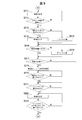
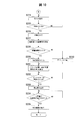
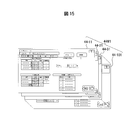
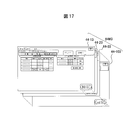
- FIG. 10 It is a figure which shows the proposal assistance apparatus of the water treatment system which concerns on one embodiment. It is a flowchart which shows the process sequence of the proposal support of a water treatment system. It is a figure which shows one Example of the proposal assistance apparatus of a water treatment system. It is a figure which shows the proposal assistance apparatus of the water treatment system which concerns on one Example. It is a figure which shows an example of a data structure. It is a figure which shows an example of a water treatment element. It is a figure which shows an example of a database. It is a flowchart which shows the process sequence of a proposal support. It is a flowchart which shows the process sequence following FIG. 10 is a flowchart illustrating a processing procedure following FIG. 9.
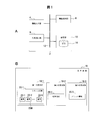
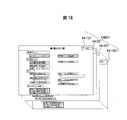
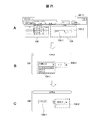
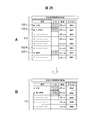
- FIG. 1A shows a proposal support apparatus for a water treatment system according to an embodiment of the present invention.
- the configuration shown in FIG. 1 is an example, and the present invention is not limited to such a configuration.
- This water treatment system suggestion support device (hereinafter simply referred to as a “suggestion support device”) 2 is a system that presents proposal information such as new proposals and improvement proposals to customers such as business operators who require water treatment.
- the proposal support apparatus 2 is configured by a computer, for example, and includes an information input unit 4, an information processing unit 6, an information presentation unit 8, and a storage unit 10 as functional units. These functional units are linked by a bus 12.
- the information presentation unit 8 is provided in the proposal support device 2, but the information presentation unit 8 may be provided outside the proposal support device 2, in which case the information presentation unit 8, the proposal support device 2, It is good also as a structure which presents information by connecting by wired or wireless.
- the information input unit 4 is an example of an input unit that inputs information to the information processing unit 6, and information is input using information input means such as a keyboard and a touch panel under the control of the information processing unit 6.
- the input information for the information input unit 4 may be, for example, element information for specifying water treatment such as a current water treatment system.
- the information processing unit 6 is an example of a processing unit that processes information.
- the information processing unit 6 includes a computer, includes a processor, a storage unit, and the like, and executes a proposal support program as an example of a proposal support tool.
- Information processing executed by the information processing unit 6 includes a) Search for element information and cost information according to input information and generation of water treatment system plan b) Storage of information, element information and cost information for calculating cost reduction effect of water treatment system plan in storage unit 10 c ) Calculation of cost reduction effects brought about by the proposed water treatment system d) Presentation of cost reduction effects in relation to the water treatment system proposal e) Processes related to these processes are included.
- the water treatment system proposal presented by this treatment includes new proposal information, improvement information for existing customer information, accompanying information, introduction merits, and related information.
- Cost reduction effects include incidental effects such as water saving effects, energy saving effects, waste reduction effects, and economic effects associated with any of these effects.
- the cost reduction effect is related to the water treatment system plan and is output from the information processing unit 6 as presentation information.
- the information presentation unit 8 receives the above-described presentation information from the information processing unit 6 and performs screen display on a display, for example, under the control of the information processing unit 6.
- the information presenting unit 8 presents, for example, an image of the water treatment system plan generated by the information processing unit 6. Therefore, the information presentation form of the information presentation unit 8 may be any of image information, electronic information, and the like representing the water treatment system plan.
- the proposed water treatment system may be any of the overall configuration of the system, the elements representing the parts, the treatment procedure representing the treatment content, and the treatment data, or two or more of these, or all of these. May be included.
- a database (DB) 14 storing data representing the above is provided.
- FIG. 1B shows the output information of the display screen 16 of the information presentation unit 8. This output information represents the proposed water treatment system.
- the display screen 16 includes a first display unit 18-1, a second display unit 18-2, and a third display unit 18-3 as display examples of the water treatment system plan.
- the display unit 18-1 displays system information 20-1 representing the water treatment system.
- This system information 20-1 includes at least a single element 22 or element group 22M as element information of the water treatment system.
- the element group 22M includes elements 22-1, 22-2... 22-N as two or more elements 22.
- Each element 22-1, 22-2,..., 22-N is a structural unit of the water treatment system displayed in the system information 20-1, such as a treatment tank and a chemical, and may include treated water and treated water. .
- the element group 22M includes, for example, two or more elements.
- the water treatment system displayed as an image may be any of an operating system, a simulation system, a system under design, and the like.
- treatment information 20-2 such as treated water and treatment contents obtained by the water treatment system is displayed.
- the treated water may be any of treated water, intermediate treated water, and final treated water.
- the display unit 18-3 displays merit information 20-3 including at least one of the processing cost and the merit of processing in association with the display unit 18-1 or the display unit 18-2.
- the merit information 20-3 includes the cost reduction effect brought about by the water treatment system plan.
- the cost reduction effect includes incidental effects such as the water saving effect, the energy saving effect, the waste reduction effect, and the economic effect associated with any of these effects.
- This proposal support device 2 creates a water treatment system plan using each element related to this data structure.
- This water treatment system proposal is a system for executing water treatment by arranging the elements 22-1, 22-2... 22-N described above in series or in parallel.
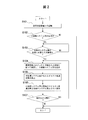
- FIG. 2 shows an example of the processing procedure of the proposal support apparatus 2.
- This processing procedure is an example of a process obtained by executing the proposal support program for the water treatment system of the present invention, a function executed by a computer, or a proposal support process for the water treatment system.
- the storage unit 10 stores water treatment element information and cost information necessary for the construction of the water treatment system plan, and information for calculating the cost reduction effect brought about by the generated water treatment system plan is stored in advance. Stored.
- the proposal support apparatus 2 is activated (S101), and it is determined whether the water treatment system plan is generated based on the input information (S102). If the water treatment system plan is not generated (NO in S102), this process is terminated. If the water treatment system plan is generated (YES in S102), it is determined whether the input information is necessary for generating the water treatment system plan (S103). If the input information is not necessary for generating the water treatment system plan (NO in S103), the process waits until the necessary input information arrives.
- the information processing unit 6 searches the water processing element information and cost information in the storage unit 10 according to the input information, and from the search result, the water information A processing system plan is generated (S104). Using the generated water treatment system plan as an opportunity, the cost reduction effect brought about by the water treatment system plan is calculated (S105). The information processing unit 6 provides the information presenting unit 8 with the cost reduction effect in relation to the water treatment system plan, and causes the information presentation unit 8 to present the cost reduction effect in relation to the water treatment system plan (S106). Thereby, the presentation of one water treatment system plan and the cost reduction effect is completed.
- the presence or absence of other input information is determined upon presentation of this water treatment system proposal (S107). If there is no other input information (NO in S107), this process is terminated to maintain the current state. If there is other input information (YES in S107), the process returns to S104, and the steps after S104 are executed. If there is no other input information (NO in S107), this process is terminated.
- the problem of the current process is extracted from the data input process that identifies the production unit, and the water treatment to replace the current system from the contents
- a system proposal can be created and presented.
- the target unit is identified from the characteristics data of the water supply or drainage, etc., and based on the total amount of water used and the type of each process, the amount of drainage in each process is estimated, and calculation processing by a computer is used. It is possible to calculate the amount of drainage, extract improvement items based on the calculation results (extract current problems), create a database based on these results, and store the data in the storage unit 10 as the DB 14.
- the DB 14 stores processing data, a processing system based on the processing data, processing results using the processing system, and various data such as optimization information so that the data can be extracted from the input data.
- a processing system plan can be constructed.
- This proposal support device 2 can be used as a support tool for explanation and sales of water treatment systems, can quickly share information between the proposer and the customer, and is optimal for the customer to replace the current system A water treatment system can be realized and speeded up.
- FIG. 3 shows a usage pattern of the proposal support apparatus 2 of the water treatment system according to the embodiment.
- a PC 26 is provided on the proposer 24 side, and this PC 26 functions as the proposal support apparatus 2.
- the PC 26 is provided with a display 28-1, and is linked to an external display device 28-2 so that the display 28-1 and the display device 28-2 can be synchronously displayed.
- the PC 26 is activated and the proposal information is displayed on the display 28-1 and the display device 28-2.
- the proposer 24 operates the PC 26 while confirming the display on the display 28-1, presents the water treatment system plan as output information on the display device 28-2, and makes the customer 30 visually recognize the water treatment system plan.
- the PC 26-1 and 26-2 on the customer 30 side may be linked to the PC 26, and the presentation information such as the water treatment system plan may be displayed on the display on the PC 26-1 and 26-2 side.
- FIG. 4 shows an example of the PC 26 that functions as the proposal support apparatus 2.
- the PC 26 includes a processor 32, a storage unit 34, an input / output unit (I / O) 36, a touch panel 38, a communication unit 40, and a display 28-1, which are linked by a bus 41.
- an external display device 28-2 is linked to the PC 26 to constitute the proposal support device 2.
- the display device 28-2 may be an external computer device, and the proposal support device 2 may include an external computer or a display device.
- the processor 32 activates an OS (Operating System) in the storage unit 34, executes various programs such as a proposal tool for water treatment system proposal, and generates output information.
- This output information can be generated by creating a water treatment system plan, and what kind of water quality is used in each treatment system in which the water supply amount and quality input by the water treatment system plan and the water treatment system are stored in the storage unit 34. , Information indicating whether or not the amount of water is processed, and calculation of its cost information.
- the storage unit 34 includes a recording medium such as a hard disk device or a semiconductor storage device, and stores the DB 14 as an OS, a program, and an information source.
- the storage unit 34 includes ROM (Read-Only Memory), EEPROM (Electrically-Erasable Programmable Read-Only Memory), RAM (Random-Access Memory), and the like.
- the RAM provides a task area for information processing.
- the I / O 36 is used for data input / output.
- the touch panel 38 is an example of an operation input unit, is used for information input, and may include an input device such as a keyboard and a mouse.
- the touch panel 38 is disposed on the front surface of the display 28-1, and information can be input by touching display information on the display 28-1.
- the communication unit 40 is communicatively connected to another computer via a dedicated line or a public line. This communication connection may be either wired or wireless.
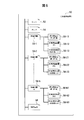
- FIG. 5 shows an example of the data structure of the DB 14 of the storage unit 34 used in the proposal support apparatus 2.
- the proposal menu 42 as input information or an input screen
- proposals 43-1, 43-2... 43-10 and a plurality of collections as output information or output screen Devices 45-1... 45-10 are included.
- the proposals 43-1, 43-2,... 43-10 are examples of the present invention, and examples of the display units 18-1, 18-2, 18-3 in the embodiment (B in FIG. 1). It is.
- the proposal menu 42 is menu information developed on the top page of the introduction screen, for example, a display screen.
- the proposal menu 42 includes a plurality of idea information 44-1, 44-2,... 44-10, first related information (bean knowledge) 46-1, and second related information (what is water saving?) 46.
- a performance map 48 is included.
- the idea 44-1 includes a water amount input 44-11, a unit price input 44-12, a condition input 44-13, a proposal 43-1, and a collection device 45-1.
- the unit price input 44-12 is information for calculating the cost reduction effect brought about by the water treatment system plan.
- the unit price input 44-12 includes, for example, a heat recovery unit price calculation sheet 44-121, a chemical pH adjustment value 44- 122 is included.
- the idea 44-2 includes a water amount input 44-21, a unit price input 44-22, a condition input 44-23, and a proposal 43-2 in the same manner as the idea 44-1.
- the unit price input 44-22 includes a heat recovery unit price calculation sheet 44-221 and a chemical pH adjustment value 44-222.
- the other ideas 44-3 to 44-10 have the same data structure.
- FIG. 6 shows a data structure representing element information of water treatment used for generating a water treatment system plan and calculating display information thereof.
- a water treatment element 50 as an example of a water treatment system includes a tank 52, a pump 54, a plurality of reformers 56-1, 56-2,... 56-N, and a controller 58.
- the reformer 56-1 includes a membrane separator 56-11, a reverse osmosis membrane device 56-12, a UV treatment sterilizer 56-13, etc., and the reformers 56-2... 56-N are the same. is there.
- FIG. 7 shows an example of information stored in the DB 14.
- the DB 14 includes a running cost 60-1 for each reformer, a running cost 60-2 by adding chemicals, a water treatment capacity 60-3, and the like.
- the running cost 60-1 for each reformer includes the reformer 60-11 and the cost 60-12.
- the reformer 60-11 includes the size (model), quantity, power consumption, etc. of the reformer, and the cost 60-12 is the cost for each maintenance type such as inspection, cleaning, parts replacement, etc., and the frequency 60- 121 and unit price 60-122 are included.
- the frequency 60-121 is information representing the number of times per year and the number of times of treated water.
- the unit price 60-122 is a cost per time.
- the running cost 60-2 due to the addition of chemicals includes a relational expression 60-21 between the concentration of the target substance contained in the raw water quality and the required chemical addition amount, and a pH regulator addition amount calculation formula 60-22 according to the water quality contained in the raw water quality. Further, a water quality adjusting agent addition amount (chlorine concentration, etc.) calculation formula 60-23 according to the water quality condition of the collection destination is included.
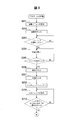
- FIG. 9 and FIG. 10 show processing procedures from generation of display information of the water treatment system to various displays.
- a connector a in FIGS. 8 and 9 and a connector b in FIGS. 9 and 10 indicate connection of processing procedures.
- the PC 26 is activated, the screen of the display 28-1 is started up, and the proposal menu 42 is displayed by the activation of the water treatment system display program (S201). In the full-screen display of the proposal menu 42, the customer name as the proposal destination is input (S202).
- the display shifts to the display of the selected water amount input 44-11 of, for example, the idea 44-1 (S204). If no idea is selected (NO in S203), the proposal menu 42 is maintained.
- next screen transition button or the unit price input button It is determined whether the next screen transition button or the unit price input button has been selected (S210). If the next screen transition button or the unit price input button is not selected (NO in S210), the display of the water amount input 44-11 is maintained.
- the unit price input 44-12 is displayed (S211), and it is determined whether the corresponding item is selected (S212). If the corresponding item is not selected (NO in S212), the display of the unit price input 44-12 is maintained. If the corresponding item is selected (YES in S212), it is determined whether a unit price is input to the selected item (S213).
- the unit price is input to the selected item (YES in S213), the unit price is input (S214). If the unit price is not input (NO in S213), the default value (S215) of the unit price is set and heat recovery is performed. The process proceeds to unit price input determination (S216).
- the unit price calculation is determined (S217). If the heat recovery unit price is not input (NO in S215), the default value of the heat recovery unit price is selected (S218), and the process proceeds to determination of unit price (S217). If the unit price is calculated (YES in S217), the heat recovery merit and the unit price are calculated (S219). If the unit price is not calculated (NO in S217), the process returns to S216.
- FIG. 11 shows a screen transition process.
- the display of the water amount input 44-11 S301
- it is determined whether the proposal menu 42 has been selected S302
- the display of the water amount input 44-11 is maintained. .
- the display transitions to the proposal menu display (S303).
- the display of the proposal menu 42 (S303) it is determined whether the screen of the proposal 43-1 has been selected (S304). If there is no selection of the screen of the proposal (NO in S304), the proposal menu 42 is maintained. .
- the display transitions to the display of the proposal screen (S305).
- this proposal screen display it is determined whether another screen has been selected (S306). If no other screen is selected (NO in S306), the screen display of the proposal is maintained. If another screen is selected on this proposal screen (YES in S306), the screen transitions to display of the selected screen (S307).
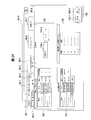
- FIG. 12 shows an example of the proposal menu 42.
- This suggestion menu 42 is a display example of an image of presentation information.
- the proposal menu 42 includes a title part 64, a table 70, and a result map 72 as display information in one screen.
- the title part 64 includes a customer name 64-1, a title 64-2, a guide 64-3, and link buttons 64-4, 64-5, 64-5.
- the customer name 64-1 displays the names of all proposals 43-1, 43-2,.
- the name of the proposal menu 42 is specified.
- the guide 64-3 indicates the processing stage and clearly indicates, for example, “STEP 1: Select an idea” as input operation guide information.
- the link button 64-4 links to related information (bean knowledge) 46-1
- the link button 64-5 links to related information (what is water conservation) 46-2
- the link button 64-6 supports information (? Link to (Help) and transition to the link destination by each touch.
- the table 70 includes an idea 70-1 and a proposal display 70-2.
- the idea 70-1 includes idea titles X1, X2... X10 and link buttons 74-1, 74-4, 74-5, 74-6, 74-7, 74-9, 74-10 together with the idea number. included.
- the link buttons 74-1, 74-4... 4-10 are collection devices 45-1, 45-4... 45-10 belonging to the ideas 44-1 to 44-10 in the idea 70-1. Link to
- the proposal display 70-2 is, for example, “ ⁇ ” as a completion display if the proposal corresponding to the idea 70-1 has been completed, and blank, for example, as an incomplete display if not completed. It becomes.
- the system map that covers each idea is displayed in the result map 72, and the idea number is displayed at the relevant location on this system map.
- This idea number is the same as the idea number of idea 70-1.
- the system map displays, for example, abbreviated names and symbols for identifying each element, and processing contents such as fresh water, irrigation water treatment, and CIP.
- the proposal group 43M includes a plurality of proposals 43-1, 43-2,... 43-10.
- the collection device group 45M includes a plurality of collection devices 45-1, 45-4, 45-5, 45-6, 45-7, 45-9, and 45-10.
- the water quantity information group 44M1 includes a plurality of water quantity inputs 44-11, 44-21,.
- the unit price group 44M2 includes a plurality of unit price inputs 44-12, 44-22... 44-102.
- the condition group 44M3 includes a plurality of condition inputs 44-13, 44-23... 44-103.
- the heat recovery unit price calculation sheet group 44M21 is composed of one or a plurality of heat recovery unit price calculation sheets 44-121, 44-122... 44-1021.
- the related information 46-1 includes information over a plurality of pages.
- Each page is provided with link buttons 73-1 and 73-2.
- the link button 73-1 is linked to the original sheet
- the link button 73-2 is linked to the sheet of the next page, and can be changed to a desired sheet by touch.
- the related information 46-2 includes information over a plurality of pages.
- Each page is provided with a link button 75.
- the link button 75 links to the departure screen and can transition to the original screen by touching.
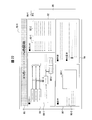
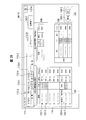
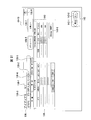
- FIG. 21 shows the proposal 43-1.
- This proposal 43-1 shows display information or a display screen.
- the proposal 43-1 includes a title part 76, a comment 78, a proposal display 80, a merit part 82, and a link part 84.
- the title portion 76 includes a proposal source 76-1, a customer name 76-2, and a title 76-3.
- the title 76-3 matches the idea 44-1 of the proposal menu 42.
- Comment 78 includes proposed concept 78-1, improvement forecast 78-2, and special note 78-3.
- the improvement forecast 78-2 includes, for example, a table display.
- the water quality items include conductivity, turbidity, free effective chlorine, etc. Such information is specified. Thereby, the improvement prediction can be easily recognized visually.
- Special note 78-3 may describe merits and points to be noted.
- the proposal display 80 is an example of the display units 18-1 and 18-2 described above, and clearly shows the content of the proposal information.
- a system map 80-1 may disclose minimum circuit information including one or more elements 80-2 of the proposed water treatment system.
- the element 80-2 includes a tank, “new water”, “boiler make-up water”, “product water”, “quality drainage”, “NaClO”, “drainage”, and the like.
- the water saving amount 80-4 displays the annual water saving amount and is provided with an arrow 80-7 directed toward the merit portion 82, and guides the line of sight from the water saving amount 80-4 to the merit portion 82 side.
- the merit 80-5 shows the effect of reducing the unit of water consumption
- the operating status 80-6 of the proposed apparatus shows the recovery rate, the design water amount and the operating rate.
- the water saving amount 80-4, the merit 80-5, and the operation status 80-6 are overlapped as long as the character display is not impaired, and the relation of information is clearly shown.
- the merit section 82 is an example of the display section 18-3 described above.
- the merit section 82 includes the merit 82-1, the merit breakdown 82-2, the running cost 82-3, the initial cost 82-4, and the investment recovery year 82. -5 is included.
- Merit 82-1 includes, for example, annual cost merit
- merit breakdown 82-2 includes merit breakdown such as water stoppage, water treatment, pure water treatment, wastewater treatment, sewage, heat recovery, chemicals, power saving, etc. Numeric information is presented for the item.
- the cost per year and its breakdown are specified in the running cost 82-3, the cost is specified in the initial cost 82-4, and the investment recovery year is specified in the investment recovery year 82-5.
- the link unit 84 includes link buttons 84-1, 84-2, 84-3, 84-4, and 84-5. If the link button 84-1 is touched, it is possible to transition from the current display screen to the proposal menu 42. If the link button 84-2 is touched, it is possible to transition from the current display screen to the water amount input 44-11. If the link button 84-3 is touched, transition from the current display screen to the unit price input 44-12 can be made. If the link button 84-4 is touched, transition from the current screen to the condition input 44-13 is possible. If the link button 84-5 is touched, it is possible to transition to the recovery device 45-1 as the recovery device performance.
- FIG. 22 shows the recovery device 45-1 in the recovery device group 45M.
- the collection device 45-1 shows display information or a display screen.
- the collection device 45-1 includes a title part 86, a flow 88, an arrangement 90, a summary 92, a feature item 94, and a link part 96.
- the flow 88 clearly indicates “flow” as a title, and includes a flowchart 88-1 and an implementation content 88-2.
- the implementation content 88-2 clearly shows a table, and includes, for example, the number of general bacteria and the TOC.
- Arrangement 90 clearly indicates “arrangement” as a title, and includes apparatus 90-1, contents 90-2, and the like. For example, the capacity and dimensions of the tank are specified.
- the summary 92 clearly indicates “summary” as the title, and clearly indicates the item 92-1 and its contents 92-2.
- the feature item 94 includes a plurality of items, and “feature” and “consideration point” are clearly specified as titles thereof, the feature item is described in the “feature”, and the consideration item is described in the “consideration point”.
- the statement is explicit.
- a link button 96-1 is clearly shown in the link section 96 as a link display. If the link button 96-1 is touched, it is possible to return to the screen display before the transition.
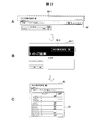
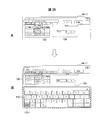
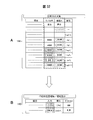
- FIG. 23 shows the input to the proposal menu 42.
- the screen display is changed to the full screen display, the proposal menu 42 is expanded on the screen, and then the customer name display unit 64-1 is touched, as shown in FIG. 23A, the customer name display
- the input to the part 64-1 is validated.
- the customer name is input to the customer name display section 64-1, in this example, as shown in FIG. 23B, in this example, the customer name 76-2 is added to the title of the title section 76 of the proposal 43-1. Is reflected. That is, “XXX Corporation” is changed to “ABC Corporation” by the input “ABC”.
- FIG. 24 shows the water quantity input 44-11 for X1.
- the water amount input 44-11 includes a title portion 98, tables 100 and 102, a water amount input unit 104, a proposal sheet reflection check 106, and a link portion 108.
- the title section 98 includes a title 98-1, a guide 98-2, input tabs 98-3, 98-4, 98-5, and link buttons 98-6, 98-7, 98-8.
- the title 98-1 displays “Idea 1: X1” indicating that X1 of the idea 70-1 is selected from the proposal menu 42.
- “STEP2: Input data” is displayed representing the first stage of the processing procedure.
- the input tabs 98-3, 98-4, and 98-5 “water amount”, “unit price”, and “condition” indicating the type of the button are clearly indicated in the arrows indicating the direction of screen transition.
- the input tab 98-3 is displayed as an active state display representing the current screen display, for example, by other display tabs 98-4 depending on display forms such as shading display, coloring display, and contrast.
- 98-5 The link button 98-6 links to the proposal menu 42, the link button 98-7 links to the proposal 43-1, and the link button 98-8 links to help information.
- the table 100 has “new water / product feed water” as a title, and includes an item column, an input column, a unit column, and an annual conversion amount column corresponding to a plurality of input items.
- the item column includes, for example, “amount of water used”, “amount of well water”, and “amount of water charged in products”. Necessary numerical values can be input in the input column, and are distinguished from other columns by, for example, shaded display, coloring display, contrast, etc., for guiding the input.
- the table 102 clearly indicates “target equipment” as a title, and includes an item field, an input field, a unit field, and an annual conversion amount field corresponding to a plurality of input items.
- the item column includes, for example, “quality drainage”, “recovered water usage amount”, “initial cost”. Necessary numerical values can be input in the input column, and are distinguished from other columns by, for example, shaded display, coloring display, contrast, etc., for guiding the input.
- the water volume input unit 104 includes “unit” as a title, and includes an input unit 104-1 and a display unit 104-2.
- the input unit 104-1 receives a period selected from the prepared periods.
- the display unit 104-2 displays the input year and the time as the calculation result.
- the proposal sheet reflection check 106 displays “Proposal sheet reflection check” as a title, and includes a table having an item column and a reflection result column. For example, “Cost merit”, “Water saving amount”, “Water unit”, “Investment return year”, “Water flow” are included in the item column. Input information is reflected in the reflection result column for each item. For example, “ ⁇ ” or “ ⁇ ” is displayed as a display indicating whether or not the operation has been performed. “ ⁇ ” indicates that it is reflected, and “ ⁇ ” indicates that it is not reflected.
- the link unit 108 is provided with link buttons 108-1 and 108-2.
- the link button 108-1 corresponds to the transition “return” to the previous screen
- the link button 108-2 corresponds to the transition “next” to the next screen. A transition to the previous screen or the next screen is possible by touching.
- FIG. 25 shows a unit input of the water amount input 44-11.
- the input field of the table 100 is touched, the input field is selected as shown in FIG.
- the input unit 104-1 is provided with a list representing a plurality of selectable periods, and any unit may be selected from the expanded list. For example, if “yearly input” is selected, the number of years input is displayed on the display unit 104-2.
- the period is automatically converted into the operating time according to the selected unit, and the operating time is displayed on the display unit 104-2 as shown in FIG.
- the display unit 104-2 displays, as explanatory information for the operator or user, display of the explanatory information on the number of operating hours, for example, “the product of this value and the input value becomes the annual conversion amount”.
- FIG. 26 shows the water amount input of the water amount input 44-11.
- a color display different from other input fields is used as a display for prompting an input in the “new water / product feed water” input field of the table 100.
- the keyboard 110 is displayed as shown in FIG. 26B. If the numeric instruction key 110-1 of the keyboard 110 is touched, the mode shifts to the numeric keypad / symbol input mode. Use this numeric keypad to enter the amount of water in the entry field. Similarly, the amount of water can be entered in the entry field of “target facility” in the table 102.
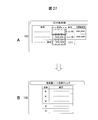
- FIG. 27 shows an input check process. After the water amount is input, for example, as shown in FIG. 27A, if there is no input in the input field of “target facility” in the table 102, the proposal sheet reflection check 106 is performed as shown in FIG. In the reflection column, a display “ ⁇ ” indicating input for each item or a display “ ⁇ ” indicating no input appears. In the state shown in FIG. 27B, all items are not input. Even if there is no input, the output of the proposal 43-1 is not affected. For example, proposal 43-1 can be output even if there is a shortage of water intensity, investment recovery year, and water flow. Check the shortage information from the display contents of proposal 43-1. Can be completed.
- FIG. 28 shows an example of the unit price input 44-12.
- the unit price input 44-12 includes a title part 112, tables 114, 116, and 118, and a link part 120.
- the title part 112 includes a title 112-1, a guide 112-2, input tabs 112-3, 112-4, 112-5, and link buttons 112-6, 112-7, 112-8.
- the title 112-1 displays “Idea 1: X1” indicating that X1 of the idea 70-1 is selected from the proposal menu 42.
- “STEP 2: Input data” is displayed, which represents the first stage of the processing procedure.
- “water amount”, “unit price”, and “condition” indicating the type of the button are clearly shown in the arrows indicating the transition direction of the screen.
- the input tab 112-4 is displayed as an active state display representing the current screen display by, for example, shading display, coloring display, contrast, etc., to the other input tabs 112-3, 112.
- the display form is distinct from -5.
- the link button 112-6 links to the proposal menu 42
- the link button 112-7 links to the proposal 43-1
- the link button 112-8 links to help information.
- the table 114 clearly indicates “customer equipment unit price” as a title, and includes an item field, an input field, a unit field, and a default field corresponding to a plurality of input items.
- the item column includes, for example, “clean water”, “use water treatment”, “pure water treatment”, “drainage treatment”, “sewage treatment”, “heat recovery”, “chemicals”, and “power saving”. Necessary numerical values can be input in the input column, and are distinguished from other columns by, for example, shaded display, coloring display, contrast, etc., for guiding the input.
- This table 114 is provided with check boxes 122-1, 122-2,... 122-8 for each item, and a heat recovery item is provided with a link button 124. It is possible to check the selection items in the check boxes 122-1 to 122-8.
- the link button 124 links to unit price calculation, and transitions to unit price calculation when touched.
- “collecting device electricity / chemical unit price” is clearly shown as a title, and items corresponding to the input item, input, unit, and default are provided.
- “Electricity charges” is clearly indicated in the item column.
- the table 118 is a window display.
- “medicine” is clearly indicated, and includes an item field, an input field, a unit field, and a default field. A default value prepared in advance separately from the input information is entered in the default field. This default value is calculated from past performance.
- “Chemicals” is displayed when the item “Chemicals” of “Customer facility unit price” is selected, and may be hidden in other cases.
- the link unit 120 includes link buttons 120-1 and 120-2.
- the link button 120-1 corresponds to the transition “return” to the previous screen
- the link button 120-2 corresponds to the transition “next” to the next screen. A transition to the previous screen or the next screen is possible by touching.
- FIG. 29 shows the input of the unit price input 44-12. Touch any item column of “Customer Equipment Unit Price” in the table 114 and check the item to be selected. In the example shown in A of FIG. 29, “clean water”, “water treatment”, and “medicine” are checked in the items, and the other items are removed from the check. Checked items are recorded as water saving benefits, and items that are not checked are not counted. In this example, the check location is colored differently from the other locations.
- FIG. 30 shows the transition of the heat recovery unit price calculation process. For example, when the “heat recovery” check box 122-6 of the unit price input 44-12 shown in FIG. 28 is checked and the link button 124 in which “unit price calculation” is clearly specified is touched, as shown in FIG. Then, the process proceeds to the heat recovery unit price calculation sheet 44-121.
- the heat recovery unit price calculation sheet 44-121 includes, for example, a unit price input 128, a detailed condition input 130, a calculation field as a title field 126, an input field for inputting input information such as a unit price used for calculation, and a display field for displaying calculation results.
- a column 132, a heat recovery merit and unit price column 134 are included.
- the title part 126 includes link buttons 126-1 and 126-2.
- “energy saving unit price” and “steam unit price” are input.
- the detailed condition input 130 it is possible to input the recovered water temperature, the conventional water temperature, the heat recovery efficiency, the recovered water amount, the water specific heat, and the steam temperature.
- the heat recovery unit price or the energy saving unit price, the water temperature, and the heat exchange efficiency may be input.
- a default value based on the results is used.
- the calculation column 132 the amount of recovered water heat, the amount of recovered heat, the latent heat, and the amount of steam used are calculated, and the calculation results are displayed. Calculation formulas used as annotations may be displayed for the recovered water heat amount, recovered heat amount, and latent heat.
- the value representing the heat recovery merit, the heat recovery unit price, and the energy saving unit price are displayed at the same time. If the link button 126-2 of the heat recovery unit price calculation sheet 44-121 is touched, a transition to the previous screen of the heat recovery unit price calculation sheet 44-121 can be made.
- FIG. 31 shows an example of the condition input 44-13.
- the condition input 44-13 includes a title part 136, tables 138 and 140, and a link part 142.
- the title portion 136 includes a title 136-1, a guide 136-2, input tabs 136-3, 136-4, 136-5, and link buttons 136-6, 136-7, 136-8.
- “Idea 1: X1” indicating that X1 of idea 70-1 is selected from the proposal menu 42 is displayed in the title 136-1.
- the guide 136-2 displays, for example, “STEP 2: Input data” indicating the first stage of the processing procedure.
- “water amount”, “unit price”, and “condition” representing the type of the button are clearly indicated in arrows indicating the transition direction of the screen.
- the input tab 136-5 is distinguished from the other input tabs 136-3 and 136-4 by, for example, shading display, coloring display, contrast, etc. as an active state display representing the current screen.
- the display form is as follows.
- the link button 136-6 links to the proposal menu 42
- the link button 136-7 links to the proposal 43-1
- the link button 136-8 links to help information.
- the table 138 clearly indicates “water quality of drainage” as a title, and includes an item column corresponding to a plurality of input items, a high-quality drainage column, a recovered water column, a recovered water use destination column, and a unit column.
- the item column includes, for example, a state and a unit for items such as “conductivity”, “turbidity”, and “TOC”.
- Necessary numerical values can be input, and are distinguished from other fields by, for example, shading display, coloring display, contrast, and the like that guide the input.
- the link unit 142 is provided with link buttons 142-1 and 142-2.
- the link button 142-1 corresponds to the transition “return” to the previous screen
- the link button 142-2 corresponds to the transition “next” to the next screen. A transition to the previous screen or the next screen is possible by touching.
- FIG. 32 shows an input procedure of condition input of idea 44-6 as another condition input.
- Example> it can be realized as a proposal support tool using a computer, can be used for information exchange between the proposer and the customer, and the information such as the water treatment system proposal from the proposer can be accurately confirmed to the customer. Proposals reflecting issues presented by customers can be immediately presented as information and images.
- proposal menu 42 it is possible to provide customers with ideas on the system using a single screen, customer information, multiple ideas, cost reduction effect information, basic information on water conservation, related information such as processing and benefits, and maps. Necessary proposal information can be shared between a person and a customer. (6) Proposal information that the proposer wants to provide can be provided on a single screen, allowing the customer to quickly recognize the intention of the proposer.
- Proposal information specified by the customer name from the proposal menu 42 is presented by specific items of a plurality of ideas, and touching each title can transition to a display screen of the link destination. Information that customers want to know can be instantly specified.
- the screen can be changed from the link button to a screen representing the performance device, and the contents can be expanded and recognized immediately.
- the proposal menu 42 also serves as a top menu of a plurality of related groups and is linked to the related groups.
- the current status and new water treatment system can be converted into drawings, the issues and benefits can be presented as visual information, and the current status and new system can be shared with the proposer and the customer, enabling rapid information sharing activities it can.
- the target unit is identified from the characteristics data of water supply or drainage, etc., and by using the total amount of water used and the type of each process, the amount of wastewater in each process is estimated, and each process is calculated using a computer. It is possible to calculate the amount of wastewater and extract improvement items based on the calculation results (extract current issues) and create a database based on these results.
- the database stores processing data, a processing system based on the processing data, processing results using the processing system, and various data such as optimization information so that the data can be extracted from the input data, and an optimal processing based on the input data You can build a system. (16) For each process, for example, for the wastewater, select the processing flow that represents the optimal process from the actual data (database) (improvement process from the current situation). The database can be used to select, change, or construct an optimal processing flow.
- the problem of the processing system can be extracted from the input current information, and a new system that matches the processing contents of the client can be immediately constructed.
- (18) By referring to past experience, history, results, etc. in the database, it is possible to construct and propose an optimal and rational new system. (19) Since past experiences, histories, achievements, etc. can be shared as a database, it is possible to prevent bias due to experience values of sales representatives and to build a new system with the latest information. Individualization by sales personnel can be abolished, and the rationalization and reliability of the proposed new system can be improved.
- the proposal information can be output as a presentation material, and when information unsuitable for processing is input, for example, notification can also be made by alert notification and the reliability of the construction system can be improved.
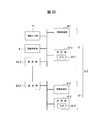
- an information processing terminal such as a PC is used for the proposal support apparatus 2, but as shown in FIG. 33, the proposal support system 2-2 is linked to the proposal support apparatus 2 by linking the host apparatus 2-1. It may be configured.
- the link between the proposal support apparatus 2 and the host apparatus 2-1 may be either wired or wireless, and may use a communication medium such as the Internet.
- the proposal support apparatus 2 includes a communication unit 40-1.
- the communication unit 40-1 can be connected to the communication unit 40-2 on the host device 2-1 side by wired or wireless communication.
- the proposal support apparatus 2 includes the information processing unit 6-1, the storage unit 10-1, and the DB 14-1 as described above, so that processing independent of the host device 2-1 is possible. However, processing and data requests can be made to the host device 2-1 as necessary, and provision of necessary processing results can be received.
- the information processing unit 6-2 of the host apparatus 2-1 can provide necessary data from the DB 14-2 in the storage unit 10-2 to the proposal support apparatus 2 in response to a data request from the proposal support apparatus 2.
- the host device 2-1 can share data processing, and the processing according to the above-described processing procedure (FIG. 2) can be performed in cooperation with the host device 2-1. Can be executed.
- the DB 14-2 as an information source can be constructed in the storage unit 10-2 on the host device 2-1 side, and the information in the DB 14-2 can be utilized on the proposal support device 2 side, which is useful for the user. Information can be provided quickly and precisely.
- the present invention can present current information such as the system configuration of the water treatment system, treatment contents, treatment merit, optimum water treatment system proposal, cost reduction effect information, etc., and can provide such information by image display, sales and development It can be provided as a support tool used in activities and is useful.
Landscapes
- Business, Economics & Management (AREA)
- Health & Medical Sciences (AREA)
- Engineering & Computer Science (AREA)
- Economics (AREA)
- Public Health (AREA)
- Water Supply & Treatment (AREA)
- General Health & Medical Sciences (AREA)
- Human Resources & Organizations (AREA)
- Marketing (AREA)
- Primary Health Care (AREA)
- Strategic Management (AREA)
- Tourism & Hospitality (AREA)
- Physics & Mathematics (AREA)
- General Business, Economics & Management (AREA)
- General Physics & Mathematics (AREA)
- Theoretical Computer Science (AREA)
- Management, Administration, Business Operations System, And Electronic Commerce (AREA)
Abstract
水処理の要素情報とコスト情報を入力情報に従って検索して水処理システム案を生成する水処理システムの提案支援装置(2)において、水処理システム案がもたらすコスト低減効果を算出するための情報、要素情報およびコスト情報を記憶する記憶部(10)と、記憶部から要素情報およびコスト情報を検索して水処理システム案を生成するとともに、該水処理システム案がもたらすコスト低減効果を算出する処理部(情報処理部6)と、コスト低減効果を水処理システム案に関係付けて提示する情報提示部(8)とを備える。これにより水処理の要素情報およびコスト情報を検索して水処理システム案を生成するとともに、該水処理システム案がもたらすコスト低減効果を算出でき、その効果を水処理システム案とともに提示できる。
Description
本発明は、水処理に用いられるシステム編成や処理内容などの各種情報による水処理システム案の提案技術に関する。
上水や下水などの被処理水を処理する水処理システムには複数種の水処理設備が用いられ、各水処理設備は仕様によって価格が異なるので、選択する水処理設備の組合せによって設備価格が変動する。このため、顧客のニーズは区々であり、そのニーズに応じた水処理システムの構築には設備仕様と設備価格から見積りが行われ、最適なシステムの提供が必要である。
この水処理設備の見積りに関し、複数種の水処理設備ユニットの仕様とその設備価格をデータベースに格納し、水処理仕様に応じてデータベースを検索して水処理仕様に見合う水処理設備の構築に必要なユニットを選定し、そのユニットにより構築される水処理設備の設備価格を見積もるシステムが知られている(たとえば、特許文献1)。
ところで、稼働中の水処理システムについて、その課題を分析し、該システムに代わる最適な処理や新規システムを迅速かつ容易にあるいは的確に提案することは極めて重要である。稼働中のシステムや、該システムを取り巻く環境は個別的かつ具体的であって、顧客毎に異なっている。現状の課題を分析し、その分析結果に基づく最適なシステムの構築は容易ではなく、そのシステム案を提示する営業スタッフが共有することは容易ではない。
現状のシステムにおける課題は個別的且つ具体的であるうえに、その内容は専門性が高く、顧客が持つ課題は複雑であり、的確に把握するには熟練を要する。この熟練には相当な訓練や経験が必要である。
このような課題を認識しても、その課題を解決できる水処理システム案を即座に提示できなければ、折角のシステム案の創出や提示が無駄になるし、その創出から提案に時間を要すれば、時宜に遅れをとることになる。的確に課題を把握し、その課題解決の処理システム案を創出ないし提案できなければ、客先および提案側双方に不利益を生じるという課題がある。
現状のシステムに代わる新規システム案を生成しても、その新規システム案の旧システムに対するコスト低減効果の多寡はシステム導入側およびシステム提供側に極めて重要な課題である。
このような課題を認識しても、その課題を解決できる水処理システム案を即座に提示できなければ、折角のシステム案の創出や提示が無駄になるし、その創出から提案に時間を要すれば、時宜に遅れをとることになる。的確に課題を把握し、その課題解決の処理システム案を創出ないし提案できなければ、客先および提案側双方に不利益を生じるという課題がある。
現状のシステムに代わる新規システム案を生成しても、その新規システム案の旧システムに対するコスト低減効果の多寡はシステム導入側およびシステム提供側に極めて重要な課題である。
そこで、本発明の目的は斯かる課題に鑑み、水処理の現状情報などの入力情報に従って水処理の要素情報とコスト情報の検索により生成される水処理システム案とともに、該水処理システム案がもたらすコスト低減効果の算出およびその提示にある。
上記目的を達成するため、本発明の水処理システムの提案支援装置の一側面によれば、水処理の要素情報とコスト情報を入力情報に従って検索して水処理システム案を生成する提案支援装置において、前記水処理システム案がもたらすコスト低減効果を算出するための情報、前記要素情報および前記コスト情報を記憶する記憶部と、前記記憶部から前記要素情報および前記コスト情報を検索して水処理システム案を生成するとともに、該水処理システム案がもたらすコスト低減効果を算出する処理部と、前記コスト低減効果を前記水処理システム案に関係付けて提示する情報提示部とを備える。
上記水処理システムの提案支援装置において、前記コスト低減効果は、節水効果、省エネ効果、廃棄物削減効果、これら効果の何れかに付随する経済的効果の何れかまたは2以上を含んでよい。
上記水処理システムの提案支援装置において、前記水処理システム案がもたらすコスト低減効果を算出するための情報は、前記コスト低減効果を算出するための少なくとも計算式または数値変換用情報のいずれか一方または双方を含んでよい。
上記水処理システムの提案支援装置において、前記水処理システム案がもたらすコスト低減効果を算出するための情報は、前記コスト低減効果を算出するための少なくとも計算式または数値変換用情報のいずれか一方または双方を含んでよい。
上記目的を達成するため、本発明の水処理システムの提案支援プログラムの一側面によれば、水処理の要素情報とコスト情報を入力情報に従って検索して水処理システム案をコンピュータにより生成する提案支援プログラムにおいて、前記水処理システム案がもたらすコスト低減効果を算出するための情報、前記要素情報および前記コスト情報を記憶部に記憶し、前記記憶部から前記要素情報および前記コスト情報を検索して水処理システム案を生成するとともに、該水処理システム案がもたらすコスト低減効果を算出し、前記コスト低減効果を前記水処理システム案に関係付けて提示する機能を前記コンピュータに実行させる。
上記目的を達成するため、本発明の水処理システムの提案支援方法の一側面によれば、水処理の要素情報とコスト情報を入力情報に従って検索して水処理システム案を生成する提案支援方法において、前記水処理システム案がもたらすコスト低減効果を算出するための情報、前記要素情報および前記コスト情報を記憶部に記憶する工程と、前記記憶部から前記要素情報および前記コスト情報を検索して水処理システム案を生成するとともに、該水処理システム案がもたらすコスト低減効果を算出する工程と、前記コスト低減効果を前記水処理システム案に関係付けて提示する工程とを含む。
上記目的を達成するため、本発明の水処理システムの提案支援システムの一側面によれば、水処理の要素情報とコスト情報を入力情報に従って検索して水処理システム案を生成する提案支援システムにおいて、前記水処理システム案がもたらすコスト低減効果を算出するための情報、前記要素情報および前記コスト情報を記憶する記憶装置と、前記記憶装置から前記要素情報および前記コスト情報を検索して水処理システム案を生成するとともに、該水処理システム案がもたらすコスト低減効果を算出する処理装置と、前記処理装置に無線または有線により接続され、前記コスト低減効果を前記水処理システム案に関係付けて提示する情報提示装置とを備える。
本発明によれば、次のような効果が得られる。
(1) 現状システムの課題や課題解決のための情報などの入力情報に基づき、水処理の要素情報およびコスト情報を検索して水処理システム案を生成するとともに、該水処理システム案がもたらすコスト低減効果を算出でき、その効果を水処理システム案とともに提示できる。
(2) 入力情報に基づき、水処理の要素情報およびコスト情報を検索して生成される水処理システム案がもたらすコスト低減効果として、排水の水質改善、排水量などの低減による節水効果、排水の再利用化、排熱量の低減などによる省エネ効果、熱量ロスの低減、水質改善された排水のボイラー給水への利用や熱量の利用などの有用性情報を提示できる。
(3) 生成される複数の水処理システム案について、それぞれのコスト低減効果を算出して提示でき、そのコスト低減効果や性能を踏まえて水処理システム案を選択できる。
(4) 入力情報として顧客が持つ現状の課題や要望を的確に捉え、これを入力情報として顧客が求める要望事項に沿った水処理システム案を提示できるとともに、この水処理システム案に関係付けてコスト低減効果を提示できる。
(5) 営業担当者や開発担当者の熟練性に依存することなく、現状システムに代わる最適な水処理システム案の創出とともに、そのコスト低減効果を提示でき、コスト低減効果の算出に要していた従前のロス時間を削減でき、営業担当者や開発担当者の技量の補完だけでなく、システム案の生成およびコスト低減効果の提示により、システム提案コストを低減することができる。
(1) 現状システムの課題や課題解決のための情報などの入力情報に基づき、水処理の要素情報およびコスト情報を検索して水処理システム案を生成するとともに、該水処理システム案がもたらすコスト低減効果を算出でき、その効果を水処理システム案とともに提示できる。
(2) 入力情報に基づき、水処理の要素情報およびコスト情報を検索して生成される水処理システム案がもたらすコスト低減効果として、排水の水質改善、排水量などの低減による節水効果、排水の再利用化、排熱量の低減などによる省エネ効果、熱量ロスの低減、水質改善された排水のボイラー給水への利用や熱量の利用などの有用性情報を提示できる。
(3) 生成される複数の水処理システム案について、それぞれのコスト低減効果を算出して提示でき、そのコスト低減効果や性能を踏まえて水処理システム案を選択できる。
(4) 入力情報として顧客が持つ現状の課題や要望を的確に捉え、これを入力情報として顧客が求める要望事項に沿った水処理システム案を提示できるとともに、この水処理システム案に関係付けてコスト低減効果を提示できる。
(5) 営業担当者や開発担当者の熟練性に依存することなく、現状システムに代わる最適な水処理システム案の創出とともに、そのコスト低減効果を提示でき、コスト低減効果の算出に要していた従前のロス時間を削減でき、営業担当者や開発担当者の技量の補完だけでなく、システム案の生成およびコスト低減効果の提示により、システム提案コストを低減することができる。
〔一実施の形態〕
図1のAは、本発明の一実施の形態に係る水処理システムの提案支援装置を示している。図1に示す構成は一例であり、斯かる構成に本発明が限定されるものではない。
図1のAは、本発明の一実施の形態に係る水処理システムの提案支援装置を示している。図1に示す構成は一例であり、斯かる構成に本発明が限定されるものではない。
この水処理システムの提案支援装置(以下単に「提案支援装置」と称する)2は、水処理を必要とする事業者などの顧客に新規提案や改善提案などの提案情報を提示するシステムである。この提案支援装置2はたとえば、コンピュータで構成され、機能部として情報入力部4、情報処理部6、情報提示部8および記憶部10が備えられる。これら機能部はバス12によって連係される。この例では、情報提示部8が提案支援装置2内に備えられているが、提案支援装置2外に情報提示部8を備えてもよく、その場合、情報提示部8と提案支援装置2とを有線または無線で接続して情報を提示する構成としてもよい。
情報入力部4には、情報処理部6に情報を入力する入力部の一例であり、情報処理部6の制御などにより、キーボード、タッチパネルなどの情報入力手段を用いて情報が入力される。この情報入力部4に対する入力情報はたとえば、現状の水処理システムなどの水処理を特定する要素情報などでよい。
情報処理部6は情報を処理する処理部の一例であって、たとえば、コンピュータで構成され、プロセッサ、記憶部などを備え、提案支援ツールの一例として提案支援プログラムを実行する。
この情報処理部6が実行する情報処理には、
a)要素情報およびコスト情報を入力情報に従って検索して水処理システム案の生成
b)記憶部10に水処理システム案がもたらすコスト低減効果を算出するための情報、要素情報およびコスト情報の記憶
c)生成される水処理システム案がもたらすコスト低減効果の算出
d)水処理システム案に関係付けてコスト低減効果の提示
e)これら処理に関連する処理
などが含まれる。
この情報処理部6が実行する情報処理には、
a)要素情報およびコスト情報を入力情報に従って検索して水処理システム案の生成
b)記憶部10に水処理システム案がもたらすコスト低減効果を算出するための情報、要素情報およびコスト情報の記憶
c)生成される水処理システム案がもたらすコスト低減効果の算出
d)水処理システム案に関係付けてコスト低減効果の提示
e)これら処理に関連する処理
などが含まれる。
この処理により提示される水処理システム案には、新規の提案情報、顧客先の既存情報に対する改善情報、付随情報、導入メリット、これらの関連情報などが含まれる。コスト低減効果には節水効果、省エネ効果、廃棄物の削減効果、これら効果の何れかに付随する経済的効果などの付随的効果が含まれる。コスト低減効果は水処理システム案に関係付けられ、情報処理部6から提示情報として出力される。
情報提示部8は、情報処理部6から既述の提示情報を受けるとともに情報処理部6による制御により、たとえば、ディスプレイにより画面表示などを行う。この情報提示部8には情報処理部6で生成された水処理システム案がたとえば、画像によって提示される。したがって、情報提示部8の情報の提示形態は、水処理システム案を表す画像情報、電子情報などのいずれであってもよい。水処理システム案は、システムの全体構成、その部分を表す要素、処理内容を表す処理手順、処理データのいずれでもよいし、これらのうちの2以上であってもよいし、これらの総てを含んでもよい。
記憶部10には、画面表示の処理に用いられるプログラムの他、各種の情報としてたとえば、生成される水処理システム案がもたらすコスト低減効果を算出するための情報、水処理の要素情報、コスト情報などを表すデータを格納したデータベース(DB)14が備えられる。
図1のBは、情報提示部8の表示画面16の出力情報を示している。この出力情報は既述の水処理システム案を表している。
この表示画面16には、水処理システム案の表示例として、第1の表示部18-1、第2の表示部18-2、第3の表示部18-3が含まれる。
表示部18-1には水処理システムを表すシステム情報20-1が表示される。このシステム情報20-1には水処理システムの要素情報として少なくとも単一の要素22または要素群22Mが含まれる。要素群22Mには、2以上の要素22として、要素22-1、22-2・・・22-Nが含まれる。
各要素22-1、22-2・・・22-Nは処理槽、薬剤など、システム情報20-1に表示される水処理システムの構成単位であり、処理水や被処理水を含んでよい。要素群22Mはたとえば、2以上の要素を含む。画像で表示される水処理システムは、稼働中のシステム、シュミレーションシステム、設計中のシステムなど、いずれでもよい。
各要素22-1、22-2・・・22-Nは処理槽、薬剤など、システム情報20-1に表示される水処理システムの構成単位であり、処理水や被処理水を含んでよい。要素群22Mはたとえば、2以上の要素を含む。画像で表示される水処理システムは、稼働中のシステム、シュミレーションシステム、設計中のシステムなど、いずれでもよい。
表示部18-2には水処理システムによって得られる処理水や処理内容などの処理情報20-2が表示される。処理水は、被処理水、中間処理水、最終処理水のいずれでもよい。
表示部18-3には表示部18-1または表示部18-2に関連付けられて少なくとも処理コストまたは処理のメリットの何れかを含むメリット情報20-3が表示される。メリット情報20-3には水処理システム案がもたらすコスト低減効果が含まれる。このコスト低減効果には既述の節水効果、省エネ効果、廃棄物の削減効果、これら効果の何れかに付随する経済的効果などの付随的効果が含まれる。
<節水効果>
a.排水量などの低減:
水処理システム案が水質起因で、排水している水系の水質改善によって、排水量を減らし、結果的に補給する水量を低減でき、具体的には、冷却水ブロー水量の低減、ボイラーブロー水量の低減などを図ることができることを提示する。
b.排水の再利用化:
水処理システム案が排水の水質を改善し、排水の再利用化を図ることができることを提示する。
a.排水量などの低減:
水処理システム案が水質起因で、排水している水系の水質改善によって、排水量を減らし、結果的に補給する水量を低減でき、具体的には、冷却水ブロー水量の低減、ボイラーブロー水量の低減などを図ることができることを提示する。
b.排水の再利用化:
水処理システム案が排水の水質を改善し、排水の再利用化を図ることができることを提示する。
<省エネ効果>
c.熱量の削減:
水処理システム案が既述の水質起因で、排水している水系の水質改善によって、排水量を減らすことで排水によって系外へ排出される熱量を削減できる。この結果、ガス・重油・電気など、発熱用の燃料を低減でき、ボイラーブロー水量の低減を図ることができることを提示する。
d.熱量ロスの低減:
水処理システム案が水系の汚れなどでロスしている熱量を水質改善によって解消することができる。具体的には、冷却水系の熱機器のスライム・スケール付着による伝熱ロスの解消や、ボイラー管内のスケール付着による伝熱ロスの解消を図ることができることを提示する。
e.排熱の有効利用:
水処理システム案がたとえば、40度以上の排水の水質改善を行えるので、水質改善された排水をボイラー給水に利用でき、給水温度の向上による蒸気発生用燃料の低減を図ることができる。温度上昇が必要な系に対し、高温排水の熱交換による燃料を低減できることを提示する。
c.熱量の削減:
水処理システム案が既述の水質起因で、排水している水系の水質改善によって、排水量を減らすことで排水によって系外へ排出される熱量を削減できる。この結果、ガス・重油・電気など、発熱用の燃料を低減でき、ボイラーブロー水量の低減を図ることができることを提示する。
d.熱量ロスの低減:
水処理システム案が水系の汚れなどでロスしている熱量を水質改善によって解消することができる。具体的には、冷却水系の熱機器のスライム・スケール付着による伝熱ロスの解消や、ボイラー管内のスケール付着による伝熱ロスの解消を図ることができることを提示する。
e.排熱の有効利用:
水処理システム案がたとえば、40度以上の排水の水質改善を行えるので、水質改善された排水をボイラー給水に利用でき、給水温度の向上による蒸気発生用燃料の低減を図ることができる。温度上昇が必要な系に対し、高温排水の熱交換による燃料を低減できることを提示する。
<廃棄物の削減効果>
f.水処理で発生する汚泥などの廃棄物の低減
水処理システム案が水処理で発生する汚泥などの廃棄物を薬品変更や薬品注入量の最適制御などで低減することができることを提示する。
f.水処理で発生する汚泥などの廃棄物の低減
水処理システム案が水処理で発生する汚泥などの廃棄物を薬品変更や薬品注入量の最適制御などで低減することができることを提示する。
<付随的効果>
g.節水効果、省エネ効果または廃棄物の削減効果の何れかに付随する経済的効果などへの言及
水処理システム案がもたらす節水効果、省エネ効果または廃棄物の削減効果の何れかに付随する経済的効果などへ言及し、具体的には、当該水処理システム案の従前システムに対する経済性を提示する。
g.節水効果、省エネ効果または廃棄物の削減効果の何れかに付随する経済的効果などへの言及
水処理システム案がもたらす節水効果、省エネ効果または廃棄物の削減効果の何れかに付随する経済的効果などへ言及し、具体的には、当該水処理システム案の従前システムに対する経済性を提示する。
この提案支援装置2ではこのデータ構造に係る各要素を用いて水処理システム案を創出する。この水処理システム案は既述の各要素22-1、22-2・・・22-Nを直列または並列に並べて水処理を実行するシステムである。
<提案支援装置2の処理手順>
図2は、提案支援装置2の処理手順の一例を示している。この処理手順は、本発明の水処理システムの提案支援プログラムの実行により得られる処理、コンピュータにより実行される機能、または水処理システムの提案支援工程の一例である。
記憶部10には、水処理システム案の構築に必要な水処理の要素情報やコスト情報が格納されているとともに、生成される水処理システム案がもたらすコスト低減効果を算出するための情報が予め格納される。
図2は、提案支援装置2の処理手順の一例を示している。この処理手順は、本発明の水処理システムの提案支援プログラムの実行により得られる処理、コンピュータにより実行される機能、または水処理システムの提案支援工程の一例である。
記憶部10には、水処理システム案の構築に必要な水処理の要素情報やコスト情報が格納されているとともに、生成される水処理システム案がもたらすコスト低減効果を算出するための情報が予め格納される。
この処理手順では提案支援装置2を起動し(S101)、入力情報により水処理システム案の生成かを判断する(S102)。水処理システム案の生成でなければ(S102のNO)、この処理を終了する。水処理システム案の生成であれば(S102のYES)、水処理システム案の生成に必要な入力情報かを判断する(S103)。水処理システム案の生成に必要な入力情報でなければ(S103のNO)、必要な入力情報が到来するまで待機状態となる。
水処理システム案の生成に必要な入力情報であれば(S103のYES)、情報処理部6が記憶部10にある水処理の要素情報とコスト情報を入力情報に従って検索し、その検索結果から水処理システム案を生成する(S104)。生成された水処理システム案を契機に、水処理システム案がもたらすコスト低減効果を算出する(S105)。情報処理部6が情報提示部8に水処理システム案に関係付けてコスト低減効果を提供し、情報提示部8に水処理システム案に関係付けてコスト低減効果を提示させる(S106)。これにより、ひとつの水処理システム案およびコスト低減効果の提示が完了する。
この水処理システム案の提示を契機に、他の入力情報の有無を判断する(S107)。他の入力情報がなければ(S107のNO)、現状状態の維持としてこの処理を終了し、他の入力情報があれば(S107のYES)、S104に戻り、S104以下のステップを実行する。そして、他の入力情報がなければ(S107のNO)、この処理を終了する。
<一実施の形態の効果>
この提案支援装置2によれば、次の効果が得られる。
(1) 水処理の現状情報などの入力情報に従って水処理の要素情報とコスト情報の検索により生成される水処理システム案がもたらすコスト低減効果を算出し、生成された水処理システム案とともにコスト低減効果の提示を行うことができる。
(2) コスト低減効果として、節水効果、省エネ効果、廃棄物の削減効果、水処理で発生する汚泥などの廃棄物を薬品変更や薬品注入量の最適制御などで低減することができるなどの効果を提示し、その効果を参照して水処理システム案を評価することができる。
この提案支援装置2によれば、次の効果が得られる。
(1) 水処理の現状情報などの入力情報に従って水処理の要素情報とコスト情報の検索により生成される水処理システム案がもたらすコスト低減効果を算出し、生成された水処理システム案とともにコスト低減効果の提示を行うことができる。
(2) コスト低減効果として、節水効果、省エネ効果、廃棄物の削減効果、水処理で発生する汚泥などの廃棄物を薬品変更や薬品注入量の最適制御などで低減することができるなどの効果を提示し、その効果を参照して水処理システム案を評価することができる。
(3) 水処理システム案としてたとえば、顧客の各製造ユニットの存在を前提とし、該製造ユニットを特定するデータの入力処理から現状処理の問題点を抽出し、その内容から現状システムに代わる水処理システム案を創出し、提示することができる。
(4) 入力処理では、給水または排水の特性データなどから対象ユニットを特定し、全体の使用水量と各工程の種別により、各工程の排水量の概算、コンピュータによる演算処理を用いて、各工程の排水量の算出、算出結果による改善事項の抽出(現状の課題の抽出)を行い、これらの実績に基づくデータベース化を行い、記憶部10にDB14として格納することができる。
(4) 入力処理では、給水または排水の特性データなどから対象ユニットを特定し、全体の使用水量と各工程の種別により、各工程の排水量の概算、コンピュータによる演算処理を用いて、各工程の排水量の算出、算出結果による改善事項の抽出(現状の課題の抽出)を行い、これらの実績に基づくデータベース化を行い、記憶部10にDB14として格納することができる。
(5) DB14では処理データ、該処理データに基づく処理システム、該処理システムを用いた処理結果、その最適化情報などの各種データを入力データにより抽出可能に格納し、入力データに基づく最適な水処理システム案を構築できる。
(6) 水処理システムの各工程のたとえば、排水に対し、実績データ(データベース)から最適な処理を表す処理フローの選択(現状からの改善処理)を行い、各工程のたとえば、排水に対して、既述のデータベースを用いて最適な処理フローの選択、変更ないし構築に活用できる。
(6) 水処理システムの各工程のたとえば、排水に対し、実績データ(データベース)から最適な処理を表す処理フローの選択(現状からの改善処理)を行い、各工程のたとえば、排水に対して、既述のデータベースを用いて最適な処理フローの選択、変更ないし構築に活用できる。
(7) PC、スマートフォン、タブレット端末などの情報処理端末を用いることにより、客先の水処理システムが持つ現状処理の問題や、現状処理に代わる新規の処理内容をビジュアル的に迅速かつ的確に提示でき、客先に最適な処理システムの構築を支援することができる。
(8) 入力した現在情報から処理システムの問題点などを抽出でき、斯かる問題点などを払拭したクライアントの処理内容に適合する新システムを即座に構築できる。
(8) 入力した現在情報から処理システムの問題点などを抽出でき、斯かる問題点などを払拭したクライアントの処理内容に適合する新システムを即座に構築できる。
(9) データベースに過去の経験、履歴、実績などを参照し、最適且つ合理的な新システムを構築し、提案できる。
(10) 過去の経験、履歴、実績などをデータベース化して共有できるので、営業担当者の経験値による偏りを防止し、最新の情報を以て新システムを構築できる。営業担当者による個性化を廃することができ、提案する新システムの合理化と信頼性を高めることができる。
(10) 過去の経験、履歴、実績などをデータベース化して共有できるので、営業担当者の経験値による偏りを防止し、最新の情報を以て新システムを構築できる。営業担当者による個性化を廃することができ、提案する新システムの合理化と信頼性を高めることができる。
(11) 水処理システム案の提示ではプレゼン資料として出力できるとともに、処理に適さない情報が入力された場合には、アラート報知などによって告知でき、構築システムの信頼性を高めることができる。
(12) この提案支援装置2を水処理システムの説明や販売の支援ツールとして活用することができ、提案者と顧客との情報の共有を迅速化でき、顧客に対して現状システムに代わる最適な水処理システムを実現でき、その迅速化を図ることができる。
(12) この提案支援装置2を水処理システムの説明や販売の支援ツールとして活用することができ、提案者と顧客との情報の共有を迅速化でき、顧客に対して現状システムに代わる最適な水処理システムを実現でき、その迅速化を図ることができる。
<提案支援装置2の利用形態>
図3は、一実施例に係る水処理システムの提案支援装置2の利用形態を示している。提案者24側にはPC26が備えられ、このPC26を提案支援装置2として機能させる。このPC26にはディスプレイ28-1が備えられ、外部のディスプレイ装置28-2と連係され、ディスプレイ28-1およびディスプレイ装置28-2の同期表示が可能である。
図3は、一実施例に係る水処理システムの提案支援装置2の利用形態を示している。提案者24側にはPC26が備えられ、このPC26を提案支援装置2として機能させる。このPC26にはディスプレイ28-1が備えられ、外部のディスプレイ装置28-2と連係され、ディスプレイ28-1およびディスプレイ装置28-2の同期表示が可能である。
PC26を起動させ、ディスプレイ28-1およびディスプレイ装置28-2に提案情報を表示させる。提案者24は、ディスプレイ28-1の表示を確認しながらPC26を操作し、ディスプレイ装置28-2に出力情報として水処理システム案を提示し、この水処理システム案を顧客30に視認させている。
PC26に顧客30側のたとえば、PC26-1、26-2を連係させ、水処理システム案などの提示情報をPC26-1、26-2側のディスプレイに表示させてもよい。
PC26に顧客30側のたとえば、PC26-1、26-2を連係させ、水処理システム案などの提示情報をPC26-1、26-2側のディスプレイに表示させてもよい。
<提案支援装置2の一例であるPC26>
図4は、提案支援装置2として機能させるPC26の一例を示している。このPC26にはプロセッサ32、記憶部34、入出力部(I/O)36、タッチパネル38、通信部40およびディスプレイ28-1が備えられ、これらをバス41で連係させている。この例ではPC26に外部のディスプレイ装置28-2が連係されて提案支援装置2を構成している。ディスプレイ装置28-2は外部のコンピュータ装置でよく、提案支援装置2に外部のコンピュータや表示装置を含んでよい。
図4は、提案支援装置2として機能させるPC26の一例を示している。このPC26にはプロセッサ32、記憶部34、入出力部(I/O)36、タッチパネル38、通信部40およびディスプレイ28-1が備えられ、これらをバス41で連係させている。この例ではPC26に外部のディスプレイ装置28-2が連係されて提案支援装置2を構成している。ディスプレイ装置28-2は外部のコンピュータ装置でよく、提案支援装置2に外部のコンピュータや表示装置を含んでよい。
プロセッサ32は、記憶部34にあるOS(Operating System)を起動し、水処理システム案の提案支援ツールなどの各種プログラムを実行して出力情報を生成する。この出力情報の生成には、水処理システム案の創出、該水処理システム案や水処理システムにより入力された給水水量・水質が記憶部34に格納されている個々の処理システムでどのような水質、水量に処理されるかを表す情報、そのコスト情報の演算が含まれる。
記憶部34は、ハードディスク装置や、半導体記憶装置などの記録媒体を備え、OS、プログラム、情報源としてDB14を格納している。この記憶部34には、ROM(Read-Only Memory)、EEPROM(Electrically Erasable Programmable Read-Only Memory )、RAM(Random-Access Memory)などが含まれる。RAMは、情報処理のタスクエリアを提供する。
I/O36は、データの入出力に用いられる。タッチパネル38は操作入力部の一例であり、情報入力に用いられ、キーボードやマウスなどの入力機器を備えてよい。このタッチパネル38はたとえば、ディスプレイ28-1の前面に配置され、ディスプレイ28-1の表示情報に対してタッチにより情報を入力できる。
通信部40は専用回線、公衆回線により他のコンピュータに通信接続される。この通信接続は、有線または無線の何れでもよい。
通信部40は専用回線、公衆回線により他のコンピュータに通信接続される。この通信接続は、有線または無線の何れでもよい。
<データ構造およびDB14>
図5は、提案支援装置2に用いられる記憶部34のDB14のデータ構造の一例を示している。このデータ構造には入力情報または入力画面として提案メニュー42、提案メニュー42にリンクする各種の入力、出力情報または出力画面として提案書43-1、43-2・・・43-10および複数の回収装置45-1・・・45-10が含まれる。提案書43-1、43-2・・・43-10は、本発明の一例であり、一実施の形態(図1のB)における表示部18-1、18-2、18-3の一例である。
提案メニュー42は、導入画面のトップページに展開されるメニュー情報たとえば、表示画面である。この提案メニュー42には、複数のアイディア情報44-1、44-2・・・44-10、第1の関連情報(豆知識)46-1、第2の関連情報(節水とは?)46-2、実績マップ48が含まれる。
アイディア44-1には水量入力44-11、単価入力44-12、条件入力44-13、提案書43-1、回収装置45-1が含まれる。単価入力44-12は、水処理システム案がもたらすコスト低減効果を算出するための情報であり、この単価入力44-12にはたとえば、熱回収単価計算シート44-121、薬品pH調整値44-122が含まれる。
アイディア44-2にはアイディア44-1と同様に、水量入力44-21、単価入力44-22、条件入力44-23、提案書43-2が含まれる。単価入力44-22には、熱回収単価計算シート44-221、薬品pH調整値44-222が含まれる。その他のアイディア44-3・・・44-10も同様なデータ構造である。
アイディア44-2にはアイディア44-1と同様に、水量入力44-21、単価入力44-22、条件入力44-23、提案書43-2が含まれる。単価入力44-22には、熱回収単価計算シート44-221、薬品pH調整値44-222が含まれる。その他のアイディア44-3・・・44-10も同様なデータ構造である。
図6は、水処理システム案の生成、その表示情報の演算に用いられる水処理の要素情報を表すデータ構造を示している。水処理システムの一例である水処理要素50には、タンク52、ポンプ54、複数の改質装置56-1、56-2・・・56-N、制御装置58が含まれる。改質装置56-1には膜分離装置56-11、逆浸透膜装置56-12、UV処理殺菌器56-13などが含まれ、改質装置56-2・・・56-Nも同様である。
図7は、DB14の格納情報の一例を示している。DB14には改質装置毎のランニングコスト60-1、薬品添加によるランニングコスト60-2、水処理能力60-3などが含まれる。改質装置毎のランニングコスト60-1には改質装置60-11、コスト60-12が含まれる。改質装置60-11には改質装置のサイズ(型式)、数量、消費電力などが含まれ、コスト60-12は点検、洗浄、部品交換などのメンテナンス種別毎のコストであり、頻度60-121、単価60-122が含まれる。頻度60-121は年単位の回数、処理水量単位の回数を表す情報である。単価60-122は、1回当たりのコストである。
薬品添加によるランニングコスト60-2には原水水質に含まれる処理対象物質濃度と必要薬品添加量の関係式60-21、原水水質に含まれる水質に応じたpH調整剤添加量計算式60-22、回収先の水質条件に応じた水質調整剤添加量(塩素濃度など)計算式60-23などが含まれる。
水処理能力60-3には水処理要素の給水水質項目毎の除去能力を演算する計算プログラム60-31の他、各種水処理能力に関する情報が含まれる。計算プログラムではたとえば、RO(逆浸透膜)の場合、以下の計算式が格納される。

・・・(1)
この式において、回収率は、回収率=RO処理水量/RO給水流量である。除去率は水質項目毎に設定される定数である。
水処理能力60-3には水処理要素の給水水質項目毎の除去能力を演算する計算プログラム60-31の他、各種水処理能力に関する情報が含まれる。計算プログラムではたとえば、RO(逆浸透膜)の場合、以下の計算式が格納される。
この式において、回収率は、回収率=RO処理水量/RO給水流量である。除去率は水質項目毎に設定される定数である。
<表示情報の生成ないし表示の処理手順>
図8、図9および図10は、水処理システムの表示情報の生成から各種表示に至る処理手順を示している。図8および図9の連結子a、図9および図10の連結子bは、処理手順の連結を示している。
図8、図9および図10は、水処理システムの表示情報の生成から各種表示に至る処理手順を示している。図8および図9の連結子a、図9および図10の連結子bは、処理手順の連結を示している。
PC26を起動し、ディスプレイ28-1の画面を立ち上げ、水処理システム表示プログラムの起動により提案メニュー42を表示させる(S201)。
提案メニュー42の全画面表示において、提案先である顧客名を入力する(S202)。
提案メニュー42の全画面表示において、提案先である顧客名を入力する(S202)。
第1ステップではアイディアの選択が指示され、アイディアを選択したかが判断される(S203)。複数のアイディア44-1・・・44-10からひとつのアイディアを選択すれば(S203のYES)、選択されたたとえば、アイディア44-1の水量入力44-11の表示に移行する(S204)。アイディアの何れも選択しなければ(S203のNO)、提案メニュー42が維持される。
水量入力44-11において、リストを選択したかが判断される(S205)。リストを選択すれば(S205のYES)、水量入力の単位の入力(S206)、水量の入力(S207)、入力チェックウインドウの表示(S208)、入力チェック欄の表示(S209)が実行される。リストを選択しなければ(S205のNO)、水量入力44-11の表示が維持される。
次画面遷移ボタンまたは単価入力ボタンが選択されたかが判断される(S210)。次画面遷移ボタンまたは単価入力ボタンが選択されなければ(S210のNO)、水量入力44-11の表示が維持される。
次画面遷移ボタンまたは単価入力ボタンが選択されると、単価入力44-12が表示され(S211)、該当する項目の選択かが判断される(S212)。該当する項目が選択されなければ(S212のNO)、単価入力44-12の表示が維持される。該当する項目が選択されれば(S212のYES)、選択された項目に単価の入力かが判断される(S213)。
選択された項目に単価の入力であれば(S213のYES)、単価を入力し(S214)、単価を入力しなければ(S213のNO)、単価のデフォルト値(S215)を設定し、熱回収単価の入力判断(S216)に移行する。
熱回収単価の入力であれば(S216のYES)、単価計算が判断される(S217)。熱回収単価を入力しなければ(S215のNO)、熱回収単価のデフォルト値が選択され(S218)、単価計算の判断(S217)に移行する。
単価の計算であれば(S217のYES)、熱回収メリットと単価の計算が行われる(S219)。単価の計算でなければ(S217のNO)、S216に戻る。
単価の計算であれば(S217のYES)、熱回収メリットと単価の計算が行われる(S219)。単価の計算でなければ(S217のNO)、S216に戻る。
熱回収メリットと単価の計算の後、熱回収メリットが表示されたかの判断を行い(S220)、熱回収メリットが表示されれば(S220のYES)、画面遷移ボタンが選択されたかの判断を行う(S221)。画面遷移ボタンが選択されれば(S221のYES)、単価入力44-12の表示を行う(S222)。
この単価入力において、画面遷移のリンクボタンまたは条件の入力タブが選択されたかが判断される(S223)。リンクボタンまたは条件の入力タブが選択されなければ(S223のNO)、単価入力44-12の表示が維持される。リンクボタンまたは入力タブが選択されれば(S223のYES)、条件入力44-13が表示される(S224)。
条件入力44-13の表示から水質の入力かが判断され(S225)、水質の入力でなければ(S225のNO)、条件入力44-13の表示が維持される。水質の入力であれば(S225のYES)、水質の入力を行い(S226)、この入力が提案書43-1に水質情報として反映される(S227)。
回収装置45-1の規模情報の入力かが判断され(S228)、回収装置の規模情報を入力(S229)または回収装置規模のデフォルト値の設定(S230)によりメリット計算、設計水量(瞬時水量)の算出が行われる(S231)。
条件入力44-13において、画面遷移ボタンまたは提案書画面遷移ボタンが選択されたかが判断される(S232)。画面遷移ボタンまたは提案書画面遷移ボタンが選択されなければ(S232のNO)、条件入力44-13の表示が維持され、画面遷移ボタンまたは提案書画面遷移ボタンが選択されれば(S232のYES)、提案書43-1の画面の表示に遷移する(S233)。
提案書43-1の画面で他画面が選択されたかが判断される(S234)。他画面が選択されなければ(S234のNO)、提案書43-1の画面が維持され、他画面が選択されれば(S234のYES)、他画面の表示に遷移し(S235)、この処理を終了する。
この処理手順では、提案メニュー42からアイディアのうち、X1(アイディア44-1)の処理について述べているが、他のアイディアに係るX2・・・X10など、他の処理についても同様であるので、その説明を割愛する。
図11は、画面遷移の処理を示している。水量入力44-11の表示(S301)において、提案メニュー42が選択されたかが判断され(S302)、提案メニュー42の選択がなければ(S302のNO)、水量入力44-11の表示が維持される。
水量について、提案メニュー42が選択されれば(S302のYES)、提案メニューの表示に遷移する(S303)。
この提案メニュー42の表示(S303)において、提案書43-1の画面が選択されたかが判断され(S304)、提案書の画面の選択がなければ(S304のNO)、提案メニュー42が維持される。
この提案メニュー42の表示(S303)において、提案書43-1の画面が選択されたかが判断され(S304)、提案書の画面の選択がなければ(S304のNO)、提案メニュー42が維持される。
提案メニュー42において、提案書画面が選択されれば(S304のYES)、提案書画面の表示に遷移する(S305)。
この提案書画面の表示(S305)において、他画面が選択されたかが判断され(S306)、他画面の選択がなければ(S306のNO)、提案書の画面表示が維持される。
この提案書画面において、他画面が選択されれば(S306のYES)、選択された画面の表示に遷移する(S307)。
この提案書画面の表示(S305)において、他画面が選択されたかが判断され(S306)、他画面の選択がなければ(S306のNO)、提案書の画面表示が維持される。
この提案書画面において、他画面が選択されれば(S306のYES)、選択された画面の表示に遷移する(S307)。
<提案メニュー42>
図12は、提案メニュー42の一例を示している。この提案メニュー42は提示情報の画像による表示例である。この提案メニュー42には、一画面中の表示情報としてタイトル部64、テーブル70および実績マップ72が含まれる。
タイトル部64には、顧客名64-1、タイトル64-2、ガイド64-3、リンクボタン64-4、64-5、64-5が含まれる。顧客名64-1には提案書43-1、43-2・・・43-10の全部または何れかの提案先である顧客名が表示される。タイトル64-2には、提案メニュー42の名称が明示される。ガイド64-3には処理段階を示すとともに、入力操作のガイド情報としてたとえば、「STEP1:アイディアを選択してください」が明示される。リンクボタン64-4は関連情報(豆知識)46-1にリンクし、リンクボタン64-5は関連情報(節水とは?)46-2にリンクし、リンクボタン64-6は支援情報(?ヘルプ)にリンクし、それぞれのタッチによりリンク先に遷移させることができる。
テーブル70には、アイディア70-1および提案書表示70-2が含まれる。アイディア70-1にはアイディア番号とともに、アイディアタイトルX1、X2・・・X10およびリンクボタン74-1、74-4、74-5、74-6、74-7、74-9、74-10が含まれる。リンクボタン74-1、74-4・・・4-10は、アイディア70-1中のアイディア44-1~44-10に属している回収装置45-1、45-4・・・45-10にリンクしている。
提案書表示70-2は、アイディア70-1のアイディアに対応する提案書の作成が完了していれば、完了表示としてたとえば、「○」、未完了であれば、未完了表示としてたとえば、空欄となる。
実績マップ72には各アイディアを網羅するシステムマップが表示され、このシステムマップ上の関係箇所にアイディア番号が表示されている。このアイディア番号はアイディア70-1のアイディア番号に符号する。システムマップには各要素を特定する略称や記号、処理内容としてたとえば、新水、用水処理、CIPなどが表示されている。
<データおよび表示画面>
図13に示すように、提案書群43Mには、複数の提案書43-1、43-2・・・43-10が含まれる。
図14に示すように、回収装置群45Mには、複数の回収装置45-1、45-4、45-5、45-6、45-7、45-9、45-10が含まれる。
図15に示すように、水量情報群44M1には複数の水量入力44-11、44-21・・・44-101が含まれる。
図16に示すように、単価群44M2には複数の単価入力44-12、44-22・・・44-102が含まれる。
図17に示すように、条件群44M3には複数の条件入力44-13、44-23・・・44-103が含まれる。
図18に示すように、熱回収単価計算シート群44M21は単一または複数の熱回収単価計算シート44-121、44-122・・・44-1021で構成される。
図13に示すように、提案書群43Mには、複数の提案書43-1、43-2・・・43-10が含まれる。
図14に示すように、回収装置群45Mには、複数の回収装置45-1、45-4、45-5、45-6、45-7、45-9、45-10が含まれる。
図15に示すように、水量情報群44M1には複数の水量入力44-11、44-21・・・44-101が含まれる。
図16に示すように、単価群44M2には複数の単価入力44-12、44-22・・・44-102が含まれる。
図17に示すように、条件群44M3には複数の条件入力44-13、44-23・・・44-103が含まれる。
図18に示すように、熱回収単価計算シート群44M21は単一または複数の熱回収単価計算シート44-121、44-122・・・44-1021で構成される。
図19に示すように、関連情報46-1には、複数ページに亘る情報が含まれる。各ページにはリンクボタン73-1、73-2が備えられる。リンクボタン73-1は元シートにリンクし、リンクボタン73-2は次ページのシートにリンクしており、タッチにより所望のシートに遷移可能である。
図20に示すように、関連情報46-2には、複数ページに亘る情報が含まれる。各ページにはリンクボタン75が備えられる。リンクボタン75は出発画面にリンクし、タッチにより原画面に遷移可能である。
<提案書43-1>
図21は、提案書43-1を示している。この提案書43-1は表示情報または表示画面を示している。
図21は、提案書43-1を示している。この提案書43-1は表示情報または表示画面を示している。
この提案書43-1には、タイトル部76、コメント78、提案表示80、メリット部82、リンク部84が含まれる。
タイトル部76には提案元76-1、顧客名76-2およびタイトル76-3が含まれる。タイトル76-3は提案メニュー42のアイディア44-1と一致する。
タイトル部76には提案元76-1、顧客名76-2およびタイトル76-3が含まれる。タイトル76-3は提案メニュー42のアイディア44-1と一致する。
コメント78には提案コンセプト78-1、改善予想78-2、特記78-3が含まれる。提案コンセプト78-1には提案情報のコンセプトの説明文が明示される。改善予想78-2にはたとえば、テーブル表示を含み、テーブルにはたとえば、アイディア44-1では水質項目に導電率、濁度、遊離有効塩素などを含み、良質排水、回収水、回収水使用先などの情報が明示される。これにより、改善予想を視覚的に容易に認識させることができる。特記78-3には特質すべきメリットや留意事項を記載すればよい。
提案表示80は既述の表示部18-1、18-2の一例であり、提案情報の内容を明示する。この例では、「節水量と節水の仕組み」について、枠囲みされた表示面にシステムマップ80-1、水処理システムの複数の要素80-2の改善前および改善後の比較情報80-3、節水量80-4、メリット80-5、提案装置の稼働状況80-6が明示される。システムマップ80-1は提案する水処理システムの1または2以上の要素80-2を含む最小限の回路情報を開示すればよい。要素80-2にはこの例では、タンク、「新水」、「ボイラー補給水」、「製品水」、「良質排水」、「NaClO」、「排水」などが含まれる。節水量80-4には年間節水量が表示されるとともに、メリット部82側に向けた矢印80-7を備え、視線を節水量80-4からメリット部82側に誘導する。メリット80-5には水原単位削減効果、提案装置の稼働状況80-6には回収率、設計水量および稼働率がテーブルにより提示される。節水量80-4、メリット80-5および稼働状況80-6は文字表示を損なわない範囲で重ねられ、情報の連関性が明示されている。
メリット部82は既述の表示部18-3の一例であり、このメリット部82にはメリット82-1、メリット内訳82-2、ランニングコスト82-3、イニシャルコスト82-4、投資回収年82-5が含まれる。メリット82-1にはたとえば、年単位のコストメリット、メリット内訳82-2にはメリットの内訳としてたとえば、止水、用水処理、純水処理、排水処理、下水、熱回収、薬品、節電などの項目について数値情報が提示される。ランニングコスト82-3には年当たりのコスト、その内訳が明示され、イニシャルコスト82-4にはコスト、投資回収年82-5には投資回収年が明示される。
リンク部84にはリンクボタン84-1、84-2、84-3、84-4、84-5が含まれる。リンクボタン84-1をタッチすれば、現在の表示画面から提案メニュー42に遷移可能である。リンクボタン84-2をタッチすれば、現在の表示画面から水量入力44-11に遷移可能である。リンクボタン84-3をタッチすれば、現在の表示画面から単価入力44-12に遷移可能である。リンクボタン84-4をタッチすれば、現在画面から条件入力44-13に遷移可能である。リンクボタン84-5をタッチすれば、回収装置実績として回収装置45-1に遷移可能である。
<回収装置45-1>
図22は、回収装置群45M中の回収装置45-1を示している。この回収装置45-1は表示情報または表示画面を示している。
図22は、回収装置群45M中の回収装置45-1を示している。この回収装置45-1は表示情報または表示画面を示している。
この回収装置45-1にはタイトル部86、フロー88、配置90、要約92、特徴事項94、リンク部96が含まれる。
タイトル部86には、アイディア44-1に所属する回収装置45-1のタイトルが表示されている。
フロー88には表題として「フロー」が明示され、フローチャート88-1、実施内容88-2が含まれる。実施内容88-2にはテーブルが明示され、一例として一般細菌数やTOCなどが含まれる。
タイトル部86には、アイディア44-1に所属する回収装置45-1のタイトルが表示されている。
フロー88には表題として「フロー」が明示され、フローチャート88-1、実施内容88-2が含まれる。実施内容88-2にはテーブルが明示され、一例として一般細菌数やTOCなどが含まれる。
配置90には表題として「配置」が明示され、装置90-1、内容90-2などが含まれる。たとえば、タンクの容量や寸法が明示されている。
要約92には表題として「まとめ」が明示され、項目92-1およびその内容92-2が明示されている。
特徴事項94には複数の項目が含まれ、その表題として「特徴」、「配慮点」が明示され、「特徴」には特徴事項が説明され、「配慮点」には配慮すべき事項の説明文が明示されている。
リンク部96にはリンク表示としてリンクボタン96-1が明示されている。リンクボタン96-1にタッチすれば、遷移前の画面表示に戻ることができる。
要約92には表題として「まとめ」が明示され、項目92-1およびその内容92-2が明示されている。
特徴事項94には複数の項目が含まれ、その表題として「特徴」、「配慮点」が明示され、「特徴」には特徴事項が説明され、「配慮点」には配慮すべき事項の説明文が明示されている。
リンク部96にはリンク表示としてリンクボタン96-1が明示されている。リンクボタン96-1にタッチすれば、遷移前の画面表示に戻ることができる。
<提案メニュー42への入力>
図23は、提案メニュー42への入力を示している。提案メニュー42では、画面表示を全画面表示に遷移させ、画面上に提案メニュー42を展開させた後、顧客名表示部64-1にタッチすると、図23のAに示すように、顧客名表示部64-1に対する入力を有効化する。この顧客名表示部64-1に顧客名を入力すると、図23のBに示すように、この例では、アイディア44-1の提案書43-1のタイトル部76のタイトルに顧客名76-2が反映される。つまり、「○○○株式会社様」が入力「ABC」により「ABC株式会社様」に変更されている。
図23は、提案メニュー42への入力を示している。提案メニュー42では、画面表示を全画面表示に遷移させ、画面上に提案メニュー42を展開させた後、顧客名表示部64-1にタッチすると、図23のAに示すように、顧客名表示部64-1に対する入力を有効化する。この顧客名表示部64-1に顧客名を入力すると、図23のBに示すように、この例では、アイディア44-1の提案書43-1のタイトル部76のタイトルに顧客名76-2が反映される。つまり、「○○○株式会社様」が入力「ABC」により「ABC株式会社様」に変更されている。
この提案メニュー42において、図23のCに示すように、アイディア70-1のアイディアの何れか、たとえば、アイディア1のX1にタッチすれば、提案メニュー42からX1が選択され、X1の水量入力44-11(図24)に遷移させることができる。
<水量入力44-11>
図24は、X1の水量入力44-11を示している。この水量入力44-11には、タイトル部98、テーブル100、102、水量入力単位104、提案書シート反映チェック106、リンク部108が含まれる。
図24は、X1の水量入力44-11を示している。この水量入力44-11には、タイトル部98、テーブル100、102、水量入力単位104、提案書シート反映チェック106、リンク部108が含まれる。
タイトル部98にはタイトル98-1、ガイド98-2、入力タブ98-3、98-4、98-5、リンクボタン98-6、98-7、98-8が含まれる。
このタイトル98-1には、提案メニュー42からアイディア70-1のX1が選択されていることを表す「アイディア1:X1」が表示されている。
ガイド98-2には処理手順の第1段階を表すたとえば、「STEP2:データを入力してください」が表示される。
このタイトル98-1には、提案メニュー42からアイディア70-1のX1が選択されていることを表す「アイディア1:X1」が表示されている。
ガイド98-2には処理手順の第1段階を表すたとえば、「STEP2:データを入力してください」が表示される。
入力タブ98-3、98-4、98-5は、画面遷移の方向を示唆する矢印内に、ボタンの種別を表す「水量」、「単価」、「条件」が明示されている。
現在選択中の水量入力44-11では、入力タブ98-3が現在の画面表示を表す活性状態表示としてたとえば、網掛け表示、着色表示、コントラストなどの表示形態により、他の入力タブ98-4、98-5と区別される。
リンクボタン98-6は提案メニュー42にリンクし、リンクボタン98-7は提案書43-1にリンクし、リンクボタン98-8はヘルプ情報にリンクしている。
現在選択中の水量入力44-11では、入力タブ98-3が現在の画面表示を表す活性状態表示としてたとえば、網掛け表示、着色表示、コントラストなどの表示形態により、他の入力タブ98-4、98-5と区別される。
リンクボタン98-6は提案メニュー42にリンクし、リンクボタン98-7は提案書43-1にリンクし、リンクボタン98-8はヘルプ情報にリンクしている。
テーブル100は、タイトルとして「新水/製品仕込水」が明示され、複数の入力項目に対応する項目欄、入力欄、単位欄、年間換算量欄が備えられる。項目欄にはたとえば、「上水使用量」、「井水使用量」、「製品仕込水量」が含まれる。入力欄には必要な数値が入力可能であり、入力をガイドするたとえば、網掛け表示、着色表示、コントラストなどにより、他の欄と区別されている。
テーブル102は、タイトルとして「対象設備」が明示され、複数の入力項目に対応する項目欄、入力欄、単位欄、年間換算量欄が備えられる。項目欄にはたとえば、「良質排水量」、「回収水ご使用先の水使用量」「イニシャルコスト」が含まれる。入力欄には必要な数値が入力可能であり、入力をガイドするたとえば、網掛け表示、着色表示、コントラストなどにより、他の欄と区別されている。
水量入力単位104には、タイトルとして「単位」が明示され、入力部104-1および表示部104-2が含まれる。入力部104-1には準備された期間から選択された期間が入力される。表示部104-2には入力年や、演算結果である時間が表示される。
提案書シート反映チェック106にはタイトルとして「提案書シート反映チェック」が表示され、項目欄および反映結果欄を備えたテーブルが含まれる。項目欄にはたとえば、「コストメリット」、「節水量」、「水原単位」、「投資回収年」、「水フロー」が含まれ、各項目に対して反映結果欄には、入力情報が反映されているか否かを表す表示としてたとえば、「○」または「×」が表示される。「○」は反映されていること、「×」は反映されていないことを示す。
リンク部108にはリンクボタン108-1、108-2が備えられる。リンクボタン108-1は前画面への遷移「戻る」に対応し、リンクボタン108-2は次画面への遷移「次へ」に対応する。タッチにより前画面または次画面への遷移が可能である。
<水量入力44-11への入力>
図25は、水量入力44-11の単位入力を示している。テーブル100の入力欄にタッチすると、図25のAに示すように、入力欄が選択される。この入力部104-1には図25のBに示すように、選択可能な複数の期間を表すリストが用意され、展開したリストから何れかの単位を選択すればよい。たとえば、「年間入力」を選択すれば、表示部104-2に入力年数が表示される。
選択した単位に応じて期間が稼働時間に自動的に変換され、図25のCに示すように、表示部104-2に稼働時間が表示される。この場合、表示部104-2には操作者またはユーザに対する説明情報として、稼働時間数の説明情報の表示たとえば、「この値と入力値の積が年間換算量になります」と表示される。
図26は、水量入力44-11の水量入力を示している。水量入力44-11では、図26のAに示すように、テーブル100の「新水/製品仕込水」入力欄に入力を促す表示としてたとえば、他の入力欄と異なる着色表示となる。テーブル102の「対象設備」入力欄も同様である。
テーブル100の入力欄にタッチすれば、図26のBに示すように、キーボード110が表示され、このキーボード110の置数指示キー110-1にタッチすれば、テンキーおよび記号入力モードに移行する。このテンキーを利用し、入力欄に水量を入力する。テーブル102の「対象設備」の入力欄にも同様に、水量を入力することができる。
この水量入力44-11において、リンクボタン98-6にタッチすれば、表示画面が提案メニュー42に遷移し、リンクボタン98-7にタッチすれば、提案書43-1に遷移することができる。
<入力チェック>
図27は、入力チェックの処理を示している。水量入力の後、たとえば、図27のAに示すように、テーブル102の「対象設備」の入力欄などに未入力が存在すれば、図27のBに示すように、提案書シート反映チェック106の反映欄に、項目毎に入力を表す表示「○」または未入力を表す表示「×」が現れる。図27のBに示す状態は全ての項目が未入力となっている。未入力があっても、提案書43-1の出力に影響はない。たとえば、水原単位、投資回収年、水フローが欠足していても提案書43-1を出力でき、提案書43-1の表示内容から欠足情報を確認し、入力に戻って欠足情報を追完することができる。
図27は、入力チェックの処理を示している。水量入力の後、たとえば、図27のAに示すように、テーブル102の「対象設備」の入力欄などに未入力が存在すれば、図27のBに示すように、提案書シート反映チェック106の反映欄に、項目毎に入力を表す表示「○」または未入力を表す表示「×」が現れる。図27のBに示す状態は全ての項目が未入力となっている。未入力があっても、提案書43-1の出力に影響はない。たとえば、水原単位、投資回収年、水フローが欠足していても提案書43-1を出力でき、提案書43-1の表示内容から欠足情報を確認し、入力に戻って欠足情報を追完することができる。
<単価入力44-12>
図28は、単価入力44-12の一例を示している。この単価入力44-12には、タイトル部112、テーブル114、116、118、リンク部120が含まれる。
図28は、単価入力44-12の一例を示している。この単価入力44-12には、タイトル部112、テーブル114、116、118、リンク部120が含まれる。
タイトル部112にはタイトル112-1、ガイド112-2、入力タブ112-3、112-4、112-5、リンクボタン112-6、112-7、112-8が含まれる。
タイトル112-1には、提案メニュー42からアイディア70-1のX1が選択されていることを表す「アイディア1:X1」が表示されている。
ガイド112-2には処理手順の第1段階を表すたとえば、「STEP2:データを入力してください」が表示される。
入力タブ112-3、112-4、112-5は、画面の遷移方向を示す矢印内に、ボタンの種別を表す「水量」、「単価」、「条件」が明示されている。
タイトル112-1には、提案メニュー42からアイディア70-1のX1が選択されていることを表す「アイディア1:X1」が表示されている。
ガイド112-2には処理手順の第1段階を表すたとえば、「STEP2:データを入力してください」が表示される。
入力タブ112-3、112-4、112-5は、画面の遷移方向を示す矢印内に、ボタンの種別を表す「水量」、「単価」、「条件」が明示されている。
現在選択されている単価入力44-12では、入力タブ112-4が現在の画面表示を表す活性状態表示としてたとえば、網掛け表示、着色表示、コントラストなどにより、他の入力タブ112-3、112-5と区別する表示形態となっている。
リンクボタン112-6は提案メニュー42にリンクし、リンクボタン112-7は提案書43-1にリンクし、リンクボタン112-8はヘルプ情報にリンクする。
リンクボタン112-6は提案メニュー42にリンクし、リンクボタン112-7は提案書43-1にリンクし、リンクボタン112-8はヘルプ情報にリンクする。
テーブル114は、タイトルとして「お客様設備処理単価」が明示され、複数の入力項目に対応する項目欄、入力欄、単位欄、デフォルト欄が備えられる。項目欄にはたとえば、「上水」、「用水処理」、「純水処理」、「排水処理」、「下水処理」、「熱回収」、「薬品」、「節電」が含まれる。入力欄には必要な数値が入力可能であり、入力をガイドするたとえば、網掛け表示、着色表示、コントラストなどにより、他の欄と区別されている。このテーブル114には項目毎にチェックボックス122-1、122-2・・・122-8が備えられ、熱回収項目にはリンクボタン124が備えられる。チェックボックス122-1~122-8には選択項目にチェックを入れることが可能である。リンクボタン124は単価計算にリンクし、タッチにより単価計算に遷移する。
テーブル116は、タイトルとして「回収装置電気/薬品単価」が明示され、入力項目に対応する項目、入力、単位、デフォルトの各欄が備えられる。たとえば、項目欄に「電気代」が明示されている。
テーブル118はウインドウ表示であり、たとえば、「薬品」について明示され、項目欄、入力欄、単位欄およびデフォルト欄が含まれる。デフォルト欄には入力情報とは別に予め準備されたデフォルト値が入力されている。このデフォルト値は過去の実績から算定される。「薬品」は、「お客様設備処理単価」の「薬品」の項目が選択された際に表示され、その他の場合は非表示とすればよい。
テーブル118はウインドウ表示であり、たとえば、「薬品」について明示され、項目欄、入力欄、単位欄およびデフォルト欄が含まれる。デフォルト欄には入力情報とは別に予め準備されたデフォルト値が入力されている。このデフォルト値は過去の実績から算定される。「薬品」は、「お客様設備処理単価」の「薬品」の項目が選択された際に表示され、その他の場合は非表示とすればよい。
リンク部120にはリンクボタン120-1、120-2が備えられる。リンクボタン120-1は前画面への遷移「戻る」に対応し、リンクボタン120-2は次画面への遷移「次へ」に対応する。タッチにより前画面または次画面への遷移が可能である。
<単価入力44-12への入力>
図29は、単価入力44-12の入力を示している。テーブル114の「お客様設備処理単価」の何れかの項目欄をタッチし、選択する項目にチェックを入れる。図29のAに示す例では、項目中「上水」、「用水処理」および「薬品」がチェックされ、その他の項目はチェックから外されている。チェックした項目は節水メリットに計上され、チェックを外した項目は非計上となる。この例では、チェック箇所が他の箇所と異なる着色表示となる。
図29は、単価入力44-12の入力を示している。テーブル114の「お客様設備処理単価」の何れかの項目欄をタッチし、選択する項目にチェックを入れる。図29のAに示す例では、項目中「上水」、「用水処理」および「薬品」がチェックされ、その他の項目はチェックから外されている。チェックした項目は節水メリットに計上され、チェックを外した項目は非計上となる。この例では、チェック箇所が他の箇所と異なる着色表示となる。
チェックした項目について、入力欄に顧客条件に合った単価を入力する。図29のBに示すように、たとえば、「用水処理」では顧客条件に合う単価を表す値が入力されている。単価を入力しなければ、デフォルト欄にあるデフォルト値が単価として自動的に選択され、この値がメリット計算に用いられる。図29のBに示す例では、「上水」にはデフォルト値が選択される状態を示している。デフォルト値は過去の実績値を基に設定すればよい。
<熱回収単価の計算処理>
図30は、熱回収単価計算の処理の推移を示している。たとえば、図28に示す単価入力44-12の「熱回収」のチェックボックス122-6にチェックを入れ、「単価計算」が明示されているリンクボタン124にタッチすると、図30のAに示すように、熱回収単価計算シート44-121に遷移する。
図30は、熱回収単価計算の処理の推移を示している。たとえば、図28に示す単価入力44-12の「熱回収」のチェックボックス122-6にチェックを入れ、「単価計算」が明示されているリンクボタン124にタッチすると、図30のAに示すように、熱回収単価計算シート44-121に遷移する。
熱回収単価計算シート44-121には、タイトル部126、計算に使用する単価などの入力情報を入力する入力欄や計算結果を表示する表示欄としてたとえば、単価入力128、詳細条件入力130、計算欄132、熱回収メリットと単価欄134が含まれる。タイトル部126にはリンクボタン126-1、126-2が含まれる。
単価入力128には「省エネ単価」や「蒸気単価」が入力される。詳細条件入力130には、回収水温度、従来水温度、熱量回収効率、回収水量、水比熱、蒸気温度の入力が可能である。一例として、熱回収単価または省エネ単価、水温、熱交換効率を入力すればよい。入力値がない場合には、実績に基づいたデフォルト値が用いられる。
計算欄132では、回収水熱量、回収熱量、潜熱、蒸気使用量が算出され、その算出結果が表示される。回収水熱量、回収熱量、潜熱には注釈として用いられる計算式を表示してもよい。
計算欄132では、回収水熱量、回収熱量、潜熱、蒸気使用量が算出され、その算出結果が表示される。回収水熱量、回収熱量、潜熱には注釈として用いられる計算式を表示してもよい。
熱回収メリットと単価欄134には図30のBに示すように、熱回収メリットを表す価額、熱回収単価および省エネ単価が同時に表示される。
この熱回収単価計算シート44-121のリンクボタン126-2にタッチすれば、この熱回収単価計算シート44-121の前画面に遷移することができる。
この熱回収単価計算シート44-121のリンクボタン126-2にタッチすれば、この熱回収単価計算シート44-121の前画面に遷移することができる。
<条件入力44-13>
図31は、条件入力44-13の一例を示している。この条件入力44-13には、タイトル部136、テーブル138、140、リンク部142が含まれる。
図31は、条件入力44-13の一例を示している。この条件入力44-13には、タイトル部136、テーブル138、140、リンク部142が含まれる。
タイトル部136にはタイトル136-1、ガイド136-2、入力タブ136-3、136-4、136-5、リンクボタン136-6、136-7、136-8が含まれる。
タイトル136-1には他の画面と同様に、提案メニュー42からアイディア70-1のX1が選択されていることを表す「アイディア1:X1」が表示されている。
タイトル136-1には他の画面と同様に、提案メニュー42からアイディア70-1のX1が選択されていることを表す「アイディア1:X1」が表示されている。
ガイド136-2には処理手順の第1段階を表すたとえば、「STEP2:データを入力してください」が表示される。
入力タブ136-3、136-4、136-5は、画面の遷移方向を示唆する矢印内に、ボタンの種別を表す「水量」、「単価」、「条件」が明示されている。
入力タブ136-3、136-4、136-5は、画面の遷移方向を示唆する矢印内に、ボタンの種別を表す「水量」、「単価」、「条件」が明示されている。
現在画面の条件入力44-13では、入力タブ136-5が現在画面を表す活性状態表示としてたとえば、網掛け表示、着色表示、コントラストなどにより、他の入力タブ136-3、136-4と区別する表示形態となっている。
リンクボタン136-6は提案メニュー42にリンクし、リンクボタン136-7は提案書43-1にリンクし、リンクボタン136-8はヘルプ情報にリンクしている。
リンクボタン136-6は提案メニュー42にリンクし、リンクボタン136-7は提案書43-1にリンクし、リンクボタン136-8はヘルプ情報にリンクしている。
テーブル138は、タイトルとして「排水の水質」が明示され、複数の入力項目に対応する項目欄、良質排水欄、回収水欄、回収水ご使用先欄、単位欄が備えられる。項目欄にはたとえば、「導電率」、「濁度」、「TOC」などの項目に対し、状態や単位などが含まれる。必要な数値が入力可能であり、入力をガイドするたとえば、網掛け表示、着色表示、コントラストなどにより、他の欄と区別されている。
テーブル140は、タイトルとして「回収装置規模/運転効率」が明示され、入力項目に対応する項目として「水回収率」などに対して「入力」、「単位」、「デフォルト」、リンクボタン140-1が備えられる。リンクボタン140-1は回収装置実績にリンクし、タッチにより回収装置画面に遷移することができる。
リンク部142にはリンクボタン142-1、142-2が備えられる。リンクボタン142-1は前画面への遷移「戻る」に対応し、リンクボタン142-2は次画面への遷移「次へ」に対応する。タッチにより前画面または次画面への遷移が可能である。
図32は、他の条件入力としてアイディア44-6の条件入力の入力手順を示している。
アイディア44-6の条件入力44-63のテーブル144には、図32のAに示すように、「排水の水質」に対応する入力項目に対して「リンス排水」、「処理水」、「単位」の入力欄が含まれる。これらを選択して所望の数値を入力すればよい。
アイディア44-6の条件入力44-63のテーブル146には、図32のBに示すように、「回収装置規模/運転効率」に対応する入力項目に対して「入力」、「単位」および「デフォルト」の入力欄が含まれる。これらを選択して入力欄に所望の数値を入力すればよい。入力欄に入力をしなければ、デフォルトにある値が用いられる。
<実施例の効果>
上記実施例によれば、次のような効果が得られる。
(1) 上記実施例によれば、コンピュータを用いた提案支援ツールとして実現でき、提案者と顧客との間の情報交換に利用でき、提案者からの水処理システム案などの情報を顧客に的確に伝達でき、顧客から提示される課題を反映した提案を即座に情報や画像として提示することができる。
上記実施例によれば、次のような効果が得られる。
(1) 上記実施例によれば、コンピュータを用いた提案支援ツールとして実現でき、提案者と顧客との間の情報交換に利用でき、提案者からの水処理システム案などの情報を顧客に的確に伝達でき、顧客から提示される課題を反映した提案を即座に情報や画像として提示することができる。
(2) PC、スマートフォン、タブレット端末などの情報処理端末を用いることにより、客先の水処理システムが持つ現状処理の問題や、現状処理に代わる新規の処理内容をビジュアル的にたとえば、単一画面で表示できる。
(3) 現状処理の問題点や新規の処理の内容を迅速かつ的確に提示でき、提供したい内容について、画面表示を通して客先と容易に共有できる。提示すべき内容を的確に表示できる一方、客先の要望を反映した画像や文字を表示でき、情報を迅速に共有化できる。
(4) 表示装置にはPC、スマートフォン、タブレット端末の表示画面を用いて表示できるが、表示装置の大画面を用いて拡大表示し、提案内容のアピール度を高めることができる。
(5) 提案メニュー42について、1画面で顧客先、複数のアイディア、コスト低減効果情報、節水に関する基礎的情報、処理およびメリットなどの関連情報、マップによりシステム上のアイディアを顧客に提供でき、提案者と顧客との間で必要な提案情報を共有できる。
(6) 提案者が提供したい提案情報を1画面により提供でき、提案者の意図を顧客に迅速に認識させることができる。
(6) 提案者が提供したい提案情報を1画面により提供でき、提案者の意図を顧客に迅速に認識させることができる。
(7) 提案メニュー42から顧客名で特定される提案情報が複数のアイディアの具体的な項目によって提示され、各タイトルにタッチすれば、リンク先の表示画面に遷移でき、提案者の提案情報、顧客が知りたい情報を即座に明示することができる。
(8) タイトルで特定される実績装置が存在する場合にはリンクボタンから実績装置を表す画面に遷移し、その内容を展開して即座に認識させることができる。
(8) タイトルで特定される実績装置が存在する場合にはリンクボタンから実績装置を表す画面に遷移し、その内容を展開して即座に認識させることができる。
(9) 実績マップにはアイディア番号が表示されているので、マップ上にあるシステムと改善提案がリンクしており、改善提案の箇所をマップから容易に認識することができる。
(10) システムの原理や処理、そのメリットなどの関連情報について、リンクボタンから必要な情報表示に遷移させることができ、提案内容の説明に手間取ることなく、容易かつ迅速に顧客に提供することができる。
(10) システムの原理や処理、そのメリットなどの関連情報について、リンクボタンから必要な情報表示に遷移させることができ、提案内容の説明に手間取ることなく、容易かつ迅速に顧客に提供することができる。
(11) 提案メニュー42は複数の関連群のトップメニューを兼用しており、関連群にリンクしている。
(12) 提案書について、現状や新規の水処理システムを図面化し、その課題やメリットを視認情報として提示でき、現状システムや新規システムを提案者と顧客で共有でき、迅速な情報共有活動を実現できる。
(12) 提案書について、現状や新規の水処理システムを図面化し、その課題やメリットを視認情報として提示でき、現状システムや新規システムを提案者と顧客で共有でき、迅速な情報共有活動を実現できる。
(13) 顧客の各製造ユニットの存在を前提とし、該製造ユニットを特定するデータの入力処理から現状処理の問題点を抽出し、その内容を提示できる。
(14) データ入力処理では、給水または排水の特性データなどから対象ユニットを特定し、全体の使用水量と各工程の種別により、各工程の排水量の概算、コンピュータによる演算処理を用いて、各工程の排水量の算出、算出結果による改善事項の抽出(現状の課題の抽出)を行い、これらの実績に基づくデータベース化を図ることができる。
(14) データ入力処理では、給水または排水の特性データなどから対象ユニットを特定し、全体の使用水量と各工程の種別により、各工程の排水量の概算、コンピュータによる演算処理を用いて、各工程の排水量の算出、算出結果による改善事項の抽出(現状の課題の抽出)を行い、これらの実績に基づくデータベース化を図ることができる。
(15) データベースでは処理データ、該処理データに基づく処理システム、該処理システムを用いた処理結果、その最適化情報などの各種データを入力データにより抽出可能に格納し、入力データに基づく最適な処理システムを構築できる。
(16) 各工程のたとえば、排水に対し、実績データ(データベース)から最適な処理を表す処理フローの選択(現状からの改善処理)を行い、各工程のたとえば、排水に対して、既述のデータベースを用いて最適な処理フローの選択、変更ないし構築を行うことができる。
(16) 各工程のたとえば、排水に対し、実績データ(データベース)から最適な処理を表す処理フローの選択(現状からの改善処理)を行い、各工程のたとえば、排水に対して、既述のデータベースを用いて最適な処理フローの選択、変更ないし構築を行うことができる。
(17) 入力した現在情報から処理システムの問題点などを抽出でき、斯かる問題点などを払拭したクライアントの処理内容に適合する新システムを即座に構築できる。
(18) データベースに過去の経験、履歴、実績などを参照し、最適且つ合理的な新システムを構築し、提案できる。
(19) 過去の経験、履歴、実績などをデータベース化して共有できるので、営業担当者の経験値による偏りを防止し、最新の情報を以て新システムを構築できる。営業担当者による個性化を廃することができ、提案する新システムの合理化と信頼性を高めることができる。
(20) 提案情報では、プレゼン資料として出力できるとともに、処理に適さない情報が入力された場合にはたとえば、アラート報知などによっても告知でき、構築システムの信頼性を高めることができる。
(18) データベースに過去の経験、履歴、実績などを参照し、最適且つ合理的な新システムを構築し、提案できる。
(19) 過去の経験、履歴、実績などをデータベース化して共有できるので、営業担当者の経験値による偏りを防止し、最新の情報を以て新システムを構築できる。営業担当者による個性化を廃することができ、提案する新システムの合理化と信頼性を高めることができる。
(20) 提案情報では、プレゼン資料として出力できるとともに、処理に適さない情報が入力された場合にはたとえば、アラート報知などによっても告知でき、構築システムの信頼性を高めることができる。
(21) 最適な処理フローの採用メリットについて、節水によるコスト低減額の算出、設備投資額の算出、これらの比較から投資回収期間の算出を行い、その結果を処理システムおよび処理フローとともに提示できる。
(22) 各種の処理フローにおいて、処理容量などを変更し、設備の配置、節水量、水量などの削減効果、IC/RCなどを算出できる。
(23) たとえば、処理容量の変更、処理設備の配置、節水量、コストなどを算出し、算出結果を提示する。IC(:設備などの導入コスト)/RC(:メンテナンスコスト、利用料などを含む稼働コスト)、削減効果として、コスト低減額、設備投資額および投資回収期間による効果(費用低減)を算出し、その算出結果を既存のまたは提案に係る処理システム案として提示できる。
(22) 各種の処理フローにおいて、処理容量などを変更し、設備の配置、節水量、水量などの削減効果、IC/RCなどを算出できる。
(23) たとえば、処理容量の変更、処理設備の配置、節水量、コストなどを算出し、算出結果を提示する。IC(:設備などの導入コスト)/RC(:メンテナンスコスト、利用料などを含む稼働コスト)、削減効果として、コスト低減額、設備投資額および投資回収期間による効果(費用低減)を算出し、その算出結果を既存のまたは提案に係る処理システム案として提示できる。
〔他の実施の形態〕
上記実施の形態では、提案支援装置2にPCなどの情報処理端末を用いたが、図33に示すように、提案支援装置2にホスト装置2-1を連係させて提案支援システム2-2に構成してもよい。提案支援装置2とホスト装置2-1間の連係は有線または無線の何れでもよいし、インターネットなどの通信媒体を用いてよい。提案支援装置2には通信部40-1が備えられ、この通信部40-1とホスト装置2-1側の通信部40-2と有線または無線により通信接続が可能である。
上記実施の形態では、提案支援装置2にPCなどの情報処理端末を用いたが、図33に示すように、提案支援装置2にホスト装置2-1を連係させて提案支援システム2-2に構成してもよい。提案支援装置2とホスト装置2-1間の連係は有線または無線の何れでもよいし、インターネットなどの通信媒体を用いてよい。提案支援装置2には通信部40-1が備えられ、この通信部40-1とホスト装置2-1側の通信部40-2と有線または無線により通信接続が可能である。
斯かる構成によれば、提案支援装置2では既述のように情報処理部6-1や記憶部10-1、DB14-1を備えているので、ホスト装置2-1と独立した処理が可能であるが、必要に応じてホスト装置2-1に対し、処理やデータ要求を行い、必要な処理結果の提供を受けることができる。ホスト装置2-1の情報処理部6-2は提案支援装置2からのデータ要求などに応答し、記憶部10-2にあるDB14-2から必要なデータを提案支援装置2に提供できる。
<他の実施の形態の効果>
(1) この提案支援システム2―2によれば、ホスト装置2-1にデータ処理を分担させることができ、既述の処理手順(図2)による処理をホスト装置2-1との協調により実行させることができる。
(1) この提案支援システム2―2によれば、ホスト装置2-1にデータ処理を分担させることができ、既述の処理手順(図2)による処理をホスト装置2-1との協調により実行させることができる。
(2) ホスト装置2-1側の記憶部10-2に情報源となるDB14-2を構築でき、DB14-2にある情報を提案支援装置2側で活用でき、ユーザが必要とする有益な情報を迅速且つ精緻に提供することができる。
(3) 単独で既述の提案支援装置2による改善提案などの提示に加え、ホスト装置2-1との連係により、ホスト装置2-1側にあるDB14-2から膨大なデータを提供でき、ホスト装置2-1側で処理した高度な処理結果を提案支援装置2に提供できる。
以上説明したように、本発明の最も好ましい実施形態等について説明した。本発明は、上記記載に限定されるものではない。特許請求の範囲に記載され、または明細書に開示された発明の要旨に基づき、当業者において様々な変形や変更が可能である。斯かる変形や変更が、本発明の範囲に含まれることは言うまでもない。
本発明は、水処理システムのシステム構成、処理内容、処理メリットなどの現状情報、最適な水処理システム案、コスト低減効果情報などを提示でき、これらの情報を画像表示によって提供でき、営業や開発活動で用いる支援ツールとして提供でき、有益である。
2 提案支援装置
2-1 ホスト装置
2-2 提案支援システム
4 情報入力部
6、6-1、6-2 情報処理部
8 情報提示部
10、10-1、10-2、34 記憶部
12 バス
14、14-1、14-2 データベース(DB)
16 表示画面
18-1 第1の表示部
18-2 第2の表示部
18-3 第3の表示部
20-1 システム情報
20-2 処理情報
20-3 メリット情報
22 要素
22M 要素群
22-1、22-2・・・22-N 要素
24 提案者
26、26-1、26-2 PC
28-1 ディスプレイ
28-2 ディスプレイ装置
30 顧客
32 プロセッサ
36 入出力部(I/O)
38 タッチパネル
40、40-1、40-2 通信部
41 バス
42 提案メニュー
43M 提案書群
43-1、43-2・・・43-10 提案書
44-1、44-2・・・44-10 アイディア
44-11、44-21・・・44-101 水量入力
44-12、44-22・・・44-102 単価入力
44-13、44-23・・・44-103 条件入力
44-122、44-222・・・44-1022 薬品pH調整値
44M1 水量情報群
44M2 単価群
44M3 条件群
44M21 熱回収単価計算シート群
44-121、44-221・・・44-1021 熱回収単価計算シート
45M 回収装置群
45-1、45-4、45-5、45-6、45-7、45-9、45-10 回収装置
46-1 関連情報
46-2 関連情報
48 実績マップ
50 水処理要素
52 タンク
54 ポンプ
56-1、56-2・・・56-N 改質装置
56-11 膜分離装置
56-12 逆浸透膜装置
56-13 UV処理殺菌器
58 制御装置
60-1、60-2 ランニングコスト
60-11 改質装置
60-12 コスト
60-121 頻度
60-122 単価
60-21 関係式
60-22 pH調整剤添加量計算式
60-23 水質調整剤添加量(塩素濃度など)計算式
64-1 顧客名
64-4、64-5、64-6 リンクボタン
70-1 アイディア
70-2 提案書表示
72 実績マップ
74-1、74-4、74-5、74-6、74-7、74-9、74-10、84-1、84-2、84-3、84-4、84-5 98-6、98-7、98-8、96-1、108-1、108-2、112-6、112-7、112-8、120-1、120-2、124、126-1、126-2、136-6、136-7、136-8、140-1、142-1、142-2 リンクボタン
64、76、86、98、112、126、136 タイトル部
64-2、76-3、98-1、112-1、136-1 タイトル
64-3、98-2、112-2、136-2 ガイド
76-1 提案元
76-2 顧客名
78 コメント
78-1 提案コンセプト
78-2 改善予想
78-3 特記
80 提案情報
80-1 システムマップ
80-2 要素
80-3 比較情報
80-4 節水量
80-5 メリット
80-6 稼働状況
80-7 矢印
82 メリット部
82-1 メリット
82-2 メリット内訳
82-3 ランニングコスト
82-4 イニシャルコスト
82-5 投資回収年
84、96、108、120、142 リンク部
88 フロー
88-1 フローチャート
88-2 実施内容
90 配置
90-1 装置
90-2 内容
92 要約
92-1 項目
92-2 内容
94 特徴事項
98-3、98-4、98-5、112-3、112-4、112-5、136-3、136-4、136-5 入力タブ
70、100、102、114、116、118、138、140、144、146 テーブル
104 水量入力単位
104-1 入力部
104-2 表示部
106 提案書シート反映チェック
110 キーボード
110-1 置数指示キー
122-2、122-6 チェックボックス
128 単価入力
130 詳細条件入力
132 計算欄
134 単価欄
2-1 ホスト装置
2-2 提案支援システム
4 情報入力部
6、6-1、6-2 情報処理部
8 情報提示部
10、10-1、10-2、34 記憶部
12 バス
14、14-1、14-2 データベース(DB)
16 表示画面
18-1 第1の表示部
18-2 第2の表示部
18-3 第3の表示部
20-1 システム情報
20-2 処理情報
20-3 メリット情報
22 要素
22M 要素群
22-1、22-2・・・22-N 要素
24 提案者
26、26-1、26-2 PC
28-1 ディスプレイ
28-2 ディスプレイ装置
30 顧客
32 プロセッサ
36 入出力部(I/O)
38 タッチパネル
40、40-1、40-2 通信部
41 バス
42 提案メニュー
43M 提案書群
43-1、43-2・・・43-10 提案書
44-1、44-2・・・44-10 アイディア
44-11、44-21・・・44-101 水量入力
44-12、44-22・・・44-102 単価入力
44-13、44-23・・・44-103 条件入力
44-122、44-222・・・44-1022 薬品pH調整値
44M1 水量情報群
44M2 単価群
44M3 条件群
44M21 熱回収単価計算シート群
44-121、44-221・・・44-1021 熱回収単価計算シート
45M 回収装置群
45-1、45-4、45-5、45-6、45-7、45-9、45-10 回収装置
46-1 関連情報
46-2 関連情報
48 実績マップ
50 水処理要素
52 タンク
54 ポンプ
56-1、56-2・・・56-N 改質装置
56-11 膜分離装置
56-12 逆浸透膜装置
56-13 UV処理殺菌器
58 制御装置
60-1、60-2 ランニングコスト
60-11 改質装置
60-12 コスト
60-121 頻度
60-122 単価
60-21 関係式
60-22 pH調整剤添加量計算式
60-23 水質調整剤添加量(塩素濃度など)計算式
64-1 顧客名
64-4、64-5、64-6 リンクボタン
70-1 アイディア
70-2 提案書表示
72 実績マップ
74-1、74-4、74-5、74-6、74-7、74-9、74-10、84-1、84-2、84-3、84-4、84-5 98-6、98-7、98-8、96-1、108-1、108-2、112-6、112-7、112-8、120-1、120-2、124、126-1、126-2、136-6、136-7、136-8、140-1、142-1、142-2 リンクボタン
64、76、86、98、112、126、136 タイトル部
64-2、76-3、98-1、112-1、136-1 タイトル
64-3、98-2、112-2、136-2 ガイド
76-1 提案元
76-2 顧客名
78 コメント
78-1 提案コンセプト
78-2 改善予想
78-3 特記
80 提案情報
80-1 システムマップ
80-2 要素
80-3 比較情報
80-4 節水量
80-5 メリット
80-6 稼働状況
80-7 矢印
82 メリット部
82-1 メリット
82-2 メリット内訳
82-3 ランニングコスト
82-4 イニシャルコスト
82-5 投資回収年
84、96、108、120、142 リンク部
88 フロー
88-1 フローチャート
88-2 実施内容
90 配置
90-1 装置
90-2 内容
92 要約
92-1 項目
92-2 内容
94 特徴事項
98-3、98-4、98-5、112-3、112-4、112-5、136-3、136-4、136-5 入力タブ
70、100、102、114、116、118、138、140、144、146 テーブル
104 水量入力単位
104-1 入力部
104-2 表示部
106 提案書シート反映チェック
110 キーボード
110-1 置数指示キー
122-2、122-6 チェックボックス
128 単価入力
130 詳細条件入力
132 計算欄
134 単価欄
Claims (6)
- 水処理の要素情報とコスト情報を入力情報に従って検索して水処理システム案を生成する提案支援装置において、
前記水処理システム案がもたらすコスト低減効果を算出するための情報、前記水処理の要素情報および前記コスト情報を記憶する記憶部と、
前記記憶部から前記要素情報および前記コスト情報を検索して水処理システム案を生成するとともに、該水処理システム案がもたらすコスト低減効果を算出する処理部と、
前記コスト低減効果を前記水処理システム案に関係付けて提示する情報提示部と、
を備えることを特徴とする水処理システムの提案支援装置。 - 前記コスト低減効果は、節水効果、省エネ効果、廃棄物削減効果、これら効果の何れかに付随する経済的効果の何れかまたは2以上を含むことを特徴とする請求項1に記載の水処理システムの提案支援装置。
- 前記水処理システム案がもたらすコスト低減効果を算出するための情報は、前記コスト低減効果を算出するための少なくとも計算式または数値変換用情報のいずれか一方または双方を含むことを特徴とする請求項1または2に記載の水処理システムの提案支援装置。
- 水処理の要素情報とコスト情報を入力情報に従って検索して水処理システム案をコンピュータにより生成する水処理システムの提案支援プログラムにおいて、
前記水処理システム案がもたらすコスト低減効果を算出するための情報、前記要素情報および前記コスト情報を記憶部に記憶し、
前記記憶部から前記要素情報および前記コスト情報を検索して水処理システム案を生成するとともに、該水処理システム案がもたらすコスト低減効果を算出し、
前記コスト低減効果を前記水処理システム案に関係付けて提示する
機能を前記コンピュータに実行させるための水処理システムの提案支援プログラム。 - 水処理の要素情報とコスト情報を入力情報に従って検索して水処理システム案を生成する提案支援方法において、
前記水処理システム案がもたらすコスト低減効果を算出するための情報、前記要素情報および前記コスト情報を記憶部に記憶する工程と、
前記記憶部から前記要素情報および前記コスト情報を検索して水処理システム案を生成するとともに、該水処理システム案がもたらすコスト低減効果を算出する工程と、
前記コスト低減効果を前記水処理システム案に関係付けて提示する工程と、
を含むことを特徴とする水処理システムの提案支援方法。 - 水処理の要素情報とコスト情報を入力情報に従って検索して水処理システム案を生成する提案支援システムにおいて、
前記水処理システム案がもたらすコスト低減効果を算出するための情報、前記要素情報および前記コスト情報を記憶する記憶装置と、
前記記憶装置から前記要素情報および前記コスト情報を検索して水処理システム案を生成するとともに、該水処理システム案がもたらすコスト低減効果を算出する処理装置と、
前記処理装置に無線または有線により接続され、前記コスト低減効果を前記水処理システム案に関係付けて提示する情報提示装置と、
を備えることを特徴とする水処理システムの提案支援システム。
Applications Claiming Priority (2)
| Application Number | Priority Date | Filing Date | Title |
|---|---|---|---|
| JP2017033136A JP6781642B2 (ja) | 2017-02-24 | 2017-02-24 | 水処理システムの提案支援装置、提案支援プログラム、提案支援方法および提案支援システム |
| JP2017-033136 | 2017-02-24 |
Publications (1)
| Publication Number | Publication Date |
|---|---|
| WO2018155208A1 true WO2018155208A1 (ja) | 2018-08-30 |
Family
ID=63253221
Family Applications (1)
| Application Number | Title | Priority Date | Filing Date |
|---|---|---|---|
| PCT/JP2018/004372 Ceased WO2018155208A1 (ja) | 2017-02-24 | 2018-02-08 | 水処理システムの提案支援装置、提案支援プログラム、提案支援方法および提案支援システム |
Country Status (2)
| Country | Link |
|---|---|
| JP (1) | JP6781642B2 (ja) |
| WO (1) | WO2018155208A1 (ja) |
Families Citing this family (6)
| Publication number | Priority date | Publication date | Assignee | Title |
|---|---|---|---|---|
| JP2021117592A (ja) * | 2020-01-23 | 2021-08-10 | 株式会社デンソー | 行動計画作成支援装置及びプログラム |
| JP7363644B2 (ja) * | 2020-03-31 | 2023-10-18 | 栗田工業株式会社 | 設計支援システム及び設計支援方法 |
| JP7525324B2 (ja) * | 2020-08-04 | 2024-07-30 | オルガノ株式会社 | 情報処理システム、情報処理方法およびプログラム |
| JP7016197B1 (ja) * | 2021-09-06 | 2022-02-18 | Wota株式会社 | プログラム、方法、情報処理装置、システム |
| JP7347562B1 (ja) | 2022-03-07 | 2023-09-20 | 栗田工業株式会社 | 水処理プラントの装置構成の算定システム |
| JP7538925B1 (ja) | 2023-09-01 | 2024-08-22 | 日鉄エンジニアリング株式会社 | 算出装置、算出方法及びプログラム |
Citations (3)
| Publication number | Priority date | Publication date | Assignee | Title |
|---|---|---|---|---|
| JP2000117241A (ja) * | 1998-10-12 | 2000-04-25 | Kurita Water Ind Ltd | 用排水の削減方法 |
| JP2001344462A (ja) * | 2000-06-01 | 2001-12-14 | Hitachi Chemical Maintenance Co Ltd | 要維持管理設備の維持管理費演算装置、及びこれを利用した要維持管理設備の維持管理契約取付方法、並びに維持管理費演算プログラムを記録した媒体 |
| JP2005028836A (ja) * | 2003-07-11 | 2005-02-03 | Dainippon Printing Co Ltd | 隠蔽カードとその製造方法 |
Family Cites Families (1)
| Publication number | Priority date | Publication date | Assignee | Title |
|---|---|---|---|---|
| JP2005288361A (ja) * | 2004-04-01 | 2005-10-20 | Jfe Engineering Kk | 汚泥減量化支援システム |
-
2017
- 2017-02-24 JP JP2017033136A patent/JP6781642B2/ja active Active
-
2018
- 2018-02-08 WO PCT/JP2018/004372 patent/WO2018155208A1/ja not_active Ceased
Patent Citations (3)
| Publication number | Priority date | Publication date | Assignee | Title |
|---|---|---|---|---|
| JP2000117241A (ja) * | 1998-10-12 | 2000-04-25 | Kurita Water Ind Ltd | 用排水の削減方法 |
| JP2001344462A (ja) * | 2000-06-01 | 2001-12-14 | Hitachi Chemical Maintenance Co Ltd | 要維持管理設備の維持管理費演算装置、及びこれを利用した要維持管理設備の維持管理契約取付方法、並びに維持管理費演算プログラムを記録した媒体 |
| JP2005028836A (ja) * | 2003-07-11 | 2005-02-03 | Dainippon Printing Co Ltd | 隠蔽カードとその製造方法 |
Also Published As
| Publication number | Publication date |
|---|---|
| JP2018139035A (ja) | 2018-09-06 |
| JP6781642B2 (ja) | 2020-11-04 |
Similar Documents
| Publication | Publication Date | Title |
|---|---|---|
| WO2018155208A1 (ja) | 水処理システムの提案支援装置、提案支援プログラム、提案支援方法および提案支援システム | |
| Jezowski | Review of water network design methods with literature annotations | |
| Lin et al. | Advancing AI-enabled techniques in energy system modeling: a review of data-driven, mechanism-driven, and hybrid modeling approaches | |
| Mele et al. | Multiobjective model for more sustainable fuel supply chains. A case study of the sugar cane industry in Argentina | |
| Sreepathi et al. | Review of heat exchanger network retrofitting methodologies and their applications | |
| El-Halwagi et al. | Rigorous graphical targeting for resource conservation via material recycle/reuse networks | |
| US10816965B2 (en) | Manufacturing facility management optimization device | |
| JP6763594B1 (ja) | 廃水油脂を利用したco2削減クレジット演算システム | |
| Marchi et al. | Energy conservation at home: A critical review on the role of end-user behavior | |
| Kordana-Obuch et al. | Assessment of the feasibility of implementing shower heat exchangers in residential buildings based on users’ energy saving preferences | |
| Li et al. | Adaptive CUSUM of the Q chart | |
| Kocabaş et al. | Reducing energy losses of steam boilers caused by blowdown with using the FMEA method | |
| Muniz Do Nascimento et al. | Enabling low-cost automatic water leakage detection: a semi-supervised, autoML-based approach | |
| Ngo et al. | Implementing a web-based optimized artificial intelligence system with metaheuristic optimization for improving building energy performance | |
| Wolday et al. | Optimisation of methanol distillation using GA and neural network hybrid | |
| Riady et al. | Multivariate time series with Prophet Facebook and LSTM algorithm to predict the energy consumption | |
| Kim et al. | Academic topics related to household energy consumption using the future sign detection technique | |
| Yan et al. | Review of power market optimization strategies based on industrial load flexibility | |
| Guyixin et al. | Occupant behavior model and its involvement in building optimization design: a review | |
| Ćwikła et al. | Condition-based failure-free time estimation of a pump | |
| Kurz et al. | Technical and economic analysis of the use of electricity generated by a BIPV system for an educational establishment in Poland | |
| Zhang et al. | Simultaneous target of HEN and columns with variable feed temperatures for a toluene disproportionation plant | |
| Cavazzini et al. | Residential Buildings Heating and Cooling Systems: The key role of monitoring systems and real-time analysis in the detection of failures and management strategy optimization | |
| JP2017182529A (ja) | 水処理システム表示装置、水処理システム表示プログラム、水処理システム表示方法および水処理表示システム | |
| Kelani et al. | Mechanistic model-based control of biodiesel production processes: A review of needs and scopes |
Legal Events
| Date | Code | Title | Description |
|---|---|---|---|
| 121 | Ep: the epo has been informed by wipo that ep was designated in this application |
Ref document number: 18757036 Country of ref document: EP Kind code of ref document: A1 |
|
| NENP | Non-entry into the national phase |
Ref country code: DE |
|
| 122 | Ep: pct application non-entry in european phase |
Ref document number: 18757036 Country of ref document: EP Kind code of ref document: A1 |