WO2018128164A1 - 基地局装置、端末装置、無線通信システム - Google Patents
基地局装置、端末装置、無線通信システム Download PDFInfo
- Publication number
- WO2018128164A1 WO2018128164A1 PCT/JP2017/047239 JP2017047239W WO2018128164A1 WO 2018128164 A1 WO2018128164 A1 WO 2018128164A1 JP 2017047239 W JP2017047239 W JP 2017047239W WO 2018128164 A1 WO2018128164 A1 WO 2018128164A1
- Authority
- WO
- WIPO (PCT)
- Prior art keywords
- information
- base station
- bandwidth
- terminal device
- message
- Prior art date
- Legal status (The legal status is an assumption and is not a legal conclusion. Google has not performed a legal analysis and makes no representation as to the accuracy of the status listed.)
- Ceased
Links
Images





Classifications
-
- H—ELECTRICITY
- H04—ELECTRIC COMMUNICATION TECHNIQUE
- H04W—WIRELESS COMMUNICATION NETWORKS
- H04W76/00—Connection management
- H04W76/10—Connection setup
- H04W76/15—Setup of multiple wireless link connections
-
- H—ELECTRICITY
- H04—ELECTRIC COMMUNICATION TECHNIQUE
- H04L—TRANSMISSION OF DIGITAL INFORMATION, e.g. TELEGRAPHIC COMMUNICATION
- H04L12/00—Data switching networks
- H04L12/02—Details
- H04L12/14—Charging, metering or billing arrangements specially adapted for data communications, e.g. authentication, authorisation and accounting [AAA] framework
-
- H—ELECTRICITY
- H04—ELECTRIC COMMUNICATION TECHNIQUE
- H04L—TRANSMISSION OF DIGITAL INFORMATION, e.g. TELEGRAPHIC COMMUNICATION
- H04L12/00—Data switching networks
- H04L12/02—Details
- H04L12/14—Charging, metering or billing arrangements specially adapted for data communications, e.g. authentication, authorisation and accounting [AAA] framework
- H04L12/1403—Architecture for metering, charging or billing
- H04L12/1407—Policy-and-charging control [PCC] architecture
-
- H—ELECTRICITY
- H04—ELECTRIC COMMUNICATION TECHNIQUE
- H04M—TELEPHONIC COMMUNICATION
- H04M15/00—Arrangements for metering, time-control or time indication ; Metering, charging or billing arrangements for voice wireline or wireless communications, e.g. VoIP
-
- H—ELECTRICITY
- H04—ELECTRIC COMMUNICATION TECHNIQUE
- H04M—TELEPHONIC COMMUNICATION
- H04M15/00—Arrangements for metering, time-control or time indication ; Metering, charging or billing arrangements for voice wireline or wireless communications, e.g. VoIP
- H04M15/66—Policy and charging system
-
- H—ELECTRICITY
- H04—ELECTRIC COMMUNICATION TECHNIQUE
- H04W—WIRELESS COMMUNICATION NETWORKS
- H04W16/00—Network planning, e.g. coverage or traffic planning tools; Network deployment, e.g. resource partitioning or cells structures
- H04W16/02—Resource partitioning among network components, e.g. reuse partitioning
- H04W16/04—Traffic adaptive resource partitioning
-
- H—ELECTRICITY
- H04—ELECTRIC COMMUNICATION TECHNIQUE
- H04W—WIRELESS COMMUNICATION NETWORKS
- H04W4/00—Services specially adapted for wireless communication networks; Facilities therefor
- H04W4/06—Selective distribution of broadcast services, e.g. multimedia broadcast multicast service [MBMS]; Services to user groups; One-way selective calling services
-
- H—ELECTRICITY
- H04—ELECTRIC COMMUNICATION TECHNIQUE
- H04W—WIRELESS COMMUNICATION NETWORKS
- H04W4/00—Services specially adapted for wireless communication networks; Facilities therefor
- H04W4/24—Accounting or billing
-
- H—ELECTRICITY
- H04—ELECTRIC COMMUNICATION TECHNIQUE
- H04W—WIRELESS COMMUNICATION NETWORKS
- H04W48/00—Access restriction; Network selection; Access point selection
- H04W48/08—Access restriction or access information delivery, e.g. discovery data delivery
- H04W48/14—Access restriction or access information delivery, e.g. discovery data delivery using user query or user detection
-
- H—ELECTRICITY
- H04—ELECTRIC COMMUNICATION TECHNIQUE
- H04W—WIRELESS COMMUNICATION NETWORKS
- H04W48/00—Access restriction; Network selection; Access point selection
- H04W48/18—Selecting a network or a communication service
-
- H—ELECTRICITY
- H04—ELECTRIC COMMUNICATION TECHNIQUE
- H04W—WIRELESS COMMUNICATION NETWORKS
- H04W8/00—Network data management
- H04W8/02—Processing of mobility data, e.g. registration information at HLR [Home Location Register] or VLR [Visitor Location Register]; Transfer of mobility data, e.g. between HLR, VLR or external networks
- H04W8/08—Mobility data transfer
-
- H—ELECTRICITY
- H04—ELECTRIC COMMUNICATION TECHNIQUE
- H04W—WIRELESS COMMUNICATION NETWORKS
- H04W8/00—Network data management
- H04W8/18—Processing of user or subscriber data, e.g. subscribed services, user preferences or user profiles; Transfer of user or subscriber data
- H04W8/20—Transfer of user or subscriber data
-
- H—ELECTRICITY
- H04—ELECTRIC COMMUNICATION TECHNIQUE
- H04W—WIRELESS COMMUNICATION NETWORKS
- H04W92/00—Interfaces specially adapted for wireless communication networks
- H04W92/04—Interfaces between hierarchically different network devices
- H04W92/10—Interfaces between hierarchically different network devices between terminal device and access point, i.e. wireless air interface
-
- H—ELECTRICITY
- H04—ELECTRIC COMMUNICATION TECHNIQUE
- H04M—TELEPHONIC COMMUNICATION
- H04M15/00—Arrangements for metering, time-control or time indication ; Metering, charging or billing arrangements for voice wireline or wireless communications, e.g. VoIP
- H04M15/63—Arrangements for metering, time-control or time indication ; Metering, charging or billing arrangements for voice wireline or wireless communications, e.g. VoIP based on the content carried by the session initiation protocol [SIP] messages
-
- H—ELECTRICITY
- H04—ELECTRIC COMMUNICATION TECHNIQUE
- H04W—WIRELESS COMMUNICATION NETWORKS
- H04W28/00—Network traffic management; Network resource management
- H04W28/16—Central resource management; Negotiation of resources or communication parameters, e.g. negotiating bandwidth or QoS [Quality of Service]
- H04W28/18—Negotiating wireless communication parameters
- H04W28/20—Negotiating bandwidth
-
- H—ELECTRICITY
- H04—ELECTRIC COMMUNICATION TECHNIQUE
- H04W—WIRELESS COMMUNICATION NETWORKS
- H04W8/00—Network data management
- H04W8/18—Processing of user or subscriber data, e.g. subscribed services, user preferences or user profiles; Transfer of user or subscriber data
Definitions
- the present invention relates to a base station device, a terminal device, and a radio communication system.
- a wireless network system including at least a terminal device and a base station device, that is, a cellular telephone network has been advanced, and it is used for various purposes. Conventionally, it is also used for applications that use information of a wide bandwidth such as a moving image playback application that would not be practical unless a wired high-speed network was used.
- a wireless network system changes the available bandwidth from time to time depending on the location of the terminal device and the surrounding environment.
- a plurality of terminals often share the same frequency channel, and the usable bandwidth may change depending on the number of terminals accommodated by the base station apparatus.
- the usable bandwidth is 1 Mbps and reproduction of a moving image of 800 Kbps is started, the usable bandwidth may be 400 Kbps while viewing the moving image.
- the usable bandwidth is lower than the bit rate of the moving image, the moving image is not reproduced normally, and the user experience of the user of the terminal device is impaired.
- One aspect of the present invention has been made in view of such circumstances, and provides a means for acquiring bandwidth that can be used in a wireless network system and following a change in the wireless environment, and is capable of comfortable video reproduction.
- the purpose is to provide an environment.
- a base station is a base station apparatus connected to a terminal apparatus, and the terminal apparatus includes a plurality of terminal apparatuses.
- the bandwidth assistant information request is received from the terminal device, the bandwidth assistant information for each physical link channel to which the terminal device is connected is Send to terminal device.
- a base station apparatus is the above base station apparatus, and the bandwidth assistant information for each physical link channel includes charging prediction information for each physical link channel.
- a base station apparatus is the above base station apparatus, wherein the bandwidth assistant information for each physical link channel can be used when the terminal apparatus receives a segment. It includes at least one of an upper limit, a lower limit, an average, and a latency of the bandwidth.
- a base station apparatus is the base station apparatus described above, and the bandwidth assistant information for each physical link channel is obtained when the state of the base station apparatus is changed. Transmit to the terminal device.
- a base station apparatus is the above base station apparatus, and periodically transmits the bandwidth assistant information to the terminal apparatus in accordance with a bandwidth assistant setup request from the terminal apparatus. Send.
- a base station apparatus is the base station apparatus described above, wherein the terminal apparatus selects according to the physical link channel selection information added to the segment request received from the terminal apparatus.
- the segment is transmitted to the terminal device using the physical link channel.
- the terminal device is a terminal device connected to each of a plurality of base station devices via a physical link channel, and receives a bandwidth assistant information response for each physical link channel, A segment request including selection information and information rate selection information of the physical link channel is transmitted.
- a radio communication system is a radio communication system including at least a plurality of base station apparatuses and terminal apparatuses, and the plurality of base station apparatuses are respectively connected to the terminal apparatuses.
- the base station apparatus Connected by a physical link channel, the base station apparatus receives a bandwidth assistant information request from the terminal apparatus, and the base station apparatus performs bandwidth assistant information for each physical link channel to which the terminal apparatus is connected.
- a response is transmitted to the terminal device, and the terminal device transmits a segment request including selection information and information rate selection information of the physical link channel to the base station device.
- a wireless communication system is the above wireless communication system, wherein the bandwidth assistant information for each physical link channel is based on contract information for each physical link channel. Includes billing information for each channel.
- a wireless communication system is the above wireless communication system, wherein the bandwidth assistant information for each physical link channel is a bandwidth that can be used when the terminal device receives a segment. It includes at least one of an upper limit, a lower limit, an average, and a latency of the width.
- a radio communication system is the radio communication system described above, wherein the base station device performs the physical link channel when the state of the plurality of base station devices is changed. Each bandwidth assistant information is transmitted to the terminal device.
- a wireless communication system is the above wireless communication system, wherein the base station apparatus periodically transmits bandwidth assistant information according to a bandwidth assistant setup request from the terminal apparatus. Transmit to the terminal device.
- a wireless communication system is the wireless communication system described above, wherein the base station device performs the physical link channel selection information added to the segment request received from the terminal device.
- the segment is transmitted to the terminal device using the physical link channel selected by the terminal device.
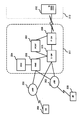
- FIG. 2 is a diagram showing an outline of an example of a wireless communication system to which the present embodiment is applied.
- the base station apparatuses (eNBs) 201 and 202 are connected to one or more terminal apparatuses (UE) and further connected to a core network 211 including a plurality of apparatuses.
- the core network 211 includes various devices, and includes at least a mobility management device (MME) 203, a subscriber management device (HSS) 204, a serving gateway (S-GW) 205, a PDN gateway (P-GW) 206, A policy / billing rule function device (PCRF) 207 is included.
- MME mobility management device
- HSS subscriber management device
- S-GW serving gateway
- P-GW PDN gateway
- PCRF policy / billing rule function device
- the mobility management device 203 is a terminal device that is trying to connect to the base station devices 201 and 202, a device that is in charge of the function of controlling the change of the base station device to which the terminal device is connected, the subscriber management device 204, In response to the inquiry from the mobility management device 203, the terminal device identifier contained in the inquiry is used to respond to the contract contents of the terminal device. This response includes information such as whether there is a connection contract to the communication network and the type of contract. Contains information.
- the serving gateway 205 is a gateway that controls user data packets in the core network 211, and this user data means information other than dedicated control information for controlling each device, base station device, and terminal device in the core network.
- the PDN gateway 206 is a gateway for connecting to an external packet switching network such as the Internet, and the policy / billing rule function device 207 controls the serving gateway 205 and the PDN gateway 206 to manage charging of the terminal device and contract of the terminal device. It is a device that manages the bandwidth of user data based on information.
- the core network 211 is connected to the external Internet 212, and the content server 210 is connected to the Internet 212.
- the content server 210 is also called a media server, and holds video content and the like.
- Two terminal devices are connected to the wireless network system, one terminal device 208 is connected to the base station device 201, and the other terminal device 209 is connected to the base station device 202.
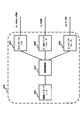
- a wireless interface unit 501 is a block that performs transmission and reception of wireless signals in a predetermined wireless frame format under the control of the communication control unit 502 and communicates with a terminal device connected to the base station device.
- Control data for the communication range managed by the base station device and transmission data for the terminal device connected to the base station device are input to the wireless interface and received from the terminal device received by the wireless interface unit 501
- the X2 interface unit 503 and exchanging information with the mobility management device 203 Uses the S1-MME interface 504
- the communication control unit 502 exchanges messages with the terminal device via the wireless interface unit 501, exchanges messages with other base station devices via the X2 interface unit 503, and exchanges messages with the mobility management device 203 using S. -Exchange messages via MME interface 504.
- 503 is an X2 interface unit for communicating with other base station devices
- 504 is an S1-MME interface unit for communicating with the mobility management device 203
- 505 is an S1-U interface unit for communicating with the serving gateway 205. .
- Reference numeral 601 denotes a radio interface unit that receives a radio signal transmitted from the base station apparatus and performs a radio signal to the base station apparatus based on control of the radio control unit 602.
- Reference numeral 602 denotes a radio interface unit 601 according to a predetermined procedure.
- a wireless control unit that transmits and receives control data and user data to and from the base station apparatus by controlling the control
- 603 operates an operating system (OS), and executes various applications on the OS
- 604 is application control An operation unit for inputting an operation of a user of the terminal device when the unit 603 executes an interactive operation
- 605 is a display unit for displaying an image by an application executed by the application control unit 603. is there.
- the application control unit 603 and the wireless control unit 602 are connected to each other and communicate via the application wireless network, the control data of the wireless network and the user data are communicated to the base station layer under the control of the OS.
- an application program for video streaming is loaded into the storage device of the OS application control unit 603 and executed.
- the display unit may be controlled by application control to display a video or an image for prompting an operation to the user.
- Data used by the application communicates as user data, and data used by the wireless network communicates as control data.
- the OS may receive an instruction for controlling the wireless network from the application through an application program interface (API), and may communicate control data for controlling the wireless network by controlling the wireless control unit.
- API application program interface
- the video content stored in the content distribution server is divided into a plurality of segments, and a type of protocol for transmitting each segment in accordance with a request from the client is used.
- parameters such as several types of resolution and information speed (also called encoding speed and bit rate) can be specified from the client, and these contents information and segment information are included.
- the file can be read in advance by the client, and parameters such as resolution and information speed can be designated when each segment is requested from the client.
- Such a file is called a playlist in the HLS (HTTP Live Streaming) protocol, or an MPD (Media Presentation Description) file in the MPEG DASH protocol.
- files and information are referred to as media information.
- the server that transmits the segment and the server that stores the media information may be the same server or different servers as long as the server that transmits the segment can be identified from the description of the media information.
- the terminal device that operates as a client transmits a message m401 to the media server via the wireless network (Radio Access Network, RAN), and requests the media server to transmit the media information of the desired content.
- the media server transmits the requested media information to the terminal device that is the client via the wireless network.
- the terminal device that has received the media information transmits a message m405 to the media server and requests transmission of the segment.
- the media server requested to transmit the segment transmits the segment m406 to the terminal device that is the requesting client.
- This terminal device transmits a message m407 requesting the next segment to the media server while reproducing the received segment m406.
- the media server that has received the message m407 transmits the requested segment to the terminal device that has transmitted the message m407.
- Non-Patent Document 1 notifies any device of the wireless network of candidates for information rate that can be used for the segment requested by the terminal device as the message m403, A method is disclosed for receiving a predicted information rate as a message m404 from any device in a wireless network.
- Non-Patent Document 1 does not describe how to perform bandwidth prediction.
- a method for notifying a terminal device of specific usable bandwidth as bandwidth assistant information will be described with reference to FIG.
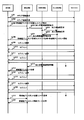
- FIG. 1 shows a message flow showing an example of message exchange used in an embodiment of the present invention.
- the terminal device 208 transmits a message m101 to the media server 210 via the base station device 201, and requests the media information of the content from the media server.
- the media information is information related to parameters for managing video content, and may include video content resolution, information speed (also referred to as encoding speed), and the like.
- the media information request m101 is a message for the terminal device 208 to request media information from the media server 210.
- the media server 210 transmits the message m102 to the terminal device 208 via the core network 211 and the base station device 201, and transmits the requested media information to the terminal device 208.
- the terminal device 208 that has received the media information examines information rate candidates (also referred to as bit rates) that can be used when requesting the media server to transmit a segment from the information included in the media information. Using all or part of the candidates, the message m103 is transmitted to the base station apparatus 201, and the bandwidth assistant information is requested. This message transmission operation is started when the media viewing application operating in the application control unit 603 shown in FIG. 6 controls the wireless control unit 602 using the API of the OS operating in the application control unit 603.
- the OS operating in the application control unit 603 monitors the operation of the media viewing application and detects that the media viewing application has received media information such as the message m102. Occasionally, the wireless control unit 602 may be automatically operated to start. Subsequent message exchange is performed by the wireless control unit 602, but part of the message exchange processing may be performed by an OS or an application operating in the application control unit 603.
- the terminal device 208 includes information regarding the information speed in the message m103. The information regarding the information speed may use information speed candidates included in the media information received from the base station apparatus 201, or the terminal apparatus 208 may select some of the information speed candidates included in the media information. Information speed may be selected and used.
- the terminal device 208 may exclude a high-speed information speed that cannot be processed by the terminal device 208 from a candidate information speed included in the media information, or a low-speed information speed that deteriorates the user experience. In this case, the selection may be made in consideration of the image processing performance of the terminal device, the display screen size, and the like.
- the terminal device 208 may set the information speed selection criterion in advance, or may set it every time a bandwidth assistant information request such as the message m103 is transmitted.
- the base station apparatus 201 that has received the message m103 transmits a message m104 to the mobility management apparatus 203, and requests information related to the bandwidth with which the terminal apparatus subscribes (hereinafter referred to as subscriber bandwidth information).
- the base station apparatus 201 may request the mobile management apparatus 203 for subscriber bandwidth information of a plurality of terminal apparatuses.
- the subscriber bandwidth information of the terminal device currently connected to the base station device 201 may be requested.
- the base station device 201 checks the capability of the terminal device connected to the base station device 201, and requests subscriber bandwidth information excluding terminal devices that cannot communicate at an information rate equal to or higher than a predetermined value. Also good.
- the subscriber bandwidth information request is not made to the mobility management device 203, and the predetermined value is used as the subscriber bandwidth information of the terminal device 208. However, it may be used to generate bandwidth assistant information described later. Further, when there is information on a terminal device acquired from the mobility management device 203 within a predetermined time, the request for information on the terminal device may be stopped.
- the mobility management device 203 that has received the message m104 transmits a message m105 to the subscriber management device 204, and requests the subscriber information of the terminal device specified by the message m104. At this time, it is not necessary to request all subscriber information of the terminal device, and only information related to bandwidth prediction may be requested. For example, terminal device call control information (barring information), access restriction information, billing contract information, contracted QoS (service quality) profile information, contracted bearer total bandwidth information, packet data network contracted All or some of the billing information may be requested. In addition, information regarding bandwidths that differ for each terminal may be requested. Further, when information obtained as a result of making an inquiry to the subscriber management apparatus 204 within a predetermined time exists in the mobility management apparatus 203, an inquiry regarding a terminal apparatus corresponding to the information may not be performed.
- the subscriber management apparatus 204 that has received the message m105 transmits the message m106 to the mobility management apparatus 203 as a response to the message m105, with respect to the message m105 as a response to the request for the subscriber information included in the message m105.
- the subscriber management apparatus 204 may include all requested information in the message m106, or may transmit only a part of the requested information. As an example, information without a contract may be notified that there is no contract, or may not be notified of the presence or absence of information. In addition, information determined that there is a problem in notification in terms of network security management may not be included in the message m106.
- the mobility management apparatus 203 that has received the message m106 generates a response message m107 to the request for the subscriber bandwidth information of the message m104 using the information included in the message m106, and the base station apparatus 201 that has transmitted the message m104.
- the message m107 may include all the contents requested by the message m104, and if information not requested by the message m105 exists in the mobility management apparatus 203, the information may be included. Further, not all of the information requested by the message m104, but information not included in the message m106 transmitted from the subscriber management apparatus 204 or information determined to have a problem in notification due to network security management is displayed in the message m107. It does not have to be included.
- the subscriber information response of the message m107 includes the subscriber bandwidth information of the terminal device 208, and includes information related to the bandwidth used by the terminal device 208.
- the base station apparatus 201 that has received the message m107 predicts a bandwidth that can be used by the terminal apparatus 208 based on the information regarding the information rate included in the message m103 and the subscriber bandwidth information included in the message m107.
- the message m108 including the bandwidth information is generated, and the message m108, which is the bandwidth assistant information, is transmitted to the terminal device 208 as a response to the message m103.
- the bandwidth assistant information is information rate candidates that can be specified when the terminal device 208 requests the media server 210 to transmit a segment, and range information of information rates that can be specified.
- the base station apparatus 201 selects information to be included in the bandwidth assistant information from information rate candidates included in the message m103.
- the base station device 201 may set to 800 Kbps, 1 Mbps, or only 1 Mbps.
- 800 kbps which is equal to or less than the value indicated by the subscriber bandwidth information. You may set only.
- the base station device 201 measures the average communication speed of other terminal devices connected to the base station device 201 when calculating the information rate to be included in the bandwidth assistant information, and the base station device 201 can use it.
- the usable bandwidth may be obtained based on a speed obtained by subtracting the average communication speed from the communication speed when the total bandwidth is used.
- the base station device manages transmission signals in units of radio resources divided in the frequency direction and the time direction, the available bandwidth is obtained based on the number of radio resources that are unused for transmission to each terminal device. May be. If the contract information of the terminal device that has transmitted the message m103 includes a contract that guarantees the communication bandwidth, the usable bandwidth may be obtained based on the compensated communication bandwidth.
- a contract for guaranteeing the communication bandwidth when included in the contract information of another terminal device connected to the base station apparatus 201, it can be used after securing the guaranteed bandwidth separately. Bandwidth may be determined.
- the contract information for guaranteeing the latency when included in the contract information of other terminal devices connected to the base station apparatus 201, it can be used after securing the bandwidth necessary for securing the latency. Bandwidth may be determined. In order to guarantee the latency, there may be a case where the latency for ensuring communication can be guaranteed, or the arrival time of the initial transmission can be guaranteed even if the arrival is uncertain.
- the communication bandwidth currently used by the terminal device It is also possible to obtain a usable bandwidth assuming that it is narrowed down.
- the usable bandwidth may be obtained using other information in the base station apparatus 201.
- One or more information rates may be included in the message m108 as usable bandwidth. When multiple information rates are included, information regarding the upper and lower limits of available bandwidth may be included.
- the terminal device 208 that has received the message m108 uses the bandwidth assistant information (information rate notified as available bandwidth) transmitted in the message m108 to request the media server 210 to transmit a segment.
- a message m109 and a message m111 are transmitted.
- the media server 210 transmits a segment to the terminal device using the message m110 and the message m112 using the information rate included in the message m109 and the message m111.
- the terminal device 208 may transmit the message m109 and the message m111 using any of the plurality of information rates.
- the information rate may be specified within the range of the upper limit and the lower limit.
- the terminal device 208 uses the information indicating the usable bandwidth predicted based on the contract information of the terminal device connected to the base station device 201, and the media server. By requesting the segment transmission to 210, the terminal device 208 can request the segment transmission to the media server by designating an appropriate information rate, and the user's experience using the terminal device 208 can be requested. Can be improved.
- the communication control unit 502 in FIG. 5 performs control of messages transmitted and received by the base station apparatus 201.
- the terminal device 208 sends a message m301 to the media server 210 via the base station device 201, and requests media information of the content from the media server.
- the media server 210 transmits the message m302 to the terminal device 208 via the core network 211 and the base station device 201, and transmits the requested media information to the terminal device 211.
- the terminal device 208 that has received the media information is a candidate of an information rate (also referred to as an encoding rate or a bit rate) that can be used when requesting transmission of a segment from the information included in the media information to the media server.
- the message m303 is transmitted to the base station apparatus 201 using all or a part of these candidates, and a request for setting (setup) of transmission of bandwidth assistant information is made.
- This message transmission operation is started when the media viewing application operating in the application control unit 603 shown in FIG. 6 controls the wireless control unit 602 using the API of the OS operating in the application control unit 603.
- the OS operating in the application control unit 603 monitors the operation of the media viewing application and detects that the media viewing application has received media information such as the message m302.
- the wireless control unit 602 may be automatically operated to start. Subsequent message exchange is performed by the wireless control unit 602, but part of the message exchange processing may be performed by an OS or an application operating in the application control unit 603.
- the base station apparatus 201 that has received the message m303 until later receives a message for releasing the setting of bandwidth assistant information or until the terminal apparatus that has transmitted the message m303 is disconnected from the network.
- bandwidth assistant information is transmitted to the terminal device 208.
- FIG. 3 shows a case where bandwidth assistant information is transmitted when the state of the base station apparatus is changed, the bandwidth assistant information is periodically transmitted from the base station apparatus to the terminal apparatus regardless of the state change of the base station apparatus. You may make it transmit. Selection of the information speed included in the message m303 may be performed by the terminal device 208.
- the terminal device 208 may set the information speed selection criterion in advance.
- the base station apparatus 201 that has received the message m303 transmits a message m304 to the mobility management apparatus 203, and requests information related to the bandwidth with which the terminal apparatus is subscribed (hereinafter referred to as subscriber bandwidth information).
- subscriber bandwidth information information related to the bandwidth with which the terminal apparatus is subscribed.
- the mobile management device 203 may be requested for subscriber bandwidth information of a plurality of terminal devices.
- subscriber bandwidth information may be requested for a terminal device currently connected to the base station device 201 in addition to the terminal device that has transmitted the message m303.
- the capability of the terminal device connected to the base station device 201 may be examined, and the terminal bandwidth information may be requested by excluding terminal devices that cannot communicate at an information rate equal to or higher than a predetermined value.
- the subscriber bandwidth information request is not made to the mobility management device 203, and the predetermined value is used as the subscriber bandwidth information of the terminal device 208. However, it may be used to generate bandwidth assistant information described later.
- the request for information on the terminal device may be stopped.
- the adjacent base station device in this embodiment, the adjacent base station device, in this embodiment, The subscriber bandwidth information of the terminal device connected to the base station device 202 may be requested.
- the mobility management device 203 that has received the message m304 transmits a message m305 to the subscriber management device 204, and requests the subscriber information of the terminal device designated by the message m304. At this time, it is not necessary to request all the subscriber information of the terminal device, and only the information related to the bandwidth prediction may be requested. For example, terminal device call control information (barring information), access restriction information, billing contract information, contracted QoS (service quality) profile information, contracted bearer total bandwidth information, packet data network contracted All or some of the billing information may be requested. In addition, information regarding bandwidths that differ for each terminal may be requested. Further, when information obtained as a result of making an inquiry to the subscriber management apparatus 204 within a predetermined time exists in the mobility management apparatus 203, an inquiry regarding a terminal apparatus corresponding to the information may not be performed.
- the subscriber management apparatus 204 that has received the message m305 transmits the message m306 to the mobility management apparatus 203 as a response to the message m305, with respect to the terminal for which the subscriber information included in the message m305 is requested. .
- the subscriber management apparatus 204 may include all requested information in the message m306, or may transmit only a part of the requested information. As an example, information without a contract may be notified that there is no contract, or may not be notified of the presence or absence of information. In addition, information determined that there is a problem in notification in terms of network security management may not be included in the message m306.
- the mobility management apparatus 203 that has received the message m306 generates a response message m307 to the request for the subscriber bandwidth information of the message m304 using the information included in the message m306, and the base station apparatus 201 that has transmitted the message m304. Send to.
- the message m307 may include all the contents requested by the message m304. If information not requested by the message m305 exists in the mobility management apparatus 203, the message m307 may include the information. Further, not all of the information requested in the message m304, but the information that is not included in the message m306 transmitted from the subscriber management apparatus 204 or information that has been determined to be notified due to network security management is displayed in the message m307. It does not have to be included.
- the base station apparatus 201 that has received the message m307 predicts a bandwidth that can be used by the terminal apparatus 208 based on the information included in the message m303 and the information included in the message m307, and obtains information on the bandwidth.
- the included message m308 is generated, and the message m308, which is bandwidth assistant information, is transmitted to the terminal device 208 as a response to the message m303.
- This usable bandwidth is selected from information rate candidates that can be specified when the terminal device 208 requests the media server 210 to transmit segments thereafter, that is, the information rate candidate included in the message m303.
- the average communication speed of other terminal devices connected to the base station apparatus 201 is measured, and this average is calculated from the communication speed when the total bandwidth usable by the base station apparatus 201 is used.
- the usable bandwidth may be obtained based on the speed excluding the communication speed.
- the base station apparatus manages transmission signals in units of radio resources divided in the frequency direction and the time direction, the available bandwidth is obtained based on the number of radio resources that are unused for transmission to each terminal. Also good. If the contract information of the terminal device that has transmitted the message m303 includes a contract that guarantees the communication bandwidth, the usable bandwidth may be obtained based on the guaranteed communication bandwidth.
- the contract information for guaranteeing the latency when included in the contract information of other terminal devices connected to the base station apparatus 201, it can be used after securing the bandwidth necessary for securing the latency.
- Bandwidth may be determined. In order to guarantee the latency, there may be a case where the latency for ensuring communication can be guaranteed, or the arrival time of the initial transmission can be guaranteed even if the arrival is uncertain.
- a contract for guaranteeing the communication bandwidth is included in the contract information of another terminal device connected to the base station device 201, it can be used after separately securing the compensated bandwidth. Bandwidth may be determined.
- the communication bandwidth currently used by the terminal device It is also possible to obtain a usable bandwidth assuming that it is narrowed down.
- other usable information in the base station apparatus 201 may be used to obtain a usable bandwidth.
- One or more information rates may be included in the message m308 as available bandwidth. You may select using the method shown in 1st Embodiment. When multiple information rates are included, information regarding the upper and lower limits of available bandwidth may be included.
- the usable bandwidth may be obtained from the contract information of the terminal device that may be connected to the base station device 208. For example, if there is a terminal device connected to an adjacent base station device for which a bandwidth guarantee is made, the available bandwidth may be estimated to be small.
- the terminal device 208 that has received the message m308 uses the bandwidth assistant information (information rate notified as available bandwidth) transmitted in the message m308 to request the media server 210 to transmit a segment.
- Message m309 and message m311 are transmitted.
- the media server 210 transmits the segment to the terminal device using the message m310 and the message m312 using the information rate included in the message m309 and the message m311.
- the terminal device 208 may transmit the message m309 and the message m311 using any of the plurality of information rates.
- the information speed may be specified in the range of the upper limit and the lower limit.
- the terminal device 209 connected to the base station device 202 moves at the same time, and a handover process for changing the connection destination to the base station device 201 is executed.
- subscriber bandwidth change information including subscriber bandwidth information of the terminal device 209 newly added from the mobility management device 203 to the base station device 201 is sent to the message m313 (subscriber bandwidth). Width change information).
- the subscriber bandwidth information is transmitted as an independent message, but the subscriber bandwidth is included in a connection setting message such as an RRC connection reconfiguration message such as a message used in the handover process.
- the information associated with the information for example, the terminal is identified. You may include an identifier that can do things.
- the transmission trigger of m313 shows a case where the terminal device 209 is handed over, but in addition to this, when the terminal connected to the base station device 201 changes, for example, another terminal device may
- the mobile management device 203 may transmit subscriber bandwidth change information to the base station device 201, for example, when initial connection is made and registration with the mobile management device 203 is completed.
- the base station apparatus 201 that has received the new subscriber bandwidth information obtains a usable bandwidth in consideration of the subscriber bandwidth information, and receives a bandwidth assistant information setup request.
- a message m314 including new bandwidth assistant information is transmitted to 201.
- the terminal device 208 that has received the message m314 designates a rate based on the bandwidth assistant information included in the message m314 as the information rate designated in the message m315 and the message m317 requesting transmission of subsequent segments.
- the designation method at this time may be the same as the method used in message m309 and message m311.
- the terminal device 208 transmits a message m319 including a bandwidth assistant information release request for releasing the setting of the bandwidth assistant information to the base station device 201.
- the base station apparatus 201 cancels transmission of subsequent bandwidth assistant information to the terminal apparatus 208 (cancels the setting), and transmits a message m320 including a bandwidth assistant information release response.
- the setting of bandwidth assistant information may be released. In the case of a handover in which the connection destination of the terminal device 208 is changed from the base station device 201 to the base station device 202, the setting of bandwidth assistant information may be released.
- information regarding the setting of the bandwidth assistant information of the terminal device 208 may be transmitted between the base station apparatus 201 and the base station 202 during the handover, and the bandwidth assistant information may be continuously transmitted.
- the information may be routed through the mobility management apparatus 203.
- bandwidth handover information is set to be transmitted in the handover destination base station apparatus 202, the base station apparatus 202 joins the mobility management apparatus 203 to the terminal apparatus 208 and other terminal apparatuses connected to the base station apparatus 202.
- User bandwidth information may be requested.
- each device operates and sets transmission of bandwidth assistant information, so that the terminal device 208 can use the usable bandwidth predicted based on the contract information of the terminal device connected to the base station device 201.
- the information indicating the width and by requesting the media server 210 to transmit the segment using the information indicating the newly predicted usable bandwidth according to the change in the state of the base station apparatus 201, It becomes possible to request the transmission of the segment to the media server by designating an appropriate information speed, and it is possible to improve the experience of the user using the terminal device 208.
- the base station device 208 transmits a bandwidth assistant information release request message so that resources used by the base station device 208 for transmission of bandwidth assistant information and subsequent segment transmissions are transmitted.
- the resources of the base station device 208 can be effectively used. Further, when the connection destination of the terminal device is changed, the bandwidth assistant information can be used, and the user experience can be improved.
- the communication control unit 502 in FIG. 5 performs control of messages transmitted and received by the base station apparatus 201.
- the terminal device may be connected to a plurality of base station devices through physical link channels, and may transmit and receive data for each base station device. This is called dual connection (when the terminal device is connected to two base station devices) or multi-connection (when the terminal device is connected to two or more base station devices).
- dual connection when the terminal device is connected to two base station devices
- multi-connection when the terminal device is connected to two or more base station devices.
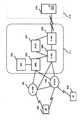
- FIG. 7 illustrates an example in which the terminal device 708 is dually connected to the base station device 701 and the base station device 702.
- the base station device 701 is a master base station device
- the base station device 702 is a secondary base station device.
- the terminal device 708 is connected via a physical link channel, and user data is transmitted and received.
- the physical link channel between the terminal device 708, the master base station device 701, and the secondary base station device 702 may be the same type of RAT (Radio Access Technology) or different RATs.
- the master base station device 701 and the secondary base station device 702 are also connected by an inter-base station interface, and communicate information about each base station device, a request, a response, and the like.
- transmission / reception of control information related to connection with the terminal device 708 is mainly performed by the master base station device 701, and the master base station device 701 instructs the secondary base station device 702 to transmit / receive user data, and the secondary base station device 702 transmits / receives user data to / from the terminal device 708.
- the connection and the communication procedure regarding the apparatus having the same reference numerals as those in FIG. 2 are the same as those in the first embodiment.
- the configurations of the master base station device 701 and the secondary base station device 702 are the same as those in FIG. 5, and the configuration of the terminal device 708 is the same as that in FIG.
- FIG. 8 illustrates an example of a message flow in the present embodiment.
- the terminal device 708 transmits a message m801 to the media server 210 via the master base station device 701, and requests media information of the content from the media server.
- the media information is information related to parameters for managing video content, and may include video content resolution, information speed (also referred to as encoding speed), and the like.
- the media information request m 801 is a message for the terminal device 708 to request media information from the media server 210.
- the media server 210 transmits the message m802 to the terminal device 708 via the core network 211 and the master base station device 701, and transmits the requested media information to the terminal device 708.
- the terminal device 708 that has received the media information checks candidates of information speed (also referred to as bit rate) that can be used when requesting the media server to transmit a segment from the information included in the media information. Using all or part of the candidates, a message m803 is transmitted to the master base station apparatus 701 to request bandwidth assistant information.
- This message transmission operation is started when the media viewing application operating in the application control unit 603 shown in FIG. 6 controls the wireless control unit 602 using the API of the OS operating in the application control unit 603.
- the OS operating in the application control unit 603 monitors the operation of the media viewing application and detects that the media viewing application has received media information such as the message m802. Occasionally, the wireless control unit 602 may be automatically operated to start.
- the terminal device 708 includes information on the information speed in the message m803.
- the information regarding the information speed may use information speed candidates included in the media information received from the master base station apparatus 701, or the terminal apparatus 708 may select a part of information speed candidates included in the media information.
- the information rate may be selected and used.
- the terminal device 708 may exclude a high-speed information rate that cannot be processed by the terminal device 708 from information rate candidates included in the media information, or may exclude a low-speed information rate that deteriorates the user experience.
- the selection may be made in consideration of the image processing performance of the terminal device 708 and the display screen size.
- the terminal device 708 may set the information speed selection criterion in advance, or may set it every time a bandwidth assistant information request such as the message m803 is transmitted.
- the master base station apparatus 701 that has received the message m803 transmits the message m804 to the mobility management apparatus 203, and requests information on the bandwidth with which the terminal apparatus has a subscriber contract (hereinafter referred to as subscriber bandwidth information). .
- subscriber bandwidth information hereinafter referred to as subscriber bandwidth information.
- the master base station apparatus 701 may request the mobile management apparatus 203 for subscriber bandwidth information of a plurality of terminal apparatuses.
- the subscriber bandwidth information of the terminal device currently connected to the master base station device 701 and the secondary base station device 702 may be requested.
- the master base station apparatus 701 checks the capabilities of the terminal apparatuses connected to the master base station apparatus 701 and the secondary base station apparatus 702, and excludes terminal apparatuses that cannot communicate at an information rate equal to or higher than a predetermined value.
- Bandwidth information may be requested.
- the subscriber bandwidth information request is not made to the mobility management device 203, and the predetermined value is used as the subscriber bandwidth information of the terminal device 708. However, it may be used to generate bandwidth assistant information described later. Further, when there is information on a terminal device acquired from the mobility management device 203 within a predetermined time, the request for information on the terminal device may be stopped.
- the mobility management device 203 that has received the message m804 transmits a message m805 to the subscriber management device 204, and requests subscriber information of the terminal device designated by the message m804. At this time, it is not necessary to request all subscriber information of the terminal device, and only information related to bandwidth prediction may be requested. For example, terminal device call control information (barring information), access restriction information, billing contract information, contracted QoS (service quality) profile information, contracted bearer total bandwidth information, packet data network contracted All or some of the billing information may be requested. In addition, information regarding bandwidths that differ for each terminal may be requested. Further, when information obtained as a result of making an inquiry to the subscriber management apparatus 204 within a predetermined time exists in the mobility management apparatus 203, an inquiry regarding a terminal apparatus corresponding to the information may not be performed.
- the subscriber management apparatus 204 that has received the message m805 transmits the message m806 to the mobility management apparatus 203 as a response to the message m805, with respect to the message m805 as a response to the request for the subscriber information included in the message m805. To do.
- the subscriber management apparatus 204 may include all requested information in the message m806, or may transmit only a part of the requested information. As an example, information without a contract may be notified that there is no contract, or may not be notified of the presence or absence of information. In addition, information determined that there is a problem in notification in terms of network security management may not be included in the message m806.
- the mobility management apparatus 203 that has received the message m806 generates a response message m807 to the request for the subscriber bandwidth information of the message m804 using the information included in the message m806, and the base station apparatus 201 that has transmitted the message m804.
- the message m807 may include all the contents requested by the message m804, and if information not requested by the message m805 exists in the mobility management device 203, the information may be included. Further, not all of the information requested in the message m804 but information not included in the message m806 transmitted from the subscriber management apparatus 204 or information determined to have a problem in notification due to network security management is displayed in the message m807. It does not have to be included.
- the subscriber information response of the message m807 includes the subscriber bandwidth information of the terminal device 208, and includes information related to the bandwidth used by the terminal device 208.
- the master base station apparatus 701 transmits a message m808 to the secondary base station apparatus 702 and makes a setting update request.
- This setting update request includes changing the setting so that the load status information of the secondary base station apparatus 702 is transmitted to the master base station apparatus 701.
- the transmission of the load status information from the secondary base station apparatus 702 may be set to be periodically performed in the master base station apparatus 701 or may be performed irregularly in response to a request from the master base station apparatus 701 ( On-demand) settings may be set, or both may be set to be possible.
- the contents of the load status information to be reported include, for example, the congestion status and usable amount of radio resources managed by the secondary base station device 702, the number of connected terminal devices, and the hardware load status. Can be mentioned.
- the present invention is not limited thereto, and some or all of the information managed and grasped by the secondary base station apparatus 702 may be included.
- the secondary base station apparatus 702 that has received the message m808 updates the setting according to the setting update content included in the message m808, and transmits the message m809 to the master base station apparatus 701 as a setting update response to the message m808.
- the master base station apparatus 701 that has received the message m809 transmits the message m810 to the secondary base station apparatus 702, and makes a load status request.
- the secondary base station apparatus 702 that has received the message m810 creates load situation information included in the message m811 according to the load situation report setting set in the message m808, and transmits it to the master base station apparatus 701.
- the secondary base station apparatus 702 periodically transmits the message m811 to the master base station apparatus even if the message m810 is not transmitted from the master base station apparatus 701. 701 is transmitted.
- the master base station apparatus 701 that has received the message m807 and the message m811, the information regarding the information rate included in the message m803, the subscriber bandwidth information included in the message m807, and the load status included in the message 811 Based on the information, the available bandwidth of the terminal device 708 is predicted, a message m812 including the bandwidth information is generated, and the message m812, which is bandwidth assistant information, is sent to the terminal device 708 as a response to the message m803.
- the bandwidth assistant information is information rate candidates that can be specified when the terminal device 708 requests the media server 210 to transmit a segment and range information of information rates that can be specified. It is calculated for each physical link channel connected to the master base station apparatus 701 and the secondary base station apparatus 702.
- Master base station apparatus 701 selects information to be included in bandwidth assistant information from information rate candidates included in message m803. For example, when the information rate included in the media information is 800 Kbps, 1 Mbps, 2 Mbps, and the communication rate of the terminal device 208 indicated by the subscriber bandwidth information of the terminal device 708 is 1 Mbps at the maximum, the master base station device 701 The information rate included in the bandwidth assistant information may be set to 800 Kbps, 1 Mbps, or may be set to only 1 Mbps. When it is better to consider information other than the subscriber bandwidth information of the terminal device 708, such as when there are many terminal devices connected to the master base station device 701 and the secondary base station device 702, the subscriber bandwidth information is indicated.
- the master base station device 701 measures the average communication speed of other terminal devices connected to the master base station device 701 or the secondary base station device 702 when calculating the information rate to be included in the bandwidth assistant information, The usable bandwidth may be obtained based on a speed obtained by subtracting the average communication speed from the communication speed when the total bandwidth usable by the master base station apparatus 701 or the secondary base station apparatus 702 is used.
- the master base station device 701 or the secondary base station device 702 manages transmission signals in units of radio resources divided in the frequency direction and the time direction, the number of radio resources that are not used for transmission to each terminal device is determined. The available bandwidth may be obtained.
- the usable bandwidth may be obtained based on the compensated communication bandwidth.
- the contract information for the terminal device 708 that has transmitted the message m803 includes a contract for guaranteeing the communication bandwidth
- the usable bandwidth may be obtained based on the compensated communication bandwidth.
- the contract information for the terminal device 708 that has transmitted the message m803 includes a contract for guaranteeing the communication bandwidth
- the usable bandwidth may be obtained based on the compensated communication bandwidth.
- the contract information for the terminal device 708 that has transmitted the message m803 includes a contract for guaranteeing the communication bandwidth
- the guaranteed bandwidth is separately added.
- the bandwidth that can be used may be obtained after securing.
- the bandwidth necessary for securing the latency is set.
- the bandwidth that can be used may be obtained after securing.
- the terminal device In order to guarantee the latency, there may be a case where the latency for ensuring communication can be guaranteed, or the arrival time of the initial transmission can be guaranteed even if the arrival is uncertain. Further, when a terminal device that does not include a contract for guaranteeing communication bandwidth is included in another terminal device connected to the master base station device 701 or the secondary base station device 702, the terminal device The usable bandwidth may be obtained assuming that the communication bandwidth being used is narrowed. In addition to the information included in the message m807 and the message m811, the usable bandwidth may be obtained using other information in the master base station device 701 and the secondary base station device 702. As the usable bandwidth, the information rate included in the message m812 may be one or plural.
- the master base station device 701 calculates the prediction of the charge amount based on the charge contract setting set for each physical link channel in which the terminal device 708 is connected to the master base station device 701 and the secondary base station device 702.
- the charge amount prediction information may be included in the message m812.
- the master base station apparatus 701 may calculate for all the physical link channels, or may be calculated for each base station apparatus.
- the terminal device 708 that has received the message m812 uses the bandwidth assistant information (information rate notified as usable bandwidth) for each physical link channel transmitted in the message m812, and then receives the segment information to be received next. Select speed and physical link channel. Then, a message m813 and a message m815 requesting transmission of a segment are transmitted to the media server 210 via the master base station apparatus 701. At this time, the terminal device 708 determines whether the message m813 and the message m815 are received by using one or both of the physical link channels connected to the master base station device 701 and the secondary base station device 702, respectively. The physical link channel selection information to be represented is added.
- the terminal device 708 may transmit the message m813 and the message m815 using any of the plurality of information rates. For example, when the amount of information accumulated in the reception buffer of the terminal device 708 is large, a small information rate is designated, and when there is little information accumulated in the reception buffer, a large information rate is designated and the message m813 and the message m815 are designated. May be sent. Further, when the upper limit and the lower limit of the bandwidth that can be used are specified in the message m812, the information rate may be specified in the range of the upper limit and the lower limit. In addition, when charging amount prediction information is attached to each physical link channel in the message m812, it may be specified which physical link channel is used according to the charging policy of the terminal device 708.
- the master base station device 701 and the secondary base station use the physical link channel selected by the physical link channel selection information added to the message m813 and the message m815 received from the terminal device 708.
- Set up the device 702. Then, the segment transmitted from the media server 210 according to the information rate included in the message m813 and the message m815 is transmitted to the terminal device 708 using the physical link channel selected by the physical link channel selection information.
- the present invention is not limited to this, and there are three or more terminal devices.
- the same procedure can be applied to multi-connections connected to other base station apparatuses.
- the terminal device 708 can use each physical link channel predicted based on the contract information of the terminal devices connected to the master base station device 701 and the secondary base station device 702.
- the terminal device 708 designates an appropriate physical link channel and information rate by requesting transmission of the segment to the media server 210 via the master base station 701 using information indicating a sufficient bandwidth. Transmission can be requested, and the experience of the user using the terminal device 708 can be improved.
- the communication control unit 502 in FIG. 5 performs control of messages transmitted and received by the master base station device 701 and the secondary base station device 702.
- FIG. 9 illustrates an example of a message flow in the present embodiment.
- the procedure from message m901 to message m912 is the same as the procedure from message m801 to message m812 in FIG.
- the terminal device 708 that has received the message m912 uses the bandwidth assistant information (information rate notified as usable bandwidth) for each physical link channel transmitted in the message m912, and then receives the segment information to be received next. Select speed and physical link channel. Then, physical link channel selection information indicating the selected physical link channel is transmitted to the master base station apparatus 701 as a message m913 and a message m916, and a segment request including usage bandwidth information is transmitted to the media server 210 as a message m914 and a message m917. Send to. When a plurality of information rates are included in the message m912, the terminal device 708 may transmit the message m914 and the message m917 using any of the plurality of information rates.
- the bandwidth assistant information information rate notified as usable bandwidth
- the message m914 and message m917 are designated. May be sent.
- the information speed may be designated within the range of the upper limit and the lower limit.
- the message m912 when charging amount prediction information is attached to each physical link channel, it may be specified which physical link channel is used according to the charging policy of the terminal device 708.
- the master base station apparatus 701 sets the master base station apparatus 701 and the secondary base station apparatus 702 to use the physical link channel selected by the physical link channel selection information of the message m913 and message m916 received from the terminal apparatus 708. To do. Then, the segment sent from the media server 210 according to the information rate included in the message m914 and message m917 is transmitted to the terminal device 708 using the physical link channel selected by the physical link channel selection information.
- the present invention is not limited to this, and there are three or more terminal devices.
- the same procedure can be applied to multi-connections connected to other base station apparatuses.
- the terminal device 708 can use each physical link channel predicted based on the contract information of the terminal devices connected to the master base station device 701 and the secondary base station device 702. It is possible to request the segment transmission to the media server 210 with the setting desired by the terminal device 708 using information indicating a suitable bandwidth, and it is possible to improve the experience of the user using the terminal device 708 It becomes.
- the core network 211 in FIG. 2 and FIG. 7 is a configuration example of an EPC (Evolved Packet Core) that is a core network in a LTE (Long Term Evolution) system, but using another core network such as a core network called NextGen.
- the configuration of the core network 211 is not limited.
- the numbers of base station apparatuses and terminal apparatuses are not limited to those in FIGS. 2 and 7, and a plurality of terminal apparatuses may be connected to one base station apparatus.
- the terminal device may be connected to the Internet via an access point other than the base station device to which a plurality of terminal devices are connected, and the access point may transmit bandwidth assistant information to the terminal device.
- an example of message exchange used in one aspect of the present invention is message exchange via the mobility management device 203 or the subscriber management device 204, but is not limited to this configuration.
- the mobility management device 203 and the subscriber management device 204 of the present invention have their respective functions in the changed system. Messages may be exchanged in place of entities.
- a program for realizing all or part of the functions of each device described above is recorded on a computer-readable recording medium, and the program recorded on the recording medium is read into a computer system and executed. The processing of each unit may be performed as necessary.
- the “computer system” includes an OS and hardware such as peripheral devices.
- the “computer system” includes a homepage providing environment (or display environment) if a WWW system is used.
- the “computer-readable recording medium” means a storage device such as a flexible disk, a magneto-optical disk, a portable medium such as a ROM and a CD-ROM, and a hard disk incorporated in a computer system. Furthermore, the “computer-readable recording medium” dynamically holds a program for a short time like a communication line when transmitting a program via a network such as the Internet or a communication line such as a telephone line. In this case, a volatile memory in a computer system serving as a server or a client in that case, and a program that holds a program for a certain period of time are also included.
- the program may be a program for realizing a part of the functions described above, and may be a program capable of realizing the functions described above in combination with a program already recorded in a computer system.
- each device described above may be realized by integrating them into an integrated circuit.
- Each functional block may be individually formed as a chip, or a part or all of them may be integrated into a chip.
- the method of circuit integration is not limited to LSI, and may be realized by a dedicated circuit or a general-purpose processor.
- an integrated circuit based on the technology can also be used.
- One embodiment of the present invention is suitable for a wireless communication system or communication device.
- One embodiment of the present invention is used in, for example, a communication system, a communication device (for example, a mobile phone device, a base station device, a wireless LAN device, or a sensor device), an integrated circuit (for example, a communication chip), a program, or the like. be able to.
Landscapes
- Engineering & Computer Science (AREA)
- Computer Networks & Wireless Communication (AREA)
- Signal Processing (AREA)
- Databases & Information Systems (AREA)
- Computer Security & Cryptography (AREA)
- Quality & Reliability (AREA)
- Business, Economics & Management (AREA)
- Accounting & Taxation (AREA)
- Multimedia (AREA)
- Mobile Radio Communication Systems (AREA)
Abstract
基地局は、端末装置と接続している基地局装置であり、前記端末装置は複数の基地局装置とそれぞれ物理リンクチャネルで接続しており、前記端末装置から帯域幅アシスタント情報要求を受信した場合に、前記端末装置が接続している前記物理リンクチャネル毎の帯域幅アシスタント情報を前記端末装置に送信する。
Description
本発明は、基地局装置、端末装置、および無線通信システムに関する。
本願は、2017年1月6日に日本に出願された特願2017-001048号について優先権を主張し、その内容をここに援用する。
本願は、2017年1月6日に日本に出願された特願2017-001048号について優先権を主張し、その内容をここに援用する。
近年、端末装置、基地局装置を少なくとも含んで構成される無線ネットワークシステムすなわちセルラ電話ネットワークの利用が進んでおり、様々な用途に用いられている。従来であれば有線の高速ネットワークを利用しないと実用にならなかった動画再生アプリケーションのような広帯域幅の情報を利用する用途にも使用されるようになっている。
無線ネットワークシステムは有線ネットワークと異なり、端末装置の位置や周囲の環境によって使用可能な帯域幅が随時変動する。また、同一の周波数チャネルを複数の端末が共有する事が多く、基地局装置が収容する端末の数によって使用可能な帯域幅が変わる事もある。
3GPP,RAN3,R3-162867
しかしながら、動画再生アプリケーションのような広帯域幅を使用するアプリケーションは、使用可能な帯域幅の変動を受けやすい。例えば使用可能な帯域幅が1Mbpsと判断し、800Kbpsの動画を再生開始しても、動画視聴中に使用可能な帯域幅が400Kbpsになる事がある。このような使用可能な帯域幅が動画のビットレートを下回る環境では動画は正常に再生されず、端末装置の使用者のユーザー体験は損なわれる。
本発明の一態様は、このような事情に鑑みてなされたものであり、無線ネットワークシステムにおいて使用可能な帯域幅の取得、および無線環境の変化への追従の手段を提供し、快適な動画再生環境を提供することを目的とする。
(1)この発明の一態様は上述した課題を解決するためになされたもので、本発明の一態様による基地局は、端末装置と接続している基地局装置であり、前記端末装置は複数の基地局装置とそれぞれ物理リンクチャネルで接続しており、前記端末装置から帯域幅アシスタント情報要求を受信した場合に、前記端末装置が接続している前記物理リンクチャネル毎の帯域幅アシスタント情報を前記端末装置に送信する。
(2)また、本発明の一態様による基地局装置は上記の基地局装置であって、前記物理リンクチャネル毎の前記帯域幅アシスタント情報は、前記物理リンクチャネル毎の課金予測情報を含む。
(3)また、本発明の一態様による基地局装置は上記の基地局装置であって、前記物理リンクチャネル毎の前記帯域幅アシスタント情報は、前記端末装置がセグメントを受信する際に使用可能な帯域幅の上限、下限、平均、レイテンシの少なくとも1つを含む。
(4)また、本発明の一態様による基地局装置は上記の基地局装置であって、前記基地局装置の状態の変更があった場合に、前記物理リンクチャネル毎の前記帯域幅アシスタント情報を前記端末装置に対し送信する。
(5)また、本発明の一態様による基地局装置は上記の基地局装置であって、前記端末装置からの帯域幅アシスタントセットアップ要求に従って、定期的に前記帯域幅アシスタント情報を前記端末装置に対し送信する。
(6)また、本発明の一態様による基地局装置は上記の基地局装置であって、前記端末装置から受信したセグメント要求に付加される前記物理リンクチャネルの選択情報に従って、前記端末装置が選択した前記物理リンクチャネルを使用して前記端末装置にセグメントを送信する。
(7)また、本発明の一態様による端末装置は、複数の基地局装置とそれぞれ物理リンクチャネルで接続している端末装置であり、前記物理リンクチャネル毎の帯域幅アシスタント情報応答を受信し、前記物理リンクチャネルの選択情報および情報速度選択情報を含めたセグメント要求を送信する。
(8)また、本発明の一態様による無線通信システムは、複数の基地局装置と端末装置を少なくとも含んで構成される無線通信システムであり、前記複数の基地局装置は、前記端末装置とそれぞれ物理リンクチャネルで接続し、前記基地局装置は、前記端末装置から帯域幅アシスタント情報要求を受信し、前記基地局装置は、前記端末装置が接続している前記物理リンクチャネル毎の帯域幅アシスタント情報応答を前記端末装置に送信し、前記端末装置は、前記物理リンクチャネルの選択情報および情報速度選択情報を含めたセグメント要求を前記基地局装置に送信する。
(9)また、本発明の一態様による無線通信システムは上記の無線通信システムであって、前記物理リンクチャネル毎の帯域幅アシスタント情報は、前記物理リンクチャネル毎の契約情報に基づき、前記物理リンクチャネル毎の課金情報を含む。
(10)また、本発明の一態様による無線通信システムは上記の無線通信システムであって、前記物理リンクチャネル毎の帯域幅アシスタント情報は、前記端末装置がセグメントを受信する際に使用可能な帯域幅の上限、下限、平均、レイテンシの少なくとも1つを含む。
(11)また、本発明の一態様による無線通信システムは上記の無線通信システムであって、前記基地局装置は、前記複数の基地局装置の状態の変更があった場合に、前記物理リンクチャネル毎の帯域幅アシスタント情報を前記端末装置に対し送信する。
(12)また、本発明の一態様による無線通信システムは上記の無線通信システムであって、前記基地局装置は、前記端末装置からの帯域幅アシスタントセットアップ要求に従って、定期的に帯域幅アシスタント情報を前記端末装置に対し送信する。
(13)また、本発明の一態様による無線通信システムは上記の無線通信システムであって、記基地局装置は、前記端末装置から受信したセグメント要求に付加される前記物理リンクチャネルの選択情報に従って、前記端末装置が選択した前記物理リンクチャネルを使用して前記端末装置にセグメントを送信する。
この発明の一態様によれば、無線ネットワークシステムにおいて使用可能な帯域幅の取得、および無線環境の変化への追従の手段を提供し、快適な動画再生環境を提供することができる。
(第1の実施形態)
以下、図面を参照して、本発明の第1の実施形態について説明する。図2は本実施形態を適用する無線通信システムの一例の概要を示す図である。基地局装置(eNB)201、202は、一つ以上の端末装置(UE)と接続し、さらに複数の装置を含むコアネットワーク211と接続する。コアネットワーク211は、様々な機器を含んで構成され、少なくとも移動管理装置(MME)203、加入者管理装置(HSS)204、サービングゲートウエイ(S-GW)205、PDNゲートウエイ(P-GW)206、ポリシー・課金ルール機能装置(PCRF)207を含んで構成される。移動管理装置203は、基地局装置201、202に接続しようとしている端末装置や、端末装置の接続先である基地局装置の変更を制御する機能などを担当する装置、加入者管理装置204は、移動管理装置203からの問い合わせに応じ、問い合わせに含まれる端末装置の識別子により、その端末装置の契約内容を応答するもので、この応答には通信ネットワークへの接続契約の有無、契約の種類などの情報を含む。サービングゲートウエイ205は、コアネットワーク211内のユーザーデータパケットを制御するゲートウエイで、このユーザデータは、コアネットワーク内の各装置や基地局装置、端末装置を制御するための専用制御情報以外を意味する。PDNゲートウエイ206はインターネットなどの外部のパケット交換ネットワークと接続するためのゲートウエイ、ポリシー・課金ルール機能装置207は、サービングゲートウエイ205、PDNゲートウエイ206を制御し、端末装置の課金管理や、端末装置の契約情報に基づくユーザデータの帯域幅などを管理する装置である。コアネットワーク211は、外部のインターネット212に接続され、このインターネット212にコンテンツサーバ210が接続される。なお、コンテンツサーバ210は、メディアサーバとも呼ばれ、映像コンテンツなどを保持する。この無線ネットワークシステムに接続する端末装置は2つで、ある端末装置208は基地局装置201に、もう一つの端末装置209は基地局装置202に接続されている。
以下、図面を参照して、本発明の第1の実施形態について説明する。図2は本実施形態を適用する無線通信システムの一例の概要を示す図である。基地局装置(eNB)201、202は、一つ以上の端末装置(UE)と接続し、さらに複数の装置を含むコアネットワーク211と接続する。コアネットワーク211は、様々な機器を含んで構成され、少なくとも移動管理装置(MME)203、加入者管理装置(HSS)204、サービングゲートウエイ(S-GW)205、PDNゲートウエイ(P-GW)206、ポリシー・課金ルール機能装置(PCRF)207を含んで構成される。移動管理装置203は、基地局装置201、202に接続しようとしている端末装置や、端末装置の接続先である基地局装置の変更を制御する機能などを担当する装置、加入者管理装置204は、移動管理装置203からの問い合わせに応じ、問い合わせに含まれる端末装置の識別子により、その端末装置の契約内容を応答するもので、この応答には通信ネットワークへの接続契約の有無、契約の種類などの情報を含む。サービングゲートウエイ205は、コアネットワーク211内のユーザーデータパケットを制御するゲートウエイで、このユーザデータは、コアネットワーク内の各装置や基地局装置、端末装置を制御するための専用制御情報以外を意味する。PDNゲートウエイ206はインターネットなどの外部のパケット交換ネットワークと接続するためのゲートウエイ、ポリシー・課金ルール機能装置207は、サービングゲートウエイ205、PDNゲートウエイ206を制御し、端末装置の課金管理や、端末装置の契約情報に基づくユーザデータの帯域幅などを管理する装置である。コアネットワーク211は、外部のインターネット212に接続され、このインターネット212にコンテンツサーバ210が接続される。なお、コンテンツサーバ210は、メディアサーバとも呼ばれ、映像コンテンツなどを保持する。この無線ネットワークシステムに接続する端末装置は2つで、ある端末装置208は基地局装置201に、もう一つの端末装置209は基地局装置202に接続されている。
基地局装置201ならびに基地局装置202の構成概要の一例を、図5を用いて説明する。図5で領域506に含まれるブロックが基地局装置に含まれるブロックである。無線インターフェース部501は通信制御部502の制御によって、予め決められた無線フレームフォーマットによる無線信号の送受信を行い、基地局装置と接続している端末装置と通信を行うブロック、502は無線インターフェース部501を制御し、また、基地局装置が管理する通信範囲に対する制御データ、並びに基地局装置と接続している端末装置に対する送信データを無線インターフェースに入力し、無線インターフェース部501で受信される端末装置から送信された受信データを無線インターフェース部501から入力し、予め決められた手順に従って他の基地局装置と情報を交換する場合はX2インターフェース部503を使用し、移動管理装置203と情報を交換する場合はS1-MMEインターフェース部504を使用し、端末装置が通信するユーザデータを交換する場合はS1-Uインターフェース部505を使用する通信制御部である。通信制御部502は端末装置とメッセージ交換する場合は無線インターフェース部501経由で、他の基地局装置とメッセージ交換する場合にはX2インターフェース部503経由で、移動管理装置203とメッセージ交換する場合はS-MMEインターフェース504経由でメッセージ交換を行う。503は他の基地局装置と通信するためのX2インターフェース部、504は移動管理装置203と通信するためのS1-MMEインターフェース部、505はサービングゲートウエイ205と通信するためのS1-Uインターフェース部である。
次に端末装置208、端末装置209の構成概要の一例を、図6を用いて説明する。601は基地局装置から送信される無線信号を受信し、基地局装置に対する無線信号を無線制御部602の制御に基づいて行う無線インターフェース部、602は予め決められた手順しに従い、無線インターフェース部601を制御する事で基地局装置に対する制御データならびにユーザデータの送受信を行う無線制御部、603はオペレーティングシステム(OS)を動作させ、OS上で様々なアプリケーションを実行するアプリケーション制御部、604はアプリケーション制御部603がインタラクティブな動作をするアプリケーションを実行する際に、端末装置の使用者の操作を入力するための操作部、605はアプリケーション制御部603で実行するアプリケーションによって画像を表示するための表示部である。アプリケーション制御部603と無線制御部602は互いに接続され、アプリケーション無線ネットワーク経由で通信を行う場合、OSの制御によって基地局層に対して無線ネットワークの制御データとユーザデータの通信を行う。映像ストリーミングアプリケーションを実行する場合は、OSアプリケーション制御部603の記憶装置内に映像ストリーミング用のアプリケーションプログラムをロードし、実行する。このとき、アプリケーションの制御によって表示部を制御し、使用者に対して映像の表示や、操作を促すための画像を表示しても良い。アプリケーションが使用するデータはユーザデータとして通信を行い、無線ネットワークが使用するデータは制御データとして通信を行う。OSはアプリケーションプログラムインターフェース(API)を通じてアプリケーションから無線ネットワークを制御するための指示を受け取り、無線制御部を制御する事で無線ネットワークを制御するための制御データの通信を行っても良い。
従来の映像配信用ストリーミングのプロトコルの一例の概要を、図4を利用して説明する。ストリーミング用のプロトコルはいくつかあるが、本実施の形態ではコンテンツ配信サーバに格納されている映像コンテンツを複数のセグメントに分割し、クライアントからの要求に従って各セグメントを送信する種類のプロトコルを使用する。これらのセグメントについて、何種類かの解像度、情報速度(符号化速度、ビットレートとも称される)などのパラメータをクライアントから指定できるようになっており、これらコンテンツの情報、セグメントの情報を含んだファイルを予めクライアントに読み込ませ、クライアントから各セグメントを要求するときに解像度や情報速度などのパラメータを指定させることが出来る。一例として、このようなファイルは、HLS(HTTP Live Streaming)プロトコルではプレイリスト(Playlist)、MPEG DASHプロトコルではMPD(Media Presentaion Description)ファイルなどと呼ばれる。以下、このようなファイルや情報をメディア情報と呼ぶ。なお、セグメントを送信するサーバとメディア情報を格納するサーバは同じサーバでも異なるサーバでもよく、メディア情報の記載からセグメントを送信するサーバが識別できればよい。
クライアントとして動作する端末装置は、無線ネットワーク(Redio Access Network,RAN)を経由し、メディアサーバに対してメッセージm401を送信し、メディアサーバに希望するコンテンツのメディア情報を送信するよう要求する。メディアサーバは無線ネットワークを経由し、クライアントである端末装置に対して要求されたメディア情報を送信する。メディア情報を受信した端末装置は、メディアサーバに対してメッセージm405を送信し、セグメントの送信を要求する。セグメントの送信を要求されたメディアサーバは、要求してきたクライアントである端末装置に対してセグメントm406を送信する。この端末装置は受信したセグメントm406を再生中に次のセグメントを要求するメッセージm407をメディアサーバに送信する。メッセージm407を受信したメディアサーバは、要求されたセグメントを、メッセージm407を送信してきた端末装置に対して送信する。以下、セグメントを要求するメッセージとセグメントの送信を交互に行う事で、ストリーミングが継続される。セグメントを要求する際に、クライアントである端末装置は通信に使用できる帯域幅を考慮して良い。無線ネットワークで使用可能な帯域幅を考慮する方法として、非特許文献1に無線ネットワークのいずれかの機器に対し、端末装置がメッセージm403として要求するセグメントに使用可能な情報速度の候補を通知し、無線ネットワークのいずれかの機器から使用可能として予測された情報速度をメッセージm404として受け取る方法が開示されている。
しかしながら、非特許文献1に記載の技術にはどのような方法で帯域幅予測を行うか、記載がない。本実施の形態では、具体的な使用可能な帯域幅を帯域幅アシスタント情報として端末装置に通知する方法を、図1を利用して説明する。
以下の説明では、図2に記載の端末装置208が基地局装置201に接続し、コアネットワーク211経由でインターネット212上にあるメディアサーバ210に対してストリーミング送信を要求する例について説明する。図1に、本発明の一実施形態で使用するメッセージ交換の例を示すメッセージフローを示す。端末装置208は基地局装置201を経由し、メディアサーバ210に対してメッセージm101を送信し、コンテンツのメディア情報をメディアサーバに対して要求する。ここで、メディア情報とは、映像コンテンツを管理するためのパラメータに関する情報であり、映像コンテンツの解像度や情報速度(符号化速度とも称される)などを含めてもよい。また、メディア情報要求m101は、端末装置208がメディアサーバ210に対してメディア情報を要求するためのメッセージである。メディアサーバ210はコアネットワーク211、基地局装置201を経由してメッセージm102を端末装置208に対して送信し、端末装置208に要求されたメディア情報を送信する。メディア情報を受信した端末装置208は、そのメディア情報に含まれている情報からメディアサーバに対してセグメントの送信を要求する際に使用可能な情報速度(ビットレートともいう)の候補を調べ、この候補の全て、または一部を使用し、基地局装置201に対してメッセージm103を送信し、帯域幅アシスタント情報の要求を行う。このメッセージ送信動作は、図6に示したアプリケーション制御部603で動作するメディア視聴用のアプリケーションが、アプリケーション制御部603で動作するOSのAPIを使用して無線制御部602を制御する事で開始しても良く、また、アプリケーション制御部603で動作するOSが、メディア視聴用のアプリケーションの動作を監視し、このメディア視聴用のアプリケーションがメッセージm102のようなメディア情報の受信を行ったことを検知した時に自動的に無線制御部602を操作して開始しても良い。以降のメッセージ交換は無線制御部602が行うが、メッセージ交換処理の一部をアプリケーション制御部603で動作しているOSやアプリケーションが行っても良い。ここで、端末装置208は、このメッセージm103に、情報速度に関する情報を含める。この情報速度に関する情報は、基地局装置201から受信したメディア情報に含まれる情報速度の候補を使用してもよいし、端末装置208がメディア情報に含まれる情報速度の候補の中から一部の情報速度を選択して使用してもよい。例えば、端末装置208は、メディア情報に含まれる情報速度の候補の中から、端末装置208が処理できない高速の情報速度を除外したり、ユーザー体験が悪くなる低速の情報速度を除外しても良く、この際に端末装置が有する画像処理性能、表示画面サイズ等を考慮して選択しても良い。端末装置208は、この情報速度の選択基準をあらかじめ設定しても良く、また、メッセージm103のような帯域幅アシスタント情報要求を送信する都度設定しても良い。メッセージm103を受信した基地局装置201は、移動管理装置203に対しメッセージm104を送信し、端末装置が加入者契約している帯域幅に関する情報(以下加入者帯域幅情報と称する)を要求する。基地局装置201は、このメッセージm104を送信する際に、複数の端末装置の加入者帯域幅情報を移動管理装置203に対して要求して良い。一例として、メッセージm103を送信してきた端末装置208の他に、現在基地局装置201に接続している端末装置の加入者帯域幅情報を要求しても良い。このとき、基地局装置201は、基地局装置201に接続している端末装置の能力を調べ、所定の値以上の情報速度で通信できない端末装置を除外して加入者帯域幅情報を要求しても良い。端末装置208の能力が、所定の値以上の情報速度で通信できない場合、移動管理装置203に対する加入者帯域幅情報要求を行わず、その所定の値を端末装置208の加入者帯域幅情報として使用し、後述する帯域幅アシスタント情報の生成に使用してもよい。また、所定の時間内に移動管理装置203から取得した端末装置の情報がある場合、その端末装置に関する情報の要求を止めても良い。
メッセージm104を受信した移動管理装置203は、加入者管理装置204に対してメッセージm105を送信し、メッセージm104で指定された端末装置の加入者情報を要求する。このとき端末装置の全ての加入者情報を要求する必要は無く、帯域幅の予測に関係する情報のみを要求して良い。例えば、端末装置の呼制御情報(barring情報)、アクセス制限情報、課金契約情報、契約済みのQoS(サービス品質)プロファイルの情報、契約済みベアラの総帯域幅の情報、パケットデータネットワークとして契約済みの課金情報などの全て、またはこれらの一部のみ要求して良い。また、端末ごとに異なる帯域幅に関する情報を要求しても良い。また、所定の時間以内に加入者管理装置204に対して問い合わせた結果得られた情報が移動管理装置203に存在する場合、その情報に対応する端末装置に関する問い合わせを行わないようにしても良い。
メッセージm105を受信した加入者管理装置204は、メッセージm105に含まれている加入者情報を要求されている端末装置に関する情報を、メッセージm105に対する応答として、メッセージm106を移動管理装置203に対して送信する。加入者管理装置204は、このメッセージm106に要求された全ての情報を含めても良く、また、要求された情報の一部のみを送信しても良い。一例として、契約の無い情報は契約の無い事を通知しても良いし、情報の有無を通知しなくても良い。また、ネットワークのセキュリティ管理上、通知する事に問題があると判断した情報を、メッセージm106に含めないようにしても良い。
メッセージm106を受信した移動管理装置203は、メッセージm106に含まれている情報を利用してメッセージm104の加入者帯域幅情報の要求に対する応答メッセージm107を生成し、メッセージm104を送信した基地局装置201に対して送信する。このメッセージm107には、メッセージm104で要求された内容をすべて含めても良く、また、メッセージm105で要求していない情報が移動管理装置203に存在する場合、その情報を含めても良い。また、メッセージm104で要求された情報全てではなく、加入者管理装置204から送信されたメッセージm106に含まれていない情報やネットワークのセキュリティ管理上、通知する事に問題がある判断した情報をメッセージm107に含めなくともよい。例えば、メッセージm107の加入者情報応答には、端末装置208の加入者帯域幅情報が含まれ、端末装置208が使用する帯域幅に関する情報が含まれる。
メッセージm107を受信した基地局装置201は、メッセージm103に含まれていた情報速度に関する情報とメッセージm107に含まれている加入者帯域幅情報に基づいて端末装置208が使用可能な帯域幅を予測し、その帯域幅の情報を含んだメッセージm108を生成し、帯域幅アシスタント情報であるメッセージm108をメッセージm103に対する応答として端末装置208に対して送信する。帯域幅アシスタント情報とは、この後端末装置208がメディアサーバ210に対してセグメントの送信を要求する際に指定可能な情報速度の候補や指定可能な情報速度の範囲情報である。基地局装置201は、帯域幅アシスタント情報に含める情報の選択を、メッセージm103に含まれている情報速度の候補から行う。例えば、メディア情報に含まれる情報速度が800Kbps、1Mbps、2Mbpsであり、端末装置208の加入者帯域幅情報で示される端末装置208の通信速度が最大1Mbpsである場合、基地局装置201は、帯域幅アシスタント情報に含める情報速度を800Kbps、1Mbpsと設定しても良いし、1Mbpsのみと設定しても良い。基地局装置201に接続している端末装置が多い場合など端末装置208の加入者帯域幅情報以外の情報を考慮した方が良い場合は、加入者帯域幅情報で示されている値以下の800kbpsのみを設定しても良い。また、基地局装置201は、帯域幅アシスタント情報に含める情報速度の算出の際、基地局装置201に接続している他の端末装置の平均通信速度を計測し、基地局装置201が使用可能な総帯域幅を利用した際の通信速度からこの平均通信速度を除いた速度を基に使用可能な帯域幅を求めても良い。また、基地局装置が周波数方向や時間方向に区分された無線リソース単位で送信信号を管理する場合、各端末装置に対する送信に未使用である無線リソースの数を基に使用可能な帯域幅を求めても良い。また、メッセージm103を送信してきた端末装置の契約情報に通信帯域幅を保証する契約が含まれていた場合、補償されている通信帯域幅を基に使用可能な帯域幅を求めても良い。また、基地局装置201に接続している他の端末装置の契約情報の中に通信帯域幅を保証する契約が含まれていた場合、保証されている帯域幅を別途確保したうえで使用可能な帯域幅を求めても良い。また、基地局装置201に接続している他の端末装置の契約情報の中にレイテンシを保証する契約が含まれている場合、レイテンシ確保のために必要な帯域幅を確保したうえで使用可能な帯域幅を求めても良い。このレイテンシの保証には、確実に通信ができるレイテンシを保証する場合や、到達が不確実だとしても、初送の到達時間を保証する場合があっても良い。また、基地局装置201に接続している他の端末装置の中に通信帯域幅保証する契約が含まれていない端末装置が含まれていた場合、その端末装置が現在使用している通信帯域幅を絞る事を想定した使用可能な帯域幅を求めても良い。また、メッセージm107に含まれている情報以外に、基地局装置201内にある他の情報を使用して使用可能な帯域幅を求めても良い。使用可能な帯域幅としてメッセージm108に含める情報速度は1つでもよく、複数でもよい。複数の情報速度を含める場合、使用可能な帯域幅の上限と下限に関する情報を含めても良い。
メッセージm108を受信した端末装置208は、以下、メッセージm108で送信される帯域幅アシスタント情報(使用可能な帯域幅として通知された情報速度)を用い、メディアサーバ210に対してセグメントの送信を要求するメッセージm109、メッセージm111を送信する。メディアサーバ210は、メッセージm109、メッセージm111に含まれる情報速度を用いて、メッセージm110、メッセージm112でセグメントを端末装置に対して送信する。メッセージm108に複数の情報速度が含まれていた場合、端末装置208はその複数の情報速度のいずれかを使用してメッセージm109、メッセージm111を送信して良い。例えば、端末装置208の受信バッファにたまっている情報量が多い時は小さい情報速度を指定して、また、受信バッファにたまっている情報が少なければ大きな情報速度を指定してメッセージm109、メッセージ、m111を送信して良い。また、メッセージm108で使用可能な帯域幅の上限、下限が指定されたときは、その上限、下限の範囲でこの情報速度を指定して良い。
以上のように各装置が動作することで、端末装置208は基地局装置201に接続している端末装置の契約情報に基づいて予測された使用可能な帯域幅を示す情報を使用し、メディアサーバ210に対してセグメントの送信を要求することで、端末装置208は、適切な情報速度を指定してメディアサーバに対するセグメントの送信を要求する事ができ、端末装置208を使用しているユーザーの体験を向上することが可能となる。本実施形態では、基地局装置201が送受信するメッセージの制御を図5の通信制御部502が行うものとする。
(第2の実施形態)
第2の実施形態では、基地局装置が端末装置に対して送信する帯域幅アシスタント情報を基地局の状況に応じて都度送信する方法の一例を示す。無線ネットワークの構成は図2と同様とする。また、基地局装置の構成は図5、端末装置の構成は図6と同様とする。本実施形態の処理のためのメッセージフローの一例を図3に示す。基地局の状況が変わる場合の一例として、帯域幅アシスタント情報の処理フローの進行中に、基地局装置202に接続している端末装置209が移動し、接続先が基地局装置201に変更となる場合について、以下、図3を用いて説明する。
第2の実施形態では、基地局装置が端末装置に対して送信する帯域幅アシスタント情報を基地局の状況に応じて都度送信する方法の一例を示す。無線ネットワークの構成は図2と同様とする。また、基地局装置の構成は図5、端末装置の構成は図6と同様とする。本実施形態の処理のためのメッセージフローの一例を図3に示す。基地局の状況が変わる場合の一例として、帯域幅アシスタント情報の処理フローの進行中に、基地局装置202に接続している端末装置209が移動し、接続先が基地局装置201に変更となる場合について、以下、図3を用いて説明する。
端末装置208は基地局装置201を経由し、メディアサーバ210に対してメッセージm301を送信し、コンテンツのメディア情報をメディアサーバに対して要求する。メディアサーバ210はコアネットワーク211、基地局装置201を経由してメッセージm302を端末装置208に対して送信し、端末装置211に要求されたメディア情報を送信する。メディア情報を受信した端末装置208は、そのメディア情報に含まれている情報からメディアサーバに対してセグメントの送信を要求する際に使用可能な情報速度(符号化速度、ビットレートともいう)の候補を調べ、この候補の全て、または一部を使用し、基地局装置201に対してメッセージm303を送信し、帯域幅アシスタント情報の送信の設定(セットアップ)の要求を行う。このメッセージ送信動作は、図6に示したアプリケーション制御部603で動作するメディア視聴用のアプリケーションが、アプリケーション制御部603で動作するOSのAPIを使用して無線制御部602を制御する事で開始しても良く、また、アプリケーション制御部603で動作するOSが、メディア視聴用のアプリケーションの動作を監視し、このメディア視聴用のアプリケーションがメッセージm302のようなメディア情報の受信を行ったことを検知した時に自動的に無線制御部602を操作して開始しても良い。以降のメッセージ交換は無線制御部602が行うが、メッセージ交換処理の一部をアプリケーション制御部603で動作しているOSやアプリケーションが行っても良い。また、メッセージm303を受信した基地局装置201は、帯域幅アシスタント情報の設定をリリースするメッセージを受信するまでの間、もしくはメッセージm303を送信してきた端末装置がネットワークから切断されるまでの間、後述するように基地局装置の状態が変わる都度、帯域幅アシスタント情報を端末装置208に対して送信する。図3では基地局装置の状態の変更時に帯域幅アシスタント情報を送信する場合を示すが、基地局装置の状態変更に関わらず、基地局装置から端末装置に対して定期的に帯域幅アシスタント情報を送信するようにしても良い。このメッセージm303に含める情報速度の選択は端末装置208が行ってよく、一例として、端末装置208が処理できない高速の情報速度を除外したり、ユーザー体験が悪くなる低速の情報速度を除外しても良い。端末装置208は、この情報速度の選択基準をあらかじめ設定しても良い。メッセージm303を受信した基地局装置201は、移動管理装置203に対しメッセージm304を送信し、端末装置が加入者契約している帯域幅に関する情報(以下加入者帯域幅情報と称する)を要求する。このメッセージm304を送信する際に、複数の端末装置の加入者帯域幅情報を移動管理装置203に対して要求して良い。一例として、メッセージm303を送信してきた端末装置の他に、現在基地局装置201に接続している端末装置についても加入者帯域幅情報を要求して良い。このとき、基地局装置201に接続している端末装置の能力を調べ、所定の値以上の情報速度で通信できない端末装置を除外して加入者帯域幅情報を要求しても良い。端末装置208の能力が、所定の値以上の情報速度で通信できない場合、移動管理装置203に対する加入者帯域幅情報要求を行わず、その所定の値を端末装置208の加入者帯域幅情報として使用し、後述する帯域幅アシスタント情報の生成に使用してもよい。また、所定の時間内に移動管理装置203から取得した端末装置の情報がある場合、その端末装置に関する情報の要求を止めても良い。また、端末装置の移動によって接続先の基地局装置が変わり、接続先変更後の基地局装置が基地局装置201になる可能性がある端末の情報として、隣接する基地局装置、本実施形態では基地局装置202に接続している端末装置の加入者帯域幅情報を要求しても良い。
メッセージm304を受信した移動管理装置203は、加入者管理装置204に対してメッセージm305を送信し、メッセージm304で指定された端末装置の加入者情報を要求する。このとき端末装置の加入者情報全てを要求する必要は無く、帯域幅の予測に関係する情報のみ要求して良い。例えば、端末装置の呼制御情報(barring情報)、アクセス制限情報、課金契約情報、契約済みのQoS(サービス品質)プロファイルの情報、契約済みベアラの総帯域幅の情報、パケットデータネットワークとして契約済みの課金情報などの全て、またはこれらの一部のみ要求して良い。また、端末ごとに異なる帯域幅に関する情報を要求しても良い。また、所定の時間以内に加入者管理装置204に対して問い合わせた結果得られた情報が移動管理装置203に存在する場合、その情報に対応する端末装置に関する問い合わせを行わないようにしても良い。
メッセージm305を受信した加入者管理装置204は、メッセージm305に含まれている加入者情報を要求されている端末に関する情報を、メッセージm305に対する応答として、メッセージm306を移動管理装置203に対して送信する。加入者管理装置204は、このメッセージm306に要求された全ての情報を含めても良く、また、要求された情報の一部のみを送信しても良い。一例として、契約の無い情報は契約の無い事を通知しても良いし、情報の有無を通知しなくても良い。また、ネットワークのセキュリティ管理上、通知する事に問題があると判断した情報を、メッセージm306に含めないようにしても良い。
メッセージm306を受信した移動管理装置203は、メッセージm306に含まれている情報を利用してメッセージm304の加入者帯域幅情報の要求に対する応答メッセージm307を生成し、メッセージm304を送信した基地局装置201に対して送信する。このメッセージm307には、メッセージm304で要求された内容をすべて含めても良く、また、メッセージm305で要求していない情報が移動管理装置203に存在する場合、その情報を含めても良い。また、メッセージm304で要求された情報全てではなく、加入者管理装置204から送信されたメッセージm306に含まれていない情報やネットワークのセキュリティ管理上、通知する事に問題がある判断した情報をメッセージm307に含めなくともよい。
メッセージm307を受信した基地局装置201は、メッセージm303に含まれていた情報とメッセージm307に含まれている情報に基づいて端末装置208が使用可能な帯域幅を予測し、その帯域幅の情報を含んだメッセージm308を生成し、帯域幅アシスタント情報であるメッセージm308をメッセージm303に対する応答として端末装置208に対して送信する。この使用可能な帯域幅は、この後端末装置208がメディアサーバ210に対してセグメントの送信を要求する際に指定可能な情報速度、すなわちメッセージm303に含まれている情報速度の候補から選択するものとする。この情報速度の算出の際、基地局装置201に接続している他の端末装置の平均通信速度を計測し、基地局装置201が使用可能な総帯域幅を利用した際の通信速度からこの平均通信速度を除いた速度を基に使用可能な帯域幅を求めても良い。また、基地局装置が周波数方向や時間方向に区分された無線リソース単位で送信信号を管理する場合、各端末に対する送信に未使用である無線リソースの数を基に使用可能な帯域幅を求めても良い。また、メッセージm303を送信してきた端末装置の契約情報に通信帯域幅を保証する契約が含まれていた場合、保証されている通信帯域幅を基に使用可能な帯域幅を求めても良い。また、基地局装置201に接続している他の端末装置の契約情報の中にレイテンシを保証する契約が含まれている場合、レイテンシ確保のために必要な帯域幅を確保したうえで使用可能な帯域幅を求めても良い。このレイテンシの保証には、確実に通信ができるレイテンシを保証する場合や、到達が不確実だとしても、初送の到達時間を保証する場合があっても良い。また、基地局装置201に接続している他の端末装置の契約情報の中に通信帯域幅を保証する契約が含まれていた場合、補償されている帯域幅を別途確保したうえで使用可能な帯域幅を求めても良い。また、基地局装置201に接続している他の端末装置の中に通信帯域幅保証する契約が含まれていない端末装置が含まれていた場合、その端末装置が現在使用している通信帯域幅を絞る事を想定した使用可能な帯域幅を求めても良い。また、メッセージm307に含まれている情報以外に、基地局装置201内にある他の情報を使用して使用可能な帯域幅を求めても良い。使用可能な帯域幅としてメッセージm308に含める情報速度は1つでもよく、複数でもよい。第1の実施形態に示した方法を用いて選択しても良い。複数の情報速度を含める場合、使用可能な帯域幅の上限と下限に関する情報を含めても良い。また、端末装置の移動に伴うハンドオーバー処理で、接続先が基地局装置208となる可能性がある端末装置の契約情報によって、使用可能な帯域幅を求めても良い。例えば、隣接する基地局装置に接続している端末装置の中に帯域幅を保証する契約が行われているものがあった場合、使用可能な帯域幅を少なく見積もっても良い。
メッセージm308を受信した端末装置208は、以下、メッセージm308で送信される帯域幅アシスタント情報(使用可能な帯域幅として通知された情報速度)を用い、メディアサーバ210に対してセグメントの送信を要求するメッセージm309、メッセージm311を送信する。メディアサーバ210は、メッセージm309、メッセージm311に含まれる情報速度を用いて、メッセージm310、メッセージm312でセグメントを端末装置に対して送信する。メッセージm308に複数の情報速度が含まれていた場合、端末装置208はその複数の情報速度のいずれかを使用してメッセージm309、メッセージm311を送信して良い。例えば、端末装置208の受信バッファにたまっている情報量が多い時は小さい情報速度を指定して、また、受信バッファにたまっている情報が少なければ大きな情報速度を指定してメッセージm309、メッセージ、m311を送信して良い。また、メッセージm308で使用可能な帯域幅の上限、下限が指定されたときは、その上限、下限の範囲でこの情報速度を指定して良い。
メッセージm312を受信すると同時期に基地局装置202に接続していた端末装置209が移動し、接続先を基地局装置201に変更するハンドオーバー処理が実行される。このハンドオーバー処理が実行されるに従い、移動管理装置203から基地局装置201に対して新しく追加される端末装置209の加入者帯域幅情報を含む加入者帯域幅変更情報がメッセージm313(加入者帯域幅変更情報)として送信される。ここでは加入者帯域幅情報は独立したメッセージで送信するものとしているが、ハンドオーバー処理で使用されるメッセージ、例えばRRC connection reconfiguration(RRC接続再設定)メッセージなどの接続設定メッセージの中に加入者帯域幅情報、もしくは加入者帯域幅情報に相当する情報、例えばメッセージm307に隣接する基地局の端末装置の情報が含まれていた場合等に、その情報と紐づけられる情報、一例として端末を識別する事ができる識別子を含めても良い。ここではm313の送信トリガーは端末装置209のハンドオーバーである場合を示しているが、これ以外にも基地局装置201に接続する端末が変わる場合、例えば他の端末装置が基地局装置201に対して初期接続を行い、移動管理装置203への登録が終了した場合など、移動管理装置203は基地局装置201に対して加入者帯域幅変更情報を送信して良い。
新しい加入者帯域幅情報を受信した基地局装置201は、この加入者帯域幅情報を加味した使用可能な帯域幅を求め、帯域幅アシスタント情報セットアップ要求を受け付けた端末装置、この図3では端末装置201に対して新しい帯域幅アシスタント情報を含むメッセージm314を送信する。メッセージm314を受信した端末装置208は、以降のセグメントの送信を要求するメッセージm315、メッセージm317で指定する情報速度をメッセージm314に含まれる帯域幅アシスタント情報に基づいた速度を指定する。このときの指定方法は、メッセージm309、メッセージm311で使用した方法と同様で良い。
ストリーミングデータの視聴を終了するとき、端末装置208は帯域幅アシスタント情報の設定をリリースするための帯域幅アシスタント情報リリース要求を含むメッセージm319を基地局装置201に対して送信する。メッセージm319を受信した基地局装置201は、端末装置208に対して以降の帯域幅アシスタント情報の送信を取りやめ(設定の解除)、帯域幅アシスタント情報リリース応答を含むメッセージm320を送信する。また、基地局装置201と端末装置208間の無線リンクが切れた場合に、帯域幅アシスタント情報の設定をリリースしても良い。端末装置208の接続先が基地局装置201から基地局装置202に変更となるハンドオーバーの場合、帯域幅アシスタント情報の設定をリリースしても良い。また、このハンドオーバー時に基地局装置201から基地局202の間に対し、端末装置208の帯域幅アシスタント情報の設定に関する情報を送信し、帯域幅アシスタント情報の送信を引き続き行っても良い。基地局装置201から基地局装置202に帯域幅アシスタント情報の設定に関する情報を送信する際、移動管理装置203を経由しても良い。ハンドオーバー先の基地局装置202で帯域幅アシスタント情報の送信設定をする場合、基地局装置202は移動管理装置203に対し、端末装置208やその他基地局装置202に接続している端末装置の加入者帯域幅情報を要求しても良い。
以上のように各装置が動作し、帯域幅アシスタント情報の送信を設定することで、端末装置208は基地局装置201に接続している端末装置の契約情報に基づいて予測された使用可能な帯域幅を示す情報を使用し、また、基地局装置201の状態の変更に従って新しく予測された使用可能な帯域幅を示す情報を使用してメディアサーバ210に対してセグメントの送信を要求することで、適当な情報速度を指定してメディアサーバに対するセグメントの送信を要求する事が可能になり、端末装置208を使用しているユーザーの体験を向上することが可能となる。また、端末装置208がストリーミング視聴を終了する際に帯域幅アシスタント情報リリース要求メッセージを送信する事によって基地局装置208が帯域幅アシスタント情報の送信と、その後のセグメントの送信のために使用するリソースを解放する事が可能となり、基地局装置208のリソースの有効活用が可能となる。また、端末装置の接続先が変更になった場合に帯域幅アシスタント情報を使用する事が可能となり、ユーザー体験の向上が可能となる。本実施形態では、基地局装置201が送受信するメッセージの制御を図5の通信制御部502が行うものとする。
(第3の実施形態)
端末装置は、複数の基地局装置とそれぞれ物理リンクチャネルで接続され、各々の基地局装置毎にデータの送受信を行う場合がある。これをデュアル接続(端末装置が2つの基地局装置と接続している場合)あるいはマルチ接続(端末装置が2つ以上の基地局装置と接続している場合)という。以下、端末装置が2つの基地局装置とデュアル接続している場合に本発明の一態様を適用した実施形態を第3の実施形態として説明する。
端末装置は、複数の基地局装置とそれぞれ物理リンクチャネルで接続され、各々の基地局装置毎にデータの送受信を行う場合がある。これをデュアル接続(端末装置が2つの基地局装置と接続している場合)あるいはマルチ接続(端末装置が2つ以上の基地局装置と接続している場合)という。以下、端末装置が2つの基地局装置とデュアル接続している場合に本発明の一態様を適用した実施形態を第3の実施形態として説明する。
図7は、端末装置708が基地局装置701および基地局装置702とデュアル接続した場合の例を図示しており、基地局装置701はマスタ基地局装置、基地局装置702はセカンダリ基地局装置として端末装置708とそれぞれ物理リンクチャネルで接続し、ユーザデータの送受信をそれぞれ行っている。なお、端末装置708とマスタ基地局装置701およびセカンダリ基地局装置702の間の物理リンクチャネルは、同じ種類のRAT(Radio Access Technology)であってもよいし、異なるRATであってもよい。また、マスタ基地局装置701とセカンダリ基地局装置702も基地局間インタフェースで接続していて、それぞれの基地局装置に関する情報や、要求およびその応答などを相互に通信する。また、端末装置708との接続に関する制御情報の送受信は主にマスタ基地局装置701が行い、マスタ基地局装置701がセカンダリ基地局装置702にユーザデータの送受信に関する指示を行って、セカンダリ基地局装置702が端末装置708とのユーザデータの送受信を行う。その他、図2と同じ符号の装置に関する接続および通信手順に関しては、第1の実施形態と同様である。また、マスタ基地局装置701およびセカンダリ基地局装置702の構成は図5、端末装置708の構成は図6と同様であるので、説明を省略する。
図8は、本実施形態におけるメッセージフローの例を図示している。端末装置708はマスタ基地局装置701を経由し、メディアサーバ210に対してメッセージm801を送信し、コンテンツのメディア情報をメディアサーバに対して要求する。ここで、メディア情報とは、映像コンテンツを管理するためのパラメータに関する情報であり、映像コンテンツの解像度や情報速度(符号化速度とも称される)などを含めてもよい。また、メディア情報要求m801は、端末装置708がメディアサーバ210に対してメディア情報を要求するためのメッセージである。メディアサーバ210はコアネットワーク211、マスタ基地局装置701を経由してメッセージm802を端末装置708に対して送信し、端末装置708に要求されたメディア情報を送信する。メディア情報を受信した端末装置708は、そのメディア情報に含まれている情報からメディアサーバに対してセグメントの送信を要求する際に使用可能な情報速度(ビットレートともいう)の候補を調べ、この候補の全て、または一部を使用し、マスタ基地局装置701に対してメッセージm803を送信し、帯域幅アシスタント情報の要求を行う。このメッセージ送信動作は、図6に示したアプリケーション制御部603で動作するメディア視聴用のアプリケーションが、アプリケーション制御部603で動作するOSのAPIを使用して無線制御部602を制御する事で開始しても良く、また、アプリケーション制御部603で動作するOSが、メディア視聴用のアプリケーションの動作を監視し、このメディア視聴用のアプリケーションがメッセージm802のようなメディア情報の受信を行ったことを検知した時に自動的に無線制御部602を操作して開始しても良い。以降のメッセージ交換は無線制御部602が行うが、メッセージ交換処理の一部をアプリケーション制御部603で動作しているOSやアプリケーションが行っても良い。ここで、端末装置708は、このメッセージm803に、情報速度に関する情報を含める。この情報速度に関する情報は、マスタ基地局装置701から受信したメディア情報に含まれる情報速度の候補を使用してもよいし、端末装置708がメディア情報に含まれる情報速度の候補の中から一部の情報速度を選択して使用してもよい。例えば、端末装置708は、メディア情報に含まれる情報速度の候補の中から、端末装置708が処理できない高速の情報速度を除外したり、ユーザー体験が悪くなる低速の情報速度を除外しても良く、この際に端末装置708が有する画像処理性能、表示画面サイズ等を考慮して選択しても良い。端末装置708は、この情報速度の選択基準をあらかじめ設定しても良く、また、メッセージm803のような帯域幅アシスタント情報要求を送信する都度設定しても良い。メッセージm803を受信したマスタ基地局装置701は、移動管理装置203に対しメッセージm804を送信し、端末装置が加入者契約している帯域幅に関する情報(以下加入者帯域幅情報と称する)を要求する。マスタ基地局装置701は、このメッセージm804を送信する際に、複数の端末装置の加入者帯域幅情報を移動管理装置203に対して要求して良い。一例として、メッセージm803を送信してきた端末装置708の他に、現在マスタ基地局装置701およびセカンダリ基地局装置702に接続している端末装置の加入者帯域幅情報を要求しても良い。このとき、マスタ基地局装置701はマスタ基地局装置701およびセカンダリ基地局装置702に接続している端末装置の能力を調べ、所定の値以上の情報速度で通信できない端末装置を除外して加入者帯域幅情報を要求しても良い。端末装置708の能力が、所定の値以上の情報速度で通信できない場合、移動管理装置203に対する加入者帯域幅情報要求を行わず、その所定の値を端末装置708の加入者帯域幅情報として使用し、後述する帯域幅アシスタント情報の生成に使用してもよい。また、所定の時間内に移動管理装置203から取得した端末装置の情報がある場合、その端末装置に関する情報の要求を止めても良い。
メッセージm804を受信した移動管理装置203は、加入者管理装置204に対してメッセージm805を送信し、メッセージm804で指定された端末装置の加入者情報を要求する。このとき端末装置の全ての加入者情報を要求する必要は無く、帯域幅の予測に関係する情報のみを要求して良い。例えば、端末装置の呼制御情報(barring情報)、アクセス制限情報、課金契約情報、契約済みのQoS(サービス品質)プロファイルの情報、契約済みベアラの総帯域幅の情報、パケットデータネットワークとして契約済みの課金情報などの全て、またはこれらの一部のみ要求して良い。また、端末ごとに異なる帯域幅に関する情報を要求しても良い。また、所定の時間以内に加入者管理装置204に対して問い合わせた結果得られた情報が移動管理装置203に存在する場合、その情報に対応する端末装置に関する問い合わせを行わないようにしても良い。
メッセージm805を受信した加入者管理装置204は、メッセージm805に含まれている加入者情報を要求されている端末装置に関する情報を、メッセージm805に対する応答として、メッセージm806を移動管理装置203に対して送信する。加入者管理装置204は、このメッセージm806に要求された全ての情報を含めても良く、また、要求された情報の一部のみを送信しても良い。一例として、契約の無い情報は契約の無い事を通知しても良いし、情報の有無を通知しなくても良い。また、ネットワークのセキュリティ管理上、通知する事に問題があると判断した情報を、メッセージm806に含めないようにしても良い。
メッセージm806を受信した移動管理装置203は、メッセージm806に含まれている情報を利用してメッセージm804の加入者帯域幅情報の要求に対する応答メッセージm807を生成し、メッセージm804を送信した基地局装置201に対して送信する。このメッセージm807には、メッセージm804で要求された内容をすべて含めても良く、また、メッセージm805で要求していない情報が移動管理装置203に存在する場合、その情報を含めても良い。また、メッセージm804で要求された情報全てではなく、加入者管理装置204から送信されたメッセージm806に含まれていない情報やネットワークのセキュリティ管理上、通知する事に問題がある判断した情報をメッセージm807に含めなくともよい。例えば、メッセージm807の加入者情報応答には、端末装置208の加入者帯域幅情報が含まれ、端末装置208が使用する帯域幅に関する情報が含まれる。
一方、マスタ基地局装置701は、セカンダリ基地局装置702に対してメッセージm808を送信し、設定更新要求を行う。この設定更新要求には、セカンダリ基地局装置702の負荷状況情報をマスタ基地局装置701に対して送信するような設定に変更することを含める。このセカンダリ基地局装置702からの負荷状況情報の送信は、マスタ基地局装置701に定期的にするような設定にしてもよいし、あるいはマスタ基地局装置701からの要求に応じて非定期的(オンデマンド)に行うような設定にしてもよいし、あるいはその両方を可能にするような設定にしてもよい。また、報告する負荷状況情報の内容としては、例えば、セカンダリ基地局装置702が管理している無線リソースの混雑状況や使用可能量、接続している端末装置の数、ハードウェア的負荷状況などが挙げられる。なお、これらに限らず、セカンダリ基地局装置702が管理および把握している情報の一部あるいは全部を含めてもよい。メッセージm808を受信したセカンダリ基地局装置702は、メッセージm808に含まれる設定更新内容にしたがって設定を更新し、メッセージm808に対する設定更新応答としてメッセージm809をマスタ基地局装置701に送信する。メッセージm809を受信したマスタ基地局装置701は、メッセージm810をセカンダリ基地局装置702に送信し、負荷状況要求を行う。メッセージm810を受信したセカンダリ基地局装置702は、メッセージm808で設定された負荷状況報告設定に従って、負荷状況情報をメッセージm811に含めて作成し、マスタ基地局装置701に送信する。なお、負荷状況報告設定が定期的に行う設定になっている場合は、マスタ基地局装置701からメッセージm810が送信されなくても、セカンダリ基地局装置702は定期的にメッセージm811をマスタ基地局装置701に送信する。
メッセージm807およびメッセージm811を受信したマスタ基地局装置701は、メッセージm803に含まれていた情報速度に関する情報とメッセージm807に含まれている加入者帯域幅情報、およびメッセージ811に含まれている負荷状況情報に基づいて端末装置708が使用可能な帯域幅を予測し、その帯域幅の情報を含んだメッセージm812を生成し、帯域幅アシスタント情報であるメッセージm812をメッセージm803に対する応答として端末装置708に対して送信する。帯域幅アシスタント情報とは、この後端末装置708がメディアサーバ210に対してセグメントの送信を要求する際に指定可能な情報速度の候補や指定可能な情報速度の範囲情報であり、端末装置708がマスタ基地局装置701およびセカンダリ基地局装置702と接続している物理リンクチャネル毎に算出される。マスタ基地局装置701は、帯域幅アシスタント情報に含める情報の選択を、メッセージm803に含まれている情報速度の候補から行う。例えば、メディア情報に含まれる情報速度が800Kbps、1Mbps、2Mbpsであり、端末装置708の加入者帯域幅情報で示される端末装置208の通信速度が最大1Mbpsである場合、マスタ基地局装置701は、帯域幅アシスタント情報に含める情報速度を800Kbps、1Mbpsと設定しても良いし、1Mbpsのみと設定しても良い。マスタ基地局装置701やセカンダリ基地局装置702に接続している端末装置が多い場合など端末装置708の加入者帯域幅情報以外の情報を考慮した方が良い場合は、加入者帯域幅情報で示されている値以下の800kbpsのみを設定しても良い。また、マスタ基地局装置701は、帯域幅アシスタント情報に含める情報速度の算出の際、マスタ基地局装置701またはセカンダリ基地局装置702に接続している他の端末装置の平均通信速度を計測し、マスタ基地局装置701またはセカンダリ基地局装置702が使用可能な総帯域幅を利用した際の通信速度からこの平均通信速度を除いた速度を基に使用可能な帯域幅を求めても良い。また、マスタ基地局装置701またはセカンダリ基地局装置702が周波数方向や時間方向に区分された無線リソース単位で送信信号を管理する場合、各端末装置に対する送信に未使用である無線リソースの数を基に使用可能な帯域幅を求めても良い。また、メッセージm803を送信してきた端末装置708の契約情報に通信帯域幅を保証する契約が含まれていた場合、補償されている通信帯域幅を基に使用可能な帯域幅を求めても良い。また、マスタ基地局装置701またはセカンダリ基地局装置702に接続している他の端末装置の契約情報の中に通信帯域幅を保証する契約が含まれていた場合、保証されている帯域幅を別途確保したうえで使用可能な帯域幅を求めても良い。また、マスタ基地局装置701またはセカンダリ基地局装置702に接続している他の端末装置の契約情報の中にレイテンシを保証する契約が含まれている場合、レイテンシ確保のために必要な帯域幅を確保したうえで使用可能な帯域幅を求めても良い。このレイテンシの保証には、確実に通信ができるレイテンシを保証する場合や、到達が不確実だとしても、初送の到達時間を保証する場合があっても良い。また、マスタ基地局装置701またはセカンダリ基地局装置702に接続している他の端末装置の中に通信帯域幅保証する契約が含まれていない端末装置が含まれていた場合、その端末装置が現在使用している通信帯域幅を絞る事を想定した使用可能な帯域幅を求めても良い。また、メッセージm807およびメッセージm811に含まれている情報以外に、マスタ基地局装置701およびセカンダリ基地局装置702内にある他の情報を使用して使用可能な帯域幅を求めても良い。使用可能な帯域幅としてメッセージm812に含める情報速度は1つでもよく、複数でもよい。メッセージm812に複数の情報速度を含める場合、使用可能な帯域幅の上限と下限に関する情報を含めても良い。さらに、マスタ基地局装置701は、端末装置708がマスタ基地局装置701およびセカンダリ基地局装置702と接続している物理リンクチャネル毎に設定されている課金契約設定に基づき、課金量の予測を算出し、課金量予測情報をメッセージm812に含めても良い。なお、物理リンクチャネル毎の帯域幅アシスタント情報の算出においては、マスタ基地局装置701が全物理リンクチャネル毎の算出を行ってもよく、または各基地局装置毎に算出することにしてもよい。
メッセージm812を受信した端末装置708は、以下、メッセージm812で送信される物理リンクチャネル毎の帯域幅アシスタント情報(使用可能な帯域幅として通知された情報速度)を用い、次に受信するセグメントの情報速度と物理リンクチャネルの選択を行う。そして、マスタ基地局装置701経由でメディアサーバ210に対してセグメントの送信を要求するメッセージm813、メッセージm815を送信する。なお、このとき、端末装置708は、メッセージm813およびメッセージm815に、マスタ基地局装置701およびセカンダリ基地局装置702とそれぞれ接続している物理リンクチャネルの一方あるいは両方を使ってセグメントを受信するかを表す物理リンクチャネル選択情報を付加する。メッセージm812に複数の情報速度が含まれていた場合、端末装置708はその複数の情報速度のいずれかを使用してメッセージm813、メッセージm815を送信して良い。例えば、端末装置708の受信バッファにたまっている情報量が多い時は小さい情報速度を指定して、また、受信バッファにたまっている情報が少なければ大きな情報速度を指定してメッセージm813、メッセージm815を送信して良い。また、メッセージm812で使用可能な帯域幅の上限、下限が指定されたときは、その上限、下限の範囲でこの情報速度を指定して良い。また、メッセージm812で物理リンクチャネル毎に課金量予測情報が付随している場合、端末装置708の課金方針に従って、どちらの物理リンクチャネルを使用するかを指定しても良い。
マスタ基地局装置701は、端末装置708から受信したメッセージm813、メッセージm815に付加されている物理リンクチャネル選択情報で選択された物理リンクチャネルを使用するように、マスタ基地局装置701およびセカンダリ基地局装置702を設定する。そして、メッセージm813、メッセージm815に含まれる情報速度に従ってメディアサーバ210から送られてくるセグメントを、物理リンクチャネル選択情報で選択された物理リンクチャネルで端末装置708に送信する。
なお、本実施形態では、端末装置と2つの基地局装置が接続したデュアル接続に本発明の一態様を適用した場合の説明を行ったが、これに限るものではなく、端末装置が3つ以上の基地局装置と接続したマルチ接続についても同様の手順で適用できる。
以上のように各装置が動作することで、端末装置708はマスタ基地局装置701およびセカンダリ基地局装置702に接続している端末装置の契約情報に基づいて予測された物理リンクチャネル毎の使用可能な帯域幅を示す情報を使用し、マスタ基地局701経由でメディアサーバ210に対してセグメントの送信を要求することで、端末装置708は、適切な物理リンクチャネルおよび情報速度を指定してセグメントの送信を要求することができ、端末装置708を使用しているユーザーの体験を向上することが可能となる。本実施形態では、マスタ基地局装置701およびセカンダリ基地局装置702が送受信するメッセージの制御を図5の通信制御部502が行うものとする。
(第4の実施形態)
第3の実施形態では、端末装置708がセグメント要求に物理リンクチャネル選択情報を付加してマスタ基地局装置701に送信する手順を説明したが、物理リンクチャネル選択情報とセグメント要求は別々に送信してもよい。これを第4の実施形態として説明する。
第3の実施形態では、端末装置708がセグメント要求に物理リンクチャネル選択情報を付加してマスタ基地局装置701に送信する手順を説明したが、物理リンクチャネル選択情報とセグメント要求は別々に送信してもよい。これを第4の実施形態として説明する。
図9は、本実施形態におけるメッセージフローの例を図示している。図9において、メッセージm901からメッセージm912までの手順は、図8のメッセージm801からメッセージm812までの手順と同一であるので、説明を省略する。
メッセージm912を受信した端末装置708は、以下、メッセージm912で送信される物理リンクチャネル毎の帯域幅アシスタント情報(使用可能な帯域幅として通知された情報速度)を用い、次に受信するセグメントの情報速度と物理リンクチャネルの選択を行う。そして、選択した物理リンクチャネルを示す物理リンクチャネル選択情報をメッセージm913、メッセージm916としてマスタ基地局装置701に送信し、さらに使用帯域幅情報を含んだセグメント要求をメッセージm914、メッセージm917としてメディアサーバ210に送信する。メッセージm912に複数の情報速度が含まれていた場合、端末装置708はその複数の情報速度のいずれかを使用してメッセージm914、メッセージm917を送信して良い。例えば、端末装置708の受信バッファにたまっている情報量が多い時は小さい情報速度を指定して、また、受信バッファにたまっている情報が少なければ大きな情報速度を指定してメッセージm914、メッセージm917を送信して良い。また、メッセージm912で使用可能な帯域幅の上限、下限が指定されたときは、その上限、下限の範囲でこの情報速度を指定して良い。また、メッセージm912で物理リンクチャネル毎に課金量予測情報が付随している場合、端末装置708の課金方針に従って、どちらの物理リンクチャネルを使用するかを指定しても良い。
マスタ基地局装置701は、端末装置708から受信したメッセージm913、メッセージm916の物理リンクチャネル選択情報で選択された物理リンクチャネルを使用するように、マスタ基地局装置701およびセカンダリ基地局装置702を設定する。そして、メッセージm914、メッセージm917に含まれる情報速度に従ってメディアサーバ210から送られてくるセグメントを、物理リンクチャネル選択情報で選択された物理リンクチャネルで端末装置708に送信する。
なお、本実施形態では、端末装置と2つの基地局装置が接続したデュアル接続に本発明の一態様を適用した場合の説明を行ったが、これに限るものではなく、端末装置が3つ以上の基地局装置と接続したマルチ接続についても同様の手順で適用できる。
以上のように各装置が動作することで、端末装置708はマスタ基地局装置701およびセカンダリ基地局装置702に接続している端末装置の契約情報に基づいて予測された物理リンクチャネル毎の使用可能な帯域を示す情報を使用し、端末装置708が希望する設定でメディアサーバ210に対してセグメントの送信を要求できるようになり、端末装置708を使用しているユーザーの体験を向上することが可能となる。
なお、本発明の一態様を適用する無線通信システムは図2および図7に限定されない。図2および図7のコアネットワーク211は、LTE(Long Term Evolution)システムにおけるコアネットワークであるEPC(Evolved Packet Core)の構成例であるが、NextGenと呼ばれるコアネットワークなどの他のコアネットワークを用いてもよく、コアネットワーク211の構成に限定されない。また、基地局装置および端末装置の数は、図2および図7に限定されず、1つの基地局装置に複数の端末装置が接続されていてもよい。また、端末装置が複数の端末装置が接続される基地局装置以外のアクセスポイント経由でインターネットと接続し、アクセスポイントが帯域幅アシスタント情報を端末装置に送信する構成であってもよい。
また、本発明の一態様で使用するメッセージ交換の例は、移動管理装置203や加入者管理装置204を経由するメッセージ交換となっているが、この構成に限定されない。例えば、コアネットワークのシステム構成が変更されたシステムに本発明の一態様が適用される場合、本発明の移動管理装置203や加入者管理装置204などは、変更されたシステムにおいてそれぞれの機能を有するエンティティに置き換えて、メッセージの交換が行われてもよい。
なお、以上で説明した各装置の全部または一部の機能を実現するためのプログラムをコンピュータ読み取り可能な記録媒体に記録して、この記録媒体に記録されたプログラムをコンピュータシステムに読み込ませ、実行することにより各部の処理を行ってもよい。なお、ここでいう「コンピュータシステム」とは、OSや周辺機器等のハードウェアを含むものとする。
また、「コンピュータシステム」は、WWWシステムを利用している場合であれば、ホームページ提供環境(あるいは表示環境)も含むものとする。
また、「コンピュータ読み取り可能な記録媒体」とは、フレキシブルディスク、光磁気ディスク、ROM、CD-ROM等の可搬媒体、コンピュータシステムに内蔵されるハードディスク等の記憶装置のことをいう。さらに「コンピュータ読み取り可能な記録媒体」とは、インターネット等のネットワークや電話回線等の通信回線を介してプログラムを送信する場合の通信線のように、短時間の間、動的にプログラムを保持するもの、その場合のサーバやクライアントとなるコンピュータシステム内部の揮発性メモリのように、一定時間プログラムを保持しているものも含むものとする。また上記プログラムは、前述した機能の一部を実現するためのものであっても良く、さらに前述した機能をコンピュータシステムにすでに記録されているプログラムとの組み合わせで実現できるものであっても良い。
また、以上で説明した各装置の全部または一部の機能を集積回路に集約して実現してもよい。各機能ブロックは個別にチップ化してもよいし、一部、又は全部を集積してチップ化してもよい。また、集積回路化の手法はLSIに限らず専用回路、又は汎用プロセッサで実現しても良い。また、半導体技術の進歩によりLSIに代替する集積回路化の技術が出現した場合、当該技術による集積回路を用いることも可能である。
以上、この発明の実施形態を図面を参照して詳述してきたが、具体的な構成はこの実施形態に限られるものではなく、この発明の要旨を逸脱しない範囲の設計変更等も含まれる。
本発明の一態様は、無線での通信システムや通信装置に用いて好適である。本発明の一態様は、例えば、通信システム、通信機器(例えば、携帯電話装置、基地局装置、無線LAN装置、或いはセンサーデバイス)、集積回路(例えば、通信チップ)、又はプログラム等において、利用することができる。
201、202…基地局装置
203…移動管理装置
204…加入者管理装置
205…サービングゲートウェイ
206…PDNゲートウェイ
207…ポリシー・課金ルール管理機能装置
208、209…端末装置
210…メディアサーバ
211…コアネットワーク
212…インターネット
501…無線インターフェース部
502…通信制御部
503…X2インターフェース部
504…S1-MMEインターフェース部
505…S1-Uインターフェース部
506…基地局装置に含まれるブロックを表す領域
601…無線インターフェース部
602…無線制御部
603…アプリケーション制御部
604…操作部
605…表示部
701…マスタ基地局装置
702…セカンダリ基地局装置
708…端末装置
203…移動管理装置
204…加入者管理装置
205…サービングゲートウェイ
206…PDNゲートウェイ
207…ポリシー・課金ルール管理機能装置
208、209…端末装置
210…メディアサーバ
211…コアネットワーク
212…インターネット
501…無線インターフェース部
502…通信制御部
503…X2インターフェース部
504…S1-MMEインターフェース部
505…S1-Uインターフェース部
506…基地局装置に含まれるブロックを表す領域
601…無線インターフェース部
602…無線制御部
603…アプリケーション制御部
604…操作部
605…表示部
701…マスタ基地局装置
702…セカンダリ基地局装置
708…端末装置
Claims (13)
- 端末装置と、複数の基地局装置を少なくとも含んで構成される無線ネットワークシステムで使用する基地局装置であって、
複数の前記基地局装置とそれぞれ物理リンクチャネルで接続している前記端末装置と無線信号を通信するための無線インタフェース部と、
前記無線インタフェース部を経由して前記端末装置から帯域幅アシスタント情報要求を受信し、
前記端末装置が接続している前記物理リンクチャネル毎の帯域幅アシスタント情報を前記端末装置に送信する通信制御部とを有する
基地局装置。 - 前記物理リンクチャネル毎の前記帯域幅アシスタント情報は、前記物理リンクチャネル毎の課金予測情報を含む、請求項1記載の基地局装置。
- 前記物理リンクチャネル毎の前記帯域幅アシスタント情報は、前記端末装置がセグメントを受信する際に使用可能な帯域幅の上限、下限、平均、レイテンシの少なくとも1つを含む、請求項1記載の基地局装置。
- 前記基地局装置の状態の変更があった場合に、前記物理リンクチャネル毎の前記帯域幅アシスタント情報を前記端末装置に対し送信する請求項1記載の基地局装置。
- 前記端末装置からの帯域幅アシスタントセットアップ要求に従って、定期的に前記帯域幅アシスタント情報を前記端末装置に対し送信する請求項1記載の基地局装置。
- 前記端末装置から受信したセグメント要求に付加される前記物理リンクチャネルの選択情報に従って、前記端末装置が選択した前記物理リンクチャネルを使用して前記端末装置にセグメントを送信する請求項1記載の基地局装置。
- 端末装置と、複数の基地局装置を少なくとも含んで構成される無線ネットワークシステムで使用する端末装置であって、
複数の前記基地局装置とそれぞれ物理リンクチャネルで接続し、無線通信を行うための無線インタフェース部と、
無線ネットワークを制御するための制御データを生成し、また前記無線インタフェース部から受信する制御データを受信する事で無線通信を制御する無線制御部を備え、
前記無線制御部は、前記無線インタフェース部を制御して前記物理リンクチャネル毎の帯域幅アシスタント情報を受信し、
前記物理リンクチャネルの選択情報および情報速度選択情報を含めたセグメント要求を送信する
端末装置。 - 複数の基地局装置と端末装置を少なくとも含んで構成される無線通信システムであり、
前記複数の基地局装置は、前記端末装置とそれぞれ物理リンクチャネルで接続し、
前記基地局装置は、前記端末装置から帯域幅アシスタント情報要求を受信し、
前記基地局装置は、前記端末装置が接続している前記物理リンクチャネル毎の帯域幅アシスタント情報応答を前記端末装置に送信し、
前記端末装置は、前記物理リンクチャネルの選択情報および使用帯域幅選択情報を含めたセグメント要求を前記基地局装置に送信する、無線通信システム。 - 前記物理リンクチャネル毎の帯域幅アシスタント情報は、前記物理リンク チャネル 毎の契約情報に基づき、前記物理リンクチャネル毎の課金情報を含む、請求項8記載の無線通信システム。
- 前記物理リンクチャネル毎の帯域幅アシスタント情報は、前記端末装置がセグメントを受信する際に使用可能な帯域幅の上限、下限、平均、レイテンシの少なくとも1つを含む、請求項8記載の無線通信システム。
- 前記基地局装置は、前記複数の基地局装置の状態の変更があった場合に、前記物理リンクチャネル毎の帯域幅アシスタント情報を前記端末装置に対し送信する請求項8記載の無線通信システム。
- 前記基地局装置は、前記端末装置からの帯域幅アシスタントセットアップ要求に従って、定期的に帯域幅アシスタント情報を前記端末装置に対し送信する請求項8記載の無線通信システム。
- 前記基地局装置は、前記端末装置から受信したセグメント要求に付加される前記物理リンクチャネルの選択情報に従って、前記端末装置が選択した前記物理リンクチャネルを使用して前記端末装置にセグメントを送信する請求項8記載の無線通信システム。
Priority Applications (1)
| Application Number | Priority Date | Filing Date | Title |
|---|---|---|---|
| US16/474,925 US11202328B2 (en) | 2017-01-06 | 2017-12-28 | Base station apparatus, terminal apparatus, wireless communication system |
Applications Claiming Priority (2)
| Application Number | Priority Date | Filing Date | Title |
|---|---|---|---|
| JP2017-001048 | 2017-01-06 | ||
| JP2017001048A JP2020036057A (ja) | 2017-01-06 | 2017-01-06 | 基地局装置、端末装置、無線通信システム |
Publications (1)
| Publication Number | Publication Date |
|---|---|
| WO2018128164A1 true WO2018128164A1 (ja) | 2018-07-12 |
Family
ID=62791070
Family Applications (1)
| Application Number | Title | Priority Date | Filing Date |
|---|---|---|---|
| PCT/JP2017/047239 Ceased WO2018128164A1 (ja) | 2017-01-06 | 2017-12-28 | 基地局装置、端末装置、無線通信システム |
Country Status (3)
| Country | Link |
|---|---|
| US (1) | US11202328B2 (ja) |
| JP (1) | JP2020036057A (ja) |
| WO (1) | WO2018128164A1 (ja) |
Family Cites Families (3)
| Publication number | Priority date | Publication date | Assignee | Title |
|---|---|---|---|---|
| WO2012079647A1 (en) * | 2010-12-17 | 2012-06-21 | Telefonaktiebolaget Lm Ericsson (Publ) | Policy and/or charging control |
| US9326183B2 (en) * | 2013-03-15 | 2016-04-26 | Wi-Lan Labs, Inc. | Uplink interference resolution in a wireless communication system |
| US10159079B2 (en) * | 2014-05-21 | 2018-12-18 | Arizona Board Of Regents On Behalf Of Arizona State University | Systems and methods for social-aware cooperative device-to-device communications |
-
2017
- 2017-01-06 JP JP2017001048A patent/JP2020036057A/ja active Pending
- 2017-12-28 US US16/474,925 patent/US11202328B2/en active Active
- 2017-12-28 WO PCT/JP2017/047239 patent/WO2018128164A1/ja not_active Ceased
Non-Patent Citations (4)
| Title |
|---|
| "Information technology Dynamic adaptive streaming over HTTP (DASH) Part 1: Media presentation description and segment formats", ISO/IEC 23009-1:2014, 15 May 2014 (2014-05-15), pages 7 - 32 , 108-114, XP055214031, Retrieved from the Internet <URL:http://standards.iso.org/ittf/PubliclyAvailableStandards/c065274_ISO_IEC_23009-l_2014.zip> * |
| 3GPP: "3rd Generation Partnership Project; Technical Specification Group Radio Access Network; Evolved Universal Terrestrial Radio Access (E-UTRA) and Evolved Universal Terrestrial Radio Access Network (E-UTRAN); Overall description; Stage 2 (Release 14)", 3GPP TS 36.300, 30 December 2016 (2016-12-30), pages 49 - 52, XP055508941, Retrieved from the Internet <URL:http://www.3gpp.org/DynaReport/36300.htm> * |
| 3GPP: "3rd Generation Partnership Project; Technical Specification Group Radio Access Network; Study on Small Cell enhancements for E-UTRA and E-UTRAN; Higher layer aspects (Release 12)", 3GPP TR 36.842 V12.0.0, 7 January 2014 (2014-01-07), pages 37 - 43, XP051293257, Retrieved from the Internet <URL:http://www.3gpp.org/DynaReport/36842.htm> * |
| ERICSSON: "Solution proposal for DASH optimisation", 3GPP TSG-RAN WG2 #94 R3-163019, 5 November 2016 (2016-11-05), XP051194111, Retrieved from the Internet <URL:http://www.3gpp.org/ftp/tsg_ran/WG3_Iu/TSGR3_94/Docs/R3-163019.zip> * |
Also Published As
| Publication number | Publication date |
|---|---|
| US11202328B2 (en) | 2021-12-14 |
| US20190342934A1 (en) | 2019-11-07 |
| JP2020036057A (ja) | 2020-03-05 |
Similar Documents
| Publication | Publication Date | Title |
|---|---|---|
| US9936534B2 (en) | Method and apparatus for data transmission | |
| EP3219106B1 (en) | Context-aware resource management for video streaming services | |
| EP2672752A1 (en) | Wireless bearing building method, access point equipment, user equipment and system | |
| KR20160048079A (ko) | 모바일 소프트웨어 정의 네트워크 | |
| JP2022519121A (ja) | ユーザ装置に対する完全性保護データレートの適用 | |
| CN110461027A (zh) | 一种网络切片选择方法及装置 | |
| CN103517323B (zh) | 无线异构网络的数据传输方法、分流设备、基站设备 | |
| JP2012142950A (ja) | 第3世代パートナーシッププロジェクトの複数のネットワーク間のサービス品質の接続のための機構 | |
| CN115734282B (zh) | 一种服务质量的处理方法、装置和通信系统 | |
| KR20160002150A (ko) | 무선 통신 시스템에서 서비스 연속성을 제어하는 방법 및 장치 | |
| CN116762342A (zh) | 用于体验质量感知传输的方法 | |
| CN118741617A (zh) | 信息处理方法、装置及通信设备 | |
| JP6515920B2 (ja) | 通信装置、通信方法、通信システムおよびプログラム | |
| WO2020152954A1 (ja) | ネットワーク配置制御装置、通信システム、および、その制御方法 | |
| CN105612717B (zh) | 用户数据处理方法、装置及网络系统 | |
| WO2020208882A1 (ja) | 制御装置、無線通信装置、および、無線通信システムの制御方法 | |
| US10966208B2 (en) | Voice service processing method and apparatus | |
| WO2007043117A9 (ja) | 移動通信システム、移動通信端末及び呼接続方法 | |
| WO2024209042A1 (en) | Apparatus, method, and computer program | |
| CN113573367B (zh) | 无线资源的分配方法及装置 | |
| WO2018128164A1 (ja) | 基地局装置、端末装置、無線通信システム | |
| KR20130001436A (ko) | 액세스 네트워크 선택 제어를 위한 방법, 장치 및 단말 | |
| JPWO2020079968A1 (ja) | ネットワークノード、通信方法、プログラム、及び、記録媒体 | |
| WO2018124196A1 (ja) | 無線ネットワークシステム、基地局装置、端末装置 | |
| KR20150134703A (ko) | 호처리 방법 및 장치 |
Legal Events
| Date | Code | Title | Description |
|---|---|---|---|
| 121 | Ep: the epo has been informed by wipo that ep was designated in this application |
Ref document number: 17890061 Country of ref document: EP Kind code of ref document: A1 |
|
| NENP | Non-entry into the national phase |
Ref country code: DE |
|
| 122 | Ep: pct application non-entry in european phase |
Ref document number: 17890061 Country of ref document: EP Kind code of ref document: A1 |
|
| NENP | Non-entry into the national phase |
Ref country code: JP |