WO2018097204A1 - 注意力低下状態の推定のためのシステム、方法、プログラム、及びプログラムを記憶した記憶媒体 - Google Patents
注意力低下状態の推定のためのシステム、方法、プログラム、及びプログラムを記憶した記憶媒体 Download PDFInfo
- Publication number
- WO2018097204A1 WO2018097204A1 PCT/JP2017/042081 JP2017042081W WO2018097204A1 WO 2018097204 A1 WO2018097204 A1 WO 2018097204A1 JP 2017042081 W JP2017042081 W JP 2017042081W WO 2018097204 A1 WO2018097204 A1 WO 2018097204A1
- Authority
- WO
- WIPO (PCT)
- Prior art keywords
- eye
- section
- attention
- closed
- opening
- Prior art date
- Legal status (The legal status is an assumption and is not a legal conclusion. Google has not performed a legal analysis and makes no representation as to the accuracy of the status listed.)
- Ceased
Links
Images







Classifications
-
- A—HUMAN NECESSITIES
- A61—MEDICAL OR VETERINARY SCIENCE; HYGIENE
- A61B—DIAGNOSIS; SURGERY; IDENTIFICATION
- A61B5/00—Measuring for diagnostic purposes; Identification of persons
- A61B5/16—Devices for psychotechnics; Testing reaction times ; Devices for evaluating the psychological state
- A61B5/168—Evaluating attention deficit, hyperactivity
-
- A—HUMAN NECESSITIES
- A61—MEDICAL OR VETERINARY SCIENCE; HYGIENE
- A61B—DIAGNOSIS; SURGERY; IDENTIFICATION
- A61B5/00—Measuring for diagnostic purposes; Identification of persons
- A61B5/103—Measuring devices for testing the shape, pattern, colour, size or movement of the body or parts thereof, for diagnostic purposes
- A61B5/11—Measuring movement of the entire body or parts thereof, e.g. head or hand tremor or mobility of a limb
- A61B5/1103—Detecting muscular movement of the eye, e.g. eyelid movement
-
- A—HUMAN NECESSITIES
- A61—MEDICAL OR VETERINARY SCIENCE; HYGIENE
- A61B—DIAGNOSIS; SURGERY; IDENTIFICATION
- A61B5/00—Measuring for diagnostic purposes; Identification of persons
- A61B5/16—Devices for psychotechnics; Testing reaction times ; Devices for evaluating the psychological state
- A61B5/163—Devices for psychotechnics; Testing reaction times ; Devices for evaluating the psychological state by tracking eye movement, gaze, or pupil change
-
- A—HUMAN NECESSITIES
- A61—MEDICAL OR VETERINARY SCIENCE; HYGIENE
- A61B—DIAGNOSIS; SURGERY; IDENTIFICATION
- A61B5/00—Measuring for diagnostic purposes; Identification of persons
- A61B5/72—Signal processing specially adapted for physiological signals or for diagnostic purposes
- A61B5/7235—Details of waveform analysis
- A61B5/7264—Classification of physiological signals or data, e.g. using neural networks, statistical classifiers, expert systems or fuzzy systems
- A61B5/7267—Classification of physiological signals or data, e.g. using neural networks, statistical classifiers, expert systems or fuzzy systems involving training the classification device
-
- A—HUMAN NECESSITIES
- A61—MEDICAL OR VETERINARY SCIENCE; HYGIENE
- A61B—DIAGNOSIS; SURGERY; IDENTIFICATION
- A61B5/00—Measuring for diagnostic purposes; Identification of persons
- A61B5/72—Signal processing specially adapted for physiological signals or for diagnostic purposes
- A61B5/7271—Specific aspects of physiological measurement analysis
- A61B5/7275—Determining trends in physiological measurement data; Predicting development of a medical condition based on physiological measurements, e.g. determining a risk factor
-
- G—PHYSICS
- G06—COMPUTING OR CALCULATING; COUNTING
- G06F—ELECTRIC DIGITAL DATA PROCESSING
- G06F18/00—Pattern recognition
- G06F18/20—Analysing
- G06F18/23—Clustering techniques
- G06F18/232—Non-hierarchical techniques
- G06F18/2321—Non-hierarchical techniques using statistics or function optimisation, e.g. modelling of probability density functions
-
- G—PHYSICS
- G06—COMPUTING OR CALCULATING; COUNTING
- G06F—ELECTRIC DIGITAL DATA PROCESSING
- G06F18/00—Pattern recognition
- G06F18/20—Analysing
- G06F18/24—Classification techniques
- G06F18/241—Classification techniques relating to the classification model, e.g. parametric or non-parametric approaches
- G06F18/2415—Classification techniques relating to the classification model, e.g. parametric or non-parametric approaches based on parametric or probabilistic models, e.g. based on likelihood ratio or false acceptance rate versus a false rejection rate
- G06F18/24155—Bayesian classification
-
- G—PHYSICS
- G06—COMPUTING OR CALCULATING; COUNTING
- G06V—IMAGE OR VIDEO RECOGNITION OR UNDERSTANDING
- G06V10/00—Arrangements for image or video recognition or understanding
- G06V10/70—Arrangements for image or video recognition or understanding using pattern recognition or machine learning
- G06V10/764—Arrangements for image or video recognition or understanding using pattern recognition or machine learning using classification, e.g. of video objects
-
- G—PHYSICS
- G06—COMPUTING OR CALCULATING; COUNTING
- G06V—IMAGE OR VIDEO RECOGNITION OR UNDERSTANDING
- G06V40/00—Recognition of biometric, human-related or animal-related patterns in image or video data
- G06V40/10—Human or animal bodies, e.g. vehicle occupants or pedestrians; Body parts, e.g. hands
- G06V40/18—Eye characteristics, e.g. of the iris
-
- G—PHYSICS
- G06—COMPUTING OR CALCULATING; COUNTING
- G06V—IMAGE OR VIDEO RECOGNITION OR UNDERSTANDING
- G06V40/00—Recognition of biometric, human-related or animal-related patterns in image or video data
- G06V40/10—Human or animal bodies, e.g. vehicle occupants or pedestrians; Body parts, e.g. hands
- G06V40/18—Eye characteristics, e.g. of the iris
- G06V40/193—Preprocessing; Feature extraction
-
- G—PHYSICS
- G06—COMPUTING OR CALCULATING; COUNTING
- G06V—IMAGE OR VIDEO RECOGNITION OR UNDERSTANDING
- G06V40/00—Recognition of biometric, human-related or animal-related patterns in image or video data
- G06V40/20—Movements or behaviour, e.g. gesture recognition
-
- A—HUMAN NECESSITIES
- A61—MEDICAL OR VETERINARY SCIENCE; HYGIENE
- A61B—DIAGNOSIS; SURGERY; IDENTIFICATION
- A61B3/00—Apparatus for testing the eyes; Instruments for examining the eyes
- A61B3/10—Objective types, i.e. instruments for examining the eyes independent of the patients' perceptions or reactions
- A61B3/113—Objective types, i.e. instruments for examining the eyes independent of the patients' perceptions or reactions for determining or recording eye movement
Definitions
- the present invention relates to an apparatus, a method, a program, and a storage medium storing the program for estimating a state of reduced attention.
- the psychomotor Vigilance task measures responsiveness (response time) to stimuli (see Non-Patent Document 1 below). This PVT can measure mild to severe attentional decline. Attention reduction measured by PVT has been shown by a strictly controlled experiment to respond sensitively to sleep deprivation and changes in biological rhythm, a gold standard for measuring reduced attention due to sleepiness and fatigue Is widely used. For PVT, methods have been developed with reduced time. PVT-A (Adaptive-Duration Version of the PVT) (see Non-Patent Document 2 below) and PVT-B (see Non-Patent Document 3 below) are required for PVT for 10 minutes (standard use time) The inspection time has been reduced to approximately 6.5 minutes and 3 minutes, respectively.
- PVT-A Adaptive-Duration Version of the PVT
- PVT-B see Non-Patent Document 3 below
- JDS Johns Drowsiness Scale
- the duration of the eye-opening interval, the degree of eye opening, the blink frequency, the reciprocal of the relative speed at the time of eyelid, the reciprocal of the relative speed at the time of eyelid, the eyeblink duration, the eye closing time during the eyeblink, the eyeblink Appearance rate, frequency of microsaccades due to not paying attention to the target even though the line of sight is looking at the target, relative speed of saccade, etc. are known as indicators to evaluate the reduction in attention .
- PVT has the problem that other tasks cannot be performed during the measurement, and it takes time (3 to 20 minutes each time), so the number of measurements is limited. Cannot be evaluated.
- PERCLOS can only detect extreme decline in attention to the extent that snoozing occurs.
- the method described in Patent Document 3 can evaluate a relatively slight decrease in attention, it cannot evaluate sleepiness that is strong enough to cause doze.
- Methods that use various parameters related to blinking cannot measure various levels of attention loss.
- the present invention is one of the purposes to provide a new index for evaluating attention reduction.
- the present invention provides an attention reduction state estimation system and method that can easily and continuously measure various levels of attention reduction and can easily refer to the knowledge of PVT accumulated in many previous studies. This is one of the purposes.
- One aspect of the present invention includes an eye movement / eyelid activity measuring unit that measures eye movement and eyelid activity of a subject to obtain eye movement / eyelid activity data, and an eye opening interval based on the eye movement / eyelid activity data. Based on the eye movement / eyelid activity data, the microsaccade thrust of each of the eye-opening sections, the eye-opening section and / or the eye-closing The standard deviation of the degree of openness of each section, the short-term closed eye appearance ratio that is the appearance ratio of closed eyes whose duration is less than a predetermined time, and the duration time of each of the cluster sections is the predetermined time An eye movement / eyelid activity-related information calculating unit that calculates at least one of the long-time closed-eye appearance ratios, which is an appearance ratio of closed eyes over time, and the microsaccade protrusion degree, the standard deviation of the open eye degree, Attention evaluation for the eye opening / clustering section that is an eye opening section and a clustering section based on at least one of the
- the eye movement / eyelid activity-related information calculation unit may further determine whether the eye-opening / eye-closing / blink interval is included in the clustering interval based on the eye-movement / eyelid activity data. Is included in the swarm segment, microsaccade frequency, eye opening duration, average degree of eye opening, blink frequency, reciprocal of relative speed at closing, reciprocal of relative speed at opening, blink duration Calculating one of the closed eye time during blinking, the appearance rate of blinking, and the duration of the closed eye interval, and the attention evaluation unit is configured to calculate the microsaccade rush rate, the standard deviation of the open eye degree, At least one of the short-term closed eye appearance ratio and the long-term closed eye appearance ratio, and any one of the open / closed eyes / blinks, whether the open / blink period is included in a cluster section, or the micro Saccade frequency, duration of the eye-opening interval, The average open eye degree, the blink frequency, the reciprocal of the relative speed at the time of closing, the reciprocal of the
- the attention level evaluation may be the estimated appearance probability of each level of reduced attention level obtained by naive Bayes estimation.
- the attention evaluation is performed for each section of the eye-opening / clustering section, the eye-closing / clustering section, the blink / clustering section, the eye-opening / non-clustering section, the eye-closing / non-clustering section, and the eyeblink / non-clustering section.
- the estimated appearance probability of each of the attention reduction levels per evaluation time calculated based on the estimated appearance probability of each of the attention reduction levels calculated in (1).
- the initial prior probability in the naive Bayes estimation may be calculated based on teacher data obtained from the eye movement / eyelid activity data of the subject himself / herself.
- One aspect of the present invention includes an eye movement / eyelid activity measuring unit that measures eye movement and eyelid activity of a subject to obtain eye movement / eyelid activity data, and an eye opening interval based on the eye movement / eyelid activity data.
- An eye movement / eyelid activity-related information calculation unit that calculates a microsaccade protrusion degree of each eye opening section based on the eye movement / eyelid activity data, and the eye opening section
- An attention reduced state estimation system including an attention evaluation unit that calculates an attention evaluation based on at least the microsaccade rush rate.
- One aspect of the present invention includes an eye movement / eyelid activity measuring unit that measures eye movement and eyelid activity of a subject to obtain eye movement / eyelid activity data, and an eye opening interval based on the eye movement / eyelid activity data. And / or eye movement / eyelid activity for calculating a standard deviation of the degree of eye opening of each of the eye-opening section and / or the eye-closing section based on the section determination unit for determining the eye-closing section and the eye movement / eyelid activity data.
- An attention deficit state estimation system comprising: a related information calculation unit; and an attention evaluation unit that calculates an attention evaluation based on at least a standard deviation of the degree of eye opening for the eye opening interval and / or the eye closing interval. It is to provide.
- One aspect of the present invention is an eye movement / eyelid activity measurement unit that measures eye movement and eyelid activity of a subject and obtains eye movement / eyelid activity data, and a cluster segment based on the eye movement / eyelid activity data.
- the short-term closed eye appearance rate that is the appearance rate of the closed eye whose duration time is less than a predetermined time, and / or the duration time, based on the eye movement / eyelid activity data
- the present invention provides an attention reduction state estimation system including an attention evaluation unit that calculates an attention evaluation based on at least the long-term closed eye appearance ratio.
- One aspect of the present invention determines an eye opening segment, a closed eye segment, a blink segment, and a cluster segment based on eye movement / lid activity data obtained by measuring eye movement and eyelid activity of a subject.
- the microsaccade thrust of each of the open sections, the standard deviation of the open degrees of each of the open sections and / or the closed sections, and the cluster sections Short-term closed eye appearance rate that is the appearance rate of closed eyes whose duration is less than a predetermined time, and long-time closed eye appearance rate that is the appearance rate of closed eyes whose duration is equal to or longer than the predetermined time for each of the cluster sections
- An eye movement / eyelid activity-related information calculating step for calculating at least one of the above, the microsaccade rush rate, the standard deviation of the open eye degree, the short-time closed eye appearance rate, and the previous Attention assessment for the eye opening / clustering section that is an eye opening section and a clustering section based on at least one of
- One aspect of the present invention includes an interval determination step for determining an open eye interval based on eye movement / eyelid activity data obtained by measuring eye movement and eyelid activity of a subject, and the eye movement / eyelid activity An eye movement / eyelid activity-related information calculating step for calculating a microsaccade thrust of each of the eye-opening sections based on the data; An attention deficit state estimation method including an attention evaluation step for obtaining an evaluation is provided.
- One aspect of the present invention is an interval determination step for determining an eye opening interval and / or an eye closing interval based on eye movement / eyelid activity data obtained by measuring eye movement and eyelid activity of a subject, Based on eye movement / eyelid activity data, an eye movement / eyelid activity-related information calculating step for calculating a standard deviation of the degree of eye opening in each of the open eye section and / or the closed eye section, and the open eye section and / or the closed eye
- An attention deficit state estimation method comprising: an attention evaluation step for obtaining attention evaluation for at least a section based on the standard deviation of the opening degree.
- One aspect of the present invention includes an interval determination step of determining a cluster interval based on eye movement / eyelid activity data obtained by measuring eye movement and eyelid activity of a subject, and the eye movement / eyelid activity Based on the data, the short-term closed eye rate that is the appearance rate of the closed eyes whose duration time is less than the predetermined time and / or the short-time closed eye value that is the appearance rate of the closed eyes whose duration time is the predetermined time or more, Attention evaluation based on at least the eye movement / eyelid activity-related information calculation step for calculating the long-term closed eye appearance ratio and the short-term closed eye appearance ratio and / or the long-term closed eye appearance ratio for the clustering section
- An attention deficit state estimation method comprising: an attention evaluation step for determining
- One aspect of the present invention provides a program for causing a computer to execute the method for estimating a state of reduced attention level.
- One aspect of the present invention provides a computer-readable storage medium storing the program.
- One aspect of the present invention includes an eye movement / eyelid activity measuring unit that measures eye movement and eyelid activity of a subject to obtain eye movement / eyelid activity data, and an eye opening interval based on the eye movement / eyelid activity data.
- a section determination unit that determines an eye-closed section, a blink section, and a swarm section, and a microsaccade ratio of each of the open sections based on the eye movement / eyelid activity data, and a saccade relative of each of the open sections Speed, standard deviation of each degree of opening of the eye-opening section and / or the eye-closing section, average value of opening degree of the eye-opening section and / or each of the eye-closing section, and blink duration of each of the clustering sections
- An eye movement / eyelid activity-related information calculation unit that calculates at least one of the following: the microsaccade ratio, the saccade relative speed, the standard deviation of the opening degree, the average opening degree, Attention assessment for an eye opening / clustering section
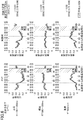
- Appearance probability of each attention reduction level per 20 minutes obtained by PVT, estimated appearance probability of each attention reduction level per 20 minutes obtained by the attention reduction state estimation method of the first embodiment of the present invention and It is a figure which shows those correlations.
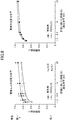
- Appearance probability per 20 minutes obtained by PVT for the attentiveness reduction and severe attentiveness of mild or more estimated appearance per 20 minutes obtained by the attention reduced state estimation method of the first embodiment of the present invention
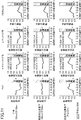
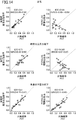
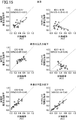
- Appearance probability obtained by PVT for each attention reduction level and estimated appearance probability obtained by the tailor-made attention reduction state estimation method according to the second embodiment of the present invention It is a figure which shows the correlation coefficient with the value of PERCLOS. Appearance probability obtained by PVT for each attention reduction level and estimated appearance probability obtained by the ready-made attention reduction state estimation method of the second embodiment of the present invention. It is a figure which shows the correlation coefficient with the value of PERCLOS. It is a figure which shows the scatter diagram and the linear regression line of the relationship between PVT, the tailor-made type attentiveness fall state estimation method of 2nd Embodiment of this invention, and PERCLOS. It is a figure which shows the scatter diagram and the linear regression line of the relationship between PVT, the ready-made attentiveness fall state estimation method of the 2nd Embodiment of this invention, and PERCLOS.
- the sleep / wakefulness pattern at home was recorded from 1 week before the experiment to the day of the experiment using the sleep diary and actigraph. Subjects were instructed to get up from 21:00 to 1:00, get up from 6:00 to 9:00, and sleep for more than 7 hours.
- the experiment was conducted with 4 people as one set. They taught them to refrain from caffeine intake and excessive exercise from waking up to the laboratory. Subject came to the laboratory at 20:00. After arriving at the laboratory, one week of sleep-wake pattern and daytime behavior were confirmed, and only those who showed the pattern as specified by the experimenter participated in the experiment.
- Subjects took 10 hours of sleep from 10 pm for the first night. After that, I woke up for 38 hours from 8 am and performed PVT as described below. On the third night, after taking 10 hours of recovery sleep from 10 pm, PVT was performed again from 8 am to 12 am to complete the experiment. During waking, a 200 kcal meal was taken once every 2 hours. Water (mineral water) was taken freely. Two of the four members in each set were carried out by shifting the schedule by one hour.
- the subjects performed PVT once every 2 hours during awakening, measured the movements of the eyeballs and eyelids of the subjects, and obtained various eye movement and eyelid activity data.
- the test subject is a non-patent document 3 and a document (Basner, M., &umbles, D. F. Maximizing sensitivity of the psychomotor vigilance test (PVT) to sleep loss. Sleep 2011, 34: VT581-91.) PVT was performed.
- the PVT performed by the subject is a task of performing a button press reaction as soon as possible when a counter in milliseconds displayed on a personal computer screen at random time intervals ranging from 2 to 10 seconds appears. When the button is pressed, the counter stops and the reaction time is fed back for 1 second. A counter increasing in milliseconds is presented in a rectangular frame.
- the eye movements and eyelid activity data of the subjects were obtained by using an eye camera (Nack Image Technology, Eye Mark Recorder, EMR-9) and an electroencephalograph (Nihon Kohden, Neurofax digital electroencephalograph system, EEG-1200). was performed by measuring the movement of the eyeballs and eyelids of the subjects.
- the eyeball rotation angles around the X axis and the Y axis were recorded by an eye camera.
- the time from the change point of the velocity waveform due to the generation of eye movement to the change point at the end is 10 ms or more
- the maximum peak speed is 25 ° / second or more and less than 1000 ° / second
- eye movement The speed from the change point of the speed waveform due to the occurrence to the change point of the speed waveform due to the end Kuna' not, all of the conditions are satisfied eye movement of a saccade.
- a saccade whose size of the eyeball rotation angle vector (X i , Y i ) is 1 degree or less was defined as a microsaccade.
- the eye opening degree which is one of the eyelid activity data, was obtained using an eye camera.
- An eye image was recorded at 30 Hz with an eye camera in order to obtain the degree of opening data.
- Analysis was performed on the left eye as in eye movements.
- the pixel value that maximizes the length of the vertical line from the upper eyelid to the lower eyelid in the left eye image was measured every 100 ms.
- the pixel value of the iris diameter was measured at any point on the same record as the distance measurement from the upper eyelid to the lower eyelid.
- the value obtained by dividing the distance from the upper eyelid to the lower eyelid by the diameter of the iris was taken as the degree of opening. For the section where the blinking time from the start of closing the eye to the opening as described later is less than 500 ms, the degree of opening is not calculated and the blink section is determined.
- an electroencephalogram was used to obtain electrooculograms from electrodes placed above and below the left eye orbit, and data relating to blinking, which is one of eyelid activity data, was obtained from the electrooculogram.
- data relating to blinking is also obtained from the electrooculogram.
- An electrooculogram was measured at a sampling frequency of 200 Hz, and an electrooculogram was obtained by deriving two electrodes attached to the upper and lower orbit of the left eye orbit. The low-frequency component and high-frequency component of the electrooculogram were cut using a 0.05 Hz low-frequency cutoff filter and a 30 Hz high-frequency cutoff filter.
- the starting point of the closed phase when the amount of change in electrooculogram (the difference in electrooculogram amplitude between ⁇ 5 measurement points [ ⁇ 25 ms] with respect to a certain measurement point) is equal to or greater than the threshold (+20 ⁇ V / 50 ms)
- the end point of the opening phase was defined as the point when the value was equal to or greater than / 50 ms).
- the start point of the closed phase, the end point of the closed phase, the start point of the open phase, and the end point of the open phase are arranged in this order.
- the absolute value of the change between the phase start points is not greater than the absolute value of the change of the closed phase end point or the open phase start point, (3) from the closed phase start point The amount of change does not fall below the threshold (+ 20 ⁇ V / 50ms) until the end of the closed phase, (4)
- the amount of change from the start of the open phase to the end of the open phase is the threshold (-20 ⁇ V / 50ms) ), (5) the amplitude of the closed phase is equal to or greater than half the amplitude of the open phase, and (6) the amplitude of the open phase is equal to or greater than half of the amplitude of the closed phase.
- the time from the start point of the closed phase to the end point of the open phase is 50 ms or more and less than 500 ms, and the amplitude of the closed phase and the amplitude of the open phase are both equal to or greater than 80 ⁇ V.
- You The change in electrooculogram from the start point of the fully closed phase to the end point of the open phase was defined as blinking.
- a blinking section is a section in which blinking of a duration of less than 500 ms from the start of closing of an eye discriminated from a series of left-eye images recorded by an eye camera to opening. Furthermore, the section where no blinking occurred was classified into a closed eye section and an open eye section. A state where the open degree is 20% or more was defined as an open eye state, and a section in the open state was defined as an open eye section. In addition, a state where the degree of openness was less than 20% was defined as an eye-closed state, and a section in the closed eye state was defined as a closed-eye section.
- the state was classified based on whether blinks or closed eyes were clustered.
- the duration of the eye-opening section sandwiched between blinking or closing eyes was less than 1 second, the period from the start of blinking or closing before eye opening to the end of blinking or closing after eye opening was defined as a clustering interval. If the cluster sections were continuous, they were taken as a series of cluster sections. Sections other than the swarm section were designated as non-swarm sections.
- FIG. 1 shows an example of an eye-opening section, an eye-closing section, a blink section, and a cluster section.
- the following eye movement / eyelid activity related information was obtained from the determined section type and the obtained eye movement / eyelid activity data.
- Eye-opening section duration The time from the start to the end of eye opening in the eye-opening section is defined as the eye-opening section duration.
- a section in which measurement time points at which the degree of opening is 20% or more is continuous is defined as an eye opening section.
- the first measurement time point when the open degree becomes 20% or more is set as the eye opening start, and the measurement time point immediately before the measurement time point when the eyeblink section or the closed eye section (open degree is less than 20%) is set as the eye opening end.
- the microsaccade is a saccade whose vector of the rotation angle vector of the eyeball is 1 degree or less.
- a value obtained by dividing the number of microsaccades appearing in the open eye section by the duration of the open eye section is defined as the microsaccade frequency.
- the frequency of the microsaccade was obtained only when the eye movement was measured by excluding the section where the eye movement measurement deficiency due to noise occurred.
- a section where at least one saccade occurred in the open eye section was defined as a saccade generation section (see FIG. 1).
- Microsaccade thrust The maximum rotational angular velocity of eye movement in the microsaccade is expressed as the duration of the microsaccade (the time from the maximum acceleration point at the start of microsaccade to the minimum acceleration point at the end. The value divided by) is the microsaccade's saliency.
- the average value of eye-opening degree at each measurement time in each eye-opening section and each eye-closing section is taken as the average value of the eye-opening degree in each eye-opening section and each eye-closing section.
- the opening degree is a ratio obtained by dividing the distance from the upper eyelid to the lower eyelid by the diameter of the iris as described above. In this experiment, the opening degree was calculated every 0.1 second, and the average value was obtained.
- Standard deviation of eye open degree The standard deviation of the eye open degree at each measurement time in each eye-opening section and each eye-closing section is taken as the standard deviation of the eye-opening degree in each eye-opening section and each eye-closing section.
- the opening degree is a ratio obtained by dividing the distance from the upper eyelid to the lower eyelid by the diameter of the iris as described above. In this experiment, the opening degree was calculated every 0.1 second, and the standard deviation was obtained.
- Blink frequency A value obtained by dividing the number of blinks generated in each swarm segment by the duration of the swarm segment is defined as a blink frequency. In this experiment, the number of blinks was determined from the above-described electrooculogram.
- the closed phase is the time point until the time when the change in the electrooculogram is equal to or smaller than the threshold value (20 ⁇ V / 50 ms) (the closed phase end point).
- the value obtained by subtracting the electrooculogram amplitude at the start point of the closed phase from the maximum amplitude of the electrooculogram during blinking is used as the closed amplitude, and the maximum speed ( ⁇ V / 50ms from the closed phase start point to the closed phase end point). ) Is the closing speed.
- the amount of change in electrooculogram difference in electrooculogram amplitude between ⁇ 5 measurement points [ ⁇ 25 ms] with respect to a certain measurement point
- the threshold 20 ⁇ V / 50 ms
- the absolute value (-20 ⁇ V / 50 ms) of the change in electrooculogram is equal to or greater than the threshold value (opening phase end point).
- the value obtained by subtracting the electrooculogram amplitude at the end of the open phase from the maximum amplitude of the electrooculogram during blinking is defined as the open amplitude, and the maximum speed ( ⁇ V / 50ms from the open phase start point to the open phase end point). ) Is the opening speed.
- Blink duration The time from the time point when the electrooculogram amplitude exceeds 50% of the closed eyelid amplitude to the time point when the electrooculogram amplitude falls below 50% of the closed eyelid amplitude in the swarm segment including the blink zone. The blink duration.
- Eye-closure time during blinking is the time during which the eyes during blinking are closed in the swarm segment including the blinking interval.
- a state where the amplitude of the electrooculogram has reached a larger amplitude is defined as the closed eye during blinking.
- the determination result of blinks based on electrooculogram and the determination result of blinks based on the degree of openness may not completely match due to differences in sampling frequency and recording method (recording of potential or recording of images) Therefore, the eye potential is determined to be a blink, but the degree of open eye may be determined to be closed for a short time as described later.
- Appearance rate of closed eyes whose duration is less than a predetermined time (appearance rate of short-term closed eyes)
- the ratio of the total appearance time of closed eyes that is less than a predetermined time in the duration of the cluster segment is defined as the short-term closed time appearance ratio.
- the predetermined time was 1 second.
- Appearance rate of closed eyes with a duration of a predetermined time or more (prolonged eye appearance rate)
- the ratio of the total appearance time of closed eyes that is equal to or longer than a predetermined time in the duration of the cluster segment is defined as the long-time closed-segment appearance ratio.
- the predetermined time was 1 second.
- Eye-closed section duration The time from the start of eye closure to the end in the eye-closed section is defined as the eye-closed section duration.
- eye-closed section duration a section in which measurement points with a degree of openness of less than 20% are continuous is defined as an eye-closed section.
- the first point at which the open degree is less than 20% is set as the start of eye closing, and the measurement time point immediately before the measurement time point in the blink interval or the open eye interval (open eye degree is 20% or more) is set as the end of eye closing.
- the response time (Response Time: RT) for each trial in PVT indicates the degree of attention reduction.
- This response time is 100 ms ⁇ RT ⁇ 300 ms, 300 ms ⁇ RT ⁇ 500 ms, 500 ms ⁇ RT. Divided into three levels of reduced attention, called “normal”, “mild” and “severe” respectively.
- the trial of reaction (False Start) when RT ⁇ 100 ms or the counter does not appear is excluded because the number of appearance is rare.
- Each trial of PVT shows the relationship between each eye movement and eyelid activity-related information at the time when the reaction of each trial of PVT occurs and the attention measured by PVT for each level of reduced attention (normal, mild, severe)
- Table 1 shows the results obtained by comparing eye movement and eyelid activity at the time when the above reaction occurred.
- FIG. 2 shows a result of comparing the long-term closed eye appearance ratio for each level of reduced attention level (normal, mild, severe). From Table 1 and FIG.
- the duration of eye opening interval, the degree of eye opening, the blink frequency, the reciprocal of the relative speed at the time of closing, the reciprocal of the relative speed at the time of opening which are conventionally known attention indicators, Blink duration, eye closure time during blink, appearance rate of blinks, frequency of microsaccades resulting from sleepiness, microsaccade rush, standard deviation of eye opening degree, rate of appearance of short eyes closed, long It can be seen that the time-closed eye appearance ratio can be used as an attention index.
- FIG. 3 is an overall configuration diagram of the attention reduction state estimation system according to the first embodiment of the present invention.
- the attention reduction state estimation system 1 includes an eye movement / eyelid activity measurement unit 11, a PVT execution unit 12, a section determination unit 13, and an eye movement / eyelid activity related information calculation unit 15. , An attention evaluation unit 17, a prior probability / likelihood calculation unit 18, and a storage unit 19.
- the eye movement / eyelid activity measuring unit 11 measures the movement of the eyeball or eyelid of the subject using a camera or a sensor to obtain various eye movement and eyelid activity data.
- the PVT execution unit 12 performs PVT for the target person. Then, the response time of the subject to the PVT trial is measured and stored in the storage unit 19.
- the section determination unit 13 determines an eye opening section, a closed eye section, a blink section, and a swarm section based on the eyeball activity / eyelid activity data acquired by the eye movement / eyelid activity measurement section 11.
- the eye movement / eyelid activity related information calculation unit 15 performs various types of eyeballs based on the eye movement / eyelid activity data acquired by the eye movement / eyelid activity measurement unit 11 and the type of section determined by the section determination unit 13. Calculate information related to exercise and eyelid activity.
- any one of eyes open / closed eyes / blinks whether the closed eyes section is included in the cluster section, whether the open / blink sections are included in the cluster section, and the eye opening duration, micro The saccade frequency and the microsaccade rush rate, the average value of the open degree and the standard deviation of the open degree for the open and closed eyes, the closed eye duration for the closed eye, and the instantaneous for the swarm Eye frequency, reciprocal of relative speed when eye is closed, reciprocal of relative speed when eye is opened, blink duration, eye closure time during blink, appearance rate of blink, appearance rate of short eye closure and appearance rate of long eye closure Is calculated.
- the attention evaluation unit 17 calculates the attention evaluation based on the various types of eye movement / eyelid activity-related information calculated by the eye movement / eyelid activity-related information calculation unit 15.
- the estimated appearance probability of each level of attention reduction and the estimated appearance probability of each level of attention reduction per evaluation time are calculated by naive Bayes estimation.
- the prior probability / likelihood calculation unit 18 is a probability density function for calculating the initial prior probability in the naive Bayes estimation performed by the attention evaluation unit 17 and the likelihood and likelihood of the eye movement / eyelid activity related information. Is calculated and stored in the storage unit 19.
- the storage unit 19 stores various data.
- FIG. 4 is a diagram showing an example of the hardware configuration of the attention-attractive state estimation system 1 according to one embodiment of the present invention.
- the attention reducing state estimation system 1 includes a CPU 10a, a RAM 10b, a ROM 10c, an external memory 10d, an input unit 10e, an output unit 10f, and a communication unit 10g.
- the RAM 10b, ROM 10c, external memory 10d, input unit 10e, output unit 10f, and communication unit 10g are connected to the CPU 10a via the system bus 10h.
- ROM 10c includes various programs stored in the ROM 10c and the external memory 10d, such as a CPU 10a, a RAM 10b, a ROM 10c, an external memory 10d, an input unit 10e, an output unit 10f, a communication unit 10g, and the like. This is realized by using as a resource.
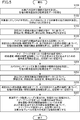
- FIG. 5 is a flowchart of an example of attention reduced state estimation processing of the attention reduced state estimation system according to one embodiment of the present invention.
- naive Bayes estimation is used. Therefore, teacher data for giving prior probabilities and likelihoods necessary for naive Bayes estimation is first acquired.
- Bayesian estimation is based on Bayes' theorem expressed by the following (Equation 1) that holds for cause H i of certain data D, and prior probability P (H i ), likelihood P (D
- Naive Bayesian estimation assumes that causes H i are independent of each other, and sequentially obtains posterior probabilities for other data using the obtained posterior probabilities as prior probabilities (Bayes update), and the probability of cause H i This is a method for obtaining.
- processing in the teacher data acquisition phase will be described.
- the eye movement / eyelid activity measuring unit 11 measures the movement of the eyeball or eyelid of the subject using a camera or a sensor to obtain various eye movement and eyelid activity data (S101).
- the PVT execution unit 12 performs PVT on the subject, measures the response time of the subject with respect to the trial of PVT, and stores it in the storage unit 19 (S102).
- the section determination unit 13 determines the eye opening section, the eye closing section, the blink section, and the cluster section based on the eyeball activity and eyelid activity data measured by the eye movement / eyelid activity measurement section 11 (S103). This section determination can be performed, for example, in the same manner as in the above description of the experiment content.
- the eyeball measured by the eyeball movement / eyelid activity measuring unit 11 for the section in which the eye movement / eyelid activity related information calculation unit 15 includes the start time of the trial during PVT.
- various eye movement / eyelid activity related information is calculated and stored in the storage unit 19 (S105).
- the calculation of the various types of eye movement / eyelid activity-related information can be performed, for example, in the same manner as the description of the experimental contents described above.
- the prior probability / likelihood calculating unit 18 calculates a probability density function for calculating the initial prior probability in naive Bayes estimation and the likelihood and likelihood of the eye movement / eyelid activity related information. Store (S107).
- a likelihood or a probability density function for calculating the likelihood is calculated for the following eye movement / eyelid activity related information.
- Microsaccade frequency For this eye movement / eyelid activity-related information, the probability of normal distribution type is calculated from the mean value ( ⁇ ) and standard deviation ( ⁇ ) for each level of attention reduction using (Equation 2) above. Calculate the density function. In other words, the average value ( ⁇ 4 ) and standard deviation ( ⁇ 4 ) of the frequency of microsaccades in each section for each level of attention reduction, targeting sections where one or more eye movements appeared in the open section. The probability density function is calculated for each level of attention reduction, with ⁇ in (Equation 2) being ⁇ 4 and ⁇ being ⁇ 4 .
- Average value of microsaccade saliency For this eye movement / eyelid activity-related information, it is normalized from the average value ( ⁇ ) and standard deviation ( ⁇ ) for each level of attention reduction using (Equation 2) above. Calculate the distribution type probability density function. That is, for the section where one or more microsaccades appear in the open eye section, the average value ( ⁇ 5 ) and standard deviation of the average value of the microsaccade's saliency in this section for each level of attention reduction ( ⁇ 5 ) is obtained, and the probability density function is calculated for each level of attention reduction, with ⁇ in (Formula 2) being ⁇ 5 and ⁇ being ⁇ 5 .
- Average value of eye-opening degree For normal eye movement / eyelid activity-related information, use the above (Equation 2) to calculate from the average value ( ⁇ ) and standard deviation ( ⁇ ) for each level of attention reduction.
- the probability density function of is calculated. That is, for all the sections, the average value ( ⁇ 7 ) and standard deviation ( ⁇ 7 ) of the average value of the opening degree in each section are obtained, and ⁇ in (Equation 2) is ⁇ 7 and ⁇ is ⁇ 7.
- the probability density function is calculated for each level of attention reduction.
- Standard deviation of eyelid degree For this eye movement / eyelid activity related information, use the above (Equation 2) to calculate the normal distribution from the mean value ( ⁇ ) and standard deviation ( ⁇ ) for each level of attention reduction The probability density function of is calculated. That is, for the eye-opening section and the eye-closing section, the average value ( ⁇ 8 ) and standard deviation ( ⁇ 8 ) of the standard deviation of the degree of opening in each section are obtained, and ⁇ in (Equation 2) is ⁇ 8 and ⁇ As ⁇ 8 , a probability density function is calculated for each level of attention reduction.
- (9) Blink frequency For the information related to eye movement and eyelid activity, the probability density of the normal distribution type is calculated from the mean value ( ⁇ ) and standard deviation ( ⁇ ) for each level of attention reduction using (Equation 2) above. Calculate the function. That is, for all the swarm segments, the average value ( ⁇ 9 ) and standard deviation ( ⁇ 9 ) of blink frequency in each segment is obtained for each level of attention reduction, and ⁇ in (Equation 2) is ⁇ 9 , A probability density function is calculated for each level of attention reduction, where ⁇ is ⁇ 9 .
- Blink duration For normal eye movement / eyelid activity related information, the probability of normal distribution type is calculated from the mean value ( ⁇ ) and standard deviation ( ⁇ ) for each level of attention reduction using (Equation 2) above. Calculate the density function. That is, for all of the swarm segments that include the blink interval, the average value ( ⁇ 12 ) of the average value of the blink duration in each of the swarm segments that include the blink interval for each level of attention reduction A standard deviation ( ⁇ 12 ) is obtained, and a probability density function is calculated for each level of attention reduction, with ⁇ in (Formula 2) being ⁇ 12 and ⁇ being ⁇ 12 .
- the normal distribution type is calculated from the average value ( ⁇ ) and standard deviation ( ⁇ ) for each level of attention reduction using (Equation 2) above.
- the probability density function of is calculated. That is, for all of the swarm segments that include the blink interval, the average value of the average eye closure time during blink in each of the swarm segments that include the blink interval for each level of attention reduction ( ⁇ 13 ) And standard deviation ( ⁇ 13 ), and ⁇ in (Equation 2) is ⁇ 13 and ⁇ is ⁇ 13 , and a probability density function is calculated for each level of attention reduction.
- the normal distribution type information is obtained from the mean value ( ⁇ ) and standard deviation ( ⁇ ) for each level of reduced attention using (Equation 2) above.
- Calculate the probability density function That is, for each of the swarm segments, the average value ( ⁇ 15 ) and standard deviation ( ⁇ 15 ) of the appearance rate of closed eyes (less than 1 second) in the swarm segment for each swarm segment is obtained for each level of attention reduction.
- the probability density function is calculated for each level of attention reduction, with ⁇ in Equation 2) being ⁇ 15 and ⁇ being ⁇ 15 .
- the normal distribution type information is obtained from the mean value ( ⁇ ) and standard deviation ( ⁇ ) for each level of reduced attention level using (Equation 2) above. Calculate the probability density function. In other words, for each cluster segment, the average value ( ⁇ 16 ) and standard deviation ( ⁇ 16 ) of the appearance rate of closed eyes (1 second or more) in the cluster segment for each cluster segment for each level of attention reduction, The probability density function is calculated for each level of attention reduction, with ⁇ in Equation 2) being ⁇ 16 and ⁇ being ⁇ 16 .
- the eye movement / eyelid activity related information of (4) to (17) above if the value of the eye movement / eyelid activity related information at each level of attention reduction does not follow the normal distribution, the eye movement / eyelid activity
- the likelihood can be calculated by classifying related information values according to a certain threshold. By dividing the number of data appearing in each category by the number of data appearing in all categories for each level of attention reduction, the likelihood of each category at each level of attention reduction can be calculated.
- Attention Evaluation Calculation Phase Based on the prior probabilities obtained in the teacher data acquisition phase, the likelihood of eye movement / eyelid activity related information and the probability density function for calculating the likelihood, Attention assessment is calculated from eye movement / eyelid activity data obtained from measurement of eyeball and eyelid movement.
- the eye movement / eyelid activity measuring unit 11 measures the movement of the eyeball or eyelid of the subject using a camera or a sensor to obtain various eye movement and eyelid activity data (S201).
- the section determination unit 13 opens the eye-opening section, the eye-closing section, the instantaneous eye-opening period based on the eyeball activity / eyelid activity measurement data measured by the eyeball movement / eyelid activity measuring section 11.
- the eye segment and the cluster segment are determined (S203).
- the eye movement / eyelid activity related information calculation unit 15 is measured by the eye movement / eyelid activity measurement unit 11 for each section determined by the section determination unit 13 in the same manner as in step S105 of the teacher data acquisition phase.
- Various eye movement / eyelid activity related information is calculated based on the eye movement / eyelid activity data and the section type determined by the section determination unit 13 (S205).
- the attention evaluation unit 17 calculates the initial prior probability in the naive Bayes estimation calculated in the teacher data acquisition phase and the likelihood and likelihood of the eye movement / eyelid activity-related information. Based on the probability density function for calculation, the estimated appearance probability of each level of attention reduction for each section is calculated by naive Bayes estimation according to (Equation 1) (S207).
- the posterior probability for each eye movement / eyelid activity-related information for each level of attention reduction is expressed by Bayes' theorem (Equation 1) as shown below. It calculates in order based on this, and calculates the appearance probability that each level of attention reduction appears.
- the order of calculating the posterior probabilities for each eye movement / eyelid activity related information is arbitrary due to the sequential rationality of Bayesian theory. An example will be described below.
- Eye-opening / clustering section For an eye-opening / clustering section (for example, a in FIG. 1) that is an eye-opening section and a clustering section (for example, a) in FIG. ( D1-1 ), P ( D1-2 ), P ( D1-3 )), whether the eye-opening / blink segment is included in the swarm segment (P ( D3-1 ), P ( D3- 2)), micro-saccade frequency (D 4), a micro saccade ⁇ (D 5), the duration of the eye opening section (D 6), the eyelid opening level of the mean value (D 7), the standard deviation of the eyelid opening degree (D 8 ), blink frequency (D 9 ), reciprocal of relative speed at closing (D 10 ), reciprocal of relative speed at opening (D 11 ), blink duration (D 12 ), blink
- the appearance ratio (D 14 ), the short-term closed eye appearance ratio (D 15 ), and the long-term closed eye appearance ratio (D 16 ) are used.
- the likelihood is calculated by substituting the average value (D 7 ) of the opening degree of the target section into x of the probability density function (Equation 2) of each category obtained in the teacher data acquisition phase. From the prior probabilities p (H 1 ), p (H 2 ), and p (H 3 ) calculated in the teacher data acquisition phase and the obtained likelihoods, The posterior probabilities (P (H 1
- (B) The likelihood is calculated by substituting the standard deviation (D 8 ) of the opening degree of the target section into x of the probability density function (Equation 2) of each category obtained in the teacher data acquisition phase. .
- the posterior probability obtained in (a) above is assumed to be an a priori probability, and the posterior probability (P (H 1
- (C) The a posteriori probability obtained in (b) above is regarded as an a priori probability, and the prior probabilities and the likelihoods obtained in the teacher data acquisition phase (P (D 1-1
- the posterior probability obtained in (c) above is regarded as the prior probability, and this prior probability and the likelihoods obtained in the teacher data acquisition phase (P (D 3-1
- (E) The likelihood is calculated by substituting the duration (D 6 ) of the eye-opening section of the target section into x of the probability density function (Equation 2) of each category obtained in the teacher data acquisition phase.
- the posterior probability obtained in (d) above is set as an a priori probability, and the posterior probability (P (H 1
- Equation 2 Probability density function of each category (Equation 2) obtained when the eye movement is occurring in the target section, and the microsaccade thrust (D 5 ) of the target section was obtained in the teacher data acquisition phase The likelihood is calculated by substituting for x.
- the posterior probability obtained in (f) above is assumed to be an a priori probability, and the posterior probability (P (H 1
- the likelihood is calculated by substituting the blink frequency (D 9 ) of the swarm segment including the target segment into x of the probability density function (Equation 2) of each category obtained in the teacher data acquisition phase. .
- the a posteriori probability obtained in the above (ki) is defined as an a priori probability, and the a posteriori probability (P (H 1
- Equation 2 By substituting the reciprocal of the relative velocity (D 10 ) at the time of closing of the swarm segment including the target segment into x of the probability density function (Equation 2) of each category obtained in the teacher data acquisition phase Calculate the likelihood.
- the posterior probability found in (c) above is taken as the prior probability, and from this prior probability and the obtained likelihood, the posterior probability (P (H 1
- Equation 2 By substituting the inverse of the relative velocity (D 11 ) at the time of opening the swarm segment including the target segment into x of the probability density function (Equation 2) of each category obtained in the teacher data acquisition phase Calculate the likelihood.
- the a posteriori probability obtained in (1) above is assumed to be an a priori probability, and the a posteriori probability (P (H 1
- Equation 2 Calculating a likelihood by substituting the x blink duration swarm interval including a section to (k) target (D 12) of each category obtained in the teacher data acquisition phase the probability density function (Equation 2) To do.
- the a posteriori probability obtained in the above (e) is set as an a priori probability, and the a posteriori probability (P (H 1
- the likelihood is calculated by substituting the eye closure time (D 13 ) of the cluster segment including the target segment into x of the probability density function (Equation 2) of each category obtained in the teacher data acquisition phase.
- the a posteriori probability obtained in the above (a) is set as an a priori probability, and the a posteriori probability (P (H 1
- the likelihood is calculated by substituting the blink rate (D 14 ) of the swarm segment including the target segment into x of the probability density function (Equation 2) of each category obtained in the teacher data acquisition phase. calculate.
- the posterior probability obtained in (b) above is set as an a priori probability, and the posterior probability (P (H 1
- the likelihood is calculated by substituting the short-term closed eye appearance rate (D 15 ) of the cluster segment including the target segment into x of the probability density function (Equation 2) of each category obtained in the teacher data acquisition phase. calculate.
- the posterior probability obtained in (S) above is set as an a priori probability, and the posterior probability (P (H 1
- (E) The likelihood is calculated by substituting the long-term closed eye appearance ratio (D 16 ) of the cluster segment including the target segment into x of the probability density function (Equation 2) of each category obtained in the teacher data acquisition phase. calculate.
- the a posteriori probability obtained in (C) above is defined as an a priori probability, and the a posteriori probability (P (H 1
- Blink / swarm segment For blink / cluster segment that is a blink segment and cluster segment (for example, c in FIG. 1), as eye movement / eyelid activity related information, any of open / closed / blink (P ( D1-1 ), P ( D1-2 ), P ( D1-3 )), whether the eye-opening / blink segment is included in the swarm segment (P ( D3-1 ), P ( D 3-2 )), blink frequency (D 9 ), reciprocal of relative speed at closing (D 10 ), reciprocal of relative speed at opening (D 11 ), blink duration (D 12 ), Using the eye closure time during blink (D 13 ), the blink appearance rate (D 14 ), the short eye closure appearance rate (D 15 ), and the long eye closure appearance rate (D 16 ), the above (1) eye opening -The estimated appearance probability of each of the attention reduction levels is calculated in the same manner as in the swarm segment.
- Eye-opening / non-clustering section For an eye-opening / non-clustering section (for example, d in FIG. 1) that is an eye-opening section and a non-clustering section, as eyeball movement / eyelid activity related information, or (P (D 1-1), P (D 1-2), P (D 1-3)), or eye opening, blinking interval is included in the cluster section (P (D 3-1), P ( D 3-2 )), microsaccade frequency (D 4 ), microsaccade rush rate (D 5 ), duration of eye opening interval (D 6 ), average value of open degree (D 7 ), open degree using the standard deviation of (D 8), in the same manner as described above in (1) eye opening-cluster section calculates an estimated occurrence probability of each lowering of attention levels.
- P (D 1-1), P (D 1-2), P (D 1-3) eye opening
- blinking interval is included in the cluster section (P (D 3-1), P ( D 3-2 )), microsaccade frequency (
- Eye closed / non-clustered section For closed eyes / non-clustered sections (for example, e in FIG. 1) which are closed eyes and non-clustered sections, as eye movement / lid activity related information, (P (D 1-1 ), P (D 1-2 ), P (D 1-3 )), whether the closed eye segment is included in the cluster segment (P (D 2-1 ), P (D 2- 2 )), using the average value of the degree of eye opening (D 7 ), the standard deviation of the degree of eye opening (D 8 ), and the duration of the closed eye period (D 17 ) Then, the estimated appearance probability of each of the attention reduction levels is calculated.
- Blink / non-clustering section for example, f in FIG. 1 that is a blinking section and a non-clustering section, as eye movement / eyelid activity related information, eye opening / closing eyes / instantaneous Which of the eyes (P ( D1-1 ), P ( D1-2 ), P ( D1-3 )), whether the eye-open / blink segment is included in the swarm segment (P ( D3-1 )) , P (D 3-2 )), the estimated appearance probability of each of the attention reduction levels is calculated in the same manner as in the above (1) eye opening / clustering section.
- the attention evaluation unit 17 may further determine the attention level per evaluation time based on the estimated appearance probability of each of the calculated attention reduction levels. Specifically, for each section that appears at the evaluation time (open eye / swarm section, closed eye / swarm section, blink / swarm section, open / non-swarm section, closed / non-swarm section, blink / non-swarm section) The value obtained by multiplying the estimated appearance probability (P (H i ) k ) obtained by the duration (Duration k ) of each section is totaled for all the N sections that have appeared in the evaluation time, and the evaluation time is By dividing, the estimated appearance probability of each level of attention reduction per evaluation time is calculated (Formula 3).
- the teacher data acquisition phase is performed in the first half session (first to tenth sessions), and in the second half session (11th to 22nd sessions), The above attention evaluation calculation phase was performed.
- the fluctuation of the estimated appearance probability of each attention reduction level per 20 minutes obtained by the attention reduction state estimation method of the present embodiment is the estimated appearance of each attention reduction level per 20 minutes obtained by PVT. It can be seen that this agrees well with the fluctuation of the probability.
- required by the attention reduced state estimation method of this embodiment using the value of only the attention evaluation calculation phase was calculated
- the group average was calculated
- FIG. 6 shows the correlation coefficient (r) obtained by inverse Z conversion.
- the attention level reduction method of the present embodiment can continuously measure various levels of attention level reduction without loading a problem.
- FIG. 7 shows the estimated appearance probability per 20 minutes and the value of PERCLOS per 20 minutes determined by the method for estimating the state of reduced attention level.
- the appearance probability of at least mild attention reduction of PVT shows a variation that matches the estimated appearance probability of at least mild attention reduction by the attention reduction state estimation method of the present embodiment. It can be seen that the value is smaller than the probability of occurrence of a decline in attention beyond mild PVT. In addition, it can be seen that the appearance probability of severe attention reduction of the PVT shows high agreement with the estimated appearance probability of severe attention reduction and the value of PERCLOS by the attention reduction state estimation method of the present embodiment.
- Appearance probabilities obtained by PVT, estimated appearance probabilities obtained by the attention reduced state estimation method of this embodiment, and PERCLOS The correlation with the values is shown in FIG.
- FIG. 8 shows the correlation coefficient (r) obtained by inverse Z conversion. In the analysis using the group average of the correlation coefficient, the same method was used thereafter.
- the estimated appearance probability obtained by the attention level reduction state estimation method of the present embodiment is the appearance of a decrease in attention level that is milder than PVT rather than the PERCLOS value. It can be seen that the correlation with the probability was significantly high. When the time used for evaluation was 10 minutes and 20 minutes, there was a significant tendency. As for the correlation between the PVT severity and the appearance probability of the attention reduction, no difference was found between the estimated appearance probability obtained by the attention reduction state estimation method of the present embodiment and the value of PERCLOS. Therefore, although there is no difference between the PVT severity estimation method of this embodiment and PERCLOS, there is no difference between the PVT severe attention reduction and the PVT mild attention reduction. It can be seen that the method for estimating the state of reduced attention is higher than PERCLOS. From the above, it was found that the attention level reduction method of this embodiment can measure the attention level with higher accuracy than the conventional method.
- the probability of occurrence of PVT at least mild attention and the appearance probability of severe attention reduction are the same as the estimated appearance probability of severe attention reduction and severe attention reduction in the attention reduction state estimation method of this embodiment.
- We examined whether the estimated appearance probabilities correspond to each other completely (whether they have y x relationship) using intraclass correlation coefficients (ICC). In this examination, the average value of all sessions in the attention evaluation calculation phase of each subject was used.
- FIG. 9 shows a scatter diagram and a linear regression line for the relationship between the PVT, the attention reduction state estimation method of the present embodiment, and PERCLOS for eight cases.
- ICC value 0.81-1.00 is judged as “almost perfect”.
- the degree of completeness coincidence (ICC) between the low attention level decrease and the severe attention level decrease was 0.81 or more between the PVT and the attention reduction state estimation method of the present embodiment, and was determined to be almost perfect.
- the value of ICC between PERCLOS and PVT was lower than the value of ICC of the attention reduction state estimation method of this embodiment.
- both the occurrence probability of mild or more and severe attention reduction is superior to the attention reduction state estimation method of this embodiment, and the estimated appearance obtained by the attention reduction state estimation method of this embodiment
- the probability can be used as it is as the estimated appearance probability of attention reduction measured by PVT. That is, it has been found that the method for estimating a state of reduced attention level according to the present embodiment can easily refer to the knowledge of PVT accumulated by many previous studies.
- the attention reduction state estimation method of the present embodiment since naive Bayes estimation is used, even if a part of the eye movement / eyelid activity related information is missing, the lacking eye movement / eyelid activity related information is missing. Since the estimated appearance probability can be calculated from the eye movement / eyelid activity-related information other than the above, it is possible to flexibly cope with the inability to obtain a part of the eyeball movement / eyelid activity data or the lack of data. Therefore, in the above embodiment, the posterior probabilities are calculated for some of the eye movement / eyelid activity related information without calculating the posterior probabilities for all the eye movement / eyelid activity related information listed for each section. It is good also as a structure.
- the estimated appearance probability of each attention reduction level and the estimated appearance probability of each attention reduction level per evaluation time are calculated by naive Bayes estimation using predetermined eye movement / eyelid activity related information.
- the attention evaluation calculation method is not limited to this. For example, one of the frequency of microsaccade resulting from drowsiness, a new attention evaluation index, microsaccade rush, standard deviation of open degree, short-term closed eye appearance rate, long-time closed eye appearance rate or one of them
- the attention level evaluation may be calculated by a combination of. Further, the attention evaluation may be any other suitable expression that is not the estimated appearance probability. Further, the attention reduction is not limited to a discrete level, but may be another appropriate arbitrary expression such as a continuous attention reduction degree.
- each eye movement / eyelid activity-related information is not limited to the above-mentioned definitions, and other appropriate arbitrary Can be defined as
- the likelihood evaluation function for calculating the likelihood and likelihood of the eyeball activity / eyelid activity information obtained in the teacher data acquisition phase is calculated as the attention evaluation. Although it is not updated every time it is performed, it may be updated every time attention evaluation is calculated.
- the first embodiment was based on the analysis of the data of 8 adult males (age 20-47 years old, 36.6 ⁇ 10.2 [SD] years old) who are healthy and have no sleep disorders
- 16 adult males ages 20-49 years old, 36.7 ⁇ 9.3 [SD] years old
- the present inventors further found out the microsaccade ratio as an index for evaluating a reduction in attention from the analysis of 16 persons.
- the microsaccade ratio, the saccade relative speed Five eye movement / eyelid activity-related information of the average value of the eyelid degree, the standard deviation of the eyelid degree, and the blink duration is obtained.
- the method for obtaining the average value of the opening degree, the standard deviation of the opening degree, and the blink duration is the same as that in the first embodiment, and thus the description thereof is omitted.
- the microsaccade ratio and the saccade relative speed are obtained. The way is as follows.
- microsaccade ratio The value obtained by dividing the number of microsaccades appearing in the open eye section by the total number of saccades appearing in the open eye section is the microsaccade ratio.
- the value obtained by dividing the maximum rotation angular velocity of eye movement in saccade by the rotation angle of saccade is the saccade relative velocity.
- the attention reducing state estimation system is the same as that of the first embodiment, but the eye movement / eyelid activity related information calculation unit 15 performs any of the eye opening / closing / blink, or the closed-eye section is clustered. Whether it is included in the section, the eye-opening / eye-closing / blink section is included in the clustering section, and the microsaccade ratio and saccade relative speed for the eye-opening section, and for the eye-opening section and the eye-closing section The standard deviation of the degree and the average value of the opening degree are different from each other in that the blink duration is calculated for the cluster section.
- a flowchart of an example of the attention reduced state estimation process of the attention reduced state estimation system according to the present embodiment is also the same as that of the first embodiment, and will be described with reference to FIG.
- step S105 the eye movement / eyelid activity-related information calculation unit 15 performs eye movement / eyelid movement.
- the activity-related information the microsaccade ratio, the saccade relative speed, the average value of the opening degree, the standard deviation of the opening degree, and the blink duration are calculated and stored in the storage unit 19.
- the calculation of the various types of eye movement / eyelid activity related information can be performed, for example, in the same manner as described above.
- step S107 the prior probability / likelihood calculation unit 18 calculates a probability density function for calculating the likelihood and likelihood of the eye movement / eyelid activity related information.
- the calculation of the standard deviation of the eye opening degree and the blink duration is performed in the same manner as in the first embodiment, and the calculation of the microsaccade ratio and the saccade relative speed is performed as follows.
- a normally distributed probability density function is calculated from the average value ( ⁇ ) and standard deviation ( ⁇ ) for each level of attention reduction using (Equation 2). That is, for the entire eye-opening interval, the average value ( ⁇ 18 ) and standard deviation ( ⁇ 18 ) of the microsaccade ratio are obtained for each level of attention reduction, and ⁇ in (Equation 2) is ⁇ 18 and ⁇ is ⁇ as 18, calculates the probability density function for each lowering of attention levels.
- a normal distribution type probability density function is calculated from the average value ( ⁇ ) and standard deviation ( ⁇ ) for each level of attention reduction using the above (Formula 2). That is, for each level of reduced attention level, the average value ( ⁇ 19 ) and standard deviation ( ⁇ 19 ) of saccade speed in each section are obtained, and ⁇ in (Equation 2) is ⁇ 19 and ⁇ is ⁇ 19 A probability density function is calculated for each force drop level.
- step S205 eye movement / eyelid activity related information calculation is performed.
- the unit 15 performs eye movement / eyelid activity data measured by the eye movement / eyelid activity measurement unit 11 for each section determined by the section determination unit 13 in the same manner as in step S105 of the teacher data acquisition phase.
- step S105 the teacher data acquisition phase.
- step S105 the microsaccade ratio, the saccade relative speed, the average value of the opening degree, the standard deviation of the opening degree, the eye movement / eyelid activity of the blink duration Calculate related information.
- the attention evaluation unit 17 calculates the initial prior probability in the naive Bayes estimation and the eye movement / eyelid activity related information calculated in the teacher data acquisition phase and stored in the storage unit 19. Based on the likelihood and the probability density function for calculating the likelihood, the estimated appearance probability of each of the attention reduction levels for each section is calculated by naive Bayes estimation according to (Equation 1). Specifically, for each of the following sections, the posterior probability for each eye movement / eyelid activity-related information for each level of attention reduction is expressed by Bayes' theorem (Equation 1) as shown below. It calculates in order based on this, and calculates the appearance probability that each level of attention reduction appears. The order of calculating the posterior probabilities for each eye movement / eyelid activity related information is arbitrary due to the sequential rationality of Bayesian theory. An example will be described below.
- Eye-opening / clustering section For an eye-opening / clustering section (for example, a in FIG. 1) that is an eye-opening section and a clustering section (for example, a) in FIG. ( D1-1 ), P ( D1-2 ), P ( D1-3 )), whether the eye-opening / eye-closing / blink interval is included in the clustering interval (P (D 20-1 ), P (D 20-2)), micro-saccades ratio (D 18), saccadic relative speed (D 19), the average value of the eyelid opening degree (D 7), the standard deviation (D 8 of eyelid opening degree), blink duration (D 12 ) is used.
- the likelihood is calculated by substituting the average value (D 7 ) of the opening degree of the target section into x of the probability density function (Equation 2) of each category obtained in the teacher data acquisition phase. From the prior probabilities p (H 1 ), p (H 2 ), and p (H 3 ) calculated in the teacher data acquisition phase and the obtained likelihood, the average value of the degree of crushing is calculated using Equation (1). The posterior probabilities (P (H 1
- the likelihood is calculated by substituting the standard deviation (D 8 ) of the opening degree of the target section into x of the probability density function (Equation 2) of each category obtained in the teacher data acquisition phase. .
- the posterior probability obtained in (a) above is set as an a priori probability, and the posterior probability (P (H 1
- (C) The a posteriori probability obtained in (b) above is regarded as the prior probability, and the prior probability and the likelihood (P (D 1-1
- the posterior probability obtained in (c) above is regarded as the prior probability, and this prior probability and the likelihood obtained in the teacher data acquisition phase (P (D 20-1
- the likelihood is calculated by substituting the blink duration (D 12 ) of the swarm segment including the target segment into x of the probability density function (Equation 2) of each category obtained in the teacher data acquisition phase. To do.
- the a posteriori probability obtained in the above (e) is set as an a priori probability, and the a posteriori probability (P (H 1
- Blink / swarm segment For blink / cluster segment that is a blink segment and cluster segment (for example, c in FIG. 1), as eye movement / eyelid activity related information, any of open / closed / blink (P ( D1-1 ), P ( D1-2 ), P ( D1-3 )), whether the eye-opening / eye-closing / blink segment is included in the cluster segment (P ( D20-1 )) P (D 20-2 )) and blink duration (D 12 ) are used to calculate the estimated appearance probability of each level of attention reduction in the same manner as in the above (1) eye-opening / clustering period.
- Eye-opening / non-clustering section For an eye-opening / non-clustering section (for example, d in FIG. 1) that is an eye-opening section and a non-clustering section, as eyeball movement / eyelid activity-related information, (P ( D1-1 ), P ( D1-2 ), P ( D1-3 )), whether the eye-opening / eye-closing / blink segment is included in the cluster segment (P ( D20-1 )) P (D 20-2 )), microsaccade ratio (D 18 ), saccade relative speed (D 19 ), average value of opening degree (D 7 ), standard deviation of opening degree (D 8 )
- the estimated appearance probability of each of the attention level reduction is calculated.
- Eye-closed / non-clustered section For eye-closed / non-clustered sections (for example, e in FIG. 1) that are closed and non-clustered sections, for example, as eye movement / eyelid activity-related information, (P (D 1-1 ), P (D 1-2 ), P (D 1-3 )), whether the closed eye segment is included in the cluster segment (P (D 2-1 ), P (D 2- 2 )) Using the average value (D 7 ) and the standard deviation (D 8 ) of the degree of openness, in the same manner as the above (1) eye-opening / clustering interval, The estimated appearance probability is calculated.
- Blink / non-clustering section for example, f in FIG. 1 that is a blinking section and a non-clustering section, as eye movement / eyelid activity related information, eye opening / closing eyes / instantaneous Any of the eyes (P ( D1-1 ), P ( D1-2 ), P ( D1-3 )), whether the eye-opening / eye-closing / blink segment is included in the cluster segment (P (D 20- 1 ), P (D 20-2 )) is used to calculate the estimated appearance probabilities for each level of reduced attention level in the same manner as in the above-mentioned (1) eye-opening / swarm segment.
- the attention evaluation unit 17 may further determine the attention level per evaluation time based on the estimated appearance probability of each of the calculated attention reduction levels.
- the teacher data acquisition phase is performed in the first half session (first to tenth sessions), and in the second half session (11th to 22nd sessions), The above attention evaluation calculation phase was performed.
- the attention per 20 minutes obtained by PVT which is obtained when the attention evaluation is calculated based on the data for teachers (hereinafter referred to as “tailor-made type”).
- Appearance probability of the reduction level, estimated appearance probability of each attention reduction level per 20 minutes obtained by the attention reduction state estimation method of the above embodiment, their correlation coefficient (r), and the value of PERCLOS per 20 minutes Is shown in FIG.
- the data obtained from the above experiment the data of all 15 other subjects' sessions were used as teacher data, and the attention evaluation was performed on the data of all of their own sessions (hereinafter referred to as “ready-made type”).
- FIG. 11 shows the correlation coefficient (r) and the value of PERCLOS per 20 minutes.
- the fluctuation of the estimated appearance probability of each attention reduction level per 20 minutes obtained by the attention reduction state estimation method of this embodiment is shown in FIG. 11 for each tailor-made type and ready-made type per 20 minutes obtained by PVT. It can be seen that this agrees well with the fluctuation in the estimated appearance probability of each level of attention reduction. Also, not only normal and severe attention reduction levels, but also mild attention reduction levels are significantly different between the appearance probability obtained by PVT and the estimated appearance probability obtained by the attention reduction state estimation method of this embodiment. It was found that there is a correlation. From the above, it has been found that the attention level reduction method of the present embodiment can continuously measure various levels of attention level reduction without loading a problem.
- the PERCLOS value was smaller than the probability of appearance of PVT for normal and mild attention reduction levels.
- the severe level of attention reduction it was found that the appearance probability of PVT showed high agreement with the estimated appearance probability and PERCLOS value by the attention reduction state estimation method of the present embodiment.
- the correlation coefficient (r) with the value of is shown in FIG.
- the appearance probability obtained by PVT, the estimated appearance probability obtained by the ready-made attention reduction state estimation method of this embodiment, and PERCLOS is shown in FIG.
- the estimated appearance probability obtained by the attention reduction state estimation method of the present embodiment is high as the occurrence probability of PVT in both the tailor-made type and the ready-made type. It was found that the value of PERCLOS was negatively related to the probability of appearance of PVT, while showing a positive correlation. For severe attention level, the correlation between the estimated appearance probability obtained by the attention reduced state estimation method of this embodiment and the appearance probability of PVT is the value of PERCLOS and PVT for both tailor-made type and ready-made type. It was slightly larger than the correlation with the appearance probability.
- FIG. 14 shows a scatter diagram and a linear regression line of the relationship between PVT, the tailor-made type attention reduction method of the present embodiment, and PERCLOS for 16 cases.
- FIG. 15 shows a scatter diagram and a linear regression line for the relationship between PVT, the ready-made reduced attention level state estimation method of the present embodiment, and PERCLOS for 16 cases.
- the ICC value is 0.61-0.80, the perfect match is “substantial”, and if it is 0.81-1.00, it is judged as “almost perfect”. Also, if 95% CI is greater than 0, it can be said that the values of the two indices are significantly positively completely matched.
- the tailor-made ICC of this embodiment exceeded 0.7 in each category of the level of attention reduction, and 95% CI exceeded 0. That is, it was determined as almost perfect at normal and severe attention level, and substantial at mild level. Therefore, it has been found that the estimated appearance probability obtained by the tailor-made attention level reduction state estimation method of this embodiment can be replaced with the appearance probability of PVT.
- the ready-made ICC of this embodiment is 0.84 at the level of severe attention reduction and almost perfect, but below 0.7 at normal and mild attention reduction, and is less accurate than the tailor-made type.
- the value of PERCLOS showed a negative relationship with the appearance probability of PVT for normal and mild attention reduction levels.
- the ICC value of PERCLOS and PVT exceeded the ICC value of PERCLOS and PVT, and both showed high agreement rate.
- the ICC value of PERCLOS and PVT is determined to be substantial, and both the tailor-made type and the ready-made type are determined to be almost perfect as described above, and the method of estimating reduced attention level according to the present embodiment The ICC had a higher perfect match.
- the attention reduction state estimation method of this embodiment is superior for both the tailor-made type and ready-made type for the appearance probability of any category of attention reduction level.
- the estimated appearance probability obtained by the form-attention-power-reduction state estimation method can be used as it is as the estimated appearance probability of the attention reduction measured by the PVT. That is, it has been found that the method for estimating a state of reduced attention level according to the present embodiment can easily refer to the knowledge of PVT accumulated by many previous studies.
- the estimated appearance probability obtained by the ready-made method for estimating attentiveness state can be used as the estimated appearance probability of attentiveness reduction measured by PVT, so it is necessary to acquire data for teachers. It is very advantageous to be able to estimate the level of attention reduction without any problems.
- the estimated appearance probability can be accurately estimated using a small number of indices.
- microsaccade thrust used in the first embodiment is difficult to measure as compared to other attention indices.
- the microsaccade thrust since the microsaccade thrust is not used, it is easier to be careful. A force drop state can be estimated.
- the indicator to be used is not limited to these five, and an attention reduction state may be estimated using an arbitrary number of these five indicators. In addition, an attention reduced state may be estimated using an arbitrary number of these five indices and another attention index.
- An eye movement / eyelid activity measurement unit that measures the eye movement and eyelid activity of the subject and obtains eye movement / eyelid activity data; Based on the eye movement / eyelid activity data, a section determination unit that determines an open eye section, a closed eye section, a blink section, and a swarm section; Based on the eye movement / eyelid activity data, the microsaccade ratio of each of the open sections, the microsaccade thrust of each of the open sections, the degree of openness of each of the open sections and / or the closed eye sections The standard deviation, the short-term closed eye appearance rate that is the appearance rate of closed eyes whose duration is less than a predetermined time for each of the clustering intervals, and the closed eye appearance rate that lasts for the predetermined time or longer for each of the cluster intervals An eye movement / eyelid activity-related information calculating unit for calculating at least one of a certain long-term closed eye appearance rate; Eye opening based on at least one of the microsaccade ratio, the microsac
- the eye movement / eyelid activity-related information calculation unit may further determine whether the eye-opening / eye-closing / blink interval is included in the clustering interval based on the eye-movement / eyelid activity data. Is included in the swarm segment, microsaccade frequency, eye opening duration, average degree of eye opening, blink frequency, reciprocal of relative speed at closing, reciprocal of relative speed at opening, blink duration Calculating one of the closed eye time during blink, the blink appearance ratio, and the closed eye duration duration;
- the attention evaluation unit At least one of the microsaccade ratio, the microsaccade rush rate, the standard deviation of the open degree, the short-term closed eye appearance ratio, and the long-term closed eye appearance ratio of each of the open eye sections, and Whether the eye opening / closing eye / blink is included in the clustering interval, the microsaccade frequency, the eye opening interval duration, the average open eye degree, the blink frequency, the closing frequency
- the eye opening interval based on at least one of the reciprocal of the relative
- the eye movement / eyelid activity-related information calculation unit may further determine whether the eye-opening / eye-closing / blink interval is included in the clustering interval based on the eye-movement / eyelid activity data. Is included in the swarm segment, microsaccade thrust, microsaccade frequency, eye opening duration, blink frequency, reciprocal of relative speed at closing, reciprocal of relative speed at opening, blinking Calculating one of closed eye time, blink rate, and closed eye duration, The attention evaluation unit At least one of the microsaccade ratio, the saccade relative speed, the standard deviation of the open degree, the average open degree, and the blink duration, and the open / closed eye / blink Either the eye-open / blink interval is included in the cluster segment, the microsaccade rush, the microsaccade frequency, the eye-open interval duration, the blink frequency, the reciprocal of the relative speed at the time of eyelid Attention evaluation for the eye opening / clustering section that is an eye-opening section and a clustering section based
- Attention assessment for closed / non-clustered sections that are closed and non-clustered sections
- For the blink / non-clustering section that is a blinking section and a non-clustering section based on at least one of the eye opening / closing eyes / blinks and whether the eye opening / blinking section is included in the clustering section Attention assessment,
- An eye movement / eyelid activity measurement unit that measures the eye movement and eyelid activity of the subject and obtains eye movement / eyelid activity data; Based on the eye movement / eyelid activity data, a section determination unit that determines an open eye section, a closed eye section, a blink section, and a swarm section; Based on the eye movement / eyelid activity data, the microsaccade ratio of each of the eye-opening sections, the saccade relative speed of each of the eye-opening sections, the standard of the degree of eye opening of each of the eye-opening section and / or the eye-closing section An eye movement / eyelid activity-related information calculating unit that calculates at least two of a deviation, an average degree of opening of each of the eye-opening sections and / or the eye-closing sections, and a blink duration of each of the clustering sections; , Eye opening that is an eye opening segment and a cluster segment based on at least two of the microsaccade ratio, the saccade relative speed, the standard deviation
- An eye movement / eyelid activity measurement unit that measures the eye movement and eyelid activity of the subject and obtains eye movement / eyelid activity data; Based on the eye movement / eyelid activity data, a section determination unit that determines an open eye section, a closed eye section, a blink section, and a swarm section; The microsaccade ratio of each of the eye-opening sections, the saccade relative speed of each of the eye-opening sections, the standard deviation of the open degree of each of the eye-opening section and / or the eye-closing section, the eye opening section and / or the eye closing Based on the average degree of open eye of each section, the blink duration of each of the cluster sections, and the eye movement / eyelid activity data, the eye open / closed / blink section, or the eye open / blink section is the cluster section , Saccade interval, microsaccade frequency, microsaccade frequency, open eye duration, blink frequency, reciprocal of relative speed at closing, relative speed at opening An eye movement / eyelid activity-
- Attention assessment for closed / non-clustered sections that are closed and non-clustered sections For the blink / non-clustering section that is a blinking section and a non-clustering section based on at least one of the eye opening / closing eyes / blinks and whether the eye opening / blinking section is included in the clustering section Attention assessment, An attention evaluation unit for obtaining at least one of A low attention state estimation system.
- the attention evaluation is performed for each section of the eye opening / swarm segment, the eye closing / swarm segment, the blink / swarm segment, the eye opening / non-swarm segment, the eye closing / non-swarm segment, and the eye blink / non-swarm segment.
- the attention reduced state estimation system according to item (6) which is the estimated appearance probability of each of the attention reduction levels per evaluation time calculated based on the estimated appearance probability of each of the attention reduction levels calculated in .
- the initial prior probability in the naive Bayes estimation is calculated based on teacher data obtained from eye movement / eyelid activity data of the subject's own eye force evaluation target. ) Is a state of attention reduced state estimation system.
- the initial prior probabilities in the naive Bayes estimation are eye movements and eyelid activities of a person other than the target person of the attention evaluation, or the target person of the attention evaluation and the person other than the target of the attention evaluation.
- the attention reduced state estimation system according to claim (6) or (7) which is calculated based on teacher data obtained from the data.
- An eye movement / eyelid activity measurement unit that measures the eye movement and eyelid activity of the subject and obtains eye movement / eyelid activity data;
- a section determination unit that determines an eye opening section based on the eye movement / eyelid activity data;
- an eye movement / eyelid activity-related information calculation unit that calculates the microsaccade ratio of each of the eye-opening sections and / or the microsaccade protrusion degree of each of the eye-opening sections;
- An attention evaluation unit for determining an attention evaluation based on at least the microsaccade ratio and / or the microsaccade protrusion degree of each of the eye opening sections with respect to the eye opening section;
- a low attention state estimation system A low attention state estimation system.
- An eye movement / eyelid activity measurement unit that measures the eye movement and eyelid activity of the subject and obtains eye movement / eyelid activity data;
- a section determination unit that determines an eye opening section based on the eye movement / eyelid activity data;
- an eye movement / eyelid activity-related information calculation unit that calculates the microsaccade ratio and / or saccade relative speed of each of the open eye sections,
- An attention evaluation unit that calculates an attention evaluation based on at least the microsaccade ratio and / or the saccade relative speed with respect to the eye opening section;
- the attentiveness evaluation state estimation system is an attentiveness evaluation state which is an evaluation of which of three or more attentiveness reduction levels.
- An eye movement / eyelid activity measurement unit that measures the eye movement and eyelid activity of the subject and obtains eye movement / eyelid activity data;
- a section determination unit that determines an open eye section and / or a closed eye section based on the eye movement / eyelid activity data;
- An eye movement / eyelid activity-related information calculating unit that calculates a standard deviation and / or an average value of the degree of opening of each of the eye-opening section and / or the eye-closing section based on the eye movement / eyelid activity data;
- An attention evaluation unit that obtains attention evaluation based on at least a standard deviation of the opening degree and / or an average opening degree for the eye opening section and / or the eye closing section;
- the attentiveness evaluation state estimation system is an attentiveness evaluation state which is an evaluation of which of three or more attentiveness reduction levels.
- An eye movement / eyelid activity measurement unit that measures the eye movement and eyelid activity of the subject and obtains eye movement / eyelid activity data;
- a section determination unit that determines a cluster section based on the eye movement / eyelid activity data, Based on the eye movement / eyelid activity data, an eye movement / eyelid activity-related information calculation unit that calculates the blink duration of each of the clustering sections;
- An attention evaluation unit that calculates an attention evaluation based on at least the blink duration for the swarm segment;
- the attentiveness evaluation state estimation system is an attentiveness evaluation state which is an evaluation of which of three or more attentiveness reduction levels.
- An eye movement / eyelid activity measurement unit that measures the eye movement and eyelid activity of the subject and obtains eye movement / eyelid activity data;
- a section determination unit that determines an eye opening section based on the eye movement / eyelid activity data;
- an eye movement / eyelid activity-related information calculation unit that calculates a microsaccade ratio and a saccade relative speed of each of the eye opening sections;
- An attention evaluation unit for determining an attention evaluation based on at least the microsaccade ratio and the saccade relative speed with respect to the eye opening section;
- a low attention state estimation system A low attention state estimation system.
- An eye movement / eyelid activity measurement unit that measures the eye movement and eyelid activity of the subject and obtains eye movement / eyelid activity data;
- a section determination unit that determines an open eye section and / or a closed eye section based on the eye movement / eyelid activity data;
- an eye movement / eyelid activity-related information calculation unit that calculates a standard deviation and an average degree of eyelid opening of each of the eye-opening section and / or the eye-closing section;
- An attention evaluation unit that calculates an attention evaluation for the eye opening section and / or the eye closing section based on at least a standard deviation of the opening degree and an average opening degree;
- a low attention state estimation system that calculates an attention evaluation for the eye opening section and / or the eye closing section based on at least a standard deviation of the opening degree and an average opening degree.
- a section determination step for determining an eye opening section, a closed eye section, a blink section, and a cluster section based on the eye movement and eyelid activity data obtained by measuring the eye movement and eyelid activity of the subject person; Based on the eye movement / eyelid activity data, the microsaccade ratio of each of the eye-opening sections, the saccade relative speed of each of the eye-opening sections, the standard of the degree of eye opening of each of the eye-opening section and / or the eye-closing section An eye movement / eyelid activity-related information calculating step for calculating at least two of a deviation, an average open degree of each of the eye-opening sections and / or the eye-closing sections, and a blink duration of each of the cluster sections; , Eye opening that is an eye opening segment and a cluster segment based on at least two of the microsaccade ratio, the saccade relative speed, the standard deviation of the opening degree, the average opening degree, and the blink duration time ⁇ Evaluation of attention to the swarm area,
- the microsaccade ratio of each of the eye-opening sections, the saccade relative speed of each of the eye-opening sections, the standard deviation of the open degree of each of the eye-opening section and / or the eye-closing section, the eye opening section and / or the eye closing Based on the average degree of open eye of each section, the blink duration of each of the cluster sections, and the eye movement / eyelid activity data, the eye open / closed / blink section, or the eye open / blink section is the cluster section , Saccade interval, microsaccade frequency, microsaccade frequency, open eye duration, blink frequency, reciprocal of relative speed at closing, relative speed at opening
- Attention assessment for closed / non-clustered sections that are closed and non-clustered sections
- An attention assessment step for determining at least one of Attention reduction state estimation method including
- a section determination step for determining an eye opening section based on the eye movement and eyelid activity data obtained by measuring the eye movement and eyelid activity of the subject, Based on the eye movement / eyelid activity data, an eye movement / eyelid activity-related information calculating step for calculating a microsaccade ratio and / or a microsaccade protrusion degree of each eye opening section of the eye opening section;
- An attention evaluation step for obtaining an attention evaluation based on at least the microsaccade ratio and / or the microsaccade protrusion degree of each of the eye opening sections with respect to the eye opening section; A method for estimating a reduced attention level state.
- a section determination step for determining an open eye section and / or a closed eye section based on eye movement and eyelid activity data obtained by measuring the eye movement and eyelid activity of the subject;
- An eye movement / eyelid activity-related information calculating step for calculating a standard deviation and / or an average value of the degree of openness of each of the open eye section and / or the closed eye section based on the eye movement / eyelid activity data;
- An attention evaluation step for obtaining an attention evaluation for the open eye section and / or the closed eye section based at least on a standard deviation of the opening degree and / or an average opening degree;
- the attentiveness evaluation is a method for estimating the attentiveness reduction state, which is an evaluation of which of three or more attentiveness reduction levels.
- a section determination step for determining a cluster section based on the eye movement and eyelid activity data obtained by measuring the eye movement and eyelid activity of the subject, Based on the eye movement / eyelid activity data, the eye movement / eyelid activity related information calculating step for calculating the blink duration of each of the swarm segments; Attention evaluation step for obtaining attention evaluation based on at least the blink duration for the swarm segment; With The attentiveness evaluation is a method for estimating the attentiveness reduction state, which is an evaluation of which of three or more attentiveness reduction levels.
- a section determination step for determining an eye opening section based on the eye movement and eyelid activity data obtained by measuring the eye movement and eyelid activity of the subject, Based on the eye movement / eyelid activity data, an eye movement / eyelid activity related information calculating step for calculating a microsaccade ratio and a saccade relative velocity of each of the eye opening sections; Attention evaluation step for obtaining attention evaluation based on at least the microsaccade ratio and saccade relative speed for the eye opening section; A method for estimating a reduced attention level state.
- a section determination step for determining an open eye section and / or a closed eye section based on eye movement and eyelid activity data obtained by measuring the eye movement and eyelid activity of the subject; Based on the eye movement / eyelid activity data, an eye movement / eyelid activity-related information calculating step for calculating a standard deviation and an average value of the degree of openness of each of the open eye section and / or the closed eye section; An attention evaluation step for obtaining an attention evaluation for the eye opening section and / or the eye closing section based on at least a standard deviation of the opening degree and an average opening degree; A method for estimating a reduced attention level state.
- Attention reduction state estimation system 11 Eye movement / eyelid activity measurement unit 12 PVT execution unit 13 Section determination unit 15 Eye movement / eyelid activity related information calculation unit 17 Attention evaluation unit 18 Prior probability / likelihood calculation unit 19 Storage unit
Landscapes
- Engineering & Computer Science (AREA)
- Health & Medical Sciences (AREA)
- Life Sciences & Earth Sciences (AREA)
- Physics & Mathematics (AREA)
- Theoretical Computer Science (AREA)
- General Health & Medical Sciences (AREA)
- Computer Vision & Pattern Recognition (AREA)
- Artificial Intelligence (AREA)
- General Physics & Mathematics (AREA)
- Medical Informatics (AREA)
- Data Mining & Analysis (AREA)
- Biophysics (AREA)
- Veterinary Medicine (AREA)
- Biomedical Technology (AREA)
- Heart & Thoracic Surgery (AREA)
- Multimedia (AREA)
- Molecular Biology (AREA)
- Surgery (AREA)
- Animal Behavior & Ethology (AREA)
- Evolutionary Computation (AREA)
- Public Health (AREA)
- Pathology (AREA)
- Psychiatry (AREA)
- Developmental Disabilities (AREA)
- Ophthalmology & Optometry (AREA)
- Human Computer Interaction (AREA)
- Social Psychology (AREA)
- Child & Adolescent Psychology (AREA)
- Evolutionary Biology (AREA)
- Physiology (AREA)
- General Engineering & Computer Science (AREA)
- Hospice & Palliative Care (AREA)
- Educational Technology (AREA)
- Probability & Statistics with Applications (AREA)
- Psychology (AREA)
- Bioinformatics & Cheminformatics (AREA)
- Bioinformatics & Computational Biology (AREA)
- Software Systems (AREA)
- Databases & Information Systems (AREA)
- Computing Systems (AREA)
Abstract
対象者の眼球運動及び眼瞼活動を測定し、眼球運動・眼瞼活動データを得る眼球運動・眼瞼活動測定部と、前記眼球運動・眼瞼活動データに基づいて、開眼区間、閉眼区間、瞬目区間、及び群発区間を判定する区間判定部と、前記眼球運動・眼瞼活動データに基づいて、前記開眼区間の各々のマイクロサッカード突度等を算出する眼球運動・眼瞼活動関連情報算出部と、前記マイクロサッカード突度等に基づく、開眼区間且つ群発区間である開眼・群発区間に対する注意力評価等を求める注意力評価部とを備える注意力低下状態推定システム。
Description
この発明は、注意力低下の状態を推定するための装置、方法、プログラム、及びプログラムを記憶した記憶媒体に関する。
眠気や疲労等による注意力低下を評価する様々な指標や方法が提案されている。
精神運動ヴィジランス課題(Psychomotor Vigilance Test:PVT)は、刺激に対する応答性(反応時間)を測定する (下記非特許文献1参照)。このPVTは軽度から重度の注意力低下を測ることができる。PVTによって測定した注意力低下は睡眠不足や生体リズムの変化に対して鋭敏に反応することが厳密に統制された実験によって示されており、眠気や疲労による注意力低下を測定するためのゴールドスタンダードとして広く用いられている。PVTについては、時間を短縮した方法が開発されている。PVT-A(Adaptive-Duration Version of the PVT)(下記非特許文献2参照)とPVT-B(下記非特許文献3参照)はPVTに必要となる10分間(標準的に用いられる実施時間)の検査時間をそれぞれ約6.5分と3分に短縮している。
また、目や瞼の動き、心拍に着目した方法が考案されている。このような方法として、瞼の開閉時間を利用したPERCLOS(Percent of Eyelid Closure:単位時間当たりの閉眼時間の割合)が特に知られている(下記非特許文献4参照)。PERCLOSは、居眠り検知技術として既に実用化されている。この他にも目の微細な運動(固視微動;マイクロサッカード)を用いて注意力低下を推定する方法が提案されている(下記特許文献1参照)。下記特許文献3に記載の方法は、視線が対象物を見ているにもかかわらず、対象物に注意を向けていないという状態を推定する。また、まばたきに関する様々なパラメーターが眠気と関係して変化することが知られている。まばたき回数の増加や減少、まばたきの所要時間の延長、瞼が閉じるフェーズと開くフェーズの速度の低下、まばたき中の目が閉じている時間の増加、眼球運動の速度が眠気と関係していることが知られている。
また、目や瞼の動きに関する複数のパラメーターを用いて注意を評価する方法が提案されている(下記特許文献2参照)。この方法はJohns Drowsiness Scale(JDS)と呼ばれている。JDSは眠気を0から10の11段階で評価する。JDSと反応時間が相関関係を有することも示されている。
このように、開眼区間の持続時間、開瞼度、瞬目頻度、閉瞼時の相対速度の逆数、開瞼時の相対速度の逆数、瞬目持続時間、瞬目中の閉眼時間、瞬目の出現割合、視線が対象物を見ているにもかかわらず対象物に注意を向けていないことによるマイクロサッカードの頻度、サッカード相対速度等が注意力低下を評価する指標として知られている。
Dinges DF, Powell JW. Microcomputer analyses of performance on a portable, simple visual RT task during sustained operations. Beh Res Meth Instr Comp. 1985;17:652-5.
Basner M, Dinges DF. An Adaptive-Duration Version of the PVT Accurately Tracks Changes in Psychomotor Vigilance Induced by Sleep Restriction. Sleep. 2012;35:193-202.
Basner M, Mollicone D, Dinges DF. Validity and Sensitivity of a Brief Psychomotor Vigilance Test (PVT-B) to Total and Partial Sleep Deprivation. Acta Astronaut. 2011;69:949-59.
Wierwille WW, Ellsworth LA, Wreggit SS, Fairbanks RJ, Kim CL. Research on vehicle-based driver status/performance monitoring: development, validation, and refinement of algorithms for detection of driver drowsiness. In: National Highway Traffic Safety Administration Final Report; 1994.
しかしながら、PVTは、課題の実施中は測定中に他の作業を行えないという問題と、時間がかかるため(各回3~20分間)、測定回数が限られるという問題があり、注意力を連続して評価できない。
また、PERCLOSは、居眠りが生じる程の極度の注意力低下しか検出できない。一方、特許文献3に記載の方法は、比較的軽度の注意力低下を評価できるが、居眠りが生じる程の強い眠気を評価できない。まばたきに関する様々なパラメーターを用いる方法も、様々なレベルの注意力低下を測ることができない。脳波を用いて注意を測る方法も存在するが、実生活で脳波を装着することは容易ではない。
また、JDSは、反応時間と相関関係を有することが示されているが、JDSの各段階と反応時間(注意力の指標)とは単なる相関関係が求められているだけであり、多くの知見を有するPVTとJDSの各段階との対応付けが行えない。したがって、JDSの各段階を先行研究の知見と対応づけて説明することができない。
また、注意力低下を評価するための指標は、さまざまなものが知られているが、新たな指標も望まれている。
そこで、本発明は、注意力低下を評価するための新たな指標を提供すること目的の1つとする。
また、本発明は、様々なレベルの注意力低下を簡便に連続測定でき、かつ多くの先行研究が蓄積されたPVTの知見への参照が容易にできる注意力低下状態推定システム及び方法を提供することを目的の1つとする。
本発明の1つの態様は、対象者の眼球運動及び眼瞼活動を測定し、眼球運動・眼瞼活動データを得る眼球運動・眼瞼活動測定部と、前記眼球運動・眼瞼活動データに基づいて、開眼区間、閉眼区間、瞬目区間、及び群発区間を判定する区間判定部と、前記眼球運動・眼瞼活動データに基づいて、前記開眼区間の各々のマイクロサッカード突度、前記開眼区間及び/又は前記閉眼区間の各々の開瞼度の標準偏差、前記群発区間の各々の、持続時間が所定時間未満の閉眼の出現割合である短時間閉眼出現割合、及び前記群発区間の各々の、持続時間が前記所定時間以上の閉眼の出現割合である長時間閉眼出現割合のうちの少なくとも1つを算出する眼球運動・眼瞼活動関連情報算出部と、前記マイクロサッカード突度、前記開瞼度の標準偏差、前記短時間閉眼出現割合、及び前記長時間閉眼出現割合のうちの少なくとも1つに基づく、開眼区間且つ群発区間である開眼・群発区間に対する注意力評価、前記開瞼度の標準偏差、前記短時間閉眼出現割合、及び前記長時間閉眼出現割合のうちの少なくとも1つに基づく、閉眼区間且つ群発区間である閉眼・群発区間に対する注意力評価、前記短時間閉眼出現割合及び前記長時間閉眼出現割合のうちの少なくとも1つに基づく、瞬目区間且つ群発区間である瞬目・群発区間に対する注意力評価、前記マイクロサッカード突度及び前記開瞼度の標準偏差のうちの少なくとも1つに基づく、開眼区間且つ非群発区間である開眼・非群発区間に対する注意力評価、及び前記開瞼度の標準偏差に少なくとも基づく、閉眼区間且つ非群発区間である閉眼・非群発区間に対する注意力評価、のうちの少なくとも1つを求める注意力評価部とを備える注意力低下状態推定システムを提供するものである。
前記眼球運動・眼瞼活動関連情報算出部は、更に、前記眼球運動・眼瞼活動データに基づいて、開眼/閉眼/瞬目のいずれか、開眼・瞬目区間が群発区間に含まれるか、閉眼区間が群発区間に含まれるか、マイクロサッカード頻度、開眼区間持続時間、開瞼度平均値、瞬目頻度、閉瞼時の相対速度の逆数、開瞼時の相対速度の逆数、瞬目持続時間、瞬目中の閉眼時間、瞬目の出現割合、及び閉眼区間持続時間のうちの1つを算出し、前記注意力評価部は、前記マイクロサッカード突度、前記開瞼度の標準偏差、前記短時間閉眼出現割合、及び前記長時間閉眼出現割合のうちの少なくとも1つ、並びに、前記開眼/閉眼/瞬目のいずれか、前記開眼・瞬目区間が群発区間に含まれるか、前記マイクロサッカード頻度、前記開眼区間持続時間、前記開瞼度平均値、前記瞬目頻度、前記閉瞼時の相対速度の逆数、前記開瞼時の相対速度の逆数、前記瞬目持続時間、前記瞬目中の閉眼時間、及び前記瞬目の出現割合のうちの少なくとも1つに基づく、開眼区間且つ群発区間である開眼・群発区間に対する注意力評価、前記開瞼度の標準偏差、前記短時間閉眼出現割合、及び前記長時間閉眼出現割合のうちの少なくとも1つ、並びに、前記開眼/閉眼/瞬目のいずれか、前記閉眼区間が群発区間に含まれるか、前記閉眼区間持続時間、前記開瞼度平均値、前記瞬目頻度、前記閉瞼時の相対速度の逆数、前記開瞼時の相対速度の逆数、前記瞬目持続時間、前記瞬目中の閉眼時間、及び前記瞬目の出現割合のうちの少なくとも1つに基づく、閉眼区間且つ群発区間である閉眼・群発区間に対する注意力評価、前記短時間閉眼出現割合及び前記長時間閉眼出現割合のうちの少なくとも1つ、並びに、前記開眼/閉眼/瞬目のいずれか、前記開眼・瞬目区間が群発区間に含まれるか、前記瞬目頻度、前記閉瞼時の相対速度の逆数、前記開瞼時の相対速度の逆数、前記瞬目持続時間、瞬目中の閉眼時間、及び前記瞬目の出現割合のうちの少なくとも1つに基づく、瞬目区間且つ群発区間である瞬目・群発区間に対する注意力評価、前記マイクロサッカード突度、前記開瞼度の標準偏差、並びに、前記開眼/閉眼/瞬目のいずれか、前記開眼・瞬目区間が群発区間に含まれるか、前記マイクロサッカード頻度、前記開眼区間持続時間、及び前記開瞼度平均値のうちの少なくとも1つに基づく、開眼区間且つ非群発区間である開眼・非群発区間に対する注意力評価、前記開瞼度の標準偏差、並びに、前記開眼/閉眼/瞬目のいずれか、前記閉眼区間持続時間、及び前記開瞼度平均値のうちの少なくとも1つに基づく、閉眼区間且つ非群発区間である閉眼・非群発区間に対する注意力評価、前記開眼/閉眼/瞬目のいずれか、及び前記開眼・瞬目区間が群発区間に含まれるかのうちの少なくとも1つに基づく、瞬目区間且つ非群発区間である瞬目・非群発区間に対する注意力評価、のうちの少なくとも1つを求めるものとすることができる。
前記注意力評価は、ナイーブベイズ推定により得られた、注意力低下レベルの各々の推定出現確率であるものとすることができる。
前記注意力評価は、前記開眼・群発区間、前記閉眼・群発区間、前記瞬目・群発区間、前記開眼・非群発区間、前記閉眼・非群発区間、前記瞬目・非群発区間の各区間ごとに算出された注意力低下レベルの各々の推定出現確率に基づいて算出された評価時間当たりの前記注意力低下レベルの各々の推定出現確率であるものとすることができる。
前記ナイーブベイズ推定における最初の事前確率は、前記対象者自身の眼球運動・眼瞼活動データから得られた教師用データに基づいて算出されたものであるものとすることができる。
本発明の1つの態様は、対象者の眼球運動及び眼瞼活動を測定し、眼球運動・眼瞼活動データを得る眼球運動・眼瞼活動測定部と、前記眼球運動・眼瞼活動データに基づいて、開眼区間を判定する区間判定部と、前記眼球運動・眼瞼活動データに基づいて、前記開眼区間の各々のマイクロサッカード突度を算出する眼球運動・眼瞼活動関連情報算出部と、前記開眼区間に対して、前記マイクロサッカード突度に少なくとも基づいて、注意力評価を求める注意力評価部とを備える注意力低下状態推定システムを提供するものである。
本発明の1つの態様は、対象者の眼球運動及び眼瞼活動を測定し、眼球運動・眼瞼活動データを得る眼球運動・眼瞼活動測定部と、前記眼球運動・眼瞼活動データに基づいて、開眼区間及び/又は閉眼区間を判定する区間判定部と、前記眼球運動・眼瞼活動データに基づいて、前記開眼区間及び/又は前記閉眼区間の各々の開瞼度の標準偏差を算出する眼球運動・眼瞼活動関連情報算出部と、前記開眼区間及び/又は前記閉眼区間に対して、前記開瞼度の標準偏差に少なくとも基づいて、注意力評価を求める注意力評価部とを備える注意力低下状態推定システムを提供するものである。
本発明の1つの態様は、対象者の眼球運動及び眼瞼活動を測定し、眼球運動・眼瞼活動データを得る眼球運動・眼瞼活動測定部と、前記眼球運動・眼瞼活動データに基づいて、群発区間を判定する区間判定部と、前記眼球運動・眼瞼活動データに基づいて、前記群発区間の各々の、持続時間が所定時間未満の閉眼の出現割合である短時間閉眼出現割合、及び/又は持続時間が前記所定時間以上の閉眼の出現割合である短時間閉眼・長時間閉眼出現割合を算出する眼球運動・眼瞼活動関連情報算出部と、前記群発区間に対して、前記短時間閉眼出現割合及び/又は前記長時間閉眼出現割合に少なくとも基づいて、注意力評価を求める注意力評価部とを備える注意力低下状態推定システムを提供するものである。
本発明の1つの態様は、対象者の眼球運動及び眼瞼活動を測定することによって得られた眼球運動・眼瞼活動データに基づいて、開眼区間、閉眼区間、瞬目区間、及び群発区間を判定する区間判定ステップと、前記眼球運動・眼瞼活動データに基づいて、前記開眼区間の各々のマイクロサッカード突度、前記開眼区間及び/又は前記閉眼区間の各々の開瞼度の標準偏差、前記群発区間の各々の、持続時間が所定時間未満の閉眼の出現割合である短時間閉眼出現割合、及び前記群発区間の各々の、持続時間が前記所定時間以上の閉眼の出現割合である長時間閉眼出現割合のうちの少なくとも1つを算出する眼球運動・眼瞼活動関連情報算出ステップと、前記マイクロサッカード突度、前記開瞼度の標準偏差、前記短時間閉眼出現割合、及び前記長時間閉眼出現割合のうちの少なくとも1つに基づく、開眼区間且つ群発区間である開眼・群発区間に対する注意力評価、前記開瞼度の標準偏差、前記短時間閉眼出現割合、及び前記長時間閉眼出現割合のうちの少なくとも1つに基づく、閉眼区間且つ群発区間である閉眼・群発区間に対する注意力評価、前記短時間閉眼出現割合及び前記長時間閉眼出現割合のうちの少なくとも1つに基づく、瞬目区間且つ群発区間である瞬目・群発区間に対する注意力評価、前記マイクロサッカード突度及び前記開瞼度の標準偏差のうちの少なくとも1つに基づく、開眼区間且つ非群発区間である開眼・非群発区間に対する注意力評価、及び前記開瞼度の標準偏差に少なくとも基づく、閉眼区間且つ非群発区間である閉眼・非群発区間に対する注意力評価、のうちの少なくとも1つを算出する注意力評価算出ステップとを含む注意力低下状態推定方法を提供するものである。
本発明の1つの態様は、対象者の眼球運動及び眼瞼活動を測定することによって得られた眼球運動・眼瞼活動データに基づいて、開眼区間を判定する区間判定ステップと、前記眼球運動・眼瞼活動データに基づいて、前記開眼区間の各々のマイクロサッカード突度を算出する眼球運動・眼瞼活動関連情報算出ステップと、前記開眼区間に対して、前記マイクロサッカード突度に少なくとも基づいて、注意力評価を求める注意力評価ステップとを備える注意力低下状態推定方法を提供するものである。
本発明の1つの態様は、対象者の眼球運動及び眼瞼活動を測定することによって得られた眼球運動・眼瞼活動データに基づいて、開眼区間及び/又は閉眼区間を判定する区間判定ステップと、前記眼球運動・眼瞼活動データに基づいて、前記開眼区間及び/又は前記閉眼区間の各々の開瞼度の標準偏差を算出する眼球運動・眼瞼活動関連情報算出ステップと、前記開眼区間及び/又は前記閉眼区間に対して、前記開瞼度の標準偏差に少なくとも基づいて、注意力評価を求める注意力評価ステップとを備える注意力低下状態推定方法を提供するものである。
本発明の1つの態様は、対象者の眼球運動及び眼瞼活動を測定することによって得られた眼球運動・眼瞼活動データに基づいて、群発区間を判定する区間判定ステップと、前記眼球運動・眼瞼活動データに基づいて、前記群発区間の各々の、持続時間が所定時間未満の閉眼の出現割合である短時間閉眼出現割合及び/又は持続時間が前記所定時間以上の閉眼の出現割合である短時間閉眼・長時間閉眼出現割合を算出する眼球運動・眼瞼活動関連情報算出ステップと、前記群発区間に対して、前記短時間閉眼出現割合及び/又は前記長時間閉眼出現割合に少なくとも基づいて、注意力評価を求める注意力評価ステップとを備える注意力低下状態推定方法を提供するものである。
本発明の1つの態様は、前記注意力低下状態推定方法をコンピュータに実行させるためのプログラムを提供するものである。
本発明の1つの態様は、前記プログラムを記憶したコンピュータ読み取り可能な記憶媒体を提供するものである。
本発明の1つの態様は、対象者の眼球運動及び眼瞼活動を測定し、眼球運動・眼瞼活動データを得る眼球運動・眼瞼活動測定部と、前記眼球運動・眼瞼活動データに基づいて、開眼区間、閉眼区間、瞬目区間、及び群発区間を判定する区間判定部と、前記眼球運動・眼瞼活動データに基づいて、前記開眼区間の各々のマイクロサッカード割合、前記開眼区間の各々のサッカード相対速度、前記開眼区間及び/又は前記閉眼区間の各々の開瞼度の標準偏差、前記開眼区間の及び/又は前記閉眼区間の各々の開瞼度平均値、前記群発区間の各々の瞬目持続時間のうちの少なくとも1つを算出する眼球運動・眼瞼活動関連情報算出部と、前記マイクロサッカード割合、前記サッカード相対速度、前記開瞼度の標準偏差、前記開瞼度平均値、及び前記瞬目持続時間のうちの少なくとも1つに基づく、開眼区間且つ群発区間である開眼・群発区間に対する注意力評価、前記開瞼度の標準偏差、前記開瞼度平均値、及び前記瞬目持続時間のうちの少なくとも1つに基づく、閉眼区間且つ群発区間である閉眼・群発区間に対する注意力評価、前記瞬目持続時間に少なくとも基づく、瞬目区間且つ群発区間である瞬目・群発区間に対する注意力評価、前記マイクロサッカード割合、前記サッカード相対速度、前記開瞼度の標準偏差、及び前記開瞼度平均値のうちの少なくとも1つに基づく、開眼区間且つ非群発区間である開眼・非群発区間に対する注意力評価、及び前記開瞼度の標準偏差、及び前記開瞼度平均値のうちの少なくとも1つに基づく、閉眼区間且つ非群発区間である閉眼・非群発区間に対する注意力評価、のうちの少なくとも1つを求める注意力評価部とを備え、前記注意力評価は、3つ以上の注意力低下レベルのいずれであるかの評価である注意力低下状態推定システムを提供するものである。
新規指標を用いた本発明によれば、注意力低下状態を効率的に推定することができる。
また、上記構成を有する本発明によれば、様々なレベルの注意力低下を簡便に連続測定でき、かつ多くの先行研究が蓄積されたPVTの知見への参照が容易にできる注意力低下状態推定システム及び方法を提供することができる。
以下、本発明の実施形態について説明する。
(第1の実施形態)
本発明者らは、注意力低下を評価するための新たな指標として、眠気から生じるマイクロサッカードの頻度、マイクロサッカード突度、開瞼度の標準偏差、持続時間が所定時間未満の閉眼の出現割合、持続時間が所定時間以上の閉眼の出現割合を見出した。これらの新たな指標とPVTにより測定した注意力との関連を示すために本発明者らが実施した実験内容について説明する。
本発明者らは、注意力低下を評価するための新たな指標として、眠気から生じるマイクロサッカードの頻度、マイクロサッカード突度、開瞼度の標準偏差、持続時間が所定時間未満の閉眼の出現割合、持続時間が所定時間以上の閉眼の出現割合を見出した。これらの新たな指標とPVTにより測定した注意力との関連を示すために本発明者らが実施した実験内容について説明する。
被験者として、健康で睡眠障害がない成人男性8名(年齢20-47歳、36.6±10.2[SD]歳)を選定した。
実験前の被験者の睡眠時間及び睡眠覚醒リズムを統制するため、実験の1週間前から実験当日まで、睡眠日誌及びアクチグラフを用いて、自宅での睡眠・覚醒パタンを記録した。21:00~1:00就床、6:00~9:00の起床、7時間以上の睡眠時間をとるように被験者に教示した。
実験は、4名を1セットとして実施した。実験当日の起床後から実験室来室までカフェイン摂取や過度の運動を控えるよう教示した。被験者は夜20時に実験室に来室した。実験室に到着後、1週間の睡眠覚醒パタン及び日中の行動を確認し、実験者の指定通りのパタンを示した者のみが実験に参加した。
被験者は、最初の1晩は午後10時から10時間の睡眠をとった。その後午前8時から38時間連続で覚醒し、後述のようにPVTを行った。3晩目に午後10時から10時間の回復睡眠をとった後、午前8時から午前12時までPVTを再び行い実験を終了した。覚醒中は、2時間に1回、200kcalの食事を摂取した。水(ミネラルウォーター)は自由摂取とした。
各セットの4名中2名は上記スケジュールを1時間ずらして実施した。
各セットの4名中2名は上記スケジュールを1時間ずらして実施した。
被験者は、覚醒中2時間に1回PVTを行い、被験者の眼球や眼瞼の動きを測定し、各種の眼球運動・眼瞼活動データを得た。
ここで、被験者は非特許文献3及びPVTの実施方法を詳細に記述した文献 (Basner, M., & Dinges, D. F. Maximizing sensitivity of the psychomotor vigilance test (PVT) to sleep loss. Sleep 2011, 34: 581-91.)に準拠したPVTを行った。被験者が行ったPVTは、パソコン画面上に2~10秒の範囲のランダムな時間間隔で表示されるミリ秒単位のカウンタが出現したら、できるだけ早くボタン押し反応を行うという課題である。ボタンが押されたところでカウンタが止まり、反応時間が1秒間フィードバックされる。ミリセカンド単位で増加するカウンタを長方形の枠の中に呈示した。刺激が出現していない時に生じた反応もしくは、反応時間が100ms未満の反応が生じた場合は、フィードバックとして「FS」(False Startの略)を1秒間呈示した。無反応のまま30,000ms以上経過した場合をタイムアウトとした。タイムアウトが生じた場合、「OVERRUN」を1秒間フィードバックした。この時に参加者に、音刺激を呈示した。本実験では被験者は2時間に1回、PVTを20分間行った。
また、被験者の眼球運動・眼瞼活動データの取得は、被験者にアイカメラ(ナックイメージテクノロジー製、アイマークレコーダー、EMR-9)と脳波計(日本光電製、Neurofaxデジタル脳波計システム、EEG-1200)を装着して被験者の眼球や眼瞼の動きを測定することによって行った。
眼球運動データを取得するために、アイカメラにより、X軸周り及びY軸周りそれぞれの目の眼球回転角度を記録した。目の位置座標を240.21Hzでサンプリングし、取得した目のX軸周り及びY軸周りの眼球の回転角度Xi,Yiに対して、60Hzの高域遮断フィルタをかけたあと、ある時間iにおける速度Vi(°/秒)を次式により求めた。ここで、Tはサンプリング間隔(=1/240.21秒)、mは差分ポイント数(=1)である。
 解析は、左目の眼球運動を対象として行った。(1)眼球運動発生に伴う速度波形の変化点(ある時点の速度がピーク速度25°/秒以下且つ、1つ前の時点の速度と同じか遅い点且つ、ピーク速度に最も近い点)から終了に伴う変化点(ある時点の速度が眼球運動の最大ピーク速度以下且つ、1つ後の時点の速度と同じか遅い点且つ、最大ピーク速度に最も近い点)までの眼球回転角度のベクトル(Xi,Yi)の大きさが0.1度以上、(2)眼球運動発生に伴う速度波形の変化点から終了に伴う変化点までの眼球回転角度Xi,Yiの大きさが共に0.1度以上、(3)眼球運動発生に伴う速度波形の変化点から終了に伴う変化点までの時間が10ms以上、(4)最大ピーク速度25°/秒以上1000°/秒未満、(5)眼球運動の発生に伴う速度波形の変化点から終了に伴う速度波形の変化点まで速度が両変化点の速度よりも遅くなっていない、の全ての条件を満たす眼球運動をサッカードとした。このうち、眼球回転角度のベクトル(Xi,Yi)の大きさが1度以下のサッカードをマイクロサッカードとした。
また、アイカメラを用いて、眼瞼活動データの1つである開瞼度を取得した。開瞼度のデータを取得するために、アイカメラにより目の画像を30Hzで記録した。解析は眼球運動と同様に左目を対象として行った。左目の画像における上瞼から下瞼へ垂直におろした線の長さが最大となるピクセル値を100msごとに測定した。上瞼から下瞼までの距離の計測と同じ記録上での任意のある時点で、虹彩の直径のピクセル値を測定した。そして、上瞼から下瞼までの距離を虹彩の直径で除した値を開瞼度とした。後述のような目が閉じはじめてから開くまでの持続時間が500ms未満のまばたきが発生している区間に関しては、開瞼度を求めず瞬目区間とした。
また、脳波計を用いて、左目の眼窩上下につけた電極から眼電位を取得し、眼電位から眼瞼活動データの1つである瞬目(まばたき)に関するデータを取得した。これは、目の画像から取得した開瞼度ではサンプリング周波数が遅いため、瞬目に関するデータを眼電位からも取得したものである。眼電図を200Hzのサンプリング周波数で計測し、左目眼窩上下に装着した2つの電極を双極導出することで眼電位を求めた。0.05Hzの低域遮断フィルタ及び30Hzの高域遮断フィルタを用いて眼電位の低周波成分及び高周波成分をカットした。眼電位の変化量(ある測定点に対して±5測定点[±25ms]間の眼電位振幅の差)が閾値(+20μV/50ms)と等しいか大きくなった時点を閉瞼相の開始点、閾値(+20μV/50ms)よりも等しいか小さくなった時点を閉瞼相の終了点、閾値(-20μV/50ms)と等しいか小さくなった時点を開瞼相の開始点、閾値(-20μV/50ms)と等しいか大きくなった時点を開瞼相の終了点とした。(1)閉瞼相の開始点、閉瞼相の終了点、開瞼相の開始点、開瞼相の終了点がこの順に並んでいること、(2)閉瞼相の終了点から開瞼相の開始点の間の変化量の絶対値が閉瞼相の終了点もしくは開瞼相の開始点の変化量の絶対値よりも大きくなっていないこと、(3)閉瞼相の開始点から閉瞼相の終了点まで変化量が閾値(+20μV/50ms)を下回っていないこと、(4)開瞼相の開始点から開瞼相の終了点までの変化量が閾値(-20μV/50ms)を上回っていないこと、(5)閉瞼相の振幅が開瞼相の振幅の半分と等しいか大きいこと、(6)開瞼相の振幅が閉瞼相の振幅の半分と等しいか大きいこと、(7)閉瞼相の開始点から開瞼相の終了点までの時間が50ms以上500ms未満であること、閉瞼相の振幅と開瞼相の振幅がともに80μVと等しいか大きいこと、をすべて満たす閉瞼相の開始点から開瞼相の終了点までの眼電位の変化を瞬目(まばたき)とした。
得られた眼球運動・眼瞼活動データから、開眼区間、閉眼区間、瞬目区間、群発区間を判定した。具体的には、アイカメラにより記録された一連の左目の画像から判別される目が閉じ始めてから開くまでの持続時間が500ms未満のまばたきが発生している区間を瞬目区間とした。更に、まばたきが発生していない区間を閉眼区間と開眼区間に分類した。開瞼度が20%以上である状態を開眼状態とし、開眼状態の区間を開眼区間とした。また、開瞼度が20%未満の状態を閉眼状態とし、閉眼状態の区間を閉眼区間とした。
開眼、閉眼、瞬目の状態分類に加えて、まばたきや閉眼が群発しているかどうかで状態を分類した。まばたき又は閉眼で挟まれた開眼区間の持続時間が1秒未満の場合、開眼前のまばたき又は閉眼の開始時点から、開眼後のまばたき又は閉眼の終了時点までを群発区間とした。群発区間が連続する場合は、それらを一連の群発区間とした。群発区間以外の区間を非群発区間とした。
図1に、開眼区間、閉眼区間、瞬目区間、群発区間の例を示す。
また、判定された区間の種類と得られた眼球運動・眼瞼活動データから以下の眼球運動・眼瞼活動関連情報を求めた。
(1)開眼区間持続時間
開眼区間における開眼開始から終了までの時間を開眼区間持続時間とする。ここで、開瞼度が20%以上となる測定時点が連続している区間を開眼区間とする。開瞼度が20%以上となる最初の測定時点を開眼開始とし、瞬目区間又は閉眼区間(開瞼度が20%未満)となる測定時点の直前の測定時点を開眼終了とする。
開眼区間における開眼開始から終了までの時間を開眼区間持続時間とする。ここで、開瞼度が20%以上となる測定時点が連続している区間を開眼区間とする。開瞼度が20%以上となる最初の測定時点を開眼開始とし、瞬目区間又は閉眼区間(開瞼度が20%未満)となる測定時点の直前の測定時点を開眼終了とする。
(2)マイクロサッカード頻度
上述のように、マイクロサッカードを眼球の回転角度のベクトルの大きさが1度以下のサッカードとする。開眼区間に出現したマイクロサッカードの個数を開眼区間の持続時間で除した値をマイクロサッカード頻度とする。ここで、ノイズによる眼球運動測定の不備が生じている区間を除外し、眼球運動が計測できている場合のみのマイクロサッカードの頻度を求めた。開眼区間に少なくとも1つ以上のサッカードが生じた区間をサッカード発生区間とした(図1参照)。
上述のように、マイクロサッカードを眼球の回転角度のベクトルの大きさが1度以下のサッカードとする。開眼区間に出現したマイクロサッカードの個数を開眼区間の持続時間で除した値をマイクロサッカード頻度とする。ここで、ノイズによる眼球運動測定の不備が生じている区間を除外し、眼球運動が計測できている場合のみのマイクロサッカードの頻度を求めた。開眼区間に少なくとも1つ以上のサッカードが生じた区間をサッカード発生区間とした(図1参照)。
(3)マイクロサッカード突度
マイクロサッカードにおける眼球運動の最大の回転角速度を、マイクロサッカードの持続時間(マイクロサッカードの開始に伴う加速度の最大点から終了に伴う加速度の最小点までの時間)で除した値をマイクロサッカードの突度とする。
マイクロサッカードにおける眼球運動の最大の回転角速度を、マイクロサッカードの持続時間(マイクロサッカードの開始に伴う加速度の最大点から終了に伴う加速度の最小点までの時間)で除した値をマイクロサッカードの突度とする。
(4)開瞼度の平均値
各開眼区間及び各閉眼区間における各測定時点の開瞼度の平均値を、各開眼区間及び各閉眼区間における開瞼度の平均値とする。ここで、開瞼度は、上述のように、上瞼から下瞼までの距離を虹彩の直径で除した割合とする。本実験では、0.1秒ごとに開瞼度を算出し、その平均値を求めた。
各開眼区間及び各閉眼区間における各測定時点の開瞼度の平均値を、各開眼区間及び各閉眼区間における開瞼度の平均値とする。ここで、開瞼度は、上述のように、上瞼から下瞼までの距離を虹彩の直径で除した割合とする。本実験では、0.1秒ごとに開瞼度を算出し、その平均値を求めた。
(5)開瞼度の標準偏差
各開眼区間及び各閉眼区間における各測定時点の開瞼度の標準偏差を、各開眼区間及び各閉眼区間における開瞼度の標準偏差とする。ここで、開瞼度は、上述のように、上瞼から下瞼までの距離を虹彩の直径で除した割合とする。本実験では、0.1秒ごとに開瞼度を算出し、その標準偏差を求めた。
各開眼区間及び各閉眼区間における各測定時点の開瞼度の標準偏差を、各開眼区間及び各閉眼区間における開瞼度の標準偏差とする。ここで、開瞼度は、上述のように、上瞼から下瞼までの距離を虹彩の直径で除した割合とする。本実験では、0.1秒ごとに開瞼度を算出し、その標準偏差を求めた。
(6)瞬目頻度
各群発区間中に発生した瞬目の数を群発区間の持続時間で除した値を瞬目頻度とする。
本実験では、瞬目の数は、上述の眼電位から判定した瞬目を数えた。
各群発区間中に発生した瞬目の数を群発区間の持続時間で除した値を瞬目頻度とする。
本実験では、瞬目の数は、上述の眼電位から判定した瞬目を数えた。
(7)閉瞼時の相対速度の逆数
瞬目区間が含まれる群発区間において、まばたき中の瞼が閉じるフェーズを閉瞼時(相)とし、閉瞼振幅を閉瞼速度で除した値を閉瞼時の相対速度の逆数とする。ここで、眼電位の変化量(ある測定時点に対する±5測定時点[±25ms]間の眼電位振幅の差)が閾値(20μV/50ms)と等しいか超えた時点(閉瞼相開始点)から眼電位の変化量が閾値(20μV/50ms)と等しいかそれよりも小さくなった時点(閉瞼相終了点)までを瞼が閉じるフェーズ(閉瞼相)とする。また、瞬目中の眼電位の最大振幅から閉瞼相開始点の眼電位振幅を引いた値を閉瞼振幅とし、閉瞼相開始点から閉瞼相終了点までの最大速度(μV/50ms)を閉瞼速度とする。
瞬目区間が含まれる群発区間において、まばたき中の瞼が閉じるフェーズを閉瞼時(相)とし、閉瞼振幅を閉瞼速度で除した値を閉瞼時の相対速度の逆数とする。ここで、眼電位の変化量(ある測定時点に対する±5測定時点[±25ms]間の眼電位振幅の差)が閾値(20μV/50ms)と等しいか超えた時点(閉瞼相開始点)から眼電位の変化量が閾値(20μV/50ms)と等しいかそれよりも小さくなった時点(閉瞼相終了点)までを瞼が閉じるフェーズ(閉瞼相)とする。また、瞬目中の眼電位の最大振幅から閉瞼相開始点の眼電位振幅を引いた値を閉瞼振幅とし、閉瞼相開始点から閉瞼相終了点までの最大速度(μV/50ms)を閉瞼速度とする。
(8)開瞼時の相対速度の逆数
瞬目区間が含まれる群発区間において、まばたき中の瞼が開くフェーズを開瞼時(相)とし、開瞼振幅を開瞼速度で除した値を開瞼時の相対速度の逆数とする。ここで、眼電位の変化量(ある測定時点に対する±5測定時点[±25ms]間の眼電位振幅の差)が閾値(-20μV/50ms)と等しいか下回った時点(開瞼相開始点)から眼電位の変化量の絶対値(-20μV/50ms)が閾値と等しいかそれよりも大きくなった時点(開瞼相終了点)までを瞼が開くフェーズ(開瞼相)とする。また、瞬目中の眼電位の最大振幅から開瞼相終了点の眼電位振幅を引いた値を開瞼振幅とし、開瞼相開始点から開瞼相終了点までの最大速度(μV/50ms)を開瞼速度とする。
瞬目区間が含まれる群発区間において、まばたき中の瞼が開くフェーズを開瞼時(相)とし、開瞼振幅を開瞼速度で除した値を開瞼時の相対速度の逆数とする。ここで、眼電位の変化量(ある測定時点に対する±5測定時点[±25ms]間の眼電位振幅の差)が閾値(-20μV/50ms)と等しいか下回った時点(開瞼相開始点)から眼電位の変化量の絶対値(-20μV/50ms)が閾値と等しいかそれよりも大きくなった時点(開瞼相終了点)までを瞼が開くフェーズ(開瞼相)とする。また、瞬目中の眼電位の最大振幅から開瞼相終了点の眼電位振幅を引いた値を開瞼振幅とし、開瞼相開始点から開瞼相終了点までの最大速度(μV/50ms)を開瞼速度とする。
(9)瞬目持続時間
瞬目区間が含まれる群発区間における、眼電位の振幅が閉瞼振幅の50%を超える時点から眼電位の振幅が閉瞼振幅の50%を下回る時点までの時間を瞬目持続時間とする。
瞬目区間が含まれる群発区間における、眼電位の振幅が閉瞼振幅の50%を超える時点から眼電位の振幅が閉瞼振幅の50%を下回る時点までの時間を瞬目持続時間とする。
(10)瞬目中の閉眼時間
瞬目区間が含まれる群発区間における、瞬目中の目が閉じている時間を瞬目中の閉眼時間とする。ここで、閉瞼振幅の90%を基準として、眼電位の振幅がそれより大きい振幅に達している状態を瞬目中の閉眼とする。
瞬目区間が含まれる群発区間における、瞬目中の目が閉じている時間を瞬目中の閉眼時間とする。ここで、閉瞼振幅の90%を基準として、眼電位の振幅がそれより大きい振幅に達している状態を瞬目中の閉眼とする。
(11)瞬目の出現割合
瞬目区間が含まれる群発区間において、瞬目が発生している時間の累計時間を群発区間の持続時間で除した割合を瞬目の出現割合とする。本実験では、上述の瞬目区間の判定と同様にして、アイカメラにより記録された一連の左目の画像から判別される目が閉じ始めてから開くまでの持続時間が500ms未満のまばたきが発生している場合、瞬目が発生しているとした。これは、眼電位からは閉眼を判定することができず、閉眼は、上述のようにアイカメラにより記録された左目の画像に基づいて求められる開瞼度から判定することになるところ、同一の眼瞼活動について、サンプリング周波数や記録方法(電位の記録もしくは画像の記録)の違いによって、眼電位による瞬目の判定結果と、開瞼度による瞬目の判定結果が完全には一致しないことがあるため、眼電位からは瞬目と判定されるが、開瞼度からは後述の短時間閉眼と判定される場合が起こり得るためである。
瞬目区間が含まれる群発区間において、瞬目が発生している時間の累計時間を群発区間の持続時間で除した割合を瞬目の出現割合とする。本実験では、上述の瞬目区間の判定と同様にして、アイカメラにより記録された一連の左目の画像から判別される目が閉じ始めてから開くまでの持続時間が500ms未満のまばたきが発生している場合、瞬目が発生しているとした。これは、眼電位からは閉眼を判定することができず、閉眼は、上述のようにアイカメラにより記録された左目の画像に基づいて求められる開瞼度から判定することになるところ、同一の眼瞼活動について、サンプリング周波数や記録方法(電位の記録もしくは画像の記録)の違いによって、眼電位による瞬目の判定結果と、開瞼度による瞬目の判定結果が完全には一致しないことがあるため、眼電位からは瞬目と判定されるが、開瞼度からは後述の短時間閉眼と判定される場合が起こり得るためである。
(12)持続時間が所定時間未満の閉眼の出現割合(短時間閉眼出現割合)
瞬目区間が含まれる群発区間において、群発区間の持続時間に占める所定時間未満の閉眼の総出現時間の割合を短時間閉眼時間出現割合とする。本実験では、所定時間を1秒とした。
瞬目区間が含まれる群発区間において、群発区間の持続時間に占める所定時間未満の閉眼の総出現時間の割合を短時間閉眼時間出現割合とする。本実験では、所定時間を1秒とした。
(13)持続時間が所定時間以上の閉眼の出現割合(長時間閉眼出現割合)
瞬目区間が含まれる群発区間において、群発区間の持続時間に占める所定時間以上の閉眼の総出現時間の割合を長時間閉眼出現割合とする。本実験では、所定時間を1秒とした。
瞬目区間が含まれる群発区間において、群発区間の持続時間に占める所定時間以上の閉眼の総出現時間の割合を長時間閉眼出現割合とする。本実験では、所定時間を1秒とした。
(14)閉眼区間持続時間
閉眼区間における閉眼開始から終了までの時間を閉眼区間持続時間とする。ここで、開眼区間持続時間と同様に、開瞼度が20%未満の測定点が連続している区間を閉眼区間とする。開瞼度が20%未満となる最初の点を閉眼開始とし、瞬目区間又は開眼区間(開瞼度が20%以上)となる測定時点の直前の測定時点を閉眼終了とする。
閉眼区間における閉眼開始から終了までの時間を閉眼区間持続時間とする。ここで、開眼区間持続時間と同様に、開瞼度が20%未満の測定点が連続している区間を閉眼区間とする。開瞼度が20%未満となる最初の点を閉眼開始とし、瞬目区間又は開眼区間(開瞼度が20%以上)となる測定時点の直前の測定時点を閉眼終了とする。
上述のように、PVTにおける各試行に対する反応時間(Response Time: RT)は注意力低下度を示すものであるが、この反応時間を100ms≦RT<300ms、300ms≦RT<500ms、500ms≦RTの3つの注意力低下レベルに分け、それぞれ「正常」、「軽度」、「重度」と呼ぶ。
ここで、RT<100ms又はカウンターが出現していない時の反応(False Start)の試行は出現回数が稀であるため除外した。
ここで、RT<100ms又はカウンターが出現していない時の反応(False Start)の試行は出現回数が稀であるため除外した。
PVTの各試行の反応が生じた時点の各眼球運動・眼瞼活動関連情報と、PVTで測定した注意力との関係性を、注意力低下レベル(正常、軽度、重度)ごとにPVTの各試行の反応が生じた時点の眼球運動・眼瞼活動を比較することにより求めた結果を表1に示す。また、眼球運動・眼瞼活動関連情報のうち、PVTの各試行の反応が生じた時点の眠気から生じるマイクロサッカードの頻度、マイクロサッカード突度、開瞼度の標準偏差、短時間閉眼出現割合、長時間閉眼出現割合を、注意力低下レベル(正常、軽度、重度)ごとに比較した結果を図2に示す。表1及び図2から、従来から知られている注意力指標である開眼区間の持続時間、開瞼度、瞬目頻度、閉瞼時の相対速度の逆数、開瞼時の相対速度の逆数、瞬目持続時間、瞬目中の閉眼時間、瞬目の出現割合に加えて、眠気から生じるマイクロサッカードの頻度、マイクロサッカード突度、開瞼度の標準偏差、短時間閉眼出現割合、長時間閉眼出現割合を注意力指標として用いることができることが分かる。
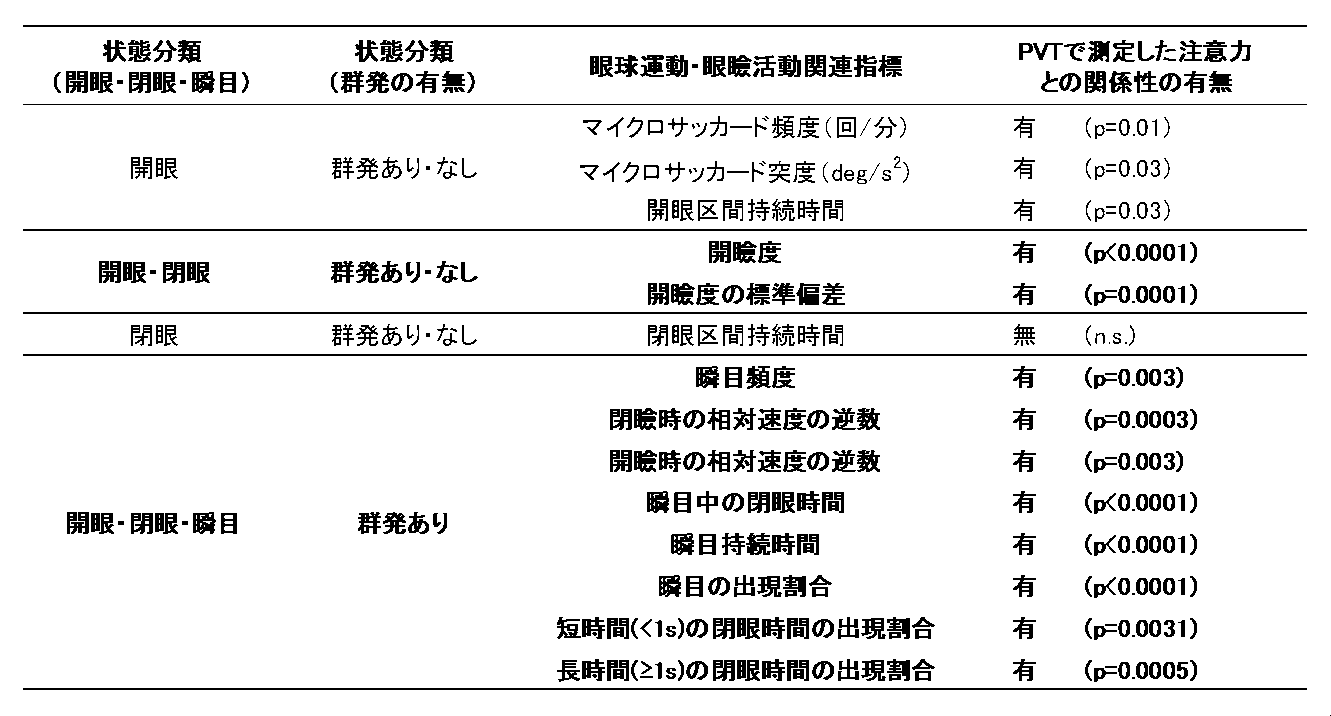
図3は、本発明の第1の実施形態に係る注意力低下状態推定システムの全体構成図である。
図3に示されるように本実施形態に係る注意力低下状態推定システム1は、眼球運動・眼瞼活動測定部11、PVT実施部12、区間判定部13、眼球運動・眼瞼活動関連情報算出部15、注意力評価部17、事前確率・尤度算出部18、記憶部19を備える。
眼球運動・眼瞼活動測定部11は、カメラやセンサによって対象者の眼球や眼瞼の動きを測定し、各種の眼球運動及び眼瞼活動データを得る。
PVT実施部12は、対象者に対してPVTを実施する。そして、PVTの試行に対する対象者の反応時間を測定し、記憶部19に記憶する。
区間判定部13は、眼球運動・眼瞼活動測定部11により取得された眼球活動・眼瞼活動データに基づいて、開眼区間、閉眼区間、瞬目区間、群発区間を判定する。
眼球運動・眼瞼活動関連情報算出部15は、眼球運動・眼瞼活動測定部11により取得された眼球運動・眼瞼活動データ、及び区間判定部13により判定された区間の種類に基づいて、各種の眼球運動・眼瞼活動関連情報を算出する。
具体的には、開眼/閉眼/瞬目のいずれか、閉眼区間が群発区間に含まれるか、開眼・瞬目区間が群発区間に含まれるか、そして、開眼区間に対して開眼持続時間、マイクロサッカード頻度及びマイクロサッカード突度を、開眼区間及び閉眼区間に対して開瞼度の平均値及び開瞼度の標準偏差を、閉眼区間に対して閉眼持続時間を、群発区間に対して瞬目頻度、閉瞼時の相対速度の逆数、開瞼時の相対速度の逆数、瞬目持続時間、瞬目中の閉眼時間、瞬目の出現割合、短時間閉眼出現割合及び長時間閉眼出現割合を算出する。
注意力評価部17は、眼球運動・眼瞼活動関連情報算出部15により算出された各種の眼球運動・眼瞼活動関連情報に基づいて、注意力評価を算出する。本実施形態においては、ナイーブベイズ推定により、注意力低下レベルの各々の推定出現確率や評価時間当たりの各注意力低下レベルの推定出現確率を算出する。
事前確率・尤度算出部18は、注意力評価部17により行われるナイーブベイズ推定における最初の事前確率と、眼球運動・眼瞼活動関連情報についての尤度及び尤度を算出するための確率密度関数を算出し、記憶部19に記憶する。
記憶部19は、各種のデータを記憶する。
図4は、本発明の1つの実施形態に係る注意力低下状態推定システム1のハードウエア構成の例を示す図である。注意力低下状態推定システム1は、CPU10a、RAM10b、ROM10c、外部メモリ10d、入力部10e、出力部10f、通信部10gを含む。RAM10b、ROM10c、外部メモリ10d、入力部10e、出力部10f、通信部10gは、システムバス10hを介して、CPU10aに接続されている。
図4に示される注意力低下状態推定システムの各部は、ROM10cや外部メモリ10dに記憶された各種プログラムが、CPU10a、RAM10b、ROM10c、外部メモリ10d、入力部10e、出力部10f、通信部10g等を資源として使用することで実現される。
以上のシステム構成を前提に、本発明の一実施形態に係る注意力低下状態推定システムの注意力低下状態推定処理の例を図1、3~5を参照して、以下に説明する。図5は、本発明の1つの実施形態に係る注意力低下状態推定システムの注意力低下状態推定処理の例のフローチャートである。
[I]教師用データ取得フェーズ
本実施形態では、ナイーブベイズ推定を用いる。そのため、ナイーブベイズ推定に必要な事前確率と尤度を与えるための教師用データをまず取得する。ここで、ベイズ推定は、あるデータDの原因Hiについて成立する下記の(式1)で表されるベイズの定理に基づいて、事前確率P(Hi)、尤度P(D|Hi)から事後確率P(Hi|D)を求めるものである。
 ナイーブベイズ推定は、原因Hiが互いに独立であると仮定し、得られた事後確率を事前確率として、別のデータについての事後確率を求めることを順に行い(ベイズ更新)、原因Hiの確率を求める手法である。以下、教師用データ取得フェーズにおける処理を説明する。
本実施形態では、ナイーブベイズ推定を用いる。そのため、ナイーブベイズ推定に必要な事前確率と尤度を与えるための教師用データをまず取得する。ここで、ベイズ推定は、あるデータDの原因Hiについて成立する下記の(式1)で表されるベイズの定理に基づいて、事前確率P(Hi)、尤度P(D|Hi)から事後確率P(Hi|D)を求めるものである。
眼球運動・眼瞼活動測定部11が、カメラやセンサによって対象者の眼球や眼瞼の動きを測定し、各種の眼球運動及び眼瞼活動データを得る(S101)。
PVT実施部12が、対象者に対してPVTを実施し、PVTの試行に対する対象者の反応時間を測定し、記憶部19に記憶する(S102)。
区間判定部13が、眼球運動・眼瞼活動測定部11により測定された眼球活動及び眼瞼活動データに基づいて、開眼区間、閉眼区間、瞬目区間、群発区間を判定する(S103)。この区間判定は、例えば、上述の実験内容の説明と同様に行うことができる。
眼球運動・眼瞼活動関連情報算出部15が、PVT中の試行の開始時点が含まれる区間(図1の斜線を施した区間を参照)について、眼球運動・眼瞼活動測定部11により測定された眼球運動・眼瞼活動データ、及び区間判定部13により判定された区間の種類に基づいて、各種の眼球運動・眼瞼活動関連情報を算出し、記憶部19に記憶する(S105)。この各種の眼球運動・眼瞼活動関連情報の算出は、例えば、上述の実験内容の説明と同様に行うことができる。
事前確率・尤度算出部18が、ナイーブベイズ推定における最初の事前確率と、眼球運動・眼瞼活動関連情報についての尤度及び尤度を算出するための確率密度関数を算出し、記憶部19に記憶する(S107)。
具体的には、記憶部19に記憶されたPVTの各試行の反応時間に基づいて、各試行について、正常(100ms≦RT<300ms)、軽度(300ms≦RT<500ms)、重度(300ms≦RT<500ms)のいずれの注意力低下レベルかを決定し、記憶部19に記憶する。正常、軽度、重度の注意力低下レベルの各々の出現試行数を、正常、軽度、重度の全注意力低下レベルの総試行数で除した値を、それぞれの注意力低下レベルの出現確率とし、ナイーブベイズ推定で用いる各注意力低下レベルの事前確率とする。P(H1)を正常の事前確率、P(H2)を軽度の事前確率、P(H3)を重度の事前確率とする。
また、下記の眼球運動・眼瞼活動関連情報について、尤度又は尤度を算出するための確率密度関数を算出する。
(1)閉眼/開眼/瞬目のいずれか
注意力低下レベルごとに、開眼区間、閉眼区間、瞬目区間の各出現数を開眼区間(D1-1)、閉眼区間(D1-2)、瞬目区間(D1-3)の総出現数で除することで、それぞれの注意力低下レベルにおける各区間の尤度(P(D1-1|H1)、P(D1-2|H1)、P(D1-3|H1)、P(D1-1|H2)、P(D1-2|H2)、P(D1-3|H2)、P(D1-1|H3)、P(D1-2|H3)、P(D1-3|H3))を算出する。
注意力低下レベルごとに、開眼区間、閉眼区間、瞬目区間の各出現数を開眼区間(D1-1)、閉眼区間(D1-2)、瞬目区間(D1-3)の総出現数で除することで、それぞれの注意力低下レベルにおける各区間の尤度(P(D1-1|H1)、P(D1-2|H1)、P(D1-3|H1)、P(D1-1|H2)、P(D1-2|H2)、P(D1-3|H2)、P(D1-1|H3)、P(D1-2|H3)、P(D1-3|H3))を算出する。
(2)閉眼区間が群発区間に含まれるか
注意力低下レベルごとに、群発区間中に発生している閉眼区間(D2-1)とそれ以外の閉眼区間(D2-2)の出現数をそれぞれ閉眼区間の総出現数で除することで、各注意力低下レベルにおける尤度(P(D2-1|H1)、P(D2-2|H1)、P(D2-1|H2)、P(D2-2|H2)、P(D2-1|H3)、P(D2-2|H3))を算出する。
注意力低下レベルごとに、群発区間中に発生している閉眼区間(D2-1)とそれ以外の閉眼区間(D2-2)の出現数をそれぞれ閉眼区間の総出現数で除することで、各注意力低下レベルにおける尤度(P(D2-1|H1)、P(D2-2|H1)、P(D2-1|H2)、P(D2-2|H2)、P(D2-1|H3)、P(D2-2|H3))を算出する。
(3)開眼・瞬目区間が群発区間に含まれるか
注意力低下レベルごとに、群発区間(瞬目中、開眼中を含む)(D3-1)、群発区間以外の開眼区間(D3-2)、群発区間以外の瞬目区間(D3-3)の出現数を算出する。それらの出現数を閉眼区間以外の出現数で除することで、それぞれの注意力低下レベルにおける各区間の尤度(P(D3-1|H1)、P(D3-2|H1)、P(D3-3|H1)、P(D3-1|H2)、P(D3-2|H2)、P(D3-3|H1)、P(D3-1|H3)、P(D3-2|H3)、P(D3-3|H1))を算出する。
注意力低下レベルごとに、群発区間(瞬目中、開眼中を含む)(D3-1)、群発区間以外の開眼区間(D3-2)、群発区間以外の瞬目区間(D3-3)の出現数を算出する。それらの出現数を閉眼区間以外の出現数で除することで、それぞれの注意力低下レベルにおける各区間の尤度(P(D3-1|H1)、P(D3-2|H1)、P(D3-3|H1)、P(D3-1|H2)、P(D3-2|H2)、P(D3-3|H1)、P(D3-1|H3)、P(D3-2|H3)、P(D3-3|H1))を算出する。
(4)開眼区間持続時間
本眼球運動・眼瞼活動関連情報については、下記の(式2)を用いて注意力低下レベルごとの平均値(μ)と標準偏差(σ)から正規分布型の確率密度関数を算出する。
 すなわち、全開眼区間を対象として、注意力低下レベルごとに、開眼区間の持続時間の平均値(μ6)と標準偏差(σ6)を求め、(式2)のμをμ6、σをσ6として、注意力低下レベルごとに確率密度関数を算出する。
本眼球運動・眼瞼活動関連情報については、下記の(式2)を用いて注意力低下レベルごとの平均値(μ)と標準偏差(σ)から正規分布型の確率密度関数を算出する。
(5)マイクロサッカード頻度
本眼球運動・眼瞼活動関連情報については、上記の(式2)を用いて注意力低下レベルごとの平均値(μ)と標準偏差(σ)から正規分布型の確率密度関数を算出する。すなわち、開眼区間中に眼球運動が一つ以上出現した区間を対象として、注意力低下レベルごとに、各区間でのマイクロサッカードの頻度の平均値(μ4)と標準偏差(σ4)を求め、(式2)のμをμ4、σをσ4として、注意力低下レベルごとに確率密度関数を算出する。
本眼球運動・眼瞼活動関連情報については、上記の(式2)を用いて注意力低下レベルごとの平均値(μ)と標準偏差(σ)から正規分布型の確率密度関数を算出する。すなわち、開眼区間中に眼球運動が一つ以上出現した区間を対象として、注意力低下レベルごとに、各区間でのマイクロサッカードの頻度の平均値(μ4)と標準偏差(σ4)を求め、(式2)のμをμ4、σをσ4として、注意力低下レベルごとに確率密度関数を算出する。
(6)マイクロサッカード突度の平均値
本眼球運動・眼瞼活動関連情報については、上記の(式2)を用いて注意力低下レベルごとの平均値(μ)と標準偏差(σ)から正規分布型の確率密度関数を算出する。すなわち、開眼区間中にマイクロサッカードが一つ以上出現した区間を対象として、注意力低下レベルごとに、この区間でのマイクロサッカードの突度の平均値の平均値(μ5)と標準偏差(σ5)を求め、(式2)のμをμ5、σをσ5として、注意力低下レベルごとに確率密度関数を算出する。
本眼球運動・眼瞼活動関連情報については、上記の(式2)を用いて注意力低下レベルごとの平均値(μ)と標準偏差(σ)から正規分布型の確率密度関数を算出する。すなわち、開眼区間中にマイクロサッカードが一つ以上出現した区間を対象として、注意力低下レベルごとに、この区間でのマイクロサッカードの突度の平均値の平均値(μ5)と標準偏差(σ5)を求め、(式2)のμをμ5、σをσ5として、注意力低下レベルごとに確率密度関数を算出する。
(7)開瞼度の平均値
本眼球運動・眼瞼活動関連情報については、上記の(式2)を用いて注意力低下レベルごとの平均値(μ)と標準偏差(σ)から正規分布型の確率密度関数を算出する。すなわち、全区間を対象として、各区間での開瞼度の平均値の平均値(μ7)と標準偏差(σ7)を求め、(式2)のμをμ7、σをσ7として、注意力低下レベルごとに確率密度関数を算出する。
本眼球運動・眼瞼活動関連情報については、上記の(式2)を用いて注意力低下レベルごとの平均値(μ)と標準偏差(σ)から正規分布型の確率密度関数を算出する。すなわち、全区間を対象として、各区間での開瞼度の平均値の平均値(μ7)と標準偏差(σ7)を求め、(式2)のμをμ7、σをσ7として、注意力低下レベルごとに確率密度関数を算出する。
(8)開瞼度の標準偏差
本眼球運動・眼瞼活動関連情報については、上記の(式2)を用いて注意力低下レベルごとの平均値(μ)と標準偏差(σ)から正規分布型の確率密度関数を算出する。すなわち、開眼区間及び閉眼区間を対象として、各区間での開瞼度の標準偏差の平均値(μ8)と標準偏差(σ8)を求め、(式2)のμをμ8、σをσ8として、注意力低下レベルごとに確率密度関数を算出する。
本眼球運動・眼瞼活動関連情報については、上記の(式2)を用いて注意力低下レベルごとの平均値(μ)と標準偏差(σ)から正規分布型の確率密度関数を算出する。すなわち、開眼区間及び閉眼区間を対象として、各区間での開瞼度の標準偏差の平均値(μ8)と標準偏差(σ8)を求め、(式2)のμをμ8、σをσ8として、注意力低下レベルごとに確率密度関数を算出する。
(9)瞬目頻度
本眼球運動・眼瞼活動関連情報については、上記の(式2)を用いて注意力低下レベルごとの平均値(μ)と標準偏差(σ)から正規分布型の確率密度関数を算出する。すなわち、全群発区間を対象として、注意力低下レベルごとに、各区間での瞬目頻度の平均値(μ9)と標準偏差(σ9)を求め、(式2)のμをμ9、σをσ9として、注意力低下レベルごとに確率密度関数を算出する。
本眼球運動・眼瞼活動関連情報については、上記の(式2)を用いて注意力低下レベルごとの平均値(μ)と標準偏差(σ)から正規分布型の確率密度関数を算出する。すなわち、全群発区間を対象として、注意力低下レベルごとに、各区間での瞬目頻度の平均値(μ9)と標準偏差(σ9)を求め、(式2)のμをμ9、σをσ9として、注意力低下レベルごとに確率密度関数を算出する。
(10)閉瞼時の相対速度の逆数の平均値
本眼球運動・眼瞼活動関連情報については、上記の(式2)を用いて注意力低下レベルごとの平均値(μ)と標準偏差(σ)から正規分布型の確率密度関数を算出する。すなわち、瞬目区間が含まれる群発区間のすべてを対象として、注意力低下レベルごとに、瞬目区間が含まれる群発区間の各々での閉瞼時の相対速度の逆数の平均値の平均値(μ10)と標準偏差(σ10)を算出する。ここで、(式2)のμをμ10、σをσ10として、注意力低下レベルごとに(式2)を用いて確率密度関数を算出する。
本眼球運動・眼瞼活動関連情報については、上記の(式2)を用いて注意力低下レベルごとの平均値(μ)と標準偏差(σ)から正規分布型の確率密度関数を算出する。すなわち、瞬目区間が含まれる群発区間のすべてを対象として、注意力低下レベルごとに、瞬目区間が含まれる群発区間の各々での閉瞼時の相対速度の逆数の平均値の平均値(μ10)と標準偏差(σ10)を算出する。ここで、(式2)のμをμ10、σをσ10として、注意力低下レベルごとに(式2)を用いて確率密度関数を算出する。
(11)開瞼時の相対速度の逆数の平均値
本眼球運動・眼瞼活動関連情報については、上記の(式2)を用いて注意力低下レベルごとの平均値(μ)と標準偏差(σ)から正規分布型の確率密度関数を算出する。すなわち、瞬目区間が含まれる群発区間のすべてを対象として、注意力低下レベルごとに、瞬目区間が含まれる群発区間の各々での開瞼時の相対速度の逆数の平均値の平均値(μ11)と標準偏差(σ11)を求め、(式2)のμをμ11、σをσ11として、注意力低下レベルごとに確率密度関数を算出する。
本眼球運動・眼瞼活動関連情報については、上記の(式2)を用いて注意力低下レベルごとの平均値(μ)と標準偏差(σ)から正規分布型の確率密度関数を算出する。すなわち、瞬目区間が含まれる群発区間のすべてを対象として、注意力低下レベルごとに、瞬目区間が含まれる群発区間の各々での開瞼時の相対速度の逆数の平均値の平均値(μ11)と標準偏差(σ11)を求め、(式2)のμをμ11、σをσ11として、注意力低下レベルごとに確率密度関数を算出する。
(12)瞬目持続時間
本眼球運動・眼瞼活動関連情報については、上記の(式2)を用いて注意力低下レベルごとの平均値(μ)と標準偏差(σ)から正規分布型の確率密度関数を算出する。すなわち、瞬目区間が含まれる群発区間のすべてを対象として、注意力低下レベルごとに、瞬目区間が含まれる群発区間の各々での瞬目持続時間の平均値の平均値(μ12)と標準偏差(σ12)を求め、(式2)のμをμ12、σをσ12として、注意力低下レベルごとに確率密度関数を算出する。
本眼球運動・眼瞼活動関連情報については、上記の(式2)を用いて注意力低下レベルごとの平均値(μ)と標準偏差(σ)から正規分布型の確率密度関数を算出する。すなわち、瞬目区間が含まれる群発区間のすべてを対象として、注意力低下レベルごとに、瞬目区間が含まれる群発区間の各々での瞬目持続時間の平均値の平均値(μ12)と標準偏差(σ12)を求め、(式2)のμをμ12、σをσ12として、注意力低下レベルごとに確率密度関数を算出する。
(13)瞬目中の閉眼時間
本眼球運動・眼瞼活動関連情報については、上記の(式2)を用いて注意力低下レベルごとの平均値(μ)と標準偏差(σ)から正規分布型の確率密度関数を算出する。すなわち、瞬目区間が含まれる群発区間のすべてを対象として、注意力低下レベルごとに、瞬目区間が含まれる群発区間の各々での瞬目中の閉眼時間の平均値の平均値(μ13)と標準偏差(σ13)を求め、(式2)のμをμ13、σをμ13として、注意力低下レベルごとに確率密度関数を算出する。
本眼球運動・眼瞼活動関連情報については、上記の(式2)を用いて注意力低下レベルごとの平均値(μ)と標準偏差(σ)から正規分布型の確率密度関数を算出する。すなわち、瞬目区間が含まれる群発区間のすべてを対象として、注意力低下レベルごとに、瞬目区間が含まれる群発区間の各々での瞬目中の閉眼時間の平均値の平均値(μ13)と標準偏差(σ13)を求め、(式2)のμをμ13、σをμ13として、注意力低下レベルごとに確率密度関数を算出する。
(14)瞬目の出現割合
本眼球運動・眼瞼活動関連情報については、上記の(式2)を用いて注意力低下レベルごとの平均値(μ)と標準偏差(σ)から正規分布型の確率密度関数を算出する。すなわち、群発区間を対象として、注意力低下レベルごとに、群発区間ごとの群発区間中の瞬目の出現割合の平均値(μ14)と標準偏差(σ14)を求め、(式2)のμをμ14、σをσ14として、注意力低下レベルごとに確率密度関数を算出する。
本眼球運動・眼瞼活動関連情報については、上記の(式2)を用いて注意力低下レベルごとの平均値(μ)と標準偏差(σ)から正規分布型の確率密度関数を算出する。すなわち、群発区間を対象として、注意力低下レベルごとに、群発区間ごとの群発区間中の瞬目の出現割合の平均値(μ14)と標準偏差(σ14)を求め、(式2)のμをμ14、σをσ14として、注意力低下レベルごとに確率密度関数を算出する。
(15)短時間閉眼出現割合
本眼球運動・眼瞼活動関連情報については、上記の(式2)を用いて注意力低下レベルごとの平均値(μ)と標準偏差(σ)から正規分布型の確率密度関数を算出する。すなわち、群発区間を対象として、注意力低下レベルごとに、群発区間ごとの群発区間中の閉眼(1秒未満)の出現割合の平均値(μ15)と標準偏差(σ15)を求め、(式2)のμをμ15、σをσ15として、注意力低下レベルごとに確率密度関数を算出する。
本眼球運動・眼瞼活動関連情報については、上記の(式2)を用いて注意力低下レベルごとの平均値(μ)と標準偏差(σ)から正規分布型の確率密度関数を算出する。すなわち、群発区間を対象として、注意力低下レベルごとに、群発区間ごとの群発区間中の閉眼(1秒未満)の出現割合の平均値(μ15)と標準偏差(σ15)を求め、(式2)のμをμ15、σをσ15として、注意力低下レベルごとに確率密度関数を算出する。
(16)長時間閉眼出現割合
本眼球運動・眼瞼活動関連情報については、上記の(式2)を用いて注意力低下レベルごとの平均値(μ)と標準偏差(σ)から正規分布型の確率密度関数を算出する。すなわち、群発区間を対象として、注意力低下レベルごとに、群発区間ごとの群発区間中の閉眼(1秒以上)の出現割合の平均値(μ16)と標準偏差(σ16)を求め、(式2)のμをμ16、σをσ16として、注意力低下レベルごとに確率密度関数を算出する。
本眼球運動・眼瞼活動関連情報については、上記の(式2)を用いて注意力低下レベルごとの平均値(μ)と標準偏差(σ)から正規分布型の確率密度関数を算出する。すなわち、群発区間を対象として、注意力低下レベルごとに、群発区間ごとの群発区間中の閉眼(1秒以上)の出現割合の平均値(μ16)と標準偏差(σ16)を求め、(式2)のμをμ16、σをσ16として、注意力低下レベルごとに確率密度関数を算出する。
(17)閉眼区間持続時間
本眼球運動・眼瞼活動関連情報については、上記の(式2)を用いて注意力低下レベルごとの平均値(μ)と標準偏差(σ)から正規分布型の確率密度関数を算出する。すなわち、全閉眼区間を対象として、注意力低下レベルごとに、閉眼区間の持続時間の平均値(μ17)と標準偏差(σ17)を求め、(式2)のμをμ17、σをσ17として、注意力低下レベルごとに確率密度関数を算出する。
本眼球運動・眼瞼活動関連情報については、上記の(式2)を用いて注意力低下レベルごとの平均値(μ)と標準偏差(σ)から正規分布型の確率密度関数を算出する。すなわち、全閉眼区間を対象として、注意力低下レベルごとに、閉眼区間の持続時間の平均値(μ17)と標準偏差(σ17)を求め、(式2)のμをμ17、σをσ17として、注意力低下レベルごとに確率密度関数を算出する。
なお、上記(4)~(17)の眼球運動・眼瞼活動関連情報については、各注意力低下レベルの眼球運動・眼瞼活動関連情報の値が正規分布に従わない場合は、眼球運動・眼瞼活動関連情報の値をある閾値で分類してカテゴリー化することで尤度を算出することができる。注意力低下レベルごとに、各カテゴリーに出現したデータ数を全カテゴリーに出現したデータ数で除することで、それぞれの注意力低下レベルにおける各カテゴリーの尤度を算出できる。
[II]注意力評価算出フェーズ
教師用データ取得フェーズで得られた事前確率と、眼球運動・眼瞼活動関連情報についての尤度及び尤度を算出するための確率密度関数に基づいて、対象者の眼球や眼瞼の動きの測定から得られた眼球運動・眼瞼活動データから、注意力評価を算出する。
教師用データ取得フェーズで得られた事前確率と、眼球運動・眼瞼活動関連情報についての尤度及び尤度を算出するための確率密度関数に基づいて、対象者の眼球や眼瞼の動きの測定から得られた眼球運動・眼瞼活動データから、注意力評価を算出する。
眼球運動・眼瞼活動測定部11が、カメラやセンサによって対象者の眼球や眼瞼の動きを測定し、各種の眼球運動及び眼瞼活動データを得る(S201)。
区間判定部13が、上記の教師用データ取得フェーズのステップS103と同様にして、眼球運動・眼瞼活動測定部11により測定された眼球活動・眼瞼活動データに基づいて、開眼区間、閉眼区間、瞬目区間、群発区間を判定する(S203)。
眼球運動・眼瞼活動関連情報算出部15が、上記の教師用データ取得フェーズのステップS105と同様にして、区間判定部13により判定された各区間について、眼球運動・眼瞼活動測定部11により測定された眼球運動・眼瞼活動データ、及び区間判定部13により判定された区間の種類に基づいて、各種の眼球運動・眼瞼活動関連情報を算出する(S205)。
注意力評価部17が、上記教師用データ取得フェーズで算出され、記憶部19に記憶された、ナイーブベイズ推定における最初の事前確率と、眼球運動・眼瞼活動関連情報についての尤度及び尤度を算出するための確率密度関数に基づいて、(式1)によって、ナイーブベイズ推定により、各区間に対する注意力低下レベルの各々の推定出現確率を算出する(S207)。
具体的には、下記の各区間について、下記のように、ベイズ更新によって、各注意力低下レベルに対する各眼球運動・眼瞼活動関連情報についての事後確率を、ベイズの定理である(式1)に基づいて順に算出し、各注意力低下レベルが出現する出現確率を算出する。各眼球運動・眼瞼活動関連情報についての事後確率を算出する順序は、ベイズ理論の逐次合理性により、任意である。以下一例について説明する。
(1)開眼・群発区間
開眼区間且つ群発区間である開眼・群発区間(例えば図1のa)に対しては、眼球運動・眼瞼活動関連情報として、開眼/閉眼/瞬目のいずれか(P(D1-1)、P(D1-2)、P(D1-3))、開眼・瞬目区間が群発区間に含まれるか(P(D3-1)、P(D3-2))、マイクロサッカード頻度(D4)、マイクロサッカード突度(D5)、開眼区間の持続時間(D6)、開瞼度の平均値(D7)、開瞼度の標準偏差(D8)、瞬目頻度(D9)、閉瞼時の相対速度の逆数(D10)、開瞼時の相対速度の逆数(D11)、瞬目持続時間(D12)、瞬目の出現割合(D14)、短時間閉眼出現割合(D15)、長時間閉眼出現割合(D16)を用いる。
開眼区間且つ群発区間である開眼・群発区間(例えば図1のa)に対しては、眼球運動・眼瞼活動関連情報として、開眼/閉眼/瞬目のいずれか(P(D1-1)、P(D1-2)、P(D1-3))、開眼・瞬目区間が群発区間に含まれるか(P(D3-1)、P(D3-2))、マイクロサッカード頻度(D4)、マイクロサッカード突度(D5)、開眼区間の持続時間(D6)、開瞼度の平均値(D7)、開瞼度の標準偏差(D8)、瞬目頻度(D9)、閉瞼時の相対速度の逆数(D10)、開瞼時の相対速度の逆数(D11)、瞬目持続時間(D12)、瞬目の出現割合(D14)、短時間閉眼出現割合(D15)、長時間閉眼出現割合(D16)を用いる。
(ア)対象とする区間の開瞼度の平均値(D7)を教師用データ取得フェーズで求めた各カテゴリーの確率密度関数(式2)のxに代入することにより尤度を算出する。教師用データ取得フェーズで算出された事前確率p(H1)、p(H2)、p(H3)と求められた尤度から、(式1)により、開瞼度の平均値についての事後確率(P(H1|D7)、P(H2|D7)、P(H3|D7))を算出する。
(イ)対象とする区間の開瞼度の標準偏差(D8)を教師用データ取得フェーズで求めた各カテゴリーの確率密度関数(式2)のxに代入することで、尤度を算出する。上記(ア)で求めた事後確率を事前確率とし、この事前確率と求められた尤度から、(式1)により、開瞼度の標準偏差についての事後確率(P(H1|D8)、P(H2|D8)、P(H3|D8))を算出する。
(ウ)上記(イ)で求めた事後確率を事前確率とし、この事前確率と教師用データ取得フェーズで求めた尤度(P(D1-1|H1)、P(D1-1|H2)、P(D1-1|H3))から、(式1)により、開眼/閉眼/瞬目のいずれかについての事後確率(P(H1|D1-1)、P(H2|D1-1)、P(H3|D1-1))を算出する。
(エ)上記(ウ)で求めた事後確率を事前確率とし、この事前確率と教師用データ取得フェーズで求めた尤度(P(D3-1|H1)、P(D3-1|H2)、P(D3-1|H3))から、(式1)により、開眼・瞬目区間が群発区間に含まれるかについての事後確率(P(H1|D3-1)、P(H2|D3-1))、P(H3|D3-1))を算出する。
(オ)対象とする区間の開眼区間の持続時間(D6)を教師用データ取得フェーズで求めた各カテゴリーの確率密度関数(式2)のxに代入することにより尤度を算出する。上記(エ)で求めた事後確率を事前確率とし、この事前確率と求められた尤度から、(式1)により開眼区間持続時間についての事後確率(P(H1|D6)、P(H2|D6)、P(H3|D6))を算出する。
(カ)対象とする区間において眼球運動が発生している場合、対象とする区間のマイクロサッカード頻度(D4)を教師用データ取得フェーズで求めた各カテゴリーの確率密度関数(式2)のxに代入することにより尤度を算出する。上記(オ)で求めた事後確率を事前確率とし、この事前確率と求められた尤度から、(式1)によりマイクロサッカード頻度についての事後確率(P(H1|D4)、P(H2|D4)、P(H3|D4))を算出する。
(キ)対象とする区間において眼球運動が発生している場合、対象とする区間のマイクロサッカード突度(D5)を教師用データ取得フェーズで求めた各カテゴリーの確率密度関数(式2)のxに代入することにより尤度を算出する。上記(カ)で求めた事後確率を事前確率とし、この事前確率と求められた尤度から、(式1)によりマイクロサッカード突度についての事後確率(P(H1|D5)、P(H2|D5)、P(H3|D5))を算出する。
(ク)対象とする区間を含む群発区間の瞬目頻度(D9)を教師用データ取得フェーズで求めた各カテゴリーの確率密度関数(式2)のxに代入することにより尤度を算出する。上記(キ)で求めた事後確率を事前確率とし、この事前確率と求められた尤度から、(式1)により瞬目頻度についての事後確率(P(H1|D9)、P(H2|D9)、P(H3|D9))を算出する。
(ケ)対象とする区間を含む群発区間の閉瞼時の相対速度の逆数(D10)を教師用データ取得フェーズで求めた各カテゴリーの確率密度関数(式2)のxに代入することにより尤度を算出する。上記(ク)で求めた事後確率を事前確率とし、この事前確率と求められた尤度から、(式1)により閉瞼時の相対速度の逆数についての事後確率 (P(H1|D10)、P(H2|D10)、P(H3|D10))を算出する。
(コ)対象とする区間を含む群発区間の開瞼時の相対速度の逆数(D11)を教師用データ取得フェーズで求めた各カテゴリーの確率密度関数(式2)のxに代入することにより尤度を算出する。上記(ケ)で求めた事後確率を事前確率とし、この事前確率と求められた尤度から、(式1)により開瞼時の相対速度の逆数についての事後確率(P(H1|D11)、P(H2|D11)、P(H3|D11))を算出する。
(サ)対象とする区間を含む群発区間の瞬目持続時間(D12)を教師用データ取得フェーズで求めた各カテゴリーの確率密度関数(式2)のxに代入することにより尤度を算出する。上記(コ)で求めた事後確率を事前確率とし、この事前確率と尤度から、(式1)により瞬目持続時間についての事後確率(P(H1|D12)、P(H2|D12)、P(H3|D12))を算出する。
(シ)対象とする区間を含む群発区間の閉眼時間(D13)を教師用データ取得フェーズで求めた各カテゴリーの確率密度関数(式2)のxに代入することにより尤度を算出する。上記(サ)で求めた事後確率を事前確率とし、この事前確率と尤度から、(式1)により閉眼時間についての事後確率(P(H1|D13)、P(H2|D13)、P(H3|D13))算出する。
(ス)対象とする区間を含む群発区間の瞬目の出現割合(D14)を教師用データ取得フェーズで求めた各カテゴリーの確率密度関数(式2)のxに代入することにより尤度を算出する。上記(シ)で求めた事後確率を事前確率とし、この事前確率と尤度から、(式1)により瞬目の出現割合についての事後確率(P(H1|D14)、P(H2|D14)、P(H3|D14))を算出する。
(セ)対象とする区間を含む群発区間の短時間閉眼出現割合(D15)を教師用データ取得フェーズで求めた各カテゴリーの確率密度関数(式2)のxに代入することにより尤度を算出する。上記(ス)で求めた事後確率を事前確率とし、この事前確率と尤度から、(式1)により短時間閉眼出現割合についての事後確率(P(H1|D15)、P(H2|D15)、P(H3|D15))を算出する。
(ソ)対象とする区間を含む群発区間の長時間閉眼出現割合(D16)を教師用データ取得フェーズで求めた各カテゴリーの確率密度関数(式2)のxに代入することにより尤度を算出する。上記(セ)で求めた事後確率を事前確率とし、この事前確率と尤度から、(式1)により長時間閉眼出現割合についての事後確率(P(H1|D16)、P(H2|D16)、P(H3|D16))を算出する。この事後確率が、注意力低下レベルの各々の推定出現確率となる。
(2)閉眼・群発区間
閉眼区間且つ群発区間である閉眼・群発区間(例えば図1のb)に対しては、眼球運動・眼瞼活動関連情報として、開眼/閉眼/瞬目のいずれか(P(D1-1)、P(D1-2)、P(D1-3))、閉眼区間が群発区間に含まれるか(P(D2-1)、P(D2-2))、開瞼度の平均値(D7)、開瞼度の標準偏差(D8)、瞬目頻度(D9)、開瞼時の相対速度の逆数(D11)、瞬目持続時間(D12)、瞬目中の閉眼時間(D13)、瞬目の出現割合(D14)、短時間閉眼出現割合(D15)、長時間閉眼出現割合(D16)を用いて、上述の(1)開眼・群発区間と同様にして、注意力低下レベルの各々の推定出現確率を算出する。
閉眼区間且つ群発区間である閉眼・群発区間(例えば図1のb)に対しては、眼球運動・眼瞼活動関連情報として、開眼/閉眼/瞬目のいずれか(P(D1-1)、P(D1-2)、P(D1-3))、閉眼区間が群発区間に含まれるか(P(D2-1)、P(D2-2))、開瞼度の平均値(D7)、開瞼度の標準偏差(D8)、瞬目頻度(D9)、開瞼時の相対速度の逆数(D11)、瞬目持続時間(D12)、瞬目中の閉眼時間(D13)、瞬目の出現割合(D14)、短時間閉眼出現割合(D15)、長時間閉眼出現割合(D16)を用いて、上述の(1)開眼・群発区間と同様にして、注意力低下レベルの各々の推定出現確率を算出する。
(3)瞬目・群発区間
瞬目区間且つ群発区間である瞬目・群発区間(例えば図1のc)に対しては、眼球運動・眼瞼活動関連情報として、開眼/閉眼/瞬目のいずれか(P(D1-1)、P(D1-2)、P(D1-3))、開眼・瞬目区間が群発区間に含まれるか(P(D3-1)、P(D3-2))、瞬目頻度(D9)、閉瞼時の相対速度の逆数(D10)、開瞼時の相対速度の逆数(D11)、瞬目持続時間(D12)、瞬目中の閉眼時間(D13)、瞬目の出現割合(D14)、短時間閉眼出現割合(D15)、長時間閉眼出現割合(D16)を用いて、上述の(1)開眼・群発区間と同様にして、注意力低下レベルの各々の推定出現確率を算出する。
瞬目区間且つ群発区間である瞬目・群発区間(例えば図1のc)に対しては、眼球運動・眼瞼活動関連情報として、開眼/閉眼/瞬目のいずれか(P(D1-1)、P(D1-2)、P(D1-3))、開眼・瞬目区間が群発区間に含まれるか(P(D3-1)、P(D3-2))、瞬目頻度(D9)、閉瞼時の相対速度の逆数(D10)、開瞼時の相対速度の逆数(D11)、瞬目持続時間(D12)、瞬目中の閉眼時間(D13)、瞬目の出現割合(D14)、短時間閉眼出現割合(D15)、長時間閉眼出現割合(D16)を用いて、上述の(1)開眼・群発区間と同様にして、注意力低下レベルの各々の推定出現確率を算出する。
(4)開眼・非群発区間
開眼区間且つ非群発区間である開眼・非群発区間(例えば図1のd)に対しては、眼球運動・眼瞼活動関連情報として、開眼/閉眼/瞬目のいずれか(P(D1-1)、P(D1-2)、P(D1-3))、開眼・瞬目区間が群発区間に含まれるか(P(D3-1)、P(D3-2))、マイクロサッカード頻度(D4)、マイクロサッカード突度(D5)、開眼区間の持続時間(D6)、開瞼度の平均値(D7)、開瞼度の標準偏差(D8)を用いて、上述の(1)開眼・群発区間と同様にして、注意力低下レベルの各々の推定出現確率を算出する。
開眼区間且つ非群発区間である開眼・非群発区間(例えば図1のd)に対しては、眼球運動・眼瞼活動関連情報として、開眼/閉眼/瞬目のいずれか(P(D1-1)、P(D1-2)、P(D1-3))、開眼・瞬目区間が群発区間に含まれるか(P(D3-1)、P(D3-2))、マイクロサッカード頻度(D4)、マイクロサッカード突度(D5)、開眼区間の持続時間(D6)、開瞼度の平均値(D7)、開瞼度の標準偏差(D8)を用いて、上述の(1)開眼・群発区間と同様にして、注意力低下レベルの各々の推定出現確率を算出する。
(5)閉眼・非群発区間
閉眼区間且つ非群発区間である閉眼・非群発区間(例えば図1のe)に対しては、眼球運動・眼瞼活動関連情報として、開眼/閉眼/瞬目のいずれか(P(D1-1)、P(D1-2)、P(D1-3))、閉眼区間が群発区間に含まれるか(P(D2-1)、P(D2-2))、開瞼度の平均値(D7)、開瞼度の標準偏差(D8)、閉眼区間持続時間(D17)を用いて、上述の(1)開眼・群発区間と同様にして、注意力低下レベルの各々の推定出現確率を算出する。
閉眼区間且つ非群発区間である閉眼・非群発区間(例えば図1のe)に対しては、眼球運動・眼瞼活動関連情報として、開眼/閉眼/瞬目のいずれか(P(D1-1)、P(D1-2)、P(D1-3))、閉眼区間が群発区間に含まれるか(P(D2-1)、P(D2-2))、開瞼度の平均値(D7)、開瞼度の標準偏差(D8)、閉眼区間持続時間(D17)を用いて、上述の(1)開眼・群発区間と同様にして、注意力低下レベルの各々の推定出現確率を算出する。
(6)瞬目・非群発区間
瞬目区間且つ非群発区間である瞬目・非群発区間(例えば図1のf)に対しては、眼球運動・眼瞼活動関連情報として、開眼/閉眼/瞬目のいずれか(P(D1-1)、P(D1-2)、P(D1-3))、開眼・瞬目区間が群発区間に含まれるか(P(D3-1)、P(D3-2))を用いて、上述の(1)開眼・群発区間と同様にして、注意力低下レベルの各々の推定出現確率を算出する。
瞬目区間且つ非群発区間である瞬目・非群発区間(例えば図1のf)に対しては、眼球運動・眼瞼活動関連情報として、開眼/閉眼/瞬目のいずれか(P(D1-1)、P(D1-2)、P(D1-3))、開眼・瞬目区間が群発区間に含まれるか(P(D3-1)、P(D3-2))を用いて、上述の(1)開眼・群発区間と同様にして、注意力低下レベルの各々の推定出現確率を算出する。
注意力評価部17は、求められた注意力低下レベルの各々の推定出現確率に基づいて、更に評価時間当たりの注意力レベルを求めてもよい。具体的には、評価時間に出現した各区間(開眼・群発区間、閉眼・群発区間、瞬目・群発区間、開眼・非群発区間、閉眼・非群発区間、瞬目・非群発区間)ごとに求めた推定出現確率(P(Hi)k)にその各区間の持続時間(Durationk)をかけた値を、評価時間に出現した全区間であるN個の区間について合計し、評価時間で除することで、評価時間当たりの各注意力低下レベルの推定出現確率を算出する(式3)。
 上記実験では、被験者ごとに、前半のセッション(第1~10セッション)において上記の教師用データ取得フェーズを行い、後半のセッション(第11~22セッション)において、自己の教師用データに基づいて、上記注意力評価算出フェーズを行った。上記実験により得られたデータについて、PVTにより求めた20分当たりの各注意力低下レベルの出現確率、上記実施形態の注意力低下状態推定方法により求めた20分当たりの各注意力低下レベルの推定出現確率、及びそれらの相関とを図6に示す。
図6から、本実施形態の注意力低下状態推定方法により求めた20分当たりの各注意力低下レベルの推定出現確率の変動は、PVTにより求めた20分当たりの各注意力低下レベルの推定出現確率の変動とよく一致していることが分かる。また、注意力評価算出フェーズのみの値を用いてPVTにより求めた出現確率と本実施形態の注意力低下状態推定方法により求めた推定出現確率の相関(pearsonの積率相関係数)を求めた。なお、正規分布に従うようにFisherのZ変換を用いて被験者ごとのpearsonの積率相関係数rを変換した後、グループ平均を求めた。図6には逆Z変換した相関係数(r)を示している。その結果、正常と重度の注意力低下レベルだけではなく、軽度の注意力低下レベルについても有意にPVTにより求めた出現確率と本実施形態の注意力低下状態推定方法により求めた推定出現確率との間に相関を有することが分かった。以上から、本実施形態の注意力低下状態推定方法によれば、課題を負荷せずに様々なレベルの注意力低下を連続測定できることが分かった。
また、上記実験により得られたデータについて、軽度以上の注意力低下(RT≧300ms)及び重度の注意力低下(RT≧500ms)についての、PVTにより求めた20分当たりの出現確率、上記実施形態の注意力低下状態推定方法により求めた20分当たりの推定出現確率、及び20分当たりのPERCLOSの値を図7に示す。
図7から、PVTの軽度以上の注意力低下の出現確率は、本実施形態の注意力低下状態推定方法による軽度以上の注意力低下の推定出現確率と一致した変動を示しているが、PERCLOSの値は、PVTの軽度以上の注意力低下の出現確率よりも小さくなっていることが分かる。また、PVTの重度の注意力低下の出現確率は、本実施形態の注意力低下状態推定方法による重度の注意力低下の推定出現確率及びPERCLOSの値と高い一致性を示していることが分かる。
軽度以上の注意力低下及び重度の注意力低下についての、評価単位時間ごとに求めた、PVTにより求めた出現確率と、本実施形態の注意力低下状態推定方法により求めた推定出現確率及びPERCLOSの値との相関を図8に示す。なお、正規分布に従うようにFisherのZ変換を用いて被験者ごとのpearsonの積率相関係数rを変換した後、本実施形態の注意力低下状態推定方法により求めた各カテゴリーの推定出現確率とPERCLOSの値の相関係数のグループ平均を比較した。図8には逆Z変換した相関係数(r)を示している。相関係数のグループ平均を用いた解析では以降も同様の手法を用いた。
図8から、評価時間が5分以下の場合には、本実施形態の注意力低下状態推定方法により求めた推定出現確率の方がPERCLOSの値よりも、PVTの軽度以上の注意力低下の出現確率との相関が有意に高かったことが分かる。評価に用いた時間が10分及び20分の場合には、有意傾向であった。PVTの重度の注意力低下の出現確率との相関は、本実施形態の注意力低下状態推定方法により求めた推定出現確率とPERCLOSの値との間に差を認めなかった。よって、PVTの重度の注意力低下との関連性は、本実施形態の注意力低下状態推定方法とPERCLOSとに差がないが、PVTの軽度以上の注意力低下との関連性は、本実施形態の注意力低下状態推定方法が、PERCLOSよりも高かったことが分かる。以上から、本実施形態の注意力低下状態推定方法によれば、従来の手法よりも高精度に注意力を測定できることが分かった。
PVTの軽度以上の注意力低下の出現確率及び重度の注意力低下の出現確率が、本実施形態の注意力低下状態推定方法の軽度以上の注意力低下の推定出現確率及び重度の注意力低下の推定出現確率とそれぞれ完全に一致するのかどうか(y=xの関係を有するのかどうか)を級内相関係数(Intraclass correlation coefficients:ICC)を用いて検討した。この検討に際して、各被験者の注意力評価算出フェーズの全セッションの平均値を用いた。8例分の、PVTと、本実施形態の注意力低下状態推定方法及びPERCLOSの関係性の散布図と線形回帰直線を図9に示す。
ICCの値は0.81-1.00が"almost perfect"と判定される。軽度以上の注意力低下及び重度の注意力低下の完全一致度(ICC)が、PVTと本実施形態の注意力低下状態推定方法との間で0.81以上であり、almost perfectと判定された。一方、PERCLOSとPVTとのICCは、本実施形態の注意力低下状態推定方法のICCよりも値が低かった。完全一致性に関しては軽度以上及び重度の注意力低下の出現確率とも、本実施形態の注意力低下状態推定方法の方が優れており、本実施形態の注意力低下状態推定方法により求めた推定出現確率は、PVTで測定した注意力低下の推定出現確率としてそのままで用いることができる。つまり、本実施形態の注意力低下状態推定方法によれば、多くの先行研究が蓄積されたPVTの知見への参照が容易にできることが分かった。
以上から、本実施形態の注意力低下状態推定方法によれば、様々なレベルの注意力低下を簡便に連続測定でき、かつ多くの先行研究が蓄積されたPVTの知見への参照が容易にできる。
また、本実施形態の注意力低下状態推定方法によれば、ナイーブベイズ推定を用いているので、眼球運動・眼瞼活動関連情報の一部を欠いても、その欠いた眼球運動・眼瞼活動関連情報以外の眼球運動・眼瞼活動関連情報によって推定出現確率を算出することができるので、眼球運動・眼瞼活動データの一部の取得不能やデータ不足等に柔軟に対応することができる。したがって、上記実施形態において、各区間に対して列挙した眼球運動・眼瞼活動関連情報のすべてについて事後確率を算出しなくても、その一部の眼球運動・眼瞼活動関連情報について事後確率を算出する構成としてもよい。
上記実施形態においては、所定の眼球運動・眼瞼活動関連情報を用いたナイーブベイズ推定によって各注意力低下レベルの推定出現確率や評価時間当たりの各注意力低下レベルの推定出現確率を算出したが、注意力評価算出方法はこれに限定されるものでない。例えば、新たな注意力評価指標である眠気から生じるマイクロサッカードの頻度、マイクロサッカード突度、開瞼度の標準偏差、短時間閉眼出現割合、長時間閉眼出現割合のうちの1つ又はそれらの組合せにより注意力評価を算出してもよい。また、注意力評価は、推定出現確率でない他の適切な任意の表現としてもよい。また、注意力低下は、離散的なレベルでなく、連続的な注意力低下度等の他の適切な任意の表現としてもよい。
上記の開眼区間、閉眼区間、瞬目区間、群発区間、各眼球運動・眼瞼活動関連情報の定義は、上述の定義に限定されるものでなく、その本質が変わらない限り、他の適切な任意の定義とすることができる。
上記実施形態においては、注意力評価算出フェーズにおいて、教師用データ取得フェーズで得られた眼球活動・眼瞼活動情報についての尤度及び尤度を算出するための確率密度関数を、注意力評価算出を行うごとに更新していないが、注意力評価算出を行うごとに更新してもよい。
(第2の実施形態)
本発明の第2の実施形態の構成及び動作原理について説明する。第1の実施形態と重複する説明は省略する。
本発明の第2の実施形態の構成及び動作原理について説明する。第1の実施形態と重複する説明は省略する。
第1の実施形態は、健康で睡眠障害がない成人男性8名(年齢20-47歳、36.6±10.2[SD]歳)の被験者のデータの分析に基づくものであったが、本実施形態は、第1の実施形態と同一の実験の被験者の更に成人男性8名のデータをも加えて、成人男性16名(年齢20-49歳、36.7±9.3[SD]歳)の分析に基づくものである。本発明者らは、16名の分析から、注意力低下を評価するための指標として、更に、マイクロサッカード割合を見出した。また、マイクロサッカード割合、サッカード相対速度、開瞼度の平均値、開瞼度の標準偏差、瞬目持続時間について、「正常」、「軽度」、「重度」の3つの注意力低下レベルの間のすべてで有意差が認められることを見出した。
そこで、本実施形態では、開眼区間、閉眼区間、瞬目区間、群発区間の中から判定された区間の種類と得られた眼球運動・眼瞼活動データから、マイクロサッカード割合、サッカード相対速度、開瞼度の平均値、開瞼度の標準偏差、瞬目持続時間の5つの眼球運動・眼瞼活動関連情報を求める。開瞼度の平均値、開瞼度の標準偏差、瞬目持続時間の求め方は、第1の実施形態と同一であるので説明は省略するが、マイクロサッカード割合、サッカード相対速度の求め方は以下のとおりである。
開眼区間に出現したマイクロサッカードの個数を開眼区間に出現した全サッカード数で除した値をマイクロサッカード割合とする。
サッカードにおける眼球運動の最大の回転角速度を、サッカードの回転角度で除した値をサッカード相対速度とする。
PVTの各試行の反応が生じた時点のマイクロサッカード割合、サッカード相対速度、開瞼度の平均値、開瞼度の標準偏差、瞬目持続時間を、注意力低下レベル(正常、軽度、重度)ごとに比較した結果を図10に示す。図10から、マイクロサッカード割合、サッカード相対速度、開瞼度の平均値、開瞼度の標準偏差、瞬目持続時間について、「正常」、「軽度」、「重度」の3つの注意力低下レベルの間のすべてで有意差が認められることが分かる。そして、マイクロサッカード割合も注意力指標として用いることができることが分かる。
本実施形態に係る注意力低下状態推定システムは、第1の実施形態と同様であるが、眼球運動・眼瞼活動関連情報算出部15が、開眼/閉眼/瞬目のいずれか、閉眼区間が群発区間に含まれるか、開眼・閉眼・瞬目区間が群発区間に含まれるか、そして、開眼区間に対してマイクロサッカード割合及びサッカード相対速度を、開眼区間及び閉眼区間に対して及び開瞼度の標準偏差及び開瞼度平均値を、群発区間に対して瞬目持続時間を算出する点で相違する。
次に、本実施形態に係る注意力低下状態推定システムの注意力低下状態推定処理の例を説明する。本実施形態に係る注意力低下状態推定システムの注意力低下状態推定処理の例のフローチャートも第1の実施形態と同様であるので、図5を参照して説明する。
[I]教師用データ取得フェーズ
本実施形態でも、第1の実施形態と同様のナイーブベイズ推定を用いる。本実施形態での教師用データ取得フェーズにおける処理も第1の実施形態と同様であるが、本実施形態においては、ステップS105において、眼球運動・眼瞼活動関連情報算出部15が、眼球運動・眼瞼活動関連情報として、マイクロサッカード割合、サッカード相対速度、開瞼度の平均値、開瞼度の標準偏差、瞬目持続時間を算出し、記憶部19に記憶する。この各種の眼球運動・眼瞼活動関連情報の算出は、例えば、上述の説明と同様に行うことができる。
本実施形態でも、第1の実施形態と同様のナイーブベイズ推定を用いる。本実施形態での教師用データ取得フェーズにおける処理も第1の実施形態と同様であるが、本実施形態においては、ステップS105において、眼球運動・眼瞼活動関連情報算出部15が、眼球運動・眼瞼活動関連情報として、マイクロサッカード割合、サッカード相対速度、開瞼度の平均値、開瞼度の標準偏差、瞬目持続時間を算出し、記憶部19に記憶する。この各種の眼球運動・眼瞼活動関連情報の算出は、例えば、上述の説明と同様に行うことができる。
また、ステップS107において、事前確率・尤度算出部18が、眼球運動・眼瞼活動関連情報についての尤度及び尤度を算出するための確率密度関数を算出するが、開瞼度の平均値、開瞼度の標準偏差、瞬目持続時間についての算出は第1の実施形態と同様に行われ、マイクロサッカード割合、サッカード相対速度についての算出は以下のように行われる。
マイクロサッカード割合については、(式2)を用いて注意力低下レベルごとの平均値(μ)と標準偏差(σ)から正規分布型の確率密度関数を算出する。すなわち、全開眼区間を対象として、注意力低下レベルごとに、マイクロサッカード割合の平均値(μ18)と標準偏差(σ18)を求め、(式2)のμをμ18、σをσ18として、注意力低下レベルごとに確率密度関数を算出する。
サッカード速度については、上記の(式2)を用いて注意力低下レベルごとの平均値(μ)と標準偏差(σ)から正規分布型の確率密度関数を算出する。すなわち、注意力低下レベルごとに、各区間でのサッカード速度の平均値(μ19)と標準偏差(σ19)を求め、(式2)のμをμ19、σをσ19として、注意力低下レベルごとに確率密度関数を算出する。
[II]注意力評価算出フェーズ
本実施形態での注意力評価算出フェーズにおける処理も第1の実施形態と同様であるが、本実施形態においては、ステップS205において、眼球運動・眼瞼活動関連情報算出部15が、上記の教師用データ取得フェーズのステップS105と同様にして、区間判定部13により判定された各区間について、眼球運動・眼瞼活動測定部11により測定された眼球運動・眼瞼活動データ、及び区間判定部13により判定された区間の種類に基づいて、マイクロサッカード割合、サッカード相対速度、開瞼度の平均値、開瞼度の標準偏差、瞬目持続時間の眼球運動・眼瞼活動関連情報を算出する。
本実施形態での注意力評価算出フェーズにおける処理も第1の実施形態と同様であるが、本実施形態においては、ステップS205において、眼球運動・眼瞼活動関連情報算出部15が、上記の教師用データ取得フェーズのステップS105と同様にして、区間判定部13により判定された各区間について、眼球運動・眼瞼活動測定部11により測定された眼球運動・眼瞼活動データ、及び区間判定部13により判定された区間の種類に基づいて、マイクロサッカード割合、サッカード相対速度、開瞼度の平均値、開瞼度の標準偏差、瞬目持続時間の眼球運動・眼瞼活動関連情報を算出する。
また、ステップS207において、注意力評価部17が、上記教師用データ取得フェーズで算出され、記憶部19に記憶された、ナイーブベイズ推定における最初の事前確率と、眼球運動・眼瞼活動関連情報についての尤度及び尤度を算出するための確率密度関数に基づいて、(式1)によって、ナイーブベイズ推定により、各区間に対する注意力低下レベルの各々の推定出現確率を算出する。具体的には、下記の各区間について、下記のように、ベイズ更新によって、各注意力低下レベルに対する各眼球運動・眼瞼活動関連情報についての事後確率を、ベイズの定理である(式1)に基づいて順に算出し、各注意力低下レベルが出現する出現確率を算出する。各眼球運動・眼瞼活動関連情報についての事後確率を算出する順序は、ベイズ理論の逐次合理性により、任意である。以下一例について説明する。
(1)開眼・群発区間
開眼区間且つ群発区間である開眼・群発区間(例えば図1のa)に対しては、眼球運動・眼瞼活動関連情報として、開眼/閉眼/瞬目のいずれか(P(D1-1)、P(D1-2)、P(D1-3))、開眼・閉眼・瞬目区間が群発区間に含まれるか(P(D20-1)、P(D20-2))、マイクロサッカード割合(D18)、サッカード相対速度(D19)、開瞼度の平均値(D7)、開瞼度の標準偏差(D8)、瞬目持続時間(D12)を用いる。
開眼区間且つ群発区間である開眼・群発区間(例えば図1のa)に対しては、眼球運動・眼瞼活動関連情報として、開眼/閉眼/瞬目のいずれか(P(D1-1)、P(D1-2)、P(D1-3))、開眼・閉眼・瞬目区間が群発区間に含まれるか(P(D20-1)、P(D20-2))、マイクロサッカード割合(D18)、サッカード相対速度(D19)、開瞼度の平均値(D7)、開瞼度の標準偏差(D8)、瞬目持続時間(D12)を用いる。
(ア)対象とする区間の開瞼度の平均値(D7)を教師用データ取得フェーズで求めた各カテゴリーの確率密度関数(式2)のxに代入することにより尤度を算出する。教師用データ取得フェーズで算出された事前確率p(H1)、p(H2)、p(H3)と求められた尤度から、式(1)により、開瞼度の平均値についての事後確率(P(H1|D7)、P(H2|D7)、P(H3|D7))を算出する。
(イ)対象とする区間の開瞼度の標準偏差(D8)を教師用データ取得フェーズで求めた各カテゴリーの確率密度関数(式2)のxに代入することで、尤度を算出する。上記(ア)で求めた事後確率を事前確率とし、この事前確率と求められた尤度から、式(1)により、開瞼度の標準偏差についての事後確率(P(H1|D8)、P(H2|D8)、P(H3|D8))を算出する。
(ウ)上記(イ)で求めた事後確率を事前確率とし、この事前確率と教師用データ取得フェーズで求めた尤度(P(D1-1|H1)、P(D1-1|H2)、P(D1-1|H3))から、式(1)により、開眼/閉眼/瞬目のいずれかについての事後確率(P(H1|D1-1)、P(H2|D1-1)、P(H3|D1-1))を算出する。
(エ)上記(ウ)で求めた事後確率を事前確率とし、この事前確率と教師用データ取得フェーズで求めた尤度(P(D20-1|H1)、P(D20-1|H2)、P(D20-1|H3))から、式(1)により、開眼・閉眼・瞬目区間が群発区間に含まれるかについての事後確率(P(H1|D20-1)、P(H2|D20-1))、P(H3|D20-1))を算出する。
(オ)対象とする区間において眼球運動が発生している場合、対象とする区間のマイクロサッカード割合(D18)を教師用データ取得フェーズで求めた各カテゴリーの確率密度関数(式2)のxに代入することにより尤度を算出する。上記(エ)で求めた事後確率を事前確率とし、この事前確率と求められた尤度から、式(1)によりマイクロサッカード割合についての事後確率(P(H1|D18)、P(H2|D18)、P(H3|D18))を算出する。
(カ)対象とする区間において眼球運動が発生している場合、対象とする区間のサッカード相対速度(D19)を教師用データ取得フェーズで求めた各カテゴリーの確率密度関数(式2)のxに代入することにより尤度を算出する。上記(オ)で求めた事後確率を事前確率とし、この事前確率と求められた尤度から、式(1)によりサッカード相対速度についての事後確率(P(H1|D19)、P(H2|D19)、P(H3|D19))を算出する。
(キ)対象とする区間を含む群発区間の瞬目持続時間(D12)を教師用データ取得フェーズで求めた各カテゴリーの確率密度関数(式2)のxに代入することにより尤度を算出する。上記(コ)で求めた事後確率を事前確率とし、この事前確率と尤度から、式(1)により瞬目持続時間についての事後確率(P(H1|D12)、P(H2|D12)、P(H3|D12))を算出する。この事後確率が、注意力低下レベルの各々の推定出現確率となる。
(2)閉眼・群発区間
閉眼区間且つ群発区間である閉眼・群発区間(例えば図1のb)に対しては、眼球運動・眼瞼活動関連情報として、開眼/閉眼/瞬目のいずれか(P(D1-1)、P(D1-2)、P(D1-3))、閉眼区間が群発区間に含まれるか(P(D2-1)、P(D2-2))、開瞼度の平均値(D7)、開瞼度の標準偏差(D8)、瞬目持続時間(D12)を用いて、上述の(1)開眼・群発区間と同様にして、注意力低下レベルの各々の推定出現確率を算出する。
閉眼区間且つ群発区間である閉眼・群発区間(例えば図1のb)に対しては、眼球運動・眼瞼活動関連情報として、開眼/閉眼/瞬目のいずれか(P(D1-1)、P(D1-2)、P(D1-3))、閉眼区間が群発区間に含まれるか(P(D2-1)、P(D2-2))、開瞼度の平均値(D7)、開瞼度の標準偏差(D8)、瞬目持続時間(D12)を用いて、上述の(1)開眼・群発区間と同様にして、注意力低下レベルの各々の推定出現確率を算出する。
(3)瞬目・群発区間
瞬目区間且つ群発区間である瞬目・群発区間(例えば図1のc)に対しては、眼球運動・眼瞼活動関連情報として、開眼/閉眼/瞬目のいずれか(P(D1-1)、P(D1-2)、P(D1-3))、開眼・閉眼・瞬目区間が群発区間に含まれるか(P(D20-1)、P(D20-2))、瞬目持続時間(D12)を用いて、上述の(1)開眼・群発区間と同様にして、注意力低下レベルの各々の推定出現確率を算出する。
瞬目区間且つ群発区間である瞬目・群発区間(例えば図1のc)に対しては、眼球運動・眼瞼活動関連情報として、開眼/閉眼/瞬目のいずれか(P(D1-1)、P(D1-2)、P(D1-3))、開眼・閉眼・瞬目区間が群発区間に含まれるか(P(D20-1)、P(D20-2))、瞬目持続時間(D12)を用いて、上述の(1)開眼・群発区間と同様にして、注意力低下レベルの各々の推定出現確率を算出する。
(4)開眼・非群発区間
開眼区間且つ非群発区間である開眼・非群発区間(例えば図1のd)に対しては、眼球運動・眼瞼活動関連情報として、開眼/閉眼/瞬目のいずれか(P(D1-1)、P(D1-2)、P(D1-3))、開眼・閉眼・瞬目区間が群発区間に含まれるか(P(D20-1)、P(D20-2))、マイクロサッカード割合(D18)、サッカード相対速度(D19)、開瞼度の平均値(D7)、開瞼度の標準偏差(D8)を用いて、上述の(1)開眼・群発区間と同様にして、注意力低下レベルの各々の推定出現確率を算出する。
開眼区間且つ非群発区間である開眼・非群発区間(例えば図1のd)に対しては、眼球運動・眼瞼活動関連情報として、開眼/閉眼/瞬目のいずれか(P(D1-1)、P(D1-2)、P(D1-3))、開眼・閉眼・瞬目区間が群発区間に含まれるか(P(D20-1)、P(D20-2))、マイクロサッカード割合(D18)、サッカード相対速度(D19)、開瞼度の平均値(D7)、開瞼度の標準偏差(D8)を用いて、上述の(1)開眼・群発区間と同様にして、注意力低下レベルの各々の推定出現確率を算出する。
(5)閉眼・非群発区間
閉眼区間且つ非群発区間である閉眼・非群発区間(例えば図1のe)に対しては、眼球運動・眼瞼活動関連情報として、開眼/閉眼/瞬目のいずれか(P(D1-1)、P(D1-2)、P(D1-3))、閉眼区間が群発区間に含まれるか(P(D2-1)、P(D2-2))、開瞼度の平均値(D7)、開瞼度の標準偏差(D8)を用いて、上述の(1)開眼・群発区間と同様にして、注意力低下レベルの各々の推定出現確率を算出する。
閉眼区間且つ非群発区間である閉眼・非群発区間(例えば図1のe)に対しては、眼球運動・眼瞼活動関連情報として、開眼/閉眼/瞬目のいずれか(P(D1-1)、P(D1-2)、P(D1-3))、閉眼区間が群発区間に含まれるか(P(D2-1)、P(D2-2))、開瞼度の平均値(D7)、開瞼度の標準偏差(D8)を用いて、上述の(1)開眼・群発区間と同様にして、注意力低下レベルの各々の推定出現確率を算出する。
(6)瞬目・非群発区間
瞬目区間且つ非群発区間である瞬目・非群発区間(例えば図1のf)に対しては、眼球運動・眼瞼活動関連情報として、開眼/閉眼/瞬目のいずれか(P(D1-1)、P(D1-2)、P(D1-3))、開眼・閉眼・瞬目区間が群発区間に含まれるか(P(D20-1)、P(D20-2))を用いて、上述の(1)開眼・群発区間と同様にして、注意力低下レベルの各々の推定出現確率を算出する。
瞬目区間且つ非群発区間である瞬目・非群発区間(例えば図1のf)に対しては、眼球運動・眼瞼活動関連情報として、開眼/閉眼/瞬目のいずれか(P(D1-1)、P(D1-2)、P(D1-3))、開眼・閉眼・瞬目区間が群発区間に含まれるか(P(D20-1)、P(D20-2))を用いて、上述の(1)開眼・群発区間と同様にして、注意力低下レベルの各々の推定出現確率を算出する。
第1の実施形態と同様に、注意力評価部17は、求められた注意力低下レベルの各々の推定出現確率に基づいて、更に評価時間当たりの注意力レベルを求めてもよい。上記実験では、被験者ごとに、前半のセッション(第1~10セッション)において上記の教師用データ取得フェーズを行い、後半のセッション(第11~22セッション)において、自己の教師用データに基づいて、上記注意力評価算出フェーズを行った。上記実験により得られたデータについて、自己の教師用データに基づく注意力評価算出を行った場合(以下、「テイラーメイド型」という。)として求めた、PVTにより求めた20分当たりの各注意力低下レベルの出現確率、上記実施形態の注意力低下状態推定方法により求めた20分当たりの各注意力低下レベルの推定出現確率、それらの相関係数(r)、及び20分当たりのPERCLOSの値とを図11に示す。また、上記実験により得られたデータについて、他の15名の被験者の全セッションのデータを教師用データとし、自己の全セッションのデータについて注意力評価を行った場合(以下、「レディメイド型」という。)として求めた、PVTにより求めた20分当たりの各注意力低下レベルの出現確率、上記実施形態の注意力低下状態推定方法により求めた20分当たりの各注意力低下レベルの推定出現確率、それらの相関係数(r)、及び20分当たりのPERCLOSの値とを図11に示す。
図11から、本実施形態の注意力低下状態推定方法により求めた20分当たりの各注意力低下レベルの推定出現確率の変動は、テイラーメイド型、レディメイド型共に、PVTにより求めた20分当たりの各注意力低下レベルの推定出現確率の変動とよく一致していることが分かる。また、正常と重度の注意力低下レベルだけではなく、軽度の注意力低下レベルについても有意にPVTにより求めた出現確率と本実施形態の注意力低下状態推定方法により求めた推定出現確率との間に相関を有することが分かった。以上から、本実施形態の注意力低下状態推定方法によれば、課題を負荷せずに様々なレベルの注意力低下を連続測定できることが分かった。
また、正常及び軽度の注意力低下レベルについて、PERCLOSの値は、PVTの出現確率よりも小さくなったことが分かった。一方、重度の注意力低下レベルについては、PVTの出現確率は、本実施形態の注意力低下状態推定方法による推定出現確率及びPERCLOSの値と高い一致性を示したことが分かった。
次に、注意力低下レベルの各々についての、評価単位時間ごとに求めた、PVTにより求めた出現確率と、本実施形態のテイラーメイド型の注意力低下状態推定方法により求めた推定出現確率及びPERCLOSの値との相関係数(r)を図12に示す。また、注意力低下レベルの各々についての、評価単位時間ごとに求めた、PVTにより求めた出現確率と、本実施形態のレディメイド型の注意力低下状態推定方法により求めた推定出現確率及びPERCLOSの値との相関係数(r)を図13に示す。
図12、13から、正常及び軽度の注意力低下レベルについては、本実施形態の注意力低下状態推定方法により求めた推定出現確率は、テイラーメイド型、レディメイド型共に、PVTの出現確率と高い正の相関性を示したのに対し、PERCLOSの値は、PVTの出現確率とは負の関係性を示したことが分かった。重度の注意力低下レベルについては、本実施形態の注意力低下状態推定方法により求めた推定出現確率とPVTの出現確率との相関は、テイラーメイド型、レディメイド型共に、PERCLOSの値とPVTの出現確率との相関よりわずかに大きかった。PVTの重度の注意力低下との関連性は、本実施形態の注意力低下状態推定方法とPERCLOSとに差がないが、PVTの正常及び軽度の注意力低下との関連性は、本実施形態の注意力低下状態推定方法が、PERCLOSよりも高かったことが分かった。以上から、本実施形態の注意力低下状態推定方法によれば、従来の手法よりも高精度に注意力を測定できることが分かった。
続いて、PVTの注意力低下レベルの各々の出現確率が、本実施形態の注意力低下状態推定方法の注意力低下レベルの各々の推定出現確率とそれぞれ完全に一致するのかどうか(y=xの関係を有するのかどうか)を級内相関係数(Intraclass correlation coefficients:ICC)を用いて検討した。この検討に際して、テイラーメイド型については、各被験者の注意力評価算出フェーズの全セッションの平均値を用いた。また、レディメイド型については、各被験者の全セッション(基準夜及び回復睡眠夜からの起床直後に取得した第1セッションと第20セッションを除く)の平均値を用いた。16例分の、PVTと、本実施形態のテイラーメイド型の注意力低下状態推定方法及びPERCLOSの関係性の散布図と線形回帰直線を図14に示す。また、16例分の、PVTと、本実施形態のレディメイド型の注意力低下状態推定方法及びPERCLOSの関係性の散布図と線形回帰直線を図15に示す。
ICCの値が0.61-0.80であれば完全一致度が"substantial",0.81-1.00であれば”almost perfect”と判定される。また、95%CIが0を上回っていれば、2つの指標の値が有意に正に完全に一致していると言える。本実施形態のテイラーメイド型のICCは、注意力低下レベルの各カテゴリーすべてで0.7を上回っており、かつ、95%CIが0を上回っていた。すなわち、正常と重度の注意力低下レベルではalmost perfectと判定され、軽度の注意力低下レベルではsubstantialと判定された。よって、本実施形態のテイラーメイド型の注意力低下状態推定方法により求めた推定出現確率は、PVTの出現確率に置き換え可能であることが分かった。また、本実施形態のレディメイド型のICCは、重度の注意力低下レベルにおいては0.84でalmost perfectである一方、正常及び軽度の注意力低下においては0.7を下回り、テイラーメイド型よりも精度は低いものの、PVTの出現確率と有意に一致していたことが分かった。
一方、PERCLOSの値は、正常及び軽度の注意力低下レベルについては、PVTの出現確率とは負の関係性を示した。重度の注意力低下レベルについては、PERCLOSとPVTとのICCの値は、PERCLOSとPVTとのICCの値は0.7を上回り、両者は高い一致率を示した。しかしながら、PERCLOSとPVTとのICCの値は、substantialと判定されるものであり、テイラーメイド型、レディメイド型共に、上述のようにalmost perfectと判定される本実施形態の注意力低下状態推定方法のICCの方が、完全一致度が高かった。
以上から、完全一致性に関しては、注意力低下レベルのいずれのカテゴリーの出現確率とも、テイラーメイド型、レディメイド型共に、本実施形態の注意力低下状態推定方法の方が優れており、本実施形態の注意力低下状態推定方法により求めた推定出現確率は、PVTで測定した注意力低下の推定出現確率としてそのままで用いることができる。つまり、本実施形態の注意力低下状態推定方法によれば、多くの先行研究が蓄積されたPVTの知見への参照が容易にできることが分かった。また、レディメイド型の注意力低下状態推定方法により求めた推定出現確率でも、PVTで測定した注意力低下の推定出現確率として用いることができるので、自己の教師用データの取得を必要とすることなく注意力低下レベルを推定できることは非常に有利である。
以上から、本実施形態の注意力低下状態推定方法によれば、テイラーメイド型、レディメイド型共に、様々なレベルの注意力低下を簡便に連続測定でき、かつ多くの先行研究が蓄積されたPVTの知見への参照が容易にできる。
また、本実施形態のテイラーメイド型の注意力低下状態推定方法によれば、少ない指標を用いて推定出現確率を精度よく推定できる。
また、第1の実施形態で用いたマイクロサッカード突度は、他の注意力指標に比べて測定が難しいところ、本実施形態では、マイクロサッカード突度を用いていないので、より簡単に注意力低下状態を推定することができる。
上記実施形態においては、注意力低下状態を推定するための眼球運動・眼瞼活動関連情報として、マイクロサッカード割合、サッカード相対速度、開瞼度の平均値、開瞼度の標準偏差、瞬目持続時間の5つの指標を用いたが、用いる指標はこれらの5つに限定されるものではなく、これらの5つのうちの任意の数の指標を用いて注意力低下状態を推定してもよいし、また、これらの5つのうちの任意の数の指標と他の注意力指標を用いて注意力低下状態を推定してもよい。
以上、本発明について、例示のためにいくつかの実施形態に関して説明してきたが、本発明はこれに限定されるものでなく、本発明の範囲から逸脱することなく、形態及び詳細について、様々な変形及び修正を行うことができることは、当業者に明らかであろう。
以上の説明に関連して、更に以下の各項を開示する。
(1)
対象者の眼球運動及び眼瞼活動を測定し、眼球運動・眼瞼活動データを得る眼球運動・眼瞼活動測定部と、
前記眼球運動・眼瞼活動データに基づいて、開眼区間、閉眼区間、瞬目区間、及び群発区間を判定する区間判定部と、
前記眼球運動・眼瞼活動データに基づいて、前記開眼区間の各々のマイクロサッカード割合、前記開眼区間の各々のマイクロサッカード突度、前記開眼区間及び/又は前記閉眼区間の各々の開瞼度の標準偏差、前記群発区間の各々の、持続時間が所定時間未満の閉眼の出現割合である短時間閉眼出現割合、及び前記群発区間の各々の、持続時間が前記所定時間以上の閉眼の出現割合である長時間閉眼出現割合のうちの少なくとも1つを算出する眼球運動・眼瞼活動関連情報算出部と、
前記開眼区間の各々のマイクロサッカード割合、前記マイクロサッカード突度、前記開瞼度の標準偏差、前記短時間閉眼出現割合、及び前記長時間閉眼出現割合のうちの少なくとも1つに基づく、開眼区間且つ群発区間である開眼・群発区間に対する注意力評価、
前記開瞼度の標準偏差、前記短時間閉眼出現割合、及び前記長時間閉眼出現割合のうちの少なくとも1つに基づく、閉眼区間且つ群発区間である閉眼・群発区間に対する注意力評価、
前記短時間閉眼出現割合及び前記長時間閉眼出現割合のうちの少なくとも1つに基づく、瞬目区間且つ群発区間である瞬目・群発区間に対する注意力評価、
前記開眼区間の各々のマイクロサッカード割合、前記マイクロサッカード突度及び前記開瞼度の標準偏差のうちの少なくとも1つに基づく、開眼区間且つ非群発区間である開眼・非群発区間に対する注意力評価、及び
前記開瞼度の標準偏差に少なくとも基づく、閉眼区間且つ非群発区間である閉眼・非群発区間に対する注意力評価、
のうちの少なくとも1つを求める注意力評価部と、
を備える注意力低下状態推定システム。
対象者の眼球運動及び眼瞼活動を測定し、眼球運動・眼瞼活動データを得る眼球運動・眼瞼活動測定部と、
前記眼球運動・眼瞼活動データに基づいて、開眼区間、閉眼区間、瞬目区間、及び群発区間を判定する区間判定部と、
前記眼球運動・眼瞼活動データに基づいて、前記開眼区間の各々のマイクロサッカード割合、前記開眼区間の各々のマイクロサッカード突度、前記開眼区間及び/又は前記閉眼区間の各々の開瞼度の標準偏差、前記群発区間の各々の、持続時間が所定時間未満の閉眼の出現割合である短時間閉眼出現割合、及び前記群発区間の各々の、持続時間が前記所定時間以上の閉眼の出現割合である長時間閉眼出現割合のうちの少なくとも1つを算出する眼球運動・眼瞼活動関連情報算出部と、
前記開眼区間の各々のマイクロサッカード割合、前記マイクロサッカード突度、前記開瞼度の標準偏差、前記短時間閉眼出現割合、及び前記長時間閉眼出現割合のうちの少なくとも1つに基づく、開眼区間且つ群発区間である開眼・群発区間に対する注意力評価、
前記開瞼度の標準偏差、前記短時間閉眼出現割合、及び前記長時間閉眼出現割合のうちの少なくとも1つに基づく、閉眼区間且つ群発区間である閉眼・群発区間に対する注意力評価、
前記短時間閉眼出現割合及び前記長時間閉眼出現割合のうちの少なくとも1つに基づく、瞬目区間且つ群発区間である瞬目・群発区間に対する注意力評価、
前記開眼区間の各々のマイクロサッカード割合、前記マイクロサッカード突度及び前記開瞼度の標準偏差のうちの少なくとも1つに基づく、開眼区間且つ非群発区間である開眼・非群発区間に対する注意力評価、及び
前記開瞼度の標準偏差に少なくとも基づく、閉眼区間且つ非群発区間である閉眼・非群発区間に対する注意力評価、
のうちの少なくとも1つを求める注意力評価部と、
を備える注意力低下状態推定システム。
(2)
前記眼球運動・眼瞼活動関連情報算出部は、更に、前記眼球運動・眼瞼活動データに基づいて、開眼/閉眼/瞬目のいずれか、開眼・瞬目区間が群発区間に含まれるか、閉眼区間が群発区間に含まれるか、マイクロサッカード頻度、開眼区間持続時間、開瞼度平均値、瞬目頻度、閉瞼時の相対速度の逆数、開瞼時の相対速度の逆数、瞬目持続時間、瞬目中の閉眼時間、瞬目の出現割合、及び閉眼区間持続時間のうちの1つを算出し、
前記注意力評価部は、
前記開眼区間の各々のマイクロサッカード割合、前記マイクロサッカード突度、前記開瞼度の標準偏差、前記短時間閉眼出現割合、及び前記長時間閉眼出現割合のうちの少なくとも1つ、並びに、前記開眼/閉眼/瞬目のいずれか、前記開眼・瞬目区間が群発区間に含まれるか、前記マイクロサッカード頻度、前記開眼区間持続時間、前記開瞼度平均値、前記瞬目頻度、前記閉瞼時の相対速度の逆数、前記開瞼時の相対速度の逆数、前記瞬目持続時間、前記瞬目中の閉眼時間、及び前記瞬目の出現割合のうちの少なくとも1つに基づく、開眼区間且つ群発区間である開眼・群発区間に対する注意力評価、
前記開瞼度の標準偏差、前記短時間閉眼出現割合、及び前記長時間閉眼出現割合のうちの少なくとも1つ、並びに、前記開眼/閉眼/瞬目のいずれか、前記閉眼区間が群発区間に含まれるか、前記閉眼区間持続時間、前記開瞼度平均値、前記瞬目頻度、前記閉瞼時の相対速度の逆数、前記開瞼時の相対速度の逆数、前記瞬目持続時間、前記瞬目中の閉眼時間、及び前記瞬目の出現割合のうちの少なくとも1つに基づく、閉眼区間且つ群発区間である閉眼・群発区間に対する注意力評価、
前記短時間閉眼出現割合及び前記長時間閉眼出現割合のうちの少なくとも1つ、並びに、前記開眼/閉眼/瞬目のいずれか、前記開眼・瞬目区間が群発区間に含まれるか、前記瞬目頻度、前記閉瞼時の相対速度の逆数、前記開瞼時の相対速度の逆数、前記瞬目持続時間、瞬目中の閉眼時間、及び前記瞬目の出現割合のうちの少なくとも1つに基づく、瞬目区間且つ群発区間である瞬目・群発区間に対する注意力評価、
前記開眼区間の各々のマイクロサッカード割合、前記マイクロサッカード突度、及び前記開瞼度の標準偏差のうちの少なくとも1つ、並びに、前記開眼/閉眼/瞬目のいずれか、前記開眼・瞬目区間が群発区間に含まれるか、前記マイクロサッカード頻度、前記開眼区間持続時間、及び前記開瞼度平均値のうちの少なくとも1つに基づく、開眼区間且つ非群発区間である開眼・非群発区間に対する注意力評価、
前記開瞼度の標準偏差、並びに、前記開眼/閉眼/瞬目のいずれか、前記閉眼区間持続時間、及び前記開瞼度平均値のうちの少なくとも1つに基づく、閉眼区間且つ非群発区間である閉眼・非群発区間に対する注意力評価、
前記開眼/閉眼/瞬目のいずれか、及び前記開眼・瞬目区間が群発区間に含まれるかのうちの少なくとも1つに基づく、瞬目区間且つ非群発区間である瞬目・非群発区間に対する注意力評価、
のうちの少なくとも1つを求める項(1)に記載の注意力低下状態推定システム。
前記眼球運動・眼瞼活動関連情報算出部は、更に、前記眼球運動・眼瞼活動データに基づいて、開眼/閉眼/瞬目のいずれか、開眼・瞬目区間が群発区間に含まれるか、閉眼区間が群発区間に含まれるか、マイクロサッカード頻度、開眼区間持続時間、開瞼度平均値、瞬目頻度、閉瞼時の相対速度の逆数、開瞼時の相対速度の逆数、瞬目持続時間、瞬目中の閉眼時間、瞬目の出現割合、及び閉眼区間持続時間のうちの1つを算出し、
前記注意力評価部は、
前記開眼区間の各々のマイクロサッカード割合、前記マイクロサッカード突度、前記開瞼度の標準偏差、前記短時間閉眼出現割合、及び前記長時間閉眼出現割合のうちの少なくとも1つ、並びに、前記開眼/閉眼/瞬目のいずれか、前記開眼・瞬目区間が群発区間に含まれるか、前記マイクロサッカード頻度、前記開眼区間持続時間、前記開瞼度平均値、前記瞬目頻度、前記閉瞼時の相対速度の逆数、前記開瞼時の相対速度の逆数、前記瞬目持続時間、前記瞬目中の閉眼時間、及び前記瞬目の出現割合のうちの少なくとも1つに基づく、開眼区間且つ群発区間である開眼・群発区間に対する注意力評価、
前記開瞼度の標準偏差、前記短時間閉眼出現割合、及び前記長時間閉眼出現割合のうちの少なくとも1つ、並びに、前記開眼/閉眼/瞬目のいずれか、前記閉眼区間が群発区間に含まれるか、前記閉眼区間持続時間、前記開瞼度平均値、前記瞬目頻度、前記閉瞼時の相対速度の逆数、前記開瞼時の相対速度の逆数、前記瞬目持続時間、前記瞬目中の閉眼時間、及び前記瞬目の出現割合のうちの少なくとも1つに基づく、閉眼区間且つ群発区間である閉眼・群発区間に対する注意力評価、
前記短時間閉眼出現割合及び前記長時間閉眼出現割合のうちの少なくとも1つ、並びに、前記開眼/閉眼/瞬目のいずれか、前記開眼・瞬目区間が群発区間に含まれるか、前記瞬目頻度、前記閉瞼時の相対速度の逆数、前記開瞼時の相対速度の逆数、前記瞬目持続時間、瞬目中の閉眼時間、及び前記瞬目の出現割合のうちの少なくとも1つに基づく、瞬目区間且つ群発区間である瞬目・群発区間に対する注意力評価、
前記開眼区間の各々のマイクロサッカード割合、前記マイクロサッカード突度、及び前記開瞼度の標準偏差のうちの少なくとも1つ、並びに、前記開眼/閉眼/瞬目のいずれか、前記開眼・瞬目区間が群発区間に含まれるか、前記マイクロサッカード頻度、前記開眼区間持続時間、及び前記開瞼度平均値のうちの少なくとも1つに基づく、開眼区間且つ非群発区間である開眼・非群発区間に対する注意力評価、
前記開瞼度の標準偏差、並びに、前記開眼/閉眼/瞬目のいずれか、前記閉眼区間持続時間、及び前記開瞼度平均値のうちの少なくとも1つに基づく、閉眼区間且つ非群発区間である閉眼・非群発区間に対する注意力評価、
前記開眼/閉眼/瞬目のいずれか、及び前記開眼・瞬目区間が群発区間に含まれるかのうちの少なくとも1つに基づく、瞬目区間且つ非群発区間である瞬目・非群発区間に対する注意力評価、
のうちの少なくとも1つを求める項(1)に記載の注意力低下状態推定システム。
(3)
前記眼球運動・眼瞼活動関連情報算出部は、更に、前記眼球運動・眼瞼活動データに基づいて、開眼/閉眼/瞬目のいずれか、開眼・瞬目区間が群発区間に含まれるか、閉眼区間が群発区間に含まれるか、マイクロサッカード突度、マイクロサッカード頻度、開眼区間持続時間、瞬目頻度、閉瞼時の相対速度の逆数、開瞼時の相対速度の逆数、瞬目中の閉眼時間、瞬目の出現割合、及び閉眼区間持続時間のうちの1つを算出し、
前記注意力評価部は、
前記マイクロサッカード割合、前記サッカード相対速度、前記開瞼度の標準偏差、前記開瞼度平均値、及び前記瞬目持続時間のうちの少なくとも1つ、並びに、前記開眼/閉眼/瞬目のいずれか、前記開眼・瞬目区間が群発区間に含まれるか、前記マイクロサッカード突度、前記マイクロサッカード頻度、前記開眼区間持続時間、前記瞬目頻度、前記閉瞼時の相対速度の逆数、前記開瞼時の相対速度の逆数、前記瞬目中の閉眼時間、及び前記瞬目の出現割合のうちの少なくとも1つに基づく、開眼区間且つ群発区間である開眼・群発区間に対する注意力評価、
前記開瞼度の標準偏差、前記開瞼度平均値、及び前記瞬目持続時間のうちの少なくとも1つ、並びに、前記開眼/閉眼/瞬目のいずれか、前記閉眼区間が群発区間に含まれるか、前記閉眼区間持続時間、前記瞬目頻度、前記閉瞼時の相対速度の逆数、前記開瞼時の相対速度の逆数、前記瞬目中の閉眼時間、及び前記瞬目の出現割合のうちの少なくとも1つに基づく、閉眼区間且つ群発区間である閉眼・群発区間に対する注意力評価、
前記瞬目持続時間、並びに、前記開眼/閉眼/瞬目のいずれか、前記開眼・瞬目区間が群発区間に含まれるか、前記瞬目頻度、前記閉瞼時の相対速度の逆数、前記開瞼時の相対速度の逆数、瞬目中の閉眼時間、及び前記瞬目の出現割合のうちの少なくとも1つに基づく、瞬目区間且つ群発区間である瞬目・群発区間に対する注意力評価、
前記マイクロサッカード割合、前記サッカード相対速度、前記開瞼度の標準偏差、及び前記開瞼度平均値のうちの少なくとも1つ、並びに、前記開眼/閉眼/瞬目のいずれか、前記開眼・瞬目区間が群発区間に含まれるか、前記マイクロサッカード頻度、及び前記開眼区間持続時間のうちの少なくとも1つに基づく、開眼区間且つ非群発区間である開眼・非群発区間に対する注意力評価、
前記開瞼度の標準偏差、及び前記開瞼度平均値のうちの少なくとも1つ、並びに、前記開眼/閉眼/瞬目のいずれか、及び前記閉眼区間持続時間のうちの少なくとも1つに基づく、閉眼区間且つ非群発区間である閉眼・非群発区間に対する注意力評価、
前記開眼/閉眼/瞬目のいずれか、及び前記開眼・瞬目区間が群発区間に含まれるかのうちの少なくとも1つに基づく、瞬目区間且つ非群発区間である瞬目・非群発区間に対する注意力評価、
のうちの少なくとも1つを求める項(1)に記載の注意力低下状態推定システム。
前記眼球運動・眼瞼活動関連情報算出部は、更に、前記眼球運動・眼瞼活動データに基づいて、開眼/閉眼/瞬目のいずれか、開眼・瞬目区間が群発区間に含まれるか、閉眼区間が群発区間に含まれるか、マイクロサッカード突度、マイクロサッカード頻度、開眼区間持続時間、瞬目頻度、閉瞼時の相対速度の逆数、開瞼時の相対速度の逆数、瞬目中の閉眼時間、瞬目の出現割合、及び閉眼区間持続時間のうちの1つを算出し、
前記注意力評価部は、
前記マイクロサッカード割合、前記サッカード相対速度、前記開瞼度の標準偏差、前記開瞼度平均値、及び前記瞬目持続時間のうちの少なくとも1つ、並びに、前記開眼/閉眼/瞬目のいずれか、前記開眼・瞬目区間が群発区間に含まれるか、前記マイクロサッカード突度、前記マイクロサッカード頻度、前記開眼区間持続時間、前記瞬目頻度、前記閉瞼時の相対速度の逆数、前記開瞼時の相対速度の逆数、前記瞬目中の閉眼時間、及び前記瞬目の出現割合のうちの少なくとも1つに基づく、開眼区間且つ群発区間である開眼・群発区間に対する注意力評価、
前記開瞼度の標準偏差、前記開瞼度平均値、及び前記瞬目持続時間のうちの少なくとも1つ、並びに、前記開眼/閉眼/瞬目のいずれか、前記閉眼区間が群発区間に含まれるか、前記閉眼区間持続時間、前記瞬目頻度、前記閉瞼時の相対速度の逆数、前記開瞼時の相対速度の逆数、前記瞬目中の閉眼時間、及び前記瞬目の出現割合のうちの少なくとも1つに基づく、閉眼区間且つ群発区間である閉眼・群発区間に対する注意力評価、
前記瞬目持続時間、並びに、前記開眼/閉眼/瞬目のいずれか、前記開眼・瞬目区間が群発区間に含まれるか、前記瞬目頻度、前記閉瞼時の相対速度の逆数、前記開瞼時の相対速度の逆数、瞬目中の閉眼時間、及び前記瞬目の出現割合のうちの少なくとも1つに基づく、瞬目区間且つ群発区間である瞬目・群発区間に対する注意力評価、
前記マイクロサッカード割合、前記サッカード相対速度、前記開瞼度の標準偏差、及び前記開瞼度平均値のうちの少なくとも1つ、並びに、前記開眼/閉眼/瞬目のいずれか、前記開眼・瞬目区間が群発区間に含まれるか、前記マイクロサッカード頻度、及び前記開眼区間持続時間のうちの少なくとも1つに基づく、開眼区間且つ非群発区間である開眼・非群発区間に対する注意力評価、
前記開瞼度の標準偏差、及び前記開瞼度平均値のうちの少なくとも1つ、並びに、前記開眼/閉眼/瞬目のいずれか、及び前記閉眼区間持続時間のうちの少なくとも1つに基づく、閉眼区間且つ非群発区間である閉眼・非群発区間に対する注意力評価、
前記開眼/閉眼/瞬目のいずれか、及び前記開眼・瞬目区間が群発区間に含まれるかのうちの少なくとも1つに基づく、瞬目区間且つ非群発区間である瞬目・非群発区間に対する注意力評価、
のうちの少なくとも1つを求める項(1)に記載の注意力低下状態推定システム。
(4)
対象者の眼球運動及び眼瞼活動を測定し、眼球運動・眼瞼活動データを得る眼球運動・眼瞼活動測定部と、
前記眼球運動・眼瞼活動データに基づいて、開眼区間、閉眼区間、瞬目区間、及び群発区間を判定する区間判定部と、
前記眼球運動・眼瞼活動データに基づいて、前記開眼区間の各々のマイクロサッカード割合、前記開眼区間の各々のサッカード相対速度、前記開眼区間及び/又は前記閉眼区間の各々の開瞼度の標準偏差、前記開眼区間の及び/又は前記閉眼区間の各々の開瞼度平均値、前記群発区間の各々の瞬目持続時間のうちの少なくとも2つを算出する眼球運動・眼瞼活動関連情報算出部と、
前記マイクロサッカード割合、前記サッカード相対速度、前記開瞼度の標準偏差、前記開瞼度平均値、及び前記瞬目持続時間のうちの少なくとも2つに基づく、開眼区間且つ群発区間である開眼・群発区間に対する注意力評価、
前記開瞼度の標準偏差、前記開瞼度平均値、及び前記瞬目持続時間のうちの少なくとも2つに基づく、閉眼区間且つ群発区間である閉眼・群発区間に対する注意力評価、
前記マイクロサッカード割合、前記サッカード相対速度、前記開瞼度の標準偏差、及び前記開瞼度平均値のうちの少なくとも2つに基づく、開眼区間且つ非群発区間である開眼・非群発区間に対する注意力評価、及び
前記開瞼度の標準偏差、及び前記開瞼度平均値に少なくとも基づく、閉眼区間且つ非群発区間である閉眼・非群発区間に対する注意力評価、
のうちの少なくとも1つを求める注意力評価部と、
を備える注意力低下状態推定システム。
対象者の眼球運動及び眼瞼活動を測定し、眼球運動・眼瞼活動データを得る眼球運動・眼瞼活動測定部と、
前記眼球運動・眼瞼活動データに基づいて、開眼区間、閉眼区間、瞬目区間、及び群発区間を判定する区間判定部と、
前記眼球運動・眼瞼活動データに基づいて、前記開眼区間の各々のマイクロサッカード割合、前記開眼区間の各々のサッカード相対速度、前記開眼区間及び/又は前記閉眼区間の各々の開瞼度の標準偏差、前記開眼区間の及び/又は前記閉眼区間の各々の開瞼度平均値、前記群発区間の各々の瞬目持続時間のうちの少なくとも2つを算出する眼球運動・眼瞼活動関連情報算出部と、
前記マイクロサッカード割合、前記サッカード相対速度、前記開瞼度の標準偏差、前記開瞼度平均値、及び前記瞬目持続時間のうちの少なくとも2つに基づく、開眼区間且つ群発区間である開眼・群発区間に対する注意力評価、
前記開瞼度の標準偏差、前記開瞼度平均値、及び前記瞬目持続時間のうちの少なくとも2つに基づく、閉眼区間且つ群発区間である閉眼・群発区間に対する注意力評価、
前記マイクロサッカード割合、前記サッカード相対速度、前記開瞼度の標準偏差、及び前記開瞼度平均値のうちの少なくとも2つに基づく、開眼区間且つ非群発区間である開眼・非群発区間に対する注意力評価、及び
前記開瞼度の標準偏差、及び前記開瞼度平均値に少なくとも基づく、閉眼区間且つ非群発区間である閉眼・非群発区間に対する注意力評価、
のうちの少なくとも1つを求める注意力評価部と、
を備える注意力低下状態推定システム。
(5)
対象者の眼球運動及び眼瞼活動を測定し、眼球運動・眼瞼活動データを得る眼球運動・眼瞼活動測定部と、
前記眼球運動・眼瞼活動データに基づいて、開眼区間、閉眼区間、瞬目区間、及び群発区間を判定する区間判定部と、
前記開眼区間の各々のマイクロサッカード割合、前記開眼区間の各々のサッカード相対速度、前記開眼区間及び/又は前記閉眼区間の各々の開瞼度の標準偏差、前記開眼区間の及び/又は前記閉眼区間の各々の開瞼度平均値、前記群発区間の各々の瞬目持続時間、前記眼球運動・眼瞼活動データに基づいて、開眼/閉眼/瞬目のいずれか、開眼・瞬目区間が群発区間に含まれるか、閉眼区間が群発区間に含まれるか、マイクロサッカード突度、マイクロサッカード頻度、開眼区間持続時間、瞬目頻度、閉瞼時の相対速度の逆数、開瞼時の相対速度の逆数、瞬目中の閉眼時間、瞬目の出現割合、及び閉眼区間持続時間のうちの1つを算出する眼球運動・眼瞼活動関連情報算出部と、
前記マイクロサッカード割合、前記サッカード相対速度、前記開瞼度の標準偏差、前記開瞼度平均値、及び前記瞬目持続時間のうちの少なくとも1つ、並びに、前記開眼/閉眼/瞬目のいずれか、前記開眼・瞬目区間が群発区間に含まれるか、前記マイクロサッカード突度、前記マイクロサッカード頻度、前記開眼区間持続時間、前記瞬目頻度、前記閉瞼時の相対速度の逆数、前記開瞼時の相対速度の逆数、前記瞬目中の閉眼時間、及び前記瞬目の出現割合のうちの少なくとも1つに基づく、開眼区間且つ群発区間である開眼・群発区間に対する注意力評価、
前記開瞼度の標準偏差、前記開瞼度平均値、及び前記瞬目持続時間のうちの少なくとも1つ、並びに、前記開眼/閉眼/瞬目のいずれか、前記閉眼区間が群発区間に含まれるか、前記閉眼区間持続時間、前記瞬目頻度、前記閉瞼時の相対速度の逆数、前記開瞼時の相対速度の逆数、前記瞬目中の閉眼時間、及び前記瞬目の出現割合のうちの少なくとも1つに基づく、閉眼区間且つ群発区間である閉眼・群発区間に対する注意力評価、
前記瞬目持続時間、並びに、前記開眼/閉眼/瞬目のいずれか、前記開眼・瞬目区間が群発区間に含まれるか、前記瞬目頻度、前記閉瞼時の相対速度の逆数、前記開瞼時の相対速度の逆数、瞬目中の閉眼時間、及び前記瞬目の出現割合のうちの少なくとも1つに基づく、瞬目区間且つ群発区間である瞬目・群発区間に対する注意力評価、
前記マイクロサッカード割合、前記サッカード相対速度、前記開瞼度の標準偏差、及び前記開瞼度平均値のうちの少なくとも1つ、並びに、前記開眼/閉眼/瞬目のいずれか、前記開眼・瞬目区間が群発区間に含まれるか、前記マイクロサッカード頻度、及び前記開眼区間持続時間のうちの少なくとも1つに基づく、開眼区間且つ非群発区間である開眼・非群発区間に対する注意力評価、
前記開瞼度の標準偏差、及び前記開瞼度平均値のうちの少なくとも1つ、並びに、前記開眼/閉眼/瞬目のいずれか、及び前記閉眼区間持続時間のうちの少なくとも1つに基づく、閉眼区間且つ非群発区間である閉眼・非群発区間に対する注意力評価、
前記開眼/閉眼/瞬目のいずれか、及び前記開眼・瞬目区間が群発区間に含まれるかのうちの少なくとも1つに基づく、瞬目区間且つ非群発区間である瞬目・非群発区間に対する注意力評価、
のうちの少なくとも1つを求める注意力評価部と、
を備える注意力低下状態推定システム。
対象者の眼球運動及び眼瞼活動を測定し、眼球運動・眼瞼活動データを得る眼球運動・眼瞼活動測定部と、
前記眼球運動・眼瞼活動データに基づいて、開眼区間、閉眼区間、瞬目区間、及び群発区間を判定する区間判定部と、
前記開眼区間の各々のマイクロサッカード割合、前記開眼区間の各々のサッカード相対速度、前記開眼区間及び/又は前記閉眼区間の各々の開瞼度の標準偏差、前記開眼区間の及び/又は前記閉眼区間の各々の開瞼度平均値、前記群発区間の各々の瞬目持続時間、前記眼球運動・眼瞼活動データに基づいて、開眼/閉眼/瞬目のいずれか、開眼・瞬目区間が群発区間に含まれるか、閉眼区間が群発区間に含まれるか、マイクロサッカード突度、マイクロサッカード頻度、開眼区間持続時間、瞬目頻度、閉瞼時の相対速度の逆数、開瞼時の相対速度の逆数、瞬目中の閉眼時間、瞬目の出現割合、及び閉眼区間持続時間のうちの1つを算出する眼球運動・眼瞼活動関連情報算出部と、
前記マイクロサッカード割合、前記サッカード相対速度、前記開瞼度の標準偏差、前記開瞼度平均値、及び前記瞬目持続時間のうちの少なくとも1つ、並びに、前記開眼/閉眼/瞬目のいずれか、前記開眼・瞬目区間が群発区間に含まれるか、前記マイクロサッカード突度、前記マイクロサッカード頻度、前記開眼区間持続時間、前記瞬目頻度、前記閉瞼時の相対速度の逆数、前記開瞼時の相対速度の逆数、前記瞬目中の閉眼時間、及び前記瞬目の出現割合のうちの少なくとも1つに基づく、開眼区間且つ群発区間である開眼・群発区間に対する注意力評価、
前記開瞼度の標準偏差、前記開瞼度平均値、及び前記瞬目持続時間のうちの少なくとも1つ、並びに、前記開眼/閉眼/瞬目のいずれか、前記閉眼区間が群発区間に含まれるか、前記閉眼区間持続時間、前記瞬目頻度、前記閉瞼時の相対速度の逆数、前記開瞼時の相対速度の逆数、前記瞬目中の閉眼時間、及び前記瞬目の出現割合のうちの少なくとも1つに基づく、閉眼区間且つ群発区間である閉眼・群発区間に対する注意力評価、
前記瞬目持続時間、並びに、前記開眼/閉眼/瞬目のいずれか、前記開眼・瞬目区間が群発区間に含まれるか、前記瞬目頻度、前記閉瞼時の相対速度の逆数、前記開瞼時の相対速度の逆数、瞬目中の閉眼時間、及び前記瞬目の出現割合のうちの少なくとも1つに基づく、瞬目区間且つ群発区間である瞬目・群発区間に対する注意力評価、
前記マイクロサッカード割合、前記サッカード相対速度、前記開瞼度の標準偏差、及び前記開瞼度平均値のうちの少なくとも1つ、並びに、前記開眼/閉眼/瞬目のいずれか、前記開眼・瞬目区間が群発区間に含まれるか、前記マイクロサッカード頻度、及び前記開眼区間持続時間のうちの少なくとも1つに基づく、開眼区間且つ非群発区間である開眼・非群発区間に対する注意力評価、
前記開瞼度の標準偏差、及び前記開瞼度平均値のうちの少なくとも1つ、並びに、前記開眼/閉眼/瞬目のいずれか、及び前記閉眼区間持続時間のうちの少なくとも1つに基づく、閉眼区間且つ非群発区間である閉眼・非群発区間に対する注意力評価、
前記開眼/閉眼/瞬目のいずれか、及び前記開眼・瞬目区間が群発区間に含まれるかのうちの少なくとも1つに基づく、瞬目区間且つ非群発区間である瞬目・非群発区間に対する注意力評価、
のうちの少なくとも1つを求める注意力評価部と、
を備える注意力低下状態推定システム。
(6)
前記注意力評価は、ナイーブベイズ推定により得られた、注意力低下レベルの各々の推定出現確率である項(1)~(5)のいずれか1項に記載の注意力低下状態推定システム。
前記注意力評価は、ナイーブベイズ推定により得られた、注意力低下レベルの各々の推定出現確率である項(1)~(5)のいずれか1項に記載の注意力低下状態推定システム。
(7)
前記注意力評価は、前記開眼・群発区間,前記閉眼・群発区間,前記瞬目・群発区間、前記開眼・非群発区間、前記閉眼・非群発区間、前記瞬目・非群発区間の各区間ごとに算出された注意力低下レベルの各々の推定出現確率に基づいて算出された評価時間当たりの前記注意力低下レベルの各々の推定出現確率である項(6)に記載の注意力低下状態推定システム。
前記注意力評価は、前記開眼・群発区間,前記閉眼・群発区間,前記瞬目・群発区間、前記開眼・非群発区間、前記閉眼・非群発区間、前記瞬目・非群発区間の各区間ごとに算出された注意力低下レベルの各々の推定出現確率に基づいて算出された評価時間当たりの前記注意力低下レベルの各々の推定出現確率である項(6)に記載の注意力低下状態推定システム。
(8)
前記ナイーブベイズ推定における最初の事前確率は、前記注意力評価の対象者自身の眼球運動・眼瞼活動データから得られた教師用データに基づいて算出されたものである請求項(6)又は(7)に記載の注意力低下状態推定システム。
前記ナイーブベイズ推定における最初の事前確率は、前記注意力評価の対象者自身の眼球運動・眼瞼活動データから得られた教師用データに基づいて算出されたものである請求項(6)又は(7)に記載の注意力低下状態推定システム。
(9)
前記ナイーブベイズ推定における最初の事前確率は、前記注意力評価の対象者自身以外の者、又は前記注意力評価の対象者自身及び前記注意力評価の対象者自身以外の者の眼球運動・眼瞼活動データから得られた教師用データに基づいて算出されたものである請求項(6)又は(7)に記載の注意力低下状態推定システム。
前記ナイーブベイズ推定における最初の事前確率は、前記注意力評価の対象者自身以外の者、又は前記注意力評価の対象者自身及び前記注意力評価の対象者自身以外の者の眼球運動・眼瞼活動データから得られた教師用データに基づいて算出されたものである請求項(6)又は(7)に記載の注意力低下状態推定システム。
(10)
対象者の眼球運動及び眼瞼活動を測定し、眼球運動・眼瞼活動データを得る眼球運動・眼瞼活動測定部と、
前記眼球運動・眼瞼活動データに基づいて、開眼区間を判定する区間判定部と、
前記眼球運動・眼瞼活動データに基づいて、前記開眼区間の各々のマイクロサッカード割合及び/又は前記開眼区間の各々のマイクロサッカード突度を算出する眼球運動・眼瞼活動関連情報算出部と、
前記開眼区間に対して、前記開眼区間の各々のマイクロサッカード割合及び/又は前記マイクロサッカード突度に少なくとも基づいて、注意力評価を求める注意力評価部と、
を備える注意力低下状態推定システム。
対象者の眼球運動及び眼瞼活動を測定し、眼球運動・眼瞼活動データを得る眼球運動・眼瞼活動測定部と、
前記眼球運動・眼瞼活動データに基づいて、開眼区間を判定する区間判定部と、
前記眼球運動・眼瞼活動データに基づいて、前記開眼区間の各々のマイクロサッカード割合及び/又は前記開眼区間の各々のマイクロサッカード突度を算出する眼球運動・眼瞼活動関連情報算出部と、
前記開眼区間に対して、前記開眼区間の各々のマイクロサッカード割合及び/又は前記マイクロサッカード突度に少なくとも基づいて、注意力評価を求める注意力評価部と、
を備える注意力低下状態推定システム。
(11)
対象者の眼球運動及び眼瞼活動を測定し、眼球運動・眼瞼活動データを得る眼球運動・眼瞼活動測定部と、
前記眼球運動・眼瞼活動データに基づいて、開眼区間を判定する区間判定部と、
前記眼球運動・眼瞼活動データに基づいて、前記開眼区間の各々のマイクロサッカード割合及び/又はサッカード相対速度を算出する眼球運動・眼瞼活動関連情報算出部と、
前記開眼区間に対して、前記マイクロサッカード割合及び/又はサッカード相対速度に少なくとも基づいて、注意力評価を求める注意力評価部と、
を備え、
前記注意力評価は、3つ以上の注意力低下レベルのいずれであるかの評価である注意力低下状態推定システム。
対象者の眼球運動及び眼瞼活動を測定し、眼球運動・眼瞼活動データを得る眼球運動・眼瞼活動測定部と、
前記眼球運動・眼瞼活動データに基づいて、開眼区間を判定する区間判定部と、
前記眼球運動・眼瞼活動データに基づいて、前記開眼区間の各々のマイクロサッカード割合及び/又はサッカード相対速度を算出する眼球運動・眼瞼活動関連情報算出部と、
前記開眼区間に対して、前記マイクロサッカード割合及び/又はサッカード相対速度に少なくとも基づいて、注意力評価を求める注意力評価部と、
を備え、
前記注意力評価は、3つ以上の注意力低下レベルのいずれであるかの評価である注意力低下状態推定システム。
(12)
対象者の眼球運動及び眼瞼活動を測定し、眼球運動・眼瞼活動データを得る眼球運動・眼瞼活動測定部と、
前記眼球運動・眼瞼活動データに基づいて、開眼区間及び/又は閉眼区間を判定する区間判定部と、
前記眼球運動・眼瞼活動データに基づいて、前記開眼区間及び/又は前記閉眼区間の各々の開瞼度の標準偏差及び/又は開瞼度平均値を算出する眼球運動・眼瞼活動関連情報算出部と、
前記開眼区間及び/又は前記閉眼区間に対して、前記開瞼度の標準偏差及び/又は開瞼度平均値に少なくとも基づいて、注意力評価を求める注意力評価部と、
を備え、
前記注意力評価は、3つ以上の注意力低下レベルのいずれであるかの評価である注意力低下状態推定システム。
対象者の眼球運動及び眼瞼活動を測定し、眼球運動・眼瞼活動データを得る眼球運動・眼瞼活動測定部と、
前記眼球運動・眼瞼活動データに基づいて、開眼区間及び/又は閉眼区間を判定する区間判定部と、
前記眼球運動・眼瞼活動データに基づいて、前記開眼区間及び/又は前記閉眼区間の各々の開瞼度の標準偏差及び/又は開瞼度平均値を算出する眼球運動・眼瞼活動関連情報算出部と、
前記開眼区間及び/又は前記閉眼区間に対して、前記開瞼度の標準偏差及び/又は開瞼度平均値に少なくとも基づいて、注意力評価を求める注意力評価部と、
を備え、
前記注意力評価は、3つ以上の注意力低下レベルのいずれであるかの評価である注意力低下状態推定システム。
(13)
対象者の眼球運動及び眼瞼活動を測定し、眼球運動・眼瞼活動データを得る眼球運動・眼瞼活動測定部と、
前記眼球運動・眼瞼活動データに基づいて、群発区間を判定する区間判定部と、
前記眼球運動・眼瞼活動データに基づいて、前記群発区間の各々の瞬目持続時間を算出する眼球運動・眼瞼活動関連情報算出部と、
前記群発区間に対して、前記瞬目持続時間に少なくとも基づいて、注意力評価を求める注意力評価部と、
を備え、
前記注意力評価は、3つ以上の注意力低下レベルのいずれであるかの評価である注意力低下状態推定システム。
対象者の眼球運動及び眼瞼活動を測定し、眼球運動・眼瞼活動データを得る眼球運動・眼瞼活動測定部と、
前記眼球運動・眼瞼活動データに基づいて、群発区間を判定する区間判定部と、
前記眼球運動・眼瞼活動データに基づいて、前記群発区間の各々の瞬目持続時間を算出する眼球運動・眼瞼活動関連情報算出部と、
前記群発区間に対して、前記瞬目持続時間に少なくとも基づいて、注意力評価を求める注意力評価部と、
を備え、
前記注意力評価は、3つ以上の注意力低下レベルのいずれであるかの評価である注意力低下状態推定システム。
(14)
対象者の眼球運動及び眼瞼活動を測定し、眼球運動・眼瞼活動データを得る眼球運動・眼瞼活動測定部と、
前記眼球運動・眼瞼活動データに基づいて、開眼区間を判定する区間判定部と、
前記眼球運動・眼瞼活動データに基づいて、前記開眼区間の各々のマイクロサッカード割合及びサッカード相対速度を算出する眼球運動・眼瞼活動関連情報算出部と、
前記開眼区間に対して、前記マイクロサッカード割合及びサッカード相対速度に少なくとも基づいて、注意力評価を求める注意力評価部と、
を備える注意力低下状態推定システム。
対象者の眼球運動及び眼瞼活動を測定し、眼球運動・眼瞼活動データを得る眼球運動・眼瞼活動測定部と、
前記眼球運動・眼瞼活動データに基づいて、開眼区間を判定する区間判定部と、
前記眼球運動・眼瞼活動データに基づいて、前記開眼区間の各々のマイクロサッカード割合及びサッカード相対速度を算出する眼球運動・眼瞼活動関連情報算出部と、
前記開眼区間に対して、前記マイクロサッカード割合及びサッカード相対速度に少なくとも基づいて、注意力評価を求める注意力評価部と、
を備える注意力低下状態推定システム。
(15)
対象者の眼球運動及び眼瞼活動を測定し、眼球運動・眼瞼活動データを得る眼球運動・眼瞼活動測定部と、
前記眼球運動・眼瞼活動データに基づいて、開眼区間及び/又は閉眼区間を判定する区間判定部と、
前記眼球運動・眼瞼活動データに基づいて、前記開眼区間及び/又は前記閉眼区間の各々の開瞼度の標準偏差及び開瞼度平均値を算出する眼球運動・眼瞼活動関連情報算出部と、
前記開眼区間及び/又は前記閉眼区間に対して、前記開瞼度の標準偏差及び開瞼度平均値に少なくとも基づいて、注意力評価を求める注意力評価部と、
を備える注意力低下状態推定システム。
対象者の眼球運動及び眼瞼活動を測定し、眼球運動・眼瞼活動データを得る眼球運動・眼瞼活動測定部と、
前記眼球運動・眼瞼活動データに基づいて、開眼区間及び/又は閉眼区間を判定する区間判定部と、
前記眼球運動・眼瞼活動データに基づいて、前記開眼区間及び/又は前記閉眼区間の各々の開瞼度の標準偏差及び開瞼度平均値を算出する眼球運動・眼瞼活動関連情報算出部と、
前記開眼区間及び/又は前記閉眼区間に対して、前記開瞼度の標準偏差及び開瞼度平均値に少なくとも基づいて、注意力評価を求める注意力評価部と、
を備える注意力低下状態推定システム。
(16)
対象者の眼球運動及び眼瞼活動を測定することによって得られた眼球運動・眼瞼活動データに基づいて、開眼区間、閉眼区間、瞬目区間、及び群発区間を判定する区間判定ステップと、
前記眼球運動・眼瞼活動データに基づいて、前記開眼区間の各々のマイクロサッカード割合、前記開眼区間の各々のマイクロサッカード突度、前記開眼区間及び/又は前記閉眼区間の各々の開瞼度の標準偏差、前記群発区間の各々の、持続時間が所定時間未満の閉眼の出現割合である短時間閉眼出現割合、及び前記群発区間の各々の、持続時間が前記所定時間以上の閉眼の出現割合である長時間閉眼出現割合のうちの少なくとも1つを算出する眼球運動・眼瞼活動関連情報算出ステップと、
前記開眼区間の各々のマイクロサッカード割合、前記マイクロサッカード突度、前記開瞼度の標準偏差、前記短時間閉眼出現割合、及び前記長時間閉眼出現割合のうちの少なくとも1つに基づく、開眼区間且つ群発区間である開眼・群発区間に対する注意力評価、
前記開瞼度の標準偏差、前記短時間閉眼出現割合、及び前記長時間閉眼出現割合のうちの少なくとも1つに基づく、閉眼区間且つ群発区間である閉眼・群発区間に対する注意力評価、
前記短時間閉眼出現割合及び前記長時間閉眼出現割合のうちの少なくとも1つに基づく、瞬目区間且つ群発区間である瞬目・群発区間に対する注意力評価、
前記開眼区間の各々のマイクロサッカード割合、前記マイクロサッカード突度及び前記開瞼度の標準偏差のうちの少なくとも1つに基づく、開眼区間且つ非群発区間である開眼・非群発区間に対する注意力評価、及び
前記開瞼度の標準偏差に少なくとも基づく、閉眼区間且つ非群発区間である閉眼・非群発区間に対する注意力評価、
のうちの少なくとも1つを算出する注意力評価算出ステップと、
を含む注意力低下状態推定方法。
対象者の眼球運動及び眼瞼活動を測定することによって得られた眼球運動・眼瞼活動データに基づいて、開眼区間、閉眼区間、瞬目区間、及び群発区間を判定する区間判定ステップと、
前記眼球運動・眼瞼活動データに基づいて、前記開眼区間の各々のマイクロサッカード割合、前記開眼区間の各々のマイクロサッカード突度、前記開眼区間及び/又は前記閉眼区間の各々の開瞼度の標準偏差、前記群発区間の各々の、持続時間が所定時間未満の閉眼の出現割合である短時間閉眼出現割合、及び前記群発区間の各々の、持続時間が前記所定時間以上の閉眼の出現割合である長時間閉眼出現割合のうちの少なくとも1つを算出する眼球運動・眼瞼活動関連情報算出ステップと、
前記開眼区間の各々のマイクロサッカード割合、前記マイクロサッカード突度、前記開瞼度の標準偏差、前記短時間閉眼出現割合、及び前記長時間閉眼出現割合のうちの少なくとも1つに基づく、開眼区間且つ群発区間である開眼・群発区間に対する注意力評価、
前記開瞼度の標準偏差、前記短時間閉眼出現割合、及び前記長時間閉眼出現割合のうちの少なくとも1つに基づく、閉眼区間且つ群発区間である閉眼・群発区間に対する注意力評価、
前記短時間閉眼出現割合及び前記長時間閉眼出現割合のうちの少なくとも1つに基づく、瞬目区間且つ群発区間である瞬目・群発区間に対する注意力評価、
前記開眼区間の各々のマイクロサッカード割合、前記マイクロサッカード突度及び前記開瞼度の標準偏差のうちの少なくとも1つに基づく、開眼区間且つ非群発区間である開眼・非群発区間に対する注意力評価、及び
前記開瞼度の標準偏差に少なくとも基づく、閉眼区間且つ非群発区間である閉眼・非群発区間に対する注意力評価、
のうちの少なくとも1つを算出する注意力評価算出ステップと、
を含む注意力低下状態推定方法。
(17)
対象者の眼球運動及び眼瞼活動を測定することによって得られた眼球運動・眼瞼活動データに基づいて、開眼区間、閉眼区間、瞬目区間、及び群発区間を判定する区間判定ステップと、
前記眼球運動・眼瞼活動データに基づいて、前記開眼区間の各々のマイクロサッカード割合、前記開眼区間の各々のサッカード相対速度、前記開眼区間及び/又は前記閉眼区間の各々の開瞼度の標準偏差、前記開眼区間の及び/又は前記閉眼区間の各々の開瞼度平均値、前記群発区間の各々の瞬目持続時間のうちの少なくとも1つを算出する眼球運動・眼瞼活動関連情報算出ステップと、
前記マイクロサッカード割合、前記サッカード相対速度、前記開瞼度の標準偏差、前記開瞼度平均値、及び前記瞬目持続時間のうちの少なくとも1つに基づく、開眼区間且つ群発区間である開眼・群発区間に対する注意力評価、
前記開瞼度の標準偏差、前記開瞼度平均値、及び前記瞬目持続時間のうちの少なくとも1つに基づく、閉眼区間且つ群発区間である閉眼・群発区間に対する注意力評価、
前記瞬目持続時間に少なくとも基づく、瞬目区間且つ群発区間である瞬目・群発区間に対する注意力評価、
前記マイクロサッカード割合、前記サッカード相対速度、前記開瞼度の標準偏差、及び前記開瞼度平均値のうちの少なくとも1つに基づく、開眼区間且つ非群発区間である開眼・非群発区間に対する注意力評価、及び
前記開瞼度の標準偏差、及び前記開瞼度平均値のうちの少なくとも1つに基づく、閉眼区間且つ非群発区間である閉眼・非群発区間に対する注意力評価、
のうちの少なくとも1つを算出する注意力評価算出ステップと、
を含み、
前記注意力評価は、3つ以上の注意力低下レベルのいずれであるかの評価である注意力低下状態推定方法。
対象者の眼球運動及び眼瞼活動を測定することによって得られた眼球運動・眼瞼活動データに基づいて、開眼区間、閉眼区間、瞬目区間、及び群発区間を判定する区間判定ステップと、
前記眼球運動・眼瞼活動データに基づいて、前記開眼区間の各々のマイクロサッカード割合、前記開眼区間の各々のサッカード相対速度、前記開眼区間及び/又は前記閉眼区間の各々の開瞼度の標準偏差、前記開眼区間の及び/又は前記閉眼区間の各々の開瞼度平均値、前記群発区間の各々の瞬目持続時間のうちの少なくとも1つを算出する眼球運動・眼瞼活動関連情報算出ステップと、
前記マイクロサッカード割合、前記サッカード相対速度、前記開瞼度の標準偏差、前記開瞼度平均値、及び前記瞬目持続時間のうちの少なくとも1つに基づく、開眼区間且つ群発区間である開眼・群発区間に対する注意力評価、
前記開瞼度の標準偏差、前記開瞼度平均値、及び前記瞬目持続時間のうちの少なくとも1つに基づく、閉眼区間且つ群発区間である閉眼・群発区間に対する注意力評価、
前記瞬目持続時間に少なくとも基づく、瞬目区間且つ群発区間である瞬目・群発区間に対する注意力評価、
前記マイクロサッカード割合、前記サッカード相対速度、前記開瞼度の標準偏差、及び前記開瞼度平均値のうちの少なくとも1つに基づく、開眼区間且つ非群発区間である開眼・非群発区間に対する注意力評価、及び
前記開瞼度の標準偏差、及び前記開瞼度平均値のうちの少なくとも1つに基づく、閉眼区間且つ非群発区間である閉眼・非群発区間に対する注意力評価、
のうちの少なくとも1つを算出する注意力評価算出ステップと、
を含み、
前記注意力評価は、3つ以上の注意力低下レベルのいずれであるかの評価である注意力低下状態推定方法。
(18)
対象者の眼球運動及び眼瞼活動を測定することによって得られた眼球運動・眼瞼活動データに基づいて、開眼区間、閉眼区間、瞬目区間、及び群発区間を判定する区間判定ステップと、
前記眼球運動・眼瞼活動データに基づいて、前記開眼区間の各々のマイクロサッカード割合、前記開眼区間の各々のサッカード相対速度、前記開眼区間及び/又は前記閉眼区間の各々の開瞼度の標準偏差、前記開眼区間の及び/又は前記閉眼区間の各々の開瞼度平均値、前記群発区間の各々の瞬目持続時間のうちの少なくとも2つを算出する眼球運動・眼瞼活動関連情報算出ステップと、
前記マイクロサッカード割合、前記サッカード相対速度、前記開瞼度の標準偏差、前記開瞼度平均値、及び前記瞬目持続時間のうちの少なくとも2つに基づく、開眼区間且つ群発区間である開眼・群発区間に対する注意力評価、
前記開瞼度の標準偏差、前記開瞼度平均値、及び前記瞬目持続時間のうちの少なくとも2つに基づく、閉眼区間且つ群発区間である閉眼・群発区間に対する注意力評価、
前記マイクロサッカード割合、前記サッカード相対速度、前記開瞼度の標準偏差、及び前記開瞼度平均値のうちの少なくとも2つに基づく、開眼区間且つ非群発区間である開眼・非群発区間に対する注意力評価、及び
前記開瞼度の標準偏差、及び前記開瞼度平均値に少なくとも基づく、閉眼区間且つ非群発区間である閉眼・非群発区間に対する注意力評価、
のうちの少なくとも1つを算出する注意力評価算出ステップと、
を含む注意力低下状態推定方法。
対象者の眼球運動及び眼瞼活動を測定することによって得られた眼球運動・眼瞼活動データに基づいて、開眼区間、閉眼区間、瞬目区間、及び群発区間を判定する区間判定ステップと、
前記眼球運動・眼瞼活動データに基づいて、前記開眼区間の各々のマイクロサッカード割合、前記開眼区間の各々のサッカード相対速度、前記開眼区間及び/又は前記閉眼区間の各々の開瞼度の標準偏差、前記開眼区間の及び/又は前記閉眼区間の各々の開瞼度平均値、前記群発区間の各々の瞬目持続時間のうちの少なくとも2つを算出する眼球運動・眼瞼活動関連情報算出ステップと、
前記マイクロサッカード割合、前記サッカード相対速度、前記開瞼度の標準偏差、前記開瞼度平均値、及び前記瞬目持続時間のうちの少なくとも2つに基づく、開眼区間且つ群発区間である開眼・群発区間に対する注意力評価、
前記開瞼度の標準偏差、前記開瞼度平均値、及び前記瞬目持続時間のうちの少なくとも2つに基づく、閉眼区間且つ群発区間である閉眼・群発区間に対する注意力評価、
前記マイクロサッカード割合、前記サッカード相対速度、前記開瞼度の標準偏差、及び前記開瞼度平均値のうちの少なくとも2つに基づく、開眼区間且つ非群発区間である開眼・非群発区間に対する注意力評価、及び
前記開瞼度の標準偏差、及び前記開瞼度平均値に少なくとも基づく、閉眼区間且つ非群発区間である閉眼・非群発区間に対する注意力評価、
のうちの少なくとも1つを算出する注意力評価算出ステップと、
を含む注意力低下状態推定方法。
(19)
対象者の眼球運動及び眼瞼活動を測定することによって得られた眼球運動・眼瞼活動データに基づいて、開眼区間、閉眼区間、瞬目区間、及び群発区間を判定する区間判定ステップと、
前記開眼区間の各々のマイクロサッカード割合、前記開眼区間の各々のサッカード相対速度、前記開眼区間及び/又は前記閉眼区間の各々の開瞼度の標準偏差、前記開眼区間の及び/又は前記閉眼区間の各々の開瞼度平均値、前記群発区間の各々の瞬目持続時間、前記眼球運動・眼瞼活動データに基づいて、開眼/閉眼/瞬目のいずれか、開眼・瞬目区間が群発区間に含まれるか、閉眼区間が群発区間に含まれるか、マイクロサッカード突度、マイクロサッカード頻度、開眼区間持続時間、瞬目頻度、閉瞼時の相対速度の逆数、開瞼時の相対速度の逆数、瞬目中の閉眼時間、瞬目の出現割合、及び閉眼区間持続時間のうちの1つを算出する眼球運動・眼瞼活動関連情報算出ステップと、
前記マイクロサッカード割合、前記サッカード相対速度、前記開瞼度の標準偏差、前記開瞼度平均値、及び前記瞬目持続時間のうちの少なくとも1つ、並びに、前記開眼/閉眼/瞬目のいずれか、前記開眼・瞬目区間が群発区間に含まれるか、前記マイクロサッカード突度、前記マイクロサッカード頻度、前記開眼区間持続時間、前記瞬目頻度、前記閉瞼時の相対速度の逆数、前記開瞼時の相対速度の逆数、前記瞬目中の閉眼時間、及び前記瞬目の出現割合のうちの少なくとも1つに基づく、開眼区間且つ群発区間である開眼・群発区間に対する注意力評価、
前記開瞼度の標準偏差、前記開瞼度平均値、及び前記瞬目持続時間のうちの少なくとも1つ、並びに、前記開眼/閉眼/瞬目のいずれか、前記閉眼区間が群発区間に含まれるか、前記閉眼区間持続時間、前記瞬目頻度、前記閉瞼時の相対速度の逆数、前記開瞼時の相対速度の逆数、前記瞬目中の閉眼時間、及び前記瞬目の出現割合のうちの少なくとも1つに基づく、閉眼区間且つ群発区間である閉眼・群発区間に対する注意力評価、
前記瞬目持続時間、並びに、前記開眼/閉眼/瞬目のいずれか、前記開眼・瞬目区間が群発区間に含まれるか、前記瞬目頻度、前記閉瞼時の相対速度の逆数、前記開瞼時の相対速度の逆数、瞬目中の閉眼時間、及び前記瞬目の出現割合のうちの少なくとも1つに基づく、瞬目区間且つ群発区間である瞬目・群発区間に対する注意力評価、
前記マイクロサッカード割合、前記サッカード相対速度、前記開瞼度の標準偏差、及び前記開瞼度平均値のうちの少なくとも1つ、並びに、前記開眼/閉眼/瞬目のいずれか、前記開眼・瞬目区間が群発区間に含まれるか、前記マイクロサッカード頻度、及び前記開眼区間持続時間のうちの少なくとも1つに基づく、開眼区間且つ非群発区間である開眼・非群発区間に対する注意力評価、
前記開瞼度の標準偏差、及び前記開瞼度平均値のうちの少なくとも1つ、並びに、前記開眼/閉眼/瞬目のいずれか、及び前記閉眼区間持続時間のうちの少なくとも1つに基づく、閉眼区間且つ非群発区間である閉眼・非群発区間に対する注意力評価、
前記開眼/閉眼/瞬目のいずれか、及び前記開眼・瞬目区間が群発区間に含まれるかのうちの少なくとも1つに基づく、瞬目区間且つ非群発区間である瞬目・非群発区間に対する注意力評価、
のうちの少なくとも1つを求める注意力評価ステップと、
を含む注意力低下状態推定方法。
対象者の眼球運動及び眼瞼活動を測定することによって得られた眼球運動・眼瞼活動データに基づいて、開眼区間、閉眼区間、瞬目区間、及び群発区間を判定する区間判定ステップと、
前記開眼区間の各々のマイクロサッカード割合、前記開眼区間の各々のサッカード相対速度、前記開眼区間及び/又は前記閉眼区間の各々の開瞼度の標準偏差、前記開眼区間の及び/又は前記閉眼区間の各々の開瞼度平均値、前記群発区間の各々の瞬目持続時間、前記眼球運動・眼瞼活動データに基づいて、開眼/閉眼/瞬目のいずれか、開眼・瞬目区間が群発区間に含まれるか、閉眼区間が群発区間に含まれるか、マイクロサッカード突度、マイクロサッカード頻度、開眼区間持続時間、瞬目頻度、閉瞼時の相対速度の逆数、開瞼時の相対速度の逆数、瞬目中の閉眼時間、瞬目の出現割合、及び閉眼区間持続時間のうちの1つを算出する眼球運動・眼瞼活動関連情報算出ステップと、
前記マイクロサッカード割合、前記サッカード相対速度、前記開瞼度の標準偏差、前記開瞼度平均値、及び前記瞬目持続時間のうちの少なくとも1つ、並びに、前記開眼/閉眼/瞬目のいずれか、前記開眼・瞬目区間が群発区間に含まれるか、前記マイクロサッカード突度、前記マイクロサッカード頻度、前記開眼区間持続時間、前記瞬目頻度、前記閉瞼時の相対速度の逆数、前記開瞼時の相対速度の逆数、前記瞬目中の閉眼時間、及び前記瞬目の出現割合のうちの少なくとも1つに基づく、開眼区間且つ群発区間である開眼・群発区間に対する注意力評価、
前記開瞼度の標準偏差、前記開瞼度平均値、及び前記瞬目持続時間のうちの少なくとも1つ、並びに、前記開眼/閉眼/瞬目のいずれか、前記閉眼区間が群発区間に含まれるか、前記閉眼区間持続時間、前記瞬目頻度、前記閉瞼時の相対速度の逆数、前記開瞼時の相対速度の逆数、前記瞬目中の閉眼時間、及び前記瞬目の出現割合のうちの少なくとも1つに基づく、閉眼区間且つ群発区間である閉眼・群発区間に対する注意力評価、
前記瞬目持続時間、並びに、前記開眼/閉眼/瞬目のいずれか、前記開眼・瞬目区間が群発区間に含まれるか、前記瞬目頻度、前記閉瞼時の相対速度の逆数、前記開瞼時の相対速度の逆数、瞬目中の閉眼時間、及び前記瞬目の出現割合のうちの少なくとも1つに基づく、瞬目区間且つ群発区間である瞬目・群発区間に対する注意力評価、
前記マイクロサッカード割合、前記サッカード相対速度、前記開瞼度の標準偏差、及び前記開瞼度平均値のうちの少なくとも1つ、並びに、前記開眼/閉眼/瞬目のいずれか、前記開眼・瞬目区間が群発区間に含まれるか、前記マイクロサッカード頻度、及び前記開眼区間持続時間のうちの少なくとも1つに基づく、開眼区間且つ非群発区間である開眼・非群発区間に対する注意力評価、
前記開瞼度の標準偏差、及び前記開瞼度平均値のうちの少なくとも1つ、並びに、前記開眼/閉眼/瞬目のいずれか、及び前記閉眼区間持続時間のうちの少なくとも1つに基づく、閉眼区間且つ非群発区間である閉眼・非群発区間に対する注意力評価、
前記開眼/閉眼/瞬目のいずれか、及び前記開眼・瞬目区間が群発区間に含まれるかのうちの少なくとも1つに基づく、瞬目区間且つ非群発区間である瞬目・非群発区間に対する注意力評価、
のうちの少なくとも1つを求める注意力評価ステップと、
を含む注意力低下状態推定方法。
(20)
前記注意力評価は、ナイーブベイズ推定により得られた、注意力低下レベルの各々の推定出現確率である項(16)~(19)のいずれか1項に記載の注意力低下状態推定方法。
前記注意力評価は、ナイーブベイズ推定により得られた、注意力低下レベルの各々の推定出現確率である項(16)~(19)のいずれか1項に記載の注意力低下状態推定方法。
(21)
対象者の眼球運動及び眼瞼活動を測定することによって得られた眼球運動・眼瞼活動データに基づいて、開眼区間を判定する区間判定ステップと、
前記眼球運動・眼瞼活動データに基づいて、前記開眼区間の各々のマイクロサッカード割合及び/又は前記開眼区間の各々のマイクロサッカード突度を算出する眼球運動・眼瞼活動関連情報算出ステップと、
前記開眼区間に対して、前記開眼区間の各々のマイクロサッカード割合及び/又は前記マイクロサッカード突度に少なくとも基づいて、注意力評価を求める注意力評価ステップと、
を備える注意力低下状態推定方法。
対象者の眼球運動及び眼瞼活動を測定することによって得られた眼球運動・眼瞼活動データに基づいて、開眼区間を判定する区間判定ステップと、
前記眼球運動・眼瞼活動データに基づいて、前記開眼区間の各々のマイクロサッカード割合及び/又は前記開眼区間の各々のマイクロサッカード突度を算出する眼球運動・眼瞼活動関連情報算出ステップと、
前記開眼区間に対して、前記開眼区間の各々のマイクロサッカード割合及び/又は前記マイクロサッカード突度に少なくとも基づいて、注意力評価を求める注意力評価ステップと、
を備える注意力低下状態推定方法。
(22)
対象者の眼球運動及び眼瞼活動を測定することによって得られた眼球運動・眼瞼活動データに基づいて、開眼区間を判定する区間判定ステップと、
前記眼球運動・眼瞼活動データに基づいて、前記開眼区間の各々のマイクロサッカード割合及び/又はサッカード相対速度を算出する眼球運動・眼瞼活動関連情報算出ステップと、
前記開眼区間に対して、前記マイクロサッカード割合及び/又はサッカード相対速度に少なくとも基づいて、注意力評価を求める注意力評価ステップと、
を備え、
前記注意力評価は、3つ以上の注意力低下レベルのいずれであるかの評価である注意力低下状態推定方法。
対象者の眼球運動及び眼瞼活動を測定することによって得られた眼球運動・眼瞼活動データに基づいて、開眼区間を判定する区間判定ステップと、
前記眼球運動・眼瞼活動データに基づいて、前記開眼区間の各々のマイクロサッカード割合及び/又はサッカード相対速度を算出する眼球運動・眼瞼活動関連情報算出ステップと、
前記開眼区間に対して、前記マイクロサッカード割合及び/又はサッカード相対速度に少なくとも基づいて、注意力評価を求める注意力評価ステップと、
を備え、
前記注意力評価は、3つ以上の注意力低下レベルのいずれであるかの評価である注意力低下状態推定方法。
(23)
対象者の眼球運動及び眼瞼活動を測定することによって得られた眼球運動・眼瞼活動データに基づいて、開眼区間及び/又は閉眼区間を判定する区間判定ステップと、
前記眼球運動・眼瞼活動データに基づいて、前記開眼区間及び/又は前記閉眼区間の各々の開瞼度の標準偏差及び/又は開瞼度平均値を算出する眼球運動・眼瞼活動関連情報算出ステップと、
前記開眼区間及び/又は前記閉眼区間に対して、前記開瞼度の標準偏差及び/又は開瞼度平均値に少なくとも基づいて、注意力評価を求める注意力評価ステップと、
を備え、
前記注意力評価は、3つ以上の注意力低下レベルのいずれであるかの評価である注意力低下状態推定方法。
対象者の眼球運動及び眼瞼活動を測定することによって得られた眼球運動・眼瞼活動データに基づいて、開眼区間及び/又は閉眼区間を判定する区間判定ステップと、
前記眼球運動・眼瞼活動データに基づいて、前記開眼区間及び/又は前記閉眼区間の各々の開瞼度の標準偏差及び/又は開瞼度平均値を算出する眼球運動・眼瞼活動関連情報算出ステップと、
前記開眼区間及び/又は前記閉眼区間に対して、前記開瞼度の標準偏差及び/又は開瞼度平均値に少なくとも基づいて、注意力評価を求める注意力評価ステップと、
を備え、
前記注意力評価は、3つ以上の注意力低下レベルのいずれであるかの評価である注意力低下状態推定方法。
(24)
対象者の眼球運動及び眼瞼活動を測定することによって得られた眼球運動・眼瞼活動データに基づいて、群発区間を判定する区間判定ステップと、
前記眼球運動・眼瞼活動データに基づいて、前記群発区間の各々の瞬目持続時間を算出する眼球運動・眼瞼活動関連情報算出ステップと、
前記群発区間に対して、前記瞬目持続時間に少なくとも基づいて、注意力評価を求める注意力評価ステップと、
を備え、
前記注意力評価は、3つ以上の注意力低下レベルのいずれであるかの評価である注意力低下状態推定方法。
対象者の眼球運動及び眼瞼活動を測定することによって得られた眼球運動・眼瞼活動データに基づいて、群発区間を判定する区間判定ステップと、
前記眼球運動・眼瞼活動データに基づいて、前記群発区間の各々の瞬目持続時間を算出する眼球運動・眼瞼活動関連情報算出ステップと、
前記群発区間に対して、前記瞬目持続時間に少なくとも基づいて、注意力評価を求める注意力評価ステップと、
を備え、
前記注意力評価は、3つ以上の注意力低下レベルのいずれであるかの評価である注意力低下状態推定方法。
(25)
対象者の眼球運動及び眼瞼活動を測定することによって得られた眼球運動・眼瞼活動データに基づいて、開眼区間を判定する区間判定ステップと、
前記眼球運動・眼瞼活動データに基づいて、前記開眼区間の各々のマイクロサッカード割合及びサッカード相対速度を算出する眼球運動・眼瞼活動関連情報算出ステップと、
前記開眼区間に対して、前記マイクロサッカード割合及びサッカード相対速度に少なくとも基づいて、注意力評価を求める注意力評価ステップと、
を備える注意力低下状態推定方法。
対象者の眼球運動及び眼瞼活動を測定することによって得られた眼球運動・眼瞼活動データに基づいて、開眼区間を判定する区間判定ステップと、
前記眼球運動・眼瞼活動データに基づいて、前記開眼区間の各々のマイクロサッカード割合及びサッカード相対速度を算出する眼球運動・眼瞼活動関連情報算出ステップと、
前記開眼区間に対して、前記マイクロサッカード割合及びサッカード相対速度に少なくとも基づいて、注意力評価を求める注意力評価ステップと、
を備える注意力低下状態推定方法。
(26)
対象者の眼球運動及び眼瞼活動を測定することによって得られた眼球運動・眼瞼活動データに基づいて、開眼区間及び/又は閉眼区間を判定する区間判定ステップと、
前記眼球運動・眼瞼活動データに基づいて、前記開眼区間及び/又は前記閉眼区間の各々の開瞼度の標準偏差及び開瞼度平均値を算出する眼球運動・眼瞼活動関連情報算出ステップと、
前記開眼区間及び/又は前記閉眼区間に対して、前記開瞼度の標準偏差及び開瞼度平均値に少なくとも基づいて、注意力評価を求める注意力評価ステップと、
を備える注意力低下状態推定方法。
対象者の眼球運動及び眼瞼活動を測定することによって得られた眼球運動・眼瞼活動データに基づいて、開眼区間及び/又は閉眼区間を判定する区間判定ステップと、
前記眼球運動・眼瞼活動データに基づいて、前記開眼区間及び/又は前記閉眼区間の各々の開瞼度の標準偏差及び開瞼度平均値を算出する眼球運動・眼瞼活動関連情報算出ステップと、
前記開眼区間及び/又は前記閉眼区間に対して、前記開瞼度の標準偏差及び開瞼度平均値に少なくとも基づいて、注意力評価を求める注意力評価ステップと、
を備える注意力低下状態推定方法。
(27)
項(16)~(26)のいずれか1項に記載の注意力低下状態推定方法をコンピュータに実行させるためのプログラム。
項(16)~(26)のいずれか1項に記載の注意力低下状態推定方法をコンピュータに実行させるためのプログラム。
(28)
項(27)に記載のプログラムを記憶したコンピュータ読み取り可能な記憶媒体。
項(27)に記載のプログラムを記憶したコンピュータ読み取り可能な記憶媒体。
1 注意力低下状態推定システム
11 眼球運動・眼瞼活動測定部
12 PVT実施部
13 区間判定部
15 眼球運動・眼瞼活動関連情報算出部
17 注意力評価部
18 事前確率・尤度算出部
19 記憶部
11 眼球運動・眼瞼活動測定部
12 PVT実施部
13 区間判定部
15 眼球運動・眼瞼活動関連情報算出部
17 注意力評価部
18 事前確率・尤度算出部
19 記憶部
Claims (15)
- 対象者の眼球運動及び眼瞼活動を測定し、眼球運動・眼瞼活動データを得る眼球運動・眼瞼活動測定部と、
前記眼球運動・眼瞼活動データに基づいて、開眼区間、閉眼区間、瞬目区間、及び群発区間を判定する区間判定部と、
前記眼球運動・眼瞼活動データに基づいて、前記開眼区間の各々のマイクロサッカード突度、前記開眼区間及び/又は前記閉眼区間の各々の開瞼度の標準偏差、前記群発区間の各々の、持続時間が所定時間未満の閉眼の出現割合である短時間閉眼出現割合、及び前記群発区間の各々の、持続時間が前記所定時間以上の閉眼の出現割合である長時間閉眼出現割合のうちの少なくとも1つを算出する眼球運動・眼瞼活動関連情報算出部と、
前記マイクロサッカード突度、前記開瞼度の標準偏差、前記短時間閉眼出現割合、及び前記長時間閉眼出現割合のうちの少なくとも1つに基づく、開眼区間且つ群発区間である開眼・群発区間に対する注意力評価、
前記開瞼度の標準偏差、前記短時間閉眼出現割合、及び前記長時間閉眼出現割合のうちの少なくとも1つに基づく、閉眼区間且つ群発区間である閉眼・群発区間に対する注意力評価、
前記短時間閉眼出現割合及び前記長時間閉眼出現割合のうちの少なくとも1つに基づく、瞬目区間且つ群発区間である瞬目・群発区間に対する注意力評価、
前記マイクロサッカード突度及び前記開瞼度の標準偏差のうちの少なくとも1つに基づく、開眼区間且つ非群発区間である開眼・非群発区間に対する注意力評価、及び
前記開瞼度の標準偏差に少なくとも基づく、閉眼区間且つ非群発区間である閉眼・非群発区間に対する注意力評価、
のうちの少なくとも1つを求める注意力評価部と、
を備える注意力低下状態推定システム。 - 前記眼球運動・眼瞼活動関連情報算出部は、更に、前記眼球運動・眼瞼活動データに基づいて、開眼/閉眼/瞬目のいずれか、開眼・瞬目区間が群発区間に含まれるか、閉眼区間が群発区間に含まれるか、マイクロサッカード頻度、開眼区間持続時間、開瞼度平均値、瞬目頻度、閉瞼時の相対速度の逆数、開瞼時の相対速度の逆数、瞬目持続時間、瞬目中の閉眼時間、瞬目の出現割合、及び閉眼区間持続時間のうちの1つを算出し、
前記注意力評価部は、
前記マイクロサッカード突度、前記開瞼度の標準偏差、前記短時間閉眼出現割合、及び前記長時間閉眼出現割合のうちの少なくとも1つ、並びに、前記開眼/閉眼/瞬目のいずれか、前記開眼・瞬目区間が群発区間に含まれるか、前記マイクロサッカード頻度、前記開眼区間持続時間、前記開瞼度平均値、前記瞬目頻度、前記閉瞼時の相対速度の逆数、前記開瞼時の相対速度の逆数、前記瞬目持続時間、前記瞬目中の閉眼時間、及び前記瞬目の出現割合のうちの少なくとも1つに基づく、開眼区間且つ群発区間である開眼・群発区間に対する注意力評価、
前記開瞼度の標準偏差、前記短時間閉眼出現割合、及び前記長時間閉眼出現割合のうちの少なくとも1つ、並びに、前記開眼/閉眼/瞬目のいずれか、前記閉眼区間が群発区間に含まれるか、前記閉眼区間持続時間、前記開瞼度平均値、前記瞬目頻度、前記閉瞼時の相対速度の逆数、前記開瞼時の相対速度の逆数、前記瞬目持続時間、前記瞬目中の閉眼時間、及び前記瞬目の出現割合のうちの少なくとも1つに基づく、閉眼区間且つ群発区間である閉眼・群発区間に対する注意力評価、
前記短時間閉眼出現割合及び前記長時間閉眼出現割合のうちの少なくとも1つ、並びに、前記開眼/閉眼/瞬目のいずれか、前記開眼・瞬目区間が群発区間に含まれるか、前記瞬目頻度、前記閉瞼時の相対速度の逆数、前記開瞼時の相対速度の逆数、前記瞬目持続時間、瞬目中の閉眼時間、及び前記瞬目の出現割合のうちの少なくとも1つに基づく、瞬目区間且つ群発区間である瞬目・群発区間に対する注意力評価、
前記マイクロサッカード突度、及び前記開瞼度の標準偏差のうちの少なくとも1つ、並びに、前記開眼/閉眼/瞬目のいずれか、前記開眼・瞬目区間が群発区間に含まれるか、前記マイクロサッカード頻度、前記開眼区間持続時間、及び前記開瞼度平均値のうちの少なくとも1つに基づく、開眼区間且つ非群発区間である開眼・非群発区間に対する注意力評価、
前記開瞼度の標準偏差、並びに、前記開眼/閉眼/瞬目のいずれか、前記閉眼区間持続時間、及び前記開瞼度平均値のうちの少なくとも1つに基づく、閉眼区間且つ非群発区間である閉眼・非群発区間に対する注意力評価、
前記開眼/閉眼/瞬目のいずれか、及び前記開眼・瞬目区間が群発区間に含まれるかのうちの少なくとも1つに基づく、瞬目区間且つ非群発区間である瞬目・非群発区間に対する注意力評価、
のうちの少なくとも1つを求める請求項1に記載の注意力低下状態推定システム。 - 前記注意力評価は、ナイーブベイズ推定により得られた、注意力低下レベルの各々の推定出現確率である請求項1又は2に記載の注意力低下状態推定システム。
- 前記注意力評価は、前記開眼・群発区間,前記閉眼・群発区間,前記瞬目・群発区間、前記開眼・非群発区間、前記閉眼・非群発区間、前記瞬目・非群発区間の各区間ごとに算出された注意力低下レベルの各々の推定出現確率に基づいて算出された評価時間当たりの前記注意力低下レベルの各々の推定出現確率である請求項3に記載の注意力低下状態推定システム。
- 前記ナイーブベイズ推定における最初の事前確率は、前記対象者自身の眼球運動・眼瞼活動データから得られた教師用データに基づいて算出されたものである請求項3又は4に記載の注意力低下状態推定システム。
- 対象者の眼球運動及び眼瞼活動を測定し、眼球運動・眼瞼活動データを得る眼球運動・眼瞼活動測定部と、
前記眼球運動・眼瞼活動データに基づいて、開眼区間を判定する区間判定部と、
前記眼球運動・眼瞼活動データに基づいて、前記開眼区間の各々のマイクロサッカード突度を算出する眼球運動・眼瞼活動関連情報算出部と、
前記開眼区間に対して、前記マイクロサッカード突度に少なくとも基づいて、注意力評価を求める注意力評価部と、
を備える注意力低下状態推定システム。 - 対象者の眼球運動及び眼瞼活動を測定し、眼球運動・眼瞼活動データを得る眼球運動・眼瞼活動測定部と、
前記眼球運動・眼瞼活動データに基づいて、開眼区間及び/又は閉眼区間を判定する区間判定部と、
前記眼球運動・眼瞼活動データに基づいて、前記開眼区間及び/又は前記閉眼区間の各々の開瞼度の標準偏差を算出する眼球運動・眼瞼活動関連情報算出部と、
前記開眼区間及び/又は前記閉眼区間に対して、前記開瞼度の標準偏差に少なくとも基づいて、注意力評価を求める注意力評価部と、
を備える注意力低下状態推定システム。 - 対象者の眼球運動及び眼瞼活動を測定し、眼球運動・眼瞼活動データを得る眼球運動・眼瞼活動測定部と、
前記眼球運動・眼瞼活動データに基づいて、群発区間を判定する区間判定部と、
前記眼球運動・眼瞼活動データに基づいて、前記群発区間の各々の、持続時間が所定時間未満の閉眼の出現割合である短時間閉眼出現割合、及び/又は持続時間が前記所定時間以上の閉眼の出現割合である短時間閉眼・長時間閉眼出現割合を算出する眼球運動・眼瞼活動関連情報算出部と、
前記群発区間に対して、前記短時間閉眼出現割合及び/又は前記長時間閉眼出現割合に少なくとも基づいて、注意力評価を求める注意力評価部と、
を備える注意力低下状態推定システム。 - 対象者の眼球運動及び眼瞼活動を測定することによって得られた眼球運動・眼瞼活動データに基づいて、開眼区間、閉眼区間、瞬目区間、及び群発区間を判定する区間判定ステップと、
前記眼球運動・眼瞼活動データに基づいて、前記開眼区間の各々のマイクロサッカード突度、前記開眼区間及び/又は前記閉眼区間の各々の開瞼度の標準偏差、前記群発区間の各々の、持続時間が所定時間未満の閉眼の出現割合である短時間閉眼出現割合、及び前記群発区間の各々の、持続時間が前記所定時間以上の閉眼の出現割合である長時間閉眼出現割合のうちの少なくとも1つを算出する眼球運動・眼瞼活動関連情報算出ステップと、
前記マイクロサッカード突度、前記開瞼度の標準偏差、前記短時間閉眼出現割合、及び前記長時間閉眼出現割合のうちの少なくとも1つに基づく、開眼区間且つ群発区間である開眼・群発区間に対する注意力評価、
前記開瞼度の標準偏差、前記短時間閉眼出現割合、及び前記長時間閉眼出現割合のうちの少なくとも1つに基づく、閉眼区間且つ群発区間である閉眼・群発区間に対する注意力評価、
前記短時間閉眼出現割合及び前記長時間閉眼出現割合のうちの少なくとも1つに基づく、瞬目区間且つ群発区間である瞬目・群発区間に対する注意力評価、
前記マイクロサッカード突度及び前記開瞼度の標準偏差のうちの少なくとも1つに基づく、開眼区間且つ非群発区間である開眼・非群発区間に対する注意力評価、及び
前記開瞼度の標準偏差に少なくとも基づく、閉眼区間且つ非群発区間である閉眼・非群発区間に対する注意力評価、
のうちの少なくとも1つを算出する注意力評価算出ステップと、
を含む注意力低下状態推定方法。 - 対象者の眼球運動及び眼瞼活動を測定することによって得られた眼球運動・眼瞼活動データに基づいて、開眼区間を判定する区間判定ステップと、
前記眼球運動・眼瞼活動データに基づいて、前記開眼区間の各々のマイクロサッカード突度を算出する眼球運動・眼瞼活動関連情報算出ステップと、
前記開眼区間に対して、前記マイクロサッカード突度に少なくとも基づいて、注意力評価を求める注意力評価ステップと、
を備える注意力低下状態推定方法。 - 対象者の眼球運動及び眼瞼活動を測定することによって得られた眼球運動・眼瞼活動データに基づいて、開眼区間及び/又は閉眼区間を判定する区間判定ステップと、
前記眼球運動・眼瞼活動データに基づいて、前記開眼区間及び/又は前記閉眼区間の各々の開瞼度の標準偏差を算出する眼球運動・眼瞼活動関連情報算出ステップと、
前記開眼区間及び/又は前記閉眼区間に対して、前記開瞼度の標準偏差に少なくとも基づいて、注意力評価を求める注意力評価ステップと、
を備える注意力低下状態推定方法。 - 対象者の眼球運動及び眼瞼活動を測定することによって得られた眼球運動・眼瞼活動データに基づいて、群発区間を判定する区間判定ステップと、
前記眼球運動・眼瞼活動データに基づいて、前記群発区間の各々の、持続時間が所定時間未満の閉眼の出現割合である短時間閉眼出現割合及び/又は持続時間が前記所定時間以上の閉眼の出現割合である短時間閉眼・長時間閉眼出現割合を算出する眼球運動・眼瞼活動関連情報算出ステップと、
前記群発区間に対して、前記短時間閉眼出現割合及び/又は前記長時間閉眼出現割合に少なくとも基づいて、注意力評価を求める注意力評価ステップと、
を備える注意力低下状態推定方法。 - 請求項9~12のいずれか1項に記載の注意力低下状態推定方法をコンピュータに実行させるためのプログラム。
- 請求項13に記載のプログラムを記憶したコンピュータ読み取り可能な記憶媒体。
- 対象者の眼球運動及び眼瞼活動を測定し、眼球運動・眼瞼活動データを得る眼球運動・眼瞼活動測定部と、
前記眼球運動・眼瞼活動データに基づいて、開眼区間、閉眼区間、瞬目区間、及び群発区間を判定する区間判定部と、
前記眼球運動・眼瞼活動データに基づいて、前記開眼区間の各々のマイクロサッカード割合、前記開眼区間の各々のサッカード相対速度、前記開眼区間及び/又は前記閉眼区間の各々の開瞼度の標準偏差、前記開眼区間の及び/又は前記閉眼区間の各々の開瞼度平均値、前記群発区間の各々の瞬目持続時間のうちの少なくとも1つを算出する眼球運動・眼瞼活動関連情報算出部と、
前記マイクロサッカード割合、前記サッカード相対速度、前記開瞼度の標準偏差、前記開瞼度平均値、及び前記瞬目持続時間のうちの少なくとも1つに基づく、開眼区間且つ群発区間である開眼・群発区間に対する注意力評価、
前記開瞼度の標準偏差、前記開瞼度平均値、及び前記瞬目持続時間のうちの少なくとも1つに基づく、閉眼区間且つ群発区間である閉眼・群発区間に対する注意力評価、
前記瞬目持続時間に少なくとも基づく、瞬目区間且つ群発区間である瞬目・群発区間に対する注意力評価、
前記マイクロサッカード割合、前記サッカード相対速度、前記開瞼度の標準偏差、及び前記開瞼度平均値のうちの少なくとも1つに基づく、開眼区間且つ非群発区間である開眼・非群発区間に対する注意力評価、及び
前記開瞼度の標準偏差、及び前記開瞼度平均値のうちの少なくとも1つに基づく、閉眼区間且つ非群発区間である閉眼・非群発区間に対する注意力評価、
のうちの少なくとも1つを求める注意力評価部と、
を備え、
前記注意力評価は、3つ以上の注意力低下レベルのいずれであるかの評価である注意力低下状態推定システム。
Priority Applications (2)
| Application Number | Priority Date | Filing Date | Title |
|---|---|---|---|
| US16/462,433 US11062175B2 (en) | 2016-11-22 | 2017-11-22 | System, method, and program for estimating reduced attention state, and storage medium storing the same program |
| JP2018552946A JP6999905B2 (ja) | 2016-11-22 | 2017-11-22 | 注意力低下状態の推定のためのシステム、方法、プログラム、及びプログラムを記憶した記憶媒体 |
Applications Claiming Priority (2)
| Application Number | Priority Date | Filing Date | Title |
|---|---|---|---|
| JP2016-227148 | 2016-11-22 | ||
| JP2016227148 | 2016-11-22 |
Publications (1)
| Publication Number | Publication Date |
|---|---|
| WO2018097204A1 true WO2018097204A1 (ja) | 2018-05-31 |
Family
ID=62195994
Family Applications (1)
| Application Number | Title | Priority Date | Filing Date |
|---|---|---|---|
| PCT/JP2017/042081 Ceased WO2018097204A1 (ja) | 2016-11-22 | 2017-11-22 | 注意力低下状態の推定のためのシステム、方法、プログラム、及びプログラムを記憶した記憶媒体 |
Country Status (3)
| Country | Link |
|---|---|
| US (1) | US11062175B2 (ja) |
| JP (1) | JP6999905B2 (ja) |
| WO (1) | WO2018097204A1 (ja) |
Cited By (5)
| Publication number | Priority date | Publication date | Assignee | Title |
|---|---|---|---|---|
| CN110634356A (zh) * | 2019-04-13 | 2019-12-31 | 北京一目了然教育科技有限公司 | 一种基于眼动追踪技术训练阅读能力的方法 |
| CN110720935A (zh) * | 2019-10-29 | 2020-01-24 | 浙江工商大学 | 一种多维注意力专注能力评测方法 |
| JP2021019943A (ja) * | 2019-07-29 | 2021-02-18 | 株式会社デンソー | サッカード検出装置、サッカード検出方法、サッカード検出プログラム |
| JP2024521462A (ja) * | 2021-06-16 | 2024-05-31 | ハッピーマインド カンパニー.,リミテッド | アイトラッキングを用いた精神科検査データに基づいて精神障害診断及び治療反応を予測するシステム及び方法 |
| WO2025257877A1 (ja) * | 2024-06-10 | 2025-12-18 | 株式会社I’mbesideyou | 情報処理システム及び情報処理方法 |
Families Citing this family (4)
| Publication number | Priority date | Publication date | Assignee | Title |
|---|---|---|---|---|
| US11073907B1 (en) * | 2020-01-28 | 2021-07-27 | Dell Products L.P. | System and method of adjusting of an environment associated with a user |
| US11708090B2 (en) * | 2020-10-12 | 2023-07-25 | GM Global Technology Operations LLC | Vehicle behavioral monitoring |
| EP3989045A1 (en) * | 2020-10-20 | 2022-04-27 | Harman Becker Automotive Systems GmbH | System and method for determining an eye movement |
| CN116671938B (zh) * | 2023-07-27 | 2024-07-23 | 之江实验室 | 一种任务执行方法、装置、存储介质及电子设备 |
Family Cites Families (10)
| Publication number | Priority date | Publication date | Assignee | Title |
|---|---|---|---|---|
| US6496724B1 (en) * | 1998-12-31 | 2002-12-17 | Advanced Brain Monitoring, Inc. | Method for the quantification of human alertness |
| ATE526866T1 (de) | 2005-03-04 | 2011-10-15 | Sleep Diagnostics Pty Ltd | Wachheitsmessung |
| WO2007145566A1 (en) * | 2006-06-11 | 2007-12-21 | Volvo Technology Corporation | Method and apparatus for determining and analyzing a location of visual interest |
| JP5078815B2 (ja) * | 2008-09-12 | 2012-11-21 | 株式会社豊田中央研究所 | 開眼度推定装置 |
| JP5270415B2 (ja) | 2009-03-19 | 2013-08-21 | トヨタ自動車株式会社 | 眠気判定装置及びプログラム |
| US10019634B2 (en) * | 2010-06-04 | 2018-07-10 | Masoud Vaziri | Method and apparatus for an eye tracking wearable computer |
| WO2012061871A1 (en) * | 2010-11-08 | 2012-05-18 | Optalert Australia Pty Ltd | Fitness for work test |
| JP6273823B2 (ja) | 2013-12-19 | 2018-02-07 | 株式会社デンソー | 状態推定装置、および状態推定プログラム |
| US10448867B2 (en) * | 2014-09-05 | 2019-10-22 | Vision Service Plan | Wearable gait monitoring apparatus, systems, and related methods |
| JP6530239B2 (ja) * | 2015-05-28 | 2019-06-12 | 浜松ホトニクス株式会社 | 両眼計測装置、両眼計測方法、及び両眼計測プログラム |
-
2017
- 2017-11-22 WO PCT/JP2017/042081 patent/WO2018097204A1/ja not_active Ceased
- 2017-11-22 US US16/462,433 patent/US11062175B2/en active Active
- 2017-11-22 JP JP2018552946A patent/JP6999905B2/ja active Active
Non-Patent Citations (1)
| Title |
|---|
| ABE, TAKASHI: "The present conditions and prospects of drowsiness detecting device", SLEEP MEDICINE JAPAN (NON-OFFICIAL TRANSLATION), vol. 9, no. 1, 5 April 2015 (2015-04-05), pages 55 - 61 * |
Cited By (7)
| Publication number | Priority date | Publication date | Assignee | Title |
|---|---|---|---|---|
| CN110634356A (zh) * | 2019-04-13 | 2019-12-31 | 北京一目了然教育科技有限公司 | 一种基于眼动追踪技术训练阅读能力的方法 |
| JP2021019943A (ja) * | 2019-07-29 | 2021-02-18 | 株式会社デンソー | サッカード検出装置、サッカード検出方法、サッカード検出プログラム |
| CN110720935A (zh) * | 2019-10-29 | 2020-01-24 | 浙江工商大学 | 一种多维注意力专注能力评测方法 |
| JP2024521462A (ja) * | 2021-06-16 | 2024-05-31 | ハッピーマインド カンパニー.,リミテッド | アイトラッキングを用いた精神科検査データに基づいて精神障害診断及び治療反応を予測するシステム及び方法 |
| JP7592343B2 (ja) | 2021-06-16 | 2024-12-02 | ハッピーマインド カンパニー.,リミテッド | アイトラッキングを用いた精神科検査データに基づいて精神障害診断及び治療反応を予測するシステム及び方法 |
| WO2025257877A1 (ja) * | 2024-06-10 | 2025-12-18 | 株式会社I’mbesideyou | 情報処理システム及び情報処理方法 |
| JP2025185705A (ja) * | 2024-06-10 | 2025-12-22 | 株式会社I’mbesideyou | 情報処理システム及び情報処理方法 |
Also Published As
| Publication number | Publication date |
|---|---|
| US11062175B2 (en) | 2021-07-13 |
| JP6999905B2 (ja) | 2022-01-19 |
| JPWO2018097204A1 (ja) | 2019-10-17 |
| US20200218935A1 (en) | 2020-07-09 |
Similar Documents
| Publication | Publication Date | Title |
|---|---|---|
| WO2018097204A1 (ja) | 注意力低下状態の推定のためのシステム、方法、プログラム、及びプログラムを記憶した記憶媒体 | |
| Guede-Fernandez et al. | Driver drowsiness detection based on respiratory signal analysis | |
| JP4204866B2 (ja) | 人の認知能力を予測する方法、プログラム、記憶媒体および装置 | |
| JP4113434B2 (ja) | アクティグラフからのデータを使って人の認知能力を予測する方法、プログラム、記憶媒体および装置 | |
| Sharma et al. | Objective measures, sensors and computational techniques for stress recognition and classification: A survey | |
| JP4638040B2 (ja) | 人の認知能力を予測する方法及び装置 | |
| US7621871B2 (en) | Systems and methods for monitoring and evaluating individual performance | |
| US8708884B1 (en) | Systems and methods for adaptive mitigation of motion sickness | |
| Gangadharan et al. | Drowsiness detection using portable wireless EEG | |
| Lee et al. | Smartwatch-based driver vigilance indicator with kernel-fuzzy-C-means-wavelet method | |
| US11540769B2 (en) | System and method for tracking sleep dynamics using behavioral and physiological information | |
| De Rosario et al. | Controlled inducement and measurement of drowsiness in a driving simulator | |
| WO2007149553A2 (en) | Alertness/drowsiness and cognitive capacity index | |
| Amidei et al. | Driver drowsiness detection based on variation of skin conductance from wearable device | |
| Zhang et al. | Detection of alertness-related EEG signals based on decision fused BP neural network | |
| Kim et al. | Helmet-based physiological signal monitoring system | |
| Wu et al. | Online driver's drowsiness estimation using domain adaptation with model fusion | |
| Razak et al. | Monitoring physiological state of drivers using in-vehicle sensing of non-invasive signal | |
| Rodríguez-Ibáñez et al. | Drowsiness detection by thoracic effort signal analysis in real driving environments | |
| Giusti et al. | A noninvasive system for evaluating driver vigilance level examining both physiological and mechanical data | |
| JP7279812B2 (ja) | ストレス推定装置、ストレス推定装置の作動方法、及び、プログラム | |
| JP6666705B2 (ja) | 生体状態推定装置、生体状態推定方法及びコンピュータプログラム | |
| CN114795213A (zh) | 非接触式驾驶员疲劳状态检测方法及系统 | |
| WO2022209498A1 (ja) | 生体情報処理装置および生体情報処理システム | |
| Hu et al. | Investigating the correlation between the neural activity and task performance in a psychomotor vigilance test |
Legal Events
| Date | Code | Title | Description |
|---|---|---|---|
| 121 | Ep: the epo has been informed by wipo that ep was designated in this application |
Ref document number: 17874424 Country of ref document: EP Kind code of ref document: A1 |
|
| ENP | Entry into the national phase |
Ref document number: 2018552946 Country of ref document: JP Kind code of ref document: A |
|
| NENP | Non-entry into the national phase |
Ref country code: DE |
|
| 122 | Ep: pct application non-entry in european phase |
Ref document number: 17874424 Country of ref document: EP Kind code of ref document: A1 |