WO2016181456A1 - 情報処理装置、情報処理方法、及び情報処理プログラム - Google Patents
情報処理装置、情報処理方法、及び情報処理プログラム Download PDFInfo
- Publication number
- WO2016181456A1 WO2016181456A1 PCT/JP2015/063471 JP2015063471W WO2016181456A1 WO 2016181456 A1 WO2016181456 A1 WO 2016181456A1 JP 2015063471 W JP2015063471 W JP 2015063471W WO 2016181456 A1 WO2016181456 A1 WO 2016181456A1
- Authority
- WO
- WIPO (PCT)
- Prior art keywords
- user
- attribute
- user information
- questionnaire
- information
- Prior art date
- Legal status (The legal status is an assumption and is not a legal conclusion. Google has not performed a legal analysis and makes no representation as to the accuracy of the status listed.)
- Ceased
Links
Images




Classifications
-
- G—PHYSICS
- G06—COMPUTING OR CALCULATING; COUNTING
- G06Q—INFORMATION AND COMMUNICATION TECHNOLOGY [ICT] SPECIALLY ADAPTED FOR ADMINISTRATIVE, COMMERCIAL, FINANCIAL, MANAGERIAL OR SUPERVISORY PURPOSES; SYSTEMS OR METHODS SPECIALLY ADAPTED FOR ADMINISTRATIVE, COMMERCIAL, FINANCIAL, MANAGERIAL OR SUPERVISORY PURPOSES, NOT OTHERWISE PROVIDED FOR
- G06Q50/00—Information and communication technology [ICT] specially adapted for implementation of business processes of specific business sectors, e.g. utilities or tourism
- G06Q50/10—Services
Definitions
- the present invention relates to a technical field such as a system for extracting a questionnaire distribution target from a plurality of users.
- user attributes such as regions, for example. If users who are to be distributed randomly are extracted without considering such user attributes, the user of the extracted users to be distributed is extracted.
- the attributes may be biased and the significance of the questionnaire may be impaired.
- the present invention has been made in view of the above points and the like, and is an information processing apparatus, an information processing method, and an information processing program capable of extracting a user who is a distribution target of a questionnaire so that user attributes are not biased It is an issue to provide.
- the allocation condition acquisition unit includes: a condition acquisition unit; a storage unit that stores user information that can identify a user, the plurality of types of user attributes of the user, and attribute values of the respective user attributes in association with each other; From the user information acquisition means for acquiring the user information of each of a plurality of users corresponding to the attribute value of the user attribute acquired as the allocation condition by the plurality of user information acquired by the user information acquisition means Extraction interval determination for determining an extraction interval for extracting the user information of a user to be distributed as a questionnaire A first attribute that is different from the first user attribute used as the allocation condition, or a lower attribute that represents a subordinate attribute of the first user attribute as the first sort condition A sorting unit that sorts the plurality of pieces of user information acquired by the user information acquisition unit, and a predetermined
- a desired answer number acquiring unit that acquires a desired answer number of the questionnaire designated by the questionnaire requester, and the desired answer number acquisition
- a required delivery number determining means for determining the required delivery number of the questionnaire based on the desired number of answers acquired by the means
- the extraction interval determining means is the user information acquired by the user information acquiring means.
- the extraction interval is determined from a value obtained by dividing the number by the required distribution number determined by the required distribution number determining means.
- the present invention it is possible to extract user information of a user who is a distribution target of a questionnaire evenly and uniformly from a large amount of acquired user information.
- each of the user attributes used as the first sort condition is a plurality of the user information sorted by the sorting unit. It further comprises section specifying means for classifying on the basis of attribute values, and specifying section of user information whose number is larger than the extraction interval by a predetermined number or more among the classified user information, and the sorting means includes the allocation condition
- the first user attribute used as and the second user attribute used as the first sort condition are different from the user attribute, or the first user attribute or the second user attribute.
- a plurality of previous items included in the section specified by the section specifying means using a lower attribute representing a lower-level conceptual attribute of the user attribute as the second sort condition The user information is further sorted, and the extracting means extracts the user information of the user who is the distribution target of the questionnaire at the extraction interval from the plurality of user information further sorted by the sorting means. To do.
- the storage unit stores, for each user, the number of responses to a past questionnaire in association with the user information. For each of a plurality of different start positions in the plurality of user information sorted by the sorting means, the user information of the users to be distributed in the questionnaire is extracted from the start positions at the extraction interval.
- the user attribute associated with each of the user information belonging to each of the groups grouped and extracted and used as the allocation condition The user attribute of a different type from the user attribute and the second user attribute used as the first sort condition Or the start position corresponding to a group in which a value specified from an attribute value of a lower attribute representing a lower conceptual attribute of the first user attribute or the second user attribute satisfies a predetermined condition
- the apparatus further comprises start position determining means for determining the start position used by the extracting means, wherein the start position determining means specifies the maximum value of the number of answers associated with the user information for each group, and The group having the lowest maximum value is determined as the group satisfying the predetermined condition, and the start position corresponding to the group is determined as the start position used by the extraction unit.
- the storage unit associates the number of responses to a past questionnaire or the response rate with the user information.
- a weight that is stored for each of the plurality of pieces of user information acquired by the user information acquisition unit and that increases as the response rate decreases or the response rate decreases is set for each user information.
- a weight setting unit that replicates the user information for which the weight is set by the weight setting unit by a number corresponding to the weight, and the plurality of user information that has been acquired by the user information acquisition unit
- Adding means for adding to the user information, and the extracting means includes a plurality of user information to which the user information has been added by the adding means. From and extracts the user information of the user to be delivered subject to the questionnaire.
- the invention according to claim 6 is an information processing method executed by a computer, wherein an attribute value of a user attribute designated as an allocation condition by a questionnaire requester from a plurality of preset user attributes From the storage means for storing the user information that can identify the user, the plurality of types of user attributes of the user, and the attribute values of the respective user attributes for each user, as the allocation condition Acquiring the user information of each of the plurality of users corresponding to the attribute value of the acquired user attribute, and extracting the user information of the user to be distributed in the questionnaire from the acquired plurality of user information Determining an extraction interval for performing, and the first user attribute used as the allocation condition Sorting the plurality of acquired user information by using, as a first sort condition, the user attribute of a type different from the above, or a lower attribute representing a lower conceptual attribute of the first user attribute And extracting the user information of the user to be distributed in the questionnaire at the determined extraction interval from a predetermined start position in the plurality of sorted user information. To do.
- the invention according to claim 7 is an allocation condition acquisition means for acquiring an attribute value of a user attribute designated as an allocation condition by a client of a questionnaire from a plurality of types of user attributes set in advance, User information that can identify a user, the plurality of types of user attributes of the user and attribute values of the respective user attributes are associated with each other and stored for each user.
- User information acquisition means for acquiring the user information of each of a plurality of users corresponding to the acquired attribute value of the user attribute, and the distribution target of the questionnaire from the plurality of user information acquired by the user information acquisition means
- Extraction interval determining means for determining an extraction interval for extracting the user information of the user, Using the user attribute of a type different from the first user attribute used as the allocation condition, or a lower attribute representing a subordinate attribute of the first user attribute as the first sort condition, Sorting means for sorting the plurality of user information acquired by the user information acquisition means, and extraction determined by the extraction interval determination means from a predetermined start position in the plurality of user information sorted by the sorting means It is made to function as an extraction means for extracting the user information of the user who is the distribution target of the questionnaire at intervals.
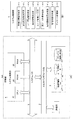
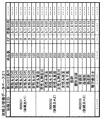
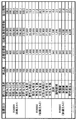
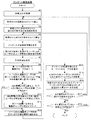
- FIG. 4B is a diagram illustrating an example of functional blocks in the system control unit 4. It is a figure which shows an example of requester ID registered in the requester information database 21, the allocation conditions of a questionnaire, the number of deliveries, etc. It is the figure which showed the example of the number of deliveries, the number of required delivery, the number of candidates for delivery, and the extraction interval for every allocation condition. It is a flowchart which shows the questionnaire delivery process performed by the system control part 4 of information provision server SA.
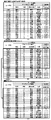
- FIG. 1 It is a figure which shows an example of the user ID registered in the user information database 22, a user attribute, and the attribute value of a user attribute.
- A is a figure which shows an example of user ID etc. which were acquired when allocation conditions were the attribute values of the combination of sex and a generation.
- B is a figure which shows an example of the user ID etc. which were sorted using the residence area (prefecture) of the kind different from sex and a generation.
- C is a figure which shows an example of the user ID etc. which were sorted using the kind of occupation different from sex, a generation, and a residence area (prefecture).
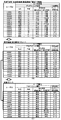
- A is a figure which shows an example of user ID etc.
- (B) is a figure which shows an example of user ID etc. which were sorted using the municipalities showing the subordinate conceptual attribute of a prefecture.
- (C) is a figure which shows an example of user ID etc. which were sorted using the age of a kind different from sex and a residence area. It is a figure which shows the example in which the extraction start position corresponding to any group is determined after grouping for every some different extraction start position. It is a figure which shows the example in which the group which satisfy
- FIG. 1 is a diagram illustrating an example of a schematic configuration of an information providing system S according to the present embodiment.
- the requester terminal ATl, the user terminal UTn, and the information providing server SA are each connected to the network NW.
- the network NW is constructed by, for example, the Internet, a dedicated communication line (for example, a CATV (Community Antenna Television) line), a mobile communication network (including a base station, etc.), a gateway, and the like.
- the requester terminal ATL is a terminal device used by the questionnaire requester Al.
- Each of the user terminals UTn is a terminal device used by a user Un who is a candidate for distribution of a questionnaire.
- the questionnaire in the present embodiment means a survey for asking a plurality of people (user Un of user terminal UTn) for the same question. Note that there are various questions regarding media, products, services, consumption behavior, lifestyle awareness, etc., but there are no particular limitations in this embodiment.
- the questionnaire data indicating the questionnaire questions and the like is transmitted from the questionnaire client Al to the information providing server SA by operating the client terminal ATL. Also, the questionnaire requester Al can operate the client terminal ATl to specify the questionnaire allocation conditions, the number of deliveries (an example of the number of desired responses), and the like.
- allocation means a method of closing the number of answers using the user attribute of user Un as an allocation condition (also referred to as allocation cell).
- User attributes can be broadly classified into demographic attributes and behavior attributes.
- the demographic attribute represents a demographic attribute possessed by the user Un. Examples of demographic attributes include gender, generation, nationality, residential area, occupation, educational background, income, and the like. Some demographic attributes can be represented hierarchically from a superordinate concept to a subordinate concept. For example, age is an example of a lower attribute that represents a lower conceptual attribute of a generation.
- a prefecture in an address is an example of a subordinate attribute that represents a subordinate conceptual attribute of a residential area
- a city in an address is an example of a subordinate attribute that represents a subordinate conceptual attribute of a prefecture.
- Other examples of subordinate attributes representing subordinate conceptual attributes of the residential area include a postal code, latitude / longitude, or a region (for example, Kanto region, Tohoku region) that can be identified from an address.
- the behavior attribute represents an attribute based on the operation of the user terminal UTn by the user Un (in other words, the behavior of the operation).
- the number of questionnaire responses (questionnaire responses), the questionnaire response rate (questionnaire response rate), the number of searches for information (including products and services, etc.), the frequency of information searches, the number of times information is browsed Information browsing frequency), product purchase frequency, product purchase frequency, product purchase price, service use frequency, service use frequency, and the like.
- the service include an information providing service performed through a predetermined website and a software using service.
- the requester terminal ATl and the user terminal UTn each include an operation / display unit, a communication unit, a storage unit, a control unit, and the like.
- the operation / display unit includes, for example, a touch panel having an input function for receiving an operation (user operation) with a human finger or a pen, and a display function for displaying information on a screen.
- the communication unit has a function of performing communication by connecting to the network NW.
- the storage unit stores an operating system (OS), an application program (for example, mail software), a Web browser program, and the like.
- the control unit includes a CPU (Central Processing Unit), a ROM (Read Only Memory), a RAM (Random Access Memory), and the like, and executes an application program, a Web browser program, and the like on the OS.
- the requester terminal ATL and the user terminal UTn include, for example, a personal computer (PC), a mobile phone, a personal digital assistant (PDA), a mobile terminal (Smartphone that combines a mobile phone and a mobile information terminal). ), Or a portable game machine or the like is applicable.
- the requester terminal ATl and the user terminal UTn access the information providing server SA via the communication unit and the network NW, respectively, and can communicate with the information providing server SA.
- the requester terminal ATl and the user terminal UTn each display, for example, a web page transmitted from the information providing server SA in response to a request to the information providing server SA, for example, on a web browser window.
- the information providing server SA is an example of the information processing apparatus of the present invention, and is a server that manages distribution of questionnaires.
- FIG. 2A is a block diagram illustrating a schematic configuration example of the information providing server SA according to the present embodiment.
- the information providing server SA includes a communication unit 1, a storage unit 2 (an example of a storage unit), an input / output interface unit 3, a system control unit 4, and the like.
- the system control unit 4 and the input / output interface unit 3 are connected via a system bus 5.
- the input / output interface unit 3 performs interface processing between the communication unit 1 and the storage unit 2 and the system control unit 4.
- the communication unit 1 has a function of performing communication by connecting to the network NW.
- the storage unit 2 includes, for example, a hard disk drive and stores an operating system (OS), a server program (including the information processing program of the present invention), and the like.
- the server program is downloaded from a predetermined server to the information providing server SA.
- the server program may be recorded on a recording medium such as a CD or a DVD (recorded so as to be readable by a computer), read from the recording medium, and stored in the storage unit 2.
- the storage unit 2 stores a structured document (for example, an HTML (Hyper Text Markup Language) document or an XHTML document) file, an image file, or the like that constitutes a Web page.
- a client information database (DB) 21, a user information database (DB) 22, a questionnaire result information database (DB) 23, and the like are constructed.
- the requester information database 21 is a database that manages information related to the requester Al who has become a member of the information providing system S.
- the requester ID of the requester Al for example, the requester ID of the requester Al, password, questionnaire data, questionnaire allocation conditions, number of deliveries, questionnaire execution flag (EF), registration date and time, and the like are associated with each requester Al. Registered.
- the requester ID is identification information unique to each requester Al.
- the client ID and password are authentication information necessary for the client Al to log in to the system.
- the questionnaire allocation condition indicates the user attribute designated by the client Al and the attribute value of the user attribute.
- one or more user attributes and attribute values are specified as allocation conditions by the logged-in requesting party Al.
- the client terminal ATl transmits a registration request including the designated allocation condition and the number of deliveries to the information providing server SA. To do.
- the information providing server SA assigns the allocation condition (that is, the user attribute and its attribute value) and the number of deliveries included in the registration request to the requester ID of the requester Al that has designated it. Are registered in the requester information database 21 in association with each other.
- the questionnaire execution flag (EF) is a flag indicating whether or not a questionnaire has been executed.
- the questionnaire execution flag (EF) is updated and registered from “0” to “1”, for example.
- the execution of a questionnaire every predetermined period (for example, every several months) may be designated by the client Al.
- a questionnaire execution interval is designated by the client Al, and the designated questionnaire execution interval is registered in the client information database 21 in association with the user ID of the client Al.
- the questionnaire execution flag (EF) is updated from, for example, “0” to “1”, but the questionnaire execution interval designated by the requester Al.
- the questionnaire execution flag (EF) is updated from, for example, “1” to “0” (that is, returns to the original).
- FIG. 3 is a diagram showing an example of the client ID registered in the client information database 21, questionnaire allocation conditions, the number of deliveries, and the like.
- a plurality of combinations of gender attribute values (male, female) and generation attribute values (20s, 30s, 40s) are registered as allocation conditions specified by the client A1.
- the number of deliveries is registered in association with the attribute value of the combination.
- the attribute value may be represented by a numerical value (for example, “100” for male and “101” for female).
- the attribute value may be represented by a numerical value (for example, “100” for male and “101” for female).
- as the assignment conditions designated by the client A2 there are a plurality of attribute values of sex (male, female) and attribute values of residence areas (prefectures) (Tokyo, Kanagawa, Chiba, Saitama).
- a plurality of combinations are registered, and the number of deliveries is registered in association with the attribute value of each combination.
- a plurality of occupation attribute values are registered as allocation conditions designated by the client A3, and the number of deliveries is registered in association with each attribute value.
- the allocation condition is different among a plurality of requesters Al, but may be the same.
- demographic attributes are registered as allocation conditions, but behavior attributes may be registered.
- the user information database 22 is a database that manages information related to the user Un who has become a member of the information providing system S.
- the user ID, password, name, multiple types of user attributes, attribute values of each user attribute, and e-mail address are registered in association with each user Un. Yes.
- the user ID is identification information unique to each user Un, and is an example of user information that can identify the user.
- the user information that can identify the user may be a combination of the name and address of the user Un.
- the user ID and password are authentication information necessary for the user Un to log in to the system.
- User attributes include, for example, demographic attributes and behavior attributes. Demographic attributes include, for example, gender, age, address, postal code, and occupation.
- the demographic attribute is registered in response to a registration request from the user terminal UTn that has accessed the information providing server SA, for example.
- the behavior attributes include, for example, the number of questionnaire responses, the questionnaire response rate, the information retrieval frequency, the information retrieval frequency, the information, the product purchase frequency, the product purchase frequency, the product purchase price, and the service usage frequency.
- behavioral attributes such as service usage frequency.
- the number of questionnaire responses and the questionnaire response rate are specified based on information registered in the questionnaire result information database 23 and updated at an appropriate timing.
- Information search frequency, information search frequency, information, product purchase frequency, product purchase frequency, product purchase price, service usage frequency, and service usage frequency are, for example, user Un search history, browsing history, It is specified based on history information such as purchase history and service usage history, and is updated at an appropriate timing.
- the history information of the user Un is acquired from a predetermined database that can be accessed and used by the information providing server SA with the user ID of the user Un as a key.
- a database is constructed in a server (which may be the information providing server SA) provided with a shopping site, a travel site, an information search site, a service use site, and the like.
- the questionnaire result information database 23 is a database that manages information related to the user Un to which the questionnaire data is distributed (that is, the user Un that is the distribution target of the questionnaire).
- the user ID of the user Un that is the distribution target of the questionnaire information indicating the question of the questionnaire, and the like are registered in association with each user Un.
- Information indicating the answer is registered in association with the user ID of the user Un who has answered the question of the questionnaire. Thereby, the number of questionnaire responses and the questionnaire response rate are specified.
- the system control unit 4 as a computer includes a CPU 41 (processor), a ROM 42, a RAM 43, and the like, and executes a server program and the like on the OS.
- FIG. 2B is a diagram illustrating an example of functional blocks in the system control unit 4. As shown in FIG. 2B, the system control unit 4 (processor in the system control unit 4) executes a server program and the like, as shown in FIG. 41c, an extraction interval determining unit 41d, a user information sorting unit 41e, a resort section specifying unit 41f, an extraction start position determining unit 41g, a distribution target extracting unit 41h, a questionnaire distribution unit 41i, and the like.
- the requester information acquisition unit 41a is an example of an allocation condition acquisition unit and a desired response number acquisition unit.
- the required delivery number determination unit 41b is an example of a required delivery number determination unit.
- the user information acquisition unit 41c is an example of a user information acquisition unit.
- the extraction interval determination unit 41d is an example of an extraction interval determination unit.
- the user information sorting unit 41e is an example of a sorting unit.
- the resort section specifying unit 41f is an example of a section specifying unit.
- the extraction start position determination unit 41g is an example of a start position determination unit.
- the distribution target extraction unit 41h is an example of an extraction unit.
- the requester information acquisition unit 41a acquires from the requester information database 21 the attribute value of the user attribute specified as the allocation condition by the questionnaire requester Al from a plurality of types of user attributes set in advance. Further, the requester information acquisition unit 41 a acquires the number of deliveries of the questionnaire designated by the specified requester Al from the requester information database 21. The number of questionnaires delivered may be set by the system administrator instead of designating the client Al of the questionnaire.
- the required delivery number determination unit 41b determines the required delivery number of the questionnaire based on the number of deliveries acquired by the requester information acquisition unit 41a.
- the required number of distributions is calculated by, for example, the following formula (1).
- Necessary number of questionnaire distribution (number of deliveries / recovery rate) x coefficient corresponding to defect response rate (1)
- the collection rate is, for example, an average value or a standard deviation value of the response rates of questionnaires of all registered users Un or a plurality of users Un corresponding to specific user attributes.
- the defective answer rate is the ratio of the number of defective answers to the total number of answers in the questionnaire. Bad answers include inconsistent answers and inappropriate answers.
- the coefficient corresponding to the defect response rate is a coefficient that increases as the defect response rate increases. This is because the number of valid answers included in the overall answer result decreases as the defective answer rate increases, and the number of necessary distributions is increased accordingly. For example, when the defective response rate is 5%, the coefficient is “1.05”, and when the defective response rate is 20%, the coefficient is “1.20”. Thereby, it is possible to determine an appropriate extraction interval reflecting the questionnaire collection rate and the defective response rate.
- the coefficient corresponding to the defective response rate is the denominator of the right equation In.
- the coefficient corresponding to the defect response rate is a coefficient that decreases as the defect response rate increases. For example, when the defect response rate is 0%, the coefficient is “1” and the defect response rate is 5%. The coefficient is “0.95”.
- the user information acquisition unit 41 c obtains, from the user information database 22, user IDs of a plurality of users Un (questionnaire distribution target candidates) corresponding to the attribute values of the user attributes acquired by the requester information acquisition unit 41 a as the allocation condition. get. For example, when the attribute value of the acquired user attribute is an attribute value of a combination of gender and generation (male and 40s), the user information acquisition unit 41c selects from the user IDs registered in the user information database 22 The user ID of the user Un whose gender is male and whose age is in the range from 40 to 49 years old is acquired from the user information database 22.
- the extraction interval determination unit 41d determines an extraction interval for extracting the user ID of the user Un as a distribution target of the questionnaire from the plurality of user IDs acquired by the user information acquisition unit 41c. For example, the extraction interval determination unit 41d divides the number of user IDs acquired by the user information acquisition unit 41c by the required number of distributions determined by the necessary distribution number determination unit 41b as shown in the following equation (2). The extraction interval (number) is determined from the value. Thereby, it is possible to extract the user Un (user ID) as a distribution target of the questionnaire uniformly and uniformly from the entire acquired many user IDs.
- FIG. 4 is a diagram showing an example of the number of deliveries, the required number of distributions, the number of candidates for distribution, and extraction intervals for each allocation condition.
- the number of distribution target candidates is the number of user IDs acquired by the user information acquisition unit 41 c.
- the extraction interval is used after the decimal point is rounded down, rounded up, or rounded off.
- the user information sort unit 41e uses a user attribute (second user attribute) of a different type from the user attribute (first user attribute) used as the allocation condition by the user information acquisition unit 41c as the first sort condition.
- the plurality of user IDs acquired by the user information acquisition unit 41c are sorted.
- the user attribute used as the allocation condition by the user information acquisition unit 41c is gender
- the user information sort unit 41e uses the type of residence area different from the gender as the first sort condition, Sort.
- the user information sorting unit 41e uses a lower attribute (second user attribute) representing a lower conceptual attribute of the user attribute (first user attribute) used as the allocation condition as the first sort condition
- the plurality of user IDs acquired by the user information acquisition unit 41c are sorted.
- the user information sort unit 41e uses a municipality representing a subordinate conceptual attribute of the prefecture as the first sort condition. Use to sort user IDs. Thereby, it can reduce that the user attribute of the user Un extracted as a delivery target is biased.
- the re-sort section specifying unit 41f classifies the plurality of user IDs sorted by the user information sorting unit 41e based on the attribute values of the user attributes used as the first sort condition. For example, the user ID is classified for each of Tokyo, Chiba, Saitama, and Ibaraki, which are attribute values of residential areas (prefectures). The re-sort section specifying unit 41f then extracts the extraction interval determined by the extraction interval determination unit 41d among the divided user IDs (in other words, each section of the user ID associated with the same attribute value). By determining whether there are more user ID sections greater than a predetermined number, the section is specified as a re-sort section.
- the predetermined number is set to an integral multiple (for example, 1 to 10 times) of the extraction interval, for example.
- the user information sorting unit 41e uses the user attribute (first user attribute) used as the allocation condition and the user attribute (second second attribute) used as the first sort condition.
- a plurality of user IDs included in the resort section are further sorted using a user attribute (third user attribute) different from the user attribute) as the second sort condition.
- the user information sorting unit 41e uses a lower attribute representing a lower conceptual attribute of the first user attribute or the second user attribute as a second sort condition, and uses a plurality of items included in the resort section.
- the user IDs are further sorted. Thereby, it can further reduce that the user attribute of the user Un extracted as a delivery target is biased.
- first sort condition and the second sort condition may be specified by the requester Al, or may be set each time according to the allocation condition.
- the specified first sort condition and the second sort condition are associated with the user ID of the requester Al, and the requester information database 21. Will be registered.
- the extraction start position determination unit 41g determines a start position (extraction start position) in the arrangement of a plurality of user IDs sorted by the user information sorting unit 41e. This extraction start position is used by the distribution target extraction unit 41h. For example, the extraction start position determination unit 41g randomly determines the extraction start position.
- the distribution target extraction unit 41h is a user who is the distribution target of the questionnaire at the extraction interval determined by the extraction start position determination unit 41g from the extraction start positions determined in the plurality of user IDs sorted by the user information sorting unit 41e. Un user IDs are extracted by the required number of distributions determined by the required distribution number determining unit 41b.
- the questionnaire distribution unit 41i distributes the questionnaire data associated with the user ID to the user Un corresponding to the user ID extracted by the distribution target extraction unit 41h. For example, the questionnaire distribution unit 41i distributes an e-mail in which a URL (Uniform Resource Locator) accessible to the questionnaire data is described to an e-mail address associated with the user ID.
- the questionnaire distribution unit 41i displays data indicating a URL accessible to the questionnaire data of the user terminal UTn of the user Un. You may transmit to a web browser (for example, the toolbar plugged in to the web browser). In this case, a URL that allows access to the questionnaire data is displayed by the Web browser.
- FIG. 5 is a flowchart showing a questionnaire distribution process executed by the system control unit 4 of the information providing server SA.
- the process illustrated in FIG. 5 is executed at predetermined time intervals, for example.
- the system control unit 4 acquires a requester ID associated with, for example, a questionnaire execution flag (EF) “1” from the requester information database 21 (step S1). .
- the system control unit 4 selects one from the requester IDs acquired in step S1 (step S2).
- the system control unit 4 (requester information acquisition unit 41a) sets the allocation condition (that is, the attribute value of the user attribute) associated with the requester ID selected in step S2 and the number of deliveries to the requester information database 21. (Step S3).
- step S3 a plurality of sets of allocation conditions and delivery numbers may be acquired as shown in FIG.
- the first sort condition and the second sort condition are registered in association with the client ID selected in step S2, the first sort condition and the second sort condition are acquired from the client information database 21. Is done.
- the system control unit 4 selects one from the allocation conditions acquired in step S3 (step S4).
- the system control unit 4 (necessary delivery number determination unit 41b) determines the required delivery number of the questionnaire as described above based on the number of deliveries associated with the allocation condition selected in step S4 (step S4). S5).
- the system control unit 4 (user information acquisition unit 41c) has the user ID of each of a plurality of users Un (questionnaire distribution candidate) corresponding to the attribute value of the user attribute which is the allocation condition selected in step S4, And the attribute value of the user attribute matched with each user ID is acquired from the user information database 22 (step S6).
- FIG. 6 is a diagram illustrating an example of user IDs, user attributes, and user attribute attribute values registered in the user information database 22.
- FIG. 7A shows an example of a user ID or the like acquired from the user information database 22 shown in FIG. 6 when the allocation condition is an attribute value (male and twenties) of a combination of gender and generation.
- FIG. 8A shows the user ID acquired from the user information database 22 shown in FIG. 6 when the allocation condition is the attribute value of the gender and the residential area (prefecture) (male and Tokyo (metropolitan)). It is a figure which shows an example. In the example of FIG. 7A, from the user information database 22 shown in FIG.
- FIG. 8A from the user information database 22 shown in FIG. 6, a user ID associated with male (gender) and Tokyo (residential area (prefecture)), some user attributes And its attribute value is acquired.
- the number of acquired user IDs is set to 18, but in actuality, several thousand or more are acquired (the same applies to FIG. 8A).
- the system control unit 4 sets the extraction interval for extracting the user ID of the user Un as a distribution target of the questionnaire from the plurality of user IDs acquired in step S6 as described above. This is determined based on the number of user IDs acquired in step S6 and the required number of distributions determined in step S5 (step S7).
- the system control unit 4 sets a first type of user attribute (second user attribute) different from the user attribute (first user attribute) used as the allocation condition in step S6.
- a plurality of user IDs acquired in step S6 are sorted as sorting conditions (step S8).
- FIG. 7B is a diagram illustrating an example of user IDs and the like sorted using different types of residence areas (prefectures) different from gender and generation. Note that user IDs may be sorted by using postal codes instead of prefectures.
- the system control unit 4 sets the lower attribute (second user attribute) indicating the lower conceptual attribute of the user attribute (first user attribute) used as the allocation condition in step S6 to the first.
- FIG. 8B is a diagram illustrating an example of user IDs and the like that are sorted by using municipalities that represent subordinate conceptual attributes of prefectures.
- the system control unit 4 uses the same (or the same) (or the plurality of user IDs sorted in step S8 based on the attribute values of the user attributes used as the first sort condition). Classification is performed for each attribute value (substantially the same) (that is, the user ID is identified and recognized for each attribute value) (step S9).
- “substantially identical” means the same range having a certain width (that is, not limited to being completely matched).
- user IDs are classified for each prefecture attribute value Tokyo (together), Chiba (prefecture), Saitama (prefecture), and Ibaraki (prefecture) (that is, for each identical attribute value). Is done.
- the user IDs are classified for the almost same attribute values based on the attribute values of the zip codes.
- the postal code (attribute value) in the range of 150-xxxx to 159-xxxx (corresponding to the postal code in Tokyo) is almost the same, and the postal code (attribute value) is 259-xxxx ⁇
- the range of 299-xxxx (corresponding to the postal code in Chiba Prefecture) is almost the same.
- the user ID is assigned to each of the municipality attribute values Meguro (ku), Setagaya (ku), Chiyoda (ku), and Shibuya (ku) (that is, for each identical attribute value). Are classified.
- the system control unit 4 (resort section specifying unit 41f) has a predetermined number (for example, an integer multiple of the extraction interval) or more than the extraction interval determined in step S7 among the user IDs classified in step S9. It is determined whether there is a large number of user ID sections (step S10). For example, when the extraction interval is “4” and the predetermined number is set to one time the extraction interval (that is, “4”), a number that is “4” or more larger than the extraction interval “4” (that is, the extraction interval). It is determined whether or not there is a user ID section that is twice or more the number “4”. In the example of FIG.
- a section of user IDs that is twice or more the extraction interval “4” corresponds to a section (section indicated by a thick line) in which the attribute value of the prefecture is “Tokyo”.
- the section of the user ID that is twice or more the extraction interval “4” corresponds to the section (section indicated by the bold line) where the attribute value of the municipality is “Meguro”.
- step S11 the system control unit 4 (resort section specifying unit 41f) specifies sections of user IDs that are a predetermined number or more larger than the extraction interval as resort sections.
- the system control unit 4 uses the user attribute (first user attribute) used as the allocation condition and the user attribute (second user attribute) used as the first sort condition.
- a plurality of user IDs included in the re-sort section identified in step S11 are further sorted using a different type of user attribute (third user attribute) as the second sort condition (step S12), and step S13.
- FIG. 7C is a diagram showing an example of user IDs and the like that are sorted by using different types of occupations from gender, generation, and residential area (prefecture), and FIG.
- step S12 the system control unit 4 is identified in step S11 using a lower attribute representing a lower conceptual attribute of the first user attribute or the second user attribute as a second sort condition.
- the plurality of user IDs included in the resort section are further sorted, and the process proceeds to step S13.
- the second sort condition is acquired in step S3
- the second sort condition associated with the allocation condition selected in step S4 among the acquired second sort conditions is used in step S12.
- the second sort condition set in accordance with the allocation condition selected in step S4 is used in step S12.
- step S13 the system control unit 4 (extraction start position determination unit 41g) determines the extraction start position in the arrangement of the plurality of user IDs sorted in step S11 (or step S11 and step S12). Although this extraction start position may be determined at random, it is configured so that the extraction start position corresponding to any group is determined after grouping (grouping) for each of a plurality of different extraction start positions. It is effective.
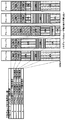
- FIG. 9 is a diagram illustrating an example in which an extraction start position corresponding to any group is determined after grouping for each of a plurality of different extraction start positions.
- the system control unit 4 extraction start position determination unit 41g performs each extraction start position for each of a plurality of different extraction start positions in the plurality of user IDs sorted in step S11 (or step S11 and step S12).
- the user IDs of the users to be distributed in the questionnaire are provisionally extracted and grouped at the extraction interval.
- each user ID is provisionally extracted at an extraction interval “4” as an extraction start position in order from the highest user ID (U00001) in the arrangement of a plurality of user IDs (downward in the arrangement).
- Time groups (groups A, B, C, D, E). Note that not all user IDs in the arrangement of a plurality of user IDs need to be the extraction start positions. For example, users corresponding to the extraction interval (four in the example of FIG. 9) from the highest user ID (U00001). Up to IDs may be grouped as extraction start positions (in the example of FIG. 9, groups A to D) (in other words, a group is virtually generated). Further, when the user ID temporarily extracted in the lower direction in the arrangement of the plurality of user IDs passes the lowest user ID (U00027 in the example of FIG. 9), as shown in FIG. Returning to the ID, the temporary extraction is similarly performed.
- the system control unit 4 (extraction start position determination unit 41g) is a user attribute associated with each of the user IDs belonging to each of the grouped groups, and is used as an allocation condition.
- the value specified from the attribute value of the user attribute of a type different from the first user attribute and the second user attribute used as the first sort condition is the extraction start position corresponding to the group satisfying the predetermined condition.
- the extraction start position used by the distribution target extraction unit 41h is determined.
- the system control unit 4 is a user attribute associated with each of the user IDs belonging to each of the grouped groups, and the first user attribute or the second user
- the extraction start position corresponding to the group in which the value specified from the attribute value of the lower attribute representing the lower attribute of the attribute satisfies the predetermined condition is determined as the extraction start position used by the distribution target extraction unit 41h in step S14. To do.
- the group in which the value specified from the attribute value satisfies the predetermined condition may be the group with the lowest maximum number of questionnaire responses associated with the temporarily extracted user ID.
- the system control unit 4 (extraction start position determination unit 41g) specifies, for each group, the maximum value of the number of questionnaire responses associated with the temporarily extracted user ID. Then, the system control unit 4 sets the group having the lowest specified maximum value as the group satisfying the predetermined condition, and sets the extraction start position corresponding to the group as the extraction start position used by the distribution target extraction unit 41h in step S14. Determine as. As a result, even if there is a bias in the number of questionnaire responses (behavior attributes), this can be resolved. In the example of FIG. 9, since the maximum number of questionnaire responses in group C is the lowest, the extraction start position corresponding to group C (that is, the position of user ID “U00015” in the arrangement of a plurality of user IDs) is determined. Will be.
- a group in which a value specified from an attribute value satisfies a predetermined condition may be determined based on a response rate of a questionnaire associated with a temporarily extracted user ID.
- FIG. 10 is a diagram illustrating an example in which a group satisfying a predetermined condition is determined based on a questionnaire response rate associated with a temporarily extracted user ID.
- the system control unit 4 extraction start position determination unit 41g
- the lower grouping conditions are set in advance. In the lower grouping condition shown in FIG.
- the groups A to E and the like are divided into five lower groups, lower groups a to e, respectively.
- the lower group a is a group to which a user Un whose questionnaire response rate is less than 20% belongs.
- the lower group e is a group to which a user Un having a questionnaire response rate of 80% or more belongs.
- the system control unit 4 (extraction start position determination unit 41g) counts the number of users Un belonging to the lower groups a to e (that is, the number of user IDs) for each of the lower groups a to e.
- the ratio of the number of users Un to the whole that is, the total number of users in the group) is calculated for each of the lower groups a to e (such an operation is performed for each group A to E).
- the ratio of the number of users in the lower group a is 10%
- the ratio of the number of users in the lower group b is 10%
- the ratio of the number of users in the lower group c is 20%
- the ratio of the number of users is 20%
- the ratio of the number of users in the lower group e is 40%. That is, in the group A, the number of users whose questionnaire response rate is 80% or more is the largest.
- the system control unit 4 extraction start position determination unit 41g), among the grouped groups A to E, etc., is a subgroup with a relatively high questionnaire response rate (for example, the questionnaire response rate is 80%).
- a group in which the ratio of the number of users of the lower group e) to which the user Un that is greater than or equal to% is relatively low is specified as a group that satisfies the predetermined condition.
- the ratio of the number of users in the lower group e to which the user Un whose questionnaire response rate is 80% or more belongs is the lowest (in this example, 10%).
- the system control unit 4 extracts the extraction start position corresponding to the specified group as the extraction start position used by the distribution target extraction unit 41h in step S14.
- the system control unit 4 (distribution target extraction unit 41h) extracts the user ID of the user Un as the distribution target of the questionnaire at the extraction interval determined in step S7 from the extraction start position determined in step S13 ( The user ID of the required distribution number determined in step S5 is extracted) (step S14).
- the system control unit 4 (questionnaire distribution unit 41i) acquires the e-mail address associated with each user ID extracted in step S14 from the user information database 22 (step S15).
- the system control unit 4 (questionnaire delivery unit 41i) acquires each e-mail in which the URL accessible to the questionnaire data associated with the client ID selected in step S2 is described in step S15. Distribution is made to the e-mail address (step S16).
- step S17 determines whether there is an allocation condition that has not yet been selected among the allocation conditions acquired in step S3 (step S17). If the system control unit 4 determines that there is an allocation condition that has not yet been selected (step S17: YES), the system control unit 4 returns to step S4. And the system control part 4 selects one allocation condition which has not been selected yet, and performs the process after step S5 as mentioned above. On the other hand, if the system control unit 4 determines that there is no allocation condition that has not yet been selected (step S17: NO), the system control unit 4 proceeds to step S18.
- step S18 the system control unit 4 determines whether there is a client ID that has not yet been selected from the client IDs acquired in step S1. If the system control unit 4 determines that there is a client ID that has not yet been selected (step S18: YES), the system control unit 4 returns to step S2. Then, the system control unit 4 selects one client ID that has not yet been selected, and performs the processes after step S3 as described above. On the other hand, if the system control unit 4 determines that there is no client ID that has not yet been selected (step S18: NO), the process shown in FIG.
- step S16 the e-mail transmitted to the e-mail address of the user Un as a distribution target of the questionnaire is acquired by the user terminal UTn via the mail server.
- the Web browser of the user terminal UTn that has acquired the e-mail transmits a questionnaire data transmission request to the information providing server SA when the URL described in the e-mail is specified by the user Un.
- the system control unit 4 of the information providing server SA sends a Web page including questionnaire data associated with the selected client ID to the transmission requesting user terminal UTn. Send.
- the Web browser of the user terminal UTn receives the Web page from the information providing server SA
- the Web page on which the question and the answer input column indicated by the questionnaire data are displayed is displayed in the window.
- the user Un of the user terminal UTn inputs an answer in the answer input field along with the question displayed on the web page.
- the answer input in this way is transmitted from the web browser of the user terminal UTn to the information providing server SA.
- the system control unit 4 of the information providing server SA registers information indicating the response received from the user terminal UTn in the questionnaire result information database 23 in association with the user Un of the user terminal UTn and is associated with the user Un. Update the number of questionnaire responses.
- the information providing server SA acquires a plurality of user IDs of the user Un corresponding to the allocation condition specified by the questionnaire client, and uses the user attribute used as the allocation condition. Sorting a plurality of user IDs using a user attribute of a type different from the above or a subordinate attribute representing a subordinate attribute of a user attribute used as an allocation condition as a first sort condition, and a plurality of sorted user IDs Since the user ID of the user Un as the distribution target of the questionnaire is extracted at a predetermined extraction interval, the user Un (user ID) as the distribution target of the questionnaire is extracted so that the user attributes are not biased. As a result, the significance of the questionnaire can be prevented from being impaired.
- the system control unit 4 duplicates a user ID according to a weight setting unit (an example of a weight setting unit) set for each user ID and a weight for each user ID.
- You may function as a user ID addition part (an example of an addition means) added to a user ID.
- FIG. 11 is a diagram illustrating an example in which a duplicated user ID is added according to the weight for each user ID.
- the system control unit 4 (weight setting unit) increases as the number of questionnaire responses associated with each of the plurality of user IDs acquired in step S6 illustrated in FIG. 5 decreases or the questionnaire response rate decreases. For example, based on a weighting table stored in advance in the storage unit 2, for each user ID.
- the weighting table is a table in which, for example, the range of the number of responses or the range of the response rate and the weight are associated with each other in a plurality of ranges.
- a weight of 5 is associated with a range of response rates from 0% to less than 20%
- a weight of 4 is associated with a range of response rates of from 20% to less than 40%
- from 40% to 60 The response rate range of less than% is associated with weight 3
- the response rate range of 60% to less than 80% is associated with weight 2
- the response rate range of 80% to 100% is weighted. 1 is associated.
- a weighting table for example, as shown in FIG. 11, a weight is set for each user ID.
- the system control unit 4 replicates the user IDs whose weights are set by the weight setting unit by the number corresponding to the weights, for example, as shown in FIG.
- the duplicated user ID is added to the array of the plurality of user IDs acquired in step S6.
- the user ID is duplicated by a number one less than the weight (when the weight is 1, the number of duplication is 0), but the present invention is not limited to this.
- the duplicated user ID is added to the arrangement of the plurality of user IDs after the sorting in step S12. However, it may be after the processing in step S6 and before the processing in step S14. For example, the duplicated user ID may be added at any timing.
- the copied user ID may be added after the user ID of the copy source as shown in the additional example A shown in FIG. 11, or as shown in the additional example B shown in FIG. It may be added apart from the user ID.
- the system control part 4 (delivery object extraction part 41h) extracts the user ID of the user who becomes a delivery object of a questionnaire from the plurality of user IDs to which the user ID is added by the user ID addition part.
- the system control unit 4 determines the number of user IDs acquired in step S6 (18 in the example of FIG. 11) as the extraction interval determined in step S7 (in the example of FIG. 11, 4) divided by the value (4.5 in the example of FIG. 11) and the number of added user IDs (54 in the example of FIG. 11) by dividing the extracted extraction interval (in the example of FIG. 11) , 12).
- the corrected extraction interval determined in this way is used in step S14, and the user ID of the user Un to be distributed in the questionnaire is extracted.
- the system control unit 4 adds the duplicated user ID in step S7 after the addition of the duplicated user ID. Based on the number of subsequent user IDs and the required number of distributions, the extraction interval is determined by the same calculation method as described above.
Landscapes
- Business, Economics & Management (AREA)
- Tourism & Hospitality (AREA)
- Health & Medical Sciences (AREA)
- Economics (AREA)
- General Health & Medical Sciences (AREA)
- Human Resources & Organizations (AREA)
- Marketing (AREA)
- Primary Health Care (AREA)
- Strategic Management (AREA)
- Physics & Mathematics (AREA)
- General Business, Economics & Management (AREA)
- General Physics & Mathematics (AREA)
- Engineering & Computer Science (AREA)
- Theoretical Computer Science (AREA)
- Management, Administration, Business Operations System, And Electronic Commerce (AREA)
Abstract
情報提供サーバSAは、アンケートの依頼主により指定された割り付け条件に該当するユーザUnのユーザIDを複数取得し、割り付け条件として用いられたユーザ属性とは異なる種類のユーザ属性、または割り付け条件として用いられたユーザ属性の下位概念的な属性を表す下位属性を第1ソート条件として用いて複数のユーザIDをソートし、ソートされた複数のユーザIDから所定の抽出間隔で、アンケートの配信対象となるユーザUnのユーザIDを抽出する。
Description
本発明は、複数のユーザの中からアンケートの配信対象を抽出するシステム等の技術分野に関する。
従来、ネットワークを利用して多くのユーザにアンケートを配信するシステムが知られている。このようなシステムでは、例えば特許文献1に開示されるように、アンケートの配信対象となるユーザ(調査対象者)がデータベースからランダムに抽出されるようになっている。
ところで、アンケートによっては例えば地域等のユーザ属性を考慮することが必要であり、このようなユーザ属性を考慮せずにランダムに配信対象となるユーザを抽出すると、抽出された配信対象なるユーザのユーザ属性が偏ってしまい、アンケートの意義が損なわれる可能性がある。
本発明は、以上の点等に鑑みてなされたものであり、ユーザ属性が偏らないようにアンケートの配信対象となるユーザを抽出することが可能な情報処理装置、情報処理方法、及び情報処理プログラムを提供することを課題とする。
上記課題を解決するために、請求項1に記載の発明は、予め設定された複数種類のユーザ属性の中から、アンケートの依頼主により割り付け条件として指定されたユーザ属性の属性値を取得する割り付け条件取得手段と、ユーザを特定可能なユーザ情報と、当該ユーザの前記複数種類のユーザ属性及びそれぞれのユーザ属性の属性値とを対応付けてユーザ毎に記憶する記憶手段から、前記割り付け条件取得手段により前記割り付け条件として取得された前記ユーザ属性の属性値に該当する複数のユーザそれぞれの前記ユーザ情報を取得するユーザ情報取得手段と、前記ユーザ情報取得手段により取得された複数の前記ユーザ情報から前記アンケートの配信対象となるユーザの前記ユーザ情報を抽出するための抽出間隔を決定する抽出間隔決定手段と、前記割り付け条件として用いられた第1の前記ユーザ属性とは異なる種類の前記ユーザ属性、または、前記第1の前記ユーザ属性の下位概念的な属性を表す下位属性を第1ソート条件として用いて、前記ユーザ情報取得手段により取得された複数の前記ユーザ情報をソートするソート手段と、前記ソート手段によりソートされた複数の前記ユーザ情報における所定の開始位置から、前記抽出間隔決定手段により決定された抽出間隔で、前記アンケートの配信対象となるユーザの前記ユーザ情報を抽出する抽出手段と、を備えることを特徴とする。
この発明によれば、ユーザ属性が偏らないようにアンケートの配信対象となるユーザのユーザ情報を抽出することができる。
請求項2に記載の発明は、請求項1に記載の情報処理装置において、前記アンケートの依頼主により指定された当該アンケートの希望回答数を取得する希望回答数取得手段と、前記希望回答数取得手段により取得された希望回答数に基づいて前記アンケートの必要配信数を決定する必要配信数決定手段と、を更に備え、前記抽出間隔決定手段は、前記ユーザ情報取得手段により取得された前記ユーザ情報の数を、前記必要配信数決定手段により決定された必要配信数で割った値から前記抽出間隔を決定することを特徴とする。
この発明によれば、取得された多くのユーザ情報全体から万遍なく均等にアンケートの配信対象となるユーザのユーザ情報を抽出することができる。
請求項3に記載の発明は、請求項1または2に記載の情報処理装置において、前記ソート手段によりソートされた複数の前記ユーザ情報を、前記第1ソート条件として用いられた前記ユーザ属性の各属性値に基づいて区分し、当該区分された前記ユーザ情報のうち、前記抽出間隔より所定数以上大きい数のユーザ情報の区間を特定する区間特定手段を更に備え、前記ソート手段は、前記割り付け条件として用いられた第1の前記ユーザ属性及び前記第1ソート条件として用いられた第2の前記ユーザ属性とは異なる種類の前記ユーザ属性、または、前記第1の前記ユーザ属性もしくは前記第2の前記ユーザ属性の下位概念的な属性を表す下位属性を第2ソート条件として用いて、前記区間特定手段により特定された区間に含まれる複数の前記ユーザ情報をさらにソートし、前記抽出手段は、前記ソート手段によりさらにソートされた複数の前記ユーザ情報から、前記抽出間隔で前記アンケートの配信対象となるユーザの前記ユーザ情報を抽出することを特徴とする。
この発明によれば、配信対象として抽出されるユーザのユーザ属性が偏ることを、より一層、低減することができる。
請求項4に記載の発明は、請求項1乃至3の何れか一項に記載の情報処理装置において、前記記憶手段は、過去のアンケートに対する回答回数を前記ユーザ情報に対応付けてユーザ毎に記憶しており、前記ソート手段によりソートされた複数の前記ユーザ情報における複数の異なる前記開始位置毎に、それぞれの前記開始位置から前記抽出間隔で前記アンケートの配信対象となるユーザの前記ユーザ情報を仮抽出してグループ化し、当該グループ化されたそれぞれのグループのうち、当該それぞれのグループに属する前記ユーザ情報のそれぞれに対応付けられた前記ユーザ属性であって前記割り付け条件として用いられた第1の前記ユーザ属性及び前記第1ソート条件として用いられた第2の前記ユーザ属性とは異なる種類の前記ユーザ属性、または、前記第1の前記ユーザ属性もしくは前記第2の前記ユーザ属性の下位概念的な属性を表す下位属性の属性値から特定される値が所定条件を満たすグループに対応する前記開始位置を、前記抽出手段により用いられる前記開始位置として決定する開始位置決定手段を更に備え、前記開始位置決定手段は、前記ユーザ情報に対応付けられた前記回答回数の最大値をグループ毎に特定し、当該特定した最大値が最も低いグループを、前記所定条件を満たすグループとして当該グループに対応する前記開始位置を、前記抽出手段により用いられる前記開始位置として決定することを特徴とする。
この発明によれば、アンケート回答回数に偏りが生じても、これを解消することができる。
請求項5に記載の発明は、請求項1乃至4の何れか一項に記載の情報処理装置において、前記記憶手段は、過去のアンケートに対する回答回数または回答率を前記ユーザ情報に対応付けてユーザ毎に記憶しており、前記ユーザ情報取得手段により取得された複数の前記ユーザ情報それぞれに対応付けられた前記回答回数が少ない、または前記回答率が低いほど高くなる重みを前記ユーザ情報毎に設定する重み設定手段と、前記重み設定手段により重みが設定された前記ユーザ情報を、当該重みに応じた数だけ複製し、前記複製された前記ユーザ情報を前記ユーザ情報取得手段により取得された複数の前記ユーザ情報に追加する追加手段と、を更に備え、前記抽出手段は、前記追加手段により前記ユーザ情報が追加された複数の前記ユーザ情報から、前記アンケートの配信対象となるユーザの前記ユーザ情報を抽出することを特徴とする。
この発明によれば、アンケート回答回数または回答率に偏りが生じても、これを効率良く解消することができる。
請求項6に記載の発明は、コンピュータにより実行される情報処理方法であって、予め設定された複数種類のユーザ属性の中から、アンケートの依頼主により割り付け条件として指定されたユーザ属性の属性値を取得するステップと、ユーザを特定可能なユーザ情報と、当該ユーザの前記複数種類のユーザ属性及びそれぞれのユーザ属性の属性値とを対応付けてユーザ毎に記憶する記憶手段から、前記割り付け条件として取得された前記ユーザ属性の属性値に該当する複数のユーザそれぞれの前記ユーザ情報を取得するステップと、前記取得された複数の前記ユーザ情報から前記アンケートの配信対象となるユーザの前記ユーザ情報を抽出するための抽出間隔を決定するステップと、前記割り付け条件として用いられた第1の前記ユーザ属性とは異なる種類の前記ユーザ属性、または、前記第1の前記ユーザ属性の下位概念的な属性を表す下位属性を第1ソート条件として用いて、前記取得された複数の前記ユーザ情報をソートするステップと、前記ソートされた複数の前記ユーザ情報における所定の開始位置から、前記決定された抽出間隔で、前記アンケートの配信対象となるユーザの前記ユーザ情報を抽出するステップと、を含むことを特徴とする。
請求項7に記載の発明は、コンピュータを、予め設定された複数種類のユーザ属性の中から、アンケートの依頼主により割り付け条件として指定されたユーザ属性の属性値を取得する割り付け条件取得手段と、ユーザを特定可能なユーザ情報と、当該ユーザの前記複数種類のユーザ属性及びそれぞれのユーザ属性の属性値とを対応付けてユーザ毎に記憶する記憶手段から、前記割り付け条件取得手段により前記割り付け条件として取得された前記ユーザ属性の属性値に該当する複数のユーザそれぞれの前記ユーザ情報を取得するユーザ情報取得手段と、前記ユーザ情報取得手段により取得された複数の前記ユーザ情報から前記アンケートの配信対象となるユーザの前記ユーザ情報を抽出するための抽出間隔を決定する抽出間隔決定手段と、前記割り付け条件として用いられた第1の前記ユーザ属性とは異なる種類の前記ユーザ属性、または、前記第1の前記ユーザ属性の下位概念的な属性を表す下位属性を第1ソート条件として用いて、前記ユーザ情報取得手段により取得された複数の前記ユーザ情報をソートするソート手段と、前記ソート手段によりソートされた複数の前記ユーザ情報における所定の開始位置から、前記抽出間隔決定手段により決定された抽出間隔で、前記アンケートの配信対象となるユーザの前記ユーザ情報を抽出する抽出手段として機能させることを特徴とする。
本発明によれば、ユーザ属性が偏らないようにアンケートの配信対象となるユーザのユーザ情報を抽出することができる。
以下、図面を参照して本発明の実施形態について説明する。なお、以下に説明する実施の形態は、情報提供システムに対して本発明を適用した場合の実施形態である。
[1.情報提供システムの構成及び機能概要]
先ず、本発明の一実施形態に係る情報提供システムSの構成及び概要機能について、図1を用いて説明する。図1は、本実施形態に係る情報提供システムSの概要構成の一例を示す図である。図1に示すように、情報提供システムSは、複数の依頼主端末ATl(l=1,2,3・・・)、複数のユーザ端末UTn(n=1,2,3・・・)、及び情報提供サーバSA等を含んで構成される。依頼主端末ATl、ユーザ端末UTn、及び情報提供サーバSAは、夫々、ネットワークNWに接続される。ネットワークNWは、例えば、インターネット、専用通信回線(例えば、CATV(Community Antenna Television)回線)、移動体通信網(基地局等を含む)、及びゲートウェイ等により構築される。
依頼主端末ATlは、それぞれ、アンケートの依頼主Alにより使用される端末装置である。ユーザ端末UTnは、それぞれ、アンケートの配信対象候補者となるユーザUnにより使用される端末装置である。本実施形態におけるアンケートは、複数の人(ユーザ端末UTnのユーザUn)に同じ質問を出して回答を求める調査を意味する。なお、質問には、メディア、商品、サービス、消費行動、生活意識などに関する様々なものがあるが、本実施形態では特に限定されない。アンケートの質問等を示すアンケートデータは、依頼主端末ATlの操作によりアンケートの依頼主Alから情報提供サーバSAに送信される。また、アンケートの依頼主Alは、依頼主端末ATlを操作してアンケートの割り付け条件、及び納品数(希望回答数の一例)等を指定することができる。
ここで、割り付けは、ユーザUnのユーザ属性を、割り付け条件(割付セルともいう)として用いて回答数を締め切る方法を意味する。ユーザ属性は、デモグラフィック属性と行動属性とに大別することができる。デモグラフィック属性は、ユーザUnが持つ人口統計学的な属性を表す。デモグラフィック属性の種類として、性別、世代、国籍、居住地域、職業、学歴、収入等が挙げられる。デモグラフィック属性には、上位概念から下位概念まで階層的に表すことができるものもある。例えば、年齢は、世代の下位概念的な属性を表す下位属性の一例である。また、例えば、住所中の都道府県は、居住地域の下位概念的な属性を表す下位属性の一例であり、住所中の区市町村は、都道府県の下位概念的な属性を表す下位属性の一例である。また、居住地域の下位概念的な属性を表す下位属性の他の例として、郵便番号、緯度経度、または住所から特定可能な地方(例えば、関東地方、東北地方)等が挙げられる。一方、行動属性は、ユーザUnによるユーザ端末UTnの操作(言い換えれば、操作という行動)に基づく属性を表す。行動属性の種類として、アンケートの回答回数(アンケート回答回数)、アンケートの回答率(アンケート回答率)、情報(例えば、商品やサービス等を含む)の検索回数、情報の検索頻度、情報の閲覧回数、情報の閲覧頻度)、商品の購入回数、商品の購入頻度、商品の購入金額、サービスの利用回数、サービスの利用頻度等が挙げられる。サービスには、例えば所定のWebサイトを通じて行われる情報提供のサービス、ソフトウェア利用のサービス等が挙げられる。
依頼主端末ATl、及びユーザ端末UTnは、それぞれ、操作・表示部、通信部、記憶部、及び制御部等を備える。操作・表示部は、例えば、人の指やペン等による操作(ユーザ操作)を受け付ける入力機能と、情報を画面に表示する表示機能を有するタッチパネルを備える。通信部は、ネットワークNWに接続して通信を行う機能を担う。記憶部は、オペレーティングシステム(OS),アプリケーションプログラム(例えば、メールソフト),Webブラウザプログラム等を記憶する。制御部は、CPU(Central Processing Unit),ROM(Read Only Memory),及びRAM(Random Access Memory)等を備え、OS上でアプリケーションプログラムやWebブラウザプログラム等を実行する。なお、依頼主端末ATl、及びユーザ端末UTnには、例えば、パーソナルコンピュータ(PC)、携帯電話機、携帯情報端末 (PDA:Personal Digital Assistant)、携帯電話機と携帯情報端末を融合させた携帯端末(Smartphone)、又は携帯ゲーム機等が適用可能である。依頼主端末ATl、及びユーザ端末UTnは、それぞれ、通信部及びネットワークNWを介して情報提供サーバSAにアクセスし、情報提供サーバSAと通信可能になっている。依頼主端末ATl、及びユーザ端末UTnは、それぞれ、例えば、情報提供サーバSAへの要求により当該情報提供サーバSAから送信された例えばWebページをWebブラウザのウインドウに表示する。
情報提供サーバSAは、本発明の情報処理装置の一例であり、アンケートの配信管理を行うサーバである。図2(A)は、本実施形態に係る情報提供サーバSAの概要構成例を示すブロック図である。図2(A)に示すように、情報提供サーバSAは、通信部1、記憶部2(記憶手段の一例)、入出力インターフェース部3、及びシステム制御部4等を備える。システム制御部4と入出力インターフェース部3とは、システムバス5を介して接続される。入出力インターフェース部3は、通信部1及び記憶部2とシステム制御部4との間のインターフェース処理を行うようになっている。通信部1は、ネットワークNWに接続して通信を行う機能を担う。記憶部2は、例えば、ハードディスクドライブ等からなり、オペレーティングシステム(OS),サーバプログラム(本発明の情報処理プログラムを含む)等を記憶する。なお、サーバプログラムは、所定のサーバから情報提供サーバSAにダウンロードされる。或いは、サーバプログラムは、CD、DVDなどの記録媒体に記録(コンピュータにより読み取り可能に記録)されており、当該記録媒体から読み込まれて記憶部2に記憶されるようにしてもよい。また、記憶部2には、Webページを構成する構造化文書(例えば、HTML(Hyper Text Markup Language)文書やXHTML文書等)ファイル、及び画像ファイル等が記憶されている。更に、記憶部2には、依頼主情報データベース(DB)21、ユーザ情報データベース(DB)22、及びアンケート結果情報データベース(DB)23等が構築される。
依頼主情報データベース21は、本情報提供システムSの利用会員となった依頼主Alに関する情報を管理するデータベースである。依頼主情報データベース21には、例えば、依頼主Alの依頼主ID、パスワード、アンケートデータ、アンケートの割り付け条件、納品数、アンケート実行フラグ(EF)、及び登録日時等が依頼主Al毎に対応付けられて登録される。依頼主IDは、依頼主Al毎に固有の識別情報である。依頼主ID及びパスワードは、依頼主Alがシステムにログインするために必要な認証情報である。アンケートの割り付け条件は、依頼主Alにより指定されたユーザ属性と当該ユーザ属性の属性値を示す。例えば、情報提供サーバSAから依頼主端末ATlへ送信されたWebページがWebブラウザのウインドウに表示された状態において、ログインした依頼主Alにより割り付け条件として1つ以上のユーザ属性及びその属性値が指定され(複数のユーザ属性の組み合わせが指定されてもよい)、且つ納品数が指定されると、依頼主端末ATlは、指定された割り付け条件及び納品数を含む登録要求を情報提供サーバSAへ送信する。これにより、情報提供サーバSAは、上記登録要求に応じて、当該登録要求に含まれる割り付け条件(つまり、ユーザ属性及びその属性値)及び納品数を、これを指定した依頼主Alの依頼主IDに対応付けて依頼主情報データベース21に登録する。なお、アンケート実行フラグ(EF)は、アンケートが実行されたか否かを示すフラグである。依頼主AlのアンケートデータがユーザUnに配信された場合、アンケート実行フラグ(EF)が、例えば、“0”から“1”に更新登録される。また、所定期間毎(例えば、数か月毎)のアンケートの実行が、依頼主Alにより指定される場合もある。この場合、依頼主Alによりアンケート実行間隔が指定され、当該指定されたアンケート実行間隔が当該依頼主AlのユーザIDに対応付けられて依頼主情報データベース21に登録される。そして、当該依頼主AlのアンケートデータがユーザUnに配信された場合、アンケート実行フラグ(EF)が例えば“0”から“1”に更新されるが、当該依頼主Alにより指定されたアンケート実行間隔から特定される実行時刻が到来すると、アンケート実行フラグ(EF)が例えば“1”から“0”に更新される(つまり、元に戻る)ことになる。
図3は、依頼主情報データベース21に登録されている依頼主ID、アンケートの割り付け条件、及び納品数等の一例を示す図である。図3の例では、依頼主A1により指定された割り付け条件として、性別の属性値(男性、女性)と世代の属性値(20代、30代、40代)との組み合わせが複数登録され、それぞれの組み合わせの属性値に対応付けられて納品数が登録されている。ここで、属性値は、数値(例えば、男性は“100”、女性は“101”)で表されてもよい。また、図3の例では、依頼主A2により指定された割り付け条件として、性別の属性値(男性、女性)と居住地域(都道府県)の属性値(東京、神奈川、千葉、埼玉)との複数の組み合わせが複数登録され、それぞれの組み合わせの属性値に対応付けられて納品数が登録されている。また、図3の例では、依頼主A3により指定された割り付け条件として、職業の属性値が複数登録され、それぞれの属性値に対応付けられて納品数が登録されている。なお、図3の例では、割り付け条件は、複数の依頼主Al間で異なっているが同一の場合もある。また、図3の例では、割り付け条件として、デモグラフィック属性が登録されているが、行動属性が登録される場合もある。
ユーザ情報データベース22は、本情報提供システムSの利用会員となったユーザUnに関する情報を管理するデータベースである。ユーザ情報データベース22には、例えば、ユーザUnのユーザID、パスワード、氏名、複数種類のユーザ属性、それぞれのユーザ属性の属性値、及び電子メールアドレス等がユーザUn毎に対応付けられて登録されている。ここで、ユーザIDは、ユーザUn毎に固有の識別情報であり、ユーザを特定可能なユーザ情報の一例である。なお、ユーザを特定可能なユーザ情報は、ユーザUnの氏名及び住所の組み合わせであってもよい。ユーザID及びパスワードは、ユーザUnがシステムにログインするために必要な認証情報である。ユーザ属性には、例えば、デモグラフィック属性と行動属性とが含まれる。デモグラフィック属性には、例えば、性別、年齢、住所、郵便番号、及び職業等が含まれる。なお、デモグラフィック属性は、例えば、情報提供サーバSAにアクセスしたユーザ端末UTnからの登録要求に応じて登録される。一方、行動属性には、例えば、アンケートの回答回数、アンケートの回答率、情報の検索回数、情報の検索頻度、情報、商品の購入回数、商品の購入頻度、商品の購入金額、サービスの利用回数、及びサービスの利用頻度等の行動属性等が含まれる。アンケートの回答回数、及びアンケートの回答率は、アンケート結果情報データベース23に登録された情報に基づいて特定され適宜のタイミングで更新される。情報の検索回数、情報の検索頻度、情報、商品の購入回数、商品の購入頻度、商品の購入金額、サービスの利用回数、及びサービスの利用頻度は、例えば、ユーザUnの検索履歴、閲覧履歴、購入履歴、及及びサービス利用履歴等の履歴情報に基づいて特定され適宜のタイミングで更新される。ユーザUnの履歴情報は、情報提供サーバSAがアクセスして利用可能な所定のデータベースからユーザUnのユーザIDをキーとして取得される。このようなデータベースは、例えばショッピングサイト、旅行サイト、情報検索サイト、サービス利用サイト等を提供されるサーバ(情報提供サーバSAであってもよい)内に構築される。
アンケート結果情報データベース23には、アンケートデータが配信されたユーザUn(つまり、アンケートの配信対象となったユーザUn)に関する情報を管理するデータベースである。アンケート結果情報データベース23には、例えば、アンケートの配信対象となったユーザUnのユーザID、及びアンケートの質問を示す情報等がユーザUn毎に対応付けられて登録されている。なお、アンケートの質問に対する回答があったユーザUnのユーザIDには、当該回答を示す情報が対応付けられて登録される。これにより、アンケートの回答回数、及びアンケートの回答率が特定される。
コンピュータとしてのシステム制御部4は、CPU41(プロセッサ),ROM42,及びRAM43等を備え、OS上でサーバプログラム等を実行する。図2(B)は、システム制御部4における機能ブロックの一例を示す図である。システム制御部4(システム制御部4内のプロセッサ)は、サーバプログラム等の実行により、図2(B)に示すように、依頼主情報取得部41a、必要配信数決定部41b、ユーザ情報取得部41c、抽出間隔決定部41d、ユーザ情報ソート部41e、再ソート区間特定部41f、抽出開始位置決定部41g、配信対象抽出部41h、及びアンケート配信部41i等として機能する。なお、依頼主情報取得部41aは、割り付け条件取得手段及び希望回答数取得手段の一例である。必要配信数決定部41bは、必要配信数決定手段の一例である。ユーザ情報取得部41cは、ユーザ情報取得手段の一例である。抽出間隔決定部41dは、抽出間隔決定手段の一例である。ユーザ情報ソート部41eは、ソート手段の一例である。再ソート区間特定部41fは、区間特定手段の一例である。抽出開始位置決定手段41gは、開始位置決定手段の一例である。配信対象抽出部41hは、抽出手段の一例である。
依頼主情報取得部41aは、予め設定された複数種類のユーザ属性の中から、アンケートの依頼主Alにより割り付け条件として指定されたユーザ属性の属性値を依頼主情報データベース21から取得する。また、依頼主情報取得部41aは、当該特定した依頼主Alにより指定された当該アンケートの納品数を依頼主情報データベース21から取得する。なお、アンケートの納品数は、当該アンケートの依頼主Alが指定されるのではなくシステム管理者側で設定されてもよい。
必要配信数決定部41bは、依頼主情報取得部41aにより取得された納品数に基づいてアンケートの必要配信数を決定する。必要配信数は、例えば、下記(1)式により算出される。
アンケートの必要配信数=(納品数/回収率)×不良回答率に応じた係数・・・(1)
ここで、回収率は、例えば、登録された全てのユーザUn、または特定のユーザ属性に該当する複数のユーザUnのアンケートの回答率の平均値または標準偏差値である。また、不良回答率は、アンケートの全回答数に対する不良回答数の割合である。不良回答には、矛盾のある回答、不適切な回答等が挙げられる。不良回答率に応じた係数は、不良回答率が大きいほど大きくなる係数である。これは、不良回答率が大きいほど回答結果全体に含まれる有効な回答の数が減ってしまうので、その分、必要配信数を増やす趣旨である。例えば、不良回答率が5%である場合、その係数は“1.05”となり、不良回答率が20%である場合、その係数は“1.20”となる。これにより、アンケートの回収率と不良回答率が反映された適切な抽出間隔を決定することができる。なお、上記(1)式に代えて、「アンケートの必要配信数=納品数/回収率×不良回答率に応じた係数」としてもよい(つまり、不良回答率に応じた係数を右式の分母に入れる)。この場合、不良回答率に応じた係数は、不良回答率が大きいほど小さくなる係数であり、例えば、不良回答率が0%である場合、その係数は“1”となり、不良回答率が5%である場合、その係数は“0.95”となる。
ユーザ情報取得部41cは、依頼主情報取得部41aにより割り付け条件として取得されたユーザ属性の属性値に該当する複数のユーザUn(アンケートの配信対象候補者)それぞれのユーザIDをユーザ情報データベース22から取得する。例えば、取得されたユーザ属性の属性値が、性別と世代の組み合わせの属性値(男性且つ40代)である場合、ユーザ情報取得部41cは、ユーザ情報データベース22に登録されたユーザIDの中から、性別が男性で、且つ、年齢が40から49歳までの範囲内にあるユーザUnのユーザIDをユーザ情報データベース22から取得する。
抽出間隔決定部41dは、ユーザ情報取得部41cにより取得された複数のユーザIDから、アンケートの配信対象となるユーザUnのユーザIDを抽出するための抽出間隔を決定する。例えば、抽出間隔決定部41dは、下記(2)式に示すように、ユーザ情報取得部41cにより取得されたユーザIDの数を、必要配信数決定部41bにより決定された必要配信数で割った値から抽出間隔(数)を決定する。これにより、取得された多くのユーザID全体から万遍なく均等にアンケートの配信対象となるユーザUn(ユーザID)を抽出することができる。
抽出間隔=ユーザIDの数/必要配信数・・・(2)
図4は、割り付け条件毎に、納品数、必要配信数、配信対象候補者数、及び抽出間隔の例を示した図である。図4の例において、配信対象候補者数は、ユーザ情報取得部41cにより取得されたユーザIDの数である。また、図4の例において、抽出間隔は、小数点以下は切り捨て、切り上げ、または四捨五入されて用いられる。
ユーザ情報ソート部41eは、ユーザ情報取得部41cにより割り付け条件として用いられたユーザ属性(第1のユーザ属性)とは異なる種類のユーザ属性(第2のユーザ属性)を第1ソート条件として用いて、ユーザ情報取得部41cにより取得された複数のユーザIDをソートする。例えば、ユーザ情報取得部41cにより割り付け条件として用いられたユーザ属性が性別であった場合、ユーザ情報ソート部41eは、当該性別とは異なる種類の居住地域を第1ソート条件として用いて、ユーザIDをソートする。或いは、ユーザ情報ソート部41eは、割り付け条件として用いられたユーザ属性(第1のユーザ属性)の下位概念的な属性を表す下位属性(第2のユーザ属性)を第1ソート条件として用いて、ユーザ情報取得部41cにより取得された複数のユーザIDをソートする。例えば、ユーザ情報取得部41cにより割り付け条件として用いられたユーザ属性が都道府県であった場合、ユーザ情報ソート部41eは、当該都道府県の下位概念的な属性を表す区市町村を第1ソート条件として用いて、ユーザIDをソートする。これにより、配信対象として抽出されるユーザUnのユーザ属性が偏ることを低減することができる。
再ソート区間特定部41fは、ユーザ情報ソート部41eによりソートされた複数のユーザIDを、上記第1ソート条件として用いられたユーザ属性の各属性値に基づいて区分する。例えば、居住地域(都道府県)の属性値である東京都、千葉県、埼玉県、茨城県毎にユーザIDが区分される。そして、再ソート区間特定部41fは、当該区分されたユーザID(言い換えれば、同一の当該属性値が対応付けられたユーザIDの各区間)のうち、抽出間隔決定部41dにより決定された抽出間隔より所定数以上大きい数のユーザIDの区間が有るか否かを判定することで、当該区間を再ソート区間として特定する。ここで、所定数は、例えば、抽出間隔の整数倍(例えば、1~10倍)に設定される。
このように再ソード区間が特定された場合、ユーザ情報ソート部41eは、上記割り付け条件として用いられたユーザ属性(第1のユーザ属性)及び第1ソート条件として用いられたユーザ属性(第2のユーザ属性)とは異なる種類のユーザ属性(第3のユーザ属性)を第2ソート条件として用いて、上記再ソート区間に含まれる複数のユーザIDをさらにソートする。或いは、ユーザ情報ソート部41eは、上記第1のユーザ属性もしくは上記第2のユーザ属性の下位概念的な属性を表す下位属性を第2ソート条件として用いて、上記再ソート区間に含まれる複数のユーザIDをさらにソートする。これにより、配信対象として抽出されるユーザUnのユーザ属性が偏ることを、より一層、低減することができる。
なお、第1ソート条件及び第2ソート条件は、依頼主Alにより指定されるようにしてもよいし、割り付け条件に応じてその都度設定されるようにしてもよい。第1ソート条件及び第2ソート条件が依頼主Alにより指定された場合、当該指定された第1ソート条件及び第2ソート条件が当該依頼主AlのユーザIDに対応付けられて依頼主情報データベース21に登録されることになる。
抽出開始位置決定部41gは、ユーザ情報ソート部41eによりソートされた複数のユーザIDの並びにおける開始位置(抽出開始位置)を決定する。この抽出開始位置は、配信対象抽出部41hにより用いられる。例えば、抽出開始位置決定部41gは、当該抽出開始位置をランダムに決定する。
配信対象抽出部41hは、ユーザ情報ソート部41eによりソートされた複数のユーザIDにおいて決定された抽出開始位置から、抽出開始位置決定部41gにより決定された抽出間隔で、アンケートの配信対象となるユーザUnのユーザIDを、必要配信数決定部41bにより決定された必要配信数分だけ抽出する。
アンケート配信部41iは、配信対象抽出部41hにより抽出されたユーザIDに対応するユーザUnに対して、当該ユーザIDに対応付けられたアンケートデータを配信する。例えば、アンケート配信部41iは、ユーザIDに対応付けられた電子メールアドレス宛てに、当該アンケートデータへのアクセス可能なURL(Uniform Resource Locator)が記述された電子メールを配信する。或いは、アンケート配信部41iは、配信対象抽出部41hにより抽出されたユーザIDのユーザUnがログインしたときに、当該アンケートデータへのアクセス可能なURLを示すデータを、当該ユーザUnのユーザ端末UTnのWebブラウザ(例えば、Webブラウザにプラグインされたツールバー)へ送信してもよい。この場合、当該アンケートデータへのアクセス可能なURLがWebブラウザにより表示される。
[2.情報提供システムSの動作]
次に、図5等を参照して、本実施形態に係る情報提供システムSの動作について説明する。図5は、情報提供サーバSAのシステム制御部4により実行されるアンケート配信処理を示すフローチャートである。図5に示す処理は、例えば所定時間間隔で実行される。
図5に示す処理が開始されると、システム制御部4は、依頼主情報データベース21から、例えばアンケート実行フラグ(EF)“1”が対応付けられている依頼主IDを取得する(ステップS1)。次いで、システム制御部4は、ステップS1で取得された依頼主IDから1つ選定する(ステップS2)。次いで、システム制御部4(依頼主情報取得部41a)は、ステップS2で選定された依頼主IDに対応付けられた割り付け条件(つまり、ユーザ属性の属性値)及び納品数を依頼主情報データベース21から取得する(ステップS3)。なお、ステップS3では、割り付け条件及び納入数が、図4に示すように複数組取得される場合もある。また、ステップS2で選定された依頼主IDに第1ソート条件及び第2ソート条件が対応付けられて登録されている場合、当該第1ソート条件及び第2ソート条件が依頼主情報データベース21から取得される。
次いで、システム制御部4は、ステップS3で取得された割り付け条件から1つ選定する(ステップS4)。次いで、システム制御部4(必要配信数決定部41b)は、ステップS4で選定された割り付け条件に対応付けられた納品数に基づいて、上述したように、アンケートの必要配信数を決定する(ステップS5)。次いで、システム制御部4(ユーザ情報取得部41c)は、ステップS4で選定された割り付け条件であるユーザ属性の属性値に該当する複数のユーザUn(アンケートの配信対象候補者)それぞれのユーザID、及びそれぞれのユーザIDに対応付けられたユーザ属性の属性値をユーザ情報データベース22から取得する(ステップS6)。
図6は、ユーザ情報データベース22に登録されているユーザID、ユーザ属性、及びユーザ属性の属性値の一例を示す図である。図7(A)は、割り付け条件が、性別と世代の組み合わせの属性値(男性且つ20代)である場合おいて、図6に示すユーザ情報データベース22から取得されたユーザID等の一例を示す図である。図8(A)は、割り付け条件が、性別と居住地域(都道府県)の属性値(男性且つ東京(都))である場合おいて、図6に示すユーザ情報データベース22から取得されたユーザID等の一例を示す図である。図7(A)の例では、図6に示すユーザ情報データベース22から、男性(性別)、且つ、20から29歳までの範囲内の年齢が対応付けられたユーザID、一部のユーザ属性及びその属性値が取得されている。一方、図8(A)の例では、図6に示すユーザ情報データベース22から、男性(性別)、且つ、東京(居住地域(都道府県))が対応付けられたユーザID、一部のユーザ属性及びその属性値が取得されている。なお、図7(A)の例では、便宜上、取得されたユーザIDの数を18個としているが、実際には数千以上取得されることになる(図8(A)についても同様)。
次いで、システム制御部4(抽出間隔決定部41d)は、ステップS6で取得された複数のユーザIDからアンケートの配信対象となるユーザUnのユーザIDを抽出するための抽出間隔を、上述したように、ステップS6で取得されたユーザIDの数と、ステップS5で決定された必要配信数とに基づいて決定する(ステップS7)。
次いで、システム制御部4(ユーザ情報ソート部41e)は、ステップS6において割り付け条件として用いられたユーザ属性(第1のユーザ属性)とは異なる種類のユーザ属性(第2のユーザ属性)を第1ソート条件として用いて、ステップS6で取得された複数のユーザIDをソートする(ステップS8)。図7(B)は、性別と世代とは異なる種類の居住地域(都道府県)が用いられてソートされたユーザID等の一例を示す図である。なお、都道府県の代わりに郵便番号が用いられてユーザIDがソートされてもよい。或いは、ステップS8において、システム制御部4は、ステップS6において割り付け条件として用いられたユーザ属性(第1のユーザ属性)の下位概念的な属性を表す下位属性(第2のユーザ属性)を第1ソート条件として用いて、ステップS6で取得された複数のユーザIDをソートする。図8(B)は、都道府県の下位概念的な属性を表す区市町村が用いられてソートされたユーザID等の一例を示す図である。なお、ステップS3で第1ソート条件が取得された場合、当該取得された第1ソート条件のうち、ステップS4で選定された割り付け条件に対応付けられた第1ソート条件がステップS8で用いられる。一方、ステップS3で第1ソート条件が取得されない場合、ステップS4で選定された割り付け条件に応じて設定された第1ソート条件がステップS8で用いられる。
次いで、システム制御部4(再ソート区間特定部41f)は、ステップS8でソートされた複数のユーザIDを、上記第1ソート条件として用いられたユーザ属性の各属性値に基づいて、同一(または略同一)の属性値毎に区分(つまり、属性値毎にユーザID等を区別して認識)する(ステップS9)。ここで、略同一とは、一定の幅を持った同一範囲を意味する(つまり、完全に一致することに限定されない趣旨である)。図7(B)の例では、都道府県の属性値である東京(都)、千葉(県)、埼玉(県)、茨城(県)毎(つまり、同一の属性値毎)にユーザIDが区分される。なお、例えば、都道府県の代わりに郵便番号が用いられてユーザIDがソートされた場合、当該郵便番号の属性値に基づいて、略同一の属性値毎にユーザIDが区分される。この場合、例えば、郵便番号(属性値)が150-xxxx~159-xxxxの範囲(東京都内の郵便番号に相当)内を略同一とされ、また、郵便番号(属性値)が259-xxxx~299-xxxxの範囲(千葉県内の郵便番号に相当)内を略同一とされる。一方、図8(B)の例では、区市町村の属性値である目黒(区)、世田谷(区)、千代田(区)、渋谷(区)毎(つまり、同一の属性値毎)にユーザIDが区分される。
次いで、システム制御部4(再ソート区間特定部41f)は、ステップS9で区分されたユーザIDのうち、ステップS7で決定された抽出間隔より所定数(例えば、抽出間隔の整数倍の数)以上大きい数のユーザIDの区間が有るか否かを判定する(ステップS10)。例えば、抽出間隔が“4”であり、所定数が抽出間隔の1倍に設定(つまり、“4”)されている場合、抽出間隔“4”より“4”以上大きい数(つまり、抽出間隔“4”の2倍以上の数)のユーザIDの区間が有るか否かが判定される。図7(B)の例では、抽出間隔“4”の2倍以上の数のユーザIDの区間は、都道府県の属性値が“東京”である区間(太線で示す区間)が該当する。一方、図8(B)の例では、抽出間隔“4”の2倍以上の数のユーザIDの区間は、区市町村の属性値が“目黒”である区間(太線で示す区間)が該当する。そして、システム制御部4(再ソート区間特定部41f)は、抽出間隔より所定数以上大きい数のユーザIDの区間が有ると判定した場合(ステップS10:YES)、ステップS11へ進む。一方、システム制御部4(再ソート区間特定部41f)は、抽出間隔より所定数以上大きい数のユーザIDの区間が無いと判定した場合(ステップS10:NO)、ステップS13へ進む。
ステップS11では、システム制御部4(再ソート区間特定部41f)は、抽出間隔より所定数以上大きい数のユーザIDの区間を再ソート区間として特定する。次いで、システム制御部4(ユーザ情報ソート部41e)は、上記割り付け条件として用いられたユーザ属性(第1のユーザ属性)及び上記第1ソート条件として用いられたユーザ属性(第2のユーザ属性)とは異なる種類のユーザ属性(第3のユーザ属性)を第2ソート条件として用いて、ステップS11で特定された再ソート区間に含まれる複数のユーザIDをさらにソートし(ステップS12)、ステップS13へ進む。図7(C)は、性別と世代と居住地域(都道府県)とは異なる種類の職業が用いられてソートされたユーザID等の一例を示す図であり、図8(C)は、性別と居住地域とは異なる種類の年齢が用いられてソートされたユーザID等の一例を示す図である。或いは、ステップS12において、システム制御部4は、上記第1のユーザ属性もしくは上記第2のユーザ属性の下位概念的な属性を表す下位属性を第2ソート条件として用いて、ステップS11で特定された再ソート区間に含まれる複数のユーザIDをさらにソートし、ステップS13へ進む。なお、ステップS3で第2ソート条件が取得された場合、当該取得された第2ソート条件のうち、ステップS4で選定された割り付け条件に対応付けられた第2ソート条件がステップS12で用いられる。一方、ステップS3で第2ソート条件が取得されない場合、ステップS4で選定された割り付け条件に応じて設定された第2ソート条件がステップS12で用いられる。
ステップS13では、システム制御部4(抽出開始位置決定部41g)は、ステップS11(またはステップS11及びステップS12)でソートされた複数のユーザIDの並びにおける抽出開始位置を決定する。この抽出開始位置は、ランダムに決定してもよいが、複数の異なる抽出開始位置毎にグループ化(グループ分け)してから何れかのグループに対応する抽出開始位置が決定されるように構成すると効果的である。
図9は、複数の異なる抽出開始位置毎にグループ化してから何れかのグループに対応する抽出開始位置が決定される例を示す図である。この場合、システム制御部4(抽出開始位置決定部41g)は、ステップS11(またはステップS11及びステップS12)でソートされた複数のユーザIDにおける複数の異なる抽出開始位置毎に、それぞれの抽出開始位置から、上記抽出間隔でアンケートの配信対象となるユーザのユーザIDを仮抽出してグループ化する。図9の例では、複数のユーザIDの並びにおいて最上位のユーザID(U00001)から順に(並びの下位方向に向かって)、各ユーザIDを抽出開始位置として抽出間隔“4”で仮抽出したときのグループ(グループA,B,C,D,E・・・)を示している。なお、複数のユーザIDの並びにおいて全てのユーザIDを抽出開始位置としなくてもよく、例えば、最上位のユーザID(U00001)から抽出間隔分(図9の例では、4つ分)のユーザIDまでを抽出開始位置としてグループ化(図9の例では、グループA~Dまで)すればよい(言い換えれば、仮想的にグループを生成する)。また、複数のユーザIDの並びにおいて下位方向に向かって仮抽出されるユーザIDが最下位のユーザID(図9の例では、U00027)を通り越す場合、図9に示すように、最上位のユーザIDに戻って同様に仮抽出されることになる。
そして、システム制御部4(抽出開始位置決定部41g)は、グループ化されたそれぞれのグループのうち、当該それぞれのグループに属するユーザIDのそれぞれに対応付けられたユーザ属性であって割り付け条件として用いられた第1のユーザ属性及び第1ソート条件として用いられた第2のユーザ属性とは異なる種類のユーザ属性の属性値から特定される値が、所定条件を満たすグループに対応する抽出開始位置を、ステップS14で配信対象抽出部41hにより用いられる抽出開始位置として決定する。或いは、システム制御部4は、グループ化されたそれぞれのグループのうち、当該それぞれのグループに属するユーザIDのそれぞれに対応付けられたユーザ属性であって上記第1のユーザ属性もしくは上記第2のユーザ属性の下位概念的な属性を表す下位属性の属性値から特定される値が、所定条件を満たすグループに対応する抽出開始位置を、ステップS14で配信対象抽出部41hにより用いられる抽出開始位置として決定する。
ここで、属性値から特定される値が所定条件を満たすグループは、仮抽出されたユーザIDに対応付けられたアンケートの回答回数の最大値が最も低いグループとするとよい。具体的には、システム制御部4(抽出開始位置決定部41g)は、上記仮抽出されたユーザIDに対応付けられたアンケートの回答回数の最大値をグループ毎に特定する。そして、システム制御部4は、当該特定した最大値が最も低いグループを、上記所定条件を満たすグループとして当該グループに対応する抽出開始位置を、ステップS14で配信対象抽出部41hにより用いられる抽出開始位置として決定する。これにより、アンケートの回答回数(行動属性)に偏りが生じても、これを解消することができる。図9の例では、グループCにおけるアンケートの回答回数の最大値が最も低いので、グループCに対応する抽出開始位置(つまり、複数のユーザIDの並びにおいてユーザID“U00015”の位置)が決定されることになる。
或いは、別の例として、属性値から特定される値が所定条件を満たすグループは、仮抽出されたユーザIDに対応付けられたアンケートの回答率に基づいて決定されてもよい。図10は、仮抽出されたユーザIDに対応付けられたアンケートの回答率に基づいて所定条件を満たすグループが決定される例を示す図である。この場合、システム制御部4(抽出開始位置決定部41g)は、上記仮抽出されたユーザIDに対応付けられたアンケートの回答率に基づいて、上記グループ化されたそれぞれのグループを、下位グループ分け条件にしたがって、さらにグループ分けする(言い換えれば、仮想的に下位グループを生成する)。ここで、下位グループ分け条件は予め設定される。図10に示す下位グループ分け条件では、グループA~E等は、それぞれ、下位グループa~eの5つの下位グループに分けられる。例えば、下位グループaは、アンケートの回答率が20%未満であるユーザUnが属するグループである。また、下位グループeは、アンケートの回答率が80%以上であるユーザUnが属するグループである。システム制御部4(抽出開始位置決定部41g)は、下位グループa~eそれぞれに属するユーザUnの数(つまり、ユーザIDの数)を下位グループa~e毎にカウントし、下位グループa~e全体(つまり、グループ内の全ユーザ数)に占めるユーザUnの数の割合を下位グループa~e毎に算出する(このような演算は、それぞれのグループA~E等毎に実行される)。例えば、図10に示すグループAでは、下位グループaのユーザ数の割合が10%、下位グループbのユーザ数の割合が10%、下位グループcのユーザ数の割合が20%、下位グループdのユーザ数の割合が20%、下位グループeのユーザ数の割合が40%となっている。つまり、グループAでは、アンケートの回答率が80%以上であるユーザの数が最も多くなっている。そして、システム制御部4(抽出開始位置決定部41g)は、グループ化されたそれぞれのグループA~E等のうち、アンケートの回答率が相対的に高い下位グループ(例えば、アンケートの回答率が80%以上であるユーザUnが属する下位グループe)のユーザ数の割合が相対的に低いグループを、上記所定条件を満たすグループとして特定する。図10の例では、アンケートの回答率が80%以上であるユーザUnが属する下位グループeのユーザ数の割合が最も低い(この例は、10%)グループCが、上記所定条件を満たすグループとして特定される。そして、システム制御部4(抽出開始位置決定部41g)は、当該特定したグループに対応する抽出開始位置を、ステップS14で配信対象抽出部41hにより用いられる抽出開始位置として決定する。これにより、アンケートの回答率に偏り(特に、アンケートの回答率が相対的に高い下位グループのユーザ数の割合に偏り)が生じても、これを解消することができる。
次いで、システム制御部4(配信対象抽出部41h)は、ステップS13で決定された抽出開始位置から、ステップS7で決定された抽出間隔で、アンケートの配信対象となるユーザUnのユーザIDを抽出(ステップS5で決定された必要配信数のユーザIDを抽出)する(ステップS14)。次いで、システム制御部4(アンケート配信部41i)は、ステップS14で抽出された各ユーザIDに対応付けられた電子メールアドレスをユーザ情報データベース22から取得する(ステップS15)。次いで、システム制御部4(アンケート配信部41i)は、ステップS2で選定された依頼主IDに対応付けられたアンケートデータへのアクセス可能なURLが記述された電子メールを、ステップS15で取得した各電子メールアドレス宛てに配信する(ステップS16)。
次いで、システム制御部4は、ステップS3で取得された割り付け条件のうち、まだ選定されていない割り付け条件があるか否かを判定する(ステップS17)。システム制御部4は、まだ選定されていない割り付け条件があると判定した場合(ステップS17:YES)、ステップS4に戻る。そして、システム制御部4は、まだ選定されていない割り付け条件を1つ選定して、上述したようにステップS5以降の処理を行う。一方、システム制御部4は、まだ選定されていない割り付け条件がないと判定した場合(ステップS17:NO)、ステップS18へ進む。
ステップS18では、システム制御部4は、ステップS1で取得された依頼主IDのうち、まだ選定されていない依頼主IDがあるか否かを判定する。システム制御部4は、まだ選定されていない依頼主IDがあると判定した場合(ステップS18:YES)、ステップS2に戻る。そして、システム制御部4は、まだ選定されていない依頼主IDを1つ選定して、上述したようにステップS3以降の処理を行う。一方、システム制御部4は、まだ選定されていない依頼主IDがないと判定した場合(ステップS18:NO)、図5に示す処理を終了する。
なお、ステップS16において、アンケートの配信対象となるユーザUnの電子メールアドレス宛てに送信された電子メールは、メールサーバを介してユーザ端末UTnにより取得される。そして、電子メールを取得したユーザ端末UTnのWebブラウザは、当該電子メールに記述されたURLがユーザUnにより指定されると、アンケートデータの送信要求を情報提供サーバSAへ送信する。情報提供サーバSAのシステム制御部4は、ユーザ端末UTnからの送信要求に応じて、上記選定された依頼主IDに対応付けられたアンケートデータを含むWebページを、送信要求元のユーザ端末UTnへ送信する。そして、ユーザ端末UTnのWebブラウザは、情報提供サーバSAからのWebページを受信すると、アンケートデータが示す質問及び回答入力欄等が表示されたWebページをウインドウに表示する。そして、ユーザ端末UTnのユーザUnは、Webページに表示された質問に沿って回答入力欄に回答を入力していくことになる。こうして入力された回答は、ユーザ端末UTnのWebブラウザから情報提供サーバSAへ送信される。情報提供サーバSAのシステム制御部4は、ユーザ端末UTnから受信した回答を示す情報を当該ユーザ端末UTnのユーザUnに対応付けてアンケート結果情報データベース23に登録すると共に、当該ユーザUnに対応付けられたアンケートの回答回数を更新する。
以上説明したように、上記実施形態によれば、情報提供サーバSAは、アンケートの依頼主により指定された割り付け条件に該当するユーザUnのユーザIDを複数取得し、割り付け条件として用いられたユーザ属性とは異なる種類のユーザ属性、または割り付け条件として用いられたユーザ属性の下位概念的な属性を表す下位属性を第1ソート条件として用いて複数のユーザIDをソートし、ソートされた複数のユーザIDから所定の抽出間隔で、アンケートの配信対象となるユーザUnのユーザIDを抽出するように構成したので、ユーザ属性が偏らないようにアンケートの配信対象となるユーザUn(ユーザID)を抽出することができ、その結果、アンケートの意義が損なわれることを防ぐことができる。
なお、上記実施形態の変形例として、システム制御部4は、ユーザID毎に設定する重み設定部(重み設定手段の一例)、及びユーザID毎の重みに応じてユーザIDを複製して複数のユーザIDに追加するユーザID追加部(追加手段の一例)として機能してもよい。図11は、ユーザID毎の重みに応じて複製されたユーザIDが追加される例を示す図である。この場合、システム制御部4(重み設定部)は、図5に示すステップS6で取得された複数のユーザIDそれぞれに対応付けられたアンケートの回答回数が少ない、またはアンケートの回答率が低いほど高くなる重み(重み値)を、例えば記憶部2に予め記憶された重み付けテーブルに基づいて、ユーザID毎に設定する。ここで、重み付けテーブルは、例えば回答回数の範囲または回答率の範囲と重みとが、複数段階の範囲毎に対応付けられたテーブルである。例えば、重み付けテーブルでは、0%以上20%未満の回答率の範囲には重み5が対応付けられ、20%以上40%未満の回答率の範囲には重み4が対応付けられ、40%以上60%未満の回答率の範囲には重み3が対応付けられ、60%以上80%未満の回答率の範囲には重み2が対応付けられ、80%以上100%以下の回答率の範囲には重み1が対応付けられている。このような重み付けテーブルにより、例えば、図11に示すように、各ユーザIDに対して重みが設定される。
そして、システム制御部4(ユーザID追加部)は、重み設定部により重みが設定されたユーザIDを、例えば図11に示すように、当該重みに応じた数だけ複製(重みが大きいほど多く複製)し、当該複製されたユーザIDをステップS6で取得された複数のユーザIDの並び中に追加する。図11の例では、重みより1少ない数だけユーザIDが複製(重みが1の場合、複製数は0)されているが、これに限定されるものではない。また、図11の例では、当該複製されたユーザIDがステップS12のソート後に複数のユーザIDの並び中に追加されているが、ステップS6の処理後からステップS14の処理前までの間であれば、どのタイミングで上記複製されたユーザIDが追加されてもよい。なお、複製されたユーザIDは、図11に示す追加例Aに示すように、複製元のユーザIDに続けて追加されてもよいし、図11に示す追加例Bに示すように、複製元のユーザIDから離れて追加されてもよい。そして、システム制御部4(配信対象抽出部41h)は、ユーザID追加部によりユーザIDが追加された複数のユーザIDから、アンケートの配信対象となるユーザのユーザIDを抽出することになる。これにより、アンケートに対する回答回数または回答率(行動属性)に偏りが生じても、これを効率良く解消することができる。
なお、図11に示すように、複製されたユーザIDがステップS12のソート後に追加されるケースでは、当該追加前に既に抽出間隔が決定(ステップS7で決定)されているので、システム制御部4は、既に決定した抽出間隔を複製されたユーザIDの追加後に補正することが望ましい。例えば、図11に示すように、システム制御部4は、ステップS6で取得されたユーザIDの数(図11の例では、18)をステップS7で決定された抽出間隔(図11の例では、4)で割った値(図11の例では、4.5)で、追加後のユーザIDの数(図11の例では、54)を割ることにより補正後の抽出間隔(図11の例では、12)を決定する。こうして決定された補正後の抽出間隔がステップS14で用いられて、アンケートの配信対象となるユーザUnのユーザIDが抽出されることになる。一方、ステップS6の処理の直後に、複製されたユーザIDが複数のユーザIDの並び中に追加されるケースでは、複製されたユーザIDの追加後に、ステップS7において、システム制御部4は、追加後のユーザIDの数と必要配信数とに基づいて、上記と同様の計算方法で抽出間隔を決定することになる。
1 通信部
2 記憶部
3 入出力インターフェース部
4 システム制御部
5 システムバス
UTn ユーザ端末
ATl 依頼主端末
SA 情報提供サーバ
NW ネットワーク
2 記憶部
3 入出力インターフェース部
4 システム制御部
5 システムバス
UTn ユーザ端末
ATl 依頼主端末
SA 情報提供サーバ
NW ネットワーク
Claims (7)
- 予め設定された複数種類のユーザ属性の中から、アンケートの依頼主により割り付け条件として指定されたユーザ属性の属性値を取得する割り付け条件取得手段と、
ユーザを特定可能なユーザ情報と、当該ユーザの前記複数種類のユーザ属性及びそれぞれのユーザ属性の属性値とを対応付けてユーザ毎に記憶する記憶手段から、前記割り付け条件取得手段により前記割り付け条件として取得された前記ユーザ属性の属性値に該当する複数のユーザそれぞれの前記ユーザ情報を取得するユーザ情報取得手段と、
前記ユーザ情報取得手段により取得された複数の前記ユーザ情報から前記アンケートの配信対象となるユーザの前記ユーザ情報を抽出するための抽出間隔を決定する抽出間隔決定手段と、
前記割り付け条件として用いられた第1の前記ユーザ属性とは異なる種類の前記ユーザ属性、または、前記第1の前記ユーザ属性の下位概念的な属性を表す下位属性を第1ソート条件として用いて、前記ユーザ情報取得手段により取得された複数の前記ユーザ情報をソートするソート手段と、
前記ソート手段によりソートされた複数の前記ユーザ情報における所定の開始位置から、前記抽出間隔決定手段により決定された抽出間隔で、前記アンケートの配信対象となるユーザの前記ユーザ情報を抽出する抽出手段と、
を備えることを特徴とする情報処理装置。 - 前記アンケートの依頼主により指定された当該アンケートの希望回答数を取得する希望回答数取得手段と、
前記希望回答数取得手段により取得された希望回答数に基づいて前記アンケートの必要配信数を決定する必要配信数決定手段と、
を更に備え、
前記抽出間隔決定手段は、前記ユーザ情報取得手段により取得された前記ユーザ情報の数を、前記必要配信数決定手段により決定された必要配信数で割った値から前記抽出間隔を決定することを特徴とする請求項1に記載の情報処理装置。 - 前記ソート手段によりソートされた複数の前記ユーザ情報を、前記第1ソート条件として用いられた前記ユーザ属性の各属性値に基づいて区分し、当該区分された前記ユーザ情報のうち、前記抽出間隔より所定数以上大きい数のユーザ情報の区間を特定する区間特定手段を更に備え、
前記ソート手段は、前記割り付け条件として用いられた第1の前記ユーザ属性及び前記第1ソート条件として用いられた第2の前記ユーザ属性とは異なる種類の前記ユーザ属性、または、前記第1の前記ユーザ属性もしくは前記第2の前記ユーザ属性の下位概念的な属性を表す下位属性を第2ソート条件として用いて、前記区間特定手段により特定された区間に含まれる複数の前記ユーザ情報をさらにソートし、
前記抽出手段は、前記ソート手段によりさらにソートされた複数の前記ユーザ情報から、前記抽出間隔で前記アンケートの配信対象となるユーザの前記ユーザ情報を抽出することを特徴とする請求項1または2に記載の情報処理装置。 - 前記記憶手段は、過去のアンケートに対する回答回数を前記ユーザ情報に対応付けてユーザ毎に記憶しており、
前記ソート手段によりソートされた複数の前記ユーザ情報における複数の異なる前記開始位置毎に、それぞれの前記開始位置から前記抽出間隔で前記アンケートの配信対象となるユーザの前記ユーザ情報を仮抽出してグループ化し、当該グループ化されたそれぞれのグループのうち、当該それぞれのグループに属する前記ユーザ情報のそれぞれに対応付けられた前記ユーザ属性であって前記割り付け条件として用いられた第1の前記ユーザ属性及び前記第1ソート条件として用いられた第2の前記ユーザ属性とは異なる種類の前記ユーザ属性、または、前記第1の前記ユーザ属性もしくは前記第2の前記ユーザ属性の下位概念的な属性を表す下位属性の属性値から特定される値が所定条件を満たすグループに対応する前記開始位置を、前記抽出手段により用いられる前記開始位置として決定する開始位置決定手段を更に備え、
前記開始位置決定手段は、前記ユーザ情報に対応付けられた前記回答回数の最大値をグループ毎に特定し、当該特定した最大値が最も低いグループを、前記所定条件を満たすグループとして当該グループに対応する前記開始位置を、前記抽出手段により用いられる前記開始位置として決定することを特徴とする請求項1乃至3の何れか一項に記載の情報処理装置。 - 前記記憶手段は、過去のアンケートに対する回答回数または回答率を前記ユーザ情報に対応付けてユーザ毎に記憶しており、
前記ユーザ情報取得手段により取得された複数の前記ユーザ情報それぞれに対応付けられた前記回答回数が少ない、または前記回答率が低いほど高くなる重みを前記ユーザ情報毎に設定する重み設定手段と、
前記重み設定手段により重みが設定された前記ユーザ情報を、当該重みに応じた数だけ複製し、前記複製された前記ユーザ情報を前記ユーザ情報取得手段により取得された複数の前記ユーザ情報に追加する追加手段と、
を更に備え、
前記抽出手段は、前記追加手段により前記ユーザ情報が追加された複数の前記ユーザ情報から、前記アンケートの配信対象となるユーザの前記ユーザ情報を抽出することを特徴とする請求項1乃至4の何れか一項に記載の情報処理装置。 - コンピュータにより実行される情報処理方法であって、
予め設定された複数種類のユーザ属性の中から、アンケートの依頼主により割り付け条件として指定されたユーザ属性の属性値を取得するステップと、
ユーザを特定可能なユーザ情報と、当該ユーザの前記複数種類のユーザ属性及びそれぞれのユーザ属性の属性値とを対応付けてユーザ毎に記憶する記憶手段から、前記割り付け条件として取得された前記ユーザ属性の属性値に該当する複数のユーザそれぞれの前記ユーザ情報を取得するステップと、
前記取得された複数の前記ユーザ情報から前記アンケートの配信対象となるユーザの前記ユーザ情報を抽出するための抽出間隔を決定するステップと、
前記割り付け条件として用いられた第1の前記ユーザ属性とは異なる種類の前記ユーザ属性、または、前記第1の前記ユーザ属性の下位概念的な属性を表す下位属性を第1ソート条件として用いて、前記取得された複数の前記ユーザ情報をソートするステップと、
前記ソートされた複数の前記ユーザ情報における所定の開始位置から、前記決定された抽出間隔で、前記アンケートの配信対象となるユーザの前記ユーザ情報を抽出するステップと、
を含むことを特徴とする情報処理方法。 - コンピュータを、
予め設定された複数種類のユーザ属性の中から、アンケートの依頼主により割り付け条件として指定されたユーザ属性の属性値を取得する割り付け条件取得手段と、
ユーザを特定可能なユーザ情報と、当該ユーザの前記複数種類のユーザ属性及びそれぞれのユーザ属性の属性値とを対応付けてユーザ毎に記憶する記憶手段から、前記割り付け条件取得手段により前記割り付け条件として取得された前記ユーザ属性の属性値に該当する複数のユーザそれぞれの前記ユーザ情報を取得するユーザ情報取得手段と、
前記ユーザ情報取得手段により取得された複数の前記ユーザ情報から前記アンケートの配信対象となるユーザの前記ユーザ情報を抽出するための抽出間隔を決定する抽出間隔決定手段と、
前記割り付け条件として用いられた第1の前記ユーザ属性とは異なる種類の前記ユーザ属性、または、前記第1の前記ユーザ属性の下位概念的な属性を表す下位属性を第1ソート条件として用いて、前記ユーザ情報取得手段により取得された複数の前記ユーザ情報をソートするソート手段と、
前記ソート手段によりソートされた複数の前記ユーザ情報における所定の開始位置から、前記抽出間隔決定手段により決定された抽出間隔で、前記アンケートの配信対象となるユーザの前記ユーザ情報を抽出する抽出手段として機能させることを特徴とする情報処理プログラム。
Priority Applications (6)
| Application Number | Priority Date | Filing Date | Title |
|---|---|---|---|
| PCT/JP2015/063471 WO2016181456A1 (ja) | 2015-05-11 | 2015-05-11 | 情報処理装置、情報処理方法、及び情報処理プログラム |
| JP2015557671A JP5996811B1 (ja) | 2015-05-11 | 2015-05-11 | 情報処理装置、情報処理方法、及び情報処理プログラム |
| JP2016556920A JP6200102B2 (ja) | 2015-05-11 | 2015-11-24 | 情報処理装置、情報処理方法、及び情報処理プログラム |
| PCT/JP2015/082948 WO2016181581A1 (ja) | 2015-05-11 | 2015-11-24 | 情報処理装置、情報処理方法、及び情報処理プログラム |
| JP2016556909A JP6154963B2 (ja) | 2015-05-11 | 2015-11-24 | 情報処理装置、情報処理方法、及び情報処理プログラム |
| PCT/JP2015/082947 WO2016181580A1 (ja) | 2015-05-11 | 2015-11-24 | 情報処理装置、情報処理方法、及び情報処理プログラム |
Applications Claiming Priority (1)
| Application Number | Priority Date | Filing Date | Title |
|---|---|---|---|
| PCT/JP2015/063471 WO2016181456A1 (ja) | 2015-05-11 | 2015-05-11 | 情報処理装置、情報処理方法、及び情報処理プログラム |
Publications (1)
| Publication Number | Publication Date |
|---|---|
| WO2016181456A1 true WO2016181456A1 (ja) | 2016-11-17 |
Family
ID=56960976
Family Applications (3)
| Application Number | Title | Priority Date | Filing Date |
|---|---|---|---|
| PCT/JP2015/063471 Ceased WO2016181456A1 (ja) | 2015-05-11 | 2015-05-11 | 情報処理装置、情報処理方法、及び情報処理プログラム |
| PCT/JP2015/082947 Ceased WO2016181580A1 (ja) | 2015-05-11 | 2015-11-24 | 情報処理装置、情報処理方法、及び情報処理プログラム |
| PCT/JP2015/082948 Ceased WO2016181581A1 (ja) | 2015-05-11 | 2015-11-24 | 情報処理装置、情報処理方法、及び情報処理プログラム |
Family Applications After (2)
| Application Number | Title | Priority Date | Filing Date |
|---|---|---|---|
| PCT/JP2015/082947 Ceased WO2016181580A1 (ja) | 2015-05-11 | 2015-11-24 | 情報処理装置、情報処理方法、及び情報処理プログラム |
| PCT/JP2015/082948 Ceased WO2016181581A1 (ja) | 2015-05-11 | 2015-11-24 | 情報処理装置、情報処理方法、及び情報処理プログラム |
Country Status (2)
| Country | Link |
|---|---|
| JP (3) | JP5996811B1 (ja) |
| WO (3) | WO2016181456A1 (ja) |
Cited By (2)
| Publication number | Priority date | Publication date | Assignee | Title |
|---|---|---|---|---|
| EP3462329A1 (en) * | 2017-09-29 | 2019-04-03 | Fujitsu Limited | Personal information managing program, personal information managing method, and information processing device |
| JP2023183531A (ja) * | 2022-06-16 | 2023-12-28 | Lineヤフー株式会社 | 情報処理装置、情報処理方法および情報処理プログラム |
Families Citing this family (9)
| Publication number | Priority date | Publication date | Assignee | Title |
|---|---|---|---|---|
| JP7000691B2 (ja) * | 2017-03-27 | 2022-01-19 | 富士通株式会社 | プログラム、情報処理装置及び情報処理方法 |
| US20220156789A1 (en) * | 2019-03-26 | 2022-05-19 | Felica Networks, Inc. | Information processing apparatus, information processing method, and program |
| CN110458594A (zh) * | 2019-06-20 | 2019-11-15 | 平安科技(深圳)有限公司 | 一种基于用户权重的网络调查问卷生成方法和装置 |
| WO2022091190A1 (ja) * | 2020-10-26 | 2022-05-05 | 株式会社モニタス | アンケートシステム |
| JP7136966B1 (ja) | 2021-05-17 | 2022-09-13 | 株式会社クロス・マーケティンググループ | 情報処理システム、情報処理方法及びプログラム |
| JP2023159963A (ja) * | 2022-04-21 | 2023-11-02 | 株式会社社会調査研究センター | 携帯端末又は/及び固定電話によるアンケート調査に用いる地域別回収目標数の目標サンプルリスト作成方法及びそのプログラム。 |
| WO2024009478A1 (ja) * | 2022-07-07 | 2024-01-11 | 日本電信電話株式会社 | 回答評価装置、回答評価方法及びプログラム |
| JP7514889B2 (ja) * | 2022-08-19 | 2024-07-11 | PayPay株式会社 | アプリ上で決済が可能な所定のサービスを提供するサービス運営者が管理する情報処理装置、アプリ上で決済が可能な所定のサービスを提供するサービス運営者が管理する情報処理方法及びアプリ上で決済が可能な所定のサービスを提供するサービス運営者が管理する情報処理プログラム |
| WO2026042236A1 (ja) * | 2024-08-22 | 2026-02-26 | 株式会社Nttドコモ | 情報処理装置および情報処理方法 |
Citations (3)
| Publication number | Priority date | Publication date | Assignee | Title |
|---|---|---|---|---|
| JP2002279121A (ja) * | 2001-03-21 | 2002-09-27 | Komu Square:Kk | アンケート方法およびアンケートシステム |
| JP2004206200A (ja) * | 2002-12-24 | 2004-07-22 | Ricoh Co Ltd | 市場調査システム、プログラム、及び記録媒体 |
| JP2004234242A (ja) * | 2003-01-29 | 2004-08-19 | Dentsu Research Inc | アンケート対象者抽出方法、及びアンケート対象者抽出装置 |
Family Cites Families (9)
| Publication number | Priority date | Publication date | Assignee | Title |
|---|---|---|---|---|
| JPH08292937A (ja) * | 1995-04-24 | 1996-11-05 | Fujitsu Ltd | アンケート調査代行システムおよび方法 |
| JPH09293064A (ja) * | 1996-04-24 | 1997-11-11 | Nec Corp | プロセス診断システム |
| JP2002007661A (ja) * | 2000-06-16 | 2002-01-11 | Yoshihiro Doi | アンケートシステム |
| JP2005141500A (ja) * | 2003-11-06 | 2005-06-02 | Gaiax Co Ltd | 情報提供システム |
| JP2009245291A (ja) * | 2008-03-31 | 2009-10-22 | Mizuho Bank Ltd | 特典管理システム、特典管理方法及び特典管理プログラム |
| JP2010211770A (ja) * | 2009-03-12 | 2010-09-24 | Fujitsu Ltd | 情報収集プログラム、情報収集方法および情報収集装置 |
| JP2011186782A (ja) * | 2010-03-09 | 2011-09-22 | Nec Corp | 社会ネットワーク情報を含む社会調査システム、標本抽出システム、社会調査方法および社会調査用プログラム |
| JP2011242843A (ja) * | 2010-05-14 | 2011-12-01 | Dainippon Printing Co Ltd | マーケティング装置及びマーケティングシステム |
| JP2013037414A (ja) * | 2011-08-04 | 2013-02-21 | Nomura Research Institute Ltd | 募集システムおよび募集プログラム |
-
2015
- 2015-05-11 WO PCT/JP2015/063471 patent/WO2016181456A1/ja not_active Ceased
- 2015-05-11 JP JP2015557671A patent/JP5996811B1/ja active Active
- 2015-11-24 WO PCT/JP2015/082947 patent/WO2016181580A1/ja not_active Ceased
- 2015-11-24 JP JP2016556909A patent/JP6154963B2/ja active Active
- 2015-11-24 WO PCT/JP2015/082948 patent/WO2016181581A1/ja not_active Ceased
- 2015-11-24 JP JP2016556920A patent/JP6200102B2/ja active Active
Patent Citations (3)
| Publication number | Priority date | Publication date | Assignee | Title |
|---|---|---|---|---|
| JP2002279121A (ja) * | 2001-03-21 | 2002-09-27 | Komu Square:Kk | アンケート方法およびアンケートシステム |
| JP2004206200A (ja) * | 2002-12-24 | 2004-07-22 | Ricoh Co Ltd | 市場調査システム、プログラム、及び記録媒体 |
| JP2004234242A (ja) * | 2003-01-29 | 2004-08-19 | Dentsu Research Inc | アンケート対象者抽出方法、及びアンケート対象者抽出装置 |
Cited By (3)
| Publication number | Priority date | Publication date | Assignee | Title |
|---|---|---|---|---|
| EP3462329A1 (en) * | 2017-09-29 | 2019-04-03 | Fujitsu Limited | Personal information managing program, personal information managing method, and information processing device |
| JP2023183531A (ja) * | 2022-06-16 | 2023-12-28 | Lineヤフー株式会社 | 情報処理装置、情報処理方法および情報処理プログラム |
| JP7671715B2 (ja) | 2022-06-16 | 2025-05-02 | Lineヤフー株式会社 | 情報処理装置、情報処理方法および情報処理プログラム |
Also Published As
| Publication number | Publication date |
|---|---|
| JPWO2016181456A1 (ja) | 2017-06-01 |
| JPWO2016181581A1 (ja) | 2017-05-25 |
| WO2016181580A1 (ja) | 2016-11-17 |
| JP6200102B2 (ja) | 2017-09-20 |
| JP6154963B2 (ja) | 2017-06-28 |
| JP5996811B1 (ja) | 2016-09-21 |
| JPWO2016181580A1 (ja) | 2017-05-25 |
| WO2016181581A1 (ja) | 2016-11-17 |
Similar Documents
| Publication | Publication Date | Title |
|---|---|---|
| JP5996811B1 (ja) | 情報処理装置、情報処理方法、及び情報処理プログラム | |
| CN108550068B (zh) | 一种基于用户行为分析的个性化商品推荐方法及系统 | |
| US20190294642A1 (en) | Website fingerprinting | |
| CN102576443B (zh) | 受众分组估计 | |
| US20180365710A1 (en) | Website interest detector | |
| CN110688476A (zh) | 一种基于人工智能的文本推荐方法及装置 | |
| JP2019527874A (ja) | ユーザー匿名性を維持しつつ機械学習を使って行動データから心理測定プロファイルを予測すること | |
| US20170364931A1 (en) | Distributed model optimizer for content consumption | |
| Bloem et al. | The analysis of human feelings: a practical suggestion for a robustness test | |
| US20180307733A1 (en) | User characteristic extraction method and apparatus, and storage medium | |
| JP7166116B2 (ja) | 情報処理装置、情報処理方法、およびプログラム | |
| CN115062013A (zh) | 信息推荐方法、装置、设备及存储介质 | |
| CN103678350A (zh) | 社交网络搜索结果展示方法及装置 | |
| CN106383857A (zh) | 一种信息处理方法及电子设备 | |
| Sakshaug et al. | Recent advances in data integration | |
| JP2022016146A (ja) | 情報処理装置、情報処理方法、及び情報処理プログラム | |
| CN107273538A (zh) | 资讯推荐方法、装置及服务器 | |
| JP2017182746A (ja) | 情報提供サーバ装置、プログラム及び情報提供方法 | |
| JP6320353B2 (ja) | デジタルマーケティングシステム | |
| US20220068071A1 (en) | Method and apparatus for augmenting and analyzing response data | |
| JP7620906B2 (ja) | 行動パターン分析装置、方法及びプログラム | |
| EP3447711B1 (en) | Website interest detector | |
| JP6467694B1 (ja) | 検索語の評価装置、評価システム、評価方法、及び評価モジュール生産方法 | |
| US12346922B1 (en) | Protecting against an estimated level of online tracking | |
| JP2022021099A (ja) | 情報処理プログラム、情報処理装置および情報処理方法 |
Legal Events
| Date | Code | Title | Description |
|---|---|---|---|
| ENP | Entry into the national phase |
Ref document number: 2015557671 Country of ref document: JP Kind code of ref document: A |
|
| 121 | Ep: the epo has been informed by wipo that ep was designated in this application |
Ref document number: 15891782 Country of ref document: EP Kind code of ref document: A1 |
|
| NENP | Non-entry into the national phase |
Ref country code: DE |
|
| 122 | Ep: pct application non-entry in european phase |
Ref document number: 15891782 Country of ref document: EP Kind code of ref document: A1 |