WO2016147517A1 - 移動通信システム - Google Patents
移動通信システム Download PDFInfo
- Publication number
- WO2016147517A1 WO2016147517A1 PCT/JP2015/085802 JP2015085802W WO2016147517A1 WO 2016147517 A1 WO2016147517 A1 WO 2016147517A1 JP 2015085802 W JP2015085802 W JP 2015085802W WO 2016147517 A1 WO2016147517 A1 WO 2016147517A1
- Authority
- WO
- WIPO (PCT)
- Prior art keywords
- frequency
- base station
- backhaul
- femtocell base
- radio
- Prior art date
- Legal status (The legal status is an assumption and is not a legal conclusion. Google has not performed a legal analysis and makes no representation as to the accuracy of the status listed.)
- Ceased
Links
Images



Classifications
-
- H—ELECTRICITY
- H04—ELECTRIC COMMUNICATION TECHNIQUE
- H04W—WIRELESS COMMUNICATION NETWORKS
- H04W88/00—Devices specially adapted for wireless communication networks, e.g. terminals, base stations or access point devices
- H04W88/02—Terminal devices
- H04W88/04—Terminal devices adapted for relaying to or from another terminal or user
-
- H—ELECTRICITY
- H04—ELECTRIC COMMUNICATION TECHNIQUE
- H04W—WIRELESS COMMUNICATION NETWORKS
- H04W16/00—Network planning, e.g. coverage or traffic planning tools; Network deployment, e.g. resource partitioning or cells structures
- H04W16/14—Spectrum sharing arrangements between different networks
- H04W16/16—Spectrum sharing arrangements between different networks for PBS [Private Base Station] arrangements
-
- H—ELECTRICITY
- H04—ELECTRIC COMMUNICATION TECHNIQUE
- H04W—WIRELESS COMMUNICATION NETWORKS
- H04W16/00—Network planning, e.g. coverage or traffic planning tools; Network deployment, e.g. resource partitioning or cells structures
- H04W16/24—Cell structures
- H04W16/26—Cell enhancers or enhancement, e.g. for tunnels, building shadow
-
- H—ELECTRICITY
- H04—ELECTRIC COMMUNICATION TECHNIQUE
- H04W—WIRELESS COMMUNICATION NETWORKS
- H04W72/00—Local resource management
- H04W72/50—Allocation or scheduling criteria for wireless resources
- H04W72/54—Allocation or scheduling criteria for wireless resources based on quality criteria
- H04W72/542—Allocation or scheduling criteria for wireless resources based on quality criteria using measured or perceived quality
-
- H—ELECTRICITY
- H04—ELECTRIC COMMUNICATION TECHNIQUE
- H04W—WIRELESS COMMUNICATION NETWORKS
- H04W84/00—Network topologies
- H04W84/02—Hierarchically pre-organised networks, e.g. paging networks, cellular networks, WLAN [Wireless Local Area Network] or WLL [Wireless Local Loop]
- H04W84/04—Large scale networks; Deep hierarchical networks
- H04W84/042—Public Land Mobile systems, e.g. cellular systems
- H04W84/045—Public Land Mobile systems, e.g. cellular systems using private Base Stations, e.g. femto Base Stations, home Node B
Definitions
- the present invention relates to a mobile communication system that relays packet communication between a macro cell base station and a mobile device.
- the frequency used for backhaul radio (BH) backhaul frequency
- BH backhaul frequency
- AC access radio
- the macro cell base station that provides the backhaul radio at the optimum frequency opens after the access radio from the femtocell base station radiates and changes the connection destination, the backhaul radio and the access radio to be changed It is necessary to consider the interference. Furthermore, it is necessary to prevent a phenomenon in which an access radio is erroneously recognized as a backhaul radio and loops in its own system.
- An object of the present invention is to provide a mobile communication system capable of preventing interference with an access radio and preventing a loop phenomenon caused by erroneously recognizing the access radio as a backhaul radio.
- a mobile communication system is a mobile communication system that relays packet communication between a macro cell base station and a mobile device, wherein the first radio is connected to the macro cell base station.
- a femtocell base station comprising: a base station control unit that executes communication; and a radio unit that executes second radio communication with the mobile device; the first frequency used in the first radio communication; It is characterized in that at least one of the first frequency and the second frequency is automatically selected so that the second frequency used in the second wireless communication is different.
- the femtocell base station randomly selects a frequency so that the first frequency and the second frequency are different.
- the femtocell base station may select a frequency with a predefined combination so that the first frequency and the second frequency are different.
- the femtocell base station may select a frequency having the weakest signal strength around the femtocell base station so that the first frequency and the second frequency are different.
- the femtocell base station may select a frequency having the worst quality signal around the femtocell base station so that the first frequency and the second frequency are different.
- the femtocell base station may select a frequency outside the range of the mobile device so that the first frequency and the second frequency are different.
- the first frequency and the second frequency are different frequencies within the same frequency band, and the femtocell base station sets the frequency selected previously so that the first frequency and the second frequency are different. Different frequencies within the same frequency band that are adjacent may be selected.
- the femtocell base station may be a separate base station in which the base station control unit and the radio unit are separated, or an integrated base station in which the base station control unit and the radio unit are integrated.
- the mobile communication system prevents backhaul radio and access radio from interfering with each other, and also prevents backhaul radio and access radio from changing when a backhaul frequency is changed after connection or when an access frequency change instruction is issued. Interference can be prevented and a loop phenomenon in which the access radio is erroneously recognized as a backhaul radio can be prevented.
- FIG. 1 is a schematic diagram showing a configuration of a mobile communication system according to the first embodiment of the present invention.
- the mobile communication system 1 according to the first embodiment includes a macro cell base station 10, a femto cell base station 20, a mobile device 30, and a management server 40 (see FIG. 4). That is, the mobile communication system 1 according to the first embodiment is a system in which the femtocell base station 20 relays packet communication between the macrocell base station 10 and the mobile device 30.
- Macro cell base station 10 is called a eNB (e N ode B), using a radio access technology, for example, to build a communication area of ten kilometers from the radius several hundred meters.
- eNB e N ode B
- radio access technology for example, to build a communication area of ten kilometers from the radius several hundred meters.
- Femtocell base station 20 is called a HeNB (H ome eN ode B) , constitutes one of the nodes of the network, such as LTE (L ong T erm E volution ).
- the femtocell base station 20 provides a communication service (for example, voice packet communication service, multimedia service, etc.) to the mobile device 30 using the same radio access technology as that of the macrocell base station 10.
- the cell formed by the femtocell base station 20 has a cell size smaller than that of the macrocell base station 10, and for example, a communication area having a radius of several meters to several tens of meters is constructed.
- the femtocell base station 20 includes a base station control unit 21 that performs first radio communication with the macrocell base station 10, and a radio unit 22 that performs second radio communication with a mobile device 30 described later. Is provided.
- Mobile equipment 30 is a smart phone, a mobile portable communication terminal such as a cellular phone, called UE (U ser E quipment).
- the management server 40 is called a HeMS (He NB M anagement S ystem ), to manage the femtocell base station 20 for each registration area.
- the management server 40 issues a change instruction for switching the access frequency between the femtocell base station 20 and the mobile device 30.
- first radio communication corresponding to backhaul radio is performed. Further, the second radio communication corresponding to the access radio is executed between the mobile device 30 and the femtocell base station 20.
- the femtocell base station 20 uses the first frequency and the second frequency so that the first frequency (backhaul frequency) used in the first radio communication is different from the second frequency (access frequency) used in the second radio communication.
- the femtocell base station 20 of the first embodiment randomly selects a frequency when selecting at least one of the first frequency and the second frequency.
- a frequency different from the backhaul frequency is selected from a plurality of frequency bands that can be selected by the femtocell base station 20 as an access frequency.
- FIG. 2 is a diagram for explaining selectable frequencies in the mobile communication system according to each embodiment.
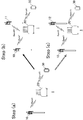
- FIG. 3 is a diagram for explaining the operation when the optimum backhaul frequency is changed in the mobile communication system according to each embodiment.
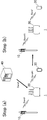
- FIG. 4 is a diagram for explaining the operation when the access frequency is changed in the mobile communication system according to each embodiment.
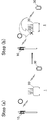
- FIG. 5 is a diagram for explaining a loop prevention operation in the mobile communication system according to each embodiment.
- Interference control As shown in FIG. 1, when the femtocell base station 20 communicates with the mobile device 30, the femtocell base station 20 uses the first frequency (backhaul frequency) and the first frequency used in the first wireless communication (BH). The frequency is randomly selected so that the second frequency (access frequency) used in the two-wireless communication (AC) is different, and interference between the backhaul radio and the access radio is prevented.
- interference control in the mobile communication system 1 according to the first embodiment will be specifically described.
- an individual frequency is expressed as “BandX” (X is an arbitrary frequency number). “Band” is recognized as a “frequency band” in the sense of ordinary English words, but is described as synonymous with a specific frequency in this specification.
- a notation such as “BandX” includes a representative frequency of a frequency band to be used and a modulation method to be used, which are determined by a predetermined industry group or regulatory authority.
- the frequency number for example, the LTE standard EARFCN (E -UTRAN A bsolute R adio F requency C hannel N umber) and the like.
- the femtocell base station 20 searches for the periphery of the femtocell base station 20 at the start of connection with the mobile device 30, and then selects a backhaul (BH) radio capable of communication according to its communication capability (Capability). To do. After selecting the backhaul radio, the femtocell base station 20 confirms the selected backhaul frequency, that is, the frequency band and frequency number of the backhaul radio.
- BH backhaul
- the femtocell base station 20 automatically selects a frequency different from the selected backhaul frequency at random. For example, as shown in FIG. 1, after the femtocell base station 20 selects the backhaul radio with the macrocell base station 10, the backhaul frequency used for the selected backhaul radio is confirmed. Suppose that it is Band1. In this case, as shown in FIG. 2, Band1 is excluded from selectable access frequency candidates, and one of the other Band3, Band8, Band41, and Band42 is automatically selected as an access frequency at random. To do. In FIG. 1, Band 41 is selected as the access frequency.
- the femtocell base station 20 is used in the first frequency (backhaul frequency) and the second radio communication (AC) used in the first radio communication (BH) even when an optimum macro cell base station opens in the vicinity.
- a frequency is randomly selected so as to be different from the second frequency (access frequency) to prevent interference between the backhaul radio and the access radio.
- Step (a) of FIG. 3 when the femtocell base station 20 selects the backhaul radio with the macrocell base station 10 and confirms the frequency of the selected backhaul radio, the backhaul frequency is Band1.
- the femtocell base station 20 excludes Band1 from the access frequency candidates and randomly selects a frequency Band41 different from the backhaul frequency as an access frequency (see FIG. 2).
- Step (b) of FIG. 3 the macro cell base station 11 having a backhaul frequency of Band 41 is opened in the vicinity. Even if the macro cell base station 11 with the frequency Band 41 is opened, since the femtocell base station 20 and the mobile device 30 perform access communication with the same frequency Band 41 as the opened macro cell base station 11, the backhaul frequency and the access frequency are different. In order to prevent the same, the femtocell base station 20 continues the connection with the macrocell base station 10 of the initially selected frequency Band1.
- Step (c) of FIG. 3 it is assumed that a macro cell base station 12 having a backhaul frequency of Band3 is opened nearby. Since this frequency Band3 does not cause interference unlike Band41 that is the access frequency of the mobile device 30, when the femtocell base station 20 determines that the backhaul radio of the frequency Band3 is optimal, the femtocell base station 20 switches the connection to the macrocell base station 12 of the frequency Band3.
- the femtocell base station 20 also receives the first frequency (backhaul) used in the first wireless communication (BH) even when there is a change instruction for switching the access frequency between the management server 40 and the mobile device 30.
- the frequency is randomly selected so that the second frequency (access frequency) used in the second radio communication (AC) is different, and interference between the backhaul radio and the access radio is prevented.
- the control at the time of the access frequency change in the mobile communication system 1 according to the first embodiment will be specifically described.
- the management server 40 can instruct the femtocell base station 20 to change access frequency switching. Even if the management server 40 instructs switching of the access frequency in the access radio radiated from the femtocell base station 20, the femtocell base station 20 randomly selects a backhaul frequency different from the access frequency.
- Step (a) of FIG. 4 when there is a change instruction from the management server 40 to switch the access frequency of the femtocell base station 20 to Band1, the femtocell base station 20 changes the backhaul frequency. Compare the frequency with the indicated access frequency. If the backhaul frequency and the access frequency instructed to be changed do not cause a problem such as interference between both radios, the femtocell base station 20 switches the access frequency to Band1. On the other hand, when a problem such as interference occurs due to the backhaul frequency and the access frequency instructed to change being the same, the management server 40 is notified that there is a problem with the change instruction. For example, as shown in Step (a) in FIG.
- the femtocell base station 20 contacts the management server 40 and changes the backhaul frequency to a randomly selected Band 41 as shown in Step (b) of FIG.
- the femtocell base station 20 selects the second frequency (access frequency) used in the second wireless communication (AC) so as to be different from the first frequency (backhaul frequency) used in the first wireless communication (BH). This prevents the loop phenomenon that the access radio is recognized as the backhaul radio.
- the control at the time of the access frequency change in the mobile communication system 1 according to the first embodiment will be specifically described.
- Step (a) of FIG. 5 when the mobile device 30 is activated, the femtocell base station 20 selects the optimal backhaul radio of the macrocell base station 10 and then confirms the frequency of the selected backhaul radio. Then, the access frequency with the mobile device 30 is automatically selected at random so as to be different from the backhaul frequency. Therefore, it is possible to prevent a loop phenomenon that an access radio is erroneously recognized as a backhaul radio.
- Step (b) of FIG. 5 even after the mobile device 30 is activated, the femtocell base station 20 selects the backhaul radio of the macrocell base station 10 communicating at the same backhaul frequency as the access frequency. Since this is prohibited, the occurrence of the loop phenomenon can be prevented.
- the mobile communication system 1 when the femtocell base station 20 selects at least one of the first frequency (backhaul frequency) and the second frequency (access frequency), A frequency is selected at random so that both frequencies are different. Therefore, according to the mobile communication system 1 according to the first embodiment, the interference between the backhaul radio and the access radio when the mobile device 30 is connected is prevented, and the backhaul frequency after the connection is changed or the access frequency Interference between the backhaul radio and the access radio can be prevented even when a change instruction is issued. In addition, according to the mobile communication system 1 according to the first embodiment, it is possible to prevent a loop phenomenon in which an access radio is erroneously recognized as a backhaul radio.
- the macro cell base station 10 and the femto cell base station 20 may be assigned unique identification numbers, respectively.
- identification numbers for example, there are standards such ECGI (E -UTRAN C ell G lobal I D) and PCI (P hysical C ell I dentity ).
- the femtocell base station 20 to which the identification number is assigned stores an identification number list that should be excluded from selection. Therefore, it is possible to apply the concept of the present invention to this identification number. For example, when the identification request included in the backhaul radio or access radio to be selected matches an identification number prohibited from being selected, the femtocell base station 20 Operation may be performed so that the access radio is not selected, that is, the frequency is not switched.
- FIG. 6 is a diagram for explaining a predefined frequency combination in the mobile communication system according to the second embodiment.
- symbol is attached
- the mobile communication system confirms the frequency band and frequency number (for example, EARFCN) of the backhaul radio selected by the femtocell base station 20, and then the first frequency (backhaul frequency) and the first frequency
- the point which selects a frequency with the combination defined beforehand differs from 1st Embodiment.
- the femtocell base station 20 of the second embodiment selects at least one of the first frequency and the second frequency
- the femtocell base station 20 selects a frequency in a predefined combination as shown in FIG.
- interference control control when changing the optimal backhaul frequency
- control when changing the access frequency A control program for performing loop prevention control is implemented.
- the femtocell base station 20 includes a first frequency (backhaul frequency) used in the first radio communication (BH) and a second frequency (access frequency) used in the second radio communication (AC).
- the frequency is selected with a predefined combination.
- the femtocell base station 20 searches for the periphery of the femtocell base station 20, and then selects a backhaul radio capable of communication according to the communication capability. After selecting the backhaul radio, the femtocell base station 20 confirms the frequency band, frequency number (for example, EARFCN) of the selected backhaul radio.
- a backhaul radio capable of communication according to the communication capability.
- the femtocell base station 20 confirms the frequency band, frequency number (for example, EARFCN) of the selected backhaul radio.
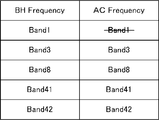
- the femtocell base station 20 automatically selects an access frequency different from the selected backhaul frequency according to a predefined combination. For example, as shown in FIG. 6, the femtocell base station 20 has access to a backhaul frequency Band1 and an access frequency Band41, a backhaul frequency Band3 and an access frequency Band42, a backhaul frequency Band8 and an access frequency Band1, and an access to the backhaul frequency Band41.
- a control program for selecting a predefined combination such as the frequency Band3, the backhaul frequency Band42, and the access frequency Band8 is implemented.
- the femtocell base station 20 is implemented.
- the femtocell base station 20 confirms the frequency of the selected backhaul radio after selecting the backhaul radio, it is assumed that the backhaul frequency is Band1.
- the frequency Band 41 defined in advance for Band 1 is automatically selected as the access frequency.
- the femtocell base station 20 is used in the first frequency (backhaul frequency) and the second radio communication (AC) used in the first radio communication (BH) even when the optimum macro cell base station 11 is opened in the vicinity.
- the frequency is selected in a predefined combination so as to be different from the second frequency (access frequency), and interference between the backhaul radio and the access radio is prevented.
- the control at the time of the optimal backhaul radio change in the mobile communication system according to the second embodiment will be specifically described.
- Step (a) of FIG. 3 after the femtocell base station 20 selects the backhaul radio when the mobile device 30 is activated, when the frequency of the selected backhaul radio is confirmed, the backhaul frequency is Band1.
- the femtocell base station 20 has selected the frequency Band 41 as the access frequency according to a predefined combination as shown in FIG.
- Step (b) of FIG. 3 the macro cell base station 11 having a backhaul frequency of Band 41 is opened in the vicinity. Even if the macro cell base station 11 with the frequency Band 41 is opened, since the femtocell base station 20 and the mobile device 30 perform access communication with the same frequency Band 41 as the opened macro cell base station 11, the backhaul frequency and the access frequency are different. In order to prevent the same, the connection with the macrocell base station 10 of the initially selected frequency Band1 is continued.
- Step (c) of FIG. 3 it is assumed that the macro cell base station 12 whose backhaul frequency is Band 3 is opened nearby.
- the femtocell base station 20 determines that the frequency Band3 is optimal, the femtocell base station 20 switches the connection to the backhaul radio with the macrocell base station 12 of the frequency Band3, and the access frequency is defined in advance. The frequency is switched to Band 42 according to the combination.
- a plurality of access frequencies that do not cause interference with one backhaul frequency can be set in advance. If the access frequency is switched during communication, the access communication of the mobile device 30 is disconnected once. However, if a plurality of access frequencies are set for one backhaul frequency, it is possible to prevent interruption of the access communication. is there. For example, it is assumed that Band 41, which is the access frequency, is registered in advance for Band 3, which is the backhaul frequency, in addition to Band 42. In this case, even when the backhaul frequency is switched to Band3, Band41 can be used as the access frequency. Therefore, when the backhaul frequency is switched from Band41 to Band3, the access frequency does not need to be switched to Band41. For this reason, the same access frequency can be used continuously, and interruption of access communication can be prevented.
- the femtocell base station 20 also uses the first frequency (backhaul frequency) used in the first wireless communication (BH) even when there is an instruction to change the access frequency between the management server 40 and the mobile device 30. And a second frequency (access frequency) used in the second radio communication (AC) are selected according to a predetermined combination to prevent interference between the backhaul radio and the access radio.
- first frequency backhaul frequency
- second frequency access frequency used in the second radio communication (AC) are selected according to a predetermined combination to prevent interference between the backhaul radio and the access radio.
- the management server 40 can instruct the femtocell base station 20 to change access frequency switching.
- the management server 40 instructs the femtocell base station 20 to change the access frequency
- the femtocell base station 20 selects a backhaul frequency different from the access frequency based on a predefined combination.
- Step (a) of FIG. 4 if there is a change instruction from the management server 40 to switch the access frequency of the femtocell base station 20 from Band41 to Band1, the femtocell base station 20 Compare the frequency with the access frequency. If the backhaul frequency and the access frequency are the same and there is no problem such as interference between both radios, the femtocell base station 20 switches the access frequency to Band1. On the other hand, when a problem such as interference occurs due to the backhaul frequency and the access frequency instructed to change being the same, the management server 40 is notified that there is a problem with the change instruction. For example, as shown in Step (a) in FIG.
- the femtocell base station 20 contacts the management server 40 and changes the backhaul frequency to the frequency Band8 according to a predefined combination as shown in FIG.
- the femtocell base station 20 has a second frequency (access frequency) used in the second radio communication (AC) defined in advance so as to be different from the first frequency (backhaul frequency) used in the first radio communication (BH).
- the loop phenomenon that the access radio is mistakenly selected as the backhaul radio and is selected according to the selected combination is prevented.
- the control at the time of changing the access frequency in the mobile communication system according to the second embodiment will be specifically described.
- Step (a) of FIG. 5 when the mobile device 30 is activated, the femtocell base station 20 selects the backhaul radio of the macrocell base station 10 and then confirms the frequency of the selected backhaul radio.
- the access frequency with the mobile device 30 is selected according to a predefined combination so as to be different from the backhaul frequency. Therefore, it is possible to prevent a loop phenomenon in which the access radio is recognized as a backhaul radio.
- Step (b) of FIG. 5 even after the mobile device 30 is activated, the femtocell base station 20 selects the backhaul radio of the macrocell base station 10 communicating at the same backhaul frequency as the access frequency. Since different frequencies are selected in accordance with a pre-defined combination so as to prohibit this, a loop phenomenon can be prevented.
- the femtocell base station 20 selects at least one of the first frequency (backhaul frequency) and the second frequency (access frequency), Select frequencies so that both frequencies are different according to the defined combination. Therefore, according to the mobile communication system according to the second embodiment, interference between the backhaul radio and the access radio at the start of connection of the mobile device 30 is prevented, and also when the backhaul frequency is changed after the connection or the access frequency is changed. Interference between the backhaul radio and the access radio can be prevented even at the time of the instruction.
- the mobile communication system 1 according to the second embodiment it is possible to prevent a loop phenomenon in which an access radio communicating with the mobile device 30 is erroneously recognized as a backhaul radio.
- the femtocell base station 20 since the femtocell base station 20 selects a frequency based on a predefined combination, there is an advantageous effect that the frequency can be easily selected.
- the macro cell base station 10 and the femto cell base station 20 are assigned unique identification numbers such as ECGI and PCI, and the identification request included in the backhaul radio or access radio to be selected is selected. If the identification number forbidden to match, the femtocell base station 20 may be operated so as not to select the backhaul radio or the access radio, that is, not to switch the frequency.
- the mobile communication system selects the second frequency (access frequency) after confirming the frequency band and frequency number (for example, EARFCN) of the backhaul radio selected by the femtocell base station 20.
- RSRP Reference S ignal R eceived P ower
- RSRP value is relatively small
- RSRP represents the strength of the signal. Since RSRP changes depending on the distance from surrounding buildings and antennas, in this embodiment, for example, the frequency at which RSRP around femtocell base station 20 is weakest is selected.
- the femtocell base station 20 of the third embodiment selects the second frequency
- the femtocell base station 20 selects the frequency with the weakest RSRP around the femtocell base station 20.
- the femtocell base station 20 of this embodiment performs interference control, control when changing the optimal backhaul frequency, control when changing the access frequency, and loop prevention control by selecting the frequency with the weakest neighboring RSRP.
- a control program is implemented.
- the femtocell base station 20 uses a second frequency (access frequency) used in the second radio communication (AC) as a first frequency (backhaul frequency) used in the first radio communication (BH). And the frequency with the weakest RSRP around the femtocell base station 20 is selected. Such selection can prevent interference between the backhaul radio and the access radio, and can effectively improve the radio wave condition of the area.
- interference control in the mobile communication system according to the third embodiment will be specifically described.
- the femtocell base station 20 searches for the periphery of the femtocell base station 20, and then selects a backhaul radio capable of communication according to the communication capability. After selecting the backhaul radio, the femtocell base station 20 confirms the frequency band, frequency number (for example, EARFCN) of the selected backhaul radio.
- a backhaul radio capable of communication according to the communication capability.
- the femtocell base station 20 confirms the frequency band, frequency number (for example, EARFCN) of the selected backhaul radio.
- the femtocell base station 20 automatically selects a frequency that is different from the selected backhaul frequency and has the weakest RSRP around the femtocell base station 20 as an access frequency.
- the femtocell base station 20 confirms the frequency of the selected backhaul radio after selecting the backhaul radio, it is assumed that the backhaul frequency is Band1.
- Band1 is excluded from the access frequency candidates, and the frequency having the weakest RSRP around the femtocell base station 20 is automatically selected as the access frequency from the other Band3, Band8, Band41, and Band42.
- the femtocell base station 20 is used in the first frequency (backhaul frequency) and the second radio communication (AC) used in the first radio communication (BH) even when the optimum macro cell base station 11 is opened in the vicinity.
- the frequency with the lowest RSRP around the femtocell base station 20 is selected so as to be different from the second frequency (access frequency), and interference between the backhaul radio and the access radio is prevented.
- the control at the time of the optimal BH change in the mobile communication system according to the third embodiment will be specifically described.
- Step (a) of FIG. 3 when the frequency of the selected backhaul radio is confirmed after the femtocell base station 20 selects the backhaul radio, it is assumed that the backhaul frequency is Band1. Further, the femtocell base station 20 excludes Band1 from the access frequency candidates, and differs from the backhaul frequency among the other Band3, Band8, Band41, and Band42, and around the femtocell base station 20 Assume that the frequency Band 41 with the weakest RSRP is automatically selected as the access frequency.
- Step (b) of FIG. 3 the macro cell base station 11 having a backhaul frequency of Band 41 is opened in the vicinity. Even if the macro cell base station 11 with the frequency Band 41 is opened, since the femtocell base station 20 and the mobile device 30 perform access communication with the same frequency Band 41 as the opened macro cell base station 11, the backhaul frequency and the access frequency are different. In order to prevent the same, the connection with the macrocell base station 10 of the initially selected frequency Band1 is continued.
- Step (c) of FIG. 3 it is assumed that the macro cell base station 12 whose backhaul frequency is Band 3 is opened nearby. Since this frequency Band3 is different from the Band41 of the access frequency of the mobile device 30, when the femtocell base station 20 determines that the frequency Band3 is optimal, the femtocell base station 20 determines that the macrocell base station 12 has the frequency Band3. Switch the connection to.
- the femtocell base station 20 also receives the first frequency (backhaul frequency) used in the first wireless communication (BH) and the first frequency even when there is an instruction to switch the access frequency between the management server 40 and the mobile device 30. Interference between the backhaul radio of the femtocell base station 20 and the access radio is prevented so that the second frequency (access frequency) used in the two-radio communication (AC) is different.
- the control at the time of changing the access frequency in the mobile communication system according to the third embodiment will be specifically described.
- the management server 40 can instruct the femtocell base station 20 to change access frequency switching. Even if the management server 40 gives an instruction to change the access frequency of the femtocell base station 20, the femtocell base station 20 selects a backhaul frequency different from the access frequency.
- Step (a) of FIG. 4 when there is a change instruction from the management server 40 to switch the access frequency of the femtocell base station 20 to Band1, the femtocell base station 20 Compare frequency with frequency. If there is no problem such as interference between both radios due to the same backhaul frequency and access frequency, the femtocell base station 20 switches the access frequency to Band1. On the other hand, when a problem such as interference occurs due to the backhaul frequency and the access frequency instructed to change being the same, the management server 40 is notified that there is a problem with the change instruction. For example, as shown in Step (a) in FIG.
- the femtocell base station 20 contacts the management server 40 and changes the backhaul frequency to the frequency Band 41 as shown in Step (b) of FIG.
- the femtocell base station 20 is configured such that the first frequency (backhaul frequency) used in the first radio communication (BH) is different from the second frequency (access frequency) used in the second radio communication (AC), and By selecting the frequency with the weakest RSRP around the femtocell base station 20, a loop phenomenon that erroneously recognizes the access radio of the mobile device 10 as a backhaul radio is prevented.
- the control at the time of changing the access frequency in the mobile communication system according to the third embodiment will be specifically described.
- Step (a) of FIG. 5 when the mobile device 30 is activated, the femtocell base station 20 selects the backhaul radio of the macrocell base station 10 and then confirms the frequency of the selected backhaul radio.
- An access frequency that is different from the backhaul frequency and has the weakest RSRP around the femtocell base station 20 is automatically selected. Therefore, it is possible to prevent a loop phenomenon in which the access radio is erroneously recognized as a backhaul radio.
- Step (b) of FIG. 5 even after the mobile device 30 is activated, the femtocell base station 20 selects the backhaul radio of the macrocell base station 10 communicating at the same backhaul frequency as the access frequency. Since the frequency with the weakest RSRP around the femtocell base station 20 is automatically selected so as to be prohibited, the loop phenomenon can be prevented.
- the RSRP around the femtocell base station 20 is the weakest frequency. Select. Therefore, according to the mobile communication system according to the third embodiment, interference between the backhaul radio and the access radio at the start of connection of the mobile device 30 is prevented, and the backhaul frequency is changed after the connection or the access frequency is changed. Interference between the backhaul radio and the access radio can be prevented even at the time of the instruction. In addition, according to the mobile communication system according to the third embodiment, it is possible to prevent a loop phenomenon in which the access radio communicating with the mobile device 30 is erroneously recognized as a backhaul radio. In particular, according to the mobile communication system according to the third embodiment, since the frequency with the lowest RSRP around the femtocell base station 20 is selected, there is an advantageous effect that a frequency with a good communication state can be selected.
- the mobile communication system selects the second frequency (access frequency) after confirming the frequency band and frequency number (for example, EARFCN) of the backhaul radio selected by the femtocell base station 20.
- the point of selecting the frequency with the worst RSRQ (Reference Signal Received Quality) (relatively small RSRQ value) is different from the first embodiment.
- the RSRQ represents the signal quality. Since RSRQ varies depending on the distance from surrounding buildings and antennas, in this embodiment, for example, the worst frequency of RSRQ around femtocell base station 20 is selected.
- the femtocell base station 20 of the fourth embodiment selects a frequency having the worst RSRQ around the femtocell base station 20.
- the femtocell base station 20 of the present embodiment by selecting the frequency with the worst RSRQ around the femtocell base station 20, interference control, control when changing the optimal backhaul frequency, control when changing the access frequency A control program for performing loop prevention control is implemented.
- the femtocell base station 20 uses a second frequency (access frequency) used in the second radio communication (AC) as a first frequency (backhaul frequency) used in the first radio communication (BH). And the frequency having the worst RSRQ around the femtocell base station 20 is selected. Such a selection can prevent interference between the backhaul radio and the access radio, and can effectively improve the radio wave condition in an area where the RSRQ is bad.
- interference control in the mobile communication system according to the fourth embodiment will be specifically described.
- the femtocell base station 20 searches for the periphery of the femtocell base station 20, and then selects a backhaul radio capable of communication according to the communication capability. After selecting the backhaul radio, the femtocell base station 20 confirms the frequency band, frequency number (for example, EARFCN) of the selected backhaul radio.
- a backhaul radio capable of communication according to the communication capability.
- the femtocell base station 20 confirms the frequency band, frequency number (for example, EARFCN) of the selected backhaul radio.
- the femtocell base station 20 automatically selects a frequency that is different from the selected backhaul frequency and has the worst RSRQ around the femtocell base station 20.
- the backhaul frequency is Band1.
- Band1 is excluded from the access frequency candidates, and the frequency having the worst RSRQ around the femtocell base station 20 is automatically selected as the access frequency from among other Band3, Band8, Band41, and Band42.
- the femtocell base station 20 is used in the first frequency (backhaul frequency) and the second radio communication (AC) used in the first radio communication (BH) even when the optimum macro cell base station 11 is opened in the vicinity.
- the frequency with the worst RSRQ around the femtocell base station 20 is selected so as to be different from the second frequency (access frequency), and interference between the backhaul radio and the access radio is prevented.
- the control at the time of the optimal BH change in the mobile communication system according to the fourth embodiment will be specifically described.
- Step (a) of FIG. 3 when the frequency of the selected backhaul radio is confirmed after the femtocell base station 20 selects the backhaul radio, it is assumed that the backhaul frequency is Band1. Further, the femtocell base station 20 excludes Band1 from the access frequency candidates, and differs from the backhaul frequency among the other Band3, Band8, Band41, and Band42, and around the femtocell base station 20 It is assumed that the frequency Band 41 having the worst RSRQ is automatically selected as the access frequency.
- Step (b) of FIG. 3 the macro cell base station 11 having a backhaul frequency of Band 41 is opened in the vicinity. Even if the macro cell base station 11 with the frequency Band 41 is opened, since the femtocell base station 20 and the mobile device 30 perform access communication with the same frequency Band 41 as the opened macro cell base station 11, the backhaul frequency and the access frequency are different. In order to prevent the same, the connection with the macrocell base station 10 of the initially selected frequency Band1 is continued.
- Step (c) of FIG. 3 it is assumed that the macro cell base station 12 whose backhaul frequency is Band 3 is opened nearby. Since this frequency Band3 is different from the Band41 of the access frequency of the mobile device 30, when the femtocell base station 20 determines that the frequency Band3 is optimal, the femtocell base station 20 determines that the macrocell base station 12 has the frequency Band3. Switch the connection to.
- the femtocell base station 20 uses the first frequency (backhaul frequency) and the second radio communication (AC) used in the first radio communication (BH) even when the management server 40 instructs to switch the access frequency.
- the frequency with the worst neighboring RSRQ is selected so that the second frequency (access frequency) used is different, and interference between the backhaul radio and the access radio is prevented.
- the management server 40 can instruct to change the access frequency of the femtocell base station 20. Even if the management server 40 gives an instruction to change the access frequency of the femtocell base station 20, the femtocell base station 20 selects a backhaul frequency different from the access frequency.
- Step (a) of FIG. 4 when there is a change instruction from the management server 40 to switch the access frequency of the femtocell base station 20 to Band1, the femtocell base station 20 Compare frequency with frequency. If there is no problem such as interference between both radios due to the same backhaul frequency and access frequency, the femtocell base station 20 switches the access frequency to Band1. On the other hand, when a problem such as interference occurs due to the backhaul frequency and the access frequency instructed to change being the same, the management server 40 is notified that there is a problem with the change instruction. For example, as shown in Step (a) in FIG.
- the femtocell base station 20 contacts the management server 40 and changes the backhaul frequency to the frequency Band 41 as shown in Step (b) of FIG.
- the femtocell base station 20 is configured such that the first frequency (backhaul frequency) used in the first radio communication (BH) is different from the second frequency (access frequency) used in the second radio communication (AC), and By selecting the frequency with the worst RSRQ around the femtocell base station 20, a loop phenomenon that erroneously recognizes the access radio of the mobile device 10 as a backhaul radio is prevented.
- the control at the time of changing the access frequency in the mobile communication system according to the fourth embodiment will be specifically described.
- Step (a) of FIG. 5 when the mobile device 30 is activated, the femtocell base station 20 selects the backhaul radio of the macrocell base station 10 and then confirms the frequency of the selected backhaul radio. An access frequency that is different from the backhaul frequency and has the worst RSRQ around the femtocell base station 20 is automatically selected. Therefore, it is possible to prevent a loop phenomenon in which the access radio is erroneously recognized as a backhaul radio. As shown in Step (b) of FIG. 5, even after the mobile device 30 is activated, the femtocell base station 20 selects the backhaul radio of the macrocell base station 10 communicating at the same backhaul frequency as the access frequency. Therefore, it is possible to prevent the loop phenomenon since the RSRQ in the vicinity of the femtocell base station 20 automatically selects the worst frequency.
- the frequency with the worst RSRQ around the femtocell base station 20 is the worst. Select. Therefore, according to the mobile communication system according to the fourth embodiment, interference between the backhaul radio and the access radio at the start of connection of the mobile device 30 can be prevented, and the backhaul frequency can be changed after the connection or the access frequency can be changed. Interference between the backhaul radio and the access radio can be prevented even at the time of the instruction. In addition, according to the mobile communication system according to the fourth embodiment, it is possible to prevent a loop phenomenon in which the access radio is erroneously recognized as the backhaul radio. Particularly, according to the mobile communication system according to the fourth embodiment, since the frequency with the worst RSRQ around the femtocell base station 20 is selected, there is an advantageous effect that communication quality can be improved in the area.
- the mobile communication system selects the second frequency (access frequency) after confirming the frequency band and frequency number (for example, EARFCN) of the backhaul radio selected by the femtocell base station 20.
- the point of selecting an out-of-service frequency is different from the first embodiment.
- the femtocell base station 20 of the fifth embodiment selects a frequency outside the service area when selecting the second frequency.
- the femtocell base station 20 of the present embodiment is equipped with a control program that performs interference control, control when changing the optimal backhaul frequency, control when changing the access frequency, and loop prevention control by selecting out-of-service frequencies. Has been.
- the femtocell base station 20 includes a first frequency (backhaul frequency) used in the first radio communication (BH) and a second frequency (access frequency) used in the second radio communication (AC).
- the frequency outside the service area is selected such that the backhaul radio and the access radio interfere with each other.
- the femtocell base station 20 searches for the periphery of the femtocell base station 20, and then selects a backhaul radio capable of communication according to the communication capability. After selecting the backhaul radio, the femtocell base station 20 confirms the frequency band, frequency number (for example, EARFCN) of the selected backhaul radio.
- a backhaul radio capable of communication according to the communication capability.
- the femtocell base station 20 confirms the frequency band, frequency number (for example, EARFCN) of the selected backhaul radio.
- the femtocell base station 20 automatically selects an out-of-service frequency so that the access frequency is different from the selected backhaul frequency.
- the femtocell base station 20 confirms the frequency of the selected backhaul radio after selecting the backhaul radio, it is assumed that the backhaul frequency is Band1.
- Band 1 is excluded from the access frequency candidates, and an out-of-service frequency is automatically selected as an access frequency from the other Band 3, Band 8, Band 41, and Band 42.
- the femtocell base station 20 is used in the first frequency (backhaul frequency) and the second radio communication (AC) used in the first radio communication (BH) even when an optimum macro cell base station opens in the vicinity.
- An out-of-service frequency is selected so that the second frequency (access frequency) is different, and interference between the backhaul radio and the access radio is prevented.
- Step (a) of FIG. 3 when the frequency of the selected backhaul radio is confirmed after the femtocell base station 20 selects the backhaul radio, it is assumed that the backhaul frequency is Band1. Further, it is assumed that the femtocell base station 20 excludes Band1 from the access frequency candidates and automatically selects an out-of-range frequency Band41 as an access frequency from among other Band3, Band8, Band41, and Band42 so that the frequencies are different. .
- Step (c) of FIG. 3 it is assumed that a macro cell base station 12 whose backhaul frequency is Band 3 is opened nearby. Since this frequency Band3 is different from the Band41 of the access frequency of the mobile device 30, when the femtocell base station 20 determines that the frequency Band3 is optimal, the femtocell base station 20 determines that the macrocell base station 12 has the frequency Band3. Switch the connection to.
- the femtocell base station 20 uses the first frequency (backhaul frequency) and the second radio communication (AC) used in the first radio communication (BH) even when the management server 40 instructs to switch the access frequency.
- An out-of-service frequency is selected so that the second frequency (access frequency) to be used is different to prevent interference between the backhaul radio and the access radio.
- the management server 40 can instruct the femtocell base station 20 to change access frequency switching. Even if the management server 40 gives an instruction to change the access frequency of the femtocell base station 20, the femtocell base station 20 selects a backhaul frequency different from the access frequency.
- Step (a) of FIG. 4 when there is a change instruction from the management server 40 to switch the access frequency of the femtocell base station 20 to Band1, the femtocell base station 20 Compare frequency with frequency. If there is no problem such as interference between both radios due to the same backhaul frequency and access frequency, the femtocell base station 20 switches the access frequency to Band1. On the other hand, when a problem such as interference occurs due to the backhaul frequency and the access frequency instructed to change being the same, the management server 40 is notified that there is a problem with the change instruction. For example, as shown in Step (a) in FIG.
- the femtocell base station 20 contacts the management server 40 and changes the backhaul frequency to the frequency Band 41 as shown in Step (b) of FIG.
- the femtocell base station 20 is out of service so that the first frequency (backhaul frequency) used in the first wireless communication (BH) and the second frequency (access frequency) used in the second wireless communication (AC) are different. By selecting a frequency, a loop phenomenon that erroneously recognizes the access radio as a backhaul radio is prevented.
- the control at the time of changing the access frequency in the mobile communication system according to the fifth embodiment will be specifically described.
- Step (a) of FIG. 5 when the mobile device 30 is activated, the femtocell base station 20 selects the backhaul radio of the macrocell base station 10 and then confirms the frequency of the selected backhaul radio. A frequency outside the service area is automatically selected so as to be different from the backhaul frequency. Therefore, it is possible to prevent a loop phenomenon in which the access radio is erroneously recognized as a backhaul radio. As shown in Step (b) of FIG. 5, even after the mobile device 30 is activated, the femtocell base station 20 selects the backhaul radio of the macrocell base station 10 communicating at the same backhaul frequency as the access frequency. Since the frequency outside the service area is automatically selected so as to be prohibited, the loop phenomenon can be prevented.
- the mobile communication system according to the fifth embodiment selects an out-of-service frequency when the femtocell base station 20 selects the second frequency (access frequency). Therefore, according to the mobile communication system according to the fifth embodiment, interference between the backhaul radio and the access radio at the start of connection of the mobile device 30 can be prevented, and the backhaul frequency can be changed after the connection or the access frequency can be changed. Interference between the backhaul radio and the access radio can be prevented even at the time of the instruction. In addition, according to the mobile communication system according to the fifth embodiment, it is possible to prevent a loop phenomenon in which an access radio is erroneously recognized as a backhaul radio. In particular, according to the mobile communication system according to the fifth embodiment, since an out-of-service frequency is selected, there is an advantageous effect that frequency interference hardly occurs.
- FIG. 7 shows Band 41 as an example of such a wide frequency band.
- the frequency band Band 41 is the same frequency band, and does not interfere with each other, and has a relatively low frequency Low, a relatively high frequency High, and a frequency Mid between the frequencies Low and High. It is selectable.
- the first frequency related to the backhaul radio and the second frequency related to the access radio are different frequencies within the same frequency band, and the femtocell base station 20 uses the first frequency and the second frequency.
- the first embodiment operates so as to select different frequencies within the same frequency band adjacent to the previously selected frequency so as to be different from the frequency.
- the selection of the adjacent frequency gives priority to a frequency as far as possible from the selectable frequencies, and gives a lower priority to a more adjacent frequency.
- the adjacent frequency is selected when it is unavoidable that the electric field strength at a distant frequency radiated by another femtocell base station 20 is unavoidable.
- the femtocell base station 20 of the sixth embodiment selects at least one of the first frequency and the second frequency from the same frequency band Band 41 as shown in FIG. 7, it is adjacent to the previously selected frequency. Select different frequencies in the same frequency band.
- the femtocell base station 20 of this embodiment performs interference control, control when changing the optimal backhaul frequency, control when changing the access frequency, and loop prevention control by selecting adjacent frequencies within the same frequency band.
- a control program is implemented.
- the femtocell base station 20 includes a first frequency (backhaul frequency) used in the first radio communication (BH) and a second frequency (access frequency) used in the second radio communication (AC).
- the adjacent frequency of the same frequency as the previously selected frequency is selected to prevent interference between the backhaul radio and the access radio.
- the femtocell base station 20 searches for the periphery of the femtocell base station 20, and then selects a backhaul radio capable of communication according to the communication capability. After selecting the backhaul radio, the femtocell base station 20 confirms the frequency band, frequency number (for example, EARFCN) of the selected backhaul radio.
- a backhaul radio capable of communication according to the communication capability.
- the femtocell base station 20 confirms the frequency band, frequency number (for example, EARFCN) of the selected backhaul radio.
- the femtocell base station 20 automatically selects an adjacent frequency in the same frequency band as the backhaul frequency as an access frequency so as to be different from the selected backhaul frequency.
- the femtocell base station 20 confirms the frequency of the selected backhaul radio after selecting the backhaul radio, it is assumed that the backhaul frequency is Low in Band 41.
- the frequency High that is as far away as possible from the access frequency candidate within the same Band 41 as the frequency Low is automatically selected as the access frequency AC1 with the highest priority. If there is an inconvenience in selecting the access frequency AC1, the frequency Mid close to the backhaul frequency Low is automatically selected as the access frequency AC2 having the second priority.
- the femtocell base station 20 is used in the first frequency (backhaul frequency) and the second radio communication (AC) used in the first radio communication (BH) even when the optimum macro cell base station 11 is opened in the vicinity.
- Backhaul radio by selecting a different frequency within the same frequency band adjacent to the previously selected frequency so as to be different from the second frequency (access frequency) to be transmitted, or selecting another frequency band that does not interfere And interference with access radio.
- the control at the time of the optimal BH change in the mobile communication system according to the sixth embodiment will be specifically described.
- the femtocell base station 20 confirms the frequency of the selected backhaul radio after selecting the backhaul radio, it is assumed that the backhaul frequency is Low of Band 41. Furthermore, it is assumed that the femtocell base station 20 automatically selects the adjacent frequency High in Band 41 as the access frequency AC1 from the access frequency candidates.
- a macro cell base station 11 having a backhaul frequency of Band 41 High is opened nearby. Even if the high macro cell base station 11 having the frequency Band 41 is opened, the femtocell base station 20 and the mobile device 30 perform access communication at the same frequency Band 41 high as the opened macro cell base station 11. In order to prevent the access frequency from becoming the same, the femtocell base station 20 continues to connect to the low macrocell base station 10 of the initially selected frequency Band 41.
- the macro cell base station 12 whose backhaul frequency is Mid of Band 41 is opened nearby. Since the Mid of the frequency Band 41 is different from the High of Band 41 of the access frequency of the mobile device 30, if the femtocell base station 20 determines that the Mid of the frequency Band 41 is optimal, the femtocell base station 20 The connection is switched to the Mid macro cell base station 12 of Band 41.
- the femtocell base station 20 also receives the first frequency (backhaul frequency) used in the first wireless communication (BH) and the first frequency even when there is an instruction to switch the access frequency between the management server 40 and the mobile device 30. 2 Interference between the backhaul frequency and the access frequency by selecting a different frequency in the same frequency band that is adjacent to the previously selected frequency so that the second frequency (access frequency) used in wireless communication (AC) is different. To prevent.
- the control at the time of changing the access frequency in the mobile communication system according to the sixth embodiment will be specifically described.
- the management server 40 can instruct the femtocell base station 20 to change access frequency switching. Even if the management server 40 instructs the femtocell base station 20 to change the access frequency, does the femtocell base station 20 select a different frequency within the same frequency band as the access frequency so as to be different from the access frequency? Or another frequency band that does not interfere is selected as the backhaul frequency.
- the femtocell base station 20 compare frequencies. If there is no problem such as interference between the two radios due to the same backhaul frequency and access frequency, the femtocell base station 20 switches the access frequency to Band 41 High. On the other hand, when a problem such as interference occurs due to the backhaul frequency and the access frequency instructed to change being the same, the management server 40 is notified that there is a problem with the change instruction.
- the femtocell base station 20 communicates with the management server 40 and switches the access frequency to Low or Mid of Band 41 or another frequency band that does not interfere.
- the femtocell base station 20 first determines that the first frequency (backhaul frequency) used in the first wireless communication (BH) and the second frequency (access frequency) used in the second wireless communication (AC) are different. By selecting a different frequency in the same frequency band adjacent to the selected frequency, a loop phenomenon in which the access radio is erroneously recognized as a backhaul radio is prevented.
- the control at the time of changing the access frequency in the mobile communication system according to the sixth embodiment will be specifically described.
- the femtocell base station 20 selects the backhaul radio of the macrocell base station 10 and then confirms the frequency of the selected backhaul radio. Different frequencies in the same frequency band adjacent to the previously selected frequency so as to be different from the backhaul frequency are automatically selected. Therefore, it is possible to prevent a loop phenomenon in which the access radio is erroneously recognized as a backhaul radio.
- the femtocell base station 20 selects the backhaul radio of the macrocell base station 10 communicating at the same backhaul frequency as the access frequency. Since it is prohibited to do so, different frequencies in the same frequency band that are adjacent to the same frequency as the access frequency are automatically selected, so that a loop phenomenon can be prevented.
- the femtocell base station 20 selects at least one of the first frequency (backhaul frequency) and the second frequency (access frequency)
- a different frequency in the same frequency band that is adjacent to the frequency selected in (1) is selected.
- the selection of the adjacent frequency gives priority to a frequency as far as possible from frequencies that can be selected within the same frequency band, and gives a lower priority to a frequency that is more adjacent.
- the adjacent frequency is selected when it is unavoidable that the electric field strength at a distant frequency radiated by another femtocell base station 20 is unavoidable.
- the mobile communication system according to the sixth embodiment it is possible to prevent interference between the backhaul radio and the access radio when the mobile device 30 is activated, and to change the backhaul frequency or change the access frequency after connection. Interference between the backhaul radio and the access radio can be prevented even when instructing.
- since an adjacent frequency in the same frequency band as previously selected is selected there is an advantageous effect that frequency interference can be easily prevented.
- the present invention is a mobile communication method or mobile communication program for relaying packet communication between a macro cell base station and a mobile device, the first radio communication with the macro cell base station, The function of executing the second wireless communication with the mobile device, the first frequency and the second frequency used in the second wireless communication are different from the first frequency used in the first wireless communication and the first frequency
- a mobile communication method or a mobile communication program comprising a function of automatically selecting at least one of the second frequencies.
- the present invention may be configured such that the above function is performed by a single femtocell base station, or may be configured so that the femtocell base station, the macrocell base station, and other devices cooperate.
- the femtocell base station in the above embodiment has been described by exemplifying an integrated base station in which the base station control unit and the radio unit are integrated.
- the femtocell base station includes the base station control unit and the radio unit. It may also be a separate base station that separates.
- the present invention includes various embodiments and the like not described herein.
- SYMBOLS 1 Mobile communication system, 10 ... Macrocell base station, 20 ... Femtocell base station, 30 ... Mobile station, 40 ... Management server.
Landscapes
- Engineering & Computer Science (AREA)
- Computer Networks & Wireless Communication (AREA)
- Signal Processing (AREA)
- Quality & Reliability (AREA)
- Mobile Radio Communication Systems (AREA)
Abstract
マクロセル基地局10と移動機30との間でパケット通信を中継する移動通信システム1であって、マクロセル基地局10との間で第1無線通信が実行され、移動機30との間で第2無線通信が実行されるフェムトセル基地局20を備え、第1無線通信で用いられる第1周波数と第2無線通信で用いられる第2周波数とが異なるように、第1周波数および第2周波数の少なくとも一方を選択する。移動機の起動時におけるバックホール周波数とアクセス周波数との干渉を防止するとともに、接続後におけるバックホール変更時やアクセス周波数変更の指示時にもアクセス周波数との干渉を防止することができ、かつ移動機自体が発信するアクセス周波数をバックホールとして選択するループ現象を防止することができる移動通信システムを実現できる。
Description
本発明は、マクロセル基地局と移動機との間でパケット通信を中継する移動通信システムに関する。
従来のフェムトセル(FMC:Femto Cell)基地局を利用した通信では、バックホール(BH:Backhaul)として公衆電話網等の固定回線を使用して通信サービスを行っていた(例えば、特許文献1参照)。
しかし、特許文献1記載の技術のように、固定回線をバックホールとして用いると、固定回線の敷設に時間を要し、固定回線のランニングコストが掛かってしまうという問題があった。この固定回線を用いたフェムトセル通信における問題を解決するために、マクロセル(MCC:Macro Cell)基地局等の無線をバックホールとして利用することが考えられる。また、フェムトセル基地局では、複数の周波数から選択して無線信号を輻射可能とする実装技術も検討されている。このようにバックホールとして複数の周波数の無線通信を利用することで、フェムトセル基地局の柔軟な利用が可能となる。
しかしながら、無線通信をバックホールとして利用する場合には、バックホール無線(BH)に用いる周波数(バックホール周波数)とフェムトセル基地局が移動機との通信のために輻射するアクセス無線(AC:Access Link)に用いる周波数(アクセス周波数)とが同一であると、両無線が干渉してしまう。干渉を防止するためには、バックホール周波数とアクセス周波数とを同一にしないなどの制御が必要だが、フェムトセル基地局の設置場所に応じて、個別のフェムトセル基地局毎に管理サーバから手動で周波数を変更する等の管理をするのは負荷が大きい。
また、フェムトセル基地局からのアクセス無線の輻射後において、最適な周波数でバックホール無線を提供するマクロセル基地局が開局して接続先を変更する場合にも、変更するバックホール無線とアクセス無線との干渉を考慮する必要がある。さらに、アクセス無線をバックホール無線と誤認識して自身のシステム内でループしてしまう現象を防止する必要もある。
本発明は、上記の事情に鑑みて創案されたものであり、フェムトセル基地局のバックホール無線とアクセス無線との干渉を防止するとともに、接続後におけるバックホール周波数の変更時にもバックホール無線とアクセス無線との干渉を防止することができ、かつアクセス無線をバックホール無線として誤認識することで生じるループ現象を防止することができる移動通信システムの提供を目的とする。
上記目的を達成するために、本発明に係る移動通信システムは、マクロセル基地局と移動機との間でパケット通信を中継する移動通信システムであって、前記マクロセル基地局との間で第1無線通信を実行する基地局制御部と、前記移動機との間で第2無線通信を実行する無線部と、を備えるフェムトセル基地局を備え、前記第1無線通信で用いられる第1周波数と前記第2無線通信で用いられる第2周波数とが異なるように前記第1周波数および前記第2周波数の少なくとも一方を自動的に選択することを特徴とする。
前記フェムトセル基地局は、前記第1周波数と前記第2周波数とが異なるようにランダムに周波数を選択する。
また、前記フェムトセル基地局は、前記第1周波数と前記第2周波数とが異なるように、予め定義された組み合わせで周波数を選択してもよい。
さらに、前記フェムトセル基地局は、前記第1周波数と前記第2周波数とが異なるように、前記フェムトセル基地局周辺の信号の強さが最も弱い周波数を選択してもよい。
前記フェムトセル基地局は、前記第1周波数と前記第2周波数とが異なるように、前記フェムトセル基地局周辺の信号の品質が最も悪い周波数を選択してもよい。
前記フェムトセル基地局は、前記第1周波数と前記第2周波数とが異なるように、前記移動機の圏外の周波数を選択してもよい。
前記第1周波数と前記第2周波数とは、同じ周波数帯内の異なる周波数であり、前記フェムトセル基地局は、前記第1周波数と前記第2周波数とが異なるように、先に選択した周波数に隣接する、同じ周波数帯内の異なる周波数を選択してもよい。
前記フェムトセル基地局は、前記基地局制御部と前記無線部とを分離した分離型基地局、または前記基地局制御部と前記無線部とを統合した一体型基地局であってもよい。
本発明に係る移動通信システムによれば、バックホール無線とアクセス無線との干渉を防止するとともに、接続後におけるバックホール周波数の変更時やアクセス周波数の変更指示時にもバックホール無線とアクセス無線との干渉を防止することができ、かつアクセス無線をバックホール無線として誤認識するループ現象を防止することができる。
以下、図面を参照して、本発明の第1から第6の実施形態を説明する。ただし、以下に説明する実施形態は、あくまでも例示であり、以下に明示しない種々の変形や技術の適用を排除する意図はない。即ち、本発明は、その趣旨を逸脱しない範囲で種々変形(各実施例を組み合わせる等)して実施することができる。また、以下の図面の記載において、同一または類似の部分には同一または類似の符号を付して表している。図面は模式的なものであり、必ずしも実際の寸法や比率等とは一致しない。図面相互間においても互いの寸法の関係や比率が異なる部分が含まれていることがある。
〔第1の実施形態〕
図1を参照して、本発明の第1の実施形態に係る移動通信システムについて説明する。図1は本発明の第1の実施形態に係る移動通信システムの構成を示す模式図である。
図1を参照して、本発明の第1の実施形態に係る移動通信システムについて説明する。図1は本発明の第1の実施形態に係る移動通信システムの構成を示す模式図である。
図1に示すように、第1の実施形態に係る移動通信システム1は、マクロセル基地局10、フェムトセル基地局20、移動機30、および管理サーバ40(図4参照)を備える。すなわち、第1の実施形態に係る移動通信システム1は、マクロセル基地局10と移動機30との間で、フェムトセル基地局20がパケット通信を中継するシステムである。
マクロセル基地局10は、eNB(eNodeB)と呼ばれており、無線アクセス技術を用いて、例えば、半径数百メートルから十数キロメートルの通信エリアを構築する。
フェムトセル基地局20は、HeNB(Home eNodeB)と呼ばれており、LTE(Long Term Evolution)等のネットワークのノードの一つを構成する。フェムトセル基地局20は、マクロセル基地局10と同様の無線アクセス技術を用いて、移動機30に通信サービス(例えば音声パケット通信サービス、マルチメディアサービス等)を提供する。フェムトセル基地局20が形成するセルは、そのセルサイズがマクロセル基地局10よりも小規模であり、例えば、半径数メートルから数十メートルの通信エリアを構築する。フェムトセル基地局20は、マクロセル基地局10との間で第1無線通信を実行する基地局制御部21と、後述する移動機30との間で第2無線通信を実行する無線部22と、を備える。
移動機30は、スマートフォン、携帯電話等の移動携帯通信端末であり、UE(User Equipment)と呼ばれる。
管理サーバ40は、HeMS(HeNB Management System)と呼ばれており、登録エリアごとのフェムトセル基地局20を管理する。管理サーバ40は、フェムトセル基地局20と移動機30との間におけるアクセス周波数の切り替えのための変更指示を行う。
マクロセル基地局10とフェムトセル基地局20との間では、バックホール無線に相当する第1無線通信が実行される。また、移動機30とフェムトセル基地局20との間では、アクセス無線に相当する第2無線通信が実行される。フェムトセル基地局20は、第1無線通信で用いられる第1周波数(バックホール周波数)と第2無線通信で用いられる第2周波数(アクセス周波数)とが異なるように、第1周波数および第2周波数の少なくとも一方を選択する。
第1の実施形態のフェムトセル基地局20は、第1周波数および第2周波数の少なくとも一方を選択する際に、ランダムに周波数を選択する。本実施形態のフェムトセル基地局20には、第1周波数および第2周波数の少なくとも一方をランダムに選択することにより、干渉制御、最適バックホール周波数変更時の制御、アクセス周波数変更時の制御、及びループ防止制御を行う制御プログラムが実装されている。具体的には、フェムトセル基地局20が選択可能となっている複数の周波数帯の中から、バックホール周波数と異なる周波数を選択してアクセス周波数とする。
次に、図1から図5を参照して、第1の実施形態に係る移動通信システム1の動作について説明する。図2は各実施形態に係る移動通信システムにおいて、選択可能な周波数の説明に供する図である。図3は各実施形態に係る移動通信システムにおいて、最適バックホール周波数変更時の動作の説明に供する図である。図4は各実施形態に係る移動通信システムにおいて、アクセス周波数変更時の動作の説明に供する図である。図5は各実施形態に係る移動通信システムにおいて、ループ防止の動作の説明に供する図である。
(干渉制御)
図1に示すように、フェムトセル基地局20は、移動機30との通信時において、フェムトセル基地局20は、第1無線通信(BH)で用いられる第1周波数(バックホール周波数)と第2無線通信(AC)で用いられる第2周波数(アクセス周波数)とが異なるようにランダムに周波数を選択して、バックホール無線とアクセス無線との干渉を防止する。以下、第1の実施形態に係る移動通信システム1における干渉制御について具体的に説明する。
なお、本明細書では、個別の周波数を「BandX」(Xは任意の周波数番号)というように表記する。「Band」は通常の英単語の意味からは「周波数帯」と認識されるが、本明細書では特定の周波数と同義として記載する。現実社会の運用において「BandX」のような表記は、所定の業界団体や規制当局が定める使用すべき周波数帯の代表周波数と使用すべき変調方式とを含むものである。周波数番号としては、例えば、LTE標準のEARFCN(E-UTRAN Absolute Radio Frequency Channel Number)が挙げられる。
図1に示すように、フェムトセル基地局20は、移動機30との通信時において、フェムトセル基地局20は、第1無線通信(BH)で用いられる第1周波数(バックホール周波数)と第2無線通信(AC)で用いられる第2周波数(アクセス周波数)とが異なるようにランダムに周波数を選択して、バックホール無線とアクセス無線との干渉を防止する。以下、第1の実施形態に係る移動通信システム1における干渉制御について具体的に説明する。
なお、本明細書では、個別の周波数を「BandX」(Xは任意の周波数番号)というように表記する。「Band」は通常の英単語の意味からは「周波数帯」と認識されるが、本明細書では特定の周波数と同義として記載する。現実社会の運用において「BandX」のような表記は、所定の業界団体や規制当局が定める使用すべき周波数帯の代表周波数と使用すべき変調方式とを含むものである。周波数番号としては、例えば、LTE標準のEARFCN(E-UTRAN Absolute Radio Frequency Channel Number)が挙げられる。
まず、フェムトセル基地局20は、移動機30との接続開始時に当該フェムトセル基地局20の周辺を探索した後、その通信能力(Capability)に応じて通信可能なバックホール(BH)無線を選択する。フェムトセル基地局20は、バックホール無線の選択後に、選択したバックホール周波数、すなわちバックホール無線の周波数帯や周波数番号等を確認する。
次に、フェムトセル基地局20は、選択したバックホール周波数と異なる周波数をランダムに自動選択する。例えば、図1に示すように、フェムトセル基地局20がマクロセル基地局10とのバックホール無線を選択した後、選択したバックホール無線に使われているバックホール周波数を確認すると、バックホール周波数がBand1であったとする。この場合は、図2に示すように、選択可能なアクセス周波数の候補からBand1を除外し、他のBand3、Band8、Band41、及びBand42の中から、いずれかの周波数をアクセス周波数としてランダムに自動選択する。図1では、アクセス周波数としてBand41が選択されている。
(最適バックホール周波数変更時の制御)
フェムトセル基地局20は、近隣に最適なマクロセル基地局が開局した場合にも、第1無線通信(BH)で用いられる第1周波数(バックホール周波数)と第2無線通信(AC)で用いられる第2周波数(アクセス周波数)とが異なるように周波数をランダムに選択して、バックホール無線とアクセス無線との干渉を防止する。以下、第1の実施形態に係る移動通信システム1における最適バックホール周波数変更時の制御について具体的に説明する。
フェムトセル基地局20は、近隣に最適なマクロセル基地局が開局した場合にも、第1無線通信(BH)で用いられる第1周波数(バックホール周波数)と第2無線通信(AC)で用いられる第2周波数(アクセス周波数)とが異なるように周波数をランダムに選択して、バックホール無線とアクセス無線との干渉を防止する。以下、第1の実施形態に係る移動通信システム1における最適バックホール周波数変更時の制御について具体的に説明する。
例えば、図3のStep(a)に示すように、フェムトセル基地局20がマクロセル基地局10とのバックホール無線を選択した後に、選択したバックホール無線の周波数を確認すると、バックホール周波数がBand1であったとする。さらに、フェムトセル基地局20がアクセス周波数の候補からBand1を除外し、バックホール周波数と異なる周波数Band41をアクセス周波数としてランダムに自動選択していたとする(図2参照)。
この接続状態において、図3のStep(b)に示すように、近隣にバックホール周波数をBand41とするマクロセル基地局11が開局したとする。周波数Band41のマクロセル基地局11が開局しても、フェムトセル基地局20と移動機30は開局したマクロセル基地局11と同じ周波数Band41でアクセス通信を行っているため、バックホール周波数とアクセス周波数とが同じになることを防止すべく、フェムトセル基地局20は当初選択した周波数Band1のマクロセル基地局10との接続を継続する。
また、図3のStep(c)に示すように、近隣にバックホールの周波数をBand3とするマクロセル基地局12が開局したとする。この周波数Band3は、移動機30のアクセス周波数であるBand41とは異なり干渉が生じないため、フェムトセル基地局20が当該周波数Band3のバックホール無線を最適であると判断した場合は、フェムトセル基地局20は周波数Band3のマクロセル基地局12に接続を切り替える。
(アクセス周波数変更時の制御)
フェムトセル基地局20は、管理サーバ40から移動機30との間のアクセス周波数の切り替えのための変更指示があった場合にも、第1無線通信(BH)で用いられる第1周波数(バックホール周波数)と第2無線通信(AC)で用いられる第2周波数(アクセス周波数)とが異なるようにランダムに周波数を選択して、バックホール無線とアクセス無線との干渉を防止する。以下、第1の実施形態に係る移動通信システム1におけるアクセス周波数変更時の制御について具体的に説明する。
フェムトセル基地局20は、管理サーバ40から移動機30との間のアクセス周波数の切り替えのための変更指示があった場合にも、第1無線通信(BH)で用いられる第1周波数(バックホール周波数)と第2無線通信(AC)で用いられる第2周波数(アクセス周波数)とが異なるようにランダムに周波数を選択して、バックホール無線とアクセス無線との干渉を防止する。以下、第1の実施形態に係る移動通信システム1におけるアクセス周波数変更時の制御について具体的に説明する。
図4に示すように、管理サーバ40は、フェムトセル基地局20にアクセス周波数の切り替えを変更指示できる。管理サーバ40がフェムトセル基地局20が輻射するアクセス無線におけるアクセス周波数の切り替えを指示したとしても、フェムトセル基地局20はアクセス周波数と異なるバックホール周波数をランダムに選択する。
例えば、図4のStep(a)に示すように、管理サーバ40からフェムトセル基地局20のアクセス周波数をBand1に切り替えるように変更指示があると、フェムトセル基地局20は、バックホール周波数と変更が指示されたアクセス周波数との周波数を比較する。そしてバックホール周波数と変更が指示されたアクセス周波数が同一となることによって両無線が干渉するなどの問題が生じなければ、フェムトセル基地局20はアクセス周波数をBand1に切り替える。一方、バックホール周波数と変更が指示されたアクセス周波数とが同一となることによって干渉するなどの問題が生じる場合、管理サーバ40に変更指示に問題がある旨を連絡する。例えば、図4では、Step(a)に示すように、バックホール周波数がBand1であるため、アクセス周波数をBand1に切り替えると、バックホール周波数とアクセス周波数とが同一となり、両無線に干渉を生ずる。そこで、フェムトセル基地局20は、管理サーバ40に連絡して、図4のStep(b)に示すように、バックホール周波数をランダムに選択したBand41に変更させる。
(ループ防止制御)
フェムトセル基地局20は、第1無線通信(BH)で用いられる第1周波数(バックホール周波数)と異なるように第2無線通信(AC)で用いられる第2周波数(アクセス周波数)を選択して、アクセス無線をバックホール無線として認識してしまうループ現象を防止する。以下、第1の実施形態に係る移動通信システム1におけるアクセス周波数変更時の制御について具体的に説明する。
フェムトセル基地局20は、第1無線通信(BH)で用いられる第1周波数(バックホール周波数)と異なるように第2無線通信(AC)で用いられる第2周波数(アクセス周波数)を選択して、アクセス無線をバックホール無線として認識してしまうループ現象を防止する。以下、第1の実施形態に係る移動通信システム1におけるアクセス周波数変更時の制御について具体的に説明する。
図5のStep(a)に示すように、移動機30の起動時には、フェムトセル基地局20は、最適なマクロセル基地局10のバックホール無線を選択した後、選択したバックホール無線の周波数を確認し、このバックホール周波数と異なる周波数となるように移動機30とのアクセス周波数をランダムに自動選択する。したがって、アクセス無線をバックホール無線として誤認識してしまうというループ現象を防止することができる。
図5のStep(b)に示すように、移動機30の起動後においても、フェムトセル基地局20は、アクセス周波数と同じバックホール周波数で通信しているマクロセル基地局10のバックホール無線を選択することを禁止するので、ループ現象の発生を防止することができる。
以上説明したように、第1の実施形態に係る移動通信システム1は、フェムトセル基地局20が第1周波数(バックホール周波数)および第2周波数(アクセス周波数)の少なくとも一方を選択する際に、両周波数が異なるようにランダムに周波数を選択する。したがって、第1の実施形態に係る移動通信システム1によれば、移動機30の接続時におけるバックホール無線とアクセス無線との干渉を防止するとともに、接続後におけるバックホール周波数の変更時やアクセス周波数の変更指示時にもバックホール無線とアクセス無線との干渉を防止することができる。かつ、第1の実施形態に係る移動通信システム1によれば、アクセス無線をバックホール無線として誤認識するループ現象をも防止することができる。
なお、マクロセル基地局10やフェムトセル基地局20は、それぞれ固有の識別番号が付与されている場合がある。このような識別番号としては、例えばECGI(E-UTRAN Cell Global ID)やPCI(Physical Cell Identity)といった規格がある。識別番号が付与されているフェムトセル基地局20は、選択から除外すべき識別番号リストを記憶している。そこで、この識別番号に本発明の考え方を適用することが可能である。例えば、選択しようとするバックホール無線やアクセス無線に含まれた識別願号が、選択することを禁止されている識別番号に合致した場合には、フェムトセル基地局20は、当該バックホール無線やアクセス無線を選択しない、すなわち周波数を切り換えないように動作させてもよい。
〔第2の実施形態〕
次に、図1、および図3から図6を参照して、本発明の第2の実施形態に係る移動通信システムについて説明する。図6は第2実施形態に係る移動通信システムにおいて、予め定義された周波数の組み合わせの説明に供する図である。なお、第1の実施形態と同一の構成要素については、同一の符号を付して説明を省略する。
次に、図1、および図3から図6を参照して、本発明の第2の実施形態に係る移動通信システムについて説明する。図6は第2実施形態に係る移動通信システムにおいて、予め定義された周波数の組み合わせの説明に供する図である。なお、第1の実施形態と同一の構成要素については、同一の符号を付して説明を省略する。
第2の実施形態に係る移動通信システムは、フェムトセル基地局20が選択したバックホール無線の周波数帯や周波数番号(例えば、EARFCN)等を確認した後、第1周波数(バックホール周波数)および第2周波数(アクセス周波数)の少なくとも一方を選択する際に、予め定義された組み合わせで周波数の選択を行う点が、第1の実施形態と異なる。
すなわち、第2の実施形態のフェムトセル基地局20は、第1周波数および第2周波数の少なくとも一方を選択する際に、図6に示されるような予め定義された組み合わせで周波数を選択する。本実施形態のフェムトセル基地局20には、予め定義された組み合わせで第1周波数および第2周波数を選択することにより、干渉制御、最適バックホール周波数変更時の制御、アクセス周波数変更時の制御、及びループ防止制御を行う制御プログラムが実装されている。
(干渉制御)
図1に示すように、フェムトセル基地局20は、第1無線通信(BH)で用いられる第1周波数(バックホール周波数)と第2無線通信(AC)で用いられる第2周波数(アクセス周波数)とが異なるように、予め定義された組み合わせで周波数を選択して、バックホール無線とアクセス無線との干渉を防止する。以下、第2の実施形態に係る移動通信システムにおける干渉制御について具体的に説明する。
図1に示すように、フェムトセル基地局20は、第1無線通信(BH)で用いられる第1周波数(バックホール周波数)と第2無線通信(AC)で用いられる第2周波数(アクセス周波数)とが異なるように、予め定義された組み合わせで周波数を選択して、バックホール無線とアクセス無線との干渉を防止する。以下、第2の実施形態に係る移動通信システムにおける干渉制御について具体的に説明する。
まず、フェムトセル基地局20は、当該フェムトセル基地局20の周辺を探索した後、その通信能力に応じて通信可能なバックホール無線を選択する。フェムトセル基地局20は、バックホール無線の選択後に、選択したバックホール無線の周波数帯や周波数番号(例えば、EARFCN)等を確認する。
次に、フェムトセル基地局20は、選択したバックホール周波数と異なるアクセス周波数を予め定義された組み合わせに従って自動選択する。例えば、フェムトセル基地局20には、図6に示すように、バックホール周波数Band1とアクセス周波数Band41、バックホール周波数Band3とアクセス周波数Band42、バックホール周波数Band8とアクセス周波数Band1、バックホール周波数Band41とアクセス周波数Band3、バックホール周波数Band42とアクセス周波数Band8のように、予め定義付けされた組み合わせで選択させるための制御プログラムが実装されている。フェムトセル基地局20は、
例えば、図1に示すように、フェムトセル基地局20がバックホール無線の選択後に、選択したバックホール無線の周波数を確認すると、バックホール周波数がBand1であったとする。この場合は、図6に示すように、Band1に対して予め定義している周波数Band41をアクセス周波数として自動選択する。
(最適バックホール周波数変更時の制御)
フェムトセル基地局20は、近隣に最適なマクロセル基地局11が開局した場合にも、第1無線通信(BH)で用いられる第1周波数(バックホール周波数)と第2無線通信(AC)で用いられる第2周波数(アクセス周波数)とが異なるように予め定義された組み合わせで周波数を選択して、バックホール無線とアクセス無線との干渉を防止する。以下、第2の実施形態に係る移動通信システムにおける最適バックホール無線変更時の制御について具体的に説明する。
フェムトセル基地局20は、近隣に最適なマクロセル基地局11が開局した場合にも、第1無線通信(BH)で用いられる第1周波数(バックホール周波数)と第2無線通信(AC)で用いられる第2周波数(アクセス周波数)とが異なるように予め定義された組み合わせで周波数を選択して、バックホール無線とアクセス無線との干渉を防止する。以下、第2の実施形態に係る移動通信システムにおける最適バックホール無線変更時の制御について具体的に説明する。
例えば、図3のStep(a)に示すように、移動機30の起動時にフェムトセル基地局20がバックホール無線を選択した後に、選択したバックホール無線の周波数を確認すると、バックホール周波数がBand1であったとする。さらに、図6に示すような予め定義された組み合わせに従って、フェムトセル基地局20が周波数Band41をアクセス周波数として選択していたとする。
この接続状態において、図3のStep(b)に示すように、近隣にバックホール周波数をBand41とするマクロセル基地局11が開局したとする。周波数Band41のマクロセル基地局11が開局しても、フェムトセル基地局20と移動機30は開局したマクロセル基地局11と同じ周波数Band41でアクセス通信を行っているため、バックホール周波数とアクセス周波数とが同じになることを防止すべく、当初選択した周波数Band1のマクロセル基地局10との接続を継続する。
また、図3のStep(c)に示すように、近隣にバックホール周波数がBand3であるマクロセル基地局12が開局したとする。フェムトセル基地局20が当該周波数Band3を最適であると判断した場合は、フェムトセル基地局20は周波数Band3のマクロセル基地局12とのバックホール無線に接続を切り替えるとともに、アクセス周波数を予め定義された組み合わせに従って周波数Band42に切り替える。
なお、一つのバックホール周波数に対して干渉を生じない複数のアクセス周波数を予め設定しておくことも可能である。通信中にアクセス周波数を切り換えると、移動機30のアクセス通信が一度切断してしまうが、一つのバックホール周波数に対して複数のアクセス周波数を設定しておくと、アクセス通信の中断を防止可能である。例えば、予めバックホール周波数であるBand3に対して、アクセス周波数としてBand42の他にBand41についても選択可能として登録されていたとする。その場合、バックホール周波数をBand3に切り換えた場合もアクセス周波数としてBand41を使用可能となっているので、バックホール周波数をBand41からBand3に切り換えるに際してアクセス周波数はBand41のまま切り替える必要がない。このため、同じアクセス周波数を継続して利用することができ、アクセス通信の中断を防止することが可能となる。
(アクセス周波数変更時の制御)
フェムトセル基地局20は、管理サーバ40から移動機30との間のアクセス周波数の切り替えの変更指示があった場合にも、第1無線通信(BH)で用いられる第1周波数(バックホール周波数)と第2無線通信(AC)で用いられる第2周波数(アクセス周波数)とが異なるように予め定義された組み合わせに従って周波数を選択して、バックホール無線とアクセス無線との干渉を防止する。以下、第2の実施形態に係る移動通信システムにおけるアクセス周波数変更時の制御について具体的に説明する。
フェムトセル基地局20は、管理サーバ40から移動機30との間のアクセス周波数の切り替えの変更指示があった場合にも、第1無線通信(BH)で用いられる第1周波数(バックホール周波数)と第2無線通信(AC)で用いられる第2周波数(アクセス周波数)とが異なるように予め定義された組み合わせに従って周波数を選択して、バックホール無線とアクセス無線との干渉を防止する。以下、第2の実施形態に係る移動通信システムにおけるアクセス周波数変更時の制御について具体的に説明する。
図4に示すように、管理サーバ40は、フェムトセル基地局20にアクセス周波数の切り替えを変更指示できる。管理サーバ40がフェムトセル基地局20のアクセス周波数の切り替えの変更指示した場合は、フェムトセル基地局20は、予め定義された組み合わせに基づいて、アクセス周波数と異なるバックホール周波数を選択する。
例えば、図4のStep(a)に示すように、管理サーバ40からフェムトセル基地局20のアクセス周波数をBand41からBand1に切り替えるように変更指示があると、フェムトセル基地局20は、バックホール周波数とアクセス周波数との周波数を比較する。バックホール周波数とアクセス周波数とが同一であり両無線が干渉するなどの問題がなければ、フェムトセル基地局20はアクセス周波数をBand1に切り替える。一方、バックホール周波数と変更が指示されたアクセス周波数とが同一となることによって干渉するなどの問題が生じる場合、管理サーバ40に変更指示に問題がある旨を連絡する。例えば、図4では、Step(a)に示すように、バックホール周波数がBand1であるため、アクセス周波数をBand1に切り替えると、バックホール周波数とアクセス周波数とが同一となり、両無線に干渉を生ずる。そこで、フェムトセル基地局20は、管理サーバ40に連絡して、図6のように予め定義された組み合わせに従って、バックホール周波数を周波数Band8に変更させる。
(ループ防止制御)
フェムトセル基地局20は、第1無線通信(BH)で用いられる第1周波数(バックホール周波数)と異なるように第2無線通信(AC)で用いられる第2周波数(アクセス周波数)を予め定義された組み合わせに従って選択して、アクセス無線をバックホール無線と誤認して選択してしまうループ現象を防止する。以下、第2の実施形態に係る移動通信システムにおけるアクセス周波数変更時の制御について具体的に説明する。
フェムトセル基地局20は、第1無線通信(BH)で用いられる第1周波数(バックホール周波数)と異なるように第2無線通信(AC)で用いられる第2周波数(アクセス周波数)を予め定義された組み合わせに従って選択して、アクセス無線をバックホール無線と誤認して選択してしまうループ現象を防止する。以下、第2の実施形態に係る移動通信システムにおけるアクセス周波数変更時の制御について具体的に説明する。
図5のStep(a)に示すように、移動機30の起動時に、フェムトセル基地局20は、マクロセル基地局10のバックホール無線を選択した後、選択したバックホール無線の周波数を確認し、このバックホール周波数と異なる周波数となるように移動機30とのアクセス周波数を予め定義された組み合わせに従って選択する。したがって、アクセス無線をバックホール無線として認識してしまうループ現象を防止することができる。
図5のStep(b)に示すように、移動機30の起動後においても、フェムトセル基地局20は、アクセス周波数と同じバックホール周波数で通信しているマクロセル基地局10のバックホール無線を選択することを禁止するように、予め定義された組み合わせに従って異なる周波数を選択するので、ループ現象を防止することができる。
図5のStep(b)に示すように、移動機30の起動後においても、フェムトセル基地局20は、アクセス周波数と同じバックホール周波数で通信しているマクロセル基地局10のバックホール無線を選択することを禁止するように、予め定義された組み合わせに従って異なる周波数を選択するので、ループ現象を防止することができる。
以上説明したように、第2の実施形態に係る移動通信システムは、フェムトセル基地局20が第1周波数(バックホール周波数)および第2周波数(アクセス周波数)の少なくとも一方を選択する際に、予め定義された組み合わせに従って両周波数が異なるように周波数を選択する。したがって、第2の実施形態に係る移動通信システムによれば、移動機30の接続開始時におけるバックホール無線とアクセス無線との干渉を防止するとともに、接続後におけるバックホール周波数変更時やアクセス周波数変更の指示時にもバックホール無線とアクセス無線との干渉を防止することができる。かつ、第2の実施形態に係る移動通信システム1によれば、移動機30と通信するアクセス無線をバックホール無線として誤認識するループ現象をも防止することができる。特に第2の実施形態に係る移動通信システムによれば、フェムトセル基地局20が予め定義された組み合わせに基づいて周波数を選択するので、周波数の選択が容易であるという有利な効果を奏する。
なお、マクロセル基地局10やフェムトセル基地局20に、ECGIやPCIといった、それぞれ固有の識別番号が付与されており、選択しようとするバックホール無線やアクセス無線に含まれた識別願号が、選択することを禁止されている識別番号に合致した場合には、フェムトセル基地局20は、当該バックホール無線やアクセス無線を選択しない、すなわち周波数を切り換えないように動作させてもよい。
〔第3の実施形態〕
次に、図1、および図3から図5を参照して、本発明の第3の実施形態に係る移動通信システムについて説明する。なお、第1の実施形態と同一の構成要素については、同一の符号を付して説明を省略する。
次に、図1、および図3から図5を参照して、本発明の第3の実施形態に係る移動通信システムについて説明する。なお、第1の実施形態と同一の構成要素については、同一の符号を付して説明を省略する。
第3の実施形態に係る移動通信システムは、フェムトセル基地局20が選択したバックホール無線の周波数帯や周波数番号(例えば、EARFCN)等を確認した後、第2周波数(アクセス周波数)を選択する際に、フェムトセル基地局20の周辺のRSRP(Reference Signal Received Power)が最も弱い(RSRP値が相対的に小さい)周波数を選択する点が、第1の実施形態と異なる。RSRPは、信号の強さを現している。RSRPは、周囲の建物やアンテナとの距離によって変化するので、本実施形態では、例えば、フェムトセル基地局20の周辺のRSRPが最も弱い周波数を選択する。
すなわち、第3の実施形態のフェムトセル基地局20は、第2周波数を選択する際に、フェムトセル基地局20の周辺のRSRPが最も弱い周波数を選択する。本実施形態のフェムトセル基地局20には、周辺のRSRPが最も弱い周波数を選択することにより、干渉制御、最適バックホール周波数変更時の制御、アクセス周波数変更時の制御、及びループ防止制御を行う制御プログラムが実装されている。
(干渉制御)
図1に示すように、フェムトセル基地局20は、第2無線通信(AC)で用いられる第2周波数(アクセス周波数)が第1無線通信(BH)で用いられる第1周波数(バックホール周波数)と異なり、かつ、フェムトセル基地局20の周辺のRSRPが最も弱い周波数を選択する。このような選択により、バックホール無線とアクセス無線との干渉を防止すると共に、エリアの電波状態を効果的に改善することができる。以下、第3の実施形態に係る移動通信システムにおける干渉制御について具体的に説明する。
図1に示すように、フェムトセル基地局20は、第2無線通信(AC)で用いられる第2周波数(アクセス周波数)が第1無線通信(BH)で用いられる第1周波数(バックホール周波数)と異なり、かつ、フェムトセル基地局20の周辺のRSRPが最も弱い周波数を選択する。このような選択により、バックホール無線とアクセス無線との干渉を防止すると共に、エリアの電波状態を効果的に改善することができる。以下、第3の実施形態に係る移動通信システムにおける干渉制御について具体的に説明する。
まず、フェムトセル基地局20は、当該フェムトセル基地局20の周辺を探索した後、その通信能力に応じて通信可能なバックホール無線を選択する。フェムトセル基地局20は、バックホール無線の選択後に、選択したバックホール無線の周波数帯や周波数番号(例えば、EARFCN)等を確認する。
次に、フェムトセル基地局20は、選択したバックホール周波数と異なる周波数であって、フェムトセル基地局20の周辺のRSRPが最も弱い周波数をアクセス周波数として自動選択する。
例えば、図1に示すように、フェムトセル基地局20がバックホール無線の選択後に、選択したバックホール無線の周波数を確認すると、バックホール周波数がBand1であったとする。この場合は、アクセス周波数の候補からBand1を除外し、他のBand3、Band8、Band41、及びBand42の中から、フェムトセル基地局20の周辺のRSRPが最も弱い周波数をアクセス周波数として自動選択する。
(最適バックホール周波数変更時の制御)
フェムトセル基地局20は、近隣に最適なマクロセル基地局11が開局した場合にも、第1無線通信(BH)で用いられる第1周波数(バックホール周波数)と第2無線通信(AC)で用いられる第2周波数(アクセス周波数)とが異なるように、かつ、フェムトセル基地局20の周辺のRSRPが最も弱い周波数を選択して、バックホール無線とアクセス無線との干渉を防止する。以下、第3の実施形態に係る移動通信システムにおける最適BH変更時の制御について具体的に説明する。
フェムトセル基地局20は、近隣に最適なマクロセル基地局11が開局した場合にも、第1無線通信(BH)で用いられる第1周波数(バックホール周波数)と第2無線通信(AC)で用いられる第2周波数(アクセス周波数)とが異なるように、かつ、フェムトセル基地局20の周辺のRSRPが最も弱い周波数を選択して、バックホール無線とアクセス無線との干渉を防止する。以下、第3の実施形態に係る移動通信システムにおける最適BH変更時の制御について具体的に説明する。
例えば、図3のStep(a)に示すように、フェムトセル基地局20がバックホール無線を選択した後に、選択したバックホール無線の周波数を確認すると、バックホール周波数がBand1であったとする。さらに、フェムトセル基地局20がアクセス周波数の候補からBand1を除外し、他のBand3、Band8、Band41、及びBand42の中から、バックホール周波数と異なるように、かつ、フェムトセル基地局20の周辺のRSRPが最も弱い周波数Band41をアクセス周波数として自動選択していたとする。
この接続状態において、図3のStep(b)に示すように、近隣にバックホール周波数をBand41とするマクロセル基地局11が開局したとする。周波数Band41のマクロセル基地局11が開局しても、フェムトセル基地局20と移動機30は開局したマクロセル基地局11と同じ周波数Band41でアクセス通信を行っているため、バックホール周波数とアクセス周波数とが同じになることを防止すべく、当初選択した周波数Band1のマクロセル基地局10との接続を継続する。
また、図3のStep(c)に示すように、近隣にバックホール周波数がBand3であるマクロセル基地局12が開局したとする。この周波数Band3は、移動機30のアクセス周波数のBand41とは異なるため、フェムトセル基地局20が当該周波数Band3を最適であると判断した場合は、フェムトセル基地局20は周波数Band3のマクロセル基地局12に接続を切り替える。
(アクセス周波数変更時の制御)
フェムトセル基地局20は、管理サーバ40から移動機30との間のアクセス周波数の切り替え指示があった場合にも、第1無線通信(BH)で用いられる第1周波数(バックホール周波数)と第2無線通信(AC)で用いられる第2周波数(アクセス周波数)とが異なるようにフェムトセル基地局20のバックホール無線とアクセス無線との干渉を防止する。以下、第3の実施形態に係る移動通信システムにおけるアクセス周波数変更時の制御について具体的に説明する。
フェムトセル基地局20は、管理サーバ40から移動機30との間のアクセス周波数の切り替え指示があった場合にも、第1無線通信(BH)で用いられる第1周波数(バックホール周波数)と第2無線通信(AC)で用いられる第2周波数(アクセス周波数)とが異なるようにフェムトセル基地局20のバックホール無線とアクセス無線との干渉を防止する。以下、第3の実施形態に係る移動通信システムにおけるアクセス周波数変更時の制御について具体的に説明する。
図4に示すように、管理サーバ40は、フェムトセル基地局20にアクセス周波数の切り替えを変更指示できる。管理サーバ40がフェムトセル基地局20のアクセス周波数の切り替えの変更指示をしたとしても、フェムトセル基地局20は、アクセス周波数と異なるようにバックホール周波数を選択する。
例えば、図4のStep(a)に示すように、管理サーバ40からフェムトセル基地局20のアクセス周波数をBand1に切り替えるように変更指示があると、フェムトセル基地局20は、バックホール周波数とアクセス周波数との周波数を比較する。バックホール周波数とアクセス周波数とが同一となることによって両無線が干渉するなどの問題がなければ、フェムトセル基地局20はアクセス周波数をBand1に切り替える。一方、バックホール周波数と変更が指示されたアクセス周波数とが同一となることによって干渉するなどの問題が生じる場合、管理サーバ40に変更指示に問題がある旨を連絡する。例えば、図4では、Step(a)に示すように、バックホール周波数がBand1であるため、アクセス周波数をBand1に切り替えると、バックホール周波数とアクセス周波数とが同一となり、両無線に干渉を生ずる。そこで、フェムトセル基地局20は、管理サーバ40に連絡して、図4のStep(b)に示すように、バックホール周波数を周波数Band41に変更させる。
(ループ防止制御)
フェムトセル基地局20は、第1無線通信(BH)で用いられる第1周波数(バックホール周波数)と第2無線通信(AC)で用いられる第2周波数(アクセス周波数)とが異なるように、かつ、フェムトセル基地局20の周辺のRSRPが最も弱い周波数を選択することにより、移動機10のアクセス無線をバックホール無線として誤認識してしまうループ現象を防止する。以下、第3の実施形態に係る移動通信システムにおけるアクセス周波数変更時の制御について具体的に説明する。
フェムトセル基地局20は、第1無線通信(BH)で用いられる第1周波数(バックホール周波数)と第2無線通信(AC)で用いられる第2周波数(アクセス周波数)とが異なるように、かつ、フェムトセル基地局20の周辺のRSRPが最も弱い周波数を選択することにより、移動機10のアクセス無線をバックホール無線として誤認識してしまうループ現象を防止する。以下、第3の実施形態に係る移動通信システムにおけるアクセス周波数変更時の制御について具体的に説明する。
図5のStep(a)に示すように、移動機30の起動時に、フェムトセル基地局20は、マクロセル基地局10のバックホール無線を選択した後、選択したバックホール無線の周波数を確認し、このバックホール周波数と異なるように、かつ、フェムトセル基地局20の周辺のRSRPが最も弱いアクセス周波数を自動選択する。したがって、アクセス無線をバックホール無線として誤認識してしまうループ現象を防止することができる。
図5のStep(b)に示すように、移動機30の起動後においても、フェムトセル基地局20は、アクセス周波数と同じバックホール周波数で通信しているマクロセル基地局10のバックホール無線を選択することを禁止するように、かつ、フェムトセル基地局20の周辺のRSRPが最も弱い周波数を自動選択するので、ループ現象を防止することができる。
図5のStep(b)に示すように、移動機30の起動後においても、フェムトセル基地局20は、アクセス周波数と同じバックホール周波数で通信しているマクロセル基地局10のバックホール無線を選択することを禁止するように、かつ、フェムトセル基地局20の周辺のRSRPが最も弱い周波数を自動選択するので、ループ現象を防止することができる。
以上説明したように、第3の実施形態に係る移動通信システムは、フェムトセル基地局20が第2周波数(アクセス周波数)を選択する際に、フェムトセル基地局20の周辺のRSRPが最も弱い周波数を選択する。したがって、第3の実施形態に係る移動通信システムによれば、移動機30の接続開始時におけるバックホール無線とアクセス無線との干渉を防止するとともに、接続後におけるバックホール周波数変更時やアクセス周波数変更の指示時にもバックホール無線とアクセス無線との干渉を防止することができる。かつ、第3の実施形態に係る移動通信システムによれば、移動機30と通信するアクセス無線をバックホール無線として誤認識するループ現象をも防止することができる。特に第3の実施形態に係る移動通信システムによれば、フェムトセル基地局20の周辺のRSRPが最も弱い周波数を選択するので、通信状態のよい周波数を選択できるという有利な効果を奏する。
〔第4の実施形態〕
次に、図1、および図3から図5を参照して、本発明の第4の実施形態に係る移動通信システムについて説明する。なお、第1の実施形態と同一の構成要素については、同一の符号を付して説明を省略する。
次に、図1、および図3から図5を参照して、本発明の第4の実施形態に係る移動通信システムについて説明する。なお、第1の実施形態と同一の構成要素については、同一の符号を付して説明を省略する。
第4の実施形態に係る移動通信システムは、フェムトセル基地局20が選択したバックホール無線の周波数帯や周波数番号(例えば、EARFCN)等を確認した後、第2周波数(アクセス周波数)を選択する際に、周辺のRSRQ(Reference Signal Received Quality)が最も悪い(RSRQ値が相対的に小さい)周波数を選択する点が、第1の実施形態と異なる。RSRQは、信号の品質を現している。RSRQは、周囲の建物やアンテナとの距離によって変化するので、本実施形態では、例えば、フェムトセル基地局20の周辺のRSRQの最も悪い周波数を選択する。
すなわち、第4の実施形態のフェムトセル基地局20は、第2周波数を選択する際に、フェムトセル基地局20の周辺のRSRQが最も悪い周波数を選択する。本実施形態のフェムトセル基地局20には、当該フェムトセル基地局20の周辺のRSRQが最も悪い周波数の選択することにより、干渉制御、最適バックホール周波数変更時の制御、アクセス周波数変更時の制御、及びループ防止制御を行う制御プログラムが実装されている。
(干渉制御)
図1に示すように、フェムトセル基地局20は、第2無線通信(AC)で用いられる第2周波数(アクセス周波数)が第1無線通信(BH)で用いられる第1周波数(バックホール周波数)と異なり、かつ、フェムトセル基地局20の周辺のRSRQが最も悪い周波数を選択する。このような選択によりバックホール無線とアクセス無線との干渉を防止すると共に、RSRQが悪いエリアの電波状態を効果的に改善することができる。以下、第4の実施形態に係る移動通信システムにおける干渉制御について具体的に説明する。
図1に示すように、フェムトセル基地局20は、第2無線通信(AC)で用いられる第2周波数(アクセス周波数)が第1無線通信(BH)で用いられる第1周波数(バックホール周波数)と異なり、かつ、フェムトセル基地局20の周辺のRSRQが最も悪い周波数を選択する。このような選択によりバックホール無線とアクセス無線との干渉を防止すると共に、RSRQが悪いエリアの電波状態を効果的に改善することができる。以下、第4の実施形態に係る移動通信システムにおける干渉制御について具体的に説明する。
まず、フェムトセル基地局20は、当該フェムトセル基地局20の周辺を探索した後、その通信能力に応じて通信可能なバックホール無線を選択する。フェムトセル基地局20は、バックホール無線の選択後に、選択したバックホール無線の周波数帯や周波数番号(例えば、EARFCN)等を確認する。
次に、フェムトセル基地局20は、選択したバックホール周波数と異なっており、かつ、フェムトセル基地局20の周辺のRSRQが最も悪い周波数を自動選択する。
例えば、図1に示すように、フェムトセル基地局20がバックホール無線を選択した後に、選択したバックホール無線の周波数を確認すると、バックホール周波数がBand1であったとする。この場合は、アクセス周波数の候補からBand1を除外し、他のBand3、Band8、Band41、及びBand42の中から、フェムトセル基地局20の周辺のRSRQが最も悪い周波数をアクセス周波数として自動選択する。
(最適バックホール周波数変更時の制御)
フェムトセル基地局20は、近隣に最適なマクロセル基地局11が開局した場合にも、第1無線通信(BH)で用いられる第1周波数(バックホール周波数)と第2無線通信(AC)で用いられる第2周波数(アクセス周波数)とが異なるように、かつ、フェムトセル基地局20の周辺のRSRQが最も悪い周波数を選択して、バックホール無線とアクセス無線との干渉を防止する。以下、第4の実施形態に係る移動通信システムにおける最適BH変更時の制御について具体的に説明する。
フェムトセル基地局20は、近隣に最適なマクロセル基地局11が開局した場合にも、第1無線通信(BH)で用いられる第1周波数(バックホール周波数)と第2無線通信(AC)で用いられる第2周波数(アクセス周波数)とが異なるように、かつ、フェムトセル基地局20の周辺のRSRQが最も悪い周波数を選択して、バックホール無線とアクセス無線との干渉を防止する。以下、第4の実施形態に係る移動通信システムにおける最適BH変更時の制御について具体的に説明する。
例えば、図3のStep(a)に示すように、フェムトセル基地局20がバックホール無線を選択した後に、選択したバックホール無線の周波数を確認すると、バックホール周波数がBand1であったとする。さらに、フェムトセル基地局20がアクセス周波数の候補からBand1を除外し、他のBand3、B and8、Band41、及びBand42の中から、バックホール周波数と異なるように、かつ、フェムトセル基地局20の周辺のRSRQが最も悪い周波数Band41をアクセス周波数として自動選択していたとする。
この接続状態において、図3のStep(b)に示すように、近隣にバックホール周波数をBand41とするマクロセル基地局11が開局したとする。周波数Band41のマクロセル基地局11が開局しても、フェムトセル基地局20と移動機30は開局したマクロセル基地局11と同じ周波数Band41でアクセス通信を行っているため、バックホール周波数とアクセス周波数とが同じになることを防止すべく、当初選択した周波数Band1のマクロセル基地局10との接続を継続する。
また、図3のStep(c)に示すように、近隣にバックホール周波数がBand3であるマクロセル基地局12が開局したとする。この周波数Band3は、移動機30のアクセス周波数のBand41とは異なるため、フェムトセル基地局20が当該周波数Band3を最適であると判断した場合は、フェムトセル基地局20は周波数Band3のマクロセル基地局12に接続を切り替える。
(アクセス周波数変更時の制御)
フェムトセル基地局20は、管理サーバ40からアクセス周波数の切り替え指示があった場合にも、第1無線通信(BH)で用いられる第1周波数(バックホール周波数)と第2無線通信(AC)で用いられる第2周波数(アクセス周波数)とが異なるように、かつ、周辺のRSRQが最も悪い周波数を選択して、バックホール無線とアクセス無線との干渉を防止する。以下、第4の実施形態に係る移動通信システムにおけるアクセス周波数変更時の制御について具体的に説明する。
フェムトセル基地局20は、管理サーバ40からアクセス周波数の切り替え指示があった場合にも、第1無線通信(BH)で用いられる第1周波数(バックホール周波数)と第2無線通信(AC)で用いられる第2周波数(アクセス周波数)とが異なるように、かつ、周辺のRSRQが最も悪い周波数を選択して、バックホール無線とアクセス無線との干渉を防止する。以下、第4の実施形態に係る移動通信システムにおけるアクセス周波数変更時の制御について具体的に説明する。
図4に示すように、管理サーバ40は、フェムトセル基地局20のアクセス周波数の切り替えを変更指示できる。管理サーバ40がフェムトセル基地局20のアクセス周波数の切り替えの変更指示をしたとしても、フェムトセル基地局20は、アクセス周波数と異なるようにバックホール周波数を選択する。
例えば、図4のStep(a)に示すように、管理サーバ40からフェムトセル基地局20のアクセス周波数をBand1に切り替えるように変更指示があると、フェムトセル基地局20は、バックホール周波数とアクセス周波数との周波数を比較する。バックホール周波数とアクセス周波数とが同一となることによって両無線が干渉するなどの問題がなければ、フェムトセル基地局20はアクセス周波数をBand1に切り替える。一方、バックホール周波数と変更が指示されたアクセス周波数とが同一となることによって干渉するなどの問題が生じる場合、管理サーバ40に変更指示に問題がある旨を連絡する。例えば、図4では、Step(a)に示すように、バックホール周波数がBand1であるため、アクセス周波数をBand1に切り替えると、バックホール周波数とアクセス周波数とが同一となり、両無線に干渉を生ずる。そこで、フェムトセル基地局20は、管理サーバ40に連絡して、図4のStep(b)に示すように、バックホール周波数を周波数Band41に変更させる。
(ループ防止制御)
フェムトセル基地局20は、第1無線通信(BH)で用いられる第1周波数(バックホール周波数)と第2無線通信(AC)で用いられる第2周波数(アクセス周波数)とが異なるように、かつ、フェムトセル基地局20の周辺のRSRQが最も悪い周波数を選択することにより、移動機10のアクセス無線をバックホール無線として誤認識してしまうループ現象を防止する。以下、第4の実施形態に係る移動通信システムにおけるアクセス周波数変更時の制御について具体的に説明する。
フェムトセル基地局20は、第1無線通信(BH)で用いられる第1周波数(バックホール周波数)と第2無線通信(AC)で用いられる第2周波数(アクセス周波数)とが異なるように、かつ、フェムトセル基地局20の周辺のRSRQが最も悪い周波数を選択することにより、移動機10のアクセス無線をバックホール無線として誤認識してしまうループ現象を防止する。以下、第4の実施形態に係る移動通信システムにおけるアクセス周波数変更時の制御について具体的に説明する。
図5のStep(a)に示すように、移動機30の起動時に、フェムトセル基地局20は、マクロセル基地局10のバックホール無線を選択した後、選択したバックホール無線の周波数を確認し、このバックホール周波数と異なるように、かつ、フェムトセル基地局20の周辺のRSRQが最も悪いアクセス周波数を自動選択する。したがって、アクセス無線をバックホール無線として誤認識してしまうループ現象を防止することができる。
図5のStep(b)に示すように、移動機30の起動後においても、フェムトセル基地局20は、アクセス周波数と同じバックホール周波数で通信しているマクロセル基地局10のバックホール無線を選択することを禁止するように、かつ、フェムトセル基地局20の周辺のRSRQが最も悪い周波数を自動選択するので、ループ現象を防止することができる。
図5のStep(b)に示すように、移動機30の起動後においても、フェムトセル基地局20は、アクセス周波数と同じバックホール周波数で通信しているマクロセル基地局10のバックホール無線を選択することを禁止するように、かつ、フェムトセル基地局20の周辺のRSRQが最も悪い周波数を自動選択するので、ループ現象を防止することができる。
以上説明したように、第4の実施形態に係る移動通信システムは、フェムトセル基地局20が第2周波数(アクセス周波数)を選択する際に、フェムトセル基地局20の周辺のRSRQが最も悪い周波数を選択する。したがって、第4の実施形態に係る移動通信システムによれば、移動機30の接続開始時におけるバックホール無線とアクセス無線との干渉を防止するとともに、接続後におけるバックホール周波数変更時やアクセス周波数変更の指示時にもバックホール無線とアクセス無線との干渉を防止することができる。かつ、第4の実施形態に係る移動通信システムによれば、アクセス無線をバックホール無線として誤認識するループ現象をも防止することができる。特に第4の実施形態に係る移動通信システムによれば、フェムトセル基地局20の周辺のRSRQが最も悪い周波数を選択するので、エリアを通信品質を改善できるという有利な効果を奏する。
〔第5の実施形態〕
次に、図1、図3から図5を参照して、本発明の第5の実施形態に係る移動通信システムについて説明する。なお、第1の実施形態と同一の構成要素については、同一の符号を付して説明を省略する。
次に、図1、図3から図5を参照して、本発明の第5の実施形態に係る移動通信システムについて説明する。なお、第1の実施形態と同一の構成要素については、同一の符号を付して説明を省略する。
第5の実施形態に係る移動通信システムは、フェムトセル基地局20が選択したバックホール無線の周波数帯や周波数番号(例えば、EARFCN)等を確認した後、第2周波数(アクセス周波数)を選択する際に、圏外の周波数を選択する点が、第1の実施形態と異なる。
すなわち、第5の実施形態のフェムトセル基地局20は、第2周波数を選択する際に、圏外の周波数を選択する。本実施形態のフェムトセル基地局20には、圏外の周波数を選択することにより、干渉制御、最適バックホール周波数変更時の制御、アクセス周波数変更時の制御、及びループ防止制御を行う制御プログラムが実装されている。
(干渉制御)
図1に示すように、フェムトセル基地局20は、第1無線通信(BH)で用いられる第1周波数(バックホール周波数)と第2無線通信(AC)で用いられる第2周波数(アクセス周波数)とが異なるように圏外の周波数を選択して、バックホール無線とアクセス無線との干渉を防止する。以下、第5の実施形態に係る移動通信システムにおける干渉制御について具体的に説明する。
図1に示すように、フェムトセル基地局20は、第1無線通信(BH)で用いられる第1周波数(バックホール周波数)と第2無線通信(AC)で用いられる第2周波数(アクセス周波数)とが異なるように圏外の周波数を選択して、バックホール無線とアクセス無線との干渉を防止する。以下、第5の実施形態に係る移動通信システムにおける干渉制御について具体的に説明する。
まず、フェムトセル基地局20は、当該フェムトセル基地局20の周辺を探索した後、その通信能力に応じて通信可能なバックホール無線を選択する。フェムトセル基地局20は、バックホール無線の選択後に、選択したバックホール無線の周波数帯や周波数番号(例えば、EARFCN)等を確認する。
次に、フェムトセル基地局20は、アクセス周波数が、選択したバックホール周波数と異なるように圏外の周波数を自動選択する。
例えば、図1に示すように、フェムトセル基地局20がバックホール無線の選択後に、選択したバックホール無線の周波数を確認すると、バックホール周波数がBand1であったとする。この場合は、アクセス周波数の候補からBand1を除外し、他のBand3、Band8、Band41、及びBand42の中から圏外の周波数をアクセス周波数として自動選択する。
(最適バックホール周波数変更時の制御)
フェムトセル基地局20は、近隣に最適なマクロセル基地局が開局した場合にも、第1無線通信(BH)で用いられる第1周波数(バックホール周波数)と第2無線通信(AC)で用いられる第2周波数(アクセス周波数)とが異なるように圏外の周波数を選択して、バックホール無線とアクセス無線との干渉を防止する。以下、第5の実施形態に係る移動通信システムにおける最適BH変更時の制御について具体的に説明する。
フェムトセル基地局20は、近隣に最適なマクロセル基地局が開局した場合にも、第1無線通信(BH)で用いられる第1周波数(バックホール周波数)と第2無線通信(AC)で用いられる第2周波数(アクセス周波数)とが異なるように圏外の周波数を選択して、バックホール無線とアクセス無線との干渉を防止する。以下、第5の実施形態に係る移動通信システムにおける最適BH変更時の制御について具体的に説明する。
例えば、図3のStep(a)に示すように、フェムトセル基地局20がバックホール無線を選択した後に、選択したバックホール無線の周波数を確認すると、バックホール周波数がBand1であったとする。さらに、フェムトセル基地局20がアクセス周波数の候補からBand1を除外し、周波数が異なるように他のBand3、Band8、Band41、及びBand42の中から圏外の周波数Band41をアクセス周波数として自動選択していたとする。
この接続状態において、図3のStep(b)に示すように、近隣にバックホール周波数がBand41であるマクロセル基地局11が開局したとする。周波数Band41のマクロセル基地局11が開局しても、フェムトセル基地局20と移動機30は開局したマクロセル基地局11と同じ周波数Band41でアクセス通信を行っているため、バックホール周波数とアクセス周波数とが同じになることを防止すべく、フェムトセル基地局20は当初選択した周波数Band1のマクロセル基地局10との接続を継続する。
また、図3のStep(c)に示すように近隣にバックホール周波数がBand3であるマクロセル基地局12が開局したとする。この周波数Band3は、移動機30のアクセス周波数のBand41とは異なるため、フェムトセル基地局20が当該周波数Band3を最適であると判断した場合は、フェムトセル基地局20は周波数Band3のマクロセル基地局12に接続を切り替える。
(アクセス周波数変更時の制御)
フェムトセル基地局20は、管理サーバ40からアクセス周波数の切り替え指示があった場合にも、第1無線通信(BH)で用いられる第1周波数(バックホール周波数)と第2無線通信(AC)で用いられる第2周波数(アクセス周波数)とが異なるように圏外の周波数を選択して、バックホール無線とアクセス無線との干渉を防止する。以下、第5の実施形態に係る移動通信システムにおけるアクセス周波数変更時の制御について具体的に説明する。
フェムトセル基地局20は、管理サーバ40からアクセス周波数の切り替え指示があった場合にも、第1無線通信(BH)で用いられる第1周波数(バックホール周波数)と第2無線通信(AC)で用いられる第2周波数(アクセス周波数)とが異なるように圏外の周波数を選択して、バックホール無線とアクセス無線との干渉を防止する。以下、第5の実施形態に係る移動通信システムにおけるアクセス周波数変更時の制御について具体的に説明する。
図4に示すように、管理サーバ40は、フェムトセル基地局20にアクセス周波数の切り替えを変更指示できる。管理サーバ40がフェムトセル基地局20のアクセス周波数の切り替えの変更指示をしたとしても、フェムトセル基地局20は、アクセス周波数と異なるようにバックホール周波数を選択する。
例えば、図4のStep(a)に示すように、管理サーバ40からフェムトセル基地局20のアクセス周波数をBand1に切り替えるように変更指示があると、フェムトセル基地局20は、バックホール周波数とアクセス周波数との周波数を比較する。バックホール周波数とアクセス周波数とが同一となることによって両無線が干渉するなどの問題がなければ、フェムトセル基地局20はアクセス周波数をBand1に切り替える。一方、バックホール周波数と変更が指示されたアクセス周波数とが同一となることによって干渉するなどの問題が生じる場合、管理サーバ40に変更指示に問題がある旨を連絡する。例えば、図4では、Step(a)に示すように、バックホール周波数がBand1であるため、アクセス周波数をBand1に切り替えると、バックホール周波数とアクセス周波数とが同一となり、両無線に干渉を生ずる。そこで、フェムトセル基地局20は、管理サーバ40に連絡して、図4のStep(b)に示すように、バックホール周波数を周波数Band41に変更させる。
(ループ防止制御)
フェムトセル基地局20は、第1無線通信(BH)で用いられる第1周波数(バックホール周波数)と第2無線通信(AC)で用いられる第2周波数(アクセス周波数)とが異なるように圏外の周波数を選択して、アクセス無線をバックホール無線として誤認識してしまうループ現象を防止する。以下、第5の実施形態に係る移動通信システムにおけるアクセス周波数変更時の制御について具体的に説明する。
フェムトセル基地局20は、第1無線通信(BH)で用いられる第1周波数(バックホール周波数)と第2無線通信(AC)で用いられる第2周波数(アクセス周波数)とが異なるように圏外の周波数を選択して、アクセス無線をバックホール無線として誤認識してしまうループ現象を防止する。以下、第5の実施形態に係る移動通信システムにおけるアクセス周波数変更時の制御について具体的に説明する。
図5のStep(a)に示すように、移動機30の起動時に、フェムトセル基地局20は、マクロセル基地局10のバックホール無線を選択した後、選択したバックホール無線の周波数を確認し、このバックホール周波数と異なるように、かつ、圏外の周波数を自動選択する。したがって、アクセス無線をバックホール無線として誤認識してしまうループ現象を防止することができる。
図5のStep(b)に示すように、移動機30の起動後においても、フェムトセル基地局20は、アクセス周波数と同じバックホール周波数で通信しているマクロセル基地局10のバックホール無線を選択することを禁止するように、かつ、圏外の周波数を自動選択するので、ループ現象を防止することができる。
図5のStep(b)に示すように、移動機30の起動後においても、フェムトセル基地局20は、アクセス周波数と同じバックホール周波数で通信しているマクロセル基地局10のバックホール無線を選択することを禁止するように、かつ、圏外の周波数を自動選択するので、ループ現象を防止することができる。
以上説明したように、第5の実施形態に係る移動通信システムは、フェムトセル基地局20が第2周波数(アクセス周波数)を選択する際に、圏外の周波数を選択する。したがって、第5の実施形態に係る移動通信システムによれば、移動機30の接続開始時におけるバックホール無線とアクセス無線との干渉を防止するとともに、接続後におけるバックホール周波数変更時やアクセス周波数変更の指示時にもバックホール無線とアクセス無線との干渉を防止することができる。かつ、第5の実施形態に係る移動通信システムによれば、アクセス無線をバックホール無線として誤認識するループ現象をも防止することができる。特に第5の実施形態に係る移動通信システムによれば、圏外の周波数を選択するので、周波数の干渉が起きにくいという有利な効果を奏する。
〔第6の実施形態〕
次に、図1、図3から図5、および図7を参照して、本発明の第6の実施形態に係る移動通信システムについて説明する。なお、第1の実施形態と同一の構成要素については、同一の符号を付して説明を省略する。
次に、図1、図3から図5、および図7を参照して、本発明の第6の実施形態に係る移動通信システムについて説明する。なお、第1の実施形態と同一の構成要素については、同一の符号を付して説明を省略する。
キャリアに割り当てられる周波数帯のなかには、比較的広帯域であって、同じ周波数帯の中で複数の周波数を選択可能な周波数帯がある。図7は、そのような広帯域の周波数帯の例として、Band41を挙げている。図7に示すように、周波数帯Band41は、同じ周波数帯域でありながら、互いに干渉することなく、相対的に低い周波数Low、相対的に高い周波数High、並びに周波数LowおよびHighの間の周波数Midを選択可能となっている。本第6の実施形態では、バックホール無線に係る第1周波数とアクセス無線に係る第2周波数とが同じ周波数帯内の異なる周波数であり、フェムトセル基地局20は、第1周波数と前記第2周波数とが異なるように、先に選択した周波数に隣接する、同じ周波数帯内の異なる周波数を選択するように動作する点が、第1の実施形態と異なる。ここで、隣接周波数の選択は、選択可能な周波数の中からなるべく遠い周波数を優先し、より隣接する周波数になるほど低優先とする。他のフェムトセル基地局20が輻射する遠い周波数における電界強度が高いなどのやむを得ない場合に隣接周波数を選択する。
すなわち、第6の実施形態のフェムトセル基地局20は、図7に示すように、同じ周波数帯Band41から第1周波数および第2周波数の少なくとも一方を選択する際に、先に選択した周波数に隣接する、同じ周波数帯の異なる周波数を選択する。本実施形態のフェムトセル基地局20には、同じ周波数帯内で隣接する周波数を選択することにより、干渉制御、最適バックホール周波数変更時の制御、アクセス周波数変更時の制御、及びループ防止制御を行う制御プログラムが実装されている。
(干渉制御)
図1に示すように、フェムトセル基地局20は、第1無線通信(BH)で用いられる第1周波数(バックホール周波数)と第2無線通信(AC)で用いられる第2周波数(アクセス周波数)とが異なるように先に選択したと同じ周波数の隣接周波数を選択して、バックホール無線とアクセス無線との干渉を防止する。以下、第6の実施形態に係る移動通信システムにおける干渉制御について具体的に説明する。
図1に示すように、フェムトセル基地局20は、第1無線通信(BH)で用いられる第1周波数(バックホール周波数)と第2無線通信(AC)で用いられる第2周波数(アクセス周波数)とが異なるように先に選択したと同じ周波数の隣接周波数を選択して、バックホール無線とアクセス無線との干渉を防止する。以下、第6の実施形態に係る移動通信システムにおける干渉制御について具体的に説明する。
まず、フェムトセル基地局20は、当該フェムトセル基地局20の周辺を探索した後、その通信能力に応じて通信可能なバックホール無線を選択する。フェムトセル基地局20は、バックホール無線の選択後に、選択したバックホール無線の周波数帯や周波数番号(例えば、EARFCN)等を確認する。
次に、フェムトセル基地局20は、選択したバックホール周波数と異なるように、当該バックホール周波数と同じ周波数帯の隣接する周波数をアクセス周波数として自動選択する。
例えば、図7に示すように、フェムトセル基地局20がバックホール無線の選択後に、選択したバックホール無線の周波数を確認すると、バックホール周波数がBand41中のLowであったとする。この場合は、アクセス周波数の候補から周波数Lowと同じBand41内で、極力周波数の離れた周波数Highを優先順位1番のアクセス周波数AC1として自動選択する。もしもアクセス周波数AC1の選択に不都合が生じた場合には、バックホール周波数Lowにより近い周波数Midを優先順位2番のアクセス周波数AC2として自動選択する。
(最適バックホール周波数変更時の制御)
フェムトセル基地局20は、近隣に最適なマクロセル基地局11が開局した場合にも、第1無線通信(BH)で用いられる第1周波数(バックホール周波数)と第2無線通信(AC)で用いられる第2周波数(アクセス周波数)とが異なるように先に選択した周波数に隣接する、同じ周波数帯内の異なる周波数を選択するか、または、干渉しない別の周波数帯を選択して、バックホール無線とアクセス無線との干渉を防止する。以下、第6の実施形態に係る移動通信システムにおける最適BH変更時の制御について具体的に説明する。
フェムトセル基地局20は、近隣に最適なマクロセル基地局11が開局した場合にも、第1無線通信(BH)で用いられる第1周波数(バックホール周波数)と第2無線通信(AC)で用いられる第2周波数(アクセス周波数)とが異なるように先に選択した周波数に隣接する、同じ周波数帯内の異なる周波数を選択するか、または、干渉しない別の周波数帯を選択して、バックホール無線とアクセス無線との干渉を防止する。以下、第6の実施形態に係る移動通信システムにおける最適BH変更時の制御について具体的に説明する。
例えば、図7に示すように、フェムトセル基地局20がバックホール無線の選択後に、選択したバックホール無線の周波数を確認すると、バックホール周波数がBand41のLowであったとする。さらに、フェムトセル基地局20がアクセス周波数の候補からBand41内の隣接周波数Highをアクセス周波数AC1として自動選択していたとする。
この接続状態において、近隣にバックホール周波数をBand41のHighとするマクロセル基地局11が開局したとする。周波数Band41のHighのマクロセル基地局11が開局しても、フェムトセル基地局20と移動機30は開局したマクロセル基地局11と同じ周波数Band41のHighでアクセス通信を行っているため、バックホール周波数とアクセス周波数とが同じになることを防止すべく、フェムトセル基地局20は当初選択した周波数Band41のLowのマクロセル基地局10との接続を継続する。
一方、近隣にバックホール周波数がBand41のMidであるマクロセル基地局12が開局したとする。この周波数Band41のMidは、移動機30のアクセス周波数のBand41のHighとは異なるため、フェムトセル基地局20が当該周波数Band41のMidを最適であると判断した場合は、フェムトセル基地局20は周波数Band41のMidのマクロセル基地局12に接続を切り替える。
(アクセス周波数変更時の制御)
フェムトセル基地局20は、管理サーバ40から移動機30との間のアクセス周波数の切り替え指示があった場合にも、第1無線通信(BH)で用いられる第1周波数(バックホール周波数)と第2無線通信(AC)で用いられる第2周波数(アクセス周波数)とが異なるように先に選択した周波数に隣接する、同じ周波数帯の異なる周波数を選択して、バックホール周波数とアクセス周波数との干渉を防止する。以下、第6の実施形態に係る移動通信システムにおけるアクセス周波数変更時の制御について具体的に説明する。
フェムトセル基地局20は、管理サーバ40から移動機30との間のアクセス周波数の切り替え指示があった場合にも、第1無線通信(BH)で用いられる第1周波数(バックホール周波数)と第2無線通信(AC)で用いられる第2周波数(アクセス周波数)とが異なるように先に選択した周波数に隣接する、同じ周波数帯の異なる周波数を選択して、バックホール周波数とアクセス周波数との干渉を防止する。以下、第6の実施形態に係る移動通信システムにおけるアクセス周波数変更時の制御について具体的に説明する。
図4に示すように、管理サーバ40は、フェムトセル基地局20にアクセス周波数の切り替えを変更指示できる。管理サーバ40がフェムトセル基地局20のアクセス周波数の切り替えの変更指示をしたとしても、フェムトセル基地局20は、アクセス周波数と異なるように当該アクセス周波数と同じ周波数帯内で異なる周波数を選択するか、または干渉しない別の周波数帯をバックホール周波数として選択する。
例えば、図7に示すように、管理サーバ40からフェムトセル基地局20のアクセス周波数をBand41のHighに切り替えるように変更指示があると、フェムトセル基地局20は、バックホール周波数とアクセス周波数との周波数を比較する。バックホール周波数とアクセス周波数とが同一となることによって両無線が干渉するなどの問題がなければ、フェムトセル基地局20はアクセス周波数をBand41のHighに切り替える。一方、バックホール周波数と変更が指示されたアクセス周波数とが同一となることによって干渉するなどの問題が生じる場合、管理サーバ40に変更指示に問題がある旨を連絡する。例えば、バックホール周波数がアクセス周波数と同じ周波数帯Band41のHighであったとすると、バックホール周波数とアクセス周波数とが同一となり、両無線に干渉を生ずる。そこで、フェムトセル基地局20は管理サーバ40と連絡し、アクセス周波数をBand41のLowまたはMidに切り換えるか、別の干渉しない周波数帯に切り換える。
(ループ防止制御)
フェムトセル基地局20は、第1無線通信(BH)で用いられる第1周波数(バックホール周波数)と第2無線通信(AC)で用いられる第2周波数(アクセス周波数)とが異なるように先に選択した周波数に隣接する、同じ周波数帯の異なる周波数を選択して、アクセス無線をバックホール無線として誤認識してしまうループ現象を防止する。以下、第6の実施形態に係る移動通信システムにおけるアクセス周波数変更時の制御について具体的に説明する。
フェムトセル基地局20は、第1無線通信(BH)で用いられる第1周波数(バックホール周波数)と第2無線通信(AC)で用いられる第2周波数(アクセス周波数)とが異なるように先に選択した周波数に隣接する、同じ周波数帯の異なる周波数を選択して、アクセス無線をバックホール無線として誤認識してしまうループ現象を防止する。以下、第6の実施形態に係る移動通信システムにおけるアクセス周波数変更時の制御について具体的に説明する。
図5のStep(a)に示すように、移動機30の起動時に、フェムトセル基地局20は、マクロセル基地局10のバックホール無線を選択した後、選択したバックホール無線の周波数を確認し、このバックホール周波数と異なるように先に選択した周波数に隣接する、同じ周波数帯の異なる周波数を自動選択する。したがって、アクセス無線をバックホール無線として誤認識してしまうループ現象を防止することができる。
図5のStep(b)に示すように、移動機30の起動後においても、フェムトセル基地局20は、アクセス周波数と同じバックホール周波数で通信しているマクロセル基地局10のバックホール無線を選択することを禁止するように、アクセス周波数と同じ周波数に隣接する、同じ周波数帯の異なる周波数を自動選択するので、ループ現象を防止することができる。
以上説明したように、第6の実施形態に係る移動通信システムは、フェムトセル基地局20が第1周波数(バックホール周波数)および第2周波数(アクセス周波数)の少なくとも一方を選択する際に、先に選択した周波数に隣接する、同じ周波数帯の異なる周波数を選択する。この隣接周波数の選択は、同じ周波数帯内で選択可能な周波数の中からなるべく遠い周波数を優先し、より隣接する周波数になるほど低優先とする。他のフェムトセル基地局20が輻射する遠い周波数における電界強度が高いなどのやむを得ない場合に隣接周波数を選択する。したがって、第6の実施形態に係る移動通信システムによれば、移動機30の起動時におけるバックホール無線とアクセス無線との干渉を防止するとともに、接続後におけるバックホール周波数変更時やアクセス周波数変更の指示時にもバックホール無線とアクセス無線との干渉を防止することができる。かつ、第6の実施形態に係る移動通信システムによれば、アクセス周波数をバックホール周波数として誤認識するループ現象をも防止することができる。特に第6の実施形態に係る移動通信システムによれば、先に選択したと同じ周波数帯の隣接周波数を選択するので、周波数の干渉を容易に防止することができるという有利な効果を奏する。
〔その他の実施の形態〕
上記のように本発明を実施の形態によって記載したが、この開示の一部をなす記述及び図面はこの発明を限定するものであると理解するべきではない。この開示から当業者には様々な代替実施の形態、実施例及び運用技術が明らかになるはずである。
上記のように本発明を実施の形態によって記載したが、この開示の一部をなす記述及び図面はこの発明を限定するものであると理解するべきではない。この開示から当業者には様々な代替実施の形態、実施例及び運用技術が明らかになるはずである。
例えば、本発明は、マクロセル基地局と移動機との間でパケット通信を中継する移動通信方法または移動通信プログラムであって、前記マクロセル基地局との間で第1無線通信を実行する機能と、前記移動機との間で第2無線通信を実行する機能と、前記第1無線通信で用いられる第1周波数と前記第2無線通信で用いられる第2周波数とが異なるように前記第1周波数および前記第2周波数の少なくとも一方を自動的に選択する機能と、を備える移動通信方法または移動通信プログラムを含むものである。本発明は、上記機能を単独のフェムトセル基地局が実施するよう構成しても、フェムトセル基地局とマクロセル基地局その他の装置とが協働して実施するように構成してもよい。
また、例えば、上記の実施形態におけるフェムトセル基地局は、基地局制御部と無線部とを統合した一体型基地局を例示して説明したが、フェムトセル基地局は基地局制御部と無線部とを分離した分離型基地局であっても構わない。このように、本発明はここでは記載していない様々な実施の形態等を包含するということを理解すべきである。
1…移動通信システム、10…マクロセル基地局、20…フェムトセル基地局、30…移動機、40…管理サーバ。
Claims (8)
- マクロセル基地局と移動機との間でパケット通信を中継する移動通信システムであって、
前記マクロセル基地局との間で第1無線通信を実行する基地局制御部と、前記移動機との間で第2無線通信を実行する無線部と、を備えるフェムトセル基地局を備え、
前記第1無線通信で用いられる第1周波数と前記第2無線通信で用いられる第2周波数とが異なるように、前記第1周波数および前記第2周波数の少なくとも一方を自動的に選択することを特徴とする移動通信システム。 - 前記フェムトセル基地局は、前記第1周波数と前記第2周波数とが異なるようにランダムに周波数を選択することを特徴とする請求項1に記載の移動通信システム。
- 前記フェムトセル基地局は、前記第1周波数と前記第2周波数とが異なるように、予め定義された組み合わせで周波数を選択することを特徴とする請求項1に記載の移動通信システム。
- 前記フェムトセル基地局は、前記第1周波数と前記第2周波数とが異なるように、前記フェムトセル基地局周辺の信号の強さが最も弱い周波数を選択することを特徴とする請求項1に記載の移動通信システム。
- 前記フェムトセル基地局は、前記第1周波数と前記第2周波数とが異なるように、前記フェムトセル基地局周辺の信号の品質が最も悪い周波数を選択することを特徴とする請求項1に記載の移動通信システム。
- 前記フェムトセル基地局は、前記第1周波数と前記第2周波数とが異なるように、圏外の周波数を選択することを特徴とする請求項1に記載の移動通信システム。
- 前記第1周波数と前記第2周波数とは、同じ周波数帯内の異なる周波数であり、
前記フェムトセル基地局は、前記第1周波数と前記第2周波数とが異なるように、先に選択した周波数に隣接する、同じ周波数帯内の異なる周波数を選択することを特徴とする請求項1に記載の移動通信システム。 - 前記フェムトセル基地局は、前記基地局制御部と前記無線部とを分離した分離型基地局、または前記基地局制御部と前記無線部とを統合した一体型基地局であることを特徴とする請求項1から7のいずれか1項に記載の移動通信システム。
Priority Applications (1)
| Application Number | Priority Date | Filing Date | Title |
|---|---|---|---|
| US15/021,933 US20170367146A1 (en) | 2015-03-13 | 2015-12-22 | Mobile communication system |
Applications Claiming Priority (2)
| Application Number | Priority Date | Filing Date | Title |
|---|---|---|---|
| JP2015-051496 | 2015-03-13 | ||
| JP2015051496A JP6025892B2 (ja) | 2015-03-13 | 2015-03-13 | 移動通信システム |
Publications (1)
| Publication Number | Publication Date |
|---|---|
| WO2016147517A1 true WO2016147517A1 (ja) | 2016-09-22 |
Family
ID=56919895
Family Applications (1)
| Application Number | Title | Priority Date | Filing Date |
|---|---|---|---|
| PCT/JP2015/085802 Ceased WO2016147517A1 (ja) | 2015-03-13 | 2015-12-22 | 移動通信システム |
Country Status (3)
| Country | Link |
|---|---|
| US (1) | US20170367146A1 (ja) |
| JP (1) | JP6025892B2 (ja) |
| WO (1) | WO2016147517A1 (ja) |
Families Citing this family (7)
| Publication number | Priority date | Publication date | Assignee | Title |
|---|---|---|---|---|
| JP6491962B2 (ja) * | 2015-06-19 | 2019-03-27 | 株式会社日立製作所 | 中継装置及び通信方法 |
| EP3474455B1 (en) * | 2016-06-15 | 2021-10-06 | LG Electronics Inc. | Communication apparatus |
| JP6378373B2 (ja) | 2017-01-19 | 2018-08-22 | ソフトバンク株式会社 | 通信制御システム、通信制御方法、プログラム及び中継装置 |
| WO2020079880A1 (ja) | 2018-10-17 | 2020-04-23 | ソフトバンク株式会社 | 中継装置、通信制御方法及びプログラム |
| CN110261813B (zh) * | 2019-06-26 | 2022-07-15 | 京东方科技集团股份有限公司 | 定位控制方法、装置、电子设备及存储介质 |
| KR20240022261A (ko) * | 2022-08-11 | 2024-02-20 | 주식회사 케이티 | 5g 특화망 펨토셀 기지국 및 이의 동기화 방법 |
| JP2025025859A (ja) * | 2023-08-10 | 2025-02-21 | トヨタ自動車株式会社 | 制御装置、中継局及び制御方法 |
Citations (3)
| Publication number | Priority date | Publication date | Assignee | Title |
|---|---|---|---|---|
| JP2013128201A (ja) * | 2011-12-19 | 2013-06-27 | Sharp Corp | 通信システム、基地局装置、リレー局装置、受信方法および集積回路 |
| JP2013229757A (ja) * | 2012-04-25 | 2013-11-07 | Kyocera Corp | 周波数割り当て方法およびサーバ |
| JP2014030186A (ja) * | 2012-06-25 | 2014-02-13 | Kyocera Corp | 無線中継装置、無線通信システムおよび無線中継方法 |
Family Cites Families (19)
| Publication number | Priority date | Publication date | Assignee | Title |
|---|---|---|---|---|
| JP2005252867A (ja) * | 2004-03-05 | 2005-09-15 | Olympus Corp | 電子カメラ、画像転送方法、及び空きチャンネル検出方法 |
| US9048981B2 (en) * | 2008-07-31 | 2015-06-02 | Qualcomm Incorporated | Wireless telecommunicatons network |
| KR20100038558A (ko) * | 2008-10-06 | 2010-04-15 | 삼성전자주식회사 | 계층적 셀 구조를 갖는 무선통신 시스템에서 간섭 제어 방법 및 장치 |
| US8553634B2 (en) * | 2008-11-07 | 2013-10-08 | Lg Electronics Inc. | Method for performing bandwidth request process in wireless communication system |
| US8494593B2 (en) * | 2009-01-23 | 2013-07-23 | Qualcomm Incorporated | Method and system for wireless coverage redundancy |
| US20100234071A1 (en) * | 2009-03-12 | 2010-09-16 | Comsys Communication & Signal Processing Ltd. | Vehicle integrated communications system |
| US9160566B2 (en) * | 2009-04-10 | 2015-10-13 | Qualcomm Incorporated | QOS mapping for relay nodes |
| JP2011091783A (ja) * | 2009-09-25 | 2011-05-06 | Sony Corp | 通信システム、基地局、中継装置、および通信端末 |
| JP5504970B2 (ja) * | 2009-09-25 | 2014-05-28 | ソニー株式会社 | 管理サーバ、通信システム、通信端末、および中継装置 |
| US8938238B2 (en) * | 2009-11-06 | 2015-01-20 | Qualcomm Incorporated | Restricting access point transmissions |
| US9392562B2 (en) * | 2009-11-17 | 2016-07-12 | Qualcomm Incorporated | Idle access terminal-assisted time and/or frequency tracking |
| KR101324089B1 (ko) * | 2009-12-15 | 2013-10-31 | 한국전자통신연구원 | 펨토셀 기지국의 기지국 정보 설정 방법 및 이에 적용되는 펨토셀 기지국 장치 |
| JP5433404B2 (ja) * | 2009-12-25 | 2014-03-05 | 株式会社東芝 | 無線レピータ装置 |
| US8886198B2 (en) * | 2010-09-28 | 2014-11-11 | Qualcomm Incorporated | Active hang-in for multi-FEMTO deployments |
| WO2013021526A1 (ja) * | 2011-08-11 | 2013-02-14 | 日本電気株式会社 | 中継局、基地局、移動通信システム、バックホールリンクの制御方法、及びコンピュータ可読媒体 |
| KR101809273B1 (ko) * | 2011-08-12 | 2018-01-18 | 아주대학교산학협력단 | 통신 시스템에서 단말 및 그의 제어 방법 |
| KR101808090B1 (ko) * | 2012-03-28 | 2017-12-13 | 한국전자통신연구원 | 펨토셀 기지국의 제어 방법 및 장치 |
| ES2440170B1 (es) * | 2012-07-27 | 2015-03-11 | Telefonica Sa | Metodo para implementar un mecanismo de equilibrado de carga de celula en redes inalambricas |
| JP6089589B2 (ja) * | 2012-10-30 | 2017-03-08 | 日本電気株式会社 | 無線伝送装置、周波数帯域割当方法 |
-
2015
- 2015-03-13 JP JP2015051496A patent/JP6025892B2/ja active Active
- 2015-12-22 WO PCT/JP2015/085802 patent/WO2016147517A1/ja not_active Ceased
- 2015-12-22 US US15/021,933 patent/US20170367146A1/en not_active Abandoned
Patent Citations (3)
| Publication number | Priority date | Publication date | Assignee | Title |
|---|---|---|---|---|
| JP2013128201A (ja) * | 2011-12-19 | 2013-06-27 | Sharp Corp | 通信システム、基地局装置、リレー局装置、受信方法および集積回路 |
| JP2013229757A (ja) * | 2012-04-25 | 2013-11-07 | Kyocera Corp | 周波数割り当て方法およびサーバ |
| JP2014030186A (ja) * | 2012-06-25 | 2014-02-13 | Kyocera Corp | 無線中継装置、無線通信システムおよび無線中継方法 |
Non-Patent Citations (1)
| Title |
|---|
| KEIGO HASEGAWA ET AL.: "A Study on Channel Allocation for Multihop Relay System Using TV Whitespace", 2012 NEN IEICE COMMUNICATIONS SOCIETY CONFERENCE KOEN RONBUNSHU 1, 28 August 2012 (2012-08-28), pages 521, ISSN: 1349-1415 * |
Also Published As
| Publication number | Publication date |
|---|---|
| JP2016171536A (ja) | 2016-09-23 |
| US20170367146A1 (en) | 2017-12-21 |
| JP6025892B2 (ja) | 2016-11-16 |
Similar Documents
| Publication | Publication Date | Title |
|---|---|---|
| JP6025892B2 (ja) | 移動通信システム | |
| US10231284B2 (en) | Telecommunication system | |
| US8670769B2 (en) | Radio communication system and radio communication method | |
| JP6432003B2 (ja) | 共有通信媒体におけるチャネル選択 | |
| EP3337239B1 (en) | User device, mobile communication system, and cell selection method | |
| US20100105395A1 (en) | Method for the cell ID selection for femtocell basestation | |
| US9402214B2 (en) | Wireless communications using overlay network devices within coverage areas of underlay network devices | |
| US8868058B2 (en) | Universal near field self-configuring femtocell | |
| WO2016056556A1 (ja) | ユーザ装置、移動通信システム、及び最大送信電力決定方法 | |
| JP5859560B2 (ja) | 通信制御方法、基地局、及びユーザ端末 | |
| US9706428B2 (en) | Radio communication system, radio communication method, and base station apparatus | |
| JP6165996B2 (ja) | ユーザ装置、移動通信システム、及びシグナリング値適用方法 | |
| US9585161B2 (en) | Method and arrangement for acquiring scheduling information | |
| US20200383038A1 (en) | Wireless communication device, network node, methods and computer programs | |
| JP5432278B2 (ja) | 無線通信システム、高電力基地局、低電力基地局、無線端末及び無線通信方法 | |
| KR102357285B1 (ko) | 이종 네트워크들에서 핸드오버를 수행하기 위한 시스템들 및 방법들 | |
| JP6190432B2 (ja) | ワイヤレス電気通信ネットワークにおける隣接セルの自己設定および最適化 | |
| US20130150127A1 (en) | Wireless communication base station having dynamic cell structure | |
| KR101857057B1 (ko) | Lte 기지국 커버리지 확장 시스템 및 방법 | |
| US10172011B2 (en) | System and method for control channel determination and detection in an opportunistic wireless network environment | |
| WO2018078216A1 (en) | Mitigating backhaul interference | |
| JP2015039234A (ja) | ワイヤレス電気通信ネットワークにおける隣接セルの自己設定および最適化 | |
| JP2014236271A (ja) | 無線通信システム、管理制御装置及び無線通信方法 | |
| KR20140046875A (ko) | 기지국제어장치 및 기지국제어장치의 동작 방법 |
Legal Events
| Date | Code | Title | Description |
|---|---|---|---|
| WWE | Wipo information: entry into national phase |
Ref document number: 15021933 Country of ref document: US |
|
| 121 | Ep: the epo has been informed by wipo that ep was designated in this application |
Ref document number: 15885609 Country of ref document: EP Kind code of ref document: A1 |
|
| NENP | Non-entry into the national phase |
Ref country code: DE |
|
| 122 | Ep: pct application non-entry in european phase |
Ref document number: 15885609 Country of ref document: EP Kind code of ref document: A1 |