WO2016136651A1 - ドルゾラミドを含有する防腐剤 - Google Patents
ドルゾラミドを含有する防腐剤 Download PDFInfo
- Publication number
- WO2016136651A1 WO2016136651A1 PCT/JP2016/055002 JP2016055002W WO2016136651A1 WO 2016136651 A1 WO2016136651 A1 WO 2016136651A1 JP 2016055002 W JP2016055002 W JP 2016055002W WO 2016136651 A1 WO2016136651 A1 WO 2016136651A1
- Authority
- WO
- WIPO (PCT)
- Prior art keywords
- preservative
- pharmaceutical composition
- salt
- less
- dorzolamide
- Prior art date
- Legal status (The legal status is an assumption and is not a legal conclusion. Google has not performed a legal analysis and makes no representation as to the accuracy of the status listed.)
- Ceased
Links
Classifications
-
- A—HUMAN NECESSITIES
- A61—MEDICAL OR VETERINARY SCIENCE; HYGIENE
- A61K—PREPARATIONS FOR MEDICAL, DENTAL OR TOILETRY PURPOSES
- A61K9/00—Medicinal preparations characterised by special physical form
- A61K9/08—Solutions
-
- A—HUMAN NECESSITIES
- A61—MEDICAL OR VETERINARY SCIENCE; HYGIENE
- A61K—PREPARATIONS FOR MEDICAL, DENTAL OR TOILETRY PURPOSES
- A61K31/00—Medicinal preparations containing organic active ingredients
- A61K31/33—Heterocyclic compounds
- A61K31/38—Heterocyclic compounds having sulfur as a ring hetero atom
- A61K31/382—Heterocyclic compounds having sulfur as a ring hetero atom having six-membered rings, e.g. thioxanthenes
-
- A—HUMAN NECESSITIES
- A61—MEDICAL OR VETERINARY SCIENCE; HYGIENE
- A61K—PREPARATIONS FOR MEDICAL, DENTAL OR TOILETRY PURPOSES
- A61K31/00—Medicinal preparations containing organic active ingredients
- A61K31/33—Heterocyclic compounds
- A61K31/395—Heterocyclic compounds having nitrogen as a ring hetero atom, e.g. guanethidine or rifamycins
- A61K31/535—Heterocyclic compounds having nitrogen as a ring hetero atom, e.g. guanethidine or rifamycins having six-membered rings with at least one nitrogen and one oxygen as the ring hetero atoms, e.g. 1,2-oxazines
- A61K31/5375—1,4-Oxazines, e.g. morpholine
- A61K31/5377—1,4-Oxazines, e.g. morpholine not condensed and containing further heterocyclic rings, e.g. timolol
-
- A—HUMAN NECESSITIES
- A61—MEDICAL OR VETERINARY SCIENCE; HYGIENE
- A61K—PREPARATIONS FOR MEDICAL, DENTAL OR TOILETRY PURPOSES
- A61K47/00—Medicinal preparations characterised by the non-active ingredients used, e.g. carriers or inert additives; Targeting or modifying agents chemically bound to the active ingredient
- A61K47/06—Organic compounds, e.g. natural or synthetic hydrocarbons, polyolefins, mineral oil, petrolatum or ozokerite
- A61K47/16—Organic compounds, e.g. natural or synthetic hydrocarbons, polyolefins, mineral oil, petrolatum or ozokerite containing nitrogen, e.g. nitro-, nitroso-, azo-compounds, nitriles, cyanates
- A61K47/18—Amines; Amides; Ureas; Quaternary ammonium compounds; Amino acids; Oligopeptides having up to five amino acids
-
- A—HUMAN NECESSITIES
- A61—MEDICAL OR VETERINARY SCIENCE; HYGIENE
- A61K—PREPARATIONS FOR MEDICAL, DENTAL OR TOILETRY PURPOSES
- A61K47/00—Medicinal preparations characterised by the non-active ingredients used, e.g. carriers or inert additives; Targeting or modifying agents chemically bound to the active ingredient
- A61K47/06—Organic compounds, e.g. natural or synthetic hydrocarbons, polyolefins, mineral oil, petrolatum or ozokerite
- A61K47/22—Heterocyclic compounds, e.g. ascorbic acid, tocopherol or pyrrolidones
-
- Y—GENERAL TAGGING OF NEW TECHNOLOGICAL DEVELOPMENTS; GENERAL TAGGING OF CROSS-SECTIONAL TECHNOLOGIES SPANNING OVER SEVERAL SECTIONS OF THE IPC; TECHNICAL SUBJECTS COVERED BY FORMER USPC CROSS-REFERENCE ART COLLECTIONS [XRACs] AND DIGESTS
- Y02—TECHNOLOGIES OR APPLICATIONS FOR MITIGATION OR ADAPTATION AGAINST CLIMATE CHANGE
- Y02A—TECHNOLOGIES FOR ADAPTATION TO CLIMATE CHANGE
- Y02A50/00—TECHNOLOGIES FOR ADAPTATION TO CLIMATE CHANGE in human health protection, e.g. against extreme weather
- Y02A50/30—Against vector-borne diseases, e.g. mosquito-borne, fly-borne, tick-borne or waterborne diseases whose impact is exacerbated by climate change
Definitions
- the present invention relates to dorzolamide or a salt thereof.
- Dorzolamide a carbonic anhydrase inhibitor
- a preparation containing dorzolamide is marketed as Torsopt (registered trademark) ophthalmic solution.
- Patent Document 1 describes that a composition containing both dorzolamide and timolol is useful for the treatment of high intraocular pressure, and a preparation containing dorzolamide and timolol is used as a Cosopt (registered trademark) ophthalmic solution. Sold.
- Torsopt (registered trademark) ophthalmic solution and Torsopt (registered trademark) ophthalmic solution include Benzalkonium chloride is blended as a preservative.
- Cosopt (registered trademark) ophthalmic solution containing no benzalkonium chloride is also sold. Since the ophthalmic solution does not contain a preservative, a single-use unit dose container or a PFMD (Preservative Free Multi Dose) container is used. In other words, it has been recognized that an ophthalmic solution containing dorzolamide must contain benzalkonium chloride or have an antiseptic effect secured by the structure of the container for repeated use. It is not known to have an antiseptic effect.
- a composition containing dorzolamide and exhibiting an antiseptic effect without containing benzalkonium chloride is described in Patent Document 2, but a certain amount of boric acid is added to exhibit the antiseptic effect. It is not disclosed that the salt itself has an antiseptic effect.
- An object of the present invention is to provide a new use of dorzolamide or a salt thereof.
- the present inventors have surprisingly found that a pharmaceutical composition containing dorzolamide or a salt thereof can sufficiently exhibit an antiseptic effect even when it does not contain other preservatives, and to complete the present invention. It came. Specifically, the present invention provides the following.
- the predetermined amount is such that the bacterial solution concentration of Escherichia coli ATCC 8739 is in the range of 10 5 to 10 6 cfu / mL in a test sample comprising a preservative other than the preservative and water.
- Bacteria were inoculated and mixed uniformly, and after 28 days had passed since the test sample was stored at 20-25 ° C. in the dark, 1 mL of the test sample was collected with a micropipette and the number of viable bacteria was measured.
- the amount of the common logarithm of the ratio (B / A) of the number of bacteria at the time of inoculation (B) to the number of bacteria at the time (A) is 4.0 or less,
- the pharmaceutical composition contains boric acid or a salt thereof, the content is less than 0.001% (w / v), and the pharmaceutical composition is placed in a container that can be used repeatedly.
- a pharmaceutical composition comprising the preservative according to any one of (1) to (7), wherein the preservative and the preservative other than edetic acid and its salt are not included, Containing 0.0001 to 0.1% (w / v) edetic acid or a salt thereof, A pharmaceutical composition in a reusable container.
- (11) Contains the preservative according to any one of (1) to (7), does not contain benzalkonium chloride, does not contain dorzolamide and its salt, and preservatives other than the preservatives.
- a pharmaceutical composition containing a predetermined amount is such that the bacterial solution concentration of Escherichia coli ATCC 8739 is in the range of 10 5 to 10 6 cfu / mL in a test sample comprising a preservative other than the preservative and water. Bacteria were inoculated and mixed uniformly, and after 28 days had passed since the test sample was stored at 20-25 ° C.
- the amount of the common logarithm of the ratio (B / A) of the number of bacteria at the time of inoculation (B) to the number of bacteria at the time (A) is 4.0 or less, Containing 0.0001 to 0.1% (w / v) edetic acid or a salt thereof,
- the pharmaceutical composition contains boric acid or a salt thereof, the content is less than 0.001% (w / v), and the pharmaceutical composition is placed in a container that can be used repeatedly.
- a product comprising the pharmaceutical composition according to any one of (8) to (13) and a container that can be used repeatedly.
- a preservative containing dorzolamide or a salt thereof can be provided.
- a new pharmaceutical composition containing dorzolamide or a salt thereof which can sufficiently exhibit the antiseptic effect even when the container is repeatedly opened and closed.
- Dorzolamide contained in the preservative of the present invention has chemical name (4S, 6S) -4-Ethylamino-6-methyl-5,6-dihydro-4H-thieno [2,3-b] thiopyran-2-sulfonamide 7 , 7-dioxide.
- Dorzolamide contained in the preservative of the present invention may be a salt, and is not particularly limited as long as it is a pharmaceutically acceptable salt.
- Salts include inorganic acid salts, organic acid salts, quaternary ammonium salts, halogen ion salts, alkali metal salts, alkaline earth metal salts, metal salts, organic amine salts, etc. Can be mentioned.
- the salt with inorganic acid include salts with hydrochloric acid, hydrobromic acid, hydroiodic acid, nitric acid, sulfuric acid, phosphoric acid and the like.
- Salts with organic acids include acetic acid, oxalic acid, fumaric acid, maleic acid, succinic acid, malic acid, citric acid, tartaric acid, adipic acid, gluconic acid, glucoheptic acid, glucuronic acid, terephthalic acid, methanesulfonic acid, alanine , Lactic acid, hippuric acid, 1,2-ethanedisulfonic acid, isethionic acid, lactobionic acid, oleic acid, gallic acid, pamoic acid, polygalacturonic acid, stearic acid, tannic acid, trifluoromethanesulfonic acid, benzenesulfonic acid, p- Examples thereof include salts with toluenesulfonic acid, lauryl sulfate, methyl sulfate, naphthalenesulfonic acid, sulfosalicylic acid and the like.
- Examples of quaternary ammonium salts include salts with methyl bromide, methyl iodide and the like.
- Examples of salts with halogen ions include salts with chloride ions, bromide ions, iodide ions and the like.
- Examples of the salt with an alkali metal include salts with lithium, sodium, potassium and the like.
- Examples of the salt with alkaline earth metal include salts with calcium, magnesium and the like.
- Examples of the metal salt include salts with iron, zinc and the like.
- Salts with organic amines include triethylenediamine, 2-aminoethanol, 2,2-iminobis (ethanol), 1-deoxy-1- (methylamino) -2-D-sorbitol, 2-amino-2- (hydroxy And salts with methyl) -1,3-propanediol, procaine, N, N-bis (phenylmethyl) -1,2-ethanediamine and the like.
- dorzolamide monohydrochloride (dorzolamide hydrochloride) is particularly preferable.
- the dorzolamide and salts thereof contained in the preservative of the present invention may take the form of hydrates or solvates.
- the preservative of the present invention contains dorzolamide or a salt thereof, but dorzolamide or a salt thereof may be the preservative of the present invention.
- the preservative of the present invention can be used for a pharmaceutical composition.
- the preservative of the present invention alone has a preservative effect, it is suitable for use in a pharmaceutical composition containing no preservative other than the preservative of the present invention.
- the preservative of the present invention can be used for a pharmaceutical composition that does not contain benzalkonium chloride, a pharmaceutical composition that does not contain boric acid or a salt thereof, and a medicine that does not contain quaternary ammonium salts other than benzalkonium chloride. It can be used for compositions and the like.
- the content of dorzolamide or a salt thereof is not particularly limited as long as it is an amount sufficient to exhibit a desired antiseptic effect, but is 0.1 to 5 % (W / v) is preferable, 0.2 to 3% (w / v) is more preferable, 0.3 to 2% (w / v) is more preferable, and 0.3 to 1.2% (w / v) v) is even more preferred, 0.3-1.0% (w / v), 0.3-0.7% (w / v), 0.3-0.5% (w / v) are more 0.5% (w / v), 1% (w / v) or 2% (w / v) is particularly preferable.
- % (w / v) means the mass (g) of the target component (here, Dorzolamide) contained in 100 mL of the pharmaceutical composition of the present invention. The same applies hereinafter unless otherwise specified.
- the preservative of the present invention may be used in combination with timolol or a salt thereof in order to further exhibit the antiseptic effect.
- Timolol is the chemical name (2S) -1-[(1, 1-Dimethylethyl) amino] -3- (4-morpholin-4-yl-1, 2, 5-thiadiazol-3-yloxy) propan-2- It is a compound represented by ol. “Use in combination” means that the preservative of the present invention and timolol or a salt thereof are contained in one pharmaceutical composition.
- timolol used in combination may be a salt, and is not particularly limited as long as it is a pharmaceutically acceptable salt.
- the salt is exemplified in the example of the salt of dorzolamide. Salt, and monomaleate (timolol maleate) is particularly preferred.
- timolol and a salt thereof used in combination may take the form of a hydrate or a solvate.
- the content of timolol or a salt thereof used in combination is not particularly limited as long as it is an amount sufficient to exhibit a desired antiseptic effect, but 0.01 To 2% (w / v) is preferable, 0.05 to 1% (w / v) is more preferable, 0.1 to 0.8% (w / v) is more preferable, and 0.2 to 0.7 % (W / v) is even more preferred, and 0.5% (w / v) is particularly preferred.
- these values are contents converted to free timolol.
- the content of dorzolamide or a salt thereof in the pharmaceutical composition is the content of timolol or a salt thereof in the pharmaceutical composition from the viewpoint of the antiseptic effect.
- it is preferably 0.1 to 10 times, more preferably 0.5 to 8 times, and even more preferably 1 to 5 times.
- the preservative of the present invention may be used in combination with other preservatives in order to further exhibit the antiseptic effect.
- “Use in combination” means that the preservative of the present invention and other preservatives are contained in one pharmaceutical composition.
- examples of other preservatives include benzalkonium chloride, benzalkonium bromide, benzethonium chloride, benzyldodecinium bromide, sorbic acid, potassium sorbate, methyl paraoxybenzoate, propyl paraoxybenzoate, chlorobutanol, Examples include cyclohexidine, boric acid or a salt thereof, edetic acid or a salt thereof, and the like.
- Examples of the salt of boric acid include borax, sodium borate, potassium borate and the like.
- Examples of salts of edetic acid include monosodium edetate, disodium edetate, tetrasodium edetate, sodium citrate and the like, disodium edetate is preferred, and disodium edetate is particularly preferred. .
- the content of other preservatives used in combination is not particularly limited as long as it is an amount sufficient to achieve a desired antiseptic effect, but 0.00001 -0.5% (w / v) is preferable, 0.00005-0.1% (w / v) is more preferable, 0.0001-0.05% (w / v) is more preferable, 0.0005 -0.01% (w / v) is even more preferred, and 0.0007-0.005% (w / v) is particularly preferred.
- benzalkonium chloride 0.0001 to 0.001% (w / v) is preferable, 0.0002 to 0.0008% (w / v) is more preferable, and 0003 to 0.0007% (w / v) is particularly preferable, and 0.0004 to 0.0006% (w / v) is most preferable.
- the total content is preferably not more than 0.5% (w / v) (content is less than 0.5% (w / v)), preferably 0.00001 To 0.1% (w / v) is preferable, 0.00005 to 0.05% (w / v) is more preferable, 0.0001 to 0.01% (w / v) is further preferable, 0.0005 Even more preferred is 0.005% (w / v), and most preferred is 0.0007-0.001% (w / v).
- these values are contents converted to free boric acid.
- the total content is preferably 0.00001 to 0.5% (w / v), more preferably 0.00005 to 0.3% (w / v), and 0% 0.0001 to 0.1% (w / v) is more preferable, 0.0005 to 0.08% (w / v) is still more preferable, and 0.001 to 0.05% (w / v) is more preferable. 0.005 to 0.03% (w / v) is particularly preferable, and 0.007 to 0.01% (w / v) is most preferable.
- these values are content calculated based on the mass of the salt of edetic acid or its hydrate.
- the preservative of the present invention may be used in combination with other preservatives, the above-described preservative of the present invention (dorzolamide or a salt thereof) alone exhibits a sufficient antiseptic effect.
- the pharmaceutical composition of the present invention does not contain a preservative other than the above-described preservative of the present invention or can contain a predetermined amount.
- the “predetermined amount” refers to, for example, an amount that does not exhibit a sufficient antiseptic effect. Specifically, in a test sample composed of an antiseptic and water, the ATCC of Escherichia coli is used.
- Bacteria were inoculated so that the concentration of the bacterial solution of 8739 was in the range of 10 5 to 10 6 cfu / mL, mixed uniformly, and after 7 days had passed since the test sample was stored at 20-25 ° C. in the dark.
- the common logarithm of the ratio (B / A) of the number of bacteria at the time of inoculation (B / A) to the number of bacteria (A) when 1 mL of a test sample was collected with a micropipette and the number of viable bacteria was measured was 2.0 or less Preferably 1.5 or less, more preferably 1.2 or less, still more preferably 1.0 or less, more preferably 0.8 or less, still more preferably 0.7 or less, and particularly preferably 0.
- the “predetermined amount” means, for example, that the concentration of ATCC 8739 of Escherichia coli is in the range of 10 5 to 10 6 cfu / mL in a test sample composed of an antiseptic and water. After inoculating the bacteria and mixing uniformly, the test sample was stored at 20-25 ° C. in the dark, and after 28 days, 1 mL of the test sample was collected with a micropipette and the viable cell count was measured.
- the common logarithm of the ratio (B / A) of the number of bacteria (B) at the time of inoculation to the number of bacteria (A) is 4.0 or less, preferably 3.5 or less, more preferably 3.2.
- the amount is preferably 3.0 or less, more preferably 2.8 or less, still more preferably 2.6 or less, particularly preferably 2.4 or less, and most preferably 2.0 or less.
- predetermined amounts vary depending on the type of the preservative, but are preferably 0.001% (w / v) or less, more preferably 0.0007% (w / v) or less, and 0.0005% ( w / v) or less is further preferred, 0.0003% (w / v) or less is more preferred, 0.0001% (w / v) or less is particularly preferred, and most preferably not substantially contained.
- the content of benzalkonium chloride as a preservative is small or not contained.
- benzalkonium chloride when benzalkonium chloride is contained, it is preferable that benzalkonium chloride is contained in a predetermined amount.
- the “predetermined amount” refers to, for example, an amount that does not exhibit a sufficient antiseptic effect. Specifically, in a test sample composed of an antiseptic and water, the ATCC of Escherichia coli is used.
- Bacteria were inoculated so that the concentration of the bacterial solution of 8739 was in the range of 10 5 to 10 6 cfu / mL, mixed uniformly, and after 7 days had passed since the test sample was stored at 20-25 ° C. in the dark.
- the common logarithm of the ratio (B / A) of the number of bacteria at the time of inoculation (B / A) to the number of bacteria (A) when 1 mL of a test sample was collected with a micropipette and the number of viable bacteria was measured was 2.0 or less Preferably 1.5 or less, more preferably 1.2 or less, still more preferably 1.0 or less, more preferably 0.8 or less, still more preferably 0.7 or less, and particularly preferably 0.
- the “predetermined amount” means, for example, that the concentration of ATCC 8739 of Escherichia coli is in the range of 10 5 to 10 6 cfu / mL in a test sample composed of an antiseptic and water. After inoculating the bacteria and mixing uniformly, the test sample was stored at 20-25 ° C. in the dark, and after 28 days, 1 mL of the test sample was collected with a micropipette and the viable cell count was measured.
- the common logarithm of the ratio (B / A) of the number of bacteria (B) at the time of inoculation to the number of bacteria (A) is 4.0 or less, preferably 3.5 or less, more preferably 3.2.
- the amount is preferably 3.0 or less, more preferably 2.8 or less, still more preferably 2.6 or less, particularly preferably 2.4 or less, and most preferably 2.0 or less.
- these “predetermined amounts” are preferably 0.001% (w / v) or less, more preferably 0.0007% (w / v) or less for benzalkonium chloride, % (W / v) or less is more preferred, 0.0003% (w / v) or less is more preferred, 0.0001% (w / v) or less is particularly preferred, and most preferably not substantially contained. Furthermore, it is desirable that the quaternary ammonium salt used as a preservative other than benzalkonium chloride has a small content or is not contained.
- quaternary ammonium salts other than benzalkonium chloride examples include benzalkonium bromide, benzethonium chloride, benzyldodecinium bromide and the like.
- the quaternary ammonium salt is preferably contained in a predetermined amount.
- the “predetermined amount” refers to, for example, an amount that does not exhibit a sufficient antiseptic effect. Specifically, in a test sample composed of an antiseptic and water, the ATCC of Escherichia coli is used.
- Bacteria were inoculated so that the concentration of the bacterial solution of 8739 was in the range of 10 5 to 10 6 cfu / mL, mixed uniformly, and after 7 days had passed since the test sample was stored at 20-25 ° C. in the dark.
- the common logarithm of the ratio (B / A) of the number of bacteria at the time of inoculation (B / A) to the number of bacteria (A) when 1 mL of a test sample was collected with a micropipette and the number of viable bacteria was measured was 2.0 or less Preferably 1.5 or less, more preferably 1.2 or less, still more preferably 1.0 or less, more preferably 0.8 or less, still more preferably 0.7 or less, and particularly preferably 0.
- the “predetermined amount” means, for example, that the concentration of ATCC 8739 of Escherichia coli is in the range of 10 5 to 10 6 cfu / mL in a test sample composed of an antiseptic and water. After inoculating the bacteria and mixing uniformly, the test sample was stored at 20-25 ° C. in the dark, and after 28 days, 1 mL of the test sample was collected with a micropipette and the viable cell count was measured.
- the common logarithm of the ratio (B / A) of the number of bacteria (B) at the time of inoculation to the number of bacteria (A) is 4.0 or less, preferably 3.5 or less, more preferably 3.2.
- the amount is preferably 3.0 or less, more preferably 2.8 or less, still more preferably 2.6 or less, particularly preferably 2.4 or less, and most preferably 2.0 or less.
- These “predetermined amounts” vary depending on the type of quaternary ammonium. For example, quaternary ammonium salts other than benzalkonium chloride are not included in an amount of 0.01% (w / v) or more (content is 0.01).
- % (W / v)) is preferable, 0.005% (w / v) or more is more preferably not included, 0.001% (w / v) or more is more preferably not included. More preferably, it is not contained more than 0005% (w / v), particularly preferably not contained 0.0001% (w / v) or more, and most preferably not contained substantially.
- a preservative (except for dorzolamide and its salt) other than the quaternary ammonium salt is contained or not contained.
- preservatives other than quaternary ammonium salts include sorbic acid, potassium sorbate, methyl paraoxybenzoate, propyl paraoxybenzoate, chlorobutanol, cyclohexidine, polyhexamethylene biguanide, boric acid or its salt, edetic acid or its salt N-hexadecanyl-DABCO (1,4-diazabicyclo [2.2.2] octane) and the like.
- the preservative when a preservative other than the quaternary ammonium salt is contained, it is preferable that the preservative is contained in a predetermined amount.
- the “predetermined amount” refers to, for example, an amount that does not exhibit a sufficient antiseptic effect.
- the ATCC of Escherichia coli is used. Bacteria were inoculated so that the concentration of the bacterial solution of 8739 was in the range of 10 5 to 10 6 cfu / mL, mixed uniformly, and after 7 days had passed since the test sample was stored at 20-25 ° C. in the dark.
- the common logarithm of the ratio (B / A) of the number of bacteria at the time of inoculation (B / A) to the number of bacteria (A) when 1 mL of a test sample was collected with a micropipette and the number of viable bacteria was measured was 2.0 or less Preferably 1.5 or less, more preferably 1.2 or less, still more preferably 1.0 or less, more preferably 0.8 or less, still more preferably 0.7 or less, and particularly preferably 0. 5 or less, Also is an amount that preferably is 0.3 or less.
- the “predetermined amount” means, for example, that the concentration of ATCC 8739 of Escherichia coli is in the range of 10 5 to 10 6 cfu / mL in a test sample composed of an antiseptic and water. After inoculating the bacteria and mixing uniformly, the test sample was stored at 20-25 ° C. in the dark, and after 28 days, 1 mL of the test sample was collected with a micropipette and the viable cell count was measured.
- the common logarithm of the ratio (B / A) of the number of bacteria (B) at the time of inoculation to the number of bacteria (A) is 4.0 or less, preferably 3.5 or less, more preferably 3.2.
- the amount is preferably 3.0 or less, more preferably 2.8 or less, still more preferably 2.6 or less, particularly preferably 2.4 or less, and most preferably 2.0 or less.
- predetermined amounts vary depending on the kind of the preservative component other than the quaternary ammonium salt.
- the preservative other than the quaternary ammonium salt does not contain 0.5% (w / v) or more ( The content is preferably less than 0.5% (w / v), and more preferably 0.10% (w / v) or more is not contained (the content is less than 0.10% (w / v)).
- 0.05% (w / v) or more is more preferable, 0.01% (w / v) or more is more preferable, 0.005% (w / v) or more is not included. Is more preferable, it is particularly preferable that 0.001% (w / v) or more is not included, and it is most preferable that it is not substantially included.
- boric acid or a salt thereof is not contained in an amount of 0.5% (w / v) or more (content is 0.5% (w Less than 0.10% (w / v) (more than 0.10% (w / v) content), more preferably 0.05% (w / v) ) Not more than 0.03% (w / v), even more preferably not more than 0.01% (w / v), more preferably 0.005 % (W / v) or more is more preferable, 0.001% (w / v) or more is particularly preferable, and most preferable is not substantially included.
- boric acid salt of boric acid examples include borax, sodium borate, potassium borate and the like.
- boric acid salt when the boric acid salt is contained in the pharmaceutical composition of the present invention, these values are contents converted to free boric acid.
- edetic acid or a salt thereof is often added to a pharmaceutical composition as a stabilizer, but these are also known to have antiseptic effects, and edetic acid or a salt thereof is added to the pharmaceutical composition of the present invention.
- the total content is more than 0% (w / v) (0.0001% or more, 0.0005% or more, 0.001% or more, 0.002% or more, 0.003% or more, 0 0.005% or more, 0.007% or more) is preferably 0.5% (w / v) or less, more preferably 0.3% (w / v) or less, and 0.1% (w / v) or less. More preferably, 0.08% (w / v) or less is more preferable, 0.05% (w / v) or less is more preferable, 0.03% (w / v) or less is particularly preferable, and 0.01% ( Most preferred is w / v) or less.
- salts of edetic acid include monosodium edetate, disodium edetate, tetrasodium edetate, sodium citrate and the like, disodium edetate is preferred, and disodium edetate is particularly preferred.
- the pharmaceutical composition of the present invention preferably contains no preservatives (except dorzolamide and its salts) other than edetic acid and its salts.
- the pharmaceutical composition of this invention contains antiseptics other than edetic acid and its salt, it is preferable that the preservative is contained in predetermined amount.
- the “predetermined amount” refers to, for example, an amount that does not exhibit a sufficient antiseptic effect.
- the ATCC of Escherichia coli is used in a test sample composed of an antiseptic and water. Bacteria were inoculated so that the concentration of the bacterial solution of 8739 was in the range of 10 5 to 10 6 cfu / mL, mixed uniformly, and after 7 days had passed since the test sample was stored at 20-25 ° C. in the dark.
- the common logarithm of the ratio (B / A) of the number of bacteria at the time of inoculation (B / A) to the number of bacteria (A) when 1 mL of a test sample was collected with a micropipette and the number of viable bacteria was measured was 2.0 or less Preferably 1.5 or less, more preferably 1.2 or less, still more preferably 1.0 or less, more preferably 0.8 or less, still more preferably 0.7 or less, and particularly preferably 0. 5 or less, Also is an amount that preferably is 0.3 or less.
- the “predetermined amount” means, for example, that the concentration of ATCC 8739 of Escherichia coli is in the range of 10 5 to 10 6 cfu / mL in a test sample composed of an antiseptic and water. After inoculating the bacteria and mixing uniformly, the test sample was stored at 20-25 ° C. in the dark, and after 28 days, 1 mL of the test sample was collected with a micropipette and the viable cell count was measured.
- the common logarithm of the ratio (B / A) of the number of bacteria (B) at the time of inoculation to the number of bacteria (A) is 4.0 or less, preferably 3.5 or less, more preferably 3.2.
- the amount is preferably 3.0 or less, more preferably 2.8 or less, still more preferably 2.6 or less, particularly preferably 2.4 or less, and most preferably 2.0 or less.
- the pharmaceutical composition of the present invention preferably contains no preservatives (except for dorzolamide and its salts) other than edetic acid and its salts and benzalkonium chloride.
- the pharmaceutical composition of this invention contains antiseptics other than edetic acid and its salt, and benzalkonium chloride, it is preferable that the preservative is contained in predetermined amount.
- the “predetermined amount” refers to, for example, an amount that does not exhibit a sufficient antiseptic effect.
- the ATCC of Escherichia coli is used in a test sample composed of an antiseptic and water. Bacteria were inoculated so that the concentration of the bacterial solution of 8739 was in the range of 10 5 to 10 6 cfu / mL, mixed uniformly, and after 7 days had passed since the test sample was stored at 20-25 ° C. in the dark.
- the common logarithm of the ratio (B / A) of the number of bacteria at the time of inoculation (B / A) to the number of bacteria (A) when 1 mL of a test sample was collected with a micropipette and the number of viable bacteria was measured was 2.0 or less Preferably 1.5 or less, more preferably 1.2 or less, still more preferably 1.0 or less, more preferably 0.8 or less, still more preferably 0.7 or less, and particularly preferably 0. 5 or less, Also is an amount that preferably is 0.3 or less.
- the “predetermined amount” means, for example, that the concentration of ATCC 8739 of Escherichia coli is in the range of 10 5 to 10 6 cfu / mL in a test sample composed of an antiseptic and water. After inoculating the bacteria and mixing uniformly, the test sample was stored at 20-25 ° C. in the dark, and after 28 days, 1 mL of the test sample was collected with a micropipette and the viable cell count was measured.
- the common logarithm of the ratio (B / A) of the number of bacteria (B) at the time of inoculation to the number of bacteria (A) is 4.0 or less, preferably 3.5 or less, more preferably 3.2.
- the amount is preferably 3.0 or less, more preferably 2.8 or less, still more preferably 2.6 or less, particularly preferably 2.4 or less, and most preferably 2.0 or less.
- these values are content calculated based on the mass of the salt of edetic acid or its hydrate.
- the preservative other than dorzolamide or a salt thereof in the present invention refers to a component represented as a preservative in the pharmaceutical composition, and the active ingredient itself of the drug in the pharmaceutical composition of the present invention has a preservative effect.
- the agent does not include components not described.
- Preservatives preferably not included in the above-described pharmaceutical composition of the present invention or preservatives preferably included in a predetermined amount are benzalkonium chloride, quaternary ammonium salts other than benzalkonium chloride, boric acid or its Salt.
- the preservative that is preferably not contained in the pharmaceutical composition or the preservative that is preferably contained in a predetermined amount may be one kind or two or more kinds.
- an additive can be used as necessary.
- the additive include a surfactant, a buffering agent, an isotonic agent, a stabilizer, An oxidizing agent, a high molecular weight polymer, etc. can be added.
- a surfactant that can be used as a pharmaceutical additive for example, a cationic surfactant, an anionic surfactant, or a nonionic surfactant is blended.
- anionic surfactants include phospholipids, and examples of phospholipids include lecithin.
- Examples of cationic surfactants include alkylamine salts, alkylamine polyoxyethylene adducts, fatty acid triethanolamine monoester salts, acylaminoethyl diethylamine salts, fatty acid polyamine condensates, alkylimidazolines, 1-acylaminoethyl- Examples thereof include 2-alkyl imidazoline, 1-hydroxylethyl-2-alkyl imidazoline and the like.
- Examples of nonionic surfactants include polyoxyethylene fatty acid esters, polyoxyethylene sorbitan fatty acid esters, polyoxyethylene hydrogenated castor oil, polyoxyethylene castor oil, polyoxyethylene polyoxypropylene glycol, sucrose fatty acid esters, Vitamin E TPGS etc. are mentioned.
- polyoxyethylene fatty acid ester examples include polyoxyl 40 stearate.
- polyoxyethylene sorbitan fatty acid ester examples include polysorbate 80, polysorbate 60, polysorbate 40, polyoxyethylene sorbitan monolaurate, polyoxyethylene sorbitan trioleate, polysorbate 65, and the like.
- polyoxyethylene hydrogenated castor oil various polyoxyethylene hydrogenated castor oils having different polymerization numbers of ethylene oxide can be used, and the polymerization number of ethylene oxide is preferably 10 to 100, more preferably 20 to 80, ⁇ 70 are particularly preferred and 60 is most preferred.
- Specific examples of the polyoxyethylene hydrogenated castor oil include polyoxyethylene hydrogenated castor oil 10, polyoxyethylene hydrogenated castor oil 40, polyoxyethylene hydrogenated castor oil 50, polyoxyethylene hydrogenated castor oil 60, and the like.
- polyoxyethylene castor oil various polyoxyethylene castor oils having different polymerization numbers of ethylene oxide can be used, and the polymerization number of ethylene oxide is preferably 5 to 100, more preferably 20 to 50, and more preferably 30 to 40 Is particularly preferred and 35 is most preferred.
- polyoxyethylene castor oil include polyoxyl 5 castor oil, polyoxyl 9 castor oil, polyoxyl 15 castor oil, polyoxyl 35 castor oil, polyoxyl 40 castor oil, and the like.
- polyoxyethylene polyoxypropylene glycol polyoxyethylene (160) polyoxypropylene (30) glycol, polyoxyethylene (42) polyoxypropylene (67) glycol, polyoxyethylene (54) polyoxypropylene (39) And glycol, polyoxyethylene (196) polyoxypropylene (67) glycol, polyoxyethylene (20) polyoxypropylene (20) glycol and the like.
- sucrose fatty acid ester examples include sucrose stearate.
- Vitamin E TPGS is also called tocopherol polyethylene glycol 1000 succinate.
- the content of the surfactant when the surfactant is added to the pharmaceutical composition in which the preservative of the present invention is used can be appropriately adjusted depending on the type of the surfactant, etc., but is 0.001 to 10%.
- (W / v) is preferable, 0.01 to 5% (w / v) is more preferable, 0.1 to 3% (w / v) is further preferable, and 0.2 to 2% (w / v) is preferable. Most preferred.
- the pharmaceutical composition in which the preservative of the present invention is used may contain a buffering agent that can be used as an additive for pharmaceuticals.
- the buffer include phosphoric acid or a salt thereof, citric acid or a salt thereof, acetic acid or a salt thereof, carbonic acid or a salt thereof, tartaric acid or a salt thereof, ⁇ -aminocaproic acid, trometamol, and the like.
- the phosphate include sodium phosphate, sodium dihydrogen phosphate, disodium hydrogen phosphate, potassium phosphate, potassium dihydrogen phosphate, dipotassium hydrogen phosphate, and the citrate includes citric acid. Sodium, disodium citrate and the like can be mentioned.
- Examples of the acetate include sodium acetate and potassium acetate.
- Examples of the carbonate include sodium carbonate and sodium bicarbonate.
- Examples of the tartrate include sodium tartrate, Examples include potassium tartrate.
- Citric acid or a salt thereof is preferred, and sodium citrate is particularly preferred.
- the content of the buffering agent in the case where a buffering agent is added to the pharmaceutical composition in which the preservative of the present invention is used can be appropriately adjusted depending on the type of the buffering agent, etc., but is 0.001 to 10% (w / v) is preferred, 0.01 to 5% (w / v) is more preferred, 0.1 to 3% (w / v) is more preferred, and 0.2 to 2% (w / v) is most preferred.
- an isotonic agent that can be used as a pharmaceutical additive can be appropriately blended.
- isotonic agents include ionic and nonionic tonicity agents.
- the ionic tonicity agent include sodium chloride, potassium chloride, calcium chloride, magnesium chloride, and sodium chloride is preferable.
- Nonionic tonicity agents include glycerin, propylene glycol, sorbitol, mannitol and the like, with mannitol being preferred.
- the content of the tonicity agent when blended with the isotonic agent in the pharmaceutical composition of the present invention can be appropriately adjusted depending on the type of tonicity agent and the like.
- v) is preferred, 0.02 to 7% (w / v) is more preferred, 0.1 to 5% (w / v) is more preferred, 0.5 to 4% (w / v) is particularly preferred, Most preferred is 0.8 to 3% (w / v).
- a stabilizer that can be used as a pharmaceutical additive can be appropriately blended.
- stabilizers include edetic acid, monosodium edetate, disodium edetate, tetrasodium edetate, sodium citrate and the like, disodium edetate is preferred, and disodium edetate dihydrate is Particularly preferred.
- the content of the stabilizer when the stabilizer is added to the pharmaceutical composition of the present invention can be appropriately adjusted depending on the kind of the stabilizer, etc., but is 0.0001 to 0.5% (w / v ), Preferably 0.0005 to 0.3% (w / v), more preferably 0.001 to 0.1% (w / v), and 0.002 to 0.08% (w / v). ) Is more preferred, 0.003 to 0.05% (w / v) is more preferred, 0.005 to 0.03% (w / v) is particularly preferred, and 0.007 to 0.01% (w / v) v) is most preferred.
- an antioxidant that can be used as a pharmaceutical additive can be appropriately blended.
- antioxidants include ascorbic acid, tocopherol, dibutylhydroxytoluene, butylhydroxyanisole, sodium erythorbate, propyl gallate, sodium sulfite and the like.
- the content of the antioxidant when the antioxidant is blended with the pharmaceutical composition of the present invention can be appropriately adjusted depending on the kind of the antioxidant and the like, but is 0.0001 to 1% (w / v).
- 0.0005 to 0.1% (w / v) is more preferable, 0.001 to 0.02% (w / v) is more preferable, and 0.005 to 0.010% (w / v) is more preferable. Most preferred.
- a high molecular weight polymer that can be used as a pharmaceutical additive can be appropriately blended.
- high molecular weight polymers include methylcellulose, ethylcellulose, hydroxymethylcellulose, hydroxyethylcellulose, hydroxypropylcellulose, hydroxyethylmethylcellulose, hydroxypropylmethylcellulose, carboxymethylcellulose, sodium carboxymethylcellulose, hydroxypropylmethylcellulose acetate succinate, hydroxypropylmethylcellulose phthalate, Examples thereof include carboxymethyl ethyl cellulose, cellulose acetate phthalate, polyvinyl pyrrolidone, polyvinyl alcohol, carboxy vinyl polymer, polyethylene glycol and the like, and hydroxyethyl cellulose is preferred.
- the content of the high molecular weight polymer in the case where the high molecular weight polymer is blended with the pharmaceutical composition of the present invention can be appropriately adjusted depending on the kind of the high molecular weight polymer, etc., but is 0.001 to 5% (w / v) is preferred, 0.01 to 3% (w / v) is more preferred, 0.1 to 2% (w / v) is more preferred, and 0.2 to 1% (w / v) is most preferred.
- a pH adjuster that can be used as a pharmaceutical additive can be appropriately blended.
- the pH adjuster include hydrochloric acid, phosphoric acid, citric acid, acetic acid, sodium hydroxide, potassium hydroxide, sodium carbonate, sodium hydrogen carbonate and the like, and citric acid is preferable.
- active ingredient of the pharmaceutical which can be used can be mix
- active ingredients include ⁇ 2 receptor agonists such as brimonidine, befnolol, carteolol, nipradilol, betaxolol, levobunolol, ⁇ -receptor blockers such as metipranolol, isopropyl unoprostone, latanoprost, travoprost, bimatoprost And prostaglandin derivatives and the like.
- the pH of the pharmaceutical composition in which the preservative of the present invention is used is preferably 4.0 to 8.0, more preferably 5.0 to 7.5, still more preferably 5.5 to 7.3. 5-7.0 is more preferred, 5.5-6.8 is particularly preferred, and 6.0-6.8 is most preferred.
- the pharmaceutical composition in which the preservative of the present invention is used is preferably placed in a container that can be used repeatedly, and examples of the container that can be used repeatedly include a multi-dose type container and a recapping unit dose container.
- a multi-dose type container is a container that can be freely opened and closed for the purpose of using it multiple times.
- a PFMD (Preservative Free Multi Dose) container having a special structure for exhibiting an antiseptic effect such as a backflow prevention function is not included.
- the recapping unit dose container is a unit dose container that can be used repeatedly by recapping.
- limiting in particular in the raw material of a container For example, containers made from polyethylene (PE), a product made from polypropylene (PP), a product made from polyethylene terephthalate (PET), etc. can be used.
- the dosage form of the pharmaceutical composition in which the preservative of the present invention is used is not particularly limited as long as it can be used as a pharmaceutical product, but an eye drop is particularly preferable and can be produced according to a usual method in the art. .
- the pharmaceutical composition in which the preservative of the present invention is used is also useful as a therapeutic agent for glaucoma or ocular hypertension because dorzolamide or a salt thereof used is a carbonic anhydrase inhibitor and has an action to lower intraocular pressure.
- dorzolamide or a salt thereof is used to satisfy the criteria “Category IA” according to the 16th revised Japanese Pharmacopoeia Reference Information “Preservation Efficacy Test Method”, and its use as a preservative is used.
- it may be contained in the pharmaceutical composition as an active ingredient (API) of a therapeutic agent for glaucoma or ocular hypertension.
- the dosage When administering a pharmaceutical composition in which the preservative of the present invention is used, there is no particular limitation on the dosage as long as it is sufficient to achieve a desired drug effect, but 1 to 3 drops at a time, 1 to 5 times a day. Instillation is preferable, instilling 1 to 2 drops once, more preferably 2 to 4 times a day, and most preferably 1 drop once, 3 times a day.
- the pharmaceutical composition of the present invention is useful for contact lenses (wearers).
- the type of contact lens to be applied is not particularly limited, and specific examples include hard contact lenses, soft contact lenses, and the like, and oxygen permeable contact lenses may be used.
- Examples of the soft contact lens include a hydrous soft contact lens, a non-hydrous soft contact lens, and a (nonionic) silicone hydrogel soft contact lens.
- the preservative of the present invention and the pharmaceutical composition in which the preservative of the present invention is used is a product comprising a container (contains the pharmaceutical composition) that can be used repeatedly for the pharmaceutical composition of the present invention, And it is applied also to the method of improving antiseptic effect.
- the method for improving the preservative effect of the present invention does not contain benzalkonium chloride, does not contain boric acid or a salt thereof, or the content of boric acid or a salt thereof is less than 0.001% (w / v). It is preferable that the preservative efficacy is improved by further containing dorzolamide or a salt thereof in a pharmaceutical composition placed in a container that can be used repeatedly.
- the method for improving the antiseptic effect of the present invention is to further contain dorzolamide or a salt thereof in a pharmaceutical composition contained in a reusable container that does not contain a preservative or is contained in a predetermined amount.
- the method is preferably a method for improving the antiseptic effect.
- the “preservative” and “predetermined amount” in the method for improving the antiseptic effect of the present invention may be the same as those described in the above-mentioned preservative of the present invention and the pharmaceutical composition of the present invention. .
- preservatives that are preferably not contained in the pharmaceutical composition or preservatives that are preferably contained in a predetermined amount are boric acid and its salts, benzalkonium chloride, and quaternary ammonium salts other than benzalkonium chloride. It is.
- the preservative that is preferably not contained or the preservative that is preferably contained in a predetermined amount may be one kind or two or more kinds.
- a pharmaceutical composition before containing dorzolamide or a salt thereof is prepared by adding a bacterial solution concentration of ATCC 8739 of Escherichia coli to 10 5 to 10 6. Inoculate the bacteria so that it is within the range of cfu / mL, mix uniformly, and store the pharmaceutical composition at 20-25 ° C. under light shielding, and after 7 days, 1 mL of the pharmaceutical composition is micropipetted. It is preferable that the common logarithm of the ratio (B / A) of the number of bacteria at the time of inoculation (B / A) to the number of bacteria (A) when collected and the number of viable bacteria is measured is 2.0 or less. Is more preferably 1.0 or less, even more preferably 0.7 or less, particularly preferably 0.5 or less, and most preferably 0.3 or less. Preferred.
- a pharmaceutical composition before containing dorzolamide or a salt thereof is prepared by adding a bacterial solution concentration of ATCC 8739 of Escherichia coli to 10 5 to 10 6. Inoculate the bacteria so as to be within the range of cfu / mL, mix uniformly, and after storing the pharmaceutical composition at 20-25 ° C. in the dark, after 28 days, add 1 mL of the pharmaceutical composition with a micropipette.
- the common logarithm of the ratio (B / A) of the number of bacteria (B) at the time of inoculation to the number of bacteria (A) when collected and the number of viable bacteria is measured is 4.0 or less, 3.5 More preferably, it is more preferably 3.2 or less, more preferably 3.0 or less, even more preferably 2.8 or less, and 2.6 or less. The preferred, much preferably at 2.4 or less, and most preferably 2.0 or less.
- the pharmaceutical composition after the above-mentioned dorzolamide or a salt thereof is contained the bacterial solution concentration of ATCC 8739 of Escherichia coli is 10 5.
- the pharmaceutical composition was stored at 20-25 ° C. under light shielding, and after 7 days, the pharmaceutical composition was micropipetted. It is preferable that the common logarithm of the ratio (B / A) of the number of bacteria at the time of inoculation (B / A) to the number of bacteria (A) when measuring the number of viable bacteria (B / A) is 2.5 or more.
- the pharmaceutical composition after containing the above-mentioned dorzolamide or a salt thereof is the standard “Category IA” according to the 16th revised Japanese Pharmacopoeia reference information “Preservation efficacy test method”. "Is preferably satisfied.
- the pharmaceutical composition after the above-mentioned dorzolamide or a salt thereof is contained the bacterial solution concentration of ATCC 8739 of Escherichia coli is 10 5.
- the pharmaceutical composition was stored at 20-25 ° C. in the dark and after 28 days, the pharmaceutical composition was micropipetted. It is preferable that the common logarithm of the ratio (B / A) of the number of bacteria at the time of inoculation (B / A) to the number of bacteria (A) when the number of viable bacteria is measured is 1 or more.
- the pharmaceutical composition after containing the above-mentioned dorzolamide or a salt thereof is the standard “Category IA” according to the 16th revised Japanese Pharmacopoeia reference information “Preservation efficacy test method”. "Is preferably satisfied.
- Formulation Example A typical formulation example of the present invention is shown below.
- the amount of each component is the content in 1 mL of the formulation.
- a desired composition can be obtained by appropriately adjusting the types and blending amounts of dorzolamide, timolol and additives in Preparation Examples 1 and 2.
- Antiseptic effect test (1) 1. Preparation of test preparation Liquid A obtained by dissolving dorzolamide hydrochloride (22.26 mg), timolol maleate (6.83 mg), sodium citrate (2.94 mg), mannitol (16 mg) in water and sterilizing by filtration; Separately, Hydroxyethylcellulose (4.75 mg) was dissolved in water and mixed with Liquid B, which had been subjected to high-pressure steam sterilization. After adjusting the pH to 5.7 with a pH regulator, water was added to make the total volume 1 mL. The formulation of Example 1 was prepared. Example 2 and Comparative Examples 1 and 2 were prepared in the same manner as Example 1.
- Example 1 (in 1 mL) Dorzolamide hydrochloride 22.26mg Timolol maleate 6.83mg Sodium citrate hydrate 2.94mg Mannitol 16mg Hydroxyethylcellulose 4.75mg Dilute hydrochloric acid appropriate amount Sodium hydroxide appropriate amount Purified water appropriate amount pH 5.7
- Example 2 (in 1 mL) Dorzolamide hydrochloride 11.13mg Timolol maleate 6.83mg Sodium citrate hydrate 2.94mg Mannitol 30mg Hydroxyethylcellulose 4.75mg Dilute hydrochloric acid appropriate amount Sodium hydroxide appropriate amount Purified water appropriate amount pH 5.7
- Example 3 (in 1 mL) Dorzolamide hydrochloride 11.13mg Sodium citrate hydrate 2.94mg Mannitol 30mg Hydroxyethylcellulose 4.75mg Dilute hydrochloric acid appropriate amount Sodium hydroxide appropriate amount Purified water appropriate amount pH 5.7
- Bacteria E. coli, Escherichia Coli ATCC 8739 (also called E.coli) Pseudomonas aeruginosa ATCC 9027 (also called P. aeruginosa) Staphylococcus aureus ATCC 6538 (also called S. aureus)
- yeasts and molds Candida, Candida albicans ATCC 10231 (also called C. albicans) Aspergillus brasiliensis ATCC16404 (also called A. brasiliensis)
- the inoculated bacterial solution was inoculated into the test sample so that the concentration of the bacterial solution in the test sample consisting of each preparation was 10 5 to 10 6 cells / mL (for all 5 species). Specifically, the inoculum was prepared so as to be 10 7 to 10 8 cfu / mL, and Examples 1 to 3 and Comparative Examples were prepared so that the inoculum was 10 5 to 10 6 cfu / mL. Each inoculum was inoculated into a test sample consisting of one preparation and mixed uniformly to prepare a sample. These samples are stored at 20 to 25 ° C.
- Test results and discussion Table 1 shows the test results.
- the test results in Table 1 show the common logarithm of the ratio (B / A) of the number of bacteria at the time of inoculation (B) to the number of bacteria (A) when the number of viable bacteria is measured. In this case, the number of viable bacteria at the time of inspection is reduced to 10% of the number of inoculated bacteria.
- the preparations of Examples 1 to 3 containing dorzolamide or a salt thereof exhibited antiseptic effects against any fungus.
- the preparation of Comparative Example 1 containing no dorzolamide or a salt thereof was inferior in antiseptic effect, and in particular, the antiseptic effect was weak against Escherichia coli.
- the preservative of the present invention exhibits an excellent antiseptic effect against a wide range of bacterial species, and can sufficiently exhibit the antiseptic effect even when used in a multi-dose container and repeatedly opened and closed. It was suggested.
- Example 4 (in 1 mL) Dorzolamide hydrochloride 11.13mg Timolol maleate 6.83mg Sodium chloride 9mg Dilute hydrochloric acid Appropriate amount Sodium hydroxide Appropriate amount Purified water Appropriate amount pH 5.65
- Example 5 (in 1 mL) Dorzolamide hydrochloride 11.13mg Timolol maleate 6.83mg Sodium chloride 9mg Dilute hydrochloric acid Appropriate amount Sodium hydroxide Appropriate amount Purified water Appropriate amount pH 6.5
- Example 6 (in 1 mL) Dorzolamide hydrochloride 11.13mg Timolol maleate 6.83mg Sodium citrate hydrate 2.94mg Mannitol 30mg Hydroxyethylcellulose 4.75mg Dilute hydrochloric acid Appropriate amount Sodium hydroxide Appropriate amount Purified water Appropriate amount pH 5.65
- Example 7 (in 1 mL) Dorzolamide hydrochloride 11.13mg Timolol maleate 6.83mg Sodium citrate hydrate 2.94mg Mannitol 30mg Hydroxyethylcellulose 4.75mg Edetate disodium dihydrate 0.5mg Dilute hydrochloric acid Appropriate amount Sodium hydroxide Appropriate amount Purified water Appropriate amount pH 5.65
- Test method Preservation efficacy test (1) A preservative efficacy test was performed in the same manner as the test method. However, the sampling points were 7 days, 14 days or 28 days later.
- Test results and discussion Table 2 shows the test results.
- the test results in Table 2 are shown as common logarithms of the ratio (B / A) of the number of bacteria (B) at the time of inoculation to the number of bacteria (A) when the number of viable bacteria was measured.
- the preparations of Examples 4 to 7 containing dorzolamide or a salt thereof showed an antiseptic effect against any bacterium even though they did not contain benzalkonium chloride.
- the preservative of the present invention exhibits an excellent antiseptic effect against a wide range of bacterial species, and can sufficiently exhibit the antiseptic effect even when used in a multi-dose container and repeatedly opened and closed. It was suggested.
- Antiseptic effect test (3) 1. Preparation of test preparation The preparations of Comparative Examples 2 and 3 were prepared in the same manner as the preparation method of Example 1.
- Test method 2 Preservation efficacy test (1) A preservative efficacy test was performed in the same manner as the test method. However, the sampling point was 7 days later.
- Test results and discussion Table 3 shows the test results.
- the test results in Table 3 are shown as common logarithms of the ratio (B / A) of the number of bacteria (B) at the time of inoculation to the number of bacteria (A) when the number of viable bacteria was measured.
Landscapes
- Health & Medical Sciences (AREA)
- Chemical & Material Sciences (AREA)
- Life Sciences & Earth Sciences (AREA)
- General Health & Medical Sciences (AREA)
- Public Health (AREA)
- Veterinary Medicine (AREA)
- Animal Behavior & Ethology (AREA)
- Epidemiology (AREA)
- Medicinal Chemistry (AREA)
- Pharmacology & Pharmacy (AREA)
- Engineering & Computer Science (AREA)
- Oil, Petroleum & Natural Gas (AREA)
- Chemical Kinetics & Catalysis (AREA)
- General Chemical & Material Sciences (AREA)
- Proteomics, Peptides & Aminoacids (AREA)
- Medicinal Preparation (AREA)
- Pharmaceuticals Containing Other Organic And Inorganic Compounds (AREA)
Abstract
ドルゾラミド又はその塩の新たな用途を提供すること。 本発明に係る防腐剤は、ドルゾラミド又はその塩を含有する。本発明の防腐剤を含有する医薬組成物は、ドルゾラミド及びその塩以外の防腐剤を含まない又は所定量で含み、マルチドーズ型容器に入れられている。また、本発明は、医薬組成物であって、ドルゾラミド及びその塩以外の防腐剤を含まない又は所定量で含む医薬組成物と、マルチドーズ型容器と、を備える製品にも関する。さらに、本発明は、マルチドーズ型容器に入れられた医薬組成物中に、さらに、ドルゾラミド又はその塩を含有させることによって、防腐効力を向上させる方法にも関する。
Description
本発明は、ドルゾラミド又はその塩に関する。
炭酸脱水酵素阻害剤であるドルゾラミドは、眼圧下降作用を示すことから緑内障又は高眼圧症の治療に有用であり、ドルゾラミドを含有する製剤がトルソプト(登録商標)点眼液として販売されている。また、ドルゾラミドとチモロールの両方を含有する組成物は高眼圧の処置に有用であることが特許文献1に記載されており、ドルゾラミドとチモロールを含有する製剤がコソプト(登録商標)配合点眼液として販売されている。
さらに、点眼液は、繰り返しの使用に伴う菌類等の繁殖を防止するため、一定以上の防腐効力が必要であり、上述のトルソプト(登録商標)点眼液及びトルソプト(登録商標)配合点眼液には防腐剤としてベンザルコニウム塩化物が配合されている。一方で、ベンザルコニウム塩化物の患者への影響を考慮して、ベンザルコニウム塩化物を含まないコソプト(登録商標)配合点眼液も販売されている。当該点眼液は防腐剤を含まないことから、一回使い切りのユニットドーズ容器又はPFMD(Preservative Free Multi Dose)容器が用いられている。つまり、ドルゾラミドを含有する点眼液は、繰り返し使用するためには、ベンザルコニウム塩化物を含有するか容器の構造によって防腐効果を担保する必要があると認識されており、ドルゾラミド又はその塩自体に防腐効果があることは知られていない。
ドルゾラミドを含有し、ベンザルコニウム塩化物を含まずに防腐効果を発揮する組成物が特許文献2に記載されているが、防腐効果を発揮するためにホウ酸が一定量添加されており、ドルゾラミド又はその塩自体に防腐効果があることを開示するものではない。
本発明の課題は、ドルゾラミド又はその塩の新たな用途を提供することである。
本発明者らは、意外にも、ドルゾラミド又はその塩を含有する医薬組成物が、他の防腐剤を含まないにもかかわらず、防腐効果を十分に発揮できることを見出し、本発明を完成するに至った。具体的に、本発明は以下を提供する。
(1) ドルゾラミド又はその塩を含有する防腐剤。
(2) マルチドーズ型容器に入れられる医薬組成物のための、(1)記載の防腐剤。
(3) ベンザルコニウム塩化物を含まない医薬組成物のための、(1)又は(2)のいずれか一項に記載の防腐剤。
(4) ホウ酸又はその塩を含まない医薬組成物のための、(1)~(3)のいずれか一項に記載の防腐剤。
(5) ドルゾラミド又はその塩がドルゾラミド塩酸塩である、(1)~(4)のいずれか一項に記載の防腐剤。
(6) エデト酸又はその塩と組み合わせて使用される、(1)~(5)のいずれか一項に記載の防腐剤。
(7) エデト酸の塩が、エデト酸一ナトリウム、エデト酸二ナトリウム、エデト酸四ナトリウム又はエデト酸二ナトリウム二水和物である、(6)に記載の防腐剤。
(8) (1)~(7)のいずれか一項に記載の防腐剤を含有し、前記防腐剤以外の防腐剤を含有しない又は所定量で含有する医薬組成物であって、
前記所定量は、前記防腐剤以外の防腐剤及び水からなる試験試料中において、エスケリシア・コリ(Escherichia Coli)のATCC 8739の菌液濃度が105~106cfu/mLの範囲内となるように菌を接種して均一に混合し、前記試験試料を遮光下において20~25℃で保存してから28日経過後において、前記試験試料をマイクロピペットで1mLを採取し、生菌数を測定したときの菌数(A)に対する接種時の菌数(B)の比(B/A)の常用対数値が4.0以下となる量であり、
医薬組成物にホウ酸又はその塩を含有する場合には、その含有量が、0.001%(w/v)未満であり、繰り返し使用可能な容器に入れられた、医薬組成物。
前記所定量は、前記防腐剤以外の防腐剤及び水からなる試験試料中において、エスケリシア・コリ(Escherichia Coli)のATCC 8739の菌液濃度が105~106cfu/mLの範囲内となるように菌を接種して均一に混合し、前記試験試料を遮光下において20~25℃で保存してから28日経過後において、前記試験試料をマイクロピペットで1mLを採取し、生菌数を測定したときの菌数(A)に対する接種時の菌数(B)の比(B/A)の常用対数値が4.0以下となる量であり、
医薬組成物にホウ酸又はその塩を含有する場合には、その含有量が、0.001%(w/v)未満であり、繰り返し使用可能な容器に入れられた、医薬組成物。
(9) エデト酸又はその塩を0.0001~0.1%(w/v)含有する、(8)に記載の医薬組成物。
(10) (1)~(7)のいずれか一項に記載の防腐剤を含有する医薬組成物であって、前記防腐剤並びにエデト酸及びその塩以外の防腐剤を含まず、
エデト酸又はその塩を0.0001~0.1%(w/v)含有する、
繰り返し使用可能な容器に入れられた、医薬組成物。
エデト酸又はその塩を0.0001~0.1%(w/v)含有する、
繰り返し使用可能な容器に入れられた、医薬組成物。
(11) (1)~(7)のいずれか一項に記載の防腐剤を含有し、ベンザルコニウム塩化物を含有せず、ドルゾラミド及びその塩、並びに前記防腐剤以外の防腐剤を含有しない又は所定量で含有する医薬組成物であって、
前記所定量は、前記防腐剤以外の防腐剤及び水からなる試験試料中において、エスケリシア・コリ(Escherichia Coli)のATCC 8739の菌液濃度が105~106cfu/mLの範囲内となるように菌を接種して均一に混合し、前記試験試料を遮光下において20~25℃で保存してから28日経過後において、前記試験試料をマイクロピペットで1mLを採取し、生菌数を測定したときの菌数(A)に対する接種時の菌数(B)の比(B/A)の常用対数値が4.0以下となる量であり、
エデト酸又はその塩を0.0001~0.1%(w/v)含有し、
医薬組成物にホウ酸又はその塩を含有する場合には、その含有量が、0.001%(w/v)未満であり、繰り返し使用可能な容器に入れられた、医薬組成物。
前記所定量は、前記防腐剤以外の防腐剤及び水からなる試験試料中において、エスケリシア・コリ(Escherichia Coli)のATCC 8739の菌液濃度が105~106cfu/mLの範囲内となるように菌を接種して均一に混合し、前記試験試料を遮光下において20~25℃で保存してから28日経過後において、前記試験試料をマイクロピペットで1mLを採取し、生菌数を測定したときの菌数(A)に対する接種時の菌数(B)の比(B/A)の常用対数値が4.0以下となる量であり、
エデト酸又はその塩を0.0001~0.1%(w/v)含有し、
医薬組成物にホウ酸又はその塩を含有する場合には、その含有量が、0.001%(w/v)未満であり、繰り返し使用可能な容器に入れられた、医薬組成物。
(12) ドルゾラミド又はその塩の含有量が0.1-5%(w/v)である、(8)~(11)のいずれか一項に記載の医薬組成物。
(13) ドルゾラミド又はその塩を、医薬の有効成分として含有する、(8)~(12)のいずれか一項に記載の医薬組成物。
(14) (8)~(13)のいずれか一項に記載の医薬組成物と、繰り返し使用可能な容器と、を備える製品。
(15) 繰り返し使用可能な容器に入れられた医薬組成物中に、ドルゾラミド又はその塩を含有させることによって、防腐効力を向上させる方法。
なお、前記(1)から(15)の各構成は、任意に2以上を選択して組み合わせることができる。
本発明によれば、ドルゾラミド又はその塩を含有する防腐剤を提供することができる。また、ドルゾラミド又はその塩を含有する医薬組成物であって、繰り返し容器を開閉して使用しても防腐効果を十分に発揮できる新たな医薬組成物を提供することができる。
以下に、本発明について詳細に説明する。
本発明の防腐剤に含有されるドルゾラミドは、化学名(4S, 6S)-4-Ethylamino-6-methyl-5, 6-dihydro-4H-thieno[2, 3-b]thiopyran-2-sulfonamide 7, 7-dioxideで表される化合物である。
本発明の防腐剤に含有されるドルゾラミドは、化学名(4S, 6S)-4-Ethylamino-6-methyl-5, 6-dihydro-4H-thieno[2, 3-b]thiopyran-2-sulfonamide 7, 7-dioxideで表される化合物である。
本発明の防腐剤に含有されるドルゾラミドは塩であってもよく、医薬として許容される塩であれば特に制限はない。塩としては無機酸との塩、有機酸との塩、四級アンモニウム塩、ハロゲンイオンとの塩、アルカリ金属との塩、アルカリ土類金属との塩、金属塩、有機アミンとの塩等が挙げられる。
無機酸との塩としては、塩酸、臭化水素酸、ヨウ化水素酸、硝酸、硫酸、リン酸等との塩が挙げられる。
有機酸との塩としては、酢酸、シュウ酸、フマル酸、マレイン酸、コハク酸、リンゴ酸、クエン酸、酒石酸、アジピン酸、グルコン酸、グルコヘプト酸、グルクロン酸、テレフタル酸、メタンスルホン酸、アラニン、乳酸、馬尿酸、1,2-エタンジスルホン酸、イセチオン酸、ラクトビオン酸、オレイン酸、没食子酸、パモ酸、ポリガラクツロン酸、ステアリン酸、タンニン酸、トリフルオロメタンスルホン酸、ベンゼンスルホン酸、p-トルエンスルホン酸、硫酸ラウリル、硫酸メチル、ナフタレンスルホン酸、スルホサリチル酸等との塩が挙げられる。
四級アンモニウム塩としては、臭化メチル、ヨウ化メチル等との塩が挙げられる。
ハロゲンイオンとの塩としては、塩化物イオン、臭化物イオン、ヨウ化物イオン等との塩が挙げられる。
アルカリ金属との塩としては、リチウム、ナトリウム、カリウム等との塩が挙げられる。
アルカリ土類金属との塩としては、カルシウム、マグネシウム等との塩が挙げられる。
金属塩としては、鉄、亜鉛等との塩が挙げられる。
有機アミンとの塩としては、トリエチレンジアミン、2-アミノエタノール、2,2-イミノビス(エタノール)、1-デオキシ-1-(メチルアミノ)-2-D-ソルビトール、2-アミノ-2-(ヒドロキシメチル)-1,3-プロパンジオール、プロカイン、N,N-ビス(フェニルメチル)-1,2-エタンジアミン等との塩が挙げられる。
ドルゾラミドの塩としては、一塩酸塩(ドルゾラミド塩酸塩)が特に好ましい。
無機酸との塩としては、塩酸、臭化水素酸、ヨウ化水素酸、硝酸、硫酸、リン酸等との塩が挙げられる。
有機酸との塩としては、酢酸、シュウ酸、フマル酸、マレイン酸、コハク酸、リンゴ酸、クエン酸、酒石酸、アジピン酸、グルコン酸、グルコヘプト酸、グルクロン酸、テレフタル酸、メタンスルホン酸、アラニン、乳酸、馬尿酸、1,2-エタンジスルホン酸、イセチオン酸、ラクトビオン酸、オレイン酸、没食子酸、パモ酸、ポリガラクツロン酸、ステアリン酸、タンニン酸、トリフルオロメタンスルホン酸、ベンゼンスルホン酸、p-トルエンスルホン酸、硫酸ラウリル、硫酸メチル、ナフタレンスルホン酸、スルホサリチル酸等との塩が挙げられる。
四級アンモニウム塩としては、臭化メチル、ヨウ化メチル等との塩が挙げられる。
ハロゲンイオンとの塩としては、塩化物イオン、臭化物イオン、ヨウ化物イオン等との塩が挙げられる。
アルカリ金属との塩としては、リチウム、ナトリウム、カリウム等との塩が挙げられる。
アルカリ土類金属との塩としては、カルシウム、マグネシウム等との塩が挙げられる。
金属塩としては、鉄、亜鉛等との塩が挙げられる。
有機アミンとの塩としては、トリエチレンジアミン、2-アミノエタノール、2,2-イミノビス(エタノール)、1-デオキシ-1-(メチルアミノ)-2-D-ソルビトール、2-アミノ-2-(ヒドロキシメチル)-1,3-プロパンジオール、プロカイン、N,N-ビス(フェニルメチル)-1,2-エタンジアミン等との塩が挙げられる。
ドルゾラミドの塩としては、一塩酸塩(ドルゾラミド塩酸塩)が特に好ましい。
本発明の防腐剤に含有されるドルゾラミド及びそれらの塩は、水和物又は溶媒和物の形態をとってもよい。
なお、本発明の防腐剤とは、ドルゾラミド又はその塩を含有するものであるが、ドルゾラミド又はその塩そのものが本発明の防腐剤であってもよい。
本発明の防腐剤は、医薬組成物のために用いることができる。
本発明の防腐剤は、単独で防腐効果を有するため、本発明の防腐剤以外の防腐剤を含有しない医薬組成物のために用いられるのに好適である。例えば、本発明の防腐剤の用途は、ベンザルコニウム塩化物を含まない医薬組成物、ホウ酸又はその塩を含まない医薬組成物、ベンザルコニウム塩化物以外の4級アンモニウム塩を含まない医薬組成物等のために用いることができる。
本発明の防腐剤が使用される医薬組成物において、含有されるドルゾラミド又はその塩の含有量は、所望の防腐効力を奏するのに十分な量であれば特に制限されないが、0.1~5%(w/v)が好ましく、0.2~3%(w/v)がより好ましく、0.3~2%(w/v)がさらに好ましく、0.3~1.2%(w/v)がさらにより好ましく、0.3~1.0%(w/v)、0.3~0.7%(w/v)、0.3~0.5%(w/v)がもっと好ましく、0.5%(w/v)、1%(w/v)又は2%(w/v)が特に好ましい。なお、本発明の防腐剤が使用される医薬組成物においてドルゾラミドの塩が含有される場合、これらの値はフリーのドルゾラミドに換算した含有量である。なお、「%(w/v)」は、本発明の医薬組成物100mL中に含まれる対象成分(ここでは、ドルゾラミド)の質量(g)を意味する。以下、特に断りがない限り同様とする。
本発明の防腐剤は、防腐効果をより発揮するためにチモロール又はその塩と組み合わせて使用してもよい。チモロールとは、化学名(2S)-1-[(1, 1-Dimethylethyl)amino]-3-(4-morpholin-4-yl-1, 2, 5-thiadiazol-3-yloxy)propan-2-olで表される化合物である。「組み合わせて使用」とは、一つの医薬組成物中に本発明の防腐剤とチモロール又はその塩を含有することを意味する。
本発明の防腐剤において、組み合わせて使用されるチモロールは塩であってもよく、医薬として許容される塩であれば特に制限はなく、具体的には、上記ドルゾラミドの塩の例で挙げられた塩が挙げられ、一マレイン酸塩(チモロールマレイン酸塩)が特に好ましい。
本発明の防腐剤において、組み合わせて使用されるチモロール及びそれらの塩は、水和物又は溶媒和物の形態をとってもよい。
本発明の防腐剤が使用される医薬組成物において、組み合わせて使用されるチモロール又はその塩の含有量は、所望の防腐効果を奏するのに十分な量であれば特に制限されないが、0.01~2%(w/v)が好ましく、0.05~1%(w/v)がより好ましく、0.1~0.8%(w/v)がさらに好ましく、0.2~0.7%(w/v)がさらにより好ましく、0.5%(w/v)が特に好ましい。なお、本発明の医薬組成物においてチモロールの塩が含有される場合は、これらの値はフリーのチモロールに換算した含有量である。
本発明の防腐剤において、チモロール又はその塩を組み合わせて使用する場合、ドルゾラミド又はその塩の医薬組成物中の含有量は、防腐効果の観点から、チモロール又はその塩の医薬組成物中の含有量に対し、0.1~10倍が好ましく、0.5~8倍がより好ましく、1倍~5倍であることがさらに好ましい。
本発明の防腐剤は、防腐効果をより発揮するために他の防腐剤と組み合わせて使用してもよい。「組み合わせて使用」とは、一つの医薬組成物中に本発明の防腐剤と他の防腐剤を含有することを意味する。他の防腐剤の例としては、ベンザルコニウム塩化物、ベンザルコニウム臭化物、ベンゼトニウム塩化物、ベンジルドデシニウム臭化物、ソルビン酸、ソルビン酸カリウム、パラオキシ安息香酸メチル、パラオキシ安息香酸プロピル、クロロブタノール、シクロヘキシジン、ホウ酸又はその塩、エデト酸又はその塩等が挙げられる。ホウ酸の塩の例としては、ホウ砂、ホウ酸ナトリウム、ホウ酸カリウム等が挙げられる。エデト酸の塩の例としては、エデト酸一ナトリウム、エデト酸二ナトリウム、エデト酸四ナトリウム、クエン酸ナトリウム等が挙げられ、エデト酸二ナトリウムが好ましく、エデト酸二ナトリウム二水和物が特に好ましい。
本発明の防腐剤が使用される医薬組成物において、組み合わせて使用される他の防腐剤の含有量は、所望の防腐効果を奏するのに十分な量であれば特に制限されないが、0.00001~0.5%(w/v)が好ましく、0.00005~0.1%(w/v)がより好ましく、0.0001~0.05%(w/v)がさらに好ましく、0.0005~0.01%(w/v)がさらにより好ましく、0.0007~0.005%(w/v)が特に好ましい。より具体的には、ベンザルコニウム塩化物の場合は、0.0001~0.001%(w/v)が好ましく、0.0002~0.0008%(w/v)がより好ましく、0.0003~0.0007%(w/v)が特に好ましく、0.0004~0.0006%(w/v)が最も好ましい。ホウ酸及びその塩の場合は、総量としてその含有量は0.5%(w/v)以上含まれない(含有量が0.5%(w/v)未満)ことが好ましく、0.00001~0.1%(w/v)が好ましく、0.00005~0.05%(w/v)がより好ましく、0.0001~0.01%(w/v)がさらに好ましく、0.0005~0.005%(w/v)がさらにより好ましく、0.0007~0.001%(w/v)が最も好ましい。なお、本発明の医薬組成物においてホウ酸の塩が含有される場合、これらの値はフリーのホウ酸に換算した含有量である。エデト酸又はその塩の場合は、総量としてその含有量は、0.00001~0.5%(w/v)が好ましく、0.00005~0.3%(w/v)がより好ましく、0.0001~0.1%(w/v)がさらに好ましく、0.0005~0.08%(w/v)がさらにより好ましく、0.001~0.05%(w/v)が一層好ましく、0.005~0.03%(w/v)が特に好ましく、0.007~0.01%(w/v)が最も好ましい。なお、本発明の医薬組成物においてエデト酸の塩又はその水和物が含有される場合、これらの値はエデト酸の塩又はその水和物の質量を基に計算された含有量である。
本発明の防腐剤が使用される医薬組成物において、組み合わせて使用される他の防腐剤の含有量は、所望の防腐効果を奏するのに十分な量であれば特に制限されないが、0.00001~0.5%(w/v)が好ましく、0.00005~0.1%(w/v)がより好ましく、0.0001~0.05%(w/v)がさらに好ましく、0.0005~0.01%(w/v)がさらにより好ましく、0.0007~0.005%(w/v)が特に好ましい。より具体的には、ベンザルコニウム塩化物の場合は、0.0001~0.001%(w/v)が好ましく、0.0002~0.0008%(w/v)がより好ましく、0.0003~0.0007%(w/v)が特に好ましく、0.0004~0.0006%(w/v)が最も好ましい。ホウ酸及びその塩の場合は、総量としてその含有量は0.5%(w/v)以上含まれない(含有量が0.5%(w/v)未満)ことが好ましく、0.00001~0.1%(w/v)が好ましく、0.00005~0.05%(w/v)がより好ましく、0.0001~0.01%(w/v)がさらに好ましく、0.0005~0.005%(w/v)がさらにより好ましく、0.0007~0.001%(w/v)が最も好ましい。なお、本発明の医薬組成物においてホウ酸の塩が含有される場合、これらの値はフリーのホウ酸に換算した含有量である。エデト酸又はその塩の場合は、総量としてその含有量は、0.00001~0.5%(w/v)が好ましく、0.00005~0.3%(w/v)がより好ましく、0.0001~0.1%(w/v)がさらに好ましく、0.0005~0.08%(w/v)がさらにより好ましく、0.001~0.05%(w/v)が一層好ましく、0.005~0.03%(w/v)が特に好ましく、0.007~0.01%(w/v)が最も好ましい。なお、本発明の医薬組成物においてエデト酸の塩又はその水和物が含有される場合、これらの値はエデト酸の塩又はその水和物の質量を基に計算された含有量である。
上述のとおり、本発明の防腐剤は他の防腐剤と組み合わせて使用してもよい一方で、上述の本発明の防腐剤(ドルゾラミド又はその塩)は、単独で十分な防腐効果を発揮するため、本発明の医薬組成物は、上述の本発明の防腐剤以外の防腐剤を含まないか、又は所定量で含むことができる。ここで、「所定量」とは、例えば、単独で十分な防腐効果を発揮しない量を指し、具体的には、防腐剤及び水からなる試験試料中において、エスケリシア・コリ(Escherichia Coli)のATCC 8739の菌液濃度が105~106cfu/mLの範囲内となるように菌を接種して均一に混合し、試験試料を遮光下において20~25℃で保存してから7日経過後において、試験試料をマイクロピペットで1mLを採取し、生菌数を測定したときの菌数(A)に対する接種時の菌数(B)の比(B/A)の常用対数値が2.0以下となる量であり、好ましくは1.5以下、より好ましくは1.2以下、さらに好ましくは1.0以下、もっと好ましくは0.8以下、一層好ましくは0.7以下、特に好ましくは0.5以下、最も好ましくは0.3以下となる量である。あるいは、「所定量」とは、例えば、防腐剤及び水からなる試験試料中において、エスケリシア・コリ(Escherichia Coli)のATCC 8739の菌液濃度が105~106cfu/mLの範囲内となるように菌を接種して均一に混合し、試験試料を遮光下において20~25℃で保存してから28日経過後において、試験試料をマイクロピペットで1mLを採取し、生菌数を測定したときの菌数(A)に対する接種時の菌数(B)の比(B/A)の常用対数値が4.0以下となる量であり、好ましくは3.5以下、より好ましくは3.2以下、さらに好ましくは3.0以下、もっと好ましくは2.8以下、一層好ましくは2.6以下、特に好ましくは2.4以下、最も好ましくは2.0以下となる量である。これらの「所定量」は、防腐剤の種類によって異なるが、例えば、0.001%(w/v)以下が好ましく、0.0007%(w/v)以下がより好ましく、0.0005%(w/v)以下がさらに好ましく、0.0003%(w/v)以下がもっと好ましく、0.0001%(w/v)以下が特に好ましく、実質的に含まれないことが最も好ましい。
特に、本発明の医薬組成物において、防腐剤としてベンザルコニウム塩化物は含有量が小さい又は含まれないことが望ましい。本発明の医薬組成物において、ベンザルコニウム塩化物が含まれる場合、ベンザルコニウム塩化物が所定量で含まれるのが好ましい。ここで、「所定量」とは、例えば、単独で十分な防腐効果を発揮しない量を指し、具体的には、防腐剤及び水からなる試験試料中において、エスケリシア・コリ(Escherichia Coli)のATCC 8739の菌液濃度が105~106cfu/mLの範囲内となるように菌を接種して均一に混合し、試験試料を遮光下において20~25℃で保存してから7日経過後において、試験試料をマイクロピペットで1mLを採取し、生菌数を測定したときの菌数(A)に対する接種時の菌数(B)の比(B/A)の常用対数値が2.0以下となる量であり、好ましくは1.5以下、より好ましくは1.2以下、さらに好ましくは1.0以下、もっと好ましくは0.8以下、一層好ましくは0.7以下、特に好ましくは0.5以下、最も好ましくは0.3以下となる量である。あるいは、「所定量」とは、例えば、防腐剤及び水からなる試験試料中において、エスケリシア・コリ(Escherichia Coli)のATCC 8739の菌液濃度が105~106cfu/mLの範囲内となるように菌を接種して均一に混合し、試験試料を遮光下において20~25℃で保存してから28日経過後において、試験試料をマイクロピペットで1mLを採取し、生菌数を測定したときの菌数(A)に対する接種時の菌数(B)の比(B/A)の常用対数値が4.0以下となる量であり、好ましくは3.5以下、より好ましくは3.2以下、さらに好ましくは3.0以下、もっと好ましくは2.8以下、一層好ましくは2.6以下、特に好ましくは2.4以下、最も好ましくは2.0以下となる量である。これらの「所定量」は、より具体的には、ベンザルコニウム塩化物は0.001%(w/v)以下が好ましく、0.0007%(w/v)以下がより好ましく、0.0005%(w/v)以下がさらに好ましく、0.0003%(w/v)以下がもっと好ましく、0.0001%(w/v)以下が特に好ましく、実質的に含まれないことが最も好ましい。さらに、ベンザルコニウム塩化物以外の防腐剤として使用される4級アンモニウム塩も、含有量が小さい又は含まれないことが望ましい。ベンザルコニウム塩化物以外の4級アンモニウム塩の例としては、ベンザルコニウム臭化物、ベンゼトニウム塩化物、ベンジルドデシニウム臭化物等が挙げられる。本発明の医薬組成物において、ベンザルコニウム塩化物以外の4級アンモニウム塩が含まれる場合、その4級アンモニウム塩が所定量で含まれるのが好ましい。ここで、「所定量」とは、例えば、単独で十分な防腐効果を発揮しない量を指し、具体的には、防腐剤及び水からなる試験試料中において、エスケリシア・コリ(Escherichia Coli)のATCC 8739の菌液濃度が105~106cfu/mLの範囲内となるように菌を接種して均一に混合し、試験試料を遮光下において20~25℃で保存してから7日経過後において、試験試料をマイクロピペットで1mLを採取し、生菌数を測定したときの菌数(A)に対する接種時の菌数(B)の比(B/A)の常用対数値が2.0以下となる量であり、好ましくは1.5以下、より好ましくは1.2以下、さらに好ましくは1.0以下、もっと好ましくは0.8以下、一層好ましくは0.7以下、特に好ましくは0.5以下、最も好ましくは0.3以下となる量である。あるいは、「所定量」とは、例えば、防腐剤及び水からなる試験試料中において、エスケリシア・コリ(Escherichia Coli)のATCC 8739の菌液濃度が105~106cfu/mLの範囲内となるように菌を接種して均一に混合し、試験試料を遮光下において20~25℃で保存してから28日経過後において、試験試料をマイクロピペットで1mLを採取し、生菌数を測定したときの菌数(A)に対する接種時の菌数(B)の比(B/A)の常用対数値が4.0以下となる量であり、好ましくは3.5以下、より好ましくは3.2以下、さらに好ましくは3.0以下、もっと好ましくは2.8以下、一層好ましくは2.6以下、特に好ましくは2.4以下、最も好ましくは2.0以下となる量である。これら「所定量」は、4級アンモニウムの種類によって異なるが、例えば、ベンザルコニウム塩化物以外の4級アンモニウム塩は0.01%(w/v)以上含まれない(含有量が0.01%(w/v)未満)ことが好ましく、0.005%(w/v)以上含まれないことがより好ましく、0.001%(w/v)以上含まれないことがさらに好ましく、0.0005%(w/v)以上含まれないことがもっと好ましく、0.0001%(w/v)以上含まれないことが特に好ましく、実質的に含まれないことが最も好ましい。
本発明の医薬組成物において、4級アンモニウム塩以外の防腐剤(ドルゾラミド及びその塩を除く)も、含有量が小さい又は含まれないことが望ましい。4級アンモニウム塩以外の防腐剤としては、ソルビン酸、ソルビン酸カリウム、パラオキシ安息香酸メチル、パラオキシ安息香酸プロピル、クロロブタノール、シクロヘキシジン、ポリヘキサメチレンビグアニド、ホウ酸又はその塩、エデト酸又はその塩、N-ヘキサデカニル-DABCO(1,4-ジアザビシクロ[2.2.2]オクタン)等が挙げられる。本発明の医薬組成物において、4級アンモニウム塩以外の防腐剤が含まれる場合、その防腐剤が所定量で含まれるのが好ましい。ここで、「所定量」とは、例えば、単独で十分な防腐効果を発揮しない量を指し、具体的には、防腐剤及び水からなる試験試料中において、エスケリシア・コリ(Escherichia Coli)のATCC 8739の菌液濃度が105~106cfu/mLの範囲内となるように菌を接種して均一に混合し、試験試料を遮光下において20~25℃で保存してから7日経過後において、試験試料をマイクロピペットで1mLを採取し、生菌数を測定したときの菌数(A)に対する接種時の菌数(B)の比(B/A)の常用対数値が2.0以下となる量であり、好ましくは1.5以下、より好ましくは1.2以下、さらに好ましくは1.0以下、もっと好ましくは0.8以下、一層好ましくは0.7以下、特に好ましくは0.5以下、最も好ましくは0.3以下となる量である。あるいは、「所定量」とは、例えば、防腐剤及び水からなる試験試料中において、エスケリシア・コリ(Escherichia Coli)のATCC 8739の菌液濃度が105~106cfu/mLの範囲内となるように菌を接種して均一に混合し、試験試料を遮光下において20~25℃で保存してから28日経過後において、試験試料をマイクロピペットで1mLを採取し、生菌数を測定したときの菌数(A)に対する接種時の菌数(B)の比(B/A)の常用対数値が4.0以下となる量であり、好ましくは3.5以下、より好ましくは3.2以下、さらに好ましくは3.0以下、もっと好ましくは2.8以下、一層好ましくは2.6以下、特に好ましくは2.4以下、最も好ましくは2.0以下となる量である。これら「所定量」は、4級アンモニウム塩以外の防腐剤の成分の種類によっても異なるが、例えば、4級アンモニウム塩以外の防腐剤は、0.5%(w/v)以上含まれない(含有量が0.5%(w/v)未満)ことが好ましく、0.10%(w/v)以上含まれない(含有量が0.10%(w/v)未満)ことがより好ましく、0.05%(w/v)以上含まれないことがさらに好ましく、0.01%(w/v)以上含まれないことがもっと好ましく、0.005%(w/v)以上含まれないことが一層好ましく、0.001%(w/v)以上含まれないことが特に好ましく、実質的に含まれないことが最も好ましい。特に、4級アンモニウム塩以外の防腐剤がホウ酸又はその塩の場合は、ホウ酸及びその塩は、0.5%(w/v)以上含まれない(含有量が0.5%(w/v)未満)ことが好ましく、0.10%(w/v)以上含まれない(含有量が0.10%(w/v)未満)ことがより好ましく、0.05%(w/v)以上含まれないことがさらに好ましく、0.03%(w/v)以上含まれないことがさらに一層好ましく、0.01%(w/v)以上含まれないことがもっと好ましく、0.005%(w/v)以上含まれないことが一層好ましく、0.001%(w/v)以上含まれないことが特に好ましく、実質的に含まれないことが最も好ましい。ホウ酸の塩の例としては、ホウ砂、ホウ酸ナトリウム、ホウ酸カリウム等が挙げられる。なお、本発明の医薬組成物においてホウ酸の塩が含有される場合、これらの値はフリーのホウ酸に換算した含有量である。また、エデト酸又はその塩は安定化剤として医薬組成物に添加されることが多いが、これらは防腐効果を有することも知られており、本発明の医薬組成物にエデト酸又はその塩を含む場合、総量としてその含有量は0%(w/v)より多く(0.0001%以上、0.0005%以上、0.001%以上、0.002%以上、0.003%以上、0.005%以上、0.007%以上等)0.5%(w/v)以下が好ましく、0.3%(w/v)以下がより好ましく、0.1%(w/v)以下がさらに好ましく、0.08%(w/v)以下がもっと好ましく、0.05%(w/v)以下が一層好ましく、0.03%(w/v)以下が特に好ましく、0.01%(w/v)以下が最も好ましい。エデト酸の塩の例としては、エデト酸一ナトリウム、エデト酸二ナトリウム、エデト酸四ナトリウム、クエン酸ナトリウム等が挙げられ、エデト酸二ナトリウムが好ましく、エデト酸二ナトリウム二水和物が特に好ましい。特に、本発明の医薬組成物は、エデト酸及びその塩以外の防腐剤(ドルゾラミド及びその塩を除く)を含まないことが好ましい。または、本発明の医薬組成物は、エデト酸及びその塩以外の防腐剤を含む場合、その防腐剤が所定量で含まれるのが好ましい。ここで、「所定量」とは、例えば、単独で十分な防腐効果を発揮しない量を指し、具体的には、防腐剤及び水からなる試験試料中において、エスケリシア・コリ(Escherichia Coli)のATCC 8739の菌液濃度が105~106cfu/mLの範囲内となるように菌を接種して均一に混合し、試験試料を遮光下において20~25℃で保存してから7日経過後において、試験試料をマイクロピペットで1mLを採取し、生菌数を測定したときの菌数(A)に対する接種時の菌数(B)の比(B/A)の常用対数値が2.0以下となる量であり、好ましくは1.5以下、より好ましくは1.2以下、さらに好ましくは1.0以下、もっと好ましくは0.8以下、一層好ましくは0.7以下、特に好ましくは0.5以下、最も好ましくは0.3以下となる量である。あるいは、「所定量」とは、例えば、防腐剤及び水からなる試験試料中において、エスケリシア・コリ(Escherichia Coli)のATCC 8739の菌液濃度が105~106cfu/mLの範囲内となるように菌を接種して均一に混合し、試験試料を遮光下において20~25℃で保存してから28日経過後において、試験試料をマイクロピペットで1mLを採取し、生菌数を測定したときの菌数(A)に対する接種時の菌数(B)の比(B/A)の常用対数値が4.0以下となる量であり、好ましくは3.5以下、より好ましくは3.2以下、さらに好ましくは3.0以下、もっと好ましくは2.8以下、一層好ましくは2.6以下、特に好ましくは2.4以下、最も好ましくは2.0以下となる量である。あるいは、本発明の医薬組成物は、エデト酸及びその塩並びにベンザルコニウム塩化物以外の防腐剤(ドルゾラミド及びその塩を除く)を含まないことが好ましい。または、本発明の医薬組成物は、エデト酸及びその塩並びにベンザルコニウム塩化物以外の防腐剤を含む場合、その防腐剤が所定量で含まれるのが好ましい。ここで、「所定量」とは、例えば、単独で十分な防腐効果を発揮しない量を指し、具体的には、防腐剤及び水からなる試験試料中において、エスケリシア・コリ(Escherichia Coli)のATCC 8739の菌液濃度が105~106cfu/mLの範囲内となるように菌を接種して均一に混合し、試験試料を遮光下において20~25℃で保存してから7日経過後において、試験試料をマイクロピペットで1mLを採取し、生菌数を測定したときの菌数(A)に対する接種時の菌数(B)の比(B/A)の常用対数値が2.0以下となる量であり、好ましくは1.5以下、より好ましくは1.2以下、さらに好ましくは1.0以下、もっと好ましくは0.8以下、一層好ましくは0.7以下、特に好ましくは0.5以下、最も好ましくは0.3以下となる量である。あるいは、「所定量」とは、例えば、防腐剤及び水からなる試験試料中において、エスケリシア・コリ(Escherichia Coli)のATCC 8739の菌液濃度が105~106cfu/mLの範囲内となるように菌を接種して均一に混合し、試験試料を遮光下において20~25℃で保存してから28日経過後において、試験試料をマイクロピペットで1mLを採取し、生菌数を測定したときの菌数(A)に対する接種時の菌数(B)の比(B/A)の常用対数値が4.0以下となる量であり、好ましくは3.5以下、より好ましくは3.2以下、さらに好ましくは3.0以下、もっと好ましくは2.8以下、一層好ましくは2.6以下、特に好ましくは2.4以下、最も好ましくは2.0以下となる量である。なお、本発明の医薬組成物においてエデト酸の塩又はその水和物が含有される場合、これらの値はエデト酸の塩又はその水和物の質量を基に計算された含有量である。また、本発明における、ドルゾラミド又はその塩以外の防腐剤は、医薬組成物において防腐剤と表記される成分を指し、本発明の医薬組成物中の薬の有効成分自体が防腐効果を奏するが防腐剤としては表記されない成分を包含しない。
上述の本発明の医薬組成物に含まないのが好ましい防腐剤又は所定量で含むのが好ましい防腐剤は、ベンザルコニウム塩化物、ベンザルコニウム塩化物以外の4級アンモニウム塩、ホウ酸又はその塩である。医薬組成物に含まないのが好ましい防腐剤又は所定量で含むのが好ましい防腐剤は、1種単独であってもよく、2種以上であってもよい。
本発明の防腐剤が使用される医薬組成物には、必要に応じて添加剤を用いることができ、添加剤としては、界面活性剤、緩衝化剤、等張化剤、安定化剤、抗酸化剤、高分子量重合体等を加えることができる。
本発明の防腐剤が使用される医薬組成物には、医薬品の添加物として使用可能な界面活性剤、例えばカチオン性界面活性剤、アニオン性界面活性剤、非イオン性界面活性剤を配合することができる。
アニオン性界面活性剤の例としては、リン脂質等が挙げられ、リン脂質としてはレシチン等が挙げられる。
カチオン性界面活性剤の例としては、アルキルアミン塩、アルキルアミンポリオキシエチレン付加物、脂肪酸トリエタノールアミンモノエステル塩、アシルアミノエチルジエチルアミン塩、脂肪酸ポリアミン縮合物、アルキルイミダゾリン、1-アシルアミノエチル-2-アルキルイミダゾリン、1-ヒドロキシルエチル-2-アルキルイミダゾリン等が挙げられる。
非イオン性界面活性剤の例としては、ポリオキシエチレン脂肪酸エステル、ポリオキシエチレンソルビタン脂肪酸エステル、ポリオキシエチレン硬化ヒマシ油、ポリオキシエチレンヒマシ油、ポリオキシエチレンポリオキシプロピレングリコール、ショ糖脂肪酸エステル、ビタミンE TPGS等が挙げられる。
アニオン性界面活性剤の例としては、リン脂質等が挙げられ、リン脂質としてはレシチン等が挙げられる。
カチオン性界面活性剤の例としては、アルキルアミン塩、アルキルアミンポリオキシエチレン付加物、脂肪酸トリエタノールアミンモノエステル塩、アシルアミノエチルジエチルアミン塩、脂肪酸ポリアミン縮合物、アルキルイミダゾリン、1-アシルアミノエチル-2-アルキルイミダゾリン、1-ヒドロキシルエチル-2-アルキルイミダゾリン等が挙げられる。
非イオン性界面活性剤の例としては、ポリオキシエチレン脂肪酸エステル、ポリオキシエチレンソルビタン脂肪酸エステル、ポリオキシエチレン硬化ヒマシ油、ポリオキシエチレンヒマシ油、ポリオキシエチレンポリオキシプロピレングリコール、ショ糖脂肪酸エステル、ビタミンE TPGS等が挙げられる。
ポリオキシエチレン脂肪酸エステルとしては、ステアリン酸ポリオキシル40等が挙げられる。
ポリオキシエチレンソルビタン脂肪酸エステルとしては、ポリソルベート80、ポリソルベート60、ポリソルベート40、ポリオキシエチレンソルビタンモノラウレート、ポリオキシエチレンソルビタントリオレート、ポリソルベート65等が挙げられる。
ポリオキシエチレン硬化ヒマシ油としては、酸化エチレンの重合数の異なる種々のポリオキシエチレン硬化ヒマシ油を用いることができ、酸化エチレンの重合数は10~100が好ましく、20~80がより好ましく、40~70が特に好ましく、60が最も好ましい。ポリオキシエチレン硬化ヒマシ油の具体例としては、ポリオキシエチレン硬化ヒマシ油10、ポリオキシエチレン硬化ヒマシ油40、ポリオキシエチレン硬化ヒマシ油50、ポリオキシエチレン硬化ヒマシ油60等が挙げられる。
ポリオキシエチレンヒマシ油としては、酸化エチレンの重合数の異なる種々のポリオキシエチレンヒマシ油を用いることができ、酸化エチレンの重合数は5~100が好ましく、20~50がより好ましく、30~40が特に好ましく、35が最も好ましい。ポリオキシエチレンヒマシ油の具体例としては、ポリオキシル5ヒマシ油、ポリオキシル9ヒマシ油、ポリオキシル15ヒマシ油、ポリオキシル35ヒマシ油、ポリオキシル40ヒマシ油等が挙げられる。
ポリオキシエチレンポリオキシプロピレングリコールとしては、ポリオキシエチレン(160)ポリオキシプロピレン(30)グリコール、ポリオキシエチレン(42)ポリオキシプロピレン(67)グリコール、ポリオキシエチレン(54)ポリオキシプロピレン(39)グリコール、ポリオキシエチレン(196)ポリオキシプロピレン(67)グリコール、ポリオキシエチレン(20)ポリオキシプロピレン(20)グリコール等が挙げられる。
ショ糖脂肪酸エステルとしては、ショ糖ステアリン酸エステル等が挙げられる。
ビタミンE TPGSは、トコフェロールポリエチレングリコール1000コハク酸エステルともいう。
本発明の防腐剤が使用される医薬組成物に界面活性剤を配合する場合の界面活性剤の含有量は、界面活性剤の種類等により適宜調整することができるが、0.001~10%(w/v)が好ましく、0.01~5%(w/v)がより好ましく、0.1~3%(w/v)がさらに好ましく、0.2~2%(w/v)が最も好ましい。
本発明の防腐剤が使用される医薬組成物には、医薬品の添加物として使用可能な緩衝剤を配合することができる。緩衝剤の例としては、リン酸又はその塩、クエン酸又はその塩、酢酸又はその塩、炭酸又はその塩、酒石酸又はその塩、ε-アミノカプロン酸、トロメタモール等が挙げられる。
リン酸塩としては、リン酸ナトリウム、リン酸二水素ナトリウム、リン酸水素二ナトリウム、リン酸カリウム、リン酸二水素カリウム、リン酸水素二カリウム等が挙げられ、クエン酸塩としては、クエン酸ナトリウム、クエン酸二ナトリウム等が挙げられ、酢酸塩としては、酢酸ナトリウム、酢酸カリウム等が挙げられ、炭酸塩としては、炭酸ナトリウム、炭酸水素ナトリウム等が挙げられ、酒石酸塩としては、酒石酸ナトリウム、酒石酸カリウム等が挙げられる。クエン酸又はその塩が好ましく、クエン酸ナトリウムが特に好ましい。
リン酸塩としては、リン酸ナトリウム、リン酸二水素ナトリウム、リン酸水素二ナトリウム、リン酸カリウム、リン酸二水素カリウム、リン酸水素二カリウム等が挙げられ、クエン酸塩としては、クエン酸ナトリウム、クエン酸二ナトリウム等が挙げられ、酢酸塩としては、酢酸ナトリウム、酢酸カリウム等が挙げられ、炭酸塩としては、炭酸ナトリウム、炭酸水素ナトリウム等が挙げられ、酒石酸塩としては、酒石酸ナトリウム、酒石酸カリウム等が挙げられる。クエン酸又はその塩が好ましく、クエン酸ナトリウムが特に好ましい。
本発明の防腐剤が使用される医薬組成物に緩衝剤を配合する場合の緩衝剤の含有量は、緩衝剤の種類等により適宜調整することができるが、0.001~10%(w/v)が好ましく、0.01~5%(w/v)がより好ましく、0.1~3%(w/v)がさらに好ましく、0.2~2%(w/v)が最も好ましい。
本発明の防腐剤が使用される医薬組成物には、医薬品の添加物として使用可能な等張化剤を適宜配合することができる。等張化剤の例としては、イオン性等張化剤や非イオン性等張化剤等が挙げられる。イオン性等張化剤としては、塩化ナトリウム、塩化カリウム、塩化カルシウム、塩化マグネシウム等が挙げられ、塩化ナトリウムが好ましい。非イオン性等張化剤としてはグリセリン、プロピレングリコール、ソルビトール、マンニトール等が挙げられ、マンニトールが好ましい。本発明の医薬組成物に等張化剤を配合する場合の等張化剤の含有量は、等張化剤の種類等により適宜調整することができるが、0.01~10%(w/v)が好ましく、0.02~7%(w/v)がより好ましく、0.1~5%(w/v)がさらに好ましく、0.5~4%(w/v)が特に好ましく、0.8~3%(w/v)が最も好ましい。
本発明の防腐剤が使用される医薬組成物には、医薬品の添加物として使用可能な安定化剤を適宜配合することができる。安定化剤の例としては、エデト酸、エデト酸一ナトリウム、エデト酸二ナトリウム、エデト酸四ナトリウム、クエン酸ナトリウム等が挙げられ、エデト酸二ナトリウムが好ましく、エデト酸二ナトリウム二水和物が特に好ましい。本発明の医薬組成物に安定化剤を配合する場合の安定化剤の含有量は、安定化剤の種類等により適宜調整することができるが、0.0001~0.5%(w/v)が好ましく、0.0005~0.3%(w/v)がより好ましく、0.001~0.1%(w/v)がさらに好ましく、0.002~0.08%(w/v)がもっと好ましく、0.003~0.05%(w/v)が一層好ましく、0.005~0.03%(w/v)が特に好ましく、0.007~0.01%(w/v)が最も好ましい。
本発明の防腐剤が使用される医薬組成物には、医薬品の添加物として使用可能な抗酸化剤を適宜配合することができる。抗酸化剤の例としては、アスコルビン酸、トコフェロール、ジブチルヒドロキシトルエン、ブチルヒドロキシアニソール、エリソルビン酸ナトリウム、没食子酸プロピル、亜硫酸ナトリウム等が挙げられる。本発明の医薬組成物に抗酸化剤を配合する場合の抗酸化剤の含有量は、抗酸化剤の種類等により適宜調整することができるが、0.0001~1%(w/v)が好ましく、0.0005~0.1%(w/v)がより好ましく、0.001~0.02%(w/v)がさらに好ましく、0.005~0.010%(w/v)が最も好ましい。
本発明の防腐剤が使用される医薬組成物には、医薬品の添加物として使用可能な高分子量重合体を適宜配合することができる。高分子量重合体の例としては、メチルセルロース、エチルセルロース、ヒドロキシメチルセルロース、ヒドロキシエチルセルロース、ヒドロキシプロピルセルロース、ヒドロキシエチルメチルセルロース、ヒドロキシプロピルメチルセルロース、カルボキシメチルセルロース、カルボキシメチルセルロースナトリウム、ヒドロキシプロピルメチルセルロースアセテートサクシネート、ヒドロキシプロピルメチルセルロースフタレート、カルボキシメチルエチルセルロース、酢酸フタル酸セルロース、ポリビニルピロリドン、ポリビニルアルコール、カルボキシビニルポリマー、ポリエチレングリコール等が挙げられ、ヒドロキシエチルセルロースが好ましい。本発明の医薬組成物に高分子量重合体を配合する場合の高分子量重合体の含有量は、高分子量重合体の種類等により適宜調整することができるが、0.001~5%(w/v)が好ましく、0.01~3%(w/v)がより好ましく、0.1~2%(w/v)がさらに好ましく、0.2~1%(w/v)が最も好ましい。
本発明の防腐剤が使用される医薬組成物には、医薬品の添加物として使用可能なpH調整剤を適宜配合することができる。pH調整剤の例としては、塩酸、リン酸、クエン酸、酢酸、水酸化ナトリウム、水酸化カリウム、炭酸ナトリウム、炭酸水素ナトリウム等が挙げられ、クエン酸が好ましい。
本発明の防腐剤が使用される医薬組成物には、使用可能な医薬品の有効成分を適宜配合することができるが、有効成分を配合しなくてもよい。有効成分の例としては、ブリモニジン等のα2受容体作動薬、ベフノロール、カルテオロール、ニプラジロール、ベタキソロール、レボブノロール、メチプラノロール等のβ受容体遮断薬、イソプロピルウノプロストン、ラタノプロスト、トラボプロスト、ビマトプロスト等のプロスタグランジン誘導体等が挙げられる。
本発明の防腐剤が使用される医薬組成物のpHは、4.0~8.0が好ましく、5.0~7.5がより好ましく、5.5~7.3がさらに好ましく、5.5~7.0がもっと好ましく、5.5~6.8が特に好ましく、6.0~6.8が最も好ましい。
本発明の防腐剤が使用される医薬組成物は、繰り返し使用可能な容器に入れられることが好ましく、繰り返し使用可能な容器としては、マルチドーズ型容器やリキャップユニットドーズ容器等が挙げられる。マルチドーズ型容器とは、複数回使用することを目的にキャップ等の開閉を自由に行えるようにした容器である。ただし、逆流防止機能等の防腐効果を発揮するための特別な構造を有するPFMD(Preservative Free Multi Dose)容器は含まれない。リキャップユニットドーズ容器とは、リキャップすることで繰り返し使用できるユニットドーズ容器である。容器の素材に特に制限はなく、例えば、ポリエチレン(PE)製、ポリプロピレン(PP)製、ポリエチレンテレフタレート(PET)製等の容器を用いることができる。
本発明の防腐剤が使用される医薬組成物の剤形は、医薬品として使用可能なものであれば特に制限されないが、特に点眼剤が好ましく、当該技術分野における通常の方法に従って製造することができる。
本発明の防腐剤が使用される医薬組成物は、使用されるドルゾラミド又はその塩が炭酸脱水酵素阻害剤であり眼圧下降作用を有するため、緑内障又は高眼圧症の治療剤としても有用である。この場合、ドルゾラミド又はその塩は、例えば、第十六改正日本薬局方参考情報「保存効力試験法」による基準「カテゴリーIA」を満たすために使用されている等、その防腐剤としての用途を使用している限りは、緑内障又は高眼圧症の治療剤の有効成分(API)として医薬組成物中に含有されていても良い。
本発明の防腐剤が使用される医薬組成物を投与する場合、所望の薬効を奏するのに十分であれば用法用量に特に制限はないが、1回1~3滴、1日1~5回点眼するのが好ましく、1回1~2滴、1日2~4回点眼するのがより好ましく、1回1滴、1日3回点眼するのが最も好ましい。
本発明の医薬組成物は、コンタクトレンズ(装着者)用として有用である。適用されるコンタクトレンズの種類に特に制限はなく、具体的には、ハードコンタクトレンズ、ソフトコンタクトレンズ等が挙げられ、酸素透過性コンタクトレンズでもよい。ソフトコンタクトレンズとしては、含水ソフトコンタクトレンズ、非含水ソフトコンタクトレンズ、(非イオン性)シリコーンハイドロゲルソフトコンタクトレンズ等が挙げられる。
上記の本発明の防腐剤及び本発明の防腐剤が使用される医薬組成物の詳細な説明は、本発明の医薬組成物繰り返し使用可能な容器(医薬組成物を収容する)とを備える製品、及び、防腐効力を向上させる方法にも適用される。
本発明の防腐効力を向上させる方法は、ベンザルコニウム塩化物を含まず、ホウ酸もしくはその塩を含まない又はホウ酸もしくはその塩の含有量が0.001%(w/v)未満であり、繰り返し使用可能な容器に入れられた医薬組成物中に、さらに、ドルゾラミド又はその塩を含有させることによって、防腐効力を向上させる方法であることが好ましい。
または、本発明の防腐効力を向上させる方法は、防腐剤を含まない又は所定量で含む、繰り返し使用可能な容器に入れられた医薬組成物中に、さらに、ドルゾラミド又はその塩を含有させることによって、防腐効力を向上させる方法であることが好ましい。ここで、本発明の防腐効力を向上させる方法における「防腐剤」、「所定量」は、上記の本発明の防腐剤及び本発明の医薬組成物において説明したものと同様のものであってよい。特に、医薬組成物中に含まない方が好ましい防腐剤又は所定量で含んだ方が好ましい防腐剤は、ホウ酸及びその塩、ベンザルコニウム塩化物、ベンザルコニウム塩化物以外の4級アンモニウム塩である。これらのうち、含まない方が好ましい防腐剤又は所定量で含んだ方が好ましい防腐剤は、1種類であってもよく、2種類以上であってもよい。
本発明の防腐効力を向上させる方法は、ドルゾラミド又はその塩を含有させる前の医薬組成物が、該医薬組成物をエスケリシア・コリ(Escherichia Coli)のATCC 8739の菌液濃度が105~106cfu/mLの範囲内となるように菌を接種して均一に混合し、医薬組成物を遮光下において20~25℃で保存してから7日経過後において、医薬組成物をマイクロピペットで1mLを採取し、生菌数を測定したときの菌数(A)に対する接種時の菌数(B)の比(B/A)の常用対数値が2.0以下であることが好ましく、1.5以下であることがより好ましく、1.0以下であることがさらに好ましく、0.7以下であることが一層好ましく、0.5以下であることが特に好ましく、0.3以下であることが最も好ましい。
本発明の防腐効力を向上させる方法は、ドルゾラミド又はその塩を含有させる前の医薬組成物が、該医薬組成物をエスケリシア・コリ(Escherichia Coli)のATCC 8739の菌液濃度が105~106cfu/mLの範囲内となるように菌を接種して均一に混合し、医薬組成物を遮光下において20~25℃で保存してから28日経過後において、医薬組成物をマイクロピペットで1mLを採取し、生菌数を測定したときの菌数(A)に対する接種時の菌数(B)の比(B/A)の常用対数値が4.0以下であることが好ましく、3.5以下であることがより好ましく、3.2以下であることがさらに好ましく、3.0以下出ることがもっと好ましく、2.8以下であることが一層好ましく、2.6以下であることが特に好ましく、2.4以下であることがずっと好ましく、2.0以下であることが最も好ましい。
本発明の防腐効力を向上させる方法において、上述のドルゾラミド又はその塩を含有させた後の医薬組成物が、該医薬組成物をエスケリシア・コリ(Escherichia Coli)のATCC 8739の菌液濃度が105~106cfu/mLの範囲内となるように菌を接種して均一に混合し、医薬組成物を遮光下において20~25℃で保存してから7日経過後において、医薬組成物をマイクロピペットで1mLを採取し、生菌数を測定したときの菌数(A)に対する接種時の菌数(B)の比(B/A)の常用対数値が2.5以上であることが好ましく、3.0以上であることがより好ましく、3.5以上であることがさらに好ましく、4.0以上であることがより一層好ましい。あるいは、本発明の防腐効力を向上させる方法において、上述のドルゾラミド又はその塩を含有させた後の医薬組成物が、第十六改正日本薬局方参考情報「保存効力試験法」による基準「カテゴリーIA」を満たすことが好ましい。
本発明の防腐効力を向上させる方法において、上述のドルゾラミド又はその塩を含有させた後の医薬組成物が、該医薬組成物をエスケリシア・コリ(Escherichia Coli)のATCC 8739の菌液濃度が105~106cfu/mLの範囲内となるように菌を接種して均一に混合し、医薬組成物を遮光下において20~25℃で保存してから28日経過後において、医薬組成物をマイクロピペットで1mLを採取し、生菌数を測定したときの菌数(A)に対する接種時の菌数(B)の比(B/A)の常用対数値が3.0以上であることが好ましく、3.5以上であることがより好ましく、4.0以上であることがさらに好ましく、4.5以上であることがより一層好ましい。あるいは、本発明の防腐効力を向上させる方法において、上述のドルゾラミド又はその塩を含有させた後の医薬組成物が、第十六改正日本薬局方参考情報「保存効力試験法」による基準「カテゴリーIA」を満たすことが好ましい。
以下に製剤例及び防腐効力試験の結果を示すが、これらは本発明をより良く理解するためのものであり、本発明の範囲を限定するものではない。
製剤例
以下に本発明の代表的な製剤例を示す。なお、下記製剤例において各成分の配合量は製剤1mL中の含量である。
以下に本発明の代表的な製剤例を示す。なお、下記製剤例において各成分の配合量は製剤1mL中の含量である。
製剤例1(マルチドーズ型容器中)
ドルゾラミド 10mg
希塩酸 適量
水酸化ナトリウム 適量
精製水 適量
ドルゾラミド 10mg
希塩酸 適量
水酸化ナトリウム 適量
精製水 適量
製剤例2(マルチドーズ型容器中)
ドルゾラミド 20mg
希塩酸 適量
水酸化ナトリウム 適量
精製水 適量
ドルゾラミド 20mg
希塩酸 適量
水酸化ナトリウム 適量
精製水 適量
なお、前記製剤例1及び2におけるドルゾラミド、チモロール及び添加剤の種類や配合量を適宜調整し所望の組成物を得ることができる。
防腐効力試験(1)
1.被験製剤の調製
ドルゾラミド塩酸塩(22.26mg)、チモロールマレイン酸塩(6.83mg)、クエン酸ナトリウム(2.94mg)、マンニトール(16mg)を水に溶解し濾過滅菌を行った液Aと、別途、ヒドロキシエチルセルロース(4.75mg)を水に溶解して高圧蒸気滅菌を行った液Bを混合し、pH調節剤にてpH5.7とした後、水を加えて全量を1mLとすることにより、実施例1の製剤を調製した。実施例2、及び比較例1~2は、実施例1と同様に調製した。
1.被験製剤の調製
ドルゾラミド塩酸塩(22.26mg)、チモロールマレイン酸塩(6.83mg)、クエン酸ナトリウム(2.94mg)、マンニトール(16mg)を水に溶解し濾過滅菌を行った液Aと、別途、ヒドロキシエチルセルロース(4.75mg)を水に溶解して高圧蒸気滅菌を行った液Bを混合し、pH調節剤にてpH5.7とした後、水を加えて全量を1mLとすることにより、実施例1の製剤を調製した。実施例2、及び比較例1~2は、実施例1と同様に調製した。
実施例1(1mL中)
ドルゾラミド塩酸塩 22.26mg
チモロールマレイン酸塩 6.83mg
クエン酸ナトリウム水和物 2.94mg
マンニトール 16mg
ヒドロキシエチルセルロース 4.75mg
希塩酸 適量
水酸化ナトリウム 適量
精製水 適量
pH 5.7
ドルゾラミド塩酸塩 22.26mg
チモロールマレイン酸塩 6.83mg
クエン酸ナトリウム水和物 2.94mg
マンニトール 16mg
ヒドロキシエチルセルロース 4.75mg
希塩酸 適量
水酸化ナトリウム 適量
精製水 適量
pH 5.7
実施例1の調製方法と同様の方法にて、表1に示す実施例2~3及び比較例1の製剤を調製した。
実施例2(1mL中)
ドルゾラミド塩酸塩 11.13mg
チモロールマレイン酸塩 6.83mg
クエン酸ナトリウム水和物 2.94mg
マンニトール 30mg
ヒドロキシエチルセルロース 4.75mg
希塩酸 適量
水酸化ナトリウム 適量
精製水 適量
pH 5.7
ドルゾラミド塩酸塩 11.13mg
チモロールマレイン酸塩 6.83mg
クエン酸ナトリウム水和物 2.94mg
マンニトール 30mg
ヒドロキシエチルセルロース 4.75mg
希塩酸 適量
水酸化ナトリウム 適量
精製水 適量
pH 5.7
実施例3(1mL中)
ドルゾラミド塩酸塩 11.13mg
クエン酸ナトリウム水和物 2.94mg
マンニトール 30mg
ヒドロキシエチルセルロース 4.75mg
希塩酸 適量
水酸化ナトリウム 適量
精製水 適量
pH 5.7
ドルゾラミド塩酸塩 11.13mg
クエン酸ナトリウム水和物 2.94mg
マンニトール 30mg
ヒドロキシエチルセルロース 4.75mg
希塩酸 適量
水酸化ナトリウム 適量
精製水 適量
pH 5.7
比較例1(1mL中)
チモロールマレイン酸塩 6.83mg
クエン酸ナトリウム水和物 2.94mg
マンニトール 30mg
ヒドロキシエチルセルロース 4.75mg
希塩酸 適量
水酸化ナトリウム 適量
精製水 適量
pH 5.8
チモロールマレイン酸塩 6.83mg
クエン酸ナトリウム水和物 2.94mg
マンニトール 30mg
ヒドロキシエチルセルロース 4.75mg
希塩酸 適量
水酸化ナトリウム 適量
精製水 適量
pH 5.8
2.試験方法
接種菌として以下の菌株を使用した。
細菌:
大腸菌,Escherichia Coli ATCC 8739(E.coliともいう)
緑膿菌,Pseudomonas aeruginosa ATCC 9027(P.aeruginosaともいう)
黄色ブドウ球菌,Staphylococcus aureus ATCC 6538(S.aureusともいう)
酵母菌およびカビ類:
カンジダ,Candida albicans ATCC 10231(C.albicansともいう)
クロコウジカビ,Aspergillus brasiliensis ATCC16404(A.brasiliensisともいう)
接種菌として以下の菌株を使用した。
細菌:
大腸菌,Escherichia Coli ATCC 8739(E.coliともいう)
緑膿菌,Pseudomonas aeruginosa ATCC 9027(P.aeruginosaともいう)
黄色ブドウ球菌,Staphylococcus aureus ATCC 6538(S.aureusともいう)
酵母菌およびカビ類:
カンジダ,Candida albicans ATCC 10231(C.albicansともいう)
クロコウジカビ,Aspergillus brasiliensis ATCC16404(A.brasiliensisともいう)
各製剤からなる試験試料中の菌液濃度が105~106個/mL(5菌種共)となるように、接種菌液を試験試料に接種した。具体的には、107~108cfu/mLとなるように接種菌液を調製し、この接種菌液を105~106cfu/mLとなるように、実施例1~3及び比較例1の製剤からなる試験試料に各接種菌液を接種し、均一に混合し試料とした。これらの試料を遮光下20~25℃に保存し、各サンプリングポイント(6時間後、24時間後、7日後、14日後又は28日後)において、各試料からマイクロピペットで1mLを採取し、生菌数を測定した。各サンプリングポイントでは、試料溶液の蓋を空けてサンプリングを実施し、蓋を閉める操作を行った。
3.試験結果及び考察
試験結果を表1に示す。表1の試験結果は、生菌数を測定したときの菌数(A)に対する接種時の菌数(B)の比(B/A)の常用対数値で示しており、例えば「1」の場合には、検査時の生菌数が接種菌数の10%に減少したことを示している。
試験結果を表1に示す。表1の試験結果は、生菌数を測定したときの菌数(A)に対する接種時の菌数(B)の比(B/A)の常用対数値で示しており、例えば「1」の場合には、検査時の生菌数が接種菌数の10%に減少したことを示している。
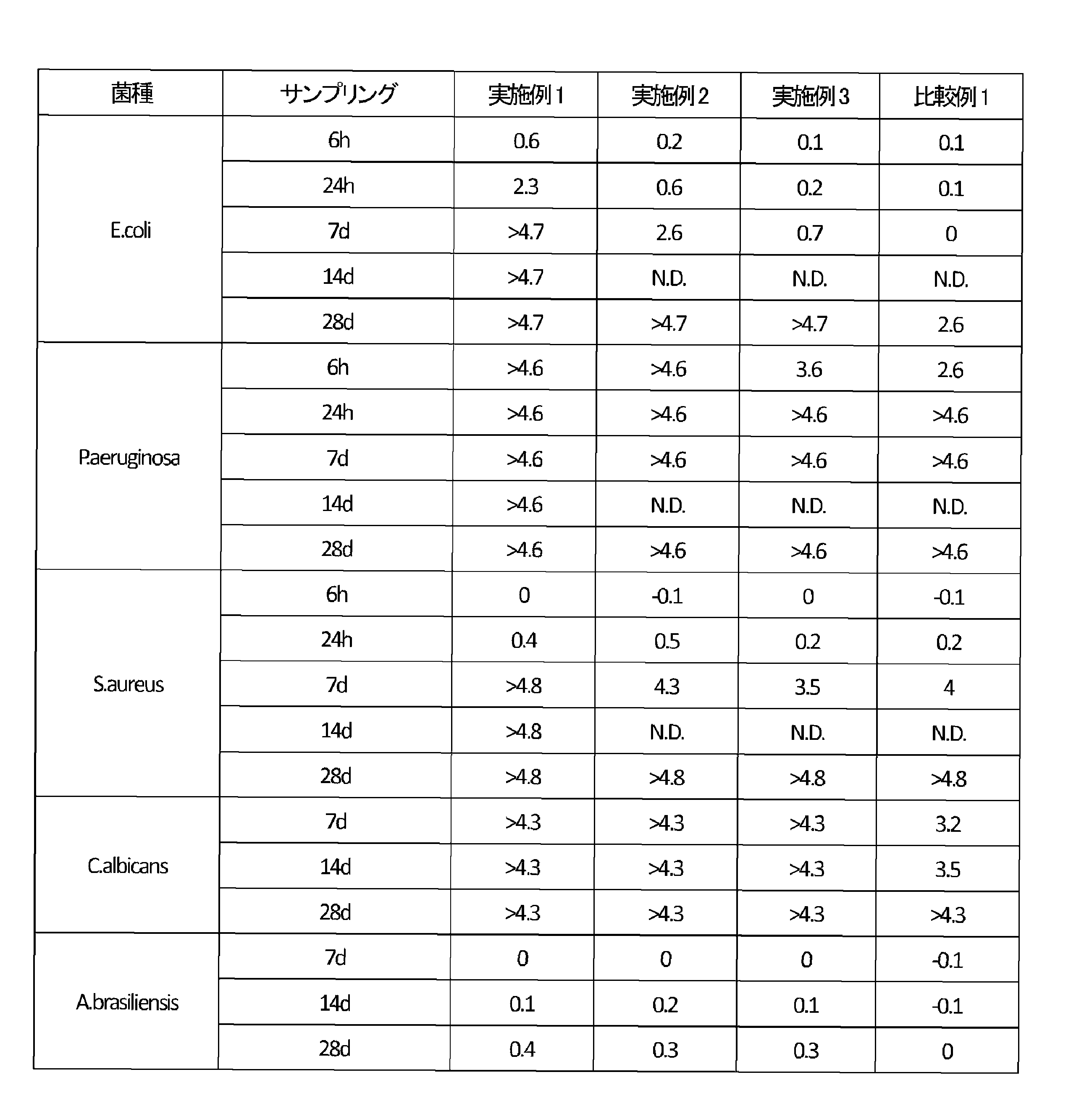
表1に示されるように、ドルゾラミド又はその塩を含有する実施例1~3の製剤は、いずれの菌に対しても防腐効果を示した。これに対し、ドルゾラミド又はその塩を含まない比較例1の製剤は、防腐効果が劣っており、特に、大腸菌に対して防腐効果が弱かった。これにより、本発明の防腐剤は、幅広い菌種に対して優れた防腐効果を示し、マルチドーズ型容器に入れられて、繰り返し容器を開閉して使用されても防腐効果を十分に発揮できることが示唆された。また、ドルゾラミド又はその塩に加えて、さらにチモロール又はその塩を含有する実施例1~2の製剤は、特に優れる防腐効果を示した。
防腐効力試験(2)
1.被験製剤の調製
実施例1の調製方法と同様の方法にて、実施例4~7の製剤を調製した。
防腐効力試験(2)
1.被験製剤の調製
実施例1の調製方法と同様の方法にて、実施例4~7の製剤を調製した。
実施例4(1mL中)
ドルゾラミド塩酸塩 11.13mg
チモロールマレイン酸塩 6.83mg
塩化ナトリウム 9mg
希塩酸 適量
水酸化ナトリウム 適量
精製水 適量
pH 5.65
ドルゾラミド塩酸塩 11.13mg
チモロールマレイン酸塩 6.83mg
塩化ナトリウム 9mg
希塩酸 適量
水酸化ナトリウム 適量
精製水 適量
pH 5.65
実施例5(1mL中)
ドルゾラミド塩酸塩 11.13mg
チモロールマレイン酸塩 6.83mg
塩化ナトリウム 9mg
希塩酸 適量
水酸化ナトリウム 適量
精製水 適量
pH 6.5
ドルゾラミド塩酸塩 11.13mg
チモロールマレイン酸塩 6.83mg
塩化ナトリウム 9mg
希塩酸 適量
水酸化ナトリウム 適量
精製水 適量
pH 6.5
実施例6(1mL中)
ドルゾラミド塩酸塩 11.13mg
チモロールマレイン酸塩 6.83mg
クエン酸ナトリウム水和物 2.94mg
マンニトール 30mg
ヒドロキシエチルセルロース 4.75mg
希塩酸 適量
水酸化ナトリウム 適量
精製水 適量
pH 5.65
ドルゾラミド塩酸塩 11.13mg
チモロールマレイン酸塩 6.83mg
クエン酸ナトリウム水和物 2.94mg
マンニトール 30mg
ヒドロキシエチルセルロース 4.75mg
希塩酸 適量
水酸化ナトリウム 適量
精製水 適量
pH 5.65
実施例7(1mL中)
ドルゾラミド塩酸塩 11.13mg
チモロールマレイン酸塩 6.83mg
クエン酸ナトリウム水和物 2.94mg
マンニトール 30mg
ヒドロキシエチルセルロース 4.75mg
エデト酸二ナトリウム二水和物 0.5mg
希塩酸 適量
水酸化ナトリウム 適量
精製水 適量
pH 5.65
ドルゾラミド塩酸塩 11.13mg
チモロールマレイン酸塩 6.83mg
クエン酸ナトリウム水和物 2.94mg
マンニトール 30mg
ヒドロキシエチルセルロース 4.75mg
エデト酸二ナトリウム二水和物 0.5mg
希塩酸 適量
水酸化ナトリウム 適量
精製水 適量
pH 5.65
2.試験方法
防腐効力試験(1)の2.試験方法と同様の方法にて防腐効力試験を実施した。ただし、サンプリングポイントは、7日後、14日後又は28日後とした。
防腐効力試験(1)の2.試験方法と同様の方法にて防腐効力試験を実施した。ただし、サンプリングポイントは、7日後、14日後又は28日後とした。
3.試験結果及び考察
試験結果を表2に示す。表2の試験結果は、生菌数を測定したときの菌数(A)に対する接種時の菌数(B)の比(B/A)の常用対数値で示している。
試験結果を表2に示す。表2の試験結果は、生菌数を測定したときの菌数(A)に対する接種時の菌数(B)の比(B/A)の常用対数値で示している。
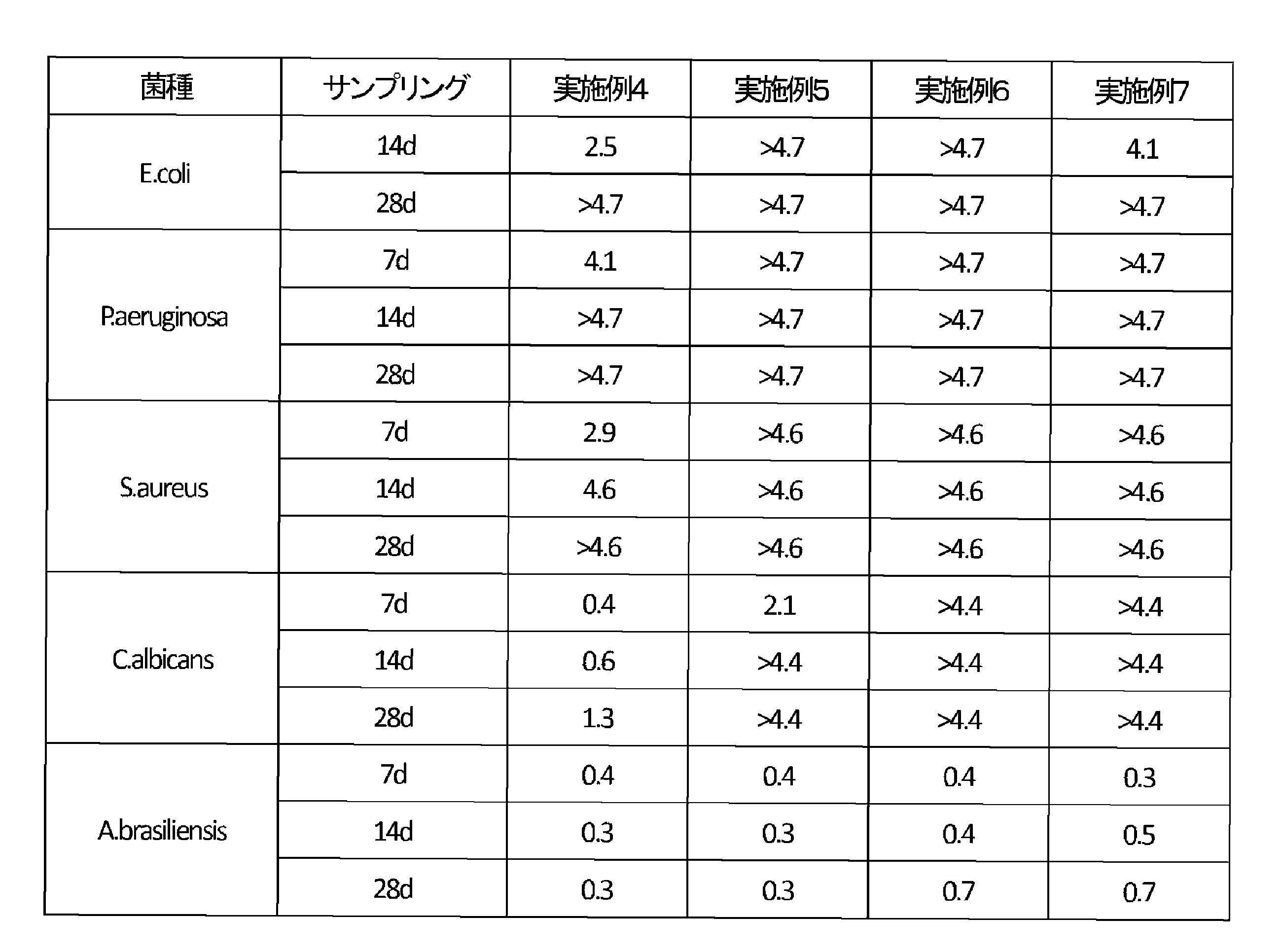
表2に示されるように、ドルゾラミド又はその塩を含有する実施例4~7の製剤は、ベンザルコニウム塩化物を含まないにもかかわらず、いずれの菌に対しても防腐効果を示した。これにより、本発明の防腐剤は、幅広い菌種に対して優れた防腐効果を示し、マルチドーズ型容器に入れられて、繰り返し容器を開閉して使用されても防腐効果を十分に発揮できることが示唆された。
防腐効力試験(3)
1.被験製剤の調製
実施例1の調製方法と同様の方法にて、比較例2及び3の製剤を調製した。
防腐効力試験(3)
1.被験製剤の調製
実施例1の調製方法と同様の方法にて、比較例2及び3の製剤を調製した。
比較例2(1mL中)
チモロールマレイン酸塩 6.83mg
クエン酸ナトリウム水和物 2.94mg
ヒドロキシエチルセルロース 4.75mg
エデト酸二ナトリウム二水和物 0.5mg
希塩酸 適量
水酸化ナトリウム 適量
精製水 適量
pH 5.65
チモロールマレイン酸塩 6.83mg
クエン酸ナトリウム水和物 2.94mg
ヒドロキシエチルセルロース 4.75mg
エデト酸二ナトリウム二水和物 0.5mg
希塩酸 適量
水酸化ナトリウム 適量
精製水 適量
pH 5.65
比較例3(1mL中)
クエン酸ナトリウム水和物 2.94mg
ヒドロキシエチルセルロース 4.75mg
エデト酸二ナトリウム二水和物 0.5mg
希塩酸 適量
水酸化ナトリウム 適量
精製水 適量
pH 5.65
クエン酸ナトリウム水和物 2.94mg
ヒドロキシエチルセルロース 4.75mg
エデト酸二ナトリウム二水和物 0.5mg
希塩酸 適量
水酸化ナトリウム 適量
精製水 適量
pH 5.65
2.試験方法
防腐効力試験(1)の2.試験方法と同様の方法にて防腐効力試験を実施した。ただし、サンプリングポイントは、7日後とした。
防腐効力試験(1)の2.試験方法と同様の方法にて防腐効力試験を実施した。ただし、サンプリングポイントは、7日後とした。
3.試験結果及び考察
試験結果を表3に示す。表3の試験結果は、生菌数を測定したときの菌数(A)に対する接種時の菌数(B)の比(B/A)の常用対数値で示している。
試験結果を表3に示す。表3の試験結果は、生菌数を測定したときの菌数(A)に対する接種時の菌数(B)の比(B/A)の常用対数値で示している。
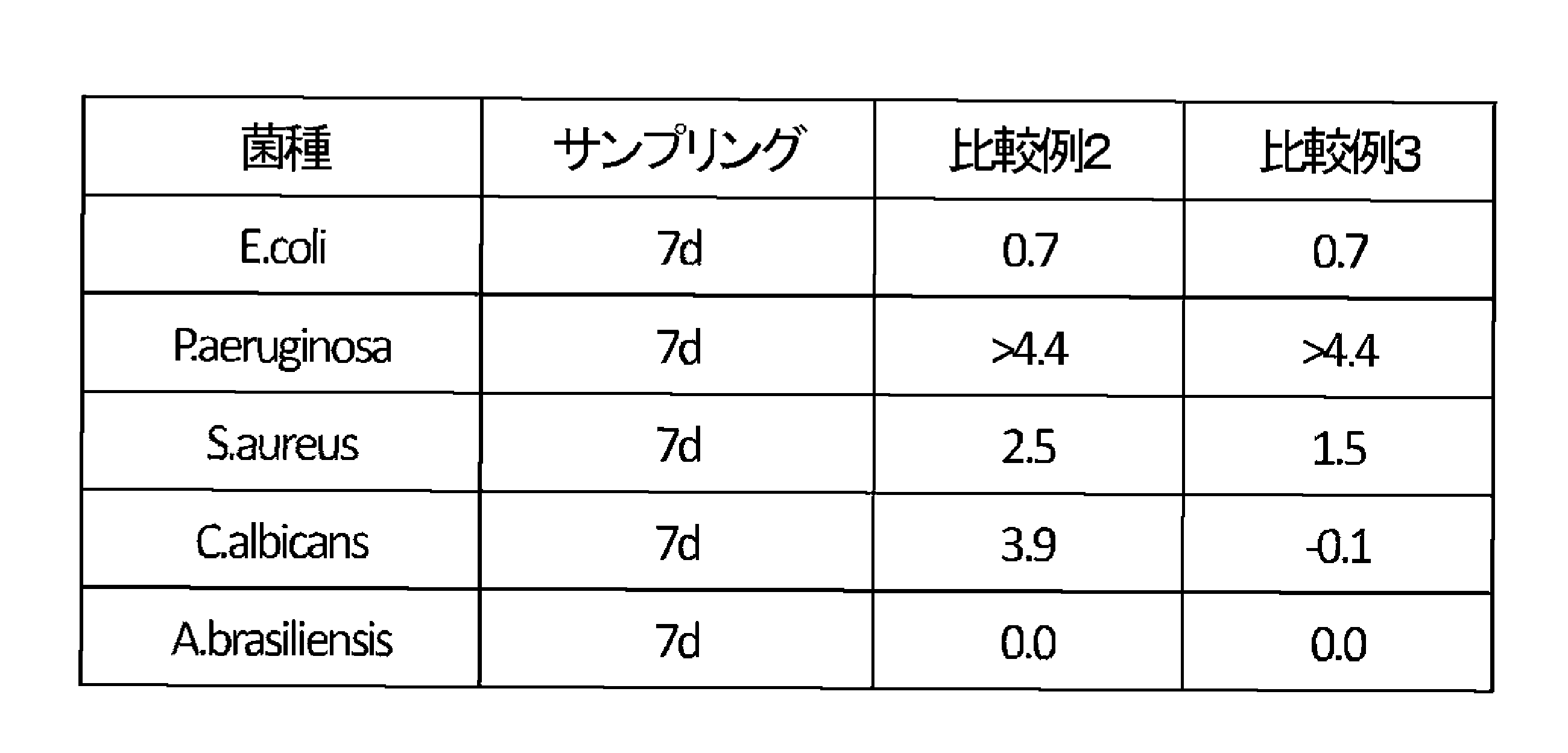
表3に示されるように、防腐効果を多少有することが知られているエデト酸二ナトリウム二水和物を含有し、ドルゾラミド又はその塩を含有しない比較例2及び3の製剤は、ドルゾラミド又はその塩を含有する実施例7の製剤に比べて、特に、大腸菌や黄色ブドウ球菌に対して防腐効果が弱かった。
Claims (15)
- ドルゾラミド又はその塩を含有する防腐剤。
- マルチドーズ型容器に入れられる医薬組成物のための、請求項1記載の防腐剤。
- ベンザルコニウム塩化物を含まない医薬組成物のための、請求項1又は2のいずれか一項に記載の防腐剤。
- ホウ酸又はその塩を含まない医薬組成物のための、請求項1~3のいずれか一項に記載の防腐剤。
- ドルゾラミド又はその塩がドルゾラミド塩酸塩である、請求項1~4のいずれか一項に記載の防腐剤。
- エデト酸又はその塩と組み合わせて使用される、請求項1~5のいずれか一項に記載の防腐剤。
- エデト酸の塩が、エデト酸一ナトリウム、エデト酸二ナトリウム、エデト酸四ナトリウム又はエデト酸二ナトリウム二水和物である、請求項6に記載の防腐剤。
- 請求項1~7のいずれか一項に記載の防腐剤を含有し、前記防腐剤以外の防腐剤を含有しない又は所定量で含有する医薬組成物であって、
前記所定量は、前記防腐剤以外の防腐剤及び水からなる試験試料中において、エスケリシア・コリ(Escherichia Coli)のATCC 8739の菌液濃度が105~106cfu/mLの範囲内となるように菌を接種して均一に混合し、前記試験試料を遮光下において20~25℃で保存してから28日経過後において、前記試験試料をマイクロピペットで1mLを採取し、生菌数を測定したときの菌数(A)に対する接種時の菌数(B)の比(B/A)の常用対数値が4.0以下となる量であり、
医薬組成物にホウ酸又はその塩を含有する場合には、その含有量が、0.001%(w/v)未満であり、繰り返し使用可能な容器に入れられた、医薬組成物。 - エデト酸又はその塩を0.0001~0.1%(w/v)含有する、請求項8に記載の医薬組成物。
- 請求項1~7のいずれか一項に記載の防腐剤を含有する医薬組成物であって、前記防腐剤並びにエデト酸及びその塩以外の防腐剤を含まず、
エデト酸又はその塩を0.0001~0.1%(w/v)含有する、
繰り返し使用可能な容器に入れられた、医薬組成物。 - 請求項1~7のいずれか一項に記載の防腐剤を含有し、ベンザルコニウム塩化物を含有せず、ドルゾラミド及びその塩、並びに前記防腐剤以外の防腐剤を含有しない又は所定量で含有する医薬組成物であって、
前記所定量は、前記防腐剤以外の防腐剤及び水からなる試験試料中において、エスケリシア・コリ(Escherichia Coli)のATCC 8739の菌液濃度が105~106cfu/mLの範囲内となるように菌を接種して均一に混合し、前記試験試料を遮光下において20~25℃で保存してから28日経過後において、前記試験試料をマイクロピペットで1mLを採取し、生菌数を測定したときの菌数(A)に対する接種時の菌数(B)の比(B/A)の常用対数値が4.0以下となる量であり、
エデト酸又はその塩を0.0001~0.1%(w/v)含有し、
医薬組成物にホウ酸又はその塩を含有する場合には、その含有量が、0.001%(w/v)未満であり、繰り返し使用可能な容器に入れられた、医薬組成物。 - ドルゾラミド又はその塩の含有量が0.1-5%(w/v)である、請求項8~11のいずれか一項に記載の医薬組成物。
- ドルゾラミド又はその塩を、医薬の有効成分として含有する、請求項8~12のいずれか一項に記載の医薬組成物。
- 請求項8~13のいずれか一項に記載の医薬組成物と、繰り返し使用可能な容器と、を備える製品。
- 繰り返し使用可能な容器に入れられた医薬組成物中に、ドルゾラミド又はその塩を含有させることによって、防腐効力を向上させる方法。
Applications Claiming Priority (6)
| Application Number | Priority Date | Filing Date | Title |
|---|---|---|---|
| JP2015032656 | 2015-02-23 | ||
| JP2015-032656 | 2015-02-23 | ||
| JP2015-116705 | 2015-06-09 | ||
| JP2015116705 | 2015-06-09 | ||
| JP2015239244A JP5893204B1 (ja) | 2015-02-23 | 2015-12-08 | 防腐効果のある医薬の組合せ |
| JP2015-239244 | 2015-12-08 |
Publications (1)
| Publication Number | Publication Date |
|---|---|
| WO2016136651A1 true WO2016136651A1 (ja) | 2016-09-01 |
Family
ID=56788691
Family Applications (1)
| Application Number | Title | Priority Date | Filing Date |
|---|---|---|---|
| PCT/JP2016/055002 Ceased WO2016136651A1 (ja) | 2015-02-23 | 2016-02-22 | ドルゾラミドを含有する防腐剤 |
Country Status (3)
| Country | Link |
|---|---|
| JP (1) | JP6702754B2 (ja) |
| TW (1) | TW201701877A (ja) |
| WO (1) | WO2016136651A1 (ja) |
Families Citing this family (1)
| Publication number | Priority date | Publication date | Assignee | Title |
|---|---|---|---|---|
| JP2022131565A (ja) * | 2021-02-26 | 2022-09-07 | ロート製薬株式会社 | 水性医薬組成物 |
Citations (2)
| Publication number | Priority date | Publication date | Assignee | Title |
|---|---|---|---|---|
| WO2011013794A1 (ja) * | 2009-07-30 | 2011-02-03 | わかもと製薬株式会社 | 点眼用水性組成物 |
| JP2011516537A (ja) * | 2008-04-07 | 2011-05-26 | テクノファーマ ソシエテ アノニム | 安定性のある眼科用の製剤 |
Family Cites Families (1)
| Publication number | Priority date | Publication date | Assignee | Title |
|---|---|---|---|---|
| CN103977008B (zh) * | 2013-02-07 | 2017-03-08 | 沈阳兴齐眼药股份有限公司 | 含有多佐胺和噻吗洛尔的眼用凝胶剂及其制备方法 |
-
2016
- 2016-02-22 JP JP2016030716A patent/JP6702754B2/ja not_active Expired - Fee Related
- 2016-02-22 TW TW105105102A patent/TW201701877A/zh unknown
- 2016-02-22 WO PCT/JP2016/055002 patent/WO2016136651A1/ja not_active Ceased
Patent Citations (2)
| Publication number | Priority date | Publication date | Assignee | Title |
|---|---|---|---|---|
| JP2011516537A (ja) * | 2008-04-07 | 2011-05-26 | テクノファーマ ソシエテ アノニム | 安定性のある眼科用の製剤 |
| WO2011013794A1 (ja) * | 2009-07-30 | 2011-02-03 | わかもと製薬株式会社 | 点眼用水性組成物 |
Also Published As
| Publication number | Publication date |
|---|---|
| TW201701877A (zh) | 2017-01-16 |
| JP2016216442A (ja) | 2016-12-22 |
| JP6702754B2 (ja) | 2020-06-03 |
Similar Documents
| Publication | Publication Date | Title |
|---|---|---|
| JP6441087B2 (ja) | ピリジルアミノ酢酸化合物含有医薬組成物 | |
| JP6134853B1 (ja) | エピナスチン含有点眼液 | |
| JP6178028B1 (ja) | ドルゾラミドとチモロールと界面活性剤を含有する医薬組成物 | |
| JP6903448B2 (ja) | ドルゾラミドとブリモニジンを含む医薬組成物 | |
| JP6702754B2 (ja) | ドルゾラミドを含有する防腐剤 | |
| JP6877613B2 (ja) | 防腐効果のある医薬の組合せ | |
| US11324829B2 (en) | Antiseptic agent comprising meglumine or salt thereof | |
| JP6132968B1 (ja) | ドルゾラミド、高分子およびホウ酸を含有する医薬組成物 | |
| WO2017057434A1 (ja) | 水性医薬組成物 | |
| HK1257724A1 (en) | Pharmaceutical composition including dorzolamide and brimonidine | |
| HK40055752A (zh) | 含有多佐胺和溴莫尼定的药物组合物 | |
| JP2022123792A (ja) | 水性医薬組成物 |
Legal Events
| Date | Code | Title | Description |
|---|---|---|---|
| 121 | Ep: the epo has been informed by wipo that ep was designated in this application |
Ref document number: 16755397 Country of ref document: EP Kind code of ref document: A1 |
|
| NENP | Non-entry into the national phase |
Ref country code: DE |
|
| 122 | Ep: pct application non-entry in european phase |
Ref document number: 16755397 Country of ref document: EP Kind code of ref document: A1 |