WO2016129593A1 - 血小板の機能を維持および/または増強するための組成物 - Google Patents
血小板の機能を維持および/または増強するための組成物 Download PDFInfo
- Publication number
- WO2016129593A1 WO2016129593A1 PCT/JP2016/053825 JP2016053825W WO2016129593A1 WO 2016129593 A1 WO2016129593 A1 WO 2016129593A1 JP 2016053825 W JP2016053825 W JP 2016053825W WO 2016129593 A1 WO2016129593 A1 WO 2016129593A1
- Authority
- WO
- WIPO (PCT)
- Prior art keywords
- platelets
- supernatant
- platelet function
- precipitate
- gene
- Prior art date
- Legal status (The legal status is an assumption and is not a legal conclusion. Google has not performed a legal analysis and makes no representation as to the accuracy of the status listed.)
- Ceased
Links
Images



Classifications
-
- A—HUMAN NECESSITIES
- A61—MEDICAL OR VETERINARY SCIENCE; HYGIENE
- A61K—PREPARATIONS FOR MEDICAL, DENTAL OR TOILETRY PURPOSES
- A61K35/00—Medicinal preparations containing materials or reaction products thereof with undetermined constitution
- A61K35/12—Materials from mammals; Compositions comprising non-specified tissues or cells; Compositions comprising non-embryonic stem cells; Genetically modified cells
- A61K35/14—Blood; Artificial blood
- A61K35/16—Blood plasma; Blood serum
-
- A—HUMAN NECESSITIES
- A61—MEDICAL OR VETERINARY SCIENCE; HYGIENE
- A61K—PREPARATIONS FOR MEDICAL, DENTAL OR TOILETRY PURPOSES
- A61K35/00—Medicinal preparations containing materials or reaction products thereof with undetermined constitution
- A61K35/12—Materials from mammals; Compositions comprising non-specified tissues or cells; Compositions comprising non-embryonic stem cells; Genetically modified cells
- A61K35/14—Blood; Artificial blood
- A61K35/19—Platelets; Megacaryocytes
-
- C—CHEMISTRY; METALLURGY
- C12—BIOCHEMISTRY; BEER; SPIRITS; WINE; VINEGAR; MICROBIOLOGY; ENZYMOLOGY; MUTATION OR GENETIC ENGINEERING
- C12N—MICROORGANISMS OR ENZYMES; COMPOSITIONS THEREOF; PROPAGATING, PRESERVING, OR MAINTAINING MICROORGANISMS; MUTATION OR GENETIC ENGINEERING; CULTURE MEDIA
- C12N15/00—Mutation or genetic engineering; DNA or RNA concerning genetic engineering, vectors, e.g. plasmids, or their isolation, preparation or purification; Use of hosts therefor
- C12N15/09—Recombinant DNA-technology
Definitions
- the present invention relates to an agent for enhancing and / or maintaining the function of platelets using a specific fraction obtained by human plasma fractionation using the cone method, a method for enhancing the function of platelets, It relates to a method for storage and to a blood product comprising said specific fraction and platelets.
- Platelets essential for blood clotting and hemostasis are one of the particularly important blood components. Platelets are in great demand for leukemia, bone marrow transplantation, anticancer treatment, etc., and the need for a stable supply is high.
- platelet supply has been secured by a method of differentiating megakaryocytes from umbilical cord blood or bone marrow cells in addition to a method of collecting blood by donating blood from a donor.
- Non-patent Document 1 and Patent Documents 1 and Patent Document 2.
- platelets lose their function when stored at low temperatures, so it is necessary to store them at 20 to 24 ° C. Because of the relatively high temperature storage, bacteria may grow, so the effective period is 4 days after blood collection. And very short. Based on the above, there is a possibility that donor shortage will occur chronically in the platelet supply by blood donation. Therefore, extending the effective period has become an issue.
- the function of the induced platelet derived from the pluripotent stem cell is reduced during storage or culture, it has been a problem to maintain the function or to enhance the reduced function.
- An object of the present invention is to identify a substance capable of maintaining the function of platelets again or enhancing the function of platelets whose function has been reduced, or maintaining and storing the functions even during the culture of platelets. There is. A further object of the present invention is to provide platelets whose function has been enhanced by the identified substance, or preserved platelets.
- the present inventors have found that the function of platelets is enhanced by contacting platelets with reduced function with plasma, and searched for substances having the function in plasma. As a result, it was found that the function of platelets was enhanced by contacting platelets with reduced functions with a specific fraction obtained by human plasma fractionation using the cone method. Furthermore, it has been found that by adding the specific fraction to the platelet preservation solution, the cells can be cultured while maintaining the platelet function. The present inventors have found that the use of the fraction is extremely useful in improving the quality maintenance of blood products containing platelets through enhancement and storage of platelet functions, and have completed the present invention.
- the present invention provides the following inventions.
- a platelet function enhancing and / or maintaining agent comprising a component contained in the supernatant I obtained by human plasma fractionation using the corn method and not contained in the supernatant V.
- [4] Selected from the group consisting of precipitate V, supernatant IV-4, supernatant IV-1, supernatant IV, supernatant II + III and supernatant I obtained by human plasma fractionation using the corn method
- An agent for enhancing and / or maintaining platelet function including a fraction.
- the agent according to [4] or [5] which does not contain a fraction of precipitate I.
- a method for preserving platelets comprising a step of bringing platelets into contact with an agent for enhancing and / or maintaining platelet function according to any one of [1] to [6].
- a method for producing platelets comprising a step of contacting a megakaryocyte progenitor cell with a platelet function enhancement and / or maintenance agent according to any one of [1] to [6].
- the megakaryocyte progenitor cell is a megakaryocyte progenitor cell produced from an iPS cell-derived hematopoietic progenitor cell.
- a kit comprising the platelet function enhancing and / or maintaining agent according to any one of [1] to [6] and platelets.
- the specific fraction obtained by human plasma fractionation using the cone method found in the present invention can enhance the function of inactivated platelets. Furthermore, the specific fraction can be stored while retaining the platelet function. Therefore, according to the present invention, platelets having a function can be provided in vitro, and the quality of blood products containing platelets can be stabilized.
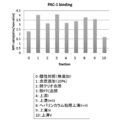
- FIG. 1A shows the results of examining the PAC1 binding ability with respect to the culture period of platelets.
- shaft shows the value of ratio of the MFI value of PAC1 of the PMA stimulation group with respect to a control group.
- FIG. 1B shows the results of examining the PAC1 binding ability after adding plasma of various concentrations to platelets on day 3 of culture and culturing for 1 hour.
- shaft shows the value of ratio of the MFI value of PAC1 of the PMA stimulation group with respect to a control group.
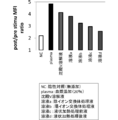
- FIG. 2 shows the results of examining the PAC1 binding ability after adding each fraction to the platelets on the third day of culture and culturing for 1 hour.
- shaft shows the value of ratio of the MFI value of PAC1 of the PMA stimulation group with respect to a control group.
- FIG. 3 shows the results of examining the PAC1 binding ability after adding each treatment solution of precipitate V to platelets on the third day of culture and culturing for 1 hour.
- shaft shows the value of ratio of the MFI value of PAC1 of the PMA stimulation group with respect to a control group.
- FIG. 4 shows the results of examining the number of platelets having PAC1-binding ability after adding each fraction and culturing the platelets for 3 days. The vertical axis represents the content of PAC1-positive platelets relative to total platelets.
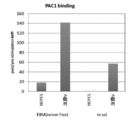
- FIG. 5 shows the results of examining the PAC1 binding ability after culturing platelets for 3 days in EBM or m-sol with or without precipitation V added.
- shaft shows the value of ratio of the MFI value of PAC1 of the PMA stimulation group with respect to a control group.
- FIG. 6 shows the results of examining the number of platelets collected after culturing platelets of two donors (donor 1 and donor 2) for 3 days with or without precipitation V added. The vertical axis shows the recovery rate of platelets after 3 days of culture (platelet count after 3 days / platelet count for experiment).
- the present invention relates to a component in a specific fraction obtained by human plasma fractionation using the corn method, specifically a component contained in the supernatant I and not contained in the supernatant V (hereinafter simply referred to as “component”).
- An agent for enhancing and / or maintaining platelet function which is also referred to as “active ingredient”).
- the active ingredient is a fraction selected from the group consisting of precipitate V, supernatant IV-4, supernatant IV-1, supernatant IV, supernatant II + III and supernatant I. It may be the minute itself or a component derived therefrom.
- the precipitate V is preferably dissolved in a solvent such as water, more preferably an aqueous solution to which a buffering agent is added, and as such an aqueous solution, a HEPES solvent (pH 7. 4) or bicarbonate Ringer's solution (pH 6.8-7.8).
- a solvent such as water, more preferably an aqueous solution to which a buffering agent is added, and as such an aqueous solution, a HEPES solvent (pH 7. 4) or bicarbonate Ringer's solution (pH 6.8-7.8).
- the “platelet function” is not particularly limited as long as it is a function of aggregation of platelets by a stimulating substance.
- integrin ⁇ IIb ⁇ 3 GPIIb / IIIa complex by stimulation with Phorbol 12-myristate 13-acetate (PMA) or the like. Body).
- Enhancing the function means to increase the function of platelets more than the current state (the state before contact with the platelet function enhancement and / or maintenance agent), and had a function immediately after being produced from megakaryocytes. However, it includes restoring or enhancing all or part of the function of platelets whose function has been deactivated or attenuated, or platelets whose function has been deactivated or attenuated immediately after being produced from megakaryocytes. Specifically, for example, platelets whose ability to form GPIIb / IIIa complex due to PMA stimulation is inactivated or attenuated may be brought back to the whole or part of the function of generating GPIIb / IIIa complex by PMA stimulation. means.
- the GPIIb / IIIa complex is a heterodimer complex composed of a 148 kDa GPIIb and a 110 kDa GPIIIa subunit and formed in a Ca-dependent manner when platelets are activated.
- maintaining platelet function or “maintaining platelet function” means suppressing the inactivation or attenuation of the platelet function. Therefore, maintaining the function of platelets can be paraphrased as storing in a state where the function of platelets is maintained.
- a component in a specific fraction obtained by human plasma fractionation using the cone method specifically a component contained in supernatant I and not contained in supernatant V And a platelet preservation solution comprising the components.
- the component is one or more selected from the group consisting of precipitate V, supernatant IV-4, supernatant IV-1, supernatant IV, supernatant II + III and supernatant I.
- the fraction itself, or one or more components derived therefrom.
- the present invention further provides a composition, for example, a blood product, containing platelets and an active ingredient, or a platelet function enhancing agent, a platelet function maintaining agent or a platelet preservation solution containing the active ingredient.
- a composition for example, a blood product, containing platelets and an active ingredient, or a platelet function enhancing agent, a platelet function maintaining agent or a platelet preservation solution containing the active ingredient.
- the platelets and active ingredients may be present separately, for example, it is contemplated that the platelets and active ingredients are provided in the form of a kit.
- the “platelet function” can be evaluated by staining with an antibody specifically recognizing the GPIIb / IIIa complex formed by PMA stimulation, quantifying it using a flow cytometer or the like.
- PAC1 is exemplified as an antibody that specifically recognizes the activated structure of the GPIIb / IIIa complex, and PAC1 is commercially available and can be obtained from BD.
- “enhancement of platelet function” or “enhance platelet function” means that the platelet function is significantly higher than that of platelets before the addition of an active ingredient, eg, platelets whose function is inactivated or attenuated, for example, 10%, 20%, 30%, 40%, 50% or more, or the ability to form GPIIb / IIIa complex by PMA stimulation, etc., significantly compared to the case where PMA stimulation etc. were not performed, For example, it means to enhance 3 times, 4 times, 5 times or more.
- platelets to which the enhancement of the function of the present invention is applied are obtained by storing isolated platelets in a solution (for example, in a preservation solution) for a certain period of time, or megakaryocytes derived from megakaryocyte progenitor cells.
- a solution for example, in a preservation solution
- megakaryocytes derived from megakaryocyte progenitor cells The platelet manufactured by culturing for a fixed period is illustrated.
- “maintaining the platelet function” means that the platelet function is significantly increased, for example, 10%, 20%, 30%, 40%, 50% or more compared to the case where no active ingredient is added.
- the function is significantly increased, for example, 90%, 80%, 70%, 60 %, 50%, 40% or more for a certain period of time, or the GPIIb / IIIa complex formation ability by PMA stimulation etc. is significantly different from that when PMA stimulation etc.
- “maintaining platelet function” can be rephrased as storing for a period of time while maintaining the platelet function.
- the platelet function can be maintained for a longer period and can be significantly enhanced.
- a component in a specific fraction obtained by human plasma fractionation using the corn method specifically a component contained in the supernatant I and not contained in the supernatant V was added.
- a culture containing platelets is provided.
- the component is a fraction selected from the group consisting of precipitate V, supernatant IV-4, supernatant IV-1, supernatant IV, supernatant II + III and supernatant I. It may be itself or a component derived therefrom.
- the platelets may be platelets isolated from living organisms, or may be platelets after separately storing platelets isolated from living organisms, and are produced from megakaryocytes induced to differentiate from megakaryocyte precursor cells. It may be platelets. Therefore, the present invention provides a culture in which a component in the specific fraction is added, or a culture in which the component is added to a culture system for producing platelets from the megakaryocyte.
- the present invention relates to a component in a specific fraction obtained by human plasma fractionation using the cone method, specifically a component contained in the supernatant I, which is not contained in the supernatant V, and platelets.
- a method for preparing platelets characterized by contacting.
- the component is a fraction selected from the group consisting of precipitate V, supernatant IV-4, supernatant IV-1, supernatant IV, supernatant II + III and supernatant I. It may be itself or a component derived therefrom.
- the function of the prepared platelet is enhanced, and the platelet function can be enhanced or the platelet can be stored for a long period of time.
- the above components may be added to a culture system that produces platelets from megakaryocytes.
- “Cone method” in the present invention means a low-temperature ethanol fractionation method for human plasma described in Cohn et al., JJ Am Chem Chem Soc, 1946, 68, and 459-475, or a modification thereof.
- Precipitation of human plasma fractions using the corn method is as follows: a) treatment with 5-10% ethanol concentration, and b) ethanol concentration of 18-30%, with respect to frozen human plasma that has been thawed according to the corn method.
- the precipitate I is preferably used for the purpose of maintaining the function of the platelet of the present invention because it may decrease the function of the platelet by storing it in contact with the platelet for at least 3 days.
- the fraction is a plasma fraction from which the precipitated I component has been removed.
- the supernatant I and the precipitate I of the human plasma fraction using the corn method can be obtained by purifying the pooled plasma.
- the pooled plasma has a temperature of ⁇ 15 ° C. to 0 ° C. (especially ⁇ 10 ° C. to ⁇ 3 ° C.), pH 6.8 to 7.4 (especially pH 7.2), ethanol concentration 5 to 10% (especially 7 to 9%), After 30 minutes to 15 hours (especially 1 to 5 hours), the supernatant I and the precipitate I can be obtained by separation by centrifugation (rotation speed 1000 to 8000 rpm, 10 to 30 minutes). Prior to the treatment of the pooled plasma under the above conditions, the plasma pooled at 0 ° C.
- Pooled plasma means plasma isolated by blood collection, and is preferably a collection of plasma isolated from a plurality of donors from the viewpoint of handling in large quantities.
- the supernatant II + III and the precipitate II + III of the human plasma fraction using the corn method can be obtained by purifying the supernatant I.
- the supernatant I is pH 4.5 to 8.0 (particularly pH 6.8 to 6.9), temperature 0 to ⁇ 15 ° C. (particularly ⁇ 5 to ⁇ 10 ° C.), ethanol concentration 18 to 30% (particularly 21 to 25). %) For 30 minutes to 15 hours (especially 1 to 5 hours), and separated by centrifugation (rotation speed 5000 to 20000 rpm, 10 to 30 minutes, temperature 0 to 5 ° C.)
- the supernatant II + III and the precipitate II + III can be obtained.
- the supernatant IV-1 and the precipitate IV-1 of the human plasma fraction using the corn method can be obtained by purifying the supernatant II + III.
- the supernatant II + III is pH 4.0 to 7.0 (particularly pH 5.2)
- the temperature is ⁇ 10 to 0 ° C. (particularly ⁇ 5 ° C.)
- the ethanol concentration is 10 to 20% (particularly 18%).
- the supernatant IV is treated by treatment for 30 minutes to 15 hours (especially 1 to 5 hours) and separated by centrifugation (rotation speed 5000 to 20000 rpm, 10 to 30 minutes, temperature 0 to 5 ° C.).
- centrifugation speed 5000 to 20000 rpm 10 to 30 minutes, temperature 0 to 5 ° C.
- the supernatant IV-4 and the precipitate IV-4 of the human plasma fraction using the corn method can be obtained by purifying the supernatant IV-1.
- the supernatant IV-1 is prepared at pH 5.0 to 7.0 (particularly pH 5.8), temperature ⁇ 10 to 0 ° C. (particularly ⁇ 5 ° C.), and ethanol concentration 35 to 45% (particularly 40%).
- the supernatant IV and the precipitate IV of the human plasma fraction using the corn method can be obtained by purifying the supernatant II + III.
- the supernatant II + III is adjusted to pH 5.0 to 7.0 (particularly pH 6.0), temperature ⁇ 10 to 0 ° C. (particularly ⁇ 6.5 ° C.), ethanol concentration 35 to 45% (particularly 40%). )
- the supernatant II + III may be treated with insolubilized heparin resin, and the supernatant IV obtained by the method includes supernatant IV-1 and supernatant IV-4. Unless stated otherwise, supernatant IV and supernatant IV-1 are not distinct, and similarly, supernatant IV and supernatant IV-4 are not distinct.
- the supernatant V and the precipitate V of the human plasma fraction using the corn method can be obtained by purifying the supernatant IV-4 or the supernatant IV.
- the supernatant IV-1 or the supernatant IV is adjusted to pH 3.5 to 6.0 (particularly pH 4.8), temperature ⁇ 10 to 0 ° C. (particularly ⁇ 7.5 to ⁇ 5 ° C.), ethanol concentration 35 Process at ⁇ 45% (especially 40%) for 30 minutes to 15 hours (especially 1 to 5 hours), and centrifuge (rotation speed 5000 to 20000 rpm, 10 to 30 minutes, temperature 0 to 5 ° C ),
- the supernatant V and the precipitate V can be obtained.
- the precipitate V of the present invention retains a desired function even after an anion exchanger treatment, a cation exchanger treatment, a liquid heat treatment, and the like. Components can also be included in the precipitate V of the present invention.
- the time required for the step of bringing the active ingredient into contact with platelets is 15 minutes, 30 minutes, 1 hour, 1 hour 30 minutes, or more, preferably at least 1 hour.
- the concentration when the precipitate V of the human plasma fraction using the cone method in contact with platelets is dissolved is to enhance the function of platelets.
- the concentration is not particularly limited as long as it can maintain the function of platelets.
- precipitate V when precipitate V is dissolved in water, 1 mg / ml, 10 mg / ml, 20 mg / ml, 30 mg / ml, 40 mg / ml, Examples are 50 mg / ml, 100 mg / ml, 125 mg / ml, 250 mg / ml, 375 mg / ml, 500 mg / ml, 1 g / ml, 10 g / ml or more.
- “mg / ml” represents the amount (mg) of precipitate V dissolved per 1 ml of water.
- the concentration when the precipitate V is dissolved is a value obtained by dividing the concentration of a certain component in the precipitate V normally contained in healthy human plasma by 100% and dividing this by the dilution factor of the solution of the precipitate V. May be represented.
- concentration of the precipitate V can be considered to be 20%.
- a preferable concentration of the precipitate V is 20% or more.
- supernatant IV-4, supernatant IV-1, supernatant IV, supernatant of human plasma fraction using the cone method in contact with platelets The concentration of II + III or supernatant I is a concentration of 20% or more when the concentration of each component in each fraction usually contained in healthy human plasma is 100% as described above. 21% or more supernatant I solution, 29% or more supernatant II + III, 33% or more supernatant II + III, 53% or more supernatant IV-4, supernatant IV-1 or supernatant IV .
- the active ingredient and platelets are not particularly limited, but may be contacted in a solution such as water, a buffer solution, an isotonic solution, or a cell culture solution.
- a solution such as water, a buffer solution, an isotonic solution, or a cell culture solution.
- the buffer solution include a phosphate buffer solution and a HEPES solution.
- the isotonic solution include physiological saline, glucose solution or infusion preparations such as M-sol, G-sol, A-sol and B-sol.
- Examples of the cell culture medium include Eagle's Basal Medium (EBM), IMDM medium, Medium 199 medium, Eagle's Minimum Essential Medium (EMEM) medium, ⁇ MEM medium, Dulbecco's modified Eagle's Medium (DMEM) medium, Ham's F12 medium, , Fischer's medium, StemPro34 (invitrogen), RPMI-base medium, and mixed media thereof.
- EBM Eagle's Basal Medium
- IMDM medium Medium 199 medium
- EMEM Eagle's Minimum Essential Medium
- DMEM Dulbecco's modified Eagle's Medium
- Ham's F12 medium Ham's F12 medium
- Fischer's medium StemPro34 (invitrogen)
- RPMI-base medium and mixed media thereof.
- M-sol can be prepared by mixing Acetic Ringer's solution, ACD-A solution, sodium bicarbonate, magnesium sulfate and distilled water.
- G-sol can be prepared by mixing glucose-acetated Ringer's solution, ACD-
- the temperature condition for contacting the active ingredient with the platelets is not particularly limited, but 20 to 37 ° C. is exemplified.
- the preferred temperature condition is 37 ° C., but for the purpose of suppressing the growth of bacteria, it is 20 ° C. to 24 ° C., and those skilled in the art can appropriately determine it while monitoring the number of platelets. is there.
- a kit for enhancing and / or maintaining the function of platelets comprising an active ingredient is provided.
- the kit may further contain a solution for storing the isolated platelets, and the solution is not particularly limited as long as it is a known platelet storage solution.
- a buffer solution an isotonic solution, Infusion preparations such as cell culture medium, M-sol, G-sol, A-sol and B-sol.
- the infusion preparation such as buffer solution, isotonic solution, cell culture solution, M-sol, G-sol, A-sol and B-sol, the same solution as described above can be used.
- an infusion preparation containing platelets and an active ingredient is provided. The preparation can be prepared by appropriately adding platelets and active ingredients to the above-mentioned infusion preparation.
- the platelet whose function is enhanced or maintained may be a platelet produced from a megakaryocyte induced to differentiate from a megakaryocyte progenitor cell.
- “megakaryocyte” is also referred to as platelet progenitor cell or megakaryocyte, and is a cell that produces platelets by separating its cytoplasm, and may be a multinucleated cell, for example, CD41a positive / Includes cells characterized as CD42a positive / CD42b positive.
- megakaryocytes may be characterized as cells expressing GATA1, FOG1, NF-E2, and ⁇ 1-tubulin.
- a multinucleated megakaryocyte refers to a cell or a group of cells in which the number of nuclei is relatively increased as compared to megakaryocyte progenitor cells.
- the nucleus of the megakaryocyte progenitor cell to which the method of the present invention is applied is 2N, 4N or more cells become multinucleated megakaryocytes.
- the megakaryocyte may be immortalized as a megakaryocyte strain or may be a group of cloned cells.
- the “megakaryocyte progenitor cell” in the present invention is a cell that becomes a megakaryocyte upon maturation and is not multinucleated, for example, a cell characterized as CD41a positive / CD42a positive / CD42b weak positive Including.
- the megakaryocyte progenitor cells of the present invention are preferably cells that can be expanded by expansion culture, for example, cells that can be expanded under appropriate conditions for at least 60 days or longer.
- the megakaryocyte progenitor cell may or may not be cloned, and is not particularly limited, but the cloned cell may be referred to as a megakaryocyte progenitor cell line.
- Megakaryocyte progenitor cells in the present invention may be derived from hematopoietic progenitor cells.
- hematopoietic progenitor cells are cells that can differentiate into blood cells such as lymphocytes, eosinophils, neutrophils, basophils, erythrocytes, megakaryocytes, In the present invention, hematopoietic progenitor cells and hematopoietic stem cells are not distinguished, and show the same cells unless otherwise specified. Hematopoietic stem / progenitor cells can be recognized, for example, by being positive for surface antigens CD34 and / or CD43.
- hematopoietic stem cells can also be applied to pluripotent stem cells, hematopoietic progenitor cells derived from cord blood, bone marrow blood, peripheral blood-derived hematopoietic stem cells and progenitor cells.
- pluripotent stem cells when pluripotent stem cells are used, hematopoietic progenitor cells are obtained by pluripotent stem cells in the presence of VEGF according to the method described in Takayama N., et al. J Exp Med. 2817-2830 (2010). It can be prepared from a net-like structure (also referred to as ES-sac or iPS-sac) obtained by culturing on C3H10T1 / 2.
- net-like structure also referred to as ES-sac or iPS-sac
- the “net-like structure” is a three-dimensional sac-like structure (with space inside) derived from pluripotent stem cells, which is formed by an endothelial cell population and the like, and contains hematopoietic progenitor cells inside. It is a structure.
- hematopoietic progenitor cells can be induced from pluripotent stem cells by embryoid body formation and cytokine addition (Chadwick et al. Blood 2003, 102: 906-15, Vijayaravavanijet al. Cell Stem Cell 2009, 4: 248-62, Saeki et al. Stem Cells 2009, 27: 59-67) or co-culture with heterologous stromal cells (Niwa A et al. J Cell Physiol. 2009 Nov; 221 (2 ): 367-77.) And the like.
- pluripotent stem cells examples include fertilized eggs, embryonic stem cells (ES cells), artificial pluripotent stem cells (iPS cells), and embryonic germ cells (EG cells). Further, among these, there is no ethical problem because the embryo is not broken, and from the viewpoint that it is easy to match the type of human leukocyte antigen (HLA) with the patient transfused with the platelet prepared according to the present invention, iPS cells are preferred.
- HLA human leukocyte antigen
- the megakaryocyte progenitor cell according to the present invention is a step of forcing the hematopoietic progenitor cell to express an oncogene, p16 gene or p19 gene, and / or an apoptosis-inhibiting gene, and culturing the cell. Can be induced by
- the term “oncogene” refers to a gene that causes canceration of normal cells due to its expression, structure or function being different from that of normal cells.
- MYC family genes MYC family genes, Src family genes , Ras family genes, Raf family genes, protein kinase family genes such as c-Kit, PDGFR, and Abl.
- MYC family genes include c-MYC, N-MYC, and L-MYC. More preferably, the oncogene is a c-MYC gene.
- the c-MYC gene is, for example, a gene consisting of a nucleic acid sequence represented by NCBI accession number NM_002467.
- the c-MYC gene may also include homologues thereof.
- the c-MYC gene homologue is a sequence whose cDNA sequence is substantially the same as the nucleic acid sequence represented by NCBI accession number NM_002467, for example. It is a gene consisting of A cDNA consisting of a sequence substantially identical to the nucleic acid sequence shown by NCBI accession number NM_002467 is about 60% or more, preferably about 70%, of the DNA consisting of the sequence shown by NCBI accession number NM_002467.
- stringent conditions are hybridization conditions that are easily determined by those skilled in the art, and are generally empirical experimental conditions that depend on probe length, washing temperature, and salt concentration. In general, the longer the probe, the higher the temperature for proper annealing, and the shorter the probe, the lower the temperature. Hybridization generally relies on the ability to reanneal in an environment where the complementary strand is slightly below its melting point.
- low stringency conditions include washing in a 0.1 ⁇ SSC, 0.1% SDS solution at a temperature of 37 ° C. to 42 ° C. in the filter washing step after hybridization.
- highly stringent conditions include washing in 65 ° C., 5 ⁇ SSC and 0.1% SDS in the washing step.
- c-MYC encoding a protein fused with a destabilizing domain may be used.
- the destabilizing domain can be purchased from ProteoTuner or Clontech.
- BMI1 or Id1 is exemplified as “a gene that suppresses the expression of p16 gene or p19 gene”.
- the gene that suppresses the expression of the p16 gene or the p19 gene is BMI1.
- the BMI1 gene is, for example, a gene consisting of a nucleic acid sequence represented by NCBI accession number NM_005180.
- the BMI1 gene may also include a homologue thereof.
- the homologue of the BMI1 gene is a gene whose cDNA sequence is substantially the same as the nucleic acid sequence represented by NCBI accession number NM_005180, for example. That is.
- the cDNA consisting of a sequence substantially identical to the nucleic acid sequence shown by NCBI accession number NM_005180 is about 60% or more, preferably about 70%, of the DNA consisting of the sequence shown by NCBI accession number NM_005180.
- DNA complementary to the nucleic acid sequence represented by NCBI accession number NM_005180 DNA that is capable of hybridizing under stringent conditions, and the protein encoded by the DNA suppresses oncogene-induced cell aging that occurs in cells in which oncogenes such as MYC family genes are expressed, It promotes the amplification of the cells.
- the method for forcibly expressing the above gene in hematopoietic progenitor cells can be performed according to a conventional method of those skilled in the art.
- forced expression can be achieved by introducing vectors expressing these genes, proteins encoded by these genes, or RNA encoding these genes into hematopoietic progenitor cells.
- forced expression can also be performed by bringing a low molecular weight compound or the like that induces expression of these genes into contact with hematopoietic progenitor cells.
- an expression vector, protein, RNA or a low molecular weight compound that induces expression should be introduced multiple times in accordance with the necessary period. Can be done.
- vectors expressing these genes include retrovirus, lentivirus, adenovirus, adeno-associated virus, herpes virus, Sendai virus and other viral vectors, animal cell expression plasmids (eg, pA1-11, pXT1, pRc / CMV). , PRc / RSV, pcDNAI / Neo) and the like.
- Retroviral vectors or lentiviral vectors are preferred vectors in that they can be performed by a single introduction.
- promoters used in expression vectors include EF- ⁇ promoter, CAG promoter, SR ⁇ promoter, SV40 promoter, LTR promoter, CMV (cytomegalovirus) promoter, RSV (rous sarcoma virus) promoter, MoMuLV (Moloney murine leukemia) Examples include viral) LTR, HSV-TK (herpes simplex virus thymidine kinase) promoter and drug-responsive promoter.
- the drug-responsive promoter include a TRE promoter that expresses a gene in the presence of the corresponding drug (a CMV minimal promoter having a Tet responsive sequence in which tetO sequence is continuous seven times).
- telomere tetR reverse tetR
- VP16AD reverse tetR
- a more preferred vector is a vector in which a TRE promoter and a fusion gene of rtetR and VP16AD are arranged in the same vector and has a mode of expressing the fusion gene.
- the expression vector may contain an enhancer, a poly A addition signal, a selection marker gene, an SV40 replication origin, and the like as desired.
- Useful selection marker genes include, for example, dihydrofolate reductase gene, neomycin resistance gene, puromycin resistance gene and the like.
- an expression vector in which a loxP sequence is placed so as to sandwich the gene and / or promoter region with the loxP sequence may be used.
- the genes may be vertically linked to obtain a polycistronic vector.
- the 2A self-cleaving peptide of foot-and-mouth disease virus see Science, 322, 949-953, 2008, etc.
- IRES Internal ribosome entry site
- the method of introducing an expression vector into a hematopoietic progenitor cell is as follows.
- a viral vector a plasmid containing the nucleic acid is appropriately packaged (eg, Plat-E cell) or a complementary cell line (eg, 293 cell).
- the virus produced in the culture supernatant can be collected and contacted with hematopoietic progenitor cells for infection.
- a plasmid vector in the case of a non-viral vector, can be introduced into a cell using a lipofection method, a liposome method, an electroporation method, a calcium phosphate coprecipitation method, a DEAE dextran method, a microinjection method, a gene gun method, or the like.
- the method for inducing megakaryocyte progenitor cells after forcibly expressing an oncogene, or a gene that suppresses the expression of p16 gene or p19 gene, into a hematopoietic progenitor cell, and further forcibly expressing an apoptosis-suppressing gene You may let them.
- forced expression of apoptosis-suppressing genes can also be achieved by introducing expression vectors, proteins encoded by these genes, or RNAs encoding these genes into hematopoietic progenitor cells.
- the expression is not particularly limited, but the oncogene and the gene that suppresses the expression of the p16 gene or the p19 gene are forcibly expressed for at least 14 days, and then the forcible expression of the apoptosis-inhibiting gene is performed. Can be done.
- the “apoptosis-suppressing gene” is not particularly limited as long as it is a gene that suppresses apoptosis, and examples thereof include BCL2 gene, BCL-XL gene, Survivin, and MCL1.
- the apoptosis inhibitor gene is a BCL-XL gene.
- the BCL-XL gene is a gene consisting of a nucleic acid sequence represented by NCBI accession number NM_001191 or NM_138578, for example.
- the BCL-XL gene may also include a homologue thereof.
- the homologue of the BCL-XL gene is substantially the same as the nucleic acid sequence represented by the NCBI accession number NM_001191 or NM_138578, for example.
- the cDNA comprising substantially the same sequence as the nucleic acid sequence represented by NCBI accession number NM_001191 or NM_138578 is approximately 60% or more, preferably the DNA comprising the sequence represented by NCBI accession number NM_001191 or NM_138578.
- a caspase inhibitor may be brought into contact with cells instead of forcing the apoptosis-suppressing gene to be expressed in hematopoietic progenitor cells.
- the caspase inhibitor may be a peptidic compound, a non-peptidic compound, or a biological protein. Examples of the peptide compound include the following peptide compounds (1) to (10) which are artificially chemically synthesized.
- anilinoquinazolines (AQZs) -AstraZeneca-Pharmaceuticals (Scott et al., J. Pharmacol. Exp. Ther. 304, 433-440 (2003)), (2) M826-Merck Frosst (Han et al., J. Biol. Chem. 277, 30128-30136 (2002)), (3) M867-Merck Frosst (Methot et al., J.Exp. Med. 199, 199-207 (2004)), (4) Nicotinyl aspartyl ketones- Merck Frosst (Isabel et al., Bioorg. Med. Chem. Lett. 13, 2137-2140 (2003)), etc. Can be illustrated.
- IDN-6556-Idun Pharmaceuticals (Hoglen et al., J.Pharmacol. Exp. Ther. 309, 634-640 (2004)), (2) MF-286 and MF-867-Merck Frosst (Los et al., Drug Discov. Today 8, 67-77 (2003)), (3) IDN-5370-Idun Pharmaceuticals (Deckwerth et al., Drug Dev. Res. 52, 579-586 (2001)), (4) IDN-1965-Idun Pharmaceuticals (Hoglen et al., J. Pharmacol. Exp. Ther.
- VX-799- Vertex Pharmaceuticals Lis et al., Drug Drugs, Today 8 and 67-77 (2003).
- M-920 and M-791-Merck Frosst can also be mentioned as caspase inhibitors.
- a preferred caspase inhibitor is Z-VAD FMK.
- Z-VAD FMK is used as a caspase inhibitor, the addition is performed on the medium in which hematopoietic progenitor cells are cultured.
- Preferred concentrations of Z-VAD FMK in the medium include, for example, 10 ⁇ M or more, 20 ⁇ M or more, 30 ⁇ M or more, 40 ⁇ M or more, and 50 ⁇ M or more, and preferably 30 ⁇ M or more.
- a medium used for inducing megakaryocyte progenitor cells from hematopoietic progenitor cells is not particularly limited, but a medium used for culturing animal cells can be prepared as a basal medium.
- basal media include IMDM medium, MediumMedi199 medium, Eagle's Minimum Essential Medium (EMEM) medium, ⁇ MEM medium, Dulbecco's modified Eagle's Medium (DMEM) medium, Ham's F12 medium, RPMI 1640 medium, Fischer Life's medium, Neurosal's medium And a mixed medium thereof.
- the medium may contain serum or may be serum-free.
- the medium can be, for example, albumin, insulin, transferrin, selenium, fatty acids, trace elements, 2-mercaptoethanol, thiolglycerol, lipids, amino acids, L-glutamine, non-essential amino acids, vitamins, growth factors, small molecules
- One or more substances such as compounds, antibiotics, antioxidants, pyruvate, buffers, inorganic salts, cytokines and the like may also be included.
- Cytokines are proteins that promote blood cell differentiation, and examples include VEGF, TPO, SCF, and the like.
- a preferable medium in the present invention is an IMDM medium containing serum, insulin, transferrin, serine, thiolglycerol, ascorbic acid, and TPO. More preferably, it further contains SCF.
- a drug-responsive promoter it is desirable to include a corresponding drug such as tetracycline or doxycycline in the medium in the forced expression step.
- the temperature condition for inducing megakaryocyte progenitor cells from hematopoietic progenitor cells is not particularly limited, but culturing hematopoietic progenitor cells at a temperature of 37 ° C. or higher promotes differentiation into megakaryocyte progenitor cells. It has been confirmed that Here, the temperature of 37 ° C. or higher is appropriate as a temperature that does not damage cells, and is preferably about 37 ° C. to about 42 ° C., preferably about 37 to about 39 ° C., for example. In addition, the culture period at a temperature of 37 ° C. or higher can be appropriately determined by those skilled in the art while monitoring the number of megakaryocyte progenitor cells and the like.
- the number of days is not particularly limited as long as the desired megakaryocyte progenitor cell is obtained.For example, at least 6 days, 12 days, 18 days, 24 days, 30 days, 42 days, 48 days, 54 days, 54 More than 60 days and more preferably 60 days or more.
- the long culture period is not a problem in the induction of megakaryocyte progenitor cells.
- the megakaryocyte progenitor cells force “oncogene”, “gene that suppresses expression of p16 gene or p19 gene” and / or “apoptosis suppressor gene”.
- megakaryocytes can be induced by stopping the forced expression and culturing.
- forced expression when forced expression is carried out using a drug-responsive vector, the forced expression may be stopped by not bringing the corresponding drug into contact with the cell.
- forced expression may be stopped by introducing Cre recombinase into the cell.
- a transient expression vector and RNA or protein introduction are used, forced expression may be stopped by stopping contact with the vector or the like.
- platelets in the present invention can be induced simultaneously with the induction from megakaryocyte progenitor cells to megakaryocytes, precipitation V of human plasma fraction using a cone method, or a solution containing precipitation V is used at the time of megakaryocyte induction. It may be added.
- megakaryocyte progenitor cells are forcibly expressing “oncogene”, “gene that suppresses expression of p16 gene or p19 gene” and / or “apoptosis suppressor gene”, the forced expression is stopped and cultured. Since megakaryocytes and / or platelets can be induced by this, preferably, the addition is a method of adding in the step of stopping forced expression.
- the culture medium in the culture system for producing platelets from megakaryocytes of the present invention is not particularly limited, but a medium used for culturing animal cells can be prepared as a basal medium.
- basal medium includes, for example, Iscove's Modified Dulbecco's Medium (IMDM) medium, Medium 199 medium, Eagle'smMinimum Essential Medium (EMEM) medium, ⁇ MEM medium, Dulbecco's modified Eagle's Medium (DMEM) 12 medium, Ham's Fischer's medium, Neurobasal Medium (Life Technologies) and mixed media thereof are included. Serum may be contained in the medium, or serum-free may be used.
- the basal medium can be, for example, albumin, insulin, transferrin, selenium, fatty acids, trace elements, 2-mercaptoethanol, thiolglycerol, lipids, amino acids, L-glutamine, non-essential amino acids, vitamins, growth factors, low It may also contain one or more substances such as molecular compounds, antibiotics, antioxidants, pyruvate, buffers, inorganic salts, cytokines and the like.
- a preferred basal medium in the present invention is an IMDM medium containing insulin, transferrin, serine, thiolglycerol, and ascorbic acid.
- the culture medium in the culture system for producing platelets from megakaryocytes of the present invention is more preferably added to the basal medium with TPO (10 to 200 ng / mL, preferably about 50 to 100 ng / mL) or TPO (10 to Culture further adding 200 ng / mL, preferably about 50-100 ng / mL), SCF (10-200 ng / mL, preferably about 50 ng / mL) and Heparin (10-100 U / mL, preferably about 25 U / ml) It is a liquid.
- TPO 10 to 200 ng / mL, preferably about 50 to 100 ng / mL
- TPO 10 to Culture further adding 200 ng / mL, preferably about 50-100 ng / mL
- SCF 10-200 ng / mL, preferably about 50 ng / mL
- Heparin 10-100 U / mL, preferably about 25 U / m
- the human plasma fraction using the cone method is applied to a culture solution for producing megakaryocyte progenitor cells or a culture solution in a culture system for producing platelets from megakaryocytes.
- a component selected from the group consisting of precipitate precipitation V, supernatant IV-4, supernatant IV-1, supernatant IV, supernatant II + III and supernatant I can be added.
- the temperature conditions for culturing after stopping the forced expression in megakaryocyte progenitor cells are not particularly limited, but, for example, about 37 ° C. to about 42 ° C. About 37 to about 39 ° C. is preferable.
- the culture period at a temperature of 37 ° C. or higher can be appropriately determined by those skilled in the art while monitoring the number of megakaryocytes, etc., for example, 2 days to 10 days, preferably 3 days About 7 days. Desirably at least 3 days.
- mice, rats, dogs, cats, cows, horses, sheep, etc. preferably mice, rats, It is a human, more preferably a mouse or a human, and particularly preferably a human.
- Platelets on day 0 (before culture), day 1 (Day 1), day 2 (Day 2), day 3 (Day 3) and day 4 (Day 4) are isolated by centrifugation at 1500 rpm for 15 minutes 400 ⁇ l EBM was added and divided into 200 ⁇ l aliquots.
- One platelet solution was added with PE labeled CD42b antibody (BioLegend), PB labeled CD42a antibody (eBioscience), PAC1 (BD) and CD62p antibody (Biolegend) (control group), and the other platelet solution was PE-labeled CD42b antibody, PB-labeled CD42a antibody, PAC1, CD62p antibody and PMA were added (PMA stimulation group), and allowed to stand for 15 minutes.
- the cells were fixed with 4% PFA (Paraformaldehyde) / PBS, and the average fluorescence intensity (MFI) of CD42b, CD42a and CD62p positive PAC1 was measured by FACS.
- the ratio of PAC1 MFI value in PMA stimulation group to control group was evaluated as platelet function. As a result, it was confirmed that when the number of culture days passed, the platelet function decreased, and on the third day, the ability to activate platelets by PMA stimulation was further reduced (FIG. 1A). In addition, since it was not able to measure on the 2nd day, it deleted from the result and considered.
- Step (1) To separate the cryoprecipitate, the plasma is centrifuged at 9000 to 12000 ⁇ g while maintaining the centrifugal temperature at 0 ° C. to 4 ° C., and the supernatant (decryoprecipitate (decryo) plasma) Got.
- Step (2) Ethanol previously cooled to ⁇ 20 ° C.
- Step (4) The supernatant II + III was subjected to heparin affinity chromatography (heparin column non-adsorbed supernatant II + III), and ethanol previously cooled to ⁇ 30 ° C. was added thereto to obtain a final concentration of 40%. did. The mixture was allowed to stand at pH 6.0 and temperature of ⁇ 6.5 ° C. for 2 hours to produce a precipitate (precipitate IV), which was separated into supernatant IV.
- ⁇ Plasma component having an effect of enhancing platelet function The components contained in precipitate V, which has an effect of enhancing platelet function, were examined.
- the solution of precipitation V is divided into 4 solutions, solution a (anion exchanger treatment solution), solution b (cation exchanger treatment solution), solution c (liquid pre-heat treatment solution) and solution d (liquid heat treatment solution). Separated into two. Specifically, the precipitate V was dissolved in water at 125 mg / ml, and then the pH was adjusted to 5.5 to prepare a precipitate V dissolution stock solution. The non-adsorbed fraction was recovered from the precipitate V dissolution stock solution with an anion exchanger (QAE column, Tosoh) (solution a stock solution).
- QAE column anion exchanger
- CM column, PALL a cation exchanger
- This non-adsorbed solution was adjusted to pH 6.8 and then concentrated with an ultrafiltration membrane so that the protein concentration was 25% or more to obtain a solution b stock solution.
- Solution d stock solution was heat-treated at 60 ° C. for 10 hours to obtain solution d stock solution.
- the precipitate V lysate was prepared by incubating the platelets in a solution of 51.9 ⁇ l of the above-described precipitate V lysis stock diluted to 20 ⁇ M with 20 mM HEPES and 40 ⁇ l of the above-mentioned solution a stock solution diluted with 20 mM HEPES to 200 ⁇ l. Incubate platelets in the above solution, 168.5 ⁇ l of the above solution b stock solution diluted with 20 mM HEPES to incubate platelets in a solution of 200 ⁇ l, and 157 ⁇ l of the above solution c stock solution diluted with 20 mM HEPES to 200 ⁇ l.
- Platelets were incubated in the prepared solution, and platelets were incubated in a solution of 161.9 ⁇ l of the above solution d stock solution diluted to 20 ⁇ l with 20 mM HEPES. As a result, it was confirmed that the ability to recover platelet function decreased in the order of the precipitate V solution, solution a, solution b, solution c, and solution d, but the effect was observed in any component (Fig. 3).
- the anion exchanger treatment, cation exchanger treatment and liquid heat treatment cannot selectively remove the component having the function of enhancing platelet function.
- the solution which performed the said process can be considered to be equivalent.
- the supernatant I, the supernatant II + III, the heparin column non-adsorbed supernatant II + III, the supernatant IV, and the precipitate V lysate had an effect of maintaining the platelet function.
- platelet function could not be maintained in the plasma itself or the plasma fraction from which precipitate I was not removed.
- the precipitate I contained in plasma contains a factor that inhibits the maintenance of platelet function by contacting platelets in vitro for a long period of time. From the above, it was shown that it is important to remove the precipitate I and use the fraction of plasma containing the precipitate V in order to maintain the platelet function.
- the platelet function can be enhanced by contacting with a solution containing the precipitate V of human plasma fraction using the cone method. Therefore, the platelet function-enhancing agent of the present invention enhances or maintains platelet function and stabilizes the quality of platelets that have been functionally inactivated by in vitro culture without requiring a complicated action. It is useful as a pharmaceutical additive for the purpose.
Landscapes
- Health & Medical Sciences (AREA)
- Life Sciences & Earth Sciences (AREA)
- Engineering & Computer Science (AREA)
- Zoology (AREA)
- Biomedical Technology (AREA)
- Biotechnology (AREA)
- Hematology (AREA)
- Chemical & Material Sciences (AREA)
- Cell Biology (AREA)
- Genetics & Genomics (AREA)
- General Health & Medical Sciences (AREA)
- Medicinal Chemistry (AREA)
- Animal Behavior & Ethology (AREA)
- Wood Science & Technology (AREA)
- Bioinformatics & Cheminformatics (AREA)
- Veterinary Medicine (AREA)
- Public Health (AREA)
- Epidemiology (AREA)
- Organic Chemistry (AREA)
- General Engineering & Computer Science (AREA)
- Pharmacology & Pharmacy (AREA)
- Developmental Biology & Embryology (AREA)
- Immunology (AREA)
- Virology (AREA)
- Physics & Mathematics (AREA)
- Biophysics (AREA)
- Molecular Biology (AREA)
- Microbiology (AREA)
- Biochemistry (AREA)
- Plant Pathology (AREA)
- Medicines Containing Material From Animals Or Micro-Organisms (AREA)
- Apparatus Associated With Microorganisms And Enzymes (AREA)
- Micro-Organisms Or Cultivation Processes Thereof (AREA)
Abstract
本発明は、コーン法を用いたヒト血漿分画により得られる上清Iに含まれる成分であって、上清Vに含まれない成分を含む、血小板機能増強および/または維持剤を提供する。
Description
本発明は、コーン法を用いたヒト血漿分画により得られる特定の画分を利用した、血小板の機能を増強および/または維持するための剤、血小板の機能を増強するための方法、血小板を保存するための方法、ならびに当該特定の画分および血小板を含む血液製剤に関する。
血液関連疾患の治療や、外科的な治療には、多くの血液成分が必要とされる。血液成分の中でも、血液凝固および止血のために必須である血小板は特に重要な血液成分の1つである。血小板は、白血病、骨髄移植、抗癌治療などにおいて需要が多く、安定供給の必要性は高い。
これまでに、血小板の供給は、ドナーからの献血により採取する方法の他、臍帯血または骨髄細胞から巨核球を分化させる方法などにより確保されてきた。
また、最近では、ES細胞またはiPS細胞などの多能性幹細胞をインビトロにおいて分化誘導し、血小板などの血液成分を調製することで供給することが検討されている(非特許文献1、ならびに特許文献1および特許文献2)。
一方、血小板は低温保存するとその機能が低下することから、20℃から24℃で保存が必要となり、この比較的高温による保存のため菌が繁殖する恐れがあることから有効期間は採血から4日間と大変短い。以上のことから献血による血小板供給においてドナー不足が慢性的に起こる可能性がある。そのため、有効期間を延長させる事が課題となっている。
さらに、当該多能性幹細胞由来の誘導血小板は、保存中あるいは培養中にその機能が低下してしまうことから、機能維持、または低下した機能を増強させることが課題となっている。
以上の背景より、血小板の安定供給のために、保存された血小板の有効期間を延長させる方法や機能的な誘導血小板を調製する方法の開発が望まれている。
Takayama, et al, Blood,111 : 5298-5306 2008
Nakamura, et al, Cell Stem Cell, 14 : 1-14, 2014
本発明の目的は、血小板の機能を維持あるいは機能が低下した血小板の機能を再び増強させること、または、血小板の培養中においてもその機能を維持して保存することを可能とする物質を同定することにある。さらなる本発明の目的は、同定した物質により機能を増強させた血小板、または保存した血小板を提供することにある。
本発明者らは、上記目的を達成すべく、機能が低下した血小板と血漿を接触させることにより、血小板の機能が増強することを見出し、血漿中における当該機能を有する物質の探索を行った。その結果、機能が低下した血小板とコーン法を用いたヒト血漿分画により得られる特定の画分とを接触させることで、血小板の機能が増強することを見出した。さらに、血小板の保存液中へ当該特定の画分を添加することによって、血小板の機能を維持したまま培養できることを見出した。本発明者らは、当該画分を用いることで、血小板の機能増強や保存を通して血小板を含む血液製剤の品質維持の向上において極めて有用であることを見出し、本発明を完成するに至った。
本発明は、以下の発明を提供するものである。
[1]コーン法を用いたヒト血漿分画により得られる上清Iに含まれる成分であって、上清Vに含まれない成分を含む、血小板機能増強および/または維持剤。
[2]前記成分が沈殿Iに含まれない成分である、[1]に記載の血小板機能増強および/または維持剤。
[3]前記成分が沈殿Vに含まれる成分である、[1]または[2]に記載の血小板機能増強および/または維持剤。
[4]コーン法を用いたヒト血漿分画により得られる沈澱V、上清IV-4、上清IV-1、上清IV、上清II+IIIおよび上清Iから成る群より選択される画分を含む、血小板機能増強および/または維持剤。
[5]沈殿Vが溶解されている、[4]の血小板機能増強および/または維持剤。
[6]沈澱Iの画分を含まない、[4]または[5]に記載の剤。
[7][1]~[6]のいずれかに記載の血小板機能増強および/または維持剤と血小板を接触させる工程を含む、血小板を保存する方法。
[8]前記接触工程が、Eagle’s Basal Mediumまたはm-solを含む溶媒中で行われる、[7]に記載の方法。
[9]前記成分と血小板を接触させる時間が少なくとも1時間である、[7]または[8]に記載の方法。
[10][1]~[6]のいずれかに記載の血小板機能増強および/または維持剤と血小板を接触させる工程を含む、血小板の機能を増強する方法。
[11]前記接触工程が、Eagle’s Basal Mediumまたはm-solを含む溶媒中で行われる、[10]に記載の方法。
[12]前記成分と血小板を接触させる時間が少なくとも1時間である、[10]または[11]に記載の方法。
[13][1]~[6]のいずれかに記載の血小板機能増強および/または維持剤、ならびに血小板を含む血液製剤。
[14][1]~[6]のいずれかに記載の血小板機能増強および/または維持剤と巨核球前駆細胞を接触させる工程を含む、血小板を製造する方法。
[15]前記巨核球前駆細胞が、iPS細胞由来の造血前駆細胞から製造された巨核球前駆細胞である、[14]に記載の方法。
[16]前記巨核球前駆細胞が、前記造血前駆細胞へ癌遺伝子、p16遺伝子またはp19遺伝子の発現を抑制する遺伝子、およびアポトーシス抑制遺伝子を強制発現させて製造される、[15]に記載の方法。
[17][1]~[6]のいずれかに記載の血小板機能増強および/または維持剤と血小板とを含むキット。
[1]コーン法を用いたヒト血漿分画により得られる上清Iに含まれる成分であって、上清Vに含まれない成分を含む、血小板機能増強および/または維持剤。
[2]前記成分が沈殿Iに含まれない成分である、[1]に記載の血小板機能増強および/または維持剤。
[3]前記成分が沈殿Vに含まれる成分である、[1]または[2]に記載の血小板機能増強および/または維持剤。
[4]コーン法を用いたヒト血漿分画により得られる沈澱V、上清IV-4、上清IV-1、上清IV、上清II+IIIおよび上清Iから成る群より選択される画分を含む、血小板機能増強および/または維持剤。
[5]沈殿Vが溶解されている、[4]の血小板機能増強および/または維持剤。
[6]沈澱Iの画分を含まない、[4]または[5]に記載の剤。
[7][1]~[6]のいずれかに記載の血小板機能増強および/または維持剤と血小板を接触させる工程を含む、血小板を保存する方法。
[8]前記接触工程が、Eagle’s Basal Mediumまたはm-solを含む溶媒中で行われる、[7]に記載の方法。
[9]前記成分と血小板を接触させる時間が少なくとも1時間である、[7]または[8]に記載の方法。
[10][1]~[6]のいずれかに記載の血小板機能増強および/または維持剤と血小板を接触させる工程を含む、血小板の機能を増強する方法。
[11]前記接触工程が、Eagle’s Basal Mediumまたはm-solを含む溶媒中で行われる、[10]に記載の方法。
[12]前記成分と血小板を接触させる時間が少なくとも1時間である、[10]または[11]に記載の方法。
[13][1]~[6]のいずれかに記載の血小板機能増強および/または維持剤、ならびに血小板を含む血液製剤。
[14][1]~[6]のいずれかに記載の血小板機能増強および/または維持剤と巨核球前駆細胞を接触させる工程を含む、血小板を製造する方法。
[15]前記巨核球前駆細胞が、iPS細胞由来の造血前駆細胞から製造された巨核球前駆細胞である、[14]に記載の方法。
[16]前記巨核球前駆細胞が、前記造血前駆細胞へ癌遺伝子、p16遺伝子またはp19遺伝子の発現を抑制する遺伝子、およびアポトーシス抑制遺伝子を強制発現させて製造される、[15]に記載の方法。
[17][1]~[6]のいずれかに記載の血小板機能増強および/または維持剤と血小板とを含むキット。
本発明において見出されたコーン法を用いたヒト血漿分画により得られる特定の画分は、失活した血小板の機能を増強することが可能である。さらに、当該特定の画分は、血小板の機能を保持したまま保存することを可能とする。従って、本発明によれば、インビトロにおいて、機能を有する血小板を提供することが可能であり、また、血小板を含む血液製剤の品質の安定化を図ることができる。
本発明は、コーン法を用いたヒト血漿分画により得られる特定の画分中の成分、具体的には上清Iに含まれる成分であって、上清Vに含まれない成分(以降単に「有効成分」とも称する)を含む血小板機能増強および/または維持剤を提供する。本発明のより具体的な態様において、有効成分は、沈澱V、上清IV-4、上清IV-1、上清IV、上清II+IIIおよび上清Iから成る群より選択される画分自体、またはそれに由来する成分であってもよい。沈殿Vが使用される場合、沈殿Vは水等の溶媒で溶解されていることが好ましく、より好ましくは、緩衝剤が添加されている水溶液であり、このような水溶液として、HEPES溶媒(pH7.4)または重炭酸リンゲル液(pH6.8-7.8)が例示される。本発明において「血小板の機能」とは、刺激物質により血小板同士が凝集する機能であれば特に限定されないが、例えば、Phorbol 12-myristate 13-acetate(PMA)刺激等によってインテグリンαIIbβ3(GPIIb/IIIa複合体)を生じさせる機能である。当該機能を増強させるとは、血小板の機能を現状(血小板機能増強および/または維持剤と接触させる前の状態)よりも高めることをいい、巨核球から産生された直後は機能を有していたものの、一度機能が失活または減弱した血小板や、巨核球から産生された直後より機能が失活または減弱している血小板の機能の全部または一部を回復または増強させることを含む。具体的には、例えば、PMA刺激によるGPIIb/IIIa複合体の形成能が失活または減弱した血小板に対して、PMA刺激によってGPIIb/IIIa複合体を生じる機能の全部または一部を再度もたらすことを意味する。本発明において、GPIIb/IIIa複合体は148kDaのGPIIbと110kDaのGPIIIaのサブユニットからなり、血小板が活性化されるとCa依存的に形成されるヘテロダイマー複合体である。
本発明において、「血小板機能維持」または「血小板の機能を維持する」とは、血小板の機能が失活することまたは減弱することを抑制することを意味する。従って、血小板の機能を維持するとは、血小板の機能を維持した状態で保存すると言い換えることができる。
本発明の他の態様として、コーン法を用いたヒト血漿分画により得られる特定の画分中の成分、具体的には上清Iに含まれる成分であって、上清Vに含まれない成分とを含む、血小板保存液を提供する。本発明のより具体的な態様において、当該成分は沈澱V、上清IV-4、上清IV-1、上清IV、上清II+IIIおよび上清Iから成る群より選択される一以上の画分自体、またはそれに由来する一以上の成分であってもよい。
本発明は更に、血小板と有効成分、あるいは有効成分を含む血小板機能増強、血小板機能維持剤または血小板保存液とを含む組成物、例えば血液製剤を提供する。別の態様として、血小板と有効成分は別々に存在してもよく、例えば血小板と有効成分をキットの形態で提供することも意図される。
「血小板の機能」は、PMA刺激により形成されたGPIIb/IIIa複合体を特異的認識する抗体により染色しフローサイトメーターなどを用いて定量化し、評価することができる。GPIIb/IIIa複合体の活性化型構造を特異的認識する抗体として、PAC1が例示され、PAC1は、市販されており、BD社から入手可能である。
本発明における「血小板機能増強」または「血小板の機能を増強する」とは、有効成分を添加する前の血小板、例えば機能が失活または減弱した血小板に比べて、血小板の機能を有意に、例えば10%、20%、30%、40%、50%またはそれ以上増強させること、または、PMA刺激等によるGPIIb/IIIa複合体形成能を、PMA刺激等を行わなかった場合に比べて有意に、例えば3倍、4倍、5倍またはそれ以上増強させることを意味する。
血小板の機能の低下は、経時的に、例えば血小板の保存の間に、または、巨核球の培養により製造される血小板の場合においては、当該培養の間に生じ得る。従って、本発明の機能の増強を適用される血小板は、単離された血小板を溶液中(例えば、保存液中)で一定期間保存した後の血小板、または巨核球前駆細胞から誘導した巨核球を一定期間培養することによって製造される血小板が例示される。
本発明における「血小板の機能を維持する」とは、有効成分を添加しなかった場合と比べて、血小板の機能を有意に、例えば10%、20%、30%、40%、50%またはそれ以上の機能を維持した状態で一定期間経過させること、または、有効成分を添加する前の血小板の機能を100%とした場合、当該機能を有意に、例えば90%、80%、70%、60%、50%、40%またはそれ以上の値で一定期間維持すること、または、PMA刺激等によるGPIIb/IIIa複合体形成能を、PMA刺激等を行わなかった場合に比べて有意に、例えば1倍、9/10倍、4/5倍、7/10倍、3/5倍、1/2倍またはそれ以上、一定期間維持することを意味し、当該維持する期間は、例えば、数日以上、好ましくは4日以上、より好ましくは10日以上である。従って、「血小板の機能を維持する」とは、血小板の機能を維持した状態で当該期間保存すると言い換えることもできる。
有効成分を含む画分から沈殿Iに含まれている成分(以下単に「阻害因子」と称する)を除くことで、血小板機能をより長期間維持し、そしてより顕著に増強させることができる。
本発明は、コーン法を用いたヒト血漿分画により得られる特定の画分中の成分、具体的には上清Iに含まれる成分であって、上清Vに含まれない成分を添加した血小板を含む培養物を提供するものである。本発明のより具体的な態様において、当該成分は沈澱V、上清IV-4、上清IV-1、上清IV、上清II+IIIおよび上清Iから成る群より選択される画分自体、またはそれに由来する成分であってもよい。当該血小板は、生体より単離された血小板であってもよく、生体より単離された血小板を別途保存した後の血小板であってもよく、巨核球前駆細胞から分化誘導した巨核球から産生させる血小板であってもよい。従って、上記特定の画分中の成分を添加した培養物、または該巨核球から血小板を産生させる培養系に、当該成分を添加した培養物を提供するものである。
本発明は、コーン法を用いたヒト血漿分画により得られる特定の画分中の成分、具体的には上清Iに含まれる成分であって、上清Vに含まれない成分と血小板を接触させることを特徴とする血小板を調製する方法を提供する。本発明のより具体的な態様において、当該成分は沈澱V、上清IV-4、上清IV-1、上清IV、上清II+IIIおよび上清Iから成る群より選択される画分自体、またはそれに由来する成分であってもよい。本発明の血小板調製方法によれば、調製される血小板は機能が増強しており、血小板の機能を増強させ、あるいは血小板を長期間保存することが可能である。さらに、上記成分は巨核球から血小板を産生させる培養系に添加してもよい。
本発明における「コーン法」とは、Cohn et al., J Am Chem Soc, 1946, 68, 459-475に記載されたヒト血漿の低温エタノール分画法またはこの変法を意味する。コーン法を用いたヒト血漿分画の沈澱Vは、当該コーン法に従った低温融解した凍結ヒト血漿に対して、a)エタノール濃度5~10%での処理、b)エタノール濃度18~30%での処理およびc)エタノール濃度35~45%での処理の工程順序にて処理する血漿蛋白の分画方法において、陰イオン交換体による処理および固定化ヘパリンによるアフィニティークロマトグラフィー処理を上記工程間の中間段階において各々行うことによって得られる血漿蛋白の分画(上清および沈殿)の一つである。本発明において、沈殿Iは、血小板と接触させて少なくとも3日間保存することによって、血小板の機能を低下させる恐れがあることから、好ましくは、本発明の血小板の機能を維持する目的において使用する血漿分画は、沈殿I成分を除去された血漿分画である。
本発明において、コーン法を用いたヒト血漿分画の上清Iおよび沈殿Iは、プール血漿を精製することによって得ることができる。例えば、プール血漿を温度-15℃~0℃(特に-10℃~-3℃)、pH6.8~7.4(特にpH7.2)、エタノール濃度5~10%(特に7~9%)で、30分間~15時間(特に1~5時間)後、遠心分離による(回転数1000~8000rpm、10~30分間)により分離することで、該上清Iおよび該沈殿Iを得ることができる。該プール血漿は、上記条件にて処理する前に、0℃でプールした血漿を遠心分離により沈殿物を除去し、陰イオン交換体樹脂(例えば、DEAE Sephadex)を加えて撹拌し、遠心分離により得られた上清をとして用いても良い。プール血漿とは、採血により単離された血漿を意味し、大量に取り扱う観点から、複数のドナーより単離された血漿を集めたものであることが好ましい。
本発明において、コーン法を用いたヒト血漿分画の上清II+IIIと沈澱II+IIIは、該上清Iを精製することによって得ることができる。例えば、該上清IをpH4.5~8.0(特に、pH6.8~6.9)、温度0~-15℃(特に、-5~-10℃)、エタノール濃度18~30%(とくに21~25%)で、30分間~15時間(特に、1~5時間)の条件にて処理し、遠心分離(回転数5000~20000rpm、10~30分間、温度0~5℃)により分離することで、該上清II+IIIと該沈澱II+IIIを得ることができる。
本発明において、コーン法を用いたヒト血漿分画の上清IV-1と沈澱IV-1は、該上清II+IIIを精製することによって得ることができる。例えば、該上清II+IIIを、pH4.0~7.0(特に、pH5.2)、温度-10~0℃(特に、-5℃)、エタノール濃度10~20%(特に、18%)で30分間~15時間(特に、1~5時間)の条件にて処理し、遠心分離(回転数5000~20000rpm、10~30分間、温度0~5℃)により分離することで、該上清IV-1と該沈澱IV-1を得ることができる。
本発明において、コーン法を用いたヒト血漿分画の上清IV-4と沈澱IV-4は、該上清IV-1を精製することによって得ることができる。例えば、該上清IV-1を、pH5.0~7.0(特に、pH5.8)、温度-10~0℃(特に、-5℃)、エタノール濃度35~45%(特に、40%)で30分間~15時間(特に、1~5時間)の条件にて処理し、遠心分離(回転数5000~20000rpm、10~30分間、温度0~5℃)により分離することで、上清IV-4と沈澱IV-4を得ることができる。
本発明において、コーン法を用いたヒト血漿分画の上清IVと沈澱IVは、該上清II+IIIを精製することによって得ることができる。例えば、該上清II+IIIを、pH5.0~7.0(特に、pH6.0)、温度-10~0℃(特に、-6.5℃)、エタノール濃度35~45%(特に、40%)で30分間~15時間(特に、1~5時間)の条件にて処理し、遠心分離(回転数5000~20000rpm、10~30分間、温度0~5℃)により分離することで、該上清IVと該沈澱IVを得ることができる。上清II+IIIは、不溶化ヘパリン樹脂により処理したものを用いても良い、該方法で得られる上清IVは、上清IV-1および上清IV-4を含むことから、本明細書において、特に断りがなければ、上清IVおよび上清IV-1は区別される物ではなく、同様に、上清IVおよび上清IV-4は区別される物ではない。
本発明において、コーン法を用いたヒト血漿分画の上清Vと沈澱Vは、該上清IV-4または該上清IVを精製することによって得ることができる。例えば、該上清IV-1または該上清IVを、pH3.5~6.0(特に、pH4.8)、温度-10~0℃(特に、-7.5~-5℃)、エタノール濃度35~45%(特に、40%)で、30分間~15時間(特に、1~5時間)の条件にて処理し、遠心分離(回転数5000~20000rpm、10~30分間、温度0~5℃)により分離することで、該上清Vと該沈澱Vを得ることができる。本発明の沈澱Vは、陰イオン交換体処理、陽イオン交換体処理、液状加熱処理等を行った後であっても、所望の機能を保持することから、当該処理後の溶解液またはその含有成分も本発明の沈殿Vに含有され得る。
本発明における血小板の機能を増強させる方法において、有効成分と血小板を接触させる工程に必要な時間は、15分、30分、1時間、1時間30分、またはそれ以上であり、好ましくは、少なくとも1時間である。
本発明における血小板の機能を増強させる方法または血小板を保存する方法において、血小板と接触させるコーン法を用いたヒト血漿分画の沈澱Vを溶解させた場合の濃度は、血小板の機能を増強させることまたは血小板の機能を維持することができる濃度であれば特に限定されないが、例えば、沈殿Vを水に溶解した場合、1mg/ml、10mg/ml、20mg/ml、30mg/ml、40mg/ml、50mg/ml、100mg/ml、125mg/ml、250mg/ml、375mg/ml、500mg/ml、1g/ml、10g/mlまたはそれ以上が例示される。尚、ここで「mg/ml」は、水1mlあたりで溶解される沈殿Vの量(mg)を表す。あるいは、沈殿Vを溶解させた場合の濃度は、健常なヒトの血漿中に通常含まれる沈殿V中のある成分の濃度を100%とし、これを沈殿Vの溶液の希釈倍数で除した値で表してもよい。例えば、沈殿Vを水に溶解させて溶液とした際に、ある成分が健常なヒトの血漿と比較して5倍希釈されていた場合、沈殿Vの濃度を20%と考えることができる。好ましい沈殿Vの濃度は、20%以上の濃度である。
本発明における血小板の機能を増強させる方法または血小板を保存する方法において、血小板と接触させるコーン法を用いたヒト血漿分画の上清IV-4、上清IV-1、上清IV、上清II+IIIまたは上清Iの濃度は、上述のとおり健常なヒトの血漿中に通常含まれる各画分中の各成分の濃度を100%とした場合、20%以上の濃度であり、例えば、21%以上の上清I溶液、29%以上の上清II+III、33%以上の上清II+III、53%以上の上清IV-4、上清IV-1または上清IVである。
本発明における血小板の機能を増強させる方法または血小板を保存する方法において、有効成分と血小板とを接触させることによって行い得る。有効成分と血小板は、特に限定されないが、水、緩衝溶液、等張液、細胞培養液などの溶液中で接触させてもよい。緩衝溶液としては、リン酸緩衝液、HEPES溶液が例示される。等張液としては、生理食塩水、ブドウ糖液またはM-sol、G-sol、A-solおよびB-solなどの輸液製剤などが例示される。細胞培養液としては、例えば、Eagle's Basal Medium (EBM)、IMDM培地、Medium 199培地、Eagle's Minimum Essential Medium (EMEM)培地、αMEM培地、Dulbecco's modified Eagle's Medium (DMEM)培地、Ham's F12培地、RPMI 1640培地、Fischer's培地、StemPro34(invitrogen)、RPMI-base mediumおよびこれらの混合培地などが包含される。M-solは、酢酸リンゲル液、ACD-A液、炭酸水素ナトリウム、硫酸マグネシウムおよび蒸留水を混合させることによって調整され得る。G-solは、ブドウ糖加酢酸リンゲル液、ACD-A液、炭酸水素ナトリウムおよび蒸留水を混合させることによって調整され得る。A-solは、生理食塩水およびACD-A液を混合させることによって調整され得る。B-solは、塩化ナトリウム、ブドウ糖、リン酸水素ナトリウム、リン酸二水素ナトリウムおよびACD-A液を混合させることによって調整され得る。
本発明における血小板の機能を増強させる方法または血小板を保存する方法において、有効成分と血小板とを接触する温度条件は、特に限定されないが、20℃から37℃が例示される。好ましい温度条件は、37℃であるが、菌の繁殖を抑制する目的においては、20℃から24℃である、当業者であれば血小板の数などをモニターしながら、適宜決定することが可能である。
本発明において、有効成分を含む、血小板の機能を増強するおよび/または維持するためのキットを提供する。当該キットには、さらに、単離した血小板を保存する溶液を含有しても良く、当該溶液として、事態公知の血小板保存液であれば、特に限定されないが、例えば、緩衝溶液、等張液、細胞培養液、M-sol、G-sol、A-solおよびB-solなどの輸液製剤である。緩衝溶液、等張液、細胞培養液、M-sol、G-sol、A-solおよびB-solなどの輸液製剤は、上述した溶液と同じものを用いることができる。
本発明では、血小板および有効成分を含む輸液製剤を提供する。当該製剤は、上述した輸液製剤に、適宜、血小板および有効成分を添加することによって、作製され得る。
本発明では、血小板および有効成分を含む輸液製剤を提供する。当該製剤は、上述した輸液製剤に、適宜、血小板および有効成分を添加することによって、作製され得る。
本発明において、機能増強または維持される血小板は、巨核球前駆細胞から分化誘導した巨核球から産生させる血小板であってもよい。本発明において「巨核球」は、血小板前駆細胞、巨核細胞とも称され、その細胞質を分離することにより、血小板を産生する細胞であり、多核化した細胞であってもよく、例えば、CD41a陽性/CD42a陽性/CD42b陽性として特徴付けられる細胞を含む。この他にも、巨核球とは、GATA1、FOG1、NF-E2およびβ1-tubulinが発現している細胞として特徴づけてもよい。多核化した巨核球とは、巨核球前駆細胞と比較して核の数が相対的に増大した細胞または細胞群のことをいう。例えば、本発明の方法を適用する巨核球前駆細胞の核が2Nの場合には、4N以上の細胞が多核化した巨核球となる。また、本発明において、巨核球は、巨核球株として不死化されていてもよく、クローン化された細胞群であってもよい。
本発明における「巨核球前駆細胞」とは、成熟することで巨核球となる細胞であって、多核化していない細胞であり、例えば、CD41a陽性/CD42a陽性/CD42b弱陽性として特徴付けられる細胞を含む。本発明の巨核球前駆細胞は、好ましくは、拡大培養により増殖させることが可能である細胞であり、例えば、少なくとも60日以上は、適切な条件で拡大培養可能な細胞である。本発明において、巨核球前駆細胞は、クローン化されていてもされていなくても良く、特に限定されないが、クローン化されたものを巨核球前駆細胞株と呼ぶこともある。本発明における巨核球前駆細胞は、造血前駆細胞から誘導されてもよい。
本発明において、造血前駆細胞(Hematopoietic Progenitor Cells(HPC))とは、リンパ球、好酸球、好中球、好塩基球、赤血球、巨核球等の血球系細胞に分化可能な細胞である、本発明において、造血前駆細胞と造血幹細胞は、区別されるものではなく、特に断りがなければ同一の細胞を示す。造血幹細胞/前駆細胞は、例えば、表面抗原であるCD34および/またはCD43が陽性であることによって認識できる。本発明において、造血幹細胞は、多能性幹細胞、臍帯血・骨髄血・末梢血由来の造血幹細胞および前駆細胞などから分化誘導された造血前駆細胞に対しても適用することができる。例えば、多能性幹細胞を使用する場合、造血前駆細胞は、Takayama N., et al. J Exp Med. 2817-2830 (2010)に記載の方法にしたがって、多能性幹細胞をVEGFの存在下でC3H10T1/2上で培養することで得られるネット様構造物(ES-sacまたはiPS-sacとも称する)から調製することができる。ここで、「ネット様構造物」とは、多能性幹細胞由来の立体的な嚢状(内部に空間を伴うもの)構造体で、内皮細胞集団などで形成され、内部に造血前駆細胞を含む構造体である。この他にも、多能性幹細胞からの造血前駆細胞の誘導方法として、胚様体の形成とサイトカインの添加による方法(Chadwick et al. Blood 2003, 102: 906-15、Vijayaragavan et al. Cell Stem Cell 2009, 4: 248-62、Saeki et al. Stem Cells 2009, 27: 59-67)または異種由来のストローマ細胞との共培養法(Niwa A et al. J Cell Physiol. 2009 Nov;221(2):367-77.)等が例示される。
該多能性幹細胞として、受精卵、胚性幹細胞(ES細胞)、人工多能性幹細胞(iPS細胞)、胚性生殖細胞(EG細胞)といった細胞が挙げられる。さらに、これらの中では、胚を壊すことがないため倫理的な問題がなく、本発明によって調製された血小板を輸血する患者とヒト白血球型抗原(HLA)の型を適合させ易いという観点から、iPS細胞が好ましい。
本発明に係る巨核球前駆細胞は、一態様として、造血前駆細胞へ癌遺伝子、p16遺伝子またはp19遺伝子の発現を抑制する遺伝子、ならびに/あるいはアポトーシス抑制遺伝子を強制発現させて該細胞を培養する工程によって誘導され得る。
本発明において、「癌遺伝子」とは、その発現、構造または機能等が正常細胞と異なることに起因して、正常細胞のがん化を引き起こす遺伝子であり、例えば、MYCファミリー遺伝子、Srcファミリー遺伝子、Rasファミリー遺伝子、Rafファミリー遺伝子、c-KitやPDGFR、Ablなどのプロテインキナーゼファミリー遺伝子などを挙げることができる。MYCファミリー遺伝子として、c-MYC、N-MYCおよびL-MYCが例示される。より好ましくは、癌遺伝子はc-MYC遺伝子である。c-MYC遺伝子とは、例えば、NCBIのアクセッション番号NM_002467で示される核酸配列からなる遺伝子である。また、c-MYC遺伝子には、そのホモログも含まれてよく、c-MYC遺伝子ホモログとは、そのcDNA配列が、例えば、NCBIのアクセッション番号NM_002467で示される核酸配列と実質的に同一の配列からなる遺伝子のことである。NCBIのアクセッション番号NM_002467で示される核酸配列と実質的に同一の配列からなるcDNAとは、NCBIのアクセッション番号NM_002467で表される配列からなるDNAと、約60%以上、好ましくは約70%以上、より好ましくは約80%、81%、82%、83%、84%、85%、86%、87%、88%、89%、90%、91%、92%、93%、94%、95%、96%、97%、98%、最も好ましくは約99%の同一性を有する配列からなるDNA、もしくは、NCBIのアクセッション番号NM_002467で表わされる核酸配列に相補的な配列からなるDNAとストリンジェントな条件下でハイブリダイズできるDNAであって、これらのDNAによってコードされるタンパク質が、造血前駆細胞など、分化段階の細胞の増幅に寄与するもののことである。
ここで、ストリンジェントな条件とは、当業者によって容易に決定されるハイブリダイゼーションの条件のことで、一般的にプローブ長、洗浄温度、および塩濃度に依存する経験的な実験条件である。一般に、プローブが長くなると適切なアニーリングのための温度が高くなり、プローブが短くなると温度は低くなる。ハイブリッド形成は、一般的に、相補的鎖がその融点よりやや低い環境における再アニール能力に依存する。
例えば、低ストリンジェントな条件として、ハイブリダイゼーション後のフィルターの洗浄段階において、37℃~42℃の温度条件下、0.1×SSC、0.1%SDS溶液中で洗浄することなどが上げられる。また、高ストリンジェントな条件として、例えば、洗浄段階において、65℃、5×SSCおよび0.1%SDS中で洗浄することなどが挙げられる。ストリンジェントな条件をより高くすることにより、相同性の高いポリヌクレオチドを得ることができる。
本発明において、c-MYCの発現量を抑制することが好ましいため、不安定化ドメインと融合させたタンパク質をコードするc-MYCであってもよい。不安定化ドメインは、ProteoTuner社またはClontech社から購入して用いることができる。
本発明において、「p16遺伝子またはp19遺伝子の発現を抑制する遺伝子」として、BMI1またはId1などが例示される。本発明において好ましくは、p16遺伝子またはp19遺伝子の発現を抑制する遺伝子はBMI1である。BMI1遺伝子とは、例えば、NCBIのアクセッション番号NM_005180で示される核酸配列からなる遺伝子である。また、BMI1遺伝子には、そのホモログも含まれてよく、BMI1遺伝子のホモログとは、そのcDNA配列が、例えばNCBIのアクセッション番号NM_005180で示される核酸配列と実質的に同一の配列からなる遺伝子のことである。NCBIのアクセッション番号NM_005180で示される核酸配列と実質的に同一の配列からなるcDNAとは、NCBIのアクセッション番号NM_005180で表される配列からなるDNAと、約60%以上、好ましくは約70%以上、より好ましくは約80%、81%、82%、83%、84%、85%、86%、87%、88%、89%、90%、91%、92%、93%、94%、95%、96%、97%、98%、最も好ましくは約99%の同一性を有する配列からなるDNA、もしくは、NCBIのアクセッション番号NM_005180で表わされる核酸配列に相補的な配列からなるDNAとストリンジェントな条件下でハイブリダイズできるDNAであって、そのDNAによってコードされるタンパク質が、MYCファミリー遺伝子などの癌遺伝子が発現している細胞内で生じる癌遺伝子誘導性細胞老化を抑制し、該細胞の増幅を促進するもののことである。
本発明において、上記の遺伝子を造血前駆細胞において強制発現させる方法は、当業者の常法にしたがって行うことができる。例えば、強制発現は、これらの遺伝子を発現するベクター、これらの遺伝子がコードするタンパク質またはこれらの遺伝子をコードするRNAを造血前駆細胞へ導入することによって成し得る。さらには、これらの遺伝子の発現を誘導する低分子化合物等を造血前駆細胞と接触させることによっても強制発現を行うことができる。ここで、本発明では、一定期間、上記遺伝子を発現し続ける必要があることから、発現ベクター、タンパク質、RNAまたは発現を誘導する低分子化合物等は、必要な期間に合わせて複数回導入することによって行い得る。
これらの遺伝子を発現するベクターとして、例えば、レトロウイルス、レンチウィルス、アデノウイルス、アデノ随伴ウィルス、ヘルペスウイルスおよびセンダイウィルスなどのウィルスベクター、動物細胞発現プラスミド(例、pA1-11,pXT1,pRc/CMV,pRc/RSV,pcDNAI/Neo)などが用いられ得る。単回導入により実施し得るという点において、レトロウィルスベクターまたはレンチウィルスベクターが好ましいベクターである。
発現ベクターにおいて使用されるプロモーターの例としては、EF-αプロモーター、CAGプロモーター、SRαプロモーター、SV40プロモーター、LTRプロモーター、CMV(サイトメガロウイルス)プロモーター、RSV(ラウス肉腫ウィルス)プロモーター、MoMuLV(モロニーマウス白血病ウィルス)LTR、HSV-TK(単純ヘルペスウイルスチミジンキナーゼ)プロモーターおよび薬剤応答性プロモーターが例示される。薬剤応答性プロモーターとは、対応する薬剤の存在下で遺伝子を発現するTREプロモーター(tetO 配列が7回連続したTet応答配列をもつCMV 最小プロモーター)が例示される。TREプロモーターを用いた場合、同一の細胞において、reverse tetR (rtetR)およびVP16ADとの融合タンパク質を同時に発現させることで、対応する薬剤(例えば、テトラサイクリンまたはドキシサイクリンが例示される)の存在下で遺伝子発現を誘導する様式を用いることが好ましい。さらに好ましいベクターは、同一ベクターにTREプロモーターならびにrtetRおよびVP16ADの融合遺伝子が配置されており、当該融合遺伝子を発現する様式を持つベクターである。
発現ベクターは、プロモーターの他に、所望によりエンハンサー、ポリA付加シグナル、選択マーカー遺伝子、SV40複製起点などを含有していてもよい。有用な選択マーカー遺伝子としては、例えば、ジヒドロ葉酸還元酵素遺伝子、ネオマイシン耐性遺伝子、ピューロマイシン耐性遺伝子等が挙げられる。
本発明において、Cre-loxPシステムを使用して、遺伝子をベクターから切り出すため、loxP配列にて遺伝子またはプロモーター領域もしくはその両方をはさむようにloxP配列を設置された発現ベクターを用いてもよい。
本発明では、同時に複数の遺伝子を導入するため、遺伝子が縦に連結されてポリシストロニックなベクターを得てもよい。ポリシストロニックな発現を可能にするために、強制発現させる複数の遺伝子間に、口蹄疫ウィルスの2A自己開裂ペプチド(Science, 322, 949-953, 2008などを参照)およびIRES(Internal ribosome entry site)配列などをライゲーションしてもよい。
本発明において、発現ベクターを造血前駆細胞に導入する方法は、ウィルスベクターの場合、該核酸を含むプラスミドを適当なパッケージング細胞(例、Plat-E細胞)や補完細胞株(例、293細胞)に導入して、培養上清中に産生されたウィルスを回収し造血前駆細胞と接触させ感染させることによって成し得る。非ウィルスベクターの場合、リポフェクション法、リポソーム法、エレクトロポレーション法、リン酸カルシウム共沈殿法、DEAEデキストラン法、マイクロインジェクション法、遺伝子銃法などを用いてプラスミドベクターを細胞に導入することができる。
本発明に係る巨核球前駆細胞の誘導方法の一態様として、造血前駆細胞へ癌遺伝子、あるいはp16遺伝子またはp19遺伝子の発現を抑制する遺伝子を強制発現させた後に、さらに、アポトーシス抑制遺伝子を強制発現させてもよい。アポトーシス抑制遺伝子の強制発現も、上述と同様に、発現ベクター、またはこれらの遺伝子がコードするタンパク質またはこれらの遺伝子をコードするRNAを造血前駆細胞へ導入することによって成し得る。
本発明において、さらにアポトーシス抑制遺伝子を強制発現させる場合、特に限定しないが、癌遺伝子、およびp16遺伝子またはp19遺伝子の発現を抑制する遺伝子を少なくとも14日間以上強制発現した後にアポトーシス抑制遺伝子の強制発現が行われ得る。
本発明において、「アポトーシス抑制遺伝子」とは、アポトーシスを抑制する遺伝子であれば特に限定されず、例えば、BCL2遺伝子、BCL-XL遺伝子、Survivin、MCL1などが挙げられる。好ましくは、アポトーシス抑制遺伝子はBCL-XL遺伝子である。BCL-XL遺伝子とは、例えば、NCBIのアクセッション番号NM_001191またはNM_138578で示される核酸配列からなる遺伝子である。また、BCL-XL遺伝子には、そのホモログも含まれてよく、BCL-XL遺伝子のホモログとは、そのcDNA配列が、例えば、NCBIのアクセッション番号NM_001191またはNM_138578で示される核酸配列と実質的に同一の配列からなる遺伝子のことである。NCBIのアクセッション番号NM_001191またはNM_138578で示される核酸配列と実質的に同一の配列からなるcDNAとは、NCBIのアクセッション番号NM_001191またはNM_138578で表される配列からなるDNAと、約60%以上、好ましくは約70%以上、より好ましくは約80%、81%、82%、83%、84%、85%、86%、87%、88%、89%、90%、91%、92%、93%、94%、95%、96%、97%、98%、最も好ましくは約99%の同一性を有する配列からなるDNA、もしくは、NCBIのアクセッション番号NM_001191またはNM_138578で表わされる核酸配列に相補的な配列からなるDNAとストリンジェントな条件下でハイブリダイズできるDNAであって、そのDNAによってコードされるタンパク質が、アポトーシスを抑制する効果を有するもののことである。
本発明では、アポトーシス抑制遺伝子を造血前駆細胞において強制発現させることに代わって、カスパーゼ阻害剤を細胞と接触させても良い。本発明において、カスパーゼ阻害剤は、ペプチド性化合物、非ペプチド性化合物、あるいは、生物由来のタンパク質のいずれであってもよい。ペプチド性化合物としては、例えば人工的に化学合成された下記(1)~(10)のペプチド性化合物を挙げることができる。
(1)Z-Asp-CH2-DCB(分子量454.26)
(2)Boc-Asp(OMe)-FMK(分子量263.3)
(3)Boc-Asp(OBzl)-CMK(分子量355.8)
(4)Ac-AAVALLPAVLLALLAP-YVAD-CHO(分子量1990.5)(配列番号1)
(5)Ac-AAVALLPAVLLALLAP-DEVD-CHO(分子量2000.4)(配列番号2)
(6)Ac-AAVALLPAVLLALLAP-LEVD-CHO(分子量1998.5)(配列番号3)
(7)Ac-AAVALLPAVLLALLAP-IETD-CHO(分子量2000.5)(配列番号4)
(8)Ac-AAVALLPAVLLALLAP-LEHD-CHO(分子量2036.5)(配列番号5)
(9)Z-DEVD-FMK (Z-Asp-Glu-Val-Asp-fluoromethylketone)(配列番号6)
(10)Z-VAD FMK
(1)Z-Asp-CH2-DCB(分子量454.26)
(2)Boc-Asp(OMe)-FMK(分子量263.3)
(3)Boc-Asp(OBzl)-CMK(分子量355.8)
(4)Ac-AAVALLPAVLLALLAP-YVAD-CHO(分子量1990.5)(配列番号1)
(5)Ac-AAVALLPAVLLALLAP-DEVD-CHO(分子量2000.4)(配列番号2)
(6)Ac-AAVALLPAVLLALLAP-LEVD-CHO(分子量1998.5)(配列番号3)
(7)Ac-AAVALLPAVLLALLAP-IETD-CHO(分子量2000.5)(配列番号4)
(8)Ac-AAVALLPAVLLALLAP-LEHD-CHO(分子量2036.5)(配列番号5)
(9)Z-DEVD-FMK (Z-Asp-Glu-Val-Asp-fluoromethylketone)(配列番号6)
(10)Z-VAD FMK
例えば、ペプチド性化合物のカスパーゼ阻害剤として、(1)VX-740 - Vertex Pharmaceuticals (Leung-Toung et al., Curr. Med. Chem. 9, 979-1002 (2002))、(2)HMR-3480 - Aventis Pharma AG (Randle et al., Expert Opin. Investig. Drugs 10, 1207-1209 (2001))、を挙げることができる。
非ペプチド性化合物のカスパーゼ阻害剤としては、(1)アニリノキナゾリン(anilinoquinazolines (AQZs))-AstraZeneca Pharmaceuticals (Scott et al., J. Pharmacol. Exp. Ther. 304, 433-440 (2003))、(2)M826 - Merck Frosst (Han et al., J. Biol. Chem. 277, 30128-30136 (2002))、(3)M867 - Merck Frosst (Methot et al., J.Exp. Med. 199, 199-207 (2004))、(4)ニコチニルアスパチルケトンズ(Nicotinyl aspartyl ketones)- Merck Frosst (Isabel et al., Bioorg. Med. Chem. Lett. 13, 2137-2140 (2003))、などを例示することができる。
また、その他の非ペプチド性化合物のカスパーゼ阻害剤として、(1)IDN-6556 - Idun Pharmaceuticals (Hoglen et al., J.Pharmacol. Exp. Ther. 309, 634-640 (2004))、(2)MF-286 and MF-867 - Merck Frosst (Los et al., Drug Discov. Today 8, 67-77 (2003))、(3)IDN-5370 - Idun Pharmaceuticals (Deckwerth et al., Drug Dev. Res. 52, 579-586 (2001))、(4)IDN-1965 - Idun Pharmaceuticals (Hoglen et al., J. Pharmacol. Exp. Ther. 297, 811-818 (2001))、(5)VX-799 - Vertex Pharmaceuticals (Los et al., Drug Discov. Today 8, 67-77 (2003))、などを挙げることができる。このほかに、M-920 and M-791 - Merck Frosst (Hotchkiss et al., Nat. Immunol. 1, 496-501 (2000))などもカスパーゼ阻害剤として挙げることができる。
本発明において、好ましいカスパーゼ阻害剤は、Z-VAD FMKである。カスパーゼ阻害剤としてZ-VAD FMKを用いる場合、その添加は造血前駆細胞を培養する培地に対し行われる。培地中でのZ-VAD FMKの好ましい濃度は、例えば、10μM以上、20μM以上、30μM以上、40μM以上、および50μM以上が挙げられ、好ましくは、30μM以上である。
本発明において造血前駆細胞から巨核球前駆細胞を誘導するために用いる培地は、特に限定されないが、動物細胞の培養に用いられる培地を基礎培地として調製することができる。基礎培地としては、例えばIMDM培地、Medium 199培地、Eagle's Minimum Essential Medium (EMEM)培地、αMEM培地、Dulbecco's modified Eagle's Medium (DMEM)培地、Ham's F12培地、RPMI 1640培地、Fischer's培地、Neurobasal Medium(ライフテクノロジーズ)およびこれらの混合培地などが包含される。培地には、血清が含有されていてもよいし、あるいは無血清でもよい。必要に応じて、培地は、例えば、アルブミン、インスリン、トランスフェリン、セレン、脂肪酸、微量元素、2-メルカプトエタノール、チオールグリセロール、脂質、アミノ酸、L-グルタミン、非必須アミノ酸、ビタミン、増殖因子、低分子化合物、抗生物質、抗酸化剤、ピルビン酸、緩衝剤、無機塩類、サイトカインなどの1つ以上の物質も含有し得る。サイトカインとは、血球系分化を促進するタンパク質であり、例えば、VEGF、TPO、SCFなどが例示される。本発明において好ましい培地は、血清、インスリン、トランスフェリン、セリン、チオールグリセロール、アスコルビン酸、TPOを含むIMDM培地である。より好ましくは、さらにSCFを含む。また、薬剤応答性のプロモーターを含む発現ベクターを用いた場合、強制発現する工程においては、対応する薬剤、例えば、テトラサイクリンまたはドキシサイクリンを培地に含有させることが望ましい。
本発明において、造血前駆細胞から巨核球前駆細胞を誘導するための温度条件は、特に限定されないが、37℃以上の温度で造血前駆細胞を培養することにより、巨核球前駆細胞への分化を促進することが確認されている。ここで、37℃以上の温度とは、細胞にダメージを与えない程度の温度が適当であることから、例えば、約37℃~約42℃程度、約37~約39℃程度が好ましい。また、37℃以上の温度における培養期間については、当業者であれば巨核球前駆細胞の数などをモニターしながら、適宜決定することが可能である。所望の巨核球前駆細胞が得られる限り、日数は特に限定されないが、例えば、少なくとも6日間以上、12日以上、18日以上、24日以上、30日以上、42日以上、48日以上、54日以上、60日以上であり、好ましくは60日以上である。培養期間が長いことについては、巨核球前駆細胞の誘導においては問題とされない。また、培養期間中は、適宜、継代を行うことが望ましい。
本発明において、巨核球前駆細胞から巨核球を誘導するにあたり、巨核球前駆細胞が、「癌遺伝子」、「p16遺伝子またはp19遺伝子の発現を抑制する遺伝子」および/または「アポトーシス抑制遺伝子」を強制発現させている場合、当該強制発現を停止して培養することによって、巨核球を誘導することが可能である。強制発現の停止は、例えば、薬剤応答性ベクターを用いて強制発現をしている場合、対応する薬剤と当該細胞と接触させないことによって達成してもよい。この他にも、上記のLoxPを含むベクターを用いた場合は、Creリコンビナーゼを当該細胞に導入することによって強制発現を停止してもよい。さらに、一過性発現ベクター、およびRNAまたはタンパク質導入を用いた場合は、当該ベクター等との接触を止めることによって強制発現を停止してもよい。
本発明における血小板は、巨核球前駆細胞から巨核球へと誘導すると同時に誘導することができるため、コーン法を用いたヒト血漿分画の沈澱V、または沈澱Vを含む溶液を巨核球の誘導時に添加しても良い。巨核球前駆細胞が、「癌遺伝子」、「p16遺伝子またはp19遺伝子の発現を抑制する遺伝子」および/または「アポトーシス抑制遺伝子」を強制発現させている場合、当該強制発現を停止して培養することによって巨核球および/または血小板が誘導され得ることから、好ましくは、該添加は、強制発現の停止する工程にて添加する方法である。
本発明の巨核球から血小板を産生させる培養系における培養液は、特に限定されないが、動物細胞の培養に用いられる培地を基礎培地として調製することができる。基礎培地の定義には、例えばIscove's Modified Dulbecco's Medium(IMDM)培地、Medium 199培地、Eagle's Minimum Essential Medium (EMEM)培地、αMEM培地、Dulbecco's modified Eagle's Medium (DMEM)培地、Ham's F12培地、RPMI 1640培地、Fischer's培地、Neurobasal Medium(ライフテクノロジーズ)およびこれらの混合培地などが包含される。培地には、血清が含有されていてもよいし、あるいは無血清を使用してもよい。必要に応じて、基礎培地は、例えば、アルブミン、インスリン、トランスフェリン、セレン、脂肪酸、微量元素、2-メルカプトエタノール、チオールグリセロール、脂質、アミノ酸、L-グルタミン、非必須アミノ酸、ビタミン、増殖因子、低分子化合物、抗生物質、抗酸化剤、ピルビン酸、緩衝剤、無機塩類、サイトカインなどの1つ以上の物質も含有し得る。
本発明において好ましい基礎培地は、インスリン、トランスフェリン、セリン、チオールグリセロール、アスコルビン酸を含むIMDM培地である。
本発明の巨核球から血小板を産生させる培養系における培養液は、より好ましくは、該基礎培地へ、TPO(10~200ng/mL、好ましくは50~100ng/mL程度)、あるいは、TPO(10~200ng/mL、好ましくは50~100ng/mL程度)、SCF(10~200ng/mL、好ましくは50ng/mL程度)およびHeparin(10~100U/mL、好ましくは25U/ml程度)をさらに添加する培養液である。
本発明において、巨核球から産生した血小板の機能を維持するため、巨核球前駆細胞の製造する培養液、または巨核球から血小板を産生させる培養系における培養液へ、コーン法を用いたヒト血漿分画の沈澱V、上清IV-4、上清IV-1、上清IV、上清II+IIIおよび上清Iから成る群より選択される成分を添加することができる。
巨核球前駆細胞から巨核球および/または血小板を誘導するにあたり、巨核球前駆細胞における強制発現を停止して培養する際の温度条件は、特に限定されないが、例えば、約37℃~約42℃程度、約37~約39℃程度が好ましい。また、37℃以上の温度における培養期間については、当業者であれば巨核球の数などをモニターしながら、適宜決定することが可能であるが、例えば、2日間~10日間、好ましくは3日間~7日間程度である。少なくとも3日以上であることが望ましい。また、培養期間中は、適宜、継代を行うことが望ましい。
本発明の方法に用いる上記細胞が由来する動物種としては特に制限はなく、例えば、ヒト、マウス、ラット、イヌ、ネコ、ウシ、ウマ、ヒツジなどが挙げられるが、好ましくは、マウス、ラット、ヒトであり、より好ましくはマウスまたはヒトであり、特に好ましくは、ヒトである。
以下、実施例および試験例に基づいて本発明をより具体的に説明するが、本発明は以下の実施例に限定されるものではない。
<血小板機能の低下確認>
健常対象より同意を得て取得した末梢血へヘパリンナトリウムを添加し凝血を抑制した後、遠心分離900 rpm x10minにより上清をPRP(Platelet Rich Plasma)として回収した。この方法で得られた血小板を用いて、in vitroでの培養による血小板の機能が低下するか否かについて検討した。得られた血小板を1 x10⁷個/wellで6wellディッシュ(TPP社)に播種し、血清を添加していないEagle’s Basal Medium(Sigma-Aldrich)(以下、EBMという)中で37℃、5%CO2下で培養した。0日目(Day0)(培養前)、1日目(Day1)、2日目(Day2)、3日目(Day3)および4日目(Day4)の血小板を1500rpmで15分間遠心分離により単離し、400μlのEBMを添加し、200μlずつに分割した。一方の血小板溶液は、PE標識CD42b抗体(BioLegend社)、PB標識CD42a抗体(eBioscience社)、PAC1(BD社)およびCD62p抗体(Biolegend社)を添加し(対照群)、もう一方の血小板溶液は、PE標識CD42b抗体、PB標識CD42a抗体、PAC1、CD62p抗体およびPMAを添加し(PMA刺激群)、15分間静置した。続いて、4%PFA(Paraformaldehyde)/PBSで固定し、FACSにてCD42b、CD42aおよびCD62p陽性のPAC1の平均蛍光強度(MFI)を測定した。対照群に対するPMA刺激群のPAC1のMFI値の比を血小板の機能として評価した。その結果、培養日数が経過すると、血小板の機能が低下し、3日目にはPMA刺激による血小板の活性化能がさらに低くなることが確認された(図1A)。なお、2日目は測定できなかったため、結果から削除して考慮した。
健常対象より同意を得て取得した末梢血へヘパリンナトリウムを添加し凝血を抑制した後、遠心分離900 rpm x10minにより上清をPRP(Platelet Rich Plasma)として回収した。この方法で得られた血小板を用いて、in vitroでの培養による血小板の機能が低下するか否かについて検討した。得られた血小板を1 x10⁷個/wellで6wellディッシュ(TPP社)に播種し、血清を添加していないEagle’s Basal Medium(Sigma-Aldrich)(以下、EBMという)中で37℃、5%CO2下で培養した。0日目(Day0)(培養前)、1日目(Day1)、2日目(Day2)、3日目(Day3)および4日目(Day4)の血小板を1500rpmで15分間遠心分離により単離し、400μlのEBMを添加し、200μlずつに分割した。一方の血小板溶液は、PE標識CD42b抗体(BioLegend社)、PB標識CD42a抗体(eBioscience社)、PAC1(BD社)およびCD62p抗体(Biolegend社)を添加し(対照群)、もう一方の血小板溶液は、PE標識CD42b抗体、PB標識CD42a抗体、PAC1、CD62p抗体およびPMAを添加し(PMA刺激群)、15分間静置した。続いて、4%PFA(Paraformaldehyde)/PBSで固定し、FACSにてCD42b、CD42aおよびCD62p陽性のPAC1の平均蛍光強度(MFI)を測定した。対照群に対するPMA刺激群のPAC1のMFI値の比を血小板の機能として評価した。その結果、培養日数が経過すると、血小板の機能が低下し、3日目にはPMA刺激による血小板の活性化能がさらに低くなることが確認された(図1A)。なお、2日目は測定できなかったため、結果から削除して考慮した。
<血小板に対する血漿の効果>
血小板の機能増強作用の確認に用いるため、上述と同様の方法にて遠心分離により濃縮した血小板を1×10⁷個/2mlを6wellプレートの各wellへ分注し、EBM中で3日間培養し、血小板の機能を低下させた。培養液を回収し、1500rpmで15分間遠心分離することで血小板を抽出し、HEPES(Ca-)へ終濃度がそれぞれ0、10、20、50、100%となるように血漿を添加して37℃で1時間インキュベートした。得られた培養物を1500rpmで15分間遠心分離し、EBMを添加し上述した方法で血小板の機能を確認した。ヒト血漿は、日本血液製剤機構(JB)から入手して用いた。その結果、20%以上の血漿を添加して1時間インキュベートすることによって、血小板の機能を増強させられることが確認された(図1B)。
血小板の機能増強作用の確認に用いるため、上述と同様の方法にて遠心分離により濃縮した血小板を1×10⁷個/2mlを6wellプレートの各wellへ分注し、EBM中で3日間培養し、血小板の機能を低下させた。培養液を回収し、1500rpmで15分間遠心分離することで血小板を抽出し、HEPES(Ca-)へ終濃度がそれぞれ0、10、20、50、100%となるように血漿を添加して37℃で1時間インキュベートした。得られた培養物を1500rpmで15分間遠心分離し、EBMを添加し上述した方法で血小板の機能を確認した。ヒト血漿は、日本血液製剤機構(JB)から入手して用いた。その結果、20%以上の血漿を添加して1時間インキュベートすることによって、血小板の機能を増強させられることが確認された(図1B)。
<血小板機能増強効果を有する血漿分画>
血漿の画分の入手は、Cohn et al., J Am Chem Soc, 1946, 68, 459-475に記載の方法を参考に行われた。簡潔には以下の工程である。
工程(1):クリオプレシピテートを分離するため、0℃~4℃に遠心温度を維持しながら血漿を9000~12000xgで遠心分離し、上清(脱クリオプレシピテート(脱クリオ)血漿)を得た。
工程(2):脱クリオ血漿から血液凝固第IX因子およびトロンビンを陰イオン交換体で分離した後の上清画分(脱PTC血漿)に予め-20℃に冷却されたエタノールを添加し、終濃度8%とした。pH7.2、温度-10℃で2時間静置して沈殿(沈殿I) を生成させ、当該沈殿を分離し、上清Iとした。
工程(3):前記上清Iに予め-20℃に冷却されたエタノールを添加し、終濃度21%とした。pH6.8、温度-10℃で2時間静置して沈殿(沈殿II+III)を生成させ、当該沈殿を分離し、上清II+IIIとした。
工程(4):前記上清II+IIIをヘパリンアフィニティークロマトグラフィー処理し(ヘパリンカラム非吸着上清II+III)、これに予め-30℃に冷却されたエタノールを添加し、終濃度40%とした。pH6.0、温度-6.5℃で2時間静置して沈殿(沈殿IV)を生成させ、当該沈殿を分離し、上清IVとした。
工程(5):前記上清IVのpHを4.8に調整し、温度-7.5℃で2時間静置して沈殿(沈殿V)を生成させ、当該沈殿を分離し、上清Vとした。
血漿の画分の入手は、Cohn et al., J Am Chem Soc, 1946, 68, 459-475に記載の方法を参考に行われた。簡潔には以下の工程である。
工程(1):クリオプレシピテートを分離するため、0℃~4℃に遠心温度を維持しながら血漿を9000~12000xgで遠心分離し、上清(脱クリオプレシピテート(脱クリオ)血漿)を得た。
工程(2):脱クリオ血漿から血液凝固第IX因子およびトロンビンを陰イオン交換体で分離した後の上清画分(脱PTC血漿)に予め-20℃に冷却されたエタノールを添加し、終濃度8%とした。pH7.2、温度-10℃で2時間静置して沈殿(沈殿I) を生成させ、当該沈殿を分離し、上清Iとした。
工程(3):前記上清Iに予め-20℃に冷却されたエタノールを添加し、終濃度21%とした。pH6.8、温度-10℃で2時間静置して沈殿(沈殿II+III)を生成させ、当該沈殿を分離し、上清II+IIIとした。
工程(4):前記上清II+IIIをヘパリンアフィニティークロマトグラフィー処理し(ヘパリンカラム非吸着上清II+III)、これに予め-30℃に冷却されたエタノールを添加し、終濃度40%とした。pH6.0、温度-6.5℃で2時間静置して沈殿(沈殿IV)を生成させ、当該沈殿を分離し、上清IVとした。
工程(5):前記上清IVのpHを4.8に調整し、温度-7.5℃で2時間静置して沈殿(沈殿V)を生成させ、当該沈殿を分離し、上清Vとした。
上述のとおり3日間培養することで機能を低下させた血小板を無添加、20%ヒト血漿(1)、20%脱クリオ血漿 (2)、20%脱PTC血漿 (3)、20%上清I (4’)、20%上清II+III (5’)、20%ヘパリンカラム非吸着上清II+III (8’)、20% 上清IV (9’)および20%上清V (10’)の条件下で1時間、37℃でインキュベートし、上述と同じ方法でPMA刺激への反応により血小板の機能を測定した。その結果、20% 上清IVを添加した条件では、血小板機能増強が見られたが、20%上清Vを添加した条件では血小板機能は増強されなかった(図2)。従って、上清Vを精製する際に除去された成分である沈殿Vに血小板機能を増強させる成分が含有されていると示唆された。
<血小板機能増強効果を有する血漿成分>
血小板の機能増強効果を有する沈殿Vに含まれる成分を検討した。沈殿Vの溶解液を、溶液a(陰イオン交換体処理液)、溶液b(陽イオン交換体処理液)、溶液c(液状加熱処理前液)および溶液d(液状加熱処理後液)の4つに分離した。詳細には、沈殿Vを125mg/mlにて水に溶解した後、pHを5.5に調整し、沈殿V溶解原液を作製した。当該沈殿V溶解原液から陰イオン交換体(QAEカラム、東ソー)で非吸着画分を回収した(溶液a原液)。次に、溶液a原液のpHを5. 5に調整し、陽イオン交換体(CMカラム、PALL)で非吸着液を回収した。この非吸着液をpH6.8に調整後、限外ろ過膜で蛋白濃度が25%以上となるように濃縮を行い、溶液b原液を得た。溶液b原液を1 Lに対し、アセチルトリプトファンとカプリル酸ナトリウムおよび塩化ナトリウムをそれぞれ19.3 g、13.3 g、8 gの割合で加え、pHを6.85に調整し、蛋白質濃度を25%に調節し、溶液c原液を得た。溶液c原液を60℃で10時間加熱処理することで、溶液d原液を得た。
血小板の機能増強効果を有する沈殿Vに含まれる成分を検討した。沈殿Vの溶解液を、溶液a(陰イオン交換体処理液)、溶液b(陽イオン交換体処理液)、溶液c(液状加熱処理前液)および溶液d(液状加熱処理後液)の4つに分離した。詳細には、沈殿Vを125mg/mlにて水に溶解した後、pHを5.5に調整し、沈殿V溶解原液を作製した。当該沈殿V溶解原液から陰イオン交換体(QAEカラム、東ソー)で非吸着画分を回収した(溶液a原液)。次に、溶液a原液のpHを5. 5に調整し、陽イオン交換体(CMカラム、PALL)で非吸着液を回収した。この非吸着液をpH6.8に調整後、限外ろ過膜で蛋白濃度が25%以上となるように濃縮を行い、溶液b原液を得た。溶液b原液を1 Lに対し、アセチルトリプトファンとカプリル酸ナトリウムおよび塩化ナトリウムをそれぞれ19.3 g、13.3 g、8 gの割合で加え、pHを6.85に調整し、蛋白質濃度を25%に調節し、溶液c原液を得た。溶液c原液を60℃で10時間加熱処理することで、溶液d原液を得た。
上述のとおり3日間培養することで機能を低下させた血小板を無添加、20%ヒト血漿、沈殿V溶解液、溶液a、溶液b、溶液c、および溶液d中で1時間、37℃インキュベートし、上述と同じ方法でPMA刺激への反応により血小板の機能を測定した。なお、各原液は、20%ヒト血漿相当量の濃度に希釈して血小板とインキュベートした。詳細には、沈殿V溶解液は、51.9μlの上述した沈澱V溶解原液を20mMHEPESで希釈して200μlとした溶液中で血小板をインキュベートし、40μlの上述した溶液a原液を20mMHEPESで希釈して200μlとした溶液中で血小板をインキュベートし、168.5μlの上述した溶液b原液を20mMHEPESで希釈して200μlとした溶液中で血小板をインキュベートし、157μlの上述した溶液c原液を20mMHEPESで希釈して200μlとした溶液中で血小板をインキュベートし、161.9μlの上述した溶液d原液を20mMHEPESで希釈して200μlとした溶液中で血小板をインキュベートした。その結果、沈殿V溶解液、溶液a、溶液b、溶液c、および溶液dの順で血小板機能の回復能が低下することが確認されたが、いずれの成分においても効果が見られた(図3)。
以上より、陰イオン交換体処理、陽イオン交換体処理および液状加熱処理では、血小板の機能増強能を有する成分を選択的に除去することはできないこことから、上清IVまたは沈澱V溶解液に対して当該処理を行った溶液は、同等物と考えることができることが示唆された。
<血小板の機能維持効果の検討>
血小板の機能維持効果を検討するため、無添加、20%ヒト血漿、19.8%脱クリオ血漿、19.8%脱PTC血漿、21.4%上清I、29.2%上清II+III、33%ヘパリンカラム非吸着上清II+III、53.8%上清IV、25mg/ml 沈殿V溶解液、52%上清Vを添加したEBM中で1x10⁷個/wellの血小板を3日間培養後に、PAC1染色陽性率を測定した(図4)。その結果、上清I、上清II+III、ヘパリンカラム非吸着上清II+III、上清IV、および沈殿V溶解液には、血小板の機能を維持する効果が確認された。一方、血漿そのものまたは沈殿Iを除去していない血漿分画では、血小板機能を維持することはできなかった。以上より、血漿中に含有される沈殿Iにはin vitroで長期的に血小板と接触させることにより血小板の機能維持を阻害する因子が含有されていると示唆された。以上より、血小板の機能を維持するためには、沈殿Iを除去し、沈殿Vを含む血漿の分画を用いることが重要であることが示された。
血小板の機能維持効果を検討するため、無添加、20%ヒト血漿、19.8%脱クリオ血漿、19.8%脱PTC血漿、21.4%上清I、29.2%上清II+III、33%ヘパリンカラム非吸着上清II+III、53.8%上清IV、25mg/ml 沈殿V溶解液、52%上清Vを添加したEBM中で1x10⁷個/wellの血小板を3日間培養後に、PAC1染色陽性率を測定した(図4)。その結果、上清I、上清II+III、ヘパリンカラム非吸着上清II+III、上清IV、および沈殿V溶解液には、血小板の機能を維持する効果が確認された。一方、血漿そのものまたは沈殿Iを除去していない血漿分画では、血小板機能を維持することはできなかった。以上より、血漿中に含有される沈殿Iにはin vitroで長期的に血小板と接触させることにより血小板の機能維持を阻害する因子が含有されていると示唆された。以上より、血小板の機能を維持するためには、沈殿Iを除去し、沈殿Vを含む血漿の分画を用いることが重要であることが示された。
<培地の効果>
HEPESを添加したEBM、20 vol%の沈殿V溶解原液を添加したEBM、HEPESを添加したm-sol、または、20 vol%の沈殿V溶解原液を添加したm-sol中で血小板を3日間、37℃で培養し、上述と同じ方法でPMA刺激への反応により血小板の機能を測定した。m-solは、180ml酢酸リンゲル液(ソルアセトF)、30ml ACD-A液、12mlメイロン(炭酸水素ナトリウム)、0.75ml 0.5M硫酸マグネシウムおよび17.25ml蒸留水を混合して作製した。その結果、いずれの培地を用いた場合においても、沈殿Vを添加することによって血小板機能の低下を抑制することが確認された(図5)。
HEPESを添加したEBM、20 vol%の沈殿V溶解原液を添加したEBM、HEPESを添加したm-sol、または、20 vol%の沈殿V溶解原液を添加したm-sol中で血小板を3日間、37℃で培養し、上述と同じ方法でPMA刺激への反応により血小板の機能を測定した。m-solは、180ml酢酸リンゲル液(ソルアセトF)、30ml ACD-A液、12mlメイロン(炭酸水素ナトリウム)、0.75ml 0.5M硫酸マグネシウムおよび17.25ml蒸留水を混合して作製した。その結果、いずれの培地を用いた場合においても、沈殿Vを添加することによって血小板機能の低下を抑制することが確認された(図5)。
<個体差の影響>
2名の健常対象より同意を得て取得した末梢血へヘパリンナトリウムを添加し凝血を抑制した後、遠心分離900 rpm x10minにより上清をPRP(Platelet Rich Plasma)として回収した。この方法で得られた血小板を20 vol%の沈殿V溶解原液を添加したEBMまたは無添加のEBM(陰性対照)中で3日間、37℃で培養した後の血小板の回収率を測定した。
2名の健常対象より同意を得て取得した末梢血へヘパリンナトリウムを添加し凝血を抑制した後、遠心分離900 rpm x10minにより上清をPRP(Platelet Rich Plasma)として回収した。この方法で得られた血小板を20 vol%の沈殿V溶解原液を添加したEBMまたは無添加のEBM(陰性対照)中で3日間、37℃で培養した後の血小板の回収率を測定した。
その結果、いずれの対象から採取した血小板においても沈殿Vを添加することで培養による血小板の機能の低下を抑制できることが確認された(図6)。
以上説明したように、コーン法を用いたヒト血漿分画の沈澱Vを含む溶液と接触させることによって、血小板の機能を増強させることが可能となる。したがって、本発明の血小板の機能増強剤は、in vitroでの培養により機能的に失活した血小板を、煩雑な作用を要さず、血小板の機能を増強または維持し、その品質の安定化を図るための医薬品添加剤などとして有用である。
Claims (17)
- コーン法を用いたヒト血漿分画により得られる上清Iに含まれる成分であって、上清Vに含まれない成分を含む、血小板機能増強および/または維持剤。
- 前記成分が沈殿Iに含まれない成分である、請求項1に記載の血小板機能増強および/または維持剤。
- 前記成分が沈殿Vに含まれる成分である、請求項1または2に記載の血小板機能増強および/または維持剤。
- コーン法を用いたヒト血漿分画により得られる沈澱V、上清IV-4、上清IV-1、上清IV、上清II+IIIおよび上清Iから成る群より選択される画分を含む、血小板機能増強および/または維持剤。
- 沈殿Vが溶解されている、請求項4に記載の血小板機能増強および/または維持剤。
- 沈澱Iの画分を含まない、請求項4または5に記載の剤。
- 請求項1~6のいずれか1項に記載の血小板機能増強および/または維持剤と血小板を接触させる工程を含む、血小板を保存する方法。
- 前記接触工程が、Eagle’s Basal Mediumまたはm-solを含む溶媒中で行われる、請求項7に記載の方法。
- 前記成分と血小板を接触させる時間が少なくとも1時間である、請求項7または8に記載の方法。
- 請求項1~6のいずれか1項に記載の血小板機能増強および/または維持剤と血小板を接触させる工程を含む、血小板の機能を増強する方法。
- 前記接触工程が、Eagle’s Basal Mediumまたはm-solを含む溶媒中で行われる、請求項10に記載の方法。
- 前記成分と血小板を接触させる時間が少なくとも1時間である、請求項10または11に記載の方法。
- 請求項1~6のいずれか1項に記載の血小板機能増強および/または維持剤、ならびに血小板を含む血液製剤。
- 請求項1~6のいずれか1項に記載の血小板機能増強および/または維持剤と巨核球前駆細胞を接触させる工程を含む、血小板を製造する方法。
- 前記巨核球前駆細胞が、iPS細胞由来の造血前駆細胞から製造された巨核球前駆細胞である、請求項14に記載の方法。
- 前記巨核球前駆細胞が、前記造血前駆細胞へ癌遺伝子、p16遺伝子またはp19遺伝子の発現を抑制する遺伝子、およびアポトーシス抑制遺伝子を強制発現させて製造される、請求項15に記載の方法。
- 請求項1~6のいずれかに記載の血小板機能増強および/または維持剤を含むキット。
Applications Claiming Priority (2)
| Application Number | Priority Date | Filing Date | Title |
|---|---|---|---|
| JP2015-024432 | 2015-02-10 | ||
| JP2015024432A JP2018058768A (ja) | 2015-02-10 | 2015-02-10 | 血小板の機能を維持および/または増強するための組成物 |
Publications (1)
| Publication Number | Publication Date |
|---|---|
| WO2016129593A1 true WO2016129593A1 (ja) | 2016-08-18 |
Family
ID=56615352
Family Applications (1)
| Application Number | Title | Priority Date | Filing Date |
|---|---|---|---|
| PCT/JP2016/053825 Ceased WO2016129593A1 (ja) | 2015-02-10 | 2016-02-09 | 血小板の機能を維持および/または増強するための組成物 |
Country Status (2)
| Country | Link |
|---|---|
| JP (1) | JP2018058768A (ja) |
| WO (1) | WO2016129593A1 (ja) |
Cited By (2)
| Publication number | Priority date | Publication date | Assignee | Title |
|---|---|---|---|---|
| WO2018164040A1 (ja) * | 2017-03-06 | 2018-09-13 | 国立大学法人京都大学 | 血小板の製造方法 |
| CN108619489A (zh) * | 2018-05-10 | 2018-10-09 | 中国农业科学院兰州兽医研究所 | Id1蛋白和bmp4蛋白在制备抗口蹄疫药物中的应用以及抗口蹄疫药物 |
Citations (5)
| Publication number | Priority date | Publication date | Assignee | Title |
|---|---|---|---|---|
| WO1995028907A2 (en) * | 1994-04-14 | 1995-11-02 | Rosenberg Robert D | Megapoietin: a novel megakaryocyte growth promoting factor |
| JPH08165245A (ja) * | 1994-12-14 | 1996-06-25 | Nippon Sekijiyuujishiya | 血小板保存液 |
| JPH10212243A (ja) * | 1997-01-31 | 1998-08-11 | Kirin Brewery Co Ltd | トロンボポエチン蛋白を含有する血小板止血血栓形成能回復促進用組成物 |
| JP2007181414A (ja) * | 2006-01-05 | 2007-07-19 | Fujifilm Corp | 血小板による血管壁障害の作成方法 |
| WO2014123242A1 (ja) * | 2013-02-08 | 2014-08-14 | 国立大学法人京都大学 | 巨核球及び血小板の製造方法 |
-
2015
- 2015-02-10 JP JP2015024432A patent/JP2018058768A/ja active Pending
-
2016
- 2016-02-09 WO PCT/JP2016/053825 patent/WO2016129593A1/ja not_active Ceased
Patent Citations (5)
| Publication number | Priority date | Publication date | Assignee | Title |
|---|---|---|---|---|
| WO1995028907A2 (en) * | 1994-04-14 | 1995-11-02 | Rosenberg Robert D | Megapoietin: a novel megakaryocyte growth promoting factor |
| JPH08165245A (ja) * | 1994-12-14 | 1996-06-25 | Nippon Sekijiyuujishiya | 血小板保存液 |
| JPH10212243A (ja) * | 1997-01-31 | 1998-08-11 | Kirin Brewery Co Ltd | トロンボポエチン蛋白を含有する血小板止血血栓形成能回復促進用組成物 |
| JP2007181414A (ja) * | 2006-01-05 | 2007-07-19 | Fujifilm Corp | 血小板による血管壁障害の作成方法 |
| WO2014123242A1 (ja) * | 2013-02-08 | 2014-08-14 | 国立大学法人京都大学 | 巨核球及び血小板の製造方法 |
Non-Patent Citations (4)
| Title |
|---|
| "Labour and Welfare Iyaku Shokuhin Kyoku Ketsueki Taisakuka", KETSUEKI JIGYO HOKOKU HEISEI 25 NEN EDITION, 24 March 2014 (2014-03-24), Retrieved from the Internet <URL:http://www.mhlw.go.jp/new-info/kobetu/iyaku/kenketsugo/jigyouhoukoku_h25/index.html> [retrieved on 20160415] * |
| SCHMITZ, G. ET AL.: "HDL3/apoA-I improves platelet quality through inhibition of storage lesion as well as release of extracellular vesicles from senescent platelets", TRANSFUSION MEDICINE AND HEMOTHERAPY, vol. 41, no. 1, 2014, pages 48 * |
| TADASHI KAMIYA ET AL.: "Research and Development of Platelet Storage Media", YAKURI TO RINSHO, vol. 6, no. 8, 1996, pages 1525 - 1527 * |
| WAGNER, T.: "Ultrastructural changes and activation differences in platelet concentrates stored in plasma and additive solution", TRANSFUSION, vol. 42, no. 6, 2002, pages 719 - 727 * |
Cited By (4)
| Publication number | Priority date | Publication date | Assignee | Title |
|---|---|---|---|---|
| WO2018164040A1 (ja) * | 2017-03-06 | 2018-09-13 | 国立大学法人京都大学 | 血小板の製造方法 |
| US11952587B2 (en) | 2017-03-06 | 2024-04-09 | Kyoto University | Method for producing platelets |
| CN108619489A (zh) * | 2018-05-10 | 2018-10-09 | 中国农业科学院兰州兽医研究所 | Id1蛋白和bmp4蛋白在制备抗口蹄疫药物中的应用以及抗口蹄疫药物 |
| CN108619489B (zh) * | 2018-05-10 | 2020-09-04 | 中国农业科学院兰州兽医研究所 | Id1蛋白和bmp4蛋白在制备抗口蹄疫药物中的应用以及抗口蹄疫药物 |
Also Published As
| Publication number | Publication date |
|---|---|
| JP2018058768A (ja) | 2018-04-12 |
Similar Documents
| Publication | Publication Date | Title |
|---|---|---|
| Kawai et al. | Area-specific regulation of quiescent neural stem cells by Notch3 in the adult mouse subependymal zone | |
| Chao et al. | Deletion of CPEB3 enhances hippocampus-dependent memory via increasing expressions of PSD95 and NMDA receptors | |
| Lecine et al. | Hematopoietic-specific β1 tubulin participates in a pathway of platelet biogenesis dependent on the transcription factor NF-E2 | |
| KR102600772B1 (ko) | 고기능성 혈소판의 제조 방법 | |
| Xia et al. | WASH is required for the differentiation commitment of hematopoietic stem cells in a c-Myc–dependent manner | |
| Holmfeldt et al. | Nfix is a novel regulator of murine hematopoietic stem and progenitor cell survival | |
| US20240191195A1 (en) | Method for producing platelets | |
| AU2018293389B2 (en) | Method for producing erythroid progenitor cells | |
| WO2014123242A1 (ja) | 巨核球及び血小板の製造方法 | |
| JP5802195B2 (ja) | 幹細胞を調節するための組成物および方法ならびにその使用 | |
| KR102641631B1 (ko) | 회전식 교반 배양법에 의한 혈소판의 제조 방법 | |
| AU2016338030A1 (en) | Method for producing purified platelets | |
| JP2016525882A (ja) | 広範囲に自己再生するヒト赤芽球(esre) | |
| Kollek et al. | Transient apoptosis inhibition in donor stem cells improves hematopoietic stem cell transplantation | |
| KR20180015613A (ko) | 거핵구를 포함하는 배양물의 제조 방법 및 이를 사용한 혈소판의 제조 방법 | |
| EP3307873A2 (en) | Hematopoietic cells and methods of using and generating the same | |
| US10906951B2 (en) | Modified natural killer cells and natural killer cell lines having increased cytotoxicity | |
| Laurenti et al. | Inducible gene and shRNA expression in resident hematopoietic stem cells in vivo | |
| JP2018058768A (ja) | 血小板の機能を維持および/または増強するための組成物 | |
| EP4324917A1 (en) | Cell bank composed of ips cells for introducing t cell receptor gene | |
| JP6385340B2 (ja) | 巨核球の成熟化促進物質 | |
| JP2015216853A (ja) | 巨核球前駆細胞の製造方法 | |
| Teng et al. | Gfer inhibits Jab1-mediated degradation of p27kip1 to restrict proliferation of hematopoietic stem cells | |
| US20250346860A1 (en) | Establishment of immortalized erythroid progenitor cell line with superior capability of differentiating into red blood cells by using genetic overexpression combination, preparation method therefor, and use thereof | |
| CN114174328A (zh) | Gaba激动剂和拮抗剂影响造血干细胞和巨核系祖细胞的分化 |
Legal Events
| Date | Code | Title | Description |
|---|---|---|---|
| 121 | Ep: the epo has been informed by wipo that ep was designated in this application |
Ref document number: 16749237 Country of ref document: EP Kind code of ref document: A1 |
|
| NENP | Non-entry into the national phase |
Ref country code: DE |
|
| 122 | Ep: pct application non-entry in european phase |
Ref document number: 16749237 Country of ref document: EP Kind code of ref document: A1 |
|
| NENP | Non-entry into the national phase |
Ref country code: JP |