WO2015190069A1 - 車両用運転支援装置 - Google Patents
車両用運転支援装置 Download PDFInfo
- Publication number
- WO2015190069A1 WO2015190069A1 PCT/JP2015/002803 JP2015002803W WO2015190069A1 WO 2015190069 A1 WO2015190069 A1 WO 2015190069A1 JP 2015002803 W JP2015002803 W JP 2015002803W WO 2015190069 A1 WO2015190069 A1 WO 2015190069A1
- Authority
- WO
- WIPO (PCT)
- Prior art keywords
- vehicle
- driving
- driver
- driving support
- things
- Prior art date
- Legal status (The legal status is an assumption and is not a legal conclusion. Google has not performed a legal analysis and makes no representation as to the accuracy of the status listed.)
- Ceased
Links
Images


Classifications
-
- B—PERFORMING OPERATIONS; TRANSPORTING
- B60—VEHICLES IN GENERAL
- B60R—VEHICLES, VEHICLE FITTINGS, OR VEHICLE PARTS, NOT OTHERWISE PROVIDED FOR
- B60R21/00—Arrangements or fittings on vehicles for protecting or preventing injuries to occupants or pedestrians in case of accidents or other traffic risks
-
- G—PHYSICS
- G08—SIGNALLING
- G08G—TRAFFIC CONTROL SYSTEMS
- G08G1/00—Traffic control systems for road vehicles
- G08G1/16—Anti-collision systems
Definitions
- the present disclosure relates to a vehicle driving support device that supports a driving operation of a driver who drives the vehicle.
- Patent Document 1 predicts the possibility that a vehicle will collide with another vehicle ahead, and outputs a warning when the possibility of a collision is high.
- Devices that automatically decelerate and stop when the risk of collision is high are also widely known.
- the determination threshold value which determines the possibility of collision at the time of traffic congestion is made low.
- Patent Document 1 since the threshold value for determining the possibility of collision at a time of traffic congestion is lowered, it is possible to suppress an alarm from being output at the time of traffic congestion even though the possibility of collision is not actually high. However, since the judgment threshold is not lowered unless there is a traffic jam, the driver can recognize an obstacle in a state where there is no traffic jam, and even when a driving operation for collision avoidance can be performed even if an alarm is not output, An alarm may be output. Therefore, there is a possibility that the driver feels annoying the output alarm.
- the driver feels bothered and cares about other things when the deceleration control is performed even though the driver is planning to perform the deceleration operation. Although it is possible that the driver's deceleration operation may be delayed, it is not preferable that the deceleration control is delayed.
- the driver can concentrate on driving, and the driving support control is performed even when the driving support control does not need to be executed, which may cause trouble for the driver. there were.
- the driver is distracted by other things, and the driving support control may be delayed when the driving support control at an early stage is necessary.
- the present disclosure has been made based on this situation, and the purpose of the present disclosure is to reduce the annoyance caused by the execution of the driving support control while reducing the delay of the driving support control.
- the object is to provide a driving support device for a vehicle.
- a vehicle driving support device is used in a vehicle, and a vehicle event is determined by the vehicle driver to determine other events that are operations other than the driving operation performed while the vehicle is traveling.
- the condition determination unit that determines the execution condition for the driving support execution device to execute the driving support control based on other matters determined by the vehicle, and the condition notification that notifies the driving support execution device of the execution condition determined by the condition determination unit A part.
- the vehicle driving support device other things that the driver is performing while the vehicle is running are determined, and the execution conditions for executing the driving support control are determined based on the other things.
- the driving support control is difficult to execute. Reduced.
- the driving support control is executed easily, so that the driving support control is less likely to be delayed.
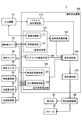
- FIG. 1 is a block diagram illustrating a configuration of a driving support system 1 including a driving support device.
- FIG. 2 is a block diagram illustrating functions of the driving support apparatus of FIG.
- FIG. 3 is a flowchart showing processing of the condition determining unit in FIG.
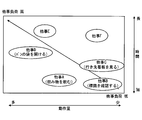
- FIG. 4 is a diagram for explaining a method for determining the other load in the first modification.
- the driving support system 1 includes an input device 10, a driver's seat camera 20, an in-vehicle sensor 30, an out-of-vehicle sensor 40, a wireless communication unit 50, a position detection unit 60, a map storage unit 70, and a surrounding monitoring device. 80, a display unit 90, a speaker 92, and a vehicle driving support device (hereinafter referred to as a driving support device) 100.
- the driving support system 1 is mounted on a vehicle (not shown), and each component included in the driving support system 1 can transmit and receive signals to and from each other via an in-vehicle LAN 94.
- the input device 10 is in a position where a driver sitting in the driver's seat of the vehicle can perform an input operation.
- the input device 10 is one or both of an input device that can be input by hand, such as a touch panel superimposed on a screen, a mechanical switch, and an input device that can input voice, that is, a microphone.
- the driver inputs an execution condition for the peripheral monitoring device 80 to execute control from the input device 10, or other event specifying information for specifying other events that the driver is trying to perform or that the driver is currently performing. Enter.
- Information input from the input device 10 is output to the driving support device 100.
- the driver's seat camera 20 is installed at a position where the driver's seat in the passenger compartment can be imaged.
- the driver's seat camera 20 is controlled by the driving support device 100 and images the driver sitting in the driver's seat.
- the in-vehicle sensor 30 is a sensor that detects various kinds of information in the vehicle, and includes a sensor that detects the traveling state of the vehicle and a sensor that detects the state of the driver.
- Sensors that detect the running state of the vehicle include a vehicle speed sensor, a steering sensor, an accelerator opening sensor, and the like.
- Sensors that detect the state of the driver include a heart rate sensor that detects the heart rate, a seating sensor that detects that the driver is seated in the driver's seat, and the like.
- the outside sensor 40 is a sensor that detects a state outside the vehicle.
- the outside sensor 40 is, for example, a radar or an ultrasonic sensor, and detects the inter-vehicle distance from the preceding vehicle and the positions of surrounding vehicles other than the preceding vehicle.
- the wireless communication unit 50 performs wireless communication with the outside of the vehicle and acquires road traffic information, weather, and the like around the current position.
- the position detection unit 60 includes, for example, a GNSS receiver used in a GNSS (Global Navigation Satellite System) that detects the position of its own device based on radio waves from a satellite. Based on the signal received by the GNSS receiver, the current position is detected. This current position is used for determining a range for acquiring road traffic information.
- GNSS Global Navigation Satellite System
- the map storage unit 70 stores road map data.
- This road map data includes road type data such as highways and general roads, and road width data.
- the periphery monitoring device 80 is a device that monitors the situation around the vehicle and executes driving support control for the driver when an execution condition is satisfied. There may be one or more surrounding monitoring devices 80. Examples of the driving support control to be executed include alarm output and braking control. Specifically, when the vehicle distance detected using the outside sensor 40 is less than or equal to the set value, control that outputs an alarm from the display unit 90 or the speaker 92 (hereinafter, vehicle distance alarm control), or the detected vehicle distance is the speed. There is a control (hereinafter referred to as automatic brake control) that automatically activates the brake when it becomes less than the automatic brake operation distance determined based on the above.
- the periphery monitoring device 80 corresponds to the driving support execution device in the claims.
- the driving support device 100 is a computer that includes a CPU, a ROM, a RAM, and the like, and the driving support device 100 executes the program stored in the ROM while using the temporary storage function of the RAM. It functions as each part shown in FIG. Note that some or all of the functions performed by the driving support apparatus 100 may be configured by hardware using one or a plurality of ICs.
- the driving support device 100 includes a driver condition specifying unit 110, an other thing determining unit 120, an other thing load estimating unit 130, a driver state estimating unit 140, a traveling state estimating unit 150, a condition determining unit 160, a condition A notification unit 170 is provided.
- the driver condition specifying unit 110 acquires the execution condition input by the driver when the input device 10 is operated and the driver inputs the execution condition for the periphery monitoring device 80 to execute the driving support control. Then, the execution condition input by the driver is output to the condition determining unit 160 as the execution condition specified by the driver.
- the other-affairs determination unit 120 determines the contents of other things that the driver is or is trying to perform while driving.
- other things are operations other than the driving operation performed by the driver during traveling, and the driving operation here includes not only the movement of hands and feet, but also watching.
- this driving operation means an operation necessary for avoiding a failure in the current driving and the latest driving after the current driving. Therefore, the operation of seeing a car or a person existing in the road ahead or its surroundings is a driving operation, but the operation of seeing a sign is included in other things.
- This other-affairs determination unit 120 includes an other-thing acquisition unit 121 and an other-thing estimation unit 122.
- the other thing acquisition unit 121 acquires other thing specifying information from the input device 10 when the driver receives the above-described other thing specifying information from the input device 10.
- the other matter specifying information is, for example, the name of another matter. Since the input device 10 includes a microphone, for example, when the driver utters “sensitivity UP” because he / she xx, the other matter acquisition unit 121 analyzes the content of the utterance and acquires the other matter specifying information.
- the other matter numbers input to the input device 10 become the other matter specifying information.
- the list is displayed on the display unit 90 by the other matter acquisition unit 121, for example. Since the other thing acquisition unit 121 determines the contents of other things from the other thing specifying information input by the driver, even if the other things that the driver is about to perform are determined, the contents of other things can be determined.
- the other-thing estimation unit 122 estimates the contents of other things that the driver is performing by analyzing the driver image included in the image captured by the driver's seat camera 20. There are various other things that the driver performs while the vehicle is running, for example, taking a container held in a drink holder and drinking a drink. In this other case, if it can be determined from the driver's image that the driver has reached the drink holder, the other matter estimation unit 122 takes the container held in the drink holder and drinks the drink. Presume that you are doing. As another example, the driver's line of sight is sequentially determined from the driver's image, and when the driver's line of sight is directed to the side of the vehicle, it is estimated that the driver is doing something other than looking aside.
- the other-thing estimation unit 122 may estimate the contents of other things while the vehicle is running or while the power is on, but the estimation is performed when the driver indicates that he / she wants to do other things. May start. For example, when a specific message such as “sensitivity UP” or “watching” is uttered, it is determined that the driver has indicated that he / she wants to do other things.
- the other-things load estimation unit 130 estimates the driver load (hereinafter referred to as other-things load) by performing other things based on the contents of other things determined by the other-things determination unit 120.
- this other load is expressed as the time required to perform other things.
- a storage unit (not shown) in the driving support apparatus 100 stores a correspondence relationship that determines the time required to perform other things according to the contents of other things.
- the other thing load estimation unit 130 determines the time required to perform other things from the correspondence and the contents of other things determined by the other thing determination unit 120.
- the driver state estimation unit 140 estimates whether the state of mind and body of the driver is a state where appropriate driving is possible. These are estimated from the speed and frequency of the steering wheel operation, the change in the change rate of the accelerator opening, the driver's line of sight, the heart rate of the driver, and the like. The speed and frequency of steering operation are determined using the steering angle detected by the steering sensor.
- the accelerator opening is obtained from an accelerator opening sensor.
- the driver's line of sight is determined by analyzing the image captured by the driver's seat camera 20.
- the heart rate of the driver is obtained from a heart rate sensor.
- the driver state is a state in which proper driving is difficult.
- the driver is in a state where it is difficult to perform appropriate driving even when the steering wheel operation frequency is low, that is, when there is a long time without a fixed time or when there is a long time when the accelerator opening does not change.
- the driver's line of sight is long from the front of the vehicle, when the heart rate is high, or when the seating sensor cannot detect that the driver is seated in the driver's seat, the driver state is appropriate. Assume that it is difficult to drive.
- the driver state estimation unit 140 may estimate whether the driver is in an appropriate driving state in consideration of the driver's age, the driver's physical condition, and the driver's concentration on driving.
- the age of the driver is determined from, for example, a face recognition from an image captured by the driver's seat camera 20 to identify the driver, and the correspondence between the identified driver and the driver and age stored in advance.
- the physical condition of the driver is determined from the heart rate, for example.
- the degree of concentration of the driver for driving is determined from, for example, the driver's line-of-sight direction and the line-of-sight movement frequency.
- the traveling state estimation unit 150 estimates the current traveling state of the vehicle.
- the traveling state includes a state of the vehicle itself and a state around the vehicle.
- the traveling state estimation unit 150 includes a vehicle state estimation unit 151 that estimates the state of the vehicle itself, and a traveling environment estimation unit 152 that estimates a state around the vehicle.
- the vehicle state estimated by the vehicle state estimation unit 151 includes the vehicle speed and the steering angle. These are acquired from a vehicle speed sensor and a steering sensor, which are in-vehicle sensors 30.
- the state around the vehicle estimated by the traveling environment estimation unit 152 includes the degree of congestion around the vehicle, the type of road on which the vehicle is traveling, the road width, and the like.
- the degree of surrounding congestion is estimated using a radar or an ultrasonic sensor that is the outside sensor 40.
- the wireless communication unit 50 may be used to acquire probe information indicating the position of another vehicle and the degree of traffic congestion on the road from outside the vehicle, and use these to estimate the degree of congestion around the vehicle.
- the road type and road width are determined from the current position detected by the position detection unit 60 and the road map data stored in the map storage unit 70.
- the condition determination unit 160 determines an execution condition for the periphery monitoring device 80 to perform driving support. The processing of the condition determining unit 160 will be described with reference to the flowchart shown in FIG.
- step S1 it is determined whether or not the driver has specified execution conditions.
- the driver specifies the execution condition (S1: YES), and the process proceeds to step S2.
- step S2 the execution condition specified by the driver condition specifying unit 110 is set as an execution condition to be executed by the periphery monitoring device 80 as it is.
- the determination result of step S1 is NO. In this case, the process proceeds to step S3.
- step S3 it is determined whether or not the other thing load estimation unit 130 is estimating the other thing load. If the other load is not estimated (S3: NO), the process proceeds to step S6. In step S6, the execution condition is not changed, and it is determined to maintain the execution condition when other things are not performed. When the other thing load is estimated (S3: YES), it progresses to step S4.
- step S4 it is determined whether or not the reliability of the driving support control is low.
- the state where the reliability of the driving support control is low is, for example, when there are many surrounding vehicles or when the surrounding object detection accuracy is lowered due to rain, snow, fog, nighttime, or the like. Further, when the braking distance required until the stop determined from the vehicle speed and the road surface condition exceeds the distance that the vehicle outside sensor 40 can detect the object, the reliability of the driving support control is low. Whether or not the reliability of the driving support control is low is determined from the driving state estimated by the driving state estimation unit 150 and information used by the driving state estimation unit 150 for estimating the driving state.
- the reliability of the driving support control may be low even when the driver is in a state where it is difficult to perform an appropriate driving in a state where no other things are being performed. If the driver is in a state where it is difficult to carry out proper driving even though other things are not being done, if the driving support control with higher accuracy is not performed, the reliability of the driving support control is said to be reliable. I can't say that.
- step S4 If it is determined that the reliability of the driving support control is low (S4: YES), the process proceeds to step S5.
- step S ⁇ b> 5 the display unit 90 corresponding to the notification unit and the speaker 92 are notified from one or both of them that attention should be paid to driving. Then, it progresses to step S6 mentioned above. Therefore, when it is determined that the reliability of the driving support control is low, the execution condition when the other things are not performed is maintained even if the other things load is estimated.
- step S7 the execution condition is determined based on the other thing load estimated by the other thing load estimating unit 130. Specifically, in this embodiment, the other-things load is represented by the time required to do other things. Therefore, the execution condition is determined so that the driving support control is executed more quickly than the time required for performing other things than the execution condition before estimating the other things load.
- the distance is calculated by multiplying the time required to do other things by multiplying the current vehicle speed, and that distance is the threshold for alarm output. Increase the distance.
- the automatic brake working distance is increased by a distance obtained by multiplying the time required for performing other things by the current vehicle speed. Therefore, it becomes easier to perform driving support control such as an alarm and automatic brake operation than when the load of other things is not estimated. In other words, when the other-things load is not estimated, the driving support control is less likely to be performed than when the other-things load is estimated.
- step S8 the execution condition determined in step S7 is corrected based on the driver state estimated by the driver state estimation unit 140 and the traveling state estimated by the traveling state estimation unit 150.
- the execution condition is corrected so that the driving support control is executed earlier.
- the inter-vehicle distance alarm control and the automatic brake control the inter-vehicle distance and the automatic brake operating distance for outputting the alarm are further increased.
- the degree of increase may be a constant value, or may be a value according to the driver state if the driver state is quantitatively determined.
- the correction based on the driving condition is as follows.
- the traveling state includes a vehicle state and a traveling environment. If the vehicle state and the traveling environment estimated by the vehicle state estimating unit 151 and the traveling environment estimating unit 152 are the vehicle state and the traveling environment in which the driving operation is required quickly, the driving support control is executed early. Correct the execution conditions.
- the execution condition is corrected so that the driving support control is executed early.
- the execution condition is corrected so that the execution of the driving control is relatively delayed as compared with the case where the vehicle speed is high and the steering angle is large.
- the condition notification unit 170 notifies the periphery monitoring device 80 that uses the execution condition of the execution condition determined by the condition determination unit 160.
- the periphery monitoring device 80 notified of the execution condition determines whether to execute the driving support control using the execution condition.
- the other matter determination unit 120 determines other things that the driver is performing while the vehicle is traveling. Then, the condition determination unit 160 determines an execution condition under which the driving support control is executed based on the determined other matters.
- the driving support control is executed because it becomes difficult to execute the driving support control.
- the troublesomeness due to is reduced.
- the driver is distracted by other things, it becomes an execution condition that facilitates driving support control. Therefore, it is less likely that the driving support control is delayed.
- the execution condition is set to other things.
- the conditions are maintained when not performed (S6). Therefore, it is possible to prevent the driver from performing other things until the reliability of the driving support control is low.
- the driver since the driver is informed that the driver should concentrate on driving (S5), the driver can recognize that the driver should concentrate on driving.
- embodiment is not limited to the above-mentioned embodiment, The following modification is also contained in embodiment, Furthermore, in the range which does not deviate from a summary other than the following, it is variously changed. Examples are also included in the embodiments.
- the other-things load estimation part 130 of the above-mentioned embodiment represented the other-things load with the time required to do other things.
- the other-things load estimation unit 130 determines the other-things load from the time required to perform other things and the amount of movement of other things.
- the movement amount means a movement amount by which the driver moves a part of the body such as hands, eyes, and face when performing other things.
- the vertical axis in FIG. 4 is the time required to do other things, and the time is longer as it goes upward.
- the horizontal axis is the amount of motion to do other things, and the amount of motion is greater on the left side.
- the other thing A is an action of drinking a drink
- the other thing B is an action of looking at a road sign
- the other thing C is an action of looking at a destination signboard.
- Event D is an operation of opening the bread bag.
- the other thing A is an action that uses one hand and moves the line of sight, and has a larger amount of movement than the other things B and C that do not use the hand.
- Other thing D is an action that requires both hands, and the amount of movement is larger than that of other thing C. Since the other matters B and C are only movements of the line of sight, the movement amount is small.
- the correspondence between the operation load determined based on this idea and other things is stored in a predetermined storage unit. Then, the extraordinary load estimating unit 130 determines the extraordinary load from the correspondence and the contents of the extraneous matter estimated by the extraordinary matter determining unit 120.
- the driving support control is executed earlier than the execution condition before estimating the other-affiliate load by a time that represents the other-affected load. It cannot be changed to run. Therefore, in the first modification, a relationship and a table that determine the degree of changing the execution condition based on the magnitude of the other load are determined in advance. Then, the execution condition is changed by using the other load actually determined and the relationship and table which are determined in advance.
- the execution condition determined from the other-affiliate load is corrected based on the driver state and the running state. However, without executing this correction, the execution condition determined from the other-affiliate load is corrected by the condition notification unit 170. May be an execution condition to be notified.
Landscapes
- Engineering & Computer Science (AREA)
- Mechanical Engineering (AREA)
- Physics & Mathematics (AREA)
- General Physics & Mathematics (AREA)
- Traffic Control Systems (AREA)
Abstract
車両用運転支援装置を提供する。車両用運転支援装置は、他事決定部(120)と、 条件決定部(160)と、条件通知部(170)とを備える。他事決定部は、車両のドライバが、車両走行中に行う運転動作以外の動作である他事を決定する。条件決定部は、他事決定部が決定した他事に基づいて、運転支援実行装置(80)が運転支援制御を実行するための実行条件を決定する。条件通知部は、条件決定部が決定した実行条件を運転支援実行装置に通知する。
Description
本出願は、2014年6月10日に出願された日本国特許出願2014-119941号に基づくものであり、その開示をここに参照により援用する。
本開示は、車両を運転するドライバの運転操作を支援する車両用運転支援装置に関する。
ドライバの運転操作を支援する種々の運転支援装置が知られている。たとえば、特許文献1では、車両が前方の他車両と衝突する可能性を予測し、衝突の可能性が高い場合には警報を出力する。また、衝突の危険性が高い場合に、自動で減速や停止を行う装置も広く知られている。また、特許文献1では、渋滞時には、衝突可能性を判定する判定閾値を低くしている。
本願発明は、特許文献1の技術に関して下記を見出した。
特許文献1によれば、渋滞時には衝突可能性の判定閾値が低くなることから、渋滞時、実際には衝突可能性が高くないのに警報が出力されてしまうことが抑制される。しかし、渋滞時でなければ判定閾値を低くしないことから、渋滞時でない状態において、ドライバが障害物を認識できており、警報が出力されなくても衝突回避のための運転操作が行えるときでも、警報が出力されてしまうことがある。したがって、ドライバが、出力された警報を煩わしく感じてしまう可能性があった。
また、渋滞時であっても、ドライバが走行中に運転動作以外の動作(以下、他事)をしている場合には、衝突の危険性が低いとは限らない。しかし、特許文献1では、渋滞時には衝突可能性の判定閾値を低くしているため、警報の出力が遅れる可能性があった。
また、運転支援の制御内容が減速制御である場合にも、ドライバが減速操作を行う予定であるにも関わらず、減速制御が行われてしまうとドライバが煩わしく感じ、また、他事に気を取られ、ドライバの減速操作が遅れる可能性があるにもかかわらず、減速制御が遅れることは好ましくない。
このように、従来の運転支援装置は、ドライバが運転に集中できており、運転支援制御が実行される必要がないときにまで運転支援制御が行って、ドライバに煩わしさを与えてしまうことがあった。また、ドライバが他事に気を取られており、早い時期での運転支援制御が必要なときに運転支援制御が遅れてしまうこともあった。
本開示は、この事情に基づいて成されたものであり、その目的とするところは、運転支援制御が実行されることによる煩わしさを低減しつつも、運転支援制御が遅れてしまうことも少ない車両用運転支援装置を提供することにある。
本開示の一例に係る車両用運転支援装置は、車両で用いられ、車両のドライバが、車両走行中に行う運転動作以外の動作である他事を決定する他事決定部と、他事決定部が決定した他事に基づいて、運転支援実行装置が運転支援制御を実行するための実行条件を決定する条件決定部と、条件決定部が決定した実行条件を運転支援実行装置に通知する条件通知部とを備える。
この車両用運転支援装置によれば、車両走行中にドライバが行っている他事を決定して、その他事に基づいて運転支援制御が実行される実行条件が決定される。これにより、ドライバが他事に気を取られておらず、運転に集中できているときは、運転支援制御が実行されにくい実行条件になるので、運転支援制御が実行されることによる煩わしさが低減される。また、ドライバが他事に気を取られているときは運転支援制御が実行されやすい実行条件となるので、運転支援制御が遅れてしまうことが少なくなる。
本開示についての上記および他の目的、特徴や利点は、添付の図面を参照した下記の詳細な説明から、より明確になる。添付図面において
図1は、運転支援装置を含む運転支援システム1の構成を示すブロック図である。
図2は、図1の運転支援装置の機能を示すブロック図である。
図3は、図2の条件決定部の処理を示すフローチャートである。
図4は、変形例1における他事負荷の決定方法を説明する図である。
以下、実施形態を図面に基づいて説明する。図1に構成を示すように、運転支援システム1は、入力装置10、運転席カメラ20、車内センサ30、車外センサ40、無線通信部50、位置検出部60、地図記憶部70、周辺監視装置80、表示部90、スピーカ92、車両用運転支援装置(以下、運転支援装置)100を備えている。この運転支援システム1は、図示しない車両に搭載されており、運転支援システム1が備える各構成要素は、車内LAN94により相互に信号の送受信が可能になっている。
入力装置10は、車両の運転席に座ったドライバが入力操作可能な位置にある。入力装置10は、具体的には、画面に重畳されたタッチパネル、メカニカルスイッチなど、手を用いて入力できる入力装置、および、音声入力できる入力装置すなわちマイクのいずれか、または両方である。ドライバは、この入力装置10から、周辺監視装置80が制御を実行するための実行条件を入力したり、ドライバがしようとしている他事あるいはドライバが現在行っている他事を特定する他事特定情報を入力する。入力装置10から入力された情報は、運転支援装置100に出力される。
運転席カメラ20は、車室内の運転席を撮像できる位置に設置されている。この運転席カメラ20は、運転支援装置100により制御されて、運転席に座っているドライバを撮像する。
車内センサ30は、車両内の種々の情報を検出するセンサであり、車両の走行状態を検出するセンサ、ドライバの状態を検出するセンサが含まれる。車両の走行状態を検出するセンサには、車速センサ、ステアリングセンサ、アクセル開度センサなどが含まれる。ドライバの状態を検出するセンサには、心拍数を検出する心拍センサ、ドライバが運転席に着座していることを検出する着座センサなどが含まれる。
車外センサ40は、車両外部の状態を検出するセンサである。車外センサ40は、たとえば、レーダや超音波センサであり、前方車両との間の車間距離や、前方車両以外の周辺車両の位置を検出する。
無線通信部50は、車両の外部と無線通信を行って、現在位置周辺の道路交通情報、天気などを取得する。位置検出部60は、たとえば、衛星からの電波に基づいて自装置の位置を検出するGNSS(Global Navigation Satellite System)で用いられるGNSS受信機を備える。このGNSS受信機が受信した信号に基づいて、現在位置を検出する。この現在位置は、道路交通情報を取得する範囲を決定するためなどに用いられる。
地図記憶部70は、道路地図データを記憶している。この道路地図データは、高速道路、一般道路などの道路種別や、道路幅のデータを含んでいる。
周辺監視装置80は、車両周辺の状況を監視しており、実行条件が成立したら、ドライバに対する運転支援制御を実行する装置である。この周辺監視装置80は、1つでもよいし、複数であってもよい。実行する運転支援制御としては、警報出力、制動制御などがある。詳しくは、車外センサ40を用いて検出した車間距離が設定値以下になったら表示部90やスピーカ92から警報を出力する制御(以下、車間距離警報制御)や、検出した車間距離が、速度に基づいて定まる自動ブレーキ作動距離以下になったら自動的にブレーキを作動させる制御(以下、自動ブレーキ制御)などがある。この周辺監視装置80は請求項の運転支援実行装置に相当する。
運転支援装置100は、CPU、ROM、RAM等を備えたコンピュータであり、CPUが、RAMの一時記憶機能を利用しつつROMに記憶されているプログラムを実行することで、運転支援装置100は、図2に示す各部として機能する。なお、運転支援装置100が実行する機能の一部または全部を、一つあるいは複数のIC等によりハードウェア的に構成してもよい。
次に、図2を用いて運転支援装置100の機能を説明する。図2に示すように、運転支援装置100は、ドライバ条件指定部110、他事決定部120、他事負荷推定部130、ドライバ状態推定部140、走行状態推定部150、条件決定部160、条件通知部170を備える。
ドライバ条件指定部110は、入力装置10が操作されて、ドライバが、周辺監視装置80が運転支援制御を実行する実行条件を入力した場合に、ドライバが入力した実行条件を取得する。そして、ドライバが入力した実行条件を、ドライバから指定された実行条件として条件決定部160に出力する。
他事決定部120は、走行中に、ドライバが行っている、あるいは、しようとしている他事の内容を決定する。なお、他事は、走行中にドライバが行う運転動作以外の動作であり、ここでの運転動作は、手や足の動作だけでなく、見ることも含まれる。また、この運転動作は、現時点および現時点以後の直近の運転において、障害を避けるために必要な動作を意味する。したがって、前方の道路やその周辺に存在する車や人を見る動作は運転動作であるが、標識を見る動作は他事に含まれる。
この他事決定部120は、他事取得部121と他事推定部122を備える。他事取得部121は、ドライバが入力装置10から前述した他事特定情報が入力された場合に、その他事特定情報を入力装置10から取得する。他事特定情報はたとえば他事の名称である。入力装置10にはマイクも含まれるので、ドライバは、たとえば、xxをするから感度UPなどと発話した場合に、他事取得部121は、発話内容を解析して他事特定情報を取得する。あるいは、表示部90に、予め記憶されている複数の他事の内容を他事番号とともにリスト表示する場合、入力装置10に入力された他事番号が他事特定情報になる。なお、上記リストは、たとえば、他事取得部121が表示部90に表示する。この他事取得部121は、ドライバが入力する他事特定情報から他事の内容を決定するため、ドライバがこれからしようとしている他事であっても、他事の内容を決定することができる。
他事推定部122は、運転席カメラ20が撮像した画像に含まれているドライバの画像を解析することで、ドライバが行っている他事の内容を推定する。車両走行中にドライバが行う他事は種々あるが、たとえば、ドリンクホルダーに保持されている容器を取り、飲み物を飲むなどがある。この他事の場合、ドライバがドリンクホルダーに手を伸ばしたことが、ドライバの画像から判断できれば、他事推定部122は、ドリンクホルダーに保持されている容器を取り、飲み物を飲むという他事を行っていると推定する。他の例として、ドライバの画像からドライバの視線を逐次判断し、ドライバの視線が車両側方に向いた場合に、ドライバは脇見という他事をしていると推定する。この他事推定部122は、車両走行中、あるいは、電源がオンである間中ずっと他事の内容を推定していてもよいが、ドライバが他事を行うことを意思表示した場合に、推定を開始してもよい。たとえば「感度UP」や「見守っていて」などの特定のメッセージが発話された場合に、他事を行うことをドライバが意思表示したと判断する。
他事負荷推定部130は、他事決定部120が決定した他事の内容に基づいて、その他事を行うことによるドライバの負荷(以下、他事負荷)を推定する。この他事負荷を、本実施形態では、他事を行うのに必要な時間で表す。
この時間を決定するために、運転支援装置100内の図示しない記憶部には、他事の内容別に、その他事を行うのに必要な時間が定まる対応関係が記憶されている。他事負荷推定部130は、この対応関係と、他事決定部120が決定した他事の内容から、他事を行うのに必要な時間を決定する。
ドライバ状態推定部140は、ドライバの心身の状態が、適切な運転ができる状態であるかを推定する。これらは、ハンドル操作の速度や頻度、アクセル開度の変化率の推移、ドライバの視線、ドライバの心拍数などから推定する。ハンドル操作の速度や頻度はステアリングセンサが検出した操舵角を用いて決定する。アクセル開度はアクセル開度センサから取得する。ドライバの視線は、運転席カメラ20が撮像した画像を解析して決定する。ドライバの心拍数は、心拍センサから取得する。
そして、たとえば、ハンドル操作の速度が速い、頻度が多い、アクセル開度が短時間内で大きく変化している場合には、ドライバ状態は適切な運転が行いにくい状態であるとする。また、反対に、ハンドル操作の頻度が少ない、すなわち、一定時間ない時間が多い場合や、アクセル開度の変化がない時間が長い場合も、ドライバ状態は適切な運転が行いにくい状態であるとする。他にも、ドライバの視線が車両前方から離れている時間が長い、心拍数が高い場合や、着座センサでドライバが運転席に着座していることが検出できない状態なども、ドライバ状態は適切な運転が行いにくい状態であるとする。
さらに、ドライバ状態推定部140は、ドライバの年齢、ドライバの体調、ドライバの運転に対する集中度も考慮して、ドライバが、適切な運転ができる状態であるかを推定してもよい。ドライバの年齢は、たとえば、運転席カメラ20が撮像した画像から顔認識を行ってドライバを特定し、特定したドライバと、予め記憶しているドライバと年齢との対応関係から決定する。ドライバの体調は、たとえば、心拍数から決定する。ドライバの運転に対する集中度は、たとえば、ドライバの視線の方向や視線移動頻度から決定する。
走行状態推定部150は、車両の現在の走行状態を推定する。走行状態には、車両自体の状態と、車両周囲の状態がある。走行状態推定部150は、車両自体の状態を推定する車両状態推定部151と、車両周囲の状態を推定する走行環境推定部152を備えている。
車両状態推定部151が推定する車両自体の状態としては、車速、操舵角などがある。これらは、車内センサ30である車速センサ、ステアリングセンサから取得する。
走行環境推定部152が推定する車両周囲の状態としては、周囲の混雑程度、車両が走行している道路種別、道路幅などがある。周囲の混雑程度は、車外センサ40であるレーダや超音波センサを用いて推定する。また、無線通信部50を用いて車両外部から、他車の位置を示すプローブ情報や、道路の渋滞程度を取得して、これらも用いて周囲の混雑程度を推定してもよい。道路種別、道路幅は、位置検出部60が検出した現在位置と、地図記憶部70の記憶されている道路地図データから決定する。
条件決定部160は、周辺監視装置80が運転支援を実行する実行条件を決定する。この条件決定部160の処理は、図3に示すフローチャートを用いて説明する。
ステップS1では、ドライバが実行条件を指定したか否かを判断する。ドライバ条件指定部110から実行条件が指定された場合には、ドライバが実行条件を指定したとして(S1:YES)、ステップS2に進む。
ステップS2では、ドライバ条件指定部110から指定された実行条件を、そのまま周辺監視装置80が実行する実行条件とする。ドライバ条件指定部110からは実行条件が指定されていない場合には、ステップS1の判断結果がNOになる。この場合にはステップS3に進む。
ステップS3では、他事負荷推定部130が他事負荷を推定しているか否かを判断する。他事負荷を推定していない場合(S3:NO)には、ステップS6に進む。ステップS6では、実行条件を変更せず、他事を行っていない場合の実行条件を維持することに決定する。他事負荷を推定している場合(S3:YES)にはステップS4に進む。
ステップS4では、運転支援制御の信頼性が低い状態であるか否かを判断する。運転支援制御の信頼性が低い状態とは、たとえば、周囲の車両が多い場合や、雨、雪、霧、夜間などにより周辺の物体検出精度が低下する場合である。また、車速と路面状態から定まる停止までに要する制動距離が、車外センサ40が物体を検出できる距離を超える場合も、運転支援制御の信頼性が低い状態である。運転支援制御の信頼性が低い状態であるか否かは、走行状態推定部150が推定した走行状態や、走行状態推定部150が走行状態の推定に用いた情報から判断する。
なお、他事を行っていない状態で、ドライバが適切な運転が行いにくい状態であるときも、運転支援制御の信頼性が低い状態としてもよい。他事を行っていない状態であるにもかかわらず、ドライバが適切な運転が行いにくい状態であれば、より精度のよい運転支援制御が行われないと、運転支援制御の信頼性があるとは言えないからである。
運転支援制御の信頼性が低い状態であると判断した場合には(S4:YES)、ステップS5に進む。ステップS5では、報知部に相当する表示部90、スピーカ92の一方または両方から、運転に注意すべきであることを報知する。その後、前述したステップS6に進む。従って、運転支援制御の信頼性が低いと判断した場合には、他事負荷を推定していても、他事を行っていない場合の実行条件を維持することになる。
運転支援制御の信頼性が低い状態ではないと判断した場合には(S4:NO)、ステップS7に進む。ステップS7では、他事負荷推定部130が推定した他事負荷に基づいて実行条件を決定する。具体的には、本実施形態では、他事負荷は他事を行うのに必要な時間で表されている。そこで、他事負荷を推定する前の実行条件よりも、他事を行うのに必要な時間以上早く、運転支援制御が実行されるように、実行条件を決定する。
たとえば、運転支援制御として車間距離警報制御を例にすると、他事を行うのに必要な時間に現在の車速を乗じて距離を算出し、その距離だけ、警報を出力する閾値となっている車間距離を長くする。また、自動ブレーキ制御においても、自動ブレーキ作動距離を、他事を行うのに必要な時間に現在の車速を乗じた距離だけ長くする。したがって、他事負荷を推定していないときよりも、警報や自動ブレーキ作動などの運転支援制御が行われやすくなる。換言すれば、他事負荷を推定していないときは、他事負荷を推定しているときよりも、運転支援制御が行われにくいことになる。
ステップS8では、ステップS7で決定した実行条件を、ドライバ状態推定部140が推定したドライバ状態および走行状態推定部150が推定した走行状態に基づいて補正する。
ドライバ状態が適切な運転が行いにくい状態であると推定されている場合には、さらに早目に運転支援制御が実行されるように、実行条件を補正する。たとえば、車間距離警報制御や自動ブレーキ制御では、警報を出力する車間距離、自動ブレーキ作動距離をさらに長くする。長くする程度は、一定値でもよいし、また、ドライバ状態を定量的に決定している場合であれば、ドライバ状態に応じた値でもよい。
また、走行状態に基づいた補正は次のようにする。前述したように、走行状態には、車両状態と走行環境がある。車両状態推定部151や走行環境推定部152が推定した車両状態、走行環境が、早く運転操作が必要になる車両状態や走行環境であれば、早目に運転支援制御が実行されるように、実行条件を補正する。
たとえば、車速が速い、操舵角が大きい場合、早く運転操作が必要になるので、早目に運転支援制御が実行されるように、実行条件を補正する。反対に、車速が遅い、操舵角が小さい場合には、車速が速い、操舵角が大きい場合に比較して、相対的に、運転制御の実行が遅くなるように、実行条件を補正する。
また、走行環境である周囲の混雑程度、道路種別、道路幅については、渋滞であると判断できるほどに周囲の混雑程度が高い場合、道路種別が高速道路である場合、道路幅が広い場合には、運転制御の実行が遅くなるように、実行条件を補正する。
説明を図2に戻す。条件通知部170は、条件決定部160が決定した実行条件を、その実行条件を用いる周辺監視装置80に通知する。実行条件が通知された周辺監視装置80は、その実行条件を用いて、運転支援制御を実行するか否かを判断する。
<実施形態の効果>
以上、説明した本実施形態によれば、他事決定部120が、車両走行中にドライバが行っている他事を決定する。そして、条件決定部160は、その決定した他事に基づいて運転支援制御が実行される実行条件を決定する。
以上、説明した本実施形態によれば、他事決定部120が、車両走行中にドライバが行っている他事を決定する。そして、条件決定部160は、その決定した他事に基づいて運転支援制御が実行される実行条件を決定する。
このようにすることで、ドライバが他事をしていないため、運転に集中できていると推定できるときは、運転支援制御が実行されにくい実行条件になるので、運転支援制御が実行されることによる煩わしさが低減される。また、ドライバが他事に気を取られているときは運転支援制御が実行されやすい実行条件となる。したがって、運転支援制御が遅れてしまうことが少なくなる。
また、本実施形態では、走行状態が、運転支援制御の信頼性が低くなる状態であると判断した場合(S4:YES)、他事負荷を推定していても、実行条件を、他事を行っていない場合の条件に維持する(S6)。よって、運転支援制御の信頼性が低いときにまで、ドライバが他事を行うことを許容してしまうことが抑制される。加えて、運転に集中すべきことをドライバに報知するので(S5)、ドライバに、運転に集中すべきであることを認識させることもできる。
以上、実施形態を例示したが、実施形態は上述の実施形態に限定されるものではなく、次の変形例も実施形態に含まれ、さらに、下記以外にも要旨を逸脱しない範囲内で種々変更例も実施形態に含まれる。
<変形例1>
前述の実施形態の他事負荷推定部130は、他事負荷を、他事を行うのに必要な時間で表していた。しかし、この変形例1では、他事負荷推定部130は、他事負荷を、他事を行うのに必要な時間と、他事の動作量とから決定する。動作量とは、他事を行う際にドライバが、手、目、顔など、体の一部を移動させる移動量を意味する。
前述の実施形態の他事負荷推定部130は、他事負荷を、他事を行うのに必要な時間で表していた。しかし、この変形例1では、他事負荷推定部130は、他事負荷を、他事を行うのに必要な時間と、他事の動作量とから決定する。動作量とは、他事を行う際にドライバが、手、目、顔など、体の一部を移動させる移動量を意味する。
図4を用いて、変形例1における他事負荷の決定方法を説明する。図4の縦軸は、他事を行うのに必要な時間であり、上側ほど時間が長い。横軸は他事を行う動作量であり、左側ほど動作量が多い。
図4に示しているように、たとえば、他事Aは飲み物を飲むという動作であり、他事Bは道路標識を見るという動作であり、他事Cは行き先看板を見るという動作であり、他事Dは、パンの袋を開けるという動作である。他事Aは、片手を使い、且つ、視線移動を伴う動作であり、手を使わない動作である他事B、Cよりも動作量が多い。他事Dは両手が必要な動作であり、他事Cよりもさらに動作量が多い。他事B、Cは、視線の移動のみであることから、動作量はともに少ない。変形例1では、他事を行う時間が長いほど、また、動作量が多いほど、すなわち、図4において、左上側ほど他事負荷が高いと考える。
変形例1では、この考えに基づいて定まる動作負荷と他事との対応関係が所定の記憶部に記憶されている。そして、他事負荷推定部130は、その対応関係と、他事決定部120が推定した他事の内容から他事負荷を決定する。
動作量が多い他事は、視線を車両前方から連続的に離している時間が長い傾向にある。反対に、動作量が少ない他事は、時間が長くても、時折、車両前方を見ることができるなど、ある程度は運転動作も行えている場合も多い。したがって、この変形例1のように、動作量も考慮して他事負荷を決定することにより、より適切な他事負荷を決定することができる。
なお、他事負荷を時間で表していないことから、前述の実施形態と異なり、実行条件を、他事負荷を推定する前の実行条件よりも、他事負荷を表す時間以上早く運転支援制御が実行されるように変更することはできない。そこで、変形例1では、他事負荷の大きさに基づいて実行条件を変更する程度が定まる関係やテーブルを予め定めておく。そして、実際に決定した他事負荷と、予め定めておいて関係やテーブルとを用いて、実行条件を変更する。
<変形例2>
前述の実施形態では、他事負荷から決定した実行条件を、ドライバ状態や走行状態に基づいて補正していたが、この補正を行わずに、他事負荷から決定した実行条件を条件通知部170が通知する実行条件としてもよい。
前述の実施形態では、他事負荷から決定した実行条件を、ドライバ状態や走行状態に基づいて補正していたが、この補正を行わずに、他事負荷から決定した実行条件を条件通知部170が通知する実行条件としてもよい。
Claims (7)
- 車両で用いられ、
前記車両のドライバが、車両走行中に行う運転動作以外の動作である他事を決定する他事決定部(120)と、
前記他事決定部が決定した他事に基づいて、運転支援実行装置(80)が運転支援制御を実行するための実行条件を決定する条件決定部(160)と、
前記条件決定部が決定した実行条件を前記運転支援実行装置に通知する条件通知部(170)とを備える車両用運転支援装置。 - 請求項1において、
前記他事決定部は、前記ドライバを撮像する運転席カメラ(20)が撮像した前記ドライバの画像に基づいて、前記他事を決定する車両用運転支援装置。 - 請求項1または2において、
前記他事決定部は、前記車両の車室に設置された入力装置(10)を用いて前記ドライバが入力した前記他事を特定する他事特定情報に基づいて、前記他事を決定する車両用運転支援装置。 - 請求項1~3のいずれか1項において、
前記他事決定部が決定した他事に基づいて、前記他事を行うことによる前記ドライバの負荷である他事負荷を推定する他事負荷推定部(130)を備え、
前記条件決定部は、前記他事負荷が大きいほど、前記実行条件を、前記運転支援が実行されやすい条件とする車両用運転支援装置。 - 請求項4において、
前記他事負荷推定部は、前記他事負荷を、前記他事を行うのに必要な時間で表し、
前記条件決定部は、前記他事負荷推定部が前記他事負荷を推定する前の実行条件よりも、前記他事負荷を表す時間以上早く前記運転支援制御が実行されるように、前記実行条件を変更する車両用運転支援装置。 - 請求項4において、
前記他事負荷推定部は、前記他事負荷を、前記他事を行うのに必要な時間および前記他事を行う動作量に基づいて決定し、
前記条件決定部は、前記他事負荷推定部が推定した他事負荷が高いほど、前記運転支援制御が実行されやすくなるように、前記実行条件を変更する車両用運転支援装置。 - 請求項1~6のいずれか1項において、
前記車両の走行状態を推定する走行状態推定部(150)を備え、
前記条件決定部は、前記走行状態推定部が推定した走行状態が、前記運転支援実行装置による運転支援の信頼性が低い予め設定されている走行状態である場合、前記他事決定部が他事を決定した場合であっても、前記実行条件を、前記他事を行っていない場合の条件に決定し、かつ、前記車両の車室に備えられた報知部(90、92)から、運転に集中すべきことを報知することを出力する車両用運転支援装置。
Applications Claiming Priority (2)
| Application Number | Priority Date | Filing Date | Title |
|---|---|---|---|
| JP2014119941A JP6326990B2 (ja) | 2014-06-10 | 2014-06-10 | 車両用運転支援装置 |
| JP2014-119941 | 2014-06-10 |
Publications (1)
| Publication Number | Publication Date |
|---|---|
| WO2015190069A1 true WO2015190069A1 (ja) | 2015-12-17 |
Family
ID=54833185
Family Applications (1)
| Application Number | Title | Priority Date | Filing Date |
|---|---|---|---|
| PCT/JP2015/002803 Ceased WO2015190069A1 (ja) | 2014-06-10 | 2015-06-03 | 車両用運転支援装置 |
Country Status (2)
| Country | Link |
|---|---|
| JP (1) | JP6326990B2 (ja) |
| WO (1) | WO2015190069A1 (ja) |
Families Citing this family (3)
| Publication number | Priority date | Publication date | Assignee | Title |
|---|---|---|---|---|
| US10133273B2 (en) * | 2016-09-20 | 2018-11-20 | 2236008 Ontario Inc. | Location specific assistance for autonomous vehicle control system |
| JP7165639B2 (ja) * | 2019-09-26 | 2022-11-04 | 日立建機株式会社 | 転圧機械 |
| JP7706680B2 (ja) * | 2023-05-29 | 2025-07-11 | 三菱電機モビリティ株式会社 | 飲酒判定装置及び飲酒判定方法 |
Citations (5)
| Publication number | Priority date | Publication date | Assignee | Title |
|---|---|---|---|---|
| JP2000211543A (ja) * | 1999-01-26 | 2000-08-02 | Mazda Motor Corp | 車両の運転支援装置 |
| JP2004070795A (ja) * | 2002-08-08 | 2004-03-04 | Nissan Motor Co Ltd | 情報提供装置、情報提供制御プログラム |
| JP2009115624A (ja) * | 2007-11-07 | 2009-05-28 | Hitachi Ltd | 位置演算装置 |
| JP2012088756A (ja) * | 2010-10-15 | 2012-05-10 | Toyota Motor Corp | 走行支援装置及び方法 |
| JP2014089589A (ja) * | 2012-10-30 | 2014-05-15 | Denso Corp | 運転支援装置 |
-
2014
- 2014-06-10 JP JP2014119941A patent/JP6326990B2/ja not_active Expired - Fee Related
-
2015
- 2015-06-03 WO PCT/JP2015/002803 patent/WO2015190069A1/ja not_active Ceased
Patent Citations (5)
| Publication number | Priority date | Publication date | Assignee | Title |
|---|---|---|---|---|
| JP2000211543A (ja) * | 1999-01-26 | 2000-08-02 | Mazda Motor Corp | 車両の運転支援装置 |
| JP2004070795A (ja) * | 2002-08-08 | 2004-03-04 | Nissan Motor Co Ltd | 情報提供装置、情報提供制御プログラム |
| JP2009115624A (ja) * | 2007-11-07 | 2009-05-28 | Hitachi Ltd | 位置演算装置 |
| JP2012088756A (ja) * | 2010-10-15 | 2012-05-10 | Toyota Motor Corp | 走行支援装置及び方法 |
| JP2014089589A (ja) * | 2012-10-30 | 2014-05-15 | Denso Corp | 運転支援装置 |
Also Published As
| Publication number | Publication date |
|---|---|
| JP6326990B2 (ja) | 2018-05-23 |
| JP2015232843A (ja) | 2015-12-24 |
Similar Documents
| Publication | Publication Date | Title |
|---|---|---|
| US11295143B2 (en) | Information processing apparatus, information processing method, and program | |
| US11873007B2 (en) | Information processing apparatus, information processing method, and program | |
| US9956961B2 (en) | Vehicle driving assistance apparatus and vehicle driving assistance method | |
| US10435035B2 (en) | Screen reduction system for autonomous vehicles | |
| US10496889B2 (en) | Information presentation control apparatus, autonomous vehicle, and autonomous-vehicle driving support system | |
| US9994151B2 (en) | Methods and systems for blind spot monitoring with adaptive alert zone | |
| JP5888407B2 (ja) | 運転支援装置 | |
| JP6241235B2 (ja) | 車両用運転支援装置 | |
| US9975480B2 (en) | Methods and systems for blind spot monitoring with adaptive alert zone | |
| JP6611085B2 (ja) | 車両制御装置 | |
| US20110128136A1 (en) | On-vehicle device and recognition support system | |
| US20200031339A1 (en) | Driving assistant apparatus, driving assistant method, moving object, and program | |
| JP6383566B2 (ja) | 疲労度推定装置 | |
| CN105564441A (zh) | 警报装置、警报系统、警报方法及便携终端 | |
| WO2018163471A1 (ja) | 運転モード切替制御装置、システム、方法、およびプログラム | |
| JP6500724B2 (ja) | 危険情報報知システム、サーバ及びコンピュータプログラム | |
| JP5228928B2 (ja) | 運転支援装置 | |
| US11148682B2 (en) | Steering assistance systems and methods | |
| JP2016066231A (ja) | 衝突防止装置、衝突防止方法、衝突防止プログラムおよび記録媒体 | |
| JP6326990B2 (ja) | 車両用運転支援装置 | |
| WO2016030934A1 (ja) | 情報処理装置、制御方法、プログラム及び記憶媒体 | |
| JP6221568B2 (ja) | 運転支援装置 | |
| JP2016095789A (ja) | 表示装置 | |
| WO2014076841A1 (ja) | 表示装置、制御方法、プログラム、及び記憶媒体 | |
| JP6604368B2 (ja) | 車両制御装置 |
Legal Events
| Date | Code | Title | Description |
|---|---|---|---|
| 121 | Ep: the epo has been informed by wipo that ep was designated in this application |
Ref document number: 15806423 Country of ref document: EP Kind code of ref document: A1 |
|
| NENP | Non-entry into the national phase |
Ref country code: DE |
|
| 122 | Ep: pct application non-entry in european phase |
Ref document number: 15806423 Country of ref document: EP Kind code of ref document: A1 |