WO2015159995A1 - ハイドロゲルの製造方法、包括対象物の包括方法、および包括対象物の放出方法 - Google Patents
ハイドロゲルの製造方法、包括対象物の包括方法、および包括対象物の放出方法 Download PDFInfo
- Publication number
- WO2015159995A1 WO2015159995A1 PCT/JP2015/062458 JP2015062458W WO2015159995A1 WO 2015159995 A1 WO2015159995 A1 WO 2015159995A1 JP 2015062458 W JP2015062458 W JP 2015062458W WO 2015159995 A1 WO2015159995 A1 WO 2015159995A1
- Authority
- WO
- WIPO (PCT)
- Prior art keywords
- hydrogel
- hrp
- gel
- concentration
- peroxidase
- Prior art date
- Legal status (The legal status is an assumption and is not a legal conclusion. Google has not performed a legal analysis and makes no representation as to the accuracy of the status listed.)
- Ceased
Links
Images






Classifications
-
- A—HUMAN NECESSITIES
- A61—MEDICAL OR VETERINARY SCIENCE; HYGIENE
- A61K—PREPARATIONS FOR MEDICAL, DENTAL OR TOILETRY PURPOSES
- A61K47/00—Medicinal preparations characterised by the non-active ingredients used, e.g. carriers or inert additives; Targeting or modifying agents chemically bound to the active ingredient
- A61K47/30—Macromolecular organic or inorganic compounds, e.g. inorganic polyphosphates
- A61K47/34—Macromolecular compounds obtained otherwise than by reactions only involving carbon-to-carbon unsaturated bonds, e.g. polyesters, polyamino acids, polysiloxanes, polyphosphazines, copolymers of polyalkylene glycol or poloxamers
-
- A—HUMAN NECESSITIES
- A61—MEDICAL OR VETERINARY SCIENCE; HYGIENE
- A61K—PREPARATIONS FOR MEDICAL, DENTAL OR TOILETRY PURPOSES
- A61K47/00—Medicinal preparations characterised by the non-active ingredients used, e.g. carriers or inert additives; Targeting or modifying agents chemically bound to the active ingredient
- A61K47/06—Organic compounds, e.g. natural or synthetic hydrocarbons, polyolefins, mineral oil, petrolatum or ozokerite
- A61K47/08—Organic compounds, e.g. natural or synthetic hydrocarbons, polyolefins, mineral oil, petrolatum or ozokerite containing oxygen, e.g. ethers, acetals, ketones, quinones, aldehydes, peroxides
- A61K47/10—Alcohols; Phenols; Salts thereof, e.g. glycerol; Polyethylene glycols [PEG]; Poloxamers; PEG/POE alkyl ethers
-
- A—HUMAN NECESSITIES
- A61—MEDICAL OR VETERINARY SCIENCE; HYGIENE
- A61K—PREPARATIONS FOR MEDICAL, DENTAL OR TOILETRY PURPOSES
- A61K47/00—Medicinal preparations characterised by the non-active ingredients used, e.g. carriers or inert additives; Targeting or modifying agents chemically bound to the active ingredient
- A61K47/30—Macromolecular organic or inorganic compounds, e.g. inorganic polyphosphates
- A61K47/42—Proteins; Polypeptides; Degradation products thereof; Derivatives thereof, e.g. albumin, gelatin or zein
-
- A—HUMAN NECESSITIES
- A61—MEDICAL OR VETERINARY SCIENCE; HYGIENE
- A61K—PREPARATIONS FOR MEDICAL, DENTAL OR TOILETRY PURPOSES
- A61K9/00—Medicinal preparations characterised by special physical form
- A61K9/0012—Galenical forms characterised by the site of application
- A61K9/0014—Skin, i.e. galenical aspects of topical compositions
-
- A—HUMAN NECESSITIES
- A61—MEDICAL OR VETERINARY SCIENCE; HYGIENE
- A61K—PREPARATIONS FOR MEDICAL, DENTAL OR TOILETRY PURPOSES
- A61K9/00—Medicinal preparations characterised by special physical form
- A61K9/06—Ointments; Bases therefor; Other semi-solid forms, e.g. creams, sticks, gels
-
- C—CHEMISTRY; METALLURGY
- C08—ORGANIC MACROMOLECULAR COMPOUNDS; THEIR PREPARATION OR CHEMICAL WORKING-UP; COMPOSITIONS BASED THEREON
- C08G—MACROMOLECULAR COMPOUNDS OBTAINED OTHERWISE THAN BY REACTIONS ONLY INVOLVING UNSATURATED CARBON-TO-CARBON BONDS
- C08G75/00—Macromolecular compounds obtained by reactions forming a linkage containing sulfur with or without nitrogen, oxygen, or carbon in the main chain of the macromolecule
- C08G75/14—Polysulfides
-
- C—CHEMISTRY; METALLURGY
- C12—BIOCHEMISTRY; BEER; SPIRITS; WINE; VINEGAR; MICROBIOLOGY; ENZYMOLOGY; MUTATION OR GENETIC ENGINEERING
- C12P—FERMENTATION OR ENZYME-USING PROCESSES TO SYNTHESISE A DESIRED CHEMICAL COMPOUND OR COMPOSITION OR TO SEPARATE OPTICAL ISOMERS FROM A RACEMIC MIXTURE
- C12P11/00—Preparation of sulfur-containing organic compounds
-
- C—CHEMISTRY; METALLURGY
- C12—BIOCHEMISTRY; BEER; SPIRITS; WINE; VINEGAR; MICROBIOLOGY; ENZYMOLOGY; MUTATION OR GENETIC ENGINEERING
- C12Y—ENZYMES
- C12Y111/00—Oxidoreductases acting on a peroxide as acceptor (1.11)
- C12Y111/01—Peroxidases (1.11.1)
- C12Y111/01007—Peroxidase (1.11.1.7), i.e. horseradish-peroxidase
-
- A—HUMAN NECESSITIES
- A61—MEDICAL OR VETERINARY SCIENCE; HYGIENE
- A61K—PREPARATIONS FOR MEDICAL, DENTAL OR TOILETRY PURPOSES
- A61K38/00—Medicinal preparations containing peptides
-
- C—CHEMISTRY; METALLURGY
- C08—ORGANIC MACROMOLECULAR COMPOUNDS; THEIR PREPARATION OR CHEMICAL WORKING-UP; COMPOSITIONS BASED THEREON
- C08G—MACROMOLECULAR COMPOUNDS OBTAINED OTHERWISE THAN BY REACTIONS ONLY INVOLVING UNSATURATED CARBON-TO-CARBON BONDS
- C08G2210/00—Compositions for preparing hydrogels
Definitions
- the present invention relates to a method for producing a hydrogel.
- the present invention relates to a comprehensive method for including a comprehensive object such as a cell or a drug and a method for releasing the comprehensive included object using the hydrogel thus prepared.
- Hydrogels that can be produced under mild conditions for living bodies and cells can be said to be attractive materials in the medical field.
- a method for obtaining such a hydrogel a method that undergoes an enzymatic reaction is attracting attention.
- HRP horseradish peroxidase
- HRP is an enzyme that catalyzes the oxidative coupling reaction between phenol, aniline, and thiol using hydrogen peroxide as a substrate.
- hydrogen peroxide necessary for the progress of the reaction has been supplied by adding hydrogen peroxide solution.
- Non-patent Document 1 a new technique has been reported in which a hydrogel is produced by rotating the HRP catalyst cycle without adding hydrogen peroxide.
- Non-Patent Document 2 using glucose oxidase (GOx), the catalyst cycle of HRP is rotated with hydrogen peroxide generated when GOx oxidizes glucose, and the phenolic hydroxyl group-introduced polymer aqueous solution is successfully gelled. ing. In this method, hydrogen peroxide is gradually generated in the system, so that it is possible to minimize the deactivation of HRP.
- the produced hydrogel has an increased crosslinking density, it has been reported that it has excellent mechanical properties compared to a hydrogel produced by a conventional method of adding hydrogen peroxide water.
- Non-Patent Document 3 reports that a hydrogel can be produced by a very simple method such as mixing a thiol group (SH) modified polymer and HRP.
- SH thiol group
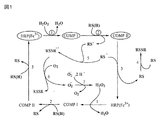
- FIG. 1 shows a catalyst cycle described in Non-Patent Document 4 when HRP oxidizes SH.
- the rate constant of reaction 3 (HRP (COMP II) + RSH ⁇ HRP (Fe 3+ ) + RS ⁇ ) in FIG. 1 is very low, ⁇ 300 M ⁇ 1 s ⁇ 1 , which is considered to be the cause of the above problem.
- Non-Patent Document 4 reports that the oxidation of SH is promoted by adding homovanillic acid during the SH catalyst cycle of HRP.
- Non-Patent Document 4 a result, the radical rearrangement reaction to thiol from phenoxy radicals generated in the reaction system (Ph-O ⁇ + RSH ⁇ Ph-OH + RS ⁇ ), discussed the formation of the thiol radicals because promoted ing. Furthermore, in Non-Patent Document 5, in a system using tyrosine as a phenol derivative and glutathione (GSH) as a thiol derivative, the rate constant of the radical rearrangement reaction from phenoxy radical to thiol is about 2 ⁇ 10 6 M ⁇ 1 s ⁇ 1. It has been reported that.
- the rate constant when activated HRP (HRP (COMP II) recognizes phenol (HRP (COMP II) + Ph—OH ⁇ HRP (Fe 3+ ) + Ph—O ⁇ )) is 10 4 to 10 6 M ⁇ . 1 s is about -1, these rate constants in the two reactions, HRP (COMP II) it can be seen that much larger than the rate constant for the reaction of oxidizing directly SH (reaction 3 in Figure 1).
- Patent Document 1 discloses a polysaccharide hydrogel that is a polymer of a condensate of a polysaccharide such as hyaluronic acid and a polymerizable compound, and a polysaccharide that is combined with a polymerizable compound using a condensing agent, and then an enzyme.
- a method for producing a polysaccharide hydrogel that is polymerized and cured by treatment is described.
- An object of the present invention is to provide a method for producing a hydrogel capable of producing a hydrogel of polyethylene glycol under low peroxidase concentration conditions and physiological conditions.
- An object of the present invention is to provide a method for enclosing a comprehensive object such as a cell or a drug and a method for releasing the comprehensive object by using the hydrogel thus prepared.
- the present invention is a method for producing a hydrogel in which polyethylene glycol having two or more thiol groups is crosslinked using peroxidase in the presence of a phenol compound.
- it is a method for producing a hydrogel in which polyethylene glycol having two or more thiol groups is crosslinked using peroxidase in the presence of a phenol compound without adding hydrogen peroxide.
- the peroxidase is preferably horseradish-derived peroxidase.
- the phenol compound is preferably at least one of tyramine hydrochloride, phenol, N-glycyl-L-tyrosine, hydroquinone, resorcinol, catechol, and serotonin.
- the polyethylene glycol having two or more thiol groups and the thiol compound having one or more thiol groups may be crosslinked using the peroxidase in the presence of the phenol compound.
- the polyethylene glycol having two or more thiol groups and the phenol compound having one or more thiol groups may be cross-linked using the peroxidase.
- a polyethylene glycol having two or more thiol groups is cross-linked with a peroxidase in the presence of a phenol compound in the presence of the inclusion object to form a hydrogel, and the inclusion object is obtained. It is the inclusion method of the inclusion object covered with the said hydrogel.
- a hydrogel is produced by cross-linking polyethylene glycol having two or more thiol groups in the presence of inclusion objects using peroxidase in the presence of a phenol compound, and the inclusion of the hydrogel. The inclusion object is released by dissolving the hydrogel using a reducing agent and releasing the inclusion object.
- a polyethylene glycol hydrogel can be produced under low peroxidase concentration conditions and physiological conditions. Further, in the present invention, it is possible to provide a method for enclosing a comprehensive object such as a cell or a drug and a method for releasing the comprehensive object by utilizing the hydrogel thus prepared.
- FIG. 1 is a diagram showing a catalytic cycle when HRP oxidizes SH (cited from Non-Patent Document 4).
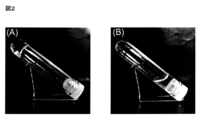
- FIG. 2 is a photograph of a mixed solution (pH 7.4) of 4armPEG-SH and HRP (A) with tyramine hydrochloride (Example 1-1) and (B) without tyramine hydrochloride (Comparative Example 1).
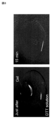
- FIG. 3 is a photograph showing the state immediately after the hydrogel prepared in Example 1-1 was immersed in a dithiothreitol (DTT) aqueous solution (left side) and after 15 minutes (right side).
- DTT dithiothreitol
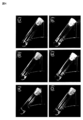
- FIG. 4 shows (A) phenol (Example 1-2), (B) Gly-Tyr (Example 1-3), (C) hydroquinone (Example 1-4), and (D) resorcinol as phenol compounds. (Example 1-5), (E) Catechol (Example 1-6), (F) Mixed solution of 4armPEG-SH and HRP (pH 7.4) when using serotonin (Example 1-7) It is a photograph of.
- FIG. 5 is a photograph of a mixed solution (pH 7.4) of 4armPEG-SH, HRP and tyramine hydrochloride with (A) no catalase and (B) with catalase in Example 2.
- FIG. 5 is a photograph of a mixed solution (pH 7.4) of 4armPEG-SH, HRP and tyramine hydrochloride with (A) no catalase and (B) with catalase in Example 2.
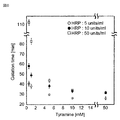
- FIG. 6 is a graph showing the influence of HRP concentration and tyramine hydrochloride concentration on gelation time in Example 3.
- FIG. 7 is a graph showing changes in hydrogel weight over time when PEG-SH hydrogel is immersed in 0, 1, 5, 10 mM cysteine solution (in PBS) in Example 5.
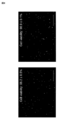
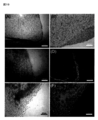
- FIG. 8 is photomicrographs of L929 fibroblasts encapsulated in PEG-SH hydrogel in Example 6 after 3 h (left side) and after 24 h (right side).
- FIG. 9 is a photomicrograph of Example 6 after 4 hours (left side) and 48 hours (right side) seeding of L929 fibroblasts in a dish.
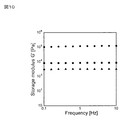
- FIG. 10 is a diagram showing the storage elastic modulus (G ′) of hydrogel with respect to the concentration of 4armPEG-SH in Example 7 ( ⁇ : 15 wt%, ⁇ : 10 wt%, ⁇ : 5 wt%).
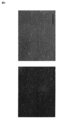
- FIG. 11 is a photomicrograph of Example 9 with and without RGD peptide (left side) and without RGD peptide (right side) 24 hours after seeding on 4armPEG-SH surface of L929 fibroblasts.
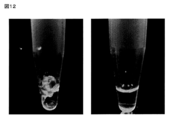
- FIG. 12 is a photograph of a mixed solution (pH 8.0) of 4armPEG-SH and HRP under the condition in which C-SA-Y was added (left side) and the condition in which C-SA was added (right side) in Example 11. .
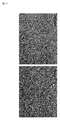
- FIG. 13 is a micrograph of the purified nanogel in Example 11 observed with a confocal microscope.
- 14 is a graph showing the storage elastic modulus (G ′) of (PEG-SH)-(Gela-SH) hydrogel in Example 12.
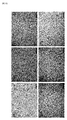
- FIG. 15 shows (A) P5G0, (B) P5G0.01, (C) P5G0.1, (D) P2.5G0.1, (E) P10G0.1, ( F) Photomicrograph 4 hours after sowing on gelatin coated dish. The line on the photo shows 100 ⁇ m.
- FIG. 16 is a photomicrograph 4 hours after seeding on a hydrogel prepared from 5% (w / v) PEG-SH and 0.1% (w / v) gelatin of L929 fibroblasts in Example 12.
- FIG. 19 is a micrograph of the L929 fibroblast sheet in Example 12.
- (A) and (B) are cell sheets peeled off from the (PEG-SH)-(Gela-SH) hydrogel 30 minutes after addition of the cysteine solution, and
- (C)-(F) are cell culture dishes. 24 hours after transfer to the cell sheet.
- (A)-(C), (E) are bright-field images, and (D), (F) are fluorescent micrographs after staining.
- FIG. 20 is a photomicrograph of the L929 fibroblast sheet 24 hours after re-seeding on a cell culture dish in Example 12.
- (A) is a bright-field image
- (B) is a fluorescence micrograph after staining.
- the line on the photo shows 200 ⁇ m.
- Embodiments of the present invention will be described below. This embodiment is an example for carrying out the present invention, and the present invention is not limited to this embodiment.
- a polyethylene glycol hydrogel can be produced under conditions and physiological conditions.
- the polyethylene glycol having two or more thiol groups is not particularly limited, and examples thereof include polyethylene glycol in which two or more thiol groups shown below are modified at the ends. These may be used alone or in combination of two or more.
- Each n may be the same or different, and is in the range of 10 to 1000, and m is an integer of 2 to 4.
- 8arm polyethylene glycol modified with SH at the end (8armPEG-SH) (Each n may be the same or different and is in the range of 10 to 1000.) (Each n is in the range of 10 to 1000.) Specific examples include 4arm polyethylene glycol (4armPEG-SH) in which SH is modified at the ends shown below.
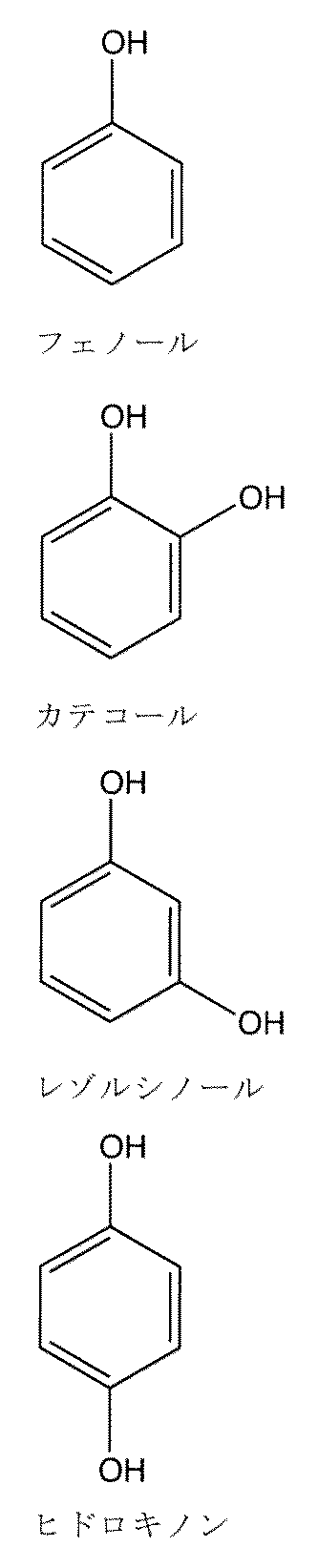
- the phenol compound is not particularly limited as long as it is a compound having a phenol skeleton, and examples thereof include a low molecular phenol compound having a phenolic hydroxyl group of 1 to 6 and a molecular weight of 500 or less.
- examples of the low molecular weight phenol compound having a phenolic hydroxyl group of 1 to 6 and a molecular weight of 500 or less include phenol, 1,2-dihydroxybenzene (catechol), 1,3-dihydroxybenzene (resorcinol), 1,4-dihydroxy.
- At least one of tyramine hydrochloride, phenol, N-glycyl-L-tyrosine, hydroquinone, resorcinol, catechol, and serotonin is preferable, and gelation is possible in a relatively short time.
- at least one of tyramine hydrochloride, phenol, N-glycyl-L-tyrosine, hydroquinone, resorcinol, and serotonin is more preferable.
- the amount of the phenol compound added is, for example, in the range of 1/100 equivalent to 20 equivalents with respect to the thiol group concentration, and preferably in the range of 1/10 equivalent to 10 equivalents.
- Peroxidase is an enzyme that catalyzes the oxidative coupling reaction between phenol, aniline, thiol and the like using hydrogen peroxide as a substrate.
- peroxidase there are no particular restrictions on the origin of peroxidase, but examples include bovine liver, horse blood cells, human blood cells, Examples include lysodeikticus, horseradish, soybean, radish, turnip, thyroid, milk, intestine, leukocyte, erythrocyte, yeast, Caldariomyces fumago, Stepcoccus faecalis and the like. Of these, those derived from horseradish are preferred from the viewpoints of reactivity, stability, availability and the like.
- the amount of peroxidase added is, for example, in the range of 0.1 U / mL to 50 U / mL as the enzyme concentration in the system, and preferably in the range of 1 U / mL to 10 U / mL.
- the reaction solvent is not particularly limited as long as it dissolves polyethylene glycol having two or more thiol groups, a phenol compound, and peroxidase.
- PBS phosphate buffered saline
- the amount of the reaction solvent is not particularly limited as long as the polyethylene glycol having two or more thiol groups, the phenolic compound, and the peroxidase is dissolved.
- the minimum amount of solvent required depends on the solubility of polyethylene glycol used. Further, if the amount of the reaction solvent exceeds 99% by weight, gel formation may be difficult.
- the pH during the reaction is, for example, in the range of 4.0 to 11, and preferably in the range of 6.8 to 7.6, which is the pH under physiological conditions. If the pH during the reaction is less than 4.0, the time required for gelation may be lengthened. If it exceeds 11, the biological sample to be used may be affected.
- the temperature during the reaction is not particularly limited, but is, for example, in the range of 4 ° C to 70 ° C, and preferably in the range of 15 ° C to 40 ° C.
- the temperature at the time of reaction is less than 4 ° C, the time required for gelation may be prolonged, and when it exceeds 70 ° C, peroxidase may be inactivated.
- the hydrogel can be produced in a very short reaction time of about 30 minutes to 1 hour, for example.
- a small amount of hydrogen peroxide for example, about 1 mM
- the same gel can be obtained in several minutes (for example, within 10 minutes).
- a solution of polyethylene glycol having two or more thiol groups and a solution of a phenol compound are mixed, and then a solution of peroxidase is added to the mixture and left at a predetermined temperature for a predetermined time or What is necessary is just to stir.
- the hydrogel obtained by the method for producing a hydrogel according to the embodiment of the present invention is obtained by cross-linking polyethylene glycol having two or more thiol groups by disulfide bonds.
- the storage elastic modulus (G ′) of the obtained hydrogel is, for example, about 1000 to 100,000 pascals, and the equilibrium swelling ratio (Q M ) is, for example, about 30 to 45%.
- polyethylene glycol having two or more thiol groups and a thiol compound having one or more thiol groups may be crosslinked using peroxidase in the presence of a phenol compound. .
- peroxidase peroxidase in the presence of a phenol compound.
- a thiol compound having a functional group is not particularly limited, but is a functional peptide such as a cell adhesion peptide having a cysteine residue, and a natural biopolymer such as ⁇ -casein having one or more thiol groups. Examples thereof include natural polymers such as gelatin, hyaluronic acid, and heparin in which one or more thiol groups are chemically modified.
- a cell adhesion peptide having two or more thiol groups and a cell adhesion peptide having a cysteine residue can be cross-linked with peroxidase in the presence of a phenolic compound, thereby improving cell adhesion to a physiologically inactive PEG hydrogel.
- a cell-adhesive hydrogel can be obtained.
- polyethylene glycol having two or more thiol groups and a phenol compound having one or more thiol groups may be cross-linked using peroxidase.
- a phenolic compound having one or more thiol groups can be incorporated into the gel network, and a functional hydrogel can be produced. In this case, it is considered that a phenol compound having one or more thiol groups promotes coupling between thiols as a phenol compound.
- a nanogel having a particle size of about 200 nm to 5 ⁇ m can be produced.
- a functional hydrogel can be used as a carrier for a drug delivery system (DDS).
- DDS drug delivery system
- the phenol compound having one or more thiol groups is not particularly limited, and examples thereof include proteins such as streptavidin having both tyrosine and cysteine in the molecule. Thereby, the said molecule
- the phenol compound may not correspond to the low molecular phenol compound having a molecular weight of 500 or less as described above.
- a solution of peroxidase is added to the mixture.
- a solution of peroxidase is added to the mixture.
- the amount of the hydrogel with respect to the inclusion object is such that, for example, the hydrogel having a polymer concentration in the range of 1 to 30% by weight with respect to the aqueous solution or suspension of the inclusion object can be sufficiently included. It may be generated.
- polyethylene glycol having two or more thiol groups is crosslinked using peroxidase in the presence of a phenol compound in the presence of the inclusion object. It is a comprehensive object release method of generating a hydrogel and dissolving the hydrogel using a reducing agent to release the inclusion object with respect to the inclusion object covered with the hydrogel. For example, as described above, inclusion in the hydrogel is performed, and then a reducing agent is added to the system, and then left or stirred at a predetermined temperature for a predetermined time to dissolve the hydrogel by a simple method. The inclusion object can be released from the hydrogel.
- the reducing agent is not particularly limited as long as it can reduce a disulfide bond that is a crosslinking point of hydrogel, and examples thereof include dithiothreitol (DTT), cysteine, reduced glutathione, NADH, NADPH. , TCEP (Tris (2-carboxyethyl) phosphine), 2-mercaptoethanol, sodium borohydride and the like.
- DTT dithiothreitol
- cysteine reduced glutathione
- NADH NADH
- NADPH. NADPH.
- TCEP Tris (2-carboxyethyl) phosphine
- 2-mercaptoethanol sodium borohydride
- the amount of the reducing agent used may be, for example, in the range of 1 to 30 equivalents relative to the amount of disulfide (S—S bond) in the gel.
- the temperature at the time of reduction is not particularly limited as long as it does not affect the inclusion material, and is, for example, in the range of 4 ° C to 70 ° C, and preferably in the range of 20 ° C to 40 ° C. Since the inclusion method and the release method of the inclusion object according to the present embodiment proceed under a very mild condition with respect to the inclusion object such as a cell, a scaffold material for cell three-dimensional culture and a carrier for cell transportation It is considered suitable for the production of the drug, the production of the carrier for drug transportation, and the like.
- the inclusion object is not particularly limited, and examples thereof include cells, proteins, nucleic acids, carbohydrates, drugs, synthetic polymers, nanocarbon materials, and metal nanoparticles.
- Example 1-1 [Preparation of hydrogel by HRP catalytic reaction] (experimental method) 4armPEG-SH (polyethylene glycol having two or more thiol groups) (weight average molecular weight 20,000, manufactured by NOF (NOF Corporation), SUNBRIGHT (registered trademark) PTE-200SH), tyramine hydrochloride as a phenol compound, phosphoric acid Each was dissolved in buffered saline (PBS, pH 7.4).
- PBS buffered saline
- Example 1-1 In the condition where 4 armPEG-SH, tyramine hydrochloride, and HRP of Example 1-1 were added, gel formation was confirmed after 30 min (FIG. 2A), but tyramine hydrochloride of Comparative Example 1 was not added. Under the above conditions, no gel was formed even after one week (FIG. 2B).
- a gel In Example 1-1, a gel could be prepared under a very low concentration of HRP as compared with the method of Non-Patent Document 3 (about 1/300). Furthermore, a gel could be prepared at pH 7.4, which is a physiological condition.
- Non-Patent Document 3 reports that gelation of an aqueous polymer solution does not proceed under conditions of pH 7.4.
- Example 1-1 since the self-oxidation of SH hardly progresses, the concentration of hydrogen peroxide in the system at the initial stage is expected to be very low, but by adding a phenol compound to the system, , The efficiency of the HRP catalyst cycle is increased, the coupling between thiols is promoted, and the production of hydrogen peroxide in the catalyst cycle also proceeds efficiently, so that a low concentration can be obtained without adding hydrogen peroxide. It seems that gel formation progressed under physiological conditions of HRP and pH 7.4. In addition, as a result of reducing the prepared hydrogel with dithiothreitol (DTT) aqueous solution (50 mM, 1 mL), dissolution was observed in about 15 min (see FIG. 3).
- DTT dithiothreitol
- Examples 1-2 to 1-7 As a phenol compound, instead of tyramine hydrochloride, phenol (Example 1-2), Gly-Tyr (Example 1-3), hydroquinone (Example 1-4), resorcinol (Example 1-5), catechol The experiment was performed in the same manner as in Example 1-1 except that (Example 1-6) and serotonin (Example 1-7) were used. Similarly, formation of gel was observed for other phenolic compounds (see FIG. 4).
- Example 2 [Influence of catalase]
- catalase that decomposes hydrogen peroxide into oxygen and water was added to the system, and the effect on gelation of aqueous polymer solution was confirmed. If hydrogen peroxide generated in the system is involved in gelation, it was predicted that the gelation time would be extended by adding catalase.
- tyramine hydrochloride was used as a phenol compound. (experimental method) 4armPEG-SH and tyramine hydrochloride were dissolved in PBS (pH 7.4).
- FIG. 5 shows a photograph 1 hour after gel preparation. In the condition where no catalase was added, gel formation was confirmed in about 40 minutes (FIG. 5A), but in the condition where catalase was added, gelation of the polymer aqueous solution was suppressed (FIG. 5B). )). From this result, it was clarified that hydrogen peroxide was generated in the system and that the hydrogen peroxide was involved in the gelation of the polymer aqueous solution.
- Example 3> [Examination of gelation time (phenolic compound)] The effect of the used phenolic compound on the gelation time of the polymer aqueous solution was examined.
- the final concentrations of 4armPEG-SH, phenol compound, and HRP were adjusted to 5% (w / v), 5 mM, and 5 units / mL, respectively.
- tyramine hydrochloride was used as a phenol compound, and its final concentration was changed to 0.5, 1, 5, 10, 50, and 100 mM, and the influence of tyramine concentration on gelation time was examined.
- the influence of the HRP concentration on the gelation time was similarly evaluated by changing the final concentration of HRP to 5, 10, 50 units / mL. In this experiment, it was judged that gelation occurred when the liquid level of the mixed solution was raised and the fluidity was lost.
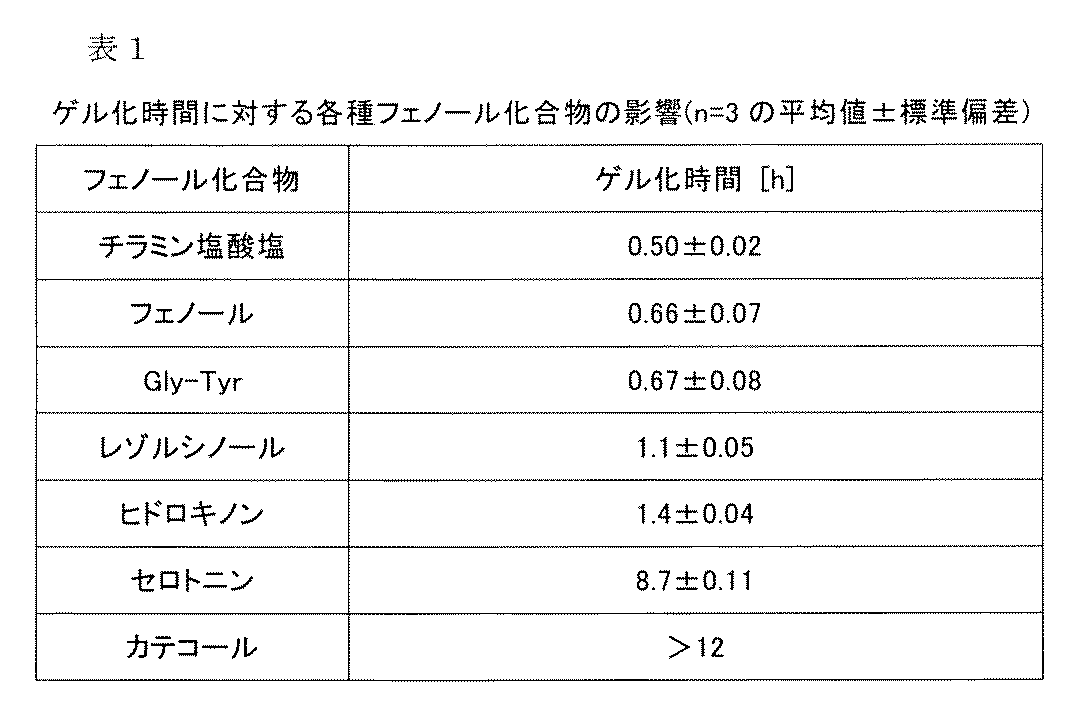
- Table 1 shows the gelation time of the aqueous polymer solution evaluated using each phenol compound.
- the gelation time under each condition was as fast as about 30 minutes for tyramine, whereas catechol required 12 hours or longer. This means that the species of the phenolic compound has a great influence on the gelation time. Although the cause of this is unknown at this stage, it is considered that the substrate recognition of HRP and the stability of the generated phenoxy radical are involved.
- the effect of each component concentration on the gelation time was examined. The gelation time of the aqueous polymer solution tended to increase with increasing HRP concentration (see FIG. 6).
- the gelation time tended to increase to 27.1 ⁇ 1.2 min and 34.8 ⁇ 1.1 min, respectively. As described above, this increase may be due to the formation of dityramine in the system inhibiting the radical rearrangement reaction.
- the gelation time was about 110 minutes at the shortest, it succeeded in shortening gelation time about 4 times by utilizing this gelation process.
- the HRP concentration is very low (about 1/300) as compared with the system of Non-Patent Document 3, so that it is an excellent method for producing a redox-responsive hydrogel.
- the obtained 4armPEG-SH aqueous solution (150 ⁇ L, 10% (w / v)) and a tyramine body aqueous solution (75 ⁇ L, 20 mM) were mixed and then added to the mold, and then an HRP aqueous solution (75 ⁇ L, 20 units / mL) was added. This was added and allowed to stand at room temperature (22 ° C.) for 1 h to prepare a disk-like PEG-SH hydrogel (diameter: about 15 mM, thickness: about 2 mM).
- the final concentrations of 4armPEG-SH, HRP, and tyramine hydrochloride were 5% (w / v), 5 units / mL, and 5 mM, respectively.
- the produced hydrogel was immersed in 0, 1, 5, 10 mM cysteine solution (in PBS) (5 mL), incubated at 37 ° C., and the change in gel weight with time was evaluated. One hour after the start of the experiment, the sample that did not dissolve was replaced with a fresh cysteine solution and further examined. (result) The time-dependent change of the hydrogel weight in each condition is shown in FIG. Only the hydrogel immersed in the cysteine solution was dissolved, and dissolution of the hydrogel immersed in PBS was not observed.
- the final concentrations of 4armPEG-SH, tyramine hydrochloride, and HRP were 5% (w / v), 5 mM, and 5 units / mL, respectively.
- the cell seeding number is 2 ⁇ 10 5 Cell / well.
- 5 mL of the medium was added, and after 1 hour and 5 hours, the medium was replaced with 2 mL of fresh medium and allowed to stand in an incubator. After 3 hours and 24 hours, the gel was washed with PBS (5 mL) (5 times), and using -Cellstein-DoubleStaining Kit, the living cells and the dead cells were stained (green cells survived, red cells died).
- the cells were shown) and observed with a fluorescence microscope, and the survival rate was calculated from the number of living cells and the number of dead cells.
- "Release experiment” The cells were encapsulated in the gel according to the above-described procedure, and cultured for 24 hours. Thereafter, the gel was washed with PBS (5 mL) (5 times), 5 mL of cysteine solution (5 mM) was added to each well, and allowed to stand for 30 min in an incubator. After 30 minutes, it was confirmed that the gel was dissolved, and the cells were collected and then seeded in a 24-well dish. Microscopic observation was performed 4 hours and 48 hours after sowing.
- the gel preparation method in this example hydrogen peroxide generated in the system is rapidly consumed by HRP, so that it is considered that the cross-linking reaction between polymers proceeds in a very mild environment. Therefore, it is considered that the gel production method of the example is a very suitable method for production of a scaffold material for cell three-dimensional culture and a cell immobilization carrier. Then, the cell inclusion experiment to PEG-SH hydrogel was tried. The inclusion cells after 3 h culture maintained a high survival rate (survival rate: 98.2 ⁇ 0.5%, see left side of FIG. 8). It was also revealed that the cell viability after 24 hours was hardly decreased (survival rate: 98.9 ⁇ 0.1%, see right side of FIG. 8).
- the final concentrations of 4armPEG-SH, HRP, and tyramine hydrochloride were adjusted to 5, 10, 15% (w / v), 5 units / mL, and 5 mM, respectively.
- the storage modulus (G ′) of the gel tended to increase with increasing polymer concentration (see FIG. 10).
- the equilibrium swelling ratio (Q M ) Showed a tendency to decrease with increasing polymer concentration (see Table 3).
- Example 8 [Gel content evaluation of 4armPEG-SH hydrogel prepared at low tyramine concentration (change in HRP concentration)] (experimental method) 15 mg (W p 4 armPEG-SH was dissolved in PBS (pH 7.4) to prepare a disk-shaped 4armPEG-SH hydrogel (diameter: about 15 mm, thickness: about 2 mm). At this time, the final concentrations of 4armPEG-SH, HRP, and tyramine hydrochloride were adjusted to 5% (w / v), 5 units / mL, and 0.5 mM, respectively. After 8 hours, the prepared gel was immersed in 10 mL of MilliQ water in a 37 ° C.
- the prepared gel was washed 3 times with PBS and once with MEM medium (10% FBS). After washing, L929 fibroblasts were 4 ⁇ 10 4 Each well was seeded so as to be a cell / well and cultured for 24 hours. Microscopic observation was performed after culture
- the final concentrations of 8armPEG-SH, tyramine hydrochloride, and HRP were 5% (w / v), 5 mM, and 5 units / mL, respectively.
- gel formation was observed for 8armPEG-SH in the same manner as 4armPEG-SH, with the addition of HRP and tyramine hydrochloride.
- the produced hydrogel could be easily dissolved by using a cysteine solution. Furthermore, since the gelation process and lysis process of the material were very mild to the cells, the gel preparation method in this example was used to prepare scaffold materials for three-dimensional cell culture and carriers for cell transport. It is considered suitable. Moreover, functional hydrogel was able to be produced.
- Expression plasmid vector (SEQ ID NO: 3) of SA recombinant (hereinafter abbreviated as C-SA-Y, SEQ ID NO: 1) in which HHHHHHC is added to the N terminus of streptavidin (SA) and GGGGY is added to the C terminus;
- An expression plasmid vector (SEQ ID NO: 4) of an SA recombinant (hereinafter abbreviated as C-SA, SEQ ID NO: 2) having only HHHHHHC added thereto was constructed by a genetic engineering technique. The expression of each SA recombinant was expressed as T7 Express I q Competent E.M. E.
- buffer A (10 mM Tris-HCl, 100 mM NaCl, 1 mM EDTA, pH 8.0
- 10 mg of lysozyme was added, and the mixture was incubated at 4 ° C. for 30 min.
- the solution containing the purified SA recombinant was dropped into a TBS (25 mM Tris-HCl, 150 mM NaCl, pH 7.5) solution containing 3 mM DTT while vigorously stirring to perform refolding.
- the solution after refolding was subjected to ammonium sulfate precipitation to precipitate the SA recombinant, and recovered by centrifugation.
- the obtained SA recombinant precipitate was dissolved in Milli-Q water containing 3 mM DTT, and concentrated and buffer exchanged with Milli-Q water was performed using an ultrafiltration membrane immediately before preparing the gel.
- Gelatin is a protein obtained by partially hydrolyzing collagen present in the living body. Gelatin has an RGD motif that promotes cell adhesion and proliferation, and has high cytocompatibility, and thus is used as a cell culture substrate.
- a thiol group-modified gelatin (Gela-SH) in which a thiol group serving as a crosslinking point was modified was synthesized from gelatin, and the functionalization of the PEG gel was attempted by co-crosslinking with 4armPEG-SH.
- physical properties of the produced (PEG-SH)-(Gela-SH) hydrogel were also evaluated.
- the pH of the mixed solution was adjusted to 7.0 using 1.0 M NaOH. Thereafter, 8.5 g of Dithiothreitol (DTT) as a reducing agent was added to the mixed solution, the pH was adjusted to 8.5 with 1.0 M NaOH, and the mixture was stirred overnight at room temperature. Then, after adjusting the pH of the mixed solution to 3.5 using 1.0 M HCl, it is put into a dialysis membrane having a molecular weight cut off of 10,000 and dialyzed in an aqueous HCl solution having a pH of 3.5 for 3 days. And DDT was removed. Thereafter, thiol group-modified gelatin (Gela-SH) was obtained by freeze-drying.
- DTT Dithiothreitol
- the cell density on the P5G0.1 hydrogel is higher than that on the P5G0.01 hydrogel (see FIGS. 18B and 18D). It was suggested that the growth rate of cells on 1 hydrogel was faster than that on P5G0.01 hydrogel. In addition, the growth rate and morphology of cells on P5G0.1 hydrogel were similar to gelatin coated dishes. In addition, 90% or more of the cells adhered under the conditions where the PEG-SH concentration was changed. However, the cell adhesion rate on a gel prepared with 2.5% (w / v) PEG-SH was slightly lower than other gels (see FIG. 17A). This is considered to be related to the strength of the gel.
- Fibroblasts have been reported to promote adhesion to higher strength substrates. Also in this example, G ′ of the P2.5G0.1 hydrogel is about 1/10 of the P10G0.1 hydrogel, so it is considered that the strength of the base material may have influenced the adhesion. However, there was no significant difference in the growth rate, suggesting that a slight difference in the initial adhesion rate does not significantly affect the cell growth rate.
- a 10 mM cysteine solution was added. Thereafter, as a result of incubation for 30 minutes, a cell sheet was obtained as shown in FIGS. 19 (A) and 19 (B). Further, the obtained cell sheet was transferred to a cell culture dish.
Landscapes
- Health & Medical Sciences (AREA)
- Chemical & Material Sciences (AREA)
- Life Sciences & Earth Sciences (AREA)
- Organic Chemistry (AREA)
- General Health & Medical Sciences (AREA)
- Medicinal Chemistry (AREA)
- Veterinary Medicine (AREA)
- Public Health (AREA)
- Animal Behavior & Ethology (AREA)
- Pharmacology & Pharmacy (AREA)
- Epidemiology (AREA)
- Engineering & Computer Science (AREA)
- Wood Science & Technology (AREA)
- Zoology (AREA)
- Chemical Kinetics & Catalysis (AREA)
- Biochemistry (AREA)
- Bioinformatics & Cheminformatics (AREA)
- General Engineering & Computer Science (AREA)
- Genetics & Genomics (AREA)
- General Chemical & Material Sciences (AREA)
- Proteomics, Peptides & Aminoacids (AREA)
- Inorganic Chemistry (AREA)
- Polymers & Plastics (AREA)
- Biotechnology (AREA)
- Microbiology (AREA)
- Oil, Petroleum & Natural Gas (AREA)
- Dermatology (AREA)
- Medicinal Preparation (AREA)
- Preparation Of Compounds By Using Micro-Organisms (AREA)
- Micro-Organisms Or Cultivation Processes Thereof (AREA)
- Polymers With Sulfur, Phosphorus Or Metals In The Main Chain (AREA)
- Apparatus Associated With Microorganisms And Enzymes (AREA)
- Immobilizing And Processing Of Enzymes And Microorganisms (AREA)
Abstract
Description
HRPは過酸化水素を基質とし、フェノール、アニリン、チオール間の酸化カップリング反応を触媒する酵素である。一般的に反応進行に必要な過酸化水素は、過酸化水素水の添加により供給されてきた。しかしながらこのような手法では、系中において一時的に過酸化水素が高濃度になるため、HRPが失活し、架橋反応が十分に進行しないことが報告されている(非特許文献1)。さらに、ハイドロゲル内部に細胞やタンパク質を包括する際、高濃度の過酸化水素がそれらに影響を及ぼすことも考えられる。
そこで近年、過酸化水素水を添加することなく、HRP触媒サイクルを回し、ハイドロゲルを作製するという新たな手法が報告されている(非特許文献2,3)。非特許文献2では、グルコースオキシダーゼ(GOx)を利用し、GOxがグルコースを酸化する際に生じる過酸化水素でHRPの触媒サイクルを回し、フェノール性水酸基導入高分子水溶液をゲル化させることに成功している。この手法では、系中において過酸化水素が徐々に発生するため、HRPの失活を最小限に抑えることが可能である。また作製したハイドロゲルは架橋密度が増加するため、従来の過酸化水素水を添加する方法で作製したハイドロゲルに比べ、すぐれた力学特性を有することが報告されている。
非特許文献3では、チオール基(SH)修飾ポリマとHRPを混合するだけといった非常に簡便な方法でハイドロゲルが作製可能であることが報告されている。これは始めにSHの自己酸化の際に生じる過酸化水素を利用することで、HRPの触媒サイクルを回し、ハイドロゲルを作製するというものである。また、HRPのSH触媒サイクル中においても過酸化水素が生成されるため、過酸化水素を系中に添加する必要はなく、非常にシンプルなゲル作製法であると考えられる。しかしながら、非特許文献3の方法では、生理条件下であるpH7.4ではハイドロゲルを作製することができず、pH8.5でないとハイドロゲルを作製することができない。また、高濃度のHRP(>1.4×10³U/mL)、長いゲル化時間(>2h)が必要であるという問題点がある。
この原因は、HRPの触媒サイクルが効率よく進行しないためであると考えられる。図1に、非特許文献4に記載されている、HRPがSHを酸化する際の触媒サイクルを示す。図1中の反応3(HRP(COMP II)+RSH→HRP(Fe3+)+RS・)の速度定数は<300M−1s−1と非常に低く、これが上記問題点の原因であると考えられる。
非特許文献4では、HRPのSH触媒サイクル中にホモバニリン酸を添加することでSHの酸化が促進されることが報告されている。非特許文献4ではこの結果を、系中において生成したフェノキシラジカルからチオールへのラジカル転位反応(Ph−O・+RSH→Ph−OH+RS・)により、チオールラジカルの生成が促進されたためであると考察している。
さらに、非特許文献5では、フェノール誘導体としてチロシン、チオール誘導体としてグルタチオン(GSH)を用いた系において、フェノキシラジカルからチオールへのラジカル転位反応の速度定数が約2×10⁶M−1s−1であることが報告されている。また、活性化されたHRP(HRP(COMP II)がフェノールを認識する(HRP(COMP II)+Ph−OH→HRP(Fe3+)+Ph−O・)際の速度定数は104~106M−1s−1程度であり、これら2つの反応における速度定数が、HRP(COMP II)が直接SHを酸化する反応(図1中の反応3)の速度定数に比べて非常に大きいことがわかる。
一方、特許文献1には、ヒアルロン酸等の多糖と重合性化合物との縮合体の重合体である多糖ハイドロゲル、および多糖に縮合剤を用いて重合性化合物を結合させた後、酵素にて処理することにより重合硬化させる多糖ハイドロゲルの製造方法が記載されている。
本発明の目的は、そのように作製したハイドロゲルを利用して、細胞、薬剤等の包括対象物を包括する包括方法およびその包括した包括対象物を放出する方法を提供することにある。
前記ハイドロゲルの製造方法において、前記ペルオキシダーゼが、西洋わさび由来ペルオキシダーゼであることが好ましい。
前記ハイドロゲルの製造方法において、前記フェノール化合物が、チラミン塩酸塩、フェノール、N−グリシル−L−チロシン、ヒドロキノン、レゾルシノール、カテコール、およびセロトニンのうちの少なくとも1つであることが好ましい。
前記ハイドロゲルの製造方法において、前記2つ以上のチオール基を有するポリエチレングリコールおよび1つ以上のチオール基を有するチオール化合物を、前記フェノール化合物の存在下で前記ペルオキシダーゼを用いて架橋させてもよい。
前記ハイドロゲルの製造方法において、前記2つ以上のチオール基を有するポリエチレングリコールおよび1つ以上のチオール基を有するフェノール化合物を、前記ペルオキシダーゼを用いて架橋させてもよい。
また、本発明は、包括対象物の存在下で、2つ以上のチオール基を有するポリエチレングリコールを、フェノール化合物の存在下でペルオキシダーゼを用いて架橋させてハイドロゲルを生成させ、前記包括対象物を前記ハイドロゲルで包括する、包括対象物の包括方法である。
また、本発明は、包括対象物の存在下で、2つ以上のチオール基を有するポリエチレングリコールを、フェノール化合物の存在下でペルオキシダーゼを用いて架橋させてハイドロゲルを生成させ、前記ハイドロゲルで包括した包括対象物について、還元剤を用いて前記ハイドロゲルを溶解させて前記包括対象物を放出する、包括対象物の放出方法である。
また、本発明では、そのように作製したハイドロゲルを利用して、細胞、薬剤等の包括対象物を包括する包括方法およびその包括した包括対象物を放出する方法を提供することができる。
図2は、(A)チラミン塩酸塩あり(実施例1−1)、(B)チラミン塩酸塩なし(比較例1)の4armPEG−SHとHRPとの混合溶液(pH7.4)の写真である。
図3は、実施例1−1で作製したハイドロゲルをジチオスレイトール(DTT)水溶液に浸漬させた直後(左側)および15min後(右側)の様子を示す写真である。
図4は、フェノール化合物として、(A)フェノール(実施例1−2)、(B)Gly−Tyr(実施例1−3)、(C)ヒドロキノン(実施例1−4)、(D)レゾルシノール(実施例1−5)、(E)カテコール(実施例1−6)、(F)セロトニン(実施例1−7)を用いた場合の4armPEG−SHとHRPとの混合溶液(pH7.4)の写真である。
図5は、実施例2における、(A)カタラーゼなし、(B)カタラーゼありの4armPEG−SHとHRPとチラミン塩酸塩との混合溶液(pH7.4)の写真である。
図6は、実施例3における、HRPの濃度およびチラミン塩酸塩の濃度のゲル化時間への影響を示す図である。
図7は、実施例5における、PEG−SHハイドロゲルを0,1,5,10mMのシステイン溶液(in PBS)に浸漬させた場合のハイドロゲル重量の経時変化を示す図である。
図8は、実施例6における、PEG−SHハイドロゲルへ包括させたL929線維芽細胞の3h後(左側)、24h後(右側)の顕微鏡写真である。
図9は、実施例6における、L929線維芽細胞のディッシュへ播種4時間後(左側)、48時間後(右側)の顕微鏡写真である。
図10は、実施例7における、4armPEG−SHの濃度に対するハイドロゲルの貯蔵弾性率(G’)を示す図である(●:15wt%,■:10wt%,▲:5wt%)。
図11は、実施例9における、L929線維芽細胞の4armPEG−SH表面上播種24時間後のRGDペプチドあり(左側)、RGDペプチドなし(右側)の顕微鏡写真である。
図12は、実施例11における、C−SA−Yを添加した条件(左側)、C−SAを添加した条件(右側)の4armPEG−SHとHRPの混合溶液(pH8.0)の写真である。
図13は、実施例11における、精製したナノゲルを共焦点顕微鏡によって観察した顕微鏡写真である。
図14は、実施例12における、(PEG−SH)−(Gela−SH)ハイドロゲルの貯蔵弾性率(G’)を示す図である。
図15は、実施例12における、L929線維芽細胞の(A)P5G0、(B)P5G0.01、(C)P5G0.1、(D)P2.5G0.1、(E)P10G0.1、(F)ゼラチンコートディッシュ上、播種4時間後の顕微鏡写真である。写真上のラインは100μmを示す。
図16は、実施例12における、L929線維芽細胞の5%(w/v)PEG−SHおよび0.1%(w/v)ゼラチンから調製したハイドロゲル上、播種4時間後の顕微鏡写真である。写真上のラインは100μmを示す。
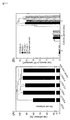
図17は、実施例12における、L929線維芽細胞の(PEG−SH)−(Gela−SH)ハイドロゲル上、(A)細胞接着率、(B)細胞数を示す図である。エラーバーは、標準偏差(SD)((A):n=6、(B):n=3(*p<0.05および***p<0.001))を示す。
図18は、実施例12における、L929線維芽細胞の(A,B)P5G0.01、(C,D)P5G0.1、(E,F)P2.5G0.1、(G,H)P10G0.1、(I,J)ゼラチンコートディッシュ上、播種(A,C,E,G,I)3日後、(B,D,F,H,J)5日後の顕微鏡写真である。写真上のラインは100μmを示す。
図19は、実施例12における、L929線維芽細胞シートの顕微鏡写真である。(A)および(B)は、システイン溶液添加後30分の(PEG−SH)−(Gela−SH)ハイドロゲルからはがした細胞シートであり、(C)−(F)は、cell culture dishに移して24時間後細胞シートである。(A)−(C),(E)は、明視野像であり、(D),(F)は、染色後の蛍光顕微鏡写真である。写真上のラインは(A),(C),(D)は500μm、(B),(E),(F)は200μmを示す。
図20は、実施例12における、cell culture dish上、再播種24時間後のL929線維芽細胞シートの顕微鏡写真である。(A)は、明視野像であり、(B)は、染色後の蛍光顕微鏡写真である。写真上のラインは200μmを示す。
本発明者らが鋭意検討した結果、2つ以上のチオール基を有するポリエチレングリコールを、フェノール化合物の存在下でペルオキシダーゼを用いて架橋させることにより、過酸化水素を添加しなくても、低いペルオキシダーゼ濃度条件、生理条件下においてポリエチレングリコールのハイドロゲルを作製することができることを見出した。
2つ以上のチオール基を有するポリエチレングリコールとしては、特に制限はないが、例えば、以下に示す2つ以上のチオール基が末端に修飾されたポリエチレングリコール等が挙げられる。これらは単独で用いても、2つ以上を併用してもよい。

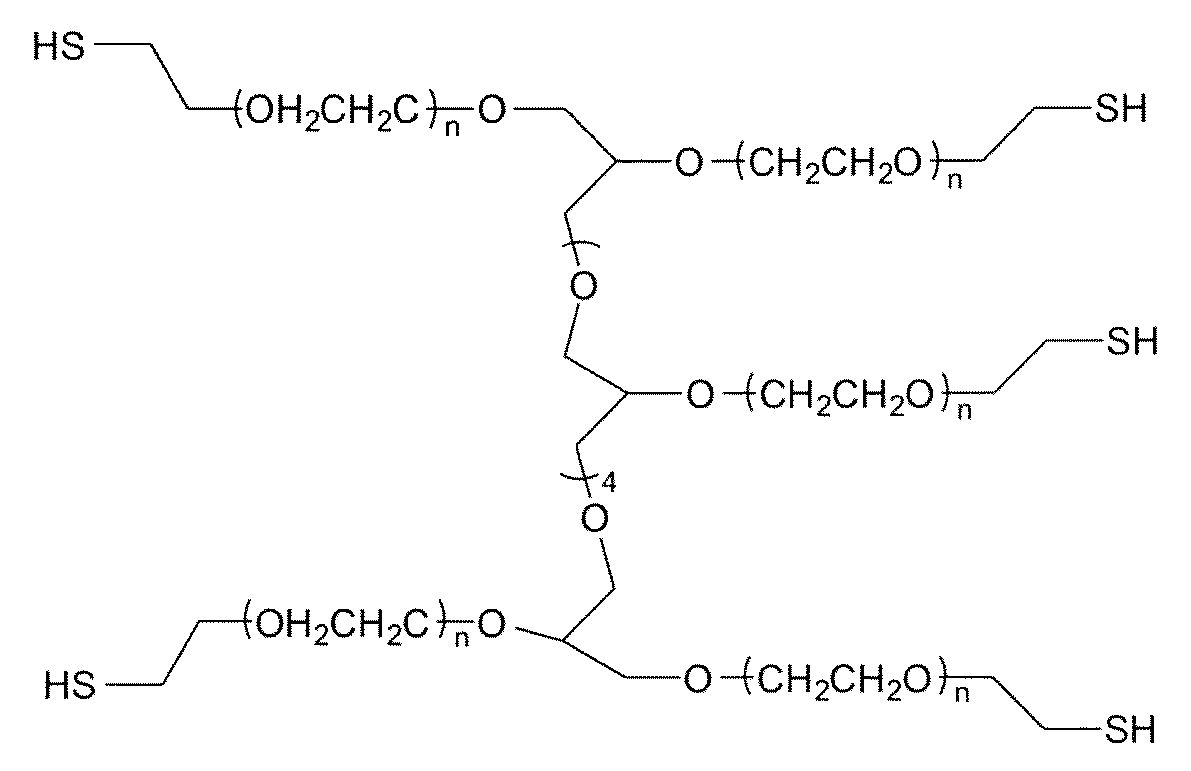
(各nは同じであっても異なっていてもよく、10~1000の範囲である。)

具体的には、例えば、以下に示す末端にSHが修飾された4armポリエチレングリコール(4armPEG−SH)等が挙げられる。

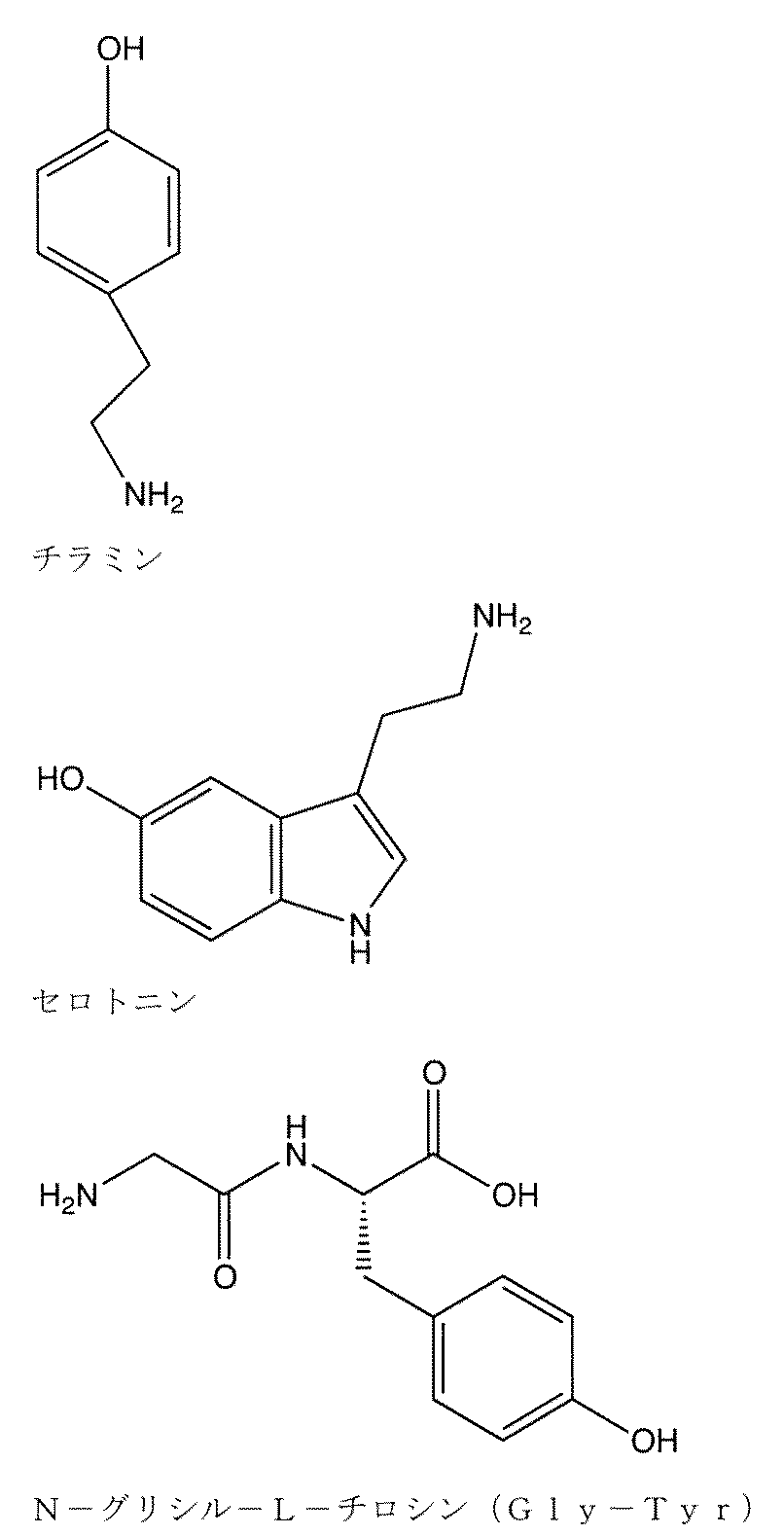
フェノール化合物としては、フェノール骨格を有する化合物であればよく、特に制限はないが、例えば、フェノール性水酸基を1以上6以下有する、分子量500以下の低分子フェノール化合物等が挙げられる。フェノール性水酸基を1以上6以下有する、分子量500以下の低分子フェノール化合物としては、例えば、フェノール、1,2−ジヒドロキシベンゼン(カテコール)、1,3−ジヒドロキシベンゼン(レゾルシノール)、1,4−ジヒドロキシベンゼン(ヒドロキノン)、チラミンおよびその塩酸塩、セロトニン、N−グリシル−L−チロシン(Gly−Tyr)、5−ヒドロキシインドール−3−酢酸、3−(4−ヒドロキシフェニル)プロピオン酸、3−(4−ヒドロキシフェニル)プロピオン酸メチル、4−ヒドロキシフェニル酢酸、3−ヒドロキシフェニル酢酸、3,4−ジヒドロキシフェニル酢酸、3,4−ジヒドロキシフェニルアラニン、4−ヒドロキシフェニルピルビン酸、3−(4−ヒドロキシフェニル)−1−プロパノール、3−(2,4−ジヒドロキシフェニル)プロピオン酸、3,4−ジヒドロキシヒドロ桂皮酸、p−クマル酸、カフェイン酸、ドーパミン、6−ヒドロキシドーパミン、ノルエピネフリン、ベンセラジド等が挙げられる。これらのうち、チラミン塩酸塩、フェノール、N−グリシル−L−チロシン、ヒドロキノン、レゾルシノール、カテコール、およびセロトニンのうちの少なくとも1つであることが好ましく、比較的短時間でゲル化が可能であるという点で、チラミン塩酸塩、フェノール、N−グリシル−L−チロシン、ヒドロキノン、レゾルシノール、およびセロトニンのうちの少なくとも1つであることがより好ましい。
ペルオキシダーゼは過酸化水素を基質とし、フェノール、アニリン、チオール等の間の酸化カップリング反応を触媒する酵素である。ペルオキシダーゼの起源については、特に制限はないが、例えば、ウシ肝臓、ウマ血球、ヒト血球、M. lysodeikticus、西洋ワサビ、大豆、ダイコン、カブ、甲状腺、牛乳、腸、白血球、赤血球、酵母、Caldariomyces fumago、Steptococcus faecalis等が挙げられる。この中で特に、反応性、安定性、入手のし易さ等の観点から、西洋わさび由来のものが好ましい。
ペルオキシダーゼの添加量は、例えば、系中の酵素濃度として0.1U/mL~50U/mLの範囲であり、1U/mL~10U/mLの範囲が好ましい。ペルオキシダーゼの添加量が0.1U/mL未満であると、ゲル化に要する時間が長くなる場合があり、50U/mLを超えると、系中のフェノール化合物の濃度に依存してゲル化に要する時間が長くなる場合がある。
反応溶媒としては、2つ以上のチオール基を有するポリエチレングリコール、フェノール化合物およびペルオキシダーゼが溶解するものであればよく、特に制限はないが、例えば、水、リン酸緩衝生理食塩水(PBS)、細胞培養液等が挙げられる。
反応溶媒の量は、2つ以上のチオール基を有するポリエチレングリコール、フェノール化合物およびペルオキシダーゼが溶解する量であればよく、特に制限はないが、例えば、ゲル化反応溶液に対して70~99重量%の範囲であり、85~95重量%の範囲が好ましい。なお、最低限必要な溶媒量は、用いるポリエチレングリコールの溶解度に依存する。また、反応溶媒の量が99重量%を超えると、ゲル形成が困難になる場合がある。
反応の際のpHは、例えば、4.0~11の範囲であり、生理条件のpHである6.8~7.6の範囲が好ましい。反応の際のpHが4.0未満であると、ゲル化に要する時間が長くなる場合があり、11を超えると、用いる生体サンプルに影響が生じる場合がある。
反応の際の温度は、特に制限はないが、例えば、4℃~70℃の範囲であり、15℃~40℃の範囲が好ましい。反応の際の温度が4℃未満であると、ゲル化に要する時間が長くなる場合があり、70℃を超えると、ペルオキシダーゼが失活する場合がある。
反応時間は、例えば、30分~1時間程度という非常に短時間でハイドロゲルの作製が可能である。なお、例えば、過酸化水素を微量(例えば、1mM程度)添加すると、数分(例えば、10分以内)で同様のゲルを得ることができる。
反応は、例えば、2つ以上のチオール基を有するポリエチレングリコールの溶液と、フェノール化合物の溶液とを混合した後、その混合液にペルオキシダーゼの溶液を添加し、所定の温度で所定の時間、放置または撹拌すればよい。
本発明の実施形態に係るハイドロゲルの製造方法で得られるハイドロゲルは、2つ以上のチオール基を有するポリエチレングリコールがジスルフィド結合により架橋されたものである。得られるハイドロゲルのゲル分率(=(ゲル形成に用いたポリマのうちハイドロゲル形成に関与しているポリマの重量割合)は、例えば、80~96%の範囲である。
また、得られるハイドロゲルの貯蔵弾性率(G’)は、例えば、1000~100000パスカル程度、平衡膨潤率(QM)は、例えば30~45%程度である。
本実施形態に係るハイドロゲルの製造方法において、2つ以上のチオール基を有するポリエチレングリコールおよび1つ以上のチオール基を有するチオール化合物を、フェノール化合物の存在下でペルオキシダーゼを用いて架橋させてもよい。これにより、例えば、細胞接着性、分化誘導能、増殖促進能、生分解性、生体分子に対する特異的親和性、電荷(静電的相互作用能)、疎水性等のうちの少なくとも1つの機能性を有するチオール化合物をゲルネットワークに組み込むことができ、機能性ハイドロゲルが作製可能となる。
1つ以上のチオール基を有するチオール化合物としては、特に制限はないが、システイン残基を有する細胞接着ペプチド等の機能性ペプチド、1つ以上のチオール基を有するκ−カゼイン等の天然生体高分子、1つ以上のチオール基を化学的に修飾したゼラチン、ヒアルロン酸、ヘパリン等の天然高分子等が挙げられる。例えば、2つ以上のチオール基を有するポリエチレングリコールおよびシステイン残基を有する細胞接着ペプチドを、フェノール化合物の存在下でペルオキシダーゼを用いて架橋させることより、生理不活性のPEGハイドロゲルに細胞接着性を付与して、細胞接着性ハイドロゲルを得ることができる。
本実施形態に係るハイドロゲルの製造方法において、2つ以上のチオール基を有するポリエチレングリコールおよび1つ以上のチオール基を有するフェノール化合物を、ペルオキシダーゼを用いて架橋させてもよい。これにより、例えば、細胞接着性、分化誘導能、増殖促進能、生分解性、生体分子に対する特異的親和性、電荷(静電的相互作用能)、疎水性等のうちの少なくとも1つの機能性を有する、1つ以上のチオール基を有するフェノール化合物をゲルネットワークに組み込むことができ、機能性ハイドロゲルが作製可能となる。この場合、1つ以上のチオール基を有するフェノール化合物が、フェノール化合物としてチオール間のカップリングを促進すると考えられる。このような機能性ハイドロゲルを例えば界面活性剤を加えた溶媒中でエマルジョン化し、超音波処理等を行うことにより、例えば粒径200nm~5μm程度のナノゲルを作製することができる。また、このような機能性ハイドロゲルをドラッグデリバリシステム(DDS)のキャリア等として利用することができる。
1つ以上のチオール基を有するフェノール化合物としては、特に制限はないが、例えば、分子内にチロシンとシステインを併せ持つストレプトアビジン等のタンパク質等が挙げられる。これにより、フェノール化合物の役割を持ちながら、ゲルネットワーク内に自発的に当該分子を組み込むことができる。なお、この場合、フェノール化合物は上記のような分子量500以下の低分子フェノール化合物には該当しない場合もある。
本発明の実施形態に係る包括対象物の包括方法は、包括対象物の存在下で、2つ以上のチオール基を有するポリエチレングリコールを、フェノール化合物の存在下でペルオキシダーゼを用いて架橋させてハイドロゲルを生成させ、前記包括対象物を前記ハイドロゲルで包括する方法である。
例えば、2つ以上のチオール基を有するポリエチレングリコールの溶液と、フェノール化合物の溶液と、包括対象物の溶液または懸濁液とを混合した後、その混合液にペルオキシダーゼの溶液を添加し、所定の温度で所定の時間、放置または撹拌することにより、過酸化水素を添加しなくても、低いペルオキシダーゼ濃度条件、生理条件下という穏和な条件で包括対象物をハイドロゲルで包括することができる。また、比較的短時間で包括することが可能である。
包括対象物に対するハイドロゲルの量は、包括対象物を十分に包括できるように、例えば、包括対象物の水溶液あるいは懸濁液に対して、ポリマ濃度が1~30重量%の範囲のハイドロゲルが生成するようにすればよい。
また、本発明の実施形態に係る包括対象物の放出方法は、包括対象物の存在下で、2つ以上のチオール基を有するポリエチレングリコールを、フェノール化合物の存在下でペルオキシダーゼを用いて架橋させてハイドロゲルを生成させ、前記ハイドロゲルで包括した包括対象物について、還元剤を用いて前記ハイドロゲルを溶解させて前記包括対象物を放出する包括対象物の放出方法である。
例えば、上記のようにハイドロゲル内への包括を行い、その後、系内へ還元剤を添加して、所定の温度で所定の時間、放置または撹拌することにより、簡便な方法でハイドロゲルを溶解させて包括対象物をハイドロゲルから放出することができる。
還元剤としては、ハイドロゲルの架橋点であるジスルフィド結合を還元することができるものであればよく、特に制限はないが、例えば、ジチオスレイトール(DTT)、システイン、還元型グルタチオン、NADH、NADPH、TCEP(Tris(2−carboxyethyl)phosphine)、2−メルカプトエタノール、水素化ホウ素ナトリウム等の還元剤が挙げられる。これらのうち、生体適合性等の点から、システイン等の天然物由来の還元剤が好ましい。
用いる還元剤の量は、例えば、ゲル中のジスルフィド(S−S結合)量に対して、1~30当量の範囲とすればよい。
還元の際の温度は、包括物質に影響を与えない温度であればよく、特に制限はないが、例えば、4℃~70℃の範囲であり、20℃~40℃の範囲が好ましい。
本実施形態に係る包括対象物の包括方法および放出方法は、細胞等の包括対象物に対して非常に穏和な条件で進行するため、細胞の3次元培養用足場材料や、細胞輸送用の担体の作製、薬剤輸送用の担体の作製等に適していると考えられる。
包括対象物としては、特に制限はないが、例えば、細胞、タンパク質、核酸、糖質、薬剤、合成高分子、ナノカーボン材料、金属ナノ粒子等が挙げられる。
<実施例1−1>
[HRP触媒反応によるハイドロゲルの作製]
(実験方法)
2つ以上のチオール基を有するポリエチレングリコールとして4armPEG−SH(重量平均分子量20,000、NOF(日油株式会社)製、SUNBRIGHT(登録商標)PTE−200SH)、フェノール化合物としてチラミン塩酸塩をリン酸緩衝生理食塩水(PBS、pH7.4)にそれぞれ溶解させた。得られた4armPEG−SH水溶液(150μL,10%(w/v))とフェノール化合物水溶液(75μL,20mM)を混合した後、HRP水溶液(75μL,20units/mL)を添加し、22℃で放置した。4armPEG−SH、フェノール化合物、HRPの最終濃度は、それぞれ5%(w/v)、5mM、5units/mLとした。
<比較例1>
フェノール化合物の影響を評価するため、フェノール化合物(チラミン塩酸塩)を添加しない以外は実施例1−1と同様にして実験を行った。
(結果)
実施例1−1の4armPEG−SH、チラミン塩酸塩、HRPを添加した条件では30min後、ゲルの形成が確認された(図2(A))が、比較例1のチラミン塩酸塩を添加しなかった条件では1週間後もゲルの形成は見られなかった(図2(B))。
実施例1−1では、非特許文献3の方法に比べて、非常に低濃度のHRP条件下でゲルが作製可能であった(約1/300)。さらに生理条件下であるpH7.4においてゲルが作製可能であった。非特許文献3では、pH7.4の条件下ではポリマ水溶液のゲル化は進行しないと報告されている。これはゲル化プロセスの初期における、SHの自己酸化が進行する際に必要な脱プロトン化がほとんど進行しないためと考えられる。その結果、HRPの活性化に必要な過酸化水素が効率よく生成されず、水溶液のゲル化が進行しなかったと考えられる。また先述したように、HRP(COMP II)が直接SHを酸化する反応(図1中の反応3)の速度定数が極めて低いことも起因しているといえる。実施例1−1においてもSHの自己酸化はほとんど進行しないため、初期段階における系中の過酸化水素濃度は非常に低濃度であると予測されるが、フェノール化合物を系中へ添加することで、HRP触媒サイクルの効率が増加し、チオール間のカップリングが促進されるとともに、触媒サイクル内における過酸化水素の生成も効率よく進行するため、過酸化水素を添加しなくても、低濃度のHRPそしてpH7.4という生理条件下においてゲルの形成が進行したと考えられる。
また、作製したハイドロゲルをジチオスレイトール(DTT)水溶液(50mM,1mL)を用い還元した結果、15min程度で溶解が観察された(図3参照)ことから、高分子間の架橋はジスルフィド結合によるものであることが示唆された。
<実施例1−2~1−7>
フェノール化合物として、チラミン塩酸塩の代わりに、フェノール(実施例1−2)、Gly−Tyr(実施例1−3)、ヒドロキノン(実施例1−4)、レゾルシノール(実施例1−5)、カテコール(実施例1−6)、セロトニン(実施例1−7)をそれぞれ用いた以外は実施例1−1と同様にして実験を行った。
その他のフェノール化合物に関しても同様に、ゲルの形成が観察された(図4参照)。
<実施例2>
[カタラーゼの影響]
本検討では過酸化水素を酸素と水に分解するカタラーゼを系中に添加し、高分子水溶液のゲル化に及ぼす影響を確認した。系中で発生する過酸化水素がゲル化に関与しているのであれば、カタラーゼを添加することでゲル化時間が延長すると予測した。また本検討ではフェノール化合物としてチラミン塩酸塩を使用した。
(実験方法)
4armPEG−SH、チラミン塩酸塩をPBS(pH7.4)にそれぞれ溶解させた。得られた4armPEG−SH水溶液(100μL,15%(w/v))と、チラミン水溶液(100μL,15mM)とを混合した後、HRP水溶液(50μL,30units/mL)を添加した。最後にカタラーゼ水溶液(50μL,0.27mg/mL)を添加し、22℃で放置した。4armPEG−SH、チラミン塩酸塩、HRP、カタラーゼの最終濃度は、それぞれ5%(w/v)、5mM、5units/mL、4.5×10−2mg/mLとした。同様にして、カタラーゼを添加していない条件で実験を行った。
(結果)
図5にゲル作製1時間後の写真を示す。カタラーゼを添加していない条件では、40分程度でゲルの形成が確認された(図5(A))が、カタラーゼを添加した条件では高分子水溶液のゲル化が抑制された(図5(B))。この結果から、系中で過酸化水素が発生しており、その過酸化水素が高分子水溶液のゲル化に関与していることが明らかとなった。
<実施例3>
[ゲル化時間の検討(フェノール化合物)]
使用したフェノール化合物が高分子水溶液のゲル化時間に及ぼす影響を検討した。
(実験方法)
4armPEG−SH、フェノール化合物をそれぞれPBS(pH7.4)に溶解させた。48ウェル プレート ディッシュに、得られたPEG−SH水溶液100μL(10%(w/v))、フェノール化合物水溶液50μL(20mM)を加え、撹拌した(スターラ;長さ:10mm/幅:3mm,撹拌速度;200rpm)。次いで、HRP水溶液50μL(20units/mL)をウェルに添加し、ゲル化するまでの時間を測定した。このとき、4armPEG−SH、フェノール化合物、HRPの最終濃度がそれぞれ5%(w/v)、5mM、5units/mLとなるようにした。また、フェノール化合物としてチラミン塩酸塩を用い、その最終濃度を0.5,1,5,10,50,100mMと変化させ、チラミン濃度がゲル化時間に及ぼす影響を調べた。さらに、HRPの最終濃度を5,10,50units/mLと変化させて同様に、HRP濃度がゲル化時間に及ぼす影響を評価した。
本実験では、混合溶液の液面が隆起し、流動性がなくなった時をゲル化と判断した。
(結果)
それぞれのフェノール化合物を用いて評価した高分子水溶液のゲル化時間を表1に示す。各条件におけるゲル化時間は、チラミンが約30min程度と、最も速かったのに対し、カテコールでは12h以上を要するという結果が得られた。これはフェノール化合物の種がゲル化時間に大きな影響を及ぼすことを意味している。この原因は現段階では不明であるが、HRPの基質認識、および生成するフェノキシラジカルの安定性が関与していると考えられる。
さらに、高濃度のチラミン条件下100,200mMにおいてゲル化時間の測定を行った(その他の成分濃度はPEG−SH,5%(w/v);HRP,5units/mLとした)。その結果、ゲル化時間はそれぞれ27.1±1.2min、34.8±1.1minと増加する傾向を示した。この増加は先述したように系中におけるジチラミンの形成がラジカル転位反応を阻害したことが一因と考えられる。
また、非特許文献3の結果では、ゲル化時間は最短で110min程度であったことから、本ゲル化プロセスを利用することで4倍程度ゲル化時間を短縮することに成功した。また、本系では非特許文献3の系に比べ、HRP濃度が非常に低い(約1/300)ことから、優れた酸化還元応答性ハイドロゲルの作製法になる。
<実施例4>
[ゲル化時間の検討(ポリエチレングリコール)]
2つ以上のチオール基を有するポリエチレングリコールの濃度がゲル化時間に及ぼす影響を検討した。
(実験方法)
4armPEG−SH、チラミン塩酸塩をPBS(pH7.4)に溶解させた。48ウェル プレート ディッシュに、得られたPEG−SH水溶液100μL(10%(w/v))、チラミン塩酸塩水溶液50μL(20mM)を加え、撹拌した(スターラ;長さ:10mm/幅:3mm,撹拌速度;200rpm)。次いで、HRP水溶液50μL(20units/mL)をウェルに添加し、ゲル化するまでの時間を測定した。このとき、4armPEG−SH、チラミン塩酸塩、HRPの最終濃度がそれぞれ5,10,15%(w/v)、5mM、5units/mLとなるようにした。
本実験では、混合溶液の液面が隆起し、流動性がなくなった時をゲル化と判断した。
(結果)
4armPEG−SH濃度を変化させ評価したゲル化時間を表2に示す。高分子水溶液のゲル化時間は4armPEG−SHの濃度に依存せず、同程度の値を示した(約30min)。この結果から、高分子間の反応ではなく、チオールラジカルができるまでの反応がゲル化の律速であることが示唆された。

[還元剤を用いたハイドロゲルの溶解]
実施例で作製したPEG−SHハイドロゲルは架橋点がジスルフィド結合であることから、還元することで容易に溶解させることが可能である。そこで本検討では還元剤を用いたゲルの溶解挙動を評価した。還元剤としては、穏和な条件下においてゲルの溶解が進行すると考えられる、システインを用いて評価した。また、フェノール化合物にはチラミン塩酸塩を使用した。
(実験方法)
4armPEG−SH、チラミン塩酸塩をPBS(pH7.4)にそれぞれ溶解させた。得られた4armPEG−SH水溶液(150μL,10%(w/v))と、チラミン体水溶液(75μL,20mM)とを混合した後、モールドに加え、その後、HRP水溶液(75μL,20units/mL)を添加し、室温(22℃)で1h静置させることでディスク状のPEG−SHハイドロゲルを作製した(径:約15mM,厚さ:約2mM)。4armPEG−SH、HRP、チラミン塩酸塩の最終濃度はそれぞれ5%(w/v)、5units/mL、5mMとした。作製したハイドロゲルを0,1,5,10mMのシステイン溶液(in PBS)(5mL)に浸漬させ、37℃でインキュベートを行い、ゲル重量の経時変化を評価した。実験開始1時間後、溶解しなかったサンプルに関しては、システイン溶液を新鮮なシステイン溶液に交換し、さらに検討を行った。
(結果)
各条件におけるハイドロゲル重量の経時変化を図7に示す。システイン溶液に浸漬させたハイドロゲルのみが溶解し、PBSに浸漬させたハイドロゲルの溶解は観察されなかった。この結果から、システインを還元剤として利用することでゲルの溶解が可能であることが示された。また、PBSに浸漬させた条件におけるゲル重量の増加は、膨潤によるものと考えられる。システイン濃度の影響に関しては、その濃度が高いほど、溶解時間は短縮する傾向にあり、5mM以上の濃度では30min以内と、非常に迅速なゲルの溶解が可能であることが明らかとなった。
<実施例6>
[細胞包括実験および放出実験]
従来のHRP触媒反応を利用したゲル作製法では、系中へ過酸化水素水を直接添加する必要があるが、本実施例のゲル作製法では、基質である過酸化水素は系中で徐々に生成し、HRPによって迅速に消費されるため非常に穏和なゲル作製法であり、細胞包括担体の作製法に適していると考えられる。そこで本検討では、PEG−SHハイドロゲルへの細胞包括実験を行い、ゲル化プロセスが細胞の生存に及ぼす影響を評価した。さらに上記の検討において、アミノ酸の一種であるシステインを用いることで容易にゲルを溶解させることが可能であることが明らかとなっているため、包括細胞の放出実験も同時に行った。
(実験方法)
「細胞包括実験」
4armPEG−SH、チラミン塩酸塩をPBS(pH7.4)にそれぞれ溶解させた。得られた4armPEG−SH水溶液(250μL,10%(w/v))、チラミン水溶液(100μL,25mM)およびL929線維芽細胞懸濁液(in MEM(10%FBS))(100μL,2×106セル/mL)を混合した後、HRP水溶液(50μL,50units/mL)を加え、6ウェル プレート ディッシュに添加し(500μL)、インキュベータ内で1h静置させることでゲルを作製した。4armPEG−SH、チラミン塩酸塩、HRPの最終濃度は、それぞれ5%(w/v)、5mM、5units/mLとした。また、細胞播種数は2×105セル/ウェルとなるようにした。ゲル作製後、培地を5mL添加し、その1時間後および5時間後、新鮮培地2mLと交換し、インキュベータ内で静置させた。3時間後および24時間後、PBS(5mL)でゲルを洗浄し(5回)、−Cellstain−DoubleStaining Kitを用い、生細胞と死細胞を染め分け(緑色が生存している細胞、赤色が死滅した細胞を示す)、蛍光顕微鏡で観察を行い、生細胞数および死細胞数から生存率を算出した。
「放出実験」
前述の操作に準じてゲル内への細胞包括を行い、24h培養を行った。その後、PBS(5mL)でゲルを洗浄し(5回)、5mLのシステイン溶液(5mM)を各ウェルに添加し、インキュベータ内で30min静置させた。30min後、ゲルが溶解していることを確認し、細胞を回収した後、24ウェルディッシュへ播種した。播種4時間後および48時間後、顕微鏡による観察を行った。
(結果)
本実施例におけるゲル作製法では系中で生成する過酸化水素がHRPによって迅速に消費されるため、非常に穏和な環境下において高分子間の架橋反応が進行すると考えられる。したがって、実施例のゲル作製法は細胞の3次元培養用の足場材料や細胞固定化担体の作製に非常に適した方法であると考えられる。そこで、PEG−SHハイドロゲルへの細胞包括実験を試みた。3h培養後の包括細胞は高い生存率を維持していた(生存率:98.2±0.5%、図8左側参照)。また24h後の細胞生存率もほとんど低下していないことが明らかとなった(生存率:98.9±0.1%、図8右側参照)。次に24h培養した包括細胞の回収を試みた。5mMシステイン溶液を各ウェルに添加し、30minインキュベートした後、上澄み溶液の回収、遠心操作を行った後、24ウェル プレートへ細胞を再播種した。4h後、播種した細胞はディッシュへ接着し、伸展している様子が観察された(図9左側参照)。この際、上澄みの培地から浮遊細胞(死細胞)はほとんど観察されず、また48h培養後、細胞が増殖している様子が観察されたことから(図9右側参照)、高分子水溶液のゲル化プロセスおよびシステイン溶液を用いたゲルの溶解操作が細胞の生存に対して、穏和であることが明らかとなった。以上の結果から、高い生存率を維持したまま細胞をゲル内へ包括し、放出することに成功した。
<実施例7>
[ハイドロゲルの物性評価]
(実験方法)
「レオロジー測定」
4armPEG−SHの最終濃度を5,10,15%(w/v)と変化させ、レオメータ(Anton Paar社)を用いて貯蔵弾性率(G’)を測定した。その際、周波数を0.1~10Hzと変化させて評価を行った。また、チラミン塩酸塩、HRPの最終濃度はそれぞれ5mM、5units/mLとした。
「平衡膨潤率(QM)およびゲルコンテンツ評価」
4armPEG−SH、チラミン塩酸塩、HRPをPBS(pH7.4)に溶解させた。4armPEG−SH水溶液150μL、チラミン塩酸塩水溶液を75μLおよびHRP水溶液75μLを混合した後、モールドに添加した。このとき、4armPEG−SH、HRPおよびチラミン塩酸塩の最終濃度がそれぞれ5,10,15%(w/v)、5units/mL、5mMとなるようにした。4時間後、作製したディスク状の4armPEG−SHハイドロゲル(直径:約15mm,厚さ:約2mm)を、37℃環境下で10mLのPBSに3日間浸漬させ、膨潤後のハイドロゲル重量(MS)を測定した。その後、ハイドロゲルを凍結乾燥させ、ハイドロゲルの乾燥重量(MD)を測定し、平衡膨潤率(QM=Ms/MD)を算出した。
15,30,45mg(Wp)の4armPEG−SHをPBS(pH7.4)に溶解させ、ディスク状の4armPEG−SHハイドロゲルを作製した(直径:約15mm,厚さ:約2mm)。このとき、4armPEG−SH、HRPおよびチラミン塩酸塩の最終濃度がそれぞれ5,10,15%(w/v)、5units/mL、5mMとなるようにした。作製したゲルを、37℃環境下で10mLのMilliQ水に3日間浸漬させ、塩および未架橋の4armPEG−SHを除去した。その後、ハイドロゲルを乾燥させ、ハイドロゲルの乾燥重量(WD)を測定し、ゲルコンテンツ(gel content=(WD/Wp)×100)を算出した。
(結果)
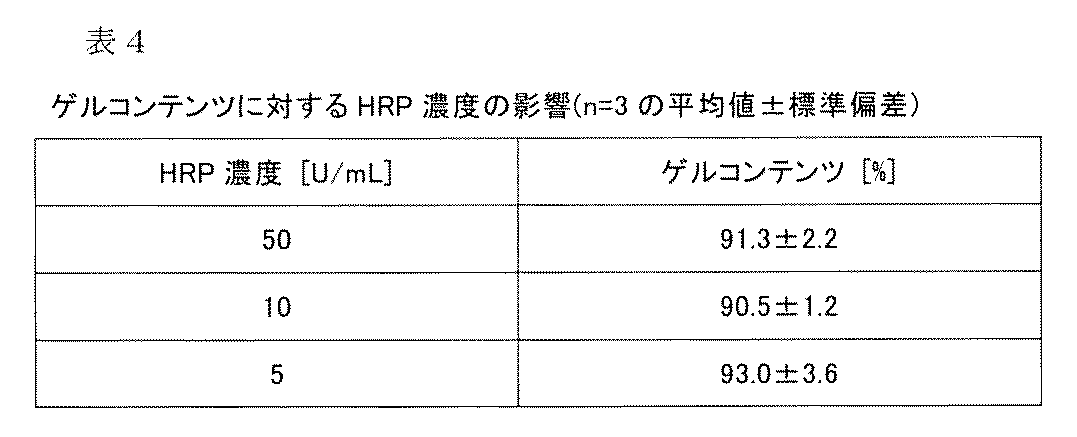
4armPEG−SHの濃度を変化させて得られるハイドロゲルの物性評価を行った。ゲルの貯蔵弾性率(G’)は高分子濃度の増加とともに増加する傾向を示した(図10参照)。一方で、ゲルの平衡膨潤率(QM)は高分子濃度の増加とともに減少する傾向を示した(表3参照)。これらの結果はゲルの架橋密度が関与していると考えられる。つまり、高分子濃度の増加に伴い架橋密度が増加することで上述のような結果になったと考えられる。また、ゲルコンテンツに関してはいずれの条件でも80%以上を維持していた(表3参照)。

[低チラミン濃度で作製した4armPEG−SHハイドロゲルのゲルコンテンツ評価(HRP濃度変化)]
(実験方法)
15mg(Wp)の4armPEG−SHをPBS(pH7.4)に溶解させ、ディスク状の4armPEG−SHハイドロゲルを作製した(直径:約15mm,厚さ:約2mm)。このとき、4armPEG−SH、HRPおよびチラミン塩酸塩の最終濃度がそれぞれ5%(w/v)、5units/mL、0.5mMとなるようにした。8h後、作製したゲルを37℃環境下で10mLのMilliQ水に3日間浸漬させ、塩および未架橋の4armPEG−SHを除去した。その後、ハイドロゲルを乾燥させ、ハイドロゲルの乾燥重量(WD)を測定し、ゲルコンテンツ(gel content=(WD/Wp)×100)を算出した。
(結果)
低チラミン濃度で作製した4armPEG−SHゲルのゲルコンテンツはHRP濃度に依存せず、いずれの条件でも90%の値を示した(表4参照)。この結果から、低チラミン濃度でも高い架橋密度を有するゲルが作製可能であることが明らかとなった。
[細胞接着ペプチドを用いた4armPEG−SHゲルの機能化]
(実験方法)
システイン残基(C)を含むペプチドを用い、4armPEG−SHゲルの機能化を試みた。4armPEG−SH、チラミン塩酸塩、細胞接着ペプチド(GRGDSGGC)およびHRPをPBS(pH7.4)に溶解させた。4armPEG−SH水溶液(50μL,30%(w/v))、チラミン水溶液(5μL,150mM)およびGRGDSGGC水溶液(90μL,16.67mM)を混合した後、HRP水溶液(5μL,150units/mL)を加え、48ウェル プレート ディッシュに添加し(150μL)、RGDペプチド固定化ゲルを作製した。4armPEG−SH、チラミン塩酸塩、HRPおよびGRGDSGGCの最終濃度は、それぞれ10%(w/v)、5mM、5units/mLおよび10mMとした。作製したゲルをPBSで3回、MEM培地(10%FBS)で1回洗浄した。洗浄後、L929線維芽細胞が4×104セル/ウェルとなるように各ウェルに播種し、24h培養を行った。培養後、顕微鏡観察を行った。またコントロールとして接着ペプチドを含まないゲルでも同様の検討を行った。
(結果と考察)
培養24h後、接着ペプチドを固定化したゲルは細胞が接着し、伸展している様子が観察された(図11左側)。一方で、接着ペプチドを含まないゲルではほとんどの細胞が接着せず、また伸展している様子も観察されなかった(図11右側)。以上の結果から、システイン残基を含む接着ペプチドを用いることで、生理不活性のPEGハイドロゲルに細胞接着性を付与することに成功した。また、この結果からRGDペプチドだけでなく、その他のペプチドにシステイン残基を組み込むことで様々な機能性ハイドロゲルが作製可能であると考えられる。
<実施例10>
[ハイドロゲルの作製]
8armPEG−SH(重量平均分子量20,000、NOF(日油株式会社)製、SUNBRIGHT(登録商標)HGEO−200SH)、チラミン塩酸塩をPBS(pH7.4)にそれぞれ溶解させた。これら2種の水溶液を混合した後、HRP水溶液を添加し、22℃で放置した。8armPEG−SH、チラミン塩酸塩、HRPの最終濃度は、それぞれ5%(w/v)、5mM、5units/mLとした。その結果、8armPEG−SHも4armPEG−SHと同様にHRP、チラミン塩酸塩を添加した条件でゲル形成が観察された。
以上のように、HRP−SH修飾高分子混合溶液中にフェノール化合物を添加することで、酸化還元応答型ハイドロゲルを作製することが可能であった。本手法は従来の手法に比べ、1)非常に低いHRP濃度条件、そして2)生理条件下(pH7.4)においてゲルを作製することが可能、3)比較的速いゲル化時間、といった点が優位である。また、作製したハイドロゲルはシステイン溶液を用いることで容易に溶解させることが可能であった。さらに、材料のゲル化プロセスおよび溶解プロセスは細胞に対し非常に穏和であったことから、本実施例におけるゲル作製法は、細胞の3次元培養用足場材料や、細胞輸送用の担体の作製に適していると考えられる。また、機能性ハイドロゲルを作製することができた。
<実施例11>
[SA組換体の調製]
ストレプトアビジン(SA)のN末端にHHHHHHCを、C末端にGGGGYを付加したSA組換体(以下、C−SA−Yと略記、配列番号1)の発現プラスミドベクター(配列番号3)および、N末端にHHHHHHCのみを付加したSA組換体(以下、C−SAと略記、配列番号2)の発現プラスミドベクター(配列番号4)を遺伝子工学的手法により構築した。各SA組換体の発現は、T7 Express Iq Competent E.coli(High Efficiency)(NEW ENGLAND Biolabs社より購入)で行った。250mLのLB培地(100mg/L Amp)で本培養を行い、OD600=1.00に達した時点でIsopropyl β−D−1−thiogalactopyranoside(IPTG)を終濃度1mMで添加し、37℃、130rpmで9時間培養後、遠心分離によって集菌した。
得られた大腸菌のペレットを、バッファA(10mM Tris−HCl,100mM NaCl,1mM EDTA,pH8.0)に分散させ、リゾチーム10mgを添加し、4℃、30minインキュベートした。その後、超音波破砕(3min×3回)を行い、遠心分離によって、SA組換体を含む沈殿を得た。上清を捨て、バッファB(30mM Tris−HCl,2mM EDTA,0.1%Triton X 100,pH8.0)に沈殿を懸濁させ、遠心分離を再度行った。この操作を3回繰返し行い、沈殿の洗浄を行った後に、バッファAを用いて同様に3回、洗浄を行い、最終的にSA組換体の封入体を得た。
封入体を、6Mグアニジン塩酸塩溶液(pH1.5,1mM DTT)に溶かし、Ni−NTAカラムを用いたアフィニティクロマトグラフィによって精製を行った。精製後のSA組換え体を含む溶液を、3mM DTTを含むTBS(25mM Tris−HCl,150mM NaCl,pH7.5)溶液中に、強撹拌しながら滴下し、リフォールディングを行った。リフォールディング後の溶液に対して、硫安沈殿を行い、SA組換体を沈殿させ、遠心分離によって回収した。得られたSA組換体の沈殿を、3mM DTTを含むMilli−Q水に溶解させ、ゲルを作製する直前に、限外濾過膜を用いて濃縮およびMilli−Q水へのバッファ交換を行った。SA組換体の濃度は、280nmにおける吸光度(ε280nm=138,000M−1cm−1)から求めた。
[SA固定化ゲルの作製]
C−SA−YまたはC−SAを、西洋ワサビ由来ペルオキシダーゼ(HRP)、4armPEG−SH(重量平均分子量20,000、NOF(日油株式会社)製、SUNBRIGHT(登録商標)PTE−200MA)と表5の条件で混合し、十分にピペッティングした後に静置してゲル化の様子を観察した。反応はすべて10mM Tris−HClバッファ(pH8.0)内で行い、室温(22℃)で反応を進行させた。

SA固定化ハイドロゲルの作製に成功した。
[SA固定化ナノゲルの作製]
3.74mLのヘキサンに界面活性剤(75mg Span80,25mg,Tween80)を加えて十分に溶解させた。
(a)上記で作製したヘキサン溶液のうち374μLを採取し、有機相とした。
(b)内水相(10mM Tris−HCl,1.25mM 4armPEG−SH,10U/mL HRP,100μM C−SA−Y,pH8.0)を30μL作製し、有機相に加えた。
(c)超音波破砕機を用いて、上記の溶液に超音波処理を施し、w/oエマルションを作製した(30sec,Duty cycle 30,Output3)。
(d)スターラーバーを加えて激しく撹拌しながら室温(22℃)で12時間反応させた。
(e)Alexa Fluor 647−C2−Maleimide(終濃度30μM)およびヨードアセトアミド(終濃度1mM)を加え、15sec超音波照射を行った後に、強撹拌しながら、さらに室温(22℃)で1時間反応させ、残存するチオール基をクエンチするとともにゲルに蛍光修飾を施した。
(f)150mM NaCl,pH3.0を150μL加えた後に、ボルテックスを用いて懸濁させた。この溶液を10000rpmで30分間遠心し、水相と有機相に分離させ、有機相を除いた。
(g)水相内のナノゲルに600μLのヘキサンを加え、ボルテックスを用いて十分に懸濁させ、10000rpmで5分間遠心した後に、上清のヘキサンを除いた。この操作を2回行った。
(h)ヘキサン洗浄後のサンプルに600μLのTHFを加えてボルテックスを用いて十分に懸濁させ、自然沈降によってTHF相と水相を分離した後に上清のTHF相を除いた。この操作を2回行った。2回目以降は、二相に分離しないため、ナノゲルが沈降するのを待った後に、上澄みのTHFを取り除いた。
(i)溶液を150μLのMilli−Q水で再懸濁し、透析を行うことで残存するTHFを除いた。
(j)Alexa Fluor 488修飾ビオチン(SAに対して0.5当量)を加え、4℃で1時間反応させた。その後に再度透析を行い、未反応のビオチンを除いた。
(k)精製されたナノゲルを共焦点顕微鏡によって観察した(図13)。
このように、HRP酵素反応を利用したSA固定化ゲルの微粒子化に成功し、そのビオチン結合能を確認した。
<実施例12>
[チオール基修飾ゼラチンを用いた機能性ハイドロゲルの作製]
ゼラチンは、生体内に存在するコラーゲンを部分的に加水分解して得られるタンパク質である。ゼラチンは細胞の接着および増殖を促進するRGDモチーフを有し、細胞適合性が高いことから、細胞培養基材として利用されている。本実施例ではゼラチンに対し、架橋点となるチオール基を修飾したチオール基修飾ゼラチン(Gela−SH)を合成し、4armPEG−SHと共架橋させることで、PEGゲルの機能化を試みた。また、作製した(PEG−SH)−(Gela−SH)ハイドロゲルの物理特性評価も行った。
(実験方法)
[チオール基修飾ゼラチン(Gela−SH)の合成]
2.0gのゼラチンを100mLのMilliQ水に溶解させ、その後、1.0gのシスタミンを添加した。シスタミンが溶解した後、1.0M HClを用いて、混合溶液のpHを4.75に調整した。その後、0.86gの1−Ethyl−3−(3−dimethylaminophenyl)carbodiimide hydrochloride(EDC)を混合溶液に添加し、室温で2時間撹拌した。その際、pHの上昇を防ぐため、1.0M HClを用いてpHを4.75に調節しながら反応を行った。2時間反応を行った後、1.0MのNaOHを用いて混合溶液のpHを7.0に調節した。その後、還元剤として8.5gのDithiothreitol(DTT)を混合溶液に添加し、1.0MのNaOHを用いてpHを8.5に調節し、一晩室温で撹拌した。その後、1.0M HClを用いて混合溶液のpHを3.5に調節した後、分画分子量10000の透析膜に入れ、pH3.5のHCl水溶液中で3日間透析することにより、未反応物およびDDTを除去した。その後、凍結真空乾燥を行うことで、チオール基修飾ゼラチン(Gela−SH)を得た。Ellman試薬を用いてチオール基の修飾率を見積もった結果、0.45mmol−SH/g−gelatinであった。
[平衡膨潤率(QM)およびゲルコンテンツの評価]
4armPEG−SH、チラミン塩酸塩およびGela−SHをPBS(pH7.4)に溶解させた。モールドに4armPEG−SH水溶液100μL、Gela−SH水溶液100μL、チラミン塩酸塩水溶液を50μLを加え、その後、50μLのHRP水溶液を添加し、4時間室温で静置させることで、(PEG−SH)−(Gela−SH)ハイドロゲルを作製した。作製したゲルを、37℃環境下で10mLのPBS(0.1%(w/v)アジ化ナトリウム)に4日間浸漬させ、膨潤後のハイドロゲル重量(MS)を測定した。その後、ハイドロゲルを乾燥させ、ハイドロゲルの乾燥重量(MD)を測定し、平衡膨潤率(QM=MS/MD)を算出した。また、各成分の最終濃度は表6となるようにゲルの作製を行った。

[レオメーターを用いた力学特性評価]
レオメーター専用のアルミカップ内で(PEG−SH)−(Gela−SH)ハイドロゲルを作製した。周波数を0.1~10Hzと変化させ、各ハイドロゲルの貯蔵弾性率(G’)を測定した。その際、ひずみは0.1%とした。また各成分濃度は実施例7と同様の条件で行った。
(結果と考察)
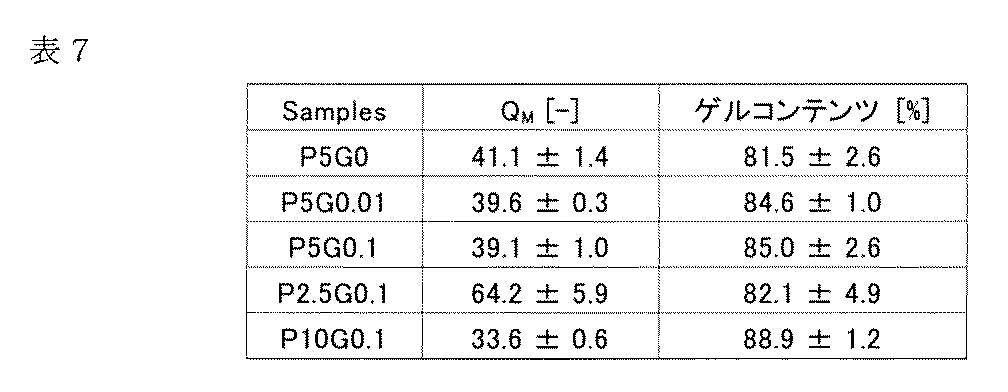
ハイドロゲルの平衡膨潤率(QM)を表7に、貯蔵弾性率(G’)を図14に示す。PEG−SHの濃度が増加すると共にハイドロゲルの平衡膨潤率は減少し、貯蔵弾性率は増加した。一般的にこれらの物性は高分子間の架橋密度に起因しており、架橋密度が高いほど膨潤率は減少し、貯蔵弾性率は増加する。本実施例におけるゲルの作製条件では、ゲルコンテンツが全て80%以上であることから、高分子間の架橋反応は十分に進行していることが示唆される。また、混合溶液中におけるチオール基濃度はPEG−SHの濃度が増加するとともに増加し、それに起因して得られるハイドロゲルの架橋密度も増加することが予測される。従って上述のような結果になったと考えられる。
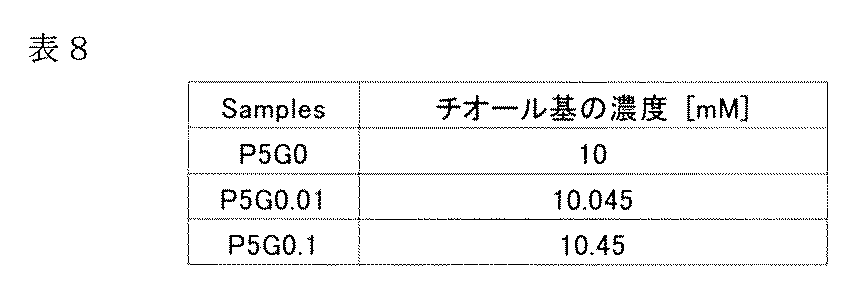
一方で、5%(w/v)PEG−SHの条件において作製したハイドロゲルの平衡膨潤率および貯蔵弾性率はGela−SHの濃度に依存せず、同程度の値を示した(表7、図14参照)。これは、作製したハイドロゲルの架橋密度がほとんど一定であることを意味している。実際に、本実施例ではGela−SH濃度をPEG−SH濃度に比べ、比較的低い値に設定しており、混合溶液中のチオール基の濃度はGela−SHの濃度変化によって著しく変化しない(表8参照)。従って、Gela−SHが低濃度の条件では、得られるハイドロゲルの物性はPEG−SHの濃度に依存しており、PEG−SHの濃度を変化させることで容易に物性制御が行えることが明らかとなった。
4armPEG−SH、チラミン塩酸塩、HRPおよびGela−SH水溶液を混合した後、混合溶液500μLを12well plate dishに添加した。ゲル化後1mLのPBSで2回、MEM培地で2回洗浄を行った。各wellにL292線維芽細胞を2×10⁵cells/wellとなるように播種した。播種4時間後、各ゲルシートを洗浄し、上澄み液中の細胞を回収した。さらに各wellにトリプシン溶液を500μL添加し、接着細胞の剥離および回収を試みた。上澄み液およびトリプシン処理後の懸濁液中の細胞を計数し、それらの値から播種4時間後の細胞接着率を算出した。また、ポジティブコントロールとしてゼラチンコートディッシュを用いて同様の検討を行った。
[細胞増殖および細胞シートの作製]
上記と同様の手法で12well plate dish内にゲルシートを作製した。各wellにL292線維芽細胞を2×10⁴cells/wellとなるように播種した。播種3日後および5日後、各ゲルシートを洗浄し、各wellにトリプシン溶液を500μL添加した。接着細胞を回収した後、計数を行い各well中の細胞数を算出した。また、本実施例でもポジティブコントロールとしてゼラチンコートディッシュを用いて同様の検討を行った。(PEG−SH)−(Gela−SH)ゲル上でコンフルエントになるまで細胞を培養し、その後、wellに10mMのシステイン溶液5mLを加え30分間インキュベートを行った。
(結果と考察)
播種4時間後のL929の顕微鏡写真を図15に示す。(PEG−SH)−(Gela−SH)ゲルシート上では細胞の接着および伸展が観察されたが、Gela−SHを混合していない条件では細胞の接着は見られなかった(図15(A)参照)。また、チオール基を修飾していないゼラチンでも同様の検討を行ったが、細胞の接着はほとんど観察されなかった(図16参照)。これは、HRP触媒反応によってGela−SHがPEG−SHネットワーク内に組み込まれたことを示す結果であり、その他の機能性分子(多糖やペプチド等)も同様の手法によってPEGゲル内へ固定化可能であることが示唆された。上澄み溶液およびゲル上の細胞数から4時間後の細胞接着率を算出した結果、Gela−SH濃度の増加と伴に接着率も増加する結果が得られた(図17(A)参照)。また、Gela−SH濃度0.1%(w/v)の条件では播種細胞数の95%以上が接着しており、ポジティブコントロールであるゼラチンコートディッシュと同程度の値を示した。また、5日間培養後のP5G0.1ハイドロゲル上における細胞数はP5G0.01ハイドロゲル上における細胞数に比べ40%増加した(図17(B)参照)。これは、P5G0.1ハイドロゲル上での細胞の増殖速度がP5G0.01ハイドロゲル上のものに比べて速いことを意味している。また、5日培養後の細胞の形態写真からもP5G0.1ハイドロゲル上の細胞密度が、P5G0.01ハイドロゲル上のものに比べ高く(図18(B),(D)参照)、P5G0.1ハイドロゲル上での細胞の増殖速度がP5G0.01ハイドロゲル上のものに比べて速いことが示唆された。また、P5G0.1ハイドロゲル上での細胞の増殖速度および形態、ゼラチンコートディッシュと同程度であった。
また、PEG−SH濃度を変化させた条件ではいずれも90%以上の細胞が接着していた。しかしながら、2.5%(w/v)PEG−SHで作製したゲル上での細胞接着率はその他のゲルに比べ、わずかに低い値を示した(図17(A)参照)。これは、ゲルの強度が関与していると考えられる。線維芽細胞はより強度が高い基材への接着が促進すると報告されている。本実施例でもP2.5G0.1ハイドロゲルのG’は、P10G0.1ハイドロゲルの1/10程度であることから、基材の強度が接着に影響したのではないかと考えられる。しかしながら、増殖速度には大きな差は見られず、初期接着率のわずかな差は細胞の増殖速度に大きな影響を及ぼさないことが示唆された。
P5G0.1ゲルシート上においてコンフルエントになるまで細胞を培養した後、10mMシステイン溶液を添加した。その後、30分間インキュベートを行った結果、図19(A),(B)に示すように細胞シートが得られた。さらに得られた細胞シートをcell culture dishに移した。一晩培養を行った後、2重染色キットを用い、生細胞と死細胞をそれぞれ染め分けた(生細胞:緑、死細胞:赤)。図19(D),(F)および図20(B)は染色後の蛍光顕微鏡写真である。死細胞はほとんど観察されず、細胞シートの回収操作が細胞にとって非常に穏和であることが示された。
配列表
Claims (7)
- 2つ以上のチオール基を有するポリエチレングリコールを、フェノール化合物の存在下でペルオキシダーゼを用いて架橋させることを特徴とするハイドロゲルの製造方法。
- 請求項1に記載のハイドロゲルの製造方法であって、
前記ペルオキシダーゼが、西洋わさび由来ペルオキシダーゼであることを特徴とするハイドロゲルの製造方法。 - 請求項1または2に記載のハイドロゲルの製造方法であって、
前記フェノール化合物が、チラミン塩酸塩、フェノール、N−グリシル−L−チロシン、ヒドロキノン、レゾルシノール、カテコール、およびセロトニンのうちの少なくとも1つであることを特徴とするハイドロゲルの製造方法。 - 請求項1~3のいずれか1項に記載のハイドロゲルの製造方法であって、
前記2つ以上のチオール基を有するポリエチレングリコールおよび1つ以上のチオール基を有するチオール化合物を、前記フェノール化合物の存在下で前記ペルオキシダーゼを用いて架橋させることを特徴とするハイドロゲルの製造方法。 - 請求項1~3のいずれか1項に記載のハイドロゲルの製造方法であって、
前記2つ以上のチオール基を有するポリエチレングリコールおよび1つ以上のチオール基を有するフェノール化合物を、前記ペルオキシダーゼを用いて架橋させることを特徴とするハイドロゲルの製造方法。 - 包括対象物の存在下で、2つ以上のチオール基を有するポリエチレングリコールを、フェノール化合物の存在下でペルオキシダーゼを用いて架橋させてハイドロゲルを生成させ、前記包括対象物を前記ハイドロゲルで包括することを特徴とする包括対象物の包括方法。
- 包括対象物の存在下で、2つ以上のチオール基を有するポリエチレングリコールを、フェノール化合物の存在下でペルオキシダーゼを用いて架橋させてハイドロゲルを生成させ、前記ハイドロゲルで包括した包括対象物について、還元剤を用いて前記ハイドロゲルを溶解させて前記包括対象物を放出することを特徴とする包括対象物の放出方法。
Priority Applications (2)
| Application Number | Priority Date | Filing Date | Title |
|---|---|---|---|
| US15/304,675 US10016506B2 (en) | 2014-04-17 | 2015-04-16 | Method for producing hydrogel, method for enveloping envelopment target, and method for releasing envelopment target |
| JP2016513848A JP6573873B2 (ja) | 2014-04-17 | 2015-04-16 | ハイドロゲルの製造方法、包括対象物の包括方法、および包括対象物の放出方法 |
Applications Claiming Priority (4)
| Application Number | Priority Date | Filing Date | Title |
|---|---|---|---|
| JP2014-085790 | 2014-04-17 | ||
| JP2014085790 | 2014-04-17 | ||
| JP2014-245478 | 2014-12-04 | ||
| JP2014245478 | 2014-12-04 |
Publications (1)
| Publication Number | Publication Date |
|---|---|
| WO2015159995A1 true WO2015159995A1 (ja) | 2015-10-22 |
Family
ID=54324196
Family Applications (1)
| Application Number | Title | Priority Date | Filing Date |
|---|---|---|---|
| PCT/JP2015/062458 Ceased WO2015159995A1 (ja) | 2014-04-17 | 2015-04-16 | ハイドロゲルの製造方法、包括対象物の包括方法、および包括対象物の放出方法 |
Country Status (3)
| Country | Link |
|---|---|
| US (1) | US10016506B2 (ja) |
| JP (1) | JP6573873B2 (ja) |
| WO (1) | WO2015159995A1 (ja) |
Cited By (5)
| Publication number | Priority date | Publication date | Assignee | Title |
|---|---|---|---|---|
| KR20200099309A (ko) * | 2019-02-14 | 2020-08-24 | 인천대학교 산학협력단 | 3차원 세포 배양용 상호침투 중합체 네트워크(ipn) 하이드로겔 및 이의 제조방법 |
| JP2020150846A (ja) * | 2019-03-20 | 2020-09-24 | 国立大学法人 東京大学 | ハイドロゲル組成物 |
| JP2023526077A (ja) * | 2020-05-19 | 2023-06-20 | ルスロ・ベーフェー | 低エンドトキシンゼラチン-(メタ)アクリロイル |
| EP4737585A1 (en) | 2024-11-05 | 2026-05-06 | Canon Kabushiki Kaisha | Method of detecting target substance and reagent for inspection of target substance |
| EP4737586A1 (en) | 2024-11-05 | 2026-05-06 | Canon Kabushiki Kaisha | Method of detecting target substance and reagent for inspection of target substance |
Families Citing this family (3)
| Publication number | Priority date | Publication date | Assignee | Title |
|---|---|---|---|---|
| CN110713601B (zh) * | 2018-07-11 | 2021-04-30 | 中国科学院苏州纳米技术与纳米仿生研究所 | 基于生物正交反应的可快速固化水凝胶、其制法与应用 |
| CN114230808B (zh) * | 2021-12-20 | 2024-04-16 | 中国科学院重庆绿色智能技术研究院 | 一种以氨基聚乙二醇为凝胶基质的抗菌凝胶的制备方法 |
| SE2250471A1 (en) * | 2022-04-19 | 2023-10-20 | Daniel Aili | Formation of cross-linked hydrogels |
Citations (3)
| Publication number | Priority date | Publication date | Assignee | Title |
|---|---|---|---|---|
| WO2010087912A1 (en) * | 2009-01-30 | 2010-08-05 | University Of Utah Research Foundation | Hydrogels crosslinked with gold nanoparticles and methods of making and using thereof |
| JP2011173887A (ja) * | 2002-12-30 | 2011-09-08 | Angiotech Internatl Ag | 迅速ゲル化ポリマー組成物からの薬物送達法 |
| EP2597110A1 (en) * | 2011-11-28 | 2013-05-29 | Fundación Cidetec | Self-healing material and method for the preparation thereof |
Family Cites Families (1)
| Publication number | Priority date | Publication date | Assignee | Title |
|---|---|---|---|---|
| JP3893468B2 (ja) | 2004-01-14 | 2007-03-14 | 国立大学法人京都大学 | 多糖ハイドロゲル及びその製造方法 |
-
2015
- 2015-04-16 JP JP2016513848A patent/JP6573873B2/ja active Active
- 2015-04-16 WO PCT/JP2015/062458 patent/WO2015159995A1/ja not_active Ceased
- 2015-04-16 US US15/304,675 patent/US10016506B2/en active Active
Patent Citations (3)
| Publication number | Priority date | Publication date | Assignee | Title |
|---|---|---|---|---|
| JP2011173887A (ja) * | 2002-12-30 | 2011-09-08 | Angiotech Internatl Ag | 迅速ゲル化ポリマー組成物からの薬物送達法 |
| WO2010087912A1 (en) * | 2009-01-30 | 2010-08-05 | University Of Utah Research Foundation | Hydrogels crosslinked with gold nanoparticles and methods of making and using thereof |
| EP2597110A1 (en) * | 2011-11-28 | 2013-05-29 | Fundación Cidetec | Self-healing material and method for the preparation thereof |
Non-Patent Citations (4)
| Title |
|---|
| DETCHO A. STOYANOVSKY: "Phenoxyl Radical-Induced Thiol-Dependent Generation of Reactive Oxygen Species: Implications for Benzene Toxicity", ARCHIVES OF BIOCHEMISTRY AND BIOPHYSICS, vol. 317, no. 2, 1995, pages 315 - 323, XP055231455 * |
| LARRY J KRICKA: "Synthesis and Characterization of 4-Iodophenylboronic Acid: A New Enhancer for the Horseradish Peroxidase-Catalyzed Chemiluminescent Oxidation of Luminol", ANALYTICAL BIOCHEMISTRY, vol. 240, 1996, pages 119 - 125, XP001183202, ISSN: 0003-2697 * |
| RADOSLAV GOLDMAN: "Reduction of Phenoxyl Radicals by Thioredoxin Results in Selective Oxidation of Its SH-Groups to Disulfides.", AN ANTIOXIDANT FUNCTION OF THIOREDOXIN, BIOCHEMISTRY, vol. 34, 1995, pages 4765 - 4772, XP055231456 * |
| SMRITI SINGH: "Embedding of Active Proteins and Living Cells in Redox-Sensitive Hydrogels and Nanogels through Enzymatic Cross-Linking", ANGEW. CHEM. INT. ED., vol. 52, no. 10, 2013, pages 3000 - 3003, XP055231453, ISSN: 1433-7851 * |
Cited By (9)
| Publication number | Priority date | Publication date | Assignee | Title |
|---|---|---|---|---|
| KR20200099309A (ko) * | 2019-02-14 | 2020-08-24 | 인천대학교 산학협력단 | 3차원 세포 배양용 상호침투 중합체 네트워크(ipn) 하이드로겔 및 이의 제조방법 |
| KR102232380B1 (ko) * | 2019-02-14 | 2021-03-25 | 인천대학교 산학협력단 | 3차원 세포 배양용 상호침투 중합체 네트워크(ipn) 하이드로겔 및 이의 제조방법 |
| JP2020150846A (ja) * | 2019-03-20 | 2020-09-24 | 国立大学法人 東京大学 | ハイドロゲル組成物 |
| JP7203313B2 (ja) | 2019-03-20 | 2023-01-13 | 国立大学法人 東京大学 | ハイドロゲル組成物 |
| JP2023526077A (ja) * | 2020-05-19 | 2023-06-20 | ルスロ・ベーフェー | 低エンドトキシンゼラチン-(メタ)アクリロイル |
| JP7523585B2 (ja) | 2020-05-19 | 2024-07-26 | ルスロ・ベーフェー | 低エンドトキシンゼラチン-(メタ)アクリロイル |
| US12371569B2 (en) | 2020-05-19 | 2025-07-29 | Rousselot Bv | Low endotoxin gelatin-(meth)acryloyl |
| EP4737585A1 (en) | 2024-11-05 | 2026-05-06 | Canon Kabushiki Kaisha | Method of detecting target substance and reagent for inspection of target substance |
| EP4737586A1 (en) | 2024-11-05 | 2026-05-06 | Canon Kabushiki Kaisha | Method of detecting target substance and reagent for inspection of target substance |
Also Published As
| Publication number | Publication date |
|---|---|
| US10016506B2 (en) | 2018-07-10 |
| US20170239356A1 (en) | 2017-08-24 |
| JPWO2015159995A1 (ja) | 2017-04-13 |
| JP6573873B2 (ja) | 2019-09-11 |
Similar Documents
| Publication | Publication Date | Title |
|---|---|---|
| JP6573873B2 (ja) | ハイドロゲルの製造方法、包括対象物の包括方法、および包括対象物の放出方法 | |
| JP5843758B2 (ja) | フラボノイドハイドロゲル | |
| Zhao et al. | Degradation-kinetics-controllable and tissue-regeneration-matchable photocross-linked alginate hydrogels for bone repair | |
| Guo et al. | A biodegradable supramolecular adhesive with robust instant wet adhesion for urgent hemostasis and wound repair | |
| Moghadam et al. | Chondroitin sulfate modified chitosan nanoparticles as an efficient and targeted gene delivery vehicle to chondrocytes | |
| Arkenberg et al. | Orthogonal enzymatic reactions for rapid crosslinking and dynamic tuning of PEG–peptide hydrogels | |
| JP2002535108A (ja) | 共役不飽和基に対する求核付加反応によって作製される生体適合材料 | |
| CN101631804A (zh) | 由疏水性氨基酸官能化的葡聚糖 | |
| Alves et al. | Thiol–norbornene photoclick chemistry for grafting antimicrobial peptides onto chitosan to create antibacterial biomaterials | |
| FR2464994A1 (fr) | Procede de culture de cellules dans un milieu de culture renfermant des micro-porteurs particulaires | |
| CN104356395B (zh) | 一种阳离子化丝素蛋白、制备方法及其应用 | |
| CN101220090A (zh) | 明胶多重改性衍生物及其交联材料 | |
| Choi et al. | Controllable drug release from nano-layered hollow carrier by non-human enzyme | |
| CN111995777A (zh) | 一种强粘附性、高机械强度的pegda-贻贝粘附蛋白-胶原蛋白复合水凝胶的制备方法 | |
| CN105969825A (zh) | 一种酶催化交联还原响应的透明质酸微凝胶及其制备方法 | |
| Rekha et al. | Simultaneous effect of thiolation and carboxylation of chitosan particles towards mucoadhesive oral insulin delivery applications: an in vitro and in vivo evaluation | |
| CN110496229B (zh) | 一种具有缓释性的纳米颗粒包被的抗菌肽及其制备方法 | |
| Ye et al. | Advancements of biomacromolecular hydrogel applications in food nutrition and health | |
| CN121378787B (zh) | 巯基化生物相容高分子衍生物及其制备方法、仿细胞外基质可注射原位交联水凝胶及其用途 | |
| CN103819685A (zh) | 鱼鳞胶原蛋白接枝壳聚糖及其制备方法、用途 | |
| CN107936267B (zh) | 一种两离子淀粉基干细胞扩增水凝胶的制备方法及干细胞扩增和收集方法 | |
| KR101898856B1 (ko) | 방선균 유래 티로시나아제를 이용하여 제조된 가교 결합 물질, 그의 제조 방법 및 그의 응용 | |
| KR102315457B1 (ko) | 버크홀데리아 유래 티로시나아제를 이용하여 제조된 접착력을 가지는 가교 결합 물질, 그의 제조 방법 및 그의 응용 | |
| US20190298851A1 (en) | Sequential click reactions for the synthesis and functionalization of hydrogel microspheres and substrates | |
| Moriyama et al. | Characterization of enzyme-crosslinked albumin hydrogel for cell encapsulation |
Legal Events
| Date | Code | Title | Description |
|---|---|---|---|
| 121 | Ep: the epo has been informed by wipo that ep was designated in this application |
Ref document number: 15779452 Country of ref document: EP Kind code of ref document: A1 |
|
| ENP | Entry into the national phase |
Ref document number: 2016513848 Country of ref document: JP Kind code of ref document: A |
|
| NENP | Non-entry into the national phase |
Ref country code: DE |
|
| WWE | Wipo information: entry into national phase |
Ref document number: 15304675 Country of ref document: US |
|
| 122 | Ep: pct application non-entry in european phase |
Ref document number: 15779452 Country of ref document: EP Kind code of ref document: A1 |