WO2014200006A1 - ネットワーク管理システム、ネットワーク管理方法、及びそのプログラム - Google Patents
ネットワーク管理システム、ネットワーク管理方法、及びそのプログラム Download PDFInfo
- Publication number
- WO2014200006A1 WO2014200006A1 PCT/JP2014/065418 JP2014065418W WO2014200006A1 WO 2014200006 A1 WO2014200006 A1 WO 2014200006A1 JP 2014065418 W JP2014065418 W JP 2014065418W WO 2014200006 A1 WO2014200006 A1 WO 2014200006A1
- Authority
- WO
- WIPO (PCT)
- Prior art keywords
- network management
- managed device
- monitoring
- interface
- management system
- Prior art date
- Legal status (The legal status is an assumption and is not a legal conclusion. Google has not performed a legal analysis and makes no representation as to the accuracy of the status listed.)
- Ceased
Links
Images



Classifications
-
- H—ELECTRICITY
- H04—ELECTRIC COMMUNICATION TECHNIQUE
- H04L—TRANSMISSION OF DIGITAL INFORMATION, e.g. TELEGRAPHIC COMMUNICATION
- H04L43/00—Arrangements for monitoring or testing data switching networks
- H04L43/08—Monitoring or testing based on specific metrics, e.g. QoS, energy consumption or environmental parameters
- H04L43/0805—Monitoring or testing based on specific metrics, e.g. QoS, energy consumption or environmental parameters by checking availability
- H04L43/0817—Monitoring or testing based on specific metrics, e.g. QoS, energy consumption or environmental parameters by checking availability by checking functioning
-
- H—ELECTRICITY
- H04—ELECTRIC COMMUNICATION TECHNIQUE
- H04L—TRANSMISSION OF DIGITAL INFORMATION, e.g. TELEGRAPHIC COMMUNICATION
- H04L41/00—Arrangements for maintenance, administration or management of data switching networks, e.g. of packet switching networks
- H04L41/02—Standardisation; Integration
- H04L41/022—Multivendor or multi-standard integration
-
- H—ELECTRICITY
- H04—ELECTRIC COMMUNICATION TECHNIQUE
- H04L—TRANSMISSION OF DIGITAL INFORMATION, e.g. TELEGRAPHIC COMMUNICATION
- H04L41/00—Arrangements for maintenance, administration or management of data switching networks, e.g. of packet switching networks
- H04L41/02—Standardisation; Integration
- H04L41/0226—Mapping or translating multiple network management protocols
-
- H—ELECTRICITY
- H04—ELECTRIC COMMUNICATION TECHNIQUE
- H04L—TRANSMISSION OF DIGITAL INFORMATION, e.g. TELEGRAPHIC COMMUNICATION
- H04L41/00—Arrangements for maintenance, administration or management of data switching networks, e.g. of packet switching networks
- H04L41/06—Management of faults, events, alarms or notifications
- H04L41/0686—Additional information in the notification, e.g. enhancement of specific meta-data
-
- H—ELECTRICITY
- H04—ELECTRIC COMMUNICATION TECHNIQUE
- H04L—TRANSMISSION OF DIGITAL INFORMATION, e.g. TELEGRAPHIC COMMUNICATION
- H04L41/00—Arrangements for maintenance, administration or management of data switching networks, e.g. of packet switching networks
- H04L41/02—Standardisation; Integration
- H04L41/0213—Standardised network management protocols, e.g. simple network management protocol [SNMP]
Definitions
- the present invention relates to a technique for managing a device arranged on a network, and more particularly, to a network management system, a network management method, and a program for monitoring and controlling the state of the device.
- NMS network management system
- a network management system constantly monitors a network to monitor the status of various devices connected to the network, detect traffic failures, maintain security, perform performance management, and create reports. It is configured as follows.
- a management program (logic) specific to a certain type of device to be monitored (managed device) is pre-installed, thereby monitoring the operation of the device. It was.
- the network management system in which a unique management program corresponding to the managed device is statically incorporated is used to monitor and control the device.
- management control including plug-ins for function expansion, etc.
- management control including plug-ins for function expansion, etc.
- Patent Document 1 the following contents (Patent Document 1 or 2) are known.
- Japanese Patent Application Laid-Open No. 2004-26883 discloses a technical content of grasping dependency relationships existing between versions of a plurality of software incorporated in a multi-function peripheral, and sequentially executing updates while maintaining consistency between these versions. .
- Patent Document 2 discloses management for managing devices on a network in accordance with SNMP (Simple Network Management Protocol) by referring to device information obtained by accessing MIB (management information base) of a device connected to a network.
- SNMP Simple Network Management Protocol
- MIB management information base
- network management systems that are configured to acquire the specific programs and plug-ins of managed devices from the outside in advance, support programs and plug-ins corresponding to the device type and version for various devices. Such a method is not an essential solution to the above problem because of the inconvenience that it must be released and added at any time.
- Patent Documents 1 and 2 do not disclose any technical contents related to network management on the premise that a device to be monitored holds its own management program.
- a network management system is a network management system that manages the operating state of a managed device via a network, and a management program stored in advance in the managed device Program acquisition processing means for acquiring and storing the program, and monitoring processing for monitoring the operation of the managed device and executing processing according to a signal transmitted from the outside based on the stored management program And means.
- a network management system including a main control unit that manages an operation state of a managed device via a network, and a management program stored in the managed device in advance is stored in the network management system. Acquire and store this, monitor the operation of the managed device based on the stored management program, execute processing according to the signal transmitted from the outside during this operation monitoring, The contents of each process are sequentially executed by the main control unit.
- the network management program according to the present invention is a network management system for managing the operating state of a managed device via a network, and acquires and stores a management program stored in the managed device in advance.
- Program acquisition processing means for processing, monitoring means for monitoring the operation of the managed device based on the stored management program, and signal response processing means for executing processing according to a signal transmitted from the outside during this monitoring As described above, a computer provided in advance in the network management system is caused to function.
- a network management system capable of effectively monitoring and controlling the operation of a device corresponding to the type of device to be managed and its state are provided. Is possible.
- FIG. 2 It is a block diagram which shows the structure concerning the network management system in one Embodiment of this invention. It is a block diagram which shows the outline of the hardware constitutions in the network management system disclosed in FIG. 2 is a flowchart illustrating operations related to acquisition processing of a management apparatus management program and state monitoring processing based on the management apparatus management program by the network management system disclosed in FIG. 1; 2 is a flowchart illustrating an operation executed when the network management system disclosed in FIG. 1 receives a signal indicating that a failure has occurred from a managed device. 2 is a flowchart illustrating an operation executed when the network management system disclosed in FIG. 1 receives an operation state information acquisition request signal from an administrator or the like.
- FIG. 2 is a sequence diagram illustrating an operation example when the network management system disclosed in FIG. 1 is requested by an administrator or the like for operation state information regarding a plurality of managed devices.
- a network management system 10 that manages the operating state of a managed device via a network 70 performs input / output for exchanging various information with the managed device via the network 70.
- Unit 20 a main control unit 30 that manages the operation state of the managed device, and a storage unit 40 that stores information and the like necessary when the main control unit 30 manages the managed device.
- a storage unit 40 that stores information and the like necessary when the main control unit 30 manages the managed device.
- a plurality of managed devices 50 (1) to (n: any natural number) are adopted as management targets by the network management system 10.
- the storage units 50A (1) to (n) of each of the managed devices 50 (1) to (n) have their own device management programs (including plug-ins for function expansion) 60 (1 ) To (n) are stored in advance.
- the main control unit 30 has a management program 60 (1) dedicated to the device stored in advance in the storage units 50A (1) to (n) of each of the plurality of managed devices 50 (1) to (n). ) To (n), and corresponding to this based on the program acquisition processing means 31 for storing this in the storage unit 40 and the stored management program 60 (any one of 1 to n). And a monitoring processing unit 32 that monitors the operation of the managed device 50 (any one of 1 to n) and executes processing according to a signal transmitted from the outside.
- the program acquisition processing means 31 is configured to use a common interface defined in the network management system 10 (a predefined common interface) when acquiring the management programs 60 (1) to (n). .
- an abnormality such as a failure occurs in each managed device 50 (any one of 1 to n) during the operation state monitoring by the monitoring processing unit 32, the managed state in which the abnormality has occurred is generated.
- the apparatus 50 (any one of 1 to n) is individually configured to transmit a “signal indicating that an abnormality has occurred in the own apparatus (abnormality notification)”.
- the monitoring processing means 32 When the monitoring processing means 32 receives a signal (abnormality notification) indicating that an abnormality has occurred from any one of the managed devices 50 (1) to (n), the monitoring processing means 32 is the managed source that is the transmission source of the signal.
- An abnormality notification processing function 32A for notifying an external administrator or the like that an abnormality has occurred in the device 50 (any of 1 to n), a predefined common interface (common I / F format), and each managed object Mutual conversion with each unique interface (unique I / F format) individually defined for each of the devices 50 (1) to (n) is performed according to a conversion command signal from the inside (processing according to the signal transmitted from the outside) Interface conversion function 32B to be executed (according to each standard) and a signal (operation state information acquisition request signal) for requesting acquisition of information on the operation state of the managed device 50 (any of 1 to n). Administrator etc. via input / output unit 20 Status of collecting the operation status information of the managed device 50 (any one of 1 to n) related to the
- the monitoring processing means 32 prior to executing the operation monitoring of the managed device 50 (any one of 1 to n), to the unique interface corresponding to the managed device 50 (any one of 1 to n).
- the conversion command signal is transmitted to the interface conversion function 32B, and the operation monitoring is executed using (via) the specific interface after conversion by the interface conversion function 32B. Yes.
- the monitoring processing means 32 that has received the abnormality notification (event notification) from the managed device 50 (any of 1 to n) via the input / output unit 20 converts it into a common interface by the abnormality notification processing function 32A.
- the command signal is transmitted to the interface conversion function 32B, and in response to this, using the common interface after the interface conversion function 32B converts (via) “managed device 50 (1 ⁇
- the system is configured to notify the administrator or the like that an abnormality has occurred in any one of n).
- the monitoring processing means 32 that has received an operation state information acquisition request signal of the managed device 50 (any one of 1 to n) from the administrator or the like via the input / output unit 20 sends it to the state information collection processing function 32C. Then, the conversion command signal to the specific interface defined for the managed device 50 (any one of 1 to n) is transmitted to the interface conversion function 32B, and the converted signal by the interface conversion function 32B corresponding to this is sent. It is configured to collect operation state information concerning an external request using (via) the specific interface.
- the state information collection processing function 32C that has collected the operation state information transmits a conversion command signal to the common interface to the interface conversion function 32B, and the common after the conversion by the interface conversion function 32B corresponding to this.
- a configuration is adopted in which the collected operation state information (status information collection result) is returned to (for example) an administrator who is an external request source using (via) an interface.
- the monitoring processing unit 32 stores the above-described operation monitoring, collection of operation state information, and the like in each of the managed devices 50 (1) to (n). It can be performed using (via) a unique interface in accordance with the management program 60 (1) to (n). That is, at the time of the operation monitoring or the like, the monitoring processing means 32 employs a configuration in which a unique interface corresponding to each of the monitored devices 50 (1) to (n) to be monitored is used. Therefore, it is possible to significantly perform operation monitoring and operation state information collection depending on the device type depending on the situation.
- the status information collection processing function 32C has a function of collecting all information (all status information) related to the operation status of each of the managed devices 50 (1) to (n). It is configured to collect necessary operating state information in response to the acquisition request signal.
- Each unique interface corresponding to each of the aforementioned managed devices 50 (1) to (n) is a protocol (SNMP, ICMP, etc.) predetermined by each of the management programs 60 (1) to (n).
- the interface conforms to For example, when collecting information related to the failure of the managed devices 50 (1) to (n) in response to an acquisition request signal from an administrator or the like, the monitoring processing means 32 performs the above in accordance with a protocol such as SNMP.
- the conversion to the specific interface is performed by the interface conversion function 32B.
- the network 70 is a communication network for wired communication or wireless communication.
- Each management program 60 (1) to (n) is a program used when the main control unit 30 monitors and controls the managed devices 50 (1) to (n) that are storage sources.
- the configuration includes a monitoring program for monitoring the managed devices 50 (1) to (n), an interface conversion program for executing mutual conversion of the interfaces, and the like.
- a network management system 10 that manages the state of a device to be managed via the network 70 includes a core processor (NMS core) 11 that manages operation processing related to monitoring and control of each managed device 50 (1) to (n).
- NMS core core processor
- a read-only memory storing an I / O interface 12 for exchanging information with each of the managed devices 50 (1) to (n) via the network 70, and a startup program, etc. It has a ROM 13 and a RAM 14 that is used for temporary storage of calculation data and the like, and for reading out an execution target program.
- the core processor 11, the I / O interface 12, the ROM 13, and the RAM 14 are connected to a bus 15 that is a transmission path for exchanging data with each other.
- the core processor 11 in the present embodiment stores the startup program stored in the ROM 13, the management programs 60 (1) to (n) acquired from the managed devices 50 (1) to (n), and the like in the RAM 14. And an operation process based on them is executed.
- each of the management programs 60 (1) to (n) includes a program for causing the core processor 11 to function as the monitoring processing unit 32. More specifically, the management program 60 (1) to (n) It has a program for realizing the notification processing function 32A, the interface conversion function 32B, and the status information collection processing function 32C.
- FIG. 1 (Description of operation) Next, the operation of the network management system 10 shown in FIG. 1 will be described based on the flowcharts shown in FIGS. 3 to 5 and the sequence diagrams shown in FIGS. In particular, in FIGS. 7 and 8, in order to clearly indicate a signal transmission / reception destination, reference numeral 80 is attached to an administrator (operator).
- the program acquisition processing means 31 of the main control unit 30 acquires the management program 60 (1) stored in advance in the storage unit 50A (1) of the managed device 50 (1) (FIG. 3: S301). Is stored in the storage unit 40 (FIG. 3: S302). At that time, the program acquisition processing unit 31 acquires the management program 60 (1) using the common interface (common I / F format) defined in the network management system 10 (FIG. 3: S302).
- the monitoring processing means 32 of the main control unit 30 uses the interface conversion function 32B to specify a unique interface (unique I / F format) corresponding to the managed device 50 (1) that is the storage source of the management program 60 (1). (FIG. 3: S303).
- the monitoring processing unit 32 starts monitoring the operation of the managed device 50 (1) using the specific interface (FIG. 3: S304).
- the monitoring processing unit 32 of the main control unit 30 can execute processing according to a signal transmitted from the outside during the operation monitoring.
- the processing function 32C (FIG. 4: S401) transmits a conversion command signal to a predefined common interface to the interface conversion function 32B (FIG. 4: S402).
- the interface conversion function 32B converts the unique interface corresponding to the managed device 50 (1) into a predefined common interface (FIG. 4: S403).
- the status information collection processing function 32C notifies the administrator or the like that an abnormality has occurred in the managed device 50 (1) (FIG. 4: S404).
- An administrator or the like who has received such notification can take an appropriate measure according to a small failure that has occurred, thereby preventing a major problem such as the development of a fatal failure.
- the acquisition request signal is The information is input to the status information collection processing function 32C of the monitoring processing means 32 via the output unit 20. That is, the status information collection processing function 32C receives the acquisition request signal transmitted using the predefined common interface via the input / output unit 20 (FIG. 5: S501).
- the status information collection processing function 32C transmits a conversion command signal to the specific interface defined for the managed device 50 (1) to the interface conversion function 32B (FIG. 5: S502). Receiving this, the interface conversion function 32B converts the common interface into a unique interface corresponding to the managed device 50 (1) (FIG. 5: S503).
- the state information collection processing function 32C collects operation state information from the managed device 50 (1) through the input / output unit 20 using the converted unique interface (FIG. 5: S504).
- the state information collection processing function 32C transmits a conversion command signal to the common interface to the interface conversion function 32B (FIG. 5: S505). Receiving this, the interface conversion function 32B converts the specific interface corresponding to the managed device 50 (1) to the common interface (FIG. 5: S506).
- the collected operating state information is returned to an administrator who is an external request source (FIG. 5: S507).
- the main control unit 30 executes the same processing contents as described based on FIGS. 3 to 5 even when monitoring and controlling the operations of the other managed devices 50 (2) to (n). To do.
- the operations of the plurality of managed devices 50 (1) to (n) can be monitored and controlled simultaneously.
- the program acquisition processing means 31 acquires the management program 60 (1) from the inside of the managed device 50 (1) using a predefined common interface (FIG. 6: S601).
- the program acquisition processing means 31 stores the acquired management program 60 (1) in the storage unit 40.
- the management program 60 (1) is incorporated into the network management system 10 (FIG. 6: S602).
- the program acquisition processing means 31 acquires the management program 60 (2) from the inside of the managed device 50 (2) using the common interface (FIG. 6: S603).
- the program acquisition processing means 31 incorporates the management program 60 (2) in the network management system 10 (FIG. 6: S604).
- the management program 60 (1) is loaded from the storage unit 40 into an internal memory or the like (not shown), and the monitoring processing means 32 operating according to this loads the common interface according to the managed device 50 (1). And the monitoring of the operation state of the managed device 50 (1) is started using this unique interface (FIG. 6: S606).
- the monitoring processing means 32 that loads the management program 60 (2) from the storage unit 40 into an internal memory or the like (not shown) and operates according to this loads the common interface to the managed device 50 (2).
- the monitoring of the operation state of the managed device 50 (2) is started using the specific interface (FIG. 6: S608).
- the managed device 50 (1) Anomaly notification is sent. Receiving this, the input / output unit 20 passes the abnormality notification to the monitoring processing means 32 using a unique interface corresponding to the managed device 50 (1) (FIG. 7: S701).
- the monitoring processing unit 32 loads the management program 60 (1) stored in the storage unit 40 into an internal memory or the like (not shown), thereby enabling the monitoring processor 32 to start from the specific interface corresponding to the managed device 50 (1).
- Conversion to a predefined common interface is executed (FIG. 7: S702), and the administrator (operator) uses the converted common interface to indicate that “an abnormality has occurred in the managed device 50 (1)”. Notification to 80 (FIG. 7: S703).
- an abnormality notification is transmitted from the managed device 50 (2) to the network management system 10.
- the input / output unit 20 passes the abnormality notification to the monitoring processing means 32 using a specific interface corresponding to the managed device 50 (2) (FIG. 7: S704).
- the monitoring processing unit 32 loads the management program 60 (2) stored in the storage unit 40 into an internal memory or the like (not shown), thereby enabling the monitoring processing unit 32 to start from the specific interface corresponding to the managed device 50 (2). Conversion to a predefined common interface is executed (FIG. 7: S705), and the administrator 80 is notified that "an abnormality has occurred in the managed device 50 (2)" using the converted common interface. (FIG. 7: S706).
- the unit 20 transfers this to the monitoring processing means 32 using a predefined common interface (FIG. 8: S801).
- the monitoring processing unit 32 loads the management program 60 (1) stored in the storage unit 40 into an internal memory or the like (not shown), thereby enabling the monitoring processor 32 to start from the specific interface corresponding to the managed device 50 (1).
- the conversion to the common interface is executed (FIG. 8: S802), and operation state information is collected from the managed device 50 (1) using the converted common interface (FIG. 8: S803).
- the monitoring processing means 32 performs conversion from the unique interface corresponding to the managed device 50 (1) to the common interface (FIG. 8: S804).
- the monitoring processing unit 32 returns the operation state information of the managed device 50 (1) collected as described above to the administrator 80 as a state information collection result (FIG. 8). : S805).
- the monitoring processing unit 32 loads the management program 60 (2) stored in the storage unit 40 into an internal memory or the like (not shown), so that the monitoring processing unit 32 can perform a unique process according to the managed device 50 (2). Conversion from the interface to the common interface is executed (FIG. 8: S806), and operation state information is collected from the managed device 50 (2) using the converted common interface (FIG. 8: S807).
- the monitoring processing means 32 performs conversion from the specific interface corresponding to the managed device 50 (2) to the common interface (FIG. 8: S808). Next, using the converted common interface, the monitoring processing means 32 returns the operation state information of the managed device 50 (2) collected as described above to the administrator 80 as a state information collection result (FIG. 8). : S809).
- the operation content is described in which the collection result is returned to the administrator 80 each time the operation state information is acquired from each managed device 50 (1 and 2) (here, divided into two times) ( FIG. 8: S805, S809).
- the operating state information of the managed device 50 (1) is collected, it is stored in an internal memory or the like (not shown), and the operating state information of the managed device 50 (2) is collected. In addition to this, it may be transmitted to the administrator 80 as a status information collection result.
- the state of monitoring and control related to the two managed devices 50 (1 and 2) is shown, but the network management system 10 in the present embodiment is shown in FIG. Any number of managed devices 50 (1) to (n) can be monitored and controlled via the network 70 as described above.
- the network management system 10 employs a configuration in which a management program is dynamically acquired from a device when monitoring of the device is started. Including the plug-in for the device), it is not necessary to incorporate it into the system in advance. Therefore, regardless of the device type / version and NMS support status, the type of managed device and its status It is possible to effectively realize the corresponding monitoring and control.
- the common interface is converted into a specific interface based on the program, and the specific interface is used. Since the main control unit 30 employs a configuration in which the monitoring control of the corresponding managed device 50 (any one of 1 to n) is executed, this effectively realizes the unique monitoring control according to each device type. be able to.
- the network management system 10 can flexibly manage the operation states of various devices that hold the management program therein as described above, the device type that has been performed in the NMS so far.
- the network management system 10 acquires a unique management program from the inside of the device to be monitored. Since the processing based on this is adopted, each device can be suitably managed without performing follow-up development / manufacturing on the NMS side, that is, addition / variation of managed devices It is possible to greatly reduce labor and cost caused by development / manufacturing on the NMS side corresponding to the above.
- the embodiment described above is a preferred specific example in the network management system, the network management method, and the program thereof, and may have various technically preferable limitations.
- the technical scope of the present invention is not limited to these embodiments unless specifically described to limit the present invention.
- a network management system for managing an operation state of a managed device via a network, Program acquisition processing means for acquiring a management program stored in advance in the managed device and storing the program; A network management system comprising: monitoring processing means for monitoring the operation of the managed device and executing processing according to a signal transmitted from outside based on the stored management program.
- Appendix 2 In the network management system according to Appendix 1, A plurality of managed devices are connected to the network as the managed devices, The monitoring processing means obtains the management program via a predefined common interface, and prior to executing operation monitoring of the managed device, this monitoring interface is used for each managed device. A network management system, wherein the operation monitoring is executed through each unique interface after being converted into each unique interface corresponding to each.
- the monitoring processing means when receiving a signal indicating that an abnormality has occurred from the managed device via the specific interface defined for the managed device, converts the specific interface to the common interface, A network management system further comprising an abnormality notification processing function for notifying the outside that an abnormality has occurred in the managed device via the common interface.
- the network management system In the network management system according to Appendix 2 or 3, When the monitoring processing means receives an acquisition request signal for operating state information of the managed device from the outside via the common interface, the monitoring processing means converts the common interface into the specific interface defined for the managed device.
- the network management system further comprises a state information collection processing function for collecting the operation state information via the specific interface and returning the operation state information to the external request source.
- Appendix 5 In the network management system according to Appendix 4, When returning the operation state information, the state information collection processing function converts the unique interface used when collecting the operation state information into the common interface, and returns the operation state information via the common interface.
- a network management system characterized by executing.
- the monitoring processing means further includes an interface conversion function for executing mutual conversion between a predefined common interface and each unique interface corresponding to each managed device according to a conversion command signal from the inside.
- Network management system In the network management system according to Appendix 1, A plurality of managed devices are connected to the network as the managed devices, The monitoring processing means further includes an interface conversion function for executing mutual conversion between a predefined common interface and each unique interface corresponding to each managed device according to a conversion command signal from the inside.
- Appendix 7 In the network management system according to appendix 6, Prior to executing operation monitoring of the managed device, the monitoring processing means transmits a conversion command signal to the specific interface defined for the managed device to the interface conversion function.
- Appendix 8 In the network management system according to Appendix 6 or 7, When the monitoring processing means receives a signal indicating that an abnormality has occurred from the managed device, the monitoring processing means transmits a conversion command signal to the common interface to the interface conversion function, and after conversion according to this A network management system further comprising an abnormality notification processing function for notifying the outside that an abnormality has occurred in the managed device via the common interface.
- Appendix 12 In the network management method according to appendix 11, A plurality of managed devices are connected to the network as the managed devices, When obtaining the management program, use a predefined common interface, Prior to executing the operation monitoring of each managed device, the common interface is converted into a unique interface corresponding to each managed device to be monitored, A network management method, wherein the main control unit sequentially executes the contents of each series of steps.
- Appendix 14 In the network management method according to appendix 12 or 13, During operation monitoring of the managed device, when receiving a signal indicating that an abnormality has occurred from the managed device, the main control unit converts the specific interface into the common interface, A network management method, wherein the main control unit notifies the outside via the common interface that an abnormality has occurred in the managed device.
- a program acquisition processing means for acquiring a management program stored in advance in the managed device and storing the program; Monitoring means for monitoring the operation of the managed device based on the stored management program; Signal corresponding processing means for executing processing according to a signal transmitted from the outside during the monitoring; A network management program for causing a computer provided in advance in the network management system to function.
- An abnormality conversion finger means for converting the specific interface into the common interface when a signal indicating that the own device is in an abnormal state is received from the managed device via the specific interface defined for the device;
- An abnormality notification means for notifying the outside that an abnormality has occurred in the managed device via this common interface,
- a network management program for causing the computer to function as
- An information request time conversion means for converting the common interface into the specific interface corresponding to the managed device when the acquisition request signal of the operation state information of the managed device is received from the outside via the common interface; State information collecting means for collecting the operation state information via the specific interface; Post-collection conversion means for converting the specific interface used at the time of collection into the common interface, Status information return means for returning the collected operation status information to the external request source via the converted common interface;
- a network management program for causing the computer to function as
- Appendix 20 In the network management program according to appendix 16, A plurality of managed devices are connected to the network as the managed devices, Interface conversion means for performing mutual conversion between a predefined common interface and each unique interface corresponding to each managed device in accordance with a standard for each process according to the externally transmitted signal; A network management program for causing the computer to function as
- the present invention can be applied to a system or the like that manages servers and various devices connected to a network.
- NMS Network management system
- NMS core Core processor
- ROM ROM
- Bus 20
- Input / Output Unit 30
- Program Acquisition Processing Unit 32
- Monitoring Processing Unit 32A
- Abnormality Notification Processing Function 32B
- Interface Conversion Function 32C
- Status Information Collection Processing Function 40
- Storage Units 50 (1) to (n) Managed Device 50A ( 1) to (n) storage unit 60 (1) to (n) management program 70 network
Landscapes
- Engineering & Computer Science (AREA)
- Computer Networks & Wireless Communication (AREA)
- Signal Processing (AREA)
- Environmental & Geological Engineering (AREA)
- Computer And Data Communications (AREA)
- Data Exchanges In Wide-Area Networks (AREA)
Abstract
【課題】管理対象となる装置の種別及びその状態に対応して、該装置の動作を有効に監視し制御するネットワーク管理システム、ネットワーク管理方法、及びそのプログラムを提供すること。 【解決手段】ネットワーク70を介して複数の被管理装置50(1)~(n)の動作状態を管理するネットワーク管理システム10は、各被管理装置50(1)~(n)に予め格納された管理用プログラム60(1)~(n)を取得すると共に、これを記憶部40に記憶処理するプログラム取得処理手段31と、この記憶させた管理用プログラムに基づいて、該プログラムの格納元である被管理装置50(1)~(n)の動作を監視すると共に外部から送信される信号に応じた処理を実行する監視処理手段32と、を有する。
Description
本発明は、ネットワーク上に配置されたデバイスを管理する技術に係り、特に、該デバイスの状態を監視し制御するネットワーク管理システム、ネットワーク管理方法、及びそのプログラムに関する。
近年、コンピュータにかかる技術の進展に伴う情報量の激増により、ネットワークは複雑化の一途を辿っている。このため、ネットワーク上の障害を検出することにより、致命的な損失等を未然に防止し得るネットワーク管理システム(NMS:Network Management System)の重要性が高まっている。
一般に、ネットワーク管理システムは、ネットワークを常時監視することにより、該ネットワークに接続された各種装置等の状態監視やトラフィックの障害等の検出,セキュリティ上の保守,パフォーマンス管理,及びレポートの作成等を行うように構成されている。
これまでのネットワーク管理システムには、ある種別の監視対象となる装置(被管理装置)に固有の管理用プログラム(ロジック)が事前に組み込まれ、これにより、該装置の動作の監視を実行していた。すなわち、被管理装置に対応した固有の管理用プログラムが静的に組み込まれたネットワーク管理システムによって、該装置を監視し制御するという構成を採っていた。
また、単純に、監視対象となる装置に固有の管理用プログラム(機能拡張等のためのプラグインを含む)を外部から事前に取得しておき、これを動作監視時に用いることにより監視制御を実行するという、上記に類似した方法も知られている。
さらに、こうしたネットワーク管理に関連する技術としては、例えば、下記の内容(特許文献1又は2)が知られている。
特許文献1には、複合機に組み込まれた複数のソフトウェアのバージョン間に存在する依存関係を把握すると共に、これら相互間の整合性を保ちながら順次アップデートを実行するという技術内容が開示されている。
特許文献2には、ネットワークに接続された機器のMIB(management information base)にアクセスして取得した装置情報を参照して、SNMP(Simple Network Management Protocol)に則ったネットワーク上の機器管理を行う管理装置が開示されている。
しかしながら、被管理装置専用の固有プログラムが静的に組み込まれていることを前提とした既存のネットワーク管理システムにおいては、監視対象となる装置の種別・バージョンに対応づけて、随時該システムを開発・製造等(リリース)しなければならないという不都合がある。
また、多様な装置の監視ニーズが高まる昨今において、予め被管理装置の固有プログラムが格納されていることを前提としたネットワーク管理システムを、各装置の監視に用いるとするならば、装置ごとに対応する該システムを製造し又は選定しなければならないため、製造コストや手間が増大するという問題がある。
また、多様な装置の監視ニーズが高まる昨今において、予め被管理装置の固有プログラムが格納されていることを前提としたネットワーク管理システムを、各装置の監視に用いるとするならば、装置ごとに対応する該システムを製造し又は選定しなければならないため、製造コストや手間が増大するという問題がある。
さらに、被管理装置の固有プログラムやプラグイン等を外部から予め取得しておくという構成を採ったネットワーク管理システムにおいても、装置種別・バージョンに対応したプログラムやプラグイン等を、多様な装置に対応づけて随時リリース・追加しなければならないという不都合があるため、かかる方法は上記問題点の本質的な解決策とはならない。
特に、対応する装置種別が多いネットワーク管理システムの場合は、頻繁に行われる被管理装置のリリースに合わせて、該システムのリリース間隔を短くする必要が生じるため、コスト面等においても大きな不都合が生じる。
また、特許文献1及び2に記載の管理装置では、監視対象となる機器が、自身の管理用プログラムを保持していることを前提としたネットワーク管理にかかる技術内容については何ら開示されていない。
(発明の目的)
本発明は、上記関連技術の有する不都合を改善するものであり、特に、管理対象となる装置の種別及びその状態に対応して、該装置の動作を有効に監視し制御するネットワーク管理システム、ネットワーク管理方法、及びそのプログラムの提供を、その目的とする。
本発明は、上記関連技術の有する不都合を改善するものであり、特に、管理対象となる装置の種別及びその状態に対応して、該装置の動作を有効に監視し制御するネットワーク管理システム、ネットワーク管理方法、及びそのプログラムの提供を、その目的とする。
上記目的を達成するために、本発明にかかるネットワーク管理システムでは、ネットワークを介して被管理装置の動作状態を管理するネットワーク管理システムであって、前記被管理装置に予め格納された管理用プログラムを取得すると共にこれを記憶処理するプログラム取得処理手段と、この記憶させた管理用プログラムに基づいて、前記被管理装置の動作を監視すると共に外部から送信される信号に応じた処理を実行する監視処理手段と、を有するという構成を採っている。
また、本発明にかかるネットワーク管理方法では、ネットワークを介して被管理装置の動作状態を管理する主制御部を備えたネットワーク管理システムにあって、前記被管理装置に予め格納された管理用プログラムを取得すると共にこれを記憶処理し、この記憶させた管理用プログラムに基づいて前記被管理装置の動作を監視し、この動作監視中に外部から送信される信号に応じた処理を実行し、これら一連の各工程内容を前記主制御部が順次実行することを特徴とする。
さらに、本発明にかかるネットワーク管理プログラムでは、ネットワークを介して被管理装置の動作状態を管理するネットワーク管理システムにあって、前記被管理装置に予め格納された管理用プログラムを取得すると共にこれを記憶処理するプログラム取得処理手段、この記憶させた管理用プログラムに基づいて前記被管理装置の動作を監視する監視手段、この監視中に外部から送信される信号に応じた処理を実行する信号対応処理手段、として前記ネットワーク管理システムに予め設けられたコンピュータを機能させることを特徴とする。
本発明によれば、特に、管理対象となる装置の種別及びその状態に対応して、該装置の動作を有効に監視し制御することができるネットワーク管理システム、ネットワーク管理方法、及びそのプログラムの提供が可能となる。
〔実施形態〕
本発明にかかるネットワーク管理システムの一実施形態を、図1乃至図5に基づいて説明する。
本発明にかかるネットワーク管理システムの一実施形態を、図1乃至図5に基づいて説明する。
(全体的構成)
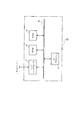
図1に示すように、ネットワーク70を介して被管理装置の動作状態を管理するネットワーク管理システム10は、上記被管理装置との間での各種情報のやり取りをネットワーク70を通じて実行するための入出力部20と、上記被管理装置の動作状態の管理を司る主制御部30と、この主制御部30が上記被管理装置の管理を行うに際して必要となる情報等を記憶させる記憶部40と、を有している。
図1に示すように、ネットワーク70を介して被管理装置の動作状態を管理するネットワーク管理システム10は、上記被管理装置との間での各種情報のやり取りをネットワーク70を通じて実行するための入出力部20と、上記被管理装置の動作状態の管理を司る主制御部30と、この主制御部30が上記被管理装置の管理を行うに際して必要となる情報等を記憶させる記憶部40と、を有している。
本実施形態では、図1に示す通り、ネットワーク管理システム10による管理の対象として、複数の被管理装置50(1)~(n:任意の自然数)を採用した。各被管理装置50(1)~(n)のそれぞれが有する格納部50A(1)~(n)には、自装置の管理用プログラム(機能拡張等のためのプラグインを含む)60(1)~(n)が予め格納されている。
すなわち、主制御部30は、複数の被管理装置50(1)~(n)の各々が有する格納部50A(1)~(n)に予め格納された当該装置専用の管理用プログラム60(1)~(n)を取得すると共に、これを記憶部40に記憶処理するプログラム取得処理手段31と、この記憶させた管理用プログラム60(1~nの何れか)に基づいて、これに対応する被管理装置50(1~nの何れか)の動作を監視すると共に、外部から送信される信号に応じた処理を実行する監視処理手段32と、を有している。
プログラム取得処理手段31は、管理用プログラム60(1)~(n)を取得するに際して、ネットワーク管理システム10で定義された共通のインタフェース(予め定義された共通インタフェース)を用いるという構成を採っている。
図1には便宜上、上記共通インタフェースを介して取得した管理用プログラム60(1)~(n)の全てを、プログラム取得処理手段31が記憶部40に記憶させた状態を示している。しかし、本実施形態における記憶部40内には、プログラム取得処理手段31による記憶処理によって、各管理用プログラム60(1)~(n)が随時個別に記憶処理されるという構成を採っている。
また、本実施形態では、監視処理手段32による動作状態監視中に、各被管理装置50(1~nの何れか)において障害等の異常(イベント)が発生すると、当該異常が発生した被管理装置50(1~nの何れか)から個別に「自装置にて異常が発生した旨の信号(異常通知)」が送信されるように構成されている。
監視処理手段32は、各被管理装置50(1)~(n)の内の何れかから異常が発生した旨の信号(異常通知)を受信した際に、当該信号の送信元である被管理装置50(1~nの何れか)にて異常が発生した旨を外部の管理者等に通知する異常通知処理機能32Aと、予め定義された共通インタフェース(共通I/F形式)と各被管理装置50(1)~(n)の夫々について個別に定義された各固有インタフェース(固有I/F形式)との相互変換を内部からの変換指令信号に従って(上記外部送信される信号に応じた処理ごとの基準に則して)実行するインタフェース変換機能32Bと、被管理装置50(1~nの何れか)の動作状態にかかる情報の取得を要求する信号(動作状態情報の取得要求信号)を入出力部20経由で管理者等から受信した際に、当該取得要求信号にかかる被管理装置50(1~nの何れか)の動作状態情報を収集すると共に、これを上記外部の要求元である管理者に向けて返送する状態情報収集処理機能32Cと、を有している。
すなわち、監視処理手段32は、被管理装置50(1~nの何れか)の動作監視を実行するのに先立って、当該被管理装置50(1~nの何れか)に対応した固有インタフェースへの変換指令信号をインタフェース変換機能32Bに対して送信すると共に、これに応じてインタフェース変換機能32Bが変換した後の当該固有インタフェースを用いて(介して)上記動作監視を実行するように構成されている。
また、被管理装置50(1~nの何れか)から入出力部20を介して異常通知(イベント通知)を受信した監視処理手段32は、異常通知処理機能32Aにて、共通インタフェースへの変換指令信号をインタフェース変換機能32Bに送信すると共に、これに応じてインタフェース変換機能32Bが変換した後の共通インタフェースを用いて(介して)「上記異常通知の送信元である被管理装置50(1~nの何れか)で異常が発生した旨」を管理者等に向けて通知するという構成を採っている。
さらに、管理者等から入出力部20を介して、被管理装置50(1~nの何れか)の動作状態情報の取得要求信号を受信した監視処理手段32は、状態情報収集処理機能32Cにて、当該被管理装置50(1~nの何れか)について定義された固有インタフェースへの変換指令信号をインタフェース変換機能32Bに対して送信すると共に、これに応じたインタフェース変換機能32Bによる変換後の当該固有インタフェースを用いて(介して)外部からの要求にかかる動作状態情報を収集するように構成されている。
加えて、上記動作状態情報を収集した状態情報収集処理機能32Cは、共通インタフェースへの変換指令信号をインタフェース変換機能32Bに対して送信すると共に、これに応じたインタフェース変換機能32Bによる変換後の共通インタフェースを用いて(介して)上記収集した動作状態情報(状態情報収集結果)を、外部の要求元である管理者等に向けて返送するという構成を採っている。
このように、インタフェース変換機能32Bにて行う変換処理により、監視処理手段32は上記動作監視や動作状態情報の収集等を、各被管理装置50(1)~(n)のそれぞれに格納された管理用プログラム60(1)~(n)に則した固有インタフェースを用いて(介して)行うことができる。
すなわち、上記動作監視時等において監視処理手段32は、監視対象である各被管理装置50(1)~(n)の各々に応じた固有インタフェースを用いるという構成を採ったため、ネットワーク管理システム10は、装置種別に依存した動作監視及び動作状態情報の収集を場面に応じて有意に行うことができる。
すなわち、上記動作監視時等において監視処理手段32は、監視対象である各被管理装置50(1)~(n)の各々に応じた固有インタフェースを用いるという構成を採ったため、ネットワーク管理システム10は、装置種別に依存した動作監視及び動作状態情報の収集を場面に応じて有意に行うことができる。
状態情報収集処理機能32Cは、各被管理装置50(1)~(n)の夫々から該装置の動作状態にかかる全情報(全状態情報)を収集する機能を有すると共に、管理者等からの取得要求信号に応じて、必要な動作状態情報を収集するように構成されている。
前述した前記各被管理装置50(1)~(n)の夫々に対応した各固有インタフェースは、管理用プログラム60(1)~(n)の各々によって予め定められたプロトコル(SNMPやICMP等)に則したインタフェースである。
例えば、管理者等からの取得要求信号に応じて被管理装置50(1)~(n)の障害にかかる情報を収集するような場合に監視処理手段32は、SNMP等のプロトコルに則した上記固有インタフェースへの変換をインタフェース変換機能32Bにて行うように構成されている。
例えば、管理者等からの取得要求信号に応じて被管理装置50(1)~(n)の障害にかかる情報を収集するような場合に監視処理手段32は、SNMP等のプロトコルに則した上記固有インタフェースへの変換をインタフェース変換機能32Bにて行うように構成されている。
ネットワーク70は、有線通信又は無線通信にかかる通信網である。また、各管理用プログラム60(1)~(n)は、格納元である被管理装置50(1)~(n)を主制御部30が監視し制御する際に用いるプログラムであり、対応する被管理装置50(1)~(n)の監視を行うための監視用プログラムや上記インタフェースの相互変換を実行するためのインタフェース変換プログラム等を含むという構成を採っている。
次に、図1に開示したネットワーク管理システムにおけるハードウェア構成を、図2に示す概略ブロック図に基づいて説明する。
管理対象となる装置の状態をネットワーク70経由で管理するネットワーク管理システム10は、各被管理装置50(1)~(n)の監視・制御にかかる動作処理を司るコアプロセッサ(NMSコア)11と、ネットワーク70を介して各被管理装置50(1)~(n)等との間で情報のやり取りを行うためのI/Oインタフェース12と、起動用のプログラム等を格納した読み出し専用メモリであるROM13と、演算データ等の一時記憶や実行対象プログラムの読み出し等に利用されるRAM14と、を有している。
また、コアプロセッサ11,I/Oインタフェース12,ROM13,及びRAM14は、相互にデータをやり取りするための伝送路であるバス15に接続されている。
すなわち、本実施形態におけるコアプロセッサ11は、ROM13に格納された起動用のプログラムや各被管理装置50(1)~(n)から取得した管理用プログラム60(1)~(n)等をRAM14にロードすると共に、これらに基づく動作処理を実行するように構成されている。
したがって、上記各管理用プログラム60(1)~(n)のそれぞれは、コアプロセッサ11を監視処理手段32として機能させるためのプログラムを含み、より具体的には、コアプロセッサ11に、前述した異常通知処理機能32A,インタフェース変換機能32B,及び状態情報収集処理機能32Cを実現させるためのプログラム等を有している。
(動作説明)
次に、図1に示すネットワーク管理システム10の動作を、図3乃至図5に示すフローチャート及び図6乃至図8に示すシーケンス図に基づいて説明する。特に、図7及び図8では、信号の送受信先を明確に示すため、符号80を管理者(オペレータ)に付して説明を行う。
次に、図1に示すネットワーク管理システム10の動作を、図3乃至図5に示すフローチャート及び図6乃至図8に示すシーケンス図に基づいて説明する。特に、図7及び図8では、信号の送受信先を明確に示すため、符号80を管理者(オペレータ)に付して説明を行う。
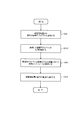
まず、図3を参照して、ネットワーク管理システム10が行う管理用プログラム60(1)~(n)の取得処理及び被管理装置50(1)~(n)の状態監視処理にかかる動作を説明する。ここでは、便宜上、被管理装置50(1)を管理する場合の動作を示す。
主制御部30のプログラム取得処理手段31は、被管理装置50(1)の格納部50A(1)に予め格納された管理用プログラム60(1)を取得すると共に(図3:S301)、これを記憶部40に記憶処理する(図3:S302)。
その際、プログラム取得処理手段31は、ネットワーク管理システム10で定義された共通インタフェース(共通I/F形式)を用いて管理用プログラム60(1)の取得を実行する(図3:S302)。
その際、プログラム取得処理手段31は、ネットワーク管理システム10で定義された共通インタフェース(共通I/F形式)を用いて管理用プログラム60(1)の取得を実行する(図3:S302)。
次いで、主制御部30の監視処理手段32は、インタフェース変換機能32Bにて、管理用プログラム60(1)の格納元である被管理装置50(1)に応じた固有インタフェース(固有I/F形式)に変換する(図3:S303)。
続いて、監視処理手段32は、該固有インタフェースを用いて被管理装置50(1)の動作の監視を開始する(図3:S304)。
これにより、主制御部30の監視処理手段32は、当該動作監視中において外部から送信される信号に応じた処理を実行することが可能となる。
これにより、主制御部30の監視処理手段32は、当該動作監視中において外部から送信される信号に応じた処理を実行することが可能となる。
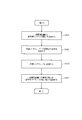
次に、図4を参照して、被管理装置50(1)から異常通知を受信した場合におけるネットワーク管理システム10の動作を説明する。
各被管理装置50(1)~(n)の動作監視中において、被管理装置50(1)から送信される異常通知を被管理装置50(1)に応じた固有インタフェースによって受信した状態情報収集処理機能32Cは(図4:S401)、予め定義された共通インタフェースへの変換指令信号をインタフェース変換機能32Bに送信する(図4:S402)。
これを受けたインタフェース変換機能32Bが、被管理装置50(1)に応じた固有インタフェースを予め定義された共通インタフェースに変換する(図4:S403)。
この変換後の共通インタフェースを用いて状態情報収集処理機能32Cが、被管理装置50(1)にて異常が発生した旨を管理者等に向けて通知する(図4:S404)。
かかる通知を受けた管理者等は、発生した小さな障害等に応じた適切な処置を施すことができるため、これにより、致命的な障害への発展といった大きな問題を未然に防止することができる。
かかる通知を受けた管理者等は、発生した小さな障害等に応じた適切な処置を施すことができるため、これにより、致命的な障害への発展といった大きな問題を未然に防止することができる。
次に、図5を参照して、管理者(オペレータ)等から動作状態情報の取得要求信号を受信した場合におけるネットワーク管理システム10の動作を説明する。
各被管理装置50(1)~(n)の動作監視中において、管理者等から被管理装置50(1)の動作状態情報の取得要求信号が発信されると、この取得要求信号は、入出力部20を介して監視処理手段32の状態情報収集処理機能32Cに入力される。すなわち、予め定義された共通インタフェースを使って送信される当該取得要求信号を入出力部20経由で状態情報収集処理機能32Cが受信する(図5:S501)。
その際、状態情報収集処理機能32Cは、被管理装置50(1)について定義された固有インタフェースへの変換指令信号をインタフェース変換機能32Bに対して送信する(図5:S502)。
これを受けたインタフェース変換機能32Bが、上記共通インタフェースを被管理装置50(1)に応じた固有インタフェースに変換する(図5:S503)。
これを受けたインタフェース変換機能32Bが、上記共通インタフェースを被管理装置50(1)に応じた固有インタフェースに変換する(図5:S503)。
当該変換後の固有インタフェースを用いて状態情報収集処理機能32Cが、入出力部20を介して被管理装置50(1)から動作状態情報を収集する(図5:S504)。
この収集後において状態情報収集処理機能32Cは、上記共通インタフェースへの変換指令信号をインタフェース変換機能32Bに対して送信する(図5:S505)。
これを受けたインタフェース変換機能32Bが、被管理装置50(1)に応じた固有インタフェースから上記共通インタフェースに変換する(図5:S506)。
これを受けたインタフェース変換機能32Bが、被管理装置50(1)に応じた固有インタフェースから上記共通インタフェースに変換する(図5:S506)。
この変換後の共通インタフェースを用いて、上記収集した動作状態情報を外部の要求元である管理者等に向けて返送する(図5:S507)。
本実施形態における主制御部30は、他の被管理装置50(2)~(n)の動作を監視・制御する場合においても、上記図3乃至図5に基づく説明と同様の処理内容を実行する。もっとも、本実施形態におけるネットワーク管理システム10によれば、複数の被管理装置50(1)~(n)の動作を同時に監視し制御することができる。
上記各ステップS301~S304(図3),各ステップS401~S404(図4),及び各ステップS501~S507(図5)における各工程の実行内容をプログラム化すると共に、この一連の各制御プログラムをコンピュータによって実現するように構成してもよい。
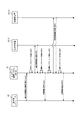
次に、図6を参照して、ネットワーク管理システム10が複数の被管理装置を管理する場合の動作例を説明する。ここでは、便宜上、被管理装置50(1)及び50(2)の動作状態を管理する場合を例示する。
予め定義された共通インタフェースを用いてプログラム取得処理手段31が、被管理装置50(1)の内部から管理用プログラム60(1)を取得する(図6:S601)。
この取得した管理用プログラム60(1)を、プログラム取得処理手段31が記憶部40に記憶処理する。これにより、管理用プログラム60(1)がネットワーク管理システム10内に組み込まれる(図6:S602)。
次いで、被管理装置50(2)の内部からプログラム取得処理手段31が、上記共通インタフェースを用いて管理用プログラム60(2)を取得する(図6:S603)。
この取得した管理用プログラム60(2)を記憶部40に記憶処理することにより、プログラム取得処理手段31は、ネットワーク管理システム10内に管理用プログラム60(2)を組み込む(図6:S604)。
続いて、管理用プログラム60(1)を記憶部40から内部メモリ等(図示せず)にロードすると共にこれに従って動作する監視処理手段32が、上記共通インタフェースを被管理装置50(1)に応じた固有インタフェースに変換すると共に(図6:S605)、この固有インタフェースを用いて被管理装置50(1)の動作状態の監視を開始する(図6:S606)。
同様にして、管理用プログラム60(2)を記憶部40から内部メモリ等(図示せず)にロードすると共にこれに従って動作する監視処理手段32が、上記共通インタフェースを被管理装置50(2)に応じた固有インタフェースに変換すると共に(図6:S607)、当該固有インタフェースを用いて被管理装置50(2)の動作状態の監視を開始する(図6:S608)。
次に、図7を参照して、ネットワーク管理システム10が、複数の被管理装置から異常通知を受けた場合の動作例を説明する。ここでは、便宜上、被管理装置50(1)及び50(2)から順次異常通知が送信された場合を想定する。
各被管理装置50(1)~(n)の動作監視中において、被管理装置50(1)にて障害等の異常が発生すると、ネットワーク管理システム10に対して被管理装置50(1)から異常通知が送信される。これを受けた入出力部20は、被管理装置50(1)に応じた固有インタフェースを用いて当該異常通知を監視処理手段32に受け渡す(図7:S701)。
次いで、監視処理手段32は、記憶部40に記憶された管理用プログラム60(1)を内部メモリ等(図示せず)にロードすることにより、被管理装置50(1)に応じた固有インタフェースから予め定義された共通インタフェースへの変換を実行し(図7:S702)、この変換後の共通インタフェースを用いて「被管理装置50(1)にて異常が発生した旨」を管理者(オペレータ)80に向けて通知する(図7:S703)。
同様に、被管理装置50(2)にて障害等の異常が発生した場合においても、ネットワーク管理システム10には、被管理装置50(2)から異常通知が送信される。これを受けた入出力部20は、被管理装置50(2)に応じた固有インタフェースを用いて当該異常通知を監視処理手段32に受け渡す(図7:S704)。
次いで、監視処理手段32は、記憶部40に記憶された管理用プログラム60(2)を内部メモリ等(図示せず)にロードすることにより、被管理装置50(2)に応じた固有インタフェースから予め定義された共通インタフェースへの変換を実行し(図7:S705)、この変換後の共通インタフェースを用いて「被管理装置50(2)にて異常が発生した旨」を管理者80に向けて通知する(図7:S706)。
次に、図8を参照して、ネットワーク管理システム10が、管理者(オペレータ)80から複数の被管理装置についての動作状態情報を要求された場合の動作例を説明する。ここでは、便宜上、被管理装置50(1)及び50(2)の動作状態情報の収集要求信号を管理者80から受信した場合を想定する。
各被管理装置50(1)~(n)の動作監視中において、管理者80から発信された被管理装置50(1)及び50(2)の動作状態情報の収集要求信号を取得した入出力部20は、これを予め定義された共通インタフェースを用いて監視処理手段32に受け渡す(図8:S801)。
次いで、監視処理手段32は、記憶部40に記憶された管理用プログラム60(1)を内部メモリ等(図示せず)にロードすることにより、被管理装置50(1)に応じた固有インタフェースから上記共通インタフェースへの変換を実行すると共に(図8:S802)、この変換後の共通インタフェースを用いて被管理装置50(1)から動作状態情報を収集する(図8:S803)。
続いて、監視処理手段32は、管理用プログラム60(1)に基づいて、被管理装置50(1)に応じた固有インタフェースから上記共通インタフェースへの変換を実行する(図8:S804)。
次いで、この変換後の共通インタフェースを用いて監視処理手段32が、上記により収集した被管理装置50(1)の動作状態情報を、状態情報収集結果として管理者80に向けて返送する(図8:S805)。
次いで、この変換後の共通インタフェースを用いて監視処理手段32が、上記により収集した被管理装置50(1)の動作状態情報を、状態情報収集結果として管理者80に向けて返送する(図8:S805)。
同様にして、監視処理手段32は、記憶部40に記憶された管理用プログラム60(2)を内部メモリ等(図示せず)にロードすることにより、被管理装置50(2)に応じた固有インタフェースから上記共通インタフェースへの変換を実行すると共に(図8:S806)、この変換後の共通インタフェースを用いて被管理装置50(2)から動作状態情報を収集する(図8:S807)。
続いて、監視処理手段32は、管理用プログラム60(2)に基づいて、被管理装置50(2)に応じた固有インタフェースから上記共通インタフェースへの変換を実行する(図8:S808)。
次いで、この変換後の共通インタフェースを用いて監視処理手段32が、上記により収集した被管理装置50(2)の動作状態情報を、状態情報収集結果として管理者80に向けて返送する(図8:S809)。
次いで、この変換後の共通インタフェースを用いて監視処理手段32が、上記により収集した被管理装置50(2)の動作状態情報を、状態情報収集結果として管理者80に向けて返送する(図8:S809)。
ここでは、管理者80への収集結果の返送を、各被管理装置50(1及び2)から動作状態情報を取得する度に(ここでは2度に分けて)行うという動作内容を説明した(図8:S805,S809)。しかし、被管理装置50(1)の動作状態情報を収集した際に、これを内部メモリ等(図示せず)に記憶させておき、被管理装置50(2)の動作状態情報を収集した際に、これと併せて状態情報収集結果として管理者80に送信するようにしてもよい。
上述した図6乃至図8に基づく動作説明では、2つの被管理装置50(1及び2)にかかる監視・制御の様子を示したが、本実施形態におけるネットワーク管理システム10は、図1に示すような任意の数の被管理装置50(1)~(n)を、上記同様にネットワーク70を介して監視し制御することができる。
また、上記動作内容は、便宜上、図6乃至図8において付した番号の順序(S601~S608,S701~S706,及びS801~S809)で説明したが、本実施形態にかかる動作順序は、必ずしもこれに限定されるものではない。
また、上記各ステップS601~S608(図6),S701~S706(図7),及びS801~S809(図8)における各工程の実行内容をプログラム化すると共に、この一連の各制御プログラムをコンピュータによって実現するように構成してもよい。
また、上記各ステップS601~S608(図6),S701~S706(図7),及びS801~S809(図8)における各工程の実行内容をプログラム化すると共に、この一連の各制御プログラムをコンピュータによって実現するように構成してもよい。
(実施形態の効果等)
本実施形態におけるネットワーク管理システム10では、装置の監視を開始する際に、該装置から動的に管理用プログラムを取得するという構成を採用したことから、監視対象となる装置の固有プログラム(機能拡張のためのプラグインを含む)を事前に該システム内へと組み込んでおく必要がなくなり、このため、装置種別・バージョンやNMSの対応状況の如何にかかわらず、被管理装置の種別及びその状態に応じた監視・制御を有効に実現することが可能となる。
本実施形態におけるネットワーク管理システム10では、装置の監視を開始する際に、該装置から動的に管理用プログラムを取得するという構成を採用したことから、監視対象となる装置の固有プログラム(機能拡張のためのプラグインを含む)を事前に該システム内へと組み込んでおく必要がなくなり、このため、装置種別・バージョンやNMSの対応状況の如何にかかわらず、被管理装置の種別及びその状態に応じた監視・制御を有効に実現することが可能となる。
また、本実施形態では、共通インタフェースを用いて管理用プログラム60(1)~(n)を取得した後、該プログラムに基づいて、共通インタフェースを固有インタフェースに変換すると共に、この固有インタフェースを用いて対応する被管理装置50(1~nの何れか)の監視制御を実行する、という構成を主制御部30に採用したため、これにより、各装置種別に応じた固有の監視制御を有効に実現することができる。
さらに、ネットワーク管理システム10によれば、上述したように、管理用プログラムを内部に保持する多様な装置の動作状態を柔軟に管理することができるため、これまでNMS内部で行っていた、装置種別やバージョンの判別処理や固有の管理用プログラム(固有ロジック)の埋め込み処理等を省略することができ、これにより、構成の簡素化や処理の迅速化等を図ることが可能となる。
また、新規・追加リリースが繰り返される多様な装置等を管理する状況下にあっても、本実施形態におけるネットワーク管理システム10では、監視対象となる装置の内部から固有の管理用プログラムを取得すると共にこれに基づく処理を行うという構成を採ったことから、NMS側での追随的な開発・製造等を行うことなく各装置を好適に管理することが可能となり、すなわち、被管理装置の追加・変動等に対応づけて行うNMS側での開発・製造等によって生じる手間やコストを大幅に削減することができる。
なお、上述した実施形態は、ネットワーク管理システム、ネットワーク管理方法、及びそのプログラムにおける好適な具体例であり、技術的に好ましい種々の限定を付している場合もある。しかし、本発明の技術範囲は、特に本発明を限定する記載がない限り、これらの態様に限定されるものではない。
以下は、上述した実施形態についての新規な技術的内容の要点をまとめたものであるが、本発明は必ずしもこれに限定されるものではない。
(付記1)
ネットワークを介して被管理装置の動作状態を管理するネットワーク管理システムであって、
前記被管理装置に予め格納された管理用プログラムを取得すると共にこれを記憶処理するプログラム取得処理手段と、
この記憶させた管理用プログラムに基づいて、前記被管理装置の動作を監視すると共に外部から送信される信号に応じた処理を実行する監視処理手段と、を有することを特徴としたネットワーク管理システム。
ネットワークを介して被管理装置の動作状態を管理するネットワーク管理システムであって、
前記被管理装置に予め格納された管理用プログラムを取得すると共にこれを記憶処理するプログラム取得処理手段と、
この記憶させた管理用プログラムに基づいて、前記被管理装置の動作を監視すると共に外部から送信される信号に応じた処理を実行する監視処理手段と、を有することを特徴としたネットワーク管理システム。
(付記2)
前記付記1に記載のネットワーク管理システムにおいて、
前記ネットワークには、前記被管理装置として複数の被管理装置が接続され、
前記監視処理手段は、前記管理用プログラムの取得を予め定義された共通インタフェースを介して行うと共に、前記被管理装置の動作監視を実行するのに先立って、この共通インタフェースを前記各被管理装置の夫々に対応した各固有インタフェースに変換した上で、この各固有インタフェースを介して前記動作監視を実行することを特徴としたネットワーク管理システム。
前記付記1に記載のネットワーク管理システムにおいて、
前記ネットワークには、前記被管理装置として複数の被管理装置が接続され、
前記監視処理手段は、前記管理用プログラムの取得を予め定義された共通インタフェースを介して行うと共に、前記被管理装置の動作監視を実行するのに先立って、この共通インタフェースを前記各被管理装置の夫々に対応した各固有インタフェースに変換した上で、この各固有インタフェースを介して前記動作監視を実行することを特徴としたネットワーク管理システム。
(付記3)
前記付記2に記載のネットワーク管理システムにおいて、
前記監視処理手段は、前記被管理装置から異常が発生した旨の信号を当該被管理装置について定義された前記固有インタフェースを介して受信した際に、この固有インタフェースを前記共通インタフェースに変換すると共に、この共通インタフェースを介して当該被管理装置にて異常が発生した旨を外部に通知する異常通知処理機能をさらに有することを特徴としたネットワーク管理システム。
前記付記2に記載のネットワーク管理システムにおいて、
前記監視処理手段は、前記被管理装置から異常が発生した旨の信号を当該被管理装置について定義された前記固有インタフェースを介して受信した際に、この固有インタフェースを前記共通インタフェースに変換すると共に、この共通インタフェースを介して当該被管理装置にて異常が発生した旨を外部に通知する異常通知処理機能をさらに有することを特徴としたネットワーク管理システム。
(付記4)
前記付記2又は3に記載のネットワーク管理システムにおいて、
前記監視処理手段は、前記被管理装置の動作状態情報の取得要求信号を外部から前記共通インタフェースを介して受信した際に、この共通インタフェースを当該被管理装置について定義された前記固有インタフェースに変換した上で、当該固有インタフェースを介して前記動作状態情報を収集すると共に、これを前記外部の要求元に向けて返送する状態情報収集処理機能をさらに有することを特徴としたネットワーク管理システム。
前記付記2又は3に記載のネットワーク管理システムにおいて、
前記監視処理手段は、前記被管理装置の動作状態情報の取得要求信号を外部から前記共通インタフェースを介して受信した際に、この共通インタフェースを当該被管理装置について定義された前記固有インタフェースに変換した上で、当該固有インタフェースを介して前記動作状態情報を収集すると共に、これを前記外部の要求元に向けて返送する状態情報収集処理機能をさらに有することを特徴としたネットワーク管理システム。
(付記5)
前記付記4に記載のネットワーク管理システムにおいて、
前記状態情報収集処理機能は、前記動作状態情報を返送するに際して、前記動作状態情報の収集時に用いた固有インタフェースを前記共通インタフェースに変換すると共に、この共通インタフェースを介して当該動作状態情報の返送を実行することを特徴としたネットワーク管理システム。
前記付記4に記載のネットワーク管理システムにおいて、
前記状態情報収集処理機能は、前記動作状態情報を返送するに際して、前記動作状態情報の収集時に用いた固有インタフェースを前記共通インタフェースに変換すると共に、この共通インタフェースを介して当該動作状態情報の返送を実行することを特徴としたネットワーク管理システム。
(付記6)
前記付記1に記載のネットワーク管理システムにおいて、
前記ネットワークには、前記被管理装置として複数の被管理装置が接続され、
前記監視処理手段は、予め定義された共通インタフェースと前記各被管理装置の夫々に対応した各固有インタフェースとの相互変換を内部からの変換指令信号に従って実行するインタフェース変換機能をさらに有することを特徴としたネットワーク管理システム。
前記付記1に記載のネットワーク管理システムにおいて、
前記ネットワークには、前記被管理装置として複数の被管理装置が接続され、
前記監視処理手段は、予め定義された共通インタフェースと前記各被管理装置の夫々に対応した各固有インタフェースとの相互変換を内部からの変換指令信号に従って実行するインタフェース変換機能をさらに有することを特徴としたネットワーク管理システム。
(付記7)
前記付記6に記載のネットワーク管理システムにおいて、
前記監視処理手段は、前記被管理装置の動作監視を実行するのに先立って、当該被管理装置について定義された前記固有インタフェースへの変換指令信号を前記インタフェース変換機能に対して送信すると共に、これに応じた変換後の当該固有インタフェースを介して前記動作監視を実行することを特徴としたネットワーク管理システム。
前記付記6に記載のネットワーク管理システムにおいて、
前記監視処理手段は、前記被管理装置の動作監視を実行するのに先立って、当該被管理装置について定義された前記固有インタフェースへの変換指令信号を前記インタフェース変換機能に対して送信すると共に、これに応じた変換後の当該固有インタフェースを介して前記動作監視を実行することを特徴としたネットワーク管理システム。
(付記8)
前記付記6又は7に記載のネットワーク管理システムにおいて、
前記監視処理手段は、前記被管理装置から異常が発生した旨の信号を受信した際に、前記共通インタフェースへの変換指令信号を前記インタフェース変換機能に対して送信すると共に、これに応じた変換後の前記共通インタフェースを介して当該被管理装置にて異常が発生した旨を外部に通知する異常通知処理機能をさらに有することを特徴としたネットワーク管理システム。
前記付記6又は7に記載のネットワーク管理システムにおいて、
前記監視処理手段は、前記被管理装置から異常が発生した旨の信号を受信した際に、前記共通インタフェースへの変換指令信号を前記インタフェース変換機能に対して送信すると共に、これに応じた変換後の前記共通インタフェースを介して当該被管理装置にて異常が発生した旨を外部に通知する異常通知処理機能をさらに有することを特徴としたネットワーク管理システム。
(付記9)
前記付記6乃至8の何れか1つに記載のネットワーク管理システムにおいて、
前記監視処理手段は、前記被管理装置の動作状態情報の取得要求信号を外部から受信した際に、当該被管理装置について定義された前記固有インタフェースへの変換指令信号を前記インタフェース変換機能に対して送信し、これに応じた変換後の当該固有インタフェースを介して前記動作状態情報を収集すると共に、これを前記外部の要求元に向けて返送する状態情報収集処理機能をさらに有することを特徴としたネットワーク管理システム。
前記付記6乃至8の何れか1つに記載のネットワーク管理システムにおいて、
前記監視処理手段は、前記被管理装置の動作状態情報の取得要求信号を外部から受信した際に、当該被管理装置について定義された前記固有インタフェースへの変換指令信号を前記インタフェース変換機能に対して送信し、これに応じた変換後の当該固有インタフェースを介して前記動作状態情報を収集すると共に、これを前記外部の要求元に向けて返送する状態情報収集処理機能をさらに有することを特徴としたネットワーク管理システム。
(付記10)
前記付記9に記載のネットワーク管理システムにおいて、
前記状態情報収集処理機能は、前記動作状態情報を前記外部の要求元に返送するに際して、前記共通インタフェースへの変換指令信号を前記インタフェース変換機能に対して送信すると共に、これに応じた変換後の当該共通インタフェースを介して前記動作状態情報の返送を実行することを特徴としたネットワーク管理システム。
前記付記9に記載のネットワーク管理システムにおいて、
前記状態情報収集処理機能は、前記動作状態情報を前記外部の要求元に返送するに際して、前記共通インタフェースへの変換指令信号を前記インタフェース変換機能に対して送信すると共に、これに応じた変換後の当該共通インタフェースを介して前記動作状態情報の返送を実行することを特徴としたネットワーク管理システム。
(付記11)
ネットワークを介して被管理装置の動作状態を管理する主制御部を備えたネットワーク管理システムにあって、
前記被管理装置に予め格納された管理用プログラムを取得すると共にこれを記憶処理し、
この記憶させた管理用プログラムに基づいて前記被管理装置の動作を監視し、
この動作監視中に外部から送信される信号に応じた処理を実行し、
これら一連の各工程内容を前記主制御部が順次実行することを特徴としたネットワーク管理方法。
ネットワークを介して被管理装置の動作状態を管理する主制御部を備えたネットワーク管理システムにあって、
前記被管理装置に予め格納された管理用プログラムを取得すると共にこれを記憶処理し、
この記憶させた管理用プログラムに基づいて前記被管理装置の動作を監視し、
この動作監視中に外部から送信される信号に応じた処理を実行し、
これら一連の各工程内容を前記主制御部が順次実行することを特徴としたネットワーク管理方法。
(付記12)
前記付記11に記載のネットワーク管理方法において、
前記ネットワークには、前記被管理装置として複数の被管理装置が接続され、
前記管理用プログラムを取得するに際しては、予め定義された共通インタフェースを使用し、
前記各被管理装置の動作監視を実行するのに先立って、前記共通インタフェースを監視対象となる被管理装置の各々に対応した固有インタフェースに変換し、
これら一連の各工程内容を前記主制御部が順次実行することを特徴としたネットワーク管理方法。
前記付記11に記載のネットワーク管理方法において、
前記ネットワークには、前記被管理装置として複数の被管理装置が接続され、
前記管理用プログラムを取得するに際しては、予め定義された共通インタフェースを使用し、
前記各被管理装置の動作監視を実行するのに先立って、前記共通インタフェースを監視対象となる被管理装置の各々に対応した固有インタフェースに変換し、
これら一連の各工程内容を前記主制御部が順次実行することを特徴としたネットワーク管理方法。
(付記13)
前記付記12に記載のネットワーク管理方法において、
前記被管理装置の動作監視に際しては、前記固有インタフェースを前記主制御部が用いることを特徴としたネットワーク管理方法。
前記付記12に記載のネットワーク管理方法において、
前記被管理装置の動作監視に際しては、前記固有インタフェースを前記主制御部が用いることを特徴としたネットワーク管理方法。
(付記14)
前記付記12又は13に記載のネットワーク管理方法において、
前記被管理装置の動作監視中にて、当該被管理装置から異常が発生した旨の信号を受信した際に、前記固有インタフェースを前記主制御部が前記共通インタフェースに変換し、
前記被管理装置にて異常が発生した旨を前記主制御部が前記共通インタフェースを介して外部に通知することを特徴としたネットワーク管理方法。
前記付記12又は13に記載のネットワーク管理方法において、
前記被管理装置の動作監視中にて、当該被管理装置から異常が発生した旨の信号を受信した際に、前記固有インタフェースを前記主制御部が前記共通インタフェースに変換し、
前記被管理装置にて異常が発生した旨を前記主制御部が前記共通インタフェースを介して外部に通知することを特徴としたネットワーク管理方法。
(付記15)
前記付記12乃至14の何れか1つに記載のネットワーク管理方法において、
前記被管理装置の動作監視中にて、当該被管理装置の動作状態情報の取得要求信号を外部から受信した際に、前記共通インタフェースを前記固有インタフェースに変換し、
この固有インタフェースを介して前記動作状態情報を収集し、
当該固有インタフェースを前記共通インタフェースに変換し、
この共通インタフェースを介して前記動作状態情報を前記外部の要求元に返送し、
これら一連の各工程内容を前記主制御部が順次実行することを特徴としたネットワーク管理方法。
前記付記12乃至14の何れか1つに記載のネットワーク管理方法において、
前記被管理装置の動作監視中にて、当該被管理装置の動作状態情報の取得要求信号を外部から受信した際に、前記共通インタフェースを前記固有インタフェースに変換し、
この固有インタフェースを介して前記動作状態情報を収集し、
当該固有インタフェースを前記共通インタフェースに変換し、
この共通インタフェースを介して前記動作状態情報を前記外部の要求元に返送し、
これら一連の各工程内容を前記主制御部が順次実行することを特徴としたネットワーク管理方法。
(付記16)
ネットワークを介して被管理装置の動作状態を管理するネットワーク管理システムにあって、
前記被管理装置に予め格納された管理用プログラムを取得すると共にこれを記憶処理するプログラム取得処理手段、
この記憶させた管理用プログラムに基づいて前記被管理装置の動作を監視する監視手段、
この監視中に外部から送信される信号に応じた処理を実行する信号対応処理手段、
として前記ネットワーク管理システムに予め設けられたコンピュータを機能させるためのネットワーク管理プログラム。
ネットワークを介して被管理装置の動作状態を管理するネットワーク管理システムにあって、
前記被管理装置に予め格納された管理用プログラムを取得すると共にこれを記憶処理するプログラム取得処理手段、
この記憶させた管理用プログラムに基づいて前記被管理装置の動作を監視する監視手段、
この監視中に外部から送信される信号に応じた処理を実行する信号対応処理手段、
として前記ネットワーク管理システムに予め設けられたコンピュータを機能させるためのネットワーク管理プログラム。
(付記17)
前記付記16に記載のネットワーク管理プログラムにおいて、
前記監視手段による前記被管理装置の動作監視に先立って、前記共通インタフェースを当該被管理装置に対応した前記固有インタフェースに変換する監視前変換手段、
として前記コンピュータを機能させるためのネットワーク管理プログラム。
前記付記16に記載のネットワーク管理プログラムにおいて、
前記監視手段による前記被管理装置の動作監視に先立って、前記共通インタフェースを当該被管理装置に対応した前記固有インタフェースに変換する監視前変換手段、
として前記コンピュータを機能させるためのネットワーク管理プログラム。
(付記18)
前記付記16又は17に記載のネットワーク管理プログラムにおいて、
前記被管理装置から自装置が異常状態にある旨の信号を当該装置について定義された前記固有インタフェースを介して受信した際に、この固有インタフェースを前記共通インタフェースに変換する異常時変換指手段、
この共通インタフェースを介して当該被管理装置にて異常が発生した旨を外部に通知する異常通知手段、
として前記コンピュータを機能させるためのネットワーク管理プログラム。
前記付記16又は17に記載のネットワーク管理プログラムにおいて、
前記被管理装置から自装置が異常状態にある旨の信号を当該装置について定義された前記固有インタフェースを介して受信した際に、この固有インタフェースを前記共通インタフェースに変換する異常時変換指手段、
この共通インタフェースを介して当該被管理装置にて異常が発生した旨を外部に通知する異常通知手段、
として前記コンピュータを機能させるためのネットワーク管理プログラム。
(付記19)
前記付記16乃至18の何れか1つに記載のネットワーク管理プログラムにおいて、
前記被管理装置の動作状態情報の取得要求信号を外部から前記共通インタフェースを介して受信した際に、この共通インタフェースを当該被管理装置に対応した前記固有インタフェースに変換する情報要求時変換手段、
この固有インタフェースを介して前記動作状態情報を収集する状態情報収集手段、
この収集時に用いた固有インタフェースを前記共通インタフェースに変換する収集後変換手段、
この変換後の共通インタフェースを介して前記収集した動作状態情報を前記外部の要求元に向けて返送する状態情報返送手段、
として前記コンピュータを機能させるためのネットワーク管理プログラム。
前記付記16乃至18の何れか1つに記載のネットワーク管理プログラムにおいて、
前記被管理装置の動作状態情報の取得要求信号を外部から前記共通インタフェースを介して受信した際に、この共通インタフェースを当該被管理装置に対応した前記固有インタフェースに変換する情報要求時変換手段、
この固有インタフェースを介して前記動作状態情報を収集する状態情報収集手段、
この収集時に用いた固有インタフェースを前記共通インタフェースに変換する収集後変換手段、
この変換後の共通インタフェースを介して前記収集した動作状態情報を前記外部の要求元に向けて返送する状態情報返送手段、
として前記コンピュータを機能させるためのネットワーク管理プログラム。
(付記20)
前記付記16に記載のネットワーク管理プログラムにおいて、
前記ネットワークには、前記被管理装置として複数の被管理装置が接続され、
予め定義された共通インタフェースと前記各被管理装置の夫々に対応した各固有インタフェースとの相互変換を前記外部送信される信号に応じた処理ごとの基準に則して実行するインタフェース変換手段、
として前記コンピュータを機能させるためのネットワーク管理プログラム。
前記付記16に記載のネットワーク管理プログラムにおいて、
前記ネットワークには、前記被管理装置として複数の被管理装置が接続され、
予め定義された共通インタフェースと前記各被管理装置の夫々に対応した各固有インタフェースとの相互変換を前記外部送信される信号に応じた処理ごとの基準に則して実行するインタフェース変換手段、
として前記コンピュータを機能させるためのネットワーク管理プログラム。
この出願は2013年6月12日に出願された日本出願特願2013-123346を基礎とする優先権を主張し、その開示の全てをここに取り込む。
本発明は、ネットワークに接続されたサーバや各種機器等を管理するシステム等に適用可能である。
10 ネットワーク管理システム(NMS)
11 コアプロセッサ(NMSコア)
12 I/Oインタフェース
13 ROM
14 RAM
15 バス
20 入出力部
30 主制御部
31 プログラム取得処理手段
32 監視処理手段
32A 異常通知処理機能
32B インタフェース変換機能
32C 状態情報収集処理機能
40 記憶部
50(1)~(n) 被管理装置
50A(1)~(n) 格納部
60(1)~(n) 管理用プログラム
70 ネットワーク
11 コアプロセッサ(NMSコア)
12 I/Oインタフェース
13 ROM
14 RAM
15 バス
20 入出力部
30 主制御部
31 プログラム取得処理手段
32 監視処理手段
32A 異常通知処理機能
32B インタフェース変換機能
32C 状態情報収集処理機能
40 記憶部
50(1)~(n) 被管理装置
50A(1)~(n) 格納部
60(1)~(n) 管理用プログラム
70 ネットワーク
Claims (10)
- ネットワークを介して被管理装置の動作状態を管理するネットワーク管理システムであって、
前記被管理装置に予め格納された管理用プログラムを取得すると共にこれを記憶処理するプログラム取得処理手段と、
この記憶させた管理用プログラムに基づいて、前記被管理装置の動作を監視すると共に外部から送信される信号に応じた処理を実行する監視処理手段と、を有することを特徴としたネットワーク管理システム。 - 前記請求項1に記載のネットワーク管理システムにおいて、
前記ネットワークには、前記被管理装置として複数の被管理装置が接続され、
前記監視処理手段は、前記管理用プログラムの取得を予め定義された共通インタフェースを介して行うと共に、前記被管理装置の動作監視を実行するのに先立って、この共通インタフェースを前記各被管理装置の夫々に対応した各固有インタフェースに変換した上で、この各固有インタフェースを介して前記動作監視を実行することを特徴としたネットワーク管理システム。 - 前記請求項2に記載のネットワーク管理システムにおいて、
前記監視処理手段は、前記被管理装置から異常が発生した旨の信号を当該被管理装置に対応した前記固有インタフェースを介して受信した際に、この固有インタフェースを前記共通インタフェースに変換すると共に、この共通インタフェースを介して当該被管理装置にて異常が発生した旨を外部に通知する異常通知処理機能をさらに有することを特徴としたネットワーク管理システム。 - 前記請求項2又は3に記載のネットワーク管理システムにおいて、
前記監視処理手段は、前記被管理装置の動作状態情報の取得要求信号を外部から前記共通インタフェースを介して受信した際に、この共通インタフェースを当該被管理装置について定義された前記固有インタフェースに変換した上で、当該固有インタフェースを介して前記動作状態情報を収集すると共に、これを前記外部の要求元に向けて返送する状態情報収集処理機能をさらに有することを特徴としたネットワーク管理システム。 - 前記請求項4に記載のネットワーク管理システムにおいて、
前記状態情報収集処理機能は、前記動作状態情報を返送するに際して、前記動作状態情報の収集時に用いた固有インタフェースを前記共通インタフェースに変換すると共に、この共通インタフェースを介して当該動作状態情報の返送を実行することを特徴としたネットワーク管理システム。 - ネットワークを介して被管理装置の動作状態を管理する主制御部を備えたネットワーク管理システムにあって、
前記被管理装置に予め格納された管理用プログラムを取得すると共にこれを記憶処理し、
この記憶させた管理用プログラムに基づいて前記被管理装置の動作を監視し、
この動作監視中に外部から送信される信号に応じた処理を実行し、
これら一連の各工程内容を前記主制御部が順次実行することを特徴としたネットワーク管理方法。 - 前記請求項6に記載のネットワーク管理方法において、
前記ネットワークには、前記被管理装置として複数の被管理装置が接続され、
前記管理用プログラムを取得するに際しては、予め定義された共通インタフェースを使用し、
前記各被管理装置の動作監視を実行するのに先立って、前記共通インタフェースを監視対象となる被管理装置の各々について個別に定義された固有インタフェースに変換し、
これら一連の各工程内容を前記主制御部が順次実行することを特徴としたネットワーク管理方法。 - 前記請求項7に記載のネットワーク管理方法において、
前記被管理装置の動作監視中にて、当該被管理装置から異常が発生した旨の信号を受信した際に、前記固有インタフェースを前記主制御部が前記共通インタフェースに変換し、
前記被管理装置にて異常が発生した旨を前記主制御部が前記共通インタフェースを介して外部に通知することを特徴としたネットワーク管理方法。 - ネットワークを介して被管理装置の動作状態を管理するネットワーク管理システムにあって、
前記被管理装置に予め格納された管理用プログラムを取得すると共にこれを記憶処理するプログラム取得処理手段、
この記憶させた管理用プログラムに基づいて前記被管理装置の動作を監視する監視手段、
この監視中に外部から送信される信号に応じた処理を実行する信号対応処理手段、
として前記ネットワーク管理システムに予め設けられたコンピュータを機能させるためのネットワーク管理プログラム。 - 前記請求項9に記載のネットワーク管理プログラムにおいて、
前記ネットワークには、前記被管理装置として複数の被管理装置が接続され、
予め定義された共通インタフェースと前記各被管理装置の夫々に対応した各固有インタフェースとの相互変換を前記外部送信される信号に応じた処理ごとの基準に則して実行するインタフェース変換手段、
として前記コンピュータを機能させるためのネットワーク管理プログラム。
Priority Applications (1)
| Application Number | Priority Date | Filing Date | Title |
|---|---|---|---|
| JP2015522803A JPWO2014200006A1 (ja) | 2013-06-12 | 2014-06-11 | ネットワーク管理システム、ネットワーク管理方法、及びそのプログラム |
Applications Claiming Priority (2)
| Application Number | Priority Date | Filing Date | Title |
|---|---|---|---|
| JP2013123346 | 2013-06-12 | ||
| JP2013-123346 | 2013-06-12 |
Publications (1)
| Publication Number | Publication Date |
|---|---|
| WO2014200006A1 true WO2014200006A1 (ja) | 2014-12-18 |
Family
ID=52022297
Family Applications (1)
| Application Number | Title | Priority Date | Filing Date |
|---|---|---|---|
| PCT/JP2014/065418 Ceased WO2014200006A1 (ja) | 2013-06-12 | 2014-06-11 | ネットワーク管理システム、ネットワーク管理方法、及びそのプログラム |
Country Status (2)
| Country | Link |
|---|---|
| JP (1) | JPWO2014200006A1 (ja) |
| WO (1) | WO2014200006A1 (ja) |
Citations (4)
| Publication number | Priority date | Publication date | Assignee | Title |
|---|---|---|---|---|
| JP2002157172A (ja) * | 2000-11-20 | 2002-05-31 | Hitachi Ltd | 計測情報ブローカー |
| JP2002324015A (ja) * | 2001-04-26 | 2002-11-08 | Mitsubishi Electric Corp | 装置管理システム |
| JP2009217307A (ja) * | 2008-03-07 | 2009-09-24 | Fujitsu Telecom Networks Ltd | 監視制御システム及び監視制御方法 |
| JP2013003987A (ja) * | 2011-06-20 | 2013-01-07 | Nippon Telegr & Teleph Corp <Ntt> | メッセージ変換実行装置、メッセージ変換実行方法およびプログラム |
-
2014
- 2014-06-11 WO PCT/JP2014/065418 patent/WO2014200006A1/ja not_active Ceased
- 2014-06-11 JP JP2015522803A patent/JPWO2014200006A1/ja active Pending
Patent Citations (4)
| Publication number | Priority date | Publication date | Assignee | Title |
|---|---|---|---|---|
| JP2002157172A (ja) * | 2000-11-20 | 2002-05-31 | Hitachi Ltd | 計測情報ブローカー |
| JP2002324015A (ja) * | 2001-04-26 | 2002-11-08 | Mitsubishi Electric Corp | 装置管理システム |
| JP2009217307A (ja) * | 2008-03-07 | 2009-09-24 | Fujitsu Telecom Networks Ltd | 監視制御システム及び監視制御方法 |
| JP2013003987A (ja) * | 2011-06-20 | 2013-01-07 | Nippon Telegr & Teleph Corp <Ntt> | メッセージ変換実行装置、メッセージ変換実行方法およびプログラム |
Also Published As
| Publication number | Publication date |
|---|---|
| JPWO2014200006A1 (ja) | 2017-02-23 |
Similar Documents
| Publication | Publication Date | Title |
|---|---|---|
| JP5708937B2 (ja) | 構成情報管理システム、構成情報管理方法、及び構成情報管理用プログラム | |
| WO2012063294A1 (ja) | 計算機システム | |
| CN113434341B (zh) | 一种实现冗余虚拟plc的方法、装置、设备及存储介质 | |
| CN110351313A (zh) | 数据缓存方法、装置、设备及存储介质 | |
| EP2717169A1 (en) | Administration device, information processing device, information processing system, data transfer method, path selection program, and transfer request program | |
| CN107872361A (zh) | 处理装置、网络装置、处理装置的控制方法、网络装置的控制方法、以及记录介质 | |
| JP5435205B2 (ja) | マルチノードシステム、ノード、メモリダンプ処理方法、及びプログラム | |
| WO2014200006A1 (ja) | ネットワーク管理システム、ネットワーク管理方法、及びそのプログラム | |
| JP2008192035A (ja) | 監視プログラム、監視方法および監視システム | |
| JP5276625B2 (ja) | 更新api検出システム、更新api検出装置、更新api検出方法、および更新api検出プログラム | |
| JP2020038506A (ja) | 情報処理システム、情報処理方法、及び、プログラム | |
| JP6384289B2 (ja) | 同期処理装置、同期処理システム、同期処理方法、および、同期処理プログラム | |
| US10089200B2 (en) | Computer apparatus and computer mechanism | |
| JP2015056766A (ja) | クラウド制御システム、及びその制御プログラムの実行方法 | |
| JP6112552B2 (ja) | 情報収集システム | |
| JP2009176228A (ja) | 仮想マシンサーバ、仮想マシンサーバの情報保存方法及び仮想マシンサーバの情報保存用プログラム | |
| CN117376111A (zh) | 设备调度方法、服务器、设备集群、协同系统及存储介质 | |
| JP5503512B2 (ja) | 計算機システムおよびその障害発生時制御方法 | |
| US20150135009A1 (en) | Information processing system, information processing apparatus, terminal apparatus, and control method | |
| JP2008226153A (ja) | コンピュータ冗長システム | |
| JP5763030B2 (ja) | 二重化ネットワーク制御システムおよび二重化ネットワーク制御方法 | |
| JP5672225B2 (ja) | ハードウェア管理装置、情報処理装置、ハードウェア管理方法、および、コンピュータ・プログラム | |
| JP2013156963A (ja) | 制御プログラム、制御方法、情報処理装置、制御システム | |
| JP6481259B2 (ja) | 情報処理装置 | |
| JP2015056082A (ja) | 障害情報収集装置、障害情報収集方法、及び、障害情報収集プログラム |
Legal Events
| Date | Code | Title | Description |
|---|---|---|---|
| 121 | Ep: the epo has been informed by wipo that ep was designated in this application |
Ref document number: 14810549 Country of ref document: EP Kind code of ref document: A1 |
|
| ENP | Entry into the national phase |
Ref document number: 2015522803 Country of ref document: JP Kind code of ref document: A |
|
| NENP | Non-entry into the national phase |
Ref country code: DE |
|
| 122 | Ep: pct application non-entry in european phase |
Ref document number: 14810549 Country of ref document: EP Kind code of ref document: A1 |