WO2014019314A1 - 一种动力电池梯级利用分选评估方法 - Google Patents
一种动力电池梯级利用分选评估方法 Download PDFInfo
- Publication number
- WO2014019314A1 WO2014019314A1 PCT/CN2012/086542 CN2012086542W WO2014019314A1 WO 2014019314 A1 WO2014019314 A1 WO 2014019314A1 CN 2012086542 W CN2012086542 W CN 2012086542W WO 2014019314 A1 WO2014019314 A1 WO 2014019314A1
- Authority
- WO
- WIPO (PCT)
- Prior art keywords
- battery
- power battery
- evaluation method
- utilization
- capacity
- Prior art date
- Legal status (The legal status is an assumption and is not a legal conclusion. Google has not performed a legal analysis and makes no representation as to the accuracy of the status listed.)
- Ceased
Links
Images


Classifications
-
- H—ELECTRICITY
- H01—ELECTRIC ELEMENTS
- H01M—PROCESSES OR MEANS, e.g. BATTERIES, FOR THE DIRECT CONVERSION OF CHEMICAL ENERGY INTO ELECTRICAL ENERGY
- H01M10/00—Secondary cells; Manufacture thereof
- H01M10/42—Methods or arrangements for servicing or maintenance of secondary cells or secondary half-cells
-
- B—PERFORMING OPERATIONS; TRANSPORTING
- B60—VEHICLES IN GENERAL
- B60L—PROPULSION OF ELECTRICALLY-PROPELLED VEHICLES; SUPPLYING ELECTRIC POWER FOR AUXILIARY EQUIPMENT OF ELECTRICALLY-PROPELLED VEHICLES; ELECTRODYNAMIC BRAKE SYSTEMS FOR VEHICLES IN GENERAL; MAGNETIC SUSPENSION OR LEVITATION FOR VEHICLES; MONITORING OPERATING VARIABLES OF ELECTRICALLY-PROPELLED VEHICLES; ELECTRIC SAFETY DEVICES FOR ELECTRICALLY-PROPELLED VEHICLES
- B60L3/00—Electric devices on electrically-propelled vehicles for safety purposes; Monitoring operating variables, e.g. speed, deceleration or energy consumption
- B60L3/0023—Detecting, eliminating, remedying or compensating for drive train abnormalities, e.g. failures within the drive train
- B60L3/0046—Detecting, eliminating, remedying or compensating for drive train abnormalities, e.g. failures within the drive train relating to electric energy storage systems, e.g. batteries or capacitors
-
- B—PERFORMING OPERATIONS; TRANSPORTING
- B60—VEHICLES IN GENERAL
- B60L—PROPULSION OF ELECTRICALLY-PROPELLED VEHICLES; SUPPLYING ELECTRIC POWER FOR AUXILIARY EQUIPMENT OF ELECTRICALLY-PROPELLED VEHICLES; ELECTRODYNAMIC BRAKE SYSTEMS FOR VEHICLES IN GENERAL; MAGNETIC SUSPENSION OR LEVITATION FOR VEHICLES; MONITORING OPERATING VARIABLES OF ELECTRICALLY-PROPELLED VEHICLES; ELECTRIC SAFETY DEVICES FOR ELECTRICALLY-PROPELLED VEHICLES
- B60L3/00—Electric devices on electrically-propelled vehicles for safety purposes; Monitoring operating variables, e.g. speed, deceleration or energy consumption
- B60L3/12—Recording operating variables ; Monitoring of operating variables
-
- B—PERFORMING OPERATIONS; TRANSPORTING
- B60—VEHICLES IN GENERAL
- B60L—PROPULSION OF ELECTRICALLY-PROPELLED VEHICLES; SUPPLYING ELECTRIC POWER FOR AUXILIARY EQUIPMENT OF ELECTRICALLY-PROPELLED VEHICLES; ELECTRODYNAMIC BRAKE SYSTEMS FOR VEHICLES IN GENERAL; MAGNETIC SUSPENSION OR LEVITATION FOR VEHICLES; MONITORING OPERATING VARIABLES OF ELECTRICALLY-PROPELLED VEHICLES; ELECTRIC SAFETY DEVICES FOR ELECTRICALLY-PROPELLED VEHICLES
- B60L50/00—Electric propulsion with power supplied within the vehicle
- B60L50/50—Electric propulsion with power supplied within the vehicle using propulsion power supplied by batteries or fuel cells
- B60L50/60—Electric propulsion with power supplied within the vehicle using propulsion power supplied by batteries or fuel cells using power supplied by batteries
- B60L50/64—Constructional details of batteries specially adapted for electric vehicles
-
- B—PERFORMING OPERATIONS; TRANSPORTING
- B60—VEHICLES IN GENERAL
- B60L—PROPULSION OF ELECTRICALLY-PROPELLED VEHICLES; SUPPLYING ELECTRIC POWER FOR AUXILIARY EQUIPMENT OF ELECTRICALLY-PROPELLED VEHICLES; ELECTRODYNAMIC BRAKE SYSTEMS FOR VEHICLES IN GENERAL; MAGNETIC SUSPENSION OR LEVITATION FOR VEHICLES; MONITORING OPERATING VARIABLES OF ELECTRICALLY-PROPELLED VEHICLES; ELECTRIC SAFETY DEVICES FOR ELECTRICALLY-PROPELLED VEHICLES
- B60L58/00—Methods or circuit arrangements for monitoring or controlling batteries or fuel cells, specially adapted for electric vehicles
- B60L58/10—Methods or circuit arrangements for monitoring or controlling batteries or fuel cells, specially adapted for electric vehicles for monitoring or controlling batteries
- B60L58/12—Methods or circuit arrangements for monitoring or controlling batteries or fuel cells, specially adapted for electric vehicles for monitoring or controlling batteries responding to state of charge [SoC]
- B60L58/14—Preventing excessive discharging
-
- B—PERFORMING OPERATIONS; TRANSPORTING
- B60—VEHICLES IN GENERAL
- B60L—PROPULSION OF ELECTRICALLY-PROPELLED VEHICLES; SUPPLYING ELECTRIC POWER FOR AUXILIARY EQUIPMENT OF ELECTRICALLY-PROPELLED VEHICLES; ELECTRODYNAMIC BRAKE SYSTEMS FOR VEHICLES IN GENERAL; MAGNETIC SUSPENSION OR LEVITATION FOR VEHICLES; MONITORING OPERATING VARIABLES OF ELECTRICALLY-PROPELLED VEHICLES; ELECTRIC SAFETY DEVICES FOR ELECTRICALLY-PROPELLED VEHICLES
- B60L58/00—Methods or circuit arrangements for monitoring or controlling batteries or fuel cells, specially adapted for electric vehicles
- B60L58/10—Methods or circuit arrangements for monitoring or controlling batteries or fuel cells, specially adapted for electric vehicles for monitoring or controlling batteries
- B60L58/12—Methods or circuit arrangements for monitoring or controlling batteries or fuel cells, specially adapted for electric vehicles for monitoring or controlling batteries responding to state of charge [SoC]
- B60L58/15—Preventing overcharging
-
- B—PERFORMING OPERATIONS; TRANSPORTING
- B60—VEHICLES IN GENERAL
- B60L—PROPULSION OF ELECTRICALLY-PROPELLED VEHICLES; SUPPLYING ELECTRIC POWER FOR AUXILIARY EQUIPMENT OF ELECTRICALLY-PROPELLED VEHICLES; ELECTRODYNAMIC BRAKE SYSTEMS FOR VEHICLES IN GENERAL; MAGNETIC SUSPENSION OR LEVITATION FOR VEHICLES; MONITORING OPERATING VARIABLES OF ELECTRICALLY-PROPELLED VEHICLES; ELECTRIC SAFETY DEVICES FOR ELECTRICALLY-PROPELLED VEHICLES
- B60L58/00—Methods or circuit arrangements for monitoring or controlling batteries or fuel cells, specially adapted for electric vehicles
- B60L58/10—Methods or circuit arrangements for monitoring or controlling batteries or fuel cells, specially adapted for electric vehicles for monitoring or controlling batteries
- B60L58/16—Methods or circuit arrangements for monitoring or controlling batteries or fuel cells, specially adapted for electric vehicles for monitoring or controlling batteries responding to battery ageing, e.g. to the number of charging cycles or the state of health [SoH]
-
- B—PERFORMING OPERATIONS; TRANSPORTING
- B60—VEHICLES IN GENERAL
- B60L—PROPULSION OF ELECTRICALLY-PROPELLED VEHICLES; SUPPLYING ELECTRIC POWER FOR AUXILIARY EQUIPMENT OF ELECTRICALLY-PROPELLED VEHICLES; ELECTRODYNAMIC BRAKE SYSTEMS FOR VEHICLES IN GENERAL; MAGNETIC SUSPENSION OR LEVITATION FOR VEHICLES; MONITORING OPERATING VARIABLES OF ELECTRICALLY-PROPELLED VEHICLES; ELECTRIC SAFETY DEVICES FOR ELECTRICALLY-PROPELLED VEHICLES
- B60L2240/00—Control parameters of input or output; Target parameters
- B60L2240/40—Drive Train control parameters
- B60L2240/54—Drive Train control parameters related to batteries
- B60L2240/545—Temperature
-
- B—PERFORMING OPERATIONS; TRANSPORTING
- B60—VEHICLES IN GENERAL
- B60L—PROPULSION OF ELECTRICALLY-PROPELLED VEHICLES; SUPPLYING ELECTRIC POWER FOR AUXILIARY EQUIPMENT OF ELECTRICALLY-PROPELLED VEHICLES; ELECTRODYNAMIC BRAKE SYSTEMS FOR VEHICLES IN GENERAL; MAGNETIC SUSPENSION OR LEVITATION FOR VEHICLES; MONITORING OPERATING VARIABLES OF ELECTRICALLY-PROPELLED VEHICLES; ELECTRIC SAFETY DEVICES FOR ELECTRICALLY-PROPELLED VEHICLES
- B60L2240/00—Control parameters of input or output; Target parameters
- B60L2240/40—Drive Train control parameters
- B60L2240/54—Drive Train control parameters related to batteries
- B60L2240/547—Voltage
-
- B—PERFORMING OPERATIONS; TRANSPORTING
- B60—VEHICLES IN GENERAL
- B60L—PROPULSION OF ELECTRICALLY-PROPELLED VEHICLES; SUPPLYING ELECTRIC POWER FOR AUXILIARY EQUIPMENT OF ELECTRICALLY-PROPELLED VEHICLES; ELECTRODYNAMIC BRAKE SYSTEMS FOR VEHICLES IN GENERAL; MAGNETIC SUSPENSION OR LEVITATION FOR VEHICLES; MONITORING OPERATING VARIABLES OF ELECTRICALLY-PROPELLED VEHICLES; ELECTRIC SAFETY DEVICES FOR ELECTRICALLY-PROPELLED VEHICLES
- B60L2240/00—Control parameters of input or output; Target parameters
- B60L2240/40—Drive Train control parameters
- B60L2240/54—Drive Train control parameters related to batteries
- B60L2240/549—Current
-
- B—PERFORMING OPERATIONS; TRANSPORTING
- B60—VEHICLES IN GENERAL
- B60L—PROPULSION OF ELECTRICALLY-PROPELLED VEHICLES; SUPPLYING ELECTRIC POWER FOR AUXILIARY EQUIPMENT OF ELECTRICALLY-PROPELLED VEHICLES; ELECTRODYNAMIC BRAKE SYSTEMS FOR VEHICLES IN GENERAL; MAGNETIC SUSPENSION OR LEVITATION FOR VEHICLES; MONITORING OPERATING VARIABLES OF ELECTRICALLY-PROPELLED VEHICLES; ELECTRIC SAFETY DEVICES FOR ELECTRICALLY-PROPELLED VEHICLES
- B60L2240/00—Control parameters of input or output; Target parameters
- B60L2240/60—Navigation input
- B60L2240/66—Ambient conditions
- B60L2240/662—Temperature
-
- H—ELECTRICITY
- H01—ELECTRIC ELEMENTS
- H01M—PROCESSES OR MEANS, e.g. BATTERIES, FOR THE DIRECT CONVERSION OF CHEMICAL ENERGY INTO ELECTRICAL ENERGY
- H01M2220/00—Batteries for particular applications
- H01M2220/20—Batteries in motive systems, e.g. vehicle, ship, plane
-
- Y—GENERAL TAGGING OF NEW TECHNOLOGICAL DEVELOPMENTS; GENERAL TAGGING OF CROSS-SECTIONAL TECHNOLOGIES SPANNING OVER SEVERAL SECTIONS OF THE IPC; TECHNICAL SUBJECTS COVERED BY FORMER USPC CROSS-REFERENCE ART COLLECTIONS [XRACs] AND DIGESTS
- Y02—TECHNOLOGIES OR APPLICATIONS FOR MITIGATION OR ADAPTATION AGAINST CLIMATE CHANGE
- Y02E—REDUCTION OF GREENHOUSE GAS [GHG] EMISSIONS, RELATED TO ENERGY GENERATION, TRANSMISSION OR DISTRIBUTION
- Y02E60/00—Enabling technologies; Technologies with a potential or indirect contribution to GHG emissions mitigation
- Y02E60/10—Energy storage using batteries
-
- Y—GENERAL TAGGING OF NEW TECHNOLOGICAL DEVELOPMENTS; GENERAL TAGGING OF CROSS-SECTIONAL TECHNOLOGIES SPANNING OVER SEVERAL SECTIONS OF THE IPC; TECHNICAL SUBJECTS COVERED BY FORMER USPC CROSS-REFERENCE ART COLLECTIONS [XRACs] AND DIGESTS
- Y02—TECHNOLOGIES OR APPLICATIONS FOR MITIGATION OR ADAPTATION AGAINST CLIMATE CHANGE
- Y02T—CLIMATE CHANGE MITIGATION TECHNOLOGIES RELATED TO TRANSPORTATION
- Y02T10/00—Road transport of goods or passengers
- Y02T10/60—Other road transportation technologies with climate change mitigation effect
- Y02T10/70—Energy storage systems for electromobility, e.g. batteries
-
- Y—GENERAL TAGGING OF NEW TECHNOLOGICAL DEVELOPMENTS; GENERAL TAGGING OF CROSS-SECTIONAL TECHNOLOGIES SPANNING OVER SEVERAL SECTIONS OF THE IPC; TECHNICAL SUBJECTS COVERED BY FORMER USPC CROSS-REFERENCE ART COLLECTIONS [XRACs] AND DIGESTS
- Y02—TECHNOLOGIES OR APPLICATIONS FOR MITIGATION OR ADAPTATION AGAINST CLIMATE CHANGE
- Y02T—CLIMATE CHANGE MITIGATION TECHNOLOGIES RELATED TO TRANSPORTATION
- Y02T10/00—Road transport of goods or passengers
- Y02T10/60—Other road transportation technologies with climate change mitigation effect
- Y02T10/72—Electric energy management in electromobility
-
- Y—GENERAL TAGGING OF NEW TECHNOLOGICAL DEVELOPMENTS; GENERAL TAGGING OF CROSS-SECTIONAL TECHNOLOGIES SPANNING OVER SEVERAL SECTIONS OF THE IPC; TECHNICAL SUBJECTS COVERED BY FORMER USPC CROSS-REFERENCE ART COLLECTIONS [XRACs] AND DIGESTS
- Y02—TECHNOLOGIES OR APPLICATIONS FOR MITIGATION OR ADAPTATION AGAINST CLIMATE CHANGE
- Y02T—CLIMATE CHANGE MITIGATION TECHNOLOGIES RELATED TO TRANSPORTATION
- Y02T90/00—Enabling technologies or technologies with a potential or indirect contribution to GHG emissions mitigation
- Y02T90/10—Technologies relating to charging of electric vehicles
- Y02T90/16—Information or communication technologies improving the operation of electric vehicles
Definitions
- the invention belongs to the technical field of batteries, and particularly relates to a power battery step utilization sorting evaluation method, which specifically comprises a power battery step utilization appearance identification sorting, performance characteristic analysis, internal structure detection imaging and phase phase analysis.
- Electric vehicles have high performance requirements for power batteries. When the capacity of the power battery drops to a certain level, it must be replaced in order to ensure the power performance, driving range and safety performance of the electric vehicle. The battery that has been replaced from the electric car still has a high remaining capacity. Lithium-ion batteries have the advantages of high specific energy, high temperature characteristics, long cycle life, etc. After being decommissioned as electric vehicle power batteries, they may be applied to relatively good working conditions and relatively low battery performance requirements after screening and re-matching. In the case of the use of the power battery cascade. The power battery cascade utilization refers to the continued use of the electric energy storage device in other fields after the performance of the power battery is degraded and the electric vehicle usage requirement cannot be met.
- the present invention fundamentally grasps the cause of battery performance degradation, and then evaluates the safety and health status of the battery to realize the sorting evaluation of the power battery. .
- the object of the present invention is to provide a power battery step utilization sorting evaluation method, which can detect and image the internal structure of the power battery by using non-destructive testing means and methods, and determine the capacity retention, health state and safety performance of the power battery.
- the cascade uses the non-destructive sorting evaluation of the power battery.
- the present invention adopts the following technical solutions:
- a power battery cascade utilization sorting evaluation method includes the following steps:
- the appearance identification sorting in the step (1) includes: whether the appearance is intact, whether the surface is flat and dry, whether there is damage, whether there is deformation, whether there is any stain, whether there is gas or not. Bulging phenomenon, whether the mark is clear, correct, etc., the appearance recognition needs to be carried out under good lighting conditions.
- performance characteristics analysis of the power battery is performed in the step (2), including historical operation parameter analysis and basic performance parameter test analysis.
- the historical operating parameter analysis includes analyzing the overcharge, overdischarge condition, operating environment, service life, and available capacity of each battery. Specifically, when analyzing the historical operating parameters, if any of the following conditions are not met, the possibility of using the cascade is directly excluded: 1 Charging at a rate of 0.5-1.0 times, until the voltage reaches 4.5-5.0 V times ⁇ 5 times;
- the number of times of operation at 50-80 ° C high temperature is less than ⁇ 5 times;
- the number of years of use is less than 8 years;
- the battery's normal temperature 3h rate discharge capacity is greater than 60% of the nominal value.
- the basic performance parameter test analysis refers to testing and recording the main parameters of the battery, including: voltage, internal resistance, capacity, high and low temperature performance, and charge retention capability.
- the specific values of normal temperature and high and low temperature are: 20 ° C ⁇ 5 ° C, 50 ⁇ 5 ° C, -20 ⁇ 5 ° C.
- the discharge termination voltage is the discharge termination voltage specified in the technical conditions of the enterprise, and the range is 1.90 to 3.00. V, depending on the type of lithium battery;
- the charge retention capacity of the power battery at room temperature 20 ° C ⁇ 5 ° C should be greater than 80% of the rated value, the charge retention capacity of the battery at a high temperature of 50 ⁇ 5 ° C and a temperature of -50 ⁇ 5 ° C is not less than 70% of the rated value. .
- the experimental procedure of the charge retention capability includes: performing a normal temperature 0.3-fold capacity test, recording the actual capacity released and performing full charge, and the battery ambient temperature is 20° C. and 5° C. open storage for 28 days. After 28 days of open storage, the room temperature 0.3-fold capacity test was performed under no-charge conditions and the remaining capacity after storage was recorded.
- the capacity test steps of steps 3, 4, 5, 6, and 7 in the basic performance parameter test analysis include: charging at a constant rate of 0.3 times (or 0.5 times) under a predetermined temperature condition (normal temperature and high temperature) to the battery
- a predetermined temperature condition normal temperature and high temperature
- the constant voltage charging is turned on, and when the charging current is reduced to 0.1 times of the constant current charging current value, the charging is stopped, and the measured capacity is the battery charging capacity.
- the power battery discharges at 0.3 times (or 0.5 times), and stops discharging when the battery voltage reaches the discharge termination voltage.
- the measured capacity is the battery. Discharge capacity.
- the charging termination voltage that is, the charging termination voltage specified in the technical conditions of the enterprise, ranges from 3.50V to 4.20V, which is different depending on different types of lithium batteries.
- the detecting means used in the step (3) comprises: an industrial CT, a 7Li nuclear magnetic resonance imager.
- step (3) the internal microstructural changes of the power battery are detected, and the safety and health status of the battery are evaluated, including: using industrial CT non-destructive testing and three-dimensional imaging technology to realize The internal structure of the decommissioned battery is tested and three-dimensional imaging is realized. Observe whether there is a drum up phenomenon in the internal electrode piece of the battery to judge the health status of the battery.
- the 7Li nuclear magnetic resonance image non-destructive testing technology is used to analyze the composition of the carbon negative electrode of the lithium battery.
- the present invention provides an electric vehicle power battery cascade utilization sorting evaluation method, and the battery sorting evaluation process adopts non-destructive testing methods and means, which can ensure that the sorted battery can satisfy the step.
- the requirements of utilization avoid the damage to the battery; and through the combination of internal and external characteristics, reveal the reasons for the decline of the performance of the power battery in the cascade, and based on this, carry out battery health and safety assessment; The safety and reliability of the power battery during the cascade utilization process.
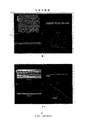
- Figure 1 is a three-dimensional image of the internal structure of the #4 battery obtained by industrial CT non-destructive testing
- Figure 3 is a capacity attenuation diagram of the #6 battery at 0.2C
- Figure 4 is a charge and discharge curve of the #6 battery at 0.2C
- Figure 5 is a capacity attenuation diagram of the #6 battery at 0.3C
- Figure 6 is a charge and discharge curve of a #6 battery at 0.3C.
- An electric vehicle power battery cascade utilization sorting evaluation method includes the following steps:
- the six power batteries were visually identified and sorted.
- the appearance was sorted under the conditions of good outdoor light. It was found that the #1 battery had obvious air swelling, and the battery's logo was blurred.
- # 1 The battery directly excludes the possibility of use of the ladder; the appearance recognition of the remaining 5 batteries meets the requirements of the cascade utilization, that is, the appearance is intact, the surface is smooth and dry, no damage, no deformation, no stain, no inflation, and the mark is clear and correct.
- 5 power batteries can enter the step utilization.
- the number of years of use is less than 8 years;
- the battery's normal temperature 3h rate discharge capacity is greater than 60% of the nominal value.
- the charge retention capacity of the power battery should be greater than 80% of the rated value, the charge retention of the battery at high temperature (50 ⁇ 5 ° C) and low temperature (-20 ⁇ 5 ° C) The capacity is not less than 70% of the rated value.
- the charging maintenance test procedure includes: performing a normal temperature 0.3 times capacity test, recording the actual capacity released and performing full charge at a normal temperature of 0.3 times, and the battery ambient temperature is 20 ° C ⁇ 5 ° C open storage for 28 days. After 28 days of open storage, the room temperature 0.3-fold capacity test was performed under no-charge conditions and the remaining capacity after storage was recorded.
- the basic performance parameter test analysis includes: charging at a constant rate of 0.3 times (or 0.5 times) under a predetermined temperature condition (normal temperature and high temperature).
- a predetermined temperature condition normal temperature and high temperature.
- the constant voltage charging is performed, and when the charging current is reduced to 0.1 times of the constant current charging current value, the charging is stopped, and the measured capacity is the battery charging capacity.
- the power battery discharges at 0.3 times (or 0.5 times), and stops discharging when the battery voltage reaches the discharge termination voltage.
- the measured capacity is the battery. Discharge capacity.
- the charge termination voltage that is, the charge termination voltage specified in the technical conditions of the enterprise, ranges from 3.50V to 4.20V, depending on different types of lithium batteries.
Landscapes
- Engineering & Computer Science (AREA)
- Power Engineering (AREA)
- Mechanical Engineering (AREA)
- Sustainable Energy (AREA)
- Sustainable Development (AREA)
- Transportation (AREA)
- Life Sciences & Earth Sciences (AREA)
- Manufacturing & Machinery (AREA)
- Chemical & Material Sciences (AREA)
- Chemical Kinetics & Catalysis (AREA)
- Electrochemistry (AREA)
- General Chemical & Material Sciences (AREA)
- Secondary Cells (AREA)
Abstract
本发明涉及一种动力电池梯级利用分选评估方法,该方法为:(1)对从电动汽车上退役下来的动力电池进行外观识别分选,判断动力电池是否进入梯级利用环节;(2)对于进入梯级利用环节的动力电池,对其进行性能特性分析,判断电池是否具有梯级利用价值;(3)对梯级利用动力电池内部微观结构变化进行检测,对电池安全性和健康状态进行评估。
Description
技术领域
本发明属于蓄电池技术领域,具体涉及一种动力电池梯级利用分选评估方法,具体包括动力电池梯级利用外观识别分选、性能特性分析、内部结构检测成像及物相分析等。
背景技术
电动汽车对动力电池的性能要求较高,当动力电池的容量下降到一定程度后,为了确保电动汽车的动力性能、续驶里程和运行过程中的安全性能,就必须对其进行更换。从电动汽车上更换下来的电池,仍具有较高的剩余容量。锂离子电池具有比能量高、高温特性好、循环寿命长等优点,在作为电动汽车动力电池退役后,经过筛选和重新配组,有可能应用于工况相对良好、对电池性能要求相对较低的场合,实现动力电池的梯级利用。动力电池梯级利用是指在动力电池性能下降、不能满足电动汽车使用要求后,作为电能蓄放装置在其他领域继续使用。
对于从电动汽车上退役下来、有可能进行梯级利用的电池,尚未有电池分选评估概念的提出,也没有相关的分选评估方法,更未涉及通过对电池内部结构进行无损检测并三维成像的方法对电池分选评估的报道。锂离子动力电池在成组使用之前,通常是根据电池的外特性参数,包括:电池的容量、内阻、充放电曲线、自放电等,对电池的性能进行判断并分选,并以此作为电池成组的依据。而对于梯级利用的动力电池,由于其安全性能和电化学性能的下降,因此在使用之前,需对其健康状态和安全性进行评估,包括:电池的历史运行情况、性能特性等,判断电池是否可梯级利用以及如何进行梯级利用。电池的外特性参数只能反映其一些主要参量的变化,不能从内在机理上反映造成电池性能衰退的因素,也就不能准确的对电池健康状态和安全性进行评估。本发明首次在电池性能特性参数分析的基础上,结合电池内部结构特性分析,从根本上把握电池性能衰退的原因,进而对电池的安全性和健康状态进行评估,实现对动力电池的分选评估。
发明内容
本发明目的在于提供一种动力电池梯级利用分选评估方法,通过无损检测手段和方法对梯级利用动力电池内部结构进行检测并成像,判断动力电池的容量保持能力、健康状态以及安全性能等来实现梯级利用动力电池的无损分选评估。
为实现上述目的,本发明采用如下技术方案:
一种动力电池梯级利用分选评估方法,其包括如下步骤:
(1)对电动汽车退役动力电池进行外观识别分选,判断动力电池是否进入梯级利用环节;
(2)对于进入梯级利用环节的动力电池进行性能特性分析,判断电池是否具有梯级利用价值;
(3)对梯级利用动力电池内部微观结构变化进行检测,对电池安全性和健康状态进行评估。
本发明提供的第一优选技术方案中,在步骤(1)中所述外观识别分选,包括:外观是否完好,表面是否平整干燥,有无破损,有无变形,有无污渍,有无气胀现象,标志是否清晰、正确等,外观识别需在良好的光线条件下进行。
本发明提供的第二优选技术方案中,在步骤(2)中对动力电池进行性能特性分析,包括历史运行参数分析和基本性能参数试验分析。
所述历史运行参数分析包括分析每支电池的过充电、过放电情况、运行环境、使用寿命、可用容量。具体的,分析其历史运行参数时,不满足下列任一条件的,直接排除梯级利用的可能性:①
在0.5-1.0倍率的条件下进行充电,至电压达到4.5-5.0V的次数≤5次;
② 在0.5-1.0倍率的条件下进行放电,至电压达到1.0-2.0V的次数≤5次;
③ 在50-80℃高温下运行次数小于≤5次;
④ 使用年数少于8年;
⑤ 电池常温3h率放电容量大于标称值的60%。
所述基本性能参数试验分析指测试并记录电池的主要参数,包括:电压、内阻、容量、高低温性能、荷电保持能力等。常温及高低温的具体值分别为:20℃士5℃、50士5℃、-20士5℃。具体的,分析其基本性能参数试验时,不满足下列任一条件的,直接排除梯级利用的可能性:
①
电压检测:如果检测值为零或者低于放电截止电压的,直接排除梯级利用的可能性;放电终止电压为企业技术条件中规定的放电终止电压,范围1.90~3.00
V,视不同类型锂电池而不同;
②
内阻测试:对于电压测试合格的电池,测其内阻,若内阻增加大于初始值的1.5倍,则直接排除梯级利用的可能性,所述锂电池内阻初始值≤5mΩ;
③ 在常温20℃士5℃条件下,0.3倍率下放电容量大于额定值的75%;
④ 在常温20℃士5℃条件下,0.5倍率下放电容量大于额定值的70%;
⑤ 在低温-20士5℃低温下,以0.3倍率进行放电,其容量不低于常温实际容量的85%;
⑥ 在高温50士5℃高温下,以0.3倍率进行放电,其容量不低于常温实际容量的65%;
⑦
常温20℃士5℃下动力电池的荷电保持能力应大于额定值的80%,高温50士5℃以及低温-20士5℃条件下电池的荷电保持能力不低于额定值的70%。
具体的,荷电保持能力实验步骤包括:进行常温0.3倍率容量试验,记录所放出的实际容量并进行完全充电,蓄电池环境温度为20℃士5℃开路贮存28天。开路贮存28天后,在不充电条件下进行常温0.3倍率容量试验并记录贮存后的剩余容量。
所述基本性能参数试验分析中步骤③、④、⑤、⑥、⑦的容量实验步骤包括:在规定的温度条件下(常温及高低温)以0.3倍率(或0.5倍率)恒流充电,至蓄电池电压达到充电终止电压时转恒压充电,至充电电流降至恒流充电电流值的0.1倍时停止充电,测得的容量即为电池充电容量。在电池满容量状态下,在规定的温度条件下(常温及高低温),动力电池以0.3倍率(或0.5倍率)放电,至电池电压达到放电终止电压时停止放电,测得的容量即为电池放电容量。
具体的,所述充电终止电压,即企业技术条件中规定的充电终止电压,范围为3.50V~4.20V,视不同类型锂电池而不同。
本发明提供的第三优选技术方案中,在步骤(3)中所用检测手段包括:工业CT、7Li核磁共振成像仪。
本发明提供的第四优选技术方案中,在步骤(3)中对动力电池内部微观结构变化进行检测,对电池安全性和健康状态进行评估,包括:利用工业CT无损检测及三维成像技术,实现对退役电池内部结构进行检测并实现三维成像,观察电池内部电极片是否存在鼓涨现象,以此判断电池健康状态;利用7Li核磁共振成像仪无损检测技术对锂电池碳负极进行成分分析,检测是否存在纤维锂,判断电池安全性。判断安全性的标准:碳负极上锂纤维含量≤15%(Li/C,
wt/wt)。
与现有技术相比,本发明提供的一种电动汽车动力电池梯级利用分选评估方法,电池分选评估过程采用的都是无损检测方法和手段,既能保证分选出的电池可以满足梯级利用的要求,又避免了对电池的破坏;且通过内外特性相结合的方法,揭示梯级利用动力电池性能衰退的原因,并以此为基础,进行电池健康状态和安全性评估;保证分选出的动力电池在梯级利用过程中的安全性和可靠性。
附图说明
图1为利用工业CT无损检测检测得到的#4电池内部结构三维图像;
图2为利用工业CT无损检测检测得到的#5电池内部结构三维图像;
图3为#6电池在0.2C下的容量衰减图;
图4为#6电池在0.2C下的充放电曲线;
图5为#6电池在0.3C下的容量衰减图;
图6为#6电池在0.3C下的充放电曲线。
具体实施方式
以下以通过具体实施例对本发明工艺作进一步的详细说明,但本发明的保护范围并不局限于此。
实施例1
一种电动汽车动力电池梯级利用分选评估方法,其包括以下步骤:
(1)选取6支从某纯电动公交车上退役下来的动力电池,编号分别为#1、#2、#3、#4、#5、#6,电池出厂规格为:方形软包装磷酸铁锂电池,标称容量25Ah,标称电压:3.20V,充电截止电压:3.65V,放电截止电压:2.00V,内阻≤5
mΩ。
首先对6支动力电池进行外观识别分选,外观分选在室外光线良好的条件下进行,发现#1电池存在明显的气胀现象,且电池的标识模糊不清,根据外观分选原则,#1电池直接排除梯级利用可能性;其余5支电池外观识别均满足梯级利用要求,即:外观完好,表面平整干燥,无破损,无变形,无污渍,无气胀现象,标志清晰、正确。依据外观分选结果,5支动力电池均可进入梯级利用环节。
(2)对于进入梯级利用环节的动力电池进行性能特性分析(包括历史运行参数分析和基本性能参数试验分析),判断电池是否具有梯级利用价值。根据充换电站记录的5支电池的历史数据,分析每支电池的过充电、过放电情况、运行环境、使用寿命、可用容量。具体的,分析其历史运行参数时,不满足下列任一条件的,直接排除梯级利用的可能性:
① 在0.5-1.0倍率的条件下进行充电,至电压达到4.5-5.0V的次数≤5次;
② 在0.5-1.0倍率的条件下进行放电,至电压达到1.0-2.0V的次数≤5次;
③ 在50-80℃高温下运行次数≤5次;
④ 使用年数少于8年;
⑤ 电池常温3h率放电容量大于标称值的60%。
5支电池历史数据分析结果见表1。根据分析结果得出#2电池不具备梯级利用价值。
然后对剩余4支电池进行基本性能参数试验分析,测试并记录电池的主要参数,包括:电压、内阻、容量、高低温性能、荷电保持能力。具体的,分析其基本性能参数试验时,不满足下列任一条件的,直接排除梯级利用的可能性:
① 电压检测:如果检测值为零或者低于放电截止电压的,直接排除梯级利用的可能性;放电截止电压1.90~3.00
V,视不同类型锂电池而不同;
②
内阻测试:对于电压测试合格的电池,测其内阻,若内阻增加大于初始值的1.5倍,则直接排除梯级利用的可能性,所述锂电池内阻初始值≤5mΩ;
③ 在20℃士5℃条件下,0.3倍率下放电容量大于额定值的75%;
④ 在20℃士5℃条件下,0.5倍率下放电容量大于额定值的70%;
⑤ 在-20士5℃低温下,以0.3倍率进行放电,其容量不低于常温实际容量的85%;
⑥ 在50士5℃高温下,以0.3倍率进行放电,其容量不低于常温实际容量的65%;
⑦
在常温(20℃士5℃)条件下动力电池的荷电保持能力应大于额定值的80%,在高温(50士5℃)以及低温(-20士5℃)条件下电池的荷电保持能力不低于额定值的70%。
荷电保持能力实验步骤包括:进行常温0.3倍率容量试验,记录所放出实际容量并进行常温0.3倍率完全充电,蓄电池环境温度为20℃士5℃开路贮存28天。开路贮存28天后,在不充电条件下进行常温0.3倍率容量试验并记录贮存后的剩余容量。
所述基本性能参数试验分析,在步骤③、④、⑤、⑥、⑦中,容量实验步骤包括:在规定的温度条件下(常温及高低温)以0.3倍率(或0.5倍率)恒流充电,至蓄电池电压达到充电终止电压时转恒压充电,至充电电流降至恒流充电电流值的0.1倍时停止充电,测得的容量即为电池充电容量。在电池满容量状态下,在规定的温度条件下(常温及高低温),动力电池以0.3倍率(或0.5倍率)放电,至电池电压达到放电终止电压时停止放电,测得的容量即为电池放电容量。所述充电终止电压,即企业技术条件中规定的充电终止电压,范围为3.50V~4.20V,视不同类型锂电池而不同。
4支电池的性能测性参数分析测试结果见表2。根据表2的数据结果,判断#3电池不具梯级利用价值。
(3)对梯级利用动力电池内部微观结构变化进行检测,对电池安全性和健康状态进行评估,并对电池进行分级。首先利用工业CT对#4、#5、#6
3支电池进行内部结构无损检测,实现三维成像,检测发现#4电池内部存在极片凸起现象(见图1),这在步骤1的外观识别分选时是无法用肉眼看到的,按照储能电池安全性和可靠性要求,#4电池属于次健康级退役电池。检测显示,#5(见图2)、#6电池内部结构完好,属于健康级退役电池。接下来利用7Li核磁共振成像仪对#5、#6
2支电池的碳负极进行无损检测,分析是否存在锂纤维,检测发现#5电池的碳负极上存在一定量的锂纤维,含量为16%(Li/C,
wt/wt),检测值超出了极限值15%,因此,从安全角度考虑,#5电池属于次安全级退役电池。#6电池碳负极上未检测到锂纤维。最后,对经无损检测分选出的#6电池进行评估验证,具体步骤为:对#6电池进行常温容量测试,得到#6电池剩余容量为21Ah。同时对#6电池的循环性能进行测试,具体结果:在0.2C下充放电,循环10次容量保持率仍在98%以上(见图3、图4),在0.3C下充放电,循环10次容量保持率仍在95%以上(见图5、图6),体现了良好的循环性能。结果显示,经本发明提供的方法分选出的电池具有良好的性能。
Claims (6)
- 一种动力电池梯级利用分选评估方法,其特征在于,所述分选评估方法包括如下步骤:(1)对电动汽车退役动力电池进行外观识别分选,判断动力电池是否进入梯级利用环节;(2)对于进入梯级利用环节的动力电池进行性能特性分析,判断电池是否具有梯级利用价值;(3)对梯级利用动力电池内部微观结构变化进行检测,对电池安全性和健康状态进行评估。
- 如权利要求1所述的动力电池梯级利用分选评估方法,其特征在于,步骤(1)中所述外观识别分选,包括:外观是否完好,表面是否平整干燥,有无破损,有无变形,有无污渍,有无气胀现象,标志是否清晰、正确,外观识别需在良好的光线条件下进行。
- 如权利要求1所述的动力电池梯级利用分选评估方法,其特征在于,步骤(2)中对动力电池进行性能特性分析,包括历史运行参数分析和基本性能参数试验分析。
- 如权利要求3所述的动力电池梯级利用分选评估方法,其特征在于,所述历史运行参数分析包括分析每支电池的过充电、过放电情况、运行环境、使用寿命、可用容量;所述基本性能参数试验分析指测试并记录电池的主要参数,包括:电压、内阻、容量、高低温性能、荷电保持能力。
- 如权利要求1所述的动力电池梯级利用分选评估方法,其特征在于,步骤(3)中所述对梯级利用动力电池内部微观结构变化进行检测,所用检测手段包括:工业CT、7Li核磁共振成像仪。
- 如权利要求1所述的动力电池梯级利用分选评估方法,其特征在于,步骤(3)中所述对动力电池内部微观结构变化进行检测,对电池安全性和健康状态进行评估,包括:利用工业CT无损检测及三维成像技术,实现对退役电池内部结构进行检测并实现三维成像,判断电池健康状态;利用7Li核磁共振成像仪无损检测技术对锂电池碳负极进行成分分析,检测是否存在纤维锂,判断电池安全性。
Applications Claiming Priority (2)
| Application Number | Priority Date | Filing Date | Title |
|---|---|---|---|
| CN201210267131.7 | 2012-07-31 | ||
| CN201210267131.7A CN102755966B (zh) | 2012-07-31 | 2012-07-31 | 一种动力电池梯级利用分选评估方法 |
Publications (1)
| Publication Number | Publication Date |
|---|---|
| WO2014019314A1 true WO2014019314A1 (zh) | 2014-02-06 |
Family
ID=47050753
Family Applications (1)
| Application Number | Title | Priority Date | Filing Date |
|---|---|---|---|
| PCT/CN2012/086542 Ceased WO2014019314A1 (zh) | 2012-07-31 | 2012-12-13 | 一种动力电池梯级利用分选评估方法 |
Country Status (2)
| Country | Link |
|---|---|
| CN (1) | CN102755966B (zh) |
| WO (1) | WO2014019314A1 (zh) |
Cited By (24)
| Publication number | Priority date | Publication date | Assignee | Title |
|---|---|---|---|---|
| CN105665309A (zh) * | 2015-11-20 | 2016-06-15 | 上海展枭新能源科技有限公司 | 一种锂离子电容器的梯次利用的筛选方法 |
| CN105983542A (zh) * | 2015-02-13 | 2016-10-05 | 国家电网公司 | 一种退役电动汽车动力电池分类方法 |
| CN108023133A (zh) * | 2017-12-07 | 2018-05-11 | 上海国际汽车城(集团)有限公司 | 一种电动汽车退役电池的自动拆解线 |
| CN109507600A (zh) * | 2018-12-18 | 2019-03-22 | 中国电力科学研究院有限公司 | 一种退役磷酸铁锂电池梯次利用评估方法 |
| CN110095721A (zh) * | 2018-01-30 | 2019-08-06 | 中国电力科学研究院有限公司 | 一种退运电动汽车电池日历寿命的测评方法及模型 |
| CN110178262A (zh) * | 2017-10-24 | 2019-08-27 | 株式会社Lg化学 | 再生电池单元的方法 |
| CN110726942A (zh) * | 2018-06-29 | 2020-01-24 | 中国电力科学研究院有限公司 | 一种退役动力电池安全状态无损评估方法和装置 |
| CN111260185A (zh) * | 2020-01-08 | 2020-06-09 | 重庆大学 | 退役电动汽车电池作为大规模储能的发输电系统运行可靠性评估方法 |
| CN112485688A (zh) * | 2020-10-12 | 2021-03-12 | 江苏慧智能源工程技术创新研究院有限公司 | 一种基于多元非线性回归的退役电池储能电站寿命预测方法 |
| CN113083739A (zh) * | 2021-04-07 | 2021-07-09 | 东软睿驰汽车技术(沈阳)有限公司 | 电芯分选方法、装置以及计算机设备 |
| CN114035058A (zh) * | 2021-12-22 | 2022-02-11 | 湖北大学 | 一种低温锂电池测试系统及方法 |
| CN114137430A (zh) * | 2021-11-22 | 2022-03-04 | 北京胜能能源科技有限公司 | 一种退役锂电池剩余寿命的预估方法 |
| CN114535112A (zh) * | 2022-01-10 | 2022-05-27 | 西安理工大学 | 电动汽车退役电池分选机器人系统 |
| CN115009100A (zh) * | 2019-12-31 | 2022-09-06 | 奥动新能源汽车科技有限公司 | 快换式电动汽车的电池包的全生命周期管理方法及系统 |
| CN115113046A (zh) * | 2022-07-14 | 2022-09-27 | 河南新太行电源股份有限公司 | 一种快速评估电池最大放电倍率的测试方法 |
| CN115121507A (zh) * | 2022-06-28 | 2022-09-30 | 合肥工业大学 | 一种低测试成本的退役动力电池分选方法 |
| CN115166563A (zh) * | 2022-08-17 | 2022-10-11 | 山东大学 | 一种动力电池老化状态评估与退役筛选方法及系统 |
| CN115514068A (zh) * | 2022-11-18 | 2022-12-23 | 杭州程单能源科技有限公司 | 一种锂电池梯次利用的电芯压差优化方法 |
| CN115815151A (zh) * | 2022-10-31 | 2023-03-21 | 江苏理工学院 | 一种新能源汽车电池梯次利用性能评估系统 |
| CN116078697A (zh) * | 2023-01-17 | 2023-05-09 | 帕诺(常熟)新能源科技有限公司 | 一种考虑长期一致性的电动汽车退役电池的筛选重组方法 |
| CN116845411A (zh) * | 2023-07-25 | 2023-10-03 | 广州绿能能源技术有限公司 | 废旧圆柱锂电池的梯次回收利用方法 |
| CN117517982A (zh) * | 2024-01-08 | 2024-02-06 | 上海聚信海聚新能源科技有限公司 | 一种梯次电池组筛选装置及筛选方法 |
| WO2024055548A1 (zh) * | 2022-09-16 | 2024-03-21 | 广东邦普循环科技有限公司 | 动力电池梯度利用筛选方法、装置、设备及存储介质 |
| CN119834392A (zh) * | 2024-11-28 | 2025-04-15 | 国网青海省电力公司超高压公司 | 一种退役蓄电池的循环利用系统 |
Families Citing this family (37)
| Publication number | Priority date | Publication date | Assignee | Title |
|---|---|---|---|---|
| CN102755966B (zh) * | 2012-07-31 | 2014-04-09 | 河南省电力公司电力科学研究院 | 一种动力电池梯级利用分选评估方法 |
| CN103337669B (zh) * | 2013-05-24 | 2015-06-24 | 国家电网公司 | 一种电动汽车动力电池的二次利用方法 |
| CN103326076B (zh) * | 2013-05-24 | 2015-09-23 | 国家电网公司 | 一种动力电池循环使用方法 |
| CN103439665B (zh) * | 2013-08-30 | 2016-02-03 | 长城汽车股份有限公司 | 动力电池梯次利用的分析方法 |
| CN103560277B (zh) * | 2013-09-24 | 2016-03-23 | 国家电网公司 | 一种电动汽车退役电池重组分选方法 |
| CN103605079B (zh) * | 2013-11-20 | 2015-10-07 | 浙江工业大学 | 公交电动汽车及其梯次利用电池集群的v2g可用容量评估方法 |
| KR101542674B1 (ko) * | 2013-12-31 | 2015-08-06 | 강병혁 | 전기 자동차용 배터리팩을 이용한 전력 운용 방법 |
| CN103698714B (zh) * | 2014-01-02 | 2016-06-29 | 清华大学 | 电池容量衰减机理辨识方法及系统 |
| CN103785629B (zh) * | 2014-01-13 | 2015-10-28 | 国家电网公司 | 一种梯次利用锂电池筛选成组方法 |
| CN103872394B (zh) * | 2014-03-18 | 2016-10-19 | 上海电信工程有限公司 | 蓄电池的离网修复方法及装置 |
| CN103894350B (zh) * | 2014-03-26 | 2016-08-24 | 山东精工电子科技有限公司 | 圆柱锂电池的分容筛选配组方法 |
| CN104332666B (zh) * | 2014-08-28 | 2017-01-25 | 国家电网公司 | 一种退役动力锂电池可用性评价方法 |
| CN105988085A (zh) * | 2015-02-06 | 2016-10-05 | 国家电网公司 | 一种退役电动汽车动力电池健康状态评估方法 |
| CN105158696A (zh) * | 2015-08-24 | 2015-12-16 | 中汽科技发展(苏州)有限公司 | 一种电池使用寿命的评估方法 |
| CN105576318B (zh) * | 2016-02-23 | 2017-09-29 | 上海电力学院 | 确定电动汽车退役锂电池一致性的多参数综合判定方法 |
| CN105842629A (zh) * | 2016-03-29 | 2016-08-10 | 荆门市格林美新材料有限公司 | 动力电池梯级利用检测评估方法 |
| CN107290668A (zh) * | 2016-04-01 | 2017-10-24 | 中国电力科学研究院 | 一种电动汽车电池梯次利用的筛选配组方法 |
| CN106371027B (zh) * | 2016-08-24 | 2019-05-21 | 合肥国轩高科动力能源有限公司 | 一种退役电池的梯次回收利用的测试方法 |
| CN106353689B (zh) * | 2016-09-13 | 2021-09-03 | 国家电网公司 | 一种快速筛选退役蓄电池的系统和方法 |
| CN108199109B (zh) * | 2018-01-16 | 2020-10-02 | 上海应用技术大学 | 一种退役动力电池包梯次利用的筛选方法 |
| CN108461858B (zh) * | 2018-03-23 | 2020-07-28 | 上海应用技术大学 | 一种钛酸锂电池梯次利用的筛选方法 |
| CN108802621A (zh) * | 2018-05-08 | 2018-11-13 | 中国电力科学研究院有限公司 | 一种基于大数据对电池的状态进行评估的方法及系统 |
| CN110661041A (zh) * | 2018-06-29 | 2020-01-07 | 中国电力科学研究院有限公司 | 一种退役动力电池诊断的方法和装置 |
| CN110661040A (zh) * | 2018-06-29 | 2020-01-07 | 中国电力科学研究院有限公司 | 一种退役磷酸铁锂动力电池分选方法和装置 |
| CN109465209B (zh) * | 2018-10-24 | 2020-10-27 | 中通服咨询设计研究院有限公司 | 一种基于光伏基站的动力电池梯级利用方法 |
| CN109839602B (zh) * | 2019-02-02 | 2020-10-27 | 爱驰汽车(上海)有限公司 | 动力电池性能和价值评估方法、装置、电子设备 |
| CN110224192B (zh) * | 2019-05-30 | 2021-02-12 | 安徽巡鹰新能源科技有限公司 | 一种梯次利用动力电池寿命预测方法 |
| CN110611135B (zh) * | 2019-08-23 | 2021-05-04 | 南方电网调峰调频发电有限公司 | 电池再利用方法 |
| CN110927609B (zh) * | 2019-12-06 | 2022-06-17 | 华北电力科学研究院有限责任公司 | 梯次利用电池储能系统的衰退评估方法及装置 |
| CN111239629B (zh) * | 2020-02-28 | 2022-02-18 | 山东理工大学 | 一种退役锂电池的梯次利用状态区间划分方法 |
| CN114707908B (zh) * | 2022-05-18 | 2022-08-23 | 北京钛镁新技术有限公司 | 一种动力电池评级确定方法、装置及电子设备 |
| CN116859249B (zh) * | 2023-05-31 | 2024-05-10 | 长兴太湖能谷科技有限公司 | 一种基于大数据的锂电池监控管理系统 |
| CN117057787A (zh) * | 2023-08-11 | 2023-11-14 | 天纳能源科技(上海)有限公司 | 一种基于大数据的能源梯级利用智能优化方法及系统 |
| CN117999134B (zh) * | 2024-01-02 | 2025-08-26 | 广东邦普循环科技有限公司 | 退役动力电池梯次利用筛选方法和装置 |
| CN117970159B (zh) * | 2024-04-02 | 2024-06-07 | 深圳深汕特别合作区乾泰技术有限公司 | 基于大数据的废旧电池可用性评估方法、系统和介质 |
| CN118155047B (zh) * | 2024-05-10 | 2024-07-23 | 中央民族大学 | 一种适用于高寒地区的小型电池管理方法 |
| CN120009760A (zh) * | 2025-04-15 | 2025-05-16 | 广东省锐驰新能源科技有限公司 | 一种废旧锂电池生命周期状态检测方法、系统及存储介质 |
Citations (4)
| Publication number | Priority date | Publication date | Assignee | Title |
|---|---|---|---|---|
| DE102008056304A1 (de) * | 2008-11-07 | 2010-05-12 | Vb Autobatterie Gmbh & Co. Kgaa | Verfahren zur Erkennung und Quantifizierung von Säureschichten in nassen Blei-Säure-Batterien |
| JP2011018547A (ja) * | 2009-07-08 | 2011-01-27 | Toyota Motor Corp | リチウムイオン二次電池、及び、電池システム |
| CN102437385A (zh) * | 2011-12-12 | 2012-05-02 | 中国电力科学研究院 | 一种电动汽车动力电池梯次利用的分级方法 |
| CN102755966A (zh) * | 2012-07-31 | 2012-10-31 | 河南电力试验研究院 | 一种动力电池梯级利用分选评估方法 |
Family Cites Families (2)
| Publication number | Priority date | Publication date | Assignee | Title |
|---|---|---|---|---|
| CN101567474A (zh) * | 2008-04-23 | 2009-10-28 | 张永祥 | 一种对手机用废旧锂离子电池进行批量修复的方法 |
| CN101958441A (zh) * | 2010-09-16 | 2011-01-26 | 江苏双登集团有限公司 | 电动自行车用不合格电池再利用方法 |
-
2012
- 2012-07-31 CN CN201210267131.7A patent/CN102755966B/zh active Active
- 2012-12-13 WO PCT/CN2012/086542 patent/WO2014019314A1/zh not_active Ceased
Patent Citations (4)
| Publication number | Priority date | Publication date | Assignee | Title |
|---|---|---|---|---|
| DE102008056304A1 (de) * | 2008-11-07 | 2010-05-12 | Vb Autobatterie Gmbh & Co. Kgaa | Verfahren zur Erkennung und Quantifizierung von Säureschichten in nassen Blei-Säure-Batterien |
| JP2011018547A (ja) * | 2009-07-08 | 2011-01-27 | Toyota Motor Corp | リチウムイオン二次電池、及び、電池システム |
| CN102437385A (zh) * | 2011-12-12 | 2012-05-02 | 中国电力科学研究院 | 一种电动汽车动力电池梯次利用的分级方法 |
| CN102755966A (zh) * | 2012-07-31 | 2012-10-31 | 河南电力试验研究院 | 一种动力电池梯级利用分选评估方法 |
Cited By (30)
| Publication number | Priority date | Publication date | Assignee | Title |
|---|---|---|---|---|
| CN105983542A (zh) * | 2015-02-13 | 2016-10-05 | 国家电网公司 | 一种退役电动汽车动力电池分类方法 |
| CN105665309A (zh) * | 2015-11-20 | 2016-06-15 | 上海展枭新能源科技有限公司 | 一种锂离子电容器的梯次利用的筛选方法 |
| CN110178262B (zh) * | 2017-10-24 | 2022-05-24 | 株式会社Lg化学 | 再生电池单元的方法 |
| CN110178262A (zh) * | 2017-10-24 | 2019-08-27 | 株式会社Lg化学 | 再生电池单元的方法 |
| CN108023133A (zh) * | 2017-12-07 | 2018-05-11 | 上海国际汽车城(集团)有限公司 | 一种电动汽车退役电池的自动拆解线 |
| CN110095721A (zh) * | 2018-01-30 | 2019-08-06 | 中国电力科学研究院有限公司 | 一种退运电动汽车电池日历寿命的测评方法及模型 |
| CN110726942A (zh) * | 2018-06-29 | 2020-01-24 | 中国电力科学研究院有限公司 | 一种退役动力电池安全状态无损评估方法和装置 |
| CN109507600A (zh) * | 2018-12-18 | 2019-03-22 | 中国电力科学研究院有限公司 | 一种退役磷酸铁锂电池梯次利用评估方法 |
| CN115009100A (zh) * | 2019-12-31 | 2022-09-06 | 奥动新能源汽车科技有限公司 | 快换式电动汽车的电池包的全生命周期管理方法及系统 |
| CN111260185A (zh) * | 2020-01-08 | 2020-06-09 | 重庆大学 | 退役电动汽车电池作为大规模储能的发输电系统运行可靠性评估方法 |
| CN112485688B (zh) * | 2020-10-12 | 2024-06-04 | 启东沃太新能源有限公司 | 一种基于多元非线性回归的退役电池储能电站寿命预测方法 |
| CN112485688A (zh) * | 2020-10-12 | 2021-03-12 | 江苏慧智能源工程技术创新研究院有限公司 | 一种基于多元非线性回归的退役电池储能电站寿命预测方法 |
| CN113083739A (zh) * | 2021-04-07 | 2021-07-09 | 东软睿驰汽车技术(沈阳)有限公司 | 电芯分选方法、装置以及计算机设备 |
| CN114137430A (zh) * | 2021-11-22 | 2022-03-04 | 北京胜能能源科技有限公司 | 一种退役锂电池剩余寿命的预估方法 |
| CN114035058B (zh) * | 2021-12-22 | 2023-11-24 | 湖北大学 | 一种低温锂电池测试系统及方法 |
| CN114035058A (zh) * | 2021-12-22 | 2022-02-11 | 湖北大学 | 一种低温锂电池测试系统及方法 |
| CN114535112A (zh) * | 2022-01-10 | 2022-05-27 | 西安理工大学 | 电动汽车退役电池分选机器人系统 |
| CN114535112B (zh) * | 2022-01-10 | 2024-04-12 | 西安理工大学 | 电动汽车退役电池分选机器人系统 |
| CN115121507A (zh) * | 2022-06-28 | 2022-09-30 | 合肥工业大学 | 一种低测试成本的退役动力电池分选方法 |
| CN115121507B (zh) * | 2022-06-28 | 2023-06-27 | 合肥工业大学 | 一种低测试成本的退役动力电池分选方法 |
| CN115113046B (zh) * | 2022-07-14 | 2022-12-16 | 河南新太行电源股份有限公司 | 一种快速评估电池最大放电倍率的测试方法 |
| CN115113046A (zh) * | 2022-07-14 | 2022-09-27 | 河南新太行电源股份有限公司 | 一种快速评估电池最大放电倍率的测试方法 |
| CN115166563A (zh) * | 2022-08-17 | 2022-10-11 | 山东大学 | 一种动力电池老化状态评估与退役筛选方法及系统 |
| WO2024055548A1 (zh) * | 2022-09-16 | 2024-03-21 | 广东邦普循环科技有限公司 | 动力电池梯度利用筛选方法、装置、设备及存储介质 |
| CN115815151A (zh) * | 2022-10-31 | 2023-03-21 | 江苏理工学院 | 一种新能源汽车电池梯次利用性能评估系统 |
| CN115514068A (zh) * | 2022-11-18 | 2022-12-23 | 杭州程单能源科技有限公司 | 一种锂电池梯次利用的电芯压差优化方法 |
| CN116078697A (zh) * | 2023-01-17 | 2023-05-09 | 帕诺(常熟)新能源科技有限公司 | 一种考虑长期一致性的电动汽车退役电池的筛选重组方法 |
| CN116845411A (zh) * | 2023-07-25 | 2023-10-03 | 广州绿能能源技术有限公司 | 废旧圆柱锂电池的梯次回收利用方法 |
| CN117517982A (zh) * | 2024-01-08 | 2024-02-06 | 上海聚信海聚新能源科技有限公司 | 一种梯次电池组筛选装置及筛选方法 |
| CN119834392A (zh) * | 2024-11-28 | 2025-04-15 | 国网青海省电力公司超高压公司 | 一种退役蓄电池的循环利用系统 |
Also Published As
| Publication number | Publication date |
|---|---|
| CN102755966B (zh) | 2014-04-09 |
| CN102755966A (zh) | 2012-10-31 |
Similar Documents
| Publication | Publication Date | Title |
|---|---|---|
| WO2014019314A1 (zh) | 一种动力电池梯级利用分选评估方法 | |
| CN105983542B (zh) | 一种退役电动汽车动力电池分类方法 | |
| CN106154172B (zh) | 锂离子动力电池内短路程度的定量估算方法 | |
| CN110376530B (zh) | 电池内短路检测装置及方法 | |
| CN113075566A (zh) | 锂离子动力电池析锂检测方法 | |
| CN110456275A (zh) | 一种判断电芯析锂的方法及系统 | |
| CN109078871B (zh) | 一种面向梯次利用的退役电池并联模块的剔除方法 | |
| CN109507600A (zh) | 一种退役磷酸铁锂电池梯次利用评估方法 | |
| CN110244234A (zh) | 一种电池加速寿命测试方法 | |
| CN111665446A (zh) | 一种退役动力电池性能评估方法及系统 | |
| US8984943B2 (en) | Inspection apparatus and inspection method for lithium ion secondary battery, and secondary battery module | |
| CN111458650A (zh) | 一种锂离子动力电池系统峰值功率估算的方法 | |
| CN104749482A (zh) | 一种电池电芯的焊接可靠性测试方法 | |
| CN1174441A (zh) | 电池测定方法和电池测定装置 | |
| CN105988085A (zh) | 一种退役电动汽车动力电池健康状态评估方法 | |
| CN107884715A (zh) | 一种电池循环寿命检测方法 | |
| CN111036575A (zh) | 一种基于温度变化分析的锂离子电池分选方法 | |
| CN111812534A (zh) | 一种蓄电池寿命加速试验方法 | |
| CN119716602B (zh) | 电池检测方法、生产方法、装置、电子设备、存储介质、程序产品 | |
| CN117019670A (zh) | 一种梯次电池的筛选方法 | |
| Yang et al. | Internal short circuit fault diagnosis for lithiumion battery based on voltage and temperature | |
| CN114487852A (zh) | 动力电池余能检测方法、装置、计算机设备及存储介质 | |
| CN118073689B (zh) | 一种锂电池电池包管理系统 | |
| CN113884886A (zh) | 电池测试生产中异常充放电芯的筛选方法 | |
| CN114035058A (zh) | 一种低温锂电池测试系统及方法 |
Legal Events
| Date | Code | Title | Description |
|---|---|---|---|
| 121 | Ep: the epo has been informed by wipo that ep was designated in this application |
Ref document number: 12882194 Country of ref document: EP Kind code of ref document: A1 |
|
| NENP | Non-entry into the national phase |
Ref country code: DE |
|
| 122 | Ep: pct application non-entry in european phase |
Ref document number: 12882194 Country of ref document: EP Kind code of ref document: A1 |