WO2012176920A1 - 学習装置 - Google Patents
学習装置 Download PDFInfo
- Publication number
- WO2012176920A1 WO2012176920A1 PCT/JP2012/066178 JP2012066178W WO2012176920A1 WO 2012176920 A1 WO2012176920 A1 WO 2012176920A1 JP 2012066178 W JP2012066178 W JP 2012066178W WO 2012176920 A1 WO2012176920 A1 WO 2012176920A1
- Authority
- WO
- WIPO (PCT)
- Prior art keywords
- question
- alarm
- learning device
- user
- time
- Prior art date
- Legal status (The legal status is an assumption and is not a legal conclusion. Google has not performed a legal analysis and makes no representation as to the accuracy of the status listed.)
- Ceased
Links
Images




















Classifications
-
- G—PHYSICS
- G09—EDUCATION; CRYPTOGRAPHY; DISPLAY; ADVERTISING; SEALS
- G09B—EDUCATIONAL OR DEMONSTRATION APPLIANCES; APPLIANCES FOR TEACHING, OR COMMUNICATING WITH, THE BLIND, DEAF OR MUTE; MODELS; PLANETARIA; GLOBES; MAPS; DIAGRAMS
- G09B7/00—Electrically-operated teaching apparatus or devices working with questions and answers
- G09B7/06—Electrically-operated teaching apparatus or devices working with questions and answers of the multiple-choice answer-type, i.e. where a given question is provided with a series of answers and a choice has to be made from the answers
-
- G—PHYSICS
- G04—HOROLOGY
- G04G—ELECTRONIC TIME-PIECES
- G04G13/00—Producing acoustic time signals
- G04G13/02—Producing acoustic time signals at preselected times, e.g. alarm clocks
-
- G—PHYSICS
- G04—HOROLOGY
- G04G—ELECTRONIC TIME-PIECES
- G04G13/00—Producing acoustic time signals
- G04G13/02—Producing acoustic time signals at preselected times, e.g. alarm clocks
- G04G13/025—Producing acoustic time signals at preselected times, e.g. alarm clocks acting only at one preselected time
-
- G—PHYSICS
- G06—COMPUTING OR CALCULATING; COUNTING
- G06Q—INFORMATION AND COMMUNICATION TECHNOLOGY [ICT] SPECIALLY ADAPTED FOR ADMINISTRATIVE, COMMERCIAL, FINANCIAL, MANAGERIAL OR SUPERVISORY PURPOSES; SYSTEMS OR METHODS SPECIALLY ADAPTED FOR ADMINISTRATIVE, COMMERCIAL, FINANCIAL, MANAGERIAL OR SUPERVISORY PURPOSES, NOT OTHERWISE PROVIDED FOR
- G06Q50/00—Information and communication technology [ICT] specially adapted for implementation of business processes of specific business sectors, e.g. utilities or tourism
- G06Q50/10—Services
- G06Q50/20—Education
-
- G—PHYSICS
- G09—EDUCATION; CRYPTOGRAPHY; DISPLAY; ADVERTISING; SEALS
- G09B—EDUCATIONAL OR DEMONSTRATION APPLIANCES; APPLIANCES FOR TEACHING, OR COMMUNICATING WITH, THE BLIND, DEAF OR MUTE; MODELS; PLANETARIA; GLOBES; MAPS; DIAGRAMS
- G09B7/00—Electrically-operated teaching apparatus or devices working with questions and answers
- G09B7/02—Electrically-operated teaching apparatus or devices working with questions and answers of the type wherein the student is expected to construct an answer to the question which is presented or wherein the machine gives an answer to the question presented by a student
Definitions
- the present invention relates to a learning device in which an alarm function used in an alarm clock or the like and a learning function for improving the academic ability of a user are integrated.
- Patent Document 1 when an answer is input to the answer input means D for the question presented on the question presenting means C, electronic learning is performed by the answer determination means B to determine whether the answer is correct or incorrect.
- a fusion device of a support device and an awakening device is disclosed.
- the fusion apparatus comprises an awakening stimulus control means A that controls the awakening stimulus output means E based on the determination result of the answer determining means B. Further, in the fusion device, the awakening stimulus of the awakening stimulus output means E, that is, the alarm does not stop if the correct answer rate or the number of continuous correct answers does not reach the predetermined condition.
- Patent Document 1 only solves the problem of the first sight when getting up, and lacks a device for enhancing the learning effect.
- the wake-up time is delayed because the time for answering the problem when getting up is not taken into consideration.
- the problem pattern is not related to the time from alarm activation to wake-up, so the motivation to occur early is weak.
- An object of the present invention is to provide a learning device capable of solving the above problems.
- Another object of the present invention is to provide a learning device capable of enhancing the learning effect by utilizing an unconscious action during sleep.
- an object of the present invention is to provide a learning device capable of enhancing the learning effect and enhancing the user's early motivation without delaying the wake-up time.
- An object of the present invention is to provide a learning material and a learning method rich in change for a user, and to provide a learning device capable of enhancing the learning effect of the user and a learning system using the same.
- the learning device has a clock means, a time setting means for setting the questioning time of the question to be presented to the user, a questioning means for giving the question on the basis of the setting of the time setting means, and a time before the questioning time for the question It is characterized by having a presentation means which presents in advance to the user the contents related to the question presented by the question means.
- the content presented in advance by the presentation means includes a question given by the questioning means.
- the content presented in advance by the presentation means further includes a hint of an answer to a question presented by the questioning means.
- the content presented in advance by the presentation means further includes how to solve the question presented by the questioning means.
- the learning device it is preferable to further include an operation unit for receiving an answer by the user.
- the time setting unit is an alarm setting unit that sets an alarm, and further includes an alarm activation unit that operates the alarm based on the setting of the alarm setting unit, and an alarm stopping unit that stops the alarm.
- the alarm setting means adjusts the alarm activation time of the alarm activation means in accordance with the amount or quality of the problem that the problem means presents.
- the alarm stopping unit has a snooze function
- the question making unit increases or decreases the number of questions presented to the user according to the number of alarms activated by the snooze function.
- the learning apparatus further include question content adjustment means for adjusting the content of the question according to the time difference between the alarm setting time for setting the alarm activation time using the alarm setting means and the alarm activation time.
- the question content adjustment unit adjusts the contents of the question so as to suppress the questions when the time difference is short and to increase the questions when the time difference is long.
- the alarm setting time preferably corresponds to the user's bedtime
- the alarm activation time preferably corresponds to the user's wake time
- the learning device includes a clock means, a time setting means for setting the questioning time of the problem to be presented to the user, a questioning means for giving a question on the basis of the setting of the time setting means, and an external unit connectable to the telecommunication network.
- a group constituted by predetermined users using connection means and external connection means using other learning devices connected to the electric network
- information according to the answer situation of the problem by the other users is It is characterized in that it is acquired from a center server connected to a telecommunication network.
- the problem question means preferably changes the quantity or quality of the problem according to the order in the group.
- the problem question means does not ask the user a question that the other user using the other learning device connected to the electric circuit communication network corrects.
- the learning apparatus further include notification means for notifying the order status in the group.
- the problem question means increase or decrease the amount of the problem according to the time to answer the question.
- the learning device includes a clock means, an alarm setting means for setting an alarm, an alarm activation means for operating the alarm based on the setting of the alarm setting means, an alarm stopping means for stopping the alarm, and an alarm outputted by the alarm stopping means
- the question setting means has a question giving means for giving the user a question on the basis of the stop signal, and the question giving means gives the user a content related to the question to be solved at the time of the alarm activation in advance. It is characterized by presenting.
- the learning device includes a clock means, an alarm setting means for setting an alarm, an alarm activation means for operating the alarm based on the setting of the alarm setting means, an alarm stopping means for stopping the alarm, and an alarm outputted by the alarm stopping means
- the learning device and the learning system it is possible to enhance the answering power at the time of alarm activation by presenting beforehand the content regarding the question to be answered at the time of alarm activation at the time of setting the alarm.
- the alarm activation time is the wake up time
- the learning effect such as the improvement of the correct answer rate can be enhanced by the unconscious action during sleep.
- the learning device and the learning system by adjusting the alarm activation time according to the amount and the quality of the problem to be presented at the time of the alarm activation, by the time when the alarm should be activated originally I can finish learning. Therefore, it is possible to prevent hindrance to subsequent activities.
- the number of questions to be asked to the user is increased or decreased according to the number of alarms activated by the snooze function, so that the motivation for the user to get up early can be enhanced.
- the telecommunication network can be provided with the external connection means capable of connecting to the telecommunication network. It is possible to communicate with an external server through the above-mentioned, so it is possible to provide a learning material and a learning method according to the answer situation of the problem by another user. Therefore, since learning rich in variety can be performed compared with the case where it is performed by one user, higher learning effect can be expected.
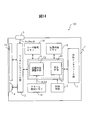
- FIG. 1 is a schematic block diagram showing a configuration of a learning device 1.
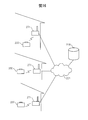
- FIG. 1 is a schematic configuration diagram of a learning system using a learning device 1.
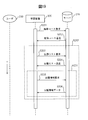
- 5 is a flowchart showing an operation example of the learning device 1; It is a sequence diagram which shows the operation example of the learning apparatus 1 in a problem acquisition process. It is a figure which shows the structural example of a question list. It is a figure which shows the structural example of question information data. It is an outline view showing a display example (1) of learning device 1 in a problem acquisition process. It is an external view which shows the example of a display of the learning apparatus 1 in a problem acquisition process (2). It is a sequence diagram which shows the operation example of the learning apparatus 1 in an alarm set process.
- FIG. 6 is a view showing a display example of the touch panel display 13;
- FIG. 16 is a schematic block diagram showing the configuration of another learning device 100.
- FIG. 25 is a schematic block diagram showing the configuration of still another learning device 200.
- FIG. 6 is a schematic configuration diagram of a learning system using the learning device 200.
- FIG. 14 is a schematic block diagram showing the configuration of a center server 218.
- 7 is a flowchart showing an operation example of the learning device 200. It is a sequence diagram which shows operation
- FIG. 16 is a sequence diagram showing another operation of the learning device 200 and the center server 218 when an alarm is activated.
- the outline of the operation of the learning device 1 described below is that, when the user sets an alarm at bedtime, the learning device 1 presents in advance a question to be asked at the time of getting up, a hint or solution of an answer, and the like. Thereby, the learning device 1 supports the memory improvement and the logic ability improvement during sleep of the user to enhance the learning effect, motivate the user to learn, and promote the habituation of the early onset .
- FIG. 1 is a schematic block diagram showing the configuration of the learning device 1.
- the learning device 1 includes a clock means 2, an alarm button 3, a speaker 4, a general control unit 6, an external interface unit 7, a user interface unit 12, a touch panel display 13, an alarm time memory 14, and a question content memory 15. , And the user answer memory 16 and the like.
- the clock means 2 manages the clock function of the learning device 1 and has a time measurement function and a calendar function.
- the alarm button 3 is a switch capable of both slide operation and push operation, and has three functions of an alarm setting function, a snooze function, and an alarm stop function. As described later, the alarm button 3 functions as time setting means for setting the questioning time of the question to be presented to the user.
- the alarm button 3 is configured such that an alarm is set when pulled up, a snooze function is activated when lightly pressed, and an alarm setting is canceled when pressed and fixed further downward, and ringing of a bell for waking the user is stopped. ing.
- the alarm button 3 outputs an alarm setting signal As, a snooze signal Ahs, and an alarm stop signal Ah corresponding to the respective states at the time of setting the alarm, at the time of snooze and at the time of stopping the alarm.
- the alarm setting signal As, the snooze signal Ahs, and the alarm stop signal Ah are input to the overall control unit 6 through the user interface unit 12.
- the speaker 4 is an alarm activation means for emitting a bell sound or the like for awakening the user at an alarm activation time, and may have a function of performing a learning guidance by voice from the learning device 1 to the user.
- the overall control unit 6 is configured to include a CPU, a RAM, a ROM, and the like, and controls the entire operation of the learning device 1 such as logical operation determination, input / output control, and data storage of the learning device 1. Further, the overall control unit 6 is provided with a problem presentation means 61.
- the problem question means 61 is provided with the notice means 62, and issues a question to the user through the user interface unit 12 or the touch panel display 13.
- the notice means 62 has a function as a presentation means for outputting a notice related to a problem to be asked at the time of getting up, that is, a notice of the problem when the alarm is set by the alarm button 3.
- the external interface unit 7 functions as external connection means for connecting the learning device 1 to the telecommunication network through the router 71 in a wireless or wired manner.
- the touch panel display 13 has an output function by a liquid crystal display and a touch panel input function, and functions as operation means for displaying the problem that the learning device 1 asks the user and inputting and accepting the answer of the user by the touch panel method. .
- the user interface unit 12 connects the touch panel display 13, which is a contact point between the user and the learning device 1, and the general control unit 6 of the learning device 1.
- the alarm time memory 14, the question content memory 15, and the user answer memory 16 are configured by non-volatile storage elements.
- the alarm time memory 14 stores data related to alarms and the number of alarms.
- the question content memory 15 stores data such as information related to question questions.
- the user answer memory 16 stores data such as information related to the answer of the user.
- the learning device 1 can be configured by a personal computer or an internet terminal. However, in the following, the learning device 1 will be described using an example in which the liquid crystal screen is an Internet terminal provided with a touch panel.
- FIG. 2 is a schematic configuration diagram of a learning system using the learning device 1.
- the learning system includes a learning device 1 disposed in the residence of the user, a router 71 for connecting to the Internet 21, and a center server 18 connected to the Internet 21.
- the router 71 can also be used to connect the personal computer 19 and the Internet 21.
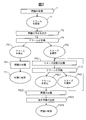
- FIG. 3 is a flowchart showing an operation example of the learning device 1.
- process steps P 1, P 3, P 4, P 61, P 62, P 72, P 822 and P 823 surrounded by squares show the operations of the learning device 1 and the center server 18, and process steps P 2, P 51, P 52, P71, P82, P821 and P824 show the operation of the user 30.
- the processing steps of the learning device 1 are executed by the CPU included in the general control unit 6 in cooperation with each element included in the learning device 1 according to a program stored in advance in the general control unit 6. Further, in FIG. 3, in the processing step of the center server 18, the CPU (not shown) of the center server 18 transmits / receives (not shown), etc. in accordance with a program stored in advance in the memory (not shown) of the center server 18. Run in conjunction with.
- the processing steps P1 to P824 are simply referred to as P1 to P824.
- the learning device 1 automatically connects to the center server 18 via the Internet 21 in a time zone in which the learning device 1 is not used, for example, 12 o'clock in the daytime, and acquires the problem of the taken course specified by the user 30 in advance. Yes (P1; problem acquisition process).
- the user 30 sets an alarm of the learning device 1 in order to get up at a desired time in the next morning (P2).
- the learning device 1 presents the user 30 with the content related to the problem to be asked when waking up, that is, the notice of the problem (P3).
- the learning device 1 stores the number of snoozes and updates and stores the number of alarms increased by the selection of snooze (P62), and activates the alarm again when the snooze function has passed a predetermined time, ringing the bell sound (P72).
- P62 to P72 are repeated. That is, each time the user 30 selects snooze, the alarm time memory 14 of the learning device 1 updates and stores the number of alarms increased by the selection of snooze. P4, P52, P62, P72 and P82 are snooze operation processes. After P72, there are two ways, stopping the alarm or selecting snooze.
- the learning device 1 When the user 30 depresses the alarm button 3 to fix and stop the alarm (P821), the learning device 1 issues a question given in the course taken (P822). Next, the learning device 1 raises additional questions according to the number of alarms (P823). Next, the user 30 answers additional questions in addition to the questions defined in the course taken (P 824).
- the problem is set to be presented when the alarm is stopped, but the question may be started when the alarm set time is reached.
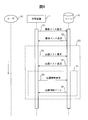
- FIG. 4 is a sequence diagram showing an operation example of the learning device 1 in the problem acquisition process.
- R1 and R2 surrounded by dotted lines are program routines consisting of a plurality of operation steps. Further, the operation steps S1, S2,..., Sn will be simply described as S1, S2,.
- the learning device 1 starts communication with the center server 18, for example, at 12 o'clock in the daytime, transmits user ID data to the center server 18, and requests a user's course (S1).
- the center server 18 receives the study course request including the user ID data from the learning device 1, the center server 18 returns one or a plurality of study course ID data to the learning device 1 (S2).
- the learning apparatus 1 transmits the course ID data and date / time data for each course ID to the center server 18, and requests a question list ((1) S3).
- the center server 18 returns the question list including the plurality of question information ID data to the learning device 1 (S4).
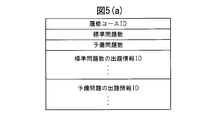
- the question list includes, for example, data shown in FIG. 5A (details will be described later).
- the learning device 1 acquires a list of problems to be presented on the day.
- the learning device 1 transmits arbitrary questioning information ID data from the plurality of questioning information IDs acquired from the center server 18 to the center server 18 to make a questioning information request (S5).
- the center server 18 sends back question information data (S6).
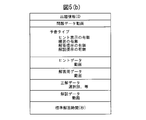
- the question information data is composed of data shown in FIG. 5B (details will be described later).
- the learning device 1 acquires the problem to be presented on the day.
- the “question information acquisition routine R1” configured with S5 and S6 continues until acquisition of the problems defined in the list of one or more problems acquired in S4 is completed.
- the “question list acquisition routine R2” configured of S3 to S6 continues until the acquisition of the problem list defined by the one or more course ID acquired in S2 is completed.
- the problem of the course taken is transmitted from the center server 18 to the learning device 1. After the problem of the course is transmitted to the learning device 1, when the alarm of the learning device 1 is set, the process proceeds to an alarm setting process described later.
- the touch panel display 13 of the learning device 1 displays the time at that time.
- the operations of S1 to S6 automatically proceed between the learning device 1 and the center server 18 via the Internet 21.
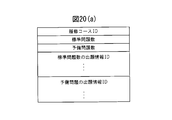
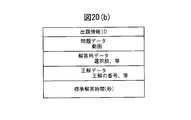
- FIG. 5 is a configuration example of data of information acquired by the learning apparatus 1 from the center server 18, FIG. 5 (a) shows a configuration example of a questioning list, and FIG. 5 (b) shows a configuration example of questioning data doing.
- the learning device 1 has, from the center server 18, a course ID for identifying a course, a standard problem number which is the number of standard problems defined in the course, and a standard problem.
- the “list of questions” is acquired that includes the number of preliminary problems that are complemented in the level range, the question information IDs of the plurality of standard questions, the question information IDs of the plurality of preliminary questions, and the like.
- the learning apparatus 1 refers to the question list shown in FIG. 5 (a), and from the center server 18, the question information ID, the moving image of the problem data, the notice type, the hint data
- the “display information data” is acquired which includes answer data, correct answer data, commentary data, and a standard answer time (second) which is an average value of answer times of a plurality of users.
- Problem data animation, animation of hint data, animation of answer data, animation of correct data, and animation of commentary data are acquired only when necessary.
- the advance notice type indicates the presence / absence of a hint display for designating the content related to the issue to be notified, the presence / absence of exercise, the presence / absence of an answer, and the presence / absence of an explanation.
- the data configuration of the information exchanged between the learning device 1 and the center server 18 is hierarchized to increase the speed of communication between them and It is efficient.
- FIG. 6 is an external view showing a display example of the learning device 1 in the problem acquisition process.
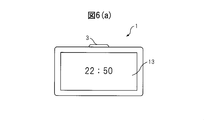
- FIG. 6A shows the case where an alarm is not set, and only the current time is displayed on the touch panel display 13.
- an alarm button 3 capable of alarm setting, snooze and alarm stopping is arranged.
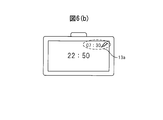
- FIG. 6B is a display example of the learning device 1 when an alarm is set by pulling up the alarm button 3 when there is no course taken.
- the alarm activation time display unit 13a of the touch panel display 13 displays a mark indicating that the alarm activation time and the alarm are set.
- the alarm activation time can be changed by touching the alarm activation time display unit 13a with a finger.
- FIG. 7 is a sequence diagram showing an operation example between the user 30, the learning device 1 and the center server 18 in the alarm setting process.
- FIG. 8 is an external view showing a display example of the learning device 1 in the alarm setting process.
- the user 30 sets an alarm of the learning device 1 (S10).
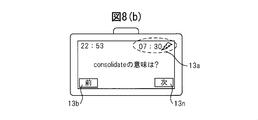
- the alarm button 3 of the learning device 1 is normally fixed at the lower side and in the alarm stop state, but as shown in FIG. 8B, the alarm is generated by pulling up the alarm button 3. It is set.
- the alarm button 3 of the learning device 1 outputs an alarm setting signal As (see FIG. 1), and the alarm setting signal As has a user interface It is input to the problem question means 61 of the overall control unit 6 through the unit 12.
- the notice means 62 provided in the question giving means 61 presents the notice of the first question on the touch panel display 13 through the user interface unit 12 as shown in FIG. 8B (S11).
- a mark indicating that the alarm time and the alarm have been set is displayed on the alarm operation time display unit 13a.
- the user 30 can change the alarm activation time by touching the alarm activation time display unit 13a with a finger as needed.
- the user 30 presses the next button 13n of the touch panel display 13 (S12). As shown in FIG. 8B, the touch panel display 13 is provided with a next button 13n.
- the learning device 1 performs "presentation of an answer” as “content related to the problem to be notified of” (S13).
- “presentation of an answer” as “content related to the problem to be notified of”
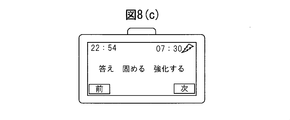
- FIG. 8C shows an example in which the solution to the question is displayed on the touch panel display 13.
- next button 13n is repeatedly pressed, and the procedure similar to S11 to S14 shown in FIG. 7 is repeated, and the user 30 obtains all the problems and answers determined in the course taken.
- the learning device 1 sends an end message to the user through the touch panel display 13 (S15). As shown in FIG. 8 (f), the touch panel display 13 displays "The warning of the problem is over", and the alarm setting process is finished.
- the overall control unit 6 of the learning device 1 adjusts the operation time from the amount and the quality of the problem to be presented at the alarm operation time after the end of S15, and stores the adjusted operation time in the alarm time memory 14. For example, if the amount of problems is large, the overall control unit 6 of the learning device 1 performs adjustment such as advancing the alarm activation time by one minute per question.
- the “notice presentation routine R3” configured in S11 to S14 is acquired by the “problem acquisition process” (see FIG. 4) unless the user 30 long presses the next button 13n on the way Continue until all problems are complete.
- the advance notice shown in FIG. 7 is intended to use the unconscious action during sleep, and by giving advance notice of information on the problem to be answered when getting up immediately before going to bed, the problem correctness rate when getting up is improved.
- the purpose is to obtain learning effects.
- FIG. 9 is a sequence diagram showing an operation example of the learning device 1 in the alarm activation process.
- FIG. 10 is an external view which shows the example of a display of the learning apparatus 1 in an alarm action
- the learning device 1 sounds a bell at the speaker 4 before the alarm activation time stored in the alarm time memory 14 to wake up the user 30 (S20).
- the time at that point is displayed on the touch panel display 13 of the learning device 1, but this time takes into consideration the time for the user 30 to solve the problem, and the alarm activation time display unit 13a It is set earlier than the alarm setting time displayed on.
- the alarm button 3 of the learning device 1 When the ringing of the bell sound stops, the alarm button 3 of the learning device 1 outputs an alarm stop signal Ah (see FIG. 1), and the alarm stop signal Ah is transmitted to the problem presentation means 61 of the overall control unit 6 through the user interface unit 12. It is input.
- the problem question means 61 questions the first problem on the touch panel display 13 of the learning device 1 through the user interface unit 12 (S22). As shown in FIG. 10B, when the alarm is stopped, the first problem is presented on the touch panel display 13.
- the user 30 presses the next button 13 n of the touch panel display 13 to request a screen for inputting an answer (S23).
- the learning device 1 presents an answer screen on the touch panel display 13 (S24). As shown in FIG. 10C, the touch panel display 13 presents a screen for inputting an answer to the first question.
- the user 30 presses the answer column displayed on the touch panel display 13 to input an answer (S25).
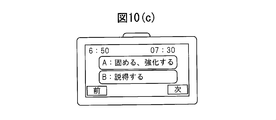
- the user 30 presses the “A” or “B” answer column on the touch panel display 13 shown in FIG. 10C.
- the learning device 1 presents on the touch panel display 13 whether the answer of the user is correct or incorrect (S26). For example, as shown in FIG. 10D, the touch panel display 13 presents whether the first answer is correct or incorrect.
- the user 30 requests the second question with the next button 13n (S27), and requests the answer screen of the second question with the next button 13n, and inputs the second answer.
- the “answer input storage routine R4” configured in S22 to S27 shown in FIG. 9 is repeated until all the problems acquired by the “problem acquisition process” (see FIG. 4) are finished.
- the learning device 1 displays an end message on the touch panel display 13 (S28).
- the learning device 1 sends the answer history of the user 30 to the center server 18 (S29).
- the center server 18 stores the answer history (S29a).
- the answer history is used, for example, to calculate the ranking in the group to which the user 30 belongs.
- FIG. 11 is a sequence diagram showing an operation example of the learning device 1 in the snooze operation process.
- FIG. 12 is an external view showing a display example of the learning device 1 in the snooze operation process.
- the learning device 1 when the alarm activation time stored in the alarm time memory 14 comes, the learning device 1 sounds a bell from the speaker 4 to wake up the user (S31). As shown in FIG. 12A, the time at that time is displayed on the touch panel display 13 of the learning device 1, but this time is earlier than the alarm setting time displayed on the alarm activation time display unit 13a.
- the learning device 1 increments the number of alarms stored in the alarm time memory 14 shown in FIG. 1 by one (S31a). Furthermore, as shown in FIG. 12 (b), the touch panel display 13 of the learning device 1 displays the number of alarms increased by the selection of snooze as “one alarm”.
- FIG. 12 (b) although not shown, it is possible to display snooze time, for example "+3 minutes", on the alarm operation time display unit 13a of the touch panel display 13.
- Snooze is a function that suspends the ringing of the alarm bell and rings again after a predetermined time, for example, three minutes. For example, after 3 minutes, a bell is sounded again, and when the user 30 presses the alarm button 3 again to select snooze, the number of alarms stored in the alarm time memory 14 is updated again.
- “Snooze operation routine R5” configured with S30 to S31a continues until the user 30 ends the selection of snooze and stops the alarm.
- the bell of the alarm of the learning device 1 rings (S32).
- the user 30 presses the alarm button 3 downward to fix it and stops the alarm (S33).
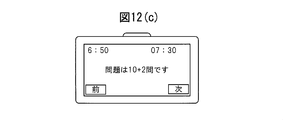
- the learning device 1 presents the number of added questions, the number of alarms, etc. as needed (S34). As shown in FIG. 12 (c), the question is presented as "10 + 2 questions" and the user is notified that the number of added questions is two.
- the “answer input storage routine R6” configured of S36 to S42a continues until the problem defined in the course by the “problem acquisition process” (see FIG. 4) is completed.
- the learning device 1 issues a new question according to the number of alarms when the question of the question determined in the course is finished.
- the additional problem the preliminary problem shown in FIG. 5 (a) is used.
- the preliminary problems are a plurality of problems complemented within the same level of the standard problem which is the standard problem defined in the course of study, and are held by the center server 18. Furthermore, the learning device 1 raises additional questions according to the number of alarms (S43 and S44).
- the operation between the learning device 1, the user 30, and the center server 18 in the "Snooze additional questioning routine R7" and the display example of the touch panel display 13 of the learning device 1 are the same as the processes described above, and therefore redundant description will be omitted. Furthermore, the learning device 1 presents an end message when the additional question is asked (S45).
- the learning device 1 can enhance the effect of learning by a method in which the content relating to the question to be asked at the time of getting up is presented to the user 30 in advance.
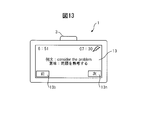
- FIG. 13 is a view showing a display example of the touch panel display 13.
- FIG. 13 shows an example in which “answer and comment” is selected as the form of the notice of the problem.
- an example sentence citing a problem and an interpretation of the example sentence are presented.
- snooze function for example, if the number of alarms activated by the snooze function is large, the number of problems is increased. Then, since the user 30 thinks to reduce the number of times the snooze function is activated and to reduce the number of questions to be answered, it can be expected that the motivation for early onset will increase as a result.
- the learning device 1 shown in FIGS. 1 to 13 when an alarm is set at bedtime, it is possible to know in advance an answer of a question to be asked when getting up, a hint or solution of an answer, and a model answer example. Therefore, it is possible to motivate the user to learn, to support the memory improvement and the logic ability improvement during sleep of the user, to enhance the learning effect, and to make the early wake up habit.
- the problem for which the advance notice is presented (see P3) and the problem (P61) to be presented after that are set in advance.
- the general control unit 6 of the learning device 1 may post only the questions that can be answered in the advance notice (see P3).
- FIG. 14 is a schematic block diagram showing the configuration of another learning device 100. As shown in FIG. 14
- the difference between the other learning device 100 shown in FIG. 14 and the learning device 1 shown in FIG. 1 is that the question giving means 61 of the general control section 6 of the learning device 100 is newly provided with the question content adjusting means 63. is there.
- the other configuration of the learning device 100 is the same as that of the learning device 1, and therefore, the same elements will be assigned the same reference numerals and redundant descriptions will be omitted.
- the question content adjustment means 63 of the other learning device 100 has a function of adjusting the amount and quality of the question to be asked based on the alarm setting time and the alarm activation time. For example, more effective learning effects can be obtained by limiting the amount and quality of questions when sleep time is short, and increasing the amount and quality of questions when sleep time is long.
- the question content adjusting means 63 adjusts the amount and quality of the question to be taken based on the alarm setting time At and the alarm activation time Ad from the alarm time memory 14.
- the question content adjustment means 63 increases the amount of questions in question and makes the average If it is shorter than the value, the setting is made to suppress the amount of questions in question.
- the question content adjustment means 63 is set to lower the quality of the problem if the alarm setting time At is close to the morning time zone, and both the alarm setting time At and the alarm activation time Ad are early in the night If so, make settings to improve the quality of the problem.
- the above adjustment examples are merely examples, and the present invention is not limited to these, and other setting methods can be adopted.
- the learning device 1 and the learning device 100 when an alarm is set at bedtime, a question given as a question at the time of getting up, a hint of an answer, or a solution method and a model answer example are presented in advance to motivate the user to learn. Can be enhanced.
- the learning device 1 and the other learning devices 100 can support memory improvement and logic ability improvement during sleep of the user.
- the learning effect can be enhanced by a more effective method.
- the learning device 1 and the learning device 100 are connected to the Internet.
- the learning device 1 and the learning device 100 are not limited to this, and may be realized by a so-called stand-alone type which is not connected to the Internet.
- what is necessary is just to incorporate the function which the center server 18 provides in the learning apparatus 1 and the learning apparatus 100, when implement
- FIG. 15 is a schematic block diagram showing the configuration of still another learning device 200. As shown in FIG.
- the outline of the operation of the learning device 200 described below is that when the alarm sounds and the user stops the alarm, the problems of the study course are sequentially presented. Furthermore, in the learning device 200, the amount and the quality of the question change in the answer situation of the user or the comparison situation of the scores with other users, and the learning effect can be enhanced in the game sense.
- the learning device 200 includes a clocking unit 202, an alarm button 203, a speaker 204, a general control unit 206, an external interface unit 207, a user interface unit 212, a touch panel display 213, an alarm time memory 214, and a question content memory 215. , And the user answer memory 216 and the like.
- the clock means 202 manages the clock function of the learning device 200, and has a time measurement function and a calendar function.
- the alarm button 203 is a switch capable of both slide operation and push operation, and has three functions of an alarm setting function, a snooze function, and an alarm stop function.
- the alarm button 203 is configured such that an alarm is set when pulled up, a snooze function is activated when pressed lightly, and the setting of the alarm is canceled and the ringing of a bell for waking the user is stopped when the button is fixed downward. ing.
- the alarm button 203 outputs an alarm setting signal As and an alarm stop signal Ah in accordance with each state at the time of setting the alarm and at the time of stopping the alarm.
- the alarm setting signal As and the alarm stop signal Ah are input to the overall control unit 206 through the user interface unit 212.
- the speaker 204 is an alarm activation means for emitting a bell sound or the like for awakening the user at an alarm activation time, and may have a function of providing guidance from the learning device 200 to the user by voice.
- the overall control unit 206 is configured to include a CPU, a RAM, a ROM, and the like, and controls the overall operation of the learning device 200 such as the logical operation determination, input / output control, and data storage of the learning device 200. Further, the overall control unit 206 is provided with a problem presentation means 261.
- the problem question means 261 is provided with the adjustment means 262, and issues a question to the user through the user interface unit 212 or the touch panel display 213.
- the adjusting means 262 has a function of adjusting the quality and the amount of the problems to be presented when the alarm is stopped.
- the external interface unit 207 connects the learning device 200 to the telecommunication network through the router 271 in a wireless or wired manner.
- the touch panel display 213 has an output function by a liquid crystal display and a touch panel input function, and displays a problem that the learning device 200 asks a user a question, and inputs a user's answer by the touch panel method.
- the user interface unit 212 connects the touch panel display 213, which is a contact point between the user and the learning device 200, and the general control unit 206 of the learning device 200.
- the alarm time memory 214, the question content memory 215, and the user answer memory 216 are configured by non-volatile storage elements.
- the alarm time memory 214 stores data related to alarms and the number of alarms.
- the question content memory 215 stores data such as information related to question questions.
- the user answer memory 216 stores data such as information related to the answer of the user.
- FIG. 16 is a schematic configuration diagram of a learning system using the learning device 200.
- the learning system includes a learning device 200 disposed in the residence of the user, a router 271 for connecting to the Internet 221, a center server 218 connected to the Internet 221, and the like.
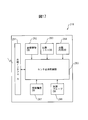
- FIG. 17 is a schematic block diagram showing the configuration of the center server 218. As shown in FIG.
- the center server 218 includes an external interface 281, a course information DB (database) 82, a question list DB 283, a question content DB 284, a center whole control unit 285, an affiliation group DB 286, an answer history DB 287 and the like.
- the external interface 281 connects the center server 218 to the Internet 221 via a telecommunication network, and communicates data with the learning device 200 used by the user.
- the course information DB 182 By searching the course information DB 182 using the user ID (collation mark), it is configured to be able to obtain the ID of the course that the user is taking, that is, the course ID.
- the question list DB 283 By searching the question list DB 283 using the course ID and the date and time, it is configured to be able to obtain the ID of the content to be questioned, that is, the question information ID.
- question information data can be obtained.
- the center overall control unit 285 includes a CPU, a ROM, a RAM, various recording media, and the like, and controls the overall operation of the center server 218.
- the center-wide control unit 285 receives a study course request including the user ID from the learning device 200, searches the course information DB 182 for which the user indicated by the user ID learns, and searches the course information DB 182 for one or more search results.
- the course ID is returned to the learning device 200.
- the center-wide control unit 285 receives the questioning list request including the course ID from the learning device 200, searches the questioning list DB 283 for questioning information IDs indicating a plurality of questions to be questioned in the course, and the search results A questioning list including a plurality of question information information IDs, which are the above, is returned to the learning device 200.
- the center-wide control unit 285 receives the questioning information request including the questioning information ID from the learning device 200, searches the corresponding questioning information data in the questioning content DB 284, and sends the questioning information data as a search result to the learning device 200. I will return it.
- the center-wide control unit 285 receives the user answer history storage request including the date and time, the user ID, the user answer, and the question information information ID from the learning device 200, and stores the request storage history in the answer history DB.
- the center overall control unit 285 when the center overall control unit 285 receives a ranking ranking report request including a user ID from the learning device 200, the center overall control unit 285 searches the affiliation group DB 286 with the user ID to identify a user belonging to the same group.
- the center-wide control unit 285 searches the answer history DB 287 for the answer history of the users belonging to the same group, adds up the rankings based on the result, and returns the obtained rankings to the learning device 200.
- the center overall control unit 285 when the center overall control unit 285 receives the accuracy rate report request including the user ID from the learning device 200, the center overall control unit 285 adds up the accuracy rate rankings in the group to which the user belongs in the same procedure. Return rate rankings.
- the center overall control unit 285 when the center overall control unit 285 receives a situation presentation request including the user ID and the question information information ID from the learning device 200, the center overall control unit 285 searches the affiliation group DB 286 with the user ID and identifies the user belonging to the same group. Further, the center-wide control unit 285 searches the answer history DB 287 with the question information information ID, determines whether the problem has already been correct by any of the users identified earlier, and sends the determination result to the learning device 200. I will return it.
- the ranking information returned from the center server 218 to the learning device 200 includes information only for the user who has requested it, and the other users in the group The order shall not be included. However, ranking information of all users in the group may be included.
- the date and time, the user ID, the user answer, and the question information ID are information transmitted from the learning device 200 to the center server 218.
- the DB other than the answer history DB that is, the contents of the course information DB 282, the question list DB 283, the question content DB 284 and the belonging group DB 286 can be written, for example, at the beginning of the fiscal year.
- the affiliation group DB 286 stores the user ID and the affiliation group ID as a set, and is used to determine an aggregation range such as ranking calculation. If the belonging group DB 286 is used, it is possible to search for the belonging group ID by the user ID, and conversely, to search for the user ID by the belonging group ID.
- the answer history DB 287 stores an answer history including the date and time of the user, the user ID, the question information information ID, and the user answer.
- the answer history is used in calculating ranking information in a group, that is, ranking ranking and accuracy rating.
- the learning device 200 can be configured by a personal computer or an Internet terminal. However, in the following, the learning device 200 will be described using an example in which the liquid crystal screen is an Internet terminal provided with a touch panel.
- FIG. 18 is a flowchart showing an operation example of the learning device 200.
- the processing steps of the learning device 200 are executed by the CPU included in the general control unit 206 in cooperation with each element included in the learning device 200 according to a program stored in advance in the general control unit 206. Further, in the processing step of the center server 218, the CPU of the center overall control unit 285 cooperates with various constituent members (see FIG. 17) according to a program stored in advance in the memory of the center overall control unit 285. Run.
- the processing steps P201 to P205 will be simply referred to as P201 to P205.
- the learning device 200 is automatically connected to the center server 218 via the Internet 221, for example, at a time when the learning device 200 is not used, such as 12 o'clock in the daytime, and stored in the course information DB 182 of the center server 218 shown in FIG. Get the problem of the course you are taking (P201; problem acquisition process).
- the learning device 200 stores the acquired question data in the question content memory 215 of the learning device 200 shown in FIG.
- the user 230 sets an alarm of the learning device 200 to wake up at a desired time (P202). “Z” following P202 indicates that the user 230 has gone to bed.
- the learning device 200 sounds a bell to wake the user a predetermined time before the alarm set time (P203).
- the user 230 presses the alarm button 203 to fix it and stop the alarm (P204).
- the learning device 200 issues a question determined in the course, the user 230 answers the problem, and the learning device 200 registers the answer history in the center server 218 through the telecommunication network (P205).
- the answer history registered in the center server 218 is stored in the answer history DB of FIG. 17 and is used to calculate the ranking and ranking in the group to which the user 230 belongs. Recording of question questions, answers, and answer history in P205 is repeated by a predetermined number of questions.
- the learning device 200 uses the adjustment means 62 of the problem presentation means 261 shown in FIG. Adjust the amount and quality of the problem. A method of adjusting the amount and quality of the problem will be described later with reference to FIG.
- FIG. 19 is a sequence diagram showing operations of the learning device 200 and the center server 218 in the problem acquisition process.
- R201 and R202 surrounded by dotted lines are program routines consisting of a plurality of operation steps. Also, the operation steps S201, S202,..., Sn will be simply described as S201, S202,.
- the learning apparatus 200 starts communication with the center server 218, transmits user ID data to the center server 218, and requests a user's course (S201).
- the center server 218 when the center server 218 receives a course request including the user ID data from the learning device 200, the center server 218 refers to the contents of the course information DB 182, and takes one or more courses to be taken by the user specified by the user ID.
- the course ID is returned to the learning device 200 (S202).
- the learning apparatus 200 transmits the course ID data for each course ID and date / time data for giving a question to the user, to the center server 218, A question list is requested (S203).
- the center server 218 sends back the question list including the plurality of question information ID data to the learning device 200 (S204).
- the question list will be described later with reference to FIG.
- the learning device 200 transmits the question information ID data one by one to the center server 218 for all the question information IDs acquired from the center server 218 (S205).
- the center server 218 searches question information data corresponding to the question information ID contained in the question content DB, and returns the question information data to the learning device 200. (S206).
- the question information data will be described later with reference to FIG.
- the “question information acquisition routine R201” configured in S205 and S206 shown in FIG. 19 continues until acquisition of the problem defined in the list of one or more problems acquired in S204 is completed.
- the “question list acquisition routine R202” configured in S203 to S206 shown in FIG. 19 continues until the acquisition of the problem list defined by the one or more course ID acquired in S202 is completed.
- the problem of the course taken is transmitted from the center server 218 to the learning device 200, and the learning device 200 acquires the problem to be presented on that day.
- FIG. 20 is a configuration diagram of data of information type that the learning device 200 acquires from the center server 218, and FIG. 20 (a) shows the configuration of a questioning list, and FIG. 20 (b) shows the configuration of questioning information data. It shows.
- the learning device 200 acquires a problem list to be presented on the day.
- the problem list includes the course ID, the number of standard problems included in the problem list, the number of preliminary problems, and the question information ID of the standard problems corresponding to the number of standard problems. And, it comprises the question information ID and the like of the preliminary problems corresponding to the number of preliminary problems.
- the standard problem is a problem that is always asked to the user, and the preliminary problem is a problem in which it is determined whether or not to be asked for each user, as described later.
- the question information data includes question information ID, question data, data for answer, correct data, standard answer time, and the like.
- the problem data is, for example, a moving image, and is reproduced by the learning device 200 when the problem is asked.
- the answer data is, for example, a moving image, and is displayed when the learning device 200 prompts the user for an answer.
- the correct answer data is data representing the correct answer of the question, and is, for example, an option of the correct answer.
- the standard solution time is the time which is expected to be required to solve the problem, and is, for example, the number of seconds. The standard solution time is used as a reference when the learning device 200 adjusts the alarm ringing time.
- FIG. 21 is an external view showing a display example of the learning device 200. As shown in FIG. FIG. 21A shows a display example of the learning device 200 when an alarm is not set, and only the current time is displayed on the touch panel display 213.
- an alarm button 203 capable of alarm setting, snooze and alarm stopping is provided.
- the touch panel display 213 of the learning device 200 displays the time at that time.
- the operations of S201 to S206 automatically proceed between the learning device 200 and the server 18 via the Internet 221.
- FIG. 21B is a display example of the learning device 200 when an alarm is set by pulling up the alarm button 203 when there is no course taken.
- the alarm activation time display portion 213a of the touch panel display 213 displays a mark indicating that the alarm activation time and the alarm are set.
- the alarm activation time can be changed by tracing the alarm activation time display section 213a.
- the touch panel display 213 with a group ranking display portion 213g for displaying the ranking of results in the group to which the user belongs.
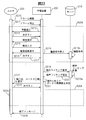
- FIG. 22 is a sequence diagram showing operations of the learning device 200 and the center server 218 when an alarm is activated.
- FIG. 22 shows the case where the problem increases or decreases according to the order ranking.
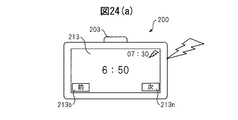
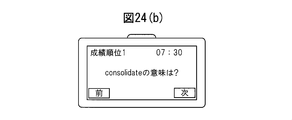
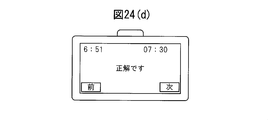
- FIG. 24 shows display examples (1) to (4) of the learning device 200.
- the learning device 200 sounds a bell by the speaker 204 to wake up the user (S210).
- the time at that point is displayed on the touch panel display 213 of the learning device 200, but this time takes into consideration the time for the user 230 to solve the problem, and the alarm activation time display portion 213a It is earlier than the alarm setting time displayed on.
- the alarm button 203 of the learning device 200 shown outputs an alarm stop signal Ah, and the alarm stop signal Ah is input to the problem question means 261 of the overall control unit 206 through the user interface unit 212.
- the question giving means 261 displays the first question on the touch panel display 213 of the learning device 200 through the user interface unit 212 (S212).
- the user 230 presses the next button 213 n of the touch panel display 213 to request a screen for inputting an answer (S 213).
- the learning device 200 presents an answer screen on the touch panel display 213 (S214). That is, as shown in FIG. 24C, the touch panel display 213 presents a screen for inputting an answer to the first question.
- the user 230 presses the answer column displayed on the touch panel display 213 to input an answer (S215). That is, the user 230 presses the “A” or “B” answer column on the touch panel display 213 shown in FIG.
- the learning device 200 presents on the touch panel display 213 whether the user's answer is correct or incorrect (S216). That is, as shown in FIG. 24D, the touch panel display 213 presents whether the first answer is correct or incorrect.
- the user 230 prompts the display of the next screen with the next button 13 n (S 217).
- the learning device 200 displays the answer result to the user 230, and at the same time, requests the center server 218 to save the answer history, that is, the user's score (S218).
- the center server 218 stores the answer history in the answer history DB 287 (S218a).
- the answer input storage routine R204 is repeated by the number of standard questions acquired by the processing shown in FIG. That is, in the process shown in FIG. 22, all standard questions are presented to the user.
- the learning device 200 sends an order ranking request to the center server 218 (S219).
- the solution history DB 287 searches the solution history of the users belonging to the same group from the solution history, and the number of the user 230 of the request source ending the standard problem in the group (S219a).
- the order in the group may be determined in the order of the time when the first question was answered.
- the center server 218 may use the rank of the accuracy rate up to that point as rank ranking information. In addition, it is possible to calculate an accuracy rate from the result searched by answer history DB 287 by then.
- the center server 218 sends back the ranking information obtained in S219a to the learning device 200 (S220).
- the learning device 200 adjusts the amount and quality of the questions to be presented based on the ranking information, that is, the ranking and the accuracy rate ranking (S221). Specifically, as shown in FIG. 15, the adjusting means 262 included in the question giving means 261 of the general question control unit 206 of the learning device 200 adjusts the amount, quality, and configuration of the question to be given by the ranking information.
- the additional problem is regarded as a bonus.
- a method may be considered in which the user with the first rank is not given any preliminary questions but the number of preliminary questions to be presented is increased one by one each time the ranking drops. In this case, the additional problem is regarded as a penalty. It is possible to take any of the methods described above. If there is no additional problem, the process proceeds to S230.
- the learning device 200 When the number of additional problems is determined, the learning device 200 presents a message to the user 230 (S222). Although not shown, it can be presented as, for example, “first place, 5 bonus questions”. The user 230 presses the next button 213n to prompt the next screen (S223).
- the learning device 200 repeats the answer input storage routine R204 according to the number of questions determined in S221. That is, the question of the question, the acceptance of the answer from the user 230, and the history storage to the center server 218 are repeated. When the questions, answers, and history storage for all the questions have been completed, the process proceeds to S230.
- the learning device 200 displays a message of completion on the touch panel display 213 (S230). For example, display a string such as "There is no problem anymore.”
- FIG. 23 is a sequence diagram showing another operation of the learning device 200 and the center server 218 when the alarm is activated.
- FIG. 23 shows the case where the number of questions increases or decreases according to the answer situation of other users.
- the learning device 200 executes the “selective answer input storage routine R205” shown as S225 to S228 shown below for all the problems acquired in the process shown in FIG.
- a situation presentation request is issued from the learning device 200 to the center server 218 (S225).
- the situation presentation request includes the user ID of the user 230 and the question information ID of the question to decide whether to present to the user 230 from now on.
- the center server 218 searches the belonging group DB 286 with the user ID, and identifies the user belonging to the same group. Further, the answer history DB 287 is searched with the question information information ID, and it is determined by any of the previously identified users whether the question has already been answered correctly.
- the center server 218 returns the determination result to the learning device 200 (S226).
- the learning device 200 determines whether to put the question on the user 230 (S227).
- the problem is not answered by another user, the following S228 is performed, and the problem is presented to the user 230. If the problem is that another user has already answered, S228> is not executed and the problem is not presented to the user 230.
- S228 is a process in which the user 230 answers the question given from the learning device 200 and records the history in the center server 218, and is the same process as the answer input storage routine R204 described above. Finally, when there is no problem to be asked, the learning device 200 displays an end message to the user (S230). This is the same as the process of S230 described in FIG.
- the learning system including the learning device 200 and the learning device 200 illustrated in FIGS. 15 to 24 includes the external interface unit 207, and thus communicates with the center server 218 via the Internet 221 to learn other users. It is possible to provide learning materials and learning methods according to the situation. Therefore, it is possible to perform a variety of learning more than when the user is alone, and a higher learning effect can be expected. For example, it is possible to provide a learning system in which a plurality of users who form a group work together to improve the academic performance more effectively by the connection between the users. Also, sufficient learning materials can be provided to the user via the network.
Landscapes
- Engineering & Computer Science (AREA)
- Business, Economics & Management (AREA)
- Physics & Mathematics (AREA)
- General Physics & Mathematics (AREA)
- Theoretical Computer Science (AREA)
- Educational Administration (AREA)
- Educational Technology (AREA)
- Tourism & Hospitality (AREA)
- Health & Medical Sciences (AREA)
- Economics (AREA)
- General Health & Medical Sciences (AREA)
- Human Resources & Organizations (AREA)
- Marketing (AREA)
- Primary Health Care (AREA)
- Strategic Management (AREA)
- General Business, Economics & Management (AREA)
- Electrically Operated Instructional Devices (AREA)
Abstract
本発明の目的は、睡眠中の無意識の作用を利用することで学習効果を高めることができる学習装置を提供することである。計時手段と、ユーザに提示する問題の出題時刻を設定する時刻設定手段と、時刻設定手段の設定に基づいて前記問題を出題させる出題手段と、問題の出題時刻時よりも前に出題手段により出題される問題に関連する内容をユーザに予め提示する提示手段を有する学習装置。
Description
本発明は、目覚まし時計等で用いられるアラーム機能とユーザの学力向上のための学習機能とを融合させた学習装置に関する。
目覚まし時計等の覚醒装置と電子学習支援装置を組み合わせることにより、起床時にユーザを確実に覚醒させ、かつ意志の弱いユーザでも毎日学習を持続させるようにした装置が知られている(例えば、特許文献1参照)。
特許文献1には、図25に示す様に、問題提示手段Cに提示される問題に対して解答入力手段Dに解答を入力したとき、この解答の正誤を解答判定手段Bで判定する電子学習支援装置と覚醒装置の融合装置が開示されている。融合装置は、解答判定手段Bの判定の結果に基づいて覚醒刺激出力手段Eを制御する覚醒刺激制御手段Aを具備している。また、融合装置では、正解率や連続正解数が所定の条件に達しない場合には、覚醒刺激出力手段Eの覚醒刺激、すなわちアラームが止まらない構成となっている。
なお、睡眠が学習(記憶定着)に役立つということも、知られている(例えば、特許文献2参照)。即ち、睡眠前に覚えたことは記憶として定着し易い。
しかしながら、特許文献1に記載の融合装置では、起床時に初見の問題を解くのみであり学習効果を高める工夫に欠けていた。また、起床時の問題に答える時間が考慮されていないため、起床時間が遅れてしまうという問題もあった。さらに、問題の出題パターンが、アラーム作動時から起床するまでの時間に関係ないため、早く起きる動機付けが弱いという欠点があった。
本発明の目的は、上記の問題点を解決することを可能とする学習装置を提供することである。
また、本発明の目的は、睡眠中の無意識の作用を利用することで学習効果を高めることができる学習装置を提供することである。
さらに、本発明の目的は、起床時間に遅れることなく学習効果を高め、ユーザの早く起きる動機付けを高めることができる学習装置を提供することである。
また、特許文献1に記載の融合装置では、ユーザへ提供する学習教材や学習方法に変化が乏しく十分な学習効果を得ることはできない。
本発明の目的は、ユーザに対し変化に富んだ学習教材や学習方法を提供し、ユーザの学習効果を高めることができる学習装置及びそれを用いた学習システムを提供することである。
学習装置は、計時手段と、ユーザに提示する問題の出題時刻を設定する時刻設定手段と、時刻設定手段の設定に基づいて前記問題を出題させる出題手段と、問題の出題時刻時よりも前に出題手段により出題される問題に関連する内容をユーザに予め提示する提示手段を有することを特徴とする。
さらに、学習装置では、提示手段により予め提示される内容は、出題手段により出題される問題を含むことが好ましい。
さらに、学習装置では、提示手段により予め提示される内容は、更に、出題手段により出題される問題の解答のヒントを含むことが好ましい。
さらに、学習装置では、提示手段により予め提示される内容は、更に、前記出題手段により出題される問題の解き方を含むことが好ましい。
さらに、学習装置では、ユーザによる解答を受け付けるための操作手段を更に有することが好ましい。
さらに、学習装置では、時刻設定手段はアラームを設定するアラーム設定手段であり、アラーム設定手段の設定に基づいて前記アラームを作動させるアラーム作動手段と、アラームを停止するアラーム停止手段とをさらに備え、アラーム設定手段は、問題手段が出題する問題の量又は質に応じてアラーム作動手段のアラーム作動時刻を調整することが好ましい。
さらに、学習装置では、アラーム停止手段はスヌーズ機能を備え、スヌーズ機能により作動したアラームの回数に応じて、出題手段がユーザに出題する問題数を増減させることが好ましい。
さらに、学習装置では、アラーム設定手段を利用してアラーム作動時刻を設定するアラーム設定時刻とアラーム作動時刻との時間差に応じて出題内容を調整する出題内容調整手段を更に有することが好ましい。
さらに、学習装置では、出題内容調整手段は、時間差が短い場合は出題を抑制し、時間差が長い場合は出題を増加する様に出題内容を調整することが好ましい。
さらに、学習装置では、アラーム設定時刻はユーザの就寝時刻に相当し、アラーム作動時刻はユーザの起床時刻に相当することが好ましい。
学習装置は、計時手段と、ユーザに提示する問題の出題時刻を設定する時刻設定手段と、時刻設定手段の設定に基づいて問題を出題させる出題手段と、電気通信回線網に接続可能とする外部接続手段を有し、外部接続手段は、電気回線通信網に接続された他の学習装置を利用する所定のユーザで構成された集団において、他のユーザによる問題の解答状況に応じた情報を、電気通信回線網と接続されたセンターサーバから取得することを特徴とする。
さらに、学習装置では、問題出題手段は、集団における順位に応じて、問題の量又は質を変更することが好ましい。
さらに、学習装置では、問題出題手段は、電気回線通信網に接続された他の学習装置を利用する他のユーザが正解した問題は、ユーザには出題しないことが好ましい。
さらに、学習装置では、集団内の順位状況を報知する報知手段を更に有することが好ましい。
さらに、学習装置では、問題出題手段は、問題に解答する時刻に応じて前記問題の量を増減することが好ましい。
学習装置は、計時手段と、アラームを設定するアラーム設定手段と、アラーム設定手段の設定に基づいてアラームを作動させるアラーム作動手段と、アラームを停止するアラーム停止手段と、アラーム停止手段が出力するアラーム停止信号に基づいてユーザに問題を出題する問題出題手段を有し、問題出題手段は、アラーム設定手段が出力するアラーム設定信号に基づき、アラーム作動時に解答すべき問題に関連する内容をユーザに予め提示することを特徴とする。
学習装置は、計時手段と、アラームを設定するアラーム設定手段と、アラーム設定手段の設定に基づいてアラームを作動させるアラーム作動手段と、アラームを停止するアラーム停止手段と、アラーム停止手段が出力するアラーム停止信号に基づいてユーザに問題を出題する問題出題手段と、電気通信回線網に接続可能とする外部接続手段を有し、外部接続手段は、電気回線通信網に接続された他の学習装置を利用する他のユーザによる問題の解答状況に応じた情報を、電気通信回線網と接続されたセンターサーバから取得することを特徴とする。
学習装置及び学習システムによれば、アラーム作動時に解答すべき問題に関する内容を、アラーム設定時に予め提示することで、アラーム作動時の解答力を高めることができる。特に、アラーム作動時が起床時であれば、睡眠中の無意識の作用により、正答率向上などの学習効果を高めることができる。
また、学習装置及び学習システムによれば、アラーム作動時に出題する問題の量や質に応じてアラーム作動時刻を調整することで、起きて活動を始める時刻など、本来アラームを作動させるべき時までに学習を終わらせることができる。したがって、その後の活動に支障を来すことを防ぐことができる。
さらに、学習装置及び学習システムによれば、スヌーズ機能により作動したアラームの回数に応じて、ユーザに出題する問題数を増減するようにしたので、ユーザの早起きに対する動機付けを高めることができる。
さらに、学習装置及び学習システムによれば、本発明の学習装置及びそれを用いた学習システムによれば、電気通信回線網に接続可能とする外部接続手段を備えていることにより、電気通信回線網を介して外部サーバと通信可能となるため、他のユーザによる問題の解答状況に応じた学習教材や学習方法を提供することができる。したがって、ユーザ一人で行う場合よりも、バラエティに富んだ学習を行うことができるため、より高い学習効果が期待できる。
以下図面を参照して、学習装置及びそれを用いた学習システムについて説明する。但し、本発明の技術的範囲はそれらの実施の形態に限定されず、特許請求の範囲に記載された発明とその均等物に及ぶ点に留意されたい。
以下に説明する学習装置1の動作の概略は、ユーザが就寝時にアラームを設定すると、学習装置1は起床時に出題される問題や解答のヒントあるいは解き方などを予め提示することにある。これによって、学習装置1は、ユーザの睡眠中の記憶向上及び論理能力向上を支援して学習効果を高め、ユーザの学習への動機付けを行ない、及び、早起きの習慣化も促進するものである。
図1は、学習装置1の構成を示す概略ブロック図である。
図1に示す様に学習装置1は、計時手段2、アラームボタン3、スピーカ4、全体制御部6、外部インターフェイス部7、ユーザインターフェイス部12、タッチパネルディスプレイ13、アラーム時刻メモリ14、出題内容メモリ15、及びユーザ解答メモリ16等から構成されている。
計時手段2は、学習装置1の時計機能を管理し、時間計測機能とカレンダー機能を備えている。
アラームボタン3は、スライド動作及びプッシュ動作の何れの動作も可能なスイッチで、アラーム設定機能、スヌーズ機能、及びアラーム停止機能の3つの機能を備えている。アラームボタン3は後述する様に、ユーザに提示する問題の出題時刻を設定する時刻設定手段として機能している。
アラームボタン3は、例えば引き上げるとアラームが設定され、軽く押すとスヌーズ機能が働き、さらに下方に押して固定するとアラームの設定が解除されユーザを覚醒させるためのベル音の鳴動が停止するように構成されている。
アラームボタン3は、アラームの設定時、スヌーズ時、及びアラームの停止時の各々の状態に対応して、アラーム設定信号As、スヌーズ信号Ahs、及びアラーム停止信号Ahを出力する。アラーム設定信号As、スヌーズ信号Ahs、及びアラーム停止信号Ahは、ユーザインターフェイス部12を通じて全体制御部6に入力される。
スピーカ4は、アラーム作動時刻に、ユーザを覚醒させるためのベル音などを鳴動するアラーム作動手段であり、学習装置1からユーザに音声で学習のガイダンスを行なう機能を有することも可能である。
全体制御部6は、CPU、RAM及びROM等を含んで構成され、学習装置1の論理動作判断、入出力制御、及びデータ記憶等の学習装置1の動作全体を制御する。また、全体制御部6は、問題出題手段61を備えている。
問題出題手段61は、予告手段62を備え、ユーザインターフェイス部12又はタッチパネルディスプレイ13を通じてユーザに問題を出題する。
予告手段62は、アラームボタン3によってアラームが設定されると、起床時に出題する問題に関連する内容、すなわち問題の予告を出力する提示手段としての機能を有している。
外部インターフェイス部7は、学習装置1を無線または有線方式でルータ71を通じて電気通信回線網に接続する外部接続手段として機能する。
タッチパネルディスプレイ13は、液晶表示器による出力機能及びタッチパネル入力機能を備え、学習装置1がユーザに出題する問題を表示すると共に、ユーザの解答をタッチパネル方式で入力して受け付けるための操作手段とし機能する。
ユーザインターフェイス部12は、ユーザと学習装置1との接点であるタッチパネルディスプレイ13と学習装置1の全体制御部6とを接続している。
アラーム時刻メモリ14、出題内容メモリ15、及びユーザ解答メモリ16は、不揮発記憶素子で構成されている。アラーム時刻メモリ14は、アラームに係わる情報やアラーム回数等のデータを記憶する。出題内容メモリ15は、出題問題に係わる情報等のデータを記憶する。ユーザ解答メモリ16は、ユーザの解答に係わる情報等のデータを記憶する。
学習装置1は、パーソナルコンピュータやインターネット端末で構成することが可能である。しかしながら、以下では、学習装置1を、液晶画面にタッチパネルを備えたインターネット端末で構成した例を用いて説明する。
図2は、学習装置1を用いた学習システムの概略構成図である。
図2に示す様に、学習システムは、ユーザの住居に配置されている学習装置1、インターネット21に接続するためのルータ71、及びインターネット21に接続されたセンターサーバ18等から構成される。なお、ルータ71は、パーソナルコンピュータ19と、インターネット21とを接続するためにも利用することができる。
図3は、学習装置1の動作例を示すフローチャートである。
図3において、四角で囲んだ処理ステップP1、P3、P4、P61、P62、P72、P822、P823は学習装置1及びセンターサーバ18の動作を示し、楕円で囲んだ処理ステップP2、P51、P52、P71、P82、P821、P824はユーザ30の動作を示している。
図3において、学習装置1の処理ステップは、全体制御部6に予め記憶されているプログラムに従って、全体制御部6に含まれるCPUが、学習装置1に含まれる各要素と共同して実行する。また、図3において、センターサーバ18の処理ステップは、センターサーバ18のメモリ(不図示)に予め記憶されているプログラムに従って、センターサーバ18のCPU(不図示)が、送受信部(不図示)等と共同して実行する。なお、以後は、処理ステップP1~P824は、単にP1~P824と表記する。
学習装置1は、例えば昼の12時など学習装置1が使用されていない時間帯に、自動的にインターネット21を経由しセンターサーバ18に接続し、ユーザ30が予め指定した履修コースの問題を取得する(P1;問題取得プロセス)。
次に、ユーザ30は、翌朝に希望する時間に起床するため、学習装置1のアラームを設定する(P2)。
アラームが設定されると、次に学習装置1は、ユーザ30に、起床時に出題する問題に関連する内容、すなわち問題の予告を提示する(P3)。
P3に続く“Z”は、ユーザ30が就寝したことを示している。
アラーム設定時刻となると、学習装置1のアラームが作動しベル音が鳴動する(P4)。P4の後は、アラームを停止するか、スヌーズを選択するか、の2通りがある。
アラームを停止する場合、ユーザ30は、アラームボタン3を押し下げて固定しアラームを停止する(P51)。次に、学習装置1は履修コースで定められた問題を出題し(P61)、ユーザ30は問題への解答を行なう(P71)。上記のP4、P51、P61及びP71は、アラーム動作プロセスである。
ユーザ30が、アラームボタン3を軽く押すと、スヌーズが選択される(P52)。次に、学習装置1はスヌーズの回数を記憶するとともに、スヌーズの選択によって増加したアラーム回数を更新記憶し(P62)、スヌーズ機能の所定の時間が過ぎると再びアラームを作動させ、ベル音を鳴動させる(P72)。
ユーザ30が、再びアラームボタン3を軽く押し、スヌーズを選択すると(P82)、P62~P72が繰り返えされる。すなわち、ユーザ30がスヌーズを選択する度に、学習装置1のアラーム時刻メモリ14はスヌーズの選択によって増加したアラーム回数を更新記憶する。P4、P52、P62、P72、及びP82はスヌーズ操作プロセスである。P72の後は、アラームを停止するか、スヌーズを選択するか、の2通りがある。
ユーザ30がアラームボタン3を押し下げて固定しアラームを停止すると(P821)と、学習装置1は履修コースで定められた問題を出題する(P822)。次に、学習装置1は、さらにアラーム回数に応じて追加問題を出題する(P823)。次に、ユーザ30は、履修コースで定められた問題に加えて追加問題にも解答をする(P824)。なお、上記の例では、アラームを停止すると問題が出題されるように設定されているが、アラーム設定時刻となったら問題の出題が開始されるようにしても良い。
図4は、問題取得プロセスにおける学習装置1の動作例を示すシーケンス図である。
図4において、点線で囲ったR1及びR2は複数の動作ステップからなるプログラムルーチンである。また、動作ステップS1、S2、・・、Snは、以後は単にS1、S2、・・Snと表記する。
最初に、学習装置1は、例えば昼の12時になったらセンターサーバ18と通信を始め、センターサーバ18に対しユーザIDデータを送信して、ユーザの履修コースを要求する(S1)。
次に、センターサーバ18は、学習装置1からのユーザIDデータを含む履修コース要求を受信したら、学習装置1に対し1個又は複数の履修コースIDデータを返送する(S2)。
次に、学習装置1は、センターサーバ18から履修コースIDデータを取得したら、センターサーバ18に対し、履修コースID毎の履修コースIDデータとその日付時刻データを送信し、出題リストを要求する(S3)。
次に、センターサーバ18は、学習装置1から出題リストを要求されたら、複数の出題情報IDデータを含む出題リストを学習装置1に返送する(S4)。ここで、出題リストは、例えば、図5(a)に示すデータから構成される(詳細は後述する)。これにより、学習装置1は、その日に出題すべき問題のリストを取得する。
次に、学習装置1は、センターサーバ18より取得した複数の出題情報IDの中から、任意の出題情報IDデータをセンターサーバ18に送信して出題情報要求を行う(S5)。
次に、センターサーバ18は、学習装置1からの出題情報要求を受信したら、出題情報データを返送する(S6)。ここで、出題情報データは、図5(b)に示すデータから構成される(詳細は後述する)。これにより、学習装置1は、その日に出題すべき問題を取得する。
図4において、S5とS6で構成される「出題情報取得ルーチンR1」は、S4で取得された1個又は複数の問題のリストで定められた問題の取得が終了するまで、継続する。
図4において、S3~S6で構成される「出題リスト取得ルーチンR2」は、S2で取得された1個又は複数の履修コースIDで定められた問題リストの取得が終了するまで、継続する。
以上のS1~S6のステップにより、履修コースの問題がセンターサーバ18から学習装置1に送信される。履修コースの問題が学習装置1に送信された後に、学習装置1のアラームが設定されると、後述するアラームセットプロセスに移る。
S1からS6の間は、後述する図6(1)に示す様に、学習装置1のタッチパネルディスプレイ13にはその時点の時刻が表示される。また、S1からS6の動作は、インターネット21を経由して、学習装置1及びセンターサーバ18の間で、自動的に進行する。
図5は、学習装置1がセンターサーバ18から取得する情報のデータの構成例であって、図5(a)は出題リストの構成例を示し、図5(b)は出題情報データの構成例示している。
図5(a)に示す様に、学習装置1は、センターサーバ18から、履修コースを特定する履修コースID、履修コースで定められた標準の問題の数である標準問題数、標準問題と同水準の範囲で補完された問題である予備問題数、及び複数の標準問題の出題情報IDと複数の予備問題の出題情報ID等を含む「出題リスト」を取得する。
また、図5(b)に示す様に、学習装置1は、図5(a)に示される出題リストを引用し、センターサーバ18から、出題情報ID、問題データの動画、予告タイプ、ヒントデータ、解答用データ、正解データ、解説データ、及び複数のユーザの解答時間の平均値である標準解答時間(秒)等を含む「出題情報データ」を取得する。問題データ動画、ヒントデータの動画、解答用データの動画、正解データの動画、及び解説データの動画は、必要がある場合にのみ、取得される。予告タイプとは、予告される問題に関連する内容を指定するためのヒント表示の有無、練習の有無、解答提示の有無、及び解説提示の有無を示すものである。
図5(a)と図5(b)に示す様に、学習装置1とセンターサーバ18との間で交換される情報のデータ構成は、階層化されことによって、両者間の通信を高速化かつ効率化している。
図6は、問題取得プロセスにおける学習装置1の表示例を示す外観図である。
図6(a)はアラームが設定されていない場合で、タッチパネルディスプレイ13には現在時刻のみが表示されている。図6(a)に示す様に、学習装置1の上部にはアラームの設定、スヌーズ、アラームの停止が可能なアラームボタン3が配置されている。
図6(b)は、履修コースがない場合に、アラームボタン3を引き上げてアラームが設定された場合の学習装置1の表示例である。タッチパネルディスプレイ13のアラーム作動時刻表示部13aには、アラーム作動時刻とアラームを設定したことを示すマークが表示されている。アラーム作動時刻は、アラーム作動時刻表示部13aを指でタッチすることによって変更することができる。
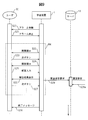
図7は、アラームセットプロセスにおける、ユーザ30、学習装置1及びセンターサーバ18間の動作例を示すシーケンス図である。また、図8は、アラームセットプロセスにおける学習装置1の表示例を示す外観図である。
最初に、ユーザ30は学習装置1のアラームを設定する(S10)。図8(a)に示す様に、学習装置1のアラームボタン3は通常下方に固定されアラーム停止状態になっているが、図8(b)に示す様にアラームボタン3を引き上げることによってアラームが設定される。
次に、ユーザ30によって学習装置1のアラームボタン3でアラームが設定されると、学習装置1のアラームボタン3はアラーム設定信号Asを出力し(図1参照)、アラーム設定信号Asは、ユーザインターフェイス部12を通じて、全体制御部6の問題出題手段61に入力される。
次に、問題出題手段61に備えられた予告手段62は、ユーザインターフェイス部12を通じてタッチパネルディスプレイ13に、図8(b)に示す様に、1番目の問題の予告を提示する(S11)。同時に、図8(b)に示す様に、アラーム作動時刻表示部13aにアラーム時刻とアラームを設定したことを示すマークが表示される。なお、ユーザ30は、必要に応じアラーム作動時刻表示部13aを指でタッチし、アラーム作動時刻を変更することができる。
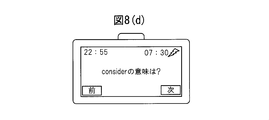
次に、ユーザ30は、最初の問題を確認すると、タッチパネルディスプレイ13の次ボタン13nを押す(S12)。なお、図8(b)に示す様にタッチパネルディスプレイ13には次ボタン13nが設けられている。
次に、学習装置1はタッチパネルディスプレイ13の次ボタン13nが押されると、「予告される問題に関連する内容」として、「解答の提示」がなされる(S13)。なお、「予告される問題に関連する内容」には、「解答の提示」以外にも、「解答すべき問題」、「解答のヒントの提示」、「解答すべき問題の解き方」、「解答演習」、「解答の解説」等を選択する事が可能であり、履修コースで予め指定する事ができる。図8(c)では、タッチパネルディスプレイ13に、問題に対する解答が表示された例が示されている。
再度、ユーザ30が次ボタン13nを押すと、図8(d)に示す様にタッチパネルディスプレイ13には2番目の問題が表示される(S14)。次に、ユーザが問題を確認後、次ボタン13nを押すと、図8(e)に示す様にタッチパネルディスプレイ13には2番目の問題に対する解答が表示される。
この様に、繰り返し次ボタン13nを押し、図7に示すS11~S14と同様の手順を繰り返し、ユーザ30は、履修コースで定めたれた全ての問題と解答を得る。
なお、ユーザ30が、タッチパネルディスプレイ13の前ボタン13bを押すと、その直前の問題が出題される。また、ユーザ30が次ボタン13nを長く押し続けると、学習装置1は問題の予告を途中で中止する。
次に、学習装置1は、タッチパネルディスプレイ13を通じてユーザに終了メッセージを送る(S15)。図8(f)に示す様に、タッチパネルディスプレイ13に、“問題の予告は終了です”と表示され、アラームセットプロセスは終了する。
学習装置1の全体制御部6は、S15終了後に、アラーム作動時刻に出題すべき問題の量と質から、作動時刻を調整すると共に、調整した作動時刻をアラーム時刻メモリ14に記憶する。例えば、学習装置1の全体制御部6は、問題の量が多ければアラーム作動時刻を1問当り1分間繰り上げる等の調整を行う。
図7に示す様に、S11~S14で構成される「予告提示ルーチンR3」は、途中でユーザ30が、次ボタン13nを長く押さない限り、「問題取得プロセス」(図4参照)によって取得された全ての問題が終了するまで継続する。
図7に示す予告提示は、睡眠時の無意識の作用を利用するためのものであり、起床時に解答すべき問題に関する情報を就寝直前に予告することで、起床時の問題正当率が向上するという学習効果を得ることを目的としている。
図9は、アラーム作動プロセスにおける学習装置1の動作例を示すシーケンス図である。また、図10は、アラーム作動プロセスにおける学習装置1の表示例を示す外観図である。
最初に、学習装置1は、アラーム時刻メモリ14に記憶されたアラーム作動時刻より前にスピーカ4でベル音を鳴動しユーザ30を覚醒する(S20)。図10(a)に示す様に、学習装置1のタッチパネルディスプレイ13にはその時点の時刻が表示されているが、この時刻はユーザ30が問題を解く時間を考慮し、アラーム作動時刻表示部13aに表示されているアラーム設定時間より早く設定されたものである。
次に、ユーザ30が、学習装置1のアラームボタン3を下方に押し下げて固定すると、アラームが停止され、ベル音の鳴動が停止する(S21)。ベル音の鳴動が停止すると、学習装置1のアラームボタン3はアラーム停止信号Ahを出力し(図1参照)、アラーム停止信号Ahは、ユーザインターフェイス部12を通じて全体制御部6の問題出題手段61に入力される。
次に、問題出題手段61は、ユーザインターフェイス部12を通じて学習装置1のタッチパネルディスプレイ13に最初の問題を出題する(S22)。図10(b)に示す様に、アラームが停止するとタッチパネルディスプレイ13に1番目の問題が出題される。
次に、ユーザ30は、1番目の問題を確認するとタッチパネルディスプレイ13の次ボタン13nを押して、解答を入力するための画面を要求する(S23)。
次に、学習装置1は、タッチパネルディスプレイ13に解答画面を提示する(S24)。図10(c)に示す様に、タッチパネルディスプレイ13には、1番目の問題の解答を入力する画面が提示される。
次に、ユーザ30は、タッチパネルディスプレイ13に表示された解答欄を押して解答を入力する(S25)。例えば、ユーザ30は、図10(c)に示すタッチパネルディスプレイ13の“A”または“B”の解答欄を押す。
次に、学習装置1は、タッチパネルディスプレイ13にユーザの解答が正解か不正解かを提示する(S26)。例えば、図10(d)に示す様にタッチパネルディスプレイ13には、1番目の解答が正解か不正解かが提示される。
次に、ユーザ30は、次ボタン13nで2番目の問題を要求し(S27)、さらに次ボタン13nで2番目の問題の解答画面を要求し、2番目の解答を入力する。
上記の様に、ユーザ30が次ボタン13nを押すと、図10(e)に示す様にタッチパネルディスプレイ13に2番目の問題が出題される。ユーザが再度次ボタン13nを押すと、図10(f)に示す様に2番目の解答を入力する画面が提示されるので、ユーザ30は解答欄を押して解答を入力する。
図9に示すS22~S27で構成される「解答入力保存ルーチンR4」は、「問題取
得プロセス」(図4参照)によって取得された全ての問題が終了するまで繰り返される。
得プロセス」(図4参照)によって取得された全ての問題が終了するまで繰り返される。
履修コースで定められた問題数が終了すると、学習装置1はタッチパネルディスプレイ13に終了のメッセージを表示する(S28)。次に、学習装置1はユーザ30の解答履歴をセンターサーバ18に送る(S29)。また、センターサーバ18は、解答履歴を保存する(S29a)。解答履歴は、例えば、ユーザ30の所属グループにおけるランキングの計算等に利用される。
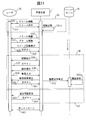
図11は、スヌーズ操作プロセスにおける学習装置1の動作例を示すシーケンス図である。また、図12は、スヌーズ操作プロセスにおける学習装置1の表示例を示す外観図である。
図11において、学習装置1はアラーム時刻メモリ14に記憶されたアラーム作動時刻になるとスピーカ4からベル音を鳴動しユーザを覚醒する(S31)。図12(a)に示す様に、学習装置1のタッチパネルディスプレイ13にはその時の時刻が表示されているが、この時刻はアラーム作動時刻表示部13aに表示されているアラーム設定時間より早い。
次に、ユーザ30が、アラームボタン3を軽く押してスヌーズを選択すると、ベル音の鳴動が停止する(S31)。次に、学習装置1は、図1に示すアラーム時刻メモリ14に記憶されているアラーム回数を、1回増加する(S31a)。更に、図12(b)に示す様に、学習装置1のタッチパネルディスプレイ13は、スヌーズの選択によって増加したアラーム回数を、“アラーム1回です”と表示する。
なお、図12(b)において、タッチパネルディスプレイ13のアラーム作動時刻表示部13aには、図示していないが、例えば“+3分”の様にスヌーズの時間を表示する事も可能である。
スヌーズは、アラームのベル音の鳴動を一時停止し、例えば3分間など予め定められた時間の経過後に再びベル音を鳴動する機能である。例えば、3分後に再びベル音が鳴動され、ユーザ30が再びアラームボタン3を軽く押してスヌーズを選択すると、再びアラーム時刻メモリ14に記憶されているアラーム回数の更新が行なわれる。
図11に示す様に、S30~S31aで構成される「スヌーズ操作ルーチンR5」は、ユーザ30がスヌーズの選択を終了し、アラームを停止するまで継続する。
次に、学習装置1のアラームのベル音が鳴動する(S32)。次に、ユーザ30は、アラームボタン3を下に押して固定しアラームを停止する(S33)。更に、学習装置1は、追加した問題数や必要に応じてアラーム回数等を提示する(S34)。図12(c)に示す様に、“問題は10+2問です”の様に提示し、追加された問題数が2問であることをユーザに知らせる。
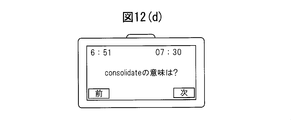
次に、ユーザ30がタッチパネルディスプレイ13の次ボタン13nを押すと(S35)、図12(d)に示す様に、履修コースで定められた1番目の問題が出題される。なお、S36~S43aの動作は、前述した「アラーム作動プロセス」と同様であるので、重複する説明を省略する。
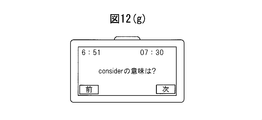
図12(e)~図12(g)は、S36~S43aにおけるタッチパネルディスプレイ13の表示例であるが、「アラーム作動プロセス」と同様であるので、重複する説明を省略する。
図11に示す様に、S36~S42aで構成される「解答入力保存ルーチンR6」は、「問題取得プロセス」(図4参照)によって履修コースで定められた問題が終了するまで継続する。
学習装置1は、履修コースで定められた問題の出題が終わると、新たにアラーム回数に応じて追加問題を出題する。追加問題は図5(a)に示す予備問題が使用される。
なお、予備問題とは、履修コースで定められた標準の問題である標準問題と同水準の範囲で補完された複数の問題であり、センターサーバ18が保有している。更に、学習装置1は、アラーム回数に応じた追加問題を出題する(S43及びS44)。
図10の「スヌーズ追加出題ルーチンR7」に示す様に、追加問題について問題の出題と解答の入力、正解か不正解かの表示が繰り返されるが、動作は「解答入力保存ルーチンR6」と同様であるので、重複する説明を省略する。
「スヌーズ追加出題ルーチンR7」における学習装置1、ユーザ30及びセンターサーバ18間の動作と、学習装置1のタッチパネルディスプレイ13の表示例については、既に述べたプロセスと同様なので重複する説明は省略する。更に、学習装置1は追加問題の出題が終わると終了メッセージを提示する(S45)。
以上の様にして、学習装置1はアラーム設定時において、起床時に出題する問題に関連する内容を予めユーザ30に対し出題する手法によって、学習の効果を高めることができる。
図13は、タッチパネルディスプレイ13の表示例を示した図である。
前述した様に、問題に関連する内容すなわち問題の予告の形式として、「解答すべき問題」、「解答の提示」、「解答のヒントの提示」、「解答すべき問題の解き方」、「解答演習」、「解答の解説」、などの形式から選択することが可能である。しかしながら、図13では、問題の予告の形式として、「解答と解説」を選択した例を示している。図13に示す様にタッチパネルディスプレイ13では、問題を引用した例文とその例文の解釈が提示されている。
上記のスヌーズ機能では、例えば、スヌーズ機能により作動したアラームの回数が多ければ問題数が増えるようにする。すると、ユーザ30は、スヌーズ機能を作動させる回数を減らし、解答する問題数を少なくしようと考えるため、結果的に早起きに対する動機付けが高まるという効果が期待できる。
図1~図13に示した学習装置1によれば、就寝時にアラームを設定すると起床時に出題される問題の解答や解答のヒントあるいは解き方や模範解答例を事前に知ることができる。したがって、ユーザの学習への動機付けを行なうと共に、ユーザの睡眠中の記憶向上や論理能力向上を支援し、学習効果を高め、さらに早起きを習慣化することを可能とする。
図3に示すフローチャートでは、アラームの設定を行ってから(P2参照)、問題の予告の提示を行った(P3参照)。しかしながら、学習装置1の全体制御部6は、
所定のタイミングで問題の予告の提示を行い(P3参照)、ユーザが、予告した全ての問題を解き終わらないと、アラームの設定(P2参照)が完了しないようにしても良い。
所定のタイミングで問題の予告の提示を行い(P3参照)、ユーザが、予告した全ての問題を解き終わらないと、アラームの設定(P2参照)が完了しないようにしても良い。
図3に示すフローチャートでは、アラームの設定を行うと(P2参照)、次には、問題の予告の提示を行った(P3参照)。しかしながら、学習装置1の全体制御部6は、アラームを設定する時刻が、就寝前(例えば、PM9~AM1)でなければ、問題の予告の提示(P3参照)を行わないようにしても良い。
図3に示すフローチャートでは、予告の提示(P3参照)がされる問題と、その後に出題される問題(P61)は予め設定されていた。しかしながら、学習装置1の全体制御部6は、予告の提示(P3参照)において解答できた問題のみを、その後に出題するようにしても良い。
図3に示すフローチャートでは、予告の提示(P3参照)がされる問題と、その後に出題される問題(P61)は予め設定されていた。しかしながら、ユーザの睡眠時間に応じて、その後に出題される問題の質又は量を変更するようにしても良い。なお、ユーザの睡眠時間が、アラームを設定する時刻と、アラームが設定された時刻から求めることが可能である。
図14は、他の学習装置100の構成を示す概略ブロック図である。
図14に示す他の学習装置100と図1に示す学習装置1との差異は、学習装置100の全体制御部6の問題出題手段61が、新たに出題内容調整手段63を備えていることである。学習装置100の他の構成は、学習装置1と同様であるので、同一の要素には同一の番号を付し重複する説明は省略する。
他の学習装置100の出題内容調整手段63は、アラーム設定時刻とアラーム作動時刻とによって出題する問題の量や質を調整する機能を有している。例えば、睡眠時間が短い場合は出題の量や質を制限し、逆に睡眠時間が長い場合は出題の量や質を増加することで、より効果的な学習効果を得ることができる。
具体的には、出題内容調整手段63は、アラーム時刻メモリ14からのアラーム設定時刻Atとアラーム作動時刻Adに基づき、出題する問題の量や質を調整している。
出題内容調整手段63は、アラーム設定時刻Atとアラーム作動時刻Adとの時間差に相当する睡眠時間が、平均的な値(閾位)より長い場合には問題の出題量を増加させ、平均的な値より短い場合には問題の出題量を抑制させるように設定を行う。また、出題内容調整手段63は、アラーム設定時刻Atが明け方の時間帯に近ければ問題の質を低下するように設定を行ない、アラーム設定時刻Atとアラーム作動時刻Adとが共に夜半の早い時間であれば問題の質を高める様に設定を行う。なお、上記の調整例は一例であって、これらに限るものではなく、他の設定方法も採用可能である。
以上述べた様に、学習装置1及び学習装置100では、就寝時にアラームを設定すると起床時に出題される問題や解答のヒント、あるいは解き方や模範解答例を事前に提示し、ユーザの学習への動機付けを高めることができる。また、学習装置1及び他の学習装置100では、ユーザの睡眠中の記憶向上や論理能力向上を支援することができる。さらに、他の学習装置100では、より効果的な手法で学習効果を高めることができる。
上記の説明では、学習装置1及び学習装置100をインターネットに接続した例について説明した。しかしながら、学習装置1及び学習装置100は、これに限るものではなく、インターネットに接続しない、いわゆるスタンドアローンタイプによっても実現可能である。なお、スタンドアローンタイプで実現する場合には、センターサーバ18が提供する機能を、学習装置1及び学習装置100に内蔵させればよい。
図15は、更に他の学習装置200の構成を示す概略ブロック図である。
以下に説明する学習装置200の動作の概略は、アラームが鳴りユーザがアラームを停止すると、履修コースの問題が順次提示されるものである。さらに、学習装置200では、ユーザの解答状況又は他のユーザとの成績の比較状況で、問題の量や質が変わり、ゲーム感覚で学習効果を高めることができる。
図15に示す様に学習装置200は、計時手段202、アラームボタン203、スピーカ204、全体制御部206、外部インターフェイス部207、ユーザインターフェイス部212、タッチパネルディスプレイ213、アラーム時刻メモリ214、出題内容メモリ215、及びユーザ解答メモリ216等から構成されている。
計時手段202は、学習装置200の時計機能を管理し、時間計測機能とカレンダー機能を備えている。
アラームボタン203は、スライド動作及びプッシュ動作の何れの動作も可能なスイッチで、アラーム設定機能、スヌーズ機能、及びアラーム停止機能の3つの機能を備えている。
アラームボタン203は、例えば引き上げるとアラームが設定され、軽く押すとスヌーズ機能が働き、さらに下方に押して固定するとアラームの設定が解除されユーザを覚醒させるためのベル音の鳴動が停止するように構成されている。
アラームボタン203は、アラームの設定時及びアラームの停止時の各々の状態に対応して、アラーム設定信号As及びアラーム停止信号Ahを出力する。アラーム設定信号As及びアラーム停止信号Ahは、ユーザインターフェイス部212を通じて全体制御部206に入力される。
スピーカ204は、アラーム作動時刻に、ユーザを覚醒させるためのベル音などを鳴動するアラーム作動手段であり、学習装置200からユーザに音声で学習のガイダンスを行なう機能を有することも可能である。
全体制御部206は、CPU、RAM及びROM等を含んで構成され、学習装置200の論理動作判断、入出力制御、及びデータ記憶等の学習装置200の動作全体を制御する。また、全体制御部206は、問題出題手段261を備えている。
問題出題手段261は、調整手段262を備え、ユーザインターフェイス部212又はタッチパネルディスプレイ213を通じてユーザに問題を出題する。
調整手段262は、アラーム停止時に出題する問題の質や量を調整する機能を有している。
外部インターフェイス部207は、学習装置200を無線または有線方式でルータ271を通じて電気通信回線網に接続する。
タッチパネルディスプレイ213は、液晶表示器による出力機能及びタッチパネル入力機能を備え、学習装置200がユーザに出題する問題を表示すると共に、ユーザの解答をタッチパネル方式で入力する。
ユーザインターフェイス部212は、ユーザと学習装置200との接点であるタッチパネルディスプレイ213と学習装置200の全体制御部206とを接続している。
アラーム時刻メモリ214、出題内容メモリ215、及びユーザ解答メモリ216は、不揮発記憶素子で構成されている。アラーム時刻メモリ214は、アラームに係わる情報やアラーム回数等のデータを記憶する。出題内容メモリ215は、出題問題に係わる情報等のデータを記憶する。ユーザ解答メモリ216は、ユーザの解答に係わる情報等のデータを記憶する。
図16は、学習装置200を用いた学習システムの概略構成図である。
図16に示す様に、学習システムは、ユーザの住居に配置されている学習装置200、インターネット221に接続するためのルータ271、及びインターネット221に接続されたセンターサーバ218等から構成される。
図17は、センターサーバ218の構成を示す概略ブロック図である。
センターサーバ218は、外部インターフェイス281、履修情報DB(データベース)82、出題リストDB283、出題内容DB284、センタ全体制御部285、所属グループDB286、及び、解答履歴DB287等から構成される。
外部インターフェイス281は、電気通信回線網を介してセンターサーバ218をインターネット221に接続し、ユーザが使用する学習装置200とデータの通信を行う。
ユーザID(照合標識)を利用して、履修情報DB182を検索することによって、ユーザが履修しているコースのID、すなわち履修コースIDを得ることができるように構成されている。
履修コースIDと日付時刻を利用して、出題リストDB283を検索することによって、出題すべき内容のID、すなわち出題情報IDを得ることができるように構成されている。
出題情報IDを利用して、出題内容DB284を検索することによって、出題情報データを得ることができるように構成されている。
センタ全体制御部285は、CPU、ROM、RAM、各種記録媒体等を含んで構成されており、センターサーバ218全体の動作を制御する。
センタ全体制御部285は、学習装置200からユーザIDを含む履修コース要求を受信し、そのユーザIDで示されるユーザが学習する履修コースを履修情報DB182で検索し、検索結果である1個以上の履修コースIDを学習装置200に返送する。
また、センタ全体制御部285は、学習装置200から履修コースIDを含む出題リスト要求を受信し、出題リストDB283でその履修コースで出題すべき複数の問題を示す出題情報IDを検索し、検索結果である複数の出題情報IDを含む出題リストを学習装置200に返送する。
さらに、センタ全体制御部285は、学習装置200から出題情報IDを含む出題情報要求を受信し、対応する出題情報データを出題内容DB284で検索し、検索結果である出題情報データを学習装置200に返送する。
さらに、センタ全体制御部285は、学習装置200から日付時刻やユーザIDやユーザ解答や出題情報IDを含むユーザ解答履歴保存要求を受信し解答履歴DBに保存する。
さらに、センタ全体制御部285は、学習装置200からユーザIDを含む順位ランキング報告要求を受信した際は、そのユーザIDで所属グループDB286を検索し、同じグループに属するユーザを同定する。
さらに、センタ全体制御部285は、同じグループに属するユーザの解答履歴を解答履歴DB287で検索し、その結果に基づき順位ランキングを集計し、求められた順位ランキングを学習装置200に返送する。
さらに、センタ全体制御部285は、学習装置200からユーザIDを含む正解率報告要求を受信した際は、同様の手順でユーザが属するグループ内での正解率ランキングを集計し、学習装置200に正解率ランキングを返送する。
さらに、センタ全体制御部285は、学習装置200からユーザIDと出題情報IDを含む状況提示要求を受信した際は、そのユーザIDで所属グループDB286を検索し、同じグループに属するユーザを同定する。さらに、センタ全体制御部285は、出題情報IDで解答履歴DB287を検索し、先に同定されたユーザのいずれかによって、すでにその問題が正解されているかを判定し、判定結果を学習装置200に返送する。
図15~図18に示す学習装置200を含む学習システムでは、センターサーバ218から学習装置200に返送されるランキング情報は、それを要求したユーザのみの情報を含むものとし、グループ内の他のユーザの順位は含まれないものとする。ただし、グループ内の全てのユーザのランキング情報を含むようにしても良い。
日付時刻、ユーザID、ユーザ解答、及び出題情報IDは、学習装置200からセンターサーバ218へ送信されてくる情報である。また、解答履歴DB以外のDB、すなわち履修情報DB282、出題リストDB283、出題内容DB284、及び所属グループDB286の内容は、例えば年度始めに書き込んでおくことが可能である。
所属グループDB286は、ユーザIDと所属グループIDが組になって格納され、ランキング計算等の集計範囲を決めるために使用される。所属グループDB286を利用すれば、ユーザIDで所属グループIDを検索すること、及び、逆に所属グループIDでユーザIDを検索することが可能である。
解答履歴DB287は、ユーザの日付時刻、ユーザID、出題情報ID、及びユーザ解答からなる解答履歴を保存する。
解答履歴は、集団内のランキング情報、すなわち順位ランキング及び正解率ランキングを計算する際に使用される。
学習装置200は、パーソナルコンピュータやインターネット端末で構成することが可能である。しかしながら、以下では、学習装置200を、液晶画面にタッチパネルを備えたインターネット端末で構成した例を用いて説明する。
図18は、学習装置200の動作例を示すフローチャートである。
図18において、学習装置200の処理ステップは、全体制御部206に予め記憶されているプログラムに従って、全体制御部206に含まれるCPUが、学習装置200に含まれる各要素と共同して実行する。また、図18において、センターサーバ218の処理ステップは、センタ全体制御部285のメモリに予め記憶されているプログラムに従って、センタ全体制御部285のCPUが、各種構成部材(図17参照)と共同して実行する。なお、以後は、処理ステップP201~P205は、単にP201~P205と表記する。
学習装置200は、例えば昼の12時など学習装置200が使用されていない時間帯に自動的にインターネット221を経由しセンターサーバ218に接続し、図17に示すセンターサーバ218の履修情報DB182に収納されている履修コースの問題を取得する(P201;問題取得プロセス)。
学習装置200は、取得した問題データを図15に示す学習装置200の出題内容メモリ215に記憶する。
次に、ユーザ230は、希望する時間に起床するため、学習装置200のアラームを設定する(P202)。P202に続く“Z”は、ユーザ230が就寝したことを示している。
次に、学習装置200は、その日に出題すべき問題に応じて、アラーム設定時刻より所定の時間前にユーザを覚醒させるベル音を鳴動する(P203)。
次に、ユーザ230は、アラームボタン203を押し下げて固定しアラームを停止する(P204)。
次に、学習装置200は履修コースで定められた問題を出題し、ユーザ230は問題への解答を行い、学習装置200は電気通信回線網を通じてセンターサーバ218に解答履歴を登録する(P205)。センターサーバ218に登録された解答履歴は、図17の解答履歴DBに保存され、ユーザ230が所属するグループ内での順位やランキング算出に利用される。P205における、問題の出題、解答、及び解答履歴の記録は、所定の問題数だけ繰り返される。
ユーザ230が、複数のユーザで予め構成された集団に属している場合は、学習装置200は図15に示す問題出題手段261の調整手段62によって、集団内での成績や起床時間に応じて出題する問題の量や質を調整する。問題の量や質を調整する方法は、図22を用いて後述する。
図19は、問題取得プロセスにおける学習装置200及びセンターサーバ218の動作を示すシーケンス図である。
図19において、点線で囲ったR201及びR202は複数の動作ステップからなるプログラムルーチンである。また、動作ステップS201、S202、・・、Snは、以後は単にS201、S202、・・Snと表記する。
最初に、学習装置200は、例えば昼の12時になったらセンターサーバ218と通信を始め、センターサーバ218に対しユーザIDデータを送信して、ユーザの履修コースを要求する(S201)。
次に、センターサーバ218は、学習装置200からのユーザIDデータを含む履修コース要求を受信したら、履修情報DB182の内容を参照し、ユーザIDで特定されるユーザが履修する1個又は複数の履修コースIDを、学習装置200に対し返送する(S202)。
次に、学習装置200は、センターサーバ218から履修コースIDデータを取得したら、センターサーバ218に対し、履修コースID毎の履修コースIDデータ、およびユーザに問題を出題する日付時刻データを送信し、出題リストを要求する(S203)。
次に、センターサーバ218は、学習装置200から出題リストを要求されたら、複数の出題情報IDデータを含む出題リストを学習装置200に返送する(S204)。出題リストについては、図20(a)を用いて後述する。
次に、学習装置200は、センターサーバ218より取得した複数の出題情報IDの全てについて、出題情報IDデータを一つずつセンターサーバ218に送信して出題情報要求を行う(S205)。
次に、センターサーバ218は、学習装置200からの出題情報要求を受信したら、それに含まれる出題情報IDに対応する出題情報データを出題内容DBで検索し、その出題情報データを学習装置200に返送する(S206)。出題情報データについては、図20(b)を用いて後述する。
図19に示すS205とS206で構成される「出題情報取得ルーチンR201」は、S204によって取得された1個又は複数の問題のリストで定められた問題の取得が終了するまで、継続する。
図19に示すS203~S206で構成される「出題リスト取得ルーチンR202」は、S202によって取得された1個又は複数の履修コースIDで定められた問題リストの取得が終了するまで、継続する。
上述したS201からS206のステップにより、履修コースの問題がセンターサーバ218から学習装置200に送信され、学習装置200は、その日に出題すべき問題を取得することとなる。
図20は、学習装置200がセンターサーバ218から取得する情報類のデータの構成図であって、図20(a)は出題リストの構成を示し、図20(b)は出題情報データの構成を示している。
S204に示す様に、学習装置200は、その日に出題すべき問題リストを取得する。図20(a)に示すように、問題リストは、履修コースID、問題リストに含まれる標準問題の個数、予備問題の個数、標準問題の個数に対応した個数分の標準問題の出題情報ID、及び、予備問題の個数に対応した個数分の予備問題の出題情報ID等から構成される。標準問題とは、ユーザに必ず出題される問題であり、予備問題とは、後述する様に、ユーザ毎に出題されるか否かが決定される問題である。
図20(b)に示すように、出題情報データは、出題情報ID、問題データ、解答用データ、正解データ、及び、標準解答時間等から構成される。問題データは、例えば動画であり、学習装置200が問題出題時に再生する。解答用データは、例えば動画であり、学習装置200がユーザに解答を促す際に表示される。正解データは、問題の正解を表すデータであり、例えば正解の選択肢等である。標準解答時間は、その問題を解くために必要と予想される時間であり、例えば秒数である。標準解答時間は、学習装置200がアラーム鳴動時刻を調整する際に参考とされる。
図21は学習装置200の表示例を示す外観図である。図21(a)は、アラームが設定されていない場合の学習装置200の表示例を示しており、タッチパネルディスプレイ213には現在時刻のみが表示されている。
学習装置200の上部には、アラームの設定、スヌーズ、アラームの停止が可能なアラームボタン203を備えられている。
なお、S201からS207の間は、図21(a)に示す様に、学習装置200のタッチパネルディスプレイ213には、その時点の時刻が表示される。また、S201からS206の動作は、インターネット221を介して、学習装置200とサーバ18との間で自動的進行する。
図21(b)は、履修コースがない場合に、アラームボタン203を引き上げてアラームが設定された場合の学習装置200の表示例である。図21(b)において、タッチパネルディスプレイ213のアラーム作動時刻表示部213aには、アラーム作動時刻とアラームを設定したことを示すマークが表示されている。アラーム作動時刻は、アラーム作動時刻表示部213aをなぞることによって変更することができる。
また、図21(b)に示す様に、タッチパネルディスプレイ213に、ユーザが属する集団内での成績順位を表示する集団順位表示部213gを設ける事も可能である。
図22は、アラーム作動時における学習装置200及びセンターサーバ218の動作を示すシーケンス図である。特に、図22では、順序ランキングに応じて問題が増減する場合を示している。また、図24には、学習装置200の表示例(1)~(4)が示されている。
最初に、学習装置200は、アラーム作動時刻より所定の時間前の時刻になると、スピーカ204でベル音を鳴動しユーザを覚醒する(S210)。図24(a)に示す様に、学習装置200のタッチパネルディスプレイ213にはその時点の時刻が表示されているが、この時刻はユーザ230が問題を解く時間を考慮し、アラーム作動時刻表示部213aに表示されているアラーム設定時間より早くなっている。
次に、ユーザ230が、学習装置200のアラームボタン203を下方に押し下げて固定すると、アラームが停止され、ベル音の鳴動が停止する(S211)。ベル音の鳴動が停止すると、示す学習装置200のアラームボタン203はアラーム停止信号Ahを出力し、アラーム停止信号Ahはユーザインターフェイス部212を通じて全体制御部206の問題出題手段261に入力される。
次に、図24(b)に示す様に、問題出題手段261は、ユーザインターフェイス部212を通じて学習装置200のタッチパネルディスプレイ213に1番目の問題を表示する(S212)。
次に、ユーザ230は、1番目の問題を確認するとタッチパネルディスプレイ213の、次ボタン213nを押して、解答を入力するための画面を要求する(S213)。
次に、学習装置200はタッチパネルディスプレイ213に解答画面を提示する(S214)。すなわち図24(c)に示す様に、タッチパネルディスプレイ213には、1番目の問題の解答を入力する画面が提示される。
次に、ユーザ230は、タッチパネルディスプレイ213に表示された解答欄を押して解答を入力する(S215)。すなわち、ユーザ230は、図24(c)に示すタッチパネルディスプレイ213の“A”または“B”の解答欄を押す。
次に、学習装置200は、タッチパネルディスプレイ213にユーザの解答が正解か不正解かを提示する(S216)。すなわち図24(d)に示す様に、タッチパネルディスプレイ213には、1番目の解答が正解か不正解かが提示される。
次に、ユーザ230は、次ボタン13nで、次の画面の表示を促す(S217)。
次に、学習装置200は、ユーザ230に解答結果を表示すると同時に、センターサーバ218に解答履歴すなわちユーザの成績の保存を要求する(S218)。センターサーバ218は、解答履歴を解答履歴DB287に保存する(S218a)。
以上のS212からS218aまでの処理は、問題の出題、解答及び履歴保存に関わる基本的な処理であり、以下では「解答入力保存ルーチンR204」と称することとする。
解答入力保存ルーチンR204は、図19に示した処理で取得した標準問題の数だけ繰り返される。すなわち、図22に示される処理では、標準問題が全てユーザに出題される。
全ての標準問題の出題および解答が終了すると、学習装置200はセンターサーバ218に、順序ランキング要求を送る(S219)。
センターサーバ218は、順序ランキング要求を受け取ると、解答履歴から同じグループに属するユーザの解答状況を解答履歴DB287で検索し、要求元のユーザ230が、グループ内で何番目に標準問題を終了したかを求める(S219a)。なお、グループ内の順位は、最初の問題に答えた時刻の順番で決めても良い。さらに、センターサーバ218は、それまでの正解率の順位を順位ランキング情報として用いても良い。なお、それまでに正解率は、解答履歴DB287で検索した結果から計算することが可能である。
次に、センターサーバ218は、S219aにおいて求めた順位ランキング情報を、学習装置200に返送する(S220)。
次に、学習装置200は、ランキング情報すなわち順位ランキングや正解率ランキングに基づき、出題する問題の量、質を調整する(S221)。具体的には、図15に示す様に、学習装置200の全体制御部206の問題出題手段261が有する調整手段262が、ランキング情報によって出題する問題の量、質、構成を調整する。
例えば、ランキングが1位のユーザには、すべての予備問題を出題し、以降ランキングが下がる毎に出題する予備問題の数を一つずつ減らしていく。この場合は、追加の問題をボーナスと捉えている。逆に、ランキングが1位のユーザには予備問題を全く出題せず、以降ランキングが下がる毎に出題する予備問題の数を一つずつ増やして行く方式も考えられる。この場合は、追加の問題をペナルティと捉えている。前述した何れの方法を取ることも可能である。なお、追加の問題が無かった場合、S230に進む。
追加の問題の個数が決定されると、学習装置200はユーザ230にメッセージを提示する(S222)。図示しないが、例えば「第1位、ボーナス5問」のように提示するものとことができる。ユーザ230は、次ボタン213nを押して、次の画面を促す(S223)。
学習装置200は、S221で決定された問題数に応じて、解答入力保存ルーチンR204を繰り返す。すなわち、問題の出題、ユーザ230からの解答受付、センターサーバ218への履歴保存を繰り返す。全ての問題数分の出題、解答、及び履歴保存が終了したら、S230に進む。
履修コースで定められた問題数が終了すると、学習装置200は、タッチパネルディスプレイ213に終了のメッセージを表示する(S230)。例えば、「問題はもうありません」のような文字列を表示する。
なお、図24(b)に示す様に、学習装置200のタッチパネルディスプレイ213にユーザのランキング情報を集団順位表示部213gに常時表示し、ユーザの注意を喚起することも可能である。
図23は、アラーム作動時における学習装置200及びセンターサーバ218の他の動作を示すシーケンス図である。特に、図23では、他のユーザの解答状況に応じて問題が増減する場合を示している。
図23におけるS210(アラーム鳴動)及びS211(アラーム停止)は、図22のS210及びS211と同じであるので、その説明を省略する。学習装置200は、図19に示した処理で取得した問題の全てについて、以下に示すS225からS228として示す「選択的解答入力保存ルーチンR205」を実行する。
最初に、学習装置200からセンターサーバ218へ、状況提示要求を行う(S225)。状況提示要求には、ユーザ230のユーザIDと、これからユーザ230に提示するかどうかを判定する問題の出題情報IDが含まれる。
次に、センターサーバ218は、学習装置200からの状況提示要求を受け取ると、図17の説明でも述べたように、そのユーザIDで所属グループDB286を検索し、同じグループに属するユーザを同定する。さらに出題情報IDで解答履歴DB287を検索し、先に同定されたユーザのいずれかによって、すでにその問題が正解されているかを判定する。
次に、センターサーバ218は、その判定結果を学習装置200に返送する(S226)。
次に、学習装置200は、センターサーバ218からの状況解答に応じ、その問題をユーザ230に出題するか否かを判定する(S227)。図23に示される動作例では、他のユーザが回答済みでない問題であれば、次のS228が実行され、問題がユーザ230に提示される。他のユーザが既に回答済みである問題であれば、S228>は実行されず、問題はユーザ230に提示されない。
S228は、学習装置200から出題された問題に、ユーザ230が答え、その履歴をセンターサーバ218に記録する処理であり、すでに説明した解答入力保存ルーチンR204と同一の処理である。
最後に、出題すべき問題が無くなったら、学習装置200はユーザに対して終了メッセージを表示する(S230)。これは、図22で説明したS230の処理と同じである。
最後に、出題すべき問題が無くなったら、学習装置200はユーザに対して終了メッセージを表示する(S230)。これは、図22で説明したS230の処理と同じである。
図23に示した例では、ユーザ230に対して、同一グループに属する他のユーザが回答済みである問題は出題されない。これにより、同一グループに属するユーザ同士が分担して問題を解くような処理を実現できる。
図15~図24に示した学習装置200及び学習装置200を含む学習システムでは、外部インターフェイス部207を備えているので、インターネット221を介してセンターサーバ218と通信を行って、他のユーザの学習状況に応じた学習教材や学習方法を提供することができる。したがって、ユーザ一人で行う場合よりも、バラエティに富んだ学習を行うことができ、より高い学習効果が期待できる。例えば、集団を構成する複数のユーザがお互いに切磋琢磨し、ユーザ間の繋がりによって、より効果的に学業の向上を図る学習システムを提供することができる。また、ネットワーク経由でユーザに十分な学習教材を提供することができる。
Claims (15)
- 計時手段と、
ユーザに提示する問題の出題時刻を設定する時刻設定手段と、
前記時刻設定手段の設定に基づいて前記問題を出題させる出題手段と、
前記問題の出題時刻時よりも前に、前記出題手段により出題される問題に関連する内容を、前記ユーザに予め提示する提示手段と、
を有することを特徴とする学習装置。 - 前記提示手段により予め提示される内容は、前記出題手段により出題される問題を含む、請求項1に記載の学習装置。
- 前記提示手段により予め提示される内容は、更に、前記出題手段により出題される問題の解答のヒントを含む、請求項2に記載の学習装置。
- 前記提示手段により予め提示される内容は、更に、前記出題手段により出題される問題の解き方を含む、請求項2又は3に記載の学習装置。
- ユーザによる解答を受け付けるための操作手段を更に有する、請求項2~4の何れか一項に記載の学習装置。
- 前記時刻設定手段はアラームを設定するアラーム設定手段であり、該アラーム設定手段の設定に基づいて前記アラームを作動させるアラーム作動手段と、前記アラームを停止するアラーム停止手段とをさらに備え、前記アラーム設定手段は、前記問題手段が出題する問題の量又は質に応じて前記アラーム作動手段のアラーム作動時刻を調整する、請求項1に記載の学習装置。
- 前記アラーム停止手段はスヌーズ機能を備え、前記スヌーズ機能により作動したアラームの回数に応じて、前記出題手段がユーザに出題する問題数を増減させる、請求項6に記載の学習装置。
- 前記アラーム設定手段を利用してアラーム作動時刻を設定するアラーム設定時刻と前記アラーム作動時刻との時間差に応じて出題内容を調整する出題内容調整手段を更に有する、請求項6又は7に記載の学習装置。
- 前記出題内容調整手段は、前記時間差が短い場合は出題を抑制し、前記時間差が長い場合は出題を増加する様に出題内容を調整する、請求項8に記載の学習装置。
- 前記アラーム設定時刻は前記ユーザの就寝時刻に相当し、前記アラーム作動時刻は前記ユーザの起床時刻に相当する、請求項8又は9に記載の学習装置。
- 計時手段と、
ユーザに提示する問題の出題時刻を設定する時刻設定手段と、
前記時刻設定手段の設定に基づいて前記問題を出題させる出題手段と、
電気通信回線網に接続可能とする外部接続手段と、を有し、
前記外部接続手段は、電気回線通信網に接続された他の学習装置を利用する所定のユーザで構成された集団において、他のユーザによる問題の解答状況に応じた情報を、電気通信回線網と接続されたセンターサーバから取得する、
ことを特徴とする学習装置。 - 前記問題出題手段は、前記集団における順位に応じて、前記問題の量又は質を変更する、請求項11に記載の学習装置。
- 前記問題出題手段は、電気回線通信網に接続された他の学習装置を利用する他のユーザが正解した問題は、ユーザには出題しない、請求項11又は12に記載の学習装置。
- 前記集団内の順位状況を報知する報知手段を更に有する、請求項11~13の何れか一向に記載の学習装置。
- 前記問題出題手段は、前記問題に解答する時刻に応じて前記問題の量を増減する、請求項11~14の何れか一項に記載の学習装置。
Priority Applications (2)
| Application Number | Priority Date | Filing Date | Title |
|---|---|---|---|
| US14/128,596 US20140127665A1 (en) | 2011-06-23 | 2012-06-25 | Learning apparatus |
| CN201280030899.0A CN103620663B (zh) | 2011-06-23 | 2012-06-25 | 学习装置 |
Applications Claiming Priority (4)
| Application Number | Priority Date | Filing Date | Title |
|---|---|---|---|
| JP2011-139332 | 2011-06-23 | ||
| JP2011139332A JP5805441B2 (ja) | 2011-06-23 | 2011-06-23 | 学習装置及びそれを用いた学習システム |
| JP2011-186028 | 2011-08-29 | ||
| JP2011186028A JP5805465B2 (ja) | 2011-08-29 | 2011-08-29 | 学習装置及びそれを用いた学習システム |
Publications (1)
| Publication Number | Publication Date |
|---|---|
| WO2012176920A1 true WO2012176920A1 (ja) | 2012-12-27 |
Family
ID=47422746
Family Applications (1)
| Application Number | Title | Priority Date | Filing Date |
|---|---|---|---|
| PCT/JP2012/066178 Ceased WO2012176920A1 (ja) | 2011-06-23 | 2012-06-25 | 学習装置 |
Country Status (3)
| Country | Link |
|---|---|
| US (1) | US20140127665A1 (ja) |
| CN (1) | CN103620663B (ja) |
| WO (1) | WO2012176920A1 (ja) |
Families Citing this family (6)
| Publication number | Priority date | Publication date | Assignee | Title |
|---|---|---|---|---|
| US9043887B2 (en) * | 2012-12-31 | 2015-05-26 | Apple Inc. | Adaptive secondary authentication criteria based on account data |
| US9588591B2 (en) * | 2013-10-10 | 2017-03-07 | Google Technology Holdings, LLC | Primary device that interfaces with a secondary device based on gesture commands |
| CN106681128A (zh) * | 2017-03-06 | 2017-05-17 | 李良杰 | 可进行答题奖励的闹钟 |
| JP6930179B2 (ja) * | 2017-03-30 | 2021-09-01 | 富士通株式会社 | 学習装置、学習方法及び学習プログラム |
| US10564608B2 (en) * | 2018-05-11 | 2020-02-18 | Disney Enterprises, Inc. | Eliciting user interaction with a stimulus through a computing platform |
| IT201900016142A1 (it) * | 2019-09-12 | 2021-03-12 | St Microelectronics Srl | Sistema e metodo di rilevamento di passi a doppia convalida |
Citations (3)
| Publication number | Priority date | Publication date | Assignee | Title |
|---|---|---|---|---|
| JPS62156896U (ja) * | 1986-03-26 | 1987-10-05 | ||
| JPS6358793U (ja) * | 1986-10-06 | 1988-04-19 | ||
| JP2000088981A (ja) * | 1998-09-09 | 2000-03-31 | Tadashi Nukaga | 目覚まし時計 |
Family Cites Families (13)
| Publication number | Priority date | Publication date | Assignee | Title |
|---|---|---|---|---|
| JPH034194A (ja) * | 1989-06-01 | 1991-01-10 | Tadashi Nukaga | 覚醒アラーム音と同時に計算問題等が出題される事を特徴とした目覚まし装置 |
| CN2169173Y (zh) * | 1993-05-22 | 1994-06-15 | 赵贵平 | 睡眠记忆器 |
| JPH08166761A (ja) * | 1994-12-12 | 1996-06-25 | Yoshiyuki Ikeda | 電子学習支援装置と覚醒装置の融合装置 |
| US6022221A (en) * | 1997-03-21 | 2000-02-08 | Boon; John F. | Method and system for short- to long-term memory bridge |
| US6816703B1 (en) * | 1999-11-30 | 2004-11-09 | Leapfrog Enterprises, Inc. | Interactive communications appliance |
| US20030129574A1 (en) * | 1999-12-30 | 2003-07-10 | Cerego Llc, | System, apparatus and method for maximizing effectiveness and efficiency of learning, retaining and retrieving knowledge and skills |
| US20050089834A1 (en) * | 2003-10-23 | 2005-04-28 | Shapiro Jeffrey S. | Educational computer program |
| US20070285396A1 (en) * | 2006-06-07 | 2007-12-13 | Jing-Ping Fu | Electric circuit structure of a question-and-answer alarm clock |
| CN101369129B (zh) * | 2007-08-15 | 2013-06-05 | 鹏智科技(深圳)有限公司 | 具闹钟功能的电子设备及其闹钟的关闭方法 |
| TW200931212A (en) * | 2008-01-04 | 2009-07-16 | Compal Communications Inc | Alarm and managing method thereof |
| US20090197235A1 (en) * | 2008-01-31 | 2009-08-06 | Tormey Peter J | Instruction System and Method |
| US20100226212A1 (en) * | 2009-03-09 | 2010-09-09 | Kash Gobindram | Video clock radio which plays themed audio and video |
| CN201812156U (zh) * | 2010-03-22 | 2011-04-27 | 陈建清 | 具语言学习功能的防贪睡闹钟装置 |
-
2012
- 2012-06-25 CN CN201280030899.0A patent/CN103620663B/zh not_active Expired - Fee Related
- 2012-06-25 WO PCT/JP2012/066178 patent/WO2012176920A1/ja not_active Ceased
- 2012-06-25 US US14/128,596 patent/US20140127665A1/en not_active Abandoned
Patent Citations (3)
| Publication number | Priority date | Publication date | Assignee | Title |
|---|---|---|---|---|
| JPS62156896U (ja) * | 1986-03-26 | 1987-10-05 | ||
| JPS6358793U (ja) * | 1986-10-06 | 1988-04-19 | ||
| JP2000088981A (ja) * | 1998-09-09 | 2000-03-31 | Tadashi Nukaga | 目覚まし時計 |
Also Published As
| Publication number | Publication date |
|---|---|
| US20140127665A1 (en) | 2014-05-08 |
| CN103620663A (zh) | 2014-03-05 |
| CN103620663B (zh) | 2016-09-14 |
Similar Documents
| Publication | Publication Date | Title |
|---|---|---|
| Pakenham | Training in acceptance and commitment therapy fosters self‐care in clinical psychology trainees | |
| WO2012176920A1 (ja) | 学習装置 | |
| Schwinger et al. | Effects of motivational regulation on effort and achievement: A mediation model | |
| US20250023978A1 (en) | Digital habit trainer system | |
| Doulou et al. | Mobile applications as intervention tools for children with ADHD for a sustainable education. | |
| JP7558546B1 (ja) | ストレス関連疾患またはストレスに起因するメンタル不調のセルフケアシステム | |
| JP2021026328A (ja) | 勉強見守り方法、住宅及びコンピュータプログラム | |
| Kamin et al. | Social contexts of technology use in old age | |
| Ward | Research on intergenerational programs | |
| US20220148452A1 (en) | User interface system | |
| JP2013250456A (ja) | 情報処理システム、情報処理方法 | |
| Sauer | Student-directed learning in a community geriatrics advanced pharmacy practice experience | |
| JP5805465B2 (ja) | 学習装置及びそれを用いた学習システム | |
| JP5805441B2 (ja) | 学習装置及びそれを用いた学習システム | |
| Palaroan et al. | Night owl vs early bird: students’ study habits, learning styles and academic performance | |
| JP2022059694A (ja) | 情報処理装置、推定方法およびプログラム | |
| Weymeis | Bringing light into the dark side of identity: Theoretical and clinical applications: A case study | |
| JP7539653B1 (ja) | ストレス関連疾患またはストレスに起因するメンタル不調のセルフケアシステム | |
| CN214335490U (zh) | 一种学生学习习惯养成时钟 | |
| Lynch | The Effects of Smartphone Overuse on Youth Mental Health and Psychosocial Behavior | |
| Greenfield | Pilot RCT of an Online Pivotal Response Treatment Training Program for Parents of Toddlers with Autism Spectrum Disorder | |
| JP2025159920A (ja) | ストレス関連疾患またはストレスに起因するメンタル不調のセルフケアシステム | |
| Kumar et al. | Hypnotic Induction: Perspectives, strategies and concerns | |
| Etchezahar et al. | The Compulsive Internet Use and Its Relationship with Vamping, Fear of Missing Out and Procrastination Behavior | |
| Bagadia | CHAPTER Interventions for Personality Disorders |
Legal Events
| Date | Code | Title | Description |
|---|---|---|---|
| 121 | Ep: the epo has been informed by wipo that ep was designated in this application |
Ref document number: 12802082 Country of ref document: EP Kind code of ref document: A1 |
|
| WWE | Wipo information: entry into national phase |
Ref document number: 14128596 Country of ref document: US |
|
| NENP | Non-entry into the national phase |
Ref country code: DE |
|
| 122 | Ep: pct application non-entry in european phase |
Ref document number: 12802082 Country of ref document: EP Kind code of ref document: A1 |