WO2012164990A1 - 担子菌を用いるエタノールの製造方法 - Google Patents
担子菌を用いるエタノールの製造方法 Download PDFInfo
- Publication number
- WO2012164990A1 WO2012164990A1 PCT/JP2012/055444 JP2012055444W WO2012164990A1 WO 2012164990 A1 WO2012164990 A1 WO 2012164990A1 JP 2012055444 W JP2012055444 W JP 2012055444W WO 2012164990 A1 WO2012164990 A1 WO 2012164990A1
- Authority
- WO
- WIPO (PCT)
- Prior art keywords
- carbon source
- ethanol
- phlebia
- mkfc40001
- basidiomycetes
- Prior art date
- Legal status (The legal status is an assumption and is not a legal conclusion. Google has not performed a legal analysis and makes no representation as to the accuracy of the status listed.)
- Ceased
Links
Images

Classifications
-
- C—CHEMISTRY; METALLURGY
- C12—BIOCHEMISTRY; BEER; SPIRITS; WINE; VINEGAR; MICROBIOLOGY; ENZYMOLOGY; MUTATION OR GENETIC ENGINEERING
- C12P—FERMENTATION OR ENZYME-USING PROCESSES TO SYNTHESISE A DESIRED CHEMICAL COMPOUND OR COMPOSITION OR TO SEPARATE OPTICAL ISOMERS FROM A RACEMIC MIXTURE
- C12P7/00—Preparation of oxygen-containing organic compounds
- C12P7/02—Preparation of oxygen-containing organic compounds containing a hydroxy group
- C12P7/04—Preparation of oxygen-containing organic compounds containing a hydroxy group acyclic
- C12P7/06—Ethanol, i.e. non-beverage
- C12P7/08—Ethanol, i.e. non-beverage produced as by-product or from waste or cellulosic material substrate
- C12P7/10—Ethanol, i.e. non-beverage produced as by-product or from waste or cellulosic material substrate substrate containing cellulosic material
-
- C—CHEMISTRY; METALLURGY
- C12—BIOCHEMISTRY; BEER; SPIRITS; WINE; VINEGAR; MICROBIOLOGY; ENZYMOLOGY; MUTATION OR GENETIC ENGINEERING
- C12N—MICROORGANISMS OR ENZYMES; COMPOSITIONS THEREOF; PROPAGATING, PRESERVING, OR MAINTAINING MICROORGANISMS; MUTATION OR GENETIC ENGINEERING; CULTURE MEDIA
- C12N1/00—Microorganisms; Compositions thereof; Processes of propagating, maintaining or preserving microorganisms or compositions thereof; Processes of preparing or isolating a composition containing a microorganism; Culture media therefor
- C12N1/14—Fungi; Culture media therefor
- C12N1/145—Fungi isolates
-
- C—CHEMISTRY; METALLURGY
- C12—BIOCHEMISTRY; BEER; SPIRITS; WINE; VINEGAR; MICROBIOLOGY; ENZYMOLOGY; MUTATION OR GENETIC ENGINEERING
- C12P—FERMENTATION OR ENZYME-USING PROCESSES TO SYNTHESISE A DESIRED CHEMICAL COMPOUND OR COMPOSITION OR TO SEPARATE OPTICAL ISOMERS FROM A RACEMIC MIXTURE
- C12P7/00—Preparation of oxygen-containing organic compounds
- C12P7/02—Preparation of oxygen-containing organic compounds containing a hydroxy group
- C12P7/04—Preparation of oxygen-containing organic compounds containing a hydroxy group acyclic
- C12P7/06—Ethanol, i.e. non-beverage
- C12P7/065—Ethanol, i.e. non-beverage with microorganisms other than yeasts
-
- C—CHEMISTRY; METALLURGY
- C12—BIOCHEMISTRY; BEER; SPIRITS; WINE; VINEGAR; MICROBIOLOGY; ENZYMOLOGY; MUTATION OR GENETIC ENGINEERING
- C12R—INDEXING SCHEME ASSOCIATED WITH SUBCLASSES C12C - C12Q, RELATING TO MICROORGANISMS
- C12R2001/00—Microorganisms ; Processes using microorganisms
- C12R2001/645—Fungi ; Processes using fungi
-
- Y—GENERAL TAGGING OF NEW TECHNOLOGICAL DEVELOPMENTS; GENERAL TAGGING OF CROSS-SECTIONAL TECHNOLOGIES SPANNING OVER SEVERAL SECTIONS OF THE IPC; TECHNICAL SUBJECTS COVERED BY FORMER USPC CROSS-REFERENCE ART COLLECTIONS [XRACs] AND DIGESTS
- Y02—TECHNOLOGIES OR APPLICATIONS FOR MITIGATION OR ADAPTATION AGAINST CLIMATE CHANGE
- Y02E—REDUCTION OF GREENHOUSE GAS [GHG] EMISSIONS, RELATED TO ENERGY GENERATION, TRANSMISSION OR DISTRIBUTION
- Y02E50/00—Technologies for the production of fuel of non-fossil origin
- Y02E50/10—Biofuels, e.g. bio-diesel
Definitions
- the present invention relates to a method for producing ethanol from a carbon source (preferably polysaccharides such as cellulose in water-insoluble form such as plant biomass, hemicellulose and starch, and sugars such as glucose and xylose) using basidiomycetes.
- a carbon source preferably polysaccharides such as cellulose in water-insoluble form such as plant biomass, hemicellulose and starch, and sugars such as glucose and xylose
- General sulfuric acid processes include sulfuric acid method and enzymatic method.
- the sulfuric acid method has a high environmental load and corrosion of the reaction vessel is a problem.
- Enzymatic methods have a problem in that the cost of cellulase is high.
- Biomass resources to be subjected to enzymatic methods usually need to be delignified as a pretreatment.
- an alkali treatment method or the like is known.
- the ethanol fermentation process is generally performed using yeast.
- the conventional method for producing ethanol from biomass material requires a multi-step process.
- Patent Document 1 discloses a method for producing a substrate for an enzymatic saccharification reaction from a lignocellulosic biomass raw material by a process including alkali treatment, that is, a pretreatment method for a lignocellulosic biomass raw material for a saccharification process.
- the produced substrate is saccharified by an enzyme, and the saccharified product is further ethanol-fermented by a microorganism (yeast).
- Patent Document 2 describes a saccharification and fermentation system using woody biomass as a raw material.
- saccharification and fermentation reaction of woody biomass using cellulose-degrading enzyme, hemicellulose-degrading enzyme, and alcohol-fermenting microorganism (yeast), and pentoses remaining in the reaction product are separated, And a step of fermenting sugar using a microorganism (yeast) capable of subjecting sugar to alcohol fermentation.
- Patent Document 3 describes a method of carrying out enzymatic saccharification and alcohol fermentation in the same tank. However, even in this method, it is necessary to use a combination of a microorganism such as a filamentous fungus having the ability to produce a saccharifying enzyme and a yeast that performs alcohol fermentation.
- a microorganism such as a filamentous fungus having the ability to produce a saccharifying enzyme and a yeast that performs alcohol fermentation.
- the conventional technology for producing ethanol from plant biomass material requires a multi-step process, and thus is not satisfactory in terms of energy consumption and cost.
- Plant biomass materials such as rice straw, bamboo, and hardwood wood contain hemicellulose containing pentoses such as xylose as structural units.
- pentoses such as xylose
- ordinary ethanol-fermenting microorganisms do not have the ability to assimilate pentose and produce ethanol. For this reason, when ethanol is produced from a saccharified product of hemicellulose using a normal ethanol-fermenting microorganism, there is a problem that the pentose sugar cannot be used and the ethanol yield is lowered.
- Patent Document 4 alcohol is produced from a carbon source by alcohol fermentation as a technology that enables the delignification process, the saccharification process, and the ethanol fermentation process to be carried out by a single means.
- a method is disclosed.
- the ability to assimilate hexoses of white mushrooms has been confirmed, but it has not been confirmed whether pentoses can be assimilated simultaneously. That is, a technology that can perform the delignification process, the saccharification process, and the ethanol fermentation process by a single means, and that allows ethanol fermentation using both hexose and pentose as a carbon source has been established. Not.
- the white mushroom used in Patent Document 4 is a kind of white rot fungus.
- White rot fungi are known to have the ability to produce lignin peroxidase, manganese peroxidase, laccase, and the like to degrade wood-derived lignin (Patent Document 5).
- White rot fungi are also known to have the ability to saccharify cellulose.
- Phlebia sp. MG-60 strain belonging to the genus Phlebia was isolated as one of white rot fungi capable of degrading lignin under high salt concentration conditions (Patent Document 6). Whether white rot fungi belonging to the genus Phlebia have alcohol fermentability has not been studied.
- the object of the present invention is to provide means for easily and efficiently producing ethanol from a carbon source derived from plant biomass resources and the like.
- the inventors have surprisingly found that basidiomycetes belonging to the genus Phlebia not only have lignin resolution and polysaccharide saccharification ability, but also have the ability to produce ethanol from sugar, and not only glucose. It has been found that even when xylose is used as a carbon source, it has an ability to produce ethanol.
- the inventor further performs a pretreatment step of culturing basidiomycetes belonging to the genus Phlebia together with a carbon source containing lignin under aerobic conditions, and then performing the basidiomycetes under semi-aerobic conditions or anaerobic conditions.
- the present invention includes the following inventions: (1) A method for producing ethanol, comprising a step of producing ethanol by culturing basidiomycetes belonging to the genus Phlebia together with a carbon source.
- the step of producing ethanol comprises A pretreatment step of culturing the basidiomycetes with a carbon source under aerobic conditions;
- the method of (1) including a fermentation step of further culturing the basidiomycetes with the carbon source to produce ethanol under a semi-aerobic condition or anaerobic condition after the pretreatment step.
- An inoculum for producing ethanol from a carbon source comprising a basidiomycete belonging to the genus Phlebia and a carrier carrying the basidiomycete.
- a means for easily and efficiently producing ethanol from a carbon source derived from plant biomass resources or the like is provided.
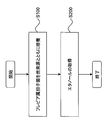
- FIG. 1 is a flowchart showing an outline of the method of the present invention.
- FIG. 2 is a flowchart showing an outline of a preferred embodiment of the method of the present invention.
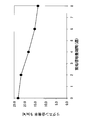
- FIG. 3 is a graph showing the relationship between the period of the pretreatment step and the reduction in the lignin content.
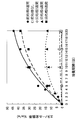
- FIG. 4 is a graph showing the relationship between the fermentation process period and the ethanol conversion rate.
- Basidiomycetes The present invention is based on the surprising finding that basidiomycetes belonging to the genus Phlebia have the ability to assimilate carbon sources and produce ethanol.
- the basidiomycete used in the present invention is not particularly limited as long as it is a basidiomycete belonging to the genus Phlebia and having the ability to produce ethanol when cultured with a carbon source to be described later, and has the ability to degrade lignin as a wood cell wall component.
- a white rot fungus is more preferable.
- microorganisms include Phlebia sp. MKFC40001 (NITE-BP-1099, hereinafter simply referred to as “MKFC40001”).
- MKFC40001 is disclosed in Patent Document 6 and Applied and Environmental Microbiology 74 (9), pp. It is the same strain as Phlebia sp.
- MG-60 which is a highly salt-tolerant white rot fungus isolated from tropical trees, disclosed in 2709-2716.
- the present inventors obtained the Phlebia sp. MG-60 strain from a collection stored at Kyushu University. On May 11, 2011, the strain was registered under the name of Phlebia sp. MKFC40001 to the Patent Microorganism Depositary Center of the National Institute of Technology and Evaluation (2-5-8 Kazusa Kamashitsu, Kisarazu City, Chiba, Japan). Deposited domestically and given the deposit number NITE P-1099.
- MKFC40001 (NITE P-1099) is an independent administrative agency of the National Institute for Product Evaluation Technology Patent Microorganism Depositary Center (2-5-8 Kazusa Kama feet, Kisarazu City, Chiba Prefecture 292-0818, Japan). As of January 21, it was transferred to a deposit under the Budapest Treaty (international deposit) and deposited internationally. The Phlebia sp. MKFC40001 deposited internationally on February 21, 2012 has been assigned the deposit number NITE BP-1099 by the above organization.
- Taxonomic position As a result of analysis of ITS-5.8SDrDNA sequence (DDBJ accession number AB210077), it entered the Phlebia genus cluster from the phylogenetic tree and 90% coincided with Phlebia radiate strain ATCC64658 To be judged.
- the range of Phlebia sp. MKFC40001 used in the present invention is a mutant of Phlebia sp. MKFC40001 and substantially retains the ability to produce ethanol when cultured with a carbon source described below. Variants are also encompassed.
- the mutant is a mutant obtained by mutagenesis treatment of Phlebia sp. MKFC40001.
- the mutagenesis treatment can be performed using any suitable mutagen.
- “mutagen” includes not only a drug having a mutagen effect but also a treatment having a mutagen effect such as UV irradiation.
- sugars that can be used as a carbon source include hexoses such as glucose, mannose, galactose, and fructose, monosaccharides such as pentoses such as xylose and arabinose, and disaccharides such as cellobiose.
- Plant biomass materials such as rice straw, bamboo, and hardwood wood contain hemicelluloses having pentoses such as xylose and hexoses such as glucose as structural units, and celluloses having glucose as structural units.
- the method of the present invention has the surprising effect that ethanol can be efficiently produced from a plant biomass material containing hemicellulose and cellulose by a single step.
- polysaccharides including oligosaccharides
- polysaccharides include cellulose, hemicellulose, and starch.
- the polysaccharide may be in a water-insoluble form.
- water-insoluble polysaccharides especially cellulose and / or hemicellulose
- water-insoluble polysaccharides that can be used as a carbon source include plant biomass materials, crystalline cellulose, papers such as waste paper, and polysaccharides in forms such as pulp and cotton linter. It is done.
- the plant biomass material may be a woody biomass material or a herbaceous biomass material.
- Wood based biomass materials include wood derived from trees such as conifers, hardwoods, gymnosperms, etc. (including building waste, thinned wood, etc.), sawdust, and mushroom waste beds.
- Examples of herbaceous biomass materials include materials derived from rice, wheat, corn, sugarcane, bamboo, Japanese pampas grass, and the like, for example, residues generated during harvesting and processing of agricultural products.
- the plant biomass material can be used as a carbon source that has been previously subjected to physical treatment such as pulverization treatment and explosion treatment and chemical treatment such as alkali treatment.
- the method for producing ethanol of the present invention includes step S100 (FIG. 1) for producing ethanol by culturing basidiomycetes belonging to the genus Phlebia together with a carbon source.
- the culture conditions are not particularly limited. Typically, the above-mentioned carbon source is contained in appropriate properties such as liquid, solid, slurry, etc. containing the necessary components such as a nitrogen source and inorganic salts as necessary.
- the culture medium is inoculated with basidiomycetes belonging to the genus Phlebia.
- the culture may be any of anaerobic culture, semi-aerobic culture, and aerobic culture, but is preferably anaerobic culture or semi-aerobic culture.
- anaerobic culture or semi-aerobic culture refers to culturing a medium inoculated with basidiomycetes without substantially aeration with the outside air.
- anaerobic conditions refer to culture conditions that are substantially free of free oxygen.
- basidiomycetes and a medium are contained in a container, and the atmosphere in the container is replaced with nitrogen gas or the like.
- Examples include culture conditions for culturing in a state that does not substantially contain oxygen and in which the inside of the container and the outside air do not substantially vent.
- the semi-aerobic condition refers to a culture condition in which free oxygen is reduced compared with that in an air atmosphere.
- basidiomycetes and a medium are accommodated in a container, and the atmosphere in the container is at least started to be cultured.
- a culture condition for culturing in a state where oxygen is filled with air or the like, but in a state where the inside of the container and the outside air are not substantially aerated can be mentioned.
- the aerobic condition refers to a culture condition in which free oxygen is present to the same extent as in an air atmosphere.
- basidiomycetes and a medium are accommodated in a container, and the inside and outside air can be aerated.
- Examples include culture conditions for culturing in a state.
- the temperature is preferably 25 ° C. to 35 ° C.
- the culture time can be about 24 hours to 500 hours.
- the step S100 of producing ethanol by culturing basidiomycetes belonging to the genus Phlebia together with a carbon source is a pretreatment step of culturing basidiomycetes belonging to the genus Phlebia together with a carbon source in an aerobic condition.
- This embodiment is particularly effective for a carbon source contained with lignin, such as plant biomass material.
- the pretreatment step S101 is a step of inoculating the basidiomycetes in a medium containing a carbon source and water as appropriate and culturing under aerobic conditions.
- the pretreatment step when lignin is contained in the carbon source, the lignin is decomposed.
- the pretreatment step is preferably performed until the lignin is 20% (w / w) or less, preferably 15% (w / w) or less, based on the total amount of the carbon source (dry matter basis).
- the temperature in the pretreatment step is preferably 25 ° C to 35 ° C.
- the culture period of the pretreatment step is preferably 250 to 3000 hours, more preferably 300 to 2000 hours, more preferably 500 to 1500 hours, and most preferably 500 to 1000 hours.
- the pretreatment step may be performed using a medium containing a carbon source and water as appropriate, with necessary components such as a nitrogen source and inorganic salts added as necessary. Etc., such as nitrogen sources, inorganic salts, etc., it is not essential to add additional components.
- Fermentation step S102 is a step of generating ethanol by further culturing the basidiomycetes with the carbon source under semi-aerobic conditions or anaerobic conditions after the pretreatment step S101. After adding a necessary component such as a nitrogen source and inorganic salts to the mixture containing the basidiomycete and the carbon source after the pretreatment step, if necessary, fermentation under semi-aerobic conditions or anaerobic conditions A process can be performed. The fermentation process is preferably carried out at a temperature of 25 ° C. to 35 ° C., preferably 120 to 720 hours, particularly preferably 240 to 480 hours.
- the pretreatment step S101 is not essential, the step S100 does not perform the pretreatment step S101, and the basidiomycetes are present in the presence of a carbon source, preferably in a semi-aerobic condition or anaerobic condition. It may be a step of culturing to produce ethanol.
- the other embodiment is suitable, for example, when a carbon source not containing lignin (or a carbon source having a lignin content equal to or lower than the target amount in the pretreatment step) is used.
- Step S100 in this case is preferably performed at a temperature of 25 ° C. to 35 ° C., preferably 24 to 720 hours, particularly preferably 48 to 480 hours.
- step S200 for recovering ethanol produced by the culture from the medium is not particularly limited.
- the present invention also provides an inoculum for producing ethanol from a carbon source, comprising a basidiomycete belonging to the genus Phlebia and a carrier carrying the basidiomycete.
- An inoculum is a composition containing mycelium of basidiomycetes together with a carrier having an appropriate shape such as a solid carrier or a liquid carrier.
- the present invention also relates to the use of an inoculum composition containing a basidiomycete belonging to the genus Phlebia and a carrier carrying the basidiomycete for producing ethanol from a carbon source.
- Phlebia sp. MKFC40001 (same as NITE P-1099 deposited in Japan on May 11, 2011, February 21, 2012) cultured on PDA (potato, dextrose, agar) flat medium at 28 ° C for 7 days Mycelium of NITE BP-1099) deposited internationally on the day was used for the following tests.
- mycelium of wood-rotting fungi containing the following 29 types of white-rotting fungi were also used for the following tests.
- glucose As carbon sources, glucose (Wako Pure Chemicals, special grade), xylose (Wako Pure Chemicals, special grade), crystalline cellulose (Cellulose (microcrystalline: MERCK), hardwood unbleached kraft pulp (Oji Paper), conifer unbleached kraft pulp (Oji Paper Co., Ltd.), newspaper (lightly cut with a mixer), and oak wood flour (100 mesh pass, methanol degreased) were used.
- glucose or xylose As a carbon source: A 100 ml Erlenmeyer flask containing 18 ml of the medium excluding the carbon source was autoclaved. 20% glucose aqueous solution and xylose aqueous solution were sterilized by filtration, and 2 ml glucose aqueous solution, 2 ml xylose aqueous solution, or 1 ml each of both aqueous solutions were added to the Erlenmeyer flask after autoclaving (final concentration 2% in the medium of carbon source) .
- the target strain cultured in PDA medium was taken out together with agar with a cork borer (diameter 5 mm), inoculated into an Erlenmeyer flask, sealed with a silicon stopper, and the ventilation was blocked. Thereafter, the cells were statically cultured in an incubator set at 28 ° C. in the dark, and samples were collected after 5 days, 10 days, and 20 days of culture.
- a predetermined carbon source was added to a 100 ml Erlenmeyer flask containing 20 ml of a medium excluding the carbon source so as to have the concentration shown in the following table (2% (w / v) or 1% (w / v)), and autoclaved.
- the target strain was inoculated according to the same procedure and conditions as described above, cultured, and sample collected.
- HPLC conditions are as follows.
- MKFC40001 A high-efficiency ethanol fermentation (more than 60% of the theoretical yield) was observed (MKFC40001), and a high-efficiency ethanol fermentation using a glucose-xylose mixed system as a substrate (70 theoretical yield) %) was observed in one species (MKFC40001), and ethanol fermentation using crystalline cellulose as a substrate was observed only in MKFC40001. Only MKFC40001 was able to produce ethanol from all substrates.
- MKFC40001 produced ethanol with a theoretical yield of 70% or more from glucose on the fifth day of culture. This indicates that MKFC40001 has high glucose fermentability.
- MKFC40001 produced ethanol with a theoretical yield of 60% or more from xylose on the 10th day of culture. This indicates that MKFC40001 has the ability to ferment xylose.
- MKFC40001 produced ethanol of 70% or more of its theoretical yield from a mixed solution of glucose and xylose on the 10th day of culture. This indicates that simultaneous fermentation of glucose and xylose is possible.
- MKFC40001 can be directly ethanol-fermented from insoluble cellulose (crystalline cellulose).
- MKFC40001 was confirmed to be directly ethanol-fermented from unbleached kraft pulp (hardwood kraft pulp, conifer kraft pulp) obtained by kraft cooking of wood.
- MKFC40001 was confirmed to be ethanol-fermented directly from newspapers containing a lot of impurities such as lignin and ink.
- MKFC40001 was confirmed to be ethanol-fermented directly from hardwood wood flour.
- Experiment 2 Methanol-defatted quercus wood flour (42-100 mesh) was used as a fermentation substrate. A 100 mL Erlenmeyer flask was weighed with about 0.8 g of dry powder, and pure water was added to a water content of about 80%. After autoclave sterilization, Phlebia sp. MKFC40001 cultured in PDA (potato, dextrose, agar) medium was cut out with PDA medium with a cork borer and inoculated with one piece. The lid was covered with a sponge-like silicone resin plug having air permeability (aerobic conditions), and cultured in the dark at 28 ° C. to perform delignification treatment (pretreatment) of the wood flour.
- PDA potential, dextrose, agar
- the amount of ethanol produced was measured by collecting 1.5 ml of the liquid layer from the medium cultured for a predetermined period, centrifuging at 13,600 g ⁇ 10 min, 4 ° C., and then diluting the collected supernatant 5 times with sterilized water. The sample filtered through 0.45 ⁇ m was analyzed by HPLC.
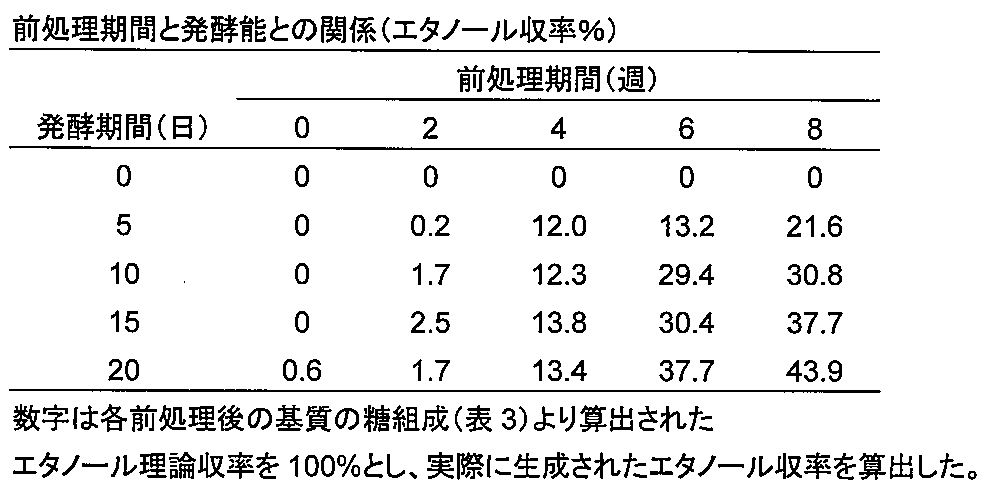
- the ethanol conversion rate is the theoretical yield of ethanol (glucose) calculated from the sugar composition (Table 1) of the wood flour sample after pretreatment under aerobic conditions used as a substrate for ethanol fermentation under semi-aerobic conditions. , When 2 mol of ethanol is produced from 1 mol of galactose and 1 mol of mannose, and 5 mol of ethanol is produced from 3 mol of xylose), respectively, is the ratio of the amount of ethanol actually produced.
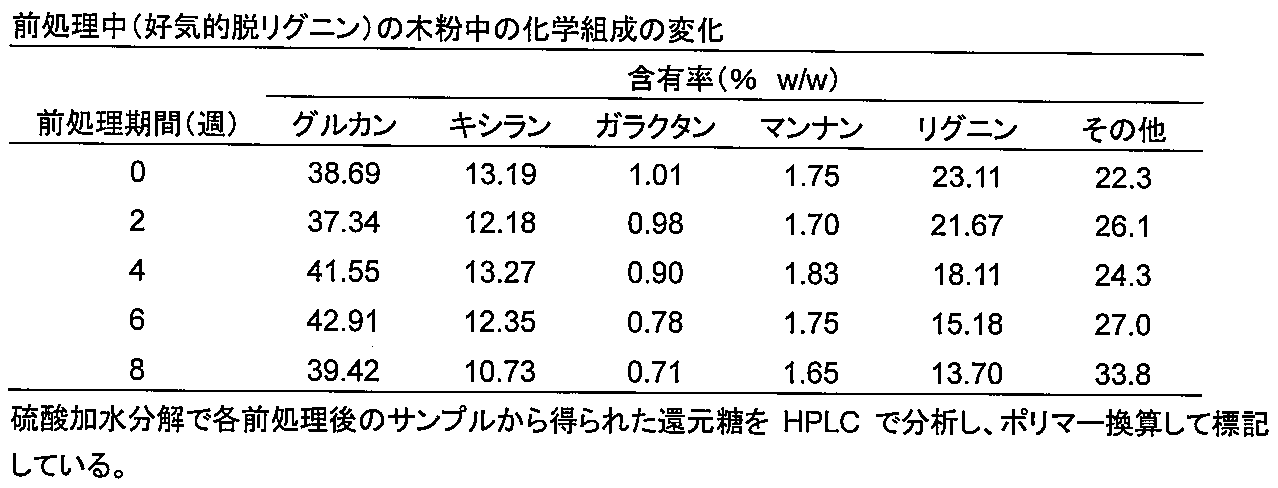
- the lignin content of the untreated wood flour was 23.1%, but when cultured under aerobic conditions for 4 weeks and 8 weeks, the lignin content decreased to 18.1% and 13.7%, respectively.
- the ratio of the polysaccharide in the wood flour was calculated from the monosaccharide in the sulfate hydrolyzate, the content of glucan was relatively increased. That is, it was shown that delignification with high selectivity was performed.
- Phlebia sp. MKFC40001 alone can perform delignification and saccharification / fermentation in a single container.
Landscapes
- Chemical & Material Sciences (AREA)
- Organic Chemistry (AREA)
- Life Sciences & Earth Sciences (AREA)
- Engineering & Computer Science (AREA)
- Zoology (AREA)
- Wood Science & Technology (AREA)
- Health & Medical Sciences (AREA)
- Genetics & Genomics (AREA)
- Biotechnology (AREA)
- Bioinformatics & Cheminformatics (AREA)
- General Health & Medical Sciences (AREA)
- General Engineering & Computer Science (AREA)
- Biochemistry (AREA)
- Microbiology (AREA)
- Chemical Kinetics & Catalysis (AREA)
- General Chemical & Material Sciences (AREA)
- Mycology (AREA)
- Medicinal Chemistry (AREA)
- Biomedical Technology (AREA)
- Virology (AREA)
- Botany (AREA)
- Tropical Medicine & Parasitology (AREA)
- Preparation Of Compounds By Using Micro-Organisms (AREA)
- Micro-Organisms Or Cultivation Processes Thereof (AREA)
Abstract
Description
(1)Phlebia属に属する担子菌を炭素源とともに培養することによりエタノールを生成する工程を含む、エタノールの製造方法。
前記担子菌を炭素源とともに好気的条件において培養する前処理工程と、
前処理工程後に、半好気的条件又は嫌気的条件において、前記担子菌を前記炭素源とともに更に培養してエタノールを生成する発酵工程と
を含む、(1)の方法。
本発明は、フレビア(Phlebia)属に属する担子菌が、炭素源を資化してエタノールを生成する能力を有するという驚くべき知見に基づく発明である。
Phlebia属に属する担子菌は、糖類を資化してエタノールを生成する能力に加えて、リグニン分解能、多糖類の糖化能を有していることから、本発明の方法では種々の炭素源を利用することができる。炭素源としては、糖類、多糖類、水不溶性形態の多糖類、多糖類を含む植物バイオマス資源等が挙げられる。
本発明のエタノール製造方法は、Phlebia属に属する担子菌を炭素源とともに培養することによりエタノールを生成する工程S100(図1)を含む。
本発明はまた、Phlebia属に属する担子菌と、該担子菌を担持する担体とを含む、炭素源からエタノールを生成するための種菌を提供する。
1.使用菌株
PDA(ポテト,デキストロース,寒天)平面培地で28℃・7日間培養したPhlebia sp. MKFC40001(2011年5月11日に日本国内寄託されたNITE P-1099と同一の、2012年2月21日に国際寄託されたNITE BP-1099)の菌糸体を、以下の試験に用いた。
2.培養培地組成・培養条件
培地組成は以下の通り:
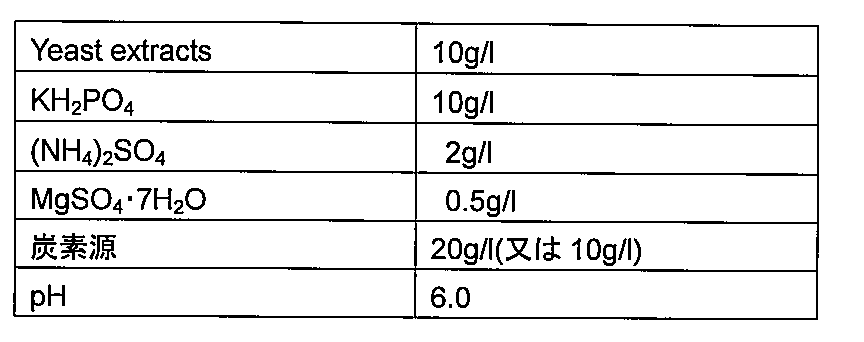
炭素源を除いた培地18mlを含む100ml三角フラスコをオートクレーブ滅菌した。20%に調製したグルコース水溶液およびキシロース水溶液をろ過滅菌し、オートクレーブ後の三角フラスコにグルコース水溶液2ml、又はキシロース水溶液2ml、又は両水溶液各1mlを加えた(炭素源の培地中の最終濃度2%)。ここにPDA培地で培養した対象菌株を寒天ごとコルクボーラーで取り出し(直径5mm)、三角フラスコに接種し、シリコン栓で密封し通気を遮断した。その後28℃に設定したインキュベーター内、暗所で静置培養し5日、10日、20日培養後にサンプル回収を行った。
炭素源を除いた培地20mlを含む100ml三角フラスコに所定の炭素源を下記表に示す濃度(2%(w/v)又は1%(w/v))となるように加え、オートクレーブ滅菌した。ここに上記と同様の手順及び条件に従い対象菌株を接種し、培養を行い、サンプル回収を行った。
所定期間培養した培地から液層を1.5ml回収し、13,600g×10min,4℃で遠心分離した後、上清を1.0ml採取した。採取した上清を滅菌水で5倍希釈し、フィルター(0.45μm)を通して濾過し、分析試料とした。分析試料は、HPLCにて分析した。
移動相:Distilled water
流速: 1.0ml/min
検出器:Shimadzu RID-10A
4.結果
試験に供した30種の木材腐朽菌のうちグルコースを基質として高効率のエタノール発酵(理論収率の70%以上)が観察されたものは3種(MKFC40001、Punctularia sp. Trametes suaveolens)、キシロースを基質とした高効率のエタノール発酵(理論収率の60%以上)が観察されたものは1種(MKFC40001)、グルコース-キシロース混合系を基質とした高効率のエタノール発酵(理論収率の70%以上)が観察されたものは1種(MKFC40001)、結晶性セルロースを基質としたエタノール発酵が観察されたものはMKFC40001のみであった。MKFC40001のみが全ての基質からエタノールを生成することができた。

1.実験方法
発酵基質として、メタノール脱脂済コナラ木粉(42~100メッシュ)を使用した。100 mL三角フラスコに全乾重量約0.8gの木粉を秤取り、含水率が約80%となるよう純水を加えた。オートクレーブ滅菌後、PDA(ポテト,デキストロース,寒天)培地で培養したPhlebia sp. MKFC40001をPDA培地ごとコルクボーラーでくり抜き、1片を接種した。通気性を有するスポンジ状のシリコン樹脂製栓で蓋をし(好気的条件)、28℃、暗所で培養することで木粉の脱リグニン処理(前処理)を行った。好気的条件で所定期間培養(前処理)した三角フラスコに、オートクレーブ滅菌済の発酵用培地(表1)20mLを加え、シリコンゴム栓で密栓し(半好気的条件)28℃、暗所で培養を行った。培養後、培養液をHPLC分析に供し,生成エタノール量を測定し、エタノール変換率を求めた。
木粉の化学組成分析はNREL(米国 National Renewable Energy Laboratory)が公開している方法に従った。具体的には、木粉サンプルを硫酸加水分解し、得られた還元糖を高性能液体クロマトグラフィー(HPLC)により分析した。検出されたグルコース、キシロース、ガラクトース、マンノースを、それぞれグルカン、キシラン、ガラクタン、マンナンとして換算した(表3)。リグニンは木粉サンプルの硫酸加水分解物残渣(酸不溶物)の全乾重量を測定し、リグニン量とした。その他の成分はメタノール脱脂済み木粉の全乾重量から、算出されたグルカン、キシラン、ガラクタン、マンナンおよびリグニンの重量を差し引いた値とした。
前処理工程の結果を表3及び図3に、発酵工程の結果を表4及び図4にそれぞれ示す。
Claims (8)
- Phlebia属に属する担子菌を炭素源とともに培養することによりエタノールを生成する工程を含む、エタノールの製造方法。
- エタノールを生成する前記工程が、
前記担子菌を炭素源とともに好気的条件において培養する前処理工程と、
前処理工程後に、半好気的条件又は嫌気的条件において、前記担子菌を前記炭素源とともに更に培養してエタノールを生成する発酵工程と
を含む、請求項1の方法。 - Phlebia属に属する担子菌がPhlebia sp. MKFC40001(NITE BP-1099)である、請求項1又は2の方法。
- 炭素源が多糖類である、請求項1~3のいずれか1項の方法。
- 多糖類が、植物バイオマス資材、結晶性セルロース、紙類、パルプ又はコットンリンターの形態である、請求項4の方法。
- 炭素源がグルコース、キシロース、マンノース、ガラクトース、フルクトース及びアラビノースからなる群から選択される1種以上の糖類である、請求項1~3のいずれか1項の方法。
- Phlebia属に属する担子菌と、該担子菌を担持する担体とを含む、炭素源からエタノールを生成するための種菌。
- Phlebia属に属する担子菌がPhlebia sp. MKFC40001(NITE BP-1099)である、請求項7の種菌。
Priority Applications (3)
| Application Number | Priority Date | Filing Date | Title |
|---|---|---|---|
| JP2013517896A JP5984121B2 (ja) | 2011-05-31 | 2012-03-02 | 担子菌を用いるエタノールの製造方法 |
| US14/122,893 US9145568B2 (en) | 2011-05-31 | 2012-03-02 | Method for producing ethanol using basidiomycete |
| BR112013030814A BR112013030814A2 (pt) | 2011-05-31 | 2012-03-02 | método para a produção de etanol usando basidiomicetos |
Applications Claiming Priority (2)
| Application Number | Priority Date | Filing Date | Title |
|---|---|---|---|
| JP2011122579 | 2011-05-31 | ||
| JP2011-122579 | 2011-05-31 |
Publications (1)
| Publication Number | Publication Date |
|---|---|
| WO2012164990A1 true WO2012164990A1 (ja) | 2012-12-06 |
Family
ID=47258856
Family Applications (1)
| Application Number | Title | Priority Date | Filing Date |
|---|---|---|---|
| PCT/JP2012/055444 Ceased WO2012164990A1 (ja) | 2011-05-31 | 2012-03-02 | 担子菌を用いるエタノールの製造方法 |
Country Status (4)
| Country | Link |
|---|---|
| US (1) | US9145568B2 (ja) |
| JP (1) | JP5984121B2 (ja) |
| BR (1) | BR112013030814A2 (ja) |
| WO (1) | WO2012164990A1 (ja) |
Cited By (1)
| Publication number | Priority date | Publication date | Assignee | Title |
|---|---|---|---|---|
| JP2016077293A (ja) * | 2014-10-20 | 2016-05-16 | 株式会社ヨネクニ | 菌類を用いた植物バイオマスからのバイオガスの製造装置および方法 |
Families Citing this family (2)
| Publication number | Priority date | Publication date | Assignee | Title |
|---|---|---|---|---|
| RU2614263C1 (ru) * | 2015-12-29 | 2017-03-24 | Федеральное государственное бюджетное образовательное учреждение высшего образования "Российский государственный университет нефти и газа( национальный исследовательский университет) имени И.М. Губкина" | Штамм базидиального гриба Trametes hirsuta - продуцент этилового спирта |
| RU2630997C1 (ru) * | 2016-12-21 | 2017-09-15 | Федеральное государственное бюджетное образовательное учреждение высшего образования "Российский государственный университет нефти и газа (национальный исследовательский университет) имени И.М. Губкина" | Штамм базидиомицета trametes hirsuta - продуцент этилового спирта |
Citations (3)
| Publication number | Priority date | Publication date | Assignee | Title |
|---|---|---|---|---|
| JP2006223159A (ja) * | 2005-02-16 | 2006-08-31 | Tottori Univ | アルコール製造方法、アルコール飲料の製造方法、アルコール含有食品の製造方法およびそれらに用いる種菌 |
| JP2007319114A (ja) * | 2006-06-02 | 2007-12-13 | Kyushu Univ | マンガンペルオキシダーゼの製造方法 |
| JP2010183859A (ja) * | 2009-02-10 | 2010-08-26 | Tottori Univ | アルコールの製造方法、アルコール飲料の製造方法、アルコール含有食品の製造方法、および、それらに用いる種菌 |
Family Cites Families (5)
| Publication number | Priority date | Publication date | Assignee | Title |
|---|---|---|---|---|
| JP2001169775A (ja) | 1999-10-06 | 2001-06-26 | Meiji Seika Kaisha Ltd | 耐塩性マンガンパーオキシダーゼ及びその生産菌 |
| JP2008006372A (ja) | 2006-06-29 | 2008-01-17 | Oji Paper Co Ltd | 木質系バイオマスの前処理方法 |
| JP2008054676A (ja) | 2006-08-04 | 2008-03-13 | National Institute Of Advanced Industrial & Technology | バイオマスからのエタノールの製造方法 |
| JP5233452B2 (ja) | 2008-07-08 | 2013-07-10 | 王子ホールディングス株式会社 | 糖化発酵システム |
| JP5633839B2 (ja) | 2009-05-22 | 2014-12-03 | 独立行政法人農業・食品産業技術総合研究機構 | リグノセルロース系バイオマスの変換方法 |
-
2012
- 2012-03-02 WO PCT/JP2012/055444 patent/WO2012164990A1/ja not_active Ceased
- 2012-03-02 BR BR112013030814A patent/BR112013030814A2/pt not_active Application Discontinuation
- 2012-03-02 JP JP2013517896A patent/JP5984121B2/ja active Active
- 2012-03-02 US US14/122,893 patent/US9145568B2/en not_active Expired - Fee Related
Patent Citations (3)
| Publication number | Priority date | Publication date | Assignee | Title |
|---|---|---|---|---|
| JP2006223159A (ja) * | 2005-02-16 | 2006-08-31 | Tottori Univ | アルコール製造方法、アルコール飲料の製造方法、アルコール含有食品の製造方法およびそれらに用いる種菌 |
| JP2007319114A (ja) * | 2006-06-02 | 2007-12-13 | Kyushu Univ | マンガンペルオキシダーゼの製造方法 |
| JP2010183859A (ja) * | 2009-02-10 | 2010-08-26 | Tottori Univ | アルコールの製造方法、アルコール飲料の製造方法、アルコール含有食品の製造方法、および、それらに用いる種菌 |
Non-Patent Citations (4)
| Title |
|---|
| KENJI OKAMOTO ET AL.: "Alcohol Hakkosei Tanshikin no Tansaku to Seishitsu", JAPAN SOCIETY FOR BIOSCIENCE, BIOTECHNOLOGY, AND AGROCHEMISTRY TAIKAI KOEN YOSHISHU, vol. 2009TH, 2009, pages 100 * |
| MAURICE, G.: "Fermentation Alcoolique par deux Basidiomycete Phlebia dariata Fr. et Corticium ochracefulvum", COMPT. REND., vol. 254, 1962, pages 2213 - 14 * |
| MOTOKI YONEDA ET AL.: "Peniophora cinerea ni yoru Ethanol Seisan", JAPAN SOCIETY FOR BIOSCIENCE, BIOTECHNOLOGY, AND AGROCHEMISTRY TAIKAI KOEN YOSHISHU, vol. 2010TH, 2010, pages 72 * |
| YOSHIYUKI HIROTA ET AL.: "Hakushoku Fukyukin o Mochiita Cellulose Kishitsu kara no Chokusetsu Ethanol Hakko", KI KAGAKU JOHO, vol. 18, no. 1, August 2011 (2011-08-01), pages 25 - 26 * |
Cited By (1)
| Publication number | Priority date | Publication date | Assignee | Title |
|---|---|---|---|---|
| JP2016077293A (ja) * | 2014-10-20 | 2016-05-16 | 株式会社ヨネクニ | 菌類を用いた植物バイオマスからのバイオガスの製造装置および方法 |
Also Published As
| Publication number | Publication date |
|---|---|
| US9145568B2 (en) | 2015-09-29 |
| BR112013030814A2 (pt) | 2016-09-06 |
| JP5984121B2 (ja) | 2016-09-06 |
| JPWO2012164990A1 (ja) | 2015-02-23 |
| US20140154763A1 (en) | 2014-06-05 |
Similar Documents
| Publication | Publication Date | Title |
|---|---|---|
| Okamoto et al. | Bioconversion of xylose, hexoses and biomass to ethanol by a new isolate of the white rot basidiomycete Trametes versicolor | |
| Xu et al. | Lignocellulose degradation patterns, structural changes, and enzyme secretion by Inonotus obliquus on straw biomass under submerged fermentation | |
| Salvachúa et al. | Fungal pretreatment: an alternative in second-generation ethanol from wheat straw | |
| Okamoto et al. | Direct ethanol production from starch, wheat bran and rice straw by the white rot fungus Trametes hirsuta | |
| Horisawa et al. | Direct ethanol production from cellulosic materials by consolidated biological processing using the wood rot fungus Schizophyllum commune | |
| Saha et al. | Biological pretreatment of corn stover with white-rot fungus for improved enzymatic hydrolysis | |
| Sun et al. | Effect of biological pretreatment with Trametes hirsuta yj9 on enzymatic hydrolysis of corn stover | |
| Swain et al. | Improved conversion of rice straw to ethanol and xylitol by combination of moderate temperature ammonia pretreatment and sequential fermentation using Candida tropicalis | |
| Yu et al. | Evaluation of white-rot fungi-assisted alkaline/oxidative pretreatment of corn straw undergoing enzymatic hydrolysis by cellulase | |
| Muñoz et al. | Bioethanol production from bio‐organosolv pulps of Pinus radiata and Acacia dealbata | |
| Waghmare et al. | Enzymatic hydrolysis of biologically pretreated sorghum husk for bioethanol production | |
| Awan et al. | Orange waste as a biomass for 2G-ethanol production using low cost enzymes and co-culture fermentation | |
| AU2004295648B2 (en) | Fermentation process, starter culture and growth medium | |
| Scarpa et al. | Saccharification of pretreated sugarcane bagasse using enzymes solution from Pycnoporus sanguineus MCA 16 and cellulosic ethanol production | |
| Kondo et al. | Effect of chemical factors on integrated fungal fermentation of sugarcane bagasse for ethanol production by a white-rot fungus, Phlebia sp. MG-60 | |
| Monrroy et al. | Bioorganosolv pretreatments of P. radiata by a brown rot fungus (Gloephyllum trabeum) and ethanolysis | |
| JP5984121B2 (ja) | 担子菌を用いるエタノールの製造方法 | |
| López-Abelairas et al. | Fermentation of biologically pretreated wheat straw for ethanol production: comparison of fermentative microorganisms and process configurations | |
| Kamei et al. | Direct fungal production of ethanol from high-solids pulps by the ethanol-fermenting white-rot fungus Phlebia sp. MG-60 | |
| Anwar et al. | Optimization of dilute acid pretreatment using response surface methodology for bioethanol production from cellulosic biomass of rice polish | |
| JP5610415B2 (ja) | アルコールの製造方法、アルコール飲料の製造方法、アルコール含有食品の製造方法、および、それらに用いる種菌 | |
| Mori et al. | Effects on microstructures of decayed wood particles in spent mushroom substrates on the enzymatic saccharification and fermentation properties | |
| Li | White rot fungi Pleurotus ostreatus pretreatment on switchgrass to enhance enzymatic hydrolysis and ethanol production | |
| JP2012179043A (ja) | キシロース発酵きのこを用いた効率的エタノール生産 | |
| Balasubramaniam et al. | Implementation of white rot fungal pretreated rice straw for sustainable bioethanol production by Saccharomyces cerevisiae |
Legal Events
| Date | Code | Title | Description |
|---|---|---|---|
| 121 | Ep: the epo has been informed by wipo that ep was designated in this application |
Ref document number: 12792546 Country of ref document: EP Kind code of ref document: A1 |
|
| DPE2 | Request for preliminary examination filed before expiration of 19th month from priority date (pct application filed from 20040101) | ||
| ENP | Entry into the national phase |
Ref document number: 2013517896 Country of ref document: JP Kind code of ref document: A |
|
| WWE | Wipo information: entry into national phase |
Ref document number: 14122893 Country of ref document: US |
|
| NENP | Non-entry into the national phase |
Ref country code: DE |
|
| REG | Reference to national code |
Ref country code: BR Ref legal event code: B01A Ref document number: 112013030814 Country of ref document: BR |
|
| 122 | Ep: pct application non-entry in european phase |
Ref document number: 12792546 Country of ref document: EP Kind code of ref document: A1 |
|
| ENP | Entry into the national phase |
Ref document number: 112013030814 Country of ref document: BR Kind code of ref document: A2 Effective date: 20131129 |