WO2012127643A1 - 車両用大気浄化装置 - Google Patents
車両用大気浄化装置 Download PDFInfo
- Publication number
- WO2012127643A1 WO2012127643A1 PCT/JP2011/056911 JP2011056911W WO2012127643A1 WO 2012127643 A1 WO2012127643 A1 WO 2012127643A1 JP 2011056911 W JP2011056911 W JP 2011056911W WO 2012127643 A1 WO2012127643 A1 WO 2012127643A1
- Authority
- WO
- WIPO (PCT)
- Prior art keywords
- group
- ozone
- carbon atoms
- vehicle
- derivatives
- Prior art date
- Legal status (The legal status is an assumption and is not a legal conclusion. Google has not performed a legal analysis and makes no representation as to the accuracy of the status listed.)
- Ceased
Links
Images



Classifications
-
- A—HUMAN NECESSITIES
- A61—MEDICAL OR VETERINARY SCIENCE; HYGIENE
- A61L—METHODS OR APPARATUS FOR STERILISING MATERIALS OR OBJECTS IN GENERAL; DISINFECTION, STERILISATION OR DEODORISATION OF AIR; CHEMICAL ASPECTS OF BANDAGES, DRESSINGS, ABSORBENT PADS OR SURGICAL ARTICLES; MATERIALS FOR BANDAGES, DRESSINGS, ABSORBENT PADS OR SURGICAL ARTICLES
- A61L9/00—Disinfection, sterilisation or deodorisation of air
- A61L9/015—Disinfection, sterilisation or deodorisation of air using gaseous or vaporous substances, e.g. ozone
-
- B—PERFORMING OPERATIONS; TRANSPORTING
- B01—PHYSICAL OR CHEMICAL PROCESSES OR APPARATUS IN GENERAL
- B01D—SEPARATION
- B01D53/00—Separation of gases or vapours; Recovering vapours of volatile solvents from gases; Chemical or biological purification of waste gases, e.g. engine exhaust gases, smoke, fumes, flue gases, aerosols
- B01D53/34—Chemical or biological purification of waste gases
- B01D53/74—General processes for purification of waste gases; Apparatus or devices specially adapted therefor
- B01D53/86—Catalytic processes
- B01D53/8671—Removing components of defined structure not provided for in B01D53/8603 - B01D53/8668
- B01D53/8675—Ozone
-
- B—PERFORMING OPERATIONS; TRANSPORTING
- B01—PHYSICAL OR CHEMICAL PROCESSES OR APPARATUS IN GENERAL
- B01D—SEPARATION
- B01D2255/00—Catalysts
- B01D2255/20—Metals or compounds thereof
- B01D2255/207—Transition metals
- B01D2255/20738—Iron
-
- B—PERFORMING OPERATIONS; TRANSPORTING
- B01—PHYSICAL OR CHEMICAL PROCESSES OR APPARATUS IN GENERAL
- B01D—SEPARATION
- B01D2255/00—Catalysts
- B01D2255/20—Metals or compounds thereof
- B01D2255/207—Transition metals
- B01D2255/20746—Cobalt
-
- B—PERFORMING OPERATIONS; TRANSPORTING
- B01—PHYSICAL OR CHEMICAL PROCESSES OR APPARATUS IN GENERAL
- B01D—SEPARATION
- B01D2255/00—Catalysts
- B01D2255/20—Metals or compounds thereof
- B01D2255/207—Transition metals
- B01D2255/20761—Copper
-
- B—PERFORMING OPERATIONS; TRANSPORTING
- B01—PHYSICAL OR CHEMICAL PROCESSES OR APPARATUS IN GENERAL
- B01D—SEPARATION
- B01D2255/00—Catalysts
- B01D2255/70—Non-metallic catalysts, additives or dopants
- B01D2255/702—Carbon
-
- B—PERFORMING OPERATIONS; TRANSPORTING
- B01—PHYSICAL OR CHEMICAL PROCESSES OR APPARATUS IN GENERAL
- B01D—SEPARATION
- B01D2255/00—Catalysts
- B01D2255/70—Non-metallic catalysts, additives or dopants
- B01D2255/705—Ligands for metal-organic catalysts
-
- B—PERFORMING OPERATIONS; TRANSPORTING
- B01—PHYSICAL OR CHEMICAL PROCESSES OR APPARATUS IN GENERAL
- B01D—SEPARATION
- B01D2259/00—Type of treatment
- B01D2259/45—Gas separation or purification devices adapted for specific applications
- B01D2259/4566—Gas separation or purification devices adapted for specific applications for use in transportation means
-
- B—PERFORMING OPERATIONS; TRANSPORTING
- B01—PHYSICAL OR CHEMICAL PROCESSES OR APPARATUS IN GENERAL
- B01J—CHEMICAL OR PHYSICAL PROCESSES, e.g. CATALYSIS OR COLLOID CHEMISTRY; THEIR RELEVANT APPARATUS
- B01J2531/00—Additional information regarding catalytic systems classified in B01J31/00
- B01J2531/02—Compositional aspects of complexes used, e.g. polynuclearity
- B01J2531/0238—Complexes comprising multidentate ligands, i.e. more than 2 ionic or coordinative bonds from the central metal to the ligand, the latter having at least two donor atoms, e.g. N, O, S, P
- B01J2531/0241—Rigid ligands, e.g. extended sp2-carbon frameworks or geminal di- or trisubstitution
- B01J2531/025—Ligands with a porphyrin ring system or analogues thereof, e.g. phthalocyanines, corroles
-
- B—PERFORMING OPERATIONS; TRANSPORTING
- B01—PHYSICAL OR CHEMICAL PROCESSES OR APPARATUS IN GENERAL
- B01J—CHEMICAL OR PHYSICAL PROCESSES, e.g. CATALYSIS OR COLLOID CHEMISTRY; THEIR RELEVANT APPARATUS
- B01J2531/00—Additional information regarding catalytic systems classified in B01J31/00
- B01J2531/02—Compositional aspects of complexes used, e.g. polynuclearity
- B01J2531/0238—Complexes comprising multidentate ligands, i.e. more than 2 ionic or coordinative bonds from the central metal to the ligand, the latter having at least two donor atoms, e.g. N, O, S, P
- B01J2531/0241—Rigid ligands, e.g. extended sp2-carbon frameworks or geminal di- or trisubstitution
- B01J2531/0252—Salen ligands or analogues, e.g. derived from ethylenediamine and salicylaldehyde
-
- B—PERFORMING OPERATIONS; TRANSPORTING
- B01—PHYSICAL OR CHEMICAL PROCESSES OR APPARATUS IN GENERAL
- B01J—CHEMICAL OR PHYSICAL PROCESSES, e.g. CATALYSIS OR COLLOID CHEMISTRY; THEIR RELEVANT APPARATUS
- B01J2531/00—Additional information regarding catalytic systems classified in B01J31/00
- B01J2531/10—Complexes comprising metals of Group I (IA or IB) as the central metal
- B01J2531/16—Copper
-
- B—PERFORMING OPERATIONS; TRANSPORTING
- B01—PHYSICAL OR CHEMICAL PROCESSES OR APPARATUS IN GENERAL
- B01J—CHEMICAL OR PHYSICAL PROCESSES, e.g. CATALYSIS OR COLLOID CHEMISTRY; THEIR RELEVANT APPARATUS
- B01J2531/00—Additional information regarding catalytic systems classified in B01J31/00
- B01J2531/80—Complexes comprising metals of Group VIII as the central metal
- B01J2531/84—Metals of the iron group
- B01J2531/842—Iron
-
- B—PERFORMING OPERATIONS; TRANSPORTING
- B01—PHYSICAL OR CHEMICAL PROCESSES OR APPARATUS IN GENERAL
- B01J—CHEMICAL OR PHYSICAL PROCESSES, e.g. CATALYSIS OR COLLOID CHEMISTRY; THEIR RELEVANT APPARATUS
- B01J2531/00—Additional information regarding catalytic systems classified in B01J31/00
- B01J2531/80—Complexes comprising metals of Group VIII as the central metal
- B01J2531/84—Metals of the iron group
- B01J2531/845—Cobalt
-
- B—PERFORMING OPERATIONS; TRANSPORTING
- B01—PHYSICAL OR CHEMICAL PROCESSES OR APPARATUS IN GENERAL
- B01J—CHEMICAL OR PHYSICAL PROCESSES, e.g. CATALYSIS OR COLLOID CHEMISTRY; THEIR RELEVANT APPARATUS
- B01J31/00—Catalysts comprising hydrides, coordination complexes or organic compounds
- B01J31/16—Catalysts comprising hydrides, coordination complexes or organic compounds containing coordination complexes
- B01J31/18—Catalysts comprising hydrides, coordination complexes or organic compounds containing coordination complexes containing nitrogen, phosphorus, arsenic or antimony as complexing atoms, e.g. in pyridine ligands, or in resonance therewith, e.g. in isocyanide ligands C=N-R or as complexed central atoms
- B01J31/1805—Catalysts comprising hydrides, coordination complexes or organic compounds containing coordination complexes containing nitrogen, phosphorus, arsenic or antimony as complexing atoms, e.g. in pyridine ligands, or in resonance therewith, e.g. in isocyanide ligands C=N-R or as complexed central atoms the ligands containing nitrogen
Definitions
- the present invention relates to a vehicle air purification device, and more particularly to a vehicle air purification device capable of purifying ozone in the atmosphere.
- Ozone which is the cause of photochemical smog
- Ozone is generated by the photochemical reaction of HC and NOx contained in the exhaust gas of automobiles and factories. For this reason, suppressing the emission amount of HC and NOx from the automobile is an effective means for suppressing the generation of ozone and preventing the generation of photochemical smog.
- Patent Document 1 discloses such a DOR system in which a metal oxide such as manganese dioxide is supported on a vehicle component. Vehicle components such as radiators are installed at locations that come into contact with the atmosphere when the vehicle is running. Manganese dioxide has a function of converting ozone contained in the atmosphere into other substances such as oxygen and purifying it. It is. Therefore, according to the DOR system of Patent Document 1, ozone in the atmosphere can be directly purified while the vehicle is traveling.
- a metal oxide such as manganese dioxide
- Vehicle components such as radiators are installed at locations that come into contact with the atmosphere when the vehicle is running.
- Manganese dioxide has a function of converting ozone contained in the atmosphere into other substances such as oxygen and purifying it. It is. Therefore, according to the DOR system of Patent Document 1, ozone in the atmosphere can be directly purified while the vehicle is traveling.
- FIG. 7 is a graph showing the relationship between the ozone purification rate (%) of manganese dioxide and the wind speed (m / s). This figure is prepared by preparing a manganese dioxide test piece and measuring the ozone concentration behind the test piece when air with an ozone concentration of 0.2 ppm is passed from the front to the rear of the test piece at different speeds. It is a thing. As shown in FIG. 7, at any wind speed, when the test piece temperature is 25 ° C., the ozone purification rate is lower than when the test piece temperature is 75 ° C. Therefore, according to FIG. 7, it can be seen that the ozone purification function of manganese dioxide is not sufficiently exhibited in a normal temperature range such as before the engine is warmed up.
- an object of the present invention is to provide a DOR system that can satisfactorily purify ozone even in a normal temperature range and suppress a decrease in the cooling performance of a radiator due to coating.
- a first invention is a vehicle air purification apparatus, Vehicle components arranged in locations that come into contact with the atmosphere when the vehicle is running; and An ozone purifying body provided on the vehicle component and capable of purifying ozone;
- the ozone purifier contains at least one of organometallic complexes having manganese, iron, cobalt, nickel, copper, ruthenium, rhodium or palladium as a central metal.
- the second invention is the first invention, wherein
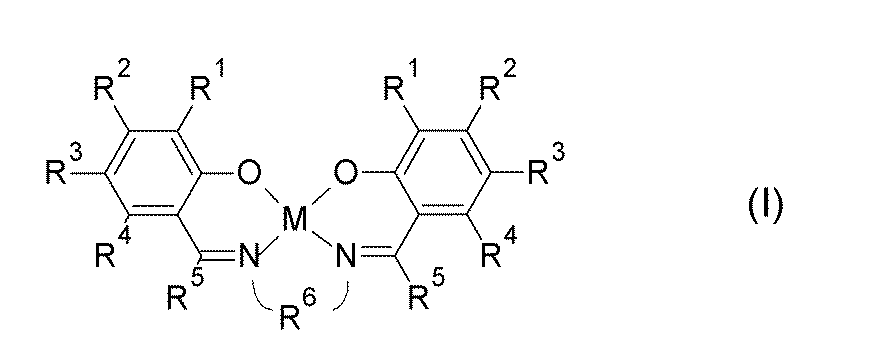
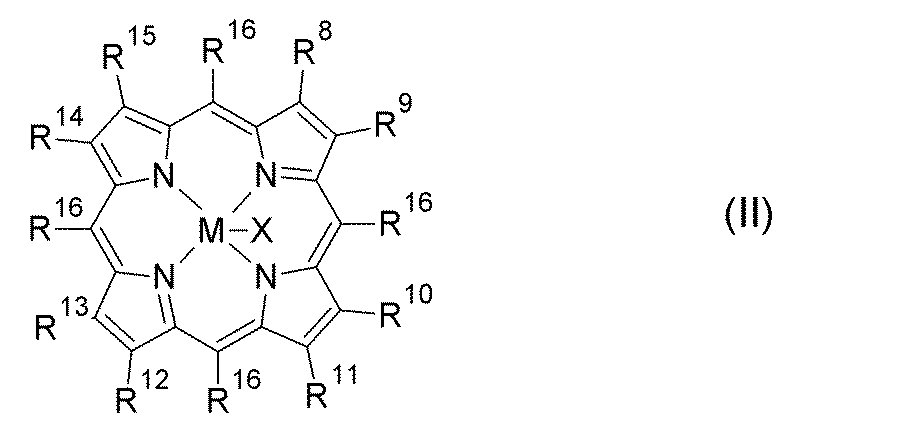
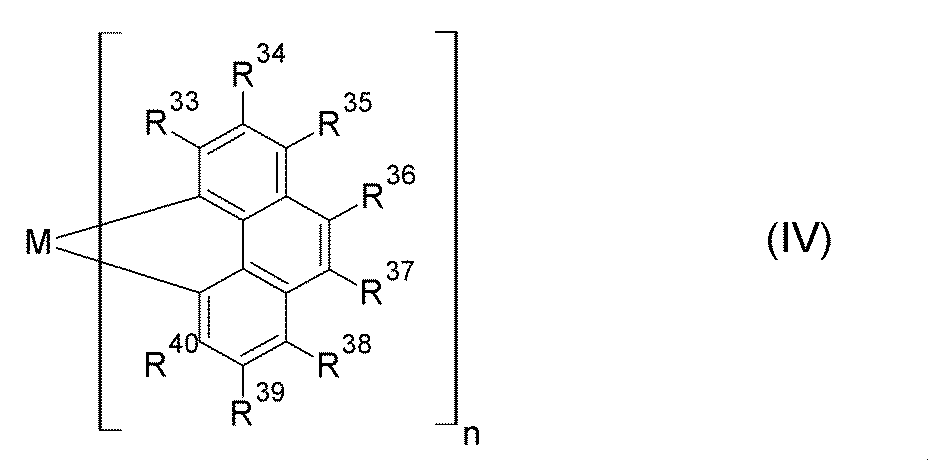
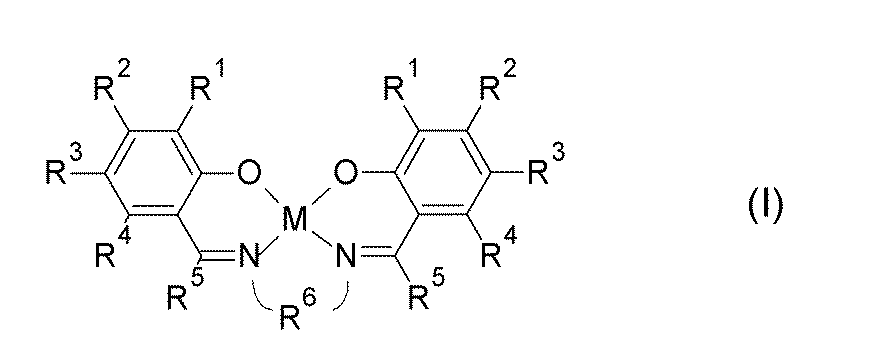
- the organometallic complex is represented by a salen complex represented by the following formula (I), a porphyrin complex represented by the following formula (II), a phthalocyanine complex represented by the following formula (III), or the following formula (IV). It is characterized by being a phenanthroline complex.
- M is manganese, iron, cobalt, nickel, copper, ruthenium, rhodium or palladium
- R 1 to R 5 are each independently a hydrogen atom, a halogen atom, or a carbon number of 1
- R 6 represents a linear or branched group having 2 to 8 carbon atoms
- M is manganese, iron, cobalt, nickel, copper, ruthenium, rhodium or palladium
- R 8 to R 15 are each independently a hydrogen atom, a halogen atom, or a carbon number of 1
- R 16 represents a hydrogen atom or an optionally substituted phenyl group
- X represents a halogen atom, an isothiocyanato group, imidazole and its derivatives, pyridine and its derivatives, aniline and its derivatives or histidine and its derivatives.
- M is manganese, iron, cobalt, nickel, copper, ruthenium, rhodium or palladium
- R 17 to R 32 are each independently a hydrogen atom, a halogen atom, or a carbon number of 1 Represents an alkyl group of ⁇ 8, an alkenyl group of 2 to 8 carbon atoms, a formyl group, a carboxyl group, an acyl group of 2 to 8 carbon atoms or a nitro group.
- M is manganese, iron, cobalt, nickel, copper, ruthenium, rhodium or palladium
- R 33 to R 40 each independently represents a hydrogen atom, a halogen atom, or a carbon number of 1
- n represents a natural number.
- the third invention is the first or second invention, wherein
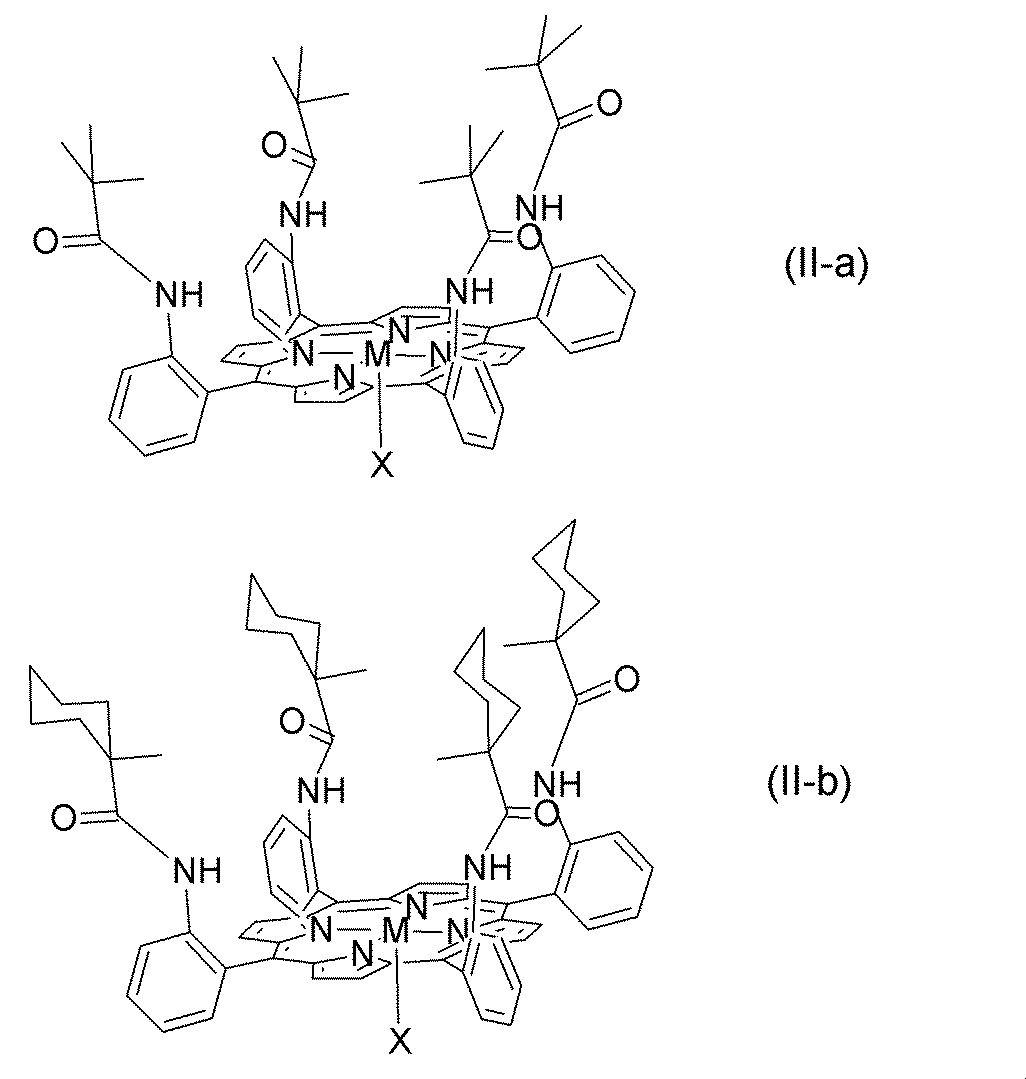
- the organometallic complex is a picket fence type porphyrin complex represented by the following formula (II-a) or the following formula (II-b).
- M is manganese, iron, cobalt, nickel, copper, ruthenium, rhodium or palladium;
- X is a halogen atom, an isothiocyanato group, imidazole and its Derivative, pyridine and its derivatives, aniline and its derivatives or histidine and its derivatives.
- the fourth invention is the invention according to any one of the first to third inventions,
- the ozone purifier further includes activated carbon.
- the first to fourth inventions it is possible to provide a DOR system that can perform ozone purification satisfactorily even in a normal temperature range and can suppress a decrease in the cooling performance of the radiator due to coating.
- FIG. 1 is a schematic diagram showing the configuration of a vehicle equipped with the air purification device of the present embodiment.
- the vehicle 10 includes an internal combustion engine 12 as a power device.
- the exhaust gas discharged from the internal combustion engine 12 contains HC and NOx.
- Ozone is generated by a photochemical reaction using HC or NOx as a reactant. Therefore, by mounting an air purification device on the vehicle 10 including the internal combustion engine 12 and purifying ozone in the air while the vehicle 10 is traveling, the influence of the vehicle 10 on the environment can be reduced.
- a radiator 14 that cools cooling water to be circulated through the internal combustion engine 12 is disposed in front of the internal combustion engine 12.
- a condenser 16 for an air conditioner is attached in front of the radiator 14. As indicated by arrows in FIG. 1, when the vehicle 10 travels, air is taken in from the bumper grille 18 on the front surface of the vehicle 10, and the taken-in air passes through the condenser 16 and the radiator 14 in this order and is discharged backward. Is done.
- the core of the radiator 14 is provided with fins (not shown).
- the surface of the fin is coated with an ozone purifier containing at least one organometallic complex having manganese, iron, cobalt, nickel, copper, ruthenium, rhodium or palladium as a central metal. Is. Therefore, first, an organometallic complex that can be preferably used for the ozone purifier will be described.
- Organometallic complex As an organometallic complex that can be preferably used for an ozone purifier, first, a salen complex represented by the following formula (I) is exemplified.
- M is manganese, iron, cobalt, nickel, copper, ruthenium, rhodium or palladium
- R 1 to R 5 are each independently a hydrogen atom, a halogen atom, or a carbon number of 1
- R 6 represents a linear or branched group having 2 to 8 carbon atoms
- examples of the alkyl group having 1 to 8 carbon atoms include methyl group, ethyl group, n-propyl group, i-propyl group, n-butyl group, i-butyl group, sec-butyl group, t-butyl group, Examples thereof include t-pentyl group, i-octyl group, t-octyl group, 2-ethylhexyl group and the like.
- Examples of the alkenyl group having 2 to 8 carbon atoms include 1-propenyl group, 2-propenyl group, 2-methyl-1-propenyl group, 2-methyl-2-propenyl group, 1-butenyl group and 2-butenyl group. , 3-butenyl group and the like.
- examples of the acyl group having 2 to 8 carbon atoms include acetyl group, propanoyl group, butanoyl group, pentanoyl group and benzoyl group.
- Examples of the linear or branched alkylene group having 2 to 8 carbon atoms include ethylene, propylene, butylene, pentamethylene, hexamethylene, octamethylene, 2,2-dimethyl-1,3- A propylene group etc. are mentioned.
- Examples of the cycloalkylene group having 3 to 8 carbon atoms include a cycloheptyl group, a cyclohexyl group, and a cyclopentyl group.
- M is manganese, iron, cobalt, nickel, copper, ruthenium, rhodium or palladium
- R 8 to R 15 are each independently a hydrogen atom, a halogen atom, or a carbon number of 1
- R 16 represents a hydrogen atom or an optionally substituted phenyl group
- X represents a halogen atom, an isothiocyanato group, imidazole and its derivatives, pyridine and its derivatives, aniline and its derivatives or histidine and its derivatives.
- alkyl group having 1 to 8 carbon atoms the alkenyl group having 2 to 8 carbon atoms, and the acyl group having 2 to 8 carbon atoms, those listed in the description of R 1 to R 5 are applicable.
- imidazole derivatives include methyl imidazole, ethyl imidazole, propyl imidazole, dimethyl imidazole, and benzimidazole.
- pyridine derivatives include methylpyridine, methylpyridyl acetate, nicotinamide, pyridazine, pyrimidine, pyrazine, and triazine.
- aniline derivatives include aminophenol and diaminobenzene.
- histidine derivatives include histidine methyl ester and histamine.
- a picket fence type porphyrin complex represented by the following formula (II-a) or formula (II-b) can be particularly preferably used. Although details of the reason will be described later, by taking a picket fence type structure, it is possible to favorably suppress the coordination of substances other than ozone to the central metal of the porphyrin complex.
- M is manganese, iron, cobalt, nickel, copper, ruthenium, rhodium or palladium
- X is a halogen atom, an isothiocyanato group, imidazole and its Derivative, pyridine and its derivatives, aniline and its derivatives or histidine and its derivatives.
- imidazole derivative pyridine derivative, aniline derivative, and histidine derivative, those listed in the description of the above formula (II) are applicable.
- M is manganese, iron, cobalt, nickel, copper, ruthenium, rhodium or palladium
- R 17 to R 32 are each independently a hydrogen atom, a halogen atom, or a carbon number of 1 Represents an alkyl group of ⁇ 8, an alkenyl group of 2 to 8 carbon atoms, a formyl group, a carboxyl group, an acyl group of 2 to 8 carbon atoms or a nitro group.
- alkyl group having 1 to 8 carbon atoms the alkenyl group having 2 to 8 carbon atoms, and the acyl group having 2 to 8 carbon atoms, those listed in the description of R 1 to R 5 are applicable.
- M is manganese, iron, cobalt, nickel, copper, ruthenium, rhodium or palladium
- R 33 to R 40 each independently represents a hydrogen atom, a halogen atom, or a carbon number of 1
- n represents a natural number.
- alkyl group having 1 to 8 carbon atoms the alkenyl group having 2 to 8 carbon atoms, and the acyl group having 2 to 8 carbon atoms, those listed in the description of R 1 to R 5 are applicable.
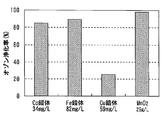
- FIG. 2 is a graph showing the ozone purification rate of the salen complex of the above formula (I).
- This figure shows the salen complex (cobalt, iron and copper as the central metals) supported on the surface of the radiator, and from the front to the rear under the conditions of a radiator bed temperature of 80 ° C and a relative humidity of 60% (25 ° C). This is created by measuring the ozone concentration behind the radiator when air having an ozone concentration of 0.5 ppm is passed.
- the supported amount per unit volume of the salen complex was Co complex: 34 mg / L, Fe complex: 82 mg / L, Cu complex: 59 mg / L.
- each salen complex has ozone purifying ability, and in particular, Co complex and Fe complex have ozone purifying ability comparable to that of comparative manganese dioxide (supported amount per unit volume: 25 g / L).
- the organometallic complex exhibits an ozone purification capability equivalent to that of manganese dioxide with a smaller loading than manganese dioxide.
- the ozone concentration was measured by changing the bed temperature from 25 ° C. to 120 ° C., the same results as in this figure were obtained.
- the organometallic complex exhibits a good ozone purification capacity with a small amount of support. Moreover, it turns out that an organometallic complex shows a favorable ozone purification ability in a wide temperature range including a normal temperature range. Therefore, if an organic metal complex is used for the ozone purifier, the temperature rise of the radiator due to the loading of the ozone purifier can be suppressed, so that the cooling performance of the radiator can be suppressed and ozone can be purified well even in the normal temperature range. .
- the present inventors speculate that the above result was obtained because the ability of the central metal to purify ozone was activated as a result of the ligand of the organometallic complex acting as an electron donating group.
- activated carbon that can be preferably used for the ozone purifier together with the organometallic complex will be described with reference to FIGS.
- Activated carbon is available at low cost and is known to exhibit a high ozone purification capacity in the normal temperature range.
- activated carbon has a property that its ozone purification function is likely to deteriorate over time.
- FIG. 3 is a graph showing the relationship between the ozone exposure time (hr) and the ozone purification rate (%).
- a radiator coated with activated carbon only (radiator A) and a radiator coated with activated carbon and the salen complex of the above formula (I) (radiators B and C) were prepared, and the radiator bed temperature was maintained at 25 ° C.
- the ozone purification rate of radiator A decreased with the passage of exposure time.
- the ozone purification rate of radiator B was maintained at a high level over a long period of time.
- the difference between the radiator A and the radiator B is the presence or absence of the coating of the organometallic complex. Therefore, it can be seen from this result that when the organometallic complex is combined with activated carbon, an ozone purifier that exhibits a good ozone purifying ability over a long period of time can be obtained.
- the present inventors speculate that such a result is due to the purification mechanism shown in FIG.
- FIG. 4 is a diagram for explaining an ozone purification mechanism.
- 4A corresponds to the radiator A in FIG. 3
- FIG. 4B corresponds to the radiator B in FIG.
- reactions of the following formulas (1) to (4) proceed.
- O 3 ⁇ O 3 - ⁇ ( 1) O 3 ⁇ ⁇ O 2 + O ⁇ (2) C + O ⁇ CO (3) C + 2O ⁇ CO 2 (4)
- the reactions of the above formulas (1) and (2) are reactions in which ozone is decomposed in the pores of activated carbon (ozone decomposition reaction). Specifically, this ozonolysis reaction proceeds as a result of ozone molecules entering into the pores of the activated carbon and donating electrons from the activated carbon into the pores.
- the reaction of the said Formula (3) and Formula (4) is reaction (carbon consumption reaction) by which the carbon atom which comprises activated carbon is consumed. In the activated carbon on the radiator A, this carbon consumption reaction proceeds. Therefore, in the radiator A, as shown in FIG. 4A, the carbon atom of the activated carbon becomes CO or CO 2 , so that the pore structure changes with time, and the ozone purification function deteriorates.
- This complex reaction can utilize not only the reactions of the above formulas (5) and (6) but also O 3 ⁇ and O ⁇ generated by the reactions of the above formulas (1) and (2). Therefore, in the radiator B, as shown in FIG. 4B, the carbon consumption reaction is suppressed.
- the ozone purification rate of the radiator C decreased with the passage of exposure time.
- the ozone purification rate of radiator B was maintained at a high level over a long period of time.
- the difference between the radiator B and the radiator C is a difference in the moisture content condition (Wet condition or Dry condition) in the air that passes through the radiator. Therefore, from this result, it was shown that the ozone purification function of the organometallic complex may be hindered under Wet conditions.
- FIG. 5 is a graph showing the relationship between ozone exposure time (s) and ozone purification rate (%).
- This figure shows a radiator (radiator D) coated only with activated carbon, a radiator (radiators E and F) coated with activated carbon and a porphyrin complex of the above formula (II) (center metal is iron), activated carbon and the above formula (II) -A) radiators (radiators G and H) coated with a picket fence type porphyrin complex (iron is the central metal), respectively, and with the radiator floor temperature kept at 80 ° C., from the front to the rear of the radiator It is created by measuring the ozone concentration behind the radiator for each exposure time when passing through air with an ozone concentration of 130 ppm (wet (water concentration 2%: equivalent to 60% humidity) condition or dry condition).
- the ozone purification rates of the radiators G and H were maintained at a high level over a long period of time.
- the difference between the radiator G and the radiator H is the difference in the moisture content condition (Wet condition or Dry condition) in the air that passes through the radiator. Therefore, it can be seen from this result that if a picket fence type porphyrin complex is used, an ozone purifier exhibiting a good ozone purifying ability over a long period of time can be obtained.
- the present inventors speculate that this result is due to the structural features of the picket fence type. This inference will be described with reference to FIG.
- FIG. 6 is a diagram for explaining the structure of a picket fence type porphyrin complex.
- an organometallic complex for example, water molecules, hydrogen peroxide molecules generated by the reaction of water with ozone, and substances other than ozone such as protons and superoxide generated from hydrogen peroxide are coordinated on the central metal.
- the probability of ozone coordination may decrease accordingly. Therefore, there is a possibility that the ozone purification function of the organometallic complex is hindered.
- FIG. 1 As shown in FIG.
- the picket fence type complex has a structure in which the hydrogen atom (H * ) on the amide residue is coordinated on the central metal so that the picket fence covers the central metal. Can take. Therefore, it is possible to satisfactorily suppress a decrease in the coordination probability of ozone due to substances other than ozone.
Landscapes
- Engineering & Computer Science (AREA)
- Health & Medical Sciences (AREA)
- Chemical & Material Sciences (AREA)
- Environmental & Geological Engineering (AREA)
- Chemical Kinetics & Catalysis (AREA)
- Analytical Chemistry (AREA)
- General Chemical & Material Sciences (AREA)
- Oil, Petroleum & Natural Gas (AREA)
- Biomedical Technology (AREA)
- Animal Behavior & Ethology (AREA)
- Life Sciences & Earth Sciences (AREA)
- Epidemiology (AREA)
- General Health & Medical Sciences (AREA)
- Public Health (AREA)
- Veterinary Medicine (AREA)
- Catalysts (AREA)
- Exhaust Gas Treatment By Means Of Catalyst (AREA)
- Disinfection, Sterilisation Or Deodorisation Of Air (AREA)
Abstract
Description
車両の走行時に大気と接触する箇所に配置された車両構成部品と、
前記車両構成部品に設けられ、オゾンを浄化可能なオゾン浄化体と、を備え、
前記オゾン浄化体が、マンガン、鉄、コバルト、ニッケル、銅、ルテニウム、ロジウムまたはパラジウムを中心金属とする有機金属錯体のうちの少なくとも1つを含むことを特徴とする。
前記有機金属錯体が、下記式(I)で表されるサレン錯体、下記式(II)で表されるポルフィリン錯体、下記式(III)で表されるフタロシアニン錯体または下記式(IV)で表されるフェナントロリン錯体であることを特徴とする。

前記有機金属錯体が、下記式(II-a)または下記式(II-b)で表されるピケットフェンス型ポルフィリン錯体であることを特徴とする。

前記オゾン浄化体が、活性炭を更に含むことを特徴とする。
以下、図1乃至図6を参照しながら、本発明の実施の形態について説明する。図1は、本実施の形態の大気浄化装置を搭載した車両の構成を示す概略図である。車両10は、動力装置としての内燃機関12を備えている。内燃機関12から排出される排気ガスには、HCやNOxが含まれている。オゾンはHCやNOxを反応物として光化学反応により生成される。そのため、内燃機関12を備える車両10に大気浄化装置を搭載し、車両10の走行中に大気中のオゾンを浄化することで、車両10が環境に与える影響を低減することができる。
オゾン浄化体に好ましく使用できる有機金属錯体としては、先ず、下記式(I)で表されるサレン錯体が挙げられる。
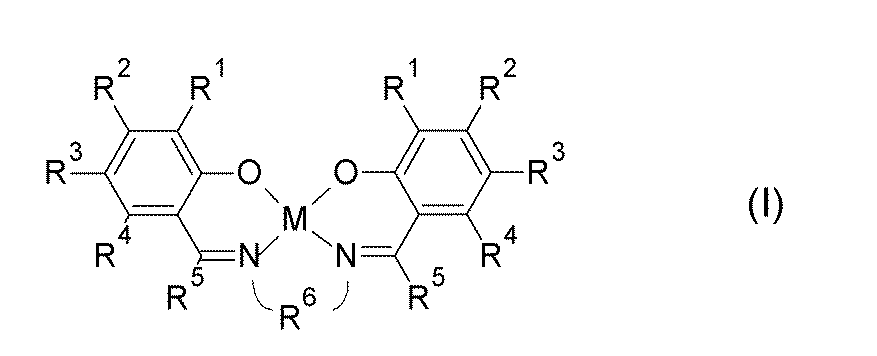
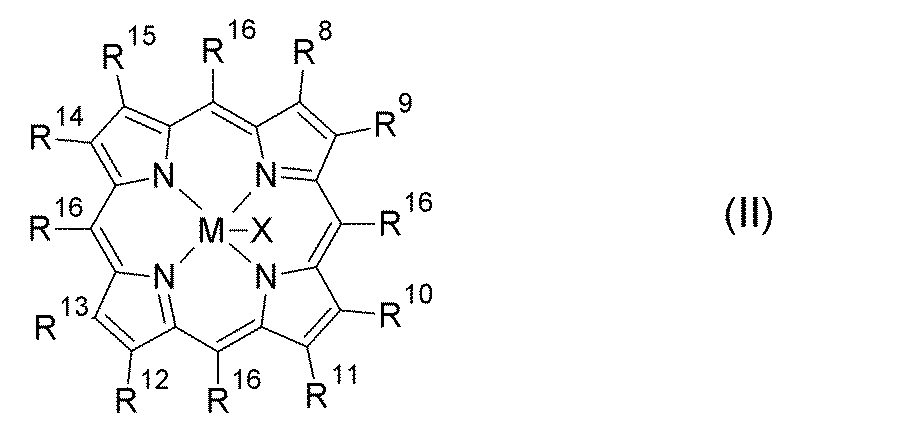

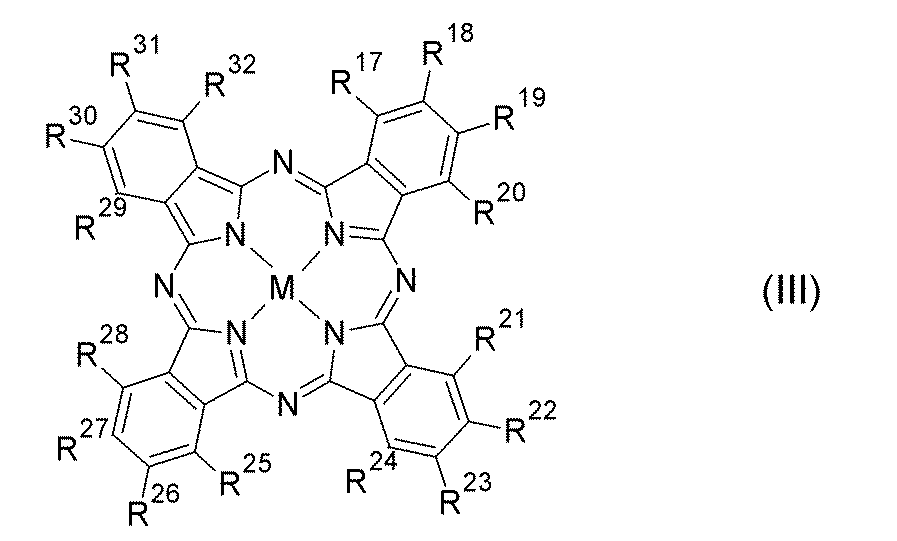
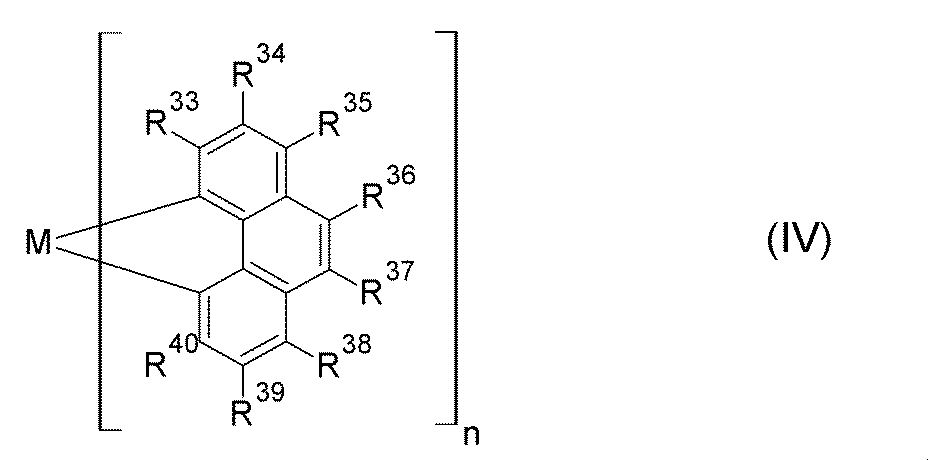
図2は、上記式(I)のサレン錯体のオゾン浄化率を示した図である。本図は、サレン錯体(中心金属はコバルト、鉄および銅)をラジエータの表面にそれぞれ担持し、ラジエータ床温80℃、相対湿度60%(25℃)の条件下、それらの前方から後方に向けてオゾン濃度0.5ppmの空気を通過させた際に、ラジエータ後方のオゾン濃度を測定することにより作成したものである。なお、各ラジエータにおいて、サレン錯体の単位体積あたりの担持量はCo錯体:34mg/L、Fe錯体:82mg/L、Cu錯体:59mg/Lとした。
O3→O3 - ・・・(1)
O3 -→O2+O- ・・・(2)
C+O→CO ・・・(3)
C+2O→CO2 ・・・(4)
O3→O3 - ・・・(5)
O3 -→O2+O- ・・・(6)
O-+O3 -→2O2 ・・・(7)
上記式(5)、(6)の反応は、有機金属錯体の中心金属上で進行する反応であり、上記式(1)、(2)と同一の反応式として表される。上記式(7)の反応は、上記式(5)、(6)同様、有機金属錯体の中心金属上で進行する反応(錯体反応)である。この錯体反応は、上記式(5)、(6)の反応のみならず上記式(1)、(2)の反応により生じたO3 -やO-を利用できる。従って、ラジエータBにおいては、図4(B)に示すように、上記炭素消費反応が抑制される。
12 内燃機関
14 ラジエータ
16 コンデンサ
18 バンパーグリル
Claims (4)
- 車両の走行時に大気と接触する箇所に配置された車両構成部品と、
前記車両構成部品に設けられ、オゾンを浄化可能なオゾン浄化体と、を備え、
前記オゾン浄化体が、マンガン、鉄、コバルト、ニッケル、銅、ルテニウム、ロジウムまたはパラジウムを中心金属とする有機金属錯体のうちの少なくとも1つを含むことを特徴とする車両用大気浄化装置。 - 前記有機金属錯体が、下記式(I)で表されるサレン錯体、下記式(II)で表されるポルフィリン錯体、下記式(III)で表されるフタロシアニン錯体または下記式(IV)で表されるフェナントロリン錯体であることを特徴とする請求項1に記載の車両用大気浄化装置。


- 前記有機金属錯体が、下記式(II-a)または式(II-b)で表されるピケットフェンス型ポルフィリン錯体であることを特徴とする請求項1または2に記載の車両用大気浄化装置。
- 前記オゾン浄化体が、活性炭を更に含むことを特徴とする請求項1乃至3何れか1項に記載の車両用大気浄化装置。
Priority Applications (5)
| Application Number | Priority Date | Filing Date | Title |
|---|---|---|---|
| PCT/JP2011/056911 WO2012127643A1 (ja) | 2011-03-23 | 2011-03-23 | 車両用大気浄化装置 |
| US14/001,593 US20140004010A1 (en) | 2011-03-23 | 2011-03-23 | Air-purifying device for vehicle |
| DE112011105076.3T DE112011105076T5 (de) | 2011-03-23 | 2011-03-23 | Luftreinigungsvorrichtung für ein Fahrzeug |
| JP2013505713A JPWO2012127643A1 (ja) | 2011-03-23 | 2011-03-23 | 車両用大気浄化装置 |
| CN2011800694816A CN103429344A (zh) | 2011-03-23 | 2011-03-23 | 车辆用空气净化装置 |
Applications Claiming Priority (1)
| Application Number | Priority Date | Filing Date | Title |
|---|---|---|---|
| PCT/JP2011/056911 WO2012127643A1 (ja) | 2011-03-23 | 2011-03-23 | 車両用大気浄化装置 |
Publications (1)
| Publication Number | Publication Date |
|---|---|
| WO2012127643A1 true WO2012127643A1 (ja) | 2012-09-27 |
Family
ID=46878836
Family Applications (1)
| Application Number | Title | Priority Date | Filing Date |
|---|---|---|---|
| PCT/JP2011/056911 Ceased WO2012127643A1 (ja) | 2011-03-23 | 2011-03-23 | 車両用大気浄化装置 |
Country Status (5)
| Country | Link |
|---|---|
| US (1) | US20140004010A1 (ja) |
| JP (1) | JPWO2012127643A1 (ja) |
| CN (1) | CN103429344A (ja) |
| DE (1) | DE112011105076T5 (ja) |
| WO (1) | WO2012127643A1 (ja) |
Cited By (4)
| Publication number | Priority date | Publication date | Assignee | Title |
|---|---|---|---|---|
| CN104874258A (zh) * | 2015-04-12 | 2015-09-02 | 浙江理工大学 | 一种空气中挥发性有机污染物的净化方法 |
| US9404450B2 (en) | 2011-03-31 | 2016-08-02 | Toyota Jidosha Kabushiki Kaisha | Air purification device for vehicles |
| US9486549B2 (en) | 2011-03-31 | 2016-11-08 | Toyota Jidosha Kabushiki Kaisha | Air cleaner for vehicle |
| US10342885B2 (en) | 2011-03-31 | 2019-07-09 | Toyota Jidosha Kabushiki Kaisha | Vehicular air cleaner |
Families Citing this family (2)
| Publication number | Priority date | Publication date | Assignee | Title |
|---|---|---|---|---|
| CN104667731B (zh) * | 2015-02-06 | 2017-04-05 | 宁波市雨辰环保科技有限公司 | 一种臭氧清除器 |
| CN105413389A (zh) * | 2015-12-07 | 2016-03-23 | 徐州猎奇商贸有限公司 | 一种车用空气净化装置 |
Citations (2)
| Publication number | Priority date | Publication date | Assignee | Title |
|---|---|---|---|---|
| JPS55152530A (en) * | 1979-05-15 | 1980-11-27 | Toho Rayon Co Ltd | Removal of ozone |
| JP2002514966A (ja) * | 1995-01-20 | 2002-05-21 | エンゲルハード・コーポレーシヨン | 汚染物質処理表面を有する乗物を大気中を動かすことによる周囲空気の清浄化 |
Family Cites Families (2)
| Publication number | Priority date | Publication date | Assignee | Title |
|---|---|---|---|---|
| JPS5777019A (en) * | 1980-10-30 | 1982-05-14 | Toho Rayon Co Ltd | Fibrous activated carbon and its manufacture |
| CN1174519A (zh) * | 1995-01-20 | 1998-02-25 | 恩格尔哈德公司 | 车辆发动机舱内用于净化环境空气的设备 |
-
2011
- 2011-03-23 JP JP2013505713A patent/JPWO2012127643A1/ja active Pending
- 2011-03-23 US US14/001,593 patent/US20140004010A1/en not_active Abandoned
- 2011-03-23 CN CN2011800694816A patent/CN103429344A/zh active Pending
- 2011-03-23 WO PCT/JP2011/056911 patent/WO2012127643A1/ja not_active Ceased
- 2011-03-23 DE DE112011105076.3T patent/DE112011105076T5/de not_active Ceased
Patent Citations (2)
| Publication number | Priority date | Publication date | Assignee | Title |
|---|---|---|---|---|
| JPS55152530A (en) * | 1979-05-15 | 1980-11-27 | Toho Rayon Co Ltd | Removal of ozone |
| JP2002514966A (ja) * | 1995-01-20 | 2002-05-21 | エンゲルハード・コーポレーシヨン | 汚染物質処理表面を有する乗物を大気中を動かすことによる周囲空気の清浄化 |
Cited By (4)
| Publication number | Priority date | Publication date | Assignee | Title |
|---|---|---|---|---|
| US9404450B2 (en) | 2011-03-31 | 2016-08-02 | Toyota Jidosha Kabushiki Kaisha | Air purification device for vehicles |
| US9486549B2 (en) | 2011-03-31 | 2016-11-08 | Toyota Jidosha Kabushiki Kaisha | Air cleaner for vehicle |
| US10342885B2 (en) | 2011-03-31 | 2019-07-09 | Toyota Jidosha Kabushiki Kaisha | Vehicular air cleaner |
| CN104874258A (zh) * | 2015-04-12 | 2015-09-02 | 浙江理工大学 | 一种空气中挥发性有机污染物的净化方法 |
Also Published As
| Publication number | Publication date |
|---|---|
| US20140004010A1 (en) | 2014-01-02 |
| JPWO2012127643A1 (ja) | 2014-07-24 |
| DE112011105076T5 (de) | 2014-01-02 |
| CN103429344A (zh) | 2013-12-04 |
Similar Documents
| Publication | Publication Date | Title |
|---|---|---|
| WO2012127643A1 (ja) | 車両用大気浄化装置 | |
| CN101945691B (zh) | 胺和多元羧酸的加合物以及包含这种加合物的过滤介质 | |
| JP5617997B2 (ja) | 車両用大気浄化装置 | |
| Liao et al. | Synthesis of mixed-ligand zeolitic imidazolate framework (ZIF-8-90) for CO2 adsorption | |
| CN114618589B (zh) | 一种基于铁基有机骨架的臭氧降解催化剂制备方法与应用 | |
| JP5672373B2 (ja) | 車両用大気浄化装置 | |
| JPWO2015046417A1 (ja) | アルデヒド類除去材 | |
| WO2010073956A1 (ja) | 触媒及び排ガス浄化方法 | |
| Hosseini et al. | Photo-Fenton degradation of tetracycline antibiotic over MIL-101 (Cr)/FeOOH nanocomposite as stable and efficient visible light responsive photocatalyst | |
| JP6562849B2 (ja) | コアシェル触媒の製造方法 | |
| JP5387766B2 (ja) | 車両用大気浄化装置 | |
| JP2014024027A (ja) | 車両用大気浄化装置 | |
| US20140336042A1 (en) | Exhaust gas purifying catalyst and method for producing same | |
| JP5657111B2 (ja) | 車両用大気浄化装置およびその製造方法 | |
| JP5884809B2 (ja) | 車両用大気浄化装置 | |
| CN120349520B (zh) | 萘基连接的金属钌(ii)金属有机框架材料、蒸发器及其制备方法和应用 | |
| Wu et al. | An impactful approach for visible photocatalytic reduction of CO2 accelerated with Schiff base-cobalt complex | |
| US9162003B2 (en) | Air purification device for vehicle | |
| JP2006021161A (ja) | 水素吸蔵材料、水素貯蔵タンク、水素貯蔵システム、燃料電池車両及び水素吸蔵材料の製造方法 | |
| JP4612507B2 (ja) | 触媒材料 | |
| WO2006016546A1 (ja) | 酸素活性化金属錯体内包ゼオライトおよびガス吸収剤 | |
| CN120079359A (zh) | 吸附催化剂及其制备方法和空气净化设备 | |
| Nagappagari et al. | Metal organic framework-based photocatalysts for hydrogen production | |
| JP2004049274A (ja) | ヒドロキシラジカルを発生する構造体およびそれを用いた脱臭方法 | |
| US8530371B2 (en) | Catalyst for diesel particle filter, preparation method of the same, and soot reduction device of diesel engine including the same |
Legal Events
| Date | Code | Title | Description |
|---|---|---|---|
| 121 | Ep: the epo has been informed by wipo that ep was designated in this application |
Ref document number: 11861499 Country of ref document: EP Kind code of ref document: A1 |
|
| ENP | Entry into the national phase |
Ref document number: 2013505713 Country of ref document: JP Kind code of ref document: A |
|
| WWE | Wipo information: entry into national phase |
Ref document number: 14001593 Country of ref document: US |
|
| WWE | Wipo information: entry into national phase |
Ref document number: 112011105076 Country of ref document: DE Ref document number: 1120111050763 Country of ref document: DE |
|
| 122 | Ep: pct application non-entry in european phase |
Ref document number: 11861499 Country of ref document: EP Kind code of ref document: A1 |