WO2012086798A1 - 端末装置、チャージ管理システム、及びチャージ管理方法 - Google Patents
端末装置、チャージ管理システム、及びチャージ管理方法 Download PDFInfo
- Publication number
- WO2012086798A1 WO2012086798A1 PCT/JP2011/079903 JP2011079903W WO2012086798A1 WO 2012086798 A1 WO2012086798 A1 WO 2012086798A1 JP 2011079903 W JP2011079903 W JP 2011079903W WO 2012086798 A1 WO2012086798 A1 WO 2012086798A1
- Authority
- WO
- WIPO (PCT)
- Prior art keywords
- information
- charge
- terminal device
- charge information
- remaining amount
- Prior art date
- Legal status (The legal status is an assumption and is not a legal conclusion. Google has not performed a legal analysis and makes no representation as to the accuracy of the status listed.)
- Ceased
Links
Images





Classifications
-
- H—ELECTRICITY
- H04—ELECTRIC COMMUNICATION TECHNIQUE
- H04M—TELEPHONIC COMMUNICATION
- H04M15/00—Arrangements for metering, time-control or time indication ; Metering, charging or billing arrangements for voice wireline or wireless communications, e.g. VoIP
- H04M15/83—Notification aspects
-
- H—ELECTRICITY
- H04—ELECTRIC COMMUNICATION TECHNIQUE
- H04M—TELEPHONIC COMMUNICATION
- H04M15/00—Arrangements for metering, time-control or time indication ; Metering, charging or billing arrangements for voice wireline or wireless communications, e.g. VoIP
- H04M15/83—Notification aspects
- H04M15/85—Notification aspects characterised by the type of condition triggering a notification
- H04M15/852—Low balance or limit reached
-
- H—ELECTRICITY
- H04—ELECTRIC COMMUNICATION TECHNIQUE
- H04M—TELEPHONIC COMMUNICATION
- H04M17/00—Prepayment of wireline communication systems, wireless communication systems or telephone systems
- H04M17/02—Coin-freed or check-freed systems, e.g. mobile- or card-operated phones, public telephones or booths
Definitions
- the present invention relates to a prepaid terminal device, a charge management system, and a charge management method.
- Patent Literature 1 discloses a technology for notifying a portable terminal device that the portable terminal device cannot be used by the portable terminal management system when there is no remaining charge available for the portable terminal device.
- the user In the prepaid terminal device, the user needs to charge again when the balance of the prepaid fee is exhausted (charge is exhausted). If the user forgets to charge, it will be rejected when the next call is made. In the conventional prepaid terminal device, the user does not know the reason why the call is rejected, so that there is a problem that the user makes repeated calls. In addition, there has been a problem that the traffic of the communication network increases due to the re-calling.
- the present invention reduces the number of re-calls that are made when a call is rejected, and a terminal device that can suppress an increase in communication volume due to a call, charge management It is an object to provide a system and a charge management method.
- a terminal device includes a transmission operation reception unit that receives a start instruction for a transmission operation, and an information reception unit that receives charge information that is information regarding the presence or absence of a remaining amount of a prepaid fee.
- charge information storage means for storing the charge information received by the information receiving means, and charge information indicating that there is no remaining amount by searching the charge information storage means when the start instruction is received by the transmission operation receiving means
- Charge information search means for determining whether or not the charge expiration information is stored, and when the charge information search means determines that the charge expiration information is stored in the charge information storage means, the user is confirmed of the remaining amount
- Confirmation information output means for outputting information for causing
- a charge management system is a charge management system that includes a terminal device and a communication control device that controls communication of the terminal device, and manages a prepaid fee by the terminal,
- the terminal device stores transmission operation reception means for receiving an instruction to start a transmission operation, information reception means for receiving charge information that is information on the presence or absence of a prepaid charge remaining amount, and charge information received by the information reception means.
- the charge information storage means is searched to determine whether or not charge expiration information, which is charge information indicating no remaining amount, is stored.
- Charge information search means, and the charge information search means sends out charge information to the charge information storage means.
- a confirmation information output means for outputting information for allowing the user to confirm the remaining amount when it is determined that the amount is stored, and the communication control device calculates and stores the remaining amount of the prepaid fee of the terminal device And a remaining amount calculating means for transmitting the charge information to the terminal device.
- a transmission operation reception step for receiving an instruction to start a transmission operation, and an information reception step for receiving charge information that is information relating to the presence or absence of a balance of a prepaid fee
- a charge information storage step for storing the charge information received in the information reception step in the charge information storage unit, and a search for the charge information storage unit in response to the start instruction being received in the outgoing operation reception step.
- a charge information search step for determining whether or not charge-out information, which is charge information indicating absence, is stored, and when it is determined that charge-out information is stored in the charge information storage means in the charge information search step, Output information to let the user check the balance Comprising a confirmation information output step.
- the charge information storage unit when receiving an instruction to start a call operation from a user, the charge information storage unit is searched to determine whether or not charge-out information, which is charge information indicating no remaining amount, is stored.
- charge-out information which is charge information indicating no remaining amount
- the charge information storage unit is searched to determine whether or not charge-out information, which is charge information indicating no remaining amount, is stored.
- charge-out information which is charge information indicating no remaining amount
- the information receiving unit when the information receiving unit receives the charge expiration information, the information receiving unit stores a flag indicating no remaining amount as the charge expiration information in the charge information storage unit, and the charge information search unit stores the charge information storage unit. It may be determined whether or not the charge-out information is stored by searching whether or not a flag indicating no remaining amount is stored in the means. According to this, when an instruction to start a transmission operation is received from the user, the charge information storage unit is searched to determine whether or not a flag indicating no remaining amount is stored, and a flag indicating no remaining amount is stored.
- the remaining amount of the fee prepaid to the user Can be prompted to confirm. Then, the remaining amount of the prepaid fee is confirmed by the user, and it is confirmed that the remaining amount is gone, so that the user can recognize that the charge has run out, and the user can be prompted to recharge. For this reason, it can suppress that a useless transmission request
- the terminal device further includes a transmission request transmission unit that transmits a transmission request when the start instruction is received by the transmission operation reception unit, and the information reception unit is charged as a response to the transmission request. Information may be received. According to this, since the charge information is received as a response to the transmission request from the terminal, it is not necessary to add a new signal transmission function on the communication network side, and the charge information can be easily transmitted and received.
- the present invention it is possible to reduce the number of re-calls when a call is rejected, and to suppress an increase in communication volume due to the call.
- FIG. 1 is a schematic configuration diagram of a charge management system according to an embodiment of the present invention. It is a block diagram which shows the hardware constitutions of the terminal device which concerns on embodiment of this invention. It is a figure which shows the screen displayed on the terminal device which concerns on embodiment of this invention. It is a flowchart which shows operation
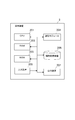
- FIG. 1 is a schematic configuration diagram of a charge management system 1 according to this embodiment of the present invention.
- the charge management system 1 is a system that manages information related to charging of the terminal device 2.
- the charge management system 1 includes a terminal device 2.
- a terminal device 2 shown in the figure is a portable client terminal used by a user who wants to receive a communication service using a communication network NW.
- the terminal device 2 is, for example, a device such as a mobile phone, a smartphone, a personal computer, a PDA (Personal Digital Assistant), or a game machine with a communication function.
- PDA Personal Digital Assistant
- the charge management system 1 further includes a communication control device 3 that can communicate with the terminal device 2 via the communication network NW.
- the communication control device 3 is a device that provides a communication service to the terminal device 2.
- the communication control device 3 is a device that performs communication control and management such as a base station device or a radio network control device of a radio access network device, an exchange or gateway device of a core network device, a subscriber information management device, or the like.
- FIG. 2 is a block diagram showing a hardware configuration of the terminal device 2.
- the terminal device 2 physically includes a CPU (Central Processing Unit) 201, a RAM (Random Access Memory) 202, a ROM (Read Only Memory) 203, and others.
- Communication module 204 for transmitting and receiving data to and from the terminal device and server device via a communication network, input device 205 such as an input key, mouse, and microphone as input devices, and auxiliary storage device such as a hard disk device 206 and hardware including an output device 207 such as a display and a speaker as output devices.
- Each function of the terminal device 2 to be described later includes a communication module 204, an input device 205, and an output device under the control of the CPU 201 by loading predetermined computer software on hardware such as the CPU 201 and the RAM 202 shown in FIG. This is realized by operating 207 and the like, and reading and writing data in the RAM 202 and the auxiliary storage device 206.
- the terminal device 2 includes a transmission operation reception unit (transmission operation reception unit) 21, a transmission request transmission unit 22 (transmission request transmission unit), a response reception unit 23, and an information reception unit 24 (information reception unit). ), A charge information storage unit 25 (charge information storage unit), a charge information search unit 26 (charge information search unit), and a confirmation information output unit 27 (confirmation information output unit).
- the call operation accepting unit 21 accepts from the user an instruction to start a call operation from the terminal device 2 toward the communication network NW when the user wants to receive communication services such as voice communication and data communication.
- the transmission operation reception unit 21 detects a start instruction input from the user via the input device 205 and notifies the charge information search unit 26 of the detection.
- the transmission request transmission unit 22 functions as a transmission request transmission unit that transmits a transmission request toward the communication network NW.
- the transmission request transmission unit 22 transmits a transmission request to the communication control device 3 when the charged information search unit 26 described later searches for the charged information.
- the response receiving unit 23 functions as a response receiving unit that receives a response to the call request transmitted by the call request transmitting unit 22 from the communication control device 3.
- the response receiving unit 23 receives responses from the communication control device 3 such as a rejection signal Reject for rejecting the transmission request and a permission signal Accept for permitting the transmission request.
- the rejection signal Reject may include code information RejectCause indicating a cause for rejecting the call request.
- the information receiving unit 24 functions as an information receiving unit that receives a notification from the communication control device 3 including charge information, which is information regarding the presence or absence of the remaining amount of the prepaid fee, from the communication control device 3.
- the information receiving unit 24 includes a communication control including charge information such as charge-out information that is charge information indicating that the balance of the prepaid charge has been exhausted, and charge information that is charge information indicating that the charge prepaid processing has been completed.
- charge information is transmitted / received by control SMS (Short Message Service) which is a signal for controlling the operation of the terminal device 2, for example.
- SMS Short Message Service
- This control SMS is temporarily stored in the protection area of the RAM 202 or the auxiliary storage device 206 in the terminal device 2 after being received, and cannot be deleted by the user. For this reason, it is possible to prevent charge information from being erased due to a user's erroneous operation, and to prevent malfunction.
- the charge information storage unit 25 functions as a charge information storage unit that stores the charge information received by the information receiving unit 24.
- the charge information storage unit 25 stores the charge information in association with a time stamp that is information indicating the date and time when the charge information is transmitted or received.
- the charge information storage unit 25 may store a charge-out flag indicating charge-out. The charge out flag is set to ON when the information receiving unit 24 receives the charge out information, and the information receiving unit 24 receives the charged information and the call request is permitted (Accept). It is set to OFF (when the line can be connected).
- the charge information search unit 26 searches the charge information storage unit 25 when the reception of the start instruction is notified from the transmission operation reception unit 21, and determines whether or not the charge expiration information is stored. It functions as a search means. Specifically, the charge information search unit 26 searches the charge information stored in the charge information storage unit 25 for the charge information with the latest date and time indicated by the time stamp, and the charge information is the out-of-charge information. It is determined whether there is information or charged information.
- the charge information search unit 26 determines whether the charge information is out-of-charge information or charged information by determining whether predetermined information is included in the charge information. For example, when charge information is transmitted / received by control SMS, a code indicating charge-out information and a code indicating charged information are set in advance between the terminal device 2 and the communication control device 3, and communication is performed. The control device 3 transmits the control SMS including the code. The charge information search unit 26 reads out the code from the control SMS, thereby determining whether the information is out of charge information or charged information.
- the confirmation information output unit 27 outputs the information for making the user confirm the charge status when the charge information search unit 26 determines that the charge information storage unit 25 stores the charge expiration information. It functions as a means.
- the confirmation information output unit 27 displays, for example, the screen shown in FIG. 3A and prompts the user to confirm the charge status.
- the icon 61 displayed on the screen of FIG. 3A is a button for instructing connection to the communication network NW, for example. When this icon 61 is clicked, the terminal device 2 is connected to the communication network NW, and a web page or the like indicating the remaining charge of the terminal device 2 is displayed on the display screen of the terminal device 2.
- the confirmation information output unit 27 displays, for example, the screen shown in FIG. 3B when the information receiving unit 24 receives the charge expiration information, and prompts the user to update the contract, that is, recharge the advance payment.
- the icon 62 displayed on the screen of FIG. 3B is a button for instructing connection to the communication network NW, for example. When this icon 62 is clicked, the terminal device 2 is connected to the communication network NW, and a web page or the like for renewing (recharging) the contract of the terminal device 2 is displayed on the display screen of the terminal device 2. The Alternatively, a screen that prompts charging may be displayed.
- the communication control device 3 includes a transmission request receiving unit 31, a remaining amount calculating unit 32 (remaining amount calculating unit), a response transmitting unit 33, and an information transmitting unit 34 (information transmitting unit). It is configured.
- the communication control device 3 may be composed of a plurality of devices instead of a single device.
- the transmission request receiving unit 31 functions as a transmission request receiving unit that receives a transmission request from the terminal device 2.
- the transmission request receiving unit 31 outputs information indicating that the transmission request has been received to the remaining amount calculation unit 32.
- the remaining amount calculation unit 32 periodically acquires information related to the remaining amount of the advance payment (charge) of the terminal device 2 from the customer information management database via a service control device (not shown), and the time when the terminal device 2 communicates or the communication The remaining amount is calculated on the basis of the amount of data performed, and the remaining amount information indicating the remaining amount is held.
- the remaining amount calculation unit 32 outputs information indicating a shortage of the remaining amount to the information transmission unit 34 when there is no remaining amount. Further, when the balance calculation unit 32 receives information indicating that the call request is received from the call request reception unit 31, the balance calculation unit 32 outputs the balance information of the terminal device 2 that has made the call request to the response transmission unit 33.
- the response transmission unit 33 functions as a response transmission unit that transmits a response to the call request to the terminal device 2. More specifically, when receiving the remaining amount information of the terminal device 2 that has made a transmission request from the remaining amount calculation unit 32, the response transmission unit 33 determines whether there is a remaining amount. When there is a remaining amount, the response transmission unit 33 transmits a permission signal Accept that permits transmission to the terminal device 2. On the other hand, when there is no remaining amount, the response transmission unit 33 transmits a rejection signal Reject for rejecting the transmission to the terminal device 2. At this time, the response transmission unit 33 may transmit the rejection signal Reject including code information RejectCause indicating that the charge has expired.
- the information transmission unit 34 functions as an information transmission unit that transmits charge information to the terminal device 2.
- the information transmission unit 34 receives information indicating the shortage of the remaining amount from the remaining amount calculation unit 32, the information transmission unit 34 transmits the charge expiration information to the terminal device 2.
- the information transmitting unit 34 receives information indicating that the fee prepaid processing has been performed by the terminal device 2 from the service control device, the information transmitting unit 34 transmits the charged information to the terminal device 2.
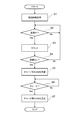
- FIG. 4 is a flowchart showing the operation of the communication control device 3 when the terminal device 2 is communicating.
- the charge information is “charge SMS”
- the charge expiration information is “charge expiration SMS”
- Information is “charged SMS”.
- the remaining amount calculation unit 32 periodically acquires information on the remaining amount of the prepaid fee of the terminal device 2 from the customer information management database via a service control device (not shown) (S1). Next, the remaining amount calculation unit 32 determines whether or not the terminal device 2 is communicating (S2). As a result of the determination, when it is determined that the terminal device 2 is not communicating (S2; No), this determination process is repeated at a predetermined cycle. If it is determined in S2 that communication is in progress (S2; Yes), the communication fee is counted and subtracted from the remaining amount (S3).
- the communication fee is an amount determined based on the time when the terminal device 2 communicates or the amount of data communicated, and is determined by a fee plan that the user of the terminal device 2 contracts in advance.
- the remaining amount calculation unit 32 determines whether or not the remaining amount of the terminal device 2 is exhausted (S4). When it is determined that there is a remaining amount (S4; No), the remaining amount calculation unit 32 returns to S2 and determines whether or not the terminal device 2 is communicating. On the other hand, in the determination of S4, when it is determined that there is no remaining amount (S4; Yes), the information transmission unit 34 transmits the out-of-charge SMS to the terminal device 2 (S5).
- the remaining amount calculation unit 32 determines whether or not the terminal device 2 has been charged (S6). For example, the remaining amount calculation unit 32 determines whether or not charging has been performed by acquiring the remaining amount information from the customer information management database. In the determination of S6, when it is determined that charging is not performed (S6; No), this determination process is repeated at a predetermined cycle. In the determination of S6, when it is determined that charging has been performed (S6; Yes), the information transmission unit 34 transmits the charged SMS to the terminal device 2.
- FIG. 5 is a flowchart showing the operation of the communication control device 3 when receiving a call request.
- the call request receiving unit 31 periodically determines whether or not a call request has been received from the terminal device 2 (S11). As a result of the determination, when it is determined that a call request is not received from the terminal device 2 (S11; No), this determination process is repeated at a predetermined cycle. In the determination of S11, when the transmission request receiving unit 31 receives the transmission request (S11; Yes), the remaining amount calculation unit 32 refers to the remaining amount information of the terminal device 2 that has transmitted the transmission request (S12).
- the remaining amount calculation unit 32 determines whether there is a remaining amount (S13). When it is determined that there is no remaining amount (S13; Yes), the response transmission unit 33 transmits a rejection signal Reject to the terminal device 2 that has transmitted the transmission request, and ends the operation when the communication control device 3 receives the transmission request. . On the other hand, in the determination of S13, when it is determined that there is a remaining amount (S13; No), the response transmission unit 33 transmits a permission signal Accept to the terminal device 2 that transmitted the call request, and communicates with the terminal device 2. Communication using the network NW is started, and the operation of the communication control device 3 at the time of receiving a transmission request is ended.
- FIG. 6 is a flowchart showing the operation of the terminal device 2 at the time of SMS reception.
- the information receiving unit 24 determines whether it is a charge related SMS related to the charge information (S22). When it is determined that it is not a charge-related SMS (S22; No), the information receiving unit 24 performs a predetermined operation (S23). Here, the predetermined operation is an operation corresponding to the contents of the control SMS. On the other hand, if it is determined in step S22 that the charge-related SMS is determined (S22; Yes), the information receiving unit 24 further determines whether the charge-related SMS is an out-of-charge SMS ( S24). If it is determined that the SMS is out of charge (S22; Yes), the confirmation information output unit 27 displays, for example, the screen shown in FIG.
- the process of S25 is skipped and the screen output by the confirmation information output unit 27 is not performed. Thereafter, the charge-related SMS is stored in the charge information storage unit 25 together with the time stamp (S26, charge information storage step).
- the confirmation information output unit 27 may simply display a screen indicating that the charge is out. On the other hand, in the determination of S24, when it is determined that it is a charged SMS, the confirmation information output unit 27 may display a screen indicating that it has been charged. Further, when charge management is performed using a charge-out flag indicating charge-out, if the received SMS is a charged SMS in S24, the information receiving unit 24 turns off the charge-out flag. On the other hand, if the received SMS is an out-of-charge SMS in S24, the information receiving unit 24 turns on the out-of-charge flag.
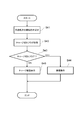
- FIG. 7 is a flowchart showing an example of an operation at the time of a transmission operation of the terminal device 2.
- the transmission operation reception unit 21 receives a start instruction for a transmission operation by detecting that the transmission button is operated by the user (S31, transmission operation reception step).
- the charge information search unit 26 searches for the latest SMS among the control SMSs related to charge stored in the charge information storage unit 25 (S32, S32). Charge information search step).
- the charge information search unit 26 searches for the latest SMS based on the time stamp stored in association with the SMS. Then, the charge information search unit 26 determines whether the latest SMS is an out-of-charge SMS or a charged SMS (S33). When it is determined that it is a charged SMS (S33; charged SMS), the transmission request transmission unit 22 transmits a transmission request to the communication control device 3 (S34).
- the confirmation information output unit 27 displays the screen shown in FIG. 3A and confirms the charge status to the user. (S35, confirmation information output step). And the terminal device 2 complete
- FIG. 8 is a flowchart showing a modified example of the operation at the time of a transmission operation of the terminal device 2.
- the information receiving unit 24 turns on the charge-out flag stored in the charge information storage unit 25 when receiving the charge-out SMS.
- the information receiving unit 24 turns off the charge expiration flag stored in the charge information storage unit 25 when the charged SMS is received and when the transmission request is permitted.
- the processing from S41 to S42 is the same as the processing from S31 to S32 in FIG. 7, the description thereof is omitted.
- the charge information storage unit 25 is searched, and the charge information search unit 26 determines the out-of-charge flag stored in the charge information storage unit 25 (S43). Therefore, the charge information search unit 26 determines whether the charge expiration flag is ON or OFF. When it is determined that the charge-out flag is OFF (S43; OFF), the transmission request transmission unit 22 transmits a transmission request to the communication control device 3 (S44).
- the confirmation information output unit 27 displays the screen shown in FIG. 3A and confirms the charge status to the user. (S45). And the terminal device 2 complete
- FIG. 9 is a flowchart showing a modification of the operation of the terminal device 2 when receiving charge information.
- FIG. 6 shows an operation procedure received as control SMS when the terminal device 2 receives charge information.
- the terminal device 2 receives the communication control device 3 in response to a call request from the terminal device 2.
- movement procedure which receives charge information as a response signal from is shown.
- the response receiving unit 23 of the terminal device 2 serves as an information receiving unit that receives charge information.
- a call request is transmitted to the communication control device 3 by the call request transmission unit 22 (S51).
- the type of the response signal received by the response receiving unit 23 is analyzed from the contents of the data (S52).
- the response receiving unit 23 checks the code information RejectCause and determines whether or not the code information RejectCause is a predetermined code.
- the predetermined code is a code that is used only when charge is a cause, and is, for example, a code indicating “Operator Determined Barring” indicating that connection is not possible due to communication restrictions.
- the code is not a predetermined code (S53; No)
- error information corresponding to the code information RejectCause is output in the terminal device 2 as error processing related to the normal call operation (S54).
- the response receiving unit 23 turns on the charge out flag (S55).
- the confirmation information output unit 27 displays, for example, the screen shown in FIG. 3B, and prompts the user to renew the contract, that is, recharge the advance payment (S56).
- S52 If it is determined in S52 that the response is the permission signal Accept (S52; No), communication using the communication network NW of the terminal device 2 is started (S57).
- the terminal device 2 When the terminal device 2 according to the present embodiment receives an instruction to start a call operation from the user, the terminal device 2 searches the charge information storage unit 25 and determines whether or not the out-of-charge SMS is stored as the latest charge SMS. When the out-of-charge SMS is stored, a screen prompting the user to confirm the charge status is displayed. Thereby, when it is predicted that communication by the terminal device 2 is rejected due to the charge being exhausted, the user can be prompted to confirm the charge status. Then, by confirming the charge status by the user and confirming that there is no remaining amount, the user can be made aware that the charge has run out, and the user can be prompted to perform a recharge process. Thereby, it can suppress that a useless transmission request
- the terminal device 2 turns off the charge-off flag when receiving the charge-off SMS, sets the charge-off flag to ON, and receives the charged SMS, and when the call request is permitted. To. Thereby, it is possible to identify whether or not the charge has expired by checking the charge expiration flag. For this reason, the terminal device 2 can perform the process of determining whether or not the charge is exhausted at high speed.
- the new signal transmission function of the communication network NW side is received. Addition is unnecessary, and transmission / reception of charge information is easily realized. Even if SMS is deleted or the terminal is changed, it is possible to determine the possibility of the charge being exhausted, and it is possible to reduce the traffic of the communication network NW by suppressing the transmission of subsequent outgoing requests. .
- the above-described embodiment describes the best embodiment of the terminal device according to the present invention, and the terminal device according to the present invention is not limited to the one described in this embodiment.
- the terminal device according to the present invention may be a modification of the terminal device according to the embodiment or application to other devices without changing the gist described in each claim.
- the charge information is transmitted and received using the control SMS.
- the charge information may be transmitted / received by text data transmission / reception message SMS, e-mail, or the like.
- a predetermined character string indicating the charge-out information and a predetermined character string indicating the charged information are set in advance between the terminal device 2 and the communication control device 3, and the communication control device 3
- the text is included in the text of SMS or e-mail.
- the charge information search unit 26 reads out the character string from the message SMS or the body of the e-mail and performs character string matching to determine whether the information is out of charge information or charged information. Good.
- the charge information storage unit 25 stores the charge information or the out-of-charge flag in a nonvolatile storage area.
- the terminal device 2 may be a non-volatile memory, or a non-volatile storage medium such as USIM (Universal Subscriber Identity Module).
- USIM Universal Subscriber Identity Module
- the charge information search unit 26 searches the USIM and determines whether or not the charge-out SMS is stored as the latest charge SMS, or determines whether or not the charge-out flag is ON. It is possible to reliably identify whether the terminal device 2 is out of charge.
- the charge information storage unit 25 stores the received SMS together with its time stamp, and compares the time stamp to determine the latest charge SMS. Instead, the information receiving unit 24 may delete the out-of-charge SMS from the charge information storage unit 25 when the charged SMS is received and when the transmission request is permitted. In this way, the charge information search unit 26 identifies whether or not the terminal device 2 is out of charge simply by determining whether or not the out of charge SMS is stored in the charge information storage unit 25. Can do.
- each step described in FIG. 6 to FIG. 9 is not limited to the configuration implemented by each functional unit of the terminal device, as long as each step can be implemented in the terminal device.
- FIG. That is, a transmission operation reception module corresponding to the transmission operation reception unit 21, a transmission request transmission module corresponding to the transmission request transmission unit 22, a response reception module corresponding to the response reception unit 23, an information reception module corresponding to the information reception unit 24,
- a charge information storage module corresponding to a means for storing charge information in the charge information storage unit 25, a charge information search module corresponding to the charge information search unit 26, and a confirmation information output module corresponding to the confirmation information output unit 27 are provided. It is a charge management program, and a function equivalent to that of the terminal device 2 described above can be realized by causing the computer system such as a portable terminal to read the program.
- the above charge management program is provided by being stored in a storage medium such as a flexible disk, a CD-ROM, a DVD or a ROM, or a semiconductor memory, for example.
- the charge management program described above may be provided via a network as a computer data signal superimposed on a carrier wave.
- the present invention is intended to use a terminal device, a charge management system, and a charge management method, reduce the number of re-calls made when a call is rejected, and suppress an increase in communication volume due to the call. It is what makes it possible.
- DESCRIPTION OF SYMBOLS 1 ... Charge management system, 2 ... Terminal device, 3 ... Communication control apparatus, 21 ... Transmission operation reception part (transmission operation reception means), 22 ... Transmission request transmission part (transmission request transmission means), 23 ... Response reception part (information) Receiving means), 24 ... information receiving section (information receiving means), 25 ... charge information storage section (charge information storage means), 26 ... charge information search section (charge information search means), 27 ... confirmation information output section (confirmation information) Output means), 32... Remaining amount calculation section (remaining amount calculation means), 34... Information transmission section (information transmission means).
Landscapes
- Engineering & Computer Science (AREA)
- Computer Networks & Wireless Communication (AREA)
- Signal Processing (AREA)
- Computer Security & Cryptography (AREA)
- Meter Arrangements (AREA)
- Telephonic Communication Services (AREA)
- Telephone Function (AREA)
- Mobile Radio Communication Systems (AREA)
Abstract
端末装置2は、発信動作の開始指示を受け付ける発信操作受付部21と、チャージ情報を受信する情報受信部24と、情報受信部24により受信されたチャージ情報を記憶するチャージ情報記憶部25と、発信動作の開始指示を受け付けられたことを契機に、チャージ情報記憶部25を検索してチャージ切れ情報が記憶されているか否かを判定するチャージ情報検索部26と、チャージ情報検索部26によりチャージ情報記憶部25にチャージ切れ情報が記憶されていると判定された場合、ユーザに先払いした料金の残額の確認をさせるための情報を出力する確認情報出力部27と、を備える。
Description
本発明は、プリペイド方式の端末装置、チャージ管理システム、及びチャージ管理方法に関するものである。
従来、ユーザが料金を先払い(チャージ)して通信サービスを受けることが可能なプリペイド方式の端末装置が知られている。例えば、下記の特許文献1には、携帯端末機器の利用可能料金の残額がなくなった場合に、携帯端末管理システムによって使用不可を携帯端末機器に通知する技術が開示されている。
プリペイド方式の端末装置では、先払いした料金の残額がなくなった(チャージ切れした)場合に、ユーザが再度チャージを行う必要がある。ユーザがチャージすることを忘れると、次回発呼を行う際に拒否されてしまう。従来のプリペイド方式の端末装置では、ユーザは発呼が拒否された要因が分からないため、ユーザにより何度も再発呼が行われるという問題があった。また、この再発呼により、通信ネットワークのトラフィックが増加してしまうという問題があった。
そこで本発明は、このような問題点を解決するために、発呼が拒否された場合に行われる再発呼の回数を低減し、発呼による通信量の増加を抑制可能な端末装置、チャージ管理システム、及びチャージ管理方法を提供することを目的とする。
上記課題を解決するため、本発明の一側面にかかる端末装置は、発信動作の開始指示を受け付ける発信操作受付手段と、先払いした料金の残額の有無に関する情報であるチャージ情報を受信する情報受信手段と、情報受信手段により受信されたチャージ情報を記憶するチャージ情報記憶手段と、発信操作受付手段によって開始指示が受け付けられたことを契機に、チャージ情報記憶手段を検索して残額無しを示すチャージ情報であるチャージ切れ情報が記憶されているか否かを判定するチャージ情報検索手段と、チャージ情報検索手段によりチャージ情報記憶手段にチャージ切れ情報が記憶されていると判定された場合、ユーザに残額の確認をさせるための情報を出力する確認情報出力手段と、を備える。
また、本発明の一側面にかかるチャージ管理システムは、端末装置と、当該端末装置の通信を制御する通信制御装置とを備え、当該端末により先払いされた料金を管理するチャージ管理システムであって、端末装置は、発信動作の開始指示を受け付ける発信操作受付手段と、先払いした料金の残額の有無に関する情報であるチャージ情報を受信する情報受信手段と、情報受信手段により受信されたチャージ情報を記憶するチャージ情報記憶手段と、発信操作受付手段によって開始指示が受け付けられたことを契機に、チャージ情報記憶手段を検索して残額無しを示すチャージ情報であるチャージ切れ情報が記憶されているか否かを判定するチャージ情報検索手段と、チャージ情報検索手段によりチャージ情報記憶手段にチャージ切れ情報が記憶されていると判定された場合、ユーザに残額の確認をさせるための情報を出力する確認情報出力手段と、を備え、通信制御装置は、端末装置の先払いした料金の残額を算出して記憶する残額算出手段と、チャージ情報を端末装置に送信する情報送信手段と、を備える。
また、本発明の一側面にかかるチャージ管理方法は、端末装置において、発信動作の開始指示を受け付ける発信操作受付ステップと、先払いした料金の残額の有無に関する情報であるチャージ情報を受信する情報受信ステップと、情報受信ステップにおいて受信されたチャージ情報をチャージ情報記憶手段に記憶するチャージ情報記憶ステップと、発信操作受付ステップにおいて開始指示が受け付けられたことを契機に、チャージ情報記憶手段を検索して残額無しを示すチャージ情報であるチャージ切れ情報が記憶されているか否かを判定するチャージ情報検索ステップと、チャージ情報検索ステップにおいてチャージ情報記憶手段にチャージ切れ情報が記憶されていると判定された場合、ユーザに残額の確認をさせるための情報を出力する確認情報出力ステップと、を備える。
上記側面によれば、ユーザから発信動作の開始指示を受け付けた際に、チャージ情報記憶手段を検索して残額無しを示すチャージ情報であるチャージ切れ情報が記憶されているか否かを判定し、チャージ切れ情報が記憶されている場合、ユーザに先払いした料金の残額の確認をさせるための情報を出力することで、チャージ切れにより端末装置による通信が拒否されることが予測される場合に、ユーザに先払いした料金の残額を確認することを促すことができる。そして、ユーザによって先払いした料金の残額が確認され、残額がなくなっていることが確認されることで、ユーザにチャージ切れを認識させることができ、ユーザに再チャージを促すことができる。このため、通信ネットワークに向けて無駄な発信要求が送信されることを抑制できる。その結果、通信ネットワークのトラフィックを軽減することができる。
また、上述した側面の端末装置において、情報受信手段は、チャージ切れ情報を受信した場合、残額無しを示すフラグをチャージ切れ情報としてチャージ情報記憶手段に記憶し、チャージ情報検索手段は、チャージ情報記憶手段に残額無しを示すフラグが記憶されているか否かを検索することにより、チャージ切れ情報が記憶されているか否かを判定することでもよい。これによれば、ユーザから発信動作の開始指示を受け付けた際に、チャージ情報記憶手段を検索して残額無しを示すフラグが記憶されているか否かを判定し、残額無しを示すフラグが記憶されている場合、ユーザに先払いした料金の残額の確認をさせるための情報を出力することで、チャージ切れにより端末装置による通信が拒否されることが予測される場合に、ユーザに先払いした料金の残額を確認することを促すことができる。そして、ユーザによって先払いした料金の残額が確認され、残額がなくなっていることが確認されることで、ユーザにチャージ切れを認識させることができ、ユーザに再チャージを促すことができる。このため、通信ネットワークに向けて無駄な発信要求が送信されることを抑制できる。その結果、通信ネットワークのトラフィックを軽減することができる。また、残額無しを示すフラグを使用することで、チャージ切れか否かの判定処理を高速に行うことができる。
また、上述した側面の端末装置において、発信操作受付手段によって開始指示が受け付けられたことを契機に、発信要求を送信する発信要求送信手段をさらに備え、情報受信手段は、発信要求に対する応答としてチャージ情報を受信することでもよい。これによれば、端末からの発信要求に対する応答としてチャージ情報が受信されるので、通信ネットワーク側での新たな信号送信機能の追加が不要とされ、容易にチャージ情報の送受信が実現される。
本発明によれば、発呼が拒否された場合の再発呼の回数を低減し、発呼による通信量の増加を抑制することができる。
以下、図面を参照して、本発明に係る端末装置の好適な実施形態について詳細に説明する。なお、以下の説明において同一又は相当要素には同一符号を付し、重複する説明を省略する。
図1は、本発明の本実施形態に係るチャージ管理システム1の概略構成図である。チャージ管理システム1は、端末装置2のチャージに関する情報を管理するシステムである。図1に示すようにチャージ管理システム1は、端末装置2を含んで構成されている。同図に示す端末装置2は、通信ネットワークNWを利用した通信サービスの提供を受けようとするユーザの使用する携帯用クライアント端末である。なお、端末装置2は、例えば、携帯電話、スマートフォン、パーソナルコンピュータ、PDA(Personal Digital Assistant)、通信機能付ゲーム機等の装置である。
チャージ管理システム1は、さらに端末装置2と通信ネットワークNWを介して通信可能な通信制御装置3を含んで構成されている。通信制御装置3は、端末装置2に通信サービスを提供する装置である。通信制御装置3は、例えば、無線アクセスネットワーク装置の基地局装置や無線ネットワーク制御装置、コア・ネットワーク装置の交換機やゲートウェイ装置、加入者情報管理装置等の通信の制御や管理を行う装置である。
図2は、端末装置2のハードウェア構成を示すブロック図である。図2に示すように、端末装置2は、物理的には、CPU(Central Processing Unit)201と、主記憶装置であるRAM(Random Access Memory)202と、ROM(Read Only Memory)203と、他の端末装置やサーバ装置との間での通信ネットワークを介したデータの送受信を行う通信モジュール204と、入力デバイスである入力キー、マウス、マイクロフォン等の入力装置205と、ハードディスク装置等の補助記憶装置206と、出力デバイスであるディスプレイ、スピーカ等の出力装置207と、を含むハードウェアにより構成されている。後述する端末装置2の各機能は、図2に示すCPU201、RAM202等のハードウェア上に所定のコンピュータソフトウェアを読み込ませることにより、CPU201の制御のもとで通信モジュール204、入力装置205、出力装置207等を動作させるとともに、RAM202や補助記憶装置206におけるデータの読み出し及び書き込みを行うことで実現される。
続いて、本実施形態に係る端末装置2の機能について説明する。図1に示すように端末装置2は、発信操作受付部(発信操作受付手段)21、発信要求送信部22(発信要求送信手段)と、応答受信部23と、情報受信部24(情報受信手段)と、チャージ情報記憶部25(チャージ情報記憶手段)と、チャージ情報検索部26(チャージ情報検索手段)と、確認情報出力部27(確認情報出力手段)と、を含んで構成されている。
発信操作受付部21は、ユーザが音声通信やデータ通信等の通信サービスの提供を受けようとする際に、端末装置2から通信ネットワークNWに向けた発信動作の開始指示をユーザから受け付ける。例えば、発信操作受付部21は、入力装置205を介してユーザから入力された開始指示を検出し、その検出をチャージ情報検索部26に通知する。
発信要求送信部22は、通信ネットワークNWに向けて発信要求を送信する発信要求送信手段として機能するものである。ここで、発信要求送信部22は、後述するチャージ情報検索部26によってチャージ済み情報が検索されたことを契機に、発信要求を通信制御装置3に対して送信する。
応答受信部23は、発信要求送信部22により送信された発信要求に対する応答を通信制御装置3から受信する応答受信手段として機能するものである。応答受信部23は、発信要求を拒否する拒否信号Reject、発信要求を許可する許可信号Accept等の応答を通信制御装置3から受信する。なお、拒否信号Rejectには、発信要求を拒否する要因を示すコード情報RejectCauseが含まれてもよい。
情報受信部24は、通信制御装置3から、先払いした料金の残額の有無に関する情報であるチャージ情報を含む通信制御装置3からの通知を受信する情報受信手段として機能するものである。情報受信部24は、先払いした料金の残額がなくなったことを示すチャージ情報であるチャージ切れ情報、料金の先払い処理が完了したことを示すチャージ情報であるチャージ済み情報等のチャージ情報を含む通信制御装置3からの通知を受信する。本実施形態では、チャージ情報は、例えば端末装置2の動作を制御するための信号である制御用SMS(Short Message Service)により送受信される。この制御用SMSは、受信後に端末装置2内のRAM202や補助記憶装置206の保護領域に一時保存され、ユーザによって消去等ができないものである。このため、ユーザの誤操作によるチャージ情報の消去を防止でき、誤動作を防止することが可能となる。
チャージ情報記憶部25は、情報受信部24により受信されたチャージ情報を記憶するチャージ情報記憶手段として機能するものである。チャージ情報記憶部25は、チャージ情報をそのチャージ情報が送信又は受信された日時を示す情報であるタイムスタンプと関連付けて記憶する。なお、チャージ情報記憶部25は、チャージ切れを示すチャージ切れフラグを記憶するようにしてもよい。チャージ切れフラグは、情報受信部24によってチャージ切れ情報が受信された場合にONに設定され、情報受信部24によってチャージ済み情報が受信された場合、及び、発信要求が許可(Accept)された場合(回線を接続できた場合)にOFFに設定される。
チャージ情報検索部26は、発信操作受付部21から開始指示の受け付けが通知されたことを契機に、チャージ情報記憶部25を検索し、チャージ切れ情報が記憶されているか否かを判定するチャージ情報検索手段として機能するものである。具体的に説明すると、チャージ情報検索部26は、チャージ情報記憶部25に記憶されているチャージ情報のうちタイムスタンプにより示される日時が最新のチャージ情報を検索し、そのチャージ情報がチャージ切れ情報であるかチャージ済み情報であるかを判定する。
なお、チャージ情報検索部26は、チャージ情報に所定の情報が含まれているか否かを判定することにより、チャージ情報がチャージ切れ情報であるかチャージ済み情報であるかの判定を行う。例えば、チャージ情報を制御用SMSにより送受信する場合には、チャージ切れ情報を示すコードとチャージ済み情報を示すコードとを、端末装置2と通信制御装置3との間で予め設定しておき、通信制御装置3は、制御用SMSにそのコードを含めて送信する。チャージ情報検索部26は、制御用SMSからそのコードを読み出すことにより、チャージ切れ情報であるかチャージ済み情報であるかの判定を行う。
確認情報出力部27は、チャージ情報検索部26によりチャージ情報記憶部25にチャージ切れ情報が記憶されていると判定された場合、ユーザにチャージ状況の確認をさせるための情報を出力する確認情報出力手段として機能するものである。確認情報出力部27は、例えば図3(a)に示す画面を表示し、ユーザにチャージ状況の確認を促す。図3(a)の画面に表示されているアイコン61は、例えば通信ネットワークNWに接続を指示するためのボタンである。このアイコン61がクリックされることにより、端末装置2が通信ネットワークNWに接続されて、端末装置2のチャージ残額を示すウェブページ等が端末装置2の表示画面に表示される。
また、確認情報出力部27は、情報受信部24がチャージ切れ情報を受信した場合に、例えば図3(b)に示す画面を表示し、ユーザに契約の更新、すなわち先払い料金の再チャージを促す。図3(b)の画面に表示されているアイコン62は、例えば通信ネットワークNWに接続を指示するためのボタンである。このアイコン62がクリックされることにより、端末装置2が通信ネットワークNWに接続されて、端末装置2の契約を更新する(再チャージする)ためのウェブページ等が端末装置2の表示画面に表示される。あるいは、単にチャージを促す画面を表示してもよい。
続いて、本実施形態に係る通信制御装置3の機能について説明する。図1に示すように通信制御装置3は、発信要求受信部31と、残額算出部32(残額算出手段)と、応答送信部33と、情報送信部34(情報送信手段)と、を含んで構成されている。なお、通信制御装置3は単体の装置ではなく、複数の装置から構成されていてもよい。
発信要求受信部31は、端末装置2からの発信要求を受信する発信要求受信手段として機能するものである。発信要求受信部31は、発信要求を受信したことを示す情報を残額算出部32に出力する。
残額算出部32は、端末装置2の先払い料金(チャージ)の残額に関する情報を図示しないサービス制御装置を介して顧客情報管理データベースから定期的に取得し、端末装置2が通信を行った時間又は通信を行ったデータ量に基づいて残額を算出し、残額を示す残額情報を保持する。残額算出部32は、残額がなくなった場合に、残額不足を示す情報を情報送信部34に出力する。また、残額算出部32は、発信要求受信部31から発信要求を受信したことを示す情報を受信すると、発信要求を行った端末装置2の残額情報を応答送信部33に出力する。
応答送信部33は、発信要求に対する応答を端末装置2に送信する応答送信手段として機能するものである。具体的に説明すると、応答送信部33は、残額算出部32から発信要求を行った端末装置2の残額情報を受信すると、残額があるか否かを判定する。残額がある場合には、応答送信部33は、発信を許可する許可信号Acceptを端末装置2に送信する。一方、残額がない場合には、応答送信部33は、発信を拒否する拒否信号Rejectを端末装置2に送信する。この際、応答送信部33は、拒否信号Rejectに、チャージ切れを示すコード情報RejectCauseを含めて送信してもよい。
情報送信部34は、チャージ情報を端末装置2に送信する情報送信手段として機能するものである。情報送信部34は、残額算出部32から残額不足を示す情報を受信すると、チャージ切れ情報を端末装置2に送信する。また、情報送信部34は、端末装置2によって料金の先払い処理が行われたことを示す情報をサービス制御装置から受信すると、チャージ済み情報を端末装置2に送信する。
次に、図4及び図5を参照して、通信制御装置3の動作について説明する。図4は、端末装置2が通信中である場合の通信制御装置3の動作を示すフローチャートである。なお、本実施形態では、チャージ情報は、制御用SMSを利用して送受信されるため、以降の説明においては、チャージ情報を「チャージSMS」とし、チャージ切れ情報を「チャージ切れSMS」とし、チャージ済み情報を「チャージ済みSMS」とする。
残額算出部32は、端末装置2の先払い料金の残額に関する情報を図示しないサービス制御装置を介して顧客情報管理データベースから定期的に取得する(S1)。次に、残額算出部32は、端末装置2が通信中であるか否かを判定する(S2)。判定の結果、端末装置2が通信中でないと判定された場合には(S2;No)、この判定処理が所定周期で繰り返される。S2の判定において、通信中であると判定された場合(S2;Yes)、通信料金をカウントして残額から減算する(S3)。ここで、通信料金は、端末装置2が通信を行った時間又は通信を行ったデータ量に基づいて定まる金額であって、端末装置2のユーザが予め契約した料金プランにより定められる。
次に、残額算出部32は、端末装置2の残額がなくなったか否かの判定を行う(S4)。残額があると判定された場合(S4;No)、残額算出部32は、S2に戻って端末装置2が通信中であるか否かの判定を行う。一方で、S4の判定において、残額がなくなったと判定された場合(S4;Yes)、情報送信部34は、チャージ切れSMSを端末装置2に送信する(S5)。
その後、残額算出部32は、端末装置2によってチャージが行われたか否かを判定する(S6)。残額算出部32は、例えば、顧客情報管理データベースから残額情報を取得することで、チャージが行われたか否かを判定する。S6の判定において、チャージが行われていないと判定された場合(S6;No)、この判定処理が所定周期で繰り返される。S6の判定において、チャージが行われたと判定された場合(S6;Yes)、情報送信部34は、チャージ済みSMSを端末装置2に送信する。
図5は、通信制御装置3の発信要求受信時の動作を示すフローチャートである。
発信要求受信部31は、端末装置2から発信要求を受信したか否かを定期的に判定する(S11)。判定の結果、端末装置2から発信要求を受信していないと判定された場合には(S11;No)、この判定処理が所定周期で繰り返される。S11の判定において、発信要求受信部31が発信要求を受信した場合(S11;Yes)、残額算出部32は、発信要求を送信した端末装置2の残額情報を参照する(S12)。
そして、残額算出部32は、残額があるか否かを判定する(S13)。残額がないと判定された場合(S13;Yes)、応答送信部33は、発信要求を送信した端末装置2に拒否信号Rejectを送信し、通信制御装置3の発信要求受信時の動作を終了する。一方で、S13の判定において、残額があると判定された場合は(S13;No)、応答送信部33は、発信要求を送信した端末装置2に許可信号Acceptを送信して端末装置2の通信ネットワークNWを利用した通信を開始させ、通信制御装置3の発信要求受信時の動作を終了する。
次に、図6~図9を参照して、端末装置2の動作について説明する。図6は、端末装置2のSMS受信時の動作を示すフローチャートである。
情報受信部24は、制御用SMSを受信すると(S21,情報受信ステップ)、チャージ情報に関連したチャージ関連SMSであるか否かを判定する(S22)。チャージ関連SMSでないと判定された場合(S22;No)、情報受信部24は、所定の動作を行う(S23)。ここで、所定の動作とは、制御用SMSの内容に応じた動作である。一方で、S22の判定において、チャージ関連SMSであると判定された場合は(S22;Yes)、情報受信部24は、さらに、そのチャージ関連SMSがチャージ切れSMSであるか否かを判定する(S24)。チャージ切れSMSであると判定された場合(S22;Yes)、確認情報出力部27は、例えば図3(b)に示す画面を表示し、ユーザに契約更新、すなわち先払い料金の再チャージを促す(S25)。一方、チャージ切れSMSでない、すなわちチャージ済みSMSであると判定された場合(S22;No)は、S25の処理をスキップし、確認情報出力部27による画面出力は行われない。その後、当該チャージ関連SMSはそのタイムスタンプとともにチャージ情報記憶部25に記憶される(S26、チャージ情報記憶ステップ)。
なお、S24の判定において、チャージ切れSMSであると判定された場合、確認情報出力部27は、単にチャージ切れを示す画面を表示してもよい。一方で、S24の判定において、チャージ済みSMSであると判定された場合、確認情報出力部27は、チャージ済みを示す画面を表示してもよい。また、チャージ切れを示すチャージ切れフラグによりチャージの管理を行っている場合、S24において、受信したSMSがチャージ済みSMSであれば、情報受信部24は、チャージ切れフラグをOFFにする。一方、S24において、受信したSMSがチャージ切れSMSであれば、情報受信部24は、チャージ切れフラグをONにする。
図7は、端末装置2の発信操作時の動作の一例を示すフローチャートである。
発信操作受付部21は、ユーザにより発信ボタンが操作されたことを検出することにより、発信動作の開始指示を受け付ける(S31,発信操作受付ステップ)。次に、発信操作受付部21による開始指示の受付を契機に、チャージ情報検索部26は、チャージ情報記憶部25に記憶されているチャージに関する制御用SMSのうち最新のSMSを検索する(S32,チャージ情報検索ステップ)。チャージ情報検索部26は、SMSに関連付けて記憶されているタイムスタンプにより最新のSMSを検索する。そして、チャージ情報検索部26は、当該最新のSMSがチャージ切れSMSであるか、チャージ済みSMSであるかの判定を行う(S33)。チャージ済みSMSであると判定された場合(S33;チャージ済みSMS)、発信要求送信部22は、発信要求を通信制御装置3に送信する(S34)。
一方、S33の判定において、チャージ切れSMSであると判定された場合(S33;チャージ切れSMS)、確認情報出力部27は、図3(a)に示す画面を表示し、ユーザにチャージ状況の確認を促す(S35,確認情報出力ステップ)。そして、端末装置2は、発信操作時の動作を終了する。
図8は、端末装置2の発信操作時の動作の変形例を示すフローチャートである。この変形例では、情報受信部24は、チャージ切れSMSを受信した場合、チャージ情報記憶部25に記憶されているチャージ切れフラグをONにするものとする。また、情報受信部24は、チャージ済みSMSを受信した場合、及び、発信要求が許可された場合に、チャージ情報記憶部25に記憶されているチャージ切れフラグをOFFにするものとする。
S41~S42の処理は、図7のS31~S32の処理と同様であるので、その説明を省略する。S42においてチャージ情報記憶部25が検索され、チャージ情報検索部26により、チャージ情報記憶部25に記憶されているチャージ切れフラグが判断される(S43)。そこで、チャージ情報検索部26は、当該チャージ切れフラグが、ONであるかOFFであるかの判定を行う。チャージ切れフラグがOFFであると判定された場合(S43;OFF)、発信要求送信部22は、発信要求を通信制御装置3に送信する(S44)。
一方、S43の判定において、チャージ切れフラグがONであると判定された場合(S43;ON)、確認情報出力部27は、図3(a)に示す画面を表示し、ユーザにチャージ状況の確認を促す(S45)。そして、端末装置2は、発信操作時の動作を終了する。
図9は、端末装置2のチャージ情報受信時の動作の変形例を示すフローチャートである。図6には、端末装置2がチャージ情報を受信する際に制御用SMSとして受信する動作手順を示したが、図9では、端末装置2が、端末装置2からの発信要求に対する通信制御装置3からの応答信号としてチャージ情報を受信する動作手順を示している。この場合は、端末装置2の応答受信部23が、チャージ情報を受信する情報受信手段となる。
まず、端末装置2の発信操作受付部21において発信操作が受け付けられた後、発信要求送信部22により、通信制御装置3に向けて発信要求が送信される(S51)。これに対して、通信制御装置3から応答信号が端末装置2に送信されると、応答受信部23によって受信された応答信号の種別がデータの中身から解析される(S52)。S52の解析において、応答が拒否信号Rejectであると判定された場合(S52;Yes)、応答受信部23は、コード情報RejectCauseを確認し、コード情報RejectCauseが所定のコードであるか否かを判定する(S53)。所定のコードとは、チャージ切れが要因である場合にのみ使用されるコードであって、例えば、通信規制によって接続できないことを示す“Operator Determined Barring”を示すコード等である。
所定のコードでないと判定された場合(S53;No)、通常の発信操作に関するエラー処理として、例えば、端末装置2においてコード情報RejectCauseに対応するエラー情報が出力される(S54)。一方で、S53の判定において、所定のコードであると判定された場合(S53;Yes)、応答受信部23は、チャージ切れフラグをONにする(S55)。そして、確認情報出力部27は、例えば図3(b)に示す画面を表示し、ユーザに契約更新、すなわち先払い料金の再チャージを促す(S56)。S52の判定において、応答が許可信号Acceptであると判定された場合(S52;No)、端末装置2の通信ネットワークNWを利用した通信が開始される(S57)。
次に、本実施形態の端末装置2の作用効果について説明する。本実施形態の端末装置2は、ユーザから発信動作の開始指示を受け付けた際に、チャージ情報記憶部25を検索して、最新のチャージSMSとしてチャージ切れSMSが記憶されているか否かを判定し、チャージ切れSMSが記憶されている場合、ユーザにチャージ状況の確認を促す画面を表示する。これにより、チャージ切れにより端末装置2による通信が拒否されることが予測される場合に、ユーザにチャージ状況の確認を促すことができる。そして、ユーザによってチャージ状況が確認され、残額がなくなっていることが確認されることで、ユーザにチャージ切れを認識させることができ、ユーザに再チャージ処理を促すことができる。これにより、通信ネットワークNWに向けて無駄な発信要求が送信されることを抑制できる。その結果、通信ネットワークNWのトラフィックを軽減することができる。
また、本実施形態の端末装置2は、チャージ切れSMSを受信した場合、チャージ切れフラグをONにし、チャージ済みSMSを受信した場合、及び、発信要求が許可された場合に、チャージ切れフラグをOFFにする。これにより、チャージ切れフラグを確認することで、チャージ切れか否かを識別することが可能となる。このため、端末装置2は、チャージ切れか否かの判定処理を高速に行うことができる。
また、本実施形態の端末装置2においては、チャージ情報が、端末装置2からの発信要求に対する通信制御装置3からの応答信号として受信されるので、通信ネットワークNW側での新たな信号送信機能の追加が不要とされ、容易にチャージ情報の送受信が実現される。また、SMSが削除されたり、端末を変更した場合でも、チャージ切れの可能性が判断でき、以降の発信要求が送信されることを抑制することで、通信ネットワークNWのトラフィックを軽減することができる。
なお、上述した実施形態は本発明に係る端末装置の最良な実施形態を説明したものであり、本発明に係る端末装置は本実施形態に記載したものに限定されるものではない。本発明に係る端末装置は、各請求項に記載した要旨を変更しないように実施形態に係る端末装置を変形し、又は他のものに適用したものであってもよい。
上述した実施形態において、チャージ情報は、制御用SMSを利用して送受信されている。制御用SMSに代えて、テキストデータの送受信用のメッセージSMS、電子メール等によりチャージ情報を送受信するようにしてもよい。この場合、チャージ切れ情報を示す所定の文字列とチャージ済み情報を示す所定の文字列とを、端末装置2と通信制御装置3との間で予め設定しておき、通信制御装置3は、メッセージSMS又は電子メールの本文にその文字列を含めて送信する。チャージ情報検索部26は、メッセージSMS又は電子メールの本文からその文字列を読み出して、文字列マッチングを行うことにより、チャージ切れ情報であるかチャージ済み情報であるかの判定を行うようにしてもよい。
メッセージSMSを利用してチャージ情報を送受信する場合、情報受信部24がチャージ切れSMSを受信したと判定されたとき(図6のS22;Yes)、図3(b)のような画面を表示することなく、単にSMSの着信だけを通知するようにしてもよい。
チャージ情報記憶部25は、チャージ情報又はチャージ切れフラグを不揮発性の記憶領域に記憶することが好ましい。端末装置2に内蔵された不揮発性メモリであってもよく、USIM(Universal Subscriber Identity Module)等の不揮発性の記憶媒体であってもよい。チャージ情報又はチャージ切れフラグをUSIMに記憶することで、端末装置2が初期化、電源オフ、あるいは、置換されたとしても、チャージ情報又はチャージ切れフラグは消去されることなく記憶されている。したがって、チャージ情報検索部26は、USIMを検索して、最新のチャージSMSとしてチャージ切れSMSが記憶されているか否かを判定すること、あるいは、チャージ切れフラグがONか否かを判定することで、端末装置2がチャージ切れか否かを確実に識別することができる。
上述した実施形態において、チャージ情報記憶部25は、受信したSMSをそのタイムスタンプと共に記憶し、タイムスタンプを比較することで、最新のチャージSMSを判定している。これに代えて、情報受信部24は、チャージ済みSMSを受信した場合、及び、発信要求が許可された場合に、チャージ情報記憶部25からチャージ切れSMSを削除するようにしてもよい。このようにすることで、チャージ情報検索部26は、チャージ情報記憶部25にチャージ切れSMSが記憶されているか否かの判定を行うだけで、端末装置2がチャージ切れか否かを識別することができる。
なお、図4及び図5に記載の各ステップは、通信制御装置の各機能部によって実施される構成に限定されず、通信制御装置において各ステップを実施できればよい。同様に、図6~図9に記載の各ステップは、端末装置の各機能部によって実施される構成に限定されず、端末装置において各ステップを実施できればよい。
例えば、端末装置2における各機能を実行するためのプログラムモジュールとして構成してもよい。すなわち、発信操作受付部21に相当する発信操作受付モジュール、発信要求送信部22に相当する発信要求送信モジュール、応答受信部23に相当する応答受信モジュール、情報受信部24に相当する情報受信モジュール、チャージ情報記憶部25にチャージ情報を記憶する手段に相当するチャージ情報記憶モジュール、チャージ情報検索部26に相当するチャージ情報検索モジュール、及び、確認情報出力部27に相当する確認情報出力モジュールを備えたチャージ管理プログラムであって、携帯端末等のコンピュータシステムに当該プログラムを読み込ませることにより、上述の端末装置2と同等の機能を実現することができる。上述のチャージ管理プログラムは、例えば、フレキシブルディスク、CD-ROM、DVDもしくはROM等の記憶媒体または半導体メモリに格納されて提供される。また、上述のチャージ管理プログラムは、搬送波に重畳されたコンピュータデータ信号としてネットワークを介して提供されてもよい。
本発明は、端末装置、チャージ管理システム、及びチャージ管理方法を使用用途とし、発呼が拒否された場合に行われる再発呼の回数を低減し、発呼による通信量の増加を抑制することを可能にするものである。
1…チャージ管理システム、2…端末装置、3…通信制御装置、21…発信操作受付部(発信操作受付手段)、22…発信要求送信部(発信要求送信手段)、23…応答受信部(情報受信手段)、24…情報受信部(情報受信手段)、25…チャージ情報記憶部(チャージ情報記憶手段)、26…チャージ情報検索部(チャージ情報検索手段)、27…確認情報出力部(確認情報出力手段)、32…残額算出部(残額算出手段)、34…情報送信部(情報送信手段)。
Claims (5)
- 発信動作の開始指示を受け付ける発信操作受付手段と、
先払いした料金の残額の有無に関する情報であるチャージ情報を受信する情報受信手段と、
前記情報受信手段により受信されたチャージ情報を記憶するチャージ情報記憶手段と、
前記発信操作受付手段によって前記開始指示が受け付けられたことを契機に、前記チャージ情報記憶手段を検索して残額無しを示すチャージ情報であるチャージ切れ情報が記憶されているか否かを判定するチャージ情報検索手段と、
前記チャージ情報検索手段により前記チャージ情報記憶手段に前記チャージ切れ情報が記憶されていると判定された場合、ユーザに前記残額の確認をさせるための情報を出力する確認情報出力手段と、
を備えることを特徴とする端末装置。 - 前記情報受信手段は、前記チャージ切れ情報を受信した場合、残額無しを示すフラグをチャージ切れ情報として前記チャージ情報記憶手段に記憶し、
前記チャージ情報検索手段は、前記チャージ情報記憶手段に前記残額無しを示すフラグが記憶されているか否かを検索することにより、前記チャージ切れ情報が記憶されているか否かを判定する
ことを特徴とする請求項1に記載の端末装置。 - 前記発信操作受付手段によって前記開始指示が受け付けられたことを契機に、発信要求を送信する発信要求送信手段をさらに備え、
前記情報受信手段は、前記発信要求に対する応答として前記チャージ情報を受信する
ことを特徴とする請求項1又は2に記載の端末装置。 - 端末装置と、当該端末装置の通信を制御する通信制御装置とを備え、当該端末により先払いされた料金を管理するチャージ管理システムであって、
前記端末装置は、
発信動作の開始指示を受け付ける発信操作受付手段と、
先払いした料金の残額の有無に関する情報であるチャージ情報を受信する情報受信手段と、
前記情報受信手段により受信されたチャージ情報を記憶するチャージ情報記憶手段と、
前記発信操作受付手段によって前記開始指示が受け付けられたことを契機に、前記チャージ情報記憶手段を検索して残額無しを示すチャージ情報であるチャージ切れ情報が記憶されているか否かを判定するチャージ情報検索手段と、
前記チャージ情報検索手段により前記チャージ情報記憶手段に前記チャージ切れ情報が記憶されていると判定された場合、ユーザに前記残額の確認をさせるための情報を出力する確認情報出力手段と、を備え、
前記通信制御装置は、
前記端末装置の先払いした料金の残額を算出して記憶する残額算出手段と、
前記チャージ情報を前記端末装置に送信する情報送信手段と、を備える
ことを特徴とするチャージ管理システム。 - 端末装置において、
発信動作の開始指示を受け付ける発信操作受付ステップと、
先払いした料金の残額の有無に関する情報であるチャージ情報を受信する情報受信ステップと、
前記情報受信ステップにおいて受信されたチャージ情報をチャージ情報記憶手段に記憶するチャージ情報記憶ステップと、
前記発信操作受付ステップにおいて前記開始指示が受け付けられたことを契機に、前記チャージ情報記憶手段を検索して残額無しを示すチャージ情報であるチャージ切れ情報が記憶されているか否かを判定するチャージ情報検索ステップと、
前記チャージ情報検索ステップにおいて前記チャージ情報記憶手段に前記チャージ切れ情報が記憶されていると判定された場合、ユーザに前記残額の確認をさせるための情報を出力する確認情報出力ステップと、
を備えることを特徴とするチャージ管理方法。
Applications Claiming Priority (2)
| Application Number | Priority Date | Filing Date | Title |
|---|---|---|---|
| JP2010288769A JP2012138697A (ja) | 2010-12-24 | 2010-12-24 | 端末装置、チャージ管理システム、及びチャージ管理方法 |
| JP2010-288769 | 2010-12-24 |
Publications (1)
| Publication Number | Publication Date |
|---|---|
| WO2012086798A1 true WO2012086798A1 (ja) | 2012-06-28 |
Family
ID=46314064
Family Applications (1)
| Application Number | Title | Priority Date | Filing Date |
|---|---|---|---|
| PCT/JP2011/079903 Ceased WO2012086798A1 (ja) | 2010-12-24 | 2011-12-22 | 端末装置、チャージ管理システム、及びチャージ管理方法 |
Country Status (2)
| Country | Link |
|---|---|
| JP (1) | JP2012138697A (ja) |
| WO (1) | WO2012086798A1 (ja) |
Citations (3)
| Publication number | Priority date | Publication date | Assignee | Title |
|---|---|---|---|---|
| JPH09233233A (ja) * | 1996-02-22 | 1997-09-05 | Hitachi Ltd | 基地局,移動局および基地局−移動局間の通信制御装置 |
| JP2000013538A (ja) * | 1998-06-23 | 2000-01-14 | Denso Corp | 通信システム |
| JP2006311540A (ja) * | 2005-04-28 | 2006-11-09 | Lg Electronics Inc | 移動通信端末機及び移動通信端末機の通信料金先払い方法 |
-
2010
- 2010-12-24 JP JP2010288769A patent/JP2012138697A/ja not_active Withdrawn
-
2011
- 2011-12-22 WO PCT/JP2011/079903 patent/WO2012086798A1/ja not_active Ceased
Patent Citations (3)
| Publication number | Priority date | Publication date | Assignee | Title |
|---|---|---|---|---|
| JPH09233233A (ja) * | 1996-02-22 | 1997-09-05 | Hitachi Ltd | 基地局,移動局および基地局−移動局間の通信制御装置 |
| JP2000013538A (ja) * | 1998-06-23 | 2000-01-14 | Denso Corp | 通信システム |
| JP2006311540A (ja) * | 2005-04-28 | 2006-11-09 | Lg Electronics Inc | 移動通信端末機及び移動通信端末機の通信料金先払い方法 |
Also Published As
| Publication number | Publication date |
|---|---|
| JP2012138697A (ja) | 2012-07-19 |
Similar Documents
| Publication | Publication Date | Title |
|---|---|---|
| KR100609257B1 (ko) | 과금 처리 방법, 과금 처리 장치 및 기록 매체 | |
| JP2005094351A (ja) | 個人情報の保存・管理システムおよび保存・管理方法 | |
| KR100584001B1 (ko) | 가상 발신번호를 이용한 모바일 소액결제 서비스 시스템및 방법 | |
| JP5960512B2 (ja) | 電気移動体用充電システム並びにそれに含まれる電気移動体用充電装置、携帯通信端末及びサーバ装置並びに電気移動体用充電方法 | |
| JP4389854B2 (ja) | 電子機器、データ処理方法及びデータ処理プログラム | |
| WO2012086798A1 (ja) | 端末装置、チャージ管理システム、及びチャージ管理方法 | |
| KR100342723B1 (ko) | 은행 계좌 내용 변경 통보 방법 | |
| JP2007109002A (ja) | 電子マネー監視プログラム及び電子マネー監視システム | |
| WO2012086796A1 (ja) | 端末装置、チャージ管理システム、及びチャージ管理方法 | |
| JP5486909B2 (ja) | 通話管理システム及び通話管理方法 | |
| CN101354805B (zh) | 银行接口机、自动充值方法及系统 | |
| US8306206B2 (en) | Callback system, transmitting terminal, telephone relay server, callback method and callback program | |
| JP2009089074A (ja) | 携帯電話機 | |
| JP2004260345A (ja) | 携帯通信装置、携帯通信装置管理装置、携帯通信装置管理方法およびプログラム | |
| JP6320718B2 (ja) | 携帯端末装置、発番サーバ、及び携帯端末プログラム | |
| JP4902267B2 (ja) | 情報処理装置、電話交換方法及びプログラム | |
| JP2024011216A (ja) | クレジットカードシステム | |
| JP3099282U (ja) | 携帯電話機に係る課金管理制御装置 | |
| KR100742972B1 (ko) | 어플리케이션 다운로드형 국제전화카드와 그 판매방법 및그것을 이용한 전화서비스방법 | |
| KR101466760B1 (ko) | 발신 단말과 수신 단말 사이의 전화통신요금의 납부 주체를 변경하는 방법 및 그 시스템 | |
| KR20140070691A (ko) | 분실사고 방지를 위한 모바일 금융 거래 방법 | |
| KR101474258B1 (ko) | 로밍중계서버 및 그에 의한 국제 로밍 시 문자메시지의 정액 요금제 제공 방법 | |
| KR20040092210A (ko) | 통화 내역 저장 장치 및 방법 | |
| JP5208441B2 (ja) | 課金情報生成装置及び課金情報生成方法 | |
| JP2005260431A (ja) | 通信料金課金方法、通信料金課金システム、及び可搬型記憶媒体 |
Legal Events
| Date | Code | Title | Description |
|---|---|---|---|
| 121 | Ep: the epo has been informed by wipo that ep was designated in this application |
Ref document number: 11850131 Country of ref document: EP Kind code of ref document: A1 |
|
| NENP | Non-entry into the national phase |
Ref country code: DE |
|
| 122 | Ep: pct application non-entry in european phase |
Ref document number: 11850131 Country of ref document: EP Kind code of ref document: A1 |