WO2012017980A1 - 無線基地局装置及び送信電力制御方法 - Google Patents
無線基地局装置及び送信電力制御方法 Download PDFInfo
- Publication number
- WO2012017980A1 WO2012017980A1 PCT/JP2011/067584 JP2011067584W WO2012017980A1 WO 2012017980 A1 WO2012017980 A1 WO 2012017980A1 JP 2011067584 W JP2011067584 W JP 2011067584W WO 2012017980 A1 WO2012017980 A1 WO 2012017980A1
- Authority
- WO
- WIPO (PCT)
- Prior art keywords
- base station
- transmission power
- mobile terminal
- radio base
- cell
- Prior art date
- Legal status (The legal status is an assumption and is not a legal conclusion. Google has not performed a legal analysis and makes no representation as to the accuracy of the status listed.)
- Ceased
Links
Images





Classifications
-
- H—ELECTRICITY
- H04—ELECTRIC COMMUNICATION TECHNIQUE
- H04W—WIRELESS COMMUNICATION NETWORKS
- H04W52/00—Power management, e.g. Transmission Power Control [TPC] or power classes
- H04W52/04—Transmission power control [TPC]
- H04W52/18—TPC being performed according to specific parameters
- H04W52/24—TPC being performed according to specific parameters using SIR [Signal to Interference Ratio] or other wireless path parameters
- H04W52/241—TPC being performed according to specific parameters using SIR [Signal to Interference Ratio] or other wireless path parameters taking into account channel quality metrics, e.g. SIR, SNR, CIR or Eb/lo
-
- H—ELECTRICITY
- H04—ELECTRIC COMMUNICATION TECHNIQUE
- H04W—WIRELESS COMMUNICATION NETWORKS
- H04W52/00—Power management, e.g. Transmission Power Control [TPC] or power classes
- H04W52/04—Transmission power control [TPC]
- H04W52/18—TPC being performed according to specific parameters
- H04W52/24—TPC being performed according to specific parameters using SIR [Signal to Interference Ratio] or other wireless path parameters
- H04W52/243—TPC being performed according to specific parameters using SIR [Signal to Interference Ratio] or other wireless path parameters taking into account interferences
- H04W52/244—Interferences in heterogeneous networks, e.g. among macro and femto or pico cells or other sector / system interference [OSI]
-
- H—ELECTRICITY
- H04—ELECTRIC COMMUNICATION TECHNIQUE
- H04W—WIRELESS COMMUNICATION NETWORKS
- H04W48/00—Access restriction; Network selection; Access point selection
- H04W48/02—Access restriction performed under specific conditions
-
- H—ELECTRICITY
- H04—ELECTRIC COMMUNICATION TECHNIQUE
- H04W—WIRELESS COMMUNICATION NETWORKS
- H04W60/00—Affiliation to network, e.g. registration; Terminating affiliation with the network, e.g. de-registration
- H04W60/04—Affiliation to network, e.g. registration; Terminating affiliation with the network, e.g. de-registration using triggered events
-
- H—ELECTRICITY
- H04—ELECTRIC COMMUNICATION TECHNIQUE
- H04W—WIRELESS COMMUNICATION NETWORKS
- H04W64/00—Locating users or terminals or network equipment for network management purposes, e.g. mobility management
Definitions
- the present invention relates to a radio base station apparatus and a transmission power control method in a next generation mobile communication system.
- HetNet a heterogeneous network
- 3GPP 3 rd Generation Partnership Project
- LTE-A LTE- Advanced
- HetNet a heterogeneous network
- FIG. 1 HetNet is a hierarchical network in which various types of cells such as pico cells, femto cells, relays (small cells) are overlaid in addition to conventional macro cells (large cells).
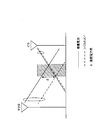
- FIG. 2 is a diagram showing the relationship between downlink received power and path loss when a pico base station whose transmission power is smaller by ⁇ is adjacent to the macro base station in this HetNet.
- the solid line indicates the downlink received power of each base station
- the broken line indicates the reciprocal of the path loss.
- the cell having the maximum downlink received signal power is the optimal cell
- the cell having the minimum path loss is the optimal cell.
- the transmission powers of adjacent base stations are equal, the optimum cells for the uplink and downlink match, but when the transmission powers are different, the optimum cells for the uplink and downlink are generally different. In the shaded area in FIG.
- the femtocell is an ultra-small cell intended for installation in homes and small stores.
- a high-speed communication is continuously provided by a CSG (Closed Subscriber Group) function that restricts connection only to pre-registered mobile terminal devices (CSG registered UE (User Equipment)). can do. Therefore, an unregistered mobile terminal apparatus (CSG unregistered UE) cannot connect to the femto cell even if it is located in the vicinity of the radio base station apparatus (CSG femto BS) of the femto cell. For this reason, in a CSG non-registered UE, a CSG base station existing in the vicinity becomes a large interference source.
- Non-Patent Document 1 a CSG femto BS measures received power from a radio base station apparatus (macro BS) of a macro cell and determines downlink transmission power according to this power. It has been proposed (Non-Patent Document 1). More specifically, as shown in FIG. 4A, when the femto BS is close to the macro BS and the received power from the macro BS measured by the femto BS is large, the transmission power from the femto BS is increased, and FIG. As shown, when the femto BS is far from the macro BS (cell edge) and the reception power from the macro BS is small, the transmission power from the femto BS is reduced.
- the present invention has been made in view of such a point, and even when there is no CSG unregistered UE in the femtocell, the transmission power is not reduced unnecessarily, and the CSG unregistered UE exists in the femtocell. It is an object of the present invention to provide a radio base station apparatus and a transmission power control method capable of reducing interference of a CSG non-registered mobile terminal apparatus without always detecting whether or not the mobile terminal apparatus is present.
- the radio base station apparatus of the present invention is a radio base station apparatus of the macro cell in a heterogeneous network including a macro cell and a femto cell, except for a mobile terminal apparatus that registers a connection with the radio base station apparatus of the femto cell.
- a radio base station apparatus of the present invention is a radio base station apparatus of a femto cell in a heterogeneous network including a macro cell and a femto cell, and the radio base station apparatus between the macro cell and the radio base station apparatus of the femto cell Transmission power control means for reducing the transmission power of a transmission signal based on the proximity information when receiving proximity information indicating that an unregistered mobile terminal device other than the mobile terminal device that registered the connection is approaching It is characterized by that.
- a transmission power control method is a transmission power control method in a heterogeneous network including a macro cell and a femto cell, wherein a connection between the radio base station device of the macro cell and the radio base station device of the femto cell is established.
- Whether to receive registration information, reception quality measurement result, and cell information as to whether it is an unregistered mobile terminal device other than the registered mobile terminal device, and from the registration information, the reception quality measurement result, and the cell information A step of determining whether or not an unregistered mobile terminal device has approached the femto cell; and proximity information indicating that the unregistered mobile terminal device has approached the femto cell is transmitted to the radio base station device of the femto cell as a backhaul link And transmitting based on the proximity information in the femtocell radio base station apparatus Characterized by comprising a step of reducing the force, a.
- a macro cell radio base station apparatus registration information as to whether it is an unregistered mobile terminal apparatus other than a mobile terminal apparatus that has registered a connection with a femto cell radio base station apparatus, and reception quality measurement A result and cell information are received, and it is determined from the registration information, reception quality measurement result, and cell information whether the unregistered mobile terminal device has approached the femto cell, and the unregistered mobile terminal device has approached the femto cell.
- the proximity information to be represented is notified to the femtocell radio base station device through the backhaul link, and the femtocell radio base station device reduces the transmission power based on the proximity information, so there is a CSG unregistered UE in the femtocell Even if not, the transmission power is not reduced unnecessarily, and it is always determined whether or not a CSG unregistered UE exists in the femtocell. Without detected, it is possible to reduce interference of the mobile terminal device of the CSG unregistered.
- the mobile terminal device reports the reception quality, for example, the measurement result of the reception power as a measurement to the radio base station device, and the reception quality measurement result and the femtocell are notified. It is determined whether or not a CSG non-registered mobile terminal device has approached the femto cell using connectable information (information on whether or not it can be connected to the radio base station device of the femto cell (registration / non-registration)).
- the CSG unregistered mobile terminal apparatus By notifying the femtocell radio base station apparatus of this determination result, the CSG unregistered mobile terminal apparatus always detects whether or not a CSG unregistered mobile terminal apparatus is in the femtocell.
- the inventors have found that interference can be reduced, and have reached the present invention.
- the essence of the present invention is that, in the macrocell radio base station apparatus, registration information indicating whether or not the mobile terminal apparatus is a non-registered mobile terminal apparatus other than the mobile terminal apparatus that has registered the connection with the femtocell radio base station apparatus.
- the quality measurement result and the cell information are received, and it is determined from the registration information, the reception quality measurement result, and the cell information whether or not the unregistered mobile terminal device approaches the femto cell, and the unregistered mobile terminal device approaches the femto cell.
- the femtocell radio base station apparatus reduces the transmission power based on the proximity information, so that the CSG unregistered in the femtocell To reduce interference of a CSG non-registered mobile terminal device without constantly detecting whether the mobile terminal device is in the service area A.
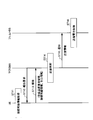
- FIG. 6 is a diagram for explaining the transmission power control method according to the embodiment of the present invention
- FIG. 7 is a sequence diagram for explaining the transmission power control method according to the embodiment of the present invention.
- HetNet is a hierarchical network in which femtocells are overlaid on macrocells.
- This HetNet includes a macro base station (macro BS) that is a radio base station apparatus of a macro cell and a femto base station (femto BS) that is a radio base station apparatus of a femto cell.
- macro base station macro BS
- femto base station femto base station
- the reception quality measurement result (Measurement )
- cell information such as the cell number (cell ID) of the base station detected as a reception quality better than that of the connected cell is reported to the macro base station.
- the mobile terminal can recognize whether the cell is a femto cell based on the cell information. If the cell is a femto cell, the mobile terminal can determine whether it can connect, that is, whether it is a mobile terminal that has registered a connection with the femto base station (CSG registered UE / CSG unregistered). UE) registration information (accessible information) is determined, and the result is reported to the macro base station together with the reception quality measurement result.
- the mobile terminal can recognize whether it is a femto cell by the cell ID of the cell whose reception quality is measured. Then, the mobile terminal can recognize whether it can be connected to the femto base station (CSG registered UE or CSG non-registered UE) based on the femto cell broadcast information (acquisition of connectable information: ST11).
- the femto base station CSG registered UE or CSG non-registered UE
- the macro base station requests a measurement report from the mobile terminal (ST12), and the mobile terminal reports the measurement (reception quality measurement result) to the macro base station (ST13). At this time, the mobile terminal reports cell information (cell ID) and connectable information as necessary to the macro base station together with Measurement (ST13).
- the macro base station it is determined whether or not the CSG unregistered UE has approached the femtocell (proximity determination) (ST14). Usually, the macro base station performs this operation when performing a handover process using the Measurement reported from the mobile terminal. Since the macro base station receives connectable information (registration information) from the mobile terminal, the macro base station recognizes whether the mobile terminal that has received the report can connect to the femto base station (CSG registered UE or CSG non-registered UE). be able to. In this way, the macro base station can determine whether the CSG unregistered UE has approached the femto cell from the connectable information, the reception quality, and the cell information. In addition, about the registration information (connection possible information) of CSG registration UE or CSG non-registration UE, a mobile terminal can acquire with alerting
- the macro base station When the CSG non-registered UE approaches the femto cell, the macro base station notifies the femto base station of proximity information indicating that the CSG non-registered UE has approached the femto cell (ST15). In this case, this proximity information is notified to the femto base station via a backhaul link (for example, X2 interface).
- the femto base station controls (reduces) transmission power based on the proximity information (ST16). Further, the macro base station may notify the femto base station of the measurement along with the proximity information via the backhaul link.
- the proximity information may include an instruction to reduce transmission power.
- the transmission power may be reduced to a certain level regardless of the reception quality measurement result, or the transmission power may be reduced according to the reception quality measurement result.
- the transmission power may be determined using the reception quality measurement result.
- the macro base station When detecting that the CSG non-registered UE has moved away from the femto cell, the macro base station performs measurement (reception quality measurement result) as when detecting that the CSG non-registered UE has approached the femto cell. Use to judge. For example, in the macro base station, when the measurement of the macro base station becomes larger than the measurement of the femto base station, the proximity information indicating that the CSG unregistered UE has left the femto cell is notified to the femto base station. . Then, in the femto base station, the transmission power is increased (returned to the original transmission power). Note that the proximity information may include an instruction to increase the transmission power (return to the original transmission power).
- the femto base station without transmitting proximity information from the macro base station, the femto base station reduces the transmission power and increases the transmission power after a certain period of time (returns to the original transmission power). In this case, a certain period is measured by a timer or the like. In this case, after reducing the transmission power and increasing the transmission power after a certain period of time (returning to the original transmission power), the proximity information indicating that the CSG non-registered UE has approached the femto cell was received again. Sometimes, the length of a certain period is changed (for example, lengthened).
- the period can be adaptively controlled.
- the transmission power control of the present invention uses the measurement report from the mobile terminal performed in a normal operation to determine that the CSG non-registered UE has approached the femto cell. It is possible to reduce the interference of a CSG non-registered mobile terminal device without always detecting whether or not the registered mobile terminal device is in the service area.
- FIG. 8 is a block diagram for explaining the configuration of the radio base station apparatus according to the embodiment of the present invention.
- the HetNet radio base station apparatus shown in FIG. 8 includes a macro base station 10 that is a macro cell radio base station apparatus and a femto base station 20 that is a femto cell radio base station apparatus.
- the macro base station 10 and the femto base station 20 are connected by a backhaul link such as an X2 interface.
- the transmission system of the macro base station 10 includes a reference signal generation unit 101, a synchronization signal generation unit 102, an upper layer data generation unit 103, a transmission data generation unit 104, a multiplexing unit 105, a transmission signal generation unit 106,
- the amplifier 107 is mainly configured.
- the reception system of the macro base station 10 mainly includes a reception signal demodulation unit 108, an upper layer data reproduction unit 109, a transmission data reproduction unit 110, and a determination unit 111.
- the reference signal generation unit 101 generates a reference signal for measuring reception quality in the mobile terminal.
- the reference signal generation unit 101 outputs the reference signal to the multiplexing unit 105.
- the synchronization signal generation unit 102 generates a synchronization signal for detecting a cell ID in the mobile terminal.
- the synchronization signal generation unit 102 outputs the synchronization signal to the multiplexing unit 105.
- the upper layer data generation unit 103 performs upper layer data, for example, data for requesting measurement (reception quality measurement result) report or measurement method (for example, when reception quality of other cells is better than that of the connected cell). For example).
- the upper layer data generation unit 103 outputs such upper layer data to the multiplexing unit 105.
- the transmission data generation unit 104 generates data to be transmitted to the mobile terminal.
- the transmission data generation unit 104 outputs the transmission data to the multiplexing unit 105.
- the multiplexing unit 105 multiplexes the reference signal, the synchronization signal, the upper layer data, and the transmission data into a multiplexed signal.
- Multiplexer 105 outputs the multiplexed signal to transmission signal generator 106.
- the transmission signal generation unit 106 performs predetermined signal processing on the multiplexed signal to generate a transmission signal.
- the transmission signal is amplified by the amplifier 107 and then transmitted to the mobile terminal 30 as a downlink signal.
- the received signal demodulation unit 108 receives an uplink signal from the mobile terminal 30 and demodulates the received signal.
- Reception signal demodulation section 108 outputs the demodulated signal (demodulated signal) to upper layer data reproduction section 109 and transmission data reproduction section 110.
- the received signal includes registration information (registration information on whether or not the terminal can be connected to the femto base station) and measurement (reception quality measurement) as to whether the mobile terminal is an unregistered mobile terminal other than the mobile terminal that registered the connection with the femto base station. Result), cell information such as cell ID is included.
- the upper layer data reproducing unit 109 extracts and reproduces upper layer data from the demodulated signal.
- the higher layer data includes measurement (reception quality measurement result), cell information such as a cell ID, registration information indicating whether or not a femto base station can be connected (registration information on whether a CSG registered UE or a CSG non-registered UE) (can be connected) Information).
- Upper layer data reproduction section 109 outputs the reproduced upper layer data to determination section 111.
- the transmission data reproducing unit 110 extracts and reproduces transmission data from the demodulated signal.
- the determination unit 111 determines whether the CSG non-registered UE has approached the femto cell. In other words, the determination unit 111 determines which cell's measurement is larger than the measurement of the connected cell using the measurement that is the higher layer data, and based on the cell information that is the higher layer data, from the measurement of the connected cell. It is determined whether a measurement cell having a larger value is a femto cell. Furthermore, the determination unit 111 recognizes whether the mobile terminal that has received the report can connect to the femto base station (whether it is a CSG registered UE or a CSG non-registered UE) by using connectable information (registration information) that is higher layer data. .
- the determination unit 111 determines whether the CSG non-registered UE has approached the femto cell from the connectable information, the measurement, and the cell information. When determining that the CSG non-registered UE has approached the femto cell, the determining unit 111 notifies the femto base station 20 of proximity information indicating that the CSG non-registered UE has approached the femto cell via the backhaul link. .
- the determination unit 111 may determine whether the CSG non-registered UE has left the femtocell. In this case, determination is made using Measurement (reception quality measurement result) as when detecting that a CSG non-registered UE has approached the femto cell. For example, in the macro base station, when the measurement of the macro base station becomes larger than the measurement of the femto base station, the proximity information indicating that the CSG unregistered UE has left the femto cell is returned to the femto base station 20. Notification via hole link.
- Measurement reception quality measurement result
- the transmission system of the femto base station 20 mainly includes a data generator / multiplexer 201, a transmission signal generator 202, an amplifier 203, and a transmission power controller 207.
- the reception system of the femto base station 20 mainly includes a reception signal demodulation unit 204, an upper layer data reproduction unit 205, and a transmission data reproduction unit 206.
- the data generator / multiplexer 201 reports a reference signal for measuring the reception quality in the mobile terminal, a synchronization signal for detecting the cell ID in the mobile terminal, higher layer data, for example, measurement (reception quality measurement result) Generates data requesting data and data indicating the measurement method. Upper layer data and data to be transmitted to the mobile terminal are generated, and these signals are multiplexed to obtain a multiplexed signal.
- the data generator / multiplexer 201 outputs the multiplexed signal to the transmission signal generator 202.
- the transmission signal generation unit 202 generates a transmission signal by performing predetermined signal processing on the multiplexed signal.
- the transmission signal is amplified by the amplifier 203 and then transmitted to the mobile terminal 30 as a downlink signal.
- the transmission power control unit 207 controls transmission power according to an instruction from the macro base station 10 (controls the amplification factor of the amplifier 203). That is, when the transmission power control unit 207 receives proximity information indicating that a CSG non-registered UE other than the CSG registered UE that registered the connection with the femto base station 20 has approached from the macro base station 10, The transmission power is reduced based on the proximity information (the amplification factor of the amplifier 203 is reduced). When receiving the proximity information, the transmission power control unit 207 reduces the transmission power to a certain level or reduces the transmission power according to the measurement regardless of the measurement (reception quality measurement result).
- the transmission power control unit 207 increases transmission power based on the proximity information when receiving the proximity information indicating that the CSG non-registered UE has left the femto cell from the macro base station 10 (original transmission). (Return to electric power) (Increase the amplification factor of the amplifier 203).
- the transmission power control unit 207 reduces the transmission power and sets the transmission power after a certain period of time has elapsed. Increase (return to the original transmission power).
- the proximity information indicating that the CSG non-registered UE has approached the femto cell was received again.
- the length of a certain period is changed (for example, lengthened).
- Received signal demodulation section 204 receives an uplink signal from mobile terminal 30 and demodulates the received signal. Reception signal demodulation section 204 outputs the demodulated signal (demodulated signal) to upper layer data reproduction section 205 and transmission data reproduction section 206.
- the upper layer data reproducing unit 205 extracts and reproduces upper layer data from the demodulated signal.
- This higher layer data includes cell information such as Measurement (reception quality measurement result) and cell ID.
- the transmission data reproducing unit 206 extracts transmission data from the demodulated signal and reproduces it.
- FIG. 9 is a block diagram for explaining a configuration of a mobile terminal apparatus that communicates with a radio base station apparatus according to an embodiment of the present invention.
- the transmission system of the mobile terminal shown in FIG. 9 mainly includes an upper layer data generation unit 301, a transmission data generation unit 302, a multiplexing unit 303, a transmission signal generation unit 304, and an amplifier 305.
- the reception system of the mobile terminal mainly includes a reception signal demodulation unit 306, a reception quality measurement unit 307, a synchronization signal detection unit 308, an upper layer data reproduction unit 309, a transmission data reproduction unit 310, and a determination unit 311. It is configured.
- the upper layer data generation unit 301 includes upper layer data, for example, registration information indicating whether the mobile terminal is a non-registered mobile terminal other than the mobile terminal that has registered the connection with the femto base station (whether it can be connected to the femto base station). Cell information such as registration information), Measurement (reception quality measurement result), and cell ID is generated.
- the upper layer data generation unit 301 outputs such upper layer data to the multiplexing unit 303.
- the transmission data generation unit 302 generates data to be transmitted to the macro base station 10 and the femto base station 20.
- the transmission data generation unit 302 outputs the transmission data to the multiplexing unit 303.
- the multiplexing unit 303 multiplexes the upper layer data and the transmission data into a multiplexed signal.
- Multiplexer 303 outputs the multiplexed signal to transmission signal generator 304.
- the transmission signal generation unit 304 performs predetermined signal processing on the multiplexed signal to generate a transmission signal.
- the transmission signal is amplified by the amplifier 305 and then transmitted to the macro base station 10 and the femto base station 20 as an uplink signal.
- the received signal demodulation unit 306 receives downlink signals from the macro base station 10 and the femto base station 20 and demodulates the received signals.
- Reception signal demodulation section 306 outputs the demodulated signal (demodulated signal) to upper layer data reproduction section 309 and transmission data reproduction section 310.
- the received signal includes higher layer data, for example, data requesting measurement (reception quality measurement result) report and data indicating the measurement method.
- the reception quality measurement unit 307 measures reception quality (for example, reception power) using a reference signal included in the downlink signal.
- the reception quality measurement result (Measurement) is transmitted to the macro base station 10 and the femto base station 20 as higher layer data.
- the synchronization signal detection unit 308 identifies the cell ID using the synchronization signal included in the downlink signal. This cell ID identification result (cell information) is transmitted to the macro base station 10 and the femto base station 20 as higher layer data.
- the upper layer data reproduction unit 309 extracts and reproduces upper layer data from the demodulated signal.
- This higher layer data includes data requesting measurement (reception quality measurement result) report and data indicating the measurement method.
- the upper layer data reproduction unit 309 outputs the upper layer data to the determination unit 311.
- Transmission data reproducing section 310 extracts transmission data from the demodulated signal and reproduces it.
- Determining unit 311 determines the report of the cell ID and the reception quality measurement result in the upper layer, if necessary, based on the measurement method. That is, the determination unit 311 determines whether measurement or cell ID reporting is necessary, and when it is determined that measurement is necessary, measurement (reception quality measurement result), cell ID, registration information (connectable information) Is reported to the macro base station 10 to the higher layer data generation unit 301.
- the determination unit 111 determines whether the CSG unregistered UE has approached the femto cell from the registration information, measurement, and cell information.
- proximity information indicating that the CSG non-registered UE has approached the femto cell is notified to the femto base station via the backhaul link. In the femto base station, transmission power is reduced based on proximity information.
- the transmission power is increased based on the proximity information (original (Increase the amplification factor of the amplifier 203).
- the proximity information original (Increase the amplification factor of the amplifier 203).
- the transmission power control unit 207 reduces the transmission power and sets the transmission power after a certain period of time has elapsed. Increase (return to the original transmission power). In this case, after reducing the transmission power and increasing the transmission power after a certain period of time (returning to the original transmission power), the proximity information indicating that the CSG non-registered UE has approached the femto cell was received again. Sometimes, the length of a certain period is changed (for example, lengthened).
- the present invention it is possible to determine whether or not a CSG non-registered UE exists in the femto cell without unnecessarily reducing transmission power even when there is no CSG non-registered UE in the femto cell. It is not always detected, and interference of a CSG non-registered mobile terminal device can be reduced.
- the present invention is useful for an LTE-A system radio base station apparatus and transmission power control method.
Landscapes
- Engineering & Computer Science (AREA)
- Computer Networks & Wireless Communication (AREA)
- Signal Processing (AREA)
- Quality & Reliability (AREA)
- Mobile Radio Communication Systems (AREA)
Abstract
この送信電力制御方法は、マクロセルの無線基地局装置(10)において、フェムトセルの無線基地局装置(20)との間の接続を登録した移動端末装置以外の非登録移動端末装置であるかどうかの登録情報、受信品質測定結果、及びセル情報を受信し、登録情報、受信品質測定結果、及びセル情報から非登録移動端末装置がフェムトセルに近づいたかどうかを判断し、非登録移動端末装置がフェムトセルに近づいたことを表す近接情報をフェムトセルの無線基地局装置(20)にバックホールリンクで通知し、フェムトセルの無線基地局装置(20)において、近接情報に基づいて送信電力を低減させることを特徴とする。
Description
本発明は、次世代移動通信システムにおける無線基地局装置及び送信電力制御方法に関する。
3GPP(3rd Generation Partnership Project)において、第3世代移動通信システムの発展規格であるLTE(Long Term Evolution)からのさらなる高速・大容量通信を実現する第4世代移動通信システムとして、LTE-Advanced(LTE-A)の標準化が進められている。LTE-Aシステムでは、ローカルエリア環境を重視したHeterogeneous Network(以下、HetNetとする)構成が検討されている。HetNetとは、図1に示すように、従来のマクロセル(大規模セル)に加え、ピコセル、フェムトセル、リレーなど(小規模セル)の様々な形態のセルをオーバレイした階層型ネットワークである。
図2は、このHetNetにおいて、マクロ基地局に対して送信電力がΔだけ小さいピコ基地局が隣接する場合の、下り受信電力とパスロスの関係について示す図である。図2において、実線はそれぞれの基地局の下り受信電力を示し、破線はパスロスの逆数を示す。一般に、伝搬路の観点で考えた場合、下りリンクでは、下り受信信号電力が最大となるセルが最適セルであり、上りリンクでは、パスロスが最小となるセルが最適セルである。隣接する基地局の送信電力が等しい場合には、上下リンクの最適セルは一致するが、送信電力が異なる場合には、上下リンクの最適セルは一般には異なる。図2の斜線の領域においては、下りリンクはマクロ基地局に接続するのが最適であるが、上りリンクはピコ基地局に接続するのが最適である。このように、HetNetにおいては、セルのカバレッジの不均等により、上りリンクと下りリンクで最適な接続セルが異なる現象が生じる。
フェムトセルは、家庭内や小規模店舗などへの設置を目的とした超小型のセルである。このフェムトセルにおいては、図3に示すように、予め登録した移動端末装置(CSG登録UE(User Equipment))のみに接続を限定するCSG(Closed Subscriber Group)機能により、高速通信を連続的に提供することができる。したがって、登録されていない移動端末装置(CSG非登録UE)は、フェムトセルの無線基地局装置(CSGフェムトBS)の近傍に位置していてもフェムトセルには接続することができない。このため、CSG非登録UEにおいては、近くに存在するCSG基地局が大きな干渉源となる。
このような問題を解決するために、3GPPでは、CSGフェムトBSがマクロセルの無線基地局装置(マクロBS)からの受信電力を測定し、この電力に応じて下りリンクの送信電力を決定する方法が提案されている(非特許文献1)。具体的には、図4Aに示すように、マクロBSにフェムトBSが近く、フェムトBSが測定したマクロBSからの受信電力が大きい場合には、フェムトBSからの送信電力を大きくし、図4Bに示すように、マクロBSにフェムトBSが遠く(セル端)、マクロBSからの受信電力が小さい場合には、フェムトBSからの送信電力を小さくする。
この方法では、フェムトセル内にCSG非登録UEが存在しない場合にも送信電力を不要に下げることになる。この問題を解決するため、CSG非登録UEを検出した場合にのみ送信電力を下げる方法が提案されている。具体的には、図5Aに示すようにマクロBSにフェムトBSが近い場合、図5Cに示すようにマクロBSにフェムトBSが遠い場合に拘わらず、図5B,Dに示すように、CSG非登録UEを検出したときに、フェムトBSからの送信電力を小さくする。
3GPP,TR36.921
しかしながら、上記方法においては、CSG非登録UEが在圏しているかどうかをフェムトセルで常に検出する必要がある。フェムトセルにおいてCSG非登録UEが在圏しているかどうかを検出することは困難であるため、マクロセルでCSG非登録UEが在圏しているかどうかを検出し、その情報をフェムトセルに通知する必要がある。このように、上記方法では、フェムトセルにおいてCSG非登録UEが在圏しているかどうかを常時検出していなければならないので、付加的な制御が必要になってしまう。
本発明はかかる点に鑑みてなされたものであり、フェムトセル内にCSG非登録UEが存在しない場合にも送信電力を不要に下げることがなく、しかもフェムトセルにおいてCSG非登録UEが在圏しているかどうかを常時検出することなく、CSG非登録の移動端末装置の干渉低減を図ることができる無線基地局装置及び送信電力制御方法を提供することを目的とする。
本発明の無線基地局装置は、マクロセル及びフェムトセルを含むヘテロジニアスネットワークにおける前記マクロセルの無線基地局装置であって、前記フェムトセルの無線基地局装置との間の接続を登録した移動端末装置以外の非登録移動端末装置であるかどうかの登録情報、受信品質測定結果及びセル情報を受信する受信手段と、前記登録情報、前記受信品質測定結果、及び前記セル情報から前記非登録移動端末装置が前記フェムトセルに近づいたかどうかを判断する判断手段と、前記非登録移動端末装置が前記フェムトセルに近づいたことを表す近接情報を前記フェムトセルの無線基地局装置にバックホールリンクで通知する通知手段と、を具備することを特徴とする。
本発明の無線基地局装置は、マクロセル及びフェムトセルを含むヘテロジニアスネットワークにおけるフェムトセルの無線基地局装置であって、前記マクロセルの無線基地局装置から、前記フェムトセルの無線基地局装置との間の接続を登録した移動端末装置以外の非登録移動端末装置が近づいたことを表す近接情報を受けると、前記近接情報に基づいて送信信号の送信電力を低減させる送信電力制御手段と、を具備することを特徴とする。
本発明の送信電力制御方法は、マクロセル及びフェムトセルを含むヘテロジニアスネットワークにおける送信電力制御方法であって、前記マクロセルの無線基地局装置において、前記フェムトセルの無線基地局装置との間の接続を登録した移動端末装置以外の非登録移動端末装置であるかどうかの登録情報、受信品質測定結果、及びセル情報を受信する工程と、前記登録情報、前記受信品質測定結果、及び前記セル情報から前記非登録移動端末装置が前記フェムトセルに近づいたかどうかを判断する工程と、前記非登録移動端末装置が前記フェムトセルに近づいたことを表す近接情報を前記フェムトセルの無線基地局装置にバックホールリンクで通知する工程と、前記フェムトセルの無線基地局装置において、前記近接情報に基づいて送信電力を低減させる工程と、を具備することを特徴とする。
本発明によれば、マクロセルの無線基地局装置において、フェムトセルの無線基地局装置との間の接続を登録した移動端末装置以外の非登録移動端末装置であるかどうかの登録情報、受信品質測定結果、及びセル情報を受信し、登録情報、受信品質測定結果、及びセル情報から非登録移動端末装置がフェムトセルに近づいたかどうかを判断し、非登録移動端末装置がフェムトセルに近づいたことを表す近接情報をフェムトセルの無線基地局装置にバックホールリンクで通知し、フェムトセルの無線基地局装置において、近接情報に基づいて送信電力を低減させるので、フェムトセル内にCSG非登録UEが存在しない場合にも送信電力を不要に下げることがなく、しかもフェムトセルにおいてCSG非登録UEが在圏しているかどうかを常時検出することがなく、CSG非登録の移動端末装置の干渉低減を図ることができる。
以下、本発明の実施の形態について添付図面を参照して詳細に説明する。
本発明者らは、移動端末装置が受信品質、例えば受信電力の測定結果をMeasurementとして無線基地局装置に報告していることに着目し、この受信品質測定結果と、フェムトセルで報知されている接続可能情報(フェムトセルの無線基地局装置と接続することができるかどうかの情報(登録/非登録))とを用いて、CSG非登録の移動端末装置がフェムトセルに近づいたかどうかを判断し、この判断結果をフェムトセルの無線基地局装置に通知することにより、フェムトセルにおいてCSG非登録の移動端末装置が在圏しているかどうかを常時検出することなく、CSG非登録の移動端末装置の干渉低減を図ることができることを見出し、本発明をするに至った。
本発明者らは、移動端末装置が受信品質、例えば受信電力の測定結果をMeasurementとして無線基地局装置に報告していることに着目し、この受信品質測定結果と、フェムトセルで報知されている接続可能情報(フェムトセルの無線基地局装置と接続することができるかどうかの情報(登録/非登録))とを用いて、CSG非登録の移動端末装置がフェムトセルに近づいたかどうかを判断し、この判断結果をフェムトセルの無線基地局装置に通知することにより、フェムトセルにおいてCSG非登録の移動端末装置が在圏しているかどうかを常時検出することなく、CSG非登録の移動端末装置の干渉低減を図ることができることを見出し、本発明をするに至った。
すなわち、本発明の骨子は、マクロセルの無線基地局装置において、フェムトセルの無線基地局装置との間の接続を登録した移動端末装置以外の非登録移動端末装置であるかどうかの登録情報、受信品質測定結果、及びセル情報を受信し、登録情報、受信品質測定結果、及びセル情報から非登録移動端末装置がフェムトセルに近づいたかどうかを判断し、非登録移動端末装置がフェムトセルに近づいたことを表す近接情報をフェムトセルの無線基地局装置にバックホールリンクで通知し、フェムトセルの無線基地局装置において、近接情報に基づいて送信電力を低減させることにより、フェムトセルにおいてCSG非登録の移動端末装置が在圏しているかどうかを常時検出することなく、CSG非登録の移動端末装置の干渉低減を図ることである。
図6は、本発明の実施の形態に係る送信電力制御方法を説明するための図であり、図7は、本発明の実施の形態に係る送信電力制御方法を説明するためのシーケンス図である。図6に示すように、HetNetは、マクロセルにフェムトセルをオーバレイした階層型ネットワークである。このHetNetにおいては、マクロセルの無線基地局装置であるマクロ基地局(マクロBS)とフェムトセルの無線基地局装置であるフェムト基地局(フェムトBS)とを含む。
本発明に係る送信電力制御においては、移動端末がマクロBSから通知した条件を満たす場合(例えば、他のセルの受信品質が接続セルよりも良好になった場合)に、受信品質測定結果(Measurement)と、上記接続セルよりも良好な受信品質が得られたとして検出した基地局のセル番号(セルID)などのセル情報をマクロ基地局に報告する。移動端末はセル情報によりセルがフェムトセルであるかどうか認識することができる。移動端末は、セルがフェムトセルである場合には、自装置が接続可能であるかどうか、すなわちフェムト基地局との間の接続を登録した移動端末であるかどうか(CSG登録UE/CSG非登録UE)の登録情報(接続可能情報)を判断し、その結果を受信品質測定結果と共に、マクロ基地局に報告する。
すなわち、移動端末は、受信品質を測定するセルのセルIDによりフェムトセルであるかどうかを認識することができる。そして、移動端末は、フェムトセルの報知情報によりフェムト基地局に接続できるかどうか(CSG登録UEかCSG非登録UEか)を認識することができる(接続可能情報の取得:ST11)。
マクロ基地局は、Measurement報告を移動端末に要求し(ST12)、移動端末は、Measurement(受信品質測定結果)をマクロ基地局に報告する(ST13)。このとき、移動端末は、Measurementと共に、セル情報(セルID)及び必要に応じて接続可能情報をマクロ基地局に報告する(ST13)。
マクロ基地局においては、CSG非登録UEがフェムトセルに近づいたかどうかを判断する(近接判断)(ST14)。通常、マクロ基地局は、移動端末から報告されたMeasurementを用いてハンドオーバ処理する際にこの動作を行う。そして、マクロ基地局は、接続可能情報(登録情報)を移動端末から受けるので、報告を受けた移動端末がフェムト基地局に接続できるかどうか(CSG登録UEかCSG非登録UEか)を認識することができる。このように、マクロ基地局は、接続可能情報、受信品質及びセル情報からCSG非登録UEがフェムトセルに近づいたかどうかを判断することができる。なお、CSG登録UEかCSG非登録UEかの登録情報(接続可能情報)については、報知情報により移動端末が取得することができる。
マクロ基地局は、CSG非登録UEがフェムトセルに近づいた場合には、CSG非登録UEがフェムトセルに近づいたことを表す近接情報をフェムト基地局に通知する(ST15)。この場合、この近接情報は、バックホールリンク(例えば、X2インターフェース)でフェムト基地局に通知される。フェムト基地局は、近接情報に基づいて送信電力を制御(低減)する(ST16)。また、マクロ基地局は、近接情報と共にMeasurementをバックホールリンクでフェムト基地局に通知しても良い。なお、近接情報には、送信電力を低減させる指示が含まれていても良い。
フェムト基地局における送信電力制御においては、受信品質測定結果に関係なく、一定のレベルまで送信電力を低減しても良く、受信品質測定結果に応じて送信電力を低減しても良い。なお、受信品質測定結果を用いて送信電力を決定しても良い。
CSG非登録UEがフェムトセルから離れたことを検出する場合には、マクロ基地局において、CSG非登録UEがフェムトセルに近接したことを検出するときのように、Measurement(受信品質測定結果)を用いて判断する。例えば、マクロ基地局において、フェムト基地局のMeasurementよりもマクロ基地局のMeasurementの方が大きくなったときに、CSG非登録UEがフェムトセルから離れたことを表す近接情報をフェムト基地局に通知する。そして、フェムト基地局において、送信電力を増加する(元の送信電力に戻す)。なお、近接情報には、送信電力を増加させる(元の送信電力に戻す)指示が含まれていても良い。
あるいは、マクロ基地局から近接情報を通知することなく、フェムト基地局において、送信電力を低減させて一定期間経過後に送信電力を増加させる(元の送信電力に戻す)。この場合、一定期間はタイマなどにより計測する。この場合において、送信電力を低減させて一定期間経過後に送信電力を増加させた(元の送信電力に戻した)後に、再びCSG非登録UEがフェムトセルに近づいたことを表す近接情報を受けたときは、一定期間の長さを変化させる(例えば、長くする)。また、一定期間経過後に送信電力を増加させた(元の送信電力に戻した)後に、再びCSG非登録UEがフェムトセルに近づいたことを表す近接情報を受けとらなかった場合にも、一定期間の長さを変化させる(例えば、短くする)。このような制御を行うことにより、期間を適応的に制御することができる。
このように、本発明の送信電力制御は、通常の動作で行う、移動端末からのMeasurement報告を利用して、CSG非登録UEがフェムトセルに近づいたことを判断するので、フェムトセルにおいてCSG非登録の移動端末装置が在圏しているかどうかを常時検出することなく、CSG非登録の移動端末装置の干渉低減を図ることができる。
図8は、本発明の実施の形態に係る無線基地局装置の構成を説明するためのブロック図である。図8に示すHetNetの無線基地局装置は、マクロセルの無線基地局装置であるマクロ基地局10と、フェムトセルの無線基地局装置であるフェムト基地局20とを有する。マクロ基地局10とフェムト基地局20とは、X2インターフェースのようなバックホールリンクで接続されている。
マクロ基地局10の送信系は、参照信号生成部101と、同期信号生成部102と、上位レイヤデータ生成部103と、送信データ生成部104と、多重部105と、送信信号生成部106と、アンプ107とから主に構成されている。マクロ基地局10の受信系は、受信信号復調部108と、上位レイヤデータ再生部109と、送信データ再生部110と、判断部111とから主に構成されている。
参照信号生成部101は、移動端末において受信品質を測定するための参照信号を生成する。参照信号生成部101は、参照信号を多重部105に出力する。同期信号生成部102は、移動端末においてセルIDを検出するための同期信号を生成する。同期信号生成部102は、同期信号を多重部105に出力する。上位レイヤデータ生成部103は、上位レイヤデータ、例えば、Measurement(受信品質測定結果)の報告を要求するデータやMeasurement方法(例えば、他のセルの受信品質が接続セルよりも良好になった場合に報告するなど)を示すデータを生成する。上位レイヤデータ生成部103は、このような上位レイヤデータを多重部105に出力する。送信データ生成部104は、移動端末に送信するデータを生成する。送信データ生成部104は、送信データを多重部105に出力する。
多重部105は、参照信号、同期信号、上位レイヤデータ及び送信データを多重して多重信号とする。多重部105は、多重信号を送信信号生成部106に出力する。送信信号生成部106は、多重信号に対して所定の信号処理を施して送信信号を生成する。送信信号は、アンプ107で増幅された後に、下りリンク信号として移動端末30に送信される。
受信信号復調部108は、移動端末30からの上りリンク信号を受信し、受信信号を復調する。受信信号復調部108は、復調後の信号(復調信号)を上位レイヤデータ再生部109及び送信データ再生部110に出力する。受信信号には、フェムト基地局との間の接続を登録した移動端末以外の非登録移動端末であるかどうかの登録情報(フェムト基地局に接続できるかどうかの登録情報)、Measurement(受信品質測定結果)、セルIDなどのセル情報が含まれる。
上位レイヤデータ再生部109は、復調信号から上位レイヤデータを抽出して再生する。この上位レイヤデータには、Measurement(受信品質測定結果)、セルIDなどのセル情報、フェムト基地局に接続できるかどうかの登録情報(CSG登録UEかCSG非登録UEかの登録情報)(接続可能情報)が含まれる。上位レイヤデータ再生部109は、再生された上位レイヤデータを判断部111に出力する。送信データ再生部110は、復調信号から送信データを抽出して再生する。
判断部111は、CSG非登録UEがフェムトセルに近づいたかどうかを判断する。すなわち、判断部111においては、上位レイヤデータであるMeasurementを用いて、どのセルのMeasurementが接続セルのMeasurementよりも大きいかを判断すると共に、上位レイヤデータであるセル情報により、接続セルのMeasurementよりも大きいMeasurementのセルがフェムトセルかどうかを判断する。さらに、判断部111は、上位レイヤデータである接続可能情報(登録情報)により、報告を受けた移動端末がフェムト基地局に接続できるかどうか(CSG登録UEかCSG非登録UEか)を認識する。このようにして、判断部111は、接続可能情報、Measurement、及びセル情報からCSG非登録UEがフェムトセルに近づいたかどうかを判断する。判断部111は、CSG非登録UEがフェムトセルに近づいたと判断した場合には、CSG非登録UEがフェムトセルに近づいたことを表す近接情報をフェムト基地局20にバックホールリンクを介して通知する。
また、判断部111は、CSG非登録UEがフェムトセルから離れたかどうかを判断しても良い。この場合において、CSG非登録UEがフェムトセルに近接したことを検出するときのように、Measurement(受信品質測定結果)を用いて判断する。例えば、マクロ基地局において、フェムト基地局のMeasurementよりもマクロ基地局のMeasurementの方が大きくなったときに、CSG非登録UEがフェムトセルから離れたことを表す近接情報をフェムト基地局20にバックホールリンクを介して通知する。
フェムト基地局20の送信系は、データ生成部/多重部201と、送信信号生成部202と、アンプ203と、送信電力制御部207とから主に構成されている。フェムト基地局20の受信系は、受信信号復調部204と、上位レイヤデータ再生部205と、送信データ再生部206とから主に構成されている。
データ生成部/多重部201は、移動端末において受信品質を測定するための参照信号、移動端末においてセルIDを検出するための同期信号、上位レイヤデータ、例えば、Measurement(受信品質測定結果)の報告を要求するデータやMeasurement方法を示すデータを生成する。上位レイヤデータ、移動端末に送信するデータをそれぞれ生成し、これらの信号を多重して多重信号とする。データ生成部/多重部201は、多重信号を送信信号生成部202に出力する。
送信信号生成部202は、多重信号に対して所定の信号処理を施して送信信号を生成する。送信信号は、アンプ203で増幅された後に、下りリンク信号として移動端末30に送信される。
送信電力制御部207は、マクロ基地局10からの指示にしたがって送信電力を制御する(アンプ203の増幅率を制御する)。すなわち、送信電力制御部207は、マクロ基地局10から、フェムト基地局20との間の接続を登録したCSG登録UE以外のCSG非登録UEが近づいたことを表す近接情報を受けたときに、近接情報に基づいて送信電力を低減させる(アンプ203の増幅率を低減させる)。送信電力制御部207は、近接情報を受けたときに、Measurement(受信品質測定結果)に関係なく、一定のレベルまで送信電力を低減したり、あるいは、Measurementに応じて送信電力を低減する。
また、送信電力制御部207は、マクロ基地局10から、CSG非登録UEがフェムトセルから離れたことを表す近接情報を受けたときに、近接情報に基づいて送信電力を増加させる(元の送信電力に戻す)(アンプ203の増幅率を増加させる)。あるいは、送信電力制御部207は、マクロ基地局10から、CSG非登録UEがフェムトセルから離れたことを表す近接情報を通知されない場合には、送信電力を低減させて一定期間経過後に送信電力を増加させる(元の送信電力に戻す)。この場合において、送信電力を低減させて一定期間経過後に送信電力を増加させた(元の送信電力に戻した)後に、再びCSG非登録UEがフェムトセルに近づいたことを表す近接情報を受けたときは、一定期間の長さを変化させる(例えば、長くする)。
受信信号復調部204は、移動端末30からの上りリンク信号を受信し、受信信号を復調する。受信信号復調部204は、復調後の信号(復調信号)を上位レイヤデータ再生部205及び送信データ再生部206に出力する。
上位レイヤデータ再生部205は、復調信号から上位レイヤデータを抽出して再生する。この上位レイヤデータには、Measurement(受信品質測定結果)、セルIDなどのセル情報が含まれる。送信データ再生部206は、復調信号から送信データを抽出して再生する。
図9は、本発明の実施の形態に係る無線基地局装置と通信する移動端末装置の構成を説明するためのブロック図である。図9に示す移動端末の送信系は、上位レイヤデータ生成部301と、送信データ生成部302と、多重部303と、送信信号生成部304と、アンプ305とから主に構成されている。移動端末の受信系は、受信信号復調部306と、受信品質測定部307と、同期信号検出部308と、上位レイヤデータ再生部309と、送信データ再生部310と、判断部311とから主に構成されている。
上位レイヤデータ生成部301は、上位レイヤデータ、例えば、フェムト基地局との間の接続を登録した移動端末以外の非登録移動端末であるかどうかの登録情報(フェムト基地局に接続できるかどうかの登録情報)、Measurement(受信品質測定結果)、セルIDなどのセル情報を生成する。上位レイヤデータ生成部301は、このような上位レイヤデータを多重部303に出力する。送信データ生成部302は、マクロ基地局10やフェムト基地局20に送信するデータを生成する。送信データ生成部302は、送信データを多重部303に出力する。
多重部303は、上位レイヤデータ及び送信データを多重して多重信号とする。多重部303は、多重信号を送信信号生成部304に出力する。送信信号生成部304は、多重信号に対して所定の信号処理を施して送信信号を生成する。送信信号は、アンプ305で増幅された後に、上りリンク信号としてマクロ基地局10やフェムト基地局20に送信される。
受信信号復調部306は、マクロ基地局10やフェムト基地局20からの下りリンク信号を受信し、受信信号を復調する。受信信号復調部306は、復調後の信号(復調信号)を上位レイヤデータ再生部309及び送信データ再生部310に出力する。受信信号には、上位レイヤデータ、例えば、Measurement(受信品質測定結果)の報告を要求するデータやMeasurement方法を示すデータが含まれる。
受信品質測定部307は、下りリンク信号に含まれる参照信号を用いて受信品質(例えば、受信電力)を測定する。この受信品質の測定結果(Measurement)は、上位レイヤデータとしてマクロ基地局10やフェムト基地局20に送信される。
同期信号検出部308は、下りリンク信号に含まれる同期信号を用いてセルIDを同定する。このセルIDの同定結果(セル情報)は、上位レイヤデータとしてマクロ基地局10やフェムト基地局20に送信される。
上位レイヤデータ再生部309は、復調信号から上位レイヤデータを抽出して再生する。この上位レイヤデータには、Measurement(受信品質測定結果)の報告を要求するデータやMeasurement方法を示すデータが含まれる。上位レイヤデータ再生部309は、上位レイヤデータを判断部311に出力する。送信データ再生部310は、復調信号から送信データを抽出して再生する。
判断部311は、Measurement方法に基づいて、必要な場合には上位レイヤでセルID、受信品質測定結果の報告を判断する。すなわち、判断部311は、MeasurementやセルIDの報告が必要であるかどうかを判断し、必要であると判断した場合に、Measurement(受信品質測定結果)、セルID、登録情報(接続可能情報)をマクロ基地局10に報告するように上位レイヤデータ生成部301に指示する。
このような構成の無線通信システムにおいては、マクロ基地局10において、フェムト基地局との間の接続を登録したCSG登録UE以外のCSG非登録UEであるかどうかの登録情報、Measurement(受信品質測定結果)、及びセル情報を受信し、判断部111において、登録情報、Measurement、及びセル情報からCSG非登録UEがフェムトセルに近づいたかどうかを判断する。CSG非登録UEがフェムトセルに近づいたと判断した場合、CSG非登録UEがフェムトセルに近づいたことを表す近接情報をフェムト基地局にバックホールリンクで通知する。フェムト基地局においては、近接情報に基づいて送信電力を低減させる。
また、上記構成の無線通信システムにおいては、マクロ基地局10から、CSG非登録UEがフェムトセルから離れたことを表す近接情報を受けたときに、近接情報に基づいて送信電力を増加させる(元の送信電力に戻す)(アンプ203の増幅率を増加させる)。この場合、マクロ基地局10の判断部111において、フェムト基地局20のMeasurementよりもマクロ基地局10のMeasurementの方が大きくなったときに、CSG非登録UEがフェムトセルから離れたことを表す近接情報をフェムト基地局20に通知する。
あるいは、送信電力制御部207は、マクロ基地局10から、CSG非登録UEがフェムトセルから離れたことを表す近接情報を通知されない場合には、送信電力を低減させて一定期間経過後に送信電力を増加させる(元の送信電力に戻す)。この場合において、送信電力を低減させて一定期間経過後に送信電力を増加させた(元の送信電力に戻した)後に、再びCSG非登録UEがフェムトセルに近づいたことを表す近接情報を受けたときは、一定期間の長さを変化させる(例えば、長くする)。
このように、本発明によれば、フェムトセル内にCSG非登録UEが存在しない場合にも送信電力を不要に下げることがなく、しかもフェムトセルにおいてCSG非登録UEが在圏しているかどうかを常時検出することがなく、CSG非登録の移動端末装置の干渉低減を図ることができる。
上述の実施の形態を用いて本発明について詳細に説明したが、当業者にとっては、本発明が本明細書中に説明した実施形態に限定されるものではないということは明らかである。本発明は、特許請求の範囲の記載により定まる本発明の趣旨及び範囲を逸脱することなく修正及び更新態様として実施することができる。したがって、本明細書の記載は、例示説明を目的とするものであり、本発明に対して何ら制限的な意味を有するものではない。
本発明は、LTE-Aシステムの無線基地局装置及送信電力制御方法に有用である。
本出願は、2010年8月3日出願の特願2010-174372に基づく。この内容は、全てここに含めておく。
Claims (13)
- マクロセル及びフェムトセルを含むヘテロジニアスネットワークにおける前記マクロセルの無線基地局装置であって、前記フェムトセルの無線基地局装置との間の接続を登録した移動端末装置以外の非登録移動端末装置であるかどうかの登録情報、受信品質測定結果、及びセル情報を受信する受信手段と、前記登録情報、前記受信品質測定結果、及び前記セル情報から前記非登録移動端末装置が前記フェムトセルに近づいたかどうかを判断する判断手段と、前記非登録移動端末装置が前記フェムトセルに近づいたことを表す近接情報を前記フェムトセルの無線基地局装置にバックホールリンクで通知する通知手段と、を具備することを特徴とする無線基地局装置。
- 前記通知手段は、前記受信品質測定結果を前記フェムトセルの無線基地局装置にバックホールリンクで通知することを特徴とする請求項1記載の無線基地局装置。
- 前記判断手段は、前記受信品質測定結果により、前記非登録移動端末装置が前記フェムトセルから離れたと判断することを特徴とする請求項1又は請求項2記載の無線基地局装置。
- マクロセル及びフェムトセルを含むヘテロジニアスネットワークにおけるフェムトセルの無線基地局装置であって、送信信号を生成する送信信号生成部と、前記マクロセルの無線基地局装置から、前記フェムトセルの無線基地局装置との間の接続を登録した移動端末装置以外の非登録移動端末装置が近づいたことを表す近接情報を受けると、前記近接情報に基づいて前記送信信号の送信電力を低減させる送信電力制御手段と、を具備することを特徴とする無線基地局装置。
- 前記送信電力制御手段は、前記マクロセルの無線基地局装置から移動端末装置の受信品質測定結果をバックホールリンクで受けると、前記受信品質測定結果に応じて前記送信信号の送信電力を低減させることを特徴とする請求項4記載の無線基地局装置。
- 前記送信電力制御手段は、前記送信信号の前記送信電力を低減させて一定期間経過後に前記送信電力を増加させることを特徴とする請求項4又は請求項5記載の無線基地局装置。
- 前記送信電力制御手段は、前記送信電力を増加させた後に、前記近接情報を受けたときに前記一定期間の長さを変化させることを特徴とする請求項6記載の無線基地局装置。
- マクロセル及びフェムトセルを含むヘテロジニアスネットワークにおける送信電力制御方法であって、前記マクロセルの無線基地局装置において、前記フェムトセルの無線基地局装置との間の接続を登録した移動端末装置以外の非登録移動端末装置であるかどうかの登録情報、受信品質測定結果、及びセル情報を受信する工程と、前記登録情報、前記受信品質測定結果、及び前記セル情報から前記非登録移動端末装置が前記フェムトセルに近づいたかどうかを判断する工程と、前記非登録移動端末装置が前記フェムトセルに近づいたことを表す近接情報を前記フェムトセルの無線基地局装置にバックホールリンクで通知する工程と、前記フェムトセルの無線基地局装置において、送信信号を生成する工程と、前記近接情報に基づいて前記送信信号の送信電力を低減させる工程と、を具備することを特徴とする送信電力制御方法。
- 前記マクロセルの無線基地局装置において、前記受信品質測定結果を前記フェムトセルの無線基地局装置にバックホールリンクで通知することを特徴とする請求項8記載の送信電力制御方法。
- 前記マクロセルの無線基地局装置において、前記受信品質測定結果により、前記非登録移動端末装置が前記フェムトセルから離れたと判断することを特徴とする請求項8又は請求項9記載の送信電力制御方法。
- 前記フェムトセルの無線基地局装置において、前記マクロセルの無線基地局装置からの前記受信品質測定結果に応じて前記送信信号の送信電力を低減させることを特徴とする請求項9記載の送信電力制御方法。
- 前記フェムトセルの無線基地局装置において、前記送信信号の前記送信電力を低減させて一定期間経過後に前記送信電力を増加させることを特徴とする請求項8記載の送信電力制御方法。
- 前記フェムトセルの無線基地局装置において、前記送信信号の前記送信電力を増加させた後に、前記近接情報を受けたときに前記一定期間の長さを変化させることを特徴とする請求項12記載の送信電力制御方法。
Priority Applications (1)
| Application Number | Priority Date | Filing Date | Title |
|---|---|---|---|
| US13/813,664 US20130210431A1 (en) | 2010-08-03 | 2011-08-01 | Radio base station apparatus and transmission power control method |
Applications Claiming Priority (2)
| Application Number | Priority Date | Filing Date | Title |
|---|---|---|---|
| JP2010-174372 | 2010-08-03 | ||
| JP2010174372A JP5122612B2 (ja) | 2010-08-03 | 2010-08-03 | 無線基地局装置及び送信電力制御方法 |
Publications (1)
| Publication Number | Publication Date |
|---|---|
| WO2012017980A1 true WO2012017980A1 (ja) | 2012-02-09 |
Family
ID=45559478
Family Applications (1)
| Application Number | Title | Priority Date | Filing Date |
|---|---|---|---|
| PCT/JP2011/067584 Ceased WO2012017980A1 (ja) | 2010-08-03 | 2011-08-01 | 無線基地局装置及び送信電力制御方法 |
Country Status (3)
| Country | Link |
|---|---|
| US (1) | US20130210431A1 (ja) |
| JP (1) | JP5122612B2 (ja) |
| WO (1) | WO2012017980A1 (ja) |
Cited By (2)
| Publication number | Priority date | Publication date | Assignee | Title |
|---|---|---|---|---|
| WO2014083927A1 (ja) * | 2012-11-28 | 2014-06-05 | ソニー株式会社 | 通信制御装置、通信制御方法及び端末装置 |
| CN104137591A (zh) * | 2012-03-05 | 2014-11-05 | 索尼公司 | 通信控制装置、通信控制方法以及基站 |
Families Citing this family (34)
| Publication number | Priority date | Publication date | Assignee | Title |
|---|---|---|---|---|
| WO2011041754A1 (en) * | 2009-10-02 | 2011-04-07 | Research In Motion Limited | Mobility in a wireless network |
| JP5335748B2 (ja) * | 2010-09-28 | 2013-11-06 | Kddi株式会社 | 基地局装置およびプログラム |
| GB2496908B (en) | 2011-11-28 | 2017-04-26 | Ubiquisys Ltd | Power management in a cellular system |
| JP6012844B2 (ja) * | 2012-03-22 | 2016-10-25 | インターデイジタル パテント ホールディングス インコーポレイテッド | バックホールトラフィックをオフロードするための方法および装置 |
| WO2013144950A1 (en) | 2012-03-25 | 2013-10-03 | Intucell Ltd. | System and method for optimizing performance of a communication network |
| EP2880930A4 (en) * | 2012-08-03 | 2016-01-20 | Ericsson Telefon Ab L M | MOBILE DEVICE, NETWORK NODE AND METHODS OF OPERATING THEM IN A MOBILE COMMUNICATIONS NETWORK |
| GB2506749B (en) * | 2012-08-30 | 2014-12-17 | Zte Wistron Telecom Ab | Methods and apparatus for using a geometry indicator in hetnet deployments |
| IL222709A (en) | 2012-10-25 | 2016-02-29 | Intucell Ltd | A method and mechanism for coordinating interference between communications cells in solar systems |
| US9014004B2 (en) | 2012-12-04 | 2015-04-21 | Cisco Technology, Inc. | Method for managing load balance in a cellular heterogeneous network |
| US9167444B2 (en) | 2012-12-04 | 2015-10-20 | Cisco Technology, Inc. | Method for managing heterogeneous cellular networks |
| IL224926A0 (en) | 2013-02-26 | 2013-07-31 | Valdimir Yanover | A method and system for allocating resources in the @telecommunications@cellphone network |
| JP6282727B2 (ja) | 2013-05-08 | 2018-02-21 | ゼットティーイー ウィストロン テレコム エービー | HetNet配置における座標インディケータの使用 |
| WO2014188556A1 (ja) | 2013-05-23 | 2014-11-27 | 富士通株式会社 | マクロセル基地局及び端末 |
| GB2518584B (en) | 2013-07-09 | 2019-12-25 | Cisco Tech Inc | Power setting |
| CN105659671B (zh) | 2013-09-25 | 2019-07-02 | Zte维创通讯公司 | 异构无线网络中的发现信号 |
| US9414310B2 (en) * | 2013-11-27 | 2016-08-09 | Cisco Technology, Inc. | System and method for small cell power control in an enterprise network environment |
| US9655102B2 (en) | 2014-06-20 | 2017-05-16 | Cisco Technology, Inc. | Interference control in a cellular communications network |
| US10225698B2 (en) | 2014-07-03 | 2019-03-05 | Cisco Technology, Inc. | System and method for providing message delivery and paging to a group of users in a network environment |
| US10462699B2 (en) | 2014-09-08 | 2019-10-29 | Cisco Technology, Inc. | System and method for internet protocol version-based multiple access point name support in a network environment |
| US9717068B2 (en) | 2014-09-09 | 2017-07-25 | Cisco Technology, Inc. | System and method for supporting cell updates within a small cell cluster for idle mobility in cell paging channel mode |
| US9844070B2 (en) | 2014-09-10 | 2017-12-12 | Cisco Technology, Inc. | System and method for decoupling long term evolution media access control scheduling from subframe rate procedures |
| US9729396B2 (en) | 2014-11-04 | 2017-08-08 | Cisco Technology, Inc. | System and method for providing dynamic radio access network orchestration |
| US9686798B1 (en) | 2015-01-14 | 2017-06-20 | Cisco Technology, Inc. | System and method for providing collision-avoided physical downlink control channel resource allocation in a network environment |
| US9621362B2 (en) | 2015-02-03 | 2017-04-11 | Cisco Technology, Inc. | System and method for providing policy charging and rules function discovery in a network environment |
| US9699601B2 (en) | 2015-04-06 | 2017-07-04 | Cisco Technology, Inc. | System and method for managing interference in a network environment based on user presence |
| US10244422B2 (en) | 2015-07-16 | 2019-03-26 | Cisco Technology, Inc. | System and method to manage network utilization according to wireless backhaul and radio access network conditions |
| US9860852B2 (en) | 2015-07-25 | 2018-01-02 | Cisco Technology, Inc. | System and method to facilitate small cell uplink power control in a network environment |
| US9820296B2 (en) | 2015-10-20 | 2017-11-14 | Cisco Technology, Inc. | System and method for frequency and time domain downlink inter-cell interference coordination |
| US9826408B2 (en) | 2015-12-07 | 2017-11-21 | Cisco Technology, Inc. | System and method to provide uplink interference coordination in a network environment |
| US10143002B2 (en) | 2016-01-12 | 2018-11-27 | Cisco Technology, Inc. | System and method to facilitate centralized radio resource management in a split radio access network environment |
| US9813970B2 (en) | 2016-01-20 | 2017-11-07 | Cisco Technology, Inc. | System and method to provide small cell power control and load balancing for high mobility user equipment in a network environment |
| US10420134B2 (en) | 2016-02-02 | 2019-09-17 | Cisco Technology, Inc. | System and method to facilitate subframe scheduling in a split medium access control radio access network environment |
| US10091697B1 (en) | 2016-02-08 | 2018-10-02 | Cisco Technology, Inc. | Mitigation of uplink interference within heterogeneous wireless communications networks |
| US9801127B2 (en) | 2016-02-23 | 2017-10-24 | Cisco Technology, Inc. | System and method to provide power management for a multimode access point in a network environment |
Citations (1)
| Publication number | Priority date | Publication date | Assignee | Title |
|---|---|---|---|---|
| WO2009044620A1 (ja) * | 2007-10-01 | 2009-04-09 | Nec Corporation | 無線通信システム、無線通信方法、基地局、移動局、基地局の制御方法、移動局の制御方法及び制御プログラム |
Family Cites Families (5)
| Publication number | Priority date | Publication date | Assignee | Title |
|---|---|---|---|---|
| JP5256825B2 (ja) * | 2008-04-04 | 2013-08-07 | 株式会社日立製作所 | 基地局装置 |
| US8401479B2 (en) * | 2008-08-08 | 2013-03-19 | Motorola Mobility Llc | Managing interference from femtocells |
| WO2010061626A1 (ja) * | 2008-11-28 | 2010-06-03 | パナソニック株式会社 | 無線通信基地局装置及び送信電力制御方法 |
| JP5180109B2 (ja) * | 2009-01-26 | 2013-04-10 | 株式会社エヌ・ティ・ティ・ドコモ | 移動通信方法及び無線基地局 |
| US8295874B2 (en) * | 2009-06-10 | 2012-10-23 | Motorola Mobility Llc | Femto-cell power control using idle-mode user equipment in a cellular communication system |
-
2010
- 2010-08-03 JP JP2010174372A patent/JP5122612B2/ja not_active Expired - Fee Related
-
2011
- 2011-08-01 US US13/813,664 patent/US20130210431A1/en not_active Abandoned
- 2011-08-01 WO PCT/JP2011/067584 patent/WO2012017980A1/ja not_active Ceased
Patent Citations (1)
| Publication number | Priority date | Publication date | Assignee | Title |
|---|---|---|---|---|
| WO2009044620A1 (ja) * | 2007-10-01 | 2009-04-09 | Nec Corporation | 無線通信システム、無線通信方法、基地局、移動局、基地局の制御方法、移動局の制御方法及び制御プログラム |
Non-Patent Citations (2)
| Title |
|---|
| "7.5.4 Hybrid Cell Power Management", 3GPP TR 36.921 V9.0.0, March 2010 (2010-03-01) * |
| MOTOROLA: "HeNB Interference Management", 3GPP TSG-RAN WG1 MEETING #59BIS, 22 January 2010 (2010-01-22) * |
Cited By (6)
| Publication number | Priority date | Publication date | Assignee | Title |
|---|---|---|---|---|
| CN104137591A (zh) * | 2012-03-05 | 2014-11-05 | 索尼公司 | 通信控制装置、通信控制方法以及基站 |
| EP2824955A4 (en) * | 2012-03-05 | 2016-01-27 | Sony Corp | COMMUNICATION CONTROL DEVICE, COMMUNICATION CONTROL METHOD AND BASE STATION |
| CN104137591B (zh) * | 2012-03-05 | 2018-04-06 | 索尼公司 | 通信控制装置、通信控制方法以及基站 |
| WO2014083927A1 (ja) * | 2012-11-28 | 2014-06-05 | ソニー株式会社 | 通信制御装置、通信制御方法及び端末装置 |
| CN104798333A (zh) * | 2012-11-28 | 2015-07-22 | 索尼公司 | 通信控制设备、通信控制方法和终端设备 |
| CN104798333B (zh) * | 2012-11-28 | 2018-12-11 | 索尼公司 | 通信控制设备、通信控制方法和终端设备 |
Also Published As
| Publication number | Publication date |
|---|---|
| JP5122612B2 (ja) | 2013-01-16 |
| JP2012039168A (ja) | 2012-02-23 |
| US20130210431A1 (en) | 2013-08-15 |
Similar Documents
| Publication | Publication Date | Title |
|---|---|---|
| JP5122612B2 (ja) | 無線基地局装置及び送信電力制御方法 | |
| KR101155628B1 (ko) | 광대역 무선접속 시스템에서의 펨토셀 기지국의 전력제어 방법 및 자원관리방법 | |
| KR101236338B1 (ko) | 업링크 및 다운링크 셀-간 간섭 조정 | |
| CN102685822B (zh) | 无线传送/接收装置和方法 | |
| KR101516571B1 (ko) | 이종 네트워크들의 간섭 억제를 위한 방법 및 장치 | |
| KR20140037952A (ko) | 무선 중첩 네트워크들에서 핸드오버 파라미터들을 결정하는 방법 및 장치 | |
| KR20130033477A (ko) | 무선 통신들에서의 디바이스 전송 전력 캐핑을 위한 방법 및 장치 | |
| CN104768194A (zh) | 包括毫微微小区的无线通信系统中的切换方法和装置 | |
| JP2014230272A (ja) | 異種ネットワークにおけるセルハンドオーバ及びアクティブ化 | |
| JP5599695B2 (ja) | 無線基地局、ユーザ端末及び無線通信方法 | |
| CN102378243B (zh) | 重选偏移量获取及处理方法、基站及用户设备 | |
| CN103733686B (zh) | 移动性控制的方法和装置 | |
| US20100273489A1 (en) | Method for Reselections in the Presence of Femto Cells | |
| KR20140010551A (ko) | 이종 네트워크 시스템에서 제어정보 전송방법 및 장치 | |
| US20110051686A1 (en) | Method and apparatus of performing handover in wireless communication system | |
| US9473970B2 (en) | Communication control method, base station, and user terminal | |
| JP6040588B2 (ja) | 無線基地局装置、通信制御方法および通信制御プログラム | |
| TW201545578A (zh) | 用以減少異常之細胞重選行爲之基地台及其方法 | |
| KR101003690B1 (ko) | 매크로 셀에서 펨토 셀로의 아이들 핸드오버 지원을 위한 방법 및 장치 | |
| KR101808839B1 (ko) | 통신 시스템에서의 핸드오프 지원 방법 및 장치 | |
| JP5966337B2 (ja) | 無線基地局装置、通信制御方法および通信制御プログラム | |
| CN102238583B (zh) | 一种确定干扰源的方法及系统 | |
| KR20110068810A (ko) | 무선통신 시스템에서의 핸드오버 수행 방법 | |
| CN102724725A (zh) | 一种家庭基站网络中的负载转移方法 | |
| CN102238637B (zh) | 一种干扰预防的方法及系统 |
Legal Events
| Date | Code | Title | Description |
|---|---|---|---|
| 121 | Ep: the epo has been informed by wipo that ep was designated in this application |
Ref document number: 11814605 Country of ref document: EP Kind code of ref document: A1 |
|
| NENP | Non-entry into the national phase |
Ref country code: DE |
|
| WWE | Wipo information: entry into national phase |
Ref document number: 13813664 Country of ref document: US |
|
| 122 | Ep: pct application non-entry in european phase |
Ref document number: 11814605 Country of ref document: EP Kind code of ref document: A1 |