WO2011151895A1 - データベース装置、広告配信装置、及び広告配信システム - Google Patents
データベース装置、広告配信装置、及び広告配信システム Download PDFInfo
- Publication number
- WO2011151895A1 WO2011151895A1 PCT/JP2010/059280 JP2010059280W WO2011151895A1 WO 2011151895 A1 WO2011151895 A1 WO 2011151895A1 JP 2010059280 W JP2010059280 W JP 2010059280W WO 2011151895 A1 WO2011151895 A1 WO 2011151895A1
- Authority
- WO
- WIPO (PCT)
- Prior art keywords
- data
- usage
- vehicle
- scene
- advertisement
- Prior art date
- Legal status (The legal status is an assumption and is not a legal conclusion. Google has not performed a legal analysis and makes no representation as to the accuracy of the status listed.)
- Ceased
Links
Images




Classifications
-
- G—PHYSICS
- G06—COMPUTING OR CALCULATING; COUNTING
- G06Q—INFORMATION AND COMMUNICATION TECHNOLOGY [ICT] SPECIALLY ADAPTED FOR ADMINISTRATIVE, COMMERCIAL, FINANCIAL, MANAGERIAL OR SUPERVISORY PURPOSES; SYSTEMS OR METHODS SPECIALLY ADAPTED FOR ADMINISTRATIVE, COMMERCIAL, FINANCIAL, MANAGERIAL OR SUPERVISORY PURPOSES, NOT OTHERWISE PROVIDED FOR
- G06Q30/00—Commerce
Definitions
- the present invention relates to a database device used when distributing advertisement information, an advertisement distribution device including the database device, and an advertisement distribution system including the advertisement distribution device.
- Patent Document 1 is an advertisement distribution system that includes an agent server and a navigation device mounted on the host vehicle, and the agent server should distribute based on vehicle information transmitted from the navigation device.
- An advertisement distribution system is disclosed in which the advertisement information is determined, the navigation device determines whether or not the information transmission condition is satisfied, and vehicle information is not transmitted to the agent server when the information transmission condition is not satisfied.
- the vehicle information is transmitted to the agent server, and the advertisement information determined by the agent server is distributed.
- the vehicle information includes at least one of the current position of the host vehicle, the destination, and a route to the destination.
- advertisement information relating to a service based on the scene is determined and distributed together with the scene where the host vehicle is used.
- the convenience is low.
- An object is to provide an apparatus, an advertisement distribution apparatus, and an advertisement distribution system.
- the database device is a database device used when distributing advertisement information, and is used for estimating a usage pattern or a usage scene of the mobile body based on usage data of the mobile body in a predetermined period.
- the first data storage means for storing the usage data and the first data relating to the usage pattern or the usage scene, the first data stored in the first data storage means, and movement in a predetermined period
- estimation means for performing calculation processing for estimating the usage pattern or usage scene of the mobile body, and advertisement information related to other mobile bodies according to the usage pattern or usage scene estimated by the estimation means
- the usage data and the first data related to the usage pattern or the usage scene are used to estimate the usage pattern or usage scene of the mobile object.
- the usage data and the first data related to the usage pattern or the usage scene are used to estimate the usage pattern or usage scene of the mobile object.
- a database apparatus is provided that is necessary for distributing the advertisement information of the other mobile object that matches the usage situation such as the estimated usage scene and usage pattern to an appropriate distribution destination to enhance convenience.
- the first data storage means preferably stores the usage data and the first data in association with each other
- the second data storage means preferably stores the first data and the second data in association with each other. .
- An advertisement distribution apparatus is an advertisement distribution apparatus that distributes advertisement information, and is estimated by the above-described advertisement distribution apparatus database apparatus, second data stored in a second data storage means, and an estimation means.
- Distribution means for distributing advertisement information related to a moving object according to the usage pattern or usage scene to a distribution destination.
- this advertisement distribution device a calculation process for estimating the usage pattern or usage scene of the moving object is performed, and the advertising information related to the moving object corresponding to the second data and the estimated usage pattern or usage scene is distributed to the distribution destination. .
- the advertising information of the mobile body itself that matches the estimated usage scene and usage pattern to an appropriate distribution destination, and the convenience can be improved.
- the mobile body is preferably a vehicle. Thereby, it becomes possible to distribute the advertising information of the vehicle itself that matches the estimated usage scene and usage pattern to an appropriate distribution destination, and it is possible to improve convenience.
- the usage data is preferably vehicle travel data. Therefore, it becomes possible to distribute the advertisement information of the vehicle itself that matches the usage scene and usage pattern estimated based on the traveling data of the vehicle to an appropriate distribution destination, and the convenience can be improved.
- the estimation means performs a calculation process for estimating a vehicle usage pattern based on the travel data. Thereby, it becomes possible to distribute the advertisement information of the vehicle itself that matches the usage pattern estimated based on the traveling data of the vehicle to an appropriate distribution destination, and to improve convenience.
- the estimation means performs a calculation process for estimating a use scene of the vehicle based on the travel data. As a result, it becomes possible to distribute the advertisement information of the vehicle itself that matches the usage scene estimated based on the traveling data of the vehicle to an appropriate distribution destination, thereby improving convenience.
- An advertisement distribution system includes any one of the above-described advertisement distribution apparatuses and a vehicle that can communicate with the advertisement distribution apparatus. As a result, it is possible to communicate with a vehicle that can communicate with the advertisement distribution device, and to distribute the advertisement information of the vehicle itself that matches the estimated usage scene and usage pattern to an appropriate distribution destination. Can be increased.
- the present invention can provide a database device, an advertisement distribution device, and an advertisement distribution system that are necessary for distributing the advertisement information of the mobile body suitable for the use situation to an appropriate distribution destination to improve convenience.
- FIG. 1 shows the configuration of an advertisement distribution system including an information provision center as an advertisement distribution apparatus according to the first embodiment. It explains using.
- FIG. 1 illustrates a schematic configuration of each of an in-vehicle device 1 and an information providing center 2 capable of long-distance wireless communication with the in-vehicle device 1 in a mobile body (hereinafter, a vehicle such as a passenger car as an example).
- FIG. The advertisement distribution system 10 includes an in-vehicle device 1 and an information providing center 2.
- the information providing center 2 estimates a use scene of the vehicle to be estimated, and advertisement information (for example, optimal for leisure use) regarding other vehicles according to the estimation result (eg, estimation result of leisure use of the vehicle).
- This is a computer device group that distributes sales advertisement information of vehicle types) using a mobile terminal of a user who uses the target vehicle as a target distribution destination.
- the function of the in-vehicle device 1 is realized by, for example, various sensors mounted inside the host vehicle and an ECU that is an electronic control device.
- the ECU is a unit whose main component is a microcomputer including a CPU (Central Processing Unit), ROM (Read Only Memory), RAM (Random Access Memory), and the like. By operating these components, the functions described later are exhibited.
- the function of the information providing center 2 includes, for example, a CPU (Central Processing Unit) that is an arithmetic processing device, a RAM (Random Access Memory) and a ROM (Read Only Memory) that are main storage devices, and a communication module for performing communication. And a computer having hardware such as an auxiliary storage device such as a hard disk. By operating these components, the functions described later are exhibited.
- a CPU Central Processing Unit
- RAM Random Access Memory
- ROM Read Only Memory
- the in-vehicle device 1 includes a traveling state sensor 11 (detection means) and a communication device 12 (communication means), and the information providing center 2 includes a communication device 21 (communication means) Situation determination / storage unit 22 (use determination unit), vehicle-specific use history database 23 (first data storage unit), use scene determination unit 24 (estimation unit), car insurance contract status database 25 (insurance contract data storage unit) , A recommended vehicle determination unit 26 (first distribution unit), a vehicle-specific recommended scene database 27 (second data storage unit), and an advertisement distribution unit 28 (second distribution unit).
- the vehicle-specific usage history database 23, the usage scene determination unit 24, and the vehicle-specific recommended scene database 27 function as a database device used when the advertisement information is distributed.
- the traveling state sensor 11 is a sensor group that detects the traveling state of the host vehicle such as the traveling date and time of the host vehicle, the current position, the traveling location, the traveling distance in a predetermined period, and the number of days in the predetermined period.
- a GPS Global Positioning System
- Information on the detected traveling state of the host vehicle is transmitted to the information providing center 2 via the communication device 12.
- the communication device 12 is a communication module that transmits information related to the traveling state detected by the traveling state sensor 11 to the information providing center 2.
- the communication device 12 is described as a configuration capable of long-distance wireless communication with the information providing center 2, but may be configured to be capable of wired communication with the information providing center 2.
- the communication device 21 is a communication module that receives information on the traveling state transmitted from the communication device 12. Information relating to the running state received by the communication device 21 is transferred to the use state determination / storage unit 22.
- the usage status determination / storage unit 22 Based on the information on the driving state received by the communication device 21, the usage status determination / storage unit 22 displays the usage status such as the day of the week, the time zone, the driving location, the driving distance, and the driving amount of the target vehicle. It is a computing device part that stores usage data (for example, usage data including vehicle travel data) relating to the specified result in the vehicle-specific usage history database 23.
- the vehicle-specific usage history database 23 stores assumed usage data (for example, vehicle usage days are mainly Saturdays and Sundays) and first data (for example, leisure use of vehicles) regarding the usage scene of the target vehicle. It is a database.
- the usage data and the first data are used for estimating a usage scene of the vehicle based on actual usage data (that is, usage history) of the target vehicle in a predetermined period. In this case, the usage scene is estimated by extracting and comparing the usage data and the first data.
- the vehicle-specific usage history database 23 may store the usage data and the first data in association with each other.
- the usage scene determination unit 24 is based on the first data stored in the vehicle usage history database 23 and the actual usage data of the vehicle in a predetermined period (for example, the actual usage day of the vehicle is mainly Saturday and Sunday). This is an arithmetic device portion that performs arithmetic processing for extracting and estimating the use scene of the vehicle (for example, it is estimated that the vehicle is mainly used for leisure). Examples of usage scenes include leisure use, commuting / school use, shopping use, and the like.
- the use scene determination unit 24 determines whether or not the insurance contract status of the driver of the target vehicle has changed using insurance contract data described later stored in the car insurance contract status database 25, and this determination is made. It is possible to predict a change in the driver's family structure based on the result, predict a change in the user as a driver candidate, and use this prediction result in the above-described arithmetic processing.
- the automobile insurance policy status database 25 is a database that stores insurance policy data related to the insurance policy status of the driver of the target vehicle.
- the insurance contract data stored in the automobile insurance contract status database 25 is used by the usage scene determination unit 24.
- the usage scene determination unit 24 changes the insurance contract status of the driver A of the target vehicle, the driver B who is the wife of the driver A, and the driver C who is a child of the drivers A and B.
- the determination result for example, cancellation of the insurance contract of driver C
- a change in the driver's family structure is predicted (in this case, driver A and B couple due to the independence of driver C). It is possible to predict the change of the user as a driver candidate and use this prediction result for the above calculation process (from three people A to C to two people A and B). Predicted).
- the recommended vehicle determination unit 26 extracts recommended vehicle data (to be described later) stored in the vehicle-specific recommended scene database 27 based on the usage scene of the target vehicle estimated by the usage scene determination unit 24, and the target vehicle It is the arithmetic unit part which determines and specifies the other vehicle (vehicle type) which should be recommended to the driver of the.
- the vehicle-specific recommended scene database 27 stores the first data (for example, leisure use of vehicles) and the second data related to the other vehicles (for example, other vehicle types suitable for leisure use). It is.
- the first data and the second data are used to distribute advertisement information regarding other vehicles according to the usage scene of the target vehicle estimated by the usage scene determination unit 24 to the distribution destination.
- the use scene is estimated by extracting and comparing the first data and the second data.
- the vehicle-specific recommended scene database 27 may store the first data and the second data in association with each other.
- the advertisement distribution unit 28 is a distribution processing part that distributes advertisement information regarding other vehicles specified by the recommended vehicle determination unit 26 (which should be recommended to the driver of the target vehicle) to the driver of the target vehicle as a distribution destination user. is there.
- the advertisement distribution unit 28 can also distribute the advertisement information by transmitting the communication information to the communication device 12 and executing display processing and sound reproduction processing by a navigation device in the target vehicle.
- the advertisement distribution unit 28 can also automatically distribute the above advertisement information by electronic mail as electronic direct mail, using the address of the user's mobile terminal or personal computer of the user who uses the target vehicle as the distribution destination. It is. In this case, the advertisement distribution unit 28 has a configuration that can be connected to the Internet.
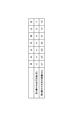
- FIG. 2 is an explanatory diagram for explaining a method of estimating the usage scene of the target vehicle by the usage scene determination unit 24.
- the usage scene determination unit 24 uses the first data stored in the vehicle usage history database 23 to estimate that the usage scene of this vehicle is the main usage. For example, if the average number of travel days on weekdays is greater than the average number of travel days on weekends and the average travel distance on weekdays is longer than the average travel distance on weekends, It is data indicating that the main use is estimated.
- this first data estimates that commuting is the main use when traveling to the same travel destination at the same predetermined time zone in the morning and evening for more than 4 days a week.
- the travel destination is a supermarket, it may be data indicating that shopping is estimated to be the main use.
- FIG. 3 is an explanatory diagram for explaining a database configuration in the vehicle-specific recommended scene database 27.
- data indicating a usage application as a usage scene and data indicating a vehicle type suitable for each usage are stored in association with each other. That is, a recommended usage scene is defined for each vehicle.
- the vehicle type B is recommended as another vehicle (vehicle type) to be recommended to the driver of the target vehicle, and when the usage is shopping, the other vehicle (vehicle type) to be recommended )
- Vehicle types A and B for example, passenger cars that are conscious of city riding
- vehicle types A and C for example, on mountain roads
- Passenger cars that are good at driving are recommended.
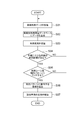
- FIG. 4 is a flowchart showing a flow of processing performed in the information providing center 2.
- the process shown in the flowchart of FIG. 4 is mainly performed by the CPU described above, and is repeatedly executed at a predetermined timing from when the information providing center 2 is turned on until it is turned off.
- the communication device 21 receives vehicle usage data having information related to the running state transmitted from the communication device 12 (step S01).
- the usage status determination / storage unit 22 identifies the usage status of the target vehicle based on the vehicle usage data having information related to the running state, and adds usage data regarding the identified result to the usage history database 23 for each vehicle. Store (step S02).
- the usage scene determination unit 24 estimates the usage scene of this vehicle as the usage status. Is performed (step S03).
- the travel destinations are classified according to the day of the week and the time zone when the target vehicle traveled.
- the usage scene determination unit 24 determines whether or not there is vehicle usage data serving as a usage history of a sufficient number for estimation and prediction of the usage scene of this vehicle (step S04). When it is determined that there is no sufficient vehicle usage data as a usage history, the process returns to step S01 and shifts. On the other hand, if it is determined that there is a sufficient number of use history data, the process proceeds to step S05 described later.
- step S05 the recommended vehicle determination unit 26 determines whether or not recommended vehicle data that matches the usage scene of the target vehicle estimated by the usage scene determination unit 24 can be extracted. That is, it is determined whether or not the recommended vehicle data stored in the vehicle-specific recommended scene database 27 can be extracted based on the estimated use scene of the target vehicle. If the recommended vehicle data cannot be extracted, the process returns to step S01 described above. On the other hand, when the recommended vehicle data can be extracted, the process proceeds to step S06 described later.
- step S06 the recommended vehicle determination unit 26 extracts the recommended vehicle data stored in the vehicle-specific recommended scene database 27 based on the usage scene of the target vehicle estimated by the usage scene determination unit 24, and the target vehicle Identify other vehicles (vehicle types) that should be recommended to other vehicle drivers. Then, the advertisement distribution unit 28 distributes the advertisement information related to the other vehicle (which should be recommended to the driver of the target vehicle) specified by the recommended vehicle determination unit 26 to the driver of the target vehicle as a distribution destination user (step). S07).
- the database device in the information providing center 2 is for estimating the usage scene of the moving body based on the usage data of the moving body (for example, a vehicle) in a predetermined period.
- the usage data to be used and the first data related to the usage scene are stored.
- the first data and the second data related to the other mobile object used for distributing the advertisement information related to the other mobile object corresponding to the estimated use scene to the distribution destination are stored. For this reason, the database apparatus required for distributing the advertisement information of the other moving body suitable for the estimated use scene itself to an appropriate distribution destination and enhancing the convenience is provided.
- the information providing center 2 performs a calculation process for estimating the use scene of the moving object, and distributes advertisement information related to the moving object according to the second data and the estimated use scene to the distribution destination. As a result, it is possible to effectively and efficiently deliver advertisement information of the moving body that matches the estimated usage scene to an appropriate delivery destination effectively and efficiently.
- the usage data is vehicle driving data
- the advertising information of the vehicle itself that matches the use scene estimated based on the travel data of the vehicle is distributed to an appropriate distribution destination. It is possible to improve convenience.
- the advertisement distribution system is configured to include the information providing center 2 and the in-vehicle device 1, it communicates with the in-vehicle device 1 that can communicate with the information providing center 2, and matches the estimated usage scene. Therefore, it is possible to distribute the advertisement information of the vehicle itself to an appropriate distribution destination, and it is possible to improve convenience for the vehicle user.
- a vehicle such as a passenger car is used as the moving body, but there is no particular limitation as long as it is a moving body.
- a mobile communication terminal such as a mobile phone terminal with a camera function attached. It may be.
- a cellular phone terminal for example, based on usage data of the cellular phone terminal (for example, a usage history that the usage frequency is high at the beach), the usage scene (for example, usage of the cellular phone terminal in a place where marine sports are possible) ) Is estimated, and advertisement information relating to a mobile phone terminal (for example, a mobile phone terminal with a waterproof function) corresponding to the use scene is distributed.
- the usage data of the mobile phone terminal for example, data on the traffic volume related to the mobile phone terminal, data on the access destination from the mobile phone terminal, data on the usage history of the attached camera function, Data on the downloaded application and its usage status, etc. may be mentioned, a usage scene may be estimated based on such data, and advertisement information on a mobile communication terminal recommended in accordance with this usage scene may be distributed.
- FIG. 5 illustrates a schematic configuration of each of the in-vehicle device 3 and the information providing center 4 capable of long-distance wireless communication with the in-vehicle device 3 in a mobile body (hereinafter, a vehicle such as a passenger car as an example).
- FIG. The advertisement distribution system 100 includes an in-vehicle device 3 and an information providing center 4.
- the information providing center 4 estimates the usage pattern of the vehicle to be estimated, and advertisement information (for example, acceleration operation is easy for other vehicles) according to the estimation result (for example, estimation result that the acceleration operation is frequently used).
- advertisement information for example, acceleration operation is easy for other vehicles
- This is a computer device group that distributes sales advertisement information of a particular vehicle type) using a mobile terminal of a user who uses the target vehicle as a target distribution destination.
- the function of the in-vehicle device 3 is realized by, for example, various sensors mounted inside the host vehicle and an ECU that is an electronic control device.
- the ECU is a unit whose main component is a microcomputer including a CPU (Central Processing Unit), ROM (Read Only Memory), RAM (Random Access Memory), and the like. By operating these components, the functions described later are exhibited.
- the function of the information providing center 4 includes, for example, a CPU (Central Processing Unit) that is an arithmetic processing device, a RAM (Random Access Memory) and a ROM (Read Only Memory) that are main storage devices, and a communication module for performing communication. And a computer having hardware such as an auxiliary storage device such as a hard disk. By operating these components, the functions described later are exhibited.
- a CPU Central Processing Unit
- RAM Random Access Memory
- ROM Read Only Memory
- the in-vehicle device 3 includes a vehicle state sensor 31 (detection unit) and a communication device 32 (communication device), and the information providing center 4 includes a communication device 41 (communication device), driving A pattern determination unit 42 (first data storage unit), an operation pattern database 43 (second data storage unit), a similar operation pattern determination unit 44 (estimation unit), and an advertisement distribution unit 45 (distribution unit) are provided.
- the driving pattern determination unit 42, the driving pattern database 43, and the similar driving pattern determination unit 44 function as a database device used when the advertisement information is distributed.
- the vehicle state sensor 31 is a vehicle speed, acceleration, deceleration, travel time in a predetermined period, whether it is mainly used for acceleration travel, whether it is mainly used for deceleration travel, and mainly for cruise travel. It is a sensor group which detects the vehicle state regarding driving
- the communication device 32 is a communication module that transmits information on the vehicle state detected by the vehicle state sensor 31 to the information providing center 4.
- the communication device 32 is described as a configuration capable of long-distance wireless communication with the information providing center 4, but may be configured to be capable of wired communication with the information providing center 4.
- the communication device 41 is a communication module that receives information on the vehicle state transmitted from the communication device 32. Information regarding the vehicle state received by the communication device 41 is transferred to the driving pattern determination unit 42.
- the driving pattern determination unit 42 uses data based on information on the vehicle state received by the communication device 41 (for example, frequently uses acceleration operation) and first data (for example, acceleration) about a driving pattern stored in advance in advance.
- This is a database for storing an acceleration operation pattern and an estimation) when an operation is performed a predetermined number of times or more.
- the usage data and the first data are based on the information on the vehicle state received by the communication device 41, whether or not the use is mainly for acceleration travel, whether or not the use is mainly for deceleration travel, It is mainly used for estimating driving patterns such as whether or not the vehicle is used for cruise traveling and whether or not the vehicle is frequently used for parking. In this case, the operation pattern is estimated by extracting the above usage data and the first data and comparing them.
- the driving pattern determination unit 42 may store the usage data and the first data in association with each other.
- the driving pattern determination unit 42 performs an evaluation calculation that evaluates and calculates the driving method of the driver of the target vehicle as a driving pattern for each item defined in advance based on the use data.
- the pre-defined items include, for example, whether the acceleration operation is a predetermined number or more, whether the deceleration operation is a predetermined number or more, whether the cruising operation is a predetermined number or more, and a parking operation. Whether it is more than a predetermined number of times, whether average acceleration is above threshold, average deceleration is above threshold, average speed during cruising is above threshold, average speed when driving for parking is above threshold, etc. It is done.
- the calculated evaluation value as the driving pattern is stored in the driving pattern determination unit 42 in association with the driver of the target vehicle. Note that numerical values such as the average vehicle speed and the maximum speed may be directly used without performing the patterning process.
- the similar driving pattern determination unit 44 It is an arithmetic unit portion that estimates a driving pattern and performs arithmetic processing for extracting another driver having a similar driving pattern (for example, the driving pattern of this driver is estimated as an acceleration operation pattern, and a similar acceleration operation pattern Search for and extract other drivers with In addition, when extracting another driver having a similar driving pattern, a known calculation method for calculating the similarity between vectors that is generally used is used.
- the driving pattern database 43 includes the first data (for example, estimated as an acceleration operation pattern when the acceleration operation is a predetermined number of times or more) and the second data (for example, easy acceleration operation for the other vehicle). Vehicle model).
- the first data and the second data are used for distributing advertisement information related to other vehicles according to the driving pattern of the target vehicle estimated by the similar driving pattern determination unit 44 to the distribution destination.
- the driving pattern is estimated by extracting and comparing the first data and the second data.
- the driving pattern database 43 may store the first data and the second data in association with each other.
- the advertisement distribution unit 45 includes the driving pattern estimated by the similar driving pattern determination unit 44 (for example, estimated as an acceleration operation pattern) and the second data stored in the driving pattern database 43 (for example, easy acceleration operation). This is a distribution processing part that distributes advertisement information related to other vehicles (which should be recommended to the driver of the target vehicle) according to the vehicle type) to the driver of the target vehicle as a distribution destination user.
- the advertisement distribution unit 45 is a vehicle of the top n vehicle types (n is an integer) that is frequently used by other drivers having similar driving patterns among other vehicles that should be recommended to the driver of the target vehicle. Select.
- n is an integer
- the advertisement distribution unit 45 can distribute the advertisement information by transmitting the communication information to the communication device 32 and executing display processing and sound reproduction processing by the navigation device in the target vehicle.
- the advertisement distribution unit 45 can also automatically distribute the above advertisement information by electronic mail as electronic direct mail, using the address of the mobile terminal or personal computer of the user who uses the target vehicle as the distribution destination. It is.
- the advertisement distribution unit 28 has a configuration that can be connected to the Internet.
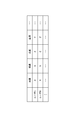
- FIG. 6 is an explanatory diagram for explaining a method of storing evaluation values in the driving pattern determination unit 42.
- the driving pattern determination unit 42 evaluates the user A as a driver of the target vehicle as X if the operation such as an acceleration operation is a predetermined number of times or more, and cruise operation or the like If the number of operations is equal to or less than the predetermined number of times, it is evaluated as Z, and if it is impossible to determine whether or not the parking operation is equal to or greater than the predetermined number of times, patterning processing is performed, such as Y. To do. Note that numerical values such as the average vehicle speed and the maximum speed may be directly used without performing patterning processing such as X, Y, and Z.
- FIG. 7 is a flowchart showing a flow of processing performed in the information providing center 4.
- the processing shown in the flowchart of FIG. 7 is mainly performed by the above-described CPU, and is repeatedly executed at a predetermined timing from when the information providing center 4 is turned on until it is turned off.
- the communication device 41 receives vehicle usage data having information on the vehicle state transmitted from the communication device 32 (step S11).
- the driving pattern determination unit 42 evaluates the driving method of the driver of the target vehicle for each item defined in advance based on the vehicle usage data, and calculates an evaluation value as a driving pattern. Calculation is performed (step S12).
- the similar driving pattern determination unit 44 estimates the driving pattern of the vehicle based on the first data related to the driving pattern stored in the driving pattern determination unit 42 and the vehicle usage data, Other drivers having similar driving patterns are extracted (step S13).
- the similar operation pattern determination unit 44 determines whether there is another driver having a similar operation pattern (that is, the similarity is equal to or higher than a predetermined threshold) (step S14). If there is no other driver having a similar driving pattern (that is, the degree of similarity is greater than or equal to a predetermined threshold), the process returns to step S11 described above. On the other hand, when there is another driver having a similar driving pattern (that is, the similarity is equal to or higher than a predetermined threshold), the process proceeds to step S15 described later.
- the advertisement distribution unit 45 responds to the driving pattern estimated by the similar driving pattern determination unit 44 and the second data stored in the driving pattern database 43 (recommended to the driver of the target vehicle. Should select advertising information about other vehicles.
- the advertisement distribution unit 45 is an advertisement related to vehicles of the top n vehicle types that are frequently used by other relevant drivers having driving patterns similar to this driver among other vehicles that should be recommended to the driver of the target vehicle. Select and extract information. Then, the advertisement distribution unit 45 distributes the selected advertisement information as a distribution destination user to the driver of the target vehicle (step S16).
- the database device in the information providing center 4 is for estimating the usage pattern of the moving object based on the usage data of the moving object (for example, a vehicle) in a predetermined period.
- the usage data to be used and the first data relating to the usage pattern are stored.
- the first data and the second data related to the other mobile body used to distribute the advertisement information related to the other mobile body corresponding to the estimated usage pattern to the distribution destination are stored. For this reason, the database apparatus required for distributing the advertisement information of the other mobile body itself that matches the estimated usage pattern to an appropriate distribution destination and enhancing the convenience is provided.
- the information providing center 4 performs a calculation process for estimating the usage pattern of the mobile object, and distributes advertisement information related to the mobile object according to the second data and the estimated usage pattern to the distribution destination. As a result, it is possible to effectively and efficiently deliver advertisement information of the moving body itself that matches the estimated usage pattern to an appropriate delivery destination, thereby improving convenience.
- the moving body as a vehicle, it becomes possible to distribute the advertising information of the vehicle itself that matches the estimated usage pattern (that is, how to drive) to an appropriate distribution destination, thereby improving convenience. Can do.
- the usage data is vehicle driving data
- the advertising information of the vehicle itself that matches the usage pattern estimated based on the vehicle travel data is distributed to an appropriate distribution destination. It is possible to improve convenience.
- the advertisement distribution system is configured to include the information providing center 4 and the in-vehicle device 3, it communicates with the in-vehicle device 3 capable of communicating with the information providing center 4 and matches the estimated usage pattern. Therefore, it is possible to distribute the advertisement information of the vehicle itself to an appropriate distribution destination, and it is possible to improve convenience for the vehicle user.
- a vehicle such as a passenger car is used as the moving body.
- the moving body is not particularly limited, and for example, a mobile communication terminal such as a mobile phone terminal with a camera function attached. It may be.
- a mobile phone terminal for example, based on usage data of a mobile phone terminal (for example, a usage history that there is no use for calling and there is a high usage frequency for sending and receiving emails), a usage pattern (for example, dedicated to sending and receiving emails) Advertisement information related to mobile phone terminals (for example, mobile phone terminals capable of relatively easily performing mail-related operations such as creating, sending, and receiving e-mails) according to this usage pattern Is delivered.
- the usage data of the mobile phone terminal for example, data on the traffic volume related to the mobile phone terminal, data on the access destination from the mobile phone terminal, data on the usage history of the attached camera function, Data on the downloaded application and its usage status, etc. may be mentioned, a usage scene may be estimated based on such data, and advertisement information on a mobile communication terminal recommended in accordance with this usage scene may be distributed.
- the present invention it is possible to provide a database device, an advertisement distribution device, and an advertisement distribution system that are necessary for distributing the advertisement information of the mobile body itself suitable for the use situation to an appropriate distribution destination to enhance convenience. it can.
Landscapes
- Business, Economics & Management (AREA)
- Accounting & Taxation (AREA)
- Development Economics (AREA)
- Economics (AREA)
- Finance (AREA)
- Marketing (AREA)
- Strategic Management (AREA)
- Physics & Mathematics (AREA)
- General Business, Economics & Management (AREA)
- General Physics & Mathematics (AREA)
- Engineering & Computer Science (AREA)
- Theoretical Computer Science (AREA)
- Management, Administration, Business Operations System, And Electronic Commerce (AREA)
Abstract
利用状況に合った移動体そのものの広告情報を適切な配信先に配信して利便性を高めるのに必要なデータベース装置、広告配信装置、及び広告配信システムを提供することを課題とする。データベース装置は、所定期間における移動体の利用データに基づいて、当該移動体の利用シーンを推定するために用いられる、当該利用データと当該利用シーンに関する第一のデータとを格納する車両別利用履歴データベース23と、第一のデータと移動体の利用データとに基づいて、当該移動体の利用シーンを推定する演算処理を行なう利用シーン判定部24と、推定された利用シーンに応じた他の移動体に関する広告情報を配信先に配信するために用いられる、第一のデータと当該他の移動体に関する第二のデータとを格納する車両別推奨シーンデータベース27と、を備える。
Description
本発明は、広告情報を配信する際に用いられるデータベース装置と、当該データベース装置を備える広告配信装置と、当該広告配信装置を含んで構成される広告配信システムとに関する。
従来、広告情報を配信する広告配信システムが提案されている。例えば、下記の特許文献1には、エージェントサーバと、自車両に搭載されたナビゲーション装置とを備える広告配信システムであって、エージェントサーバが、ナビゲーション装置から送信された車両情報に基づいて配信すべき広告情報を決定し、ナビゲーション装置が、情報送信条件が満たされるか否かを判定するとともに情報送信条件が満たされない場合はエージェントサーバに車両情報を送信しない広告配信システムが開示されている。
一方、情報送信条件が満たされる場合は、エージェントサーバに車両情報が送信されて、エージェントサーバによって決定された広告情報が配信される。なお、この車両情報には、自車両の現在位置、目的地、及び目的地までの経路の少なくとも1つが含まれている。
特許文献1に記載の広告配信システムでは、情報送信条件が満たされる場合に、自車両が利用されているシーンに合っているとともに当該シーンに基づいたサービスに関する広告情報が決定されて配信される。しかしながら、利用シーンや利用パターンといった利用状況に合った車両等を含む移動体そのものの広告情報を配信することに関してはなんら考慮されていないため、利便性が低い。
そこで、本発明は、上記の問題点を解消する為になされたものであり、利用状況に合った移動体そのものの広告情報を適切な配信先に配信して利便性を高めるのに必要なデータベース装置、広告配信装置、及び広告配信システムを提供することを目的とする。
本発明に係るデータベース装置は、広告情報を配信する際に用いられるデータベース装置であって、所定期間における移動体の利用データに基づいて、当該移動体の利用パターン又は利用シーンを推定するために用いられる、当該利用データと当該利用パターン又は利用シーンに関する第一のデータとを格納する第一のデータ格納手段と、第一のデータ格納手段に格納されている第一のデータと、所定期間における移動体の利用データとに基づいて、当該移動体の利用パターン又は利用シーンを推定する演算処理を行なう推定手段と、推定手段により推定された利用パターン又は利用シーンに応じた他の移動体に関する広告情報を配信先に配信するために用いられる、第一のデータと当該他の移動体に関する第二のデータとを格納する第二のデータ格納手段と、を備えることを特徴とする。
このデータベース装置では、所定期間における移動体の利用データに基づいて、当該移動体の利用パターン又は利用シーンを推定するために用いられる、当該利用データと当該利用パターン又は利用シーンに関する第一のデータとを格納しており、格納されている第一のデータと、所定期間における移動体の利用データとに基づいて、当該移動体の利用パターン又は利用シーンを推定する演算処理を行なうことが可能であるとともに、推定された利用パターン又は利用シーンに応じた他の移動体に関する広告情報を配信先に配信するために用いられる、第一のデータと当該他の移動体に関する第二のデータとを格納している。このため、推定された利用シーンや利用パターンといった利用状況に合った他の移動体そのものの広告情報を適切な配信先に配信して利便性を高めるのに必要なデータベース装置が提供される。なお、第一のデータ格納手段は、利用データと第一のデータとを関連付けて格納し、第二のデータ格納手段は、第一のデータと第二のデータとを関連付けて格納するのも好ましい。
本発明に係る広告配信装置は、広告情報を配信する広告配信装置であって、上記の広告配信装置データベース装置と、第二のデータ格納手段に格納されている第二のデータと推定手段により推定された利用パターン又は利用シーンとに応じた移動体に関する広告情報を配信先に配信する配信手段と、を備えることを特徴とする。
この広告配信装置では、移動体の利用パターン又は利用シーンを推定する演算処理を行ない、第二のデータと推定された利用パターン又は利用シーンとに応じた移動体に関する広告情報を配信先に配信する。これにより、推定された利用シーンや利用パターンに合った移動体そのものの広告情報を適切な配信先に配信することが可能となり、利便性を高めることができる。
なお、上記の広告配信装置において、移動体は、車両であるのも好ましい。これにより、推定された利用シーンや利用パターンに合った車両そのものの広告情報を適切な配信先に配信することが可能となり、利便性を高めることができる。
また、上記の広告配信装置において、利用データは、車両の走行データであるのも好ましい。これにより、車両の走行データに基づいて推定された利用シーンや利用パターンに合った車両そのものの広告情報を適切な配信先に配信することが可能となり、利便性を高めることができる。
また、上記の広告配信装置において、推定手段は、走行データに基づいて、車両の利用パターンを推定する演算処理を行なうのも好ましい。これにより、車両の走行データに基づいて推定された利用パターンに合った車両そのものの広告情報を適切な配信先に配信することが可能となり、利便性を高めることができる。
また、上記の広告配信装置において、推定手段は、走行データに基づいて、車両の利用シーンを推定する演算処理を行なうのも好ましい。これにより、車両の走行データに基づいて推定された利用シーンに合った車両そのものの広告情報を適切な配信先に配信することが可能となり、利便性を高めることができる。
本発明に係る広告配信システムは、上記のいずれかの広告配信装置と、当該広告配信装置と通信可能な車両と、を含んで構成される。これにより、当該広告配信装置と通信可能な車両と通信を行って、推定された利用シーンや利用パターンに合った車両そのものの広告情報を適切な配信先に配信することが可能となり、利便性を高めることができる。
本発明は、利用状況に合った移動体そのものの広告情報を適切な配信先に配信して利便性を高めるのに必要なデータベース装置、広告配信装置、及び広告配信システムを提供することができる。
以下、添付図面を参照しながら本発明の好適な実施形態を説明する。なお、図面の説明において同一要素には同一符号を付し、重複する説明を省略する。
(1)第一実施形態
(1-1)情報提供センターを含む広告配信システムの構成
まず、第一実施形態である広告配信装置としての情報提供センターを含む広告配信システムの構成について、図1を用いて説明する。図1は、移動体(以下、例として乗用車等の車両)における車両内装置1と、車両内装置1と遠距離無線通信することが可能な情報提供センター2とのそれぞれの構成概略を説明するための構成概略図である。広告配信システム10は、車両内装置1及び情報提供センター2を含んで構成される。情報提供センター2は、推定の対象となる車両の利用シーンを推定し、この推定結果(例えば、車両のレジャー利用という推定結果)に応じた他の車両に関する広告情報(例えば、レジャー利用に最適な車種の販売広告情報)を、対象の車両を利用するユーザの携帯端末等をターゲット配信先として配信するコンピュータ装置群である。
(1-1)情報提供センターを含む広告配信システムの構成
まず、第一実施形態である広告配信装置としての情報提供センターを含む広告配信システムの構成について、図1を用いて説明する。図1は、移動体(以下、例として乗用車等の車両)における車両内装置1と、車両内装置1と遠距離無線通信することが可能な情報提供センター2とのそれぞれの構成概略を説明するための構成概略図である。広告配信システム10は、車両内装置1及び情報提供センター2を含んで構成される。情報提供センター2は、推定の対象となる車両の利用シーンを推定し、この推定結果(例えば、車両のレジャー利用という推定結果)に応じた他の車両に関する広告情報(例えば、レジャー利用に最適な車種の販売広告情報)を、対象の車両を利用するユーザの携帯端末等をターゲット配信先として配信するコンピュータ装置群である。
車両内装置1による機能は、例えば、自車両の内部に搭載された各種センサと、電子制御装置であるECUとにより実現される。ECUは、CPU(Central Processing Unit)、ROM(Read Only Memory)、RAM(Random Access Memory)などからなるマイクロコンピュータを主要構成部品とするユニットである。これらの構成要素が動作することにより、後述するそれぞれの機能が発揮される。
また、情報提供センター2による機能は、例えば、演算処理装置であるCPU(Central Processing Unit)、主記憶装置であるRAM(Random Access Memory)及びROM(Read Only Memory)、通信を行うための通信モジュール、並びにハードディスク等の補助記憶装置等のハードウェアを備えるコンピュータとして構成される。これらの構成要素が動作することにより、後述するそれぞれの機能が発揮される。
図1に示されるように、車両内装置1は、走行状態センサ11(検出手段)及び通信機12(通信手段)を備えており、情報提供センター2は、通信機21(通信手段)、利用状況判定・格納部22(利用判定手段)、車両別利用履歴データベース23(第一のデータ格納手段)、利用シーン判定部24(推定手段)、自動車保険契約状況データベース25(保険契約データ格納手段)、推奨車両判定部26(第一の配信手段)、車両別推奨シーンデータベース27(第二のデータ格納手段)、及び広告配信部28(第二の配信手段)を備えている。なお、車両別利用履歴データベース23、利用シーン判定部24、及び車両別推奨シーンデータベース27は、上記の広告情報が配信される際に用いられるデータベース装置として機能する。
走行状態センサ11は、自車両の走行日時、現在位置、走行場所、所定期間における走行距離、所定期間における走行日数といった自車両の走行状態を検出するセンサ群である。例えば、自車両の現在位置を検出するセンサとして、GPS(Global Positioning System)が現在位置センサとして備えられている。検出された自車両の走行状態に関する情報は、通信機12を介して情報提供センター2に送信される。
通信機12は、走行状態センサ11により検出された走行状態に関する情報を、情報提供センター2に送信する通信モジュールである。ここでは、通信機12は、情報提供センター2と遠距離無線通信が可能な構成として説明するが、情報提供センター2と有線通信が可能な構成としてもよい。
通信機21は、通信機12から送信された走行状態に関する情報を受信する通信モジュールである。通信機21によって受信された走行状態に関する情報は、利用状況判定・格納部22に転送される。
利用状況判定・格納部22は、通信機21によって受信された走行状態に関する情報に基づいて、対象の車両の走行が行われた曜日、時間帯、走行場所、走行距離、走行量といった利用状況を特定し、特定した結果に関する利用データ(例えば、車両の走行データを含む利用データ)を車両別利用履歴データベース23に格納する演算装置部分である。
車両別利用履歴データベース23は、想定される利用データ(例えば、車両の利用曜日は主に土日)と、対象の車両の利用シーンに関する第一のデータ(例えば、車両のレジャー利用)とを格納するデータベースである。利用データ及び第一のデータは、所定期間における対象の車両の実際の利用データ(即ち、利用履歴)に基づいて、この車両の利用シーンを推定するために用いられる。この場合、上記の利用データと第一のデータとが引き出されて照らし合わされることにより、利用シーンが推定される。なお、車両別利用履歴データベース23は、上記の利用データと第一のデータとを関連付けて格納してもよい。
利用シーン判定部24は、車両別利用履歴データベース23に格納されている第一のデータと、所定期間における車両の実際の利用データ(例えば、車両の実際の利用曜日は主に土日)に基づいて、この車両の利用シーンを抽出して推定する演算処理を行なう演算装置部分である(例えば、車両は主にレジャー利用される、という推定を行なう)。利用シーンとしては、例えば、レジャーでの利用、通勤・通学での利用、買い物での利用等が挙げられる。
また、利用シーン判定部24は、自動車保険契約状況データベース25に格納されている後述の保険契約データを用いて、対象の車両のドライバの保険契約状況が変化したか否かを判定し、この判定結果に基づいてドライバの家族構成の変化を予測して、ドライバ候補となるユーザの変化を予測し、この予測結果を上記の演算処理に用いることが可能である。
自動車保険契約状況データベース25は、対象の車両のドライバの保険契約状況に関する保険契約データを格納するデータベースである。自動車保険契約状況データベース25に格納されている保険契約データは、利用シーン判定部24によって用いられる。利用シーン判定部24は、例えば、利用シーン判定部24は、対象の車両のドライバAと、ドライバAの妻であるドライバBと、ドライバA,Bの子であるドライバCの保険契約状況が変化したか否かを判定し、この判定結果(例えば、ドライバCの保険契約の解除)に基づいてドライバの家族構成の変化を予測して(ここでは、ドライバCの独立によってドライバA,B夫婦という家族構成になったと予測)、ドライバ候補となるユーザの変化を予測し、この予測結果を上記の演算処理に用いることが可能である(A~Cの三人から、A,Bの二人になったと予測する)。
推奨車両判定部26は、利用シーン判定部24によって推定された対象の車両の利用シーンに基づいて、車両別推奨シーンデータベース27に格納されている後述の推奨車両データを抽出して、対象の車両のドライバに推奨すべき他の車両(車種)を判定して特定する演算装置部分である。
車両別推奨シーンデータベース27は、上記の第一のデータ(例えば、車両のレジャー利用)と、上記の他の車両に関する第二のデータ(例えば、レジャー利用に適する他の車種)とを格納するデータベースである。第一のデータ及び第二のデータは、利用シーン判定部24によって推定された対象の車両の利用シーンに応じた他の車両に関する広告情報を、配信先に配信するために用いられる。この場合、上記の第一のデータと第二のデータとが引き出されて照らし合わされることにより、利用シーンが推定される。なお、車両別推奨シーンデータベース27は、上記の第一のデータと第二のデータとを関連付けて格納してもよい。
広告配信部28は、推奨車両判定部26によって特定された(対象の車両のドライバに推奨すべき)他の車両に関する広告情報を、配信先ユーザとして対象の車両のドライバに配信する配信処理部分である。例えば、広告配信部28は、上記の広告情報を、通信機12に送信するとともに対象の車両におけるナビゲーション装置による表示処理や音声再生処理を実行させることにより配信することも可能である。
また、広告配信部28は、上記の広告情報を、対象の車両を利用するユーザの携帯端末やパソコンのアドレス等を配信先として、電子的なダイレクトメールとしての電子メールにより自動配信することも可能である。この場合、広告配信部28は、インターネットに接続可能な構成を有している。
(1-2)利用シーン判定部による、利用シーンの推定方法
引き続き、利用シーン判定部24による、対象の車両の利用シーンの推定方法について、図2を用いて説明する。図2は、利用シーン判定部24による、対象の車両の利用シーンの推定方法を説明するための説明図である。
引き続き、利用シーン判定部24による、対象の車両の利用シーンの推定方法について、図2を用いて説明する。図2は、利用シーン判定部24による、対象の車両の利用シーンの推定方法を説明するための説明図である。
図2に示されるように、例えば、あるドライバの所定期間(ある月における4週間)における車両の実際の利用データとして、月曜日に走行した日数が4日(4回)で平均走行距離が21km、火曜日及び水曜日がそれぞれ4日で23km、木曜日が4日で25km、金曜日が4日で21km、土曜日が2日で15km、日曜日が3日で12kmであるとする。
このとき、利用シーン判定部24は、車両別利用履歴データベース23に格納されている第一のデータを用いて、この車両の利用シーンは、通勤がメインの利用であると推定する。この第一のデータは、例えば、平日に関する平均走行日数の方が、土日に関する平均走行日数よりも多く、且つ、平日に関する平均走行距離の方が、土日に関する平均走行距離よりも長ければ、通勤がメインの利用であると推定することを示すデータである。
また、この第一のデータは、週4日以上、朝方・夕方で同一の所定の時間帯に同一の走行目的地に走行が行われている場合は、通勤がメインの利用であると推定することを示すとともに、走行目的地がスーパーマーケットである場合は、買い物がメインの利用であると推定することを示すデータであってもよい。
(1-3)車両別推奨シーンデータベースにおけるデータベースの構成
引き続き、車両別推奨シーンデータベース27におけるデータベースの構成について、図3を用いて説明する。図3は、車両別推奨シーンデータベース27におけるデータベースの構成を説明するための説明図である。
引き続き、車両別推奨シーンデータベース27におけるデータベースの構成について、図3を用いて説明する。図3は、車両別推奨シーンデータベース27におけるデータベースの構成を説明するための説明図である。
図3に示されるように、車両別推奨シーンデータベース27においては、利用シーンとしての利用用途を示すデータと、各用途に適した車種を示すデータとが関連付けられて格納されている。即ち、車両毎に、推奨される利用シーンが定義されている。
例えば、用途が通勤・通学である場合は、対象の車両のドライバに推奨すべき他の車両(車種)として車種Bが推奨され、用途が買い物である場合は、推奨すべき他の車両(車種)として車種A,B(例えば、街乗りを意識した乗用車)が推奨され、用途が土日のレジャーである場合は、推奨すべき他の車両(車種)として車種A,C(例えば、山道での走行を得意とする乗用車)が推奨される。
(1-4)情報提供センターにおいて行なわれる処理の流れ
引き続き、情報提供センター2において行なわれる処理の流れ(情報提供方法)について、図4を用いて説明する。図4は、情報提供センター2において行なわれる処理の流れを示すフローチャートである。図4のフローチャートに示される処理は、主として上記したCPUによって行われるものであり、情報提供センター2の電源がオンされてからオフされるまでの間、所定のタイミングで繰り返し実行される。
引き続き、情報提供センター2において行なわれる処理の流れ(情報提供方法)について、図4を用いて説明する。図4は、情報提供センター2において行なわれる処理の流れを示すフローチャートである。図4のフローチャートに示される処理は、主として上記したCPUによって行われるものであり、情報提供センター2の電源がオンされてからオフされるまでの間、所定のタイミングで繰り返し実行される。
まず、通信機21が、通信機12から送信された走行状態に関する情報を有する車両利用データを受信する(ステップS01)。次に、利用状況判定・格納部22が、走行状態に関する情報を有する車両利用データに基づいて、対象の車両の利用状況を特定し、特定した結果に関する利用データを車両別利用履歴データベース23に追加格納する(ステップS02)。
次に、利用シーン判定部24が、車両別利用履歴データベース23に格納されている第一のデータと、所定期間における車両利用データに基づいて、この車両の利用シーンを利用状況として推定する演算処理を行なう(ステップS03)。ここでは、対象の車両の走行が行われた曜日別・時間帯別で走行目的地の分類が行われる。
次に、利用シーン判定部24が、この車両の利用シーンの推定及び予測に十分な件数の利用履歴となる車両利用データが存在するか否かを判定する(ステップS04)。十分な件数の利用履歴となる車両利用データが存在しないと判定された場合、前述のステップS01に戻って移行する。一方、十分な件数の利用履歴となる車両利用データが存在すると判定された場合、後述のステップS05に移行する。
ステップS05では、推奨車両判定部26が、利用シーン判定部24によって推定された対象の車両の利用シーンにマッチする推奨車両データを抽出できるか否かを判定する。即ち、推定された対象の車両の利用シーンに基づいて、車両別推奨シーンデータベース27に格納されている推奨車両データを抽出できるか否かを判定する。推奨車両データを抽出できない場合、前述のステップS01に戻って移行する。一方、推奨車両データを抽出できる場合、後述のステップS06に移行する。
ステップS06では、推奨車両判定部26が、利用シーン判定部24によって推定された対象の車両の利用シーンに基づいて、車両別推奨シーンデータベース27に格納されている推奨車両データを抽出して、対象の車両のドライバに推奨すべき他の車両(車種)を特定する。そして、広告配信部28が、推奨車両判定部26によって特定された(対象の車両のドライバに推奨すべき)他の車両に関する広告情報を、配信先ユーザとして対象の車両のドライバに配信する(ステップS07)。
(1-5)情報提供センターによる作用及び効果
情報提供センター2内のデータベース装置は、所定期間における移動体(例えば、車両)の利用データに基づいて、当該移動体の利用シーンを推定するために用いられる、当該利用データと当該利用シーンに関する第一のデータとを格納している。また、格納されている第一のデータと、所定期間における移動体の利用データとに基づいて、当該移動体の利用シーンを推定する演算処理を行なうことが可能である。更に、推定された利用シーンに応じた他の移動体に関する広告情報を配信先に配信するために用いられる、第一のデータと当該他の移動体に関する第二のデータとを格納している。このため、推定された利用シーンに合った他の移動体そのものの広告情報を適切な配信先に配信して利便性を高めるのに必要なデータベース装置が提供される。
情報提供センター2内のデータベース装置は、所定期間における移動体(例えば、車両)の利用データに基づいて、当該移動体の利用シーンを推定するために用いられる、当該利用データと当該利用シーンに関する第一のデータとを格納している。また、格納されている第一のデータと、所定期間における移動体の利用データとに基づいて、当該移動体の利用シーンを推定する演算処理を行なうことが可能である。更に、推定された利用シーンに応じた他の移動体に関する広告情報を配信先に配信するために用いられる、第一のデータと当該他の移動体に関する第二のデータとを格納している。このため、推定された利用シーンに合った他の移動体そのものの広告情報を適切な配信先に配信して利便性を高めるのに必要なデータベース装置が提供される。
また、情報提供センター2では、移動体の利用シーンを推定する演算処理を行ない、第二のデータと推定された利用シーンとに応じた移動体に関する広告情報を配信先に配信する。これにより、推定された利用シーンに合った移動体そのものの広告情報を、適切な配信先にピンポイントで効果的・効率的に配信することが可能となり、利便性を高めることができる。
ここで、移動体を車両とすることにより、推定された利用シーンに合った車両そのものの広告情報を適切な配信先に配信することが可能となり、利便性を高めることができる。
また、利用データは車両の走行データであるとすることにより、車両の走行データに基づいて推定された利用シーンに合った車両そのものの広告情報を適切な配信先に配信することが可能となり、利便性を高めることができる。
また、走行データに基づいて、車両の利用シーンを推定する演算処理を行なうことにより、車両の走行データに基づいて推定された利用シーンに合った車両そのものの広告情報を適切な配信先に配信することが可能となり、利便性を高めることができる。
また、広告配信システムが情報提供センター2と車両内装置1とを含んで構成されることにより、情報提供センター2と通信可能な車両内装置1と通信を行って、推定された利用シーンに合った車両そのものの広告情報を適切な配信先に配信することが可能となり、車両ユーザにとっての利便性を高めることができる。
(1-6)変形例
上記の実施例では、移動体として乗用車等の車両を用いる構成としているが、移動体であれば特に限定されず、例えばカメラ機能付属の携帯電話端末等の携帯通信端末であってもよい。携帯電話端末の場合、例えば、携帯電話端末の利用データ(例えば、海辺での利用頻度が高いという利用履歴)に基づいて、利用シーン(例えば、マリンスポーツが可能な場所での携帯電話端末の利用)が推定され、この利用シーンに応じた携帯電話端末(例えば、防水機能付き携帯電話端末)に関する広告情報が配信される。ここで、この携帯電話端末の利用データとしては、例えば、携帯電話端末に関する通信量に関するデータや、携帯電話端末からのアクセス先に関するデータや、付属のカメラ機能の使用履歴に関するデータや、この端末にダウンロードされたアプリケーションとその使用状況に関するデータ等が挙げられ、このようなデータに基づいて利用シーンが推定され、この利用シーンに応じて推奨される携帯通信端末に関する広告情報が配信されてもよい。
上記の実施例では、移動体として乗用車等の車両を用いる構成としているが、移動体であれば特に限定されず、例えばカメラ機能付属の携帯電話端末等の携帯通信端末であってもよい。携帯電話端末の場合、例えば、携帯電話端末の利用データ(例えば、海辺での利用頻度が高いという利用履歴)に基づいて、利用シーン(例えば、マリンスポーツが可能な場所での携帯電話端末の利用)が推定され、この利用シーンに応じた携帯電話端末(例えば、防水機能付き携帯電話端末)に関する広告情報が配信される。ここで、この携帯電話端末の利用データとしては、例えば、携帯電話端末に関する通信量に関するデータや、携帯電話端末からのアクセス先に関するデータや、付属のカメラ機能の使用履歴に関するデータや、この端末にダウンロードされたアプリケーションとその使用状況に関するデータ等が挙げられ、このようなデータに基づいて利用シーンが推定され、この利用シーンに応じて推奨される携帯通信端末に関する広告情報が配信されてもよい。
(2)第二実施形態
(2-1)情報提供センターを含む広告配信システムの構成
引き続き、第二実施形態である広告配信装置としての情報提供センターを含む広告配信システムの構成について、図5を用いて説明する。図5は、移動体(以下、例として乗用車等の車両)における車両内装置3と、車両内装置3と遠距離無線通信することが可能な情報提供センター4とのそれぞれの構成概略を説明するための構成概略図である。広告配信システム100は、車両内装置3及び情報提供センター4を含んで構成される。情報提供センター4は、推定の対象となる車両の利用パターンを推定し、この推定結果(例えば、加速操作を多用するという推定結果)に応じた他の車両に関する広告情報(例えば、加速操作が容易な車種の販売広告情報)を、対象の車両を利用するユーザの携帯端末等をターゲット配信先として配信するコンピュータ装置群である。
(2-1)情報提供センターを含む広告配信システムの構成
引き続き、第二実施形態である広告配信装置としての情報提供センターを含む広告配信システムの構成について、図5を用いて説明する。図5は、移動体(以下、例として乗用車等の車両)における車両内装置3と、車両内装置3と遠距離無線通信することが可能な情報提供センター4とのそれぞれの構成概略を説明するための構成概略図である。広告配信システム100は、車両内装置3及び情報提供センター4を含んで構成される。情報提供センター4は、推定の対象となる車両の利用パターンを推定し、この推定結果(例えば、加速操作を多用するという推定結果)に応じた他の車両に関する広告情報(例えば、加速操作が容易な車種の販売広告情報)を、対象の車両を利用するユーザの携帯端末等をターゲット配信先として配信するコンピュータ装置群である。
車両内装置3による機能は、例えば、自車両の内部に搭載された各種センサと、電子制御装置であるECUとにより実現される。ECUは、CPU(Central Processing Unit)、ROM(Read Only Memory)、RAM(Random Access Memory)などからなるマイクロコンピュータを主要構成部品とするユニットである。これらの構成要素が動作することにより、後述するそれぞれの機能が発揮される。
また、情報提供センター4による機能は、例えば、演算処理装置であるCPU(Central Processing Unit)、主記憶装置であるRAM(Random Access Memory)及びROM(Read Only Memory)、通信を行うための通信モジュール、並びにハードディスク等の補助記憶装置等のハードウェアを備えるコンピュータとして構成される。これらの構成要素が動作することにより、後述するそれぞれの機能が発揮される。
図5に示されるように、車両内装置3は、車両状態センサ31(検出手段)及び通信機32(通信手段)を備えており、情報提供センター4は、通信機41(通信手段)、運転パターン判定部42(第一のデータ格納手段)、運転パターンデータベース43(第二のデータ格納手段)、類似運転パターン判定部44(推定手段)、及び広告配信部45(配信手段)を備えている。なお、運転パターン判定部42、運転パターンデータベース43、及び類似運転パターン判定部44は、上記の広告情報が配信される際に用いられるデータベース装置として機能する。
車両状態センサ31は、所定期間における車速、加速度、減速度、走行時間、主に加速走行での利用であるか否か、主に減速走行での利用であるか否か、主に巡航走行での利用であるか否か、駐車頻度が高い利用であるか否かといった走行に関する車両状態を検出するセンサ群である。検出された自車両の車両状態に関する情報は、通信機32を介して情報提供センター4に送信される。
通信機32は、車両状態センサ31により検出された車両状態に関する情報を、情報提供センター4に送信する通信モジュールである。ここでは、通信機32は、情報提供センター4と遠距離無線通信が可能な構成として説明するが、情報提供センター4と有線通信が可能な構成としてもよい。
通信機41は、通信機32から送信された車両状態に関する情報を受信する通信モジュールである。通信機41によって受信された車両状態に関する情報は、運転パターン判定部42に転送される。
運転パターン判定部42は、通信機41によって受信された車両状態に関する情報に基づく利用データ(例えば、加速操作を多用する)と、事前に予め記憶された運転パターンに関する第一のデータ(例えば、加速操作が所定回数以上の場合に加速操作パターンと推定)とを格納するデータベースである。利用データ及び第一のデータは、通信機41によって受信された車両状態に関する情報に基づいて、主に加速走行での利用であるか否か、主に減速走行での利用であるか否か、主に巡航走行での利用であるか否か、駐車頻度が高い利用であるか否かといった運転パターンを推定するために用いられる。この場合、上記の利用データと第一のデータとが引き出されて照らし合わされることにより、運転パターンが推定される。なお、運転パターン判定部42は、上記の利用データと第一のデータとを関連付けて格納してもよい。
なお、運転パターン判定部42は、対象の車両のドライバの運転の仕方を、上記の利用データに基づいて、事前に規定された項目ごとに運転パターンとして評価して算出する評価演算を行なう。事前に規定された項目としては、例えば、加速操作が所定回数以上であるか否か、減速操作が所定回数以上であるか否か、巡航操作が所定回数以上であるか否か、駐車操作が所定回数以上であるか否か、平均加速度が閾値以上か、平均減速度が閾値以上か、巡航時の平均速度が閾値以上か、駐車のための運転時の平均速度が閾値以上か等が挙げられる。算出された運転パターンとしての評価値は、対象の車両のドライバと関連付けられて運転パターン判定部42に格納される。なお、パターン化処理を行わずに、平均車速や最高速度といった数値をダイレクトに用いてもよい。
類似運転パターン判定部44は、運転パターン判定部42に格納されている第一のデータと、所定期間における車両の実際の利用データ(例えば、加速操作を多用する)とに基づいて、この車両の運転パターンを推定するとともに、類似する運転パターンを有する他のドライバを抽出する演算処理を行なう演算装置部分である(例えば、このドライバの運転パターンを加速操作パターンと推定するとともに、同様の加速操作パターンを有する他のドライバを検索して抽出する)。なお、類似する運転パターンを有する他のドライバを抽出する場合は、一般的に用いられているベクトル間の類似度を算出するための既知の算出方法が用いられる。
運転パターンデータベース43は、上記の第一のデータ(例えば、加速操作が所定回数以上の場合に加速操作パターンと推定)と、上記の他の車両に関する第二のデータ(例えば、加速操作が容易な車種)とを格納するデータベースである。第一のデータ及び第二のデータは、類似運転パターン判定部44によって推定された対象の車両の運転パターンに応じた他の車両に関する広告情報を、配信先に配信するために用いられる。この場合、上記の第一のデータと第二のデータとが引き出されて照らし合わされることにより、運転パターンが推定される。なお、運転パターンデータベース43は、上記の第一のデータと第二のデータとを関連付けて格納してもよい。
広告配信部45は、類似運転パターン判定部44によって推定された運転パターン(例えば、加速操作パターンと推定)と、運転パターンデータベース43に格納されている第二のデータ(例えば、加速操作が容易な車種)とに応じた(対象の車両のドライバに推奨すべき)他の車両に関する広告情報を、配信先ユーザとして対象の車両のドライバに配信する配信処理部分である。このとき、広告配信部45は、対象の車両のドライバに推奨すべき他の車両の中でも、類似する運転パターンを有する他のドライバに多く利用されている上位n車種(nは整数。)の車両を選択する。このとき選択された車両に関する広告情報の配信内容の一例として、「同じような運転をする人は、車種Aや車種Bにもよく乗っています。」といったものが挙げられる。
例えば、広告配信部45は、上記の広告情報を、通信機32に送信するとともに対象の車両におけるナビゲーション装置による表示処理や音声再生処理を実行させることにより配信することも可能である。
また、広告配信部45は、上記の広告情報を、対象の車両を利用するユーザの携帯端末やパソコンのアドレス等を配信先として、電子的なダイレクトメールとしての電子メールにより自動配信することも可能である。この場合、広告配信部28は、インターネットに接続可能な構成を有している。
(2-2)運転パターン判定部における評価値の記憶方法
引き続き、運転パターン判定部42における評価値の記憶方法について、図6を用いて説明する。図6は、運転パターン判定部42における評価値の記憶方法を説明するための説明図である。
引き続き、運転パターン判定部42における評価値の記憶方法について、図6を用いて説明する。図6は、運転パターン判定部42における評価値の記憶方法を説明するための説明図である。
図6に示されるように、運転パターン判定部42においては、対象の車両のドライバとしてのユーザAに対して、例えば加速操作等の操作が所定回数以上であればXと評価し、巡航操作等の操作が所定回数以下であればZと評価し、駐車操作が所定回数以上であるか否かが判定不可能な場合はYと評価するといったパターン化処理を行って、ユーザごとに関連付けて記憶する。なお、XやYやZといったパターン化処理を行わずに、平均車速や最高速度といった数値をダイレクトに用いてもよい。
(2-3)情報提供センターにおいて行なわれる処理の流れ
引き続き、情報提供センター4において行なわれる処理の流れ(情報提供方法)について、図7を用いて説明する。図7は、情報提供センター4において行なわれる処理の流れを示すフローチャートである。図7のフローチャートに示される処理は、主として上記したCPUによって行われるものであり、情報提供センター4の電源がオンされてからオフされるまでの間、所定のタイミングで繰り返し実行される。
引き続き、情報提供センター4において行なわれる処理の流れ(情報提供方法)について、図7を用いて説明する。図7は、情報提供センター4において行なわれる処理の流れを示すフローチャートである。図7のフローチャートに示される処理は、主として上記したCPUによって行われるものであり、情報提供センター4の電源がオンされてからオフされるまでの間、所定のタイミングで繰り返し実行される。
まず、通信機41が、通信機32から送信された車両状態に関する情報を有する車両利用データを受信する(ステップS11)。次に、運転パターン判定部42が、対象の車両のドライバの運転の仕方を、上記の車両利用データに基づいて、事前に規定された項目ごとに評価して運転パターンとして評価値を算出する評価演算を行なう(ステップS12)。
次に、類似運転パターン判定部44が、運転パターン判定部42に格納されている運転パターンに関する第一のデータと、上記の車両利用データとに基づいて、この車両の運転パターンを推定するとともに、類似する運転パターンを有する他のドライバを抽出する(ステップS13)。
次に、類似運転パターン判定部44が、類似する運転パターンを有する(即ち、類似度が所定の閾値以上である)他のドライバが存在するか否かを判定する(ステップS14)。類似する運転パターンを有する(即ち、類似度が所定の閾値以上である)他のドライバが存在しない場合は、前述のステップS11に戻って移行する。一方、類似する運転パターンを有する(即ち、類似度が所定の閾値以上である)他のドライバが存在する場合は、後述のステップS15に移行する。
ステップS15では、広告配信部45が、類似運転パターン判定部44によって推定された運転パターンと、運転パターンデータベース43に格納されている第二のデータとに応じた(対象の車両のドライバに推奨すべき)他の車両に関する広告情報を、選択する。このとき、広告配信部45は、対象の車両のドライバに推奨すべき他の車両の中でも、このドライバと類似する運転パターンを有する他の該当ドライバに多く利用されている上位n車種の車両に関する広告情報を、選択して抽出する。そして、広告配信部45が、選択した広告情報を、配信先ユーザとして対象の車両のドライバに配信する(ステップS16)。
(2-4)情報提供センターによる作用及び効果
情報提供センター4内のデータベース装置は、所定期間における移動体(例えば、車両)の利用データに基づいて、当該移動体の利用パターンを推定するために用いられる、当該利用データと当該利用パターンに関する第一のデータとを格納している。また、格納されている第一のデータと、所定期間における移動体の利用データとに基づいて、当該移動体の利用パターンを推定する演算処理を行なうことが可能である。更に、推定された利用パターンに応じた他の移動体に関する広告情報を配信先に配信するために用いられる、第一のデータと当該他の移動体に関する第二のデータとを格納している。このため、推定された利用パターンに合った他の移動体そのものの広告情報を適切な配信先に配信して利便性を高めるのに必要なデータベース装置が提供される。
情報提供センター4内のデータベース装置は、所定期間における移動体(例えば、車両)の利用データに基づいて、当該移動体の利用パターンを推定するために用いられる、当該利用データと当該利用パターンに関する第一のデータとを格納している。また、格納されている第一のデータと、所定期間における移動体の利用データとに基づいて、当該移動体の利用パターンを推定する演算処理を行なうことが可能である。更に、推定された利用パターンに応じた他の移動体に関する広告情報を配信先に配信するために用いられる、第一のデータと当該他の移動体に関する第二のデータとを格納している。このため、推定された利用パターンに合った他の移動体そのものの広告情報を適切な配信先に配信して利便性を高めるのに必要なデータベース装置が提供される。
また、情報提供センター4では、移動体の利用パターンを推定する演算処理を行ない、第二のデータと推定された利用パターンとに応じた移動体に関する広告情報を配信先に配信する。これにより、推定された利用パターンに合った移動体そのものの広告情報を、適切な配信先にピンポイントで効果的・効率的に配信することが可能となり、利便性を高めることができる。
ここで、移動体を車両とすることにより、推定された利用パターン(即ち、運転の仕方)に合った車両そのものの広告情報を適切な配信先に配信することが可能となり、利便性を高めることができる。
また、利用データは車両の走行データであるとすることにより、車両の走行データに基づいて推定された利用パターンに合った車両そのものの広告情報を適切な配信先に配信することが可能となり、利便性を高めることができる。
また、走行データに基づいて、車両の利用パターンを推定する演算処理を行なうことにより、車両の走行データに基づいて推定された利用パターンに合った車両そのものの広告情報を適切な配信先に配信することが可能となり、利便性を高めることができる。
また、広告配信システムが情報提供センター4と車両内装置3とを含んで構成されることにより、情報提供センター4と通信可能な車両内装置3と通信を行って、推定された利用パターンに合った車両そのものの広告情報を適切な配信先に配信することが可能となり、車両ユーザにとっての利便性を高めることができる。
(2-5)変形例
上記の実施例では、移動体として乗用車等の車両を用いる構成としているが、移動体であれば特に限定されず、例えばカメラ機能付属の携帯電話端末等の携帯通信端末であってもよい。携帯電話端末の場合、例えば、携帯電話端末の利用データ(例えば、通話のための利用が無くメール送受信のための利用頻度が高いという利用履歴)に基づいて、利用パターン(例えば、メール送受信専用の端末としての携帯電話端末の利用)が推定され、この利用パターンに応じた携帯電話端末(例えば、メールの作成、送信、受信といったメール関連操作が比較的容易に可能な携帯電話端末)に関する広告情報が配信される。ここで、この携帯電話端末の利用データとしては、例えば、携帯電話端末に関する通信量に関するデータや、携帯電話端末からのアクセス先に関するデータや、付属のカメラ機能の使用履歴に関するデータや、この端末にダウンロードされたアプリケーションとその使用状況に関するデータ等が挙げられ、このようなデータに基づいて利用シーンが推定され、この利用シーンに応じて推奨される携帯通信端末に関する広告情報が配信されてもよい。
上記の実施例では、移動体として乗用車等の車両を用いる構成としているが、移動体であれば特に限定されず、例えばカメラ機能付属の携帯電話端末等の携帯通信端末であってもよい。携帯電話端末の場合、例えば、携帯電話端末の利用データ(例えば、通話のための利用が無くメール送受信のための利用頻度が高いという利用履歴)に基づいて、利用パターン(例えば、メール送受信専用の端末としての携帯電話端末の利用)が推定され、この利用パターンに応じた携帯電話端末(例えば、メールの作成、送信、受信といったメール関連操作が比較的容易に可能な携帯電話端末)に関する広告情報が配信される。ここで、この携帯電話端末の利用データとしては、例えば、携帯電話端末に関する通信量に関するデータや、携帯電話端末からのアクセス先に関するデータや、付属のカメラ機能の使用履歴に関するデータや、この端末にダウンロードされたアプリケーションとその使用状況に関するデータ等が挙げられ、このようなデータに基づいて利用シーンが推定され、この利用シーンに応じて推奨される携帯通信端末に関する広告情報が配信されてもよい。
本発明によれば、利用状況に合った移動体そのものの広告情報を適切な配信先に配信して利便性を高めるのに必要なデータベース装置、広告配信装置、及び広告配信システムを提供することができる。
1,3…車両内装置、2,4…情報提供センター、10,100…広告配信システム、11…走行状態センサ、12,32…通信機、21,41…通信機、22…利用状況判定・格納部、23…車両別利用履歴データベース、24…利用シーン判定部、25…自動車保険契約状況データベース、26…推奨車両判定部、27…車両別推奨シーンデータベース、28,45…広告配信部、31…車両状態センサ、42…運転パターン判定部、43…運転パターンデータベース、44…類似運転パターン判定部。
Claims (8)
- 広告情報を配信する際に用いられるデータベース装置であって、
所定期間における移動体の利用データに基づいて、当該移動体の利用パターン又は利用シーンを推定するために用いられる、当該利用データと当該利用パターン又は利用シーンに関する第一のデータとを格納する第一のデータ格納手段と、
前記第一のデータ格納手段に格納されている前記第一のデータと、前記所定期間における前記移動体の前記利用データとに基づいて、当該移動体の利用パターン又は利用シーンを推定する演算処理を行なう推定手段と、
前記推定手段により推定された前記利用パターン又は前記利用シーンに応じた他の移動体に関する広告情報を配信先に配信するために用いられる、前記第一のデータと当該他の移動体に関する第二のデータとを格納する第二のデータ格納手段と、
を備えることを特徴とするデータベース装置。 - 前記第一のデータ格納手段は、前記利用データと前記第一のデータとを関連付けて格納し、
前記第二のデータ格納手段は、前記第一のデータと前記第二のデータとを関連付けて格納する、
ことを特徴とする請求項1に記載のデータベース装置。 - 広告情報を配信する広告配信装置であって、
請求項1又は2に記載のデータベース装置と、
前記第二のデータ格納手段に格納されている前記第二のデータと前記推定手段により推定された前記利用パターン又は前記利用シーンとに応じた移動体に関する広告情報を配信先に配信する配信手段と、
を備えることを特徴とする広告配信装置。 - 前記移動体は、車両である、ことを特徴とする請求項3に記載の広告配信装置。
- 前記利用データは、前記車両の走行データである、ことを特徴とする請求項3又は4に記載の広告配信装置。
- 前記推定手段は、前記走行データに基づいて、前記車両の前記利用パターンを推定する演算処理を行なう、ことを特徴とする請求項3~5のいずれか1項に記載の広告配信装置。
- 前記推定手段は、前記走行データに基づいて、前記車両の前記利用シーンを推定する演算処理を行なう、ことを特徴とする請求項3~5のいずれか1項に記載の広告配信装置。
- 請求項3~7のいずれか1項に記載の広告配信装置と、
当該広告配信装置と通信可能な車両と、
を含んで構成される広告配信システム。
Priority Applications (1)
| Application Number | Priority Date | Filing Date | Title |
|---|---|---|---|
| PCT/JP2010/059280 WO2011151895A1 (ja) | 2010-06-01 | 2010-06-01 | データベース装置、広告配信装置、及び広告配信システム |
Applications Claiming Priority (1)
| Application Number | Priority Date | Filing Date | Title |
|---|---|---|---|
| PCT/JP2010/059280 WO2011151895A1 (ja) | 2010-06-01 | 2010-06-01 | データベース装置、広告配信装置、及び広告配信システム |
Publications (1)
| Publication Number | Publication Date |
|---|---|
| WO2011151895A1 true WO2011151895A1 (ja) | 2011-12-08 |
Family
ID=45066292
Family Applications (1)
| Application Number | Title | Priority Date | Filing Date |
|---|---|---|---|
| PCT/JP2010/059280 Ceased WO2011151895A1 (ja) | 2010-06-01 | 2010-06-01 | データベース装置、広告配信装置、及び広告配信システム |
Country Status (1)
| Country | Link |
|---|---|
| WO (1) | WO2011151895A1 (ja) |
Cited By (3)
| Publication number | Priority date | Publication date | Assignee | Title |
|---|---|---|---|---|
| JP2014066803A (ja) * | 2012-09-25 | 2014-04-17 | Yahoo Japan Corp | 広告配信装置、広告配信方法及びプログラム |
| JP2020086512A (ja) * | 2018-11-15 | 2020-06-04 | 株式会社日立製作所 | データ管理システムおよび方法 |
| CN116340332A (zh) * | 2023-04-03 | 2023-06-27 | 中国第一汽车股份有限公司 | 更新车载智能系统的场景库的方法、装置和车辆 |
Citations (6)
| Publication number | Priority date | Publication date | Assignee | Title |
|---|---|---|---|---|
| JP2000155757A (ja) * | 1998-11-18 | 2000-06-06 | Fujitsu Ltd | 移動体の特性抽出装置,特性抽出方法およびそのプログラム記録媒体 |
| JP2002279298A (ja) * | 2001-03-22 | 2002-09-27 | Toshiba Corp | 車両履歴情報に基づくビジネス手法および記憶媒体 |
| JP2002318844A (ja) * | 2001-02-15 | 2002-10-31 | Hitachi Ltd | 車両管理方法 |
| JP2005044061A (ja) * | 2003-07-25 | 2005-02-17 | Mazda Motor Corp | 自動車の販売支援装置、及び自動車の販売支援プログラム |
| JP2009104415A (ja) * | 2007-10-23 | 2009-05-14 | Denso Corp | 車両走行履歴情報提供システム |
| JP2010057050A (ja) * | 2008-08-29 | 2010-03-11 | Sharp Corp | 情報端末装置、情報配信装置、情報配信システム及びプログラム |
-
2010
- 2010-06-01 WO PCT/JP2010/059280 patent/WO2011151895A1/ja not_active Ceased
Patent Citations (6)
| Publication number | Priority date | Publication date | Assignee | Title |
|---|---|---|---|---|
| JP2000155757A (ja) * | 1998-11-18 | 2000-06-06 | Fujitsu Ltd | 移動体の特性抽出装置,特性抽出方法およびそのプログラム記録媒体 |
| JP2002318844A (ja) * | 2001-02-15 | 2002-10-31 | Hitachi Ltd | 車両管理方法 |
| JP2002279298A (ja) * | 2001-03-22 | 2002-09-27 | Toshiba Corp | 車両履歴情報に基づくビジネス手法および記憶媒体 |
| JP2005044061A (ja) * | 2003-07-25 | 2005-02-17 | Mazda Motor Corp | 自動車の販売支援装置、及び自動車の販売支援プログラム |
| JP2009104415A (ja) * | 2007-10-23 | 2009-05-14 | Denso Corp | 車両走行履歴情報提供システム |
| JP2010057050A (ja) * | 2008-08-29 | 2010-03-11 | Sharp Corp | 情報端末装置、情報配信装置、情報配信システム及びプログラム |
Cited By (4)
| Publication number | Priority date | Publication date | Assignee | Title |
|---|---|---|---|---|
| JP2014066803A (ja) * | 2012-09-25 | 2014-04-17 | Yahoo Japan Corp | 広告配信装置、広告配信方法及びプログラム |
| JP2020086512A (ja) * | 2018-11-15 | 2020-06-04 | 株式会社日立製作所 | データ管理システムおよび方法 |
| JP7102320B2 (ja) | 2018-11-15 | 2022-07-19 | 株式会社日立製作所 | データ管理システムおよび方法 |
| CN116340332A (zh) * | 2023-04-03 | 2023-06-27 | 中国第一汽车股份有限公司 | 更新车载智能系统的场景库的方法、装置和车辆 |
Similar Documents
| Publication | Publication Date | Title |
|---|---|---|
| US11727523B2 (en) | Autonomous vehicle services | |
| CN109383415B (zh) | 具有自适应人群感测能力的情景感知车辆通信系统和控制逻辑 | |
| US20220277349A1 (en) | Content Output Systems Using Vehicle-Based Data | |
| KR100849575B1 (ko) | 내비게이션 장치 및 비용 정보를 제공하는 방법 | |
| US8217777B2 (en) | Vehicle environmental service system | |
| JP5013211B2 (ja) | 運転評価システム及び運転評価プログラム | |
| US11468534B2 (en) | System and method for recommending shared transportation | |
| US11900471B1 (en) | System for monitoring and using data indicative of driver characteristics based on sensors | |
| CA3037294C (en) | Electronic display systems connected to vehicles and vehicle-based systems | |
| US20210027632A1 (en) | Vehicle dispatch apparatus, vehicle dispatch system and vehicle dispatch method | |
| JP2019220050A (ja) | 特典付与装置及び特典付与方法 | |
| CN106133802B (zh) | 用于推定行驶速度的装置和方法 | |
| CN113474771B (zh) | 用于估计使用者连同车辆的出发时间点的方法、计算机程序、装置、车辆和网络组件 | |
| WO2011151895A1 (ja) | データベース装置、広告配信装置、及び広告配信システム | |
| JP7035816B2 (ja) | 経路処理プログラム、経路処理装置および経路処理方法 | |
| JP2020135151A (ja) | 渋滞予防サーバ、渋滞予防装置、渋滞予防システム、渋滞予防方法、およびプログラム | |
| JP3542770B2 (ja) | 情報提供装置及び情報提供方法 | |
| US12511998B2 (en) | Location information output method, location information output system, and program | |
| CN107454566B (zh) | 以定时方式允许移动中的用户装置利用与前方实体相关联数字内容的方法和系统 | |
| CN119451849A (zh) | 一种控制方法、装置和车辆 | |
| US20210372804A1 (en) | Information processing device, information processing system, program, and vehicle | |
| JP4481905B2 (ja) | コンテンツ送信装置、通信装置及びコンテンツ送信方法 | |
| JP2020115269A (ja) | サーバ装置 | |
| JP2024088124A (ja) | 情報処理装置 | |
| WO2025250283A1 (en) | Notification management for vehicles |
Legal Events
| Date | Code | Title | Description |
|---|---|---|---|
| 121 | Ep: the epo has been informed by wipo that ep was designated in this application |
Ref document number: 10852501 Country of ref document: EP Kind code of ref document: A1 |
|
| NENP | Non-entry into the national phase |
Ref country code: DE |
|
| 122 | Ep: pct application non-entry in european phase |
Ref document number: 10852501 Country of ref document: EP Kind code of ref document: A1 |
|
| NENP | Non-entry into the national phase |
Ref country code: JP |