WO2010125680A1 - 段階的に開示される個人情報に基づく通信システム・方法 - Google Patents
段階的に開示される個人情報に基づく通信システム・方法 Download PDFInfo
- Publication number
- WO2010125680A1 WO2010125680A1 PCT/JP2009/058498 JP2009058498W WO2010125680A1 WO 2010125680 A1 WO2010125680 A1 WO 2010125680A1 JP 2009058498 W JP2009058498 W JP 2009058498W WO 2010125680 A1 WO2010125680 A1 WO 2010125680A1
- Authority
- WO
- WIPO (PCT)
- Prior art keywords
- psm
- communication
- information
- protocol
- personal data
- Prior art date
- Legal status (The legal status is an assumption and is not a legal conclusion. Google has not performed a legal analysis and makes no representation as to the accuracy of the status listed.)
- Ceased
Links
Images






Classifications
-
- H—ELECTRICITY
- H04—ELECTRIC COMMUNICATION TECHNIQUE
- H04M—TELEPHONIC COMMUNICATION
- H04M3/00—Automatic or semi-automatic exchanges
- H04M3/42—Systems providing special services or facilities to subscribers
- H04M3/436—Arrangements for screening incoming calls, i.e. evaluating the characteristics of a call before deciding whether to answer it
-
- G—PHYSICS
- G06—COMPUTING OR CALCULATING; COUNTING
- G06Q—INFORMATION AND COMMUNICATION TECHNOLOGY [ICT] SPECIALLY ADAPTED FOR ADMINISTRATIVE, COMMERCIAL, FINANCIAL, MANAGERIAL OR SUPERVISORY PURPOSES; SYSTEMS OR METHODS SPECIALLY ADAPTED FOR ADMINISTRATIVE, COMMERCIAL, FINANCIAL, MANAGERIAL OR SUPERVISORY PURPOSES, NOT OTHERWISE PROVIDED FOR
- G06Q10/00—Administration; Management
- G06Q10/10—Office automation; Time management
-
- H—ELECTRICITY
- H04—ELECTRIC COMMUNICATION TECHNIQUE
- H04M—TELEPHONIC COMMUNICATION
- H04M3/00—Automatic or semi-automatic exchanges
- H04M3/42—Systems providing special services or facilities to subscribers
- H04M3/42025—Calling or Called party identification service
- H04M3/42034—Calling party identification service
- H04M3/42059—Making use of the calling party identifier
- H04M3/42068—Making use of the calling party identifier where the identifier is used to access a profile
-
- H—ELECTRICITY
- H04—ELECTRIC COMMUNICATION TECHNIQUE
- H04M—TELEPHONIC COMMUNICATION
- H04M3/00—Automatic or semi-automatic exchanges
- H04M3/42—Systems providing special services or facilities to subscribers
- H04M3/42025—Calling or Called party identification service
- H04M3/42085—Called party identification service
- H04M3/42102—Making use of the called party identifier
- H04M3/4211—Making use of the called party identifier where the identifier is used to access a profile
Definitions
- the present invention relates to a system and method for detecting a mutual agreement point and communicating based on personal information disclosed in stages between an individual and a partner.
- First communication means first PSM including first personal data and first communication protocol, and second communication corresponding to second communication means, second personal data and first communication protocol
- a communication system including a second PSM including a protocol
- C If the first PSM receives a communication from the second PSM and no agreement is reached, the second part of the first personal data is determined based on the first communication protocol.
- a means of communicating the second PSM (D) means for repeating (a) to (c) until an agreement point between the first PSM and the second PSM is obtained;
- a communication system is
- First communication means First PSM including first personal data and first communication protocol, and second communication corresponding to second communication means, second personal data and first communication protocol
- a second PSM including a protocol, and further including a mediation device communicating with the first communication means and the second communication means
- the first PSM discloses the first part of the data from the first personal data in accordance with the qualification of the second PSM based on the first communication protocol, and the intermediary machine Means for sending a communication request to (B) means for the intermediary device to transmit a communication request to at least one second PSM satisfying the qualifications possessed by the second PSM based on the first communication protocol;
- C means for at least one second PSM to communicate to the first PSM based on the second communication protocol, with or without an intermediary machine;
- the first PSM confirms the qualification that the second PSM has, and the second part of the data from the first personal data is passed through the intermediary machine or without the intermediary machine.
- First communication means first PSM including first personal data and first communication protocol, and second communication corresponding to second communication means, second personal data and first communication protocol
- a communication system comprising a second PSM comprising a protocol
- the method comprising the following steps: (A) the first PSM makes a disclosure of the first part of the first personal data based on the first communication protocol and makes a communication request to the second PSM; (B) a second PSM receiving a communication request from the first PSM and returning to the first PSM based on the second communication protocol; (C) If the first PSM receives a communication from the second PSM and no agreement is reached, the second part of the first personal data is determined based on the first communication protocol. Disclosing data and communicating with the second PSM; (D) repeating (a) to (c) until an agreement point between the first PSM and the second PSM is obtained; Having a method.
- First communication means First PSM including first personal data and first communication protocol, and second communication corresponding to second communication means, second personal data and first communication protocol
- a communication system including a second PSM including a protocol and an intermediary device communicating with the first communication unit and the second communication unit, the method including the following steps: (A) The first PSM discloses the first part of the data from the first personal data in accordance with the qualification of the second PSM based on the first communication protocol, and the intermediary machine Sending a communication request to (B) the intermediary device transmits a communication request to at least one second PSM satisfying the qualification of the second PSM based on the first communication protocol; (C) communicating at least one second PSM to the first PSM based on the second communication protocol, with or without an intermediary machine; (D) The first PSM confirms the qualification that the second PSM has, and the second part of the data from the first personal data is passed through the intermediary machine or without the intermediary machine.
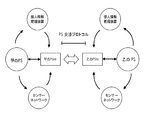
- FIG. 1 is a diagram illustrating an overall configuration of the first embodiment.
- PSD Personal space
- PSM Persona Space Manager
- the PSM is a data collection device such as a plurality of information devices having communication functions that are each device group outside the device, a group of sensor networks that can collect and transmit data related to each individual and the surrounding situation, and service usage information acquisition. Sends / receives to / from a group of devices for grasping a certain personal situation. By combining these devices, the state of the personal space is grasped and managed, and a part of the personal space is controlled to be disclosed to others. Furthermore, a plurality of information devices are connected to a plurality of devices for communication services and information providing services, and a part of the personal space disclosed by others can be acquired via these devices.
- FIG. 2 shows a hardware block diagram of a PSM (Personal Space Manager) 200 and an intermediary machine 400 that implement the present invention.
- PSM Personal Space Manager
- These apparatuses using a computer have a processor 302, and a program executed in the present invention is executed. Data and commands are sent from the processor 302 through the communication bus 304.
- the computer 300 also has a main memory 306 typified by RAM, where program code is executed.
- the secondary memory 308 includes, for example, one or more hard disks 310 or a removable memory drive 312 such as a flexible disk drive, a magnetic tape drive, and a CD disk drive.
- the program code for implementing the present invention is stored.
- User I / O devices include a keyboard 316, a mouse 318, a display 320, and the like.
- Display adapter 322 interfaces communication bus 304 and display 320, receives data from processor 302 and converts it to display commands for display 320.
- the audio adapter 326 interfaces the communication bus 304 and the audio device 328, receives data from the processor 302 and converts it into an audio signal, or converts an audio signal from the audio device 328 into data.
- the processor 302 communicates with, for example, the Internet and a LAN through the network adapter 324.
- PSM The PSM is the main device of the present invention, and its role dynamically manages contact with others in daily life based on information on the personal situation and the life style and human relationship unique to the individual. PSM is individually arranged for each individual, and connection with other parties such as telephone, chat, presence display, etc. and presentation of personally owned information to other parties are only those mutually approved by each PSM. Is implemented.
- the receiving PSM is the situation and request of the individual on the receiving side at that time Based on the received contents, the relationship with the requesting individual, etc., the actual execution contents for the request and the return of permission conditions are returned, and negotiation with the requesting PSM is started.
- the feature is a negotiation process that can control the contents of contact with the other party (privacy disclosure) within a range that can be mutually approved.
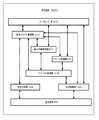
- FIG. 3 shows a functional block diagram of the PSM of the present invention.
- the PSM 200 includes the following functional units.
- the transmission / reception unit (224) is shown. Details of these will be described below.
- PSM Personal Space Manger
- User interface unit (210) It is a user I / F part of PSM. From here, the user inputs information such as lifestyle information, personal information, and resource management information.
- the lifestyle management department sets the privacy in each individual's daily life, the relationship with others (contact partners), and the setting of personally owned information shared with others. Set up, schedule, and implement negotiations with other PSMs.
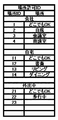
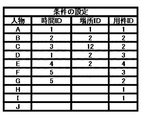
- the condition setting file (FIG. 4e) for managing the permission level to the contact partner as viewed from the individual and the location permission level file (FIG. 4d) indicating the place where the individual can contact in relation thereto, It includes a time permission level file (FIG. 4c) indicating a time when contact can be made, a request permission level file (FIG. 4f) indicating a request that an individual can contact, and a schedule file (FIG. 4i) for managing a personal schedule.
- the personal schedule may be input by the user from the user I / F unit (210), but can also be imported from an external resource such as groupware or a unified communication tool.
- the personal information management unit stores personal information and data entities dedicated to each individual. As shown in FIG. 4a, personal information such as name, address, date of birth, hobby, interests, and relatives is included. Furthermore, the names of individual relatives may be included depending on the purpose.
- the PS resource management unit manages resources that can be used for contact with the outside that can be used by each individual. Specifically, as shown in the resource list shown in FIG. 4b, resources that can be used in each place, for example, information on fixed telephones, mobile phones, e-mail addresses, and video conference rooms are managed. Specifically, this resource management unit also grasps the status of facilities (including reservation information) and communication services that can be used at that time as necessary. As a result, it is possible to dynamically manage the PS state, provide an appropriate contact means at that time, and conceal resources congruent with the level of privacy.
- Protocol management unit Necessary information is collected according to a predetermined protocol designated by the user, and personal information is gradually disclosed to the other party.
- the protocol is prepared in advance as a system as shown in FIGS. 4g and 4h, but can be created and customized by an individual.
- the negotiation function unit performs conditional negotiation processing based on PS public information with the other party between the PSMs. A specific processing flow will be described separately.
- the situation analysis section dynamically estimates each individual's situation based on external data, personal status information from the past, current personal PS resource usage status, daily habit information set by the individual, etc.
- external data refers to the presence / absence of people in a specific location (human sensor), operation (acceleration sensor), surrounding environment (temperature, noise, weather sensor) and personal data.
- Authentication ID reading such as IC tag
- human movement and identification by surveillance camera access information to various wireless communication base stations and services, position detection by GPS (Global Positioning System), or mobile phone carrier It means location information service.
- the current PS resource usage status means the status of resources that can be used for contacts that can be used by each individual, as determined by the resource management department, and the usage status of facilities that can be managed by individuals at that time.
- Daily habit information set by an individual means daily activities and work associated with the position (location), time zone, equipment used, and the like. From these, the original data, which is the base information for grasping the individual's whereabouts, work contents, and surrounding conditions, is managed.
- the situation analysis unit dynamically estimates the current situation of the individual from the base information under management. In order to increase the accuracy of this estimation, the type, amount, and level of detail of external data can be increased as necessary, and automatic learning and feedback from individuals can be added.
- Transmission / reception unit (224) Performs I / F for information transmission / reception with external devices.
- the external device include GPS, other devices that manage groupware and unified communication tools, and a partner PSM that is a negotiating partner.
- a plurality of information devices The PSM of the present invention and a plurality of personal information devices to be contacted are, as concrete examples, presently existing mobile phones (including i-phones, smartphones, etc.), PDAs (for example) Personal Data Appliance (for example, iPAQ), portable music player with communication function (for example, i-Touch), personal computer (PC, stationary and portable (notebook)), digital TV with network connection function, general telephone, There are fax and video conference terminals. These information devices have a communication function and can be connected to a communication service between some individuals.
- these devices can be used individually or in combination with a group of devices for grasping the personal situation described below and communication services, so that it can be used by a specific individual, or the usage status of a specific individual can be grasped.
- the PS resource management unit manages a target handled as a PS resource of a specific individual.
- These information devices become a means (part of PS resources) for each individual to contact the other party. From the perspective of information equipment and the communication service connected to it, PSM is positioned as a value-added function for individuals.
- the personal situation grasping device group is a device for grasping a situation that affects the PS of a specific individual from the past to the present.
- the PSM uses this device group as an external device for the personal situation analysis function unit. PSM does not necessarily require all of these devices, but it can be used effectively to increase accuracy and scope of application.
- This device group uses a sensor to grasp the presence of a person at a specific location (human sensor), operation (acceleration sensor), surrounding environment (temperature, noise, weather sensor) and personal authentication (ID such as an IC tag) Reading), human motions and identification by surveillance cameras, access information to various wireless communication base stations and services, location information service of mobile phone operators, etc. Provide the original data that becomes the information of.
- PSM can use the personal space of a specific individual at the current time according to the schedule entered by the individual, friendship information, the status of information equipment (part of the PS resource), personal PS management settings, etc. To understand the situation.
- PSM Basic operation of PSM
- Each PSM is dedicated to a specific individual and appropriately and appropriately controls interpersonal contact and disclosure of personal information in the individual's daily life. Therefore, a personal space model is used to appropriately reflect an individual's sense of interpersonal distance and grasping the daily life situation.
- the personal space as the name implies, is under the control of each individual, and inside it is a part that accepts a specific partner (opens to the other party) and a private part that excludes the partner (private). This personal space changes dynamically in daily life, and permission conditions for accepting a specific partner also change depending on the state of the personal space at that time (personal situation).
- PSMs In order to properly control contact with a specific individual through this personal space, PSMs always check each other's situation and confirm the contact conditions (public space disclosure range and conditions) when accepting contact requests. Negotiate with. Moreover, in this condition negotiation, since the open time zone of the request space part in the future can be confirmed as an option, the request side can make a re-request at an appropriate timing according to the situation.
- the PSM has a data storage for storing the following data.
- (1) Personal profile Fig. 4a Store personal profile information as shown in FIG. 4a.
- the disclosure level of the name is “3”, but the nickname is “1” that can be disclosed to anyone.
- the higher the numerical value the higher the confidentiality level.
- other information such as image information for identifying the individual, voice information for identifying the individual, blood pattern, chronic illness, medical precautions, electronic medical record access ID, hobbies, interests, relatives, etc. May be included.
- Resource list Fig. 4b The resources available depend on where the individual is. For example, when you are out, you can only use a mobile phone, but when you are in the office, you can use not only mobile phones but also office common phones, e-mails, net meetings, instant messengers, TV conferences, etc. It becomes possible. Such information is managed as a resource list.
- Schedule Fig. 4i Manage personal appointments. You can input from the input menu of this system, but you can import items that can be imported from other resources such as groupware and unified communication tools. In general, it is not practical to enter and manage detailed information in a schedule table. In order to support this information, it is also possible to specify the location where the individual is currently located using a human sensor or the like. For example, information that an individual is in a laboratory of a company can be grasped based on the usage status of the ID when entering and leaving the laboratory. In addition, it is possible to grasp the current location in detail by using an interpersonal sensor in the office seat and home study.
- the person ID is managed as shown in FIG. This ID only needs to be confirmed by the contact originator and the other party. In the condition (selection protocol) for requesting the other party confirmation, it is necessary to notify the ID whenever the other party contacts.
- the person ID may be linked to other authentication services such as Liberty Alliance ID servers, depending on the required authentication level.
- Protocol table FIGS. 4g and h In this system, a protocol that can be used by the user is determined in advance.
- 5-1 In the case of wanting to meet with the other party In this case, the “Interview with other party” template as shown in FIG. 4G is prepared.
- items such as first desire, urgency, time, required time, place, and business are specified, and the user inputs the items accordingly. When there is no corresponding item, there is no need to input. Users can add their own items as needed.
- This template is used by PSM to collect user status, schedule, and facility usage reservation information based on user-specific basic settings, and the available time, (available) required time, (used (Possible) location (location, facility, equipment) can be automatically complemented and presented to the user.
- available time, (available) required time, (used (Possible) location location, facility, equipment
- Possible location location, facility, equipment
- Such individual-specific settings can be realized with improved accuracy by supervised automatic learning or the like by correcting the presented settings repeatedly used by the individual.
- Desired order The user can specify a plurality of desired menus from the first request.
- Means There are various means for a user to contact a partner. Means such as direct contact, use of landline, mobile phone, net meeting, instant messenger, and TV conference can be considered. Here, the means for selection is input.
- (5-1-3) Time Enter the time when the user wants to meet the other party. The input may be a specific time, but it is also possible to input a wide range of time such as afternoon or morning.
- (5-2) Requesting emergency support In this case, as shown in FIG. 4h, an “emergency support protocol” template is prepared. As shown in FIG. 4h, items such as the urgency level, the opponent target, the disclosure level, the time, and the location are specified, and the user inputs in advance according to the specified items. When there is no corresponding item, there is no need to input. Users can customize items as needed.
- Urgency The urgency is determined. In this example, they are 1, 2, and 3.
- (5-2-2) Counterparticipant Target user determines the qualification of the partner for whom assistance is sought. In this example, the nearest person, ambulance crew, and doctor are set.
- Disclosure level Establish the level of information to be disclosed based on the qualifications of those seeking assistance. The personal profile (FIG.
- Level 4a indicates the level of disclosure of personal information, and this level is entered.
- Level 2 such as gender, approximate age, physique, personal face photo, etc. are disclosed.
- B For emergency personnel: Level 3 & 4, name, address, date of birth, blood type, insurance card ID, etc. are disclosed.
- C For doctors: Level 5, such as chronic illness, past disease name, medical precautions, electronic medical record access ID, etc. are disclosed.
- 5-2-4 Time In this case, enter urgent.
- FIG. 4e “Condition setting table” FIG.
- a communication possible time, a communicable place, and a communicable requirement are previously determined in a table. For example, communication from the boss of the company can be made possible as much as possible. If it is a contact from a personal car dealer, it can be said that communication is possible only during the time at home. In addition, communication from family members during working hours can be made only when they are at their seats.
- a time permission ID table (FIG. 4c), a place permission ID table (FIG. 4d), and a business permission ID table (FIG. 4f) are set.
- Example 1 In the case of person A, the time permission ID is 1 (possible at any time), the place permission ID is 1 (possible anywhere), and the requirement permission ID is 1 (anything is possible). You can contact us anytime, anywhere, at any time.
- Example 2 A plurality of conditions can be set even for the same person. A description will be given by taking the person B as an example. When the requirement permission ID is 2 (business only), the time permission ID is 2 (working) and the place permission ID is 2 (self-seat). If you are in your seat, you can contact us. When the requirement permission ID is 3 (hobby), the time permission ID is 3 (after going home) and the place permission ID is 11 (OK anywhere at home).
- Example 3 In the case of the person E, the time permission ID is 4 (at lunch), the place permission ID is 2 (self-seat), and the business permission ID is 3 (hobby). If you are at your own seat and have a hobby, you can contact us.
- Party A transmits the first request of the interview protocol to your PSM.
- Party B's PSM Upon receiving the inquiry from Party A, Party B's PSM first confirms Party ID and confirms the identity of the person. This is done by registering personal IDs in advance with each other (FIG. 4j). Even if you are in your relatives, you may ask questions about information you know if you are relatives without having to set an ID. For example, the name of the mother's grandmother, the name of the prefecture where B was born, etc. may be answered. These pieces of information are stored in the profile table (FIG. 4a).
- the second PSM refers to the “condition setting file” (FIG. 4e), the “schedule file” (FIG. 4i), and the “resource list file” (FIG. 4b) to determine whether communication is possible. If the first request of Party A does not match the circumstances of Party B, a “retransmission request” or “NO” is returned to Party PSM. In this embodiment, “retransmission request” means that B's PSM has agreed to communicate with A, and “NO” means that B's PSM has no intention to communicate with A. To do. (5) The former PSM receives the reply “Retransmission request” from the second party, and sends the second desired menu to the second PSM. (6) Your PSM receives the second request from Party A, and similarly confirms your schedule, and if your second request and your circumstances do not match, To the PSM of the former.
- the former PSM receives the reply “Retransmission request” from the second party, and sends the third desired menu to the second PSM.
- Your PSM receives the third request from your PSM, confirms your schedule in the same way, and if your third request matches your convenience, select “YES”.
- the PSM of Party A will contact Party A for confirmation. If the confirmation of Party A is obtained, Party PSM sends the confirmation to Party PSM. (10) It is also possible for B's PSM to reconfirm with B and A just before the scheduled time.
- our PSM can search for agreement points with you while sequentially disclosing the schedule, location, tools, etc. of your first choice, second choice, and third choice to you. I can do it. If Party A and Party B agree on the first request, Party A does not need to disclose the information contained in the second and third requests. On the other hand, you refer to your contact with the former, your schedule, location, tools, etc., and return only the result of your inquiry. You can search for points of agreement with Party A by notifying Party A, but not all of your schedule, location, tools, etc., which are your personal information.
- the negotiation function unit (220) of the PSM also has a function of recording how far the current personal information is disclosed to the other party by transmitting / receiving information using this interview schedule adjustment protocol. Yes.
- the purpose of the second embodiment is intended for communication with an unspecified number of members and members who meet the conditions. In this case, it is a case where relief is requested while gradually disclosing the minimum necessary personal information while protecting the privacy of the sender.
- a case will be described as an example in which someone asks for help when the situation becomes worse in the city.
- FIG. 6 is a conceptual diagram for implementing the second embodiment. The difference from the first embodiment is that an intermediary machine is required. It is only necessary that Party A knows how to communicate with the intermediary machine. Although it is not necessary to make contact directly with Party A and Party B, it is also possible to contact them directly under the agreement between Party A and Party B. The sender A does not need to provide contact information to the recipient and does not need to disclose each other's personal information.
- FIG. 8 is a diagram illustrating functional blocks of the intermediary machine 400 used in the second embodiment.
- Constituent elements of the intermediary device include a transmission / reception unit 410, a transmission / reception unit 412 with the former, an interpersonal contact request confirmation unit 414, an optimum member selection unit 420, a transmission / reception unit 422 with the second party, and a content confirmation unit 424.
- Transmission / Reception Unit 410 Send / receive information to / from the party seeking assistance and the supporting party.
- Transmission / reception unit 412 with the former Send and receive information from Party A for assistance.
- Interpersonal contact request confirmation unit 414 The intermediary machine confirms the current location, etc. of the Party A for which assistance is requested, whether Party A is a member, what the purpose of the assistance is. When the detailed current location of the former is required, the GPS function of the former PSM is used to obtain the accurate position information of the former.
- the intermediary machine searches for members in the same area as the former. Preferably, based on the mobile phone, a member who is in the same microcell area as the current instep A is searched, and a member nearest to the instep is searched using the GPS function provided in the member's PSM. I can do it. Choose members that are close to you and best suited for your support goals. For example, it is a precondition that there is enough time to support, but considering the conditions such as having the technology necessary for support or being the same sex as the person seeking support, the optimal Select a member. (5) Transmission / reception unit 422 with the second party The intermediary machine requests assistance from the selected second party. (6) Content confirmation unit 424 The intermediary machine confirms the acceptance from the second party and confirms the contents, and forwards it to us. Also check the contents from Party A and transfer to Party B.
- the intermediary machine receives a request for assistance from A and confirms the current position of A.
- the former As a method of confirming the current position, it is possible for the former to input the information and transmit it to the intermediary machine, but when using a mobile phone, grasp the approximate position by the distance from the base station You can also In the case of PHS, it is covered with microcells of several tens of meters to several hundred meters, and in the case of mobile phones, it is covered with microcells of several hundred meters to several kilometers. If a more accurate current position is required, the current position can be obtained using GPS (Global Positioning System) and transmitted to the intermediary machine.
- the intermediary machine inquires of members in the same area as the first party whether or not the first party can be rescued. (5) If the member is in the same area as Party A and is able to support Party A, the fact is transmitted to the intermediary machine via the PSM.
- the intermediary machine selects one or a plurality of members that are most suitable for solving the problem from the members that can be supported, and contacts the former.
- Our PSM will disclose Level 2 personal information to these members.
- Level 2 personal information includes, for example, the reason why support is needed, the exact location, sex, age, body type, weight, height, face photo, etc.
- the intermediary machine transfers these pieces of information to the selected member.
- the selected member searches for and supports A based on the disclosed information. Here, when the problem is solved by the selected member, this is the end. However, if the problem is not solved and another person's support is required, Party A further sends it to the intermediary machine via Party PSM.
- Party A designates emergency level 2 via Party PSM and requests the intermediary machine for ambulance assistance.
- the intermediary machine will contact the fire department having jurisdiction over the current location of the former.
- Party A The fire department that received the notification will contact the Party A directly.
- Party A confirms that it is a fire department ambulance crew, and informs detailed personal information level 3 & 4 information, such as address, name, blood type, and medicines and countermeasures that should not be used in an emergency. .
- the ambulance transports the former to the hospital.
- Emergency personnel contact the hospital.
- the doctor who is contacted by the ambulance contacts the former.
- Party A will disclose personal information of disclosure level 5, past illnesses, matters that should not be used in treatment / surgery, family hospital information, electronic medical chart access ID, etc. to the doctor.
- the user can disclose only necessary information in order according to the qualifications of the person who seeks support, rather than revealing all personal information of the user to the other party from the beginning.
- Computer 302 Processor 304: Communication bus 306: Main memory 308: Secondary memory 310: Hard disk 316: Keyboard 318: Mouse 320: Display 326: Audio adapter 328: Audio device
Landscapes
- Engineering & Computer Science (AREA)
- Signal Processing (AREA)
- Business, Economics & Management (AREA)
- Strategic Management (AREA)
- Entrepreneurship & Innovation (AREA)
- Human Resources & Organizations (AREA)
- Marketing (AREA)
- Economics (AREA)
- Data Mining & Analysis (AREA)
- Operations Research (AREA)
- Quality & Reliability (AREA)
- Tourism & Hospitality (AREA)
- Physics & Mathematics (AREA)
- General Business, Economics & Management (AREA)
- General Physics & Mathematics (AREA)
- Theoretical Computer Science (AREA)
- Telephonic Communication Services (AREA)
Abstract
従来技術では、ユーザ自身の各個別の相手に対する対人関係・状況が変化した場合に、これに対応したユーザ相互のコンタクトの条件の合意を見出すことが難しい。また、一括管理するために予め必要な関連項目をすべて公開し、状況変化を反映させることは、個人情報守秘上の問題がある。 本願発明では、自分と相手とのコミュニケーションにおいて開示レベルを段階的に開示し、自分と相手との合意点を探すことにより、自分と相手の相互の都合を考慮してコミュニケーションを開始する。さらに、相手への連絡方法が不明の場合でも仲介機を介して所定の条件を満足するメンバーを探し出しコミュニケーションすることが出来る。
Description
個人と相手との段階的に開示される個人情報に基づいて、双方の合意点を検出し、コミュニケーションを行うシステム・方法に関する。
従来技術では、人と人とが電話等でコミュニケーションを行う場合には、相手の都合を考慮しないで電話をかけることになる。この時は自分の都合からすれば相手に連絡する必要があるかも知れないが、相手にとっては、都合の悪い場合もある。逆に時間の経過後、相手の都合がついた時には自分の都合がつかないこともある。
また、連絡のあった現時点では相手とコミュニケーションが出来ない場合であっても、時間の経過後状況の変化に応じてコミュニケーションが出来る場合が生じる事がある。
また、連絡のあった現時点では相手とコミュニケーションが出来ない場合であっても、時間の経過後状況の変化に応じてコミュニケーションが出来る場合が生じる事がある。
従来技術では、アプリケーション、ユーザ属性、使用権限、付属状況条件(時間帯、居場所等の組み合わせ等)を、予め固定設定登録して一括管理していた。(ユーザコンテクスト、ロールとポリシーによる制御)。これを使用した個人(個別ユーザ)相互のリソース使用権許諾による対人コンタクト管理では、一般的に以下のような課題がある。
(1)ユーザ自身の各個別の相手に対する対人関係が変化した場合に、これに対応したユーザ相互のコンタクトの条件の合意を見出すことが難しい。
(2)ユーザ自身の日常感覚を反映した対人関係の設定が提供されていないため、リアルなプライバシー保護の支援に適さない。
(3)ユーザ共有部分の資源利用権限の管理を中心に見ているため、ユーザ固有の隠された真のプライバシー管理要素が考慮されていない。
(4)従来技術で上記の問題を解決するためには、ユーザ双方のプライバシー関連項目を全てアクセス管理機構に集中して公開し、通常は公開要求側と公開許諾側の非対称の設定で、その公開許諾条件の一致を判断する。双方向許諾の場合は、ユーザ双方の公開許諾条件の一致を判断する。双方のその時点での状況を逐次更新しても、相手の状況変化を全て網羅するのは現実的ではない。さらに、比較対照となる双方の条件自体にもプライバシー関連事項が含まれる場合がある。
(5)対人コンタクトの内容は、相手とのコンタクトの過程自体でも動的に変化するため、これらを反映した汎用共通プロトコルを入れるのは困難である。
(1)ユーザ自身の各個別の相手に対する対人関係が変化した場合に、これに対応したユーザ相互のコンタクトの条件の合意を見出すことが難しい。
(2)ユーザ自身の日常感覚を反映した対人関係の設定が提供されていないため、リアルなプライバシー保護の支援に適さない。
(3)ユーザ共有部分の資源利用権限の管理を中心に見ているため、ユーザ固有の隠された真のプライバシー管理要素が考慮されていない。
(4)従来技術で上記の問題を解決するためには、ユーザ双方のプライバシー関連項目を全てアクセス管理機構に集中して公開し、通常は公開要求側と公開許諾側の非対称の設定で、その公開許諾条件の一致を判断する。双方向許諾の場合は、ユーザ双方の公開許諾条件の一致を判断する。双方のその時点での状況を逐次更新しても、相手の状況変化を全て網羅するのは現実的ではない。さらに、比較対照となる双方の条件自体にもプライバシー関連事項が含まれる場合がある。
(5)対人コンタクトの内容は、相手とのコンタクトの過程自体でも動的に変化するため、これらを反映した汎用共通プロトコルを入れるのは困難である。
このような状況を鑑みて、自分と相手とのコミュニケーションにおける開示レベルを段階的に開示し、自分と相手との都合の調整を図り、双方にとって最適の条件化でコミュニケーションを開始出来るように設定するシステム・装置・方法の存在が望まれる。さらに、相手への連絡方法が不明の場合でも所定の条件を満足するメンバーを探し出し、支援を求めることが出来るシステム・装置・方法が望まれる。
[システム]― 実施例1
第一の通信手段、第一の個人データ及び第一の通信プロトコルを含む第一のPSM、並びに、第二の通信手段、第二の個人データ及び第一の通信プロトコルに対応する第二の通信プロトコルを含む第二のPSMを含む、通信システムであって、
(a) 第一のPSMが、第一の通信プロトコルに基づき、第一の個人データの中から第一の部分のデータの開示を行い、第二のPSMへ通信要求をする手段と、
(b) 第二のPSMが、第一のPSMからの通信要求を受信し、第二の通信プロトコルに基づき、第一のPSMへ返信する手段と、
(c) 第一のPSMが、第二のPSMからの通信を受信し、合意点が得られない場合には、第一の通信プロトコルに基づき、第一の個人データの中から第二の部分のデータの開示を行い、第二のPSMの通信する手段と、
(d)(a)から(c)を第一のPSMと第二のPSMの合意点が得られるまで繰り返す手段、
を有する通信システム。
第一の通信手段、第一の個人データ及び第一の通信プロトコルを含む第一のPSM、並びに、第二の通信手段、第二の個人データ及び第一の通信プロトコルに対応する第二の通信プロトコルを含む第二のPSMを含む、通信システムであって、
(a) 第一のPSMが、第一の通信プロトコルに基づき、第一の個人データの中から第一の部分のデータの開示を行い、第二のPSMへ通信要求をする手段と、
(b) 第二のPSMが、第一のPSMからの通信要求を受信し、第二の通信プロトコルに基づき、第一のPSMへ返信する手段と、
(c) 第一のPSMが、第二のPSMからの通信を受信し、合意点が得られない場合には、第一の通信プロトコルに基づき、第一の個人データの中から第二の部分のデータの開示を行い、第二のPSMの通信する手段と、
(d)(a)から(c)を第一のPSMと第二のPSMの合意点が得られるまで繰り返す手段、
を有する通信システム。
[システム]― 実施例2
第一の通信手段、第一の個人データ及び第一の通信プロトコルを含む第一のPSM、並びに、第二の通信手段、第二の個人データ及び第一の通信プロトコルに対応する第二の通信プロトコルを含む第二のPSM、さらに、前記第一の通信手段と前記第二の通信手段と通信する仲介機を含む、通信システムであって、
(a) 第一のPSMが、第一の通信プロトコルに基づき、第二のPSMの有する資格に対応して、第一の個人データの中から第一の部分のデータの開示を行い、仲介機へ通信要求を送信する手段と、
(b) 仲介機が、第一の通信プロトコルに基づき、第二のPSMの有する資格を満たす少なくとも一つの第二のPSMに通信要求を送信する手段と、
(c) 少なくとも一つの第二のPSMが、仲介機を介してまたは仲介機を介さないで、第二の通信プロトコルに基づき、第一のPSMへ通信する手段と、
(d) 第一のPSMが、第二のPSMの有する資格を確認した上で、仲介機を介してまたは仲介機を介さないで、第一の個人データの中から第二の部分のデータの開示を行う手段と、
(e) (a)から(d)の手段を、第一のPSMが所定の目的を達するまで、繰り返す手段と、
を有する通信システム。
第一の通信手段、第一の個人データ及び第一の通信プロトコルを含む第一のPSM、並びに、第二の通信手段、第二の個人データ及び第一の通信プロトコルに対応する第二の通信プロトコルを含む第二のPSM、さらに、前記第一の通信手段と前記第二の通信手段と通信する仲介機を含む、通信システムであって、
(a) 第一のPSMが、第一の通信プロトコルに基づき、第二のPSMの有する資格に対応して、第一の個人データの中から第一の部分のデータの開示を行い、仲介機へ通信要求を送信する手段と、
(b) 仲介機が、第一の通信プロトコルに基づき、第二のPSMの有する資格を満たす少なくとも一つの第二のPSMに通信要求を送信する手段と、
(c) 少なくとも一つの第二のPSMが、仲介機を介してまたは仲介機を介さないで、第二の通信プロトコルに基づき、第一のPSMへ通信する手段と、
(d) 第一のPSMが、第二のPSMの有する資格を確認した上で、仲介機を介してまたは仲介機を介さないで、第一の個人データの中から第二の部分のデータの開示を行う手段と、
(e) (a)から(d)の手段を、第一のPSMが所定の目的を達するまで、繰り返す手段と、
を有する通信システム。
[方法]- 実施例1
第一の通信手段、第一の個人データ及び第一の通信プロトコルを含む第一のPSM、並びに、第二の通信手段、第二の個人データ及び第一の通信プロトコルに対応する第二の通信プロトコルを含む第二のPSMを含む、通信システムにおいて、以下のステップを有する方法、
(a) 第一のPSMが、第一の通信プロトコルに基づき、第一の個人データの中から第一の部分のデータの開示を行い、第二のPSMへ通信要求をするステップと、
(b) 第二のPSMが、第一のPSMからの通信要求を受信し、第二の通信プロトコルに基づき、第一のPSMへ返信するステップと、
(c) 第一のPSMが、第二のPSMからの通信を受信し、合意点が得られない場合には、第一の通信プロトコルに基づき、第一の個人データの中から第二の部分のデータの開示を行い、第二のPSMの通信するステップと、
(d)(a)から(c)を第一のPSMと第二のPSMの合意点が得られるまで繰り返すステップ、
を有する方法。
第一の通信手段、第一の個人データ及び第一の通信プロトコルを含む第一のPSM、並びに、第二の通信手段、第二の個人データ及び第一の通信プロトコルに対応する第二の通信プロトコルを含む第二のPSMを含む、通信システムにおいて、以下のステップを有する方法、
(a) 第一のPSMが、第一の通信プロトコルに基づき、第一の個人データの中から第一の部分のデータの開示を行い、第二のPSMへ通信要求をするステップと、
(b) 第二のPSMが、第一のPSMからの通信要求を受信し、第二の通信プロトコルに基づき、第一のPSMへ返信するステップと、
(c) 第一のPSMが、第二のPSMからの通信を受信し、合意点が得られない場合には、第一の通信プロトコルに基づき、第一の個人データの中から第二の部分のデータの開示を行い、第二のPSMの通信するステップと、
(d)(a)から(c)を第一のPSMと第二のPSMの合意点が得られるまで繰り返すステップ、
を有する方法。
[方法]- 実施例2
第一の通信手段、第一の個人データ及び第一の通信プロトコルを含む第一のPSM、並びに、第二の通信手段、第二の個人データ及び第一の通信プロトコルに対応する第二の通信プロトコルを含む第二のPSM、及び、前記第一の通信手段と前記第二の通信手段と通信する仲介機を含む、通信システムにおいて、以下のステップを含む方法、
(a) 第一のPSMが、第一の通信プロトコルに基づき、第二のPSMの有する資格に対応して、第一の個人データの中から第一の部分のデータの開示を行い、仲介機へ通信要求を送信するステップと、
(b) 仲介機が、第一の通信プロトコルに基づき、第二のPSMの有する資格を満たす少なくとも一つの第二のPSMに通信要求を送信するステップと、
(c) 少なくとも一つの第二のPSMが、仲介機を介してまたは仲介機を介さないで、第二の通信プロトコルに基づき、第一のPSMへ通信するステップと、
(d) 第一のPSMが、第二のPSMの有する資格を確認した上で、仲介機を介してまたは仲介機を介さないで、第一の個人データの中から第二の部分のデータの開示を行うステップと、
(e) (a)から(d)の手段を、第一のPSMが所定の目的を達するまで、繰り返すステップと、を有する通信方法。
第一の通信手段、第一の個人データ及び第一の通信プロトコルを含む第一のPSM、並びに、第二の通信手段、第二の個人データ及び第一の通信プロトコルに対応する第二の通信プロトコルを含む第二のPSM、及び、前記第一の通信手段と前記第二の通信手段と通信する仲介機を含む、通信システムにおいて、以下のステップを含む方法、
(a) 第一のPSMが、第一の通信プロトコルに基づき、第二のPSMの有する資格に対応して、第一の個人データの中から第一の部分のデータの開示を行い、仲介機へ通信要求を送信するステップと、
(b) 仲介機が、第一の通信プロトコルに基づき、第二のPSMの有する資格を満たす少なくとも一つの第二のPSMに通信要求を送信するステップと、
(c) 少なくとも一つの第二のPSMが、仲介機を介してまたは仲介機を介さないで、第二の通信プロトコルに基づき、第一のPSMへ通信するステップと、
(d) 第一のPSMが、第二のPSMの有する資格を確認した上で、仲介機を介してまたは仲介機を介さないで、第一の個人データの中から第二の部分のデータの開示を行うステップと、
(e) (a)から(d)の手段を、第一のPSMが所定の目的を達するまで、繰り返すステップと、を有する通信方法。
本願発明により以下のような効果が期待できる。
1.本願発明では、個人情報を段階的に開示しながら、相手とのコンタクトを行うので、必要以上の個人情報を相手側に開示する必要が無い。
2.個人情報の動的な変化に対しても対応できるので、相手側との柔軟な対応が可能となる。
3.コンタクトの相手が不特定の場合でも、最小限の個人情報の開示で、目的に応じた対人コンタクトの実現を期待できる。
1.本願発明では、個人情報を段階的に開示しながら、相手とのコンタクトを行うので、必要以上の個人情報を相手側に開示する必要が無い。
2.個人情報の動的な変化に対しても対応できるので、相手側との柔軟な対応が可能となる。
3.コンタクトの相手が不特定の場合でも、最小限の個人情報の開示で、目的に応じた対人コンタクトの実現を期待できる。
以下に本願発明の最良の形態を説明する。
[自分と相手にとって都合の良いコミュニケーションを提供する場合]
1.全体構成
図1は、実施例1の全体構成を示す図である。ある状況(条件)下で相手に自分の領分(Space)をどこまで共有させるか(近づけるか)を、個人固有の基準で設定できる概念を個人空間(Personal Space (以下PS))と言う。本願発明では、この個人空間(PS)を管理するPSM(Persona Space Manager)を用いる。
1.全体構成
図1は、実施例1の全体構成を示す図である。ある状況(条件)下で相手に自分の領分(Space)をどこまで共有させるか(近づけるか)を、個人固有の基準で設定できる概念を個人空間(Personal Space (以下PS))と言う。本願発明では、この個人空間(PS)を管理するPSM(Persona Space Manager)を用いる。
PSMは、その外部にある各装置群である通信機能を持つ複数の情報機器と、各個人およびその周囲の状況に関するデータを収集し送信できるセンサーネットワーク群、サービス利用情報取得等のデータ収集装置である個人状況の把握装置群と送受信を行う。これらの装置の組み合わせにより個人空間の状態の把握と管理また、他者への個人空間の一部の公開制御を行う。さらに複数の情報機器は、複数の通信サービスや情報提供サービスのための装置と接続され、これらを介して他者の開示された個人空間の一部を取得することが出来る。
図2は、本願発明を実施する、PSM(Personal Space Manager)200、及び、仲介機400のハードウェアブロック図を示す。コンピュータを用いたこれらの装置はプロセッサー302を有し、本願発明で実施されるプログラムが実行される。プロセッサー302からデータ及びコマンドはコミュニケーションバス304を通して送られる。コンピュータ300は、またRAMに代表されるメインメモリ306を有し、ここでプログラムコードが実行される。2次メモリー308には、例えば、一つ以上のハードディスク310、あるいは、フレキシブルディスクドライブ、磁気テープドライブ、CDディスクドライブなどのリムーバブルメモリドライブ312を有している。ここでは、本願発明を実施するプログラムコードが格納される。
ユーザI/Oデバイスは、キーボード316、マウス318、ディスプレー320などを含んでいる。ディスプレーアダプター322は、コミュニケーションバス304とディスプレー320とのインターフェースを行い、プロセッサー302からのデータを受信し、ディスプレー320のために表示コマンドに変換する。音声アダプター326は、コミュニケーションバス304と音声装置328とのインターフェースを行い、プロセッサー302からのデータを受信し音声信号に変換する、または、音声装置328からの音声信号をデータに変換する。さらに、プロセッサー302は、ネットワークアダプター324を通して、例えば、インターネット及びLAN等と通信する。
2.PSM
PSMは、本発明の主たる装置にあたり、その役割は、個人の状況に関する情報と個人固有の生活スタイルおよび人間関係に基づき、日常生活における他者とのコンタクトを動的に管理する。PSMは、各個人専用に個別に配置され、電話、チャット、プレゼンス表示等の他者との接続や個人所有情報の他者への提示は、それぞれこのPSM間で相互に許諾を与えたもののみが実施される。各個人専属のPSM同士が相手に何らかの対個人コンタクトの許諾を与えるためには、コンタクトを要求する側から要求があると、受けた側のPSMがその時点での受け手側の個人の状況、要求された内容、要求元の個人との関係等をもとに要求に対する実際の実施内容と許諾条件返を返して要求元のPSMと交渉を開始する。
PSMは、本発明の主たる装置にあたり、その役割は、個人の状況に関する情報と個人固有の生活スタイルおよび人間関係に基づき、日常生活における他者とのコンタクトを動的に管理する。PSMは、各個人専用に個別に配置され、電話、チャット、プレゼンス表示等の他者との接続や個人所有情報の他者への提示は、それぞれこのPSM間で相互に許諾を与えたもののみが実施される。各個人専属のPSM同士が相手に何らかの対個人コンタクトの許諾を与えるためには、コンタクトを要求する側から要求があると、受けた側のPSMがその時点での受け手側の個人の状況、要求された内容、要求元の個人との関係等をもとに要求に対する実際の実施内容と許諾条件返を返して要求元のPSMと交渉を開始する。
2者間のコンタクトでは、コンタクトのタイミング(時間帯)、コンタクトの手段、公開される個人固有の情報等を制御する必要があるが、この個人専属PSM間では、初期のコンタクト要求開始から段階的に相互が許諾可能な範囲で相手とのコンタクトの内容(プライバシーの公開)を制御することができる交渉処理が特徴となる。
図3は、本願発明のPSMの機能ブロック図を示している。PSM200には、以下の機能部が含まれている。ユーザインターフェース部(210)、生活スタイル管理部(212)、個人情報管理部(214)、リソース管理部(216)、プロトコル管理部(218)、交渉機能部(220)、状況分析部(222)、送受信部(224)を示す。以下、これらの詳細について説明する。
(1)PSM(Personal Space Manger)(200)
PSMに必要な機能を以下に説明するが、PSMの1例として、携帯電話の内部にPSMの必要な機能が一体化されている場合を例にとって説明する。
PSMに必要な機能を以下に説明するが、PSMの1例として、携帯電話の内部にPSMの必要な機能が一体化されている場合を例にとって説明する。
(2)ユーザインターフェース部(210)
PSMのユーザI/F部分である。ユーザは、ここから、生活スタイル情報、個人情報、リソース管理情報などの情報を入力する。
PSMのユーザI/F部分である。ユーザは、ここから、生活スタイル情報、個人情報、リソース管理情報などの情報を入力する。
(3)生活スタイル管理部(212)
生活スタイル管理部は、各個人固有の日常生活におけるプライバシーの設定や他者(コンタクト相手)との関係、他者と共有する個人所有情報の設定を行い、それらをもとに個人情報の公開や他者PSMとの交渉内容を設定し、スケジュールし、実施させる。
具体的には、個人からみて、コンタクトの相手への許可レベルを管理する条件設定ファイル(図4e)及び、それに関連して個人がコンタクト出来る場所を示す場所許可レベルファイル(図4d)、個人がコンタクト出来る時間を示す時間許可レベルファイル(図4c)、個人がコンタクト出来る用件を示す用件許可レベルファイル(図4f)、さらに、個人のスケジュールを管理するスケジュールファイル(図4i)が含まれる。個人のスケジュールは、ユーザI/F部(210)からユーザが入力しても良いが、外部リソース、例えばグループウェアやユニファイドコミュニケーションツール等からインポートすることも出来る。
生活スタイル管理部は、各個人固有の日常生活におけるプライバシーの設定や他者(コンタクト相手)との関係、他者と共有する個人所有情報の設定を行い、それらをもとに個人情報の公開や他者PSMとの交渉内容を設定し、スケジュールし、実施させる。
具体的には、個人からみて、コンタクトの相手への許可レベルを管理する条件設定ファイル(図4e)及び、それに関連して個人がコンタクト出来る場所を示す場所許可レベルファイル(図4d)、個人がコンタクト出来る時間を示す時間許可レベルファイル(図4c)、個人がコンタクト出来る用件を示す用件許可レベルファイル(図4f)、さらに、個人のスケジュールを管理するスケジュールファイル(図4i)が含まれる。個人のスケジュールは、ユーザI/F部(210)からユーザが入力しても良いが、外部リソース、例えばグループウェアやユニファイドコミュニケーションツール等からインポートすることも出来る。
(4)個人情報管理部(214)
個人情報管理部は、各個人専用に個人保有の情報、データの実体を格納している。図4aに示されるように、個人の、氏名、住所、生年月日、趣味、関心事、親戚関係の情報が含まれている。さらに、目的に応じて個人の親族の氏名を含んでいても良い。
個人情報管理部は、各個人専用に個人保有の情報、データの実体を格納している。図4aに示されるように、個人の、氏名、住所、生年月日、趣味、関心事、親戚関係の情報が含まれている。さらに、目的に応じて個人の親族の氏名を含んでいても良い。
(5)リソース管理部(216)
PSリソース管理部は、各個人が使用出来る外部とのコンタクトに使用できるリソースを管理する。
具体的には、図4bに示されるリソースリストように、それぞれの場所で使用できるリソース、例えば、固定電話、携帯電話、e-mailアドレス、及び、TV会議室などの情報を管理する。
詳しくは、このリソース管理部では、必要に応じて、その時点で利用可能な設備(含む予約情報)や通信サービスの状況の把握もする。これにより、動的にPSの状態を管理し、その時点で適切なコンタクト手段の提供や、逆にプライバシーのレベルに合わせたリソースの隠ぺいが可能となる。
PSリソース管理部は、各個人が使用出来る外部とのコンタクトに使用できるリソースを管理する。
具体的には、図4bに示されるリソースリストように、それぞれの場所で使用できるリソース、例えば、固定電話、携帯電話、e-mailアドレス、及び、TV会議室などの情報を管理する。
詳しくは、このリソース管理部では、必要に応じて、その時点で利用可能な設備(含む予約情報)や通信サービスの状況の把握もする。これにより、動的にPSの状態を管理し、その時点で適切なコンタクト手段の提供や、逆にプライバシーのレベルに合わせたリソースの隠ぺいが可能となる。
(6)プロトコル管理部(218)
ユーザから指定された所定のプロトコルに従って、必要な情報を収集しさらに相手側への個人情報の段階的開示を行う。プロトコルは図4g、及び、hに示すようにシステムとして予め用意されているが、個人が作成しカスタマイズすることも出来る。
ユーザから指定された所定のプロトコルに従って、必要な情報を収集しさらに相手側への個人情報の段階的開示を行う。プロトコルは図4g、及び、hに示すようにシステムとして予め用意されているが、個人が作成しカスタマイズすることも出来る。
(7)交渉機能部(220)
交渉機能部は、各PSM間での相手側とのPS公開情報に基づいて条件交渉処理を行う。具体的な、処理フローについては、別途説明する。
交渉機能部は、各PSM間での相手側とのPS公開情報に基づいて条件交渉処理を行う。具体的な、処理フローについては、別途説明する。
状況分析部は、各個人の状況を外部からのデータや以前からの個人の状況情報、現在の個人のPSリソースの利用状況、個人が設定した日常の習慣情報等をもとに動的に推測する。
具体的には、外部からのデータとは、センサー等により特定の場所での人の有無(人感センサー)、動作(加速度センサー)、周囲の環境(温度、騒音、気象センサー)の把握や個人認証(ICタグのようなID読み取り)、監視カメラによる人の動作や識別、各種無線通信基地局や各種サービスへのアクセス情報、GPS(Global Positioning System)による位置検出、あるいは、携帯電話事業者の位置情報サービス等を意味する。現在のPSリソースの利用状況とは、リソース管理部が把握している各個人がその時点で使用可能なコンタクトに使用できるリソースの状況や、その時点で個人が管理可能な施設の利用状況を意味する。個人が設定した日常の習慣情報とは、位置(場所)・時間帯・使用機器等に関連付けられた日常の活動や作業を意味する。
これらから、個人の居場所、作業内容、周囲の状況を把握するベースの情報となる元のデータを管理する。状況分析部は、管理下にあるこれらのベース情報から個人の現在の状況を動的に推測する。この推測の精度を上げるために、必要に応じて外部からのデータの種類、量、詳細度を高め、さらに、自動学習や個人からのフィードバックを付加できる。
具体的には、外部からのデータとは、センサー等により特定の場所での人の有無(人感センサー)、動作(加速度センサー)、周囲の環境(温度、騒音、気象センサー)の把握や個人認証(ICタグのようなID読み取り)、監視カメラによる人の動作や識別、各種無線通信基地局や各種サービスへのアクセス情報、GPS(Global Positioning System)による位置検出、あるいは、携帯電話事業者の位置情報サービス等を意味する。現在のPSリソースの利用状況とは、リソース管理部が把握している各個人がその時点で使用可能なコンタクトに使用できるリソースの状況や、その時点で個人が管理可能な施設の利用状況を意味する。個人が設定した日常の習慣情報とは、位置(場所)・時間帯・使用機器等に関連付けられた日常の活動や作業を意味する。
これらから、個人の居場所、作業内容、周囲の状況を把握するベースの情報となる元のデータを管理する。状況分析部は、管理下にあるこれらのベース情報から個人の現在の状況を動的に推測する。この推測の精度を上げるために、必要に応じて外部からのデータの種類、量、詳細度を高め、さらに、自動学習や個人からのフィードバックを付加できる。
(9)送受信部(224)
外部機器との情報送受信のI/Fを行う。外部機器とは、具体的には、GPS、グループウェアやユニファイドコミュニケーションツールを管理している他の機器、交渉相手となる相手側PSMなどが挙げられる。
外部機器との情報送受信のI/Fを行う。外部機器とは、具体的には、GPS、グループウェアやユニファイドコミュニケーションツールを管理している他の機器、交渉相手となる相手側PSMなどが挙げられる。
3.複数の情報機器
本願発明のPSMと、コンタクトする複数の個人情報機器とは、具体的な例としては、現状存在するものでは、各種携帯電話(例としてi-Phone, スマートフォンを含む)、PDA(Personal Data Appliance、例としてiPAQ)、通信機能付き携帯音楽プレーヤ(例としてi-Touch)、パーソナルコンピュータ(PC、据え置き型と可搬型(ノート))、ネットワーク接続機能付きデジタルTV、一般的な電話機、FAX、テレビ会議端末などがある。これらの情報機器は通信機能を有し何がしかの個人間の通信サービスと接続可能なものとなる。
本願発明のPSMと、コンタクトする複数の個人情報機器とは、具体的な例としては、現状存在するものでは、各種携帯電話(例としてi-Phone, スマートフォンを含む)、PDA(Personal Data Appliance、例としてiPAQ)、通信機能付き携帯音楽プレーヤ(例としてi-Touch)、パーソナルコンピュータ(PC、据え置き型と可搬型(ノート))、ネットワーク接続機能付きデジタルTV、一般的な電話機、FAX、テレビ会議端末などがある。これらの情報機器は通信機能を有し何がしかの個人間の通信サービスと接続可能なものとなる。
また、これらの機器は単独もしくは後述の個人状況の把握装置群や通信サービスと組み合わせることにより、特定個人の利用可能な範囲にあるか、さらに、特定個人の利用状況を把握することが可能になりえる。これをもとに、PSリソース管理部は、特定個人のPS内リソースとして取り扱う対象を管理する。これらの情報機器は各個人が相手にコンタクトをとる手段(PS内リソースの一部)となる。情報機器およびそれに接続される通信サービス側からみると、PSMは個人向け付加価値機能という位置づけになる。
4.個人状況の把握装置群
個人状況の把握装置群とは、過去から現在までの特定個人のPSに影響を与えるような状況を把握するための装置である。PSMは内部にもつ個人状況分析機能部の外部装置としてこの装置群を用いる。PSMはこの装置群を必ずしもすべて必要なものではないが、精度や適用範囲を広げる場合に有効活用する。
この装置群は、センサーにより特定の場所での人の有無(人感センサー)、動作(加速度センサー)、周囲の環境(温度、騒音、気象センサー)の把握や個人認証(ICタグのようなID読み取り)、監視カメラによる人の動作や識別、各種無線通信基地局や各種サービスへのアクセス情報、携帯電話事業者の位置情報サービス等から、個人の居場所、作業内容、周囲の状況を推測するベースの情報となる元のデータを提供する。このような外部装置以外でも、PSMは、個人により入力されたスケジュール、友人関係情報、情報機器(PSリソースの一部)の状態、個人によるPS管理設定等により、現時点での特定個人の個人空間の状況を把握する。
個人状況の把握装置群とは、過去から現在までの特定個人のPSに影響を与えるような状況を把握するための装置である。PSMは内部にもつ個人状況分析機能部の外部装置としてこの装置群を用いる。PSMはこの装置群を必ずしもすべて必要なものではないが、精度や適用範囲を広げる場合に有効活用する。
この装置群は、センサーにより特定の場所での人の有無(人感センサー)、動作(加速度センサー)、周囲の環境(温度、騒音、気象センサー)の把握や個人認証(ICタグのようなID読み取り)、監視カメラによる人の動作や識別、各種無線通信基地局や各種サービスへのアクセス情報、携帯電話事業者の位置情報サービス等から、個人の居場所、作業内容、周囲の状況を推測するベースの情報となる元のデータを提供する。このような外部装置以外でも、PSMは、個人により入力されたスケジュール、友人関係情報、情報機器(PSリソースの一部)の状態、個人によるPS管理設定等により、現時点での特定個人の個人空間の状況を把握する。
5.PSMの基本動作
各PSMは特定個人専属でその個人の日常生活における対人コンタクトおよび個人情報公開を適切、適時に制御する。そのため、個人の対人距離感や日常生活状況把握を適切に反映するための個人空間モデルを使用している。個人空間は、名前のとおり各個人の管理下にある空間で、その内側には、特定の相手を受け入れる(相手に公開する)部分と相手を排除するプライベートな(非公開)部分がある。この個人空間は、日常生活において動的に変化しており、特定の相手を受け入れるための許諾条件もその時々の個人空間の状態(個人の状況)により変化する。この個人空間を介しての特定個人との間でのコンタクトを適切に制御するため、PSMはコンタクト要求の受付時に必ず、相互に状況把握とコンタクト条件(個人空間の公開範囲とその条件)の確認と交渉を実行する。また、この条件交渉では、オプションとして将来での要求空間部分の公開可能時間帯を確認できるため、状況に応じて要求側は、適切なタイミングで再要求を行うことができる。
各PSMは特定個人専属でその個人の日常生活における対人コンタクトおよび個人情報公開を適切、適時に制御する。そのため、個人の対人距離感や日常生活状況把握を適切に反映するための個人空間モデルを使用している。個人空間は、名前のとおり各個人の管理下にある空間で、その内側には、特定の相手を受け入れる(相手に公開する)部分と相手を排除するプライベートな(非公開)部分がある。この個人空間は、日常生活において動的に変化しており、特定の相手を受け入れるための許諾条件もその時々の個人空間の状態(個人の状況)により変化する。この個人空間を介しての特定個人との間でのコンタクトを適切に制御するため、PSMはコンタクト要求の受付時に必ず、相互に状況把握とコンタクト条件(個人空間の公開範囲とその条件)の確認と交渉を実行する。また、この条件交渉では、オプションとして将来での要求空間部分の公開可能時間帯を確認できるため、状況に応じて要求側は、適切なタイミングで再要求を行うことができる。
通常のアクセス制御モデルでは、相手の本人認証と相手の権限が確認できればそのまま特定のリソースへのアクセスが許諾されるが、個人空間モデルでは、その時点で双方の個人空間の公開条件の合意されたものが、毎回動的に公開される。結果、日常生活での常時変化する各個人の状況おいて、プライバシー意識の異なる2者間でも相手の都合に合わせてコンタクトの手段とタイミングが調整可能となる。また、相互に情報交換が進んで互いに共有情報が蓄積されると、相互の対人距離感が近くなる(公開空間部分が広くなる)ことがある。これも、PSMでは、段階的な条件確認によりPSM間で狭い情報交換(たとえば、一般的なプレゼンス情報の公開)から、本人の呼び出しまで、段階的に進行させることも可能となる。
6.データストレージ
PSMは以下のようなデータを格納するデータストレージを有する。
(1)個人プロファイル 図4a
図4aに示すように個人のプロファイル情報を格納する。ここで同じ内容のデータであっても開示レベルによって複数のデータを持つ。例えば氏名の開示レベルは「3」であるが、ニックネームは誰にでも開示できるレベル「1」である。ここでは、数値が大きいほど機密レベルが高いとする。個人プロファイルには目的に応じて、その他、個人を特定する画像情報、個人を特定する音声情報、血液柄、持病、医療上の注意事項、電子カルテアクセスID、趣味、関心事、親族に関する情報などを含めてよい。
PSMは以下のようなデータを格納するデータストレージを有する。
(1)個人プロファイル 図4a
図4aに示すように個人のプロファイル情報を格納する。ここで同じ内容のデータであっても開示レベルによって複数のデータを持つ。例えば氏名の開示レベルは「3」であるが、ニックネームは誰にでも開示できるレベル「1」である。ここでは、数値が大きいほど機密レベルが高いとする。個人プロファイルには目的に応じて、その他、個人を特定する画像情報、個人を特定する音声情報、血液柄、持病、医療上の注意事項、電子カルテアクセスID、趣味、関心事、親族に関する情報などを含めてよい。
(2)リソースリスト 図4b
個人がいる場所によって利用できるリソースは異なる。例えば、外出中の場合は、携帯電話しか利用出来ないが、オフィスにいる場合には、携帯電話だけではなく、オフィスの共通電話、e-mail、ネットミーティング、インスタント・メッセンジャー、TV会議などが利用可能となる。これらの情報をリソースリストとして管理する。
個人がいる場所によって利用できるリソースは異なる。例えば、外出中の場合は、携帯電話しか利用出来ないが、オフィスにいる場合には、携帯電話だけではなく、オフィスの共通電話、e-mail、ネットミーティング、インスタント・メッセンジャー、TV会議などが利用可能となる。これらの情報をリソースリストとして管理する。
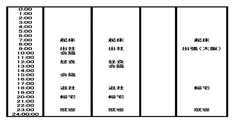
(3)スケジュール 図4i
個人の予定を管理する。本システムの入力メニューから入力しても良いが、グループウェアやユニファイドコミュニケーションツールなど他のリソースからインポート出来るものはインポートしても良い。
なお、一般にはスケジュール表に細かい情報まで入力し管理することは現実的ではないと考えられる。これらの情報をサポートするために対人センサーなどを使用して個人が現在いる場所などを特定することも出来る。例えば個人が会社の実験室にいる情報は、実験室への入退出入時のIDの使用状況によって把握できる。その他、オフィスの自席、自宅の書斎では、対人センサーを用いることによって詳細な現在地の把握が出来る。
個人の予定を管理する。本システムの入力メニューから入力しても良いが、グループウェアやユニファイドコミュニケーションツールなど他のリソースからインポート出来るものはインポートしても良い。
なお、一般にはスケジュール表に細かい情報まで入力し管理することは現実的ではないと考えられる。これらの情報をサポートするために対人センサーなどを使用して個人が現在いる場所などを特定することも出来る。例えば個人が会社の実験室にいる情報は、実験室への入退出入時のIDの使用状況によって把握できる。その他、オフィスの自席、自宅の書斎では、対人センサーを用いることによって詳細な現在地の把握が出来る。
(4)相手の認証
相手側から連絡があった場合に相手の認証を行う必要がある。Aと名乗る人物が本当にAであるか否か確認する必要がある場合には、図4jに示すように人物IDを管理する。このIDは、連絡発信元甲と相手側乙で確認が取れるものであればよい。相手確認を要求する条件(選択プロトコル)では、相手側がコンタクトする場合には必ずIDも知らせる必要がある。人物IDは、必要な認証レベルによっては、Liberty AllianceのIDサーバのような他の認証サービスと連携してもよい。さらにその後、交渉により、段階的に相手が本人である真正性を確認するための個人情報をその状況で必要になる範囲で収集し、判断する。
相手側から連絡があった場合に相手の認証を行う必要がある。Aと名乗る人物が本当にAであるか否か確認する必要がある場合には、図4jに示すように人物IDを管理する。このIDは、連絡発信元甲と相手側乙で確認が取れるものであればよい。相手確認を要求する条件(選択プロトコル)では、相手側がコンタクトする場合には必ずIDも知らせる必要がある。人物IDは、必要な認証レベルによっては、Liberty AllianceのIDサーバのような他の認証サービスと連携してもよい。さらにその後、交渉により、段階的に相手が本人である真正性を確認するための個人情報をその状況で必要になる範囲で収集し、判断する。
(5)プロトコルテーブル 図4g及びh
本システムでは、利用者が使用できるプロトコルを予め定めている。
(5-1)相手と面談したい場合
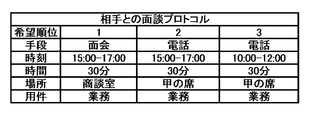
この場合には図4gに示すような「相手との面談プロトコル」テンプレートが用意されている。
図4gに示すように、第一希望、緊急度、時刻、所要時間、場所、用件などの項目が指定されているのでこれに従って、ユーザが入力する。該当する項目が無いときには、入力する必要はない。ユーザが必要に応じて独自の項目を追加することも出来る。なお、このテンプレートは、PSMがユーザ固有の基本設定をもとに、ユーザの状況、スケジュール、施設の利用予約の情報を収集して、利用可能な時刻、(使用可能な)所要時間、(利用可能な)場所(位置・施設・設備)を自動補完してユーザに提示することもできる。このような個人固有の設定は、個人が繰り返し使用し、提示された設定を補正することにより教師付き自動学習等にて精度を向上させて実現できる。
本システムでは、利用者が使用できるプロトコルを予め定めている。
(5-1)相手と面談したい場合
この場合には図4gに示すような「相手との面談プロトコル」テンプレートが用意されている。
図4gに示すように、第一希望、緊急度、時刻、所要時間、場所、用件などの項目が指定されているのでこれに従って、ユーザが入力する。該当する項目が無いときには、入力する必要はない。ユーザが必要に応じて独自の項目を追加することも出来る。なお、このテンプレートは、PSMがユーザ固有の基本設定をもとに、ユーザの状況、スケジュール、施設の利用予約の情報を収集して、利用可能な時刻、(使用可能な)所要時間、(利用可能な)場所(位置・施設・設備)を自動補完してユーザに提示することもできる。このような個人固有の設定は、個人が繰り返し使用し、提示された設定を補正することにより教師付き自動学習等にて精度を向上させて実現できる。
(5-1-1)希望順位
ユーザが第一希望から複数の希望するメニューを指定することが出来る。
(5-1-2)手段
ユーザが相手とコンタクトする場合には様々な手段がある。直接合うこと、固定電話、携帯電話、ネットミーティング、インスタント・メッセンジャー、TV会議を利用するなどの手段が考えられる。ここでは選択する手段を入力する。
(5-1-3)時刻
ユーザが相手と会いたい時刻を入力する。入力は具体的な時間でも良いが、午後、午前中などの広範囲の時間帯の入力も可能である。
(5-1-4)所要時間
ユーザが相手との対話(会合)に使用する所要時間を入力する。
(5-1-5)場所 (位置・施設・設備)
ユーザが相手と会う(対話する)ための予定時間帯に利用可能なユーザからみて適した場所(位置・施設・設備)を入力する。
(5-1-6)用件
ユーザの用件を伝える。
ユーザが第一希望から複数の希望するメニューを指定することが出来る。
(5-1-2)手段
ユーザが相手とコンタクトする場合には様々な手段がある。直接合うこと、固定電話、携帯電話、ネットミーティング、インスタント・メッセンジャー、TV会議を利用するなどの手段が考えられる。ここでは選択する手段を入力する。
(5-1-3)時刻
ユーザが相手と会いたい時刻を入力する。入力は具体的な時間でも良いが、午後、午前中などの広範囲の時間帯の入力も可能である。
(5-1-4)所要時間
ユーザが相手との対話(会合)に使用する所要時間を入力する。
(5-1-5)場所 (位置・施設・設備)
ユーザが相手と会う(対話する)ための予定時間帯に利用可能なユーザからみて適した場所(位置・施設・設備)を入力する。
(5-1-6)用件
ユーザの用件を伝える。
(5-2)緊急支援を要請する場合
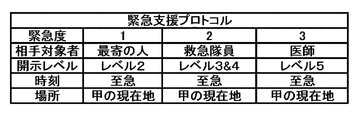
この場合には、図4hに示すように、「緊急支援プロトコル」テンプレートが用意されている。図4hに示すように、緊急度、相手対象者、開示レベル、時刻、場所、などの項目が指定されているので、これに従ってユーザが前もって入力しておく。該当する項目が無いときには、入力する必要はない。ユーザが必要に応じて項目のカスタマイズも出来る。
(5-2-1)緊急度
緊急度を定めておく。この例では、1、2、及び、3としている。
(5-2-2)相手対象者
ユーザが支援を求める相手の資格を決めておく。この例では、最寄の人、救急隊員、及び、医師を設定しておく。
(5-2-3)開示レベル
支援を求める人の資格によって開示する情報のレベルを定めておく。個人のプロファイル(図4a)には、個人情報の開示レベルが示されているので、そのレベルを入力する。
(イ)最寄の人の場合:
レベル2である、性別、大体の年齢、体格、個人の顔写真などが開示される。
(ロ)救急隊員の場合:
レベル3&4である、氏名、住所、生年月日、血液型、保険証IDなどが開示される。
(ハ)医師の場合:
レベル5である、持病、過去の病名、医療上の注意事項、電子カルテのアクセスIDなどが開示される。
(5-2-4)時刻
この場合には至急を入力する。
(5-2-5)場所
この場合には甲の現在地を入力する。
この場合には、図4hに示すように、「緊急支援プロトコル」テンプレートが用意されている。図4hに示すように、緊急度、相手対象者、開示レベル、時刻、場所、などの項目が指定されているので、これに従ってユーザが前もって入力しておく。該当する項目が無いときには、入力する必要はない。ユーザが必要に応じて項目のカスタマイズも出来る。
(5-2-1)緊急度
緊急度を定めておく。この例では、1、2、及び、3としている。
(5-2-2)相手対象者
ユーザが支援を求める相手の資格を決めておく。この例では、最寄の人、救急隊員、及び、医師を設定しておく。
(5-2-3)開示レベル
支援を求める人の資格によって開示する情報のレベルを定めておく。個人のプロファイル(図4a)には、個人情報の開示レベルが示されているので、そのレベルを入力する。
(イ)最寄の人の場合:
レベル2である、性別、大体の年齢、体格、個人の顔写真などが開示される。
(ロ)救急隊員の場合:
レベル3&4である、氏名、住所、生年月日、血液型、保険証IDなどが開示される。
(ハ)医師の場合:
レベル5である、持病、過去の病名、医療上の注意事項、電子カルテのアクセスIDなどが開示される。
(5-2-4)時刻
この場合には至急を入力する。
(5-2-5)場所
この場合には甲の現在地を入力する。
(6)「条件設定テーブル」 図4e
相手側から連絡があった場合に、その相手の目的に基づいて、図4eに示すように通信可能な時間、通信可能な場所、及び、通信可能な用件を予めテーブルに定めておく。例えば、会社の上司からの連絡であれば、可能な限り通信可能としておくことが出来る。個人の車の販売店からの連絡であれば、自宅にいる時間のみ通信可能であるとしておくことが出来る。また、勤務時間中での家族からの連絡であれば、自席にいる場合のみ可能とすることが出来る。
これに関連して、時間許可IDテーブル(図4c)、場所許可IDテーブル(図4d)及び、用件許可IDテーブル(図4f)を設定する。
相手側から連絡があった場合に、その相手の目的に基づいて、図4eに示すように通信可能な時間、通信可能な場所、及び、通信可能な用件を予めテーブルに定めておく。例えば、会社の上司からの連絡であれば、可能な限り通信可能としておくことが出来る。個人の車の販売店からの連絡であれば、自宅にいる時間のみ通信可能であるとしておくことが出来る。また、勤務時間中での家族からの連絡であれば、自席にいる場合のみ可能とすることが出来る。
これに関連して、時間許可IDテーブル(図4c)、場所許可IDテーブル(図4d)及び、用件許可IDテーブル(図4f)を設定する。
これにより以下のような設定が出来る。
例1:人物Aの場合には、時間許可IDが1(いつでも可能)であり、場所許可IDが1(どこでも可能)であり、用件許可IDが1(何でも可能)であるので、ユーザがどこにいても何時でも如何なる用件でも連絡可能である。
例2:同一人物でも、複数の条件設定が可能である。
人物Bを例にとって説明する。
用件許可IDが2(業務のみ)の場合には、時間許可IDが2(勤務中)であり、場所許可IDが2(自席)であるので、用件が業務の場合で、ユーザが勤務中で自席にいる場合には連絡可能である。
用件許可IDが3(趣味)の場合には、時間許可IDが3(帰宅後)であり、場所許可IDが11(自宅ならどこでもOK)であるので、用件が趣味の場合で、ユーザが帰宅後、自宅にいる場合には連絡可能である。
例3:人物Eの場合には、時間許可IDが4(昼食時)であり、場所許可IDが2(自席)であり、用件許可IDが3(趣味)であるので、ユーザの昼食時間中で自席にいる場合に趣味の用件である場合には連絡可能である。
例1:人物Aの場合には、時間許可IDが1(いつでも可能)であり、場所許可IDが1(どこでも可能)であり、用件許可IDが1(何でも可能)であるので、ユーザがどこにいても何時でも如何なる用件でも連絡可能である。
例2:同一人物でも、複数の条件設定が可能である。
人物Bを例にとって説明する。
用件許可IDが2(業務のみ)の場合には、時間許可IDが2(勤務中)であり、場所許可IDが2(自席)であるので、用件が業務の場合で、ユーザが勤務中で自席にいる場合には連絡可能である。
用件許可IDが3(趣味)の場合には、時間許可IDが3(帰宅後)であり、場所許可IDが11(自宅ならどこでもOK)であるので、用件が趣味の場合で、ユーザが帰宅後、自宅にいる場合には連絡可能である。
例3:人物Eの場合には、時間許可IDが4(昼食時)であり、場所許可IDが2(自席)であり、用件許可IDが3(趣味)であるので、ユーザの昼食時間中で自席にいる場合に趣味の用件である場合には連絡可能である。
7.情報の処理フロー
ここでは、本日中に電話で乙が甲と連絡を取りたい場合に、甲と乙の相互のスケジュールを確認しながら双方の都合の良い時間及びコミュニケーションリソースを選択し、コンタクトを取る場合を例にとって図5を使って説明する。
前提条件として、甲と乙はこのようなプロトコルによる通信をお互いに行うことを合意している必要がある。また本システムでサポートしているソフトウェアを予めインストールしておく必要がある。
ここでは、本日中に電話で乙が甲と連絡を取りたい場合に、甲と乙の相互のスケジュールを確認しながら双方の都合の良い時間及びコミュニケーションリソースを選択し、コンタクトを取る場合を例にとって図5を使って説明する。
前提条件として、甲と乙はこのようなプロトコルによる通信をお互いに行うことを合意している必要がある。また本システムでサポートしているソフトウェアを予めインストールしておく必要がある。
(1)プロトコルの作成
前述のように、システムとして様々のプロトコル作成用のテンプレートが用意されている。「相手との面談プロトコル」のテンプレートに予め入力しておく。
前述のように、システムとして様々のプロトコル作成用のテンプレートが用意されている。「相手との面談プロトコル」のテンプレートに予め入力しておく。
(2)甲による第一希望メニューの送信
甲は、乙のPSMへ面談プロトコルの第一希望を送信する。
(3)乙のPSMは、甲の問い合わせを受信すると、先ず甲のIDを確認し本人であることを確認する。これは、予めお互いに個人のIDを登録して置き(図4j)これを確認する。
甲が乙の身内であれが、IDを設定しなくても乙の身内なら当然知っている情報を質問しても良い。例えば、乙の母方の祖母の氏名、乙の生まれた都道府県名などを答えさせて確認しても良い。これらの情報は、プロファイルテーブル(図4a)の中に格納されている。
甲は、乙のPSMへ面談プロトコルの第一希望を送信する。
(3)乙のPSMは、甲の問い合わせを受信すると、先ず甲のIDを確認し本人であることを確認する。これは、予めお互いに個人のIDを登録して置き(図4j)これを確認する。
甲が乙の身内であれが、IDを設定しなくても乙の身内なら当然知っている情報を質問しても良い。例えば、乙の母方の祖母の氏名、乙の生まれた都道府県名などを答えさせて確認しても良い。これらの情報は、プロファイルテーブル(図4a)の中に格納されている。
(4)乙のPSMは、甲の許可レベルを確認する。乙のPSMは「条件の設定ファイル」(図4e)、「スケジュールファイル」(図4i)、及び、「リソースリストファイル」(図4b)を参照し、通信可能か否かを判断する。甲の第一希望と乙の都合とが合致しない場合には、「再送要求」又は「NO」を甲のPSMへ返信する。本実施例では「再送要求」とは、乙のPSMは甲と通信することを承諾している場合であって、「NO」とは、乙のPSMは甲と通信する意図が無いことを意味する。
(5)甲のPSMは、乙の返信「再送要求」を受信し、第二希望のメニューを乙のPSMへ送る。
(6)乙のPSMは、甲からの第二希望の要求を受信し、同様に、乙のスケジュールを確認し甲の第二希望と乙の都合とが合致しない場合には、「再送要求」を甲のPSMへ返信する。
(5)甲のPSMは、乙の返信「再送要求」を受信し、第二希望のメニューを乙のPSMへ送る。
(6)乙のPSMは、甲からの第二希望の要求を受信し、同様に、乙のスケジュールを確認し甲の第二希望と乙の都合とが合致しない場合には、「再送要求」を甲のPSMへ返信する。
(7)甲のPSMは、乙の返信「再送要求」を受信し、第三希望のメニューを乙のPSMへ送る。
(8)乙のPSMは、甲のPSMからの第三希望の要求を受信し、同様に乙のスケジュールを確認し甲の第三希望と乙の都合とが合致する場合には「YES」を甲のPSM
へ返信する。複数の候補がある場合に、全て、または、どれを選択するかは任意に選択できる。
(9)甲のPSMは、甲に連絡し確認をとる。甲の確認が取れたら、甲のPSMは、乙のPSMへ確認を送信する。
(10) なお、予定時間の直前で、乙のPSMが乙及び甲に再確認を取ることも出来る。
(8)乙のPSMは、甲のPSMからの第三希望の要求を受信し、同様に乙のスケジュールを確認し甲の第三希望と乙の都合とが合致する場合には「YES」を甲のPSM
へ返信する。複数の候補がある場合に、全て、または、どれを選択するかは任意に選択できる。
(9)甲のPSMは、甲に連絡し確認をとる。甲の確認が取れたら、甲のPSMは、乙のPSMへ確認を送信する。
(10) なお、予定時間の直前で、乙のPSMが乙及び甲に再確認を取ることも出来る。
以上のように、甲のPSMは、乙に対して、第一希望、第二希望、第三希望のスケジュール・場所・ツール等を順次開示しながら乙との合意点を検索していくことが出来る。もし第一希望で甲と乙が合意出来る場合には、甲は、第二希望、第三希望に含まれる情報を開示する必要はない。一方乙は、乙の甲に対する接し方、乙のスケジュール、場所、ツールなどを参照し、甲の問い合わせに対しその結果のみを返信する。乙は、乙の個人情報である乙のスケジュール、場所、ツール等を、全てではなく、一部のみの情報を甲に知らせることにより、甲との合意点を検索出来る。また、PSMの交渉機能部(220)は、特定の相手に対して、この面談スケジュール調整プロトコルでの情報の送受信で、相手にどこまで現在の個人情報を公開しているか記録できる機能も有している。それによって個人のその時点または未来の状況や属性に関する情報がどの程度まで最終的に相手に公開されているのか把握でき、必要以上の粒度で特定の相手に個人の情報を繰り返し提供することを防ぐことができる。たとえば、乙のPSMは、同一PSMからの場所や自由時間に関する問合せに対して返信制限を設定することが出来る。これにより、甲からの一連の送受信で多数の希望問合せに対して乙が全て回答することにより、甲のPSMに、乙のその日の行動予定を必要以上に公開することを防ぐことが出来る。
[不特定の相手へ緊急支援を求める場合]
実施例2の目的は、不特定多数のメンバーから条件に一致したメンバーとのコミュニケーションを対象にしている。この場合には、発信人のプライバシーを守りつつ必要最小限の個人情報を段階的に開示しつつ、救援を求める場合である。本願発明の応用例として、街中で具合が悪くなったときに誰かに助けを求める場合を例に取って説明する。
実施例2の目的は、不特定多数のメンバーから条件に一致したメンバーとのコミュニケーションを対象にしている。この場合には、発信人のプライバシーを守りつつ必要最小限の個人情報を段階的に開示しつつ、救援を求める場合である。本願発明の応用例として、街中で具合が悪くなったときに誰かに助けを求める場合を例に取って説明する。
1.概念図
図6は実施例2を実施する概念図を示す。実施例1との異なる点は仲介機が必要であることである。甲は仲介機との連絡方法を知っていれば良く乙も仲介機との連絡方法を知っていれば良い。甲と乙とは直接にコンタクトする必要はないが、甲と乙との合意の下では、直接にコンタクトすることも出来る。
発信者甲は、受信者乙への連絡情報を知らせる必要はなくお互いの個人情報を開示する必要はない。
図6は実施例2を実施する概念図を示す。実施例1との異なる点は仲介機が必要であることである。甲は仲介機との連絡方法を知っていれば良く乙も仲介機との連絡方法を知っていれば良い。甲と乙とは直接にコンタクトする必要はないが、甲と乙との合意の下では、直接にコンタクトすることも出来る。
発信者甲は、受信者乙への連絡情報を知らせる必要はなくお互いの個人情報を開示する必要はない。
2.機能ブロック
図8は、実施例2で使用される仲介機400の機能ブロックを示す図である。仲介機の構成要素として、送受信部410、甲との送受信部412、対人コンタクト要求確認部414、最適メンバーの選択部420、乙との送受信部422、内容確認部424が含まれる。
図8は、実施例2で使用される仲介機400の機能ブロックを示す図である。仲介機の構成要素として、送受信部410、甲との送受信部412、対人コンタクト要求確認部414、最適メンバーの選択部420、乙との送受信部422、内容確認部424が含まれる。
以下に仲介機の各構成について説明する。
3.機能ブロックの詳細
(1)送受信部410
支援を求める甲、及び、支援する乙等との情報の送受信を行う。
(2)甲との送受信部412
支援を求める甲の情報の送受信を行う。
(3)対人コンタクト要求確認部414
仲介機は、支援を求めた甲について、甲がメンバーであるか、支援の目的は何であるか、甲の現在地等の確認を行う。詳細な甲の現在地が必要な場合には、甲のPSMのGPS機能を使用して、甲の正確な位置情報を求める。
3.機能ブロックの詳細
(1)送受信部410
支援を求める甲、及び、支援する乙等との情報の送受信を行う。
(2)甲との送受信部412
支援を求める甲の情報の送受信を行う。
(3)対人コンタクト要求確認部414
仲介機は、支援を求めた甲について、甲がメンバーであるか、支援の目的は何であるか、甲の現在地等の確認を行う。詳細な甲の現在地が必要な場合には、甲のPSMのGPS機能を使用して、甲の正確な位置情報を求める。
(4)最適メンバーの選択部420
先ず、仲介機は甲と同じエリアにいるメンバーを探す。好適には、携帯電話機に基づき、現在の甲と同じマイクロセルエリアにいるメンバーを探し、その中からメンバーのPSMに備わっているGPS機能を利用して、甲と最も近い位置にいるメンバーを探すことが出来る。近くにいるメンバーで、支援の目的に最適なメンバーを選択する。例えば、支援する時間的余裕があることが前提条件であるが、支援に必要な技術を有している、あるいは、支援を求めている人と同性であるなどの条件を考慮して、最適なメンバーを選択する。
(5)乙との送受信部422
仲介機は選択された乙に支援を求める。
(6)内容確認部424
仲介機は、乙からの受諾の確認及び内容について確認し甲へ転送する。また甲からの内容を確認し乙へ転送する。
先ず、仲介機は甲と同じエリアにいるメンバーを探す。好適には、携帯電話機に基づき、現在の甲と同じマイクロセルエリアにいるメンバーを探し、その中からメンバーのPSMに備わっているGPS機能を利用して、甲と最も近い位置にいるメンバーを探すことが出来る。近くにいるメンバーで、支援の目的に最適なメンバーを選択する。例えば、支援する時間的余裕があることが前提条件であるが、支援に必要な技術を有している、あるいは、支援を求めている人と同性であるなどの条件を考慮して、最適なメンバーを選択する。
(5)乙との送受信部422
仲介機は選択された乙に支援を求める。
(6)内容確認部424
仲介機は、乙からの受諾の確認及び内容について確認し甲へ転送する。また甲からの内容を確認し乙へ転送する。
4.情報の処理フロー
前提条件として、実施例1と同様に甲と乙はこのような通信をお互いに行うことをメンバーとして登録している必要がある。本システムでサポートしているソフトウェアを予めインストールしておく必要がある。
街中で具合が悪くなったときに誰かに助けを求める場合を例にとって説明する。以下に情報の処理フローについて図7を使って具体的に説明していく。
(1)プロトコルの作成
前述のように、「緊急支援用のプロトコル」のテンプレートに、必要事項を入力しておく。
(2)緊急度#1の送信
甲が街中で具合が悪くなったとする。甲は甲のPSMから仲介機へプロトコル緊急度レベル1を送信する。
前提条件として、実施例1と同様に甲と乙はこのような通信をお互いに行うことをメンバーとして登録している必要がある。本システムでサポートしているソフトウェアを予めインストールしておく必要がある。
街中で具合が悪くなったときに誰かに助けを求める場合を例にとって説明する。以下に情報の処理フローについて図7を使って具体的に説明していく。
(1)プロトコルの作成
前述のように、「緊急支援用のプロトコル」のテンプレートに、必要事項を入力しておく。
(2)緊急度#1の送信
甲が街中で具合が悪くなったとする。甲は甲のPSMから仲介機へプロトコル緊急度レベル1を送信する。
(3)仲介機が、甲の支援要求を受信し甲の現在位置を確認する。現在位置を確認する方法としては、甲がその情報を入力して仲介機に送信することも出来るが、携帯電話を利用している場合には基地局からの距離によって、おおよその位置を把握することも出来る。PHSの場合には、数10メートルから数百メートルのマイクロセルで、携帯電話の場合には、数百メートルから数キロメートルのマイクロセルでカバーされている。さらに正確な現在位置が必要な場合にはGPS(Global Positioning System)を利用して現在位置を求めそれを仲介機へ送信することもできる。
(4)仲介機は甲と同じエリアにいるメンバーに、甲を救援できるか否かを問合せする。
(5)メンバーが、甲と同じエリアにいて、なお且つ、甲を支援することが出来る場合には、仲介機にその旨を乙のPSMを介して送信する。
(4)仲介機は甲と同じエリアにいるメンバーに、甲を救援できるか否かを問合せする。
(5)メンバーが、甲と同じエリアにいて、なお且つ、甲を支援することが出来る場合には、仲介機にその旨を乙のPSMを介して送信する。
(6)仲介機は、支援可能なメンバーの中から、その問題解決に最適な一人または複数のメンバーを選択し、甲に連絡する。
(7)甲のPSMは、これらのメンバーにレベル2の個人情報を開示する。レベル2の個人情報とは、例えば、甲に支援が必要な理由、甲の正確な場所、性別、年齢、体型、体重、身長、顔写真などを仲介機へ送る。
(8)仲介機は、これらの情報を選択されたメンバーへ転送する。
(9)選択されたメンバーは、開示された情報を基に甲を探して甲を支援する。ここで、選択されたメンバーによって問題が解決された場合には、これで終了となる。しかし問題が解決されないで、さらに別の人の支援が必要となった場合には、さらに、甲は甲のPSMを介して仲介機に送信する。解決しようとする問題によって、支援する為に必要な人は、救急車、警察官、などがある。この例では、選択されたメンバーの支援を受け、さらに、救急車を呼ぶ必要があると判断したとする。
(10)甲は甲のPSMを介して、緊急度レベル2を指定して仲介機へ救急車の支援を依頼する。
(11)仲介機は、甲の現在地を管轄する消防署へ連絡する。
(7)甲のPSMは、これらのメンバーにレベル2の個人情報を開示する。レベル2の個人情報とは、例えば、甲に支援が必要な理由、甲の正確な場所、性別、年齢、体型、体重、身長、顔写真などを仲介機へ送る。
(8)仲介機は、これらの情報を選択されたメンバーへ転送する。
(9)選択されたメンバーは、開示された情報を基に甲を探して甲を支援する。ここで、選択されたメンバーによって問題が解決された場合には、これで終了となる。しかし問題が解決されないで、さらに別の人の支援が必要となった場合には、さらに、甲は甲のPSMを介して仲介機に送信する。解決しようとする問題によって、支援する為に必要な人は、救急車、警察官、などがある。この例では、選択されたメンバーの支援を受け、さらに、救急車を呼ぶ必要があると判断したとする。
(10)甲は甲のPSMを介して、緊急度レベル2を指定して仲介機へ救急車の支援を依頼する。
(11)仲介機は、甲の現在地を管轄する消防署へ連絡する。
(12)連絡を受けた消防署は、甲へ直接連絡する。
(13)甲は、消防署の救急隊員であることを確認し、さらに、詳細な個人情報レベル3&4の情報、例えば、住所、氏名、血液型、救急時に使用してはならない薬品・対処法を知らせる。
救急車は当然のことながら甲を病院へ搬送する。救急隊員は病院へ連絡する。
(14)救急車から連絡を受けた医者は、甲へ連絡する。
(15)甲は、医者に対して、開示レベル5の個人情報、過去の持病、治療・手術で用いてはならない事項、かかりつけの病院情報、電子カルテアクセスIDその他があればそれらを開示する。
(13)甲は、消防署の救急隊員であることを確認し、さらに、詳細な個人情報レベル3&4の情報、例えば、住所、氏名、血液型、救急時に使用してはならない薬品・対処法を知らせる。
救急車は当然のことながら甲を病院へ搬送する。救急隊員は病院へ連絡する。
(14)救急車から連絡を受けた医者は、甲へ連絡する。
(15)甲は、医者に対して、開示レベル5の個人情報、過去の持病、治療・手術で用いてはならない事項、かかりつけの病院情報、電子カルテアクセスIDその他があればそれらを開示する。
以上のように、ユーザはユーザの全ての個人情報を、最初から全て相手に公開するのではなく、支援を求める人の資格に対応して、順次必要な情報のみを開示することが出来る。
300:コンピュータ
302:プロセッサー
304:コミュニケーションバス
306:メインメモリ
308:2次メモリー
310:ハードディスク
316:キーボード
318:マウス
320:ディスプレー
326:音声アダプター
328:音声装置
302:プロセッサー
304:コミュニケーションバス
306:メインメモリ
308:2次メモリー
310:ハードディスク
316:キーボード
318:マウス
320:ディスプレー
326:音声アダプター
328:音声装置
Claims (12)
- 第一の通信手段、第一の個人データ及び第一の通信プロトコルを含む第一のPSM、並びに、第二の通信手段、第二の個人データ及び第一の通信プロトコルに対応する第二の通信プロトコルを含む第二のPSM、を含む、通信システムであって、
(a) 第一のPSMが、第一の通信プロトコルに基づき、第一の個人データの中から第一の部分のデータの開示を行い、第二のPSMへ通信要求をする手段と、
(b) 第二のPSMが、第一のPSMからの通信要求を受信し、第二の通信プロトコルに基づき、第一のPSMへ返信する手段と、
(c) 第一のPSMが、第二のPSMからの通信を受信し、合意点が得られない場合には、第一の通信プロトコルに基づき、第一の個人データの中から第二の部分のデータの開示を行い、第二のPSMの通信する手段と、
(d)(a)から(c)を第一のPSMと第二のPSMの合意点が得られるまで繰り返す手段、
を有する通信システム。 - 第一の通信手段、第一の個人データ及び第一の通信プロトコルを含む第一のPSM、並びに、第二の通信手段、第二の個人データ及び第一の通信プロトコルに対応する第二の通信プロトコルを含む第二のPSM、さらに、前記第一の通信手段と前記第二の通信手段と通信する仲介機を含む、通信システムであって、
(a) 第一のPSMが、第一の通信プロトコルに基づき、第一の個人データの中から第一の部分のデータの開示を行い、仲介機へ通信要求をする手段と、
(b) 仲介機が、第一の通信プロトコルに基づき、第二のPSMに通信要求を出す手段と、
(c) 第二のPSMが、仲介機を介して、第一のPSMからの通信要求を受信し、第二の通信プロトコルに基づき、第一のPSMへ通信する手段と、
(d) 第一のPSMが、第二のPSMからの通信を受信し、合意点が得られない場合には、第一の通信プロトコルに基づき、仲介機を介して、第一の個人データの中から第二の部分のデータの開示を行い、第二のPSMの通信する手段と、
(e)(a)から(d)を第一のPSMと第二のPSMの合意点が得られるまで繰り返す手段、
を有する通信システム。 - 第一の通信手段、第一の個人データ及び第一の通信プロトコルを含む第一のPSM、並びに、第二の通信手段、第二の個人データ及び第一の通信プロトコルに対応する第二の通信プロトコルを含む第二のPSM、さらに、前記第一の通信手段と前記第二の通信手段と通信する仲介機を含む、通信システムであって、
(a) 第一のPSMが、第一の通信プロトコルに基づき、第二のPSMの有する資格に対応して、第一の個人データの中から第一の部分のデータの開示を行い、仲介機へ通信要求を送信する手段と、
(b) 仲介機が、第一の通信プロトコルに基づき、第二のPSMの有する資格を満たす少なくとも一つの第二のPSMに通信要求を送信する手段と、
(c) 少なくとも一つの第二のPSMが、仲介機を介してまたは仲介機を介さないで、第二の通信プロトコルに基づき、第一のPSMへ通信する手段と、
(d) 第一のPSMが、第二のPSMの有する資格を確認した上で、仲介機を介してまたは仲介機を介さないで、第一の個人データの中から第二の部分のデータの開示を行う手段と、
(e) (a)から(d)の手段を、第一のPSMが所定の目的を達するまで、繰り返す手段と、
を有する通信システム。 - 前記第一及び第二の個人データには、個人プロファイル情報、通信可能な時間に間する情報、通信可能な場所に関する情報、通信の目的に関する情報、通信可能な機器に関する情報、個人を特定する画像情報、個人を特定する音声情報、及び、相手への許可情報の何れかの情報を含む請求項1から3に記載のシステム。
- 前記第一及び第二の個人データ開示は、個人が定義した個人情報の機密性の低い情報から高い情報へと段階的に行うことを特徴とする請求項4に記載のシステム。
- 第一のPSMが、同一PSMから予め通信プロトコル毎に定めた頻度以上の通信要求があった場合、前記同一PSMへの返信を制限する請求項1から3に記載のシステム。
- 第一の通信手段、第一の個人データ及び第一の通信プロトコルを含む第一のPSM、並びに、第二の通信手段、第二の個人データ及び第一の通信プロトコルに対応する第二の通信プロトコルを含む第二のPSMを含む、通信システムにおいて、以下のステップを有する方法、
(a) 第一のPSMが、第一の通信プロトコルに基づき、第一の個人データの中から第一の部分のデータの開示を行い、第二のPSMへ通信要求をするステップと、
(b) 第二のPSMが、第一のPSMからの通信要求を受信し、第二の通信プロトコルに基づき、第一のPSMへ返信するステップと、
(c) 第一のPSMが、第二のPSMからの通信を受信し、合意点が得られない場合には、第一の通信プロトコルに基づき、第一の個人データの中から第二の部分のデータの開示を行い、第二のPSMの通信するステップと、
(d)(a)から(c)を第一のPSMと第二のPSMの合意点が得られるまで繰り返すステップ、
を有する方法。 - 第一の通信手段、第一の個人データ及び第一の通信プロトコルを含む第一のPSM、並びに、第二の通信手段、第二の個人データ及び第一の通信プロトコルに対応する第二の通信プロトコルを含む第二のPSM、さらに、前記第一の通信手段と前記第二の通信手段と通信する仲介機を、含む通信システムにおいて、以下のステップを有する通信方法、(a) 第一のPSMが、第一の通信プロトコルに基づき、第一の個人データの中から第一の部分のデータの開示を行い、仲介機へ通信要求をするステップと、
(b) 仲介機が、第一の通信プロトコルに基づき、第二のPSMに通信要求を出すステップと、
(c) 第二のPSMが、仲介機を介して、第一のPSMからの通信要求を受信し、第二の通信プロトコルに基づき、第一のPSMへ通信するステップと、
(d) 第一のPSMが、第二のPSMからの通信を受信し、合意点が得られない場合には、第一の通信プロトコルに基づき、仲介機を介して、第一の個人データの中から第二の部分のデータの開示を行い、第二のPSMの通信するステップと、
(e)(a)から(d)を第一のPSMと第二のPSMの合意点が得られるまで繰り返すステップ、
を有する通信方法。 - 第一の通信手段、第一の個人データ及び第一の通信プロトコルを含む第一のPSM、並びに、第二の通信手段、第二の個人データ及び第一の通信プロトコルに対応する第二の通信プロトコルを含む第二のPSM、さらに、前記第一の通信手段と前記第二の通信手段と通信する仲介機を含む、通信システムにおいて、以下のステップを含む方法、
(a) 第一のPSMが、第一の通信プロトコルに基づき、第二のPSMの有する資格に対応して、第一の個人データの中から第一の部分のデータの開示を行い、仲介機へ通信要求を送信するステップと、
(b) 仲介機が、第一の通信プロトコルに基づき、第二のPSMの有する資格を満たす少なくとも一つの第二のPSMに通信要求を送信するステップと、
(c) 少なくとも一つの第二のPSMが、仲介機を介してまたは仲介機を介さないで、第二の通信プロトコルに基づき、第一のPSMへ通信するステップと、
(d) 第一のPSMが、第二のPSMの有する資格を確認した上で、仲介機を介してまたは仲介機を介さないで、第一の個人データの中から第二の部分のデータの開示を行うステップと、
(e) (a)から(d)の手段を、第一のPSMが所定の目的を達するまで、繰り返すステップと、を有する通信方法。 - 前記第一及び第二の個人データには、個人プロファイル情報、通信可能な時間に間する情報、通信可能な場所に関する情報、通信の目的に関する情報、通信可能な機器に関する情報、個人を特定する画像情報、個人を特定する音声情報、及び、相手への許可情報の何れかの情報を含む請求項7から9に記載の方法。
- 前記第一及び第二の個人データ開示は、個人が定義した個人情報の機密性の低い情報から高い情報へと段階的に行うことを特徴とする請求項10に記載の方法。
- 第一のPSMが、同一PSMから予め通信プロトコル毎に定めた頻度以上の通信要求があった場合、前記同一PSMへの返信を制限する請求項7から9に記載の方法。
Priority Applications (1)
| Application Number | Priority Date | Filing Date | Title |
|---|---|---|---|
| PCT/JP2009/058498 WO2010125680A1 (ja) | 2009-04-30 | 2009-04-30 | 段階的に開示される個人情報に基づく通信システム・方法 |
Applications Claiming Priority (1)
| Application Number | Priority Date | Filing Date | Title |
|---|---|---|---|
| PCT/JP2009/058498 WO2010125680A1 (ja) | 2009-04-30 | 2009-04-30 | 段階的に開示される個人情報に基づく通信システム・方法 |
Publications (1)
| Publication Number | Publication Date |
|---|---|
| WO2010125680A1 true WO2010125680A1 (ja) | 2010-11-04 |
Family
ID=43031842
Family Applications (1)
| Application Number | Title | Priority Date | Filing Date |
|---|---|---|---|
| PCT/JP2009/058498 Ceased WO2010125680A1 (ja) | 2009-04-30 | 2009-04-30 | 段階的に開示される個人情報に基づく通信システム・方法 |
Country Status (1)
| Country | Link |
|---|---|
| WO (1) | WO2010125680A1 (ja) |
Citations (3)
| Publication number | Priority date | Publication date | Assignee | Title |
|---|---|---|---|---|
| JP2005031925A (ja) * | 2003-07-10 | 2005-02-03 | Kyocera Mita Corp | 画像形成システム |
| JP2005038210A (ja) * | 2003-07-15 | 2005-02-10 | Nec Corp | 情報提供システム、サービスサーバ、ユーザ端末装置、店舗端末装置、情報提供方法、およびそのプログラム |
| JP2008225756A (ja) * | 2007-03-12 | 2008-09-25 | Nec Corp | 遠隔会議開催システム、遠隔会議開催方法、制御装置、制御方法及び制御プログラム |
-
2009
- 2009-04-30 WO PCT/JP2009/058498 patent/WO2010125680A1/ja not_active Ceased
Patent Citations (3)
| Publication number | Priority date | Publication date | Assignee | Title |
|---|---|---|---|---|
| JP2005031925A (ja) * | 2003-07-10 | 2005-02-03 | Kyocera Mita Corp | 画像形成システム |
| JP2005038210A (ja) * | 2003-07-15 | 2005-02-10 | Nec Corp | 情報提供システム、サービスサーバ、ユーザ端末装置、店舗端末装置、情報提供方法、およびそのプログラム |
| JP2008225756A (ja) * | 2007-03-12 | 2008-09-25 | Nec Corp | 遠隔会議開催システム、遠隔会議開催方法、制御装置、制御方法及び制御プログラム |
Similar Documents
| Publication | Publication Date | Title |
|---|---|---|
| US8521186B2 (en) | Method and device for determining location-enhanced presence information for entities subscribed to a communications system | |
| US8346863B2 (en) | Contact initialization based upon automatic profile sharing between computing devices | |
| US5812865A (en) | Specifying and establishing communication data paths between particular media devices in multiple media device computing systems based on context of a user or users | |
| US5611050A (en) | Method for selectively performing event on computer controlled device whose location and allowable operation is consistent with the contextual and locational attributes of the event | |
| KR101039001B1 (ko) | 협의 진료 시스템 및 그 방법 | |
| US8412539B2 (en) | Handheld medical information management device | |
| US8219670B2 (en) | System and method for adaptive context aware interaction of user with entity of interest | |
| US8225374B2 (en) | System and method for using a communication lease to open a communication channel | |
| US8589176B2 (en) | Methods and systems for managing communication requests in an institutional setting such as a healthcare facility | |
| JP5915341B2 (ja) | 情報処理装置、情報処理方法及びコンピュータプログラム | |
| Varshney | Using wireless technologies in healthcare | |
| JP2012048708A (ja) | コミュニケーション支援装置およびプログラム | |
| WO2007071014A1 (en) | Method and system for enhancing collaboration | |
| US20140019640A1 (en) | System and method for dynamically re-configuring communications session routing based on location information | |
| JP2002163353A (ja) | エンティティを識別するコンピュータ化された方法及びエンティティを識別する通信ネットワーク | |
| US20090198645A1 (en) | Method for exploitation of social networks to derive a location of employees | |
| JP2014505383A (ja) | 仮想空間の生成を含む通信システム及び方法 | |
| US20140316800A1 (en) | Physician Regional Access Networking Agent | |
| CN101459736A (zh) | 用于生成预期能力数据的方法和系统 | |
| Isong et al. | Mobile-based medical emergency ambulance scheduling system | |
| US9088653B2 (en) | Adaptive system with call center and trusted network | |
| US20070165640A1 (en) | System and method for dynamically re-directing communications sessions based on location-enhanced information | |
| US9380153B2 (en) | Adaptive system with call center and trusted network | |
| JP2013235419A (ja) | 高度在宅サービス調整プラットフォームをサポートする方法 | |
| WO2010125680A1 (ja) | 段階的に開示される個人情報に基づく通信システム・方法 |
Legal Events
| Date | Code | Title | Description |
|---|---|---|---|
| 121 | Ep: the epo has been informed by wipo that ep was designated in this application |
Ref document number: 09844024 Country of ref document: EP Kind code of ref document: A1 |
|
| NENP | Non-entry into the national phase |
Ref country code: DE |
|
| NENP | Non-entry into the national phase |
Ref country code: JP |
|
| 122 | Ep: pct application non-entry in european phase |
Ref document number: 09844024 Country of ref document: EP Kind code of ref document: A1 |