WO2010073647A1 - 抗ヒトインフルエンザウイルス・ヒト型抗体 - Google Patents
抗ヒトインフルエンザウイルス・ヒト型抗体 Download PDFInfo
- Publication number
- WO2010073647A1 WO2010073647A1 PCT/JP2009/007159 JP2009007159W WO2010073647A1 WO 2010073647 A1 WO2010073647 A1 WO 2010073647A1 JP 2009007159 W JP2009007159 W JP 2009007159W WO 2010073647 A1 WO2010073647 A1 WO 2010073647A1
- Authority
- WO
- WIPO (PCT)
- Prior art keywords
- human
- virus
- antibody
- seq
- human influenza
- Prior art date
- Legal status (The legal status is an assumption and is not a legal conclusion. Google has not performed a legal analysis and makes no representation as to the accuracy of the status listed.)
- Ceased
Links
Images








Classifications
-
- C—CHEMISTRY; METALLURGY
- C07—ORGANIC CHEMISTRY
- C07K—PEPTIDES
- C07K16/00—Immunoglobulins [IG], e.g. monoclonal or polyclonal antibodies
- C07K16/08—Immunoglobulins [IG], e.g. monoclonal or polyclonal antibodies against material from viruses
- C07K16/10—RNA viruses
- C07K16/108—Orthomyxoviridae (F), e.g. influenza virus
-
- A—HUMAN NECESSITIES
- A61—MEDICAL OR VETERINARY SCIENCE; HYGIENE
- A61P—SPECIFIC THERAPEUTIC ACTIVITY OF CHEMICAL COMPOUNDS OR MEDICINAL PREPARATIONS
- A61P31/00—Antiinfectives, i.e. antibiotics, antiseptics, chemotherapeutics
- A61P31/12—Antivirals
- A61P31/14—Antivirals for RNA viruses
- A61P31/16—Antivirals for RNA viruses for influenza or rhinoviruses
-
- A—HUMAN NECESSITIES
- A61—MEDICAL OR VETERINARY SCIENCE; HYGIENE
- A61K—PREPARATIONS FOR MEDICAL, DENTAL OR TOILETRY PURPOSES
- A61K39/00—Medicinal preparations containing antigens or antibodies
- A61K2039/505—Medicinal preparations containing antigens or antibodies comprising antibodies
-
- C—CHEMISTRY; METALLURGY
- C07—ORGANIC CHEMISTRY
- C07K—PEPTIDES
- C07K2317/00—Immunoglobulins specific features
- C07K2317/10—Immunoglobulins specific features characterized by their source of isolation or production
- C07K2317/14—Specific host cells or culture conditions, e.g. components, pH or temperature
-
- C—CHEMISTRY; METALLURGY
- C07—ORGANIC CHEMISTRY
- C07K—PEPTIDES
- C07K2317/00—Immunoglobulins specific features
- C07K2317/20—Immunoglobulins specific features characterized by taxonomic origin
- C07K2317/21—Immunoglobulins specific features characterized by taxonomic origin from primates, e.g. man
-
- C—CHEMISTRY; METALLURGY
- C07—ORGANIC CHEMISTRY
- C07K—PEPTIDES
- C07K2317/00—Immunoglobulins specific features
- C07K2317/30—Immunoglobulins specific features characterized by aspects of specificity or valency
- C07K2317/34—Identification of a linear epitope shorter than 20 amino acid residues or of a conformational epitope defined by amino acid residues
-
- C—CHEMISTRY; METALLURGY
- C07—ORGANIC CHEMISTRY
- C07K—PEPTIDES
- C07K2317/00—Immunoglobulins specific features
- C07K2317/70—Immunoglobulins specific features characterized by effect upon binding to a cell or to an antigen
- C07K2317/76—Antagonist effect on antigen, e.g. neutralization or inhibition of binding
Definitions
- the present invention has neutralizing activity against the H3N2 subtype of human influenza A virus, binds to the hemagglutinin HA1 region of the H3N2 subtype of human influenza A virus, or is moderate to human influenza B virus
- the present invention relates to an anti-human influenza virus / human antibody having a total activity.
- Influenza viruses belong to the Orthomyxoviridae family and are classified into three genera, type A, type B, and type C, and are referred to as influenza A virus, influenza B virus, and influenza C virus, respectively. In general, influenza viruses often refer to types A and B in particular.
- the difference between A-type, B-type and C-type is based on the antigenicity difference between M1 protein and NP protein among the proteins constituting the virus particle.
- influenza A virus is classified into subtypes such as H1N1, H2N2, and H3N2. Since human influenza A virus periodically mutates HA and NA, even if it is vaccinated corresponding to a conventional subtype, the effect cannot be expected in many cases.
- HA hemagglutinin
- NA neuraminidase
- HA of influenza A virus is composed of regions with different structures, the head region and the stem region, which contain a receptor binding site for the virus to bind to the target cell.
- the stem region Involved in the hemagglutination activity of HA, the stem region contains a fusion peptide necessary for membrane fusion between the viral envelope and the endosomal membrane of the cell, and is involved in the fusion activity (Non-patent Document 1).
- Most anti-HA antibodies that recognize H1N1 and H2N2 subtypes of influenza A virus recognize the globular region of HA. However, this region is the most prone to antigenic mutations, and these antibodies do not react in common with human influenza A virus subtypes and lose their recognition as the viral HA antigen changes. There are many cases to do.
- Patent Document 1 and Non-Patent Document 2 disclose that a polypeptide was synthesized from the amino acid sequence of one HA trunk region of influenza A virus H3N2 subtype, and an antibody against this polypeptide was obtained. These antibodies have weak virus neutralizing activity (Patent Document 1), and the polypeptide itself used as an antigen does not react with rabbit antiviral sera obtained by immunization with the H3N2 subtype, and is antigenic. There was also a problem in terms of point (Non-patent Document 2).
- influenza virus subtypes If it is common to influenza virus subtypes and recognizes antigenic sites that are unlikely to cause antigenic mutations in HA and NA molecules, and can obtain an antibody that has neutralizing activity against influenza virus, it can be caused by viral infection. It can be used for diagnosis, prevention and treatment, and the antigen site itself is also useful as a vaccine.
- antigen site itself is also useful as a vaccine.
- Patent Document 4 an antibody that recognizes a specific polypeptide sequence in the stem region of the H3N2 subtype of influenza A virus but does not recognize the H1N1 subtype and the H2N2 subtype.
- Patent Document 5 a human Fab antibody that neutralizes the H3N2 subtype of influenza A virus.
- Influenza is a worldwide epidemic, and it is type A human influenza that causes many deaths (Patent Documents 2 to 4).
- the H3N2 subtype of influenza A virus is a subtype that caused a global epidemic in the past, and in recent years it has been reported that resistant strains have also increased against drugs with anti-influenza virus action such as amantadine (New York Times, January 15, 2006).
- drugs with anti-influenza virus action such as amantadine
- JP 59-501714 Japanese Patent Laid-Open No. 6-100594 JP 7-265077 A JP 7-304799 A JP 2006-254777 A
- An object of the present invention is to provide a human antibody having neutralizing activity against human influenza virus. More specifically, an object of the present invention is to provide a human antibody having a neutralizing activity by recognizing a highly conserved region against the H3N2 subtype of human influenza A virus or human influenza B virus.
- the present inventors have conducted intensive studies, and as a result, cells capable of high-efficiency cell fusion with peripheral blood mononuclear cells and human-derived lymphocytes collected from healthy people who have been vaccinated with influenza. Hybridomas were prepared from the cells, and antibody-producing cells having binding activity to influenza virus-derived proteins were selected to produce anti-human influenza virus / human antibodies. Among the obtained antibodies, particularly for human influenza A virus H3N2 subtype or human influenza B virus, a highly conserved region is recognized and a human antibody having neutralizing activity is selected. The antibody of the invention was obtained.
- the present invention comprises the following. 1. Has a neutralizing activity against the human influenza A virus H3N2 subtype, binds to the hemagglutinin HA1 region of the human influenza A virus H3N2 subtype, or has a neutralizing activity against the human influenza B virus, Anti-human influenza virus / human antibody. 2. 2. The anti-human influenza virus / human antibody according to item 1 above, wherein the anti-human influenza virus / human antibody does not have neutralizing activity against human influenza A virus H1 subtype and H2 subtype. 3. An anti-influenza / human antibody that has neutralizing activity against human influenza A virus H3N2 subtype has at least neutralizing activity against A / Hiroshima / 52/05 strain, and human influenza 2.
- the anti-human influenza virus / human antibody according to item 1 above, wherein the antibody having neutralizing activity against type B virus has neutralizing activity against at least the B / Malaysia / 2506/04 strain. 4).
- the epitope recognized by the antibody is a region containing amino acid sequences 173-181 and / or amino acids 227-239 from the N-terminal among the amino acid sequences constituting hemagglutinin HA1 of human influenza A virus H3N2 subtype 4.
- the anti-human influenza virus / human antibody according to any one of 1 to 3 above, which is a region containing a sequence. 5).
- the epitope comprises an amino acid sequence comprising the amino acid sequence shown in SEQ ID NO: 1 or 2 below, or an amino acid sequence in which 1 to 2 amino acids are substituted, deleted, added or introduced among these amino acid sequences
- the epitope comprises an amino acid sequence comprising the amino acid sequence shown in SEQ ID NO: 3 or 4 below, or an amino acid sequence in which one to two amino acids are substituted, deleted, added or introduced among these amino acid sequences
- the anti-human influenza virus / human antibody according to item 4 above: 1) SSRISIYWTIVKP (SEQ ID NO: 3); 2) PSRISIYWTIVKP (SEQ ID NO: 4). 7).
- the base sequence of DNA encoding the variable region of the antibody is selected from any one of the base sequences shown in SEQ ID NOs: 5 to 12 below, or one to a plurality of nucleotides in these base sequences are substituted or missing.
- Anti-human influenza virus / human-type antibody containing any lost, added or introduced nucleotide sequence 1) GAGGAGAACCTGTTGCAGTCTGGGGGAGGCTTGGTCCAGCCGGGGGGGTCCCTGAGACTCTCCTGTGCAGGCTCTGGATTCACGTTTAGTACTTACGCCATGACCTGGGTCCGCCAGGCTCCAGGACAGGGGCTGGAGTGGGTCTCCTCTATTAGCGGTAGTGGTGAAATTTCCTATTACGCAGACTCCGTGAAGGGCCTGTTCACCATCTCCAGGGACAATTCCAAGGACACAGTGTTTCTGCAAATGACCAGCCTGAGAGCCGAAGACACGGCCGTATATTACTGTGCGAAATCCGACGTTTGGGAGGGTTATCGACCCTCAAAAGATGCTCTTCATATGTGGGGCCAAGGGACAATGGTCACCGTCTCTTCA (SEQ ID NO: 5); 2) GACGTCCAGATGACTCAGTCTCCATCCTCCCTGTCTGCATCTGTGGGAGACAGAGTCACCATCACTTGTCGGGCAAG
- the antibody having the variable region shown in SEQ ID NOs: 5 to 8 is an antibody having neutralizing activity against the H3N2 subtype of human influenza A virus, and SEQ ID NOs: 9 to 8.
- the anti-human influenza virus / human antibody according to item 7 above, wherein the antibody having the variable region shown in 12 is an antibody having neutralizing activity against human influenza B virus. 10.
- the DNAs shown in SEQ ID NOs: 5, 7, 9 and 11 are DNAs encoding the heavy chain variable regions
- the DNAs shown in SEQ ID NOs: 6, 8, 10 and 12 are: 9.
- the anti-human influenza virus / human antibody according to 8 above which is a DNA encoding a light chain variable region.
- 11. 12 The anti-human influenza virus / human antibody according to any one of 1 to 11 above, wherein the antibody is an intact antibody.
- the anti-human influenza virus / human antibody of the present invention has a neutralizing activity for highly conserved regions of human influenza A virus H3N2 subtype or human influenza B virus, respectively.
- the antibody against the human influenza A virus H3N2 subtype has neutralizing activity against at least the A / Hiroshima / 52/05 strain (2005 isolated) virus strain.
- the antibody against human influenza B virus has neutralizing activity against at least the B / Malaysia / 2506/04 strain (isolated in 2004) virus strain.
- influenza virus vaccine strains of various ages for example, A / Aichi / 2/68 strain (1968 isolate), A / Guizhou / 54/89 strain (1989 isolate), A / Wyoming / 3/03 strain (2003 isolate) ), A / New York / 55/04 strain (2004 isolate) and A / Hiroshima / 52/05 strain (2005 isolate) and other human influenza A virus H3N2 subtype viruses Or B / Victoria / 2/87 strain (1987 isolate), B / Malaysia / 2506/04 strain (2004 isolate), B / Mie / 1/93 strain (1993 isolate), B / Shanghai It also has neutralizing activity against human influenza B viruses such as the / 261/02 strain (isolated in 2002).
- the antibody against the human influenza A virus H3N2 subtype of the present invention is at least influenza virus A / Guizhou / 54 / 89xA / PR / 8/34 (H3N2) when administered prophylactically or therapeutically in vivo. It has an effect on survival rate and weight loss against strain infection.
- the antibody against the human influenza A virus H3N2 subtype of the present invention has an activity against a region conserved for nearly 20 years, and an activity against a region conserved for more than 40 years. What has is also included. Moreover, the antibody with respect to human influenza B virus has activity with respect to the area
- HI hemagglutination inhibition
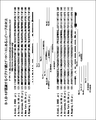
- Example 1-5 It is a figure which shows the arrangement
- Example 1-5 It is a figure which shows the arrangement
- Example 1-5) It is a figure which shows the arrangement
- Example 1-5) It is a figure which shows the arrangement
- E-2 monoclonal antibody It is a figure which shows the arrangement
- Example 1-5 It is a figure which shows the arrangement
- Example 1-5) It is a figure which shows the arrangement
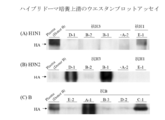
- Example 1-5) It is a figure which shows the result of having confirmed the dyeing
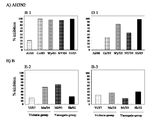
- Example 1-6 It is a figure which shows the result of having confirmed the dyeing
- Example 1--7 It is a figure which shows the arrangement
- Example 1-8 It is a figure which shows the three-dimensional structure arrangement
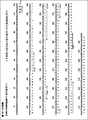
- Example 1-8) It is a figure which shows the contrast of the peptide chain which each monoclonal antibody of B-1 and D-1 recognizes, and the epitope on a database.
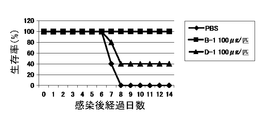
- Example 1-8) It is a figure which shows the survival rate when each monoclonal antibody of B-1 and D-1 is administered preventively to five mice each.
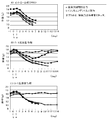
- Example 2-1 It is a figure which shows a body-weight change when each monoclonal antibody of B-1 or D-1 is administered preventively to five mice each. The plot shows the change in body weight of each individual.
- Example 2-1 It is a figure which shows the survival rate when each monoclonal antibody of B-1 or D-1 is therapeutically administered to each five mice.
- Example 2-2 It is a figure which shows a body-weight change when each monoclonal antibody of B-1 or -1 is therapeutically administered to each five mice. The plot shows the change in body weight of each individual.
- Example 2-2 It is a figure which shows a body-weight change when each monoclonal antibody of B-1 or -1 is therapeutically administered to each five mice. The plot shows the change in body weight of each individual.
- the present invention relates to an anti-human influenza virus / human antibody having the following characteristics (a) to (c).
- (b) HI (hemagglutination inhibition) is below the detection limit.
- each antibody of the present invention has no neutralizing activity against human influenza A virus H1N1 subtype and H2N2 subtype.
- the antibody of the present invention against human influenza A virus H3N2 subtype has neutralizing activity against at least A / Hiroshima / 52/05 strain (isolated in 2005), and each influenza virus vaccine strain of each age, A / Aichi / 2/68 (1968), A / Guizhou / 54/89 (1989), A / Wyoming / 3/03 (2003) and A / New York / 55/04 ( It has neutralizing activity against each virus of human influenza A virus H3N2 subtype, such as (isolated in 2004).
- the antibody of the present invention against human influenza B virus has neutralizing activity against at least B / Malaysia / 2506/04 strain (isolated in 2004), and further, influenza virus vaccine strains of each age, B / Victoria For each virus of human influenza B virus such as / 2/87 strain (isolated in 1987), B / Mie / 1/93 strain (isolated in 1993), B / Shanghai / 261/02 strain (isolated in 2002) Have neutralizing activity.
- an antibody against the human influenza A virus H3N2 subtype is the amino acid sequence of amino acids 173-181 counted from the N-terminus of the amino acid sequence constituting hemagglutinin HA1 of the human influenza A virus. And / or a region containing amino acids 227-239.
- the amino acid sequence constituting the human influenza A virus H3N2 subtype is GenBank Accession No. EU501660 for A / Hiroshima / 52/05 strain, GenBank Accession No. D49963 for A / Guizhou / 54/89 strain, The A / Wyoming / 3/03 strain is disclosed in GenBank Accession No. AY531033, and the A / New York / 55/04 strain is disclosed in GenBank Accession No. EU501486.
- the 227th amino acid counted from the N-terminus is S (serine) or P (proline), but this difference affects the neutralizing activity.
- S serine
- P proline
- the 173rd mutation is N (asparagine) or K (lysine), except for A / Aichi in 1968, K, and in the literature it is K or E (glutamic acid).
- N asparagine
- K lysine
- the peptide chain (epitope) relating to the region containing the 173-181th amino acid sequence is specifically an amino acid sequence comprising the amino acid sequence shown in SEQ ID NO: 1 or 2, and among these sequences, It consists of an amino acid sequence in which 1 to 2 amino acids may be substituted, deleted, added or introduced.
- the peptide chain (epitope) relating to the region containing the 227-239th amino acid sequence is specifically an amino acid sequence containing the amino acid sequence shown in SEQ ID NO: 3 or 4, or 1 to 2 of these sequences The amino acid sequence may be substituted, deleted, added or introduced.
- NFDKLYIWG SEQ ID NO: 1
- KFDKLYIWG SEQ ID NO: 2
- SSRISIYWTIVKP SEQ ID NO: 3
- PSRISIYWTIVKP SEQ ID NO: 4
- A-1 Human antibody against human influenza A virus H3N2 subtype (B-1) Heavy chain variable region sequence: GAGGAGAACCTGTTGCAGTCTGGGGGAGGCTTGGTCCAGCCGGGGGGGTCCCTGAGACTCTCCTGTGCAGGCTCTGGATTCACGTTTAGTACTTACGCCATGACCTGGGTCCGCCAGGCTCCAGGACAGGGGCTGGAGTGGGTCTCCTCTATTAGCGGTAGTGGTGAAATTTCCTATTACGCAGACTCCGTGAAGGGCCTGTTCACCATCTCCAGGGACAATTCCAAGGACACAGTGTTTCTGCAAATGACCAGCCTGAGAGCCGAAGACACGGCCGTATATTACTGTGCGAAATCCGACGTTTGGGAGGGTTATCGACCCTCAAAAGATGCTCTTCATATGTGGGGCCAAGGGACAATGGTCACCGTCTCTTCA (SEQ ID NO: 5).
- A-2 Human antibody against human influenza A virus H3N2 subtype (D-1) Heavy chain variable region sequence: CAGGTGCAGCTGGTGCAATCTGGGTCTGAGTTGAAGAAGCCTGGGGCCTCAGTGAAGGTTTCCTGCAAGGCTTCTGGATACACCTTCACCTCTTATTCTATATATTGGGTGCGACAGGCCCCTGGACAAGGGCTTGAGTGGATGGGATGGATCAACACCAACACTGGGAACCCAAGCTATGCCCAGGGCTTCACAGGACGGTTTGTCTTCTCCTTCGACACCTCTGTCAGCACGGCATATCTGGAGATCAGCAGCCTAAAGGCTGAGGACACTGCCGTGTATTACTGTGCGAGAGGGAGATTACGATATTTTGACTGGTTATTATTATTATTACTTTGACTGGGGCCAGGGAACCCTGGTCACCGTCTCCTCA (SEQ ID NO: 7).
- E-2 Human antibody against human influenza B virus (E-2) Heavy chain variable region sequence: CAGGTGCAGTTGCAGGAGTCGGGCCCAGGACTGGTGAAGCCTTTACAGACCCTGTCCCTCACCTGCGTTGTCTCTGGTGACTCCATCAGCAGGGGTGGTTACTACTGGAGTTGGGTCCGCCAGCCCCCAGAGAGGGGCCTGGAGTGGATTGGGGACATCTATCACAGTGGGAGTACCAACTACAACCCGGCCCTCAAGAGTCGAACTACCATCTCAGTAGAGACGTCCAAGAACCAGTTCTCCCTGCAGCTGAACTCTGTGACCGCCGCAGACACGGCCGTGTATTACTGTGCCAGAGAGCCTCCACCTGACTACAGTGACTACAAGGTTGGGAAGGGTTATTTTGACTACTGGGGCCAGGGAGCCCTGGTCACCGTCTCCTCA (SEQ ID NO: 9).
- B-2 Human antibody against human influenza B virus (B-3) Heavy chain variable region sequence: CAGGTGAAGTTGGTGCAGTCTGGCGGAGGCGCAGTCCAGCCTGGGAGGTCCCTGAGACTCTCCTGTGAGGCGTCTGGATTCGACTTCACTGTGTATGACATCCACTGGGTCCGCCAGGCTCCAGGCAAGGGGCTTGAGTGGGTGGCATCTATTTGGCATAACGGAGGAAAAGCATATTATGCGGACTCCGTGAAGGGCCGATTCACCGTGTCCAGAGACAATCCCCAGAAGACAGTGTATCTGCAAATGAGTGGCCTGAGACCCGAGGACACGGCTACATATTACTGTGCGAGAGAGTTTCCTTTCATGGGCATCTATGACTACGGCATGGACGCCTGGGGCCAAGGGACCACGGTCACCGTCGCCTCA (SEQ ID NO: 11).
- the antibody of the present invention is not particularly limited as long as it has the above characteristics.
- the base sequence of the variable region of the human antibody against the human influenza A virus H3N2 subtype is not limited to the base sequence shown in any of SEQ ID NOs: 5 to 8, but the human influenza A virus H3N2 subtype Any one having a substitution, deletion, addition or introduction of one or more nucleotides in the above sequence may be used as long as it has a neutralizing ability for the type.
- substitution of one to a plurality of nucleotides for example, it has neutralizing ability due to codon degeneracy and the like, but may have different base sequences.
- the antibody having neutralizing ability against the type A virus H3N2 subtype may be an antibody that recognizes any of the above peptide chains (epitope).
- the base sequence of the variable region of the human antibody against human influenza B virus is not limited to the base sequence shown in any of SEQ ID NOs: 9 to 12 above.
- one to a plurality of nucleotides among the above sequences may be substituted, deleted, added or introduced.
- substitution of one to a plurality of nucleotides for example, it has neutralizing ability due to codon degeneracy and the like, but may have different base sequences.
- Monoclonal antibodies obtained by the cell fusion method are usually derived from immunized animal species such as mice, but when mouse antibodies are administered to humans, they can be metabolized as foreign substances. It is short and cannot fully achieve the expected effect. Furthermore, human anti-mouse antibodies (HAMA) raised against administered mouse antibodies elicit immune responses that are inconvenient and dangerous for the patient, such as serum sickness or other allergic reactions. This limits the therapeutic value of monoclonal antibodies of other animal species in humans. Therefore, when a monoclonal antibody is administered to a human as a pharmaceutical or the like, a human antibody is strongly desired.
- HAMA human anti-mouse antibodies
- a method for producing a human-type antibody As a method for producing a human-type antibody, a method known per se or any method developed in the future can be adopted, but there is no uniform method universally applicable to any antibody in a human-type antibody.
- various devices are required. For example, Sato, K. et al, Cancer Res., 53, 851-856, 1993 and JP-A-2008-161198 can be referred to.
- the type of human antibody is not particularly limited, and may be Fab type or intact type. In order to exert the antibody activity effectively, an intact type antibody is desirable.
- the intact type antibody is not particularly limited.
- the complementarity determination region (CDR) of the antibody is derived from the original animal species, and the constant region (C region) is an antibody derived from an appropriate human. can do.
- Chimeric antibodies are generally those in which the variable region containing the CDR of an immunized animal species antibody is linked to the constant region of a human antibody, and can be easily constructed by gene recombination techniques.
- it may be a humanized antibody by CDR grafting in which the CDR of an immunized animal species antibody is transplanted into the variable region of a human antibody. Since CDR regions frequently undergo amino acid substitution, from the viewpoint of antigenicity, a human antibody having a human-derived CDR and a CDR derived from an immunized animal species may be included.
- the anti-human influenza virus / human antibody of the present invention having the above characteristics (a) to (c) can be specifically prepared by the following method. Collecting peripheral blood mononuclear cells for 10 mL of blood from healthy individuals 2-4 weeks after influenza vaccination, human-derived partner cells that can be fused with human-derived lymphocytes with high efficiency, such as SPYMEG cells (The hybridoma is easily and efficiently produced by cell fusion using a method such as MBL (manufactured by MBL) and the polyethylene glycol method, and an ELISA method in which a purified protein derived from influenza virus such as HA is immobilized or influenza virus infection
- Anti-human influenza virus / human antibodies can be produced by selecting antibody-producing cells having binding activity to influenza virus-derived proteins by staining using cells as antigens.
- a so-called human combinatorial antibody library in which human antibody fragments are displayed on the surface of Escherichia coli phage can be constructed, and antibodies can be screened by biopanning to obtain a desired human antibody.
- the desired antibody can be screened without going through the immunization work on the animal.
- the present invention further extends to a composition comprising the antibody of the present invention.
- a composition comprising the antibody of the present invention.
- an effective amount of one or more of the anti-human influenza virus / human antibodies of the present invention, and a pharmaceutically acceptable carrier is further included. It may be included.
- the pharmaceutically acceptable salt includes the following.
- Examples of basic addition salts include alkali metal salts such as sodium salts and potassium salts; alkaline earth metal salts such as calcium salts and magnesium salts; ammonium salts; trimethylamine salts and triethylamine salts; dicyclohexylamine salts and ethanolamines.
- Aliphatic amine salts such as salts, diethanolamine salts, triethanolamine salts and brocaine salts; aralkylamine salts such as N, N-dibenzylethylenediamine; and heterocyclic aromatics such as pyridine salts, picoline salts, quinoline salts and isoquinoline salts
- tetramethylammonium salt tetraethylammonium salt, benzyltrimethylammonium salt, benzyltriethylammonium salt, benzyltributylammonium salt, methyltrioctylammonium salt , Quaternary ammonium salts such as tetrabutylammonium salts; arginine; basic amino acid salts such as lysine salt and the like.
- acid addition salts include inorganic acid salts such as hydrochlorides, sulfates, nitrates, phosphates, carbonates, hydrogencarbonates and perchlorates; for example acetates, propionates, lactates and maleates.
- Organic acids such as fumarate, tartrate, malate, citrate, ascorbate; sulfonic acids such as methanesulfonate, isethionate, benzenesulfonate, p-toluenesulfonate Salts; for example, acidic amino acids such as aspartate and glutamate.
- the anti-human influenza virus / human antibody of the present invention is a normal preparation, for example, solid preparations such as tablets, powders, granules, capsules, liquid preparations, oil suspensions, or syrups or elixirs. It can also be used as any dosage form of a liquid agent such as an agent.
- the anti-human influenza virus / human antibody of the present invention can be used as an aqueous or oily suspension injection or nasal solution.
- conventional excipients, binders, lubricants, aqueous solvents, oily solvents, emulsifiers, suspending agents, preservatives, stabilizers and the like can be arbitrarily used.
- Example 1 Production of anti-human influenza virus / human antibody
- Example 2 Production of anti-human influenza virus / human antibody
- a monoclonal antibody produced using a hybridoma will be described.
- influenza virus HA antigen Purification of influenza virus HA antigen was performed by methods well known to those skilled in the art. Each of the above influenza virus vaccine strains was inoculated into an embryonated chicken egg, cultured at 33-35 ° C. for 2 days, and allowed to stand at 4 ° C. overnight to collect the infected allantoic fluid. Subsequently, it concentrated by the ultrafiltration method etc., and the virus particle was refine
- hybridoma 2006/2007 season influenza vaccine specifically A / Hiroshima / 52/05 strain as human influenza A virus H3N2 subtype or B / Malaysia / 2506/04 strain as human influenza B virus
- a / Hiroshima / 52/05 strain as human influenza A virus H3N2 subtype or B / Malaysia / 2506/04 strain as human influenza B virus From healthy individuals vaccinated with the influenza vaccine prepared from 2 to 4 weeks after vaccination, collect 10 mL of peripheral blood and collect the mononuclear cell fraction using Ficoll Paque Plus (GE Healthcare), etc. The cell fraction was used for hybridoma production. The mononuclear cell fraction was washed with serum-free DMEM before cell fusion to obtain mononuclear cells as hybridoma-producing cells.
- SPYMEG cells which are hybrid myeloma cells of mouse myeloma cells and human megakaryoblasts, were used. SPYMEG cells cultured in DMEM medium supplemented with 10% fetal bovine serum for 2 days were washed with serum-free DMEM before cell fusion.
- the mononuclear cells and SPYMEG cells obtained above were mixed at a cell number ratio of 1: 5 to 1:10, and centrifuged to remove the supernatant. After sufficiently loosening the precipitated cell mass, 0.6 ⁇ mL of 50% polyethylene glycol 1500-PBS solution was slowly added over 1 minute while stirring, and then 10 ⁇ mL of serum-free DMEM was added slowly over 2 minutes. Furthermore, 10 ⁇ mL of serum-free DMEM was added, and then 1 ⁇ mL of fetal bovine serum was added to complete cell fusion. Next, the supernatant was removed after centrifugation and washed with 20 mL of DMEM-free DMEM.
- HAT medium ⁇ DMEM supplemented with 15% fetal calf serum and medium additives for human hybridoma such as HAT (hypoxanthine, aminopterin, thymidine) and BM condimed (Roche) ⁇ was added, and the cells were gently suspended using a measuring pipette.
- the purified HA antigen (1 ⁇ g / well) prepared in 2) above was immobilized on a 96-well microplate for ELISA, and further blocked with 5% skim milk in PBS-0.1% Tween 20 (TBS-T). Thereafter, 50 ⁇ L of the culture supernatant after the above cell suspension culture is added to each well of the ELISA microplate, reacted at 37 ° C. for 30 minutes, and purified HA antigen and anti-HA antigen antibody ( A primary immune complex with anti-human influenza virus / human antibody was formed. After the reaction between the primary immune complex and a peroxidase-labeled goat anti-antibody, anti-human influenza virus / human antibody in the culture supernatant was detected by a colored peroxidase reaction.
- the cloned hybridoma strains were designated as R1D8, K4E7 and G4G11.
- MDCK cells were dispensed at 2 ⁇ 10 4 cells / well in a 96-well microplate (for neutralizing activity measurement), and cultured at 37 ° C. overnight. Equal volume of each antibody culture supernatant removed by nonspecific inhibitor removal by RDE treatment and virus solution obtained from the following influenza virus vaccine strains prepared to 100 focus forming units / well each Mix and incubate at 37 ° C. for 1 hour. Next, 30 ⁇ L of this mixed solution was dispensed into each well of the microplate to which the cultured MDCK cells were added, and incubated at 37 ° C. for 30 minutes. Next, the solution in each well was removed, each well was washed with PBS, and fetal bovine serum-free MEM was added.
- Human influenza virus vaccine strain A. Influenza A: A / New Caledonia / 20/99 strain (H1), A / Hiroshima / 52/05 strain (H3N2) B. Influenza B: B / Malaysia / 2506/04 strain
- HI Hemagglutination inhibitory activity of antibody 25 ⁇ L of the RDE-treated hybridoma culture supernatant serial dilution (2-64 times) was added to each well of a 96-well microplate (for measuring hemagglutination inhibition activity (HI)), and then the virus used in each of the above 1) (8HA unit / 50 ⁇ L) was mixed with 25 ⁇ L and reacted at room temperature for 30 minutes. Thereafter, 50 ⁇ L of 0.75% guinea pig erythrocytes were added and mixed well, and the effect of the antibody in the hybridoma culture supernatant on the hemagglutination activity of each virus was examined. The results are shown in Table 1.
- each monoclonal antibody-producing hybridoma culture supernatant of B-1 and D-1 was human influenza A virus. It was confirmed that the H3N2 subtype has high neutralizing activity, and the B-3 and E-2 monoclonal antibody-producing hybridoma culture supernatants have slightly higher neutralizing activity against human influenza B virus. It was confirmed to have. However, for each culture supernatant, the HI activity was below the detection limit.
- Example 1-2 Confirmation of Hybridoma Culture Supernatant by Western Blotting for Each Virus HA A-1, A-2, B-1, B-2, B-3, C-1, D-1, D
- the hybridoma culture supernatants produced with -2, E-1, or E-2 monoclonal antibodies were subjected to Western blot assay against HA of each virus.
- plasma obtained from a patient by informed consent was used as a subject.
- the purified HA antigen obtained in 2) of Example 1 was fractionated by SDS-PAGE, transferred to a poly (vinylidene fluoride) (PVDF) membrane, blocked with a 5% non-fat dry milk TBS-T solution, and not diluted.
- PVDF poly (vinylidene fluoride)
- Antigen-antibody reaction was performed by incubating the hybridoma culture supernatant or plasma diluted 2,000 times with PBS-T for 1 hour at room temperature. The blotted membrane was washed several times with PBS-T and subsequently incubated at room temperature for 1 hour in a solution containing peroxidase-conjugated anti-human IgG antibody. Development was performed with an ECL detection kit (Amersham Biosciences).
- the culture supernatant of D-1 and B-1 monoclonal antibody-producing hybridomas showed binding activity against human influenza A virus H3N2 subtype HA, and produced A-1 and C-1 monoclonal antibodies.
- the hybridoma culture supernatant showed binding activity to HA of human influenza B virus (FIG. 1).
- Example 1-3 Staining activity of hybridoma culture supernatant against cells infected with various influenza virus vaccine strains A-2, B-1, B-2, D-1 and A-1, B-3, C-1, The monoclonal antibody-producing hybridoma supernatants D-2 and E-2 were examined for staining activity against influenza virus vaccine strain-infected cells of various ages shown below. The staining test was performed according to the method described in J. Clin. Microbiol., 28, 1308-1313 (1990).
- MDCK cells infected with human influenza A virus H3N2 subtype strain or B strain shown below in PBS were tested using the same method as in Example 1 1) neutralization activity measurement. After washing with (pH 7.4), it was fixed with absolute ethanol at room temperature for 10 minutes.
- hybridoma culture supernatants containing monoclonal antibodies each prepared a 4-fold serial dilution, and these were prepared as a 500-fold dilution of rabbit anti-human IgG serum (Jackson), goat anti-rabbit IgG serum (Cappel).
- the mixture was reacted with a 500-fold diluted solution and a 10,000-fold diluted solution of a peroxidase-rabbit anti-peroxidase complex (manufactured by Cappel) for 40 minutes, and washed with PBS. Finally, the peroxidase reaction was performed using Graham, Karnovsky's method, J. Histochem. Cytochem., 14, 291 using 0.01% H 2 O 2 and 0.3 mg / mL 3,3′-diaminobenzidine tetrahydrochloride in PBS. -302 (1966). The stained cells were observed with a normal light microscope.
- Influenza A virus H3N2 subtype strain Ai / 68 A / Aichi / 2/68 strain (isolated in 1968)
- Gz / 89 A / Guizhou / 54/89 shares (separated in 1989)
- Wy / 03 A / Wyoming / 3/03 shares (separated in 2003)
- NY / 04 A / New York / 55/04 shares (separated in 2004)
- Hi / 05 A / Hiroshima / 52/05 shares (separated in 2005)
- the culture supernatant of the B-1 monoclonal antibody-producing hybridoma was obtained from the A / Aichi / 2/68 strains (isolated in 1968) after each of the virus strains derived from the human influenza A type H3N2 subtype.
- the culture supernatant of D-1 monoclonal antibody-producing hybridoma showed neutralizing activity against each virus strain after A / Guizhou / 54/89 strain (isolated in 1989) .
- Culture supernatant of each monoclonal antibody-producing hybridoma of E-2 and B-3 is neutralized against each virus strain after B / Victoria / 2/87 strain (separated in 1987) against human influenza B type Showed activity. This confirms that these monoclonal antibodies have neutralizing activity against the influenza A H3N2 subtype or influenza B, even against strains that have been preserved for about 40 years or more than 20 years ago. (FIG. 2).
- RNA extraction and human antibody (IgG) sequence-specific RT-PCR The hybridoma obtained by the above cloning was homogenized in a nucleic acid extraction reagent (RNAiso TM , Takara Bio), and total RNA was purified according to the protocol of the kit. CDNA synthesis was performed using a part of the purified total RNA sample and the following RT primer or dT primer specifically designed for the following human antibody (IgG) gene H chain and L chain constant region sequences.
- Human_IgGH_RT_Primer TGGAGGGCACGGTCACCACGC (SEQ ID NO: 13)
- Human_IgGL_RT_Primer TTGTGACGGGCGAGCTCAGGC (SEQ ID NO: 14)
- RACE PCR reaction was performed using the following PCR primers located in the upstream region of the above primers.
- Human_IgGH_PCR_Primer AAGGTGTGCACGCCGCTGGTC (SEQ ID NO: 15) Human_IgGL ( ⁇ ) _PCR_Primer: GTGCTGCTGAGGCTGTAGGTG (SEQ ID NO: 16) Human IgL ( ⁇ ) PCR Primer 1: CCAYTGTCTTCTCCACRGTRCTCYC (SEQ ID NO: 17) Human IgL ( ⁇ ) PCR Primer 2: TCAGAGGAGGRYGGGAACAGAGTG (SEQ ID NO: 18)
- A-1 Human antibody against human influenza A virus H3N2 subtype (B-1) Heavy chain variable region sequence: GAGGAGAACCTGTTGCAGTCTGGGGGAGGCTTGGTCCAGCCGGGGGGGTCCCTGAGACTCTCCTGTGCAGGCTCTGGATTCACGTTTAGTACTTACGCCATGACCTGGGTCCGCCAGGCTCCAGGACAGGGGCTGGAGTGGGTCTCCTCTATTAGCGGTAGTGGTGAAATTTCCTATTACGCAGACTCCGTGAAGGGCCTGTTCACCATCTCCAGGGACAATTCCAAGGACACAGTGTTTCTGCAAATGACCAGCCTGAGAGCCGAAGACACGGCCGTATATTACTGTGCGAAATCCGACGTTTGGGAGGGTTATCGACCCTCAAAAGATGCTCTTCATATGTGGGGCCAAGGGACAATGGTCACCGTCTCTTCA (SEQ ID NO: 5).
- A-2 Human antibody against human influenza A virus H3N2 subtype (D-1) Heavy chain variable region sequence: CAGGTGCAGCTGGTGCAATCTGGGTCTGAGTTGAAGAAGCCTGGGGCCTCAGTGAAGGTTTCCTGCAAGGCTTCTGGATACACCTTCACCTCTTATTCTATATATTGGGTGCGACAGGCCCCTGGACAAGGGCTTGAGTGGATGGGATGGATCAACACCAACACTGGGAACCCAAGCTATGCCCAGGGCTTCACAGGACGGTTTGTCTTCTCCTTCGACACCTCTGTCAGCACGGCATATCTGGAGATCAGCAGCCTAAAGGCTGAGGACACTGCCGTGTATTACTGTGCGAGAGGGAGATTACGATATTTTGACTGGTTATTATTATTATTACTTTGACTGGGGCCAGGGAACCCTGGTCACCGTCTCCTCA (SEQ ID NO: 7).
- E-2 Human antibody against human influenza B virus (E-2) Heavy chain variable region sequence: CAGGTGCAGTTGCAGGAGTCGGGCCCAGGACTGGTGAAGCCTTTACAGACCCTGTCCCTCACCTGCGTTGTCTCTGGTGACTCCATCAGCAGGGGTGGTTACTACTGGAGTTGGGTCCGCCAGCCCCCAGAGAGGGGCCTGGAGTGGATTGGGGACATCTATCACAGTGGGAGTACCAACTACAACCCGGCCCTCAAGAGTCGAACTACCATCTCAGTAGAGACGTCCAAGAACCAGTTCTCCCTGCAGCTGAACTCTGTGACCGCCGCAGACACGGCCGTGTATTACTGTGCCAGAGAGCCTCCACCTGACTACAGTGACTACAAGGTTGGGAAGGGTTATTTTGACTACTGGGGCCAGGGAGCCCTGGTCACCGTCTCCTCA (SEQ ID NO: 9).
- B-2 Human antibody against human influenza B virus (B-3) Heavy chain variable region sequence: CAGGTGAAGTTGGTGCAGTCTGGCGGAGGCGCAGTCCAGCCTGGGAGGTCCCTGAGACTCTCCTGTGAGGCGTCTGGATTCGACTTCACTGTGTATGACATCCACTGGGTCCGCCAGGCTCCAGGCAAGGGGCTTGAGTGGGTGGCATCTATTTGGCATAACGGAGGAAAAGCATATTATGCGGACTCCGTGAAGGGCCGATTCACCGTGTCCAGAGACAATCCCCAGAAGACAGTGTATCTGCAAATGAGTGGCCTGAGACCCGAGGACACGGCTACATATTACTGTGCGAGAGAGTTTCCTTTCATGGGCATCTATGACTACGGCATGGACGCCTGGGGCCAAGGGACCACGGTCACCGTCGCCTCA (SEQ ID NO: 11).
- Example 1-6 Staining activity of hybridoma culture supernatant against cells infected with various influenza virus vaccine strains A-2, B-1, B-2, D-1 monoclonal antibody producing hybridoma supernatant and C43 antibody,
- the F49 antibody was examined for staining activity against A / Hiroshima / 52/05 (H3N2) strain-infected cells.
- the staining test was performed by the usual indirect fluorescent antibody method.
- the C43 antibody used as a control is an antibody against human influenza A virus, particularly a mouse monoclonal antibody against nucleoprotein (NP).
- the F49 antibody is an antibody against the human influenza A virus H3N2 subtype, particularly a mouse monoclonal antibody against HA.
- MDCK cells infected with human influenza A virus H3N2 subtype A / Hiroshima / 52/05 were treated with PBS (pH 7) on the 8-well chamber slide by the same method as in Example 1) 1) neutralization activity measurement. After washing in .4), it was fixed with absolute ethanol for 10 minutes at room temperature.
- the culture supernatant stock solution is reacted continuously with a 1000-fold diluted solution of fluorescein isothiocyanate (FITC) labeled rabbit anti-human IgG antibody (Jackson) for 60 minutes. Stained cells washed with PBS were observed with a fluorescence microscope.
- FITC fluorescein isothiocyanate
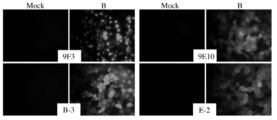
- Example 1--7 Staining activity of hybridoma culture supernatant against cells infected with various influenza virus vaccine strains About B-3 and E-2 monoclonal antibody-producing hybridoma supernatants, 9F3 antibody, and 9E10 antibody, B / Malaysia / The staining activity against 2506/04 strain infected cells was examined.
- the staining test was performed by the usual indirect fluorescent antibody method.
- the 9F3 antibody used as a control is an antibody against human influenza B virus, particularly a mouse monoclonal antibody against NP.
- the 9E10 antibody is an antibody against human influenza B virus, and is a mouse monoclonal antibody particularly against HA.
- MDCK cells infected with human influenza B virus B / Malaysia / 2506/04 strain were treated with PBS (pH 7.4) in the same manner as in Example 1 1) neutralization activity measurement. ) And then fixed with absolute ethanol at room temperature for 10 minutes.
- the hybridoma culture supernatant containing the monoclonal antibody was stained with a culture supernatant stock solution that was continuously reacted with a 1000-fold diluted solution of FITC-labeled rabbit anti-human IgG antibody (manufactured by Jackson) for 60 minutes and washed with PBS. The cells were observed with a fluorescence microscope.
- Each monoclonal antibody prepared was reacted. After incubation, the plate was washed 3 times with TBS containing 0.1% Tween 20, and reacted with Cy5-labeled anti-human IgG (H + L) diluted to 1 ⁇ g / mL. After incubation, wash 3 times with Tris-buffered saline (TBS) and 3 mM citrate buffer (SSC), dry, and measure fluorescence with a fluorescence scanner to detect peptides that react with monoclonal antibodies. went. As a control, a monoclonal antibody was not added, and the same experiment was performed at the same time for other operations.
- TBS Tris-buffered saline
- SSC 3 mM citrate buffer
- Antigen-antibody reaction was carried out with each monoclonal antibody of B-1 or D-1, and epitope analysis was performed by the overlapping peptide scanning method. Specifically, it was carried out according to the protocol of RepliTope TM Microarrays (JPT Peptide Technologies Gmbh Germany).
- the 173rd mutation is N (asparagine) or K (lysine), which is K other than A / Aichi in 1968, and is K or E (glutamic acid) in the literature.
- N asparagine
- K lysine
- E glutamic acid
- 229th and 230th amino acid differences of R (arginine) or G (glycine), I (isoleucine) or V (valine), respectively.
- R arginine
- G glycine
- I isoleucine
- V valine
- the epitopes recognized by B-1 and D-1 monoclonal antibodies are antibodies that neutralize widely known influenza virus strains (F10 antibody, J.SuiSet al. Nature structural & molecular biology (2009)). Are considered to have different epitopes and different virus types that can be neutralized.
- FIG. 15 the parts recognized by the B-1 and D-1 monoclonal antibodies are shown in italics.
- the horizontal line indicates the number and epitope part described in Table 6 or B cell epitope in the above database, and the asterisk indicates the epitope part of No. 34 in Table ⁇ ⁇ 9 in which three-dimensional structure recognition antibodies against influenza are described in the same database.
- ⁇ indicates a site where amino acid substitution is observed in literature other than the above five strains or strains registered in Pub Med.
- Example 2 Production of Anti-Human Influenza Virus / Human Type Antibody
- B-1 monoclonal antibody hereinafter referred to as B-1 antibody
- D-1 monoclonal antibody hereinafter referred to as D-1 antibody
- the culture supernatant was recovered, Protein G Sepharose TM; adsorb the antibody molecule with (Protein G Sepharose TM 4 Fast Flow GE Healthcare) column, after washing twice with PBS, 0.17 M, glycine pH 2.3 (Glycine) Elute with solution.
- the eluted antibody molecules were collected by dialysis with PBS using a dialysis membrane (Spectra / por (R) (fractional molecular weight: 6K-8K); Nippon Genetics). The final yield was 0.249 mg / L for R1D8 and 24.38 mg / L for K4E7.
- Example 2-1 Effect of anti-human influenza virus / human antibody (preventive effect)
- the effect of the B-1 antibody or D-1 antibody obtained by purification in Example 2 on the survival rate and body weight change when prophylactically administered to mice was confirmed.
- the B-1 antibody or D-1 antibody obtained by purification in Example 2 was intraperitoneally administered to 4-week-old female Balb / c mice (5 mice per group) at 100 ⁇ g / mouse, and influenza virus A 24 hours later.
- the strain / Guizhou / 54 / 89xA / PR / 8/34 (H3N2) was inoculated nasally at 1x10 5 FFU / animal.
- a control group was administered with 0.5 mL / mouse of PBS instead of each monoclonal antibody.
- H3N2 With A / Guizhou / 54 / 89xA / PR / 8/34 (H3N2) strain, HA / NA of A / PR / 8/34 (H1N1) strain was replaced with A / Guizhou / 54/89 (H3N2) strain It is a reassortant virus.
- the survival rate in the control group was 0%, whereas the survival rate was 40% in the D-1 antibody administration group and 100% in the B-1 antibody administration group.
- a good effect was observed with the B-1 antibody (FIG. 16).
- the body weight decreased slightly in the B-1 antibody administration group.
- the body weight loss in the D-1 antibody administration group was comparable to that in the control group (FIG. 17). In FIG. 17, the weight change of each individual is shown in each plot.
- Example 2-2 Effect of anti-human influenza virus / human antibody (therapeutic effect)
- the effects of the B-1 antibody or D-1 antibody obtained by purification in Example 2 on the survival rate and body weight change when therapeutically administered to mice were confirmed.
- Influenza virus A / Guizhou / 54 / 89xA / PR / 8/34 (H3N2) strain was inoculated 1x10 5 FFU / mouse into 4 week-old female Balb / c mice (5 per group) 24 hours later
- the B-1 antibody and D-1 antibody obtained by purification in Example 2 were intraperitoneally administered at 100 ⁇ g / mouse.
- a control group was administered with 0.5 mL / mouse of PBS instead of each monoclonal antibody.
- the survival rate in the control group was 0%, whereas the survival rate was 40% in the D-1 antibody administration group and 60% in the B-1 antibody administration group (FIG. 18).
- the change in body weight after virus infection was slightly lower in the B-1 antibody than in the control group.
- the body weight loss of the D-1 antibody was comparable to that in the control group (FIG. 19).
- the weight change of each individual is shown in each plot.
- antibodies against the human influenza A virus H3N2 subtype of the antibodies of the present invention have neutralizing activity against at least the A / Hiroshima / 52/05 strain (2005 isolate) virus strain.
- the antibody against human influenza B virus has neutralizing activity against at least the B / Malaysia / 2506/04 strain (2004 isolate).
- the antibodies of the present invention can be used for influenza virus vaccine strains of various ages, such as A / Aichi / 2/68 strain (1968 isolate), A / Guizhou / 54/89 strain (1989 isolate), A / Wyoming / 3 / 03 strain (2003 isolate) and A / New York / 55/04 strain (2004 isolate) and other human influenza A virus H3N2 subtype viruses have neutralizing activity, or B / Victoria For each virus of human influenza B virus such as / 2/87 strain (isolated in 1987), B / Mie / 1/93 strain (isolated in 1993), B / Shanghai / 261/02 strain (isolated in 2002) Have neutralizing activity.
- the antibody against the human influenza A virus H3N2 subtype of the present invention has an activity against a region conserved for nearly 20 years, and an activity against a region conserved for more than 40 years. What has is also included. Moreover, the antibody with respect to human influenza B virus has activity with respect to the area
- HI hemagglutination inhibition
- the antibody against the human influenza A virus H3N2 subtype of the present invention is at least influenza virus A / Guizhou / 54 / 89xA / PR / 8/34 (H3N2) when administered prophylactically or therapeutically in vivo. It has an effect on survival rate and weight loss against strain infection.
- the anti-human influenza virus / human antibody of the present invention is an antibody particularly effective against a conserved region among influenza viruses that tend to mutate due to the above characteristics.
- H3N2 subtype of influenza A virus is a subtype that has caused worldwide epidemic in the past, and in recent years, resistant strains have increased against drugs with anti-influenza virus action such as amantadine. Even if a new type of influenza virus is generated or prevalent, the composition containing the anti-human influenza virus / human antibody of the present invention is expected to have a therapeutic effect against influenza. Since the anti-human influenza virus / human antibody of the present invention has neutralizing activity against human influenza A virus H3N2 subtype or human influenza B virus, at least one or more such antibodies are used.
- the seed-containing composition is expected to be used as an influenza therapeutic agent or preventive agent.
Landscapes
- Life Sciences & Earth Sciences (AREA)
- Health & Medical Sciences (AREA)
- Virology (AREA)
- Chemical & Material Sciences (AREA)
- Organic Chemistry (AREA)
- Medicinal Chemistry (AREA)
- Molecular Biology (AREA)
- General Health & Medical Sciences (AREA)
- Immunology (AREA)
- Proteomics, Peptides & Aminoacids (AREA)
- Genetics & Genomics (AREA)
- Biophysics (AREA)
- Biochemistry (AREA)
- Communicable Diseases (AREA)
- Pulmonology (AREA)
- Pharmacology & Pharmacy (AREA)
- Public Health (AREA)
- Veterinary Medicine (AREA)
- Animal Behavior & Ethology (AREA)
- General Chemical & Material Sciences (AREA)
- Oncology (AREA)
- Nuclear Medicine, Radiotherapy & Molecular Imaging (AREA)
- Chemical Kinetics & Catalysis (AREA)
- Peptides Or Proteins (AREA)
- Medicines Containing Antibodies Or Antigens For Use As Internal Diagnostic Agents (AREA)
- Preparation Of Compounds By Using Micro-Organisms (AREA)
Abstract
Description
1.ヒトインフルエンザA型ウイルスH3N2サブタイプに対して中和活性を有し、ヒトインフルエンザA型ウイルスH3N2サブタイプのヘマグルチニンHA1領域に結合する、又は、ヒトインフルエンザB型ウイルスに対して中和活性を有する、抗ヒトインフルエンザウイルス・ヒト型抗体。
2.抗ヒトインフルエンザウイルス・ヒト型抗体が、ヒトインフルエンザA型ウイルスH1サブタイプ及び同H2サブタイプに対して中和活性を有さない、前項1に記載の抗ヒトインフルエンザウイルス・ヒト型抗体。
3.抗インフルエンザ・ヒト型抗体であって、ヒトインフルエンザA型ウイルスH3N2サブタイプに対して中和活性を有する抗体が、少なくともA/Hiroshima/52/05株に対して中和活性を有し、ヒトインフルエンザB型ウイルスに対して中和活性を有する抗体が、少なくともB/Malaysia/2506/04株に対して中和活性を有する、前項1に記載の抗ヒトインフルエンザウイルス・ヒト型抗体。
4.抗体が認識するエピトープが、ヒトインフルエンザA型ウイルスH3N2サブタイプのヘマグルチニンHA1を構成するアミノ酸配列のうち、N末端から数えて173-181番目のアミノ酸配列を含む領域及び/又は227-239番目のアミノ酸配列を含む領域である、前項1~3のいずれか1に記載の抗ヒトインフルエンザウイルス・ヒト型抗体。
5.エピトープが、以下の配列番号1又は2に示すアミノ酸配列含むアミノ酸配列、あるいはこれらのアミノ酸配列のうち、1~2個のアミノ酸が置換、欠失、付加若しくは導入されたいずれかのアミノ酸配列からなる、前項4に記載の抗ヒトインフルエンザウイルス・ヒト型抗体:
1)NFDKLYIWG(配列番号1);
2)KFDKLYIWG(配列番号2)。
6.エピトープが、以下の配列番号3又は4に示すアミノ酸配列含むアミノ酸配列、あるいはこれらのアミノ酸配列のうち、1~2個のアミノ酸が置換、欠失、付加若しくは導入されたいずれかのアミノ酸配列からなる、前項4に記載の抗ヒトインフルエンザウイルス・ヒト型抗体:
1)SSRISIYWTIVKP(配列番号3);
2)PSRISIYWTIVKP(配列番号4)。
7.抗体の可変領域をコードするDNAの塩基配列が、以下の配列番号5~12に示すいずれかの塩基配列より選択される、あるいはこれらの塩基配列のうち、1~複数個のヌクレオチドが置換、欠失、付加若しくは導入されたいずれかの塩基配列を含む、抗ヒトインフルエンザウイルス・ヒト型抗体:
1)GAGGAGAACCTGTTGCAGTCTGGGGGAGGCTTGGTCCAGCCGGGGGGGTCCCTGAGACTCTCCTGTGCAGGCTCTGGATTCACGTTTAGTACTTACGCCATGACCTGGGTCCGCCAGGCTCCAGGACAGGGGCTGGAGTGGGTCTCCTCTATTAGCGGTAGTGGTGAAATTTCCTATTACGCAGACTCCGTGAAGGGCCTGTTCACCATCTCCAGGGACAATTCCAAGGACACAGTGTTTCTGCAAATGACCAGCCTGAGAGCCGAAGACACGGCCGTATATTACTGTGCGAAATCCGACGTTTGGGAGGGTTATCGACCCTCAAAAGATGCTCTTCATATGTGGGGCCAAGGGACAATGGTCACCGTCTCTTCA(配列番号5);
2)GACGTCCAGATGACTCAGTCTCCATCCTCCCTGTCTGCATCTGTGGGAGACAGAGTCACCATCACTTGTCGGGCAAGTCAGAGCGTGAGCAATTATGTGAATTGGTATCAACAGAAGCCAGGGAGAGCCCCTAGGCTCCTCATCTCTAGTGCGTCCAATTTGTGGGCTGGGGTCCCGCCAAGTTCAGTGGCCGTGGAGAAGAGACAGACTTCACTCTCACCATCACCAGTCTGCAACCTGAAGATTCTGCAGTTTACTACTGTCAACAGAGTTACAGTGACCTTCTCAGTTTCGGCGGAGGGACCAAGGTGGAGATCAAA(配列番号6);
3)CAGGTGCAGCTGGTGCAATCTGGGTCTGAGTTGAAGAAGCCTGGGGCCTCAGTGAAGGTTTCCTGCAAGGCTTCTGGATACACCTTCACCTCTTATTCTATATATTGGGTGCGACAGGCCCCTGGACAAGGGCTTGAGTGGATGGGATGGATCAACACCAACACTGGGAACCCAAGCTATGCCCAGGGCTTCACAGGACGGTTTGTCTTCTCCTTCGACACCTCTGTCAGCACGGCATATCTGGAGATCAGCAGCCTAAAGGCTGAGGACACTGCCGTGTATTACTGTGCGAGAGAGGGAGATTACGATATTTTGACTGGTTATTATTATTACTTTGACTACTGGGGCCAGGGAACCCTGGTCACCGTCTCCTCA(配列番号7);
4)CAGACTGTGGTGACCCAGGAGCCATCGTTCTCAGTGTCCCCTGGAGGGACAGTCACACTCACTTGTGGCTTGAGCTCTGGCTCAGTCTCTCCTAGTTACTACGCCAGCTGGTACCAGCAGACCCCAGGCCAGGCTCCACGCACGCTCATCTACAACACAAACACTCGCTCCTCTGGGGTCCCTGATCGCTTCTCTGGCTCCTTCCTTGGGAGCGACGCTGCCCTCACCATCACGGGGGCCCAGGCAGATGATGAGTCTGATTATTTCTGTGTGCTGTATATGCCTAGTGGCGATTGGGTTTTCGGCGGAGGGACCAAGCTGACCGTCCTAGGT(配列番号8);
5)CAGGTGCAGTTGCAGGAGTCGGGCCCAGGACTGGTGAAGCCTTTACAGACCCTGTCCCTCACCTGCGTTGTCTCTGGTGACTCCATCAGCAGGGGTGGTTACTACTGGAGTTGGGTCCGCCAGCCCCCAGAGAGGGGCCTGGAGTGGATTGGGGACATCTATCACAGTGGGAGTACCAACTACAACCCGGCCCTCAAGAGTCGAACTACCATCTCAGTAGAGACGTCCAAGAACCAGTTCTCCCTGCAGCTGAACTCTGTGACCGCCGCAGACACGGCCGTGTATTACTGTGCCAGAGAGCCTCCACCTGACTACAGTGACTACAAGGTTGGGAAGGGTTATTTTGACTACTGGGGCCAGGGAGCCCTGGTCACCGTCTCCTCA(配列番号9);
6)GAAATTGTGTTGGCACAGTCTCCAGCCACCCTGTCTTTGTCTCCAGGGGAAAGAGCCACCCTCTCCTGCAGGGCCAGTGAGACCGTTGACACCTACTTAGCCTGGTACCAACAGAAACCTGGCCAGGCTCCCAGGCTCCTCATAAATGATGCATCCAAGAGGGCCACTGGCATCCCAGCCAGGTTCAGTGGCAGTGGGTCTGGGACAGACTTCACTCTCACCATCAGCGGCCTAGAGCCTGAAGATTTTGCAGTTTATTGGTGTCAGCAGCATAGCAACTGGCCCCCCACCTTCGGCCAAGGGTCACGGCTGGAGATTAAA(配列番号10);
7)CAGGTGAAGTTGGTGCAGTCTGGCGGAGGCGCAGTCCAGCCTGGGAGGTCCCTGAGACTCTCCTGTGAGGCGTCTGGATTCGACTTCACTGTGTATGACATCCACTGGGTCCGCCAGGCTCCAGGCAAGGGGCTTGAGTGGGTGGCATCTATTTGGCATAACGGAGGAAAAGCATATTATGCGGACTCCGTGAAGGGCCGATTCACCGTGTCCAGAGACAATCCCCAGAAGACAGTGTATCTGCAAATGAGTGGCCTGAGACCCGAGGACACGGCTACATATTACTGTGCGAGAGAGTTTCCTTTCATGGGCATCTATGACTACGGCATGGACGCCTGGGGCCAAGGGACCACGGTCACCGTCGCCTCA(配列番号11);
8)CAGTCTGTGCTGGCTCAGCCACCCTCAGCGTCTGGGACCCCCGGGCAGAGGGTCATCATCTCTTGTTCTGGAACCTCCTCCAACATCGGCGGTAATTCTGTCAACTGGTACCAGCACCCCCCAGGGGCGGCCCCGAGACTCCTCATCTATACTACCGATCAGCGACCCTCAGGGGTCCCTGACCGATTCTCTGGCTCCAAGTCTGGCACCTCTGCCTCCCTGGCCATCAGTGGGCTCCAATCTGAGGATGAGGCTGATTATTACTGTGAAGTTTGGGATGACAGCCTGACTCGTCCGGTGTTCGGCGGAGGGACCAAGTTGACCGTCCTACGT(配列番号12)。
8.抗ヒトインフルエンザウイルス・ヒト型抗体の抗原が、ヒトインフルエンザウイルスのA/Hiroshima/52/05株又はB/Malaysia/2506/04株である、前項7に記載の抗ヒトインフルエンザウイルス・ヒト型抗体。
9.抗体の可変領域をコードするDNAのうち、配列番号5~8に示す可変領域を有する抗体が、ヒトインフルエンザA型ウイルスのH3N2サブタイプに対して中和活性を有する抗体であり、配列番号9~12に示す可変領域を有する抗体が、ヒトインフルエンザB型ウイルスに対して中和活性を有する抗体である、前項7に記載の抗ヒトインフルエンザウイルス・ヒト型抗体。
10.抗体の可変領域をコードするDNAのうち、配列番号5、7、9及び11に示すDNAが、重鎖可変領域をコードするDNAであり、配列番号6、8、10及び12に示すDNAが、軽鎖可変領域をコードするDNAである、前項8に記載の抗ヒトインフルエンザウイルス・ヒト型抗体。
11.抗体が、インタクト抗体である、前項1~11のいずれか1に記載の抗ヒトインフルエンザウイルス・ヒト型抗体。
12.前項1~11のいずれか1に記載の抗ヒトインフルエンザウイルス・ヒト型抗体の可変領域をコードするDNAであり、以下の配列番号5~12に示すいずれかの塩基配列より選択される、あるいはこれらの塩基配列のうち、1~複数個のヌクレオチドが置換、欠失、付加若しくは導入されたいずれかの塩基配列からなるポリヌクレオチドを含むDNA:
1)GAGGAGAACCTGTTGCAGTCTGGGGGAGGCTTGGTCCAGCCGGGGGGGTCCCTGAGACTCTCCTGTGCAGGCTCTGGATTCACGTTTAGTACTTACGCCATGACCTGGGTCCGCCAGGCTCCAGGACAGGGGCTGGAGTGGGTCTCCTCTATTAGCGGTAGTGGTGAAATTTCCTATTACGCAGACTCCGTGAAGGGCCTGTTCACCATCTCCAGGGACAATTCCAAGGACACAGTGTTTCTGCAAATGACCAGCCTGAGAGCCGAAGACACGGCCGTATATTACTGTGCGAAATCCGACGTTTGGGAGGGTTATCGACCCTCAAAAGATGCTCTTCATATGTGGGGCCAAGGGACAATGGTCACCGTCTCTTCA(配列番号5);
2)GACGTCCAGATGACTCAGTCTCCATCCTCCCTGTCTGCATCTGTGGGAGACAGAGTCACCATCACTTGTCGGGCAAGTCAGAGCGTGAGCAATTATGTGAATTGGTATCAACAGAAGCCAGGGAGAGCCCCTAGGCTCCTCATCTCTAGTGCGTCCAATTTGTGGGCTGGGGTCCCGCCAAGTTCAGTGGCCGTGGAGAAGAGACAGACTTCACTCTCACCATCACCAGTCTGCAACCTGAAGATTCTGCAGTTTACTACTGTCAACAGAGTTACAGTGACCTTCTCAGTTTCGGCGGAGGGACCAAGGTGGAGATCAAA(配列番号6);
3)CAGGTGCAGCTGGTGCAATCTGGGTCTGAGTTGAAGAAGCCTGGGGCCTCAGTGAAGGTTTCCTGCAAGGCTTCTGGATACACCTTCACCTCTTATTCTATATATTGGGTGCGACAGGCCCCTGGACAAGGGCTTGAGTGGATGGGATGGATCAACACCAACACTGGGAACCCAAGCTATGCCCAGGGCTTCACAGGACGGTTTGTCTTCTCCTTCGACACCTCTGTCAGCACGGCATATCTGGAGATCAGCAGCCTAAAGGCTGAGGACACTGCCGTGTATTACTGTGCGAGAGAGGGAGATTACGATATTTTGACTGGTTATTATTATTACTTTGACTACTGGGGCCAGGGAACCCTGGTCACCGTCTCCTCA(配列番号7);
4)CAGACTGTGGTGACCCAGGAGCCATCGTTCTCAGTGTCCCCTGGAGGGACAGTCACACTCACTTGTGGCTTGAGCTCTGGCTCAGTCTCTCCTAGTTACTACGCCAGCTGGTACCAGCAGACCCCAGGCCAGGCTCCACGCACGCTCATCTACAACACAAACACTCGCTCCTCTGGGGTCCCTGATCGCTTCTCTGGCTCCTTCCTTGGGAGCGACGCTGCCCTCACCATCACGGGGGCCCAGGCAGATGATGAGTCTGATTATTTCTGTGTGCTGTATATGCCTAGTGGCGATTGGGTTTTCGGCGGAGGGACCAAGCTGACCGTCCTAGGT(配列番号8);
5)CAGGTGCAGTTGCAGGAGTCGGGCCCAGGACTGGTGAAGCCTTTACAGACCCTGTCCCTCACCTGCGTTGTCTCTGGTGACTCCATCAGCAGGGGTGGTTACTACTGGAGTTGGGTCCGCCAGCCCCCAGAGAGGGGCCTGGAGTGGATTGGGGACATCTATCACAGTGGGAGTACCAACTACAACCCGGCCCTCAAGAGTCGAACTACCATCTCAGTAGAGACGTCCAAGAACCAGTTCTCCCTGCAGCTGAACTCTGTGACCGCCGCAGACACGGCCGTGTATTACTGTGCCAGAGAGCCTCCACCTGACTACAGTGACTACAAGGTTGGGAAGGGTTATTTTGACTACTGGGGCCAGGGAGCCCTGGTCACCGTCTCCTCA(配列番号9);
6)GAAATTGTGTTGGCACAGTCTCCAGCCACCCTGTCTTTGTCTCCAGGGGAAAGAGCCACCCTCTCCTGCAGGGCCAGTGAGACCGTTGACACCTACTTAGCCTGGTACCAACAGAAACCTGGCCAGGCTCCCAGGCTCCTCATAAATGATGCATCCAAGAGGGCCACTGGCATCCCAGCCAGGTTCAGTGGCAGTGGGTCTGGGACAGACTTCACTCTCACCATCAGCGGCCTAGAGCCTGAAGATTTTGCAGTTTATTGGTGTCAGCAGCATAGCAACTGGCCCCCCACCTTCGGCCAAGGGTCACGGCTGGAGATTAAA(配列番号10);
7)CAGGTGAAGTTGGTGCAGTCTGGCGGAGGCGCAGTCCAGCCTGGGAGGTCCCTGAGACTCTCCTGTGAGGCGTCTGGATTCGACTTCACTGTGTATGACATCCACTGGGTCCGCCAGGCTCCAGGCAAGGGGCTTGAGTGGGTGGCATCTATTTGGCATAACGGAGGAAAAGCATATTATGCGGACTCCGTGAAGGGCCGATTCACCGTGTCCAGAGACAATCCCCAGAAGACAGTGTATCTGCAAATGAGTGGCCTGAGACCCGAGGACACGGCTACATATTACTGTGCGAGAGAGTTTCCTTTCATGGGCATCTATGACTACGGCATGGACGCCTGGGGCCAAGGGACCACGGTCACCGTCGCCTCA(配列番号11);
8)CAGTCTGTGCTGGCTCAGCCACCCTCAGCGTCTGGGACCCCCGGGCAGAGGGTCATCATCTCTTGTTCTGGAACCTCCTCCAACATCGGCGGTAATTCTGTCAACTGGTACCAGCACCCCCCAGGGGCGGCCCCGAGACTCCTCATCTATACTACCGATCAGCGACCCTCAGGGGTCCCTGACCGATTCTCTGGCTCCAAGTCTGGCACCTCTGCCTCCCTGGCCATCAGTGGGCTCCAATCTGAGGATGAGGCTGATTATTACTGTGAAGTTTGGGATGACAGCCTGACTCGTCCGGTGTTCGGCGGAGGGACCAAGTTGACCGTCCTACGT(配列番号12)。
13.前項1~11のいずれか1に記載の抗ヒトインフルエンザウイルス・ヒト型抗体を含む組成物。
(a)ヒトインフルエンザA型ウイルスH3N2サブタイプのA/Hiroshima/52/05株(2005年分離)のウイルス株に対して中和活性を有し、あるいはヒトインフルエンザB型ウイルスのB/Malaysia/2506/04株(2004年分離)ウイルス株に対して中和活性を有する。
(b)HI(hemagglutination inhibition、赤血球凝集抑制)は、検出限界以下である。
(c)さらに、本発明の各抗体は、ヒトインフルエンザA型ウイルスH1N1サブタイプ及び同H2N2サブタイプに対して中和活性を有さない。
1)NFDKLYIWG(配列番号1)
2)KFDKLYIWG(配列番号2)
3)SSRISIYWTIVKP(配列番号3)
4)PSRISIYWTIVKP(配列番号4)
重鎖可変領域配列:GAGGAGAACCTGTTGCAGTCTGGGGGAGGCTTGGTCCAGCCGGGGGGGTCCCTGAGACTCTCCTGTGCAGGCTCTGGATTCACGTTTAGTACTTACGCCATGACCTGGGTCCGCCAGGCTCCAGGACAGGGGCTGGAGTGGGTCTCCTCTATTAGCGGTAGTGGTGAAATTTCCTATTACGCAGACTCCGTGAAGGGCCTGTTCACCATCTCCAGGGACAATTCCAAGGACACAGTGTTTCTGCAAATGACCAGCCTGAGAGCCGAAGACACGGCCGTATATTACTGTGCGAAATCCGACGTTTGGGAGGGTTATCGACCCTCAAAAGATGCTCTTCATATGTGGGGCCAAGGGACAATGGTCACCGTCTCTTCA(配列番号5)。
重鎖可変領域配列:CAGGTGCAGCTGGTGCAATCTGGGTCTGAGTTGAAGAAGCCTGGGGCCTCAGTGAAGGTTTCCTGCAAGGCTTCTGGATACACCTTCACCTCTTATTCTATATATTGGGTGCGACAGGCCCCTGGACAAGGGCTTGAGTGGATGGGATGGATCAACACCAACACTGGGAACCCAAGCTATGCCCAGGGCTTCACAGGACGGTTTGTCTTCTCCTTCGACACCTCTGTCAGCACGGCATATCTGGAGATCAGCAGCCTAAAGGCTGAGGACACTGCCGTGTATTACTGTGCGAGAGAGGGAGATTACGATATTTTGACTGGTTATTATTATTACTTTGACTACTGGGGCCAGGGAACCCTGGTCACCGTCTCCTCA(配列番号7)。
重鎖可変領域配列:CAGGTGCAGTTGCAGGAGTCGGGCCCAGGACTGGTGAAGCCTTTACAGACCCTGTCCCTCACCTGCGTTGTCTCTGGTGACTCCATCAGCAGGGGTGGTTACTACTGGAGTTGGGTCCGCCAGCCCCCAGAGAGGGGCCTGGAGTGGATTGGGGACATCTATCACAGTGGGAGTACCAACTACAACCCGGCCCTCAAGAGTCGAACTACCATCTCAGTAGAGACGTCCAAGAACCAGTTCTCCCTGCAGCTGAACTCTGTGACCGCCGCAGACACGGCCGTGTATTACTGTGCCAGAGAGCCTCCACCTGACTACAGTGACTACAAGGTTGGGAAGGGTTATTTTGACTACTGGGGCCAGGGAGCCCTGGTCACCGTCTCCTCA(配列番号9)。
軽鎖可変領域配列:GAAATTGTGTTGGCACAGTCTCCAGCCACCCTGTCTTTGTCTCCAGGGGAAAGAGCCACCCTCTCCTGCAGGGCCAGTGAGACCGTTGACACCTACTTAGCCTGGTACCAACAGAAACCTGGCCAGGCTCCCAGGCTCCTCATAAATGATGCATCCAAGAGGGCCACTGGCATCCCAGCCAGGTTCAGTGGCAGTGGGTCTGGGACAGACTTCACTCTCACCATCAGCGGCCTAGAGCCTGAAGATTTTGCAGTTTATTGGTGTCAGCAGCATAGCAACTGGCCCCCCACCTTCGGCCAAGGGTCACGGCTGGAGATTAAA(配列番号10)。
重鎖可変領域配列:CAGGTGAAGTTGGTGCAGTCTGGCGGAGGCGCAGTCCAGCCTGGGAGGTCCCTGAGACTCTCCTGTGAGGCGTCTGGATTCGACTTCACTGTGTATGACATCCACTGGGTCCGCCAGGCTCCAGGCAAGGGGCTTGAGTGGGTGGCATCTATTTGGCATAACGGAGGAAAAGCATATTATGCGGACTCCGTGAAGGGCCGATTCACCGTGTCCAGAGACAATCCCCAGAAGACAGTGTATCTGCAAATGAGTGGCCTGAGACCCGAGGACACGGCTACATATTACTGTGCGAGAGAGTTTCCTTTCATGGGCATCTATGACTACGGCATGGACGCCTGGGGCCAAGGGACCACGGTCACCGTCGCCTCA(配列番号11)。
軽鎖可変領域配列:CAGTCTGTGCTGGCTCAGCCACCCTCAGCGTCTGGGACCCCCGGGCAGAGGGTCATCATCTCTTGTTCTGGAACCTCCTCCAACATCGGCGGTAATTCTGTCAACTGGTACCAGCACCCCCCAGGGGCGGCCCCGAGACTCCTCATCTATACTACCGATCAGCGACCCTCAGGGGTCCCTGACCGATTCTCTGGCTCCAAGTCTGGCACCTCTGCCTCCCTGGCCATCAGTGGGCTCCAATCTGAGGATGAGGCTGATTATTACTGTGAAGTTTGGGATGACAGCCTGACTCGTCCGGTGTTCGGCGGAGGGACCAAGTTGACCGTCCTACGT(配列番号12)。
本実施例では、ハイブリドーマを用いて、単クローン抗体を作製したものについて、説明する。
国立感染症研究所から分与されたヒトインフルエンザワクチン株、即ちA型ウイルスH1N1サブタイプとしてA/New Caledonia/20/99株、H3N2サブタイプとしてA/Hiroshima/52/05株を、ヒトインフルエンザB型ウイルスとしてB/Malaysia/2506/04株を用い、各々MDCK細胞(イヌ腎上皮細胞株)に感染させ、トリプシン存在下37℃で2~3日間培養後、ウイルスを採取した。
インフルエンザウイルスHA抗原の精製は、当業者には周知の方法で行った。上記各インフルエンザウイルスワクチン株を孵化鶏卵に接種し、33~35 ℃で2日間培養後、4 ℃で1晩放置し、感染尿膜腔液を採取した。次いで、限外ろ過法などで濃縮し、ショ糖密度勾配遠心法でウイルス粒子を精製した。すなわち、0~60 %のショ糖密度勾配中で回転数35,000 rpmで超遠心し、ショ糖密度40 %前後の画分を採取した。この濃縮ウイルス画分をエーテル処理した後、ホルマリンを添加し、ショ糖密度勾配遠心法でさらに精製してインフルエンザHA抗原を得た。
2006/2007年シーズンインフルエンザワクチン、具体的には、ヒトインフルエンザA型ウイルスH3N2サブタイプとしてA/Hiroshima/52/05株又はヒトインフルエンザB型ウイルスとしてB/Malaysia/2506/04株から調製したインフルエンザワクチンを接種した健常人より、ワクチン接種2~4週間後に、末梢血10 mLを採取し、Ficoll Paque Plus (GE Healthcare社製)などを用いて単核球画分を採取し、ハイブリドーマ作製用細胞画分とした。単核球画分を、細胞融合前に血清無添加DMEMで洗浄し、ハイブリドーマ作製用細胞としての単核球を得た。ハイブリドーマ作製のパートナー細胞として、マウスミエローマ細胞とヒト巨核芽球のハイブリッドミエローマ細胞であるSPYMEG細胞(MBL社製)を用いた。SPYMEG細胞を10 %牛胎児血清添加DMEM培地で継代後2日間培養したものを、細胞融合前に血清無添加DMEMで洗浄した。
上記3)の細胞懸濁液を培養用96ウェルマイクロプレート6枚に分注し、5 % CO2を含む培養器中で、37 ℃で10~14日間培養した。この間、3~4日の間隔でHAT培地の半量交換を行った。続いて培養上清の一部を採り、ハイブリドーマのスクリーニングを行った。
各ハイブリドーマ株は、培養液中の牛胎児血清含有量を10%から2%に減少させ、最終的に無血清の培養液中で培養した。無血清培養液で3~7日間培養した各ハイブリドーマの培養上清100 mLを2,000rpm、10分遠心処理し、得られた上清を0.45μmフィルターで濾過して固形成分を除去し、Protein Gを固定化した6 %アガロースゲル(HiTrap Protein G HPTM、GE Healthcare社製)1 mLにより精製した。ハイブリドーマ株 R1D8、K4E7及びG4G11が産生する単クローン抗体を、各々B-1、D-1及びE-2と命名した。同様に、単クローン抗体としてその他のハイブリドーマ上清からA-1、A-2、B-2、B-3、C-1、D-2及びE-1などの単クローン抗体を精製した。
1)中和活性
各ハイブリドーマ培養上清の各インフルエンザウイルスに対する中和活性測定は、Arch. Virol., 86, 129-135 (1985)、Microbiol. Immunol., 29, 327-335 (1985)に準じて行った。
A.インフルエンザA型:A/New Caledonia/20/99株(H1)、A/Hiroshima/52/05株(H3N2)
B.インフルエンザB型:B/Malaysia/2506/04株
RDE処理したハイブリドーマ培養上清の段階希液(2~64倍)を96ウェルマイクロプレート(血球凝集阻害活性(HI)測定用)の各ウェルに25μL加え、次に各上記1)で用いたウイルス(8HA単位/50μL)25μLと混合し、室温で30分間反応させた。その後、0.75 %モルモット赤血球50μLを加えよく混和し、各ウイルスの血球凝集活性に及ぼすハイブリドーマ培養上清中の抗体の影響を調べた。その結果を表1に示した。

A-1、A-2、B-1、B-2、B-3、C-1、D-1、D-2、E-1、又はE-2単クローン抗体産生のハイブリドーマ培養上清について、各ウイルスのHAに対してウエスタンブロットアッセイを行った。対象として、インフォームドコンセントにより患者より得た血漿を用いた。実施例1の2)で得た精製HA抗原をSDS-PAGEで分画し、ポリフッ化ビリニデン(PVDF)膜に転写した後、5% 脱脂粉乳のTBS-T溶液でブロッキングし、希釈していないハイブリドーマ培養上清あるいは、PBS-Tで2,000倍希釈した血漿で、室温、1時間インキュベートし、抗原抗体反応を行った。ブロッティングされた膜を、PBS-Tで数回洗浄し、続いてペルオキシダーゼ結合抗ヒトIgG抗体を含む溶液内で、室温、1時間インキュベートした。現像はECL検出キット(Amersham Biosciences社製)によって行った。
A-2、B-1、B-2、D-1ならびにA-1、B-3、C-1、D-2、E-2の各単クローン抗体産生ハイブリドーマ上清について、以下に示すさまざまな年代のインフルエンザウイルスワクチン株感染細胞に対する染色活性を調べた。染色試験は、J. Clin. Microbiol., 28, 1308-1313 (1990)に記載の方法に準じて行った。
Ai/68:A/Aichi/2/68株(1968年分離)
Gz/89:A/Guizhou/54/89株(1989年分離)
Wy/03:A/Wyoming/3/03株(2003年分離)
NY/04:A/New York/55/04株(2004年分離)
Hi/05:A/Hiroshima/52/05株(2005年分離)
B.ヒトインフルエンザB型ウイルス株
Vi/87:B/Victoria/2/87株(1987年分離)
Ma/04:B/Malaysia/2506/04株(2004年分離)
Mi/93:B/Mie/1/93株(1993年分離)
Sh/02:B/Shanghai/261/02株(2002年分離)
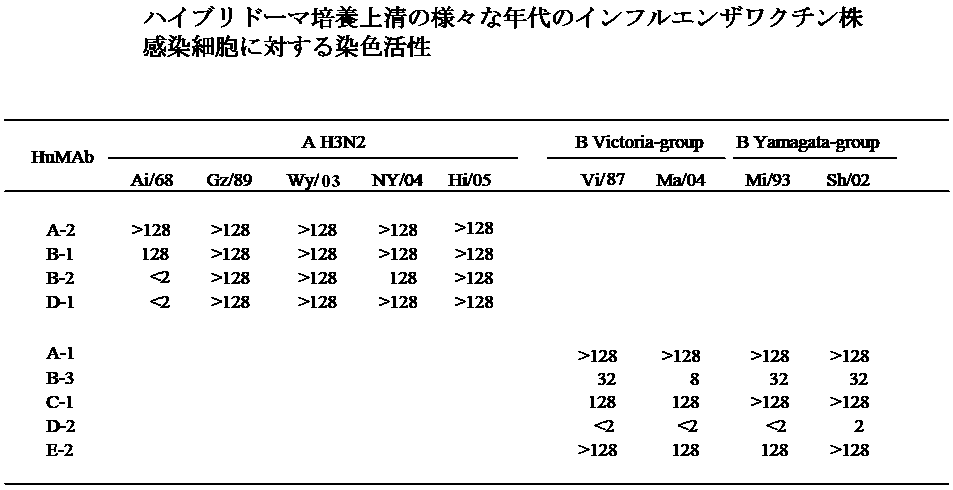
B-1、D-1ならびにE-2、B-3の各単クローン抗体産生ハイブリドーマ上清について、実験例3に示すさまざまな年代のインフルエンザウイルスワクチン株感染細胞に対する中和活性を調べた。中和活性の測定方法は、実験例1の手法に従った。
上記の実験結果より、B-1、D-1及びE-2、B-3の各単クローン抗体(抗ヒトインフルエンザウイルス・ヒト型抗体)は、ヒトインフルエンザA型ウイルスH3N2サブタイプあるいはヒトインフルエンザB型ウイルスに対して、40年あるいは20年近く前より保存されている領域を認識しうるものと考えられた。そこで、本実験例では、これらの単クローン抗体の可変領域をコードする塩基配列を調べた。
上記クローニングして得たハイブリドーマを、核酸抽出試薬(RNAisoTM、タカラバイオ)中でホモジェナイズし、キットのプロトコールに順じてtotalRNAを精製した。
精製後のtotalRNAサンプルの一部と、以下のヒト抗体(IgG)遺伝子のH鎖、L鎖定常域配列特異的に設計された以下のRT プライマー又はdTプライマーを用いて、cDNA合成を行った。
Human_IgGH_RT_Primer:TGGAGGGCACGGTCACCACGC(配列番号13)
Human_IgGL_RT_Primer:TTGTGACGGGCGAGCTCAGGC(配列番号14)
さらに、上記のプライマーの上流域に位置する以下のPCR プライマーを用いてRACE PCR反応を行った。
Human_IgGH_PCR_Primer:AAGGTGTGCACGCCGCTGGTC(配列番号15)
Human_IgGL(κ)_PCR_Primer:GTGCTGCTGAGGCTGTAGGTG(配列番号16)
Human IgL(λ) PCR Primer 1:CCAYTGTCTTCTCCACRGTRCTCYC(配列番号17)
Human IgL(λ) PCR Primer 2:TCAGAGGAGGRYGGGAACAGAGTG(配列番号18)
得られたPCR産物を3 %アガロースゲルで電気泳動を行い、得られたバンドよりPCR産物を精製した。精製PCR産物よりDNAの塩基配列を解析した。解析は、BigDye(R) Terminators v3.1 Cycle Sequencing Kit(ABI社)を用い、ABI3730 Sequencer(ABI社)により行った。その結果、各単クローン抗体の重鎖可変領域配列及び軽鎖可変領域配列について、以下の配列番号5~12に示す配列が確認された。さらに、各単クローン抗体の重鎖可変領域配列及び軽鎖可変領域配列ならびに翻訳アミノ酸配列については、図3~10(配列番号19~26)に示すとおりであった。
重鎖可変領域配列:GAGGAGAACCTGTTGCAGTCTGGGGGAGGCTTGGTCCAGCCGGGGGGGTCCCTGAGACTCTCCTGTGCAGGCTCTGGATTCACGTTTAGTACTTACGCCATGACCTGGGTCCGCCAGGCTCCAGGACAGGGGCTGGAGTGGGTCTCCTCTATTAGCGGTAGTGGTGAAATTTCCTATTACGCAGACTCCGTGAAGGGCCTGTTCACCATCTCCAGGGACAATTCCAAGGACACAGTGTTTCTGCAAATGACCAGCCTGAGAGCCGAAGACACGGCCGTATATTACTGTGCGAAATCCGACGTTTGGGAGGGTTATCGACCCTCAAAAGATGCTCTTCATATGTGGGGCCAAGGGACAATGGTCACCGTCTCTTCA(配列番号5)。
重鎖可変領域配列:CAGGTGCAGCTGGTGCAATCTGGGTCTGAGTTGAAGAAGCCTGGGGCCTCAGTGAAGGTTTCCTGCAAGGCTTCTGGATACACCTTCACCTCTTATTCTATATATTGGGTGCGACAGGCCCCTGGACAAGGGCTTGAGTGGATGGGATGGATCAACACCAACACTGGGAACCCAAGCTATGCCCAGGGCTTCACAGGACGGTTTGTCTTCTCCTTCGACACCTCTGTCAGCACGGCATATCTGGAGATCAGCAGCCTAAAGGCTGAGGACACTGCCGTGTATTACTGTGCGAGAGAGGGAGATTACGATATTTTGACTGGTTATTATTATTACTTTGACTACTGGGGCCAGGGAACCCTGGTCACCGTCTCCTCA(配列番号7)。
重鎖可変領域配列:CAGGTGCAGTTGCAGGAGTCGGGCCCAGGACTGGTGAAGCCTTTACAGACCCTGTCCCTCACCTGCGTTGTCTCTGGTGACTCCATCAGCAGGGGTGGTTACTACTGGAGTTGGGTCCGCCAGCCCCCAGAGAGGGGCCTGGAGTGGATTGGGGACATCTATCACAGTGGGAGTACCAACTACAACCCGGCCCTCAAGAGTCGAACTACCATCTCAGTAGAGACGTCCAAGAACCAGTTCTCCCTGCAGCTGAACTCTGTGACCGCCGCAGACACGGCCGTGTATTACTGTGCCAGAGAGCCTCCACCTGACTACAGTGACTACAAGGTTGGGAAGGGTTATTTTGACTACTGGGGCCAGGGAGCCCTGGTCACCGTCTCCTCA(配列番号9)。
軽鎖可変領域配列:GAAATTGTGTTGGCACAGTCTCCAGCCACCCTGTCTTTGTCTCCAGGGGAAAGAGCCACCCTCTCCTGCAGGGCCAGTGAGACCGTTGACACCTACTTAGCCTGGTACCAACAGAAACCTGGCCAGGCTCCCAGGCTCCTCATAAATGATGCATCCAAGAGGGCCACTGGCATCCCAGCCAGGTTCAGTGGCAGTGGGTCTGGGACAGACTTCACTCTCACCATCAGCGGCCTAGAGCCTGAAGATTTTGCAGTTTATTGGTGTCAGCAGCATAGCAACTGGCCCCCCACCTTCGGCCAAGGGTCACGGCTGGAGATTAAA(配列番号10)。
重鎖可変領域配列:CAGGTGAAGTTGGTGCAGTCTGGCGGAGGCGCAGTCCAGCCTGGGAGGTCCCTGAGACTCTCCTGTGAGGCGTCTGGATTCGACTTCACTGTGTATGACATCCACTGGGTCCGCCAGGCTCCAGGCAAGGGGCTTGAGTGGGTGGCATCTATTTGGCATAACGGAGGAAAAGCATATTATGCGGACTCCGTGAAGGGCCGATTCACCGTGTCCAGAGACAATCCCCAGAAGACAGTGTATCTGCAAATGAGTGGCCTGAGACCCGAGGACACGGCTACATATTACTGTGCGAGAGAGTTTCCTTTCATGGGCATCTATGACTACGGCATGGACGCCTGGGGCCAAGGGACCACGGTCACCGTCGCCTCA(配列番号11)。
軽鎖可変領域配列:CAGTCTGTGCTGGCTCAGCCACCCTCAGCGTCTGGGACCCCCGGGCAGAGGGTCATCATCTCTTGTTCTGGAACCTCCTCCAACATCGGCGGTAATTCTGTCAACTGGTACCAGCACCCCCCAGGGGCGGCCCCGAGACTCCTCATCTATACTACCGATCAGCGACCCTCAGGGGTCCCTGACCGATTCTCTGGCTCCAAGTCTGGCACCTCTGCCTCCCTGGCCATCAGTGGGCTCCAATCTGAGGATGAGGCTGATTATTACTGTGAAGTTTGGGATGACAGCCTGACTCGTCCGGTGTTCGGCGGAGGGACCAAGTTGACCGTCCTACGT(配列番号12)。
A-2、B-1、B-2、D-1の各単クローン抗体産生ハイブリドーマ上清並びにC43抗体、F49抗体について、A/Hiroshima/52/05(H3N2)株感染細胞に対する染色活性を調べた。染色試験は、通常の間接蛍光抗体法で行った。ここで、コントロールとして用いられたC43抗体は、ヒトインフルエンザA型ウイルスに対する抗体であって、特に核タンパク(nucleoprotein: NP)に対するマウス単クローン抗体である。また、F49抗体はヒトインフルエンザA型ウイルスH3N2サブタイプに対する抗体であって、特にHAに対するマウス単クローン抗体である。
B-3、E-2の各単クローン抗体産生ハイブリドーマ上清並びに9F3抗体、9E10抗体について、B/Malaysia/2506/04株感染細胞に対する染色活性を調べた。染色試験は、通常の間接蛍光抗体法で行った。ここで、コントロールとして用いられた9F3抗体は、ヒトインフルエンザB型ウイルスに対する抗体であって、特にNPに対するマウス単クローン抗体である。また、9E10抗体はヒトインフルエンザB型ウイルスに対する抗体であって、特にHAに対するマウス単クローン抗体である。
本実施例では、B-1及びD-1の各単クローン抗体についてエピトープ解析を行なった。
Hi/05:A/Hiroshima/52/05株(2005年分離)のうち、シグナルペプチド部分を含むヘマグルチニンHA1領域を構成する345残基のアミノ酸から連続的に選択される15残基のペプチドであり、13残基がオーバーラップするように調整した計166セットのペプチドを合成した。上記166セットの各ペプチドをガラス表面に固定したペプチドアレイを調製し、ブロッキング用緩衝液(Piace社Super Block(R) TBS)でガラス表面をブロック後、該ブロッキング用緩衝液で10μg/mLに希釈した各単クローン抗体を反応させた。インキュベート後、0.1% Tween20を含むTBSで3回洗浄し、1μg/mLに希釈したCy5標識抗ヒトIgG(H+L)を反応させた。インキュベート後、上記トリス緩衝生理食塩水(TBS)で3回及び3 mM クエン酸緩衝液(SSC)で十分洗浄後乾燥させ、蛍光スキャナーで蛍光を測定し、単クローン抗体と反応するペプチドの検出を行った。コントロールとして単クローン抗体を添加せず、その他の操作は同様の実験も同時に行った。B-1又はD-1の各単クローン抗体と抗原抗体反応させ、オーバーラップペプチドスキャン法によりエピトープ解析を行なった。具体的にはRepliTopeTM Microarrays(JPT Peptide Technologies Gmbh Germany)のプロトコールに準拠して実施した。
本実施例では、実施例1でクローニングしたハイブリドーマR1D8及びK4E7の培養について説明し、B-1単クローン抗体(以下B-1抗体)及びD-1単クローン抗体(以下D-1抗体)の産生について、説明する。
各ハイブリドーマは37℃、5%CO2インキュベーター内で無血清培地(Hybridoma-SFMTM; GIBCO)を用いて大量培養を行った。培養上清を回収し、Protein G SepharoseTM (Protein G SepharoseTM 4 Fast Flow; GE Healthcare)カラムで抗体分子を吸着し、PBSで2回洗浄の後、0.17M、pH2.3のグリシン(Glycine)溶液で溶出した。溶出した抗体分子を、透析膜(Spectra/por(R)(分画分子量:6K~8K); 日本ジェネティクス)を用いてPBSで透析を行い、回収した。最終的な収量は、R1D8が0.249mg/L、K4E7が24.38mg/Lであった。
本実験例では、実施例2において精製して得たB-1抗体又はD-1抗体を、マウスに予防的に投与したときの生存率及び体重変化に及ぼす効果を確認した。
本実験例では、実施例2において精製して得たB-1抗体又はD-1抗体を、マウスに治療的に投与したときの生存率及び体重変化に及ぼす効果を確認した。
Claims (13)
- ヒトインフルエンザA型ウイルスH3N2サブタイプに対して中和活性を有し、ヒトインフルエンザA型ウイルスH3N2サブタイプのヘマグルチニンHA1領域に結合する、又は、ヒトインフルエンザB型ウイルスに対して中和活性を有する、抗ヒトインフルエンザウイルス・ヒト型抗体。
- 抗ヒトインフルエンザウイルス・ヒト型抗体が、ヒトインフルエンザA型ウイルスH1サブタイプ及び同H2サブタイプに対して中和活性を有さない、請求項1に記載の抗ヒトインフルエンザウイルス・ヒト型抗体。
- 抗インフルエンザ・ヒト型抗体であって、ヒトインフルエンザA型ウイルスH3N2サブタイプに対して中和活性を有する抗体が、少なくともA/Hiroshima/52/05株に対して中和活性を有し、ヒトインフルエンザB型ウイルスに対して中和活性を有する抗体が、少なくともB/Malaysia/2506/04株に対して中和活性を有する、請求項1に記載の抗ヒトインフルエンザウイルス・ヒト型抗体。
- 抗体が認識するエピトープが、ヒトインフルエンザA型ウイルスH3N2サブタイプのヘマグルチニンHA1を構成するアミノ酸配列のうち、N末端から数えて173-181番目のアミノ酸配列を含む領域及び/又は227-239番目のアミノ酸配列を含む領域である、請求項1~3のいずれか1に記載の抗ヒトインフルエンザウイルス・ヒト型抗体。
- エピトープが、以下の配列番号1又は2に示すアミノ酸配列含むアミノ酸配列、あるいはこれらのアミノ酸配列のうち、1~2個のアミノ酸が置換、欠失、付加若しくは導入されたいずれかのアミノ酸配列からなる、請求項4に記載の抗ヒトインフルエンザウイルス・ヒト型抗体:
1)NFDKLYIWG(配列番号1);
2)KFDKLYIWG(配列番号2)。 - エピトープが、以下の配列番号3又は4に示すアミノ酸配列含むアミノ酸配列、あるいはこれらのアミノ酸配列のうち、1~2個のアミノ酸が置換、欠失、付加若しくは導入されたいずれかのアミノ酸配列からなる、請求項4に記載の抗ヒトインフルエンザウイルス・ヒト型抗体:
1)SSRISIYWTIVKP(配列番号3);
2)PSRISIYWTIVKP(配列番号4)。 - 抗体の可変領域をコードするDNAの塩基配列が、以下の配列番号5~12に示すいずれかの塩基配列より選択される、あるいはこれらの塩基配列のうち、1~複数個のヌクレオチドが置換、欠失、付加若しくは導入されたいずれかの塩基配列を含む、抗ヒトインフルエンザウイルス・ヒト型抗体:
1)GAGGAGAACCTGTTGCAGTCTGGGGGAGGCTTGGTCCAGCCGGGGGGGTCCCTGAGACTCTCCTGTGCAGGCTCTGGATTCACGTTTAGTACTTACGCCATGACCTGGGTCCGCCAGGCTCCAGGACAGGGGCTGGAGTGGGTCTCCTCTATTAGCGGTAGTGGTGAAATTTCCTATTACGCAGACTCCGTGAAGGGCCTGTTCACCATCTCCAGGGACAATTCCAAGGACACAGTGTTTCTGCAAATGACCAGCCTGAGAGCCGAAGACACGGCCGTATATTACTGTGCGAAATCCGACGTTTGGGAGGGTTATCGACCCTCAAAAGATGCTCTTCATATGTGGGGCCAAGGGACAATGGTCACCGTCTCTTCA(配列番号5);
2)GACGTCCAGATGACTCAGTCTCCATCCTCCCTGTCTGCATCTGTGGGAGACAGAGTCACCATCACTTGTCGGGCAAGTCAGAGCGTGAGCAATTATGTGAATTGGTATCAACAGAAGCCAGGGAGAGCCCCTAGGCTCCTCATCTCTAGTGCGTCCAATTTGTGGGCTGGGGTCCCGCCAAGTTCAGTGGCCGTGGAGAAGAGACAGACTTCACTCTCACCATCACCAGTCTGCAACCTGAAGATTCTGCAGTTTACTACTGTCAACAGAGTTACAGTGACCTTCTCAGTTTCGGCGGAGGGACCAAGGTGGAGATCAAA(配列番号6);
3)CAGGTGCAGCTGGTGCAATCTGGGTCTGAGTTGAAGAAGCCTGGGGCCTCAGTGAAGGTTTCCTGCAAGGCTTCTGGATACACCTTCACCTCTTATTCTATATATTGGGTGCGACAGGCCCCTGGACAAGGGCTTGAGTGGATGGGATGGATCAACACCAACACTGGGAACCCAAGCTATGCCCAGGGCTTCACAGGACGGTTTGTCTTCTCCTTCGACACCTCTGTCAGCACGGCATATCTGGAGATCAGCAGCCTAAAGGCTGAGGACACTGCCGTGTATTACTGTGCGAGAGAGGGAGATTACGATATTTTGACTGGTTATTATTATTACTTTGACTACTGGGGCCAGGGAACCCTGGTCACCGTCTCCTCA(配列番号7);
4)CAGACTGTGGTGACCCAGGAGCCATCGTTCTCAGTGTCCCCTGGAGGGACAGTCACACTCACTTGTGGCTTGAGCTCTGGCTCAGTCTCTCCTAGTTACTACGCCAGCTGGTACCAGCAGACCCCAGGCCAGGCTCCACGCACGCTCATCTACAACACAAACACTCGCTCCTCTGGGGTCCCTGATCGCTTCTCTGGCTCCTTCCTTGGGAGCGACGCTGCCCTCACCATCACGGGGGCCCAGGCAGATGATGAGTCTGATTATTTCTGTGTGCTGTATATGCCTAGTGGCGATTGGGTTTTCGGCGGAGGGACCAAGCTGACCGTCCTAGGT(配列番号8);
5)CAGGTGCAGTTGCAGGAGTCGGGCCCAGGACTGGTGAAGCCTTTACAGACCCTGTCCCTCACCTGCGTTGTCTCTGGTGACTCCATCAGCAGGGGTGGTTACTACTGGAGTTGGGTCCGCCAGCCCCCAGAGAGGGGCCTGGAGTGGATTGGGGACATCTATCACAGTGGGAGTACCAACTACAACCCGGCCCTCAAGAGTCGAACTACCATCTCAGTAGAGACGTCCAAGAACCAGTTCTCCCTGCAGCTGAACTCTGTGACCGCCGCAGACACGGCCGTGTATTACTGTGCCAGAGAGCCTCCACCTGACTACAGTGACTACAAGGTTGGGAAGGGTTATTTTGACTACTGGGGCCAGGGAGCCCTGGTCACCGTCTCCTCA(配列番号9);
6)GAAATTGTGTTGGCACAGTCTCCAGCCACCCTGTCTTTGTCTCCAGGGGAAAGAGCCACCCTCTCCTGCAGGGCCAGTGAGACCGTTGACACCTACTTAGCCTGGTACCAACAGAAACCTGGCCAGGCTCCCAGGCTCCTCATAAATGATGCATCCAAGAGGGCCACTGGCATCCCAGCCAGGTTCAGTGGCAGTGGGTCTGGGACAGACTTCACTCTCACCATCAGCGGCCTAGAGCCTGAAGATTTTGCAGTTTATTGGTGTCAGCAGCATAGCAACTGGCCCCCCACCTTCGGCCAAGGGTCACGGCTGGAGATTAAA(配列番号10);
7)CAGGTGAAGTTGGTGCAGTCTGGCGGAGGCGCAGTCCAGCCTGGGAGGTCCCTGAGACTCTCCTGTGAGGCGTCTGGATTCGACTTCACTGTGTATGACATCCACTGGGTCCGCCAGGCTCCAGGCAAGGGGCTTGAGTGGGTGGCATCTATTTGGCATAACGGAGGAAAAGCATATTATGCGGACTCCGTGAAGGGCCGATTCACCGTGTCCAGAGACAATCCCCAGAAGACAGTGTATCTGCAAATGAGTGGCCTGAGACCCGAGGACACGGCTACATATTACTGTGCGAGAGAGTTTCCTTTCATGGGCATCTATGACTACGGCATGGACGCCTGGGGCCAAGGGACCACGGTCACCGTCGCCTCA(配列番号11);
8)CAGTCTGTGCTGGCTCAGCCACCCTCAGCGTCTGGGACCCCCGGGCAGAGGGTCATCATCTCTTGTTCTGGAACCTCCTCCAACATCGGCGGTAATTCTGTCAACTGGTACCAGCACCCCCCAGGGGCGGCCCCGAGACTCCTCATCTATACTACCGATCAGCGACCCTCAGGGGTCCCTGACCGATTCTCTGGCTCCAAGTCTGGCACCTCTGCCTCCCTGGCCATCAGTGGGCTCCAATCTGAGGATGAGGCTGATTATTACTGTGAAGTTTGGGATGACAGCCTGACTCGTCCGGTGTTCGGCGGAGGGACCAAGTTGACCGTCCTACGT(配列番号12)。 - 抗ヒトインフルエンザウイルス・ヒト型抗体の抗原が、ヒトインフルエンザウイルスのA/Hiroshima/52/05株又はB/Malaysia/2506/04株である、請求項7に記載の抗ヒトインフルエンザウイルス・ヒト型抗体。
- 抗体の可変領域をコードするDNAのうち、配列番号5~8に示す可変領域を有する抗体が、ヒトインフルエンザA型ウイルスのH3N2サブタイプに対して中和活性を有する抗体であり、配列番号9~12に示す可変領域を有する抗体が、ヒトインフルエンザB型ウイルスに対して中和活性を有する抗体である、請求項7に記載の抗ヒトインフルエンザウイルス・ヒト型抗体。
- 抗体の可変領域をコードするDNAのうち、配列番号5、7、9及び11に示すDNAが、重鎖可変領域をコードするDNAであり、配列番号6、8、10及び12に示すDNAが、軽鎖可変領域をコードするDNAである、請求項8に記載の抗ヒトインフルエンザウイルス・ヒト型抗体。
- 抗体が、インタクト抗体である、請求項1~11のいずれか1に記載の抗ヒトインフルエンザウイルス・ヒト型抗体。
- 請求項1~11のいずれか1に記載の抗ヒトインフルエンザウイルス・ヒト型抗体の可変領域をコードするDNAであり、以下の配列番号5~12に示すいずれかの塩基配列より選択される、あるいはこれらの塩基配列のうち、1~複数個のヌクレオチドが置換、欠失、付加若しくは導入されたいずれかの塩基配列からなるポリヌクレオチドを含むDNA:
1)GAGGAGAACCTGTTGCAGTCTGGGGGAGGCTTGGTCCAGCCGGGGGGGTCCCTGAGACTCTCCTGTGCAGGCTCTGGATTCACGTTTAGTACTTACGCCATGACCTGGGTCCGCCAGGCTCCAGGACAGGGGCTGGAGTGGGTCTCCTCTATTAGCGGTAGTGGTGAAATTTCCTATTACGCAGACTCCGTGAAGGGCCTGTTCACCATCTCCAGGGACAATTCCAAGGACACAGTGTTTCTGCAAATGACCAGCCTGAGAGCCGAAGACACGGCCGTATATTACTGTGCGAAATCCGACGTTTGGGAGGGTTATCGACCCTCAAAAGATGCTCTTCATATGTGGGGCCAAGGGACAATGGTCACCGTCTCTTCA(配列番号5);
2)GACGTCCAGATGACTCAGTCTCCATCCTCCCTGTCTGCATCTGTGGGAGACAGAGTCACCATCACTTGTCGGGCAAGTCAGAGCGTGAGCAATTATGTGAATTGGTATCAACAGAAGCCAGGGAGAGCCCCTAGGCTCCTCATCTCTAGTGCGTCCAATTTGTGGGCTGGGGTCCCGCCAAGTTCAGTGGCCGTGGAGAAGAGACAGACTTCACTCTCACCATCACCAGTCTGCAACCTGAAGATTCTGCAGTTTACTACTGTCAACAGAGTTACAGTGACCTTCTCAGTTTCGGCGGAGGGACCAAGGTGGAGATCAAA(配列番号6);
3)CAGGTGCAGCTGGTGCAATCTGGGTCTGAGTTGAAGAAGCCTGGGGCCTCAGTGAAGGTTTCCTGCAAGGCTTCTGGATACACCTTCACCTCTTATTCTATATATTGGGTGCGACAGGCCCCTGGACAAGGGCTTGAGTGGATGGGATGGATCAACACCAACACTGGGAACCCAAGCTATGCCCAGGGCTTCACAGGACGGTTTGTCTTCTCCTTCGACACCTCTGTCAGCACGGCATATCTGGAGATCAGCAGCCTAAAGGCTGAGGACACTGCCGTGTATTACTGTGCGAGAGAGGGAGATTACGATATTTTGACTGGTTATTATTATTACTTTGACTACTGGGGCCAGGGAACCCTGGTCACCGTCTCCTCA(配列番号7);
4)CAGACTGTGGTGACCCAGGAGCCATCGTTCTCAGTGTCCCCTGGAGGGACAGTCACACTCACTTGTGGCTTGAGCTCTGGCTCAGTCTCTCCTAGTTACTACGCCAGCTGGTACCAGCAGACCCCAGGCCAGGCTCCACGCACGCTCATCTACAACACAAACACTCGCTCCTCTGGGGTCCCTGATCGCTTCTCTGGCTCCTTCCTTGGGAGCGACGCTGCCCTCACCATCACGGGGGCCCAGGCAGATGATGAGTCTGATTATTTCTGTGTGCTGTATATGCCTAGTGGCGATTGGGTTTTCGGCGGAGGGACCAAGCTGACCGTCCTAGGT(配列番号8);
5)CAGGTGCAGTTGCAGGAGTCGGGCCCAGGACTGGTGAAGCCTTTACAGACCCTGTCCCTCACCTGCGTTGTCTCTGGTGACTCCATCAGCAGGGGTGGTTACTACTGGAGTTGGGTCCGCCAGCCCCCAGAGAGGGGCCTGGAGTGGATTGGGGACATCTATCACAGTGGGAGTACCAACTACAACCCGGCCCTCAAGAGTCGAACTACCATCTCAGTAGAGACGTCCAAGAACCAGTTCTCCCTGCAGCTGAACTCTGTGACCGCCGCAGACACGGCCGTGTATTACTGTGCCAGAGAGCCTCCACCTGACTACAGTGACTACAAGGTTGGGAAGGGTTATTTTGACTACTGGGGCCAGGGAGCCCTGGTCACCGTCTCCTCA(配列番号9);
6)GAAATTGTGTTGGCACAGTCTCCAGCCACCCTGTCTTTGTCTCCAGGGGAAAGAGCCACCCTCTCCTGCAGGGCCAGTGAGACCGTTGACACCTACTTAGCCTGGTACCAACAGAAACCTGGCCAGGCTCCCAGGCTCCTCATAAATGATGCATCCAAGAGGGCCACTGGCATCCCAGCCAGGTTCAGTGGCAGTGGGTCTGGGACAGACTTCACTCTCACCATCAGCGGCCTAGAGCCTGAAGATTTTGCAGTTTATTGGTGTCAGCAGCATAGCAACTGGCCCCCCACCTTCGGCCAAGGGTCACGGCTGGAGATTAAA(配列番号10);
7)CAGGTGAAGTTGGTGCAGTCTGGCGGAGGCGCAGTCCAGCCTGGGAGGTCCCTGAGACTCTCCTGTGAGGCGTCTGGATTCGACTTCACTGTGTATGACATCCACTGGGTCCGCCAGGCTCCAGGCAAGGGGCTTGAGTGGGTGGCATCTATTTGGCATAACGGAGGAAAAGCATATTATGCGGACTCCGTGAAGGGCCGATTCACCGTGTCCAGAGACAATCCCCAGAAGACAGTGTATCTGCAAATGAGTGGCCTGAGACCCGAGGACACGGCTACATATTACTGTGCGAGAGAGTTTCCTTTCATGGGCATCTATGACTACGGCATGGACGCCTGGGGCCAAGGGACCACGGTCACCGTCGCCTCA(配列番号11);
8)CAGTCTGTGCTGGCTCAGCCACCCTCAGCGTCTGGGACCCCCGGGCAGAGGGTCATCATCTCTTGTTCTGGAACCTCCTCCAACATCGGCGGTAATTCTGTCAACTGGTACCAGCACCCCCCAGGGGCGGCCCCGAGACTCCTCATCTATACTACCGATCAGCGACCCTCAGGGGTCCCTGACCGATTCTCTGGCTCCAAGTCTGGCACCTCTGCCTCCCTGGCCATCAGTGGGCTCCAATCTGAGGATGAGGCTGATTATTACTGTGAAGTTTGGGATGACAGCCTGACTCGTCCGGTGTTCGGCGGAGGGACCAAGTTGACCGTCCTACGT(配列番号12)。 - 請求項1~11のいずれか1に記載の抗ヒトインフルエンザウイルス・ヒト型抗体を含む組成物。
Priority Applications (5)
| Application Number | Priority Date | Filing Date | Title |
|---|---|---|---|
| JP2010543870A JP5780762B2 (ja) | 2008-12-25 | 2009-12-24 | 抗ヒトインフルエンザウイルス・ヒト型抗体 |
| US13/141,998 US8975378B2 (en) | 2008-12-25 | 2009-12-24 | Human anti-human influenza virus antibody |
| CN200980152935.9A CN102264896B (zh) | 2008-12-25 | 2009-12-24 | 抗人流感病毒人型抗体 |
| EP09834454A EP2380976A4 (en) | 2008-12-25 | 2009-12-24 | HUMAN ANTIBODY AGAINST HUMAN FLUX VIRUS |
| US14/505,515 US9493550B2 (en) | 2008-12-25 | 2014-10-03 | Human anti-human influenza virus antibody |
Applications Claiming Priority (4)
| Application Number | Priority Date | Filing Date | Title |
|---|---|---|---|
| JP2008-330425 | 2008-12-25 | ||
| JP2008330425 | 2008-12-25 | ||
| JP2009146832 | 2009-06-19 | ||
| JP2009-146832 | 2009-06-19 |
Related Child Applications (2)
| Application Number | Title | Priority Date | Filing Date |
|---|---|---|---|
| US13/141,998 A-371-Of-International US8975378B2 (en) | 2008-12-25 | 2009-12-24 | Human anti-human influenza virus antibody |
| US14/505,515 Continuation US9493550B2 (en) | 2008-12-25 | 2014-10-03 | Human anti-human influenza virus antibody |
Publications (1)
| Publication Number | Publication Date |
|---|---|
| WO2010073647A1 true WO2010073647A1 (ja) | 2010-07-01 |
Family
ID=42287294
Family Applications (1)
| Application Number | Title | Priority Date | Filing Date |
|---|---|---|---|
| PCT/JP2009/007159 Ceased WO2010073647A1 (ja) | 2008-12-25 | 2009-12-24 | 抗ヒトインフルエンザウイルス・ヒト型抗体 |
Country Status (5)
| Country | Link |
|---|---|
| US (2) | US8975378B2 (ja) |
| EP (1) | EP2380976A4 (ja) |
| JP (1) | JP5780762B2 (ja) |
| CN (1) | CN102264896B (ja) |
| WO (1) | WO2010073647A1 (ja) |
Cited By (14)
| Publication number | Priority date | Publication date | Assignee | Title |
|---|---|---|---|---|
| WO2013114885A1 (en) * | 2012-01-31 | 2013-08-08 | Osaka University | Human monoclonal antibodies broadly protective against influenza b virus and methods of using the same |
| WO2013035345A3 (en) * | 2011-09-09 | 2013-09-06 | Osaka University | Dengue-virus serotype neutralizing antibodies |
| WO2014078268A2 (en) | 2012-11-13 | 2014-05-22 | Genentech, Inc. | Anti-hemagglutinin antibodies and methods of use |
| US8877200B2 (en) | 2012-05-10 | 2014-11-04 | Visterra, Inc. | HA binding agents |
| JP2015518369A (ja) * | 2012-03-08 | 2015-07-02 | クルセル ホランド ベー ヴェー | B型インフルエンザウイルスに結合して中和することができるヒト結合分子およびその使用 |
| JP2015529630A (ja) * | 2012-08-31 | 2015-10-08 | 国立大学法人大阪大学 | B型ボツリヌス神経毒素に対する結合/中和ヒトモノクローナル抗体 |
| US9745365B2 (en) | 2014-03-27 | 2017-08-29 | Genentech, Inc. | Anti-influenza B virus hemagglutinin antibodies and methods of use |
| JP2018038364A (ja) * | 2016-09-09 | 2018-03-15 | 国立大学法人金沢大学 | ヒト抗hlaモノクローナル抗体の作製方法 |
| CN107868121A (zh) * | 2016-09-28 | 2018-04-03 | 中国医学科学院病原生物学研究所 | H3亚型流感病毒血凝素特异性保守表位、其抗体及其应用 |
| CN110325546A (zh) * | 2016-05-05 | 2019-10-11 | 宾夕法尼亚大学理事会 | 靶向流感病毒的dna单克隆抗体 |
| US10513553B2 (en) | 2015-11-13 | 2019-12-24 | Visterra, Inc. | Compositions and methods for treating and preventing influenza |
| JP2021511043A (ja) * | 2018-01-26 | 2021-05-06 | リジェネロン・ファーマシューティカルズ・インコーポレイテッドRegeneron Pharmaceuticals, Inc. | インフルエンザヘマグルチニンに対するヒト抗体 |
| US11230593B2 (en) | 2019-03-25 | 2022-01-25 | Visterra, Inc. | Compositions and methods for treating and preventing influenza |
| US12202885B2 (en) | 2016-02-24 | 2025-01-21 | Visterra, Inc. | Formulations of antibody molecules to influenza virus |
Families Citing this family (12)
| Publication number | Priority date | Publication date | Assignee | Title |
|---|---|---|---|---|
| US8975378B2 (en) | 2008-12-25 | 2015-03-10 | Osaka University | Human anti-human influenza virus antibody |
| EP2793945B1 (en) | 2011-12-05 | 2018-08-15 | Trellis Bioscience, LLC | Antibodies useful in passive influenza immunization |
| WO2014049520A2 (en) * | 2012-09-25 | 2014-04-03 | Fujita Health University | Novel epitope and mechanism of antigen-antibody interaction in an influenza virus |
| JP6595448B2 (ja) | 2013-03-14 | 2019-10-23 | コントラフェクト コーポレイション | 治療効率の増強のために鼻腔内送達する中和抗体に基づく組成物および方法 |
| US10639370B2 (en) | 2014-02-04 | 2020-05-05 | Contrafect Corporation | Antibodies useful in passive influenza immunization, and compositions, combinations and methods for use thereof |
| KR102344390B1 (ko) | 2014-02-04 | 2021-12-28 | 콘트라펙트 코포레이션 | 수동 인플루엔자 면역화에 유용한 항체, 및 이의 사용을 위한 조성물, 조합 및 방법 |
| KR101628331B1 (ko) * | 2014-03-28 | 2016-06-08 | 주식회사 녹십자엠에스 | 인플루엔자 a 바이러스 특이적 단클론 항체 및 이를 이용한 인플루엔자 감염 치료 및 진단 방법 |
| TWI702229B (zh) | 2014-12-19 | 2020-08-21 | 美商再生元醫藥公司 | 流行性感冒病毒血球凝集素之人類抗體 |
| WO2018031887A1 (en) | 2016-08-12 | 2018-02-15 | Abreos Biosciences, Inc. | Detection and quantification of natalizumab |
| US20180291059A1 (en) * | 2017-04-04 | 2018-10-11 | Abreos Biosciences, Inc. | Immunoaffinity purification of antibodies using mimetopes |
| CN109448781B (zh) * | 2018-11-06 | 2021-09-14 | 云南大学 | 一种流感病毒抗原变化的预测方法 |
| CN119775398B (zh) * | 2024-12-03 | 2025-10-10 | 深圳市儿童医院 | 一种结合h3n2 ha蛋白的全人源单克隆抗体和应用 |
Citations (6)
| Publication number | Priority date | Publication date | Assignee | Title |
|---|---|---|---|---|
| JPS59501714A (ja) | 1982-08-23 | 1984-10-11 | スクリツプス クリニツク アンド リサ−チ フアウンデ−シヨン | 広いスペクトルのインフルエンザ抗血清 |
| JPH06100594A (ja) | 1992-09-17 | 1994-04-12 | Takara Shuzo Co Ltd | 抗ヒトインフルエンザウイルス抗体 |
| JPH07265077A (ja) | 1994-03-30 | 1995-10-17 | Takara Shuzo Co Ltd | 抗体可変領域dna |
| JPH07304799A (ja) | 1994-05-09 | 1995-11-21 | Takara Shuzo Co Ltd | 抗ヒトインフルエンザウイルス抗体 |
| JP2006254777A (ja) | 2005-03-17 | 2006-09-28 | Oita Univ | インフルエンザウイルスA型H3N2サブタイプを効果的に中和するヒトFab抗体FabIF1A11を発現する遺伝子群IF1A11 |
| JP2008161198A (ja) | 1998-04-03 | 2008-07-17 | Chugai Pharmaceut Co Ltd | ヒト組織因子(tf)に対するヒト型化抗体およびヒト型化抗体の作製方法 |
Family Cites Families (2)
| Publication number | Priority date | Publication date | Assignee | Title |
|---|---|---|---|---|
| US6337070B1 (en) | 1993-04-29 | 2002-01-08 | Takara Shuzo Co., Ltd. | Polypeptides for use in generating anti-human influenza virus antibodies |
| US8975378B2 (en) | 2008-12-25 | 2015-03-10 | Osaka University | Human anti-human influenza virus antibody |
-
2009
- 2009-12-24 US US13/141,998 patent/US8975378B2/en not_active Expired - Fee Related
- 2009-12-24 CN CN200980152935.9A patent/CN102264896B/zh not_active Expired - Fee Related
- 2009-12-24 JP JP2010543870A patent/JP5780762B2/ja not_active Expired - Fee Related
- 2009-12-24 EP EP09834454A patent/EP2380976A4/en not_active Withdrawn
- 2009-12-24 WO PCT/JP2009/007159 patent/WO2010073647A1/ja not_active Ceased
-
2014
- 2014-10-03 US US14/505,515 patent/US9493550B2/en not_active Expired - Fee Related
Patent Citations (6)
| Publication number | Priority date | Publication date | Assignee | Title |
|---|---|---|---|---|
| JPS59501714A (ja) | 1982-08-23 | 1984-10-11 | スクリツプス クリニツク アンド リサ−チ フアウンデ−シヨン | 広いスペクトルのインフルエンザ抗血清 |
| JPH06100594A (ja) | 1992-09-17 | 1994-04-12 | Takara Shuzo Co Ltd | 抗ヒトインフルエンザウイルス抗体 |
| JPH07265077A (ja) | 1994-03-30 | 1995-10-17 | Takara Shuzo Co Ltd | 抗体可変領域dna |
| JPH07304799A (ja) | 1994-05-09 | 1995-11-21 | Takara Shuzo Co Ltd | 抗ヒトインフルエンザウイルス抗体 |
| JP2008161198A (ja) | 1998-04-03 | 2008-07-17 | Chugai Pharmaceut Co Ltd | ヒト組織因子(tf)に対するヒト型化抗体およびヒト型化抗体の作製方法 |
| JP2006254777A (ja) | 2005-03-17 | 2006-09-28 | Oita Univ | インフルエンザウイルスA型H3N2サブタイプを効果的に中和するヒトFab抗体FabIF1A11を発現する遺伝子群IF1A11 |
Non-Patent Citations (17)
| Title |
|---|
| ARCH. VIROL., vol. 86, 1985, pages 129 - 135 |
| ATASSI M. Z. ET AL.: "Localization synthesis and activity of an antigenic site on influenza virus hemagglutinin.", PROC. NATL. ACAD. SCI. USA, vol. 80, no. 3, 1983, pages 840 - 844, XP008152250 * |
| CELL, vol. 28, 1982, pages 477 - 487 |
| GREEN N. ET AL.: "Immunogenic structure of the influenza virus hemagglutinin.", CELL, vol. 28, 1982, pages 477 - 487, XP023877683 * |
| J. CLIN. MICROBIOL., vol. 28, 1990, pages 1308 - 1313 |
| J. HISTOCHEM. CYTOCHEM, vol. 14, 1966, pages 291 - 302 |
| J. SUI ET AL., NATURE STRUCTURAL & MOLECULAR BIOLOGY, 2009 |
| KAROLINE ET AL., VIROLOGY J, vol. 5, 2008, pages 40 |
| KUBOTA-KOKETSU R. ET AL.: "Broad neutralizing human monoclonal antibodies against influenza virus from vaccinated healthy donors.", BIOCHEM. BIOPHYS. RES. COMMUN., vol. 387, no. 1, 11 September 2009 (2009-09-11), pages 180 - 185, XP026378974 * |
| MICROBIOL. IMMUNOL., vol. 29, 1985, pages 327 - 335 |
| MICROBIOL. IMMUNOL., vol. 52, 2008, pages 162 - 170 |
| NEW YORK TIMES, 15 January 2006 (2006-01-15) |
| REV. BIOCHEM., vol. 56, 1987, pages 365 - 394 |
| SATO, K. ET AL., CANCER RES., vol. 53, 1993, pages 851 - 856 |
| See also references of EP2380976A4 |
| SHIBUYA T. ET AL.: "Identification of a human monoclonal Fab with neutralizing activity against H3N2 influenza A strain from a newly constructed human Fab library.", MICROBIOL. IMMUNOL., vol. 52, no. 3, March 2008 (2008-03-01), pages 162 - 170, XP008152251 * |
| UNDERWOOD, MOL. IMMUNOL., vol. 21, 1987, pages 7 |
Cited By (28)
| Publication number | Priority date | Publication date | Assignee | Title |
|---|---|---|---|---|
| WO2013035345A3 (en) * | 2011-09-09 | 2013-09-06 | Osaka University | Dengue-virus serotype neutralizing antibodies |
| WO2013114885A1 (en) * | 2012-01-31 | 2013-08-08 | Osaka University | Human monoclonal antibodies broadly protective against influenza b virus and methods of using the same |
| JP2015512867A (ja) * | 2012-01-31 | 2015-04-30 | 国立大学法人大阪大学 | B型インフルエンザウイルスに対する広範な保護を与えるヒトモノクローナル抗体及びその使用方法 |
| US9181328B2 (en) | 2012-01-31 | 2015-11-10 | Osaka University | Human monoclonal antibodies broadly protective against influenza B virus and methods of using the same |
| JP2015518369A (ja) * | 2012-03-08 | 2015-07-02 | クルセル ホランド ベー ヴェー | B型インフルエンザウイルスに結合して中和することができるヒト結合分子およびその使用 |
| US12024552B2 (en) | 2012-05-10 | 2024-07-02 | Visterra, Inc. | Ha binding agents |
| US8877200B2 (en) | 2012-05-10 | 2014-11-04 | Visterra, Inc. | HA binding agents |
| US10800835B2 (en) | 2012-05-10 | 2020-10-13 | Visterra, Inc. | HA binding agents |
| US9096657B2 (en) | 2012-05-10 | 2015-08-04 | Visterra, Inc. | HA binding agents |
| US9969794B2 (en) | 2012-05-10 | 2018-05-15 | Visterra, Inc. | HA binding agents |
| JP2015529630A (ja) * | 2012-08-31 | 2015-10-08 | 国立大学法人大阪大学 | B型ボツリヌス神経毒素に対する結合/中和ヒトモノクローナル抗体 |
| US9284365B2 (en) | 2012-11-13 | 2016-03-15 | Genentech, Inc. | Anti-hemagglutinin antibodies and methods of use |
| US9908931B2 (en) | 2012-11-13 | 2018-03-06 | Genentech, Inc. | Anti-hemagglutinin antibodies and methods of use |
| US9598481B2 (en) | 2012-11-13 | 2017-03-21 | Genetech, Inc. | Anti-hemagglutinin antibodies and methods of use |
| EP3461501A1 (en) | 2012-11-13 | 2019-04-03 | F. Hoffmann-La Roche AG | Anti-hemagglutinin antibodies and methods of use |
| US9067979B2 (en) | 2012-11-13 | 2015-06-30 | Genentech, Inc. | Anti-hemagglutinin antibodies and methods of use |
| WO2014078268A2 (en) | 2012-11-13 | 2014-05-22 | Genentech, Inc. | Anti-hemagglutinin antibodies and methods of use |
| US9745365B2 (en) | 2014-03-27 | 2017-08-29 | Genentech, Inc. | Anti-influenza B virus hemagglutinin antibodies and methods of use |
| US10513553B2 (en) | 2015-11-13 | 2019-12-24 | Visterra, Inc. | Compositions and methods for treating and preventing influenza |
| US12202885B2 (en) | 2016-02-24 | 2025-01-21 | Visterra, Inc. | Formulations of antibody molecules to influenza virus |
| CN110325546B (zh) * | 2016-05-05 | 2024-03-19 | 宾夕法尼亚大学理事会 | 靶向流感病毒的dna单克隆抗体 |
| CN110325546A (zh) * | 2016-05-05 | 2019-10-11 | 宾夕法尼亚大学理事会 | 靶向流感病毒的dna单克隆抗体 |
| JP2018038364A (ja) * | 2016-09-09 | 2018-03-15 | 国立大学法人金沢大学 | ヒト抗hlaモノクローナル抗体の作製方法 |
| CN107868121B (zh) * | 2016-09-28 | 2021-03-16 | 中国医学科学院病原生物学研究所 | H3亚型流感病毒血凝素特异性保守表位、其抗体及其应用 |
| CN107868121A (zh) * | 2016-09-28 | 2018-04-03 | 中国医学科学院病原生物学研究所 | H3亚型流感病毒血凝素特异性保守表位、其抗体及其应用 |
| JP7372925B2 (ja) | 2018-01-26 | 2023-11-01 | リジェネロン・ファーマシューティカルズ・インコーポレイテッド | インフルエンザヘマグルチニンに対するヒト抗体 |
| JP2021511043A (ja) * | 2018-01-26 | 2021-05-06 | リジェネロン・ファーマシューティカルズ・インコーポレイテッドRegeneron Pharmaceuticals, Inc. | インフルエンザヘマグルチニンに対するヒト抗体 |
| US11230593B2 (en) | 2019-03-25 | 2022-01-25 | Visterra, Inc. | Compositions and methods for treating and preventing influenza |
Also Published As
| Publication number | Publication date |
|---|---|
| US20150044225A1 (en) | 2015-02-12 |
| CN102264896B (zh) | 2014-02-26 |
| JPWO2010073647A1 (ja) | 2012-06-07 |
| US20110319600A1 (en) | 2011-12-29 |
| US9493550B2 (en) | 2016-11-15 |
| EP2380976A4 (en) | 2012-11-07 |
| US8975378B2 (en) | 2015-03-10 |
| CN102264896A (zh) | 2011-11-30 |
| JP5780762B2 (ja) | 2015-09-16 |
| EP2380976A1 (en) | 2011-10-26 |
Similar Documents
| Publication | Publication Date | Title |
|---|---|---|
| JP5780762B2 (ja) | 抗ヒトインフルエンザウイルス・ヒト型抗体 | |
| JP6072348B2 (ja) | 2以上のインフルエンザaウイルス中和結合分子を含む組成物 | |
| DK2734545T3 (en) | NEUTRALIZING ANTI-INFLUENZA A VIRUS ANTIBODIES AND APPLICATIONS THEREOF | |
| JP6423550B2 (ja) | 広域スペクトルモノクローナル抗FluB抗体およびその使用 | |
| EP2982691B1 (en) | Broad spectrum monoclonal antibody identifying ha1 structural domain of influenza virus hemagglutinin proteins | |
| HUE025329T2 (en) | Monoclonal antibodies capable of reacting with a plurality of influenza virus a subtypes | |
| WO2012045001A2 (en) | Influenza virus antibodies and immunogens and uses therefor | |
| KR20140112495A (ko) | 인플루엔자 a 바이러스 특이적 항체 | |
| CN103665155A (zh) | 一种抗流感病毒广谱中和性的中和分子1f2 | |
| US10072070B2 (en) | Potent anti-influenza A neuraminidase subtype N1 antibody | |
| US12509503B2 (en) | Pan-neuraminidase inhibiting antibodies | |
| PL238020B1 (pl) | Kompozycja przeciwciał monoklonalnych przeciwko hemaglutyninie wirusów grypy serotypu H5 i jej zastosowanie, hybrydomy produkujące rzeczone przeciwciała, sposób diagnozowania infekcji wirusami grypy serotypu H5 oraz zestawy diagnostyczne | |
| US20230077716A1 (en) | Antibodies protective against influenza b | |
| CN103030693A (zh) | 高致病性禽流感的中和分子及其制备方法 | |
| WO2010146848A1 (en) | An antigenic peptide derived from influenza virus and a method for selecting anti-influenza virus antibody | |
| HK1162593A (en) | Human anti-human influenza virus antibody | |
| WO2026021428A1 (en) | Anti-neuraminidase antibodies and uses thereof | |
| WO2014097762A1 (ja) | 高病原性トリインフルエンザに対する抗体 | |
| Guthmiller et al. | Broadly Neutralizing Antibodies Against Conserved Epitopes of the Hemagglutinin Head are Robustly Recalled by a Novel H1N1 Virus | |
| Wyrzucki et al. | Characterization of Influenza A-neutralizing, Heterosubtypic Antibodies Isolated with a Newly Developed Antigen | |
| HK1214834B (en) | Broad spectrum monoclonal antibody identifying ha1 structural domain of influenza virus hemagglutinin proteins | |
| WO2014049520A2 (en) | Novel epitope and mechanism of antigen-antibody interaction in an influenza virus |
Legal Events
| Date | Code | Title | Description |
|---|---|---|---|
| WWE | Wipo information: entry into national phase |
Ref document number: 200980152935.9 Country of ref document: CN |
|
| 121 | Ep: the epo has been informed by wipo that ep was designated in this application |
Ref document number: 09834454 Country of ref document: EP Kind code of ref document: A1 |
|
| ENP | Entry into the national phase |
Ref document number: 2010543870 Country of ref document: JP Kind code of ref document: A |
|
| NENP | Non-entry into the national phase |
Ref country code: DE |
|
| WWE | Wipo information: entry into national phase |
Ref document number: 2009834454 Country of ref document: EP |
|
| WWE | Wipo information: entry into national phase |
Ref document number: 13141998 Country of ref document: US |