WO2004016584A1 - 含フッ素ウレタン化合物およびその用途 - Google Patents

含フッ素ウレタン化合物およびその用途 Download PDF

Info

Publication number
WO2004016584A1
WO2004016584A1 PCT/JP2003/010242 JP0310242W WO2004016584A1 WO 2004016584 A1 WO2004016584 A1 WO 2004016584A1 JP 0310242 W JP0310242 W JP 0310242W WO 2004016584 A1 WO2004016584 A1 WO 2004016584A1
Authority
WO
WIPO (PCT)
Prior art keywords
group
carbon atoms
fluorine
atom
hydrogen
Prior art date
Legal status (The legal status is an assumption and is not a legal conclusion. Google has not performed a legal analysis and makes no representation as to the accuracy of the status listed.)
Ceased
Application number
PCT/JP2003/010242
Other languages
English (en)
French (fr)
Inventor
Ikuo Yamamoto
Kayo Kusumi
Takuya Yoshioka
Fumihiko Yamaguchi
Current Assignee (The listed assignees may be inaccurate. Google has not performed a legal analysis and makes no representation or warranty as to the accuracy of the list.)
Daikin Industries Ltd
Original Assignee
Daikin Industries Ltd
Priority date (The priority date is an assumption and is not a legal conclusion. Google has not performed a legal analysis and makes no representation as to the accuracy of the date listed.)
Filing date
Publication date
Application filed by Daikin Industries Ltd filed Critical Daikin Industries Ltd
Priority to JP2004528862A priority Critical patent/JPWO2004016584A1/ja
Priority to AU2003255001A priority patent/AU2003255001A1/en
Publication of WO2004016584A1 publication Critical patent/WO2004016584A1/ja
Anticipated expiration legal-status Critical
Ceased legal-status Critical Current

Links

Classifications

    • CCHEMISTRY; METALLURGY
    • C07ORGANIC CHEMISTRY
    • C07CACYCLIC OR CARBOCYCLIC COMPOUNDS
    • C07C323/00Thiols, sulfides, hydropolysulfides or polysulfides substituted by halogen, oxygen or nitrogen atoms, or by sulfur atoms not being part of thio groups
    • C07C323/50Thiols, sulfides, hydropolysulfides or polysulfides substituted by halogen, oxygen or nitrogen atoms, or by sulfur atoms not being part of thio groups containing thio groups and carboxyl groups bound to the same carbon skeleton
    • C07C323/51Thiols, sulfides, hydropolysulfides or polysulfides substituted by halogen, oxygen or nitrogen atoms, or by sulfur atoms not being part of thio groups containing thio groups and carboxyl groups bound to the same carbon skeleton having the sulfur atoms of the thio groups bound to acyclic carbon atoms of the carbon skeleton
    • C07C323/52Thiols, sulfides, hydropolysulfides or polysulfides substituted by halogen, oxygen or nitrogen atoms, or by sulfur atoms not being part of thio groups containing thio groups and carboxyl groups bound to the same carbon skeleton having the sulfur atoms of the thio groups bound to acyclic carbon atoms of the carbon skeleton the carbon skeleton being acyclic and saturated
    • CCHEMISTRY; METALLURGY
    • C07ORGANIC CHEMISTRY
    • C07DHETEROCYCLIC COMPOUNDS
    • C07D251/00Heterocyclic compounds containing 1,3,5-triazine rings
    • C07D251/02Heterocyclic compounds containing 1,3,5-triazine rings not condensed with other rings
    • C07D251/12Heterocyclic compounds containing 1,3,5-triazine rings not condensed with other rings having three double bonds between ring members or between ring members and non-ring members
    • C07D251/26Heterocyclic compounds containing 1,3,5-triazine rings not condensed with other rings having three double bonds between ring members or between ring members and non-ring members with only hetero atoms directly attached to ring carbon atoms
    • C07D251/30Only oxygen atoms
    • CCHEMISTRY; METALLURGY
    • C08ORGANIC MACROMOLECULAR COMPOUNDS; THEIR PREPARATION OR CHEMICAL WORKING-UP; COMPOSITIONS BASED THEREON
    • C08GMACROMOLECULAR COMPOUNDS OBTAINED OTHERWISE THAN BY REACTIONS ONLY INVOLVING UNSATURATED CARBON-TO-CARBON BONDS
    • C08G18/00Polymeric products of isocyanates or isothiocyanates
    • C08G18/06Polymeric products of isocyanates or isothiocyanates with compounds having active hydrogen
    • C08G18/28Polymeric products of isocyanates or isothiocyanates with compounds having active hydrogen characterised by the compounds used containing active hydrogen
    • C08G18/30Low-molecular-weight compounds
    • C08G18/38Low-molecular-weight compounds having heteroatoms other than oxygen
    • C08G18/3802Low-molecular-weight compounds having heteroatoms other than oxygen having halogens
    • CCHEMISTRY; METALLURGY
    • C09DYES; PAINTS; POLISHES; NATURAL RESINS; ADHESIVES; COMPOSITIONS NOT OTHERWISE PROVIDED FOR; APPLICATIONS OF MATERIALS NOT OTHERWISE PROVIDED FOR
    • C09KMATERIALS FOR MISCELLANEOUS APPLICATIONS, NOT PROVIDED FOR ELSEWHERE
    • C09K3/00Materials not provided for elsewhere
    • C09K3/18Materials not provided for elsewhere for application to surfaces to minimize adherence of ice, mist or water thereto; Thawing or antifreeze materials for application to surfaces
    • DTEXTILES; PAPER
    • D06TREATMENT OF TEXTILES OR THE LIKE; LAUNDERING; FLEXIBLE MATERIALS NOT OTHERWISE PROVIDED FOR
    • D06MTREATMENT, NOT PROVIDED FOR ELSEWHERE IN CLASS D06, OF FIBRES, THREADS, YARNS, FABRICS, FEATHERS OR FIBROUS GOODS MADE FROM SUCH MATERIALS
    • D06M13/00Treating fibres, threads, yarns, fabrics or fibrous goods made from such materials, with non-macromolecular organic compounds; Such treatment combined with mechanical treatment
    • D06M13/322Treating fibres, threads, yarns, fabrics or fibrous goods made from such materials, with non-macromolecular organic compounds; Such treatment combined with mechanical treatment with compounds containing nitrogen
    • D06M13/402Amides imides, sulfamic acids
    • D06M13/432Urea, thiourea or derivatives thereof, e.g. biurets; Urea-inclusion compounds; Dicyanamides; Carbodiimides; Guanidines, e.g. dicyandiamides
    • DTEXTILES; PAPER
    • D06TREATMENT OF TEXTILES OR THE LIKE; LAUNDERING; FLEXIBLE MATERIALS NOT OTHERWISE PROVIDED FOR
    • D06MTREATMENT, NOT PROVIDED FOR ELSEWHERE IN CLASS D06, OF FIBRES, THREADS, YARNS, FABRICS, FEATHERS OR FIBROUS GOODS MADE FROM SUCH MATERIALS
    • D06M15/00Treating fibres, threads, yarns, fabrics, or fibrous goods made from such materials, with macromolecular compounds; Such treatment combined with mechanical treatment
    • D06M15/19Treating fibres, threads, yarns, fabrics, or fibrous goods made from such materials, with macromolecular compounds; Such treatment combined with mechanical treatment with synthetic macromolecular compounds
    • D06M15/37Macromolecular compounds obtained otherwise than by reactions only involving carbon-to-carbon unsaturated bonds
    • D06M15/564Polyureas, polyurethanes or other polymers having ureide or urethane links; Precondensation products forming them
    • D06M15/576Polyureas, polyurethanes or other polymers having ureide or urethane links; Precondensation products forming them containing fluorine

Definitions

  • the present invention relates to a novel fluorine-containing urethane compound, a composition containing the same, and a treating agent.
  • the fluorine-containing urethane compound of the present invention is suitable for treating (especially, surface treating) various substrates, for example, ⁇ products.
  • Fluorine-containing compounds have the advantage of having excellent properties such as heat resistance, oxidation resistance, and weather resistance. Utilizing the property that the free energy of the fluorine-containing compound is low, that is, the property that it is hard to adhere, the fluorine-containing compound is used, for example, as a water and oil repellent and an antifouling agent.
  • Fluorine-containing compounds that can be used as water- and oil-repellents include, for example,
  • JP-B2-60702, JP-B2-60702, and JP-B-63-45665 examples include, for example, USP 5414111, USP 5565564, EP-A-383365, JP-A-7-505190 (WO 93/17165), WO 91/25308, USP 3547894, JP-T 2001-525010 ( WO 98/51727), JP 2001-525871 Gazette (WO 98/51723), JP 2001-25827
  • JP 525872 (WO 98/51726)
  • JP-T 2001-525874 (WO 98/51724)
  • JP-T 2002-504938 (WO 98/51725).
  • An object of the present invention is to provide a novel fluorine-containing compound that gives high water / oil repellency.
  • I is a group obtained by removing Isoshiana one bets group from polyisocyanate compounds
  • X 1 is a divalent organic residue obtained after active atom and active hydrogen desorbed from the chain transfer agent ,
  • X 2 is a trivalent linear or branched aliphatic group having 2 to 5 carbon atoms
  • Rf 1 is the formula:
  • a 1 is a direct bond or a divalent organic group having 1 to 21 carbon atoms
  • B 11 and B 12 are a hydrogen atom or a methyl / le group
  • B 13 is a hydrogen atom or a chlorine atom
  • B 21 is a hydrogen atom or an R′-A 2 — group (where R ′ is a linear or branched hydrocarbon group having 1 to 21 carbon atoms which may have an oxygen atom; 2 is a direct bond, an oxygen atom or a divalent organic group having 1 to 21 carbon atoms.
  • a is a number from 1 to 20;
  • b and c are numbers from 0 to 20.
  • R 1 and R 2 are a hydrogen atom or an alkyl group having 1 to 20 carbon atoms
  • p is a number from 1 to 20;
  • n is a number from 1 to 15;
  • n is a number from 0 to 14;
  • I is a group obtained by removing an isocyanate group from a polyisocyanate compound.
  • a polyisocyanate compound is a compound having at least two isocyanate groups.
  • the polyisocyanate compound may be an aliphatic polyisocyanate, an aromatic polyisocyanate, or a derivative of these polyisocyanates.
  • aliphatic polyisocyanates especially aliphatic diisocyanates
  • Aromatic polyisocyanates, especially aromatic diisocyanates are Methylene diisocyanate, isophorone diisocyanate, xylylene diisocyanate, hydrogenated xylylene diisocyanate, hydrogenated dihexyl hexylmethane diisocyanate.
  • Ti “1” are 1, Rerange, etc., "Diphenyl methane diisocyanate” (MD I), Trizin diisocyanate, and Naphthalenedi isocyanate.
  • Polyisocyanate compounds include diisocyanate, polymeric MD I (diphenylmethane diisocyanate), modified isocyanate (particularly, trimer of diisocyanate, or adduct of polyhydric alcohol and diisocyanate). ) Is preferable.
  • modified isocyanates include urethane-modified diisocyanate, arophanate-modified diisocyanate, biuret-modified diisocyanate, isocyanurate-modified diisocyanate, carposimid-modified diisocyanate, uretonimine-modified diisocyanate, and uretonimine-modified diisocyanate. It is.
  • X 1 is a divalent organic residue obtained after two atoms of one active atoms and one active hydrogen atom from a chain transfer agent is eliminated.
  • Chain transfer agents are compounds having at least one active atom (eg, a hydrogen atom and a halogen atom (eg, a chlorine atom and a bromine atom)) and at least one active hydrogen atom.
  • chain transfer agents examples include aromatic hydrocarbons (eg, toluene), amine compounds (eg, triethylamine), hydrogenated hydrocarbons (eg, carbon tetrachloride, chloroform, carbon tetrabromide), water, Alcohols (eg, ethanol) which may be halogen-substituted; and thionoles (eg, 2-mercaptoethanol, 2-chloroethanol, 1-butanethiol, laurylmercaptan) which may be halogen-substituted.
  • aromatic hydrocarbons eg, toluene
  • amine compounds eg, triethylamine
  • hydrogenated hydrocarbons eg, carbon tetrachloride, chloroform, carbon tetrabromide
  • Alcohols eg, ethanol
  • thionoles eg, 2-mercaptoethanol, 2-chloroethanol, 1-butanethiol, laurylmercaptan
  • Examples of X 1 is one ⁇ _ one C CD 1 (D 1 2) - (where, D "is a halogen atom, D 1 2 Ha port Gen atom or a hydrogen atom), at least one sulfur atom, a nitrogen atom Or an aliphatic hydrocarbon group having 1 to 10 carbon atoms which may have an oxygen atom, and an aromatic hydrocarbon group having 6 to 20 carbon atoms.
  • X 2 is a trivalent linear or branched aliphatic group having 2 to 5 carbon atoms. Examples of X 2 are,> CH 2 CH- (rather one CH 2 CH),> CHCH 2 CH. One (-CH 2 CH 2 CH ⁇ ), One C3 ⁇ 4CHC3 ⁇ 4—
  • CHCH 2 CH 2 CH 2 CH 2 CH 2 - is (_CH 2 CH 2 CH 2 CH 2 CH ⁇ ).
  • Rf 1 is the formula:
  • R f is a perfluoroalkyl group having 2 to 21 carbon atoms
  • a 1 is a direct bond or a divalent organic group having 1 to 21 carbon atoms
  • B 11 and B 12 are a hydrogen atom or a methyl group
  • B 13 is a hydrogen atom or a chlorine atom
  • B 21 is hydrogen or R '-A 2 - in group (wherein, R' is a linear or branched hydrocarbon group may carbon number 1 to 21 which have an oxygen atom, A 2 Is a direct bond, an oxygen atom or a divalent organic group having 1 to 21 carbon atoms.)
  • a is a number from 1 to 20,
  • b and c are numbers from 0 to 20. ]
  • Rf 1 group - (- CH 2 - ( Rf-A 1 -) C (_B U) -) a - group, one (- CH 2 - (B 21 _) C (- B 12) -) b - group Contact and - (-CH 2 -C (-CI) (-B 13) -) c - the order of the groups Nakuteyore were as display.
  • each group may be a random shape, even proc shaped yo les.
  • R f is a number from 2 to 21 per full O b alkyl group carbon.
  • the carbon number of R f may be, for example, from 3 to 12, especially from 4 to 8.
  • a 1 is a direct bond or a divalent organic group having 1 to 21 carbon atoms.
  • An example of one A group is of the formula:
  • R 11 is hydrogen or an alkyl group having 1 to 20 carbon atoms
  • R 12 is an alkylene group having 1 to 20 carbon atoms
  • R 13 is hydrogen or a methizole group
  • Ar is an arylene group (for example, having 6 to 20 carbon atoms) which may have a substituent, and p is :! It is an integer of ⁇ 10. ]
  • the A 1 group may in particular be an alkylene group having 1 to 5 carbon atoms.
  • B 11 and B 12 are a hydrogen atom or a methyl group.
  • B 13 is a hydrogen atom or a chlorine atom.
  • B 21 is hydrogen or R '-A 2 - is a radical.
  • the R 'group is a linear or branched alkyl group having 1 to 21 carbon atoms and a (poly) oxyalkyl group which may have an oxygen atom.
  • the number of carbon atoms of the R ′ group may be, for example, from 3 to 12, especially from 4 to 8.
  • a is a number from 1 to 20.
  • a is, for example, 1 to 1 °, particularly 1 to 5.
  • b and c are numbers from 0 to 20.
  • b and c may for example be from 0 to 10, especially from 0 to 5.
  • R 1 and R 2 are a hydrogen atom or an alkyl group having 1 to 20 carbon atoms.
  • the alkyl group may have, for example, 1 to 10 carbon atoms.
  • is a number from 1 to 20.
  • p may for example be 1 to 10, especially 1 to 5.
  • m is a number from 1 to 15.
  • m is, for example, 1 to 10, particularly 1 to 5.
  • n is a number from 0 to 14.
  • n can be, for example, 0-10, especially 0-5.
  • the sum of m and n is 2 to 15.
  • the sum of m and n may be, for example, from 2 to 10, in particular from 2 to 5.
  • fluorine-containing urethane compound (1) of the present invention are as follows.
  • the fluorine-containing urethane compound (1) of the present invention is, for example, a polyisocyanate compound,
  • the total number of moles of the fluorinated alcohol (i) and the chlorinated ether alcohol (ii) relative to 1 mole of the isocyanate group of the polyisocyanate compound is 0.5 to 2.0, particularly 0. It is preferably from 8 to 1.5 mol.
  • Hydrochloride ether alcohol (ii) is a component that may or may not be used. This reaction is preferably performed in the presence of a solvent at a temperature of 0 to 150 ° C. for 0.1 to: L 0 hours.
  • Solvents are organic solvents that are inert to isocyanates.
  • solvents examples include hydrocarbons, ketones, halogenated hydrocarbons (eg, chlorinated hydrocarbons).
  • the amount of the solvent may be 20 to 500 parts by weight, for example 100 to 300 parts by weight, based on 100 parts by weight of the reactants.
  • catalysts include amines (eg, monoamine, diamine, triamine, alcoholamine, etheramine), organic metals (eg, metal salts of organic acids (eg, di-n-butyltin dilaurate)). It is.
  • the amount of catalyst may be from 0.001 to 0.5 parts by weight, for example from 0.01 to 0.3 parts by weight, based on 100 parts by weight of the reactants.
  • the fluorinated alcohol (i) has, for example, the formula:
  • a chlorine-containing monomer represented by the formula (I) can be obtained by polymerizing a chlorine-containing monomer represented by the formula (I) with a chain transfer agent (ie, a compound having X 1 and an active atom and an active hydrogen atom).
  • a chain transfer agent ie, a compound having X 1 and an active atom and an active hydrogen atom.
  • Rf, A ⁇ B u, B 12, B 13, B 21 is as defined above.
  • fluorine-containing monomer is a fluoroalkyl group-containing (meth) acrylate represented by the following general formula.
  • R is a fluoroalkyl group having 2 to 21 carbon atoms
  • B 11 is hydrogen or a methynole group
  • a 11 is a divalent organic group.
  • a 11 is 1-2 0 straight-chain or branched alkylene group having carbon atoms, -3 0 2 ⁇ (1 21) 1 22 -? Group or - ⁇ ⁇ 1 2 ⁇ ⁇ (01 23 ) ⁇ ? 1 2 — group
  • R 21 is an alkyl group having 1 to 10 carbon atoms
  • R 22 is a linear or branched alkylene group having 1 to 10 carbon atoms
  • R 23 is A hydrogen atom or an asinole group having from 10 to 10 carbon atoms.
  • fluoroalkyl group-containing (meth) acrylate examples include the following.
  • Rf is a fluoroalkyl group having 2 to 21 carbon atoms
  • R 1 is hydrogen or an alkyl group having 1 to 10 carbon atoms
  • R 2 is an alkylene group having 1 to 10 carbon atoms
  • R 3 is hydrogen or A tyl group
  • Ar is an arylene group which may have a substituent
  • n is an integer of 1 to L0.
  • fluorine-containing monomer examples include as follows.
  • Non-fluorinated monomers are fluorine-containing unsaturated unsaturated monomers.
  • the non-fluorinated monomer include ethylene, vinyl acetate, acrylonitrile, styrene, polyethylene glycol mono (meth) acrylate, polypropylene glycol (meth) acrylate, methoxy polyethylene glycol (meth) acrylate, and methoxy polypropylene Examples include, but are not limited to, recall (meth) acrylate, bier alkyl ether, isoprene, and the like.
  • the non-fluorinated monomer may be a (meth) acrylate containing an alkynole group.
  • the alkyl group may have 1 to 30, for example, 6 to 30, for example, 10 to 30 carbon atoms.
  • non-fluorine monomers have the general formula:
  • a 21 is a hydrogen atom or a methyl group
  • May be an acrylate represented by An example of a non-fluorinated monomer is stearyl alcohol.
  • chlorine-containing monomers examples include vinyl chloride vinylidene and vinylidene chloride.
  • Examples of the fluorinated alcohol (i) include (a) a homopolymer of a fluoroalkyl group-containing acrylate, (b) a copolymer of a fluoroalkyl group-containing acrylate and stearyl acrylate, and (c) a fluoroalkyl-containing acrylate. (D) a copolymer of vinylidene chloride or vinylidene chloride; and (d) a copolymer of a fluoroalkyl group-containing atalylate, stearyl atalylate, and salted vinyl or salted vinylidene.
  • Non-fluorine monomer and chlorine-containing monomer in fluorinated alcohol (i) May be, for example, from 0.1 to 1.0 mol, especially from 0.2 to 0.5, per mol of the fluorinated monomer.
  • the chlorine-containing ether alcohol (i i) has, for example, the formula:
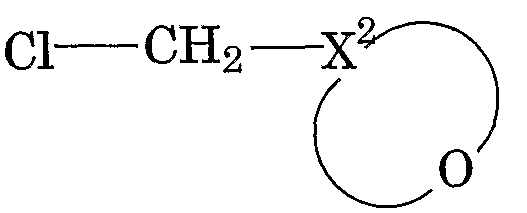
  • a chlorine-containing cyclic ether compound represented by An example of a chlorinated cyclic ether compound is epichlorohydrin.
  • Examples of the chlorine-containing ether alcohol (ii) is, H (- 0CH 2 C ( CH 2 C1) H -) p - 0CH a 3 [p is a number from 1 to 2 0. ].
  • the fluorine-containing urethane of the present invention may be contained in a composition.
  • the composition may be in the form of a solution or an emulsion.
  • the solution-type composition comprises a fluorinated urethane compound and a solvent.
  • the solvent especially, organic solvent
  • the emulsion-type composition contains a fluorine-containing urethane compound, an emulsifier, and water.
  • the emulsion-type yarn composition may further contain an organic solvent, particularly an organic solvent that dissolves the fluorine-containing urethane compound.
  • the emulsifier may be nonionic or ionic (eg, cationic, anionic, amphoteric).
  • the amount of the fluorine-containing urethane compound may be 0.1 to 70% by weight, for example, 5 to 30% by weight.
  • the amount of the emulsifier is 0.1 to 30 parts by weight, for example, 2 to 10 parts by weight, and the amount of water is 3 to 100 parts by weight of the fluorine-containing polyurethane compound.
  • the amount of the organic solvent may be 0 to 99.9 parts by weight, for example 70 to 95 parts by weight, and the amount of the organic solvent may be 10 to 200 parts by weight, for example 50 to 100 parts by weight.
  • the fluorinated urethane compound of the present invention can be used as a surface treatment agent for treating the surface of various articles, and modifies the surface of the article to provide, for example, water / oil repellency.
  • the fluorine-containing urethane compound of the present invention has excellent water and oil repellency and is molecularly stable High durability and high durability. Therefore, when the treatment is performed using the fluorinated urethane compound, the treated material can maintain excellent texture for a long period of time.
  • an arbitrary method is adopted according to the form of the surface treatment agent.
  • a method of attaching a treatment liquid to at least the surface of the object to be treated by a method such as dip coating and drying is used.
  • the emulsion type it is desirable to carry out curing after drying for the purpose of continuity of the fine particles of the treatment agent, welding to the agent to be treated, and penetration.
  • great water and oil repellency can be expected.
  • the solvent type has an advantage that a sufficiently large water and oil repellency can be expected without performing curing or cleaning since a film is formed on the object to be processed by drying.
  • drying temperature can be selected arbitrarily, but in the case of an emulsion type, it may be room temperature, and drying with hot air at 50 to 120 ° C is efficient. In the case of a solvent type, drying at a temperature of about 50 to 150 ° C is appropriate.
  • Examples of the object to be treated with the surface treatment agent of the present invention include various objects.
  • Examples of objects to be treated are textiles, glass, paper, wood, leather, fur, asbestos, bricks, cement, metals and oxides, ceramic products, plastics, painted surfaces and plasters.
  • the article to be treated is preferably a textile, such as a carpet.
  • a textile such as a carpet.
  • fiber products animal and plant natural fibers such as cotton, hemp, wool, and silk; polyamide, polyester, poly.vier alcohol, synthetic fibers such as polyacrylonitrile, polychlorinated vinyl, polypropylene, etc .; semi-synthetic fibers such as rayon and acetate; and glass fibers.
  • inorganic fibers such as carbon fibers and asbestos fibers, or mixed fibers thereof.
  • the textile product may be in any form of fiber, yarn, cloth and the like.
  • the carpet When treating a carpet according to the method of the present invention, the carpet may be formed after treating the fibers or yarns, or the formed carpet may be treated.
  • Surface treatment agent, a fluorine-containing urethane compound 0. 0 2 3 0 wt 0/0, preferably 0. 0 can be contained in a state diluted 2 to 1 0% by weight.
  • Fluorine-containing acrylate monomer CH 2 CHCOOCH 2 CH 2 C 8 F 17 144.7 g (275 mmol), 2-mercaptoethanol 7.8 g (200 mmol), methyl isobutyl ketone 176.2 g Stirring rod, thermometer, nitrogen inlet tube Then, the mixture was placed in a 500 ml square flask equipped with a cooling tube, stirred, and heated to 70 ° C. Thereafter, 0.154 g of 2,2'-azobisisobutyronitrile was injected and reacted for 5 hours. It was confirmed by gas chromatography that 17FA reacted 98.1%. The reaction was performed under a nitrogen stream.
  • Hexamethylene diisocyanate adduct to the same trimethylolpropane used in Production Example 3 (Sumijur HT, manufactured by Sumika Bayeno Perethane Co., Ltd., isocyanate content is 13%) 18 g (55.7 mmol), di- n-butyl tin dilate
  • the water repellency was evaluated based on the maximum value of the isopropyl alcohol (IPA) content (vol%) of the test solution that passed, and was evaluated as Fail, 0, 1, 2, 3 from poor water repellency to a good level. , 4, 5, 6, 7, 8, 9, and 10 are evaluated on a 12-point scale.
  • test was performed according to AATCC Test Method 123-1989.
  • the antifouling property was evaluated using a gray scale for discoloration and fading, and compared with the cartilage sample before the antifouling test, from a level of significant discoloration to a level of no discoloration. Evaluate in 9 levels of 2, 2-3, 3, 3-4, 4, 4-5 and 5.
  • Example 1 the fluorinated urethane compound (2) synthesized in Production Example 2 was emulsified. 97.5 g of water was added to 2.5 g of this milk solution to make a total amount of 100 g, which was used as a treatment liquid. A carpet was treated with a repellent according to Example 1.
  • Example 1 the fluorine-containing urethane compound (3) synthesized in Production Example 3 was subjected to milking. 97.5 g of water was added to 2.5 g of this emulsion to make a total amount of 100 g, which was used as a treatment liquid.
  • Implementation ⁇ Power according to column 1 ⁇ . was treated with a repellent. Next, a water repellency test, an oil repellency test, and an antifouling tt test were performed. Table 3 shows the results. Comparative Example 1
  • Example 1 the fluorinated urethane compound (C 3) synthesized in Comparative Production Example 3 was emulsified. 97.5 g of water was added to 2.5 g of this emulsion to make a total amount of 100 g, which was used as a treatment liquid. A carpet was treated with a repellent according to Example 1.
  • This emulsified liquid lg and a stin block agent (a mixture of a phenol / formaldehyde condensate and polymethacrylic acid at a weight ratio of 50:50) (hereinafter referred to as “stin block agent A”) 5 g and water Diluted to 1000 g.
  • stin block agent A a mixture of a phenol / formaldehyde condensate and polymethacrylic acid at a weight ratio of 50:50
  • the pH of this A treatment liquid was obtained by adding a 10% aqueous solution of sulfamic acid to 1.5.
  • Example 4 the fluorinated urethane compound (2) synthesized in Production Example 2 was emulsified. 1 g of this emulsion, 5 g of stin block agent A and water were added to dilute the mixture to a total volume of 1000 g. A 10% aqueous solution of sulfamic acid was added to adjust the pH to 1.5 to obtain a treatment solution. A carpet was treated with a repellent according to Example 4.
  • Example 4 the fluorinated urethane compound (3) synthesized in Production Example 3 was emulsified. 1 g of this milky drier, 5 g of stimplock agent A and water were added to dilute so that the total amount would be 1000 g. A treatment solution was obtained by adding a 10% aqueous solution of sulfamic acid so that the pH of the solution became 1.5. A carpet was treated with a repellent according to Example 4.
  • Example 4 the fluorinated urethane compound (C 1) synthesized in Comparative Production Example 1 was emulsified. 1 g of this emulsion, 5 g of stin blocker A and water were added to dilute the mixture so that the total amount was I000 g. 10% sulfamine so that its pH is 1.5 An aqueous acid solution was added to obtain a treatment liquid. C then water repellency test were processed Bachizai car pets preparative analogously to Example 4, the oil repellency test were conducted antifouling property test. Table 4 shows the results. Comparative Example 4
  • Example 4 the fluorinated urethane compound (C 2) synthesized in Comparative Production Example 2 was emulsified. 1 g of this emulsified solution, 5 g of stin block agent A and water were added to dilute so that the total amount was 1000 g. A 10% sulfamic acid solution was added to adjust the pH to 1.5 to obtain a treatment solution. A carpet was treated with a repellent according to Example 4. Next, a water repellency test, an oil repellency test, and an antifouling test were performed. Table 4 shows the results. Comparative Example 5
  • Example 4 the fluorinated urethane compound (C 3) synthesized in Comparative Production Example 3 was emulsified. 1 g of this emulsion, 5 g of stin block agent A and water were added to dilute so that the total amount was 1000 g. A 10% aqueous solution of sulfinic acid was added to adjust the pH to 1.5 to obtain a treatment solution. A carpet was treated with a repellent according to Example 4. Next, a water repellency test, an oil repellency test, and an antifouling test were performed. Table 4 shows the results. Comparative Example 6
  • the fluorine-containing urethane compound of the present invention imparts various excellent properties to an object to be treated as a component of a surface treatment agent.

Landscapes

  • Chemical & Material Sciences (AREA)
  • Organic Chemistry (AREA)
  • Engineering & Computer Science (AREA)
  • Chemical Kinetics & Catalysis (AREA)
  • Textile Engineering (AREA)
  • Health & Medical Sciences (AREA)
  • Medicinal Chemistry (AREA)
  • Polymers & Plastics (AREA)
  • Combustion & Propulsion (AREA)
  • Materials Engineering (AREA)
  • Treatments For Attaching Organic Compounds To Fibrous Goods (AREA)
  • Organic Low-Molecular-Weight Compounds And Preparation Thereof (AREA)

Description

明 細 書 含フッ素ゥレタン化合物おょぴその用途
技術分野
本発明は、 新規な含フッ素ウレタン化合物、 それを含む組成物おょぴ処理剤に 関する。 本発明の含フッ素ウレタン化合物は、 種々の基材、 例えば 锥製品を処 理する (特に、 表面処理する) のに適している。 背景技術
従来、 種々の含フッ素化合物が提案されている。 含フッ素化合物には、 耐熱性、 耐酸化性、 耐候性などの特性に優れているという利点がある。 含フッ素化合物の 自由エネルギーが低レ、、 すなわち、 付着し難いという特性を利用して、 含フッ素 化合物は、 例えば、 撥水撥油剤および防汚剤として使用されている。
撥水撥油剤として使用できる含フッ素化合物が、 例えば、 特公昭 63-600
21号公報、 特公平 2— 60702号公報、 特公平 2— 60702号公報、 特公 昭 63— 45665号公報に開示されている。 含フッ素化合物の例は、 例えば、 USP 5414111、 USP 5565564, EP— A— 383365、 特表 平 7— 505190号公報 (WO 93/17165) 、 WO 91/25308, USP 3547894、 特表 2001— 525010 (WO 98/51727) 、 特表 2001-525871号公報 (WO 98/51723) 、 特表 2001-
525872号公報 (WO 98/51726) 、 特表 2001— 525874号 公報 (WO 98/51724) 、 特表 2002— 504938号公報 (WO 98 /51725) にも開示されている。
これら含フッ素化合物は、 充分な撥水撥油性を与えるものではなかった。 発明の開示
本発明の目的は、 高い撥水撥油性を与える新規な含フッ素化合物を提供するこ とにある。
本発明の新規な含フッ素化合物は、 一般式: I [-皿 C (=0) 0- XLRfし R1] m [-NHC (=0) 0- (X2 (_CH2C1) 0) p- R 2 ] n ( 1 )
[式中、 Iはポリイソシアナート化合物からイソシアナ一ト基を除いた基であり、 X1は連鎖移動剤から活性原子および活性水素が脱離した後に得られる二価の有 機残基であり、
X2は 3価の炭素数 2〜 5の直鎖状または分岐状の脂肪族基であり、
Rf1は式:
- (- C — (Rf- B11)-) a-(-CH2- (B21-) C (-B12) -) b- (- CH2-C (- CI) (- B13) - ) c— (但し、 R f は炭素数 2〜 2 1パーフルォロアルキル基であり、
A 1は直接結合または炭素数 1〜 2 1の 2価の有機基であり、
B 11および B 12は水素原子またはメチ/レ基であり、
B 13は水素原子または塩素原子であり、
B 21は水素原子または R' -A2-基 (こ で、 R'は、 酸素原子を有していてよい炭 素数 1〜2 1の直鎖状または分岐状の炭化水素基であり、 A 2は直接結合、 酸素 原子または炭素数 1〜2 1の 2価の有機基である。 ) であり、
aは 1〜 2 0の数、
bおよび cは 0〜2 0の数である。 )
で示される 2価の基、
R1および R2は水素原子または炭素数 1〜 2 0のアルキル基であり、
pは 1〜 2 0の数であり、
mは 1〜 1 5の数であり、
nは 0〜 1 4の数であり、
mと nの合計は 2〜1 5である。 ]
で示される含フッ素ウレタン化合物である。
式 (1 ) において、 Iはポリイソシアナート化合物からイソシアナ一ト基を除 いた基である。 ポリイソシアナート化合物は、 少なくとも 2個のイソシアナート 基を有する化合物である。 ポリイソシアナート化合物は、 脂肪族系ポリイソシァ ナート、 芳香族系ポリイソシアナート、 これらポリイソシアナートの誘導体であ つてよい。
脂肪族系ポリィソシアナ一ト、 特に脂肪族系ジィソシアナ一トの例は、 へキサ メチレンジイソシアナート、 イソホロンジイソシァ "一ト、 キシリレンジイソシ アナ一ト、 水素化キシリレンジィソシァう "一ト、 水素化ジシク口へキシルメタン ジイソシアナ一トである。 芳香族系ポリイソシアナート、 特に芳香族系ジイソシ
Ti "一トの例は、 1、リレンジィソシァう "一ト、 ジフエ二ノレメタンジィソシアナ一 ト (MD I ) 、 トリジンジィソシアナ一ト、 ナフタレンジィソシアナ一トである。 ポリイソシアナ一ト化合物は、 ジィソシアナ一ト、 ポリメリック MD I (ジフ ェニルメタンジイソシアナ一ト)、 変性ィソシアナ一ト (特に、 ジイソシアナ一 トの 3量体、 または多価アルコールとジイソシアナ一トのァダクト体) であるこ とが好ましい。
変性イソシアナ一トの例は、 ウレタン変性ジイソシアナ一ト、 ァロファネート 変性ジィソシァう ""一ト、 ビウレット変性ジィソシアナ一ト、 イソシァヌレート変 性ジィソシアナ一ト、 カルポジィミド変性ジィソシアナート、 ウレトニミン変性 ジィソシアナ一ト、 ァシル尿素ジィソシアナ一トである。
X1は連鎖移動剤から 1つの活性原子および 1つの活性水素原子の 2つの原子 が脱離した後に得られる二価の有機残基である。 連鎖移動剤は、 少なくとも 1つ の活性原子 (例えば、 水素原子およびハロゲン原子 (例えば、 塩素原子および臭 素原子) ) および少なくとも 1つの活性水素原子を有する化合物である。 連鎖移 動剤の例は、 芳香族炭化水素 (例えば、 トルエン) 、 ァミン化合物 (例えば、 ト リエチルァミン) 、ハロゲン化炭素水素 (例えば、 四塩化炭素、 クロ口ホルム、 四臭化炭素) 、 水、 ハロゲン置換されていてよいアルコール (例えば、 エタノー ル) 、 ハロゲン置換されていてよいチォーノレ (例えば、 2—メルカプトエタノー ル、 2—クロ口エタノール、 1一ブタンチオール、 ラウリルメルカプタン) であ る。
X1の例は、 一〇_、 一 C CD 1 (D 1 2)—(但し、 D "はハロゲン原子、 D 1 2 はハ口ゲン原子または水素原子)、 少なくとも 1つの硫黄原子、 窒素原子または 酸素原子を有していてよい炭素数 1〜1 0の脂肪族炭化水素基、 および炭素数 6 〜 2 0の芳香族炭化水素基である。
X2は 3価の炭素数 2〜 5の直鎖状または分岐状の脂肪族基である。 X2の例は、 >C H2C H— (一 C H2C Hく) 、 >C H C H2C H。一 (- C H2C H2C H<) 、 一 C¾CHC¾—
>CHCH2CH2CH2- (-CH2CH2CH2CH<) 、
>CHCH2CH2CH2CH2- (_CH2CH2CH2CH2CH<) である。
Rf1は式:
- (-CH2- (Rf-A1-)^- B11)-) a- (- CH2-(B21- )C(- B12)_) b- (- CH2- C(_C1) (- B13)-)。-
[式中、 R f は炭素数 2〜 21パーフルォロアルキル基であり、
A 1は直接結合または炭素数 1〜 21の 2価の有機基であり、
B 11および B 12は水素原子またはメチル基であり、
B13は水素原子または塩素原子であり、
B21は水素原子または R' -A2-基 (ここで、 R'は、 酸素原子を有していてよい炭 素数 1〜21の直鎖状または分岐状の炭化水素基であり、 A2は、 直接結合、 酸 素原子または炭素数 1〜21の 2価の有機基である。 ) であり、
aは 1〜 20の数、
bおよび cは 0〜20の数である。 ]
で示される 2価の基である。
Rf 1基において、 - (- CH2- (Rf-A1-) C (_BU) -) a-基、 一 (- CH2- (B21_) C (- B12) -) b-基お よび- (-CH2-C (-CI) (-B13) -) c-基の順序は表示のとおりでなくてょレ、。 Rf 1基にぉレヽ て、 - C¾-(Rf- A1- )C(- B11)-基、 - CH2- (B21_)C(- B12) -基および- CH2- C(- C1) (- B13) -基 のそれぞれは、 ランダム状であっても、 プロック状であってもよレ、。
Rf1において、 R f は炭素数 2〜21パーフルォロアルキル基である。 R f の 炭素数は、 例えば 3〜12、 特に 4〜8であってよい。
A1は直接結合または炭素数 1〜 21の 2価の有機基である。 A1基の例は、 式:
一(CH2)p - 一 CONR11— R12
-CH2C(OH)HCH2-
— CH2C (OCOR13) HCH2—または
-O-Ar -CH2- [式中、 R11は水素または炭素数 1〜 20のアルキル基であり、 R12は炭素数 1〜20のアルキレン基であり、
R 13は水素またはメチゾレ基であり、
Arは置換基を有することもあるァリーレン基 (炭素数例えば 6〜 20) であり、 pは:!〜 10の整数である。 ]
である。 A1基は、 特に、 炭素数 1〜 5のアルキレン基であってよい。
B 11および B 12は水素原子またはメチル基である。
B 13は水素原子または塩素原子である。
B21は水素原子または R' -A2-基である。 R'基は、 酸素原子を有していてよい 炭素数 1〜21の直鎖状または分岐状のアルキル基および (ポリ) ォキシアルキ ノレ基である。 R'基の炭素数は、 例えば 3〜12、 特に 4〜8であってよい。 A 2基は直接結合、 酸素原子または炭素数 1〜21の 2価の有機基である。 A2基の 例は、 直接結合、 エーテル (-0-) 基、 エステル (一 C (=0)0—) 基、 アル キレン基である。
aは 1〜20の数である。 aは、 例えば 1〜1◦、 特に 1〜5であってよレヽ。 bおよび cは 0〜20の数である。 bおよび cは、 例えば 0〜10、 特に 0〜 5であってよい。
R1および R2は水素原子または炭素数 1〜 20のアルキル基である。 R1および R2がアルキル基である場合に、 アルキル基の炭素数は、 例えば 1〜 10であつ てよい。
ρは 1〜20の数である。 pは、 例えば 1〜10、 特に 1〜 5であってよい。 mは 1〜15の数である。 mは、 例えば 1〜10、 特に 1〜 5であってよレヽ。 nは 0〜14の数である。 nは、 例えば 0〜10、 特に 0〜5であってよい。 mと nの合計は 2~15である。 mと nの合計は、 例えば 2〜10、 特に 2〜 5であってよい。
本発明の含フッ素ウレタン化合物 (1) の具体例は、 以下のとおりである。
Figure imgf000008_0001
H(CH2C(COOCH2CH2C8F17)H aSCH2CH2OCONH(CH2)6N[CONH(CH2)6NHCO OCH2CH2S一 (C(COOCH2CH2C8F17)HCH2)aH]2
CH20CONH(CH2)6NHCOOCH2CH2S(CHCH2)aH
/ COOCH2CH2C8Fi7
CH3CH2— C— CH20CONH(CH2)6NHCOOCH2CH2S(CHCH2)aH
\ COOCH2C¾C8F17
CH2OCONH(CH2)6丽 COOCH2CH2S (? HCH2)aH
COOCH2CH9.C8F17
Figure imgf000008_0002
[式中、 aおよび cは、 上記と同意義である。 ]
本発明の含フッ素ウレタン化合物 (1 ) は、 例えば、 ポリイソシアナート化合 物を、
式:
HO-X^Rf^R1 ( i )
で示される含フッ素アルコール、 および場合により存在する、 式:
H0-( (C1CH2-)X20) P-R2 ( i i )
で示.される含塩素エーテルアルコールと、 反応させることによって得ることがで 含る。
[式中、 R f X1、 X 2、 R R2および pは上記と同意義である。 ] この反応において、 ポリィソシアナ一ト化合物のィソシアナ一ト基 1モルに対 して、 含フッ素アルコール (i) と含塩素エーテルアルコール (i i) との合計 モル数を 0. 5〜2. 0、 特に 0. 8〜1. 5モルとすることが好ましい。 含塩 素エーテルアルコール (i i) は、 用いても用いなくてもどちらでもよい成分で ある。 この反応は、 溶媒の存在下、 0〜150°Cの温度で、 0. 1〜: L 0時間行 うことが好ましい。 溶媒は、 ィソシアナ一トに対して不活性である有機溶媒であ る。 溶媒の例は、 炭化水素、 ケトン、 ハロゲン化炭化水素 (例えば、 含塩素炭化 水素) である。 溶媒の量は、 反応体 100重量部に対して、 20〜500重量部、 例えば 100〜300重量部であってよい。
反応の際には、 触媒を用いることが好ましい。 触媒の例は、 ァミン (例えば、 モノアミン、 ジァミン、 トリアミン、 アルコールァミン、 エーテルァミン) 、有 機金属 (例えば、 有機酸の金属塩 (例示すれば、 ジ一 n—プチルスズジラウレー ト) ) である。 触媒の量は、 反応体 100重量部に対して、 0. 001〜0. 5 重量部、 例えば 0. 01〜0. 3重量部であってよい。
含フッ素アルコール (i) は、 例えば、 式:
CH2=(Rf - A1- )C(- B11)
で示される含フッ素モノマー、 および必要に存在する、 式:
CH2=(B21- )C (- B12)
で示される非フッ素モノマーおよび式:
CH2=C(-C1) (-B13)
で示される含塩素モノマーを、 連鎖移動剤 (すなわち、 X1および活性原子およ び活性水素原子を有する化合物) を用いて重合することによって得ることができ る。
[式中、 Rf、 A\ Bu、 B12、 B13、 B21は上記と同意義である。 ]
含フッ素モノマーの例は、 次の一般式で表されるフルォロアルキル基含有 (メ タ) アクリル酸エステルである。
R f - A11- O C O C (B11) = C H2
[式中、 R ίは炭素数 2〜 21のフルォロアルキル基、 B11は水素またはメチノレ 基、 A11は 2価の有機基である。 ] 上記式において、 A11は、 1〜2 0個の炭素原子をもつ直鎖状または分岐状の アルキレン基、 ー3 02 ?^ (1 21) 1 22—基または—〇^12〇^ (01 23)〇?12—基 (但し、 R21は 1〜1 0個の炭素原子をもつアルキル基、 R22は 1〜1 0個の炭 素原子をもつ直鎖状または分岐状のアルキレン基、 R 23は水素原子または;!〜 1 0個の炭素原子をもつアシノレ基である。 )であってよい。
フルォロアルキル基含有 (メタ) アタリレートとしては、 例えば以下のものを 例示できる。
R1
Rf-S02-NR2OCOCR3=CH2 (1)
Rf-(CH2)nOCOCR3=CH2 (2)
R1
Rf-CONR2OCOCR3=CH¾ (3)
OH
Rf-CH2CHCH2OCOCR3=CH2 (4)
OCO
Rf-CH2CHCH2OCOCR3=CH2 (5)
Rf-0-Ar-CH9OCOCR3=CH5 (6)
[式中、 Rfは炭素数 2〜 2 1のフルォロアルキル基、 R1は水素または炭素数 1 〜1 0のアルキル基、 R2は炭素数 1〜1 0のアルキレン基、 R3は水素またはメ チル基、 Arは置換基を有することもあるァリーレン基、 nは 1〜: L 0の整数であ る。 ]
含フッ素モノマーの具体例は次のとおりである。
CF3(CF2)7(CH2) 10OCOCCH=CH2
CF3(CF2)7(CH2) 10OCOC(CH3) = CH2
CF3(CF2)6CH2OCOCH=CH2
CF3(CF2)8CH2OCOC (CH3) = CH2
(CF3)2CF (CF2)6(CH2)2OCOCH = CH2
(CF3)2CF (CF2)8(CH2) 2OCOCH = CH2
(CF3)2CF (CF2)10(CH2)2OCOCH=CH2
(CF3)2CF (CF2)6(CH2) 2OCOC (CH3) = CH2
(CF3)2CF (CF2)8(CH2)2OCOC (CH3) = CH2
(CF3)2CF (CF2)10(CH2)2OCOC(CH3)=CH2
C F 3 C F 2 (C F 2) 6 (C H2) 2 O C O C H= C H2
CF3CF2(CF2)8(CH2)2OCOCH=CH2
CF3CF2(CF2)10(CH2) 2OCOCH=CH2
CF3CF2(CF2)6(CH2)2OCOC (CH3)=CH2
CF3CF2(CF2)8(CH2)2OCOC (CH3)=CH2
CF3CF2(CF2)10(CH2)2OCOC(CH3)=CH2
CF3(CF2)7S02N(CH3) (CH2)2OCOCH=CH2
CF3(CF2)7S02N(C2H5) (CH2)2OCOCH=CH2
(CF3)2CF (CF2)8CH2CH(OCOCH3) CH20 C O C (CH3) = CH2
(CF3) 2CF (CF2)6CH2CH(OH) CH2OCOCH=CH2
Figure imgf000012_0001
非フッ素モノマーは、 フッ素を含有しないォレフィン性不飽和単量体である。 非フッ素モノマーとしては、 例えば、 エチレン、 酢酸ビニル、 アクリロニトリル、 スチレン、 ボリエチレングリコ一ノレ(メタ)ァクリレート、 ポリプロピレングリコ ール(メタ)アタリレート、 メ トキシポリエチレングリコール(メタ)アタリレート、 メトキシポリプロピレンダリコール(メタ)ァクリレート、 ビエルアルキルエーテ ル、 イソプレンなどが例示されるが、 これらに限定されるものではない。
非フッ素モノマーは、 アルキノレ基を含有する (メタ) アクリル酸エステルであ つてよい。 アルキル基の炭素数は、 1〜30、 例えば、 6〜30、 例示すれば、 10〜30であってよい。 例えば、 非フッ素モノマーは一般式:
CH2 = CA21 COOA22
[式中、 A21は水素原子またはメチル基、 A22は CnH2n + 1 (n= 1〜30)で示さ れるアルキル基である。 ]
で示されるァクリレートであってよい。 非フッ素モノマーの例は、 ステアリルァ ノレコーノレである。
含塩素モノマーの例は、 塩ィ匕ビニル、 塩化ビニリデンである。
含フッ素アルコール ( i ) の例は、 (a) フルォロアルキル基含有ァクリレー トの単独重合体、 (b) フルォロアルキル基含有アタリレートとステアリルァク リレートとの共重合体、 ( c ) フルォ口アルキル基含有ァタリレートと塩化ビニ ルまたは塩化ビエリデンとの共重合体、 (d) フルォロアルキル基含有アタリレ 一トとステアリルアタリレートと塩ィ匕ビュルまたは塩ィ匕ビニリデンとの共重合体 である。
含フッ素アルコール (i) において、 非フッ素モノマーおよび含塩素モノマー の量は、 含フッ素モノマー 1モルに対して、 例えば 0 . 1〜1 . 0モル、 特に 0 2〜0 . 5モノレであってよい。
含塩素エーテルアルコール (i i ) は、 例えば、 式:
Figure imgf000013_0001
[式中、 X 2は上記と同意義である。 ]
で示される含塩素環状エーテルィヒ合物を重合する(または、 重合することなく開 環する)ことによって得られる。 含塩素環状エーテル化合物の例は、 ェピクロル ヒドリンである。 含塩素エーテルアルコール (i i ) の例は、 H (- 0CH2C (CH2C1) H -) p- 0CH3である [pは 1 ~ 2 0の数である。 ]。
本発明の含フッ素ウレタンは、 組成物の中に含まれていてよレ、。 組成物は、 溶 液またはエマルシヨンの形態であってよい。 溶液型の組成物は、 含フッ素ウレタ ン化合物および溶媒を含んでなる。 溶液型組成物における溶媒 (特に、 有機溶 媒) の例は、 炭化水素、 ケトン、 ハロゲン化炭化水素 (例えば、 含塩素炭化水 素) である。 エマルション型の組成物は、 含フッ素ウレタン化合物、 乳化剤およ ぴ水を含んでなる。 エマルシヨン型の糸且成物は、 さらに、 有機溶媒、 特に、 含フ ッ素ウレタン化合物を溶解する有機溶媒を含んでよい。 乳化剤は、 ノニオン性、 イオン性 (例えば、 カチオン性、 ァニオン性、 両性) のいずれであってもよい。 組成物において、 含フッ素ウレタン化合物の量は、 0 . 1〜7 0重量%、 例え ば 5〜 3 0重量%であってよい。 エマルシヨン型の組成物において、 含フッ素ゥ レタン化合物 1 0 0重量部に対して、 乳化剤の量は、 0 . 1〜 3 0重量部、 例え ば 2〜 1 0重量部、 水の量は、 3 0〜 9 9 . 9重量部、 例えば 7 0〜 9 5重量部、 有機溶媒の量は、 1 0〜2 0 0重量部、 例えば 5 0〜1 0 0重量部であってよい。 本発明の含フッ素ウレタン化合物は、 種々の物品の表面を処理する表面処理剤 として使用でき、 物品の表面を改質し、 例えば、 撥水撥油性を与える。
本発明の含フッ素ウレタン化合物は優れた撥水撥油性を有し、 しかも分子安定 性に富み、 高い耐久性を有する。 そのため、 含フッ素ウレタン化合物を用いて処 理を行った場合、 処理物は長期にわたり優れた†ま質を維持できる。
処理を行うに当たっては表面処理剤の形態に応じた任意方法が採られる。 例え ば水性乳濁液や溶剤溶液型の表面処理剤を用いた場合は浸漬塗布等の方法により 被処理物の少なくとも表面に処理液を付着させ、 乾燥する方法がとられる。 乳濁 液型のものでは、 乾燥後、 処理剤微粒子の連続化及び被処理剤への溶着、 浸透等 の目的の為にキュアリングを行うことが望ましい。 これによつて、 大きな撥水撥 油効果を期待できる。 溶剤型のものでは乾燥によつて被処理物上に被膜が形成さ れるためにキュアリングや洗浄を行わなくとも充分に大きな撥水撥油性を期待で きる利点がある。 必要ならばさらにキュアリングを行ってもよい。 乾燥温度は任 意に選ばれるが乳濁液型の場合常温でもよく、 5 0〜 1 2 0 °Cの熱風で乾燥させ るのが効率的である。 また、 溶剤型の場合は 5 0〜 1 5 0 °C程度の温度で乾燥さ せることが適当である。
本発明の表面処理剤で処理される被処理物としては、 種々の物が挙げられる。 被処理物の例は、 繊維製品、 ガラス、 紙、 木、 皮革、 毛皮、 石綿、 レンガ、 セメ ント、 金属および酸化物、 窯業製品、 プラスチック、 塗面およびプラスターなど である。
本発明において、 処理される物品は、 繊維製品、 例えばカーペットであること が好ましい。 繊維製品としては種々の例を挙げることができる。 例えば、 綿、 麻、 羊毛、 絹などの動植物性天然繊維、 ポリアミド、 ポリエステル、 ポリ.ビエルアル コール、 ポリアクリロニトリル、 ポリ塩化ビエノレ、 ポリプロピレンなどの合成繊 維、 レーヨン、 アセテートなどの半合成繊維、 ガラス繊維、 炭素繊維、 アスペス ト繊維などの無機 «、 あるいはこれらの混合繊維が挙げられる。
繊維製品は、 繊維、 糸、 布等の形態のいずれであってもよい。 本発明の方法に 従ってカーペットを処理する場合に、 繊維または糸を処理した後にカーペットを 形成してもよいし、 あるいは形成されたカーペットを処理してもよい。 表面処理 剤は、 含フッ素ウレタン化合物を 0 . 0 2〜 3 0重量0 /0、 好ましくは 0 . 0 2〜 1 0重量%に希釈した状態で含有することが可能である。 発明の好ましい態様
以下、 実施例を示し、 本発明を具体的に説明する。
合成例 1
含フッ素アルコール (1 ) の合成
含フッ素アタリレートモノマー CH2=CHCOOCH2CH2C8F17 103.6g(200mmol)
2-メルカプトエタノール 15.6g(200mmol)、 メチルイソプチルケトン: 140. lgを撹 拌棒、 温度計、 窒素導入管および冷却管を装着した 500ml四ッロフラスコにいれ、 撹拌し、 70°Cに加温した。 その後 2,2'-ァゾビスィソプチロニトリル 0.16 を投 入し 5時間反応させた。 ガスクロマトグラフィ一により 17FAが 99.7%反応したこ とを確認した。 反応は、 窒素気流下で行った。 反応終了後、 エバポレーターでメ チルイソプチルケトンを除き、 加温した純水 150g加え、 撹拌し、 水層を除いた。 これにメタノール 200gを加えて撹拌し、 容器をドライアイスメタノ一ルで急冷 した。 析出した沈殿物は桐山ロートでろ過、 乾燥し、 白色結晶状の生成物:
HOCH2CH2S- [C(COOCH2CH2C8F17)H-CH2]a-H
[ aの平均値は 1 . 8 8である。 ]
を得た。 収量 101g、 収率 85%。 生成物の構造は赤外分光光度計、 ¾ NMR、 19F NMR、 元素分析によって確認した。
元素分析値 測定値 C:29.8mass%; H:1.7%; F:57.8%; S:3.7%;
計算値 C:30.2mass%; H:1.8%; F:57.7%; S:3.1% 合成例 2
含フッ素アルコール (2 ) の合成
含フッ素ァクリレートモノマー CH2=CHCOOCH2CH2C8F17 144.7g(275mmol), 2-メルカプトエタノール 7.8g (200mmol)、 メチルイソプチルケトン 176.2gを撹 拌棒、 温度計、 窒素導入管および冷却管を装着した 500ml四ッロフラスコにいれ、 撹拌し、 70°Cに加温した。 その後 2,2'-ァゾビスイソプチロニトリル 0.154gを投 入し 5時間反応させた。 ガスクロマトグラフィーにより 17FAが 98.1%反応したこ とを確認した。 反応は、 窒素気流下で行った。 反応終了後、 エバポレーターでメ 除き、 加温した純水 150g加え、 撹拌し、 水層を除いた。 これにメタノール 200gを加えて撹拌し、 容器をドライアイスメ.タノ一ルで急冷 した。 析出した沈殿物は桐山ロートでろ過、 乾燥し、 白色結晶状の生成物: HOCH2CH2S一 [C(COOCH2CH2C8F17)H-CH2]a-H
[ aの平均値は 4 . 5 9である。 ]
を得た。 収量 116g、 収率 77%。 生成物の構造は赤外分光光度計、 Ή ΝΜΙΙ、 19F NMR、 元素分析によって確認した。
元素分析値 測定値 C:29.8mass%; H:1.6%; F:59.3%; S:1.6%;
計算値 C:30.1mass%; H:1.6%; F:60.4%; S:1.6% 製造例 1
フッ素含有ウレタン (1 ) の製造
イソシァヌレート変性へキサメチレンジイソシアナート :
Figure imgf000016_0001
(住化バイエルゥレタン株式会社製スミジュール N-3300、 ィソシアナ一ト含量 は 21.8%) 2.3g (12mmol) 、 ジ -n-プチルスズジラウレート 0.18g(0.29mmol)、 メ チルイソプチルケトン 12gをスターラー、 温度計、 窒素導入管、 冷却管および滴 下ロートを装着した 200ml四ッロフラスコに入れ、 撹拌を行った。 その後、 合成 例 1で得られた含フッ素アルコール ( 1 ) 12.6g (l2mmol) をメチルイソブチル ケトン 10gに溶解したものを滴下ロートを用いて 30分かけて、 滴下した。 滴下終 了後、 1時間反応させ、 赤外分光光度計により、 イソシアナート基が残存してい ないことを確認した。 反応は、 75°Cに制御し、 窒素気流下で行った。 反応終了 後、 有機溶媒をエバポレートし、 白色結晶状の生成物:
Figure imgf000017_0001
[ aの平均値は 1 . 8 8である。 ]
を得た (収量 11.4g,収率 87%)。 得られた生成物の構造は Ή NMRおよび19: F NMR によって確認、した。 製造例 2
フッ素含有ウレタン (2 ) の製造
ビュレツト変†生へキサメチレンジィソシア^ "一ト :
Figure imgf000017_0002
エルゥレタン株式会社製スミジユー ノレ N-3200、 イソシアナート含量は 23%)3.46g(19mmol)ジ -n-プチルスズジラウレ ート 0.06g(0.29mmol)、 メチルイソブチルケトン 18gをスターラー、 温度計、 窒 素導入管、 令却管および滴下ロートを装着した 200ml四ッロフラスコに入れ、 撹 拌を行った。 その後、 合成例 1で得られた含フッ素アルコール ( 1 ) 20.1g
(l9mmol) をメチルイソブチルケトン 18gに溶解したものを滴下ロートを用い て 30分かけて、 滴下した。 滴下終了後、 1時間反応させ、 赤外分光光度計により、 イソシアナ一ト基が残存していないことを確認した。 反応は、 80°Cに制御し、 窒素気流下で行った。 反応終了後、 有機溶媒をエバポレートし、 白色結晶状の生 成物:
H(CH2C(COOCH2CH2C8F17)H)aSCH2CH2OCONH(CH2)6N[CONH(CH2)6NHCO OCH2CH2S-(C(COOCH2CH2C8F17)HCH2)aH]2
[ aの平均値は 1 . 8 8である。 ]
を得た (収量 21.4g,収率 91%)。 得られた生成物の構造は NMRによつて確認した。 製造例 3
フッ素含有ウレタン (3 ) の製造
トリメチローノレプロパンのへキサメチレンジィソシアナ一トァダクト : .CHgO CONH(CH2)6NCO
CH3CH2— C^CH2OCONH(CH2)6NCO
CH2OCONH(CH2)6NCO
(住化バイエルゥレタン株式会社製スミジュール HT、 ィソシアナ一ト含量は 130/o)2.62g(8.11mmol)ジ -n-プチルスズジラゥレート 0.06g(0.29mmol)、 メチルイ ソプチルケトン 20gをスターラー、 温度計、 窒素導入管、 冷却管および滴下ロー トを装着した 200ml四ッロフラスコに入れ、 撹拌を行った。 その後、 合成例 2で 得られた含フッ素アルコール (2 ) 20g (8.14mmol) をメチルイソプチルケト ン 20gに溶解したものを滴下ロートを用いて 30分かけて、 滴下した。 滴下終了後、
3時間反応させ、 赤外分光光度計により、 イソシアナ一ト基が残存していないこ とを確 ΐ忍した。 反応は、 80°Cに制御し、 窒素気流下で行った。 反応終了後、 有 機溶媒をエバポレートし、 白色結晶状の生成物:
CH2OCONH(CH2)6NHCOOCH2CH2S(CHCH2)aH
/ COOGH2〇H2C8F17
GH3CH2— C— GH2OCONH(CH2)6NHCOOCH2CH2S(CHCH2)aH
\ COOCH2G¾C8F17
〇H2OCONH(CH2)6NHCOOCH2CH2S(9HCH2)aH
COOCH2CH2C8F17
[ aの平均値は 4 . 5 9である。 ]
を得た (収量 21.1 g 収率 96%)。 得られた生成物の構造は NMRによつて確認し た。 比較製造例 1
フッ素含有ウレタン (C 1 ) の製造
製造例 1で使用したのと同様のィソシァヌレート変' 1·生へキサメチレンジィソシ ァぅ "一ト (住化バイエルゥレタン株式会社製、 スミジュール N- 3300)20.75g(107.7mmol), ジ -n-ブチルスズジラゥレート 0.15gおよびプチルイ ソブチルケトン 5 7 gをスターラー、 温度計、 窒素導入管、 冷却管および滴下口 ートを装着した 200ml四ッロフラスコに入れ、 撹拌を行った。 その後、 含フッ素 アルコール (C8F17CH2CH。OH) 50g(107.8mmol)をメチルイソブチルケトン 50gに 溶解したものを滴下ロートを用いて 30分かけて、 滴下した。 滴下終了後、 4時 間反応させ、 赤外分光光度計により、 イソシアナート基が残存していないことを 確認した。 反応は、 75°Cに制御し、 窒素気流下で行った。 反応終了後、 有機溶 媒をエバポレートし、 白色結晶状の生成物を得た (収量 68g,収率 97%)。 得られた 生成物の構造は1 H NMRおよび19 F NMRによって、
Figure imgf000019_0001
であることを確認した。 比較製造例 2
フッ素含有ウレタン (C 2 ) の製造
製造例 2で使用したのと同様のビュレット変性へキサメチレンジィソシアナ一 ト (住化バイエルゥレタン株式会社製スミジュール N-3200)19.67g
(107.7mmol) 、 ジ -n-ブチルスズジラウレート 0.15gおよびプチルイソブチルケ トン 54gをスターラー、 ?显度計、 窒素導入管、 令却管および滴下ロートを装着し た 200ml四ッロフラスコに入れ、 撹拌を行った。 その後、 含フッ素アルコール (C8F17CH2CH2OH) 50g(107.8mmol)をメチルイソブチルケトン 50gに溶解したも のを滴下ロートを用いて 30分かけて、 滴下した。 滴下終了後、 3時間反応させ、 赤外分光光度計により、 ィソシアナ一ト基が残存していないことを確認した。 反 応は、 75°Cに制御し、 窒素気流下で行った。 反応終了後、 有機溶媒をエバポレ ートし、 白色結晶状の生成物:
Figure imgf000019_0002
を得た (収量 68 収率 98%)。 得られた生成物の構造は Ή NMRおよび19 F NMRに よって確認、した。 比較製造例 3
フッ素含有ウレタン (C 3 ) の製造
製造例 3で使用したのと同様のトリメチロールプロパンへのへキサメチレンジ ィソシアナ一トァダクト (住化バイエノレゥレタン株式会社製スミジュール HT、 ィソシアナ一ト含量は 13%)18g (55.7mmol), ジ -n-プチルスズジラゥレート
0.351 gプチルイソブチルケトン 57 gをスターラー、 温度計、 窒素導入管、 冷却 管および滴下ロートを装着した 200ml四ッロフラスコに入れ、 撹拌を行った。 そ の後、 含フッ素アルコール (C8F17CH2CH2OH) 25.9g(55.8mmol)をメチルイソブ チルケトン 25gに溶解したものを滴下ロートを用いて 30分かけて、 滴下した。 滴 下終了後、 2時間反応させ、 赤外分光光度計により、 イソシアナート基が残存し ていないことを確認した。 反応は、 75°Cに制御し、 窒素気流下で行った。 反応 終了後、 有機溶媒をエバポレートし、 白色結晶状の生成物:
,GH2OCONH(CH2)6NHCOOCH2CH2C8F17
CH3CH2— C^-CH2OCONH(CH2)6NHCOOCH2CH2C8F17
、CH2OCONH(CH2)6NHCOOCH2CH2C8F17
を得た (収量 38g,収率 95%)。 得られた生成物の構造は NMRによつて確認した。 撥水性試験
撥剤処理済力ーぺットを温度 21°C、 湿度 65%の恒温恒湿機に 4時間以上保管 する。 試験液 (イソプロピルアルコール (IPA) 、 水、 及びその混合液、 表 1に 示す) も温度 21°Cで保存したものを使用する。 試験は温度 21°C、 湿度 65°/0の恒 温恒湿室で行う。 試験液をカーべット上にマイクロピぺッターで 5 0 X 1静かに 滴下し、 1 0秒間放置後、 液滴がカーペット上に 4滴または 5滴残っていれば、 その試験液をパスしたものとする。 撥水†生は、 パスした試験液のィソプロピルァ ルコール (IPA) 含量 (体積%) の最大なものをその点数とし、 撥水性不良なも のから良好なレベルまで Fail、 0、 1、 2、 3、 4、 5、 6、 7、 8、 9、 及び 1 0の 12段階で評価する。 表 1 撥水性試験液
(体積比0 /o)
イソフルヒル ルコール 水 ,レ
1 U 100 0
9 90 10
8 80 20
/ 70 30
6 60 40
5 50 50
4 40 60
3 30 70
2 20 80
1 10 90
0 0 100
Fail イソプルピルアルコ-ル 0/水 100に及ばないもの 撥油性試験
撥剤処理済カーぺットを温度 21°C、 湿度 65%の恒温恒湿機に 4時間以上保管 する。 試験液 (表 2に示す) も温度 21°Cで保存したものを使用する。 試験は温 度 21°C、 湿度 65%の恒温恒湿室で行う。 試験液をカーペット上にマイクロピぺ ッターで 5滴 ( 5 0 /X 1 ) 静かに滴下し、 3 0秒間放置後、 液滴が力一^。、"ト上 に 4滴または 5滴残っていれば、 その試験液をパスしたものとする。 撥油性は、 パスした試験液の最高点数とし、 撥油性不良なものから良好なレベルまで Fail、 1、 2、 3、 4、 5、 6、 7、 及ぴ 8の 9段階で評価する。 表 2 撥油性試験液
点数 試験溶液 表面張力 (dyneん m、 25°C)
8 n -ヘプタン 20.0
7 n -才クタン 21.8
6 n -亍カン 23.5
5 n-ドデカン 25.0
4 n-亍卜ラ亍カン 26.7
3 n一へキサデカン 27.3
2 n -へキサデカン 35ノヌジヨール 6δの混合液 29.6
1 n-ヌンヨーリレ 31.2
Fail 1に及ばないもの 防汚性試験
AATCC Test Method 123-1989に準じて行った。
防汚性の評価は、 変退色用グレースケールを用いて防汚性試験前のカーぺット試 料と比較し、 変退色の著しいものから全く変退色のないレベルまで 1、 1-2、 2、 2-3、 3、 3-4、 4、 4-5及び 5の 9段階で評価する。 実施例 1
製造例 1で合成した含フッ素ゥレタン化合物 ( 1 ) 5gとメチルイソプチルケ トン (MIBK) 5gを混合し、 75°C〜80°Cで 10分間加温する。 別容器に純水 14.4g、 ポリオキシエチレンアルキルエーテル (ノ-オン性乳化剤) 0.5g及び α -ォレフ インスルホン酸ナトリウム (ァニオン性享しィヒ剤) O.lgを混合し、 75°C〜80°Cで 10分間加温する。 この二つの液を混合し、 超音波乳化機で 化した。
この乳化液 2.5gに水 97.5gを加えて全量 100gとし、 処理液とした。 この処理 液をカーペット (20cm X 20cm, ナイロン 6、 ループパイル (密度 26ozZ
yd2) ) に WPU (wet pick up, カーペット lOOgに対して 20gの液がのっている 場合に WPU20%) 量が 20%となるようスプレー処理した。 次に熱キュアを 120°Cで 10分間行った。
次に撥水性試験、 撥油性試験、 防汚性試験を実施した。 結果を表 3に示す 実施例 2
実施例 1に準じて、 製造例 2で合成した含フッ素ウレタン化合物 ( 2 ) を乳化 した。 この乳ィヒ液 2.5gに水 97.5gを加えて全量 100gとし、 処理液とした。 実施 例 1に準じてカーぺットに撥剤を処理した。
次に撥水性試験、 撥油性試験、 防汚性試験を実施した。 結果を表 3に示す。 実施例 3
実施例 1に準じて、 製造例 3で合成した含フッ素ウレタン化合物 ( 3 ) を乳ィ匕 した。 この乳化液 2.5gに水 97.5gを加えて全量 100gとし、 処理液とした。 実施 ί列 1に準じて力一^。、ットに撥剤を処理した。 次に撥水性試験、 撥油性試験、 防汚 tt試験を実施した。 結果を表 3に示す。 比較例 1
実施例 1に準じて、 比較製造例 3で合成した含フッ素ウレタン化合物 (C 3 ) を乳化した。 この乳化液 2.5gに水 97.5gを加えて全量 100gとし、 処理液とした。 実施例 1に準じてカーペットに撥剤を処理した。
次に撥水性試験、 撥油性試験、 防汚性試験を実施した。 結果を表 3に示す。 比較例 2
従来の含フッ素ウレタン化合物液 (DuPont製) 5gに水 95gを加えて全量 100g とし、 処理液とした。 実施例 1に準じてカーペットに撥剤を処理した。
次に撥水性試験、 撥油性試験、 P方汚性試験を実施した。 結果を表 3に示す。 表 3
Figure imgf000023_0001
実施例 4
製造例 1で合成した含フッ素ウレタン化合物 ( 1 ) 5gとメチルイソプチルケ トン (MIBK) 5gを混合し、 75°C〜80°Cで 10分間加温する。 別容器に純水 14.4g、 ポリオキシエチレンアルキルエーテル (ノニオン性乳化剤) 0.5g及び α -ォレフ インスルホン酸ナトリウム (ァニオン性乳化剤) O.lgを混合し、 75°C〜80°Cで 10分間加温する。 この二つの夜を混合し、 超音波乳化機で乳化した。
この乳化液 l gとスティンブロック剤 (フエノール /ホルムアルデヒド縮合体と ポリメタクリル酸の重量比 5 0 : 5 0の混合物) (以下「スティンプロック剤 A」 と呼ぶ) 5 g及ぴ水を加えて全量が 1000gになるように希釈した。 これの pHが 1.5となるように 10%スルファミン酸水溶液を加えて処理液を得た。
この処理液に、 水洗して WPU約 25% (WPU: wet pick up, カーペット 100gに対して 25gの液がのっている場合に WPU25°/o) に絞ったカーぺット
(20cmX 20cm ナイロン 6、 カットパイル、 密度 32oz/yd2) を 30秒間浸漬し、 WPU (wet pick up) 量が 300%となるように絞った。 処理したカーペット上の フッ素濃度は 300ppmとなる。 次にカーぺットのパイル面を上に向けた状態で常 圧スチーマー処理 (温度 100〜107°C) を 90秒間行った。 次に 10Lの水でリンス した後、 遠心脱水を行い WPU量約 25%にした。 最後に熱キュアを 110°Cで 10分 間行った。
次に撥水性試験、 撥油性試験、 防汚†生試験を実施した。 結果を表 4に示す。 実施例 5
実施例 4に準じて、 製造例 2で合成した含フッ素ウレタン化合物 ( 2 ) を乳化 した。 この乳化液 l gとスティンブロック剤 A 5 g及び水を加えて全量が 1000g になるように希釈した。 これの pHが 1.5となるように 10%スルフアミン酸水溶液 を加えて処理液を得た。 実施例 4に準じてカーぺットに撥剤を処理した。
次に撥水性試験、 撥油性試験、 防汚性試験を実施した。 結果を表 4に示す。 実施例 6
実施例 4に準じて、 製造例 3で合成した含フッ素ウレタン化合物 ( 3 ) を乳化 した。 この乳ィ匕液 1 gとスティンプロック剤 A 5 g及び水を加えて全量が 1000g になるように希釈した。 これの pHが 1.5となるように 10%スルフ了ミン酸水溶液 を加えて処理液を得た。 実施例 4に準じてカーぺットに撥剤を処理した。
次に撥水性試験、 撥油性試験、 防汚性試験を実施した。 結果を表 4に示す。 比較例 3
実施例 4に準じて、 比較製造例 1で合成した含フッ素ウレタン化合物 (C 1 ) を乳化した。 この乳化液 1 gとスティンブロック剤 A 5 g及び水を加えて全量 が I000gになるように希釈した。 これの pHが 1.5となるように 10%スルファミン 酸水溶液を加えて処理液を得た。 実施例 4に準じてカーぺットに撥剤を処理した c 次に撥水性試験、 撥油性試験、 防汚性試験を実施した。 結果を表 4に示す。 比較例 4
実施例 4に準じて、 比較製造例 2で合成した含フッ素ウレタン化合物 (C 2 ) を乳化した。 この乳化液 1 gとスティンブロック剤 A 5 g及ぴ水を加えて全量が 1000gになるように希釈した。 これの pHが 1.5となるように 10%スルフアミン酸 溶液を加えて処理液を得た。 実施例 4に準じてカーペットに撥剤を処理した。 次に撥水性試験、 撥油性試験、 防汚性試験を実施した。 結果を表 4に示す。 比較例 5
実施例 4に準じて、 比較製造例 3で合成した含フッ素ウレタン化合物 (C 3 ) を乳化した。 この乳化液 1 gとスティンブロック剤 A 5 g及び水を加えて全量が 1000gになるように希釈した。 これの pHが 1.5となるように 10%スルフ了ミン酸 水溶液を加えて処理液を得た。 実施例 4に準じてカーぺットに撥剤を処理した。 次に撥水性試験、 撥油性試験、 防汚性試験を実施した。 結果を表 4に示す。 比較例 6
従来の含フッ素ウレタン化合物液 (DuPont製) 2gとスティンブロック剤 A 5 g及び水を加えて全量が 1000gになるように希釈した。 これの pHが 1.5となるよ うに 10%スルファミン酸水溶液を加えて処理液を得た。 実施例 4に準じてカー ぺットに撥剤を処理した。
次に撥水性試験、 撥油性試験、 防汚性試験を実施した。 結果を表 4に示す。 表 4
Figure imgf000026_0001
発明の効果
本発明の含フッ素ウレタン化合物は、 表面処理剤の成分として、 種々の優れ た性質を被処理物に与える。

Claims

請 求 の 範 囲
1 . 一般式:
I [-NHC (=0) 0 - -Rfし R1] m [-NHC (=0) 0 - (X2 (_CH2C1) 0) p- R2] n ( 1 )
[式中、 Iはポリイソシアナ一ト化合物からイソシアナ一ト基を除いた基であり
X1は連鎖移動剤から活性原子および活性水素が脱離した後に得られる二価の有 機残基であり、
X2は 3価の炭素数 2〜 5の直鎖状または分岐状の脂肪族基であり、
Rf1は式:
- (- CH2- (Rf-A1- ) C (- B11)- ) a- (- C - (B21- ) C (- B12) - ) b_ (- CH2- C (- CI) (- B13) - )。-
(但し、 R f は炭素数 2〜 2 1パーフルォロアルキル基であり、
A 1は直接結合または炭素数 1〜 2 1の 2価の有機基であり、
B 11おょぴ B 12は水素原子またはメチル基であり、
B 13は水素原子または塩素原子であり、
B 21は水素原子または R' -A2-基 (ここで、 R'は、 酸素原子を有していてよい炭 素数 1〜2 1の直鎖状または分岐状の炭化水素基であり、 A 2は直接結合、 酸素 原子または炭素数 1〜2 1の 2価の有機基である。 ) であり、
aは 1〜 2 0の数、
bおよび cは 0〜2 0の数である。 )
で示される 2価の基、
R1および R2は水素原子または炭素数: 2 0のアルキル基であり、
pは 1〜2 0の数であり、
mは 1〜 1 5の数であり、
nは 0〜 1 4の数であり、
mと nの合計は 2〜 1 5である。 ]
で示される含フッ素ゥレタン化合物。
2 . I基を構成するポリイソシアナート化合物が、 脂肪族系ポリイソシアナート、 芳香族系ポリイソシアナ一ト、 これらポリイソシアナートの誘導体である請求項 1に記載の含フッ素ウレタン化合物。
3. I基を構成するポリイソシアナート化合物が、 ジイソシアナート、 ポリメ リックジフェエノレメタンジィソシアナ一ト、 変†生ィソシアナ一トである請求項 1 に記載の含フッ素ウレタン化合物。
4. A1基が、 式:
一(CH2)p— OCO—
一 CONR11— R12— OCO—
-CH2C (OH)HCH2-OCO- 一 CH2C (OCOR13) HCH2— OCO—または
-O-Ar -CH2-OCO-
[式中、 R 11は水素または炭素数 1~20のアルキル基であり、
R12は炭素数 1〜20のアルキレン基であり、
R13は水素またはメチノレ基であり、
Arは置換基を有することもあるァリーレン基 (炭素数、 例えば 6〜 20) であ り、
pは 1〜10の数である。 ]
である請求項 1に記載の化合物。
5. 請求項 1に記載の含フッ素ゥレタン化合物、 乳化剤および水を含んでなる 組成物。
6. 請求項 5に記載の組成物を含んでなる処理剤。
7. 請求項 6に記載の処理剤で繊維製品を処理する方法。
PCT/JP2003/010242 2002-08-13 2003-08-12 含フッ素ウレタン化合物およびその用途 Ceased WO2004016584A1 (ja)

Priority Applications (2)

Application Number Priority Date Filing Date Title
JP2004528862A JPWO2004016584A1 (ja) 2002-08-13 2003-08-12 含フッ素ウレタン化合物およびその用途
AU2003255001A AU2003255001A1 (en) 2002-08-13 2003-08-12 Fluorinated urethane compound and use thereof

Applications Claiming Priority (2)

Application Number Priority Date Filing Date Title
JP2002235683 2002-08-13
JP2002/235683 2002-08-13

Publications (1)

Publication Number Publication Date
WO2004016584A1 true WO2004016584A1 (ja) 2004-02-26

Family

ID=31884386

Family Applications (1)

Application Number Title Priority Date Filing Date
PCT/JP2003/010242 Ceased WO2004016584A1 (ja) 2002-08-13 2003-08-12 含フッ素ウレタン化合物およびその用途

Country Status (3)

Country Link
JP (1) JPWO2004016584A1 (ja)
AU (1) AU2003255001A1 (ja)
WO (1) WO2004016584A1 (ja)

Cited By (2)

* Cited by examiner, † Cited by third party
Publication number Priority date Publication date Assignee Title
EP3197865A1 (en) * 2014-09-26 2017-08-02 The Chemours Company FC, LLC Sulfonated fluorinated, non-fluorinated or partially fluorinated urethanes
JP2024125204A (ja) * 2023-03-03 2024-09-13 ダイキン工業株式会社 含フッ素化合物

Citations (4)

* Cited by examiner, † Cited by third party
Publication number Priority date Publication date Assignee Title
US4486391A (en) * 1981-08-25 1984-12-04 Dainippon Ink And Chemicals, Inc. Separation and recovery of ionic substances by fluorine-containing compound
JPS63245492A (ja) * 1987-03-31 1988-10-12 Hitachi Maxell Ltd 潤滑剤とこれを用いた磁気記録媒体
JPH0693234A (ja) * 1992-09-14 1994-04-05 Dainippon Ink & Chem Inc 水性艶出し組成物
EP0919576A1 (en) * 1996-06-13 1999-06-02 Daikin Industries, Limited Novel copolymer, process for the preparation of the same, and use thereof

Patent Citations (4)

* Cited by examiner, † Cited by third party
Publication number Priority date Publication date Assignee Title
US4486391A (en) * 1981-08-25 1984-12-04 Dainippon Ink And Chemicals, Inc. Separation and recovery of ionic substances by fluorine-containing compound
JPS63245492A (ja) * 1987-03-31 1988-10-12 Hitachi Maxell Ltd 潤滑剤とこれを用いた磁気記録媒体
JPH0693234A (ja) * 1992-09-14 1994-04-05 Dainippon Ink & Chem Inc 水性艶出し組成物
EP0919576A1 (en) * 1996-06-13 1999-06-02 Daikin Industries, Limited Novel copolymer, process for the preparation of the same, and use thereof

Non-Patent Citations (1)

* Cited by examiner, † Cited by third party
Title
KIM, DOMG-KWON ET AL: "Synthesis of Urethane Graft Copolymers with Perfluoroalkyl and Silicone-Containing Side Chains and their Surface Properties.", JOURNAL OF APPLIED POLYMER SCIENCE, vol. 74, no. 8, 1999, pages 2029 - 2038, XP002974966 *

Cited By (4)

* Cited by examiner, † Cited by third party
Publication number Priority date Publication date Assignee Title
EP3197865A1 (en) * 2014-09-26 2017-08-02 The Chemours Company FC, LLC Sulfonated fluorinated, non-fluorinated or partially fluorinated urethanes
JP2024125204A (ja) * 2023-03-03 2024-09-13 ダイキン工業株式会社 含フッ素化合物
JP7671014B2 (ja) 2023-03-03 2025-05-01 ダイキン工業株式会社 含フッ素化合物
JP2025111538A (ja) * 2023-03-03 2025-07-30 ダイキン工業株式会社 含フッ素化合物

Also Published As

Publication number Publication date
JPWO2004016584A1 (ja) 2005-12-02
AU2003255001A1 (en) 2004-03-03

Similar Documents

Publication Publication Date Title
JP3242920B2 (ja) フルオロケミカル表面改質剤、フッ素化化合物、及び水性分散液の安定化方法
EP0526976B1 (en) Perfluoroalkyl halides and derivatives
EP0103752B1 (en) Stain-proofing agent containing a polyfluoroalkyl group, and process for its preparation
JP3165141B2 (ja) ヘテロ原子含有ペルフルオロアルキル末端ネオペンチルグリコール類及びそれから製造されるポリマー
CN1316115C (zh) 用于处理纤维基底的含氟化合物组合物
US5411766A (en) Substrates treated with polyfluoro nitrogen containing organic compounds
US5852148A (en) Perfluoroalkyl halides and derivatives
TWI825185B (zh) 非氟鏈段共聚物
JPH0613456B2 (ja) カーペット処理剤のエステル成分の前駆アルコール
JP2006509110A (ja) 撥性をもったフルオロケミカル組成物
EP0617061A1 (en) Antifouling agent
KR20170021242A (ko) 표면 효과 조성물을 위한 왁스 및 우레탄계 증량제 블렌드
EP0435641B1 (en) Polyfluoro nitrogen-containing organic compounds
JP2017534713A (ja) 非フッ素化又は部分フッ素化ポリマーから誘導されるポリウレタン
JP2001518535A (ja) テキスタイルコーティングのための液体ウレタン組成物
US5153297A (en) Water-dispersible, electrolyte-stable polyetherester-modified polyurethane ionomers, a process for their production and their use in admixture with polymers containing perfluoroalkyl groups
JP3024014B2 (ja) トリス−パーフルオロアルキル末端ネオペンチルアルコールおよびその誘導体
WO2006046643A1 (ja) 含フッ素処理剤組成物
JP3707177B2 (ja) フルオロアルキル基含有アリルウレタン共重合体水性エマルジョンの製造法およびその共重合体水性エマルジョンを用いた撥水撥油防汚加工剤
WO2004016584A1 (ja) 含フッ素ウレタン化合物およびその用途
JP2003261864A (ja) 撥水性−撥油性組成物
CN107001578A (zh) 基于部分氟化的氨基甲酸酯的涂料
KR100240859B1 (ko) 플루오로카바메이트 발오제
WO2004013089A1 (ja) 含フッ素ウレタン化合物およびその組成物
CN1993334B (zh) 含氟聚氨酯化合物

Legal Events

Date Code Title Description
AK Designated states

Kind code of ref document: A1

Designated state(s): AE AG AL AM AT AU AZ BA BB BG BR BY BZ CA CH CN CO CR CU CZ DE DK DM DZ EC EE ES FI GB GD GE GH GM HR HU ID IL IN IS JP KE KG KR KZ LC LK LR LS LT LU LV MA MD MG MK MN MW MX MZ NI NO NZ OM PG PH PL PT RO RU SC SD SE SG SK SL SY TJ TM TN TR TT TZ UA UG US UZ VC VN YU ZA ZM ZW

AL Designated countries for regional patents

Kind code of ref document: A1

Designated state(s): GH GM KE LS MW MZ SD SL SZ TZ UG ZM ZW AM AZ BY KG KZ MD RU TJ TM AT BE BG CH CY CZ DE DK EE ES FI FR GB GR HU IE IT LU MC NL PT RO SE SI SK TR BF BJ CF CG CI CM GA GN GQ GW ML MR NE SN TD TG

121 Ep: the epo has been informed by wipo that ep was designated in this application
WWE Wipo information: entry into national phase

Ref document number: 2004528862

Country of ref document: JP

122 Ep: pct application non-entry in european phase