US9861692B2 - Dengue virus vaccine compositions and methods of use thereof - Google Patents
Dengue virus vaccine compositions and methods of use thereof Download PDFInfo
- Publication number
- US9861692B2 US9861692B2 US14/898,515 US201414898515A US9861692B2 US 9861692 B2 US9861692 B2 US 9861692B2 US 201414898515 A US201414898515 A US 201414898515A US 9861692 B2 US9861692 B2 US 9861692B2
- Authority
- US
- United States
- Prior art keywords
- dengue
- vaccine
- composition
- virus
- tetravalent
- Prior art date
- Legal status (The legal status is an assumption and is not a legal conclusion. Google has not performed a legal analysis and makes no representation as to the accuracy of the status listed.)
- Active
Links
Images




Classifications
-
- A—HUMAN NECESSITIES
- A61—MEDICAL OR VETERINARY SCIENCE; HYGIENE
- A61K—PREPARATIONS FOR MEDICAL, DENTAL OR TOILETRY PURPOSES
- A61K39/00—Medicinal preparations containing antigens or antibodies
- A61K39/12—Viral antigens
-
- A—HUMAN NECESSITIES
- A61—MEDICAL OR VETERINARY SCIENCE; HYGIENE
- A61P—SPECIFIC THERAPEUTIC ACTIVITY OF CHEMICAL COMPOUNDS OR MEDICINAL PREPARATIONS
- A61P31/00—Antiinfectives, i.e. antibiotics, antiseptics, chemotherapeutics
- A61P31/12—Antivirals
-
- A—HUMAN NECESSITIES
- A61—MEDICAL OR VETERINARY SCIENCE; HYGIENE
- A61P—SPECIFIC THERAPEUTIC ACTIVITY OF CHEMICAL COMPOUNDS OR MEDICINAL PREPARATIONS
- A61P37/00—Drugs for immunological or allergic disorders
- A61P37/02—Immunomodulators
- A61P37/04—Immunostimulants
-
- A—HUMAN NECESSITIES
- A61—MEDICAL OR VETERINARY SCIENCE; HYGIENE
- A61K—PREPARATIONS FOR MEDICAL, DENTAL OR TOILETRY PURPOSES
- A61K39/00—Medicinal preparations containing antigens or antibodies
- A61K2039/51—Medicinal preparations containing antigens or antibodies comprising whole cells, viruses or DNA/RNA
- A61K2039/525—Virus
- A61K2039/5254—Virus avirulent or attenuated
-
- A—HUMAN NECESSITIES
- A61—MEDICAL OR VETERINARY SCIENCE; HYGIENE
- A61K—PREPARATIONS FOR MEDICAL, DENTAL OR TOILETRY PURPOSES
- A61K39/00—Medicinal preparations containing antigens or antibodies
- A61K2039/545—Medicinal preparations containing antigens or antibodies characterised by the dose, timing or administration schedule
-
- A—HUMAN NECESSITIES
- A61—MEDICAL OR VETERINARY SCIENCE; HYGIENE
- A61K—PREPARATIONS FOR MEDICAL, DENTAL OR TOILETRY PURPOSES
- A61K39/00—Medicinal preparations containing antigens or antibodies
- A61K2039/555—Medicinal preparations containing antigens or antibodies characterised by a specific combination antigen/adjuvant
- A61K2039/55511—Organic adjuvants
- A61K2039/55577—Saponins; Quil A; QS21; ISCOMS
-
- A—HUMAN NECESSITIES
- A61—MEDICAL OR VETERINARY SCIENCE; HYGIENE
- A61K—PREPARATIONS FOR MEDICAL, DENTAL OR TOILETRY PURPOSES
- A61K39/00—Medicinal preparations containing antigens or antibodies
- A61K2039/70—Multivalent vaccine
-
- C—CHEMISTRY; METALLURGY
- C07—ORGANIC CHEMISTRY
- C07K—PEPTIDES
- C07K14/00—Peptides having more than 20 amino acids; Gastrins; Somatostatins; Melanotropins; Derivatives thereof
- C07K14/005—Peptides having more than 20 amino acids; Gastrins; Somatostatins; Melanotropins; Derivatives thereof from viruses
-
- C—CHEMISTRY; METALLURGY
- C12—BIOCHEMISTRY; BEER; SPIRITS; WINE; VINEGAR; MICROBIOLOGY; ENZYMOLOGY; MUTATION OR GENETIC ENGINEERING
- C12N—MICROORGANISMS OR ENZYMES; COMPOSITIONS THEREOF; PROPAGATING, PRESERVING, OR MAINTAINING MICROORGANISMS; MUTATION OR GENETIC ENGINEERING; CULTURE MEDIA
- C12N15/00—Mutation or genetic engineering; DNA or RNA concerning genetic engineering, vectors, e.g. plasmids, or their isolation, preparation or purification; Use of hosts therefor
- C12N15/09—Recombinant DNA-technology
- C12N15/63—Introduction of foreign genetic material using vectors; Vectors; Use of hosts therefor; Regulation of expression
- C12N15/79—Vectors or expression systems specially adapted for eukaryotic hosts
- C12N15/85—Vectors or expression systems specially adapted for eukaryotic hosts for animal cells
- C12N15/86—Viral vectors
-
- C—CHEMISTRY; METALLURGY
- C12—BIOCHEMISTRY; BEER; SPIRITS; WINE; VINEGAR; MICROBIOLOGY; ENZYMOLOGY; MUTATION OR GENETIC ENGINEERING
- C12N—MICROORGANISMS OR ENZYMES; COMPOSITIONS THEREOF; PROPAGATING, PRESERVING, OR MAINTAINING MICROORGANISMS; MUTATION OR GENETIC ENGINEERING; CULTURE MEDIA
- C12N7/00—Viruses; Bacteriophages; Compositions thereof; Preparation or purification thereof
-
- Y—GENERAL TAGGING OF NEW TECHNOLOGICAL DEVELOPMENTS; GENERAL TAGGING OF CROSS-SECTIONAL TECHNOLOGIES SPANNING OVER SEVERAL SECTIONS OF THE IPC; TECHNICAL SUBJECTS COVERED BY FORMER USPC CROSS-REFERENCE ART COLLECTIONS [XRACs] AND DIGESTS
- Y02—TECHNOLOGIES OR APPLICATIONS FOR MITIGATION OR ADAPTATION AGAINST CLIMATE CHANGE
- Y02A—TECHNOLOGIES FOR ADAPTATION TO CLIMATE CHANGE
- Y02A50/00—TECHNOLOGIES FOR ADAPTATION TO CLIMATE CHANGE in human health protection, e.g. against extreme weather
- Y02A50/30—Against vector-borne diseases, e.g. mosquito-borne, fly-borne, tick-borne or waterborne diseases whose impact is exacerbated by climate change
Definitions
- the invention relates to compositions that elicit an immunological response against dengue virus infections, useful for the prevention and/or treatment of dengue virus infections in a subject, and/or the clinical manifestations thereof.
- sequence listing of the present application is submitted electronically via EFS-Web as an ASCII formatted sequence listing with a file name “23532USPCT-SEQLIST-14DEC2015.TXT”, creation date of Dec. 14, 2015, and a size of 154 KB.
- This sequence listing submitted via EFS-Web is part of the specification and is herein incorporated by reference in its entirety.
- Flaviviridae includes the prototype yellow fever virus (YF), the four serotypes of dengue virus (DEN-1, DEN-2, DEN-3, and DEN-4), Japanese encephalitis virus (JE), tick-borne encephalitis virus (TBE), West Nile virus (WN), Saint Louis encephalitis virus (SLE), and about 70 other disease causing viruses.
- Flaviviruses are small, enveloped viruses containing a single, positive-strand RNA genome.
- Ten gene products are encoded by a single open reading frame and are translated as a polyprotein organized in the order: capsid (C), “preMembrane” (prM, which is processed to “Membrane” (M) just prior to virion release from the cell), “envelope” (E), followed by non-structural (NS) proteins NS1, NS2a, NS2b, NS3, NS4a, NS4b and NS5 (reviewed in Chambers, T. J. et al., Annual Rev Microbiol (1990) 44:649-688; Henchal, E. A. and Putnak, J. R., Clin Microbiol Rev . (1990) 3:376-396). Individual flaviviral proteins are then produced through precise processing events mediated by host as well as virally encoded proteases.
- the envelope of flaviviruses is derived from the host cell membrane and contains the virally-encoded membrane anchored membrane (M) and envelope (E) glycoproteins.
- M membrane anchored membrane
- E envelope glycoprotein
- the E glycoprotein is the largest viral structural protein and contains functional domains responsible for cell surface attachment and intra-endosomal fusion activities. It is also a major target of the host immune system, inducing the production of virus neutralizing antibodies, which are associated with protective immunity.
- Dengue viruses are transmitted to man by mosquitoes of the genus Aedes , primarily A. aegypti and A. albopictus . Infection by dengue viruses leads to a diverse clinical picture ranging from an inapparent or mild febrile illness, through classical dengue fever (DF), to dengue hemorrhagic fever/dengue shock syndrome (DHF/DSS). Dengue fever is characterized by high fever, headache, joint and muscle pain, rash, lymphadenopathy and leucopenia (Gibbons, R. V. and D. W. Vaughn, British Medical Journal (2002) 324:1563-1566).
- DF dengue fever
- DHF/DSS dengue hemorrhagic fever/dengue shock syndrome
- DHF/DSS is a more severe form of infection more common in children, marked by vascular permeability and/or severe hemorrhagic manifestations ranging from the presence of petechiae and ecchymosis to spontaneous severe hemorrhage and profound shock. Without diagnosis and prompt medical intervention, the sudden onset and rapid progression of DHF/DSS can be fatal if untreated.
- Dengue viruses are the most significant group of arthropod-transmitted viruses in terms of global morbidity and mortality with an estimated one hundred million dengue infections occurring annually including at least 36 million cases of dengue fever and 250,000 to 500,000 cases of DHF/DSS (Gubler, D. J., Clin. Microbiol. Rev . (1998) 11:480-496; Gibbons, supra). With the global increase in population, urbanization of the population especially throughout the tropics, and the lack of sustained mosquito control measures, the mosquito vectors of dengue have expanded their distribution throughout the tropics, subtropics, and some temperate areas, bringing the risk of dengue infection to over half the world's population.
- flavivirus vaccines have been met with mixed success.
- live-attenuated, inactivated whole virus has been available for decades and more recently a live attenuated vaccine for Japanese encephalitis has been registered in various countries around the world.
- inactivated whole virus vaccines has been demonstrated for TBE and JE viruses with several registered products available. Heinz et al. Flavivirus and flavivirus vaccines. Vaccine 30: 4301-06 (2012).
- Ivy et al. U.S. Pat. No. 6,432,411 disclose a tetravalent subunit vaccine comprising DEN1-4 80% E (equivalent to amino acids 1-395 of the DEN-2 envelope polypeptide) proteins. Ivy et al, supra, also report compositions comprising DEN 1-4 80% E and ISCOMATRIX® adjuvant. Coller et al. (WO 2012/154202) disclose tetravalent formulations comprising DEN1-4 80% E of DEN 1-4.
- Inactivated viruses may also be used as potential vaccine candidates or as components of an effective vaccine (Putnak et al. Vaccine 23: 4442-4452 (2005), U.S. Pat. Nos. 6,190,859, 6,254,873 and Sterner et al. WO 2007/002470).
- the present invention relates to a dengue virus vaccine composition
- a dengue virus vaccine composition comprising a live, attenuated dengue vaccine (“LAV”) and a second dengue vaccine, wherein the second dengue vaccine is a non-replicating dengue vaccine.
- the non-replicating dengue vaccine is selected from a recombinant dengue subunit vaccine, a DNA vaccine, a conjugate vaccine, or an inactivated dengue vaccine, wherein the live attenuated dengue vaccine comprises at least one live, attenuated dengue virus or a live, attenuated chimeric dengue virus.
- the non-replicating vaccine is either a dengue subunit vaccine or an inactivated dengue vaccine.
- the LAV is tetravalent (i.e. comprises live, attenuated dengue viruses from DEN 1-4, or chimeric live, attenuated dengue viruses from DEN1-4, or a combination thereof).
- the second vaccine is a recombinant subunit vaccine which comprises at least one dengue envelope (E) protein or fragment thereof.
- the dengue subunit vaccine is tetravalent and comprises truncated dengue E proteins which each consist of about 80% of the length of wild type E of DEN1, DEN2, DEN3 and DEN4, starting from amino acid residue 1 at its N-terminus. The presence of the second dengue vaccine in the same composition as the live attenuated vaccine was found not to significantly impact live virus viability, thereby permitting the live and non-replicating vaccine to be administered in the same formulation
- the live attenuated dengue vaccine is tetravalent and comprises four chimeric flaviviruses; wherein each of the four chimeric flaviviruses comprises the prM and E proteins of a single dengue virus serotype and the capsid and non-structural proteins of a different flavivirus, wherein each of the chimeric flaviviruses are attenuated.
- the capsid and nonstructural proteins of the four chimeric flaviviruses are from yellow fever virus.
- the capsid and nonstructural proteins of each of the four chimeric flaviviruses are from a different dengue serotype than the prM and E proteins.
- the invention also relates to dengue virus vaccine compositions that comprise a live, attenuated dengue vaccine and a recombinant dengue subunit vaccine and an adjuvant.
- the adjuvant is an aluminum salt adjuvant.
- the adjuvant is a saponin-based adjuvant or a toll-like receptor agonist adjuvant.
- compositions of this invention include methods of preventing dengue infection, or preventing or ameliorating the symptoms thereof, comprising administering an effective amount of the dengue virus vaccine compositions of the invention to a subject.
- the compositions are administered in a prime/boost regime, wherein a dose of the composition is administered to a patient, a predetermined amount of time is allowed to pass, and a second dose of the composition is administered to the patient a second time. Additional doses may optionally be administered to the patient after a predetermined amount of time has passed between each dose.
- the invention relates to a method of inducing an immune response against dengue infection, thereby reducing the likelihood of dengue infection, comprising the steps of: (a) mixing a first vaccine comprising a live, attenuated, tetravalent dengue vaccine and a second vaccine comprising a recombinant tetravalent dengue subunit vaccine or an inactivated dengue vaccine; wherein the live, attenuated, tetravalent dengue vaccine comprises live attenuated dengue virus or live attenuated chimeric dengue virus of dengue serotypes 1-4; and wherein the recombinant tetravalent dengue subunit vaccine comprises dengue envelope (E) proteins of dengue serotypes 1-4 or fragments thereof, to form a dengue virus vaccine composition; (b) administering the dengue virus vaccine composition of step (a) after mixing to a patient in which an immune response against dengue is to be induced, thereby reducing the likelihood of dengue infection.
- a first vaccine comprising a
- the immune response prevents dengue infection or prevents or ameliorates the symptoms thereof.
- a second dose of the composition is administered to the patient after a predetermined amount of time is allowed to pass.
- the first vaccine and the second vaccine of the second dose of the composition can be formulated in a single vial or in two separate vials and mixed together prior to administration to the patient.
- the invention also relates to the use of the dengue virus vaccine compositions of the invention for the treatment or prophylaxis of disease associated with dengue infection, such as dengue fever, DSS or DHF.
- live attenuated vaccine also referred to as “LAV” herein, means a vaccine comprising an effective amount of at least one live attenuated dengue virus and/or chimeric dengue virus and a pharmaceutically acceptable carrier, wherein the ability of the virus to cause disease is reduced compared to wild-type dengue virus.
- chimeric flavivirus vaccine refers to a vaccine comprising an effective amount of a virus containing prM and/or E proteins of a dengue virus serotype and the capsid and non-structural proteins of a second, different flavivirus and a pharmaceutically acceptable carrier.
- the second flavivirus can be a different dengue serotype or another flavivirus, such as yellow fever virus.
- Non-replicating vaccine refers to a dengue virus vaccine for the prevention or treatment of dengue virus infection or the clinical symptoms thereof, selected from a recombinant subunit vaccine, an inactivated vaccine, a conjugate vaccine, or a DNA vaccine.
- “Inactivated vaccine” refers to a vaccine comprising an effective amount of a killed or inactive whole dengue virus and a pharmaceutically acceptable carrier, wherein the virus is inactivated by any means, including with chemicals, heat or radiation.
- An inactivated vaccine has a low residual infectivity following inactivation, e.g. ⁇ 5 plaque forming units (PFU's)/mL after inactivation.
- PFU's plaque forming units
- there is very low amount of residual infectivity following inactivation e.g. ⁇ 0.4 PFU's/mL, ⁇ 3 PFU's/mL, or ⁇ 2 PFU's/mL, ⁇ 1 PFU/mL, ⁇ 0.5 PFU/mL, or ⁇ 0.1 PFU/mL.
- the PFU's of a particular vaccine may be determined using, for example, by using a plaque assay, an immunostaining assay, or other method known in the art for detecting viral infectivity.
- Conjugate vaccine refers to a vaccine comprising a dengue antigen covalently attached to a carrier protein.
- a “DNA vaccine” is a vaccine comprising a sequence of nucleotides that encodes a dengue protein antigen, including dengue proteins, dengue protein fragments, and dengue fusion proteins, and variants thereof.
- DNA vaccines comprise a plasmid (e.g. a DNA or viral plasmid) comprising a sequence of nucleotides that encode an antigen of interest, operably linked to a promoter.
- Subunit vaccine refers to a vaccine that includes one or more dengue antigen components, but not complete dengue viruses, such as dengue immunogenic epitopes, dengue proteins, dengue antigen fusion proteins, including fusions of different dengue serotype antigens, or dengue protein fragments.
- Subunit vaccines as used herein, can be monovalent (comprise a single dengue antigen) or multivalent (comprise more than one antigen component). In preferred embodiments, the subunit vaccine is tetravalent.
- the dengue virus vaccines used in the compositions of the invention should be effective in inducing a virus neutralizing antibody response to the homologous dengue viruses in human volunteers and have an acceptable safety profile for healthy and at-risk human subjects.
- treatment refers to both therapeutic treatment and prophylactic or preventative measures.
- Individuals “in need of” treatment include those already with a dengue infection, whether or not manifesting any clinical symptoms, as well as those at risk of being infected with dengue.
- Treatment of a patient with the dengue vaccine compositions of the invention includes one or more of the following: inducing/increasing an immune response against dengue in the patient, inducing a virus neutralizing antibody response against one or more dengue viruses, preventing, ameliorating, abrogating, or reducing the likelihood of the clinical manifestations of dengue in patients who have been infected with dengue, preventing or reducing the likelihood of developing dengue fever, DHF, or DSS and/or other disease or complication associated with dengue infection, reducing the severity or duration of the clinical symptoms of dengue infection and/or other disease or complication associated with the dengue, and preventing or reducing the likelihood of dengue infection.
- terapéuticaally effective amount means sufficient vaccine composition is introduced to a patient to produce a desired effect, including, but not limited to: inducing/increasing an immune response against dengue in the patient, inducing/increasing a virus neutralizing antibody response against dengue in a patient, preventing or reducing the likelihood of dengue infection, preventing or reducing the likelihood of dengue recurrent infection, preventing, ameliorating or abrogating the clinical manifestations of dengue infection in patients who have been infected with dengue, preventing dengue fever, DHF and/or DSS, reducing the severity or duration of disease associated with dengue.
- this level may vary.
- immune response refers to a cell-mediated (T-cell) immune response and/or an antibody (B-cell) response.
- patient refers to any human being that is to receive the dengue vaccine/immunogenic compositions described herein, including both immunocompetent and immunocompromised individuals.
- a “patient” includes those already infected with dengue, either through natural infection or vaccination or those that may subsequently be exposed.
- MAA means Merck aluminum adjuvant.
- MAA is an amorphous aluminum hydroxyphosphate sulfate adjuvant.
- the term “MAA” is used interchangeably herein with the term “amorphous aluminum hydroxyphosphate sulfate” or “AAHS.”
- ISCOM-like adjuvant is an adjuvant comprising an immune stimulating complex (ISCOM), which is comprised of a saponin, cholesterol, and a phospholipid, which together form a characteristic caged-like particle, having a unique spherical, caged-like structure that contributes to its function (for review, see Barr and Mitchell, Immunology and Cell Biology 74: 8-25 (1996)).
- ISCOM immune stimulating complex
- This term includes both ISCOMTM adjuvants, which are produced with an antigen and comprise antigen within the ISCOMTM particle and ISCOMTM matrix adjuvants, which are hollow ISCOM-type adjuvants that are produced without antigen.
- the ISCOM-type adjuvant is an ISCOMTM matrix particle adjuvant, such as ISCOMATRIXTM, which is manufactured without antigen (ISCOMTM and ISCOMATRIXTM are registered trademarks of CSL Limited, Parkville, Australia).
- V180 refers to a tetravalent subunit vaccine comprised of truncated envelope glycoproteins (DEN-80E) from each of the 4 dengue virus serotypes (Dengue Virus (DENV) 1, DENV2, DENV3, and DENV4). See Coller et al. WO 2012/154202.
- DEN dengue virus
- h hours
- GMT geometric mean titer
- IM intramuscular
- IMX IscomatrixTM
- LAV live attenuated virus
- MAA Merck aluminum adjuvant
- MAPA Merck aluminum phosphate adjuvant
- PFU plaque forming units
- SC subcutaneous
- WNV West Nile Virus
- YF (alternatively YFV) is yellow fever virus
- wt wild type.
- the final concentration of the virus was 1 ⁇ 10 5 PFU/dose (i.e. 2 ⁇ 10 5 PFU/ml).
- FIG. 2 shows the effect of mixing adjuvants and/or dengue subunit vaccine with recombinant chimeric YF-DEN(1-4) viruses.
- Each of the four chimeric YF-DEN viruses was field-mixed with the appropriate concentrations of tetravalent DEN-80E or tetravalent DEN-80E+adjuvant and the mixture was titered for viable virus at 0 h and 24 h post field-mix (see Examples 3 and 4).
- the final concentration of the virus was 1 ⁇ 10 5 PFU/dose (i.e. 2 ⁇ 10 5 PFU/ml).
- FIG. 3 provides compatibility/stability data of co-formulations comprising wild type dengue viruses in the presence of adjuvants and/or dengue antigens (tetravalent DEN-80E, V180).
- Antigen/adjuvant samples were prepared as described in Example 5 and were field-mixed with wt Dengue viruses.
- Virus viability was tested using an in vitro plaque assay on Vero cells at 0 hours (striped bars) and 24 hours (solid bars) post field-mix as described in Example 6.
- Virus titer (PFU/ml) is provided for each dengue virus (D1-D4).
- FIG. 4 provides compatibility/stability data of co-formulations comprising rYF-DEN2 chimeric live attenuated virus in the presence of adjuvants and/or dengue antigens (whole inactivated rYF-DEN2).
- Antigen/adjuvant samples were prepared as described in Example 7 and were field-mixed with rYF-DEN2 LAV, as described in Example 8.
- Virus viability was tested using an in vitro plaque assay on Vero cells at 0 hours (striped bars) and 24 hours (solid bars) post field-mix as described in Example 6.
- Virus titer (PFU/ml) is provided for mixtures of rYF-DEN2 LAV with: (1) PBS, (2) whole inactivated rYF-DEN2 (“PIV”), (3) PIV+MAA and (4) PIV+Alhydrogel.
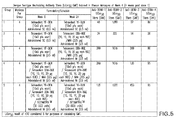
- FIG. 5 summarizes results of an immunogenicity study in rhesus macaques, which evaluated immunogenicity of co-formulations as part of a “prime-boost” vaccination strategy (groups 4 and 5) compared to a conventional prime boost strategy (groups 1-3).
- the co-formulations comprised a tetravalent recombinant dengue subunit vaccine candidate (V180) and a tetravalent dengue LAV.
- the geometric mean neutralization titers (LiCor 50 GMT) for DENV1, DENV2, DENV3 and DENV4 for all groups for Week 4 (4 weeks post dose 1) are provided. See Example 9.
- FIG. 6 provides the geometric mean neutralization titers for DENV1, DENV2, DENV3 and DENV4 for the same groups shown in FIG. 5 for Week 28 (4 weeks post dose 2).
- FIG. 7 shows the longitudinal geometric mean neutralization titers for DENV1, DENV2, DENV3 and DENV4 for groups described in Example 9.
- the invention relates to the co-formulation of a live attenuated dengue vaccine (LAV) with a second dengue vaccine, wherein the second dengue vaccine is a non-replicating dengue vaccine.
- the second vaccine is either a dengue subunit vaccine or an inactivated dengue vaccine, optionally further comprising an adjuvant.
- the LAV and the second vaccine are formulated in the same vial or separate vials and mixed together prior to administration to the subject.
- a composition in accordance with the invention is administered to a patient two or more times in a prime-boost treatment regime.
- a conventional heterologous prime-boost regime comprising administration of the LAV at one point in time, followed by administration of the second dengue vaccine from 2 weeks to 2 years later is an alternative approach that can be used, but this approach may cause confusion regarding which vaccine (LAV or second vaccine) should be administered first in the series.
- Administration of the LAV and the second vaccine in the proper order is important because reversal of the order (subunit or inactivated vaccine first, followed by LAV) could lead to an inferior immune response which may increase the person's risk for more severe dengue disease if they were to become naturally infected.
- co-administration of the LAV and the second vaccine to a patient simplifies administration of the complete treatment regime.
- WO 2008127307 also describe a heterologous prime boost regimen against dengue with the priming immunogen comprising a DNA expression system, an adenovirus expression vector or a Venezuelan equine encephalitis virus replicon system and the boosting immunogen comprising a tetravalent live attenuated vaccine.
- the boosting immunogen is administered between two weeks and 2 months of administration of the priming immunogen.
- Guy et al. (WO 2008/047023) report a method for inducing protection against DEN1-4 in a patient, comprising: administering (a) a first series of administrations (i) of a dose of a vaccinal dengue virus of a first serotype and of a dose of a vaccinal dengue virus of a second serotype, and (ii) of a dose of a vaccinal dengue virus of a third serotype and of a dose of a vaccinal dengue virus of a fourth serotype, and (b) a second series of administrations of doses (i) and (ii), in which the doses (i) and (ii) are administered simultaneously at separate anatomical sites, and in which the second series is implemented at least 30 days to at most 12 months after the first series.
- previous reports of prime/boost approaches against dengue focus on the use of the LAV as the boosting immunogen and require that a period of time, from weeks to months passes between administration of
- virus titer of live attenuated DEN viruses were not significantly impacted by the addition of dengue subunit antigens (DEN2-80E or tetravalent DEN1-4 80E) and/or adjuvant in the same vial (see FIGS. 1 and 2 , Examples 2 and 4), although a small reduction in the titer of DEN1 was observed upon addition of adjuvant after 24 hours.
- viability of wt dengue viruses was not impacted by formulation/mixture with dengue subunit antigens, either alone or mixed with MAA or Alhydrogel adjuvants (see FIG. 3 and Example 5).
- the benefits of a heterologous prime/boost approach may be achieved through administration of a co-formulation comprising: (1) a dengue LAV and (2) a second dengue vaccine, wherein the second dengue vaccine is a non-replicating dengue vaccine.
- the non-replicating vaccine is selected from a subunit dengue vaccine and an inactivated dengue vaccine as both the priming and as the boosting composition.
- the invention relates to a method of preventing or reducing the likelihood of dengue infection, or preventing, treating, or ameliorating the clinical manifestations thereof, the method comprising:
- a) administering a first dengue virus vaccine composition comprising a live attenuated dengue vaccine (LAV) and a second dengue vaccine to a patient in need thereof, wherein the second vaccine is a non-replicating dengue vaccine;
- LAV live attenuated dengue vaccine
- step (b) waiting for a predetermined amount of time to pass after step (a);
- the non-replicating vaccine is a dengue subunit vaccine or an inactivated dengue vaccine.
- the second dengue virus vaccine composition (co-formulation) of step (c) is the same as the co-formulation (first dengue virus vaccine composition) of step (a). In alternative embodiments, the co-formulation of step (c) is not the same as the co-formulation of step (a).
- the method comprises repeating steps (b) and (c) one or more times. In some embodiments, the LAV and the second dengue vaccine of step (a) and/or step (c) are formulated in separate vials and mixed together prior to administration.
- compositions of the invention in a prime/boost regime will elicit strong immune responses that are primarily driven by the LAV at the prime (first dose) and by the non-replicating (e.g. subunit or inactivated vaccine) at the boost (second dose).
- the present invention relates to a dengue virus vaccine composition
- a dengue virus vaccine composition comprising effective amounts of a first dengue vaccine and a second dengue vaccine and a pharmaceutically acceptable carrier, wherein the first dengue vaccine is a live, attenuated dengue vaccine and the second dengue vaccine is a non-replicating dengue vaccine, wherein the live attenuated dengue vaccine comprises at least one live, attenuated dengue virus or at least one live attenuated chimeric flavivirus.
- the non-replicating vaccine of the dengue virus vaccine compositions of the invention are selected from a recombinant dengue subunit vaccine or an inactivated dengue vaccine.
- a first dengue vaccine and a second dengue vaccine are admixed with a pharmaceutically acceptable carrier or excipient.
- the first dengue vaccine and the second dengue vaccine comprise a pharmaceutically acceptable carrier prior to mixing and no additional carrier is required when the vaccines are mixed.
- Pharmaceutically acceptable carriers include any and all solvents, dispersion media, isotonic and absorption delaying agents, and the like that are physiologically compatible.
- the carriers can be suitable for intravenous, intramuscular, subcutaneous, parenteral, rectal, spinal, or epidermal administration (e.g., by injection or infusion).
- the term “pharmaceutically acceptable carrier” refers to a substance, as described above, which is admixed with an active ingredient (e.g. whole, inactivated virus, live attenuated virus, live attenuated chimeric virus, viral protein, plasmid comprising a sequence of nucleotides encoding a dengue antigen protein, or dengue antigen conjugate) of the invention that is suitable for administration to humans.
- an active ingredient e.g. whole, inactivated virus, live attenuated virus, live attenuated chimeric virus, viral protein, plasmid comprising a sequence of nucleotides encoding a dengue antigen protein, or dengue antigen conjugate
- the pharmaceutically acceptable carrier does not occur in nature in the same form, e.g. the substance is man-made, either because it does not exist in nature or the purity and/or sterility of the substance is not the same as the corresponding natural substance.
- sterile water for injection which is a sterile, bacteria-free, solute-free preparation of distilled water for injection, does not occur in nature in the same form and is considered a pharmaceutically acceptable carrier.
- the pharmaceutical compositions of the invention comprise one or more active ingredients disclosed herein (e.g. a tetravalent LAV) and sterile water for injection.
- the pharmaceutically acceptable carrier may be another form of water that is appropriate for pharmaceutical or biological preparations and is not the same as water that occurs in nature, including purified water, water for injection, sterile purified water, and bacteriostatic water for injection.
- compositions typically should be sterile and stable under the conditions of manufacture and storage.
- Formulations of therapeutic and diagnostic agents may be prepared by mixing with acceptable carriers, excipients, or stabilizers in the form of, e.g., lyophilized powders, slurries, aqueous solutions, suspensions, microemulsions, dispersions, liposomes, or other ordered structure suitable for vaccine formulation and administration (see, e.g., Hardman, et al.
- the dengue virus vaccine compositions of the present invention may further comprise additional components including, but not limited to adjuvants, as discussed infra, buffers, stabilizers, solubilizers, salt, anti-microbial preservatives, surfactants, tonicity modifiers, chelating agents, dextran, dextran sulfate, dextran T40, diethanolamine, guanidine, calcium chloride, sodium citrate, albumin, gelatin, polyethylene glycol (PEG), lipids, and heparin.
- additional components including, but not limited to adjuvants, as discussed infra, buffers, stabilizers, solubilizers, salt, anti-microbial preservatives, surfactants, tonicity modifiers, chelating agents, dextran, dextran sulfate, dextran T40, diethanolamine, guanidine, calcium chloride, sodium citrate, albumin, gelatin, polyethylene glycol (PEG), lipids, and heparin.
- One of skill in the art is readily able to determine which additional excipients should be included in a desired dengue virus vaccine composition, dependent on its function in the formulation, as well as the projected mode of administration, dosage, and other factors such as the expected storage time and temperature of the composition.
- One of skill in the art recognizes that the amount of the additional excipients may vary, and can readily determine a proper amount that is both safe for administration to humans and effective for the desired function.
- the dengue virus vaccine compositions of the invention comprise a live attenuated dengue vaccine that: induced an immune response against dengue, induces a virus neutralizing antibody response against dengue, protects against or reducing the likelihood of infection or reduces the severity or duration of the clinical manifestations thereof, with at least one of dengue virus type 1 (DEN1), dengue virus type 2 (DEN2), dengue virus type 3 (DEN3) and dengue virus type 4 (DEN4).
- the live attenuated dengue vaccine is monovalent, bivalent, trivalent or tetravalent.
- the LAV is tetravalent, i.e. protects against DEN types 1-4 and comprises a DEN1, a DEN2, a DEN3 and a DEN4 LAV component.
- Each LAV component of the invention comprises a live, attenuated virus which is independently either an attenuated chimeric flavivirus or an attenuated dengue virus.
- Attenuation of the dengue virus can be achieved by different techniques, including methods known in the art such as through serial passage on tissue culture or through more defined genetic manipulations. Mutations useful for attenuating dengue viruses and chimeric dengue viruses are known in the art. See, e.g. WO 02/095075, WO 2006/44857, U.S. Pat. No. 7,189,403, WO 2003/103571, WO 2000/014245, and WO 2008/022196.
- Attenuated dengue strains can also be used in the compositions herein, such as the strains described in WO 06/134433, WO 2006/134443, WO 2007/141259, WO 96/40933, WO 2000/057907, WO 2000/057908, WO 2000/057909, WO 2000/057910, and WO 2007/015783.
- Preferred embodiments include a tetravalent live attenuated dengue vaccine.
- Such tetravalent live attenuated vaccine can comprise four attenuated dengue strains, three attenuated dengue strains and one attenuated chimeric flavivirus strain, two attenuated dengue strains and two attenuated chimeric flavivirus strains, one attenuated dengue strain and three attenuated chimeric flaviviruses, or four attenuated chimeric flaviviruses.
- each chimeric flavivirus comprises the prM and E proteins of a single dengue virus serotype and the capsid and non-structural proteins (i.e. “the backbone”) of a different flavivirus, wherein each of the chimeric flaviviruses are attenuated.
- Methods for construction of a recombinant, live attenuated flavivirus strain may comprise the use of a known attenuated strain as a base, wherein the method comprises substituting the appropriate genes (prM and E) from a related virus of interest for the equivalent genes of the base virus.
- chimeric virus is an intertypic chimeric based on an attenuated DEN-4 strain comprising prM and E genes of WNV (Bray, M. et al., J. Virol . (1996) 70:4162-4166; Chen, W., et al., J. Virol . (1995) 69:5186-5190; Bray, M. and Lai, C.-J., Proc. Natl. Acad. Sci. USA (1991) 88:10342-10346; Lai, C. J. et al., Clin. Diagn. Virol . (1998) 10:173-179).
- a chimeric yellow fever vaccine can be constructed comprising a yellow fever backbone by replacing the genes coding for prM and E proteins from any yellow fever strain, for example, YFV 17D, with those of a Dengue serotype. After DNA cloning, RNA is transcribed and transfected into Vero cells to obtain chimeric viruses possessing the YFV 17D replication machinery and the external coat of the relevant Dengue virus.
- the live attenuated vaccine comprises a chimeric flavivirus comprising the prM and E proteins of a single dengue serotype and a yellow fever backbone.
- Chimeric live attenuated vaccines useful in the compositions of the invention may also comprise a dengue chimeric virus, wherein the prM and E proteins are of a single dengue virus serotype and the capsid and nonstructural proteins are of a different dengue virus serotype.
- the chimeric virus comprises a backbone from a second dengue serotype
- any dengue backbone that is attenuated can be used in the chimeric virus. Attenuation can be achieved through serial passage, through the introduction of defined genetic mutations, or through the use of known attenuated dengue strains.
- Dengue chimeric vaccines are described, for example, in Whitehead et al. WO 03/092592.
- the live attenuated vaccine comprises a chimeric flavivirus wherein the capsid and nonstructural proteins are from a different dengue serotype than the prM and E proteins.
- the dengue virus vaccine compositions of the invention comprise an effective amount of live attenuated virus vaccine.
- the potency of the live attenuated dengue vaccine is from 10 to about 1 ⁇ 10 7 plaque forming units (PFU's).
- the potency of the live attenuated dengue vaccine is from about 1 ⁇ 10 2 to about 1 ⁇ 10 6 PFU's.
- the potency of the live attenuated dengue vaccine is from about 1 ⁇ 10 3 to about 1 ⁇ 10 5 PFU's.
- the composition comprises a dengue subunit vaccine which comprises one or more dengue antigen proteins.
- the subunit vaccine comprises one or more dengue proteins, fusion proteins, or a fragment or fragments thereof.
- the dengue subunit vaccine comprises dengue envelope or E protein, or a fragment thereof.
- the subunit vaccine is tetravalent, i.e. targets an immune response against all four dengue serotypes.
- a tetravalent subunit vaccine can comprise four recombinant dengue proteins or less than four, e.g. a recombinant DEN1 protein, a recombinant DEN2 protein, and a recombinant DEN3/4 fusion protein.
- the subunit vaccine comprises dengue virus envelope glycoprotein, or fragments thereof, of DEN1-4 (e.g. DEN1-80E, DEN2-80E, DEN3-80E, DEN4-80E, or DEN4-80EZip) that is produced and secreted using a recombinant expression system.
- Said subunit vaccine may optionally comprise an adjuvant, as described more fully below.
- the dengue subunit vaccine comprises one or more purified dengue virus envelope (“E”) proteins, a pharmaceutically acceptable excipient, wherein the E proteins each constitute approximately 80% of the length of wild type E starting from amino acid residue 1 at its N-terminus, such that said E protein is secretable into growth medium when expressed recombinantly in a host cell and wherein the composition induces the production of neutralizing antibodies in human subjects.
- the dengue subunit vaccine further comprises an effective amount of an adjuvant.
- the DEN-4 E protein is dimeric (“DEN4-80EZip”), as described in U.S. Pat. No. 6,749,857 and WO 2012/154202.
- the E proteins in the composition described above are recombinantly produced and expressed in insect host cells.
- the E protein is recombinantly produced and expressed in Drosophila melanogaster Schneider 2 (S2) host cells.
- the recombinant subunit dengue virus E proteins of the present invention can be produced by means of a cell culture expression system that uses Drosophila Schneider 2 (S2) cells. This system has been demonstrated to produce dengue recombinant envelope proteins that maintain native-like structure (Cuzzubbo et al., Clin. Diagn. Lab. Immunol . (2001) 8:1150-55; Modis et al., Proc. Natl. Acad. Sci . (2003) 100:6986-91; Modis et al., Nature (2004) 427:313-9; Zhang et al., Structure (2004)12(9):1607-18).
- S2 Drosophila Schneider 2
- This expression system has also been shown to express other recombinant envelope proteins from other flaviviruses such as West Nile, Japanese Encephalitis, hepatitis C, and Tick Borne Encephalitis viruses.
- the recombinant envelope proteins may be truncated at the C-terminus, leaving 80% of the native envelope protein (“80E”).
- 80E is defined as approximately the first 80% of consecutive amino acids of E protein starting at amino acid 1 of its N-terminus.
- some embodiments of this aspect of the invention comprise truncated 80E proteins which consist of approximately 80% of the length of wild type E starting from amino acid residue 1 at its N-terminus.
- the E proteins used in some embodiments of the invention delete the membrane anchor portion (approximately the last 10% of E at the carboxy end) of the protein, in other words, up to the first 90% of consecutive amino acids of E starting at amino acid 1 of its N-terminus, thus allowing it to be secreted into the extracellular medium, facilitating recovery.
- the truncation may further delete the “stem” portion of the E protein that links the 80E portion with the membrane anchor portion; the stem portion does not contain notable antigenic epitopes and therefore is not included in the preferred antigens, DEN1-80E, DEN2-80E, DEN3-80E, DEN4-80E, or DEN4-80EZip. More than 90%, but less than 100%, of the E protein can be cloned and secreted, i.e., the protein can be 90%+ in length, carboxy truncated, and can include a portion of the membrane spanning domain so long as the truncated E protein is secretable.
- “Secretable” means able to be secreted, and typically secreted, from the transformed cells in the expression system.
- Dengue E proteins that are useful in the compositions and methods of the present invention may vary from the 80% exemplified herein, as long as the protein is secretable.
- the DEN E proteins are about 80% in length starting from the N-terminal amino acid of the envelope protein and ending at an amino acid in the range of the 393 rd to 401 st amino acid, for example, from amino acid 1 to amino acid 395 of dengue virus type 2.
- the dengue E protein may be about 75%, about 85%, about 90%, about 95%, or about 98% of the consecutive amino acids of E starting at amino acid 1 of its N-terminus.
- the DEN E protein is approximately 80% of consecutive amino acids of E protein starting at amino acid 1 of its N-terminus; such as DEN1-80E, as set forth in SEQ ID NO:1, DEN2-80E, as set forth in SEQ ID NO:2, DEN3-80E, as set forth in SEQ ID NO:3 and DEN4-80E, as set forth in SEQ ID NO:4.
- the secreted E protein may further contain domains which facilitate dimerization, such as in the DEN4-80EZip protein, such that the immunogenicity of the recombinant protein is further enhanced.
- An exemplary DEN4-80EZip protein comprises an amino acid sequence as set forth in SEQ ID NO:5.
- the DEN1, DEN2, and DEN3 80E antigens included in the composition are monomeric and the DEN4 80E antigen is dimeric.
- the DEN1-80E, DEN2-80E, DEN3-80E and DEN4-80E proteins in the composition are monomeric.
- the DEN4 component is present in an amount that is about 1.5 to about 3 times the individual amounts of DEN1, DEN2, and DEN3 proteins, preferably about 2 times the amount of the DEN1, DEN2, and DEN3 components (proteins).
- the ratio of DEN1:DEN2:DEN3:DEN4 antigens in the compositions is approximately 1:1:1:2.
- the amount of each E protein in the composition is from about 0.5 ⁇ g to about 500 ⁇ g. In alternative embodiments, the amount of each E protein is from about 0.5 ⁇ g to about 450 ⁇ g, 0.5 ⁇ g to about 400 ⁇ g, 0.5 ⁇ g to about 350 ⁇ g, 0.5 ⁇ g to about 300 ⁇ g, 0.5 ⁇ g to about 250 ⁇ g, 0.5 ⁇ g to about 200 ⁇ g, 0.5 ⁇ g to about 150 ⁇ g, 0.5 ⁇ g to about 100 ⁇ g, 0.5 ⁇ g to about 50 ⁇ g, 5.0 ⁇ g to about 500 ⁇ g, 5.0 ⁇ g to about 450 ⁇ g, 5.0 ⁇ g to about 400 ⁇ g, 5.0 ⁇ g to about 350 ⁇ g, 5.0 ⁇ g to about 300 ⁇ g, 5.0 ⁇ g to about 250 ⁇ g, 5.0 ⁇ g to about 200 ⁇ g, 5.0 ⁇ g to about 150 ⁇
- the amount of each E protein in the composition is from about 1.0 ⁇ g to about 100 ⁇ g. In still further embodiments, the amount of each E protein in the composition is selected from approximately 10, 20, 30, 40, 50, 60, 70, 80, 90, 100, 150, 200, 250, 300, 350, 400, 450, or 500 ⁇ g.
- a whole inactivated dengue vaccine or inactivated dengue chimeric vaccine may also be used.
- Inactivated dengue vaccines of the compositions herein comprise one or more whole inactivated dengue viruses and/or one or more inactivated chimeric viruses.
- the inactivated dengue vaccine is tetravalent and comprises whole inactivated DEN1, DEN2, DEN3 and DEN4.
- the inactivated vaccine comprises four inactivated chimeric dengue viruses.
- the inactivated vaccine is tetravalent and comprises one or more whole inactivated dengue viruses and one or more inactivated dengue chimeric viruses, e.g. an inactivated whole DEN1 virus, an inactivated whole DEN2 virus, an inactivated DEN3 chimeric virus and an inactivated DEN4 chimeric virus.
- inactivated whole or chimeric DEN viruses may be used in the tetravalent compositions and methods of the invention, as long as the vaccine composition targets all four dengue serotypes.
- dengue vaccines useful in the compositions and methods of the invention are described in Putnak et al. Vaccine 23: 4442-4452 (2005), U.S. Pat. Nos. 6,190,859, 6,254,873 and Sterner et al. WO 2007/002470.
- dengue virus strains and chimeric dengue strains/chimeric flavivirus strains can be inactivated for use in the compositions and methods of the invention through methods known in the art, e.g., with chemicals, heat or radiation.
- adjuvants Co-administration of vaccines with compounds that can enhance the immune response against the antigen of interest, known as adjuvants, has been extensively studied. In addition to increasing the immune response against the antigen of interest, some adjuvants may be used to decrease the amount of antigen necessary to provoke the desired immune response or decrease the number of injections needed in a clinical regimen to induce a durable immune response and provide protection from disease.
- the invention relates to dengue virus vaccine compositions of the invention may employ an adjuvant.
- the adjuvant of the compositions described herein can be any adjuvant that performs the desired function, as described above, and does not inactivate or significantly impact the titer of the LAV of the composition.
- Aluminum-based compounds were determined to possess adjuvant activity over 60 years ago (for review, see Lindblad, E. B. Immunol. and Cell Biol. 82: 497-505 (2004); Baylor et al. Vaccine 20: S18-S23 (2002)). Aluminum adjuvants are generally regarded as safe when used at appropriate dosages. Many have been approved for administration into humans by regulatory agencies worldwide.
- aluminum-based compounds such as aluminum hydroxide (Al(OH) 3 ), aluminum hydroxyphosphate (AlPO 4 ), amorphous aluminum hydroxyphosphate sulfate (AAHS), or so-called “alum” (KA1(SO 4 ).12H 2 O) (see Klein et al., Analysis of aluminum hydroxyphosphate vaccine adjuvants by Al MAS NMR., J. Pharm. Sci. 89(3): 311-21 (2000)), may be combined with the compositions provided herein.
- the aluminum adjuvant is aluminum hydroxyphosphate or AAHS, alternatively referred to as “MAA”.
- the aluminum adjuvant is an aluminum phosphate adjuvant, referred to herein as “MAPA”.
- the adjuvant is aluminum hydroxide.
- an effective and safe dose of aluminum adjuvant varies from 50 ⁇ g to 1.25 mg elemental aluminum per dose (100 ⁇ g/mL to 2.5 mg/mL concentration).
- compositions comprising a live attenuated dengue virus vaccine and a second dengue vaccine, wherein the second vaccine is a non-replicating vaccine, as described in any embodiment herein, and further comprising an aluminum adjuvant.
- the non-replicating vaccine is selected from a dengue subunit vaccine or an inactivated dengue vaccine.
- the dengue compositions comprise an adjuvant which comprises from about 50 ⁇ g to about 1.25 mg of elemental aluminum per dose of vaccine.
- the aluminum adjuvant per dose of vaccine composition comprises an amount of elemental aluminum ranging from about 100 ⁇ g to about 1.0 mg, from about 100 ⁇ g to about 900 ⁇ g, from about 100 ⁇ g to about 850 ⁇ g, from about 100 ⁇ g to about 800 ⁇ g, from about 100 ⁇ g to about 700 ⁇ g, from about 100 ⁇ g to about 600 ⁇ g, from about 100 ⁇ g to about 500 ⁇ g, from about 100 ⁇ g to about 400 ⁇ g, from about 100 ⁇ g to about 300 ⁇ g, from about 100 to about 250 ⁇ g, from about 200 ⁇ g to about 1.25 mg, from about 200 ⁇ g to about 1.0 mg, from about 200 ⁇ g to about 900 ⁇ g, from about 200 ⁇ g to about 850 ⁇ g, from about 200 ⁇ g to about 800 ⁇ g, from about 200 ⁇ g to about 700 ⁇ g, from about 200 ⁇ g to about 600 ⁇ g, from about 200 ⁇ g to about 500 ⁇ g
- adjuvants that may be used in conjunction with the dengue virus vaccine compositions of the invention, include, but are not limited to, adjuvants containing CpG oligonucleotides, or other molecules acting on toll-like receptors such as TLR4 and TLR9 (for reviews, see, Daubenberger, C. A., Curr. Opin. Mol. Ther. 9(1):45-52 (2007); Duthie et al., Immunological Reviews 239(1): 178-196 (2011); Hedayat et al., Medicinal Research Reviews 32(2): 294-325 (2012)), including lipopolysaccharide, monophosphoryl lipid A, and aminoalkyl glucosaminide 4-phosphates.
- TLR4 and TLR9 for reviews, see, Daubenberger, C. A., Curr. Opin. Mol. Ther. 9(1):45-52 (2007); Duthie et al., Immunological Reviews 239(1): 178-196 (2011); Hedayat et al
- Additional adjuvants useful in the compositions of the invention include immunostimulatory oligonucleotides (IMO's; see, e.g. U.S. Pat. Nos. 7,713,535 and 7,470,674); T-helper epitopes, lipid-A and derivatives or variants thereof, liposomes, calcium phosphate, cytokines, (e.g.
- GM-CSF granulocyte macrophage-colony stimulating factor
- HSP heat-shock protein
- CD134 CD137
- CoVaccine HT non-ionic block copolymers, incomplete Freund's adjuvant, chemokines, cholera toxin; E. coli heat-labile enterotoxin; pertussis toxin; muramyl dipeptide, muramyl peptide analogues, MF59, SAF, immunostimulatory complexes, biodegradable microspheres, polyphosphazene; synthetic polynucleotides.
- adjuvants for use with the compositions described herein are adjuvants containing saponins (e.g. QS21), either alone or combined with cholesterol and phospholipid in the characteristic form of an ISCOM (“immune stimulating complex,” for review, see Barr and Mitchell, Immunology and Cell Biology 74: 8-25 (1996); and Skene and Sutton, Methods 40: 53-59 (2006)).
- saponins e.g. QS21
- Such adjuvants are referred to herein as “saponin-based adjuvants”.
- the mutant toxins and/or toxin proteins are combined with an ISCOM-type adjuvant or “ISCOM”, which is an ISCOM matrix particle adjuvant, such as ISCOMATRIXTM, which is manufactured without antigen (ISCOMTM and ISCOMATRIXTM are the registered trademarks of CSL Limited, Parkville, Australia).
- ISCOM ISCOM-type adjuvant
- ISCOMATRIXTM an ISCOM matrix particle adjuvant, such as ISCOMATRIXTM, which is manufactured without antigen
- Embodiments of the invention also include one or more of the dengue vaccine compositions described herein (i) for use in, (ii) for use as a medicament or composition for, or (iii) for use in the preparation of a medicament for: (a) therapy (e.g., of the human body); (b) medicine; (c) inhibition of dengue virus replication, including DEN1, DEN2, DEN3 and/or DEN4; (d) induction of an immune response or a protective immune response against one or more of DEN1, DEN2, DEN3 and/or DEN4; (e) induction of a virus neutralizing antibody response against one or more types of dengue (f) treatment or prophylaxis of infection by dengue virus; (g) prevention of recurrence of dengue virus infection; (h) reduction of the progression, onset or severity of pathological symptoms associated with dengue virus infection and/or reduction of the likelihood of a dengue virus infection or, (i) treatment, prophylaxis of, or delay in the onset,
- the dengue vaccine compositions can optionally be employed in combination with one or more adjuvants (e.g., MAA, aluminum phosphate, Alhydrogel, or other aluminum salt adjuvant, a saponin-based adjuvant such as ISCOMATRIXTM (CSL, Ltd.), a TLR-agonist, or lipid nanoparticles, described herein).
- adjuvants e.g., MAA, aluminum phosphate, Alhydrogel, or other aluminum salt adjuvant, a saponin-based adjuvant such as ISCOMATRIXTM (CSL, Ltd.), a TLR-agonist, or lipid nanoparticles, described herein.
- the invention provides methods for the prophylactic and/or therapeutic treatment of dengue virus infection or dengue-associated disease comprising administering one or more of the compositions of the invention to a patient in need of treatment.
- a “patient” refers to a mammal capable of being infected with a dengue virus, such as DEN1, DEN2, DEN3, or DEN4.
- the patient is a human.
- a patient can be treated prophylactically or therapeutically.
- Prophylactic treatment provides sufficient protective immunity to reduce the likelihood or severity of a dengue infection or the effects thereof, e.g., dengue fever.
- Therapeutic treatment can be performed to reduce the severity or prevent recurrence of a dengue infection or the clinical effects thereof.
- Prophylactic treatment can be performed using a dengue virus vaccine composition of the invention, as described herein.
- the compositions of the invention can be administered to the general population or to those persons at an increased risk of dengue infection, e.g. those persons who live in or will be travelling to areas of the world in which mosquitoes of the genus Aedes are prevalent.
- Those “in need of treatment” include those already with a dengue infection (e.g. infected with one or more of DEN1, DEN2, DEN3, or DEN4), as well as those prone to have an infection or any person in which a reduction in the likelihood of infection is desired.
- a dengue infection e.g. infected with one or more of DEN1, DEN2, DEN3, or DEN4
- Dengue virus vaccine compositions of the invention can be formulated and administered to a patient using techniques well known in the art. Guidelines for pharmaceutical administration in general are provided in, for example, Vaccines Eds. Plotkin and Orenstein, W.B. Sanders Company, 1999; Remington's Pharmaceutical Sciences 20 th Edition , Ed. Gennaro, Mack Publishing, 2000; and Modern Pharmaceutics 2 nd Edition , Eds. Banker and Rhodes, Marcel Dekker, Inc., 1990.
- the invention provides a method for inducing a protective immune response in a patient against a dengue infection comprising the step of administering to the patient an immunologically effective amount of any of the dengue virus vaccine compositions described herein.
- Also provided by the invention is a method for treating dengue infection, or for treating any pathological condition associated with dengue infection, such treatment including prophylaxis of infection, and reduction in the severity of clinical symptoms, delay or prevention of the progression of disease, and/or reduction in the likelihood on infection or the clinical symptoms thereof; the method comprising the step of administering to the patient an immunologically effective amount of any of the vaccine compositions described herein.
- Additional embodiments of the invention comprise the administration of two or more compositions of the invention to a patient in a prime/boost regime. Accordingly, the invention relates to a method of preventing or reducing the likelihood of dengue infection in a patient in need thereof, comprising the steps of:
- the dengue virus vaccine compositions of the invention are in the form of a liquid (i.e. the dengue LAV and the non-replicating dengue virus vaccine are formulated together as a liquid in the same vial or container).
- the dengue virus vaccine compositions are lyophilized (i.e. the dengue LAV and the non-replicating dengue virus vaccine are formulated together and lyophilized in the same vial or other container) and reconstituted with a sterile diluent prior to administration to the patient.
- the LAV and the non-replicating vaccine are provided in separate vials or containers and mixed together prior to administration to the patient.
- the LAV and the non-replicating vaccine can be (1) both in the form of a liquid, (2) both lyophilized, or (3) one vaccine in the form of a liquid and one vaccine lyophilized.
- the lyophilized vaccine can be reconstituted with the liquid vaccine to form a dengue virus vaccine composition of the invention or the lyophilized vaccine can be reconstituted with a sterile diluent and then mixed with the liquid vaccine to form a dengue virus vaccine composition of the invention.
- the amount of time between the first dose and the second dose, or any dose thereafter, is from about 2 weeks to about 2 years. In preferred embodiments of the invention, a time of 2 months to 12 months is allowed to pass between multiple administrations. In alternative embodiments of this aspect of the invention, the amount of time between each administration of each dose of vaccine composition is independently selected from the group consisting of 2 weeks, 1 month, 2 months, 3 months, 4 months, 5 months, 6 months, 7 months, 8 months, 9 months, 10 months, 11 months, 12 months, 13 months, 14 months, 15 months, 16 months, 17 months, 18 months, 19 months, 20 months, 21 months, 22 months, 23 months, and 24 months.
- the first and second dengue virus vaccine compositions are the same. In alternative embodiments, the first and second dengue virus vaccine compositions are not the same.
- the dengue virus vaccine compositions of the invention can be administered by different routes.
- the compositions of the invention are administered parenterally, i.e. by intradermal, subcutaneous or intramuscular injection.
- Subcutaneous and intramuscular administration can be performed using, for example, needles or jet-injectors.
- compositions described herein may be administered in a manner compatible with the dosage formulation, and in such amount as is immunologically-effective to treat and/or reduce the likelihood of dengue infection.
- the dose administered to a patient should be sufficient to affect a beneficial response in a patient over time such as a reduction in the level of dengue virus, or to reduce the likelihood of infection by dengue.
- the quantity of the dengue virus vaccines to be administered may depend on the subject to be treated inclusive of the age, sex, weight and general health condition thereof. In this regard, precise amounts of the vaccine required to be administered will depend on the judgment of the practitioner.
- the physician may evaluate circulating plasma levels, progression of disease, and the production of anti-dengue antibodies.
- suitable dosages of the immunogenic compositions of the invention may be readily determined by those of skill in the art.
- Suitable dosing regimens are preferably determined taking into account factors well known in the art including age, weight, sex and medical condition of the patient; the route of administration; the desired effect; and the particular composition employed.
- the timing of doses depends upon factors well known in the art, and can range from 2 weeks to 24 months. After the initial administration one or more additional doses may be administered to maintain and/or boost antibody titers.
- the invention also relates to methods for preventing dengue infection, or preventing or ameliorating the symptoms thereof, comprising the steps of: (a) mixing a first and a second dengue vaccine to form a dengue virus vaccine composition, wherein the first dengue vaccine is a live, attenuated dengue vaccine and the second dengue vaccine is a non-replicating dengue vaccine; and (b) administering a dose of the dengue virus vaccine composition of step (a) to a patient in which dengue infection or the symptoms thereof are to be prevented or ameliorated.
- the dengue virus vaccine composition is administrated to the patient within a time period after mixing in which it remains stable, e.g. within 24 hours.
- the non-replicating dengue vaccine is a recombinant dengue subunit vaccine or an inactivated dengue vaccine.
- inventions of this aspect of the invention comprise (c) allowing a predetermined amount of time to pass after administration of the dengue virus vaccine composition, and (d) administering a second dose of a composition of the invention.
- steps (c) and (d) may optionally be repeated one or more times.
- the first dengue vaccine is preferably tetravalent and comprises a DEN1, DEN2, DEN3, and DEN 4 component, wherein each component comprises either a live attenuated dengue virus or a live attenuated chimeric flavivirus, as described herein.
- the live attenuated vaccine comprises four chimeric flaviviruses; wherein each of the chimeric flavivirus comprises the prM and E proteins of a single dengue virus serotype and the capsid and non-structural proteins of a different flavivirus, wherein the each of the chimeric flavivirus is attenuated.
- the capsid and nonstructural proteins of the four chimeric flaviviruses are from yellow fever virus. In alternative embodiments, the capsid and nonstructural proteins of each of the four chimeric flaviviruses are from a different dengue serotype than the prM and E proteins.
- the second dengue vaccine is a tetravalent recombinant dengue subunit vaccine comprising dengue E proteins, or fragments thereof, from DEN1, DEN2, DEN3, and DEN4.
- Subunit vaccines useful in this method of the invention are described herein.
- the E proteins each constitute about 80% of the length of wild type E of DEN1, DEN2, DEN3 and DEN4, starting from amino acid residue 1 at its N-terminus.
- the live, attenuated vaccine is lyophilized and the recombinant subunit vaccine is a liquid prior to mixing.
- the mixing of step (a) comprises reconstituting the lyophilized vaccine with the liquid vaccine.
- the lyophilized vaccine is reconstituted with a sterile diluent prior to mixing with the liquid vaccine in step (a).
- rYF-DEN2 LAV live attenuated chimeric dengue 2 vaccine
- the LAV used for this study consisted of a dengue/yellow fever (“YF”) chimeric virus wherein the prM and E genes of the DEN2 virus were placed on a yellow fever viral backbone to create a YF-DEN2 chimeric virus.
- the yellow fever-dengue chimeric vaccine vectors were constructed by replacing the genes coding for prM and E proteins from YFV 17D with those of dengue 2.
- Adjuvants/antigens samples tested in this study were as follows: (1) PBS alone; (2) Merck Aluminum Phosphate Adjuvant (“MAPA”); (3) Merck Amorphous Aluminum hydroxyphosphate sulfate adjuvant (“MAA”); (4) DEN2 80% E, amino acids 1-395 of the DEN-2 envelope polypeptide (“DEN2-80E”); (5) ISCOMATRIXTM (“IMX”); (6) a TLR9 agonist adjuvant (“IMO-2055”); (7) DEN2-80E+MAPA; and (8) DEN2-80E+MAA.
- Adjuvants/antigen samples were field-mixed with rYF-DEN2 LAV in a 1:1 ratio as described below.
- the dose and concentrations of the samples, prior to and after field-mixing with rYF-DEN2 LAV, were as shown in Table 1.
- Antigen/adjuvant samples listed in Table 1 were field-mixed with rYF-DEN2 LAV and tested for virus viability using an in vitro plaque assay on Vero cells as described below.
- Vero cells Six well plates were seeded with 9 ⁇ 10 5 Vero cells/well. The passage level of the Vero cells was P31.
- a 1 mL aliquot of P2 virus from YF-DEN2 LAV (titer 3.3 ⁇ 10 6 PFU/mL) was thawed in a 22° C. water bath. Dilutions of virus were performed in 2% medium 199 to produce a diluted stock with viral titer of 2 ⁇ 10 5 PFU/mL.
- 0.5 mL of virus was aliquoted into a fresh tube and mixed with 0.5 mL of one of the adjuvant/antigen formulations described in Example 1 to give a 1:1 dilution.
- methyl cellulose overlay from each well was aspirated off and 2 mL 1 ⁇ crystal violet staining solution was added. Staining was carried out for 1 hour at room temperature, at which time the stain was aspirated off.
- Each well was washed twice with 2 mL of sterile distilled water. Washes were aspirated off into a vacuum container and the plates were allowed to air dry. Virus titer was determined by counting the number of plaques at appropriate virus dilution.
- rYF-DEN (1-4) LAV live attenuated chimeric yellow fever/dengue virus of dengue types 1-4
- rYF-DEN (1-4) LAV live attenuated chimeric yellow fever/dengue virus of dengue types 1-4
- DEN-80E (1-4) subunit vaccine alone or combined with MAA or ISCOMATRIXTM (CSL, Ltd., Parkville, Australia).
- the Yellow Fever-Dengue chimeric vaccine vectors were constructed by replacing the genes coding for prM and E proteins from YFV 17D with those of each of the four Dengue serotypes.
- RNA was transcribed and transfected into Vero cells to obtain chimeric viruses possessing the YFV 17D replication machinery and the external coat of the relevant Dengue virus.
- Adjuvants/antigen samples were field-mixed with YF-DEN (1-4) LAV in a 1:1 ratio as described below.
- the dose and concentrations of the samples, prior to and after field mixing with YF-DEN (1-4) LAV were as shown in Table 2.
- Antigen/adjuvant samples prepared in Example 3 were field mixed with rYF-DEN(1-4) LAV and tested for virus viability using an in vitro plaque assay on Vero cells as described below.
- Results indicate that all formulations tested did not appear to have an impact on virus viability (see FIG. 2 ). However, there was a small ( ⁇ one log) reduction of rYF-DEN1 virus titer following 24 hours incubation in the samples comprising tetravalent DEN-80E, tetravalent DEN-80E+ISCOMATRIXTM and tetravalent DEN-80E +MAA.
- Adjuvants/antigen samples (1)-(4) were separately field-mixed with the wt Dengue viruses in a 1:1 ratio as described below.
- the dose and concentrations of the samples, prior to and after field mixing with the wt Dengue viruses were as shown in Table 3.
- Antigen/adjuvant samples (1)-(4) prepared in Example 5 were field mixed with wt Dengue viruses and tested for virus viability using an in vitro plaque assay on Vero cells as described below.
- Results indicate that all formulations described did not appear to have an impact on virus viability (see FIG. 3 ). However, there was a small (one log) reduction in the DENV 3 titer following 24 hours incubation in the samples comprising PBS, tetravalent DEN-80E and tetravalent DEN-80E+MAA.
- All PIV formulations were prepared in a bio-safety cabinet using aseptic technique. Samples for testing were formulated with the desired adjuvant, dengue antigen(s), or adjuvant/antigen(s) combination in Dulbecco's PBS and placed in 2 ml sterile ISO vials sealed with Flurotec stoppers. Adjuvants/antigens samples tested in this study were as follows: (1) PBS alone; (2) whole inactivated rYF-DEN2 PIV; (3) whole inactivated rYF-DEN2 PIV+MAA; and (4) whole inactivated rYF-DEN2 PIV+Alhydrogel.
- Adjuvants/antigen samples were field-mixed with the rYF-DEN LAV in a 1:1 ratio as described below.
- the dose and concentrations of the samples, prior to and after field mixing with the rYF-DEN2 live attenuated dengue virus were as shown in Table 4.
- Antigen/adjuvant samples prepared in Example 7 were field mixed with rYF-DEN2 LAV to prepare the co-formulation and tested for virus viability using an in vitro plaque assay on Vero cells as described below.
- Results indicate that all formulations tested did not appear to have an impact on virus viability (see FIG. 4 ).
- the objective of this non-GLP study conducted in Rhesus macaques was to evaluate the co-formulation “prime-boost” vaccination strategy and compare it to a conventional prime boost strategy.
- 2 vaccine candidates, a tetravalent recombinant dengue subunit vaccine candidate (V180) and a tetravalent dengue live attenuated vaccine (LAV) were administered using different regimens.
- the tetravalent V180 candidate comprised truncated envelope glycoproteins (DEN-80E) from each of the 4 dengue virus serotypes (Dengue Virus (DENV) 1, DENV2, DENV3, and DENV4).
- the tetravalent LAV comprised live attenuated chimeric yellow fever/dengue viruses of dengue types 1-4 4 (“YF-DEN”).
- the Yellow Fever-Dengue chimeric vaccine vectors were constructed by replacing the genes coding for prM and E proteins from YFV 17D with those of each of the four dengue serotypes. After DNA cloning, RNA was transcribed and transfected into Vero cells to obtain chimeric viruses possessing the YFV 17D replication machinery and the external coat of the relevant dengue virus.
- Virus-neutralizing activity was determined every 4 weeks through study week 32 using the LiCor-based microneutralization assay.
- Vero cells were seeded overnight in 100 ⁇ l 10% media 199 in flat-bottom 96-well tissue culture plates at 1.5 ⁇ 10 4 cells/well.
- serum samples were serially diluted 2-fold in duplicate for 8 dilutions beginning at 1:10.
- Serum was incubated with an equal volume of virus diluted to 50 pfu/well. All assay dilutions were performed in 2% media 199.
- the mixture was incubated at 37° C.+5% CO 2 for 1 hour. Following neutralization, the entire mixture was added onto the plated Vero cells and incubated for 4 days at 37° C.+5% CO 2 . Following removal of culture media, cells were fixed with 3.7% formaldehyde in PBS for 30 minutes. Plates were washed 2 times for 5 minutes each with 200 ⁇ l 0.1% Titon X-100/PBS. Plates were stained with 50 ⁇ l of 4G2 antibody at 2.8 ⁇ g/ml.
- a biotinylated horse anti-mouse IgG was then added at 7.5 ⁇ g/ml followed by a cocktail of IRDye® 800CW (Li-Cor, Inc., Lincoln, Nebr.) Streptavidin (1:1000) and DRAQS (1:10,000). Plates were kept in the dark for this final development. Antibodies and reagents were diluted in Odyssey Block buffer supplemented with 0.2% Tween-20. Plates were washed 3 times between antibody exchanges using 0.1% Tween-20/PBS. Incubation steps were performed for 1 hour at room temperature. Washing and dispensing steps were automated using the BioTek® EL406 plate washer system (BioTek Instruments, Inc, Winooski, Vt.).
- the longitudinal geometric mean neutralization titers for DENV1, DENV2, DENV3 and DENV4 for all groups are shown in FIG. 7 .
- the data demonstrate that the co-formulation prime-boost regimen, wherein animals were administered the V180 subunit vaccine mixed together with a tetravalent LAV at weeks 0 and 24, elicits responses that are comparable to the conventional prime-boost approach and that the responses are superior to the LAV given as a homologous vaccine.
Landscapes
- Health & Medical Sciences (AREA)
- Life Sciences & Earth Sciences (AREA)
- Immunology (AREA)
- Veterinary Medicine (AREA)
- Chemical & Material Sciences (AREA)
- Medicinal Chemistry (AREA)
- Public Health (AREA)
- Pharmacology & Pharmacy (AREA)
- Animal Behavior & Ethology (AREA)
- General Health & Medical Sciences (AREA)
- Virology (AREA)
- Microbiology (AREA)
- Mycology (AREA)
- Epidemiology (AREA)
- General Chemical & Material Sciences (AREA)
- Organic Chemistry (AREA)
- Nuclear Medicine, Radiotherapy & Molecular Imaging (AREA)
- Chemical Kinetics & Catalysis (AREA)
- Communicable Diseases (AREA)
- Oncology (AREA)
- Bioinformatics & Cheminformatics (AREA)
- Engineering & Computer Science (AREA)
- Medicines Containing Antibodies Or Antigens For Use As Internal Diagnostic Agents (AREA)
- Micro-Organisms Or Cultivation Processes Thereof (AREA)
Priority Applications (1)
| Application Number | Priority Date | Filing Date | Title |
|---|---|---|---|
| US14/898,515 US9861692B2 (en) | 2013-06-21 | 2014-06-17 | Dengue virus vaccine compositions and methods of use thereof |
Applications Claiming Priority (3)
| Application Number | Priority Date | Filing Date | Title |
|---|---|---|---|
| US201361837721P | 2013-06-21 | 2013-06-21 | |
| US14/898,515 US9861692B2 (en) | 2013-06-21 | 2014-06-17 | Dengue virus vaccine compositions and methods of use thereof |
| PCT/US2014/042625 WO2014204892A1 (en) | 2013-06-21 | 2014-06-17 | Dengue virus vaccine compositions and methods of use thereof |
Publications (2)
| Publication Number | Publication Date |
|---|---|
| US20160151477A1 US20160151477A1 (en) | 2016-06-02 |
| US9861692B2 true US9861692B2 (en) | 2018-01-09 |
Family
ID=52105172
Family Applications (1)
| Application Number | Title | Priority Date | Filing Date |
|---|---|---|---|
| US14/898,515 Active US9861692B2 (en) | 2013-06-21 | 2014-06-17 | Dengue virus vaccine compositions and methods of use thereof |
Country Status (12)
| Country | Link |
|---|---|
| US (1) | US9861692B2 (es) |
| EP (1) | EP3010536A4 (es) |
| JP (1) | JP2016523251A (es) |
| KR (1) | KR20160023683A (es) |
| CN (1) | CN105246506A (es) |
| AU (1) | AU2014281713A1 (es) |
| BR (1) | BR112015031226A2 (es) |
| MX (1) | MX366154B (es) |
| MY (1) | MY187896A (es) |
| PH (1) | PH12015502666A1 (es) |
| SG (1) | SG11201510266SA (es) |
| WO (1) | WO2014204892A1 (es) |
Families Citing this family (7)
| Publication number | Priority date | Publication date | Assignee | Title |
|---|---|---|---|---|
| MY192543A (en) | 2014-12-22 | 2022-08-26 | Merck Sharp & Dohme | Dengue virus vaccine compositions and methods of use thereof |
| EP3331559A4 (en) | 2015-08-03 | 2019-03-06 | The United States of America as represented by the Secretary of the Army, Walter Reed Army Institute Of Research (WRAIR) | IMMUNE-LEADING RECOMBINANT DENGUE PROTEIN |
| US11123420B2 (en) * | 2015-09-30 | 2021-09-21 | Panacea Biotec Limited | Stable live attenuated recombinant dengue vaccine |
| US11241491B2 (en) | 2017-05-23 | 2022-02-08 | The University Of North Carolina At Chapel Hill | Methods and compositions for dengue virus serotype 4 epitopes |
| US20200390877A1 (en) | 2017-12-07 | 2020-12-17 | Merck Sharp & Dohme Corp. | Formulations of dengue virus vaccine compositions |
| EP4707387A3 (en) * | 2019-06-25 | 2026-05-20 | Codagenix Inc | ATTENUATED DENGUE VIRUS |
| CN111346079B (zh) * | 2020-02-24 | 2023-06-20 | 南方医科大学 | 细菌dna促旋酶抑制剂brd7716作为治疗和/或预防登革病毒感染的药物及其制药用途 |
Citations (29)
| Publication number | Priority date | Publication date | Assignee | Title |
|---|---|---|---|---|
| WO1996040933A1 (en) | 1995-06-07 | 1996-12-19 | The Government Of The United States Of America, Represented By The Secretary Department Of Health And Human Services | Infectious dengue 2 virus pdk-53 as quadravalent vaccine |
| WO1998037911A1 (en) | 1997-02-28 | 1998-09-03 | Oravax, Inc. | Chimeric flavivirus vaccines |
| WO2000014245A1 (en) | 1998-09-02 | 2000-03-16 | The Government Of The United States Of America Represented By The Secretary, Department Of Health And Human Services | Dengue viruses that are replication defective in mosquitos for use as vaccines |
| WO2000057907A2 (en) | 1999-03-26 | 2000-10-05 | Walter Reed Army Institute Of Research | Multivalent dengue virus vaccine |
| WO2000057908A2 (en) | 1999-03-26 | 2000-10-05 | Walter Reed Army Institute Of Research, Department Of The Army | Attenuated dengue-1 virus vaccine |
| WO2000057909A2 (en) | 1999-03-26 | 2000-10-05 | Walter Reed Army Institute Of Research | Attenuated dengue-2 virus vaccine |
| WO2000057910A1 (en) | 1999-03-26 | 2000-10-05 | Walter Reed Army Institute Of Research | Attenuated dengue-4 virus vaccine |
| US6190859B1 (en) | 1995-04-17 | 2001-02-20 | The United States Of America As Represented By The Secretary Of The Army | Method and kit for detection of dengue virus |
| US6254873B1 (en) | 1995-04-17 | 2001-07-03 | The United States Of America As Represented By The Secretary Of The Army | Inactivated dengue virus vaccine |
| US6432411B1 (en) | 1999-07-13 | 2002-08-13 | Hawaii Biotechnology Group | Recombinant envelope vaccine against flavivirus infection |
| WO2002095075A1 (en) | 2001-05-22 | 2002-11-28 | The Government Of The United States Of America, As Represented By The Secretary, Department Of Health And Human Services | Development of mutations useful for attenuating dengue viruses and chimeric dengue viruses |
| WO2003092592A2 (en) | 2002-05-03 | 2003-11-13 | The Government Of The United States Of America, As Represented By The Secretary, Department Of Health And Human Services | Dengue tetravalent vaccine containing a common 30 nucleotide deletion in the 3'-utr of dengue types 1,2,3, and 4, or antigenic chimeric dengue viruses 1,2,3, and 4 |
| WO2003103571A2 (en) | 2002-01-15 | 2003-12-18 | Acambis, Inc. | Flavivirus vaccines |
| US6749857B1 (en) | 1997-07-31 | 2004-06-15 | Hawaii Biotechnology Group, Inc. | Recombinant dimeric envelope vaccine against flaviviral infection |
| WO2006044857A2 (en) | 2004-10-20 | 2006-04-27 | Acambis Inc. | Vaccines against japanese encephalitis virus and west nile virus |
| WO2006134433A1 (en) | 2005-06-17 | 2006-12-21 | Sanofi Pasteur | Dengue serotype 1 attenuated strain |
| WO2006134443A1 (en) | 2005-06-17 | 2006-12-21 | Sanofi Pasteur | Dengue serotype 2 attenuated strain |
| WO2007002470A2 (en) | 2005-06-24 | 2007-01-04 | Intervet International B.V. | Inactivated chimeric vaccines and related methods of use |
| WO2007015783A2 (en) | 2005-07-22 | 2007-02-08 | Research Development Foundation | Attenuated strains of flaviviruses , and uses thereof |
| US7189403B2 (en) | 2003-06-30 | 2007-03-13 | Institut Pasteur | Attenuated flavivirus strains containing a mutated M-ectodomain and their applications |
| WO2007141259A1 (en) | 2006-06-07 | 2007-12-13 | Sanofi Pasteur | Live attenuated dengue 3 virus strains |
| WO2008022196A2 (en) | 2006-08-15 | 2008-02-21 | Goverment Of The United States Of America, As Represented By The Secretary, Department Of Health Andhuman Services, The | Development of dengue virus vaccine components |
| WO2008047023A2 (fr) | 2006-10-04 | 2008-04-24 | Sanofi Pasteur | Methode d'immunisation contre les 4 serotypes de la dengue |
| WO2008127307A2 (en) | 2006-11-09 | 2008-10-23 | The United States Of America As Represented By The Secretary Of The Navy | Induction of an immune response against dengue virus using prime-boost approach |
| US20100230612A1 (en) | 1996-10-12 | 2010-09-16 | Olympus Corporation | Method of analysis of samples by determination of a function of specific brightness |
| US20120251570A1 (en) | 2009-10-01 | 2012-10-04 | Fundacao Oswaldo Cruz | Method, kit, plasmid and composition for inducing an immune response to dengue virus, on the basis of dna and chimeric virus vaccines |
| WO2012154202A1 (en) | 2010-10-29 | 2012-11-15 | Merck Sharp & Dohme Corp. | Recombinant subunit dengue virus vaccine |
| US20130095136A1 (en) | 2002-05-31 | 2013-04-18 | Sanofi Pasteur Biologics, Llc | Tetravalent Dengue Vaccines |
| WO2014016362A1 (en) | 2012-07-24 | 2014-01-30 | Sanofi Pasteur | Vaccine compositions for prevention against dengue virus infection |
Family Cites Families (1)
| Publication number | Priority date | Publication date | Assignee | Title |
|---|---|---|---|---|
| FR2909286B1 (fr) * | 2006-12-01 | 2012-06-08 | Sanofi Pasteur | Methode d'immunisation contre les 4 serotypes de la dengue |
-
2014
- 2014-06-17 MX MX2015017384A patent/MX366154B/es active IP Right Grant
- 2014-06-17 SG SG11201510266SA patent/SG11201510266SA/en unknown
- 2014-06-17 US US14/898,515 patent/US9861692B2/en active Active
- 2014-06-17 JP JP2016521494A patent/JP2016523251A/ja active Pending
- 2014-06-17 AU AU2014281713A patent/AU2014281713A1/en not_active Abandoned
- 2014-06-17 WO PCT/US2014/042625 patent/WO2014204892A1/en not_active Ceased
- 2014-06-17 KR KR1020157035588A patent/KR20160023683A/ko not_active Withdrawn
- 2014-06-17 EP EP14814205.2A patent/EP3010536A4/en not_active Withdrawn
- 2014-06-17 CN CN201480031059.5A patent/CN105246506A/zh active Pending
- 2014-06-17 BR BR112015031226A patent/BR112015031226A2/pt not_active Application Discontinuation
- 2014-06-17 MY MYPI2015002912A patent/MY187896A/en unknown
-
2015
- 2015-11-27 PH PH12015502666A patent/PH12015502666A1/en unknown
Patent Citations (33)
| Publication number | Priority date | Publication date | Assignee | Title |
|---|---|---|---|---|
| US6190859B1 (en) | 1995-04-17 | 2001-02-20 | The United States Of America As Represented By The Secretary Of The Army | Method and kit for detection of dengue virus |
| US6254873B1 (en) | 1995-04-17 | 2001-07-03 | The United States Of America As Represented By The Secretary Of The Army | Inactivated dengue virus vaccine |
| WO1996040933A1 (en) | 1995-06-07 | 1996-12-19 | The Government Of The United States Of America, Represented By The Secretary Department Of Health And Human Services | Infectious dengue 2 virus pdk-53 as quadravalent vaccine |
| US20100230612A1 (en) | 1996-10-12 | 2010-09-16 | Olympus Corporation | Method of analysis of samples by determination of a function of specific brightness |
| WO1998037911A1 (en) | 1997-02-28 | 1998-09-03 | Oravax, Inc. | Chimeric flavivirus vaccines |
| US6749857B1 (en) | 1997-07-31 | 2004-06-15 | Hawaii Biotechnology Group, Inc. | Recombinant dimeric envelope vaccine against flaviviral infection |
| WO2000014245A1 (en) | 1998-09-02 | 2000-03-16 | The Government Of The United States Of America Represented By The Secretary, Department Of Health And Human Services | Dengue viruses that are replication defective in mosquitos for use as vaccines |
| WO2000057910A1 (en) | 1999-03-26 | 2000-10-05 | Walter Reed Army Institute Of Research | Attenuated dengue-4 virus vaccine |
| WO2000057909A2 (en) | 1999-03-26 | 2000-10-05 | Walter Reed Army Institute Of Research | Attenuated dengue-2 virus vaccine |
| US20070087015A1 (en) | 1999-03-26 | 2007-04-19 | Eckels Kenneth I | Multivalent dengue virus vaccine |
| WO2000057908A2 (en) | 1999-03-26 | 2000-10-05 | Walter Reed Army Institute Of Research, Department Of The Army | Attenuated dengue-1 virus vaccine |
| WO2000057907A2 (en) | 1999-03-26 | 2000-10-05 | Walter Reed Army Institute Of Research | Multivalent dengue virus vaccine |
| US6432411B1 (en) | 1999-07-13 | 2002-08-13 | Hawaii Biotechnology Group | Recombinant envelope vaccine against flavivirus infection |
| WO2002095075A1 (en) | 2001-05-22 | 2002-11-28 | The Government Of The United States Of America, As Represented By The Secretary, Department Of Health And Human Services | Development of mutations useful for attenuating dengue viruses and chimeric dengue viruses |
| WO2003103571A2 (en) | 2002-01-15 | 2003-12-18 | Acambis, Inc. | Flavivirus vaccines |
| WO2003092592A2 (en) | 2002-05-03 | 2003-11-13 | The Government Of The United States Of America, As Represented By The Secretary, Department Of Health And Human Services | Dengue tetravalent vaccine containing a common 30 nucleotide deletion in the 3'-utr of dengue types 1,2,3, and 4, or antigenic chimeric dengue viruses 1,2,3, and 4 |
| US20090258036A1 (en) | 2002-05-03 | 2009-10-15 | Government Of The United States Of America, As Represented By The Secretary, Department Of Health | Dengue tetravalent vaccine containing a common 30 nucleotide deletion in the 3' -utr of dengue types 1, 2, 3, and 4 or antigenic chimeric dengue viruses 1, 2, 3, and 4 |
| US20130095136A1 (en) | 2002-05-31 | 2013-04-18 | Sanofi Pasteur Biologics, Llc | Tetravalent Dengue Vaccines |
| US7189403B2 (en) | 2003-06-30 | 2007-03-13 | Institut Pasteur | Attenuated flavivirus strains containing a mutated M-ectodomain and their applications |
| WO2006044857A2 (en) | 2004-10-20 | 2006-04-27 | Acambis Inc. | Vaccines against japanese encephalitis virus and west nile virus |
| WO2006134443A1 (en) | 2005-06-17 | 2006-12-21 | Sanofi Pasteur | Dengue serotype 2 attenuated strain |
| WO2006134433A1 (en) | 2005-06-17 | 2006-12-21 | Sanofi Pasteur | Dengue serotype 1 attenuated strain |
| WO2007002470A2 (en) | 2005-06-24 | 2007-01-04 | Intervet International B.V. | Inactivated chimeric vaccines and related methods of use |
| WO2007015783A2 (en) | 2005-07-22 | 2007-02-08 | Research Development Foundation | Attenuated strains of flaviviruses , and uses thereof |
| WO2007141259A1 (en) | 2006-06-07 | 2007-12-13 | Sanofi Pasteur | Live attenuated dengue 3 virus strains |
| WO2008022196A2 (en) | 2006-08-15 | 2008-02-21 | Goverment Of The United States Of America, As Represented By The Secretary, Department Of Health Andhuman Services, The | Development of dengue virus vaccine components |
| WO2008047023A2 (fr) | 2006-10-04 | 2008-04-24 | Sanofi Pasteur | Methode d'immunisation contre les 4 serotypes de la dengue |
| WO2008127307A2 (en) | 2006-11-09 | 2008-10-23 | The United States Of America As Represented By The Secretary Of The Navy | Induction of an immune response against dengue virus using prime-boost approach |
| US20120251570A1 (en) | 2009-10-01 | 2012-10-04 | Fundacao Oswaldo Cruz | Method, kit, plasmid and composition for inducing an immune response to dengue virus, on the basis of dna and chimeric virus vaccines |
| WO2012154202A1 (en) | 2010-10-29 | 2012-11-15 | Merck Sharp & Dohme Corp. | Recombinant subunit dengue virus vaccine |
| US20130216575A1 (en) * | 2010-10-29 | 2013-08-22 | Merck Sharp & Dohme Corp. | Recombinant subunit dengue virus vaccine |
| US9198964B2 (en) * | 2010-10-29 | 2015-12-01 | Merck Sharp & Dohme Corp. | Recombinant subunit dengue virus vaccine |
| WO2014016362A1 (en) | 2012-07-24 | 2014-01-30 | Sanofi Pasteur | Vaccine compositions for prevention against dengue virus infection |
Non-Patent Citations (21)
Also Published As
| Publication number | Publication date |
|---|---|
| SG11201510266SA (en) | 2016-01-28 |
| AU2014281713A1 (en) | 2015-11-12 |
| JP2016523251A (ja) | 2016-08-08 |
| MX2015017384A (es) | 2016-04-06 |
| MY187896A (en) | 2021-10-27 |
| KR20160023683A (ko) | 2016-03-03 |
| PH12015502666B1 (en) | 2016-03-07 |
| EP3010536A4 (en) | 2016-11-30 |
| US20160151477A1 (en) | 2016-06-02 |
| WO2014204892A1 (en) | 2014-12-24 |
| CN105246506A (zh) | 2016-01-13 |
| PH12015502666A1 (en) | 2016-03-07 |
| BR112015031226A2 (pt) | 2017-08-29 |
| EP3010536A1 (en) | 2016-04-27 |
| MX366154B (es) | 2019-06-28 |
Similar Documents
| Publication | Publication Date | Title |
|---|---|---|
| US10137187B2 (en) | Recombinant subunit dengue virus vaccine | |
| US11883480B2 (en) | Formulations of dengue virus vaccine compositions | |
| JP5227172B2 (ja) | デングウイルス感染に対するワクチン接種 | |
| US20160151477A1 (en) | Dengue virus vaccine compositions and methods of use thereof | |
| US10039820B2 (en) | West nile virus vaccine comprising WN-80E recombinant subunit protein | |
| KR20200067938A (ko) | 백신 조성물 | |
| US20100239612A1 (en) | Method of Immunization Against the 4 Serotypes of Dengue Fever | |
| US10449243B2 (en) | Dengue virus vaccine compositions and methods of use thereof | |
| CN101287490B (zh) | 对抗登革热病毒感染的疫苗接种 | |
| MX2008001978A (es) | Vacunacion contra infeccion por el virus del dengue |
Legal Events
| Date | Code | Title | Description |
|---|---|---|---|
| AS | Assignment |
Owner name: MERCK SHARP & DOHME CORP., NEW JERSEY Free format text: ASSIGNMENT OF ASSIGNORS INTEREST;ASSIGNORS:BETT, ANDREW;COLLER, BETH-ANN GRISWOLD;DHANASEKARAN, GOVINDARAJAN;AND OTHERS;SIGNING DATES FROM 20140708 TO 20140710;REEL/FRAME:038190/0344 Owner name: BOARD OF REGENTS OF THE UNIVERSITY OF TEXAS SYSTEM Free format text: ASSIGNMENT OF ASSIGNORS INTEREST;ASSIGNOR:AN, ZHIQIANG;REEL/FRAME:038190/0871 Effective date: 20140730 |
|
| AS | Assignment |
Owner name: BOARD OF REGENTS OF THE UNIVERSITY OF TEXAS SYSTEM Free format text: ASSIGNMENT OF ASSIGNORS INTEREST;ASSIGNOR:AN, ZHIQIANG;REEL/FRAME:038511/0157 Effective date: 20140730 |
|
| STCF | Information on status: patent grant |
Free format text: PATENTED CASE |
|
| MAFP | Maintenance fee payment |
Free format text: PAYMENT OF MAINTENANCE FEE, 4TH YEAR, LARGE ENTITY (ORIGINAL EVENT CODE: M1551); ENTITY STATUS OF PATENT OWNER: LARGE ENTITY Year of fee payment: 4 |
|
| AS | Assignment |
Owner name: MERCK SHARP & DOHME LLC, NEW JERSEY Free format text: MERGER;ASSIGNOR:MERCK SHARP & DOHME CORP.;REEL/FRAME:061102/0145 Effective date: 20220407 |
|
| MAFP | Maintenance fee payment |
Free format text: PAYMENT OF MAINTENANCE FEE, 8TH YEAR, LARGE ENTITY (ORIGINAL EVENT CODE: M1552); ENTITY STATUS OF PATENT OWNER: LARGE ENTITY Year of fee payment: 8 |