US9283277B2 - Methods and compositions for the treatment of obesity - Google Patents
Methods and compositions for the treatment of obesity Download PDFInfo
- Publication number
- US9283277B2 US9283277B2 US12/992,128 US99212809A US9283277B2 US 9283277 B2 US9283277 B2 US 9283277B2 US 99212809 A US99212809 A US 99212809A US 9283277 B2 US9283277 B2 US 9283277B2
- Authority
- US
- United States
- Prior art keywords
- leptin
- agent
- mice
- stress
- pba
- Prior art date
- Legal status (The legal status is an assumption and is not a legal conclusion. Google has not performed a legal analysis and makes no representation as to the accuracy of the status listed.)
- Active, expires
Links
- 0 [1*]C([2*])([3*])C([4*])([5*])C(C)=O Chemical compound [1*]C([2*])([3*])C([4*])([5*])C(C)=O 0.000 description 7
Images




Classifications
-
- A—HUMAN NECESSITIES
- A61—MEDICAL OR VETERINARY SCIENCE; HYGIENE
- A61K—PREPARATIONS FOR MEDICAL, DENTAL OR TOILETRY PURPOSES
- A61K45/00—Medicinal preparations containing active ingredients not provided for in groups A61K31/00 - A61K41/00
- A61K45/06—Mixtures of active ingredients without chemical characterisation, e.g. antiphlogistics and cardiaca
-
- A—HUMAN NECESSITIES
- A61—MEDICAL OR VETERINARY SCIENCE; HYGIENE
- A61K—PREPARATIONS FOR MEDICAL, DENTAL OR TOILETRY PURPOSES
- A61K31/00—Medicinal preparations containing organic active ingredients
- A61K31/185—Acids; Anhydrides, halides or salts thereof, e.g. sulfur acids, imidic, hydrazonic or hydroximic acids
- A61K31/19—Carboxylic acids, e.g. valproic acid
- A61K31/192—Carboxylic acids, e.g. valproic acid having aromatic groups, e.g. sulindac, 2-aryl-propionic acids, ethacrynic acid
-
- A—HUMAN NECESSITIES
- A61—MEDICAL OR VETERINARY SCIENCE; HYGIENE
- A61K—PREPARATIONS FOR MEDICAL, DENTAL OR TOILETRY PURPOSES
- A61K31/00—Medicinal preparations containing organic active ingredients
- A61K31/56—Compounds containing cyclopenta[a]hydrophenanthrene ring systems; Derivatives thereof, e.g. steroids
- A61K31/575—Compounds containing cyclopenta[a]hydrophenanthrene ring systems; Derivatives thereof, e.g. steroids substituted in position 17 beta by a chain of three or more carbon atoms, e.g. cholane, cholestane, ergosterol, sitosterol
-
- A—HUMAN NECESSITIES
- A61—MEDICAL OR VETERINARY SCIENCE; HYGIENE
- A61K—PREPARATIONS FOR MEDICAL, DENTAL OR TOILETRY PURPOSES
- A61K38/00—Medicinal preparations containing peptides
- A61K38/04—Peptides having up to 20 amino acids in a fully defined sequence; Derivatives thereof
- A61K38/10—Peptides having 12 to 20 amino acids
-
- A—HUMAN NECESSITIES
- A61—MEDICAL OR VETERINARY SCIENCE; HYGIENE
- A61K—PREPARATIONS FOR MEDICAL, DENTAL OR TOILETRY PURPOSES
- A61K38/00—Medicinal preparations containing peptides
- A61K38/16—Peptides having more than 20 amino acids; Gastrins; Somatostatins; Melanotropins; Derivatives thereof
- A61K38/17—Peptides having more than 20 amino acids; Gastrins; Somatostatins; Melanotropins; Derivatives thereof from animals; from humans
- A61K38/22—Hormones
- A61K38/2264—Obesity-gene products, e.g. leptin
-
- A—HUMAN NECESSITIES
- A61—MEDICAL OR VETERINARY SCIENCE; HYGIENE
- A61P—SPECIFIC THERAPEUTIC ACTIVITY OF CHEMICAL COMPOUNDS OR MEDICINAL PREPARATIONS
- A61P3/00—Drugs for disorders of the metabolism
- A61P3/04—Anorexiants; Antiobesity agents
-
- A—HUMAN NECESSITIES
- A61—MEDICAL OR VETERINARY SCIENCE; HYGIENE
- A61K—PREPARATIONS FOR MEDICAL, DENTAL OR TOILETRY PURPOSES
- A61K2300/00—Mixtures or combinations of active ingredients, wherein at least one active ingredient is fully defined in groups A61K31/00 - A61K41/00
-
- A—HUMAN NECESSITIES
- A61—MEDICAL OR VETERINARY SCIENCE; HYGIENE
- A61K—PREPARATIONS FOR MEDICAL, DENTAL OR TOILETRY PURPOSES
- A61K31/00—Medicinal preparations containing organic active ingredients
- A61K31/33—Heterocyclic compounds
- A61K31/395—Heterocyclic compounds having nitrogen as a ring hetero atom, e.g. guanethidine or rifamycins
- A61K31/40—Heterocyclic compounds having nitrogen as a ring hetero atom, e.g. guanethidine or rifamycins having five-membered rings with one nitrogen as the only ring hetero atom, e.g. sulpiride, succinimide, tolmetin, buflomedil
- A61K31/403—Heterocyclic compounds having nitrogen as a ring hetero atom, e.g. guanethidine or rifamycins having five-membered rings with one nitrogen as the only ring hetero atom, e.g. sulpiride, succinimide, tolmetin, buflomedil condensed with carbocyclic rings, e.g. carbazole
- A61K31/4035—Isoindoles, e.g. phthalimide
Definitions
- the invention relates to methods and compositions for the treatment of obesity.
- the methods and compositions relate to the use of an agent that reduces or prevents endoplasmic reticulum stress in conjunction with leptin.
- Leptin is an adipocyte-derived hormone that suppresses appetite mainly through its action on a subset of hypothalamic neurons 5,6 . It also allows the body to expend energy necessary for growth, reproduction and immunity 7,8 . Genetic leptin deficiency in mice and humans leads to a severe form of monogenic obesity due to unregulated appetite and reduced energy expenditure 9-11 .
- the discovery of leptin more than a decade ago created hope that it might be used therapeutically in the treatment of obesity; however, except for rare leptin-deficient individuals, both diet-induced rodent models of obesity and obese humans are minimally responsive to leptin due to development of leptin resistance in the brain and defects in transportation of leptin across the blood brain barrier 12-16 .
- ER endoplasmic reticulum
- UPR unfolded protein response
- mice engineered to have reduced ER folding capacity 24 or increased levels of ER stress 27 develop a higher degree of obesity when challenged with a high fat diet. Because leptin receptor expressing neurons of the hypothalamus are exposed to ER-stress associated factors such as increased cytokines, FFAs and other nutrients 28 , we have sought to determine whether ER system is perturbed within the hypothalamus and may contribute to the phenomenon of leptin resistance and, in turn, to obesity itself.
- the present invention is directed to overcoming these deficiencies in the art.
- the invention relates to methods and compositions for the treatment of obesity.
- the methods and compositions relate to the use of an agent that reduces or prevents endoplasmic reticulum stress in conjunction with leptin.
- a method of treating obesity including selecting a subject in need of treatment; administering an agent that reduces or prevents endoplasmic reticulum stress; and administering leptin.
- composition including an agent that reduces or prevents endoplasmic reticulum stress or a pharmaceutically acceptable salt thereof; and leptin.
- a method of treating obesity including selecting a subject in need of treatment, administering an agent that inhibits the unfolded protein response (UPR), and administering leptin, leptin derivatives or leptin isoforms.
- UCR unfolded protein response
- a method of treating obesity including selecting a subject in need of treatment, administering an agent that increases expression of XBP1s or active ATF6, and administering leptin, leptin derivatives or leptin isoforms.
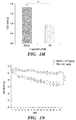
- FIGS. 1A-1P 4-Phenylbutyrate (PBA) increases leptin sensitivity in the ob/ob mice.
- mice Nine-week old lean wt and ob/ob mice were orally treated with either PBA (1 g/kg/day) or vehicle (VEH) for 26 days and PERK (Thr980) phosphorylation is examined in the hypothalamus extracts with direct immunoblotting.
- B Ten week-old wt lean and ob/ob mice were intraperitoneally injected with leptin (0.1 mg/kg) after six-hour starvation. Hypothalami were removed 30 minutes after the injections, and pStat3 Tyr705 and total Stat3 levels were examined.
- C Nine-week old lean wt and ob/ob mice were orally treated with PBA (1 g/kg/day) for 10 days.
- leptin-deficient ob/ob mice were either administered with VEH or with different doses of leptin through the intraperitoneal route.
- FIG. 2A-2D PBA and leptin co-administration in db/db mouse model.
- mice Six-week old db/db mice were orally treated with either PBA (1 g/kg/day) or VEH for four days. Following the pretreatment period, leptin receptor-deficient db/db mice were either administered with VEH or leptin (1 mg/kg) through intraperitoneal route for 16 days.
- (a) Bodyweight (g), (b) percent increase in bodyweight and (c) 24-hour food intake, (d) Blood glucose (mg/dl) levels of the groups. (n 5 in each group). Error bars are ⁇ S.E.M., P values are determined by Student's t-test. (*p ⁇ 0.05, **p ⁇ 0.01, ***p ⁇ 0.001).
- FIGS. 3A-3N Effect of PBA on the leptin sensitivity of diet-induced obese mice.
- mice C57BL/6 mice that were kept on high fat diet feeding for 25 weeks were either treated with vehicle or PBA (1 g/kg/day) for 10 days. Following the pretreatment period mice were given daily leptin (5 mg/kg/day, IP) treatment.
- leptin 5 mg/kg/day, IP
- mice were given daily leptin (5 mg/kg/day, IP) treatment.
- Metabolic cage analysis was performed after 25 days of treatment (d) O 2 consumption (ml/kg/hr), (e) CO 2 production (ml/kg/hr), (f) X-axis ambulatory activity,
- mice were starved for six hours and subsequently injected with leptin (IP, 1 mg/kg).
- leptin IP, 1 mg/kg.
- FIGS. 4A-4C Effect of PBA on HFD-fed obese mice
- mice were fed a HFD (60%) for 25 weeks and following an acclimation PBA (1 gr/kg/day) and vehicle treatment was initiated.
- (c) daily food intake of VEH and PBA-treated HFD-fed obese mice were analyzed during the 16 days of treatment period.
- (n 5 in each group) Error bars are ⁇ S.E.M., P values are determined by Student's t-test (*p ⁇ 0.05, **p ⁇ 0.01, ***p ⁇ 0.001).
- FIGS. 5A-5O Chemical chaperone Tauroursodeoxycholic acid (TUDCA) also acts as a leptin-sensitizer.
- TUDCA Tauroursodeoxycholic acid
- FIGS. 6A-6C Effect of TUDCA on leptin action in the C57BL6 wt-lean mice.
- mice Following an initial acclimation period, eight week-old wt lean mice were treated with vehicle (VEH), Leptin (1 mg/kg/day) (L), TUDCA (150 mg/kg/day) (TUD) or leptin and TUDCA together for a period of 30 days.
- VEH vehicle
- Leptin 1 mg/kg/day
- TUDCA 150 mg/kg/day
- leptin and TUDCA a period of 30 days.
- g Bodyweight
- the invention relates to methods and compositions for the treatment of obesity.
- Increase in leptin resistance leads to a lower response to leptin in diet induced rodent models of obesity and obese humans.
- obese individuals tend to be resistant to leptin—that is, the administration of leptin alone does not provide the necessary therapeutic effect to satisfy the therapeutic need for anti-obesity agents.
- Much work has focused on the identification of leptin analogs or agonists that circumvent the resistance issue.
- leptin itself can be effective if combined with an agent that reduces ER stress.
- agents that prevent or reduce ER stress also increase leptin sensitivity.
- Agents that reduce ER stress can, in some instances, have effects on their own to reduce obesity, but it is demonstrated herein that agents that reduce ER stress synergize with leptin to reduce obesity.
- Stynergize is meant that the effect with the combination of agents is greater than the additive effect of the agents alone.
- the methods and compositions relate to use of an agent that increases leptin sensitivity in a subject.
- Increase in leptin sensitivity can be measured by measuring leptin-stimulated Stat3(Tyr705) phosphorylation and/or LepRB phosphorylation, both of which are stimulated by leptin in sensitive cells.
- a statistically significant increase in either type of signaling induced by leptin in the presence, as opposed to the absence of an agent that reduces ER stress is indicative of increased leptin sensitivity due to that agent; a statistically significant increase of at least 10%, and preferably at least 20%, 30%, 50%, 75% or more, up to and including 100%, 2 ⁇ , 3 ⁇ , 5 ⁇ , 10 ⁇ or more is preferred.
- the invention provides a method of treating obesity including selecting a subject in need of treatment; and administering an agent that increases leptin sensitivity of the subject.
- co-administration of leptin with an agent that reduces ER stress leads to augmentation in the effect of leptin.
- compositions relate to the use of an agent that reduces or prevents endoplasmic reticulum stress in conjunction with leptin.
- a method of treating obesity including selecting a subject in need of treatment; administering an agent that reduces or prevents endoplasmic reticulum stress; and administering leptin.
- an agent that reduces or prevents ER stress can act in any manner.
- the agent may increase the capacity of the ER to process proteins (e.g., increasing the ER folding capacity, increasing the expression of ER chaperones, increasing the levels of post-translational machinery).
- the agent may reduce the quantity of proteins to be processed by the ER (e.g., decreasing the total level of protein produced in a cell, reducing the level of protein processed by the ER, reducing the level of mutant proteins, reducing the level of misfolded proteins).
- Yet other agents may cause the release of misfolded/mutant proteins from the ER.
- the agent may work in all cells, or the effect may be limited to certain cells type (e.g., secretory cells, epithelial cells, hepatocytes, adipocytes, endocrine cells, etc. . . . ).
- the agents may work on the trascriptional, translational, post-translational, or protein level to reduce or prevent ER stress.
- Agents that reduce or prevent ER stress can include small molecules, proteins, nucleic acids, other chemical compounds and derivatives thereof.
- small molecule refers to organic compounds, whether naturally-occurring or artificially created (e.g., via chemical synthesis) that have relatively low molecular weight and that are not proteins, polypeptides, or nucleic acids. Individual amino acids, nucleosides, nucleotides and derivatives thereof are considered small molecules. Peptides with 10 and less amino acids and oligonucleotides with 5 and less nucleotides are also considered as small molecules. Typically, small molecules have a molecular weight of less than 1500 g/mol.
- agents that reduce or prevent ER stress can be identified using methods available in the art.
- agents can be identified by measuring their effect on level of expression of ER stress markers.
- ER stress markers include, for example, spliced forms of XBP-1, ATF6 ⁇ , phosphorylation status of PERK (Thr980), phosphorylation status of eIF ⁇ (Ser51), phosphorylation status of IRE-1 ⁇ (Ser724), mRNA and protein levels of GRP/78BIP and JNK activity. Any other cellular marker known to be indicative of ER stress can also be used. The levels of these markers may be measured by any method known in the art including western blot, northern blot, immunoassay, or enzyme assay.
- the agent is contacted with a cell already experiencing ER stress.
- the ER stress in the cell may be caused by any technique known in the art.
- ER stress may be due to genetic alteration in the cells (e.g. XBP-1 mutations) or the treatment with a chemical compound known to cause ER stress (e.g. tunicamycin, thapsigargin).
- the level of ER stress markers is assayed before and after addition of the agent to determine if the compound reduces ER stress. Level of only one or a combination of two or more ER stress markers are measured.
- Agents that reduce the levels of ER stress markers by at least about 5%, 10%, 20%, 30%, 40%, 50%, 60%, 70%, 80%, 90%, 95%, 99% or 100%, preferably at least 20%, more preferably at least 50% are considered amenable to the current invention.
- the agent is a chemical chaperone.
- a chemical chaperone is a compound known to stabilize protein conformation against denaturation (e.g., chemical denaturation, thermal denaturation), thereby preserving protein structure and function (Welch et al. Cell Stress Chaperones 1:109-115, 1996; incorporated herein by reference).
- Examples of chemical chaperones include, but are not limited to, glycerol, deuterated water (D 2 O), dimethylsulfoxide (DMSO), methyl amines, trimethylamine N-oxide (TMAO), glycerophosphocholine, modified amino acids (e.g., glycine betaine (betaine)), glycerolphosphocholine (GPC), 4-phenyl butyrate or 4-phenyl butyric acid (PBA), methylamines, and tauroursodeoxycholic acid (TUDCA), ectoine (1,4,5,6-tetrahydro-2-methyl-4-pyrimidinecarboxylic acid), taurin, 1-deoxy-galactononjirimycin (DGJ), deoxynojirimycin (NN-DNJ), calnexin, calreticulin, 2,6-diaminopurine, pyrimethamine, thioguanine, transerythin, heat shock proteins (e.g., Hs
- the subject is administered an agent that prevents or reduces ER stress and then after some time has passed, e.g., at least 30 minutes, 1 hours, 2 hours, 3 hours, 4 hours have passed, leptin is administered.
- the subject is administered the agent for at least 1 day, at least 2 days, at least 3 days, at least 4 days, at least 5 days, at least 6 days, at least 1 week, at least 2 weeks, at least 3 week, or at least a month, before administration of leptin.
- the agent and leptin are administered at the same time or within a short period of time, e.g. within 24 hours.
- the agent and the leptin are administrated within a short period of time, they can be administrated in any order.
- the agent is administrated first.
- leptin is administrated first.
- the agent to reduce or prevent endoplasmic reticulum stress is selected from the group consisting of 4-phenyl butyric acid, tauroursodeoxycholic acid, derivatives thereof, isomers thereof, pharmaceutically acceptable salts thereof, or combinations thereof.
- the agent is 4-phenyl butyric acid.
- the agent is a derivative, isomer, or pharmaceutically acceptable salt of 4-phenyl butyric acid.
- the agent is of the formula:
- n is 1 or 2;
- R 1 is aryl, heteroaryl, or phenoxy, the aryl and phenoxy being unsubstituted or substituted with, independently, one or more halogen, hydroxy or lower alkyl;
- R 2 and R 3 are independently H, lower alkoxy, hydroxy, lower alkyl or halogen; and
- R 4 and R 5 are independently H, lower alkyl, lower alkoxy or halogen; or a pharmaceutically-acceptable derivative or salt thereof.
- R 1 is phenyl, naphthyl, or phenoxy, the phenyl, naphthyl and phenoxy being unsubstituted or substituted with, independently, one or more moieties of halogen, hydroxy or lower alkyl.
- R 1 is phenyl, naphthyl, or phenoxy, the phenyl, naphthyl and phenoxy being unsubstituted or substituted with, independently, from 1 to 4 moieties of halogen, hydroxy or lower alkyl of from 1 to 4 carbon atoms;
- R 2 and R 3 are, independently, H, hydroxy, lower alkoxy of from 1 to 2 carbon atoms, lower straight or branched chain alkyl of from 1 to 4 carbon atoms or halogen; and
- R 4 and R 5 are, independently, H, lower alkoxy of from 1 to 2 carbon atoms, lower straight or branched chain alkyl of from 1 to 4 carbon atoms or halogen.
- n is 1. In another embodiment of this and other aspects described herein, n is 2. In another embodiment, R 1 is phenyl. In another embodiment of this and other aspects described herein, R 1 is substituted phenyl. In one embodiment of this and other aspects described herein, the substitution on the phenyl at R 1 is from 1 to 4 halogen moieties. In another embodiment of this and other aspects described herein, R 4 and R 5 are both —H.
- lower alkyl as used herein means an alkyl group having from 1 to 10 carbons, preferably from 1 to 6 and more preferably from 1 to 4 carbon atoms in its backbone structure which may be straight or branched-chain.
- lower alkyl groups include, but are not limited to, methyl, ethyl, n-propyl, i-propyl, tert-butyl, n-butyl, hexyl, heptyl, octyl and so forth.
- the term “lower alkyl” includes a straight chain alkyl having 4 or fewer carbon atoms in its backbone, e.g. C 1 -C 4 alkyl.
- the agent is tauroursodeoxycholic acid (TUDCA).
- the agent is a derivative, isomer, or pharmaceutically acceptable salt of TUDCA.
- the agent is of the formula:
- R is —H or C 1 -C 4 alkyl
- R 1 is —CH 2 —SO 3 R 3 and R 2 is —H, —CH 3 , —CH 2 —CH 2 —CONH 2 , —CH 2 —CONH 2 , —CH 2 —CH 2 —SCH 2 or —CH 2 —S—CH 2 —COOH
- R 1 is —COOH and R 2 is —H, —CH 3 , —CH 2 —CH 2 —CONH 2 , —CH 2 —CONH 2 , —CH 2 —CH 2 —SCH 2 or —CH 2 —S—CH 2 —COOH
- R 3 is —H or the residue of a basic amino acid, or a pharmaceutically acceptable salt or derivative thereof.
- R 1 is —CH 2 —SO 3 H and R 2 is —H. In one embodiment, R is —H. In one embodiment, R 1 is —COOH and R 2 is —H or —CH 3 . In one embodiment, R 1 is —COOH and R 2 is —H or —CH 3 .
- the agent is of the formula:
- R 1 , R 2 and R 3 are independently hydrogen, halogen, or lower alkyl of from 1 to 6 carbons; or a pharmaceutically acceptable slat thereof; or a mixture thereof.
- R 1 , R 2 and R 3 are the same.
- at least one of R 1 , R 2 and R 3 is different.
- all of R 1 , R 2 and R 3 are different.
- R 1 , R 2 and R 3 are independently hydrogen or lower alkyl having about 1 to 6 carbons.
- R 1 , R 2 and R 3 are lower alkyl having about 1 to 6 carbons.
- R 1 , R 2 and R 3 are methyl, ethyl, or propyl. In certain embodiments, R 1 , R 2 and R 3 are ethyl. In yet another embodiment, R 1 , R 2 and R 3 are methyl, i.e. the agent is trimethyl-N-oxide (TMAO).
- TMAO trimethyl-N-oxide
- each chiral carbon in the above formulas can have the ‘R’ configuration or the ‘S’ configuration.
- each chiral carbon can have the ‘R’ configuration or the ‘S’ configuration independently of other chiral carbons.
- the agent is optically pure. In one embodiment, the agent is racemic. In one embodiment, the agent comprises at least 1%, at least 5%, at least 10%, at least 20%, at least 30%, at least 40%, at least 50%, at least 60%, at least 70%, at least 80%, at least 90%, or at least 95%, enantiomeric or diastereomeric access of the R-isomer. In another embodiment, the agent comprises at least 1%, at least 5%, at least 10%, at least 20%, at least 30%, at least 40%, at least 50%, at least 60%, at least 70%, at least 80%, at least 90%, or at least 95%, enantiomeric or diastereomeric access of the S-isomer.
- the subject is a mammal. In another embodiment of this and other aspects described herein, the mammal is a human.
- composition including an agent that reduces or prevents endoplasmic reticulum stress, or a pharmaceutically acceptable salt thereof; and leptin.
- the composition further comprises a pharmaceutically acceptable excipient or carrier.
- the agent is selected from the group consisting of 4-phenyl butyric acid, tauroursodeoxycholic acid, derivatives thereof, isomers thereof, pharmaceutically acceptable salts thereof, or combinations thereof.
- the agent is 4-phenyl butyric acid.
- the agent is tauroursodeoxycholic acid. In another embodiment, the agent increase leptin sensitivity.
- a method of treating obesity including selecting a subject in need of treatment, administering an agent that inhibits the unfolded protein response (UPR), and administering leptin, leptin derivatives or leptin isoforms.
- UCR unfolded protein response
- a method of treating obesity including selecting a subject in need of treatment, administering an agent that inhibits the reduces or prevents ER stress and administering at least one of alpha-MSH, an MC4 receptor agonist, and an MC3 receptor agonist.
- a method of treating obesity including selecting a subject in need of treatment, administering an agent that inhibits the unfolded protein response (UPR), and administering at least one of alpha-MSH, an MC4 receptor agonist, and an MC3 receptor agonist.
- URR unfolded protein response
- a method of treating obesity including selecting a subject in need of treatment, administering an agent that increases expression of XBP1s or active ATF6, and administering leptin, leptin derivatives or leptin isoforms.
- a method of treating obesity including selecting a subject in need of treatment, administering an agent that increases expression of XBP1s or active ATF6, and administering at least one of alpha-MSH, an MC4 receptor agonist, and an MC3 receptor agonist.
- a method of treating obesity including selecting a subject in need of treatment; administering an agent that reduces or prevents endoplasmic reticulum stress; and relying on the subject's own leptin level.
- Obesity is an escalating problem that constitutes a major threat to global human health.
- An alarming increase in the incidence of obesity among the pediatric population casts the disease into a new and more concerning dimension 2,3 .
- urgent therapeutic interventions are needed, effective therapeutic modalities to cure or prevent the development of obesity are limited.
- the present work demonstrates that obesity creates ER stress and initiates the unfolded protein response signaling pathways in the hypothalamus, which in turn leads to inhibition of leptin receptor signaling and creation of leptin resistance.
- Acute generation of ER stress in the hypothalamus of lean mice creates a phenotype similar to that seen in the brain of the obese mice.
- Tunicamycin infusion to the third ventricle increases AgRP and NPY levels and completely blocks leptin-stimulated Stat3 activation.
- enhancement of ER capacity leads to a robust LepRb activation, indicating that ER folding machinery is directly related to the leptin sensitivity.
- PBA and TUDCA pretreatment increase the leptin sensitivity of both genetic and diet-induced obesity models.
- high-dose leptin robustly reduces the bodyweight of the ob/ob mice, at lower doses, such as 0.1 mg/kg/day, it is minimally effective.
- PBA co-administration with either high or low dose of leptin augments the efficacy of leptin.
- co-administration of PBA with only 0.1 mg/kg/day leptin provides equivalent weight loss to that seen with 1 mg/kg/day leptin alone, which could be defined as a ten-fold sensitization.
- a leptin-sensitizing agent has not been previously described despite the long-standing efforts in both academia and industry.
- the results presented herein provide evidence that chemical chaperones, particularly PBA and TUDCA can be used as leptin-sensitizing agents.
- the current work indicates that increased ER stress and UPR signaling is a critical feature of leptin resistance and that targeting this system with chemical chaperones increases sensitivity of obese mice to leptin.
- these results define a novel treatment option for obesity.
- Agents of the present invention can be administered orally, parenterally, for example, subcutaneously, intravenously, intramuscularly, intraperitoneally, by intranasal instillation, or by application to mucous membranes, such as those of the nose, throat, and bronchial tubes. They may be administered alone or with suitable pharmaceutical carriers, and can be in solid or liquid form such as tablets, capsules, powders, solutions, suspensions, or emulsions.
- suitable pharmaceutical carrier includes pharmaceutically acceptable material, composition or vehicle, such as a liquid or solid filler, diluent, excipient, solvent or encapsulating material, involved in maintaining the agent in a deliverable form or in carrying or transporting the active agent from one organ, or portion of the body, to another organ, or portion of the body.
- a liquid or solid filler such as a liquid or solid filler, diluent, excipient, solvent or encapsulating material, involved in maintaining the agent in a deliverable form or in carrying or transporting the active agent from one organ, or portion of the body, to another organ, or portion of the body.
- Each carrier must be “suitable” in the sense of being compatible with the other ingredients of the formulation and not injurious to the subject.
- materials which can serve as suitable pharmaceutical carriers include, but are not limited to, (1) sugars, such as lactose, glucose, saccharin and sucrose; (2) starches, such as corn starch and potato starch; (3) cellulose, and its derivatives, such as sodium carboxymethyl cellulose, ethyl cellulose and cellulose acetate; (4) powdered tragacanth; (5) malt; (6) gelatin; (7) talc; (8) excipients, such as dicalcium phosphate, cocoa butter and suppository waxes; (9) oils, such as peanut oil, cottonseed oil, safflower oil, sesame oil, olive oil, corn oil and soybean oil; (10) glycols, such as proplene glycol; (11) polyols, such as glycerine, sorbitol, mannitol and polyethylene glycol; (12) esters, such as ethyl oleate and ethyl laurate; (13) agar; (14) buffer
- the active agents of the present invention can be orally administered, for example, with an inert diluent, or with an assimilable edible carrier, or they may be enclosed in hard or soft shell capsules, or they may be compressed into tablets, or they may be incorporated directly with the food of the diet.
- these active agents may be incorporated with excipients and used in the form of tablets, capsules, elixirs, suspensions, syrups, and the like.
- Such compositions and preparations should contain at least 0.1% of active agent.
- the percentage of the agent in these compositions may, of course, be varied and may conveniently be between about 2% to about 60% of the weight of the unit.
- the amount of active agent in such therapeutically useful compositions is such that a suitable dosage will be obtained.
- Preferred compositions according to the present invention are prepared so that an oral dosage unit contains between about 1 and 1000 mg of active agent.
- Actual dosage levels and time course of administration of the active agent in such therapeutically useful compositions may be varied so as to obtain an amount of the active agent which is effective to achieve the desired therapeutic response for a particular subject and mode of administration, without being toxic to the subject.
- the tablets, capsules, and the like may also contain a binder such as gum tragacanth, acacia, corn starch, or gelatin; excipients such as dicalcium phosphate; a disintegrating agent such as corn starch, potato starch, alginic acid; a lubricant such as magnesium stearate; and a sweetening agent such as sucrose, lactose, or saccharin.
- a binder such as gum tragacanth, acacia, corn starch, or gelatin
- excipients such as dicalcium phosphate
- a disintegrating agent such as corn starch, potato starch, alginic acid
- a lubricant such as magnesium stearate
- a sweetening agent such as sucrose, lactose, or saccharin.
- a liquid carrier such as a fatty oil.
- tablets may be coated with shellac, sugar, or both.
- a syrup may contain, in addition to the active ingredient, sucrose as a sweetening agent, methyl and propylparabens as preservatives, a dye, and flavoring such as cherry or orange flavor.
- active agents may also be administered parenterally.
- Solutions or suspensions of these active agents can be prepared in water suitably mixed with a surfactant, such as hydroxypropylcellulose.
- Dispersions can also be prepared in glycerol, liquid polyethylene glycols, and mixtures thereof in oils.
- Illustrative oils are those of petroleum, animal, vegetable, or synthetic origin, for example, peanut oil, soybean oil, or mineral oil.
- water, saline, aqueous dextrose and related sugar solution, and glycols such as, propylene glycol or polyethylene glycol, are preferred liquid carriers, particularly for injectable solutions. Under ordinary conditions of storage and use, these preparations contain a preservative to prevent the growth of microorganisms.
- the pharmaceutical forms suitable for injectable use include sterile aqueous solutions or dispersions and sterile powders for the extemporaneous preparation of sterile injectable solutions or dispersions.
- the form must be sterile and must be fluid to the extent that easy syringability exists. It must be stable under the conditions of manufacture and storage and must be preserved against the contaminating action of microorganisms, such as bacteria and fungi.
- the carrier can be a solvent or dispersion medium containing, for example, water, ethanol, polyol (e.g., glycerol, propylene glycol, and liquid polyethylene glycol), suitable mixtures thereof, and vegetable oils.
- the agents of the present invention may also be administered directly to the airways in the form of an aerosol.
- the agents of the present invention in solution or suspension may be packaged in a pressurized aerosol container together with suitable propellants, for example, hydrocarbon propellants like propane, butane, or isobutane with conventional adjuvants.
- suitable propellants for example, hydrocarbon propellants like propane, butane, or isobutane with conventional adjuvants.
- suitable propellants for example, hydrocarbon propellants like propane, butane, or isobutane with conventional adjuvants.
- the materials of the present invention also may be administered in a non-pressurized form such as in a nebulizer or atomizer.
- a preferred dose of the agent of the present invention is the maximum that a subject can tolerate and not develop serious side effects.
- the agent of the present invention is administrated at a concentration of about 0.001 ⁇ g to about 1000 mg per kilogram of body weight, about 0.001 ⁇ g to about 100 mg per kilogram of body weight, about 0.001 ⁇ g to about 10 mg per kilogram of body weight, or about 0.001 ⁇ g to about 1 mg per kilogram of body weight. Ranges intermediate to the above-recited values are also intended to be part of the invention.
- Efficacy of the methods of the invention can be monitored by measuring changes in body weight, food intake over a given period of time, blood glucose levels, O 2 consumption, % and total body fat content. A statistically significant change in any of these parameters can be considered evidence of therapeutic efficacy. It is preferred that a given marker change by at least 10%, at least 20%, at least 30%, at least 50% or more in effective therapy. Where, for example, a decrease in a parameter, e.g., total body fat, is used as an indicator, a decrease of at least 5%, 10%, 20%, 30%, 40%, 50% or more is considered effective.
- a parameter e.g., total body fat
- the increase can be e.g., at least 5%, 10%, 20%, 30%, 50% or more, up to 80%, 90%, 100% or more, up to 2 ⁇ , 3 ⁇ , 5 ⁇ , 10 ⁇ or more.
- the present invention may be as defined in any one of the following numbered paragraphs.
- hypothalamus extracts of mice fed a normal (ND) or high fat diet (HFD) for a period of 20 weeks.
- PERK phosphorylation (Thr 980) was seen to be significantly increased in hypothalami of the HFD-fed mice when compared with ND-fed mice, indicating to a state of activated UPR.
- Beta-actin immunoblotting was performed in the same hypothalamic extracts to confirm that protein concentration is equal between the hypothalamic protein samples.
- the leptin receptor belongs to the interleukin 6 (IL-6) receptor family of class I cytokine receptors 30 .
- the long form (LepRb) has been shown to mediate the anorexigenic effect of leptin in the central nervous system.
- LepRb does not have intrinsic kinase activity and instead signals through noncovalently associated Jak2.
- Binding of leptin to LepRb initiates a conformational change that leads to trans-autophosphorylation and activation of LepRb-associated Jak2 31,32 Activated Jak2 then phosphorylates the tyrosine residues within the LepRb/Jak2 complex to mediate downstream signaling.
- LepRB is folded in the ER
- ER stress blocks leptin receptor translocation to the membrane from the ER and whether this could be a reason for the blockade of leptin signaling.
- leptin-binding assays in DMSO and tunicamycin-treated cells to exclude the possibility of a defect in binding of leptin to LepRB. Surprisingly leptin binding to LepRB significantly increased in ER stress conditions (data not shown).
- ER stress-responsive genes such as the spliced form of X-box binding protein 1 (XBP1s), CCAAT/enhancer-binding protein-homologous protein (CHOP) and endoplasmic reticulum resident DNAJ 4 (ERDJ4) were significantly upregulated in hypothalami of tunicamycin-infused mice(data not shown), indicating that ER stress can be induced in the hypothalamus of lean mice by tunicamycin infusion.
- NPY neuropeptide Y
- AgRP agouti related peptide
- Intraperitoneal administration of leptin has been shown to activate the LepRb signaling in the hypothalamus, and is a validated method for analysis of leptin receptor signaling in the brain 34 .
- leptin (1 mg/kg/day) was intraperitoneally administered 51 ⁇ 2 hours after tunicamycin infusion. The experiment was ended by dissection of the hypothalami 30 minutes after leptin administration. IP administration of leptin led to a marked increase in Stat3 phosphorylation in the hypothalamus (data not shown).
- the endoribonuclease domain of IRE1 cleaves the mRNA of the transcription factor XBP1 and initiates removal of a 26 bp nucleotide from its mRNA 22,23 .
- This process creates a translational frame switch by combination of two open reading frames, leading to translation of a highly active transcription factor called the spliced form of XBP1 (XBP1s), one of the master regulators of ER folding capacity.
- XBP1s upregulates the gene expression of ER chaperones, components of ER associated degradation (ERAD) and also plays an important role in ER expansion.
- XBP1s binds to the promoter region of genes that contain the endoplasmic reticulum stress element (ERSE) and unfolded response element (UPRE) 23 .
- Ad-XBP1s XBP1s-encoding adenovirus
- Ad-LacZ LacZ-expressing adenovirus
- ERSE promoter activity was significantly upregulated showing that the exogenously expressed XBP1s protein is functional (data not shown). Furthermore we analyzed the ERDJ4 mRNA levels after Ad-XBP1s infection to show that ER folding capacity is indeed upregulated. ERDJ4 is a chaperone and involved in folding of ER proteins. Infection of the 293 cells with the Ad-XBP1s led to a significant upregulation of the ERDJ4 mRNA levels. After showing that Ad-XBP1s is functional and can increase ER folding capacity, we subsequently overexpressed the XBP1s in the LepRb-expressing 293 cells and performed two sets of experiments.
- Activating transcription factor 6 ⁇ belongs to the bZIP transcription factor family and is also a fundamental regulator of ER adaptive capacity 23 .
- the active form (NH 2 -terminal) of ATF6 ⁇ (ATF6n) upregulates transcription of ER stress responsive genes 23 . Accordingly, we constructed adenovirus expressing the NH 2 -terminal (1-373 aa) of ATF6 ⁇ (Ad-ATF6n).
- Chemical chaperones constitute a group of low molecular-weight compounds that have been shown to increase ER folding capacity and decrease the accumulation and aggregation of misfolded proteins in the ER lumen, and consequently reduce ER stress 36 .
- 4-Phenyl butyrate (PBA) and Tauroursodeoxycholic acid (TUDCA) are U.S. Food and Drug Administration (FDA)-approved agents and have high safety profile in humans 37,38 .
- PBA and TUDCA relieve ER stress in liver and adipose tissues, enhance insulin sensitivity, and maintain euglycemia in a mouse model of severe obesity and type 2 diabetes (ob/ob) 25 .
- PBA and TUDCA also exert chaperone activity within the CNS 39-41 and were previously suggested in the treatment of neurodegenerative diseases harboring ER stress as an underlying pathology.
- Ob/ob mice are known to respond to high levels of leptin. If our view, which is implying that obesity conditions or the conditions that are leading to obesity create ER stress and consequently leptin resistance is a valid one, then ER stress should also be up regulated in the hypothalamus of the ob/ob mice and this should create at least some degree of leptin resistance, which, in turn, should be ameliorated by the blockade of UPR signaling.
- Obesity owing to a high fat diet is fundamentally different from that seen in ob/ob mice in that it occurs in the face of high leptin levels.
- mice that were kept on HFD for 25 weeks were pretreated with vehicle or PBA for 10 days, and then given leptin treatment (5 mg/kg/day). Leptin administration to the vehicle-treated group led to an acute weight loss, which was rapidly regained ( FIG. 3 a ).
- Leptin resistance in obesity arises due to both impairment of leptin action in the hypothalamus and defects in the transport of leptin in the blood brain barrier 14,42 .
- PBA treatment caused a generalized increase in the blood brain barrier permeability
- mice were anesthetized and perfused with saline and then 4% paraformaldehyde. After the fixation, brains were removed. Following the necessary further fixation and sectioning, Fluoro-gold staining was performed on the whole brain slices.
- Fluoro-gold immunostaining was seen in the median eminence (ME) of both VEH and the PBA-treated mice (data not shown). Reactivity against the Fluoro-gold is not different between the vehicle and PBA-treated groups. Fluoro-gold-labeled neurons should be present in the areas like ventro-medial hypothalamus (VMH), dorso-medial hypothalamus (DMH) and lateral hypothalamic area (LHA), if the BBB permeability is perturbed. However, we did not observe any Fluoro-gold-labeled neurons in these areas indicating that BBB permeability is not increased with the use of PBA. (data not shown)
- TUDCA is a hydrophilic bile acid, which has a completely different structure than PBA, but has chemical chaperone activity in common 25 .
- TUDCA can reduce ER stress in the hypothalamus of the ob/ob mice. For this purpose we treated ob/ob mice either with vehicle or TUDCA (150 mg/kg/day) for a period of 21 days and analyzed the hypothalamic PERK phosphorylation.
- TUDCA treatment similar to PBA, down regulated the PERK activity, indicating that TUDCA is also capable of reducing ER stress in the hypothalamus of the ob/ob mice ( FIG. 5A ).
- TUDCA might also act as a leptin-sensitizing agent.
- leptin 1 mg/kg
- Leptin treatment decreased the body weight from 50.50 ⁇ 0.55 to 43.75 ⁇ 0.22, which corresponds to a 9.27 ⁇ 1.34% reduction from the initial value.
- Body weight of the ob/ob mice decreased further with leptin and TUDCA co-treatment and reached to 34.39 ⁇ 1.30 g from 50.55 ⁇ 1.14 g (Lep vs. TUD+Lep, p ⁇ 0.001).
- leptin together with TUDCA led to a 25.14 ⁇ 1.83% reduction during the 18 days of treatment (Lep vs. TUD+Lep, P ⁇ 0.001).
- mice were used 35 weeks old and C57BL/6 wt mice, which were kept on HFD-feeding for 32 weeks. We divided the mice into two groups for TUDCA and TUDCA-leptin co-treatment. Body weight of the mice in this cohort was between 35-52 g. We specifically chose the mice with the highest bodyweight for TUDCA and leptin co-treatment group to investigate whether leptin will become effective in these severely obese mice when administered along with the TUDCA. The initial body weight of the TUDCA group was 38.33 ⁇ 1.16 (g) and TUDCA+leptin group was 48.46 ⁇ 1.82 (g) ( FIG.
- mice were treated with TUDCA (150 mg/kg/day) for four days, and subsequently either vehicle or TUDCA treatment was started. During the first three days of acclimation phase both of the groups lost ⁇ 2 g of body weight and then had a stable bodyweight for the last three days. Following the acclimation, TUDCA pretreatment was started and following the five-day pretreatment, vehicle and leptin (1 mg/kg/day) administration were initiated. TUDCA alone led to a significant decrease in bodyweight by reducing the initial weight from 36.16 ⁇ 0.99 (g) to 32.61 ⁇ 0.65 during the 16 days of treatment period ( FIG. 5 n ).
- TUDCA administration of 50 mg/kg/day TUDCA to the ob/ob mice also significantly sensitizes this model to leptin.
- leptin's bodyweight reducing effect is significantly more than the leptin alone (Lep vs. TUD (50 mg/kg/day)+Lep, 9.27 ⁇ 1.34% vs. 15 ⁇ 0.87%, p ⁇ 0.001).
- the limited efficacy of PBA could be the underlying reason for PBA's inability alone to decrease the bodyweight in HFD-induced obesity model, since the leptin amount in the circulation may not be enough to overcome the remaining leptin resistance after the PBA treatment.
Landscapes
- Health & Medical Sciences (AREA)
- Life Sciences & Earth Sciences (AREA)
- Veterinary Medicine (AREA)
- Animal Behavior & Ethology (AREA)
- Chemical & Material Sciences (AREA)
- Public Health (AREA)
- General Health & Medical Sciences (AREA)
- Medicinal Chemistry (AREA)
- Pharmacology & Pharmacy (AREA)
- Epidemiology (AREA)
- Bioinformatics & Cheminformatics (AREA)
- Engineering & Computer Science (AREA)
- Proteomics, Peptides & Aminoacids (AREA)
- Immunology (AREA)
- Gastroenterology & Hepatology (AREA)
- Obesity (AREA)
- Genetics & Genomics (AREA)
- Endocrinology (AREA)
- Zoology (AREA)
- Nuclear Medicine, Radiotherapy & Molecular Imaging (AREA)
- Child & Adolescent Psychology (AREA)
- Hematology (AREA)
- Chemical Kinetics & Catalysis (AREA)
- General Chemical & Material Sciences (AREA)
- Diabetes (AREA)
- Organic Chemistry (AREA)
- Pharmaceuticals Containing Other Organic And Inorganic Compounds (AREA)
- Medicines That Contain Protein Lipid Enzymes And Other Medicines (AREA)
Priority Applications (1)
| Application Number | Priority Date | Filing Date | Title |
|---|---|---|---|
| US12/992,128 US9283277B2 (en) | 2008-05-12 | 2009-05-12 | Methods and compositions for the treatment of obesity |
Applications Claiming Priority (4)
| Application Number | Priority Date | Filing Date | Title |
|---|---|---|---|
| US5241908P | 2008-05-12 | 2008-05-12 | |
| US14102408P | 2008-12-29 | 2008-12-29 | |
| PCT/US2009/043607 WO2009140265A2 (en) | 2008-05-12 | 2009-05-12 | Methods and compositions for the treatment of obesity |
| US12/992,128 US9283277B2 (en) | 2008-05-12 | 2009-05-12 | Methods and compositions for the treatment of obesity |
Publications (2)
| Publication Number | Publication Date |
|---|---|
| US20110183899A1 US20110183899A1 (en) | 2011-07-28 |
| US9283277B2 true US9283277B2 (en) | 2016-03-15 |
Family
ID=41319288
Family Applications (1)
| Application Number | Title | Priority Date | Filing Date |
|---|---|---|---|
| US12/992,128 Active 2030-11-06 US9283277B2 (en) | 2008-05-12 | 2009-05-12 | Methods and compositions for the treatment of obesity |
Country Status (5)
| Country | Link |
|---|---|
| US (1) | US9283277B2 (de) |
| EP (1) | EP2285398A4 (de) |
| AU (1) | AU2009246539B2 (de) |
| CA (1) | CA2723833A1 (de) |
| WO (1) | WO2009140265A2 (de) |
Families Citing this family (6)
| Publication number | Priority date | Publication date | Assignee | Title |
|---|---|---|---|---|
| US20140065099A1 (en) * | 2011-02-15 | 2014-03-06 | Ecole Polytechnique Federale De Lausanne (Epfl) | Methods of Treating Mitochondrial Dysfunction |
| EP2750688A4 (de) * | 2011-09-02 | 2015-07-29 | Childrens Medical Center | Verfahren und zusammensetzungen zur förderung der glucose-homöostase |
| US11154559B2 (en) * | 2011-09-29 | 2021-10-26 | Ethicon Endo-Surgery, Inc. | Methods and compositions of bile acids |
| US9872865B2 (en) * | 2013-03-24 | 2018-01-23 | Amylyx Pharmaceuticals Inc. | Compositions for improving cell viability and methods of use thereof |
| US11583542B2 (en) | 2019-12-16 | 2023-02-21 | Amylyx Pharmaceuticals, Inc. | Compositions of bile acids and phenylbutyrate compounds |
| US12138272B2 (en) | 2022-05-12 | 2024-11-12 | Amylyx Pharmaceuticals, Inc. | Methods and compositions for treating amyotrophic lateral sclerosis |
Citations (5)
| Publication number | Priority date | Publication date | Assignee | Title |
|---|---|---|---|---|
| EP0835879A2 (de) | 1996-10-11 | 1998-04-15 | Eli Lilly And Company | Analoge des Obesitätsproteins und sie enthaltende pharmazeutisch wirksame Zubereitungen |
| WO2000020872A1 (en) | 1998-10-02 | 2000-04-13 | Amgen Inc. | Method to determine a predisposition to leptin treatment |
| WO2006031931A2 (en) | 2004-09-15 | 2006-03-23 | The President And Fellows Of Harvard College | Reducing er stress in the treatment of obesity and diabetes |
| KR20070105685A (ko) | 2006-04-27 | 2007-10-31 | 영남대학교 산학협력단 | 메트포르민을 포함하는 비만치료용 조성물 |
| WO2008136547A1 (en) | 2007-05-07 | 2008-11-13 | University Of Ulsan Foundation For Industry Cooperation | Method of preventing or treating body weight disorders by employing clusterin |
Family Cites Families (4)
| Publication number | Priority date | Publication date | Assignee | Title |
|---|---|---|---|---|
| US20872A (en) * | 1858-07-13 | Washing-machine | ||
| US835879A (en) * | 1906-08-14 | 1906-11-13 | Frank P Bowman | Harrow. |
| WO2005100819A1 (ja) * | 2004-04-16 | 2005-10-27 | Aisin Aw Co.,Ltd | 車輌用自動変速機 |
| JP2007281762A (ja) * | 2006-04-05 | 2007-10-25 | Matsushita Electric Ind Co Ltd | フィルタ装置およびこれを用いた半導体装置 |
-
2009
- 2009-05-12 WO PCT/US2009/043607 patent/WO2009140265A2/en not_active Ceased
- 2009-05-12 EP EP09747349A patent/EP2285398A4/de not_active Withdrawn
- 2009-05-12 CA CA2723833A patent/CA2723833A1/en not_active Abandoned
- 2009-05-12 AU AU2009246539A patent/AU2009246539B2/en not_active Ceased
- 2009-05-12 US US12/992,128 patent/US9283277B2/en active Active
Patent Citations (5)
| Publication number | Priority date | Publication date | Assignee | Title |
|---|---|---|---|---|
| EP0835879A2 (de) | 1996-10-11 | 1998-04-15 | Eli Lilly And Company | Analoge des Obesitätsproteins und sie enthaltende pharmazeutisch wirksame Zubereitungen |
| WO2000020872A1 (en) | 1998-10-02 | 2000-04-13 | Amgen Inc. | Method to determine a predisposition to leptin treatment |
| WO2006031931A2 (en) | 2004-09-15 | 2006-03-23 | The President And Fellows Of Harvard College | Reducing er stress in the treatment of obesity and diabetes |
| KR20070105685A (ko) | 2006-04-27 | 2007-10-31 | 영남대학교 산학협력단 | 메트포르민을 포함하는 비만치료용 조성물 |
| WO2008136547A1 (en) | 2007-05-07 | 2008-11-13 | University Of Ulsan Foundation For Industry Cooperation | Method of preventing or treating body weight disorders by employing clusterin |
Non-Patent Citations (38)
| Title |
|---|
| Adan et al., British Journal of Pharmacology, 149:815-827 (2006). "The MC4 receptor and control of appetite.". |
| Ahima, R.S., et al. Role of leptin in the neuroendocrine response to fasting. Nature 382, 250-252 (1996). |
| Banks, W.A. The many lives of leptin. Peptides 25, 331-338 (2004). |
| Bence, K.K., et al. Neuronal PTP1B regulates body weight, adiposity and leptin action. Nat Med 12, 917-924 (2006). |
| Bjorbak, C., et al. SOCS3 mediates feedback inhibition of the leptin receptor via Tyr985. J Biol Chem 275, 40649-40657 (2000). |
| Database accession No. 2007:500004, "Endoplasmic reticulum stress induced leptin resistance", 1 page, submitted May 5, 2007, updated Jun. 7, 2007, accessed Apr. 12, 2012. |
| De Almeida et al., J. Biol. Chem, 282(38):27905-27912 (2007). "Chemical chaperones reduce endoplasmic reticulum stress and prevent mutant HFE aggregate formation." |
| Elmquist, J.K. From lesions to leptin: hypothalamic control of food intake and body weight. Neuron 22, 221-232 (1999). |
| Farooqi, I.S. Monogenic obesity in humans. Annu Rev Med 56, 443-458 (2005). |
| Flier, J.S. Obesity wars: molecular progress confronts an expanding epidemic. Cell 116, 337-350 (2004). |
| Friedman, J.M. Leptin and the regulation of body weight in mammals. Nature 395, 763-770 (1998). |
| Gao, Q. Neurobiology of feeding and energy expenditure. Annu Rev Neurosci 30, 367-398 (2007). |
| Halaas, J.L., et al. Weight-reducing effects of the plasma protein encoded by the obese gene. Science 269, 543-546 (1995). |
| Ishida-Takahashi, R., et al. Phosphorylation of Jak2 on Ser(523) inhibits Jak2-dependent leptin receptor signaling. Mol Cell Biol 26, 4063-4073 (2006). |
| Kim et al., Diabetes, 55:715-724 (2006). "Metformin restores leptin sensitivity in high-fat-fed obese rats with leptin resistance." |
| Leibel, R.L., The molecular genetics of rodent single gene obesities. J Biol Chem 272, 31937-31940 (1997). |
| Marciniak, S.J. Endoplasmic reticulum stress signaling in disease. Physiol Rev 86, 1133-1149 (2006). |
| Minamino, et al., "Endoplasmic reticulum stress as a therapeutic target in cardiovascular disease", Circ Res., 107:1071-82 (2010). |
| Mittendorfer, et al., "Recombinant human leptin treatment does not improve insulin action in obese subjects with type 2 diabetes", Diabetes, 60:1474-77 (2011). |
| Moon, et al., "Efficacy of metreleptin in obese patients with type 2 diabetes: cellular and molecular pathways underlying leptin tolerance", diabetes, 60:1647-56 (2011). |
| Muoio, D.M. Obesity-Related Derangements in Metabolic Regulation. Annu Rev Biochem (2006). |
| Myers, M.G., Jr. Leptin receptor signaling and the regulation of mammalian physiology. Recent Prog Horm Res 59, 287-304 (2004). |
| Myers, M.G., Jr. Metabolic sensing and regulation by the hypothalamus. Am J Physiol Endocrinol Metab 294, E809 (2008). |
| Narayan, K.M., Boyle, J.P., Thompson, T.J., Sorensen, S.W. & Williamson, D.F. Lifetime risk for diabetes mellitus in the United States. Jama 290, 1884-1890 (2003). |
| Ozcan, U., et al. Chemical chaperones reduce ER stress and restore glucose homeostasis in a mouse model of type 2 diabetes. Science 313, 1137-1140 (2006). |
| Ozcan, U., et al. Endoplasmic reticulum stress links obesity, insulin action, and type 2 diabetes. Science 306, 457-461 (2004). |
| Ozcan, U., et al. Loss of the tuberous sclerosis complex tumor suppressors triggers the unfolded protein response to regulate insulin signaling and apoptosis. Mol Cell 29, 541-551 (2008). |
| Proulx, K. The regulation of energy balance by the central nervous system. Psychiatr Clin North Am 28, 25-38, vii (2005). |
| Quentin, et al., "Metformin differentially activates ER stress signaling pathways without inducing apoptosis", Disease Meth Mech., 5:259-69 (2012). |
| Rocchini, A.P. Childhood obesity and a diabetes epidemic. N Engl J Med 346, 854-855 (2002). |
| Ron, D. Signal integration in the endoplasmic reticulum unfolded protein response. Nat Rev Mol Cell Biol 8, 519-529 (2007). |
| Rozhavskaya-Arena, et al., "Design of a synthetic, leptin agonist: effects on energy balance, glucose homeostasis, and thermoregulation", Endocrinology, 141(7):2501-7 (2000). |
| Scarpace and Zhang "Leptin resistance : a predisposing factor for diet-induced obesity", Am J Physiol Regul Integr Comp Physiol., 296(3):R493-500 (2009). |
| Scheuner, D., et al. Control of mRNA translation preserves endoplasmic reticulum function in beta cells and maintains glucose homeostasis. Nat Med 11, 757-764 (2005). |
| Schroder, M. The mammalian unfolded protein response. Annu Rev Biochem 74, 739-789 (2005). |
| Schwartz, M.W. Obesity: keeping hunger at bay. Nature 418, 595-597 (2002). |
| Schwartz, M.W., Central nervous system control of food intake. Nature 404, 661-671 (2000). |
| Stein, C.J. The epidemic of obesity. J Clin Endocrinol Metab 89, 2522-2525 (2004). |
Also Published As
| Publication number | Publication date |
|---|---|
| AU2009246539A1 (en) | 2009-11-19 |
| WO2009140265A3 (en) | 2010-01-07 |
| EP2285398A4 (de) | 2012-05-30 |
| US20110183899A1 (en) | 2011-07-28 |
| EP2285398A2 (de) | 2011-02-23 |
| WO2009140265A2 (en) | 2009-11-19 |
| AU2009246539B2 (en) | 2014-12-04 |
| CA2723833A1 (en) | 2009-11-19 |
Similar Documents
| Publication | Publication Date | Title |
|---|---|---|
| US20230285328A1 (en) | Methods and Compositions for the Treatment of Steatosis-Associated Disorders | |
| Ozcan et al. | Endoplasmic reticulum stress plays a central role in development of leptin resistance | |
| Taghibiglou et al. | Hepatic very low density lipoprotein-ApoB overproduction is associated with attenuated hepatic insulin signaling and overexpression of protein-tyrosine phosphatase 1B in a fructose-fed hamster model of insulin resistance | |
| US8440695B2 (en) | Use of chloroquine to treat metabolic syndrome | |
| AU2009246539B2 (en) | Methods and compositions for the treatment of obesity | |
| JP2008513465A (ja) | 肥満及び糖尿病の治療におけるerストレス低減 | |
| Chen et al. | Mitochondrial quality control in diabetes mellitus and complications: molecular mechanisms and therapeutic strategies | |
| Li et al. | Targeting hepatic serine-arginine protein kinase 2 ameliorates alcohol-associated liver disease by alternative splicing control of lipogenesis | |
| WO2023086561A1 (en) | Combination of a ssao inhibitor and thr-beta agonist for use in the treatment of liver disorders | |
| US20080027052A1 (en) | Methods for treating cystic kidney disease | |
| WO2002076435A2 (en) | Lipid profile modulation with steroids | |
| Ma et al. | A critical role for hepatic protein arginine methyltransferase 1 isoform 2 in glycemic control | |
| KR101915016B1 (ko) | 자가포식 향상물질 및 그 용도 | |
| Ren et al. | Protracted rosiglitazone treatment exacerbates inflammation in white adipose tissues of adipocyte-specific Nfe2l1 knockout mice | |
| US9693994B2 (en) | Class IIa HDAC inhibitors for the treatment of infection | |
| US12180474B2 (en) | Methods of treating porphyria | |
| Huang et al. | Harmine attenuates renal fibrosis via Twist1 suppression: A novel anti-fibrotic strategy for chronic kidney disease with efficacy/safety profiling | |
| US9572862B2 (en) | Methods for promoting lipolysis and oxidation in liver and adipose tissue using catestatin | |
| US20230256051A1 (en) | Modified kisspeptin receptor agonists for fatty liver disease | |
| JP2019516764A (ja) | 分泌障害の処置のための方法および組成物 | |
| JP2018508534A (ja) | 肥満、糖尿病、および関連障害を処置するために有用な作用物質 | |
| WO2016145532A1 (en) | Cmpf for the treatment or prevention of hepatic steatosis | |
| EP3834888A2 (de) | Mittel zur behandlung von alkoholmissbrauch | |
| WO2025024320A2 (en) | Methods of treating dilated cardiomyopathy | |
| Tiano | Estrogen Receptor Activation Suppresses Lipogenesis and Reduces Lipid Accumulation in Pancreatic Islets and Prevents Lipotoxic beta-cell Failure |
Legal Events
| Date | Code | Title | Description |
|---|---|---|---|
| AS | Assignment |
Owner name: CHILDREN'S MEDICAL CENTER CORPORATION, MASSACHUSET Free format text: ASSIGNMENT OF ASSIGNORS INTEREST;ASSIGNORS:OZCAN, UMUT;OZCAN, LALE;SIGNING DATES FROM 20090727 TO 20090730;REEL/FRAME:023467/0134 |
|
| AS | Assignment |
Owner name: CHILDREN'S MEDICAL CENTER CORPORATION, MASSACHUSET Free format text: ASSIGNMENT OF ASSIGNORS INTEREST;ASSIGNORS:OZCAN, UMUT;OZCAN, LALE;SIGNING DATES FROM 20090727 TO 20090730;REEL/FRAME:025359/0133 |
|
| STCF | Information on status: patent grant |
Free format text: PATENTED CASE |
|
| CC | Certificate of correction | ||
| MAFP | Maintenance fee payment |
Free format text: PAYMENT OF MAINTENANCE FEE, 4TH YR, SMALL ENTITY (ORIGINAL EVENT CODE: M2551); ENTITY STATUS OF PATENT OWNER: SMALL ENTITY Year of fee payment: 4 |
|
| MAFP | Maintenance fee payment |
Free format text: PAYMENT OF MAINTENANCE FEE, 8TH YR, SMALL ENTITY (ORIGINAL EVENT CODE: M2552); ENTITY STATUS OF PATENT OWNER: SMALL ENTITY Year of fee payment: 8 |