US9241507B2 - Reducing agent from microorganism belonging to genus Bacillus and application for same - Google Patents
Reducing agent from microorganism belonging to genus Bacillus and application for same Download PDFInfo
- Publication number
- US9241507B2 US9241507B2 US14/048,538 US201314048538A US9241507B2 US 9241507 B2 US9241507 B2 US 9241507B2 US 201314048538 A US201314048538 A US 201314048538A US 9241507 B2 US9241507 B2 US 9241507B2
- Authority
- US
- United States
- Prior art keywords
- meat
- color tone
- bacillus
- reducing agent
- color
- Prior art date
- Legal status (The legal status is an assumption and is not a legal conclusion. Google has not performed a legal analysis and makes no representation as to the accuracy of the status listed.)
- Active, expires
Links
- 239000003638 chemical reducing agent Substances 0.000 title claims abstract description 64
- 244000005700 microbiome Species 0.000 title claims abstract description 43
- 241000193830 Bacillus <bacterium> Species 0.000 title abstract description 24
- 235000013372 meat Nutrition 0.000 claims abstract description 125
- 244000063299 Bacillus subtilis Species 0.000 claims abstract description 58
- 235000014469 Bacillus subtilis Nutrition 0.000 claims abstract description 58
- 230000001580 bacterial effect Effects 0.000 claims abstract description 37
- 150000003278 haem Chemical class 0.000 claims abstract description 35
- 238000011161 development Methods 0.000 claims abstract description 30
- 241000193744 Bacillus amyloliquefaciens Species 0.000 claims abstract description 13
- 241000194106 Bacillus mycoides Species 0.000 claims abstract description 13
- 241000193388 Bacillus thuringiensis Species 0.000 claims abstract description 13
- 229940097012 bacillus thuringiensis Drugs 0.000 claims abstract description 13
- 102000004190 Enzymes Human genes 0.000 claims description 53
- 108090000790 Enzymes Proteins 0.000 claims description 53
- 238000000034 method Methods 0.000 claims description 37
- 235000020991 processed meat Nutrition 0.000 claims description 28
- 108010062374 Myoglobin Proteins 0.000 claims description 26
- 230000006872 improvement Effects 0.000 claims description 24
- 102000004316 Oxidoreductases Human genes 0.000 claims description 21
- 108090000854 Oxidoreductases Proteins 0.000 claims description 21
- 230000009471 action Effects 0.000 claims description 21
- 102000004459 Nitroreductase Human genes 0.000 claims description 13
- 240000004808 Saccharomyces cerevisiae Species 0.000 claims description 13
- 108020001162 nitroreductase Proteins 0.000 claims description 13
- XEEYBQQBJWHFJM-UHFFFAOYSA-N Iron Chemical compound [Fe] XEEYBQQBJWHFJM-UHFFFAOYSA-N 0.000 claims description 10
- 238000005562 fading Methods 0.000 claims description 10
- 102000003875 Ferrochelatase Human genes 0.000 claims description 7
- 108010057394 Ferrochelatase Proteins 0.000 claims description 7
- HCHKCACWOHOZIP-UHFFFAOYSA-N Zinc Chemical compound [Zn] HCHKCACWOHOZIP-UHFFFAOYSA-N 0.000 claims description 6
- 229910052742 iron Inorganic materials 0.000 claims description 6
- 239000011701 zinc Substances 0.000 claims description 6
- 229910052725 zinc Inorganic materials 0.000 claims description 6
- 102000007056 Recombinant Fusion Proteins Human genes 0.000 claims description 5
- 108010008281 Recombinant Fusion Proteins Proteins 0.000 claims description 5
- 230000001133 acceleration Effects 0.000 claims description 4
- 241000894006 Bacteria Species 0.000 claims description 2
- 230000003449 preventive effect Effects 0.000 claims description 2
- 125000003275 alpha amino acid group Chemical group 0.000 claims 5
- 101710088194 Dehydrogenase Proteins 0.000 claims 1
- 102000036675 Myoglobin Human genes 0.000 claims 1
- 108010028127 Dihydrolipoamide Dehydrogenase Proteins 0.000 description 74
- 102000028526 Dihydrolipoamide Dehydrogenase Human genes 0.000 description 74
- 230000000694 effects Effects 0.000 description 67
- 239000000523 sample Substances 0.000 description 58
- 239000000341 volatile oil Substances 0.000 description 52
- 229940088598 enzyme Drugs 0.000 description 48
- 210000004027 cell Anatomy 0.000 description 37
- 101150038999 yodC gene Proteins 0.000 description 36
- 239000000243 solution Substances 0.000 description 35
- 238000011282 treatment Methods 0.000 description 32
- FAPWRFPIFSIZLT-UHFFFAOYSA-M Sodium chloride Chemical compound [Na+].[Cl-] FAPWRFPIFSIZLT-UHFFFAOYSA-M 0.000 description 31
- 229930027945 nicotinamide-adenine dinucleotide Natural products 0.000 description 31
- 238000004587 chromatography analysis Methods 0.000 description 30
- 108010017705 metmyoglobin reductase Proteins 0.000 description 30
- 239000000843 powder Substances 0.000 description 29
- 230000018109 developmental process Effects 0.000 description 27
- 102100030856 Myoglobin Human genes 0.000 description 25
- 229910052588 hydroxylapatite Inorganic materials 0.000 description 23
- BOPGDPNILDQYTO-NNYOXOHSSA-N nicotinamide-adenine dinucleotide Chemical compound C1=CCC(C(=O)N)=CN1[C@H]1[C@H](O)[C@H](O)[C@@H](COP(O)(=O)OP(O)(=O)OC[C@@H]2[C@H]([C@@H](O)[C@@H](O2)N2C3=NC=NC(N)=C3N=C2)O)O1 BOPGDPNILDQYTO-NNYOXOHSSA-N 0.000 description 23
- XYJRXVWERLGGKC-UHFFFAOYSA-D pentacalcium;hydroxide;triphosphate Chemical compound [OH-].[Ca+2].[Ca+2].[Ca+2].[Ca+2].[Ca+2].[O-]P([O-])([O-])=O.[O-]P([O-])([O-])=O.[O-]P([O-])([O-])=O XYJRXVWERLGGKC-UHFFFAOYSA-D 0.000 description 23
- 239000003814 drug Substances 0.000 description 22
- 239000000126 substance Substances 0.000 description 22
- 102000013460 Malate Dehydrogenase Human genes 0.000 description 21
- 108010026217 Malate Dehydrogenase Proteins 0.000 description 21
- 108010029165 Metmyoglobin Proteins 0.000 description 21
- KRKNYBCHXYNGOX-UHFFFAOYSA-N citric acid Chemical compound OC(=O)CC(O)(C(O)=O)CC(O)=O KRKNYBCHXYNGOX-UHFFFAOYSA-N 0.000 description 21
- 235000002639 sodium chloride Nutrition 0.000 description 21
- 238000011981 development test Methods 0.000 description 19
- 108090000623 proteins and genes Proteins 0.000 description 19
- BFSVOASYOCHEOV-UHFFFAOYSA-N 2-diethylaminoethanol Chemical compound CCN(CC)CCO BFSVOASYOCHEOV-UHFFFAOYSA-N 0.000 description 18
- 239000003795 chemical substances by application Substances 0.000 description 17
- 239000000872 buffer Substances 0.000 description 16
- XLYOFNOQVPJJNP-UHFFFAOYSA-N water Chemical compound O XLYOFNOQVPJJNP-UHFFFAOYSA-N 0.000 description 16
- 150000001413 amino acids Chemical group 0.000 description 15
- -1 potassium ferricyanide Chemical compound 0.000 description 15
- 239000010949 copper Substances 0.000 description 14
- 239000011780 sodium chloride Substances 0.000 description 14
- LPXPTNMVRIOKMN-UHFFFAOYSA-M sodium nitrite Chemical compound [Na+].[O-]N=O LPXPTNMVRIOKMN-UHFFFAOYSA-M 0.000 description 14
- 238000005406 washing Methods 0.000 description 14
- 239000000203 mixture Substances 0.000 description 13
- 238000000746 purification Methods 0.000 description 13
- 230000009257 reactivity Effects 0.000 description 13
- 238000010828 elution Methods 0.000 description 12
- 125000001997 phenyl group Chemical group [H]C1=C([H])C([H])=C(*)C([H])=C1[H] 0.000 description 12
- 235000018102 proteins Nutrition 0.000 description 12
- 102000004169 proteins and genes Human genes 0.000 description 12
- 102000008015 Hemeproteins Human genes 0.000 description 11
- 108010089792 Hemeproteins Proteins 0.000 description 11
- 108010054147 Hemoglobins Proteins 0.000 description 11
- 102000001554 Hemoglobins Human genes 0.000 description 11
- 235000014680 Saccharomyces cerevisiae Nutrition 0.000 description 11
- 208000037265 diseases, disorders, signs and symptoms Diseases 0.000 description 11
- 239000000284 extract Substances 0.000 description 11
- 239000001963 growth medium Substances 0.000 description 11
- 238000004519 manufacturing process Methods 0.000 description 11
- 239000003921 oil Substances 0.000 description 11
- 235000019198 oils Nutrition 0.000 description 11
- 238000012360 testing method Methods 0.000 description 11
- 230000010757 Reduction Activity Effects 0.000 description 10
- RAXXELZNTBOGNW-UHFFFAOYSA-N imidazole Natural products C1=CNC=N1 RAXXELZNTBOGNW-UHFFFAOYSA-N 0.000 description 10
- 230000002265 prevention Effects 0.000 description 10
- PEDCQBHIVMGVHV-UHFFFAOYSA-N Glycerine Chemical compound OCC(O)CO PEDCQBHIVMGVHV-UHFFFAOYSA-N 0.000 description 9
- 229920002472 Starch Polymers 0.000 description 9
- 238000002835 absorbance Methods 0.000 description 9
- 238000001042 affinity chromatography Methods 0.000 description 9
- 230000008859 change Effects 0.000 description 9
- 238000002360 preparation method Methods 0.000 description 9
- 239000008107 starch Substances 0.000 description 9
- 235000019698 starch Nutrition 0.000 description 9
- 108010061951 Methemoglobin Proteins 0.000 description 8
- XJLXINKUBYWONI-DQQFMEOOSA-N [[(2r,3r,4r,5r)-5-(6-aminopurin-9-yl)-3-hydroxy-4-phosphonooxyoxolan-2-yl]methoxy-hydroxyphosphoryl] [(2s,3r,4s,5s)-5-(3-carbamoylpyridin-1-ium-1-yl)-3,4-dihydroxyoxolan-2-yl]methyl phosphate Chemical compound NC(=O)C1=CC=C[N+]([C@@H]2[C@H]([C@@H](O)[C@H](COP([O-])(=O)OP(O)(=O)OC[C@@H]3[C@H]([C@@H](OP(O)(O)=O)[C@@H](O3)N3C4=NC=NC(N)=C4N=C3)O)O2)O)=C1 XJLXINKUBYWONI-DQQFMEOOSA-N 0.000 description 8
- 239000000654 additive Substances 0.000 description 8
- 229910052751 metal Inorganic materials 0.000 description 8
- 239000002184 metal Substances 0.000 description 8
- 230000002829 reductive effect Effects 0.000 description 8
- 238000002415 sodium dodecyl sulfate polyacrylamide gel electrophoresis Methods 0.000 description 8
- 239000006228 supernatant Substances 0.000 description 8
- 210000001519 tissue Anatomy 0.000 description 8
- 206010021143 Hypoxia Diseases 0.000 description 7
- 239000004480 active ingredient Substances 0.000 description 7
- 235000015165 citric acid Nutrition 0.000 description 7
- 229960004106 citric acid Drugs 0.000 description 7
- 208000035475 disorder Diseases 0.000 description 7
- 238000002523 gelfiltration Methods 0.000 description 7
- 238000006722 reduction reaction Methods 0.000 description 7
- 150000003839 salts Chemical class 0.000 description 7
- 235000010288 sodium nitrite Nutrition 0.000 description 7
- 239000003381 stabilizer Substances 0.000 description 7
- CIWBSHSKHKDKBQ-JLAZNSOCSA-N Ascorbic acid Chemical compound OC[C@H](O)[C@H]1OC(=O)C(O)=C1O CIWBSHSKHKDKBQ-JLAZNSOCSA-N 0.000 description 6
- FBPFZTCFMRRESA-KVTDHHQDSA-N D-Mannitol Chemical compound OC[C@@H](O)[C@@H](O)[C@H](O)[C@H](O)CO FBPFZTCFMRRESA-KVTDHHQDSA-N 0.000 description 6
- WQZGKKKJIJFFOK-GASJEMHNSA-N Glucose Natural products OC[C@H]1OC(O)[C@H](O)[C@@H](O)[C@@H]1O WQZGKKKJIJFFOK-GASJEMHNSA-N 0.000 description 6
- DNIAPMSPPWPWGF-UHFFFAOYSA-N Propylene glycol Chemical compound CC(O)CO DNIAPMSPPWPWGF-UHFFFAOYSA-N 0.000 description 6
- JQRLYSGCPHSLJI-UHFFFAOYSA-N [Fe].N1C(C=C2N=C(C=C3NC(=C4)C=C3)C=C2)=CC=C1C=C1C=CC4=N1 Chemical compound [Fe].N1C(C=C2N=C(C=C3NC(=C4)C=C3)C=C2)=CC=C1C=C1C=CC4=N1 JQRLYSGCPHSLJI-UHFFFAOYSA-N 0.000 description 6
- 238000007792 addition Methods 0.000 description 6
- 235000001014 amino acid Nutrition 0.000 description 6
- 150000001768 cations Chemical class 0.000 description 6
- 238000006243 chemical reaction Methods 0.000 description 6
- 238000002347 injection Methods 0.000 description 6
- 239000007924 injection Substances 0.000 description 6
- KFZAUHNPPZCSCR-UHFFFAOYSA-N iron zinc Chemical group [Fe].[Zn] KFZAUHNPPZCSCR-UHFFFAOYSA-N 0.000 description 6
- 239000007788 liquid Substances 0.000 description 6
- 239000002304 perfume Substances 0.000 description 6
- 230000009467 reduction Effects 0.000 description 6
- 239000000725 suspension Substances 0.000 description 6
- 241000186570 Clostridium kluyveri Species 0.000 description 5
- 101150013950 DLD gene Proteins 0.000 description 5
- 239000004166 Lanolin Substances 0.000 description 5
- 230000000996 additive effect Effects 0.000 description 5
- QVGXLLKOCUKJST-UHFFFAOYSA-N atomic oxygen Chemical compound [O] QVGXLLKOCUKJST-UHFFFAOYSA-N 0.000 description 5
- 239000011230 binding agent Substances 0.000 description 5
- 230000002255 enzymatic effect Effects 0.000 description 5
- 230000001747 exhibiting effect Effects 0.000 description 5
- 238000001641 gel filtration chromatography Methods 0.000 description 5
- 239000008103 glucose Substances 0.000 description 5
- 235000019388 lanolin Nutrition 0.000 description 5
- 229940039717 lanolin Drugs 0.000 description 5
- 239000002609 medium Substances 0.000 description 5
- CXKWCBBOMKCUKX-UHFFFAOYSA-M methylene blue Chemical compound [Cl-].C1=CC(N(C)C)=CC2=[S+]C3=CC(N(C)C)=CC=C3N=C21 CXKWCBBOMKCUKX-UHFFFAOYSA-M 0.000 description 5
- 229960000907 methylthioninium chloride Drugs 0.000 description 5
- 229920005615 natural polymer Polymers 0.000 description 5
- 150000007524 organic acids Chemical class 0.000 description 5
- 239000001301 oxygen Substances 0.000 description 5
- 229910052760 oxygen Inorganic materials 0.000 description 5
- 108010050846 oxymyoglobin Proteins 0.000 description 5
- 239000000546 pharmaceutical excipient Substances 0.000 description 5
- 229920001184 polypeptide Polymers 0.000 description 5
- 235000015277 pork Nutrition 0.000 description 5
- 108090000765 processed proteins & peptides Proteins 0.000 description 5
- 102000004196 processed proteins & peptides Human genes 0.000 description 5
- 238000012216 screening Methods 0.000 description 5
- 235000013311 vegetables Nutrition 0.000 description 5
- QKNYBSVHEMOAJP-UHFFFAOYSA-N 2-amino-2-(hydroxymethyl)propane-1,3-diol;hydron;chloride Chemical compound Cl.OCC(N)(CO)CO QKNYBSVHEMOAJP-UHFFFAOYSA-N 0.000 description 4
- KPGXRSRHYNQIFN-UHFFFAOYSA-N 2-oxoglutaric acid Chemical compound OC(=O)CCC(=O)C(O)=O KPGXRSRHYNQIFN-UHFFFAOYSA-N 0.000 description 4
- 244000223760 Cinnamomum zeylanicum Species 0.000 description 4
- RGHNJXZEOKUKBD-SQOUGZDYSA-N D-gluconic acid Chemical compound OC[C@@H](O)[C@@H](O)[C@H](O)[C@@H](O)C(O)=O RGHNJXZEOKUKBD-SQOUGZDYSA-N 0.000 description 4
- VZCYOOQTPOCHFL-OWOJBTEDSA-N Fumaric acid Chemical compound OC(=O)\C=C\C(O)=O VZCYOOQTPOCHFL-OWOJBTEDSA-N 0.000 description 4
- 208000025499 G6PD deficiency Diseases 0.000 description 4
- 241001465754 Metazoa Species 0.000 description 4
- 125000001429 N-terminal alpha-amino-acid group Chemical group 0.000 description 4
- MWUXSHHQAYIFBG-UHFFFAOYSA-N Nitric oxide Chemical compound O=[N] MWUXSHHQAYIFBG-UHFFFAOYSA-N 0.000 description 4
- IOVCWXUNBOPUCH-UHFFFAOYSA-M Nitrite anion Chemical compound [O-]N=O IOVCWXUNBOPUCH-UHFFFAOYSA-M 0.000 description 4
- 229910019142 PO4 Inorganic materials 0.000 description 4
- NBIIXXVUZAFLBC-UHFFFAOYSA-N Phosphoric acid Chemical compound OP(O)(O)=O NBIIXXVUZAFLBC-UHFFFAOYSA-N 0.000 description 4
- 239000004365 Protease Substances 0.000 description 4
- 229920002684 Sepharose Polymers 0.000 description 4
- 229930006000 Sucrose Natural products 0.000 description 4
- CZMRCDWAGMRECN-UGDNZRGBSA-N Sucrose Chemical compound O[C@H]1[C@H](O)[C@@H](CO)O[C@@]1(CO)O[C@@H]1[C@H](O)[C@@H](O)[C@H](O)[C@@H](CO)O1 CZMRCDWAGMRECN-UGDNZRGBSA-N 0.000 description 4
- WNLRTRBMVRJNCN-UHFFFAOYSA-N adipic acid Chemical compound OC(=O)CCCCC(O)=O WNLRTRBMVRJNCN-UHFFFAOYSA-N 0.000 description 4
- 208000007502 anemia Diseases 0.000 description 4
- 239000011324 bead Substances 0.000 description 4
- WQZGKKKJIJFFOK-VFUOTHLCSA-N beta-D-glucose Chemical compound OC[C@H]1O[C@@H](O)[C@H](O)[C@@H](O)[C@@H]1O WQZGKKKJIJFFOK-VFUOTHLCSA-N 0.000 description 4
- 229920002678 cellulose Polymers 0.000 description 4
- 239000001913 cellulose Substances 0.000 description 4
- OSASVXMJTNOKOY-UHFFFAOYSA-N chlorobutanol Chemical compound CC(C)(O)C(Cl)(Cl)Cl OSASVXMJTNOKOY-UHFFFAOYSA-N 0.000 description 4
- 235000017803 cinnamon Nutrition 0.000 description 4
- 230000007423 decrease Effects 0.000 description 4
- 201000010099 disease Diseases 0.000 description 4
- 208000008605 glucosephosphate dehydrogenase deficiency Diseases 0.000 description 4
- 235000011187 glycerol Nutrition 0.000 description 4
- 229940093915 gynecological organic acid Drugs 0.000 description 4
- 238000011534 incubation Methods 0.000 description 4
- 230000000302 ischemic effect Effects 0.000 description 4
- BPHPUYQFMNQIOC-NXRLNHOXSA-N isopropyl beta-D-thiogalactopyranoside Chemical compound CC(C)S[C@@H]1O[C@H](CO)[C@H](O)[C@H](O)[C@H]1O BPHPUYQFMNQIOC-NXRLNHOXSA-N 0.000 description 4
- JVTAAEKCZFNVCJ-UHFFFAOYSA-N lactic acid Chemical compound CC(O)C(O)=O JVTAAEKCZFNVCJ-UHFFFAOYSA-N 0.000 description 4
- 150000007522 mineralic acids Chemical class 0.000 description 4
- 235000005985 organic acids Nutrition 0.000 description 4
- 230000002018 overexpression Effects 0.000 description 4
- 235000021317 phosphate Nutrition 0.000 description 4
- 239000008213 purified water Substances 0.000 description 4
- 239000002904 solvent Substances 0.000 description 4
- 239000000758 substrate Substances 0.000 description 4
- 239000001993 wax Substances 0.000 description 4
- QTBSBXVTEAMEQO-UHFFFAOYSA-N Acetic acid Chemical compound CC(O)=O QTBSBXVTEAMEQO-UHFFFAOYSA-N 0.000 description 3
- 239000005995 Aluminium silicate Substances 0.000 description 3
- 208000031104 Arterial Occlusive disease Diseases 0.000 description 3
- 235000005979 Citrus limon Nutrition 0.000 description 3
- 244000131522 Citrus pyriformis Species 0.000 description 3
- 239000004375 Dextrin Substances 0.000 description 3
- 229920001353 Dextrin Polymers 0.000 description 3
- RTZKZFJDLAIYFH-UHFFFAOYSA-N Diethyl ether Chemical compound CCOCC RTZKZFJDLAIYFH-UHFFFAOYSA-N 0.000 description 3
- LFQSCWFLJHTTHZ-UHFFFAOYSA-N Ethanol Chemical compound CCO LFQSCWFLJHTTHZ-UHFFFAOYSA-N 0.000 description 3
- 235000017858 Laurus nobilis Nutrition 0.000 description 3
- 244000147568 Laurus nobilis Species 0.000 description 3
- 241000124008 Mammalia Species 0.000 description 3
- UEZVMMHDMIWARA-UHFFFAOYSA-N Metaphosphoric acid Chemical compound OP(=O)=O UEZVMMHDMIWARA-UHFFFAOYSA-N 0.000 description 3
- 241000235042 Millerozyma farinosa Species 0.000 description 3
- 239000001888 Peptone Substances 0.000 description 3
- 108010080698 Peptones Proteins 0.000 description 3
- 208000018262 Peripheral vascular disease Diseases 0.000 description 3
- 239000002202 Polyethylene glycol Substances 0.000 description 3
- 235000016639 Syzygium aromaticum Nutrition 0.000 description 3
- 244000223014 Syzygium aromaticum Species 0.000 description 3
- 239000002253 acid Substances 0.000 description 3
- 235000012211 aluminium silicate Nutrition 0.000 description 3
- BFNBIHQBYMNNAN-UHFFFAOYSA-N ammonium sulfate Chemical compound N.N.OS(O)(=O)=O BFNBIHQBYMNNAN-UHFFFAOYSA-N 0.000 description 3
- 238000012870 ammonium sulfate precipitation Methods 0.000 description 3
- 230000002421 anti-septic effect Effects 0.000 description 3
- 235000010323 ascorbic acid Nutrition 0.000 description 3
- 229960005070 ascorbic acid Drugs 0.000 description 3
- 239000011668 ascorbic acid Substances 0.000 description 3
- 238000003556 assay Methods 0.000 description 3
- 239000002585 base Substances 0.000 description 3
- 230000015572 biosynthetic process Effects 0.000 description 3
- 210000004556 brain Anatomy 0.000 description 3
- 239000006172 buffering agent Substances 0.000 description 3
- 229940041514 candida albicans extract Drugs 0.000 description 3
- 230000000747 cardiac effect Effects 0.000 description 3
- 238000010367 cloning Methods 0.000 description 3
- 238000012136 culture method Methods 0.000 description 3
- 238000012258 culturing Methods 0.000 description 3
- 208000029039 cyanide poisoning Diseases 0.000 description 3
- 235000019425 dextrin Nutrition 0.000 description 3
- 235000014113 dietary fatty acids Nutrition 0.000 description 3
- 238000010790 dilution Methods 0.000 description 3
- 239000012895 dilution Substances 0.000 description 3
- PRAKJMSDJKAYCZ-UHFFFAOYSA-N dodecahydrosqualene Natural products CC(C)CCCC(C)CCCC(C)CCCCC(C)CCCC(C)CCCC(C)C PRAKJMSDJKAYCZ-UHFFFAOYSA-N 0.000 description 3
- 238000001035 drying Methods 0.000 description 3
- 239000000975 dye Substances 0.000 description 3
- 238000004945 emulsification Methods 0.000 description 3
- 238000000605 extraction Methods 0.000 description 3
- 239000003925 fat Substances 0.000 description 3
- 235000019197 fats Nutrition 0.000 description 3
- 239000000194 fatty acid Substances 0.000 description 3
- 229930195729 fatty acid Natural products 0.000 description 3
- 150000004665 fatty acids Chemical class 0.000 description 3
- 238000004108 freeze drying Methods 0.000 description 3
- 238000007710 freezing Methods 0.000 description 3
- 230000008014 freezing Effects 0.000 description 3
- 230000014509 gene expression Effects 0.000 description 3
- 239000011521 glass Substances 0.000 description 3
- 238000010438 heat treatment Methods 0.000 description 3
- 230000007954 hypoxia Effects 0.000 description 3
- 238000010253 intravenous injection Methods 0.000 description 3
- 238000012423 maintenance Methods 0.000 description 3
- 235000010355 mannitol Nutrition 0.000 description 3
- 238000005259 measurement Methods 0.000 description 3
- 239000013642 negative control Substances 0.000 description 3
- 150000002823 nitrates Chemical class 0.000 description 3
- 230000003647 oxidation Effects 0.000 description 3
- 238000007254 oxidation reaction Methods 0.000 description 3
- 235000019319 peptone Nutrition 0.000 description 3
- 239000013612 plasmid Substances 0.000 description 3
- 229920001223 polyethylene glycol Polymers 0.000 description 3
- 239000003755 preservative agent Substances 0.000 description 3
- 230000002335 preservative effect Effects 0.000 description 3
- 239000000047 product Substances 0.000 description 3
- 235000019992 sake Nutrition 0.000 description 3
- 230000035939 shock Effects 0.000 description 3
- 239000007787 solid Substances 0.000 description 3
- 208000024891 symptom Diseases 0.000 description 3
- 239000002562 thickening agent Substances 0.000 description 3
- 230000002227 vasoactive effect Effects 0.000 description 3
- 239000012138 yeast extract Substances 0.000 description 3
- DSEKYWAQQVUQTP-XEWMWGOFSA-N (2r,4r,4as,6as,6as,6br,8ar,12ar,14as,14bs)-2-hydroxy-4,4a,6a,6b,8a,11,11,14a-octamethyl-2,4,5,6,6a,7,8,9,10,12,12a,13,14,14b-tetradecahydro-1h-picen-3-one Chemical compound C([C@H]1[C@]2(C)CC[C@@]34C)C(C)(C)CC[C@]1(C)CC[C@]2(C)[C@H]4CC[C@@]1(C)[C@H]3C[C@@H](O)C(=O)[C@@H]1C DSEKYWAQQVUQTP-XEWMWGOFSA-N 0.000 description 2
- BJEPYKJPYRNKOW-REOHCLBHSA-N (S)-malic acid Chemical compound OC(=O)[C@@H](O)CC(O)=O BJEPYKJPYRNKOW-REOHCLBHSA-N 0.000 description 2
- JAHNSTQSQJOJLO-UHFFFAOYSA-N 2-(3-fluorophenyl)-1h-imidazole Chemical compound FC1=CC=CC(C=2NC=CN=2)=C1 JAHNSTQSQJOJLO-UHFFFAOYSA-N 0.000 description 2
- OXQGTIUCKGYOAA-UHFFFAOYSA-N 2-Ethylbutanoic acid Chemical compound CCC(CC)C(O)=O OXQGTIUCKGYOAA-UHFFFAOYSA-N 0.000 description 2
- OVBFMEVBMNZIBR-UHFFFAOYSA-N 2-methylvaleric acid Chemical compound CCCC(C)C(O)=O OVBFMEVBMNZIBR-UHFFFAOYSA-N 0.000 description 2
- 102100031126 6-phosphogluconolactonase Human genes 0.000 description 2
- 108010029731 6-phosphogluconolactonase Proteins 0.000 description 2
- 241000251468 Actinopterygii Species 0.000 description 2
- GUBGYTABKSRVRQ-XLOQQCSPSA-N Alpha-Lactose Chemical compound O[C@@H]1[C@@H](O)[C@@H](O)[C@@H](CO)O[C@H]1O[C@@H]1[C@@H](CO)O[C@H](O)[C@H](O)[C@H]1O GUBGYTABKSRVRQ-XLOQQCSPSA-N 0.000 description 2
- 239000004475 Arginine Substances 0.000 description 2
- IJGRMHOSHXDMSA-UHFFFAOYSA-N Atomic nitrogen Chemical compound N#N IJGRMHOSHXDMSA-UHFFFAOYSA-N 0.000 description 2
- 240000007436 Cananga odorata Species 0.000 description 2
- 108010076119 Caseins Proteins 0.000 description 2
- 241000282693 Cercopithecidae Species 0.000 description 2
- 206010008190 Cerebrovascular accident Diseases 0.000 description 2
- 241000283153 Cetacea Species 0.000 description 2
- 235000002787 Coriandrum sativum Nutrition 0.000 description 2
- 244000018436 Coriandrum sativum Species 0.000 description 2
- 235000007129 Cuminum cyminum Nutrition 0.000 description 2
- 244000304337 Cuminum cyminum Species 0.000 description 2
- FBPFZTCFMRRESA-FSIIMWSLSA-N D-Glucitol Natural products OC[C@H](O)[C@H](O)[C@@H](O)[C@H](O)CO FBPFZTCFMRRESA-FSIIMWSLSA-N 0.000 description 2
- FBPFZTCFMRRESA-JGWLITMVSA-N D-glucitol Chemical compound OC[C@H](O)[C@@H](O)[C@H](O)[C@H](O)CO FBPFZTCFMRRESA-JGWLITMVSA-N 0.000 description 2
- RGHNJXZEOKUKBD-UHFFFAOYSA-N D-gluconic acid Natural products OCC(O)C(O)C(O)C(O)C(O)=O RGHNJXZEOKUKBD-UHFFFAOYSA-N 0.000 description 2
- SRBFZHDQGSBBOR-IOVATXLUSA-N D-xylopyranose Chemical compound O[C@@H]1COC(O)[C@H](O)[C@H]1O SRBFZHDQGSBBOR-IOVATXLUSA-N 0.000 description 2
- FEWJPZIEWOKRBE-JCYAYHJZSA-N Dextrotartaric acid Chemical compound OC(=O)[C@H](O)[C@@H](O)C(O)=O FEWJPZIEWOKRBE-JCYAYHJZSA-N 0.000 description 2
- 102000002322 Egg Proteins Human genes 0.000 description 2
- 108010000912 Egg Proteins Proteins 0.000 description 2
- 240000002943 Elettaria cardamomum Species 0.000 description 2
- 206010014561 Emphysema Diseases 0.000 description 2
- 240000006927 Foeniculum vulgare Species 0.000 description 2
- 235000004204 Foeniculum vulgare Nutrition 0.000 description 2
- 241000287828 Gallus gallus Species 0.000 description 2
- 108010010803 Gelatin Proteins 0.000 description 2
- 108010018962 Glucosephosphate Dehydrogenase Proteins 0.000 description 2
- WHUUTDBJXJRKMK-UHFFFAOYSA-N Glutamic acid Natural products OC(=O)C(N)CCC(O)=O WHUUTDBJXJRKMK-UHFFFAOYSA-N 0.000 description 2
- 229920002153 Hydroxypropyl cellulose Polymers 0.000 description 2
- 235000008227 Illicium verum Nutrition 0.000 description 2
- 240000007232 Illicium verum Species 0.000 description 2
- IMQLKJBTEOYOSI-GPIVLXJGSA-N Inositol-hexakisphosphate Chemical compound OP(O)(=O)O[C@H]1[C@H](OP(O)(O)=O)[C@@H](OP(O)(O)=O)[C@H](OP(O)(O)=O)[C@H](OP(O)(O)=O)[C@@H]1OP(O)(O)=O IMQLKJBTEOYOSI-GPIVLXJGSA-N 0.000 description 2
- ODKSFYDXXFIFQN-BYPYZUCNSA-P L-argininium(2+) Chemical compound NC(=[NH2+])NCCC[C@H]([NH3+])C(O)=O ODKSFYDXXFIFQN-BYPYZUCNSA-P 0.000 description 2
- CKLJMWTZIZZHCS-REOHCLBHSA-N L-aspartic acid Chemical compound OC(=O)[C@@H](N)CC(O)=O CKLJMWTZIZZHCS-REOHCLBHSA-N 0.000 description 2
- WHUUTDBJXJRKMK-VKHMYHEASA-N L-glutamic acid Chemical compound OC(=O)[C@@H](N)CCC(O)=O WHUUTDBJXJRKMK-VKHMYHEASA-N 0.000 description 2
- HNDVDQJCIGZPNO-YFKPBYRVSA-N L-histidine Chemical compound OC(=O)[C@@H](N)CC1=CN=CN1 HNDVDQJCIGZPNO-YFKPBYRVSA-N 0.000 description 2
- KDXKERNSBIXSRK-YFKPBYRVSA-N L-lysine Chemical compound NCCCC[C@H](N)C(O)=O KDXKERNSBIXSRK-YFKPBYRVSA-N 0.000 description 2
- GUBGYTABKSRVRQ-QKKXKWKRSA-N Lactose Natural products OC[C@H]1O[C@@H](O[C@H]2[C@H](O)[C@@H](O)C(O)O[C@@H]2CO)[C@H](O)[C@@H](O)[C@H]1O GUBGYTABKSRVRQ-QKKXKWKRSA-N 0.000 description 2
- KDXKERNSBIXSRK-UHFFFAOYSA-N Lysine Natural products NCCCCC(N)C(O)=O KDXKERNSBIXSRK-UHFFFAOYSA-N 0.000 description 2
- 239000004472 Lysine Substances 0.000 description 2
- TWRXJAOTZQYOKJ-UHFFFAOYSA-L Magnesium chloride Chemical compound [Mg+2].[Cl-].[Cl-] TWRXJAOTZQYOKJ-UHFFFAOYSA-L 0.000 description 2
- 235000014749 Mentha crispa Nutrition 0.000 description 2
- 244000246386 Mentha pulegium Species 0.000 description 2
- 235000016257 Mentha pulegium Nutrition 0.000 description 2
- 244000078639 Mentha spicata Species 0.000 description 2
- 235000004357 Mentha x piperita Nutrition 0.000 description 2
- 235000009421 Myristica fragrans Nutrition 0.000 description 2
- 244000270834 Myristica fragrans Species 0.000 description 2
- 240000007594 Oryza sativa Species 0.000 description 2
- 235000007164 Oryza sativa Nutrition 0.000 description 2
- 241001494479 Pecora Species 0.000 description 2
- 108091005804 Peptidases Proteins 0.000 description 2
- ISWSIDIOOBJBQZ-UHFFFAOYSA-N Phenol Chemical compound OC1=CC=CC=C1 ISWSIDIOOBJBQZ-UHFFFAOYSA-N 0.000 description 2
- IMQLKJBTEOYOSI-UHFFFAOYSA-N Phytic acid Natural products OP(O)(=O)OC1C(OP(O)(O)=O)C(OP(O)(O)=O)C(OP(O)(O)=O)C(OP(O)(O)=O)C1OP(O)(O)=O IMQLKJBTEOYOSI-UHFFFAOYSA-N 0.000 description 2
- 235000006990 Pimenta dioica Nutrition 0.000 description 2
- 240000008474 Pimenta dioica Species 0.000 description 2
- 101710189189 Putative NAD(P)H nitroreductase Proteins 0.000 description 2
- 108091007187 Reductases Proteins 0.000 description 2
- AUNGANRZJHBGPY-SCRDCRAPSA-N Riboflavin Chemical compound OC[C@@H](O)[C@@H](O)[C@@H](O)CN1C=2C=C(C)C(C)=CC=2N=C2C1=NC(=O)NC2=O AUNGANRZJHBGPY-SCRDCRAPSA-N 0.000 description 2
- 241000220317 Rosa Species 0.000 description 2
- 244000178231 Rosmarinus officinalis Species 0.000 description 2
- 241000269851 Sarda sarda Species 0.000 description 2
- 235000021355 Stearic acid Nutrition 0.000 description 2
- 208000006011 Stroke Diseases 0.000 description 2
- KDYFGRWQOYBRFD-UHFFFAOYSA-N Succinic acid Natural products OC(=O)CCC(O)=O KDYFGRWQOYBRFD-UHFFFAOYSA-N 0.000 description 2
- 239000012505 Superdex™ Substances 0.000 description 2
- FEWJPZIEWOKRBE-UHFFFAOYSA-N Tartaric acid Natural products [H+].[H+].[O-]C(=O)C(O)C(O)C([O-])=O FEWJPZIEWOKRBE-UHFFFAOYSA-N 0.000 description 2
- 235000005212 Terminalia tomentosa Nutrition 0.000 description 2
- 201000004810 Vascular dementia Diseases 0.000 description 2
- 241000251539 Vertebrata <Metazoa> Species 0.000 description 2
- 235000018936 Vitellaria paradoxa Nutrition 0.000 description 2
- 241001135917 Vitellaria paradoxa Species 0.000 description 2
- 240000008042 Zea mays Species 0.000 description 2
- 235000005824 Zea mays ssp. parviglumis Nutrition 0.000 description 2
- 235000002017 Zea mays subsp mays Nutrition 0.000 description 2
- WHMDKBIGKVEYHS-IYEMJOQQSA-L Zinc gluconate Chemical compound [Zn+2].OC[C@@H](O)[C@@H](O)[C@H](O)[C@@H](O)C([O-])=O.OC[C@@H](O)[C@@H](O)[C@H](O)[C@@H](O)C([O-])=O WHMDKBIGKVEYHS-IYEMJOQQSA-L 0.000 description 2
- 235000006886 Zingiber officinale Nutrition 0.000 description 2
- 244000273928 Zingiber officinale Species 0.000 description 2
- 238000010521 absorption reaction Methods 0.000 description 2
- 238000000862 absorption spectrum Methods 0.000 description 2
- 230000002378 acidificating effect Effects 0.000 description 2
- 230000001154 acute effect Effects 0.000 description 2
- 239000000853 adhesive Substances 0.000 description 2
- 230000001070 adhesive effect Effects 0.000 description 2
- 239000001361 adipic acid Substances 0.000 description 2
- 229960000250 adipic acid Drugs 0.000 description 2
- 235000011037 adipic acid Nutrition 0.000 description 2
- MBMBGCFOFBJSGT-KUBAVDMBSA-N all-cis-docosa-4,7,10,13,16,19-hexaenoic acid Chemical compound CC\C=C/C\C=C/C\C=C/C\C=C/C\C=C/C\C=C/CCC(O)=O MBMBGCFOFBJSGT-KUBAVDMBSA-N 0.000 description 2
- HWXBTNAVRSUOJR-UHFFFAOYSA-N alpha-hydroxyglutaric acid Natural products OC(=O)C(O)CCC(O)=O HWXBTNAVRSUOJR-UHFFFAOYSA-N 0.000 description 2
- BJEPYKJPYRNKOW-UHFFFAOYSA-N alpha-hydroxysuccinic acid Natural products OC(=O)C(O)CC(O)=O BJEPYKJPYRNKOW-UHFFFAOYSA-N 0.000 description 2
- 229940009533 alpha-ketoglutaric acid Drugs 0.000 description 2
- 229910000147 aluminium phosphate Inorganic materials 0.000 description 2
- 229910052921 ammonium sulfate Inorganic materials 0.000 description 2
- 235000011130 ammonium sulphate Nutrition 0.000 description 2
- PYMYPHUHKUWMLA-UHFFFAOYSA-N arabinose Natural products OCC(O)C(O)C(O)C=O PYMYPHUHKUWMLA-UHFFFAOYSA-N 0.000 description 2
- ODKSFYDXXFIFQN-UHFFFAOYSA-N arginine Natural products OC(=O)C(N)CCCNC(N)=N ODKSFYDXXFIFQN-UHFFFAOYSA-N 0.000 description 2
- 235000003704 aspartic acid Nutrition 0.000 description 2
- 235000015278 beef Nutrition 0.000 description 2
- 229960000686 benzalkonium chloride Drugs 0.000 description 2
- CADWTSSKOVRVJC-UHFFFAOYSA-N benzyl(dimethyl)azanium;chloride Chemical compound [Cl-].C[NH+](C)CC1=CC=CC=C1 CADWTSSKOVRVJC-UHFFFAOYSA-N 0.000 description 2
- SRBFZHDQGSBBOR-UHFFFAOYSA-N beta-D-Pyranose-Lyxose Natural products OC1COC(O)C(O)C1O SRBFZHDQGSBBOR-UHFFFAOYSA-N 0.000 description 2
- OQFSQFPPLPISGP-UHFFFAOYSA-N beta-carboxyaspartic acid Natural products OC(=O)C(N)C(C(O)=O)C(O)=O OQFSQFPPLPISGP-UHFFFAOYSA-N 0.000 description 2
- 210000004369 blood Anatomy 0.000 description 2
- 239000008280 blood Substances 0.000 description 2
- 230000017531 blood circulation Effects 0.000 description 2
- KDYFGRWQOYBRFD-NUQCWPJISA-N butanedioic acid Chemical compound O[14C](=O)CC[14C](O)=O KDYFGRWQOYBRFD-NUQCWPJISA-N 0.000 description 2
- YKYOUMDCQGMQQO-UHFFFAOYSA-L cadmium dichloride Chemical compound Cl[Cd]Cl YKYOUMDCQGMQQO-UHFFFAOYSA-L 0.000 description 2
- 235000005300 cardamomo Nutrition 0.000 description 2
- 239000005018 casein Substances 0.000 description 2
- BECPQYXYKAMYBN-UHFFFAOYSA-N casein, tech. Chemical compound NCCCCC(C(O)=O)N=C(O)C(CC(O)=O)N=C(O)C(CCC(O)=N)N=C(O)C(CC(C)C)N=C(O)C(CCC(O)=O)N=C(O)C(CC(O)=O)N=C(O)C(CCC(O)=O)N=C(O)C(C(C)O)N=C(O)C(CCC(O)=N)N=C(O)C(CCC(O)=N)N=C(O)C(CCC(O)=N)N=C(O)C(CCC(O)=O)N=C(O)C(CCC(O)=O)N=C(O)C(COP(O)(O)=O)N=C(O)C(CCC(O)=N)N=C(O)C(N)CC1=CC=CC=C1 BECPQYXYKAMYBN-UHFFFAOYSA-N 0.000 description 2
- 235000021240 caseins Nutrition 0.000 description 2
- 230000002490 cerebral effect Effects 0.000 description 2
- 239000003153 chemical reaction reagent Substances 0.000 description 2
- 235000013330 chicken meat Nutrition 0.000 description 2
- 229960004926 chlorobutanol Drugs 0.000 description 2
- 239000011248 coating agent Substances 0.000 description 2
- 235000019864 coconut oil Nutrition 0.000 description 2
- 239000003240 coconut oil Substances 0.000 description 2
- 235000013409 condiments Nutrition 0.000 description 2
- 235000005822 corn Nutrition 0.000 description 2
- 235000012343 cottonseed oil Nutrition 0.000 description 2
- 239000002385 cottonseed oil Substances 0.000 description 2
- 230000009849 deactivation Effects 0.000 description 2
- XPPKVPWEQAFLFU-UHFFFAOYSA-N diphosphoric acid Chemical compound OP(O)(=O)OP(O)(O)=O XPPKVPWEQAFLFU-UHFFFAOYSA-N 0.000 description 2
- UKMSUNONTOPOIO-UHFFFAOYSA-N docosanoic acid Chemical compound CCCCCCCCCCCCCCCCCCCCCC(O)=O UKMSUNONTOPOIO-UHFFFAOYSA-N 0.000 description 2
- POULHZVOKOAJMA-UHFFFAOYSA-N dodecanoic acid Chemical compound CCCCCCCCCCCC(O)=O POULHZVOKOAJMA-UHFFFAOYSA-N 0.000 description 2
- 229940079593 drug Drugs 0.000 description 2
- 238000011156 evaluation Methods 0.000 description 2
- 238000002474 experimental method Methods 0.000 description 2
- 239000004744 fabric Substances 0.000 description 2
- 235000019688 fish Nutrition 0.000 description 2
- 239000001530 fumaric acid Substances 0.000 description 2
- 235000011087 fumaric acid Nutrition 0.000 description 2
- 229960002598 fumaric acid Drugs 0.000 description 2
- 239000008273 gelatin Substances 0.000 description 2
- 229920000159 gelatin Polymers 0.000 description 2
- 235000019322 gelatine Nutrition 0.000 description 2
- 235000011852 gelatine desserts Nutrition 0.000 description 2
- 238000010353 genetic engineering Methods 0.000 description 2
- 235000008397 ginger Nutrition 0.000 description 2
- 239000000174 gluconic acid Substances 0.000 description 2
- 235000012208 gluconic acid Nutrition 0.000 description 2
- 229950006191 gluconic acid Drugs 0.000 description 2
- 239000004220 glutamic acid Substances 0.000 description 2
- 235000013922 glutamic acid Nutrition 0.000 description 2
- RWSXRVCMGQZWBV-WDSKDSINSA-N glutathione Chemical compound OC(=O)[C@@H](N)CCC(=O)N[C@@H](CS)C(=O)NCC(O)=O RWSXRVCMGQZWBV-WDSKDSINSA-N 0.000 description 2
- 210000002216 heart Anatomy 0.000 description 2
- IPCSVZSSVZVIGE-UHFFFAOYSA-N hexadecanoic acid Chemical compound CCCCCCCCCCCCCCCC(O)=O IPCSVZSSVZVIGE-UHFFFAOYSA-N 0.000 description 2
- FUZZWVXGSFPDMH-UHFFFAOYSA-N hexanoic acid Chemical compound CCCCCC(O)=O FUZZWVXGSFPDMH-UHFFFAOYSA-N 0.000 description 2
- HNDVDQJCIGZPNO-UHFFFAOYSA-N histidine Natural products OC(=O)C(N)CC1=CN=CN1 HNDVDQJCIGZPNO-UHFFFAOYSA-N 0.000 description 2
- 235000001050 hortel pimenta Nutrition 0.000 description 2
- 239000001863 hydroxypropyl cellulose Substances 0.000 description 2
- 235000010977 hydroxypropyl cellulose Nutrition 0.000 description 2
- 239000001866 hydroxypropyl methyl cellulose Substances 0.000 description 2
- 235000010979 hydroxypropyl methyl cellulose Nutrition 0.000 description 2
- 229920003088 hydroxypropyl methyl cellulose Polymers 0.000 description 2
- UFVKGYZPFZQRLF-UHFFFAOYSA-N hydroxypropyl methyl cellulose Chemical compound OC1C(O)C(OC)OC(CO)C1OC1C(O)C(O)C(OC2C(C(O)C(OC3C(C(O)C(O)C(CO)O3)O)C(CO)O2)O)C(CO)O1 UFVKGYZPFZQRLF-UHFFFAOYSA-N 0.000 description 2
- 208000018875 hypoxemia Diseases 0.000 description 2
- 208000028867 ischemia Diseases 0.000 description 2
- QWTDNUCVQCZILF-UHFFFAOYSA-N isopentane Chemical compound CCC(C)C QWTDNUCVQCZILF-UHFFFAOYSA-N 0.000 description 2
- NLYAJNPCOHFWQQ-UHFFFAOYSA-N kaolin Chemical compound O.O.O=[Al]O[Si](=O)O[Si](=O)O[Al]=O NLYAJNPCOHFWQQ-UHFFFAOYSA-N 0.000 description 2
- 239000004310 lactic acid Substances 0.000 description 2
- 235000014655 lactic acid Nutrition 0.000 description 2
- 229960000448 lactic acid Drugs 0.000 description 2
- 239000008101 lactose Substances 0.000 description 2
- CDOSHBSSFJOMGT-UHFFFAOYSA-N linalool Chemical compound CC(C)=CCCC(C)(O)C=C CDOSHBSSFJOMGT-UHFFFAOYSA-N 0.000 description 2
- 229940057995 liquid paraffin Drugs 0.000 description 2
- 239000000314 lubricant Substances 0.000 description 2
- HQKMJHAJHXVSDF-UHFFFAOYSA-L magnesium stearate Chemical compound [Mg+2].CCCCCCCCCCCCCCCCCC([O-])=O.CCCCCCCCCCCCCCCCCC([O-])=O HQKMJHAJHXVSDF-UHFFFAOYSA-L 0.000 description 2
- 239000001630 malic acid Substances 0.000 description 2
- 229940099690 malic acid Drugs 0.000 description 2
- 235000011090 malic acid Nutrition 0.000 description 2
- 239000003550 marker Substances 0.000 description 2
- 230000000873 masking effect Effects 0.000 description 2
- 229920000609 methyl cellulose Polymers 0.000 description 2
- 239000001923 methylcellulose Substances 0.000 description 2
- 235000010981 methylcellulose Nutrition 0.000 description 2
- LVHBHZANLOWSRM-UHFFFAOYSA-N methylenebutanedioic acid Natural products OC(=O)CC(=C)C(O)=O LVHBHZANLOWSRM-UHFFFAOYSA-N 0.000 description 2
- LXCFILQKKLGQFO-UHFFFAOYSA-N methylparaben Chemical compound COC(=O)C1=CC=C(O)C=C1 LXCFILQKKLGQFO-UHFFFAOYSA-N 0.000 description 2
- 210000003470 mitochondria Anatomy 0.000 description 2
- 238000002156 mixing Methods 0.000 description 2
- 208000010125 myocardial infarction Diseases 0.000 description 2
- 150000002826 nitrites Chemical class 0.000 description 2
- 239000001702 nutmeg Substances 0.000 description 2
- QIQXTHQIDYTFRH-UHFFFAOYSA-N octadecanoic acid Chemical compound CCCCCCCCCCCCCCCCCC(O)=O QIQXTHQIDYTFRH-UHFFFAOYSA-N 0.000 description 2
- OQCDKBAXFALNLD-UHFFFAOYSA-N octadecanoic acid Natural products CCCCCCCC(C)CCCCCCCCC(O)=O OQCDKBAXFALNLD-UHFFFAOYSA-N 0.000 description 2
- 239000006174 pH buffer Substances 0.000 description 2
- 238000007911 parenteral administration Methods 0.000 description 2
- 230000036961 partial effect Effects 0.000 description 2
- NBIIXXVUZAFLBC-UHFFFAOYSA-K phosphate Chemical compound [O-]P([O-])([O-])=O NBIIXXVUZAFLBC-UHFFFAOYSA-K 0.000 description 2
- 239000010452 phosphate Substances 0.000 description 2
- 150000003013 phosphoric acid derivatives Chemical class 0.000 description 2
- 229940068041 phytic acid Drugs 0.000 description 2
- 235000002949 phytic acid Nutrition 0.000 description 2
- 239000000467 phytic acid Substances 0.000 description 2
- 239000008057 potassium phosphate buffer Substances 0.000 description 2
- 239000002244 precipitate Substances 0.000 description 2
- XOJVVFBFDXDTEG-UHFFFAOYSA-N pristane Chemical compound CC(C)CCCC(C)CCCC(C)CCCC(C)C XOJVVFBFDXDTEG-UHFFFAOYSA-N 0.000 description 2
- 239000003380 propellant Substances 0.000 description 2
- 229940005657 pyrophosphoric acid Drugs 0.000 description 2
- 235000009566 rice Nutrition 0.000 description 2
- 239000012488 sample solution Substances 0.000 description 2
- 235000013580 sausages Nutrition 0.000 description 2
- 229940057910 shea butter Drugs 0.000 description 2
- 235000020083 shōchū Nutrition 0.000 description 2
- 239000011734 sodium Substances 0.000 description 2
- 229910052708 sodium Inorganic materials 0.000 description 2
- 229960002920 sorbitol Drugs 0.000 description 2
- 235000013599 spices Nutrition 0.000 description 2
- 239000008117 stearic acid Substances 0.000 description 2
- 238000003860 storage Methods 0.000 description 2
- 239000005720 sucrose Substances 0.000 description 2
- 239000000375 suspending agent Substances 0.000 description 2
- 239000011975 tartaric acid Substances 0.000 description 2
- 229960001367 tartaric acid Drugs 0.000 description 2
- 235000002906 tartaric acid Nutrition 0.000 description 2
- VZCYOOQTPOCHFL-UHFFFAOYSA-N trans-butenedioic acid Natural products OC(=O)C=CC(O)=O VZCYOOQTPOCHFL-UHFFFAOYSA-N 0.000 description 2
- 229940099259 vaseline Drugs 0.000 description 2
- 230000000007 visual effect Effects 0.000 description 2
- 239000011670 zinc gluconate Substances 0.000 description 2
- 235000011478 zinc gluconate Nutrition 0.000 description 2
- 229960000306 zinc gluconate Drugs 0.000 description 2
- HDTRYLNUVZCQOY-UHFFFAOYSA-N α-D-glucopyranosyl-α-D-glucopyranoside Natural products OC1C(O)C(O)C(CO)OC1OC1C(O)C(O)C(O)C(CO)O1 HDTRYLNUVZCQOY-UHFFFAOYSA-N 0.000 description 1
- OBETXYAYXDNJHR-SSDOTTSWSA-M (2r)-2-ethylhexanoate Chemical compound CCCC[C@@H](CC)C([O-])=O OBETXYAYXDNJHR-SSDOTTSWSA-M 0.000 description 1
- 239000001490 (3R)-3,7-dimethylocta-1,6-dien-3-ol Substances 0.000 description 1
- YYGNTYWPHWGJRM-UHFFFAOYSA-N (6E,10E,14E,18E)-2,6,10,15,19,23-hexamethyltetracosa-2,6,10,14,18,22-hexaene Chemical compound CC(C)=CCCC(C)=CCCC(C)=CCCC=C(C)CCC=C(C)CCC=C(C)C YYGNTYWPHWGJRM-UHFFFAOYSA-N 0.000 description 1
- OYHQOLUKZRVURQ-NTGFUMLPSA-N (9Z,12Z)-9,10,12,13-tetratritiooctadeca-9,12-dienoic acid Chemical compound C(CCCCCCC\C(=C(/C\C(=C(/CCCCC)\[3H])\[3H])\[3H])\[3H])(=O)O OYHQOLUKZRVURQ-NTGFUMLPSA-N 0.000 description 1
- WRIDQFICGBMAFQ-UHFFFAOYSA-N (E)-8-Octadecenoic acid Natural products CCCCCCCCCC=CCCCCCCC(O)=O WRIDQFICGBMAFQ-UHFFFAOYSA-N 0.000 description 1
- CDOSHBSSFJOMGT-JTQLQIEISA-N (R)-linalool Natural products CC(C)=CCC[C@@](C)(O)C=C CDOSHBSSFJOMGT-JTQLQIEISA-N 0.000 description 1
- FRPZMMHWLSIFAZ-UHFFFAOYSA-N 10-undecenoic acid Chemical compound OC(=O)CCCCCCCCC=C FRPZMMHWLSIFAZ-UHFFFAOYSA-N 0.000 description 1
- OWEGMIWEEQEYGQ-UHFFFAOYSA-N 100676-05-9 Natural products OC1C(O)C(O)C(CO)OC1OCC1C(O)C(O)C(O)C(OC2C(OC(O)C(O)C2O)CO)O1 OWEGMIWEEQEYGQ-UHFFFAOYSA-N 0.000 description 1
- KIHBGTRZFAVZRV-UHFFFAOYSA-N 2-hydroxyoctadecanoic acid Chemical compound CCCCCCCCCCCCCCCCC(O)C(O)=O KIHBGTRZFAVZRV-UHFFFAOYSA-N 0.000 description 1
- LQJBNNIYVWPHFW-UHFFFAOYSA-N 20:1omega9c fatty acid Natural products CCCCCCCCCCC=CCCCCCCCC(O)=O LQJBNNIYVWPHFW-UHFFFAOYSA-N 0.000 description 1
- FWMNVWWHGCHHJJ-SKKKGAJSSA-N 4-amino-1-[(2r)-6-amino-2-[[(2r)-2-[[(2r)-2-[[(2r)-2-amino-3-phenylpropanoyl]amino]-3-phenylpropanoyl]amino]-4-methylpentanoyl]amino]hexanoyl]piperidine-4-carboxylic acid Chemical compound C([C@H](C(=O)N[C@H](CC(C)C)C(=O)N[C@H](CCCCN)C(=O)N1CCC(N)(CC1)C(O)=O)NC(=O)[C@H](N)CC=1C=CC=CC=1)C1=CC=CC=C1 FWMNVWWHGCHHJJ-SKKKGAJSSA-N 0.000 description 1
- XZOYHFBNQHPJRQ-UHFFFAOYSA-N 7-methyloctanoic acid Chemical compound CC(C)CCCCCC(O)=O XZOYHFBNQHPJRQ-UHFFFAOYSA-N 0.000 description 1
- QSBYPNXLFMSGKH-UHFFFAOYSA-N 9-Heptadecensaeure Natural products CCCCCCCC=CCCCCCCCC(O)=O QSBYPNXLFMSGKH-UHFFFAOYSA-N 0.000 description 1
- 244000215068 Acacia senegal Species 0.000 description 1
- 206010001052 Acute respiratory distress syndrome Diseases 0.000 description 1
- 235000001674 Agaricus brunnescens Nutrition 0.000 description 1
- 235000019489 Almond oil Nutrition 0.000 description 1
- USFZMSVCRYTOJT-UHFFFAOYSA-N Ammonium acetate Chemical compound N.CC(O)=O USFZMSVCRYTOJT-UHFFFAOYSA-N 0.000 description 1
- 239000005695 Ammonium acetate Substances 0.000 description 1
- ATRRKUHOCOJYRX-UHFFFAOYSA-N Ammonium bicarbonate Chemical compound [NH4+].OC([O-])=O ATRRKUHOCOJYRX-UHFFFAOYSA-N 0.000 description 1
- 239000004254 Ammonium phosphate Substances 0.000 description 1
- 244000144730 Amygdalus persica Species 0.000 description 1
- 206010002065 Anaemia megaloblastic Diseases 0.000 description 1
- 240000000662 Anethum graveolens Species 0.000 description 1
- 244000061520 Angelica archangelica Species 0.000 description 1
- 206010002383 Angina Pectoris Diseases 0.000 description 1
- 208000004375 Angiodysplasia Diseases 0.000 description 1
- 235000007258 Anthriscus cerefolium Nutrition 0.000 description 1
- 240000002022 Anthriscus cerefolium Species 0.000 description 1
- 208000032467 Aplastic anaemia Diseases 0.000 description 1
- 235000003092 Artemisia dracunculus Nutrition 0.000 description 1
- 240000001851 Artemisia dracunculus Species 0.000 description 1
- 241000512259 Ascophyllum nodosum Species 0.000 description 1
- 241000972773 Aulopiformes Species 0.000 description 1
- 235000021357 Behenic acid Nutrition 0.000 description 1
- 241001474374 Blennius Species 0.000 description 1
- 102000004506 Blood Proteins Human genes 0.000 description 1
- 108010017384 Blood Proteins Proteins 0.000 description 1
- 241000283690 Bos taurus Species 0.000 description 1
- 238000009010 Bradford assay Methods 0.000 description 1
- 244000056139 Brassica cretica Species 0.000 description 1
- 235000003351 Brassica cretica Nutrition 0.000 description 1
- 235000003343 Brassica rupestris Nutrition 0.000 description 1
- 108010004032 Bromelains Proteins 0.000 description 1
- UXVMQQNJUSDDNG-UHFFFAOYSA-L Calcium chloride Chemical compound [Cl-].[Cl-].[Ca+2] UXVMQQNJUSDDNG-UHFFFAOYSA-L 0.000 description 1
- 235000007571 Cananga odorata Nutrition 0.000 description 1
- 241000282472 Canis lupus familiaris Species 0.000 description 1
- 241000283707 Capra Species 0.000 description 1
- 235000002566 Capsicum Nutrition 0.000 description 1
- 240000004160 Capsicum annuum Species 0.000 description 1
- 235000008534 Capsicum annuum var annuum Nutrition 0.000 description 1
- OKTJSMMVPCPJKN-UHFFFAOYSA-N Carbon Chemical compound [C] OKTJSMMVPCPJKN-UHFFFAOYSA-N 0.000 description 1
- 229920002134 Carboxymethyl cellulose Polymers 0.000 description 1
- 206010007687 Carotid artery stenosis Diseases 0.000 description 1
- 235000005747 Carum carvi Nutrition 0.000 description 1
- 240000000467 Carum carvi Species 0.000 description 1
- 241001090476 Castoreum Species 0.000 description 1
- 241000700198 Cavia Species 0.000 description 1
- 241000218645 Cedrus Species 0.000 description 1
- 108090000317 Chymotrypsin Proteins 0.000 description 1
- 235000008733 Citrus aurantifolia Nutrition 0.000 description 1
- 241001672694 Citrus reticulata Species 0.000 description 1
- 206010010356 Congenital anomaly Diseases 0.000 description 1
- 241000016649 Copaifera officinalis Species 0.000 description 1
- 229920002261 Corn starch Polymers 0.000 description 1
- 241001125840 Coryphaenidae Species 0.000 description 1
- 229920000742 Cotton Polymers 0.000 description 1
- 241000699800 Cricetinae Species 0.000 description 1
- 240000008067 Cucumis sativus Species 0.000 description 1
- 235000010799 Cucumis sativus var sativus Nutrition 0.000 description 1
- 244000301850 Cupressus sempervirens Species 0.000 description 1
- 229920000858 Cyclodextrin Polymers 0.000 description 1
- 244000166652 Cymbopogon martinii Species 0.000 description 1
- 244000166675 Cymbopogon nardus Species 0.000 description 1
- 235000018791 Cymbopogon nardus Nutrition 0.000 description 1
- 102100030497 Cytochrome c Human genes 0.000 description 1
- 108010052832 Cytochromes Proteins 0.000 description 1
- 102000018832 Cytochromes Human genes 0.000 description 1
- 108010075031 Cytochromes c Proteins 0.000 description 1
- AUNGANRZJHBGPY-UHFFFAOYSA-N D-Lyxoflavin Natural products OCC(O)C(O)C(O)CN1C=2C=C(C)C(C)=CC=2N=C2C1=NC(=O)NC2=O AUNGANRZJHBGPY-UHFFFAOYSA-N 0.000 description 1
- 230000004544 DNA amplification Effects 0.000 description 1
- 102000016928 DNA-directed DNA polymerase Human genes 0.000 description 1
- 108010014303 DNA-directed DNA polymerase Proteins 0.000 description 1
- 206010012689 Diabetic retinopathy Diseases 0.000 description 1
- 101100499356 Dictyostelium discoideum lpd gene Proteins 0.000 description 1
- KCXVZYZYPLLWCC-UHFFFAOYSA-N EDTA Chemical compound OC(=O)CN(CC(O)=O)CCN(CC(O)=O)CC(O)=O KCXVZYZYPLLWCC-UHFFFAOYSA-N 0.000 description 1
- 208000003287 Eisenmenger Complex Diseases 0.000 description 1
- 208000020686 Eisenmenger syndrome Diseases 0.000 description 1
- 241000196324 Embryophyta Species 0.000 description 1
- 241000283086 Equidae Species 0.000 description 1
- 241000402754 Erythranthe moschata Species 0.000 description 1
- 241000588724 Escherichia coli Species 0.000 description 1
- 244000004281 Eucalyptus maculata Species 0.000 description 1
- 241000282326 Felis catus Species 0.000 description 1
- 108090000270 Ficain Proteins 0.000 description 1
- 241001537207 Flammulina Species 0.000 description 1
- 229930091371 Fructose Natural products 0.000 description 1
- 239000005715 Fructose Substances 0.000 description 1
- RFSUNEUAIZKAJO-ARQDHWQXSA-N Fructose Chemical compound OC[C@H]1O[C@](O)(CO)[C@@H](O)[C@@H]1O RFSUNEUAIZKAJO-ARQDHWQXSA-N 0.000 description 1
- 229920000855 Fucoidan Polymers 0.000 description 1
- 240000001238 Gaultheria procumbens Species 0.000 description 1
- 235000007297 Gaultheria procumbens Nutrition 0.000 description 1
- 241000208152 Geranium Species 0.000 description 1
- 206010018444 Glucose-6-phosphate dehydrogenase deficiency Diseases 0.000 description 1
- 108010024636 Glutathione Proteins 0.000 description 1
- 108010068370 Glutens Proteins 0.000 description 1
- 235000010469 Glycine max Nutrition 0.000 description 1
- 244000068988 Glycine max Species 0.000 description 1
- 240000006982 Guaiacum sanctum Species 0.000 description 1
- 235000004440 Guaiacum sanctum Nutrition 0.000 description 1
- 229920002907 Guar gum Polymers 0.000 description 1
- 235000001287 Guettarda speciosa Nutrition 0.000 description 1
- 229920000084 Gum arabic Polymers 0.000 description 1
- 206010018901 Haemoglobinaemia Diseases 0.000 description 1
- 208000036581 Haemorrhagic anaemia Diseases 0.000 description 1
- 206010019280 Heart failures Diseases 0.000 description 1
- 208000032843 Hemorrhage Diseases 0.000 description 1
- 241000282375 Herpestidae Species 0.000 description 1
- 241000384508 Hoplostethus atlanticus Species 0.000 description 1
- 206010020919 Hypervolaemia Diseases 0.000 description 1
- 206010021137 Hypovolaemia Diseases 0.000 description 1
- DGAQECJNVWCQMB-PUAWFVPOSA-M Ilexoside XXIX Chemical compound C[C@@H]1CC[C@@]2(CC[C@@]3(C(=CC[C@H]4[C@]3(CC[C@@H]5[C@@]4(CC[C@@H](C5(C)C)OS(=O)(=O)[O-])C)C)[C@@H]2[C@]1(C)O)C)C(=O)O[C@H]6[C@@H]([C@H]([C@@H]([C@H](O6)CO)O)O)O.[Na+] DGAQECJNVWCQMB-PUAWFVPOSA-M 0.000 description 1
- 206010061216 Infarction Diseases 0.000 description 1
- 208000032381 Intracranial venous sinus thrombosis Diseases 0.000 description 1
- 229910021577 Iron(II) chloride Inorganic materials 0.000 description 1
- 229910021578 Iron(III) chloride Inorganic materials 0.000 description 1
- 235000010254 Jasminum officinale Nutrition 0.000 description 1
- 240000005385 Jasminum sambac Species 0.000 description 1
- 235000013628 Lantana involucrata Nutrition 0.000 description 1
- 240000005183 Lantana involucrata Species 0.000 description 1
- 239000005639 Lauric acid Substances 0.000 description 1
- 244000165082 Lavanda vera Species 0.000 description 1
- 235000010663 Lavandula angustifolia Nutrition 0.000 description 1
- NNJVILVZKWQKPM-UHFFFAOYSA-N Lidocaine Chemical compound CCN(CC)CC(=O)NC1=C(C)C=CC=C1C NNJVILVZKWQKPM-UHFFFAOYSA-N 0.000 description 1
- 102000003960 Ligases Human genes 0.000 description 1
- 108090000364 Ligases Proteins 0.000 description 1
- 241000604893 Lindera umbellata Species 0.000 description 1
- GUBGYTABKSRVRQ-PICCSMPSSA-N Maltose Natural products O[C@@H]1[C@@H](O)[C@H](O)[C@@H](CO)O[C@@H]1O[C@@H]1[C@@H](CO)OC(O)[C@H](O)[C@H]1O GUBGYTABKSRVRQ-PICCSMPSSA-N 0.000 description 1
- OKKJLVBELUTLKV-UHFFFAOYSA-N Methanol Chemical group OC OKKJLVBELUTLKV-UHFFFAOYSA-N 0.000 description 1
- 108010011756 Milk Proteins Proteins 0.000 description 1
- 102000014171 Milk Proteins Human genes 0.000 description 1
- 235000015429 Mirabilis expansa Nutrition 0.000 description 1
- 244000294411 Mirabilis expansa Species 0.000 description 1
- YBHQCJILTOVLHD-YVMONPNESA-N Mirin Chemical compound S1C(N)=NC(=O)\C1=C\C1=CC=C(O)C=C1 YBHQCJILTOVLHD-YVMONPNESA-N 0.000 description 1
- 235000006677 Monarda citriodora ssp. austromontana Nutrition 0.000 description 1
- 244000179970 Monarda didyma Species 0.000 description 1
- 235000010672 Monarda didyma Nutrition 0.000 description 1
- 241000699670 Mus sp. Species 0.000 description 1
- 208000021642 Muscular disease Diseases 0.000 description 1
- 201000003793 Myelodysplastic syndrome Diseases 0.000 description 1
- 208000009525 Myocarditis Diseases 0.000 description 1
- 201000009623 Myopathy Diseases 0.000 description 1
- 235000014150 Myroxylon pereirae Nutrition 0.000 description 1
- 244000302151 Myroxylon pereirae Species 0.000 description 1
- 240000009023 Myrrhis odorata Species 0.000 description 1
- 235000007265 Myrrhis odorata Nutrition 0.000 description 1
- 229910002651 NO3 Inorganic materials 0.000 description 1
- 241000772415 Neovison vison Species 0.000 description 1
- 206010058116 Nephrogenic anaemia Diseases 0.000 description 1
- NHNBFGGVMKEFGY-UHFFFAOYSA-N Nitrate Chemical compound [O-][N+]([O-])=O NHNBFGGVMKEFGY-UHFFFAOYSA-N 0.000 description 1
- IOVCWXUNBOPUCH-UHFFFAOYSA-N Nitrous acid Chemical compound ON=O IOVCWXUNBOPUCH-UHFFFAOYSA-N 0.000 description 1
- AYRXSINWFIIFAE-UHFFFAOYSA-N O6-alpha-D-Galactopyranosyl-D-galactose Natural products OCC1OC(OCC(O)C(O)C(O)C(O)C=O)C(O)C(O)C1O AYRXSINWFIIFAE-UHFFFAOYSA-N 0.000 description 1
- 235000010676 Ocimum basilicum Nutrition 0.000 description 1
- 240000007926 Ocimum gratissimum Species 0.000 description 1
- 239000005642 Oleic acid Substances 0.000 description 1
- ZQPPMHVWECSIRJ-UHFFFAOYSA-N Oleic acid Natural products CCCCCCCCC=CCCCCCCCC(O)=O ZQPPMHVWECSIRJ-UHFFFAOYSA-N 0.000 description 1
- 235000019502 Orange oil Nutrition 0.000 description 1
- 235000011203 Origanum Nutrition 0.000 description 1
- 240000000783 Origanum majorana Species 0.000 description 1
- 235000019482 Palm oil Nutrition 0.000 description 1
- 235000021314 Palmitic acid Nutrition 0.000 description 1
- 108090000526 Papain Proteins 0.000 description 1
- 235000019483 Peanut oil Nutrition 0.000 description 1
- 239000006002 Pepper Substances 0.000 description 1
- 102000035195 Peptidases Human genes 0.000 description 1
- 235000004347 Perilla Nutrition 0.000 description 1
- 244000124853 Perilla frutescens Species 0.000 description 1
- 206010034576 Peripheral ischaemia Diseases 0.000 description 1
- 244000062780 Petroselinum sativum Species 0.000 description 1
- 235000010627 Phaseolus vulgaris Nutrition 0.000 description 1
- 244000046052 Phaseolus vulgaris Species 0.000 description 1
- 235000012550 Pimpinella anisum Nutrition 0.000 description 1
- 235000016761 Piper aduncum Nutrition 0.000 description 1
- 240000003889 Piper guineense Species 0.000 description 1
- 235000017804 Piper guineense Nutrition 0.000 description 1
- 235000008184 Piper nigrum Nutrition 0.000 description 1
- 235000011751 Pogostemon cablin Nutrition 0.000 description 1
- 240000002505 Pogostemon cablin Species 0.000 description 1
- 235000016067 Polianthes tuberosa Nutrition 0.000 description 1
- 244000014047 Polianthes tuberosa Species 0.000 description 1
- 229920002367 Polyisobutene Polymers 0.000 description 1
- 239000004372 Polyvinyl alcohol Substances 0.000 description 1
- WCUXLLCKKVVCTQ-UHFFFAOYSA-M Potassium chloride Chemical compound [Cl-].[K+] WCUXLLCKKVVCTQ-UHFFFAOYSA-M 0.000 description 1
- 235000006040 Prunus persica var persica Nutrition 0.000 description 1
- 206010037423 Pulmonary oedema Diseases 0.000 description 1
- MUPFEKGTMRGPLJ-RMMQSMQOSA-N Raffinose Natural products O(C[C@H]1[C@@H](O)[C@H](O)[C@@H](O)[C@@H](O[C@@]2(CO)[C@H](O)[C@@H](O)[C@@H](CO)O2)O1)[C@@H]1[C@H](O)[C@@H](O)[C@@H](O)[C@@H](CO)O1 MUPFEKGTMRGPLJ-RMMQSMQOSA-N 0.000 description 1
- 235000019484 Rapeseed oil Nutrition 0.000 description 1
- 241000700159 Rattus Species 0.000 description 1
- 208000004531 Renal Artery Obstruction Diseases 0.000 description 1
- 206010038378 Renal artery stenosis Diseases 0.000 description 1
- 206010063897 Renal ischaemia Diseases 0.000 description 1
- 206010063837 Reperfusion injury Diseases 0.000 description 1
- 102100037486 Reverse transcriptase/ribonuclease H Human genes 0.000 description 1
- 206010063676 Rhesus incompatibility Diseases 0.000 description 1
- 235000017304 Ruaghas Nutrition 0.000 description 1
- 240000000513 Santalum album Species 0.000 description 1
- 235000008632 Santalum album Nutrition 0.000 description 1
- 208000034189 Sclerosis Diseases 0.000 description 1
- DBMJMQXJHONAFJ-UHFFFAOYSA-M Sodium laurylsulphate Chemical compound [Na+].CCCCCCCCCCCCOS([O-])(=O)=O DBMJMQXJHONAFJ-UHFFFAOYSA-M 0.000 description 1
- 108010073771 Soybean Proteins Proteins 0.000 description 1
- 208000032851 Subarachnoid Hemorrhage Diseases 0.000 description 1
- 241000282887 Suidae Species 0.000 description 1
- 235000019486 Sunflower oil Nutrition 0.000 description 1
- 102000019197 Superoxide Dismutase Human genes 0.000 description 1
- 108010012715 Superoxide dismutase Proteins 0.000 description 1
- 101100009687 Synechocystis sp. (strain PCC 6803 / Kazusa) lpdA gene Proteins 0.000 description 1
- 241000270666 Testudines Species 0.000 description 1
- BHEOSNUKNHRBNM-UHFFFAOYSA-N Tetramethylsqualene Natural products CC(=C)C(C)CCC(=C)C(C)CCC(C)=CCCC=C(C)CCC(C)C(=C)CCC(C)C(C)=C BHEOSNUKNHRBNM-UHFFFAOYSA-N 0.000 description 1
- 208000002903 Thalassemia Diseases 0.000 description 1
- 244000299461 Theobroma cacao Species 0.000 description 1
- 235000005764 Theobroma cacao ssp. cacao Nutrition 0.000 description 1
- 235000005767 Theobroma cacao ssp. sphaerocarpum Nutrition 0.000 description 1
- 208000007536 Thrombosis Diseases 0.000 description 1
- 241000736892 Thujopsis dolabrata Species 0.000 description 1
- 235000007303 Thymus vulgaris Nutrition 0.000 description 1
- 240000002657 Thymus vulgaris Species 0.000 description 1
- 235000011941 Tilia x europaea Nutrition 0.000 description 1
- 229910021626 Tin(II) chloride Inorganic materials 0.000 description 1
- GWEVSGVZZGPLCZ-UHFFFAOYSA-N Titan oxide Chemical compound O=[Ti]=O GWEVSGVZZGPLCZ-UHFFFAOYSA-N 0.000 description 1
- 235000007423 Tolu balsam tree Nutrition 0.000 description 1
- 244000007731 Tolu balsam tree Species 0.000 description 1
- 244000044283 Toxicodendron succedaneum Species 0.000 description 1
- 108060008539 Transglutaminase Proteins 0.000 description 1
- HDTRYLNUVZCQOY-WSWWMNSNSA-N Trehalose Natural products O[C@@H]1[C@@H](O)[C@@H](O)[C@@H](CO)O[C@@H]1O[C@@H]1[C@H](O)[C@@H](O)[C@@H](O)[C@@H](CO)O1 HDTRYLNUVZCQOY-WSWWMNSNSA-N 0.000 description 1
- 108090000631 Trypsin Proteins 0.000 description 1
- 102000004142 Trypsin Human genes 0.000 description 1
- MUPFEKGTMRGPLJ-UHFFFAOYSA-N UNPD196149 Natural products OC1C(O)C(CO)OC1(CO)OC1C(O)C(O)C(O)C(COC2C(C(O)C(O)C(CO)O2)O)O1 MUPFEKGTMRGPLJ-UHFFFAOYSA-N 0.000 description 1
- 206010047115 Vasculitis Diseases 0.000 description 1
- 206010047163 Vasospasm Diseases 0.000 description 1
- 235000007769 Vetiveria zizanioides Nutrition 0.000 description 1
- 244000284012 Vetiveria zizanioides Species 0.000 description 1
- 235000005072 Vigna sesquipedalis Nutrition 0.000 description 1
- 244000090207 Vigna sesquipedalis Species 0.000 description 1
- TVXBFESIOXBWNM-UHFFFAOYSA-N Xylitol Natural products OCCC(O)C(O)C(O)CCO TVXBFESIOXBWNM-UHFFFAOYSA-N 0.000 description 1
- 235000008853 Zanthoxylum piperitum Nutrition 0.000 description 1
- 244000131415 Zanthoxylum piperitum Species 0.000 description 1
- NVJHHSJKESILSZ-UHFFFAOYSA-N [Co].N1C(C=C2N=C(C=C3NC(=C4)C=C3)C=C2)=CC=C1C=C1C=CC4=N1 Chemical compound [Co].N1C(C=C2N=C(C=C3NC(=C4)C=C3)C=C2)=CC=C1C=C1C=CC4=N1 NVJHHSJKESILSZ-UHFFFAOYSA-N 0.000 description 1
- NUSORQHHEXCNQC-UHFFFAOYSA-N [Cu].N1C(C=C2N=C(C=C3NC(=C4)C=C3)C=C2)=CC=C1C=C1C=CC4=N1 Chemical compound [Cu].N1C(C=C2N=C(C=C3NC(=C4)C=C3)C=C2)=CC=C1C=C1C=CC4=N1 NUSORQHHEXCNQC-UHFFFAOYSA-N 0.000 description 1
- 235000010489 acacia gum Nutrition 0.000 description 1
- 239000000205 acacia gum Substances 0.000 description 1
- 238000009825 accumulation Methods 0.000 description 1
- 229960000583 acetic acid Drugs 0.000 description 1
- 150000001242 acetic acid derivatives Chemical class 0.000 description 1
- 208000017733 acquired polycythemia vera Diseases 0.000 description 1
- 206010000891 acute myocardial infarction Diseases 0.000 description 1
- 230000007059 acute toxicity Effects 0.000 description 1
- 231100000403 acute toxicity Toxicity 0.000 description 1
- 201000000028 adult respiratory distress syndrome Diseases 0.000 description 1
- JAZBEHYOTPTENJ-JLNKQSITSA-N all-cis-5,8,11,14,17-icosapentaenoic acid Chemical compound CC\C=C/C\C=C/C\C=C/C\C=C/C\C=C/CCCC(O)=O JAZBEHYOTPTENJ-JLNKQSITSA-N 0.000 description 1
- 239000008168 almond oil Substances 0.000 description 1
- HDTRYLNUVZCQOY-LIZSDCNHSA-N alpha,alpha-trehalose Chemical compound O[C@@H]1[C@@H](O)[C@H](O)[C@@H](CO)O[C@@H]1O[C@@H]1[C@H](O)[C@@H](O)[C@H](O)[C@@H](CO)O1 HDTRYLNUVZCQOY-LIZSDCNHSA-N 0.000 description 1
- WQZGKKKJIJFFOK-PHYPRBDBSA-N alpha-D-galactose Chemical compound OC[C@H]1O[C@H](O)[C@H](O)[C@@H](O)[C@H]1O WQZGKKKJIJFFOK-PHYPRBDBSA-N 0.000 description 1
- OBETXYAYXDNJHR-UHFFFAOYSA-N alpha-ethylcaproic acid Natural products CCCCC(CC)C(O)=O OBETXYAYXDNJHR-UHFFFAOYSA-N 0.000 description 1
- DTOSIQBPPRVQHS-PDBXOOCHSA-N alpha-linolenic acid Chemical compound CC\C=C/C\C=C/C\C=C/CCCCCCCC(O)=O DTOSIQBPPRVQHS-PDBXOOCHSA-N 0.000 description 1
- 235000020661 alpha-linolenic acid Nutrition 0.000 description 1
- PZZYQPZGQPZBDN-UHFFFAOYSA-N aluminium silicate Chemical compound O=[Al]O[Si](=O)O[Al]=O PZZYQPZGQPZBDN-UHFFFAOYSA-N 0.000 description 1
- 229910000323 aluminium silicate Inorganic materials 0.000 description 1
- 238000003277 amino acid sequence analysis Methods 0.000 description 1
- 229940043376 ammonium acetate Drugs 0.000 description 1
- 235000019257 ammonium acetate Nutrition 0.000 description 1
- 239000001099 ammonium carbonate Substances 0.000 description 1
- 235000012501 ammonium carbonate Nutrition 0.000 description 1
- 229910000148 ammonium phosphate Inorganic materials 0.000 description 1
- 235000019289 ammonium phosphates Nutrition 0.000 description 1
- 230000003321 amplification Effects 0.000 description 1
- 238000002399 angioplasty Methods 0.000 description 1
- 238000010171 animal model Methods 0.000 description 1
- 238000000137 annealing Methods 0.000 description 1
- 238000013459 approach Methods 0.000 description 1
- PYMYPHUHKUWMLA-WDCZJNDASA-N arabinose Chemical compound OC[C@@H](O)[C@@H](O)[C@H](O)C=O PYMYPHUHKUWMLA-WDCZJNDASA-N 0.000 description 1
- 208000021328 arterial occlusion Diseases 0.000 description 1
- 235000021302 avocado oil Nutrition 0.000 description 1
- 239000008163 avocado oil Substances 0.000 description 1
- 235000013871 bee wax Nutrition 0.000 description 1
- 239000012166 beeswax Substances 0.000 description 1
- 229940116226 behenic acid Drugs 0.000 description 1
- WHGYBXFWUBPSRW-FOUAGVGXSA-N beta-cyclodextrin Chemical compound OC[C@H]([C@H]([C@@H]([C@H]1O)O)O[C@H]2O[C@@H]([C@@H](O[C@H]3O[C@H](CO)[C@H]([C@@H]([C@H]3O)O)O[C@H]3O[C@H](CO)[C@H]([C@@H]([C@H]3O)O)O[C@H]3O[C@H](CO)[C@H]([C@@H]([C@H]3O)O)O[C@H]3O[C@H](CO)[C@H]([C@@H]([C@H]3O)O)O3)[C@H](O)[C@H]2O)CO)O[C@@H]1O[C@H]1[C@H](O)[C@@H](O)[C@@H]3O[C@@H]1CO WHGYBXFWUBPSRW-FOUAGVGXSA-N 0.000 description 1
- GUBGYTABKSRVRQ-QUYVBRFLSA-N beta-maltose Chemical compound OC[C@H]1O[C@H](O[C@H]2[C@H](O)[C@@H](O)[C@H](O)O[C@@H]2CO)[C@H](O)[C@@H](O)[C@@H]1O GUBGYTABKSRVRQ-QUYVBRFLSA-N 0.000 description 1
- QKSKPIVNLNLAAV-UHFFFAOYSA-N bis(2-chloroethyl) sulfide Chemical compound ClCCSCCCl QKSKPIVNLNLAAV-UHFFFAOYSA-N 0.000 description 1
- 230000000740 bleeding effect Effects 0.000 description 1
- 230000036772 blood pressure Effects 0.000 description 1
- 230000037396 body weight Effects 0.000 description 1
- 235000019835 bromelain Nutrition 0.000 description 1
- 235000014121 butter Nutrition 0.000 description 1
- 210000004899 c-terminal region Anatomy 0.000 description 1
- 235000001046 cacaotero Nutrition 0.000 description 1
- 235000012970 cakes Nutrition 0.000 description 1
- 239000011575 calcium Substances 0.000 description 1
- 239000001110 calcium chloride Substances 0.000 description 1
- 229910001628 calcium chloride Inorganic materials 0.000 description 1
- CJZGTCYPCWQAJB-UHFFFAOYSA-L calcium stearate Chemical compound [Ca+2].CCCCCCCCCCCCCCCCCC([O-])=O.CCCCCCCCCCCCCCCCCC([O-])=O CJZGTCYPCWQAJB-UHFFFAOYSA-L 0.000 description 1
- 239000008116 calcium stearate Substances 0.000 description 1
- 235000013539 calcium stearate Nutrition 0.000 description 1
- 239000010495 camellia oil Substances 0.000 description 1
- 230000000711 cancerogenic effect Effects 0.000 description 1
- 239000004204 candelilla wax Substances 0.000 description 1
- 235000013868 candelilla wax Nutrition 0.000 description 1
- 229940073532 candelilla wax Drugs 0.000 description 1
- KHAVLLBUVKBTBG-UHFFFAOYSA-N caproleic acid Natural products OC(=O)CCCCCCCC=C KHAVLLBUVKBTBG-UHFFFAOYSA-N 0.000 description 1
- 239000001511 capsicum annuum Substances 0.000 description 1
- 239000002775 capsule Substances 0.000 description 1
- 150000001720 carbohydrates Chemical class 0.000 description 1
- 229910052799 carbon Inorganic materials 0.000 description 1
- BVKZGUZCCUSVTD-UHFFFAOYSA-N carbonic acid Chemical compound OC(O)=O BVKZGUZCCUSVTD-UHFFFAOYSA-N 0.000 description 1
- 150000004649 carbonic acid derivatives Chemical class 0.000 description 1
- 239000001768 carboxy methyl cellulose Substances 0.000 description 1
- 235000010948 carboxy methyl cellulose Nutrition 0.000 description 1
- 239000008112 carboxymethyl-cellulose Substances 0.000 description 1
- 229940105329 carboxymethylcellulose Drugs 0.000 description 1
- 229940084030 carboxymethylcellulose calcium Drugs 0.000 description 1
- 231100000357 carcinogen Toxicity 0.000 description 1
- 239000003183 carcinogenic agent Substances 0.000 description 1
- 239000004203 carnauba wax Substances 0.000 description 1
- 235000013869 carnauba wax Nutrition 0.000 description 1
- 208000006170 carotid stenosis Diseases 0.000 description 1
- 235000010418 carrageenan Nutrition 0.000 description 1
- 239000000679 carrageenan Substances 0.000 description 1
- 229920001525 carrageenan Polymers 0.000 description 1
- 229940113118 carrageenan Drugs 0.000 description 1
- 235000013709 carrot oil Nutrition 0.000 description 1
- 108010079058 casein hydrolysate Proteins 0.000 description 1
- 239000004359 castor oil Substances 0.000 description 1
- 235000019438 castor oil Nutrition 0.000 description 1
- 230000005779 cell damage Effects 0.000 description 1
- 208000037887 cell injury Diseases 0.000 description 1
- 238000005119 centrifugation Methods 0.000 description 1
- 235000013339 cereals Nutrition 0.000 description 1
- 210000004298 cerebral vein Anatomy 0.000 description 1
- 239000012185 ceresin wax Substances 0.000 description 1
- 125000003636 chemical group Chemical group 0.000 description 1
- 239000012295 chemical reaction liquid Substances 0.000 description 1
- 239000007795 chemical reaction product Substances 0.000 description 1
- 229960002376 chymotrypsin Drugs 0.000 description 1
- 230000004087 circulation Effects 0.000 description 1
- 150000001860 citric acid derivatives Chemical class 0.000 description 1
- 239000005515 coenzyme Substances 0.000 description 1
- 150000001875 compounds Chemical class 0.000 description 1
- 235000009508 confectionery Nutrition 0.000 description 1
- 238000010276 construction Methods 0.000 description 1
- 238000010411 cooking Methods 0.000 description 1
- ARUVKPQLZAKDPS-UHFFFAOYSA-L copper(II) sulfate Chemical compound [Cu+2].[O-][S+2]([O-])([O-])[O-] ARUVKPQLZAKDPS-UHFFFAOYSA-L 0.000 description 1
- 229910000366 copper(II) sulfate Inorganic materials 0.000 description 1
- 235000005687 corn oil Nutrition 0.000 description 1
- 239000002285 corn oil Substances 0.000 description 1
- 239000008120 corn starch Substances 0.000 description 1
- 238000007887 coronary angioplasty Methods 0.000 description 1
- 208000029078 coronary artery disease Diseases 0.000 description 1
- 230000001054 cortical effect Effects 0.000 description 1
- 238000004132 cross linking Methods 0.000 description 1
- 230000007812 deficiency Effects 0.000 description 1
- MNNHAPBLZZVQHP-UHFFFAOYSA-N diammonium hydrogen phosphate Chemical compound [NH4+].[NH4+].OP([O-])([O-])=O MNNHAPBLZZVQHP-UHFFFAOYSA-N 0.000 description 1
- 239000003085 diluting agent Substances 0.000 description 1
- AFABGHUZZDYHJO-UHFFFAOYSA-N dimethyl butane Natural products CCCC(C)C AFABGHUZZDYHJO-UHFFFAOYSA-N 0.000 description 1
- 239000012153 distilled water Substances 0.000 description 1
- 235000020669 docosahexaenoic acid Nutrition 0.000 description 1
- 229940090949 docosahexaenoic acid Drugs 0.000 description 1
- 235000013399 edible fruits Nutrition 0.000 description 1
- 235000013345 egg yolk Nutrition 0.000 description 1
- 210000002969 egg yolk Anatomy 0.000 description 1
- JAZBEHYOTPTENJ-UHFFFAOYSA-N eicosapentaenoic acid Natural products CCC=CCC=CCC=CCC=CCC=CCCCC(O)=O JAZBEHYOTPTENJ-UHFFFAOYSA-N 0.000 description 1
- 235000020673 eicosapentaenoic acid Nutrition 0.000 description 1
- 229960005135 eicosapentaenoic acid Drugs 0.000 description 1
- 230000010102 embolization Effects 0.000 description 1
- 239000003623 enhancer Substances 0.000 description 1
- 230000002708 enhancing effect Effects 0.000 description 1
- 238000006911 enzymatic reaction Methods 0.000 description 1
- 210000003743 erythrocyte Anatomy 0.000 description 1
- 238000002146 exchange transfusion Methods 0.000 description 1
- 239000010643 fennel seed oil Substances 0.000 description 1
- 235000019836 ficin Nutrition 0.000 description 1
- POTUGHMKJGOKRI-UHFFFAOYSA-N ficin Chemical compound FI=CI=N POTUGHMKJGOKRI-UHFFFAOYSA-N 0.000 description 1
- 238000001914 filtration Methods 0.000 description 1
- 235000013305 food Nutrition 0.000 description 1
- 235000013373 food additive Nutrition 0.000 description 1
- 239000002778 food additive Substances 0.000 description 1
- 238000005194 fractionation Methods 0.000 description 1
- 229930182830 galactose Natural products 0.000 description 1
- 239000007789 gas Substances 0.000 description 1
- 210000001035 gastrointestinal tract Anatomy 0.000 description 1
- 239000000499 gel Substances 0.000 description 1
- DLRVVLDZNNYCBX-CQUJWQHSSA-N gentiobiose Chemical compound O[C@@H]1[C@@H](O)[C@H](O)[C@@H](CO)O[C@H]1OC[C@@H]1[C@@H](O)[C@H](O)[C@@H](O)C(O)O1 DLRVVLDZNNYCBX-CQUJWQHSSA-N 0.000 description 1
- 235000001727 glucose Nutrition 0.000 description 1
- 229960003180 glutathione Drugs 0.000 description 1
- 235000021312 gluten Nutrition 0.000 description 1
- ZEMPKEQAKRGZGQ-XOQCFJPHSA-N glycerol triricinoleate Natural products CCCCCC[C@@H](O)CC=CCCCCCCCC(=O)OC[C@@H](COC(=O)CCCCCCCC=CC[C@@H](O)CCCCCC)OC(=O)CCCCCCCC=CC[C@H](O)CCCCCC ZEMPKEQAKRGZGQ-XOQCFJPHSA-N 0.000 description 1
- 239000008187 granular material Substances 0.000 description 1
- 239000008169 grapeseed oil Substances 0.000 description 1
- 239000000665 guar gum Substances 0.000 description 1
- 235000010417 guar gum Nutrition 0.000 description 1
- 229960002154 guar gum Drugs 0.000 description 1
- 229940116364 hard fat Drugs 0.000 description 1
- 238000003505 heat denaturation Methods 0.000 description 1
- 208000034737 hemoglobinopathy Diseases 0.000 description 1
- 230000002949 hemolytic effect Effects 0.000 description 1
- IUJAMGNYPWYUPM-UHFFFAOYSA-N hentriacontane Chemical compound CCCCCCCCCCCCCCCCCCCCCCCCCCCCCCC IUJAMGNYPWYUPM-UHFFFAOYSA-N 0.000 description 1
- 235000008216 herbs Nutrition 0.000 description 1
- 230000006266 hibernation Effects 0.000 description 1
- 238000005984 hydrogenation reaction Methods 0.000 description 1
- 201000004108 hypersplenism Diseases 0.000 description 1
- 230000007574 infarction Effects 0.000 description 1
- 238000001802 infusion Methods 0.000 description 1
- 229910017053 inorganic salt Inorganic materials 0.000 description 1
- 238000009884 interesterification Methods 0.000 description 1
- 238000001361 intraarterial administration Methods 0.000 description 1
- 238000007918 intramuscular administration Methods 0.000 description 1
- 238000007912 intraperitoneal administration Methods 0.000 description 1
- 238000001990 intravenous administration Methods 0.000 description 1
- 150000002505 iron Chemical class 0.000 description 1
- NMCUIPGRVMDVDB-UHFFFAOYSA-L iron dichloride Chemical compound Cl[Fe]Cl NMCUIPGRVMDVDB-UHFFFAOYSA-L 0.000 description 1
- RBTARNINKXHZNM-UHFFFAOYSA-K iron trichloride Chemical compound Cl[Fe](Cl)Cl RBTARNINKXHZNM-UHFFFAOYSA-K 0.000 description 1
- 208000023589 ischemic disease Diseases 0.000 description 1
- QXJSBBXBKPUZAA-UHFFFAOYSA-N isooleic acid Natural products CCCCCCCC=CCCCCCCCCC(O)=O QXJSBBXBKPUZAA-UHFFFAOYSA-N 0.000 description 1
- GWYFCOCPABKNJV-UHFFFAOYSA-N isovaleric acid Chemical compound CC(C)CC(O)=O GWYFCOCPABKNJV-UHFFFAOYSA-N 0.000 description 1
- 210000003734 kidney Anatomy 0.000 description 1
- 239000001102 lavandula vera Substances 0.000 description 1
- 235000018219 lavender Nutrition 0.000 description 1
- 229960004194 lidocaine Drugs 0.000 description 1
- 239000004571 lime Substances 0.000 description 1
- 229930007744 linalool Natural products 0.000 description 1
- KQQKGWQCNNTQJW-UHFFFAOYSA-N linolenic acid Natural products CC=CCCC=CCC=CCCCCCCCC(O)=O KQQKGWQCNNTQJW-UHFFFAOYSA-N 0.000 description 1
- 229960004488 linolenic acid Drugs 0.000 description 1
- 235000021388 linseed oil Nutrition 0.000 description 1
- 239000000944 linseed oil Substances 0.000 description 1
- 125000003977 lipoyl group Chemical group S1SC(C([H])([H])C(C(C(C(=O)[*])([H])[H])([H])[H])([H])[H])([H])C([H])([H])C1([H])[H] 0.000 description 1
- 210000004185 liver Anatomy 0.000 description 1
- 244000144972 livestock Species 0.000 description 1
- 210000004072 lung Anatomy 0.000 description 1
- 239000011777 magnesium Substances 0.000 description 1
- 229910052749 magnesium Inorganic materials 0.000 description 1
- 229910001629 magnesium chloride Inorganic materials 0.000 description 1
- 159000000003 magnesium salts Chemical class 0.000 description 1
- 235000019359 magnesium stearate Nutrition 0.000 description 1
- 201000004792 malaria Diseases 0.000 description 1
- 150000002696 manganese Chemical class 0.000 description 1
- SQQMAOCOWKFBNP-UHFFFAOYSA-L manganese(II) sulfate Chemical compound [Mn+2].[O-]S([O-])(=O)=O SQQMAOCOWKFBNP-UHFFFAOYSA-L 0.000 description 1
- 229910000357 manganese(II) sulfate Inorganic materials 0.000 description 1
- 235000012054 meals Nutrition 0.000 description 1
- 238000000691 measurement method Methods 0.000 description 1
- 235000013622 meat product Nutrition 0.000 description 1
- 239000012528 membrane Substances 0.000 description 1
- HEBKCHPVOIAQTA-UHFFFAOYSA-N meso ribitol Natural products OCC(O)C(O)C(O)CO HEBKCHPVOIAQTA-UHFFFAOYSA-N 0.000 description 1
- 230000004060 metabolic process Effects 0.000 description 1
- 239000004292 methyl p-hydroxybenzoate Substances 0.000 description 1
- 235000010270 methyl p-hydroxybenzoate Nutrition 0.000 description 1
- OSWPMRLSEDHDFF-UHFFFAOYSA-N methyl salicylate Chemical compound COC(=O)C1=CC=CC=C1O OSWPMRLSEDHDFF-UHFFFAOYSA-N 0.000 description 1
- 229960002216 methylparaben Drugs 0.000 description 1
- 239000004200 microcrystalline wax Substances 0.000 description 1
- 235000019808 microcrystalline wax Nutrition 0.000 description 1
- 235000021239 milk protein Nutrition 0.000 description 1
- 239000002480 mineral oil Substances 0.000 description 1
- 235000013536 miso Nutrition 0.000 description 1
- 238000012986 modification Methods 0.000 description 1
- 230000004048 modification Effects 0.000 description 1
- 235000013379 molasses Nutrition 0.000 description 1
- 239000012170 montan wax Substances 0.000 description 1
- 235000010460 mustard Nutrition 0.000 description 1
- 208000031225 myocardial ischemia Diseases 0.000 description 1
- 239000001673 myroxylon balsanum l. absolute Substances 0.000 description 1
- 239000001157 myroxylon pereirae klotzsch resin Substances 0.000 description 1
- WQEPLUUGTLDZJY-UHFFFAOYSA-N n-Pentadecanoic acid Natural products CCCCCCCCCCCCCCC(O)=O WQEPLUUGTLDZJY-UHFFFAOYSA-N 0.000 description 1
- JXTPJDDICSTXJX-UHFFFAOYSA-N n-Triacontane Natural products CCCCCCCCCCCCCCCCCCCCCCCCCCCCCC JXTPJDDICSTXJX-UHFFFAOYSA-N 0.000 description 1
- 229930014626 natural product Natural products 0.000 description 1
- 235000021278 navy bean Nutrition 0.000 description 1
- 229910052757 nitrogen Inorganic materials 0.000 description 1
- XKLJHFLUAHKGGU-UHFFFAOYSA-N nitrous amide Chemical compound ON=N XKLJHFLUAHKGGU-UHFFFAOYSA-N 0.000 description 1
- 238000003199 nucleic acid amplification method Methods 0.000 description 1
- 235000014593 oils and fats Nutrition 0.000 description 1
- ZQPPMHVWECSIRJ-KTKRTIGZSA-N oleic acid Chemical compound CCCCCCCC\C=C/CCCCCCCC(O)=O ZQPPMHVWECSIRJ-KTKRTIGZSA-N 0.000 description 1
- 235000021313 oleic acid Nutrition 0.000 description 1
- 235000008390 olive oil Nutrition 0.000 description 1
- 239000004006 olive oil Substances 0.000 description 1
- 239000010502 orange oil Substances 0.000 description 1
- 210000000056 organ Anatomy 0.000 description 1
- 230000001590 oxidative effect Effects 0.000 description 1
- 239000003002 pH adjusting agent Substances 0.000 description 1
- 239000003346 palm kernel oil Substances 0.000 description 1
- 235000019865 palm kernel oil Nutrition 0.000 description 1
- 239000002540 palm oil Substances 0.000 description 1
- 235000019834 papain Nutrition 0.000 description 1
- 229940055729 papain Drugs 0.000 description 1
- 229940056211 paraffin Drugs 0.000 description 1
- 239000012188 paraffin wax Substances 0.000 description 1
- 101150015354 pdhD gene Proteins 0.000 description 1
- 239000000312 peanut oil Substances 0.000 description 1
- 230000004108 pentose phosphate pathway Effects 0.000 description 1
- 235000011197 perejil Nutrition 0.000 description 1
- 208000008494 pericarditis Diseases 0.000 description 1
- 239000010664 perilla essential oil Substances 0.000 description 1
- 230000002093 peripheral effect Effects 0.000 description 1
- 230000000144 pharmacologic effect Effects 0.000 description 1
- 229960003742 phenol Drugs 0.000 description 1
- WVDDGKGOMKODPV-ZQBYOMGUSA-N phenyl(114C)methanol Chemical compound O[14CH2]C1=CC=CC=C1 WVDDGKGOMKODPV-ZQBYOMGUSA-N 0.000 description 1
- 230000004962 physiological condition Effects 0.000 description 1
- 239000002985 plastic film Substances 0.000 description 1
- 229920000233 poly(alkylene oxides) Polymers 0.000 description 1
- 229920001495 poly(sodium acrylate) polymer Polymers 0.000 description 1
- 229920001083 polybutene Polymers 0.000 description 1
- 208000037244 polycythemia vera Diseases 0.000 description 1
- 238000006116 polymerization reaction Methods 0.000 description 1
- 229920002451 polyvinyl alcohol Polymers 0.000 description 1
- 239000001267 polyvinylpyrrolidone Substances 0.000 description 1
- 229920000036 polyvinylpyrrolidone Polymers 0.000 description 1
- 235000013855 polyvinylpyrrolidone Nutrition 0.000 description 1
- 150000004032 porphyrins Chemical class 0.000 description 1
- XAEFZNCEHLXOMS-UHFFFAOYSA-M potassium benzoate Chemical compound [K+].[O-]C(=O)C1=CC=CC=C1 XAEFZNCEHLXOMS-UHFFFAOYSA-M 0.000 description 1
- 239000001103 potassium chloride Substances 0.000 description 1
- NNFCIKHAZHQZJG-UHFFFAOYSA-N potassium cyanide Chemical compound [K+].N#[C-] NNFCIKHAZHQZJG-UHFFFAOYSA-N 0.000 description 1
- 229920001592 potato starch Polymers 0.000 description 1
- 238000004393 prognosis Methods 0.000 description 1
- 230000000069 prophylactic effect Effects 0.000 description 1
- 235000019419 proteases Nutrition 0.000 description 1
- 229940024999 proteolytic enzymes for treatment of wounds and ulcers Drugs 0.000 description 1
- 208000005069 pulmonary fibrosis Diseases 0.000 description 1
- 150000003254 radicals Chemical class 0.000 description 1
- MUPFEKGTMRGPLJ-ZQSKZDJDSA-N raffinose Chemical compound O[C@H]1[C@H](O)[C@@H](CO)O[C@@]1(CO)O[C@@H]1[C@H](O)[C@@H](O)[C@H](O)[C@@H](CO[C@@H]2[C@@H]([C@@H](O)[C@@H](O)[C@@H](CO)O2)O)O1 MUPFEKGTMRGPLJ-ZQSKZDJDSA-N 0.000 description 1
- 235000015224 raw ham Nutrition 0.000 description 1
- 230000006798 recombination Effects 0.000 description 1
- 238000005215 recombination Methods 0.000 description 1
- 230000000306 recurrent effect Effects 0.000 description 1
- 235000020989 red meat Nutrition 0.000 description 1
- 230000010410 reperfusion Effects 0.000 description 1
- 230000000250 revascularization Effects 0.000 description 1
- 235000019192 riboflavin Nutrition 0.000 description 1
- 239000002151 riboflavin Substances 0.000 description 1
- 229960002477 riboflavin Drugs 0.000 description 1
- 235000019991 rice wine Nutrition 0.000 description 1
- 230000000630 rising effect Effects 0.000 description 1
- 235000005713 safflower oil Nutrition 0.000 description 1
- 239000003813 safflower oil Substances 0.000 description 1
- 235000002020 sage Nutrition 0.000 description 1
- 235000019515 salmon Nutrition 0.000 description 1
- 238000005185 salting out Methods 0.000 description 1
- HFHDHCJBZVLPGP-UHFFFAOYSA-N schardinger α-dextrin Chemical compound O1C(C(C2O)O)C(CO)OC2OC(C(C2O)O)C(CO)OC2OC(C(C2O)O)C(CO)OC2OC(C(O)C2O)C(CO)OC2OC(C(C2O)O)C(CO)OC2OC2C(O)C(O)C1OC2CO HFHDHCJBZVLPGP-UHFFFAOYSA-N 0.000 description 1
- 150000003335 secondary amines Chemical class 0.000 description 1
- 238000012163 sequencing technique Methods 0.000 description 1
- 235000011803 sesame oil Nutrition 0.000 description 1
- 239000008159 sesame oil Substances 0.000 description 1
- 239000012176 shellac wax Substances 0.000 description 1
- RMAQACBXLXPBSY-UHFFFAOYSA-N silicic acid Chemical compound O[Si](O)(O)O RMAQACBXLXPBSY-UHFFFAOYSA-N 0.000 description 1
- 235000012239 silicon dioxide Nutrition 0.000 description 1
- NNMHYFLPFNGQFZ-UHFFFAOYSA-M sodium polyacrylate Chemical compound [Na+].[O-]C(=O)C=C NNMHYFLPFNGQFZ-UHFFFAOYSA-M 0.000 description 1
- 159000000000 sodium salts Chemical class 0.000 description 1
- 239000000600 sorbitol Substances 0.000 description 1
- 235000014347 soups Nutrition 0.000 description 1
- 235000013555 soy sauce Nutrition 0.000 description 1
- 235000012424 soybean oil Nutrition 0.000 description 1
- 239000003549 soybean oil Substances 0.000 description 1
- 235000019710 soybean protein Nutrition 0.000 description 1
- 229940032094 squalane Drugs 0.000 description 1
- 229940031439 squalene Drugs 0.000 description 1
- TUHBEKDERLKLEC-UHFFFAOYSA-N squalene Natural products CC(=CCCC(=CCCC(=CCCC=C(/C)CCC=C(/C)CC=C(C)C)C)C)C TUHBEKDERLKLEC-UHFFFAOYSA-N 0.000 description 1
- 238000013112 stability test Methods 0.000 description 1
- 229940032147 starch Drugs 0.000 description 1
- 239000007858 starting material Substances 0.000 description 1
- 239000002600 sunflower oil Substances 0.000 description 1
- 238000007892 surgical revascularization Methods 0.000 description 1
- 239000006188 syrup Substances 0.000 description 1
- 235000020357 syrup Nutrition 0.000 description 1
- 239000003826 tablet Substances 0.000 description 1
- 239000000454 talc Substances 0.000 description 1
- 229910052623 talc Inorganic materials 0.000 description 1
- 235000012222 talc Nutrition 0.000 description 1
- 239000003784 tall oil Substances 0.000 description 1
- 239000003760 tallow Substances 0.000 description 1
- TUNFSRHWOTWDNC-HKGQFRNVSA-N tetradecanoic acid Chemical compound CCCCCCCCCCCCC[14C](O)=O TUNFSRHWOTWDNC-HKGQFRNVSA-N 0.000 description 1
- 238000002560 therapeutic procedure Methods 0.000 description 1
- 239000001585 thymus vulgaris Substances 0.000 description 1
- AXZWODMDQAVCJE-UHFFFAOYSA-L tin(II) chloride (anhydrous) Chemical compound [Cl-].[Cl-].[Sn+2] AXZWODMDQAVCJE-UHFFFAOYSA-L 0.000 description 1
- OGIDPMRJRNCKJF-UHFFFAOYSA-N titanium oxide Inorganic materials [Ti]=O OGIDPMRJRNCKJF-UHFFFAOYSA-N 0.000 description 1
- 229940088660 tolu balsam Drugs 0.000 description 1
- 230000009466 transformation Effects 0.000 description 1
- 102000003601 transglutaminase Human genes 0.000 description 1
- 230000001052 transient effect Effects 0.000 description 1
- 238000002054 transplantation Methods 0.000 description 1
- 238000011269 treatment regimen Methods 0.000 description 1
- 239000012588 trypsin Substances 0.000 description 1
- 229960001322 trypsin Drugs 0.000 description 1
- 238000002525 ultrasonication Methods 0.000 description 1
- 229960002703 undecylenic acid Drugs 0.000 description 1
- 239000000052 vinegar Substances 0.000 description 1
- 235000021419 vinegar Nutrition 0.000 description 1
- 210000001835 viscera Anatomy 0.000 description 1
- 235000013343 vitamin Nutrition 0.000 description 1
- 229930003231 vitamin Natural products 0.000 description 1
- 239000011782 vitamin Substances 0.000 description 1
- 229940088594 vitamin Drugs 0.000 description 1
- 150000003722 vitamin derivatives Chemical class 0.000 description 1
- 239000000230 xanthan gum Substances 0.000 description 1
- 235000010493 xanthan gum Nutrition 0.000 description 1
- 229920001285 xanthan gum Polymers 0.000 description 1
- 229940082509 xanthan gum Drugs 0.000 description 1
- 239000000811 xylitol Substances 0.000 description 1
- 235000010447 xylitol Nutrition 0.000 description 1
- HEBKCHPVOIAQTA-SCDXWVJYSA-N xylitol Chemical compound OC[C@H](O)[C@@H](O)[C@H](O)CO HEBKCHPVOIAQTA-SCDXWVJYSA-N 0.000 description 1
- 229960002675 xylitol Drugs 0.000 description 1
- 150000003751 zinc Chemical class 0.000 description 1
- 239000011592 zinc chloride Substances 0.000 description 1
- JIAARYAFYJHUJI-UHFFFAOYSA-L zinc dichloride Chemical compound [Cl-].[Cl-].[Zn+2] JIAARYAFYJHUJI-UHFFFAOYSA-L 0.000 description 1
- UHVMMEOXYDMDKI-JKYCWFKZSA-L zinc;1-(5-cyanopyridin-2-yl)-3-[(1s,2s)-2-(6-fluoro-2-hydroxy-3-propanoylphenyl)cyclopropyl]urea;diacetate Chemical compound [Zn+2].CC([O-])=O.CC([O-])=O.CCC(=O)C1=CC=C(F)C([C@H]2[C@H](C2)NC(=O)NC=2N=CC(=CC=2)C#N)=C1O UHVMMEOXYDMDKI-JKYCWFKZSA-L 0.000 description 1
Images


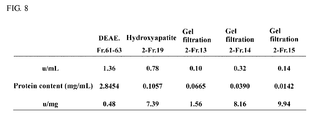


Classifications
-
- A23L1/272—
-
- A—HUMAN NECESSITIES
- A23—FOODS OR FOODSTUFFS; TREATMENT THEREOF, NOT COVERED BY OTHER CLASSES
- A23L—FOODS, FOODSTUFFS OR NON-ALCOHOLIC BEVERAGES, NOT OTHERWISE PROVIDED FOR; PREPARATION OR TREATMENT THEREOF
- A23L5/00—Preparation or treatment of foods or foodstuffs, in general; Food or foodstuffs obtained thereby; Materials therefor
- A23L5/40—Colouring or decolouring of foods
- A23L5/42—Addition of dyes or pigments, e.g. in combination with optical brighteners
- A23L5/46—Addition of dyes or pigments, e.g. in combination with optical brighteners using dyes or pigments of microbial or algal origin
-
- A—HUMAN NECESSITIES
- A23—FOODS OR FOODSTUFFS; TREATMENT THEREOF, NOT COVERED BY OTHER CLASSES
- A23L—FOODS, FOODSTUFFS OR NON-ALCOHOLIC BEVERAGES, NOT OTHERWISE PROVIDED FOR; PREPARATION OR TREATMENT THEREOF
- A23L5/00—Preparation or treatment of foods or foodstuffs, in general; Food or foodstuffs obtained thereby; Materials therefor
- A23L5/40—Colouring or decolouring of foods
- A23L5/41—Retaining or modifying natural colour by use of additives, e.g. optical brighteners
-
- A23L1/27—
-
- A23L1/30—
-
- A23L1/3002—
-
- A23L1/3149—
-
- A—HUMAN NECESSITIES
- A23—FOODS OR FOODSTUFFS; TREATMENT THEREOF, NOT COVERED BY OTHER CLASSES
- A23L—FOODS, FOODSTUFFS OR NON-ALCOHOLIC BEVERAGES, NOT OTHERWISE PROVIDED FOR; PREPARATION OR TREATMENT THEREOF
- A23L13/00—Meat products; Meat meal; Preparation or treatment thereof
-
- A—HUMAN NECESSITIES
- A23—FOODS OR FOODSTUFFS; TREATMENT THEREOF, NOT COVERED BY OTHER CLASSES
- A23L—FOODS, FOODSTUFFS OR NON-ALCOHOLIC BEVERAGES, NOT OTHERWISE PROVIDED FOR; PREPARATION OR TREATMENT THEREOF
- A23L13/00—Meat products; Meat meal; Preparation or treatment thereof
- A23L13/40—Meat products; Meat meal; Preparation or treatment thereof containing additives
- A23L13/48—Addition of, or treatment with, enzymes
-
- A—HUMAN NECESSITIES
- A23—FOODS OR FOODSTUFFS; TREATMENT THEREOF, NOT COVERED BY OTHER CLASSES
- A23L—FOODS, FOODSTUFFS OR NON-ALCOHOLIC BEVERAGES, NOT OTHERWISE PROVIDED FOR; PREPARATION OR TREATMENT THEREOF
- A23L33/00—Modifying nutritive qualities of foods; Dietetic products; Preparation or treatment thereof
- A23L33/10—Modifying nutritive qualities of foods; Dietetic products; Preparation or treatment thereof using additives
-
- A—HUMAN NECESSITIES
- A23—FOODS OR FOODSTUFFS; TREATMENT THEREOF, NOT COVERED BY OTHER CLASSES
- A23L—FOODS, FOODSTUFFS OR NON-ALCOHOLIC BEVERAGES, NOT OTHERWISE PROVIDED FOR; PREPARATION OR TREATMENT THEREOF
- A23L33/00—Modifying nutritive qualities of foods; Dietetic products; Preparation or treatment thereof
- A23L33/10—Modifying nutritive qualities of foods; Dietetic products; Preparation or treatment thereof using additives
- A23L33/105—Plant extracts, their artificial duplicates or their derivatives
-
- A—HUMAN NECESSITIES
- A23—FOODS OR FOODSTUFFS; TREATMENT THEREOF, NOT COVERED BY OTHER CLASSES
- A23L—FOODS, FOODSTUFFS OR NON-ALCOHOLIC BEVERAGES, NOT OTHERWISE PROVIDED FOR; PREPARATION OR TREATMENT THEREOF
- A23L5/00—Preparation or treatment of foods or foodstuffs, in general; Food or foodstuffs obtained thereby; Materials therefor
- A23L5/40—Colouring or decolouring of foods
-
- A—HUMAN NECESSITIES
- A61—MEDICAL OR VETERINARY SCIENCE; HYGIENE
- A61K—PREPARATIONS FOR MEDICAL, DENTAL OR TOILETRY PURPOSES
- A61K35/00—Medicinal preparations containing materials or reaction products thereof with undetermined constitution
- A61K35/66—Microorganisms or materials therefrom
- A61K35/74—Bacteria
-
- A—HUMAN NECESSITIES
- A61—MEDICAL OR VETERINARY SCIENCE; HYGIENE
- A61P—SPECIFIC THERAPEUTIC ACTIVITY OF CHEMICAL COMPOUNDS OR MEDICINAL PREPARATIONS
- A61P43/00—Drugs for specific purposes, not provided for in groups A61P1/00-A61P41/00
-
- A—HUMAN NECESSITIES
- A61—MEDICAL OR VETERINARY SCIENCE; HYGIENE
- A61P—SPECIFIC THERAPEUTIC ACTIVITY OF CHEMICAL COMPOUNDS OR MEDICINAL PREPARATIONS
- A61P7/00—Drugs for disorders of the blood or the extracellular fluid
-
- A—HUMAN NECESSITIES
- A61—MEDICAL OR VETERINARY SCIENCE; HYGIENE
- A61P—SPECIFIC THERAPEUTIC ACTIVITY OF CHEMICAL COMPOUNDS OR MEDICINAL PREPARATIONS
- A61P9/00—Drugs for disorders of the cardiovascular system
- A61P9/08—Vasodilators for multiple indications
-
- A—HUMAN NECESSITIES
- A61—MEDICAL OR VETERINARY SCIENCE; HYGIENE
- A61P—SPECIFIC THERAPEUTIC ACTIVITY OF CHEMICAL COMPOUNDS OR MEDICINAL PREPARATIONS
- A61P9/00—Drugs for disorders of the cardiovascular system
- A61P9/10—Drugs for disorders of the cardiovascular system for treating ischaemic or atherosclerotic diseases, e.g. antianginal drugs, coronary vasodilators, drugs for myocardial infarction, retinopathy, cerebrovascula insufficiency, renal arteriosclerosis
-
- C—CHEMISTRY; METALLURGY
- C12—BIOCHEMISTRY; BEER; SPIRITS; WINE; VINEGAR; MICROBIOLOGY; ENZYMOLOGY; MUTATION OR GENETIC ENGINEERING
- C12N—MICROORGANISMS OR ENZYMES; COMPOSITIONS THEREOF; PROPAGATING, PRESERVING, OR MAINTAINING MICROORGANISMS; MUTATION OR GENETIC ENGINEERING; CULTURE MEDIA
- C12N9/00—Enzymes; Proenzymes; Compositions thereof; Processes for preparing, activating, inhibiting, separating or purifying enzymes
- C12N9/0004—Oxidoreductases (1.)
-
- C—CHEMISTRY; METALLURGY
- C12—BIOCHEMISTRY; BEER; SPIRITS; WINE; VINEGAR; MICROBIOLOGY; ENZYMOLOGY; MUTATION OR GENETIC ENGINEERING
- C12N—MICROORGANISMS OR ENZYMES; COMPOSITIONS THEREOF; PROPAGATING, PRESERVING, OR MAINTAINING MICROORGANISMS; MUTATION OR GENETIC ENGINEERING; CULTURE MEDIA
- C12N9/00—Enzymes; Proenzymes; Compositions thereof; Processes for preparing, activating, inhibiting, separating or purifying enzymes
- C12N9/0004—Oxidoreductases (1.)
- C12N9/0006—Oxidoreductases (1.) acting on CH-OH groups as donors (1.1)
-
- C—CHEMISTRY; METALLURGY
- C12—BIOCHEMISTRY; BEER; SPIRITS; WINE; VINEGAR; MICROBIOLOGY; ENZYMOLOGY; MUTATION OR GENETIC ENGINEERING
- C12N—MICROORGANISMS OR ENZYMES; COMPOSITIONS THEREOF; PROPAGATING, PRESERVING, OR MAINTAINING MICROORGANISMS; MUTATION OR GENETIC ENGINEERING; CULTURE MEDIA
- C12N9/00—Enzymes; Proenzymes; Compositions thereof; Processes for preparing, activating, inhibiting, separating or purifying enzymes
- C12N9/0004—Oxidoreductases (1.)
- C12N9/0051—Oxidoreductases (1.) acting on a sulfur group of donors (1.8)
-
- C—CHEMISTRY; METALLURGY
- C12—BIOCHEMISTRY; BEER; SPIRITS; WINE; VINEGAR; MICROBIOLOGY; ENZYMOLOGY; MUTATION OR GENETIC ENGINEERING
- C12Y—ENZYMES
- C12Y101/00—Oxidoreductases acting on the CH-OH group of donors (1.1)
- C12Y101/01—Oxidoreductases acting on the CH-OH group of donors (1.1) with NAD+ or NADP+ as acceptor (1.1.1)
- C12Y101/01284—S-(hydroxymethyl)glutathione dehydrogenase (1.1.1.284), i.e. nitroreductase
-
- C—CHEMISTRY; METALLURGY
- C12—BIOCHEMISTRY; BEER; SPIRITS; WINE; VINEGAR; MICROBIOLOGY; ENZYMOLOGY; MUTATION OR GENETIC ENGINEERING
- C12Y—ENZYMES
- C12Y108/00—Oxidoreductases acting on sulfur groups as donors (1.8)
- C12Y108/01—Oxidoreductases acting on sulfur groups as donors (1.8) with NAD+ or NADP+ as acceptor (1.8.1)
- C12Y108/01004—Dihydrolipoyl dehydrogenase (1.8.1.4), i.e. lipoamide-dehydrogenase
-
- A—HUMAN NECESSITIES
- A61—MEDICAL OR VETERINARY SCIENCE; HYGIENE
- A61K—PREPARATIONS FOR MEDICAL, DENTAL OR TOILETRY PURPOSES
- A61K35/00—Medicinal preparations containing materials or reaction products thereof with undetermined constitution
- A61K2035/11—Medicinal preparations comprising living procariotic cells
Definitions
- the present invention relates to a reducing agent derived from a microorganism belonging to the genus Bacillus and uses thereof.
- the reducing agent of the present invention is particularly useful for improving the color tone of meat or processed meat.
- Meat color is an important factor for consumers to evaluate the meat quality. Bright red meat is regarded as good quality, and brown meat is regarded as stale. In this manner, the meat color markedly influences the consumers' willing to buy the meat and their evaluation of the meat.
- the color tone of meat reflects the proportion of myoglobin derivatives in the meat. Once myoglobin is oxidized to metmyoglobin, the color tone changes into brown, and thus the commercial value of the meat product markedly decreases.
- processed meat such as ham and sausage is generally treated with a color development agent such as a nitrate or nitrite.
- a color development agent such as a nitrate or nitrite.
- nitrates and nitrites have acute toxicity to cause methemogulobinemia in human, their usage is limited to 70 ppm or less in terms of the residual nitrite.
- nitrous acid can react with a secondary amine to form nitrosamine which is a carcinogen. Therefore, from the viewpoint of safety, color developing substances and color development methods which replace color development agents such as nitrates or nitrites have been searched.
- Patent Document 1 For example, a method for preventing browning through the addition of raffinose (see Patent Document 1), a method for preventing browning through the addition of a Flammulina veluptipes extract (see Patent Document 2), and a method for developing a color through the use of components contained in vegetables (see Patent Document 3) were found.
- Patent Documents 1 and 2 cannot achieve sufficient color development effect, and the method described in Patent Document 3 uses nitrates contained in vegetables, and thus has a problem with safety.
- Patent Document 4 proposes the method of maintaining the color tone of meat by substituting iron in myoglobin with zinc to form a zinc myoglobin-protoporphin IX complex
- Patent Documents 5 and 6 propose the methods of maintaining the fresh red color of meat by accelerating the formation of a zinc myoglobin-protoporphin IX complex through the use of ferrochelatase or yeast. These methods cannot act on metmyoglobin which has been generated, and cannot achieve sufficient color development effect or color tone holding effect.
- Patent Document 1
- Patent Document 2
- Patent Document 5
- the present invention is intended to provide a reducing agent which is effective for improving the color tone of meat or processed meat and uses thereof (for example, color tone improvement method without using a color development agent such as a nitrite).
- the inventors carried out screening mainly on microorganisms belonging to the genus Bacillus .
- a microorganism strain producing substances with high meat color development effect was identified.
- the substances which are expected to be highly useful were found to exhibit reduction activity on metmyoglobin.
- the microorganism belonging to the genus Bacillus produces the substances accelerating the development of meat color by metmyoglobin reduction activity.
- the substances exhibit reduction action on heme, and are useful in developing meat color, and also in the applications where the reduction of heme or heme protein is effective or necessary.
- the substances may be used for the purpose of reducing methemoglobin which has a structure similar to metmyoglobin.
- the substances derived from the microorganism belonging to the genus Bacillus were found to be dihydrolipoyl dehydrogenase and nitroreductase.
- the present invention has been accomplished based on the above results, and includes the following aspects.
- microorganism belonging to the genus Bacillus is a microorganism selected from the group consisting of Bacillus subtilis, Bacillus amyloliquefaciens, Bacillus natto, Bacillus thuringiensis , and Bacillus mycoides.
- a color tone improver composed of the reducing agent of any one of [1] to [9].
- a color tone improver composed of the reducing agent of any one of [1] to [9] and a substance which substitutes iron in the heme group of myoglobin with zinc.
- a color tone improver for meat or processed meat containing dihydrolipoyl dehydrogenase and/or nitroreductase [14] A color tone improver for meat or processed meat containing dihydrolipoyl dehydrogenase and/or nitroreductase.
- a method for producing a reducing agent including the following steps (1) and (2):
- step (2) includes the following steps:
- a color tone improvement method including subjecting meat or processed meat to the action of the color tone improver of any one of [10] to [15].
- a color tone improvement method including subjecting meat or processed meat to the action of crushed bacterial cells of a microorganism belonging to the genus Bacillus selected from the group consisting of Bacillus subtilis, Bacillus amyloliquefaciens, Bacillus natto, Bacillus thuringiensis , and Bacillus mycoides.
- FIG. 1 shows the absorption spectra of the solutions containing the crushed bacterial cell extract of a microorganism belonging to the genus Bacillus (or its heat treated extract) and freeze-dried ham powder.
- FIG. 2 shows the changes over time in the absorbance at 580 nm (A 580 ) of solutions each containing the crushed bacterial cell extract of a microorganism belonging to the genus Bacillus and freeze-dried ham powder.
- FIG. 3 shows the metmyoglobin reductase activity in the freeze-dried powder of the crushed bacterial cell extracts of microorganisms belonging to the genus Bacillus.
- FIG. 4 shows the elution pattern and metmyoglobin reductase activity obtained by DEAE chromatography during purification of metmyoglobin reductase.
- FIG. 5 shows the elution pattern and metmyoglobin reductase activity obtained by hydroxyapatite chromatography during purification of metmyoglobin reductase.
- FIG. 6 shows the elution pattern and metmyoglobin reductase activity obtained by gel filtration chromatography after purification of metmyoglobin reductase.
- FIG. 7 shows the result of SDS-PAGE of the gel filtration fraction with high specific activity.
- FIG. 8 shows the comparison of specific activity of the samples obtained during purification.
- FIG. 9 shows the result of meat color development test using a purified enzyme (dihydrolipoyl dehydrogenase: DLD). The samples with different enzyme amounts were compared.
- FIG. 10 shows the result of meat color development test using a purified enzyme (DLD). The samples with or without NADH were compared.
- DLD purified enzyme
- FIG. 11 shows the result of rate assay (substrate-saturation curve) of a purified enzyme (DLD).
- FIG. 12 shows the result of rate assay ([s]/v to [s] plot) of the purified enzyme (DLD).
- FIG. 13 shows the optimal pH of the purified enzyme (DLD).
- FIG. 14 shows the pH stability of the purified enzyme (DLD).
- FIG. 15 shows the optimal temperature of the purified enzyme (DLD).
- FIG. 16 shows the thermal stability of the purified enzyme (DLD).
- FIG. 17 shows the reactivity of the purified enzyme (DLD) to NADH and NADPH.
- FIG. 18 shows the influences of various cations on the activity of the purified enzyme (DLD).
- FIG. 19 shows the metmyoglobin reduction activity of recombinant DLD (without His tag).
- FIG. 20 shows the metmyoglobin reduction activity of recombinant DLD (with His tag).
- FIG. 21 shows the result of meat color development test using recombinant DLD.
- the R value, G value, and B value of the negative control were 178, 104, and 102, respectively, and those of the purified recombinant DLD (right) were 210, 104, and 114, respectively.
- FIG. 22 shows the result of meat color development test using recombinant DLD.
- the R value, G value, and B value of sample 1 were 201, 117, and 123, respectively, those of sample 2 were 185, 121, and 105, those of sample 3 were 217, 97, and 93, those of sample 4 were 160, 108, and 83, and those of sample 5 were 156, 84, and 65, respectively.
- FIG. 23 shows the result of meat color development test using recombinant DLD.
- the R value, G value, and B value of sample 1 were 168, 122, and 106, respectively, those of sample 2 were 185, 152, and 145, those of sample 3 were 172, 123, and 119, those of sample 4 were 187, 153, and 144, and those of sample 5 were 173, 148, and 123, respectively.
- FIG. 24 shows the elution pattern and metmyoglobin reductase activity obtained by phenyl chromatography during purification of a meat color developing enzyme other than DLD.
- FIG. 25 shows the elution pattern and metmyoglobin reductase activity obtained by hydroxyapatite chromatography during purification of a meat color developing enzyme other than DLD.
- FIG. 26 shows the elution pattern and metmyoglobin reductase activity obtained by Cu affinity chromatography during purification of a meat color developing enzyme other than DLD.
- FIG. 27 shows the result of SDS-PAGE of the fractions obtained by hydroxyapatite chromatography and Cu affinity chromatography.
- FIG. 28 shows the activities of recombinant malate dehydrogenase (MDH) and recombinant nitroreductase (Putative NAD(P)H nitroreductase: yodC).
- MDH malate dehydrogenase
- nitroreductase Putative NAD(P)H nitroreductase: yodC.
- FIG. 29 shows the result of SDS-PAGE of recombinant MDH and recombinant yodC.
- marker MDH/pET20b/BL21 (DE3pLysS) ( Bacillus subtilis ), yodC/pET20b/BL21 (DE3pLysS) ( Bacillus subtilis ), pET20b/BL21 (DE3pLysS), MDH/pET20b/BL21 (DE3pLysS) ( Bacillus natto ), yodC/pET20b/BL21 (DE3pLysS) ( Bacillus natto ), and marker.
- FIG. 30 shows the result of meat color development test using purified recombinant yodC and recombinant MDH.
- FIG. 31 shows the optimal pH of recombinant yodC.
- FIG. 32 shows the pH stability of recombinant yodC.
- FIG. 33 shows the optimal temperature of recombinant yodC.
- FIG. 34 shows the thermal stability of recombinant yodC.
- FIG. 35 shows the reactivity of recombinant yodC to NADPH.
- FIG. 36 shows the influences of various cations on the activity of recombinant yodC.
- FIG. 37 shows the comparison of reactivity of DLD and yodC to potassium ferricyanide.
- FIG. 38 shows the comparison of reactivity of DLD and yodC to myoglobin.
- heme means a complex composed of an iron atom and porphyrin (iron-porphyrin complex).
- the term “heme protein” is the generic name of protein including heme.
- the term “heme reductase” means a protein exhibiting reduction activity to the iron atom in heme. The degree of the activity is not particularly limited. Typically, a heme reductase exhibits activity reducing the metho compound of heme protein. With the focus on the activity, heme reductase may be called heme protein reductase.
- metalmyoglobin reductase refers to a protein exhibiting activity reducing metmyoglobin, which is a myoglobin derivative.
- the intensity (degree) of the activity is not particularly limited. Accordingly, even if reduction activity of an enzyme on metmyoglobin is weaker than other activity of the enzyme, the enzyme is included in the “metmyoglobin reductase” referred herein.
- color tone improver refers to a substance or composition used for the improvement of “color tone”, the formation of which is contributed by a metalloporphyrin complex.
- the metalloporphyrin complex include a copper porphyrin complex, a cobalt porphyrin complex, and an iron porphyrin complex.
- the metalloporphyrin complex is not limited to these examples, as long as the metal in the complex can be reduced.
- Preferred examples of the metalloporphyrin complex include an iron porphyrin complex
- examples of the composition containing the iron porphyrin complex include heme protein.
- the composition rich in heme protein include meat or processed meat.
- the color tone improver of the present invention improves the color tone of the target by color development action, color development acceleration action, and/or color fading prevention action.
- the color tone improver of the present invention can reduce the metal in a metalloporphyrin complex to improve the color tone.
- the color tone improver can prevent oxidation of a dye composed of a metalloporphyrin complex to maintain the color tone of the dye, and thus improve the color tone.
- a preferred target for which the color tone improver of the present invention is used is meat or processed meat. More specifically, according to a preferred embodiment, the color tone improver of the present invention is used to color development, color tone maintenance, or color fading prevention of meat or processed meat.
- color development of meat means the development of a red color tone characteristic to meat or processed meat.
- a first aspect of the present invention relates to a reducing agent.
- the reducing agent of the present invention includes a heme reductase produced by Bacillus as an active ingredient.
- Bacillus subtilis Bacillus amyloliquefaciens
- Bacillus natto Bacillus thuringiensis
- Bacillus mycoides which are microorganisms belonging to the genus Bacillus , produce polypeptides having high metmyoglobin reduction activity.
- a preferred embodiment of the present invention uses a metmyoglobin reductase produced by any of these microorganisms.
- microorganisms are available from, for example, public storage institutions such as NBRC (Biological Resource Center, National Institute of Technology and Evaluation), JCM (RIKEN BioResource Center), and ATCC (American Type Culture Collection).
- Bacillus natto is commercially and readily available.
- Bacillus natto is available from Miyagino Bacillus Natto Manufacturer.
- the reducing agent of the present invention contains the active ingredient (polypeptide), and may further contain, for example, an excipient, a buffering agent, a suspending agent, a stabilizer, a pH controlling agent, a preservative, an antiseptic, a perfume, a thickener, an oil or fat, a brightener, a binder, a binding reinforcer, an emulsification stabilizer, or a normal saline solution.
- the excipient include starch, dextrin, maltose, trehalose, lactose, D-glucose, sorbitol, D-mannitol, white sugar, and glycerol.
- Examples of the buffering agent include phosphates, citrates, and acetates.
- Examples of the stabilizer include propylene glycol and ascorbic acid.
- Examples of the pH controlling agent include organic acids such as itaconic acid, succinic acid, tartaric acid, fumaric acid, citric acid, malic acid, adipic acid, gluconic acid, pyrophosphoric acid, acetic acid, lactic acid, ⁇ -ketoglutaric acid, and phytic acid, and salts of these organic acids; inorganic acids and salts of inorganic acids such as carbonates; acidic amino acids such as aspartic acid and glutamic acid; and basic amino acids such as arginine, lysine, and histidine.
- Examples of the preservative include phenol, benzalkonium chloride, benzyl alcohol, chlorobutanol, and methylparaben.
- Examples of the antiseptic include ethanol, benzalkonium chloride, paraoxybenzoic acid, and chlorobutanol.
- the perfume examples include animal perfumes such as musk, civet, castoreum, and ambergris; vegetable perfumes such as anise essential oil, angelica essential oil, ylang ylang essential oil, iris essential oil, fennel essential oil, orange essential oil, Cananga essential oil, caraway essential oil, cardamom essential oil, guaiacum essential oil, cumin essential oil, Lindera umbellata essential oil, cinnamon essential oil, cinnamon essential oil, geranium essential oil, copaiba balsam essential oil, coriander essential oil, perilla essential oil, cedarwood essential oil, citronella essential oil, jasmine essential oil, ginger glass essential oil, cedar essential oil, spearmint essential oil, peppermint essential oil, star anise essential oil, tuberose essential oil, clove essential oil, neroli essential oil, wintergreen essential oil, tolu balsam essential oil, patchouli essential oil, rose essential oil, palmarosa essential oil, Japanese cypress essential oil, hiba essential oil, sandal wood
- Examples of the thickener include natural polymer or starch or cellulose natural polymer derivatives.
- Examples of the natural polymer include seaweed extracts such as fucoidan and carrageenan, seed extracts such as guar gum, resin-like slimes such as gum arabic, and microorganism-produced slimes such as xanthan gum.
- Examples of the starch or cellulose natural polymer derivatives include starch-based (for example, starch phosphate) or cellulose-based (for example, methyl cellulose-based) natural polymer derivatives.
- oils and fat examples include avocado oil, linseed oil, almond oil, fennel oil, perilla oil, olive oil, orange oil, orange roughy oil, cacao butter, camomile oil, carrot oil, cucumber oil, coconut oil, sesame oil, rice oil, safflower oil, shea butter, liquid shea butter, soybean oil, camellia oil, corn oil, rapeseed oil, persic oil, castor oil, sunflower oil, grape seed oil, cottonseed oil, peanut oil, turtle oil, mink oil, egg yolk oil, palm oil, palm kernel oil, Rhus succedanea fruit wax, coconut oil, beef tallow, and lard.
- oils and fats may be modified by, for example, hydrogenation, fractionation, or interesterification.
- Examples of the brightener include waxes (vegetable or animal) such as beeswax, carnauba wax, whale wax, lanolin, liquid state lanolin, reduced lanolin, hard lanolin, candelilla wax, montan wax, shellac wax, rice wax, squalene, squalane, and pristane; and mineral oils such as liquid paraffin, vaseline, paraffin, ozokerite, ceresin, and microcrystalline wax.
- Examples of the binder include soybean protein, egg protein, milk protein, blood protein, casein, starch, and transglutaminase.
- Examples of the binding reinforcer include polymerized phosphates.
- Examples of the emulsification stabilizer include casein sodium.
- Examples of the other additive include natural fatty acids such as lauric acid, myristic acid, palmitic acid, stearic acid, behenic acid, oleic acid, linoleic acid, linolenic acid, docosahexaenoic acid, eicosapentaenoic acid, 1,2-hydroxy stearic acid, undecylenic acid, tall oil, and lanolin fatty acid; and synthetic fatty acids such as isononanoic acid, caproic acid, 2-ethyl butanoic acid, isopentane acid, 2-methylpentanoic acid, 2-ethyl hexanoic acid, and isopentanoic acid.
- natural fatty acids such as lauric acid, myristic acid, palmitic acid, stearic acid, behenic acid, oleic acid, linoleic acid, linolenic acid, docosahexaenoic acid, eicosa
- the reducing agent of the present invention is composed of crushed bacterial cells of the microorganism according to the present invention which produces polypeptide. More specifically, the reducing agent according to this embodiment contains the crushed bacterial cells of the specified microorganism.
- a crushed bacterial cell solution (normally obtained by a procedure including culture of the microorganism, collection of the microorganism, and crushing of the bacterial cells) may be used as the crushed bacterial cells.
- the crushed bacterial cell solution may be subjected to further treatment (for example, purification treatment, freezing treatment, drying treatment, or addition of other components) before the use as crushed bacterial cells.
- one aspect of the present invention provides a reducing agent containing dihydrolipoyl dehydrogenase or nitroreductase derived from a microorganism belonging to the genus Bacillus as heme reductase.
- the reducing agent contains both of dihydrolipoyl dehydrogenase and nitroreductase.
- the amino acid sequence of dihydrolipoyl dehydrogenase is shown in SEQ ID NO: 3, and that of nitroreductase is shown in SEQ ID NO: 12.
- one aspect of the present invention uses an enzyme which has been prepared by a genetic engineering method, more specifically a heme reductase composed of a recombinant protein.
- a reducing agent containing recombinant dihydrolipoyl dehydrogenase and/or recombinant nitroreductase as active ingredients is provided.
- Recombinant protein refers to an artificially prepared protein by a gene recombination technique.
- a second aspect of the present invention relates to the applications of the reducing agent of the present invention.
- the applications provided by the present invention are broadly divided into the improvement of the color tone and other uses.
- the former application more specifically the use as a color tone improver is particularly important.
- the targets of color tone improvement by the present invention are those involved with a metalloporphyrin complex in the formation of the color tone.
- Preferred examples of the target include meat and processed meat.
- the color tone of meat reflects the proportion of the myoglobin derivatives contained in the meat.
- the reducing agent of the present invention contains a heme reductase (preferably metmyoglobin reductase) as an active ingredient.
- the reducing agent of the present invention when allowed to act on meat, metmyoglobin in the meat is reduced to form reduced myoglobin.
- the reduced myoglobin is oxygenated to be converted to oxymyoglobin which shows a bright red color tone.
- the metmyoglobin level in meat or processed meat decreases, and at the same time oxymyoglobin is formed, which results in the improvement of the color tone.
- the oxidation of reduced myoglobin or oxymyoglobin is prevented, and as a result of this, color fading of the meat is prevented.
- the reducing agent of the present invention will exhibit the effects of color development and color tone maintenance, or prevention of color fading.
- the target of the color fading prevention effect is a metalloporphyrin complex, and the complex is not particularly limited as long as the metal in the complex is oxidizable.
- a preferred metalloporphyrin complex is an iron porphyrin complex.
- a preferred target of the color fading prevention effect is a heme protein containing an iron porphyrin complex. Most preferred targets are reduced myoglobin or oxymyoglobin, and meat or processed meat containing reduced myoglobin and/or oxymyoglobin.
- the reducing agent of the present invention is used for the color tone improvement of meat or processed meat (more specifically, the color tone improvement method using the reducing agent of the present invention as a color tone improver)
- meat or processed meat is treated by the reducing agent of the present invention.
- the treatment conditions are set to be generally suitable for the action of the metmyoglobin reductase composing the reducing agent (preferably optimal conditions).
- the preferred treatment conditions are readily specified based on the preliminary experiment using the meat or processed meat to be treated. Specific examples of the treatment method (the use of a solution of crushed bacterial cells for the improvement of meat color tone).
- a solution of crushed bacterial cells of a certain microorganism (a microorganism belonging to the genus Bacillus producing metmyoglobin reductase) is prepared, and its pH is adjusted to about 5.5, thereby reproducing the pH in meat.
- meat is exposed to the solution at 4° C.
- the exposure is usually achieved by injection of a suspension into block meat, followed by tumbling, or blending of minced meat with a suspension. When the exposure is achieved appropriately, the suspension thoroughly penetrates into meat.
- the treatment temperature may be near 40° C. for developing a color, but is preferably 4° C. or near 4° C. in consideration of meat quality.
- the type of meat to be treated is not limited. As described above, the color tone of meat reflects the proportion of the myoglobin derivatives contained in meat.
- the reducing agent of the present invention influences the proportion of the myoglobin derivatives in meat, and accelerates the color development. Accordingly, the present invention is applicable to meat or processed meat in general containing myoglobin.
- Specific examples of the target to be treated include meat such as pork, beef, and chicken, processed meat thereof, fish meat such as tuna, bonito, and salmon, and processed fish meat thereof.
- a preferred target is meat showing a red color.
- Processed meat as a target to be treated is not particularly limited as long as it is a food produced from meat. Examples of the processed meat include raw ham, sausage, and loin roll.
- the form of the meat or processed meat to be treated is not particularly limited either, and may be selected from, for example, block meat or minced meat, according to the intended use.
- the reducing agent of the present invention is used in combination with a substance which substitutes iron in the heme group of myoglobin with zinc (hereinafter referred to as “iron-zinc substituting substance”).
- iron-zinc substituting substance a substance which substitutes iron in the heme group of myoglobin with zinc
- the color tone is further improved owing to multiple effect.
- the combination results in the maintenance of good color tone and prevention of color fading.
- the iron-zinc substituting substance include ferrochelatase (more specifically, see Japanese Unexamined Patent Application Publication No. 2006-61016).
- Ferrochelatase is present in animal tissues (particularly viscera), plant tissues (for example, mushrooms, bean sprouts, and pea bean), yeasts (for example, bread yeast, beer yeast, sake yeast, wine yeast, and shochu yeast), and bacteria. Ferrochelatase extracted from these natural products may be used. In addition, ferrochelatase is rich in mitochondria fractions, so that the use of mitochondria fractions are particularly preferred.
- the iron-zinc substituting substance may be a Saccharomyces yeast (for example, beer yeast, bread yeast, sake yeast, or shochu yeast) (more specifically, see Japanese Unexamined Patent Application Publication No. 2005-87058).
- This embodiment is characterized in that it uses the reducing agent of the present invention in combination with the iron-zinc substituting substance.
- the color tone improver of the present invention is provided as a combination agent composed of the reducing agent of the present invention and the iron-zinc substituting substance.
- the color tone improver of the present invention may be provided in the form of a kit composed of the reducing agent of the present invention (first component) and an agent (second component) containing the iron-zinc substituting substance.
- the target to be treated is treated simultaneously or consecutively by the first and second components.
- the term “simultaneously” does not mean strict simultaneousness.
- the concept “simultaneously” herein include the case wherein two components are used without time difference, such as the use of these components after mixing them, and the case wherein two components are used substantially without time difference, such as the use of one component immediately after the use of the other component.
- the color tone improver may contain, in addition to the active ingredient (polypeptide) and additives (for example, an excipient, a buffering agent, a suspending agent, a stabilizer, a pH controlling agent, a preservative, an antiseptic, a perfume, a thickener, an oil or fat, a brightener, a binder, a binding reinforcer, an emulsification stabilizer, or a normal saline solution), a condiment, a spice, a masking agent, a softener, or the like.
- additives for example, an excipient, a buffering agent, a suspending agent, a stabilizer, a pH controlling agent, a preservative, an antiseptic, a perfume, a thickener, an oil or fat, a brightener, a binder, a binding reinforcer, an emulsification stabilizer, or a normal saline solution
- a condiment for example, a condiment, a spice,
- condiment examples include soy sauce, miso, vinegar, sake, mirin (Japanese sweet rice wine for cooking), salt, soup stock of bonito or kelp, meat extract, or vegetable extract.
- spice examples include pepper, laurel, thyme, clove, oregano, star anise, Japanese pepper, sage, parsley, nutmeg, mustard, ginger, cinnamon, basil, paprika, rosemary, spearmint, lemon glass, tarragon, chervil, cardamom, cumin, coriander, dill, fennel, marjoram, and allspice.
- Examples of the masking agent include saccharides such as sucrose and cyclodextrin; and herbs such as clove, allspice, laurel, cinnamon, and nutmeg.
- Examples of the softener include proteolytic enzymes such as protease, trypsin, chymotrypsin, papain, bromelain, and ficin.
- the reducing agent of the present invention may be used for meat or other targets.
- the reducing agent of the present invention may be used for the purpose of reduction or oxidation prevention (including color fading prevention) of a composition containing a heme protein other than myoglobin (for example, hemoglobin).
- the reducing agent of the present invention is expected to be used for the measurement of the hemoglobin concentration and the treatment of hemoglobinemia. More specifically, the reducing agent of the present invention is useful as an active ingredient of reagents and medicines.
- the cyan-methemoglobin method is frequently used for measuring the hemoglobin concentration of blood. According to the method, methemoglobin is subjected to the action of a mixture of potassium ferricyanide and potassium cyanide to form cyan methemoglobin, and measured by colorimetric determination.
- the reducing agent of the present invention can be used in place of the method for measuring the blood methemoglobin level or total methemoglobin content.
- Methemogulobinemia is caused by oxygen deficiency in the body due to excessive accumulation of methemoglobin for some reason.
- the most effective treatment for methemogulobinemia is believed to be the intravenous injection of methylene blue.
- methemogulobinemia is complicated with cyanide poisoning, methylene blue cannot be used because it accelerates cyanide poisoning.
- examples of other treatment include oral administration and intravenous injection of ascorbic acid (ascorbic acid may be administered in combination with riboflavin), but these methods are not so effective.
- the reducing agent of the present invention allows a new treatment strategy which replaces these conventional treatment methods.
- the treatment using the reducing agent of the present invention may be used for patients to whom methylene blue cannot be administered (for example, patients having cyanide poisoning).
- methylene blue is ineffective for those lack in glucose-6-phosphate dehydrogenase (G6PD).
- G6PD glucose-6-phosphate dehydrogenase
- the patients with disorders in the pentose phosphate pathway such as G6PD deficiency will not respond to the approach, and must receive urgent exchange transfusion.
- G6PD deficiency is one of most common disorders in the world. About 10% male of black male in the United States have the disorder. Many patients are inhabitants in Africa and the Mediterranean. Accordingly, a substantial proportion of subjects are at risk of developing (oxidative) drug-induced methemogulobinemia. The administration of methylene blue to these patients is ineffective (because G6PD deficiency in them will cause NADPH deficiency), and can be counterproductive.
- the reducing agent of the present invention is expected to be effective for these patients.
- the reducing agent of the present invention can exhibit pharmacological action and physiological action such as the reduction of burden on the heart caused by the disorders of cardiac rate, blood pressure, and cardiac output, and acceleration of metabolism in tissues.
- the medicine containing the reducing agent of the present invention is expected to be used as a tolerance enhancer for enhancing the body tolerance under physiological conditions with high oxygen demand of tissues, such as the environments with hard work and exercise.
- the medicine of the present invention may be used for prevention or treatment of cardiac failure, cardiac myopathy, myocarditis, myocardial infarction, pericarditis, perimyocarditis, transient ischemia attack, coronary heart disease, congenital anomaly with right to left arteriovenous shunt (vitia), tetralogy/pentalogy of Fallot, Eisenmenger's syndrome, shock, peripheral ischemia, arterial occlusive disease (AOD), peripheral AOD (pAOD), carotid artery stenosis, renal artery stenosis, microcirculatory disorders in the brain (arteriocapillary sclerosis), bleeding in the brain, cerebral vein blood clots and intracranial venous sinus thrombosis, angiodysplasia, subarachnoid hemorrhage, vascular dementia, Biswanger's disease, subcortical arteriosclerotic encephalopathy, multiple cortical infarction accompanied by embo
- the medicine of the present invention may be administered before, during, and/or after the occurrence of ischemic event.
- a vasoactive oxygen carrier for example, oxygen carrier based on hemoglobin
- the combination of the medicine of the present invention, a vasoactive carrier (for example, oxygen carrier based on heme protein), and gaseous nitric oxide may be administered, or the combination of the medicine of the present invention and a vasoactive carrier may be administered after the administration of gaseous nitric oxide.
- a vasoactive carrier for example, oxygen carrier based on heme protein
- the mammal treated by the method described herein may have ischemic heart disease, acute ischemic condition (for example, myocardial infarction, cerebral apoplexy, or renal ischemia), or angiospasm in the organ (for example, brain, heart, kidney, liver, or gastrointestinal tract) before treatment.
- acute ischemic condition for example, myocardial infarction, cerebral apoplexy, or renal ischemia
- angiospasm in the organ (for example, brain, heart, kidney, liver, or gastrointestinal tract) before treatment.
- the medicine of the present invention may be used for treating hypoxemic tissues in vertebrate animals caused by various factors including the decrease in the red blood cell flow rate in a part of or throughout the circulating system, anemia, and cerebral apoplexy.
- the medicine of the present invention may be prophylactically used for the purpose of preventing oxygen deficiency in tissues of vertebrate animals.
- the medicine of the present invention may be used for the purpose of treating or preventing hypoxia caused by partial block in partial arterial obstruction or minute circulation.
- the administration of hemoglobin see U.S. patent application Ser. No. 08/409,337.
- the dose and administration period of the medicine of the present invention are not particularly limited, and may be appropriately selected in accordance with the administration form, age, body weight, symptoms, and the like.
- the subject of the medicine of the present invention is not limited, and include humans, mammals other than humans (including pet animals, livestock, and experimental animals; specific examples include monkeys, mice, rats, guinea pigs, hamsters, monkeys, bovines, pigs, goats, sheep, horses, chickens, sheep, whales, dolphins, dogs, and cats).
- the treatment subject may have euvolemia, hypervolemia, or hypovolemia before, during, and/or after administration of the medicine of the present invention.
- the administration form of the medicine of the present invention is not particularly limited.
- the medicine may be orally or parenterally administered.
- parenteral administration used herein is not particularly limited, and examples thereof include intravenous, intramuscular, intraarterial, intraspinal, intracystic, intraorbital, intracardiac, intradermal, intraperitoneal, transtracheal, hypodermic, subepidermal, intracapsular, subcapsular, subarachnoid, intraspinal, and intrasternal infusion and injection.
- the administration form is preferably intravenous injection.
- Examples of the preparation suitable for oral administration include tablets, capsules, powders, fine grains, granules, solutions, and syrups.
- Examples of the preparation suitable for parenteral administration include injections, suppositorys, inhalants, and patches.
- the medicine of the present invention may contain, as necessary, a pharmacologically and pharmaceutically acceptable additive.
- Examples of pharmacologically and pharmaceutically acceptable additive include excipients, disintegrating agents or disintegrating aids, binders, lubricants, coating agents, dyes, diluents, bases, solubilizers or solubilizing agents, isotonizing agents, pH adjusting agents, stabilizers, propellants, and adhesives.
- the preparation suitable for oral administration or parenteral administration may contain additives such as excipients such as glucose, lactose, D-sorbitol, D-mannitol, starch, kaolin, xylitol, dextrin, corn starch, potato starch, hydroxypropyl cellulose, or crystalline cellulose; disintegrating agents or disintegrating aids such as carboxymethyl cellulose, starch, or carboxymethyl cellulose calcium; binders such as hydroxypropyl cellulose, hydroxypropyl methyl cellulose, polyvinyl pyrrolidone, or gelatin; lubricants such as light anhydrous silicic acid, synthetic aluminium silicate, stearic acid, calcium stearate, magnesium stearate, or talc; coating agents such as hydroxypropyl methyl cellulose, white sugar, polyethylene glycol, or titanium oxide; bases such as vaseline, liquid paraffin, polyethylene glycol, gelatin, kaolin, glycerin, purified water, or hard
- solubilizers or solubilizing agents suitable as a component of an aqueous injection or an injection which is dissolved before use such as distilled water, normal saline solution, or propylene glycol
- isotonizing agents such as glucose, sodium chloride, D-mannitol, and glycerin
- pH controlling agents such as organic acids (for example, itaconic acid, succinic acid, tartaric acid, fumaric acid, citric acid, malic acid, adipic acid, gluconic acid, pyrophosphoric acid, lactic acid, ⁇ -ketoglutaric acid, or phytic acid) or salts of these organic acids, inorganic acids (for example, carbonic acid) or salts of these inorganic acids, acidic amino acids (for example, aspartic acid or glutamic acid), basic amino acids (for example, arginine, lysine, or histidine); and soothing agents such as lidocaine.
- organic acids for example, itaconic acid,
- the hemoglobin is not particularly limited, and may be natural (unmodified) hemoglobin, genetically modified hemoglobin, or chemically modified hemoglobin treated by chemical reaction such as intramolecular or intermolecular crosslinking, polymerization, or addition of chemical group (for example, polyalkylene oxide, polyethylene glycol, superoxide dismutase, or other adduct).
- the medicine of the present invention may be used to a heme protein other than the hemoglobin, and also to a metalloporphyrin complex having a similar structure to the heme protein.
- the production method of the present invention includes a step of culturing a heme reductase, preferably a microorganism belonging to the genus Bacillus producing a metmyoglobin reductase under conditions suitable for the production of the enzyme (step (1)), and a step of recovering the enzyme from the culture (step (2)).
- the microorganism belonging to the genus Bacillus in the step (1) is preferably a microorganism selected from the group consisting of Bacillus subtilis, Bacillus amyloliquefaciens, Bacillus natto, Bacillus thuringiensis , and Bacillus mycoides .
- the culture method and culture conditions are not particularly limited as long as the intended enzyme is produced. More specifically, the culture method and culture conditions suitable for the culture of the microorganism to be used are appropriately established with the proviso that a polypeptide exhibiting heme reduction activity is produced.
- the culture conditions the culture medium, incubation temperature, and incubation time are described below.
- the culture medium is selected from those that allows the growth of the microorganism to be used.
- the medium may include a carbon source such as arabinose, xylose, glucose, fructose, galactose, sucrose, gentiobiose, soluble starch, glycerin, dextrin, molasses, or an organic acid, a nitrogen source such as ammonium sulfate, ammonium carbonate, ammonium phosphate, ammonium acetate, corn gluten meal, soybean powder, casamino acid, ground coffee, cottonseed oil cake, peptone, yeast extract, corn steep liquor, casein hydrolysate, bran, or meat extract, and an inorganic salt such as a potassium salt, a magnesium salt, a sodium salt, a phosphate, a manganese salt, an iron salt, or a zinc salt.
- a carbon source such as arabinose, xylose, glucose, fructose, galactose, sucrose, gent
- the culture medium may further contain, for example, a vitamin or an amino acid.
- the microorganism is cultured under aerobic conditions, wherein the pH of the culture medium is, for example, about 3 to 8, preferably about 5 to 7, the incubation temperature is normally about 10 to 50° C., preferably about 25 to 35° C., the incubation period is about 1 to 15 days, and preferably about 3 to 7 days.
- the culture method include stationary culture, shaking culture, and aerobic submerged culture using a jar fermenter.
- the intended enzyme is recovered from the culture (step (2)).
- crushed bacterial cells are prepared (step (2-2)).
- the collection of the bacterial cells may be achieved by, for example, centrifugation or filtration.
- the solid components other than the bacterial cells are preferably removed in advance.
- Preparation of the crushed bacterial cells may be achieved by mechanical crushing using a French press or Dyno-Mill, ultrasonication, or freezing crushing.
- the step of crushing the bacterial cells may be unnecessary.
- the prepared crushed bacterial cells are used as the reducing agent of the present invention after additional treatment or untreated (more specifically, without special treatment).
- additional treatment include concentrated (for example, concentration using an ultrafilter), purification (for example, salting-out or various chromatography), addition of other components, dilution, and drying.
- the additional treatment may include two or more kinds of treatment.
- the final state may be liquid or solid (including powder).
- the freeze-dried powders of the test strains ( Bacillus subtilis, Bacillus amyloliquefaciens, Bacillus natto, Bacillus thuringiensis , and Bacillus mycoides ) showed meat color development effect.
- Bacillus subtilis and Bacillus natto showed high effect.
- the cultured bacterial cells were crushed by French press to obtain samples, and these samples showed similar meat color development effect (no data shown).
- meat color development test was carried out using the freeze-dried powders prepared in 1.
- a sample without the powder solution was subjected to the same test.
- the absorbance of the samples at a wavelength 580 nm is shown in FIG. 2 . The result indicates that all the tested samples developed stronger color than the control even five days after.
- the metmyoglobin reductase activity was measured as follows. Firstly, the freeze-dried powders prepared in 1 were dissolved in water to make 10 mg/mL solutions, and used as the enzyme solutions. Subsequently, 100 ⁇ L of 0.1% (w/v) myoglobin and 150 ⁇ L of enzyme solution were added to 200 ⁇ L of 0.1 M phosphoric acid buffer (pH 5.5), and preincubated at 30° C. for 5 minutes. Thereafter, 50 ⁇ L of 1 mM NADH was added, and the change in the absorbance at a wavelength of 406 nm was measured for 5 minutes. The activity was expressed in unit (U).
- the measurement result is shown in FIG. 3 .
- the freeze-dried powders with high meat color development effect exhibited high metmyoglobin reductase activity.
- the result indicates that the test strains ( Bacillus subtilis, Bacillus amyloliquefaciens, Bacillus natto, Bacillus thuringiensis , and Bacillus mycoides ) produce metmyoglobin reductase, and the color development effect is brought about by the enzymatic action.
- the metmyoglobin reductase was purified as follows.
- the bacterial cells of Bacillus subtilis obtained by culture described in 1 was crushed by French press, centrifuged, and then the supernatant was salted out with ammonium sulfate.
- the supernatant was treated at 30% saturation and collected, and treated at 70% saturation and centrifuged, and then the precipitate was recovered.
- Buf B 20 mM KPB (pH 6), 1 M NaCl
- FIG. 4 shows the elution pattern and metmyoglobin reductase activity obtained by the DEAE chromatography. The activity was measured by the decrease of A406, which is the absorption maximum of metmyoglobin.
- A406 the absorption maximum of metmyoglobin.
- DEAE Fr. No. 61-63 with the highest activity were subjected to hydroxyapatite chromatography (hydroxyapatite column (1 ⁇ 5 cm) (TypeI 20 ⁇ m; Bio-Rad)) under the following conditions, thereby purifying the fractions.
- the protein yield of DEAE Fr. No. 61-63 was 98.5% as measured by hydroxyapatite chromatography.
- Buf A 5 mM KPB, 0.3 M NaCl (pH 6)
- Buf B 400 mM KPB, 0.3 M NaCl (pH6)
- FIG. 5 shows the elution pattern and metmyoglobin reductase activity obtained by hydroxyapatite chromatography of DEAE Fr. No. 61-63.
- the hydroxyapatite Fr. No. 19, which showed the highest specific activity in FIG. 5 was dialyzed with 20 mM KPB (pH 6), and then subjected to gel filtration chromatography under the following conditions (gel filtration column (Superdex TM75; GE Healthcare)).
- FIG. 6 shows the elution pattern and metmyoglobin reductase activity obtained by gel filtration chromatography of the hydroxyapatite Fr. No. 19.
- the gel filtration Fr. No. 12-16 containing the gel filtration Fr. No. 13-15, which showed particularly high specific activity in FIG. 6 was subjected to SDS-PAGE, and the band was confirmed ( FIG. 7 : gel filtration Fr. No. 12-16).
- the gel filtration Fr. No. 13-15 in FIG. 7 showed a single band.
- FIG. 8 shows the specific activity of the fractions obtained in the above purification processes (DEAE chromatography, hydroxyapatite chromatography, and gel filtration chromatography).
- DEAE fractions obtained in the above purification processes
- Fr. No. 61-63 was subjected to gel filtration, and its specific activity was increased to about 20.7 times.
- the single band obtained by SDS-PAGE shown in FIG. 7 was transferred to a PDVF membrane stained with Ponceau reagent, and cut out.
- the N-terminal amino acid sequence was analyzed by a protein sequencer. As a result of this, the N-terminal amino acid sequence was found to be VVGDFPIETDTLVIG (SEQ ID NO: 1).
- the gene was searched from the Bacillus subtilis database in BLAST. As a result of this, the gene was found to have 100% homology with pdhD (SEQ ID NO: 2) coding dihydrolipoyl dehydrogenase (hereinafter referred to as DLD).
- DLD dihydrolipoyl dehydrogenase
- Purified DLD was subjected to meat color development test. Using a freeze-dried powder sample of the purified DLD, meat samples were prepared as described below (Table 3), stored at 4° C. overnight, and compared ( FIGS. 9 and 10 ).
- FIG. 9 shows meat samples with different enzyme contents (meat samples 1 to 4), indicating that DLD contributes to the improvement of color tone of meat.
- FIG. 10 shows the comparison of the color tone of meat with or without NADH (from left to right in this order, without freeze-dried powder (meat sample 1), with NADH (meat sample 2), and without NADH (meat sample 5)). It was confirmed that color development is sufficiently achieved even without NADH. The reason for this is likely that the meat contains a sufficient amount of NADH.
- the optimal temperature of DLD was measured as follows. 50 ⁇ L of 0.5 M citric acid buffer (pH 6), 50 ⁇ L of 2 mM potassium ferricyanide, 100 ⁇ L of MilliQ water, and 100 ⁇ L of 1 mM NADH were mixed, the mixture was preincubated at different temperatures for 5 minutes, and mixed with 200 ⁇ L of an enzyme sample. The change in the absorbance at A420 was measured for 5 minutes, thereby confirming the reaction. The result is shown in FIG. 15 . The result indicates that the optimal temperature is 40° C., and deactivation occurs at 50° C.
- the thermal stability was measured as follows.
- the enzyme sample which had been treated in advance for 30 minutes at different temperatures (30° C., 40° C., and 60° C.), was cooled on ice, and thus preparing treatment samples.
- 30 ⁇ L of the treatment sample was mixed with 50 ⁇ L of 0.5 M citric acid buffer (pH 6.0), 50 ⁇ L of 2 mM potassium ferricyanide, and 270 ⁇ L of MilliQ water, incubated at 30° C. for 5 minutes, and then mixed with 100 ⁇ L of 1 mM NADH solution.
- the change in the absorbance at A420 was measured for 30 seconds at intervals of 1 second. The result shown in FIG. 16 indicates that high activity remained even at 60° C.
- FIG. 17 shows the reactivity, taking the relative activity of NADH as 100(%). The result indicates that DLD has low reactivity for NADPH.
- the DLD gene was obtained from Bacillus subtilis , and studied for establishing an overexpression system using Escherichia coli.
- Bacillus subtilis strain 7417 The genome extraction from Bacillus subtilis strain 7417 was carried out as follows. Bacillus subtilis strain 7417 was inoculated in a liquid medium (pH6.5) containing 0.5% peptone, 1.0% yeast extract, and 1.0% glucose, and cultured overnight at 30° C. under shaking at 300 rpm. The genome DNA was extracted from the culture thus obtained using QIA QuickTM Gel Extraction Test Kit (QIAGEN).
- Amplification of DLD Gene by PCR DLD gene amplification by PCR was carried out as follows. 5 ⁇ L of 10 ⁇ buffer, 4 ⁇ L of dTNP, 1 ⁇ L of the genome of Bacillus subtilis, 5 ⁇ L each of the following 10 ⁇ M primers (two types), and 0.1 ⁇ L of EX. Taq (DNA polymerase, Takara Bio Inc.) were mixed, and purified water was added to the mixture to make the volume 50 ⁇ L. The primers were combined in two patterns (patterns 1 and 2). The PCR reaction was carried out in two steps. Firstly, as the step 1, the solution was denatured by heat at 98° C. for 30 seconds.
- the following cycle heat denaturation: 98° C., 10 seconds, annealing: 46° C., 30 seconds, elongation reaction: 72° C., 90 seconds was repeated 25 times, and thus obtaining a PCR product.
- DLD-Nde1-FW (SEQ ID NO: 4)
- GGCGTAATCATATGGTAGTAGGAG DLD-BamH1-RV (SEQ ID NO: 5)
- 2 DLD-Nde1-FW (SEQ ID NO: 6)
- GGCGTAATCATATGGTAGTAGGAG DLD-BamH1-Histag-RV (SEQ ID NO: 7)
- TA cloning of the DLD gene was carried out as follows. 3 ⁇ L of the PCR product obtained by PCR was mixed with 5 ⁇ L of 2 ⁇ Liation buffer, 1 ⁇ L of pGEM-T easy vector, and 1 ⁇ L of T4 ligase. The mixture was allowed to react overnight at 4° C., thoroughly poured into competent cell DH5 ⁇ , subjected to heat shock at 42° C. for 30 seconds, and cooled on ice for 2 minutes. 150 ⁇ L of SOC culture medium was added to this, and incubated at 37° C. for 20 minutes. The total amount was cultured on an LB/Amp culture plate, and thus obtaining colonies.
- DLD was cloned into vector as follows. From the culture obtained by TA cloning, plasmid was extracted using GenEluteTM plasmid Miniprep Kit (SIGMA). The plasmid extract thus obtained was mixed with 10 ⁇ buffer, Nde I, and treated at 37° C. for 2 hours. Furthermore, 1 ⁇ L of BamH I was added, and treated at 37° C. for 1 hour to prepare a gene to be inserted. On the other hand, the pET20b vector was mixed with 1 ⁇ L of BamH I, and treated at 37° C. for 1 hour.
- samples were prepared as follows (unit is ⁇ L), and incubated at 16° C. for 30 minutes. Thereafter, the whole amount was added to competent cell DH5 ⁇ , dissolved on ice for 1 hour, and the cell was subjected to heat shock (42° C., 30 seconds). The SOC culture medium was added to the cell, incubated at 37° C. for 20 minutes, and plated on an LB/amp culture medium.
- FIGS. 19 and 20 show the metmyoglobin reduction activity of transformants without and with His-tag, respectively.
- the data for the pET20b empty vector and IPTG vector are also shown. Both of them showed 10 times or more higher metmyoglobin reduction activity than the empty vector.
- control by IPTG is likely not imposed.
- the recombinant DLD obtained above was subjected to bead crushing, purified by an Ni-Sepharose column under the following conditions, and dianalyzed by 20 mM KPB (pH 6). After freeze-dried, it was used as the sample of meat color development test 1 and meat color development test 2.
- Bind Buf 20 mM KPB, 0.3 M NaCl (pH 6)
- the color tone of the meat without heat treatment shown in FIG. 21 is described below. Good red color tone was found in the meat containing DLD (samples (1) and (3)). In particular, the color tone of the sample (3) containing DLD and sodium nitrite was good. The sample (4) containing sodium nitrite and zinc gluconate developed a brown color. The sample (2) containing sodium nitrite alone showed the similar color tone to the sample (5) without additive.
- the color tone of the meat after heat treatment shown in FIG. 22 is described below. Good red color tone (white peach color) was found in the meat containing sodium nitrite (samples (2), (3), and (4)). In particular, the sample (3) containing DLD and sodium nitrite developed a strong red and showed a good color tone. The sample (1) containing DLD alone had rather stronger redness than the sample (5) without additive, but was markedly browned in comparison with the samples (2) to (4).
- the meat color developing enzymes derived from the bacterial cells of Bacillus subtilis were purified.
- the purification process using the first half peaks of DEAE chromatography (DEAE. Fr. No. 27-35 shown in FIG. 4 ) as starting materials, phenyl chromatography, hydroxyapatite chromatography, and Cu affinity chromatography were carried out.
- Buf A 20 mM KPB, 30% saturated ammonium sulfate (pH 6)
- FIG. 25 shows the elution pattern and metmyoglobin reductase activity obtained in the hydroxyapatite chromatography.
- Buf A 5 mM KPB, 0.3 M NaCl (pH 6)
- Buf B 400 mM KPB, 0.3 M NaCl (pH 6)
- the hydroxyapatite Fr. No. 16 with the highest activity was dialyzed with 20 mM KPB and 0.3 M NaCl (pH 6), and subjected to Cu affinity chromatography under the following conditions using a Cu affinity column.
- FIG. 26 shows the elution pattern and metmyoglobin reductase activity obtained in the Cu affinity chromatography.
- the Cu. Fr. No. 10, 13 with the highest activity were subjected to SDS-PAGE. The results are shown in FIG. 27 .
- Buf A 20 mM KPB, 0.3 M NaCl (pH 6)
- Buf B 20 mM KPB, 0.3 M NaCl, 0.4 M imidazole (pH 6)
- FIG. 27 shows the result of SDS-PAGE on the hydroxyapatite Fr. No. 13-17 obtained in the hydroxyapatite chromatography, and the Cu. Fr. No. 8-15 obtained in the Cu affinity chromatography. Of these fractions, the Cu. Fr. No. 10 obtained in Cu affinity chromatography showed two main bands.
- the fraction was subjected to the N-terminal amino acid sequence analysis by the above-described method; the protein with a higher molecular weight was MGNTRKKVSVI (SEQ ID NO: 8), and the protein with a lower molecular weight was MTNTLDVLKA (SEQ ID NO: 9).
- the protein with a higher molecular weight was subjected to BLAST search, and found to have 100% homology with mdh (SEQ ID NO: 10) coding malate dehydrogenase (MDH).
- the protein with a lower molecular weight showed 100% homology with yodC (SEQ ID NO: 11) coding putative NAD(P)H nitroreductase (yodC).
- yodC putative NAD(P)H nitroreductase
- the amino acid sequence of yodC is shown in SEQ ID NO: 12.
- the Cu. Fr. No. 13 was assumed to be identical with dihydrolipoyl dehydrogenase, on the basis of its molecular weight.
- a portion equivalent to 2% of the preculture solution was inoculated in 10 mL of LB/Amp culture medium, and IPTG was added to give the final concentration of 0.5 mM when the OD reached about 0.5 to 0.7, and cultured for 4 hours at 37° C. under shaking at 300 rpm (main culture).
- the activity of the sample obtained above was confirmed.
- the activity of yodC was confirmed, but the activity of MDH was not found. Therefore, in order to confirm the presence or absence of expression, bands were observed by SDS-PAGE ( FIG. 29 ). Thick bands were found at the corresponding size for both MDH and yodC.
- the recombinant yodC ( Bacillus subtilis ) and MDH ( Bacillus subtilis ) obtained by the above-described method were purified by Ni-Sepharose column under the following conditions, and dialyzed by 20 mM KPB (pH 6). The dialyzed sample was freeze-dried, and the enzyme powders of the recombinant yodC and MDH were obtained.
- Bind Buf 20 mM KPB, 0.3 M NaCl (pH6)
- meat color development test was carried out.
- the samples (3) and (5) were provided. The results are shown in FIG. 30 . Meat color development effect was found in yodC, but not found in MDH.
- the enzymological properties of yodC were studied.
- the optimal pH ( FIG. 31 ), pH stability ( FIG. 32 ), optimal temperature ( FIG. 33 ), thermal stability ( FIG. 34 ), reactivity for NADPH ( FIG. 35 ), and the influence of the metal salt (metal cation) on activity ( FIG. 36 ) were studied.
- the optimal pH is in the vicinity of pH 6.0 as is the case with DLD, so that the application to meat will offer no problem.
- yodC was stable over a wide pH range.
- yodC favorably acts at low temperatures near 20° C., so that yodC is regarded as suitable for the application to meat.
- the reducing agent of the present invention is particularly useful as a color tone improver for meat or processed meat.
- the reducing agent of the present invention develops the color of meat without using a color development agent such as a nitrite, and thus allows the production of processed meat product with high commercial value.
- SEQ ID NO: 4 explanation of artificial arrangement: primer DLD-Nde1-FW
- SEQ ID NO: 5 explanation of artificial arrangement: primer DLD-BamH1-RV
- SEQ ID NO: 6 explanation of artificial arrangement: primer DLD-Nde1-FW
- SEQ ID NO: 7 explanation of artificial arrangement: primer DLD-BamH1-Histag-RV
Landscapes
- Health & Medical Sciences (AREA)
- Life Sciences & Earth Sciences (AREA)
- Chemical & Material Sciences (AREA)
- Engineering & Computer Science (AREA)
- Organic Chemistry (AREA)
- Bioinformatics & Cheminformatics (AREA)
- Wood Science & Technology (AREA)
- Genetics & Genomics (AREA)
- Zoology (AREA)
- General Health & Medical Sciences (AREA)
- Medicinal Chemistry (AREA)
- Nutrition Science (AREA)
- Food Science & Technology (AREA)
- Polymers & Plastics (AREA)
- Biochemistry (AREA)
- General Engineering & Computer Science (AREA)
- Microbiology (AREA)
- Molecular Biology (AREA)
- Biotechnology (AREA)
- Biomedical Technology (AREA)
- Veterinary Medicine (AREA)
- Public Health (AREA)
- Animal Behavior & Ethology (AREA)
- Pharmacology & Pharmacy (AREA)
- Mycology (AREA)
- Nuclear Medicine, Radiotherapy & Molecular Imaging (AREA)
- General Chemical & Material Sciences (AREA)
- Chemical Kinetics & Catalysis (AREA)
- Epidemiology (AREA)
- Cardiology (AREA)
- Heart & Thoracic Surgery (AREA)
- Botany (AREA)
- Vascular Medicine (AREA)
- Diabetes (AREA)
- Hematology (AREA)
- Urology & Nephrology (AREA)
- Medicines Containing Material From Animals Or Micro-Organisms (AREA)
- Meat, Egg Or Seafood Products (AREA)
- Medicines That Contain Protein Lipid Enzymes And Other Medicines (AREA)
- Coloring Foods And Improving Nutritive Qualities (AREA)
Abstract
The present invention is intended to provide a reducing agent effective for color development of meat and uses therefor. The present invention provides a reducing agent containing a heme reductase derived from a microorganism belonging to the genus Bacillus. Preferably, crushed bacterial cells of Bacillus subtilis, Bacillus amyloliquefaciens, Bacillus natto, Bacillus thuringiensis, or Bacillus mycoides are used.
Description
This application is a Divisional of U.S. Ser. No. 13/696,446, filed Nov. 6, 2012 and published as U.S. 2013-0058911A1 on Mar. 7, 2013. U.S. Ser. No. 13/696,446 is the U.S. national phase, pursuant to 35 U.S.C. §371, of PCT international application Ser. No. PCT/JP2011/060622, filed May 9, 2011, designating the United States and published in Japanese on Nov. 17, 2011 as publication WO 2011/142300. PCT/JP2011/060622 claims priority to Japanese Patent Application No. 2010-109779, filed May 12, 2010. The entire contents of the aforementioned patent applications are incorporated herein by reference.
The instant application contains a Sequence Listing which has been submitted in ASCII format via EFS-Web and is hereby incorporated by reference in its entirety. Said ASCII copy, created on Oct. 8, 2013, is named 91674DIV305882_ST25.txt and is 12,288 bytes in size.
The present invention relates to a reducing agent derived from a microorganism belonging to the genus Bacillus and uses thereof. The reducing agent of the present invention is particularly useful for improving the color tone of meat or processed meat. The present application claims priority based on Japanese Patent Application No. 2010-109779 filed on May 12, 2010, and the content of the patent application is hereby incorporated by reference herein in its entirety.
Meat color is an important factor for consumers to evaluate the meat quality. Bright red meat is regarded as good quality, and brown meat is regarded as stale. In this manner, the meat color markedly influences the consumers' willing to buy the meat and their evaluation of the meat.
The color tone of meat reflects the proportion of myoglobin derivatives in the meat. Once myoglobin is oxidized to metmyoglobin, the color tone changes into brown, and thus the commercial value of the meat product markedly decreases.
In order to prevent browning of meat, processed meat such as ham and sausage is generally treated with a color development agent such as a nitrate or nitrite. However, since nitrates and nitrites have acute toxicity to cause methemogulobinemia in human, their usage is limited to 70 ppm or less in terms of the residual nitrite. In addition, it is said that nitrous acid can react with a secondary amine to form nitrosamine which is a carcinogen. Therefore, from the viewpoint of safety, color developing substances and color development methods which replace color development agents such as nitrates or nitrites have been searched. For example, a method for preventing browning through the addition of raffinose (see Patent Document 1), a method for preventing browning through the addition of a Flammulina veluptipes extract (see Patent Document 2), and a method for developing a color through the use of components contained in vegetables (see Patent Document 3) were found. However, the methods described in Patent Documents 1 and 2 cannot achieve sufficient color development effect, and the method described in Patent Document 3 uses nitrates contained in vegetables, and thus has a problem with safety.
In addition, Patent Document 4 proposes the method of maintaining the color tone of meat by substituting iron in myoglobin with zinc to form a zinc myoglobin-protoporphin IX complex, and Patent Documents 5 and 6 propose the methods of maintaining the fresh red color of meat by accelerating the formation of a zinc myoglobin-protoporphin IX complex through the use of ferrochelatase or yeast. These methods cannot act on metmyoglobin which has been generated, and cannot achieve sufficient color development effect or color tone holding effect.
Japanese Unexamined Patent Application Publication No. 2003-18976
Japanese Unexamined Patent Application Publication No. 2008-228702
Japanese Unexamined Patent Application Publication No. 2009-165445
Japanese Unexamined Patent Application Publication No. 2006-56908
Japanese Unexamined Patent Application Publication No. 2005-87058
Japanese Unexamined Patent Application Publication No. 2006-61016
The present invention is intended to provide a reducing agent which is effective for improving the color tone of meat or processed meat and uses thereof (for example, color tone improvement method without using a color development agent such as a nitrite).
In order to find substances which improve the color tone of meat, the inventors carried out screening mainly on microorganisms belonging to the genus Bacillus. As a result of screening, a microorganism strain producing substances with high meat color development effect was identified. As a result of further study, the substances which are expected to be highly useful were found to exhibit reduction activity on metmyoglobin. More specifically, the microorganism belonging to the genus Bacillus produces the substances accelerating the development of meat color by metmyoglobin reduction activity. The substances exhibit reduction action on heme, and are useful in developing meat color, and also in the applications where the reduction of heme or heme protein is effective or necessary. For example, the substances may be used for the purpose of reducing methemoglobin which has a structure similar to metmyoglobin.
As a result of further study, the substances derived from the microorganism belonging to the genus Bacillus (substances exhibiting reduction action) were found to be dihydrolipoyl dehydrogenase and nitroreductase.
The present invention has been accomplished based on the above results, and includes the following aspects.
[1] A reducing agent containing a heme reductase derived from a microorganism belonging to the genus Bacillus.
[2] The reducing agent of [1], wherein the heme is the heme of metmyoglobin.
[3] The reducing agent of [1], wherein the heme is the heme of methemoglobin.
[4] The reducing agent of any one of [1] to [3], which is composed of crushed bacterial cells of a microorganism belonging to the genus Bacillus.
[5] The reducing agent of any one of [1] to [4], wherein the microorganism belonging to the genus Bacillus is a microorganism selected from the group consisting of Bacillus subtilis, Bacillus amyloliquefaciens, Bacillus natto, Bacillus thuringiensis, and Bacillus mycoides.
[6] The reducing agent of [1], wherein the heme reductase is dihydrolipoyl dehydrogenase or nitroreductase.
[7] The reducing agent of [1], which contains dihydrolipoyl dehydrogenase and nitroreductase as the heme reductases.
[8] The reducing agent of [6] or [7], wherein the amino acid sequence of the dihydrolipoyl dehydrogenase includes the amino acid sequence of SEQ ID NO: 3, and the amino acid sequence of the nitroreductase includes the amino acid sequence of SEQ ID NO: 12.
[9] The reducing agent of any one of [6] to [8], wherein the dihydrolipoyl dehydrogenase and nitroreductase are recombinant proteins.
[10] A color tone improver composed of the reducing agent of any one of [1] to [9].
[11] A color tone improver composed of the reducing agent of any one of [1] to [9] and a substance which substitutes iron in the heme group of myoglobin with zinc.
[12] The color tone improver of [11], wherein the substance is ferrochelatase.
[13] The color tone improver of any one of [10] to [12], which is used for improving the color tone of meat or processed meat.
[14] A color tone improver for meat or processed meat containing dihydrolipoyl dehydrogenase and/or nitroreductase.
[15] The color tone improver of any one of [10] to [14], which improves the color tone by color development action, color development acceleration action, and/or color fading preventive action.
[16] A medicine containing the reducing agent of any one of [1] to [9].
[17] The medicine of [16], which is an oral preparation.
[18] The medicine of [16], which is a parenteral preparation.
[19] A method for producing a reducing agent including the following steps (1) and (2):
(1) a step of culturing a microorganism belonging to the genus Bacillus producing a heme reductase under conditions suitable for the production of the enzyme; and
(2) a step of recovering the enzyme from the culture.
[20] The production method of [19], wherein the step (2) includes the following steps:
(2-1) a step of collecting bacterial cells from the culture; and
(2-2) a step of preparing crushed bacterial cells.
[21] The production method of [19] or [20], wherein the heme is the heme of metmyoglobin.
[22] The production method of [19] or [20], wherein the heme is the heme of methemoglobin.
[23] The production method of any one of [19] to [22], wherein the microorganism belonging to the genus Bacillus is selected from the group consisting Bacillus subtilis, Bacillus amyloliquefaciens, Bacillus natto, Bacillus thuringiensis and Bacillus mycoides.
[24] A color tone improvement method, including subjecting meat or processed meat to the action of the color tone improver of any one of [10] to [15].
[25] A color tone improvement method, including subjecting meat or processed meat to the action of crushed bacterial cells of a microorganism belonging to the genus Bacillus selected from the group consisting of Bacillus subtilis, Bacillus amyloliquefaciens, Bacillus natto, Bacillus thuringiensis, and Bacillus mycoides.
[26] A prophylactic or therapeutic method using the reducing agent of any one of [1] to [9] for a disease associated with or caused by one or more clinical conditions or symptoms selected from blood circulation disorder and hypoxia or hypoxemia.
In the present description, the term “heme” means a complex composed of an iron atom and porphyrin (iron-porphyrin complex). The term “heme protein” is the generic name of protein including heme. The term “heme reductase” means a protein exhibiting reduction activity to the iron atom in heme. The degree of the activity is not particularly limited. Typically, a heme reductase exhibits activity reducing the metho compound of heme protein. With the focus on the activity, heme reductase may be called heme protein reductase.
In the present description, “metmyoglobin reductase” refers to a protein exhibiting activity reducing metmyoglobin, which is a myoglobin derivative. The intensity (degree) of the activity is not particularly limited. Accordingly, even if reduction activity of an enzyme on metmyoglobin is weaker than other activity of the enzyme, the enzyme is included in the “metmyoglobin reductase” referred herein.
In the present description, “color tone improver” refers to a substance or composition used for the improvement of “color tone”, the formation of which is contributed by a metalloporphyrin complex. Examples of the metalloporphyrin complex include a copper porphyrin complex, a cobalt porphyrin complex, and an iron porphyrin complex. But the metalloporphyrin complex is not limited to these examples, as long as the metal in the complex can be reduced. Preferred examples of the metalloporphyrin complex include an iron porphyrin complex, and examples of the composition containing the iron porphyrin complex include heme protein. Examples of the composition rich in heme protein include meat or processed meat.
The color tone improver of the present invention improves the color tone of the target by color development action, color development acceleration action, and/or color fading prevention action. For example, the color tone improver of the present invention can reduce the metal in a metalloporphyrin complex to improve the color tone. Alternatively, the color tone improver can prevent oxidation of a dye composed of a metalloporphyrin complex to maintain the color tone of the dye, and thus improve the color tone. A preferred target for which the color tone improver of the present invention is used is meat or processed meat. More specifically, according to a preferred embodiment, the color tone improver of the present invention is used to color development, color tone maintenance, or color fading prevention of meat or processed meat. The term “color development of meat” means the development of a red color tone characteristic to meat or processed meat.
1. Reducing Agent Derived from the Genus Bacillus
A first aspect of the present invention relates to a reducing agent. The reducing agent of the present invention includes a heme reductase produced by Bacillus as an active ingredient. As shown by the below-described examples, as a result of the large-scale screening by the inventors, it was found that Bacillus subtilis, Bacillus amyloliquefaciens, Bacillus natto, Bacillus thuringiensis, and Bacillus mycoides, which are microorganisms belonging to the genus Bacillus, produce polypeptides having high metmyoglobin reduction activity. On the basis of this finding, a preferred embodiment of the present invention uses a metmyoglobin reductase produced by any of these microorganisms. These microorganisms are available from, for example, public storage institutions such as NBRC (Biological Resource Center, National Institute of Technology and Evaluation), JCM (RIKEN BioResource Center), and ATCC (American Type Culture Collection). Bacillus natto is commercially and readily available. In addition, Bacillus natto is available from Miyagino Bacillus Natto Manufacturer.
The reducing agent of the present invention contains the active ingredient (polypeptide), and may further contain, for example, an excipient, a buffering agent, a suspending agent, a stabilizer, a pH controlling agent, a preservative, an antiseptic, a perfume, a thickener, an oil or fat, a brightener, a binder, a binding reinforcer, an emulsification stabilizer, or a normal saline solution. Examples of the excipient include starch, dextrin, maltose, trehalose, lactose, D-glucose, sorbitol, D-mannitol, white sugar, and glycerol. Examples of the buffering agent include phosphates, citrates, and acetates. Examples of the stabilizer include propylene glycol and ascorbic acid. Examples of the pH controlling agent include organic acids such as itaconic acid, succinic acid, tartaric acid, fumaric acid, citric acid, malic acid, adipic acid, gluconic acid, pyrophosphoric acid, acetic acid, lactic acid, α-ketoglutaric acid, and phytic acid, and salts of these organic acids; inorganic acids and salts of inorganic acids such as carbonates; acidic amino acids such as aspartic acid and glutamic acid; and basic amino acids such as arginine, lysine, and histidine. Examples of the preservative include phenol, benzalkonium chloride, benzyl alcohol, chlorobutanol, and methylparaben. Examples of the antiseptic include ethanol, benzalkonium chloride, paraoxybenzoic acid, and chlorobutanol. Examples of the perfume include animal perfumes such as musk, civet, castoreum, and ambergris; vegetable perfumes such as anise essential oil, angelica essential oil, ylang ylang essential oil, iris essential oil, fennel essential oil, orange essential oil, Cananga essential oil, caraway essential oil, cardamom essential oil, guaiacum essential oil, cumin essential oil, Lindera umbellata essential oil, cinnamon essential oil, cinnamon essential oil, geranium essential oil, copaiba balsam essential oil, coriander essential oil, perilla essential oil, cedarwood essential oil, citronella essential oil, jasmine essential oil, ginger glass essential oil, cedar essential oil, spearmint essential oil, peppermint essential oil, star anise essential oil, tuberose essential oil, clove essential oil, neroli essential oil, wintergreen essential oil, tolu balsam essential oil, patchouli essential oil, rose essential oil, palmarosa essential oil, Japanese cypress essential oil, hiba essential oil, sandal wood essential oil, petitgrain essential oil, bay laurel essential oil, vetiver essential oil, bergamot essential oil, Peru balsam essential oil, bois de rose essential oil, linalool essential oil, mandarin essential oil, eucalyptus essential oil, lime essential oil, lavender essential oil, linaloe essential oil, lemon glass essential oil, lemon essential oil, rosemary essential oil, and Japanese peppermint essential oil; and other synthetic perfumes. Examples of the thickener include natural polymer or starch or cellulose natural polymer derivatives. Examples of the natural polymer include seaweed extracts such as fucoidan and carrageenan, seed extracts such as guar gum, resin-like slimes such as gum arabic, and microorganism-produced slimes such as xanthan gum. Examples of the starch or cellulose natural polymer derivatives include starch-based (for example, starch phosphate) or cellulose-based (for example, methyl cellulose-based) natural polymer derivatives. Examples of the oil and fat include avocado oil, linseed oil, almond oil, fennel oil, perilla oil, olive oil, orange oil, orange roughy oil, cacao butter, camomile oil, carrot oil, cucumber oil, coconut oil, sesame oil, rice oil, safflower oil, shea butter, liquid shea butter, soybean oil, camellia oil, corn oil, rapeseed oil, persic oil, castor oil, sunflower oil, grape seed oil, cottonseed oil, peanut oil, turtle oil, mink oil, egg yolk oil, palm oil, palm kernel oil, Rhus succedanea fruit wax, coconut oil, beef tallow, and lard. These oils and fats may be modified by, for example, hydrogenation, fractionation, or interesterification. Examples of the brightener include waxes (vegetable or animal) such as beeswax, carnauba wax, whale wax, lanolin, liquid state lanolin, reduced lanolin, hard lanolin, candelilla wax, montan wax, shellac wax, rice wax, squalene, squalane, and pristane; and mineral oils such as liquid paraffin, vaseline, paraffin, ozokerite, ceresin, and microcrystalline wax. Examples of the binder include soybean protein, egg protein, milk protein, blood protein, casein, starch, and transglutaminase. Examples of the binding reinforcer include polymerized phosphates. Examples of the emulsification stabilizer include casein sodium. Examples of the other additive include natural fatty acids such as lauric acid, myristic acid, palmitic acid, stearic acid, behenic acid, oleic acid, linoleic acid, linolenic acid, docosahexaenoic acid, eicosapentaenoic acid, 1,2-hydroxy stearic acid, undecylenic acid, tall oil, and lanolin fatty acid; and synthetic fatty acids such as isononanoic acid, caproic acid, 2-ethyl butanoic acid, isopentane acid, 2-methylpentanoic acid, 2-ethyl hexanoic acid, and isopentanoic acid.
According to an embodiment, the reducing agent of the present invention is composed of crushed bacterial cells of the microorganism according to the present invention which produces polypeptide. More specifically, the reducing agent according to this embodiment contains the crushed bacterial cells of the specified microorganism. A crushed bacterial cell solution (normally obtained by a procedure including culture of the microorganism, collection of the microorganism, and crushing of the bacterial cells) may be used as the crushed bacterial cells. Alternatively, the crushed bacterial cell solution may be subjected to further treatment (for example, purification treatment, freezing treatment, drying treatment, or addition of other components) before the use as crushed bacterial cells.
As a result of the study by the inventors, it was found that the active ingredients derived from a microorganism belonging to the genus Bacillus (substances exhibiting reduction action, and effective particularly at improving the color tone of meat) are dihydrolipoyl dehydrogenase (DLD) and nitroreductase (yodC) (see the below-described examples). Therefore, one aspect of the present invention provides a reducing agent containing dihydrolipoyl dehydrogenase or nitroreductase derived from a microorganism belonging to the genus Bacillus as heme reductase. According to a preferred embodiment, the reducing agent contains both of dihydrolipoyl dehydrogenase and nitroreductase. The amino acid sequence of dihydrolipoyl dehydrogenase is shown in SEQ ID NO: 3, and that of nitroreductase is shown in SEQ ID NO: 12.
The identification of effective heme reductases and identification of their amino acid sequences have allowed the use of enzymes prepared by a genetic engineering method. Therefore, one aspect of the present invention uses an enzyme which has been prepared by a genetic engineering method, more specifically a heme reductase composed of a recombinant protein. Specifically, a reducing agent containing recombinant dihydrolipoyl dehydrogenase and/or recombinant nitroreductase as active ingredients is provided. Recombinant protein refers to an artificially prepared protein by a gene recombination technique.
2. Applications of Reducing Agent
A second aspect of the present invention relates to the applications of the reducing agent of the present invention. The applications provided by the present invention are broadly divided into the improvement of the color tone and other uses. The former application, more specifically the use as a color tone improver is particularly important. The targets of color tone improvement by the present invention are those involved with a metalloporphyrin complex in the formation of the color tone. Preferred examples of the target include meat and processed meat. The color tone of meat reflects the proportion of the myoglobin derivatives contained in the meat. As described above, the reducing agent of the present invention contains a heme reductase (preferably metmyoglobin reductase) as an active ingredient. Accordingly, when the reducing agent of the present invention is allowed to act on meat, metmyoglobin in the meat is reduced to form reduced myoglobin. The reduced myoglobin is oxygenated to be converted to oxymyoglobin which shows a bright red color tone. Upon the action of the reducing agent of the present invention, the metmyoglobin level in meat or processed meat decreases, and at the same time oxymyoglobin is formed, which results in the improvement of the color tone. In addition, the oxidation of reduced myoglobin or oxymyoglobin is prevented, and as a result of this, color fading of the meat is prevented. In this manner, the reducing agent of the present invention will exhibit the effects of color development and color tone maintenance, or prevention of color fading. The target of the color fading prevention effect is a metalloporphyrin complex, and the complex is not particularly limited as long as the metal in the complex is oxidizable. A preferred metalloporphyrin complex is an iron porphyrin complex. Accordingly, a preferred target of the color fading prevention effect is a heme protein containing an iron porphyrin complex. Most preferred targets are reduced myoglobin or oxymyoglobin, and meat or processed meat containing reduced myoglobin and/or oxymyoglobin.
When the reducing agent of the present invention is used for the color tone improvement of meat or processed meat (more specifically, the color tone improvement method using the reducing agent of the present invention as a color tone improver), meat or processed meat is treated by the reducing agent of the present invention. The treatment conditions are set to be generally suitable for the action of the metmyoglobin reductase composing the reducing agent (preferably optimal conditions). The preferred treatment conditions are readily specified based on the preliminary experiment using the meat or processed meat to be treated. Specific examples of the treatment method (the use of a solution of crushed bacterial cells for the improvement of meat color tone). Firstly, a solution of crushed bacterial cells of a certain microorganism (a microorganism belonging to the genus Bacillus producing metmyoglobin reductase) is prepared, and its pH is adjusted to about 5.5, thereby reproducing the pH in meat. Subsequently, meat is exposed to the solution at 4° C. The exposure is usually achieved by injection of a suspension into block meat, followed by tumbling, or blending of minced meat with a suspension. When the exposure is achieved appropriately, the suspension thoroughly penetrates into meat. The treatment temperature may be near 40° C. for developing a color, but is preferably 4° C. or near 4° C. in consideration of meat quality.
The type of meat to be treated is not limited. As described above, the color tone of meat reflects the proportion of the myoglobin derivatives contained in meat. The reducing agent of the present invention influences the proportion of the myoglobin derivatives in meat, and accelerates the color development. Accordingly, the present invention is applicable to meat or processed meat in general containing myoglobin. Specific examples of the target to be treated include meat such as pork, beef, and chicken, processed meat thereof, fish meat such as tuna, bonito, and salmon, and processed fish meat thereof. A preferred target is meat showing a red color. Processed meat as a target to be treated is not particularly limited as long as it is a food produced from meat. Examples of the processed meat include raw ham, sausage, and loin roll. The form of the meat or processed meat to be treated is not particularly limited either, and may be selected from, for example, block meat or minced meat, according to the intended use.
According to one aspect of the present invention, the reducing agent of the present invention is used in combination with a substance which substitutes iron in the heme group of myoglobin with zinc (hereinafter referred to as “iron-zinc substituting substance”). When the reducing agent of the present invention is used in combination with a substance whose action is different from the reducing agent, the color tone is further improved owing to multiple effect. In particular, the combination results in the maintenance of good color tone and prevention of color fading. Examples of the iron-zinc substituting substance include ferrochelatase (more specifically, see Japanese Unexamined Patent Application Publication No. 2006-61016). Ferrochelatase is present in animal tissues (particularly viscera), plant tissues (for example, mushrooms, bean sprouts, and pea bean), yeasts (for example, bread yeast, beer yeast, sake yeast, wine yeast, and shochu yeast), and bacteria. Ferrochelatase extracted from these natural products may be used. In addition, ferrochelatase is rich in mitochondria fractions, so that the use of mitochondria fractions are particularly preferred. The iron-zinc substituting substance may be a Saccharomyces yeast (for example, beer yeast, bread yeast, sake yeast, or shochu yeast) (more specifically, see Japanese Unexamined Patent Application Publication No. 2005-87058).
This embodiment is characterized in that it uses the reducing agent of the present invention in combination with the iron-zinc substituting substance. Typically, the color tone improver of the present invention is provided as a combination agent composed of the reducing agent of the present invention and the iron-zinc substituting substance. On the other hand, for example, the color tone improver of the present invention may be provided in the form of a kit composed of the reducing agent of the present invention (first component) and an agent (second component) containing the iron-zinc substituting substance. In this case, the target to be treated (meat or processed meat) is treated simultaneously or consecutively by the first and second components. The term “simultaneously” does not mean strict simultaneousness. Accordingly, the concept “simultaneously” herein include the case wherein two components are used without time difference, such as the use of these components after mixing them, and the case wherein two components are used substantially without time difference, such as the use of one component immediately after the use of the other component.
When the reducing agent of the present invention is used as a color tone improver, the color tone improver may contain, in addition to the active ingredient (polypeptide) and additives (for example, an excipient, a buffering agent, a suspending agent, a stabilizer, a pH controlling agent, a preservative, an antiseptic, a perfume, a thickener, an oil or fat, a brightener, a binder, a binding reinforcer, an emulsification stabilizer, or a normal saline solution), a condiment, a spice, a masking agent, a softener, or the like. Examples of the condiment include soy sauce, miso, vinegar, sake, mirin (Japanese sweet rice wine for cooking), salt, soup stock of bonito or kelp, meat extract, or vegetable extract. Examples of the spice include pepper, laurel, thyme, clove, oregano, star anise, Japanese pepper, sage, parsley, nutmeg, mustard, ginger, cinnamon, basil, paprika, rosemary, spearmint, lemon glass, tarragon, chervil, cardamom, cumin, coriander, dill, fennel, marjoram, and allspice. Examples of the masking agent include saccharides such as sucrose and cyclodextrin; and herbs such as clove, allspice, laurel, cinnamon, and nutmeg. Examples of the softener include proteolytic enzymes such as protease, trypsin, chymotrypsin, papain, bromelain, and ficin.
The reducing agent of the present invention may be used for meat or other targets. The reducing agent of the present invention may be used for the purpose of reduction or oxidation prevention (including color fading prevention) of a composition containing a heme protein other than myoglobin (for example, hemoglobin).
The reducing agent of the present invention is expected to be used for the measurement of the hemoglobin concentration and the treatment of hemoglobinemia. More specifically, the reducing agent of the present invention is useful as an active ingredient of reagents and medicines. At present, the cyan-methemoglobin method is frequently used for measuring the hemoglobin concentration of blood. According to the method, methemoglobin is subjected to the action of a mixture of potassium ferricyanide and potassium cyanide to form cyan methemoglobin, and measured by colorimetric determination. The reducing agent of the present invention can be used in place of the method for measuring the blood methemoglobin level or total methemoglobin content.
Methemogulobinemia is caused by oxygen deficiency in the body due to excessive accumulation of methemoglobin for some reason. The most effective treatment for methemogulobinemia is believed to be the intravenous injection of methylene blue. However, when methemogulobinemia is complicated with cyanide poisoning, methylene blue cannot be used because it accelerates cyanide poisoning. Examples of other treatment include oral administration and intravenous injection of ascorbic acid (ascorbic acid may be administered in combination with riboflavin), but these methods are not so effective. The reducing agent of the present invention allows a new treatment strategy which replaces these conventional treatment methods. The treatment using the reducing agent of the present invention may be used for patients to whom methylene blue cannot be administered (for example, patients having cyanide poisoning). In addition, methylene blue is ineffective for those lack in glucose-6-phosphate dehydrogenase (G6PD). The patients with disorders in the pentose phosphate pathway such as G6PD deficiency will not respond to the approach, and must receive urgent exchange transfusion.
G6PD deficiency is one of most common disorders in the world. About 10% male of black male in the United States have the disorder. Many patients are inhabitants in Africa and the Mediterranean. Accordingly, a substantial proportion of subjects are at risk of developing (oxidative) drug-induced methemogulobinemia. The administration of methylene blue to these patients is ineffective (because G6PD deficiency in them will cause NADPH deficiency), and can be counterproductive. The reducing agent of the present invention is expected to be effective for these patients.
The reducing agent of the present invention can exhibit pharmacological action and physiological action such as the reduction of burden on the heart caused by the disorders of cardiac rate, blood pressure, and cardiac output, and acceleration of metabolism in tissues. The medicine containing the reducing agent of the present invention is expected to be used as a tolerance enhancer for enhancing the body tolerance under physiological conditions with high oxygen demand of tissues, such as the environments with hard work and exercise. In addition, the medicine of the present invention may be used for prevention or treatment of cardiac failure, cardiac myopathy, myocarditis, myocardial infarction, pericarditis, perimyocarditis, transient ischemia attack, coronary heart disease, congenital anomaly with right to left arteriovenous shunt (vitia), tetralogy/pentalogy of Fallot, Eisenmenger's syndrome, shock, peripheral ischemia, arterial occlusive disease (AOD), peripheral AOD (pAOD), carotid artery stenosis, renal artery stenosis, microcirculatory disorders in the brain (arteriocapillary sclerosis), bleeding in the brain, cerebral vein blood clots and intracranial venous sinus thrombosis, angiodysplasia, subarachnoid hemorrhage, vascular dementia, Biswanger's disease, subcortical arteriosclerotic encephalopathy, multiple cortical infarction accompanied by embolization, vasculitis, diabetic retinopathy, prognosis of anemia due to various causes (for example, aplastic anemia, myelodysplastic syndrome, polycythemia vera, anemia megaloblastic, hypoferric anemia, renal anemia, sphaerocytosis, and haemolytic anemia), thalassemia, hemoglobinopathy, glucose-6-phosphate dehydrogenase deficiency, transfusion onset, rhesus incompatibility, malaria, valvuloplasty, acute post hemorrhagic anemia, hypersplenism, lung fibrosis, emphysema, lung oedema: ARDS, IRDS, or recurrent lung emphysema, burn, angina pectoris, ischemic disease such as hibernation, blood circulation disorder, hypoxia, or hypoxemia, or prevention or treatment of diseases accompanied by or caused by any of these diseases or symptoms.
In order to prevent ischemic cell damage through the supply of oxygen to the ischemic tissues (and to protect tissues from reperfusion injury), the medicine of the present invention may be administered before, during, and/or after the occurrence of ischemic event. In combination with the administration of the medicine of the present invention, a vasoactive oxygen carrier (for example, oxygen carrier based on hemoglobin) may be administered. For example, in order to achieve intended treatment effect in mammal against acute ischemia and following reperfusion and release of free radical caused by surgical revascularization (for example, percutaneous transluminal coronary revascularization), transplantation, acute myocardial infarction, or angioplasty (for example, percutaneous transluminal coronary angioplasty), the combination of the medicine of the present invention, a vasoactive carrier (for example, oxygen carrier based on heme protein), and gaseous nitric oxide may be administered, or the combination of the medicine of the present invention and a vasoactive carrier may be administered after the administration of gaseous nitric oxide. The mammal treated by the method described herein may have ischemic heart disease, acute ischemic condition (for example, myocardial infarction, cerebral apoplexy, or renal ischemia), or angiospasm in the organ (for example, brain, heart, kidney, liver, or gastrointestinal tract) before treatment.
The medicine of the present invention may be used for treating hypoxemic tissues in vertebrate animals caused by various factors including the decrease in the red blood cell flow rate in a part of or throughout the circulating system, anemia, and cerebral apoplexy. In addition, the medicine of the present invention may be prophylactically used for the purpose of preventing oxygen deficiency in tissues of vertebrate animals. Furthermore, the medicine of the present invention may be used for the purpose of treating or preventing hypoxia caused by partial block in partial arterial obstruction or minute circulation. Regarding the administration of hemoglobin, see U.S. patent application Ser. No. 08/409,337.
The dose and administration period of the medicine of the present invention are not particularly limited, and may be appropriately selected in accordance with the administration form, age, body weight, symptoms, and the like.
The subject of the medicine of the present invention is not limited, and include humans, mammals other than humans (including pet animals, livestock, and experimental animals; specific examples include monkeys, mice, rats, guinea pigs, hamsters, monkeys, bovines, pigs, goats, sheep, horses, chickens, sheep, whales, dolphins, dogs, and cats). The treatment subject may have euvolemia, hypervolemia, or hypovolemia before, during, and/or after administration of the medicine of the present invention.
The administration form of the medicine of the present invention is not particularly limited. The medicine may be orally or parenterally administered. Examples of the “parenteral” administration used herein is not particularly limited, and examples thereof include intravenous, intramuscular, intraarterial, intraspinal, intracystic, intraorbital, intracardiac, intradermal, intraperitoneal, transtracheal, hypodermic, subepidermal, intracapsular, subcapsular, subarachnoid, intraspinal, and intrasternal infusion and injection. The administration form is preferably intravenous injection.
Examples of the preparation suitable for oral administration include tablets, capsules, powders, fine grains, granules, solutions, and syrups. Examples of the preparation suitable for parenteral administration include injections, suppositorys, inhalants, and patches. The medicine of the present invention may contain, as necessary, a pharmacologically and pharmaceutically acceptable additive. Examples of pharmacologically and pharmaceutically acceptable additive include excipients, disintegrating agents or disintegrating aids, binders, lubricants, coating agents, dyes, diluents, bases, solubilizers or solubilizing agents, isotonizing agents, pH adjusting agents, stabilizers, propellants, and adhesives.
The preparation suitable for oral administration or parenteral administration may contain additives such as excipients such as glucose, lactose, D-sorbitol, D-mannitol, starch, kaolin, xylitol, dextrin, corn starch, potato starch, hydroxypropyl cellulose, or crystalline cellulose; disintegrating agents or disintegrating aids such as carboxymethyl cellulose, starch, or carboxymethyl cellulose calcium; binders such as hydroxypropyl cellulose, hydroxypropyl methyl cellulose, polyvinyl pyrrolidone, or gelatin; lubricants such as light anhydrous silicic acid, synthetic aluminium silicate, stearic acid, calcium stearate, magnesium stearate, or talc; coating agents such as hydroxypropyl methyl cellulose, white sugar, polyethylene glycol, or titanium oxide; bases such as vaseline, liquid paraffin, polyethylene glycol, gelatin, kaolin, glycerin, purified water, or hard fat; propellants such as Freon, diethyl ether, or compressed gas; adhesives such as sodium polyacrylate, polyvinyl alcohol, methyl cellulose, polyisobutylene, or polybutene; additives for preparations such as base cloth including cotton cloth or plastic sheet. Examples of the preparation suitable for injection include solubilizers or solubilizing agents suitable as a component of an aqueous injection or an injection which is dissolved before use such as distilled water, normal saline solution, or propylene glycol; isotonizing agents such as glucose, sodium chloride, D-mannitol, and glycerin; pH controlling agents such as organic acids (for example, itaconic acid, succinic acid, tartaric acid, fumaric acid, citric acid, malic acid, adipic acid, gluconic acid, pyrophosphoric acid, lactic acid, α-ketoglutaric acid, or phytic acid) or salts of these organic acids, inorganic acids (for example, carbonic acid) or salts of these inorganic acids, acidic amino acids (for example, aspartic acid or glutamic acid), basic amino acids (for example, arginine, lysine, or histidine); and soothing agents such as lidocaine.
One of typical targets of the medicine of the present invention is hemoglobin. The hemoglobin is not particularly limited, and may be natural (unmodified) hemoglobin, genetically modified hemoglobin, or chemically modified hemoglobin treated by chemical reaction such as intramolecular or intermolecular crosslinking, polymerization, or addition of chemical group (for example, polyalkylene oxide, polyethylene glycol, superoxide dismutase, or other adduct). The medicine of the present invention may be used to a heme protein other than the hemoglobin, and also to a metalloporphyrin complex having a similar structure to the heme protein.
3. Method for Producing Reducing Agent
Another aspect of the present invention provides a method for producing the reducing agent of the present invention. The production method of the present invention includes a step of culturing a heme reductase, preferably a microorganism belonging to the genus Bacillus producing a metmyoglobin reductase under conditions suitable for the production of the enzyme (step (1)), and a step of recovering the enzyme from the culture (step (2)).
The microorganism belonging to the genus Bacillus in the step (1) is preferably a microorganism selected from the group consisting of Bacillus subtilis, Bacillus amyloliquefaciens, Bacillus natto, Bacillus thuringiensis, and Bacillus mycoides. The culture method and culture conditions are not particularly limited as long as the intended enzyme is produced. More specifically, the culture method and culture conditions suitable for the culture of the microorganism to be used are appropriately established with the proviso that a polypeptide exhibiting heme reduction activity is produced. As examples of the culture conditions, the culture medium, incubation temperature, and incubation time are described below.
The culture medium is selected from those that allows the growth of the microorganism to be used. The medium may include a carbon source such as arabinose, xylose, glucose, fructose, galactose, sucrose, gentiobiose, soluble starch, glycerin, dextrin, molasses, or an organic acid, a nitrogen source such as ammonium sulfate, ammonium carbonate, ammonium phosphate, ammonium acetate, corn gluten meal, soybean powder, casamino acid, ground coffee, cottonseed oil cake, peptone, yeast extract, corn steep liquor, casein hydrolysate, bran, or meat extract, and an inorganic salt such as a potassium salt, a magnesium salt, a sodium salt, a phosphate, a manganese salt, an iron salt, or a zinc salt. In order to accelerate the growth of the microorganism to be used, the culture medium may further contain, for example, a vitamin or an amino acid. The microorganism is cultured under aerobic conditions, wherein the pH of the culture medium is, for example, about 3 to 8, preferably about 5 to 7, the incubation temperature is normally about 10 to 50° C., preferably about 25 to 35° C., the incubation period is about 1 to 15 days, and preferably about 3 to 7 days. Examples of the culture method include stationary culture, shaking culture, and aerobic submerged culture using a jar fermenter.
After culturing under the above-described conditions, the intended enzyme is recovered from the culture (step (2)). Typically, after the operation of collecting the bacterial cells from the culture (step (2-1)), crushed bacterial cells are prepared (step (2-2)). The collection of the bacterial cells may be achieved by, for example, centrifugation or filtration. When a solid medium is used, the solid components other than the bacterial cells are preferably removed in advance. Preparation of the crushed bacterial cells may be achieved by mechanical crushing using a French press or Dyno-Mill, ultrasonication, or freezing crushing. When the bacterial cells can be crushed during the freezing treatment, drying treatment, or freeze-drying treatment, the step of crushing the bacterial cells may be unnecessary. The prepared crushed bacterial cells are used as the reducing agent of the present invention after additional treatment or untreated (more specifically, without special treatment). Examples of the “additional treatment” include concentrated (for example, concentration using an ultrafilter), purification (for example, salting-out or various chromatography), addition of other components, dilution, and drying. The additional treatment may include two or more kinds of treatment. The final state may be liquid or solid (including powder).
In order to find the substance which improves the color tone of meat, screening was carried out mainly on microorganism belonging to the genus Bacillus. The results of the experiments on the microorganism strains, which had been regarded as having high usefulness based on the result of screening, are described below.
1. Preparation of freeze-dried powder of Bacillus subtilis, Bacillus amyloliquefaciens, Bacillus natto, Bacillus thuringiensis, Bacillus mycoides
10 mL of the liquid medium shown in Table 1 was poured into a test tube, and sterilized at 120° C. for 20 minutes. As preculture, 1 Öse portion of Bacillus subtilis strain JCM1465 (=strain ATCC6051, IAM12118, and IFO13719), Bacillus amyloliquefaciens strain NBRC15535 (=strain ATCC23350), Bacillus natto, Bacillus thuringiensis strain NBRC13865 (=strain ATCC13366), and Bacillus mycoides strain IAM1190 (=strain IFO3039) each was inoculated in the test tube, and cultured overnight at 30° C. under shaking at 300 rpm.
| TABLE 1 | ||
| %(w/v) | ||
| |
2 | ||
| |
1 | ||
| |
2 | ||
In the next place, 100 mL of the liquid medium shown in Table 1 was poured into a 300-mL conical flask, sterilized at 120° C. for 20 minutes, and used as the main culture medium. As the main culture, 1 mL of the preculture solution was inoculated, and cultured overnight at 30° C. under shaking at 200 rpm. The culture solution was centrifuged at 5,000 rpm for 5 minutes, and thus obtaining bacterial cells. The bacterial cells thus obtained were washed once with 30 mL of 20 mM phosphoric acid buffer (pH 7.5), and suspended in 30 mL of 20 mM phosphoric acid buffer (pH 7.5). The resultant suspension was frozen at −40° C. for 24 hours. Subsequently, freeze-drying (20° C., 24 hours) was carried out, and thus obtaining a freeze-dried powder (the bacterial cells were crushed by freeze-drying).
2. Meat Color Development Test 1
0.1 g of the freeze-dried powder was dissolved in 50 μL of 0.5 M phosphoric acid buffer (pH 5.5). Subsequently, 2 g of minced ham was mixed with the above-described powder solution and 50 μL of 4% (w/v) myoglobin, hermetically sealed, and allowed to stand at 4° C. for 17 hours. The change of the red color of the meat (degree of color development) was visually observed. As control test, a sample without the powder solution and another sample containing the powder solution boiled for 10 minutes were subjected to the same test. The results are shown in Table 2. The result of the treatment of Pichia farinose strain IAM12223 (=strain IFO0465, JCM1634) with a freeze-dried powder solution is also shown (data of untreated sample alone).
| TABLE 2 | ||||
| Degree of color | ||||
| Sample | development | |||
| Bacillus subtilis | Untreated | ++ | ||
| Heat treated | − | |||
| Bacillus amyloliquefaciens | Untreated | + | ||
| Heat treated | − | |||
| Bacillus natto | Untreated | ++ | ||
| Heat treated | − | |||
| Bacillus thuringiensis | Untreated | + | ||
| Heat treated | − | |||
| Bacillus mycoides | Untreated | + | ||
| Heat treated | − | |||
| Pichia farinose | Untreated | − | ||
| Heat treated | No data | |||
| None | − | |||
| ++: developed strong color, +: developed color, −: developed no color | ||||
As described above, the freeze-dried powders of the test strains (Bacillus subtilis, Bacillus amyloliquefaciens, Bacillus natto, Bacillus thuringiensis, and Bacillus mycoides) showed meat color development effect. In particular, Bacillus subtilis and Bacillus natto showed high effect. In addition, the cultured bacterial cells were crushed by French press to obtain samples, and these samples showed similar meat color development effect (no data shown).
3. Meat Color Development Test 2
10 mg of the freeze-dried powder (crushed bacterial cells of Bacillus subtilis) was dissolved in 100 μL of 0.5 M phosphoric acid buffer (pH 5.5). The solution was mixed with 10 mg of freeze-dried minced ham powder, 30 μL of 4% (w/v) myoglobin, 30 μL of 0.2 M NADH, and 400 μL of sterilized water, and allowed to stand at room temperature for 30 minutes. Subsequently, the reaction liquid was centrifuged at 15,000 rpm for 15 minutes, and the supernatant was recovered. The absorption spectrum of the resultant supernatant at wavelengths from 700 nm to 400 nm was measured using a spectrophotometer. As control test, a sample containing the powder solution boiled for 10 minutes was subjected to the same test. The results are shown in FIG. 1 . As is evident from the results, the untreated sample showed absorption maxima at 545 nm and 580 nm, indicating a red color.
4. Meat Color Development Test 3
According to the method described in 3, meat color development test was carried out using the freeze-dried powders prepared in 1. As control, a sample without the powder solution was subjected to the same test. The absorbance of the samples at a wavelength 580 nm is shown in FIG. 2 . The result indicates that all the tested samples developed stronger color than the control even five days after.
5. Measurement Method for Metmyoglobin Reductase Activity
The metmyoglobin reductase activity was measured as follows. Firstly, the freeze-dried powders prepared in 1 were dissolved in water to make 10 mg/mL solutions, and used as the enzyme solutions. Subsequently, 100 μL of 0.1% (w/v) myoglobin and 150 μL of enzyme solution were added to 200 μL of 0.1 M phosphoric acid buffer (pH 5.5), and preincubated at 30° C. for 5 minutes. Thereafter, 50 μL of 1 mM NADH was added, and the change in the absorbance at a wavelength of 406 nm was measured for 5 minutes. The activity was expressed in unit (U). Under the present conditions, the amount of enzyme reducing substantially 1 μM of metmyoglobin in 1 minute was regarded as 1 U. For comparison, the enzymatic activity of the freeze-dried powder of Pichia farinosa strain IAM 12223 (=strain IFO0465, JCM1634) was also studied.
The measurement result is shown in FIG. 3 . The freeze-dried powders with high meat color development effect exhibited high metmyoglobin reductase activity. The result indicates that the test strains (Bacillus subtilis, Bacillus amyloliquefaciens, Bacillus natto, Bacillus thuringiensis, and Bacillus mycoides) produce metmyoglobin reductase, and the color development effect is brought about by the enzymatic action.
6. Purification of Metmyoglobin Reductase
The metmyoglobin reductase was purified as follows. The bacterial cells of Bacillus subtilis obtained by culture described in 1 was crushed by French press, centrifuged, and then the supernatant was salted out with ammonium sulfate. The supernatant was treated at 30% saturation and collected, and treated at 70% saturation and centrifuged, and then the precipitate was recovered. The precipitate was dissolved in a 20 mM KPB (pH=6.0) solution, dialyzed, and used as the ammonium sulfate precipitation sample.
5 mL of the ammonium sulfate precipitation sample thus obtained was subjected to DEAE chromatography under the following conditions (DEAE column (HiTrap™ DEAE FF (5 mL); GE Healthcare)). As a result of this, the protein yield was 45.4%.
(DEAE Chromatography Conditions)
Carrier: DEAE HP (5 mL)
Charge: ammonium sulfate precipitation sample (5 mL)
Buf A: 20 mM KPB (pH 6)
Buf B: 20 mM KPB (pH 6), 1 M NaCl
Flow rate: 5 mL/minute
Fraction: 5 mL
Program: (1) Buf A washing 8 cv, (2) Buf B 10% washing 8 cv, (3) Buf B gradient 30%/25 cv, (4) Buf B 100% 8 cv
(Hydroxyapatite Chromatography Conditions)
Carrier: hydroxyapatite (5 mL)
Charge: DEAE purified Fr. No. 61-63
Buf A: 5 mM KPB, 0.3 M NaCl (pH 6)
Buf B: 400 mM KPB, 0.3 M NaCl (pH6)
Flow rate: 1 mL/minute
Fraction: 4 mL
Program: (1) Buf A washing 7 cv, (2) Buf B gradient 100%/20 cv, (3) Buf B 100% 10 cv
(Gel Filtration Chromatography Conditions)
Carrier: Super dex 200 (120 mL)
Charge: Hydroxyapatite Fr.19
Buf A: 20 mM KPB (pH 6)
Flow rate: 1 mL/min
Fraction: 5 mL
7. Amino Acid Sequencing of Metmyoglobin Reductase
The single band obtained by SDS-PAGE shown in FIG. 7 was transferred to a PDVF membrane stained with Ponceau reagent, and cut out. The N-terminal amino acid sequence was analyzed by a protein sequencer. As a result of this, the N-terminal amino acid sequence was found to be VVGDFPIETDTLVIG (SEQ ID NO: 1). Furthermore, on the basis of the amino acid sequence, the gene was searched from the Bacillus subtilis database in BLAST. As a result of this, the gene was found to have 100% homology with pdhD (SEQ ID NO: 2) coding dihydrolipoyl dehydrogenase (hereinafter referred to as DLD). The amino acid sequence of DLD is shown in SEQ ID NO: 3.
8. Meat Color Development Test by DLD
Purified DLD was subjected to meat color development test. Using a freeze-dried powder sample of the purified DLD, meat samples were prepared as described below (Table 3), stored at 4° C. overnight, and compared (FIGS. 9 and 10 ).
| TABLE 3 | ||||||
| 0.5 |
20 | |||||
| Minced | ||||||
| 40 mg/mL | (μL) | NADH | Freeze-dried | |||
| pork (g) | Mb(μL) | (pH = 5.5) | (μL) | sample (mg) | ||
| |
2 | 37.5 | 37.5 | 37.5 | 0 |
| |
|||||
| |
2 | 37.5 | 37.5 | 37.5 | 50 |
| |
|||||
| |
2 | 37.5 | 37.5 | 37.5 | 20 |
| |
|||||
| |
2 | 37.5 | 37.5 | 37.5 | 10 |
| |
|||||
| |
2 | 37.5 | 37.5 | 0 | 50 |
| |
|||||
9. Enzymological Properties of DLD
Using potassium ferricyanide, which has high affinity for the enzyme, as the substrate, various properties were studied. Firstly, the substrate reactivity of DLD was examined. The amount of enzyme was 15 μL, and rate assay (pH=6.0) was carried out for 30 seconds to give the substrate concentrations (final concentrations) of 0.025, 0.05, 0.075, 0.1, 0.15, 0.2, 0.3, 0.4, 0.5, 0.6, 0.7, 0.8, 1.0, 1.25, 1.5, 1.75, 2.0, and 2.5 (mM). The molar absorptivity of potassium ferricyanide was 1.02×10³ (M−1·cm−1), and the rate (v) was expressed in the unit of μM/minute. The results are shown in FIGS. 11 and 12 . The [s]/v to [s] plot was prepared from the rising of the substrate-saturation curve shown in FIG. 11 (FIG. 12 ), and the rate parameter (Kinetic parameter) was calculated (Km=0.19 (mM), Vmax=26.2 (μM/minute)). For comparison, the Km value of Diapholase from other source having high affinity for potassium ferricyanide is shown in Table 4. Table 4 indicates that the DLD obtained from Bacillus subtilis has higher affinity for potassium ferricyanide than the DLD derived from C. kluyveri.
| TABLE 4 | |||
| Km | |||
| Enzyme | Source | (mM) | Literature |
| lipoyl | C. kluyveri | 0.35 | Frank Petrat. et. al(2003) |
| dehydro- | The Journal of Biological | ||
| genase | Chemistry, 278, 46403-13 | ||
| NADPH- | C. kluyveri | 0.13 | Frank Petrat. et. al(2003) |
| glutathione | The Journal of Biological | ||
| reductase | Chemistry, 278, 46403-13 | ||
| NADH- | C. kluyveri | 0.58 | Frank Petrat. et. al(2003) |
| cytochrome c | The Journal of Biological | ||
| reductase | Chemistry, 278, 46403-13 | ||
| NADPH- | C. kluyveri | 0.88 | Frank Petrat. et. al(2003) |
| cytochrome | The Journal of Biological | ||
| P450 | Chemistry, 278, 46403-13 | ||
| reductase | |||
| Diaphorase | B. | 4.0 | Tomokazu Matsue |
| stearothermophilus | et. al.(1990) Biochemica | ||
| et Biophysica Acta, | |||
| 1038, 29-38 | |||
The optimal pH of DLD was measured as follows. 50 μL of a 10-fold dilution (50 mM) of any of 0.5 M pH buffers (citric acid buffer (pH=3.0 to 6.0), potassium phosphate buffer (KPB) (pH=6.0 to 8.0), and Tris-hydrochloric acid buffer (pH=8.0 to 10.0)), 50 μL of 10-fold dilution (400 μM) of 4 mM potassium ferricyanide solution, 50 μL of enzyme sample, and 250 μL of MilliQ water were incubated at 30° C. for 5 minutes. Thereafter, 100 μL of 1 mM NADH solution was added, and the change in the absorbance at A420 was monitored. The result is shown in FIG. 13 .
Subsequently, the pH stability of DLD was studied as follows. 20 μL of enzyme sample and 180 μL of any of 20 mM pH buffers (citric acid buffer (pH=3.0 to 6.0), potassium phosphate buffer (KPB) (pH=6.0 to 8.0), Tris-hydrochloric acid buffer (pH=8.0 to 10.0)) were mixed, the mixture was allowed to stand and react for 30 minutes, and used as the pH treatment sample solution. 150 μL of the pH treatment sample solution thus obtained, 100 μL of 0.5 M citric acid buffer (pH=6.0), and 100 μL of MilliQ water were mixed, and stored on ice overnight. To 350 μL of the resultant storage solution, 50 μL of 4 mM potassium ferricyanide was added, and incubated at 30° C. for 5 minutes. Thereafter, 100 μL of 1 mM NADH solution was added, the change in the absorbance at A420 was monitored for 30 seconds at intervals of 1 second (The activity of the sample without pH treatment was taken as 100%). The result is shown in FIG. 14 . The stability in the lower pH side was insufficient, but the pH in meat was from 5 to 6, so that the activity is likely sufficient in meat.
The optimal temperature of DLD was measured as follows. 50 μL of 0.5 M citric acid buffer (pH 6), 50 μL of 2 mM potassium ferricyanide, 100 μL of MilliQ water, and 100 μL of 1 mM NADH were mixed, the mixture was preincubated at different temperatures for 5 minutes, and mixed with 200 μL of an enzyme sample. The change in the absorbance at A420 was measured for 5 minutes, thereby confirming the reaction. The result is shown in FIG. 15 . The result indicates that the optimal temperature is 40° C., and deactivation occurs at 50° C.
Further, the thermal stability was measured as follows. The enzyme sample, which had been treated in advance for 30 minutes at different temperatures (30° C., 40° C., and 60° C.), was cooled on ice, and thus preparing treatment samples. 30 μL of the treatment sample was mixed with 50 μL of 0.5 M citric acid buffer (pH 6.0), 50 μL of 2 mM potassium ferricyanide, and 270 μL of MilliQ water, incubated at 30° C. for 5 minutes, and then mixed with 100 μL of 1 mM NADH solution. The change in the absorbance at A420 was measured for 30 seconds at intervals of 1 second. The result shown in FIG. 16 indicates that high activity remained even at 60° C.
Subsequently, reactivity for NADH and NADPH was compared. 50 μL of 0.5 M KPB (pH 5.5), 100 μL of purified DLD, and 100 μL of 0.1% Mb were mixed, the volume was adjusted to 400 μL with MilliQ water, and preincubated at 30° C. for 5 minutes. Thereafter, 50 μL of 1 mM NaDH or NADPH was added, and A406 was monitored for 5 minutes. FIG. 17 shows the reactivity, taking the relative activity of NADH as 100(%). The result indicates that DLD has low reactivity for NADPH.
In addition, the influence of metal salts (metal cations) on the activity of DLD was studied. 100 μL of 500 mM KPB (pH 5.5), 200 μL of 0.1% (=13.4 μM) Mb, 150 μL of purified DLD, 10 μL of 100 mM cation (CaCl2, MgCl2, FeCl3, SnCl2, CuSO4, FeCl2, MnSO4, CdCl2, ZnCl2, NaCl, KCl, SDS, or EDTA), and 100 μL of 1 mM NADH were mixed, and purified water was added to the mixture to make the volume 1 mL. The solution was used as the sample, and measured for the relative activity. The improvement in the activity was observed when Ca+, Mg2+, and K+ were used (FIG. 18 ).
10. DLD Overexpression System
The DLD gene was obtained from Bacillus subtilis, and studied for establishing an overexpression system using Escherichia coli.
10-1. Genome Extraction from Bacillus subtilis Strain 7417
The genome extraction from Bacillus subtilis strain 7417 was carried out as follows. Bacillus subtilis strain 7417 was inoculated in a liquid medium (pH6.5) containing 0.5% peptone, 1.0% yeast extract, and 1.0% glucose, and cultured overnight at 30° C. under shaking at 300 rpm. The genome DNA was extracted from the culture thus obtained using QIA Quick™ Gel Extraction Test Kit (QIAGEN).
10-2. Amplification of DLD Gene by PCR DLD gene amplification by PCR was carried out as follows. 5 μL of 10× buffer, 4 μL of dTNP, 1 μL of the genome of Bacillus subtilis, 5 μL each of the following 10 μM primers (two types), and 0.1 μL of EX. Taq (DNA polymerase, Takara Bio Inc.) were mixed, and purified water was added to the mixture to make the volume 50 μL. The primers were combined in two patterns (patterns 1 and 2). The PCR reaction was carried out in two steps. Firstly, as the step 1, the solution was denatured by heat at 98° C. for 30 seconds. Subsequently, as the step 2, the following cycle (heat denaturation: 98° C., 10 seconds, annealing: 46° C., 30 seconds, elongation reaction: 72° C., 90 seconds) was repeated 25 times, and thus obtaining a PCR product.
(Primer Arrangement)
| |
|
| DLD-Nde1-FW: | |
| (SEQ ID NO: 4) | |
| GGCGTAATCATATGGTAGTAGGAG | |
| DLD-BamH1-RV: | |
| (SEQ ID NO: 5) | |
| | |
| Pattern | |
| 2 | |
| DLD-Nde1-FW: | |
| (SEQ ID NO: 6) | |
| GGCGTAATCATATGGTAGTAGGAG | |
| DLD-BamH1-Histag-RV: | |
| (SEQ ID NO: 7) | |
| GATAGGATCCTTAGTGGTGGTGGTGGTGGTGTTTTA | |
| CGATG |
10-3. TA Cloning of DLD Gene
Subsequently, TA cloning of the DLD gene was carried out as follows. 3 μL of the PCR product obtained by PCR was mixed with 5 μL of 2× Liation buffer, 1 μL of pGEM-T easy vector, and 1 μL of T4 ligase. The mixture was allowed to react overnight at 4° C., thoroughly poured into competent cell DH5α, subjected to heat shock at 42° C. for 30 seconds, and cooled on ice for 2 minutes. 150 μL of SOC culture medium was added to this, and incubated at 37° C. for 20 minutes. The total amount was cultured on an LB/Amp culture plate, and thus obtaining colonies.
10-4. DLD Transformation
Subsequently, DLD was cloned into vector as follows. From the culture obtained by TA cloning, plasmid was extracted using GenElute™ plasmid Miniprep Kit (SIGMA). The plasmid extract thus obtained was mixed with 10× buffer, Nde I, and treated at 37° C. for 2 hours. Furthermore, 1 μL of BamH I was added, and treated at 37° C. for 1 hour to prepare a gene to be inserted. On the other hand, the pET20b vector was mixed with 1 μL of BamH I, and treated at 37° C. for 1 hour. In order to study the enzymatic activity of DLD with or without His-tag, samples were prepared as follows (unit is μL), and incubated at 16° C. for 30 minutes. Thereafter, the whole amount was added to competent cell DH5α, dissolved on ice for 1 hour, and the cell was subjected to heat shock (42° C., 30 seconds). The SOC culture medium was added to the cell, incubated at 37° C. for 20 minutes, and plated on an LB/amp culture medium.
10-5. Enzymatic Activity Measurement of Transformant
The activity of the transformant obtained as described above was measured as follows. Five colonies of DLD(+)Histag/pET20b/BL21 and four colonies of DLD(−) Histag/pET20b/BL21 were transferred to LB/Amp culture media, and cultured at 30° C. overnight under shaking (preculture). 60 μL of the preculture solution was inoculated in 3 mL of LB/Amp culture medium, and cultured at 37° C. overnight under shaking (main culture). When the OD600 reached 0.4 to 0.5, IPTG was added to give the final concentration of 0.1 mM, and cultured at 30° C. for 4 hours under shaking. The bacterial cells thus obtained were collected, and suspended in 50 mM Tris-HCl (pH=7.0). The suspension was crushed using a bead shocker (MULTI-BEADS SHOCKER, Yasui Kikai Corporation), centrifuged, and then the supernatant was used as the sample.
Enzyme reaction (metmyoglobin reduction reaction) was carried out as follows. 50 μL of the enzyme sample obtained by the above-described method was mixed with 0.5 M KPB buffer (pH=5.5) and 50 μL of 0.1% metmyoglobin solution, and purified water was added to the mixture to make the volume 225 μL. Subsequently, 25 μL of 1 mM NADH solution was added to initiate reaction, and the change in the absorbance at A406 was monitored for 10 minutes. At the same time, the protein amount was determined by Bradford assay. The results are shown in FIGS. 19 and 20 .
11. Meat Color Development Activity of Recombinant DLD
The recombinant DLD obtained above was subjected to bead crushing, purified by an Ni-Sepharose column under the following conditions, and dianalyzed by 20 mM KPB (pH 6). After freeze-dried, it was used as the sample of meat color development test 1 and meat color development test 2.
(Chromatography Conditions)
Carrier: Ni Sepharose (25 mL)
Sample: crushed supernatant about 20 mL
Bind Buf: 20 mM KPB, 0.3 M NaCl (pH 6)
Elute Buf: 20 mM KPB, 0.3M NaCl, 0.4 M imidazole (pH 6)
Flow rate: charge: 5 mL/minute, other: 10 mL/minute
Fraction: 10 mL
Program: (1) Bind Buf washing 6 cv, (2) Elute Buf 10% washing 10 cv, (3) Elute Buf 100%/20 cv gradient, (4) Elute Buf washing 10 cv
In meat color development test 1, 2 g of minced pork was mixed with 37.5 μL of 40 mg/mL (4%) myoglobin (SIGMA), 37.5 μL of 0.5 M KPB (pH=5.5), 37.5 μL of 20 mM NADH, and 66 mg of freez-dried enzyme powder sample was added, and allowed to react at 4° C. overnight. For comparison, a sample without freeze-dried powder (negative control) were also prepared. The results are shown in FIG. 21 . The left shows the negative control, and the right shows the meat with the freez-dried powder. The change in the color tone was studied by visual observation and the RGB value of the image, and the results indicate that the color tone of the meat was more reddened by the recombinant DLD.
In the meat color development test 2, 2 g of minced pork was mixed with 37.5 μL of 0.5 M KPB (pH=5.5), 37.5 μL of 40 mg/mL (4%) myoglobin (SIGMA), 37.5 μL of 20 mM NADH, and a sample ((1) purified DLD alone (60 mg), (2) food additive sodium nitrite alone (0.4% (w/w)=8 mg), (3) purified DLD+sodium nitrite ((1) and (2)), (4) mixture of (2) and zinc gluconate (15 mg), (5) none) and allowed to react at 4° C. overnight (FIG. 22 ). Furthermore, the reaction product was heated at 65° C. for 85 minutes, and the result is shown in FIG. 23 . These samples shown in FIGS. 22 and 23 were studied by visual observation, and also by the RGB value of the images.
The color tone of the meat without heat treatment shown in FIG. 21 is described below. Good red color tone was found in the meat containing DLD (samples (1) and (3)). In particular, the color tone of the sample (3) containing DLD and sodium nitrite was good. The sample (4) containing sodium nitrite and zinc gluconate developed a brown color. The sample (2) containing sodium nitrite alone showed the similar color tone to the sample (5) without additive.
The color tone of the meat after heat treatment shown in FIG. 22 is described below. Good red color tone (white peach color) was found in the meat containing sodium nitrite (samples (2), (3), and (4)). In particular, the sample (3) containing DLD and sodium nitrite developed a strong red and showed a good color tone. The sample (1) containing DLD alone had rather stronger redness than the sample (5) without additive, but was markedly browned in comparison with the samples (2) to (4).
12. Purification of Meat Color Developing Enzyme
Of the meat color developing enzymes derived from the bacterial cells of Bacillus subtilis, the meat color developing enzymes other than DLD were purified. In the purification process, using the first half peaks of DEAE chromatography (DEAE. Fr. No. 27-35 shown in FIG. 4 ) as starting materials, phenyl chromatography, hydroxyapatite chromatography, and Cu affinity chromatography were carried out.
10 mL of the first half fraction of DEAE (DEAE. Fr. No. 27-35 shown in FIG. 4 ) was subjected to phenyl chromatography under the following conditions (phenyl column (HiTrap™ Phenyl HP (5 mL); GE Healthcare)). The elution pattern and metmyoglobin reductase activity obtained by the phenyl chromatography are shown in FIG. 24 . Of these fractions, the phenyl. Fr. No. 26-31 with the highest activity were dialyzed with 5 mM KPB (pH 6), and subjected to hydroxyapatite chromatography.
(Phenyl Chromatography Conditions)
Carrier: Phenyl HP (5 mL)
Sample: DEAE first half Fr. (100210) UF 10 mL
Buf A: 20 mM KPB, 30% saturated ammonium sulfate (pH 6)
Buf B: 20 mM KPB (pH 6)
Flow rate: 5 mL/minute
Fraction: 5 mL
Program: (1) Buf A washing 5 cv, (2) Buf B gradient 100%/20 cv, (3) Buf B 100% washing 5 cv
The phenyl. Fr. No. 26-31 obtained by the above-described phenyl chromatography were subjected to hydroxyapatite chromatography under the following conditions. FIG. 25 shows the elution pattern and metmyoglobin reductase activity obtained in the hydroxyapatite chromatography.
(Hydroxyapatite Chromatography Conditions)
Carrier: hydroxyapatite (5 mL)
Charge: phenyl purified Fr. No. 26-31
Buf A: 5 mM KPB, 0.3 M NaCl (pH 6)
Buf B: 400 mM KPB, 0.3 M NaCl (pH 6)
Flow rate: 2 mL/minute
Fraction: 5 mL
Program: (1) Buf A washing 5 cv, (2) Buf B gradient 100%/25 cv, (3) Buf B 100% 6 cv
Of the fractions obtained in the hydroxyapatite chromatography, the hydroxyapatite Fr. No. 16 with the highest activity was dialyzed with 20 mM KPB and 0.3 M NaCl (pH 6), and subjected to Cu affinity chromatography under the following conditions using a Cu affinity column. FIG. 26 shows the elution pattern and metmyoglobin reductase activity obtained in the Cu affinity chromatography. Of these fractions obtained in the Cu affinity chromatography, the Cu. Fr. No. 10, 13 with the highest activity were subjected to SDS-PAGE. The results are shown in FIG. 27 .
(Cu Affinity Chromatography Conditions)
Carrier: Cu2+ HP (1 mL)
Charge: hydroxyapatite-Fr. 16
Buf A: 20 mM KPB, 0.3 M NaCl (pH 6)
Buf B: 20 mM KPB, 0.3 M NaCl, 0.4 M imidazole (pH 6)
Flow rate: 1 mL/minute
Fraction: 2 mL
Program: (1) Buf A washing 6 cv, (2) Buf B gradient 10%/20 cv, (3) Buf B washing 10 cv
16. Construction of Overexpression System of Meat Color Developing Enzymes (MDH, yodC)
Genes were obtained from Bacillus subtilis and Bacillus natto, and the overexpression system for MDH and yodC was constructed. Primers were made from the gene information of Bacillus subtilis and Bacillus natto, and subjected to PCR to cut out the genes. Using pET20b as the vector and BL21 (DE3 pLysS) as the host, 6×His-tag was added to the C-terminal of the enzymes for expression. The expression was confirmed by the following culture. The colonies of each enzyme (MDH or yodC) (+) Histag/pET20b/BL21 were taken, and cultured overnight at 30° C. under shaking at 300 rpm (preculture). A portion equivalent to 2% of the preculture solution was inoculated in 10 mL of LB/Amp culture medium, and IPTG was added to give the final concentration of 0.5 mM when the OD reached about 0.5 to 0.7, and cultured for 4 hours at 37° C. under shaking at 300 rpm (main culture). The bacterial cells thus obtained were collected, and suspended in 50 mM Tris-HCl (pH=7.0). The suspension was subjected to bead crushing, centrifuged, and the supernatant was used as the sample.
The activity of the sample obtained above was confirmed. 150 μL of the enzyme sample was mixed with 50 μL of 0.1% (w/w) metmyoglobin and 0.5 M KPB (pH=5.5), 25 μL of 1 mM NADH was added to the mixture to initiate reaction, and the change in the absorbance at A406 was monitored for 10 minutes. As shown in FIG. 28 , the activity of yodC was confirmed, but the activity of MDH was not found. Therefore, in order to confirm the presence or absence of expression, bands were observed by SDS-PAGE (FIG. 29 ). Thick bands were found at the corresponding size for both MDH and yodC.
17. Color Development Test on Purified Meat Color Developing Enzymes (MDH, yodC)
The recombinant yodC (Bacillus subtilis) and MDH (Bacillus subtilis) obtained by the above-described method were purified by Ni-Sepharose column under the following conditions, and dialyzed by 20 mM KPB (pH 6). The dialyzed sample was freeze-dried, and the enzyme powders of the recombinant yodC and MDH were obtained.
(Chromatography Conditions)
Carrier: Ni Sepharose (25 mL)
Sample: crushed supernatant about 20 mL
Bind Buf: 20 mM KPB, 0.3 M NaCl (pH6)
Elute Buf: 20 mM KPB, 0.3 M NaCl, 0.4 M imidazole (pH6)
Flow rate: charge: 5 mL/minute, other: 10 mL/minute
Fraction: 10 mL
Program: (1) Bind Buf washing 6 cv, (2) Elute Buf 10% washing 10 cv, (3) Elute Buf 100%/20 cv gradient, (4) Elute Buf washing 10 cv
Using the enzyme powders thus obtained, meat color development test was carried out. In the meat color development test, 2 g of minced pork was mixed with 37.5 μL of 40 mg/mL (4%) of myoglobin (SIGMA), 37.5 μL of 0.5 M KPB (pH=5.5), 37.5 μL of 20 mM NADH, and sample ((1) control (without addition), (2) yodC (16 mg=20 U), (3) boiled yodC, (4) MDH (16 mg), (5) boiled MDH), and allowed to react at 4° C. overnight. In order to confirm deactivation by heat treatment (100° C., 30 minutes), the samples (3) and (5) were provided. The results are shown in FIG. 30 . Meat color development effect was found in yodC, but not found in MDH.
18. Study of Enzymological Properties of yodC
The enzymological properties of yodC were studied. In the same manner for DLD, the optimal pH (FIG. 31 ), pH stability (FIG. 32 ), optimal temperature (FIG. 33 ), thermal stability (FIG. 34 ), reactivity for NADPH (FIG. 35 ), and the influence of the metal salt (metal cation) on activity (FIG. 36 ) were studied. The optimal pH is in the vicinity of pH 6.0 as is the case with DLD, so that the application to meat will offer no problem. In addition, yodC was stable over a wide pH range. Regarding the optimal temperature, yodC favorably acts at low temperatures near 20° C., so that yodC is regarded as suitable for the application to meat. Also in the heat stability test, the activity was maintained up to 40° C. In the coenzyme specificity test, higher activity was achieved in the case using NADPH than the case using NADH. For metal cations, improvement in enzymatic activity was found when Mg, Na, or K was added. In addition, substrate reactivity was also studied. Under the same conditions for DLD, reactivity for potassium ferricyanide, and reactivity for myoglobin were studied. The results including the data of DLD are shown in FIGS. 37 and 38 . In comparison with DLD, yodC showed about 2.6 times and 22 times higher reactivity for potassium ferricyanide and myoglobin, respectively.
The reducing agent of the present invention is particularly useful as a color tone improver for meat or processed meat. The reducing agent of the present invention develops the color of meat without using a color development agent such as a nitrite, and thus allows the production of processed meat product with high commercial value.
The present invention will not be limited to the above-described embodiments and examples of the invention. The present invention includes various modifications which can be readily made by those skilled in the art without departing from the scope of claims.
The contents of the articles, unexamined patent publications, and patent applications specified herein are hereby incorporated herein by reference.
SEQ ID NO: 4: explanation of artificial arrangement: primer DLD-Nde1-FW
SEQ ID NO: 5: explanation of artificial arrangement: primer DLD-BamH1-RV
SEQ ID NO: 6: explanation of artificial arrangement: primer DLD-Nde1-FW
SEQ ID NO: 7: explanation of artificial arrangement: primer DLD-BamH1-Histag-RV
Claims (11)
1. A color tone improvement method, comprising subjecting meat or processed meat to the action of a color tone improver comprising a reducing agent comprising a heme reductase obtained from a microorganism, wherein the heme reductase is nitroreductase or dehydrolipoyl dehydrogenase, and
wherein the heme reductase includes the amino acid sequence of SEQ ID NO:12 or the amino acid sequence of SEQ ID NO:3.
2. The color tone improvement method according to claim 1 , wherein the microorganism is selected from the group consisting of Bacillus subtilis, Bacillus amyloliquefaciens, Bacillus natto, Bacillus thuringiensis, and Bacillus mycoides.
3. The color tone improvement method according to claim 1 , wherein the microorganism is Bacillus subtilis.
4. The color tone improvement method according to claim 1 , wherein the heme reductase is recombinant protein.
5. The color tone improvement method according to claim 1 , wherein the color tone improver further comprises a second enzyme which substitutes iron in the heme group of myoglobin with zinc, and wherein the second enzyme is ferrochelatase obtained from yeast or bacteria.
6. The color tone improvement method according to claim 5 , wherein the color tone improver is composed of crushed bacterial cells of Bacillus subtilis.
7. The color tone improvement method according to claim 1 , which improves at least one of the following parameters: the color tone by color development action, color development acceleration action or color fading preventive action.
8. The color tone improvement method according to claim 5 , wherein the enzymes are recombinant proteins.
9. A color tone improvement method, comprising subjecting meat or processed meat to the action of a color tone improver comprising a reducing agent comprising an enzyme obtained from a microorganism, wherein the amino acid sequence of the enzyme includes the amino acid sequence of SEQ ID NO:12, or the amino acid sequence of SEQ ID NO:3.
10. A color tone improvement method, comprising subjecting meat or processed meat to the action of crushed bacterial cells of a microorganism, wherein the microorganism is selected from the group consisting of Bacillus subtilis, Bacillus amyloliquefaciens, Bacillus natto, Bacillus thuringiensis, and Bacillus mycoides.
11. The color tone improvement method according to claim 10 , wherein the crushed bacterial cells are obtained from Bacillus subtilis.
Priority Applications (1)
| Application Number | Priority Date | Filing Date | Title |
|---|---|---|---|
| US14/048,538 US9241507B2 (en) | 2010-05-12 | 2013-10-08 | Reducing agent from microorganism belonging to genus Bacillus and application for same |
Applications Claiming Priority (5)
| Application Number | Priority Date | Filing Date | Title |
|---|---|---|---|
| JP2010109779 | 2010-05-12 | ||
| JP2010-109779 | 2010-05-12 | ||
| PCT/JP2011/060622 WO2011142300A1 (en) | 2010-05-12 | 2011-05-09 | Reducing agent from microorganism belonging to genus bacillus and application for same |
| US201213696446A | 2012-11-06 | 2012-11-06 | |
| US14/048,538 US9241507B2 (en) | 2010-05-12 | 2013-10-08 | Reducing agent from microorganism belonging to genus Bacillus and application for same |
Related Parent Applications (3)
| Application Number | Title | Priority Date | Filing Date |
|---|---|---|---|
| PCT/JP2011/060622 Division WO2011142300A1 (en) | 2010-05-12 | 2011-05-09 | Reducing agent from microorganism belonging to genus bacillus and application for same |
| US13/696,446 Division US20130058911A1 (en) | 2010-05-12 | 2011-05-09 | Reducing agent from microorganism belonging to genus bacillus and application for same |
| US201213696446A Division | 2010-05-12 | 2012-11-06 |
Publications (2)
| Publication Number | Publication Date |
|---|---|
| US20140037791A1 US20140037791A1 (en) | 2014-02-06 |
| US9241507B2 true US9241507B2 (en) | 2016-01-26 |
Family
ID=44914356
Family Applications (2)
| Application Number | Title | Priority Date | Filing Date |
|---|---|---|---|
| US13/696,446 Abandoned US20130058911A1 (en) | 2010-05-12 | 2011-05-09 | Reducing agent from microorganism belonging to genus bacillus and application for same |
| US14/048,538 Active 2031-07-11 US9241507B2 (en) | 2010-05-12 | 2013-10-08 | Reducing agent from microorganism belonging to genus Bacillus and application for same |
Family Applications Before (1)
| Application Number | Title | Priority Date | Filing Date |
|---|---|---|---|
| US13/696,446 Abandoned US20130058911A1 (en) | 2010-05-12 | 2011-05-09 | Reducing agent from microorganism belonging to genus bacillus and application for same |
Country Status (6)
| Country | Link |
|---|---|
| US (2) | US20130058911A1 (en) |
| EP (1) | EP2570478B1 (en) |
| JP (1) | JP5814914B2 (en) |
| CN (2) | CN102892882A (en) |
| DK (1) | DK2570478T3 (en) |
| WO (1) | WO2011142300A1 (en) |
Families Citing this family (11)
| Publication number | Priority date | Publication date | Assignee | Title |
|---|---|---|---|---|
| WO2014013795A1 (en) * | 2012-07-18 | 2014-01-23 | 天野エンザイム株式会社 | Method for improving color tone of meat |
| JP5698326B1 (en) * | 2013-09-24 | 2015-04-08 | マルハニチロ株式会社 | Processed food of myoglobin-containing raw red fish meat and method for producing the same |
| CN106854629A (en) * | 2015-12-08 | 2017-06-16 | 上海泓宝绿色水产股份有限公司 | A kind of high concentration composite bacillus and its preparation and application |
| KR101780348B1 (en) * | 2016-07-22 | 2017-09-22 | 매그나칩반도체 유한회사 | Method for Forming a CMOS Transistor |
| CN111117920B (en) * | 2020-01-07 | 2021-04-02 | 山东农业大学 | Bacillus mycoides producing protease and siderophore and application thereof |
| CN112608871B (en) * | 2021-01-12 | 2022-11-01 | 江南大学 | A method for producing probiotic active substances by high-density fermentation of Bacillus thuringiensis |
| JP2022146649A (en) * | 2021-03-22 | 2022-10-05 | 三菱商事ライフサイエンス株式会社 | Polyamine-high content composition |
| US20250018013A1 (en) * | 2021-11-25 | 2025-01-16 | Hemolab Ltd. Co. | Composition including microbial hemoprotein extract for improving intestinal function and obesity |
| WO2023204055A1 (en) * | 2022-04-18 | 2023-10-26 | Sumitomo Chemical Company, Limited | Genes and host modifications for the production of jasmonic acid |
| CN118638679B (en) * | 2024-06-13 | 2025-04-25 | 中科鑫洋(江苏)生物技术有限公司 | A composite bacillus preparation for improving marine aquaculture water environment and preparation method thereof |
| CN119344430A (en) * | 2024-12-24 | 2025-01-24 | 山东虎家食品有限公司 | Potato meat grilled sausage and preparation method thereof |
Citations (11)
| Publication number | Priority date | Publication date | Assignee | Title |
|---|---|---|---|---|
| WO2000047725A1 (en) | 1999-02-10 | 2000-08-17 | Microbiological Research Authority | Nitroreductase enzymes |
| WO2003004608A2 (en) | 2001-07-06 | 2003-01-16 | Incyte Genomics, Inc. | Drug metabolizing enzymes |
| JP2003018976A (en) | 2001-07-10 | 2003-01-21 | Katsuhiro Yamamoto | How to prevent fading of meat and processed meat products |
| JP2005087058A (en) | 2003-09-16 | 2005-04-07 | Itoham Foods Inc | Meat product coloring method |
| WO2005097486A1 (en) | 2004-04-02 | 2005-10-20 | Curwood, Inc. | Improved packaging method that causes and maintains the preferred red color of fresh meat |
| JP2006056908A (en) | 2002-02-01 | 2006-03-02 | Itoham Foods Inc | Natural red pigment, food containing the pigment and food material |
| JP2006061016A (en) | 2004-08-24 | 2006-03-09 | Itoham Foods Inc | Meat product coloring method |
| JP2006166815A (en) | 2004-12-16 | 2006-06-29 | Shonan Pure:Kk | Method for producing food and food obtained by the same |
| EP1676489A2 (en) | 2004-12-16 | 2006-07-05 | Shonan Pure Co. Ltd. | Method of producing food and food produced by the method |
| JP2008228702A (en) | 2007-03-23 | 2008-10-02 | Toshiaki Oshima | Flammulina velutipes extract-containing discoloration-preventing agent for meat product |
| JP2009165445A (en) | 2008-01-21 | 2009-07-30 | Takahiro Hodate | Method for producing processed meat product not using food additive |
Family Cites Families (1)
| Publication number | Priority date | Publication date | Assignee | Title |
|---|---|---|---|---|
| US20040014191A1 (en) * | 1999-02-10 | 2004-01-22 | Nigel Minton | Nitroreductase enzymes |
-
2011
- 2011-05-09 JP JP2012514778A patent/JP5814914B2/en active Active
- 2011-05-09 EP EP11780557.2A patent/EP2570478B1/en active Active
- 2011-05-09 DK DK11780557.2T patent/DK2570478T3/en active
- 2011-05-09 WO PCT/JP2011/060622 patent/WO2011142300A1/en not_active Ceased
- 2011-05-09 CN CN2011800231689A patent/CN102892882A/en active Pending
- 2011-05-09 CN CN201710389620.2A patent/CN107259310A/en active Pending
- 2011-05-09 US US13/696,446 patent/US20130058911A1/en not_active Abandoned
-
2013
- 2013-10-08 US US14/048,538 patent/US9241507B2/en active Active
Patent Citations (13)
| Publication number | Priority date | Publication date | Assignee | Title |
|---|---|---|---|---|
| JP2002536015A (en) | 1999-02-10 | 2002-10-29 | マイクロバイオロジカル リサーチ オーソリティ | Nitro reductase enzyme |
| WO2000047725A1 (en) | 1999-02-10 | 2000-08-17 | Microbiological Research Authority | Nitroreductase enzymes |
| WO2003004608A2 (en) | 2001-07-06 | 2003-01-16 | Incyte Genomics, Inc. | Drug metabolizing enzymes |
| JP2005508614A (en) | 2001-07-06 | 2005-04-07 | インサイト・ゲノミックス・インコーポレイテッド | Drug metabolizing enzymes |
| JP2003018976A (en) | 2001-07-10 | 2003-01-21 | Katsuhiro Yamamoto | How to prevent fading of meat and processed meat products |
| JP2006056908A (en) | 2002-02-01 | 2006-03-02 | Itoham Foods Inc | Natural red pigment, food containing the pigment and food material |
| JP2005087058A (en) | 2003-09-16 | 2005-04-07 | Itoham Foods Inc | Meat product coloring method |
| WO2005097486A1 (en) | 2004-04-02 | 2005-10-20 | Curwood, Inc. | Improved packaging method that causes and maintains the preferred red color of fresh meat |
| JP2006061016A (en) | 2004-08-24 | 2006-03-09 | Itoham Foods Inc | Meat product coloring method |
| JP2006166815A (en) | 2004-12-16 | 2006-06-29 | Shonan Pure:Kk | Method for producing food and food obtained by the same |
| EP1676489A2 (en) | 2004-12-16 | 2006-07-05 | Shonan Pure Co. Ltd. | Method of producing food and food produced by the method |
| JP2008228702A (en) | 2007-03-23 | 2008-10-02 | Toshiaki Oshima | Flammulina velutipes extract-containing discoloration-preventing agent for meat product |
| JP2009165445A (en) | 2008-01-21 | 2009-07-30 | Takahiro Hodate | Method for producing processed meat product not using food additive |
Non-Patent Citations (11)
| Title |
|---|
| Abir U. Igamberdiev et al., "Dihydrolipoamide dehydrogenase from porcine heart catalyzes NADH-dependent scavenging of nitric oxide," FEBS Letters 568, 2004, pp. 146-150. |
| Anlezark et al., Bacillus amyloliquefaciens orthologue of Bacillus subtilis ywrO encodes a nirtoreductase enzyme which activates the prodrug CB 1954. Microbiology, 2002, vol. 148: 297-306. * |
| Arihara et al., "Conversation of Metmyoglobin to Bright Red Myoglobin Derivatives by Chromobacterium violaceum, Kurthia sp., and Lactobacillus fermentum JCM1173," J. Food Science, vol. 58, No. 1, 1993, pp. 38-42. |
| Arihara et al., "Nyusankin no Nikushoku Seigyo Kino-Lactobacillus-zoku Oyobi Enterococus-zoku Nyusankin ni yoru Sensekishoku Myoglobin Yudotai no Keisei," Shokuniku-no-kagaku, vol. 35, No. 1, 1994, pp. 159-162 and an information sheet. |
| Barbe et al, Definition: "dihydrolipoamide dehydrogenase [Bacillus subtilis slubsp. Subtilis str. 168]," Database DDBJ/EMBL/GenBank [online], Accession No. NP389344, Mar. 31, 2010 uploaded, 3 pages. |
| European Search Report dated Jun. 25, 2015, issued for Application PCT/JP2011/060622. |
| Hemila et al., "Secretory S Complex of Bacillus subtilis: Sequence Analysis and Identity to Pyruvate Dehydrogenase," J. Bacteriology, vol. 172, No. 9, 1990, pp. 5052-5063. |
| Imahori et al., "Dihydro-Lipoamide Dehydrogenase" Seikagaku-jiten Tokyo Kagaku Dojin, 2002, p. 663 and an information sheet. |
| International Search Report dated Jun. 14, 2011, issued for PCT/JP2011/060622. |
| Ockerman et al., Microbiological growth and pH effects on bovine tissue inoculated with Pseudomonas putrefaciens, Bacillus subtilis, or Leuconostoc mesenterroides. J. Food Sci., 1997, vol. 42: 141-145. * |
| Office Action dated Nov. 2, 2014, issued for the Chinese patent application No. 201180023168.9. |
Also Published As
| Publication number | Publication date |
|---|---|
| CN102892882A (en) | 2013-01-23 |
| DK2570478T3 (en) | 2018-08-06 |
| EP2570478A1 (en) | 2013-03-20 |
| EP2570478A4 (en) | 2015-12-16 |
| US20140037791A1 (en) | 2014-02-06 |
| JP5814914B2 (en) | 2015-11-17 |
| CN107259310A (en) | 2017-10-20 |
| WO2011142300A1 (en) | 2011-11-17 |
| EP2570478B1 (en) | 2018-06-27 |
| JPWO2011142300A1 (en) | 2013-07-22 |
| US20130058911A1 (en) | 2013-03-07 |
Similar Documents
| Publication | Publication Date | Title |
|---|---|---|
| US9241507B2 (en) | Reducing agent from microorganism belonging to genus Bacillus and application for same | |
| JP5580056B2 (en) | Stable transglutaminase and method for producing the same | |
| Volschenk et al. | Malo-ethanolic fermentation in Saccharomyces and Schizosaccharomyces | |
| DK2601291T3 (en) | new glucose oxidase | |
| CN112004936A (en) | Production method of ergothioneine | |
| JP2024059796A (en) | Composition for the production of equol derivatives | |
| JP2025131731A (en) | Collagenase preparations and their uses | |
| Subramaniam et al. | Cloning and Characterization of a Thermostable Cellobiose Dehydrogenase fromSporotrichum thermophile | |
| Heim et al. | Thiol: fumarate reductase (Tfr) from Methanobacterium thermoautotrophicum: identification of the catalytic sites for fumarate reduction and thiol oxidation | |
| JPWO2016140349A1 (en) | Method for producing glutathione | |
| US20110020938A1 (en) | Recombinant expression plasmid vector and recombinant strain to be used in producing oxalate decarboxylase, and method of producing recombinant oxalate decarboxylase | |
| KR20230023376A (en) | Recombinant yeast introduced with a gene encoding retinol dehydrogenase and manufacturing method the same | |
| Jansson et al. | Enhanced expression of CYP1B1 in Escherichia coli | |
| US20250129353A1 (en) | Enzyme agent for collagen tripeptide production or cartilage degradation | |
| Baumgart et al. | Biochemical characterisation of aconitase from Corynebacterium glutamicum | |
| JP2004161761A (en) | Antifreeze protein from microorganisms | |
| JP2025509986A (en) | Methods and systems for applications involving antigen-presenting cells - Patents.com | |
| JP2025510208A (en) | Microbial medium composition for producing retinol containing a surfactant and use thereof | |
| JP5534297B2 (en) | Preparation for iron supplementation or iron strengthening containing heme iron derived from cytochrome | |
| KR101253505B1 (en) | Novel Ferritin Having Iron-binding Activity and Gene Encoding the Same | |
| SAWADA et al. | Kinetic and structural properties of diacetyl reductase from hamster liver | |
| WO2024071388A1 (en) | Enzyme agent and use thereof | |
| KJNG-KWAN | PROTEOLYTIC ACTIVATION OF GRASS CARP ALCOHOL DEHYDROGENASE | |
| JP4963888B2 (en) | Stable uricase formulation | |
| KR20220133619A (en) | Recombinant strain for active tyrosinase production and active human tyrosinase purification method using same |
Legal Events
| Date | Code | Title | Description |
|---|---|---|---|
| STCF | Information on status: patent grant |
Free format text: PATENTED CASE |
|
| MAFP | Maintenance fee payment |
Free format text: PAYMENT OF MAINTENANCE FEE, 4TH YEAR, LARGE ENTITY (ORIGINAL EVENT CODE: M1551); ENTITY STATUS OF PATENT OWNER: LARGE ENTITY Year of fee payment: 4 |
|
| MAFP | Maintenance fee payment |
Free format text: PAYMENT OF MAINTENANCE FEE, 8TH YEAR, LARGE ENTITY (ORIGINAL EVENT CODE: M1552); ENTITY STATUS OF PATENT OWNER: LARGE ENTITY Year of fee payment: 8 |