US8709446B2 - HYR1 as a target for active and passive immunization against Candida - Google Patents
HYR1 as a target for active and passive immunization against Candida Download PDFInfo
- Publication number
- US8709446B2 US8709446B2 US13/382,088 US201013382088A US8709446B2 US 8709446 B2 US8709446 B2 US 8709446B2 US 201013382088 A US201013382088 A US 201013382088A US 8709446 B2 US8709446 B2 US 8709446B2
- Authority
- US
- United States
- Prior art keywords
- hyr1
- albicans
- candida
- expression
- ura3
- Prior art date
- Legal status (The legal status is an assumption and is not a legal conclusion. Google has not performed a legal analysis and makes no representation as to the accuracy of the status listed.)
- Active
Links
Images



Classifications
-
- A—HUMAN NECESSITIES
- A61—MEDICAL OR VETERINARY SCIENCE; HYGIENE
- A61K—PREPARATIONS FOR MEDICAL, DENTAL OR TOILETRY PURPOSES
- A61K38/00—Medicinal preparations containing peptides
- A61K38/16—Peptides having more than 20 amino acids; Gastrins; Somatostatins; Melanotropins; Derivatives thereof
-
- C—CHEMISTRY; METALLURGY
- C07—ORGANIC CHEMISTRY
- C07K—PEPTIDES
- C07K14/00—Peptides having more than 20 amino acids; Gastrins; Somatostatins; Melanotropins; Derivatives thereof
- C07K14/37—Peptides having more than 20 amino acids; Gastrins; Somatostatins; Melanotropins; Derivatives thereof from fungi
- C07K14/39—Peptides having more than 20 amino acids; Gastrins; Somatostatins; Melanotropins; Derivatives thereof from fungi from yeasts
- C07K14/40—Peptides having more than 20 amino acids; Gastrins; Somatostatins; Melanotropins; Derivatives thereof from fungi from yeasts from Candida
-
- A—HUMAN NECESSITIES
- A61—MEDICAL OR VETERINARY SCIENCE; HYGIENE
- A61K—PREPARATIONS FOR MEDICAL, DENTAL OR TOILETRY PURPOSES
- A61K39/00—Medicinal preparations containing antigens or antibodies
-
- A—HUMAN NECESSITIES
- A61—MEDICAL OR VETERINARY SCIENCE; HYGIENE
- A61K—PREPARATIONS FOR MEDICAL, DENTAL OR TOILETRY PURPOSES
- A61K39/00—Medicinal preparations containing antigens or antibodies
- A61K39/0002—Fungal antigens, e.g. Trichophyton, Aspergillus, Candida
-
- A—HUMAN NECESSITIES
- A61—MEDICAL OR VETERINARY SCIENCE; HYGIENE
- A61P—SPECIFIC THERAPEUTIC ACTIVITY OF CHEMICAL COMPOUNDS OR MEDICINAL PREPARATIONS
- A61P31/00—Antiinfectives, i.e. antibiotics, antiseptics, chemotherapeutics
- A61P31/10—Antimycotics
-
- A—HUMAN NECESSITIES
- A61—MEDICAL OR VETERINARY SCIENCE; HYGIENE
- A61P—SPECIFIC THERAPEUTIC ACTIVITY OF CHEMICAL COMPOUNDS OR MEDICINAL PREPARATIONS
- A61P37/00—Drugs for immunological or allergic disorders
- A61P37/02—Immunomodulators
-
- A—HUMAN NECESSITIES
- A61—MEDICAL OR VETERINARY SCIENCE; HYGIENE
- A61P—SPECIFIC THERAPEUTIC ACTIVITY OF CHEMICAL COMPOUNDS OR MEDICINAL PREPARATIONS
- A61P37/00—Drugs for immunological or allergic disorders
- A61P37/02—Immunomodulators
- A61P37/04—Immunostimulants
-
- C—CHEMISTRY; METALLURGY
- C07—ORGANIC CHEMISTRY
- C07K—PEPTIDES
- C07K2319/00—Fusion polypeptide
- C07K2319/20—Fusion polypeptide containing a tag with affinity for a non-protein ligand
- C07K2319/21—Fusion polypeptide containing a tag with affinity for a non-protein ligand containing a His-tag
Definitions
- This invention relates to Candida hyphal cell wall proteins, to antibodies resulting from an immune response to vaccination with Candida hyphal cell wall proteins and to methods for the prevention and/or treatment of candidiasis and other bacterial infections with Candida hyphal cell wall proteins.
- the primary host defense mechanism against disseminated candidiasis is phagocytic killing of the organism [2, 3]. Only phagocytic cells are capable of directly killing Candida in vitro [4]. Additionally, within thirty-minutes of intravenous inoculation of Candida in mice, rabbits, dogs, or humans, yeasts are retained within the reticuloendothelial system, especially in the liver. The liver, rich in Kupffer macrophages, is capable of clearing 99.9% of yeast in the portal system during a single pass [5], underscoring the effectiveness of phagocytic defense mechanisms against the fungus. Hence, resistance of C. albicans to phagocyte killing is an important virulence function of the organism.
- GPI Cell surface glycosyl phosphatidylinositol
- the identification of effectors in the regulatory pathways of the organism that contribute to virulence offers the opportunity for therapeutic intervention with methods or compositions that are superior to existing antifungal agents.
- the identification of cell surface proteins or hyphal proteins that affect a regulatory pathway involved in virulence is particularly promising because characterization of the protein enables immunotherapeutic techniques that are likely superior to or synergistic with existing antifungal agents when fighting a candidal infection.
- C. albicans The virulence of C. albicans is regulated by several putative virulence factors of which adherence to host constituents and the ability to transform from yeast-to-hyphae are among the most critical in determining pathogenicity. While potent antifungal agents exist that are microbicidal for Candida , the attributable mortality of candidemia is approximately 38%, even with treatment with potent anti-fungal agents such as amphotericin B. Also, existing agents such as amphotericin B tend to exhibit undesirable toxicity. Although additional antifungals may be developed that are less toxic than amphotericin B, it is unlikely that agents will be developed that are more potent. Therefore, either passive or active immunotherapy to treat or prevent disseminated candidiasis is a promising alternative to standard antifungal therapy.
- the present invention features Candida HYR1 polypeptide antigens, and the therapeutic uses of such antigens.
- the HYR1 polypeptide antigens of the present invention may be used to treat or prevent Candida infection in a subject.
- HYR1 is a hyphae co-expressed gene, the null mutant strain of which does not display any morphologic abnormality in vitro [7].
- HYR1 mediates resistance to phagocytic killing in vitro, modulates tissue fungal burden in vivo, and is therefore a vaccine target to ameliorate the severity of disseminated candidiasis.
- HYR1 polypeptide is meant a polypeptide that is substantially identical to the amino acid sequence of SEQ ID NO:1. Desirably, a HYR1 polypeptide has at least 70, 75%, 80%, 85%, 90%, 95%, 99%, or even 100% identity to the amino acid sequence of SEQ ID NO: 1.
- fragment of a HYR1 polypeptide or a “HYR1 fragment” is meant a fragment of a HYR1 polypeptide containing fewer than 937, 936, or 935 amino acids.
- Preferred HYR1 fragments are between 300 and 350 or 250 to 500 amino acids in length.
- the fragment is fewer than 937, 936, 935, 934, 933, 932, 931, or 930, 920, 910, 900, 890, 880, 870, 860, 850, 840, 830, 820, 810, 800, 790, 780, 770, 760, 750, 740, 730, 720, 710, 700, 690, 680, 670, 660, 650, 640, 630, 620, 610, 600, 590, 580, 570, 560, 550, 540, 530, 520, 510, 500, 490, 480, 470, 460, 450, 440, 430, 420, 410, 400, 390, 380, 370, 360, 350, 340, 330, 320, 310, 300, 290, 280, 270, 260, 250, 240, 230, 220, 210, 200, 190, 180, 170, 160, 150
- a HYR1 fragment may contain one or more conservative amino acid substitutions in the sequence of SEQ ID NO: 2. Additional desirable HYR1 fragments contain one or more conservative amino acid substitutions in the sequence of SEQ ID NO: 2 and/or at least one flanking amino acid (e.g., 1, 2, 3, 4, 5, 6, 7, 8, 9, or 10 flanking amino acids) at the N- and/or C-terminus of the sequence of SEQ ID NO: 2. Other preferred HYR1 fragments contain seven or more continuous amino acids of the sequence of SEQ ID NO: 2.
- Non-limiting examples of a HYR1 fragment include amino acids 1-40, 10-50, 20-60, 30-70, 40-80, 50-90, 60-100, 70-110, 80-120, 90-130, 100-140, 110-150, 120-160, 130-170, 140-180, 150-190, 160-200, 170-210, 180-220, 190-230, 200-240, 210-250, 220-260, 230-270, 240-280, 250-290, and 260-300, 270-310, 280-320, and 290-331 amino acids of the sequence of SEQ ID NO: 2; and these fragments having one or more of the following features: one or more conservative amino acid substitutions (e.g., 1, 2, 3, 4, 5, 6, 7, 8, 9, 10, 11, 12, 13, 14, 15, or 16 conservative amino acid substitutions) in the sequence of SEQ ID NO: 2; one or more amino acids (e.g., 1, 2, 3, 4, 5, 6, 7, 8, 9, 10, 11, 12, 13, 14, 15, or 16 amino acids) truncated from the N and
- substantially identical is meant a polypeptide exhibiting at least 50%, desirably 60%, 70%, 75%, or 80%, more desirably 85%, 90%, or 95%, and most desirably 99% amino acid sequence identity to a reference amino acid sequence.
- the length of comparison sequences will generally be at least 10 amino acids, desirably at least 15 contiguous amino acids, more desirably at least 20, 25, 50, 75, 90, 100, 150, 200, 250, 275, 300, 310, 315, 320, 325, 330, 335, 340, 345, or 350 contiguous amino acids, and most desirably the full-length amino acid sequence.
- Sequence identity may be measured using sequence analysis software on the default setting (e.g., Sequence Analysis Software Package of the Genetics Computer Group, University of Wisconsin Biotechnology Center, 1710 University Avenue, Madison, Wis. 53705). Such software may match similar sequences by assigning degrees of homology to various substitutions, deletions, and other modifications. Multiple sequences may also be aligned using the Clustal W(1.4) program (produced by Julie D.
- the pairwise alignment parameters may include an open gap penalty of 10.0, an extend gap penalty of 0.1, as well as setting the similarity matrix to “blosum,” the delay divergent to 40%, and the gap distance to 8.
- conservative amino acid substitution is meant replacement, in an amino acid sequence, of an amino acid for another within a family of amino acids that are related in the chemical nature of their side chains.
- amino acids can be divided into four families: acidic (aspartate, glutamate); basic (lysine, arginine, histidine); nonpolar (alanine, valine, leucine, isoleucine, proline, phenylalanine, methionine, tryptophan); and uncharged polar (glycine, asparagine, glutamine, cysteine, serine, threonine, tyrosine). Phenylalanine, tryptophan, and tyrosine are sometimes grouped as aromatic amino acids.
- amino acids can also be separated into the following groups: acidic (aspartate, glutamate); basic (lysine, arginine, histidine); alipathic (glycine, alanine, valine, leucine, isoleucine, serine, threonine), with serine and threonine optionally grouped separately as alipathic-hydroxyl; aromatic (phenylalanine, tyrosine, tryptophan); amide (asparagine, glutamine); and sulfur-containing (cysteine, methionine).
- acidic aspartate, glutamate
- basic lysine, arginine, histidine
- alipathic glycine, alanine, valine, leucine, isoleucine, serine, threonine
- serine and threonine optionally grouped separately as alipathic-hydroxyl
- aromatic phenylalanine, tyrosine, tryptophan
- amide
- Whether a change in the amino acid sequence results in a functional homolog can be determined by assessing the ability of the variant peptide to function in a fashion similar to the wild-type protein using standard methods such as the assays described herein.
- Desirable embodiments of the invention include at least one conservative amino acid substitution in the amino acid sequence of SEQ ID NO: 1 or 2; and more desirably 1, 2, 3, 4, 5, 6, 7, 8, 9, or 10 conservative amino acid substitutions in the sequence of SEQ ID NO: 1 or 2.
- flanking amino acid is meant an amino acid in a polypeptide sequence that is immediately adjacent to the N- or C-terminus of a particular defined sequence.
- a flanking amino acid is present on the N- and/or C-terminus of the amino acid sequence of SEQ ID NO: 1 or 2 or a fragment thereof; and more desirably, 1, 2, 3, 4, 5, 6, 7, 8, 9, or 10 flanking amino acids are present at the N- and/or C-terminus of the amino acid sequence of SEQ ID NO: 1 or 2, or fragment thereof.
- fusion protein refers to a polypeptide consisting of (1) a HYR1 polypeptide, HYR1 fragment; and (2) a fusion partner.
- fusion partner refers to a heterologous sequence that can be fused to a HYR1 polypeptide or HYR1 fragment. Examples of fusion partners are described herein and include detection markers, stabilizing domains, or sequences which aid in production or purification of the protein.
- immune response refers to the activation of an organism's immune system in response to an antigen or infectious agent. In vertebrates, this may include, but is not limited to, one or more of the following: na ⁇ ve B cell maturation into memory B cells; antibody production by plasma cells (effector B cells); induction of cell-mediated immunity; activation and cytokine release by CD4 + T cells; activation and cytokine release of CD8 + T cells; cytokine recruitment and activation of phagocytic cells (e.g., macrophages, neutrophils, eosinophils); and/or complement activation.
- phagocytic cells e.g., macrophages, neutrophils, eosinophils
- immunogenic is meant any substance that is capable of inducing an immune response in a subject.
- salt any non-toxic acid addition salt or metal complex used in the pharmaceutical industry.
- acid addition salts include organic acids such as acetic, lactic, pamoic, maleic, citric, malic, ascorbic, succinic, benzoic, palmitic, suberic, salicylic, tartaric, methanesulfonic, toluenesulfonic, or trifluoroacetic acids or the like; polymeric acids such as tannic acid, carboxymethyl cellulose, or the like; and inorganic acids such as hydrochloric acid, hydrobromic acid, sulfuric acid, phosphoric acid, or the like.
- Metal complexes include zinc, iron, and the like.
- pharmaceutically acceptable carrier any solution used to solubilize and deliver an agent to a subject.
- a desirable pharmaceutically acceptable carrier is saline.
- a pharmaceutically acceptable carrier includes an adjuvant. Exemplary adjuvants are described herein.
- Other physiologically acceptable carriers and their formulations are known to one skilled in the art and described, for example, in Remington's Pharmaceutical Sciences, (20th edition), ed. A. Gennaro, 2003, Lippincott Williams & Wilkins.
- isolated is meant a protein (or a fragment thereof) that has been separated from components that naturally accompany it.
- the polypeptide is substantially isolated when it is at least 60%, by weight, free from the proteins and naturally occurring organic molecules with which it is naturally associated.
- the definition also extends to a polypeptide separated from its flanking amino acids (e.g., for an amino acid sequence, isolated refers to a sequence that is free from the flanking amino acids with which the sequence is naturally associated in a polypeptide).
- the polypeptide is at least 75%, more preferably at least 90%, and most preferably at least 99%, by weight, isolated.
- An isolated polypeptide may be obtained by standard techniques, for example, by extraction from a natural source (e.g., purification from a cell infected with Candida ), by expression of a recombinant nucleic acid encoding a HYR1 fragment; or fusion protein thereof, by chemically synthesizing the polypeptide. Purity can be measured by any appropriate method, e.g., by column chromatography, polyacrylamide gel electrophoresis, or HPLC analysis.
- a “therapeutically effective amount” is meant the amount of a immunogenic compound (e.g., polypeptide, fragment, fusion protein, or vaccine) required to generate in a subject one or more of the following effects: an immune response; a decrease in the level of Candida infection (e.g., a reduction of at least 5%, 10%, 20%, or 30%; more desirably 40%, 50%, 60%, or 70%; and most desirably 80% or 90%); a decrease (e.g., at least a 10%, 20%, 30%, 40%, 50%, 60%, 70%, 80%, 90%, or even 100% reduction) in one or more symptoms of Candida infection in a patient; or increased resistance to a new Candida infection (e.g., an increase of at least 5%, 10%, 20%, 30%, 40%, or 50%; more desirably 60%, 70%, 80%, or 90%; or most desirably 100%, 200%, or 300%).
- a decrease in the level of Candida infection e.g., a reduction of at least 5%, 10%,
- FIG. 1 Conditional expression of HYR1 enhanced neutrophil and macrophage mediated killing of C. albicans .
- A Confirmation of HYR1 conditional overexpression/suppression strain CAAH-31. RT-PCR results of HYR1 demonstrating overexpression of the gene in ⁇ DOX medium and lack of expression in +DOX medium. EFB1 fragment was co-amplified and served as a control. Lack of genomic DNA contamination in cDNA preparations was demonstrated by the absence of 919 bp band containing the intron of EFB1. THE31 was the wild-type control strain.
- B C.
- albicans strains were grown in YPD with DOX (suppression of HYR1) and without DOX (overexpression of HYR1) at 30° C. overnight and then cocultured with human neutrophil; (C) C. albicans cocultured with HL-60 derived neutrophil; (D) with HL-60 derived macrophage.
- FIG. 2 Expression of Candida albicans HYR1 increased human neutrophil killing resistance in bcr1 null mutant or C. glabrata strain.
- a and B Autonomously expression of HYR1 in a bcr1 deficient strain of C. albicans completely complemented the hypersusceptibility of the parent strain to neutrophil killing resistance.
- FIG. 3 Detection of HYR1 expression during disseminated candidiasis although its expression was initially inhibited by neutrophil in vitro.
- A Kidneys livers, lungs, spleens and brains were harvested 6 or 24 h after intravenous infection with C. albicans . Nested RT-PCR was used to detect expression of HYR1.
- C. albicans EFB1 and mouse house-keeping gene G3PDH were used as a control. + denotes infected mice, while ⁇ denotes uninfected mice.
- B HL-60 derived neutrophil inhibited C. albicans HYR1 expression. Wild-type C. albicans was cultured in RPMI 1640 plus 10% pooled human serum. Without neutrophil, HYR1 expression was detected after half hour induction. With neutrophil, HYR1 expression was inhibited two hours.
- FIG. 4 HYR1 in vivo expression and its effect on fungal burden.
- kidneys livers, lungs, spleens and brains were harvested 6 or 24 h after intravenous infection with C. albicans .
- Nested RT-PCR was used to detect expression of HYR1.
- C. albicans EFB1 and mouse house-keeping gene G3PDH were used as a control. + denotes infected mice, while ⁇ denotes uninfected mice (A).
- Conditional expression HYR1 increased fungal burden in organs with extensive tissue phagocytes. Burden of C.
- mice infected with C. albicans HYR1 or control strain grown in conditional expressing ( ⁇ DOX) or suppressing (+DOX) conditions (A) and the in vivo HYR1 expression (B). Livers and spleens were harvested one day post infection. The y-axes reflect lower limits of detection of the assay. Data are displayed as median ⁇ interquartile. *P ⁇ 0.0001 vs. no expression of HYR1 strain (HYR1-DOX) or control strain.
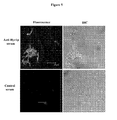
- FIG. 5 Indirect immunofluorescence with anti-Hyr1p serum demonstrates surface expression of Hyr1p on C. albicans hyphae. Hyphal formation was induced by incubating C. albicans in RPMI 1640 for 90 min. Cells were stained with either the hyr1 null mutant pre-absorbed anti-Hyr1p serum (1:100) or the anti-protein preparation from the empty plasmid clone serum (negative control), followed by staining with ALEXA labeled anti-mouse Ab.
- FIG. 6 Recombinant N-terminus of Hyr1p (rHyr1p-N) remarkably protected against murine hematogenously disseminated candidiasis.
- Candida albicans is a common pathogen in humans.
- C. albicans while normally a harmless commensal, can cause a variety of conditions ranging from superficial mucocutaneous infection such as vaginal and/or oropharyngeal candidiasis, to deep organ involvement in disseminated candidiasis.
- the fungus Prior to causing disease, the fungus colonizes the gastrointestinal tract, and in some cases skin and mucous membranes. Adherence to host mucosal surfaces is a key prerequisite for this initial step.
- C. albicans enters the bloodstream via infected intravascular devices or by transmigration through gastrointestinal mucosa compromised by chemotherapy or stress ulcerations.
- Organisms then disseminate via the bloodstream, bind to and penetrate the vascular endothelium to egress from the vascular tree, and invade deep organs such as liver, spleen, and kidney.
- the invention provides a vaccine having an isolated HYR1 fragment, and optionally an adjuvant in a pharmaceutically acceptable medium.
- the vaccine can be an HYR1 fragment derived from a Candida species such as Candida albicans, Candida krusei, Candida tropicalis, Candida glabrata , or Candida parapsilosis.
- the invention utilizes the gene product of C. albicans HYR1 sequence as a vaccine to treat, prevent, or alleviate disseminated candidiasis.
- the vaccine is effective against different strains of C. albicans as well as against different Candida species.
- the invention provides an HYR1 fragment useful when formulated in a pharmaceutical composition and administered as a vaccine with or without an adjuvant.
- An HYR1 fragment can be of candidal origin and can be obtainable, for example, from species belonging to the genera Candida , for example Candida parapsilosis, Candida krusei, Candida glabrata , and Candida tropicalis .
- An HYR1 fragment can be obtained in isolated or purified form, and thus, according to one embodiment of the invention an HYR1 fragment is formulated as a vaccine to cause an immune response in a patient to elicit an immune response against Candida.
- the invention also provides a method of treating or preventing disseminated candidiasis.
- the method includes administering an immunogenic amount of a vaccine of an HYR1 fragment.
- the vaccine can be administered with or without an adjuvant.
- the HYR1 fragment can be derived from different Candida strains as well as from different Candida species such as Candida albicans, Candida krusei, Candida tropicalis, Candida glabrata , and Candida parapsilosis.
- immunotherapeutic methods well know in the art can be employed with one or more HYR1 fragments in a pharmaceutically acceptable composition administered as a vaccine with or without an adjuvant.
- pharmaceutically acceptable compositions administered as a vaccine with or without an adjuvant.
- pharmaceutically acceptable compositions formulated by known techniques to be non-toxic and, when desired, used with carriers or additives that can be safely administered to humans. Administration can be performed using well known routes including, for example, intravenous, intramuscular, intraperitoneal or sub-cutaneous injection.
- Such vaccines of the inventions also can include buffers, salts or other solvents known to these skilled in the art to preserve the activity of the vaccine in solution.
- any of a wide range of adjuvants well known in the art can be employed with the vaccine of the invention to elicit, promote or enhance a therapeutically effective immune response capable of reducing or blocking binding, invasion and/or infection of Candida to a susceptible host cell.
- Candida albicans is the most common cause of invasive fungal infections in humans. It is unclear how C. albicans escapes from phagocytic attack and survives in the hostile blood environment during life-threatening systemic infections.
- HYR1 gene reduced phagocytic killing of C. albicans in vitro and increased tissue fungal burden in vivo. Concordant with its positive regulation by the transcription factor Bcr1p, HYR1 complemented the hyper-susceptibility to phagocyte-mediated killing of a bcr1 null mutant of C. albicans in vitro.
- Hyr1 is an important virulence factor for C. albicans , mediating resistance to phagocyte killing.
- Hyr1p is accordingly a target for vaccine or other immunological or small molecule intervention to improve the outcomes of disseminated candidiasis.
- HYR1 a conditional overexpression/suppression strain of C. albicans , CAAH-31.
- CAAH-31 one allele of HYR1 was controlled by the tetracycline regulated (TR)-promoter and the other allele was disrupted.
- TR tetracycline regulated
- HYR1 was abundantly expressed when blastospores of CAAH-31 were grown in media without DOX, and was not detected in the presence of DOX ( FIG. 1A ).
- HYR1 was not detected in wild-type (THE31) blastospores because HYR1 is a hyphal co-expressed gene ( FIG. 1A ).
- HYR1-expressing C. albicans (CAAH-31 ⁇ DOX) was significantly more resistant to human neutrophil-mediated killing than wild-type C. albicans (which does not express HYR1 in the blastospore phase) and HYR1-suppressed C. albicans (CAAII-31+DOX) ( FIG. 1B ). This phenotype was not due to DOX, as killing was not significantly different between the wild-type control and HYR1-suppressed C. albicans (+DOX).
- HYR1 is a downstream gene of the positive transcription regulator Bcr1p [17]
- disruption of bcr1 would exacerbate susceptibility to neutrophil killing under conditions promoting wild-type C. albicans to express HYR1 (i.e. during hyphal formation).
- HYR1 i.e. during hyphal formation.
- CFUs colony forming units
- the bcr1 null mutant was hyper-susceptible to neutrophil-mediated killing compared to the BCR1-complemented and wild-type control strains ( FIG. 2A ). Furthermore, the hyper-susceptibility to killing of bcr1-deficient C. albicans was fully complemented by autonomous expression of HYR1 in the bcr1 mutant background, but not by other cell surface encoding genes regulated by Bcr1p [17] ( FIGS. 2A and 2B ).
- HYR1 conferred Candida resistance to neutrophil-mediated killing
- SC5314 wild-type C. albicans
- HYR1 was expressed as early as 30 min after exposure to medium containing serum, and maintained high expression for 2.5 hr during culture ( FIG. 3A ).
- HYR1 expression was inhibited for up to 2 hr into the co-culture ( FIG. 3A ).
- HYR1 was expressed during hematogenously disseminated candidiasis
- five major organs brain, liver, lung, spleen and kidney—were harvested from mice infected with C. albicans wild-type strain after 6 and 24 hr of infection.
- An improved nested-RT-PCR assay [20] was used to assess HYR1 expression in vivo. HYR1 expression was detected in all five organs ( FIG. 3B ).
- HYR1 Overexpression of HYR1 increased and suppression of HYR1 decreased fungal burden in the liver and spleen ( FIG. 4A ). Furthermore, we confirmed that the overexpressing strain had significantly higher levels of HYR1 than the wild-type strain in livers; the suppressed strain demonstrated a trend towards reduced levels ( FIG. 4B ). In contrast, HYR1 expression did not significantly alter fungal burden in the kidney (data not shown), an organ lacking resident phagocytes.
- Hyr1p is predicted to be a cell surface protein [7].
- rHyr1p-N an expression clone that includes amino acids 25-350 of the coding sequence.
- Serum from mice immunized with rHyr1p-N was pre-absorbed against the hyr1 null mutant of C. albicans [ 7], followed by indirect immuno-staining on wild-type hyphae.
- the cell wall of wild-type C. albicans hyphae was heavily stained ( FIG. 5 ), confirming that it is cell-surface expressed, and hence exposed to the immune system.
- Hyr1p is as a cell surface protein, which confers resistant to candidal killing by phagocytes, we sought to determine its potential as a vaccine candidate.
- Mice were vaccinated with rHyr1p-N plus adjuvant or adjuvant alone. Two weeks after the boost, mice were infected via the tail vein with highly virulent C. albicans SC5314. Vaccination with rHyr1p-N markedly improved survival of mice compared to those vaccinated with adjuvant alone (62.5 and 0% survival at 35 days, respectively) ( FIG. 6A ).
- the protective effect of the rHyr1p-N vaccine suggested that the anti-rHyr1p serum might be able to neutralize the protective function of Hyr1p in C. albicans .
- To determine whether anti-rHyr1p antibodies could directly inhibit Hyr1p function we isolated and prepared F(ab)′ 2 fragments from total IgG of mice immunized with either rHyr1p-N or the control (preparation produced from E. coli cells transformed with the empty plasmid).
- F(ab)′ 2 from immune but not control serum was able to restore neutrophil killing of the HYR1 conditional expressing strain to levels equivalent to that of the suppressing strain ( FIG. 6C ).
- HYR1 a hyphal co-expressed gene [7, 21] encodes a candidal phagocyte resistance factor.
- Conditional expression of HYR1 in Candida blastospores caused the fungus to be more resistant to killing by phagocytes compared to wild-type C. albicans blastospores.
- the function of HYR1 in C. albicans was recapitulated by heterologously expressing the gene in C. glabrata in vitro.
- Bcr1p a transcription factor that positively regulates HYR1 expression [17] exhibited enhanced susceptibility to phagocyte-mediated killing.
- HYR1 is a downstream gene of BCR1 in a phagocyte killing resistance pathway.
- HL-60 derived neutrophils were able to inhibit the expression of HYR1 in wild-type C. albicans during the initial contact between the phagocytes and Candida .
- a dynamic interaction occurred between host phagocytes and C. albicans , in which the phagocytes mediated a delay in the expression of a phagocyte-resistance gene in the wild-type fungus.
- human neutrophils delayed the formation of C. albicans hyphae and the expression of hyphae co-expressed genes [18].
- Phagocytes can kill Candida extracellularly or intracellularly.
- C. albicans cell surface superoxide dismutases were characterized as virulence factors that help the fungi escape from killing by degrading host-derived highly reactive oxygen species [22].
- Neutrophils typically attach to and spread over the surfaces of hyphal forms of fungi, as extended hyphae are too large for phagocytes to ingest completely.
- C. albicans expresses HYR1 in the hyphal form, it is possible that Hyr1p contributes to resistance to phagocyte killing by preventing surface contact to the phagocyte. Alternatively, Hyr1p might interfere with oxidative or non-oxidative killing mechanisms of phagocytes.
- HYR1 overexpression was recapitulated in vivo.
- overexpression of HYR1 led to a significant increase, and suppression of HYR1 led to a significant decrease, in tissue fungal burden compared to the wild-type strain in organs with resident phagocytes.
- the lack of phenotype in the kidney likely reflects the fact that kidneys do not have resident phagocytes, and that neutrophil influx into the kidneys during lethal disseminated candidiasis does not begin until >24 hr of infection [15]. Nevertheless, vaccination with rHyr1p-N resulted in considerable protection against hematogenously disseminated candidiasis.
- rHyr1p-N is a promising vaccine candidate for disseminated candidiasis.
- the phenotype when overexpression and suppression are used simultaneously, the phenotype can be amplified, as in the case of the effect of HYR1 on liver and spleen fungal burdens in vivo.
- the ability to detect a phenotype by comparing gene overexpression and suppression enables conditional gene expression to overcome the limitations of functional redundancy, which particularly plague forward genetic approaches when members of a gene family are being studied.
- Hyr1p a surface expressed, virulence factor for C. albicans .
- HYR1 expression mediated resistance to neutrophil killing in vitro and increased tissue fungal burden in vivo.
- HYR1 is a promising vaccine target which merits further development as a prophylactic strategy for disseminated candidiasis.
- HYR1-TR promoter cassette [8] was inserted in front of one allele of the HYR1 gene of strain THE4, yielding strain CAAH.
- the URA3 at the HIS1 locus in strain CAAH was looped out, generating CAAH-1.
- the second allele of HYR1 in CAAH-1 was disrupted by a recyclable URA3 cassette, generating strain CAAH-2, followed by looping out of URA3, yielding strain CAAH-3.
- a 3.9-kb Nhe I-Pst I fragment containing the URA3-IRO1 gene was inserted into its original locus on the CAAH-3 genome, yielding CAAH-31. Primers used are listed in Table 1.
- Human neutrophils were isolated, HL-60 cells were differentiated into neutrophils or macrophages, and the phagocyte killing assay was performed as previously described [8-10]. Briefly, phagocytes were incubated with fungi for 1 hr, and then sonicated and quantitatively cultured. Percent killing was calculated by dividing the number of fungal colonies after co-incubation with phagocytes by the number of fungal colonies incubated with media without phagocytes. Human neutrophils and HL-60 derived neutrophils or macrophages were tested at a 2:1 and 20:1 phagocyte:fungus ratio, respectively. For bcr1 and related mutants, the blastospores were pre-germinated for 40 min in RPMI plus 10% FBS at 37° C. before performing the assay.
- C. glabrata BG14 was transformed with either an HYR1 expression vector pGRB2.2-HYR1 or an empty control plasmid pGRB2.2 [11].
- HYR1 coding sequence was amplified by CG-Hyr1-a and CG-Hyr1-b (Table 1) and was cloned into Xba Xho I sites of pGRB2.2 using In-FusionTM 2.0 Dry-Down PCR Cloning Kit per manufacture's instruction (Clontech Laboratories, Mountain View, Calif.).
- HYR1 expression by wild-type C. albicans SC5314 was examined during hematogenously disseminated candidiasis as described. Brains, livers, lungs, kidneys, and spleens of BALB/C mice were collected 6 and 24 hr post infection. Primers used are listed in Table 1. Reverse transcription was performed with RETROscript (Ambion, Tex.). For amplification of mouse G3PDH housekeeping gene, primers G3PDHF and G3PDHR were used. For detection of HYR1 and EFB1 of C. albicans , two rounds of PCR were performed.
- Round one used outer primer set (EFB1F and EFB1R for EFB1, or P2 and P5 for HYR1); round two used an aliquot (1 ⁇ l) of round one PCR product as a template.
- the inner primer sets were as follows: EFB1 nF and EFB1nR (for EFB1), or P2 and P4 (for HYR1). All PCR conditions were as follows: denaturing at 95° C., 2 min and amplification for 35 cycles at 94° C., 30 s (denaturing), 55° C., 30 s (annealing), and 72° C., 90 s (extension).
- cDNA was prepared as above.
- mice were given water with or without DOX (2 mg/ml) dissolved in 5% sucrose solution throughout the period of the experiment starting from day ⁇ 3 relative to infection [13], and were given food and water ad libitum. Tissue fungal burden was carried out as previously described [8] except that organs were removed 1 day post infection. All procedures involving mice were approved by the institutional animal use and care committee, following NIH guidelines.
- rHyr1p-N (from amino acids 25-350 of Hyr1p) was produced in an Escherichia coli pQE-32 expression system (Qiagen), and the 6 ⁇ His tagged protein was purified as described elsewhere, with the exception of using a HISPUR Cobalt resin (Thermo Scientific) affinity column. Endotoxin was removed from rHyr1p-N by using DETOXI-GEL Endotoxin Removing Columns (Thermo Scientific), and the endotoxin level was determined with Limulus Amebocyte Lysate endochrome (Charles River) per manufacturer's instruction. Using this procedure, endotoxin was reduced to ⁇ 0.28 EU per dose used for vaccination.
- Indirect immunofluorescence was performed using polyclonal anti-Hyr1p antisera generated by immunization of mice with rHyr1p-N (from amino acids 25-350). An inoculum of 1 ⁇ 10 7 blastospores of hyr1 null strain were incubated in RPMI 1640 for 90 min at 37° C. and pelleted twice to absorb the antiserum.
- C. albicans blastospores (1 ⁇ 10 5 ) were pre-germinated in RPMI 1640 for 90 min at 37° C. and transferred into a 4-well chamber slide (Nalge Nunc International Corp, Ill., USA). After incubation at 4° C. for 30 min, the cells were blocked with 300 ⁇ l of 1.5% goat serum, stained with polyclonal antiserum at a 1:100 dilution or PBS as a negative control, and then by fluorescein isothiocyanate-labeled goat anti-mouse IgG at 1:200. The cells were imaged by confocal scanning laser microscopy [15].
- mice All vaccinations were subcutaneous, at the base of the neck. Eight juvenile (10-12-week) C57BL/6 mice were vaccinated with 20 ⁇ g of affinity-purified rHyr1p-N in complete Freund's adjuvant and boosted in incomplete Freund's adjuvant (IFA) at 3 weeks. Eight additional juvenile mice received adjuvant alone mixed with the preparation produced from E. coli cells transformed with the empty plasmid. Fourteen days after the boost, mice were infected via the tail vein with 5 ⁇ 10 5 cells of wild-type C. albicans SC5314 [16].
- IFA incomplete Freund's adjuvant
- rHyr1p-N The efficacy of rHyr1p-N in protecting against hematogenously disseminated candidiasis was also evaluated using alum (2% ALHYDROGEL; Brenntag Biosector), an adjuvant approved by the Food and Drug Administration (FDA) for use in humans. Additionally, to determine that rHyr1p-N was protective against other strains of C. albicans , we used another clinical isolate, strain 15563. For these experiments, 33 ⁇ g of affinity-purified rHyr1p-N was mixed with 0.1% ALHYDROGEL and administered to BALB/c mice as above on day 0, boosted on day 21, and then infected on day 35 with C. albicans through tail vein injection. For all vaccination experiments, survival of mice for 35 days after infection was used as an end point.
- ALHYDROGEL 2% ALHYDROGEL
- Brenntag Biosector an adjuvant approved by the Food and Drug Administration
- Phagocyte mediated killing and tissue fungal burdens among different groups were compared by the Mann-Whitney U test for unpaired comparisons, as appropriate.
- the non-parametric Log Rank test was utilized to determine differences in survival times. P values of ⁇ 0.05 were considered significant.
- rHyr1p-N is a Vaccine Against Disseminated Candidiasis
- mice were infected via the tail-vein with HYR1 overexpression/suppression or wild-type C. albicans . Livers and spleens were harvested 1 day post infection and the expression levels of HYR1 and tissue fungal burden were determined by qRT-PCR and quantitative culturing, respectively.
- rHyr1p-N was produced in E. coli pQE-32 expression system and purified per the manufactures' instruction (Qiagen). Mice were vaccinated with 20 ⁇ g of rHyr1p-N in complete Freund's adjuvant (CFA), boosted in incomplete Freund's adjuvant (IFA) at 3 weeks, and infected with C. albcians strain SC5314 two weeks post the boost. Control mice received adjuvant plus cell extract from E. coli transformed with empty plasmid.
- CFA complete Freund's adjuvant
- IFA incomplete Freund's adjuvant
- HYR1 significantly increased fungal burden in both livers and spleens compared to control strain. Suppression of HYR1 significantly reduced fungal burden in both livers and spleens compared to control strain.
- the relative level of expression of HYR1 was 2.5 and 0.8 in livers infected with overexpression or suppression strain versus the control strain, respectively.
- the rHyr1p-N vaccine resulted in 62.5% long-term survival of infected mice, versos 0% survival in control mice.
- HYR1 expression affects the ability of C. albicans to infect tissues in vivo. Furthermore, vaccination with rHyr1p-N markedly protected mice from disseminated candidiasis. The rHyr1p-N vaccine is useful to prevent disseminated candidiasis.
Landscapes
- Health & Medical Sciences (AREA)
- Life Sciences & Earth Sciences (AREA)
- Chemical & Material Sciences (AREA)
- Mycology (AREA)
- General Health & Medical Sciences (AREA)
- Medicinal Chemistry (AREA)
- Immunology (AREA)
- Organic Chemistry (AREA)
- Veterinary Medicine (AREA)
- Pharmacology & Pharmacy (AREA)
- Animal Behavior & Ethology (AREA)
- Public Health (AREA)
- Microbiology (AREA)
- Epidemiology (AREA)
- Nuclear Medicine, Radiotherapy & Molecular Imaging (AREA)
- General Chemical & Material Sciences (AREA)
- Chemical Kinetics & Catalysis (AREA)
- Gastroenterology & Hepatology (AREA)
- Proteomics, Peptides & Aminoacids (AREA)
- Bioinformatics & Cheminformatics (AREA)
- Engineering & Computer Science (AREA)
- Genetics & Genomics (AREA)
- Biochemistry (AREA)
- Biophysics (AREA)
- Molecular Biology (AREA)
- Oncology (AREA)
- Communicable Diseases (AREA)
- Medicines Containing Antibodies Or Antigens For Use As Internal Diagnostic Agents (AREA)
- Peptides Or Proteins (AREA)
- Medicines That Contain Protein Lipid Enzymes And Other Medicines (AREA)
- Preparation Of Compounds By Using Micro-Organisms (AREA)
- Micro-Organisms Or Cultivation Processes Thereof (AREA)
- Passenger Equipment (AREA)
Priority Applications (1)
| Application Number | Priority Date | Filing Date | Title |
|---|---|---|---|
| US13/382,088 US8709446B2 (en) | 2009-07-03 | 2010-07-02 | HYR1 as a target for active and passive immunization against Candida |
Applications Claiming Priority (3)
| Application Number | Priority Date | Filing Date | Title |
|---|---|---|---|
| US22300509P | 2009-07-03 | 2009-07-03 | |
| PCT/US2010/040949 WO2011003085A1 (en) | 2009-07-03 | 2010-07-02 | Hyr1 as a target for active and passive immunization against candida |
| US13/382,088 US8709446B2 (en) | 2009-07-03 | 2010-07-02 | HYR1 as a target for active and passive immunization against Candida |
Related Parent Applications (1)
| Application Number | Title | Priority Date | Filing Date |
|---|---|---|---|
| PCT/US2010/040949 A-371-Of-International WO2011003085A1 (en) | 2009-07-03 | 2010-07-02 | Hyr1 as a target for active and passive immunization against candida |
Related Child Applications (1)
| Application Number | Title | Priority Date | Filing Date |
|---|---|---|---|
| US14/255,072 Continuation US20140335114A1 (en) | 2009-07-03 | 2014-04-17 | Hyr1 as a target for active and passive immunization against candida |
Publications (2)
| Publication Number | Publication Date |
|---|---|
| US20120237534A1 US20120237534A1 (en) | 2012-09-20 |
| US8709446B2 true US8709446B2 (en) | 2014-04-29 |
Family
ID=43411487
Family Applications (2)
| Application Number | Title | Priority Date | Filing Date |
|---|---|---|---|
| US13/382,088 Active US8709446B2 (en) | 2009-07-03 | 2010-07-02 | HYR1 as a target for active and passive immunization against Candida |
| US14/255,072 Abandoned US20140335114A1 (en) | 2009-07-03 | 2014-04-17 | Hyr1 as a target for active and passive immunization against candida |
Family Applications After (1)
| Application Number | Title | Priority Date | Filing Date |
|---|---|---|---|
| US14/255,072 Abandoned US20140335114A1 (en) | 2009-07-03 | 2014-04-17 | Hyr1 as a target for active and passive immunization against candida |
Country Status (15)
| Country | Link |
|---|---|
| US (2) | US8709446B2 (https=) |
| EP (1) | EP2448959B1 (https=) |
| JP (2) | JP5690822B2 (https=) |
| KR (1) | KR20120085234A (https=) |
| CN (1) | CN102574895B (https=) |
| AU (2) | AU2010266114B2 (https=) |
| BR (1) | BR112012000036A2 (https=) |
| CA (1) | CA2766805A1 (https=) |
| ES (1) | ES2606555T3 (https=) |
| IL (1) | IL217261A0 (https=) |
| MX (1) | MX2012000018A (https=) |
| NZ (1) | NZ597442A (https=) |
| RU (2) | RU2559537C2 (https=) |
| SG (1) | SG177456A1 (https=) |
| WO (1) | WO2011003085A1 (https=) |
Cited By (5)
| Publication number | Priority date | Publication date | Assignee | Title |
|---|---|---|---|---|
| US10130691B2 (en) | 2013-03-15 | 2018-11-20 | Los Angeles Biomedical Research Institute At Harbor-Ucla Medical Center | Compositions and methods for treating fungal and bacterial pathogens |
| US10300120B2 (en) | 2002-09-13 | 2019-05-28 | Los Angeles Biomedical Research Institute At Harbor-Ucla Medical Center | Pharmaceutical compositions and methods to vaccinate against disseminated candidiasis and other infectious agents |
| US10857216B2 (en) | 2016-03-09 | 2020-12-08 | Novadigm Therapeutics, Inc. | Methods and kits for use in preventing and treating vulvovaginal candidiasis |
| US20240358804A1 (en) * | 2021-04-21 | 2024-10-31 | Lundquist Institute For Biomedical Innovation At Harbor-Ucla Medical Center | Vaccination against fungal epitopes to prevent inflammatory bowel diseases |
| WO2025248488A1 (en) * | 2024-05-29 | 2025-12-04 | Lundquist Institute For Biomedical Innovation At Harbor-Ucla Medical Center | Compositions and methods for preventing and treating healthcare-associated candida auris infections with dual antigen vaccine |
Families Citing this family (7)
| Publication number | Priority date | Publication date | Assignee | Title |
|---|---|---|---|---|
| WO2011003085A1 (en) | 2009-07-03 | 2011-01-06 | Los Angeles Biomedical Research Institute At Harbor-Ucla Medical Center | Hyr1 as a target for active and passive immunization against candida |
| GEP201706766B (en) | 2011-07-22 | 2017-10-25 | Los Angeles Biomedical Res Center | Methods and compositions for vaccinating against staphylococcus aureus |
| BR112014005773A2 (pt) * | 2011-09-14 | 2019-09-24 | Los Angeles Biomedical Research Institute At Harbor-Ucla Medical Center | composições derivadas de hyr1 e métodos of tratamento usando as mesmas |
| WO2014144024A1 (en) * | 2013-03-15 | 2014-09-18 | Los Angeles Biomedical Research Institute At Harbor-Ucla Medical Center | Hyr1 compositions and methods for treating fungal and bacterial pathogens |
| GB201306588D0 (en) | 2013-04-11 | 2013-05-29 | King S College London | Peptides and Binding Partners Therefor |
| CN113508176A (zh) | 2019-02-28 | 2021-10-15 | 米尼翁大学 | 用于控制白色念珠菌感染的反义寡聚物 |
| CN110229221B (zh) * | 2019-06-27 | 2022-04-12 | 上海交通大学医学院附属仁济医院 | 一种用于检测侵袭性白色念珠菌病的抗原及其用途 |
Citations (3)
| Publication number | Priority date | Publication date | Assignee | Title |
|---|---|---|---|---|
| US6747137B1 (en) * | 1998-02-13 | 2004-06-08 | Genome Therapeutics Corporation | Nucleic acid sequences relating to Candida albicans for diagnostics and therapeutics |
| US7241613B1 (en) | 2002-06-05 | 2007-07-10 | Oscient Pharmaceuticals Corporation | Identification of Candida cell surface proteins and their uses |
| WO2011003085A1 (en) | 2009-07-03 | 2011-01-06 | Los Angeles Biomedical Research Institute At Harbor-Ucla Medical Center | Hyr1 as a target for active and passive immunization against candida |
Family Cites Families (5)
| Publication number | Priority date | Publication date | Assignee | Title |
|---|---|---|---|---|
| WO1995031998A1 (en) | 1994-05-23 | 1995-11-30 | The Research & Development Institute, Inc. | Candida albicans adhesin as a vaccine |
| US20070077256A1 (en) * | 1999-11-19 | 2007-04-05 | Los Angeles Biomedical Research Institute | Pharmaceutical compositions and methods to vaccinate against disseminated candidiasis and other infectious agents |
| US20060083750A1 (en) * | 1999-11-19 | 2006-04-20 | Los Angeles Biomedical Research Institute At Harbor-Ucla Medical Center | Pharmaceutical compositions and methods to vaccinate against disseminated candidiasis |
| US6734344B2 (en) * | 1999-12-10 | 2004-05-11 | Her Majesty The Queen In Right Of Canada, As Represented By The Minister Of Agriculture And Agrifood | Coniothyrium minitans β-(1,3) exoglucanase gene cbeg 1 |
| RU2316595C1 (ru) * | 2006-06-16 | 2008-02-10 | Институт биоорганической химии им. академиков М.М. Шемякина и Ю.А. Овчинникова Российской академии наук | Способ получения антимикробного пептида ареницина |
-
2010
- 2010-07-02 WO PCT/US2010/040949 patent/WO2011003085A1/en not_active Ceased
- 2010-07-02 JP JP2012517920A patent/JP5690822B2/ja active Active
- 2010-07-02 US US13/382,088 patent/US8709446B2/en active Active
- 2010-07-02 CN CN201080039446.5A patent/CN102574895B/zh not_active Expired - Fee Related
- 2010-07-02 ES ES10794828.3T patent/ES2606555T3/es active Active
- 2010-07-02 RU RU2012103502/10A patent/RU2559537C2/ru active IP Right Revival
- 2010-07-02 CA CA2766805A patent/CA2766805A1/en not_active Abandoned
- 2010-07-02 NZ NZ597442A patent/NZ597442A/en not_active IP Right Cessation
- 2010-07-02 SG SG2011097680A patent/SG177456A1/en unknown
- 2010-07-02 KR KR1020127002540A patent/KR20120085234A/ko not_active Withdrawn
- 2010-07-02 RU RU2015122387/10A patent/RU2015122387A/ru not_active Application Discontinuation
- 2010-07-02 EP EP10794828.3A patent/EP2448959B1/en active Active
- 2010-07-02 MX MX2012000018A patent/MX2012000018A/es not_active Application Discontinuation
- 2010-07-02 AU AU2010266114A patent/AU2010266114B2/en not_active Ceased
- 2010-07-02 BR BR112012000036A patent/BR112012000036A2/pt not_active IP Right Cessation
-
2011
- 2011-12-28 IL IL217261A patent/IL217261A0/en unknown
-
2014
- 2014-04-17 US US14/255,072 patent/US20140335114A1/en not_active Abandoned
-
2015
- 2015-02-02 JP JP2015018131A patent/JP2015120722A/ja active Pending
-
2016
- 2016-10-12 AU AU2016244238A patent/AU2016244238A1/en not_active Abandoned
Patent Citations (4)
| Publication number | Priority date | Publication date | Assignee | Title |
|---|---|---|---|---|
| US6747137B1 (en) * | 1998-02-13 | 2004-06-08 | Genome Therapeutics Corporation | Nucleic acid sequences relating to Candida albicans for diagnostics and therapeutics |
| US20070027309A1 (en) | 1998-02-13 | 2007-02-01 | Weinstock Keith G | Nucleic acid and amino acid sequences relating to Candida albicans for diagnostics and therapeutics |
| US7241613B1 (en) | 2002-06-05 | 2007-07-10 | Oscient Pharmaceuticals Corporation | Identification of Candida cell surface proteins and their uses |
| WO2011003085A1 (en) | 2009-07-03 | 2011-01-06 | Los Angeles Biomedical Research Institute At Harbor-Ucla Medical Center | Hyr1 as a target for active and passive immunization against candida |
Non-Patent Citations (17)
| Title |
|---|
| Bailey et al., "The Candida albicans HYR1 Gene, Which is Activated in Response to Hyphal Development, Belongs to a Gene Family Encoding a Yeast Cell Wall Proteins," J. Bacteriol. 178:5353-5360 (1996). |
| Bates et al., "Candida albicans Iff11, a Secreted Protein Required for Cell Wall Structure and Virulence," Infect. Immun. 75:2922-2928 (2007). |
| Database Geneseq. "C. albicans Hyphally Regulated Protein, SEQ ID No. 326," retrieved from EBI Accession No. GSP:AJF41554 on Nov. 1, 2007. |
| Database Geneseq. "Candida albicans Protein, SEQ ID No. 15577," retrieved from EBI Accession No. GSP:ATC95389 on Oct. 30, 2008. |
| Examination Report for New Zealand Patent Application No. 597442, dated Jul. 18, 2012 (2 pages). |
| First Office Action for Chinese Patent Application No. 201080039446.5, issued May 31, 2013 (English Language Translation Provided) (11 Pages). |
| Greenspan et al. Nature Biotechnology 7: 936-937, 1999. * |
| Ibrahim et al., "Vaccination with Recombinant N-Terminal Domain of Als1p Improves Survival During Murine Disseminated Candidiasis by Enhancing Cell-Mediated, Not Humoral, Immunity," Infect. Immun. 73:999-1005 (2005). |
| International Preliminary Report on Patentability for International Application No. PCT/US2010/040949, issued Jan. 4, 2012 (5 pages). |
| International Search Report for International Application No. PCT/US2010/040949, completed Oct. 8, 2010, mailed Jun. 6, 2011 (3 pages). |
| Luo et al., "Candida albicans Hyr1p Confers Resistance to Neutrophil Killing and is a Potential Vaccine Target," J. Infect. Dis. 201:1718-1728 (2010). |
| Luo et al., "Neutrophils Inhibit Candidal Expression of HYR1, Which Mediates Resistance to Neutrophil Killing," Abstract M-1583. 48th Annual Interscience Conference on Antimicrobial Agents and Chemotherapy / 46th Annual Meeting of ISDA, American Society for Microbiology. Washington, DC. vol. 48, p. 654, Jan. 1, 2008. |
| Second Office Action for Chinese Patent Application No. 201080039446.5, issued Nov. 18, 2013 (English language translation provided). |
| Supplementary European Search Report for European Patent Application No. 10794828.3, dated Dec. 18, 2012 (9 pages). |
| Uniprot Submission P46591. Nov. 1995. Retrieved from the internet Sep. 16, 2010. http://www.uniprot.org/uniprot/P46591.txt?version=39. |
| Written Opinion of the International Searching Authority for International Application No. PCT/US2010/040949, completed Oct. 8, 2010, mailed Jun. 6, 2011 (4 pages). |
| Zhang et al., "Crystal Structure of Glutathione-Dependent Phospholipid Peroxidase Hyr1 from the Yeast Saccharomycas cerevisiae," Proteins 73:1058-1062 (2008). |
Cited By (5)
| Publication number | Priority date | Publication date | Assignee | Title |
|---|---|---|---|---|
| US10300120B2 (en) | 2002-09-13 | 2019-05-28 | Los Angeles Biomedical Research Institute At Harbor-Ucla Medical Center | Pharmaceutical compositions and methods to vaccinate against disseminated candidiasis and other infectious agents |
| US10130691B2 (en) | 2013-03-15 | 2018-11-20 | Los Angeles Biomedical Research Institute At Harbor-Ucla Medical Center | Compositions and methods for treating fungal and bacterial pathogens |
| US10857216B2 (en) | 2016-03-09 | 2020-12-08 | Novadigm Therapeutics, Inc. | Methods and kits for use in preventing and treating vulvovaginal candidiasis |
| US20240358804A1 (en) * | 2021-04-21 | 2024-10-31 | Lundquist Institute For Biomedical Innovation At Harbor-Ucla Medical Center | Vaccination against fungal epitopes to prevent inflammatory bowel diseases |
| WO2025248488A1 (en) * | 2024-05-29 | 2025-12-04 | Lundquist Institute For Biomedical Innovation At Harbor-Ucla Medical Center | Compositions and methods for preventing and treating healthcare-associated candida auris infections with dual antigen vaccine |
Also Published As
| Publication number | Publication date |
|---|---|
| KR20120085234A (ko) | 2012-07-31 |
| EP2448959B1 (en) | 2016-09-07 |
| AU2016244238A1 (en) | 2016-10-27 |
| EP2448959A4 (en) | 2013-01-02 |
| AU2010266114B2 (en) | 2016-07-14 |
| RU2012103502A (ru) | 2013-08-10 |
| SG177456A1 (en) | 2012-02-28 |
| RU2015122387A (ru) | 2015-10-27 |
| MX2012000018A (es) | 2012-03-29 |
| NZ597442A (en) | 2014-01-31 |
| CN102574895B (zh) | 2014-06-11 |
| WO2011003085A1 (en) | 2011-01-06 |
| IL217261A0 (en) | 2012-02-29 |
| JP2015120722A (ja) | 2015-07-02 |
| ES2606555T3 (es) | 2017-03-24 |
| BR112012000036A2 (pt) | 2018-04-03 |
| RU2015122387A3 (https=) | 2019-01-28 |
| RU2559537C2 (ru) | 2015-08-10 |
| WO2011003085A9 (en) | 2011-07-28 |
| CA2766805A1 (en) | 2011-01-06 |
| CN102574895A (zh) | 2012-07-11 |
| JP5690822B2 (ja) | 2015-03-25 |
| JP2012532114A (ja) | 2012-12-13 |
| US20140335114A1 (en) | 2014-11-13 |
| EP2448959A1 (en) | 2012-05-09 |
| AU2010266114A1 (en) | 2012-02-02 |
| US20120237534A1 (en) | 2012-09-20 |
Similar Documents
| Publication | Publication Date | Title |
|---|---|---|
| US8709446B2 (en) | HYR1 as a target for active and passive immunization against Candida | |
| Luo et al. | Candida albicans Hyr1p confers resistance to neutrophil killing and is a potential vaccine target | |
| US10300120B2 (en) | Pharmaceutical compositions and methods to vaccinate against disseminated candidiasis and other infectious agents | |
| US20150191514A1 (en) | Hyr1-derived compositions and methods of treatment using same | |
| US20060083750A1 (en) | Pharmaceutical compositions and methods to vaccinate against disseminated candidiasis | |
| AU2013203750A1 (en) | Pharmaceutical compositions and methods to vaccinate against disseminated candidiasis and other infectious agents | |
| AU2012216520A1 (en) | Pharmaceutical compositions and methods to vaccinate against disseminated candidiasis and other infectious agents |
Legal Events
| Date | Code | Title | Description |
|---|---|---|---|
| AS | Assignment |
Owner name: LOS ANGELES BIOMEDICAL RESEARCH INSTITUTE AT HARBO Free format text: ASSIGNMENT OF ASSIGNORS INTEREST;ASSIGNORS:FU, YUE;LUO, GUANPINGSHENG;IBRAHIM, ASHRAF;AND OTHERS;SIGNING DATES FROM 20120223 TO 20120227;REEL/FRAME:027954/0840 |
|
| STCF | Information on status: patent grant |
Free format text: PATENTED CASE |
|
| AS | Assignment |
Owner name: NATIONAL INSTITUTES OF HEALTH (NIH), U.S. DEPT. OF Free format text: CONFIRMATORY LICENSE;ASSIGNOR:LA BIOMED RES INST/ HARBOR UCLA MED CTR;REEL/FRAME:043791/0273 Effective date: 20170907 |
|
| MAFP | Maintenance fee payment |
Free format text: PAYMENT OF MAINTENANCE FEE, 4TH YR, SMALL ENTITY (ORIGINAL EVENT CODE: M2551) Year of fee payment: 4 |
|
| MAFP | Maintenance fee payment |
Free format text: PAYMENT OF MAINTENANCE FEE, 8TH YR, SMALL ENTITY (ORIGINAL EVENT CODE: M2552); ENTITY STATUS OF PATENT OWNER: SMALL ENTITY Year of fee payment: 8 |
|
| MAFP | Maintenance fee payment |
Free format text: PAYMENT OF MAINTENANCE FEE, 12TH YR, SMALL ENTITY (ORIGINAL EVENT CODE: M2553); ENTITY STATUS OF PATENT OWNER: SMALL ENTITY Year of fee payment: 12 |