US20240400544A1 - N-(hydroxyalkyl (hetero)aryl) tetrahydrofuran carboxamide analogs as modulators of sodium channels - Google Patents
N-(hydroxyalkyl (hetero)aryl) tetrahydrofuran carboxamide analogs as modulators of sodium channels Download PDFInfo
- Publication number
- US20240400544A1 US20240400544A1 US18/566,282 US202218566282A US2024400544A1 US 20240400544 A1 US20240400544 A1 US 20240400544A1 US 202218566282 A US202218566282 A US 202218566282A US 2024400544 A1 US2024400544 A1 US 2024400544A1
- Authority
- US
- United States
- Prior art keywords
- pain
- compound
- pharmaceutically acceptable
- acceptable salt
- trifluoromethyl
- Prior art date
- Legal status (The legal status is an assumption and is not a legal conclusion. Google has not performed a legal analysis and makes no representation as to the accuracy of the status listed.)
- Pending
Links
Images


Classifications
-
- C—CHEMISTRY; METALLURGY
- C07—ORGANIC CHEMISTRY
- C07D—HETEROCYCLIC COMPOUNDS
- C07D491/00—Heterocyclic compounds containing in the condensed ring system both one or more rings having oxygen atoms as the only ring hetero atoms and one or more rings having nitrogen atoms as the only ring hetero atoms, not provided for by groups C07D451/00 - C07D459/00, C07D463/00, C07D477/00 or C07D489/00
- C07D491/02—Heterocyclic compounds containing in the condensed ring system both one or more rings having oxygen atoms as the only ring hetero atoms and one or more rings having nitrogen atoms as the only ring hetero atoms, not provided for by groups C07D451/00 - C07D459/00, C07D463/00, C07D477/00 or C07D489/00 in which the condensed system contains two hetero rings
- C07D491/04—Ortho-condensed systems
- C07D491/044—Ortho-condensed systems with only one oxygen atom as ring hetero atom in the oxygen-containing ring
- C07D491/048—Ortho-condensed systems with only one oxygen atom as ring hetero atom in the oxygen-containing ring the oxygen-containing ring being five-membered
-
- C—CHEMISTRY; METALLURGY
- C07—ORGANIC CHEMISTRY
- C07D—HETEROCYCLIC COMPOUNDS
- C07D413/00—Heterocyclic compounds containing two or more hetero rings, at least one ring having nitrogen and oxygen atoms as the only ring hetero atoms
- C07D413/14—Heterocyclic compounds containing two or more hetero rings, at least one ring having nitrogen and oxygen atoms as the only ring hetero atoms containing three or more hetero rings
-
- A—HUMAN NECESSITIES
- A61—MEDICAL OR VETERINARY SCIENCE; HYGIENE
- A61K—PREPARATIONS FOR MEDICAL, DENTAL OR TOILETRY PURPOSES
- A61K31/00—Medicinal preparations containing organic active ingredients
- A61K31/33—Heterocyclic compounds
- A61K31/395—Heterocyclic compounds having nitrogen as a ring hetero atom, e.g. guanethidine or rifamycins
- A61K31/435—Heterocyclic compounds having nitrogen as a ring hetero atom, e.g. guanethidine or rifamycins having six-membered rings with one nitrogen as the only ring hetero atom
- A61K31/4353—Heterocyclic compounds having nitrogen as a ring hetero atom, e.g. guanethidine or rifamycins having six-membered rings with one nitrogen as the only ring hetero atom ortho- or peri-condensed with heterocyclic ring systems
- A61K31/4355—Heterocyclic compounds having nitrogen as a ring hetero atom, e.g. guanethidine or rifamycins having six-membered rings with one nitrogen as the only ring hetero atom ortho- or peri-condensed with heterocyclic ring systems the heterocyclic ring system containing a five-membered ring having oxygen as a ring hetero atom
-
- A—HUMAN NECESSITIES
- A61—MEDICAL OR VETERINARY SCIENCE; HYGIENE
- A61K—PREPARATIONS FOR MEDICAL, DENTAL OR TOILETRY PURPOSES
- A61K31/00—Medicinal preparations containing organic active ingredients
- A61K31/33—Heterocyclic compounds
- A61K31/395—Heterocyclic compounds having nitrogen as a ring hetero atom, e.g. guanethidine or rifamycins
- A61K31/435—Heterocyclic compounds having nitrogen as a ring hetero atom, e.g. guanethidine or rifamycins having six-membered rings with one nitrogen as the only ring hetero atom
- A61K31/44—Non condensed pyridines; Hydrogenated derivatives thereof
- A61K31/4427—Non condensed pyridines; Hydrogenated derivatives thereof containing further heterocyclic ring systems
- A61K31/443—Non condensed pyridines; Hydrogenated derivatives thereof containing further heterocyclic ring systems containing a five-membered ring with oxygen as a ring hetero atom
-
- A—HUMAN NECESSITIES
- A61—MEDICAL OR VETERINARY SCIENCE; HYGIENE
- A61K—PREPARATIONS FOR MEDICAL, DENTAL OR TOILETRY PURPOSES
- A61K31/00—Medicinal preparations containing organic active ingredients
- A61K31/33—Heterocyclic compounds
- A61K31/395—Heterocyclic compounds having nitrogen as a ring hetero atom, e.g. guanethidine or rifamycins
- A61K31/495—Heterocyclic compounds having nitrogen as a ring hetero atom, e.g. guanethidine or rifamycins having six-membered rings with two or more nitrogen atoms as the only ring heteroatoms, e.g. piperazine or tetrazines
- A61K31/505—Pyrimidines; Hydrogenated pyrimidines, e.g. trimethoprim
- A61K31/506—Pyrimidines; Hydrogenated pyrimidines, e.g. trimethoprim not condensed and containing further heterocyclic rings
-
- A—HUMAN NECESSITIES
- A61—MEDICAL OR VETERINARY SCIENCE; HYGIENE
- A61K—PREPARATIONS FOR MEDICAL, DENTAL OR TOILETRY PURPOSES
- A61K31/00—Medicinal preparations containing organic active ingredients
- A61K31/33—Heterocyclic compounds
- A61K31/395—Heterocyclic compounds having nitrogen as a ring hetero atom, e.g. guanethidine or rifamycins
- A61K31/535—Heterocyclic compounds having nitrogen as a ring hetero atom, e.g. guanethidine or rifamycins having six-membered rings with at least one nitrogen and one oxygen as the ring hetero atoms, e.g. 1,2-oxazines
- A61K31/5375—1,4-Oxazines, e.g. morpholine
- A61K31/5377—1,4-Oxazines, e.g. morpholine not condensed and containing further heterocyclic rings, e.g. timolol
-
- A—HUMAN NECESSITIES
- A61—MEDICAL OR VETERINARY SCIENCE; HYGIENE
- A61P—SPECIFIC THERAPEUTIC ACTIVITY OF CHEMICAL COMPOUNDS OR MEDICINAL PREPARATIONS
- A61P29/00—Non-central analgesic, antipyretic or antiinflammatory agents, e.g. antirheumatic agents; Non-steroidal antiinflammatory drugs [NSAID]
-
- C—CHEMISTRY; METALLURGY
- C07—ORGANIC CHEMISTRY
- C07D—HETEROCYCLIC COMPOUNDS
- C07D405/00—Heterocyclic compounds containing both one or more hetero rings having oxygen atoms as the only ring hetero atoms, and one or more rings having nitrogen as the only ring hetero atom
- C07D405/02—Heterocyclic compounds containing both one or more hetero rings having oxygen atoms as the only ring hetero atoms, and one or more rings having nitrogen as the only ring hetero atom containing two hetero rings
- C07D405/12—Heterocyclic compounds containing both one or more hetero rings having oxygen atoms as the only ring hetero atoms, and one or more rings having nitrogen as the only ring hetero atom containing two hetero rings linked by a chain containing hetero atoms as chain links
-
- C—CHEMISTRY; METALLURGY
- C07—ORGANIC CHEMISTRY
- C07D—HETEROCYCLIC COMPOUNDS
- C07D405/00—Heterocyclic compounds containing both one or more hetero rings having oxygen atoms as the only ring hetero atoms, and one or more rings having nitrogen as the only ring hetero atom
- C07D405/14—Heterocyclic compounds containing both one or more hetero rings having oxygen atoms as the only ring hetero atoms, and one or more rings having nitrogen as the only ring hetero atom containing three or more hetero rings
-
- C—CHEMISTRY; METALLURGY
- C07—ORGANIC CHEMISTRY
- C07D—HETEROCYCLIC COMPOUNDS
- C07D491/00—Heterocyclic compounds containing in the condensed ring system both one or more rings having oxygen atoms as the only ring hetero atoms and one or more rings having nitrogen atoms as the only ring hetero atoms, not provided for by groups C07D451/00 - C07D459/00, C07D463/00, C07D477/00 or C07D489/00
- C07D491/02—Heterocyclic compounds containing in the condensed ring system both one or more rings having oxygen atoms as the only ring hetero atoms and one or more rings having nitrogen atoms as the only ring hetero atoms, not provided for by groups C07D451/00 - C07D459/00, C07D463/00, C07D477/00 or C07D489/00 in which the condensed system contains two hetero rings
- C07D491/04—Ortho-condensed systems
Definitions
- Pain is a protective mechanism that allows healthy animals to avoid tissue damage and to prevent further damage to injured tissue. Nonetheless there are many conditions where pain persists beyond its usefulness, or where patients would benefit from inhibition of pain.
- Neuropathic pain is a form of chronic pain caused by an injury to the sensory nerves (Dieleman, J. P., et al., Incidence rates and treatment of neuropathic pain conditions in the general population. Pain, 2008. 137(3): p. 681-8).
- Neuropathic pain can be divided into two categories, pain caused by generalized metabolic damage to the nerve and pain caused by a discrete nerve injury.
- the metabolic neuropathies include post-herpetic neuropathy, diabetic neuropathy, and drug-induced neuropathy.
- Na V s Voltage-gated sodium channels
- Na V s are involved in pain signaling.
- Na V s mediate the rapid upstroke of the action potential of many excitable cell types (e.g. neurons, skeletal myocytes, cardiac myocytes), and thus are involved in the initiation of electrical signaling in those cells (Hille, Bertil, Ion Channels of Excitable Membranes , Third ed. (Sinauer Associates, Inc., Sunderland, MA, 2001)).
- Support for the assertion that Na V s play a critical and central role in pain signaling arises from (1) evaluation of the role Na V s plays in normal physiology, (2) pathological states arising from mutations in the Nav1.8 gene (SCN10A).
- Nav1.8 inhibition is restricted to peripheral neurons, particularly those that sense pain (e.g., the dorsal root ganglia), Nav1.8 inhibitors are less likely to be associated with the side effects commonly observed with other sodium channel modulators and the abuse liability associated with opioid therapies. Therefore, targeting the underlying biology of pain through selective Nav1.8 inhibition represents a novel approach to analgesic drug development that has the potential to address an urgent unmet need for safe and effective acute and chronic pain therapies.
- the local anesthetic drugs such as lidocaine block pain by inhibiting Na V channels
- other compounds such as carbamazepine, lamotrigine, and tricyclic antidepressants that have proven effective at reducing pain
- sodium channel inhibition Soderpalm, B., Anticonvulsants: aspects of their mechanisms of action. Eur. J Pain 6 Suppl. A, p. 3-9 (2002); Wang, G. K., Mitchell, J., and Wang, S. Y., Block of persistent late Na + currents by antidepressant sertraline and paroxetine. J. Membr. Biol. 222 (2), p. 79-90 (2008)).
- the Na V s form a subfamily of the voltage-gated ion channel super-family and comprises 9 isoforms, designated Na V 1.1-Na V 1.9.
- the tissue localizations of the nine isoforms vary.
- Na V 1.4 is the primary sodium channel of skeletal muscle
- Na V 1.5 is the primary sodium channel of cardiac myocytes.
- Na V s 1.7, 1.8, and 1.9 are primarily localized to the peripheral nervous system, while Na V s 1.1, 1.2, 1.3, and 1.6 are neuronal channels found in both the central and peripheral nervous systems.
- the functional behaviors of the nine isoforms are similar but distinct in the specifics of their voltage-dependent and kinetic behavior (Catterall, W. A., Goldin, A. L., and Waxman, S. G., International Union of Pharmacology. XLVII. Nomenclature and structure-function relationships of voltage-gated sodium channels. Pharmacol. Rev. 57 (4), p. 397 (2005)).
- Na V 1.8 is involved in spontaneous firing in damaged neurons, like those that drive neuropathic pain (Roza, C., et al., The tetrodotoxin-resistant Na + channel Na V 1.8 is essential for the expression of spontaneous activity in damaged sensory axons of mice. J. Physiol., 2003. 550(Pt 3): p. 921-6; Jarvis, M. F., et al., A-803467, a potent and selective Na V 1.8 sodium channel blocker, attenuates neuropathic and inflammatory pain in the rat. Proc. Natl. Acad. Sci . USA, 2007.
- Na V 1.8 appears to be a driver of hyper-excitability (Rush, A. M., et al., A single sodium channel mutation produces hyper- or hypoexcitability in different types of neurons. Proc. Natl. Acad. Sci. USA, 2006. 103(21): p. 8245-50).
- Na V 1.8 mRNA expression levels have been shown to increase in the DRG (Sun, W., et al., Reduced conduction failure of the main axon of polymodal nociceptive C-fibers contributes to painful diabetic neuropathy in rats. Brain, 135(Pt 2): p. 359-75; Strickland, I.
- voltage-gated sodium channel inhibitors have limitations as therapeutic agents due to, for example, a poor therapeutic window (e.g., due to a lack of Na V isoform selectivity, low potency, and/or other reasons). Accordingly, there remains a need to develop selective voltage-gated sodium channel inhibitors, such as selective Na V 1.8 inhibitors.
- the invention relates to a compound described herein, or a pharmaceutically acceptable salt thereof.
- the invention in another aspect, relates to a pharmaceutical composition
- a pharmaceutical composition comprising the compound, or a pharmaceutically acceptable salt thereof, and one or more pharmaceutically acceptable carriers or vehicles.
- the invention relates to a method of inhibiting a voltage gated sodium channel in a subject by administering the compound, pharmaceutically acceptable salt, or pharmaceutical composition to the subject.
- the invention relates to a method of treating or lessening the severity in a subject of a variety of diseases, disorders, or conditions, including, but not limited to, chronic pain, gut pain, neuropathic pain, musculoskeletal pain, acute pain, inflammatory pain, cancer pain, idiopathic pain, postsurgical pain (e.g., bunionectomy pain, herniorrhaphy pain or abdominoplasty pain), visceral pain, multiple sclerosis, Charcot-Marie-Tooth syndrome, incontinence, pathological cough, and cardiac arrhythmia, by administering the compound, pharmaceutically acceptable salt, or pharmaceutical composition to the subject.
- diseases, disorders, or conditions including, but not limited to, chronic pain, gut pain, neuropathic pain, musculoskeletal pain, acute pain, inflammatory pain, cancer pain, idiopathic pain, postsurgical pain (e.g., bunionectomy pain, herniorrhaphy pain or abdominoplasty pain), visceral pain, multiple sclerosis, Charcot-Marie-Tooth
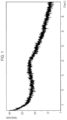
- FIG. 1 depicts an XRPD pattern characteristic of amorphous Compound 17.
- FIG. 2 depicts an XRPD pattern characteristic of amorphous Compound 25.
- the invention relates to a compound of formula (I)
- the term “compounds of the invention” refers to the compounds of formula (I), and all of the embodiments thereof (e.g., formulas (I-A), (I-A-1), (I-A-2), (I-A-3), (I-B), (I-B-1), (I-B-2), (I-B-3), (I-C), (I-C-1), (I-C-2), (I-C-3), (I-D), (I-D-1), (I-D-2), (I-D-3), and (I-D-4), etc.), as described herein, and to the compounds identified in Table A.
- the compounds of the invention comprise multiple variable groups (e.g., R 5b1 , X 3a , R d , etc.).
- combinations of groups envisioned by this invention are those combinations that result in the formation of stable or chemically feasible compounds.
- the term “stable,” in this context, refers to compounds that are not substantially altered when subjected to conditions that allow for their production, detection, and optionally their recovery, purification, and use for one or more of the purposes disclosed herein.
- a stable compound or chemically feasible compound is one that is not substantially altered when kept at a temperature of 40° C. or less, in the absence of moisture or other chemically reactive conditions, for at least a week.
- a substituent depicted as “CF 3 ” or “F 3 C” in a chemical structure refers to a trifluoromethyl substituent, regardless of which depiction appears in the chemical structure.
- halo means F, Cl, Br or I.
- alkyl refers to a straight or branched hydrocarbon chain radical group consisting solely of carbon and hydrogen atoms, containing no unsaturation, and having the specified number of carbon atoms, which is attached to the rest of the molecule by a single bond.
- a “C 1 -C 6 alkyl” group is an alkyl group having between one and six carbon atoms.
- alkenyl refers to a straight or branched hydrocarbon chain radical group consisting solely of carbon and hydrogen atoms, containing one or more carbon-carbon double bonds, and having the specified number of carbon atoms, which is attached to the rest of the molecule by a single bond.
- a “C 2 -C 6 alkenyl” group is an alkenyl group having between two and six carbon atoms.
- cycloalkyl refers to a stable, non-aromatic, mono- or bicyclic (fused, bridged, or spiro) saturated hydrocarbon radical consisting solely of carbon and hydrogen atoms, having the specified number of carbon ring atoms, and which is attached to the rest of the molecule by a single bond.
- a “C 3 -C 8 cycloalkyl” group is a cycloalkyl group having between three and eight carbon atoms.
- haloalkyl refers to an alkyl group having the specified number of carbon atoms, wherein one or more of the hydrogen atoms of the alkyl group are replaced by halo groups.
- a “C 1 -C 6 haloalkyl” group is an alkyl group having between one and six carbon atoms, wherein one or more of the hydrogen atoms of the alkyl group are replaced by halo groups.
- alkoxy refers to a radical of the formula —OR a , where R a is an alkyl group having the specified number of carbon atoms.
- R a is an alkyl group having the specified number of carbon atoms.
- a “C 1 -C 6 alkoxy” group is a radical of the formula —OR a where R a is an alkyl group having the between one and six carbon atoms.
- haloalkoxy refers to an alkoxy group having the specified number of carbon atoms, wherein one or more of the hydrogen atoms of the of the alkyl group are replaced by halo groups.
- the term “optionally substituted” refers to a group that is either unsubstituted or substituted with the subsequently identified substituents.
- a group that is “optionally substituted with 1-2 halo” is either unsubstituted, substituted with 1 halo group, or substituted with 2 halo groups.
- labels such as “*2” and “*3”, such as those shown in the following structure, designate designate the atoms to which the corresponding R groups (in this case, the R 2c and R 3c groups, respectively) are attached.
- the compound may have any configuration, or a mixture of configurations, at the stereocenter.
- the prefix “rac-,” when used in connection with a chiral compound, refers to a racemic mixture of the compound.
- the (R)- and (S)-designators in the chemical name reflect the relative stereochemistry of the compound.
- the prefix “rel-,” when used in connection with a chiral compound, refers to a single enantiomer of unknown absolute configuration.
- the (R)- and (S)-designators in the chemical name reflect the relative stereochemistry of the compound, but do not necessarily reflect the absolute stereochemistry of the compound. Where the relative stereochemistry of a given stereocenter is unknown, no stereochemical designator is provided. In some instances, the absolute configuration of some stereocenters is known, while only the relative configuration of the other stereocenters is known.
- the term “compound,” when referring to the compounds of the invention, refers to a collection of molecules having identical chemical structures, except that there may be isotopic variation among the constituent atoms of the molecules.
- the term “compound” includes such a collection of molecules without regard to the purity of a given sample containing the collection of molecules.
- the term “compound” includes such a collection of molecules in pure form, in a mixture (e.g., solution, suspension, colloid, or pharmaceutical composition, or dosage form) with one or more other substances, or in the form of a hydrate, solvate, or co-crystal.
- amorphous refers to a solid material having no long-range order in the position of its molecules.
- Amorphous solids are generally glasses or supercooled liquids in which the molecules are arranged in a random manner so that there is no well-defined arrangement, e.g., molecular packing, and no long-range order.
- Amorphous solids are generally rather isotropic, i.e., exhibit similar properties in all directions and do not have definite melting points. Instead, they typically exhibit a glass transition temperature which marks a transition from glassy amorphous state to supercooled liquid amorphous state upon heating.
- an amorphous material is a solid material having no sharp characteristic crystalline peak(s) in its X-ray power diffraction (XRPD) pattern (i.e., is not crystalline as determined by XRPD). Instead, one or several broad peaks (e.g., halos) appear in its XRPD pattern. Broad peaks are characteristic of an amorphous solid. See US 2004/0006237 for a comparison of XRPDs of an amorphous material and crystalline material.
- a solid material may comprise an amorphous compound, and the material may, for example, be characterized by a lack of sharp characteristic crystalline peak(s) in its XRPD spectrum (i.e., the material is not crystalline, but is amorphous, as determined by XRPD). Instead, one or several broad peaks (e.g., halos) may appear in the XRPD pattern of the material. See US 2004/0006237 for a representative comparison of XRPDs of an amorphous material and crystalline material.
- a solid material, comprising an amorphous compound may be characterized by, for example, a wider temperature range for the melting of the solid material, as compared to the range for the melting of a pure crystalline solid. Other techniques, such as, for example, solid state NMR may also be used to characterize crystalline or amorphous forms.
- any atom not specifically designated as a particular isotope in any compound of the invention is meant to represent any stable isotope of the specified element.
- an atom is not specifically designated as a particular isotope in any compound of the invention, no effort was made to enrich that atom in a particular isotope, and therefore a person of ordinary skill in the art would understand that such atom likely was present at approximately the natural abundance isotopic composition of the specified element.
- stable when referring to an isotope, means that the isotope is not known to undergo spontaneous radioactive decay.
- Stable isotopes include, but are not limited to, the isotopes for which no decay mode is identified in V. S. Shirley & C. M. Lederer, Isotopes Project, Nuclear Science Division, Lawrence Berkeley Laboratory, Table of Nuclides (January 1980).
- H refers to hydrogen and includes any stable isotope of hydrogen, namely 1 H and D.
- an atom is designated as “H”
- protium As used herein, “ 1 H” refers to protium. Where an atom in a compound of the invention, or a pharmaceutically acceptable salt thereof, is designated as protium, protium is present at the specified position at at least the natural abundance concentration of protium.
- D As used herein, “D,” “d,” and “ 2 H” refer to deuterium.
- the compounds of the invention, and pharmaceutically acceptable salts thereof include each constituent atom at approximately the natural abundance isotopic composition of the specified element.
- the compounds of the invention, and pharmaceutically acceptable salts thereof include one or more atoms having an atomic mass or mass number which differs from the atomic mass or mass number of the most abundant isotope of the specified element (“isotope-labeled” compounds and salts).
- isotope-labeled compounds and salts include without limitation isotopes of hydrogen, carbon, nitrogen, oxygen, and phosphorus, for example 2 H, 13 C, 15 N, 18 O, 17 O, and 31 P, respectively.
- the isotope-labeled compounds and salts can be used in a number of beneficial ways, including as medicaments.
- the isotope-labeled compounds and salts are deuterium (2H)-labeled.
- Deuterium ( 2 H)-labeled compounds and salts are therapeutically useful with potential therapeutic advantages over the non- 2 H-labeled compounds.
- deuterium ( 2 H)-labeled compounds and salts can have higher metabolic stability as compared to those that are not isotope-labeled owing to the kinetic isotope effect described below. Higher metabolic stability translates directly into an increased in vivo half-life or lower dosages, which under most circumstances would represent a preferred embodiment of the present invention.
- the isotope-labeled compounds and salts can usually be prepared by carrying out the procedures disclosed in the synthesis schemes, the examples and the related description, replacing a non-isotope-labeled reactant by a readily available isotope-labeled reactant.
- the deuterium ( 2 H)-labeled compounds and salts can manipulate the rate of oxidative metabolism of the compound by way of the primary kinetic isotope effect.
- the primary kinetic isotope effect is a change of the rate for a chemical reaction that results from exchange of isotopic nuclei, which in turn is caused by the change in ground state energies of the covalent bonds involved in the reaction. Exchange of a heavier isotope usually results in a lowering of the ground state energy for a chemical bond and thus causes a reduction in the rate-limiting bond breakage. If the bond breakage occurs in or in the vicinity of a saddle-point region along the coordinate of a multi-product reaction, the product distribution ratios can be altered substantially.
- the concentration of an isotope (e.g., deuterium) incorporated at a given position of an isotope-labeled compound of the invention, or a pharmaceutically acceptable salt thereof, may be defined by the isotopic enrichment factor.
- isotopic enrichment factor means the ratio between the abundance of an isotope at a given position in an isotope-labeled compound (or salt) and the natural abundance of the isotope.
- the isotopic enrichment factor is at least 3500 ( ⁇ 52.5% deuterium incorporation), at least 4000 ( ⁇ 60% deuterium incorporation), at least 4500 ( ⁇ 67.5% deuterium incorporation), at least 5000 ( ⁇ 75% deuterium incorporation), at least 5500 ( ⁇ 82.5% deuterium incorporation), at least 6000 ( ⁇ 90% deuterium incorporation), at least 6333.3 ( ⁇ 95% deuterium incorporation), at least 6466.7 ( ⁇ 97% deuterium incorporation), at least 6600 ( ⁇ 99% deuterium incorporation), or at least 6633.3 ( ⁇ 99.5% deuterium incorporation).
- the invention relates to a compound of formula (I-A)
- X 2a , X 3a , X 5a , X 6a , R d , R 4b1 , R 4b2 , R 5b1 , R 5b2 , X 3c , X 4c , X 5c , X 6c , and R 2c are defined as set forth above in connection with formula (I).
- the invention relates to a compound of formula (I-A-1)
- R d , R 4b1 , R 4b2 , R 5b1 , R 5b2 , R 2c , R 3c , and R 4c are defined as set forth above in connection with formula (I).
- the invention relates to a compound of formula (I-A-2)
- R d , R 4b1 , R 4b2 , R 5b1 , R 5b2 , R 2c , R 3c , and R 4c are defined as set forth above in connection with formula (I).
- R d , R 4b2 , R 2c , R 3c , and R 4c are defined as set forth above in connection with formula (I).
- the invention relates to a compound of formula (I-B)
- X 2a , X 3a , X 5a , X 6a , R d , R 4b1 , R 4b2 , R 5b1 , R 5b2 , X 3c , X 4c X 5c , X 6c , and R 2c are defined as set forth above in connection with formula (I).
- the invention relates to a compound of formula (I-B-1)
- R d , R 4b1 , R 4b2 , R 5b1 , R 5b2 , R 2c , R 3c , and R 4c are defined as set forth above in connection with formula (I).
- the invention relates to a compound of formula (I-B-2)
- R d , R 4b1 , R 4b2 , R 5b1 , R 5b2 , R 2c , R 3c , and R 4c are defined as set forth above in connection with formula (I).
- the invention relates to a compound of formula (I-B-3)
- R d , R 4b2 , R 2c , R 3c , and R 4c are defined as set forth above in connection with formula (I).
- the invention relates to a compound of formula (I-C)
- X 2a , X 3a , X 5a , X 6a , R d , R 4b1 , R 4b2 , R 5b1 , R 5b2 , X 3c , X 4c X 5c , X 6c , and R 2c are defined as set forth above in connection with formula (I).
- the invention relates to a compound of formula (I-C-1)
- R d , R 4b1 , R 4b2 , R 5b1 , R 5b2 , R 2c , R 3c , and R 4c are defined as set forth above in connection with formula (I).
- the invention relates to a compound of formula (I-C-2)
- R d , R 4b1 , R 4b2 , R 5b1 , R 5b2 , R 2c , R 3c , and R 4c are defined as set forth above in connection with formula (I).
- the invention relates to a compound of formula (I-C-3)
- R d , R 4b2 , R 2c , R 3c , and R 4c are defined as set forth above in connection with formula (I).
- the invention relates to a compound of formula (I-D)
- X 2a , X 3a , X 5a , X 6a , R d , R 4b1 , R 4b2 , R 5b1 , R 5b2 , X 3c , X 4c X 5c , X 6c , and R 2c are defined as set forth above in connection with formula (I).
- the invention relates to a compound of formula (I-D-1)
- R d , R 4b1 , R 4b2 , R 5b1 , R 5b2 , R 2c , R 3c , and R 4c are defined as set forth above in connection with formula (I).
- the invention relates to a compound of formula (I-D-3)
- R d , R 4b2 , R 2c , R 3c , and R 4c are defined as set forth above in connection with formula (I).
- the invention relates to a compound of formula (I-D-4)
- R d , R 4b2 , R 2c , R 3c , and R 4c are defined as set forth above in connection with formula (I).
- the invention relates to a compound of any one of formulas (I), (I-A), (I-B), (I-C), and (I-D), or a pharmaceutically acceptable salt thereof, wherein X 2a is C—R 2a .
- X 2a is C—R 2a
- R 2a is H.
- the invention relates to a compound of any one of formulas (I), (I-A), (I-B), (I-C), and (I-D), or a pharmaceutically acceptable salt thereof, wherein X 3a is N.
- the invention relates to a compound of any one of formulas (I), (I-A), (I-B), (I-C), and (I-D), or a pharmaceutically acceptable salt thereof, wherein X 2a is C—R 2a , and R 2a is H.
- the invention relates to a compound of any one of formulas (I), (I-A), (I-B), (I-C), and (I-D), or a pharmaceutically acceptable salt thereof, wherein X 3a is N.
- the invention relates to a compound of any one of formulas (I), (I-A), (I-B), (I-C), and (I-D), or a pharmaceutically acceptable salt thereof, wherein X 5a is N. In other embodiments, X 5a is C—R 5a . In other embodiments, X 5a is C—R 5a , and R 5a is H.
- the invention relates to a compound of any one of formulas (I), (I-A), (I-B), (I-C), and (I-D), or a pharmaceutically acceptable salt thereof, wherein X 6a is C—R 6a . In other embodiments, X 6a is C—R 6a , and R 6a is H.
- the invention relates to a compound of any one of formulas (I), (I-A), (I-A-1), (I-A-2), (I-A-3), (I-B), (I-B-1), (I-B-2), (I-B-3), (I-C), (I-C-1), (I-C-2), (I-C-3), (I-D), (I-D-1), (I-D-2), (I-D-3), and (I-D-4), or a pharmaceutically acceptable salt thereof, wherein R e is H. In other embodiments, R e is OH. In other embodiments, R e is C 1 -C 6 alkoxy. In other embodiments, R e is methoxy.
- the invention relates to a compound of any one of formulas (I), (I-A), (I-A-1), (I-A-2), (I-A-3), (I-B), (I-B-1), (I-B-2), (I-B-3), (I-C), (I-C-1), (I-C-2), (I-C-3), (I-D), (I-D-1), (I-D-2), (I-D-3), and (I-D-4), or a pharmaceutically acceptable salt thereof, wherein R d is H, CH 2 OH, or CH 2 OCH 3 .
- the invention relates to a compound of any one of formulas (I), (I-A), (I-B), (I-C), and (I-D), or a pharmaceutically acceptable salt thereof, wherein X 5a is C—R 5a , and R 5a and R d form a CH 2 CH 2 chain linking the C atoms to which R 5a and R d are attached, wherein the CH 2 group that is bound to the C atom to which R 5a is attached may be replaced with O.
- the invention relates to a compound of any one of formulas (I), (I-A), (I-A-1), (I-A-2), (I-B), (I-B-1), (I-B-2), (I-C), (I-C-1), (I-C-2), (I-D), (I-D-1), and (I-D-2), or a pharmaceutically acceptable salt thereof, wherein R 4b1 is H. In other embodiments, R 4b1 is C 1 -C 6 alkyl. In other embodiments, R 4b1 is CH 3 .
- the invention relates to a compound of any one of formulas (I), (I-A), (I-A-1), (I-A-2), (I-A-3), (I-B), (I-B-1), (I-B-2), (I-B-3), (I-C), (I-C-1), (I-C-2), (I-C-3), (I-D), (I-D-1), (I-D-2), (I-D-3), and (I-D-4), or a pharmaceutically acceptable salt thereof, wherein R 4b2 is H. In other embodiments, R 4b2 is C 1 -C 6 alkyl. In other embodiments, R 4b2 is CH 3 .
- the invention relates to a compound of any one of formulas (I), (I-A), (I-A-1), (I-A-2), (I-B), (I-B-1), (I-B-2), (I-C), (I-C-1), (I-C-2), (I-D), (I-D-1), and (I-D-2), or a pharmaceutically acceptable salt thereof, wherein R 5b1 is C 1 -C 6 alkyl. In other embodiments, R 5b1 is CH 3 . In other embodiments, R 5b1 is C 1 -C 6 haloalkyl. In other embodiments, R 5b1 is CF 3 .
- the invention relates to a compound of any one of formulas (I), (I-A), (I-A-1), (I-A-2), (I-B), (I-B-1), (I-B-2), (I-C), (I-C-1), (I-C-2), (I-D), (I-D-1), and (I-D-2), or a pharmaceutically acceptable salt thereof, wherein R 5b2 is C 1 -C 6 alkyl. In other embodiments, R 5b2 is CH 3 . In other embodiments, R 5b2 is C 1 -C 6 haloalkyl. In other embodiments, R 5b2 is CF 3 .
- the invention relates to a compound of any one of formulas (I), (I-A), (I-A-1), (I-A-2), (I-A-3), (I-B), (I-B-1), (I-B-2), (I-B-3), (I-C), (I-C-1), (I-C-2), (I-C-3), (I-D), (I-D-1), (I-D-2), (I-D-3), and (I-D-4), or a pharmaceutically acceptable salt thereof, wherein R 2c is C 1 -C 6 alkoxy.
- R 2c is O—CH 2 —C(R 2c1 )(R 2c2 )(R 2c3 ).
- R 2c is OCH 2 CH 2 R 2c3 .
- R 2c is OCH 2 CH 2 N(R 2c )(R 2c7 ).
- R 2c is
- R 2c is OCH 2 CH 2 OH, OCH 2 CH 2 OCH 3 , or OCH 2 CH 2 OCHF 2 . In other embodiments, R 2c is OCH 2 CH(CH 3 )R 2c3 . In other embodiments, R 2c is OCH 2 CH(CH 3 )OCH 3 . In other embodiments, R 2c is OCH 2 C(O)R 2c3 . In other embodiments, R 2c is OCH 2 C(O)N(R 2c6 )(R 2c7 ). In other embodiments, R 2c is OCH 2 C(O)N(CH 3 ) 2 . In other embodiments, R 2c is OCH 2 CH(R 2c2 )(R 2c3 ). In other embodiments, R 2c is
- R 2c is O—CH(R 2c4 )(R 2c5 ). In other embodiments, R 2c is
- the invention relates to a compound of any one of formulas (I), (I-A), (I-B), (I-C), and (I-D), or a pharmaceutically acceptable salt thereof, wherein X 3c is C—R 3c .
- X 3c is C—R 3c
- R 3c is halo.
- X 3c is C—R 3c
- R 3c is F.
- X 3c is C—R 3c
- R 3c is C 1 -C 6 alkyl.
- X 3c is C—R 3c , and R 3c is CH 3 .
- the invention relates to a compound of any one of formulas (I-A-1), (I-A-2), (I-A-3), (I-B-1), (I-B-2), (I-B-3), (I-C-1), (I-C-2), (I-C-3), (I-D-1), (I-D-2), (I-D-3), and (I-D-4), or a pharmaceutically acceptable salt thereof, wherein R 3c is halo.
- R 3c is F.
- R 3c is C 1 -C 6 alkyl.
- R 3c is CH 3 .
- the invention relates to a compound of any one of formulas (I), (I-A), (I-B), (I-C), and (I-D), or a pharmaceutically acceptable salt thereof, wherein X 4c is C—R 4c .
- X 4c is C—R 4c
- R 4c is halo.
- X 4c is C—R 4c
- R 4c is F.
- the invention relates to a compound of any one of formulas (I-A-1), (I-A-2), (I-A-3), (I-B-1), (I-B-2), (I-B-3), (I-C-1), (I-C-2), (I-C-3), (I-D-1), (I-D-2), (I-D-3), and (I-D-4), or a pharmaceutically acceptable salt thereof, wherein R 4c is halo. In other embodiments, R 4c is F.
- the invention relates to a compound of any one of formulas (I), (I-A), (I-B), (I-C), and (I-D), or a pharmaceutically acceptable salt thereof, wherein X 5c is C—R 5c . In other embodiments, X 5c is C—R 5c , and R 5c is H.
- the invention relates to a compound of any one of formulas (I), (I-A), (I-B), (I-C), and (I-D), or a pharmaceutically acceptable salt thereof, wherein X 6c is C—R 6c . In other embodiments, X 6c is C—R 6c , and R 6c is H.
- the invention relates to a compound of any one of formulas (I), (I-A), (I-A-1), (I-A-2), (I-A-3), (I-B), (I-B-1), (I-B-2), (I-B-3), (I-C), (I-C-1), (I-C-2), (I-C-3), (I-D), (I-D-1), (I-D-2), (I-D-3), and (I-D-4), or any embodiment thereof, i.e., the compound in non-salt form.
- the invention relates to a compound selected from Table A, or a pharmaceutically acceptable salt thereof. In other embodiments, the invention relates to a compound selected from Table A, i.e., the compound in non-salt form.
- the invention relates to a compound of formula
- the invention relates to the foregoing compound in non-salt form.
- Such compound is considered to be a “compound of the invention,” as that term is used herein.
- the invention relates to a compound of formula
- the invention relates to the foregoing compound in non-salt form.
- Such compound is considered to be a “compound of the invention,” as that term is used herein.
- the invention relates to the foregoing compound in non-salt form.
- Such compound is considered to be a “compound of the invention,” as that term is used herein.
- the invention relates to a compound of formula
- the invention relates to the foregoing compound in non-salt form.
- Such compound is considered to be a “compound of the invention,” as that term is used herein.
- the invention relates to a compound of formula
- the invention relates to the foregoing compound in non-salt form.
- Such compound is considered to be a “compound of the invention,” as that term is used herein.
- the invention relates to a compound of formula
- the invention relates to the foregoing compound in non-salt form.
- Such compound is considered to be a “compound of the invention,” as that term is used herein.
- the invention relates to a compound of formula
- the invention relates to the foregoing compound in non-salt form.
- Such compound is considered to be a “compound of the invention,” as that term is used herein.
- the invention relates to a compound of formula
- the invention relates to the foregoing compound in non-salt form.
- Such compound is considered to be a “compound of the invention,” as that term is used herein.
- the invention relates to a compound of formula
- the invention relates to the foregoing compound in non-salt form.
- Such compound is considered to be a “compound of the invention,” as that term is used herein.
- the invention relates to a compound of formula
- the invention relates to the foregoing compound in non-salt form.
- Such compound is considered to be a “compound of the invention,” as that term is used herein.
- the invention relates to a compound of formula
- the invention relates to the foregoing compound in non-salt form.
- Such compound is considered to be a “compound of the invention,” as that term is used herein.
- the invention relates to a compound of formula
- the invention relates to the foregoing compound in non-salt form.
- Such compound is considered to be a “compound of the invention,” as that term is used herein.
- the invention relates to a compound of formula
- the invention relates to the foregoing compound in non-salt form.
- Such compound is considered to be a “compound of the invention,” as that term is used herein.
- the invention relates to a compound of formula
- the invention relates to the foregoing compound in non-salt form.
- Such compound is considered to be a “compound of the invention,” as that term is used herein.
- the invention relates to a compound of formula
- the invention relates to the foregoing compound in non-salt form.
- Such compound is considered to be a “compound of the invention,” as that term is used herein.
- the invention relates to a compound of formula
- the invention relates to the foregoing compound in non-salt form.
- Such compound is considered to be a “compound of the invention,” as that term is used herein.
- the invention relates to a compound of formula
- the invention relates to the foregoing compound in non-salt form.
- Such compound is considered to be a “compound of the invention,” as that term is used herein.
- the invention relates to a compound of formula
- compositions comprising a compound as described herein, or a pharmaceutically acceptable salt thereof, and optionally comprise a pharmaceutically acceptable carrier, adjuvant or vehicle.
- these compositions optionally further comprise one or more additional therapeutic agents.
- the additional therapeutic agent is a sodium channel inhibitor.
- the term “pharmaceutically acceptable salt” refers to those salts which are, within the scope of sound medical judgment, suitable for use in contact with the tissues of humans and lower animals without undue toxicity, irritation, allergic response and the like, and are commensurate with a reasonable benefit/risk ratio.
- a “pharmaceutically acceptable salt” of a compound of this invention includes any non-toxic salt that, upon administration to a recipient, is capable of providing, either directly or indirectly, a compound of this invention or an inhibitorily active metabolite or residue thereof.
- the salt may be in pure form, in a mixture (e.g., solution, suspension, or colloid) with one or more other substances, or in the form of a hydrate, solvate, or co-crystal.
- the term “inhibitorily active metabolite or residue thereof” means that a metabolite or residue thereof is also an inhibitor of a voltage-gated sodium channel.
- salts include adipate, alginate, ascorbate, aspartate, benzenesulfonate, benzoate, bisulfate, borate, butyrate, camphorate, camphorsulfonate, citrate, cyclopentanepropionate, digluconate, dodecylsulfate, ethanesulfonate, formate, fumarate, glucoheptonate, glycerophosphate, gluconate, hemisulfate, heptanoate, hexanoate, hydroiodide, 2-hydroxy-ethanesulfonate, lactobionate, lactate, laurate, lauryl sulfate, malate, maleate, malonate, methanesulfonate, 2-naphthalenesulfonate, nicotinate, nitrate, oleate, oxalate, palmitate, pamoate, pectinate,
- Salts derived from appropriate bases include alkali metal, alkaline earth metal, ammonium and N + (C 1-4 alkyl) 4 salts.
- Representative alkali or alkaline earth metal salts include sodium, lithium, potassium, calcium, magnesium, and the like.
- Further pharmaceutically acceptable salts include, when appropriate, nontoxic ammonium, quaternary ammonium, and amine cations formed using counterions such as halide, hydroxide, carboxylate, sulfate, phosphate, nitrate, lower alkyl sulfonate, and aryl sulfonate.
- the pharmaceutically acceptable compositions of the invention additionally comprise a pharmaceutically acceptable carrier, adjuvant, or vehicle, which, as used herein, includes any and all solvents, diluents, or other liquid vehicle, dispersion or suspension aids, surface active agents, isotonic agents, thickening or emulsifying agents, preservatives, solid binders, lubricants and the like, as suited to the particular dosage form desired.
- a pharmaceutically acceptable carrier, adjuvant, or vehicle which, as used herein, includes any and all solvents, diluents, or other liquid vehicle, dispersion or suspension aids, surface active agents, isotonic agents, thickening or emulsifying agents, preservatives, solid binders, lubricants and the like, as suited to the particular dosage form desired.
- Remington's Pharmaceutical Sciences, Sixteenth Edition, E. W. Martin (Mack Publishing Co., Easton, Pa., 1980) discloses various carriers used in formulating pharmaceutically acceptable compositions and
- any conventional carrier medium is incompatible with the compounds of the invention, such as by producing any undesirable biological effect or otherwise interacting in a deleterious manner with any other component(s) of the pharmaceutically acceptable composition, its use is contemplated to be within the scope of this invention.
- the invention features a pharmaceutical composition
- a pharmaceutical composition comprising a compound of the invention, or a pharmaceutically acceptable salt thereof, and a pharmaceutically acceptable carrier.
- the invention features a pharmaceutical composition
- a pharmaceutical composition comprising a therapeutically effective amount of a compound, or a pharmaceutically acceptable salt thereof, and one or more pharmaceutically acceptable carriers or vehicles.
- the invention features a method of inhibiting a voltage-gated sodium channel in a subject comprising administering to the subject a compound of the invention or a pharmaceutically acceptable salt thereof or a pharmaceutical composition thereof.
- the voltage-gated sodium channel is Na V 1.8.
- the invention features a method of treating or lessening the severity in a subject of chronic pain, gut pain, neuropathic pain, musculoskeletal pain, acute pain, inflammatory pain, cancer pain, idiopathic pain, postsurgical pain (e.g., bunionectomy pain, herniorrhaphy pain or abdominoplasty pain), visceral pain, multiple sclerosis, Charcot-Marie-Tooth syndrome, incontinence, pathological cough, or cardiac arrhythmia comprising administering an effective amount of a compound of the invention, a pharmaceutically acceptable salt thereof or a pharmaceutical composition thereof.
- postsurgical pain e.g., bunionectomy pain, herniorrhaphy pain or abdominoplasty pain
- visceral pain e.g., multiple sclerosis, Charcot-Marie-Tooth syndrome, incontinence, pathological cough, or cardiac arrhythmia
- administering an effective amount of a compound of the invention, a pharmaceutically acceptable salt thereof or a pharmaceutical composition thereof.
- the invention features a method of treating or lessening the severity in a subject of gut pain, wherein gut pain comprises inflammatory bowel disease pain, Crohn's disease pain or interstitial cystitis pain wherein said method comprises administering an effective amount of a compound of the invention, a pharmaceutically acceptable salt thereof or a pharmaceutical composition thereof.
- the invention features a method of treating or lessening the severity in a subject of neuropathic pain comprising administering an effective amount of a compound of the invention, a pharmaceutically acceptable salt thereof or a pharmaceutical composition thereof.
- the neuropathic pain comprises post-herpetic neuralgia, small fiber neuropathy, diabetic neuropathy, or idiopathic small-fiber neuropathy.
- the neuropathic pain comprises diabetic neuropathy (e.g., diabetic peripheral neuropathy).
- the phrase “idiopathic small-fiber neuropathy” shall be understood to include any small fiber neuropathy.
- the invention features a method of treating or lessening the severity in a subject of neuropathic pain, wherein neuropathic pain comprises post-herpetic neuralgia, diabetic neuralgia, painful HIV-associated sensory neuropathy, trigeminal neuralgia, burning mouth syndrome, post-amputation pain, phantom pain, painful neuroma, traumatic neuroma, Morton's neuroma, nerve entrapment injury, spinal stenosis, carpal tunnel syndrome, radicular pain, sciatica pain, nerve avulsion injury, brachial plexus avulsion injury, complex regional pain syndrome, drug therapy induced neuralgia, cancer chemotherapy induced neuralgia, anti-retroviral therapy induced neuralgia, post spinal cord injury pain, small fiber neuropathy, idiopathic small-fiber neuropathy, idiopathic sensory neuropathy or trigeminal autonomic cephalalgia wherein said method comprises administering an effective amount of a compound of the invention,
- the invention features a method of treating or lessening the severity in a subject of musculoskeletal pain, wherein musculoskeletal pain comprises osteoarthritis pain, back pain, cold pain, burn pain or dental pain wherein said method comprises administering an effective amount of a compound of the invention, a pharmaceutically acceptable salt thereof or a pharmaceutical composition thereof.
- the invention features a method of treating or lessening the severity in a subject of idiopathic pain, wherein idiopathic pain comprises fibromyalgia pain wherein said method comprises administering an effective amount of a compound of the invention, a pharmaceutically acceptable salt thereof or a pharmaceutical composition thereof.
- the invention features a method of treating or lessening the severity in a subject of pathological cough wherein said method comprises administering an effective amount of a compound of the invention, a pharmaceutically acceptable salt thereof or a pharmaceutical composition thereof.
- the invention features a method of treating or lessening the severity in a subject of acute pain comprising administering an effective amount of a compound of the invention, a pharmaceutically acceptable salt thereof or a pharmaceutical composition thereof.
- the acute pain comprises acute post-operative pain.
- the invention features a method of treating or lessening the severity in a subject of postsurgical pain (e.g., joint replacement pain, soft tissue surgery pain, herniorrhaphy pain, bunionectomy pain or abdominoplasty pain) comprising administering an effective amount of a compound of the invention, a pharmaceutically acceptable salt thereof or a pharmaceutical composition thereof.
- postsurgical pain e.g., joint replacement pain, soft tissue surgery pain, herniorrhaphy pain, bunionectomy pain or abdominoplasty pain
- the invention features a method of treating or lessening the severity in a subject of bunionectomy pain comprising administering an effective amount of a compound of the invention, a pharmaceutically acceptable salt thereof or a pharmaceutical composition thereof.
- the invention features a method of treating or lessening the severity in a subject of herniorrhaphy pain comprising administering an effective amount of a compound of the invention, a pharmaceutically acceptable salt thereof or a pharmaceutical composition thereof.
- the invention features a method of treating or lessening the severity in a subject of abdominoplasty pain comprising administering an effective amount of a compound of the invention, a pharmaceutically acceptable salt thereof or a pharmaceutical composition thereof.
- the invention features a method of treating or lessening the severity in a subject of visceral pain comprising administering an effective amount of a compound of the invention, a pharmaceutically acceptable salt thereof or a pharmaceutical composition thereof.
- the visceral pain comprises visceral pain from abdominoplasty.
- the invention features a method of treating or lessening the severity in a subject of a neurodegenerative disease comprising administering an effective amount of a compound of the invention, a pharmaceutically acceptable salt thereof or a pharmaceutical composition thereof.
- the neurodegenerative disease comprises multiple sclerosis.
- the neurodegenerative disease comprises Pitt Hopkins Syndrome (PTHS).
- the invention features a method wherein the subject is treated with one or more additional therapeutic agents administered concurrently with, prior to, or subsequent to treatment with an effective amount of the compound, pharmaceutically acceptable salt or pharmaceutical composition.
- the additional therapeutic agent is a sodium channel inhibitor.
- the invention features a method of inhibiting a voltage-gated sodium channel in a biological sample comprising contacting the biological sample with an effective amount of a compound of the invention, a pharmaceutically acceptable salt thereof or a pharmaceutical composition thereof.
- the voltage-gated sodium channel is Na V 1.8.
- the invention features a method of treating or lessening the severity in a subject of acute pain, sub-acute and chronic pain, nociceptive pain, neuropathic pain, inflammatory pain, nociplastic pain, arthritis, migraine, cluster headaches, trigeminal neuralgia, herpetic neuralgia, general neuralgias, epilepsy, epilepsy conditions, neurodegenerative disorders, psychiatric disorders, anxiety, depression, bipolar disorder, myotonia, arrhythmia, movement disorders, neuroendocrine disorders, ataxia, central neuropathic pain of multiple sclerosis and irritable bowel syndrome, incontinence, pathological cough, visceral pain, osteoarthritis pain, postherpetic neuralgia, diabetic neuropathy, radicular pain, sciatica, back pain, unspecific chronic back pain, head pain, neck pain, moderate pain, severe pain, intractable pain, nociceptive pain, breakthrough pain, postsurgical pain (e.g., joint replacement pain, soft tissue surgery pain,
- the invention features a method of treating or lessening the severity in a subject of femur cancer pain, non-malignant chronic bone pain, rheumatoid arthritis, osteoarthritis, spinal stenosis, neuropathic low back pain, myofascial pain syndrome, fibromyalgia, temporomandibular joint pain, chronic visceral pain, abdominal pain, pancreatic pain, IBS pain, chronic and acute headache pain, migraine, tension headache, cluster headaches, chronic and acute neuropathic pain, post-herpetic neuralgia, diabetic neuropathy, HIV-associated neuropathy, trigeminal neuralgia, Charcot-Marie-Tooth neuropathy, hereditary sensory neuropathy, peripheral nerve injury, painful neuromas, ectopic proximal and distal discharges, radiculopathy, chemotherapy induced neuropathic pain, radiotherapy-induced neuropathic pain, persistent/chronic post-surgical pain (e.g., post amputation, post-thoracotomy
- the invention features a compound of the invention, or a pharmaceutically acceptable salt or pharmaceutical composition thereof, for use as a medicament.
- the invention features a compound of the invention, or a pharmaceutically acceptable salt or pharmaceutical composition thereof, for use in a method of inhibiting a voltage-gated sodium channel in a subject.
- the voltage-gated sodium channel is Na V 1.8.
- the invention features a compound of the invention, or a pharmaceutically acceptable salt or pharmaceutical composition thereof, for use in a method of treating or lessening the severity in a subject of chronic pain, gut pain, neuropathic pain, musculoskeletal pain, acute pain, inflammatory pain, cancer pain, idiopathic pain, postsurgical pain (e.g., herniorrhaphy pain, bunionectomy pain or abdominoplasty pain), visceral pain, multiple sclerosis, Charcot-Marie-Tooth syndrome, incontinence, pathological cough, or cardiac arrhythmia.
- postsurgical pain e.g., herniorrhaphy pain, bunionectomy pain or abdominoplasty pain
- visceral pain e.g., multiple sclerosis, Charcot-Marie-Tooth syndrome, incontinence, pathological cough, or cardiac arrhythmia.
- the invention features a compound of the invention, or a pharmaceutically acceptable salt or pharmaceutical composition thereof, for use in a method of treating or lessening the severity in a subject of chronic pain, gut pain, neuropathic pain, musculoskeletal pain, acute pain, inflammatory pain, cancer pain, idiopathic pain, postsurgical pain, herniorrhaphy pain, bunionectomy pain, multiple sclerosis, Charcot-Marie-Tooth syndrome, incontinence, or cardiac arrhythmia.
- the invention features a compound of the invention, or a pharmaceutically acceptable salt or pharmaceutical composition thereof, for use in a method of treating or lessening the severity in a subject of gut pain, wherein gut pain comprises inflammatory bowel disease pain, Crohn's disease pain or interstitial cystitis pain.
- the invention features a compound of the invention, or a pharmaceutically acceptable salt or pharmaceutical composition thereof, for use in a method of treating or lessening the severity in a subject of neuropathic pain.
- the neuropathic pain comprises post-herpetic neuralgia, small fiber neuropathy, diabetic neuropathy, or idiopathic small-fiber neuropathy.
- the neuropathic pain comprises diabetic neuropathy (e.g., diabetic peripheral neuropathy).
- the phrase “idiopathic small-fiber neuropathy” shall be understood to include any small fiber neuropathy.
- the invention features a compound of the invention, or a pharmaceutically acceptable salt or pharmaceutical composition thereof, for use in a method of treating or lessening the severity in a subject of neuropathic pain
- neuropathic pain comprises post-herpetic neuralgia, diabetic neuralgia, painful HIV-associated sensory neuropathy, trigeminal neuralgia, burning mouth syndrome, post-amputation pain, phantom pain, painful neuroma, traumatic neuroma, Morton's neuroma, nerve entrapment injury, spinal stenosis, carpal tunnel syndrome, radicular pain, sciatica pain, nerve avulsion injury, brachial plexus avulsion injury, complex regional pain syndrome, drug therapy induced neuralgia, cancer chemotherapy induced neuralgia, anti-retroviral therapy induced neuralgia, post spinal cord injury pain, small fiber neuropathy, idiopathic small-fiber neuropathy, idiopathic sensory neuropathy or trigeminal autonomic cephalalg
- the invention features a compound of the invention, or a pharmaceutically acceptable salt or pharmaceutical composition thereof, for use in a method of treating or lessening the severity in a subject of musculoskeletal pain.
- the musculoskeletal pain comprises osteoarthritis pain.
- the invention features a compound of the invention, or a pharmaceutically acceptable salt or pharmaceutical composition thereof, for use in a method of treating or lessening the severity in a subject of musculoskeletal pain, wherein musculoskeletal pain comprises osteoarthritis pain, back pain, cold pain, burn pain or dental pain.
- the invention features a compound of the invention, or a pharmaceutically acceptable salt or pharmaceutical composition thereof, for use in a method of treating or lessening the severity in a subject of inflammatory pain, wherein inflammatory pain comprises rheumatoid arthritis pain or vulvodynia.
- the invention features a compound of the invention, or a pharmaceutically acceptable salt or pharmaceutical composition thereof, for use in a method of treating or lessening the severity in a subject of inflammatory pain, wherein inflammatory pain comprises rheumatoid arthritis pain.
- the invention features a compound of the invention, or a pharmaceutically acceptable salt or pharmaceutical composition thereof, for use in a method of treating or lessening the severity in a subject of idiopathic pain, wherein idiopathic pain comprises fibromyalgia pain.
- the invention features a compound of the invention, or a pharmaceutically acceptable salt or pharmaceutical composition thereof, for use in a method of treating or lessening the severity in a subject of pathological cough.
- the invention features a compound of the invention, or a pharmaceutically acceptable salt or pharmaceutical composition thereof, for use in a method of treating or lessening the severity in a subject of acute pain.
- the acute pain comprises acute post-operative pain.
- the invention features a compound of the invention, or a pharmaceutically acceptable salt or pharmaceutical composition thereof, for use in a method of treating or lessening the severity in a subject of postsurgical pain (e.g., joint replacement pain, soft tissue surgery pain, heriorrhaphy pain, bunionectomy pain or abdominoplasty pain).
- postsurgical pain e.g., joint replacement pain, soft tissue surgery pain, heriorrhaphy pain, bunionectomy pain or abdominoplasty pain.
- the invention features a compound of the invention, or a pharmaceutically acceptable salt or pharmaceutical composition thereof, for use in a method of treating or lessening the severity in a subject of bunionectomy pain.
- the invention features a compound of the invention, or a pharmaceutically acceptable salt or pharmaceutical composition thereof, for use in a method of treating or lessening the severity in a subject of heriorrhaphy pain.
- the invention features a compound of the invention, or a pharmaceutically acceptable salt or pharmaceutical composition thereof, for use in a method of treating or lessening the severity in a subject of abdominoplasty pain.
- the invention features a compound of the invention, or a pharmaceutically acceptable salt or pharmaceutical composition thereof, for use in a method of treating or lessening the severity in a subject of visceral pain.
- the visceral pain comprises visceral pain from abdominoplasty.
- the invention features a compound of the invention, or a pharmaceutically acceptable salt or pharmaceutical composition thereof, for use in a method of treating or lessening the severity in a subject of a neurodegenerative disease.
- the neurodegenerative disease comprises multiple sclerosis.
- the neurodegenerative disease comprises Pitt Hopkins Syndrome (PTHS).
- the invention features a compound of the invention, or a pharmaceutically acceptable salt or pharmaceutical composition thereof, for use in a method wherein the subject is treated with one or more additional therapeutic agents administered concurrently with, prior to, or subsequent to treatment with an effective amount of the compound, pharmaceutically acceptable salt or pharmaceutical composition.
- the additional therapeutic agent is a sodium channel inhibitor.
- the invention features a compound of the invention, or a pharmaceutically acceptable salt or pharmaceutical composition thereof, for use in a method of inhibiting a voltage-gated sodium channel in a biological sample comprising contacting the biological sample with an effective amount of a compound of the invention, a pharmaceutically acceptable salt thereof or a pharmaceutical composition thereof.
- the voltage-gated sodium channel is Na V 1.8.
- the invention features a compound of the invention, or a pharmaceutically acceptable salt or pharmaceutical composition thereof, for use in a method of treating or lessening the severity in a subject of acute pain, sub-acute and chronic pain, nociceptive pain, neuropathic pain, inflammatory pain, nociplastic pain, arthritis, migraine, cluster headaches, trigeminal neuralgia, herpetic neuralgia, general neuralgias, epilepsy, epilepsy conditions, neurodegenerative disorders, psychiatric disorders, anxiety, depression, bipolar disorder, myotonia, arrhythmia, movement disorders, neuroendocrine disorders, ataxia, central neuropathic pain of multiple sclerosis and irritable bowel syndrome, incontinence, pathological cough, visceral pain, osteoarthritis pain, postherpetic neuralgia, diabetic neuropathy, radicular pain, sciatica, back pain, unspecific chronic back pain, head pain, neck pain, moderate pain, severe pain, intractable pain, nociceptive pain
- the invention features a compound of the invention, or a pharmaceutically acceptable salt or pharmaceutical composition thereof, for use in a method of treating or lessening the severity in a subject of femur cancer pain, non-malignant chronic bone pain, rheumatoid arthritis, osteoarthritis, spinal stenosis, neuropathic low back pain, myofascial pain syndrome, fibromyalgia, temporomandibular joint pain, chronic visceral pain, abdominal pain, pancreatic pain, IBS pain, chronic and acute headache pain, migraine, tension headache, cluster headaches, chronic and acute neuropathic pain, post-herpetic neuralgia, diabetic neuropathy, HIV-associated neuropathy, trigeminal neuralgia, Charcot-Marie-Tooth neuropathy, hereditary sensory neuropathy, peripheral nerve injury, painful neuromas, ectopic proximal and distal discharges, radiculopathy, chemotherapy induced neuropathic pain, radiotherapy-induced neuropathic pain, persistent/chronic
- the invention features a compound of the invention, or a pharmaceutically acceptable salt or pharmaceutical composition thereof, for use in a method of treating or lessening the severity in a subject of trigeminal neuralgia, migraines treated with botox, cervical radiculopathy, occipital neuralgia, axillary neuropathy, radial neuropathy, ulnar neuropathy, brachial plexopathy, thoracic radiculopathy, intercostal neuralgia, lumbrosacral radiculopathy, iliolingual neuralgia, pudendal neuralgia, femoral neuropathy, meralgia paresthetica, saphenous neuropathy, sciatic neuropathy, peroneal neuropathy, tibial neuropathy, lumbosacral plexopathy, traumatic neuroma stump pain or postamputation pain.
- the invention provides the use of a compound of the invention, or a pharmaceutically acceptable salt or pharmaceutical composition thereof, for the manufacture of a medicament.
- the invention provides the use of a compound of the invention, a pharmaceutically acceptable salt thereof, or a pharmaceutical composition thereof for the manufacture of a medicament for use in inhibiting a voltage-gated sodium channel.
- the voltage-gated sodium channel is Na V 1.8.
- the invention provides the use of a compound of the invention, a pharmaceutically acceptable salt thereof, or a pharmaceutical composition thereof for the manufacture of a medicament for use in treating or lessening the severity in a subject of chronic pain, gut pain, neuropathic pain, musculoskeletal pain, acute pain, inflammatory pain, cancer pain, idiopathic pain, postsurgical pain (e.g., herniorrhaphy pain, bunionectomy pain or abdominoplasty pain), visceral pain, multiple sclerosis, Charcot-Marie-Tooth syndrome, incontinence, pathological cough, or cardiac arrhythmia.
- postsurgical pain e.g., herniorrhaphy pain, bunionectomy pain or abdominoplasty pain
- visceral pain e.g., multiple sclerosis, Charcot-Marie-Tooth syndrome, incontinence, pathological cough, or cardiac arrhythmia.
- the invention provides the use of a compound of the invention, a pharmaceutically acceptable salt thereof, or a pharmaceutical composition thereof for the manufacture of a medicament for use in treating or lessening the severity in a subject of chronic pain, gut pain, neuropathic pain, musculoskeletal pain, acute pain, inflammatory pain, cancer pain, idiopathic pain, postsurgical pain, herniorrhaphy pain, bunionectomy pain, multiple sclerosis, Charcot-Marie-Tooth syndrome, incontinence, or cardiac arrhythmia.
- the invention provides the use of a compound of the invention, a pharmaceutically acceptable salt thereof, or a pharmaceutical composition thereof for the manufacture of a medicament for use in treating or lessening the severity in a subject of musculoskeletal pain.
- the musculoskeletal pain comprises osteoarthritis pain.
- the invention provides the use of a compound of the invention, a pharmaceutically acceptable salt thereof, or a pharmaceutical composition thereof for the manufacture of a medicament for use in treating or lessening the severity in a subject of musculoskeletal pain, wherein musculoskeletal pain comprises osteoarthritis pain, back pain, cold pain, burn pain or dental pain.
- the invention provides the use of a compound of the invention, a pharmaceutically acceptable salt thereof, or a pharmaceutical composition thereof for the manufacture of a medicament for use in treating or lessening the severity in a subject of inflammatory pain, wherein inflammatory pain comprises rheumatoid arthritis pain.
- the invention provides the use of a compound of the invention, a pharmaceutically acceptable salt thereof, or a pharmaceutical composition thereof for the manufacture of a medicament for use in treating or lessening the severity in a subject of idiopathic pain, wherein idiopathic pain comprises fibromyalgia pain.
- the invention provides the use of a compound of the invention, a pharmaceutically acceptable salt thereof, or a pharmaceutical composition thereof for the manufacture of a medicament for use in treating or lessening the severity in a subject of pathological cough.
- the invention provides the use of a compound of the invention, a pharmaceutically acceptable salt thereof, or a pharmaceutical composition thereof for the manufacture of a medicament for use in treating or lessening the severity in a subject of acute pain.
- the acute pain comprises acute post-operative pain.
- the invention provides the use of a compound of the invention, a pharmaceutically acceptable salt thereof, or a pharmaceutical composition thereof for the manufacture of a medicament for use in treating or lessening the severity in a subject of postsurgical pain (e.g., joint replacement pain, soft tissue surgery pain, herniorrhaphy pain, bunionectomy pain or abdominoplasty pain).
- postsurgical pain e.g., joint replacement pain, soft tissue surgery pain, herniorrhaphy pain, bunionectomy pain or abdominoplasty pain.
- the invention provides the use of a compound of the invention, a pharmaceutically acceptable salt thereof, or a pharmaceutical composition thereof for the manufacture of a medicament for use in treating or lessening the severity in a subject of bunionectomy pain.
- the invention features a compound of the invention, or a pharmaceutically acceptable salt or pharmaceutical composition thereof, for the manufacture of a medicament for use in treating or lessening the severity in a subject of a neurodegenerative disease.
- the neurodegenerative disease comprises multiple sclerosis.
- the neurodegenerative disease comprises Pitt Hopkins Syndrome (PTHS).
- the invention provides the use of a compound of the invention, a pharmaceutically acceptable salt thereof, or a pharmaceutical composition thereof for the manufacture of a medicament for use in combination with one or more additional therapeutic agents administered concurrently with, prior to, or subsequent to treatment with the compound or pharmaceutical composition.
- the additional therapeutic agent is a sodium channel inhibitor.
- the invention provides the use of a compound of the invention, a pharmaceutically acceptable salt thereof, or a pharmaceutical composition thereof for the manufacture of a medicament for use in treating or lessening the severity of acute pain, sub-acute and chronic pain, nociceptive pain, neuropathic pain, inflammatory pain, nociplastic pain, arthritis, migraine, cluster headaches, trigeminal neuralgia, herpetic neuralgia, general neuralgias, epilepsy, epilepsy conditions, neurodegenerative disorders, psychiatric disorders, anxiety, depression, bipolar disorder, myotonia, arrhythmia, movement disorders, neuroendocrine disorders, ataxia, central neuropathic pain of multiple sclerosis and irritable bowel syndrome, incontinence, pathological cough, visceral pain, osteoarthritis pain, postherpetic neuralgia, diabetic neuropathy, radicular pain, sciatica, back pain, unspecific chronic back pain, head pain, neck pain, moderate pain, severe pain, intractable pain, no
- the invention provides the use of a compound of the invention, a pharmaceutically acceptable salt thereof, or a pharmaceutical composition thereof for the manufacture of a medicament for use in treating or lessening the severity of femur cancer pain, non-malignant chronic bone pain, rheumatoid arthritis, osteoarthritis, spinal stenosis, neuropathic low back pain, myofascial pain syndrome, fibromyalgia, temporomandibular joint pain, chronic visceral pain, abdominal pain, pancreatic pain, IBS pain, chronic and acute headache pain, migraine, tension headache, cluster headaches, chronic and acute neuropathic pain, post-herpetic neuralgia, diabetic neuropathy, HIV-associated neuropathy, trigeminal neuralgia, Charcot-Marie-Tooth neuropathy, hereditary sensory neuropathy, peripheral nerve injury, painful neuromas, ectopic proximal and distal discharges, radiculopathy, chemotherapy induced neuropathic pain, radiotherapy-induced neuropathic pain,
- an “effective amount” of a compound of the invention, a pharmaceutically acceptable salt thereof, or a pharmaceutical composition thereof is that amount effective for treating or lessening the severity of one or more of the conditions recited above.
- the compounds, salts, and compositions, according to the method of the invention may be administered using any amount and any route of administration effective for treating or lessening the severity of one or more of the pain or non-pain diseases recited herein.
- the exact amount required will vary from subject to subject, depending on the species, age, and general condition of the subject, the severity of the condition, the particular agent, its mode of administration, and the like.
- the compounds, salts, and compositions of the invention are optionally formulated in dosage unit form for ease of administration and uniformity of dosage.
- dosage unit form refers to a physically discrete unit of agent appropriate for the subject to be treated.
- the total daily usage of the compounds, salts, and compositions of the invention will be decided by the attending physician within the scope of sound medical judgment.
- the specific effective dose level for any particular subject or organism will depend upon a variety of factors including the disorder being treated and the severity of the disorder, the activity of the specific compound or salt employed, the specific composition employed, the age, body weight, general health, sex and diet of the subject, the time of administration, route of administration, and rate of excretion of the specific compound or salt employed, the duration of the treatment, drugs used in combination or coincidental with the specific compound or salt employed, and like factors well known in the medical arts.
- the term “subject” or “patient,” as used herein, means an animal, preferably a mammal, and most preferably a human.
- compositions of this invention can be administered to humans and other animals orally, rectally, parenterally, intracisternally, intravaginally, intraperitoneally, topically (as by powders, ointments, or drops), bucally, as an oral or nasal spray, or the like, depending on the severity of the condition being treated.
- the compound, salts, and compositions of the invention may be administered orally or parenterally at dosage levels of about 0.001 mg/kg to about 1000 mg/kg, one or more times a day, effective to obtain the desired therapeutic effect.
- Liquid dosage forms for oral administration include, but are not limited to, pharmaceutically acceptable emulsions, microemulsions, solutions, suspensions, syrups and elixirs.
- the liquid dosage forms may contain inert diluents commonly used in the art such as, for example, water or other solvents, solubilizing agents and emulsifiers such as ethyl alcohol, isopropyl alcohol, ethyl carbonate, ethyl acetate, benzyl alcohol, benzyl benzoate, propylene glycol, 1,3-butylene glycol, dimethylformamide, oils (in particular, cottonseed, groundnut, corn, germ, olive, castor, and sesame oils), glycerol, tetrahydrofurfuryl alcohol, polyethylene glycols and fatty acid esters of sorbitan, and mixtures thereof.
- the oral compositions can also include adjuvant
- sterile injectable aqueous or oleaginous suspensions may be formulated according to the known art using suitable dispersing or wetting agents and suspending agents.
- the sterile injectable preparation may also be a sterile injectable solution, suspension or emulsion in a nontoxic parenterally acceptable diluent or solvent, for example, as a solution in 1,3-butanediol.
- acceptable vehicles and solvents that may be employed are water, Ringer's solution, U.S.P. and isotonic sodium chloride solution.
- sterile, fixed oils are conventionally employed as a solvent or suspending medium.
- any bland fixed oil can be employed including synthetic mono- or diglycerides.
- fatty acids such as oleic acid are used in the preparation of injectables.
- the injectable formulations can be sterilized, for example, by filtration through a bacterial-retaining filter, or by incorporating sterilizing agents in the form of sterile solid compositions which can be dissolved or dispersed in sterile water or other sterile injectable medium prior to use.
- the rate of compound release can be controlled.
- biodegradable polymers include poly(orthoesters) and poly(anhydrides).
- Depot injectable formulations are also prepared by entrapping the compound in liposomes or microemulsions that are compatible with body tissues.
- compositions for rectal or vaginal administration are preferably suppositories which can be prepared by mixing the compound or salt of this invention with suitable non-irritating excipients or carriers such as cocoa butter, polyethylene glycol or a suppository wax which are solid at ambient temperature but liquid at body temperature and therefore melt in the rectum or vaginal cavity and release the active compound.
- suitable non-irritating excipients or carriers such as cocoa butter, polyethylene glycol or a suppository wax which are solid at ambient temperature but liquid at body temperature and therefore melt in the rectum or vaginal cavity and release the active compound.
- Solid dosage forms for oral administration include capsules, tablets, pills, powders, and granules.
- the active compound or salt is mixed with at least one inert, pharmaceutically acceptable excipient or carrier such as sodium citrate or dicalcium phosphate and/or a) fillers or extenders such as starches, lactose, sucrose, glucose, mannitol, and silicic acid, b) binders such as, for example, carboxymethylcellulose, alginates, gelatin, polyvinylpyrrolidinone, sucrose, and acacia, c) humectants such as glycerol, d) disintegrating agents such as agar-agar, calcium carbonate, potato or tapioca starch, alginic acid, certain silicates, and sodium carbonate, e) solution retarding agents such as paraffin, f) absorption accelerators such as quaternary ammonium compounds, g) wetting agents such as, for example, cetyl alcohol and
- Solid compositions of a similar type may also be employed as fillers in soft and hard-filled gelatin capsules using such excipients as lactose or milk sugar as well as high molecular weight polyethylene glycols and the like.
- the solid dosage forms of tablets, dragees, capsules, pills, and granules can be prepared with coatings and shells such as enteric coatings and other coatings well known in the pharmaceutical formulating art. They may optionally contain opacifying agents and can also be of a composition that they release the active ingredient(s) only, or preferentially, in a certain part of the intestinal tract, optionally, in a delayed manner. Examples of embedding compositions that can be used include polymeric substances and waxes. Solid compositions of a similar type may also be employed as fillers in soft and hard-filled gelatin capsules using such excipients as lactose or milk sugar as well as high molecular weight polyethylene glycols and the like.
- the active compound or salt can also be in microencapsulated form with one or more excipients as noted above.
- the solid dosage forms of tablets, dragees, capsules, pills, and granules can be prepared with coatings and shells such as enteric coatings, release controlling coatings and other coatings well known in the pharmaceutical formulating art.
- the active compound or salt may be admixed with at least one inert diluent such as sucrose, lactose or starch.
- Such dosage forms may also comprise, as is normal practice, additional substances other than inert diluents, e.g., tableting lubricants and other tableting aids such a magnesium stearate and microcrystalline cellulose.
- the dosage forms may also comprise buffering agents. They may optionally contain opacifying agents and can also be of a composition that they release the active ingredient(s) only, or preferentially, in a certain part of the intestinal tract, optionally, in a delayed manner.
- buffering agents include polymeric substances and waxes.
- Dosage forms for topical or transdermal administration of a compound or salt of this invention include ointments, pastes, creams, lotions, gels, powders, solutions, sprays, inhalants or patches.
- the active component is admixed under sterile conditions with a pharmaceutically acceptable carrier and any needed preservatives or buffers as may be required.
- Ophthalmic formulation, eardrops, and eye drops are also contemplated as being within the scope of this invention.
- the invention contemplates the use of transdermal patches, which have the added advantage of providing controlled delivery of a compound to the body.
- Such dosage forms are prepared by dissolving or dispensing the compound in the proper medium.
- Absorption enhancers can also be used to increase the flux of the compound across the skin. The rate can be controlled by either providing a rate controlling membrane or by dispersing the compound in a polymer matrix or gel.
- the compounds of the invention are useful as inhibitors of voltage-gated sodium channels.
- the compounds are inhibitors of Na V 1.8 and thus, without wishing to be bound by any particular theory, the compounds, salts, and compositions are particularly useful for treating or lessening the severity of a disease, condition, or disorder where activation or hyperactivity of Na V 1.8 is implicated in the disease, condition, or disorder.
- the disease, condition, or disorder may also be referred to as a “Na V 1.8-mediated disease, condition or disorder.” Accordingly, in another aspect, the invention provides a method for treating or lessening the severity of a disease, condition, or disorder where activation or hyperactivity of Na V 1.8 is implicated in the disease state.
- the compounds, salts, and pharmaceutically acceptable compositions of the invention can be employed in combination therapies, that is, the compounds, salts, and pharmaceutically acceptable compositions can be administered concurrently with, prior to, or subsequent to, one or more other desired therapeutics or medical procedures.
- the particular combination of therapies (therapeutics or procedures) to employ in a combination regimen will take into account compatibility of the desired therapeutics and/or procedures and the desired therapeutic effect to be achieved.
- the therapies employed may achieve a desired effect for the same disorder (for example, an inventive compound may be administered concurrently with another agent used to treat the same disorder), or they may achieve different effects (e.g., control of any adverse effects).
- additional therapeutic agents that are normally administered to treat or prevent a particular disease, or condition, are known as “appropriate for the disease, or condition, being treated.”
- exemplary additional therapeutic agents include, but are not limited to: non-opioid analgesics (indoles such as Etodolac, Indomethacin, Sulindac, Tolmetin, naphthylalkanones such as Nabumetone, oxicams such as Piroxicam, para-aminophenol derivatives, such as Acetaminophen, propionic acids such as Fenoprofen, Flurbiprofen, Ibuprofen, Ketoprofen, Naproxen, Naproxen sodium, Oxaprozin, salicylates such as Aspirin, Choline magnesium trisalicylate, Diflunisal, fenamates such as meclofenamic acid, Mefenamic acid, and pyrazoles such as Phenylbutazone), or opioid (narcotic
- opioid n
- nondrug analgesic approaches may be utilized in conjunction with administration of one or more compounds of the invention.
- anesthesiologic intraspinal infusion, neural blockade
- neurosurgical neurolysis of CNS pathways
- neurostimulatory transcutaneous electrical nerve stimulation, dorsal column stimulation
- physiatric physical therapy, orthotic devices, diathermy
- psychologic psychologic
- additional appropriate therapeutic agents are selected from the following:
- the additional appropriate therapeutic agents are selected from V-116517, Pregabalin, controlled release Pregabalin, Ezogabine (Potiga®). Ketamine/amitriptyline topical cream (Amiket®), AVP-923, Perampanel (E-2007), Ralfinamide, transdermal bupivacaine (Eladur®), CNV1014802, JNJ-10234094 (Carisbamate), BMS-954561 or ARC-4558.
- the additional appropriate therapeutic agents are selected from N-(6-amino-5-(2,3,5-trichlorophenyl)pyridin-2-yl)acetamide; N-(6-amino-5-(2-chloro-5-methoxyphenyl)pyridin-2-yl)-1-methyl-1H-pyrazole-5-carboxamide; or 3-((4-(4-(trifluoromethoxy)phenyl)-1H-imidazol-2-yl)methyl)oxetan-3-amine.
- the additional therapeutic agent is selected from a GlyT2/5HT2 inhibitor, such as Operanserin (VVZ149), a TRPV modulator such as CA008, CMX-020, NEO6860, FTABS, CNTX4975, MCP101, MDR16523, or MDR652, a EGR1 inhibitor such as Brivoglide (AYX1), an NGF inhibitor such as Tanezumab, Fasinumab, ASP6294, MEDI7352, a Mu opioid agonist such as Cebranopadol, NKTR181 (oxycodegol), a CB-1 agonist such as NEO1940 (AZN1940), an imidazoline 12 agonist such as CR4056 or a p75NTR-Fc modulator such as LEVI-04.
- a GlyT2/5HT2 inhibitor such as Operanserin (VZ149), a TRPV modulator such as CA008, CMX-020, NEO6860, FTABS,
- the additional therapeutic agent is oliceridine or ropivacaine (TLC590).
- the additional therapeutic agent is a Na V 1.7 blocker such as ST-2427 or ST-2578 and those disclosed in WO2010129864, WO2015157559, WO2017059385, WO2018183781, WO2018183782, WO2020072835, and WO2022036297 the entire contents of each application hereby incorporated by reference.
- the additional therapeutic agent is a Na V 1.7 blocker disclosed in WO2020072835.
- the additional therapeutic agent is a Na V 1.7 blocker disclosed in WO2022036297.
- the additional therapeutic agent is ASP18071, CC-8464, ANP-230, ANP-231, NOC-100, NTX-1175, ASN008, NW3509, AM-6120, AM-8145, AM-0422, BL-017881, NTM-006, Opiranserin (UnafraTM), brivoligide, SR419, NRD.E1, LX9211, LY3016859, ISC-17536, NFX-88, LAT-8881, AP-235, NYX 2925, CNTX-6016, S-600918, S-637880, RQ-00434739, KLS-2031, MEDI 7352, or XT-150.
- the additional therapeutic agent is Olinvyk, Zynrelef, Seglentis, Neumentum, Nevakar, HTX-034, CPL-01, ACP-044, HRS-4800, Tarlige, BAY2395840, LY3526318, Eliapixant, TRV045, RTA901, NRD1355-E1, MT-8554, LY3556050, AP-325, tetrodotoxin, Otenaproxesul, CFTX-1554, Funapide, iN1011-N17, JMKX000623, ETX-801, or ACD440.
- the additional therapeutic agent is a compound disclosed in WO2021257490, WO2021257420, WO2021257418, WO2020014246, WO2020092187, WO2020092667, WO2020261114, CN112457294, CN112225695, CN111808019, WO2021032074, WO2020151728, WO2020140959, WO2022037641, WO2022037647, CN112300051, CN112300069, WO2014120808, WO2015089361, WO2019014352, WO2021113627, WO2013086229, WO2013134518, WO2014211173, WO2014201206, WO2016141035, WO2021252818, WO2021252822, and WO2021252820.
- the additional therapeutic agent is a compound disclosed in WO2013086229. In some embodiments, the additional therapeutic agent is a compound disclosed in WO2013134518. In some embodiments, the additional therapeutic agent is a compound disclosed in WO2014211173. In some embodiments, the additional therapeutic agent is a compound disclosed in WO2014201206. In some embodiments, the additional therapeutic agent is a compound disclosed in WO2016141035. In some embodiments, the additional therapeutic agent is a compound disclosed in WO2021252818. In some embodiments, the additional therapeutic agent is a compound disclosed in WO2021252822. In some embodiments, the additional therapeutic agent is a compound disclosed in WO2021252820. In some embodiments, the additional therapeutic agent is a compound disclosed in WO2020072835. In some embodiments, the additional therapeutic agent is a compound disclosed in WO2022036297.
- the additional therapeutic agent is a sodium channel inhibitor (also known as a sodium channel blocker), such as the Na V 1.7 and Na V 1.8 blockers identified above.
- a sodium channel inhibitor also known as a sodium channel blocker
- the amount of additional therapeutic agent present in the compositions of this invention may be no more than the amount that would normally be administered in a composition comprising that therapeutic agent as the only active agent.
- the amount of additional therapeutic agent in the presently disclosed compositions may range from about 10% to 100% of the amount normally present in a composition comprising that agent as the only therapeutically active agent.
- the invention in another aspect, includes a composition for coating an implantable device comprising a compound or salt of the invention as described generally above, and in classes and subclasses herein, and a carrier suitable for coating said implantable device.
- the invention includes an implantable device coated with a composition comprising a compound or salt of the invention as described generally above, and in classes and subclasses herein, and a carrier suitable for coating said implantable device. Suitable coatings and the general preparation of coated implantable devices are described in U.S. Pat.
- the coatings are typically biocompatible polymeric materials such as a hydrogel polymer, polymethyldisiloxane, polycaprolactone, polyethylene glycol, polylactic acid, ethylene vinyl acetate, and mixtures thereof.
- the coatings may optionally be further covered by a suitable topcoat of fluorosilicone, polysaccharides, polyethylene glycol, phospholipids or combinations thereof to impart controlled release characteristics in the composition.
- Another aspect of the invention relates to inhibiting Na V 1.8 activity in a biological sample or a subject, which method comprises administering to the subject, or contacting said biological sample with a compound of the invention, a pharmaceutically acceptable salt thereof, or a pharmaceutical composition thereof.
- biological sample includes, without limitation, cell cultures or extracts thereof, biopsied material obtained from a mammal or extracts thereof, and blood, saliva, urine, feces, semen, tears, or other body fluids or extracts thereof.
- Inhibition of Na V 1.8 activity in a biological sample is useful for a variety of purposes that are known to one of skill in the art. Examples of such purposes include, but are not limited to, the study of sodium channels in biological and pathological phenomena, and the comparative evaluation of new sodium channel inhibitors.
- the compounds of the invention can be prepared from known materials by the methods described in the Examples, other similar methods, and other methods known to one skilled in the art.
- the functional groups of the intermediate compounds in the methods described below may need to be protected by suitable protecting groups.
- Protecting groups may be added or removed in accordance with standard techniques, which are well-known to those skilled in the art. The use of protecting groups is described in detail in T. G. M. Wuts et al., Greene's Protective Groups in Organic Synthesis (4th ed. 2006).
- the invention in another aspect, relates to radiolabeled analogs of the compounds of the invention.
- the term “radiolabeled analogs of the compounds of the invention” refers to compounds that are identical to the compounds of the invention, as described herein, including all embodiments thereof, except that one or more atoms has been replaced with a radioisotope of the atom present in the compounds of the invention.
- radiolabeled analogs can be used in a number of beneficial ways, including in various types of assays, such as substrate tissue distribution assays.
- assays such as substrate tissue distribution assays.
- tritium ( 3 H)- and/or carbon-14 ( 14 C)-labeled compounds may be useful for various types of assays, such as substrate tissue distribution assays, due to relatively simple preparation and excellent detectability.
- the invention relates to pharmaceutically acceptable salts of the radiolabeled analogs, in accordance with any of the embodiments described herein in connection with the compounds of the invention.
- the invention relates to pharmaceutical compositions comprising the radiolabeled analogs, or pharmaceutically acceptable salts thereof, and a pharmaceutically acceptable carrier, adjuvant or vehicle, in accordance with any of the embodiments described herein in connection with the compounds of the invention.
- the invention relates to methods of inhibiting voltage-gated sodium channels and methods of treating or lessening the severity of various diseases and disorders, including pain, in a subject comprising administering an effective amount of the radiolabeled analogs, pharmaceutically acceptable salts thereof, and pharmaceutical compositions thereof, in accordance with any of the embodiments described herein in connection with the compounds of the invention.
- the invention relates to radiolabeled analogs, pharmaceutically acceptable salts thereof, and pharmaceutical compositions thereof, for use, in accordance with any of the embodiments described herein in connection with the compounds of the invention.
- the invention relates to the use of the radiolabeled analogs, or pharmaceutically acceptable salts thereof, and pharmaceutical compositions thereof, for the manufacture of medicaments, in accordance with any of the embodiments described herein in connection with the compounds of the invention.
- radiolabeled analogs, pharmaceutically acceptable salts thereof, and pharmaceutical compositions thereof can be employed in combination therapies, in accordance with any of the embodiments described herein in connection with the compounds of the invention.
- Method A LC/MS analysis was conducted using an Acquity UPLC BEH C 8 column (50 ⁇ 2.1 mm, 1.7 m particle) made by Waters (pn: 186002877) with a (2.1 ⁇ 5 mm, 1.7 ⁇ m particle) guard column (pn: 186003978), and a dual gradient run from 2-98% mobile phase B over 4.45 minutes.
- Mobile phase A H 2 O (10 mM ammonium formate with 0.05% ammonium hydroxide).
- Method B LC/MS analysis was conducted using a Waters BEH C18 2.5 ⁇ m, 2.1 ⁇ 50 mm, UPLC, 4.6 min run, 2-95% ACN in water (0.1% NH 3 modifier), 0.8 mL/min, 40° C.
- X-ray powder diffraction analysis method X-ray powder diffraction (XRPD) analysis was performed at room temperature in transmission mode using a PANalytical Empyrean system equipped with a sealed tube source and a PIXcel 3D Medipix-3 detector (Malvern PANalytical Inc, Westborough, Massachusetts).
- the X-Ray generator operated at a voltage of 45 kV and a current of 40 mA with copper radiation (1.54060 ⁇ ).
- the powder sample was placed on a 96 well sample holder with mylar film and loaded into the instrument. The sample was scanned over the range of about 3° to about 40° 20 with a step size of 0.0131303° and 49 s per step.
- NEt 3 (7.7 mL, 55.2 mmol) was added to a solution of ethyl 2-diazo-3-oxo-pentanoate (6.69 g, 39.3 mmol) in DCM (80 mL) with stirring at 0° C. under nitrogen.
- Trimethylsilyl trifluoromethanesulfonate (8.5 mL, 47.0 mmol) was added dropwise over 5 min and the mixture was stirred at 0° C. for 30 min.
- the reaction mixture was diluted with pentane (100 mL), the layers separated and the organic phase washed with dilute aqueous sodium bicarbonate (100 mL) and brine (100 mL).
- the reaction mixture was diluted with MTBE (30 L), treated with celite (1 kg) and filtered through a bed of celite (1 kg) washing with MTBE (10 L). The filtrate was filtered a second time through celite (1 kg) washing with MTBE (4 L) and the filtrate concentrated in vacuo. The residue was dissolved in toluene (4 L) and concentrated in vacuo, and this process repeated. The residue was dried under vacuum at 40° C. overnight to give methyl (2S,3S,4S,5R)-3-(3,4-difluoro-2-methoxyphenyl)-4,5-dimethyl-5-(trifluoromethyl)tetrahydrofuran-2-carboxylate (0.99 kg at 90% purity, 95%) as a brown solid.
- reaction mixture was poured into 1M HCl (4.4 L, 4.4 mol) then extracted with MTBE (20 L) and then MTBE (2 ⁇ 5 L).
- the combined organic extracts were washed with brine (2 L), dried (Na 2 SO 4 ), filtered then treated with activated carbon (50 g, 5% w/w) with stirring for 1 h.
- the mixture was filtered through celite, washing with MTBE (2 ⁇ 4 L) and the filtrate concentrated in vacuo.
- the reaction mixture was degassed with nitrogen/vacuum cycles before sealing and heating at 80° C. overnight.
- the reaction mixture was diluted with EtOAc (20 mL) and poured over a saturated aqueous NaHCO 3 solution (20 mL).
- the organic layer was separated and the aqueous layer was extracted with EtOAc (2 ⁇ 20 mL).
- the organic layers were combined, washed with brine (20 mL), dried (MgSO 4 ), filtered and concentrated in vacuo to give a yellow oil.
- Benzyl bromide (1.078 g, 0.75 mL, 6.30 mmol) was added to a stirred mixture of methyl (2S,3S,4S,5R)-3-(3,4-difluoro-2-hydroxy-phenyl)-4,5-dimethyl-5-(trifluoromethyl)tetrahydrofuran-2-carboxylate (1.5 g, 4.234 mmol) and K 2 CO 3 (760 mg, 5.49 mmol) in DMF (7.5 mL). The reaction mixture was stirred at 50° C. for 3 h then at ambient temperature overnight. The reaction mixture was diluted with water (10 mL) and extracted with diethyl ether (3 ⁇ 10 mL).
- KO-t-Bu (540 mg, 0.59 mL, 4.81 mmol) was added to a solution of methyl (2S,3S,4S,5R)-3-(2-benzyloxy-3,4-difluoro-phenyl)-4,5-dimethyl-5-(trifluoromethyl)tetrahydrofuran-2-carboxylate (0.8 g, 1.620 mmol) in 2-MeTHF (2.5 mL) at 0° C. under argon. The reaction mixture was stirred at 0° C. for 30 min and at ambient temperature for 15 min. The reaction mixture was diluted with diethyl ether (5 mL) and acidified with 1 M HCl ( ⁇ 4 mL).
- Oxalyl chloride (738 ⁇ L, 8.460 mmol) was added dropwise to a solution of (2R,3S,4S,5R)-3-(3,4-difluoro-2-methoxy-phenyl)-4,5-dimethyl-5-(trifluoromethyl)tetrahydrofuran-2-carboxylic acid (1.5 g, 4.234 mmol) and DMF (31 ⁇ L, 0.4004 mmol) in dichloromethane (10 mL). After stirring for 30 min at ambient temperature, the solution was concentrated in vacuo.
- Tribromoborane 500 ⁇ L of 1 M solution in DCM, 0.5 mmol was added to a solution of (2R,3S,4S,5R)-3-(3,4-difluoro-2-methoxy-phenyl)-N-[6-((R)-1,2-dihydroxyethyl)-3-pyridyl]-4,5-dimethyl-5-(trifluoromethyl)tetrahydrofuran-2-carboxamide (80 mg, 0.1631 mmol) in DCM (3 mL) at 0° C. and stirred for 15 min. The reaction mixture was quenched with MeOH (2 mL) then concentrated in vacuo.
- KO-t-Bu 11.40 g, 101.6 mmol was added to a stirred solution of rac-(2S,3S,4S,5R)-methyl-3-(4-fluoro-2-hydroxy-3-methylphenyl)-4,5-dimethyl-5-(trifluoromethyl)tetrahydrofuran-2-carboxylate (8.896 g, 25.39 mmol) in THF (125 mL) at 0° C. and the reaction mixture was stirred for 15 minutes. 1M HCl (350 mL), brine (100 mL) and DCM (100 mL) were added to the reaction mixture and the layers were separated.
- the aqueous layer was extracted with DCM (3 ⁇ 100 mL) and the combined organic extracts were dried (MgSO 4 ), filtered and concentrated in vacuo.
- the residue was re-dissolved in DCM (71.17 mL) and treated with TFA (26.62 g, 17.99 mL, 233.5 mmol).
- the reaction was stirred at ambient temperature for 2 h.
- the solvent was removed in vacuo and the residue azeotroped with DCM (2 ⁇ 50 mL).
- the residue was partitioned between DCM (100 mL) and water (50 mL) and the layers were separated.
- the second eluting isomers from Step 9 were separated by by chiral SFC using a (R,R)-Whelk-O1 column, 5 m particle size, 25 cm ⁇ 21.2 mm from Regis Technologies on a Minigram SFC instrument from Berger Instruments to give two single isomers of unknown absolute configuration:
- the second eluting isomers from Step 1 were separated by by chiral SFC using a (R,R)-Whelk-O1 column, 5 m particle size, 25 cm ⁇ 21.2 mm from Regis Technologies on a Minigram SFC instrument from Berger Instruments to give two single isomers of unknown absolute configuration:
- Compound 17 was analyzed by X-ray powder diffraction and determined to be amorphous (see FIG. 1 ).
- Step 1 The following compounds were made using the method described in Example 6, except that the starting material of step 2 was the first eluting isomers from Step 1:
- Oxalyl chloride (350 ⁇ L, 4.012 mmol) was added to a solution of (2R,3S,4S,5R)-3-[3,4-difluoro-2-(2-methoxyethoxy)phenyl]-4,5-dimethyl-5-(trifluoromethyl)tetrahydrofuran-2-carboxylic acid (435 mg, 1.092 mmol) and DMF (1 drop) in DCM (5 mL). The reaction mixture was stirred at ambient temperature for 30 minutes.
- KO-t-Bu (328 mg, 2.923 mmol) was added to a solution of oxetan-3-ylmethyl (3S,4S,5R)-3-[3,4-difluoro-2-(oxetan-3-ylmethoxy)phenyl]-4,5-dimethyl-5-(trifluoromethyl)tetrahydrofuran-2-carboxylate (770 mg, 1.362 mmol) in 2-MeTHF (10 mL) cooled to 0° C. and the reaction mixture was stirred for 1 h. The reaction mixture was quenched with diluted HCl solution. The aqueous layer was extracted with EtOAc.
- the aqueous crude was basified with a 1M NaOH solution to pH 14 and washed with MTBE (20 mL) to remove the ethylmorpholine.
- the organic phase was extracted with water ( ⁇ 2).
- the combined aqueous phases were then acidified to pH 4.6 with 6 N HCl and extracted with EtOAc ( ⁇ 3).
- the combined organic phases were dried (MgSO 4 ), filtered and concentrated in vacuo to yield (2R,3S,4S,5R)-3-[3,4-difluoro-2-(2-morpholinoethoxy)phenyl]-4,5-dimethyl-5-(trifluoromethyl)tetrahydrofuran-2-carboxylic acid (2.7 g, 82%).
- Compound 25 was analyzed by X-ray powder diffraction and determined to be amorphous (see FIG. 2 ).
- reaction mixture was stirred at 40° C. for 40 minutes.
- the reaction mixture was diluted with 1M NaOH (50 mL) and extracted with MTBE (50 mL).
- the organic phase was back-extracted with water (20 mL).
- the combined aqueous phases were then acidified to pH 5.24 with 0.1 M HCl and the product was extracted with EtOAc (5 ⁇ 50 mL).
- TBSCl (141 mg, 0.93 mmol) and DMAP (11 mg, 0.09 mmol) were added to a solution of rac-3-bromo-6,7-dihydro-5H-cyclopenta[b]pyridin-7-ol (100 mg, 0.467 mmol) and Et 3 N (130 ⁇ L, 0.93 mmol) in DCM (2.0 mL).
- the reaction mixture was left to stir at ambient temperature for 3 h.
- the reaction mixture was diluted with DCM (20 mL) and poured over a saturated aqueous NaHCO 3 solution (20 mL). The organic layer was separated and the aqueous layer was extracted with DCM (2 ⁇ 15 mL).
- Lithium aluminium hydride 120 mL of 2 M in toluene, 240 mmol was added to a stirred suspension of methyl 5-aminopicolinate (21.05 g, 138.35 mmol) in THF (400 mL) at 0° C. under argon.
- the reaction mixture was stirred at ambient temperature overnight then heated at 90° C. for 6 h.
- the reaction mixture was then was cooled back down to 0° C.
- the reaction mixture was quenched by successive addition of water (9.3 mL, dropwise), 15% NaOH in water (9.3 mL) and then more water (28 mL). A white precipitate was filtered off, washing with additional THF (300 mL).
- Benzyl chloroformate (50.820 g, 42 mL, 297.90 mmol) was added via addition funnel to a solution of 2-chloropyrimidin-5-amine (50 g, 385.96 mmol) and Na 2 CO 3 (120 g, 1.1322 mol) in THF (1 L) cooled to 0° C. The reaction mixture was stirred at ambient temperature overnight. The reaction mixture was concentrated and diluted with EtOAc (300 mL) and water (500 mL). The layers were separated and the aqueous phase was extracted with EtOAc (3 ⁇ 300 mL). The combined organic layers were dried (Na 2 SO 4 ), filtered and concentrated in vacuo. The residue was triturated with 20% DCM in hexanes.
- a 2-necked round-bottomed flask was charged with a mixture of benzyl N-(2-chloropyrimidin-5-yl)carbamate (10 g, 37.925 mmol), potassium vinyltrifluoroborate (7.6 g, 56.738 mmol) and Cs 2 CO 3 (37 g, 113.56 mmol) in 1,4-dioxane (60 mL) and water (60 mL).
- a reflux condenser was added and the setup was degassed and purged with nitrogen gas. Nitrogen was bubbled through the mixture for 5 mins and then bis(triphenylphosphine)palladium(II) chloride (2.7 g, 3.8467 mmol) was added.
- n-BuLi 50 mL of 2 M, 100.00 mmol
- 2,5-dibromopyridine 20 g, 84.427 mmol
- toluene 600 mL
- reaction mixture was stirred for 45 min at ⁇ 78° C.
- a solution of N,2-dimethoxy-N-methyl-acetamide (13.5 g, 101.39 mmol) in toluene (100 mL) was added to the reaction mixture at ⁇ 78° C. The mixture was stirred for 30 min at ⁇ 78° C.
- Sodium ion channels are voltage-dependent proteins that can be activated by inducing membrane voltage changes by applying electric fields.
- the electrical stimulation instrument and methods of use referred to as E-VIPR, are described in International Publication No. WO 2002/008748 A3 and C.-J. Huang et al. Characterization of voltage - gated sodium channel blockers by electrical stimulation and fluorescence detection of membrane potential, 24 Nature Biotech. 439-46 (2006), both of which are incorporated by reference in their entirety.
- the instrument comprises a microtiter plate handler, an optical system for exciting the coumarin dye while simultaneously recording the coumarin and oxonol emissions, a waveform generator, a current- or voltage-controlled amplifier, and parallel electrode pairs that are inserted into assay plate wells. Under integrated computer control, this instrument passes user-programmed electrical stimulus protocols to cells within the wells of the microtiter plate.
- KIR 2.1 Bacmam virus (produced in-house), prepared as described in Section 3.3 of J. A. Fornwald et al., Gene Expression in Mammalian Cells Using BacMam, a Modified Baculovirus System, 1350 Methods in Molecular Biology 95-116 (2016), the entire contents of which are incorporated by reference.
- concentration used can be dependent on viral titer of each batch.
- DiSBAC 6 (3) a voltage sensitive oxonol acceptor (CAS number 169211-44-3; 5-[3-(1,3-dihexylhexahydro-4,6-dioxo-2-thioxo-5-pyrimidinyl)-2-propen-1-ylidene]-1,3-dihexyldihydro-2-thioxo-4,6(1H,5H)-pyrimidinedione), in dry DMSO.
- the preparation of DiSBAC 6 (3) is analogous to that of DiSBAC 4 (3) as described in Voltage Sensing by Fluorescence Resonance Energy Transfer in Single Cells , Gonzalez, J. E. and Tsien, R. Y. (1995) Biophys. J. 69, 1272-1280.
- VABSC-1 Voltage Assay Background Suppression Compound
- Compound Loading Buffer (2 ⁇ concentration): Na/TMA Cl Bath1 Buffer containing HS (omitted in experiments run in the absence of human serum (HS))50%, VABSC-1 1 mM, BSA 0.2 mg/ml (in Bath-1), KCl 9 mM, DMSO 0.625%.
- the data were further reduced (i.e. normalized) by calculating the initial (R i ) and final (R f ) ratios. These were the average ratio values during part or all of the pre-stimulation period and during sample points during the stimulation period.
- the fluorescence ratio (R f /R i ) was then calculated and reported as a function of time.
- Control responses were obtained by performing assays in the presence of the positive control, and in the absence of pharmacological agents (DMSO vehicle negative control). Responses to the negative (N) and positive (P) controls were calculated as above.
- the compound antagonist % activity A was then defined as:
- X is the ratio response of the test compound (i.e. the maximum amplitude of the ratio response or number of action potential peaks, at the beginning of the pulse train in the presence of test compound).
- Compounds having a measured IC 50 value less than 0.01 ⁇ M in the E-VIPR Assay described above include: 10.
- Compounds having a measured IC 50 value less than 0.1 ⁇ M and greater than or equal to 0.01 ⁇ M in the E-VIPR Assay described above include: 1, 4, 5, 6, 7, 9, 11, 12, 14, 17, 21, 22, 23, 24, and 25.
- Compounds having a measured IC 50 value less than 1 ⁇ M and greater than or equal to 0.1 ⁇ M in the E-VIPR Assay described above include: 2, 3, 8, and 26.
- Compounds having a measured IC 50 value greater than or equal to 1 ⁇ M in the E-VIPR Assay described above include: 13, 15, 16, 18, 19, and 20.
Landscapes
- Chemical & Material Sciences (AREA)
- Organic Chemistry (AREA)
- Health & Medical Sciences (AREA)
- General Health & Medical Sciences (AREA)
- Veterinary Medicine (AREA)
- Pharmacology & Pharmacy (AREA)
- Life Sciences & Earth Sciences (AREA)
- Animal Behavior & Ethology (AREA)
- Medicinal Chemistry (AREA)
- Public Health (AREA)
- Epidemiology (AREA)
- Pain & Pain Management (AREA)
- Rheumatology (AREA)
- Chemical Kinetics & Catalysis (AREA)
- General Chemical & Material Sciences (AREA)
- Nuclear Medicine, Radiotherapy & Molecular Imaging (AREA)
- Pharmaceuticals Containing Other Organic And Inorganic Compounds (AREA)
- Furan Compounds (AREA)
- Medicines That Contain Protein Lipid Enzymes And Other Medicines (AREA)
Priority Applications (1)
| Application Number | Priority Date | Filing Date | Title |
|---|---|---|---|
| US18/566,282 US20240400544A1 (en) | 2021-06-04 | 2022-06-03 | N-(hydroxyalkyl (hetero)aryl) tetrahydrofuran carboxamide analogs as modulators of sodium channels |
Applications Claiming Priority (3)
| Application Number | Priority Date | Filing Date | Title |
|---|---|---|---|
| US202163196970P | 2021-06-04 | 2021-06-04 | |
| PCT/US2022/032202 WO2022256679A1 (en) | 2021-06-04 | 2022-06-03 | N-(hydroxyalkyl (hetero)aryl) tetrahydrofuran carboxamide analogs as modulators of sodium channels |
| US18/566,282 US20240400544A1 (en) | 2021-06-04 | 2022-06-03 | N-(hydroxyalkyl (hetero)aryl) tetrahydrofuran carboxamide analogs as modulators of sodium channels |
Publications (1)
| Publication Number | Publication Date |
|---|---|
| US20240400544A1 true US20240400544A1 (en) | 2024-12-05 |
Family
ID=82358540
Family Applications (1)
| Application Number | Title | Priority Date | Filing Date |
|---|---|---|---|
| US18/566,282 Pending US20240400544A1 (en) | 2021-06-04 | 2022-06-03 | N-(hydroxyalkyl (hetero)aryl) tetrahydrofuran carboxamide analogs as modulators of sodium channels |
Country Status (7)
| Country | Link |
|---|---|
| US (1) | US20240400544A1 (https=) |
| EP (1) | EP4347584A1 (https=) |
| JP (1) | JP2024520646A (https=) |
| CN (1) | CN117794919A (https=) |
| AU (1) | AU2022286438A1 (https=) |
| CA (1) | CA3221939A1 (https=) |
| WO (1) | WO2022256679A1 (https=) |
Cited By (2)
| Publication number | Priority date | Publication date | Assignee | Title |
|---|---|---|---|---|
| CN119285621A (zh) * | 2024-12-13 | 2025-01-10 | 嘉兴安帝康生物科技有限公司 | 作为钠通道调节剂的四氢呋喃甲酰胺类化合物及其在医药上的应用 |
| US12503439B2 (en) | 2022-04-22 | 2025-12-23 | Vertex Pharmaceuticals Incorporated | Heteroaryl compounds for the treatment of pain |
Families Citing this family (27)
| Publication number | Priority date | Publication date | Assignee | Title |
|---|---|---|---|---|
| AU2022283934A1 (en) * | 2021-06-04 | 2023-11-30 | Vertex Pharmaceuticals Incorporated | Substituted tetrahydrofuran-2-carboxamides as modulators of sodium channels |
| KR20250052383A (ko) * | 2022-08-24 | 2025-04-18 | 지앙수 헨그루이 파마슈티컬스 컴퍼니 리미티드 | 헤테로시클릭계 화합물, 이의 제조 방법 및 이의 의학적 응용 |
| CN119731169A (zh) * | 2022-08-28 | 2025-03-28 | 上海汇伦医药股份有限公司 | 一种钠通道调节剂及其应用 |
| CN119365451A (zh) * | 2022-08-31 | 2025-01-24 | 江苏恒瑞医药股份有限公司 | 杂环类化合物、其制备方法及其在医药上的应用 |
| WO2024123815A1 (en) * | 2022-12-06 | 2024-06-13 | Vertex Pharmaceuticals Incorporated | Process for the synthesis of substituted tetrahydrofuran modulators of sodium channels |
| EP4647430A4 (en) * | 2023-01-06 | 2026-03-11 | Haisco Pharmaceutical Group Co Ltd | Tetrahydrothiophene derivative and its use in medicine |
| WO2024188367A1 (zh) * | 2023-03-10 | 2024-09-19 | 西藏海思科制药有限公司 | 一种四氢呋喃衍生物及其在医药上的应用 |
| WO2024217557A1 (zh) * | 2023-04-19 | 2024-10-24 | 武汉人福创新药物研发中心有限公司 | 取代的四氢呋喃作为Nav1.8抑制剂 |
| WO2024217528A1 (zh) * | 2023-04-20 | 2024-10-24 | 西藏海思科制药有限公司 | 一种杂环化合物及其在医药上的应用 |
| CN119371405A (zh) | 2023-07-26 | 2025-01-28 | 上海闻耐医药科技有限公司 | 多取代吡咯烷类衍生物、其制备方法及用途 |
| WO2025090465A1 (en) * | 2023-10-23 | 2025-05-01 | Vertex Pharmaceuticals Incorporated | Heteroaryl compounds for the treatment of pain |
| WO2025090480A1 (en) * | 2023-10-23 | 2025-05-01 | Vertex Pharmaceuticals Incorporated | Heteroaryl compounds for the treatment of pain |
| AR134204A1 (es) * | 2023-11-01 | 2025-12-10 | Insilico Medicine Ip Ltd | Nuevos compuestos como moduladores de los canales de sodio y usos de los mismos |
| CN120208958A (zh) * | 2023-12-26 | 2025-06-27 | 南京清普生物科技有限公司 | 一种新型钠通道调节剂 |
| WO2025162194A1 (zh) * | 2024-01-31 | 2025-08-07 | 上海汇伦医药股份有限公司 | 钠通道调节剂新化合物及其应用 |
| TW202545937A (zh) * | 2024-02-01 | 2025-12-01 | 大陸商海思科醫藥集團股份有限公司 | 含硫雜環衍生物及其在醫藥上的應用 |
| WO2025168043A1 (zh) * | 2024-02-08 | 2025-08-14 | 上海枢境生物科技有限公司 | 并环类衍生物、制备方法及其用途 |
| CN120040429B (zh) * | 2024-02-23 | 2026-03-31 | 山东盛迪医药有限公司 | 一种取代四氢呋喃衍生物的结晶形式及其用途 |
| CN120040430A (zh) * | 2024-02-23 | 2025-05-27 | 山东盛迪医药有限公司 | 一种取代四氢呋喃衍生物的可药用盐、其结晶形式及用途 |
| WO2025176204A1 (zh) * | 2024-02-23 | 2025-08-28 | 江苏恒瑞医药股份有限公司 | 一种吡啶-n-氧化物衍生物的结晶形式、盐及其用途 |
| CN120774914A (zh) * | 2024-04-03 | 2025-10-14 | 武汉人福创新药物研发中心有限公司 | 作为Nav1.8抑制剂的四氢呋喃吡啶酮类化合物 |
| WO2025218764A1 (zh) * | 2024-04-19 | 2025-10-23 | 广州市联瑞制药有限公司 | 作为电压门控钠通道抑制剂的化合物及其应用 |
| WO2025223429A1 (zh) * | 2024-04-22 | 2025-10-30 | 晶新医药研发(上海)有限公司 | 一种五元杂环类化合物、药物组合物及其应用 |
| WO2025223430A1 (zh) * | 2024-04-22 | 2025-10-30 | 晶新医药研发(上海)有限公司 | 一种五元杂环类化合物、药物组合物及其应用 |
| CN118388466A (zh) * | 2024-04-23 | 2024-07-26 | 安润医药科技(苏州)有限公司 | 作钠通道调节剂的酰胺衍生物及其用途 |
| WO2025252109A1 (zh) * | 2024-06-04 | 2025-12-11 | 成都苑东生物制药股份有限公司 | 一种取代四氢呋喃类衍生物、其制备方法及用途 |
| US20260001877A1 (en) * | 2024-06-28 | 2026-01-01 | Vertex Pharmaceuticals Incorporated | Heteroaryl compounds for the treatment of pain |
Family Cites Families (70)
| Publication number | Priority date | Publication date | Assignee | Title |
|---|---|---|---|---|
| US5304121A (en) | 1990-12-28 | 1994-04-19 | Boston Scientific Corporation | Drug delivery system making use of a hydrogel polymer coating |
| US5886026A (en) | 1993-07-19 | 1999-03-23 | Angiotech Pharmaceuticals Inc. | Anti-angiogenic compositions and methods of use |
| US6099562A (en) | 1996-06-13 | 2000-08-08 | Schneider (Usa) Inc. | Drug coating with topcoat |
| AU2001275881B2 (en) | 2000-07-10 | 2006-04-06 | Vertex Pharmaceuticals (San Diego) Llc | Ion channel assay methods |
| GB0022988D0 (en) * | 2000-09-19 | 2000-11-01 | Merck Sharp & Dohme | Therapeutic agents |
| ES2234451T1 (es) | 2001-11-14 | 2005-07-01 | Teva Pharmaceutical Industries Ltd. | Formas cristalinas y amorfas de losartan potasio y procedimiento para su preparacion. |
| AU2005266090A1 (en) | 2004-07-23 | 2006-02-02 | Pfizer Inc. | Pyridine derivatives |
| WO2008060789A2 (en) | 2006-10-12 | 2008-05-22 | Xenon Pharmaceuticals Inc. | Use of spiro-oxindole compounds as therapeutic agents |
| CA2684105C (en) | 2007-05-03 | 2011-09-06 | Pfizer Limited | Pyridine derivatives |
| MX2011006904A (es) | 2008-12-26 | 2011-07-20 | Dainippon Sumitomo Pharma Co | Compuesto heterociclico biciclico novedoso. |
| CA2760946C (en) | 2009-05-07 | 2019-06-25 | The Board Of Trustees Of The Leland Stanford Junior University | Methods and compositions for studying, imaging, and treating pain |
| AR077252A1 (es) | 2009-06-29 | 2011-08-10 | Xenon Pharmaceuticals Inc | Enantiomeros de compuestos de espirooxindol y sus usos como agentes terapeuticos |
| WO2011026240A1 (en) | 2009-09-04 | 2011-03-10 | Zalicus Pharmaceuticals Ltd. | Oxopiperazine derivatives for the treatment of pain and epilepsy |
| US8598164B2 (en) | 2010-05-06 | 2013-12-03 | Vertex Pharmaceuticals Incorporated | Heterocyclic chromene-spirocyclic piperidine amides as modulators of ion channels |
| KR101923367B1 (ko) | 2011-02-02 | 2018-12-04 | 버텍스 파마슈티칼스 인코포레이티드 | 이온 채널의 조절제로서의 피롤로피라진―스피로사이클릭 피페리딘 아미드 |
| MX2013009393A (es) | 2011-02-18 | 2013-08-29 | Vertex Pharma | Piperidinamidas cromano-espirociclicas como moduladores de canales de iones. |
| CA2828456C (en) | 2011-03-03 | 2021-05-04 | Zalicus Pharmaceuticals Ltd. | N-benzl-amino-carboxamide inhibitors of the sodium channel |
| CN103517910B (zh) | 2011-03-14 | 2016-12-14 | 沃泰克斯药物股份有限公司 | 作为离子通道调节剂的吗啉-螺环哌啶酰胺 |
| CA2850925C (en) | 2011-10-26 | 2017-01-10 | Pfizer Limited | (4-phenylimidazol-2-yl) ethylamine derivatives useful as sodium channel modulators |
| US9012443B2 (en) | 2011-12-07 | 2015-04-21 | Amgen Inc. | Bicyclic aryl and heteroaryl sodium channel inhibitors |
| NZ627259A (en) | 2012-01-16 | 2016-12-23 | Vertex Pharma | Pyran-spirocyclic piperidine amides as modulators of ion channels |
| JP6002785B2 (ja) | 2012-02-03 | 2016-10-05 | ファイザー・インク | ナトリウムチャネルモジュレーターとしてのベンゾイミダゾールおよびイミダゾピリジン誘導体 |
| WO2013131018A1 (en) | 2012-03-02 | 2013-09-06 | Zalicus Pharmaceuticals Ltd. | Biaryl inhibitors of the sodium channel |
| WO2013134518A1 (en) | 2012-03-09 | 2013-09-12 | Amgen Inc. | Sulfamide sodium channel inhibitors |
| US20140211173A1 (en) | 2013-01-30 | 2014-07-31 | 3M Innovative Properties Company | Optical projection subsystem |
| RS56015B1 (sr) | 2013-01-31 | 2017-09-29 | Vertex Pharma | Piridon amidi kao modulatori natrijumovih kanala |
| RU2683788C2 (ru) | 2013-01-31 | 2019-04-02 | Вертекс Фармасьютикалз Инкорпорейтед | Амиды хинолина и хиназолина, полезные в качестве модуляторов натриевых каналов |
| CA2898653C (en) | 2013-01-31 | 2021-09-28 | Vertex Pharmaceuticals Incorporated | Amides as modulators of sodium channels |
| US9776995B2 (en) | 2013-06-12 | 2017-10-03 | Amgen Inc. | Bicyclic sulfonamide compounds as sodium channel inhibitors |
| UA119147C2 (uk) | 2013-07-19 | 2019-05-10 | Вертекс Фармасьютікалз Інкорпорейтед | Сульфонаміди як модулятори натрієвих каналів |
| CA2931550C (en) | 2013-12-13 | 2023-09-26 | Vertex Pharmaceuticals Incorporated | Prodrugs of pyridone amides useful as modulators of sodium channels |
| WO2015157559A2 (en) | 2014-04-09 | 2015-10-15 | Siteone Therapeutics, Inc. | 10',11'-modified saxitoxins for the treatment of pain |
| EA032928B1 (ru) | 2015-03-02 | 2019-08-30 | Эмджен Инк. | Бициклические кетосульфонамидные соединения |
| ES2895155T3 (es) | 2015-09-30 | 2022-02-17 | Siteone Therapeutics Inc | Saxitoxinas modificadas en 11,13 para el tratamiento del dolor |
| US11279706B2 (en) | 2017-03-29 | 2022-03-22 | Siteone Therapeutics, Inc. | 11,13-modified saxitoxins for the treatment of pain |
| CN110831945B (zh) | 2017-03-29 | 2023-08-08 | 赛特温治疗公司 | 用于治疗疼痛的11,13-修饰的石房蛤毒素类化合物 |
| EP3625214B1 (en) | 2017-05-16 | 2022-07-06 | Vertex Pharmaceuticals Incorporated | Deuterated pyridone amides and prodrugs thereof as modulators of sodium channels |
| AU2018300150A1 (en) | 2017-07-11 | 2020-01-30 | Vertex Pharmaceuticals Incorporated | Carboxamides as modulators of sodium channels |
| AU2019302534B2 (en) | 2018-07-09 | 2024-10-03 | Lieber Institute, Inc. | Pyridazine compounds for inhibiting NaV1.8 |
| CA3105657A1 (en) | 2018-07-09 | 2020-01-16 | Lieber Institute, Inc. | Pyridine carboxamide compounds for inhibiting nav1.8 |
| EP3860714B1 (en) | 2018-10-03 | 2023-09-06 | Siteone Therapeutics, Inc. | 11,13-modified saxitoxins for the treatment of pain |
| JP7288051B2 (ja) * | 2018-11-02 | 2023-06-06 | メルク・シャープ・アンド・ドーム・エルエルシー | Nav1.8阻害薬としての2-アミノ-N-ヘテロアリール-ニコチンアミド類 |
| US12344595B2 (en) | 2018-11-02 | 2025-07-01 | Merck Sharp & Dohme Llc | 2-amino-n-phenyl-nicotinamides as NAV1.8 inhibitors |
| EP3891157A4 (en) | 2018-12-05 | 2022-08-31 | Merck Sharp & Dohme Corp. | 4-AMINO- OR 4-ALKOXY-SUBSTITUTED ARYLSULFONAMIDE COMPOUNDS WITH SELECTIVE ACTIVITY IN VOLTAGE-GATE SODIUM CHANNELS |
| US20220073471A1 (en) | 2019-01-04 | 2022-03-10 | Jiangsu Hengrui Medicine Co., Ltd. | 6-oxo-1,6-dihydropyridazine derivative, preparation method therefor and medical use thereof |
| WO2020146682A1 (en) | 2019-01-10 | 2020-07-16 | Vertex Pharmaceuticals Incorporated | Carboxamides as modulators of sodium channels |
| US12440481B2 (en) | 2019-01-10 | 2025-10-14 | Vertex Pharmaceuticals Incorporated | Esters and carbamates as modulators of sodium channels |
| TW202043200A (zh) | 2019-01-25 | 2020-12-01 | 大陸商江蘇恆瑞醫藥股份有限公司 | 2-側氧基-1,2-二氫吡啶類衍生物、其製備方法及其在醫藥上的應用 |
| MX2021015605A (es) | 2019-06-27 | 2022-02-16 | Glaxosmithkline Ip Dev Ltd | Compuestos 2,3-dihidroquinazolin como inhibidores nav1.8. |
| CN112300069A (zh) | 2019-07-31 | 2021-02-02 | 明慧医药(上海)有限公司 | 一种选择性钠通道调节剂及其制备和应用 |
| CN112300051A (zh) | 2019-07-31 | 2021-02-02 | 明慧医药(上海)有限公司 | 一种选择性钠通道调节剂及其制备和应用 |
| CN112390745B (zh) | 2019-08-19 | 2022-10-21 | 江苏恒瑞医药股份有限公司 | 吡啶烟酰胺类衍生物、其制备方法及其在医药上的应用 |
| WO2021032074A1 (zh) | 2019-08-19 | 2021-02-25 | 江苏恒瑞医药股份有限公司 | 苯甲酰胺稠芳环类衍生物、其制备方法及其在医药上的应用 |
| CN112441969A (zh) | 2019-08-30 | 2021-03-05 | 明慧医药(上海)有限公司 | 一种选择性钠通道调节剂及其制备和应用 |
| BR112022004495A8 (pt) | 2019-09-12 | 2023-04-18 | Jiangxi Jemincare Group Co Ltd | Compostos oxinitreto de piridina, composição farmacêutica compreendendo os mesmos e usos dos mesmos |
| BR112022010924A2 (pt) | 2019-12-06 | 2022-09-06 | Vertex Pharma | Tetra-hidrofuranos substituídos como moduladores de canais de sódio |
| CN111217776A (zh) | 2020-01-19 | 2020-06-02 | 中国人民解放军军事科学院军事医学研究院 | 含苯并杂环结构的酰胺衍生物、组合物和应用 |
| CA3183948A1 (en) | 2020-06-10 | 2021-12-16 | Amgen Inc. | Heteroalkyl dihydroquinoline sulfonamide compounds |
| JP7739051B2 (ja) | 2020-06-10 | 2025-09-16 | アムジエン・インコーポレーテツド | シクロブチルジヒドロキノリンスルホンアミド化合物 |
| JP2021195367A (ja) | 2020-06-10 | 2021-12-27 | アムジエン・インコーポレーテツド | シクロプロピルジヒドロキノリンスルホンアミド化合物 |
| CN115697327A (zh) | 2020-06-17 | 2023-02-03 | 默沙东有限责任公司 | 作为nav1.8抑制剂的5-氧代-吡咯烷-3-甲酰胺 |
| US11802122B2 (en) | 2020-06-17 | 2023-10-31 | Merck Sharp & Dohme Llc | 2-oxoimidazolidine-4-carboxamides as NAv1.8 inhibitors |
| US12516046B2 (en) | 2020-06-17 | 2026-01-06 | Merck Sharp & Dohme Llc | 2-oxo-oxazolidine-5-carboxamides as NAV1.8 inhibitors |
| EP4196482B1 (en) | 2020-08-14 | 2025-10-01 | SiteOne Therapeutics, Inc. | Non-hydrated ketone inhibitors of nav1.7 for the treatment of pain |
| WO2022037647A1 (zh) | 2020-08-19 | 2022-02-24 | 江苏恒瑞医药股份有限公司 | 一种选择性Nav抑制剂的结晶形式及其制备方法 |
| TW202214259A (zh) | 2020-08-19 | 2022-04-16 | 大陸商江蘇恆瑞醫藥股份有限公司 | 一種選擇性NaV抑制劑的前藥及其晶型 |
| CN111808019B (zh) | 2020-09-08 | 2020-11-27 | 上海济煜医药科技有限公司 | 一种并环化合物及其应用 |
| CN112225695B (zh) | 2020-12-15 | 2021-03-02 | 上海济煜医药科技有限公司 | 一种氮氧化合物及其制备方法和用途 |
| CN112457294B (zh) | 2021-01-27 | 2021-06-04 | 上海济煜医药科技有限公司 | 一种作为NaV1.8阻滞剂的化合物及其制备方法和用途 |
| AU2022283934A1 (en) * | 2021-06-04 | 2023-11-30 | Vertex Pharmaceuticals Incorporated | Substituted tetrahydrofuran-2-carboxamides as modulators of sodium channels |
-
2022
- 2022-06-03 US US18/566,282 patent/US20240400544A1/en active Pending
- 2022-06-03 EP EP22736099.7A patent/EP4347584A1/en active Pending
- 2022-06-03 JP JP2023574378A patent/JP2024520646A/ja active Pending
- 2022-06-03 CN CN202280054038.XA patent/CN117794919A/zh active Pending
- 2022-06-03 WO PCT/US2022/032202 patent/WO2022256679A1/en not_active Ceased
- 2022-06-03 AU AU2022286438A patent/AU2022286438A1/en active Pending
- 2022-06-03 CA CA3221939A patent/CA3221939A1/en active Pending
Cited By (2)
| Publication number | Priority date | Publication date | Assignee | Title |
|---|---|---|---|---|
| US12503439B2 (en) | 2022-04-22 | 2025-12-23 | Vertex Pharmaceuticals Incorporated | Heteroaryl compounds for the treatment of pain |
| CN119285621A (zh) * | 2024-12-13 | 2025-01-10 | 嘉兴安帝康生物科技有限公司 | 作为钠通道调节剂的四氢呋喃甲酰胺类化合物及其在医药上的应用 |
Also Published As
| Publication number | Publication date |
|---|---|
| CA3221939A1 (en) | 2022-12-08 |
| AU2022286438A1 (en) | 2023-11-30 |
| JP2024520646A (ja) | 2024-05-24 |
| CN117794919A (zh) | 2024-03-29 |
| EP4347584A1 (en) | 2024-04-10 |
| WO2022256679A1 (en) | 2022-12-08 |
Similar Documents
| Publication | Publication Date | Title |
|---|---|---|
| US20240400544A1 (en) | N-(hydroxyalkyl (hetero)aryl) tetrahydrofuran carboxamide analogs as modulators of sodium channels | |
| US12258333B2 (en) | N-(hydroxyalkyl (hetero)aryl) tetrahydrofuran carboxamides as modulators of sodium channels | |
| US20240294512A1 (en) | Hydroxy and (halo)alkoxy substituted tetrahydrofurans as modulators of sodium channels | |
| US20250213555A1 (en) | Substituted tetrahydrofuran analogs as modulators of sodium channels | |
| US11919887B2 (en) | Substituted tetrahydrofurans as modulators of sodium channels | |
| US12440481B2 (en) | Esters and carbamates as modulators of sodium channels | |
| WO2022256702A1 (en) | Substituted tetrahydrofuran-2-carboxamides as modulators of sodium channels | |
| US20250388541A1 (en) | Heteroaryl compounds for the treatment of pain | |
| US20260001877A1 (en) | Heteroaryl compounds for the treatment of pain | |
| AU2024367861A1 (en) | Heteroaryl compounds for the treatment of pain | |
| WO2025090480A1 (en) | Heteroaryl compounds for the treatment of pain | |
| AU2024369035A1 (en) | Heteroaryl compounds for the treatment of pain |
Legal Events
| Date | Code | Title | Description |
|---|---|---|---|
| AS | Assignment |
Owner name: VERTEX PHARMACEUTICALS (SAN DIEGO) LLC, CALIFORNIA Free format text: ASSIGNMENT OF ASSIGNORS INTEREST;ASSIGNORS:STAMOS, DEAN;SCHMIDT, YVONNE;PONTILLO, JOSEPH;AND OTHERS;SIGNING DATES FROM 20221005 TO 20221027;REEL/FRAME:065924/0004 Owner name: VERTEX PHARMACEUTICALS INCORPORATED, MASSACHUSETTS Free format text: ASSIGNMENT OF ASSIGNORS INTEREST;ASSIGNORS:THOMSON, STEPHEN ANDREW;CARVALHO MEIRELES, LIDIO MARX;KINTZER, ALEXANDER;SIGNING DATES FROM 20221014 TO 20221017;REEL/FRAME:065923/0984 Owner name: VERTEX PHARMACEUTICALS INCORPORATED, MASSACHUSETTS Free format text: ASSIGNMENT OF ASSIGNORS INTEREST;ASSIGNOR:VERTEX PHARMACEUTICALS (EUROPE) LIMITED;REEL/FRAME:065924/0086 Effective date: 20230117 Owner name: VERTEX PHARMACEUTICALS INCORPORATED, MASSACHUSETTS Free format text: ASSIGNMENT OF ASSIGNORS INTEREST;ASSIGNOR:VERTEX PHARMACEUTICALS (SAN DIEGO) LLC;REEL/FRAME:065924/0075 Effective date: 20230117 Owner name: VERTEX PHARMACEUTICALS (EUROPE) LIMITED, UNITED KINGDOM Free format text: ASSIGNMENT OF ASSIGNORS INTEREST;ASSIGNORS:DURRANT, STEVEN JOHN;SKERRATT, SARAH;PULLIN, ROBERT;AND OTHERS;SIGNING DATES FROM 20221012 TO 20221204;REEL/FRAME:066125/0057 |
|
| STPP | Information on status: patent application and granting procedure in general |
Free format text: DOCKETED NEW CASE - READY FOR EXAMINATION Free format text: NON FINAL ACTION COUNTED, NOT YET MAILED |
|
| STPP | Information on status: patent application and granting procedure in general |
Free format text: NON FINAL ACTION COUNTED, NOT YET MAILED |
|
| STPP | Information on status: patent application and granting procedure in general |
Free format text: NON FINAL ACTION MAILED |