RU2595373C1 - Kit for dna detection of bovine immunodeficiency provirus containing a pair of specific primers and probe and diagnostic technique for cattle immunodeficiency virus by polymerase chain reaction in real time - Google Patents
Kit for dna detection of bovine immunodeficiency provirus containing a pair of specific primers and probe and diagnostic technique for cattle immunodeficiency virus by polymerase chain reaction in real time Download PDFInfo
- Publication number
- RU2595373C1 RU2595373C1 RU2015124620/10A RU2015124620A RU2595373C1 RU 2595373 C1 RU2595373 C1 RU 2595373C1 RU 2015124620/10 A RU2015124620/10 A RU 2015124620/10A RU 2015124620 A RU2015124620 A RU 2015124620A RU 2595373 C1 RU2595373 C1 RU 2595373C1
- Authority
- RU
- Russia
- Prior art keywords
- probe
- fluorescence
- biv
- mql
- denaturation
- Prior art date
Links
- 239000000523 sample Substances 0.000 title claims abstract description 52
- 241000283690 Bos taurus Species 0.000 title claims abstract description 51
- 206010061598 Immunodeficiency Diseases 0.000 title claims abstract description 20
- 208000029462 Immunodeficiency disease Diseases 0.000 title claims abstract description 20
- 230000007813 immunodeficiency Effects 0.000 title claims abstract description 20
- 238000001514 detection method Methods 0.000 title claims abstract description 17
- 241000700605 Viruses Species 0.000 title claims description 25
- 238000012631 diagnostic technique Methods 0.000 title abstract 2
- 238000003752 polymerase chain reaction Methods 0.000 title description 6
- 239000000203 mixture Substances 0.000 claims abstract description 16
- 239000011541 reaction mixture Substances 0.000 claims abstract description 11
- 238000000137 annealing Methods 0.000 claims abstract description 10
- 230000003321 amplification Effects 0.000 claims abstract description 8
- 238000003199 nucleic acid amplification method Methods 0.000 claims abstract description 8
- 108010006785 Taq Polymerase Proteins 0.000 claims abstract description 5
- 230000001351 cycling effect Effects 0.000 claims abstract description 5
- 108020003215 DNA Probes Proteins 0.000 claims abstract description 4
- 239000003298 DNA probe Substances 0.000 claims abstract description 4
- 239000002773 nucleotide Substances 0.000 claims abstract description 4
- 125000003729 nucleotide group Chemical group 0.000 claims abstract description 4
- UDGUGZTYGWUUSG-UHFFFAOYSA-N 4-[4-[[2,5-dimethoxy-4-[(4-nitrophenyl)diazenyl]phenyl]diazenyl]-n-methylanilino]butanoic acid Chemical compound COC=1C=C(N=NC=2C=CC(=CC=2)N(C)CCCC(O)=O)C(OC)=CC=1N=NC1=CC=C([N+]([O-])=O)C=C1 UDGUGZTYGWUUSG-UHFFFAOYSA-N 0.000 claims abstract description 3
- 238000010791 quenching Methods 0.000 claims abstract description 3
- 238000004925 denaturation Methods 0.000 claims abstract 8
- 230000036425 denaturation Effects 0.000 claims abstract 8
- XLYOFNOQVPJJNP-UHFFFAOYSA-N water Substances O XLYOFNOQVPJJNP-UHFFFAOYSA-N 0.000 claims abstract 2
- 238000000034 method Methods 0.000 claims description 31
- 238000003753 real-time PCR Methods 0.000 claims description 16
- 230000003612 virological effect Effects 0.000 claims description 14
- 238000012360 testing method Methods 0.000 claims description 11
- 241000713704 Bovine immunodeficiency virus Species 0.000 abstract description 43
- 241001465754 Metazoa Species 0.000 abstract description 10
- 210000004698 lymphocyte Anatomy 0.000 abstract description 9
- 108090000623 proteins and genes Proteins 0.000 abstract description 7
- 238000011160 research Methods 0.000 abstract description 5
- 102000004169 proteins and genes Human genes 0.000 abstract description 3
- TWRXJAOTZQYOKJ-UHFFFAOYSA-L Magnesium chloride Chemical compound [Mg+2].[Cl-].[Cl-] TWRXJAOTZQYOKJ-UHFFFAOYSA-L 0.000 abstract 2
- 230000000694 effects Effects 0.000 abstract 1
- 229910001629 magnesium chloride Inorganic materials 0.000 abstract 1
- 230000000171 quenching effect Effects 0.000 abstract 1
- 239000000126 substance Substances 0.000 abstract 1
- 239000013615 primer Substances 0.000 description 34
- 239000002987 primer (paints) Substances 0.000 description 23
- 108020004414 DNA Proteins 0.000 description 15
- 238000003745 diagnosis Methods 0.000 description 13
- 208000015181 infectious disease Diseases 0.000 description 12
- 238000004458 analytical method Methods 0.000 description 10
- 239000003155 DNA primer Substances 0.000 description 9
- 230000035945 sensitivity Effects 0.000 description 7
- 108091034117 Oligonucleotide Proteins 0.000 description 5
- JLCPHMBAVCMARE-UHFFFAOYSA-N [3-[[3-[[3-[[3-[[3-[[3-[[3-[[3-[[3-[[3-[[3-[[5-(2-amino-6-oxo-1H-purin-9-yl)-3-[[3-[[3-[[3-[[3-[[3-[[5-(2-amino-6-oxo-1H-purin-9-yl)-3-[[5-(2-amino-6-oxo-1H-purin-9-yl)-3-hydroxyoxolan-2-yl]methoxy-hydroxyphosphoryl]oxyoxolan-2-yl]methoxy-hydroxyphosphoryl]oxy-5-(5-methyl-2,4-dioxopyrimidin-1-yl)oxolan-2-yl]methoxy-hydroxyphosphoryl]oxy-5-(6-aminopurin-9-yl)oxolan-2-yl]methoxy-hydroxyphosphoryl]oxy-5-(6-aminopurin-9-yl)oxolan-2-yl]methoxy-hydroxyphosphoryl]oxy-5-(6-aminopurin-9-yl)oxolan-2-yl]methoxy-hydroxyphosphoryl]oxy-5-(6-aminopurin-9-yl)oxolan-2-yl]methoxy-hydroxyphosphoryl]oxyoxolan-2-yl]methoxy-hydroxyphosphoryl]oxy-5-(5-methyl-2,4-dioxopyrimidin-1-yl)oxolan-2-yl]methoxy-hydroxyphosphoryl]oxy-5-(4-amino-2-oxopyrimidin-1-yl)oxolan-2-yl]methoxy-hydroxyphosphoryl]oxy-5-(5-methyl-2,4-dioxopyrimidin-1-yl)oxolan-2-yl]methoxy-hydroxyphosphoryl]oxy-5-(5-methyl-2,4-dioxopyrimidin-1-yl)oxolan-2-yl]methoxy-hydroxyphosphoryl]oxy-5-(6-aminopurin-9-yl)oxolan-2-yl]methoxy-hydroxyphosphoryl]oxy-5-(6-aminopurin-9-yl)oxolan-2-yl]methoxy-hydroxyphosphoryl]oxy-5-(4-amino-2-oxopyrimidin-1-yl)oxolan-2-yl]methoxy-hydroxyphosphoryl]oxy-5-(4-amino-2-oxopyrimidin-1-yl)oxolan-2-yl]methoxy-hydroxyphosphoryl]oxy-5-(4-amino-2-oxopyrimidin-1-yl)oxolan-2-yl]methoxy-hydroxyphosphoryl]oxy-5-(6-aminopurin-9-yl)oxolan-2-yl]methoxy-hydroxyphosphoryl]oxy-5-(4-amino-2-oxopyrimidin-1-yl)oxolan-2-yl]methyl [5-(6-aminopurin-9-yl)-2-(hydroxymethyl)oxolan-3-yl] hydrogen phosphate Polymers Cc1cn(C2CC(OP(O)(=O)OCC3OC(CC3OP(O)(=O)OCC3OC(CC3O)n3cnc4c3nc(N)[nH]c4=O)n3cnc4c3nc(N)[nH]c4=O)C(COP(O)(=O)OC3CC(OC3COP(O)(=O)OC3CC(OC3COP(O)(=O)OC3CC(OC3COP(O)(=O)OC3CC(OC3COP(O)(=O)OC3CC(OC3COP(O)(=O)OC3CC(OC3COP(O)(=O)OC3CC(OC3COP(O)(=O)OC3CC(OC3COP(O)(=O)OC3CC(OC3COP(O)(=O)OC3CC(OC3COP(O)(=O)OC3CC(OC3COP(O)(=O)OC3CC(OC3COP(O)(=O)OC3CC(OC3COP(O)(=O)OC3CC(OC3COP(O)(=O)OC3CC(OC3COP(O)(=O)OC3CC(OC3COP(O)(=O)OC3CC(OC3CO)n3cnc4c(N)ncnc34)n3ccc(N)nc3=O)n3cnc4c(N)ncnc34)n3ccc(N)nc3=O)n3ccc(N)nc3=O)n3ccc(N)nc3=O)n3cnc4c(N)ncnc34)n3cnc4c(N)ncnc34)n3cc(C)c(=O)[nH]c3=O)n3cc(C)c(=O)[nH]c3=O)n3ccc(N)nc3=O)n3cc(C)c(=O)[nH]c3=O)n3cnc4c3nc(N)[nH]c4=O)n3cnc4c(N)ncnc34)n3cnc4c(N)ncnc34)n3cnc4c(N)ncnc34)n3cnc4c(N)ncnc34)O2)c(=O)[nH]c1=O JLCPHMBAVCMARE-UHFFFAOYSA-N 0.000 description 5
- 210000004369 blood Anatomy 0.000 description 5
- 239000008280 blood Substances 0.000 description 5
- 210000004027 cell Anatomy 0.000 description 5
- 238000011109 contamination Methods 0.000 description 5
- 239000012634 fragment Substances 0.000 description 5
- 238000004590 computer program Methods 0.000 description 4
- 201000010099 disease Diseases 0.000 description 4
- 208000037265 diseases, disorders, signs and symptoms Diseases 0.000 description 4
- 239000013642 negative control Substances 0.000 description 4
- 239000002751 oligonucleotide probe Substances 0.000 description 4
- 208000030507 AIDS Diseases 0.000 description 3
- 238000002965 ELISA Methods 0.000 description 3
- 230000015572 biosynthetic process Effects 0.000 description 3
- 244000309466 calf Species 0.000 description 3
- 239000003153 chemical reaction reagent Substances 0.000 description 3
- 230000000295 complement effect Effects 0.000 description 3
- 238000010790 dilution Methods 0.000 description 3
- 239000012895 dilution Substances 0.000 description 3
- 208000032839 leukemia Diseases 0.000 description 3
- 210000005259 peripheral blood Anatomy 0.000 description 3
- 239000011886 peripheral blood Substances 0.000 description 3
- 230000001566 pro-viral effect Effects 0.000 description 3
- 241000713686 Bovine lentivirus group Species 0.000 description 2
- 241000714266 Bovine leukemia virus Species 0.000 description 2
- 208000035473 Communicable disease Diseases 0.000 description 2
- 241000282326 Felis catus Species 0.000 description 2
- 102100034343 Integrase Human genes 0.000 description 2
- 108091028043 Nucleic acid sequence Proteins 0.000 description 2
- 235000013365 dairy product Nutrition 0.000 description 2
- 238000013461 design Methods 0.000 description 2
- 238000002405 diagnostic procedure Methods 0.000 description 2
- 239000000539 dimer Substances 0.000 description 2
- 238000002474 experimental method Methods 0.000 description 2
- 239000006260 foam Substances 0.000 description 2
- 108700004026 gag Genes Proteins 0.000 description 2
- 101150098622 gag gene Proteins 0.000 description 2
- 230000002068 genetic effect Effects 0.000 description 2
- 210000000987 immune system Anatomy 0.000 description 2
- 238000002955 isolation Methods 0.000 description 2
- 230000007774 longterm Effects 0.000 description 2
- 230000014759 maintenance of location Effects 0.000 description 2
- 108020004707 nucleic acids Proteins 0.000 description 2
- 102000039446 nucleic acids Human genes 0.000 description 2
- 150000007523 nucleic acids Chemical class 0.000 description 2
- 238000004445 quantitative analysis Methods 0.000 description 2
- 238000010839 reverse transcription Methods 0.000 description 2
- 230000000405 serological effect Effects 0.000 description 2
- 230000009385 viral infection Effects 0.000 description 2
- 210000002845 virion Anatomy 0.000 description 2
- 108091093088 Amplicon Proteins 0.000 description 1
- 208000035143 Bacterial infection Diseases 0.000 description 1
- 101100338789 Bos taurus HEXIM1 gene Proteins 0.000 description 1
- 108090000565 Capsid Proteins Proteins 0.000 description 1
- 102100023321 Ceruloplasmin Human genes 0.000 description 1
- 208000003322 Coinfection Diseases 0.000 description 1
- 102000004163 DNA-directed RNA polymerases Human genes 0.000 description 1
- 238000009007 Diagnostic Kit Methods 0.000 description 1
- 206010058314 Dysplasia Diseases 0.000 description 1
- KCXVZYZYPLLWCC-UHFFFAOYSA-N EDTA Chemical compound OC(=O)CN(CC(O)=O)CCN(CC(O)=O)CC(O)=O KCXVZYZYPLLWCC-UHFFFAOYSA-N 0.000 description 1
- 102000004190 Enzymes Human genes 0.000 description 1
- 108090000790 Enzymes Proteins 0.000 description 1
- 208000031886 HIV Infections Diseases 0.000 description 1
- 208000037357 HIV infectious disease Diseases 0.000 description 1
- 108010061833 Integrases Proteins 0.000 description 1
- 241000713666 Lentivirus Species 0.000 description 1
- 206010025280 Lymphocytosis Diseases 0.000 description 1
- 206010028980 Neoplasm Diseases 0.000 description 1
- 108020005187 Oligonucleotide Probes Proteins 0.000 description 1
- 241000016377 Orthoretrovirinae Species 0.000 description 1
- 241000283973 Oryctolagus cuniculus Species 0.000 description 1
- 239000013616 RNA primer Substances 0.000 description 1
- 108010092799 RNA-directed DNA polymerase Proteins 0.000 description 1
- 102000007056 Recombinant Fusion Proteins Human genes 0.000 description 1
- 108010008281 Recombinant Fusion Proteins Proteins 0.000 description 1
- 241000712907 Retroviridae Species 0.000 description 1
- 102000006382 Ribonucleases Human genes 0.000 description 1
- 108010083644 Ribonucleases Proteins 0.000 description 1
- VYPSYNLAJGMNEJ-UHFFFAOYSA-N Silicium dioxide Chemical compound O=[Si]=O VYPSYNLAJGMNEJ-UHFFFAOYSA-N 0.000 description 1
- ODMZDQKUHYGKKN-UHFFFAOYSA-N TCA C Natural products CC(CCCC(C)C1=CCC2(C)OC3=C(CC12)C(=O)C(O)CC3)C(=O)O ODMZDQKUHYGKKN-UHFFFAOYSA-N 0.000 description 1
- 108010067390 Viral Proteins Proteins 0.000 description 1
- 208000036142 Viral infection Diseases 0.000 description 1
- 238000000246 agarose gel electrophoresis Methods 0.000 description 1
- 230000000890 antigenic effect Effects 0.000 description 1
- 208000022362 bacterial infectious disease Diseases 0.000 description 1
- 230000036765 blood level Effects 0.000 description 1
- 244000309464 bull Species 0.000 description 1
- 201000011510 cancer Diseases 0.000 description 1
- 210000000234 capsid Anatomy 0.000 description 1
- 230000034303 cell budding Effects 0.000 description 1
- 210000000170 cell membrane Anatomy 0.000 description 1
- 108091092328 cellular RNA Proteins 0.000 description 1
- 238000012512 characterization method Methods 0.000 description 1
- 238000010367 cloning Methods 0.000 description 1
- 238000010276 construction Methods 0.000 description 1
- 238000011161 development Methods 0.000 description 1
- 238000010586 diagram Methods 0.000 description 1
- 231100000676 disease causative agent Toxicity 0.000 description 1
- 239000012154 double-distilled water Substances 0.000 description 1
- 230000012202 endocytosis Effects 0.000 description 1
- 108700004025 env Genes Proteins 0.000 description 1
- 101150030339 env gene Proteins 0.000 description 1
- 230000005284 excitation Effects 0.000 description 1
- 238000000855 fermentation Methods 0.000 description 1
- 230000004151 fermentation Effects 0.000 description 1
- 230000001605 fetal effect Effects 0.000 description 1
- 230000003325 follicular Effects 0.000 description 1
- 230000002538 fungal effect Effects 0.000 description 1
- 230000004927 fusion Effects 0.000 description 1
- 244000309465 heifer Species 0.000 description 1
- 230000002489 hematologic effect Effects 0.000 description 1
- 244000144980 herd Species 0.000 description 1
- 208000033519 human immunodeficiency virus infectious disease Diseases 0.000 description 1
- 230000004727 humoral immunity Effects 0.000 description 1
- 238000009396 hybridization Methods 0.000 description 1
- 206010020718 hyperplasia Diseases 0.000 description 1
- 230000028993 immune response Effects 0.000 description 1
- 230000002458 infectious effect Effects 0.000 description 1
- 230000010354 integration Effects 0.000 description 1
- 230000000968 intestinal effect Effects 0.000 description 1
- 150000002500 ions Chemical class 0.000 description 1
- 230000003902 lesion Effects 0.000 description 1
- 244000144972 livestock Species 0.000 description 1
- 210000004072 lung Anatomy 0.000 description 1
- 210000001165 lymph node Anatomy 0.000 description 1
- 238000004519 manufacturing process Methods 0.000 description 1
- 239000000463 material Substances 0.000 description 1
- 230000001404 mediated effect Effects 0.000 description 1
- 239000012528 membrane Substances 0.000 description 1
- 239000008267 milk Substances 0.000 description 1
- 235000013336 milk Nutrition 0.000 description 1
- 210000004080 milk Anatomy 0.000 description 1
- 238000012986 modification Methods 0.000 description 1
- 230000004048 modification Effects 0.000 description 1
- 238000007857 nested PCR Methods 0.000 description 1
- 230000001575 pathological effect Effects 0.000 description 1
- 230000007170 pathology Effects 0.000 description 1
- 230000002093 peripheral effect Effects 0.000 description 1
- 230000002688 persistence Effects 0.000 description 1
- 230000002085 persistent effect Effects 0.000 description 1
- 239000013641 positive control Substances 0.000 description 1
- 230000023603 positive regulation of transcription initiation, DNA-dependent Effects 0.000 description 1
- 230000002265 prevention Effects 0.000 description 1
- 230000005180 public health Effects 0.000 description 1
- 238000003908 quality control method Methods 0.000 description 1
- 230000005855 radiation Effects 0.000 description 1
- 230000035484 reaction time Effects 0.000 description 1
- 230000001105 regulatory effect Effects 0.000 description 1
- 230000010076 replication Effects 0.000 description 1
- 230000000241 respiratory effect Effects 0.000 description 1
- 208000011581 secondary neoplasm Diseases 0.000 description 1
- 239000000741 silica gel Substances 0.000 description 1
- 229910002027 silica gel Inorganic materials 0.000 description 1
- 238000004088 simulation Methods 0.000 description 1
- 210000000952 spleen Anatomy 0.000 description 1
- 239000000758 substrate Substances 0.000 description 1
- 238000012932 thermodynamic analysis Methods 0.000 description 1
- 210000001519 tissue Anatomy 0.000 description 1
- 210000004291 uterus Anatomy 0.000 description 1
- 238000002255 vaccination Methods 0.000 description 1
- 230000005570 vertical transmission Effects 0.000 description 1
- 230000029812 viral genome replication Effects 0.000 description 1
- 230000004580 weight loss Effects 0.000 description 1
- 239000002023 wood Substances 0.000 description 1
Images


Landscapes
- Measuring Or Testing Involving Enzymes Or Micro-Organisms (AREA)
Abstract
Description
Изобретение относится к области биотехнологии, молекулярной биологии, молекулярно-генетической диагностики вирусных болезней животных и может быть использовано в научных исследованиях для обнаружения генетического материала провируса иммунодефицита крупного рогатого скота - BIV (bovine immunodeficiency virus) в лимфоцитах крови животных методом полимеразной цепной реакции в режиме реального времени (Real-time PCR).The invention relates to the field of biotechnology, molecular biology, molecular genetic diagnosis of animal viral diseases and can be used in scientific research to detect the genetic material of cattle immunodeficiency virus BIV (bovine immunodeficiency virus) in animal blood lymphocytes by real-time polymerase chain reaction time (Real-time PCR).
Вирусный иммунодефицит крупного рогатого скота (ВИ КРС) - инфекционное заболевание, характеризующееся латентным течением и неизбежно приводящее к летальному исходу. В настоящее время не существует средств специфической терапии и профилактики этой инфекции. Следовательно, своевременная диагностика является единственным способом контроля над распространением данного заболевания.Cattle viral immunodeficiency (VI cattle) is an infectious disease characterized by a latent course and inevitably leading to death. Currently, there is no specific treatment and prevention of this infection. Therefore, timely diagnosis is the only way to control the spread of this disease.
Возбудитель инфекции принадлежит к семейству Retroviridae, подсемейству Orthoretrovirinae, роду Lentivirus (http://www.ictvonline.org/virusTaxonomy.asp).The causative agent of the infection belongs to the family Retroviridae, the subfamily Orthoretrovirinae, the genus Lentivirus (http://www.ictvonline.org/virusTaxonomy.asp).
Вирус является лимфонейротропным и повреждает, в первую очередь, иммунную систему: тканевый и гуморальный иммунитет (Bhatia S, Patil SS, Sood R Bovine immunodeficiency virus: a lentiviral infection // Indian J Virol. 2013 Dec; 24(3):332-41. doi: 10.1007/s13337-013-0165-9. Epub 2013 Sep 27). У животных, больных иммунодефицитом, часто возникают поражение центральной нервной и лимфоидной системы (лимфоидная фолликулярная гиперплазия и дисплазия лимфатических узлов), различные вторичные инфекции и опухолевые процессы - развивается синдром приобретенного иммунодефицита (СПИД), что ведет к снижение массы тела, потере продуктивности и получению некачественной продукции животноводства (Snider TG, Hoyt PG, Coats KS, Graves KF, Cooper CR, Storts RW, Luther DG, Jenny BF Natural bovine lentiviral type 1 infection in Holstein dairy cattle. Clinical, serological, and pathological observations // Comp Immunol Microbiol Infect Dis. 2003 Mar; 26(2):89-101).The virus is lymphoneurotropic and damages, first of all, the immune system: tissue and humoral immunity (Bhatia S, Patil SS, Sood R Bovine immunodeficiency virus: a lentiviral infection // Indian J Virol. 2013 Dec; 24 (3): 332-41 .doi: 10.1007 / s13337-013-0165-9. Epub 2013 Sep 27). In animals with immunodeficiency, often there is a lesion of the central nervous and lymphoid system (lymphoid follicular hyperplasia and dysplasia of the lymph nodes), various secondary infections and tumor processes - acquired immunodeficiency syndrome (AIDS) develops, which leads to weight loss, loss of productivity and production low-quality livestock products (Snider TG, Hoyt PG, Coats KS, Graves KF, Cooper CR, Storts RW, Luther DG, Jenny BF Natural bovine
Молодняк, полученный от больных коров, также может быть инфицирован, так как вирус передается внутриутробно или заражение происходит алиментарно, при выпаивании молоком от больных коров и контактно при совместном содержании (Meas S, Usui Τ, Ohashi Κ, Sugimoto С, Onuma M. Vertical transmission of bovine leukemia virus and bovine immunodeficiency virus in dairy cattle herds // Vet Microbiol. 2002 Jan 23; 84(3):275-82). Вакцинация BIV-инфицированных телят с целью профилактики других инфекционных заболеваний малоэффективна, поскольку вирус иммунодефицита избирательно поражает и разрушает центральное звено иммунной системы (СD4-лимфоциты), что приводит к снижению иммунного ответа. BIV-инфицированные телята в большей степени подвержены заболеваниям различной этиологии, а именно респираторным, кишечным и другим вирусным и бактериальным инфекциям, грибковым и инвазионным заболеваниям (Carpenter S, Vaughn ЕМ, Yang J, Baccam Ρ, Roth JA, Wannemuehler Y Antigenic and genetic stability of bovine immunodeficiency virus during long-term persistence in cattle experimentally infected with the BIV(R29) isolate // J Gen Virol. 2000 Jun; 81(Pt 6):1463-72).Young animals obtained from sick cows can also be infected, because the virus is transmitted in utero or infection occurs alimentarily, when milk is fed from sick cows and contact when kept together (Meas S, Usui Τ, Ohashi Κ, Sugimoto C, Onuma M. Vertical transmission of bovine leukemia virus and bovine immunodeficiency virus in dairy cattle herds // Vet Microbiol. 2002 Jan 23; 84 (3): 275-82). Vaccination of BIV-infected calves to prevent other infectious diseases is ineffective, since the immunodeficiency virus selectively infects and destroys the central link of the immune system (CD4 lymphocytes), which leads to a decrease in the immune response. BIV-infected calves are more susceptible to diseases of various etiologies, namely respiratory, intestinal and other viral and bacterial infections, fungal and invasive diseases (Carpenter S, Vaughn EM, Yang J, Baccam Ρ, Roth JA, Wannemuehler Y Antigenic and genetic stability of bovine immunodeficiency virus during long-term persistence in cattle experimentally infected with the BIV (R29) isolate // J Gen Virol. 2000 Jun; 81 (Pt 6): 1463-72).
Зарубежные исследователи сообщают о широкой распространенности BIV в мире (Bhatia S, Patil SS, Sood R Bovine immunodeficiency virus: a lentiviral infection // Indian J Virol. 2013 Dec; 24(3):332-41. doi: 10.1007/s 13337-013-0165-9. Epub 2013 Sep 27).Foreign researchers report the widespread prevalence of BIV in the world (Bhatia S, Patil SS, Sood R Bovine immunodeficiency virus: a lentiviral infection // Indian J Virol. 2013 Dec; 24 (3): 332-41. Doi: 10.1007 / s 13337- 013-0165-9. Epub 2013 Sep 27).
По некоторым данным распространение BIV в Московской области составляет от 11 до 67%, а в Ставропольском крае 11-33% (Колотвин В.В. Выявление вируса иммунодефицита крупного рогатого скота в Московской области / В.В. Колотвин, А.В. Капитонов, Н.Ф. Гриненко, Л.М. Пискарева, Г.В. Пашвыкина, С.С. Абакин, Г.О. Шайхаев, А.Д. Альтштейн, А.Ф. Валихов // Российский ветеринарный журнал (сельскохозяйственные животные). - М., - 2006. - №2. - С. 18-20).According to some reports, the spread of BIV in the Moscow region is from 11 to 67%, and in the Stavropol Territory 11-33% (Kolotvin V.V. Detection of the cattle immunodeficiency virus in the Moscow region / V.V. Kolotvin, A.V. Kapitonov , N.F. Grinenko, L.M. Piskareva, G.V. Pashvykina, S.S. Abakin, G.O. Shaikhaev, A.D. Altstein, A.F. Valikhov // Russian Veterinary Journal (farm animals ). - M., - 2006. - No. 2. - S. 18-20).
Геном BIV имеет размер 8,48 kb и содержит три основных структурных гена, кодирующих вирусные протеины в следующем порядке: 5'-gag-pol-env-3': ген gag кодирует белки, формирующие «сердцевину» вируса; ген pol-ферментную систему вируса (обратную транскриптазу; интегразу и рибонуклеазу); ген env определяет способность вируса выходить за пределы клетки и инфицировать другие. Жизненный цикл BIV включает несколько последовательных фаз: связывание вириона с рецептором клетки хозяина: слияние вирусной оболочки и клеточной мембраны; эндоцитоз; обратное транскрибирование; интеграция с геномом хозяина. На этом этапе, провирусной ДНК, вирус может задержаться на несколько лет, делая зараженный организм латентным источником инфекции. При этом вирусная популяция увеличивается за счет клонирования инфицированных клеток. Затем наступает этап репликации: интегрированный провирус транскрибируется клеточной РНК полимеразой и, после сборки капсида, вирионы высвобождаются из клетки почкованием (Супотницкий М.В. Эволюционная патология. К вопросу о месте ВИЧ-инфекции и ВИЧ/СПИД-пандемии среди других инфекционных, эпидемических и пандемических процессов. - Москва: Вузовская книга, 2009. - 400 с).The BIV genome is 8.48 kb in size and contains three major structural genes encoding viral proteins in the following order: 5'-gag-pol-env-3 ': the gag gene encodes proteins that form the "core" of the virus; gene pol-enzyme system of the virus (reverse transcriptase; integrase and ribonuclease); The env gene determines the ability of a virus to go beyond a cell and infect others. The BIV life cycle includes several successive phases: binding of the virion to the receptor of the host cell: fusion of the viral membrane and cell membrane; endocytosis; reverse transcription; integration with the host genome. At this stage, proviral DNA, the virus can linger for several years, making the infected organism a latent source of infection. In this case, the viral population increases due to the cloning of infected cells. Then the replication stage begins: the integrated provirus is transcribed by cellular RNA polymerase and, after capsid assembly, the virions are released from the cell by budding (Supotnitsky M.V. Evolutionary pathology. On the question of the place of HIV infection and HIV / AIDS pandemic among other infectious, epidemic and pandemic processes. - Moscow: University Book, 2009. - 400 p).
В настоящее время, для диагностики ВИ КРС в Российской Федерации не существует сертифицированных тест-систем и официально утвержденных инструкций. В мировой практике имеется ряд тестов для выявления как самого BIV, так и вирус специфичных антител.Currently, for the diagnosis of viral cattle in the Russian Federation there are no certified test systems and officially approved instructions. In world practice, there are a number of tests to detect both the BIV itself and the virus-specific antibodies.
Известен способ диагностики вирусного иммунодефицита КРС вирусологическим методом, основанный на культивирование BIV на фетальных культурах клеток селезенки и легкого КРС или кролика с последующей индикацией и идентификацией вируса (Van Der Maaten MJ, Boothe AD, Seger CL. Isolation of a virus from cattle with persistent lymphocytosis. J Natl Cancer Inst. 1972; 49:1649-1657; Guo HY, Ma YG, Gai YM, Liang ZB, Ma J, Su Y, Zhang QC, Chen QM, Tan J. Bovine HEXIM1 inhibits bovine immunodeficiency virus replication through regulating BTat-mediated transactivation. Vet Res. 2013; 44(1):21. doi: 10.1186/1297-9716-44-21; Suarez DL, Van Der Maaten MJ, Wood C. Isolation and characterization of new wild type isolates of bovine lentivirus. J Virol. 1993; 67:5051-5055).A known method for the diagnosis of viral immunodeficiency of cattle by the virological method, based on the cultivation of BIV on fetal cultures of spleen and lung cattle or rabbit cells with subsequent indication and identification of the virus (Van Der Maaten MJ, Boothe AD, Seger CL. Isolation of a virus from cattle with persistent lymphocytosis .J Natl Cancer Inst. 1972; 49: 1649-1657; Guo HY, Ma YG, Gai YM, Liang ZB, Ma J, Su Y, Zhang QC, Chen QM, Tan J. Bovine HEXIM1 inhibits bovine immunodeficiency virus replication through regulating BTat-mediated transactivation. Vet Res. 2013; 44 (1): 21. Doi: 10.1186 / 1297-9716-44-21; Suarez DL, Van Der Maaten MJ, Wood C. Isolation and characterization of new wild type isolates of bovine lentivirus. J Virol. 1993; 67: 5051-5055).
Недостатками данного метода являются длительность, трудоемкость и необходимость использования биологических моделей.The disadvantages of this method are the duration, complexity and the need to use biological models.
Известен способ выявления антител к BIV в крови животных методом твердофазного иммуноферментного анализа, основанный на обнаружении специфического комплекса антиген-антитело с помощью цветной реакции вследствие ферментации субстрата энзимом, связанным с конъюгатом (Abed Y, Archambault D. A viral transmembrane recombinant protein-based enzyme-linked immunosorbent assay for the detection of bovine immunodeficiency virus infection. J Virol Methods. 2000; 85:109-116. doi: 10.1016/S0166-0934(99)00161-5; Bhatia S, Gangil R, Gupta DS, Sood R, Pradhan HK, Dubey SC. Single chain fragment variable antibody against the capsid protein of bovine immunodeficiency virus and its use in ELISA. J Virol Methods. 2010; 167:68-73. doi: 10.1016/j.jviromet.2010.03.012).A known method for detecting antibodies to BIV in animal blood by enzyme-linked immunosorbent assay based on the detection of a specific antigen-antibody complex using a color reaction due to substrate fermentation by an enzyme associated with a conjugate (Abed Y, Archambault D. A viral transmembrane recombinant protein-based enzyme linked immunosorbent assay for the detection of bovine immunodeficiency virus infection. J Virol Methods. 2000; 85: 109-116. doi: 10.1016 / S0166-0934 (99) 00161-5; Bhatia S, Gangil R, Gupta DS, Sood R, Pradhan HK, Dubey SC. Single chain fragment variable antibody against the capsid protein of bovine immunodeficiency virus and its use in ELISA. J Virol Methods. 2010; 167: 68-73. Doi: 10.1016 / j.jviromet.2010.03.012).
Недостатком метода является невысокая информативность на ранних этапах заражения, когда в крови недостаточно высокий уровень антител и ложноположительные результаты в случае обследования молодняка вследствие наличия в крови клостральных антител.The disadvantage of this method is the low information content in the early stages of infection, when the blood level of antibodies is not high enough and false-positive results in the case of examination of young animals due to the presence of clostral antibodies in the blood.
Известен способ выявления провирусной ДНК BIV методами классической полимеразной цепной реакции (ПНР) и гнездной ПЦР (Suarez DL, Whetstone СА. PCR diagnosis of the bovine immunodeficiency-like virus. Methods Mol Biol. 1998; 92:67-79; Колотвин B.B. Вирус иммунодефицита крупного рогатого скота: индикация инфекции и распространенность в хозяйствах Российской Федерации: Автореферат диссертации канд. биол. наук. М., 2007. - 18; Suarez DL, Van der Maaten MJ, Whetstone CA. Improved early and long-term detection of bovine lentivirus by a nested polymerase chain reaction test in experimentally infected calves. Am J Vet Res. 1995; 56(5):579-586). Данные методы основаны на прямом обнаружении генома провируса BIV в лимфоцитах крови КРС.A known method for detecting BIV proviral DNA by classical polymerase chain reaction (PNR) and nested PCR (Suarez DL, Whetstone CA. PCR diagnosis of the bovine immunodeficiency-like virus. Methods Mol Biol. 1998; 92: 67-79; Kolotvin BB Immunodeficiency virus cattle: an indication of infection and prevalence in the farms of the Russian Federation: Abstract of the dissertation Candidate of Biological Sciences. M., 2007. - 18; Suarez DL, Van der Maaten MJ, Whetstone CA. Improved early and long-term detection of bovine lentivirus by a nested polymerase chain reaction test in experimentally infected calves. Am J Vet Res. 1995; 56 (5): 579-586). These methods are based on direct detection of the BIV provirus genome in cattle blood lymphocytes.
Недостатками данных способов являются:The disadvantages of these methods are:
- повышенный риск контаминации образцов, реактивов, помещения и оборудования лаборатории в момент манипуляции с ампликами при проведении дополнительного цикла амплификации и детекции результатов методом электрофореза в агарозном геле;- increased risk of contamination of samples, reagents, premises and laboratory equipment at the time of manipulation with the amplifiers during an additional amplification cycle and detection of the results by agarose gel electrophoresis;
- не полное использование возможностей ПЦР, таких как максимальная специфичность и скорость проведения реакции;- incomplete use of PCR capabilities, such as maximum specificity and reaction rate;
- субъективность в интерпретации результатов;- subjectivity in the interpretation of the results;
- невозможность количественной оценки при учете результатов.- the impossibility of quantifying when accounting for the results.
Наиболее близким к заявленному изобретению является способ, описанный в патенте RU №2499054 от 11.10.2012 г., опубликован 20.11.2013 г., бюл. №32. В данном изобретении выбор специфических праймеров и зондов проводили с помощью компьютерных программ на основании анализа нуклеотидных последовательностей референтных штаммов и изолятов, опубликованных в GenBank, а обнаружение генома вируса осуществляли путем проведения ПЦР в реальном времени с применеием олигонуклеотидных праймеров и гибридизационного TaqMan ДНК-зонда, несущего флуорофор и тушитель, и комплементарного части амплифицируемого со специфическими праймерами фрагмента. При этом праймеры и зонд имели следующий нуклеотидный состав (5'-3'-):14/2/qf GCT GTC GGG TAT AGG TAG GA; 14/2/z FAM - GTG AAC GTG GGG TCA TCT TCA С - BHQ1; 14/2/qr ACG TGT CCG ATG CTG СТА ТС. В качестве источника флуоресценции на 5' конце зонда применяли краситель FAM, а для тушения флуоресценции на 3' конце BHQ1. Для проведения ПЦР в режиме реального времени в отдельной пробирке готовили общую реакционную смесь на необходимое количество образцов, для этого на одну пробу добавляли 8 мкл смеси для ПЦР, 7 мкл смеси праймеров и 0,2 мкл (1 ед) Taq-полимеразы, смесь перемешивали, избегая образования пены, и раскапывали по 15 мкл в пробирки объемом 0,2 см, на поверхность смеси вносили воск в объеме 15 мкл, на воск наносили по 10 мкл исследуемого образца. Реакцию осуществляли в следующем режиме:Closest to the claimed invention is the method described in patent RU No. 2499054 from 10/11/2012, published on 11/20/2013, bull. Number 32. In this invention, the selection of specific primers and probes was performed using computer programs based on the analysis of the nucleotide sequences of reference strains and isolates published in GenBank, and the detection of the virus genome was carried out by real-time PCR using oligonucleotide primers and a TaqMan hybridization DNA probe carrying fluorophore and quencher, and the complementary part of the fragment amplified with specific primers. The primers and probe had the following nucleotide composition (5'-3 '-): 14/2 / qf GCT GTC GGG TAT AGG TAG GA; 14/2 / z FAM - GTG AAC GTG GGG TCA TCT TCA C - BHQ1; 14/2 / qr ACG TGT CCG ATG CTG STA TC. FAM dye was used as a source of fluorescence at the 5 'end of the probe, and BHQ1 was used to quench fluorescence at the 3' end. For real-time PCR in a separate tube, the total reaction mixture was prepared for the required number of samples; for this, 8 μl of the PCR mixture, 7 μl of the primer mixture and 0.2 μl (1 unit) of Taq polymerase were added to one sample, the mixture was mixed Avoiding the formation of foam, 15 μl were instilled into 0.2 cm tubes, 15 μl of wax was added to the surface of the mixture, 10 μl of the test sample was applied to the wax. The reaction was carried out in the following mode:
1. Удержание температуры 95°С - 3 мин1. Retention of temperature 95 ° С - 3 min
2. Циклирование 95°С - 10 с2. Cycling 95 ° C - 10 s
60°С - 20 с60 ° C - 20 s
72°С - 15 с72 ° C - 15 s
Цикл повторить 5 раз
3. Циклирование с детекцией 23. Cycle with
95°С - 10 с95 ° C - 10 s
60°С - 20 с - Детекция60 ° С - 20 s - Detection
72°С - 15 с72 ° C - 15 s
Цикл повторить 40 раз
Флуоресценцию измеряли по каналу Green при температуре 60°С.Fluorescence was measured by the Green channel at a temperature of 60 ° C.
Но данный способ не может быть использован для выявления провируса иммунодефицита КРС из-за неспецифичности праймеров и зонда для BIV, а проведение реакции обратной транскрипции (ОТ) перед постановкой ГЩР увеличивает материальные и временные затраты на постановку анализа и усиливает риск возникновения контаминации в лаборатории.But this method cannot be used to detect cattle immunodeficiency provirus due to the non-specificity of the primers and probe for BIV, and conducting a reverse transcription reaction (RT) before staging the HRP increases the material and time costs of the analysis and increases the risk of contamination in the laboratory.
Технической задачей является разработка быстрого, высокоспецифичного и чувствительного количественного способа обнаружения ДНК провируса иммунодефицита КРС методом ПНР в реальном времени путем конструирования набора, содержащего пару специфичных олигонуклеотидных праймеров и ДНК-зонд, а также подбора условий для проведения ПНР с ними, обеспечивающего минимальный риск контаминации в лаборатории при проведении анализа, а также исключающего субъективность при оценке результатов ПЦР.The technical task is to develop a fast, highly specific and sensitive quantitative method for detecting cattle immunodeficiency virus DNA by real-time PNR by constructing a kit containing a pair of specific oligonucleotide primers and a DNA probe, as well as selecting the conditions for conducting PNR with them, providing a minimal risk of contamination in laboratories during the analysis, as well as excluding subjectivity in assessing the results of PCR.
Технический результат предлагаемого изобретения заключается в конструировании специфических олигонуклеотидных праймеров и TaqMan-зонда, комплементарных консервативной области генома BIV, и разработке способа их применения в Real-time PCR, что обеспечивает максимальную чувствительность, специфичность и скорость проведения реакции, минимизацию возможности контаминации образцов, реактивов, помещения и оборудования лаборатории образующимися ампликонами, а также полную объективность и количественный анализ полученных данных за счет автоматического учета результатов.The technical result of the invention consists in constructing specific oligonucleotide primers and a TaqMan probe complementary to the conservative region of the BIV genome, and developing a method for their use in Real-time PCR, which ensures maximum sensitivity, specificity and speed of the reaction, minimizing the possibility of contamination of samples, reagents, premises and equipment of the laboratory by the resulting amplicons, as well as complete objectivity and quantitative analysis of the data obtained through automatic accounting of results.
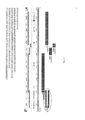
На фигуре 1 представлена схема строения генома BIV, размещенная на web-ресурсе NCBI (http://www.ncbi.nlm.nih.gov/genome/?term=bovine+immunodeficiency+virus).The figure 1 presents a diagram of the structure of the BIV genome, posted on the NCBI web resource (http://www.ncbi.nlm.nih.gov/genome/?term=bovine+immunodeficiency+virus).
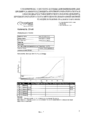
На фигуре 2 представлен отчет работы прибора Rotor-Gene 6000 (Corbett Research Pty Ltd., Австралия) и результаты проведения Real-time PCR с применением разработанных праймеров и зонда при моделировании реакционной смеси и определений условий амплификации.The figure 2 presents the report of the device Rotor-Gene 6000 (Corbett Research Pty Ltd., Australia) and the results of Real-time PCR using the developed primers and probe in the simulation of the reaction mixture and determination of amplification conditions.
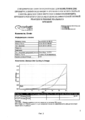
На фигуре 3 представлен отчет работы прибора Rotor-Gene 6000 и результаты проведения Real-time PCR с применением разработанных праймеров и зонда при определении чувствительности способа диагностики ВИ КРС с использованием разработанной пары праймеров и зонда.The figure 3 presents a report of the operation of the Rotor-Gene 6000 device and the results of Real-time PCR using the developed primers and probe in determining the sensitivity of the method for diagnosing VI cattle using the developed pair of primers and probe.
На фигуре 4 представлен график из отчета работы прибора Rotor-Gene 6000 при определении специфичности способа диагностики ВИ КРС с использованием разработанной пары праймеров и зонда.The figure 4 presents a graph from the report of the device Rotor-Gene 6000 when determining the specificity of the method for the diagnosis of VI cattle using the developed pair of primers and probe.
На фигуре 5 представлен график из отчета работы прибора Rotor-Gene 6000 при использовании Real-time PCR для выявления ДНК провируса BIV в крови КРС с применением разработанных специфических олигонуклеотидных праймеров и зонда.The figure 5 presents a graph from the report of the device Rotor-Gene 6000 when using Real-time PCR to detect DNA of the BIV provirus in the blood of cattle using developed specific oligonucleotide primers and probe.
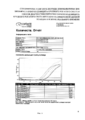
На фигуре 6 представлен отчет работы прибора Rotor-Gene 6000 и результаты проведения Real-time PCR при выявлении ДНК провируса BIV в лимфоцитах крови КРС с использованием разработанных специфических олигонуклеотидных праймеров и зонда.The figure 6 presents the report of the device Rotor-Gene 6000 and the results of Real-time PCR when detecting DNA of the BIV provirus in blood lymphocytes of cattle using developed specific oligonucleotide primers and probe.
Техническая задача решается, а технический результат достигается путем конструирования специфических праймеров и зонда с помощью компьютерных программ на основании анализа нуклеотидных последовательностей референтных штаммов и изолятов, опубликованных на ресурсе GenBank (http://vvrvm.ncbi.nlm.nih.gov/nuccore/9626219?report=genbank) и подбора условий для проведения ПЦР в реальном времени с применением разработанных праймеров и зонда, несущего флуорофор и тушитель, и комплементарного части амплифицируемого со специфическими праймерами фрагмента. При этом праймеры и зонд отличаются тем, что имеют следующий нуклеотидный состав (5'-3'-):pf - TAGGGTAGTGGGATCTCAGAAATC, pr - ACATCCGTAACATCTCCTACCATC, z - GAGGATGGTAGGAGATGTTACGGAT, в качестве источника флуоресценции на 5' конце зонда применяют краситель ROX, а для тушения флуоресценции на 3' конце BHQ2. Для проведения ПЦР в режиме реального времени в отдельной пробирке готовят общую реакционную смесь на необходимое количество образцов, которая отличается тем, что на одну пробу берут буфер 10-кратный для ПЦР - 2,5 мкл, дНТФ (25 мМ) - 0,2 мкл, праймеры pf и pr (10 пмоль/мкл) по 1 мкл, зонд z (10 пмоль/мкл) 0,5 мкл, Taq полимеразу (5 ед./мкл) - 0,2 мкл, MgCl2 (50 мМ) - 2 мкл, бидистиллированную воду - 7,6 мкл. Смесь перемешивают, избегая образования пены, раскапывают по 15 мкл в пробирки объемом 0,2 см. На поверхность смеси вносят воск в объеме 15 мкл и на воск наносят по 10 мкл исследуемого образца. Постановка реакции отличается тем, что ее осуществляют в следующем режиме (для Rotor-Gene 6000):The technical problem is solved, and the technical result is achieved by designing specific primers and probe using computer programs based on the analysis of the nucleotide sequences of reference strains and isolates published on the GenBank resource (http://vvrvm.ncbi.nlm.nih.gov/nuccore/9626219 ? report = genbank) and selection of conditions for real-time PCR using the developed primers and probe carrying the fluorophore and quencher, and a complementary part of the fragment amplified with specific primers. The primers and probe are different in that they have the following nucleotide composition (5'-3 '-): pf - TAGGGTAGTGGGATCTCAGAAATC, pr - ACATCCGTAACATCTCCTACCATC, z - GAGGATGGTAGGAGATGTTACGGAT, fluorescence termination source is used, 5 fluorescence source is used for fluorescence fluorescence at the 3 'end of BHQ2. For real-time PCR, a separate reaction mixture is prepared in a separate tube for the required number of samples, which differs in that a 10-fold buffer for PCR - 2.5 μl, dNTP (25 mM) - 0.2 μl are taken per sample primers pf and pr (10 pmol / μl), 1 μl each, probe z (10 pmol / μl) 0.5 μl, Taq polymerase (5 units / μl) 0.2 μl, MgCl 2 (50 mmol) - 2 μl, double-distilled water - 7.6 μl. The mixture is stirred, avoiding the formation of foam, 15 μl are instilled into 0.2 cm tubes. 15 μl of wax is applied to the surface of the mixture and 10 μl of the test sample is applied to the wax. The reaction is characterized in that it is carried out in the following mode (for Rotor-Gene 6000):
1. Удержание температуры 95°С - 5 мин1. Temperature retention 95 ° С - 5 min
2. Цитирование 95°С - 20 с2. Citation 95 ° C - 20 s
55°С - 20 с55 ° C - 20 s
72°С - 20 с72 ° C - 20 s
Цикл повторить 10 раз
3. Циклирование с детекцией 23. Cycle with
95°С - 20 с95 ° C - 20 s
55°С - 20 с - Детекция55 ° C - 20 s - Detection
72°С - 20 с72 ° C - 20 s
Цикл повторить 25 или 30 раз
Флуоресценцию измеряют по каналу Orange при температуре 55°С.Fluorescence is measured by the Orange channel at a temperature of 55 ° C.
При этом отсутствует необходимость проводить реакцию ОТ.In this case, there is no need to carry out the RT reaction.
Конструирование пары синтетических олигонуклеотидных праймеров и зонда, применяемых для выделения ДНК провируса иммунодефицита КРС, и разработка способа диагностики ВИ КРС с их использованием осуществлялись в семь этапов.The construction of a pair of synthetic oligonucleotide primers and a probe used to isolate the DNA of the cattle immunodeficiency virus and the development of a method for the diagnosis of viral cattle with their use were carried out in seven stages.
1. Анализ структуры генома BIV.1. Analysis of the structure of the genome BIV.
2. Конструирование праймеров и зонда.2. Design of primers and probe.
3. Подбор оптимальной пары праймеров и зонда.3. Selection of the optimal pair of primers and probe.
4. Моделирование состава реакционной смеси способа диагностики ВИ КРС с использованием разработанной пары праймеров и зонда.4. Modeling the composition of the reaction mixture for the diagnosis of viral cattle using the developed pair of primers and probe.
5. Отработка условий способа диагностики ВИ КРС с использованием разработанной пары праймеров и зонда.5. Testing the conditions of the method for diagnosing VI cattle using the developed pair of primers and probe.
6. Определение чувствительности способа диагностики ВИ КРС с использованием разработанной пары праймеров и зонда.6. Determination of the sensitivity of the method for the diagnosis of VI cattle using the developed pair of primers and probe.
7. Определение специфичности способа диагностики ВИ КРС с использованием разработанной пары праймеров и зонда.7. Determination of the specificity of the method for the diagnosis of VI cattle using the developed pair of primers and probe.
1. Анализ структуры генома BIV.1. Analysis of the structure of the genome BIV.
С помощью компьютерной программы Vector NTI 11 (Invitrogen, США) проводили анализ структуры генома референтного штамма Bovine immunodeficiency virus и фрагментов генома BIV, размещенных на web - ресурсе NCBI, с целью выявления наиболее консервативного участка, которым оказался ген gag (316…1746 п. н.) (фиг. 1).Using the Vector NTI 11 computer program (Invitrogen, USA), the structure of the genome of the reference strain of Bovine immunodeficiency virus and fragments of the BIV genome located on the NCBI web resource were analyzed to identify the most conserved region that the gag gene turned out to be (316 ... 1746 p. m.) (Fig. 1).
2. Конструирование праймеров и зонда.2. Design of primers and probe.
С помощью компьютерной программы GENERUNR 3.0, геном вируса в формате FASTA применяли для подбора специфических олигонуклеотидов на участке gag (316…1746 п. н.), как наименее вариабельного для BIV.Using the GENERUNR 3.0 computer program, the FASTA virus genome was used to select specific oligonucleotides in the gag region (316 ... 1746 bp) as the least variable for BIV.
3. Подбор оптимальной пары праймеров и зонда.3. Selection of the optimal pair of primers and probe.
Проверку качества и термодинамический анализ выбранных праймеров выполняли с помощью программы OLIGO DNA/RNA primer analysis software, v.5.0. (http://molbiol-tools.ca/molecular_biology_freeware.htm#Primer%20design) и BLAST (http://blast.ncbi.nlm.nih.gov/Blast.cgi). При дизайне праймеров и зонда основными требованиями были: степень гомологии (комплементарность) с выбранным участком гена; отсутствие самокоплементарных участков внутри олигонуклеотидов и комплементарности друг другу, чтобы не допускать возникновения устойчивых вторичных структур (димеров); близость значений температуры отжига праймеров; выбор температуры отжига зонда на 10°С выше, чем праймеров.Quality control and thermodynamic analysis of the selected primers was performed using the OLIGO DNA / RNA primer analysis software, v.5.0. (http://molbiol-tools.ca/molecular_biology_freeware.htm#Primer%20design) and BLAST (http://blast.ncbi.nlm.nih.gov/Blast.cgi). When designing the primers and probe, the main requirements were: the degree of homology (complementarity) with the selected gene region; the absence of self-complementary regions within the oligonucleotides and complementarity to each other in order to prevent the emergence of stable secondary structures (dimers); the proximity of the annealing temperature of the primers; the choice of probe annealing temperature is 10 ° C higher than that of primers.
На основании проведенного компьютерного анализа была подобрана пара праймеров и зонд, характеристики которых приведены в таблице 1.Based on the computer analysis, a pair of primers and a probe were selected, the characteristics of which are shown in table 1.

Разработанные олигонуклеотиды имеют оптимальные размер (24-25 пл.), структуру, о чем свидетельствуют показатели энергии Гиббса на 3' конце (3'-end dG): -5 и -7 kcal/mol и энергии Гиббса димерных структур (Dimers dG): 0,3 и 2,8 kcal/mol, и GC состав (45,8 и 48%), температуру отжига праймеров 55°С, температуру отжига зонда 65°С.The developed oligonucleotides have the optimal size (24-25 square), structure, as evidenced by the Gibbs energy indicators at the 3 'end (3'-end dG): -5 and -7 kcal / mol and Gibbs energy of dimeric structures (Dimers dG) : 0.3 and 2.8 kcal / mol, and GC composition (45.8 and 48%), primer annealing temperature 55 ° С, probe annealing temperature 65 ° С.
4. Моделирование состава реакционной смеси способа диагностики ВИ КРС с использованием разработанной пары праймеров и зонда.4. Modeling the composition of the reaction mixture for the diagnosis of viral cattle using the developed pair of primers and probe.
Нуклеиновые кислоты (НК) из стабилизированных ЭДТА проб периферической крови КРС выделяли методом нуклеосорбции на силикогеле с использованием набора «ДНК-сорб-В» (ИнтерЛабСервис, Россия). ПЦР проводили в объеме реакционной смеси - 25 мкл на 1 пробу. Состав реакционной смеси представлен в таблице 2.Nucleic acids (NAs) from stabilized EDTA samples of peripheral blood of cattle were isolated by nucleosorption on silica gel using the DNA-sorb-B kit (InterLabService, Russia). PCR was performed in the volume of the reaction mixture - 25 μl per 1 sample. The composition of the reaction mixture are presented in table 2.
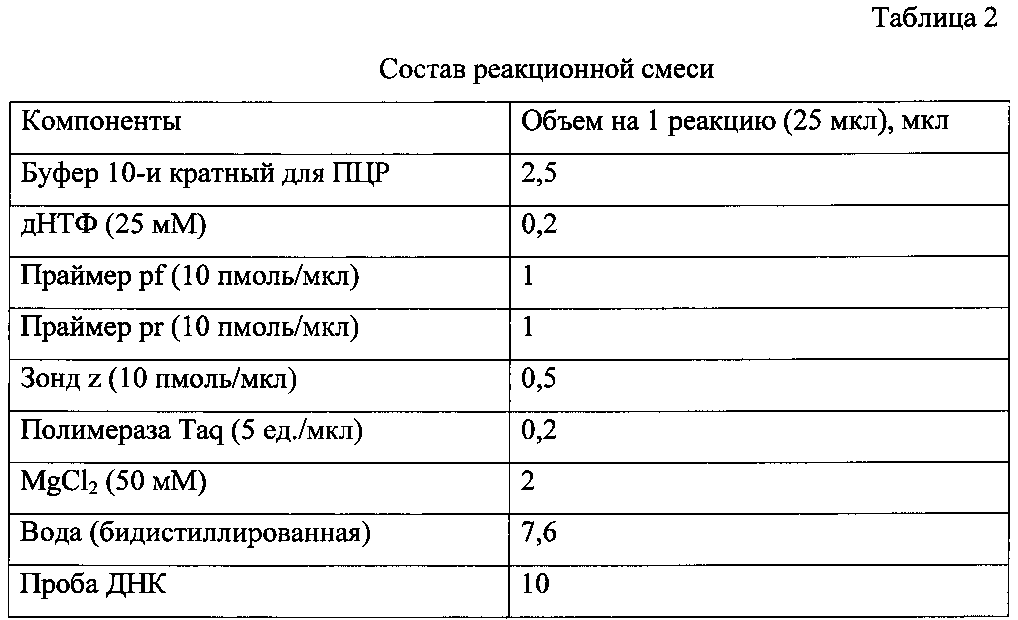
Состав реакционной смеси подбирали таким образом, чтобы концентрация ионов MgCl2 была в пределах 1,5- 4 мМ, что обеспечивает оптимальную скорость и точность работы фермента Taq-полимеразы, концентрация дНТФ - не более 0,4 мМ, концентрация праймеров -10 пмоль/мкл и объем пробы - 10 мкл. Перед нанесением пробы ДНК, во избежание образования неспецифических фрагментов, на поверхность смеси вносили 1-2 капли расплавленного воска для ПЦР, чтобы разделить реакционную смесь и исследуемый образец.The composition of the reaction mixture was chosen so that the concentration of MgCl 2 ions was in the range of 1.5–4 mM, which ensures the optimal speed and accuracy of the Taq polymerase enzyme, the concentration of dNTP is not more than 0.4 mM, and the concentration of primers is 10 pmol / μl and sample volume - 10 μl. Before applying the DNA sample, in order to avoid the formation of non-specific fragments, 1-2 drops of molten PCR wax were added to the surface of the mixture to separate the reaction mixture and the test sample.
5. Отработка условий способа диагностики ВИ КРС с использованием разработанной пары праймеров и зонда.5. Testing the conditions of the method for diagnosing VI cattle using the developed pair of primers and probe.
Отработку условий ПЦР с использованием разработанных олигонуклеотидов осуществляли на амплификаторе Rotor-Gene 6000 (Corbett Research Pty Ltd., Австралия). Температурно-временной режим проведения ПЦР представлен в таблице 3.Testing of PCR conditions using the developed oligonucleotides was carried out on a Rotor-Gene 6000 amplifier (Corbett Research Pty Ltd., Australia). The temperature-time regime of PCR is presented in table 3.

Флуоресценцию измеряют по каналу Orange (возбуждение 589 нм, излучение 605 нм) при температуре 55°С на втором циклировании. При учете результата threshold (порог) устанавливали вручную на уровне 30% от максимального уровня флуоресценции в последнем цикле амплификации. Уровень threshold составил 0,05. Значения показателя «Ct» были на уровне 24-25. В положительных образцах кривая флуоресценции пересекает линию threshold и, в зависимости от интенсивности сигнала, возвышается над линией более или менее. В отрицательных образцах и отрицательном контроле флуоресценции не наблюдается, что отражается прямой детекции на уровне или ниже линии threshold (фиг. 2).Fluorescence is measured by the Orange channel (excitation 589 nm, radiation 605 nm) at a temperature of 55 ° C in the second cycle. When taking into account the result, the threshold (threshold) was set manually at the level of 30% of the maximum fluorescence level in the last amplification cycle. The threshold level was 0.05. The values of the indicator "Ct" were at the level of 24-25. In positive samples, the fluorescence curve crosses the threshold line and, depending on the signal intensity, rises above the line more or less. In negative samples and negative control, fluorescence is not observed, which is reflected in direct detection at or below the threshold line (Fig. 2).
6. Определение чувствительности способа диагностики ВИ КРС с использованием разработанной пары праймеров и зонда.6. Determination of the sensitivity of the method for the diagnosis of VI cattle using the developed pair of primers and probe.
Положительные пробы ДНК использовали в качестве позитивного контроля при определении чувствительности метода. Учитывая высокую чувствительность метода ПЦР в реальном времени, из очищенных проб ДНК, полученной из инфицированных ВИ лимфоцитов крови КРС, готовили разведения 10-3 и 10-4. Пробы исследовали методом Real-time PCR с применением разработанных специфических олигонуклеотидов. Во всех разведениях кривая флуоресценции пересекала линию threshold и возвышалась над ней. В разведении 10-3 показатель «пороговый цикл» («Ct») составил 18, для 10-4 - 25 (фиг. 3).Positive DNA samples were used as a positive control in determining the sensitivity of the method. Given the high sensitivity of the real-time PCR method, dilutions of 10 -3 and 10 -4 were prepared from purified DNA samples obtained from infected cattle viral lymphocytes. Samples were investigated by Real-time PCR using developed specific oligonucleotides. In all dilutions, the fluorescence curve crossed the threshold line and towered above it. At a dilution of 10 -3, the indicator “threshold cycle” (“Ct”) was 18, for 10 -4 - 25 (Fig. 3).
7. Определение специфичности способа диагностики ВИ КРС с использованием разработанной пары праймеров и зонда.7. Determination of the specificity of the method for the diagnosis of VI cattle using the developed pair of primers and probe.
Специфичность разрабатываемого способа проверяли на гомологичных и гетерологичных образцах: провирусная ДНК BIV, BLV (вирус энзоотического лейкоза КРС), FIV (вирус иммунодефицита кошек), FeLV (вирус лейкемии кошек), а также образцах от интактных животных. Положительный результат в ПЦР был получен только с образцом ДНК, содержащими BIV, при отсутствии кривой флуоресценции с другими пробами и в отрицательном контроле (фиг. 4).The specificity of the developed method was tested on homologous and heterologous samples: proviral DNA BIV, BLV (cattle enzootic leukemia virus), FIV (cat immunodeficiency virus), FeLV (cat leukemia virus), as well as samples from intact animals. A positive result in PCR was obtained only with a DNA sample containing BIV, in the absence of a fluorescence curve with other samples and in a negative control (Fig. 4).
Пример 1. Применение Real-time PCR для выявления ДНК провируса иммунодефицита КРС с использованием разработанных специфических олигонуклеотидных праймеров и зонда при исследовании периферической крови КРС.Example 1. The use of Real-time PCR to detect DNA of the cattle immunodeficiency virus using specific oligonucleotide primers and a probe developed in the study of peripheral cattle blood.
Для анализа методом ПЦР были взяты 32 пробы периферической крови от коров (с. Озерное Саратовская обл.), признанных больных энзоотическим лейкозом на основании серологических и гематологических исследований, так как по литературным данным у таких животных наиболее часто выявляется ВИ КРС. В качестве контроля использовали очищенную ДНК крови BIV-позитивных животных. В процессе ПЦР в 10 пробах были получены кривые флуоресценции, пересекающие линию threshold, при отсутствии таковой в отрицательном контроле. Это свидетельствует о воспроизводимости результатов проведенных опытов (фиг. 5).For analysis by PCR, 32 samples of peripheral blood were taken from cows (the village of Ozernoye, Saratov Region), recognized as patients with enzootic leukemia on the basis of serological and hematological studies, since, according to literature data, such cattle viral infections are most often detected. As control, purified blood DNA of BIV-positive animals was used. During PCR in 10 samples, fluorescence curves crossing the threshold line were obtained, in the absence of such in the negative control. This indicates the reproducibility of the results of the experiments (Fig. 5).
Пример 2. Применение реакции амплификации для выявления ДНК провируса иммунодефицита КРС в лимфоцитах крови, с использованием разработанных специфических олигонуклеотидных праймеров и зонда.Example 2. The use of the amplification reaction to detect DNA of the cattle immunodeficiency virus in blood lymphocytes, using developed specific oligonucleotide primers and probe.
Для анализа методом ПЦР были взяты 6 проб лимфоцитов крови КРС находящегося в частном владении и подозрительного в заражении BIV, в том числе у трехнедельной телочки, полученной от BIV-позитивной коровы. В процессе ПЦР во всех 6 пробах были получены кривые флуоресценции, пересекающие линию threshold, при отсутствии таковой в отрицательном контроле. Значения показателя «Ct» составило от 18 до 24. Это свидетельствует о воспроизводимости результатов проведенных опытов (фиг. 6).For analysis by PCR, 6 samples of privately owned and suspected cattle of BIV blood lymphocytes were taken, including from a three-week-old heifer obtained from a BIV-positive cow. During PCR, fluorescence curves crossing the threshold line were obtained in all 6 samples in the absence of such in the negative control. The values of the indicator "Ct" ranged from 18 to 24. This indicates the reproducibility of the results of the experiments (Fig. 6).
Предложенные набор и способ диагностики позволяют количественно выявлять на ранних стадиях высоко консервативную область гена gag ВИ КРС. Применение олигонуклеотидного зонда позволяет повысить чувствительность и специфичность способа, исключить субъективность при оценке результатов. Использование предлагаемой модификации ПНР позволяет значительно снизить возможность контаминации образцов, помещения, оборудования и реактивов, а также сократить сроки проведения анализа, что важно как для владельцев животных, так и для ветеринарных специалистов.The proposed kit and diagnostic method allow to quantitatively identify in the early stages a highly conservative region of the gag VI cattle gene. The use of an oligonucleotide probe can increase the sensitivity and specificity of the method, eliminate subjectivity in evaluating the results. Using the proposed modification of the NDP can significantly reduce the possibility of contamination of samples, premises, equipment and reagents, as well as reduce the time for analysis, which is important for both pet owners and veterinarians.
Предложенный способ диагностики и набор для его реализации апробированы с положительными результатами и регулярной воспроизводимостью этих результатов в 2015 году на 32 пробах периферической крови и 6 пробах лимфоцитов крови, полученных от КРС, подозрительного в заражении BIV.The proposed diagnostic method and kit for its implementation were tested with positive results and regular reproducibility of these results in 2015 on 32 samples of peripheral blood and 6 samples of blood lymphocytes obtained from cattle, suspected of infection with BIV.
Работу проводили на базе межкафедральной учебно-научно-исследовательской лаборатории «Геном» ФГБОУ ВПО «Саратовский ГАУ» и ФКУЗ РосНИПЧИ «Микроб» (г. Саратов).The work was carried out on the basis of the interdepartmental educational and research laboratory "Genome" of the Federal State Budget Educational Establishment of Higher Professional Education "Saratov State Agrarian University" and the Federal Public Health Institution of RosNIPCHI "Microbe" (Saratov).
Claims (2)
pf - TAGGGTAGTGGGATCTCAGAAATC,
pr - ACATCCGTAACATCTCCTACCATC,
z - GAGGATGGTAGGAGATGTTACGGAT,
в качестве источника флуоресценции на 5′ конце зонда применяют краситель ROX, а для тушения флуоресценции на 3′ конце BHQ2.1. A kit for the detection of DNA of the cattle immunodeficiency virus, containing a pair of specific primers and a DNA probe, using the real-time polymerase chain reaction method, characterized in that they have the following nucleotide composition (5′-3′-):
pf - TAGGGTAGTGGGATCTCAGAAATC,
pr - ACATCCGTAACATCTCCTACCATC,
z - GAGGATGGTAGGAGATGTTACGGAT,
An ROX dye is used as a fluorescence source at the 5 ′ end of the probe, and BHQ2 is used to quench fluorescence at the 3 ′ end.
денатурация 95°С - 5 мин,
циклирование: денатурация (95°С - 20 с) - отжиг (55°С - 20 с) - элонгация (72°С - 20 с), причем цикл денатурация - отжиг - элонгация повторяется 10 раз,
циклирование 2 с детекцией: денатурация (95°С - 20 с) - отжиг (55°С - 20 с) - элонгация (72°С - 20 с), причем цикл денатурация - отжиг - элонгация повторяется 25 или 30 раз, при этом флуоресценцию измеряют по каналу Orange при температуре 55°С, и пересечение кривой флуоресценции линии threshold, установленной на уровне 30% от максимального уровня флуоресценции в последнем цикле амплификации, свидетельствует о наличии в образце провируса BIV, причем, чем меньше значение показателя «Ct», тем выше количество провируса BIV в исследуемом образце, в то время как отсутствие пересечения кривой флуоресценции линии threshold свидетельствует об отсутствии провируса BIV в образце. 2. A method for diagnosing cattle viral immunodeficiency by real-time polymerase chain reaction using a cattle immunodeficiency virus DNA test kit according to claim 1, characterized in that the reaction mixture is prepared by mixing a 10-fold PCR-2 buffer 5 μl, dNTP (25 mM) - 0.2 μl, pf and pr primers (10 pmol / μl) 1 μl each, z probe (10 pmol / μl) 0.5 μl, Taq polymerase (5 units / μl) - 0.2 μl, MgCl 2 (50 mm) - 2 μl, bidistilled water - 7.6 μl, and amplification is carried out in the following mode:
denaturation 95 ° С - 5 min,
cycling: denaturation (95 ° С - 20 s) - annealing (55 ° С - 20 s) - elongation (72 ° С - 20 s), and the denaturation - annealing - elongation cycle is repeated 10 times,
2 cycling with detection: denaturation (95 ° C - 20 s) - annealing (55 ° C - 20 s) - elongation (72 ° C - 20 s), and the denaturation - annealing - elongation cycle is repeated 25 or 30 times, while fluorescence is measured using the Orange channel at a temperature of 55 ° C, and the intersection of the fluorescence curve of the threshold line, set at 30% of the maximum fluorescence level in the last amplification cycle, indicates the presence of BIV provirus in the sample, and the lower the Ct value, the higher the amount of BIV provirus in the test sample, while the absence of per section of the fluorescence curve threshold line indicates the absence of BIV provirus in the sample.
Priority Applications (1)
| Application Number | Priority Date | Filing Date | Title |
|---|---|---|---|
| RU2015124620/10A RU2595373C1 (en) | 2015-06-23 | 2015-06-23 | Kit for dna detection of bovine immunodeficiency provirus containing a pair of specific primers and probe and diagnostic technique for cattle immunodeficiency virus by polymerase chain reaction in real time |
Applications Claiming Priority (1)
| Application Number | Priority Date | Filing Date | Title |
|---|---|---|---|
| RU2015124620/10A RU2595373C1 (en) | 2015-06-23 | 2015-06-23 | Kit for dna detection of bovine immunodeficiency provirus containing a pair of specific primers and probe and diagnostic technique for cattle immunodeficiency virus by polymerase chain reaction in real time |
Publications (1)
| Publication Number | Publication Date |
|---|---|
| RU2595373C1 true RU2595373C1 (en) | 2016-08-27 |
Family
ID=56892041
Family Applications (1)
| Application Number | Title | Priority Date | Filing Date |
|---|---|---|---|
| RU2015124620/10A RU2595373C1 (en) | 2015-06-23 | 2015-06-23 | Kit for dna detection of bovine immunodeficiency provirus containing a pair of specific primers and probe and diagnostic technique for cattle immunodeficiency virus by polymerase chain reaction in real time |
Country Status (1)
| Country | Link |
|---|---|
| RU (1) | RU2595373C1 (en) |
Cited By (1)
| Publication number | Priority date | Publication date | Assignee | Title |
|---|---|---|---|---|
| US11761032B2 (en) * | 2017-03-11 | 2023-09-19 | Yan Wang | Methods and devices for performing real time digital PCR |
Citations (1)
| Publication number | Priority date | Publication date | Assignee | Title |
|---|---|---|---|---|
| RU2009130342A (en) * | 2007-01-08 | 2011-02-20 | Хайнрих-Петте-Институт Фюр Экспериментелле Фирологи Унд Иммунологи Ан Дер Универзитет Гамбург (De) | APPLICATION OF ADAPTED RECOMBINASES FOR TREATMENT OF RETROVIRAL INFECTIONS |
-
2015
- 2015-06-23 RU RU2015124620/10A patent/RU2595373C1/en not_active IP Right Cessation
Patent Citations (1)
| Publication number | Priority date | Publication date | Assignee | Title |
|---|---|---|---|---|
| RU2009130342A (en) * | 2007-01-08 | 2011-02-20 | Хайнрих-Петте-Институт Фюр Экспериментелле Фирологи Унд Иммунологи Ан Дер Универзитет Гамбург (De) | APPLICATION OF ADAPTED RECOMBINASES FOR TREATMENT OF RETROVIRAL INFECTIONS |
Non-Patent Citations (1)
| Title |
|---|
| SUAREZ DL et al, PCR diagnosis of the bovine immunodeficiency-like virus, Methods Mol Biol., v.92, pp.67-79. * |
Cited By (1)
| Publication number | Priority date | Publication date | Assignee | Title |
|---|---|---|---|---|
| US11761032B2 (en) * | 2017-03-11 | 2023-09-19 | Yan Wang | Methods and devices for performing real time digital PCR |
Similar Documents
| Publication | Publication Date | Title |
|---|---|---|
| CN110551846B (en) | A Cpf1 kit for rapid detection of African swine fever virus nucleic acid and its detection method | |
| Fischer et al. | Detection and differentiation of field and vaccine strains of canine distemper virus using reverse transcription followed by nested real time PCR (RT-nqPCR) and RFLP analysis | |
| Wang et al. | Development of a recombinase polymerase amplification assay with lateral flow dipstick for rapid detection of feline parvovirus | |
| CN112739833A (en) | Primer pair, probe and kit for detecting SARS-CoV-2 by utilizing nested RPA technology and application thereof | |
| Zeng et al. | Development of a real time loop-mediated isothermal amplification method for detection of Senecavirus A | |
| De Regge et al. | Development, validation and evaluation of added diagnostic value of aq (RT)-PCR for the detection of genotype A strains of small ruminant lentiviruses | |
| Chen et al. | Development of two novel on-site detection visualization methods for murine hepatitis virus based on the multienzyme isothermal rapid amplification | |
| Liu et al. | Establishment of one-step duplex TaqMan real-time PCR for detection of feline coronavirus and panleukopenia virus | |
| CN106636458A (en) | RT-LAMP (reverse transcription and loop-mediated isothermal amplification) detection primer group, RT-LAMP detection kit and RT-LAMP detection method for simian immunodeficiency virus | |
| Qu et al. | Establishment and application of a real-time recombinase polymerase amplification assay for the detection of avian leukosis virus subgroup J | |
| CN116814857A (en) | Cat parvovirus and kit thereof and fluorescent recombinase polymerase amplification method | |
| Tran et al. | Evaluation of an automated insulated isothermal polymerase chain reaction system for rapid and reliable, on-site detection of African swine fever virus | |
| CN117568496A (en) | A triple PCR detection method for Mycoplasma gallisepticum to distinguish wild strains and Ts-11 vaccine strains | |
| RU2586527C1 (en) | Oligonucleotide primers and fluorescent probe and method for detection of epidemic diarrhea virus genome by reverse transcription - polymerase chain reaction | |
| RU2615465C2 (en) | Diagnostic system for detection of cattle leukemia and immune deficiency provirus dna by multiplex polymerase chain reaction | |
| RU2586504C1 (en) | Synthetic oligonucleotide primers and method for thereof for indicating immunodeficiency viruses and leukaemia of cats in clinical material by multiplex polymerase chain reaction | |
| JP6226460B2 (en) | Nucleic acid quantification method, primer set used therein, DNA chip and assay kit, and method for determining resident bacteria using the same | |
| CN110257560B (en) | Reagent for bluetongue virus type 8 detection, detection method and application | |
| RU2553534C1 (en) | Pair of synthetic oligonucleotide primers for detection of virus of immunodeficiency of cats and method of diagnostics of virus of immunodeficiency of cats | |
| RU2728342C1 (en) | Set of oligonucleotide primers and probes and method for detecting bovine pestivirus h | |
| Lutz et al. | The role of polymerase chain reaction and its newer developments in feline medicine | |
| CN114410835A (en) | RPA-LFD kit for rapidly detecting novel coronavirus | |
| Lapira et al. | Molecular detection of ephemeral fever virus among large ruminants in the Philippines | |
| CN113549709A (en) | Primer pair, probe and kit for detecting SARS-CoV-2 by utilizing nested RPA technology and application thereof | |
| CN107988429B (en) | Reagent for detecting rabies virus and application thereof |
Legal Events
| Date | Code | Title | Description |
|---|---|---|---|
| MM4A | The patent is invalid due to non-payment of fees |
Effective date: 20170624 |