RU2105503C1 - Method for producing biologically active food additive - Google Patents
Method for producing biologically active food additive Download PDFInfo
- Publication number
- RU2105503C1 RU2105503C1 RU96124734/13A RU96124734A RU2105503C1 RU 2105503 C1 RU2105503 C1 RU 2105503C1 RU 96124734/13 A RU96124734/13 A RU 96124734/13A RU 96124734 A RU96124734 A RU 96124734A RU 2105503 C1 RU2105503 C1 RU 2105503C1
- Authority
- RU
- Russia
- Prior art keywords
- autolysis
- finished product
- product
- amount
- temperature
- Prior art date
Links
- 235000013373 food additive Nutrition 0.000 title claims description 8
- 239000002778 food additive Substances 0.000 title claims description 8
- 238000004519 manufacturing process Methods 0.000 title description 3
- 238000000034 method Methods 0.000 claims abstract description 60
- LFQSCWFLJHTTHZ-UHFFFAOYSA-N Ethanol Chemical compound CCO LFQSCWFLJHTTHZ-UHFFFAOYSA-N 0.000 claims abstract description 50
- 208000035404 Autolysis Diseases 0.000 claims abstract description 41
- 206010057248 Cell death Diseases 0.000 claims abstract description 41
- 230000028043 self proteolysis Effects 0.000 claims abstract description 41
- 230000008569 process Effects 0.000 claims abstract description 39
- KRKNYBCHXYNGOX-UHFFFAOYSA-N citric acid Chemical compound OC(=O)CC(O)(C(O)=O)CC(O)=O KRKNYBCHXYNGOX-UHFFFAOYSA-N 0.000 claims abstract description 30
- 240000004808 Saccharomyces cerevisiae Species 0.000 claims abstract description 24
- FAPWRFPIFSIZLT-UHFFFAOYSA-M Sodium chloride Chemical compound [Na+].[Cl-] FAPWRFPIFSIZLT-UHFFFAOYSA-M 0.000 claims abstract description 18
- 230000001954 sterilising effect Effects 0.000 claims abstract description 13
- 238000004659 sterilization and disinfection Methods 0.000 claims abstract description 13
- 239000002028 Biomass Substances 0.000 claims abstract description 9
- 239000011780 sodium chloride Substances 0.000 claims abstract description 9
- 239000000411 inducer Substances 0.000 claims abstract description 8
- 238000005187 foaming Methods 0.000 claims description 3
- 150000001413 amino acids Chemical class 0.000 abstract description 7
- 230000002906 microbiologic effect Effects 0.000 abstract description 6
- 235000013343 vitamin Nutrition 0.000 abstract description 5
- 239000011782 vitamin Substances 0.000 abstract description 5
- 229940088594 vitamin Drugs 0.000 abstract description 5
- 229930003231 vitamin Natural products 0.000 abstract description 5
- 239000007788 liquid Substances 0.000 abstract description 4
- 230000000694 effects Effects 0.000 abstract description 3
- 239000000126 substance Substances 0.000 abstract description 3
- 238000001035 drying Methods 0.000 abstract description 2
- 230000037452 priming Effects 0.000 abstract 1
- 239000000047 product Substances 0.000 description 22
- 235000014680 Saccharomyces cerevisiae Nutrition 0.000 description 19
- YXFVVABEGXRONW-UHFFFAOYSA-N Toluene Chemical compound CC1=CC=CC=C1 YXFVVABEGXRONW-UHFFFAOYSA-N 0.000 description 12
- 238000006243 chemical reaction Methods 0.000 description 9
- 239000003755 preservative agent Substances 0.000 description 9
- 239000000203 mixture Substances 0.000 description 8
- QTBSBXVTEAMEQO-UHFFFAOYSA-N Acetic acid Chemical compound CC(O)=O QTBSBXVTEAMEQO-UHFFFAOYSA-N 0.000 description 6
- XEKOWRVHYACXOJ-UHFFFAOYSA-N Ethyl acetate Chemical compound CCOC(C)=O XEKOWRVHYACXOJ-UHFFFAOYSA-N 0.000 description 6
- 235000001014 amino acid Nutrition 0.000 description 6
- 229940024606 amino acid Drugs 0.000 description 6
- XBDQKXXYIPTUBI-UHFFFAOYSA-N dimethylselenoniopropionate Natural products CCC(O)=O XBDQKXXYIPTUBI-UHFFFAOYSA-N 0.000 description 6
- 150000007523 nucleic acids Chemical class 0.000 description 6
- 102000039446 nucleic acids Human genes 0.000 description 6
- 108020004707 nucleic acids Proteins 0.000 description 6
- 235000015872 dietary supplement Nutrition 0.000 description 5
- 230000002335 preservative effect Effects 0.000 description 5
- 230000008719 thickening Effects 0.000 description 5
- OILXMJHPFNGGTO-UHFFFAOYSA-N (22E)-(24xi)-24-methylcholesta-5,22-dien-3beta-ol Natural products C1C=C2CC(O)CCC2(C)C2C1C1CCC(C(C)C=CC(C)C(C)C)C1(C)CC2 OILXMJHPFNGGTO-UHFFFAOYSA-N 0.000 description 4
- RQOCXCFLRBRBCS-UHFFFAOYSA-N (22E)-cholesta-5,7,22-trien-3beta-ol Natural products C1C(O)CCC2(C)C(CCC3(C(C(C)C=CCC(C)C)CCC33)C)C3=CC=C21 RQOCXCFLRBRBCS-UHFFFAOYSA-N 0.000 description 4
- OQMZNAMGEHIHNN-UHFFFAOYSA-N 7-Dehydrostigmasterol Natural products C1C(O)CCC2(C)C(CCC3(C(C(C)C=CC(CC)C(C)C)CCC33)C)C3=CC=C21 OQMZNAMGEHIHNN-UHFFFAOYSA-N 0.000 description 4
- DNVPQKQSNYMLRS-NXVQYWJNSA-N Ergosterol Natural products CC(C)[C@@H](C)C=C[C@H](C)[C@H]1CC[C@H]2C3=CC=C4C[C@@H](O)CC[C@]4(C)[C@@H]3CC[C@]12C DNVPQKQSNYMLRS-NXVQYWJNSA-N 0.000 description 4
- 239000003814 drug Substances 0.000 description 4
- DNVPQKQSNYMLRS-SOWFXMKYSA-N ergosterol Chemical compound C1[C@@H](O)CC[C@]2(C)[C@H](CC[C@]3([C@H]([C@H](C)/C=C/[C@@H](C)C(C)C)CC[C@H]33)C)C3=CC=C21 DNVPQKQSNYMLRS-SOWFXMKYSA-N 0.000 description 4
- 235000013305 food Nutrition 0.000 description 4
- 231100000331 toxic Toxicity 0.000 description 4
- 230000002588 toxic effect Effects 0.000 description 4
- 235000019156 vitamin B Nutrition 0.000 description 4
- 239000011720 vitamin B Substances 0.000 description 4
- 229960000583 acetic acid Drugs 0.000 description 3
- 239000000654 additive Substances 0.000 description 3
- 230000000996 additive effect Effects 0.000 description 3
- 229940079593 drug Drugs 0.000 description 3
- 239000012467 final product Substances 0.000 description 3
- 239000012362 glacial acetic acid Substances 0.000 description 3
- 238000010438 heat treatment Methods 0.000 description 3
- 235000019260 propionic acid Nutrition 0.000 description 3
- 238000000746 purification Methods 0.000 description 3
- IUVKMZGDUIUOCP-BTNSXGMBSA-N quinbolone Chemical compound O([C@H]1CC[C@H]2[C@H]3[C@@H]([C@]4(C=CC(=O)C=C4CC3)C)CC[C@@]21C)C1=CCCC1 IUVKMZGDUIUOCP-BTNSXGMBSA-N 0.000 description 3
- 239000007787 solid Substances 0.000 description 3
- 238000003756 stirring Methods 0.000 description 3
- GHOKWGTUZJEAQD-ZETCQYMHSA-N (D)-(+)-Pantothenic acid Chemical compound OCC(C)(C)[C@@H](O)C(=O)NCCC(O)=O GHOKWGTUZJEAQD-ZETCQYMHSA-N 0.000 description 2
- IJGRMHOSHXDMSA-UHFFFAOYSA-N Atomic nitrogen Chemical compound N#N IJGRMHOSHXDMSA-UHFFFAOYSA-N 0.000 description 2
- DHMQDGOQFOQNFH-UHFFFAOYSA-N Glycine Chemical compound NCC(O)=O DHMQDGOQFOQNFH-UHFFFAOYSA-N 0.000 description 2
- XEEYBQQBJWHFJM-UHFFFAOYSA-N Iron Chemical compound [Fe] XEEYBQQBJWHFJM-UHFFFAOYSA-N 0.000 description 2
- 239000003963 antioxidant agent Substances 0.000 description 2
- 235000019621 digestibility Nutrition 0.000 description 2
- 201000010099 disease Diseases 0.000 description 2
- 208000037265 diseases, disorders, signs and symptoms Diseases 0.000 description 2
- 230000036512 infertility Effects 0.000 description 2
- 235000013336 milk Nutrition 0.000 description 2
- 239000008267 milk Substances 0.000 description 2
- 210000004080 milk Anatomy 0.000 description 2
- 235000015097 nutrients Nutrition 0.000 description 2
- 235000016709 nutrition Nutrition 0.000 description 2
- 230000035764 nutrition Effects 0.000 description 2
- 239000011541 reaction mixture Substances 0.000 description 2
- 230000009467 reduction Effects 0.000 description 2
- MTCFGRXMJLQNBG-REOHCLBHSA-N (2S)-2-Amino-3-hydroxypropansäure Chemical compound OC[C@H](N)C(O)=O MTCFGRXMJLQNBG-REOHCLBHSA-N 0.000 description 1
- 239000004475 Arginine Substances 0.000 description 1
- 208000000412 Avitaminosis Diseases 0.000 description 1
- GHOKWGTUZJEAQD-UHFFFAOYSA-N Chick antidermatitis factor Natural products OCC(C)(C)C(O)C(=O)NCCC(O)=O GHOKWGTUZJEAQD-UHFFFAOYSA-N 0.000 description 1
- ZAMOUSCENKQFHK-UHFFFAOYSA-N Chlorine atom Chemical compound [Cl] ZAMOUSCENKQFHK-UHFFFAOYSA-N 0.000 description 1
- 206010008874 Chronic Fatigue Syndrome Diseases 0.000 description 1
- RYGMFSIKBFXOCR-UHFFFAOYSA-N Copper Chemical compound [Cu] RYGMFSIKBFXOCR-UHFFFAOYSA-N 0.000 description 1
- 208000018522 Gastrointestinal disease Diseases 0.000 description 1
- WHUUTDBJXJRKMK-UHFFFAOYSA-N Glutamic acid Natural products OC(=O)C(N)CCC(O)=O WHUUTDBJXJRKMK-UHFFFAOYSA-N 0.000 description 1
- 239000004471 Glycine Substances 0.000 description 1
- 206010021135 Hypovitaminosis Diseases 0.000 description 1
- ONIBWKKTOPOVIA-BYPYZUCNSA-N L-Proline Chemical compound OC(=O)[C@@H]1CCCN1 ONIBWKKTOPOVIA-BYPYZUCNSA-N 0.000 description 1
- QNAYBMKLOCPYGJ-REOHCLBHSA-N L-alanine Chemical compound C[C@H](N)C(O)=O QNAYBMKLOCPYGJ-REOHCLBHSA-N 0.000 description 1
- ODKSFYDXXFIFQN-BYPYZUCNSA-P L-argininium(2+) Chemical compound NC(=[NH2+])NCCC[C@H]([NH3+])C(O)=O ODKSFYDXXFIFQN-BYPYZUCNSA-P 0.000 description 1
- CKLJMWTZIZZHCS-REOHCLBHSA-N L-aspartic acid Chemical compound OC(=O)[C@@H](N)CC(O)=O CKLJMWTZIZZHCS-REOHCLBHSA-N 0.000 description 1
- WHUUTDBJXJRKMK-VKHMYHEASA-N L-glutamic acid Chemical compound OC(=O)[C@@H](N)CCC(O)=O WHUUTDBJXJRKMK-VKHMYHEASA-N 0.000 description 1
- HNDVDQJCIGZPNO-YFKPBYRVSA-N L-histidine Chemical compound OC(=O)[C@@H](N)CC1=CN=CN1 HNDVDQJCIGZPNO-YFKPBYRVSA-N 0.000 description 1
- AGPKZVBTJJNPAG-WHFBIAKZSA-N L-isoleucine Chemical compound CC[C@H](C)[C@H](N)C(O)=O AGPKZVBTJJNPAG-WHFBIAKZSA-N 0.000 description 1
- ROHFNLRQFUQHCH-YFKPBYRVSA-N L-leucine Chemical compound CC(C)C[C@H](N)C(O)=O ROHFNLRQFUQHCH-YFKPBYRVSA-N 0.000 description 1
- KDXKERNSBIXSRK-YFKPBYRVSA-N L-lysine Chemical compound NCCCC[C@H](N)C(O)=O KDXKERNSBIXSRK-YFKPBYRVSA-N 0.000 description 1
- COLNVLDHVKWLRT-QMMMGPOBSA-N L-phenylalanine Chemical compound OC(=O)[C@@H](N)CC1=CC=CC=C1 COLNVLDHVKWLRT-QMMMGPOBSA-N 0.000 description 1
- AYFVYJQAPQTCCC-GBXIJSLDSA-N L-threonine Chemical compound C[C@@H](O)[C@H](N)C(O)=O AYFVYJQAPQTCCC-GBXIJSLDSA-N 0.000 description 1
- OUYCCCASQSFEME-QMMMGPOBSA-N L-tyrosine Chemical compound OC(=O)[C@@H](N)CC1=CC=C(O)C=C1 OUYCCCASQSFEME-QMMMGPOBSA-N 0.000 description 1
- KZSNJWFQEVHDMF-BYPYZUCNSA-N L-valine Chemical compound CC(C)[C@H](N)C(O)=O KZSNJWFQEVHDMF-BYPYZUCNSA-N 0.000 description 1
- ROHFNLRQFUQHCH-UHFFFAOYSA-N Leucine Natural products CC(C)CC(N)C(O)=O ROHFNLRQFUQHCH-UHFFFAOYSA-N 0.000 description 1
- KDXKERNSBIXSRK-UHFFFAOYSA-N Lysine Natural products NCCCCC(N)C(O)=O KDXKERNSBIXSRK-UHFFFAOYSA-N 0.000 description 1
- 239000004472 Lysine Substances 0.000 description 1
- FYYHWMGAXLPEAU-UHFFFAOYSA-N Magnesium Chemical compound [Mg] FYYHWMGAXLPEAU-UHFFFAOYSA-N 0.000 description 1
- 101710163270 Nuclease Proteins 0.000 description 1
- 102000035195 Peptidases Human genes 0.000 description 1
- 108091005804 Peptidases Proteins 0.000 description 1
- ZLMJMSJWJFRBEC-UHFFFAOYSA-N Potassium Chemical compound [K] ZLMJMSJWJFRBEC-UHFFFAOYSA-N 0.000 description 1
- YUGCAAVRZWBXEQ-UHFFFAOYSA-N Precholecalciferol Natural products C=1CCC2(C)C(C(C)CCCC(C)C)CCC2C=1C=CC1=C(C)CCC(O)C1 YUGCAAVRZWBXEQ-UHFFFAOYSA-N 0.000 description 1
- ONIBWKKTOPOVIA-UHFFFAOYSA-N Proline Natural products OC(=O)C1CCCN1 ONIBWKKTOPOVIA-UHFFFAOYSA-N 0.000 description 1
- 206010057190 Respiratory tract infections Diseases 0.000 description 1
- MTCFGRXMJLQNBG-UHFFFAOYSA-N Serine Natural products OCC(N)C(O)=O MTCFGRXMJLQNBG-UHFFFAOYSA-N 0.000 description 1
- XUIMIQQOPSSXEZ-UHFFFAOYSA-N Silicon Chemical compound [Si] XUIMIQQOPSSXEZ-UHFFFAOYSA-N 0.000 description 1
- NINIDFKCEFEMDL-UHFFFAOYSA-N Sulfur Chemical compound [S] NINIDFKCEFEMDL-UHFFFAOYSA-N 0.000 description 1
- AYFVYJQAPQTCCC-UHFFFAOYSA-N Threonine Natural products CC(O)C(N)C(O)=O AYFVYJQAPQTCCC-UHFFFAOYSA-N 0.000 description 1
- 239000004473 Threonine Substances 0.000 description 1
- 208000012931 Urologic disease Diseases 0.000 description 1
- KZSNJWFQEVHDMF-UHFFFAOYSA-N Valine Natural products CC(C)C(N)C(O)=O KZSNJWFQEVHDMF-UHFFFAOYSA-N 0.000 description 1
- 238000010306 acid treatment Methods 0.000 description 1
- 230000009471 action Effects 0.000 description 1
- 230000004913 activation Effects 0.000 description 1
- 239000013543 active substance Substances 0.000 description 1
- 230000001154 acute effect Effects 0.000 description 1
- 235000004279 alanine Nutrition 0.000 description 1
- XAGFODPZIPBFFR-UHFFFAOYSA-N aluminium Chemical compound [Al] XAGFODPZIPBFFR-UHFFFAOYSA-N 0.000 description 1
- 229910052782 aluminium Inorganic materials 0.000 description 1
- 208000007502 anemia Diseases 0.000 description 1
- ODKSFYDXXFIFQN-UHFFFAOYSA-N arginine Natural products OC(=O)C(N)CCCNC(N)=N ODKSFYDXXFIFQN-UHFFFAOYSA-N 0.000 description 1
- 206010003246 arthritis Diseases 0.000 description 1
- 235000003704 aspartic acid Nutrition 0.000 description 1
- 208000006673 asthma Diseases 0.000 description 1
- 235000008452 baby food Nutrition 0.000 description 1
- OQFSQFPPLPISGP-UHFFFAOYSA-N beta-carboxyaspartic acid Natural products OC(=O)C(N)C(C(O)=O)C(O)=O OQFSQFPPLPISGP-UHFFFAOYSA-N 0.000 description 1
- 150000001732 carboxylic acid derivatives Chemical class 0.000 description 1
- 210000004027 cell Anatomy 0.000 description 1
- 210000000170 cell membrane Anatomy 0.000 description 1
- 239000000460 chlorine Substances 0.000 description 1
- 229910052801 chlorine Inorganic materials 0.000 description 1
- HVYWMOMLDIMFJA-DPAQBDIFSA-N cholesterol Chemical compound C1C=C2C[C@@H](O)CC[C@]2(C)[C@@H]2[C@@H]1[C@@H]1CC[C@H]([C@H](C)CCCC(C)C)[C@@]1(C)CC2 HVYWMOMLDIMFJA-DPAQBDIFSA-N 0.000 description 1
- 238000003776 cleavage reaction Methods 0.000 description 1
- 150000001875 compounds Chemical class 0.000 description 1
- 238000009833 condensation Methods 0.000 description 1
- 230000005494 condensation Effects 0.000 description 1
- 238000001816 cooling Methods 0.000 description 1
- 239000010949 copper Substances 0.000 description 1
- 229910052802 copper Inorganic materials 0.000 description 1
- 239000002537 cosmetic Substances 0.000 description 1
- 230000003247 decreasing effect Effects 0.000 description 1
- 238000002651 drug therapy Methods 0.000 description 1
- 230000002526 effect on cardiovascular system Effects 0.000 description 1
- 238000005265 energy consumption Methods 0.000 description 1
- 238000005516 engineering process Methods 0.000 description 1
- 239000003797 essential amino acid Substances 0.000 description 1
- 235000020776 essential amino acid Nutrition 0.000 description 1
- 230000007717 exclusion Effects 0.000 description 1
- 238000002474 experimental method Methods 0.000 description 1
- 230000002496 gastric effect Effects 0.000 description 1
- 235000013922 glutamic acid Nutrition 0.000 description 1
- 239000004220 glutamic acid Substances 0.000 description 1
- 150000004676 glycans Chemical class 0.000 description 1
- 208000006454 hepatitis Diseases 0.000 description 1
- 231100000283 hepatitis Toxicity 0.000 description 1
- HNDVDQJCIGZPNO-UHFFFAOYSA-N histidine Natural products OC(=O)C(N)CC1=CN=CN1 HNDVDQJCIGZPNO-UHFFFAOYSA-N 0.000 description 1
- 230000007062 hydrolysis Effects 0.000 description 1
- 238000006460 hydrolysis reaction Methods 0.000 description 1
- 230000002519 immonomodulatory effect Effects 0.000 description 1
- 230000036039 immunity Effects 0.000 description 1
- 206010022000 influenza Diseases 0.000 description 1
- 230000003834 intracellular effect Effects 0.000 description 1
- 229910052742 iron Inorganic materials 0.000 description 1
- AGPKZVBTJJNPAG-UHFFFAOYSA-N isoleucine Natural products CCC(C)C(N)C(O)=O AGPKZVBTJJNPAG-UHFFFAOYSA-N 0.000 description 1
- 229960000310 isoleucine Drugs 0.000 description 1
- 239000012263 liquid product Substances 0.000 description 1
- 239000011777 magnesium Substances 0.000 description 1
- 229910052749 magnesium Inorganic materials 0.000 description 1
- 206010025482 malaise Diseases 0.000 description 1
- 208000030159 metabolic disease Diseases 0.000 description 1
- 230000004060 metabolic process Effects 0.000 description 1
- 208000029766 myalgic encephalomeyelitis/chronic fatigue syndrome Diseases 0.000 description 1
- 238000006386 neutralization reaction Methods 0.000 description 1
- 229910052757 nitrogen Inorganic materials 0.000 description 1
- 231100000252 nontoxic Toxicity 0.000 description 1
- 230000003000 nontoxic effect Effects 0.000 description 1
- 238000010899 nucleation Methods 0.000 description 1
- 201000008482 osteoarthritis Diseases 0.000 description 1
- 229940055726 pantothenic acid Drugs 0.000 description 1
- 235000019161 pantothenic acid Nutrition 0.000 description 1
- 239000011713 pantothenic acid Substances 0.000 description 1
- 239000002304 perfume Substances 0.000 description 1
- COLNVLDHVKWLRT-UHFFFAOYSA-N phenylalanine Natural products OC(=O)C(N)CC1=CC=CC=C1 COLNVLDHVKWLRT-UHFFFAOYSA-N 0.000 description 1
- 231100000614 poison Toxicity 0.000 description 1
- 229920001282 polysaccharide Polymers 0.000 description 1
- 239000005017 polysaccharide Substances 0.000 description 1
- 239000011591 potassium Substances 0.000 description 1
- 229910052700 potassium Inorganic materials 0.000 description 1
- 239000000843 powder Substances 0.000 description 1
- 230000002265 prevention Effects 0.000 description 1
- 229940024999 proteolytic enzymes for treatment of wounds and ulcers Drugs 0.000 description 1
- 230000005855 radiation Effects 0.000 description 1
- 230000003537 radioprotector Effects 0.000 description 1
- 238000007670 refining Methods 0.000 description 1
- 230000001105 regulatory effect Effects 0.000 description 1
- 230000007017 scission Effects 0.000 description 1
- 239000010703 silicon Substances 0.000 description 1
- 229910052710 silicon Inorganic materials 0.000 description 1
- 230000006641 stabilisation Effects 0.000 description 1
- 238000011105 stabilization Methods 0.000 description 1
- 239000011593 sulfur Substances 0.000 description 1
- 229910052717 sulfur Inorganic materials 0.000 description 1
- 239000000725 suspension Substances 0.000 description 1
- 239000003440 toxic substance Substances 0.000 description 1
- 201000008827 tuberculosis Diseases 0.000 description 1
- OUYCCCASQSFEME-UHFFFAOYSA-N tyrosine Natural products OC(=O)C(N)CC1=CC=C(O)C=C1 OUYCCCASQSFEME-UHFFFAOYSA-N 0.000 description 1
- 208000014001 urinary system disease Diseases 0.000 description 1
- 239000004474 valine Substances 0.000 description 1
- 208000030401 vitamin deficiency disease Diseases 0.000 description 1
- XLYOFNOQVPJJNP-UHFFFAOYSA-N water Substances O XLYOFNOQVPJJNP-UHFFFAOYSA-N 0.000 description 1
- 210000005253 yeast cell Anatomy 0.000 description 1
Images
Landscapes
- Coloring Foods And Improving Nutritive Qualities (AREA)
- Preparation Of Compounds By Using Micro-Organisms (AREA)
Abstract
Description
Изобретение относится к микробиологической промышленности, к биотехнологии, в частности к способам автолиза хлебопекарных дрожжей для получения биологически активной пищевой добавки, представляющей высокоценный продукт, богатый содержанием легкоусвояемых аминокислот, витаминов группы В, эргостерина (провитамина Д ), полисахаридов антиоксидантов, нуклеиновых компонент, радиопротекторов, биосорбентов, макро- и микроэлементов, высокого процента пантотеновой кислоты, других физиологически активных веществ, и используемой в различных областях пищевой промышленности, в медицине для лечебного питания, парфюмерии, косметологии, в сельском хозяйстве. The invention relates to the microbiological industry, to biotechnology, in particular to methods of autolysis of baker's yeast to obtain a biologically active food supplement, which is a high-value product rich in easily digestible amino acids, B vitamins, ergosterol (provitamin D), polysaccharides of antioxidants, nucleic components, radioprotectors, biosorbents, macro- and microelements, a high percentage of pantothenic acid, other physiologically active substances, and used in various areas of the food industry, in medicine for medical nutrition, perfumes, cosmetology, in agriculture.
Известны различные способы получения биологически активной пищевой добавки путем автолиза дрожжевой биомассы [1-5] Автолиз проводят либо при нагреве дрожжевой биомассы [1-3] либо при помощи кислотной обработки [4,5] Процесс может вестись либо в один этап [1-3] либо в несколько, например в два [4,5] с использованием специально вводимых плазмолизаторов и консервантов, которые могут быть как токсичными веществами [1,2] так и не токсичными, например этанол [3] При этом в ряде случаев полученный автолизат концентрируют под вакуумом (см. например, [1,6]). There are various methods for producing biologically active food additives by autolysis of yeast biomass [1-5] Autolysis is carried out either by heating the yeast biomass [1-3] or by acid treatment [4,5] The process can be carried out either in one step [1-3 ] or several, for example, two [4,5] using specially introduced plasmolizators and preservatives, which can be either toxic substances [1,2] or non-toxic, for example ethanol [3] In this case, in some cases, the resulting autolysate is concentrated under vacuum (see, for example, [1,6]).
Наиболее близким является способ получения биологически активной пищевой добавки, включающий автолиз дрожжевой биомассы в присутствии индукторов, одним из которых является затравочный автолизат, взятый из предшествующего процесса, с последующей стерилизацией получаемого автолизата и обработкой готового продукта [2]
В начале всего процесса получают затравку при помощи автолиза некоторого количества дрожжей. При получении затравки в стерильный реактор загружают свежие пекарские дрожжи, плазмолизатор (этилацетат или толуол) и консервант (концентрированную пропионовую кислоту, или ледяную уксусную кислоту, или толуол). Процесс ведут при непрерывном перемешивании с постоянной температурой 50 С в течение 5 ч. Полученный затравочный автолизат является индуктором при проведении основного автолиза. Указано, что затравочный автолизат можно дополнительно центрифугировать для освобождения от клеточных оболочек.The closest is a method of producing a biologically active food additive, including the autolysis of yeast biomass in the presence of inducers, one of which is a seed autolysate taken from the previous process, followed by sterilization of the resulting autolysate and processing of the finished product [2]
At the beginning of the whole process, seed is obtained by autolysis of a certain amount of yeast. Upon seeding, fresh baker's yeast, a plasmolizer (ethyl acetate or toluene) and a preservative (concentrated propionic acid or glacial acetic acid or toluene) are loaded into a sterile reactor. The process is carried out with continuous stirring with a constant temperature of 50 ° C for 5 hours. The obtained seed autolysate is an inductor during the main autolysis. It is indicated that the seed autolysate can be further centrifuged to release cell membranes.
Для проведения основного автолиза в рабочий реактор помещают затравку, составляющую 11,5-50% от объема массы, дрожжи (основа реакционной массы), плазмолизатор (этилацетат) и консервант (концентрированная пропионовая кислота, или ледяная уксусная кислота, или толуол). Автолиз ведут при постоянном перемешивании реакционной массы при температуре 50oС в течение 6 ч. После завершения автолиза часть полученного автолизата, порядка 23 об. оставляют в качестве затравки для автолиза следующей партии реакционной массы, а остальное количество подвергают дальнейшим операциям.To carry out the main autolysis, a seed comprising 11.5-50% of the mass volume, yeast (the base of the reaction mass), plasmolizer (ethyl acetate) and preservative (concentrated propionic acid, or glacial acetic acid, or toluene) are placed in a working reactor. Autolysis is carried out with constant stirring of the reaction mass at a temperature of 50 o C for 6 hours. After completion of autolysis, part of the obtained autolysate, about 23 vol. leave as a seed for autolysis of the next batch of the reaction mass, and the remaining amount is subjected to further operations.
Использование в качестве индуктора затравочного автолизата позволило авторам [2] значительно сократить длительность процесса и сохранить в автолизате аминокислоты, витамины, нуклеиновые кислоты и т.д. Однако использование указанных токсичных плазмолизатора и консерванта [2] требует дальнейшей очистки и обезвреживания полученного автолизата [3] Кроме того, при проведении процесса для достижения требуемых свойств необходимо большое количество получаемого конечного продукта (11,5-50 об.) оставлять в качестве затравочного автолизата, что неэкономично
Технической задачей изобретения является получение экологически чистого продукта при меньших энергетических затратах, уменьшение расхода затравочного автолизата и проведение более глубокого автолизата, что позволяет увеличить выход и качество полезного продукта, обеспечение микробиологической чистоты процесса при исключении токсичных плазмолизаторов и консервантов, чем снимается необходимость очистки получаемого автолизата, все это приводит к значительному снижению стоимости процесса, его экономичности, и при этом по крайней мере, сохранение степени выхода аминокислот, витаминов, эргостерина, антиоксидантов, биосорбентов, снижения количества нуклеиновых кислот, упрощение обработки и обогащение лимонной кислотой готового продукта.The use of a seed autolysate as an inductor allowed the authors [2] to significantly reduce the duration of the process and save amino acids, vitamins, nucleic acids, etc. in the autolysate. However, the use of the indicated toxic plasmolizer and preservative [2] requires further purification and neutralization of the obtained autolysate [3]. In addition, during the process, to achieve the required properties, it is necessary to leave a large amount of the final product obtained (11.5-50 vol.) As a seed autolysate that is uneconomical
An object of the invention is to obtain an environmentally friendly product with lower energy costs, reducing the consumption of seed autolysate and conducting a deeper autolysate, which allows to increase the yield and quality of a useful product, ensuring microbiological purity of the process with the exclusion of toxic plasmolizators and preservatives, which eliminates the need to clean the resulting autolysate, all this leads to a significant reduction in the cost of the process, its efficiency, and at the same time at least e, the degree of conservation of amino acids release, vitamins, ergosterol, antioxidants biosorbents, reducing the amount of nucleic acids, simplifying processing and refining of the final product of citric acid.
Поставленная техническая задача достигается тем, что в способе получения биологически активной пищевой добавки выбирают в качестве дрожжевой биомассы чистую культуру дрожжей, автолиз проводят постадийно, а именно, первую стадию под давлением 0,3-0,5 кг/см2 при температуре 45-50oС до прекращения пенообразования, вторую, третью, четвертую под вакуумом при давлении 0,6-0,8 кг/см2, при этом вторую стадию при температуре 50-60oС продолжают в полтора-два раза меньше первой стадии, а третью при температуре 64-66oС и четвертую при температуре 73-77oС проводят каждую по 25-35 мин, причем затравочный автолизат в количестве 0,73-0,77 об. отбирают во время проведения автолиза под вакуумом и дополнительно вводят в качестве индукторов этанол в количестве 0,23-0,27 об. и хлорид натрия в количестве 0,18-0,25 об. а после автолиза проводят тепловую стерилизацию в течение 20-30 мин.The stated technical problem is achieved by the fact that in the method of producing a biologically active food additive a pure yeast culture is selected as yeast biomass, autolysis is carried out in stages, namely, the first stage under a pressure of 0.3-0.5 kg / cm 2 at a temperature of 45-50 o C until the foaming stops, the second, third, fourth under vacuum at a pressure of 0.6-0.8 kg / cm 2 , while the second stage at a temperature of 50-60 o With continue one and a half to two times less than the first stage, and the third at a temperature of 64-66 o C and the fourth at a temperature of 73-77 o With t each for 25-35 minutes, and the seed autolysate in an amount of 0.73-0.77 about. selected during autolysis under vacuum and ethanol is additionally introduced as inducers in an amount of 0.23-0.27 vol. and sodium chloride in an amount of 0.18-0.25 vol. and after autolysis, thermal sterilization is carried out for 20-30 minutes.
Для повышения концентрации полезных веществ в единице массы готового продукта его подвергают различной обработке: либо процесс продолжают непрерывно при температуре 65-70oС под вакуумом при давлении (-0,8)-(-0,6) кг/см2 до достижения требуемого содержания сухих веществ, либо готовый продукт высушивают.To increase the concentration of nutrients in a unit mass of the finished product, it is subjected to various processing: either the process is continued continuously at a temperature of 65-70 o C under vacuum at a pressure of (-0.8) - (- 0.6) kg / cm 2 until the desired solids content, or the finished product is dried.
Для повышения сохранности сгущенного готового продукта в него добавляют этанол в количестве 0,5-1,5% и/или лимонную кислоту в количестве 0,5-1% взятых от объема готового продукта. С той же целью добавляют лимонную кислоту в жидкий продукт и далее его высушивают. To increase the safety of the condensed finished product, ethanol in the amount of 0.5-1.5% and / or citric acid in the amount of 0.5-1% taken from the volume of the finished product is added to it. For the same purpose, citric acid is added to the liquid product and then dried.
Основой предложенного процесса получения биологически активной пищевой добавки является следующее. Во-первых, используется чистая культура дрожжей последней генерации. Во-вторых, процесс автолиза ведут вначале под давлением до прекращения пенообразования и далее под вакуумом. В-третьих, в качестве индукторов используют смесь затравочного автолизата вакуумных стадий, этанола и хлорида натрия. Нами выбрана тепловая стерилизация автолизата. Весь процесс проводится непрерывно в герметично закрытом реакторе. The basis of the proposed process for producing biologically active food additives is the following. First, a pure yeast culture of the latest generation is used. Secondly, the autolysis process is carried out initially under pressure until the foaming stops and then under vacuum. Thirdly, a mixture of seed autolysate of vacuum stages, ethanol and sodium chloride is used as inductors. We have chosen the thermal sterilization of the autolysate. The whole process is carried out continuously in a hermetically sealed reactor.
Вся совокупность существенных отличительных признаков позволила значительно повысить эффективность автолиза, обеспечить микробиологическую чистоту процесса и готового продукта, получить экологически чистый продукт повышенной усвояемости при снижении энергозатрат, несмотря на длительное ведение процесса. The whole set of essential distinguishing features made it possible to significantly increase the efficiency of autolysis, to ensure the microbiological purity of the process and the finished product, to obtain an environmentally friendly product with increased digestibility while reducing energy consumption, despite the lengthy process.
Как известно, показателями эффективности автолиза является выход аминокислот, витаминов. Несмотря на длительность процесса автолиза порядка 26-29 ч количество аминокислот составило не менее 26% эргостерина не менее 1,5% присутствует вся группа витаминов В, что соответствует составу лучших пищевых добавок на основе автолизата дрожжевой биомассы. Значительно снижено содержание нуклеиновых кислот, что способствует лучшей усвояемости препарата. Кроме того, предложенная совокупность признаков способа позволила повысить эффективность готового продукта обогащением лимонной кислотой. При этом интенсифицируется обмен веществ и улучшается сохранность готового продукта. As you know, the performance indicators of autolysis is the yield of amino acids, vitamins. Despite the duration of the autolysis process of about 26-29 hours, the amount of amino acids was at least 26% ergosterol, at least 1.5%, the entire group of vitamins B is present, which corresponds to the composition of the best nutritional supplements based on yeast biomass autolysate. The content of nucleic acids is significantly reduced, which contributes to better digestibility of the drug. In addition, the proposed set of features of the method allowed to increase the efficiency of the finished product by enrichment with citric acid. At the same time, metabolism is intensified and the safety of the finished product is improved.
Выращивание чистой культуры дрожжей осуществляют по любому известному способу, принятому в дрожжевом производстве [7] Выращенные дрожжи промывают, сгущают и перекачивают в сборники дрожжевого молочка, а далее требуемую часть перекачивают в реактор. В тот же реактор добавляют смесь затравочного автолизата с этанолом и хлоридом натрия, взятых в соотношении 1:0,29:0,23-1: 0,37:0,34, а по отношению к объему реакционной массы в количествах затравочного автолизата 0,73-0,77 об. этанола 0,23-0,27 об. и хлорида натрия 0,18-0,25 об. Затравочный автолизат преимущественно отбирается из предшествующей партии во время проведения автолиза под вакуумом. Количество вносимых индукторов определено эмпирически. Такой состав плазмолизаторов позволил эффективно вести процесс автолиза и значительно сократить количество затравочного автолизата: практически в 15-65 раз по сравнению с используемым количеством в способе-прототипе [2] Количество этанола сокращено практически в 10 раз по сравнению с известным из [3] использованием этанола как плазмолизатора и консерванта. Для основной биомассы этанол, взятый в количестве менее 0,3% как известно из литературы и по нашим исследованиям, не может служить ни консервантом, ни плазмолизатором. Нами установлено, что эффективным плазмолизатором такое количество этанола может быть только в совокупности с другими выбранными нами индукторами, а именно, затравочным автолизатом и хлоридом натрия, взятыми в установленных нами соотношениях. Только такая совокупность и количественный состав индукторов позволили значительно снизить количество затравочного автолизата и при этом эффективно проводить автолиз. The cultivation of a pure yeast culture is carried out by any known method adopted in yeast production [7] The grown yeast is washed, concentrated and pumped into yeast milk collectors, and then the required portion is pumped into the reactor. In the same reactor add a mixture of seed autolysate with ethanol and sodium chloride, taken in a ratio of 1: 0.29: 0.23-1: 0.37: 0.34, and in relation to the volume of the reaction mass in quantities of seed autolysate 0, 73-0.77 about. ethanol 0.23-0.27 vol. and sodium chloride 0.18-0.25 vol. The seed autolysate is preferably selected from a previous batch during autolysis under vacuum. The number of introduced inducers is determined empirically. This composition of plasmolyzers allowed us to effectively carry out the autolysis process and significantly reduce the amount of seed autolysate: almost 15-65 times compared with the amount used in the prototype method [2] The amount of ethanol was reduced by almost 10 times compared to the use of ethanol from [3] as a plasmolizer and preservative. For the main biomass, ethanol taken in an amount of less than 0.3%, as is known from the literature and according to our studies, can serve neither as a preservative nor as a plasmolizer. We found that such an amount of ethanol can be an effective plasmolizer only in combination with other inducers we have chosen, namely, seed autolysate and sodium chloride, taken in the ratios established by us. Only such a combination and the quantitative composition of the inductors allowed to significantly reduce the number of seed autolysate and at the same time effectively carry out autolysis.
Процесс автолиза ведется постадийно. При первых двух стадиях протекает основная часть автолиза, а именно, активация протеолитических ферментов клетки, в результате которой происходит гидролиз высокомолекулярных внутриклеточных соединений до низкомолекулярных. На третьей и четвертой стадиях наряду с автолизом активируется действие эндогенных нуклеаз. В результате происходит расщепление нуклеиновых кислот, которое стимулируется также введенными индукторами в начале процесса автолиза, а именно, хлоридом натрия и затравочным автолизатом, а также повышением температуры в рабочем реакторе. Предложенный режим позволил значительно повысить глубину автолиза, его эффективность, а именно увеличить содержание аминокислот, витаминов, уменьшить содержание нуклеиновых кислот и т.д. The autolysis process is carried out in stages. In the first two stages, the main part of autolysis proceeds, namely, the activation of proteolytic enzymes of the cell, which results in the hydrolysis of high molecular weight intracellular compounds to low molecular weight ones. At the third and fourth stages, along with autolysis, the action of endogenous nucleases is activated. As a result, nucleic acid cleavage occurs, which is also stimulated by introduced inducers at the beginning of the autolysis process, namely, sodium chloride and seed autolysate, as well as an increase in temperature in the working reactor. The proposed regime allowed to significantly increase the depth of autolysis, its effectiveness, namely to increase the content of amino acids, vitamins, reduce the content of nucleic acids, etc.
Выбор метода тепловой стерилизации обусловлен требованиями получения микробиологически чистого продукта и экономичности. Нами исключено использование сильных токсичных консервантов типа карбоновой кислоты, концентрированной пропионовой кислоты, ледяной уксусной кислоты, толуола и т.д. [2] требующих дополнительной очистки, а также исключено использование значительного количества этанола, как в [3]
Также нами было установлено, что сгущение продукта следует начинать уже в процессе автолиза, что и происходит на трех стадиях автолиза при проведении его под вакуумом. Это позволило сократить длительность процесса и получить требуемое качество готового продукта. В то же время сильное сгущение автолизата препятствует эффективности стерилизации. Нами эмпирически установлены режимы проведения способа, которые в совокупности с другими признаками позволили реализовать поставленную задачу. Поэтому основную часть сгущения в установленных нами пределах при необходимости следует проводить после тепловой стерилизации. В одном случае сгущение проводят в том же герметично закрытом реакторе, в котором проходили автолиз и стерилизация, для обеспечения непрерывности процесса, что важно для сохранения микробиологической чистоты готового продукта. Для дальнейшего повышения сохранности сгущенного продукта в него добавляют этанол в количестве 0,5-1,5 об. и/или лимонную кислоту в количестве 0,5-1 об. Для достижения большей концентрации полезных веществ в единице массы готового продукта и удобства транспортировки готовый продукт эвакуируют из реактора и высушивают.The choice of thermal sterilization method is determined by the requirements for obtaining a microbiologically pure product and profitability. We exclude the use of strong toxic preservatives such as carboxylic acid, concentrated propionic acid, glacial acetic acid, toluene, etc. [2] requiring additional purification, and the use of a significant amount of ethanol is excluded, as in [3]
We also found that product thickening should begin already in the process of autolysis, which occurs at the three stages of autolysis when it is carried out under vacuum. This allowed us to reduce the duration of the process and to obtain the required quality of the finished product. At the same time, a strong thickening of the autolysate inhibits sterilization efficiency. We have empirically established the modes of carrying out the method, which, together with other signs, allowed us to realize the task. Therefore, the main part of the thickening within the limits established by us, if necessary, should be carried out after thermal sterilization. In one case, the thickening is carried out in the same hermetically sealed reactor, in which autolysis and sterilization were carried out, to ensure the continuity of the process, which is important for maintaining the microbiological purity of the finished product. To further increase the safety of the condensed product, ethanol is added in an amount of 0.5-1.5 vol. and / or citric acid in an amount of 0.5-1 vol. To achieve a higher concentration of nutrients per unit mass of the finished product and ease of transportation, the finished product is evacuated from the reactor and dried.
Диапазоны параметров процесса автолиза, стерилизации, сгущения определены эмпирически при проведении большого количества экспериментов и определении состава как промежуточного автолизата, так и готового продукта. The ranges of parameters of the process of autolysis, sterilization, condensation are determined empirically when conducting a large number of experiments and determining the composition of both the intermediate autolysate and the finished product.
При этом несмотря на большую длительность процесса, наличие указанной совокупности признаков способа дало возможность поддерживать микробиологическую чистоту вплоть до получения готового продукта и при его обработке. Исключением из процесса автолиза дорогостоящих токсичных консервантов снята необходимость очистки конечного продукта. Значительно уменьшено количество затравочного автолизата и общего количества индукторов в реакционной массе. Все это позволило значительно сократить стоимость процесса. Moreover, despite the long duration of the process, the presence of the specified set of features of the method made it possible to maintain microbiological purity up to the receipt of the finished product and during its processing. An exception to the process of autolysis of expensive toxic preservatives removed the need for purification of the final product. Significantly reduced the number of seed autolysate and the total number of inductors in the reaction mass. All this has significantly reduced the cost of the process.
Изобретение обладает новизной, изобретательским уровнем, промышленной применимостью (в настоящее время практически подготовлена линия получения данной пищевой добавки по описываемому способу) и позволяет решить поставленную техническую задачу только при наличии всех существенных, необходимых и достаточных указанных признаков предлагаемого изобретения. The invention has novelty, inventive step, industrial applicability (currently the line for producing this food additive by the described method is practically prepared) and allows us to solve the technical problem only in the presence of all the essential, necessary and sufficient indicated features of the present invention.
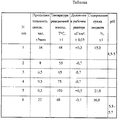
Пример 1. Для получения биологически активной добавки типа "Иммуновит / Immunovit" использовали чистую культуру дрожжей последней генерации. Выращивание суспензии дрожжевых клеток в стадии чистой культуры, так называемого "дрожжевого молочка" осуществляли по известному способу, принятому в дрожжевом производстве [8] Перед началом процесса загружали в рабочий реактор реакционную массу, состоящую из чистой культуры, а также свежего автолизата предшествующего процесса, отобранного на 24 часу автолиза, в количестве 1% этанола в количестве 0,25% и хлорида натрия в количестве 0,2% взятых от объема массы. Реактор герметично закрывали, включали мешалку и начинали нагрев реакционной массы за счет подачи пара в рубашку. После достижения реакционной массой температуры 48oС (температура первой стадии проводимого автолиза) подачу пара в рубашку прекращали и поддерживали необходимую температуру в реакторе в автоматическом режиме. Процесс получения Иммуновита проводили постадийно при постоянном перемешивании в одном и том же реакторе. Параметры процесса приведены в таблице, позиции 1-5.Example 1. To obtain a biologically active additive of the type "Immunovit / Immunovit" used a pure culture of yeast of the last generation. The cultivation of a suspension of yeast cells in the stage of pure culture, the so-called "yeast milk" was carried out according to the known method adopted in yeast production [8] Before starting the process, the reaction mixture consisting of pure culture, as well as fresh autolysate of the previous process selected, was loaded into the working reactor at 24 hours of autolysis, in an amount of 1% ethanol in an amount of 0.25% and sodium chloride in an amount of 0.2% taken from the mass volume. The reactor was hermetically sealed, the stirrer was turned on and heating of the reaction mixture was started by supplying steam to the jacket. After the reaction mass reached a temperature of 48 ° C (the temperature of the first stage of the autolysis), the steam supply to the jacket was stopped and the required temperature in the reactor was maintained in automatic mode. The process of obtaining Immunovit was carried out stepwise with constant stirring in the same reactor. The process parameters are given in the table, items 1-5.
Указанное в таблице рН среды специально не регулировали. Оно обеспечивается предложенным технологическим процессом. Стерилизация Иммуновита осуществлялась непосредственно в реакторе в течение 20 мин при 100oС. Пар подавали в рубашку. После окончания термообработки реакционную массу охлаждали за счет подачи холодной воды в рубашку реактора. Жидкий Иммуновит разливают в тару с соблюдением правил стерильности.The pH of the medium indicated in the table was not specifically regulated. It is provided by the proposed process. Sterilization of Immunovit was carried out directly in the reactor for 20 min at 100 o C. Steam was fed into the shirt. After completion of the heat treatment, the reaction mass was cooled by supplying cold water to the reactor jacket. Liquid Immunovit is poured into containers in accordance with the rules of sterility.
Пример 2. Получали биологически активную добавку типа "Иммуновит / Immunovit" в сгущенном виде. Процесс проводили аналогично процессу первого примера по позициям 1-5 таблицы с добавлением стадии сгущения, отраженной в позиции 6 той же таблицы. При этом после завершения стадии тепловой стабилизации (позиция 5) реакционную массу охлаждали до 68±1oС и проводили сгущение в течение 22 ч для достижения содержания сухих веществ порядка 36% Далее реакционную массу охлаждали аналогично изложенному в примере 1.Example 2. Received a biologically active additive of the type "Immunovit / Immunovit" in a condensed form. The process was carried out similarly to the process of the first example at positions 1-5 of the table with the addition of the thickening stage, reflected in
Пример 3. Получали биологически активную добавку типа "Иммуновит / Immunovit" в сгущенном виде аналогично процессу второго примера по позициям 1-6 таблицы. После охлаждения, аналогично изложенному в примере 1, перед началом эвакуации готового продукта в него добавляли этанол в количестве 1±0,05 об. и лимонную кислоту в количестве 0,8±0,05 об. и тщательно перемешивали. Example 3. Received a biologically active additive of the type "Immunovit / Immunovit" in a condensed form similar to the process of the second example at positions 1-6 of the table. After cooling, similarly to that described in example 1, before starting the evacuation of the finished product, ethanol was added in an amount of 1 ± 0.05 vol. and citric acid in an amount of 0.8 ± 0.05 vol. and thoroughly mixed.
Пример 4. Получали биологически активную добавку типа "Иммуновит / Immunovit" в виде порошка. Для этого процесс проводили аналогично процессу первого примера по позициям 1-5 таблицы, после чего жидкий Иммуновит направляли на сушку с соблюдением правил стерильности. Example 4. Received a dietary supplement of the type "Immunovit / Immunovit" in the form of a powder. For this, the process was carried out similarly to the process of the first example at positions 1-5 of the table, after which the liquid Immunovit was sent for drying in compliance with the sterility rules.
Во всех приведенных примерах была получена биологически активная пищевая добавка Иммуновит, которая содержала сухих веществ 20-36% массовую долю общего азота 3-5% нуклеиновые кислоты до 5% шестнадцать незаменимых аминокислот, в том числе: глутаминовую кислоту, аспарагиновую кислоту, лизин, аланин, лейцин, валин, треонин, серин, глицин, изолейцин, фенилаланин, пролин, тирозин, аргинин, гистидин, ментионин, все витамины группы В, эргостерин 1,5-2% биосорбенты до 40% вещества, иммуномодулирующего действия, макроэлементы (калий 2,3-2,5% Р2О5 2,3-2,5%), микроэлементы (медь, кремний, хлор, сера, алюминий, железо, магний). Препарат обогащен лимонной кислотой.In all the examples, the biologically active food supplement Immunovit was obtained, which contained solids 20-36% mass fraction of total nitrogen 3-5% nucleic acids to 5% sixteen essential amino acids, including: glutamic acid, aspartic acid, lysine, alanine , leucine, valine, threonine, serine, glycine, isoleucine, phenylalanine, proline, tyrosine, arginine, histidine, mentionin, all B vitamins, ergosterol 1.5-2% biosorbents up to 40% of the substance, immunomodulating action, macroelements (
Данный состав биологически активной пищевой добавки обуславливает высокий эффект ее использования в пищевой промышленности при обогащении пищи, в частности детского питания, в медицине для лечебного питания при профилактике и в комплексе с лекарственной терапией лечения целого ряда заболеваний: снижения иммунитета, желудочно-кишечные и урологические заболевания, анемия, астма, сердечно-сосудистые, туберкулез, лучевая болезнЬ, гепатиты, нарушения обмена веществ, артриты, артрозы, В-авитаминозы, грипп, ОРЗ, ослабленность после различных заболеваний, физические и нервно-психические перегрузки, синдром хронической усталости. This composition of a biologically active nutritional supplement determines the high effect of its use in the food industry for the enrichment of food, in particular baby food, in medical nutrition for prevention and in combination with drug therapy for the treatment of a number of diseases: decreased immunity, gastrointestinal and urological diseases , anemia, asthma, cardiovascular, tuberculosis, radiation sickness, hepatitis, metabolic disorders, arthritis, arthrosis, B-vitamin deficiency, influenza, acute respiratory infections, weakness after various diseases, physical and psychological stress, chronic fatigue syndrome.
Препарат зарегистрирован Госстандартом России, внесен в Реестр за N 200/073248, имеет гигиенический сертификат N 1П/1527. The drug is registered by the State Standard of Russia, entered in the Register for N 200/073248, has a hygienic certificate N 1P / 1527.
Подобный состав биологически активной пищевой добавки также обуславливает высокий эффект ее использования в парфюмерной, косметической промышленностях. A similar composition of a biologically active food additive also determines the high effect of its use in the perfumery and cosmetic industries.
Несмотря на большее время проведения процесса автолиза нами получено снижение затрат в 1,5-2 раз (в сравнении с прототипом). Despite the longer time of the process of autolysis, we obtained a cost reduction of 1.5-2 times (in comparison with the prototype).
Следовательно, предложенная совокупность признаков изобретения необходима, достаточна и позволила решить поставленную техническую задачу. Therefore, the proposed combination of features of the invention is necessary, sufficient and allowed to solve the technical problem.
ИСТОЧНИКИ ИНФОРМАЦИИ
1. Патент РФ N 2043033, кл. А 23 J 1/18, 1992.SOURCES OF INFORMATION
1. RF patent N 2043033, cl. A 23
2. Авт.свид. СССР N 554854, кл. А 23 J 1/18, 1975. 2. Autosvid. USSR N 554854, class A 23
3. Авт.свид. СССР N 667194, кл. А 23 J 1/18, 1977. 3. Autosvid. USSR N 667194, cl. A 23
4. Авт.свид. СССР N 1606528, кл. С 12 I 1/06, 1988. 4. Autosvid. USSR N 1606528, class C 12 I 1/06, 1988.
5. Патент РФ N 2007928, кл. А 23 J 1/18, 1991. 5. RF patent N 2007928, cl. A 23
6. Патент РФ N 2043033, кл. А 23 J 1/18, 1995. 6. RF patent N 2043033, cl. A 23
7. Семихатова Н. М. Хлебопекарные дрожжи. Современная технология. М. Пищевая промышленность, 1980, с.97-102. 7. Semikhatova N. M. Bakery yeast. Modern technology. M. Food Industry, 1980, pp. 97-102.
Claims (6)
Priority Applications (1)
| Application Number | Priority Date | Filing Date | Title |
|---|---|---|---|
| RU96124734/13A RU2105503C1 (en) | 1996-12-30 | 1996-12-30 | Method for producing biologically active food additive |
Applications Claiming Priority (1)
| Application Number | Priority Date | Filing Date | Title |
|---|---|---|---|
| RU96124734/13A RU2105503C1 (en) | 1996-12-30 | 1996-12-30 | Method for producing biologically active food additive |
Publications (2)
| Publication Number | Publication Date |
|---|---|
| RU2105503C1 true RU2105503C1 (en) | 1998-02-27 |
| RU96124734A RU96124734A (en) | 1998-09-20 |
Family
ID=20188750
Family Applications (1)
| Application Number | Title | Priority Date | Filing Date |
|---|---|---|---|
| RU96124734/13A RU2105503C1 (en) | 1996-12-30 | 1996-12-30 | Method for producing biologically active food additive |
Country Status (1)
| Country | Link |
|---|---|
| RU (1) | RU2105503C1 (en) |
Cited By (5)
| Publication number | Priority date | Publication date | Assignee | Title |
|---|---|---|---|---|
| RU2195846C2 (en) * | 2000-07-26 | 2003-01-10 | Акопян Валентин Бабкенович | Method of preparing food biologically active product of yeast processing |
| RU2217010C2 (en) * | 2001-12-19 | 2003-11-27 | Дмитриев Александр Дмитриевич | Method for producing of biologically active food additive |
| RU2280999C2 (en) * | 2004-11-30 | 2006-08-10 | Открытое акционерное общество "Московский комитет по науке и технологиям" | Method for production of protein-and-vitamin additive |
| RU2297161C2 (en) * | 2005-03-03 | 2007-04-20 | Лидия Львовна Данилина | Biologically active substance (variants) and bioactive food supplement (variants) |
| RU2556380C1 (en) * | 2014-05-21 | 2015-07-10 | Валентина Еремеевна Куцакова | Method of production of protein ingredient with properties of sorbent of mycotoxins |
Citations (1)
| Publication number | Priority date | Publication date | Assignee | Title |
|---|---|---|---|---|
| RU2043033C1 (en) * | 1992-06-23 | 1995-09-10 | Медико-биологический кооператив "Гармония и прогресс" | Food grade vitamin concentrate production method |
-
1996
- 1996-12-30 RU RU96124734/13A patent/RU2105503C1/en not_active IP Right Cessation
Patent Citations (1)
| Publication number | Priority date | Publication date | Assignee | Title |
|---|---|---|---|---|
| RU2043033C1 (en) * | 1992-06-23 | 1995-09-10 | Медико-биологический кооператив "Гармония и прогресс" | Food grade vitamin concentrate production method |
Non-Patent Citations (1)
| Title |
|---|
| 2. SU, а., 554854, кл. A 23 J 1/18, 1975. * |
Cited By (5)
| Publication number | Priority date | Publication date | Assignee | Title |
|---|---|---|---|---|
| RU2195846C2 (en) * | 2000-07-26 | 2003-01-10 | Акопян Валентин Бабкенович | Method of preparing food biologically active product of yeast processing |
| RU2217010C2 (en) * | 2001-12-19 | 2003-11-27 | Дмитриев Александр Дмитриевич | Method for producing of biologically active food additive |
| RU2280999C2 (en) * | 2004-11-30 | 2006-08-10 | Открытое акционерное общество "Московский комитет по науке и технологиям" | Method for production of protein-and-vitamin additive |
| RU2297161C2 (en) * | 2005-03-03 | 2007-04-20 | Лидия Львовна Данилина | Biologically active substance (variants) and bioactive food supplement (variants) |
| RU2556380C1 (en) * | 2014-05-21 | 2015-07-10 | Валентина Еремеевна Куцакова | Method of production of protein ingredient with properties of sorbent of mycotoxins |
Similar Documents
| Publication | Publication Date | Title |
|---|---|---|
| KR101254403B1 (en) | Method for Preparing Fermented Collagen Peptide | |
| WO1996011584A1 (en) | Peptide mixture and products thereof | |
| CN102187988A (en) | Preparation method of flavor base material containing abundant umami peptide | |
| CN105200105A (en) | A kind of preparation method of hepatoprotective peptide preparation of oyster protein | |
| CN117297041A (en) | Industrial preparation process and application of hydrolyzed egg yolk powder that can promote tibia growth | |
| JPH07147928A (en) | Method of treating fermenting protein koji | |
| CN103355676B (en) | Nutritional liquid diet containing soybean oligopeptides, and preparation method thereof | |
| CN116585356A (en) | A kind of preparation method and application of salmon roe extract | |
| CN117510574A (en) | Method for large-scale production of hirudin | |
| EP1552753B1 (en) | Production and use of soy protein hydrolysates enriched with branched amino acids | |
| JP4782620B2 (en) | Method for producing low-denatured defatted rice bran | |
| CN119552936A (en) | A fish collagen peptide enzymatic hydrolysis process | |
| WO1990011024A1 (en) | Nutritious composition | |
| CN111329988A (en) | Donkey-hide gelatin peptide buccal tablet rich in free arginine and preparation method thereof | |
| RU2217010C2 (en) | Method for producing of biologically active food additive | |
| CN110669813A (en) | Yak rib small molecule peptide and extraction method thereof | |
| JP2000279108A (en) | Rice enriched with gamma-aminobutyric acid and its processed food | |
| CN113999884B (en) | Preparation method of turtle bioactive peptide | |
| CN1060648C (en) | Technique for hydrolization of pearl by physical method | |
| CN1107665A (en) | Yeast extract and preparation method and application thereof | |
| CN1286922A (en) | Instant low-sugar bean milk powder and its preparation process | |
| TW201219045A (en) | Preparation and use of fish skin fermentation product | |
| JP3152992B2 (en) | Composition for suppressing and eliminating the production of lipid peroxide | |
| CN1860236A (en) | Process for producing 1,4-dihydoxy-2-naphthoic acid | |
| CN1158892A (en) | Peptide-containing protein wine |
Legal Events
| Date | Code | Title | Description |
|---|---|---|---|
| QZ4A | Changes in the licence of a patent |
Effective date: 20020625 |
|
| MM4A | The patent is invalid due to non-payment of fees |
Effective date: 20111231 |