RU2027770C1 - Fur skin preservation method - Google Patents
Fur skin preservation method Download PDFInfo
- Publication number
- RU2027770C1 RU2027770C1 SU5041145A RU2027770C1 RU 2027770 C1 RU2027770 C1 RU 2027770C1 SU 5041145 A SU5041145 A SU 5041145A RU 2027770 C1 RU2027770 C1 RU 2027770C1
- Authority
- RU
- Russia
- Prior art keywords
- skin
- sheepskins
- fur skin
- alcohol
- skin tissue
- Prior art date
Links
- 238000000034 method Methods 0.000 title claims abstract description 20
- 238000004321 preservation Methods 0.000 title 1
- PEDCQBHIVMGVHV-UHFFFAOYSA-N Glycerine Chemical compound OCC(O)CO PEDCQBHIVMGVHV-UHFFFAOYSA-N 0.000 claims abstract description 32
- LRHPLDYGYMQRHN-UHFFFAOYSA-N N-Butanol Chemical compound CCCCO LRHPLDYGYMQRHN-UHFFFAOYSA-N 0.000 claims abstract description 20
- 238000001035 drying Methods 0.000 claims abstract description 5
- 235000011187 glycerol Nutrition 0.000 claims description 11
- LFQSCWFLJHTTHZ-UHFFFAOYSA-N Ethanol Chemical compound CCO LFQSCWFLJHTTHZ-UHFFFAOYSA-N 0.000 claims description 7
- 238000005238 degreasing Methods 0.000 claims description 2
- 241001494479 Pecora Species 0.000 claims 1
- 230000000694 effects Effects 0.000 abstract description 6
- 239000000126 substance Substances 0.000 abstract description 2
- 238000009924 canning Methods 0.000 description 8
- 230000007423 decrease Effects 0.000 description 5
- XLYOFNOQVPJJNP-UHFFFAOYSA-N water Substances O XLYOFNOQVPJJNP-UHFFFAOYSA-N 0.000 description 5
- LYCAIKOWRPUZTN-UHFFFAOYSA-N Ethylene glycol Chemical compound OCCO LYCAIKOWRPUZTN-UHFFFAOYSA-N 0.000 description 3
- 230000002411 adverse Effects 0.000 description 3
- 230000018044 dehydration Effects 0.000 description 3
- 238000006297 dehydration reaction Methods 0.000 description 3
- 239000010985 leather Substances 0.000 description 3
- 239000000835 fiber Substances 0.000 description 2
- 239000003755 preservative agent Substances 0.000 description 2
- 102000004190 Enzymes Human genes 0.000 description 1
- 108090000790 Enzymes Proteins 0.000 description 1
- 230000002358 autolytic effect Effects 0.000 description 1
- 238000004140 cleaning Methods 0.000 description 1
- 230000007547 defect Effects 0.000 description 1
- 239000003974 emollient agent Substances 0.000 description 1
- 239000003995 emulsifying agent Substances 0.000 description 1
- 230000002779 inactivation Effects 0.000 description 1
- 230000009027 insemination Effects 0.000 description 1
- 239000000463 material Substances 0.000 description 1
- 230000000813 microbial effect Effects 0.000 description 1
- 244000005700 microbiome Species 0.000 description 1
- 230000000149 penetrating effect Effects 0.000 description 1
- 230000035515 penetration Effects 0.000 description 1
- 230000002688 persistence Effects 0.000 description 1
- 229920000642 polymer Polymers 0.000 description 1
- 239000002994 raw material Substances 0.000 description 1
- 150000005846 sugar alcohols Polymers 0.000 description 1
- 230000003313 weakening effect Effects 0.000 description 1
Images
Landscapes
- Treatment And Processing Of Natural Fur Or Leather (AREA)
Abstract
Description
Изобретение относится к технологии первичной обработки меховых овчин, а именно к консервированию. The invention relates to the technology of primary processing of fur sheepskins, namely to canning.
Известен способ консервирования овчин, в котором в качестве консервирующего агента используют раствор многоатомного спирта борного этиленгликоля (или глицерина) и водорастворимых эмульгаторов. A known method of preserving sheepskins, in which a solution of a polyhydric alcohol of boric ethylene glycol (or glycerol) and water-soluble emulsifiers is used as a preserving agent.
Недостаток известного способа состоит в том, что должна производиться максимально возможная очистка шкуры, в противном случае консервирующий агент не проникнет в ткань, что усложняет процесс и требует затрат времени. Шкуру полностью помещают в раствор, что приводит к его значительному расходу. Поскольку в известном решении спирт полимер, требуется много времени на его застывание после проникновения в кожевую ткань и обволакивание волокон для предотвращения проникновения в кожевую ткань микробов. Глицерин в известном решении - чисто мягчитель, в результате чего не обеспечивается в первое время (около 2 ч) сушки снижение активности воды, а именно в этом время может возникнуть порок - ослабление, а также начало протекания автолитических и гнилостных процессов. The disadvantage of this method is that the maximum possible cleaning of the skin should be carried out, otherwise the preservative agent will not penetrate the tissue, which complicates the process and requires time. The skin is completely placed in the solution, which leads to its significant consumption. Since alcohol is a polymer in the known solution, it takes a lot of time to solidify after penetration into the skin tissue and enveloping the fibers to prevent microbes from entering the skin tissue. In the known solution, glycerin is a pure emollient, as a result of which the water activity is not reduced for the first time (about 2 hours) of drying, and it is at this time that a defect can occur - weakening, as well as the onset of autolytic and putrefactive processes.
Цель изобретения - повышение сохранности качества меховых овчин при неблагоприятных условиях проведения консервирования и хранения законсервированных шкур, а также снижение ломкости, улучшение обводнения и уменьшения усадки шкур по площади кожевой ткани. The purpose of the invention is to improve the safety of the quality of fur sheepskins under adverse conditions for the conservation and storage of canned skins, as well as reducing brittleness, improving watering and reducing shrinkage of skins over the area of leather tissue.
Указанная цель достигается тем, что шкуры перед сушкой обрабатывают спиртовым раствором, состоящим из 19-21 мас.% глицерина и 79-81 мас.% бутилового спирта. This goal is achieved by the fact that the skins before drying are treated with an alcohol solution consisting of 19-21 wt.% Glycerol and 79-81 wt.% Butyl alcohol.
Уменьшение содержания глицерина ниже 19% и соответственно увеличение содержания бутилового спирта выше 81% приводит к пересушиванию кожевой ткани и уменьшению степени мягчения, а также к перерасходу одного из компонентов - бутилового спирта. A decrease in the glycerol content below 19% and, accordingly, an increase in the content of butyl alcohol above 81% leads to an overdrying of the skin tissue and a decrease in the degree of softening, as well as to an overexpenditure of one of the components, butyl alcohol.
Увеличение содержания глицерина выше 21% и соответственное уменьшение содержания бутилового спирта ниже 79% ведет к тому, что обезвоживание идет менее интенсивно, время обработки увеличивается, а также имеет место перерасход другого компонента - глицерина. An increase in glycerol content above 21% and a corresponding decrease in the content of butyl alcohol below 79% leads to the fact that dehydration is less intense, the processing time is increased, and there is also an overrun of another component - glycerol.
В пределах, указанных выше, а именно глицерина от 19% до 21% и соответственно спирта бутилового до 81% и от 79%, обеспечивается качественная и эффективная обработка сырья при оптимальных временных и материальных затратах. In the range specified above, namely glycerol from 19% to 21% and, respectively, butyl alcohol to 81% and from 79%, high-quality and effective processing of raw materials is ensured with optimal time and material costs.
Способ осуществляется следующим образом. The method is as follows.
Шкуры после обрядки и обезжиривания с мездровой стороны обрабатывают спиртовым раствором глицерина (ОСТ 6-01-21-75) при содержании от 19% до 21% спирта бутилового (ГОСТИ 60006-78) при содержании последнего от 79% до 81%. After dressing and degreasing, the skins on the mezzanine side are treated with an alcohol solution of glycerol (OST 6-01-21-75) with a content of 19% to 21% butyl alcohol (GUESTS 60006-78) with a content of the latter from 79% to 81%.
Раствор наносят мягкой щеткой или губкой равномерно по всей поверхности кожевой ткани. Затем овчины штабелируют мездра к мездре для пролежки. После одного часа пролежки шкуры раскладывают и сушат в расправленном виде. Расход спиртового раствора составляет 3˙10-3 кг на 10 дм2 площади шкур в парном состоянии.The solution is applied with a soft brush or sponge evenly over the entire surface of the skin tissue. Then the sheepskins stack the mezra to the mezdra for bedding. After one hour of bedding, the skins are laid out and dried in a straightened form. The consumption of alcohol solution is 3 составляет10 -3 kg per 10 dm 2 of the area of the skins in a pair state.
Применение обработки на основе бутилового спирта с глицерином обусловлено тем, что, проникая в кожевую ткань, раствор, с одной стороны, способствует обезвоживанию кожевой ткани за счет снижения активности тканевой влаги, а с другой наполняют кожевую ткань, препятствуя склеиванию волокон во время сушки, т.е. является мягчителем. The use of butyl alcohol-based treatment with glycerin is due to the fact that, penetrating the skin tissue, the solution, on the one hand, promotes dehydration of the skin tissue by reducing the activity of tissue moisture, and on the other hand, fill the skin tissue, preventing the fibers from sticking during drying, t .e. is a softener.
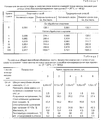
Полученные результаты определения активности воды в кожевой ткани при опытном и традиционном способах консервирования приведены в табл. 1. The results of determining the activity of water in skin tissue with experimental and traditional methods of conservation are given in table. 1.
Как видно из табл.1, через 1 ч после спиртовой обработки активность воды в кожевой ткани овчин опытного способа консервирования снижается с 0,991 до 0,886 или на 10%. Энергия связи влаги в кожевой ткани увеличивается в 2 раза. Обезвоживание кожевой ткани вследствие снижения активности воды и увеличения энергии связи влаги обуславливает повышение сохранности качества овчин при неблагоприятных условиях проведения консервирования, т.к. приводит к инактивации тканевых ферментов и замедлению развития микроорганизмов. As can be seen from table 1, 1 hour after the alcohol treatment, the activity of water in the skin tissue of the sheepskin of the experimental canning method decreases from 0.991 to 0.886, or 10%. The binding energy of moisture in the skin tissue is increased by 2 times. Dehydration of the skin tissue due to a decrease in water activity and an increase in the binding energy of moisture leads to an increase in the safety of the quality of sheepskins under adverse conditions of conservation, since leads to inactivation of tissue enzymes and slow the development of microorganisms.
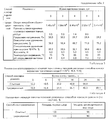
Анализ показателей общей микробной осемененности, прочности связи единичного волоса с кожевой тканью, физико-механических и химических свойств кожевой ткани законсервированных овчин при пролежке, представленных в табл. 2, позволяет сделать вывод о том, что шкуры опытного способа консервирования более устойчивы к гнилостным процессам и имеют более высокую сохраняемость прочности связи единичного волоса с кожевой тканью в неблагоприятных условиях хранения, чем шкуры традиционного способа консервирования. Analysis of indicators of total microbial insemination, the bond strength of a single hair with skin tissue, the physicomechanical and chemical properties of the skin tissue of canned sheepskin during bedding, are presented in table. 2, it can be concluded that the skins of the experimental conservation method are more resistant to putrefactive processes and have a higher persistence of the bond strength of a single hair with leather tissue under adverse storage conditions than the skins of the traditional conservation method.
Из данных табл.2 также видно, что овчины опытного способа консервирования по сравнению с овчинами традиционного способа консервирования характеризуются более высокими потребительскими свойствами: меньшей жесткостью и большей пластичностью кожевой ткани. It can also be seen from the data in Table 2 that the sheepskins of the experimental canning method, as compared to the sheepskins of the traditional canning method, are characterized by higher consumer properties: less stiffness and greater ductility of the leather tissue.
В табл. 3 приведены показатели влагосодержания кожевой ткани овчин опытного и традиционного способов консервирования при отмоке в воде. Полученные данные свидетельствуют, что овчины опытного способа консервирования отмачиваются в 1,5 раза быстрее, чем овчины традиционного способа консервирования. In the table. 3 shows the moisture content of the skin tissue of sheepskin experimental and traditional methods of conservation when soaked in water. The data obtained indicate that the sheepskins of the experimental canning method are soaked 1.5 times faster than the sheepskins of the traditional canning method.
Кроме того, из данных табл.4 следует, что овчины опытного способа консервирования имеют усадку кожевой ткани по площади на 4% меньше, чем овчины традиционного способа консервирования. In addition, from the data of Table 4 it follows that the sheepskins of the experimental canning method have a shrinkage of the skin tissue with an area of 4% less than the sheepskins of the traditional canning method.
Claims (1)
Бутиловый спирт - 79 - 81
Глицерин - 19 - 21METHOD FOR CANNING FUR Sheep Sheepskins, including ritual dressing, degreasing, treatment with a solution of alcohol and glycerol, drying, characterized in that butyl alcohol is used as alcohol and the treatment is carried out in the following ratio of components, wt.%:
Butyl alcohol - 79 - 81
Glycerin - 19 - 21
Priority Applications (1)
| Application Number | Priority Date | Filing Date | Title |
|---|---|---|---|
| SU5041145 RU2027770C1 (en) | 1992-05-06 | 1992-05-06 | Fur skin preservation method |
Applications Claiming Priority (1)
| Application Number | Priority Date | Filing Date | Title |
|---|---|---|---|
| SU5041145 RU2027770C1 (en) | 1992-05-06 | 1992-05-06 | Fur skin preservation method |
Publications (1)
| Publication Number | Publication Date |
|---|---|
| RU2027770C1 true RU2027770C1 (en) | 1995-01-27 |
Family
ID=21603722
Family Applications (1)
| Application Number | Title | Priority Date | Filing Date |
|---|---|---|---|
| SU5041145 RU2027770C1 (en) | 1992-05-06 | 1992-05-06 | Fur skin preservation method |
Country Status (1)
| Country | Link |
|---|---|
| RU (1) | RU2027770C1 (en) |
Cited By (1)
| Publication number | Priority date | Publication date | Assignee | Title |
|---|---|---|---|---|
| RU2287899C1 (en) * | 2005-06-07 | 2006-11-20 | Федеральное государственное унитарное предприятие "Воронежский научно-исследовательский институт связи" | Multiplicative device for narrow-band noise protection |
-
1992
- 1992-05-06 RU SU5041145 patent/RU2027770C1/en active
Non-Patent Citations (1)
| Title |
|---|
| Авторское свидетельство СССР N 322369, кл. C 14C 1/02, 1971. * |
Cited By (1)
| Publication number | Priority date | Publication date | Assignee | Title |
|---|---|---|---|---|
| RU2287899C1 (en) * | 2005-06-07 | 2006-11-20 | Федеральное государственное унитарное предприятие "Воронежский научно-исследовательский институт связи" | Multiplicative device for narrow-band noise protection |
Similar Documents
| Publication | Publication Date | Title |
|---|---|---|
| JP2009286993A (en) | Animal skin tanning method using no heavy metal such as chromium or aldehyde tanning agent | |
| RU2052507C1 (en) | Method of antifungal and antibacterial treatment of hides | |
| JP5410532B2 (en) | How to save animal skin | |
| KR20040037328A (en) | Fragrance or leather processing method | |
| US5480456A (en) | Silica sols for obtaining a hide which is called a stabilized pickled or white or stabilized white | |
| US4713078A (en) | Method for preserving raw hides, skins and furskins | |
| RU2054046C1 (en) | Method of hide preserving | |
| US4478728A (en) | Process and compositions for preserving fresh hides and skins | |
| DE1233530B (en) | Process for the enzymatic depilation and / or dressing of skins and pelts | |
| RU2113491C1 (en) | Method of hide preserving | |
| US2965435A (en) | Process for dehairing of skins with ultrasonic energy | |
| RU2768383C1 (en) | Hockskins processing method | |
| EP0847453B1 (en) | Process for the treatment of hides | |
| SU580220A1 (en) | Method of preservation of fur pelts | |
| RU2114180C1 (en) | Method of preserving skins | |
| JPH10130699A (en) | Preparation of rawhide | |
| JP2002180099A (en) | Method for producing colored leather | |
| JP3041760B2 (en) | Pig rawhide string manufacturing method | |
| DE721845C (en) | Process for depilating fur | |
| US3189402A (en) | Abrasion defleshing partially tanned fur-skins | |
| SU859451A1 (en) | Method of fur raw material concerving | |
| US2086920A (en) | Method and composition for preserving and curing hides and skins | |
| SU885264A1 (en) | Method of preserving leather raw material | |
| RU2033428C1 (en) | Method for preservation of raw sheep hides | |
| SU1076455A1 (en) | Method for dressing furskins |