JP7647142B2 - Loading assistance and elevator systems - Google Patents

Loading assistance and elevator systems Download PDF

Info

Publication number
JP7647142B2
JP7647142B2 JP2021020957A JP2021020957A JP7647142B2 JP 7647142 B2 JP7647142 B2 JP 7647142B2 JP 2021020957 A JP2021020957 A JP 2021020957A JP 2021020957 A JP2021020957 A JP 2021020957A JP 7647142 B2 JP7647142 B2 JP 7647142B2
Authority
JP
Japan
Prior art keywords
transport vehicle
weight
upper limit
loading rate
car
Prior art date
Legal status (The legal status is an assumption and is not a legal conclusion. Google has not performed a legal analysis and makes no representation as to the accuracy of the status listed.)
Active
Application number
JP2021020957A
Other languages
Japanese (ja)
Other versions
JP2022123570A (en
Inventor
保奈美 立木
Current Assignee (The listed assignees may be inaccurate. Google has not performed a legal analysis and makes no representation or warranty as to the accuracy of the list.)
Mitsubishi Electric Building Solutions Corp
Original Assignee
Mitsubishi Electric Building Solutions Corp
Priority date (The priority date is an assumption and is not a legal conclusion. Google has not performed a legal analysis and makes no representation as to the accuracy of the date listed.)
Filing date
Publication date
Application filed by Mitsubishi Electric Building Solutions Corp filed Critical Mitsubishi Electric Building Solutions Corp
Priority to JP2021020957A priority Critical patent/JP7647142B2/en
Publication of JP2022123570A publication Critical patent/JP2022123570A/en
Application granted granted Critical
Publication of JP7647142B2 publication Critical patent/JP7647142B2/en
Active legal-status Critical Current
Anticipated expiration legal-status Critical

Links

Images

Landscapes

  • Indicating And Signalling Devices For Elevators (AREA)
  • Maintenance And Inspection Apparatuses For Elevators (AREA)

Description

本開示は、荷物の積み込みの支援システムおよびエレベーターシステムに関する。 The present disclosure relates to a luggage loading assistance system and an elevator system.

特許文献1は、エレベーターシステムの例を開示する。エレベーターシステムは、かご内荷重検出器と、乗場側荷重検出器と、を備える。かご内荷重検出器は、かご内の荷重を検出する。乗場側荷重検出器は、かご内に積み込む荷物を運搬しているフォークリフトの重量を乗場において検出する。エレベーターシステムにおいて、内荷重検出器が検出する重量および乗場側荷重検出器が検出する重量の和が設定荷重より大きいときに、フォークリフトのかご内への進入可否のメッセージが報知される。 Patent Document 1 discloses an example of an elevator system. The elevator system includes an in-car load detector and a platform load detector. The in-car load detector detects the load inside the car. The platform load detector detects, at the platform, the weight of a forklift carrying luggage to be loaded into the car. In the elevator system, when the sum of the weight detected by the in-car load detector and the weight detected by the platform load detector is greater than a set load, a message is issued indicating whether or not the forklift can enter the car.

特開平4-327482号公報Japanese Patent Application Publication No. 4-327482

荷物用などのエレベーターシステムにおいて、かごが走行するときの積載重量の上限、および乗場からかごに荷物を積み込むときの積載重量の上限がそれぞれかごに定められている場合がある。特許文献1に記載の内容をこのようなエレベーターシステムに適用する場合に、荷物の運搬を行う作業員は、積載重量の複数の条件がそれぞれ満足されているかを正しく判断できない。 In elevator systems for luggage, etc., there are cases where an upper limit on the load weight when the car is traveling and an upper limit on the load weight when luggage is loaded into the car from the landing are both set for the car. When the contents described in Patent Document 1 are applied to such an elevator system, workers transporting luggage cannot correctly determine whether each of the multiple load weight conditions is satisfied.

本開示は、このような課題の解決に係るものである。本開示は、かごが走行するときの積載重量の上限、および乗場からかごに荷物を積み込むときの積載重量の上限がそれぞれかごに定められている場合においても、積載重量の複数の条件がそれぞれ満足されているかを容易に判断できる荷物の積み込みの支援システムおよびエレベーターシステムを提供する。 The present disclosure is directed to solving such problems. The present disclosure provides a luggage loading support system and elevator system that can easily determine whether multiple load weight conditions are met, even when an upper limit for the load weight when the car is traveling and an upper limit for the load weight when loading luggage into the car from a landing are each set for the car.

本開示に係る荷物の積み込みの支援システムは、かごが走行するときの積載重量の上限である第1上限、および前記かごに乗場から荷物を積み込むときの積載重量の上限であり前記第1上限より大きい第2上限が前記かごに定められたエレベーターシステムにおける荷物の積み込みの支援システムであり、前記かごに荷物を積み込む運搬車の重量を記憶する記憶部と、前記かごに設けられた秤が計測する前記かごの積載重量から前記記憶部が記憶している前記運搬車の重量を減算した値の前記第1上限に対する割合として第1積載率を算出し、前記秤が計測する前記かごの積載重量の前記第2上限に対する割合として第2積載率を算出する演算部と、前記演算部が算出した第1積載率および第2積載率を表示装置に出力して表示させる出力部と、を備える。 The luggage loading support system according to the present disclosure is a luggage loading support system in an elevator system in which a first upper limit, which is an upper limit of the load weight when the car is traveling, and a second upper limit, which is an upper limit of the load weight when luggage is loaded into the car from a landing and is greater than the first upper limit, are defined for the car, and the system includes a memory unit that stores the weight of a transport vehicle loading luggage into the car, a calculation unit that calculates a first loading rate as a ratio to the first upper limit of a value obtained by subtracting the weight of the transport vehicle stored in the memory unit from the load weight of the car measured by a scale provided in the car, and calculates a second loading rate as a ratio of the load weight of the car measured by the scale to the second upper limit, and an output unit that outputs the first loading rate and the second loading rate calculated by the calculation unit to a display device for display.

本開示に係るエレベーターシステムは、走行するときの積載重量の上限である第1上限、および乗場から荷物を積み込むときの積載重量の上限であり前記第1上限より大きい第2上限がそれぞれ定められ、積載重量を計測する秤を有するかごと、入力された情報を表示する表示装置と、前記かごに荷物を積み込む運搬車の重量を記憶する記憶部と、前記かごに設けられた秤が計測する前記かごの積載重量から前記記憶部が記憶している前記運搬車の重量を減算した値の前記第1上限に対する割合として第1積載率を算出し、前記秤が計測する前記かごの積載重量の前記第2上限に対する割合として第2積載率を算出する演算部と、前記演算部が演算した第1積載率および第2積載率の両方を前記表示装置に出力する出力部と、を備える。 The elevator system according to the present disclosure includes a car having a scale for measuring the load weight, which is a first upper limit for the load weight when traveling, and a second upper limit for the load weight when loading luggage from a landing that is greater than the first upper limit, and includes a display device for displaying input information, a memory unit for storing the weight of a transport vehicle loading luggage into the car, a calculation unit for calculating a first loading rate as a ratio of the load weight of the car measured by the scale provided in the car minus the weight of the transport vehicle stored in the memory unit to the first upper limit, and for calculating a second loading rate as a ratio of the load weight of the car measured by the scale to the second upper limit, and an output unit for outputting both the first loading rate and the second loading rate calculated by the calculation unit to the display device.

本開示に係る荷物の積み込みの支援システムまたはエレベーターシステムによれば、かごが走行するときの積載重量の上限、および乗場からかごに荷物を積み込むときの積載重量の上限がそれぞれかごに定められている場合においても、積載重量の複数の条件がそれぞれ満足されているかを容易に判断できるようになる。 The luggage loading support system or elevator system disclosed herein makes it easy to determine whether multiple load weight conditions are met, even when an upper limit for the load weight when the car is traveling and an upper limit for the load weight when loading luggage from the landing into the car are each set for the car.

実施の形態1に係るエレベーターシステムの構成図である。1 is a configuration diagram of an elevator system according to a first embodiment. 実施の形態1に係る表示装置における表示の例である。4 is an example of a display on the display device according to the first embodiment. 実施の形態1に係るエレベーターシステムの主要部のハードウェア構成図である。FIG. 2 is a hardware configuration diagram of a main part of the elevator system according to the first embodiment. 実施の形態2に係るエレベーターシステムの構成図である。FIG. 11 is a configuration diagram of an elevator system according to a second embodiment. 実施の形態3に係るエレベーターシステムの構成図である。FIG. 11 is a configuration diagram of an elevator system according to a third embodiment. 実施の形態3に係る表示装置における表示の例である。13 is a diagram showing an example of a display on a display device according to a third embodiment.

本開示を実施するための形態について添付の図面を参照しながら説明する。各図において、同一または相当する部分には同一の符号を付して、重複する説明は適宜に簡略化または省略する。 The embodiments for carrying out the present disclosure will be described with reference to the attached drawings. In each drawing, the same or corresponding parts are given the same reference numerals, and duplicate descriptions are appropriately simplified or omitted.

実施の形態1.
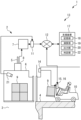
図1は、実施の形態1に係るエレベーターシステム1の構成図である。
Embodiment 1.
FIG. 1 is a configuration diagram of an elevator system 1 according to the first embodiment.

エレベーターシステム1は、エレベーター2を備える。エレベーター2は、例えば複数の階床を有する建物に適用される。建物において、エレベーター2の昇降路3が設けられる。昇降路3は、複数の階床にわたる上下方向に長い空間である。建物の各々の階床において、昇降路3に隣接する乗場4が設けられる。 The elevator system 1 includes an elevator 2. The elevator 2 is applied, for example, to a building having multiple floors. A hoistway 3 for the elevator 2 is provided in the building. The hoistway 3 is a long space in the vertical direction that spans multiple floors. A landing 4 adjacent to the hoistway 3 is provided on each floor of the building.

エレベーター2は、主ロープ5と、かご6と、制御盤7と、を備える。主ロープ5は、昇降路3においてかご6を支持するロープである。かご6は、昇降路3を上下方向に走行することで内部の積載物などを複数の階床の間で輸送する装置である。かご6は、秤8を備える。秤8は、かご6の積載荷重を計測する装置である。かご6は、図示されない巻上機による主ロープ5を通じた巻き上げまたは巻き下ろしによって、昇降路3を上下方向に走行する。制御盤7は、エレベーター2の動作を制御する装置である。エレベーター2の動作は、例えばかご6の走行を含む。制御盤7は、例えば昇降路3の上部または下部などに配置される。あるいは、昇降路3の上方などにエレベーター2の機械室が設けられる場合に、制御盤7は機械室に配置されてもよい。 The elevator 2 includes a main rope 5, a car 6, and a control panel 7. The main rope 5 is a rope that supports the car 6 in the hoistway 3. The car 6 is a device that transports the load inside between multiple floors by traveling up and down the hoistway 3. The car 6 includes a scale 8. The scale 8 is a device that measures the load of the car 6. The car 6 travels up and down the hoistway 3 by being wound up or down through the main rope 5 by a hoist (not shown). The control panel 7 is a device that controls the operation of the elevator 2. The operation of the elevator 2 includes, for example, the travel of the car 6. The control panel 7 is arranged, for example, at the top or bottom of the hoistway 3. Alternatively, if a machine room for the elevator 2 is provided above the hoistway 3, the control panel 7 may be arranged in the machine room.

エレベーター2は、例えばかご6によって荷物9を上下方向に輸送する荷物用のエレベーター2である。エレベーター2において、かご6への荷物9の積み込み作業は、作業員が運転する運搬車10によって行われる。運搬車10は、例えばフォークリフトなどの荷物9を運搬する車両である。なお、エレベーターシステム1において、かご6への積み込み作業ごとに異なる運搬車10が利用されてもよい。エレベーターシステム1において、運搬車10を識別する識別情報が、各々の運搬車10に付されている。 The elevator 2 is, for example, a baggage elevator 2 that transports baggage 9 in an up and down direction using a cage 6. In the elevator 2, the loading of baggage 9 into the cage 6 is performed by a transport vehicle 10 driven by a worker. The transport vehicle 10 is a vehicle that transports baggage 9, such as a forklift. In the elevator system 1, a different transport vehicle 10 may be used for each loading operation into the cage 6. In the elevator system 1, identification information that identifies the transport vehicle 10 is attached to each transport vehicle 10.

エレベーター2において、かご6に第1上限および第2上限が予め設定される。第1上限は、かご6が走行するときのかご6の積載重量の上限である。第2上限は、かご6に乗場4から荷物9が積み込まれるときのかご6の積載重量の上限である。かご6に乗場4から荷物9が積み込まれるときに、荷物9を運搬する運搬車10などがかご6の内部に進入しうるように、第2上限は第1上限より大きく設定される。第1上限は、例えばかご6の定格積載量である。第2上限は、例えばかご6の定格積載量の150%の積載重量である。エレベーター2は、例えばC2級ローディングのエレベーター2である。 In the elevator 2, a first upper limit and a second upper limit are set in advance for the car 6. The first upper limit is the upper limit of the load weight of the car 6 when the car 6 is traveling. The second upper limit is the upper limit of the load weight of the car 6 when baggage 9 is loaded from the landing 4 onto the car 6. The second upper limit is set to be larger than the first upper limit so that a transport vehicle 10 carrying the baggage 9 can enter the car 6 when baggage 9 is loaded from the landing 4 onto the car 6. The first upper limit is, for example, the rated load capacity of the car 6. The second upper limit is, for example, a load weight that is 150% of the rated load capacity of the car 6. The elevator 2 is, for example, a C2 class loading elevator 2.

エレベーターシステム1は、監視装置11を備える。監視装置11は、エレベーター2の遠隔監視を行う装置である。監視装置11は、例えば制御盤7からエレベーター2の状態などの情報を取得する。監視装置11は、取得したエレベーター2の情報を例えばエレベーター2の管理者などにネットワーク12を通じて提供する。ネットワーク12は、例えばインターネットまたは電話回線網などの通信網である。 The elevator system 1 includes a monitoring device 11. The monitoring device 11 is a device that performs remote monitoring of the elevator 2. The monitoring device 11 acquires information such as the status of the elevator 2 from, for example, the control panel 7. The monitoring device 11 provides the acquired information about the elevator 2 to, for example, the manager of the elevator 2, via a network 12. The network 12 is, for example, a communications network such as the Internet or a telephone line network.

エレベーターシステム1は、支援システム13を備える。支援システム13は、エレベーター2のかご6への荷物9の積み込みを支援するシステムである。支援システム13は、発信装置14と、無線端末15と、表示装置16と、支援装置17と、を備える。 The elevator system 1 includes a support system 13. The support system 13 is a system that supports the loading of baggage 9 into the car 6 of the elevator 2. The support system 13 includes a transmission device 14, a wireless terminal 15, a display device 16, and a support device 17.

発信装置14は、無線信号を発信する装置である。発信装置14は、例えば無線ビーコンである。発信装置14は、例えば乗場4に配置される。発信装置14は、かご6に配置されていてもよい。発信装置14は、乗場4およびかご6の両方に配置されていてもよい。 The transmitting device 14 is a device that transmits a wireless signal. The transmitting device 14 is, for example, a wireless beacon. The transmitting device 14 is arranged, for example, at the platform 4. The transmitting device 14 may also be arranged in the car 6. The transmitting device 14 may also be arranged in both the platform 4 and the car 6.

無線端末15は、無線通信機能を有する端末装置である。無線端末15は、例えば無線信号を送受信する無線タグ、または無線通信機能を搭載するスマートフォンなどの情報端末などである。無線端末15は、例えば運搬車10に取り付けられる。無線端末15は、積み込み作業において運搬車10を運転する作業員に所持されていてもよい。これにより、無線端末15は、運搬車10とともに移動する。無線端末15は、ともに移動する運搬車10の識別情報を記憶する。運搬車10の識別情報は、無線端末15に予め書き込まれていてもよいし、積み込み作業の前などに作業員によって無線端末15に入力されていてもよい。 The wireless terminal 15 is a terminal device having a wireless communication function. The wireless terminal 15 is, for example, a wireless tag that transmits and receives wireless signals, or an information terminal such as a smartphone equipped with a wireless communication function. The wireless terminal 15 is attached to the transport vehicle 10, for example. The wireless terminal 15 may be carried by a worker who drives the transport vehicle 10 during loading work. In this way, the wireless terminal 15 moves together with the transport vehicle 10. The wireless terminal 15 stores the identification information of the transport vehicle 10 that moves together. The identification information of the transport vehicle 10 may be written in advance in the wireless terminal 15, or may be input into the wireless terminal 15 by a worker before loading work, etc.

表示装置16は、入力された情報を表示する装置である。表示装置16は、例えば液晶ディスプレイなどである。表示装置16は、例えばかご6の内部に配置される。表示装置16は、運搬車10を運転する作業員から見やすいように、例えばかご6において乗場4から遠い側の壁面などに配置される。 The display device 16 is a device that displays the input information. The display device 16 is, for example, a liquid crystal display. The display device 16 is disposed, for example, inside the car 6. The display device 16 is disposed, for example, on the wall surface of the car 6 on the side farther from the landing 4 so that it is easily visible to the worker operating the transport vehicle 10.

支援装置17は、支援システム13における情報処理を行う装置である。支援装置17は、ネットワーク12に接続される。支援装置17は、例えばサーバーコンピューターである。支援装置17は、例えばエレベーター2が適用される建物の外部に配置される。あるいは、支援装置17は、エレベーター2が適用される建物に配置されていてもよい。支援装置17は、単一のハードウェアによって構成されていても、あるいは、複数のハードウェアによって構成されていてもよい。支援装置17は、クラウドサービス上の仮想マシンであってもよい。支援装置17は、記憶部18と、演算部19と、出力部20と、を備える。 The support device 17 is a device that performs information processing in the support system 13. The support device 17 is connected to the network 12. The support device 17 is, for example, a server computer. The support device 17 is, for example, placed outside the building to which the elevator 2 is applied. Alternatively, the support device 17 may be placed in the building to which the elevator 2 is applied. The support device 17 may be configured with a single piece of hardware, or may be configured with multiple pieces of hardware. The support device 17 may be a virtual machine on a cloud service. The support device 17 includes a memory unit 18, a calculation unit 19, and an output unit 20.

記憶部18は、情報を記憶する部分である。記憶部18において、運搬車10の重量が記憶される。記憶部18は、運搬車10の重量を当該運搬車10の識別情報に関連付けて記憶する。 The memory unit 18 is a part that stores information. The weight of the transport vehicle 10 is stored in the memory unit 18. The memory unit 18 stores the weight of the transport vehicle 10 in association with the identification information of the transport vehicle 10.

演算部19は、情報の演算を行う部分である。演算部19は、第1積載率および第2積載率を算出する。第1積載率は、かご6が走行するときに積み込まれている荷物9の積載重量の第1上限に対する割合である。第2積載率は、かご6に荷物9が積み込まれるときの荷物9および運搬車10の積載重量の第2上限に対する割合である。ここで、走行するかご6に荷扱い者として作業員が乗車するときに、作業員の体重が荷物9の重量に含まれていてもよい。 The calculation unit 19 is a part that performs calculations of information. The calculation unit 19 calculates a first loading rate and a second loading rate. The first loading rate is the ratio of the load weight of the luggage 9 loaded when the cage 6 is traveling to a first upper limit. The second loading rate is the ratio of the load weight of the luggage 9 and the transport vehicle 10 when the luggage 9 is loaded into the cage 6 to a second upper limit. Here, when a worker rides in the traveling cage 6 as a cargo handler, the weight of the worker may be included in the weight of the luggage 9.

出力部20は、演算部19が演算した情報を表示装置16に出力する部分である。出力部20は、情報の出力によって当該情報を表示装置16に表示させる。 The output unit 20 is a part that outputs the information calculated by the calculation unit 19 to the display device 16. The output unit 20 outputs the information to cause the display device 16 to display the information.

続いて、エレベーターシステム1における荷物9の積み込みの例を説明する。この例において、作業員は、荷物9とともにかご6に荷扱い者として乗車して出発階から行先階まで移動する。 Next, an example of loading luggage 9 in the elevator system 1 will be described. In this example, a worker rides in the car 6 together with the luggage 9 as a luggage handler and travels from the departure floor to the destination floor.

まず、作業員は、積み込み作業に利用する運搬車10の重量を記憶部18に登録する。なお、当該運搬車10の重量が既に記憶部18に登録されている場合に、重量の登録の手順は省略されてもよい。作業員は、出発階において、荷物9を運搬していない運搬車10に乗り込んで運搬車10を運転する。作業員は、運搬車10を運転して荷物9が積み込まれていないかご6の内部に進入する。作業員は、運搬車10をかご6の内部に停止させる。作業員は、運搬車10から降りてかご6の内部から乗場4に降車する。 First, the worker registers the weight of the transport vehicle 10 to be used for the loading operation in the memory unit 18. Note that if the weight of the transport vehicle 10 is already registered in the memory unit 18, the procedure of registering the weight may be omitted. At the departure floor, the worker gets into the transport vehicle 10 that is not transporting baggage 9 and drives the transport vehicle 10. The worker drives the transport vehicle 10 and enters the inside of the car 6 that has no baggage 9 loaded on it. The worker stops the transport vehicle 10 inside the car 6. The worker gets off the transport vehicle 10 and disembarks from inside the car 6 to the landing 4.

この間に、発信装置14は、無線信号を発信している。無線端末15は、発信装置14から無線信号を受信する。このときに、無線端末15は、記憶している運搬車10の識別情報を無線信号によってネットワーク12を通じて支援装置17に送信する。 During this time, the transmitting device 14 transmits a wireless signal. The wireless terminal 15 receives the wireless signal from the transmitting device 14. At this time, the wireless terminal 15 transmits the stored identification information of the transport vehicle 10 to the support device 17 via the network 12 by wireless signal.

作業員は、乗場4において重量の登録の操作を行う。重量の登録の操作は、例えば乗場4に設けられた乗場操作盤などを通じて行われる。乗場操作盤は、乗場呼びを登録する操作を受け付ける装置である。あるいは、無線端末15がボタンまたはタッチパネルなどの操作部を有するものである場合に、重量の登録の操作は、無線端末15を通じて行われてもよい。 The worker operates the weight registration at hall 4. The weight registration operation is performed, for example, through a hall operating panel provided at hall 4. The hall operating panel is a device that accepts operations to register hall calls. Alternatively, if the wireless terminal 15 has an operating unit such as a button or a touch panel, the weight registration operation may be performed through the wireless terminal 15.

支援装置17の記憶部18は、重量の登録の操作が行われたときに秤8が計測している積載荷重を、当該操作が行われたときに受信した識別情報に関連付けて、当該識別情報によって識別される運搬車10の重量として記憶する。 The memory unit 18 of the support device 17 associates the load measured by the scale 8 when the weight registration operation is performed with the identification information received when the operation is performed, and stores it as the weight of the transport vehicle 10 identified by the identification information.

続いて、作業員は、運搬車10に乗り込んで運搬車10ごとかご6の内部から降車する。作業員は、運搬車10を運転して荷物9を持ち上げる。作業員は、荷物9を持ち上げた運搬車10ごとかご6の内部に進入する。 The worker then gets on the transport vehicle 10 and dismounts from inside the car 6 together with the transport vehicle 10. The worker drives the transport vehicle 10 to lift the baggage 9. The worker then enters the car 6 together with the transport vehicle 10 with the baggage 9 lifted.

この間に、無線端末15は、発信装置14から無線信号を受信しているので運搬車10の識別情報を支援装置17に送信する。 During this time, the wireless terminal 15 receives a wireless signal from the transmitting device 14 and transmits the identification information of the transport vehicle 10 to the support device 17.

支援装置17の演算部19は、受信した識別情報に記憶部18が関連付けて記憶している運搬車10の重量を取得する。演算部19は、秤8が計測する積載重量から、取得した運搬車10の重量を減算して、運搬車10を除いた荷物9の重量を算出する。演算部19は、算出した荷物9の重量の第1上限に対する割合として、第1積載率を算出する。演算部19は、運搬車10の重量を含んだ秤8が計測する積載重量の第2上限に対する割合として、第2積載率を算出する。出力部20は、演算部19が算出した第1積載率および第2積載率を表示装置16に出力する。表示装置16は、入力された第1積載率および第2積載率を表示する。 The calculation unit 19 of the support device 17 acquires the weight of the transport vehicle 10 stored in the memory unit 18 in association with the received identification information. The calculation unit 19 subtracts the acquired weight of the transport vehicle 10 from the loaded weight measured by the scale 8 to calculate the weight of the luggage 9 excluding the transport vehicle 10. The calculation unit 19 calculates a first loading rate as the ratio of the calculated weight of the luggage 9 to a first upper limit. The calculation unit 19 calculates a second loading rate as the ratio of the loaded weight measured by the scale 8, including the weight of the transport vehicle 10, to a second upper limit. The output unit 20 outputs the first loading rate and the second loading rate calculated by the calculation unit 19 to the display device 16. The display device 16 displays the input first loading rate and the second loading rate.

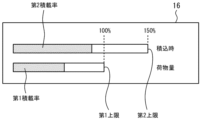
図2は、実施の形態1に係る表示装置16における表示の例である。 Figure 2 shows an example of a display on the display device 16 according to embodiment 1.

表示装置16は、例えば横帯グラフによって第1積載率および第2積載率を同時に並べて表示する。この例において、表示装置16は、左右の長さが第1上限を表す横帯を下側に表示する。表示装置16は、当該横帯に左側の端部を合わせて、左右の長さが第1積載率を表す横帯を表示する。また、表示装置16は、左右の長さが第2上限を表す横帯を上側に表示する。表示装置16は、当該横帯に左側の端部を合わせて、左右の長さが第2積載率を表す横帯を表示する。 The display device 16 displays the first loading rate and the second loading rate side by side at the same time, for example, by using a horizontal band graph. In this example, the display device 16 displays a horizontal band on the lower side whose left-right length represents the first upper limit. The display device 16 aligns its left end with the horizontal band and displays a horizontal band whose left-right length represents the first loading rate. The display device 16 also displays a horizontal band on the upper side whose left-right length represents the second upper limit. The display device 16 aligns its left end with the horizontal band and displays a horizontal band whose left-right length represents the second loading rate.

作業員は、運搬車10に乗り込んだままかご6の内部に設けられた表示装置16の表示を確認する。作業員は、第1積載率を表す横帯の右端の位置によって、運搬車10によってあとどの程度の重量の荷物9を積み込めるかを容易に把握できる。同時に、作業員は、第2積載率を表す横帯の右端の位置によって、エレベーター2のかご6が走行できる範囲であとどの程度の重量の荷物9を積み込めるかを容易に把握できる。作業員は、把握した情報に基づいて、追加の荷物9を積み込むか否かを判断する。追加の荷物9を積み込む場合に、作業員は、運搬車10によってかご6への積み込みを同様に繰り返す。追加の荷物9を積み込まない場合に、作業員は、乗場4において運搬車10から降りてかご6に乗車する。作業員は、荷扱い者として荷物9とともに行先階まで移動する。その後、作業員は、行先階においてかご6から荷物9を降ろす。 The worker checks the display of the display device 16 installed inside the car 6 while in the transport vehicle 10. From the position of the right end of the horizontal strip representing the first loading rate, the worker can easily grasp how much more luggage 9 can be loaded by the transport vehicle 10. At the same time, from the position of the right end of the horizontal strip representing the second loading rate, the worker can easily grasp how much more luggage 9 can be loaded within the range in which the car 6 of the elevator 2 can travel. Based on the grasped information, the worker decides whether or not to load additional luggage 9. If additional luggage 9 is to be loaded, the worker similarly repeats loading into the car 6 by the transport vehicle 10. If additional luggage 9 is not to be loaded, the worker gets off the transport vehicle 10 at the landing 4 and gets on the car 6. The worker moves to the destination floor together with the luggage 9 as a cargo handler. After that, the worker unloads the luggage 9 from the car 6 at the destination floor.

なお、作業員は、運搬車10を用いずに荷物9をかご6に積み込む場合がある。このような場合などにおいて、支援装置17は、識別情報を受信しないことがある。演算部19は、識別情報を受信しない場合に、秤8が計測する積載重量の第1上限に対する割合として第1積載率を算出してもよい。積載重量が第1上限に達していなければ第2上限にも達しないので、より安全側の判断が可能になる。 Note that there are cases where the worker loads the luggage 9 into the cage 6 without using the transport vehicle 10. In such cases, the support device 17 may not receive the identification information. When the calculation unit 19 does not receive the identification information, it may calculate the first loading rate as the ratio of the load weight measured by the scale 8 to the first upper limit. If the load weight does not reach the first upper limit, it will not reach the second upper limit either, making it possible to make a safer judgment.

また、運搬車10を用いて荷物9をかご6に積み込む作業員は、出発階から行先階まで荷物9とともにかご6に乗車しなくてもよい。出発階において荷物9を積み込む作業員と行先階において荷物9を降ろす作業員とは別の作業員であってもよい。この場合に、作業員は、運搬車10から降りずに重量の登録を行ってもよい。このとき、作業員の体重は、運搬車10の重量に合算される。この場合に、重量の登録の操作は、例えばかご6の内部に設けられたかご操作盤などを通じて行われてもよい。かご操作盤は、かご呼びを登録する操作を受け付ける装置である。 In addition, the worker who loads the baggage 9 into the car 6 using the transport vehicle 10 does not have to ride in the car 6 with the baggage 9 from the departure floor to the destination floor. The worker who loads the baggage 9 at the departure floor and the worker who unloads the baggage 9 at the destination floor may be different workers. In this case, the worker may register the weight without getting off the transport vehicle 10. At this time, the worker's weight is added to the weight of the transport vehicle 10. In this case, the operation of registering the weight may be performed, for example, through a car operation panel provided inside the car 6. The car operation panel is a device that accepts the operation of registering a car call.

また、記憶部18、演算部19、および出力部20などの支援装置17の機能の一部または全部は、制御盤7などのエレベーター2の機器に搭載されていてもよい。このとき、記憶部18または演算部19は、ネットワーク12を経由せずに秤8の計測結果などの情報を取得してもよい。 In addition, some or all of the functions of the support device 17, such as the memory unit 18, the calculation unit 19, and the output unit 20, may be installed in the elevator 2 equipment, such as the control panel 7. In this case, the memory unit 18 or the calculation unit 19 may acquire information such as the measurement results of the scale 8 without going through the network 12.

また、発信装置14が無線信号の受信機能を搭載する無線通信装置などである場合に、無線端末15は、発信装置14とネットワーク12を経由せずに通信を行ってもよい。このとき、発信装置14は、無線端末15から受信する識別情報を支援装置17に送信する。このとき、発信装置14は、制御盤7および監視装置11などを通じて識別装置を支援装置17に送信してもよい。 In addition, when the transmitting device 14 is a wireless communication device equipped with a function for receiving wireless signals, the wireless terminal 15 may communicate with the transmitting device 14 without going through the network 12. At this time, the transmitting device 14 transmits the identification information received from the wireless terminal 15 to the support device 17. At this time, the transmitting device 14 may transmit the identification information to the support device 17 via the control panel 7 and the monitoring device 11, etc.

また、無線端末15が表示部を有するスマートフォンなどである場合に、出力部20は、無線端末15の表示部を表示装置16として情報を表示させてもよい。このとき、出力部20は、演算部19が算出した情報を無線端末15に出力する。 In addition, when the wireless terminal 15 is a smartphone or the like having a display unit, the output unit 20 may cause the display unit of the wireless terminal 15 to display information as the display device 16. At this time, the output unit 20 outputs the information calculated by the calculation unit 19 to the wireless terminal 15.

また、表示装置16は、第1積載率および第2積載率を数値によって表示してもよい。表示装置16は、第1積載率および第2積載率を数値および帯グラフの併記によって表示してもよい。表示装置16は、例えば円形ゲージまたはその他の表示方法などによって第1積載率および第2積載率を表示してもよい。 The display device 16 may also display the first loading rate and the second loading rate numerically. The display device 16 may also display the first loading rate and the second loading rate numerically and in a bar graph. The display device 16 may also display the first loading rate and the second loading rate, for example, by a circular gauge or other display method.

以上に説明したように、実施の形態1に係るエレベーターシステム1は、かご6と、表示装置16と、支援システム13と、を備える。かご6は、積載重量を計測する秤8を有する。かご6において、第1上限および第2上限が定められる。第1上限は、走行するときの積載重量の上限である。第2上限は、乗場4から荷物9を積み込むときの積載重量の上限である。第2上限は、第1上限より大きい。表示装置16は、入力された情報を表示する。支援システム13は、記憶部18と、演算部19と、出力部20と、を備える。記憶部18は、かご6に荷物9を積み込む運搬車10の重量を記憶する。演算部19は、かご6に設けられた秤8が計測するかご6の積載重量から記憶部18が記憶している運搬車10の重量を減算した値の第1上限に対する割合として第1積載率を算出する。演算部19は、秤8が計測するかご6の積載重量の第2上限に対する割合として第2積載率を算出する。出力部20は、演算部19が演算した第1積載率および第2積載率の両方を表示装置16に出力して表示させる。 As described above, the elevator system 1 according to the first embodiment includes a car 6, a display device 16, and a support system 13. The car 6 has a scale 8 for measuring the load weight. A first upper limit and a second upper limit are set in the car 6. The first upper limit is the upper limit of the load weight when traveling. The second upper limit is the upper limit of the load weight when loading baggage 9 from the landing 4. The second upper limit is greater than the first upper limit. The display device 16 displays the input information. The support system 13 includes a memory unit 18, a calculation unit 19, and an output unit 20. The memory unit 18 stores the weight of the transport vehicle 10 that loads the baggage 9 into the car 6. The calculation unit 19 calculates a first loading rate as a ratio of the value obtained by subtracting the weight of the transport vehicle 10 stored in the memory unit 18 from the load weight of the car 6 measured by the scale 8 provided in the car 6 to the first upper limit. The calculation unit 19 calculates the second loading rate as a ratio of the load weight of the cage 6 measured by the scale 8 to the second upper limit. The output unit 20 outputs both the first loading rate and the second loading rate calculated by the calculation unit 19 to the display device 16 for display.

このような構成により、作業員は、かご6が走行するときの積載重量の上限に対する割合、および乗場4からかご6に荷物9を積み込むときの積載重量の上限に対する割合の両方を確認できる。これにより、作業員は、積載重量の複数の条件がそれぞれ満足されているかを容易に判断できるようになる。 This configuration allows the worker to check both the percentage of the load weight relative to the upper limit when the car 6 is traveling, and the percentage of the load weight relative to the upper limit when loading luggage 9 from the landing 4 onto the car 6. This allows the worker to easily determine whether each of the multiple load weight conditions is satisfied.

また、エレベーターシステム1は、無線端末15を備える。無線端末15は、運搬車10とともに移動する。無線端末15は、運搬車10の識別情報を乗場4において無線送信する。支援システム13の記憶部18は、運搬車10の重量を当該運搬車10の識別情報に関連付けて記憶する。演算部19は、無線端末15が無線送信した運搬車10の識別情報に基づいて記憶部18から当該運搬車10の重量を取得する。 The elevator system 1 also includes a wireless terminal 15. The wireless terminal 15 moves together with the transport vehicle 10. The wireless terminal 15 wirelessly transmits identification information of the transport vehicle 10 at the landing 4. The memory unit 18 of the support system 13 stores the weight of the transport vehicle 10 in association with the identification information of the transport vehicle 10. The calculation unit 19 obtains the weight of the transport vehicle 10 from the memory unit 18 based on the identification information of the transport vehicle 10 wirelessly transmitted by the wireless terminal 15.

このような構成により、エレベーターシステム1において複数の異なる運搬車10が利用される場合においても、各々の運搬車10が識別された上で第1積載率および第2積載率が算出される。これにより、表示装置16に表示される情報がより正確になる。 With this configuration, even when multiple different transport vehicles 10 are used in the elevator system 1, each transport vehicle 10 is identified and the first loading rate and the second loading rate are calculated. This makes the information displayed on the display device 16 more accurate.

なお、記憶部18は、運搬車10の重量を予め設定された固定値として記憶していてもよい。このとき、無線端末15から無線送信される識別情報は、運搬車10の有無の検知などに用いられる。記憶部18が運搬車10の重量を固定値として記憶する場合に、作業員は、運搬車10の重量の登録の手順を省略できる。例えば、記憶部18は、積み込み作業に単一の運搬車10のみが利用される場合に当該運搬車10の重量などを記憶する。あるいは、記憶部18は、積み込み作業に同一機種の複数の運搬車10のみが利用される場合に、当該機種の仕様上の重量などを記憶する。あるいは、記憶部18は、積み込み作業に利用される運搬車10の重量のうち最も重いものを記憶していてもよい。 The memory unit 18 may store the weight of the transport vehicle 10 as a preset fixed value. In this case, the identification information wirelessly transmitted from the wireless terminal 15 is used to detect the presence or absence of the transport vehicle 10. When the memory unit 18 stores the weight of the transport vehicle 10 as a fixed value, the worker can omit the procedure of registering the weight of the transport vehicle 10. For example, the memory unit 18 stores the weight of a single transport vehicle 10 when only one transport vehicle 10 is used for loading work. Alternatively, the memory unit 18 stores the weight of the model according to its specifications when only multiple transport vehicles 10 of the same model are used for loading work. Alternatively, the memory unit 18 may store the heaviest weight of the transport vehicles 10 used for loading work.

また、無線端末15は、エレベーターシステム1の外部装置であってもよい。 The wireless terminal 15 may also be an external device of the elevator system 1.

続いて、図3を用いて、エレベーターシステム1のハードウェア構成の例について説明する。
図3は、実施の形態1に係るエレベーターシステム1の主要部のハードウェア構成図である。
Next, an example of a hardware configuration of the elevator system 1 will be described with reference to FIG. 3.
FIG. 3 is a hardware configuration diagram of a main part of the elevator system 1 according to the first embodiment.

エレベーターシステム1の各機能は、処理回路により実現し得る。処理回路は、少なくとも1つのプロセッサ100aと少なくとも1つのメモリ100bとを備える。処理回路は、プロセッサ100aおよびメモリ100bと共に、あるいはそれらの代用として、少なくとも1つの専用ハードウェア200を備えてもよい。 Each function of the elevator system 1 may be realized by a processing circuit. The processing circuit includes at least one processor 100a and at least one memory 100b. The processing circuit may include at least one dedicated hardware 200 in addition to or in place of the processor 100a and memory 100b.

処理回路がプロセッサ100aとメモリ100bとを備える場合、エレベーターシステム1の各機能は、ソフトウェア、ファームウェア、またはソフトウェアとファームウェアとの組み合わせで実現される。ソフトウェアおよびファームウェアの少なくとも一方は、プログラムとして記述される。そのプログラムはメモリ100bに格納される。プロセッサ100aは、メモリ100bに記憶されたプログラムを読み出して実行することにより、エレベーターシステム1の各機能を実現する。 When the processing circuit includes a processor 100a and a memory 100b, each function of the elevator system 1 is realized by software, firmware, or a combination of software and firmware. At least one of the software and firmware is written as a program. The program is stored in the memory 100b. The processor 100a realizes each function of the elevator system 1 by reading and executing the program stored in the memory 100b.

プロセッサ100aは、CPU(Central Processing Unit)、処理装置、演算装置、マイクロプロセッサ、マイクロコンピュータ、DSPともいう。メモリ100bは、例えば、RAM、ROM、フラッシュメモリ、EPROM、EEPROMなどの、不揮発性または揮発性の半導体メモリなどにより構成される。 The processor 100a is also called a CPU (Central Processing Unit), processing device, arithmetic device, microprocessor, microcomputer, or DSP. The memory 100b is composed of non-volatile or volatile semiconductor memory such as RAM, ROM, flash memory, EPROM, and EEPROM.

処理回路が専用ハードウェア200を備える場合、処理回路は、例えば、単一回路、複合回路、プログラム化したプロセッサ、並列プログラム化したプロセッサ、ASIC、FPGA、またはこれらの組み合わせで実現される。 When the processing circuitry comprises dedicated hardware 200, the processing circuitry may be implemented, for example, as a single circuit, a composite circuit, a programmed processor, a parallel programmed processor, an ASIC, an FPGA, or a combination thereof.

エレベーターシステム1の各機能は、それぞれ処理回路で実現することができる。あるいは、エレベーターシステム1の各機能は、まとめて処理回路で実現することもできる。エレベーターシステム1の各機能について、一部を専用ハードウェア200で実現し、他部をソフトウェアまたはファームウェアで実現してもよい。このように、処理回路は、専用ハードウェア200、ソフトウェア、ファームウェア、またはこれらの組み合わせでエレベーターシステム1の各機能を実現する。 Each function of the elevator system 1 can be realized by a processing circuit. Alternatively, each function of the elevator system 1 can be realized collectively by a processing circuit. Some of the functions of the elevator system 1 may be realized by dedicated hardware 200, and other parts may be realized by software or firmware. In this way, the processing circuit realizes each function of the elevator system 1 by dedicated hardware 200, software, firmware, or a combination of these.

実施の形態2.
実施の形態2において、実施の形態1で開示される例と相違する点について特に詳しく説明する。実施の形態2で説明しない特徴については、実施の形態1で開示される例のいずれの特徴が採用されてもよい。
Embodiment 2.
In the second embodiment, differences from the example disclosed in the first embodiment will be described in particular detail. For features not described in the second embodiment, any of the features of the example disclosed in the first embodiment may be adopted.

図4は、実施の形態2に係るエレベーターシステム1の構成図である。 Figure 4 is a configuration diagram of an elevator system 1 according to embodiment 2.

エレベーターシステム1は、カメラ21を備える。カメラ21は、画像を撮影する装置である。カメラ21は、例えば乗場4またはかご6の内部の一方または両方に配置される。カメラ21は、撮影した画像を送信しうるように、例えば監視装置11などを通じてネットワーク12に接続される。 The elevator system 1 includes a camera 21. The camera 21 is a device that captures images. The camera 21 is disposed, for example, in one or both of the hall 4 and the interior of the car 6. The camera 21 is connected to the network 12, for example, via the monitoring device 11, so that the captured images can be transmitted.

支援装置17は、判定部22を備える。判定部22は、運搬車10がかご6に乗っているか否かを判定する部分である。この例において、判定部22は、カメラ21が撮影する画像に基づいて運搬車10がかご6に乗っているかの判定を行う。 The support device 17 includes a determination unit 22. The determination unit 22 is a part that determines whether the transport vehicle 10 is in the car 6. In this example, the determination unit 22 determines whether the transport vehicle 10 is in the car 6 based on an image captured by the camera 21.

エレベーターシステム1において積み込み作業を行う作業員に、例えば次のように情報が表示される。 For example, the following information is displayed to the worker performing loading work in elevator system 1:

運搬車10がかご6に乗っていると判定部22が判定するときに、演算部19は、受信した識別情報に記憶部18が関連付けて記憶している運搬車10の重量を取得する。演算部19は、秤8が計測する積載重量から、取得した運搬車10の重量を減算して、運搬車10を除いた荷物9の重量を算出する。演算部19は、算出した荷物9の重量の第1上限に対する割合として、第1積載率を算出する。演算部19は、運搬車10の重量を含んだ秤8が計測する積載重量の第2上限に対する割合として、第2積載率を算出する。 When the determination unit 22 determines that the transport vehicle 10 is loaded in the cage 6, the calculation unit 19 acquires the weight of the transport vehicle 10 stored in the memory unit 18 in association with the received identification information. The calculation unit 19 subtracts the acquired weight of the transport vehicle 10 from the loaded weight measured by the scale 8 to calculate the weight of the luggage 9 excluding the transport vehicle 10. The calculation unit 19 calculates a first loading rate as the ratio of the calculated weight of the luggage 9 to a first upper limit. The calculation unit 19 calculates a second loading rate as the ratio of the loaded weight measured by the scale 8, including the weight of the transport vehicle 10, to a second upper limit.

一方、運搬車10がかご6に乗っていないと判定部22が判定するときに、演算部19は、受信した識別情報に記憶部18が関連付けて記憶している運搬車10の重量を取得する。演算部19は、運搬車10の重量を含まない秤8が計測する積載重量の第1上限に対する割合として、第1積載率を算出する。演算部19は、秤8が計測する積載重量に、取得した運搬車10の重量を加算して、運搬車10および荷物9の重量を算出する。演算部19は、運搬車10の重量を含む算出した重量の第2上限に対する割合として、第2積載率を算出する。 On the other hand, when the determination unit 22 determines that the transport vehicle 10 is not loaded in the cage 6, the calculation unit 19 acquires the weight of the transport vehicle 10 stored in the memory unit 18 in association with the received identification information. The calculation unit 19 calculates a first loading rate as a ratio of the load weight measured by the scale 8, which does not include the weight of the transport vehicle 10, to a first upper limit. The calculation unit 19 adds the acquired weight of the transport vehicle 10 to the load weight measured by the scale 8 to calculate the weight of the transport vehicle 10 and the luggage 9. The calculation unit 19 calculates a second loading rate as a ratio of the calculated weight, which includes the weight of the transport vehicle 10, to a second upper limit.

出力部20は、演算部19が算出した第1積載率および第2積載率を表示装置16に出力する。表示装置16は、入力された第1積載率および第2積載率を表示する。出力部20は、例えば無線端末15の表示部を表示装置16として情報を表示させる。なお、表示装置16は、乗場4に設けられる装置であってもよい。 The output unit 20 outputs the first loading rate and the second loading rate calculated by the calculation unit 19 to the display device 16. The display device 16 displays the input first loading rate and second loading rate. The output unit 20 displays information on, for example, the display unit of the wireless terminal 15 as the display device 16. The display device 16 may be a device provided at the hall 4.

以上に説明したように、実施の形態2に係るエレベーターシステム1の支援システム13は、判定部22を備える。判定部22は、運搬車10がかご6に乗っているかを判定する。運搬車10がかご6に乗っていないと判定部22が判定するときに、演算部19は、秤8が計測するかご6の積載重量の第1上限に対する割合として第1積載率を算出する。また、このときに、演算部19は、秤8が計測するかご6の積載重量に記憶部18が記憶している運搬車10の重量を加算した値の第2上限に対する割合として第2積載率を算出する。 As described above, the support system 13 of the elevator system 1 according to the second embodiment includes a determination unit 22. The determination unit 22 determines whether the transport vehicle 10 is in the car 6. When the determination unit 22 determines that the transport vehicle 10 is not in the car 6, the calculation unit 19 calculates a first loading rate as the ratio of the load weight of the car 6 measured by the scale 8 to a first upper limit. In addition, at this time, the calculation unit 19 calculates a second loading rate as the ratio of the value obtained by adding the load weight of the car 6 measured by the scale 8 to the weight of the transport vehicle 10 stored in the memory unit 18 to a second upper limit.

このような構成により、作業員は、かご6の内部および外部のいずれにおいても、かご6が走行するときの積載重量の上限に対する割合、および乗場4からかご6に荷物9を積み込むときの積載重量の上限に対する割合の両方を確認できるようになる。これにより、作業員は、積載重量の複数の条件がそれぞれ満足されているかをより容易に判断できるようになる。 This configuration allows workers, both inside and outside the car 6, to check both the percentage of the load weight relative to the upper limit when the car 6 is traveling, and the percentage of the load weight relative to the upper limit when luggage 9 is loaded from the landing 4 onto the car 6. This allows workers to more easily determine whether each of the multiple load weight conditions is being satisfied.

なお、判定部22は、カメラ21が撮影する画像によらずに運搬車10がかご6に乗っているかの判定を行ってもよい。判定部22は、例えば秤8が計測する積載重量の変化に基づいて、運搬車10のかご6への乗り降りを判定してもよい。例えば、通常、作業員が人力で運搬できる重量と運搬車10の重量との間には差があるので、秤8が計測する積載重量が予め設定された閾値より多く増加するときに、判定部22は、運搬車10がかご6に乗り込んだと判定する。一方、秤8が計測する積載重量が予め設定された閾値より多く減少するときに、判定部22は、運搬車10がかご6から降りたと判定する。あるいは、判定部22は、例えば無線端末15の無線通信によって運搬車10のかご6への乗り降りを判定してもよい。例えば、発信装置14が当該発信装置14に固有の固有情報を無線信号で発信する場合に、無線端末15は、受信した固有情報を運搬車10の識別情報とともに無線送信できる。このとき、無線端末15が乗場4に設けられた発信装置14の固有情報を送信する場合に、判定部22は、運搬車10がかご6に乗っていないと判定してもよい。一方、無線端末15がかご6に設けられた発信装置14の固有情報を送信する場合に、判定部22は、運搬車10がかご6に乗っていると判定してもよい。あるいは、判定部22は、複数の判定基準を組み合わせて、または切り替えて運搬車10がかご6に乗っているかの判定を行ってもよい。 In addition, the determination unit 22 may determine whether the transport vehicle 10 is in the cage 6 without relying on the image captured by the camera 21. The determination unit 22 may determine whether the transport vehicle 10 has entered the cage 6, for example, based on a change in the load weight measured by the scale 8. For example, since there is usually a difference between the weight that a worker can carry manually and the weight of the transport vehicle 10, the determination unit 22 determines that the transport vehicle 10 has entered the cage 6 when the load weight measured by the scale 8 increases by more than a preset threshold. On the other hand, the determination unit 22 determines that the transport vehicle 10 has dismounted from the cage 6 when the load weight measured by the scale 8 decreases by more than a preset threshold. Alternatively, the determination unit 22 may determine whether the transport vehicle 10 has entered the cage 6 by wireless communication of the wireless terminal 15, for example. For example, when the transmitting device 14 transmits unique information unique to the transmitting device 14 by wireless signal, the wireless terminal 15 can wirelessly transmit the received unique information together with the identification information of the transport vehicle 10. In this case, when the wireless terminal 15 transmits unique information of the transmitting device 14 provided at the platform 4, the determination unit 22 may determine that the transport vehicle 10 is not in the car 6. On the other hand, when the wireless terminal 15 transmits unique information of the transmitting device 14 provided in the car 6, the determination unit 22 may determine that the transport vehicle 10 is in the car 6. Alternatively, the determination unit 22 may determine whether the transport vehicle 10 is in the car 6 by combining or switching between multiple determination criteria.

また、カメラ21は、エレベーターシステム1の外部装置であってもよい。 The camera 21 may also be an external device to the elevator system 1.

実施の形態3.
実施の形態3において、実施の形態1または実施の形態2で開示される例と相違する点について特に詳しく説明する。実施の形態3で説明しない特徴については、実施の形態1または実施の形態2で開示される例のいずれの特徴が採用されてもよい。
Embodiment 3.
In the third embodiment, differences from the examples disclosed in the first or second embodiment will be described in particular detail. For features not described in the third embodiment, any of the features of the examples disclosed in the first or second embodiment may be adopted.

図5は、実施の形態3に係るエレベーターシステム1の構成図である。 Figure 5 is a configuration diagram of an elevator system 1 according to embodiment 3.

エレベーターシステム1の支援システム13は、計測装置23を備える The support system 13 of the elevator system 1 is equipped with a measuring device 23.

計測装置23は、運搬車10の運搬中の荷物9の重量を計測する装置である。計測装置23は、運搬車10に設けられる。計測装置23は、例えばロードチェッカーなどである。計測装置23は、例えば有線または無線によって通信しうるように無線端末15に接続される。計測装置23による計測結果は、無線端末15およびネットワーク12を通じて支援装置17に送信される。計測装置23が無線通信機能を搭載する場合に、計測装置23は、無線端末15を通さずに計測結果を通信してもよい。 The measuring device 23 is a device that measures the weight of the luggage 9 being transported by the transport vehicle 10. The measuring device 23 is provided on the transport vehicle 10. The measuring device 23 is, for example, a load checker. The measuring device 23 is connected to the wireless terminal 15 so as to be able to communicate, for example, by wire or wirelessly. The measurement results by the measuring device 23 are transmitted to the support device 17 via the wireless terminal 15 and the network 12. If the measuring device 23 is equipped with a wireless communication function, the measuring device 23 may communicate the measurement results without going through the wireless terminal 15.

支援装置17の演算部19は、第1仮想積載率および第2仮想積載率を算出する。第1仮想積載率は、現在積み込まれている荷物9およびこれから積み込まれる荷物9を合わせた、かご6が走行するときに積み込まれている荷物9の積載重量の予測値の第1上限に対する割合である。第2積載率は、現在積み込まれている荷物9およびこれから積み込まれる荷物9を合わせた、かご6に荷物9が積み込まれるときの荷物9および運搬車10の積載重量の予測値の第2上限に対する割合である。 The calculation unit 19 of the support device 17 calculates a first virtual loading rate and a second virtual loading rate. The first virtual loading rate is the ratio of the predicted value of the load weight of the luggage 9 loaded when the cage 6 travels, which includes the luggage 9 currently loaded and the luggage 9 to be loaded in the future, to a first upper limit. The second loading rate is the ratio of the predicted value of the load weight of the luggage 9 and the transport vehicle 10 when the luggage 9 is loaded into the cage 6, which includes the luggage 9 currently loaded and the luggage 9 to be loaded in the future, to a second upper limit.

エレベーターシステム1において積み込み作業を行う作業員に、例えば次のように情報が表示される。 For example, the following information is displayed to the worker performing loading work in elevator system 1:

運搬車10がかご6に乗っていると判定部22が判定するときに、演算部19は、受信した識別情報に記憶部18が関連付けて記憶している運搬車10の重量を取得する。演算部19は、秤8が計測する積載重量から、取得した運搬車10の重量を減算して、運搬車10を除いた荷物9の重量を算出する。演算部19は、算出した荷物9の重量の第1上限に対する割合として、第1積載率を算出する。演算部19は、運搬車10の重量を含んだ秤8が計測する積載重量の第2上限に対する割合として、第2積載率を算出する。 When the determination unit 22 determines that the transport vehicle 10 is loaded in the cage 6, the calculation unit 19 acquires the weight of the transport vehicle 10 stored in the memory unit 18 in association with the received identification information. The calculation unit 19 subtracts the acquired weight of the transport vehicle 10 from the loaded weight measured by the scale 8 to calculate the weight of the luggage 9 excluding the transport vehicle 10. The calculation unit 19 calculates a first loading rate as the ratio of the calculated weight of the luggage 9 to a first upper limit. The calculation unit 19 calculates a second loading rate as the ratio of the loaded weight measured by the scale 8, including the weight of the transport vehicle 10, to a second upper limit.

出力部20は、演算部19が算出した第1積載率および第2積載率を表示装置16に出力する。表示装置16は、入力された第1積載率および第2積載率を表示する。 The output unit 20 outputs the first loading rate and the second loading rate calculated by the calculation unit 19 to the display device 16. The display device 16 displays the input first loading rate and second loading rate.

一方、運搬車10がかご6に乗っていないと判定部22が判定するときに、演算部19は、受信した識別情報に記憶部18が関連付けて記憶している運搬車10の重量を取得する。演算部19は、運搬車10の重量を含まない秤8が計測する積載重量の第1上限に対する割合として、第1積載率を算出する。演算部19は、秤8が計測する積載重量に、取得した運搬車10の重量を加算して、運搬車10および荷物9の重量を算出する。演算部19は、運搬車10の重量を含む算出した重量の第2上限に対する割合として、第2積載率を算出する。 On the other hand, when the determination unit 22 determines that the transport vehicle 10 is not loaded in the cage 6, the calculation unit 19 acquires the weight of the transport vehicle 10 stored in the memory unit 18 in association with the received identification information. The calculation unit 19 calculates a first loading rate as a ratio of the load weight measured by the scale 8, which does not include the weight of the transport vehicle 10, to a first upper limit. The calculation unit 19 adds the acquired weight of the transport vehicle 10 to the load weight measured by the scale 8 to calculate the weight of the transport vehicle 10 and the luggage 9. The calculation unit 19 calculates a second loading rate as a ratio of the calculated weight, which includes the weight of the transport vehicle 10, to a second upper limit.

また、運搬車10がかご6に乗っていないと判定部22が判定するときに、演算部19は、計測装置23によって計測される運搬車10が運搬中の荷物9の重量を取得する。演算部19は、運搬車10の重量を含まない秤8が計測する積載重量、および計測装置23によって計測される運搬車10がかご6の外部において運搬中の荷物9の重量の和を、これからかご6に積み込まれる、運搬車10の重量を含まない荷物9の予測重量として算出する。演算部19は、運搬車10の重量を含まない算出した予測重量の第1上限に対する割合として、第1仮想積載率を算出する。また、演算部19は、算出した予測重量に取得した運搬車10の重量を加算した値の第2上限に対する割合として、第2仮想積載率を算出する。 When the determination unit 22 determines that the transport vehicle 10 is not loaded in the cage 6, the calculation unit 19 acquires the weight of the luggage 9 being transported by the transport vehicle 10 measured by the measuring device 23. The calculation unit 19 calculates the sum of the loaded weight measured by the scale 8, which does not include the weight of the transport vehicle 10, and the weight of the luggage 9 being transported by the transport vehicle 10 outside the cage 6, which is measured by the measuring device 23, as the predicted weight of the luggage 9, not including the weight of the transport vehicle 10, to be loaded into the cage 6. The calculation unit 19 calculates a first virtual loading rate as the ratio of the calculated predicted weight, not including the weight of the transport vehicle 10, to a first upper limit. The calculation unit 19 also calculates a second virtual loading rate as the ratio of the value obtained by adding the calculated predicted weight to the acquired weight of the transport vehicle 10 to a second upper limit.

出力部20は、演算部19が算出した第1積載率および第2積載率ならびに第1仮想積載率および第2仮想積載率を表示装置16に出力する。表示装置16は、入力された第1積載率および第2積載率ならびに第1仮想積載率および第2仮想積載率を表示する。 The output unit 20 outputs the first loading rate and the second loading rate as well as the first virtual loading rate and the second virtual loading rate calculated by the calculation unit 19 to the display device 16. The display device 16 displays the input first loading rate and the second loading rate as well as the first virtual loading rate and the second virtual loading rate.

図6は、実施の形態3に係る表示装置16における表示の例である。 Figure 6 is an example of a display on the display device 16 according to embodiment 3.

表示装置16は、例えば横帯グラフによって第1積載率および第2積載率ならびに第1仮想積載率および第2仮想積載率を同時に表示する。この例において、表示装置16は、左右の長さが第1上限を表す横帯を下側に表示する。表示装置16は、当該横帯に左側の端部を合わせて、左右の長さが第1積載率を表す横帯を表示する。さらに、表示装置16は、これらの下側に表示された横帯に左側の端部を合わせて、左右の長さが第1仮想積載率を表す横帯を表示する。また、表示装置16は、左右の長さが第2上限を表す横帯を上側に表示する。表示装置16は、当該横帯に左側の端部を合わせて、左右の長さが第2積載率を表す横帯を表示する。さらに、表示装置16は、これらの上側に表示された横帯に左側の端部を合わせて、左右の長さが第2仮想積載率を表す横帯を表示する。 The display device 16 simultaneously displays the first loading rate and the second loading rate and the first virtual loading rate and the second virtual loading rate, for example, by using a horizontal band graph. In this example, the display device 16 displays a horizontal band on the lower side whose left-right length represents the first upper limit. The display device 16 aligns its left end with the horizontal band and displays a horizontal band whose left-right length represents the first loading rate. Furthermore, the display device 16 aligns its left end with these horizontal bands displayed on the lower side and displays a horizontal band whose left-right length represents the first virtual loading rate. The display device 16 also displays a horizontal band whose left-right length represents the second upper limit on the upper side. The display device 16 aligns its left end with the horizontal band and displays a horizontal band whose left-right length represents the second loading rate. Furthermore, the display device 16 aligns its left end with these horizontal bands displayed on the upper side and displays a horizontal band whose left-right length represents the second virtual loading rate.

以上に説明したように、実施の形態3に係るエレベーターシステム1は、計測装置23を備える。計測装置23は、運搬車10に設けられる。計測装置23は、運搬車10の運搬中の荷物9の重量を計測する。エレベーターシステム1の支援システム13は、判定部22を備える。判定部22は、運搬車10がかご6に乗っているかを判定する。運搬車10がかご6に乗っていないと判定部22が判定するときに、演算部19は、秤8が計測するかご6の積載重量の第1上限に対する割合として第1積載率を算出する。また、このときに、演算部19は、秤8が計測するかご6の積載重量に記憶部18が記憶している運搬車10の重量を加算した値の第2上限に対する割合として第2積載率を算出する。さらに、このときに、演算部19は、計測装置23が計測する運搬車10の運搬中の荷物9の重量および秤8が計測するかご6の積載重量の和の第1上限に対する割合として第1仮想積載率を算出する。また、このときに、演算部19は、計測装置23が計測する運搬車10の運搬中の荷物9の重量および秤8が計測するかご6の積載重量の和に記憶部18が記憶している運搬車10の重量を加算した値の第2上限に対する割合として第2仮想積載率を算出する。出力部20は、運搬車10がかご6に乗っていないと判定部22が判定するときに、演算部19が算出した第1積載率および第2積載率ならびに第1仮想積載率および第2仮想積載率を表示装置16に出力して表示させる。 As described above, the elevator system 1 according to the third embodiment includes a measuring device 23. The measuring device 23 is provided on the transport vehicle 10. The measuring device 23 measures the weight of the baggage 9 being transported by the transport vehicle 10. The support system 13 of the elevator system 1 includes a determination unit 22. The determination unit 22 determines whether the transport vehicle 10 is in the cage 6. When the determination unit 22 determines that the transport vehicle 10 is not in the cage 6, the calculation unit 19 calculates a first loading rate as the ratio of the load weight of the cage 6 measured by the scale 8 to a first upper limit. Also, at this time, the calculation unit 19 calculates a second loading rate as the ratio of the value obtained by adding the load weight of the cage 6 measured by the scale 8 to the weight of the transport vehicle 10 stored in the memory unit 18 to a second upper limit. Furthermore, at this time, the calculation unit 19 calculates a first virtual loading rate as the ratio of the sum of the weight of the luggage 9 being transported by the transport vehicle 10 measured by the measuring device 23 and the load weight of the cage 6 measured by the scale 8 to a first upper limit. Also, at this time, the calculation unit 19 calculates a second virtual loading rate as the ratio of the sum of the weight of the luggage 9 being transported by the transport vehicle 10 measured by the measuring device 23 and the load weight of the cage 6 measured by the scale 8 plus the weight of the transport vehicle 10 stored in the memory unit 18 to a second upper limit. When the determination unit 22 determines that the transport vehicle 10 is not loaded on the cage 6, the output unit 20 outputs the first loading rate and second loading rate and the first virtual loading rate and second virtual loading rate calculated by the calculation unit 19 to the display device 16 for display.

このような構成により、作業員は、かご6が走行するときの積載重量の上限に対する割合、および乗場4からかご6に荷物9を積み込むときの積載重量の上限に対する割合の両方を、荷物9をかご6に積み込む前に確認できるようになる。これにより、荷物9をかご6に積み込んだ後に積載重量超過が判明して積み込んだ荷物9を再び降ろすことなどの作業の手戻りが予防される。これにより、積み込み作業の効率の低下が抑制される。 This configuration allows the worker to check both the percentage of the load weight limit when the car 6 is traveling and the percentage of the load weight limit when the luggage 9 is loaded from the landing 4 onto the car 6 before loading the luggage 9 into the car 6. This prevents the need to go back and unload the luggage 9 after it is discovered that the load weight is exceeded after the luggage 9 has been loaded onto the car 6. This prevents a decrease in the efficiency of the loading operation.

なお、計測装置23は、エレベーターシステム1の外部装置であってもよい。 The measuring device 23 may be an external device to the elevator system 1.

1 エレベーターシステム、 2 エレベーター、 3 昇降路、 4 乗場、 5 主ロープ、 6 かご、 7 制御盤、 8 秤、 9 荷物、 10 運搬車、 11 監視装置、 12 ネットワーク、 13 支援システム、 14 発信装置、 15 無線端末、 16 表示装置、 17 支援装置、 18 記憶部、 19 演算部、 20 出力部、 21 カメラ、 22 判定部、 23 計測装置、 100a プロセッサ、 100b メモリ、 200 専用ハードウェア 1 elevator system, 2 elevator, 3 hoistway, 4 landing, 5 main rope, 6 cage, 7 control panel, 8 scale, 9 luggage, 10 transport vehicle, 11 monitoring device, 12 network, 13 support system, 14 transmission device, 15 wireless terminal, 16 display device, 17 support device, 18 storage unit, 19 calculation unit, 20 output unit, 21 camera, 22 judgment unit, 23 measuring device, 100a processor, 100b memory, 200 dedicated hardware

Claims (8)

かごが走行するときの積載重量の上限である第1上限、および前記かごに乗場から荷物を積み込むときの積載重量の上限であり前記第1上限より大きい第2上限が前記かごに定められたエレベーターシステムにおける荷物の積み込みの支援システムであり、
前記かごに荷物を積み込む運搬車の重量を記憶する記憶部と、
前記かごに設けられた秤が計測する前記かごの積載重量から前記記憶部が記憶している前記運搬車の重量を減算した値の前記第1上限に対する割合として第1積載率を算出し、前記秤が計測する前記かごの積載重量の前記第2上限に対する割合として第2積載率を算出する演算部と、
前記演算部が算出した第1積載率および第2積載率を表示装置に出力して表示させる出力部と、
を備える荷物の積み込みの支援システム。
a support system for loading luggage in an elevator system, the system including a car having a first upper limit, which is an upper limit of a load weight when the car is traveling, and a second upper limit, which is an upper limit of a load weight when luggage is loaded from a landing into the car and is greater than the first upper limit;
A storage unit that stores the weight of a transport vehicle that loads the baggage into the cage;
a calculation unit that calculates a first loading rate as a ratio of a value obtained by subtracting the weight of the transport vehicle stored in the memory unit from a loaded weight of the car measured by a scale provided in the car to the first upper limit, and calculates a second loading rate as a ratio of the loaded weight of the car measured by the scale to the second upper limit;
an output unit that outputs the first loading rate and the second loading rate calculated by the calculation unit to a display device for display;
A luggage loading assistance system.
前記運搬車が前記かごに乗っているかを判定する判定部
を備え、
前記演算部は、前記運搬車が前記かごに乗っていないと前記判定部が判定するときに、前記秤が計測する前記かごの積載重量の前記第1上限に対する割合として第1積載率を、前記秤が計測する前記かごの積載重量に前記記憶部が記憶している前記運搬車の重量を加算した値の前記第2上限に対する割合として第2積載率をそれぞれ算出する
請求項1に記載の荷物の積み込みの支援システム。
a determination unit for determining whether the transporter is in the cage,
The luggage loading assistance system of claim 1, wherein when the determination unit determines that the transport vehicle is not in the cage, the calculation unit calculates a first loading rate as a ratio of the load weight of the cage measured by the scale to the first upper limit, and a second loading rate as a ratio of the value obtained by adding the load weight of the cage measured by the scale to the weight of the transport vehicle stored in the memory unit to the second upper limit.
前記運搬車が前記かごに乗っているかを判定する判定部
を備え、
前記演算部は、前記運搬車が前記かごに乗っていないと前記判定部が判定するときに、前記秤が計測する前記かごの積載重量の前記第1上限に対する割合として第1積載率を、前記秤が計測する前記かごの積載重量に前記記憶部が記憶している前記運搬車の重量を加算した値の前記第2上限に対する割合として第2積載率を、前記運搬車に設けられた計測装置が計測する前記運搬車の運搬中の荷物の重量および前記秤が計測する前記かごの積載重量の和の前記第1上限に対する割合として第1仮想積載率を、前記計測装置が計測する前記運搬車の運搬中の荷物の重量および前記秤が計測する前記かごの積載重量の和に前記記憶部が記憶している前記運搬車の重量を加算した値の前記第2上限に対する割合として第2仮想積載率を、それぞれ算出し、
前記出力部は、前記運搬車が前記かごに乗っていないと前記判定部が判定するときに、前記演算部が算出した第1積載率および第2積載率ならびに第1仮想積載率および第2仮想積載率を前記表示装置に出力して表示させる
請求項1に記載の荷物の積み込みの支援システム。
a determination unit for determining whether the transporter is in the cage,
when the determination unit determines that the transport vehicle is not in the cage, the calculation unit calculates a first loading rate as a ratio of the loaded weight of the cage measured by the scale to the first upper limit, a second loading rate as a ratio of a value obtained by adding the loaded weight of the cage measured by the scale to the weight of the transport vehicle stored in the memory unit to the second upper limit, a first virtual loading rate as a ratio of a sum of a weight of the luggage being transported by the transport vehicle measured by a measuring device provided on the transport vehicle and the loaded weight of the cage measured by the scale to the first upper limit, and a second virtual loading rate as a ratio of a value obtained by adding the weight of the transport vehicle stored in the memory unit to the weight of the transport vehicle measured by the measuring device,
The luggage loading support system according to claim 1, wherein the output unit outputs the first loading rate and the second loading rate, as well as the first virtual loading rate and the second virtual loading rate calculated by the calculation unit, to the display device for display when the determination unit determines that the transport vehicle is not loaded in the cage.
前記記憶部は、前記運搬車の重量を前記運搬車の識別情報に関連付けて記憶し、
前記演算部は、前記運搬車とともに移動する無線端末が前記乗場において無線送信する前記運搬車の識別情報に基づいて前記記憶部から前記運搬車の重量を取得する
請求項1から請求項3のいずれか一項に記載の荷物の積み込みの支援システム。
The storage unit stores the weight of the transport vehicle in association with identification information of the transport vehicle;
The luggage loading assistance system according to any one of claims 1 to 3, wherein the calculation unit obtains the weight of the transport vehicle from the memory unit based on identification information of the transport vehicle wirelessly transmitted at the boarding area by a wireless terminal traveling together with the transport vehicle.
走行するときの積載重量の上限である第1上限、および乗場から荷物を積み込むときの積載重量の上限であり前記第1上限より大きい第2上限がそれぞれ定められ、積載重量を計測する秤を有するかごと、
入力された情報を表示する表示装置と、
前記かごに荷物を積み込む運搬車の重量を記憶する記憶部と、
前記かごに設けられた秤が計測する前記かごの積載重量から前記記憶部が記憶している前記運搬車の重量を減算した値の前記第1上限に対する割合として第1積載率を算出し、前記秤が計測する前記かごの積載重量の前記第2上限に対する割合として第2積載率を算出する演算部と、
前記演算部が演算した第1積載率および第2積載率の両方を前記表示装置に出力する出力部と、
を備えるエレベーターシステム。
a car having a scale for measuring the load weight, the car being provided with a first upper limit which is an upper limit of the load weight when traveling, and a second upper limit which is an upper limit of the load weight when loading luggage from a boarding area and is greater than the first upper limit;
a display device for displaying the input information;
A storage unit that stores the weight of a transport vehicle that loads the baggage into the cage;
a calculation unit that calculates a first loading rate as a ratio of a value obtained by subtracting the weight of the transport vehicle stored in the memory unit from a loaded weight of the car measured by a scale provided in the car to the first upper limit, and calculates a second loading rate as a ratio of the loaded weight of the car measured by the scale to the second upper limit;
an output unit that outputs both the first loading rate and the second loading rate calculated by the calculation unit to the display device;
An elevator system comprising:
前記運搬車が前記かごに乗っているかを判定する判定部
を備え、
前記演算部は、前記運搬車が前記かごに乗っていないと前記判定部が判定するときに、前記秤が計測する前記かごの積載重量の前記第1上限に対する割合として第1積載率を、前記秤が計測する前記かごの積載重量に前記記憶部が記憶している前記運搬車の重量を加算した値の前記第2上限に対する割合として第2積載率をそれぞれ算出する
請求項5に記載のエレベーターシステム。
a determination unit for determining whether the transporter is in the cage,
6. The elevator system according to claim 5, wherein when the determination unit determines that the transport vehicle is not loaded in the cage, the calculation unit calculates a first loading rate as a ratio of the load weight of the cage measured by the scale to the first upper limit, and a second loading rate as a ratio of a value obtained by adding the load weight of the cage measured by the scale to the weight of the transport vehicle stored in the memory unit to the second upper limit.
前記運搬車が前記かごに乗っているかを判定する判定部と、
前記運搬車に設けられ、前記運搬車の運搬中の荷物の重量を計測する計測装置と、
を備え、
前記演算部は、前記運搬車が前記かごに乗っていないと前記判定部が判定するときに、前記秤が計測する前記かごの積載重量の前記第1上限に対する割合として第1積載率を、前記秤が計測する前記かごの積載重量に前記記憶部が記憶している前記運搬車の重量を加算した値の前記第2上限に対する割合として第2積載率を、前記計測装置が計測する前記運搬車の運搬中の荷物の重量および前記秤が計測する前記かごの積載重量の和の前記第1上限に対する割合として第1仮想積載率を、前記計測装置が計測する前記運搬車の運搬中の荷物の重量および前記秤が計測する前記かごの積載重量の和に前記記憶部が記憶している前記運搬車の重量を加算した値の前記第2上限に対する割合として第2仮想積載率を、それぞれ算出し、
前記出力部は、前記運搬車が前記かごに乗っていないと前記判定部が判定するときに、前記演算部が算出した第1積載率および第2積載率ならびに第1仮想積載率および第2仮想積載率を前記表示装置に出力する
請求項5に記載のエレベーターシステム。
a determination unit for determining whether the transporter is in the car;
A measuring device provided on the transport vehicle for measuring the weight of the luggage being transported by the transport vehicle;
Equipped with
when the determination unit determines that the transport vehicle is not in the cage, the calculation unit calculates a first loading rate as a ratio of the loaded weight of the cage measured by the scale to the first upper limit, a second loading rate as a ratio of a value obtained by adding the loaded weight of the cage measured by the scale to the weight of the transport vehicle stored in the memory unit to the second upper limit, a first virtual loading rate as a ratio of the sum of the weight of the luggage being transported by the transport vehicle measured by the measuring device and the loaded weight of the cage measured by the scale to the first upper limit, and a second virtual loading rate as a ratio of the value obtained by adding the weight of the luggage being transported by the transport vehicle measured by the measuring device and the loaded weight of the cage measured by the scale to the second upper limit,
6. The elevator system according to claim 5, wherein the output unit outputs the first loading rate and the second loading rate, as well as the first virtual loading rate and the second virtual loading rate, calculated by the calculation unit, to the display device when the determination unit determines that the transport vehicle is not loaded in the car.
前記運搬車とともに移動し、前記運搬車の識別情報を前記乗場において無線送信する無線端末と、
を備え、
前記記憶部は、前記運搬車の重量を前記運搬車の識別情報に関連付けて記憶し、
前記演算部は、前記無線端末が無線送信した前記運搬車の識別情報に基づいて前記記憶部から前記運搬車の重量を取得する
請求項5から請求項7のいずれか一項に記載のエレベーターシステム。
a wireless terminal that travels together with the transport vehicle and wirelessly transmits identification information of the transport vehicle at the platform;
Equipped with
The storage unit stores the weight of the transport vehicle in association with identification information of the transport vehicle;
The elevator system according to claim 5 , wherein the calculation unit obtains a weight of the transport vehicle from the memory unit based on identification information of the transport vehicle wirelessly transmitted by the wireless terminal.
JP2021020957A 2021-02-12 2021-02-12 Loading assistance and elevator systems Active JP7647142B2 (en)

Priority Applications (1)

Application Number Priority Date Filing Date Title
JP2021020957A JP7647142B2 (en) 2021-02-12 2021-02-12 Loading assistance and elevator systems

Applications Claiming Priority (1)

Application Number Priority Date Filing Date Title
JP2021020957A JP7647142B2 (en) 2021-02-12 2021-02-12 Loading assistance and elevator systems

Publications (2)

Publication Number Publication Date
JP2022123570A JP2022123570A (en) 2022-08-24
JP7647142B2 true JP7647142B2 (en) 2025-03-18

Family

ID=82940202

Family Applications (1)

Application Number Title Priority Date Filing Date
JP2021020957A Active JP7647142B2 (en) 2021-02-12 2021-02-12 Loading assistance and elevator systems

Country Status (1)

Country Link
JP (1) JP7647142B2 (en)

Families Citing this family (1)

* Cited by examiner, † Cited by third party
Publication number Priority date Publication date Assignee Title
KR102522105B1 (en) * 2023-03-22 2023-04-17 한국분동 주식회사 Method and system for managing an elevator load inspection

Citations (1)

* Cited by examiner, † Cited by third party
Publication number Priority date Publication date Assignee Title
JP2013241229A (en) 2012-05-18 2013-12-05 Mitsubishi Electric Corp Elevator

Patent Citations (1)

* Cited by examiner, † Cited by third party
Publication number Priority date Publication date Assignee Title
JP2013241229A (en) 2012-05-18 2013-12-05 Mitsubishi Electric Corp Elevator

Also Published As

Publication number Publication date
JP2022123570A (en) 2022-08-24

Similar Documents

Publication Publication Date Title
JP5257451B2 (en) Elevator operation control device
KR102100301B1 (en) Management system and method for loaded vehicles
US10252879B2 (en) Brake operation management in elevators
CN105705447B (en) Highly sensitive destination is logined
KR102571991B1 (en) elevator control system
US20230162100A1 (en) Combined passenger and freight transport system, vehicle dispatch device therein, and vehicle dispatch method therein
JP6416326B1 (en) Elevator system and elevator control method
JP7647142B2 (en) Loading assistance and elevator systems
CN110606433B (en) Floor neglect of elevator
JP2020041288A (en) Parking support system, parking support method, parking support program, mechanical parking system
CN104418191B (en) Elevator control gear
JP6658994B1 (en) Elevator system and robot with function to check scale output value of elevator scale device
JP2023067522A (en) Loading ratio display system and loading ratio management system
JP5005401B2 (en) Elevator control device
JP2019210113A (en) Vehicle suspension preventing system
JP2013241229A (en) Elevator
KR20150007614A (en) Device Providing Weight Information of Elevator
KR101606149B1 (en) A system of measurement and management for ship loading freight and passenger
JP7226665B2 (en) elevator emergency contact system
JP7096969B1 (en) Elevator system
CN115258846B (en) Freight elevator control system and freight elevator control method
CN121107199A (en) Device system, device control apparatus, device control method, and device control program
JP2023157254A (en) Weight determination system and weight determination program
CN118145438A (en) Elevator control system, method and device for using elevator
JPS58186578A (en) Automatic work equipment in buildings

Legal Events

Date Code Title Description
A621 Written request for application examination

Free format text: JAPANESE INTERMEDIATE CODE: A621

Effective date: 20240125

TRDD Decision of grant or rejection written
A977 Report on retrieval

Free format text: JAPANESE INTERMEDIATE CODE: A971007

Effective date: 20250129

A01 Written decision to grant a patent or to grant a registration (utility model)

Free format text: JAPANESE INTERMEDIATE CODE: A01

Effective date: 20250204

A61 First payment of annual fees (during grant procedure)

Free format text: JAPANESE INTERMEDIATE CODE: A61

Effective date: 20250217

R150 Certificate of patent or registration of utility model

Ref document number: 7647142

Country of ref document: JP

Free format text: JAPANESE INTERMEDIATE CODE: R150