JP7633552B2 - Information processing device and information processing method - Google Patents
Information processing device and information processing method Download PDFInfo
- Publication number
- JP7633552B2 JP7633552B2 JP2023190191A JP2023190191A JP7633552B2 JP 7633552 B2 JP7633552 B2 JP 7633552B2 JP 2023190191 A JP2023190191 A JP 2023190191A JP 2023190191 A JP2023190191 A JP 2023190191A JP 7633552 B2 JP7633552 B2 JP 7633552B2
- Authority
- JP
- Japan
- Prior art keywords
- points
- player
- store
- players
- terminal
- Prior art date
- Legal status (The legal status is an assumption and is not a legal conclusion. Google has not performed a legal analysis and makes no representation as to the accuracy of the status listed.)
- Active
Links
- 230000010365 information processing Effects 0.000 title claims description 54
- 238000003672 processing method Methods 0.000 title claims description 10
- 238000000034 method Methods 0.000 claims description 32
- 230000008569 process Effects 0.000 claims description 8
- 238000004891 communication Methods 0.000 description 47
- 238000010586 diagram Methods 0.000 description 28
- 230000006870 function Effects 0.000 description 23
- 230000005540 biological transmission Effects 0.000 description 8
- 230000000694 effects Effects 0.000 description 3
- 239000004065 semiconductor Substances 0.000 description 3
- 230000008859 change Effects 0.000 description 2
- 230000008450 motivation Effects 0.000 description 2
- 230000004044 response Effects 0.000 description 2
- 230000001360 synchronised effect Effects 0.000 description 2
- 230000001960 triggered effect Effects 0.000 description 2
- 230000003190 augmentative effect Effects 0.000 description 1
- 230000003796 beauty Effects 0.000 description 1
- 230000009286 beneficial effect Effects 0.000 description 1
- 230000002860 competitive effect Effects 0.000 description 1
- 230000003247 decreasing effect Effects 0.000 description 1
- 238000005401 electroluminescence Methods 0.000 description 1
- 230000003993 interaction Effects 0.000 description 1
- 239000004973 liquid crystal related substance Substances 0.000 description 1
- 238000010295 mobile communication Methods 0.000 description 1
- 230000006855 networking Effects 0.000 description 1
- 230000000474 nursing effect Effects 0.000 description 1
- 230000002250 progressing effect Effects 0.000 description 1
- 239000007787 solid Substances 0.000 description 1
- 230000004936 stimulating effect Effects 0.000 description 1
Images




Landscapes
- Management, Administration, Business Operations System, And Electronic Commerce (AREA)
Description
本発明は、情報処理装置、及び情報処理方法に関する。 The present invention relates to an information processing device and an information processing method.
オンラインゲームのマルチプレイのように、複数のプレイヤが各々の端末を操作して共通のゲームを同時にプレイすること(以下、共同プレイとも言う。)をプレイヤに促すことは、そのゲームの普及及びプレイ回数の増加を図る上で重要である。
共同プレイをプレイヤに促す方法としては、非特許文献1に示すように、プレイヤが共同プレイを行う動機づけ(インセンティブ)として、共同プレイを行ったプレイヤに対して所定の報酬が付与することが考えられる。
Encouraging players to play a common game simultaneously, such as in multiplayer online games, with multiple players operating their own terminals (hereinafter referred to as cooperative play), is important in terms of popularizing the game and increasing the number of times it is played.
One method of encouraging players to play cooperatively is to provide a predetermined reward to players who play cooperatively as a motivation (incentive) for playing cooperatively, as described in
共同プレイを行ったプレイヤに付与される報酬については、そのプレイヤにとって有益なものである方が、共同プレイのインセンティブとしての価値が上がるので好ましい。
また、共同プレイのインセンティブとしての報酬が与えられる場合、その報酬がゲーム以外の場所で使用できるようになれば、その場所の活性化(具体的には、集客数の増加等)にも繋げられるため、より好ましい。
It is preferable that the reward given to a player who plays cooperatively is beneficial to that player, since this increases the value of the reward as an incentive for playing cooperatively.
Furthermore, if rewards are given as an incentive for cooperative play, it would be even more preferable if those rewards could be used in places other than the game, as this would lead to the revitalization of those places (specifically, by increasing the number of customers, etc.).
そこで、本発明は、ゲームのプレイヤが共同プレイを行う意欲を喚起し、且つ、ゲームと連携した場所を活性化させることが可能な情報処理装置、及び情報処理方法を提供することを課題とする。 Therefore, the objective of the present invention is to provide an information processing device and information processing method that can stimulate the desire of game players to play together and revitalize places linked to the game.
本発明の一態様に係る情報処理装置は、端末を通じてプレイ可能なゲームを他のプレイヤと共にプレイしたプレイヤに対して、ゲーム以外のサービス提供場所でのサービス利用時に使用することが可能なポイントを付与するポイント付与部と、プレイヤに対して付与されたポイントを記憶するポイント記憶部と、を有することを特徴とする。 An information processing device according to one aspect of the present invention is characterized by having a points granting unit that grants points that can be used when using services at service providing locations other than games to a player who plays a game that can be played through a terminal together with other players, and a points storage unit that stores the points granted to the player.
本発明の一態様によれば、他のプレイヤと共にゲームをプレイしたプレイヤに対して、ゲーム以外の場所で利用可能なポイントを付与することで、共同プレイに対する意欲を喚起し、且つ、上記ポイントが使用可能なサービス提供場所の活性化を図ることができる。 According to one aspect of the present invention, by awarding points that can be used in places other than the game to players who play a game together with other players, it is possible to stimulate enthusiasm for collaborative play and to revitalize service-providing locations where the points can be used.
以下、本発明の一実施形態(本実施形態)について、添付の図面を参照しながら詳細に説明する。ただし、以下に説明する実施形態は、本発明の理解を容易にするために挙げたものであり、本発明を限定するものではない。すなわち、本発明は、その趣旨を逸脱しない限りにおいて、以下に説明する実施形態から変更又は改良され得る。また、当然ながら、本発明には、その等価物が含まれる。
また、以下の説明及び図面中に記載された画面デザインも一例に過ぎず、画面の構成例、表示される情報及びGUI(Graphical User Interface)の具体的な内容等は、本発明の用途及びユーザの要望等に応じて適宜変更し得るものである。
Hereinafter, one embodiment of the present invention (the present embodiment) will be described in detail with reference to the accompanying drawings. However, the embodiment described below is given to facilitate understanding of the present invention, and does not limit the present invention. In other words, the present invention may be modified or improved from the embodiment described below without departing from the spirit of the present invention. In addition, the present invention naturally includes its equivalents.
In addition, the screen designs described in the following explanation and drawings are merely examples, and examples of screen configurations, displayed information, and specific contents of the GUI (Graphical User Interface), etc., may be changed as appropriate depending on the application of the present invention and the user's requests, etc.
なお、本明細書中において、「場所」は、実在する場所には限定されず、インターネット上に存在する仮想的な場所(所謂、サイト)、並びに、拡張現実(AR)、仮想現実(VR)及び複合空間(MR)の空間内に存在する場所も含むものとする。 In this specification, "location" is not limited to real locations, but also includes virtual locations (so-called sites) that exist on the Internet, as well as locations that exist within augmented reality (AR), virtual reality (VR) and mixed reality (MR) spaces.
また、本明細書において、「装置」は、単独で特定の機能を発揮する一台の装置に限定されず、分散して存在しているものの特定の機能を発揮するために協働する複数の装置も含むものとする。 In addition, in this specification, "device" is not limited to a single device that performs a specific function on its own, but also includes multiple devices that are distributed and work together to perform a specific function.
<<ポイント管理システムについて>>
先ず、本実施形態に係る情報処理装置を含む通信システム(以下、ポイント管理システムSと言う。)について、図1を参照しながら説明する。図1は、ポイント管理システムSの概念図である。
<<About the points management system>>
First, a communication system including an information processing device according to this embodiment (hereinafter referred to as a points management system S) will be described with reference to Fig. 1. Fig. 1 is a conceptual diagram of the points management system S.
ポイント管理システムSは、ゲームのプレイヤによるポイントの獲得及び使用を管理するために構築された通信システムである。
ここで、ゲームとは、複数のプレイヤが各々の端末を操作して共同で同時にプレイすることが可能なゲーム、すなわち共同プレイ対応型のゲーム(いわゆるマルチプレイゲーム)である。このようなゲームには、例えば、WebブラウザとSNS(Social Networking Service)のアカウントのみで利用可能なソーシャルゲーム等が含まれる。
The point management system S is a communication system constructed to manage the acquisition and use of points by game players.
Here, the term "game" refers to a game that can be played simultaneously by multiple players operating their own terminals, i.e., a cooperative play compatible game (so-called multiplayer game). Such games include, for example, social games that can be used with only a web browser and a social networking service (SNS) account.
共同プレイは、各プレイヤの端末の通信機能を通じて行われる。具体的に説明すると、一人のプレイヤが共同プレイの申込みを行い、他のプレイヤがその申込みを許可すると、共同プレイ用の通信経路が確立され、その後、共同プレイに要する各種データの送受信が公知の通信方式に従って実施される。このときのデータは、サーバを介したクライアント・サーバ方式であってもよく、サーバを介さないP2P(ピア・ツー・ピア)方式であってもよい。 Cooperative play is carried out through the communication functions of each player's device. More specifically, when one player applies to play cooperatively and the other players accept the application, a communication path for cooperative play is established, and then the various data required for cooperative play is sent and received according to a known communication method. The data at this time may be sent in a client-server manner via a server, or in a P2P (peer-to-peer) manner without the use of a server.
共同プレイの様式は、完全同期型及び非同期型に分類され、完全同期型は、キー入力同期方式及びコマンド入力方式を含み、非同期型にはサーバ集中処理型及びクライアント分散処理が含まれる。これらのうちのいずれの様式を採用してもよい。
また、共同プレイの申込みは、申込みを行うプレイヤから所定距離の範囲内に居る他のプレイヤに対して行ってもよく、あるいは、申込みを行うプレイヤのフレンド(交友関係がある者)として事前に登録された他のプレイヤに対して行ってもよい。
The cooperative play style is classified into a fully synchronous type and an asynchronous type, the fully synchronous type including a key input synchronization type and a command input type, and the asynchronous type including a server centralized processing type and a client distributed processing type. Any of these types may be adopted.
In addition, an application for joint play may be made to other players who are within a specified distance from the player making the application, or to other players who have been registered in advance as friends (people with whom the player has a friendship relationship) of the player making the application.
なお、共同プレイ対応型のゲームには、複数のユーザが協力する協力プレイゲーム、及び、ユーザ同士が対戦する対戦ゲームが含まれる。また、一回の共同プレイにおけるプレイヤ数の上限(最大プレイ人数)については、特に限定されず任意の数に設定してもよいが、例えば最大で4人程度に設定するのがよい。 Games that support cooperative play include cooperative play games in which multiple users cooperate, and competitive games in which users compete against each other. The upper limit on the number of players in one cooperative play session (maximum number of players) is not particularly limited and may be set to any number, but it is recommended to set it to a maximum of about four people, for example.
ポイントは、共同プレイを行ったプレイヤに対して付与され、ゲーム以外のサービス提供場所でのサービス利用時に使用することが可能なポイントである。具体的に説明すると、ポイントを獲得したプレイヤは、サービス利用の料金を支払う際にポイントを使用することで、所定の価値、詳しくは、使用したポイント数に応じた額の値引きを受けられる。 Points are awarded to players who play together and can be used when using services at locations that provide services other than games. To be more specific, players who have earned points can use the points when paying for the service to receive a discount of a certain value, or more specifically, an amount according to the number of points used.
このように、本実施形態では、他のプレイヤと共にゲームをプレイすることによりポイントを獲得することができ、そのポイントをゲーム以外の場所で利用することができる。つまり、上記のポイントは、プレイヤがゲームの共同プレイを行う動機づけ(インセンティブ)として付与される。また、上記のポイントが使用可能なサービス提供場所は、ゲームと連携した場所であると言え、ポイントの使用をきっかけにプレイヤのサービス利用が期待できるようになる。 In this way, in this embodiment, players can earn points by playing the game together with other players, and these points can be used in places other than the game. In other words, the above points are given as an incentive for players to play the game together. Furthermore, service-providing locations where the above points can be used can be said to be locations linked to the game, and it is expected that players will use services as a result of using their points.
なお、本実施形態において、サービス提供場所は、実在の店舗Tであり、例えば、百貨店又はデパート、飲食店、グッズ等の販売店、映画館、商品授受を伴わないサービスの提供店(具体的にはマッサージ店、エステサロン、美容室、カルチャスクール及びスポーツクラブ等)、娯楽施設、商業施設、並びにその他のサービス提供店が該当する。つまり、本実施形態では、オンラインゲームの共同プレイで獲得したポイントをオフライン(現実空間)で使用することができる。
ちなみに、本発明のサービス提供場所には、上述した店舗Tの以外のものも含まれ、例えば、学校、会社(一例としては、会社の従業員が利用する食堂及び売店等)、病院、公民館などの公共施設、及び、介護施設等のように人が集まる場所も含まれ得る。
In this embodiment, the service providing location is an actual store T, such as a department store, a restaurant, a store selling goods or the like, a movie theater, a store providing services that do not involve the exchange of goods (specifically, a massage parlor, an esthetic salon, a beauty salon, a culture school, a sports club, etc.), an entertainment facility, a commercial facility, and other service providing stores. In other words, in this embodiment, points acquired in a joint play of an online game can be used offline (in real space).
Incidentally, the service provision locations of the present invention include locations other than the store T described above, such as schools, companies (examples include cafeterias and shops used by company employees), hospitals, community centers and other public facilities, as well as locations where people gather, such as nursing homes.
ポイントは、一定期間貯めておくことができ、プレイヤは、その期間内に店舗Tにてポイントを使用することが可能である。
また、本実施形態において、プレイヤが店舗Tにてポイントを使用するためには、当該プレイヤと共にゲームをプレイした他のプレイヤと店舗T内に一緒に居る必要がある。すなわち、プレイヤが獲得したポイントを店舗Tにて使用するには、そのポイントが付与される契機となった共同プレイを上記プレイヤと行った他のプレイヤを連れて店舗Tに来訪するか、あるいは、店舗T内で他のプレイヤと共同プレイを行って新たにポイントを獲得する形になる。
The points can be accumulated for a certain period of time, and the player can use the points at the store T within that period.
Furthermore, in this embodiment, in order for a player to use points at store T, the player needs to be present in store T with other players who played the game together with the player. That is, in order for a player to use points that he or she has earned at store T, the player must either visit store T accompanied by other players who played with the player in the joint play that led to the points being awarded, or play jointly with other players in store T to earn new points.
以上のように、本実施形態では、過去にゲームの共同プレイを行った複数のプレイヤがグループで店舗Tに来訪する場合、または複数のプレイヤが店舗T内で共同プレイを行う場合に、各プレイヤは、店舗Tでのサービス利用時にポイントを使用することができる。これにより、複数のプレイヤは、ゲームの共同プレイを通じて交流を図り、実際の店舗Tでポイントを使用してサービスを利用することで使用親睦を深めることができる。また、店舗T側にも、集客数が増える等のメリットがもたらされる。 As described above, in this embodiment, when multiple players who have previously played a game together visit store T as a group, or when multiple players play together inside store T, each player can use points when using services at store T. This allows multiple players to interact with each other through playing the game together, and deepen their friendship by using points to use services at the actual store T. Store T also benefits from this, such as an increase in the number of customers it attracts.
なお、上記の複数のプレイヤがグループでサービスを利用する場合には、複数のプレイヤの各々のポイントを合算して使用することができる。ポイントを合算することができるプレイヤの人数については、任意に決めてもよいが、不正行為を防止する観点から上限を設定しておくのが好ましく、例えば、店舗Tに来訪したプレイヤの人数を上限とし、より好ましくは、一回の共同プレイにおける最大プレイヤ数と同じ人数、あるいは最大プレイヤ数を基準として定められる人数に設定するとよい。 When multiple players use the service as a group, the points of the multiple players can be combined and used. The number of players who can combine points can be determined arbitrarily, but it is preferable to set an upper limit from the viewpoint of preventing fraudulent activities. For example, the upper limit can be set to the number of players who visit store T, and more preferably, the same number as the maximum number of players in one joint play session, or a number determined based on the maximum number of players.
また、店舗Tでのポイント使用について補足しておくと、所定期間内におけるポイント使用回数には、特に制限を設けてなくてもよいが、不正行為を防止する観点から上限回数を設定しておくのが好ましく、例えば、1日における最大使用回数を1~数回に設定するとよい。また、1回あたりの使用ポイント数については、特に制限を設けなくてもよいが、不正行為を防止する観点から上限を設定しておくのが好ましく、例えば、サービス利用料金の数%~数十%程度の値引き額に相当するポイント数に設定するとよい。 As a further note about the use of points at store T, there may be no particular limit on the number of times points can be used within a specified period, but it is preferable to set an upper limit in order to prevent fraudulent activities, for example, the maximum number of uses per day may be set to one to several times. Also, there may be no particular limit on the number of points used per time, but it is preferable to set an upper limit in order to prevent fraudulent activities, for example, the number of points may be set to a number equivalent to a discount of several percent to several tens of percent of the service usage fee.
また、店舗Tで使用可能なポイントについては、特に制限を設けなくてもよく、あるいは、その店舗Tの所在地を基準にして定められたエリア内で共同プレイを行うことで付与されたポイントに限定されてもよい。 Furthermore, there may be no particular restrictions on the points that can be used at store T, or the points may be limited to those awarded for playing together within an area defined based on the location of store T.
ポイント管理システムSの説明に戻ると、ポイント管理システムSは、プレイヤが操作する端末(以下、プレイヤ端末10と言う。)と、サーバ12と、店舗側端末14とによって構成される。
Returning to the explanation of the point management system S, the point management system S is composed of a terminal operated by the player (hereinafter referred to as a player terminal 10), a
プレイヤ端末10は、端末内に格納されたプログラムと、そのプログラムを実行するプロセッサとを搭載する。プレイヤは、ゲームをプレイする際にプレイヤ端末10を操作する。また、ゲームの共同プレイを行って前述のポイントを獲得したプレイヤは、店舗Tでのサービス利用時にポイントを使用するためにプレイヤ端末10を操作する。
なお、ポイント管理システムSを構成するプレイヤ端末10の台数は、特に限定されず任意の台数であってよいが、図1では、図示の便宜上、プレイヤ端末10の台数を3台としている。
The
The number of
サーバ12は、本発明の情報処理装置を構成するコンピュータである。サーバ12は、各プレイヤのゲームアカウント情報を管理し、各プレイヤに向けてゲーム進行用のデータを配信する。また、本実施形態において、サーバ12は、ゲームの共同プレイを行ったプレイヤに対して前述のポイントを付与し、各プレイヤのポイントを記憶する。
さらに、サーバ12は、ポイントを新たに獲得したり店舗Tで使用したりしたプレイヤについて、そのプレイヤが保有するポイントを増減して更新する。
The
Furthermore, for a player who has newly acquired points or used points at store T, the
さらにまた、サーバ12は、あるプレイヤが店舗Tでのサービス利用時にポイントを使用する際に、その使用ポイント数に応じた価値、具体的にはサービス利用金額に対する値引き額を決定し、決定した値引き額を上記のプレイヤ及び店舗Tに対して通知する。
ここで、同一の店舗Tに居る複数のプレイヤがグループでサービスを利用する場合には、前述したように、複数のプレイヤのポイントを合算して使用することができる。このとき、サーバ12は、合算した使用ポイント数に応じた値引き額を決定し、決定した値引き額を通知する。
Furthermore, when a player uses points when availing a service at store T, the
Here, when multiple players in the same store T use the service as a group, the points of the multiple players can be combined and used as described above. At this time, the
店舗側端末14は、店舗T内に設置された通信用端末であり、サーバ12とともに本発明の情報処理装置を構成する。店舗側端末14は、あるプレイヤが店舗Tでのサービス利用時にポイントを使用する際に、そのプレイヤに関する情報(具体的には、ID情報等)、及び、そのプレイヤによって指定された使用ポイント数をサーバ12に通知する。
The
また、店舗側端末14は、上記プレイヤが指定した使用ポイント数に応じた値引き額をサーバ12から通知される。その後、上記プレイヤがポイント使用を指示すると、店舗側端末14は、その指示を受け付けてサーバ12に通知する。
The
なお、店舗Tの数、及び各店舗Tに設置される店舗側端末14の台数については、特に限定されず任意の数であってよいが、図1では、図示の便宜上、店舗Tの数を1軒とし、店舗T内における店舗側端末14の台数を1台としている。
The number of stores T and the number of
プレイヤ端末10、サーバ12及び店舗側端末14は、図1に示すように、通信用ネットワークNを介して互いに通信可能に接続されている。通信用ネットワークNは、インターネット、モバイル通信ネットワーク、LAN(Local Area Network)、WAN(Wide Area Network)、イントラネット及びイーサネット(登録商標)等を含む。
As shown in FIG. 1, the
サーバ12には、複数台の端末が同時に接続してもよく、あるいは1台の端末のみが接続してもよい。
また、プレイヤ端末10同士は、通信用ネットワークNを介して通信してもよく、あるいは、Bluetooth(登録商標)又はWifi-Direct等を通じて通信用ネットワークNを介さずに直接通信してもよい。
また、プレイヤ端末10と店舗側端末14との間の情報の受け渡しは、通信用ネットワークNを通じて行われてもよく、Bluetooth(登録商標)又はWifi-Direct等を通じて通信用ネットワークNを介さずに直接行われてもよく、あるいは、プレイヤ端末10の画面に表示された情報を店舗側端末14が光学的又は磁気的に読み取ることで行われてもよい。
A plurality of terminals may be connected to the
Furthermore, the
In addition, information may be exchanged between the
<<プレイヤ端末の構成>>
次に、本実施形態に係るプレイヤ端末10の構成について説明する。
プレイヤ端末10は、その所有者であるプレイヤによって携帯され、例えばスマートフォン、携帯電話、ノート型PC、タブレット端末、ウェアラブル端末、又は通信機能を備えるゲーム専用機器等によって構成される。
<<Configuration of the player terminal>>
Next, the configuration of the
The
プレイヤ端末10は、プレイヤがゲームをプレイ(共同プレイを含む)するとき、及び、プレイヤが店舗Tでのサービス利用時にポイントを使用するときに操作される。なお、一人のプレイヤが操作するプレイヤ端末10の台数は、特に制限されていない。ただし、不正行為(例えば、一人のプレイヤが複数台のプレイヤ端末10を操作して疑似的に共同プレイを行ってポイントを不正に取得する行為など)を防止する観点から、ポイント使用時におけるプレイヤ端末10の使用台数は、プレイヤ一人につき一台までに制限するのが好ましい。
The
プレイヤ端末10は、図2に示すように、プロセッサ101、メモリ102、通信用インタフェース103、ストレージ104、入力機器105及び出力機器106を有し、これらの機器はバス107を介して電気的に接続されている。図2は、プレイヤ端末10、サーバ12及び店舗側端末14の各々のハードウェア構成を示す図である。
As shown in FIG. 2, the
プロセッサ101は、プレイヤ端末10にインストールされたプログラムを実行することで各種の処理を実行する。プロセッサ101によって実行されるプログラムには、プレイヤ端末10全体を制御するためのシステムソフトウェアであるOS(Operating System)、及びゲーム用のアプリケーションプログラム等が含まれる。
なお、プロセッサ101は、CPU(Central Processing Unit)、MPU(Micro-Processing Unit)、GPU(Graphics Processing Unit)、及びDSP(Digital Signal Processor)等によって構成される。
The
The
メモリ102は、ROM(Read Only Memory)及びRAM(Random Access Memory)などの半導体メモリによって構成され、プログラム及びデータを一時的に記憶することでプロセッサ101に作業領域を提供する。また、メモリ102は、プロセッサ101が実行する処理によって生成される各種データも一時的に記憶する。
The
通信用インタフェース103は、例えば通信インタフェースボード等によって構成され、プレイヤ端末10の通信処理を制御する。通信用インタフェース103による通信規格については、特に限定されるものではなく、公衆向けの通信規格であれば制限なく適用可能である。また、通信用インタフェース103による通信方式は、無線方式であっても有線方式であってもよい。
The
ストレージ104は、ゲームに関する各種データを記憶し、例えばフラッシュメモリ、HDD(Hard Disc Drive)、SSD(Solid State Drive)、FD(Flexible Disc)、MOディスク(Magneto-Optical disc)、CD(Compact Disc)、DVD(Digital Versatile Disc)、SDカード(Secure Digital card)、及びUSBメモリ(Universal Serial Bus memory)等によって構成されている。
入力機器105は、プレイヤの操作を受け付ける機器であり、例えば、プレイヤ端末10に設けられた操作キー及び操作ボタン、集音用マイク、並びに撮影用カメラ等が利用可能である。
The
出力機器106は、画面を描画して画像及び文字列情報等を表示したり、音声を再生したりする機器であり、プレイヤ端末10に設けられた液晶ディスプレイ又は有機EL(Electroluminescence)ディスプレイ、ヘッドマウントディスプレイ及びスピーカ等が利用可能である。なお、本実施形態において、出力機器106は、少なくともディスプレイ108を有する。ディスプレイ108は、タッチパネルディスプレイのように入力機器105及び出力機器106の両方の機能を兼ね備えるものであってもよい。
The
次に、図3を参照しながら、プレイヤ端末10の構成について機能面から改めて説明する。図3は、プレイヤ端末10の機能についての説明図である。
プレイヤ端末10は、図3に示す複数の機能部、具体的には、操作特定部111、端末側記憶部112、端末側送受信部113、端末側生成部114、及び表示処理部115を備える。これらの機能部は、プレイヤ端末10のハードウェア機器と、プレイヤ端末10に格納されたソフトウェアとしてのプログラムとが協働することで実現される。
Next, the configuration of the
3, specifically, an
操作特定部111は、プレイヤがプレイヤ端末10の入力機器105を通じて行った各種の操作の内容を特定する。操作特定部111によって特定する操作には、ゲーム進行用の操作、共同プレイ申込み用の操作、共同プレイの申込みに対する許否の回答操作、及び、ポイント使用に関する操作が含まれる。ポイント使用に関する操作には、プレイヤが使用するポイント数の指定操作、及び、指定されたポイント数の使用を指示する操作等が含まれる。
The
端末側記憶部112は、ゲーム進行に関する各種データ(例えば、映像データ、画像データ、及び音声データ等)、及び、ポイント使用に必要なデータを記憶する。後者のデータとしては、例えば、プレイヤ端末10の所有者であるプレイヤの認証ID及びパスワード、及び、これらを符号化(具体的にはバーコード化)して表示するためのデータ等が該当する。
The terminal-
端末側送受信部113は、サーバ12、店舗側端末14、及び、他のプレイヤのプレイヤ端末10との間で情報及びデータの送受信を行う。例えば、ゲームのプレイ中、端末側送受信部113は、サーバ12から送られてくるゲーム進行用のデータを受信し、且つ、プレイヤの操作に応じたデータ(以下、ゲーム操作データとも言う。)をサーバ12に向けて送信する。また、ゲームの共同プレイが行われている場合、端末側送受信部113は、他のプレイヤのプレイヤ端末10との間で共同プレイ用のデータ(具体的には、各プレイヤのゲーム操作のデータ)を送受信する場合がある。
The terminal-side transmitting/receiving
また、プレイヤが店舗Tでのサービス利用時にポイントを使用する際には、端末側送受信部113は、プレイヤがその時点で使用可能なポイント数(以下、使用可能ポイント数と言う。)をサーバ12から受信する。さらに、端末側送受信部113は、プレイヤが店舗Tで使用するポイント数等を指定すると、その指定に関する情報(具体的には、使用するポイント数)を店舗側端末14に送信する。
When the player uses points when utilizing a service at store T, the terminal-side transmitting/receiving
端末側生成部114は、操作特定部111によって特定されたプレイヤの操作内容に応じたデータ及び情報、具体的には、ゲーム操作データ、共有プレイの申込み、その申込みに対する許否の回答、及び、ポイント使用に関する操作内容の情報等を生成する。これらの生成されたデータ及び情報は、端末側送受信部113によってサーバ12又は店舗側端末14に向けて送信される。
The terminal-
表示処理部115は、端末側送受信部113が受信したデータ及び情報を、ブラウジング機能によってディスプレイ108に表示する表示処理を実行する。具体的に説明すると、表示処理部115は、ゲーム開始時にゲーム画面を描画し、ゲームプレイ中、端末側送受信部113がサーバ12から受信したゲーム進行用のデータを展開し、ゲーム画面中に映像及びその他の情報を表示する。また、ゲームプレイ中、表示処理部115は、端末側生成部114が生成したゲーム操作データに応じて変化する映像(具体的には、プレイヤの操作に応じて動く映像)をゲーム画面中に表示する。
The
さらに、表示処理部115は、プレイヤが店舗Tでのサービス利用時にポイントを使用するにあたり、ディスプレイ108にて所定の画面(具体的には、後述の図8及び10に示す画面)を描画し、ポイント使用に必要な情報を画面中に表示する。プレイヤは、上記の画面を通じて、店舗Tでのサービス利用時に使用可能なポイント(使用可能ポイント数)を確認したり、店舗Tで実際に使用するポイントを指定したり、指定したポイント数の使用を指示したりすることができる。
Furthermore, when the player uses points when availing services at store T, the
<<サーバの構成>>
次に、本実施形態に係るサーバ12の構成について説明する。
サーバ12は、本発明の情報処理装置であり、例えば、ゲーム提供会社がSNSサーバとして運用する一台又は複数台のコンピュータによって構成される。
<<Server configuration>>
Next, the configuration of the
The
サーバ12は、プレイヤに対してゲーム進行用のデータを提供し、プレイヤのゲーム用アカウント及び現状ステータスをプレイヤ毎に管理する。また、サーバ12は、一人のプレイヤから共同プレイの申込みがあった場合には、その申込みを受理するとともに、その申込みに対する他のプレイヤからの応答(具体的には、許否の回答)を受け付ける。そして、サーバ12は、共同プレイを申し込んだプレイヤ、及び共同プレイを許可した他のプレイヤの各々に対して共同プレイ用のデータを提供する。
The
さらに、サーバ12は、共同プレイを行ったプレイヤに対してポイントを付与し、プレイヤがポイントを使用したときには、その使用ポイント数だけポイントを減算する。さらにまた、プレイヤが店舗Tにてポイントを使用する場合、サーバ12は、そのプレイヤの使用可能ポイント数を決定し、プレイヤが指定した使用ポイント数に応じた値引き額を決定する。
In addition, the
本実施形態に係るサーバ12のハードウェア構成は、一般的なサーバコンピュータのハードウェア構成と同様である。すなわち、サーバ12は、図2に示すようにプロセッサ201、メモリ202、通信用インタフェース203及びストレージ204を有し、これらの機器は、バス205を介して電気的に接続されている。
The hardware configuration of the
プロセッサ201は、CPU、MPU、GPU、及びDSP等によって構成され、サーバ12にインストールされたプログラムを実行することで各種の処理を実行する。プロセッサ201によって実行されるプログラムは、サーバ12全体を制御するためのシステムソフトウェアであるOS、及び、サーバ12を本発明の情報処理装置として機能させるためのアプリケーションプログラム等である。
The
メモリ202は、ROM及びRAMなどの半導体メモリによって構成され、プログラム及びデータを一時的に記憶することでプロセッサ201に作業領域を提供し、プロセッサ201による処理によって生成されるデータを一時的に記憶する。
通信用インタフェース203は、例えば通信インタフェースボード等によって構成され、サーバ12の通信処理を制御する。通信用インタフェース203による通信規格については、特に限定されるものではなく、公衆向けの通信規格であれば制限なく適用可能である。また、通信用インタフェース103による通信方式は、無線方式であっても有線方式であってもよい。
The
ストレージ204は、ゲーム進行用のデータ、各プレイヤが獲得したポイント、ポイントが使用可能な店舗Tの情報、及び、その他の情報等を記憶する機器であり、例えばフラッシュメモリ、HDD、SSD、FD、MOディスク、CD、DVD、SDカード、及びUSBメモリ等によって構成されている。なお、サーバ12と通信用ネットワークNを介して接続されたデータベース用のサーバコンピュータをストレージ204として利用してもよい。
The
次に、図4を参照しながら、サーバ12の構成について機能面から改めて説明する。図4は、サーバ12の機能についての説明図である。
サーバ12は、図4に示す複数の機能部、具体的には、サーバ側記憶部211、サーバ側送受信部212、ポイント付与部213、サーバ側生成部214、許可部215、ポイント数決定部216、価値決定部217、及びポイント減算部218を備える。これらの機能部は、サーバ12のハードウェア機器と、サーバ12に格納されたソフトウェアとしてのプログラムとが協働することで実現される。
なお、サーバ12が複数台のコンピュータによって構成される場合には、上述の機能を分散させて、複数台のコンピュータの各々が互いに異なる機能を発揮してもよい。
Next, the configuration of the
4, specifically, a server-
When the
サーバ側記憶部211は、ゲーム進行用のデータを含む各種データを記憶する。また、サーバ側記憶部211は、本発明のポイント記憶部として機能し、プレイヤが獲得したポイントをプレイヤ毎に記憶する。本実施形態において、サーバ側記憶部211は、図5に示すように各プレイヤに付与されたポイントを、そのポイント付与の契機となった共同プレイをプレイヤと行った他のプレイヤと関連付けて記憶する。
図5は、サーバ12にてプレイヤ毎に記憶されるポイントの説明図であり、同図に示す例では、プレイヤAが過去にプレイヤB、D、E、Fとゲームの共同プレイを行っており、プレイヤBが過去にプレイヤA、C、Fと共同プレイを行っている。
The server-
FIG. 5 is an explanatory diagram of points stored for each player in the
また、サーバ側記憶部211は、ポイントが使用可能な店舗Tに関する情報(以下、店舗情報)を店舗T毎に記憶する。店舗情報は、図6に示すように、店舗Tの識別ID、後述する値引き係数、及び、店舗Tへの来訪一回あたりに使用可能なポイント数の上限値等を含んでいる。図6は、サーバ12にて店舗T毎に記憶される店舗情報の説明図である。
The server-
サーバ側送受信部212は、プレイヤ端末10及び店舗側端末14との間でデータ及び情報の送受信を行う。例えば、ゲームのプレイ中、サーバ側送受信部212は、プレイヤのプレイヤ端末10に向けてゲーム進行用のデータを送信し、そのプレイヤ端末10からゲーム操作データを受信する。
また、ゲームの共同プレイが行われる間、サーバ側送受信部212は、共同プレイを行う複数のプレイヤの各々のプレイヤ端末10から、共同プレイ用のデータを受信し、プレイヤ間で同期を取るためのデータを各プレイヤ端末10に向けて送信する。
The server-side transmitting/receiving
In addition, while a game is being played collaboratively, the server-
また、プレイヤが店舗Tでのサービス利用時にポイントを使用する際、サーバ側送受信部212は、ポイントを使用するプレイヤ、ポイントが使用される店舗T、及び使用ポイント数等を上記の店舗Tに設置された店舗側端末14から受信する。
その一方で、サーバ側送受信部212は、上記店舗Tにおけるプレイヤの使用可能ポイント数、及び、プレイヤが使用するポイントに応じた値引き額等を店舗側端末14及びプレイヤのプレイヤ端末10の各々に向けて送信する。
さらに、プレイヤが店舗Tでのポイント使用を指示した場合、サーバ側送受信部212は、その指示を受け付けた店舗側端末14から、ポイント使用指示の通知を受ける。
In addition, when a player uses points when utilizing a service at a store T, the server-
Meanwhile, the server-side transmitting/receiving
Furthermore, when the player instructs to use points at the store T, the server-side transmitting/receiving
ポイント付与部213は、ゲームを他のプレイヤと共にプレイしたプレイヤに対してポイントを付与する。具体的に説明すると、プレイヤ及び他のプレイヤがゲームの共同プレイを行っている間、サーバ側送受信部212が各プレイヤのプレイヤ端末10からゲーム操作データを受信する。ポイント付与部213は、サーバ側送受信部212が受信したデータから、共同プレイを行ったプレイヤ及び他のプレイヤを特定し、特定した各プレイヤに対して、共同プレイに応じた数のポイントを付与する。
「共同プレイに応じた数」は、一回の共同プレイを行うことで付与されるポイント数であり、その具体的な決め方は、特に限定されないが、例えば、共同プレイの回数、プレイ内容(具体的には、勝敗を決めるイベントにおける勝敗結果等)、プレイ時間、及び、共同プレイを行ったプレイヤの人数等に応じて決めるとよい。
The
The "number according to cooperative play" refers to the number of points awarded for engaging in one cooperative play session, and the specific method for determining the number of points is not particularly limited. However, it may be determined, for example, according to the number of cooperative plays, the content of the play (specifically, the outcome of an event in which a winner is determined), the play time, and the number of players who played cooperatively.
また、ポイント付与部213は、ポイントを付与する度に、そのポイントに対して有効期間を設定する。有効期間は、プレイヤに付与されたポイントが使用可能な期間であり、そのプレイヤが他のプレイヤと共にゲームをプレイしたことに基づいて設定される。有効期間は、図5に示すように、プレイヤに付与されたポイントとともにサーバ側記憶部211に記憶される。
なお、有効期間の設定方法については、特に限定されないが、例えば、共同プレイの実施時点を基準にして一定の規則に従って設定してもよく、例えば、共同プレイの実施終了時点に所定時間又は所定日数を加算した期間を有効期間として設定してもよい。
Furthermore, the
There is no particular limitation on the method for setting the validity period. For example, the validity period may be set according to certain rules based on the time when the joint play is carried out, or the validity period may be set to a period obtained by adding a specified number of hours or days to the time when the joint play is completed.
サーバ側生成部214は、サーバ側送受信部212によって送信されるデータを生成し、具体的には、プレイヤの店舗Tでの使用可能ポイント数を示すデータ、及び、プレイヤがポイントを使用して受けられる値引き額を示すデータ等を生成する。
The server-
許可部215は、プレイヤがポイントを使用する際に、サーバ側記憶部211に記憶されたプレイヤのポイントについて、その有効期間が残っているかどうかを判定し、ポイントの使用時点で有効期間が残っている場合に限り、当該ポイント使用を許可する。
When a player uses points, the
ポイント数決定部216は、プレイヤの店舗Tでの使用可能ポイント数を決定する。本実施形態において、ポイント数決定部216は、サーバ側記憶部211に記憶されたプレイヤのポイントのうち、許可部215によって使用が許可された分のポイントに基づいて使用可能ポイント数を決定する。つまり、プレイヤが店舗Tにて使用可能なポイントは、有効期間が残っているポイントに限られ、ポイント数決定部216は、有効期間が残っているポイントに基づいて使用可能ポイント数を決定する。
The point
なお、ポイント数決定部216は、サーバ側記憶部211に記憶されたプレイヤのポイントのうち、所定の条件を満たす他のプレイヤと関連付けられたポイントに基づいて使用可能ポイント数を決定する。ここで、所定の条件とは、プレイヤ(厳密には、店舗Tでポイントを使用するプレイヤ)との関係についての条件であり、特に、プレイヤとの交流度合いに関する条件である。
The
より詳しく説明すると、本実施形態において、プレイヤの店舗Tでの使用可能ポイント数は、サーバ側記憶部211に記憶された当該プレイヤのポイントのうち、当該プレイヤと共にゲームをプレイし、且つ店舗Tに居る他のプレイヤと関連付けられたポイントに基づいて決定する。換言すると、店舗Tにてポイントを使用するプレイヤは、当該プレイヤとゲームを共にプレイした他のプレイヤと一緒に店舗T内に居る必要がある。
To explain in more detail, in this embodiment, the number of points that a player can use at store T is determined based on the points of the player stored in the server-
例えば、図5に示すケースにおいて、プレイヤAは、店舗Tでポイントを使用する上で、プレイヤB、D、E、Fのうちの少なくとも一人と店舗Tに居る必要がある。仮にプレイヤAがプレイヤB、E、Fと店舗Tに居る場合、プレイヤAの使用可能ポイント数は、プレイヤAに付与されたポイントのうち、プレイヤB、E、Fに関連付けられたポイントの合計値である1300P(=500+400+400)となる。 For example, in the case shown in FIG. 5, in order for player A to use points at store T, he needs to be in store T with at least one of players B, D, E, or F. If player A is in store T with players B, E, and F, the number of points available to player A will be 1300P (=500+400+400), which is the total value of the points granted to player A that are associated with players B, E, and F.
また、複数のプレイヤが店舗Tにてグループでサービスを利用する場合、ポイント数決定部216は、複数のプレイヤの各々のポイントを合算して、複数のプレイヤ全員分の使用可能ポイント数を決定する。厳密に説明すると、サーバ側記憶部211に記憶された複数のプレイヤの各々のポイントのうち、店舗Tに居る他のプレイヤ(共同プレイを行った他のプレイヤ)と関連付けられたポイントを合算することにより、複数のプレイヤ全員分の使用可能ポイント数が決められる。
In addition, when multiple players use the service as a group at store T, the
図5に示すケースを例に挙げて説明すると、プレイヤAがプレイヤB、E、Fと店舗Tに居る場合、プレイヤAの店舗Tでの使用可能ポイント数は、1300P(=500+400+400)となる。同様にして、プレイヤB、E、Fの使用可能ポイント数は、それぞれ、1000P(=500+0+500)、500P(=400+0+100)、1000P(=400+500+100)となる。そして、ポイント数決定部216は、各プレイヤの使用可能ポイント数を合算した値、すなわち3800Pを、複数のプレイヤ全員分の使用ポイント数として決定する。
To explain this using the case shown in Figure 5 as an example, if player A is in store T with players B, E, and F, the number of points available to player A at store T is 1300P (=500+400+400). Similarly, the number of points available to players B, E, and F are 1000P (=500+0+500), 500P (=400+0+100), and 1000P (=400+500+100), respectively. The points
価値決定部217は、店舗Tでのサービス利用時にプレイヤがポイントを使用することで得られる価値、具体的には、サービス利用料金に対する値引き額を決める。価値決定部217、プレイヤが店舗Tで使用するポイントに応じて上記の値引き額を決める。
具体的に説明すると、店舗Tでのサービス利用時にプレイヤが使用するポイントの指定を店舗側端末14が受け付けると、指定された使用ポイント数が店舗側端末14から通知され、サーバ側送受信部212が、その通知情報を受信する。価値決定部217は、サーバ側送受信部212が受信した情報、すなわち、指定された使用ポイント数を特定し、その使用ポイント数に値引き係数を乗じた値を値引き額として決定する。
The
More specifically, when the
なお、複数のプレイヤが店舗Tにてグループでサービスを利用する場合には、前述したように、複数のプレイヤのポイントを合算して使用することができる。このとき、価値決定部217は、複数のプレイヤ全員分の使用ポイント数(すなわち、各プレイヤの使用ポイント数の合算値)に値引き係数を乗じて値引き額を決定する。
When multiple players use the service as a group at store T, the points of the multiple players can be combined and used as described above. At this time, the
ここで、値引き係数は、値引き額決定時に参照されるパラメータであり、サーバ側記憶部211に記憶されている。値引き係数については、予め決められており、店舗Tの間で揃っていてもよいが、好ましくは、店舗T毎に設定可能であるとよい。例えば、集客数が比較的少ない店舗Tに対して適用される値引き係数をより大きく設定すれば、ポイントの使用目的で上記の店舗Tに来訪する人の数が増えるので、集客数の増加に繋げることができる。
The discount coefficient here is a parameter that is referenced when determining the discount amount, and is stored in the server-
また、値引き係数は、プレイヤが店舗Tに来訪する時期に応じて変化すると、より好ましく、図6に示すケースでは、「朝・昼・夜」で異なる値引き係数が設定されている。例えば、集客数がより少なくなる時期に値引き係数を大きくすれば、その時期にポイントの使用目的で上記の店舗Tに来訪する人の数が増えるので、集客数の増加に繋げることができる。
なお、本明細書において、「時期」とは、時間的に一定の幅を有する概念であり、所定の日時、1日における所定の時間帯、若しくは、所定の天候又は気候となる期間を含む。
6, different discount coefficients are set for "morning, afternoon, and evening." For example, if the discount coefficient is set to a large value during periods when the number of customers is smaller, the number of people who visit the store T to use points during those periods will increase, leading to an increase in the number of customers.
In this specification, the term "season" is a concept having a certain width in time, and includes a specific date and time, a specific time period in a day, or a period of time with specific weather or climate.
さらに、値引き係数は、プレイヤと共に店舗Tに来訪した人数(以下、同行者数と言う。)、及び、プレイヤの店舗Tへの来訪回数に応じて変化すると、一層好ましい。例えば、同行者数が多いほど、あるいは、来訪回数が多いほど値引き係数を高く設定すれば、プレイヤが店舗Tに来訪する動機づけ(インセンティブ)を益々高めることができる。
なお、「同行者」には、プレイヤとゲームの共同プレイを行ったことがある(若しくは、共同プレイを行う予定の)他のプレイヤが含まれ、さらに、プレイヤとの共同プレイを行ったことがない知人又は家族等が含まれてもよい。
Furthermore, it is even more preferable if the discount coefficient changes according to the number of people who visit the store T together with the player (hereinafter referred to as the number of accompanying persons) and the number of times the player has visited the store T. For example, if the discount coefficient is set higher the more accompanying persons the player is or the more times the player has visited, the player's motivation (incentive) to visit the store T can be further increased.
In addition, "company" includes other players who have played a game together with the player (or who plan to play together), and may also include acquaintances or family members who have not played together with the player.
価値決定部217は、値引き係数を決める各要素(プレイヤがポイントを使用する店舗T、その店舗Tへの来訪時期、来訪回数、及び同行者数等)を特定し、その特定結果に応じて値引き係数を設定し、設定された値引き係数と、店舗側端末14から通知された使用ポイント数とに基づいて値引き額を決定する。決定された値引き額は、サーバ側生成部214によってデータ化され、サーバ側送受信部212によって店舗側端末14及びプレイヤ(厳密には、店舗Tにてポイントを使用するプレイヤ)のプレイヤ端末10に向けて送信される。
The
なお、本実施形態では、ポイントの使用によって得られる価値を決める際のパラメータの一例として、値引き係数を挙げたが、値引き係数以外のパラメータも考えられ、例えば、店舗Tでの使用可能ポイント数の上限値を上記パラメータとしてもよい。この場合、使用可能ポイント数の上限値を、プレイヤの店舗Tへの来訪回数及び同行者数等に応じて設定してもよく、具体的には、来訪回数が多いほど、あるいは、同行者数が多いほど上限値が大きくなるように設定してもよい。 In this embodiment, a discount coefficient is given as an example of a parameter for determining the value obtained by using points, but parameters other than the discount coefficient are also possible, and for example, the upper limit of the number of points that can be used at store T may be set as the parameter. In this case, the upper limit of the number of points that can be used may be set according to the number of visits to store T by the player and the number of accompanying persons, etc. Specifically, the upper limit may be set so that the higher the number of visits or the number of accompanying persons, the higher the upper limit.
ポイント減算部218は、プレイヤが店舗Tでのサービス利用時にポイントを実際に使用したときに、サーバ側記憶部211に記憶されたプレイヤのポイントから、使用された分のポイント数を減算する。プレイヤによるポイント使用の指示が店舗側端末14から通知されると、ポイント減算部218は、その指示を行ったプレイヤ、及び、指示された使用ポイント数を特定する。また、このとき、ポイント減算部218は、上記の指示を行ったプレイヤと共に店舗Tに居る他のプレイヤを特定する。
When a player actually uses points when utilizing a service at store T, the
その後、ポイント減算部218は、ポイント使用を指示したプレイヤについて、サーバ側記憶部211に記憶されたポイントのうち、そのプレイヤと共に店舗Tに居る他のプレイヤと関連付けられたポイントを、使用ポイント数だけ減算する。これにより、サーバ側記憶部211に記憶された上記プレイヤのポイントが、減算後のポイントに更新される。
なお、複数のプレイヤが店舗Tでのサービス利用時に各々のポイントを合算して使用した場合、ポイント減算部218は、上述したポイント減算に係る一連の処理を、複数のプレイヤの各々について繰り返し実施する。
Thereafter, the
In addition, when multiple players combine their points when using services at store T, the
<<店舗側端末の構成>>
次に、本実施形態に係る店舗側端末14の構成について説明する。
店舗側端末14は、サーバ12とともに本発明の情報処理装置を構成し、ポイントを使用可能な店舗T内で店員によって操作される端末(コンピュータ)からなり、例えば、ネットワーク通信機能を有するキャッシュレジスタ等からなる。
<<Store terminal configuration>>
Next, the configuration of the
The
また、店舗側端末14は、店舗T内でポイントを使用するプレイヤのプレイヤ端末10から各種の情報を受け付け、受け付けた情報に基づき、プレイヤが使用するポイント数の指定、及び、指定されたポイント数の使用指示等を受け付ける。このように本実施形態では、店舗側端末14が、ポイント使用に係る指定等を受け付ける受付部として機能する。
The
本実施形態に係る店舗側端末14のハードウェア構成は、図2に示す通りである。すなわち、店舗側端末14は、プロセッサ301、メモリ302、通信用インタフェース303、ストレージ304、入力機器305及び出力機器306を有し、これらの機器は、バス307を介して電気的に接続されている。
The hardware configuration of the
プロセッサ301は、CPU、MPU、GPU、及びDSP等によって構成され、店舗側端末14にインストールされたプログラムを実行することで各種の処理を実行する。プロセッサ301によって実行されるプログラムには、店舗側端末14全体を制御するためのシステムソフトウェアであるOS、及び、店舗側端末14としての機能を発揮させるためのアプリケーションプログラム等が含まれる。
The
メモリ302は、ROM及びRAMなどの半導体メモリによって構成され、プログラム及びデータを一時的に記憶することでプロセッサ301に作業領域を提供する。また、メモリ302は、プロセッサ301による処理によって生成される各種データを一時的に記憶する。
通信用インタフェース303は、例えば通信インタフェースボード等によって構成され、店舗側端末14による通信処理を制御する。通信用インタフェース303による通信規格については、特に限定されるものではなく、公衆向けの通信規格であれば制限なく適用可能である。また、通信用インタフェース303による通信方式は、無線方式であってもよく有線方式であってもよい。
The
ストレージ304は、プレイヤの来訪回数等、各種のデータを記憶し、例えばフラッシュメモリ、HDD、SSD、FD、MOディスク、CD、DVD、SDカード、及びUSBメモリ等によって構成されている。
入力機器305は、店舗Tの店員による操作を受け付ける機器であり、例えばキーボード、ポインティングディスプレイ及びキーボードタッチパネル等が挙げられる。また、本実施形態では、入力機器305にバーコードリーダ308が含まれる。
The
出力機器306は、店舗Tの店員がプレイヤのサービス利用料金、プレイヤがサービス利用時にポイントを使用して得られる値引き額、及び、値引き後の料金等を確認するための機器であり、店舗側端末14に備えられた液晶ディスプレイ又は有機ELディスプレイ等が利用可能である。
The
次に、図7を参照しながら、店舗側端末14の構成について機能面から改めて説明する。図7は、店舗側端末14の機能についての説明図である。
店舗側端末14は、図7に示す複数の機能部、具体的には、来訪プレイヤ特定部311、来訪回数記憶部312、指定等受付部313、店舗側通知部314、及び、店舗側表示部315を備える。これらの機能部は、店舗側端末14のハードウェア機器と、店舗側端末14に格納されたソフトウェアとしてのプログラムとが協働することで実現される。
Next, the configuration of the
7, specifically, a visiting
来訪プレイヤ特定部311は、店舗T内でプレイヤのプレイヤ端末10から受け付けた情報に基づき、店舗Tに居るプレイヤを特定する。具体的に説明すると、店舗Tに居るプレイヤがプレイヤ端末10で所定の操作を行うと、プレイヤ端末10のディスプレイ108に、図8に示すプレイヤ識別画面P1が表示される。プレイヤ識別画面P1には、同図に示すようにバーコードBCが表示されており、このバーコードBCは、上記のプレイヤの識別ID(情報)を表している。図8は、プレイヤ識別画面P1の一例を示す図である。
来訪プレイヤ特定部311は、店舗側端末14のバーコードリーダ308が上記のバーコードBCを読み取ることでプレイヤの識別IDを受け付け、その識別IDに基づいて、店舗Tに居るプレイヤを特定する。
The visiting
The visiting
また、複数のプレイヤがグループで店舗Tに来訪した場合、来訪プレイヤ特定部311は、店舗Tに居る複数のプレイヤの各々を上記の手法によって特定する。
なお、店舗Tに来訪したプレイヤを特定する手法は、上記の方法には限定されない。例えば、プレイヤ端末10から送られてくる情報(例えば、プレイヤの識別ID)を来訪プレイヤ特定部311が有線形式又は無線形式で受信し、その情報に基づいて、店舗Tに居るプレイヤを特定してもよい。
Furthermore, when multiple players visit store T as a group, the visiting
Note that the method for identifying a player who has visited the store T is not limited to the above method. For example, the visiting
来訪回数記憶部312は、過去に店舗Tに来訪したことがあるプレイヤについて、これまでの店舗Tへの来訪回数を記憶している。来訪回数は、図9に示すように、プレイヤ毎に、且つ店舗T毎に来訪回数記憶部312に記憶されている。図9は、店舗側端末14に記憶された各プレイヤの店舗Tへの来訪回数についての説明図である。
また、あるプレイヤがある店舗Tに来店して、その店舗Tに設置された店舗側端末14
(詳しくは来訪プレイヤ特定部311)によって特定されると、来訪回数記憶部312に記憶された上記プレイヤの上記店舗Tへの来訪回数が+1だけ加算される。
The visit
In addition, when a player visits a store T, the
When the player is identified (more specifically, by the visiting player identification unit 311), the number of visits of the player to the store T stored in the visit
指定等受付部313は、店舗Tに居るプレイヤのプレイヤ端末10から送られてくる情報を受け付け、その情報に基づき、上記のプレイヤが店舗Tでのサービス利用時に使用するポイントの指定、及び、指定されたポイントの使用指示等を受け付ける。
具体的に説明すると、店舗T内でプレイヤがプレイヤ端末10で所定の操作を行うと、プレイヤ端末10のディスプレイ108に、図10に示すポイント指定画面P2が表示される。プレイヤは、ポイント指定画面P2を通じて、店舗Tでのサービス利用時に使用するポイントを指定する。このとき、プレイヤは、ポイント指定画面P2で使用可能ポイント数を確認しつつ、使用可能ポイント数を超えない範囲で実際の使用ポイント数を指定する。図10は、ポイント指定画面P2の一例を示す図である。
The designation etc. receiving
More specifically, when a player performs a predetermined operation on the
その後、指定された使用ポイント数の情報が上記プレイヤのプレイヤ端末10から送られると、指定等受付部313が当該情報を受け付け、受け付けた情報に基づいて、上記プレイヤによる使用ポイント数の指定を受け付ける。
なお、使用ポイント数の指定を受け付ける方法は、上記の方法には限定されない。例えば、ポイントを使用するプレイヤから店舗Tの店員が使用ポイント数を聞き、聞いた数値を店舗側端末14の入力機器305によって入力する形で使用ポイント数の指定を受け付けてもよい。
Thereafter, when information on the designated number of points to be used is sent from the
The method of accepting the designation of the number of points to be used is not limited to the above-mentioned method. For example, the designation of the number of points to be used may be accepted in such a manner that a clerk at the store T asks the player who is using the points how many points he/she wants to use, and inputs the asked number into the
また、プレイヤが使用ポイント数の指定後にプレイヤ端末10を操作して、指定したポイント数の使用を指示すると、その指示内容を示す情報が上記プレイヤのプレイヤ端末10から送られ、指定等受付部313が当該情報を受け付ける。そして、指定等受付部313は、受け付けた情報に基づき、上記プレイヤによるポイント使用の指示を受け付ける。
なお、複数のプレイヤが店舗Tでのサービス利用時に各々のポイントを合算して使用する場合、指定等受付部313は、使用ポイント数の指定及びポイント使用の指示を、プレイヤ毎に受け付ける。
Furthermore, when a player operates the
In addition, when multiple players combine their points when using a service at store T, the designation etc. receiving
店舗側通知部314は、来訪プレイヤ特定部311によって特定されたプレイヤ(すなわち、店舗Tに居るプレイヤ)をサーバ12に通知し、且つ、特定されたプレイヤの店舗Tへの来訪回数をサーバ側記憶部211から読み出してサーバ12に通知する。
また、店舗Tでのサービス利用時にプレイヤが使用するポイントの指定が指定等受付部313によって受け付けられると、店舗側通知部314は、上記プレイヤが指定した使用ポイント数をサーバ12に通知する。その後に、プレイヤがポイント使用を指示し、その指示が指定等受付部313によって受け付けられると、店舗側通知部314は、上記プレイヤによるポイントの使用指示をサーバ12に通知する。
なお、複数のプレイヤが店舗Tでのサービス利用時に各々のポイントを合算して使用する場合、上述した店舗側通知部314による一連の通知処理がプレイヤ毎に行われる。
The store
Furthermore, when the designation of points to be used by the player when utilizing a service at store T is accepted by the
In addition, when multiple players combine their points when using a service at store T, the above-mentioned series of notification processes by the store
店舗側表示部315は、店舗Tに居るプレイヤのポイント使用に関してサーバ12から送られてくるデータを展開して、各種の情報を店舗側端末14のディスプレイ等に表示する。例えば、店舗Tへ来訪したプレイヤがサービス利用時に使用可能なポイント(すなわち、使用可能ポイント数)を示すデータがサーバ12から送られてきたとき、店舗側表示部315は、上記プレイヤの使用可能ポイント数を表示する。これにより、店舗Tの店員は、上記プレイヤの使用可能ポイント数を確認することができる。
なお、複数のプレイヤが店舗Tでのサービス利用時に各々のポイントを合算して使用する場合、店舗側表示部315は、合算された複数のプレイヤ全員分の使用可能ポイント数を表示する。
The
When multiple players combine their points when using a service at store T, the store's
また、プレイヤが店舗Tでのサービス利用時にポイントを使用して得られる値引き額を示すデータがサーバ12から送られてきたとき、店舗側表示部315は、その値引き額を表示する。これにより、店舗Tの店員は、上記プレイヤが受けられる値引き額を確認することができる。
なお、複数のプレイヤが店舗Tでのサービス利用時に各々のポイントを合算して使用する場合、店舗側表示部315は、複数のプレイヤ全員分の値引き額を表示する。
In addition, when data indicating the discount amount that the player can receive by using the points when using the service at the store T is sent from the
In addition, when multiple players combine their points when using a service at store T, the store's
<<本実施形態に係る情報処理フローについて>>
次に、本実施形態に係る情報処理フローについて説明する。
なお、以下に説明する情報処理フローは、本発明の情報処理方法を採用しており、換言すると、以下に説明する情報処理フロー中の各ステップは、本発明の情報処理方法の構成要素に該当する。
<<Information Processing Flow According to the Present Embodiment>>
Next, the information processing flow according to this embodiment will be described.
The information processing flow described below employs the information processing method of the present invention. In other words, each step in the information processing flow described below corresponds to a component of the information processing method of the present invention.
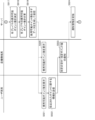
本実施形態に係る情報処理フローは、ゲームの共同プレイを行ったプレイヤに対してポイントが付与される段階(以下、ポイント付与フェーズと言う。)と、プレイヤが店舗Tに来訪してポイントを使用する段階(以下、ポイント使用フェーズと言う。)と、に分かれる。以下、それぞれのフェーズについて個別に説明する。 The information processing flow according to this embodiment is divided into a phase in which points are awarded to players who have played the game together (hereinafter referred to as the point awarding phase), and a phase in which players visit store T and use their points (hereinafter referred to as the point use phase). Each phase will be explained separately below.
なお、以下では、説明を分かり易くするために、3人のプレイヤA、B、Cが店舗Tに来訪してゲームを共同プレイした後に、その店舗Tでのサービスを3人のプレイヤA、B、C全員で利用するケースを例に挙げて説明する。このケースにおいて、3人のプレイヤA、B、Cのうちの1人のプレイヤにとって、残り2人のプレイヤは、共同プレイを行った「他のプレイヤ」に該当することになる。 In the following, for ease of understanding, an example will be given in which three players A, B, and C visit a store T and play a game together, and then all three players A, B, and C use the services at store T. In this case, for one of the three players A, B, and C, the remaining two players correspond to the "other players" who played together.
(ポイント付与フェーズ)
ポイント付与フェーズにおける情報処理フローは、図11に示す手順に沿って進行する。図11は、ポイント付与フェーズにおける情報処理フローの手順を示す図である。
ポイント付与フェーズにおける情報処理フローは、3人のプレイヤA、B、Cが各々のプレイヤ端末10を操作してゲームを共同プレイすることをトリガーとして開始される。
(Points allocation phase)
The information processing flow in the point-granting phase proceeds according to the procedure shown in Fig. 11. Fig. 11 is a diagram showing the procedure of the information processing flow in the point-granting phase.
The information processing flow in the point-granting phase is triggered by three players A, B, and C operating their
ポイント付与フェーズの情報処理フローでは、先ず、サーバ12のポイント付与部213がプレイヤA、B、Cの各々に対してポイントを付与する(S001)。付与されるポイント数は、予め設定されたルールに従って決められ、例えば、共同プレイの回数、プレイ時間、プレイ内容(具体的には、勝敗を決めるイベントでの勝敗結果)、及び共同プレイを行ったプレイヤの人数等に応じて決められる。
In the information processing flow of the point allocation phase, first, the
また、ポイント付与部213は、各プレイヤへのポイント付与に際して、付与されるポイントの有効期間を設定する(S002)。
そして、各プレイヤに付与されたポイントは、設定された有効期間とともに、サーバ側記憶部211に記憶される(S003)。このとき、各プレイヤに付与されたポイントは、そのプレイヤと共同プレイを行った他のプレイヤと関連付けられて記憶される。例えば、プレイヤA、B、Cの共同プレイに基づいてプレイヤAに付与されるポイントは、プレイヤBに関連付けられる分と、プレイヤCに関連付けられる分とに分けられて、サーバ側記憶部211に記憶される。
Furthermore, when the points are awarded to each player, the
The points given to each player are stored in the server-
(ポイント使用フェーズ)
ポイント使用フェーズにおける情報処理フローは、図12~14に示す手順に沿って進行する。図12~14は、ポイント使用フェーズにおける情報処理フローの手順を示す図である。
ポイント使用フェーズにおいて、3人のプレイヤA、B、Cは、店舗Tでのサービス利用時にポイントを使用し、具体的には、サービス利用料金を支払う際にポイントを使用する。このとき、3人のプレイヤA、B、Cの各々のポイントが合算して使用され、これにより、3人分のポイント使用による値引きが受けられる。
(Points Use Phase)
The information processing flow in the point usage phase proceeds according to the procedures shown in Figures 12 to 14. Figures 12 to 14 are diagrams showing the procedures of the information processing flow in the point usage phase.
In the point usage phase, the three players A, B, and C use their points when using services at store T, specifically, when paying for the service. At this time, the points of the three players A, B, and C are added together and used, thereby providing a discount for the three players by using their points.
ポイント使用フェーズにおける情報処理フローでは、先ず、店舗Tに居る各プレイヤがプレイヤ端末10にて所定の操作を行うことにより、プレイヤ端末10の表示処理部115がプレイヤ識別画面P1を表示する(S011)。表示されたプレイヤ識別画面P1中のバーコードBCを店舗側端末14のバーコードリーダ308が読み取ることで、来訪プレイヤ特定部311が、プレイヤの識別IDを受け付け、受け付けた識別IDに基づいて、店舗Tに居るプレイヤを特定する(S012)。
In the information processing flow in the point usage phase, first, each player in store T performs a predetermined operation on the
上記のステップS011、S012は、3人のプレイヤA、B、Cの各々に対して繰り返し実施される(S013)。ここまでのステップを通じて、店舗Tに居る3人のプレイヤA、B、Cの各々が特定されるが、このことは、店舗Tに居る一人のプレイヤと、そのプレイヤと共にゲームをプレイした他のプレイヤとが店舗側端末14によって特定されることを意味する。
The above steps S011 and S012 are repeatedly performed for each of the three players A, B, and C (S013). Through the steps up to this point, each of the three players A, B, and C present at store T is identified, which means that one player present at store T and the other players who played the game with that player are identified by the
その後、店舗側端末14の店舗側通知部314が、特定された3人のプレイヤA、B、Cの各々(すなわち、店舗Tに居る各プレイヤ)について、店舗Tへの来訪回数を来訪回数記憶部312から読み出す(S014)。そして、店舗側通知部314は、各プレイヤについて、各プレイヤの店舗Tへの来訪回数、今回の来訪時期(厳密には、来訪日時)、及び同行者数(本ケースでは2人)をサーバ12に通知する(S015)。
Then, the
店舗側端末14からの通知情報は、通信用ネットワークNを通じて、サーバ12のサーバ側送受信部212によって受信される(S016)。その後、サーバ12が、受信した通知情報から、店舗側端末14によって特定された各プレイヤ(すなわち、3人のプレイヤA、B、C)を特定し、特定された各プレイヤについて、サーバ側記憶部211に記録されたポイントに基づいて使用可能ポイント数を決定する(S017)。
The notification information from the
ステップS017の具体的な手順について説明すると、サーバ12の許可部215が、サーバ側記憶部211に記憶されたプレイヤA、B、Cのポイントのうち、有効期間が残っているポイントを特定し、特定したポイントの使用を許可する(換言すると、有効期間内でのポイント使用を許可する)。
なお、以下に説明するケースでは、サーバ側記憶部211に記憶されたプレイヤA、B、Cのポイントのいずれについても、有効期間が残っているものとする。
To explain the specific procedure of step S017, the
In the case described below, it is assumed that the points of players A, B, and C stored in the server-
その後、サーバ12のポイント数決定部216が、3人のプレイヤA、B、Cの各々について、許可部215によって使用が認められたポイントのうち、所定の条件を満たす他のプレイヤに関連付けられたポイントに基づいて、使用可能ポイント数を決定する。
例えば、プレイヤAの使用可能ポイント数については、許可部215によって使用が許可されたプレイヤAのポイントのうち、プレイヤAと共にゲームをプレイしたことがありプレイヤAと共に店舗Tに居るプレイヤ(つまり、店舗側端末14によって特定された他のプレイヤB、C)と関連付けられたポイントを合計して決められる。
同様の要領により、プレイヤBの使用可能ポイント数、及び、プレイヤCの使用可能ポイント数が決められる。
Thereafter, the point
For example, the number of points available to player A is determined by adding up the points that player A has been permitted to use by the
In a similar manner, the number of available points for player B and the number of available points for player C are determined.
さらに、ポイント数決定部216は、3人のプレイヤA、B、Cの各々の使用可能ポイント数を合算して、3人のプレイヤ全員分の使用可能ポイント数を決める(S018)。その後、サーバ側生成部214が、ステップS017、S018で決めた使用可能ポイント数を示すデータを生成し、サーバ側送受信部212が、生成されたデータを店舗側端末14及びプレイヤA、B、Cの各々のプレイヤ端末10に向けて送信する(S019)。
The point
店舗側端末14では、店舗側表示部315が上記のデータを受信し、同データが示す使用可能ポイント数を表示する(S020)。これにより、店舗側端末14を操作する店員は、3人のプレイヤA、B、C全員分の使用可能ポイント数を確認することができる。
同様に、プレイヤA、B、Cの各々のプレイヤ端末10では、端末側送受信部113が上記のデータを受信し、同データが示す使用可能ポイント数を表示する(S021)。これにより、各プレイヤは、各自の使用可能ポイント数を確認することができる。
In the
Similarly, in each of the
3人のプレイヤA、B、Cの各々は、使用可能ポイント数の確認後に、プレイヤ端末10にて所定の操作を行ってディスプレイ108にポイント指定画面P2を表示させ、その画面を通じて、店舗Tで実際に使用するポイント(使用ポイント数)の指定を行う。各プレイヤのプレイヤ端末10の端末側送受信部113は、指定されたポイントに関する情報、すなわち使用ポイント数を店舗側端末14に送信する(S022)。
After checking the number of available points, each of the three players A, B, and C performs a predetermined operation on the
店舗側端末14側では、指定等受付部313が各人のプレイヤ端末10から送られてくる情報を受け付けることで、各プレイヤによるポイントの指定を受け付け、店舗側通知部314が各プレイヤの使用ポイント数をサーバ12に通知する(S023)。
At the
サーバ12側では、サーバ側送受信部212が店舗側端末14からの通知情報を受信し
(S024)、価値決定部217が、受信した通知情報から各プレイヤの使用ポイント数を特定し、特定された各プレイヤの使用ポイント数から、3人分のポイント使用による値引き額を決定する(S025)。
On the
ステップS025の具体的な手順について説明すると、価値決定部217が、サーバ側記憶部211に記憶された店舗情報のうち、3人のプレイヤA、B、Cが居る店舗Tの店舗情報を読み出し、その店舗Tに対して設定された値引き係数を特定する。また、本実施形態では、店舗Tに対する値引き係数が、プレイヤの来訪時期に応じて複数設定されている。価値決定部217は、複数の値引き係数のうち、ステップS016で店舗側端末14から通知された来訪時期と対応する値引き係数を採用する。
The specific procedure of step S025 will be described. The
また、本実施形態では、値引き係数が、プレイヤの店舗Tへの来訪回数及び同行者数に応じて変わる。価値決定部217は、ステップS016で店舗側端末14から通知された来訪回数及び同行者数に基づき値引き係数を設定する。そして、価値決定部217は、各プレイヤが指定した使用ポイント数に値引き係数を乗じた数値をプレイヤ毎に求め、プレイヤ毎に求めた数値を合計して値引き額を決定する。このとき、値引き係数は、3人のプレイヤA、B、Cの間で共通した値であってもよく、若しくは、プレイヤ毎に異なった値であってもよい。
In addition, in this embodiment, the discount coefficient varies depending on the number of visits to store T by the player and the number of accompanying persons. The
その後、サーバ側生成部214が、ステップS024で決めた値引き額を示すデータを生成し、サーバ側送受信部212が、生成されたデータを店舗側端末14、及びプレイヤA、B、Cの各々のプレイヤ端末10に向けて送信する(S026)。
Then, the server-
店舗側端末14では、店舗側表示部315が上記のデータを受信し、同データが示す値引き額を表示する(S027)。これにより、店舗側端末14を操作する店員は、3人分のポイント使用による値引き額(すなわち、3人のプレイヤA、B、Cが受けられる値引き額)を確認することができる。
同様に、プレイヤA、B、Cの各々のプレイヤ端末10では、端末側送受信部113が上記のデータを受信し、同データが示す値引き額を表示する(S028)。これにより、プレイヤA、B、Cの各々は、ポイントの使用によって得られる値引き額を確認することができる。
In the
Similarly, in each of the
3人のプレイヤA、B、Cの各々は、値引き額の確認後に、プレイヤ端末10にて所定の操作を行い、先に指定した使用ポイント数分のポイント使用を指示する。各プレイヤのプレイヤ端末10の端末側送受信部113は、ポイント使用の指示情報を店舗側端末14に向けて送信する(S029)。
After checking the discount amount, each of the three players A, B, and C performs a predetermined operation on the
店舗側端末14側では、指定等受付部313が各プレイヤのプレイヤ端末10から送られてくる情報を受け付けることで、各プレイヤのポイント使用指示を受け付け、店舗側通知部314が各プレイヤのポイント使用指示をサーバ12に通知する(S030)。
これまでの工程を経て、プレイヤA、B、Cは、店舗Tでのサービス利用時にポイントを使用し、使用ポイント数に応じた額の値引きをサービス利用料金支払いの際に受けることができる。
At the
After going through the above steps, players A, B, and C can use their points when using services at store T, and receive a discount corresponding to the number of points used when paying for the service.
一方、サーバ12側では、サーバ側送受信部212が店舗側端末14からの通知情報を受信すると(S031)、ポイント減算部218が、サーバ側記憶部211に記憶されたプレイヤA、B、Cの各々のポイントから、各プレイヤが店舗Tでのサービス利用時に使用したポイントを減算する(S032)。
より厳密に説明すると、サーバ側記憶部211に記憶された各プレイヤのポイントのうち、当該各プレイヤと共にゲームをプレイしたことがあり且つ当該各プレイヤと一緒に店舗Tに居る他のプレイヤと関連付けられたポイントから、当該各プレイヤの使用ポイント数を減算する。例えば、プレイヤAについては、サーバ側記憶部211に記憶されたプレイヤAのポイントのうち、プレイヤBに関連付けられたポイント、及び、プレイヤCに関連付けられたポイントから減算することになる。
Meanwhile, on the
More precisely, among the points of each player stored in the server-
以上までに説明した一連の工程が終了した時点で、ポイント使用フェーズにおける情報処理フローが終了する。 When the series of steps described above is completed, the information processing flow in the point usage phase ends.
<<まとめ>>
本実施形態に係る情報処理装置(サーバ12及び店舗側端末14)は、ポイント付与部213とサーバ側記憶部211を有する。ポイント付与部213は、ゲームの共同プレイを行ったプレイヤに対して、ゲーム以外のサービス提供場所でのサービス利用時に使用することが可能なポイントを付与する。サーバ側記憶部211は、上記プレイヤに対して付与されたポイントを記憶する。
以上のように構成された情報処理装置を用いることで、ゲームの共同プレイを行ったプレイヤに対して、ポイントを付与することで、共同プレイに対する意欲を喚起することができる。また、サービス提供場所において上記のポイントが使用できることにより、その場所の活性化(集客数の増加等)を図ることができる。
<<Summary>>
The information processing device (
By using the information processing device configured as above, it is possible to give points to players who play a game together, thereby stimulating their desire to play together. In addition, by allowing the points to be used at service providing locations, it is possible to revitalize the locations (increasing the number of customers, etc.).
また、本実施形態のように、サーバ側記憶部211は、プレイヤに対して付与されたポイントを、プレイヤと共にゲームをプレイした他のプレイヤと関連付けて記憶するとよい。また、上記の情報処理装置は、プレイヤがサービス提供場所でのサービス利用時に使用可能なポイント、すなわち使用可能ポイント数を決定するポイント数決定部216を有する。かかる構成において、ポイント数決定部216は、サーバ側記憶部211に記憶されたプレイヤのポイントのうち、所定の条件を満たす他のプレイヤと関連付けられたポイントに基づいて使用可能ポイント数を決定するのがよい。
以上のように、本実施形態では、プレイヤが保有するポイントのうち、所定の条件を満たす他のプレイヤに関連付けられたポイントに応じて、プレイヤの使用可能ポイント数が決まる。これにより、プレイヤは、所定の条件を満たす他のプレイヤと関連付けてポイントを使用することができる。
As in this embodiment, the server-
As described above, in this embodiment, the number of points available to a player is determined according to the points that the player possesses and that are associated with other players who satisfy a predetermined condition. This allows the player to use points associated with other players who satisfy the predetermined condition.
また、本実施形態に係る情報処理装置は、サービス提供場所でのサービス利用時にプレイヤが使用するポイントの指定を受け付ける受付部を有する。さらに、上記の情報処理装置は、サービス提供場所でのサービス利用時にプレイヤが使用したポイントを、サーバ側記憶部211に記憶されたプレイヤのポイントから減算するポイント減算部218を有する。これにより、プレイヤが指定したポイントを使用することができ、使用した分のポイントを減算することで、プレイヤのポイントの増減を適切に管理することができる。
The information processing device according to this embodiment also has a reception unit that receives designation of points to be used by the player when using a service at a service providing location. Furthermore, the information processing device has a
また、本実施形態のように、サービス提供場所が店舗Tであってもよい。また、本実施形態に係る情報処理装置は、店舗Tに設置された受付部としての店舗側端末14を有する。この場合、店舗側端末14は、店舗T内でプレイヤのプレイヤ端末10から受け付けた情報に基づいて指定を受け付け、且つ、店舗T内に居る他のプレイヤのプレイヤ端末10から受け付けた情報に基づいて他のプレイヤを特定するとよい。また、ポイント数決定部216は、サーバ側記憶部211に記憶されたプレイヤのポイントのうち、店舗側端末14によって特定された他のプレイヤと関連付けられたポイントに基づいて使用可能ポイント数を決定するとよい。
以上の構成によれば、プレイヤの使用可能ポイント数が、そのプレイヤと一緒に店舗Tに居る他のプレイヤに関連付けられたポイントに応じて決まるため、プレイヤが他のプレイヤを店舗Tに連れて行く動機づけがなされ、結果として、店舗Tへの来訪者数の増加に繋がる。
Also, as in this embodiment, the service providing location may be a store T. Also, the information processing device according to this embodiment has a
According to the above configuration, the number of points available to a player is determined according to the points associated with other players who are present at the store T with the player, which motivates players to bring other players to the store T, thereby resulting in an increase in the number of visitors to the store T.
また、上記の構成において、複数のプレイヤが店舗Tにてサービスを利用する場合、ポイント数決定部216は、複数のプレイヤの各々のポイントを合算して、複数のプレイヤの使用可能ポイント数を決定するとよい。このように複数のプレイヤの各々のポイントを合算して使用することができれば、より多くのプレイヤが店舗Tに来訪してサービスを利用するようになるので、結果として、店舗Tへの来訪者数の増加に繋がる。
In addition, in the above configuration, when multiple players use services at store T, the points
また、上記の構成において、ポイント数決定部216は、複数のプレイヤの各々のポイントを合算する際に、サーバ側記憶部211に記憶された複数のプレイヤの各々のポイントのうち、店舗側端末14によって特定された他のプレイヤと関連付けられたポイントを合算するとよい。この場合、店舗Tでポイントを使用する複数のプレイヤの各々は、ゲームの共同プレイを行った他のプレイヤと共に店舗Tに来訪するようになり、結果として、店舗Tへの来訪者数が一段と増えることになる。
In addition, in the above configuration, when adding up the points of each of the multiple players, the point
また、本実施形態のように、サーバ側記憶部211は、プレイヤに対して付与されたポイントを、ポイントに対して設定された有効期間とともに記憶してもよい。この場合、ポイント数決定部216は、プレイヤに対して付与されたポイントのうち、有効期間が残っているポイントに基づいて使用可能ポイント数を決定するとよい。これにより、付与されたポイントの使用、すなわち、店舗Tでのサービス利用をプレイヤに促すことができる。
Also, as in this embodiment, the server-
また、本実施形態の情報処理装置は、許可部215をさらに有する。そして、許可部215は、プレイヤに対して付与されたポイントの使用を、プレイヤが他のプレイヤとゲームを共にプレイしたことに基づいて設定される期間内(すなわち、有効期間)において許可する。これにより、ポイントの使用期間に制限を設けることができ、ポイントの使用、すなわち、店舗でのサービス利用をプレイヤに促すことができる。
The information processing device of this embodiment further includes a
また、本実施形態のように、サービス提供場所が店舗であってもよい。この場合、本発明の情報処理装置は、店舗Tでのサービス利用時にプレイヤがポイントを使用することで得られる価値(具体的には、値引き額)を決める価値決定部217を有するとよい。
そして、上記の構成において、価値決定部217は、プレイヤが使用するポイントと、プレイヤとともに店舗Tに来訪した人数に応じて設定されるパラメータと、に基づいて価値を決めるのが好ましい。これにより、プレイヤが同行者を店舗Tに連れてくる意欲を喚起し、結果として、店舗Tへの来訪者数を増やすことができる。
Also, as in the present embodiment, the service providing location may be a store. In this case, the information processing device of the present invention may have a
In the above configuration, it is preferable that the
また、上記の構成において、価値決定部217は、プレイヤが使用するポイントと、プレイヤの店舗Tへの来訪回数に応じて設定されるパラメータ(具体的には、値引き係数)とに基づいて価値を決めると、より好適である。これにより、プレイヤが頻繁に店舗Tに来訪する意欲を喚起し、結果として、店舗Tへの来訪者数を増やすことができる。
Moreover, in the above configuration, it is more preferable if the
また、上記の構成において、前述のパラメータは、プレイヤが店舗Tに来訪する時期に応じて変わるとよい。この場合には、店舗Tでのサービス利用時にポイントを使用して受けられる価値が、プレイヤの店舗Tへの来訪時期に応じて決まるので、例えば、繁忙な時期を避けた時期にプレイヤの店舗への来訪を促すことができる。 In addition, in the above configuration, it is preferable that the aforementioned parameters change depending on the time when the player visits store T. In this case, the value that can be received by using points when using services at store T is determined depending on the time when the player visits store T, so that it is possible to encourage the player to visit the store at a time that is not busy, for example.
また、上記の構成において、前述のパラメータは、店舗T毎に設定可能であるとよい。このように価値を決めるパラメータを店舗T毎に設定可能とすれば、所定の店舗T、例えば、集客が少ない店舗T等への来訪を促すことができる。 Furthermore, in the above configuration, it is preferable that the aforementioned parameters can be set for each store T. In this way, if the parameters that determine the value can be set for each store T, it is possible to encourage visits to a specific store T, for example, a store T that does not attract many customers.
また、本実施形態では、本発明の情報処理装置を用いた情報処理方法の一例について説明したが、その情報処理方法では、端末を通じてプレイ可能なゲームを他のプレイヤと共にプレイしたプレイヤに対して、ゲーム以外のサービス提供場所でのサービス利用時に使用することが可能なポイントを付与し、プレイヤに対して付与されたポイントを記憶する。これにより、共同プレイに対する意欲を喚起することができ、且つ、サービス利用場所の活性化を図ることができる。
なお、本実施形態に係る情報処理方法は、サーバ12単独、及び、サーバ12と店舗側端末14との組み合わせによって実現される。ここで、サーバ12は、ASP(Application Service Provider)、SaaS(Software as a Service)、PaaS(Platform asa Service)又はIaaS(Infrastructure as a Service)用のサーバコンピュータであってもよい。この場合、ポイントの付与及び使用に関する一連の情報処理(ただし、情報の入力及び表示を除く)がサーバ12によって実行されるので、プレイヤ端末10及び店舗側端末14では、ポイントの付与及び使用に必要な情報の入力及び表示のみを行えばよいことになる。
In the present embodiment, an example of an information processing method using the information processing device of the present invention has been described, and in the information processing method, points that can be used when using services other than games at service providing locations are given to players who play a game playable through a terminal together with other players, and the points given to the players are stored. This makes it possible to stimulate a desire for joint play and to revitalize the service providing locations.
The information processing method according to the present embodiment is realized by the
<<その他の実施形態>>
以上までに、本発明の情報処理装置及び情報処理方法について具体例を挙げて説明してきたが、上述した実施形態は、あくまでも一例に過ぎず、他の実施形態も考えられ得る。
例えば、ゲームの共同プレイによって付与されるポイントは、実在の店舗でのサービス利用時に使用されるケースに限定されず、インターネットサイトでのサービス利用(すなわち、電子商取引)時に使用可能であってもよい。ポイントが使用できるインターネットサイトのサービスの例は、種々考えられるが、当該ポイントを使った投資サービス(ポイントを株式、債券及び投信信託等によって運用するサービス)を一例として挙げることができる。
<<Other embodiments>>
Up to this point, the information processing device and the information processing method of the present invention have been described using specific examples. However, the above-described embodiment is merely an example, and other embodiments are also possible.
For example, points awarded for playing a game together are not limited to being used when using services at real stores, but may be usable when using services on an Internet site (i.e., electronic commerce). There are various examples of Internet site services for which points can be used, but one example is an investment service using the points (a service in which points are invested in stocks, bonds, investment trusts, etc.).
また、上述した実施形態では、ポイントの使用によって得られる価値が、サービス利用料金に対する値引き額であることとしたが、これに限定されるものではなく、値引き額以外の価値でもよい。例えば、使用ポイント数に応じた額の商品又はノベルティグッズであってもよく、あるいは、サービス利用の無料チケット等であってもよい。 In the above embodiment, the value obtained by using the points is a discount on the service usage fee, but this is not limited to this and may be a value other than the discount. For example, it may be a product or novelty item with a value according to the number of points used, or it may be a free ticket to use the service, etc.
また、上述した実施形態では、ゲームの共同プレイによってプレイヤに付与されるポイントのうち、所定の条件を満たす他のプレイヤ、具体的には上記プレイヤと一緒に店舗Tに居る他のプレイヤに関連付けられたポイントのみが、その店舗Tにて使用可能であることとした。ただし、店舗Tでのポイントの使用条件については、上記の条件(すなわち、プレイヤと一緒に店舗Tに居る他のプレイヤに関連付けられたポイントであること)に限定されず、例えば、プレイヤとの共同プレイの回数が基準値以上である他のプレイヤと関連付けられたポイントとしてもよい。
あるいは、ポイント使用について特に制約条件を設けず、プレイヤが店舗Tにて自由にポイントを使用することができてもよい。例えば、プレイヤは、そのプレイヤと共にゲームをプレイしたことがある他のプレイヤが店舗Tに居なくても、単独でポイントを使用することができてもよい。
また、上述した実施形態では、ポイントに対して有効期間が設定され、そのポイントの使用が有効期間内のみで許可されることとしたが、ポイントに対して有効期間が設定されなくてもよい。
In the above-described embodiment, among the points given to a player by playing a game together, only the points associated with other players who satisfy a predetermined condition, specifically, other players who are in the store T together with the player, can be used in the store T. However, the condition for using the points in the store T is not limited to the above condition (i.e., the points are associated with other players who are in the store T together with the player), and may be, for example, points associated with other players who have played together with the player a reference number of times.
Alternatively, no particular constraints may be placed on the use of points, and the player may be able to use the points freely at the store T. For example, the player may be able to use the points alone, even if there are no other players in the store T who have played a game together with the player.
Furthermore, in the above-described embodiment, a validity period is set for the points, and the points are permitted to be used only within the validity period. However, a validity period does not have to be set for the points.
また、上述の実施形態では、プレイヤが使用するポイントの指定、及び、プレイヤが指定したポイントの使用指示を店舗側端末14によって受け付けることとした。すなわち、上述の実施形態では、店舗側端末14が受付部として機能しているが、これに限定されない。例えば、図15に示すように、店舗側端末14が設けられないポイント管理システムSxが考えられ、かかるシステムでは、サーバ12が受付部として機能し、プレイヤのポイント指定及びポイント使用指示をプレイヤ端末10から直接受け付ける。図15は、本発明の変形例に係るポイント管理システムSxの概念図である。
In addition, in the above embodiment, the designation of points to be used by the player and instructions to use the points designated by the player are accepted by the
あるいは、サーバ12の一部の機能が店舗側端末14に備わっていてもよく、例えば、ポイント数決定部216及び価値決定部217に相当する機能が、サーバ12ではなく、店舗側端末14に備わっていてもよい。
Alternatively, some of the functions of the
また、上述した実施形態では、ゲームの共同プレイを行った複数のプレイヤの各々にポイントが個別に付与され、各プレイヤが個々にポイントを使用するケースを想定して説明したが、本発明は、このようなケースに限定されない。例えば、共同プレイを行った複数のプレイヤがポイントを共有し、当該複数のプレイヤのうちの一人が共有ポイントを使用すると、使用した分のポイントが共有ポイントから減算されるケースであってもよい。 In the above embodiment, a case has been described in which points are individually given to each of multiple players who play a game together, and each player uses the points individually, but the present invention is not limited to such a case. For example, a case may also be where multiple players who play together share points, and when one of the multiple players uses the shared points, the points used are deducted from the shared points.
10 プレイヤ端末(端末)
12 サーバ(情報処理装置)
14 店舗側端末(情報処理装置、受付部)101,201,301 プロセッサ102,202,302 メモリ103,203,303 通信用インタフェース104,204,304 ストレージ105,305 入力機器106,306 出力機器107,205,307 バス108 ディスプレイ111 操作特定部112 端末側記憶部113 端末側送受信部114 端末側生成部115 表示処理部211 サーバ側記憶部(ポイント記憶部)212 サーバ側データ送受信部213 ポイント付与部214 サーバ側生成部215 許可部216 ポイント数決定部217 価値決定部218 ポイント減算部308 バーコードリーダ311 来訪プレイヤ特定部312 来訪回数記憶部313 指定等受付部314 店舗側通知部315 店舗側表示部
BC バーコード
N 通信用ネットワーク
P1 プレイヤ識別画面
P2 ポイント指定画面
S,Sx ポイント管理システム
T 店舗
10 Player terminal (terminal)
12 Server (information processing device)
14 Shop side terminal (information processing device, reception unit) 101, 201, 301
Claims (4)
第1ユーザと第2ユーザがゲームを共にプレイした場合に、前記第1ユーザと前記第2ユーザに、前記ゲーム以外のサービス提供場所でのサービスに使用することが可能なポイントを付与し、
前記第1ユーザと前記第2ユーザが共に前記サービスを利用する場合に、前記第1ユーザに付与されたポイントと、前記第2ユーザのうち前記サービス提供場所の端末によって特定されたユーザに付与されたポイントとを合算して、前記サービスの利用時に使用可能な使用可能ポイント数を決定する、
情報処理装置。 a processor, the processor comprising:
When a first user and a second user play a game together, the first user and the second user are given points that can be used for services at service providing locations other than the game;
When both the first user and the second user use the service, the points granted to the first user and the points granted to a user among the second users identified by a terminal at the service providing location are added together to determine the number of usable points that can be used when using the service.
Information processing device.
プロセッサが、前記第1ユーザと前記第2ユーザが共に前記サービスを利用する場合に、前記第1ユーザに付与されたポイントと、前記第2ユーザのうち前記サービス提供場所の端末によって特定されたユーザに付与されたポイントとを合算して、前記サービスの利用時に使用可能な使用可能ポイント数を決定する、
情報処理方法。 a processor, when a first user and a second user play a game together, granting points to the first user and the second user that can be used for services at a service providing location other than the game;
a processor, when both the first user and the second user use the service, sums up the points granted to the first user and the points granted to a user among the second users identified by a terminal at the service providing location , to determine the number of usable points that can be used when using the service;
Information processing methods.
前記第1ユーザと前記第2ユーザが共に前記サービスを利用する場合に、前記第1ユーザに付与されたポイントと、前記第2ユーザのうち前記サービス提供場所の端末によって特定されたユーザに付与されたポイントとを合算して、前記サービスの利用時に使用可能な使用可能ポイント数を決定する、
処理をプロセッサに実行させるためのプログラム。 When a first user and a second user play a game together, the first user and the second user are given points that can be used for services at service providing locations other than the game;
When both the first user and the second user use the service, the points granted to the first user and the points granted to a user among the second users identified by a terminal at the service providing location are added together to determine the number of usable points that can be used when using the service.
A program that causes a processor to execute a process.
前記サーバは、
第1ユーザと第2ユーザがゲームを共にプレイした場合に、前記第1ユーザと前記第2ユーザに、前記ゲーム以外のサービス提供場所でのサービスに使用することが可能なポイントを付与し、
前記第1ユーザと前記第2ユーザが共に前記サービスを利用する場合に、前記第1ユーザに付与されたポイントと、前記第2ユーザのうち前記サービス提供場所の端末によって特定されたユーザに付与されたポイントとを合算した、前記サービスの利用時に使用可能な使用可能ポイント数を前記端末に表示する、
システム。
A server and a terminal are provided,
The server,
When a first user and a second user play a game together, the first user and the second user are given points that can be used for services at service providing locations other than the game;
When the first user and the second user both use the service, a total number of points that can be used when using the service , the total number being the points given to the first user and the points given to a user among the second users identified by a terminal at the service providing location, is displayed on the terminal.
system.
Priority Applications (1)
| Application Number | Priority Date | Filing Date | Title |
|---|---|---|---|
| JP2023190191A JP7633552B2 (en) | 2019-10-21 | 2023-11-07 | Information processing device and information processing method |
Applications Claiming Priority (2)
| Application Number | Priority Date | Filing Date | Title |
|---|---|---|---|
| JP2019191745A JP7389328B2 (en) | 2019-10-21 | 2019-10-21 | Information processing device and information processing method |
| JP2023190191A JP7633552B2 (en) | 2019-10-21 | 2023-11-07 | Information processing device and information processing method |
Related Parent Applications (1)
| Application Number | Title | Priority Date | Filing Date |
|---|---|---|---|
| JP2019191745A Division JP7389328B2 (en) | 2019-10-21 | 2019-10-21 | Information processing device and information processing method |
Publications (2)
| Publication Number | Publication Date |
|---|---|
| JP2024012538A JP2024012538A (en) | 2024-01-30 |
| JP7633552B2 true JP7633552B2 (en) | 2025-02-20 |
Family
ID=75637907
Family Applications (2)
| Application Number | Title | Priority Date | Filing Date |
|---|---|---|---|
| JP2019191745A Active JP7389328B2 (en) | 2019-10-21 | 2019-10-21 | Information processing device and information processing method |
| JP2023190191A Active JP7633552B2 (en) | 2019-10-21 | 2023-11-07 | Information processing device and information processing method |
Family Applications Before (1)
| Application Number | Title | Priority Date | Filing Date |
|---|---|---|---|
| JP2019191745A Active JP7389328B2 (en) | 2019-10-21 | 2019-10-21 | Information processing device and information processing method |
Country Status (1)
| Country | Link |
|---|---|
| JP (2) | JP7389328B2 (en) |
Citations (4)
| Publication number | Priority date | Publication date | Assignee | Title |
|---|---|---|---|---|
| KR101191472B1 (en) | 2011-12-09 | 2012-12-24 | (주)네오위즈게임즈 | Method and server for providing group play service |
| JP5122156B2 (en) | 2007-02-19 | 2013-01-16 | 株式会社三共 | Point management device |
| JP5192200B2 (en) | 2007-08-24 | 2013-05-08 | 株式会社三共 | Point management device |
| JP2017127727A (en) | 2011-12-27 | 2017-07-27 | 株式会社スクウェア・エニックス | Game system |
Family Cites Families (3)
| Publication number | Priority date | Publication date | Assignee | Title |
|---|---|---|---|---|
| JP2002049681A (en) * | 2000-08-03 | 2002-02-15 | Avex Network Inc | Network utilized entertainment system |
| JP6420076B2 (en) * | 2014-06-30 | 2018-11-07 | 株式会社バンダイナムコエンターテインメント | System and program |
| JP2019076688A (en) * | 2018-04-10 | 2019-05-23 | 株式会社 ディー・エヌ・エー | Information processor, game program, and information processing method |
-
2019
- 2019-10-21 JP JP2019191745A patent/JP7389328B2/en active Active
-
2023
- 2023-11-07 JP JP2023190191A patent/JP7633552B2/en active Active
Patent Citations (4)
| Publication number | Priority date | Publication date | Assignee | Title |
|---|---|---|---|---|
| JP5122156B2 (en) | 2007-02-19 | 2013-01-16 | 株式会社三共 | Point management device |
| JP5192200B2 (en) | 2007-08-24 | 2013-05-08 | 株式会社三共 | Point management device |
| KR101191472B1 (en) | 2011-12-09 | 2012-12-24 | (주)네오위즈게임즈 | Method and server for providing group play service |
| JP2017127727A (en) | 2011-12-27 | 2017-07-27 | 株式会社スクウェア・エニックス | Game system |
Also Published As
| Publication number | Publication date |
|---|---|
| JP2021065339A (en) | 2021-04-30 |
| JP7389328B2 (en) | 2023-11-30 |
| JP2024012538A (en) | 2024-01-30 |
Similar Documents
| Publication | Publication Date | Title |
|---|---|---|
| US20220150232A1 (en) | Systems and methods for verifying attributes of users of online systems | |
| Evans | The economics of free: Freemium games, branding and the impatience economy | |
| US9449330B2 (en) | Self-serve API for game mechanics tool | |
| US20130304527A1 (en) | Mobile social-business network | |
| US12257503B2 (en) | Utilizing mobile device capabilities to keep a user engaged with a mobile application | |
| US20180060901A1 (en) | Networked System and Method for Increasing Brand Awareness and Data Collection Using Gamification | |
| US20200193469A1 (en) | System and method for updating a stored record associated with a subscriber of a program | |
| JP7337004B2 (en) | Information control system | |
| Chan et al. | Exploring the differences among Chinese casino gamblers’ characteristics, motivations, and behaviors | |
| US20240273589A1 (en) | Online platform for connecting users to goods and services | |
| JP2026042904A (en) | Information processing device, information processing method, and program | |
| JP2024057618A (en) | Information processing device, information processing method, and program | |
| JP2025122172A (en) | Program, method, information processing device, and system | |
| JP7633552B2 (en) | Information processing device and information processing method | |
| US9427661B1 (en) | Social networking game with integrated social graph | |
| JP6167257B2 (en) | Merit Mall, Co-Operation Casino | |
| Spann et al. | Decision making in virtual worlds: An experimental test of altruism, fairness and presence | |
| US20130179200A1 (en) | Method and system for distributing excess entertainment inventory | |
| WO2022270610A1 (en) | Device, method, and program for plurality of users to perform gifting | |
| US20130097003A1 (en) | Computerized method and system for accessing media content of a known person | |
| JP7449745B2 (en) | Server device and program | |
| JP7668129B2 (en) | Social network system and remote restaurant | |
| JP7089802B2 (en) | Reward calculation system, remuneration calculation method, server device, and program | |
| Durgadevi | Imaging pitfalls and diagnostic inhibitions in various imaging modalities of head and neck region | |
| KR20020023282A (en) | Virtual couple service method of on-line game base and it's readable record medium by computer |
Legal Events
| Date | Code | Title | Description |
|---|---|---|---|
| A521 | Request for written amendment filed |
Free format text: JAPANESE INTERMEDIATE CODE: A523 Effective date: 20231121 |
|
| A621 | Written request for application examination |
Free format text: JAPANESE INTERMEDIATE CODE: A621 Effective date: 20231121 |
|
| A131 | Notification of reasons for refusal |
Free format text: JAPANESE INTERMEDIATE CODE: A131 Effective date: 20241203 |
|
| A521 | Request for written amendment filed |
Free format text: JAPANESE INTERMEDIATE CODE: A523 Effective date: 20241210 |
|
| TRDD | Decision of grant or rejection written | ||
| A01 | Written decision to grant a patent or to grant a registration (utility model) |
Free format text: JAPANESE INTERMEDIATE CODE: A01 Effective date: 20250107 |
|
| A61 | First payment of annual fees (during grant procedure) |
Free format text: JAPANESE INTERMEDIATE CODE: A61 Effective date: 20250120 |
|
| R150 | Certificate of patent or registration of utility model |
Ref document number: 7633552 Country of ref document: JP Free format text: JAPANESE INTERMEDIATE CODE: R150 |