JP7248317B2 - Tofu production system - Google Patents
Tofu production system Download PDFInfo
- Publication number
- JP7248317B2 JP7248317B2 JP2020191602A JP2020191602A JP7248317B2 JP 7248317 B2 JP7248317 B2 JP 7248317B2 JP 2020191602 A JP2020191602 A JP 2020191602A JP 2020191602 A JP2020191602 A JP 2020191602A JP 7248317 B2 JP7248317 B2 JP 7248317B2
- Authority
- JP
- Japan
- Prior art keywords
- tofu
- inspection
- conveying
- product
- sorting
- Prior art date
- Legal status (The legal status is an assumption and is not a legal conclusion. Google has not performed a legal analysis and makes no representation as to the accuracy of the status listed.)
- Active
Links
Images


Landscapes
- Investigating Materials By The Use Of Optical Means Adapted For Particular Applications (AREA)
- Beans For Foods Or Fodder (AREA)
Description
本願発明は、豆腐類製造システムに関する。 The present invention relates to a tofu production system.
従来、製造物の品質管理として、製造ラインにおける製造物の良品・不良品を検出し、不良品として判定されたものを出荷対象から除去する検査動作が行われている。このような検査動作は、製造物の製造ラインの自動化が進む今日においても、人の経験や目視に頼ることが多く、その人的負担は大きいものであった。その一方で、製造物の一例である豆腐類においては、その単価が安く、コスト削減の観点からも所定時間当たりの生産能力を高めることが求められている。 2. Description of the Related Art Conventionally, as quality control of manufactured products, an inspection operation is performed to detect non-defective products and defective products in a manufacturing line, and to remove products determined as defective products from shipment targets. Such inspection operations often rely on human experience and visual observation even today, when manufacturing lines for products are being automated, and the burden on human resources is heavy. On the other hand, for tofu, which is an example of products, the unit price is low, and from the viewpoint of cost reduction, it is required to increase the production capacity per predetermined time.
このような製造物の製造ラインの自動化に関し、生産能力を向上させるために様々な方法が開示されている。特許文献1では、食品の良品・不良品を自動選別するために、人工知能(AI:Artificial Intelligence)による深層学習と多変量解析の手法を適用する技術が開示されている。
Various methods have been disclosed in order to improve the production capacity with respect to the automation of such production lines.
しかしながら、例えば、豆腐や油揚げなどは、製造時の状況や原材料の品質などによって微妙な変化が生じることが想定される。また、製造必要数や廃棄率などの製造条件に応じて、良品・不良品として判断するための判断基準も適時変動させる必要がある。従来、このような判断は人により行われており、判断基準も人の経験等に応じて調整されていた。そのため、人による作業を要することとなり、作業負荷は、大きいものとなっていた。上記の先行技術では、このような豆腐類の製造時の特性に基づく観点からの検査ができておらず、人手による検査の負荷を軽減することができていなかった。また、生産性を向上させるために、豆腐類の検査時および検査結果に応じた搬送制御および良品/不良品の取り扱いについても改良の余地があった。さらには、限られたスペースに製造システムを設置するために、製造システム全体のサイズをコンパクトにしたいという要望もあった。 However, for tofu and fried tofu, for example, it is assumed that subtle changes will occur depending on the conditions at the time of production, the quality of raw materials, and the like. In addition, it is necessary to appropriately change the judgment criteria for judging non-defective products or defective products according to manufacturing conditions such as the number of products required to be manufactured and the rate of waste. Conventionally, such judgments have been made by humans, and judgment criteria have been adjusted according to human experience and the like. Therefore, manual work was required, and the workload was heavy. In the prior art described above, it was not possible to perform inspections based on the characteristics of tofu during production, and it was not possible to reduce the burden of manual inspections. Further, in order to improve productivity, there is room for improvement in the inspection of tofu and in the handling of non-defective/defective products, as well as the transportation control according to the inspection results. Furthermore, there is also a demand to make the size of the entire manufacturing system compact in order to install the manufacturing system in a limited space.
上記課題を鑑み、本願発明は、豆腐類の製造時において人手による負荷を軽減しつつ、生産能力を向上させることを目的とする。 In view of the above problems, an object of the present invention is to improve the production capacity while reducing the manual load during the production of tofu.
上記課題を解決するために本願発明は以下の構成を有する。すなわち、豆腐類製造システムであって、豆腐類を連続で製造する製造装置と、前記製造装置にて製造された豆腐類を、当該豆腐類に応じた所定の規則に沿って配列して搬送する搬送装置と、前記搬送装置上において豆腐類の検査を行う豆腐類検査装置と、前記豆腐類検査装置の検査結果に基づき、前記搬送装置にて搬送されている豆腐類のうちの不良品を選別または排除する選別排除装置とを備える。 In order to solve the above problems, the present invention has the following configuration. That is, a tofu production system includes a production apparatus for continuously producing tofu, and the tofu produced by the production apparatus are arranged and conveyed according to a predetermined rule according to the tofu. A conveying device, a tofu inspection device for inspecting tofu on the conveying device, and sorting out defective products from the tofu conveyed by the conveying device based on the inspection result of the tofu inspecting device. Or it is provided with a sorting exclusion device to exclude.
本願発明により、豆腐類の製造時において人手による負荷を軽減しつつ、生産能力を向上させることが可能となる。 INDUSTRIAL APPLICABILITY According to the invention of the present application, it is possible to improve the production capacity while reducing the manual load during the production of tofu.
以下、本願発明を実施するための形態について図面などを参照して説明する。なお、以下に説明する実施形態は、本願発明を説明するための一実施形態であり、本願発明を限定して解釈されることを意図するものではなく、また、各実施形態で説明されている全ての構成が本願発明の課題を解決するために必須の構成であるとは限らない。また、各図面において、同じ構成要素については、同じ参照番号を付すことにより対応関係を示す。 EMBODIMENT OF THE INVENTION Hereafter, the form for implementing this invention is demonstrated with reference to drawings. In addition, the embodiment described below is one embodiment for describing the invention of the present application, and is not intended to be construed as limiting the invention of the present application. Not all configurations are essential configurations for solving the problems of the present invention. Moreover, in each drawing, the same component is indicated by the same reference number to indicate the correspondence.
<第1の実施形態>
以下、本願発明の第1の実施形態について説明を行う。
<First embodiment>
A first embodiment of the present invention will be described below.
まず、本願発明の検査対象としての製造物である豆腐類の製造時における特性について述べる。豆腐類は、原材料や製造環境などの影響により、製品の形状や外観が変動しやすいという特性がある。例えば、豆腐類の一種である油揚げなどでは、生地の膨張具合や揚げ油の劣化の進行度合いなどによって外観が変動し得る。また、豆腐類は、製造環境にも影響を受けるため、製造場所、日々の環境変化、製造機械の状態などによっても製品の形状や外観が変動しうる。つまり、豆腐類は、例えば、電子機器などの工業製品と比べて、形状や外観が多様となりうる。 First, the characteristics at the time of production of tofu, which is the product to be inspected in the present invention, will be described. Tofu has the characteristic that the shape and appearance of the product are likely to change due to the influence of raw materials, manufacturing environment, and the like. For example, the appearance of deep-fried tofu, which is a type of tofu, may vary depending on the degree of swelling of the dough and the degree of deterioration of the frying oil. In addition, since tofu is also affected by the manufacturing environment, the shape and appearance of the product may vary depending on the manufacturing site, daily environmental changes, and the state of the manufacturing machine. In other words, tofu can have various shapes and appearances compared to industrial products such as electronic devices.
また、豆腐類の製造物を人手で検査する際には、その日の製造条件(製造必要数や廃棄率など)などを踏まえ、品質の判断基準を経験などから微調整することなどが行われている。つまり、豆腐類の品質の判断基準は、製造者や製造のタイミングなどに応じて変動させる必要性が生じうる。さらには、豆腐類は、地域性や、製造者または購入者の嗜好性なども考慮した上で製造を行う場合があり、このような観点からも品質の判断基準は多様性が生じ得る。そのような豆腐類の特性を考慮した検査を行う必要がある一方で、豆腐類は、その単価が安く、コスト削減の観点からも所定時間当たりの生産能力を高めることが求められている。 In addition, when tofu products are manually inspected, quality judgment criteria are fine-tuned based on experience, etc., based on the day's production conditions (number of products required for production, waste rate, etc.). there is In other words, it may be necessary to change the criteria for judging the quality of tofu according to the manufacturer, the timing of production, and the like. Furthermore, tofu products are sometimes manufactured in consideration of regional characteristics, preferences of manufacturers or purchasers, etc. From this point of view as well, the standards for judging quality may vary. While it is necessary to carry out inspections that take such characteristics of tofu into consideration, tofu is cheap in unit price, and from the viewpoint of cost reduction, it is required to increase the production capacity per predetermined time.
本願発明の第1の実施形態では、上記のような豆腐類の製造における特性を考慮した豆腐類の製造システムについて説明を行う。 In the first embodiment of the present invention, a tofu manufacturing system that takes into consideration the characteristics of tofu manufacturing as described above will be described.
[構成概要]
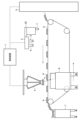
図1は、本実施形態に係る豆腐類製造システム(以下、単に「製造システム」)の全体構成を示す概略構成図である。製造システムにおいて、制御装置1、検査装置2、選別排除装置5、第1の搬送装置6、第2の搬送装置7、格納装置8、製造装置9、および不良品搬送装置10を含んで構成される。ここでは、製造物を「豆腐類」としてまとめて記載するが、それに含まれるより詳細な分類は特に限定するものではない。豆腐類としては、例えば、油揚げ、寿司揚げ、薄揚げ、厚揚げ、生揚げ、ガンモドキなどが含まれてもよい。また、豆腐類として、例えば、充填豆腐、絹豆腐、木綿豆腐、焼き豆腐、または凍り豆腐などが含まれてもよい。また、それらの中間の生地、包装前後の製品、冷却・冷凍・加熱前後の製品であってもよい。以下の説明において製造物(豆腐類)について、一定の品質以上(すなわち、良品)であると判定された製造物をPにて示し、一定の品質よりも低い(すなわち、不良品)と判定された製造物をP’にて示す。なお、製造物を包括的に説明する場合には上記符号を省略して説明する。
[Configuration overview]
FIG. 1 is a schematic configuration diagram showing the overall configuration of a tofu manufacturing system (hereinafter simply referred to as "manufacturing system") according to this embodiment. The manufacturing system includes a
制御装置1は、検査装置2による撮影動作の制御を行う。また、制御装置1は、検査装置2にて取得した画像に基づき、選別排除装置5の動作を制御する。検査装置2は、撮像部3と照射部4を備える。撮像部3は、CCD(Charge Coupled Device)カメラやCMOS(Complementary Metal-Oxide-Semiconductor)カメラなどにより構成される。さらに、第1の搬送装置6にて搬送されている製造物を検知する検知センサT(例えば、反射式レーザーセンサ等)が設けられる。検査装置2は、検知センサTからの信号、および第1の搬送装置6の搬送速度に応じて規定される所定の待ち時間に基づき、適切なタイミングで撮影する。照射部4は、撮像部3による撮影の際に、より適切な画像を取得するために第1の搬送装置6(すなわち、検査対象の製造物)に対して光を照射する。検査装置2による撮影動作は、検知センサTからの信号の他、制御装置1からの指示に基づいて行われてよい。選別排除装置5は、制御装置1からの指示に基づいてその位置が制御され、第1の搬送装置6にて搬送されている製造物の中から不良品として特定された製造物P’を取り出し、不良品搬送装置10へと運搬して、格納装置8に格納する。なお、選別排除装置5による動作は、不良品の排除の他、特性や品種、もしくは用途などにより特定される各品質の製造物を選別および仕分けを目的とするものであってよい。第1の搬送装置や第2の搬送装置と同じラインに任意に連結された画像検査機、X線探知機、金属探知機、重量検査機など他の検査装置の検査結果による選別排除を行うため選別排除装置5を共用するようにしてもよい。これらの検査結果も適宜組み合わせて、部分的、複合的、総合的な判定を行い、選別/排除するようにしてもよい。
The
図1では、選別排除装置5として、不図示の直動シリンダーおよびグリップ部から構成される例を示す。直動シリンダーの上下方向(Z軸)の伸縮により、グリップ部は不良品と判定された製造物P’を把持可能な高さに調整される。直動シリンダーは、例えば、サーボモータまたはステッピングモータでラックアンドピニオン機構またはボールネジ機構による直動アクチュエータシステムで、スケール機構付のエアシリンダーや油圧シリンダーにて構成されてよい。直動シリンダーは、グリップ部をZ軸方向に直交する方向であるX軸方向および/またはY軸方向に水平移動させる。また、選別排除装置5のグリップ部は、複数の指部を備える手形状の把持手段や、真空吸着パッド式や旋回気流吸着式などの保持手段などから構成されてよい。また、本実施形態に係る選別排除装置5や検査装置2などは、豆腐類といった食品を扱うため、例えば、電子機器の防水・防塵の規格であるIP規格(Ingress Protection Standard)にて一定の品質を有することが望ましい。具体的には、IP規格が54以上の防水・防塵等級が好ましく、IP65以上がより好ましい。
FIG. 1 shows an example in which the sorting-out
第1の搬送装置6は、複数の製造物を所定の搬送方向に搬送する。製造物は、1列にて搬送されてもよいし、複数列にて並べられた状態で搬送されてもよい。本実施形態では、複数列に並べられた状態で搬送される構成について説明する。行列状ないしは千鳥状に整然と並べられた状態が好ましいが、製造物は、重ならない状態でランダムに搬送されていてもよい。製造物である豆腐類は、その製品に応じてサイズが異なる。そのため、第1の搬送装置6の幅と、製造物のサイズとの関係に応じて、搬送時の列数や配列は規定されてよい。さらに、列数は、第1の搬送装置6の搬送速度や検査装置2の検知速度などに応じて調整されてもよい。したがって、対象となる製造物である豆腐類の特性に応じて、搬送する際の所定の規則は変動してよい。第1の搬送装置6の搬送経路上に、検査装置2による検査領域(すなわち、撮像部3による撮影領域)が設けられる。
The first conveying
選別排除装置5は、第1の搬送装置6の搬送経路上にて製造物P’の取り出しおよび運搬ができるように、グリップ部が上下方向(Z軸)、および製造物の搬送方向に直交する方向(X軸、Y軸)に移動可能に構成される。なお、軸方向および原点の設定は任意であり、図では省略する。本実施形態に係る第1の搬送装置6は、無端ベルトにて構成され、この無端ベルトが継続的に回転されることで製造物が所定の搬送方向に搬送される。また、第1の搬送装置6にて搬送される製造物の状態は特に限定するものではなく、例えば、包装前の製造物そのもののみの状態であってもよいし、製造物が包装された状態であってもよい。つまり、本実施形態に係る検査は、包装前の製造物に対して行われてもよいし、包装後の製造物に対して行われてもよい。または、包装前後の両方にて検査が行われてもよい。
The sorting and rejecting
第2の搬送装置7は、第1の搬送装置6から搬送されてきた複数の製造物Pを受け取り、所定の搬送方向に搬送する。図1の例では、第1の搬送装置6の搬送方向と、第2の搬送装置7の搬送方向とは直交して、行列配列から一列配列に変更して搬送している例を示している。なお、広義には、第1の搬送装置6よりも搬送方向後方に連結されるコンベア類などの装置をまとめて第2の搬送装置7とみなしてよい。第1の搬送装置6の搬送速度と、第2の搬送装置7の搬送速度は、同じであってもよいし、異なっていてもよい。第1の搬送装置6および第2の搬送装置7はそれぞれ、コンベア式(例えば、ベルトコンベア、金属製ワイヤからなるネットコンベアやチョコレートコンベア、バーコンベア、またはスラットバンドチェーンなど)で構成されてよく、特に限定しない。図示しないが、第2の搬送装置7は製造物P(良品のみ)を段積みして搬送したり、反転させて搬送したり、整列させて搬送してもよい。その後、更なる搬送装置を備えてもよく、適宜な箇所に、更なる検査装置や更なる選別排除装置を備えてもよい。この場合に拡張される搬送装置、検査装置、または選別排除装置は、上述した第1の搬送装置6、第2の搬送装置7、検査装置2、または選別排除装置5と同等の構成であってもよいし、異なる構成であってもよい。
The second conveying
格納装置8は、不良品として判定された製造物P’が不良品搬送装置10から搬送されてきて格納される。格納された製造物P’は、格納装置8を介して異なる場所へ搬送されるような構成であってもよいし、人手にて除去されるような構成であってもよい。なお、不良品として判定された製造物P’は、廃棄されてもよいし、別の用途(例えば、生地再生や刻み油揚などの加工品)にて用いられてもよい。
The
製造装置9は、連続凝固機、連続成型機、連続切断機、連続整列機、連続フライヤー、連続フリーザー、連続殺菌機などから構成され、複数個の製造物(ここでは、豆腐類)を連続して製造する機械であり、第1の搬送装置6の搬送方向上流側に設置される。製造装置9にて製造された製造物は、順次、第1の搬送装置6へと搬送される。また、製造装置9には、製造物の原材料が適時供給される。
The
不良品搬送装置10は、不良品と判定された製造物P’を選別排除装置5から受け付け、格納装置8へ向けて搬送する。本実施形態に係る不良品搬送装置10は、無端ベルトにて構成され、この無端ベルトが継続的に回転されることで不良品と判定された製造物P’が格納装置8に向けて所定の搬送方向に搬送される。不良品搬送装置10の搬送速度は、第1の搬送装置6の搬送速度と同じであってもよいし、異なっていてもよい。不良品搬送装置10は、連続駆動する必要はなく、不良品が検出された際に駆動するような構成であってもよい。不良品搬送装置10は、コンベア式(例えば、ベルトコンベア、ネットコンベア、バーコンベア、またはスラットバンドチェーンなど)で構成されてよく、特に限定しない。また、図2において、不良品搬送装置10の搬送方向は、第1の搬送装置6の搬送方向と同じである例を示したが、これに限定するものではない。
The defective
図2は、本実施形態に係る製造システムの検査装置2による検査位置と、選別排除装置5の動作を説明するための図である。図2に示す矢印Aは、第1の搬送装置6による製造物の搬送方向を示す。また、領域Rは、撮像部3における撮像範囲を示し、照射部4により光が照射される領域でもある。ここでは、3列にて製造物が搬送されている例を示す。また、製造物に対する検査の結果、良品と判定された製造物Pと、不良品と判定された製造物P’とがそれぞれ示されている。ここでの不良品の例としては、形状に欠けや割れが生じたものや、表面上に異物が検出されたものなどが挙げられる。選別排除装置5は、制御装置1の制御に基づき、矢印Bの方向に移動可能である。さらに選別排除装置5は、図1に示したように上下方向に移動可能である。このような動作により、選別排除装置5は、不良品と判定された製造物P’の位置に移動し、製造物P’を把持した上で、不良品搬送装置10の位置へと運搬する。
FIG. 2 is a diagram for explaining the inspection positions by the
図2の例において、1つの選別排除装置5が設けられた例を示したが、複数の選別排除装置5が設けられていてもよい。この場合、複数の選別排除装置5それぞれが別個に矢印B方向(X軸方向)に移動可能な構成であってよい。また、複数の選別排除装置5が設けられている場合に、第1の搬送装置6の搬送速度や不良品として判定された製造物P’の発生割合などに応じて、一部の選別排除装置5のみを動作させるような構成であってもよい。
In the example of FIG. 2, an example in which one sorting-out
また、選別排除装置5は、第1の搬送装置6の搬送方向と同じ方向(矢印A方向、Y軸方向)に沿って移動可能に構成されていてもよい。この場合、1つの選別排除装置5であっても動作可能な範囲が拡大する。さらに、選別排除装置5は、多関節により構成されるスカラーロボットないしはパラレルリンクロボットなどの高速型ロボットにて実現されていてもよい。高速型ロボットとは、例えば、稼働距離が200~2,000mmの範囲で40~500CPM(Cycle Per Minute)の動作能力を備える。高速型ロボットの動作能力は、好ましくは60~300CPMであり、最も好ましくは100~200CPMの動作能力である。このような動作能力を有する高速型シリアルリンクロボットであってもよい。これにより、選別排除装置5は、図2の矢印B方向の移動範囲に加えて、更に駆動域が広がり、不良品と判定された製造物P’を把持する際の位置の微調整が可能になる。さらにこれらロボットは良品の積み重ねなどの整列装置や、移載装置などとして使用されてもよく、このような構成により複数の作業者を省くことも可能となり、費用対効果を向上させることが可能となる。例えば、不良品と判定された製造物P’の排除は搬送装置の末端部分で単に落差で行わせ、良品と判定された製造物Pの移載、整列をロボットによる作業として行わせることが好ましい。
Further, the sorting and excluding
また、図2の例において、不良品搬送装置10は、第1の搬送装置6の片側に配置された例を示したが、両側に配置されるような構成であってもよい。この場合、検査装置2による検査結果に応じて、いずれの不良品搬送装置10に搬送するかを制御してもよい。例えば、検査において、評価値としてA(良品)、B(加工品用)、C(不良品)を用いる場合に、評価値がBとCそれぞれの製造品を異なる不良品搬送装置10に搬送するように選別排除装置5の動作を制御してもよい。あるいは、評価値がCの製造品を先に除き(例えば、エアリジェクト)、その後に評価値がAとBの製造品を分けるコンベア(例えば、チャネライザーやタッチラインセレクタ)を備える構成であってもよい。なお、製造品に対する選別や排除の順序や方法は、上記に限定するものではなく、他のパターンや構成を用いてもよい。
In the example of FIG. 2, the defective
図1の例では、不良品と判定された製造物P’を選別排除装置5にて排除する構成を示したが、これに限定するものではない。例えば、良品と判定される製造物Pと、不良品と判定される製造物P’の割合に応じて、搬送されている製造物の中から良品と判定された製造物Pを整列装置(不図示)にて取り出して後続の搬送装置に運搬して整列させるような構成であってもよい。このとき、製造物Pの箱詰めや、垂直方向または水平方向に所定の数(例えば、油揚げの場合に10枚など)を重ねるような整列などの動作を整列装置(不図示)に行わせてもよい。または、選別排除装置5を用いて不良品と判定された製造物P’を排除しつつ、中継装置(不図示)を用いて良品と判定された製造物Pを第1の搬送装置6から第2の搬送装置7へ運搬を行うような構成であってもよい。または、選別排除装置5が、整列装置としての動作を行うような構成であってもよい。この場合、選別排除装置5の駆動機構と整列装置の駆動機構(直動シリンダーや2つ以上の直交シリンダーから構成される直交シリンダー、または/および、多関節から構成されるスカラーロボットやパラレルリンクロボットの高速動作可能なロボット、高速型のシリアルリンクロボット・双腕ロボットなど)が共通化や兼用されることで、別個に設けるよりも製造システムのサイズを省スペース化し、高速処理(少なくとも5,000個/h以上。1~5万個/hに対応)することが可能となる。スカラーロボットは、複数の回転軸とアームそして先端部においてZ軸が規定される機構である。複数の回転軸とアームは全てロボット先端の水平移動のために使用される。回転軸の動作でワークの真上にロボット先端を移動し、ロボット先端のZ軸方向においてワークに対して作業を行う。パラレルリンクロボットは、出力リンクとベースの問に、リンクとジョイントで作られる連結連鎖が、複数個並列に配置された機構である。
In the example of FIG. 1, a configuration is shown in which the product P' determined to be defective is excluded by the sorting and
もしくは、製造物を一定間隔にて搬送する搬送装置において、搬送経路上に分岐を設け、良品と判定された製造物Pと、不良品と判定された製造物P’とが異なる経路へ進むように搬送が切り替えて仕分けが行われるような構成であってもよい。このような判定結果に応じて製造物を排除したり選別したりする仕分け機能は、例えば、フリッパー式、アップアウト式、ドロップアウト式、エアジェット式、トリップ式、キャリア式、プッシャー式、シュート式、シャトル式、チャネライザー式、タッチラインセレクタ式などの機構が搬送経路上に設けられることで実現されてよい。 Alternatively, in a conveying device that conveys products at regular intervals, a branch is provided on the conveying route so that the product P determined as a non-defective product and the product P′ determined as a defective product follow different routes. A configuration in which the transport is switched to perform the sorting may be employed. Sorting functions that exclude or sort products according to such determination results include, for example, flipper, up-out, drop-out, air jet, trip, carrier, pusher, and chute functions. , a shuttle type, a channelizer type, a touch line selector type, or the like may be provided on the conveying path.
また、図1の例では、製造システムにおいて、各装置により製造物の搬送や仕分けなどが行われる構成を示したが、これに限定するものではない。例えば、仕分けの一部に人手による作業が行われるような構成であってもよい。例えば、不良品と判定された製造物P’を作業者が目視にて確認できるように、製造システムにて報知し、作業者はその製造物P’を除去するような作業を行うような構成であってもよい。ここでの報知は、例えば、表示装置(不図示)にて不良品であると判定された製造物P’の画像を表示することで行われてもよいし、搬送装置上にて製造物P’に対してライトなどで照明を当てることで報知してもよい。このとき、作業者は製造システムから報知された製造物を確認した上で、その製造物を実際に除去するか否かを判断してもよい。 Further, in the example of FIG. 1, the configuration in which the products are conveyed and sorted by each device in the manufacturing system is shown, but the configuration is not limited to this. For example, it may be configured such that a part of the sorting is performed manually. For example, the manufacturing system notifies a product P' that is determined to be defective so that the worker can visually confirm the product P', and the worker performs an operation such as removing the product P'. may be The notification here may be performed, for example, by displaying an image of the product P′ determined to be defective on a display device (not shown), or by displaying the image of the product P′ on the conveying device. ' may be notified by illuminating it with a light or the like. At this time, the worker may check the product notified from the manufacturing system and then decide whether or not to actually remove the product.
[装置構成]
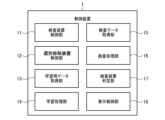
図3は、本実施形態に係る制御装置1の機能構成の例を示すブロック図である。制御装置1は、例えば、PC(Personal Computer)などの情報処理装置などであってよい。図3に示す各機能は、不図示の制御部が、不図示の記憶部に記憶された本実施形態に係る機能のプログラムを読み出して実行することで実現されてよい。記憶部としては、揮発性の記憶領域であるRAM(Random Access Memory)や、不揮発性の記憶領域であるROM(Read Only Memory)やHDD(Hard Disk Drive)などが含まれてよい。制御部としては、CPU(Central Processing Unit)、GPU(Graphical Processing Unit)、またはGPGPU(General-Purpose computing on Graphics Processing Units)などが用いられてよい。
[Device configuration]
FIG. 3 is a block diagram showing an example of the functional configuration of the
制御装置1は、検査装置制御部11、選別排除装置制御部12、学習用データ取得部13、学習処理部14、検査データ取得部15、検査処理部16、検査結果判定部17、および表示制御部18を含んで構成される。
The
検査装置制御部11は、検査装置2を制御し、撮像部3の撮影タイミングや撮影設定の制御、照射部4の照射タイミングや照射設定の制御を行わせる。選別排除装置制御部12は、製造物に対する良品/不良品の判定結果に基づき、選別排除装置5を制御して第1の搬送装置6の搬送経路上の製造物P’を排除させる。
The inspection
学習用データ取得部13は、学習処理部14にて行われる学習処理に用いられる学習用データを取得する。学習用データの詳細は後述するが、学習用データは、例えば製造システムの管理者の操作に基づいて入力されてよい。学習処理部14は、取得した学習用データを用いて学習処理を行い、学習済みモデルを生成する。本実施形態に係る学習処理の詳細は後述する。検査データ取得部15は、検査装置2にて撮影された画像を検査データとして取得する。検査処理部16は、検査データ取得部15にて取得した検査データに対して、学習処理部14にて生成した学習済みモデルを適用することで、検査データにて撮影されている製造物に対する検査を行う。
The learning
検査結果判定部17は、検査処理部16による検査結果に基づいて、選別排除装置制御部12に対する制御内容を決定する。そして、検査結果判定部17は、決定した制御内容に基づく信号を選別排除装置制御部12に出力する。表示制御部18は、検査結果判定部17による判定結果に基づき、表示部(不図示)にて表示される表示画面(不図示)の制御を行う。表示画面(不図示)には、例えば、検査結果判定部17による判定結果に基づき不良品として判定された製造物の統計値や、不良品として判定された製造物P’の実際の画像などが表示されてよい。また、タッチパネル式の表示部(不図示)を用いて、撮影条件、学習条件、検査条件や判定閾値などの各種パラメータの設定調整や、搬送装置や選別排除装置などの制御パラメータの設定調整を行うようにすることが好ましい。
The inspection
[学習処理]
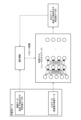
本実施形態においては、学習手法として機械学習のうちのニューラルネットワークによるディープラーニング(深層学習)の手法を用い、教師あり学習を例に挙げて説明する。なお、ディープラーニングのより具体的な手法(アルゴリズム)は特に限定するものではなく、例えば、畳み込みニューラルネットワーク(CNN:Convolutional Neural Network)など公知の方法が用いられてよい。図4は、本実施形態に係る学習処理の概念を説明するための概略図である。本実施形態にて用いられる学習用データは、入力データとしての製造物の画像データと、教師データとしての当該製造物に対して人(豆腐類の製造者)が評価した評価値との対から構成される。ここでは、評価値として、0~100の値を設定し、数字が大きいほど評価がより高いものとして扱う。なお、評価値の粒度はこれに限定するものではなく、例えば、A、B、Cの3段階や、良品/不良品の2値にて行われてもよく、複数の不良品項目毎の評価値にて行われてもよい。また、製造物に対する評価値の正規化の方法は上記に限定するものではなく、他の分類を用いてもよい。なお、ニューラルネットワーク以外の機械学習として、決定木、サポートベクトルマシン、ランダムフォレスト、回帰分析(多変量解析、重回帰分析)など、広義での機械学習であれば、特に限定しない。
[Learning process]
In the present embodiment, a method of deep learning using a neural network among machine learning methods is used as a learning method, and supervised learning is described as an example. A more specific method (algorithm) of deep learning is not particularly limited, and for example, a known method such as a convolutional neural network (CNN) may be used. FIG. 4 is a schematic diagram for explaining the concept of learning processing according to this embodiment. The learning data used in the present embodiment is a pair of image data of a product as input data and an evaluation value evaluated by a person (manufacturer of tofu) for the product as teacher data. Configured. Here, a value from 0 to 100 is set as the evaluation value, and the larger the number, the higher the evaluation. In addition, the granularity of the evaluation value is not limited to this. value. Also, the method of normalizing evaluation values for products is not limited to the above, and other classifications may be used. Machine learning other than neural networks is not particularly limited as long as it is broadly defined as machine learning such as decision trees, support vector machines, random forests, regression analysis (multivariate analysis, multiple regression analysis).
学習モデルに対して、学習用データとして用意された入力データ(ここでは、豆腐類の画像データ)を入力すると、その入力データに対する出力データとして、評価値が出力される。次に、この出力データと、学習用データとして用意された教師データ(ここでは、画像データにて示される豆腐類に対する評価値)とを用いて、損失関数により誤差を導出する。そして、その誤差が小さくなるように、学習モデルにおける各パラメータが調整される。パラメータの調整には、例えば、誤差逆伝搬法などを用いてよい。このようにして、複数の学習用データを用いて繰り返し学習が行われることで、学習済みモデルが生成される。 When input data prepared as learning data (here, image data of tofu) is input to the learning model, an evaluation value is output as output data for the input data. Next, using this output data and teacher data prepared as learning data (here, evaluation values for tofu shown in image data), an error is derived from a loss function. Then, each parameter in the learning model is adjusted so that the error becomes small. For parameter adjustment, for example, an error back propagation method or the like may be used. In this way, a learned model is generated by repeating learning using a plurality of pieces of learning data.
本実施形態で用いる学習モデルは、全く学習が行われていない状態から学習用データを用いて学習を行う構成であってもよい。しかし、最適な学習済みモデルを得るには、多くの学習用データを要し、また、その学習用データを用いた学習処理の繰り返しによる処理負荷も高い。そのため、新しい学習用データによる学習済みモデルの更新もユーザー(例えば、豆腐類の製造者)には負担になる場合がある。そのため、画像を識別する目的のため、膨大な種類と数の画像データについて、一定程度の学習が進んだ学習モデルやそのパラメータ(ニューロン間の結合と重み等)を利用してもよい。画像認識という点に特化してディープラーニングによる学習処理が進んだ学習モデルは、画像認識の対象が異なっても共通して活用できる部分を含む。その画像認識に強化された学習モデルは、既に数層~数十層~数百層の畳み込み層やプーリング層におけるパラメータの調整が進んでいる。本実施形態では、例えば、その入力側から中間層の大半の畳み込み層のパラメータの値は変更せずに固定し、出力側のいくつかの層(例えば、最後の1層~数層のみ)について、新規な学習用データ(ex.豆腐類の画像)を学習させてパラメータの調整を行う、いわゆる転移学習された学習モデルを用いてもよい。このような転移学習モデルを用いれば、新規の学習用データの数は比較的少数で済み、再学習の処理負荷を抑えつつ、学習済みモデルの更新も容易に行えるというメリットがある。 The learning model used in this embodiment may have a configuration in which learning is performed using learning data from a state in which learning is not performed at all. However, in order to obtain an optimal trained model, a large amount of learning data is required, and the processing load due to repetition of learning processing using the learning data is also high. Therefore, updating a trained model with new learning data may also be a burden on a user (eg, a tofu manufacturer). Therefore, for the purpose of identifying an image, a learning model that has undergone a certain degree of learning and its parameters (connections between neurons, weights, etc.) may be used for a huge number of types of image data. The learning model, which has advanced learning processing by deep learning, specializing in image recognition, includes parts that can be used in common even if the target of image recognition is different. The learning model enhanced by image recognition has already been adjusted parameters in several to several tens to hundreds of convolution layers and pooling layers. In this embodiment, for example, the parameter values of most convolutional layers from the input side to the intermediate layers are fixed without being changed, and for some layers on the output side (for example, only the last one to several layers) Alternatively, a so-called transfer-learned learning model may be used in which new learning data (eg images of tofu) are learned and parameters are adjusted. Using such a transfer learning model has the advantage that the number of new learning data can be relatively small, and the learned model can be easily updated while suppressing the processing load of re-learning.
なお、学習処理は、必ずしも制御装置1が実行する必要はない。例えば、製造システムは、学習用のデータの提供を、製造システムの外部に設けられた学習用のサーバ(不図示)に対して行い、当該サーバ側で学習処理を行うような構成であってもよい。そして、必要に応じて、当該サーバが制御装置1に学習済みモデルを提供するような構成であってもよい。このような学習用のサーバは、例えばインターネットなどのネットワーク(不図示)上に位置してよく、サーバと制御装置1は、通信可能に接続されているものとする。
Note that the learning process does not necessarily have to be executed by the
[処理フロー]
以下、本実施形態に係る制御装置1の処理フローについて、図5を用いて説明する。以下に示す処理は、例えば、制御装置1が備えるCPU(不図示)やGPU(不図示)がHDDなどの記憶装置(不図示)に記憶されたプログラムを読み出して実行することにより実現される。なお、以下の処理は、製造システムが動作している間、継続的に行われてよい。
[Processing flow]
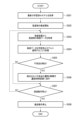
A processing flow of the
S501にて、制御装置1は、学習処理が行われることで生成された学習済みモデルのうち、最新または最適な学習済みモデルを取得する。学習モデルに対して学習処理が適時繰り返し行われることに伴って、学習済みモデルはその都度更新される。そのため、制御装置1は、本処理が開始された際の最新の学習済みモデルを取得し、以降の処理にて用いるものとする。
In S501, the
S502にて、制御装置1は、検査装置2に対し、第1の搬送装置6の搬送経路上の撮影を開始させる。さらに、制御装置1は、第1の搬送装置6、第2の搬送装置7、および不良品搬送装置10を動作させ、製造装置9から供給される製造物の搬送を開始させる。
In S<b>502 , the
S503にて、制御装置1は、第1の搬送装置6による製造物の搬送に伴って、製造物を検知する検知センサTの信号をトリガーとして、製造物の画像を撮影する検査装置2から適時送信されてくる検査データ(製造物の画像)を取得する。なお、搬送経路上において、搬送されてくる製造物間の搬送間隔や、個々の製造物が配置される搬送位置が予め規定されている場合には、その位置に基づき製造物の画像を別個に撮影してもよい。または、検査装置2から適時送信されてくる検査データが動画である場合には、その動画の中から所定間隔にてフレーム抽出を行い、そのフレームを画像データとして扱ってもよい。製造物の画像は、撮影した生の画像データをそのまま用いてもよい。また、生の画像データに対して、データクレンジング処理(人が見て特徴がわかりにくいデータを除く)や水増し処理(ノイズを増やした複数の画像や明るさを調整した複数の画像等も学習用データに加える)を適宜行うことで、学習用データとしてもよい。また、生の画像データに対して任意の画像処理を適用した加工画像データを学習用データにて用いてもよい。任意の画像処理としては、例えば、輪郭処理(エッジ処理)、位置補正処理(回転、中心位置移動等)、明るさ補正、濃淡補正、コントラスト変換、畳み込み処理、差分(一次微分、二次微分)、二値化、ノイズ除去(平滑化)などの各種フィルター処理などが用いられてよい。これらの前処理やデータ加工によって、学習用データの数の削減や調整、学習効率向上、外乱影響の軽減などのメリットがある。
In S503, as the
S504にて、制御装置1は、S503にて取得した検査データ(製造物の画像データ)を学習済みモデルに入力する。これにより、出力データとして、当該検査データにて示される製造物の評価値が出力される。この評価値に応じて、検査対象の製造物の良品/不良品が判定される。
In S504, the
S505にて、制御装置1は、S504にて得られた評価値に基づき、検査対象の製造物が不良品か否かを判定する。不良品を検出した場合(S505にてYES)、制御装置1の処理はS506へ進む。一方、不良品を検出していない場合(S505にてNO)、制御装置1の処理はS507へ進む。
At S505, the
例えば、評価値を0~100にて評価する構成においては、評価値に対する閾値を設定しておき、この閾値と、学習済みモデルから出力された評価値との比較により、検査対象とする製造物が良品か不良品かを判定してよい。この場合において、製造物の良品/不良品の判断基準となる閾値は、製造システムの管理者(例えば、豆腐類の製造者)が任意のタイミングにて設定画面(不図示)を介して設定できるような構成であってもよい。上述したように、本実施形態において検査対象とする豆腐類は、様々な要因に応じて外観や形状が変化し得る。このような変化を考慮して、管理者が、学習済みモデルにて得られた出力データに対する閾値を制御できるような構成であってよい。また、評価値をA,B,Cにて評価する構成においては、評価値AおよびBを良品とし、評価値Cを不良品として扱うような構成であってもよい。 For example, in a configuration where the evaluation value is evaluated from 0 to 100, a threshold for the evaluation value is set, and by comparing this threshold with the evaluation value output from the trained model, the product to be inspected may determine whether the product is good or bad. In this case, the threshold, which serves as a criterion for judging quality products/defective products, can be set by the administrator of the manufacturing system (for example, a tofu manufacturer) via a setting screen (not shown) at any time. Such a configuration may be used. As described above, the tofu to be inspected in this embodiment may change in appearance and shape depending on various factors. Considering such changes, the configuration may be such that the administrator can control the threshold value for the output data obtained by the trained model. In addition, in the configuration in which the evaluation values are evaluated by A, B, and C, the configuration may be such that the evaluation values A and B are treated as non-defective products, and the evaluation value C is treated as a defective product.
S506にて、制御装置1は、S505にて不良品として検出された製造物を選別/排除するように、選別排除装置5に指示を行い制御する。このとき、制御装置1は、不良品として検出された製造物P’を選別/排除するために、検査装置2から取得した検査データや第1の搬送装置6の搬送速度などから、排除対象となる製造物P’の位置を特定する。なお、製造物の位置の特定手法は、公知の方法を用いてよく、ここでの詳細な説明は省略する。この制御装置1からの指示に基づき、選別排除装置5は、排除対象となる製造物P’を不良品搬送装置10へ運搬する。
At S506, the
また、豆腐類は、外観上の品質が一定の基準を満たしていない場合であっても、他の加工品の原料として転用することが可能となる場合がある。そのため、例えば、評価値をA,B,Cにて評価する構成において、評価値Aを良品とし、評価値Bを加工用とし、評価値Cを不良品として扱うような構成であってもよい。この場合、制御装置1は、評価値Bとして判定された製造物を加工品用の搬送装置の位置に運搬するように、選別排除装置5を制御してもよい。転用する加工品の例としては、油揚げから刻み油揚げを製造することや、豆腐からガンモドキを製造したり、細かくペースト状にした液(再生液)を呉液や豆乳に混ぜて再利用したりすることなどが挙げられる。
In addition, even if the appearance of tofu does not meet a certain standard, it may be possible to divert tofu as a raw material for other processed products. Therefore, for example, in a configuration in which the evaluation values are evaluated using A, B, and C, the evaluation value A may be treated as a non-defective product, the evaluation value B may be used for processing, and the evaluation value C may be treated as a defective product. . In this case, the
S507にて、制御装置1は、製造動作が停止したか否かを判定する。製造動作の停止は、第1の搬送装置6の上流に位置する製造装置9から製造物の供給が行われなくなったことを検知したことに応じて判定してもよいし、製造装置9からの通知に基づいて判定してもよい。製造動作が停止した場合(S507にてYES)、制御装置1の処理はS508へ進む。一方、製造動作が停止していない場合(S507にてNO)、制御装置1の処理はS503へ戻り、該当する処理を繰り返す。
In S507, the
S508にて、制御装置1は、第1の搬送装置6による搬送動作を停止させる。併せて、制御装置1は、第2の搬送装置7および不良品搬送装置10の搬送動作を停止させてもよいし、一定の搬送が完了した後、これらの搬送動作を停止させてもよい。また、制御装置1は、S501にて取得した学習済みモデルに対して初期化処理を行う動作を行ってもよい。そして、本処理フローを終了する。
At S<b>508 , the
なお、S503にて取得した検査データは、今後の学習処理に用いるために記憶するような構成であってもよい。この場合、取得した検査データを学習用の画像データとなるように画像処理を行うような構成であってもよい。 Note that the inspection data acquired in S503 may be configured to be stored for future use in learning processing. In this case, the configuration may be such that image processing is performed so that the acquired inspection data becomes image data for learning.
[表示処理]
本実施形態において、豆腐類の製造物に対して行った検査結果として、不良品として判定された製造物P’の画像を表示部(不図示)にて表示する際に、その不良品として判定された根拠(不良個所)を表示するような構成であってもよい。上述したようなニューラルネットワークの学習においては、GRAD-CAMやGuided Grad-CAMといった可視化手法がある。このような手法を用いて、検査対象である製造物が不良品として判定された際にその根拠として着目した領域を特定し、可視化して表示するような構成であってもよい。また、良品として判定された製造物の場合であっても、その評価値が不良品として判定される評価値に近い場合には、上記のような手法を用いて着目した領域を特定し、表示するような構成であってもよい。
[Display processing]
In the present embodiment, when displaying the image of the product P′ determined as a defective product as a result of the inspection performed on the tofu product on the display unit (not shown), it is determined as a defective product. It may be configured to display the basis (defective part) of the defect. There are visualization methods such as GRAD-CAM and Guided Grad-CAM in the learning of the neural network as described above. Using such a method, when a product to be inspected is determined as a defective product, a configuration may be employed in which a focused region is identified as the basis for the determination, and visualized and displayed. In addition, even in the case of a product that has been determined as a non-defective product, if the evaluation value is close to the evaluation value that is determined as a defective product, the region of interest is specified using the above method and displayed. The configuration may be such that
以上、本実施形態により、豆腐類の製造時において人手による負荷を軽減しつつ、生産能力を向上させることが可能となる。また、豆腐類の特性に応じて行われてきた人手による検査の負荷を低減することで、製造システムにおける人のスペースを省略することが可能となる。さらには、複数の製造物の検査を搬送経路上で並行して行うことが可能となるため、製造効率の向上が可能となる。また、複数の製造物を並列搬送しつつ、検査および不良品の排除が可能な構成により、製造物の検査精度を低下させることなく製造システム全体の搬送経路の経路長を短くすることが可能となる。 As described above, according to the present embodiment, it is possible to improve the production capacity while reducing the manual load during the production of tofu. In addition, by reducing the burden of manual inspection that has been performed according to the characteristics of tofu, it is possible to omit the human space in the manufacturing system. Furthermore, since inspection of a plurality of products can be performed in parallel on the transport route, manufacturing efficiency can be improved. In addition, with a configuration that allows inspection and rejection of defective products while transporting multiple products in parallel, it is possible to shorten the length of the transport path of the entire manufacturing system without lowering the inspection accuracy of products. Become.
<第2の実施形態>
第1の実施形態では、検査装置2は固定されており、検査範囲(撮影位置)は固定である構成について説明した。本願発明の第2の実施形態として、検査装置2による検査範囲を変更可能な構成について説明する。なお、第1の実施形態と重複する構成については説明を省略し、差分に着目して説明を行う。
<Second embodiment>
In the first embodiment, the
[構成概要]
図6は、本実施形態に係る豆腐類製造システム(以下、単に「製造システム」)の全体構成を示す概略構成図である。本実施形態に係る製造システムにおいて、制御装置1、検査装置2、選別排除装置5、第1の搬送装置6、第2の搬送装置7、格納装置8、および製造装置9を含んで構成される。
[Configuration overview]
FIG. 6 is a schematic configuration diagram showing the overall configuration of a tofu manufacturing system (hereinafter simply referred to as "manufacturing system") according to this embodiment. The manufacturing system according to this embodiment includes a
制御装置1は、検査装置2による撮影動作の制御を行う。また、制御装置1は、検査装置2にて取得した画像に基づき、選別排除装置5の動作を制御する。検査装置2は、撮像部3、照射部4、および駆動機構20を備える。検査装置2は、制御装置1からの指示に基づいて起動機構を動作させることにより位置が調整され、撮影範囲さらには撮影対象となる製造物が特定される。選別排除装置5は、制御装置1からの指示に基づき、第1の搬送装置6にて搬送されている製造物の中から不良品として特定された製造物P’を取り出し、格納装置8へ運搬する。
The
図6では、選別排除装置5として、パラレルリンクロボットの例を示しているが、シリアルリンクロボットが用いられてもよい。また、選別排除装置5は、双腕ロボットや、直動シリンダーや2つ以上の直交シリンダーから構成される直交シリンダー、などから構成されてもよい。選別排除装置5は、第1の搬送装置6の搬送経路上にて製造物Pの移載や整列をできるように、または製造物P’を取り出しができるように、3軸方向(X軸,Y軸,Z軸)のいずれにも動作可能に構成される。なお、軸方向および原点の設定は任意であり、図では省略する。
Although FIG. 6 shows an example of a parallel link robot as the sorting and
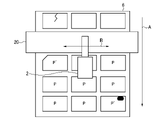
図7は、本実施形態に係る検査装置2による検査を行う際の位置の制御を説明するための図である。図7に示す矢印Aは、第1の搬送装置6による製造物の搬送方向を示す。また、矢印Bは、検査装置2の移動方向を示し、ここでは、矢印A方向に直交した方向である。この構成により、検査装置2が備える撮像部3の撮影範囲を任意の範囲に変化させることが可能となる。また、検査装置の移動により撮影範囲を切り替えることができるため、撮像部3の受光素子等のセンサを縮小化することが可能となり、撮像部3のサイズや数を削減することが可能となる。
FIG. 7 is a diagram for explaining position control when an inspection is performed by the
なお、図7の例では、矢印B方向に沿って検査装置2の位置を調整可能な構成を示したが、これに限定するものではない。例えば、駆動機構20は、矢印A方向に沿って更に検査装置2の位置を調整可能な構成であってもよい。また、駆動機構20は、矢印B方向とは異なる、矢印A方向に直交する方向(上下方向)に沿って更に検査装置2の位置を調整可能な構成であってもよい。この場合、検査装置2の位置を同時に複数方向に移動させることが可能となるため、例えば、ジグザグ状など任意の軌道にて位置を調整して、製造物のサイズや搬送状態に応じて効率良く検査を行うことが可能となる。その他の構成として、検査装置2は、多関節により構成されるスカラーロボットを備えるような構成であってもよい。これにより、検査装置2(撮像部3)は、図7の矢印B方向の移動範囲に加えて、更に駆動域が広がり、製造物の撮影位置の微調整が可能になる。
In addition, in the example of FIG. 7, although the structure which can adjust the position of the
以上、本実施形態により、第1の実施形態の効果に加え、任意の位置に検査装置を移動させつつ製造物(豆腐類)の検査が可能となる。 As described above, according to the present embodiment, in addition to the effects of the first embodiment, it is possible to inspect products (tofu) while moving the inspection device to an arbitrary position.
<その他の実施形態>
上記の実施形態では、検査に用いる手法として教師ありの機械学習の例を示したが、これに限定するものではない。例えば、オートエンコーダなどの教師なしの機械学習により学習済みモデルを生成するような構成であってもよい。この場合、製造物のうち良品の画像データを学習用データとして学習を行って学習済みモデルを生成する。そして、その学習済みモデルに対して入力された製造物の画像と、学習済みモデルから出力される製造物の画像との差異に基づいて、入力された画像が示す製造物が良品か不良品か否かを判定してよい。
<Other embodiments>
In the above embodiment, an example of supervised machine learning is shown as a method used for inspection, but the method is not limited to this. For example, the configuration may be such that a trained model is generated by unsupervised machine learning such as an autoencoder. In this case, a learned model is generated by performing learning using image data of a non-defective product among manufactured products as data for learning. Then, based on the difference between the image of the product input to the trained model and the image of the product output from the trained model, whether the product indicated by the input image is good or bad. You may decide whether or not
また、上記の実施形態では、図1に示すように、検査装置2は、製造物の一方の面(図1では上面)のみを撮影し、検査する構成を示した。しかし、これに限定するものではなく、例えば、表面に加え、裏面や側面の画像を取得して検査するような構成であってもよい。この場合、複数の検査装置2を設け、複数の検査装置2それぞれが備える撮像部(カメラ)により、複数の方向から製造物を撮影するような構成であってもよい。例えば、第1の撮像部(不図示)が第1の方向から製造物の表面を撮影するように設置され、第2の撮像部(不図示)が第2の方向から当該製造物の裏面を撮影するように設置されてよい。または、第1の搬送装置6において搬送経路上で製造物を反転させるような構成(反転機構)を設け、反転前後でそれぞれ製造物を撮影し、各撮影画像を用いて検査を行うような構成であってもよい。このとき、製造物の表面、裏面、側面それぞれに対して異なる学習済みモデルを用いて検査を行ってもよい。つまり、第1の搬送装置6にて搬送される製造物の種類や包装状態などに応じて、表面、裏面、側面それぞれの異なる学習用データを用いて学習を行っておくことで各面に対応した学習済みモデルを生成する。そして、撮影方向に対応したそれらの学習済みモデルを用いて検査を行うような構成であってよい。
Further, in the above-described embodiment, as shown in FIG. 1, the
また、検査は、学習モデルを用いた検査に限定するものではない。例えば、予め用意された良品を示す画像データとのパターンマッチングにて製造物の検査が単独ないしは併用で行われてもよい。また、従来の変位センサや距離センサなどを併用して取得される3次元方向のデータを用いて、形状を優先的に認識する検査も併せて行うような構成であってもよい。さらには、従来の画像検査機、X線探知機、金属探知機、重量検査機など他の検査装置と併用して用いられてもよい。 Moreover, the inspection is not limited to the inspection using the learning model. For example, the product may be inspected singly or in combination by pattern matching with image data prepared in advance indicating non-defective products. In addition, it may be configured such that an inspection for preferentially recognizing the shape is also performed using three-dimensional direction data obtained by using a conventional displacement sensor, distance sensor, or the like. Furthermore, it may be used in combination with other inspection devices such as conventional image inspection machines, X-ray detectors, metal detectors, and weight inspection machines.
また、上記の実施形態では、図1に示すように照射部4は、製造物に対して撮像部3(カメラ)と同じ方向から光を照射する構成を示した。しかし、この構成に限定するものではなく、例えば、撮像部3と照射部4はそれぞれ、製造物に対向する位置や向きが異なっていてもよい。この構成の場合、照射部4は、例えば、製造物に対して可視光のほか、X線や紫外線や赤外線の波長を照射するような光源を備え、撮像部3は、製造物の透過光、透過反射光、または透過散乱光に基づく画像データを取得するような構成であってもよい。そして、その画像データが示す製造物の内部情報に基づいて、製造物の検査を行うような構成であってもよい。 Further, in the above-described embodiment, as shown in FIG. 1, the irradiation unit 4 irradiates the product with light from the same direction as the imaging unit 3 (camera). However, the configuration is not limited to this, and for example, the imaging unit 3 and the irradiating unit 4 may have different positions and orientations facing the product. In this configuration, the irradiation unit 4 includes, for example, a light source that irradiates the product with not only visible light but also X-ray, ultraviolet, and infrared wavelengths, and the imaging unit 3 includes light transmitted through the product, It may be configured to obtain image data based on transmitted reflected light or transmitted scattered light. Then, the product may be inspected based on the internal information of the product indicated by the image data.
以上の通り、本明細書には次の事項が開示されている。
(1) 豆腐類を連続で製造する製造装置と、
前記製造装置にて製造された豆腐類を、当該豆腐類に応じた所定の規則に沿って配列して搬送する搬送装置と、
前記搬送装置上において豆腐類の検査を行う豆腐類検査装置と、
前記豆腐類検査装置の検査結果に基づき、前記搬送装置にて搬送されている豆腐類のうちの不良品を選別または排除する選別排除装置と
を備えることを特徴とする豆腐類製造システム。
この構成によれば、豆腐類の製造時において人手による負荷を軽減しつつ、生産能力を向上させることが可能となる。また、豆腐類の特性に応じて行われてきた人手による検査の負荷を低減することで、製造システムにおける人のスペースを省略することが可能となる。さらには、複数の製造物の検査を搬送経路上で並行して行うことが可能となるため、製造効率の向上が可能となる。また、複数の製造物を並列搬送しつつ、検査および不良品の選別や排除が可能な構成により、製造物の検査精度を低下させることなく製造システム全体の搬送経路の経路長を短くすることが可能となる。
As described above, this specification discloses the following matters.
(1) A manufacturing device for continuously manufacturing tofu,
A conveying device for arranging and conveying the tofu manufactured by the manufacturing device according to a predetermined rule according to the tofu,
A tofu inspection device for inspecting tofu on the conveying device;
A tofu production system, comprising: a sorting and excluding device for sorting out or excluding defective tofu among the tofu conveyed by the conveying device based on the inspection result of the tofu inspecting device.
According to this configuration, it is possible to improve the production capacity while reducing the manual load during the production of tofu. In addition, by reducing the burden of manual inspection that has been performed according to the characteristics of tofu, it is possible to omit the human space in the manufacturing system. Furthermore, since inspection of a plurality of products can be performed in parallel on the transport route, manufacturing efficiency can be improved. In addition, it is possible to shorten the length of the transport path of the entire manufacturing system without lowering the inspection accuracy of the products by adopting a configuration that allows inspection and sorting and rejection of defective products while transporting multiple products in parallel. It becomes possible.
(2) 前記搬送装置は、
前記製造装置にて製造された豆腐類を複数列に配列して搬送する第1の搬送装置と、
前記第1の搬送装置の搬送方向の下流側に位置し、前記第1の搬送装置の搬送方向と直交した方向に、前記第1の搬送装置から搬送されてきた豆腐類を1列に配列して搬送する第2の搬送装置とを含んで構成されることを特徴とする(1)に記載の豆腐類製造システム。
この構成によれば、搬送方法の異なる搬送装置を組み合わせて、豆腐類の検査および搬送を行うことが可能となる。
(2) the conveying device,
A first conveying device for arranging and conveying tofu manufactured by the manufacturing device in a plurality of rows;
Positioned on the downstream side of the conveying direction of the first conveying device, the tofu conveyed from the first conveying device is arranged in a row in a direction perpendicular to the conveying direction of the first conveying device. The tofu production system according to (1), characterized in that it comprises a second conveying device that conveys the tofu by the second conveying device.
According to this configuration, it is possible to inspect and transport tofu by combining transport devices with different transport methods.
(3)前記豆腐類検査装置は、前記第1の搬送装置上または前記第2の搬送装置上の少なくともいずれかにおいて、豆腐類の検査を行い、
前記選別排除装置は、前記豆腐類検査装置の検査結果に基づき、前記第1の搬送装置または前記第2の搬送装置にて搬送されている豆腐類のうちの不良品を選別または排除することを特徴とする(2)に記載の豆腐類製造システム。
この構成によれば、搬送方法の異なる搬送装置を組み合わせて、豆腐類の検査を行いつつ、搬送中の不良品の選別や排除が可能となる。
(3) The tofu inspection device inspects tofu on at least one of the first conveying device or the second conveying device,
The sorting and rejecting device sorts out or rejects defective tofu products transported by the first transporting device or the second transporting device based on the inspection result of the tofu inspecting device. The tofu production system according to (2).
According to this configuration, it is possible to sort out and eliminate defective products during transportation while inspecting tofu by combining transportation devices with different transportation methods.
(4) 前記選別排除装置は、選別動作または排除動作の位置を調整するための直動シリンダーまたは多関節から構成される高速型ロボット(スカラーロボットまたはパラレルリンクロボットまたは高速型シリアルリンクロボット)を備えることを特徴とする(1)~(3)のいずれかに記載の豆腐類製造システム。
この構成によれば、不良品と判定された豆腐類を選別や排除する選別排除装置の駆動範囲を、搬送装置の搬送経路上の任意の範囲となるように設計して、駆動可能とすることができる。
(4) The sorting and excluding device includes a high-speed robot (scalar robot, parallel link robot, or high-speed serial link robot) composed of a direct-acting cylinder or multiple joints for adjusting the position of the sorting operation or the excluding operation. The tofu production system according to any one of (1) to (3), characterized by:
According to this configuration, the drive range of the sorting and excluding device for sorting and excluding tofu determined as defective products is designed to be an arbitrary range on the conveying route of the conveying device, and can be driven. can be done.
(5) 前記豆腐類検査装置は、検査動作の位置を調整するための直動シリンダーまたは多関節から構成されるスカラーロボットを備えることを特徴とする(1)~(4)に記載の豆腐類製造システム。
この構成によれば、豆腐類を検査する検査装置の撮影範囲を、搬送装置の搬送経路上の任意の範囲となるように設計して、また、任意の位置にて撮影可能とすることができる。
(5) Tofu according to (1) to (4), wherein the tofu inspection device is equipped with a scalar robot composed of a direct-acting cylinder or a multi-joint for adjusting the position of the inspection operation. manufacturing system.
According to this configuration, the photographing range of the inspection device for inspecting tofu can be designed to be an arbitrary range on the conveying route of the conveying device, and photographing can be performed at an arbitrary position. .
(6) 前記豆腐類検査装置の検査結果に基づき、前記搬送装置にて搬送されている豆腐類のうちの良品を所定の規則にて整列させる整列装置を更に備えることを特徴とする(1)~(5)いずれかに記載の豆腐類製造システム。
この構成によれば、搬送装置にて搬送されている、良品と判定された豆腐類を、所定の規則に従って、整列させることが可能となる。
(6) It further comprises an arranging device that aligns non-defective products of the tofu transported by the transporting device according to a predetermined rule based on the inspection results of the tofu inspecting device (1) ~ (5) The tofu production system according to any one.
According to this configuration, it is possible to align the tofu, which is being transported by the transporting device and determined to be non-defective products, according to a predetermined rule.
(7) 前記整列装置は、整列動作の位置を調整するための直動シリンダーまたは多関節から構成される高速型ロボット(スカラーロボットまたはパラレルリンクロボットまたは高速型シリアルリンクロボット)を備えることを特徴とする(6)に記載の豆腐類製造システム。
この構成によれば、良品と判定された豆腐類を整列する整列装置の駆動範囲を、搬送装置の搬送経路上の任意の範囲となるように設計して、駆動可能とすることができる。
(7) The alignment device is characterized by comprising a high-speed robot (scalar robot, parallel link robot, or high-speed serial link robot) composed of a direct-acting cylinder or multiple joints for adjusting the alignment position. The tofu production system according to (6).
According to this configuration, the driving range of the aligning device for aligning the tofu determined as non-defective products can be designed to be an arbitrary range on the transport path of the transport device, and can be driven.
(8) 前記整列装置と前記排除装置は兼用されていることを特徴とする(6)または(7)に記載の豆腐類製造システム。
この構成によれば、整列装置と排除装置の機能を有しつつ、個別に設けるよりも省スペース化を実現することが可能となる。
(8) The tofu production system according to (6) or (7), wherein the aligning device and the removing device are also used.
According to this configuration, while having the functions of the aligning device and the excluding device, it is possible to realize space saving compared to providing them individually.
(9) 前記搬送装置は、搬送されている豆腐類を反転させる反転機構を備え、
前記豆腐類検査装置は、前記反転機構による反転前後の画像を用いて豆腐類の検査を行うことを特徴とする(1)~(8)のいずれかに記載の豆腐類製造システム。
この構成によれば、豆腐類の反転前後の面に対する検査を行うことで、より精度の高い検査が可能となる。
(9) The conveying device includes a reversing mechanism for reversing the tofu being conveyed,
The tofu production system according to any one of (1) to (8), wherein the tofu inspection device inspects the tofu using images before and after the reversal by the reversing mechanism.
According to this configuration, it is possible to perform a more accurate inspection by inspecting the surface of the tofu before and after the reversal.
(10) 前記豆腐類検査装置の検査結果に基づいて、不良品と判定された豆腐類を示す撮影画像を表示する表示手段を更に有することを特徴とする(1)~(9)のいずれかに記載の豆腐類製造システム。
この構成によれば、豆腐類の製造者は、不良品と判定された実際の豆腐類の画像を確認することが可能となる。
(10) The method according to any one of (1) to (9), further comprising display means for displaying a photographed image showing the tofu judged to be defective based on the inspection result of the tofu inspection device. The tofu production system described in .
According to this configuration, the tofu producer can confirm the image of the actual tofu that has been determined to be defective.
(11) 前記豆腐類検査装置は、
検査対象となる豆腐類を撮影する撮像部と、
豆腐類の撮影画像を含む学習用データを用いて機械学習を行うことにより生成された、入力データにて示される豆腐類の品質の判定を行うための学習済みモデルに対して、前記撮像部にて撮影された豆腐類の撮影画像を入力データとして入力することで得られる出力データとしての評価値を用いて、当該撮影画像にて示される豆腐類の品質を判定する検査手段と
を備えることを特徴とする(1)~(10)のいずれかに記載の豆腐類製造システム。
この構成によれば、豆腐類の製造時の特性を考慮しつつ、人手による検査の負荷を軽減することが可能となる。
(11) The tofu inspection device
an imaging unit for photographing tofu to be inspected;
For a trained model for judging the quality of tofu shown in the input data, which is generated by performing machine learning using learning data including a photographed image of tofu, the imaging unit and inspection means for determining the quality of the tofu shown in the photographed image by using the evaluation value as the output data obtained by inputting the photographed image of the tofu photographed as input data. The tofu production system according to any one of (1) to (10).
According to this configuration, it is possible to reduce the burden of manual inspection while taking into account the characteristics of the tofu at the time of production.
(12) 前記学習済みモデルは、ニューラルネットワークを用いたディープラーニングにより生成されることを特徴とする(11)に記載の豆腐類製造システム。
この構成によれば、ニューラルネットワークを用いたディープラーニングに基づく学習手法により得られた学習済みモデルを用いて、豆腐類の検査を行い、人手による検査負荷を低減することができる。
(12) The tofu production system according to (11), wherein the learned model is generated by deep learning using a neural network.
According to this configuration, tofu can be inspected using a learned model obtained by a learning method based on deep learning using a neural network, and the manual inspection load can be reduced.
(13) 前記豆腐類検査装置による豆腐類の検査は、パターンマッチングにより行われることを特徴とする(1)~(10)のいずれかに記載の豆腐類製造システム。
この構成によれば、パターンマッチングによる豆腐類の検査を行い、人手による検査負荷を低減することができる。
(13) The tofu production system according to any one of (1) to (10), wherein the inspection of tofu by the tofu inspection device is performed by pattern matching.
According to this configuration, tofu can be inspected by pattern matching, and the manual inspection load can be reduced.
(14)前記豆腐類は、充填豆腐、絹豆腐、木綿豆腐、焼き豆腐、凍り豆腐、油揚、寿司揚げ、薄揚、厚揚、生揚、または、ガンモドキのいずれかであることを特徴とする(1)~(13)のいずれかに記載の豆腐類製造システム。
この構成によれば、豆腐類として、具体的な種類の製造物に対応した製造が可能となる。
(14) The tofu is any one of stuffed tofu, silken tofu, firm tofu, grilled tofu, frozen tofu, fried tofu, fried sushi, thin fried, thick fried, kiage, or gammodoki (1) The tofu production system according to any one of (13).
According to this configuration, it is possible to manufacture tofu corresponding to a specific type of product.
1…制御装置
2…検査装置
3…撮像部
4…照射部
5…選別排除装置
6…第1の搬送装置
7…第2の搬送装置
8…格納装置
9…製造装置
10…不良品搬送装置
T…検知センサ
P…製造物(良品)
P’…製造物(不良品)
11…検査装置制御部
12…選別排除装置制御部
13…学習用データ取得部
14…学習処理部
15…検査データ取得部
16…検査処理部
17…検査結果判定部
18…表示制御部
DESCRIPTION OF
P' ... product (defective product)
REFERENCE SIGNS LIST 11: Inspection device control unit 12: Sorting exclusion device control unit 13: Learning data acquisition unit 14: Learning processing unit 15: Inspection data acquisition unit 16: Inspection processing unit 17: Inspection result determination unit 18: Display control unit
Claims (14)
前記製造装置にて製造された豆腐類を、当該豆腐類に応じた所定の規則に沿って配列して搬送する搬送装置と、
前記搬送装置上において豆腐類の検査を行う豆腐類検査装置と、
前記豆腐類検査装置の検査結果に基づき、前記搬送装置にて前記所定の規則に沿って搬送されている豆腐類それぞれを、整列または排除する選別排除装置と
を備え、
前記選別排除装置は、直動シリンダーまたは多関節から構成される高速型ロボットを備えることを特徴とする豆腐類製造システム。 a manufacturing device for continuously manufacturing tofu;
A conveying device for arranging and conveying the tofu manufactured by the manufacturing device according to a predetermined rule according to the tofu,
A tofu inspection device for inspecting tofu on the conveying device;
Based on the inspection results of the tofu inspection device, each tofu being transported according to the predetermined rule by the transport device is sorted or excluded .
A tofu manufacturing system , wherein the sorting and excluding device is equipped with a high-speed robot composed of a linear motion cylinder or a multi-joint .
前記高速型ロボットは、スカラーロボット、パラレルリンクロボット、または高速型シリアルリンクロボットのいずれかであることを特徴とする請求項1に記載の豆腐類製造システム。2. The tofu production system according to claim 1, wherein the high-speed robot is one of a scalar robot, a parallel link robot, and a high-speed serial link robot.
前記製造装置にて製造された豆腐類を、当該豆腐類に応じた所定の規則に沿って配列して搬送する搬送装置と、A conveying device for arranging and conveying the tofu manufactured by the manufacturing device according to a predetermined rule according to the tofu,
前記搬送装置上において豆腐類の検査を行う豆腐類検査装置と、A tofu inspection device for inspecting tofu on the conveying device;
前記豆腐類検査装置の検査結果に基づき、前記搬送装置にて前記所定の規則に沿って搬送されている豆腐類それぞれを、整列または排除する選別排除装置とa sorting and excluding device that aligns or excludes each of the tofu being transported according to the predetermined rule by the transporting device based on the inspection result of the tofu inspecting device;
を備え、with
前記搬送装置は、前記製造装置にて製造された豆腐類を、行列状ないしは千鳥状に並べられた状態またはランダムで重ならない状態にて配列して搬送し、The conveying device arranges and conveys the tofu manufactured by the manufacturing device in a matrix or staggered state or in a random and non-overlapping state,
前記選別排除装置は、前記検査結果にて良品と判定された豆腐類を取り出して前記搬送装置にて整列させることを特徴とする豆腐類製造システム。 The tofu manufacturing system, wherein the sorting and excluding device picks up the tofu that has been judged to be non-defective in the inspection result, and aligns the tofu with the conveying device.
前記製造装置にて製造された豆腐類を複数列に配列して搬送する第1の搬送装置と、
前記第1の搬送装置の搬送方向の下流側に位置し、前記第1の搬送装置の搬送方向と直交した方向に、前記第1の搬送装置から搬送されてきた豆腐類を1列に配列して搬送する第2の搬送装置とを含んで構成されることを特徴とする請求項5に記載の豆腐類製造システム。 The conveying device is
A first conveying device for arranging and conveying tofu manufactured by the manufacturing device in a plurality of rows;
Positioned on the downstream side of the conveying direction of the first conveying device, the tofu conveyed from the first conveying device is arranged in a row in a direction perpendicular to the conveying direction of the first conveying device. 6. The tofu production system according to claim 5 , further comprising a second conveying device that conveys the tofu by means of the second conveying device.
前記選別排除装置は、前記豆腐類検査装置の検査結果に基づき、前記第1の搬送装置または前記第2の搬送装置にて搬送されている豆腐類のうちの不良品を選別または排除することを特徴とする請求項6に記載の豆腐類製造システム。 The tofu inspection device inspects tofu on at least one of the first conveying device or the second conveying device,
The sorting and rejecting device sorts out or rejects defective tofu products transported by the first transporting device or the second transporting device based on the inspection result of the tofu inspecting device. The tofu production system according to claim 6 .
前記豆腐類検査装置は、前記反転機構による反転前後の画像を用いて豆腐類の検査を行うことを特徴とする請求項1乃至7のいずれか一項に記載の豆腐類製造システム。 The conveying device includes a reversing mechanism for reversing the tofu being conveyed,
8. The tofu production system according to any one of claims 1 to 7 , wherein the tofu inspection device inspects the tofu using images before and after the reversal by the reversing mechanism.
検査対象となる豆腐類を撮影する撮像部と、
豆腐類の撮影画像を含む学習用データを用いて機械学習を行うことにより生成された、入力データにて示される豆腐類の品質の判定を行うための学習済みモデルに対して、前記撮像部にて撮影された豆腐類の撮影画像を入力データとして入力することで得られる出力データとしての評価値を用いて、当該撮影画像にて示される豆腐類の品質を判定する検査手段と
を備えることを特徴とする請求項1乃至9のいずれか一項に記載の豆腐類製造システム。 The tofu inspection device is
an imaging unit for photographing tofu to be inspected;
For a trained model for judging the quality of tofu shown in the input data, which is generated by performing machine learning using learning data including a photographed image of tofu, the imaging unit and inspection means for determining the quality of the tofu shown in the photographed image by using the evaluation value as the output data obtained by inputting the photographed image of the tofu photographed as input data. The tofu production system according to any one of claims 1 to 9 .
Priority Applications (5)
| Application Number | Priority Date | Filing Date | Title |
|---|---|---|---|
| KR1020227036207A KR20230004507A (en) | 2020-04-30 | 2021-04-30 | Tofu Manufacturing System |
| PCT/JP2021/017305 WO2021221177A1 (en) | 2020-04-30 | 2021-04-30 | Tofu production system |
| CN202180022284.2A CN115334905A (en) | 2020-04-30 | 2021-04-30 | Bean curd production system |
| US17/906,949 US20230148640A1 (en) | 2020-04-30 | 2021-04-30 | Tofu production system |
| JP2021165096A JP2022001883A (en) | 2020-04-30 | 2021-10-06 | Tofu product producing system |
Applications Claiming Priority (2)
| Application Number | Priority Date | Filing Date | Title |
|---|---|---|---|
| JP2020080297 | 2020-04-30 | ||
| JP2020080297 | 2020-04-30 |
Related Child Applications (1)
| Application Number | Title | Priority Date | Filing Date |
|---|---|---|---|
| JP2021165096A Division JP2022001883A (en) | 2020-04-30 | 2021-10-06 | Tofu product producing system |
Publications (2)
| Publication Number | Publication Date |
|---|---|
| JP2021177754A JP2021177754A (en) | 2021-11-18 |
| JP7248317B2 true JP7248317B2 (en) | 2023-03-29 |
Family
ID=78509687
Family Applications (1)
| Application Number | Title | Priority Date | Filing Date |
|---|---|---|---|
| JP2020191602A Active JP7248317B2 (en) | 2020-04-30 | 2020-11-18 | Tofu production system |
Country Status (1)
| Country | Link |
|---|---|
| JP (1) | JP7248317B2 (en) |
Families Citing this family (6)
| Publication number | Priority date | Publication date | Assignee | Title |
|---|---|---|---|---|
| JP7189642B1 (en) | 2022-07-20 | 2022-12-14 | 株式会社ティー・エム・ピー | Deep-fried tofu inspection equipment |
| JP2024037449A (en) * | 2022-09-07 | 2024-03-19 | AnyTech株式会社 | Processing equipment, processing program, processing method and processing system |
| KR102576213B1 (en) * | 2022-12-27 | 2023-09-08 | 농심엔지니어링 주식회사 | Quality control system and method using learning module |
| CN121175127A (en) * | 2023-05-17 | 2025-12-19 | 三菱电机株式会社 | Sorting and recycling device and sorting and recycling method |
| JP7564589B1 (en) | 2024-01-25 | 2024-10-09 | 株式会社日本選別化工 | Hair Inspection Device |
| JP2025142676A (en) * | 2024-03-18 | 2025-10-01 | ハウス食品グループ本社株式会社 | Tofu production system, tofu measurement system, tofu production program, and tofu measurement program |
Citations (6)
| Publication number | Priority date | Publication date | Assignee | Title |
|---|---|---|---|---|
| JP2003106995A (en) | 2001-09-28 | 2003-04-09 | Takai Seisakusho:Kk | Method for judging quality of gel-forming food |
| JP2015195787A (en) | 2014-04-03 | 2015-11-09 | 株式会社高井製作所 | Reverse device for soybean curd dough |
| JP2015227204A (en) | 2014-06-02 | 2015-12-17 | 株式会社高井製作所 | Tofu pack installation device and pack filling device |
| JP2018120373A (en) | 2017-01-24 | 2018-08-02 | 株式会社安川電機 | Image recognition apparatus and image recognition method for industrial equipment |
| JP2019174481A (en) | 2016-08-22 | 2019-10-10 | キユーピー株式会社 | Inspection device and learning method of identification means of the same |
| JP2019211288A (en) | 2018-06-01 | 2019-12-12 | 埼玉県 | Food testing system and program |
Family Cites Families (1)
| Publication number | Priority date | Publication date | Assignee | Title |
|---|---|---|---|---|
| JP2838343B2 (en) * | 1992-09-28 | 1998-12-16 | 株式会社 高井製作所 | Discrimination method using neural network |
-
2020
- 2020-11-18 JP JP2020191602A patent/JP7248317B2/en active Active
Patent Citations (6)
| Publication number | Priority date | Publication date | Assignee | Title |
|---|---|---|---|---|
| JP2003106995A (en) | 2001-09-28 | 2003-04-09 | Takai Seisakusho:Kk | Method for judging quality of gel-forming food |
| JP2015195787A (en) | 2014-04-03 | 2015-11-09 | 株式会社高井製作所 | Reverse device for soybean curd dough |
| JP2015227204A (en) | 2014-06-02 | 2015-12-17 | 株式会社高井製作所 | Tofu pack installation device and pack filling device |
| JP2019174481A (en) | 2016-08-22 | 2019-10-10 | キユーピー株式会社 | Inspection device and learning method of identification means of the same |
| JP2018120373A (en) | 2017-01-24 | 2018-08-02 | 株式会社安川電機 | Image recognition apparatus and image recognition method for industrial equipment |
| JP2019211288A (en) | 2018-06-01 | 2019-12-12 | 埼玉県 | Food testing system and program |
Also Published As
| Publication number | Publication date |
|---|---|
| JP2021177754A (en) | 2021-11-18 |
Similar Documents
| Publication | Publication Date | Title |
|---|---|---|
| US20230148640A1 (en) | Tofu production system | |
| JP7248316B2 (en) | TOFU INSPECTION DEVICE, TOFU MANUFACTURING SYSTEM, TOFU INSPECTION METHOD, AND PROGRAM | |
| JP2021177754A (en) | Tofu production system | |
| US20230145715A1 (en) | Inspection device for tofu products, manufacturing system for tofu products, inspection method for tofu products, and program | |
| JP7033804B2 (en) | Mobile goods classification system based on self-learning technology | |
| EP2923305B1 (en) | Method for scoring and controlling quality of food products in a dynamic production line | |
| CN111805541B (en) | Deep learning-based traditional Chinese medicine decoction piece cleaning and selecting device and cleaning and selecting method | |
| Alikhanov et al. | Design and performance of an automatic egg sorting system based on computer vision | |
| JP7201313B2 (en) | Food transfer system and food gripping device | |
| KR102109698B1 (en) | Object auto sorting, classifying system using image processing algorithm | |
| CN117163380A (en) | Automatic grabbing systems, methods, devices and packaging pastries based on machine vision | |
| Xu et al. | Design, prototyping, and evaluation of a new machine vision-based automated sweetpotato grading and sorting system | |
| JP5455409B2 (en) | Foreign matter sorting method and foreign matter sorting equipment | |
| CN203526079U (en) | Recognition and rejecting device for defective products of fried fish Tofu | |
| Ahmad et al. | Development of automatic grading machine prototype for citrus using image processing | |
| WO2023201248A1 (en) | Systems, methods and apparatus for picking and sorting products | |
| Scaria et al. | AI Based Robotic Systems for the quality control of Date Palm Fruits-A Review | |
| Drogalis et al. | Food quality inspection and sorting using machine vision, machine learning and robotics | |
| JP6376593B2 (en) | Egg sorting and packaging system, dirty egg inspection method | |
| JP7445621B2 (en) | X-ray inspection equipment and X-ray inspection method | |
| Uljaev et al. | Analysis of Methods and Means of Fruit Sorting, Selection of a Rational Method of Fruit Sorting | |
| Weyrich et al. | High speed vision based automatic inspection and path planning for processing conveyed objects | |
| Reyna | Automated Quality Control in Manufacturing Production Lines: A Robust Technique to Perform Product Quality Inspection | |
| Fu et al. | Research and Design of Machine Vision-Based Workpiece Defect Sorting Robot | |
| Rajagopal et al. | Freshness Grading of Tomato Using Fast R-CNN |
Legal Events
| Date | Code | Title | Description |
|---|---|---|---|
| A621 | Written request for application examination |
Free format text: JAPANESE INTERMEDIATE CODE: A621 Effective date: 20201118 |
|
| A871 | Explanation of circumstances concerning accelerated examination |
Free format text: JAPANESE INTERMEDIATE CODE: A871 Effective date: 20201118 |
|
| A975 | Report on accelerated examination |
Free format text: JAPANESE INTERMEDIATE CODE: A971005 Effective date: 20210218 |
|
| A131 | Notification of reasons for refusal |
Free format text: JAPANESE INTERMEDIATE CODE: A131 Effective date: 20210224 |
|
| A521 | Request for written amendment filed |
Free format text: JAPANESE INTERMEDIATE CODE: A523 Effective date: 20210416 |
|
| A02 | Decision of refusal |
Free format text: JAPANESE INTERMEDIATE CODE: A02 Effective date: 20210706 |
|
| A521 | Request for written amendment filed |
Free format text: JAPANESE INTERMEDIATE CODE: A523 Effective date: 20211006 |
|
| C60 | Trial request (containing other claim documents, opposition documents) |
Free format text: JAPANESE INTERMEDIATE CODE: C60 Effective date: 20211006 |
|
| A911 | Transfer to examiner for re-examination before appeal (zenchi) |
Free format text: JAPANESE INTERMEDIATE CODE: A911 Effective date: 20211015 |
|
| C21 | Notice of transfer of a case for reconsideration by examiners before appeal proceedings |
Free format text: JAPANESE INTERMEDIATE CODE: C21 Effective date: 20211019 |
|
| A912 | Re-examination (zenchi) completed and case transferred to appeal board |
Free format text: JAPANESE INTERMEDIATE CODE: A912 Effective date: 20211210 |
|
| C211 | Notice of termination of reconsideration by examiners before appeal proceedings |
Free format text: JAPANESE INTERMEDIATE CODE: C211 Effective date: 20211214 |
|
| C22 | Notice of designation (change) of administrative judge |
Free format text: JAPANESE INTERMEDIATE CODE: C22 Effective date: 20221129 |
|
| C23 | Notice of termination of proceedings |
Free format text: JAPANESE INTERMEDIATE CODE: C23 Effective date: 20230124 |
|
| C03 | Trial/appeal decision taken |
Free format text: JAPANESE INTERMEDIATE CODE: C03 Effective date: 20230221 |
|
| C30A | Notification sent |
Free format text: JAPANESE INTERMEDIATE CODE: C3012 Effective date: 20230221 |
|
| A61 | First payment of annual fees (during grant procedure) |
Free format text: JAPANESE INTERMEDIATE CODE: A61 Effective date: 20230309 |
|
| R150 | Certificate of patent or registration of utility model |
Ref document number: 7248317 Country of ref document: JP Free format text: JAPANESE INTERMEDIATE CODE: R150 |
|
| R250 | Receipt of annual fees |
Free format text: JAPANESE INTERMEDIATE CODE: R250 |