JP4677679B2 - Characteristics adjustment method in product manufacturing process - Google Patents
Characteristics adjustment method in product manufacturing process Download PDFInfo
- Publication number
- JP4677679B2 JP4677679B2 JP2001089882A JP2001089882A JP4677679B2 JP 4677679 B2 JP4677679 B2 JP 4677679B2 JP 2001089882 A JP2001089882 A JP 2001089882A JP 2001089882 A JP2001089882 A JP 2001089882A JP 4677679 B2 JP4677679 B2 JP 4677679B2
- Authority
- JP
- Japan
- Prior art keywords
- characteristic
- learning model
- product
- manufacturing process
- data
- Prior art date
- Legal status (The legal status is an assumption and is not a legal conclusion. Google has not performed a legal analysis and makes no representation as to the accuracy of the status listed.)
- Expired - Lifetime
Links
Images


Classifications
-
- G—PHYSICS
- G16—INFORMATION AND COMMUNICATION TECHNOLOGY [ICT] SPECIALLY ADAPTED FOR SPECIFIC APPLICATION FIELDS
- G16Z—INFORMATION AND COMMUNICATION TECHNOLOGY [ICT] SPECIALLY ADAPTED FOR SPECIFIC APPLICATION FIELDS, NOT OTHERWISE PROVIDED FOR
- G16Z99/00—Subject matter not provided for in other main groups of this subclass
-
- G—PHYSICS
- G05—CONTROLLING; REGULATING
- G05B—CONTROL OR REGULATING SYSTEMS IN GENERAL; FUNCTIONAL ELEMENTS OF SUCH SYSTEMS; MONITORING OR TESTING ARRANGEMENTS FOR SUCH SYSTEMS OR ELEMENTS
- G05B19/00—Program-control systems
- G05B19/02—Program-control systems electric
- G05B19/418—Total factory control, i.e. centrally controlling a plurality of machines, e.g. direct or distributed numerical control [DNC], flexible manufacturing systems [FMS], integrated manufacturing systems [IMS] or computer integrated manufacturing [CIM]
- G05B19/41865—Total factory control, i.e. centrally controlling a plurality of machines, e.g. direct or distributed numerical control [DNC], flexible manufacturing systems [FMS], integrated manufacturing systems [IMS] or computer integrated manufacturing [CIM] characterised by job scheduling, process planning, material flow
-
- G—PHYSICS
- G05—CONTROLLING; REGULATING
- G05B—CONTROL OR REGULATING SYSTEMS IN GENERAL; FUNCTIONAL ELEMENTS OF SUCH SYSTEMS; MONITORING OR TESTING ARRANGEMENTS FOR SUCH SYSTEMS OR ELEMENTS
- G05B2219/00—Program-control systems
- G05B2219/30—Nc systems
- G05B2219/31—From computer integrated manufacturing till monitoring
- G05B2219/31426—Real time database management for production control
-
- G—PHYSICS
- G05—CONTROLLING; REGULATING
- G05B—CONTROL OR REGULATING SYSTEMS IN GENERAL; FUNCTIONAL ELEMENTS OF SUCH SYSTEMS; MONITORING OR TESTING ARRANGEMENTS FOR SUCH SYSTEMS OR ELEMENTS
- G05B2219/00—Program-control systems
- G05B2219/30—Nc systems
- G05B2219/45—Nc applications
- G05B2219/45031—Manufacturing semiconductor wafers
-
- Y—GENERAL TAGGING OF NEW TECHNOLOGICAL DEVELOPMENTS; GENERAL TAGGING OF CROSS-SECTIONAL TECHNOLOGIES SPANNING OVER SEVERAL SECTIONS OF THE IPC; TECHNICAL SUBJECTS COVERED BY FORMER USPC CROSS-REFERENCE ART COLLECTIONS [XRACs] AND DIGESTS
- Y02—TECHNOLOGIES OR APPLICATIONS FOR MITIGATION OR ADAPTATION AGAINST CLIMATE CHANGE
- Y02P—CLIMATE CHANGE MITIGATION TECHNOLOGIES IN THE PRODUCTION OR PROCESSING OF GOODS
- Y02P90/00—Enabling technologies with a potential contribution to greenhouse gas [GHG] emissions mitigation
- Y02P90/02—Total factory control, e.g. smart factories, flexible manufacturing systems [FMS] or integrated manufacturing systems [IMS]
Landscapes
- Engineering & Computer Science (AREA)
- General Engineering & Computer Science (AREA)
- Manufacturing & Machinery (AREA)
- Quality & Reliability (AREA)
- Physics & Mathematics (AREA)
- General Physics & Mathematics (AREA)
- Automation & Control Theory (AREA)
- Feedback Control In General (AREA)
- Measuring Oxygen Concentration In Cells (AREA)
- General Factory Administration (AREA)
- Information Retrieval, Db Structures And Fs Structures Therefor (AREA)
- Management, Administration, Business Operations System, And Electronic Commerce (AREA)
Description
【0001】
【発明の属する技術分野】
本発明は、製品の製造プロセスにおける特性調整方法に関するものである。
【0002】
【従来の技術】
製品の製造プロセスには多数の工程が組み込まれ、その途中には特性調整工程が設けられて、その特性調整工程で特性制御加工条件を付与することにより製品完成時における特性の合わせ込みを行うものがある。例えば図6に示す製造プロセスでは、工程1〜工程n−1が順に実施された後、特性調整工程である工程nでは特性制御加工条件が付与される。更に引き続き、工程n+1等が実施された後、出来上がった製品の特性検査が実施される。例えば、セラミック製品においては、熱処理が特性調整工程に該当し、同工程の熱処理条件が特性制御加工条件に該当する。この場合、特性検査で得られた特性結果を特性調整工程にフィードバックして同工程での特性制御加工条件を変化させ、特性検査での特性結果を狙い値に合わせ込むようにしていた。
【0003】
しかしながら上記の手法では、製品特性が狙い値を外れた場合、それが最終の特性検査工程で確認され、その後に修正アクションが起動される。そのため、特性調整工程(工程n)から特性検査工程までのリードタイムがある場合、リードタイム相当の期間内に生産された製品は全て狙い値を外れてしまうという問題が生じる。
【0004】
一方、特性検査での特性結果を特性制御加工条件にフィードバックする手法とは異なり、製品特性を予測する手法が特開平10−187206号公報や特開平5−204407号公報に開示されている。例えば特開平10−187206号公報では、被処理体を処理するためのプロセスを模擬した数式モデル(理論式)をベースに処理の予測を行っており、予測精度を向上させるべく被処理体の種類若しくは処理条件に応じてグループ分けした過去の処理の実績データに基づきオフセット値を求め補正している。しかしながら、上記公報の手法では、処理結果の予測に数式モデル(理論式)を必要とするため、数式モデルを精度良く作成しないと予測精度が確保できない。また、数式モデルの作成自体が不可能である製造プロセスが存在することも考えられ、数式モデル化が不可能な製造プロセスに関しては適用できなかった。
【0005】
また、特開平5−204407号公報では、プロセスの状態を表す変量として状態量及び出力量を所定時間間隔でサンプリングし、各サンプリング時点から過去の所定期間前までのサンプリング値を用いて重回帰分析部で重回帰分析を行い偏回帰係数を求めている。そして、偏回帰係数のパターンをニューラルネットワークで分類することにより、プロセスの出力値の変動パターンを予測するようにしている。しかしながら、上記公報の手法では、プロセス(システム)の出力の特性そのものを予測するのではなく、変動パターンを予測しているに過ぎない。そのため、製品の最終特性を望み通りに合わせ込む等の細かな調整は不可能であった。
【0006】
【発明が解決しようとする課題】
本発明は、上記問題に着目してなされたものであって、その目的とするところは、製品特性の合わせ込みを比較的容易に実現し、且つ特性合わせ込みの精度を向上させることができる製品の製造プロセスにおける特性調整方法を提供することである。
【0007】
【課題を解決するための手段】
本発明にかかる製造プロセスでは、特性制御加工条件を付与するための特性調整工程が多数の工程の途中に実施され、その特性調整工程の後に少なくとも1つの別工程を経て特性検査工程が実施される。また特に本発明の特性調整方法では、大別してデータ準備段階と、モデル作成段階と、モデル運用段階とを要件としている。詳しくは、データ準備段階では、特性調整工程よりも前の各工程でそれぞれ得られた中間特性と、特性調整工程で付与された特性制御加工条件と、その時々の中間特性及び特性制御加工条件の結果得られた特性検査工程での製品特性とからなるロット毎のデータセットが準備される。また、モデル作成段階では、前記準備したデータセットを用い、中間特性と特性制御加工条件とを入力、製品特性を出力とした時の因果関係を表す学習モデルが作成される。更に、モデル運用段階では、特性調整工程に際し、前記作成した学習モデルを用いて、特性調整工程以前の中間特性を前提に、特性制御加工条件を変化させた時の製品特性を予測し、予測誤差の小さい特性制御加工条件が検索される。そして、特性調整工程では、モデル運用段階で検索した特性制御加工条件を付与して製品特性の合わせ込みが行われる。
【0008】
要するに、中間特性と特性制御加工条件は、製品特性を決定するための重要なファクタである。それ故に、前記の通り中間特性、特性制御加工条件及び特性検査工程での製品特性の因果関係から学習モデルを作成し、更に以後のプロセスにて学習モデルを運用すれば、その都度の中間特性及び特性制御加工条件に対する製品特性が正確に予測できるようになる。言い換えれば、特性調整工程では、それ以前の工程の中間特性(製品の出来映え)から、所望の製品特性を得るための特性制御加工条件が自動的に且つ適切に検索できる。この場合、既述した従来公報の手法とは異なり、数式モデル(理論式)を必要とすることなく製品特性の合わせ込みが容易に実現できる。また、最終的な製品特性を見込んだ特性予測が可能となるため、特性合わせ込みの精度を向上させることができる。
【0009】
なお、特性検査工程での検査結果を特性調整工程にその都度フィードバックする従来方法では、特性調整工程と特性検査工程との間に別工程があるためどうしても特性合わせ込みに時間的な遅れが生じるが、本発明では、学習モデルにより製品特性を予測するため、時間的な遅れを生じることなく特性の合わせ込みが実施できる。
【0010】
本明細書において、特性調整工程で付与する特性制御加工条件とは、最終的な製品特性に影響を与える加工条件を言い、代表的なものとして、セラミック製品の熱処理条件等が挙げられる。また、一連の製造プロセスの中で製品特性への影響度の大きい工程が特性調整工程として認定される。
【0011】
また、請求項2に記載の発明では、データ準備段階で準備した各データセットについて中間特性と特性制御加工条件とをパラメータとして各データセットを多次元空間にプロットし、それら各データセットを複数のクラスタに分類すると共に、同一クラスタのデータ平均から新たな代表点を算出する。そして、モデル作成段階では、前記算出した代表点を用いて学習モデルを作成する。この場合、データ分布の偏り是正の効果と、平均化処理によるノイズ低減効果とが併せて得られる。その結果、学習モデルの近似精度が向上し、ひいては製品特性の予測精度が向上する。また、データ圧縮効果により学習処理時間が短縮できる。
【0012】
クラスタ処理として具体的には、請求項3に記載したように、各データセットを複数のクラスタに分類する際、多次元空間における各データセットの最大距離を計算し、その最大距離に対する割合X%の範囲内のデータを同一クラスタとして分類することでクラスタ処理を行うと良い。
【0013】
請求項4に記載の発明では、モデル作成段階がニューラルネットワークにより構築される。この場合、多数の入力及び出力を適宜組み合わせて因果関係を類推することにより、精度の良い学習モデルが短時間で得られるようになる。
【0014】
請求項5に記載の発明では、平時流れる製造プロセスにて所定数のデータセットが蓄積されると、その時点でデータ準備段階及びモデル作成段階により学習モデルが更新される。つまり、製造プロセスでは様々な要因で工程状態が変動しており、過去に作成された学習モデルはもう既に最適モデルではなくなっている可能性もある。この場合、学習モデルを必要に応じて更新することにより、工程状態等が変動したとしてもその変動に対応させて学習モデルを最適化することができる。
【0015】
請求項6に記載の発明では、新たに学習モデルを作成した際、その最新の学習モデルと少なくとも現時点で既に採用している学習モデルとを比較し、予測誤差が最小のものを今後採用する学習モデルとして決定する。これにより、製品特性の合わせ込みがより一層好適に実施できるようになる。
【0016】
本発明は、セラミックガスセンサの製造プロセスとして好適に用いることができる(請求項7)。つまり、セラミックガスセンサは、被検出ガス中の特定成分濃度を検出するものであり、センサ素子の固体電解質層、電極層、保護層が各々の工程で作製され、その後の特性調整工程では特性制御加工条件として熱処理条件が設定される。また、特性検査工程ではセンサ素子の出力特性が検査される。
そして、こうしたガスセンサの製造プロセスにおいて、モデル運用段階では、特性調整工程以前の中間特性を前提に熱処理条件が変更され、所望のセンサ出力特性を得るための熱処理条件が検索される。かかる場合、中間特性や特性制御加工条件(熱処理条件)によりセンサ出力特性が変化するが、上記した本発明によれば、センサ出力特性が常に規格通りに調整できる。その結果、ガスセンサの不良発生を防止し、品質向上を図ることができる。
【0017】
【発明の実施の形態】
以下、この発明を具体化した一実施の形態を図面に従って説明する。本実施の形態では、セラミックガスセンサとしての酸素濃淡起電力式の酸素センサ(O2 センサ)を対象にその製造プロセスについて本発明を具体化することとしており、先ずはじめにO2 センサの概要及びその製造プロセスを簡単に説明する。
【0018】
図4は、O2 センサにおけるセンサ素子の構成を示す断面図である。図4には、センサ素子の全体構成を(a)に示し、断面構造の拡大図を(b)に示す。センサ素子10において、断面コップ状の固体電解質層11はジルコニアZrO2 等の酸素イオン伝導性酸化物焼結体よりなり、その外表面には、排ガス側電極層12が設けられ、内表面には大気側電極層13が設けられている。これら各電極層12,13は白金等の触媒活性の高い貴金属にて構成されている。また、排ガス側電極層12の外側には、アルミナ等よりなる電極保護層14と被毒物捕獲用のトラップ層15とが設けられている。
【0019】
便宜上図示は省略するが、上記センサ素子10には、固体電解質層11の基端部(図の上端部)にハウジング及びコネクタ端子等が組み付けられると共に、固体電解質層11の先端側に断面コ字状の保護カバーが組み付けられる。更に、固体電解質層11の内部空間にはヒータが組み付けられるようになっている。
【0020】
上記センサ素子10を具備するO2 センサは、その出力特性として、排ガス中の空燃比が理論空燃比(λ=1)に対してリッチかリーンかに応じた概ね2値の電圧信号を出力する。
【0021】
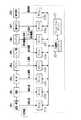
図1には、センサ素子10の製造プロセスと生産管理システムの全体構成とを示しており、始めに製造プロセスの流れを簡単に説明する。但し図中の各工程は、センサ素子10の製造プロセスの全てではなく、便宜上主立ったものだけを図示している。
【0022】
図1において、工程1では、ジルコニアZrO2 が断面コップ状に成型・研削され、続く工程2では、ジルコニアZrO2 が焼成される。この工程1,2により固体電解質層11が形成される。その後、工程3では、固体電解質層11の内外表面に白金めっきが施され、排ガス側電極層12及び大気側電極層13が形成される。更に、工程4では、プラズマ溶射法等により電極保護層14が形成され、続く工程5では、トラップ層形成用のスラリーが塗布されてトラップ層15が形成される。
【0023】
その後、特性調整工程である工程6では、所定の熱処理温度及び雰囲気下でセンサ素子10がエージングされる。工程7では、センサ素子10に対してハウジングやコネクタ端子等が組み付けられる。最後に、工程8では、センサ素子10の特性検査が実施される。
【0024】
また、生産管理システムとして、工程毎にパソコン21a〜21hが設置されており、各パソコン21a〜21hによりそれぞれの工程が管理されると共に工程情報として中間特性が逐次取り込まれる。工程毎のパソコン21a〜21hはネットワーク化されており、各パソコン21a〜21hで得られた中間特性、特性制御加工条件及び最終特性の各データは工程管理データベース22に送られ、それら中間特性、特性制御加工条件及び最終特性がロット毎のデータセットとして記憶保持される。
【0025】
具体的には、工程1では固体電解質層11の成型比重が計測され、その計測データがパソコン21aに取り込まれる。工程2では固体電解質層11の焼成比重が計測され、その計測データがパソコン21bに取り込まれる。工程3では各電極層12,13のめっき膜厚が計測され、その計測データがパソコン21cに取り込まれる。工程4では電極保護層14のコート膜厚が計測され、その計測データがパソコン21dに取り込まれる。工程5ではトラップ層15の塗布重量が計測され、その計測データがパソコン21eに取り込まれる。工程管理データベース22では、これら工程1〜工程5で得られた各計測データ(中間特性)が表計算ソフト等によりロット毎に記憶保持される。
【0026】
また、工程6(特性調整工程)では、特性制御加工条件として、エージング温度及び熱処理炉内における添加物濃度が決定される。そして、この特性制御加工条件がパソコン21fから工程管理データベース22に送られ、上記の中間特性と同様、ロット毎に記憶保持される。
【0027】
工程8(特性検査工程)では、センサ素子10の特性検査の結果が最終特性としてパソコン21hに取り込まれ、上記の中間特性や特性制御加工条件と同様、工程管理データベース22に送られてロット毎に記憶保持される。因みに、特性検査工程では、図5に示すように、被検出ガスの雰囲気が所定周期でストイキ(理論空燃比)を中心にリッチ/リーンで切り替えられ、その時のセンサ素子10の出力からリッチ時間比率Dr、リッチ時の出力変動幅Va、1周期の時間Tfが計測される。なお、リッチ時間比率Drは、1周期時間Tf中のリッチ時間Trの時間比率である(Dr=Tr/Tf)。そして、それら計測データDr,Va,Tfが最終特性としてパソコン21hに取り込まれる。
【0028】
また、工程管理データベース22にはシミュレーションパソコン23が接続されている。このシミュレーションパソコン23は、工程管理データベース22に記憶されているロット毎のデータセットを用い、中間特性と特性制御加工条件とを入力、最終特性を出力とした時の因果関係を表す学習モデルを作成すると共に、特性調整工程に際し、前記作成した学習モデルを運用して最終特性の合わせ込みを実施する。
【0029】
次に、シミュレーションパソコン23により実施される製品特性の合わせ込み手順について図2を用いて詳しく説明する。図2は、処理の流れを示すブロック図である。なお以下の説明は、シミュレーションパソコン23を主体とする制御動作として記載する。
【0030】
先ずはじめに、「処理1」(データ準備段階)として、工程管理データベース22に記憶保持されているロット毎のデータセット(バッチ処理データの集合)を準備する。このとき、各製品種類(品番)毎に設けた中間特性の規格を参考にしてデータセットを取捨選択する。すなわち、中間特性データの上限値と下限値とを予め決めておき、中間特性データが上限値又は下限値から外れた場合、その中間特性データを含むデータセットを削除するか、或いは中間特性データを上限値又は下限値で丸め込む。
【0031】
次に、「処理2」として、前記処理1により得られた各データセットについてクラスタ処理を実施する。つまり、中間特性及び特性制御加工条件からなる入力データをパラメータとして各データセットを多次元空間にプロットし、それら各データセットの2点間距離があるレベル以下の入力データを同一クラスタとして分類する。そして、これら同一クラスタの入力データの平均を取ったものを入力の新たな代表点として設定する。
【0032】
その具体的内容を図3により説明する。なお図3では、入力が2次元(2入力:x1,x2)である場合について示す。各データセットに相当する入力点は、2次元座標において(a)のように分布しており、全ての入力点間の距離のうち最大距離dmaxを計算する。そして、この最大距離dmaxを基準に最大距離dmaxのX%の範囲内の入力点を同一クラスタとして認定する。最大距離dmaxの20%でクラスタ化する場合、(b)のように各入力点がクラスタ1〜クラスタ4で分類され、クラスタ1〜クラスタ4について各々中心点(代表点)が計算される。また、最大距離dmaxの50%でクラスタ化する場合、(c)のように各入力点がクラスタ1,クラスタ2で分類され、クラスタ1,クラスタ2について各々中心点(代表点)が計算される。
【0033】
また、元の入力に対応する出力(最終特性)についても入力同様、同一クラスタの出力の平均をとり、それを新たな出力の代表点として設定する。そして、上記クラスタ処理の結果を、新たなデータセットとして登録する。
【0034】
更に、「処理3」(モデル作成段階)として、前記処理2(クラスタ処理)によって得られたデータセットを用い、中間特性と特性制御加工条件とを入力、最終特性を出力としてニューラルネットワークにより入出力間の因果関係を定量化し学習モデルを作成する。この学習モデルは、シミュレーションパソコン23の所定のメモリ領域(ハードディスク)に格納される。
【0035】
なおここで、モデル作成の手段として、ニューラルネットワーク以外に、ファジィ推論、GMDH(Group Method of Data Handling )等の知的制御手法を用いることも可能である。
【0036】
一方、上記の如く作成した学習モデルは以下の通り運用される(モデル運用段階)。シミュレーションパソコン23は、新たに製造中で特性調整工程直前(図1の工程5)まで加工が進捗している製品に対して、各工程(工程1〜工程5)で得られた中間特性を取り込む。そして、特性調整工程(図1の工程6)において、前記作成した学習モデルを用い、特性制御加工条件を変化させた時の最終特性の変化に基づき、製品特性上望ましい最終特性(例:規格の中心)となるよう最適な特性制御加工条件を検索する。つまり、特性調整工程以前の中間特性を前提に、特性制御加工条件を変化させた時の最終特性が予測され、予測誤差の小さい特性制御加工条件が検索される。
【0037】
また、上記学習モデルは以下の通り管理され、必要に応じて更新される。つまり、センサ素子10の製造プロセスは次々と流れ、中間特性等からなるデータセットが時々刻々蓄積されていく。学習モデルはある時点の最適モデルであっても次の時点では既に最適でなくなっているかも知れない。これは工程状態も様々な要因で変動すると考えられるためである。そこで、学習モデルを運用する際には、状況変化を適切に把握してモデルパラメータの更新・見直しを図る必要がある。以下に、モデル更新の手順を示す。
【0038】
新規のデータセットが所定数蓄積されると、その時点で新規のデータセットにより学習モデルを新たに作成する。このとき使用するデータセット数は、例えば最新のものから数えて10〜500の間で任意に指定できるものとする。そして、新規のデータセットにより今回作成した学習モデルと、現時点で採用している学習モデルとを比較し、両者のうち予測誤差が最小のものを今後採用する学習モデルとして決定する。
【0039】
因みに、過去に作成された数世代分の学習モデルを履歴としてハードディスクに保存しておき、その過去の学習モデルとの比較により新たな学習モデルを決定しても良い。例えば、今回作成した学習モデルと、現時点で採用している学習モデルを含む過去5世代分の学習モデルとを比較し、その中で予測誤差が最小のものを今後採用する学習モデルとして決定する。
【0040】
以上詳述した本実施の形態によれば、以下に示す効果が得られる。
特性調整工程(図1の工程6)において、それ以前の工程の中間特性(製品の出来映え)から、製品(センサ素子10)の最終特性が予測できると共に、所望の製品特性を得るための特性制御加工条件が自動的に且つ適切に検索できる。この場合、既述した従来公報の手法とは異なり、数式モデル(理論式)を必要とすることなく、製品特性の合わせ込みが容易に実現できる。また、最終特性を見込んだ特性予測が可能となるため、特性合わせ込みの精度を向上させることができる。入出力の因果関係が不明なシステム(プロセス)を対象としても、その因果関係の定量化が可能となる。
【0041】
特に、セラミックガスセンサとしてのO2 センサの製造プロセスにおいて、センサ出力特性が常に規格通りに調整できるようになる。その結果、O2 センサの不良発生を防止し、品質向上を図ることができる。
【0042】
また、特性検査工程での検査結果を特性調整工程にその都度フィードバックする従来方法では、特性調整工程と特性検査工程との間に別工程があるためどうしても特性合わせ込みに時間的な遅れが生じるが、本実施の形態によれば、学習モデルにより製品特性を予測するため、時間的な遅れを生じることなく特性の合わせ込みが実施できる。
【0043】
また、モデル作成の前段階で、ロット毎のデータセットに対してクラスタ処理を施したので、データ分布の偏り是正の効果と、平均化処理によるノイズ低減効果とが併せて得られる。その結果、学習モデルの近似精度が向上し、ひいては製品特性の予測精度が向上する。また、データ圧縮効果により学習処理時間が短縮できる。
【0044】
モデル作成段階がニューラルネットワークにより構築されるので、多数の入力及び出力を適宜組み合わせて因果関係を類推することができ、精度の良い学習モデルが短時間で得られるようになる。
【0045】
また、学習モデルを必要に応じて更新することにより、工程状態等が変動したとしてもその変動に対応させて学習モデルを最適化することができる。更に、新たに学習モデルを作成した際、過去の学習モデルとの比較を行い予測誤差が最小のものを今後採用する学習モデルとして決定するので、製品特性の合わせ込みがより一層好適に実施できるようになる。
【0046】
なお本発明は、上記以外に次の形態にて具体化できる。
感度解析手法を用いて学習モデルを作成しても良い。ここで、感度解析とは、出力値に対して入力値の一つを変化させた時どの程度出力値が変化するかを解析するものであり、処理手順は以下の通りである。すなわち、該当する学習モデルに対して変化させたい入力以外は全て値を固定し、該当する入力を最小から最大までスイープしてその時の出力変化をグラフに表示する。スイープさせる入力情報としては、エージング温度、使用する熱処理炉、添加物濃度等が良い。そして、入力情報を変化させた時のセンサ出力特性の変化度合を考慮して入力パラメータとして用いる入力情報を選別し、その選別した入力情報を用いて学習モデルを作成する。この場合、最終特性に対して影響度の低い入力情報を排除し、影響度の高い入力情報を選択的に用いることにより、学習モデルの精度が向上する。
【0047】
上記実施の形態では、図1の工程1〜工程5で各々得られる中間特性を全て用いて学習モデルを作成したが、その一部を用いて学習モデルを作成しても良い。例えば、図1の工程3〜工程5で各々得られる中間特性(めっき膜厚、コート膜厚、塗布重量)のみを用いて学習モデルを作成する。
【0048】
上記実施の形態では、ロット毎のデータセットをクラスタ処理することを要件としたが、このクラスタ処理を行わずに上記製造プロセスを実現しても良い。つまり、シミュレーションパソコン23では、工程管理データベース22から読み出した各データセットをそのまま用い、中間特性と特性制御加工条件とを入力、製品特性を出力とした時の因果関係を表す学習モデルを作成する。この場合にも、従来既存の手法と比べて、製品特性の合わせ込みを比較的容易に実現し、且つ特性合わせ込みの精度を向上させることができる。
【0049】
O2 センサ以外に、A/FセンサやNOxセンサなど、他のガスセンサの製造プロセスにも本発明が適用できる。また、ガスセンサ以外のセンサ、ピエゾアクチュエータや、セラミック触媒等のモノリス製造品など、他の製品の製造プロセスにも本発明が適用できる。特に、特性検査工程にて高い性能特性が要求される製品についてその製造プロセスへの適用が望ましい。
【0050】
例えば、ピエゾアクチュエータに関しては、その製造プロセスにおいて、粉砕粒径、シート成型密度、焼成条件等を中間特性とし、分極条件(印加電圧、時間)を特性制御加工条件とする。更に、製造後のピエゾアクチュエータの伸び、発生力、キュリー温度を最終特性とする。一方で、セラミック触媒に関しては、原料中のカオリン粒径等を中間特性とし、焼成前径を調整するためのガイドリング選択を特性制御加工条件とする。更に、焼成後のセラミック触媒の径を最終特性とする。そして、これら中間特性と特性制御加工条件とを入力、最終特性を出力とした時の因果関係を表す学習モデルを作成し、適宜運用する。これにより、ピエゾアクチュエータ又はセラミック触媒の製造プロセスにおいて、特性合わせ込みの精度が向上し、完成品としての品質向上を図ることができる。
【図面の簡単な説明】
【図1】センサ素子の製造プロセスの概要及び生産管理システムの全体構成を示すブロック図。
【図2】製品特性の合わせ込み手順を示すブロック図。
【図3】クラスタ処理の具体例を説明するための図。
【図4】センサ素子の構成を示す断面図。
【図5】特性検査時のセンサ出力の推移を示すタイムチャート。
【図6】従来技術における製造プロセスを示すブロック図。
【符号の説明】
10…センサ素子、11…固体電解質層、12,13…電極層、14…電極保護層、15…トラップ層、21a〜21h…パソコン、22…工程管理データベース、23…シミュレーションパソコン。[0001]
BACKGROUND OF THE INVENTION
The present invention relates to a characteristic adjustment method in a product manufacturing process.
[0002]
[Prior art]
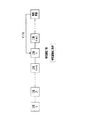
A number of processes are incorporated into the product manufacturing process, and a characteristic adjustment process is provided in the middle of the process, and characteristic adjustment processing conditions are given in the characteristic adjustment process to adjust the characteristics at the time of product completion There is. For example, in the manufacturing process shown in FIG. 6, after
[0003]
However, in the above method, if the product characteristic deviates from the target value, it is confirmed in the final characteristic inspection process, and then the corrective action is activated. Therefore, when there is a lead time from the characteristic adjustment step (step n) to the characteristic inspection step, there arises a problem that all products produced within a period corresponding to the lead time deviate from the target value.
[0004]
On the other hand, a method for predicting product characteristics is disclosed in Japanese Patent Application Laid-Open Nos. 10-187206 and 5-204407, unlike the method of feeding back the characteristic result in the characteristic inspection to the characteristic control machining conditions. For example, in Japanese Patent Application Laid-Open No. 10-187206, processing is predicted based on a mathematical model (theoretical formula) that simulates a process for processing a target object, and the type of target object is improved in order to improve prediction accuracy. Alternatively, the offset value is obtained and corrected based on the past processing result data grouped according to the processing conditions. However, since the method disclosed in the above publication requires a mathematical model (theoretical formula) to predict the processing result, the prediction accuracy cannot be ensured unless the mathematical model is created with high accuracy. In addition, there may be a manufacturing process in which the creation of the mathematical model itself is impossible, and the method cannot be applied to a manufacturing process in which the mathematical model cannot be created.
[0005]
In Japanese Patent Laid-Open No. 5-204407, a state quantity and an output quantity are sampled at predetermined time intervals as variables representing the state of a process, and a multiple regression analysis is performed using sampling values from each sampling point to a previous predetermined period. The partial regression coefficient is obtained by performing multiple regression analysis. Then, a pattern of partial regression coefficients is classified by a neural network to predict a variation pattern of the process output value. However, the technique of the above publication does not predict the characteristics of the output of the process (system) but only predicts the fluctuation pattern. Therefore, fine adjustments such as adjusting the final characteristics of the product as desired were impossible.
[0006]
[Problems to be solved by the invention]
The present invention has been made by paying attention to the above-mentioned problems, and the object of the present invention is a product capable of relatively easily realizing matching of product characteristics and improving accuracy of matching characteristics. It is providing the characteristic adjustment method in the manufacturing process.
[0007]
[Means for Solving the Problems]
In the manufacturing process according to the present invention, a characteristic adjustment process for imparting characteristic control processing conditions is performed in the middle of a number of processes, and the characteristic inspection process is performed after at least one separate process after the characteristic adjustment process. . In particular, in the characteristic adjustment method of the present invention, the data preparation stage, the model creation stage, and the model operation stage are largely classified as requirements. Specifically, in the data preparation stage, the intermediate characteristics obtained in each process before the characteristic adjustment process, the characteristic control machining conditions given in the characteristic adjustment process, and the intermediate characteristics and characteristic control machining conditions at each time A lot-by-lot data set including the product characteristics in the characteristic inspection process obtained as a result is prepared. Further, in the model creation stage, a learning model is created that represents the causal relationship when the intermediate characteristics and characteristic control machining conditions are input and the product characteristics are output using the prepared data set. Furthermore, in the model operation stage, the learning model created above is used in the characteristic adjustment process.Predicts product characteristics when characteristic control machining conditions are changed, assuming intermediate characteristics before the characteristic adjustment process, with small prediction errorCharacteristic control machining conditions are retrieved.In the characteristic adjustment process, the characteristic control processing conditions retrieved in the model operation stage are assigned to match the product characteristics.
[0008]
In short, intermediate properties and property controlled machining conditions are important factors for determining product properties. Therefore, if the learning model is created from the causal relationship between the intermediate characteristics, the characteristic control processing conditions and the product characteristics in the characteristic inspection process as described above, and the learning model is operated in the subsequent processes, the intermediate characteristics and the Product characteristics with respect to characteristic controlled machining conditions can be accurately predicted. In other words, in the characteristic adjustment process, characteristic control processing conditions for obtaining a desired product characteristic can be automatically and appropriately searched from the intermediate characteristic (product quality) of the previous process. In this case, unlike the method of the conventional publication described above, it is possible to easily realize the matching of product characteristics without the need for a mathematical model (theoretical formula). In addition, since it is possible to predict the characteristics considering the final product characteristics, it is possible to improve the accuracy of the characteristics matching.
[0009]
In the conventional method for each time feeding back the inspection results of the characteristic inspection process to the characteristic adjusting step, the time lag in the absolutely characteristic adjustment included because there is another step between the characteristic adjusting step and the characteristic inspection process occurs In the present invention, since the product characteristics are predicted by the learning model, the characteristics can be adjusted without causing a time delay.
[0010]
In the present specification, the characteristic control processing condition imparted in the characteristic adjustment step refers to a processing condition that affects final product characteristics, and representative examples include heat treatment conditions for ceramic products. In addition, a process having a large influence on product characteristics in a series of manufacturing processes is certified as a characteristic adjustment process.
[0011]
Claims2In the invention described in, each data set prepared in the data preparation stage is plotted in a multidimensional space using intermediate characteristics and characteristic control processing conditions as parameters, and each data set is classified into a plurality of clusters. Then, a new representative point is calculated from the data average of the same cluster. In the model creation stage, a learning model is created using the calculated representative points. In this case, the effect of correcting the bias in the data distribution and the noise reduction effect by the averaging process can be obtained together. As a result, the approximation accuracy of the learning model is improved, and as a result, the prediction accuracy of the product characteristics is improved. Further, the learning processing time can be shortened by the data compression effect.
[0012]
Specifically, as cluster processing, claims3As described inWhen classifying each dataset into multiple clusters,Calculate the maximum distance for each data set in multidimensional space andPercentageX% rangeClassify data in the same clusterIt is better to perform cluster processing with.
[0013]
Claim4In the invention described in (1), the model creation stage is constructed by a neural network. In this case, a highly accurate learning model can be obtained in a short time by combining causal relationships by appropriately combining a large number of inputs and outputs.
[0014]
Claim5In the invention described in (1), when a predetermined number of data sets are accumulated in the manufacturing process that flows during normal times, the learning model is updated at the data preparation stage and the model creation stage at that time. That is, the process state fluctuates due to various factors in the manufacturing process, and the learning model created in the past may no longer be the optimal model. In this case, by updating the learning model as necessary, even if the process state or the like changes, the learning model can be optimized in response to the change.
[0015]
Claim6In the invention described in, when a new learning model is created, the latest learning model is compared with at least the learning model already employed at the present time, and the learning model with the smallest prediction error is determined as the learning model to be adopted in the future. To do. As a result, the product characteristics can be more suitably adjusted.
[0016]
The present invention can be suitably used as a manufacturing process of a ceramic gas sensor.7). In other words, the ceramic gas sensor detects the concentration of a specific component in the gas to be detected, and the solid electrolyte layer, electrode layer, and protective layer of the sensor element are produced in each process, and the characteristic control process is performed in the subsequent characteristic adjustment process. A heat treatment condition is set as the condition. In the characteristic inspection process, the output characteristic of the sensor element is inspected.
In such a gas sensor manufacturing process, in the model operation stage, heat treatment conditions are changed on the premise of intermediate characteristics before the characteristic adjustment step, and heat treatment conditions for obtaining desired sensor output characteristics are searched. In such a case, the sensor output characteristics vary depending on the intermediate characteristics and the characteristic control processing conditions (heat treatment conditions), but according to the present invention described above, the sensor output characteristics can always be adjusted according to the standard. As a result, it is possible to prevent the gas sensor from being defective and improve the quality.
[0017]
DETAILED DESCRIPTION OF THE INVENTION
Hereinafter, an embodiment of the present invention will be described with reference to the drawings. In the present embodiment, the present invention is embodied in the manufacturing process for an oxygen concentration electromotive force type oxygen sensor (O2 sensor) as a ceramic gas sensor. First, an outline of the O2 sensor and the manufacturing process will be described. Briefly described.
[0018]
FIG. 4 is a cross-sectional view showing the configuration of the sensor element in the O2 sensor. FIG. 4A shows the entire configuration of the sensor element, and FIG. 4B shows an enlarged view of the cross-sectional structure. In the
[0019]
Although not shown for convenience, the
[0020]
The O2 sensor provided with the
[0021]
FIG. 1 shows the manufacturing process of the
[0022]
In FIG. 1, in
[0023]
Thereafter, in step 6, which is a characteristic adjustment step, the
[0024]
Moreover, as a production management system, personal computers 21a to 21h are installed for each process, and each personal computer 21a to 21h manages each process and sequentially captures intermediate characteristics as process information. The personal computers 21a to 21h for each process are networked, and the intermediate characteristics, characteristic control processing conditions and final characteristics data obtained by the personal computers 21a to 21h are sent to the process management database 22, and the intermediate characteristics and characteristics are obtained. Control processing conditions and final characteristics are stored and held as a data set for each lot.
[0025]
Specifically, in
[0026]
In step 6 (characteristic adjusting step), the aging temperature and the additive concentration in the heat treatment furnace are determined as characteristic control processing conditions. Then, the characteristic control machining conditions are sent from the
[0027]
In step 8 (characteristic inspection step), the result of the characteristic inspection of the
[0028]
A simulation personal computer 23 is connected to the process management database 22. This simulation personal computer 23 uses a data set for each lot stored in the process management database 22 to create a learning model that represents the causal relationship when intermediate characteristics and characteristic control machining conditions are input and final characteristics are output. At the same time, in the characteristic adjustment step, the created learning model is used to adjust the final characteristic.
[0029]
Next, a product characteristic adjustment procedure executed by the simulation personal computer 23 will be described in detail with reference to FIG. FIG. 2 is a block diagram showing the flow of processing. The following description will be described as a control operation with the simulation personal computer 23 as a main component.
[0030]
First, as “
[0031]
Next, as “
[0032]
The specific contents will be described with reference to FIG. FIG. 3 shows a case where the input is two-dimensional (two inputs: x1, x2). Input points corresponding to each data set are distributed as shown in (a) in two-dimensional coordinates, and the maximum distance dmax is calculated among the distances between all input points. Then, input points within the range of X% of the maximum distance dmax are recognized as the same cluster based on the maximum distance dmax. When clustering is performed at 20% of the maximum distance dmax, the input points are classified into
[0033]
As for the output (final characteristic) corresponding to the original input, the average of the outputs of the same cluster is taken and set as a representative point of the new output. Then, the result of the cluster processing is registered as a new data set.
[0034]
Furthermore, as “Process 3” (model creation stage), the data set obtained by Process 2 (Cluster process) is used, intermediate characteristics and characteristic control machining conditions are input, and final characteristics are output as input / output via a neural network. Quantify the causal relationship between them and create a learning model. This learning model is stored in a predetermined memory area (hard disk) of the simulation personal computer 23.
[0035]
In addition to the neural network, an intelligent control method such as fuzzy inference or GMDH (Group Method of Data Handling) can be used as a model creation means.
[0036]
On the other hand, the learning model created as described above is operated as follows (model operation stage). The simulation personal computer 23 captures the intermediate characteristics obtained in each process (
[0037]
The learning model is managed as follows and updated as necessary. That is, the manufacturing process of the
[0038]
When a predetermined number of new data sets are accumulated, a new learning model is created using the new data set at that time. The number of data sets to be used at this time can be arbitrarily specified between 10 and 500, for example, counting from the latest one. Then, the learning model created this time with the new data set is compared with the learning model currently employed, and the learning model with the smallest prediction error is determined as the learning model to be employed in the future.
[0039]
Incidentally, learning models for several generations created in the past may be stored in the hard disk as a history, and a new learning model may be determined by comparison with the past learning model. For example, the learning model created this time is compared with learning models for the past five generations including the learning model currently employed, and the learning model with the smallest prediction error is determined as a learning model to be employed in the future.
[0040]
According to the embodiment described in detail above, the following effects can be obtained.
In the characteristic adjustment step (step 6 in FIG. 1), the final characteristic of the product (sensor element 10) can be predicted from the intermediate characteristic (product appearance) of the previous process, and the characteristic control for obtaining the desired product characteristic Processing conditions can be searched automatically and appropriately. In this case, unlike the method of the conventional publication described above, it is possible to easily match the product characteristics without requiring a mathematical model (theoretical formula). In addition, since it is possible to predict the characteristics considering the final characteristics, it is possible to improve the accuracy of characteristic matching. Even for systems (processes) whose input / output causal relationship is unknown, the causal relationship can be quantified.
[0041]
In particular, in the manufacturing process of an O2 sensor as a ceramic gas sensor, the sensor output characteristics can always be adjusted according to the standard. As a result, it is possible to prevent defects in the O2 sensor and improve the quality.
[0042]
In the conventional method for each time feeding back the inspection results of the characteristic inspection process to the characteristic adjusting step, the time lag in the absolutely characteristic adjustment included because there is another step between the characteristic adjusting step and the characteristic inspection process occurs According to the present embodiment, since the product characteristics are predicted by the learning model, the characteristics can be adjusted without causing a time delay.
[0043]
In addition, since the cluster processing is performed on the data set for each lot in the previous stage of model creation, it is possible to obtain both the effect of correcting the uneven distribution of data and the noise reduction effect by the averaging processing. As a result, the approximation accuracy of the learning model is improved, and as a result, the prediction accuracy of the product characteristics is improved. Further, the learning processing time can be shortened by the data compression effect.
[0044]
Since the model creation stage is constructed by a neural network, a causal relationship can be inferred by appropriately combining a large number of inputs and outputs, and a highly accurate learning model can be obtained in a short time.
[0045]
In addition, by updating the learning model as necessary, even if the process state or the like changes, the learning model can be optimized in response to the change. Furthermore, when a new learning model is created, it is compared with the past learning model and the one with the smallest prediction error is determined as the learning model to be adopted in the future, so that the product characteristics can be more appropriately adjusted. become.
[0046]
In addition to the above, the present invention can be embodied in the following forms.
A learning model may be created using a sensitivity analysis method. Here, the sensitivity analysis is to analyze how much the output value changes when one of the input values is changed with respect to the output value, and the processing procedure is as follows. In other words, all values other than the input to be changed with respect to the corresponding learning model are fixed, the corresponding input is swept from the minimum to the maximum, and the output change at that time is displayed on the graph. As input information to be swept, an aging temperature, a heat treatment furnace to be used, an additive concentration, and the like are good. Then, in consideration of the degree of change in sensor output characteristics when the input information is changed, input information to be used as input parameters is selected, and a learning model is created using the selected input information. In this case, the accuracy of the learning model is improved by eliminating input information having a low influence on the final characteristics and selectively using input information having a high influence.
[0047]
In the above embodiment, the learning model is created using all the intermediate characteristics obtained in
[0048]
In the above embodiment, it is required to perform cluster processing on a data set for each lot. However, the manufacturing process may be realized without performing this cluster processing. That is, the simulation personal computer 23 uses each data set read from the process management database 22 as it is, and creates a learning model representing the causal relationship when the intermediate characteristics and the characteristic control machining conditions are input and the product characteristics are output. Also in this case, it is possible to realize the matching of the product characteristics relatively easily and improve the accuracy of the matching of characteristics as compared with the conventional method.
[0049]
In addition to the O2 sensor, the present invention can be applied to other gas sensor manufacturing processes such as an A / F sensor and a NOx sensor. The present invention can also be applied to manufacturing processes of other products such as sensors other than gas sensors, piezo actuators, and monolith manufactured products such as ceramic catalysts. In particular, it is desirable to apply a product that requires high performance characteristics in the characteristic inspection process to the manufacturing process.
[0050]
For example, regarding a piezo actuator, in its manufacturing process, the pulverized particle size, sheet molding density, firing conditions, etc. are set as intermediate characteristics, and polarization conditions (applied voltage, time) are set as characteristic control processing conditions. Furthermore, the final characteristics are the elongation, generated force, and Curie temperature of the piezo actuator after manufacture. On the other hand, regarding the ceramic catalyst, the kaolin particle size in the raw material is set as an intermediate characteristic, and guide ring selection for adjusting the pre-firing diameter is set as a characteristic control processing condition. Furthermore, the diameter of the ceramic catalyst after firing is the final characteristic. Then, a learning model representing a causal relationship when the intermediate characteristic and the characteristic control machining condition are input and the final characteristic is output is created and used appropriately. Thereby, in the manufacturing process of a piezo actuator or a ceramic catalyst, the accuracy of characteristic matching is improved, and the quality as a finished product can be improved.
[Brief description of the drawings]
FIG. 1 is a block diagram showing an outline of a sensor element manufacturing process and an overall configuration of a production management system.
FIG. 2 is a block diagram showing a procedure for adjusting product characteristics.
FIG. 3 is a diagram for explaining a specific example of cluster processing;
FIG. 4 is a cross-sectional view showing a configuration of a sensor element.
FIG. 5 is a time chart showing changes in sensor output during characteristic inspection.
FIG. 6 is a block diagram showing a manufacturing process in the prior art.
[Explanation of symbols]
DESCRIPTION OF
Claims (7)
特性調整工程よりも前の各工程でそれぞれ得られた中間特性と、特性調整工程で付与された特性制御加工条件と、その時々の中間特性及び特性制御加工条件の結果得られた特性検査工程での製品特性とからなるロット毎のデータセットを準備するデータ準備段階と、
前記準備したデータセットを用い、中間特性と特性制御加工条件とを入力、製品特性を出力とした時の因果関係を表す学習モデルを作成するモデル作成段階と、
特性調整工程に際し、前記作成した学習モデルを用いて、特性調整工程以前の中間特性を前提に、特性制御加工条件を変化させた時の製品特性を予測し、予測誤差の小さい特性制御加工条件を検索するモデル運用段階と、
を有し、前記特性調整工程では、前記モデル運用段階で検索した特性制御加工条件を付与して前記製品特性の合わせ込みを行うことを特徴とする製品の製造プロセスにおける特性調整方法。In the manufacturing process of a product in which a characteristic adjustment process for imparting characteristic control processing conditions is provided in the middle of many processes, and a characteristic inspection process is provided after at least one separate process after the characteristic adjustment process.
In the characteristic inspection process obtained as a result of the intermediate characteristics obtained in each process before the characteristic adjustment process, the characteristic control machining conditions given in the characteristic adjustment process, and the intermediate characteristics and characteristic control machining conditions at each time A data preparation stage for preparing a lot-by-lot data set consisting of
Using the prepared data set, inputting intermediate characteristics and characteristic control processing conditions, creating a learning model that represents a causal relationship when the product characteristics are output, and
In the characteristic adjustment process, using the created learning model, assuming the intermediate characteristics before the characteristic adjustment process, the product characteristics when the characteristic control machining conditions are changed are predicted, and the characteristic control machining conditions with small prediction errors are set. Model operation stage to search,
Have a, in the characteristic adjusting step, characteristic adjustment method in a product manufacturing process, characterized in that by applying a characteristic control processing conditions retrieved by said model production step performs narrowing combined in the product characteristics.
習モデルとして決定する請求項1〜5の何れかに記載の製品の製造プロセスにおける特性調整方法。When you create a new learning model, 1 to claim its latest learning model and compared with a learning model that already adopted at least at the present time is determined as the learning model prediction errors to adopt future the smallest 5 The characteristic adjustment method in the manufacturing process of the product in any one of.
前記モデル運用段階では、特性調整工程以前の中間特性を前提に熱処理条件を変化させ、所望のセンサ出力特性を得るための熱処理条件を検索する請求項1〜6の何れかに記載の製品の製造プロセスにおける特性調整方法。Regarding the ceramic gas sensor for detecting the concentration of a specific component in the gas to be detected, the solid electrolyte layer, the electrode layer, and the protective layer of the sensor element are produced in each step, and in the subsequent characteristic adjustment step, heat treatment conditions are used as characteristic control processing conditions. Is applied to the manufacturing process of the ceramic gas sensor that inspects the output characteristics of the sensor element in the characteristic inspection process,
The manufacturing of the product according to any one of claims 1 to 6 , wherein in the model operation stage, the heat treatment condition is changed on the premise of an intermediate characteristic before the characteristic adjustment process, and the heat treatment condition for obtaining a desired sensor output characteristic is searched. How to adjust the characteristics in the process.
Priority Applications (3)
| Application Number | Priority Date | Filing Date | Title |
|---|---|---|---|
| JP2001089882A JP4677679B2 (en) | 2001-03-27 | 2001-03-27 | Characteristics adjustment method in product manufacturing process |
| US10/102,975 US6662059B2 (en) | 2001-03-27 | 2002-03-22 | Characteristic adjusting method in process of manufacturing products |
| ES200200702A ES2197000B2 (en) | 2001-03-27 | 2002-03-25 | METHOD OF ADJUSTMENT OF A CHARACTERISTICS IN A PRODUCT MANUFACTURING PROCEDURE. |
Applications Claiming Priority (1)
| Application Number | Priority Date | Filing Date | Title |
|---|---|---|---|
| JP2001089882A JP4677679B2 (en) | 2001-03-27 | 2001-03-27 | Characteristics adjustment method in product manufacturing process |
Publications (2)
| Publication Number | Publication Date |
|---|---|
| JP2002287803A JP2002287803A (en) | 2002-10-04 |
| JP4677679B2 true JP4677679B2 (en) | 2011-04-27 |
Family
ID=18944744
Family Applications (1)
| Application Number | Title | Priority Date | Filing Date |
|---|---|---|---|
| JP2001089882A Expired - Lifetime JP4677679B2 (en) | 2001-03-27 | 2001-03-27 | Characteristics adjustment method in product manufacturing process |
Country Status (3)
| Country | Link |
|---|---|
| US (1) | US6662059B2 (en) |
| JP (1) | JP4677679B2 (en) |
| ES (1) | ES2197000B2 (en) |
Families Citing this family (61)
| Publication number | Priority date | Publication date | Assignee | Title |
|---|---|---|---|---|
| DE10350525A1 (en) * | 2003-10-29 | 2005-06-09 | Bayer Technology Services Gmbh | Method for visualizing the ADME properties of chemical substances |
| JP3705296B1 (en) | 2004-04-30 | 2005-10-12 | オムロン株式会社 | Quality control apparatus and control method therefor, quality control program, and recording medium recording the program |
| JP4364828B2 (en) * | 2005-04-11 | 2009-11-18 | 住友重機械工業株式会社 | Molding machine monitoring apparatus, method and program |
| US8574408B2 (en) | 2007-05-11 | 2013-11-05 | SDCmaterials, Inc. | Fluid recirculation system for use in vapor phase particle production system |
| US20060247798A1 (en) * | 2005-04-28 | 2006-11-02 | Subbu Rajesh V | Method and system for performing multi-objective predictive modeling, monitoring, and update for an asset |
| US7536364B2 (en) * | 2005-04-28 | 2009-05-19 | General Electric Company | Method and system for performing model-based multi-objective asset optimization and decision-making |
| US7672745B1 (en) * | 2006-03-20 | 2010-03-02 | Tuszynski Steve W | Manufacturing process analysis and optimization system |
| DE102007025447A1 (en) * | 2006-10-09 | 2008-04-17 | Siemens Ag | Method for controlling and / or regulating an industrial process |
| US7546170B2 (en) * | 2007-01-02 | 2009-06-09 | Neuroblast, Inc. | Easily tuned and robust control algorithm for single or multiple variable systems |
| JP4498376B2 (en) * | 2007-03-26 | 2010-07-07 | 日本特殊陶業株式会社 | Manufacturing method of gas sensor |
| US8481449B1 (en) | 2007-10-15 | 2013-07-09 | SDCmaterials, Inc. | Method and system for forming plug and play oxide catalysts |
| JP5338492B2 (en) * | 2009-06-08 | 2013-11-13 | 富士電機株式会社 | Input variable selection support device |
| US9119309B1 (en) | 2009-12-15 | 2015-08-25 | SDCmaterials, Inc. | In situ oxide removal, dispersal and drying |
| US8803025B2 (en) | 2009-12-15 | 2014-08-12 | SDCmaterials, Inc. | Non-plugging D.C. plasma gun |
| US8470112B1 (en) | 2009-12-15 | 2013-06-25 | SDCmaterials, Inc. | Workflow for novel composite materials |
| US9149797B2 (en) | 2009-12-15 | 2015-10-06 | SDCmaterials, Inc. | Catalyst production method and system |
| US8557727B2 (en) | 2009-12-15 | 2013-10-15 | SDCmaterials, Inc. | Method of forming a catalyst with inhibited mobility of nano-active material |
| US8652992B2 (en) | 2009-12-15 | 2014-02-18 | SDCmaterials, Inc. | Pinning and affixing nano-active material |
| US8545652B1 (en) | 2009-12-15 | 2013-10-01 | SDCmaterials, Inc. | Impact resistant material |
| US9126191B2 (en) | 2009-12-15 | 2015-09-08 | SDCmaterials, Inc. | Advanced catalysts for automotive applications |
| JP5571528B2 (en) * | 2010-10-28 | 2014-08-13 | 株式会社日立製作所 | Production information management apparatus and production information management method |
| US8669202B2 (en) | 2011-02-23 | 2014-03-11 | SDCmaterials, Inc. | Wet chemical and plasma methods of forming stable PtPd catalysts |
| BR112014003781A2 (en) | 2011-08-19 | 2017-03-21 | Sdcmaterials Inc | coated substrates for use in catalysts and catalytic converters and methods for coating substrates with dip coating compositions |
| CN102393855B (en) * | 2011-10-18 | 2013-07-31 | 国电南瑞科技股份有限公司 | Dynamic control method for loss compression ratio of process data |
| US9156025B2 (en) | 2012-11-21 | 2015-10-13 | SDCmaterials, Inc. | Three-way catalytic converter using nanoparticles |
| US9511352B2 (en) | 2012-11-21 | 2016-12-06 | SDCmaterials, Inc. | Three-way catalytic converter using nanoparticles |
| WO2015013545A1 (en) | 2013-07-25 | 2015-01-29 | SDCmaterials, Inc. | Washcoats and coated substrates for catalytic converters |
| MX2016004759A (en) | 2013-10-22 | 2016-07-26 | Sdcmaterials Inc | COMPOSITIONS FOR POOR NITROGEN OXIDE (NOX) TRAPS. |
| CA2926133A1 (en) | 2013-10-22 | 2015-04-30 | SDCmaterials, Inc. | Catalyst design for heavy-duty diesel combustion engines |
| CN106470752A (en) | 2014-03-21 | 2017-03-01 | Sdc材料公司 | Compositions for passive NOx adsorption (PNA) systems |
| JP6477423B2 (en) * | 2015-11-02 | 2019-03-06 | オムロン株式会社 | Manufacturing process prediction system and predictive control system |
| CN108475049B (en) * | 2016-01-15 | 2020-12-04 | 三菱电机株式会社 | Plan generation device, plan generation method, and computer-readable recording medium |
| JP6583097B2 (en) * | 2016-03-31 | 2019-10-02 | 株式会社デンソーウェーブ | Parameter adjustment device |
| JP6748474B2 (en) * | 2016-04-18 | 2020-09-02 | 株式会社日立製作所 | Decision support system and decision support method |
| JP6781956B2 (en) * | 2017-03-14 | 2020-11-11 | オムロン株式会社 | Learning result comparison device, learning result comparison method, and its program |
| JP6781957B2 (en) * | 2017-03-14 | 2020-11-11 | オムロン株式会社 | Notification device, notification method, and its program |
| JP6778666B2 (en) * | 2017-08-24 | 2020-11-04 | 株式会社日立製作所 | Search device and search method |
| JP6896590B2 (en) * | 2017-11-08 | 2021-06-30 | 三菱重工航空エンジン株式会社 | Predictive model maintenance system, predictive model maintenance method and predictive model maintenance program |
| US12346834B2 (en) | 2018-01-22 | 2025-07-01 | International Business Machines Corporation | Free-form production based on causal predictive models |
| JP7153477B2 (en) * | 2018-06-13 | 2022-10-14 | 日本放送協会 | Information judgment model learning device and its program |
| JP7062577B2 (en) * | 2018-11-21 | 2022-05-06 | 株式会社日立製作所 | Manufacturing condition identification system and method |
| US12164286B2 (en) * | 2018-12-18 | 2024-12-10 | Arcelormittal | Method and electronic device for controlling a manufacturing of a group of final metal product(s) from a group of intermediate metal product(s), related computer program, manufacturing method and installation |
| US11209795B2 (en) | 2019-02-28 | 2021-12-28 | Nanotronics Imaging, Inc. | Assembly error correction for assembly lines |
| JP7584409B2 (en) * | 2019-06-04 | 2024-11-15 | ホソカワミクロン株式会社 | Method for generating learning model, computer program, learning model, control device, and control method |
| JP7439467B2 (en) * | 2019-06-11 | 2024-02-28 | 富士電機株式会社 | Information processing devices, information processing systems, and model learning methods |
| US11156991B2 (en) | 2019-06-24 | 2021-10-26 | Nanotronics Imaging, Inc. | Predictive process control for a manufacturing process |
| US11100221B2 (en) | 2019-10-08 | 2021-08-24 | Nanotronics Imaging, Inc. | Dynamic monitoring and securing of factory processes, equipment and automated systems |
| US11063965B1 (en) | 2019-12-19 | 2021-07-13 | Nanotronics Imaging, Inc. | Dynamic monitoring and securing of factory processes, equipment and automated systems |
| US12153408B2 (en) | 2019-11-06 | 2024-11-26 | Nanotronics Imaging, Inc. | Systems, methods, and media for manufacturing processes |
| US12165353B2 (en) | 2019-11-06 | 2024-12-10 | Nanotronics Imaging, Inc. | Systems, methods, and media for manufacturing processes |
| US12153401B2 (en) * | 2019-11-06 | 2024-11-26 | Nanotronics Imaging, Inc. | Systems, methods, and media for manufacturing processes |
| JP7438723B2 (en) | 2019-11-15 | 2024-02-27 | 株式会社日立製作所 | Manufacturing process optimization system and method |
| JP7389518B2 (en) | 2019-11-20 | 2023-11-30 | ナノトロニクス イメージング インコーポレイテッド | Protecting industrial production from advanced attacks |
| US11086988B1 (en) | 2020-02-28 | 2021-08-10 | Nanotronics Imaging, Inc. | Method, systems and apparatus for intelligently emulating factory control systems and simulating response data |
| JP7479874B2 (en) * | 2020-03-09 | 2024-05-09 | イビデン株式会社 | Continuous firing furnace and continuous firing method |
| JP7063426B1 (en) * | 2020-06-16 | 2022-05-09 | コニカミノルタ株式会社 | Predicted score calculation device, predicted score calculation method and predicted score calculation program |
| JP7548839B2 (en) | 2021-02-09 | 2024-09-10 | 住友重機械イオンテクノロジー株式会社 | Ion implantation apparatus and ion implantation method |
| JP7563250B2 (en) * | 2021-03-11 | 2024-10-08 | オムロン株式会社 | Control system, predictive model generating device, and computer program |
| JP2023008857A (en) * | 2021-07-05 | 2023-01-19 | 株式会社島津製作所 | Data processing device and inference method |
| US20230236589A1 (en) * | 2022-01-27 | 2023-07-27 | Hitachi, Ltd. | Optimizing execution of multiple machine learning models over a single edge device |
| KR102554905B1 (en) * | 2023-05-10 | 2023-07-12 | 셀렉트스타 주식회사 | The Method, Computing Apparatus, And Computer-Readable Medium To Derive The Final-Learning-Data-Set From The Learning-Data-Population |
Family Cites Families (14)
| Publication number | Priority date | Publication date | Assignee | Title |
|---|---|---|---|---|
| JPS62264854A (en) * | 1986-05-12 | 1987-11-17 | Seiko Epson Corp | Manufacturing plant management system |
| DE4033974A1 (en) * | 1990-10-25 | 1992-04-30 | Ibos Qualitaetssicherung | METHOD FOR THE PRODUCTION OF FLUID AND CROSS-SECTION EXTRUDATES AND DEVICE FOR CARRYING OUT THE PROCESS |
| JPH05204407A (en) | 1992-01-28 | 1993-08-13 | Matsushita Electric Works Ltd | Process characteristic predicting method, process monitoring method and process control method using same |
| JPH06301690A (en) * | 1993-04-13 | 1994-10-28 | Hitachi Ltd | Production line and condition setting method for the same |
| US5692107A (en) * | 1994-03-15 | 1997-11-25 | Lockheed Missiles & Space Company, Inc. | Method for generating predictive models in a computer system |
| US6249712B1 (en) * | 1995-09-26 | 2001-06-19 | William J. N-O. Boiquaye | Adaptive control process and system |
| US6363289B1 (en) * | 1996-09-23 | 2002-03-26 | Pavilion Technologies, Inc. | Residual activation neural network |
| JPH10187206A (en) | 1996-12-27 | 1998-07-14 | Kawasaki Steel Corp | Processing process predicted value calculating device and rolling process predicted value calculating device |
| US6122557A (en) * | 1997-12-23 | 2000-09-19 | Montell North America Inc. | Non-linear model predictive control method for controlling a gas-phase reactor including a rapid noise filter and method therefor |
| US6347310B1 (en) * | 1998-05-11 | 2002-02-12 | Torrent Systems, Inc. | Computer system and process for training of analytical models using large data sets |
| JP2000252179A (en) * | 1999-03-04 | 2000-09-14 | Hitachi Ltd | Semiconductor manufacturing process stabilization support system |
| US6405140B1 (en) * | 1999-09-15 | 2002-06-11 | General Electric Company | System and method for paper web time-break prediction |
| US6904420B2 (en) * | 2001-05-17 | 2005-06-07 | Honeywell International Inc. | Neuro/fuzzy hybrid approach to clustering data |
| US20030088565A1 (en) * | 2001-10-15 | 2003-05-08 | Insightful Corporation | Method and system for mining large data sets |
-
2001
- 2001-03-27 JP JP2001089882A patent/JP4677679B2/en not_active Expired - Lifetime
-
2002
- 2002-03-22 US US10/102,975 patent/US6662059B2/en not_active Expired - Lifetime
- 2002-03-25 ES ES200200702A patent/ES2197000B2/en not_active Expired - Fee Related
Also Published As
| Publication number | Publication date |
|---|---|
| JP2002287803A (en) | 2002-10-04 |
| US6662059B2 (en) | 2003-12-09 |
| US20020143417A1 (en) | 2002-10-03 |
| ES2197000A1 (en) | 2003-12-16 |
| ES2197000B2 (en) | 2004-11-16 |
Similar Documents
| Publication | Publication Date | Title |
|---|---|---|
| JP4677679B2 (en) | Characteristics adjustment method in product manufacturing process | |
| KR102399124B1 (en) | Hazardous gas sensor platform with deep-learning technology to improve target gas detection and prediction in the in the mixed gas environment | |
| CN118424502B (en) | Gypsum board global temperature monitoring method and system based on temperature trend prediction | |
| CN120430518B (en) | A method for online monitoring of product quality in solid waste resource utilization process | |
| CN118482817B (en) | Digital textile equipment management method and system based on data analysis | |
| CN111860701A (en) | Denitration system working condition discrimination preprocessing method based on clustering method | |
| CN114757090A (en) | Probability density distribution driven virtual sample generation method for dioxin detection | |
| CN113743540B (en) | Coal quality melting point prediction method based on multi-model fusion Stacking algorithm | |
| CN118536090B (en) | Method for generating grain temperature field map based on warehouse temperature and humidity monitoring | |
| CN118648005A (en) | Method and apparatus for providing identification of systematic errors in data-based system models | |
| CN119691422A (en) | A method for solving cross-interference of multi-gas sensor integration | |
| CN117890440B (en) | A method for optimizing temperature control voltage of semiconductor gas sensor based on information entropy | |
| CN113625669A (en) | Product quality prediction method and system | |
| CN118969150A (en) | Prediction method of free calcium oxide content in cement clinker | |
| JP2010141042A (en) | Control system, control method and control program for process treatment apparatus, and program recording medium | |
| CN115356998B (en) | Nitrogen oxide prediction method and related device based on artificial intelligence | |
| CN114943360B (en) | Neural network prediction photovoltaic short-term power generation method based on improved particle swarm | |
| CN117691736A (en) | Non-intrusive smart factory energy consumption monitoring method and system | |
| CN110608660A (en) | A Displacement and Temperature Prediction Method of Eddy Current Sensor | |
| CN120745470B (en) | Sensitivity optimization method and system for annular array electrostatic sensor | |
| CN120388907B (en) | Semiconductor manufacturing intelligent predictive closed-loop control method, system and readable storage medium | |
| CN120854341B (en) | Semiconductor machine control method, device, medium and product | |
| US20250271846A1 (en) | Autonomous fault diagnostic tools for manufacturing systems by analyzing process runs | |
| US20250348760A1 (en) | Method, device, and system for detecting abnormality of semiconductor equipment | |
| CN113607775A (en) | Preparation implementation method of novel integrated gas sensor |
Legal Events
| Date | Code | Title | Description |
|---|---|---|---|
| A621 | Written request for application examination |
Free format text: JAPANESE INTERMEDIATE CODE: A621 Effective date: 20070515 |
|
| A131 | Notification of reasons for refusal |
Free format text: JAPANESE INTERMEDIATE CODE: A131 Effective date: 20100518 |
|
| A521 | Request for written amendment filed |
Free format text: JAPANESE INTERMEDIATE CODE: A523 Effective date: 20100720 |
|
| TRDD | Decision of grant or rejection written | ||
| A01 | Written decision to grant a patent or to grant a registration (utility model) |
Free format text: JAPANESE INTERMEDIATE CODE: A01 Effective date: 20110104 |
|
| A01 | Written decision to grant a patent or to grant a registration (utility model) |
Free format text: JAPANESE INTERMEDIATE CODE: A01 |
|
| A61 | First payment of annual fees (during grant procedure) |
Free format text: JAPANESE INTERMEDIATE CODE: A61 Effective date: 20110117 |
|
| R151 | Written notification of patent or utility model registration |
Ref document number: 4677679 Country of ref document: JP Free format text: JAPANESE INTERMEDIATE CODE: R151 |
|
| FPAY | Renewal fee payment (event date is renewal date of database) |
Free format text: PAYMENT UNTIL: 20140210 Year of fee payment: 3 |
|
| R250 | Receipt of annual fees |
Free format text: JAPANESE INTERMEDIATE CODE: R250 |
|
| R250 | Receipt of annual fees |
Free format text: JAPANESE INTERMEDIATE CODE: R250 |
|
| R250 | Receipt of annual fees |
Free format text: JAPANESE INTERMEDIATE CODE: R250 |
|
| R250 | Receipt of annual fees |
Free format text: JAPANESE INTERMEDIATE CODE: R250 |
|
| R250 | Receipt of annual fees |
Free format text: JAPANESE INTERMEDIATE CODE: R250 |
|
| R250 | Receipt of annual fees |
Free format text: JAPANESE INTERMEDIATE CODE: R250 |
|
| R250 | Receipt of annual fees |
Free format text: JAPANESE INTERMEDIATE CODE: R250 |
|
| R250 | Receipt of annual fees |
Free format text: JAPANESE INTERMEDIATE CODE: R250 |
|
| EXPY | Cancellation because of completion of term |