JP2016181663A - Multilayer capacitor - Google Patents

Multilayer capacitor Download PDF

Info

Publication number
JP2016181663A
JP2016181663A JP2015062562A JP2015062562A JP2016181663A JP 2016181663 A JP2016181663 A JP 2016181663A JP 2015062562 A JP2015062562 A JP 2015062562A JP 2015062562 A JP2015062562 A JP 2015062562A JP 2016181663 A JP2016181663 A JP 2016181663A
Authority
JP
Japan
Prior art keywords
electrode
element body
arithmetic average
average roughness
pair
Prior art date
Legal status (The legal status is an assumption and is not a legal conclusion. Google has not performed a legal analysis and makes no representation as to the accuracy of the status listed.)
Pending
Application number
JP2015062562A
Other languages
Japanese (ja)
Inventor
通 尾上
Tooru Ogami
通 尾上
健太 山下
Kenta Yamashita
健太 山下
祐磨 服部
Yuma Hattori
祐磨 服部
Current Assignee (The listed assignees may be inaccurate. Google has not performed a legal analysis and makes no representation or warranty as to the accuracy of the list.)
TDK Corp
Original Assignee
TDK Corp
Priority date (The priority date is an assumption and is not a legal conclusion. Google has not performed a legal analysis and makes no representation as to the accuracy of the date listed.)
Filing date
Publication date
Application filed by TDK Corp filed Critical TDK Corp
Priority to JP2015062562A priority Critical patent/JP2016181663A/en
Priority to US15/040,358 priority patent/US9928961B2/en
Priority to CN201610173152.0A priority patent/CN106024384B/en
Publication of JP2016181663A publication Critical patent/JP2016181663A/en
Pending legal-status Critical Current

Links

Images

Classifications

    • HELECTRICITY
    • H01ELECTRIC ELEMENTS
    • H01GCAPACITORS; CAPACITORS, RECTIFIERS, DETECTORS, SWITCHING DEVICES, LIGHT-SENSITIVE OR TEMPERATURE-SENSITIVE DEVICES OF THE ELECTROLYTIC TYPE
    • H01G4/00Fixed capacitors; Processes of their manufacture
    • H01G4/30Stacked capacitors
    • HELECTRICITY
    • H01ELECTRIC ELEMENTS
    • H01GCAPACITORS; CAPACITORS, RECTIFIERS, DETECTORS, SWITCHING DEVICES, LIGHT-SENSITIVE OR TEMPERATURE-SENSITIVE DEVICES OF THE ELECTROLYTIC TYPE
    • H01G4/00Fixed capacitors; Processes of their manufacture
    • H01G4/002Details
    • H01G4/228Terminals
    • H01G4/232Terminals electrically connecting two or more layers of a stacked or rolled capacitor
    • HELECTRICITY
    • H01ELECTRIC ELEMENTS
    • H01GCAPACITORS; CAPACITORS, RECTIFIERS, DETECTORS, SWITCHING DEVICES, LIGHT-SENSITIVE OR TEMPERATURE-SENSITIVE DEVICES OF THE ELECTROLYTIC TYPE
    • H01G4/00Fixed capacitors; Processes of their manufacture
    • H01G4/002Details
    • H01G4/018Dielectrics
    • H01G4/06Solid dielectrics
    • H01G4/08Inorganic dielectrics
    • H01G4/12Ceramic dielectrics

Landscapes

  • Engineering & Computer Science (AREA)
  • Power Engineering (AREA)
  • Manufacturing & Machinery (AREA)
  • Microelectronics & Electronic Packaging (AREA)
  • Chemical & Material Sciences (AREA)
  • Fixed Capacitors And Capacitor Manufacturing Machines (AREA)
  • Ceramic Engineering (AREA)
  • Inorganic Chemistry (AREA)
  • Ceramic Capacitors (AREA)

Abstract

PROBLEM TO BE SOLVED: To provide a stacked capacitor that achieves reduction in height and allows appropriately being embedded into a substrate, while ensuring connectivity with wiring formed on a substrate.SOLUTION: The length of an element 2 in a first direction D1 is smaller than that of the element 2 in a second direction D2 and that of the element 2 in a third direction D3. A first terminal electrode 5 comprises an electrode part 5a arranged on a main surface 2a, and electrode parts 5c, 5d arranged on a second side surface 2e and a pair of first side surfaces 2c, 2d. A second terminal electrode 7 comprises an electrode 7a arranged on the main surface 2a, and electrode parts 7c, 7d arranged on a second side surface 2f and the a pair of side surfaces 2c, 2d. The arithmetic average roughness of electrode parts 5a, 7a is 0.20 to 0.26 μm, and the arithmetic average roughness of electrode parts 5c, 5d, 7c, 7d is 0.27 to 0.38 μm.SELECTED DRAWING: Figure 2

Description

本発明は、積層コンデンサに関する。   The present invention relates to a multilayer capacitor.

直方体形状を呈しており、第一方向で互いに対向している一対の主面と、一対の主面を連結するように第一方向に延びていると共に第一方向と直交する第二方向で互いに対向している一対の第一側面と、一対の主面を連結するように第一方向に延びていると共に第一及び第二方向に直交する第三方向で互いに対向している一対の第二側面と、を有している素体と、第一方向で互いに対向するように素体内に交互に配置されている複数の内部電極と、素体の一対の第二側面側にそれぞれ配置されていると共に複数の内部電極のうち対応する内部電極に接続されている一対の端子電極と、を備えている積層コンデンサが知られている(たとえば、特許文献1参照)。   It has a rectangular parallelepiped shape and extends in the first direction so as to connect the pair of main surfaces facing each other in the first direction and in the second direction orthogonal to the first direction. A pair of second side surfaces that extend in the first direction so as to connect the pair of opposed first side surfaces and the pair of main surfaces and face each other in a third direction orthogonal to the first and second directions A plurality of internal electrodes alternately disposed in the element body so as to face each other in the first direction, and a pair of second side surfaces of the element body, respectively. In addition, a multilayer capacitor is known that includes a pair of terminal electrodes connected to a corresponding internal electrode among a plurality of internal electrodes (see, for example, Patent Document 1).

特開2005−243835号公報JP 2005-243835 A

近年、情報端末機器などの電子機器では、小型化及び薄型化が進んでいる。それに伴って、電子機器に搭載される基板や基板に搭載される電子部品においても、小型化が進んでおり、高密度実装化も進んでいる。更なる小型化を図るために、基板内に電子部品が埋め込まれている、電子部品内蔵基板も開発されてきている。電子部品内蔵基板では、基板の内部に電子部品が埋め込まれて実装されている。基板に形成された配線と埋め込まれている電子部品とは、確実に、電気的に接続される必要がある。しかしながら、特許文献1に記載された積層コンデンサでは、基板への埋め込み(基板への内蔵)、及び、基板に形成された配線との電気的な接続については考慮されていない。   In recent years, electronic devices such as information terminal devices have been reduced in size and thickness. Along with this, miniaturization is progressing in boards mounted on electronic devices and electronic components mounted on boards, and high-density mounting is also progressing. In order to further reduce the size, electronic component-embedded substrates in which electronic components are embedded in the substrate have been developed. In the electronic component built-in substrate, the electronic component is embedded and mounted inside the substrate. The wiring formed on the substrate and the embedded electronic component must be reliably electrically connected. However, in the multilayer capacitor described in Patent Document 1, no consideration is given to embedding in a substrate (incorporation into the substrate) and electrical connection with wiring formed on the substrate.

本発明は、低背化が図られ、基板に形成される配線との接続性を確保しつつ、基板に適切に内蔵することが可能な積層コンデンサを提供することを目的とする。   It is an object of the present invention to provide a multilayer capacitor that can be appropriately built in a substrate while ensuring a low profile and ensuring connectivity with wiring formed on the substrate.

本発明に係る積層コンデンサは、直方体形状を呈しており、互いに対向している一対の主面と、一対の主面を連結するように一対の主面が対向している方向に延びている四つの側面と、を有している素体と、一対の主面が対向している方向で互いに対向するように素体内に交互に配置されている複数の内部電極と、素体の互いに対向する一対の側面側にそれぞれ配置されていると共に複数の内部電極のうち対応する内部電極に接続されている一対の端子電極と、を備え、一対の主面が対向している方向での素体の長さは、一対の側面が対向している方向での素体の長さ及び一対の側面とは別の一対の側面が対向している方向での素体の長さよりも小さく、各端子電極は、主面に配置されている第一電極部分と、側面に配置されている第二電極部分とを有し、第一電極部分の表面の算術平均粗さが、0.20〜0.26μmであり、第二電極部分の表面の算術平均粗さが、0.27〜0.38μmである。   The multilayer capacitor according to the present invention has a rectangular parallelepiped shape, and extends in a direction in which the pair of principal surfaces face each other so as to connect the pair of principal surfaces to each other and the pair of principal surfaces. And a plurality of internal electrodes arranged alternately in the element body so as to face each other in a direction in which the pair of main surfaces face each other, and the element bodies face each other. A pair of terminal electrodes disposed on a pair of side surfaces and connected to a corresponding internal electrode among the plurality of internal electrodes, and the element body in a direction in which the pair of main surfaces face each other The length is smaller than the length of the element body in the direction in which the pair of side surfaces face each other and the length of the element body in the direction in which the pair of side surfaces different from the pair of side surfaces face each other. Are the first electrode part arranged on the main surface and the second electrode arranged on the side surface The arithmetic average roughness of the surface of the first electrode portion is 0.20 to 0.26 μm, and the arithmetic average roughness of the surface of the second electrode portion is 0.27 to 0.38 μm. is there.

本発明に係る積層コンデンサでは、一対の主面が対向している方向での素体の長さが、一対の側面が対向している方向での素体の長さ及び一対の側面とは別の一対の側面が対向している方向での素体の長さよりも小さい。これにより、積層コンデンサの低背化が図られ、基板への内蔵に適した積層コンデンサを実現することができる。各端子電極は、主面に配置されている第一電極部分を有している。したがって、本発明に係る積層コンデンサは、主面側において、基板に形成された配線と電気的に接続可能となり、基板への内蔵が容易である。   In the multilayer capacitor according to the present invention, the length of the element body in the direction in which the pair of main surfaces face each other is different from the length of the element body in the direction in which the pair of side surfaces face each other and the pair of side surfaces. Smaller than the length of the element body in the direction in which the pair of side surfaces face each other. As a result, the multilayer capacitor can be reduced in height, and a multilayer capacitor suitable for incorporation in a substrate can be realized. Each terminal electrode has a first electrode portion disposed on the main surface. Therefore, the multilayer capacitor according to the present invention can be electrically connected to the wiring formed on the substrate on the main surface side, and can be easily embedded in the substrate.

積層コンデンサは、基板の収容部に配置された後に、収容部に樹脂が充填されることにより、基板に内蔵される。積層コンデンサが基板に内蔵された後に、各端子電極(第一電極部分)に到達するビアホールが基板に形成され、ビアホール内に導体が形成される。ビアホール内に形成された導体と第一電極部分とが接続される。   After the multilayer capacitor is disposed in the housing portion of the substrate, the housing portion is filled with a resin, thereby being built in the substrate. After the multilayer capacitor is built in the substrate, a via hole reaching each terminal electrode (first electrode portion) is formed in the substrate, and a conductor is formed in the via hole. A conductor formed in the via hole is connected to the first electrode portion.

本発明に係る積層コンデンサでは、第一電極部分の表面の算術平均粗さが、0.20〜0.26μmであり、第二電極部分の表面の算術平均粗さが、0.27〜0.38μmである。このため、ビアホール内に形成された導体と第一電極部分との間と、収容部に充填された樹脂と第二電極部分との間とに、空隙が発生するのを防ぐことができると共に、上記導体と第一電極部分との剥離と、上記樹脂と第二電極部分との剥離とが生じるのを防ぐことができる。これにより、基板に形成される配線との接続性を確保しつつ、積層コンデンサの基板への内蔵を適切に行うことができる。   In the multilayer capacitor according to the present invention, the arithmetic average roughness of the surface of the first electrode portion is 0.20 to 0.26 μm, and the arithmetic average roughness of the surface of the second electrode portion is 0.27 to 0. 38 μm. For this reason, it is possible to prevent the occurrence of voids between the conductor formed in the via hole and the first electrode portion, and between the resin filled in the housing portion and the second electrode portion, It is possible to prevent the peeling between the conductor and the first electrode portion and the peeling between the resin and the second electrode portion. Accordingly, the multilayer capacitor can be appropriately embedded in the substrate while ensuring connectivity with the wiring formed on the substrate.

素体における一対の端子電極から露出している部分の表面の算術平均粗さが、0.14〜0.19μmであってもよい。この場合、収容部に充填された樹脂と素体との間に空隙が発生するのを防ぐことができると共に、上記樹脂と素体との剥離が生じるのを防ぐことができる。これにより、積層コンデンサの基板への内蔵をより一層適切に行うことができる。   The arithmetic mean roughness of the surface of the portion exposed from the pair of terminal electrodes in the element body may be 0.14 to 0.19 μm. In this case, it is possible to prevent a gap from being generated between the resin filled in the accommodating portion and the element body, and to prevent the resin from being separated from the element body. As a result, the multilayer capacitor can be more appropriately incorporated into the substrate.

本発明によれば、低背化が図られ、基板に形成される配線との接続性を確保しつつ、基板に適切に内蔵することが可能な積層コンデンサを提供することができる。   According to the present invention, it is possible to provide a multilayer capacitor that can be reduced in height and can be appropriately embedded in a substrate while ensuring connectivity with wiring formed on the substrate.

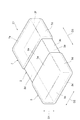
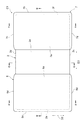
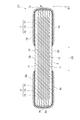
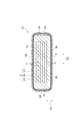
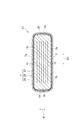
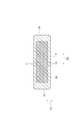
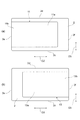
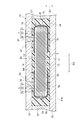
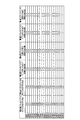
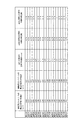
本発明の一実施形態に係る積層コンデンサを示す斜視図である。1 is a perspective view showing a multilayer capacitor according to an embodiment of the present invention. 本実施形態に係る積層コンデンサを示す平面図である。It is a top view which shows the multilayer capacitor which concerns on this embodiment. 図2におけるIII−III線に沿った断面構成を説明するための図である。It is a figure for demonstrating the cross-sectional structure along the III-III line in FIG. 図2におけるIV−IV線に沿った断面構成を説明するための図である。It is a figure for demonstrating the cross-sectional structure along the IV-IV line in FIG. 図2におけるV−V線に沿った断面構成を説明するための図である。It is a figure for demonstrating the cross-sectional structure along the VV line in FIG. 図2におけるVI−VI線に沿った断面構成を説明するための図である。It is a figure for demonstrating the cross-sectional structure along the VI-VI line in FIG. 第一及び第二内部電極を示す平面図である。It is a top view which shows the 1st and 2nd internal electrode. 本実施形態に係る積層コンデンサの実装構造を説明するための図である。It is a figure for demonstrating the mounting structure of the multilayer capacitor concerning this embodiment. 各試料における空隙の発生数及び剥離の発生数を示す図表である。It is a graph which shows the generation | occurrence | production number of the space | gap and the generation | occurrence | production number of peeling in each sample. 各試料における空隙の発生数及び剥離の発生数を示す図表である。It is a graph which shows the generation | occurrence | production number of the space | gap and the generation | occurrence | production number of peeling in each sample.

以下、添付図面を参照して、本発明の実施形態について詳細に説明する。なお、説明において、同一要素又は同一機能を有する要素には、同一符号を用いることとし、重複する説明は省略する。   Hereinafter, embodiments of the present invention will be described in detail with reference to the accompanying drawings. In the description, the same reference numerals are used for the same elements or elements having the same function, and redundant description is omitted.

図1〜図6を参照して、本実施形態に係る積層コンデンサC1の構成を説明する。図1は、本実施形態に係る積層コンデンサを示す斜視図である。図2は、本実施形態に係る積層コンデンサを示す平面図である。図3は、図2におけるIII−III線に沿った断面構成を説明するための図である。図4は、図2におけるIV−IV線に沿った断面構成を説明するための図である。図5は、図2におけるV−V線に沿った断面構成を説明するための図である。図6は、図2におけるVI−VI線に沿った断面構成を説明するための図である。   With reference to FIGS. 1-6, the structure of the multilayer capacitor C1 which concerns on this embodiment is demonstrated. FIG. 1 is a perspective view showing the multilayer capacitor in accordance with this embodiment. FIG. 2 is a plan view showing the multilayer capacitor according to the present embodiment. FIG. 3 is a diagram for explaining a cross-sectional configuration along the line III-III in FIG. 2. FIG. 4 is a diagram for explaining a cross-sectional configuration along the line IV-IV in FIG. FIG. 5 is a diagram for explaining a cross-sectional configuration along the line V-V in FIG. 2. FIG. 6 is a diagram for explaining a cross-sectional configuration along the line VI-VI in FIG. 2.

積層コンデンサC1は、図1〜図6に示されるように、直方体形状を呈している素体2と、素体2の外表面に配置される第一端子電極5及び第二端子電極7と、を備えている。第一端子電極5と第二端子電極7とは、離間している。直方体形状には、角部及び稜線部が面取りされている直方体の形状、及び、角部及び稜線部が丸められている直方体の形状が含まれる。   As shown in FIGS. 1 to 6, the multilayer capacitor C <b> 1 includes an element body 2 that has a rectangular parallelepiped shape, a first terminal electrode 5 and a second terminal electrode 7 that are disposed on the outer surface of the element body 2, and It has. The first terminal electrode 5 and the second terminal electrode 7 are separated from each other. The rectangular parallelepiped shape includes a rectangular parallelepiped shape in which corners and ridge lines are chamfered and a rectangular parallelepiped shape in which corners and ridge lines are rounded.

素体2は、その外表面として、互いに対向している略長方形状の一対の主面2a,2bと、互いに対向している一対の第一側面2c,2dと、互いに対向している一対の第二側面2e,2fと、を有している。一対の主面2a,2bが対向している方向が第一方向D1であり、一対の第一側面2c,2dが対向している方向が第二方向D2であり、一対の第二側面2e,2fが対向している方向が第三方向D3である。本実施形態では、第一方向D1は、素体2の高さ方向である。第二方向D2は、素体2の幅方向であり、第一方向D1と直交している。第三方向D3は、素体2の長手方向であり、第一方向D1と第二方向D2とに直交している。   The element body 2 has, as its outer surface, a pair of substantially rectangular main surfaces 2a, 2b facing each other, a pair of first side surfaces 2c, 2d facing each other, and a pair of surfaces facing each other. And second side surfaces 2e and 2f. The direction in which the pair of main surfaces 2a, 2b are opposed is the first direction D1, the direction in which the pair of first side surfaces 2c, 2d is opposed is the second direction D2, and the pair of second side surfaces 2e, The direction in which 2f faces is the third direction D3. In the present embodiment, the first direction D <b> 1 is the height direction of the element body 2. The second direction D2 is the width direction of the element body 2 and is orthogonal to the first direction D1. The third direction D3 is the longitudinal direction of the element body 2, and is orthogonal to the first direction D1 and the second direction D2.

素体2の第一方向D1の長さは、素体2の第三方向D3の長さ及び素体2の第二方向D2の長さよりも小さい。素体2の第三方向D3の長さは、素体2の第二方向D2の長さよりも大きい。素体2の第三方向D3の長さは、たとえば、0.4〜1.6mmに設定される。素体2の第二方向D2の長さは、たとえば、0.2〜0.8mmに設定される。素体2の第一方向D1の長さは、たとえば、0.1〜0.35mmに設定される。積層コンデンサC1は、超低背型の積層コンデンサである。素体2の第二方向D2の長さは、素体2の第三方向D3の長さと同等であってもよく、また、素体2の第二方向D2の長さが、素体2の第三方向D3の長さよりも大きくてもよい。   The length of the element body 2 in the first direction D1 is smaller than the length of the element body 2 in the third direction D3 and the length of the element body 2 in the second direction D2. The length of the element body 2 in the third direction D3 is larger than the length of the element body 2 in the second direction D2. The length of the element body 2 in the third direction D3 is set to 0.4 to 1.6 mm, for example. The length of the element body 2 in the second direction D2 is set to 0.2 to 0.8 mm, for example. The length of the element body 2 in the first direction D1 is set to 0.1 to 0.35 mm, for example. The multilayer capacitor C1 is an ultra-low profile multilayer capacitor. The length of the element body 2 in the second direction D2 may be equal to the length of the element body 2 in the third direction D3, and the length of the element body 2 in the second direction D2 is It may be larger than the length in the third direction D3.

同等とは、等しいことに加えて、予め設定した範囲での微差又は製造誤差などを含んだ値を同等としてもよい。たとえば、複数の値が、当該複数の値の平均値の±5%の範囲内に含まれているのであれば、当該複数の値は同等であると規定する。   “Equivalent” may be equivalent to a value including a slight difference or a manufacturing error in a preset range in addition to being equal. For example, if a plurality of values are included in a range of ± 5% of the average value of the plurality of values, the plurality of values are defined to be equivalent.

一対の第一側面2c,2dは、主面2aと主面2bとの間を連結するように第一方向D1に延びている。一対の第一側面2c,2dは、第三方向D3(一対の主面2a,2bの長辺方向)にも延びている。一対の第二側面2e,2fは、主面2aと主面2bとの間を連結するように第一方向D1に延びている。一対の第二側面2e,2fは、第二方向D2(一対の主面2a,2bの短辺方向)にも延びている。   The pair of first side surfaces 2c, 2d extends in the first direction D1 so as to connect the main surface 2a and the main surface 2b. The pair of first side surfaces 2c and 2d also extend in the third direction D3 (the long side direction of the pair of main surfaces 2a and 2b). The pair of second side surfaces 2e, 2f extends in the first direction D1 so as to connect the main surface 2a and the main surface 2b. The pair of second side surfaces 2e, 2f also extends in the second direction D2 (the short side direction of the pair of main surfaces 2a, 2b).

素体2は、主面2aと主面2bとが対向している方向(第一方向D1)に複数の誘電体層が積層されて構成されている。素体2では、複数の誘電体層の積層方向(以下、単に「積層方向」と称する。)が第一方向D1と一致する。各誘電体層は、例えば誘電体材料(BaTiO系、Ba(Ti,Zr)O系、又は(Ba,Ca)TiO系などの誘電体セラミック)を含むセラミックグリーンシート(以下、単に「グリーンシート」と称する。)の焼結体から構成される。実際の素体2では、各誘電体層は、各誘電体層の間の境界が視認できない程度に一体化されている。 The element body 2 is configured by laminating a plurality of dielectric layers in a direction (first direction D1) in which the main surface 2a and the main surface 2b face each other. In the element body 2, the stacking direction of the plurality of dielectric layers (hereinafter simply referred to as “stacking direction”) coincides with the first direction D <b> 1. Each dielectric layer is formed of a ceramic green sheet (hereinafter simply referred to as “dielectric ceramic such as BaTiO 3 series, Ba (Ti, Zr) O 3 series, or (Ba, Ca) TiO 3 series)”. This is called a “green sheet”). In the actual element body 2, the dielectric layers are integrated to such an extent that the boundary between the dielectric layers is not visible.

積層コンデンサC1は、図3〜図6に示されるように、複数の第一内部電極11と、複数の第二内部電極13と、を備えている。第一及び第二内部電極11,13は、積層型の電気素子の内部電極として通常用いられる導電性材料(たとえば、Ni又はCuなど)からなる。第一及び第二内部電極11,13は、上記導電性材料を含む導電性ペーストの焼結体として構成される。   As illustrated in FIGS. 3 to 6, the multilayer capacitor C <b> 1 includes a plurality of first internal electrodes 11 and a plurality of second internal electrodes 13. The first and second internal electrodes 11 and 13 are made of a conductive material (for example, Ni or Cu) that is usually used as an internal electrode of a laminated electric element. The 1st and 2nd internal electrodes 11 and 13 are comprised as a sintered compact of the electrically conductive paste containing the said electrically conductive material.

第一内部電極11と第二内部電極13とは、第一方向D1において異なる位置(層)に配置されている。すなわち、第一内部電極11と第二内部電極13とは、素体2内において、第一方向D1に間隔を有して対向するように交互に配置されている。第一内部電極11と第二内部電極13とは、互いに極性が異なる。   The first internal electrode 11 and the second internal electrode 13 are arranged at different positions (layers) in the first direction D1. That is, the first internal electrodes 11 and the second internal electrodes 13 are alternately arranged in the element body 2 so as to face each other with a gap in the first direction D1. The first internal electrode 11 and the second internal electrode 13 have different polarities.

各第一内部電極11は、図7の(a)に示されるように、主電極部11aと、接続部11bと、を含んでいる。接続部11bは、主電極部11aの一辺(一方の短辺)から延び、第一側面2cに露出している。第一内部電極11は、第二側面2eに露出し、一対の主面2a,2b、一対の第一側面2c,2d、及び第二側面2fには露出していない。主電極部11aと、接続部11bとは、一体的に形成されている。   As shown in FIG. 7A, each first internal electrode 11 includes a main electrode portion 11a and a connection portion 11b. The connection portion 11b extends from one side (one short side) of the main electrode portion 11a and is exposed to the first side surface 2c. The first internal electrode 11 is exposed at the second side surface 2e, and is not exposed at the pair of main surfaces 2a and 2b, the pair of first side surfaces 2c and 2d, and the second side surface 2f. The main electrode part 11a and the connection part 11b are integrally formed.

主電極部11aは、第三方向D3を長辺方向とし、第二方向D2を短辺方向とする矩形形状を呈している。すなわち、各第一内部電極11の主電極部11aは、第三方向D3の長さが第二方向D2の長さよりも大きい。接続部11bは、主電極部11aの第二側面2e側の端部から第二側面2eまで延びている。接続部11bの第三方向D3の長さは、主電極部11aの第三方向D3の長さよりも小さい。接続部11bの第二方向D2の長さは、主電極部11aの第二方向D2の長さと同等である。接続部11bは、第二側面2eに露出した端部で、第一端子電極5に接続されている。接続部11bの第二方向D2の長さは、主電極部11aの第二方向D2の長さよりも小さくてもよい。   The main electrode portion 11a has a rectangular shape in which the third direction D3 is a long side direction and the second direction D2 is a short side direction. That is, the main electrode portion 11a of each first internal electrode 11 has a length in the third direction D3 that is greater than a length in the second direction D2. The connecting portion 11b extends from the end portion on the second side surface 2e side of the main electrode portion 11a to the second side surface 2e. The length of the connection part 11b in the third direction D3 is smaller than the length of the main electrode part 11a in the third direction D3. The length of the connection part 11b in the second direction D2 is equal to the length of the main electrode part 11a in the second direction D2. The connecting part 11b is connected to the first terminal electrode 5 at the end exposed at the second side face 2e. The length of the connection part 11b in the second direction D2 may be smaller than the length of the main electrode part 11a in the second direction D2.

各第二内部電極13は、図7の(b)に示されるように、主電極部13aと、接続部13bと、を含んでいる。主電極部13aは、第一方向D1で素体2の一部(誘電体層)を介して主電極部11aと対向している。接続部13bは、主電極部13aの一辺(一方の短辺)から延び、第二側面2fに露出している。第二内部電極13は、第二側面2fに露出し、一対の主面2a,2b、一対の第一側面2c,2d、及び第二側面2eには露出していない。主電極部13aと、接続部13bとは、一体的に形成されている。   Each 2nd internal electrode 13 contains the main electrode part 13a and the connection part 13b, as FIG.7 (b) shows. The main electrode portion 13a is opposed to the main electrode portion 11a in the first direction D1 via a part (dielectric layer) of the element body 2. The connection portion 13b extends from one side (one short side) of the main electrode portion 13a and is exposed to the second side surface 2f. The second internal electrode 13 is exposed on the second side surface 2f, and is not exposed on the pair of main surfaces 2a, 2b, the pair of first side surfaces 2c, 2d, and the second side surface 2e. The main electrode portion 13a and the connection portion 13b are integrally formed.

主電極部13aは、第三方向D3を長辺方向とし、第二方向D2を短辺方向とする矩形形状を呈している。すなわち、各第二内部電極13の主電極部13aは、第三方向D3の長さが第二方向D2の長さよりも大きい。接続部13bは、主電極部13aの第二側面2f側の端部から第二側面2fまで延びている。接続部13bの第三方向D3の長さは、主電極部13aの第三方向D3の長さよりも小さい。接続部13bの第二方向D2の長さは、主電極部13aの第二方向D2の長さと同等である。接続部13bは、第二側面2fに露出した端部で、第二端子電極7に接続されている。接続部13bの第二方向D2の長さは、主電極部13aの第二方向D2の長さよりも小さくてもよい。   The main electrode portion 13a has a rectangular shape in which the third direction D3 is a long side direction and the second direction D2 is a short side direction. That is, the main electrode portion 13a of each second internal electrode 13 has a length in the third direction D3 that is greater than a length in the second direction D2. The connection portion 13b extends from the end portion on the second side surface 2f side of the main electrode portion 13a to the second side surface 2f. The length of the connecting portion 13b in the third direction D3 is smaller than the length of the main electrode portion 13a in the third direction D3. The length of the connecting portion 13b in the second direction D2 is equal to the length of the main electrode portion 13a in the second direction D2. The connection portion 13b is connected to the second terminal electrode 7 at the end exposed at the second side surface 2f. The length of the connection part 13b in the second direction D2 may be smaller than the length of the main electrode part 13a in the second direction D2.

第一端子電極5は、第三方向D3に見て、素体2における第二側面2e側の端部に位置している。第一端子電極5は、主面2aに配置されている電極部分5a、主面2bに配置されている電極部分5b、第二側面2eに配置されている電極部分5c、及び、一対の第一側面2c,2dに配置されている電極部分5dを有している。すなわち、第一端子電極5は、五つの面2a,2b,2c,2d,2eに形成されている。互いに隣り合う電極部分5a,5b,5c,5d同士は、素体2の稜線部において接続されており、電気的に接続されている。   The first terminal electrode 5 is located at the end of the element body 2 on the second side surface 2e side when viewed in the third direction D3. The first terminal electrode 5 includes an electrode portion 5a disposed on the main surface 2a, an electrode portion 5b disposed on the main surface 2b, an electrode portion 5c disposed on the second side surface 2e, and a pair of first electrodes It has the electrode part 5d arrange | positioned at the side surfaces 2c and 2d. That is, the first terminal electrode 5 is formed on the five surfaces 2a, 2b, 2c, 2d, and 2e. The electrode portions 5a, 5b, 5c, and 5d adjacent to each other are connected at the ridge line portion of the element body 2 and are electrically connected.

電極部分5aと電極部分5cとは、主面2aと第二側面2eとの間の稜線部において、接続されている。電極部分5aと電極部分5dとは、主面2aと各第一側面2c,2dとの間の稜線部において、接続されている。電極部分5bと電極部分5cとは、主面2bと第二側面2eとの間の稜線部において、接続されている。電極部分5bと電極部分5dとは、主面2bと各第一側面2c,2dとの間の稜線部において、接続されている。電極部分5cと電極部分5dとは、第二側面2eと各第一側面2c,2dとの間の稜線部において、接続されている。   The electrode portion 5a and the electrode portion 5c are connected at a ridge line portion between the main surface 2a and the second side surface 2e. The electrode portion 5a and the electrode portion 5d are connected at a ridge line portion between the main surface 2a and the first side surfaces 2c and 2d. The electrode portion 5b and the electrode portion 5c are connected at a ridge line portion between the main surface 2b and the second side surface 2e. The electrode portion 5b and the electrode portion 5d are connected at a ridge line portion between the main surface 2b and the first side surfaces 2c and 2d. The electrode portion 5c and the electrode portion 5d are connected at a ridge line portion between the second side surface 2e and the first side surfaces 2c and 2d.

電極部分5cは、各接続部11bの第二側面2eに露出した部分をすべて覆うように配置されており、接続部11bは、第一端子電極5に直接的に接続される。すなわち、接続部11bは、主電極部11aと電極部分5cとを接続している。これにより、各第一内部電極11は、第一端子電極5に電気的に接続される。   The electrode portion 5c is disposed so as to cover all the portions exposed to the second side surface 2e of each connection portion 11b, and the connection portion 11b is directly connected to the first terminal electrode 5. That is, the connection part 11b connects the main electrode part 11a and the electrode part 5c. Thereby, each first internal electrode 11 is electrically connected to the first terminal electrode 5.

第二端子電極7は、第三方向D3に見て、素体2における第二側面2f側の端部に位置している。第二端子電極7は、主面2aに配置されている電極部分7a、主面2bに配置されている電極部分7b、第二側面2fに配置されている電極部分7c、及び、一対の第一側面2c,2dに配置されている電極部分7dを有している。すなわち、第二端子電極7は、五つの面2a,2b,2c,2d,2fに形成されている。互いに隣り合う電極部分7a,7b,7c,7d同士は、素体2の稜線部において接続されており、電気的に接続されている。   The second terminal electrode 7 is located at the end of the element body 2 on the second side face 2f side when viewed in the third direction D3. The second terminal electrode 7 includes an electrode portion 7a disposed on the main surface 2a, an electrode portion 7b disposed on the main surface 2b, an electrode portion 7c disposed on the second side surface 2f, and a pair of first electrodes It has the electrode part 7d arrange | positioned at the side surfaces 2c and 2d. That is, the second terminal electrode 7 is formed on the five surfaces 2a, 2b, 2c, 2d, and 2f. The electrode portions 7a, 7b, 7c, and 7d adjacent to each other are connected at the ridge line portion of the element body 2 and are electrically connected.

電極部分7aと電極部分7cとは、主面2aと第二側面2fとの間の稜線部において、接続されている。電極部分7aと電極部分7dとは、主面2aと各第一側面2c,2dとの間の稜線部において、接続されている。電極部分7bと電極部分7cとは、主面2bと第二側面2fとの間の稜線部において、接続されている。電極部分7bと電極部分7dとは、主面2bと各第一側面2c,2dとの間の稜線部において、接続されている。電極部分7cと電極部分7dとは、第二側面2fと各第一側面2c,2dとの間の稜線部において、接続されている。   The electrode portion 7a and the electrode portion 7c are connected at a ridge line portion between the main surface 2a and the second side surface 2f. The electrode portion 7a and the electrode portion 7d are connected at a ridge line portion between the main surface 2a and the first side surfaces 2c and 2d. The electrode portion 7b and the electrode portion 7c are connected at a ridge line portion between the main surface 2b and the second side surface 2f. The electrode portion 7b and the electrode portion 7d are connected at a ridge line portion between the main surface 2b and the first side surfaces 2c and 2d. The electrode portion 7c and the electrode portion 7d are connected at a ridge line portion between the second side surface 2f and the first side surfaces 2c and 2d.

電極部分7cは、各接続部13bの第二側面2fに露出した部分をすべて覆うように配置されており、接続部13bは、第二端子電極7に直接的に接続される。すなわち、接続部13bは、主電極部13aと電極部分7cとを接続している。これにより、各第二内部電極13は、第二端子電極7に電気的に接続される。   The electrode portion 7 c is arranged so as to cover all the portions exposed to the second side surface 2 f of each connection portion 13 b, and the connection portion 13 b is directly connected to the second terminal electrode 7. That is, the connection part 13b connects the main electrode part 13a and the electrode part 7c. Thereby, each second internal electrode 13 is electrically connected to the second terminal electrode 7.

第一端子電極5と第二端子電極7とは、第三方向D3で離間している。すなわち、素体2は、第一端子電極5と第二端子電極7との間において露出している。主面2aに配置されている電極部分5aと電極部分7aとは、主面2a上において、第三方向D3で離間している。主面2bに配置されている電極部分5bと電極部分7bとは、主面2b上において、第三方向D3で離間している。第一側面2cに配置されている電極部分5dと電極部分7dとは、第一側面2c上において、第三方向D3で離間している。第一側面2dに配置されている電極部分5dと電極部分7dとは、第一側面2d上において、第三方向D3で離間している。   The first terminal electrode 5 and the second terminal electrode 7 are separated from each other in the third direction D3. That is, the element body 2 is exposed between the first terminal electrode 5 and the second terminal electrode 7. The electrode portion 5a and the electrode portion 7a disposed on the main surface 2a are separated from each other in the third direction D3 on the main surface 2a. The electrode portion 5b and the electrode portion 7b arranged on the main surface 2b are separated from each other in the third direction D3 on the main surface 2b. The electrode portion 5d and the electrode portion 7d disposed on the first side surface 2c are separated from each other in the third direction D3 on the first side surface 2c. The electrode portion 5d and the electrode portion 7d disposed on the first side surface 2d are separated from each other in the third direction D3 on the first side surface 2d.

第一及び第二端子電極5,7は、第一電極層21、第二電極層23、及び第三電極層25をそれぞれ有している。すなわち、電極部分5a,5b,5c,5dと電極部分7a,7b,7c,7dとが、第一電極層21、第二電極層23、及び第三電極層25をそれぞれ含んでいる。第三電極層25は、第一及び第二端子電極5,7の最外層を構成している。   The first and second terminal electrodes 5 and 7 have a first electrode layer 21, a second electrode layer 23, and a third electrode layer 25, respectively. That is, the electrode portions 5a, 5b, 5c, and 5d and the electrode portions 7a, 7b, 7c, and 7d include the first electrode layer 21, the second electrode layer 23, and the third electrode layer 25, respectively. The third electrode layer 25 constitutes the outermost layer of the first and second terminal electrodes 5 and 7.

第一電極層21は、導電性ペーストを素体2の表面に付与して焼き付けることにより形成されている。すなわち、第一電極層21は、焼付導体層である。本実施形態では、第一電極層21は、Cuからなる焼付導体層である。第一電極層21は、Niからなる焼付導体層であってもよい。このように、第一電極層21は、Cu又はNiを含んでいる。導電性ペーストには、Cu又はNiからなる粉末に、ガラス成分、有機バインダ、及び有機溶剤を混合したものが用いられている。第一電極層21の厚みは、たとえば、最大で20μmであり、最小で5μmである。   The first electrode layer 21 is formed by applying and baking a conductive paste on the surface of the element body 2. That is, the first electrode layer 21 is a baked conductor layer. In the present embodiment, the first electrode layer 21 is a baked conductor layer made of Cu. The first electrode layer 21 may be a baked conductor layer made of Ni. Thus, the first electrode layer 21 contains Cu or Ni. As the conductive paste, a powder made of Cu or Ni mixed with a glass component, an organic binder, and an organic solvent is used. The thickness of the first electrode layer 21 is, for example, a maximum of 20 μm and a minimum of 5 μm.

第二電極層23は、第一電極層21上にめっき法により形成されている。本実施形態では、第二電極層23は、第一電極層21上にNiめっきにより形成されたNiめっき層である。第二電極層23は、Snめっき層であってもよい。このように、第二電極層23は、Ni又はSnを含んでいる。第二電極層23の厚みは、たとえば、1〜5μmである。   The second electrode layer 23 is formed on the first electrode layer 21 by a plating method. In the present embodiment, the second electrode layer 23 is a Ni plating layer formed on the first electrode layer 21 by Ni plating. The second electrode layer 23 may be a Sn plating layer. Thus, the 2nd electrode layer 23 contains Ni or Sn. The thickness of the second electrode layer 23 is, for example, 1 to 5 μm.

第三電極層25は、第二電極層23上にめっき法により形成されている。本実施形態では、第三電極層25は、第二電極層23上にCuめっきにより形成されたCuめっき層である。第二電極層23は、Auめっき層であってもよい。このように、第三電極層25は、Cu又はAuを含んでいる。第三電極層25の厚みは、たとえば、1〜15μmである。   The third electrode layer 25 is formed on the second electrode layer 23 by a plating method. In the present embodiment, the third electrode layer 25 is a Cu plating layer formed on the second electrode layer 23 by Cu plating. The second electrode layer 23 may be an Au plating layer. Thus, the third electrode layer 25 contains Cu or Au. The thickness of the third electrode layer 25 is, for example, 1 to 15 μm.

積層コンデンサC1は、図8に示されるように、基板31に埋め込まれて実装される。すなわち、積層コンデンサC1は、基板31に内蔵される。図8は、本実施形態に係る積層コンデンサの実装構造を説明するための図である。   As shown in FIG. 8, the multilayer capacitor C1 is embedded in the substrate 31 and mounted. That is, the multilayer capacitor C1 is built in the substrate 31. FIG. 8 is a view for explaining the multilayer capacitor mounting structure according to the present embodiment.

基板31は、複数の絶縁層33が積層されることにより構成されている。絶縁層33は、セラミック又は樹脂などの絶縁性材料からなり、接着などにより互いに一体化されている。   The substrate 31 is configured by laminating a plurality of insulating layers 33. The insulating layer 33 is made of an insulating material such as ceramic or resin, and is integrated with each other by bonding or the like.

積層コンデンサC1は、基板31に形成された収容部31aに配置されており、収容部31aに充填された樹脂34により、基板31に固定されている。これにより、積層コンデンサC1が、基板31内に埋め込まれる。図8に示された実装構造では、積層コンデンサC1は、素体2の主面2bが収容部31aの底部と対向するように、収容部31aに配置されている。   The multilayer capacitor C1 is disposed in a housing portion 31a formed on the substrate 31, and is fixed to the substrate 31 by a resin 34 filled in the housing portion 31a. As a result, the multilayer capacitor C1 is embedded in the substrate 31. In the mounting structure shown in FIG. 8, the multilayer capacitor C1 is disposed in the housing portion 31a so that the main surface 2b of the element body 2 faces the bottom of the housing portion 31a.

積層コンデンサC1は、基板31の表面に配置された電極35,37と、ビア導体45,47を通して、電気的に接続されている。図8に示された実装構造では、第一端子電極5の電極部分5aが、ビア導体45を通して電極35と電気的に接続され、第二端子電極7の電極部分7aが、ビア導体47を通して電極37と電気的に接続されている。   The multilayer capacitor C <b> 1 is electrically connected through electrodes 35 and 37 disposed on the surface of the substrate 31 and via conductors 45 and 47. In the mounting structure shown in FIG. 8, the electrode portion 5 a of the first terminal electrode 5 is electrically connected to the electrode 35 through the via conductor 45, and the electrode portion 7 a of the second terminal electrode 7 is connected to the electrode through the via conductor 47. 37 is electrically connected.

ビア導体45,47は、基板31に形成されたビアホール内に導電性金属(たとえば、Cu又はAuなど)を無電解めっきなどにより成長させることにより、形成される。ビアホールは、レーザ加工により、基板31の表面側から積層コンデンサC1の第一及び第二端子電極5,7の電極部分5a,7aに達するように形成される。   The via conductors 45 and 47 are formed by growing a conductive metal (such as Cu or Au) in the via hole formed in the substrate 31 by electroless plating or the like. The via hole is formed by laser processing so as to reach the electrode portions 5a and 7a of the first and second terminal electrodes 5 and 7 of the multilayer capacitor C1 from the surface side of the substrate 31.

積層コンデンサC1では、電極部分5a,7aは、めっき層としての第三電極層25と、を有している。したがって、ビアホールに形成されるビア導体45,47と電極部分5a,7aとを確実に接続することができる。特に、ビア導体45,47がめっきにより形成される場合、ビア導体45,47と電極部分5a,7aとが、より一層確実に接続される。   In the multilayer capacitor C1, the electrode portions 5a and 7a have a third electrode layer 25 as a plating layer. Therefore, the via conductors 45 and 47 formed in the via hole and the electrode portions 5a and 7a can be reliably connected. In particular, when the via conductors 45 and 47 are formed by plating, the via conductors 45 and 47 and the electrode portions 5a and 7a are more reliably connected.

ここで、電極部分5a,5b,7a,7bの表面粗さ及び電極部分5c,5d,7c,7dの表面粗さについて詳細に説明する。   Here, the surface roughness of the electrode portions 5a, 5b, 7a, and 7b and the surface roughness of the electrode portions 5c, 5d, 7c, and 7d will be described in detail.

本発明者らは、電極部分5a,5b,7a,7bの表面粗さの範囲と、電極部分5c,5d,7c,7dの表面粗さの範囲とを明らかにするために、以下のような試験をおこなった。すなわち、電極部分5a,5b,5c,5d,7a,7b,7c,7dの表面粗さが異なる試料1〜12を用意し、各試料1〜12における、空隙の発生数及び剥離の発生数を確認した。その結果を図9に示す。図9は、各試料における空隙の発生数及び剥離の発生数を示す図表である。   In order to clarify the surface roughness range of the electrode portions 5a, 5b, 7a, and 7b and the surface roughness range of the electrode portions 5c, 5d, 7c, and 7d, the inventors have as follows. A test was conducted. That is, samples 1 to 12 having different surface roughnesses of the electrode portions 5a, 5b, 5c, 5d, 7a, 7b, 7c, and 7d are prepared, and the number of voids and the number of peelings in the samples 1 to 12 are set. confirmed. The result is shown in FIG. FIG. 9 is a chart showing the number of voids and the number of peelings in each sample.

電極部分5a,5b,5c,5d,7a,7b,7c,7dの表面粗さは、たとえば、第一電極層21を形成する際に用いられる導電性ペーストを異ならせることにより、変えることが可能である。表面粗さは導電ペーストに含まれている金属粉末(たとえば、Ni粉末又はCu粉など)の粒径の大きさによって変わる。すなわち、金属粉末の粒径が大きいほど、表面粗さは大きくなる。したがって、たとえば、電極部分5a,5b,7a,7bを形成する際に用いられる導電性ペーストと、電極部分5c,5d,7c,7dを形成する際に用いられる導電性ペーストとで、金属粉末の粒径を変えることにより、表面粗さを変えることが可能である。第一電極層21を形成する際に用いられる導電性ペーストを異ならせる以外に、第一電極層21を形成した後に、第一電極層21の表面を粗化処理又は研磨処理を行うことによっても、表面粗さを変えることが可能である。   The surface roughness of the electrode portions 5a, 5b, 5c, 5d, 7a, 7b, 7c, and 7d can be changed, for example, by changing the conductive paste used when forming the first electrode layer 21. It is. The surface roughness varies depending on the particle size of metal powder (for example, Ni powder or Cu powder) contained in the conductive paste. That is, the surface roughness increases as the particle size of the metal powder increases. Therefore, for example, the conductive powder used when forming the electrode portions 5a, 5b, 7a, and 7b and the conductive paste used when forming the electrode portions 5c, 5d, 7c, and 7d are made of metal powder. It is possible to change the surface roughness by changing the particle size. In addition to changing the conductive paste used when forming the first electrode layer 21, the surface of the first electrode layer 21 may be roughened or polished after the first electrode layer 21 is formed. It is possible to change the surface roughness.

電極部分5a,5b,5c,5d,7a,7b,7c,7dの表面粗さは、算術平均粗さ(Ra)を用いた。算術平均粗さ(Ra)は、JIS B 0601:2013(ISO 4287:1997)に定義されている。   As the surface roughness of the electrode portions 5a, 5b, 5c, 5d, 7a, 7b, 7c, and 7d, arithmetic average roughness (Ra) was used. The arithmetic average roughness (Ra) is defined in JIS B 0601: 2013 (ISO 4287: 1997).

各試料1〜19は、複数の検体を含むロットである。各試料1〜19の検体は、上述した表面粗さが異なる点を除いて同じ構成である。各試料1〜19の検体では、素体2の第一方向D1の長さが0.17mmに設定され、素体2の第二方向D2の長さが0.49mmに設定され、素体2の第三方向D3の長さが0.98mmに設定されている。   Each sample 1-19 is a lot containing a plurality of specimens. The specimens of the samples 1 to 19 have the same configuration except that the surface roughness described above is different. In the specimens of the samples 1 to 19, the length of the element body 2 in the first direction D1 is set to 0.17 mm, the length of the element body 2 in the second direction D2 is set to 0.49 mm, and the element body 2 The length in the third direction D3 is set to 0.98 mm.

試料1の各検体では、電極部分5a,5b,7a,7bの表面の算術平均粗さが0.15μmに設定され、電極部分5c,5d,7c,7dの表面の算術平均粗さが0.19μmに設定されている。試料2の各検体では、電極部分5a,5b,7a,7bの表面の算術平均粗さが0.15μmに設定され、電極部分5c,5d,7c,7dの表面の算術平均粗さが0.25μmに設定されている。試料3の各検体では、電極部分5a,5b,7a,7bの表面の算術平均粗さが0.15μmに設定され、電極部分5c,5d,7c,7dの表面の算術平均粗さが0.38μmに設定されている。   In each specimen of the sample 1, the arithmetic average roughness of the surfaces of the electrode portions 5a, 5b, 7a, 7b is set to 0.15 μm, and the arithmetic average roughness of the surfaces of the electrode portions 5c, 5d, 7c, 7d is 0. It is set to 19 μm. In each specimen of the sample 2, the arithmetic average roughness of the surfaces of the electrode portions 5a, 5b, 7a, 7b is set to 0.15 μm, and the arithmetic average roughness of the surfaces of the electrode portions 5c, 5d, 7c, 7d is 0. It is set to 25 μm. In each specimen of the sample 3, the arithmetic average roughness of the surfaces of the electrode portions 5a, 5b, 7a, 7b is set to 0.15 μm, and the arithmetic average roughness of the surfaces of the electrode portions 5c, 5d, 7c, 7d is 0. It is set to 38 μm.

試料4の各検体では、電極部分5a,5b,7a,7bの表面の算術平均粗さが0.20μmに設定され、電極部分5c,5d,7c,7dの表面の算術平均粗さが0.18μmに設定されている。試料5の各検体では、電極部分5a,5b,7a,7bの表面の算術平均粗さが0.20μmに設定され、電極部分5c,5d,7c,7dの表面の算術平均粗さが0.27μmに設定されている。試料6の各検体では、電極部分5a,5b,7a,7bの表面の算術平均粗さが0.20μmに設定され、電極部分5c,5d,7c,7dの表面の算術平均粗さが0.34μmに設定されている。   In each specimen of the sample 4, the arithmetic average roughness of the surfaces of the electrode portions 5a, 5b, 7a, and 7b is set to 0.20 μm, and the arithmetic average roughness of the surfaces of the electrode portions 5c, 5d, 7c, and 7d is 0. It is set to 18 μm. In each specimen of the sample 5, the arithmetic average roughness of the surfaces of the electrode portions 5a, 5b, 7a, 7b is set to 0.20 μm, and the arithmetic average roughness of the surfaces of the electrode portions 5c, 5d, 7c, 7d is 0. It is set to 27 μm. In each specimen of the sample 6, the arithmetic average roughness of the surfaces of the electrode portions 5a, 5b, 7a, 7b is set to 0.20 μm, and the arithmetic average roughness of the surfaces of the electrode portions 5c, 5d, 7c, 7d is 0. It is set to 34 μm.

試料7の各検体では、電極部分5a,5b,7a,7bの表面の算術平均粗さが0.20μmに設定され、電極部分5c,5d,7c,7dの表面の算術平均粗さが0.38μmに設定されている。試料8の各検体では、電極部分5a,5b,7a,7bの表面の算術平均粗さが0.20μmに設定され、電極部分5c,5d,7c,7dの表面の算術平均粗さが0.40μmに設定されている。試料9の各検体では、電極部分5a,5b,7a,7bの表面の算術平均粗さが0.23μmに設定され、電極部分5c,5d,7c,7dの表面の算術平均粗さが0.25μmに設定されている。   In each specimen of the sample 7, the arithmetic average roughness of the surfaces of the electrode portions 5a, 5b, 7a, and 7b is set to 0.20 μm, and the arithmetic average roughness of the surfaces of the electrode portions 5c, 5d, 7c, and 7d is 0. It is set to 38 μm. In each specimen of the sample 8, the arithmetic average roughness of the surfaces of the electrode portions 5a, 5b, 7a, 7b is set to 0.20 μm, and the arithmetic average roughness of the surfaces of the electrode portions 5c, 5d, 7c, 7d is 0. It is set to 40 μm. In each specimen of the sample 9, the arithmetic average roughness of the surfaces of the electrode portions 5a, 5b, 7a, and 7b is set to 0.23 μm, and the arithmetic average roughness of the surfaces of the electrode portions 5c, 5d, 7c, and 7d is 0. It is set to 25 μm.

試料10の各検体では、電極部分5a,5b,7a,7bの表面の算術平均粗さが0.23μmに設定され、電極部分5c,5d,7c,7dの表面の算術平均粗さが0.28μmに設定されている。試料11の各検体では、電極部分5a,5b,7a,7bの表面の算術平均粗さが0.23μmに設定され、電極部分5c,5d,7c,7dの表面の算術平均粗さが0.32μmに設定されている。試料12の各検体では、電極部分5a,5b,7a,7bの表面の算術平均粗さが0.23μmに設定され、電極部分5c,5d,7c,7dの表面の算術平均粗さが0.37μmに設定されている。   In each specimen of the sample 10, the arithmetic average roughness of the surfaces of the electrode portions 5a, 5b, 7a, 7b is set to 0.23 μm, and the arithmetic average roughness of the surfaces of the electrode portions 5c, 5d, 7c, 7d is 0. It is set to 28 μm. In each specimen of the sample 11, the arithmetic average roughness of the surfaces of the electrode portions 5a, 5b, 7a, 7b is set to 0.23 μm, and the arithmetic average roughness of the surfaces of the electrode portions 5c, 5d, 7c, 7d is 0. It is set to 32 μm. In each specimen of the sample 12, the arithmetic average roughness of the surfaces of the electrode portions 5a, 5b, 7a, 7b is set to 0.23 μm, and the arithmetic average roughness of the surfaces of the electrode portions 5c, 5d, 7c, 7d is 0. It is set to 37 μm.

試料13の各検体では、電極部分5a,5b,7a,7bの表面の算術平均粗さが0.23μmに設定され、電極部分5c,5d,7c,7dの表面の算術平均粗さが0.40μmに設定されている。試料14の各検体では、電極部分5a,5b,7a,7bの表面の算術平均粗さが0.26μmに設定され、電極部分5c,5d,7c,7dの表面の算術平均粗さが0.25μmに設定されている。試料15の各検体では、電極部分5a,5b,7a,7bの表面の算術平均粗さが0.26μmに設定され、電極部分5c,5d,7c,7dの表面の算術平均粗さが0.27μmに設定されている。   In each specimen of the sample 13, the arithmetic average roughness of the surfaces of the electrode portions 5a, 5b, 7a, 7b is set to 0.23 μm, and the arithmetic average roughness of the surfaces of the electrode portions 5c, 5d, 7c, 7d is 0. It is set to 40 μm. In each specimen of the sample 14, the arithmetic average roughness of the surfaces of the electrode portions 5a, 5b, 7a, 7b is set to 0.26 μm, and the arithmetic average roughness of the surfaces of the electrode portions 5c, 5d, 7c, 7d is 0. It is set to 25 μm. In each specimen of the sample 15, the arithmetic average roughness of the surfaces of the electrode portions 5a, 5b, 7a, 7b is set to 0.26 μm, and the arithmetic average roughness of the surfaces of the electrode portions 5c, 5d, 7c, 7d is 0. It is set to 27 μm.

試料16の各検体では、電極部分5a,5b,7a,7bの表面の算術平均粗さが0.26μmに設定され、電極部分5c,5d,7c,7dの表面の算術平均粗さが0.32μmに設定されている。試料17の各検体では、電極部分5a,5b,7a,7bの表面の算術平均粗さが0.26μmに設定され、電極部分5c,5d,7c,7dの表面の算術平均粗さが0.28μmに設定されている。試料18の各検体では、電極部分5a,5b,7a,7bの表面の算術平均粗さが0.26μmに設定され、電極部分5c,5d,7c,7dの表面の算術平均粗さが0.40μmに設定されている。試料19の各検体では、電極部分5a,5b,7a,7bの表面の算術平均粗さが0.30μmに設定され、電極部分5c,5d,7c,7dの表面の算術平均粗さが0.27μmに設定されている。   In each specimen of the sample 16, the arithmetic average roughness of the surfaces of the electrode portions 5a, 5b, 7a, 7b is set to 0.26 μm, and the arithmetic average roughness of the surfaces of the electrode portions 5c, 5d, 7c, 7d is 0. It is set to 32 μm. In each specimen of the sample 17, the arithmetic average roughness of the surfaces of the electrode portions 5a, 5b, 7a, 7b is set to 0.26 μm, and the arithmetic average roughness of the surfaces of the electrode portions 5c, 5d, 7c, 7d is 0. It is set to 28 μm. In each specimen of the sample 18, the arithmetic average roughness of the surfaces of the electrode portions 5a, 5b, 7a, and 7b is set to 0.26 μm, and the arithmetic average roughness of the surfaces of the electrode portions 5c, 5d, 7c, and 7d is 0. It is set to 40 μm. In each specimen of the sample 19, the arithmetic average roughness of the surfaces of the electrode portions 5a, 5b, 7a, 7b is set to 0.30 μm, and the arithmetic average roughness of the surfaces of the electrode portions 5c, 5d, 7c, 7d is 0. It is set to 27 μm.

空隙の発生数は、次のようにして求めた。まず、試料1〜19ごとに、10個の検体を選び、選んだ検体を基板31の収容部31aに配置した後に、収容部31aに樹脂34を充填して、検体を基板31に埋め込んだ。その後、第一及び第二端子電極5,7に達するビアホールをレーザ加工により基板31(樹脂34)に形成し、ビアホール内にビア導体45,47を無電解めっきにより形成し、第一及び第二端子電極5,7とビア導体45,47とを接続し、検体が実装された基板31を得た。樹脂34として、エポキシ樹脂を用いた。   The number of voids was determined as follows. First, ten specimens were selected for each of the samples 1 to 19, and the selected specimens were placed in the housing part 31 a of the substrate 31, and then the resin was filled in the housing part 31 a and the specimen was embedded in the substrate 31. Thereafter, via holes reaching the first and second terminal electrodes 5 and 7 are formed in the substrate 31 (resin 34) by laser processing, and via conductors 45 and 47 are formed in the via holes by electroless plating. The terminal electrodes 5 and 7 and the via conductors 45 and 47 were connected to obtain the substrate 31 on which the specimen was mounted. An epoxy resin was used as the resin 34.

検体が実装された基板31を、検体(第一及び第二端子電極5,7)とビア導体45,47とを含む位置で切断し、切断面での空隙の有無を目視にて確認した。空隙の発生が確認された検体の数をカウントした。ここでは、第一及び第二端子電極5,7(電極部分5a,5b,7a,7b)とビア導体45,47との間に空隙が発生しているか否か、及び、第一及び第二端子電極5,7(電極部分5c,5d,7c,7d)と樹脂34との間に空隙が発生しているか否かを確認した。   The substrate 31 on which the specimen was mounted was cut at a position including the specimen (first and second terminal electrodes 5 and 7) and the via conductors 45 and 47, and the presence or absence of a gap on the cut surface was visually confirmed. The number of specimens in which voids were confirmed was counted. Here, whether or not a gap is generated between the first and second terminal electrodes 5, 7 (electrode portions 5a, 5b, 7a, 7b) and the via conductors 45, 47, and the first and second It was confirmed whether or not a gap was generated between the terminal electrodes 5 and 7 (electrode portions 5c, 5d, 7c, and 7d) and the resin 34.

電極部分5a,5b,7a,7bの表面の算術平均粗さが0.30μm以上である場合、電極部分5a,5b,7a,7bとビア導体45,47との間に空隙が発生している検体が存在することがわかった。電極部分5a,5b,7a,7bの表面の算術平均粗さが0.30μm以上である場合、電極部分5a,5b,7a,7bの表面の凹凸により、ビア導体45,47を形成する際に、金属が電極部分5a,5b,7a,7bに適切に析出され難いために、空隙が発生すると推測される。試料1〜18では、電極部分5a,5b,7a,7bとビア導体45,47との間に空隙が発生している検体は確認できなかった。   When the arithmetic average roughness of the surface of the electrode parts 5a, 5b, 7a, 7b is 0.30 μm or more, a gap is generated between the electrode parts 5a, 5b, 7a, 7b and the via conductors 45, 47. The sample was found to exist. When the arithmetic mean roughness of the surface of the electrode portions 5a, 5b, 7a, 7b is 0.30 μm or more, the via conductors 45, 47 are formed due to the surface irregularities of the electrode portions 5a, 5b, 7a, 7b. It is presumed that voids are generated because the metal is not easily deposited on the electrode portions 5a, 5b, 7a, 7b. In Samples 1 to 18, specimens in which voids were generated between the electrode portions 5a, 5b, 7a and 7b and the via conductors 45 and 47 could not be confirmed.

電極部分5c,5d,7c,7dの表面の算術平均粗さが0.40μm以上である場合、電極部分5c,5d,7c,7dと樹脂34との間に空隙が発生している検体が存在することがわかった。電極部分5c,5d,7c,7dの表面の算術平均粗さが0.40μm以上である場合、電極部分5c,5d,7c,7dの表面の凹凸の凹部に樹脂34が十分に入り込まないために、空隙が発生すると推測される。試料1〜7、試料9〜12、試料14〜17、及び試料19では、電極部分5c,5d,7c,7dと樹脂34との間に空隙が発生している検体は確認できなかった。   When the arithmetic average roughness of the surface of the electrode portions 5c, 5d, 7c, 7d is 0.40 μm or more, there is a specimen in which a gap is generated between the electrode portions 5c, 5d, 7c, 7d and the resin 34. I found out that When the arithmetic average roughness of the surfaces of the electrode portions 5c, 5d, 7c, and 7d is 0.40 μm or more, the resin 34 does not sufficiently enter the concave and convex portions on the surfaces of the electrode portions 5c, 5d, 7c, and 7d. It is estimated that voids are generated. In Samples 1-7, Samples 9-12, Samples 14-17, and Sample 19, specimens in which voids were generated between the electrode portions 5c, 5d, 7c, 7d and the resin 34 could not be confirmed.

剥離の発生数は、次のようにして求めた。まず、空隙の発生が確認できなかった試料1〜7、試料9〜12、及び試料14〜17ごとに、10個の検体を選び、上述した手順と同じ手順により、検体が実装された基板31を得た。検体が実装された基板31に対し、窒素雰囲気下においてリフロー試験を5回実施した。リフロー試験の条件は、以下の通りである。まず、前処理として、予熱を125℃、24時間で行い、その後、ピーク温度260℃のリフローを行った。   The number of occurrences of peeling was determined as follows. First, 10 samples are selected for each of Samples 1 to 7, Samples 9 to 12, and Samples 14 to 17 for which no voids have been confirmed, and the substrate 31 on which the samples are mounted by the same procedure as described above. Got. A reflow test was performed five times in a nitrogen atmosphere on the substrate 31 on which the specimen was mounted. The conditions for the reflow test are as follows. First, as pretreatment, preheating was performed at 125 ° C. for 24 hours, and then reflow at a peak temperature of 260 ° C. was performed.

リフロー試験後に、検体が実装された基板31を、検体(第一及び第二端子電極5,7)とビア導体45,47とを含む位置で切断し、切断面での剥離の有無を目視にて確認した。剥離の発生が確認された検体の数をカウントした。ここでは、第一及び第二端子電極5,7(電極部分5a,5b,7a,7b)とビア導体45,47との間に剥離が発生しているか否か、及び、第一及び第二端子電極5,7(電極部分5c,5d,7c,7d)と樹脂34との間に剥離が発生しているか否かを確認した。   After the reflow test, the substrate 31 on which the specimen is mounted is cut at a position including the specimen (first and second terminal electrodes 5, 7) and the via conductors 45, 47, and the presence or absence of peeling on the cut surface is visually observed. Confirmed. The number of specimens in which the occurrence of peeling was confirmed was counted. Here, whether or not peeling occurs between the first and second terminal electrodes 5, 7 (electrode portions 5a, 5b, 7a, 7b) and the via conductors 45, 47, and the first and second It was confirmed whether or not peeling occurred between the terminal electrodes 5 and 7 (electrode portions 5c, 5d, 7c, and 7d) and the resin 34.

電極部分5a,5b,7a,7bの表面の算術平均粗さが0.15μm以下である場合、電極部分5a,5b,7a,7bとビア導体45,47との間に剥離が発生している検体が存在することがわかった。電極部分5a,5b,7a,7bの表面の算術平均粗さが0.15μm以下である場合、電極部分5a,5b,7a,7bとビア導体45,47との密着性が十分に得られないため、電極部分5a,5b,7a,7bとビア導体45,47との界面から剥離が発生すると推測される。試料4〜7、試料9〜12、及び試料14〜17では、電極部分5a,5b,7a,7bとビア導体45,47との間に剥離が発生している検体は確認できなかった。   When the arithmetic average roughness of the surface of the electrode portions 5a, 5b, 7a, 7b is 0.15 μm or less, peeling occurs between the electrode portions 5a, 5b, 7a, 7b and the via conductors 45, 47. The sample was found to exist. When the arithmetic average roughness of the surface of the electrode portions 5a, 5b, 7a, 7b is 0.15 μm or less, sufficient adhesion between the electrode portions 5a, 5b, 7a, 7b and the via conductors 45, 47 cannot be obtained. Therefore, it is estimated that peeling occurs from the interface between the electrode portions 5a, 5b, 7a, and 7b and the via conductors 45 and 47. In Samples 4-7, Samples 9-12, and Samples 14-17, specimens in which peeling occurred between the electrode portions 5a, 5b, 7a, 7b and the via conductors 45, 47 could not be confirmed.

電極部分5c,5d,7c,7dの表面の算術平均粗さが0.25μm以下である場合、電極部分5c,5d,7c,7dと樹脂34との間に剥離が発生している検体が存在することがわかった。電極部分5c,5d,7c,7dの表面の算術平均粗さが0.25μm以下である場合、電極部分5c,5d,7c,7dの表面の凹凸の凹部に樹脂34が入り込むものの、入り込む樹脂34の量が少なく、電極部分5c,5d,7c,7dと樹脂34との密着性が十分に得られないため、電極部分5c,5d,7c,7dと樹脂34との界面から剥離が発生すると推測される。試料3、試料5〜7、試料10〜12、及び試料15〜17では、電極部分5c,5d,7c,7dと樹脂34との間に空隙が発生している検体は確認できなかった。   When the arithmetic average roughness of the surfaces of the electrode portions 5c, 5d, 7c, and 7d is 0.25 μm or less, there is a specimen in which peeling occurs between the electrode portions 5c, 5d, 7c, and 7d and the resin 34. I found out that When the arithmetic average roughness of the surfaces of the electrode portions 5c, 5d, 7c, and 7d is 0.25 μm or less, the resin 34 enters the concave and convex portions on the surface of the electrode portions 5c, 5d, 7c, and 7d, but enters the resin 34. It is estimated that peeling occurs from the interface between the electrode portions 5c, 5d, 7c, 7d and the resin 34 because the adhesion between the electrode portions 5c, 5d, 7c, 7d and the resin 34 is not sufficiently obtained. Is done. In Sample 3, Samples 5-7, Samples 10-12, and Samples 15-17, specimens in which voids were generated between the electrode portions 5c, 5d, 7c, 7d and the resin 34 could not be confirmed.

試料5〜7、試料10〜12、及び試料15〜17では、空隙及び剥離が発生している検体は確認できなかった。   In Samples 5-7, Samples 10-12, and Samples 15-17, the specimen in which voids and peeling occurred could not be confirmed.

以上のことから、電極部分5a,5b,7a,7bの表面の算術平均粗さが、0.20〜0.26μmであり、電極部分5c,5d,7c,7dの表面の算術平均粗さが、0.27〜0.38μmであることにより、電極部分5a,5b,7a,7bとビア導体45,47との間と、電極部分5c,5d,7c,7dと樹脂34との間とに、空隙が発生するのを防ぐことができると共に、電極部分5a,5b,7a,7bとビア導体45,47との剥離と、電極部分5c,5d,7c,7dと樹脂34との剥離とが生じるのを防ぐことができる。この結果、基板31に形成されるビア導体45との接続性を確保しつつ、積層コンデンサC1の基板31への内蔵を適切に行うことができる。   From the above, the arithmetic average roughness of the surfaces of the electrode portions 5a, 5b, 7a and 7b is 0.20 to 0.26 μm, and the arithmetic average roughness of the surfaces of the electrode portions 5c, 5d, 7c and 7d is 0.27 to 0.38 μm, between the electrode portions 5a, 5b, 7a and 7b and the via conductors 45 and 47, and between the electrode portions 5c, 5d, 7c and 7d and the resin 34. In addition, the generation of voids can be prevented, and peeling between the electrode portions 5a, 5b, 7a and 7b and the via conductors 45 and 47 and peeling between the electrode portions 5c, 5d, 7c and 7d and the resin 34 can be prevented. It can be prevented from occurring. As a result, it is possible to appropriately incorporate the multilayer capacitor C1 into the substrate 31 while ensuring connectivity with the via conductors 45 formed on the substrate 31.

続いて、素体2の表面粗さ、特に、素体2における第一及び第二端子電極5,7から露出している部分の表面粗さについて詳細に説明する。   Next, the surface roughness of the element body 2, in particular, the surface roughness of portions exposed from the first and second terminal electrodes 5 and 7 in the element body 2 will be described in detail.

本発明者らは、素体2における第一及び第二端子電極5,7から露出している部分の表面粗さの範囲を明らかにするために、以下のような試験をおこなった。すなわち、素体2の表面粗さが異なる試料20〜37を用意し、各試料20〜37における、空隙の発生数及び剥離の発生数を確認した。その結果を図10に示す。図10は、各試料における空隙の発生数及び剥離の発生数を示す図表である。ここでも、表面粗さは、上述した算術平均粗さ(Ra)を用いた。素体2の表面粗さは、たとえば、素体を形成する際に、セラミックグリーンシートに異なる誘電体材料を用いる、又は、セラミックグリーンシートを積層した積層体を研磨することにより、変えることが可能である。   In order to clarify the surface roughness range of the portions exposed from the first and second terminal electrodes 5 and 7 in the element body 2, the present inventors performed the following tests. That is, samples 20 to 37 having different surface roughnesses of the element body 2 were prepared, and the number of voids and the number of peelings in each sample 20 to 37 were confirmed. The result is shown in FIG. FIG. 10 is a chart showing the number of voids and the number of peelings in each sample. Here, the arithmetic average roughness (Ra) described above was used as the surface roughness. The surface roughness of the element body 2 can be changed by, for example, using a different dielectric material for the ceramic green sheet or polishing a laminated body in which the ceramic green sheets are laminated when forming the element body. It is.

各試料20〜37は、複数の検体を含むロットである。各試料20〜24の検体は、素体2の表面粗さが異なる点を除いて同じ構成である。各試料25〜28の検体は、素体2の表面粗さが異なる点を除いて同じ構成である。各試料29〜33の検体は、素体2の表面粗さが異なる点を除いて同じ構成である。各試料34〜37の検体は、素体2の表面粗さが異なる点を除いて同じ構成である。各試料20〜37の検体では、素体2の第一方向D1の長さが0.17mmに設定され、素体2の第二方向D2の長さが0.49mmに設定され、素体2の第三方向D3の長さが0.98mmに設定されている。   Each sample 20 to 37 is a lot containing a plurality of specimens. The specimens of the samples 20 to 24 have the same configuration except that the surface roughness of the element body 2 is different. The specimens of the samples 25 to 28 have the same configuration except that the surface roughness of the element body 2 is different. The specimens of the samples 29 to 33 have the same configuration except that the surface roughness of the element body 2 is different. The specimens of the samples 34 to 37 have the same configuration except that the surface roughness of the element body 2 is different. In the specimens of the samples 20 to 37, the length of the element body 2 in the first direction D1 is set to 0.17 mm, and the length of the element body 2 in the second direction D2 is set to 0.49 mm. The length in the third direction D3 is set to 0.98 mm.

試料20〜24の各検体では、電極部分5a,5b,7a,7bの表面の算術平均粗さが0.20μmに設定され、電極部分5c,5d,7c,7dの表面の算術平均粗さが0.27μmに設定されている。試料25〜28の各検体では、電極部分5a,5b,7a,7bの表面の算術平均粗さが0.26μmに設定され、電極部分5c,5d,7c,7dの表面の算術平均粗さが0.27μmに設定されている。試料29〜33の各検体では、電極部分5a,5b,7a,7bの表面の算術平均粗さが0.20μmに設定され、電極部分5c,5d,7c,7dの表面の算術平均粗さが0.38μmに設定されている。試料34〜37の各検体では、電極部分5a,5b,7a,7bの表面の算術平均粗さが0.26μmに設定され、電極部分5c,5d,7c,7dの表面の算術平均粗さが0.38μmに設定されている。   In each specimen of samples 20 to 24, the arithmetic average roughness of the surfaces of the electrode portions 5a, 5b, 7a, and 7b is set to 0.20 μm, and the arithmetic average roughness of the surfaces of the electrode portions 5c, 5d, 7c, and 7d is set to It is set to 0.27 μm. In each sample of samples 25 to 28, the arithmetic average roughness of the surfaces of the electrode portions 5a, 5b, 7a, and 7b is set to 0.26 μm, and the arithmetic average roughness of the surfaces of the electrode portions 5c, 5d, 7c, and 7d is set to It is set to 0.27 μm. In each sample of samples 29 to 33, the arithmetic average roughness of the surfaces of the electrode portions 5a, 5b, 7a, and 7b is set to 0.20 μm, and the arithmetic average roughness of the surfaces of the electrode portions 5c, 5d, 7c, and 7d is set to It is set to 0.38 μm. In each specimen of samples 34 to 37, the arithmetic average roughness of the surfaces of the electrode portions 5a, 5b, 7a, 7b is set to 0.26 μm, and the arithmetic average roughness of the surfaces of the electrode portions 5c, 5d, 7c, 7d is set to It is set to 0.38 μm.

試料20の各検体では、素体2の表面の算術平均粗さが0.12μmに設定されている。試料21の各検体では、素体2の表面の算術平均粗さが0.14μmに設定されている。試料22の各検体では、素体2の表面の算術平均粗さが0.16μmに設定されている。試料23の各検体では、素体2の表面の算術平均粗さが0.19μmに設定されている。試料24の各検体では、素体2の表面の算術平均粗さが0.27μmに設定されている。試料25の各検体では、素体2の表面の算術平均粗さが0.14μmに設定されている。試料26の各検体では、素体2の表面の算術平均粗さが0.17μmに設定されている。試料27の各検体では、素体2の表面の算術平均粗さが0.19μmに設定されている。試料28の各検体では、素体2の表面の算術平均粗さが0.21μmに設定されている。   In each specimen of the sample 20, the arithmetic average roughness of the surface of the element body 2 is set to 0.12 μm. In each specimen of the sample 21, the arithmetic average roughness of the surface of the element body 2 is set to 0.14 μm. In each specimen of the sample 22, the arithmetic average roughness of the surface of the element body 2 is set to 0.16 μm. In each specimen of the sample 23, the arithmetic average roughness of the surface of the element body 2 is set to 0.19 μm. In each specimen of the sample 24, the arithmetic average roughness of the surface of the element body 2 is set to 0.27 μm. In each specimen of the sample 25, the arithmetic average roughness of the surface of the element body 2 is set to 0.14 μm. In each specimen of the sample 26, the arithmetic average roughness of the surface of the element body 2 is set to 0.17 μm. In each specimen of the sample 27, the arithmetic average roughness of the surface of the element body 2 is set to 0.19 μm. In each specimen of the sample 28, the arithmetic average roughness of the surface of the element body 2 is set to 0.21 μm.

試料29の各検体では、素体2の表面の算術平均粗さが0.11μmに設定されている。試料30の各検体では、素体2の表面の算術平均粗さが0.14μmに設定されている。試料31の各検体では、素体2の表面の算術平均粗さが0.15μmに設定されている。試料32の各検体では、素体2の表面の算術平均粗さが0.18μmに設定されている。試料33の各検体では、素体2の表面の算術平均粗さが0.25μmに設定されている。試料34の各検体では、素体2の表面の算術平均粗さが0.14μmに設定されている。試料35の各検体では、素体2の表面の算術平均粗さが0.17μmに設定されている。試料36の各検体では、素体2の表面の算術平均粗さが0.19μmに設定されている。試料37の各検体では、素体2の表面の算術平均粗さが0.22μmに設定されている。   In each specimen of the sample 29, the arithmetic average roughness of the surface of the element body 2 is set to 0.11 μm. In each specimen of the sample 30, the arithmetic average roughness of the surface of the element body 2 is set to 0.14 μm. In each specimen of the sample 31, the arithmetic average roughness of the surface of the element body 2 is set to 0.15 μm. In each specimen of the sample 32, the arithmetic average roughness of the surface of the element body 2 is set to 0.18 μm. In each specimen of the sample 33, the arithmetic average roughness of the surface of the element body 2 is set to 0.25 μm. In each specimen of the sample 34, the arithmetic average roughness of the surface of the element body 2 is set to 0.14 μm. In each specimen of the sample 35, the arithmetic average roughness of the surface of the element body 2 is set to 0.17 μm. In each specimen of the sample 36, the arithmetic average roughness of the surface of the element body 2 is set to 0.19 μm. In each specimen of the sample 37, the arithmetic average roughness of the surface of the element body 2 is set to 0.22 μm.

空隙の発生数は、次のようにして求めた。まず、試料20〜37ごとに、10個の検体を選び、上述した手順と同じ手順により、検体が実装された基板31を得た。検体が実装された基板31を、素体2における第一及び第二端子電極5,7から露出している部分を含む位置で切断し、切断面での空隙の有無を目視にて確認した。空隙の発生が確認された検体の数をカウントした。ここでは、素体2(第一及び第二端子電極5,7から露出している部分)と樹脂34との間に空隙が発生しているか否かを確認した。   The number of voids was determined as follows. First, ten specimens were selected for each of the samples 20 to 37, and the substrate 31 on which the specimens were mounted was obtained by the same procedure as described above. The substrate 31 on which the specimen was mounted was cut at a position including the portions exposed from the first and second terminal electrodes 5 and 7 in the element body 2, and the presence or absence of voids on the cut surface was confirmed visually. The number of specimens in which voids were confirmed was counted. Here, it was confirmed whether or not a gap was generated between the element body 2 (parts exposed from the first and second terminal electrodes 5 and 7) and the resin 34.

素体2(第一及び第二端子電極5,7から露出している部分)の表面の算術平均粗さが0.21μm以上である場合、素体2と樹脂34との間に空隙が発生している検体が存在することがわかった。素体2の表面の算術平均粗さが0.21μm以上である場合、素体2の表面の凹凸の凹部に樹脂34が十分に入り込まないために、空隙が発生すると推測される。試料20〜23、試料25〜27、試料29〜32、及び試料34〜36では、素体2と樹脂34との間に空隙が発生している検体は確認できなかった。   When the arithmetic mean roughness of the surface of the element body 2 (the parts exposed from the first and second terminal electrodes 5 and 7) is 0.21 μm or more, voids are generated between the element body 2 and the resin 34. It was found that there was a specimen that was. When the arithmetic average roughness of the surface of the element body 2 is 0.21 μm or more, the resin 34 does not sufficiently enter the concave and convex portions on the surface of the element body 2, so it is estimated that voids are generated. In Samples 20 to 23, Samples 25 to 27, Samples 29 to 32, and Samples 34 to 36, specimens in which voids were generated between the element body 2 and the resin 34 could not be confirmed.

剥離の発生数は、次のようにして求めた。まず、空隙の発生が確認できなかった試料20〜23、試料25〜27、試料29〜32、及び試料34〜36ごとに、10個の検体を選び、上述した手順と同じ手順により、検体が実装された基板31を得た。検体が実装された基板31に対し、窒素雰囲気下においてリフロー試験を5回実施した。リフロー試験の条件は、以下の通りである。まず、前処理として、予熱を125℃、24時間で行い、その後、ピーク温度260℃のリフローを行った。   The number of occurrences of peeling was determined as follows. First, 10 samples are selected for each of Samples 20 to 23, Samples 25 to 27, Samples 29 to 32, and Samples 34 to 36 for which generation of voids has not been confirmed. A mounted substrate 31 was obtained. A reflow test was performed five times in a nitrogen atmosphere on the substrate 31 on which the specimen was mounted. The conditions for the reflow test are as follows. First, as pretreatment, preheating was performed at 125 ° C. for 24 hours, and then reflow at a peak temperature of 260 ° C. was performed.

リフロー試験後に、検体が実装された基板31を、素体2における第一及び第二端子電極5,7から露出している部分を含む位置で切断し、切断面での剥離の有無を目視にて確認した。剥離の発生が確認された検体の数をカウントした。ここでは、素体2(第一及び第二端子電極5,7から露出している部分)と樹脂34との間に剥離が発生しているか否かを確認した。   After the reflow test, the substrate 31 on which the specimen is mounted is cut at a position including the portions exposed from the first and second terminal electrodes 5 and 7 in the element body 2 and visually checked for peeling on the cut surface. Confirmed. The number of specimens in which the occurrence of peeling was confirmed was counted. Here, it was confirmed whether or not peeling occurred between the element body 2 (exposed portions from the first and second terminal electrodes 5 and 7) and the resin 34.

素体2の表面の算術平均粗さが0.12μm以下である場合、素体2と樹脂34との間に剥離が発生している検体が存在することがわかった。素体2の表面の算術平均粗さが0.12μm以下である場合、素体2の表面の凹凸の凹部に樹脂34が入り込むものの、入り込む樹脂34の量が少なく、素体2と樹脂34との密着性が十分に得られないため、素体2と樹脂34との界面から剥離が発生すると推測される。試料21〜23、試料25〜27、試料30〜32、及び試料34〜36では、素体2と樹脂34との間に空隙が発生している検体は確認できなかった。   It was found that when the arithmetic average roughness of the surface of the element body 2 was 0.12 μm or less, there was a specimen in which peeling occurred between the element body 2 and the resin 34. When the arithmetic average roughness of the surface of the element body 2 is 0.12 μm or less, the resin 34 enters the concave and convex recesses on the surface of the element body 2, but the amount of the resin 34 entering is small, and the element body 2 and the resin 34 It is presumed that peeling occurs from the interface between the element body 2 and the resin 34 because sufficient adhesion is not obtained. In Samples 21 to 23, Samples 25 to 27, Samples 30 to 32, and Samples 34 to 36, specimens in which voids were generated between the element body 2 and the resin 34 could not be confirmed.

試料21〜23、試料25〜27、試料30〜32、及び試料34〜36では、空隙及び剥離が発生している検体は確認できなかった。   In Samples 21 to 23, Samples 25 to 27, Samples 30 to 32, and Samples 34 to 36, specimens in which voids and separation occurred were not confirmed.

以上のことから、素体2(第一及び第二端子電極5,7から露出している部分)の表面の算術平均粗さが、0.14〜0.19μmであることにより、素体2と樹脂34との間に空隙が発生するのを防ぐことができると共に、素体2と樹脂34との剥離が生じるのを防ぐことができる。この結果、積層コンデンサC1の基板への内蔵をより一層適切に行うことができる。   From the above, when the arithmetic mean roughness of the surface of the element body 2 (the portions exposed from the first and second terminal electrodes 5 and 7) is 0.14 to 0.19 μm, the element body 2 And the resin 34 can be prevented from being generated, and the element body 2 and the resin 34 can be prevented from being separated from each other. As a result, the multilayer capacitor C1 can be more appropriately incorporated into the substrate.

以上、本発明の実施形態について説明してきたが、本発明は必ずしも上述した実施形態に限定されるものではなく、その要旨を逸脱しない範囲で様々な変更が可能である。   As mentioned above, although embodiment of this invention has been described, this invention is not necessarily limited to embodiment mentioned above, A various change is possible in the range which does not deviate from the summary.

第一及び第二端子電極5,7は、電極部分5d,7dを有している必要はない。すなわち、第一端子電極5は、三つの面2a,2b,2cに形成されていてもよく、第二端子電極7は、三つの面2a,2b,2dに形成されていてもよい。   The 1st and 2nd terminal electrodes 5 and 7 do not need to have the electrode parts 5d and 7d. That is, the first terminal electrode 5 may be formed on the three surfaces 2a, 2b, and 2c, and the second terminal electrode 7 may be formed on the three surfaces 2a, 2b, and 2d.

2…素体、2a,2b…主面、2c,2d…第一側面、2e,2f…第二側面、5…第一端子電極、5a,5b,5c,5d…電極部分、7…第二端子電極、7a,7b,7c,7d…電極部分、11…第一内部電極、13…第二内部電極、31…基板、31a…収容部、34…樹脂、45,47…ビア導体、C1…積層コンデンサ。   2 ... Element body, 2a, 2b ... Main surface, 2c, 2d ... First side surface, 2e, 2f ... Second side surface, 5 ... First terminal electrode, 5a, 5b, 5c, 5d ... Electrode portion, 7 ... Second Terminal electrode, 7a, 7b, 7c, 7d ... electrode portion, 11 ... first internal electrode, 13 ... second internal electrode, 31 ... substrate, 31a ... housing part, 34 ... resin, 45, 47 ... via conductor, C1 ... Multilayer capacitor.

Claims (2)

直方体形状を呈しており、互いに対向している一対の主面と、前記一対の主面を連結するように前記一対の主面が対向している方向に延びている四つの側面と、を有している素体と、
前記一対の主面が対向している前記方向で互いに対向するように前記素体内に交互に配置されている複数の内部電極と、
前記素体の互いに対向する一対の前記側面側にそれぞれ配置されていると共に前記複数の内部電極のうち対応する内部電極に接続されている一対の端子電極と、を備え、
前記一対の主面が対向している前記方向での前記素体の長さは、前記一対の側面が対向している方向での前記素体の長さ及び前記一対の側面とは別の一対の側面が対向している方向での前記素体の長さよりも小さく、
各前記端子電極は、前記主面に配置されている第一電極部分と、前記側面に配置されている第二電極部分とを有し、
前記第一電極部分の表面の算術平均粗さが、0.20〜0.26μmであり、
前記第二電極部分の表面の算術平均粗さが、0.27〜0.38μmである、積層コンデンサ。
It has a rectangular parallelepiped shape, and has a pair of main surfaces facing each other and four side surfaces extending in a direction in which the pair of main surfaces oppose each other so as to connect the pair of main surfaces. And the body
A plurality of internal electrodes alternately arranged in the element body so as to face each other in the direction in which the pair of main surfaces are opposed to each other;
A pair of terminal electrodes disposed on a pair of side surfaces facing each other of the element body and connected to a corresponding internal electrode among the plurality of internal electrodes,
The length of the element body in the direction in which the pair of main surfaces face each other is different from the length of the element body in the direction in which the pair of side surfaces face each other and the pair of side surfaces. Smaller than the length of the element body in the direction in which the side surfaces of
Each of the terminal electrodes has a first electrode portion disposed on the main surface and a second electrode portion disposed on the side surface,
The arithmetic average roughness of the surface of the first electrode portion is 0.20 to 0.26 μm,
The multilayer capacitor whose arithmetic mean roughness of the surface of said 2nd electrode part is 0.27-0.38 micrometer.
前記素体における前記一対の端子電極から露出している部分の表面の算術平均粗さが、0.14〜0.19μmである、請求項1に記載の積層コンデンサ。   2. The multilayer capacitor according to claim 1, wherein an arithmetic average roughness of a surface of a portion exposed from the pair of terminal electrodes in the element body is 0.14 to 0.19 μm.
JP2015062562A 2015-03-25 2015-03-25 Multilayer capacitor Pending JP2016181663A (en)

Priority Applications (3)

Application Number Priority Date Filing Date Title
JP2015062562A JP2016181663A (en) 2015-03-25 2015-03-25 Multilayer capacitor
US15/040,358 US9928961B2 (en) 2015-03-25 2016-02-10 Multilayer capacitor
CN201610173152.0A CN106024384B (en) 2015-03-25 2016-03-24 Cascade capacitor

Applications Claiming Priority (1)

Application Number Priority Date Filing Date Title
JP2015062562A JP2016181663A (en) 2015-03-25 2015-03-25 Multilayer capacitor

Publications (1)

Publication Number Publication Date
JP2016181663A true JP2016181663A (en) 2016-10-13

Family

ID=56974321

Family Applications (1)

Application Number Title Priority Date Filing Date
JP2015062562A Pending JP2016181663A (en) 2015-03-25 2015-03-25 Multilayer capacitor

Country Status (3)

Country Link
US (1) US9928961B2 (en)
JP (1) JP2016181663A (en)
CN (1) CN106024384B (en)

Cited By (1)

* Cited by examiner, † Cited by third party
Publication number Priority date Publication date Assignee Title
US11335510B2 (en) 2019-08-02 2022-05-17 Samsung Electro-Mechanics Co., Ltd. Multilayer ceramic capacitor

Families Citing this family (4)

* Cited by examiner, † Cited by third party
Publication number Priority date Publication date Assignee Title
CN112185704B (en) * 2019-07-04 2023-02-17 三星电机株式会社 Multilayer ceramic capacitor
KR102333086B1 (en) 2019-08-19 2021-12-01 삼성전기주식회사 Multi-layered ceramic capacitor
JP7379899B2 (en) * 2019-07-22 2023-11-15 Tdk株式会社 ceramic electronic components
KR102772045B1 (en) * 2019-09-19 2025-02-25 삼성전기주식회사 Multi-layer ceramic electronic component

Citations (4)

* Cited by examiner, † Cited by third party
Publication number Priority date Publication date Assignee Title
JP2001332437A (en) * 2000-05-19 2001-11-30 Ibiden Co Ltd Capacitor and multilayered printed wiring board
JP2014075446A (en) * 2012-10-03 2014-04-24 Sumitomo Electric Printed Circuit Inc Printed wiring board and method for manufacturing the same
JP2014239139A (en) * 2013-06-07 2014-12-18 株式会社村田製作所 Capacitor and method of manufacturing the same
JP2014239258A (en) * 2012-12-27 2014-12-18 サムソン エレクトロ−メカニックス カンパニーリミテッド. Manufacturing method of electronic component built-in printed circuit board

Family Cites Families (9)

* Cited by examiner, † Cited by third party
Publication number Priority date Publication date Assignee Title
JP2001126946A (en) * 1999-10-28 2001-05-11 Murata Mfg Co Ltd Laminated ceramic electronic component and method for manufacturing the same
JP2001217135A (en) * 2000-02-03 2001-08-10 Murata Mfg Co Ltd Laminated ceramic electronic component and manufacturing method therefor
JP4649847B2 (en) 2004-02-25 2011-03-16 株式会社村田製作所 Chip-type electronic components
JP5471586B2 (en) * 2010-02-25 2014-04-16 Tdk株式会社 Chip-type electronic components
KR101548804B1 (en) * 2013-09-16 2015-08-31 삼성전기주식회사 Embedded multilayer ceramic electronic part and print circuit board having embedded multilayer ceramic electronic part
KR20150041490A (en) * 2013-10-08 2015-04-16 삼성전기주식회사 Embedded multilayer ceramic electronic part and print circuit board having embedded multilayer ceramic electronic part
US9627136B2 (en) * 2014-09-30 2017-04-18 Murata Manufacturing Co., Ltd. Multilayer ceramic capacitor
US9859056B2 (en) * 2014-09-30 2018-01-02 Murata Manufacturing Co., Ltd. Multilayer ceramic capacitor
US9881739B2 (en) * 2014-09-30 2018-01-30 Murata Manufacturing Co., Ltd. Multilayer ceramic capacitor

Patent Citations (4)

* Cited by examiner, † Cited by third party
Publication number Priority date Publication date Assignee Title
JP2001332437A (en) * 2000-05-19 2001-11-30 Ibiden Co Ltd Capacitor and multilayered printed wiring board
JP2014075446A (en) * 2012-10-03 2014-04-24 Sumitomo Electric Printed Circuit Inc Printed wiring board and method for manufacturing the same
JP2014239258A (en) * 2012-12-27 2014-12-18 サムソン エレクトロ−メカニックス カンパニーリミテッド. Manufacturing method of electronic component built-in printed circuit board
JP2014239139A (en) * 2013-06-07 2014-12-18 株式会社村田製作所 Capacitor and method of manufacturing the same

Cited By (2)

* Cited by examiner, † Cited by third party
Publication number Priority date Publication date Assignee Title
US11335510B2 (en) 2019-08-02 2022-05-17 Samsung Electro-Mechanics Co., Ltd. Multilayer ceramic capacitor
US11763995B2 (en) 2019-08-02 2023-09-19 Samsung Electro-Mechanics Co., Ltd. Multilayer ceramic capacitor

Also Published As

Publication number Publication date
US20160284475A1 (en) 2016-09-29
CN106024384B (en) 2018-06-08
CN106024384A (en) 2016-10-12
US9928961B2 (en) 2018-03-27

Similar Documents

Publication Publication Date Title
JP5206440B2 (en) Ceramic electronic components
JP5931044B2 (en) Multilayer ceramic electronic component for built-in substrate and printed circuit board with built-in multilayer ceramic electronic component
US9892855B2 (en) Electronic component
US9431174B2 (en) Multilayer capacitor
KR101927731B1 (en) Multilayer ceramic capacitor
US9748042B2 (en) Multilayer feedthrough capacitor
JP2017073434A (en) Electronic component
US9972437B2 (en) Multilayer capacitor with terminal electrode including sintered conductor layer
US10026554B2 (en) Multilayer capacitor with (1) an element body having internal electrodes and (2) opposing terminal electrodes
US12249464B2 (en) Electronic component
US10984939B2 (en) Multilayer coil component
JP2022067931A (en) Electronic component
JP2016181663A (en) Multilayer capacitor
KR20190121175A (en) Multi-layered ceramic capacitor
US10008329B2 (en) Multilayer capacitor having first internal electrodes and second internal electrodes alternately disposed
JP6497127B2 (en) Multilayer capacitor
JP6142650B2 (en) Multilayer feedthrough capacitor
JP6136507B2 (en) Multilayer capacitor array
JP6115276B2 (en) Multilayer capacitor
JP2023056513A (en) Laminated electronic component
JP2016149425A (en) Multilayer feedthrough capacitor
JP2016136562A (en) Multilayer capacitor
JP6476954B2 (en) Multilayer feedthrough capacitor
CN118575243A (en) Ceramic electronic component
CN118782389A (en) Multilayer capacitor and method of manufacturing a multilayer capacitor

Legal Events

Date Code Title Description
A621 Written request for application examination

Free format text: JAPANESE INTERMEDIATE CODE: A621

Effective date: 20171024

A131 Notification of reasons for refusal

Free format text: JAPANESE INTERMEDIATE CODE: A131

Effective date: 20180731

A02 Decision of refusal

Free format text: JAPANESE INTERMEDIATE CODE: A02

Effective date: 20181113