EP4582541A2 - Funktionelles nukleinsäuremolekül und verfahren - Google Patents
Funktionelles nukleinsäuremolekül und verfahren Download PDFInfo
- Publication number
- EP4582541A2 EP4582541A2 EP25165144.4A EP25165144A EP4582541A2 EP 4582541 A2 EP4582541 A2 EP 4582541A2 EP 25165144 A EP25165144 A EP 25165144A EP 4582541 A2 EP4582541 A2 EP 4582541A2
- Authority
- EP
- European Patent Office
- Prior art keywords
- enhancer
- super
- sox
- cell
- nucleic acid
- Prior art date
- Legal status (The legal status is an assumption and is not a legal conclusion. Google has not performed a legal analysis and makes no representation as to the accuracy of the status listed.)
- Pending
Links
Images














Classifications
-
- C—CHEMISTRY; METALLURGY
- C07—ORGANIC CHEMISTRY
- C07K—PEPTIDES
- C07K14/00—Peptides having more than 20 amino acids; Gastrins; Somatostatins; Melanotropins; Derivatives thereof
- C07K14/435—Peptides having more than 20 amino acids; Gastrins; Somatostatins; Melanotropins; Derivatives thereof from animals; from humans
- C07K14/46—Peptides having more than 20 amino acids; Gastrins; Somatostatins; Melanotropins; Derivatives thereof from animals; from humans from vertebrates
- C07K14/47—Peptides having more than 20 amino acids; Gastrins; Somatostatins; Melanotropins; Derivatives thereof from animals; from humans from vertebrates from mammals
- C07K14/4701—Peptides having more than 20 amino acids; Gastrins; Somatostatins; Melanotropins; Derivatives thereof from animals; from humans from vertebrates from mammals not used
- C07K14/4702—Regulators; Modulating activity
- C07K14/4705—Regulators; Modulating activity stimulating, promoting or activating activity
-
- A—HUMAN NECESSITIES
- A61—MEDICAL OR VETERINARY SCIENCE; HYGIENE
- A61K—PREPARATIONS FOR MEDICAL, DENTAL OR TOILETRY PURPOSES
- A61K48/00—Medicinal preparations containing genetic material which is inserted into cells of the living body to treat genetic diseases; Gene therapy
- A61K48/005—Medicinal preparations containing genetic material which is inserted into cells of the living body to treat genetic diseases; Gene therapy characterised by an aspect of the 'active' part of the composition delivered, i.e. the nucleic acid delivered
- A61K48/0066—Manipulation of the nucleic acid to modify its expression pattern, e.g. enhance its duration of expression, achieved by the presence of particular introns in the delivered nucleic acid
-
- A—HUMAN NECESSITIES
- A61—MEDICAL OR VETERINARY SCIENCE; HYGIENE
- A61P—SPECIFIC THERAPEUTIC ACTIVITY OF CHEMICAL COMPOUNDS OR MEDICINAL PREPARATIONS
- A61P35/00—Antineoplastic agents
-
- C—CHEMISTRY; METALLURGY
- C12—BIOCHEMISTRY; BEER; SPIRITS; WINE; VINEGAR; MICROBIOLOGY; ENZYMOLOGY; MUTATION OR GENETIC ENGINEERING
- C12N—MICROORGANISMS OR ENZYMES; COMPOSITIONS THEREOF; PROPAGATING, PRESERVING, OR MAINTAINING MICROORGANISMS; MUTATION OR GENETIC ENGINEERING; CULTURE MEDIA
- C12N15/00—Mutation or genetic engineering; DNA or RNA concerning genetic engineering, vectors, e.g. plasmids, or their isolation, preparation or purification; Use of hosts therefor
- C12N15/09—Recombinant DNA-technology
- C12N15/63—Introduction of foreign genetic material using vectors; Vectors; Use of hosts therefor; Regulation of expression
-
- C—CHEMISTRY; METALLURGY
- C12—BIOCHEMISTRY; BEER; SPIRITS; WINE; VINEGAR; MICROBIOLOGY; ENZYMOLOGY; MUTATION OR GENETIC ENGINEERING
- C12N—MICROORGANISMS OR ENZYMES; COMPOSITIONS THEREOF; PROPAGATING, PRESERVING, OR MAINTAINING MICROORGANISMS; MUTATION OR GENETIC ENGINEERING; CULTURE MEDIA
- C12N15/00—Mutation or genetic engineering; DNA or RNA concerning genetic engineering, vectors, e.g. plasmids, or their isolation, preparation or purification; Use of hosts therefor
- C12N15/09—Recombinant DNA-technology
- C12N15/63—Introduction of foreign genetic material using vectors; Vectors; Use of hosts therefor; Regulation of expression
- C12N15/79—Vectors or expression systems specially adapted for eukaryotic hosts
- C12N15/85—Vectors or expression systems specially adapted for eukaryotic hosts for animal cells
- C12N15/86—Viral vectors
-
- C—CHEMISTRY; METALLURGY
- C12—BIOCHEMISTRY; BEER; SPIRITS; WINE; VINEGAR; MICROBIOLOGY; ENZYMOLOGY; MUTATION OR GENETIC ENGINEERING
- C12N—MICROORGANISMS OR ENZYMES; COMPOSITIONS THEREOF; PROPAGATING, PRESERVING, OR MAINTAINING MICROORGANISMS; MUTATION OR GENETIC ENGINEERING; CULTURE MEDIA
- C12N9/00—Enzymes; Proenzymes; Compositions thereof; Processes for preparing, activating, inhibiting, separating or purifying enzymes
- C12N9/10—Transferases (2.)
- C12N9/12—Transferases (2.) transferring phosphorus containing groups, e.g. kinases (2.7)
- C12N9/1205—Phosphotransferases with an alcohol group as acceptor (2.7.1), e.g. protein kinases
- C12N9/1211—Thymidine kinase (2.7.1.21)
-
- C—CHEMISTRY; METALLURGY
- C12—BIOCHEMISTRY; BEER; SPIRITS; WINE; VINEGAR; MICROBIOLOGY; ENZYMOLOGY; MUTATION OR GENETIC ENGINEERING
- C12Y—ENZYMES
- C12Y207/00—Transferases transferring phosphorus-containing groups (2.7)
- C12Y207/01—Phosphotransferases with an alcohol group as acceptor (2.7.1)
- C12Y207/01021—Thymidine kinase (2.7.1.21)
-
- C—CHEMISTRY; METALLURGY
- C07—ORGANIC CHEMISTRY
- C07K—PEPTIDES
- C07K2319/00—Fusion polypeptide
- C07K2319/33—Fusion polypeptide fusions for targeting to specific cell types, e.g. tissue specific targeting, targeting of a bacterial subspecies
-
- C—CHEMISTRY; METALLURGY
- C07—ORGANIC CHEMISTRY
- C07K—PEPTIDES
- C07K2319/00—Fusion polypeptide
- C07K2319/80—Fusion polypeptide containing a DNA binding domain, e.g. Lacl or Tet-repressor
-
- C—CHEMISTRY; METALLURGY
- C12—BIOCHEMISTRY; BEER; SPIRITS; WINE; VINEGAR; MICROBIOLOGY; ENZYMOLOGY; MUTATION OR GENETIC ENGINEERING
- C12N—MICROORGANISMS OR ENZYMES; COMPOSITIONS THEREOF; PROPAGATING, PRESERVING, OR MAINTAINING MICROORGANISMS; MUTATION OR GENETIC ENGINEERING; CULTURE MEDIA
- C12N15/00—Mutation or genetic engineering; DNA or RNA concerning genetic engineering, vectors, e.g. plasmids, or their isolation, preparation or purification; Use of hosts therefor
- C12N15/09—Recombinant DNA-technology
- C12N15/10—Processes for the isolation, preparation or purification of DNA or RNA
- C12N15/1034—Isolating an individual clone by screening libraries
- C12N15/1086—Preparation or screening of expression libraries, e.g. reporter assays
-
- C—CHEMISTRY; METALLURGY
- C12—BIOCHEMISTRY; BEER; SPIRITS; WINE; VINEGAR; MICROBIOLOGY; ENZYMOLOGY; MUTATION OR GENETIC ENGINEERING
- C12N—MICROORGANISMS OR ENZYMES; COMPOSITIONS THEREOF; PROPAGATING, PRESERVING, OR MAINTAINING MICROORGANISMS; MUTATION OR GENETIC ENGINEERING; CULTURE MEDIA
- C12N2750/00—MICROORGANISMS OR ENZYMES; COMPOSITIONS THEREOF; PROPAGATING, PRESERVING, OR MAINTAINING MICROORGANISMS; MUTATION OR GENETIC ENGINEERING; CULTURE MEDIA ssDNA viruses
- C12N2750/00011—Details
- C12N2750/14011—Parvoviridae
- C12N2750/14111—Dependovirus, e.g. adenoassociated viruses
- C12N2750/14141—Use of virus, viral particle or viral elements as a vector
- C12N2750/14143—Use of virus, viral particle or viral elements as a vector viral genome or elements thereof as genetic vector
-
- C—CHEMISTRY; METALLURGY
- C12—BIOCHEMISTRY; BEER; SPIRITS; WINE; VINEGAR; MICROBIOLOGY; ENZYMOLOGY; MUTATION OR GENETIC ENGINEERING
- C12N—MICROORGANISMS OR ENZYMES; COMPOSITIONS THEREOF; PROPAGATING, PRESERVING, OR MAINTAINING MICROORGANISMS; MUTATION OR GENETIC ENGINEERING; CULTURE MEDIA
- C12N2830/00—Vector systems having a special element relevant for transcription
- C12N2830/008—Vector systems having a special element relevant for transcription cell type or tissue specific enhancer/promoter combination
-
- C—CHEMISTRY; METALLURGY
- C12—BIOCHEMISTRY; BEER; SPIRITS; WINE; VINEGAR; MICROBIOLOGY; ENZYMOLOGY; MUTATION OR GENETIC ENGINEERING
- C12N—MICROORGANISMS OR ENZYMES; COMPOSITIONS THEREOF; PROPAGATING, PRESERVING, OR MAINTAINING MICROORGANISMS; MUTATION OR GENETIC ENGINEERING; CULTURE MEDIA
- C12N2830/00—Vector systems having a special element relevant for transcription
- C12N2830/15—Vector systems having a special element relevant for transcription chimeric enhancer/promoter combination
Definitions
- the disclosure relates to synthetic super-enhancers activated by one or more transcription factors.
- the present disclosure relates to synthetic super-enhancers that are activated by transcription factors expressed in target cells and are coupled to an adverse payload in order to kill target cells upon activation.
- the disclosure also relates to synthetic super-enhancers activated by one or more transcription factors of the SOX family.
- WO2014066848 and US2014/0296218 describe natural super-enhancers that are claimed to be useful for modulating expression of cell type-specific genes and methods for identifying said super-enhancers.
- WO2017155973 describes synthetic enhancers for use in recombinant parvoviruses, particularly enhancers with reduced size to enable delivery of large genetic payloads.
- WO2012101191 describes designing promoters for selective expression of genes by using transcription factor binding site motif prediction to create minimized promoters based on these motifs.
- a super-enhancer activated by one or more transcription factors, wherein the super-enhancer comprises two or more enhancer sequences derived from different genomic loci, wherein each enhancer sequence comprises a binding site for the transcription factor.
- a synthetic super-enhancer activated by one or more transcription factors, wherein the synthetic super-enhancer comprises two or more enhancer sequences derived from different genomic loci, wherein each enhancer sequence comprises a binding site for the transcription factor and between 20 and 400 nucleotides upstream and/or downstream of the binding site for the transcription factor present in its genomic locus.
- synthetic may embrace super-enhancer constructs where two or more enhancer sequences, normally located in different genomic loci, are isolated and combined within a new construct.
- a synthetic super-enhancer may therefore not exist in nature and may be described as artificial or 'manufactured'.
- a construct activated by one or more transcription factors wherein the construct comprises two or more enhancer sequences derived from different genomic loci, wherein each enhancer sequence comprises a binding site for the transcription factor.
- the term 'synthetic-super enhancer' will be used to embrace any of the super-enhancers/constructs described herein.
- a functional nucleic acid molecule comprising the synthetic super-enhancer described herein, operably linked to a transgene.
- the functional nucleic acid molecule comprises a super-enhancer construct as described herein, operably linked to a transgene
- a functional nucleic acid molecule comprising a synthetic super-enhancer activated by one or more transcription factors expressed in a target aberrant cell and an adverse payload, wherein said payload is expressed upon activation of the synthetic super-enhancer by the transcription factor(s).
- a functional nucleic acid molecule comprising a super-enhancer construct activated by one or more transcription factors expressed in a target aberrant cell and an adverse payload, wherein said payload is expressed upon activation of the super-enhancer construct by the transcription factor(s)
- a synthetic super-enhancer activated by one or more transcription factors of the SOX family, wherein the synthetic super-enhancer comprises two or more enhancer sequences and at least one SOX motif and/or SOX dimer motif.
- a super-enhancer construct activated by one or more transcription factors of the SOX family, wherein the super-enhancer construct comprises two or more enhancer sequences and at least one SOX motif and/or SOX dimer motif.
- a synthetic super-enhancer activated by SOX2 wherein the synthetic super-enhancer comprises four enhancer sequences derived from different genomic loci and wherein each of the enhancer sequences comprises at least one SOX dimer motif.
- a super-enhancer construct activated by SOX2 wherein the super-enhancer construct comprises four enhancer sequences derived from different genomic loci and wherein each of the enhancer sequences comprises at least one SOX dimer motif.
- a vector comprising the synthetic super-enhancer, the super enhancer construct or the functional nucleic acid molecule as described herein.
- composition comprising the synthetic super-enhancer, the super enhancer construct, the functional nucleic acid molecule or the vector as described herein, and an acceptable carrier.
- composition comprising the functional nucleic acid molecule described herein, for use in therapy.
- composition comprising the functional nucleic acid molecule described herein, for use in the treatment of cancer.
- kits comprising the functional nucleic acid molecule comprising an adverse payload as described herein, wherein the adverse payload is a suicide gene which encodes a protein capable of converting an inactive prodrug into a cytotoxic drug, and wherein the kit additionally comprises said inactive prodrug for administration with the functional nucleic acid molecule, vector or composition.
- the enhancer sequence comprises between 20 and 400 nucleotides upstream and/or downstream of the binding site for the transcription factor, such as between 20 and 300 nucleotides upstream and/or downstream of the binding site for the transcription factor or preferably between 20 and 200 nucleotides upstream and/or downstream of the binding site for the transcription factor. In a further embodiment, the enhancer sequence comprises between 50 and 400 nucleotides upstream and/or downstream of the binding site for the transcription factor, such as between 50 and 300 nucleotides upstream and/or downstream of the binding site for the transcription factor or preferably between 50 and 200 nucleotides upstream and/or downstream of the binding site for the transcription factor.
- each of the enhancer sequences within the SSE are about 160 nucleotides long.
- 160 base pairs (bp) was chosen as this provides sufficient size for nucleosome binding and is considered to be an important attribute in the evolution of the grammar within functional enhancers.
- 160 bp is a convenient size for synthesis of a pooled oligonucleotide library that incorporates 20 bp ends for subsequent construction of an arrayed plasmid library.
- the synthetic super-enhancer is less than 2000 nucleotides long. In a further embodiment, the synthetic super-enhancer is less than 1500 nucleotides long, such as less than 1400, 1300, 1200, 1100, 1000, 950, 900, 850, 800, 750 or 700 nucleotides long. In one embodiment, the synthetic super-enhancer is less than 1200 nucleotides long. In a further embodiment, the synthetic super-enhancer is less than 700 nucleotides long. Preferably, the synthetic super-enhancer is less than 650 nucleotides long, such as 640 nucleotides long.
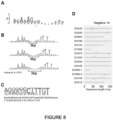
- motifs described herein may be present in one or more of the enhancers of the SSE (for example, see Figure 8E ). Therefore, in one embodiment, one or more of the enhancers comprise a sequence selected from: a SOX motif and/or a SOX dimer motif.
- each of the enhancer sequences within the synthetic super-enhancer comprises a SOX motif, such as a SOX2 motif. In one embodiment, each of the enhancer sequences within the synthetic super-enhancer comprises a SOX dimer motif.
- the synthetic super-enhancer is activated by SOX2, wherein the synthetic super-enhancer comprises four enhancer sequences derived from different genomic loci and wherein each of the enhancer sequences comprises at least one SOX dimer motif and/or at least one SOX dimer motif. In one embodiment, the synthetic super-enhancer is activated by SOX2, wherein the synthetic super-enhancer comprises four enhancer sequences derived from different genomic loci and wherein each of the enhancer sequences comprises at least one SOX2 motif. In one embodiment, the synthetic super-enhancer is activated by SOX2, wherein the synthetic super-enhancer comprises four enhancer sequences derived from different genomic loci and wherein each of the enhancer sequences comprises at least one SOX dimer motif.
- the one or more enhancer sequences comprise a sequence with at least 80% sequence identity to a sequence selected from the group consisting of SEQ ID NO: 4-63 (Table 1). In a further embodiment, the one or more enhancer sequences comprise a sequence with at least 80% sequence identity to a sequence selected from the group consisting of SEQ ID NO: 4-13 and 56-63. In a yet further embodiment, the one or more enhancer sequences have at least 85%, 90%, 95%, 97%, 99% sequence identity or are 100% identical to a sequence selected from the group consisting of SEQ ID NO: 4-63 (such as SEQ ID NO: 4-13 and 56-63).
- the enhancer sequences described herein i.e.
- Table 1 may be modified by at least one (such as less than 20, less than 10, less than 5) nucleotide substitution, deletion or addition, wherein the variant enhancer sequence substantially retains the functional characteristics of the sequence. It will be understood that variants of the enhancer sequences provided herein are still intended to retain the functional activity of the described enhancer sequences. For example, Example 4 shows that the described enhancer sequences had a more than 10-fold increase over mCMV when tested using the Nanoglo DLR assay. Therefore, the variant enhancer sequences included within this scope should not have an activity that is less than 75% of the activity of the starting sequence.
- the synthetic super-enhancer comprises one or more enhancer sequences presented in Table 1. Therefore, the SSE may comprise one or more enhancer sequences selected from the group consisting of SEQ ID NO: 4-63. Data is presented herein that shows arrangement of these enhancer sequences in multi-part arrays can increase transcriptional activity, without compromising cell specificity.
- the synthetic super-enhancer comprises between one and eight, between two and six, or between three and five enhancer sequences selected from the sequences presented in Table 1.
- the synthetic super-enhancer comprises four enhancer sequences selected from the sequences presented in Table 1.
- the SSE comprises one or more enhancer sequences selected from the group consisting of SEQ ID NO: 4-36. In an alternative embodiment, the SSE comprises one or more enhancer sequences selected from the group consisting of SEQ ID NO: 37-63, more preferably SEQ ID NO: 54-63.
- the SSE comprises one or more enhancer sequences selected from the group consisting of SEQ ID NO: 4-13 and 54-63.
- the SSE comprises four enhancer sequences selected from the group consisting of SEQ ID NO: 4-36, such as 4-13, in particular 4-8.
- the SSE comprises four enhancer sequences selected from the group consisting of SEQ ID NO: 37-63, preferably four enhancer sequences selected from the group consisting of SEQ ID NO: 54-63, more preferably four enhancer sequences selected from the group consisting of SEQ ID NO: 56-63.
- the SSE may comprise a sequence as described in Table 2.
- the synthetic super-enhancer comprises a sequence with at least 80% sequence identity to a sequence selected from the group consisting of SEQ ID NO: 64-80.
- the sequence has at least 85%, 90%, 95%, 97%, 99% sequence identity or is 100% identical to a sequence selected from the group consisting of SEQ ID NO: 64-80.
- the SSE comprises SEQ ID NO: 70. Variants of the sequences provided herein are still intended to retain the functional activity of the described SSE, i.e. transgene expression upon activation of the SSE by the transcription factor.
- Polypeptide or polynucleotide sequences are said to be the same as or "identical” to other polypeptide or polynucleotide sequences, if they share 100% sequence identity over their entire length. Residues in sequences are numbered from left to right, i.e. from N- to C-terminus for polypeptides; from 5' to 3' terminus for polynucleotides.
- a “difference" between sequences refers to an insertion, deletion or substitution of a single amino acid residue or nucleotide in a position of the second sequence, compared to the first sequence.
- Two polynucleotide sequences can contain one, two or more such nucleotide differences.
- Two polypeptide sequences can contain one, two or more such amino acid differences. Insertions, deletions or substitutions in a second sequence which is otherwise identical (100% sequence identity) to a first sequence result in reduced % sequence identity.
- the number of additions, substitutions and/or deletions made to the first sequence to produce the second sequence may be ascertained.
- An “addition” is the addition of one amino acid residue/nucleotide into the first sequence (including addition at either terminus of the first sequence).
- a “substitution” is the substitution of one amino acid residue/nucleotide in the first sequence with one different amino acid residue/nucleotide.
- a substitution may be conservative or non-conservative.
- a substitution may be synonymous or nonsynonymous.
- a “deletion” is the deletion of one amino acid residue/nucleotide from the first sequence (including deletion at either terminus of the first sequence).
- the synthetic super-enhancer additionally comprises a transcriptional regulator, i.e. a sequence (or sequence encoding a protein) that controls gene expression.
- a transcriptional regulator i.e. a sequence (or sequence encoding a protein) that controls gene expression.
- a synthetic super-enhancer activated by one or more transcription factors of the SOX family, wherein the synthetic super-enhancer comprises two or more enhancer sequences and at least one SOX motif and/or SOX dimer motif.
- a synthetic super-enhancer activated by SOX2 wherein the synthetic super-enhancer comprises four enhancer sequences derived from different genomic loci and wherein each of the enhancer sequences comprises at least one SOX motif and/or SOX dimer motif.
- the SSE may be present in a construct comprising additional elements forming a functional nucleic acid molecule. Therefore, according to a further aspect, there is provided a functional nucleic acid molecule comprising the synthetic super-enhancer as described herein, operably linked to a transgene.
- a functional nucleic acid molecule comprising a synthetic super-enhancer activated by one or more transcription factors expressed in a target aberrant cell and an adverse payload, wherein said payload is expressed upon activation of the synthetic super-enhancer by the transcription factor(s).
- the functional nucleic acid molecule may comprise additional components to the SSE and transgene.
- the synthetic super-enhancer may be operably linked to a promoter. Suitable promoters are known in the art.
- the promoter is a minimal CMV promoter.
- the SSE may not be operably linked to a promoter.
- the promoter operably linked to the super-enhancer is not a minimal CMV promoter.
- the SSEs may be used to enhance the expression of a transgene.
- the transgene may be an exogenous sequence for expression in a cell.
- the transgene is a sequence encoding a product which is useful in biology and medicine, such as a prophylactic or a therapeutic transgene, e.g. protein or non-protein encoding oligonucleotide. Therefore, the transgene may encode a therapeutic payload.
- the therapeutic payload may include: a therapeutic protein, such as an antigen, antibody, cytokine (e.g. to induce an immunogenic response), onco-suppressor protein (e.g. natural/unmutated p53), a differentiation factor (i.e.
- the transgene encodes a non-protein encoding oligonucleotide, such as an RNA (other than mRNA), for example miRNA, siRNA, shRNA or IncRNA. It will be understood that transgenes encoding non-coding RNAs may be used in methods of gene silencing.
- the functional nucleic acid molecule comprises one or more transgenes. Therefore, it will be understood to a person skilled in the art that different combinations of transgenes may be included.
- a method of expressing a transgene in a target cell which comprises expressing a transgene operatively linked to a synthetic super-enhancer as described herein wherein one or more of said transcription factors are expressed in the target cell.
- the transgene operably linked to the SSE may encode an adverse payload.
- the term "adverse payload” as used herein refers to a payload that has a negative impact upon the target cell.
- the negative impact may be, for example, a negative effect on the health or viability of the cell and/or the ability of the cell to divide.
- the adverse effect may be achieved directly (e.g. the transgene encodes a harmful substance to the cell, such as a proapoptotic gene or a suicide gene) or indirectly (e.g. the transgene encodes a substance that recruits an external factor that causes a harmful effect on the cell).
- the adverse payload may be used to stimulate an immune response having a negative impact upon the target cell. Such a response may, for example, alter the local immune microenvironment.
- the adverse payload encodes a protein that stimulates an immune response that leads to the activation of cytotoxic immune cells.
- the adverse payload is selected from: a chemokine, cytokine, antibody or other immune modulatory protein.
- the adverse payload is a pro-inflammatory cytokine, such as a cytokine selected from: IL-12, IL-10, IL-2, IFN- ⁇ and GM-CSF.
- the adverse payload may be a cytokine such as IL-12 which has been shown to have anticancer activity.
- IL-12 cause induction of IFN- ⁇ production by resting and activated CD4+ T cells, CD8+ T cells, and natural killer (NK) cells, as well as enhancing the proliferation of activated T and NK cells, increasing the lytic activity of NK/lymphokine-activated killer cells, and facilitating specific cytotoxic T lymphocyte (CTL) responses.
- CTL cytotoxic T lymphocyte
- IL-12 cannot be administered as a systemic treatment due to excessive toxicity, therefore a targeted therapy where expression only occurs within a target cell would enable the delivery of this payload.
- an “immune response” is a measurable change in at least one cell, or one cell-type, or one endocrine pathway, or one exocrine pathway, of the immune system (including but not limited to a cell-mediated response, a humoral response, a cytokine response, a chemokine response).
- an “immune cell” is defined as a cell of the immune system including, but not limited to, CD34+ cells, B-Cells, CD45+ (lymphocyte common antigen) cells, alpha-beta T-cells, cytotoxic T-cells, helper T-cells, plasma cells, neutrophils, monocytes, macrophages, dendritic cells, phagocytes, granulocytes, innate lymphoid cells, Natural Killer (NK) cells and gamma delta T-cells.
- immune cells are classified with the aid of combinatorial cell surface molecule analysis (e.g., via flow cytometry) to identify or group or cluster to differentiate immune cells into sub-populations.
- cytotoxic immune cell refers to immune cells that result in cell death, in particular cytotoxic T cells (also known as killer T cells).
- the adverse payload encodes a cytotoxic substance (i.e. a cytotoxic payload).
- the adverse payload is a suicide gene.
- Suicide genes are genes that express a protein that causes cell death.
- a suicide gene may require an externally supplied co-factor or co-drug (e.g. a prodrug) in order to work.
- the co-factor or co-drug may then be converted by the product of the suicide gene into a cytotoxic entity.
- the suicide gene encodes a protein capable of converting an inactive prodrug into a cytotoxic drug.
- the inactive prodrug may be administered concomitantly or sequentially to the functional nucleic acid molecule.
- the suicide gene is herpes simplex virus thymidine kinase (HSV-TK).
- HSV-TK herpes simplex virus thymidine kinase
- the HSV-TK gene is used in combination with the prodrug, ganciclovir (GCV) or an analogue thereof such as acyclovir and valacyclovir.
- the suicide gene is cytosine deaminase (CD).
- CD cytosine deaminase
- the CD gene is used in combination with the prodrug 5-fluorocytosine (5FC).
- the functional nucleic acid molecules described herein can be used to target a variety of cell types.
- the cell is a mammalian cell, such as a human cell.
- the disclosure may include the presence of an adverse payload, therefore is suited to target aberrant cells (i.e. an abnormal cell, such as a non-healthy cell).
- the aberrant cell may be a hyperproliferative cell, i.e. a cell with excessive, abnormal proliferation.
- the aberrant cell is a cancer cell or a neoplastic cell.
- the adverse payload may be an anti-cancer payload.
- SOX2 may also be amplified in other aberrant cells, particularly cancer cells, because it has been identified as an oncogene.
- other aberrant cells that may be targeted using methods of the disclosure include squamous cell carcinomas of the lung and oesophagus, as well as many others.
- the aberrant cell is a cancer cell selected from: a glioblastoma stem cell, a glioma cell, a lung cancer cell (in particular squamous lung cancer cell), an oesophageal cancer cell, an ovarian cancer cell, a breast cancer cell, an oral cancer cell (e.g. mouth, tongue, pharynx), a stomach cancer cell, a small intestine cancer cell, a colorectal cancer cell, a rectal cancer cell, a liver cancer cell, a bile duct cancer cell, a gall bladder cancer cell, a pancreatic cancer cell, a bone cancer cell (e.g.
- osteosarcoma a skin cancer cell, a uterine cancer cell, a prostate cancer cell, a testicular cancer cell, a bladder cancer cell, a kidney cancer cell, a retinal cancer cell, a thyroid cancer cell, a lymphoma cell, a myeloma cell or a leukaemia cell.
- the aberrant cell is a glioblastoma stem cell.
- Glioblastomas are an aggressive form of glioma that is driven by elevated levels/activity of master regulatory neural stem cell-associated transcription factors.
- Glioblastoma stem cells often have elevated expression or activity of key neurodevelopmental transcription factors, including SOX2, which is a key master regulator and reprogramming factor required for neural stem cell identity (Bulstrode et al. 2017, Gangemi et al. 2009, Guerra-Rebollo et al. 2019, Lopez-Bertoni et al. 2015, and MacLeod et al. 2019).
- the vector is a viral vector.
- Viral vectors particularly those used in gene therapy applications, are well known in the art. Such viruses may be RNA and DNA viruses with either single-stranded (ss) or double-stranded (ds) genomes.
- viral vectors include, but are not limited to, adenoviruses, adeno-associated viruses (AAV), alphaviruses, flaviviruses, herpes simplex viruses (HSV), measles viruses, rhabdoviruses, retroviruses, lentiviruses, Newcastle disease virus (NDV), poxviruses and picornaviruses. Insert capacity and tropism can vary, therefore a viral vector may be chosen based upon the intended application.
- AAV adeno-associated viruses
- HSV herpes simplex viruses
- NDV Newcastle disease virus
- Insert capacity and tropism can vary, therefore a viral vector may be chosen based upon the intended application.
- compositions comprising the functional nucleic acid molecules or vectors described herein.
- the composition may comprise components which enable delivery of said functional nucleic acid molecules by viral vectors (AAV, lentivirus and the like) and non-viral vectors (nanoparticles, lipid particles and the like).
- viral vectors AAV, lentivirus and the like
- non-viral vectors nanoparticles, lipid particles and the like.
- hematopoietic system e.g. lymphoma, myeloma, leukaemia, acute lymphocytic leukaemia, chronic lymphocytic leukaemia, acute myeloid leukaemia, chronic myeloid leukaemia.
- a method for treating glioblastoma comprising administering a functional nucleic acid molecule and an inactive prodrug to a patient,
- the inactive prodrug is administered concomitantly or sequentially to the functional nucleic acid molecule.
- This destination vector design encompassed: the reporter gene cassette Nanoluc-Ires-mNGreen-pA and a minimal CMV promoter (mCMV).
- mCMV minimal CMV promoter
- the bacterial suicide ccdB cassette was used, for selection and efficient cloning.
- CDV2 contained a ccdB cassette spanning the positions enabled assembly of up to four enhancers and spacers.
- CDV2 also contains PiggyBac transposase recognition sites flanking the whole cassette.
- We used a Gibson assembly to generate a scar free custom destination vector (Gibson et al. 2009).
- GSC SOX2r1 and SOX2r2 were overlapped with DGC SOX2_H3K27ac (a H3K27ac Chip-Seq in an SOX2 overexpressing DGCs). Additionally, shared H3K27ac peaks were also identified between the GSC cell lines to define putative enhancer sequences. These shared peaks were individually overlapped with GSC specific SOX2r1 and GSC specific SOX2r2. This safeguarded against the loss of any potentially important regions. The resulting shared peaks were then combined into one file and peaks closer than 100 base pairs (bp) were merged which also removed duplicates.
- GSCs were derived using NSC culture conditions previously reported by Pollard et al. Briefly, cells were expanded in serum and feeder free conditions in a neural basal media with N2 and B27 supplements. Cells were grown adherently by supplementing the culture media with Laminin-1. GSC7 has been characterised by Stricker et al. HEK293 cells were obtained from the ATCC cell bank. All other GSC lines and huFb170 were derived in the Pollard lab (unpublished) and are being characterised as part of the Glioma Cellular Genetics Resource (www.gcgr.org.uk).
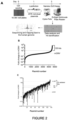
- This oligonucleotide pool was PCR-amplified (using limited cycles to reduce bias and 'jackpot' products meaning products which are easier to amplify will overtake the oligonucleotide pool) and cloned into the expression vector by an efficient Golden Gate reaction. 4579 individual plasmids were then randomly picked, isolated and plated as an arrayed plasmid DNA library on 96 well plates (x48). The bacterial colony picking and production of plasmid minipreps were supported by the Edinburgh Genome Foundry (S. Rosser). This library was then screened using the optimised Nanoglo DLR assay (Nano-Glo Dual-Luciferase Reporter Assay, Promega) in 384 well format. Each plate was transiently transfected together with PGK-FFLuc in a 1:10 ratio into GSC7 cells. 2 days later a Nanoglo DLR assay was performed and assayed on a plate reader.
- oligonucleotide pool was first amplified for 10 cycles with 0.25 ⁇ l (2.5 ng input) and 0.5 ⁇ l of this reaction were used for the following 15 cycle amplification, in order to reduce PCR bias.
- SPRI Solid Phase Reversible Immobilization
- the oligo was PCR-amplified using biotinylated primers.
- the PCR product was then SPRI purified to remove biotinylated primer dimers.
- These dsDNA fragments were incubated with nuclear extract from GSC7 and GSC328. They were then bound to streptavidin magnetic beads, washed three times and the frozen beads were sent for mass spectrometry analysis.
- Cell lines were cultured at 37°C in 5% CO 2 . Cells were grown on uncoated cell culture plastic dishes. Glioblastoma stem cell lines were grown under serum free condition using previously reported conditions (Pollard et al., 2009). For passaging cell lines were rinsed with PBS and detached using Accutase for GSC or 0.5% Trypsin/EDTA for huFb170 and HEK293, respectively. Cells were taken up in wash media and spun down at 300 xg for 3 min. They were resuspended in their respective growth media and replated. For cryo-preservation cells were resuspended in their growth media supplemented with 10% DMSO and stored at -80°C for short-term storage. For long-term preservation vials were transferred to liquid nitrogen containers.
- HEK293 cells were seeded at the specified density in the respective plate format. The next day GMEM, DNA and PEI (homemade) are mixed and incubated for 15 min at room temperature to allow for complex formation. The transfection mix is subsequently dropped on the cells and analysis was carried out two days later.
- This assay consists of two steps. The transfection was carried out using a normalisation plasmid PGK-Firefly-Luciferase (Promega, E5011) that was transfected in a 1/10 ratio with the plasmid of interest. First, the Firefly Luciferase activity is measured which allows to normalise to transfection efficiency. In a second step, the activity of Nanoluc is determined which is the readout of the plasmid of interest. Cells were washed 3x with PBS and 20 ⁇ l was left in the 96 well plate after the final wash (25 ⁇ l in 384 well). Oneglo buffer was added and the plate was shaken for 5 min at 480 rpm to allow cell lysis. 20 ⁇ l cell lysate in 96 well format or 25 ⁇ l cell lysate in 384 well format was then transferred into the corresponding opaque white plate and luminescence was measured at for 0.1 s per well using the Ensight Multimode Plate Reader.
- Nanoluc reaction in a 96 well format 2 ⁇ l cell lysate was transferred into an opaque white plate containing 40 ⁇ l PBS, and 20 ⁇ l Stopglo buffer, supplemented with substrate, was added to each well.
- 20 ⁇ l Stopglo buffer containing substrate were added on top of the undiluted cell lysate. The plate was shaken again for 5 min at 480 rpm to quench the firefly luciferase reaction and ensure good mixing. Nanoluc activity was measured for 0.1 s per well, again using Ensight Multimode Plate Reader.
- Nanoluc reaction was normalised to Firefly reaction to account for well-to-well variability of transfection efficiency. Normalised data were used to calculate the fold change to the empty vector control mCMV.
- Cells were washed twice with PBS and fixed in 4% PFA for 10 min. Cells were permeabilised with 0.1% Triton-100 in PBS (further referred to as PBST). They were blocked with blocking solution (1% BSA in PBST with 3% goat serum) and incubated with the primary antibody at 4°C overnight (Table 3). The next day cells were washed 3x in PBST and the respective secondary antibody was applied in blocking solution and incubated for 45-60 min at room temperature. Cells were washed with PBS and incubated for 5 min with a DAPI nuclear counterstain at 1 ⁇ g/ml final concentration. Images were acquired using the Nikon TiE Microscope and NIS elements software (Nikon).
- flow cytometry For flow cytometry, cells were detached, pelleted and resuspended in an appropriate volume of flow cytometry buffer (1% BSA in PBS, v/v). Cells were stained with Draq7 (Abcam, ab109202, f.c. 0.1 ⁇ M) as a live/dead stain and analysed using the BD LSRFortessa cell analyser (4 lasers, BD Bioscience). Analysis of flow cytometry data was carried out in the FlowJo Analysis software (FlowJo, version 10.6.2).
- qRT-PCR For qRT-PCR the TaqMan Universal PCR Master Mix (Applied Biosystems) and the TaqMan gene expression assays (Life Technologies) were used on a Quant Studio7 Flex Real-Time qPCR machine. RNA samples which did not undergo reverse transcription to assess DNA contamination and water controls were employed on every plate. Additionally, qRT-PCR was carried out in technical duplicates. Data analysis was performed using the ddCt method which assumes 100% PCR efficiency and is guaranteed with TaqMan assays. Briefly, the mean was calculated for technical replicates and normalised to the housekeeping gene GAPDH which yields the ddCt value. These values were further normalised to a calibrator sample (GSC7) to give the ddCt.
- GAC7 calibrator sample
- Vectors were designed and produced according to Martella et al. 2017. Briefly, for the domestication of a new part, Bsal and BsmBI sites were removed. The new part was PCR amplified using primers generating an overhang for the fusion sites and Bsal site. This ensured simple and efficient cloning into the part entry vector. All part entry vectors contain a red fluorescent protein (RFP) which is recombined with the to be cloned part, thus, increasing the cloning efficiency as only white colonies can contain the part.
- RFP red fluorescent protein
- To assemble an expression vectors all parts are mixed with the acceptor vector in an equimolar ratio. To increase cloning efficiency the acceptor vector contains the bacterial suicide cassette ccdB which is recombined with the part of the expression vector. Therefore, bacteria which take up the unmodified acceptor will not be able to make colonies.
- Cells were scraped in PBS and spun down at 0.3 g twice to remove all liquid. Cell pellets were resuspended in 70 ⁇ l of RIPA buffer (50 mM Tris-HCl pH 8.0, 150 mM NaCl, 1% NP-40, 0.5% deoxycholate, 0.1% SDS and protease inhibitor (Complete, Roche, 11697498001) and incubated for 5 min on ice. Lysates were centrifuged at 13000 rpm for 10 min at 4°C (centrifuge 5415D, Eppendorf). And the supernatant was collected in a new tube. Protein extracts were quantified using the Pierce BCA Protein Assay Kit (Thermo Scientific, Cat: 23225) according to the manufacturer's instructions.
- TBS-T 5% milk in TBS-T (TBS + 0.1% Tween-20) was used for membrane blocking for 1 hour at room temperature, followed by primary antibody incubation in 5% milk in TBS-T while rocking overnight (Table 4). The next morning, the membrane was washed three times with 5 min washed at room temperature in TBS-T and incubated with secondary antibody coupled to horseradish peroxidase in 5% milk in TBS-T at room temperature for 1 hour (Table 4).
- the membrane was washed three times for 5 min in TBS-T and developed using homemade enhanced chemiluminescence (ECL) solution or Clarity ECL Western Blotting substrate (Bio-Rad, Cat:170-5061) and imaged using X ray films or a Bio-Rad ChemiDoc TM Imager.
- ECL enhanced chemiluminescence
- Clarity ECL Western Blotting substrate Bio-Rad, Cat:170-5061
- Table 4 List of antibodies used in western blotting experiments Antibody Dilution Supplier/Catalogue number Primary antibodies Anti-SOX2 (rabbit) 1:1000 Abcam (ab92494) Anti-SOX9 (rabbit) 1:500 Millipore (ab5535) Anti-GAPDH (mouse) 1:10000 Ambion (AM4300) Secondary antibodies Anti-rabbit 1:5000 Novex (A16110) Anti- mouse 1:5000 Novex (A16027)
- the supernatant was discarded (cytosolic extract) and the pellet resuspended in 100 ⁇ l per 10 million cells in ice cold buffer B (20 mM HEPES pH 7.9, 5% glycerol, 1M NaCl, 1.5 mM MgCl 2 , 0.2 mM EDTA pH 8.0, 0.5 mM DTT, protease inhibitors (Complete, Roche, 11697498001)).
- the suspension was rotated for 30 minutes at 4°C and transferred into a dialysis membrane (SnakeSkin, Thermo Scientific, Cat 68100).
- Dialysis was carried out in 500 ml of dialysis buffer (20 mM HEPES pH 7.9, 5% glycerol, 100 mM KCI, 0.83 mM EDTA pH 8.0, 1.66 mM DTT, protease inhibitors (Complete, Roche, 11697498001)) for two hours at 4°C with rotation. Dialysis buffer was changed (500 ml) and the dialysis was continued overnight at 4°C. The extract was collected in an 1.5 ml tube and spun at maximum speed for 15 min at 4°C (centrifuge 5415D Eppendorf). The supernatant was collected into new 1.5 ml tubes and quantified (Pierce BCA Protein Assay Kit, Thermo Scientific, Cat 23225). 100 ⁇ g aliquots were flash frozen in liquid nitrogen and stored at -80°C.
- dialysis buffer 20 mM HEPES pH 7.9, 5% glycerol, 100 mM KCI, 0.83 mM EDTA pH 8.0,
- Enhancers were amplified with 5' biotinylated primers (Table 5) using PrimeStar Max (Takara) according to the manufacturer's instructions. Table 5: 5' Biotinylated primers for transcription factor pull down Primer number Sequence SEQ ID NO. Forward primer 595 TGATCCGTCTCgCCCTactaggttactggtgcatgc 81 Reverse primer 596 ACTAACGTCTCgGAGCacccaaactattggagcgag 82
- PCR purification using Agencourt AM Pure XP magnetic beads was carried out according to the manufacturer's instructions.
- PCR product quantification using Tapestation and reagents was carried out according to manufacturer's instructions.
- Streptavidin Magnetic Bead (NEB, S1420S) were used according to the manufacturer's instructions. Briefly, 10 ⁇ l beads were aliquoted into LoBind tubes and washed three times with binding buffer (20 mM Tris-HCl pH 7.5, 0.5 M NaCl, 1 mM EDTA) on the magnetic stand. 20 ⁇ l biotinylated DNA ( ⁇ 20 pmol) were mixed with 200 ⁇ l binding buffer and was added to the beads. The suspension was rotated at room temperature for 2 hours. The beads were washed again three times with binding buffer and 50 ⁇ g nuclear extract was added (total volume 50 ⁇ l).
- binding buffer 20 mM Tris-HCl pH 7.5, 0.5 M NaCl, 1 mM EDTA
- proteins were eluted in 20 ⁇ l loading buffer (lithium dodecyl sulfate (LDS) buffer containing 50 mM DTT) and boiled for 5 min to denature the proteins.
- LDS lithium dodecyl sulfate
- Zygotes were injected at the one-cell stage of development. Eggs were kept in 1.5% Agarose (Sigma) moulds as described by Nusslein-Volhard and Dahm 2002 for microinjection. Microinjection needles were pulled from glass capillaries (Harvard Apparatus, USA) using the P-97 Flaming/Brown Micropipette Puller (Sutter Instruments, USA). Needle pull parameters are as follows: Heat: 550; Pull: 200; Velocity: 55; Time: 150. Microinjection was performed on the PV820 Pneumatic PicoPump (World Precision Instruments [WPI], USA) system. DNA constructs were created using the Tol2Kit system (Kawakami 2007, Kwan et al. 2007).
- plasmid DNA (30 ng/ ⁇ L) containing Tol2 capped mRNA (20 ng/ ⁇ L), supplemented with 0.2% w/v phenol red (Sigma) to facilitate visualization of injected volume, were injected.
- Embryos were imaged at 24-48 hpf on a wide-field fluorescent microscope live following anaesthesia with Tricaine.
- AAV Adeno-associated virus
- HEK293 cells are seeded the day before the transfection into a 6 well plates so that on the day of transfection confluence would be at 60-70%.
- a media change is carried out as this media will be conditioned with virus over the for two days.
- the following days HEK293 or GSC7 cells are seeded at low density (10-20%) in the same or a smaller plate format (6 or 12 well plate).
- AAV-conditioned media is spun down at 1300 rpm for 4 min to remove contaminating cells and the supernatant is transferred to the HEK293 cells seeded at low density. Cells are analysed on the microscope or flow cytometry.
- Lyophilised GCV was diluted in DMSO to achieve 100mM stock concentration. GCV stocks were aliquoted and were stored at -20°C for no longer than 1 month. To make a working stock concentration, GCV was diluted 1:100 in appropriate culture media and then 20 ⁇ L of such working stock was added to wells already containing 80 ⁇ L of culture media (achieving another 1:5 dilution). Final concentration of GCV on cells was 200 ⁇ M.
- DMSO was diluted 1:100 in appropriate culture media to achieve working stock. 20 ⁇ L of working stock was added to wells already containing 80 ⁇ L culture media. As positive control, 20 ⁇ L of DMSO was added to wells with 80 ⁇ L of culture media, achieving final concentration of 20% DMSO.
- enhancers typically ⁇ 500-800bp
- GSC glioblastoma stem cell
- SSEs 'synthetic super-enhancers'
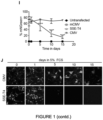
- G7 cells can be efficiently differentiated into an astrocyte-like cells following exposure to foetal calf serum (FCS) over a 10-15 day period.
- FCS foetal calf serum
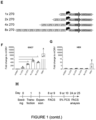
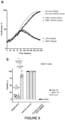
- GSCs G7 were therefore stably transfected with the SSE-T4 expression cassette (using the PiggyBac transposase system) and mNGreen+ cells sorted using fluorescence activated cell sorting (FACs). These were plated into 5% FCS the following day and mNGreen expression was measured every 5 days using flow cytometry over a 15 day time-course ( Figure 1H-J ).
- 160 bp was chosen as this provides sufficient size for nucleosome binding and is likely to be an important attribute in the evolution of the grammar within functional enhancers (Soufi et al. 2015). Moreover, 160 bp is a convenient size for synthesis of a pooled oligonucleotide library that incorporates 20 bp ends for subsequent construction of an arrayed plasmid library. We favoured an arrayed plasmid library constructed from synthetic oligonucleotides, over other pooled library screening strategies, such as STARR-seq (Muerdter et al. 2018, Arnold et al. 2013), as this ensures improved signal to noise and straightforward validation of hits.
- STARR-seq Muerdter et al. 2018, Arnold et al. 2013
- GSC7 cells were stably transfected using the Piggybac transposase system and sorted for mNGreen+ cells. A similar number of live cells was sorted for the mCMV and untransfected controls. Cells were then placed into media containing no growth factors but 5% FCS to induce astrocytic differentiation.
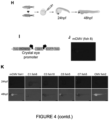
- Zebrafish are well-suited as an experimental model to explore the tissue specificity of enhancers.
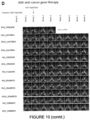
- We identified tissues which are shared between all constructs like ventral spinal cord expression, otic placode as well as midbrain/hindbrain and anterior forebrain. Some fragment had additional activity, such as the anterior/posterior intestine.
- We observed broad, unspecific expression of EGFP in the CMV control and no expression in the mCMV using the same assay ( Figure 4 ).
- the mCMV control exhibited green fluorescent eyes which is probably due to spurious transcription from the Crystal eye promoter ( Figure 4K ).
- EXAMPLE 8 - SSEs can be used in adeno-associated viruses to induce selective killing of GSCs
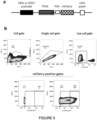
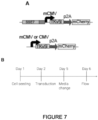
- GSC7 and huFB170 cell lines were transduced GSC7 and huFB170 cell lines with the adeno-associated virus 2 (AAV2) containing the suicide gene thymidine kinase (TK) derived from the Herpes simplex virus (HSV) in a polycistronic mRNA with the reporter gene mCherry joined by p2A.
- AAV2 adeno-associated virus 2
- TK thymidine kinase
- HSV Herpes simplex virus
- HSV-TK is a well-established prodrug which metabolises the non-cytotoxic prodrug ganciclovir (GCV) into a cytotoxic product by phosphorylation.
- GCV non-cytotoxic prodrug ganciclovir
- Phosphorylated GCV competes with dGTP as a substrate for polymerase thereby leading to interference of DNA synthesis causing premature termination and cytotoxicity.
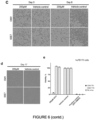
- MTT assay data demonstrates loss (or lack) of metabolic activity, which serves as an approximate readout for cell viability in GSC7 cells treated with CMV or SSE-7-driven TKv5-P2A-mCherry and GCV ( Figure 6B ).
- ganciclovir alone on GSC7 cell viability (89% viability).
- Live cell imaging confirmed these findings showing lower cell density and morphological changes linked to cellular stress, damage or death (rounded cells) after treatment ( Figure 6C ).
- both CMV and SSE-7 can drive expression of HSV-TK-v5-P2A-mCherry construct to a sufficient level in GSC7 cells to induce cell death in the presence of ganciclovir.
- EXAMPLE 9 - SSEs show activity in a range of GSCs
- Example 8 It is desirable for an SSE in a proposed gene therapy to be expressed highly across diverse patient-derived glioblastoma cell lines, but inactive in other cell types.
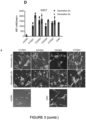
- the experiment described in Example 8 was repeated in five patient-derived glioblastoma cell lines (E17, E21, E28, E31, E34). These lines were selected for this experiment as they cover a spectrum of genetic and transcription GBM subtypes and have been shown to be tumour inducing in a mouse brain.
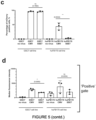
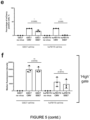
- SSE7 is active in all cell lines, but to different degrees: it is highly expressed and comparable to full-length CMV in the positive control cell line GSC7 ( Figure 7C );and E17 and E28 ( Figure 7C ), which both belong to the classical subtype, but has a lower frequency of expression in E21, E31 and E34 ( Figure 7C ).
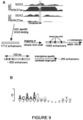
- this dimer motif is a general feature of the oligonucleotide pool of sequences and mapped it to the Top 52 hits (all sequences with a 10x fold change over mCMV) compared to unconfirmed hits of the validation and in 10 random sequences of the initial oligonucleotide pool.
- the motif is present at high frequency in the Top 32 hits and with lower frequency in the remaining Top 33-Top 52.
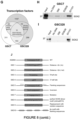
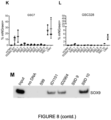
- EXAMPLE 11 A SOX dimeric motif is essential for the activity of ID2904 in GSCs and suggests cooperation of SOX2 and SOX9 at key GSC functional enhancers
- EXAMPLE 12 A SOX dimer motif helps to filter for active enhancers in silico
- An additional screen with 209 enhancers was carried out to identify further active enhancers.
- the enhancers were reduced to 160 bp based on their predicted motifs (termed minCSEs - see Table 1).
- 160 bp enhancer fragments were mixed from different target genes to cover pathways like proliferation, stemness or brain-enriched/brain-specific or glioma-enriched/glioma-specific predicted target genes based on data from the human protein atlas (https://www.proteinatlas.org/), to generate further SSEs for screening.
- TFs critical transcription factors
- associated enhancers Mapping of transcription factor binding sites, chromatin accessibility or enhancer-associated histone marks are widely used to search for critical transcription factors (TFs) and associated enhancers.
- TFs critical transcription factors
- associated enhancers bind rather promiscuously, and the functional enhancers represent only a minor subset.
- combining an array of functional enhancer sequences can lead to the formation of synthetic super-enhancers.
- SSEs synergistic increases of transcriptional activation without sacrificing cell type selectivity.
- Our data therefore support that individual enhancers can be combined to create synthetic super-enhancers that retain selectivity, yet are extremely strong at driving transcription.
Landscapes
- Health & Medical Sciences (AREA)
- Life Sciences & Earth Sciences (AREA)
- Chemical & Material Sciences (AREA)
- Genetics & Genomics (AREA)
- Organic Chemistry (AREA)
- Engineering & Computer Science (AREA)
- Zoology (AREA)
- General Health & Medical Sciences (AREA)
- Molecular Biology (AREA)
- Bioinformatics & Cheminformatics (AREA)
- Wood Science & Technology (AREA)
- Biochemistry (AREA)
- General Engineering & Computer Science (AREA)
- Biotechnology (AREA)
- Biomedical Technology (AREA)
- Medicinal Chemistry (AREA)
- Biophysics (AREA)
- Microbiology (AREA)
- Physics & Mathematics (AREA)
- Toxicology (AREA)
- Gastroenterology & Hepatology (AREA)
- Plant Pathology (AREA)
- Proteomics, Peptides & Aminoacids (AREA)
- Pharmacology & Pharmacy (AREA)
- Virology (AREA)
- Animal Behavior & Ethology (AREA)
- Public Health (AREA)
- Veterinary Medicine (AREA)
- Nuclear Medicine, Radiotherapy & Molecular Imaging (AREA)
- General Chemical & Material Sciences (AREA)
- Epidemiology (AREA)
- Chemical Kinetics & Catalysis (AREA)
- Micro-Organisms Or Cultivation Processes Thereof (AREA)
- Medicines That Contain Protein Lipid Enzymes And Other Medicines (AREA)
- Preparation Of Compounds By Using Micro-Organisms (AREA)
- Saccharide Compounds (AREA)
- Medicines Containing Material From Animals Or Micro-Organisms (AREA)
- Pharmaceuticals Containing Other Organic And Inorganic Compounds (AREA)
- Medicinal Preparation (AREA)
Applications Claiming Priority (3)
| Application Number | Priority Date | Filing Date | Title |
|---|---|---|---|
| EP21153875.6A EP4036238A1 (de) | 2021-01-27 | 2021-01-27 | Funktionelles nukleinsäuremolekül und verfahren |
| PCT/GB2022/050206 WO2022162361A1 (en) | 2021-01-27 | 2022-01-26 | Functional nucleic acid molecule and method |
| EP22703431.1A EP4284935A1 (de) | 2021-01-27 | 2022-01-26 | Funktionelles nukleinsäuremolekül und verfahren |
Related Parent Applications (1)
| Application Number | Title | Priority Date | Filing Date |
|---|---|---|---|
| EP22703431.1A Division EP4284935A1 (de) | 2021-01-27 | 2022-01-26 | Funktionelles nukleinsäuremolekül und verfahren |
Publications (2)
| Publication Number | Publication Date |
|---|---|
| EP4582541A2 true EP4582541A2 (de) | 2025-07-09 |
| EP4582541A3 EP4582541A3 (de) | 2025-10-22 |
Family
ID=74346875
Family Applications (3)
| Application Number | Title | Priority Date | Filing Date |
|---|---|---|---|
| EP21153875.6A Withdrawn EP4036238A1 (de) | 2021-01-27 | 2021-01-27 | Funktionelles nukleinsäuremolekül und verfahren |
| EP22703431.1A Pending EP4284935A1 (de) | 2021-01-27 | 2022-01-26 | Funktionelles nukleinsäuremolekül und verfahren |
| EP25165144.4A Pending EP4582541A3 (de) | 2021-01-27 | 2022-01-26 | Funktionelles nukleinsäuremolekül und verfahren |
Family Applications Before (2)
| Application Number | Title | Priority Date | Filing Date |
|---|---|---|---|
| EP21153875.6A Withdrawn EP4036238A1 (de) | 2021-01-27 | 2021-01-27 | Funktionelles nukleinsäuremolekül und verfahren |
| EP22703431.1A Pending EP4284935A1 (de) | 2021-01-27 | 2022-01-26 | Funktionelles nukleinsäuremolekül und verfahren |
Country Status (9)
| Country | Link |
|---|---|
| US (1) | US20240092847A1 (de) |
| EP (3) | EP4036238A1 (de) |
| JP (1) | JP2024504412A (de) |
| KR (1) | KR20230137399A (de) |
| CN (1) | CN116867901A (de) |
| AU (1) | AU2022212766A1 (de) |
| BR (1) | BR112023014906A2 (de) |
| CA (1) | CA3206298A1 (de) |
| WO (1) | WO2022162361A1 (de) |
Families Citing this family (3)
| Publication number | Priority date | Publication date | Assignee | Title |
|---|---|---|---|---|
| GB202211123D0 (en) * | 2022-07-29 | 2022-09-14 | Univ Edinburgh | Cancer treatment |
| CN116286991B (zh) * | 2023-02-10 | 2023-10-13 | 中国农业科学院农业基因组研究所 | 全基因组增强子筛选系统、筛选方法及应用 |
| WO2024230801A1 (en) * | 2023-05-11 | 2024-11-14 | Sichuan Real & Best Biotech Co., Ltd. | Engineered liver-specific enhancers and their applications |
Citations (4)
| Publication number | Priority date | Publication date | Assignee | Title |
|---|---|---|---|---|
| WO2012101191A1 (en) | 2011-01-25 | 2012-08-02 | Synpromics Ltd | Method for the construction of specific promoters |
| WO2014066848A1 (en) | 2012-10-25 | 2014-05-01 | Whitehead Institute For Biomedical Research | Super-enhancers and methods of use thereof |
| US20140296218A1 (en) | 2012-10-25 | 2014-10-02 | Whitehead Institute For Biomedical Research | Super-enhancers and methods of use thereof |
| WO2017155973A1 (en) | 2016-03-07 | 2017-09-14 | University Of Iowa Research Foundation | Aav-mediated expression using a synthetic promoter and enhancer |
Family Cites Families (9)
| Publication number | Priority date | Publication date | Assignee | Title |
|---|---|---|---|---|
| DE60231975D1 (de) * | 2001-05-24 | 2009-05-28 | Genzyme Corp | Muskelspezifische expressionsvektoren |
| JPWO2005054467A1 (ja) * | 2003-12-03 | 2007-12-06 | 中外製薬株式会社 | 哺乳類βアクチンプロモーターを利用した発現系 |
| CA2621155A1 (en) * | 2008-02-29 | 2009-08-29 | James Ellis | Stem cell expression cassettes |
| BRPI0913475B8 (pt) * | 2008-09-15 | 2019-05-07 | Genentech Inc | vetor |
| US9493776B2 (en) * | 2009-11-19 | 2016-11-15 | National University Corporation Okayama University | System for increasing gene expression and vector comprising the system |
| CN104411827B (zh) * | 2012-02-29 | 2018-01-02 | 陶氏益农公司 | 甘蔗杆状病毒(scbv)增强子及其在植物功能基因组学中的用途 |
| CN113747926A (zh) * | 2019-04-08 | 2021-12-03 | 吉尼松公司 | 用于肌肉表达的杂合启动子 |
| TWI799733B (zh) * | 2019-08-26 | 2023-04-21 | 臺北榮民總醫院 | 一種從體細胞製備誘導性多能幹細胞之方法 |
| CN110938698A (zh) * | 2019-12-27 | 2020-03-31 | 南京医科大学 | Sox9在预测三阴性乳腺癌对CDK7抑制剂THZ1敏感性中的应用 |
-
2021
- 2021-01-27 EP EP21153875.6A patent/EP4036238A1/de not_active Withdrawn
-
2022
- 2022-01-26 EP EP22703431.1A patent/EP4284935A1/de active Pending
- 2022-01-26 US US18/274,306 patent/US20240092847A1/en active Pending
- 2022-01-26 JP JP2023544676A patent/JP2024504412A/ja active Pending
- 2022-01-26 KR KR1020237029045A patent/KR20230137399A/ko active Pending
- 2022-01-26 AU AU2022212766A patent/AU2022212766A1/en active Pending
- 2022-01-26 BR BR112023014906A patent/BR112023014906A2/pt unknown
- 2022-01-26 CA CA3206298A patent/CA3206298A1/en active Pending
- 2022-01-26 WO PCT/GB2022/050206 patent/WO2022162361A1/en not_active Ceased
- 2022-01-26 CN CN202280011408.1A patent/CN116867901A/zh active Pending
- 2022-01-26 EP EP25165144.4A patent/EP4582541A3/de active Pending
Patent Citations (5)
| Publication number | Priority date | Publication date | Assignee | Title |
|---|---|---|---|---|
| WO2012101191A1 (en) | 2011-01-25 | 2012-08-02 | Synpromics Ltd | Method for the construction of specific promoters |
| WO2014066848A1 (en) | 2012-10-25 | 2014-05-01 | Whitehead Institute For Biomedical Research | Super-enhancers and methods of use thereof |
| US20140287932A1 (en) | 2012-10-25 | 2014-09-25 | Whitehead Institute For Biomedical Research | Super-enhancers and methods of use thereof |
| US20140296218A1 (en) | 2012-10-25 | 2014-10-02 | Whitehead Institute For Biomedical Research | Super-enhancers and methods of use thereof |
| WO2017155973A1 (en) | 2016-03-07 | 2017-09-14 | University Of Iowa Research Foundation | Aav-mediated expression using a synthetic promoter and enhancer |
Non-Patent Citations (29)
| Title |
|---|
| ARNOLD ET AL.: "Genome-wide quantitative enhancer activity maps identified by STARR-seq", SCIENCE, vol. 339, no. 6123, 2013, pages 1074 - 1077, XP002712625, DOI: 10.1126/science.1232542 |
| BAILEY ET AL.: "MEME Suite: Tools for Motif Discovery and Searching", NUCLEIC ACIDS RESEARCH, vol. 37, 2009, pages 202 - 8 |
| BOUMAHDI ET AL.: "SOX2 controls tumour initiation and cancer stem-cell functions in squamous-cell carcinoma", NATURE, vol. 511, no. 7508, 2014, pages 246 - 50, XP037438211, DOI: 10.1038/nature13305 |
| BULSTRODE ET AL.: "Elevated FOXG1 and SOX2 in Glioblastoma Enforces Neural Stem Cell Identity through Transcriptional Control of Cell Cycle and Epigenetic Regulators", GENES & DEVELOPMENT, vol. 31, no. 8, 2017, pages 757 - 73 |
| CORISHTYLER-SMITH: "Attenuation of Green Fluorescent Protein Half-Life in Mammalian Cells", PROTEIN ENGINEERING, vol. 12, no. 12, 1999, pages 1035 - 40, XP002378153 |
| D. K. SINGH ET AL.: "Oncogenes Activate an Autonomous Transcriptional Regulatory Circuit That Drives Glioblastoma", CELL REPORTS, vol. 18, no. 4, 2017, pages 961 - 76 |
| FARLEY ET AL.: "Suboptimization of Developmental Enhancers", SCIENCE, vol. 350, no. 6258, 2015, pages 325 - 28 |
| GANGEMI ET AL.: "SOX2 Silencing in Glioblastoma Tumor-Initiating Cells Causes Stop of Proliferation and Loss of Tumorigenicity", STEM CELLS, vol. 27, no. 1, 2009, pages 40 - 48, XP055032073, DOI: 10.1634/stemcells.2008-0493 |
| GIBSON ET AL.: "Enzymatic Assembly of DNA Molecules up to Several Hundred Kilobases", NATURE METHODS, vol. 6, no. 5, 2009, pages 343 - 45, XP055224105, DOI: 10.1038/nmeth.1318 |
| GUERRA-REBOLLO ET AL.: "Targeting of Replicating CD133 and OCT4/SOX2 Expressing Glioma Stem Cells Selects a Cell Population That Reinitiates Tumors upon Release of Therapeutic Pressure", SCIENTIFIC REPORTS, vol. 9, no. 1, 2019, pages 9549 |
| HUANG ET AL.: "SOXE Transcription Factors Form Selective Dimers on Non-Compact DNA Motifs through Multifaceted Interactions between Dimerization and High-Mobility Group Domains", SCIENTIFIC REPORTS, vol. 5, January 2015 (2015-01-01), pages 1 - 12 |
| JOLMA ET AL.: "Multiplexed Massively Parallel SELEX for Characterization of Human Transcription Factor Binding Specificities", GENOME RESEARCH, vol. 20, no. 6, 2013, pages 861 - 73, XP055074906, DOI: 10.1101/gr.100552.109 |
| KARLSSONVON HOFSTENOLSSON: "Generating Transparent Zebrafish: A Refined Method to Improve Detection of Gene Expression during Embryonic Development", MARINE BIOTECHNOLOGY, vol. 3, no. 6, 2001, pages 522 - 27 |
| KAWAKAMI: "Tol2: A Versatile Gene Transfer Vector in Vertebrates", GENOME BIOLOGY, vol. 8, 2007, pages 1 - 10 |
| KWAN ET AL.: "The Tol2kit: A Multisite Gateway-Based Construction Kit for Tol2 Transposon Transgenesis Constructs", DEVELOPMENTAL DYNAMICS, vol. 236, no. 11, 2007, pages 3088 - 99, XP008094309, DOI: 10.1002/dvdy.21343 |
| LOPEZ-BERTONI ET AL.: "DNMT-Dependent Suppression of MicroRNA Regulates the Induction of GBM Tumor-Propagating Phenotype by Oct4 and Sox2", ONCOGENE, vol. 34, no. 30, 2015, pages 3994 - 4004, XP037749332, DOI: 10.1038/onc.2014.334 |
| LUJAN ET AL.: "Direct Conversion of Mouse Fibroblasts to Self-Renewing, Tripotent Neural Precursor Cells", PNAS, vol. 109, no. 7, 2012, pages 2527 - 32, XP002679170, DOI: 10.1073/PNAS.1121003109 |
| MACLEOD ET AL.: "Genome-Wide CRISPR-Cas9 Screens Expose Genetic Vulnerabilities and Mechanisms of Temozolomide Sensitivity in Glioblastoma Stem Cells", CELL REPORTS, vol. 27, no. 3, 2019, pages 971 - 986 |
| MARTELLA ET AL.: "EMMA: An Extensible Mammalian Modular Assembly Toolkit for the Rapid Design and Production of Diverse Expression Vectors", ACS SYNTHETIC BIOLOGY, vol. 6, no. 7, 2017, pages 1380 - 92 |
| MCLEAN ET AL.: "GREAT Improves Functional Interpretation of Cis-Regulatory Regions", NATURE BIOTECHNOLOGY, vol. 28, no. 5, 2010, pages 495 - 501 |
| MUERDTER ET AL.: "Resolving Systematic Errors in Widely Used Enhancer Activity Assays in Human Cells", NATURE METHODS, vol. 15, no. 2, 2018, pages 141 - 49 |
| NUSSLEIN-VOLHARDDAHM: "Zebrafish: a practical approach", 2002, OXFORD UNIVERSITY PRESS, pages: 303 |
| POLLARD ET AL.: "Glioma stem cell lines expanded in adherent culture have tumor-specific phenotypes and are suitable for chemical and genetic screens", CELL STEM CELL, vol. 4, no. 6, 2009, pages 568 - 80, XP002665238, DOI: 10.1016/j.stem.2009.03.014 |
| QUINLANHALL: "BEDTools: A Flexible Suite of Utilities for Comparing Genomic Features", BIOINFORMATICS, vol. 26, no. 6, 2010, pages 841 - 42, XP055307411, DOI: 10.1093/bioinformatics/btq033 |
| S. K. SINGH ET AL.: "Identification of Human Brain Tumour Initiating Cells", NATURE, vol. 432, no. 7015, 2004, pages 396 - 401, XP002467853, DOI: 10.1038/nature03128 |
| SOUFI ET AL.: "Pioneer Transcription Factors Target Partial DNA Motifs on Nucleosomes to Initiate Reprogramming", CELL, vol. 161, no. 3, 2015, pages 555 - 68 |
| STOTHARD: "Internet On-Ramp", BIOTECHNIQUES, vol. 28, no. 6, 2000, pages 1102 - 4 |
| STRICKER ET AL.: "Widespread resetting of DNA methylation in glioblastoma-initiating cells suppresses malignant cellular behavior in a lineage-dependent manner", GENES DEV., vol. 27, no. 6, 2013, pages 654 - 69 |
| SUVÀ ET AL.: "Reconstructing and Reprogramming the Tumor-Propagating Potential of Glioblastoma Stem-like Cells", CELL, vol. 157, no. 3, 2014, pages 580 - 94, XP055579861, DOI: 10.1016/j.cell.2014.02.030 |
Also Published As
| Publication number | Publication date |
|---|---|
| US20240092847A1 (en) | 2024-03-21 |
| KR20230137399A (ko) | 2023-10-04 |
| EP4036238A1 (de) | 2022-08-03 |
| EP4582541A3 (de) | 2025-10-22 |
| BR112023014906A2 (pt) | 2023-10-31 |
| AU2022212766A1 (en) | 2023-08-24 |
| EP4284935A1 (de) | 2023-12-06 |
| JP2024504412A (ja) | 2024-01-31 |
| CN116867901A (zh) | 2023-10-10 |
| CA3206298A1 (en) | 2022-08-04 |
| AU2022212766A9 (en) | 2024-09-19 |
| WO2022162361A1 (en) | 2022-08-04 |
Similar Documents
| Publication | Publication Date | Title |
|---|---|---|
| Lv et al. | lncMGPF is a novel positive regulator of muscle growth and regeneration | |
| Ding et al. | Tex10 coordinates epigenetic control of super-enhancer activity in pluripotency and reprogramming | |
| EP4582541A2 (de) | Funktionelles nukleinsäuremolekül und verfahren | |
| JP2023538964A (ja) | 真核生物ゲノム工学のための合成小型crispr-cas(casmini)システム | |
| EP3808844A1 (de) | Induzierbare dns-bindende proteine und genomperturbationswerkzeuge und deren anwendungen | |
| CN114555805A (zh) | 用于鉴定细胞类型命运特化的调控物的组合物和方法 | |
| JP2018505219A (ja) | エピゲノム編集のための組成物および方法 | |
| US20240100185A1 (en) | Compositions and methods for the targeting of ptbp1 | |
| WO2023051734A1 (en) | Engineered crispr-cas13f system and uses thereof | |
| EP3302522B1 (de) | Mittel und verfahren zur behandlung von fazioskapulohumeraler muskeldystrophie (fshd) | |
| WO2024023530A1 (en) | Functional nucleic acid molecule and method | |
| CN119343448A (zh) | 一种非ltr逆转录转座子系统及其用途 | |
| US20240309347A1 (en) | Fusion Proteins for CRISPR-based Transcriptional Repression | |
| Chesnokova et al. | Regulatory Elements for Gene Therapy of Epilepsy | |
| US12359255B2 (en) | Method for determining decrease in functions of hippocampus by using correlation between micro RNA and NMDA receptor, method for inhibiting decrease in functions, and method for screening for inhibitors of decrease in functions | |
| US20250327077A1 (en) | Antisense modulation of setbp1 expression | |
| US20250320483A1 (en) | Systems and methods for gene insertions | |
| Yamamoto et al. | Engineering of AAV-Mediated in Vivo Targeted DNA Methylation Editing System via Staphylococcus Aureus Derived Cas9-SunTag | |
| WO2023086026A2 (en) | Method and composition for inhibiting telomerase activity | |
| Rohm | CRISPR/dCas9-Based Tools for Epigenome Editing | |
| Barenghi et al. | Iterative engineering of a compact Cas9 ortholog for in vivo gene editing via single AAV delivery | |
| Shah | Human neuronal LUHMES cell line as a model system for studying Rett syndrome | |
| JP2026058344A (ja) | 細胞型運命指定の調節因子を同定するための組成物および方法 | |
| Pal | Studies on LncRNA Mrhl in mouse embryonic stem cells and neuronal lineage development | |
| Fontana | SWITCH TO THE L ISOFORM OF THE MAP/MICROTUBULE AFFINITY-REGULATING KINASE 4 (MARK4) GENE, MAINLY EXPRESSED IN HUMAN GLIOMA, VIA PRE-MRNA ALTERNATIVE SPLICING MODULATED BY POLYPYRIMIDINE TRACT-BINDING PROTEIN (PTB) |
Legal Events
| Date | Code | Title | Description |
|---|---|---|---|
| PUAI | Public reference made under article 153(3) epc to a published international application that has entered the european phase |
Free format text: ORIGINAL CODE: 0009012 |
|
| STAA | Information on the status of an ep patent application or granted ep patent |
Free format text: STATUS: REQUEST FOR EXAMINATION WAS MADE |
|
| 17P | Request for examination filed |
Effective date: 20250320 |
|
| AC | Divisional application: reference to earlier application |
Ref document number: 4284935 Country of ref document: EP Kind code of ref document: P |
|
| AK | Designated contracting states |
Kind code of ref document: A2 Designated state(s): AL AT BE BG CH CY CZ DE DK EE ES FI FR GB GR HR HU IE IS IT LI LT LU LV MC MK MT NL NO PL PT RO RS SE SI SK SM TR |
|
| REG | Reference to a national code |
Ref country code: DE Ref legal event code: R079 Free format text: PREVIOUS MAIN CLASS: C12N0015100000 Ipc: C12N0015850000 |
|
| PUAL | Search report despatched |
Free format text: ORIGINAL CODE: 0009013 |
|
| AK | Designated contracting states |
Kind code of ref document: A3 Designated state(s): AL AT BE BG CH CY CZ DE DK EE ES FI FR GB GR HR HU IE IS IT LI LT LU LV MC MK MT NL NO PL PT RO RS SE SI SK SM TR |
|
| RIC1 | Information provided on ipc code assigned before grant |
Ipc: C12N 15/85 20060101AFI20250916BHEP Ipc: C12N 15/861 20060101ALI20250916BHEP Ipc: C12N 15/10 20060101ALI20250916BHEP Ipc: C12N 15/63 20060101ALI20250916BHEP |
|
| REG | Reference to a national code |
Ref country code: HK Ref legal event code: DE Ref document number: 40125450 Country of ref document: HK |